
World
Austria has unveiled plans to enhance its air defenses by incorporating long-range air defense missiles into its armed forces, beginning in 2027, as announced by the country government in a press conference held in Vienna on November 15. This strategic decision aligns with Austria recent participation in the German-led European Sky Shield Initiative, which seeks to establish integrated and interoperable air defenses across 19 European nations.The Austrian defense ministry aims to finalize a procurement contract by the end of 2026, with Defense Minister Klaudia Tanner emphasizing the presentation of a draft law to parliament to prevent deferral to the next government, given the upcoming legislative elections in the country. Tanner identified two potential weapon systems during the press conference, with the American-made Patriot system and the American-Israeli Arrow 3 emerging as prime candidates.In a phone interview, an Austrian military spokesperson emphasized the early stage of the decision-making process, refraining from expressing a preference and highlighting the ongoing deliberations that may extend over the coming days, weeks, or even years.Despite inquiries during the press conference, neither Tanner nor the ministry spokesperson disclosed a specific price range for the planned procurement. Notably, discussions on the matter are underway with European partners, primarily Germany, according to statements from the defense minister.Austria commitment to the Sky Shield initiative drew criticism domestically, with concerns raised about the impact on the country neutrality. Chancellor Karl Nehammer, however, asserted that Vienna would retain the final decision on engaging objects in Austria airspace, emphasizing that participation in the initiative and the procurement of long-range air defense systems would not compromise Austria "military neutrality" but enhance its defensive capabilities.Motivated by the Russian invasion of Ukraine, Austria has significantly increased funding and procurement for its armed forces, aiming to nearly double annual defense spending to €5.25 billion by 2027 from €2.7 billion in the previous year. This renewed commitment includes the purchase of the German-made Iris-T air defense system for the short-range segment of the Sky Shield scheme.It is noteworthy that until 1990, Austria, under its 1955 state treaty with Allied occupying powers, was restricted from possessing weapons with a range exceeding 30 kilometers. Currently, Austria ground-based air defenses are limited to "shortest-range" systems, such as MISTRAL missiles and 35mm anti-aircraft cannons, according to information available on the armed forces website.
Read More → Posted on 2023-11-16 14:33:03
World
In May 2022, Voyager 1 encountered a challenge as it began transmitting distorted data back to Earth. Engineers at NASA Jet Propulsion Laboratory (JPL) identified the issue as a software glitch in the probe attitude articulation and control system (AACS), responsible for maintaining the proper alignment of the probe antenna with Earth.Responding to this anomaly, JPL engineers devised a software patch to rectify the glitch. The corrective patch was initiated in October 2022 and took 18 hours to traverse the vast distance to Voyager 1, successfully completing installation on November 18, 2022. Consequently, Voyager 1 has resumed normal data transmission.Beyond addressing the software glitch on Voyager 1, JPL engineers are actively developing additional software updates. These updates aim to prevent the accumulation of debris in the thrusters of both Voyager probes and are scheduled for transmission in early 2024. The successful installation of a software update for NASA Voyager 2 probe marked another achievement, occurring on October 25, 2023. The update, transmitted from Earth on October 20, 2023, also required 18 hours to reach Voyager 2, ensuring the probe continued operational success. The capability to send software updates over a distance of more than 12 billion miles to the Voyager probes underscores the ingenuity of NASA engineers. It further emphasizes the enduring functionality of the Voyager probes, which have surpassed 46 years in service. As the farthest human-made objects from Earth, Voyager 1 currently explores interstellar space, while Voyager 2 is anticipated to reach interstellar space in 2025. Both probes persist in delivering valuable scientific data, enhancing our understanding of the outer solar system and interstellar space. The recent software updates, transmitted from Earth to the Voyager probes through the Deep Space Network—an intricate system of global radio antennas dedicated to communicating with NASA deep space probes—attest to the resourcefulness and commitment of NASA engineers. This achievement not only demonstrates the successful resolution of technical challenges but also highlights the ongoing potential for communication with spacecraft, even when situated billions of miles away. The Voyager probes, as humanity most distant technological emissaries, continue to enrich our knowledge of interstellar space and are anticipated to remain operational for several more years, providing an unprecedented perspective into the depths of our cosmic surroundings.
Read More → Posted on 2023-11-14 16:11:43
World
The Acquisition and Technology & Logistics Agency (ATLA) of the Japanese Ministry of Defense made a groundbreaking announcement via video clip, revealing the successful completion of the world first shipboard firing test of a railgun. This milestone test, conducted in collaboration with the Japan Maritime Self-Defense Force on October 17, 2023, involved mounting the railgun prototype on an offshore platform, from which it discharged an unspecified number of rounds into the ocean.While specific performance details are yet to be disclosed by ATLA, it is widely speculated that the railgun achieved projectile speeds exceeding Mach 6. This technological advancement aligns with Japan Defense Buildup Program, sanctioned by the National Security Council and Cabinet in December 2022. The program emphasizes ongoing research into railguns to enhance the capability of intercepting diverse airborne threats, particularly hypersonic missiles.ATLA emphasizes the utility of the railgun in safeguarding vessels against both surface and air threats. The organization initiated its exploration of railgun technology in 2016, dedicating 1 billion yen from fiscal year 2016 to 2022 for research and development of the electromagnetic railgun weapon system. The first railgun prototype, weighing 8 tons with a 6-meter cannon barrel, is a testament to these efforts.In 2018, Japan defense ministry released a video showcasing a 40mm-caliber developmental electromagnetic railgun and associated support and test equipment. According to ATLA, this railgun prototype successfully propelled a projectile at speeds of 2,297 m/s during trials, equivalent to Mach 6.5.This achievement marks a significant stride in railgun technology, with these electromagnetic weapons utilizing electricity to propel projectiles at hypersonic velocities. Railguns, surpassing traditional cannons in speed and range, hold transformative potential in naval warfare.Reflecting the strategic importance of this innovation, the Japanese Ministry of Defense allocated 6.5 billion yen in fiscal year 2022 and 16 billion yen in fiscal year 2023 for ongoing research on railguns capable of firing projectiles at high initial velocities to counter various aerial threats. In August 2023, a budget request of 23.8 billion yen for fiscal year 2024 further underscores the commitment to advancing railgun research.ATLA outlines plans to continue testing the railgun, aiming to evolve it into a practical weapon system for the Japan Maritime Self-Defense Force. The agency also expresses interest in international collaboration for further railgun development. This successful shipboard test positions Japan as a frontrunner in the realm of railgun technology, showcasing its potential to revolutionize naval warfare on a global scale.
Read More → Posted on 2023-11-14 15:47:18
World
Pakistan conducted a successful test launch of the Ababeel missile, showcasing its capability to carry multiple warheads for striking diverse targets.This recent test, undertaken on Wednesday, aimed to reaffirm the design, technical parameters, and performance evaluation of various sub-systems, contributing to the reinforcement of deterrence and strategic stability in the region, as stated by the Inter Services Public Relations Pakistan, the military media branch. The Strategic Plans Division, responsible for Pakistan nuclear deterrent, did not provide information in response to Defense News inquiry about the test.Initially tested on January 24, 2017, the Ababeel missile, with a range of 2,200 kilometers (1,367 miles), was developed to ensure the survivability of Pakistan ballistic missiles in a region where state actors are advancing countermeasures. Mansoor Ahmed, an expert on Pakistan nuclear program, suggested that the extended gap between tests likely resulted from efforts to enhance technical and performance parameters. Ahmed, now affiliated with the Australian National University, emphasized that the Ababeel missile represents a significant engineering milestone for Pakistan nuclear triad and a major breakthrough in bolstering the survivability of land-based strategic forces against potential preemptive strikes.Naeem Salik, a former Pakistan Army officer and executive director at the Strategic Vision Institute think tank, highlighted that the Ababeel enhances Pakistan targeting capabilities by enabling engagement with multiple targets simultaneously. This, according to Salik, not only provides a cost-effective solution but also complicates India ballistic missile defense efforts, aligning well with the concept of full-spectrum deterrence by offering the ability to strike from a diverse array of targets.
Read More → Posted on 2023-10-22 17:59:44Search
Top Trending in 24 Hours
-
 First Satellite of Russia's Rassvet Broadband Constellation Reenters Atmosphere After Less Than Three Months in Orbit
-
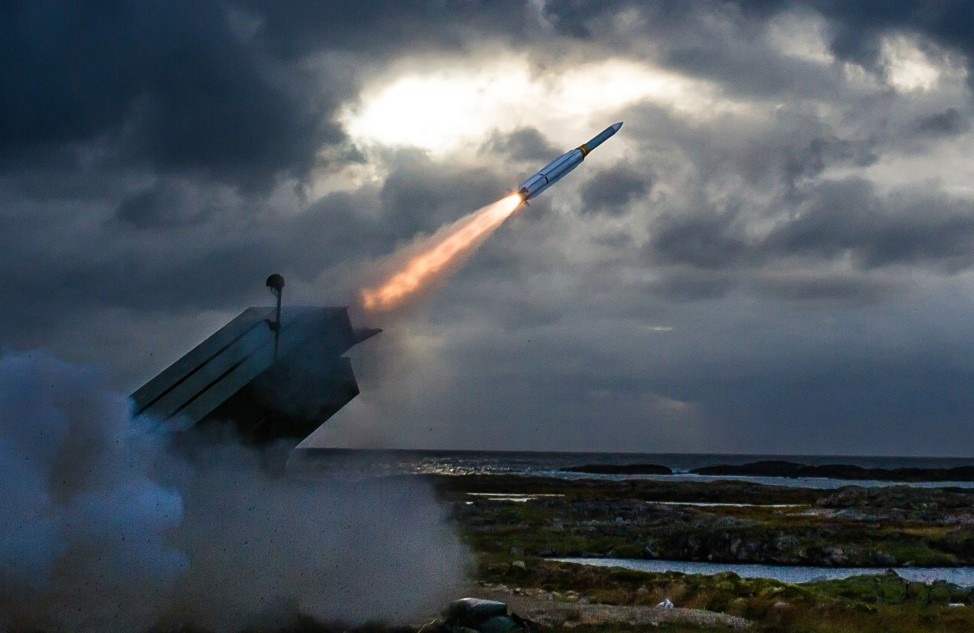 Taiwan Marine Corps Seeks NASAMS Air Defense Systems to Protect Naval Bases and Coastal Areas
-
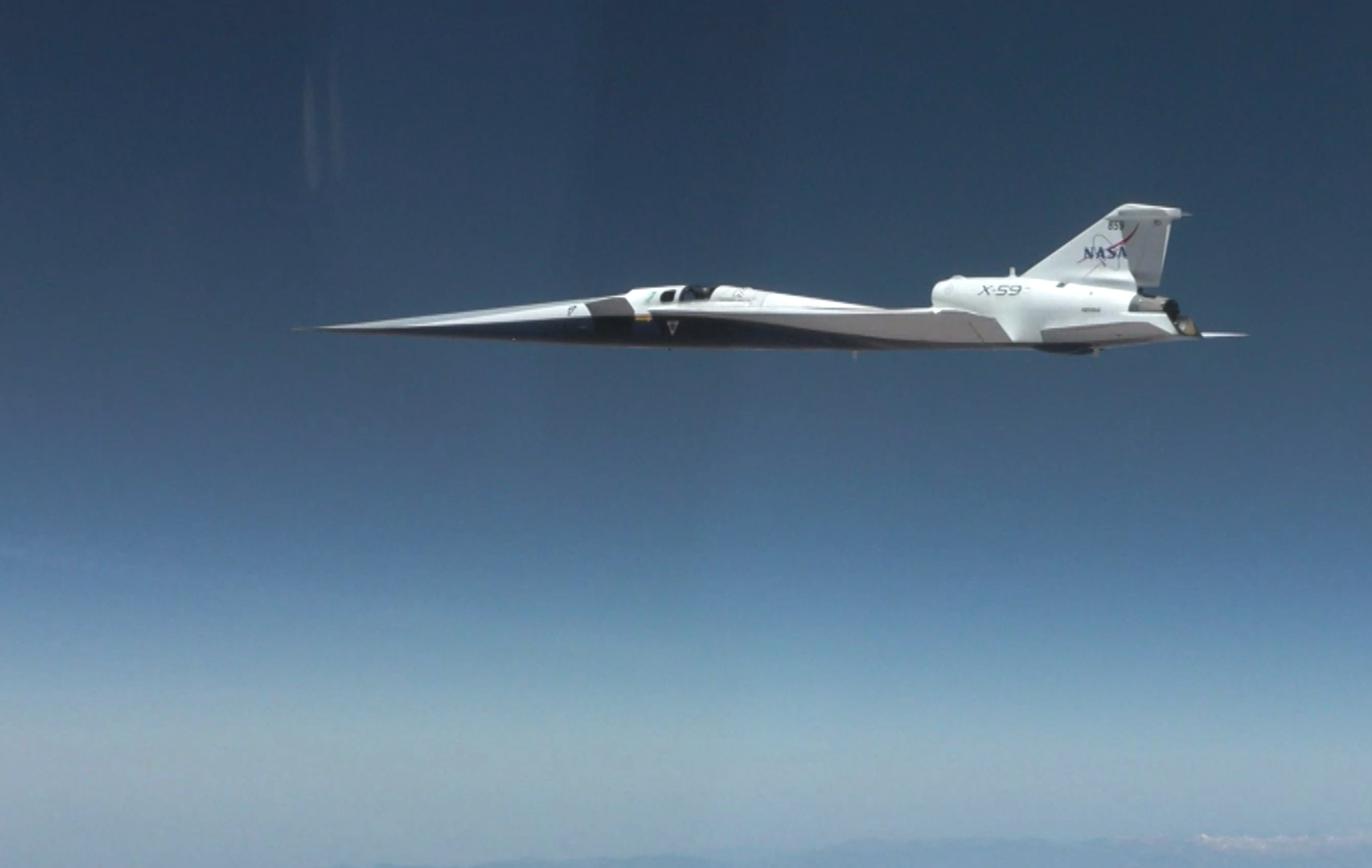 NASA’s X-59 Achieves First Supersonic Flight, Advancing NASA’s Quiet Boom Research
-
 U.S. Navy Amphibious Assault Ship USS Iwo Jima Returns to Norfolk After Nearly 10-Month Deployment
-
 Battlefield-Tested Ukrainian Obriy 1.3 Drone Detector Seen During U.S. Army Training Exercise
-
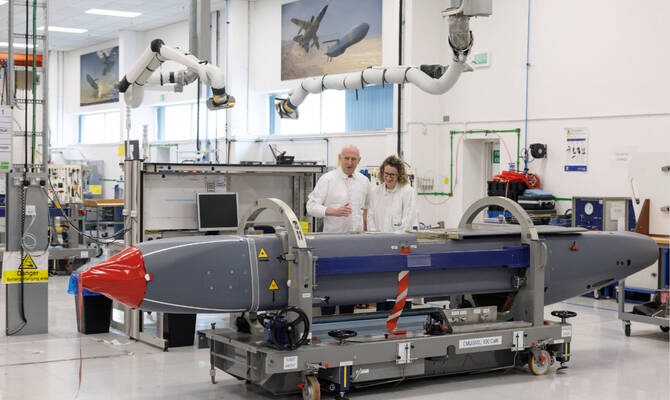 One Year On, UK Still Lacks Delivery Plan for 7,000 Long-Range Weapons Programme
-
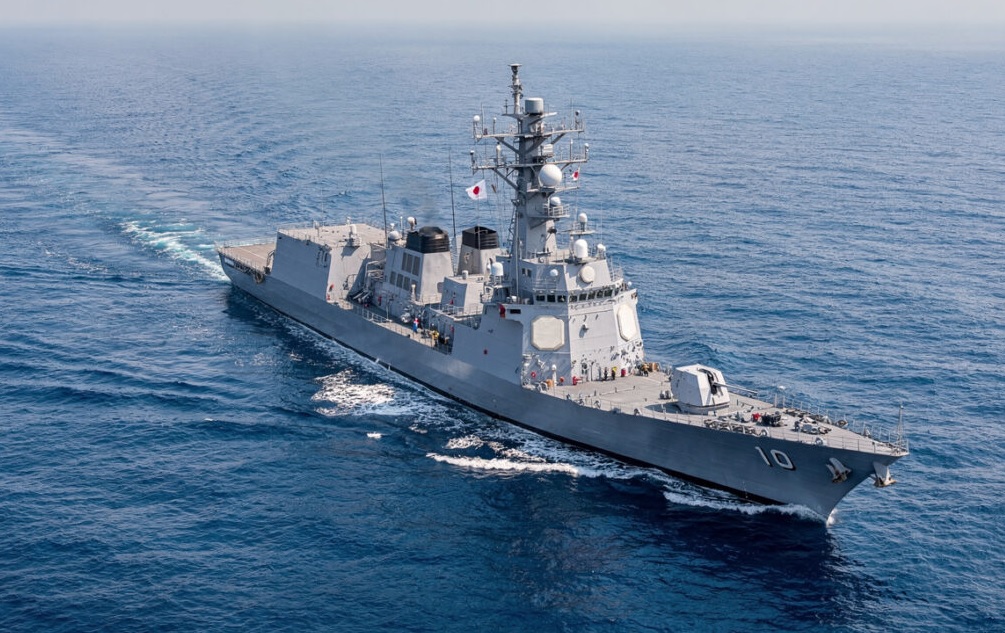 Japan and Indonesia Begin Talks on Potential Transfer of Asagiri-Class Destroyers
-
 U.S. Approves $30.6 Million Sale of Specialized Amphibious Vehicles to Italy
Top Trending in 4 Days
-
 Iran Releases Footage of Qader Missile and Shahid Danaye Drone Launches Toward Two U.S. Navy Destroyers
-
 Five Eyes Issues Joint Alert on Chinese Targeting Government and Military Personnel Through LinkedIn and Job Platforms
-
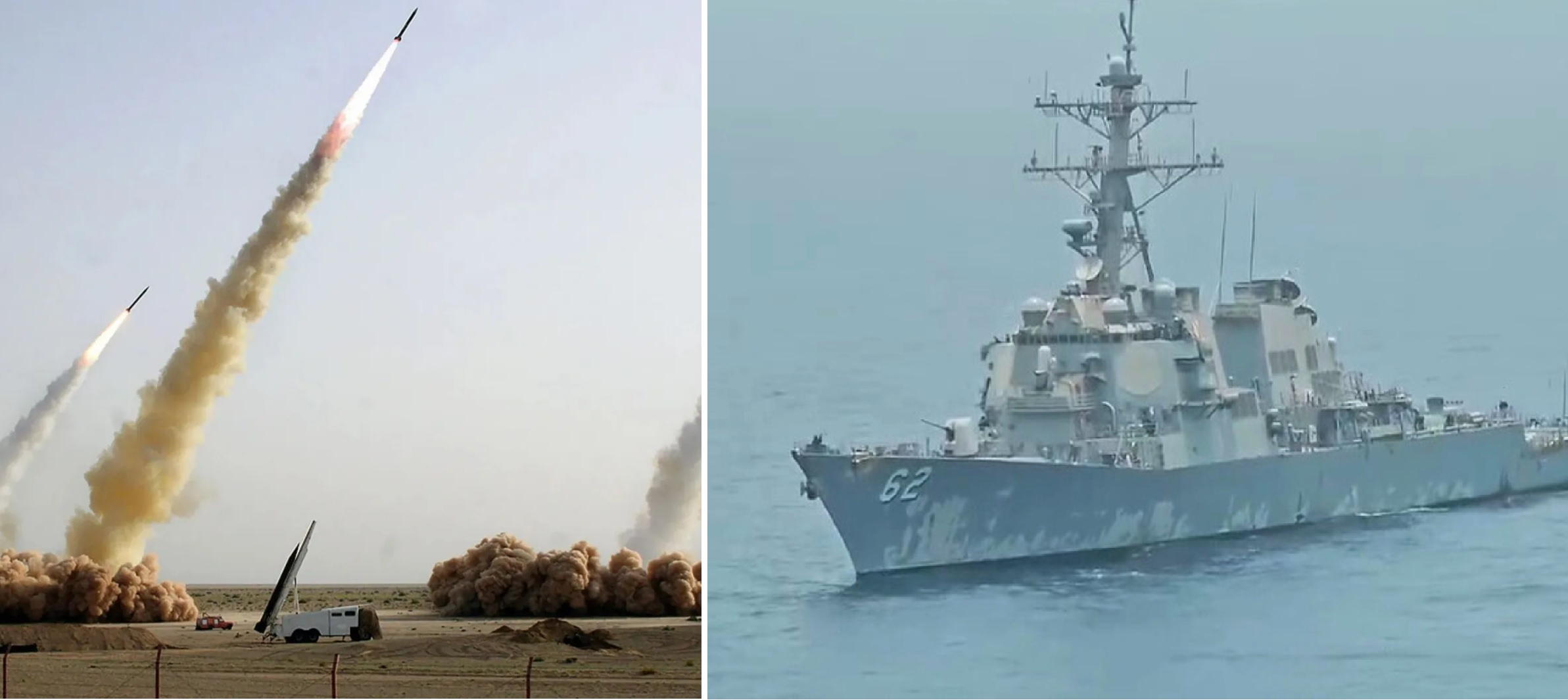 Iran Claims Attack on U.S. Destroyer in Gulf of Oman, CENTCOM Denies Attack
-
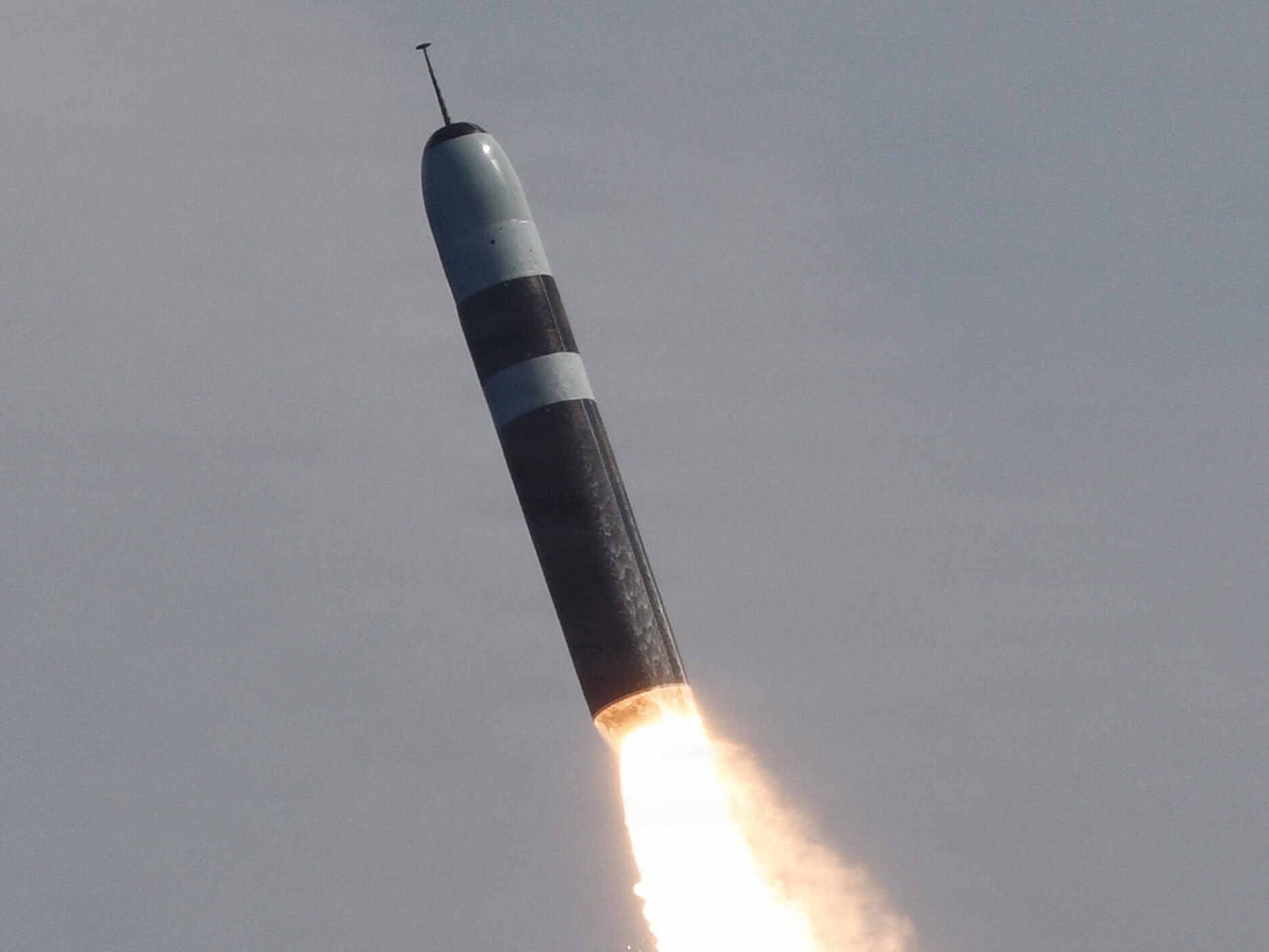 Washington Considers Shifting NATO Nuclear Deterrence Closer to Russia Through Poland
-
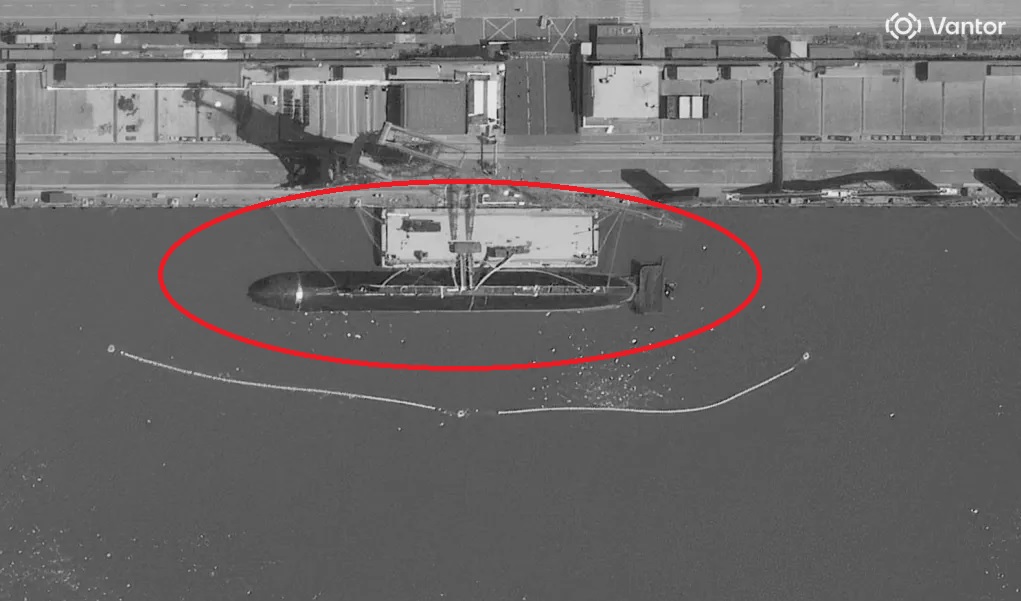 Satellite Imagery Reveals China's New-Generation Sail-Less Nuclear Submarine With Unique Design Features
-
 Iranian Drone and Missile Strikes Damage Kuwait Airport, Kill One and Injure 63 Amid Rising Gulf Tensions
-
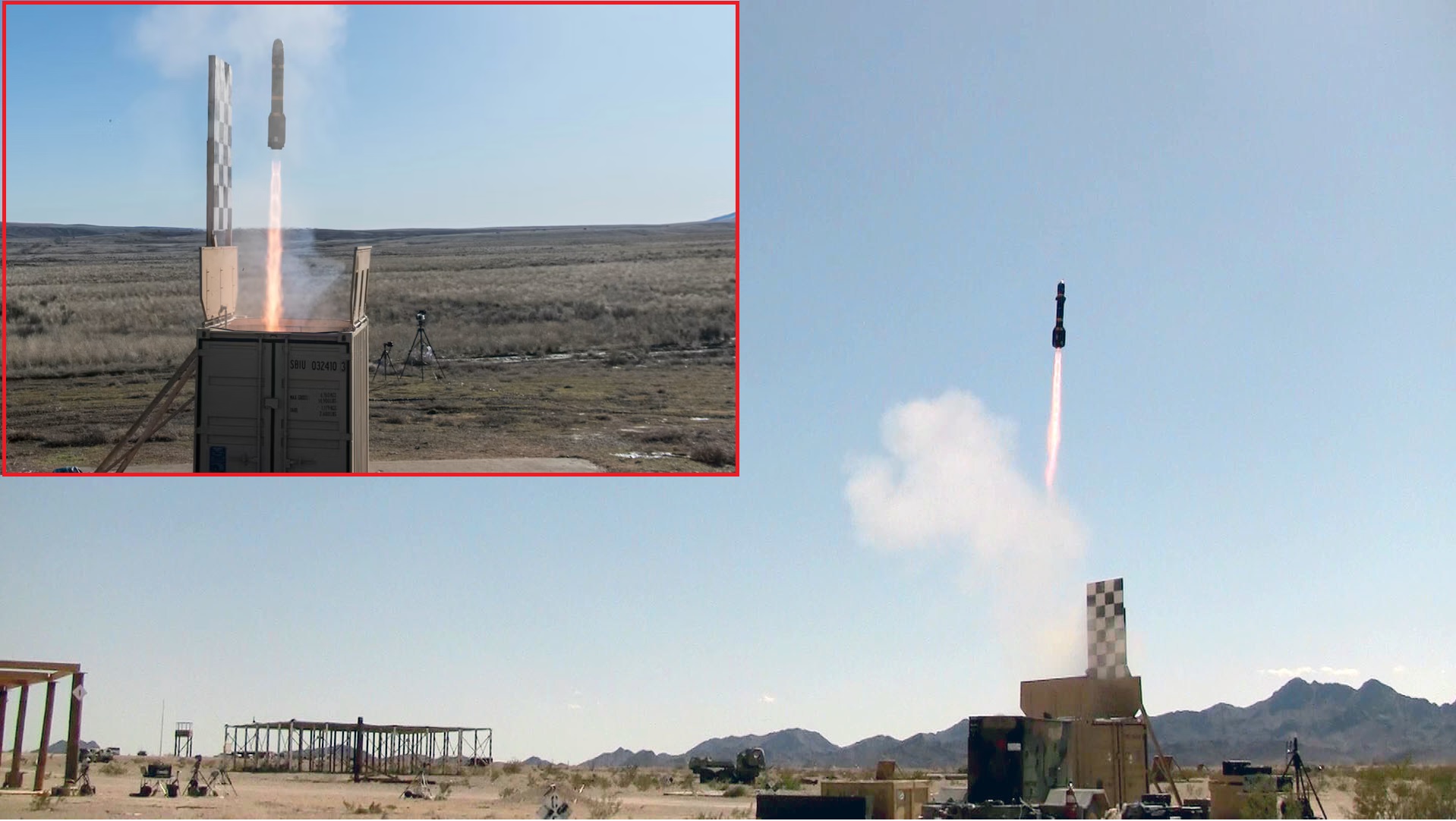 Lockheed Martin Successfully Intercepts Attack Drone Using New GRIZZLY Containerized Launcher
-
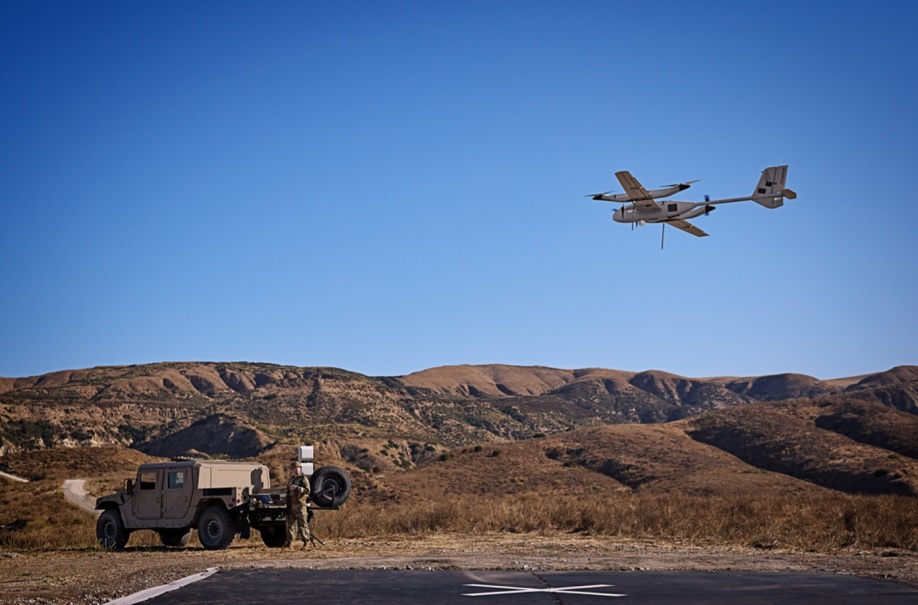 U.S. Army Awards AeroVironment $117.3 Million Contract for 82 P550 Long-Range Reconnaissance Drones