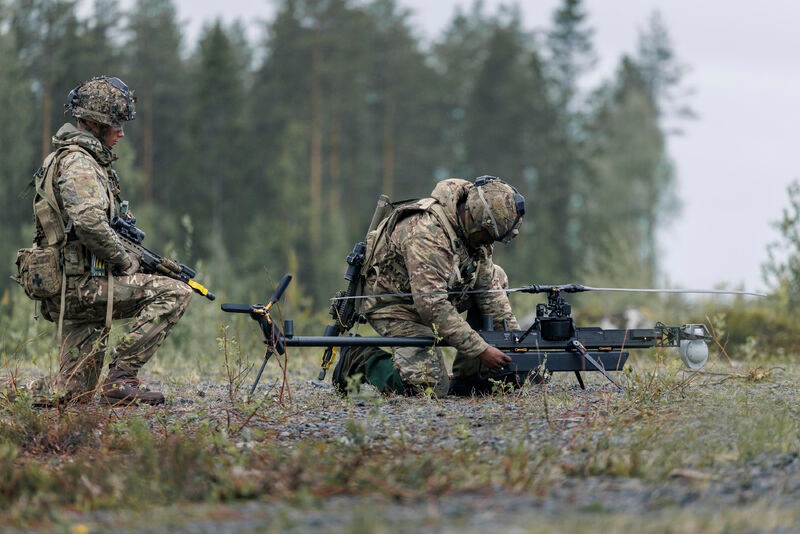
KAINUU, Finland — June 07, 2026 : British infantry forces have conducted training with autonomous drone systems near Finland's border with Russia as part of a major NATO exercise focused on improving battlefield reconnaissance, target acquisition, and precision strike capabilities in challenging northern environments.
The activities were carried out during Exercise Northern Star 26, a multinational military exercise held from May 18 to May 30, 2026, in eastern Finland. The exercise brought together approximately 4,500 to 5,000 troops from seven NATO member states, including the United Kingdom, Finland, the United States, France, Italy, Poland, and Hungary.
Conducted around 70 kilometers (43 miles) from the Russian border, the exercise focused on integrating autonomous and uncrewed systems into frontline infantry operations while improving interoperability among allied forces operating on NATO’s northeastern flank.
The training centered on cooperation between the British Army’s 3rd Battalion, The Rifles (3 Rifles) and Finland’s Kainuu Brigade, building on previous joint training activities, including the winter exercise Northern Axe. The exercise reflected the growing emphasis on incorporating autonomous technologies and digital battlefield networks into modern ground combat operations.
Near Surface Infantry Battalion Concept
The British Army's 3 Rifles, part of the 11th Brigade, has recently been redesignated as a Near Surface Infantry Battalion, a structure that integrates drones, sensors, loitering munitions, and digital command systems directly into infantry operations.
The concept places autonomous capabilities at platoon level, allowing infantry units to employ reconnaissance and strike systems as part of routine battlefield activities rather than relying on specialist attachments.
The battalion's participation in Northern Star 26 served as an opportunity to test and refine these capabilities in Finland’s demanding operating environment.
Ghost and Bolt Autonomous Systems
Two autonomous systems developed by defense technology company Anduril formed a key part of the training. The systems were selected under the British Army’s Project NYX, which focuses on the development of autonomous collaborative platforms.
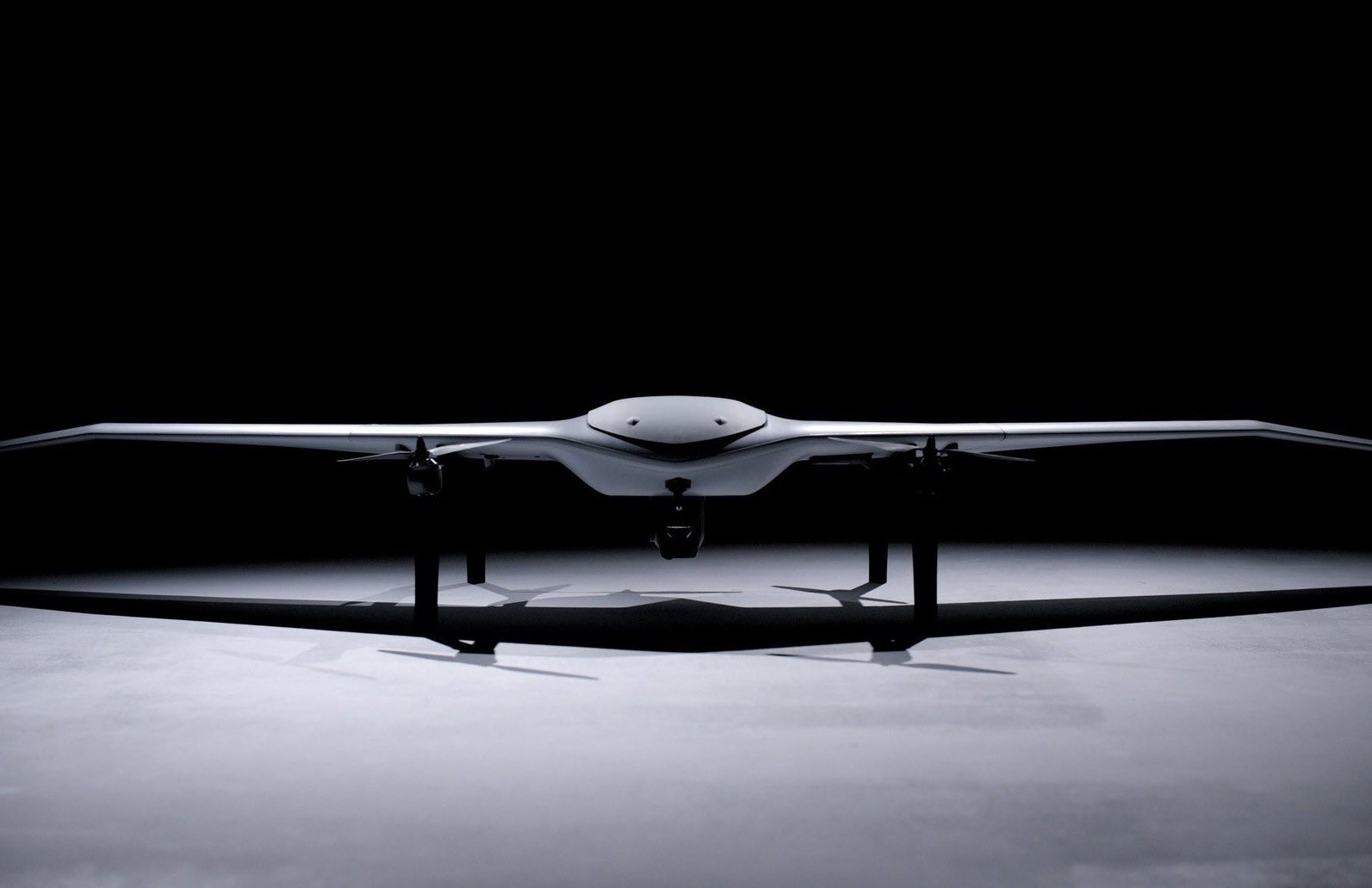
The Ghost autonomous drone is a medium-range reconnaissance system designed to conduct surveillance, identify targets, relay communications, and provide real-time intelligence to command posts positioned behind frontline forces.
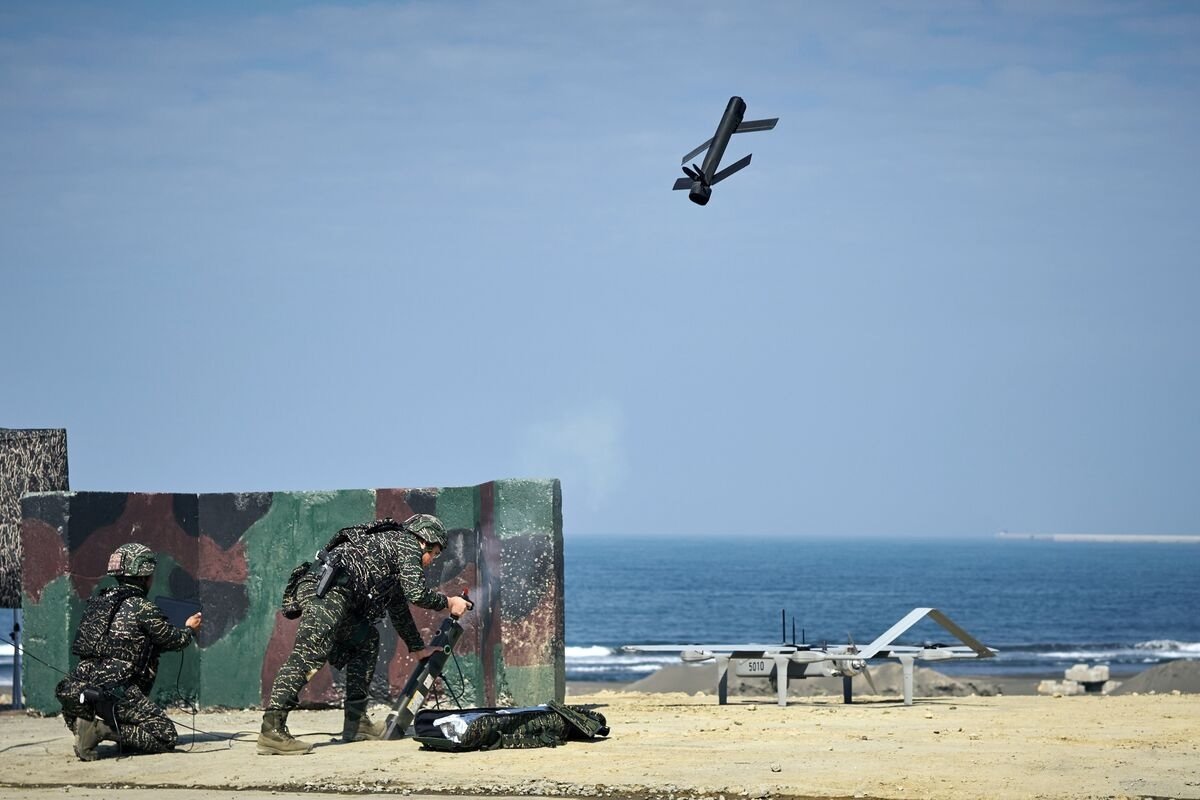
The Bolt and Bolt-M loitering munitions are designed to engage identified targets. Weighing approximately 12 pounds, the system can carry payloads of up to 3 pounds, operate for around 40 minutes, and strike targets at distances of up to 20 kilometers (12.4 miles). The drones operate through Anduril’s Lattice AI network.
During training scenarios, Ghost drones detected and tracked targets before transmitting information to command elements. Bolt loitering munitions were then used to engage those targets, enabling infantry units to conduct reconnaissance and strike missions without moving into direct fire range.
ATAK Digital Battlefield Network
The autonomous systems were connected through the Android Tactical Assault Kit (ATAK), a digital command-and-control platform originally developed by the U.S. Air Force Research Laboratory.
The system combines GPS positioning, digital maps, drone video feeds, and threat information into a shared operational picture available to soldiers through chest-mounted devices.
ATAK allows units to exchange real-time battlefield information, monitor drone feeds, track friendly forces, and receive threat alerts. The networked system improves situational awareness and coordination between infantry units and autonomous platforms operating in the field.
Operations in Finland’s Forest Environment
Exercise Northern Star took place in the Kainuu region of eastern Finland, an area characterized by dense boreal forests, extensive lake systems, restricted visibility, and terrain that limits vehicle movement.
The Finnish Kainuu Brigade, responsible for defending the region, regularly trains in cold-weather and forest warfare conditions. Such terrain increases the importance of reconnaissance, communication, and long-range target detection capabilities.
The exercise included coordinated air and ground operations involving participating NATO countries, providing opportunities to test joint procedures and improve operational cooperation in complex environments.
NATO’s Northern Defense Posture
Finland joined NATO in April 2023, ending decades of military non-alignment and adding approximately 1,340 kilometers (832 miles) of land border between NATO and Russia.
The expansion significantly increased the strategic importance of northern Europe within NATO’s defense planning and placed allied forces closer to key Russian military infrastructure on the Kola Peninsula.
In addition to military exercises, defense cooperation between the United Kingdom, Finland, and the Netherlands has continued to expand. In March 2026, the three countries proposed a joint defense financing initiative aimed at increasing procurement cooperation, expanding industrial capacity, and accelerating defense acquisition programs.
Exercise Northern Star 26 represented one of the largest multinational military exercises conducted in this region since Finland joined NATO, focusing on forest warfare, autonomous systems integration, and allied interoperability in support of NATO’s northern defense requirements.
——— End of Article ———