
World
The U.S. State Department has approved a Foreign Military Sale (FMS) valued at up to $200 million to equip the Royal Navy’s forthcoming Dreadnought-class ballistic missile submarines with advanced secure satellite communications systems. According to a formal notification from the Defense Security Cooperation Agency (DSCA), the deal will supply the U.K. with six additional units of the Navy Multiband Terminal (NMT) configured for the Advanced Extremely High Frequency (AEHF) network, bringing the total to eight ship-sets when combined with a previous $41 million case. Under the agreement, along with the NMT hardware, the package encompasses communications-security devices, high-data-rate submarine masts, spare components, logistics services, integration support and training. Strategic Significance for U.K. Deterrent and Allied Interoperability For the U.K., the deal is a key enabler of its at-sea nuclear deterrent posture. The Dreadnought-class SSBNs are being designed to link into the same hardened satellite communications backbone used by U.S. forces and major NATO allies. By upgrading their command and control (C2) connectivity, the Royal Navy ensures its Continuous-At-Sea Deterrent (CASD) is embedded into the higher-end protected communications architecture. The integration of NMT into the submarines via high-data-rate masts enables the vessels to connect directly into the AEHF constellation and allied command centres ashore. This secure link supports the sharing of Recognised Maritime Picture/Common Operational Picture (RMP/COP) data, targeting and imagery intelligence, all while allowing the submarine to maintain low electromagnetic emissions, a critical factor in survivability during deterrent patrols. The Dreadnought Class: Platform Profile and Modernisation The Dreadnought class is the next-generation SSBN programme for the Royal Navy, intended to replace the current Vanguard-class boats. Four new submarines will enter service in the early 2030s and serve for at least 30 years. These submarines will be approximately 153.6 metres long with a submerged displacement near 17,200 tonnes, offering increased internal volume for mission systems, improved acoustics via redesigned hull geometry and anechoic coatings, and a largely digital platform management system. The internal layout emphasises crew living standards, including mixed-crew accommodations, enlarged living areas, and lighting systems replicating day–night cycles for extended patrols. Why the Update Matters in a More Contested Environment In an era of renewed great-power competition and evolving undersea threats, the secure connectivity afforded by AEHF-capable NMTs becomes more significant. Submarines conducting deterrent patrols must operate under strict emission control (EMCON). The new terminals allow the boat to raise a mast briefly, transmit large volumes of encrypted data, and return to radio silence. This capability enhances tactical stealth, platform survivability, and the credibility of the U.K.’s CASD posture. From the U.S. side, the sale reinforces interoperability with a key NATO ally and advances U.S. foreign policy and national security objectives. Contractor and Implementation Details The principal contractor is RTX Corporation, which will provide the NMT systems and associated hardware and services. The U.K. request expands the earlier notification-threshold case (which funded two terminals) into a full eight-ship-set package with training and long-term engineering support. This communications-upgrade programme is a major step in synchronising the Royal Navy’s next-generation SSBNs with allied strategic networks. As the Dreadnought class progresses toward sea trials, the integration of secure satellite communications becomes as vital as the hull or missile systems. Moreover, the transaction exemplifies the deepening interoperability between the U.S. and U.K. nuclear deterrent systems—and with NATO more broadly. The installation of the NMT/AEHF capability will shape the Dreadnought class’s operational concepts, patrol patterns, and integration with allied networks. In summary, the cleared $200 million FMS case not only upgrades the Royal Navy’s strategic communications backbone—it embeds Britain’s at-sea nuclear deterrent more tightly into the allied deterrence architecture, at a time when credibility and resilience matter more than ever.
Read More → Posted on 2025-11-25 15:21:54
World
On November 25, 2025, a series of coordinated Ukrainian strikes targeted key Russian military infrastructure, with the Taganrog Yuzhny Air Base in Rostov Oblast suffering one of the most consequential hits. Large fires erupted across sections of the base associated with aircraft repair, testing, and storage. Among the burning structures, imagery shared by Ukrainian and independent channels showed a charred airframe whose contours and structural features match those of the Beriev A-60, Russia’s sole remaining airborne laser laboratory aircraft. If confirmed, the strike represents the destruction of one of Russia’s rarest and most secretive aerospace platforms—a one-of-a-kind weapon system with no replacement, no production line, and no second facility capable of restoring it. A Coordinated Ukrainian Strike With Strategic Impact Ukrainian forces launched long-range strikes shortly after midnight on November 25, aiming at Russian aviation and military-technical hubs across the region. Taganrog Yuzhny—long known as a critical center for Russia’s special-mission aircraft—reported multiple explosions, followed by spreading fires that burned for hours. Initial assessments from defense analysts indicate that the impacts struck the sector used for development, overhaul, and storage of prototype aircraft. Satellite imagery and ground footage revealed the silhouette of the damaged aircraft: a large four-engine platform with a distinctive top-mounted housing and modified nose—hallmarks of the Beriev A-60. Russian authorities have not officially acknowledged the loss, but emergency-service activity around the damaged hangar and a conspicuous absence of denials from state media fueled widespread belief that the A-60 program suffered a catastrophic setback. The A-60: A Singular Experimental Weapon System The Beriev A-60 was one of only two prototypes built during the Soviet era as part of a highly classified airborne laser project, aimed at developing capabilities for anti-satellite warfare, missile interception, and directed-energy research. Based on the Il-76MD airframe, the A-60 featured: Wingspan: 50.50 m Length: 46.86 m Height: 14.76 m Wing Area: 300 m² Empty weight: ~92,000 kg Maximum takeoff weight: ~179,000 kg Engines: Four D-30KP Series 2 turbofans (~12,000 kgf thrust each) Performance: 850 km/h max speed; 700 km/h cruise; 8,200 km range; 13,800 m service ceiling Crew: Up to 14 personnel, including laser and optical-system operators Its high-energy laser—believed to be a CO₂-based gas-dynamic weapon approaching megawatt-class output—was tested in: Ground target engagements Airborne interception trials involving La-17 drones Atmospheric propagation experiments A confirmed test involving illumination of a satellite at ~1,000 km altitude, demonstrating anti-space potential Through the 1990s and 2000s, the second A-60 prototype underwent incremental modernization, but only one platform remained in operable condition in recent years. Taganrog Yuzhny was its long-term base and the only site capable of handling its complex maintenance requirements. Taganrog Yuzhny: A Facility Russia Cannot Replace The Beriev Aviation Scientific and Technical Complex, founded in 1934, has long been Russia’s primary hub for amphibious aircraft and specialized airborne systems. Beyond the A-60, it: Modernizes A-50 AWACS aircraft, including newer A-50U variants Conducts maintenance on Tu-95MS strategic bombers Operates an additional hydrodynamic testing center in Gelendzhik Bay Handles prototype assembly and high-risk research aircraft These functions make Taganrog a strategic node with no direct replacement elsewhere in Russia. The facility has already faced heavy pressure due to sanctions imposed by the EU, U.S., and U.K., cutting off access to foreign tooling, electronics, and specialized industrial equipment. Local incidents, including the 2017 fatal thallium-poisoning case involving a worker, had already raised questions over internal security and industrial stress within the complex. What the Loss Means for Russia’s Laser Weapons Program If the aircraft destroyed at Taganrog is truly the A-60, then Russia’s airborne laser ambitions have suffered a blow from which they may never fully recover. The program was already fragile, anchored on a single operable testbed that served as the centerpiece of decades of research. With that platform now likely gone, Russia loses far more than an aircraft—it loses momentum, continuity, and the physical embodiment of a strategic scientific effort. The second prototype, long dormant and reportedly in uncertain condition, cannot simply be revived to fill the gap. Even attempting to rebuild the project from the ground up would demand years of reconstruction, specialized engineering, and funding that may not be readily available in the current wartime environment. In practical terms, the destruction of this aircraft could freeze Russia’s high-energy airborne laser research for a generation. The A-60 was also Russia’s only functional platform for anti-satellite experimentation, a niche and technically demanding mission that requires precise beam control and tracking capabilities. Without it, Moscow effectively loses its only airborne asset capable of interacting with orbital sensors—something that no substitute aircraft or ground system can immediately replicate. The setback extends to the broader domain of space warfare research, where the A-60 played a quiet but crucial role in testing atmospheric compensation, stabilization techniques, and energy management for high-power lasers. These are foundational technologies for future directed-energy weapons, and without a flight-tested laboratory, progress becomes theoretical at best. Equally damaging is the hit to the Taganrog facility itself. The A-60 project was deeply intertwined with the engineers, technicians, and specialized workshops concentrated there. Losing the aircraft means losing the environment in which decades of institutional knowledge were sustained and transferred. Rebuilding such a knowledge base may prove more difficult than constructing a new airframe. Kyiv’s Expanding Deep-Strike Capability The strike on Taganrog is also a telling indicator of Ukraine’s steadily advancing reach into Russian territory. Kyiv has been refining its long-range strike architecture for years, and this operation underscores just how far that capability has evolved. Improved long-endurance UAVs, increasingly sophisticated domestic missiles, and sharper battlefield integration have all contributed to a strike complex capable of penetrating hundreds of kilometers inside Russia. The role of Western-sourced intelligence, combined with Ukraine’s growing ability to synchronize reconnaissance and strike assets, adds another layer of precision to these operations. When such capacities converge against a high-value, poorly defended target, the outcome—such as the apparent loss of the A-60—can be strategically devastating. In this sense, the Taganrog strike is more than just another attack; it is a psychological and operational demonstration. Russia has already seen two A-50 AWACS aircraft destroyed or damaged in earlier years. Now, with the possible elimination of the A-60, Ukraine has shown that even Russia’s rarest and most protected aerospace assets are vulnerable. The impact is not only military but symbolic, eroding the perception of deep Russian sanctuary and placing unprecedented pressure on Moscow’s high-end research and development efforts. A Rare Platform Possibly Lost Forever With only two A-60 prototypes ever built—and only one kept in active condition—the fiery debris at Taganrog Yuzhny suggests that one of the most unusual and ambitious aerospace projects of the Soviet and Russian eras may have ended overnight. While official confirmation may take time, the available imagery and the nature of the damage already point to a severe blow to Russia’s advanced weapons programs. If the destruction is verified, the November 25 strike will mark one of the most strategically significant Ukrainian attacks of the war, erasing a unique testbed that Moscow can neither replace quickly nor easily conceal. The skies over Taganrog may have seen the final moments of the A-60—a Cold War relic, a space-laser experiment, and now, likely, a casualty of the war it was never designed to fight.
Read More → Posted on 2025-11-25 14:09:34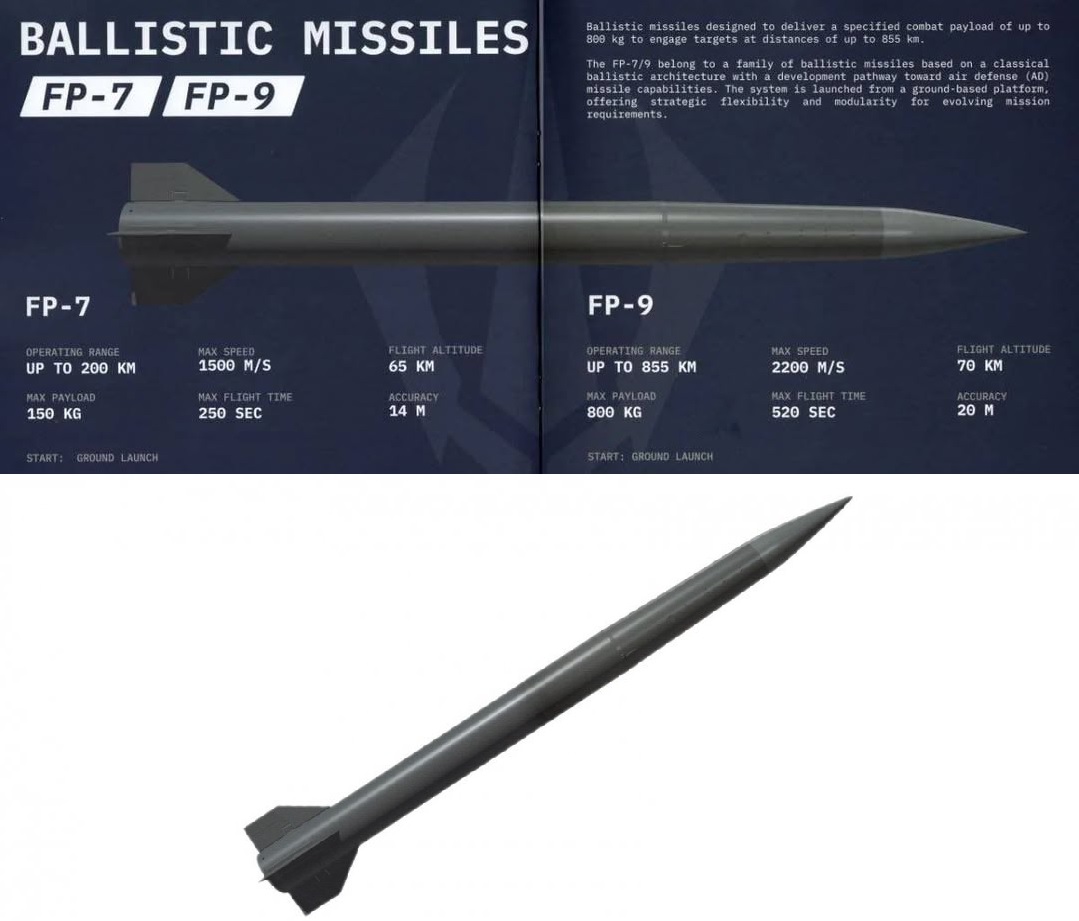
World
Ukraine is pushing into a new phase of strategic autonomy as its defense industry accelerates the development of long-range ballistic missiles. Fire Point, the Ukrainian company spearheading the effort, has confirmed that its FP-7 short-range ballistic missile range 200 Km will be ready for army induction before the end of 2025. The more powerful FP-9, with a range nearing 855 km, is expected to follow soon after testing concludes. Fire Point openly acknowledges that the aerodynamic layout of these missiles is inspired by the Russian 48N6 surface-to-air missile. But company engineers emphasize that the resemblance ends there: the Ukrainian missiles use composite airframes, upgraded guidance systems, and re-engineered propulsion that significantly enhance range and performance. This shift marks Ukraine’s most serious effort yet to establish a long-range domestic strike capability. The FP-7: Ukraine’s First Serial Ballistic Missile In a narrative long dominated by foreign-supplied munitions, the FP-7 represents a symbolic and practical milestone — Ukraine’s first serially produced ballistic missile. The FP-7 is being designed for battlefield interdiction, giving Ukraine the ability to strike high-value Russian targets across a 200-kilometer radius. Engineers estimate that formal codification, the process by which the Armed Forces officially accept the weapon into service, will be completed by late 2025, clearing the path for mass production. FP-7 Specifications: Range: 200 km Maximum Speed: 1,500 m/s Flight Altitude: approx. 14 km Warhead: 150 kg Guidance: INS with satellite correction Structure: Lightweight composite body Launch Platform: Mobile TEL These specifications place the FP-7 in a performance class comparable to several Western short-range ballistic systems, but with the advantage of domestic production unaffected by export restrictions. The FP-9: Ukraine’s Bid for Deep-Strike Capability If the FP-7 represents a tactical milestone, the FP-9 marks an entirely new strategic threshold. Early evaluations suggest the FP-9 can reach 850–855 km, placing Russian airbases, logistics hubs, and strategic infrastructure deep behind the frontlines within Ukrainian reach. Fire Point intends to finalize testing after the FP-7 program stabilizes, with codification expected afterward. Key Characteristics of the FP-9: Range: 850–855 km Propulsion: Extended-burn solid fuel motor Warhead: 150–200 kg class Guidance: Likely multi-mode, with future terminal seeker Design: Composite fuselage optimized for long-range energy retention If serial production ramps up, the FP-9 could become Ukraine’s first homegrown weapon capable of striking targets nearly across the entire breadth of European Russia. The “Flamingo” Cruise Missile Enters Daily Production While the ballistic missile programs advance, Fire Point has already achieved high-volume production of its “Flamingo” cruise missile, confirming output of three units per day. This pace is unusual for a country at war, especially given repeated Russian strikes against Ukrainian industry. The Flamingo, though less publicized than the FP-series missiles, is believed to follow a terrain-hugging flight profile and is optimized for precision strikes against air-defense positions, command posts, and infrastructure. Its rapid scaling hints at Ukraine’s broader intention: creating a diversified and self-sufficient strike weapon ecosystem capable of sustaining long-term conflict. Why These Missiles Matter for Ukraine’s Strategy Ukraine’s push for indigenous ballistic missiles stems largely from operational and political realities. Western long-range munitions remain limited, both in supply and usage permissions. By developing its own systems, Ukraine gains: Freedom to strike without external restrictions Sustained production regardless of shifting foreign policy Capability to disrupt Russian logistics networks at depth A long-term industrial foundation for deterrence The FP-7 and FP-9 systems, coupled with the Flamingo cruise missile, bring Ukraine closer to forming a complete domestic precision-strike arsenal — something no post-Soviet state outside Russia has attempted at this scale. By the end of 2025, Ukraine expects to have the FP-7 in service, with the FP-9 nearing completion. Combined with ongoing cruise-missile production, these advances signal a profound change in Ukraine’s wartime capabilities. If production stays on schedule, Ukraine will enter 2026 with a functional layered strike system:a 200-km battlefield missile, an 850-km strategic missile, and a high-volume cruise missile. This shift promises to reshape not just the battlefield, but the long-term balance of deterrence between Ukraine and Russia — a transformation driven not by foreign supply, but by Ukraine’s own rapidly evolving defense industry.
Read More → Posted on 2025-11-25 13:49:20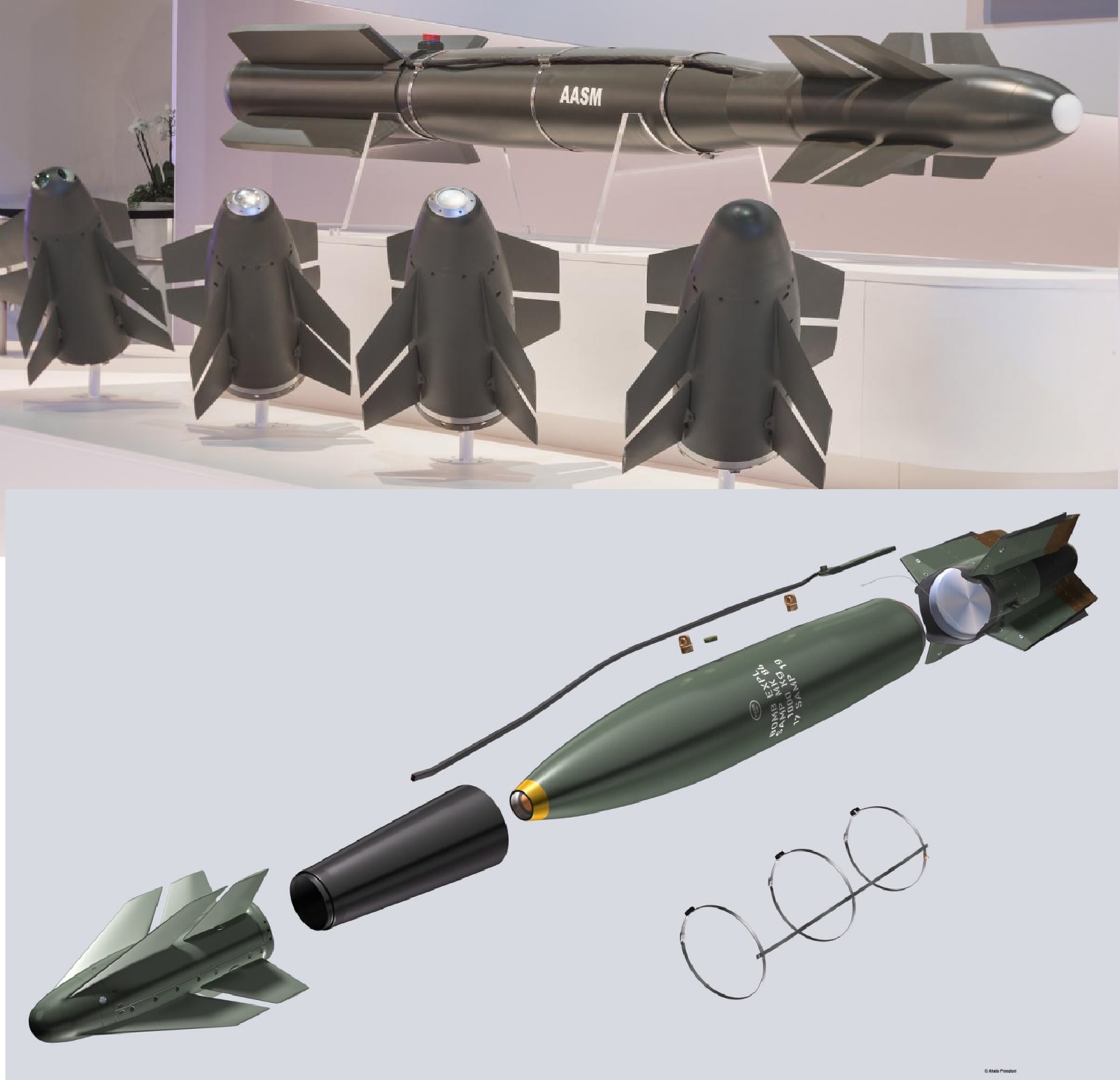
World
Bharat Electronics Ltd (BEL) and France’s Safran Electronics & Defense (SED) have taken a decisive step toward deep defence industrial cooperation by signing a Joint Venture Cooperation Agreement on 24 November 2025. The agreement officially sets in motion the creation of a 50:50 joint venture that will manufacture the HAMMER (Highly Agile Modular Munition Extended Range) precision-guided air-to-ground weapon in India—a development widely seen as a milestone for the ‘Make in India’ initiative. The signing, which took place in New Delhi, marks the culmination of months of technical and commercial negotiations following an MoU announced during Aero India 2025. For both India and France, the deal represents a shift from simple buyer-seller relations to long-term, technology-driven collaboration. From the outset, the new joint venture is expected to handle assembly, integration, testing and quality control of HAMMER systems for the Indian Air Force and Indian Navy. BEL will lead the Indian side of operations, while Safran will gradually transfer technologies, tooling, and domain expertise. Officials familiar with the agreement noted that the venture aims to achieve up to 60% indigenisation, a figure that will rise as more sub-assemblies, electronics and mechanical components begin to be manufactured in India. For the Indian military, the significance of this move goes beyond industrial localisation. It places the country in a stronger position to maintain a steady supply of precision munitions during crises—something the IAF has grappled with during tense phases along the northern border. India first purchased HAMMER kits in 2020 through emergency procurement amid heightened tensions with China. Since then, the weapon has become a crucial precision-strike option for the IAF’s Rafale fighters, especially in the mountains, where terrain and air defence threats limit options for close-in attack. With the JV now underway, India will no longer depend exclusively on overseas shipments for replenishment. The weapon’s availability can be tailored to operational need, warhead configurations can be customised, and future integration with platforms like the LCA Tejas can proceed faster and with greater autonomy. The HAMMER itself is a standout example of modular European precision-strike technology. It works as a bolt-on kit that transforms a standard dumb bomb into a high-precision stand-off weapon. Multiple weight classes—125 kg, 250 kg, 500 kg and 1,000 kg—can be equipped with HAMMER kits, making the system adaptable across mission types. The most common 250-kg variant typically weighs around 330–340 kg after integration. Its range varies sharply with launch altitude. When released at high altitude, the HAMMER can glide or rocket-boost its way to distances of 60–70 km, allowing strike aircraft to remain outside many air defence zones. Even at low altitude, the weapon can deliver a 15 km+ stand-off envelope, a critical requirement for mountainous operations where aircraft often fly close to ridge lines. The guidance package is equally versatile. The baseline version uses INS/GPS to deliver around 10 m accuracy, while the more sophisticated IIR (imaging infrared) variant brings accuracy down to roughly 1 m, thanks to its scene-matching terminal guidance. A laser-guided version allows engagement of moving targets, opening the door for dynamic battlefield coordination with ground or airborne laser designators. Globally, the HAMMER has seen combat in Afghanistan, Libya, Iraq, the Sahel and Ukraine. For India, the system gained attention after its early performance during Himalayan deployments, prompting interest in integrating it onto additional platforms—starting with the Tejas and eventually extending to naval aircraft and potentially even unmanned combat systems. The BEL–Safran joint venture, once operational, is also expected to serve as an export hub, subject to government approvals. This would position India not only as a manufacturer of advanced precision weapons but as a participant in the global supply ecosystem—a role typically reserved for long-standing defence producers. Officials from both countries have welcomed the agreement as part of the deepening Indo-French defence partnership that now includes cooperation in aviation engines, space technologies, maritime surveillance and the ongoing Rafale programmes. For BEL, the partnership strengthens its status as a prime systems integrator; for Safran, it secures a long-term, high-value industrial footprint in one of the world’s most important defence markets. With the JV framework now finalised, attention will shift to site selection, production layout and the sequence of technology transfer. Over time, the venture may explore advanced HAMMER variants, indigenous guidance enhancements or integration with India’s upcoming unmanned strike programs. In many ways, the deal represents a larger shift underway in Indian defence strategy—one where foreign collaboration increasingly means co-development and manufacturing on Indian soil, rather than simple procurement. With HAMMER production soon to be rooted in India, the country’s precision-strike capabilities are set to become both stronger and far more self-reliant.
Read More → Posted on 2025-11-25 13:10:59
World
On Monday, Donald Trump signed a sweeping Executive Order launching what his administration is calling the “Genesis Mission” — a major national initiative to marshal the talents of U.S. scientists and engineers, advanced computing and artificial intelligence (AI) in the name of renewed global scientific leadership. The plan is being likened by top officials to pivotal past efforts such as the Manhattan Project of World War II and the Apollo Program that took Americans to the Moon. As Chris Wright, Secretary of the United States Department of Energy (DOE), put it: “With this pen today, President Trump signed an historic mission … reminiscent of the Manhattan Project … similar to the Apollo projects that put a man on the moon in 1969.” His remarks are part of a broader message: this is an all-in national effort to pair the world-class scientists and engineers of U.S. national laboratories, universities and private industry with supercomputers and AI platforms to compete globally. Scale, Scope & Ambition According to the DOE’s description, the Genesis Mission will engage around 40,000 scientists, engineers and technical staff at the DOE’s 17 national labs, along with industry and academic partners. A central pillar of the initiative is the creation of a new platform dubbed the “American Science and Security Platform,” which will integrate supercomputing, AI, massive federal datasets and experimental infrastructure. “The Genesis Mission will transform American science and innovation through the AI computing revolution,” the DOE statement says, noting that the effort aims to double the productivity and impact of American science and engineering within a decade. What It Will Do – And Why Now The Executive Order tasks the DOE, in coordination with other agencies such as NSF, NIST and NIH, to marshal resources, data and infrastructure to advance breakthroughs in three priority areas: Energy dominance: Use AI and high-performance computing to accelerate next-generation nuclear, fusion energy and grid modernization. Discovery science: Empower scientists to use AI-driven experiments, simulations and data analysis in fields such as materials science, biology, high-energy physics. National security: Develop advanced AI techniques for protecting critical infrastructure, enhancing the U.S. nuclear deterrent, building advanced materials. The White House says this mobilization is necessary because America’s scientific edge is under pressure — fewer new drug approvals, declining research output, and increasing international competition in areas like AI and quantum computing. In the words of White House science adviser Michael Kratsios: “The Genesis Mission will use AI to automate experiment design … shortening discovery timelines from years to days or even hours.” Funding, Partners & Infrastructure While the initiative is ambitious in scope, questions remain about funding, though existing legislation is cited as a basis. Private-sector technology firms are expected to play a major role. Companies such as Nvidia, Dell, AMD and HPE have been mentioned as potential partners. The DOE is tasked with identifying computing, storage and networking resources for the platform, ensuring cybersecurity compliance, and selecting initial model and data assets for the mission. Impacts on Energy Costs, Economy & Society Secretary Wright emphasised that one of the mission’s goals is to “fix rising energy costs” by deploying AI-enhanced energy technologies and modernizing the electrical grid. “We’re going to stop the rise of the price of energy,” he said. From an economic perspective, the administration views the initiative as a way to create high-tech jobs, improve competitiveness, and enable longer and healthier lives through accelerated research. By explicitly comparing the Genesis Mission to the Manhattan Project and the Apollo Program, the administration is casting this as a “wartime-scale” mobilization. The White House fact sheet mentions “the largest marshalling of federal scientific resources since the Apollo program.” Considerations, Challenges & Outlook Analysts note challenges ahead: securing long-term funding, balancing open scientific collaboration with national security, managing soaring computing-energy demands, and ensuring the workforce of 40,000 is fully mobilised. It remains to be seen how quickly the systems will translate into breakthroughs, but the initiative marks a bold shift in U.S. strategy in the global AI race. What’s Next The Genesis Mission is expected to unfold through several major steps. The Department of Energy will begin by choosing the first wave of data sets, supercomputing assets, and AI model frameworks that will anchor the initiative. Alongside this, the administration plans to deepen its collaboration with private-sector technology firms that can supply cutting-edge computing power and AI capabilities. Officials will also outline a set of scientific challenge portfolios, essentially mapping out the priority problems the program aims to solve. All of this will take place under the supervision of the president’s top science and technology adviser, who will coordinate efforts across agencies. With the signing of the order, President Trump has effectively launched the Genesis Mission—a national push that his administration believes will redefine America’s scientific and technological trajectory.
Read More → Posted on 2025-11-25 12:46:47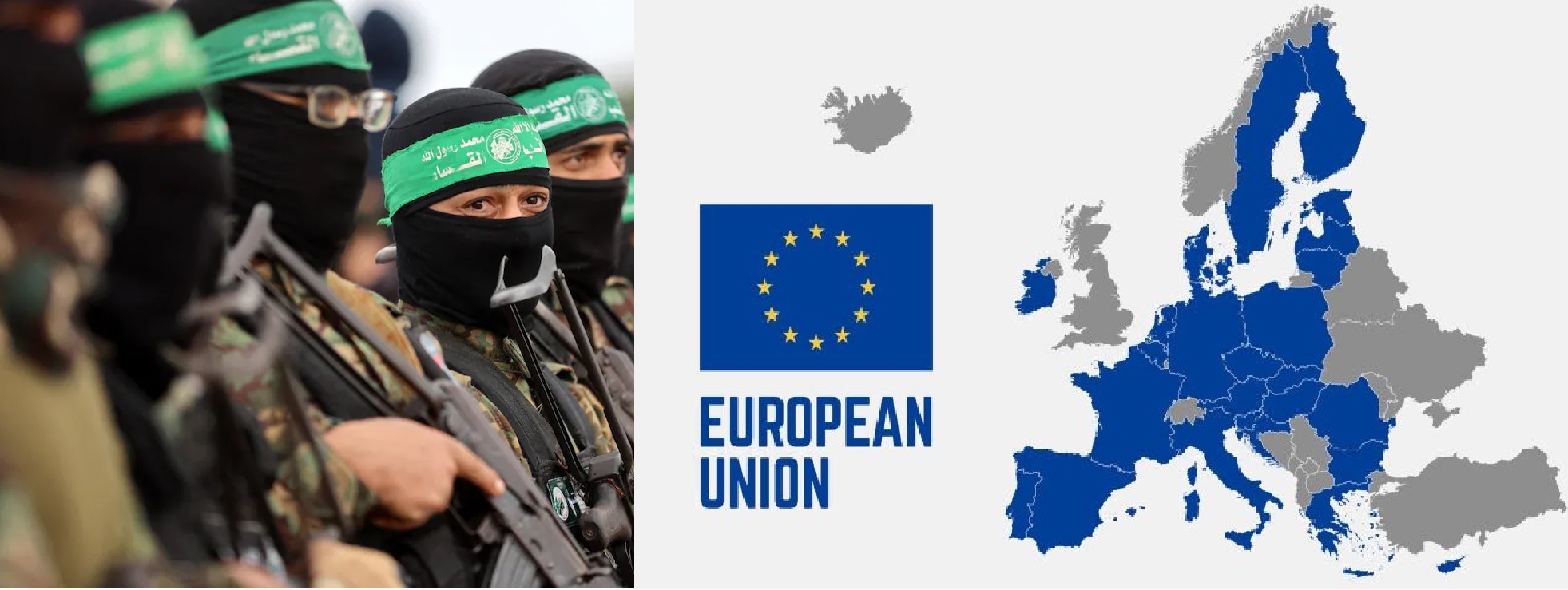
World
Israel’s Mossad intelligence service says it has helped uncover and disrupt what it describes as a “significant Hamas terrorist infrastructure” embedded across several European countries, reigniting debate over how Palestinian militant networks operate on the continent and what future security challenges Europe may face. According to statements released via Israel’s Prime Minister’s Office and briefings to international media, Mossad worked with security and law-enforcement agencies in Germany, Austria and other European states to expose operational cells, seize weapons and arrest suspects allegedly preparing attacks against Israeli and Jewish targets in Europe. Israeli officials say the network was designed to be activated “on command” by Hamas leadership abroad — a shift from the group’s historically local focus in Israel, the West Bank and Gaza to more structured plotting on European soil. Weapons Caches and “Sleeper” Cells Several recent cases underpin Mossad’s claims: In Vienna, Austrian security services uncovered a weapons cache – including handguns and magazines – that investigators say was linked to Hamas and intended for possible attacks on Jewish or Israeli targets. In Germany, four alleged Hamas members are on trial in Berlin, accused of helping locate old weapons depots and build new caches around Europe so that militants could access them quickly for attacks on Israeli or Jewish sites. Earlier operations in Denmark, Germany and the Netherlands saw the arrest of several suspects accused of planning attacks on Jewish institutions across borders; German prosecutors said at least some of the detainees were believed to be long-standing Hamas members with links to the group’s armed wing. Mossad officials have reportedly dubbed the network the “Hamas octopus” — a web of small, compartmentalised cells, weapons hideouts and logistics channels distributed across multiple states, designed to remain dormant for long periods and strike when ordered. How Hamas Is Alleged to Operate Inside Europe Counter-terror analysts say the picture emerging from recent investigations suggests a multi-layered system rather than a large, visible organisation. Small, covert cellsSuspected operatives in Europe often live relatively low-profile lives, sometimes as students, asylum seekers, long-term residents or naturalised citizens. They may not be involved in overt violence but are allegedly tasked with scouting targets, storing weapons, or providing safe houses and logistics. External leadership and directionMossad claims the plots disrupted in recent months were planned or green-lit abroad, with operatives guided by senior Hamas figures based in Qatar and possibly Turkey, who coordinated funding and strategy. Use of pre-positioned arms and “emergency” depotsThe Berlin trial centres on allegations that weapons were hidden years ago across Europe, with newer caches added more recently. Prosecutors say the goal was to ensure that, if Hamas decided to attack, weapons could be accessed quickly without crossing heavily monitored borders. Financing, charities and front organisationsEuropol and national security agencies have long warned that parts of the Hamas network in Europe focus on fundraising and logistical support, sometimes via charities or informal money-transfer systems. Authorities allege that a portion of this money can feed both social-welfare projects tied to Hamas and its armed activities. Online propaganda and recruitmentEuropean counter-terrorism reports describe a persistent online ecosystem that spreads Hamas-aligned narratives, glorifies attacks in Israel and Gaza, and may encourage radicalised individuals in Europe to support or assist the group, even if they never formally “join” it. What Hamas Wants – and Why Europe Cares The European Union, United States and several other governments designate Hamas as a terrorist organisation, citing its long record of suicide bombings, rocket attacks and the 7 October 2023 massacre in southern Israel. Hamas, which controls Gaza, rejects Israel’s legitimacy and seeks political power over Palestinian territories under its own leadership and ideology. For European governments, the concern is twofold: That Hamas external networks could be used to strike Jewish communities, Israeli targets or diplomatic facilities in Europe, either as retaliation in the Gaza war or as leverage in wider regional struggles. That the group’s political goal of consolidating control over Palestinian territories under its rule may drive more aggressive operations abroad — especially if it sees pressure from regional rivals or internal Palestinian factions as a threat to its power base. Mossad’s latest disclosures are framed by Israel as proof that Hamas is trying to extend its “axis of conflict” beyond the Middle East, while European officials are more cautious in public but have acknowledged a heightened risk to Jewish and Israeli sites since October 2023. A Growing Security Challenge for Europe Even before Mossad’s latest announcement, Europe’s counter-terrorism community had been warning of a more complex, crowded threat landscape. Increased targeting of Jewish communitiesArrests in Germany, Denmark, the Netherlands and Austria all relate to plots allegedly aimed at synagogues, Jewish organisations or Israeli diplomatic premises. Authorities fear that these institutions will remain priority targets, forcing long-term investment in hard security, surveillance and community protection. Foreign intelligence and proxy conflicts on European soilIn parallel with Hamas-related cases, European services are investigating Iranian intelligence operations accused of scouting Jewish or Israeli targets — underlining concerns that Middle Eastern conflicts are increasingly projected into Europe via proxy networks. Digital radicalisation and lone-actor risksEuropol’s latest TE-SAT terrorism report notes that online propaganda can quickly inspire individuals who have no direct organisational link to groups like Hamas to commit violence in solidarity. This “lone actor” risk is difficult to detect early, because many of these individuals use encrypted apps and fringe platforms that are hard to monitor. Balancing civil liberties and surveillanceExpanding monitoring of diaspora communities, religious organisations and charities carries the risk of politicisation and community backlash. European governments face a delicate balancing act: stepping up intelligence cooperation and legal tools against terrorism while protecting lawful political activism and freedom of expression. Border control and weapons traffickingThe alleged use of long-term weapons caches in Austria and elsewhere highlights the challenge of tracking illicit arms flows across Europe’s open internal borders. Authorities say future policy will likely focus on better tracing of firearms, more intrusive checks on suspected smuggling routes, and deeper intelligence sharing between national police forces. European and Israeli Responses Across Europe, governments appear deeply unsettled by what Mossad has revealed, even if they continue to keep many operational details behind closed doors. German officials, for instance, openly acknowledge that Jewish communities across the country are facing “serious and ongoing threats,” prompting Berlin to pour more resources into securing synagogues, schools and cultural centres. Their message is unmistakable: the threat environment has shifted, and Germany is preparing for a prolonged challenge. Elsewhere, countries like Denmark, the Netherlands and Austria emphasise that without close intelligence cooperation — both within the EU and directly with Israel — these alleged Hamas networks might never have been exposed. For them, the recent arrests highlight that Europe’s security now relies heavily on deep, strategically vital partnerships that extend far beyond the continent’s borders. Israel, meanwhile, frames the entire operation as part of its broader and “uncompromising struggle” against Hamas. From Jerusalem’s viewpoint, preventing Hamas from establishing a new operational front in Europe is not just a defensive posture — it is an extension of the ongoing conflict in Gaza, now taking shape within European intelligence and diplomatic corridors. Yet this more assertive approach has sparked debate. Human-rights organisations and several European lawmakers warn that intensifying counter-terrorism measures can unintentionally cast unfair suspicion on Muslim or Palestinian communities, the vast majority of whom reject extremism. They caution that while confronting terrorism is essential, governments must avoid deepening social divides or fuelling Islamophobia at a moment when many communities already feel vulnerable. An Evolving Threat, Not a New One Security experts note that Hamas has tried and failed to carry out attacks abroad in the past, with plots in Europe and elsewhere generally thwarted before execution. What is new, they argue, is the scale and visibility of recent crackdowns and the explicit public role Mossad is taking in describing the threat. Whether the latest raids mark the dismantling of a major network or simply the exposure of one layer in a deeper infrastructure remains unclear. But for Europe’s security services, the message is blunt: as long as Hamas seeks to project power beyond Gaza and Israel, European soil will remain a potential arena — and defending it will demand years of patient intelligence work, political coordination and community resilience.
Read More → Posted on 2025-11-25 12:26:56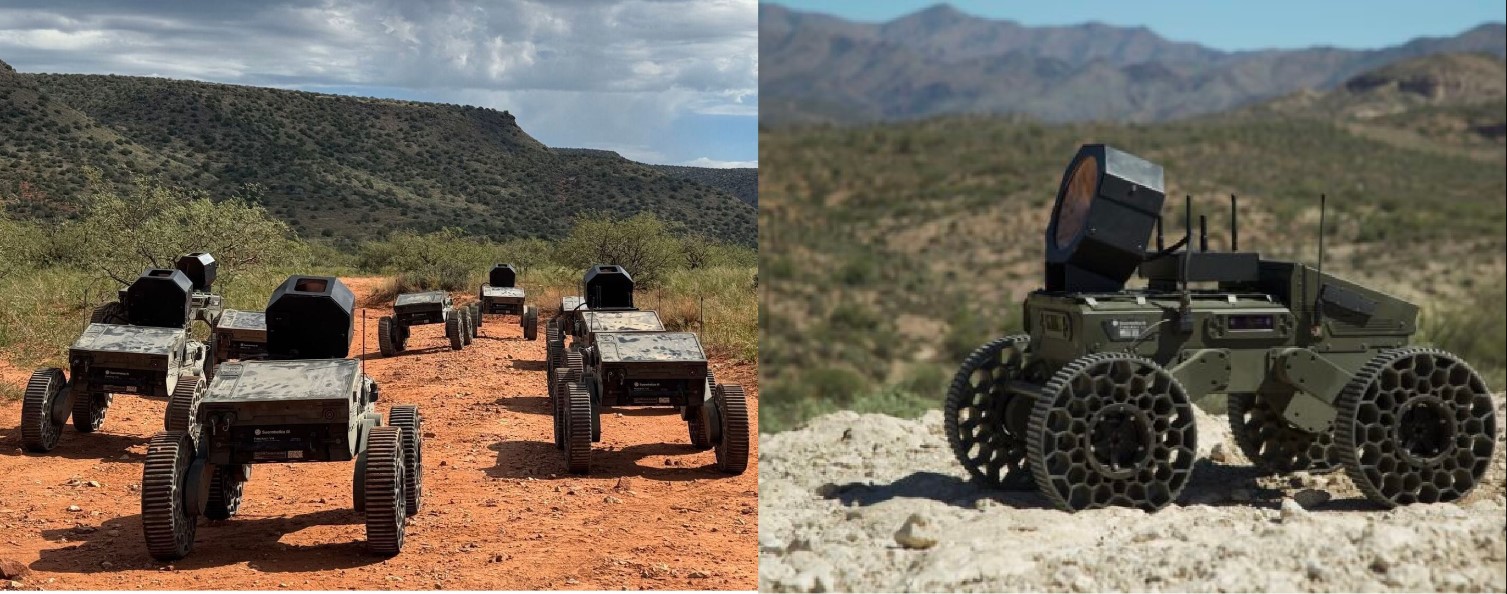
World
The U.S. Army has begun field trials of new robotic “tank killers” built around the lightweight, swarming FireAnt unmanned ground vehicle (UGV), developed by Arizona-based startup Swarmbotics AI. During recent exercises in Texas, the small ground robots were tested as part of a broader push to bring autonomous anti-armor systems into frontline formations. Testing robotic armor hunters in Texas From 27–29 October 2025, the Army’s Transformation and Training Command hosted the xTechOverwatch for Unmanned Systems event at the Bush Combat Development Center’s Innovation Proving Ground in Texas. The demonstration brought together around 40 industry and academic teams to run air and ground robots through realistic situational lanes and compete for follow-on integration with operational units. Among the systems that drew particular attention was FireAnt, a compact tracked/wheeled UGV built specifically to hunt heavy armor in groups. According to the Army and Swarmbotics AI, the trials examined how multiple FireAnts controlled by a single operator could move with friendly forces and mass effects against tanks and armored vehicles. The most promising teams from xTechOverwatch, including the FireAnt concept, are now slated to work with Army “Transformation in Contact” formations between 2026 and 2027, feeding directly into the service’s wider autonomy and robotics modernization effort. What is FireAnt? FireAnt is described by its maker as a “lightweight, attritable unmanned ground vehicle” designed to operate in swarms under the control of a single soldier. Its primary mission in the anti-tank role is to detect, track and engage heavy armor using low-cost payloads, trading cheap mass for survivability rather than relying on a small number of exquisite platforms. A former U.S. Army armored cavalry officer highlighted that a robot roughly the size of the 70-pound FireAnt hits a sweet spot: large enough for rough ground but small enough to remain below tank machine-gun arcs. Swarmbotics markets FireAnt as part of its ANTS (Attritable Networked Tactical Swarm) ecosystem. The platform is: Man-portable, allowing troops to carry or quickly deploy it from small vehicles. Modular, with a payload bay that can be reconfigured for different missions. Ruggedized and sealed to around IP67 level, with resistance to dust, heat, vibration and shock for harsh combat environments. While full performance data has not been released, FireAnt sits in a class of small UGVs that typically trade heavy armor for agility, low profile and low cost. Swarm autonomy and control At the heart of the concept is swarm autonomy. Swarmbotics says FireAnt’s architecture is built around: Coordinated behaviors across mixed teams and missions, allowing different robots in the swarm to divide tasks such as scouting, jamming and attack. Real-time tasking and data sharing, so each FireAnt can pass targeting and sensor information to the others and to human controllers. “Kill chain acceleration”, in which detection, identification and engagement of a target are compressed into seconds instead of minutes. To make integration easier, the UGV supports common robotic middlewares such as ROS 2 and JAUS, helping it plug into existing autonomy stacks and battlefield command-and-control tools. Swarmbotics sums up the doctrine in a marketing line now frequently quoted in coverage of the project: “One operator. Multiple robots. Infinite tactical advantage.” Payloads: from reconnaissance to tank killing The FireAnt platform is multi-mission, with the anti-tank role treated as one payload option among several. Company materials and reporting indicate that FireAnt can be configured for: Anti-armor attack, using low-cost, field-swappable warheads or effectors capable of damaging or disabling tanks and armored vehicles. Intelligence, surveillance and reconnaissance (ISR), using electro-optical/infrared sensors to scout ahead of manned units. Counter-UAS (C-UAS), potentially mounting sensors or launchers to disrupt or destroy hostile drones. Electronic warfare and data relay, acting as a forward node to extend communications or jam enemy systems. Because payloads can be changed in the field, the same basic robot chassis can be used as a sensor platform on one mission and an expendable anti-tank asset on the next, depending on what a unit needs. Part of a “mobile minefield” vision The Army’s interest in FireAnt fits into its broader concept of a “mobile minefield”: swarming expendable robots that can track, ambush, and block armored vehicles—a flexible evolution of scatterable mines. The Army is exploring a future family of consumable combat robots with ambitious goals such as 120 km ranges, 60 km/h speeds, and larger explosive payload options. FireAnt represents the early, tactical end of this emerging class. Why FireAnt matters For the U.S. Army, FireAnt’s field tests mark another step toward distributed, low-cost robotic systems that can deploy in numbers, accept higher risk and still deliver meaningful combat effects. Instead of relying on a single expensive anti-tank missile team or vehicle, a platoon could one day deploy dozens of expendable ground bots, each a smaller problem individually but a serious threat in aggregate. For Swarmbotics AI, the Texas trials and growing media attention solidify FireAnt’s position as one of the more visible entrants in the emerging class of small, anti-armor UGVs. If ongoing experimentation goes well and the Army decides to field such systems at scale, the unassuming 70-pound robot might become a key piece of how future forces hunt tanks from the ground, autonomously, and in swarms.
Read More → Posted on 2025-11-24 17:50:25
World
Former U.S. President Donald Trump has intensified his criticism of Ukrainian President Volodymyr Zelensky, issuing a sharp rebuke during remarks on Monday, where he questioned Ukraine’s ability to win the war and mocked Zelensky’s repeated appeals for Western weapons. Speaking at a political event, Trump said:“He is always looking to buy missiles. Look, when you start a war, you should know that you are capable of winning. Don’t start a war against someone twenty times bigger than you and then hope that people will give you some missiles.” The statement, delivered on Monday afternoon, immediately drew international attention and reignited concerns about the future of U.S. support for Ukraine. A Continuation of Trump’s Sharp Tone on Ukraine The Monday remarks were not an isolated moment. Trump has regularly criticized Zelensky throughout the past year, questioning the scale of Western military aid and warning that Ukraine’s use of long-range missiles risks “dangerous escalation.” He has accused Zelensky of being “constantly desperate for missiles” and has suggested that Zelensky bears partial responsibility for the war’s devastation — a claim strongly rejected by Kyiv and European leaders. U.S. and Europe’s Support to Ukraine According to multiple sources: The U.S. has committed approximately US $128 billion in direct aid to Ukraine, according to the Kiel Institute. From February 2022 to June 2025, the U.S. committed €114.64 billion (about US $134 billion) in total support. The U.S. has provided US $66.9 billion in military assistance alone since Russia’s full-scale invasion. The European Union and its 27 Member States have provided nearly US $197 billion in financial, military, humanitarian and refugee assistance. These figures underscore the massive scale of Western support to Kyiv — even as debates continue over the future of aid deliveries. Zelensky’s Response and Kyiv’s Position President Zelensky has not responded directly to Monday’s comments, but officials in Kyiv have expressed concern that Trump’s escalating rhetoric could weaken Washington’s commitment at a critical moment. Ukraine remains heavily reliant on Western air-defence systems, artillery ammunition and long-range strike weapons, all of which depend on continued U.S. and European backing. Ukrainian lawmakers reiterated that Russia launched the full-scale invasion, and that Ukraine is defending its sovereignty with the support of international partners. Political and Strategic Implications Trump’s latest statement — delivered just ahead of key U.S. congressional deliberations on Ukraine aid — comes at a time when American domestic support is wavering and Europe faces pressure to potentially fill future gaps. Some analysts warn that a reduction in U.S. aid could force European allies to significantly increase their own military assistance. European officials remain wary. While financial support is high, their industrial capacity is under strain, and questions remain about whether Europe can keep pace with Ukraine’s battlefield needs. Russia, meanwhile, has welcomed the remarks. State media portrayed Trump’s comments as evidence of “fractures in the U.S.–Ukraine alliance.” A Strained Relationship Growing More Public Monday’s outburst further highlights the deteriorating relationship between Trump and Zelensky. The two leaders have previously clashed over aid, battlefield strategy and Western involvement in the war. For Ukraine, the timing of Trump’s criticism could not be worse. Russian forces continue pushing across multiple fronts, and Kyiv remains deeply dependent on Western weapons and financial support. As the war enters another difficult phase and the flow of weapons becomes increasingly critical, Trump’s Monday remarks signal an increasingly uncertain future for one of Ukraine’s most vital alliances. The political and military consequences may unfold in Washington, Brussels and Kyiv in the months ahead.
Read More → Posted on 2025-11-24 17:38:23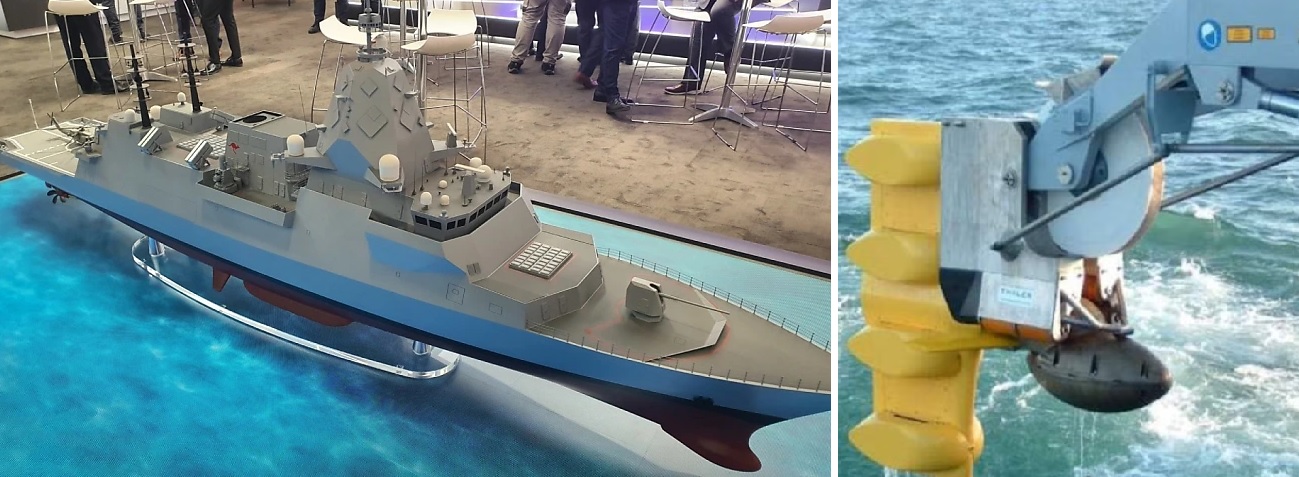
World
In a landmark step for the Hunter-class frigate programme, the Royal Australian Navy (RAN) and its industrial partners have successfully completed the Factory Acceptance Test (FAT) of the towed body and towed array handling systems for the advanced sonar suite destined for Australia’s future anti-submarine warfare capability. The testing took place at the Thales Defence Mission Systems facility in Brest, France, where representatives from Thales France, Thales UK, Thales Australia, and the RAN gathered. Testing Success Signals Confidence in System Readiness The FAT encompassed the towed body handling system (TBHS) and towed array handling system (TAHS), supported by associated auxiliary systems. Commander Roy Casson, representing the Naval Shipbuilding and Sustainment Group, said the systems “performed well in accordance with the detailed test procedures.” He praised the multinational Thales teams for their “diligent and rigorous oversight” in ensuring the product met its design intent. The successful FAT means the towed-system hardware is now cleared for export to Australia—scheduled for delivery in the first quarter of 2026—where it will be integrated into the Hunter-class frigates under the broader SEA 5000 shipbuilding programme. Sonar 2087 and CAPTAS-4: A Global, Advanced Undersea Capability At the heart of this milestone is the sonar suite designated Sonar 2087, a British-variant of the CAPTAS-4 towed-array sonar manufactured by Thales. The CAPTAS family is widely recognised as a world-leading variable-immersion towed sonar, offering combined active and passive detection and long-range undersea surveillance. Sonar 2087 integrates low-frequency active and passive towed arrays capable of detecting, locating and classifying modern submarines at distances up to 60 kilometres. The system also provides 360-degree situational awareness and real-time torpedo alerts—key capabilities for high-threat anti-submarine warfare (ASW) operations. Integration into the Hunter-Class: Strategic Significance for Australia The Hunter-class frigates, being built by BAE Systems Maritime Australia under the SEA 5000 programme, are explicitly designed with a strong ASW focus to counter next-generation submarine threats across the Indo-Pacific region. With the sonar suite’s handling systems now validated, the path is clear for the installation of the full Sonar 2087 package in Australia. This capability will sit alongside the vessels’ broader sensor and weapons suite, thereby significantly enhancing the frigates’ ability to detect, classify and engage underwater threats in deeper, contested waters. For Australia, this milestone strengthens both sovereign maritime industry capability and long-term undersea warfare preparedness. The integration of such advanced towed array technology positions the RAN to maintain acoustic superiority in an era of increasingly quiet and sophisticated submarines. What Happens Next Following the successful FAT in France, the next steps include: Delivery of the towed-array systems in early 2026 Integration of the sonar hardware into the frigates during their construction Sea trials to validate real-world sonar performance Continued work toward the Hunter-class entering service in the early 2030s Broader Context This milestone comes as global navies intensify investment in undersea warfare. Thales recently marked its 100th CAPTAS variable-immersion sonar order, underscoring the system’s worldwide demand. For the RAN and Australia’s defence sector, completing FAT early in the production cycle strengthens confidence in both the supply chain and the technical maturity of the sonar. It also reinforces Australia’s emerging role in building high-end naval systems. The passing of the FAT for the towed body and towed array handling systems marks a major step forward in equipping Australia’s future frigates with world-class anti-submarine warfare capability. As the Hunter-class programme advances, the integration of Sonar 2087 via CAPTAS-4 places Australia among the navies best positioned to meet evolving undersea threats. With delivery set for early 2026 and ship commissioning in the 2030s, the journey from Brest to Australia’s maritime front line is firmly underway.
Read More → Posted on 2025-11-24 17:14:57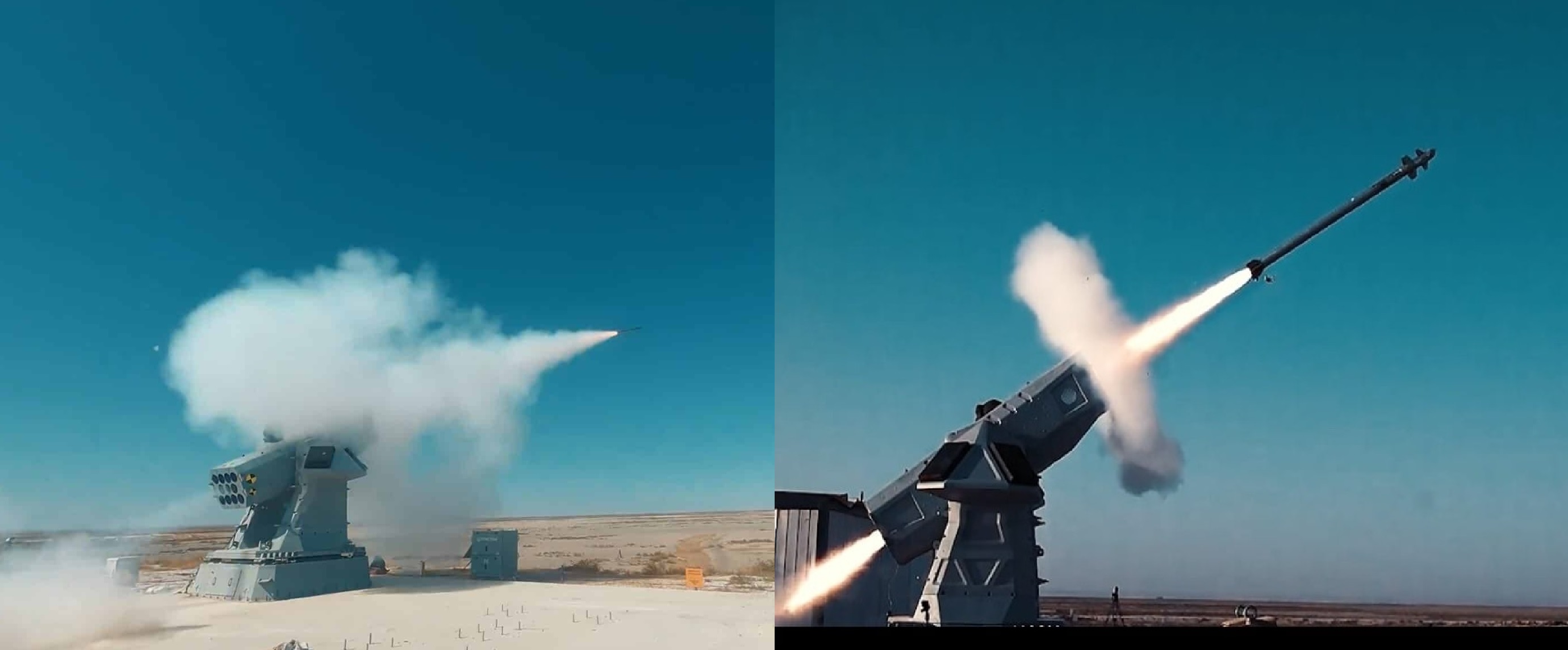
World
Türkiye’s growing push for a fully sovereign naval air-defence shield reached a decisive milestone this week, as Roketsan confirmed that its LEVENT close-in air-defence system successfully carried out its first seeker-guided live intercept against a real airborne target. The test, announced on the company’s official X account, represents the most concrete demonstration to date that LEVENT is transitioning from a development concept to a deployable capability for Turkish warships. The intercept test involved a full-profile engagement, with LEVENT’s onboard sensors detecting the target, handing it off to the missile’s hybrid seeker, and achieving a direct hit. Defence officials described the event as a “critical validation step” in Türkiye’s effort to field a layered maritime air-defence solution tailored for the Black Sea, Aegean, and Eastern Mediterranean, regions where drone swarms, stand-off munitions, and sea-skimming cruise missiles represent a growing operational threat. A New Pillar in Türkiye’s Naval Air-Defence Architecture The LEVENT system is being developed to sit inside Türkiye’s multi-tiered naval air-defence structure, complementing medium- and long-range missiles already in production. Its role forms the inner defensive ring—the last shield between an incoming weapon and the ship. For decades, this segment has been dominated by imported designs such as the US–German RIM-116 Rolling Airframe Missile (RAM) and, at longer ranges, MBDA’s Sea Ceptor (CAMM). LEVENT marks Türkiye’s intent to break dependence on these systems, avoiding export restrictions, foreign supply chains, and political constraints. Specifications and Capabilities of LEVENT Although Roketsan has not publicly released the full technical data sheet, open-source disclosures and defence-industry reporting provide a clear picture of the system’s profile: Key Specifications Effective Range: ~11 km Missile Type: National missile architecture derived from Türkiye’s MANPADS/SHORAD family Guidance: Hybrid seeker (imaging infrared + RF guidance components) for high accuracy against low-observable threats Radar/Sensor Integration: Designed to sync with shipborne combat management systems for rapid reaction Launcher Configuration: Vertical and inclined-launcher compatible, optimized for corvettes, frigates, and offshore patrol vessels Reaction Time: Rapid engagement cycle suitable for high-speed threats such as sea-skimming cruise missiles Targets: UAVs, subsonic anti-ship missiles, loitering munitions, helicopters, and fast attack craft Why the Test Matters The successful seeker-guided intercept demonstrates that LEVENT can: Detect, track, and destroy real airborne threats at operational ranges Engage agile, evasive targets, including small drones and complex missile trajectories Provide a larger defensive footprint compared with gun-based CIWS like Phalanx or Gokdeniz Integrate into layered defence alongside Türkiye’s SIPER and HISAR systems Positioning Between RAM and Sea Ceptor From a capability standpoint, LEVENT is emerging as a uniquely balanced option: Against RAM: RAM offers ~9–10 km range with dual-mode seekers, but remains US-German and subject to export controls. LEVENT adds ~11 km range, similar guidance capability, and full national ownership—an advantage for countries seeking independence from Western supply chains. Against Sea Ceptor (CAMM): Sea Ceptor extends out beyond 25 km, forming a medium-range area-defence layer. LEVENT slots below it, optimized for close-range, rapid-reaction intercepts, not long-range engagements. The system thus fills a critical operational gap—a missile-centric CIWS that is both sovereign and cost-efficient. Strategic Significance for Türkiye and Export Markets The geopolitical environment surrounding the Black Sea and eastern Mediterranean—defined by drone proliferation, saturation attacks, and contested maritime zones—has driven Ankara to accelerate domestic air-defence innovation. With the LEVENT project maturing, Türkiye aims to: Equip its I-class frigates, Hisar-class OPVs, and Ada-class corvettes with indigenous short-range missile defence Reduce reliance on foreign CIWS and RAM-type missiles Offer a competitive export product to navies that cannot acquire RAM or CAMM due to budget constraints or political restrictions Analysts note that countries in the Middle East, Asia, and Africa have already expressed interest in LEVENT as part of wider naval-modernisation packages involving Turkish-built vessels. Towards Operational Deployment at Sea Following the successful intercept, Roketsan will now push LEVENT toward its next stage of maturity at sea. The system will undergo trials in varying sea states to validate its stability and sensor performance in real maritime conditions. Engineers will also subject it to multi-target scenarios and saturation-attack profiles to assess how effectively it can manage simultaneous threats. Integration work with the Turkish Navy’s combat systems will continue in parallel, ensuring that LEVENT can operate seamlessly within existing and future command networks. If development stays on schedule, the system is expected to achieve full operational certification in the late 2020s, enabling installation on upcoming naval platforms and retrofitting onto vessels already in service. Long-Term Implications By proving that LEVENT can intercept a real airborne threat, Türkiye has taken a major step toward establishing a fully indigenous naval air-defence ecosystem. As drone warfare and precision-guided weapons continue to reshape maritime operations, the country’s ability to defend its fleets with locally developed systems is becoming not just a technological preference, but a strategic necessity. LEVENT’s progress signals that Türkiye is rapidly closing the gap with established Western CIWS manufacturers—and in some areas, carving out competitive advantages of its own.
Read More → Posted on 2025-11-24 15:50:50
World
The U.S. Department of State has officially added the Venezuelan network Cartel de los Soles to its list of Foreign Terrorist Organizations (FTOs), a decision published today in the U.S. Federal Register. The move marks a major escalation in Washington’s confrontation with the government of Nicolás Maduro and paves the way for expanded U.S. military authority against Venezuelan targets. According to U.S. officials, the cartel—comprised largely of Venezuelan military officers accused of running state-embedded narcotics operations—has been linked to transnational drug trafficking networks operating across the hemisphere. With the designation now formal, the Pentagon is expected to shift into a “new phase of actions” that could include combined strikes on Venezuelan territory. Venezuela Condemns Decision as Prelude to Invasion The Venezuelan government responded within minutes, issuing a sharp condemnation and calling the U.S. move “a dirty lie aimed at justifying an invasion of Venezuela.” Caracas insists the designation is part of a long-running campaign to delegitimize the Maduro administration and create a legal pretext for military intervention. Venezuelan officials have also increased alerts across coastal and air-defence units, warning that any U.S. incursion would be met with force. Regional analysts note that with today’s declaration, the formal and practical preparations for U.S. military action are essentially complete—leaving only the final presidential order before operations can commence. U.S. Naval Posture Near Venezuela: A Quiet but Powerful Build-Up In the weeks leading up to the FTO announcement, the United States significantly strengthened its military presence across the southern Caribbean. Current U.S. Navy Fleet Status Near Venezuela: A Carrier Strike Group, centred around a Nimitz-class or Ford-class carrier, has been operating in Caribbean waters—within operational range of key Venezuelan military installations. Multiple Arleigh Burke–class destroyers and Ticonderoga-class cruisers are conducting continuous patrols and maritime surveillance. An Amphibious Ready Group, including Marine expeditionary units, is stationed closer to the Lesser Antilles, positioned for potential rapid insertion or evacuation operations. U.S. Air Force strategic bombers, operating from bases in Puerto Rico and Florida, have been conducting long-range maritime patrol patterns that analysts say are consistent with pre-strike mapping. A network of drones, P-8A Poseidon aircraft, and other surveillance platforms are monitoring Venezuelan naval movements in the Caribbean. Taken together, the deployment represents one of the largest U.S. forward naval presences near Venezuela since the early 2000s, giving Washington simultaneous strike, surveillance, and amphibious capabilities. Why the U.S. Move Matters The FTO designation grants the Department of Defense far broader latitude for direct action. Under the classification, U.S. forces may: target the cartel’s alleged logistical nodes, safehouses, or transport infrastructure, strike Venezuelan military assets linked to or protecting cartel networks, freeze or seize any assets connected to the organization worldwide, pursue operations under counter-terror authorities rather than solely narcotics or organized-crime frameworks. For Washington, the designation creates a narrative of national security threat—one that justifies kinetic action without requiring the political burden of a full declaration of war. Regional and Global Reactions Latin American governments remain divided. While U.S. allies in Colombia and the Caribbean have remained cautious, several South American states—particularly Bolivia and Brazil—warn that military escalation could destabilize the region. Venezuela has signaled that it may appeal to Russia, China, and Iran for diplomatic or logistical support, raising fears of a broader geopolitical confrontation. Humanitarian groups have also expressed concern that any U.S. strike could worsen an already severe humanitarian crisis and potentially trigger another wave of mass migration. Operation Imminent? With the designation now legally binding, officials in Washington say the Pentagon’s “preparatory phase” is essentially complete. Intelligence mapping, force positioning, and logistical staging have been underway for weeks. What remains is the final executive order authorizing operations. If executed, the U.S. would likely begin with precision strikes on what it identifies as cartel-linked military facilities, followed by maritime interdiction operations targeting Venezuelan vessels suspected of supporting trafficking networks. For now, the region is bracing for a critical moment that could redefine U.S.–Venezuela relations and alter the security landscape of the Caribbean.
Read More → Posted on 2025-11-24 15:32:34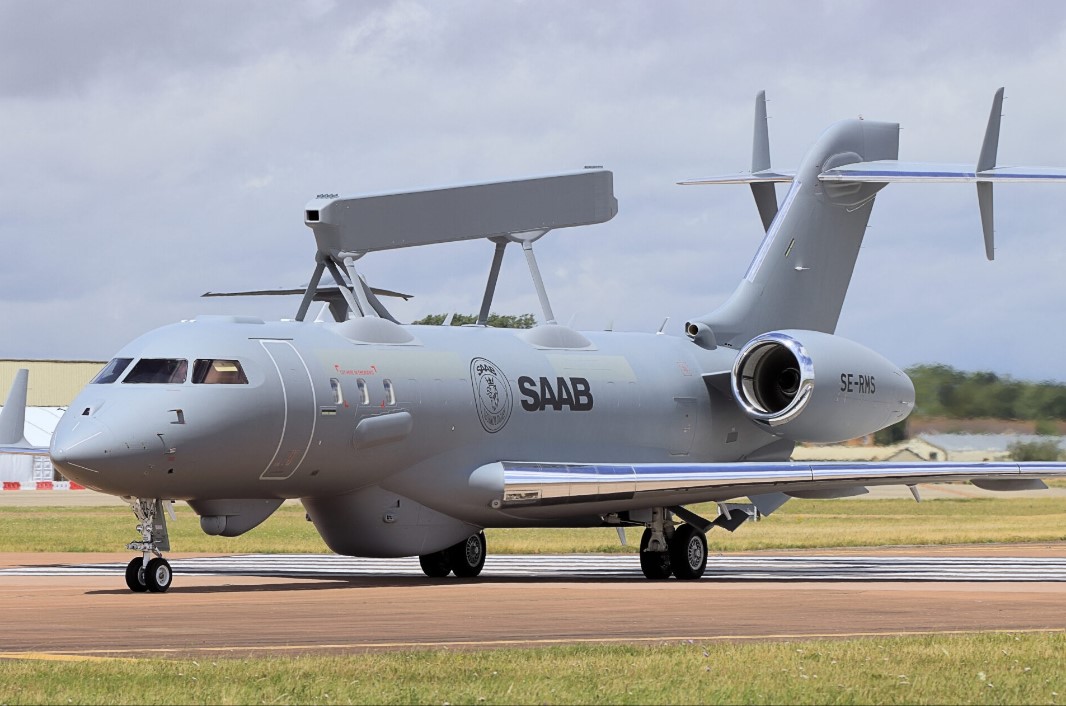
World
Swedish defence manufacturer Saab has formally offered its GlobalEye airborne early warning and control (AEW&C) aircraft to Saudi Arabia, according to a Reuters report released on 21 November 2025. The move comes as Riyadh accelerates efforts to modernise its long-range surveillance and command network under its broader defence transformation agenda. Strong Saudi Interest, Confirms Saab In an interview a day earlier in Montreal, Saab CEO Micael Johansson confirmed that Saudi Arabia has shown “strong interest” in the platform, which is already operated by the United Arab Emirates and several European customers. Johansson described the offer as part of ongoing discussions with the Kingdom, which has been evaluating options to strengthen its airborne and maritime situational awareness. The proposal positions the GlobalEye as a potential future pillar of Saudi Arabia’s integrated air and missile defence, particularly as the region faces increasingly complex threats from drones, cruise missiles, and long-range precision weapons. What GlobalEye Brings to the Table Saab’s GlobalEye is widely regarded as one of the most advanced AEW&C platforms currently available. Built on the Bombardier Global 6000/6500 long-range business jet, the aircraft combines endurance, speed, and a sophisticated sensor suite designed for air, maritime and ground surveillance. Its main features include: Erieye ER AESA radar with a detection range exceeding 450–550 km, capable of tracking low-observable aircraft, cruise missiles, and drones across a wide area. Leonardo Seaspray 7500E radar for maritime and ground surveillance, including synthetic-aperture and moving-target detection modes. Electro-optical/infrared turret for day-night identification and tracking. Mission suite with five operator consoles, satellite communications, and secure data-links enabling networked command and control. Endurance of over 11 hours and a range exceeding 6,000 nautical miles, allowing extended operations over the Gulf, Red Sea, and Arabian Peninsula. The GlobalEye’s ability to perform multi-domain surveillance simultaneously is a key selling point for militaries confronting both traditional air threats and emerging drone swarms. Saudi Arabia’s Current AEW&C Fleet If selected, GlobalEye would expand—and eventually supplement—Saudi Arabia’s existing airborne early-warning force. The Royal Saudi Air Force (RSAF) currently operates: Five Boeing E-3 Sentry AWACS aircraft, acquired in the 1980s. These 707-based platforms remain central to Saudi airspace surveillance but face growing sustainment challenges due to their age and maintenance burden. Two Saab 2000 Erieye AEW&C turboprops equipped with an earlier Erieye radar. These smaller aircraft have already familiarised Saudi crews with Saab’s AEW&C systems and operational concepts. The E-3s have been heavily employed during the Yemen conflict, monitoring missile launches and guiding Saudi air defences. However, their older radar technology is less optimised for detecting small, low-flying drones and cruise missiles—threats that have become far more common in the region. Why Saudi Arabia Is Interested Saudi Arabia’s growing interest in the GlobalEye system is shaped by a combination of strategic, operational, and technological needs. Riyadh is seeking a more reliable and far-reaching early-warning capability to monitor Iranian missile launches, UAV activity, and regional airspace movements, especially as threats have become faster, stealthier, and more unpredictable. At the same time, the Kingdom wants to improve its visibility over key maritime zones—the Red Sea, Arabian Gulf, and Gulf of Aden—which are becoming increasingly contested due to drone attacks, smuggling networks, and great-power naval deployments. Beyond surveillance, Saudi Arabia aims to strengthen multi-domain command and control, ensuring its fighter aircraft, naval forces, ground units, and missile-defence systems can share real-time data through a single airborne network. The GlobalEye fits naturally into this vision, particularly because it would also improve interoperability with the United Arab Emirates, which already operates the platform, and with European partners who are moving toward newer AEW&C solutions. Finally, the interest is tied to Riyadh’s push for defence industrial localisation under Vision 2030. Saab’s willingness to support training, maintenance, and potential collaboration with Saudi Arabian Military Industries (SAMI) makes the GlobalEye not just an operational upgrade, but also an opportunity to expand domestic defence capabilities. Growing Global Demand and Competitive Landscape The offer to Saudi Arabia comes as international demand for advanced AEW&C systems rises sharply. NATO members, Gulf states and Indo-Pacific countries are reassessing their surveillance capabilities amid emerging long-range threats. The GlobalEye has recently secured major export successes, including orders from Sweden and a planned acquisition by France, strengthening Saab’s position against competitors such as Boeing’s E-7 Wedgetail. Potential Saudi Procurement Path While Riyadh has not yet indicated the number of aircraft it may purchase, defence analysts expect a possible initial order of two to four GlobalEye aircraft, including mission systems, ground stations and long-term support packages. Such a deal could reach USD 1–1.4 billion, depending on configuration and industrial-offset requirements. If negotiations progress, the GlobalEye could become the next major addition to Saudi Arabia’s expanding ISR architecture, marking one of the Middle East’s most significant airborne surveillance upgrades of the decade. With Saab’s offer now formally on the table, Saudi Arabia joins a growing list of countries evaluating next-generation early-warning aircraft—at a time when information dominance is becoming as critical as firepower in modern warfare.
Read More → Posted on 2025-11-24 15:18:17
World
U.S. President Donald Trump has confirmed that his administration is moving ahead with plans to designate the Muslim Brotherhood as a Foreign Terrorist Organization (FTO), a step that could reshape U.S. relations across the Middle East and have far-reaching consequences for Muslim communities and political movements worldwide. “It will be done in the strongest and most powerful terms. Final documents are being drawn,” Trump said in recent remarks, echoing what the White House and conservative allies have been signaling for months. The announcement follows a similar move at the state level by Texas Governor Greg Abbott, who last week designated both the Muslim Brotherhood and the Council on American–Islamic Relations (CAIR) as terrorist and transnational criminal organizations under Texas law. What the U.S. Terrorist Designation Would Mean If the Muslim Brotherhood is formally designated as an FTO by the U.S. State Department, the group and any entities officially linked to it would face sweeping penalties: Asset freezes of any funds or property under U.S. jurisdiction Criminal liability for anyone providing “material support,” including funding, training, or services Bank and financial de-risking, making it extremely difficult for associated organizations to operate in the global financial system Critics of the Brotherhood have long argued that such a move is overdue, pointing to the group’s ideological links to Hamas, the Palestinian militant organization that the U.S. has designated as a terrorist group since 1997. Hamas is historically considered a Palestinian offshoot of the Muslim Brotherhood. Supporters of the move inside the administration and in Congress say it would send a clear message that Washington will treat Islamist movements that inspire or enable violence the same way it treats armed terrorist groups. What Is the Muslim Brotherhood? The Muslim Brotherhood, founded in Egypt in 1928, began as a religious and social reform movement advocating a return to governance based on Islamic law. Over the decades it evolved into a transnational Islamist network with branches, affiliates, or sympathizers across the Middle East, North Africa, and parts of Europe and North America. While its original leadership and many of its branches have at times renounced violence and participated in elections, the Brotherhood’s ideology has also inspired more radical offshoots, including groups that turned to armed struggle. Analysts widely describe it as the “ideological mother” of Hamas and of multiple radical Islamist currents around the world. How Brotherhood “Damages” the United States Muslim Brotherhood threatens U.S. security and social cohesion in several ways: Ideological IncubationBrotherhood writings provide the ideological framework for modern jihadist movements, even where the organization itself does not engage directly in violence. They argue that its teachings on political Islam and strict implementation of Sharia law help legitimize anti-Western narratives that extremists later weaponize. Influence Networks in the WestU.S. officials and analysts claim that Brotherhood-linked figures have built networks of mosques, charities, student groups, and advocacy organizations in North America and Europe that, in their view, promote a gradualist strategy—working through institutions, media, and civil society to reshape laws and public opinion in line with Islamist goals. Potential Threat to Law Enforcement and CounterterrorismBrotherhood-inspired organizations in the U.S. obstruct counterterrorism efforts, discourage cooperation with law enforcement, or frame security measures as “Islamophobic,” which they say can hinder authorities from tracking genuine radicals. These claims are heavily contested by civil liberties groups. Alleged Links to Extremist FinancingPast investigations in the U.S. and Europe have probed Brotherhood-connected charities for suspected money flows to Hamas or other militants, although many of those cases ended without terrorism convictions. Supporters of Trump’s move say a terrorist label would give law enforcement stronger tools to cut off suspicious funding channels. Muslim organizations strongly dispute these arguments, insisting that the Brotherhood’s U.S.-connected entities largely operate within the law, participate in democratic processes, and often publicly condemn terrorism. How Many Countries Are Affected by the Brotherhood? The Muslim Brotherhood’s reach is global, with political branches, affiliated parties, or ideological allies active—or recently active—in dozens of countries across the Middle East, North and East Africa, and Europe. At the same time, several governments already treat the Brotherhood as a terrorist or banned organization: Egypt — The movement’s birthplace; after the military ousted President Mohamed Morsi in 2013, Cairo banned the Brotherhood and declared it a terrorist organization. Saudi Arabia, the United Arab Emirates, and Bahrain — These Gulf monarchies view the Brotherhood as a direct threat to their political systems and have formally listed it as a terrorist group. Russia — Banned the Muslim Brotherhood as a terrorist organization in 2003, accusing it of aiding Islamist insurgents in the North Caucasus. Libya (Tobruk-based House of Representatives) — Designated the Brotherhood as a terrorist organization in 2019 amid civil war and competing governments. Kenya — In 2025, Nairobi moved to designate the Muslim Brotherhood as a terrorist group, citing concerns about radicalization and regional security. Beyond these formal designations, Brotherhood-linked or inspired parties and movements have shaped politics in Jordan, Tunisia, Morocco, Kuwait, Yemen, Sudan, and elsewhere, sometimes participating in parliaments, sometimes facing bans or repression. Analysts estimate that tens of millions of people live in countries where the Brotherhood is either a key political actor or a priority security concern. The U.S. joining the list of states that formally label the organization as terrorist would significantly raise the stakes for any government that continues to host or cooperate with Brotherhood-aligned groups. Supporters Hail a “Necessary Security Step” Conservative lawmakers and allies of the president quickly applauded Trump’s confirmation of the move. House Republican leaders who have long backed legislation such as the “Muslim Brotherhood Terrorist Designation Act” called it a “long overdue step” that, in their view, will make it easier to target extremist networks and close the space for what they see as Islamist subversion in Western democracies. They argue that by formally aligning U.S. policy with countries like Egypt, Saudi Arabia, and the UAE, Washington would present a united front against Islamist movements they blame for decades of instability, radicalization, and conflict. Rights Groups Warn of a “Witch-Hunt” On the other side, a broad coalition of Human-rights organizations, Muslim civil-liberties advocates, strongly opposes the designation: A coalition including the Brennan Center for Justice, Human Rights Watch, Amnesty International, and the ACLU has warned that a blanket terrorist label could trigger a “witch-hunt against Muslim civil society” in the U.S. Analysts at institutions like the Carnegie Endowment and Center for American Progress argue that while some Brotherhood members have engaged in violence, the movement as a whole does not meet the established legal criteria for an FTO and that such a designation could fuel extremism rather than prevent it. They warn that mosques, charities, student groups, and civic organizations could find themselves smeared by association, with ordinary Muslims potentially facing surveillance, banking restrictions, or even criminal charges for routine interactions later interpreted as “material support.” Global Repercussions: Allies Divided, Rivals Watching Internationally, Trump’s announcement is likely to deepen existing rifts: Egypt, Saudi Arabia, UAE, and Bahrain are expected to welcome the decision, seeing it as validation of their own crackdowns on Islamist movements and as a blow to their regional rival Qatar, which has hosted Brotherhood figures and media sympathetic to them. Turkey and Qatar, which have historically given political backing or refuge to Brotherhood leaders, are likely to criticize the move as an attack on political Islam and a dangerous conflation of non-violent Islamists with armed extremist groups. European governments, where Brotherhood-linked entities operate legally but under scrutiny, may face pressure—both from Washington and domestic politics—to tighten restrictions, even if they stop short of replicating a full terrorist designation. In regions from North Africa to Southeast Asia, local Islamist parties that are ideologically close to the Brotherhood but formally independent may also find themselves under new pressure from their governments, which could feel emboldened to clamp down using the U.S. move as justification. What Happens Next For Trump’s pledge to become reality, the State Department must complete a formal process to determine that the Muslim Brotherhood: Is a foreign organization, Engages in terrorist activity or retains the capability and intent to do so, and Threatens the security of U.S. nationals or the national security of the United States. Previous administrations—Republican and Democratic—looked at the same question and ultimately declined to designate the group, citing legal and practical obstacles. This time, with Trump publicly committed to acting “in the strongest and most powerful terms,” the debate over the Muslim Brotherhood’s role in the world—and whether it is a terrorist movement, a political force, or something in between—is set to become one of the defining foreign-policy battles of his second term.
Read More → Posted on 2025-11-24 14:25:04
World
A major new study by Chinese defence researchers has offered the clearest picture yet of how the People’s Liberation Army (PLA) might attempt to jam and disable Starlink communications across Taiwan, revealing both the scale of the challenge and the staggering number of electronic-warfare drones required for such a mission. The findings, published in the Chinese peer-reviewed journal Systems Engineering and Electronics, conclude that jamming Starlink across a region the size of Taiwan is technically possible — but only with 1,000 to 2,000 coordinated airborne jamming platforms. Anything less, the researchers warn, would leave large portions of the island able to maintain resilient Starlink connections. The paper, titled “Simulation research of distributed jammers against mega-constellation downlink communication transmissions”, was authored by a joint team from Zhejiang University and the Beijing Institute of Technology (BIT) — one of China’s top defence research institutions. A Challenge Unlike Anything in Traditional Satellite Warfare The research frames Starlink as one of the most difficult communication networks in the world to suppress. Unlike traditional geostationary satellites, which are fixed above the equator and can be jammed by overpowering their signals from the ground, Starlink satellites are low-orbit, fast-moving, and constantly changing, with thousands of satellites covering any region at any given moment. “The orbital planes of Starlink are not fixed … the number of satellites entering the visible area constantly changes. This spatiotemporal uncertainty poses a significant challenge for any third party attempting to monitor or counter the Starlink constellation,” the BIT-led team wrote. Starlink’s architecture makes it even tougher to hit: Terminals hop between satellites seconds apart, forming a self-healing mesh network. Advanced phased-array antennas allow the network to shape and steer beams dynamically. Frequency-hopping and rapid software reconfiguration, controlled remotely by SpaceX in the US, enable rapid adaptation when targeted. These factors mean that jamming Starlink from the ground is largely ineffective. China’s Answer: A Sky Filled With Electronic Warfare Drones Given Starlink’s resilience, Chinese researchers concluded that only a distributed jamming strategy could work. Their simulation envisions: A sky-grid of hundreds to thousands of drones, balloons or high-altitude aircraft. All flying at 20km altitude. Spaced 5–9km apart, forming an electromagnetic “chessboard” over Taiwan. Each airborne jammer emits noise toward Starlink user terminals on the ground, attempting to overpower the downlink from orbit. The study tested: Wide-beam antennas (low accuracy, large area coverage). Narrow-beam antennas (high precision, higher power). Using actual Starlink orbital data, they simulated 12 hours of satellite coverage over eastern China, modelling: Downlink beam strength User terminal reception Interference propagation (ground ↔ sky) Multiple-angle cumulative jamming The Stunning Numbers: 935 to 2,000 Drones Needed Under optimal conditions — a 400-watt (26 dBW) jammer, narrow-beam antenna and 7km spacing — each jammer could disrupt Starlink over 38.5 sq km. Since Taiwan is 36,000 sq km, the PLA would need at least: 935 drones for full coverage Over 1,200 if terrain, failures, and redundancy are included Up to 2,000 drones using lower power (23 dBW) and tighter spacing Researchers note the real requirement could be even higher, as Starlink continues to upgrade its anti-jamming capabilities and keeps critical technical specifications secret. “More accurate assessment would require real radiation pattern data of Starlink user terminals,” the study adds — data China does not possess. Why Beijing is Worried: Lessons From Ukraine The study cites the Ukraine war as a wake-up call for China. After Russia invaded in 2022, Ukraine urgently requested Starlink support — and thousands of terminals arrived in days. Russia attempted to jam the network, initially with some success, but SpaceX rapidly updated software, and many Russian jammers became ineffective almost overnight. The result:Starlink became the backbone of Ukrainian battlefield communications, enabling real-time coordination, drone strikes, artillery corrections and more. This demonstrated that: Even high-end military jammers can be defeated through software updates Starlink is not a static target but a living, adaptive system Any military operation against Taiwan would face a similar challenge The PLA fears that if Taiwan maintains uninterrupted Starlink access during a conflict, it would severely complicate China’s ability to achieve electromagnetic dominance, a prerequisite for any successful blockade or invasion. Strategic Stakes: Taiwan’s Expanding Drone and Satellite Links The stakes for China go far beyond simply cutting Taiwan’s internet links. The timing of the study is especially significant, coming just a day after Taipei revealed its plan to acquire 1,000 American-made “killer drones”, a move that clearly signals Taiwan’s push toward a more autonomous, resilient strike capability. At the same time, Taiwan is working to diversify its satellite-internet options, ensuring that even if Starlink is disrupted, the island won’t be left blind or disconnected. From Beijing’s perspective, shutting down Starlink is not just a technical exercise — it is a strategic necessity. If Starlink stays online during a conflict, the PLA would be forced to contend with continuous US intelligence streaming into Taiwan, a drone fleet that can operate with real-time updates, missiles receiving live mid-course guidance, and a highly distributed command system that would be extremely difficult to paralyse. For China, the problem isn’t just the satellites overhead — it’s the entire web of battlefield advantages that Starlink enables. China’s Concerns, Taiwan’s Defences, and US Commitments Beijing regards Taiwan as China’s territory and has not ruled out force to achieve reunification. The United States, while not recognising Taiwan as an independent state, opposes any attempt to seize the island and continues to expand military cooperation with Taipei. US defence planners have warned that Starlink-like systems will be central in any future conflict — and are accelerating their own anti-jamming upgrades. Taiwan, meanwhile, sees satellite networks as essential to surviving the initial days of a blockade. A Feasible Plan — But Hugely Expensive and Logistically Complex The Chinese study ultimately concludes: Starlink can be jammed, But only with enormous operational cost. Deploying 1,000+ high-altitude EW drones, keeping them airborne for hours or days, coordinating narrow-beam targeting, and preventing losses from weather, air defence or technical failures would be a massive undertaking — even for the PLA. Researchers warn that the simulation is only theoretical, and real-world conditions could demand far more drones, more power, or entirely different strategies. Still, the paper provides the most detailed roadmap ever released from inside China on how it might attempt to neutralise one of the most resilient communications systems on Earth — and highlights the central role Starlink may play in any future Taiwan-strait conflict.
Read More → Posted on 2025-11-24 14:00:39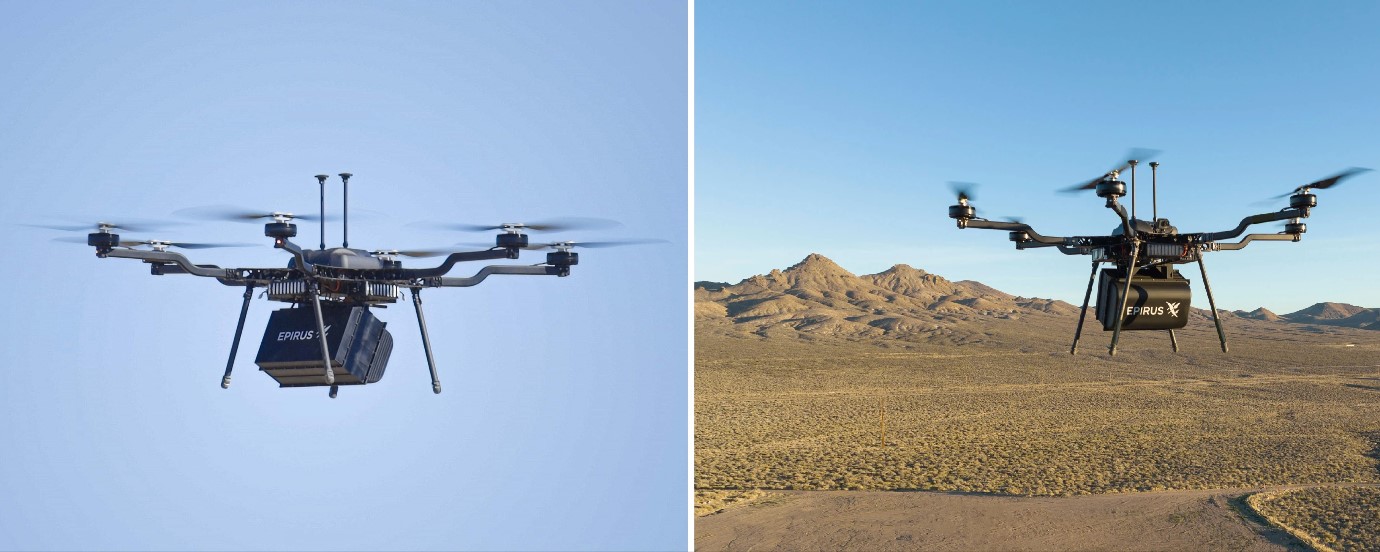
World
The American defence-technology company Epirus is pushing its Leonidas High-Power Microwave (HPM) Pod as a new answer to one of the hardest problems on today’s battlefields: cheap, highly manoeuvrable fiber-optic–controlled drones that shrug off traditional radio-frequency jamming. Mounted on drones, vehicles or potentially helicopters, the compact pod is designed to fry the electronics of hostile unmanned aircraft in mid-air, regardless of how they are controlled. A Backpack-Sized Directed-Energy Weapon According to Epirus and publicly available product information, the Leonidas Pod is a solid-state, software-defined high-power microwave weapon that miniaturises the company’s ground-based Leonidas system into a remarkably small form factor. The pod weighs under 50 pounds and is roughly the size of a large backpack, light enough to be man-carried or slung under a heavy-lift drone. Instead of older magnetron tubes, Leonidas uses gallium nitride (GaN) semiconductor amplifier modules to generate long-pulse microwave energy. This allows a more durable beam, lower power consumption and a system that can start up or shut down in minutes rather than hours. Epirus positions the pod as a mobile, compact counter-electronics and electronic-attack system. The pod’s open architecture is designed to integrate with existing airborne mission systems and ground fire-control networks, turning any host platform—unmanned aircraft, armoured vehicle, or potentially a helicopter—into a directed-energy node in a larger air-defence web. How Leonidas attacks drone swarms The Leonidas family is built to counter drone swarms rather than single aircraft. Instead of firing a kinetic interceptor at one target, Leonidas emits a cone or beam of high-power microwave energy that induces currents and voltage spikes in exposed electronics. Circuit boards, flight controllers and data links are overloaded, causing drones to fall out of the sky or lose control. In recent U.S. demonstrations, the ground-based Leonidas system achieved a 100% kill rate against 61 drones, including knocking down a 49-drone swarm with a single pulse of electromagnetic interference. Drones in multiple flight profiles crashed after losing their control systems, underscoring the “one-to-many” nature of the weapon. Key performance features highlighted by Epirus and independent analyses include: Near-instant effects: the microwaves propagate at the speed of light and disable electronics as soon as a target enters the field. Multi-shot, no-reload operation: as a directed-energy system, Leonidas is not limited by a physical magazine; it can engage waves of drones without rearming. High rate of fire without overheating: the solid-state design and power-management software allow rapid successive engagements. Adjustable “lethality”: operators can tailor power and beam shape in software, from selective engagement of individual drones to wide-area pulses that blanket a sector. While detailed range and power figures remain classified, Epirus says the latest generation offers more than double the range and lethality of early prototypes, and testing has shown the underlying Leonidas technology can also disable boat motors at tactically useful distances. Countering fiber-optic–controlled and autonomous drones Modern frontline conflicts have seen an explosion of FPV (first-person view) attack drones that use fiber-optic reels or highly resilient data links. These systems are notoriously hard to defeat with classic RF jamming, because the control signal does not travel through the air in the usual way—or, in the case of autonomous drones, there is no live radio link at all. Leonidas attacks the problem at a different layer. As a high-power microwave weapon, it does not care whether the drone is radio-controlled, fiber-optic-guided, or pre-programmed. It couples energy directly into the airframe’s electronics and wiring, bypassing the question of how control commands are transmitted. That makes the same pod relevant against: FPV kamikaze drones with fiber-optic spools, where jamming the link is ineffective. Autonomous loitering munitions, which fly pre-set routes. Standard RF-controlled quadcopters and fixed-wing drones, which may be hardened against jamming but not against massive electrical surges. Because the effect is purely electromagnetic, Leonidas can theoretically also disrupt other battlefield electronics: improvised explosive device triggers, vehicle control systems, or the sensors on loitering munitions, depending on power level and geometry. Epirus and U.S. Navy testing with Leonidas derivatives have already demonstrated the ability to stop small boat engines, hinting at broader anti-surface applications. Mounting on drones, vehicles and future rotorcraft The Leonidas Pod was first unveiled in early 2022 as a UAS-borne HPM system. Mounted under a heavy-lift drone, it can fly directly toward a threat axis and project a moving “bubble” of microwave energy to screen advancing troops or convoy routes. Epirus emphasises that the pod’s form factor and mounting hardware are designed for multiple platform types: On unmanned aerial vehicles, it offers high-altitude or stand-off coverage against hostile drones approaching from any direction. Integrated on armoured vehicles such as the Stryker (via the related Leonidas Mobile configuration), similar HPM arrays provide mobile short-range air defence as part of U.S. Army experiments. With its low weight and open architecture, the same pod-class system is marketed as adaptable to manned aircraft and helicopters, giving rotary-wing platforms the ability to escort formations with an onboard anti-drone “microwave shield”. In all cases, the pod can switch between standby and active modes, conserving its onboard battery while loitering and only drawing full power when a threat is detected. Extended battery life, according to the manufacturer, allows it to reach the threat, engage, and return to base without external power. Specifications and technical architecture Detailed classified parameters are not public, but open sources paint a picture of the Leonidas Pod as a highly modular HPM node: Weight & size: under 50 lb, backpack-like enclosure; small enough to fit in the back of a commercial pickup or similar military vehicle. Architecture: built around Line-Replaceable Amplifier Modules (LRAMs), allowing arrays to be scaled up or down and swapped in the field. Technology base: solid-state GaN power amplifiers, long-pulse HPM waveforms, software-defined waveform control and AI-driven power management. Coverage: narrow “pencil beam” for precision strikes or wider beam modes for area coverage; compatible with 360-degree mounting solutions on some host platforms. Power management: rapid power-up/power-down in minutes, standby modes, and thermal management aimed at eliminating overheating during repeated engagements. Epirus describes its HPM family as deliberately magazine-independent and cost-effective compared to firing expensive surface-to-air missiles at cheap drones. The idea is to reserve kinetic weapons for high-value targets while using HPM to clear out the mass of small UAVs that saturate air defences. Part of a wider Leonidas ecosystem The Leonidas Pod is only one member of a growing ecosystem of HPM systems that U.S. forces are now trialling: Leonidas Mobile, integrated on platforms like the Stryker to provide mobile short-range air defence. Leonidas ExDECS, a more compact expeditionary system geared toward the U.S. Marine Corps and other rapidly deployed forces. Leonidas H2O, a marinised variant one-third the size of the original, tested in 2024 for disabling small boat engines and countering unmanned surface vessels. Leonidas AR, a recent tracked, unmanned ground vehicle that carries a Leonidas HPM array on a General Dynamics TRX robotic chassis for autonomous counter-drone operations. The U.S. Army has already committed tens of millions of dollars under its Indirect Fire Protection Capability – High-Power Microwave (IFPC-HPM) programme to field Leonidas prototypes, some of which have been deployed to CENTCOM for real-world evaluation. A glimpse of future air defence As fiber-optic-guided FPV drones, autonomous munitions and mass drone swarms become standard tools of modern warfare, systems like Leonidas Pod signal a shift away from one-missile-per-target air defence. By collapsing multiple roles—counter-drone, counter-electronics and electronic attack—into a compact, software-defined pod that can ride on drones, armoured vehicles or eventually helicopters, Epirus is betting that high-power microwaves will become as common on the battlefield as radar and jammers are today. How quickly the Leonidas Pod transitions from demonstration videos and selected U.S. deployments to wider operational use—and whether allied militaries adopt it—will be an important indicator of how seriously armed forces are taking the “unjammable” drone threat emerging from today’s conflicts.
Read More → Posted on 2025-11-24 13:31:07Search
Top Trending in 24 Hours
-
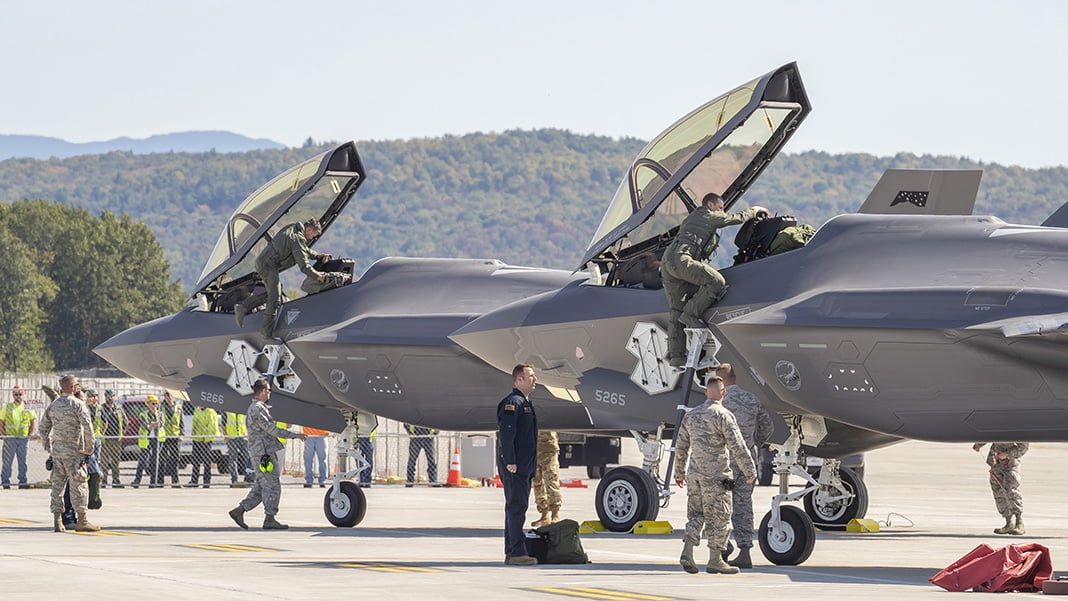 F-35 Fleet Readiness Falls to 25% Amid Parts Shortages and Software Delays: GAO Report
-
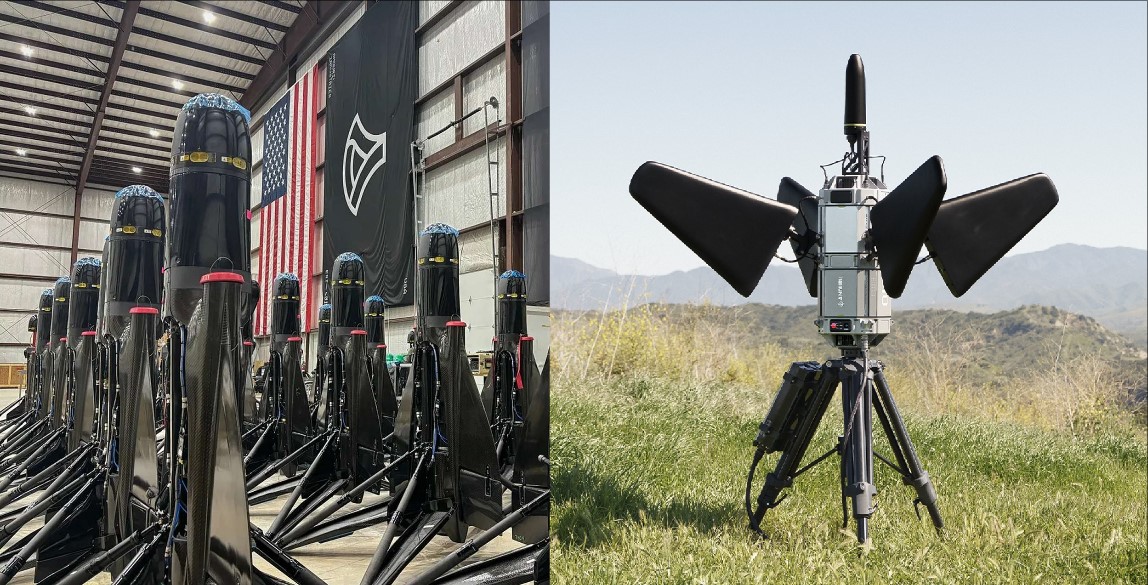 U.S. Approves $1.98 Billion Sale of Anduril AI-Powered Counter-Drone Systems to Kuwait
-
 U.S Navy Orders 50 Blackbeard Hypersonic Missiles in New $23.4 Million Contract
-
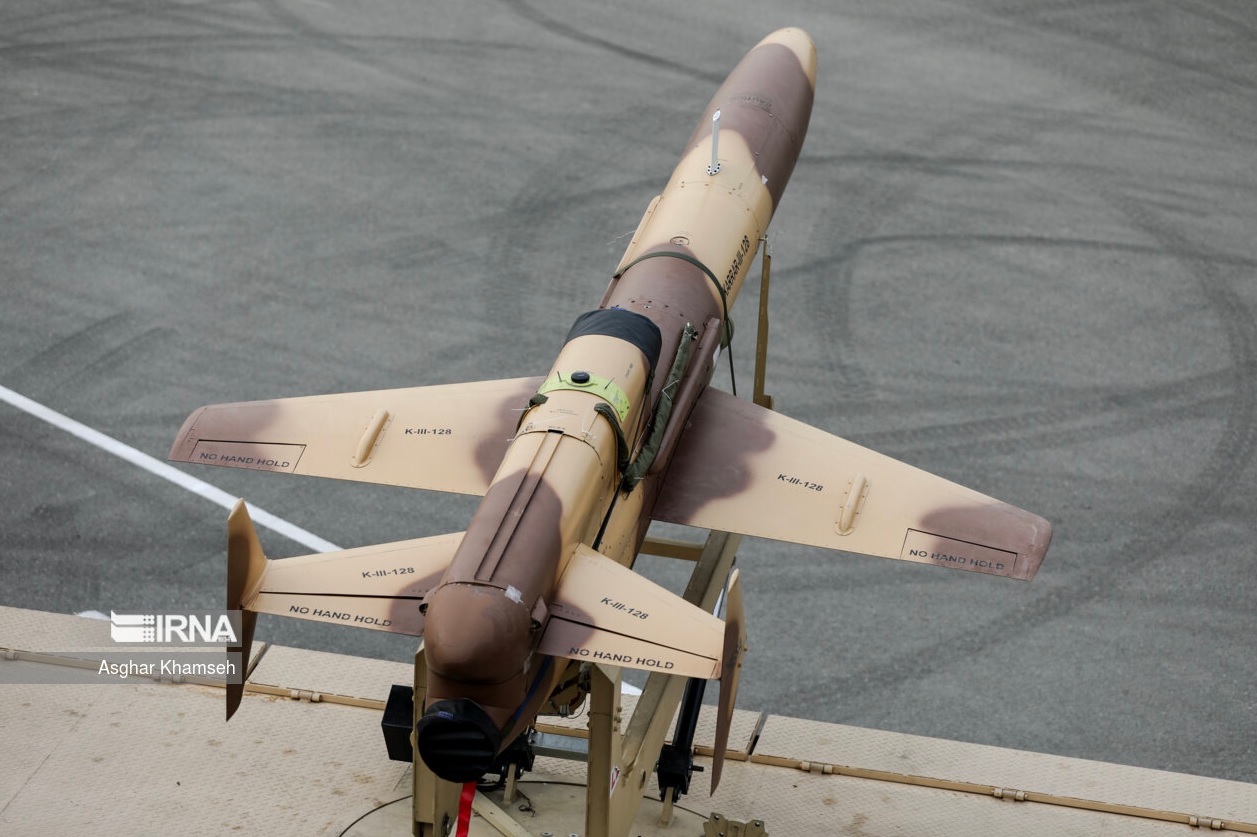 Russia Launches 1,400 Jet-Powered Drones in 2026 as Strike Tactics Evolve to Challenge Ukraine's Air Defenses
-
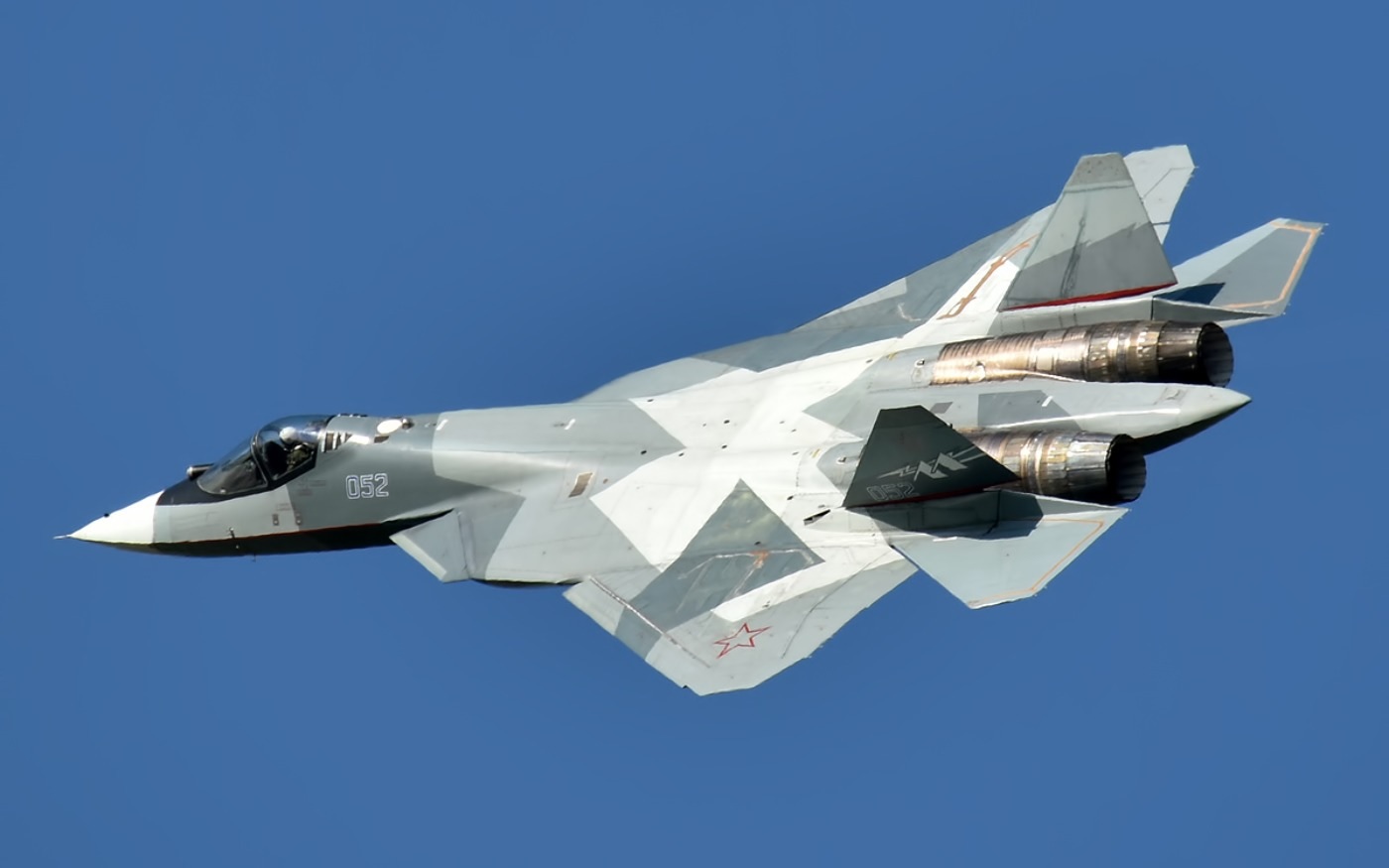 Russian Analysts Debate Su-57 Capabilities After Putin Calls Fighter Superior to F-35
-
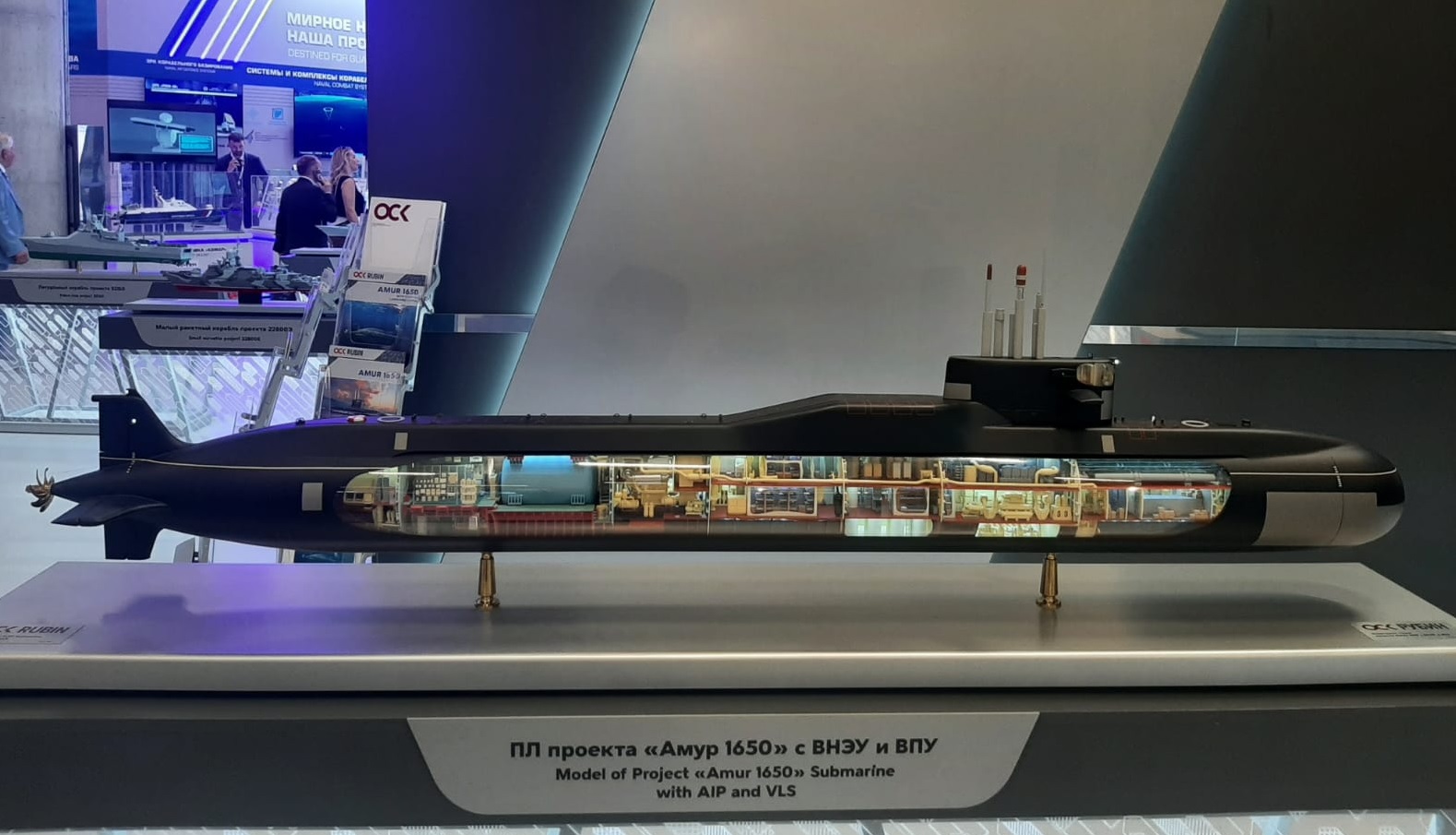 Russia Unveils Amur-1650 AIP Submarine Equipped with BrahMos Vertical Launch System at Fleet-2026
-
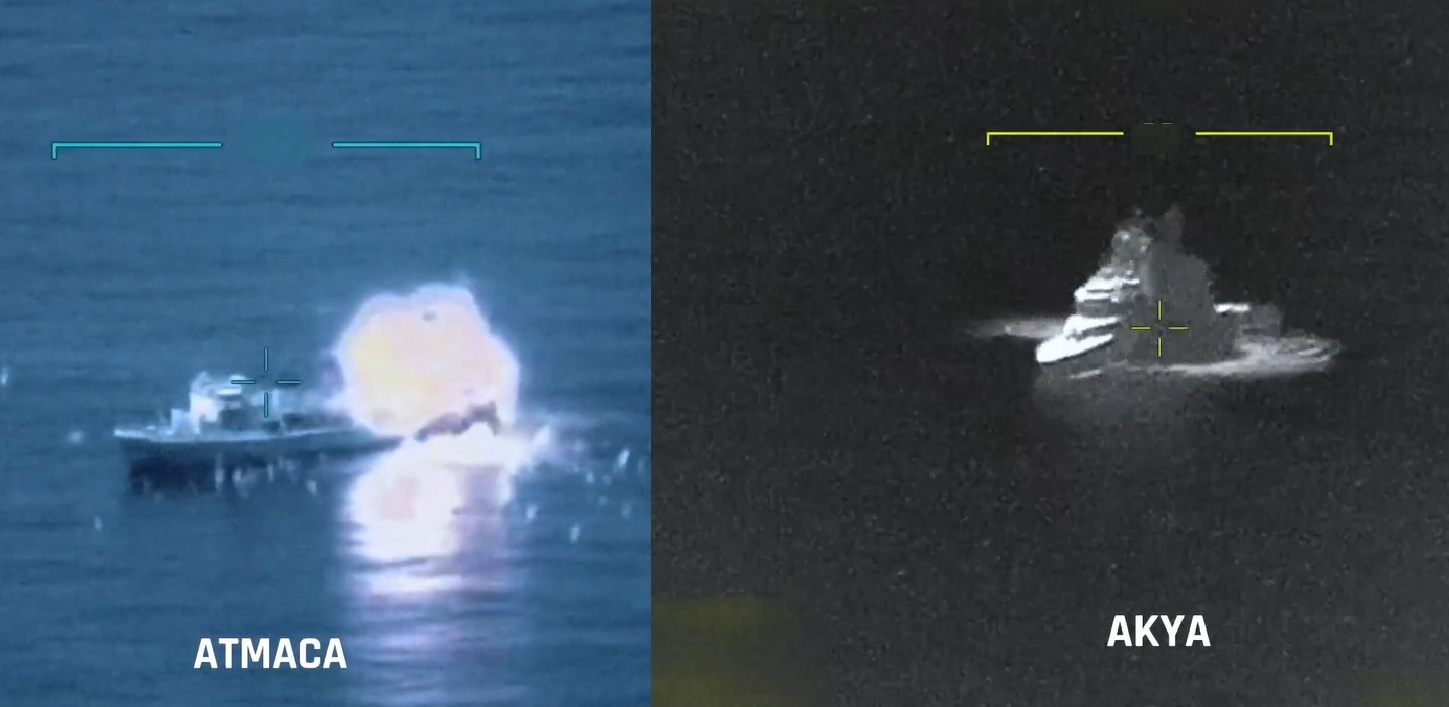 Turkey Navy Successfully Tests AKYA Torpedo and ATMACA Missile During Major Denizkurdu-II Naval Exercise
-
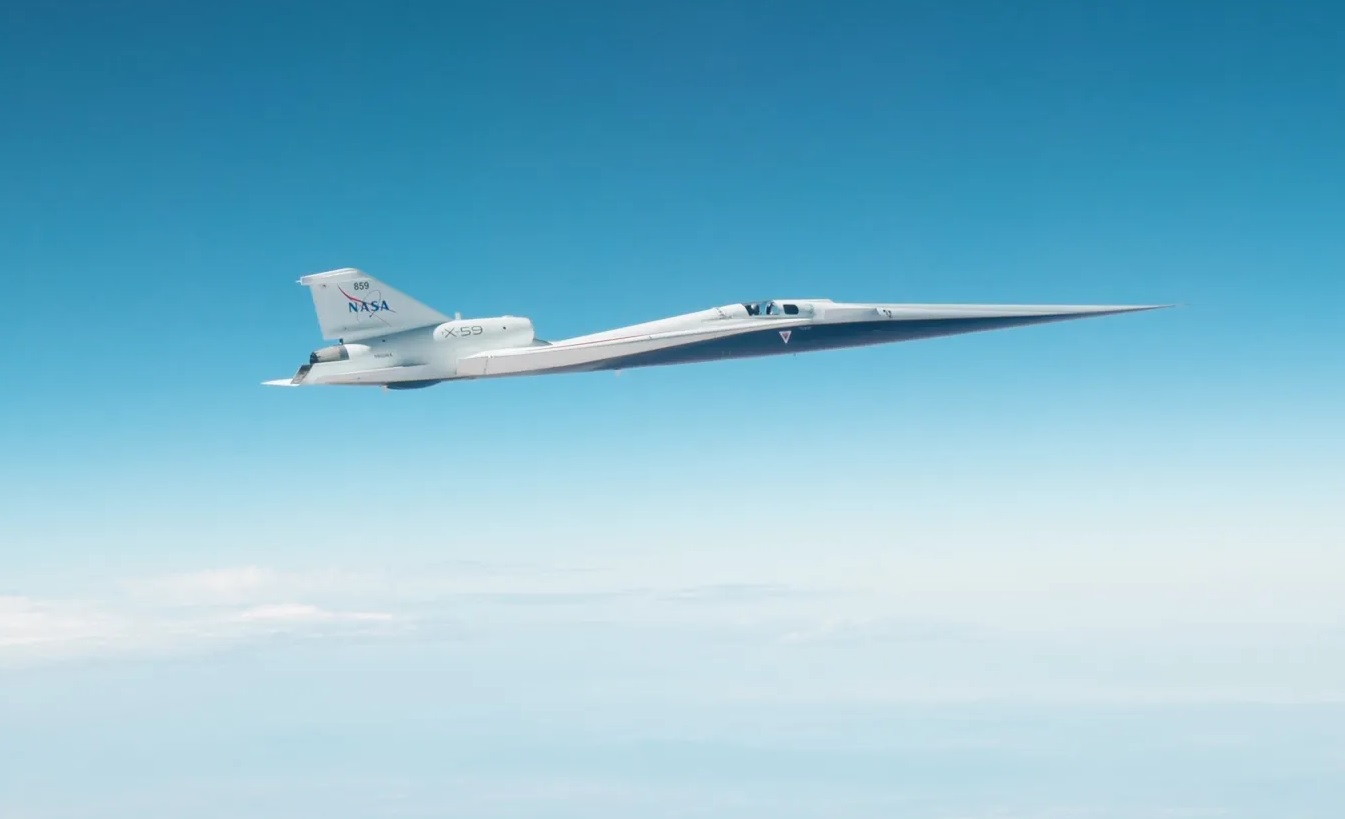 NASA X-59 Achieves Planned Mission Conditions with Mach 1.4 Flight at 55,000 Feet
Top Trending in 4 Days
-
 Iranian Media Leaks 14-Point U.S.-Iran Peace Framework Amid Ongoing Negotiations
-
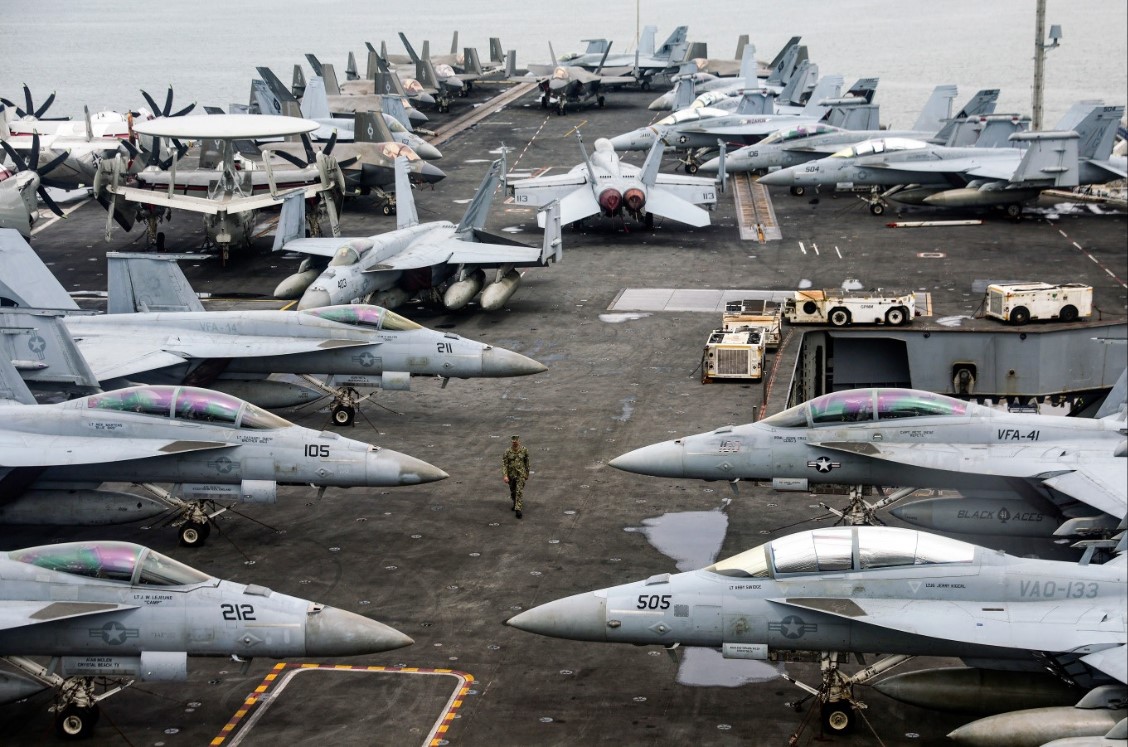 US Plans Significant Reduction of Fighter Jets and Warships for NATO Operations in Europe
-
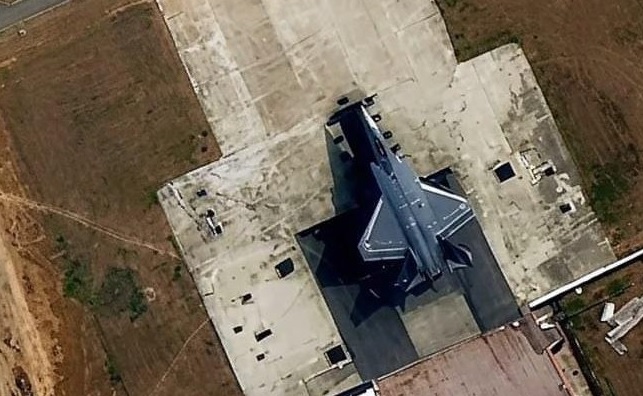 AMCA Airframe Spotted at DRDO’s ORANGE Facility for Radar Cross-Section Testing
-
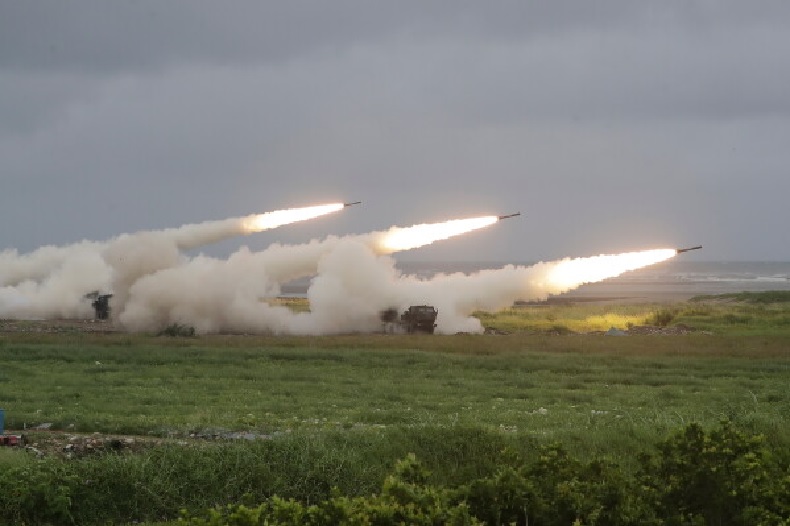 Taiwan Conducts First Live-Fire of HIMARS Rockets From West Coast During Invasion Defense Drill
-
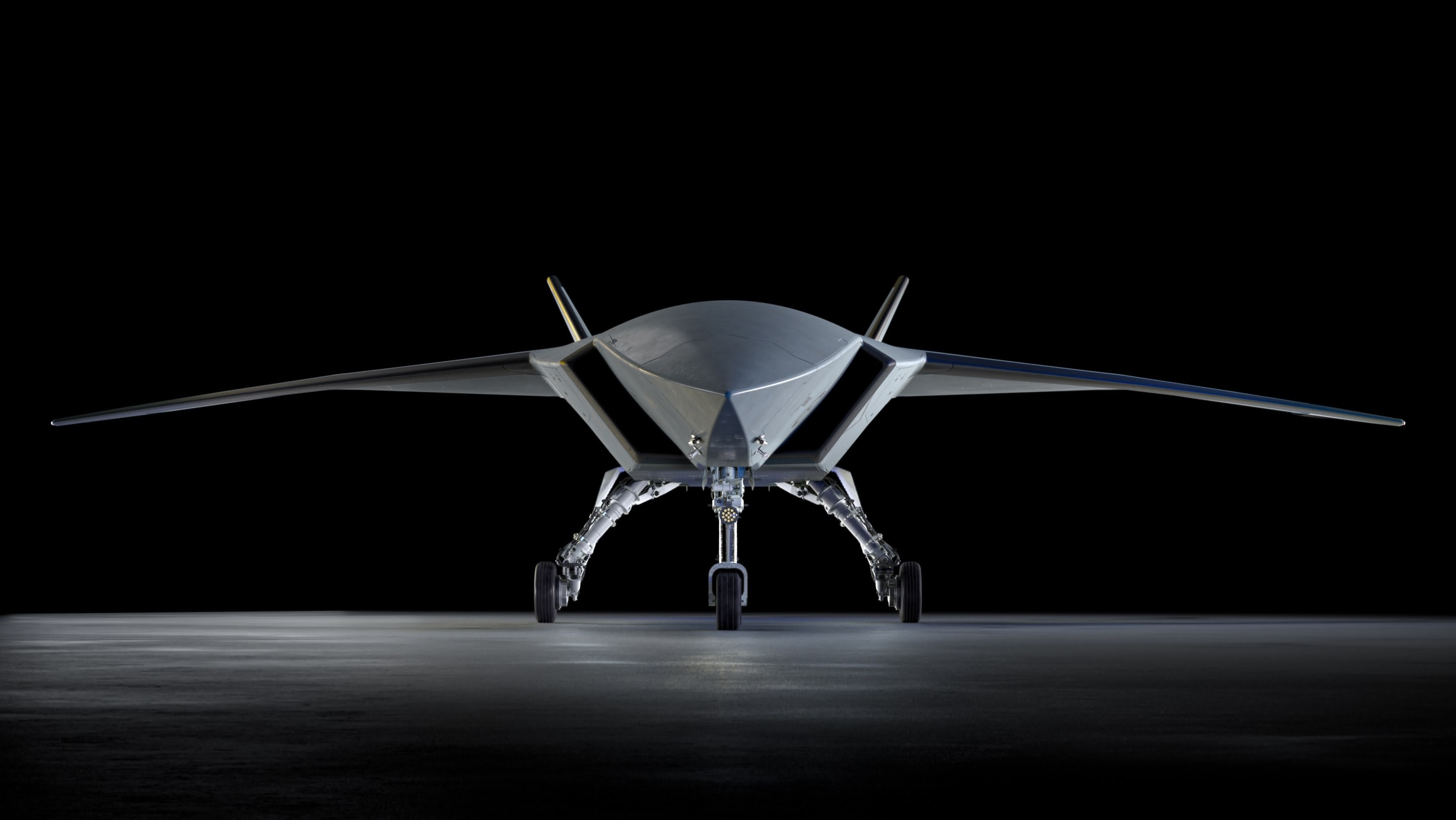 Boeing Introduces New MQ-28 Ghost Bat Upgrades with Increased Range, Payload and Weapons Capacity at ILA Berlin 2026
-
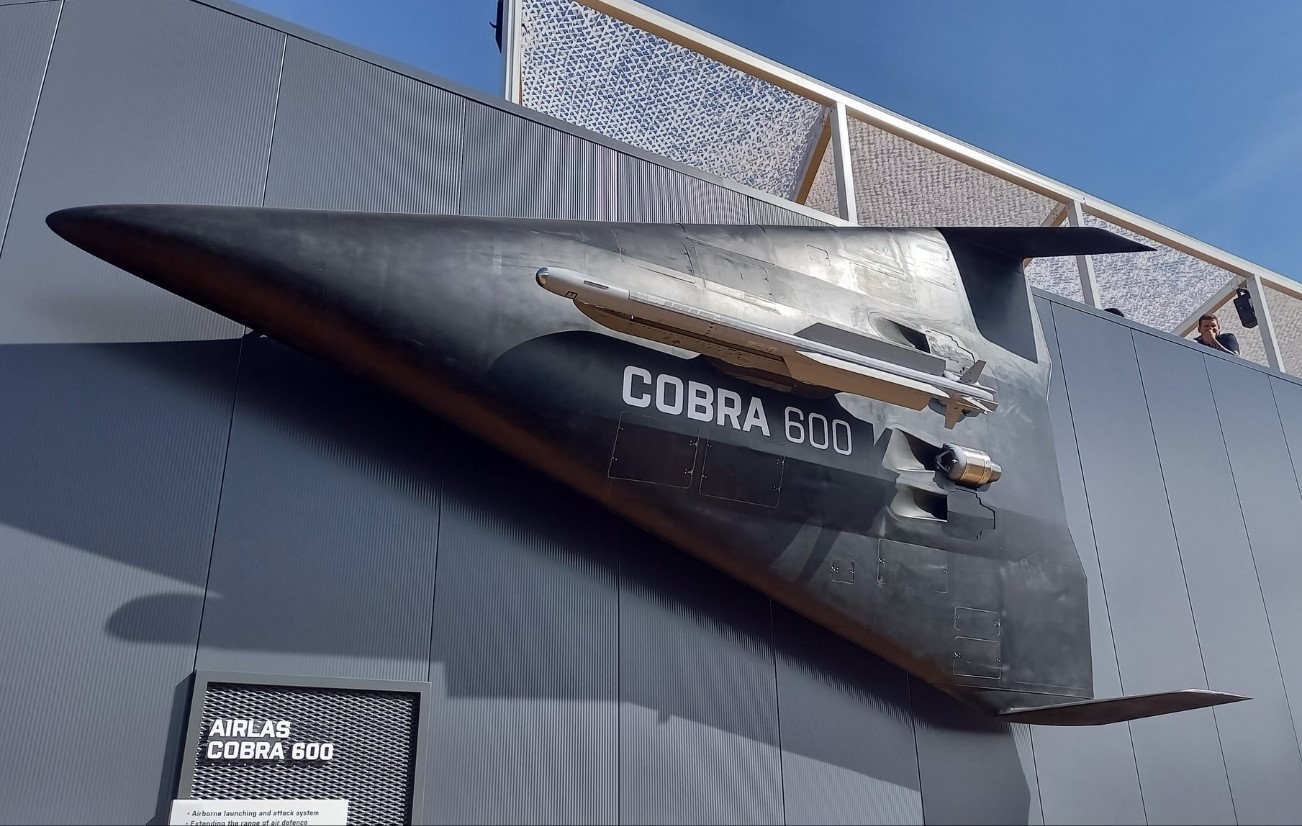 Diehl Defence Unveils IRIS-T Armed Cobra 600 Air Defense Drone at ILA Berlin 2026
-
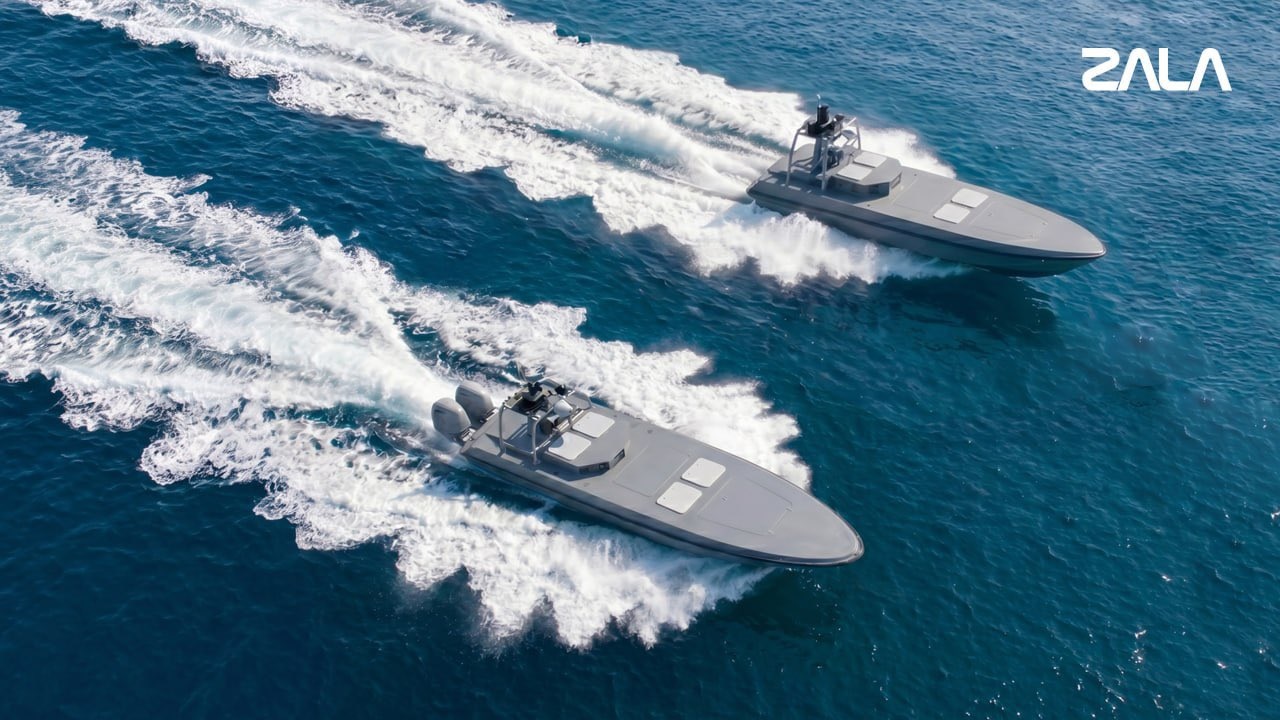 Russian Defense Firm ZALA Unveils KAMA Unmanned Surface Vessel Family at FLOT-2026 Naval Exhibition
-
 U.S Aircraft Carrier USS Theodore Roosevelt Departs San Diego for Major RIMPAC 2026 Naval Exercise