
World
On 28 November 2025 — The political landscape in Ukraine was shaken today when Andriy Yermak, chief of staff to President Volodymyr Zelenskyy, announced his resignation hours after anti-corruption investigators raided his home and office. The high-profile departure comes amid a sweeping probe into a $100 million energy-sector kickback scheme, intensifying concerns over corruption even as Ukraine battles for its survival. Raid, Resignation and the Official Line Early on November 28, agents from the National Anti-Corruption Bureau of Ukraine (NABU) and the Specialized Anti-Corruption Prosecutor’s Office (SAPO) entered Yermak’s residence and carried out searches. By afternoon, Yermak — a powerful figure at the heart of Kyiv’s presidency, governance and peace negotiations — told the public he was fully cooperating. Within hours, President Zelenskyy accepted his resignation. In a televised address, Zelenskyy said the “Office of the President will be reorganised,” and he pledged to appoint a new head as soon as possible. The sudden move comes as a major blow to Zelenskyy’s administration, especially at a time when the government needs unity and credibility while negotiating with Western partners and pursuing peace talks with Russia. The Underlying Scandal: Energy-Sector Corruption and Military Procurement The raid on Yermak occurs amid a broader investigation dubbed Operation Midas — a sweeping probe launched in 2024 by NABU and SAPO into alleged bribery and kickback schemes connected to Ukraine’s state energy sector. So far, multiple searches have been conducted, several millions of dollars seized, and around 1,000 hours of audio recordings obtained, implicating a network of high-level officials and business associates. Western donors and partners, who have poured billions into Ukraine’s infrastructure and war-time defense needs, are watching closely. Many fear that this funding may have been partly siphoned off by corrupt officials — eroding both public trust and the war effort itself. Analysts argue that wartime corruption in Ukraine has shifted from petty bribery to large-scale schemes involving procurement, energy, defense contracts, and supply of goods to the armed forces — areas where oversight is difficult and enormous sums of money are involved. Corruption’s Deep Roots — A Long-Standing National Problem Corruption in Ukraine is hardly new. For decades after the Soviet Union’s collapse, graft has pervaded politics, justice, business, public services, education, healthcare, and even elections. At one point, Ukraine ranked among the most corrupt nations in Europe — a reputation shaped by systemic bribery, opaque tenders, political influence over the judiciary, and nepotistic business-politics entanglements. Bribes and kickbacks were common in delivering public services such as healthcare, education, vehicle inspection, and social security. Large corruption scandals involving state-owned enterprises, improper public procurement, and embezzlement were repeatedly exposed over the years. More recently, corruption investigations by NABU and SAPO have expanded into powerful sectors, including military procurement and the judiciary. In 2023 alone, anti-graft agencies reported uncovering misdeeds involving senior officials, judges, state-owned enterprises, and even deputy-ministers — with millions of Ukrainian hryvnias recovered and top-level suspects under scrutiny. Why Corruption Is Especially Dangerous During War Observers warn that corruption during wartime — especially in defense procurement, energy, infrastructure rebuilding — poses an existential threat to Ukraine’s war effort. Resources diverted through graft mean fewer supplies and poor-quality equipment for soldiers, delayed reconstruction of damaged infrastructure, and loss of international support. Political elites under war-time stress may be tempted to exploit procurement loopholes or emergency powers for personal gain. This not only weakens the state’s capacity to fight but also undermines morale, public trust, and Western support — particularly at a time when Kyiv seeks EU accession and foreign aid. Who Are Viewed as the Most Corrupt — And Why the Public is Losing Patience While it may be difficult to single out a single “most corrupt” individual or group in an institutional problem as deep as this, analysts and civil-society observers point to several sectors and patterns: State-owned energy firms and power utilities, where large-scale kickback and procurement scams have flourished, including the scandal now under Operation Midas. The misuse of funds and collusion between business and politics in the energy sector is widely seen as emblematic of wartime corruption. Defense procurement and military-supply chains, where urgent demands and large contracts during the war have yielded many recent graft allegations. Critics say loopholes were exploited to supply substandard weapons or inflate prices. Senior political and judicial officials, including judges and prosecutors, whose positions of power have historically allowed them to influence outcomes, grant favorable sentences, or extract bribes — undermining rule of law and public confidence. Public tolerance for such abuses seems to be eroding fast, especially given the stakes of the ongoing war — and many analysts argue that this is why recent high-profile probes and resignations have stirred strong reactions across Ukraine and among its international partners. Aftermath — What Yermak’s Resignation Means for Zelensky and Ukraine’s Future With Yermak’s departure, President Zelensky loses one of his closest and most influential advisers at a critical time. The change undermines continuity in Ukraine’s peace negotiation efforts, complicates management of foreign aid and reconstruction plans, and adds uncertainty at the highest levels of government. But the scandal and Yermak’s exit also reflect a growing truth: even during war, Ukraine’s anti-corruption institutions — and public — are no longer willing to turn a blind eye. International partners, including the European Union and the United States, have repeatedly warned that sustained aid and Ukraine’s EU ambitions depend on genuine progress against graft. In the words of experts, rooting out corruption in energy and defense, enforcing transparent procurement practices, and rebuilding judicial integrity are not just moral tasks — they are central to Ukraine’s ability to survive, rebuild, and ultimately win.
Read More → Posted on 2025-11-28 17:23:03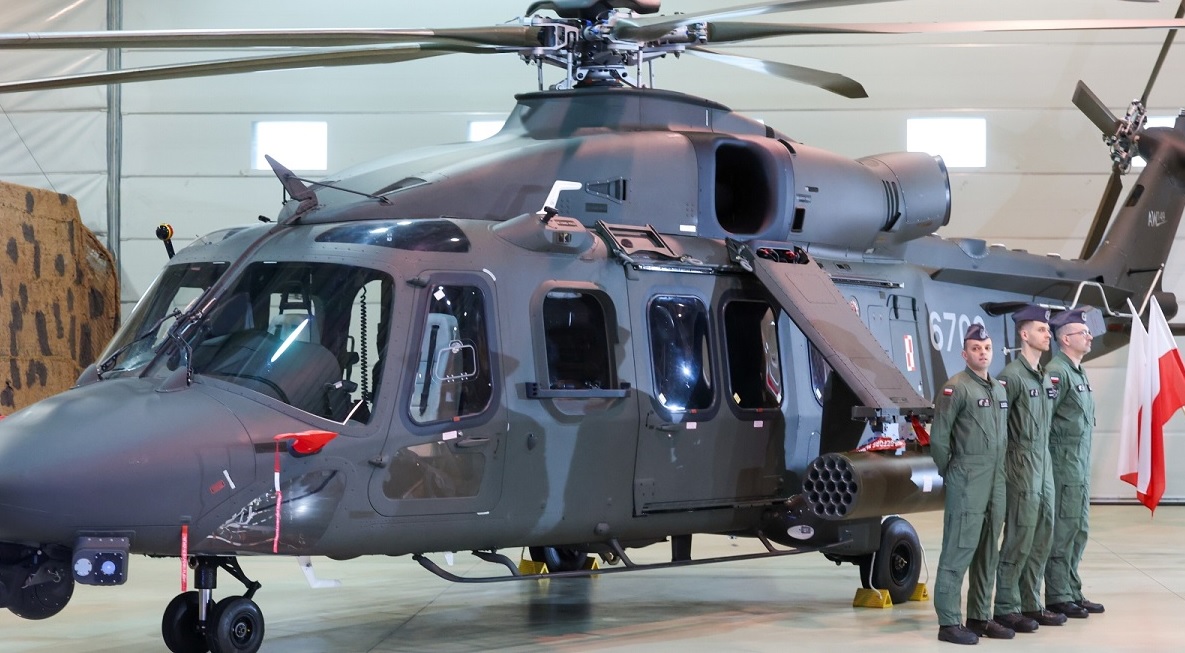
World
On 27 November 2025 — Poland has reached a significant milestone in its defense industrial expansion with the formal delivery of the first fully assembled AW149 multirole helicopter produced domestically. The aircraft was handed over today to the 25th Air Cavalry Brigade at Nowy Glinnik, symbolizing a strategic leap in Poland’s ambition to build a self-reliant and export-capable aerospace sector. First Polish-Built AW149 Enters Service According to the Ministry of National Defense, the helicopter is the eleventh of 32 AW149s ordered under a 2022 contract with Italy’s Leonardo, but crucially the first to be fully assembled in Poland at the PZL-Świdnik facility. The local production line, launched in 2024, is designed not only for assembly but also for full-life maintenance, upgrades, and potential future variants. Defense officials stated that the arrival of the first Polish-built unit will accelerate the modernization of the 25th Air Cavalry Brigade, which relies on rapid-deployment rotary platforms for air assault, troop transport, and tactical mobility roles. A Strategic Industrial Investment The AW149 production line is part of a broader plan to strengthen Poland’s defense industrial autonomy. PZL-Świdnik—already manufacturing AW101 maritime helicopters for the Polish Navy—has now become a core pillar of Poland’s aviation cluster. Officials emphasized three strategic benefits: Reduced reliance on foreign suppliers, especially during periods of geopolitical tension Long-term sustainment ability through domestic integration, modernization, and overhaul Creation of a regional NATO service hub for AW149 and potentially AW101 customers PZL-Świdnik leadership confirmed that the plant is already configured for additional units and can support flight testing, armament integration, servicing, and potential mid-life upgrades. The company also noted that the AW149’s maiden flight in April 2025—conducted by engineers and pilots from the new line—was completed on schedule. Leonardo officials added that cooperation between Polish and Italian teams has been “efficient and seamless,” enabling pilot and technician training to begin without delays. A Capable, Combat-Oriented Multirole Platform The AW149, first unveiled in 2006, is a military evolution of the globally successful AW139. Designed for battlefield resilience, its airframe incorporates composites, ballistic-tolerant structures, and crashworthy systems including energy-absorbing landing gear and fuel tanks. Key performance characteristics include: Max takeoff weight: 8,600 kg Max speed: approx. 310–313 km/h Cruise speed: 278–290 km/h Range: 844–1,009 km, depending on load and configuration Service ceiling: approx. 4,600 m Passenger capacity: up to 19 lightly equipped troops, or 16 fully equipped soldiers Engines: twin GE CT7-2E1 or Safran Aneto-1K, both with FADEC The helicopter supports a broad mix of mission profiles, including: Air assault and rapid troop transport MEDEVAC and CASEVAC Special operations insertion Command & control Armed escort, with options for machine guns, rockets, guided weapons, and defensive aids suites Its five-blade anti-ice rotor, dual separated hydraulics, redundant electrical systems, and armor options provide enhanced survivability tailored for modern high-threat environments. Poland Positions Itself as a Regional Rotorcraft Hub The Polish government aims to use the AW149 program to attract more advanced manufacturing jobs, boost defense exports, and deepen cooperation with NATO partners who operate or are considering the AW family of helicopters. Analysts note that the program strengthens Poland’s long-term goal of: Building a sovereign helicopter ecosystem Expanding logistics and support capabilities for regional allies Ensuring Poland can sustain high-tempo military operations without dependency on external maintenance pipelines Several NATO states in Central and Eastern Europe have shown interest in the AW149, and Poland’s domestic line provides an incentive by offering shorter supply chains and regional support packages. Next Steps More Polish-assembled AW149s are expected to roll out throughout 2026, with full delivery of all 32 aircraft planned before 2030. Defense officials also indicated that upgrades—including new avionics, weapon configurations, and survivability systems—are under discussion for later production blocks. With this delivery, Poland has signaled that it is not only modernizing its air cavalry formations but also making a serious push toward becoming a key European manufacturer and maintainer of advanced military helicopters.
Read More → Posted on 2025-11-28 16:42:19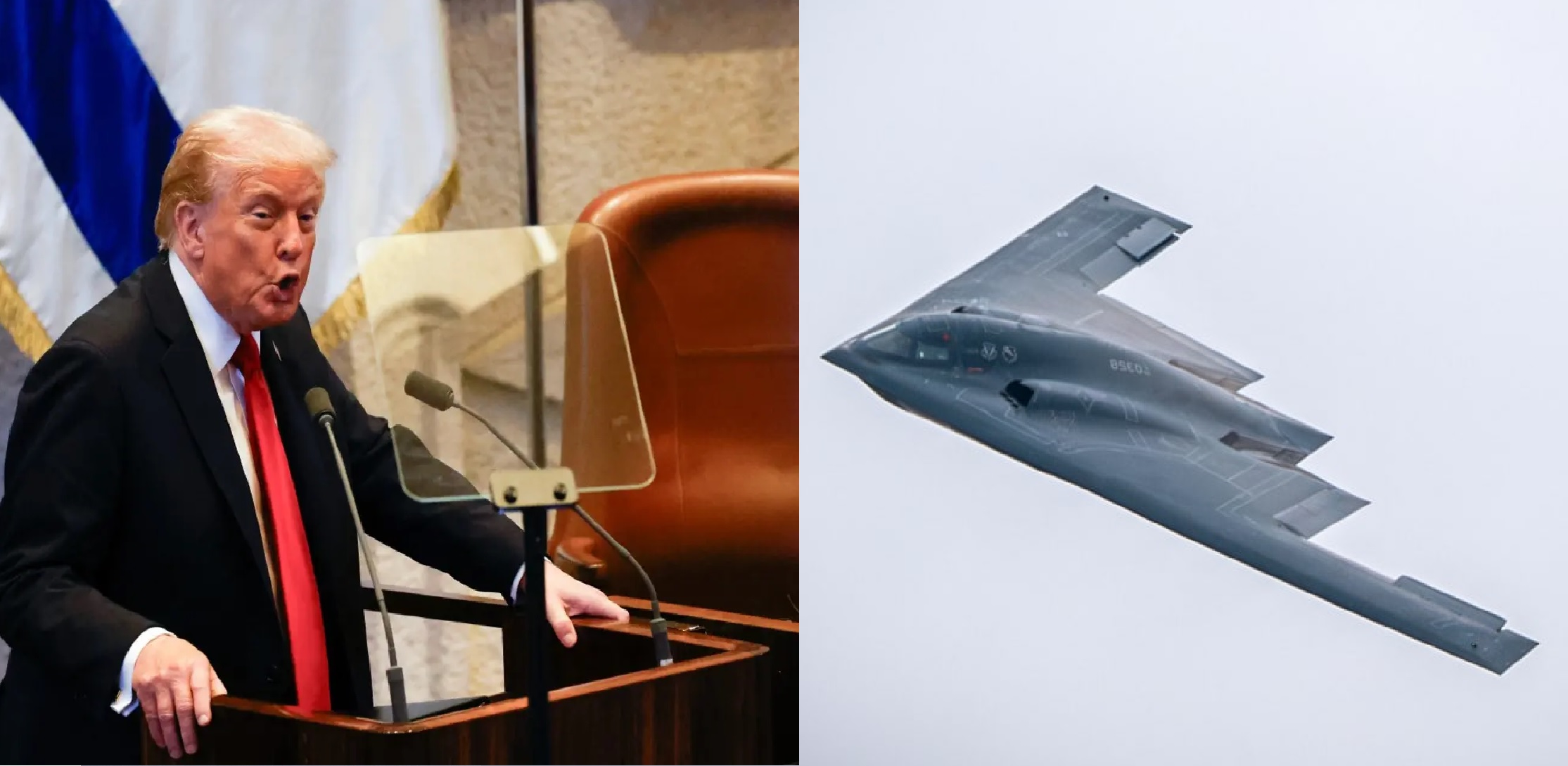
World
President Donald Trump has told U.S. troops that his administration has ordered “a lot more” B-2 Spirit stealth bombers from Northrop Grumman, citing their central role in this year’s high-profile U.S. airstrikes on Iran’s nuclear facilities. Trump’s remarks, delivered to service members on Thursday, were aimed squarely at Iran—but have also sparked intense discussion in Washington and across NATO about what exactly the White House intends to signal with this announcement. Trump praised the iconic bat-wing stealth bomber that led Operation “Midnight Hammer” on June 22, when U.S. forces struck Iran’s nuclear sites at Fordow, Natanz, and Isfahan using massive bunker-busting ordnance. “Those beautiful B-2 bombers, they totally obliterated the nuclear potential of Iran,” Trump told troops. “We just ordered a lot more of them, and the reason we did is they were totally incredible—totally invisible.” The remarks, first reported by Reuters and later by The Economic Times, have fueled immediate debate about what the U.S. has actually ordered, why the message is being sent now and Can America Really Build Them Again?. From ‘Midnight Hammer’ to Strategic Symbol Originally built to penetrate Cold War Soviet air defenses, the B-2 Spirit remains the U.S. Air Force’s only operational long-range stealth bomber. Just 21 aircraft were produced between 1989 and 2000; after accidents, 19 remain in service today. During Operation Midnight Hammer, seven B-2s from the 509th Bomb Wing at Whiteman Air Force Base executed a grueling 18-hour round-trip mission to Iran. They delivered 14 GBU-57 Massive Ordnance Penetrators, 30,000-lb bombs designed to destroy hardened underground bunkers. Additional targets were struck by Tomahawk cruise missiles. Trump hailed the mission as a “spectacular military success,” claiming that Iran’s key facilities had been “completely and totally obliterated.” However, subsequent assessments were more measured. A U.S. intelligence review reported by NBC News and Reuters indicated: Fordow sustained heavy damage, potentially delaying operations there by up to two years. Natanz and Isfahan were damaged but expected to recover more quickly. Even so, the mission has become a cornerstone of Trump’s narrative that U.S. airpower under his leadership is both devastating and transformational—an example he often cites to bolster claims of American military dominance. Could the U.S. Really Order New B-2 Bombers? Trump’s claim that his administration ordered “a lot more” B-2s immediately ran into a major reality check. The B-2 production line closed in 2000. It was shut down after the original plan for 132 bombers was reduced to 21 because of soaring costs. Each aircraft cost around $2 billion, making it one of the most expensive platforms in military history. Today, Northrop Grumman is focused on building the B-21 Raider, the B-2’s successor, which is currently undergoing flight testing and will replace the B-2 in the coming decade. Defense experts say it is technically impossible to restart B-2 production. Instead, Trump’s comments almost certainly refer to: Expanded upgrades and modernization for the existing B-2 fleet Enhanced sustainment programs including radar, communications, and weapons improvements Or potentially additional B-21 Raiders, not new B-2 airframes The Pentagon has not yet disclosed the details of any new procurement or modernization package. A Strategic Message, Regardless of the Hardware Even if no new B-2s are being built, the message Trump conveys is unmistakable: the United States wants adversaries to believe its stealth bomber force is being reinforced, not diminished. For Iran, Russia, and other rival states, the renewed spotlight on the B-2—and Trump’s celebration of the Iran strike—serves as a reminder of America’s ability to deliver long-range, precision, deep-penetration strikes anywhere in the world. The exact hardware may be debated, but the political and strategic signalling is clear:Washington intends to highlight the power, reach, and survivability of its stealth bomber fleet.
Read More → Posted on 2025-11-28 15:46:39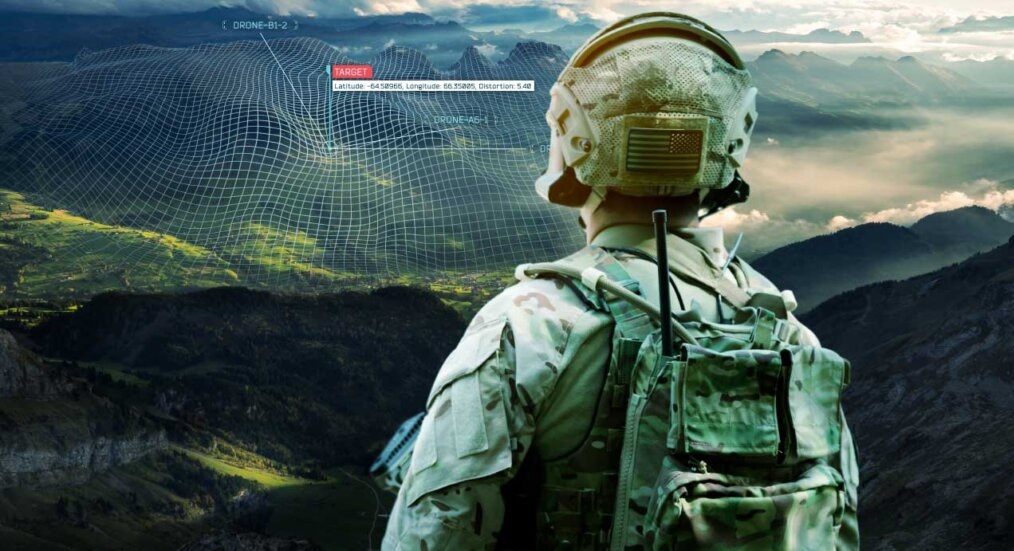
World
Kopin Corporation will showcase a prototype of its new high-resolution wireless simulated binoculars at I/ITSEC 2025, marking a significant expansion of the company’s portfolio in military training and immersive simulation systems. The unveiling comes at a time when global defense forces — especially those studying lessons from the war in Ukraine — are increasing investments in realistic, sensor-driven training technologies. A New Step in Immersive Military Simulation The prototype binoculars, powered by a computer image generator, integrate positional and directional tracking sensors to replicate real-world handling and field performance. Leveraging Kopin’s high-resolution color OLED microdisplays and proprietary optics, the system is designed to provide lifelike imagery across a range of operational scenarios, including night operations. The device is fully wireless, allowing unrestricted movement for trainees inside virtual or mixed-reality environments. It also expands Kopin’s existing Training & Simulation line, which includes the Scout 35 and Ranger 35/47 systems acquired through NVIS in 2017. Daniel Rowell, Kopin’s Director of Business Development, said the new binoculars reflect the company’s mission to “transform immersive training environments and enhance mission readiness,” highlighting how next-generation displays and sensor tracking are reshaping virtual combat preparation. A Strong Year for Defense Contracts The debut comes during a breakout year for Kopin in the U.S. defense sector. In September 2025, the company won a $15.4-million U.S. Army contract to develop ultra-bright, full-color MicroLED AR displays for ground soldiers. The program aims to strengthen domestic microdisplay manufacturing while powering the Army’s upcoming soldier-worn augmented-reality systems. Earlier, in April 2025, Kopin secured a $7.5-million multi-year order to supply microdisplays for pilot Helmet-Mounted Display Systems (HMDS) used in fighter and attack aircraft across several platforms. This followed additional production awards for MicroLED upgrades to aircraft Heads-Up Displays, showing growing demand for Kopin’s display technology in both aviation and soldier systems. Growing Demand Linked to the Ukraine War The market for ultra-realistic simulation equipment has expanded rapidly as militaries analyze lessons from Ukraine. The conflict has emphasized the importance of: Night warfare and low-light reconnaissance Rapid, terrain-accurate target acquisition Sensor-fusion and augmented-reality tools High-stress, high-fidelity training environments Modern armies are seeking simulation tools that mirror these realities without the risk and cost of live exercises. Kopin’s new binoculars — with built-in motion tracking, wireless mobility, and OLED clarity — fit into this emerging demand for combat-realistic training systems. What’s Next Kopin has not yet revealed technical specifications such as resolution, latency, battery life, or durability of its prototype binoculars. However, the company is expected to begin demonstrations throughout 2025, with early evaluations likely involving U.S. and allied defense training programs. The introduction of wireless simulated binoculars marks Kopin’s latest step toward positioning itself as a key supplier of next-generation military visualization technology — spanning soldiers, aircrew, and training systems. With major MicroLED and OLED contracts already underway, and with military demand rising due to lessons from Ukraine, Kopin’s I/ITSEC 2025 announcement highlights a broader shift toward more immersive, sensor-driven battlefield training technologies that are shaping the future force.
Read More → Posted on 2025-11-28 15:23:48
World
KYIV — In the wake of Russian President Vladimir Putin’s declaration on Thursday that Moscow will end its offensive only if Kyiv withdraws from territory claimed by Russia — otherwise they would seize it by force — Ukraine has issued a firm and unified rejection. Addressing the proposal, Ukraine’s chief negotiator Andriy Yermak declared unequivocally that Ukraine will not cede a single inch of sovereign territory. “Not a single sane person today would sign a document to give up territory,” he said. As long as President Volodymyr Zelensky remains in office, “no one should count on us giving up territory. He will not sign away territory.” Yermak underscored that Ukraine’s constitution prohibits any such territorial concession. Instead of surrendering land, Kyiv is prepared only to negotiate a “line of contact” — a demarcation of the positions currently held by the two armies. That, he stressed, is the only realistic subject for negotiations on the ground. Constitutional red lines — and Kyiv’s steadfast refusal Ukrainian leadership repeatedly points to constitutional constraints when rejecting demands to cede territory. The government maintains that giving up sovereign land would violate the foundations of the state. In public addresses over recent weeks, Zelensky has likewise underscored that Kyiv will not “betray” the country by conceding to territorial swaps or capitulate under pressure. He described any plan that asks Ukraine to surrender land or reduce its military capacity as unacceptable. Instead, Kyiv remains open to negotiations that respect Ukraine’s sovereignty and territorial integrity — but only on the basis of current control lines, not on Moscow’s claims or maximalist demands. A widening gulf between demands and diplomacy The stance voiced by Yermak and Zelensky sharply conflicts with Putin’s demands. Moscow insists that any ceasefire or peace deal must involve Ukrainian withdrawal from territories claimed by Russia — including those not currently under Russian control. Negotiators from Kyiv and Moscow, as well as mediators, now face a fundamental impasse. While external proposals — including a U.S.-crafted draft peace plan — reportedly include territorial concessions, Kyiv has rejected those as non-starters. What this means for the future of peace talks With Ukraine drawing a firm red line on territory, prospects for a negotiated peace deal become more complicated. Unless Russia drops its demand for land or accepts a frozen “line of contact” — as Kyiv demands — diplomatic efforts may continue to stall. Ukrainian officials appear committed to seeking security guarantees, a halt to hostilities, and a stable ceasefire — but not at the cost of national sovereignty. As Kyiv has repeatedly emphasized, “peace that people will respect” is only possible if it does not require giving up what is rightfully theirs. In the face of external pressure, constitutional constraints, and domestic resolve, Ukraine’s message remains clear: territorial concession is not on the table.
Read More → Posted on 2025-11-28 10:24:36
World
ROME — Leonardo has formally introduced its new “Michelangelo Dome” defence architecture in Rome, presenting it as a comprehensive, multi-domain system built to confront rapidly evolving global threats. The unveiling, held at Officine Farneto, marks a strategic step in the company’s effort to strengthen its role in European and global security ecosystems, where advanced, integrated defence networks are becoming essential. A Strategic Vision for a New Threat Era Speaking at the ceremony, Roberto Cingolani, Leonardo’s CEO and General Manager, emphasized the system’s relevance in an era where adversaries employ faster, cheaper and increasingly complex attack methods. “Leonardo reaffirms its commitment to developing solutions that safeguard citizens, institutions and infrastructure by combining advanced technology, a systemic vision and strong industrial capabilities,” Cingolani said. “In a world where threats evolve rapidly – and where defending is costlier than attacking – defence must innovate, anticipate and embrace international cooperation.” The Michelangelo Dome is designed specifically to address this challenge: creating an integrated defensive “envelope” around critical infrastructure, urban areas, and strategic national or European assets. A Multi-Domain Shield: Land, Sea, Air, Space and Cyber Leonardo emphasizes that the Michelangelo Dome is not a standalone weapon or radar, but a full-spectrum, modular and open architecture capable of coordinating multiple defence assets across every operational domain. The system brings together next-generation sensors on land, at sea, in the air and in space, supported by advanced cyber defence platforms, command-and-control networks, artificial intelligence for data fusion and predictive threat assessment, and coordinated kinetic and non-kinetic effectors. With this layered structure, Leonardo says the Dome forms a continuous “security dome” able to detect, track and neutralise synchronized, large-scale threats occurring across multiple domains at once. Designed for Modern and Future Threats According to Leonardo, the Michelangelo Dome is engineered to confront the most demanding threats of the modern era, including hypersonic weapons, drone swarms, cruise and ballistic missiles, unmanned underwater vehicles, and a wide set of surface and subsurface maritime threats. It is also built to withstand electronic warfare attacks and sophisticated cyber intrusions aimed at disrupting command networks. By merging data from numerous sensors into a unified operational picture, the system uses advanced data fusion algorithms and predictive modelling to anticipate hostile behaviour and automatically select the most effective countermeasure, even in highly saturated, time-critical scenarios where reaction time is extremely limited. European Integration and Strategic Autonomy Leonardo states that one of Michelangelo’s central advantages is its ability to support European strategic autonomy, reducing reliance on fragmented national defence layers. The architecture enhances NATO interoperability, enabling joint operations and shared real-time situational awareness among allied forces. It also contributes to technological resilience, ensuring systems continue functioning under cyber or electronic attack. Because the design is open, modular and scalable, it can integrate sensors and technologies from European partners, strengthening industrial cooperation. Leonardo positions the Dome as a European reference model for multi-domain security, aligned with the European Defence Industrial Strategy (EDIS) and multiple PESCO cooperative projects. Additional Background: Why Michelangelo Matters Now The unveiling comes at a moment when Europe faces rapidly evolving security threats. Drone and missile attacks on critical infrastructure in Europe and the Middle East have increased sharply, exposing the limitations of older defence systems. Meanwhile, the deployment of hypersonic missiles by major global powers has dramatically reduced response times. The rise of cyber-physical warfare, where digital sabotage coincides with kinetic strikes, has forced governments to rethink their defensive strategies. European nations are under pressure to modernize their air defence and surveillance networks amid growing geopolitical instability. Leonardo argues that Michelangelo addresses critical capability gaps revealed by recent conflicts, where traditional point-defence systems and single-sensor platforms struggled against threats defined by mass, speed and saturation. Strengthening Italy’s Defence Industrial Base The Michelangelo program reinforces Italy’s ambition to be a leading developer of advanced defence technologies. It consolidates Leonardo’s contributions to national air and missile defence, European radar and sensor development, space surveillance, and cybersecurity infrastructure. The project is expected to involve multiple Italian and European partners, strengthening domestic industry while enhancing Europe’s overall security posture. Leonardo aims for Michelangelo to become a cornerstone of Europe’s future defence architecture, advancing both technological capability and industrial collaboration across the continent. A New Era of Integrated Defence With Michelangelo Dome, Leonardo aims to set a benchmark for future multi-domain protection systems—defence networks that can think, react and adapt at machine speed.As global threats continue to evolve, Rome’s unveiling signals Italy’s intention to play a decisive role in shaping the defence technologies of the coming decades. If you want, I can also prepare a version with bolded keywords, a shorter summary, or a headline variation.
Read More → Posted on 2025-11-27 17:57:28
World
During a visit to the Kyrgyz capital Bishkek on Thursday, Russian President Vladimir Putin declared that Moscow would suspend its military campaign in Ukraine — but only on the condition that Kyiv pulls back its forces from territories Russia claims as its own. Otherwise, he vowed, Russia’s army would continue its offensive until those lands are seized. “If Ukrainian forces leave the territories they hold, then we will stop combat operations,” Putin said. “If they don’t, then we will achieve it by military means.” The announcement underscores Russia’s longstanding demand for full Ukrainian withdrawal from contested zones — a demand Kyiv has repeatedly rejected — and hardens Moscow’s posture just as diplomatic efforts intensify. On the Frontlines: Russia’s Grinding Offensive and Encirclement Claims According to Russian leadership, the army has made recent advances in Ukraine’s eastern regions, including near Pokrovsk and Myrnohrad in the embattled Donetsk Oblast, areas long at the center of fierce fighting. Moscow claims that Ukrainian forces in some towns — including Krasnoarmeysk and Dimitrov — are “completely surrounded.” Moscow further asserted progress near other hotspots such as Vovchansk, Siversk, and moves toward the important logistical hub at Hulyaipole. Still, independent observers and Ukrainian officials urge caution about accepting those claims. According to a recent assessment by the Institute for the Study of War (ISW), while Russian forces have achieved localized advances, there has been no confirmed operational-level breakthrough. Meanwhile, the ongoing Pokrovsk offensive remains one of the most contested sectors, with heavy street fighting, attempts to encircle Ukrainian defenders, and continuing uncertainty over whether Kyiv’s forces can hold. Washington’s Diplomacy Amid War — And Moscow’s Calculated Response At the same time as the Kremlin’s military pressure continues, Washington has revived efforts to broker peace, putting forward a draft proposal that it hopes could lay the foundation for a lasting agreement between Russia and Ukraine. Putin acknowledged the U.S.-backed plan, saying it “can be the basis for future agreements” — but only if Moscow’s core demands are met, namely, Ukrainian withdrawal from Russian-claimed territories. He further questioned the legitimacy of Ukraine’s current leadership under martial law, suggesting any deal signed directly with Kyiv would be legally “almost impossible.” As a result, he indicated that Russia would only negotiate with major powers — a stance that drew criticism in Kyiv and among its allies. With U.S. envoy Steve Witkoff expected to arrive in Moscow soon for talks, and additional diplomatic activity planned, the coming days could prove critical — yet the core impasse over occupied land remains unresolved. War’s Human Cost, and the Stakes for Europe and the World Since launching its full-scale invasion in February 2022, Russia’s assault on Ukraine has triggered one of the worst humanitarian disasters in Europe since World War II. Hundreds of thousands have been killed, while millions have been displaced. The conflict has also reshaped global politics and security dynamics. For Europe, the outcome could determine regional stability for decades. For Moscow, the strategy appears twofold: advance militarily to strengthen bargaining power, while using diplomacy to seek international recognition for its territorial claims. For Kyiv, the stance remains unchanged: no ceding of territory, no matter the battlefield pressure or international negotiations. As the war nears its fourth year, the question remains: will diplomacy prevail, or will continued fighting redraw Europe’s map by force?
Read More → Posted on 2025-11-27 17:42:28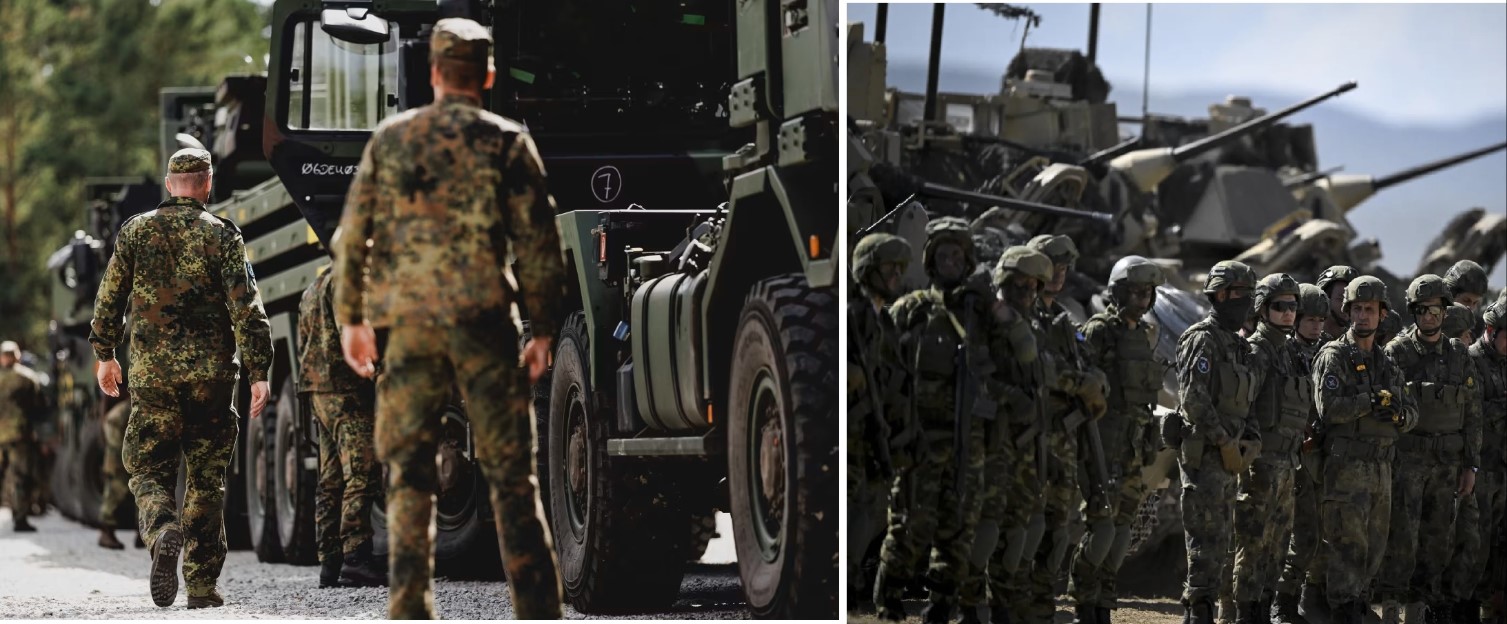
World
Berlin – Germany has drawn up a classified, roughly 1,200-page war plan that assumes a future conflict with Russia and turns the country into the main transit hub for a vast NATO reinforcement operation. According to reporting based on the document, known as “Operation Plan Germany” (OPLAN DEU), the blueprint explains in detail how up to 800,000 NATO troops – including German and U.S. forces – would race across German territory using ports, railways, roads and rivers to reach the eastern flank if Moscow ever attacked the Alliance. The plan is at once ambitious and sobering: it treats Germany as a giant logistics and staging area, but also acknowledges that, in its current state, the country would struggle to move forces fast enough. What Is “Operation Plan Germany”? OPLAN DEU is a national operations plan adopted after Russia’s full-scale invasion of Ukraine in 2022, designed to answer a simple but brutal question: how must Germany function at home during a large war in Europe? German military planners describe it as a “whole-of-society” war blueprint. It: integrates military tasks (territorial defence, hosting allied forces, securing key nodes) with civilian responsibilities (rail and port management, energy supply, emergency services, cyber defence, and industry) and sets out how the state would operate under a crisis or defence status once political leaders declare a NATO “Article 5” scenario. Earlier outlines of the same concept – then called “Operationsplan Deutschland” – already envisioned moving around 800,000 soldiers and some 200,000 vehicles from various NATO states through Germany to the front line against Russia. Officials stress that the primary goal is deterrence: to convince Moscow that any attack on NATO would trigger a rapid, massive and coordinated response that cannot be stopped. How the Plan Moves 800,000 NATO Troops The core of OPLAN DEU is logistical: turning Germany into a set of military corridors stretching from Atlantic ports to the borders with Poland and the Baltic states. The plan, as described in open-source summaries, does the following: 1. Maps critical routesThe document reportedly contains detailed maps of: Ports on the North Sea and Baltic where U.S., British and other allied troops, tanks and equipment would land. Rail lines and marshalling yards capable of handling heavy armored trains moving east. Autobahns and river routes that can serve as backup if rail lines are damaged. These routes form part of wider NATO and EU planning for “military mobility”, which is also being financed at the European level to reduce bottlenecks and border delays. 2. Specifies troop and vehicle flowsAlthough the exact tables are classified, previous versions of the plan foresaw: up to 800,000 troops roughly 200,000 vehicles (from trucks to main battle tanks and self-propelled artillery) moving through Germany in waves, depending on the scale and timing of Russian aggression. The Bundeswehr and NATO logistics commands would use pre-assigned “movement corridors” and time slots to avoid gridlock, much like an air-traffic-control system for convoys. 3. Assigns protection and support forcesGermany has set up a new division for territorial defence, which will consolidate reserve units responsible for guarding infrastructure, escorting convoys and responding to attacks on German soil. Alongside this, Homeland Security Regiments (Heimatschutzregimenter) are being built under the Territorial Command; by 2027, six regiments with roughly 6,000 soldiers are planned, though internal assessments say this is still too few to cover all tasks in the plan. The Problems Revealed in Exercises Recent multinational exercises and German drills have underscored that Germany is not yet ready for the scale of movement OPLAN DEU envisages. Military and civilian rehearsals have exposed: Traffic jams of armored convoys on key highways and around rail hubs. Bottlenecks at old bridges and narrow tunnels that can’t take modern tanks or heavy transporters. Damaged or single-track rail lines that limit how many military trains can run at once. Drones of unknown origin observed over exercises and transit routes, raising fears of Russian reconnaissance or probing attacks. Police units under-equipped to deal with large, possibly coordinated protests and civil unrest that might accompany a crisis. These issues mirror broader NATO concerns that European roads, bridges and railways are still not fit for high-intensity war logistics, even after several years of warnings and some EU funding. A Real Vulnerability: Sabotage, Arson and Espionage The plan is being drawn up in an environment where sabotage is no longer theoretical. Across Europe – and specifically in Germany – there has been a marked rise in arson plots, railway disruptions and espionage cases linked to Russia or pro-Russian actors, according to investigators and security services. Key examples include: Rail infrastructure sabotage – including the cutting of fibre-optic cables that halted long-distance trains in northern Germany in 2022, and subsequent attacks or arson against Deutsche Bahn infrastructure. Parcel bombs and incendiary devices at logistics hubs in Leipzig and elsewhere, which German prosecutors and intelligence chiefs have examined as part of a wider pattern of suspected Russian sabotage. Espionage and arson plots – German courts have convicted individuals of spying for Russia and planning arson attacks on military sites and railway lines to disrupt troop movements and supplies.Cable and energy infrastructure damage in the Baltic Sea, which Berlin and its partners have described as likely sabotage, reinforcing the fear that pipelines and data cables could be targeted in wartime. Taken together, these incidents are classic elements of “hybrid warfare” – the very threats OPLAN DEU is designed to account for. How Germany Is Trying to Fix the Weak Spots To close these gaps, Berlin is spending heavily, rewriting laws and recruiting the private sector into wartime planning. 1. Money and rearmamentAfter 2022, Germany announced a €100 billion special defence fund and pledged to meet NATO’s 2% of GDP spending goal, reversing decades of under-investment. A significant share is earmarked for logistics, air defence, ammunition stocks and mobility rather than just new combat platforms. At the EU level, Brussels plans €17 billion for about 500 priority infrastructure projects – tunnels, bridges, ports and rail upgrades – along four major military corridors that are also civilian transport routes. 2. Enlisting big companiesThe Bundeswehr is in talks with major firms such as Deutsche Bahn (rail), Lufthansa (air transport and training), and Rheinmetall (defence industry) to secure “surge capacity” in a crisis. That covers everything from extra trains and aircraft to warehousing, fuel depots and maintenance support when NATO mobilises. 3. Legal changes and Cold War know-howOPLAN DEU also pushes a return to Cold War-era civil defence logic, but updated for drones, cyberwarfare and modern supply chains. German officials and analysts describe efforts to: relax peacetime rules that slow the military’s ability to requisition civilian assets; clarify when the Bundeswehr can operate domestically to protect infrastructure; update police powers and equipment to deal with sabotage and mass protests; expand the legal framework for drones, jamming and cyber operations in German airspace and networks during a crisis. How Does This Fit Into NATO’s Wider War Plan Against Russia? The German document is not a full NATO battle plan for fighting Russian forces on the front. Instead, it answers one crucial piece of the puzzle: how to get allied troops, tanks and missiles from the Atlantic world to the battlefield fast enough to matter. In practice, if Russia attacked NATO in the Baltic region or against Poland, allied strategy would likely combine: Forward defence along the eastern flank – including the Suwałki Gap between Poland and Lithuania – with pre-positioned forces. Rapid reinforcement from Western Europe and North America, using the corridors and hubs described in OPLAN DEU. Integrated air and missile defence, cyber operations and long-range fires to blunt Russian attacks and protect the reinforcement routes. In that scenario, Germany’s job is to ensure that the “iron river” of men and materiel keeps flowing east despite missile strikes, sabotage, protests and cyberattacks. A Race Against the Clock Western and German officials now routinely warn that Russia could regenerate enough military strength to directly threaten NATO within the next two to five years, though some put the window slightly later. That timeline explains why a 1,200-page secret plan has become a political and strategic priority in Berlin. For now, OPLAN DEU remains largely classified. What is visible from leaks and public statements, however, shows a country trying to relearn the logic of territorial defence – and doing so in a Europe where under-maintained railways, ageing bridges and shadowy sabotage campaigns could decide the outcome of a future war as much as tanks and fighter jets.
Read More → Posted on 2025-11-27 17:32:15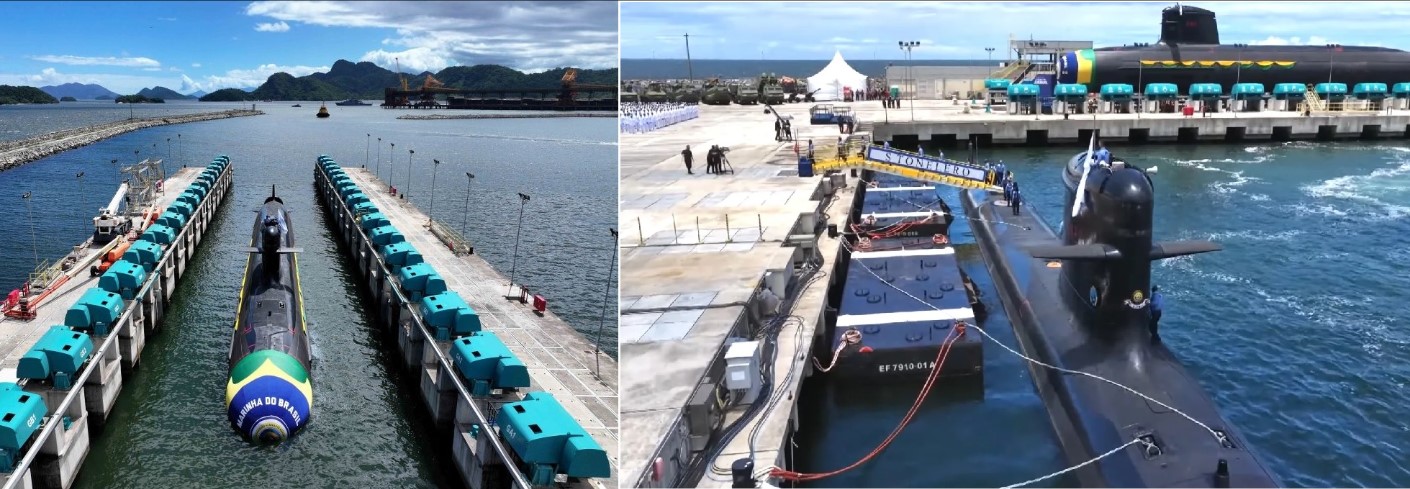
World
Brazil has taken another major step in modernising its undersea fleet, combining the launch of its fourth Scorpène-derived submarine with the commissioning of the third Submarine in the series during a high-profile ceremony at the Itaguaí Naval Base in Rio de Janeiro state. On 26 November 2025, the Brazilian Navy christened S43 Almirante Karam (formerly named Angostura), the fourth diesel-electric submarine of the Riachuelo class, and formally brought S42 Tonelero into operational service. It was the first time the navy presented two submarines in a single event, underlining how far the country’s Submarine Development Programme (PROSUB) has progressed since it was launched with France in 2008. From French Scorpène to Brazilian Riachuelo Class The Riachuelo class (S-BR) is Brazil’s customised version of the French Scorpène-class diesel-electric attack submarine, developed by Naval Group and built locally by Itaguaí Construções Navais (ICN). Compared with the baseline Scorpène, the Brazilian boats feature a stretched hull of about 70–72 metres and increased displacement to improve range, endurance and payload. According to the Brazilian Navy and Naval News reporting, Almirante Karam is part of the first generation of Riachuelo-class submarines to be fully produced in Brazil, reflecting the maturity of ICN’s industrial base after years of technology transfer in welding, structures, piping and electrical systems. More than 250 Brazilian technicians have been trained in France and now oversee the complete production chain at Itaguaí, from steel cutting to integration and testing. The Riachuelo class is intended to patrol Brazil’s vast “Amazônia Azul” (Blue Amazon) – the country’s huge exclusive economic zone – protect offshore oil and gas fields and provide a modern deterrent in the South Atlantic. The PROSUB Deal: Cost, Scope and Quantity The current submarine force renewal is the core of PROSUB (Programa de Desenvolvimento de Submarinos), a long-term strategic partnership between Brazil and France. Under a 2008 defence pact, Brazil ordered four enlarged Scorpène-type conventional submarines and agreed a second package covering the design support for its first nuclear-powered attack submarine, SN-10 Álvaro Alberto, as well as the construction of a new shipyard and submarine base at Itaguaí. Contemporary Brazilian and French sources put the overall programme value at roughly US$10 billion (about €6.7 billion at the time). Within this package, the quantity of conventional boats is fixed at four Riachuelo-class diesel-electric submarines: S40 Riachuelo S41 Humaitá S42 Tonelero S43 Almirante Karam In parallel, PROSUB funds the design and non-nuclear systems for the Álvaro Alberto nuclear-powered submarine and the extensive industrial and support infrastructure at the Itaguaí Naval Complex, including a shipyard, piers, dry docks and maintenance facilities. Riachuelo-Class Timeline: From S40 to S43 The four conventional submarines have followed a staged but steadily advancing build schedule: S40 RiachueloRiachuelo, the lead boat, had its hull laid down in 2010, was launched on 14 December 2018, began sea trials in 2019 and was commissioned on 1 September 2022, becoming Brazil’s first operational Scorpène-derived submarine. S41 HumaitáThe second boat, Humaitá, was launched in December 2020 and undertook an extensive trials programme – including deep dives and torpedo firings – before being commissioned on 12 January 2024 at the Ilha da Madeira Submarine Base. S42 ToneleroThe third submarine, Tonelero, was launched on 27 March 2024 at Itaguaí, in a ceremony attended by Brazilian President Luiz Inácio Lula da Silva and French President Emmanuel Macron. After starting sea trials in 2024, Tonelero was formally commissioned during the 26 November 2025 ceremony, entering front-line service as Brazil’s third Riachuelo-class boat. S43 Almirante KaramThe latest boat, S43 Almirante Karam, was christened and launched on 26 November 2025 at the same Itaguaí event. Originally known as Angostura, the submarine received its new name in honour of a Brazilian naval hero. Almirante Karam will now undergo fitting-out and trials before joining the fleet later in the decade. With these milestones, Brazil now has three Riachuelo-class submarines in service and one newly launched, consolidating a modern conventional submarine force in the South Atlantic. Almirante Karam and the Riachuelo-Class: Key Specifications Type: Attack submarine (SSK) Displacement: Approximately 1,900 tons surfaced (up to 2,200 tons submerged) Length: 70.62 meters (231 ft 8 in) Beam: 6.2 meters (20 ft 4 in) Propulsion: Diesel-electric system including four MTU diesels and a Jeumont-Schneider electric motor Speed: Up to 21 knots (39 km/h; 24 mph) submerged Test Depth: 400 meters (1,300 ft) Endurance: Over 45 to 70 days at sea Complement: 32–35 crew members Armament: 6 x 533 mm (21 in) torpedo tubes 18 x F21 heavy-weight torpedoes 8 x SM39 Exocet anti-ship missiles Up to 30 naval mines Sensors & Systems: Equipped with the Naval Group SUBTICS combat management system and various Thales sonar and electronic warfare systems Stepping Stone to Brazil’s Nuclear Submarine The ceremony at Itaguaí also highlighted that PROSUB is not limited to conventional submarines. The same industrial and human capital underpinning the Riachuelo-class is being used to support Brazil’s ambitious nuclear submarine project, centred on the SN-10 Álvaro Alberto. In 2025, the Brazilian Navy signed two new contracts worth more than €526 million with Naval Group for the nuclear-powered submarine programme – one for specialised engineering and construction work linked to the LABGENE nuclear power generation laboratory, and another for consultancy on additional systems for the conventionally armed nuclear submarine. Current planning foresees delivery of Álvaro Alberto from around 2034 onwards. By successfully launching Almirante Karam and commissioning Tonelero, Brazil has shown that its Scorpène-based Riachuelo class is no longer just a symbolic transfer of technology but a mature industrial capability. The fourth submarine’s arrival in the water, alongside a growing nuclear effort, signals that the Brazilian Navy’s submarine arm is entering a new era – with local industry at its core and long-range undersea operations firmly in view.
Read More → Posted on 2025-11-27 17:04:41
World
In a major move to expand its footprint in defense robotics, U.S Based Company Ondas Holdings has announced a definitive agreement to acquire Roboteam Ltd. — a leading Israeli maker of rugged, tactical unmanned ground vehicles (UGVs) — for US$80 million. This deal marks a key milestone in Ondas’ broader strategy to integrate aerial robotics, ground drones, counter-drone systems, and intelligence solutions under a unified “multi-domain autonomy” architecture. Roboteam: From Lightweight Recon Robots to Heavy-Duty UGVs Founded in 2009 by veterans of the Israeli Air Force, Roboteam has built a reputation for delivering a wide array of UGVs tailored for defense, law enforcement, and public safety applications. The company’s portfolio spans from ultra-light robots weighing as little as 1.5–1.65 kg — such as the throwable RT-2 or the reconnaissance-oriented “IRIS” units — to heavy, 1.2-ton platforms designed for robust, all-terrain deployment. Roboteam’s UGVs are employed for a variety of high-stakes tasks, including explosive ordnance disposal (EOD), intelligence gathering, surveillance and reconnaissance (ISR), logistics support, and operations in hazardous or inaccessible environments. Notably, its “TIGR” medium-sized UGV and “PROBOT” heavy-payload vehicles have seen deployment by security forces and militaries worldwide. In October 2025, Roboteam unveiled its new flagship suite — the Roboteam HUB — a command-and-control platform designed to unify multiple robotic assets (ground vehicles, drones, third-party systems) into a single operational framework. The HUB enables secure communications, real-time monitoring, and coordinated mission execution across a fleet of unmanned systems. Strategic Rationale: Why Ondas Chose Roboteam For Ondas Holdings, the acquisition of Roboteam represents more than just adding ground robots to its product line. It’s about building a full-spectrum autonomy ecosystem: aerial drones, counter-UAS (anti-drone) solutions, intelligence platforms, and ground robotics — all under one roof. According to Ondas, Roboteam’s proven global footprint — with deployments in over 30 countries and clients including Tier-1 defense and security agencies — will accelerate the company’s access to priority defense and homeland-security programs. The integration of Roboteam HUB into Ondas’ existing network of aerial platforms and intelligence solutions is expected to improve mission interoperability, safety, and operational effectiveness for customers worldwide. Revenue Outlook and Market Impact Ondas estimates that the acquisition will contribute an additional US$3–4 million in revenue during the fourth quarter of 2025. More significantly, the company forecasts at least US$30 million in revenue from the Roboteam business in 2026, driven by existing orders (reportedly over US$20 million) from active military clients — with deliveries slated to begin in fiscal 2026. For the defense robotics market, this acquisition underscores a growing trend: convergence of unmanned aerial and ground systems under broader, interconnected autonomy architectures. By combining multiple domains — air, ground, and cyber/intel — companies like Ondas aim to offer end-to-end robotic solutions capable of addressing complex, modern warfare and public-safety challenges. Broader Implications and Future Prospects In recent years, the global demand for unmanned systems — both aerial and ground — has surged, driven by asymmetric warfare, increased emphasis on minimizing risk to human operators, and rising interest in automation for reconnaissance, logistics, and mission support. In this context, Roboteam’s lightweight robots and heavier UGVs offer versatile tools that complement aerial drones. Moreover, the launch of Roboteam HUB reflects an industry-wide shift toward centralized command-and-control, AI-assisted coordination, and multi-robot fleet management — a necessary evolution if unmanned systems are to operate in concert across domains. For Ondas, integrating Roboteam may pave the way for more complex “system-of-systems” deployments: imagine a mission where aerial drones perform surveillance, ground robots handle reconnaissance or EOD, and all data is fed into a unified intelligence and command network. This could significantly increase operational flexibility for defense, homeland security, and public-safety customers. That said, success will depend on how well Ondas integrates Roboteam’s technologies — both technically and culturally — and whether demand sustains large-scale adoption across multiple countries and agencies. The coming months will reveal whether this acquisition gives Ondas the edge in the fast-evolving world of defense robotics.
Read More → Posted on 2025-11-27 16:39:38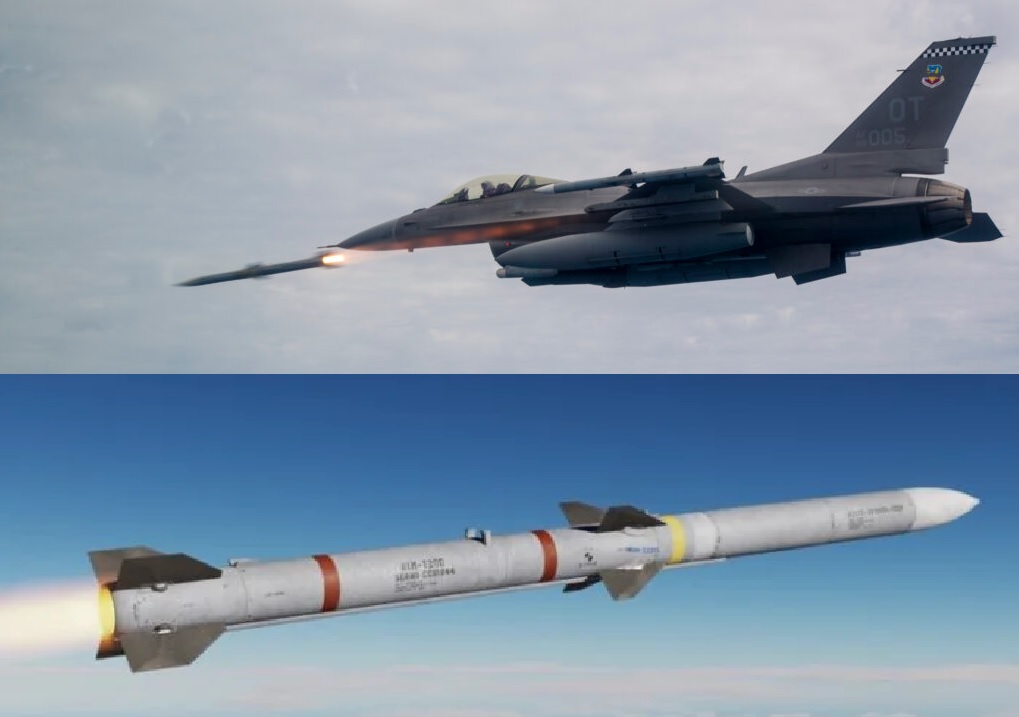
World
On 27 November 2025, Polish Ministry of National Defence (MON) signed a roughly $500 million intergovernmental agreement with the United States Department of State / Defense Security Cooperation Agency (DSCA) for the purchase of the latest-variant air-to-air missiles AIM-120D-3 AMRAAM. According to an official announcement by Defence Minister Władysław Kosiniak-Kamysz on X, the missiles will arm both Poland’s future fleet of F-35A Lightning II Husarz stealth fighters and upgraded F-16C/D Jastrząb multirole jets. This contract transforms earlier US authorisation into concrete procurement: in April 2025 the State Department had approved a possible Foreign Military Sale (FMS) covering up to 400 AIM-120D-3 missiles — including associated guidance kits, support equipment, spare parts, logistic services and one test vehicle — for an estimated $1.33 billion. What the AIM-120D-3 brings to Poland The AIM-120D-3 is the most advanced export-approved variant of the long-established AMRAAM family. Its enhancements over prior versions — already in use on Poland’s existing F-16 fleet — include substantially extended beyond-visual-range (BVR) reach, improved electronic-countermeasure (ECM) resistance, updated guidance electronics, and a datalink capability that enables cooperative, network-enabled air combat. These capabilities will allow Polish pilots flying the stealth-enabled F-35A Husarz to exploit the jet’s fifth-generation sensor-fusion and situational-awareness architecture more fully, engaging aerial threats at longer range with reduced detection risk. According to reporting, deliveries under the new contract are expected between 2030 and 2031, in line with the planned induction of F-35s into the Polish Air Force. Strategic context — boosting NATO’s eastern flank Poland’s move to lock in hundreds of D-3 AIM-120s significantly bolsters its air-to-air firepower at a time of renewed emphasis on NATO’s eastern defences. The DSCA justification for the sale highlights that the missiles “will improve Poland’s capability to meet current and future threats by providing air-to-air defence to protect Polish and allied forces … and significantly improve the Polish contribution to NATO requirements.” Poland already ordered 32 F-35A “Husarz” jets in 2020 under a roughly $4.6 billion contract — one of the country’s largest defence acquisitions. The planned AIM-120D-3 procurement complements broader modernisation efforts including infrastructure upgrades, enhanced munitions stockpiles, and reinforced logistics and sustainment networks tied to the F-35 programme. Deputy Prime Minister Kosiniak-Kamysz described the contract as “a major milestone in the modernisation of the Polish armed forces,” and a clear sign that Warsaw is converting earlier authorisations into actual capability. Delivery timeline and outlook While the contract is signed now, the first shipments of missiles under the agreement are not expected until 2030–2031, aligning with the schedule for full operational deployment of the F-35A fleet in Poland. In the meantime, Poland continues to operate older AMRAAM variants on its existing F-16C/D jets, facilitating a smoother transition to the newer missile standard when D-3 deliveries begin The decision reinforces Poland’s long-term air defence posture and deepens its strategic tether to the US defence industrial complex — with RTX Corporation (via its Tucson, Arizona facility) named as the prime contractor for the missile production and support package. Broader implications By moving from authorisation to signed contract, Poland demonstrates a clear commitment to strengthening its deterrence architecture amid heightened regional tensions. The AIM-120D-3 acquisition boosts not just national defence but also Poland’s integration into NATO’s collective air-defence network. The deal also signals readiness to invest in advanced, long-term capability rather than short-term fixes — a stance likely to influence both Warsaw’s future procurement choices and alliance-wide air doctrine. With deliveries scheduled near the end of the decade, the next few years will be crucial: Poland must prepare not only logistically but also in terms of pilot training, maintenance infrastructure, and integration with F-35 sensor and command systems to fully exploit the new missiles’ potential.
Read More → Posted on 2025-11-27 16:26:57
World
FBI Director Kash Patel says the two West Virginia National Guard members shot just blocks from the White House remain in critical condition, and that the attack is being handled at the federal level as both an act of terrorism and an assault on federal law enforcement officers. Authorities have identified the wounded soldiers as Spc. Sarah Beckstrom, 20, and Spc. Andrew Wolfe, 24, both recently sworn into the West Virginia National Guard and deployed to Washington as part of a controversial federal security mission. What Happened in Downtown Washington The shooting took place around 2:15 p.m. on November 26 near Farragut Square, close to the Farragut West Metro station, roughly two blocks northwest of the White House. According to witnesses and investigators’ early findings, the two Guard members were on foot in a small group when a man approached them and abruptly opened fire at close range in what officials describe as an “ambush-style” and “targeted” attack. One soldier was hit at point-blank range; the second was shot while trying to take cover behind a bus shelter. Other Guard troops and law enforcement officers in the vicinity responded within seconds. After an exchange of gunfire, the suspect was shot, disarmed, and tackled to the ground by nearby personnel. All three — the two soldiers and the gunman — were rushed to area hospitals. Officials say the suspect’s injuries are serious but not believed to be life-threatening. The incident triggered a brief lockdown of nearby federal buildings and security alerts at the White House, with streets around the square sealed off as armored Secret Service teams, Metropolitan Police, and Guard units flooded the area. Who Is the Suspect? The alleged gunman has been identified as Rahmanullah Lakanwal, a 29-year-old Afghan national. According to federal officials and media reports: Lakanwal entered the United States in 2021 under the Operation Allies Welcome program for Afghans who had worked with U.S. and coalition forces. He was granted asylum in April 2025, after a lengthy vetting process. He previously worked alongside U.S. troops and intelligence partners in Afghanistan, including assignments that brought him into contact with American forces. Investigators say Lakanwal drove across the country before the attack, traveling from the Pacific Northwest to Washington, D.C., and had been in the city only a short time before the shooting. The weapon recovered at the scene has been described in investigative documents as a .357 Magnum revolver, with authorities saying 10–15 shots may have been fired. So far, officials say there is no evidence of additional attackers, and the working assumption is that Lakanwal acted alone. Why the FBI Calls It Terrorism and a Federal Assault At a press conference alongside Washington, D.C. Mayor Muriel Bowser, FBI Director Kash Patel said the Bureau is treating the shooting as an act of terrorism and as an assault on federal law enforcement officers, given that the Guardsmen were operating under federal orders in support of law-enforcement missions. Patel confirmed that: The FBI’s Washington Field Office is leading the probe, supported by the Department of Homeland Security, Secret Service, and local police. The investigation is focused on whether the suspect was motivated by ideology, foreign influence, or personal grievances — or some combination of all three. Federal prosecutors have not yet announced formal charges, but officials say Lakanwal is expected to face a battery of federal counts, likely including at least: Attempted murder, Terrorism-related charges, and Assault on federal officers with a deadly weapon,alongside firearms offenses. (The exact charging document has not yet been made public.) Raids, Digital Forensics, and the Hunt for a Motive Overnight, FBI agents executed search warrants on properties linked to Lakanwal in Washington state and San Diego, California, seizing phones, computers, storage drives, and documents. Investigators are now examining his online activity — including social media accounts, messaging applications, and any possible contact with extremist networks — along with his travel patterns and financial records leading up to the cross-country drive. They are also scrutinizing whether he attempted to reconnect with former contacts from his time working with U.S. and allied forces in Afghanistan. So far, officials say they have found no clear manifesto or public claim of responsibility, but they are not ruling out extremist or anti-government motives. Patel emphasized that the suspect’s motive remains “under active investigation.” Federal and Political Response In a video message from Florida, President Donald Trump condemned the attack as “an act of evil, an act of hatred, and an act of terror”, vowing that the suspect would “pay a very steep price.” Trump ordered an additional 500 National Guard troops to Washington, D.C., on top of the roughly 2,300 already deployed in the capital under his declared “crime emergency” and immigration enforcement push in Democratic-led cities. At the same time, the administration announced: An immediate halt to the processing of Afghan immigration and asylum applications, pending a new security review. A broader re-examination of Operation Allies Welcome and other Afghan resettlement programs, despite the fact that Lakanwal’s asylum was formally approved this year under Trump’s own administration. The move has triggered fresh debate in Washington, with critics warning that hundreds of thousands of Afghan allies could now face indefinite limbo due to the actions of a single individual. Tension Over Immigration and Security The attack has quickly become a flashpoint in the U.S. debate over immigration, refugee vetting, and the treatment of Afghan partners. Supporters of the administration’s hard line argue that the case exposes dangerous gaps in background checks and intelligence sharing about arrivals from conflict zones, pointing to the suspect’s prior work in Afghanistan and his cross-country travel before the shooting. Civil liberties and refugee advocates counter that Lakanwal underwent multiple layers of vetting before entering the United States, and that there is no evidence so far linking him to a broader cell. They warn that the administration’s sweeping suspension of Afghan asylum and immigration cases risks punishing tens of thousands of law-abiding evacuees and their families for the actions of a single individual. Condition of the Soldiers and Next Steps Doctors say both Beckstrom and Wolfe have undergone emergency surgery for severe gunshot wounds and remain on life support. Officials say the next 24–48 hours will be critical. Their families have arrived in Washington, and the West Virginia governor’s office has asked the public to pray for their recovery. Early reports from state officials briefly suggested the two soldiers had died; those statements were later corrected, and federal authorities now consistently describe their condition as critical and unstable, but alive. The FBI says the crime scene around 17th and I Streets NW will remain sealed off for a detailed forensic sweep, including ballistics analysis, trajectory mapping, and review of extensive surveillance footage from nearby buildings and transit cameras. Director Patel has promised regular public updates, but warned that understanding the suspect’s full motive and potential contacts “may take time” as investigators comb through digital evidence from multiple states.
Read More → Posted on 2025-11-27 16:02:43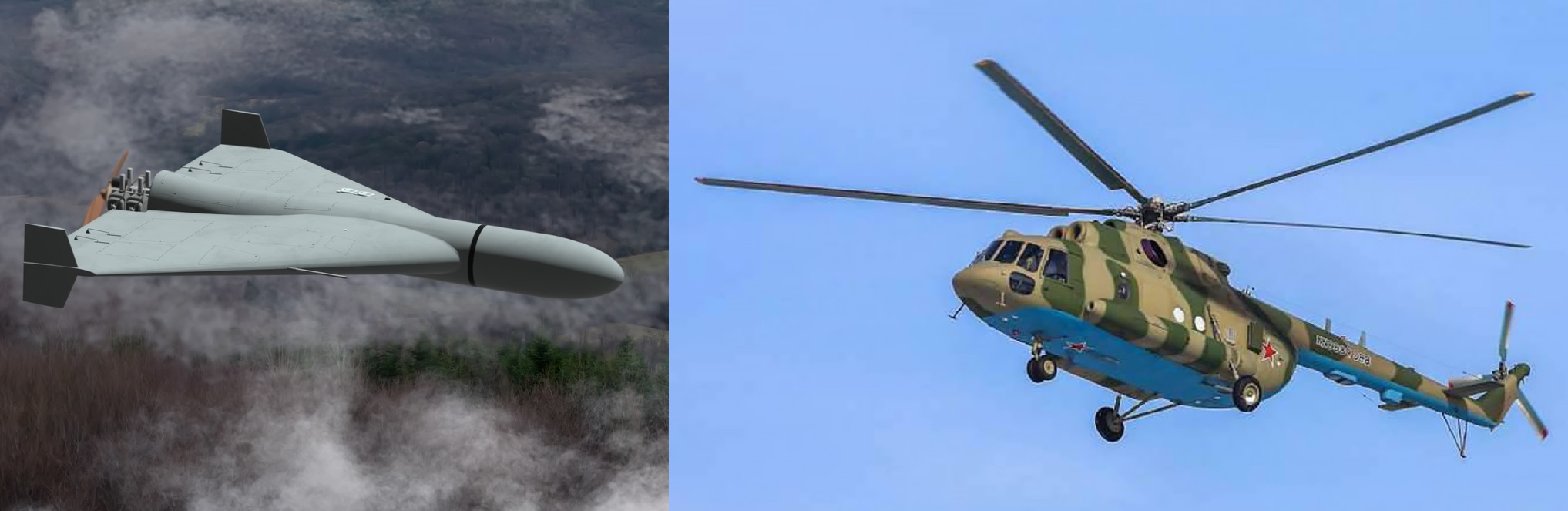
World
Russian forces are reportedly escalating their use of “kamikaze” drones to directly target Ukrainian military aircraft — a significant shift in drone warfare that underscores how the conflict is evolving. According to Yurii Myronenko, Ukraine’s deputy minister of defense for innovation, Moscow is now experimenting with modified versions of Shahed drone variants that can strike Ukrainian jets and helicopters mid-air. Myronenko, a former commander of a drone unit, revealed that Russian operators are now controlling these drones in “real-time” from the front lines — using communication systems relayed via antennas placed in Russian-held or occupied areas of Ukraine, and reportedly even from neighboring Belarus. He said that this real-time piloting capability complicates Ukrainian air-defense efforts, because drone operators can dynamically adapt their tactics during engagements. Historically, Ukraine has depended on its own aircraft — from fighter jets to helicopters — to intercept and neutralize waves of Russian drone attacks aimed at ground targets or infrastructure. Military analysts have observed that drones such as the Shahed series were primarily used as loitering munitions or “suicide” drones for ground strikes. The emergence of drones specifically targeting military aircraft indicates Russia may be aiming to degrade Ukraine’s air defense and suppress Ukraine’s ability to respond swiftly to aerial threats. Shahed-107: Russia’s Latest Tool? Ukraine’s military intelligence recently disclosed that the newest variant being deployed by Russian forces is the Shahed-107. According to their assessment, this drone has a wingspan of around 10 feet, uses a carbon-fiber frame, is equipped with cross-shaped tail stabilizers, and carries a warhead of roughly 15 kg. Its estimated operational range is up to 300 kilometers. These specifications suggest that the Shahed-107 is lighter and more maneuverable than some older Shahed variants, potentially allowing it to approach or intercept airborne targets such as helicopters or slow-moving jets. Ukrainian intelligence says that, despite international sanctions, many of the drone’s internal components remain foreign-made — highlighting how Russia continues to tap global supply chains to maintain its drone production. Tactical Implications & Battlefield Innovation Military observers say that using explosive drones against aircraft marks a significant tactical evolution. Until now, drones were mostly used against ground-based targets — infrastructure, logistics hubs, ground forces. The pivot toward aerial targets suggests that Russia is attempting to undermine Ukraine’s air advantage and reduce its ability to intercept or respond to drone strikes over large areas. The real-time control capability of drones — with operators using front-line antennas or even remote relays from Belarus — further complicates defense for Ukraine. Because drone pilots can maneuver midflight, Ukrainian air defenses and interceptor aircraft face a much more dynamic threat than straight-forward pre-programmed kamikaze drones. At the same time, according to Myronenko, Ukraine is not standing still. While details of Kyiv’s countermeasures remain under wraps for strategic reasons, he said Ukrainian forces are adapting quickly, working to upgrade anti-drone capabilities, improve early detection, and adjust air-defense tactics to meet the new threat. Broader Drone Usage in the War The use of Shahed-series drones by Russia — often with origins in Iranian designs — has been a staple of Russian aerial operations since 2022. The now well-known Shahed-136 (“Geran-2”) has been widely used for long-range strikes on infrastructure and logistical targets. The deployment of Shahed-107 on front-line positions, alongside the escalation toward using drones against aircraft, underscores how both sides are caught in a rapid arms-tech cycle. On one side, Russia is scaling production and refining models; on the other, Ukraine — and its Western allies — are scrambling to counter adapted capabilities ranging from drones to electronic warfare, jamming, and low-cost interceptors. What Ukraine (and the World) Is Watching Though Ukrainian authorities have not publicly confirmed any successful shoot-downs of aircraft by Russian Shahed drones, the mere existence of such tactics is reshaping the dynamics of the war. The fact that Ukraine’s deputy defense minister has spoken out about them signals that Kyiv views the development as a serious turning point. International observers and defense analysts are closely monitoring the evolution. If drones become a reliable tool against aircraft, it could reduce the effectiveness of traditional air defense and change the calculus of future aerial operations in the war — potentially making control of the skies far more uncertain. For now, Kyiv says it will disclose its countermeasures only when it sees a strategic advantage — making it clear: this drone-cat-and-mouse fight is far from over.
Read More → Posted on 2025-11-27 15:27:36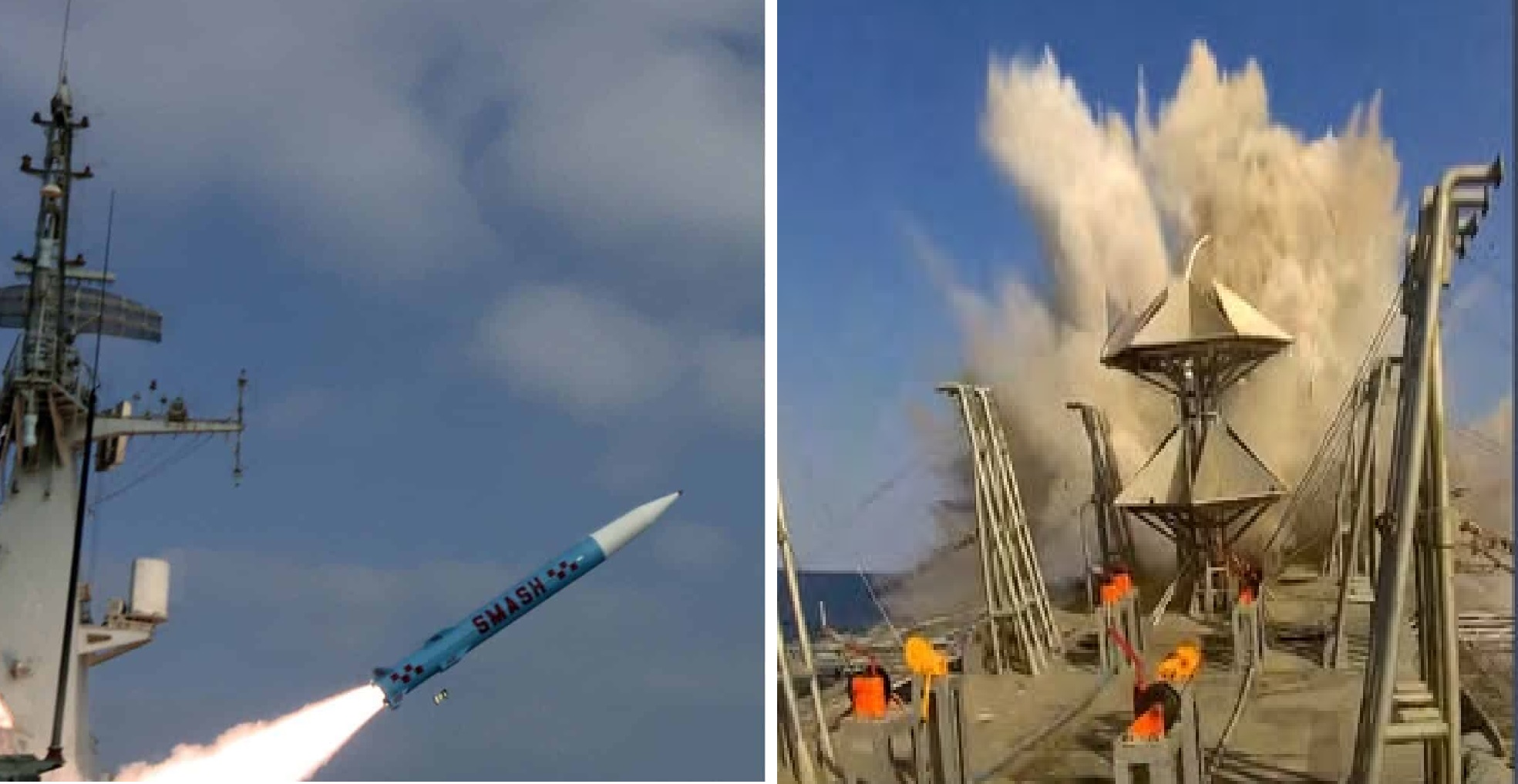
World
The Pakistan Navy has carried out another test flight of its indigenously developed ship-launched ballistic missile, the P-282 “SMASH,” on November 25, 2025, reinforcing Islamabad’s determination to expand its domestic missile-development capabilities. The launch, observed by the Chief of the Naval Staff along with senior scientists and engineers, marks the latest milestone in Pakistan’s evolving naval strike programme. A System Still in Development According to official statements, SMASH is designed to strike both maritime and land targets, aided by what the Navy describes as a modern guidance package aimed at improving accuracy and enabling terminal manoeuvring. Despite these claims, the Navy has not revealed definitive specifications. Defence sources commonly estimate an approximate range of 350 km, and Pakistani officials stress that the missile is intended solely for national operational use, not for export. This launch follows the missile’s first publicly announced flight in November 2024, though some regional reports suggest two or three test events may have occurred. All known firings have originated from a Type 22P frigate, a platform frequently used in Pakistani missile trials. From Early Cruise-Missile Rumours to Ballistic Reality In its early stages, SMASH was widely speculated to be a supersonic anti-ship cruise missile. Later disclosures, however, confirmed that the system is a solid-fuel ballistic missile, conceptually similar to the CM-400 family. Defence outlet Quwa and other observers note that SMASH fits into Pakistan’s broader naval modernisation drive, which seeks to integrate multiple domestically developed strike weapons into its surface fleet. Yet the missile’s architecture does not resemble that of modern anti-ship ballistic missiles (ASBMs), which rely on seekers and manoeuvrable re-entry vehicles to hit moving ships at sea. Narrow Flight Corridor Reveals a Non-Manoeuvring Missile The most revealing information comes not from official statements, but from Pakistan’s own test-warning areas issued prior to launches. Analysts note that each SMASH test has 370 km long, But narrow Width flight corridor, a pattern strongly associated with non-manoeuvring ballistic trajectories. Several elements stand out: No terminal seeker—neither radar, optical, nor infrared—has been shown. No evidence of manoeuvrable re-entry features appears in imagery or footage. The narrow, corridor-shaped warning zones indicate that the missile’s path is fixed and predictable, with little or no lateral manoeuvring capability. If Pakistan had equipped SMASH with even a basic terminal seeker or a manoeuvrable re-entry vehicle (MaRV), the warning area would have been much wider, similar to China’s DF-21D or DF-26 anti-ship ballistic missile tests. Instead, SMASH’s consistent use of narrow corridors strongly suggests that it follows a purely ballistic descent, unable to alter its trajectory during the final phase of flight. A Missile Suited Only for Fixed Targets The absence of a terminal seeker severely restricts SMASH’s operational use. A ballistic weapon depending solely on pre-programmed coordinates cannot correct its path mid-flight, making it incapable of reliably striking a moving naval target. Based on its design, analysts conclude that SMASH can realistically be used against: Docked ships Anchored vessels Naval facilities such as depots, jetties, radars, fuel farms, or command posts Hardened coastal or land-based fixed sites Even minor changes in a ship’s position—such as a vessel shifting within a harbour—could result in a complete miss. Its effectiveness therefore remains confined to fixed and stationary targets, rather than manoeuvring ships at sea. Lessons Drawn From Operation Sindoor Observers often reference Operation Sindoor, where Pakistan reportedly employed a CM-400-derived ballistic weapon against an Indian S-400 air-defence site. The Indian unit relocated shortly before impact, and the missile simply continued toward the pre-set coordinates, hitting empty ground. This incident highlighted the limitations of coordinate-based ballistic weapons without terminal seekers, and SMASH appears to operate under the same constraints. Solid Rocket Motor and Structural Features Technical assessments describe SMASH as a solid-fuel, single-stage ballistic missile capable of achieving high-supersonic terminal velocity, aligning with the design of short-range ballistic systems. The missile’s compact form factor suggests optimisation for box-canister storage and launch aboard naval vessels. Analysts believe SMASH is conceptually linked to the CM-400AKG air-launched missile, though the naval version lacks the radar seeker of the airborne variant. Its guidance suite likely consists of: Inertial Navigation System (INS) Satellite navigation updates (BeiDou, GPS, or GLONASS) Pre-loaded target coordinates No available information suggests the presence of terminal imaging, radar homing, or manoeuvring fins. This reinforces the assessment that SMASH cannot adapt its course during re-entry. Why Pakistan Continues to Develop SMASH Despite its limitations, the Pakistan Navy maintains considerable interest in SMASH. Naval officials argue that the missile provides a low-cost, long-range precision-strike option without relying on cruise missiles, which are expensive, slower, and more complex. In Pakistani operational thinking, SMASH’s value lies in its ability to: Threaten enemy naval bases and coastal infrastructure Conduct rapid-strike missions using readily deployable shipboard canisters Support Pakistan’s long-term goal of indigenous missile production Deliver high-speed, high-energy impacts against hardened fixed targets For Pakistan, SMASH is therefore viewed not as a sea-denial weapon, but as a coastal strike system designed to hit static high-value targets. ASBM Capability Remains Unproven For SMASH to qualify as a true anti-ship ballistic missile, Pakistan would need to demonstrate: A terminal seeker capable of identifying and tracking ships In-flight manoeuvring or MaRV capability Wider flight-warning corridors consistent with manoeuvrable missiles None of these capabilities have appeared in testing or official communication. As a result, analysts widely classify SMASH as a fixed-target ballistic strike weapon, not a modern ASBM capable of engaging moving warships. The November 2025 test reflects Pakistan’s continued commitment to indigenous missile development. However, all available evidence—especially the consistently narrow test-warning corridors—indicates that SMASH remains a non-manoeuvring, coordinate-guided ballistic missile. Without a terminal seeker or manoeuvrable re-entry vehicle, SMASH is likely to remain an effective tool for coastal and harbour-target strikes, but not the sea-denial anti-ship system early speculation once suggested.
Read More → Posted on 2025-11-27 15:09:27
World
France has quietly delivered another batch of Rafale fighters to Egypt, strengthening Cairo’s fast-growing combat fleet. The three aircraft — newly manufactured and designated EM12, EM13, and EM14 — slipped into an Egyptian air base with pristine factory markings, signaling a low-profile but significant boost to the country’s air-modernization plans. Their arrival, revealed on November 26, 2025 by the International Defence Analysis monitoring group, marks another step toward fulfilling the 30-jet Rafale contract signed in 2021, a deal worth €3.75 billion (about US$4.5 billion). With each discreet delivery, France brings Egypt closer to completing one of its most important recent aircraft acquisitions, while Cairo continues to reshape its airpower for long-range, high-intensity operations. A Strategic Delivery Amid Quiet Diplomacy The newly built aircraft were spotted landing at an Egyptian air base with fresh factory markings, confirming their direct transfer from France. Egyptian officials have not made a public statement, consistent with Cairo’s pattern of maintaining a low profile around high-value defense arrivals. Defense analysts note that this steady stream of Rafale deliveries underscores Egypt’s broader strategy: strengthen tactical aviation capabilities, diversify defense suppliers, and ensure operational independence in contested theaters. The 2021 Rafale contract — Egypt’s second major purchase of the type after the initial 24-jet deal signed in 2015 — is expected to be fully completed by late 2026, depending on production and handover timelines set by Dassault Aviation and French authorities. Transforming Egypt’s Airpower Across Regions The Rafale has reshaped the Egyptian Air Force’s operational reach. With long-range strike capability, advanced electronic warfare suites, and NATO-standard interoperability, the aircraft provides Cairo with strategic flexibility across both North Africa and the Eastern Mediterranean. Military observers note that Egypt’s Rafales often train in complex mission sets including maritime strike, long-range interdiction, precision ground attack, air superiority missions, and ISR (intelligence, surveillance, and reconnaissance). The Rafale’s omnirole capability has allowed Egypt to gradually reduce reliance on legacy fleets composed of F-16s, MiG-29M/M2s, and Mirage 2000-series jets. Current EAF Fleet: A Diverse Mix with Growing Modernisation As of 2025, the Egyptian Air Force operates roughly 1,065 to 1,092 aircraft overall — including fighters, helicopters, transport planes, trainers and special-mission platforms. Combat-ready fighters and multirole jets — including the Rafale — make up a substantial portion of that strength. Key assets of the EAF’s fixed-wing and rotary-aircraft fleet include: Over 210–220 Lockheed Martin F-16 Fighting Falcon multirole jets — historically the backbone of the EAF’s combat force. The Rafale fleet: with the new batch, Egypt now operates around 54 Rafales — combining the original 24-jet deal from 2015 with the 2021 order under delivery. Russian-origin jets like Mikoyan MiG-29M/M2 — around 43–46 in service — maintaining a legacy of Soviet-era procurement and providing alternative platforms alongside Western ones. Older French jets: for example Dassault Mirage 2000 — about 19 still operational — though their numbers are gradually being phased down as modernization advances. A wide variety of helicopters, transport aircraft, trainers, UAVs, and support platforms contributing to EAF’s overall reach and multi-domain flexibility. This diversity — mixing American, French, Russian, and other-origin aircraft — reflects a long-term procurement approach aimed at supplier diversification, minimizing dependence on any single foreign partner, and preserving strategic autonomy. Regional Trend: Gulf States Also Turning to Rafale Egypt’s acquisition is part of a wider regional pivot toward Dassault’s flagship fighter. Qatar ordered 36 Rafales, all delivered by 2023, while the United Arab Emirates signed a landmark contract in December 2021 for 80 Rafale F4 aircraft — worth €16–17 billion, the largest Rafale export deal to date. These Gulf acquisitions highlight the region’s transition away from aging F-16s, Mirage 2000s, and MiG-29 models toward modern, network-ready, multi-role fighters. A Modernization Path Set to Continue With the latest delivery, Egypt now possesses a significantly expanded Rafale fleet — improving mission readiness, deterrence, and regional strike capability. As Dassault continues production, Cairo is expected to receive the remaining jets throughout 2026, completing one of the most consequential defense deals in the Middle East. The continued flow of aircraft — without formal announcements — signals Egypt’s ongoing effort to quietly but steadily build one of the region’s most advanced and diversified air forces.
Read More → Posted on 2025-11-27 13:37:17Search
Top Trending in 24 Hours
-
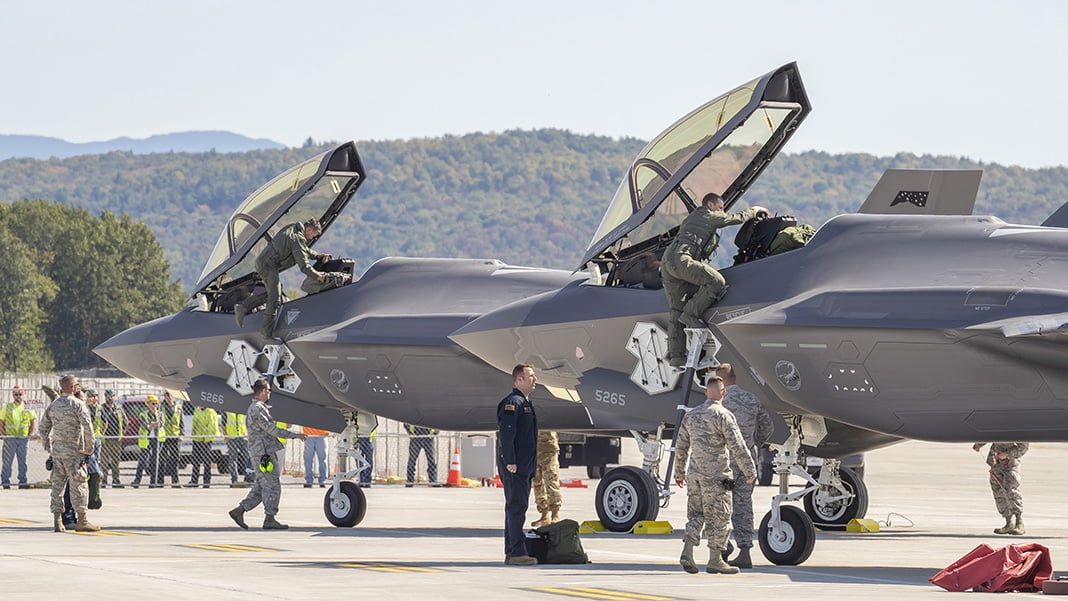 F-35 Fleet Readiness Falls to 25% Amid Parts Shortages and Software Delays: GAO Report
-
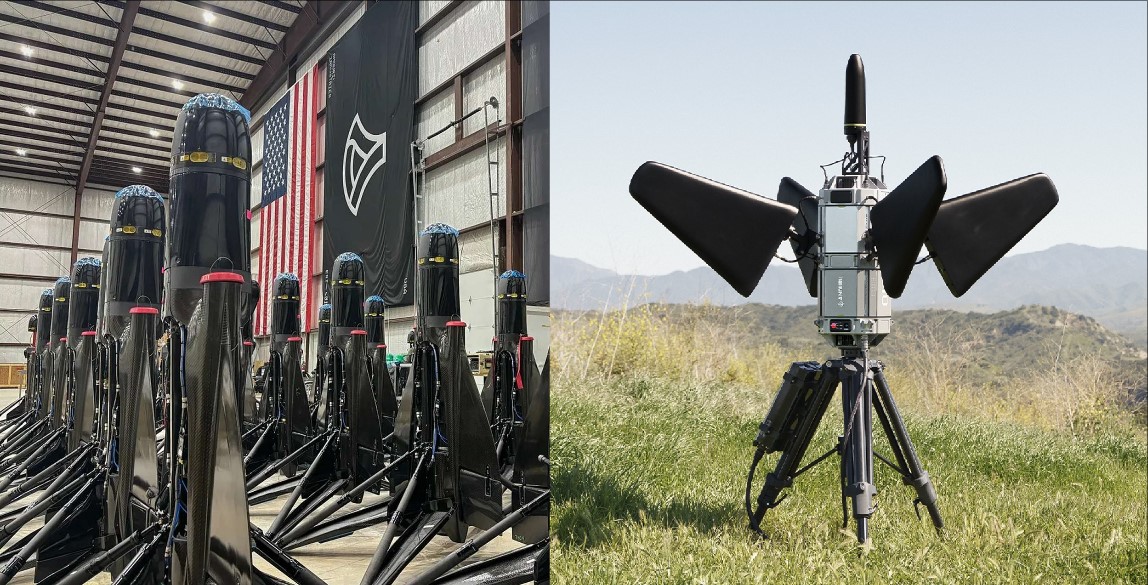 U.S. Approves $1.98 Billion Sale of Anduril AI-Powered Counter-Drone Systems to Kuwait
-
 U.S Navy Orders 50 Blackbeard Hypersonic Missiles in New $23.4 Million Contract
-
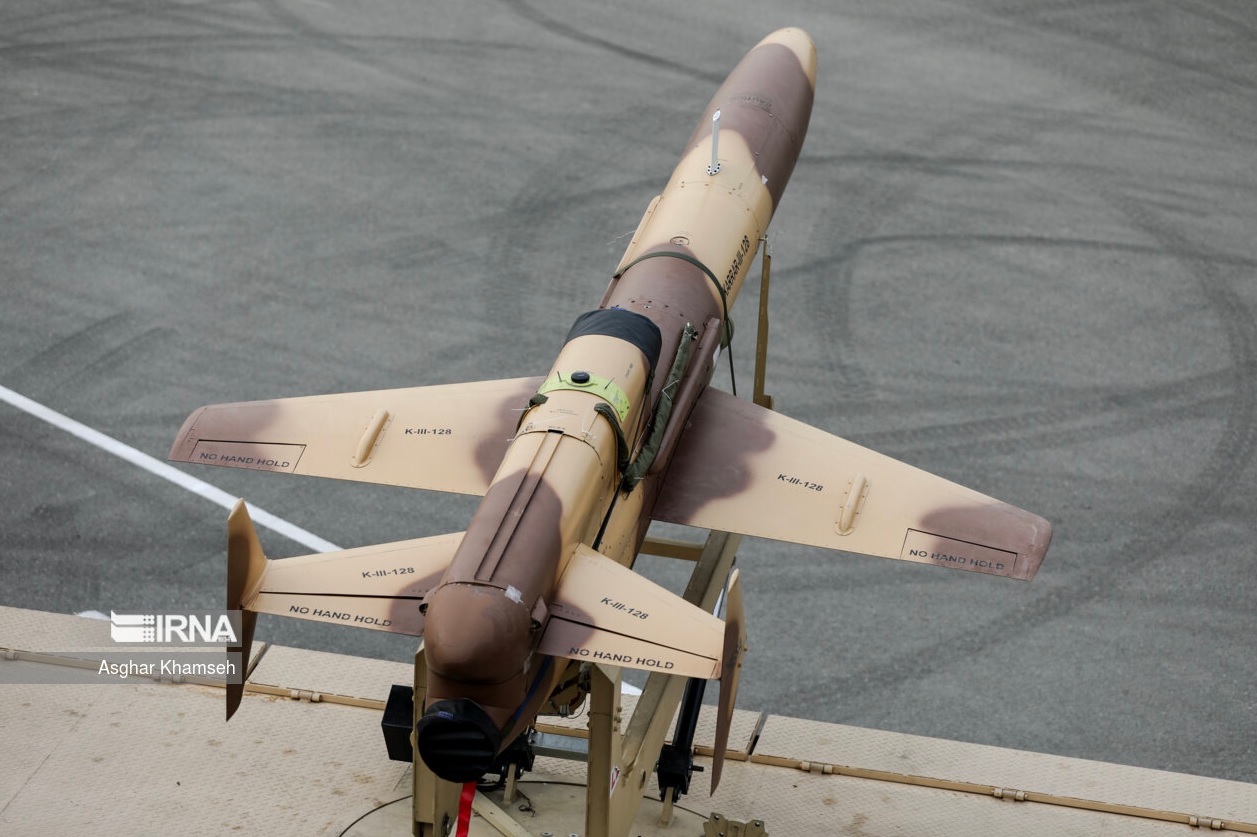 Russia Launches 1,400 Jet-Powered Drones in 2026 as Strike Tactics Evolve to Challenge Ukraine's Air Defenses
-
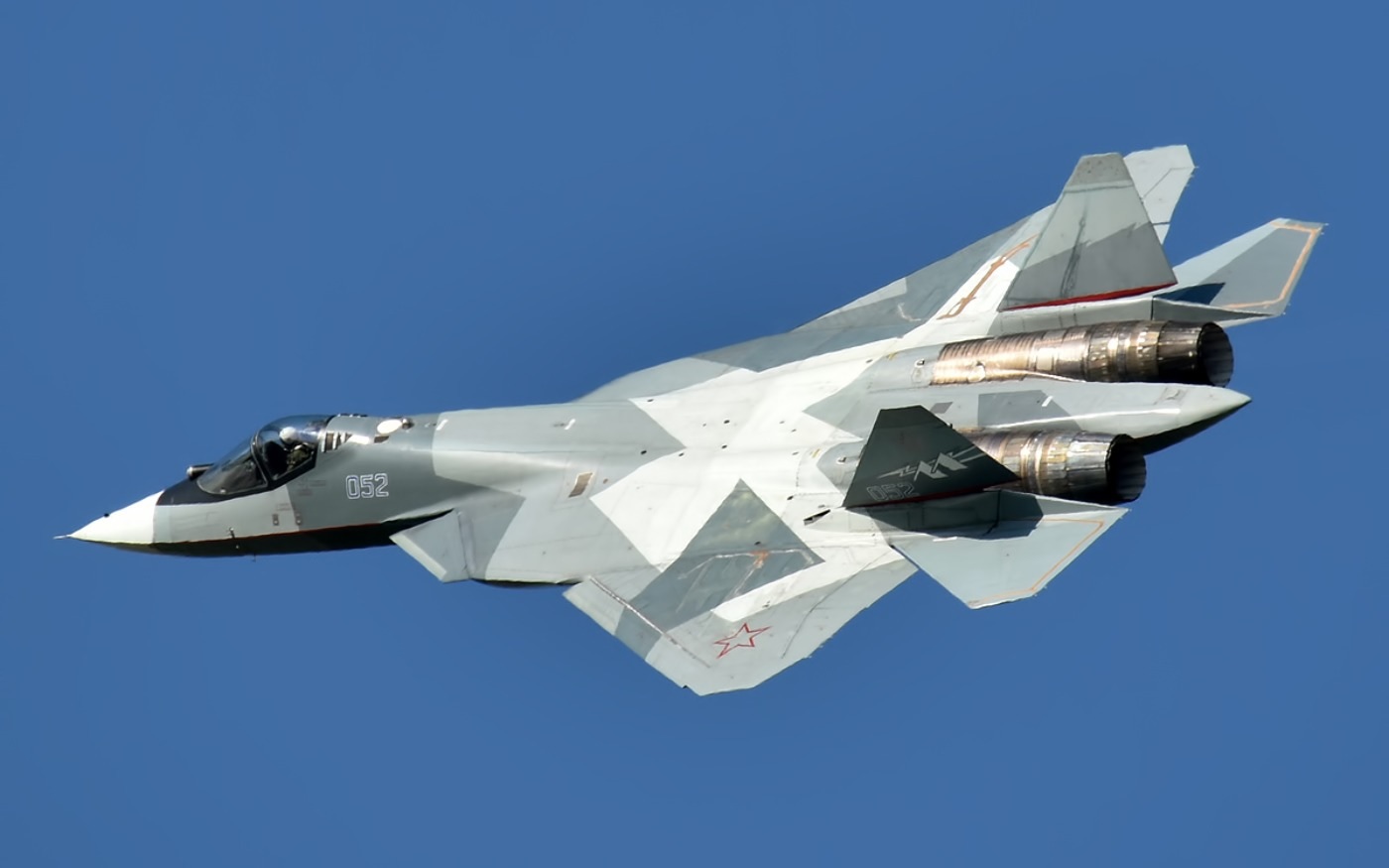 Russian Analysts Debate Su-57 Capabilities After Putin Calls Fighter Superior to F-35
-
 Russia Unveils Amur-1650 AIP Submarine Equipped with BrahMos Vertical Launch System at Fleet-2026
-
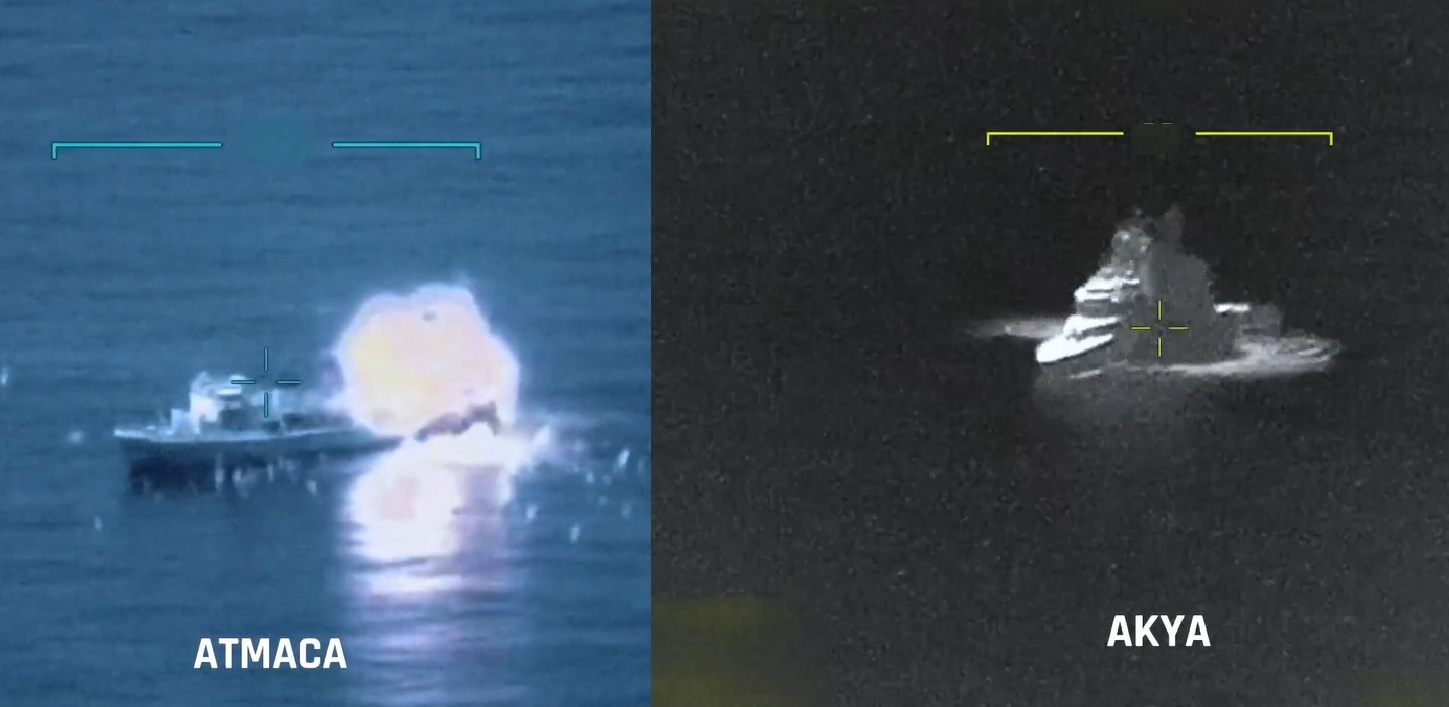 Turkey Navy Successfully Tests AKYA Torpedo and ATMACA Missile During Major Denizkurdu-II Naval Exercise
-
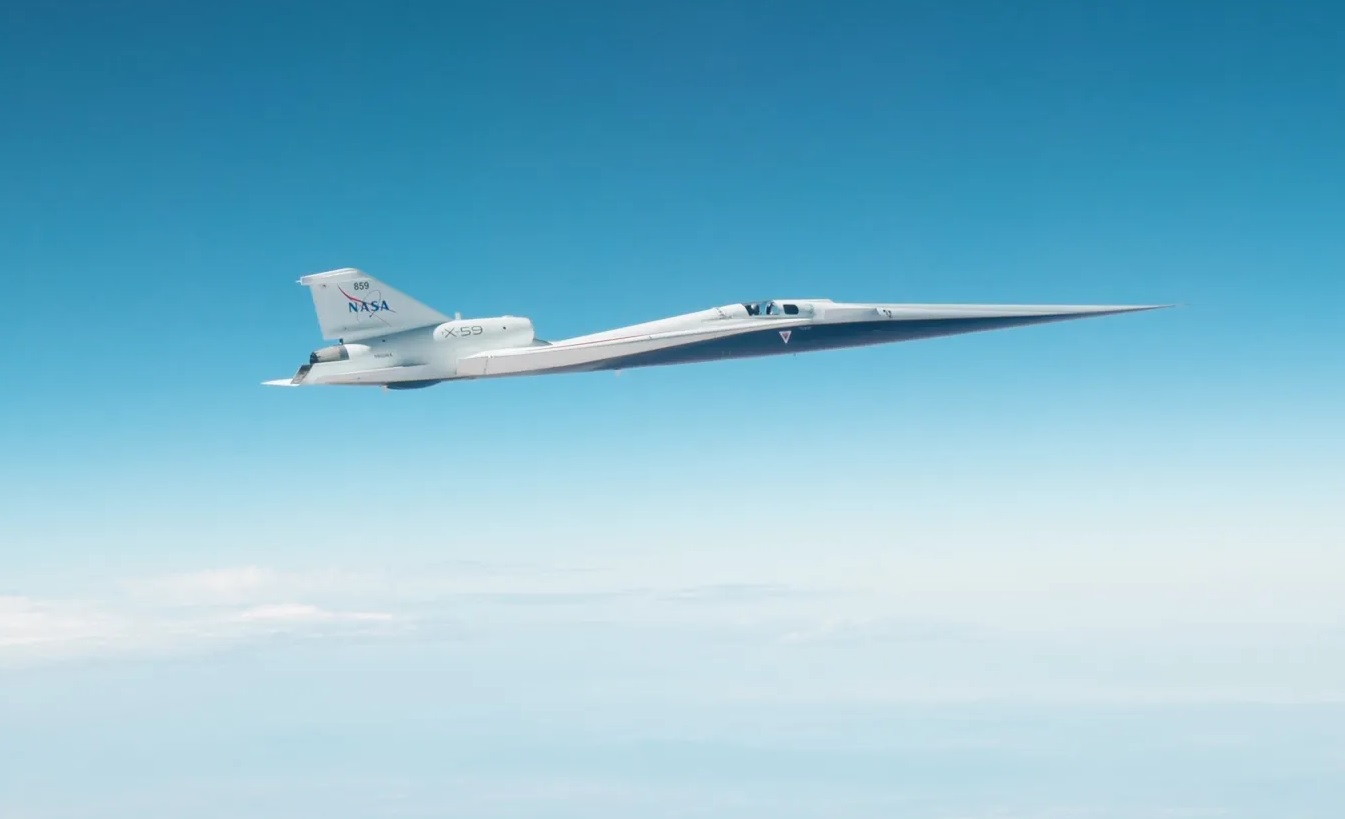 NASA X-59 Achieves Planned Mission Conditions with Mach 1.4 Flight at 55,000 Feet
Top Trending in 4 Days
-
 Iranian Media Leaks 14-Point U.S.-Iran Peace Framework Amid Ongoing Negotiations
-
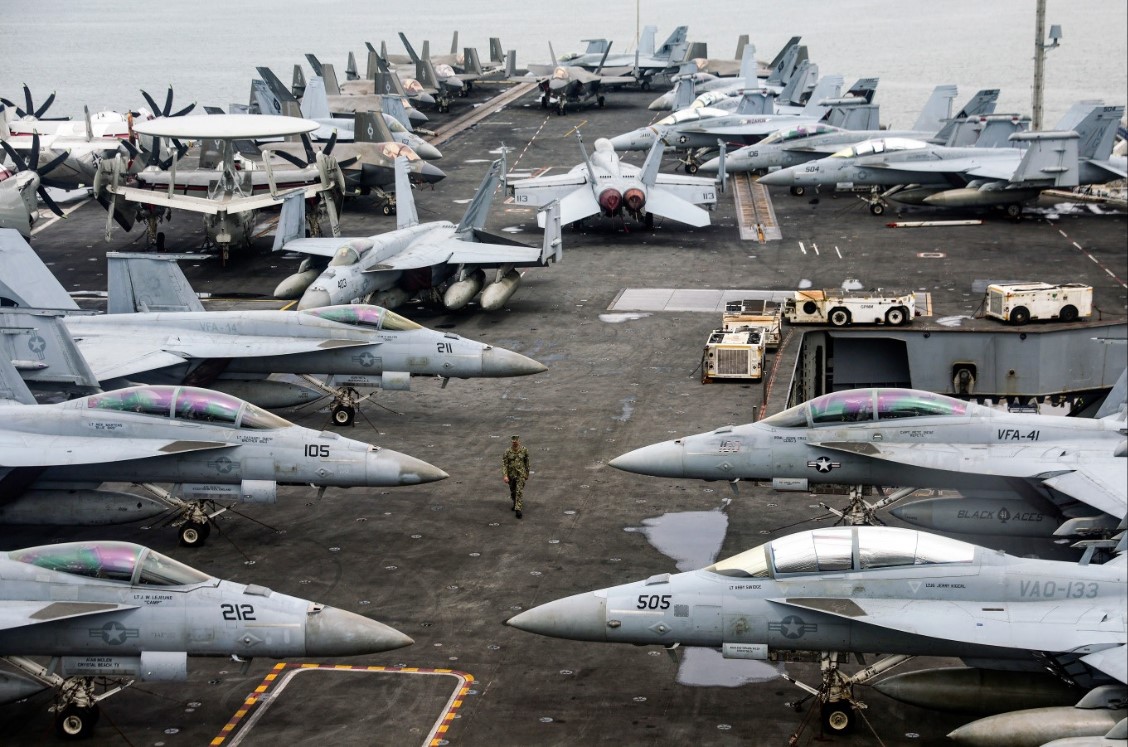 US Plans Significant Reduction of Fighter Jets and Warships for NATO Operations in Europe
-
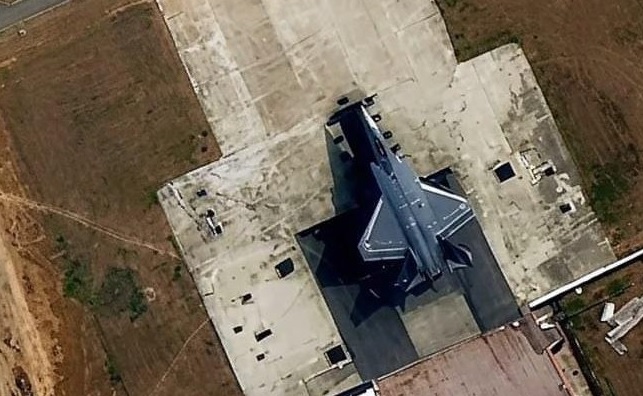 AMCA Airframe Spotted at DRDO’s ORANGE Facility for Radar Cross-Section Testing
-
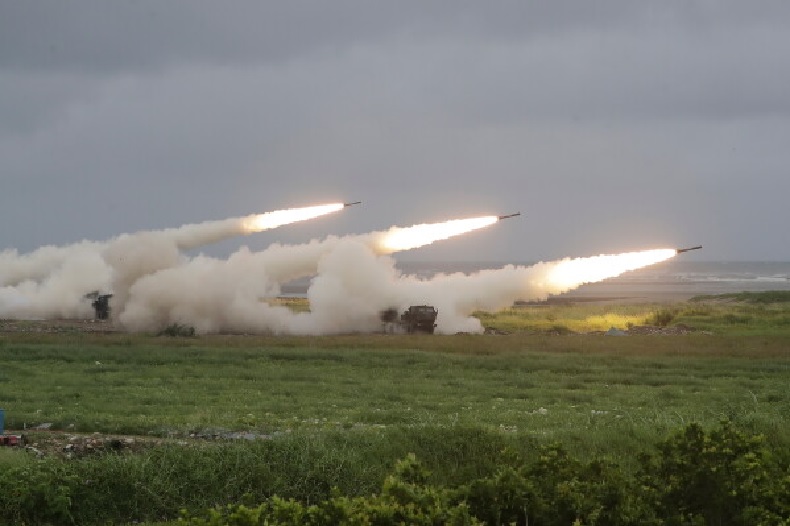 Taiwan Conducts First Live-Fire of HIMARS Rockets From West Coast During Invasion Defense Drill
-
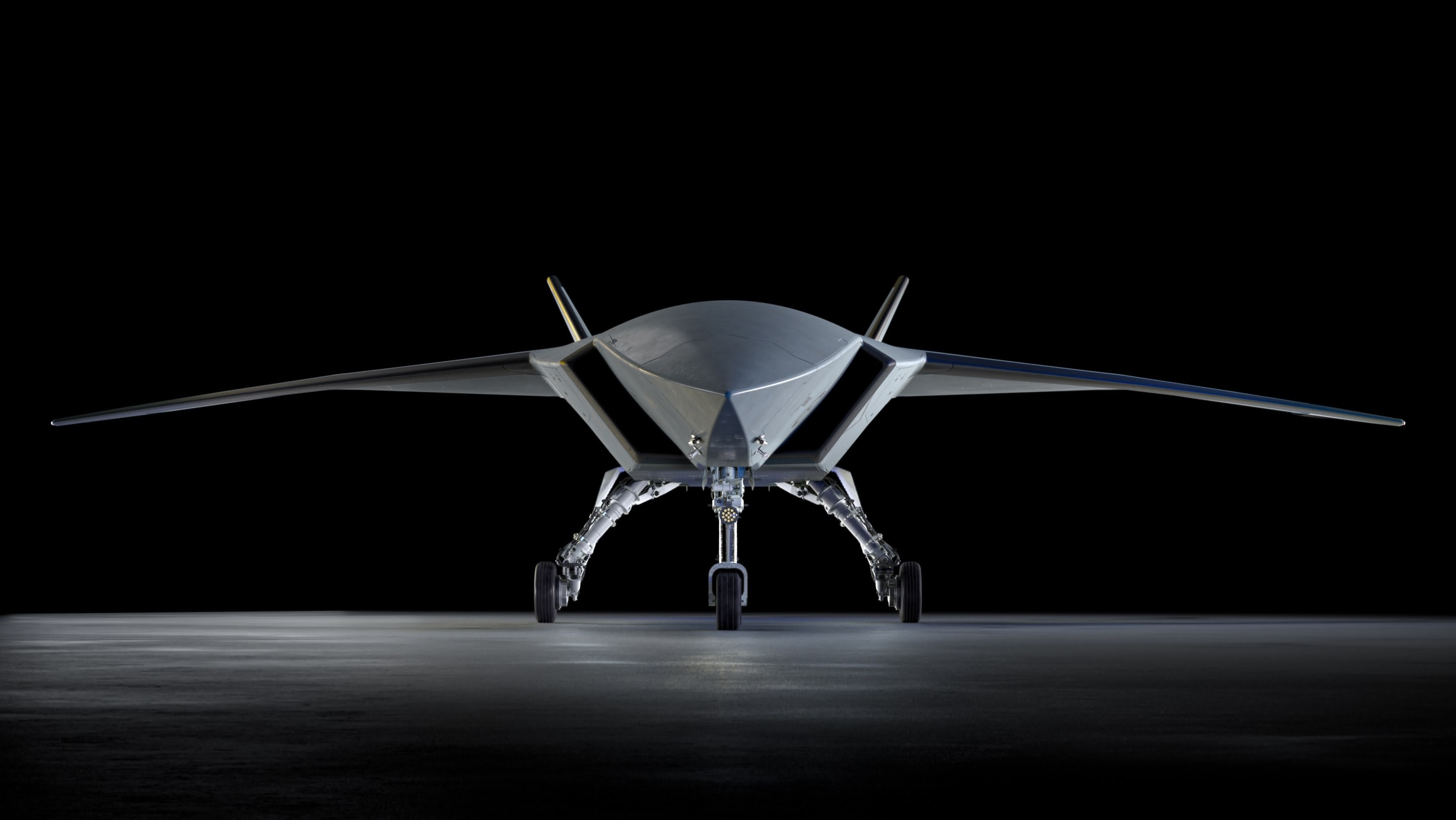 Boeing Introduces New MQ-28 Ghost Bat Upgrades with Increased Range, Payload and Weapons Capacity at ILA Berlin 2026
-
 Diehl Defence Unveils IRIS-T Armed Cobra 600 Air Defense Drone at ILA Berlin 2026
-
 Russian Defense Firm ZALA Unveils KAMA Unmanned Surface Vessel Family at FLOT-2026 Naval Exhibition
-
 U.S Aircraft Carrier USS Theodore Roosevelt Departs San Diego for Major RIMPAC 2026 Naval Exercise