World
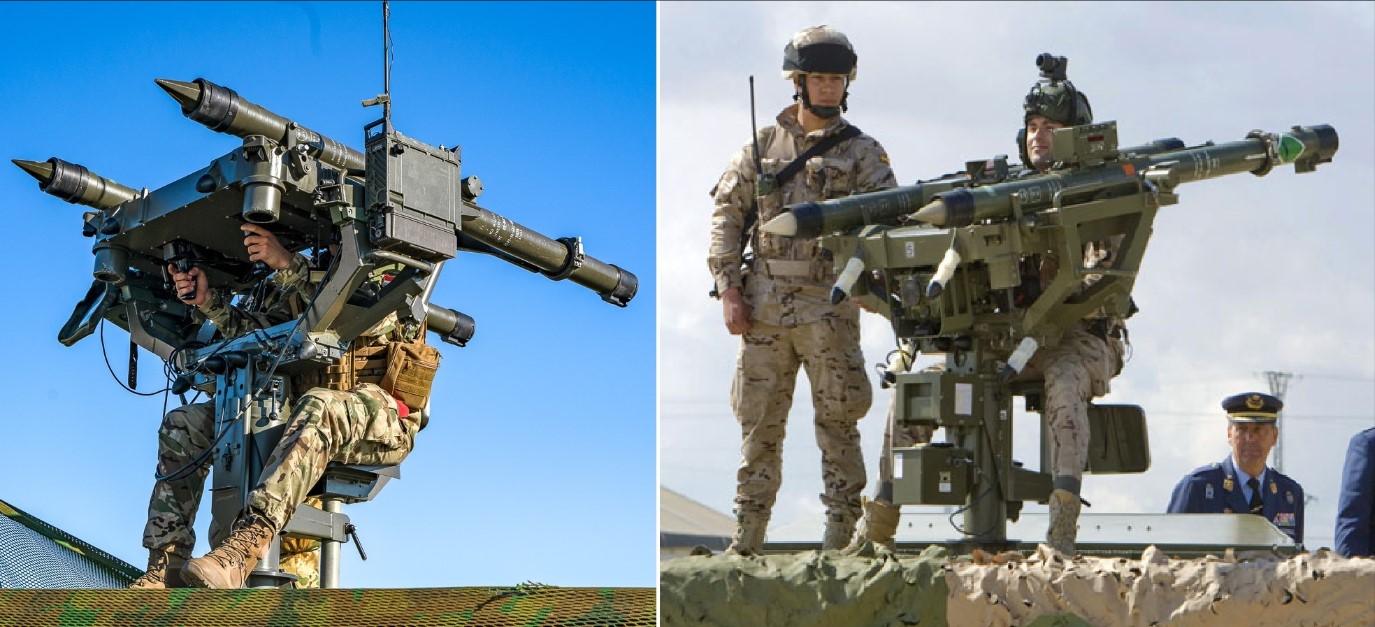
On 25 November 2025, Romania’s Ministry of National Defence (MApN) signed a contract with its French counterpart under which France will supply Romania with 231 portable Mistral 3 man-portable air-defence systems (MANPADS) along with 934 missiles. The agreement was concluded by the General Directorates for Armaments of both ministries. The total contract value is €625,591,000, excluding VAT. Beyond launchers and missiles, the package includes training services, training ammunition, necessary technical documentation, a simulator for operator training, and logistic support. The procurement is part of the broader European Joint Acquisition of Mistral System, coordinated by France. Romania joins several other European Union nations in this collective acquisition, including Belgium, Cyprus, Estonia, and Hungary. Officials say the acquisition is included in the national Investment Plan for the European Defence Industry, prepared under the Security Action for Europe – SAFE framework. The plan seeks to strengthen European defence capabilities and support the continental defence industry. The Romanian Parliament had initially approved the MANPAD acquisition in June 2022. At that time, the programme had been estimated at roughly €700 million (excluding VAT), before negotiations and the joint procurement effort trimmed the final cost. Strategic context: why Romania is buying Mistral 3 The Mistral 3 missile system is widely regarded as one of the most capable very short-range air-defence (VSHORAD) solutions currently available in Europe. With an infrared imaging seeker and advanced image-processing guidance, it operates on a “fire-and-forget” principle. The system is designed to engage a broad variety of aerial threats — ranging from helicopters and fixed-wing aircraft to fast jets, drones, cruise missiles, and even low-signature targets like loitering munitions. According to publicly available specifications, Mistral 3 can engage targets at ranges up to 6.5–8 km and ceiling altitudes appropriate for many low-to-medium altitude threats. The missile carries a roughly 3-kilogram high-explosive warhead and is effective day or night, under diverse weather conditions, and even in electronically contested environments. For Romania — a NATO and EU member sharing a long land border (approximately 650 km) with Ukraine — the timing of this procurement carries obvious strategic weight. Increasing aerial threats, including drone incursions from conflict zones, have raised concerns about national airspace security. The addition of Mistral 3 MANPADS will significantly bolster the country’s short-range air defence umbrella. European cooperation and funding support The acquisition is not solely a bilateral purchase but part of a collective European defence procurement initiative. Under the European Joint Acquisition of Mistral System, several EU member states are jointly ordering Mistral 3 systems to standardise short-range air-defence capabilities across the bloc. This approach aims to deliver better pricing, interoperability, and a reinforced European defence-industrial base. Support from the European Commission — via the European Defence Industry Reinforcement through Common Procurement (EDIRPA) instrument — and the SAFE regulation framework played a role in enabling this deal. The backing reduces financial pressure on member states and encourages coordinated defence investment across Europe. Romanian officials have publicly expressed that using SAFE and EDIRPA tools aligns with the country’s strategic priorities, embedding military modernisation within a broader European defence-industrial strategy. What remains unannounced — delivery schedule and deployment timeline Despite the formal signing and the full package agreement, as of now, neither side has publicly disclosed a detailed delivery schedule for the purchased Mistral systems. Media reports note that the timeline for actual delivery “has not been specified.” Similarly, there has been no official statement on when the Romanian Armed Forces will be able to induct and deploy the new systems operationally. Whether the systems will be delivered in a single batch or phased over multiple installments remains unclear. Analysts expect that logistics, training and simulator delivery may precede missile deliveries — but until formal announcements are made, any date remains speculative. Significance and regional implications This acquisition marks one of Romania’s most significant short-range air-defence investments in recent years. By acquiring modern MANPADS on par with Western European standards, Bucharest signals a commitment to bolster national air defense at a time of heightened regional tension. Moreover, participation in a joint European procurement initiative underlines a growing trend among EU and NATO members to pool resources, achieving economies of scale, harmonised capabilities, and stronger collective deterrence. For neighbouring countries and allies, Romania’s move may strengthen the overall air-defence posture on NATO’s eastern flank and contribute to regional stability in a volatile security environment.
Read More → Posted on 2025-11-27 13:20:42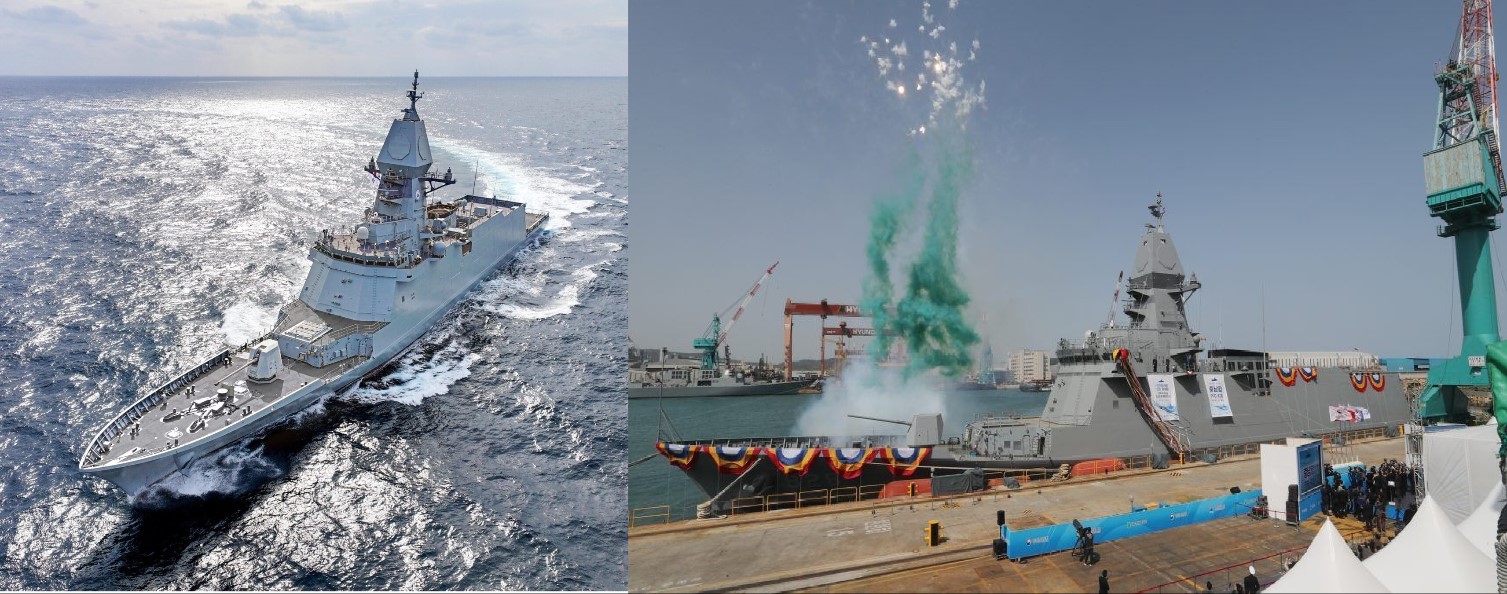
World
On November 25, 2025, the Republic of Korea Navy marked a major milestone with the launch of the ROKS Jeonnam (FFG-831), the third vessel in the Ulsan-class Batch-III / Chungnam-class frigate series. The ceremony was held at SK Oceanplant’s shipyard in Goseong, South Gyeongsang Province, highlighting South Korea’s accelerating push to modernize its surface fleet and replace aging Ulsan- and Pohang-class vessels. A Ceremony Rich in Naval Tradition The event brought together nearly 150 attendees, including senior naval leadership and government officials. Among them were Chairman Sung Il-jong of the National Assembly Defense Committee, Admiral Kang Dong-gil, Chief of Naval Operations, and DAPA Deputy Minister Kang Hwan-seok, alongside executives from the shipbuilder.The ceremony followed long-standing maritime customs. After the official briefing and name proclamation, Im Sun-hee, wife of Chairman Sung, cut the ceremonial rope tied to the frigate’s bow—formally marking the ship’s departure from the construction phase. A multicolored ribbon cutting and the traditional champagne bottle break against the hull completed the launch ritual. Capabilities of a New-Generation Korean Warship Designed as a 3,600-ton multirole frigate, the ROKS Jeonnam is built to perform air defense, anti-surface, land-attack, and anti-submarine missions.It features the Korean Vertical Launching System (KVLS) supporting a wide range of guided missiles, an integrated sensor mast equipped with a four-sided multifunction phased-array radar, and an IRST system for passive detection.Underwater capabilities are strengthened by hull-mounted and towed-array sonar, while the ship’s hybrid diesel-electric propulsion system reduces noise during anti-submarine operations. A 5-inch gun and anti-ship missiles provide additional firepower, making Jeonnam one of the most advanced frigates ever produced in South Korea. Part of a Larger Expansion Strategy The Jeonnam is the third of six planned Batch-III frigates, forming the final chapter of South Korea’s FFX frigate program. These ships are designed to operate as frontline assets in coastal and regional waters, enhancing maritime situational awareness, surveillance, and deterrence.The lead ship ROKS Chungnam and the second vessel ROKS Gyeongbuk are already advancing through trials and integration phases, positioning the Navy for a comprehensive upgrade to its mid-sized combat fleet. The Contract, Deal Value, and Timeline Construction of ROKS Jeonnam was commissioned to SK Oceanplant in October 2022 as part of South Korea's expanding reliance on domestic shipbuilders.Separately, the contract for the final two Chungnam-class vessels was signed on November 10, 2023, between DAPA and Hanwha Ocean, valued at ₩791.73 billion (approximately USD 596 million).The timeline for Jeonnam is now clear: Launch: November 25, 2025 Outfitting & trials: Through late 2026 Delivery to Navy: December 2026 Operational entry: Expected by early–mid 2027 Strengthening South Korea’s Maritime Defense Posture Officials at the ceremony emphasized that frigates like Jeonnam are essential in an era of growing maritime threats—from submarine proliferation to long-range missile challenges. The Chungnam-class design, built around indigenous technology, reflects South Korea’s ambition to field a self-reliant, export-capable naval industry.As the Jeonnam begins its outfitting phase, it stands as the latest symbol of the nation’s commitment to securing its maritime borders and expanding its strategic influence in surrounding seas.
Read More → Posted on 2025-11-27 12:51:19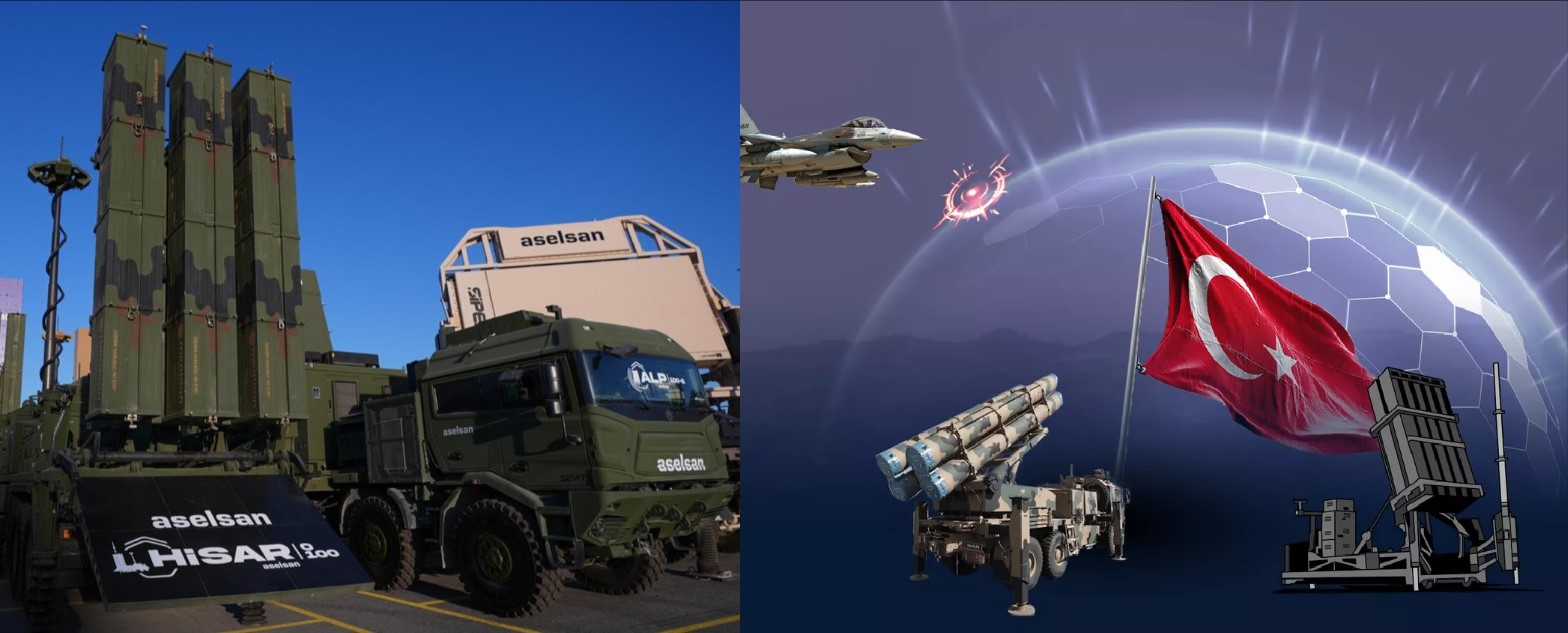
World
In a major step toward building one of the world’s most comprehensive national air-defense networks, Turkey’s Defence Industries Presidency (SSB) has announced the signing of $6.5 billion worth of contracts with leading domestic defense companies to expand and enhance the country’s ambitious “Steel Dome” air-defense system. The announcement marks the largest single investment to date in Turkey’s integrated air-defense architecture. The “Steel Dome,” first unveiled in July 2024, is Turkey’s equivalent to Israel’s Iron Dome, designed as a multi-layered, fully indigenous shield capable of intercepting a wide spectrum of aerial threats — from rockets and drones to cruise missiles and aircraft. According to SSB, the project encompasses 47 core components, including radar systems, interceptor missiles, command-and-control networks, electro-optical tracking systems, and layered air-defense weapons with short-, medium-, and long-range engagement capabilities. Geopolitical Triggers Accelerate Turkey’s Air Defense Build-Up The rapid expansion of the Steel Dome project comes against the backdrop of escalating regional tensions. Israeli strikes across Iran, Syria, Lebanon, and Qatar over the past year — involving fleets of F-15s, F-16s, and F-35s — have significantly alarmed Ankara, which views the growing regional unpredictability as a direct threat to its national security. Turkish officials have privately acknowledged that the widening conflict dynamics in the Middle East forced Ankara to accelerate its air-power modernization and domestic defense autonomy. Turkey’s proximity to multiple conflict zones, from the Caucasus to the Levant, has further underscored the need for a robust, multi-layered defensive shield capable of protecting both civilian areas and military assets from long-range missile strikes, UAV swarms, and hostile reconnaissance. A Domestic Defense Ecosystem at the Core In its official statement, SSB Chairman Haluk Görgün emphasized that all systems under the Steel Dome program would be developed using entirely indigenous technologies. He highlighted that the newly signed contracts include both baseline combat systems and next-generation upgrades to be produced primarily by Turkey’s missile manufacturer Roketsan, alongside contributions from major firms such as Aselsan, Havelsan, TÜBİTAK SAGE, and several private-sector defense startups. Görgün stated that the contracts would not only strengthen Turkey’s overall deterrence but also support R&D aimed at extending the range, accuracy, and responsiveness of Turkey’s air-defense missiles. This includes improvements to the HİSAR air-defense family, the development of SİPER Block-II and Block-III long-range systems, and enhancements to radar platforms such as the ÇAFRAD and AESA-based early warning arrays. A Three-Tiered Shield: From Drones to Ballistic Missiles The Steel Dome is expected to feature three major defensive layers: Short-range defences against drones, loitering munitions, and low-flying helicopters Medium-range systems to counter fighter aircraft, cruise missiles, and higher-altitude UAVs Long-range interceptors capable of engaging ballistic missile threats The system’s architecture integrates AI-enabled fire-control, real-time data fusion, and networked command centers that allow rapid target assignment across all layers. Defense analysts note that this would bring Turkey closer to achieving a NATO-interoperable but independently controlled air-defense shield. Turkey’s Expanding Defense Footprint The investment also reflects Turkey’s broader defense ambitions. Over the past decade, Ankara has transformed itself into a major global producer of armed drones, supplying systems such as the Bayraktar TB2, Akıncı, and Aksungur to more than 30 countries. Turkish drones have seen combat in Ukraine, Libya, Syria, Nagorno-Karabakh, and various African theatres, boosting Turkey’s defense exports to over $5.5 billion annually. The Steel Dome project complements this broader modernization drive, forming the defensive backbone that Turkey believes is essential for securing its rapidly expanding military capabilities. A Strategic Leap Toward Autonomy The latest $6.5 billion contracts highlight Turkey’s commitment to long-term defense independence, reducing reliance on foreign suppliers after years of arms restrictions and political tensions with Western partners. By anchoring the Steel Dome in domestic technologies, Ankara hopes to build a system that not only protects its territory but can eventually be exported to friendly nations. With development phases already underway, and multiple components scheduled for testing through 2026–2028, Turkey’s Steel Dome is poised to become one of the most significant air-defense initiatives in the region — and a powerful signal of the country’s evolving military posture in an increasingly volatile Middle East.
Read More → Posted on 2025-11-26 17:14:44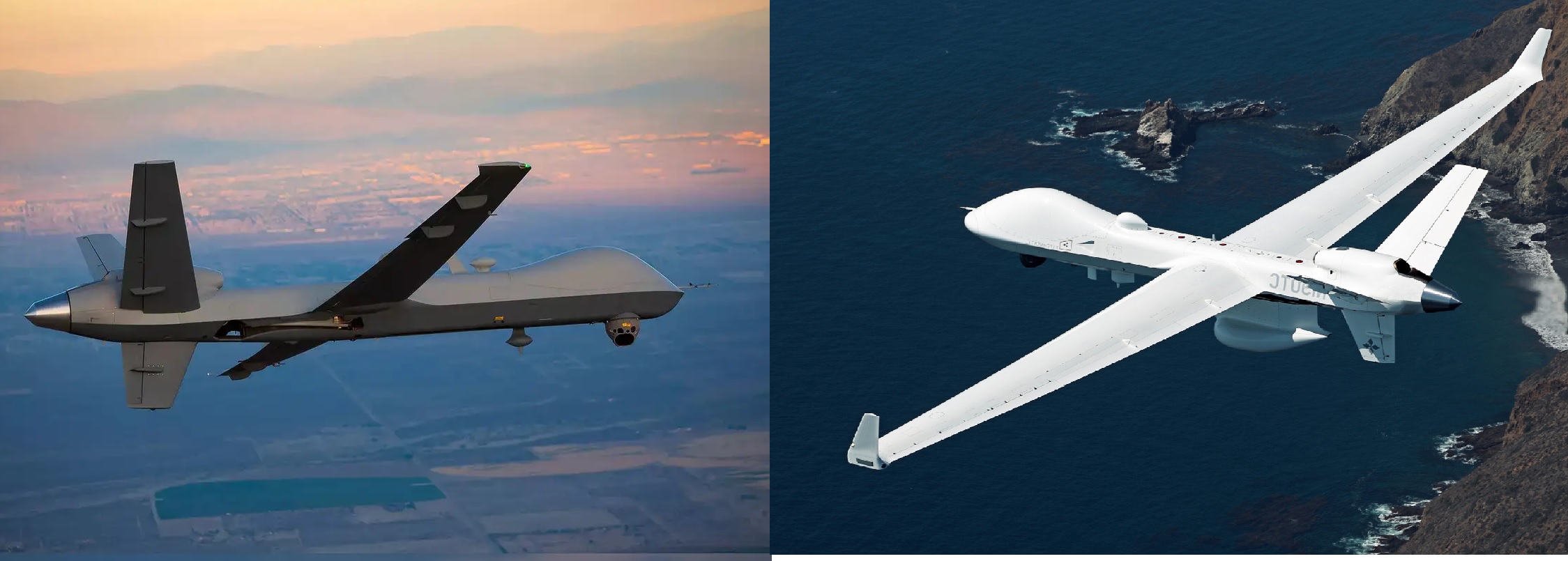
World
A $30 million U.S. MQ-9 Reaper reconnaissance drone crashed into the Yellow Sea early Monday morning, roughly 15 miles off South Korea’s western coast, triggering a three-way strategic scramble between Washington, Seoul, and Beijing as each seeks to control access to the wreckage. The drone went down near Maldo-ri Island, off the coast of Okdo-myeon in Gunsan, according to early reports first carried by Korea JoongAng Daily. The aircraft was being operated by the 431st Expeditionary Reconnaissance Squadron out of Kunsan Air Base, a major American hub roughly 180 kilometers south of Seoul. A spokesperson for U.S. Forces Korea (USFK) confirmed the crash, stating that the MQ-9 was on a routine surveillance mission when it “experienced an in-flight incident” before plunging into the sea. No injuries or damage to civilian property were reported, and an investigation has begun to determine the cause. A Strategically Sensitive Crash Site While crashes of U.S. military aircraft in the region are not unprecedented, the location of this incident is the true source of geopolitical friction. The Yellow Sea—particularly the band of waters between China and South Korea—has become a hotspot of maritime confrontation throughout 2025. Both Beijing and Seoul have repeatedly accused each other of airspace violations, aggressive naval maneuvers, and radar lock-on incidents in this zone. The U.S. MQ-9 went down precisely in an area where Chinese maritime patrol vessels frequently operate and where South Korea has been expanding its own surveillance grid. This proximity raises the risk of a race to recover the wreckage, as the Reaper carries sensitive sensors, communications gear, and mission data valuable to foreign intelligence services. U.S. Navy recovery teams from bases in Japan and Guam were reportedly mobilized within hours. South Korean naval units were also dispatched, but Beijing’s response has yet to be confirmed. Foreign military observers say China may view the crash site as falling within waters it regularly patrols, heightening the possibility of an encounter during recovery operations. Rapid U.S. Response and Regional Concerns Washington is acutely aware of the implications of losing a high-end drone like the MQ-9 in contested waters. Reapers deployed to Korea are believed to carry upgraded ISR suites optimized for North Korean missile monitoring, Chinese naval movements, and electronic intelligence. Analysts warn that any delay in recovery increases the risk of sensitive technologies falling into the hands of adversaries. This crash also comes at a time when the Pentagon is expanding unmanned reconnaissance patrols across the Indo-Pacific. The U.S. permanently stationed MQ-9 Reapers on the Korean Peninsula in September 2025, enhancing long-range surveillance of North Korea’s accelerating missile tests and tracking Chinese submarines entering the Yellow Sea. A String of U.S. and South Korean Aircraft Incidents The incident adds to a growing list of aviation mishaps in the region: In June 2025, South Korea temporarily grounded its KF-16 fighters after one was damaged during joint drills in Alaska. In October 2025, a U.S. Navy F/A-18 Super Hornet and a MH-60 helicopter crashed separately in the South China Sea. North Korea’s ongoing missile launches have kept regional air forces on high alert, further stressing flight operations. With more than 28,500 U.S. troops stationed on the peninsula, Washington and Seoul continue to maintain high-tempo aerial and maritime surveillance as Pyongyang tests new weapons and Beijing increases its maritime presence. Investigation Underway, But Strategic Stakes Loom Larger USFK has stated that the cause of the MQ-9’s loss remains unknown, though early assessments rule out hostile action. Mechanical failure, weather conditions, or system malfunction remain possible factors. Still, the broader concern is not how the Reaper crashed, but where. The Yellow Sea has emerged as one of Asia’s most contested maritime zones, and the presence of a downed American surveillance drone adds another layer of tension to an already volatile triangle between the U.S., China, and South Korea. For now, the priority for U.S. forces is clear: recover the wreckage before currents—or competitors—reach it first. The coming days may determine whether this incident remains a technical mishap or escalates into a diplomatic flashpoint in one of the region’s most sensitive waters.
Read More → Posted on 2025-11-26 16:49:23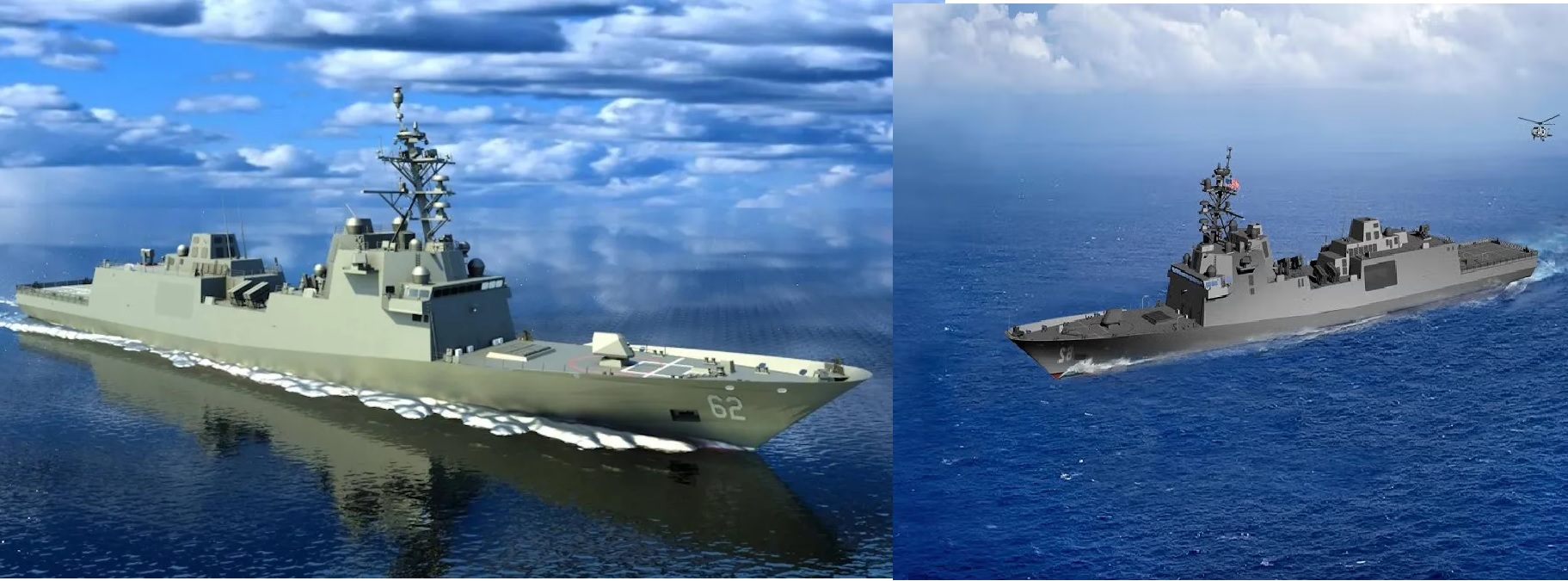
World
In a major restructuring of its surface fleet plans, the U.S. Navy has terminated the final four ships in the Constellation-class guided-missile frigate program, effectively reducing the long-planned acquisition effort to just the two vessels currently under construction. The decision marks a dramatic reversal for a program once envisioned as the backbone of the Navy’s future small-surface-combatant fleet. The Navy confirmed that only USS Constellation (FFG-62) and USS Congress (FFG-63) will move forward at Fincantieri Marinette Marine shipyard in Wisconsin, ending U.S. ambitions for a 20-ship Constellation fleet set to cost more than $22 billion. A Program That Struggled From the Start Launched in 2020, the Constellation-class program was intended to replace aging Littoral Combat Ships (LCS) — both Freedom and Independence variants — and to succeed the well-worn Oliver Hazard Perry-class frigates retired nearly two decades ago. The new ships were expected to deliver improved survivability, anti-ship capabilities, advanced sensors, and a credible multi-mission platform suited for contested maritime environments. But from its earliest stages, the program encountered persistent turbulence. Repeated design changes, driven partly by evolving threat assessments and integration challenges with U.S. weapons and combat systems, added months of redesign work. Major suppliers reported difficulties aligning their systems with the modified parent design (an enlarged derivative of the Italian FREMM frigate), forcing further delays. A 2024 U.S. Government Accountability Office (GAO) report warned of significant schedule slippages and rising costs. The first ship, originally intended for delivery in 2026, is now forecast to be completed in 2029 — a three-year delay. Meanwhile, unit costs grew to an estimated $1.4 billion per ship, far above the initial expectation of roughly $940 million. Why the U.S. Navy Cancelled the Remaining Ships According to senior defense officials, several combined factors drove the cancellation: Schedule instability: The repeated redesign work created a production timeline the Navy viewed as “unrecoverable” within required readiness targets. Escalating costs: The program’s per-unit cost trajectory threatened to divert funding from other critical shipbuilding priorities. Capability overlap: Advances in other platforms — including destroyers, unmanned surface vessels, and expanded upgrades to existing ships — reduced the strategic urgency for a new frigate fleet. Strategic recalibration: The Navy is shifting toward distributed maritime operations with a greater mix of manned-unmanned platforms rather than traditional mid-sized combatants. U.S. Navy Secretary John Phelan framed the decision as part of a broader modernization push. “From day one, I made it clear: I won’t spend a dollar if it doesn’t strengthen readiness or our ability to win,” Phelan said. “We are reshaping how the Navy builds its fleet … a strategic shift away from the Constellation-class frigate program.” Privately, officials remarked that the Navy believes it can field more flexible capabilities through unmanned vessels, upgraded destroyers, and investments in missile-defense modernization rather than waiting for a delayed and over-budget frigate. Fincantieri Responds: Work Will Continue on First Two Ships Italian shipbuilding giant Fincantieri, which operates major U.S. shipyards under its Fincantieri Marinette Marine subsidiary, issued a measured response to the news. The company confirmed it will continue production of FFG-62 and FFG-63, while pursuing new naval contracts. CEO George Moutafis stated that the Navy’s decision “provides for the necessary stability for our teams … allowing us to continue investing in innovation and skills.” Fincantieri’s presence in the United States remains substantial. Its shipyards in Marinette, Green Bay, and Sturgeon Bay — along with its Jacksonville facility — employ approximately 3,750 workers. The company recently hired an additional 850 employees, supported by over $800 million in yard modernization investments to improve production capacity and adapt to future programs, including amphibious vessels, icebreakers, and special mission ships. What Comes Next for the U.S. Navy With the cancellation of the remaining Constellation-class orders, the Navy will redirect funding toward: Fleet modernization initiatives Unmanned surface and underwater vehicles Industrial base strengthening Upgrades to Arleigh Burke-class destroyers Accelerated development of next-generation surface combatants Analysts suggest this move underscores the Navy’s shift toward a more distributed, high-tech fleet structure, reflecting the challenges of competing with China’s rapidly expanding naval power. While the Constellation-class will not become the large frigate fleet once envisioned, the two ships under construction will still serve as valuable testbeds for future surface warfare technologies and doctrinal concepts. The cancellation marks a significant moment in U.S. naval procurement — a recognition that legacy shipbuilding models may struggle to keep pace with the demands of modern maritime competition, and that the Navy must adapt quickly to secure technological and operational advantage in the decades ahead.
Read More → Posted on 2025-11-26 16:26:24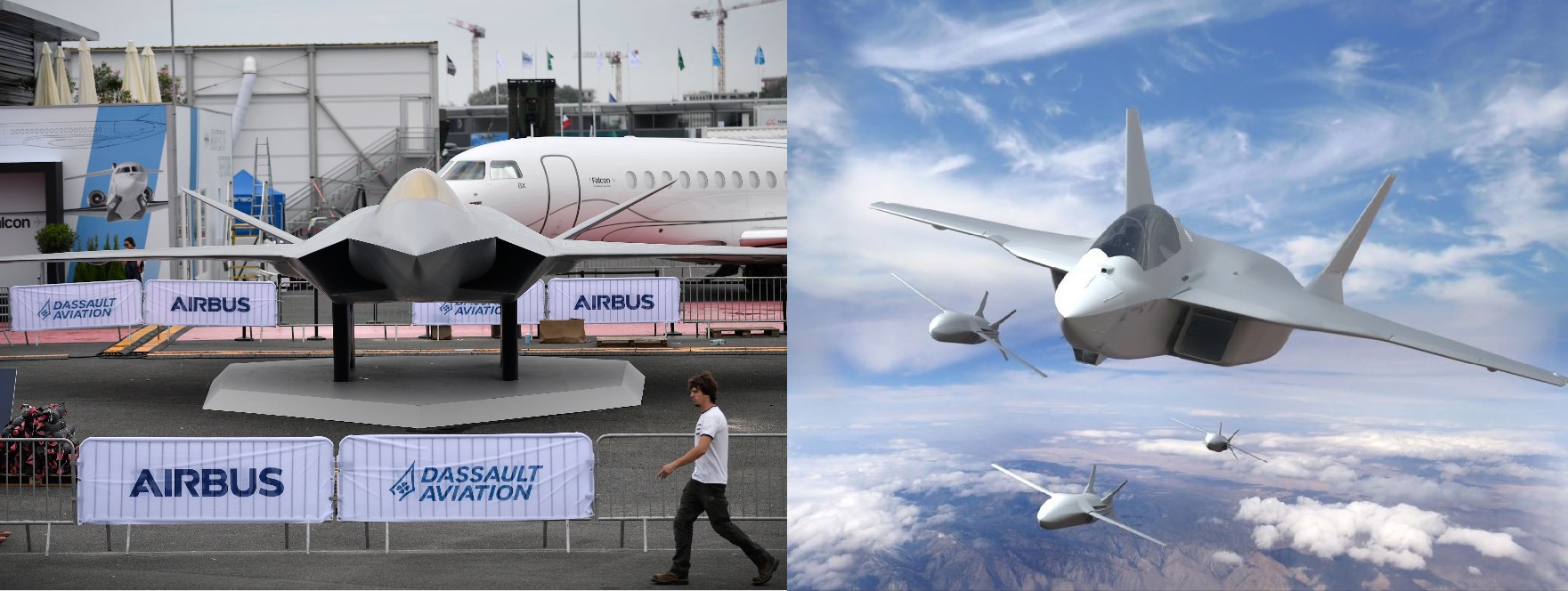
World
France and Germany have intensified pressure on Dassault Aviation and Airbus Defence and Space to resolve a long-running industrial dispute that now threatens the future of the €100 billion Future Combat Air System (FCAS), Europe’s most ambitious next-generation fighter program. With a critical mid-December deadline approaching, both governments are urging the two aerospace giants to sign a long-delayed cooperation agreement that has been stalled for years over disagreements on workshare, leadership, and access to sensitive technologies. The FCAS project — jointly developed by France, Germany, and Spain — is intended to deliver a sixth-generation stealth fighter, loyal wingman drones, and a highly networked combat cloud capable of linking future European military platforms. But the core of the program has been repeatedly paralysed by deep divisions between Dassault and Airbus, raising concerns that Europe’s most important defence initiative could unravel. What Is the Problem Between Dassault and Airbus? At the heart of the dispute are three major points of contention: 1. Who leads the fighter jet design?Dassault insists on retaining full authority over the Next Generation Fighter (NGF) — the centrepiece of FCAS. The French firm argues that as the designer of the Rafale and Mirage, it alone has the expertise and must act as the prime contractor. Airbus, however, demands a more equal leadership role, arguing that Germany’s industry cannot accept a subordinate position on a €100 billion program. 2. Access to critical “sovereign technologies.”Dassault refuses to share certain sensitive, proprietary technologies — including flight-control systems, stealth design processes, and key avionics — citing national security and export regulations. Airbus argues that without shared access, the program cannot be truly joint and Germany will be unable to maintain or upgrade the aircraft independently in the future. 3. Workshare and industrial responsibilities.France wants Dassault to handle core aircraft architecture, while Airbus performs more peripheral tasks. Germany insists on an even split. The dispute over dividing work for the NGF, remote carriers (drones), engines, and cloud systems has repeatedly halted progress. These disagreements have caused the program to miss multiple milestones, push back contracts, and strain political confidence on both sides. Governments Increase Pressure French Defence Minister Sébastien Lecornu and German Defence Minister Boris Pistorius have jointly warned that time is running out. Both governments expect the companies to finalise a cooperation agreement before mid-December, stressing that further delays put the entire FCAS roadmap at risk. Officials say the tensions have reached a point where political intervention has become unavoidable. The fear is that continued industrial deadlock could derail the “Phase 1B” development stage and cause long-term schedule slippages. Fallback Options if Talks Collapse Europe is now quietly preparing for the possibility that Dassault and Airbus fail to reach an accord. According to defence insiders, two fallback scenarios are being considered: Each country develops its own next-generation jet, mirroring past divergences such as the Rafale-Eurofighter split. FCAS is reduced to a shared “combat cloud”, with France and Germany producing separate fighter aircraft but integrating their digital networks. Either option would significantly dilute the original FCAS vision of an integrated, pan-European air-combat ecosystem. A Blow to Europe’s Strategic Autonomy A collapse of FCAS would have far-reaching consequences. The program was conceived to strengthen Europe’s defence independence, reduce reliance on U.S. platforms, and unify European aerospace industries. Two separate jets would mean duplicated budgets, competing designs, and reduced interoperability — undermining the very goals FCAS was meant to achieve. Analysts also note that delays have already caused program slippage. Even if an agreement is reached soon, lost time could push the first FCAS fighter well beyond its planned 2040 entry-into-service window. For now, both Paris and Berlin are watching negotiations closely. The upcoming mid-December deadline is viewed as a decisive moment — one that will determine whether FCAS moves forward as Europe’s flagship future fighter, or fractures under the weight of industrial rivalry and competing national interests.
Read More → Posted on 2025-11-26 15:45:07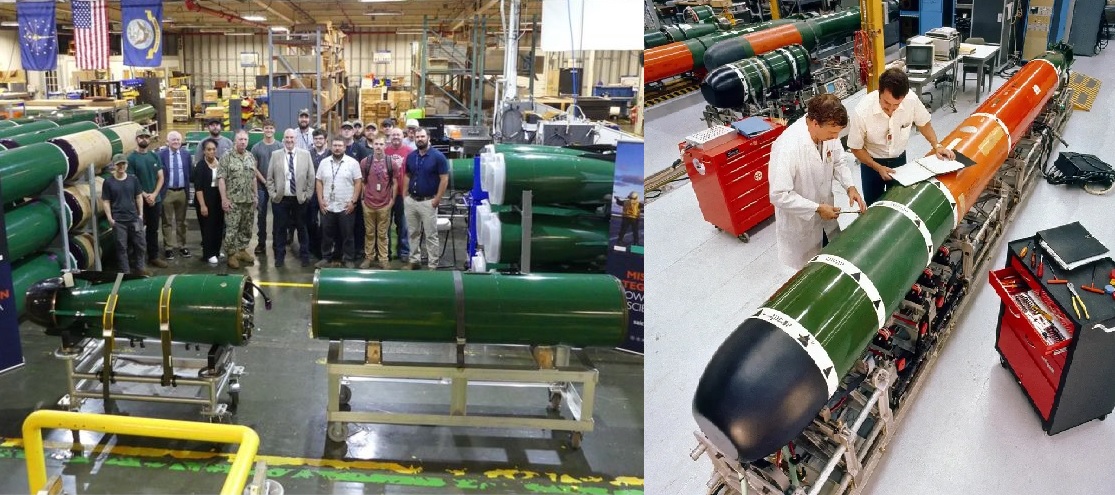
World
The U.S. Navy has taken a significant step toward reshaping its future undersea warfare arsenal by moving ahead with RAPTOR (Rapid Acquisition Procurable Torpedo), a new heavyweight torpedo program designed to be far cheaper, faster to produce, and scalable compared to the Navy’s existing Mk-48 ADCAP inventory. A brief contract notice published on November 21 by the Pentagon’s Strategic Capabilities Office (SCO) confirms the Navy’s intent to seek industry proposals for the torpedo under contract number SCO-PS-26-01, marking the first formal move since the program was publicly revealed in 2024 by The War Zone. A Torpedo Designed for Future High-Intensity Conflict RAPTOR is envisioned as a new class of affordable 21-inch (533 mm) heavyweight torpedo compatible with all U.S. Navy nuclear attack submarines. The system is specifically aimed at bolstering magazine depth and production capacity as the Navy prepares for potential high-end conflicts where mass, speed of production, and cost-efficiency may be as critical as raw performance. According to earlier reports, RAPTOR is projected to cost around $500,000 per unit—dramatically lower than the current Mk-48 ADCAP MOD 7, which costs over $4 million per torpedo, as revealed in Fiscal Year 2025 budget documents. The Navy bought 79 Mk-48 MOD 7 units at that price point, underscoring growing concerns about sustaining stockpiles for prolonged conflict. A Lower-Cost Weapon, Same Lethal Punch While RAPTOR is intended to be less sophisticated than the Mk-48 family, it is not expected to compromise on destructive power. “This is a mission-specific, limited-capability weapon, but it’s still the same explosive yield,”said Captain Chris Polk, Undersea Weapons Program Manager, in comments reported by The War Zone. The main cost savings are expected from reductions in sensors, guidance systems, or mission-adaptable targeting capabilities. Experts suggest RAPTOR may: Feature simpler guidance algorithms Have reduced run time or range Omit complex submarine-hunting modes Be optimized for specific mission sets like surface strike, mine-clearing, or close-range engagements This makes the weapon ideal for high-volume production during emergencies while preserving the Mk-48 torpedoes for priority targets like advanced submarines or capital ships. The Mk-48: Still the Backbone of U.S. Submarine Firepower The heavyweight Mk-48 torpedo remains the U.S. Navy’s primary undersea weapon for over 40 years, evolving through multiple upgrades: Mk-48 ADCAP MOD 7, with improved software and control systems, entered service in 2006. Mk-48 MOD 8 (APB 6 / Tech Insertion-1) introduces an all-new guidance section, denser sonar array, modern transmitter/receiver suite, a revamped warhead electronics package, and enhanced fiber-optic guidance for better post-launch communications. Mk-48 MOD 9 (APB 7 / Tech Insertion-2) is in development, promising upgraded propulsion, range, and sensing capabilities. Notably, budget documents assign MOD 8 and MOD 9 to different mission roles, offering “two distinctly different capabilities.” These improvements reflect the Navy’s need to counter increasingly quiet Chinese and Russian submarines. Beyond Heavyweights: The Rise of Compact Attack Torpedoes In parallel to RAPTOR, the Navy is pursuing Project Revolver, an initiative to greatly expand torpedo magazine capacity on attack submarines. The program explores packing multiple MK 58 Compact Rapid Attack Weapons (CRAW)—a lightweight 6.75-inch torpedo—into standard torpedo rooms, countermeasure tubes, or even vertical launch cells on Virginia-class SSNs. If successful, Project Revolver would allow a submarine to deploy dozens of lightweight torpedoes for close-range engagements, drone defense, or swarming anti-ship scenarios, while reserving heavyweights for critical kills. Why RAPTOR Matters Now The push for a rapid-production torpedo comes amid a shifting global security landscape: The U.S. Navy is preparing for potential conflict in the Western Pacific where mass-produced munitions could decide the outcome. China’s rapid naval modernization has prompted urgency in boosting U.S. magazine depth. The U.S. industrial base has struggled to ramp up heavyweight torpedo production, with long lead times and limited suppliers. High-end munitions like the Mk-48 are too expensive to procure in the quantities needed for a prolonged fight. RAPTOR, therefore, is not meant to replace the Mk-48 but to complement it, providing a low-cost, rapidly manufacturable weapon for scenarios where cheaper torpedoes can be used without sacrificing destructive power. A New Torpedo Era Begins With the contract notice officially released and industry engagement now underway, the RAPTOR program appears to be accelerating. If successfully funded and adopted, RAPTOR could represent the most significant transformation in U.S. torpedo strategy since the introduction of the Mk-48, enabling America’s submarine fleet to field more weapons, at lower cost, in less time. The Navy has not disclosed timelines for prototype development or testing, but analysts expect early production models could emerge before the decade’s end, marking the beginning of a new era in scalable undersea warfare.
Read More → Posted on 2025-11-26 15:33:54
World
Sudan’s catastrophic civil war is once again under the international microscope after a Canadian lawmaker alleged that Turkey has been transporting Russian-made weapons to a Muslim Brotherhood–influenced faction inside Sudan, a move he says is prolonging the conflict and enabling the use of child soldiers. The statement, delivered before the House of Commons of Canada, has intensified debate over the growing role foreign powers play in fuelling one of the world’s deadliest wars. A War Held Together by Outside Support For nearly two years, Sudan has been torn apart by clashes between the Sudanese Armed Forces (SAF) and the Rapid Support Forces (RSF). What began as a power struggle between two rival generals has spiraled into a regionalized conflict shaped by foreign weapons, secretive logistics hubs, and competing geopolitical agendas. Humanitarian agencies say millions are displaced and entire cities have been emptied, but the flow of arms has not slowed. Instead, it has grown more sophisticated. Investigators tracing weapons found on battlefields have identified stockpiles from Russia, Türkiye, Iran, China, Serbia, and the Gulf region, steadily feeding both sides despite international calls for a ceasefire. The Canadian Statement That Sparked Diplomatic Questions The controversy escalated this week when a Canadian parliamentarian publicly claimed that “weapons made in Russia but delivered by Turkey” were reaching Sudan’s Islamist-aligned military networks.He described Port Sudan as a crossroads for “authoritarian transactions,” adding that the receiving force “is now using children as soldiers.” While Ankara insists it has not armed either faction, multiple investigations—most notably by international media and weapons-monitoring groups—have documented Turkish-built drones, munitions, and surveillance systems in the hands of Sudan’s regular army. The claim that Turkey may also be a transit route for Russian weapons is harder to verify but aligns with longstanding suspicions about brokerage networks operating between the two countries. Islamist Influence and Old Networks Re-emerging The reference to a “Muslim Brotherhood–led army” reflects the renewed visibility of Islamist factions embedded within the SAF’s senior leadership.These networks date back to the era of former president Omar al-Bashir, whose government openly embraced Muslim Brotherhood–aligned ideologies and empowered religious-security institutions inside the armed forces. Since the civil war began, several of these figures have resurfaced, forming militias, advising commanders, and shaping the SAF’s political messaging—prompting alarm from regional governments that view the Brotherhood as a national-security threat. None are more outspoken than the United Arab Emirates, which officially banned the Muslim Brotherhood in 2014 and labels its affiliates as terrorist organizations. The Canadian MP invoked the UAE’s ban as evidence of how divisive the Brotherhood’s role has become across the region. Child Soldiers: The War’s Darkest Chapter Beyond weapons and ideology, the allegation touches on one of Sudan’s most horrific realities:the recruitment of children. UN monitors and humanitarian workers confirm that both the SAF and RSF have deployed underage fighters. Photographs, testimonies, and field reports describe boys barely in their teens carrying rifles, manning checkpoints, and fighting in urban trenches. The practice has escalated amid food shortages, mass displacement, and forced recruitment campaigns in rural areas. Rights groups warn that Sudan is now facing a “generational catastrophe.” Turkey’s Interests: A Mix of Power, Influence, and Industry Turkey’s alleged involvement in Sudan is often explained through a blend of strategic and economic factors: Defense exports have become a pillar of Turkish foreign policy, especially with drone manufacturers seeking new markets. Access to the Red Sea remains an attractive geopolitical asset, with Sudan offering mining deals and port-development rights in exchange for military support. Historic ties to Islamist movements, including Brotherhood-linked networks, shape Ankara’s political relationships across the region. This combination has made Türkiye an influential—if controversial—actor in several regional conflicts, from Libya to the South Caucasus, and now Sudan. A Conflict Increasingly Defined by Foreign Hands Sudan’s war is no longer just a domestic clash—it has become a proxy struggle shaped by ideological rivals, arms exporters, and states seeking influence along the Red Sea. The Canadian allegation does not change the military balance on the ground, but it has amplified calls for accountability. Lawmakers in Ottawa and other Western capitals are now pushing for tighter export controls, new investigations into the arms pipeline, and greater scrutiny of both Türkiye and Russia. For Sudanese civilians, however, the message is grimly familiar:as long as foreign weapons keep flowing, the war—and its atrocities—will continue.
Read More → Posted on 2025-11-26 14:27:13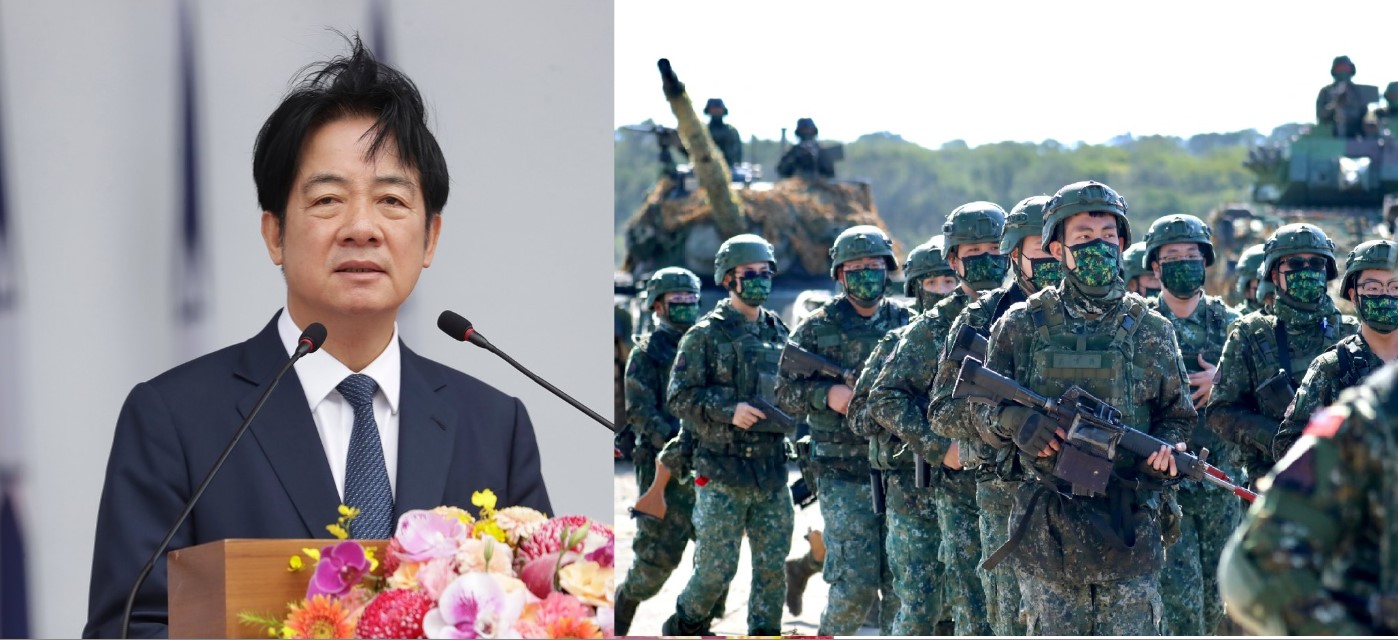
World
Taiwan has unveiled its most ambitious military investment in decades, with President Lai Ching-te announcing a sweeping $40 billion special defense budget designed to harden the island against any potential attack from China. The move comes amid intensifying Chinese military activity around Taiwan and growing pressure from Washington for the island to accelerate its defense modernization. A Budget Built to Deter Speaking in Taipei on Wednesday, President Lai said the fund would support a strategic shift toward weapons that make invasion “too costly, too slow, and too risky for Beijing.” “We keep peace by being too strong to invade,” Lai said, stressing that Taiwan must be capable of independent, sustained defense, even in the event of delayed foreign assistance. The special budget — separate from Taiwan’s annual defense spending — focuses on: Faster, longer-range missile systems A massive expansion of drone forces Large procurement from U.S. defense partners Boosting domestic production for asymmetric warfare Construction of the new Taiwan Dome air-defense network The package is expected to be approved by Taiwan’s Legislative Yuan, where Lai’s party holds significant influence. The Taiwan Dome: A New Shield Over the Island A central feature of Lai’s plan is the creation of the Taiwan Dome, a next-generation air-defense network that aims to give the island early warning and interception capabilities on a scale it has never possessed before. Engineers envision a dome-like protective layer formed by high-altitude radars, integrated command systems, and modern interceptors working in unison. Taiwanese defense officials describe it as a system built to survive the first wave of any Chinese missile attack. Instead of relying on a few large bases, the Dome disperses its radars and launchers across Taiwan’s mountains, civilian centers, and coastal areas. This makes it far harder for Beijing to deliver a knockout blow. The Dome is also expected to fuse data from Patriot PAC-3 batteries, Sky Bow III systems, and future long-range interceptors—creating a continuous defensive umbrella that follows threats across the entire island. In essence, Taiwan is trying to ensure that the first hours of any conflict are not dominated by China. Missile Expansion to Strike Back at the Source Beyond defensive systems, the new budget launches an unprecedented expansion of Taiwan’s missile programs. Lai’s government believes that deterrence is strongest when Taiwan can hold Chinese military assets at risk deep inside the mainland. Taiwan is accelerating production of long-range cruise missiles capable of hitting launch sites, ports, and logistics hubs along China’s coast. Planners argue that if Beijing sees its coastal infrastructure as vulnerable, the calculus of war changes dramatically. Instead of Taiwan being the only target, China would be forced to consider the price of losing airbases, ammunition stores, and naval staging grounds. This shift toward longer-range strike capabilities marks a significant evolution in Taiwan’s defense doctrine—even a symbolic message that the island will not remain passive if attacked. A New Drone Era for Asymmetric Warfare President Lai has also directed that Taiwan expand its fleet of unmanned aircraft on an unprecedented scale. Drones have proven decisive in wars from Ukraine to the Middle East, and Taiwan intends to use them as its frontline asymmetric weapon. Factories across Taiwan are preparing to produce reconnaissance drones, ship-hunting drones, and loitering munitions that can wait above a battlefield and strike when a target appears. Military officials say drones offer the perfect mix of survivability and affordability; they can reveal PLA troop movements, harass amphibious landings, and force Chinese ships to operate more cautiously across the Taiwan Strait. In an invasion scenario, a drone-filled sky could turn the Strait into a deadly zone of unpredictability for China. Deeper Reliance on U.S. Defense Partners While Taiwan is determined to build more domestically, it is also leaning heavily on American defense giants to fill critical gaps. A portion of the $40 billion budget will go toward updated Patriot interceptors, counter-drone defenses, and new airborne surveillance platforms. For Washington, this is precisely the kind of investment it has been urging Taiwan to make. U.S. officials have repeatedly warned Taipei that preparing for a prolonged conflict—one in which Taiwan must hold out long enough for allies to mobilize—is the only realistic strategy in the face of China’s rapid military expansion. The surge in procurement signals deeper alignment between Taipei and Washington on how Taiwan should be defended. How These Weapons Make a Chinese Attack Far More Difficult Every element of Lai’s plan is built around raising the strategic, military, and political cost of any Chinese invasion attempt. Long-range missiles force China to consider the vulnerability of its own coastal regions. The Taiwan Dome complicates Beijing’s assumption that it can cripple Taiwan’s air defenses in the first wave of strikes. Drones limit China’s freedom to move forces without detection. Mobile launchers and dispersed defense nodes ensure that Taiwan can still fight even after absorbing heavy strikes. And the geography of the Strait itself becomes hostile: China would be forced to send its soldiers, ships, and aircraft into a narrow corridor filled with sensors, missiles, and unmanned systems designed to inflict maximum damage. Analysts say that if Taiwan succeeds in all these upgrades, any Chinese invasion could become a long, costly, unpredictable campaign—exactly the outcome Beijing wants to avoid. Taiwan’s Strategy of Self-Reliance The $40 billion fund is not only about weapons; it is also about building a defense industry capable of sustaining Taiwan during a prolonged conflict. Part of the money will support missile factories, drone assembly lines, shipyards, and hardened communication networks. President Lai argues that Taiwan cannot depend entirely on external aid, particularly in the chaotic early hours of a crisis. By producing much of its own equipment at home, Taiwan strengthens its ability to resist alone if it must. This reflects a broader shift in Taiwanese society. More citizens are serving in extended military training, more technology firms are participating in defense research, and more public awareness campaigns are preparing civilians for emergencies. Rising Chinese Pressure and the Logic of Deterrence China has intensified its military presence around Taiwan, sending daily waves of jets and ships close to the island. Beijing criticizes Taiwan’s new defense plan as “dangerous,” but Taiwan argues that the real danger lies in China’s expansion—not in Taiwan’s response. The narrative from Taipei is simple: deterrence is not provocation. Maintaining the status quo requires strength, and peace requires preparation. A New Phase in Cross-Strait Security With this $40 billion announcement, Taiwan has made its intentions unmistakable. It will build the shields, the missiles, the drones, and the infrastructure needed to make any attack unthinkably costly. In his closing remarks, Lai offered a statement that now frames Taiwan’s strategic future: “Taiwan does not seek war. Taiwan seeks peace. But peace must be defended. And Taiwan will be ready.” This new defense surge marks the beginning of that readiness—bold, determined, and built on the belief that strength is the only language Beijing cannot afford to ignore.
Read More → Posted on 2025-11-26 14:04:59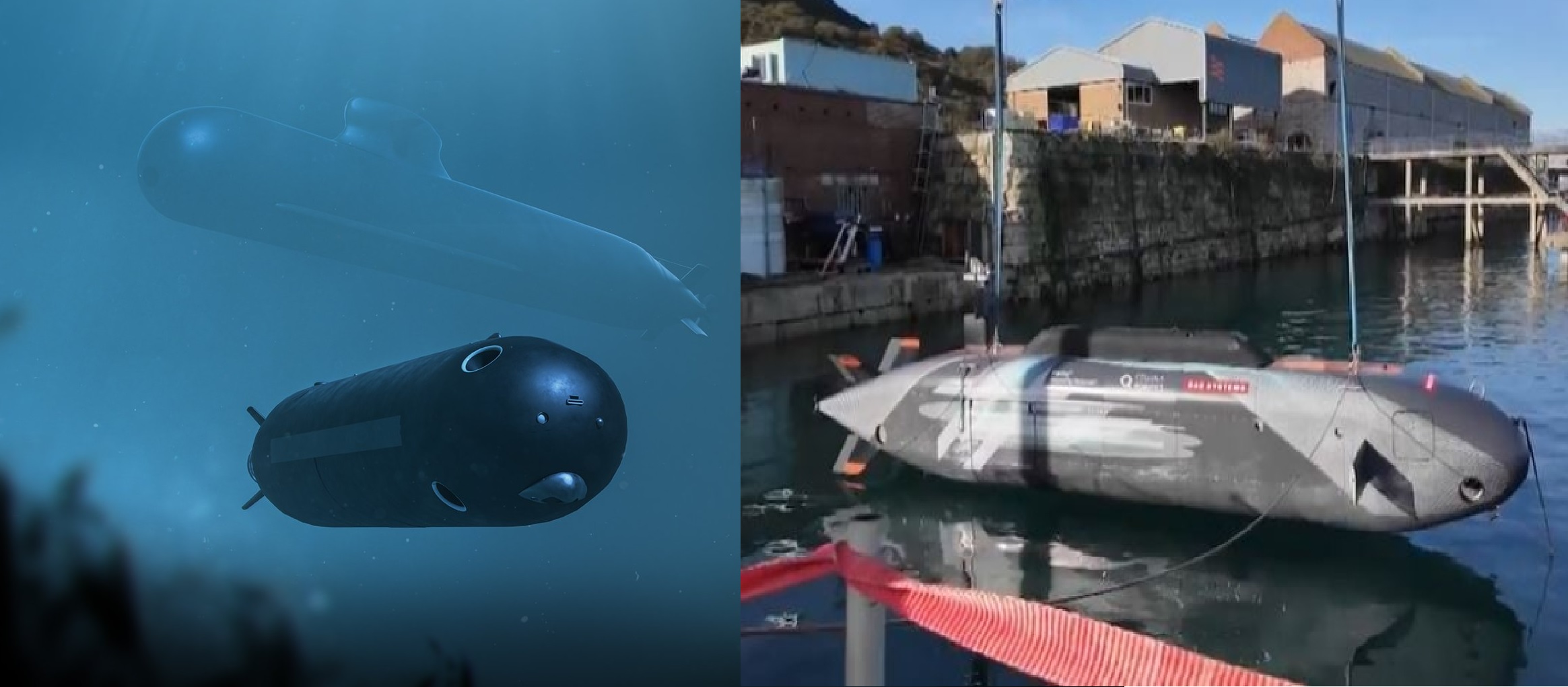
World
The European Defence Agency (EDA) has initiated a four-year, €4.8 million research programme aimed at sharply reducing the acoustic signatures of autonomous underwater vehicles (AUVs)—a move expected to boost naval stealth while also limiting the environmental impact of underwater noise on marine ecosystems. The project, known as SPHYDA (Submarine PHYsics for Design and Assessment), unites Italy, Germany, the Netherlands, Spain, and Norway, with Italy serving as lead nation. The initiative will run until late 2029, marking one of Europe’s most ambitious efforts to date in underwater acoustic research. A Broad Effort to Understand and Eliminate Underwater Noise SPHYDA will focus on developing advanced numerical models and experimental techniques to understand how AUV hulls, rudders, propulsion systems, and overall hydrodynamics contribute to noise creation. Unlike previous European research—which concentrated primarily on propellers—SPHYDA expands the scope to include whole-vehicle acoustics, including: Flow-induced vibrations Cavity and vortex noise Structural transmission of hydrodynamic loads New low-noise materials and coatings Researchers aim to produce high-fidelity computer simulations, new measurement standards, and validated datasets that will serve as reference material for future AUV designers. According to early project documentation, SPHYDA’s goal is to create design guidelines that allow European shipyards and defense manufacturers to produce quieter, more efficient, and more environmentally compliant underwater platforms. Building and Testing a Next-Generation AUV A central element of the SPHYDA programme is the creation of a purpose-built experimental autonomous underwater vehicle that will serve as the core research platform for the project’s acoustic studies. This prototype will be subjected to a series of controlled and real-world trials, beginning with towing tank assessments to analyse hydrodynamic behaviour under precise laboratory conditions. It will then move to manoeuvring basin tests, where engineers will observe how noise is produced during complex movements such as turning, diving and rapid speed transitions. Finally, outdoor sea trials will record far-field acoustic signatures in natural marine environments. Together, these efforts will provide a comprehensive dataset that allows researchers to align simulation outputs with actual acoustic behaviour, a critical step for validating the next generation of digital acoustic modelling tools. Strategic Importance for European Navies The growing importance of stealth in underwater operations has placed new emphasis on reducing the radiated noise of autonomous systems, and SPHYDA is directly aligned with these operational priorities. Quieter underwater vehicles enhance Europe’s ability to conduct long-range intelligence and surveillance missions without alerting hostile forces. They also improve the efficiency of mine countermeasure operations and increase the survivability of deep-water autonomous platforms operating in high-threat environments. For European defence planners, the programme strengthens the continent’s strategic autonomy by reducing dependence on external acoustic technologies. It also dovetails with ongoing NATO research into advanced sonar systems and unmanned maritime platforms, ensuring that Europe’s future designs remain interoperable with allied naval forces. Environmental Benefits and Regulatory Compliance SPHYDA’s objectives extend beyond military capability, reflecting the European Union’s commitment to protecting marine ecosystems from harmful levels of human-generated sound. Underwater noise pollution has become a significant environmental concern, with documented impacts on whales, dolphins, migratory fish species and seabed habitats sensitive to vibration. The project integrates eco-acoustic considerations into the earliest stages of design, aiming to produce underwater vehicles that meet the EU’s Marine Strategy Framework Directive (MSFD) and broader conservation requirements. By advancing low-noise technologies and offering detailed acoustic guidelines, the programme supports both operational effectiveness and long-term environmental sustainability across European waters. Expert View: A Critical Leap Forward “SPHYDA is a crucial step toward developing the capability to diagnose and predict the complex hydrodynamic mechanisms responsible for the generation and propagation of noise from underwater vehicles in real operating conditions,” said Riccardo Broglia, Research Director at the Institute of Marine Engineering of the Italian National Research Council and project manager. Analysts note that by 2030, the tools and datasets emerging from SPHYDA could significantly influence the design of all future European underwater platforms—including AUVs, torpedoes, and unmanned surveillance systems. Positioning Europe at the Forefront of Underwater Stealth Technology With global investment in underwater drones skyrocketing, SPHYDA places Europe in a strong position to lead the next wave of low-noise, high-stealth underwater systems. By combining scientific research, environmental compliance, and defence requirements, the project aims to deliver technologies that will shape both naval operations and marine conservation efforts for decades. As the race for underwater stealth intensifies, SPHYDA could become a defining benchmark for how AUVs are engineered—silent, efficient, and environmentally responsible.
Read More → Posted on 2025-11-26 13:41:59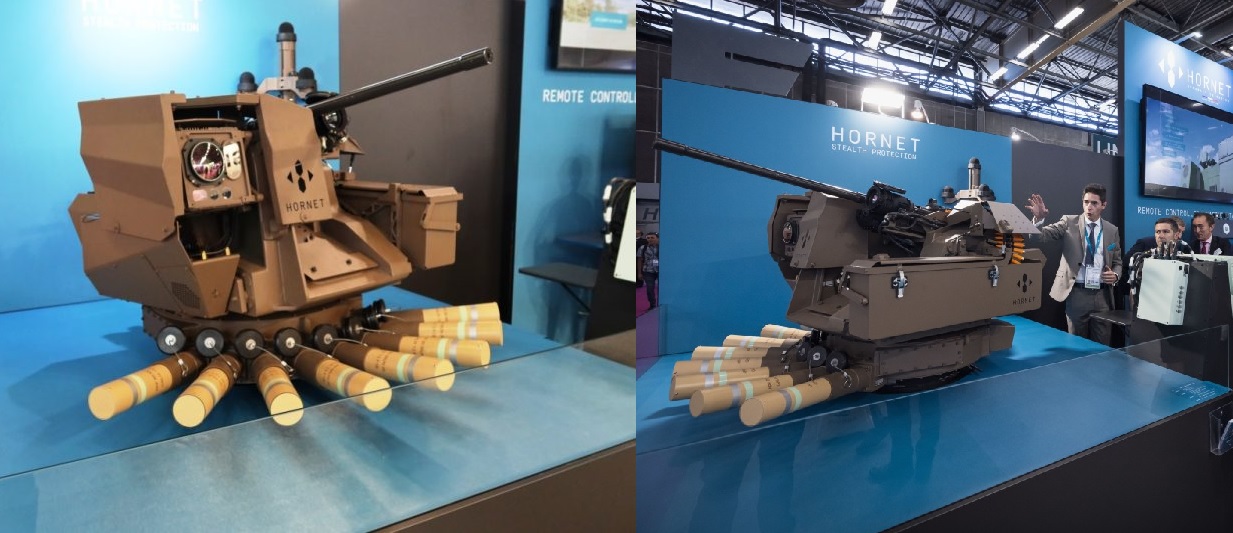
World
France has moved to accelerate one of Europe’s most urgent battlefield modernization efforts: providing frontline armored vehicles with organic protection against cheap, fast, and lethal drones. The French defense procurement agency DGA and armored vehicle manufacturer Arquus are jointly fast-tracking the Hornet Air Guard upgrade, a compact counter-UAS (C-UAS) layer designed for Griffon and Serval vehicles of the SCORPION program. The move comes as NATO militaries confront the reality demonstrated in Ukraine—FPV drones and loitering munitions now penetrate front lines faster than traditional air-defense systems can respond, forcing armies to equip every maneuver unit with its own last-mile protection. A Rapid National Effort to Counter the Drone Saturation Threat Arquus announced on October 9, 2025, that it is partnering with the DGA and the French Army to develop the Hornet Air Guard, a drone-defense variant of the Hornet remote weapon station (RWS). The goal is straightforward but transformative: Equip Griffon and Serval armored vehicles with an integrated counter-drone “bubble,” providing immediate, vehicle-level response against hostile UAVs—without waiting for specialist air-defense batteries. On November 25, 2025, Arquus confirmed that development is progressing at speed with active input and testing support from the French Army. The urgency stems from the battlefield lessons of Ukraine, where drones have turned every combat zone into a 24/7 aerial surveillance and strike environment, exposing any static or slow-reacting unit to attack. Hornet Air Guard – Specifications & Capabilities Although full technical details remain classified, available information and demonstrations reveal a compact but capable C-UAS suite built onto the proven Hornet T1 RWS. Key Capabilities (Known / Assessed): Electro-optical + Infrared sensor suite for drone detection and day/night tracking Automated drone-tracking algorithms fused with RWS fire-control system High-elevation engagement arc optimized for small, fast, low-flying drones Option for 7.62mm or 12.7mm machine gun or 40mm AGL, depending on vehicle fit Laser rangefinder and ballistic computer modified for small-target engagement Potential integration of jammer or RF-suppression modules (under study) Full plug-and-play compatibility with SCORPION’s SICS battlefield network AI-based threat recognition derived from Hornet’s existing targeting suite Fast slewing to track FPV drones with unpredictable flight paths Combined, the system gives every equipped vehicle autonomous C-UAS self-defense, enough to intercept small drones threatening convoys, command posts, or infantry sections on the move. Scaling Across SCORPION – A Doctrinal Shift for the French Army For France, the Hornet Air Guard is more than a technical upgrade—it marks a strategic transformation in how ground forces defend themselves in a drone-saturated battlespace. By equipping every Griffon or Serval fitted with a Hornet T1 remote weapon station to serve as an autonomous counter-drone firing node, the French Army is creating a layered, massed, and networked ground-based air-defense architecture. In an environment where drones compress decision cycles to seconds, giving non-specialist vehicle crews the ability to detect and destroy aerial threats may become as vital as traditional armor protection or electronic-warfare capabilities. The pace at which France can transition from early prototypes to full-scale serial production kits is now being closely monitored across NATO, where most land forces face similar drone threats but rely on slower, less scalable solutions. International Momentum – Export Interest Accelerates Arquus and its Hornet subsidiary are simultaneously turning the Air Guard into a significant export opportunity. The system has already been integrated onto platforms such as AM General’s Humvee Saber Blade Edition, showcased at major Western defense exhibitions, and displayed on a range of 4×4 tactical vehicles across Europe and the Middle East. These demonstrations highlight how the modular RCWS-based counter-UAS architecture adapts easily to light tactical fleets, not only heavy armored vehicles. Market analysis and joint events with John Cockerill Defense reveal growing interest from Eastern European militaries, driven by battlefield lessons from Ukraine, and from Middle Eastern states seeking rapid-deployment, plug-and-play drone-protection systems for border security and mobile operations. Which Countries Currently Use or Are Testing Hornet Systems? While the Hornet Air Guard is new, the Hornet family of RWS is already in service internationally. Confirmed Operators of Hornet RWS (Base Systems) France Griffon, Serval, Jaguar EBRC fleets under SCORPION Belgium Uses the SCORPION-derived vehicles equipped with Hornet RWS Export Demonstrations United States (Humvee Saber Blade Edition testing) Middle Eastern clients (undisclosed trials) Eastern European armies evaluating RCWS-based C-UAS kits As Hornet Air Guard matures, these same countries are expected to be among the first export customers. Why This Matters for NATO The war in Ukraine has shown that FPV drones costing $500–$1,000 can destroy vehicles worth millions. Heavy air-defense units cannot be everywhere. NATO planners increasingly believe that: Every combat vehicle must have its own anti-drone capability. France’s Hornet Air Guard is one of the first systemic attempts to make this idea a reality across an entire armored fleet. If the French Army successfully fields the system at scale, Paris may become a trend-setter for NATO’s future “distributed air-defense” doctrine. The Hornet Air Guard program is now seen as a priority modernization track inside the French Army. The next 12–18 months will determine whether France can move from rapid development to mass deployment. With drones reshaping every battlefield and making traditional air-defense layers insufficient, the race is on—not just for France but for all NATO land forces—to build protection that moves with the troops. France may be among the first to get there.
Read More → Posted on 2025-11-26 13:25:37
World
Tensions between Pakistan and Afghanistan surged overnight after the Taliban government accused the Pakistan Air Force (PAF) of conducting a series of airstrikes that killed nine children and one woman in eastern Afghanistan. The incident has ignited outrage in Kabul, intensified cross-border mistrust, and raised new questions about the geopolitical forces shaping the region’s fragile security environment. According to Zabihullah Mujahid, spokesman for the Islamic Emirate of Afghanistan, a PAF aircraft bombed a civilian home in Khost Province, destroying the structure and killing ten members of a single family. Mujahid said additional PAF strikes hit Kunar and Paktika, injuring four more civilians. He condemned the attacks as “brutal aggression” and a “violation of Afghan sovereignty,” vowing that the Taliban government would “respond at a time of its choosing.” Pakistan’s military, however, denied conducting any air operations, stating that no Pakistani aircraft or drones were active in the area at the time. Islamabad reiterated that it only targets militant networks responsible for attacking Pakistani forces, particularly Tehrik-e-Taliban Pakistan (TTP) fighters allegedly operating from Afghan soil. Escalation Tied to Intensifying Pressure Over Bagram Although Pakistan has framed recent cross-border actions as counter-terrorism responses, Afghan officials and regional analysts argue that a wider strategic agenda may be at play. In recent months, the United States has reportedly pressured Islamabad to support American efforts to regain access to Bagram Air Base, the former U.S. hub vacated during the withdrawal. Washington is believed to be seeking logistical or intelligence facilities in the region, but the Taliban has firmly refused any proposal involving U.S. return. Afghan sources claim the timing of Pakistan’s renewed aggression is “not accidental.” For years, Pakistan faced repeated deadly TTP attacks but rarely launched such deep strikes inside Afghan territory. Analysts note that Islamabad began intensifying operations only after Washington renewed interest in regional basing options, raising suspicions that Pakistan may be using force to pressure the Taliban into concessions. Pakistan’s Air Advantage and Taliban Vulnerability Military observers say Pakistan is unlikely to risk a ground confrontation with the Taliban, especially after past border clashes revealed high costs for both sides. Instead, the PAF has relied on airstrikes, exploiting Afghanistan’s limited air defence capability and minimal air force strength. Afghan officials argue that Pakistan “knows Afghanistan cannot intercept or deter its aircraft,” enabling such operations with relative impunity. This perception is deepening resentment among Afghan citizens, who view the strikes as actions carried out with foreign backing. Taliban leaders have also alleged that Pakistan is receiving financial and intelligence assistance from the United States, though Washington has not confirmed such involvement. Civilian Deaths Deepen Crisis The deaths of nine children have triggered shock across Afghanistan, where decades of foreign bombings have left deep psychological scars. Local residents in Khost described the strike as “the deadliest attack on a civilian home” since the Taliban regained control in 2021. Humanitarian organisations warned that renewed cross-border operations could lead to mass displacement, especially in eastern provinces already grappling with poverty and insecurity. Islamabad-Kabul Relations at Breaking Point Relations between Pakistan and Afghanistan have steadily deteriorated since late 2024, culminating in border clashes in 2025 that left multiple soldiers dead on both sides. Despite a cease-fire agreement negotiated earlier this year, the latest airstrikes threaten to unravel diplomatic efforts. Afghanistan’s Defence Ministry said the attacks “will not go unanswered,” raising fears of a retaliatory escalation. Meanwhile, Pakistan insists it is acting only against “terrorist sanctuaries” and continues to accuse Kabul of failing to curb TTP operations. Regional Actors Brace for Fallout The crisis now risks pulling in broader players: The United States is monitoring developments closely, wary of renewed instability near its former bases. Qatar and Turkey, both involved in past mediation efforts, are expected to press for de-escalation. China, with major investments in Pakistan, will likely urge restraint but remains opposed to U.S. basing options in the region. International agencies have begun calling for independent verification of the airstrikes and urging both sides to protect civilians. A Dangerous Trajectory The overnight attack marks one of the most serious escalations since the Taliban's return to power. With rising geopolitical pressure, unresolved militant threats, and collapsing trust between Islamabad and Kabul, analysts warn the region may be heading toward a new cycle of tit-for-tat attacks. For now, the families in Khost are preparing ten small graves — a grim reminder that civilians continue to pay the highest price as regional powers maneuver for influence across the Afghan frontier.
Read More → Posted on 2025-11-25 17:18:11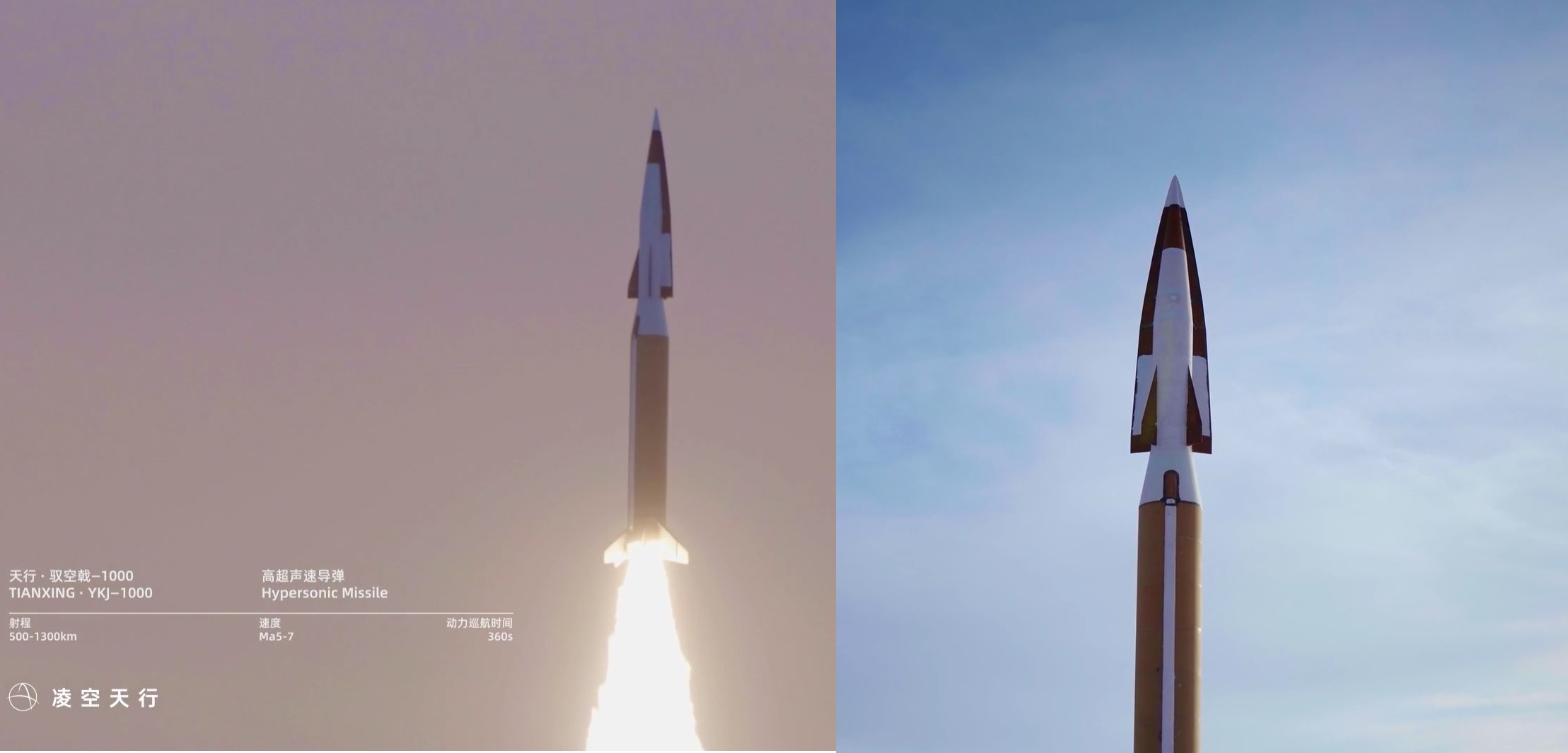
World
A private Chinese aerospace firm has claimed a world first by beginning mass production of a low-cost, high-performance hypersonic missile, signalling a potentially disruptive shift in global military technology and defence industrial competition. The development — while celebrated by Beijing’s domestic tech community — has triggered significant concern among defence analysts abroad, who warn that inexpensive, mass-produced hypersonic weapons could reshape strategic balances across Asia and beyond. On Tuesday, Beijing-based Lingkong Tianxing Technology released a video showcasing its YKJ-1000 hypersonic missile in a desert test range. The footage included liftoff, mid-flight manoeuvres and a successful strike on a ground target following a steep terminal dive. According to a company representative, the YKJ-1000 is already in mass production, and — more controversially — costs just one-tenth the price of traditional hypersonic-class missiles, a claim that, if accurate, could drastically lower the global entry barrier for advanced strike capabilities. Hypersonic Performance: Mach 5–7 Speeds, 500–1,300 km Range The YKJ-1000 maintains speeds between Mach 5 and Mach 7 and remains powered for six minutes, permitting long-range, high-energy manoeuvring. Its range of 500 to 1,300 km places key regional targets — from military bases to naval assets — within reach. The missile’s launcher is disguised as a standard shipping container, enabling deployment from trucks, ships and other mobile platforms. Video of the launch showed automated stabiliser supports extending from the container before ignition. Animated sequences highlighted advanced autonomous functions. Mid-flight target recognition and threat evasion were depicted, suggesting the system may be designed to bypass layered defences such as carrier strike groups or land-based air defence networks. Footage Shows Strike on Real Target — and Simulated Strike on Japan Actual test footage showed the missile diving at high speed onto a ground target. A more provocative animation at the end depicted eight missiles flying in formation toward Japan, marking multiple impact points to demonstrate coordinated strike capability — imagery likely to raise diplomatic concern in Tokyo and Washington. Chinese state media did not comment on this portion of the video, but security analysts say such visuals appear aimed at showcasing deterrent value, aligning with China’s broader military messaging in the region. Private Sector Breaks into a Traditionally State-Dominated Domain Traditionally, China’s missile and aerospace development has been dominated by state-owned giants such as CASC and AVIC. The emergence of a private firm claiming full-spectrum capability — including aerodynamics, thermal protection, propulsion, guidance and system integration — marks an important shift. The firm said it had secured military industry certifications and operates an independent technology chain, a claim foreign experts suggest may reflect significant state backing behind the scenes. The Cost Factor: An Alarming New Variable Lingkong Tianxing attributes its reportedly low production costs to: civilian-grade automotive chips, repurposed automotive production lines, common construction materials, and AI-driven manufacturing systems. This industrial model mirrors China’s success in drones, electric vehicles, and commercial aerospace, raising concerns that the country could translate its civilian manufacturing scale into mass-produced military systems. Western defence officials warn that affordable hypersonic systems could: enable large-scale saturation strikes, overwhelming even advanced air defences; prompt regional arms races; encourage more aggressive posturing during crises; and reduce the strategic insulation expensive systems previously provided. A U.S. defence analyst noted that while Washington has spent decades and tens of billions of dollars on hypersonic programs through Boeing, Lockheed Martin and others, China’s commercial-style mass production model could give it a numerical advantage long before other nations reach similar industrial efficiency. Future Variants: AI, Swarming, and Civilian Hypersonic Flight According to the company, an upgraded YKJ-1000 variant is being developed with AI-driven autonomy, swarm coordination, and improved sensor integration — technologies that could enable collective attacks or coordinated reconnaissance. In a corporate article published November 1, the firm argued that defence systems are shifting from “high-cost, long-cycle, specialised platforms” to “low-cost, large-scale, autonomously intelligent systems”, comparing future warfare to swarms of uncrewed, networked platforms. The company is also developing a civilian hypersonic aircraft capable of sustained flight above Mach 5, with a test target of 2027 and a full-scale vehicle expected by 2030 — an ambition that analysts view with caution, given the dual-use nature of hypersonic technologies. International Concerns Grow While Chinese commentators celebrated the achievement as an example of private-sector innovation, foreign observers have raised alarms: Japan is expected to issue a formal inquiry regarding the missile video’s simulated strike imagery. The U.S. Indo-Pacific Command is assessing what mass-produced hypersonic systems could mean for force posture in the region. NATO analysts warn that low-cost hypersonics could proliferate rapidly if China chooses to export them to strategic partners. Non-proliferation experts stress that the combination of high speed, autonomy, container-based mobility and low cost represents a new class of strategic challenge, potentially blurring lines between conventional and strategic deterrence. A Watershed Moment in Global Arms Development Lingkong Tianxing’s unveiling — true or exaggerated — signals a pivotal moment. Whether China genuinely possesses the capacity for large-scale hypersonic missile production remains to be independently verified. But the messaging alone reflects Beijing’s confidence in its expanding technological ecosystem. If China can produce hypersonic missiles as cheaply and abundantly as drones or commercial hardware, global military balances — especially in the Indo-Pacific — could face unprecedented strain. For now, defence experts worldwide are treating the YKJ-1000 not just as a new missile, but as a symbol of a coming shift in how advanced weapons may be designed, manufactured and deployed.
Read More → Posted on 2025-11-25 16:52:50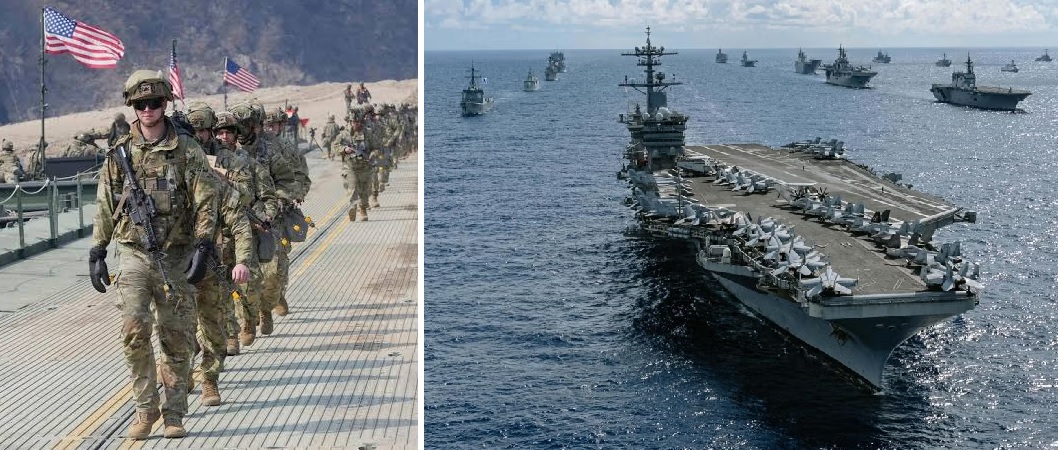
World
An intensifying U.S. military posture around Venezuela is now underscored by reports that United States Southern Command (SOUTHCOM) has restricted or significantly limited holiday leave for personnel in the region — including over Thanksgiving and Christmas — amid speculation of imminent operations, possibly within the next 10-12 days. The reported leave curtailment comes as the U.S. administration continues to increase pressure on the Cartel de los Soles — which it formally designated a Foreign Terrorist Organization (FTO) on Nov. 24 — alleging the Venezuelan regime is entwined in narco-terror networks. Concurrently, American air and naval forces have ramped up show-of-force missions near Venezuelan waters, underscoring the possibility of kinetic action: Among the recent deployments, a force of F/A-18 Super Hornets aboard the USS Gerald R. Ford linked up with a B-52 bomber for a patrol off the Venezuelan coast on the night of Nov. 24. Strategic Background: Narco-terror Label and Caribbean Build-Up In its rationale, the Trump administration argues that by designating Cartel de los Soles as an FTO, it expands the legal basis for military operations against the group and by extension elements of the Venezuelan regime. The administration argues the cartel is embedded within state institutions, with suspected involvement by senior Venezuelan officials. At the same time, the strategic view in Washington appears to have broadened beyond pure counter-narcotics: The deployment of the carrier strike group, long-range bombers, refuelling tankers, and a substantial surface fleet in the Caribbean has been described as the most significant U.S. military presence in the region since the Cold War era. Analysts note the force is not sufficient for a full-scale invasion, but more than enough for precision strikes, maritime interdiction, and sustained pressure operations. Holiday Leave Restrictions Signal Readiness for Action The reported leave restrictions represent a rare public flag of increased readiness. According to multiple sources, the limitation of holiday breaks for U.S. personnel — particularly those under SOUTHCOM — is linked to preparations for possible land strikes or major operations expected in the next 10 to 12 days. SOUTHCOM has publicly pushed back on the interpretation, stating: “Our service members and civilian employees are always afforded the opportunity to take leave throughout the year, and that includes holiday periods.”Nonetheless, analysts regard the timing and scope of these restrictions as a strong indicator that the U.S. is preparing for a significant escalation. Legal and Constitutional Overhang: Congress, War Powers and Presidential Authority Under Article I, Section 8 of the U.S. Constitution and the War Powers Resolution, the President ordinarily needs the consent of Congress before committing U.S. forces into hostilities aimed at a foreign nation — unless the engagement qualifies as self-defence or is authorised under existing law. Critics argue that the FTO designation may be intended to allow the administration to frame any action as part of the war on terrorism, sidestepping the need for a formal congressional authorization. Legal experts caution, however, that even the FTO listing does not automatically authorize large-scale military action inside sovereign territory, particularly when state institutions are involved. Venezuela’s Reaction and Regional Ripples In Caracas, the government of Nicolás Maduro condemned the U.S. designation and military posture as an attempt to justify an “illegal intervention”. Officials called the Cartel de los Soles a “non-existent invention” used as a pretext for regime-change operations. Meanwhile, multiple airlines have cancelled flights to and from Venezuela, and the U.S. FAA issued advisories due to military activity and potential GPS interference around Venezuelan airspace. Across Latin America and Europe, several governments and parliamentarians expressed concern that U.S. action could destabilize the region and trigger wider conflict. As U.S. forces maintain heightened alert around Venezuela, the combination of holiday leave restrictions, increased air-sea patrols, and the terrorist designation of a regime-linked group suggests Washington is preparing for a more forceful phase of engagement. Whether this evolves into targeted strikes, limited operations, or a broader campaign remains uncertain — but the countdown has clearly begun for both sides.
Read More → Posted on 2025-11-25 15:49:34
World
Australian counter-drone solutions specialist DroneShield Limited (ASX: DRO) today announced that it has secured a US $5.2 million (7.6 million Australian dollars) follow-on contract, placed through an established in-country European reseller to deliver handheld counter-UAS systems and associated accessories to a European military customer. According to the company’s announcement, all the hardware required for the contract is already on the shelf and ready for delivery. The payment is contractually a cash payment due in the fourth quarter of 2025. The contract is not subject to any additional material conditions. Established Reseller Partnership, Strong Back-Catalogue DroneShield noted that the reseller involved in this contract has been working with the company for three years. Over that period, excluding the newly announced order, the reseller has placed 12 contracts worth more than US $70 million. While DroneShield did not disclose the identity of the reseller or the end-customer military force, it stated that it does not consider the identity of the counterparty or end user as information that would materially affect the value of its securities. Strategic and Investor Communication Context In its announcement, DroneShield reaffirmed that the disclosure provides “all material information relevant to assessing the impact of the contract on the price or value of the Company’s securities, and is not misleading by omission.” The company also reminded markets that from 2026 onwards, its threshold for publicly announcing received orders will increase from US $5 million to US $20 million, unless there is a “clear rationale” for publicising a smaller order. Why the Order Matters This contract underscores several trends important for DroneShield and the broader counter-drone market: The fact that hardware is “already on the shelf” indicates readiness to fulfil without lengthy delays. With repeated orders through the same reseller, the end user appears to be moving from trial purchases to routine procurement. The deal reflects growing European demand for counter-UAS (C-UAS) technology, driven by rising drone threats and heightened defence budgets. From a corporate perspective, the order strengthens revenue visibility for 4Q 2025 and underscores DroneShield’s long-term pipeline strength. Market Reaction & Outlook Following the announcement, DroneShield’s shares jumped 13–16% in early trade. The market responded positively to the clarity of the contract, immediate inventory availability, and the consistency of the reseller relationship. Looking ahead, the order further expands DroneShield’s European footprint, reinforcing its position as a leading supplier of tactical, portable counter-drone systems. Company Commentary & Closing DroneShield confirmed that the contract represents a “follow-on contract for handheld counter-drone systems and associated accessories”, with no additional material conditions for delivery or payment. The company emphasised transparency regarding payment terms, inventory status, and historical reseller engagement, offering investors a clear view of the contract’s significance. The US $5.2 million contract is expected to be fully recognised in Q4 2025, providing a tangible revenue uplift. The company’s decision to raise its public-announcement threshold to US $20 million from 2026 further reflects confidence in scaling to larger contracts. In summary, the deal represents a strategic win for DroneShield amid Europe’s accelerating demand for counter-drone capabilities—solidifying its role as a key player in the C-UAS market and reinforcing both short-term momentum and long-term credibility.
Read More → Posted on 2025-11-25 15:38:17Search
Top Trending in 24 Hours
-
 F-35 Fleet Readiness Falls to 25% Amid Parts Shortages and Software Delays: GAO Report
-
 U.S. Approves $1.98 Billion Sale of Anduril AI-Powered Counter-Drone Systems to Kuwait
-
 U.S Navy Orders 50 Blackbeard Hypersonic Missiles in New $23.4 Million Contract
-
 Russia Launches 1,400 Jet-Powered Drones in 2026 as Strike Tactics Evolve to Challenge Ukraine's Air Defenses
-
 Russian Analysts Debate Su-57 Capabilities After Putin Calls Fighter Superior to F-35
-
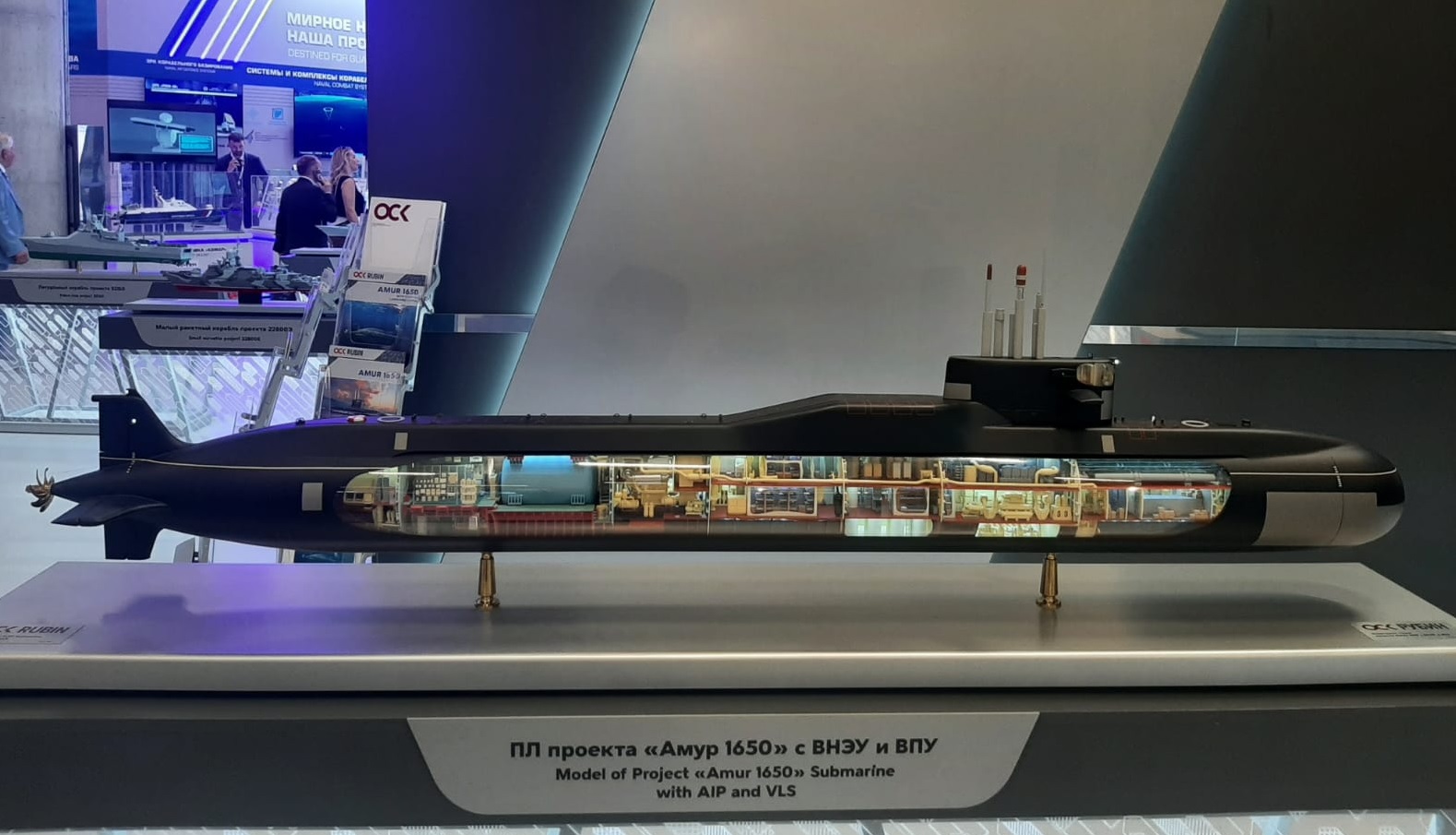 Russia Unveils Amur-1650 AIP Submarine Equipped with BrahMos Vertical Launch System at Fleet-2026
-
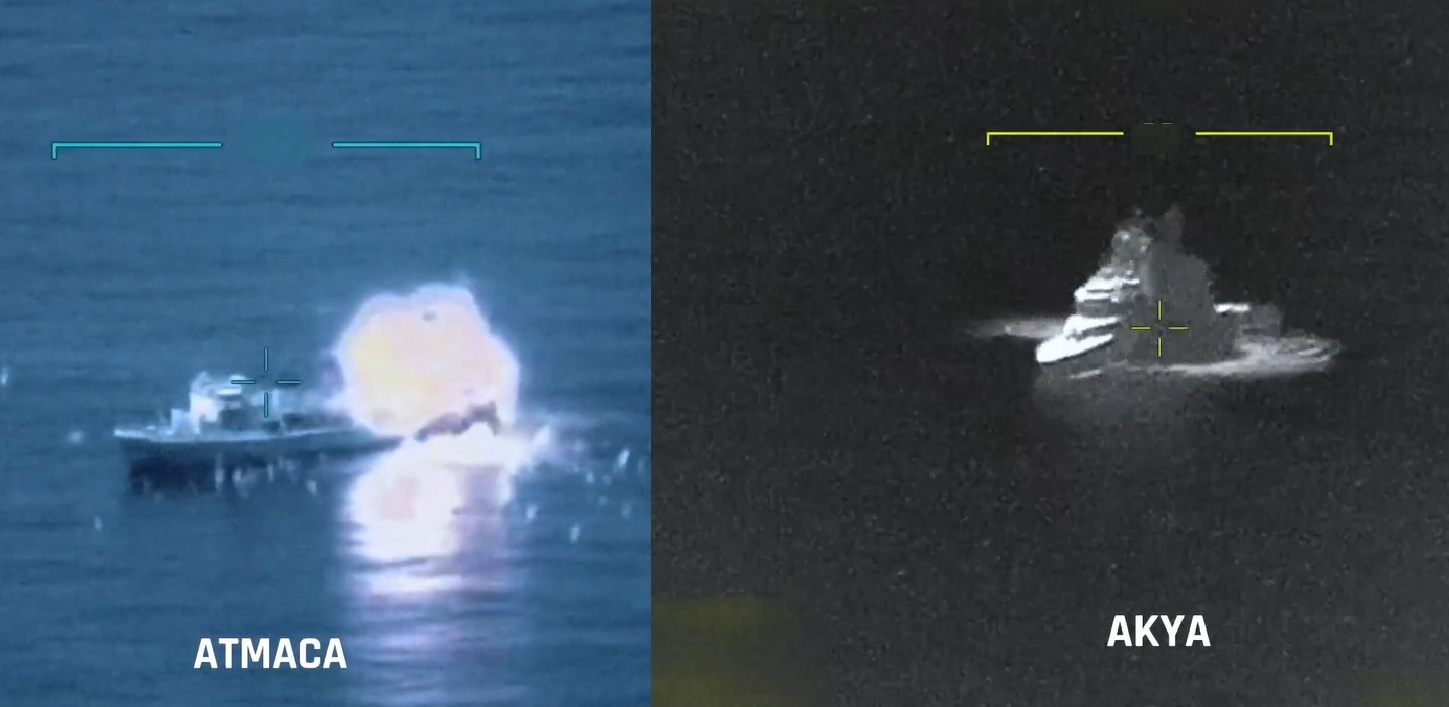 Turkey Navy Successfully Tests AKYA Torpedo and ATMACA Missile During Major Denizkurdu-II Naval Exercise
-
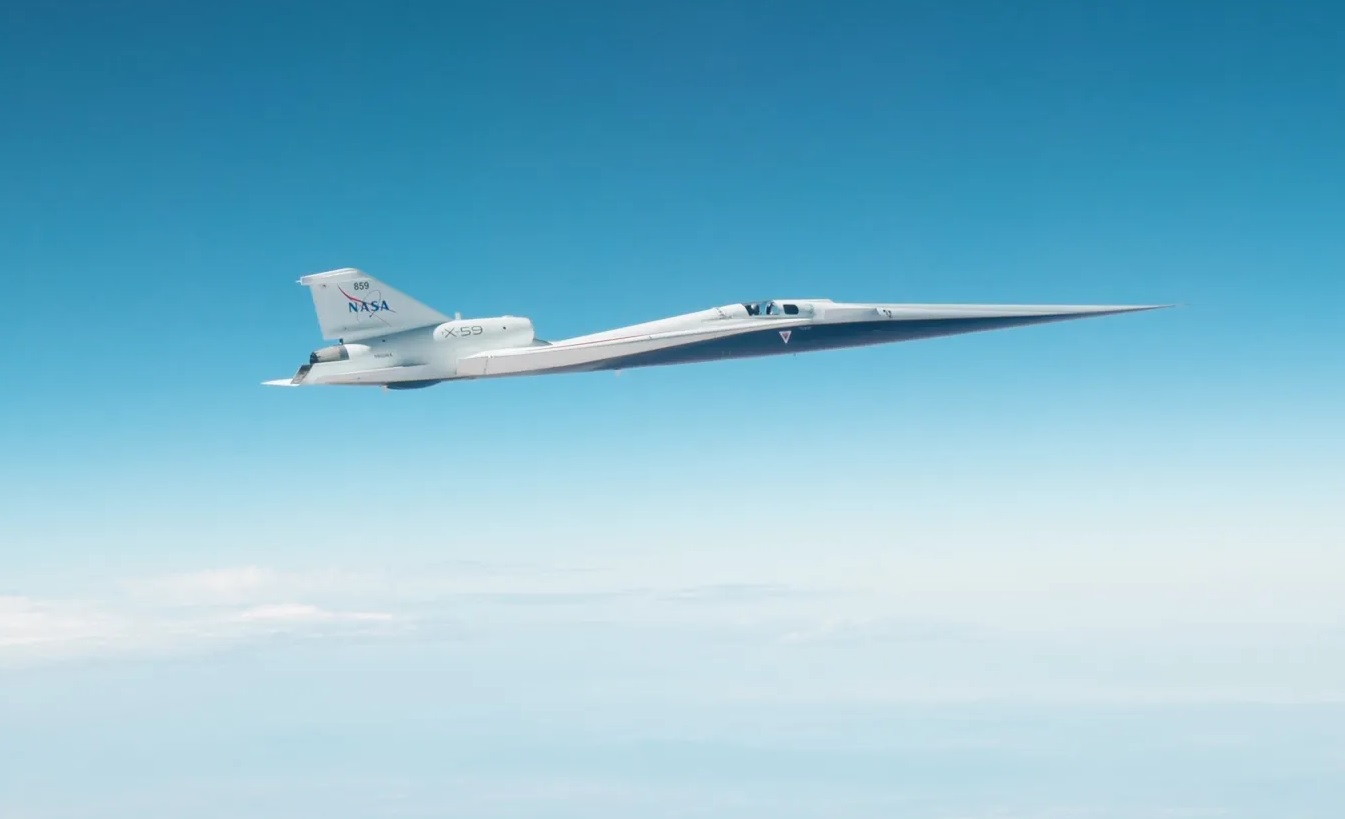 NASA X-59 Achieves Planned Mission Conditions with Mach 1.4 Flight at 55,000 Feet
Top Trending in 4 Days
-
 Iranian Media Leaks 14-Point U.S.-Iran Peace Framework Amid Ongoing Negotiations
-
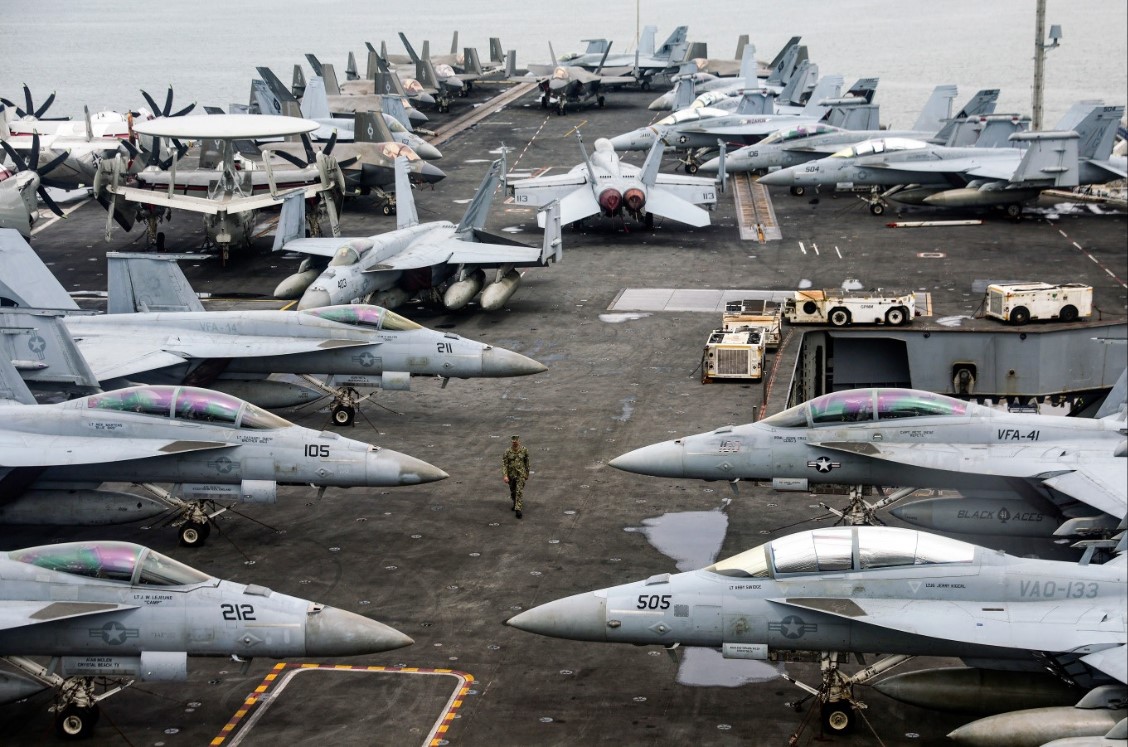 US Plans Significant Reduction of Fighter Jets and Warships for NATO Operations in Europe
-
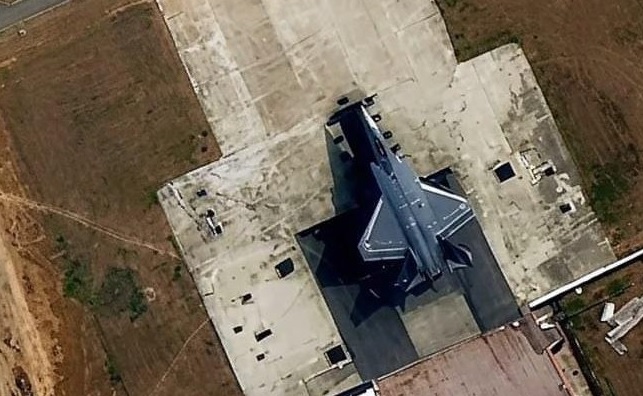 AMCA Airframe Spotted at DRDO’s ORANGE Facility for Radar Cross-Section Testing
-
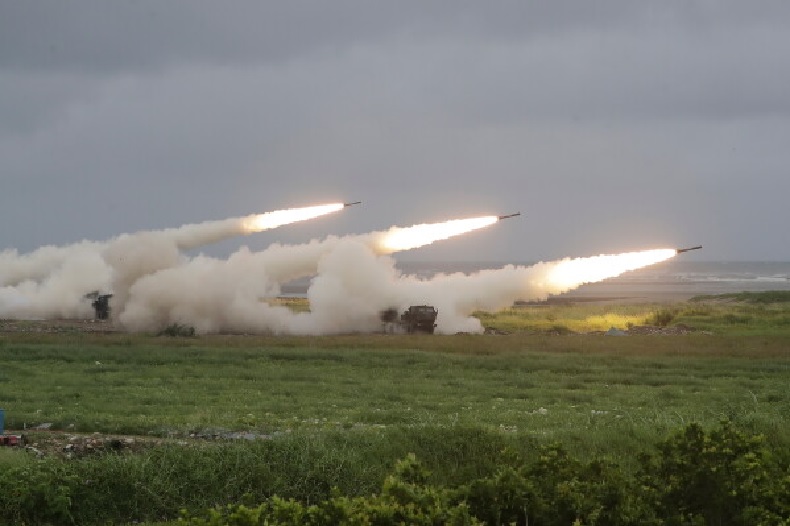 Taiwan Conducts First Live-Fire of HIMARS Rockets From West Coast During Invasion Defense Drill
-
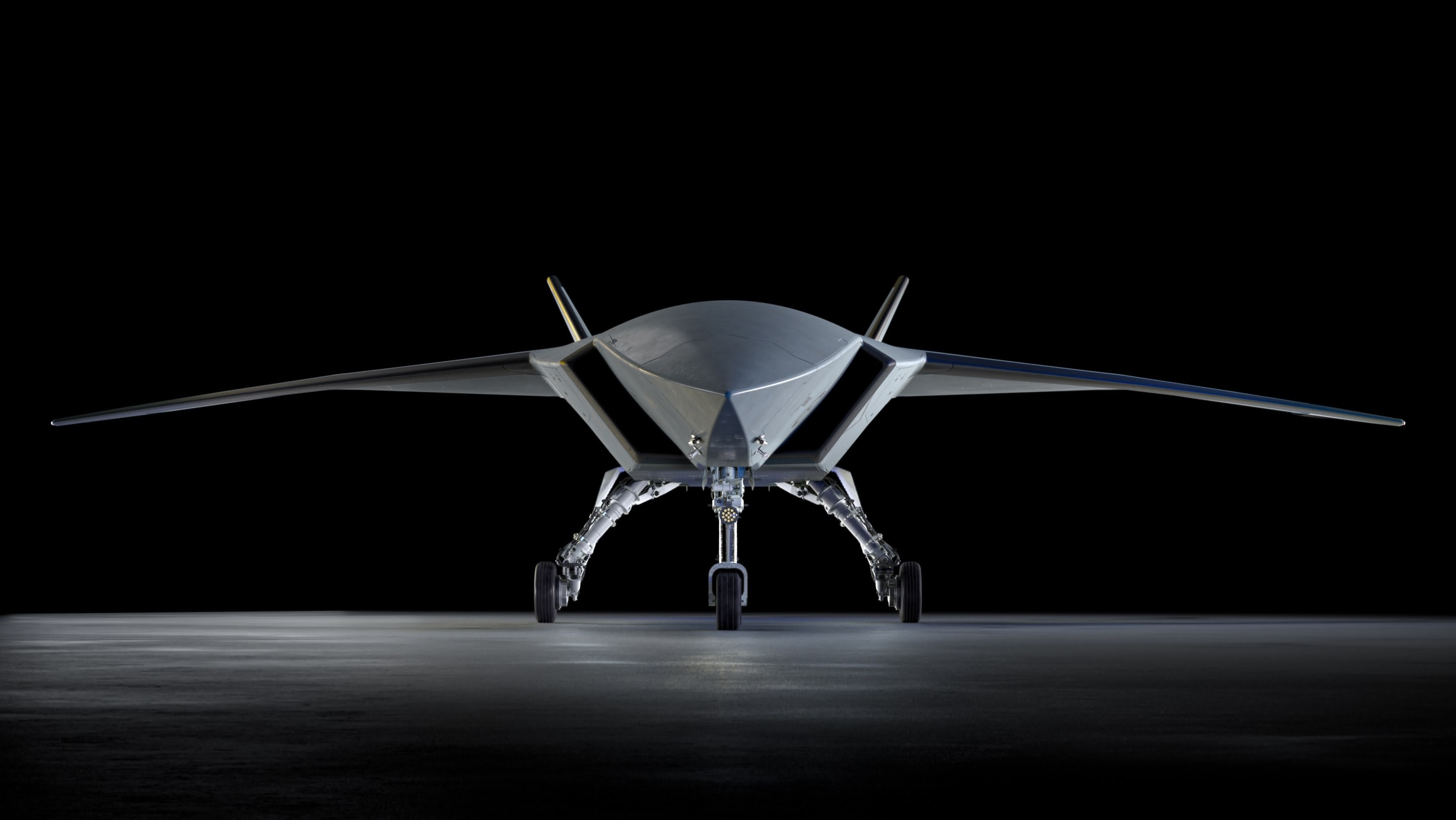 Boeing Introduces New MQ-28 Ghost Bat Upgrades with Increased Range, Payload and Weapons Capacity at ILA Berlin 2026
-
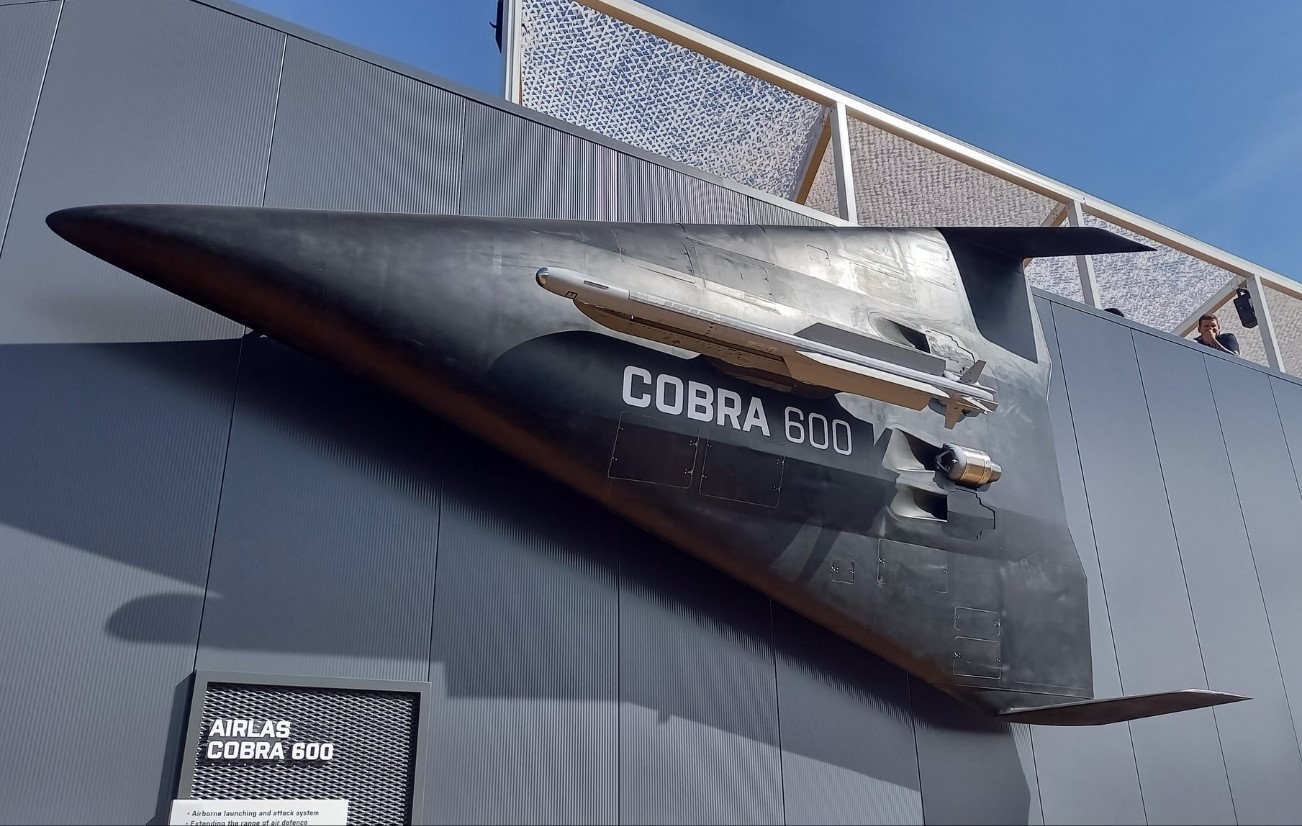 Diehl Defence Unveils IRIS-T Armed Cobra 600 Air Defense Drone at ILA Berlin 2026
-
 Russian Defense Firm ZALA Unveils KAMA Unmanned Surface Vessel Family at FLOT-2026 Naval Exhibition
-
 U.S Aircraft Carrier USS Theodore Roosevelt Departs San Diego for Major RIMPAC 2026 Naval Exercise