World
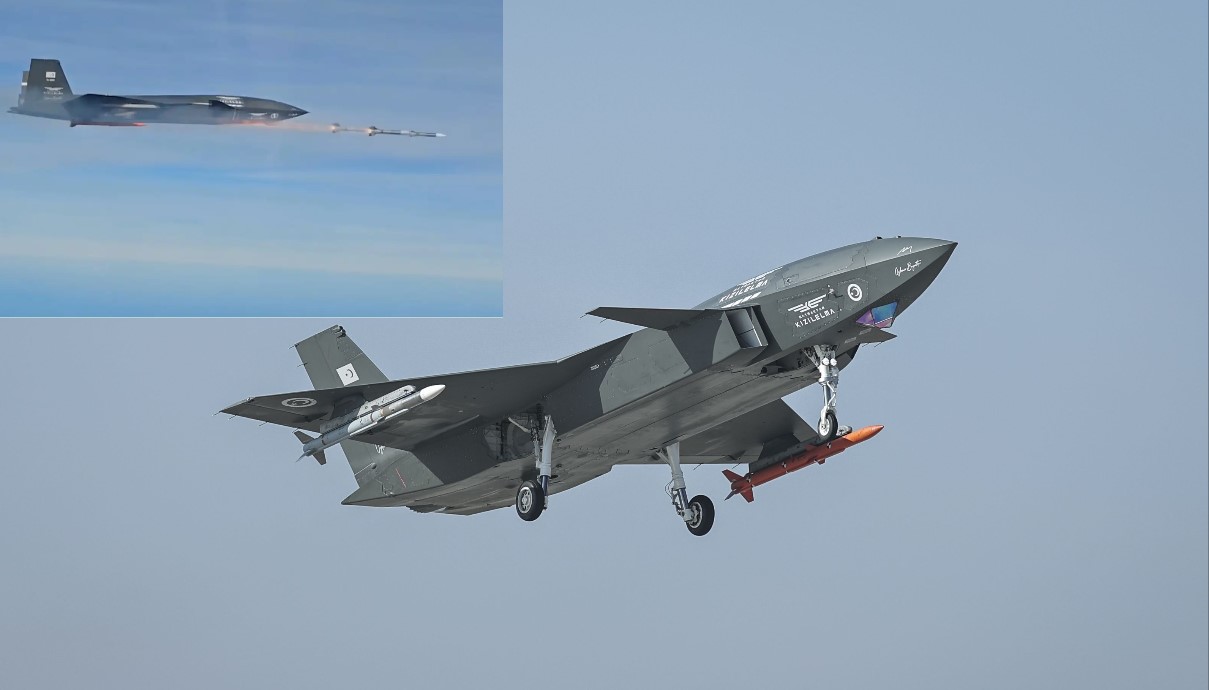
On 30 November 2025, Türkiye marked a defining moment in unmanned aviation, as Baykar announced that its Bayraktar Kizilelma unmanned fighter successfully destroyed an aerial target using a radar-guided air-to-air missile, becoming the first UCAV in the world to achieve a verified intercept of this type. Conducted over the Black Sea near Sinop, the live-fire event showed Kizilelma detecting, tracking and engaging a high-speed jet target drone with a Gökdoğan missile guided by Aselsan’s MURAD AESA radar. The successful hit, confirmed by Army Recognition analysis and onboard footage, proves that a jet-powered unmanned combat aircraft can now perform real air-to-air strikes at significant standoff distance. A Mixed Crewed–Uncrewed Formation Demonstration The test was executed as a complex, integrated air operation involving both UAVs and manned fighters. Five Turkish Air Force F-16s from Merzifon’s 5th Main Jet Base assembled with Kizilelma over Sinop, rehearsing future air combat where unmanned and manned aircraft share the same operational battlespace. Selçuk Bayraktar, Baykar’s chairman and CTO, flew in the back seat of an F-16 to observe the trial as Kizilelma—tail number TC-OZB5—joined the line-abreast formation. Once the jet-powered target drone was launched, Kizilelma used its MURAD AESA radar to detect it at distance, establish a track and classify its movement. The UCAV then fired a single Gökdoğan missile, mounted on its right wing. A Bayraktar Akıncı UAV orbited nearby to record the sequence. The missile struck the target directly, prompting Selçuk Bayraktar to declare that the test had opened “a new era in aviation history” for radar-guided unmanned aerial combat. A National System-of-Systems Achieving Combat Capability The milestone reflects the integration of several Turkish defence technologies on a single platform. Kizilelma is a low-observable, jet-powered unmanned fighter, weighing approximately 8.5 tonnes, carrying up to 1.5 tonnes of payload, reaching speeds near Mach 0.9, and operating from short-runway ships such as TCG Anadolu. It offers a combat radius of around 500 nautical miles, placing it in the category of unmanned fighters intended to work beside crewed aircraft. Its main sensor, Aselsan’s MURAD 100-A/110-A AESA radar, features beam steering, multi-target tracking and air-to-air/air-to-ground modes using GaN technology. The radar provides precision guidance for radar-homing missiles at medium-range distances. Supporting it is Aselsan’s Toygun electro-optical targeting system, which supplies high-resolution MWIR imaging, long-range passive tracking, automatic target identification and laser designation. Together, MURAD and Toygun allow Kizilelma to fight in both active and passive modes, giving it flexibility in contested airspace. The interceptor used in the test, TÜBİTAK SAGE’s Gökdoğan, is an active-radar-guided air-to-air missile with a range of around 65 km, mid-course datalink updates, and lock-on-after-launch capability. While in this test it was mounted externally, Kizilelma is designed to carry such missiles inside an internal bay, enabling reduced radar signature during high-risk missions. A Rapid, Structured Development Path The live-fire strike adds a major new achievement to Kizilelma’s fast-paced development. Work began under the MIUS programme in 2013, with public design images emerging in 2021. The unmanned jet completed its maiden flight on 14 December 2022, and soon after began formation flights with Turkish F-16s and public displays. On 20 October 2025, Kizilelma flew its first test with the MURAD AESA radar. One month later, on 20 November 2025, it conducted a simulated engagement against an F-16, tracking the fighter with its radar and digitally “firing” a Gökdoğan. This validated Türkiye’s national radar-to-missile interface for real combat scenarios. The Sinop event completes the chain with a live missile launch and physical destruction of a jet target. Shaping the Tactical Future of Air Combat Kizilelma’s achievement carries significant implications for future air engagements. With its performance, range and sensors, the unmanned jet can function as a loyal wingman for F-16s and the future TF Kaan stealth fighter. Its role can include flying ahead of manned fighters into contested zones, acting as a forward sensor, a missile carrier, or a decoy. Using both radar and passive electro-optics, Kizilelma can identify and engage high-speed aircraft at medium distances. Its ability to carry weapons internally or externally gives commanders the option of stealthy penetration or maximum loadout, depending on mission demand. In high-threat environments, unmanned fighters like Kizilelma can enter first to trigger enemy radars, conduct medium-range engagements, and support manned aircraft through networked sensing, reducing risk to pilots and expanding tactical flexibility. As autonomous algorithms mature, formations of Kizilelma could execute multi-axis attacks, maintain persistent air patrols, or operate as distributed sensor nodes across contested airspace. Strategic and Industrial Impacts The test strengthens Türkiye’s position as a country with a national air-combat kill chain built on sovereign radar, datalink, missile and mission-computer technologies. This reduces dependence on foreign export approvals and enhances strategic autonomy. Regionally, a combat-capable Kizilelma affects planning in the Aegean, Eastern Mediterranean, Middle East and Black Sea, injecting an unmanned medium-range interceptor into the air domain. Industrial implications are also significant. Through the new Italy–Türkiye LBA Systems joint venture, composite production and final assembly of Kizilelma will begin in Grottaglie, signalling European interest and potential NATO integration of the platform. The capability also feeds into Türkiye’s sixth-generation ecosystem centered around TF Kaan, Anka-3, Kizilelma and Aselsan’s advanced communication networks. In this architecture, TF Kaan acts as a command node directing unmanned assets for air-defence suppression, electronic warfare and deep-strike missions. The Road Ahead for Kizilelma The Sinop test confirms that unmanned combat aircraft are transitioning from experimental technology to operational weapon systems. Baykar is developing Kizilelma-B and Kizilelma-C variants—including a twin-engine model—to achieve higher speed, range and payload capacity. Internal missile carriage opens the path to low-observable medium-range air-to-air tactics, where the UCAV approaches silently, fires from its internal bay, and then returns to a stealth profile. A New Phase in Unmanned Air Combat Türkiye has demonstrated that a jet-powered UCAV can independently detect, track and destroy a fast aerial target using a radar-guided missile, establishing a milestone for global unmanned aviation. The achievement reinforces a strategic transition in which mixed formations of manned and unmanned fighters will deliver air superiority, and where decisive engagement at medium range may increasingly come from unmanned platforms. For air forces worldwide, the message is clear: the age in which only crewed fighters could contest the air domain is ending, and the future battlespace will be shaped by stealthy unmanned wingmen capable of autonomous air-to-air combat.
Read More → Posted on 2025-11-30 14:33:38
World
Prime Minister Benjamin Netanyahu has asked Israel’s president for a pardon, saying that his long-running corruption trial is now harming Israel’s security, political stability, and important cooperation with the United States. Netanyahu announced the move in a special address to the nation, calling it one of the hardest decisions of his career. Netanyahu said the investigations against him began almost ten years ago, and the trial has continued for six years, with no clear end in sight. He repeated his claim that new evidence shown in court proves he is innocent and that the case was built with “serious violations.” He said he personally wanted to continue fighting in court until he was fully cleared, but he now believes that Israel’s situation is too serious for the trial to continue. One major reason for the request is a recent court order that requires Netanyahu to testify three times every week. He called this “an impossible demand” for any prime minister, saying it prevents him from handling urgent security issues, including tensions with Iran, Gaza, and other regional threats. Netanyahu said the trial has also divided Israelis, making it harder for the country to stay united during a dangerous time. A surprising part of Netanyahu’s speech was his statement that U.S. President Donald Trump has repeatedly asked Israel’s president to end the trial. According to Netanyahu, Trump believes that both countries need to work closely together right now and that the legal case is blocking important joint decisions. Netanyahu said Trump warned that the two nations are in a “time window that may not return,” meaning that certain opportunities may be lost if the trial continues. Netanyahu’s announcement has caused strong reactions across Israel. His supporters say the trial has gone on for too long and is stopping the government from functioning properly. His critics argue that giving a pardon to a prime minister who is still on trial would damage trust in Israel’s legal system and create a dangerous precedent. Legal experts note that no sitting prime minister in Israel’s history has ever asked for a pardon during an active trial, making this a completely new situation. Now the decision is in the hands of President Isaac Herzog, who must choose whether to approve the request or reject it. If Herzog approves it, the trial will stop immediately and Netanyahu will continue as prime minister with no legal obligations. If the president denies it, Netanyahu will still need to testify three times a week, which could increase political tensions and make it harder for him to deal with national security issues. In closing, Netanyahu said that he has been elected again and again by the people, and that his decision to ask for a pardon is meant to protect Israel’s national interest, not to escape responsibility. The coming days will be crucial for Israel, as the president’s decision could affect the country’s politics, its legal system, and its relationship with the United States for years to come.
Read More → Posted on 2025-11-30 14:12:52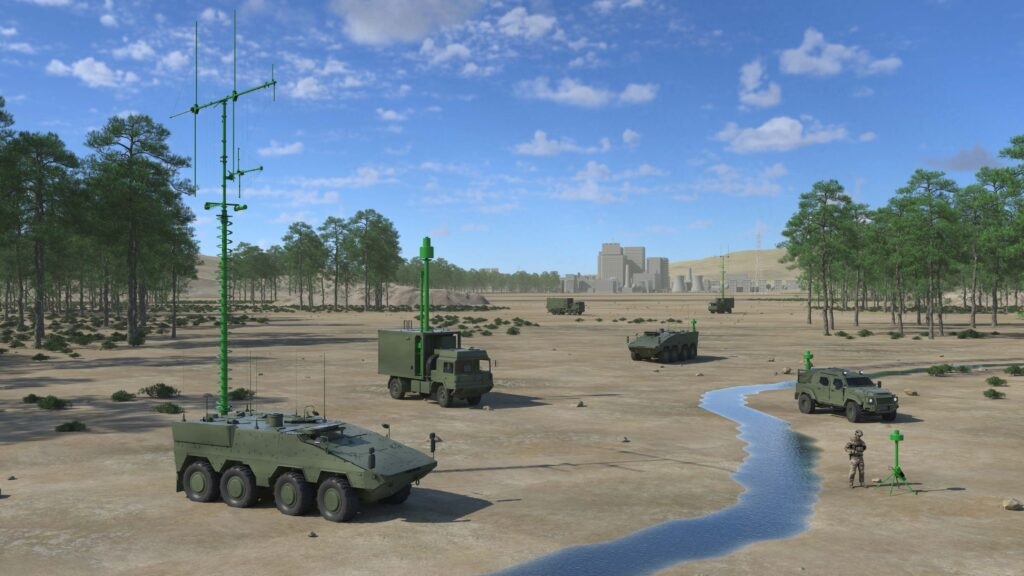
World
HENSOLDT has officially introduced TAERVUS, a next-generation fully integrated Electromagnetic Warfare (EW) system designed to consolidate advanced sensors, jammers, and digital battle-management tools into a single land-focused solution. The launch marks a major evolution in how ground forces can dominate the electromagnetic spectrum. According to the company, TAERVUS combines field-proven radio direction finders, wideband receivers, powerful jammers, and HENSOLDT’s Spectrum Battle Management Suite under one unified architecture. Rather than operating as separate devices, these EW tools now function as an interconnected “system of systems,” enabling faster reaction times and improved situational awareness. The system covers COMINT and ELINT across HF, VHF, UHF and higher microwave bands, giving forces broad visibility of enemy emissions. TAERVUS also integrates jamming capabilities against hostile communications and radar, allowing ground units to both detect and disrupt adversary operations. HENSOLDT says the name TAERVUS blends the Latin words Terra (earth) and Corvus (crow) — symbolizing both the platform’s land-based role and the crow’s traditional association with electromagnetic warfare due to its acute sensing abilities. A central feature of TAERVUS is its modular, software-defined, networked architecture. This design merges tactical and strategic reconnaissance functions with tools to disrupt enemy communications, giving operators a flexible EW environment tailored to mission needs. The system incorporates Artificial Intelligence for automated signal analysis, including semi-automatic classification, prioritisation and advanced features such as predictive jamming — where the system anticipates and reacts to changing threat patterns in real time. HENSOLDT emphasizes that TAERVUS is engineered to shorten the OODA loop (Observe-Orient-Decide-Act) by providing fast, accurate information on enemy emitters. “Those who act faster than their opponents and simultaneously disrupt their information-gathering capabilities secure a decisive advantage on the battlefield,” said Dr Torben Brack, Vice President and Head of Cyberspace & EW at HENSOLDT. The company highlights TAERVUS as a new milestone, integrating multiple EW elements into one comprehensive capability, ensuring users get full system strength rather than isolated components. The approach strengthens information dominance, which is increasingly critical in modern and future conflicts.
Read More → Posted on 2025-11-30 13:58:42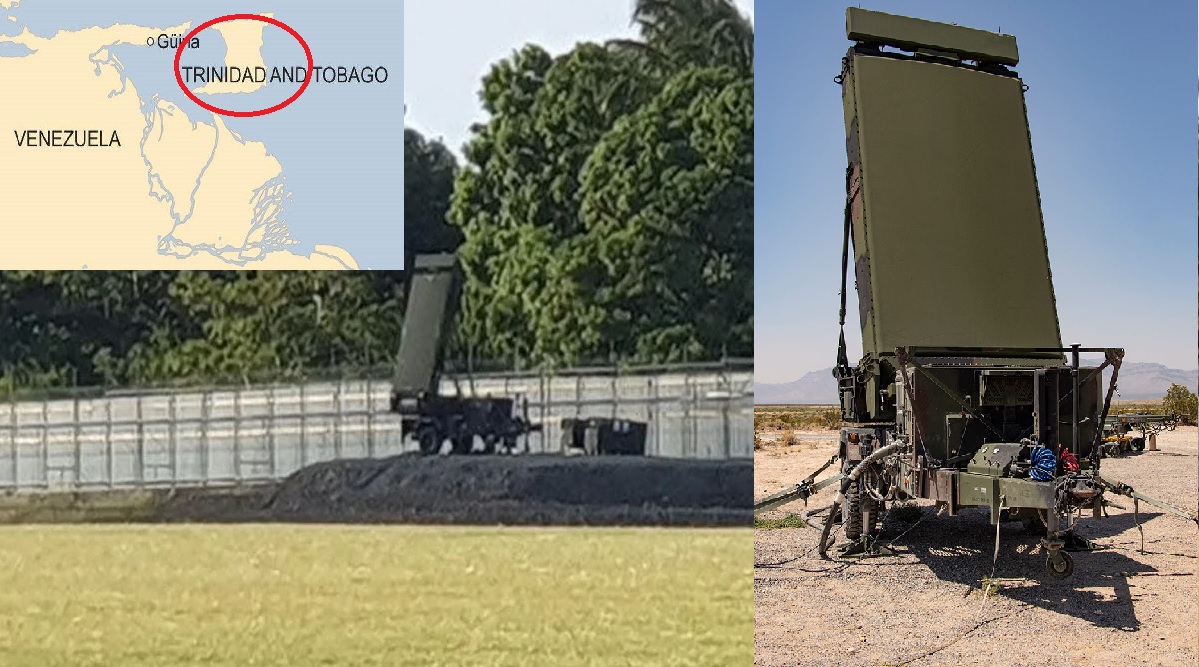
World
In a development that has quickly moved from technical upgrade to geopolitical flashpoint, Trinidad and Tobago’s Prime Minister confirmed on November 28, 2025, that U.S. Marines are in Tobago installing a new radar system at ANR Robinson International Airport. The admission came after weeks of mixed government messaging, during which officials repeatedly denied that American troops were active in the country. The confirmation, first reported by the Trinidad and Tobago Guardian, has intensified debate across the Caribbean about the real purpose of the deployment. While Port of Spain frames the move as an “airport infrastructure upgrade” and a boost to surveillance against narcotics traffickers, evidence from open-source imagery and flight-tracking strongly indicates that the radar being installed is the AN/TPS-80 Ground/Air Task Oriented Radar (G/ATOR) — one of the U.S. Marine Corps’ most advanced multi-mission sensors. Its presence on the western tip of Tobago effectively extends high-resolution U.S. airspace monitoring to within sight of the Venezuelan coast, a reality not lost on regional analysts. A High-End Radar With Capabilities Far Beyond Drug Interdiction The AN/TPS-80 G/ATOR is a mobile, active electronically scanned array (AESA) radar developed to replace several older Marine Corps systems. Combining air surveillance, missile tracking, artillery detection, and expeditionary air-traffic control, it provides: 360-degree, four-dimensional coverage Tracking of aircraft, cruise missiles, small drones, and even rockets and mortars A detection range of over 160 km, depending on altitude and target type Rapid deployment in under one hour, with mobility allowing repositioning or extraction via C-130 transport aircraft When installed in western Tobago, much of the airspace above the Gulf of Paria, eastern Caribbean, and even approaches to Venezuela’s mainland fall within its surveillance envelope. Additional G/ATOR capabilities include the ability to function as part of a networked sensor grid, feeding data into U.S. and allied command-and-control systems. In exercises across the Pacific, G/ATOR has already been demonstrated as a key sensor for integrated air and missile defense — an indication that its Caribbean deployment may serve more than a single mission. Why Tobago Matters: A Strategic Window Into the Southern Caribbean Tobago’s geography gives the island an exceptionally advantageous position for regional surveillance. Its location allows monitoring of low-flying aircraft used by narcotics traffickers, as well as drones and ultralight aircraft that often slip across maritime boundaries to evade detection. The waters around Tobago are also prime corridors for go-fast boats moving through the Caribbean shipping lanes, making the island an ideal vantage point for tracking fast, evasive smuggling vessels. In addition, Tobago sits close to key zones of Venezuelan air activity, particularly around Paraguaná and the Gulf of Paria, and provides a clear view of maritime traffic heading toward Trinidad’s energy infrastructure, including offshore gas platforms. Although the Trinidad and Tobago government maintains that the radar’s purpose is focused on counter-narcotics operations, its advanced sensor capabilities naturally extend into strategic surveillance. The same system can detect and track military flights, missile tests, or irregular troop movements originating from Venezuela — missions that U.S. Southern Command has increasingly prioritised in recent years. The deployment of G/ATOR in Tobago forms part of a broader shift in U.S. military posture across the Caribbean. Washington has recently expanded access agreements with the Dominican Republic, revived activity at the Roosevelt Roads Naval Station in Puerto Rico, and increased the deployment of P-8 maritime patrol aircraft, Coast Guard cutters, and AWACS missions throughout the region. The United States has also expanded its authority to carry out lethal counter-drug interdictions, signalling a more assertive operational approach in regional air and maritime spaces. Taken together, these developments indicate that placing the radar in Tobago supports a wider U.S. plan to build an interconnected surveillance network across the Caribbean. While officially framed as a counter-narcotics initiative, the system’s positioning and capabilities make it equally suited for monitoring state actors, shaping regional dynamics, and reinforcing the strategic balance in the southern Caribbean. Domestic Reactions: Questions Over Sovereignty and Control The deployment has sparked unease among local security experts. The former head of Trinidad and Tobago’s National Coastal Radar Surveillance Centre publicly questioned: Whether a foreign military should control a radar of this sophistication Why U.S. systems are needed when the country already operates an Israeli-built coastal radar network covering much of its maritime domain Whether the data from G/ATOR will be shared transparently with national authorities Government officials argue that the radar is part of a wider upgrade that includes roads, airfield security, and border intelligence systems, linked to countering narco-trafficking, arms smuggling, and human trafficking. In recent meetings with U.S. defense officials, Port of Spain emphasized its vulnerability to transnational organized crime and portrayed Tobago as a natural hub for joint operations. Still, the optics are sensitive: the presence of U.S. Marines on Trinidadian soil is unprecedented in recent years, and critics fear a gradual shift toward dependency or informal basing. Regional Implications: A New Factor in the Caribbean Balance For Venezuela — already wary of U.S. activity in the Caribbean — the installation of an American multi-mission radar less than 70 km away is likely to be seen as a forward-deployed sensor node rather than a policing tool. Analysts note that G/ATOR’s data can be fused with: U.S. Navy Aegis radar networks E-3 AWACS aircraft Maritime patrol aircraft operating out of Curaçao, Aruba, and Puerto Rico Coast Guard interdiction platforms in the Caribbean Sea Combined, this creates a dense, near-continuous surveillance blanket over the region — useful not only for detecting smuggling but also for monitoring Venezuelan military aviation, missile developments, or maritime deployments. Several Caribbean governments are watching closely, aware that while U.S. assistance can deter criminal networks, it can also reshape regional alignments, heighten tensions with Caracas, or invite geopolitical competition. More Than an Airport Upgrade The presence of a G/ATOR system in Tobago marks a significant deepening of U.S.–Trinidad and Tobago security ties. It also raises unresolved questions: Who controls the radar feed? Is the deployment temporary or open-ended? Will the system remain if political tensions with Venezuela rise? How will data-sharing be structured to preserve Trinidad and Tobago’s sovereignty? Ultimately, the radar is not simply a sensor — it is a symbol of the country’s evolving place in a region increasingly shaped by great-power competition, transnational crime, and strategic realignment. Whether citizens eventually view the installation as a protective shield, a geopolitical risk, or an uncomfortable concession to a powerful partner will depend on how openly the government manages the partnership and how clearly limits are defined. But for now, Tobago has found itself at the center of one of the Caribbean’s most consequential security developments in years, with implications that extend far beyond the perimeter of ANR Robinson International Airport.
Read More → Posted on 2025-11-30 13:47:03
World
In a development that has stirred intense speculation across defense circles, a Ukrainian An-124-100 “Ruslan” — one of the world’s largest and most capable cargo aircraft — made an unannounced landing at Israel’s Ben Gurion Airport on the evening of November 28, 2025. The aircraft, operated by Antonov Airlines, arrived quietly from the United Arab Emirates, loaded undisclosed cargo, and departed within a short window, leaving behind more questions than answers. A Rare Appearance of Ukraine’s Heavy Transporter The An-124 “Ruslan” is the pride of Ukraine’s aviation industry and a critical asset for the country since the beginning of the Russian full-scale invasion. After the destruction of parts of Antonov’s fleet at Hostomel Airport in 2022 — including the world-record An-225 “Mriya” — only 10–12 An-124s remain operational worldwide. Most Ukrainian flights now operate from safer hubs such as Leipzig, Germany and other European airports. Its sudden appearance in Israel — especially without standard flight-tracking visibility — underscores the exceptional nature of this mission. Unusual Cargo and Unusual Secrecy Witnesses at Ben Gurion Airport reported trucks transporting large beige containers, similar in size to launch canisters used for Patriot PAC-2/GEM+ missiles or Israel’s Rafael SPYDER air-defense system. The cargo was loaded swiftly into the aircraft under heightened security. There was no official announcement, no commercial flight plan, and minimal digital traces — highly unusual for a civilian transport operation. Shortly after takeoff, the aircraft flew toward Tbilisi, Georgia, before continuing back to the Persian Gulf region, taking a route that appeared deliberately indirect and partially hidden from common flight-tracking websites. Such patterns are often associated with military or highly sensitive logistical operations. Strengthening Israel–Ukraine Defense Links If the aircraft indeed carried air-defense components or interceptors, it would mark another discreet step in Israel’s gradually expanding support for Ukraine. While Israel has avoided publicly supplying offensive weapons to Kyiv, it has reportedly facilitated transfers of defensive systems — especially as Ukrainian cities continue to face waves of Russian missile and drone attacks. The timing is notable: Ukraine has recently expanded deployment of Patriot systems, and Kyiv has hinted at receiving additional Western-supplied interceptors through third-party channels. Why This Flight Matters An-124 flights are rare, expensive, and typically reserved for oversized or high-value cargo. The secrecy surrounding the landing suggests a sensitive transfer, potentially coordinated with Israel, Ukraine, and Western partners. The origin in the UAE, stop in Israel, and subsequent path through Georgia indicate a carefully managed logistics chain likely meant to avoid Russian scrutiny. No Official Comments — Yet Growing Evidence Israel, Ukraine, and the United States have not issued any statements regarding the nature of the cargo or the purpose of the mission. However, the combination of eyewitness reports, satellite-confirmed flight paths, and the type of containers observed has led defense analysts to conclude that this was almost certainly a military transfer, likely tied to Ukraine’s urgent air-defense needs. Broader Implications For Ukraine, such deliveries are crucial as it seeks to maintain its air-defense shield against Russian missile barrages. For Israel, this operation signals a careful but steady alignment with Western strategic goals, even as it avoids direct confrontation with Moscow. For the region, the indirect route and rapid turnaround highlight how sensitive military logistics now rely on multinational coordination and improvised pathways. The mysterious visit of the Ukrainian An-124 “Ruslan” to Ben Gurion Airport adds a new chapter to the evolving defense cooperation between Israel and Ukraine. While official silence continues, the operational details strongly point to a covert transfer of high-value air-defense equipment, reflecting the growing complexity — and urgency — of Ukraine’s wartime logistics. If additional flight data, satellite images, or official confirmations emerge, I can expand this into a follow-up investigative article.
Read More → Posted on 2025-11-30 10:37:32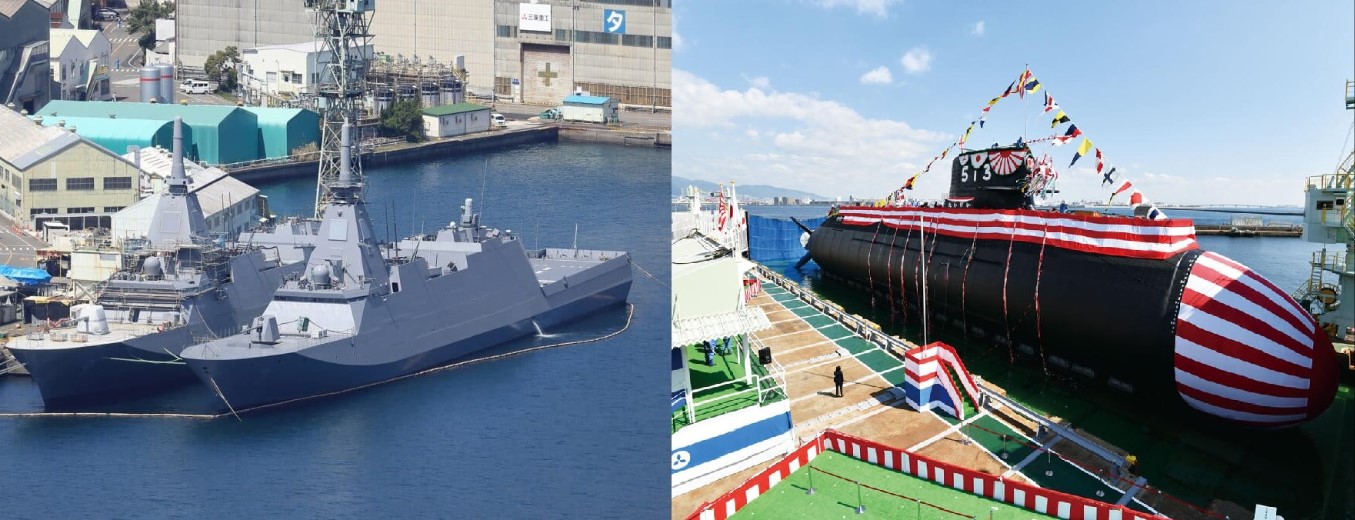
World
On November 28, the cabinet of Japanese Prime Minister Sanae Takaichi approved a supplementary defense budget of ¥847.2 billion (US$ 5.4 billion) for fiscal 2025, in response to mounting security challenges posed by increased military activity from neighbouring powers. The package includes a major allocation of ¥122.2 billion (US$ 782 million) aimed at “enhancing capabilities by securing the early operational readiness of aircraft and vessels.” Officials said the funds represent an “advance allocation” of future-year payments — effectively front-loading construction costs already approved under earlier defence budgets — to enable shipbuilders to begin manufacturing earlier and deliver vessels ahead of schedule. This move is part of Japan’s broader strategy to bolster its deterrence posture as a maritime nation facing a rapidly deteriorating regional security environment. What the Funding Will Build: Frigates and Submarines A breakdown of the major construction investments shows a focus on expanding and accelerating the fleet of surface vessels and submarines for the Japan Maritime Self-Defense Force (JMSDF). Included in the supplementary budget: Around ¥11.5 billion (US$ 73.6 million) designated for two Mogami-class frigate vessels Approximately ¥2.9 billion to fund two upgraded Mogami-class vessels — the New FFM (06FFM) About ¥39.3 billion for four Taigei-class submarines The focus on frigates and submarines underscores Tokyo’s emphasis on both surface and undersea capabilities for deterrence, coastal defense, and maritime domain operations. The Strategic Rationale Behind Accelerated Procurement According to a spokesperson from the Ministry of Defense (Japan), this accelerated procurement is intended to give shipbuilders early access to necessary funds so they can begin manufacturing sooner, which in turn helps — in their words — “bring forward the delivery schedule.” The supplementary budget covers only the construction costs. It does not include related expenses such as those for the Vertical Launching System (VLS). By committing the money now, Japan aims to speed up readiness of its naval forces, enabling the JMSDF to respond more quickly to evolving regional threats. JMSDF Fleet Plans and the Role of Mogami & Taigei Vessels The JMSDF, as of 2025, operates a fleet of over 150 vessels along with many aircraft — but under its modernization roadmap, it is progressively replacing older ships with more advanced, stealthier, and automated vessels. The Mogami-class frigate was conceived as a “compact-hull but multi-mission” stealth frigate, designed to deliver destroyer-level capabilities with fewer crew and lower operating cost. Originally, plans had envisaged up to 22 Mogami-class frigates. However, in a shift of strategy, Japan later decided to build 12 such ships and then transition to 12 New FFMs between fiscal 2024 and 2028. The New FFM (06FFM) upgrade brings enhancements such as a redesigned main mast, updated radar capabilities, and on some versions, a Mk 41 VLS with up to 32 cells. On the submarine side, the Taigei-class is the JMSDF’s newest diesel-electric attack submarine equipped with advanced sonar, snorkel-based power generation, and lithium-ion battery technology — improving underwater endurance and performance. Japan has not officially decided how many Taigei-class submarines will be built, though officials indicate the total will likely be about 12. Regional and Geopolitical Implications Japan’s decision to fast-track frigate and submarine procurement reflects broader regional security anxieties, especially with regard to growing military activity by neighboring powers. The accelerated time-frame sends a clear signal that Tokyo intends to bolster maritime deterrence and readiness. Moreover, the push dovetails with Japan’s broader defense buildup. Earlier in 2025, the government proposed its largest–ever standard defence budget, signaling a long-term shift in Japan’s postwar security posture. The investment in rapidly deployable surface combatants and advanced submarines also enhances Japan’s ability to project power, secure sea-lanes, and reinforce its role as a deterrent force in the Indo-Pacific region. What Comes Next: Delivery Timelines and Broader Military Modernization Under current plans, the first of the New FFM frigates is scheduled for commissioning in fiscal year 2028. If all goes smoothly, the full suite of 12 New FFMs could be in service by fiscal 2032. On the submarine front, the increasing number of Taigei-class boats indicates continued expansion. But the exact total remains unconfirmed, though some Japanese officials cited 12 as likely. The broader defense build-up will likely also include additional investments in unmanned systems, long-range missiles, and upgrades to existing fleets — part of a new comprehensive security framework adapting to 21st-century threats. The November 28 approval of the ¥847.2 billion supplementary budget marks a decisive acceleration in Japan’s naval modernization — underscoring Tokyo’s determination to strengthen maritime deterrence amid shifting strategic dynamics in the region. The investment in both the advanced Mogami-class frigates, New FFMs, and Taigei-class submarines signals a shift toward a more capable, nimble, and future-oriented fleet for the JMSDF. Given the compressed procurement timeline, the next few years will be critical: as the first of the new vessels roll out, Japan’s maritime security posture may evolve sharply — carrying consequences not only for its own defense, but for the broader balance of power in the Indo-Pacific.
Read More → Posted on 2025-11-30 10:17:57
Burchett Urges End to Federal Income Tax as Trump’s Tariffs Hit Record $33 Billion in a Single Month
World
On 28 November 2025, The debate over America’s tax system intensified this week after U.S. House of Representatives Tim Burchett called for the federal income tax to be eliminated, citing what he described as a record-breaking surge in tariff revenue under President Donald Trump. The remark followed new U.S. Treasury data showing that October 2025 brought in roughly $31–33 billion in tariff revenue, the highest monthly figure ever recorded in the United States. Burchett, echoing Trump’s long-standing claims, argued that such numbers prove that tariffs could replace federal income taxes for millions of Americans. According to Treasury officials, October’s customs duties were boosted by the second phase of Trump’s aggressive “reciprocal tariff” strategy, which imposed elevated import taxes on a wide range of goods from China, the European Union and several other trading partners. The policy, enacted under an economic emergency declaration, pushed average U.S. tariff rates to some of their highest levels in modern history. As a result, tariff receipts surged more than fourfold compared to October 2024. However, despite this historic inflow, the federal government still recorded a $284 billion deficit for the month, as shutdown-delayed payments and rising expenditures far exceeded the tariff windfall. President Donald Trump has repeatedly promoted the idea of using tariff income to make major cuts to federal income taxes, even suggesting in recent speeches that the U.S. could move toward eliminating income taxes “for most Americans” within a few years. His administration earlier passed the One Big Beautiful Bill Act, which extended individual tax cuts but did not restructure the tax system itself. Burchett’s comments, celebrating the October tariff haul, have reignited the debate by positioning tariffs as an alternative revenue pillar capable of dramatically reshaping U.S. taxation. Economists, however, warn that the numbers paint a different picture. The federal income tax currently generates more than $2.5 trillion annually, while even under Trump’s elevated tariff regime, total tariff revenue for 2025 is expected to remain below $400 billion. Analysts emphasize that replacing income tax would require either massive additional tariffs or deep cuts to Social Security, Medicare, defense spending, and other federal programs. They also highlight that tariffs act as an indirect tax on American consumers, since a significant portion of higher import costs is passed on to households. The political and legal environment surrounding Trump’s tariffs remains highly uncertain. The U.S. Supreme Court is now reviewing whether the president exceeded his authority by imposing sweeping tariffs under emergency powers—an outcome that could drastically reduce tariff revenues if the policy is curtailed. Meanwhile, Congress is divided, with some Republicans endorsing Trump’s tariff-first economic model, while others caution that heightened trade barriers are increasing costs for American businesses and families. For now, there is no legislative plan to eliminate the federal income tax, and Americans will continue to file returns as usual. Still, Burchett’s remarks reflect a growing faction within the GOP that sees Trump’s soaring tariff revenues not just as a trade instrument but as the foundation for a new tax model for the United States. Whether October’s record-setting figures become a genuine turning point in U.S. fiscal policy—or simply a political talking point—will depend on court rulings, economic conditions, and the administration’s next steps in its expansive tariff campaign.
Read More → Posted on 2025-11-29 17:26:51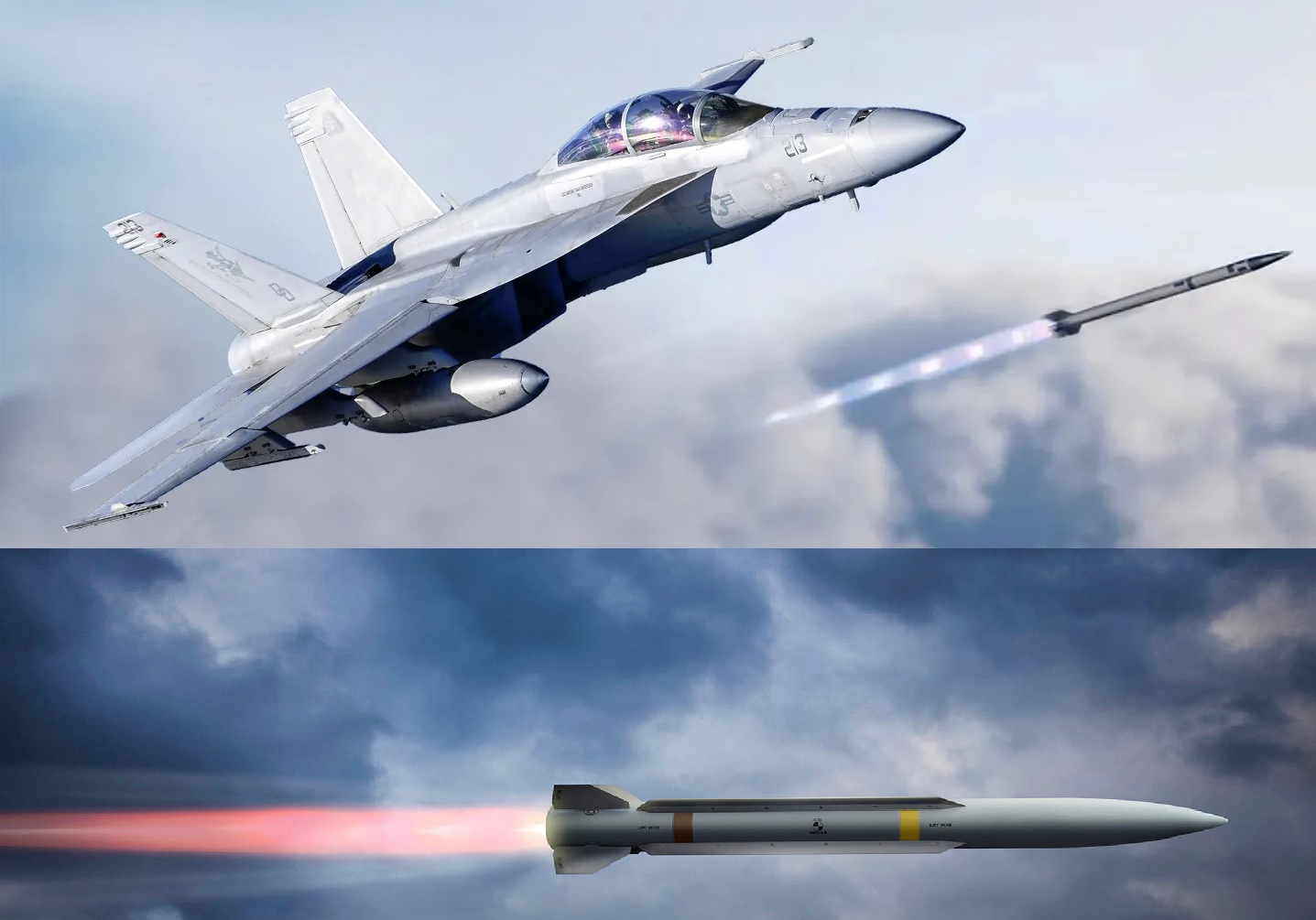
World
The Defense Security Cooperation Agency (DSCA) has formally approved the first-ever export of the next-generation AIM-260A Joint Advanced Tactical Missile (JATM), authorizing a sale to Royal Australian Air Force. Under the deal, Australia — via its fleet of F/A-18F Super Hornet and F-35A Lightning II aircraft — will become the first foreign operator of JATM. The provisional contract, revealed in documents sent to Congress this week, includes 450 AIM-260A missiles, 5 test vehicles, and 30 guided test vehicles, at an estimated cost of US $2.6 billion (rising to $3.1 billion when non-major defense equipment is included). Delivery of the first batch is scheduled for the third quarter of 2033, aligning with current U.S. production timelines and taking account of U.S. inventory priorities. Final approvals from DSCA, the U.S. State Department, and relevant congressional bodies reportedly faced no objections. What Is JATM — The Next-Generation Air-to-Air Missile The AIM-260A JATM is a beyond-visual-range air-to-air missile (BVRAAM) developed by Lockheed Martin, conceived as a successor (or supplement) to the long-serving AIM-120 AMRAAM. The program began in 2017 in response to advances in adversary missile technologies — especially systems like China’s PL-15. Although many details remain classified, public disclosures and industry briefings have revealed several key features. The missile has a similar outer form-factor to AMRAAM — enabling compatibility with existing missile rails and stealth-fighter internal weapon bays — yet under the skin carries a significantly more powerful rocket motor and altered internal layout to yield greater range and performance. Missile flight tests reportedly began as early as 2020, with confirmed testing continuing in 2024 and 2025 under the auspices of the U.S. Navy’s development and evaluation squadrons. As of early 2025, the program remains in test; it has not yet achieved full operational status according to U.S. service officials. According to public sources, the JATM is believed capable of significantly outranging the AMRAAM, with commonly cited range estimates in the ballpark of 200–320 km. Significance of the Australian Sale: Strategic and Diplomatic Dimensions This export marks a major milestone in U.S.-Australia defense cooperation, and signals trust in Canberra’s access to one of the U.S. military’s most sensitive weapons platforms — despite the fact that JATM remains in development. As noted by U.S. sources, additional export approvals of JATM “in the same style” may be granted to other allies, depending on changing policy, strategic priorities, and global threat perceptions. The choice of Australia — geographically located in a strategically sensitive Indo-Pacific region — is likely not incidental. Exporting JATM to Australia underlines the U.S. intention to reinforce its deterrence and defense posture in the region, while encouraging interoperability among allied air forces. Reports indicate that nations already cleared for the AIM-120D-3 may be eligible to obtain AIM-260As in the future — depending on policy and prioritization. At the same time, the sale has raised eyebrows within defense-industry watchers: export of a still-being-tested missile program is rare, prompting questions about risk, operational readiness, and the possible trade-offs between allies’ needs and U.S. inventory planning. Technical Uncertainties & What Is Still Unknown Despite published renderings and some testing data, many technical aspects of JATM remain undisclosed or speculative. The missile’s seeker — whether radar, infrared, or multi-mode — has not been officially confirmed. Similarly, while design drawings show only four tail fins (no mid-body controls), the missile’s maneuverability in a contested, ECM-rich environment remains uncertain. The warhead type appears to be conventional high-explosive blast-fragmentation, but details about its size, lethality, or potential variants (e.g. proximity-fuzed, tunable yield) are not public. Moreover, when asked about current test results, the U.S. Navy and Air Force have refused to comment; the program remains under “enhanced security” or Special Access Program (SAP) classification, limiting official transparency. Finally — despite recent funding allocations — the missile has not yet attained any declared initial operating capability (IOC) status, raising questions about how soon Australia’s aircraft will actually field the weapon in mission-ready form. Strategic Implications & What to Watch Next The export of AIM-260A to Australia could accelerate a broader trend — selling advanced air-to-air weapons to allied air forces before U.S. internal deployment is complete. This may allow allies to field cutting-edge capabilities sooner, but also shifts the risk: if technical or integration problems arise, allied and U.S. aircraft may face operational constraints or delays. From a geopolitical perspective, deploying long-range BVRAAMs across allied air forces — especially in the Indo-Pacific — may significantly alter regional air-power dynamics, complicating adversaries’ calculations, and reinforcing networked defense postures. Looking ahead, key developments to watch include: (1) further export approvals of JATM to other allies; (2) official announcements of JATM’s IOC by the U.S. military; (3) possible technical briefings disclosing seeker type, warhead performance, counter-countermeasures; and (4) the pace of integration of JATM with both crewed stealth fighters (F-35, F-22) and potentially future unmanned combat platforms.
Read More → Posted on 2025-11-29 15:51:01
After Celebrating Kabul’s Fall, Pakistan Now Counts 4,000 Troop Deaths Since Taliban Takeover Afghan
World
Pakistan’s foreign minister has publicly acknowledged that around 4,000 Pakistani security personnel have been killed and more than 20,000 injured in militant violence since the Afghan Taliban seized Kabul in 2021 – a stunning admission that underscores how Islamabad is now paying the price for the very militant ecosystem it once helped create and protect. According to officials, most of these casualties are linked to attacks by Tehreek-e-Taliban Pakistan (TTP), the Pakistani Taliban, which has dramatically escalated its insurgency from safe havens across the border in Taliban-ruled Afghanistan. From Celebration in Kabul to a Four-Year Bloodbath When the Afghan Taliban swept into Kabul in August 2021 after the U.S. withdrawal, many in Pakistan’s establishment quietly celebrated what they saw as a “strategic victory” and the return of a friendly regime next door – the culmination of decades of support, sanctuary, and diplomatic backing for the Taliban leadership. Four years on, Islamabad is confronting a very different reality: The TTP has regrouped and expanded inside Afghanistan under Taliban rule. Cross-border attacks into Pakistan have surged, especially in Khyber Pakhtunkhwa and along the Durand Line. Pakistan has been forced into repeated airstrikes and artillery duels with the Afghan Taliban, triggering deadly border clashes and civilian casualties on both sides. The foreign minister’s admission that thousands of soldiers and police have been killed or maimed since 2021 amounts, in effect, to an official acknowledgment that Pakistan’s long-held “strategic depth” policy has boomeranged. Who Is the TTP – and Why Is It Killing Pakistani Soldiers? Tehreek-e-Taliban Pakistan (TTP) was formed in 2007 as an umbrella of Pakistani militant factions based largely in the tribal areas and Khyber Pakhtunkhwa. Its core goals include: Expelling the Pakistani state’s authority from the tribal belt Imposing a hardline version of sharia across Pakistan Supporting jihad against foreign forces in Afghanistan For years, elements within Pakistan’s security establishment differentiated between “good” Taliban (Afghan Taliban and some Pakistan-focused groups) and “bad” Taliban (those directly attacking the Pakistani state). But on the ground, the networks, training camps, madrasas, and logistical pipelines overlapped heavily. The TTP’s hostility to Islamabad is rooted in: Fury at Pakistani Army operations in the tribal areas (like Rah-e-Nijat, Zarb-e-Azb, and Radd-ul-Fasaad) that displaced and killed many militants and their supporters. The Lal Masjid siege (2007) and other crackdowns that radicalized a generation of fighters and clerics against the Pakistani state. The perception that Pakistan’s democracy, constitution, and legal system are “un-Islamic” and must be replaced. For TTP commanders, soldiers, police, and intelligence officials are the frontline enemies, not allies – even if Pakistan once nurtured some of these networks for influence in Afghanistan. Taliban Rule in Kabul: Safe Haven and Force Multiplier Since 2021, the Afghan Taliban’s takeover has transformed the TTP battlefield: A 2024 UN expert report described the TTP as “the largest terrorist group in Afghanistan”, enjoying growing support and freedom of movement under the Taliban government, and estimated 6,000–6,500 TTP fighters based there. The same reporting and subsequent analyses note that the TTP is using NATO-grade weapons and equipment left behind during the U.S. withdrawal. Pakistan pressed the Taliban in Kabul to expel or restrain the TTP, even funding a proposed relocation of some fighters to deeper inside Afghanistan. But Taliban leaders – bound by ideological affinity, tribal links and years of shared struggle – have largely refused to crack down. Instead, the Afghan Taliban have repeatedly tried to mediate between Pakistan and the TTP, pushing “peace talks” that saw Pakistani authorities release TTP prisoners and ease pressure in 2021–22 – a move many analysts now see as a major strategic blunder, giving the group time to regroup and rearm. Surge in Attacks, Mounting Casualties Data from independent research bodies confirms what Pakistan’s foreign minister is now saying out loud: the post-2021 period has been one of the bloodiest in years for Pakistan’s security forces. According to the Global Terrorism Index 2024 and 2025 updates, TTP is now among the deadliest terrorist groups in the world, responsible for a sharp rise in terror deaths inside Pakistan. A report by the Centre for Research and Security Studies (CRSS) found that 2024 was the deadliest year for Pakistani security forces in nearly a decade, with at least 685 security personnel killed in 444 attacks, many attributed to TTP or its affiliates. From suicide bombings on convoys in North Waziristan to assaults on police stations and paramilitary headquarters in Peshawar and Karachi, TTP and aligned groups have combined guerrilla tactics, IEDs, and complex raids: In Mir Ali (North Waziristan) in June 2025, a suicide car bombing on a military convoy killed 16 soldiers, one of the deadliest single incidents in recent years. In 2023, TTP militants attacked the Karachi Police Office in the heart of the city, killing security personnel and exposing how far their operational reach extends beyond the tribal periphery. Overlaying those casualty reports with the foreign minister’s claim of 4,000 dead and 20,000 wounded since 2021 suggests that the current wave of insurgency is at least as severe as the 2007–2014 peak, when Pakistan fought full-scale operations in Swat and South Waziristan. Border War With Kabul: The ‘Strategic Asset’ Crisis As TTP attacks intensify, Pakistan has increasingly struck targets inside Afghanistan, claiming to hit militant camps. Afghan authorities accuse Islamabad of killing civilians and violating sovereignty – and have retaliated militarily. In October 2025, heavy clashes erupted along the border after Pakistani airstrikes hit Kabul and eastern provinces. Pakistan claimed to have killed over 200 Taliban and TTP fighters, while Afghanistan claimed it had killed 58 Pakistani soldiers and seized border posts. In November, Afghan officials accused Pakistan of new airstrikes that killed at least 10 civilians, including nine children, deepening public anger in Afghanistan and making Taliban cooperation against TTP even less likely. The result is a two-front crisis for Islamabad: Internal insurgency led by TTP and allied outfits, relentlessly targeting soldiers, police, and state symbols. Open confrontation with the Afghan Taliban, the very force successive Pakistani governments helped to survive, regroup, and ultimately win power in Kabul. Many regional analysts now describe this as “Pakistan falling prey to its own strategic assets” – a textbook case of militant proxy policy turning into long-term blowback. Domestic Debate: Admission of Failure? The foreign minister’s casualty figures are being read inside Pakistan not just as statistics but as a revealing admission of long-standing policy failure. Many analysts argue that Pakistan’s decades-long use of jihadist networks as instruments of regional influence—particularly in Afghanistan—has severely damaged the country’s internal security, drained its economy, and weakened its international standing. Families of fallen soldiers now openly question why Islamabad celebrated the Taliban’s return to power in 2021, only to acknowledge years later that thousands of Pakistani troops have been killed by the TTP, a group deeply rooted in the same militant environment Pakistan once allowed to flourish. Amid a worsening economic crisis, public frustration is growing sharply. Funds urgently needed for national development are being consumed by a relentless counter-insurgency campaign, while border tensions with Afghanistan continue to disrupt trade and harm local livelihoods. Despite the grim numbers, Pakistani officials insist that “decisive operations” and precision strikes will eventually suppress the TTP threat. Yet without genuine cooperation—or at least restraint—from the Afghan Taliban, and without a fundamental shift away from Pakistan’s historic reliance on militant proxies, many fear the violence will persist. For a growing number of Pakistanis, the casualty figures stand as a stark reminder that the country may continue paying the price of a policy that has disastrously backfired, with more names likely to be added to an already tragic list.
Read More → Posted on 2025-11-29 15:42:41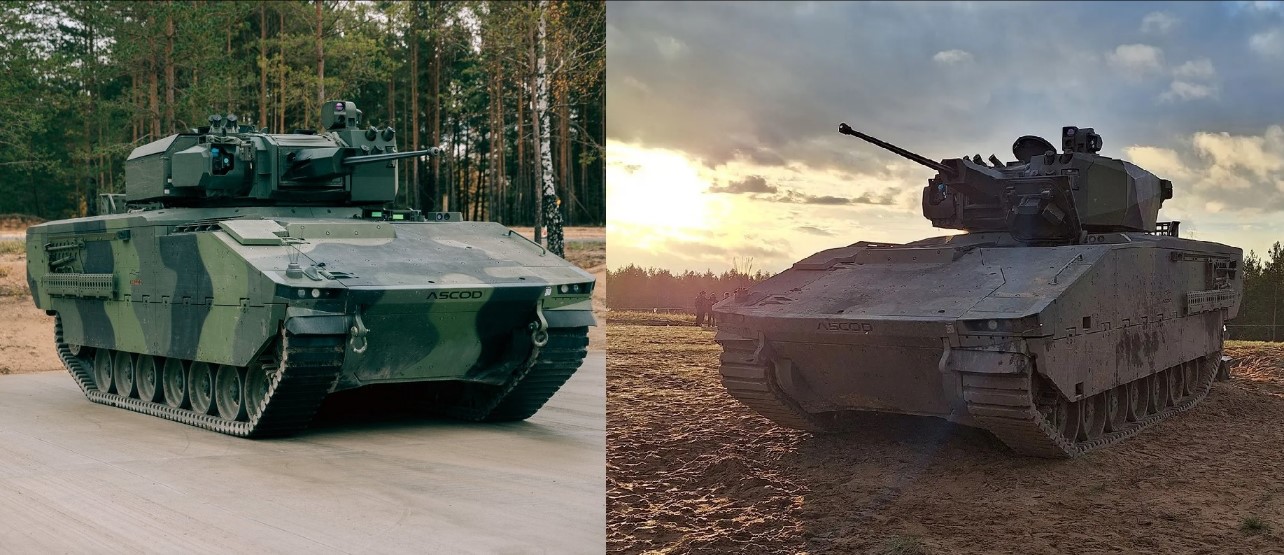
World
On 27 November 2025, Latvian Ministry of Defence (MoD) announced that the first ASCOD Hunter infantry fighting vehicles (IFVs) will be delivered in the first half of 2026. The disclosure by Defence Minister Andris Sprūds came during a meeting held at the Ādaži military base, where a letter of intent was signed with allies GDELS-Santa Bárbara Sistemas (Spain) and Patria Latvia / Defence Partnership Latvia (DPL) — which formalizes cooperation within the ASCOD programme and establishes a shared user group for upgrades, sustainment, and interoperability. The acquisition marks a major step in the modernisation of Latvia’s land forces. Under the procurement plan, a total of 84 Hunter IFVs will be acquired — split between two mechanised infantry battalions — with full fleet deliveries expected by 2027. Deal Background and Industrial Participation The procurement process began with an initial contract signed in January 2025 for 42 vehicles, valued at around €373 million (including a logistics-support package). In June 2025, the Latvian government approved a second order for an additional 42 IFVs, costing approximately €387 million, bringing the total investment close to €760 million for 84 vehicles. As part of the agreement, at least 30 percent of the procurement programme is designated for Latvian industry: local companies are to be involved in component production, final assembly, and long-term sustainment. The assembly and maintenance work will take place at the DPL facility in Valmiera operated by Patria Latvia. The meeting on 27 November formalized cooperation between Latvia, Spain and Austria under the ASCOD programme and created a shared user group to manage future upgrades, sustainment, and interoperability — strengthening European cooperation in ground defence systems. What Is the ASCOD Hunter — Specifications & Capabilities The Hunter version is the Latvian-customised variant of the latest generation ASCOD 2 tracked platform. The vehicle features a high-output diesel engine, RENK HSWL-256B automatic transmission, and hydropneumatic suspension, delivering excellent cross-country mobility and a top road speed up to about 70 km/h. Armour protection meets NATO STANAG 4569 Level 4, furnishing defence against kinetic and mine-blast threats. The IFV is operated by a crew of three and can carry up to six fully-equipped infantry soldiers, enabling rapid deployment in combat. In terms of firepower, Hunter is equipped with the unmanned turret Elbit UT30 Mk2, armed with a 30 mm Mk44 Bushmaster II autocannon, capable of integrating Spike LR2 anti-tank guided missiles, a machine gun, and advanced C4I systems for situational awareness and networked operations. The digital electronic architecture, modular design and NATO-compatible communication systems make Hunter a versatile next-generation IFV suited for Europe’s defence environment. Replacement of Old Fleet: From CVR(T) to Modern IFVs The acquisition of Hunter IFVs comes as part of a broader effort to replace Latvia’s ageing CVR(T) armoured vehicle fleet. Latvia has operated around 184–200 CVR(T) vehicles, though many have been donated to allied nations in recent years. The new IFV fleet promises significantly enhanced capability: superior protection, greater firepower, better mobility, and full NATO interoperability — crucial for Latvia’s position on NATO’s eastern flank. Strategic Implications & Significance The deal reinforces Latvia’s commitment to modernising its land forces amid heightened regional tensions. By selecting a proven, modern platform and involving local industry, Riga aims to strengthen its national defence and contribute to NATO collective security. The shared ASCOD user-group with Spain and Austria may lead to coordinated upgrades and maintenance, potentially establishing ASCOD Hunter as a multi-national NATO armoured platform. With deliveries beginning in mid-2026 and completion by 2027, the first Hunter vehicles will soon be ready for unit integration, training, and initial deployment — significantly boosting Latvia’s mechanised infantry capability.
Read More → Posted on 2025-11-29 15:00:17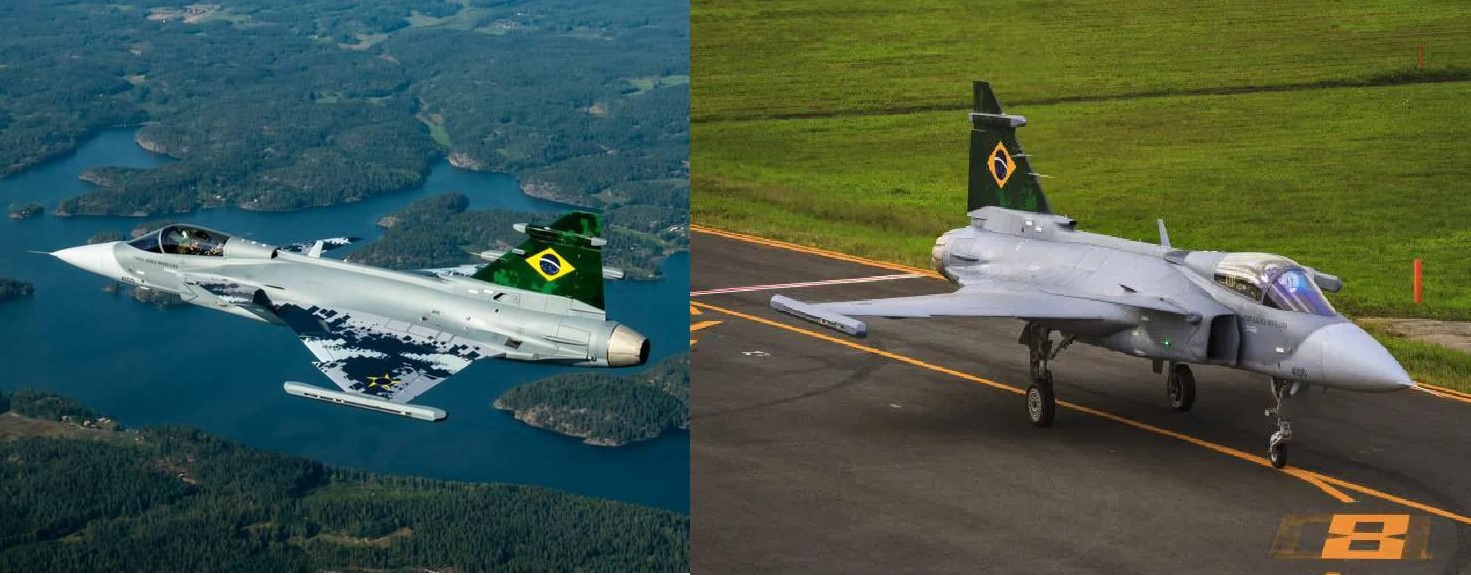
World
On 19 November 2025, the 11th F-39E Gripen destined for the Brazilian Air Force (FAB) touched down at Anápolis Air Base. Flight 4111 — piloted by Major Thiago Camargo — landed at 10:26 local time after a one-hour, three-minute flight from Navegantes. Brazil has now received 11 of the 36 Gripen fighters ordered, leaving 25 aircraft still to be delivered. With this arrival, the Gripen fleet in Brazil continues to grow, underscoring persistent progress in a binational defence initiative. Production and Transfer: A Binational Effort The newly arrived 4111 was built at Saab AB’s headquarters in Linköping, Sweden, incorporating aero-structures manufactured in Brazil. As with earlier deliveries, the jet travelled by sea and underwent a coordinated logistics process involving over 30 sectors across 10 institutions from both countries, ensuring safe transport before its first Brazilian flight. According to Peter Dölling, managing director of Saab Brazil, each Gripen delivery reinforces the maturity of an integrated production, logistics and operations cycle jointly run by Brazil and Sweden. Supported by a robust technology-transfer programme and industrial cooperation, the process continues to expand Brazil’s strategic capabilities. Strategic Significance for Brazil’s Air Defence Mauro Bellintani, president of COPAC, emphasised that each new F-39 Gripen delivered strengthens Brazil’s defence posture. Under the FX-2 Project, the arrival of 4111 adds “another capability — a powerful asset” for protecting national airspace. With this delivery, the FAB now fields ten Gripens operating within the First Air Defence Group (1º GDA), while one aircraft remains dedicated to testing at the Gripen Flight Test Centre in Gavião Peixoto. The expanding fleet reflects ongoing progress in the broader Gripen Programme launched in 2013. Origins of the Deal: Contract and Technology Transfer Brazil selected Saab’s Gripen in 2013, signing a contract in 2014 valued at SEK 39.3 billion (about US$ 5.4 billion) for 36 fighters (28 Gripen E + 8 Gripen F). The agreement included logistics, support systems, training, weapons, and a major industrial cooperation and technology-transfer package. The technology-transfer component — one of the largest in Saab’s history — enabled Brazilian engineers and pilots to train in Sweden. A total of more than 350 Brazilians have already been trained. Under the industrial arrangement, 15 of the 36 aircraft will be assembled in Brazil on the production line inaugurated in May 2023 at Gavião Peixoto. Brazil also hosts the Gripen Design and Development Network, the Gripen Flight Test Centre, and Saab’s major aerostructures plant at São Bernardo do Campo, which recently doubled production capacity with a second rear-fuselage line. Programme Delays, Extensions — and Future Prospects The delivery schedule, originally planned for 2019–2024, has shifted. The updated timeline now extends deliveries to around 2032, meaning the remaining 25 aircraft will arrive gradually over the next several years. Brazil and Sweden also signed a letter of intent in 2024 to expand future cooperation, which may lead to additional Gripen orders beyond the initial 36. What Gripen 4111 Means for Brazil’s Defence Posture Gripen 4111’s arrival marks steady advancement in a long-term bilateral effort. Each new aircraft enhances the FAB’s ability to monitor and defend its massive airspace. With 11 delivered and 25 still pending, Brazil is steadily building a modern multirole fighter fleet that will shape the nation’s aerospace and defence future for decades.
Read More → Posted on 2025-11-29 14:50:19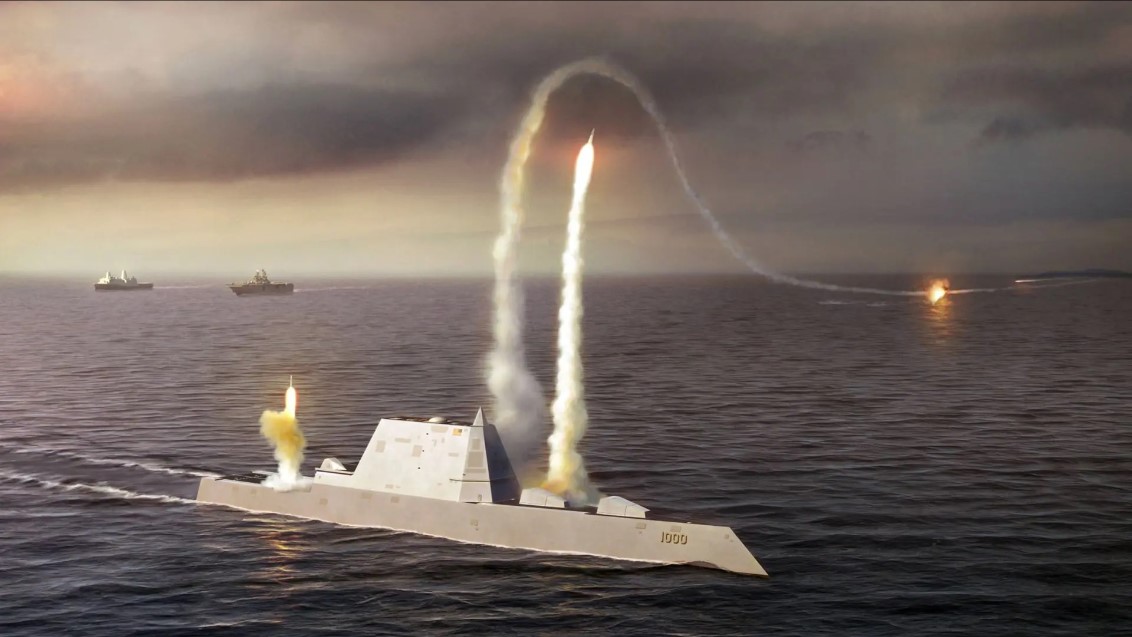
World
On 28 November 2025, Hawaii Congresswoman Jill Tokuda is demanding detailed clarification from the U.S. Navy over a far-reaching plan that would transform Pearl Harbor into the United States’ first major forward hub for hypersonic strike weapons in the Indo-Pacific — a move that could permanently station all three Zumwalt-class destroyers and multiple Virginia-class submarines armed with Conventional Prompt Strike (CPS) missiles in Hawaii by the end of the decade. Tokuda told Hawaii News Now she is investigating reports and internal Navy documents indicating that by 2030, Pearl Harbor would host a concentrated inventory of advanced hypersonic systems designed to strengthen U.S. response options against China and Russia. She stressed that Hawaii’s communities “deserve transparency” about the operational, environmental, and infrastructural consequences of hosting what could become the most strategically sensitive weapons on U.S. territory outside the mainland. A Hypersonic Hub in the Indo-Pacific According to planning assessments now being reviewed by lawmakers, the Navy’s concept would base: All three Zumwalt-class destroyers, each reconfigured to carry ~12 CPS missiles Two to three Virginia-class submarines equipped with the Virginia Payload Module (VPM), each capable of launching 12 CPS rounds A total inventory of fewer than 60 hypersonic missiles stored and maintained at Pearl Harbor Senior Navy officials describe this posture as a “distributed forward strike node” that allows the United States to respond within minutes or hours — not days — during a crisis in the Taiwan Strait or Western Pacific. The plan is tied to broader U.S. assessments that hypersonic glide vehicles and air-breathing hypersonic missiles will define future great-power conflict, with China and Russia both accelerating programs involving nuclear-capable glide vehicles. Massive Modernization Underway at Pearl Harbor To support the new mission, Pearl Harbor is undergoing one of the largest naval infrastructure upgrades in decades. Wharf and Electrical Expansion Upgrades at Wharves M1, M2, B26 and B24 to berth Zumwalt destroyers by mid-2028 Installation of a Mobile Utilities Support Equipment substation providing the required 4160-volt shore power Planned permanent electrical installations to replace temporary systems Construction of new parts storage and logistics warehouses supporting long-lead CPS components Shipyard Overhaul Pearl Harbor Naval Shipyard is simultaneously: Modernizing Dry Dock 3 Building Dry Dock 5, designed for all Virginia-class submarines and the future SSN(X) Preparing for a fleet where most submarines homeported in Hawaii will be Virginia-class by 2030 These upgrades are considered essential for depot-level maintenance of hypersonic-capable platforms. Zumwalt-Class: From Failed Gunships to Hypersonic Platforms Once envisioned as advanced coastal fire-support ships, the Zumwalt-class was forced into a new mission after the Navy cancelled ammunition for the Advanced Gun System due to its prohibitive cost. Their unique design features — tumblehome hull, stealthy composites, and massive electrical power generation — make them ideal for CPS missiles, advanced sensors, and future directed-energy weapons. Key enhancements include: New CPS launch modules integrated into the Mk 57 VLS SM-6 missile capability for extended air defense Upgraded signals intelligence and new datalinks Expanded range and survivability for independent Indo-Pacific operations Two destroyers are now in conversion; the third enters modernization in 2026. Virginia-Class Submarines: Expanding Undersea Strike Power The introduction of the Virginia Payload Module marks a major increase in submarine missile capacity. The VPM adds four large-diameter tubes, carrying 28 Tomahawks or 12 CPS missiles. USS Arizona (SSN-803) commissions in 2027, followed by USS Barb (SSN-804). Both are expected to be based at Pearl Harbor. By 2030, Hawaii will host two to three VPM-equipped submarines, giving the U.S. a survivable underwater hypersonic launch capability. Retired Admiral Joseph Sestak warned that while this force is powerful, “60 hypersonic missiles are not enough to stop a large-scale amphibious invasion,” calling for more redundancy and resilient networks to ensure missile effectiveness. Why the U.S. Is Accelerating Hypersonics in Hawaii U.S. planners are accelerating hypersonic basing in Hawaii because they now assume that any future conflict with China or Russia will involve maneuverable hypersonic glide vehicles, capable of unpredictable flight paths and speeds exceeding Mach 5, with the potential to carry nuclear or conventional payloads. These systems challenge existing U.S. missile defenses, which struggle to detect, track, and intercept such fast, agile weapons. In response, Washington is pushing forward a full suite of offensive hypersonic programs, including the Conventional Prompt Strike (CPS) missile for the Navy, the Army’s Long-Range Hypersonic Weapon (LRHW), the scramjet-powered Hypersonic Attack Cruise Missile (HACM), and the Air Force’s Air-Launched Rapid Response Weapon (ARRW). Alongside these strike programs, the Pentagon is also expanding investments in hypersonic defense technologies, pursuing new space-based sensor layers, enhanced command-and-control systems, early high-energy laser prototypes, and continued electromagnetic railgun research. Defense officials argue that Hawaii’s geographic position offers unmatched advantages for early and rapid response, allowing the United States to project first-response coverage across the full Indo-Pacific and reduce reaction time during any high-intensity crisis. Local Pushback: Environmental Legacy and Public Risk Native Hawaiian groups and environmental organizations have voiced strong concerns about the Navy’s hypersonic basing plans, pointing to the 2021 Red Hill fuel spill, which contaminated local water supplies, as a reminder of the risks posed by major military infrastructure. They also cite the longstanding effects of naval operations, including persistent noise, hazardous waste, and broader environmental disruption, arguing that these issues have never been fully resolved. Many activists fear that introducing hypersonic weapons could further increase the likelihood of Hawaii becoming a primary target in a future conflict. They warn that the proposal marks “another step in Hawaii’s militarization,” and criticize what they see as insufficient community consultation around decisions that directly affect local safety and environmental health. Congresswoman Jill Tokuda has echoed these concerns, emphasizing that “any Navy action involving hypersonics must include clear communication about what deployment means and how these risks will be addressed.” Strategic Objective: A Rapid-Strike Launchpad Despite concerns, the Navy’s internal assessments emphasize that Pearl Harbor must evolve into a forward time-critical strike hub to reduce response times and deter Chinese coercive activity. The vision includes: Fast-reaction strikes on maritime invasion fleets Long-range precision attacks on command nodes Distributed operations enabling survivability across the Pacific Integration of destroyers and submarines into joint kill chains Officials acknowledge that finite missile inventories, evolving Chinese countermeasures, and difficult maintenance requirements impose major limitations.
Read More → Posted on 2025-11-29 14:32:43
World
On 29 November 2025, Airbus has ordered one of the largest fleet actions in civil aviation history, telling airlines to ground or temporarily withdraw about 6,000 aircraft from the A320 family for an urgent flight-control software and hardware fix. The move follows a frightening mid-air incident on JetBlue Flight 1230 on 30 October, when an Airbus A320 suddenly pitched down and lost altitude, injuring at least 15 passengers before diverting safely to Tampa, Florida. Investigators later tied the event to intense solar radiation corrupting data inside a key flight-control computer. Regulators in Europe, the United States and elsewhere have now issued emergency airworthiness directives, effectively forcing airlines to fix the problem before affected aircraft can fly passengers again. Which aircraft are affected? The grounding covers a broad swath of the Airbus A320 family, including: A318, A319, A320 and A321 Both “ceo” (older engine option) and “neo” (new engine option) variants In total, about 6,000 jets – a little over half of all A320-family aircraft in service worldwide – are touched by the directive. However, not every A320 ever built has the flaw. Regulators and Airbus have narrowed the issue to aircraft equipped with a specific version of the Elevator Aileron Computer (ELAC) – the box that turns pilot stick inputs into actual movement of the aircraft’s elevators and, in some cases, ailerons. The most critical risk has been linked to ELAC “B” units running software version L104, which are vulnerable to data corruption during periods of intense solar activity. What exactly is the problem? The recall is a rare but serious failure mode in the digital flight-control system of the A320 family. According to Airbus and European regulators, analysis of the JetBlue incident and follow-on testing showed that strong solar radiation – for example during a solar flare or geomagnetic storm – can: Disrupt or flip bits in data handled by the ELAC Cause the computer to generate erroneous pitch commands Potentially lead to a brief, uncommanded nose-down input while the autopilot is still engaged In the JetBlue Flight 1230 case, the A320 abruptly descended tens of thousands of feet within minutes, with passengers and crew thrown around the cabin before the pilots regained full control and diverted to Tampa. Regulators warn that, in an extreme scenario, such wrong commands could bring the aircraft close to its structural limits if not corrected, especially in turbulence or at high speed. So far, though, the known real-world consequence has been violent but short-lived altitude loss, not structural damage. When did this problem start ? The current crisis is the result of several steps over time, not a single overnight failure: Introduction of newer ELAC hardware/software : In recent years, Airbus and its suppliers introduced updated ELAC B units with software standard L104 across a growing portion of the A320 fleet as part of regular avionics modernisation. These newer boxes met all certification requirements but were later found to be more sensitive to solar-induced data corruption than older configurations. JetBlue incident exposes the vulnerability – 30 October 2025 : On 30 October 2025, JetBlue Flight 1230 from Cancún to Newark, operating an Airbus A320, suffered an uncommanded nose-down event at cruise altitude. The aircraft reportedly dropped around 26,000 feet in about 10 minutes, injuring 15–20 passengers and forcing an emergency landing at Tampa International Airport. Forensic analysis in early November : Over the following weeks, Airbus engineers, working with the FAA and EASA, replayed the JetBlue data and ran simulation tests. They concluded that an intense burst of solar radiation had likely corrupted memory inside the ELAC B L104 unit, triggering the uncommanded pitch-down while the autopilot remained engaged. Airbus Alert Operators Transmission – 28 November 2025 : On 28 November, Airbus issued an Alert Operators Transmission (AOT) advising airlines that a “significant number” of A320-family aircraft might be affected and calling for immediate software and/or hardware protection to be installed before further commercial operation. Emergency airworthiness directives – 28–29 November 2025 : The same day, EASA published an Emergency Airworthiness Directive (EAD) ordering operators to modify or replace the affected ELAC units before the next flight. The FAA and other national regulators rapidly mirrored the order, effectively grounding thousands of aircraft until the fix is completed. In simple terms: the problem surfaced publicly only after the JetBlue event on 30 October 2025, but it relates to an ELAC software/hardware combination that had already been installed on thousands of aircraft during earlier maintenance and upgrade cycles. How many crashes have happened because of this issue? As of 29 November 2025, there has been one confirmed in-flight upset linked to this specific solar-radiation/ELAC vulnerability: JetBlue Flight 1230. That flight did not crash. The aircraft landed safely in Tampa, though at least 15 passengers were injured. Airbus has told media and regulators that it believes this is the only time this exact failure mode has occurred in service. So, if we “calculate” from the date the updated ELAC B units with software standard L104 were introduced into the fleet up to today (29 November 2025), the number of crashes directly attributed to this software defect remains zero. What has happened instead is a massive precautionary response – grounding and modifying aircraft before another incident can occur, particularly during periods of strong solar storms. What does the fix involve? The emergency action has two layers, depending on the age and configuration of each aircraft: Quick software action for most jets : For roughly two-thirds of the affected 6,000 aircraft, airlines can revert or patch the ELAC software. Airbus says this usually takes about two hours per aircraft and can often be done overnight or between scheduled flights. Hardware replacement for older aircraft : Around 900–1,000 older A320-family aircraft will need physical replacement of ELAC units or other hardware modifications. That work takes longer, potentially keeping some airframes out of service for days or weeks, depending on parts availability and maintenance capacity. Once the new software and hardware protections are in place, Airbus and regulators say the risk from solar-induced corruption of flight-control data should be eliminated. Global disruption: how passengers and airlines are hit Because the A320 family is the world’s best-selling single-aisle airliner, the impact has been immediate and visible: In India, up to 350 A320-family aircraft from IndiGo and Air India are affected, leading to cancellations and rescheduling across major routes. In Europe, carriers such as easyJet, Wizz Air, Lufthansa and British Airways report varying levels of disruption, with some cancelling flights while others manage with spare capacity and overnight fixes. In the Americas and Asia, airlines including American Airlines, Delta, Avianca and All Nippon Airways (ANA) are updating hundreds of jets; ANA alone has cancelled dozens of flights and warned passengers of ongoing changes to the timetable. The timing is particularly painful: in the U.S. and parts of Europe the directive landed right on the post-Thanksgiving peak travel period, amplifying queues, delays and missed connections. Airbus has publicly apologised for the disruption but insists that safety remains the “number one and overriding priority”, stressing that the recall is a preventive measure acting on a single serious warning sign rather than waiting for a tragedy. What happens next? Over the coming days and weeks: Airlines will continue to cycle aircraft through software updates and, where needed, hardware swaps. Regulators will monitor for any repeat anomalies and may demand additional testing under simulated solar-storm conditions. Airbus engineers are expected to review other critical systems for similar vulnerabilities to space weather, reflecting a growing awareness that modern avionics are not only tested against normal conditions, but also against extreme events from the Sun. For passengers, the immediate advice from airlines and regulators is simple: check flight status frequently, expect some short-notice changes, but understand that the disruption is happening precisely to keep the aircraft you board as safe as possible.
Read More → Posted on 2025-11-29 14:10:40
World
Hungarian Prime Minister Viktor Orbán has completed nearly four hours of talks with Russian President Vladimir Putin in Moscow, emerging with reassurances on long-term Russian energy supplies, a concrete date to accelerate construction of Hungary’s Paks II nuclear power plant, and a renewed public push for a negotiated peace in Ukraine. The visit, on 28 November 2025, makes Orbán the only sitting EU and NATO leader to hold such high-profile talks with Putin since the early months of the full-scale invasion. While pro-government voices in Budapest cast the trip as a masterclass in “sovereign diplomacy”, critics across Europe see a direct challenge to EU unity on Russia, sanctions, and support for Kyiv. Russian Oil and Gas: Druzhba and TurkStream Stay Open According to Hungarian Foreign Minister Péter Szijjártó, who accompanied Orbán, the central goal of the Moscow trip was to lock in continued Russian oil and gas flows to Hungary despite EU efforts to phase them out. He said Putin personally assured the Hungarian side that existing contracts for both gas and oil would be fully honored, with agreed volumes delivered on time. In practice, this means: Crude oil will keep arriving via the Druzhba (“Friendship”) pipeline, which feeds Hungary’s refineries through a southern branch also serving Slovakia and the Czech Republic. Natural gas will continue to transit via the TurkStream route and interconnected pipelines through the Balkans, a corridor Hungary has steadily expanded since 2021. Orbán arrived in Moscow with a uniquely favorable position: earlier in November, he had publicly claimed to have secured a U.S. exemption from sanctions on Russian energy, after talks with President Donald Trump in Washington. That waiver allows Budapest to keep buying Russian fuels while other EU states scramble to diversify away. Hungarian officials argue that without Russian energy, the country’s household utility price caps and industrial base would be impossible to sustain. EU partners, however, warn that continuing long-term energy deals with Moscow undermines the bloc’s collective leverage over Russia and complicates plans to end Russian fossil imports by 2027. Paks II Nuclear Plant: First Concrete on 5 February 2026 The most concrete deliverable from the talks was a pledge to accelerate the Paks II nuclear power project, Hungary’s flagship strategic investment with Russia’s state nuclear corporation Rosatom. Szijjártó told Hungarian media that Orbán and Putin agreed to “significantly expedite” the project, with “first concrete” for Paks II scheduled for 5 February 2026 – the official start of full-scale construction under international nuclear standards. This fits with regulatory steps taken earlier in November, when the Hungarian Atomic Energy Authority issued key permits for the foundations and nuclear-island buildings of Unit 5 at Paks II, clearing the way for major civil works to begin in early 2026. Under the existing deal: Russia will supply two VVER-1200 Generation III+ reactors (Units 5 and 6) at Paks, doubling Hungary’s nuclear capacity and extending the plant’s role as the backbone of the country’s electricity system. The project is largely state-financed, with a substantial Russian loan and technology package, making Hungary the first EU state to host a modern Russian-designed nuclear plant in the post-Crimea era. Orbán’s government frames Paks II as vital to long-term energy sovereignty: with nuclear and domestic renewables covering most of its electricity needs, Hungary argues it can keep power prices low while still meeting EU climate targets—without surrendering control of its energy mix to Brussels. Critics counter that doubling down on a Russian nuclear build locks Budapest into decades of strategic dependence on Moscow for fuel, servicing, and waste management. Ukraine War: “Peace Mission” or Parallel Diplomacy? Beyond energy and nuclear deals, Orbán has cast his Moscow trip as part of a self-styled “peace mission” on Ukraine. In the Kremlin, the two leaders discussed the state of the war, Western arms supplies, and emerging U.S.–Russia back-channel talks driven by Trump-aligned envoys. Orbán has repeatedly called for: An immediate ceasefire Rapid opening of peace negotiations Greater U.S.–Russia involvement in a settlement In recent weeks he has even floated Hungary as a potential venue for a Trump–Putin summit, echoing ideas now circulating in Moscow and conservative circles in Washington. However, neither the Kremlin read-out nor independent reporting suggests that Orbán secured any firm Russian concessions on territory, timelines, or security guarantees. Instead, Putin used the meeting to reiterate Moscow’s familiar narrative: blaming Kyiv and the West for blocking peace, insisting Ukraine must accept “new realities” on the ground, and welcoming any initiative that weakens Western unity. For Kyiv and many EU capitals, Orbán’s “peace” positioning risks normalizing Russian demands that Ukraine cede occupied territories in exchange for a halt in fighting—something President Volodymyr Zelenskyy has consistently rejected. A Rare EU Visit to Moscow – and a Political Signal Orbán’s Kremlin trip is his second high-profile meeting with Putin in as many years, following a July 2024 visit that already drew sharp criticism from EU partners. With most Western leaders still boycotting Moscow over the invasion, Orbán’s presence at the Kremlin is widely viewed in Brussels as a political gesture as much as a practical negotiation. Think-tank experts quoted by European media likened the visit to “a middle finger to Brussels”, arguing that Budapest is: Cementing long-term energy ties with Russia just as the EU tries to phase them out Undermining the bloc’s unified sanctions and energy-diversification agenda Offering Moscow a friendly EU voice that can dilute common positions on Ukraine For Orbán’s domestic base, however, the optics are very different. Hungarian pro-government outlets have highlighted the **length of the talks—nearly four hours—**as proof that Budapest is treated as a serious strategic partner by both Trump and Putin, unlike other EU states they portray as “following Brussels’ orders.” What Budapest “Got” — and What It Risks Taken together, Orbán’s Moscow visit appears to have delivered three key outcomes for Hungary: Energy Security GuaranteesLong-term oil and gas supplies via Druzhba and TurkStream, backed by U.S. sanctions waivers and Russian commitments, help Budapest keep domestic energy prices stable heading into the later 2020s. A Firm Timeline for Paks IIThe move to lock in 5 February 2026 as the start of full-scale Paks II construction gives Orbán a major infrastructure milestone to point to, reinforcing his narrative of delivering cheap, reliable, low-carbon power while others face energy shocks. A Central Role in Future Peace Talks — At Least SymbolicallyBy positioning Hungary as an early supporter of U.S.–Russia back-channel diplomacy and offering itself as a possible venue, Orbán seeks to elevate Budapest’s status beyond that of a small, landlocked EU state. But those gains come with substantial political and strategic risks: Within the EU, Hungary faces growing isolation, with some officials openly questioning whether Orbán can still be trusted in sensitive debates on Russia, Ukraine aid, and defense. In NATO, Budapest’s uniquely pro-Russia line complicates alliance messaging and planning, especially if any future peace deal involves territorial concessions the rest of the alliance refuses to accept. Vis-à-vis Moscow, deepening dependence on Russian fuel and nuclear technology could limit Hungary’s room for maneuver in the long term, particularly if future EU measures tighten around Russian energy or nuclear exports. For now, though, Orbán appears satisfied. In his own post-summit comments, he framed the trip as a success: energy secured, Paks II accelerated, and Hungary firmly at the table in any future talks on ending the Ukraine war—even if that puts him at odds with much of the rest of Europe.
Read More → Posted on 2025-11-29 11:44:49
World
On November 28, 2025, United States has formally transmitted to Russian Federation the parameters of a proposed peace plan for Ukraine, which had been recently agreed with Ukraine during talks in Geneva. The delivery of the plan’s details was confirmed by Kremlin spokesman Dmitry Peskov, who added that Moscow intends to review the document and hold discussions next week. Peskov said during a briefing that the “key details have been handed over” and that Russia expects further talks to be held on this proposal in Moscow in the coming days. What the plan reportedly includes The plan in question originates from a 28-point proposal drafted under U.S. auspices this month. According to open-source summaries, the draft envisages a sweeping settlement to end the war, which could involve recognition of Russia’s control over certain territories currently claimed by Ukraine — including, in the first version, areas such as Crimea, Donetsk and Luhansk, while freezing the status of regions like Kherson and Zaporizhzhia at the current line of contact. The proposal is reported to call for strict limitations on Ukraine’s future military capabilities, including capping the size of the Ukrainian armed forces and banning NATO membership for Kyiv, in exchange for security guarantees and economic aid. The plan also includes provisions covering humanitarian issues, reconstruction, prisoner exchanges, and long-term stabilization mechanisms. Earlier versions of the plan had drawn criticism — both internationally and domestically within Ukraine — for appearing heavily skewed in favor of Russian demands: ceding territory, curtailing Ukraine’s sovereignty, and limiting defensive capabilities. After the October–November diplomatic push, the U.S. and Ukraine conducted consultations in Geneva to revise the plan. According to some reports, the document’s size was reduced (from 28 points to around 19–22), and certain controversial clauses were softened or postponed for later high-level discussions. Following those consultations, U.S. and Ukrainian officials described the updated proposal as a more balanced “framework,” with certain core security and sovereignty principles reportedly retained — though specific text remains undisclosed. Russian Response — Cautious but Conditional While Moscow has accepted receipt of the plan’s parameters, its response so far has been carefully measured. Peskov reiterated that Russia will not conduct broad public discussions or “megaphone-style” negotiations; instead, Moscow prefers closed-door formal talks. Senior Russian officials have signaled that Russia’s stance remains unchanged: any agreement must reflect Russia’s “territorial realities” and security demands. According to those statements, Russian forces will not concede on territorial or military issues without substantial guarantees. At the same time, Russian leadership emphasizes willingness to engage — though strictly under conditions shaped by Moscow. The upcoming meetings, expected to include a U.S. delegation, are viewed as a test of whether the revised plan reflects a balanced compromise or remains close to the original draft. Where Things Stand — Risks and Window for Diplomacy The transmission of the plan’s parameters to Moscow marks a significant diplomatic milestone. For the first time since the 2022 full-scale invasion, the United States is attempting to advance a peace accord offering Ukraine security guarantees, reconstruction aid, and long-term political commitments. Yet the risks remain high. The core concessions reportedly asked from Kyiv — military limitations, territorial compromises, and rejection of NATO membership — conflict with Ukraine’s firm insistence that sovereignty and territorial integrity are non-negotiable. European allies share concerns about legitimizing territorial losses. From Moscow’s perspective, the plan may solidify battlefield gains, but only if terms align with Russia’s maximalist expectations. If Moscow rejects key points, the diplomatic window may quickly close. Nevertheless, the fact that Russia has formally received the proposal and scheduled follow-up talks indicates that, for now, diplomacy remains alive. What to Watch Next In the coming week, attention will focus on participants, agenda, and tone of the Moscow talks. A U.S. special envoy is expected to join Russian political and foreign-policy officials. Analysts will watch for signs of whether Moscow will amend, reject, or accept parts of the proposal. European partners of Ukraine will also weigh in heavily as debates intensify over any deal involving territorial or military concessions. Even with progress, implementation will be extremely challenging — involving security guarantees, oversight of reconstruction, prisoner exchanges, and verification mechanisms, all in a region still deeply scarred by war. As global attention remains fixed on the negotiations, the world waits to see whether this diplomatic effort will lead to a durable peace or become another unsuccessful attempt to end a conflict that has reshaped modern geopolitics.
Read More → Posted on 2025-11-28 18:20:26Search
Top Trending in 24 Hours
-
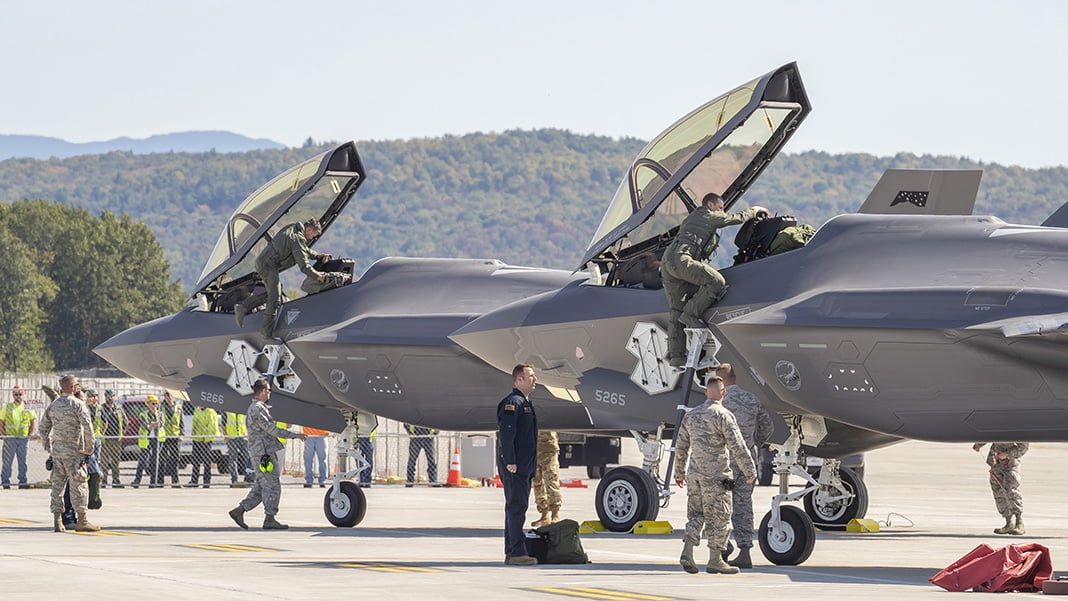 F-35 Fleet Readiness Falls to 25% Amid Parts Shortages and Software Delays: GAO Report
-
 U.S. Approves $1.98 Billion Sale of Anduril AI-Powered Counter-Drone Systems to Kuwait
-
 U.S Navy Orders 50 Blackbeard Hypersonic Missiles in New $23.4 Million Contract
-
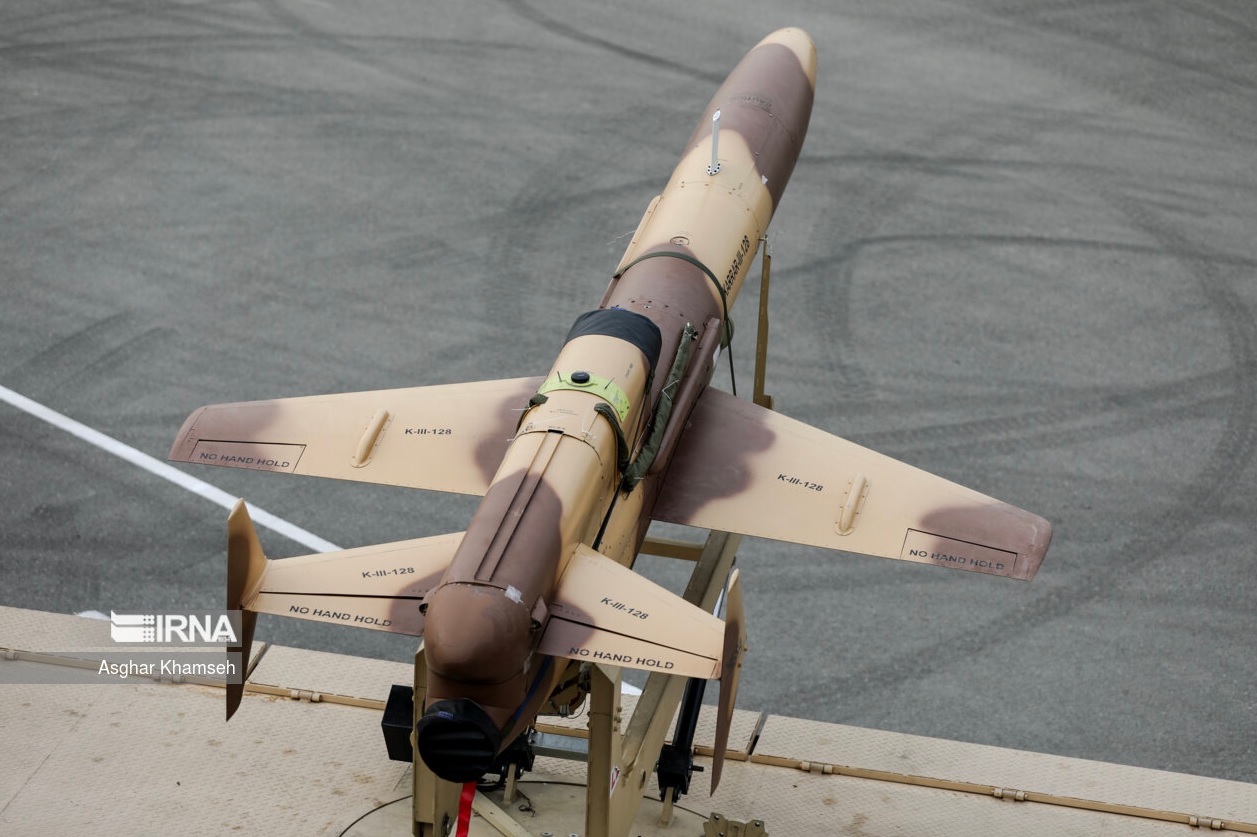 Russia Launches 1,400 Jet-Powered Drones in 2026 as Strike Tactics Evolve to Challenge Ukraine's Air Defenses
-
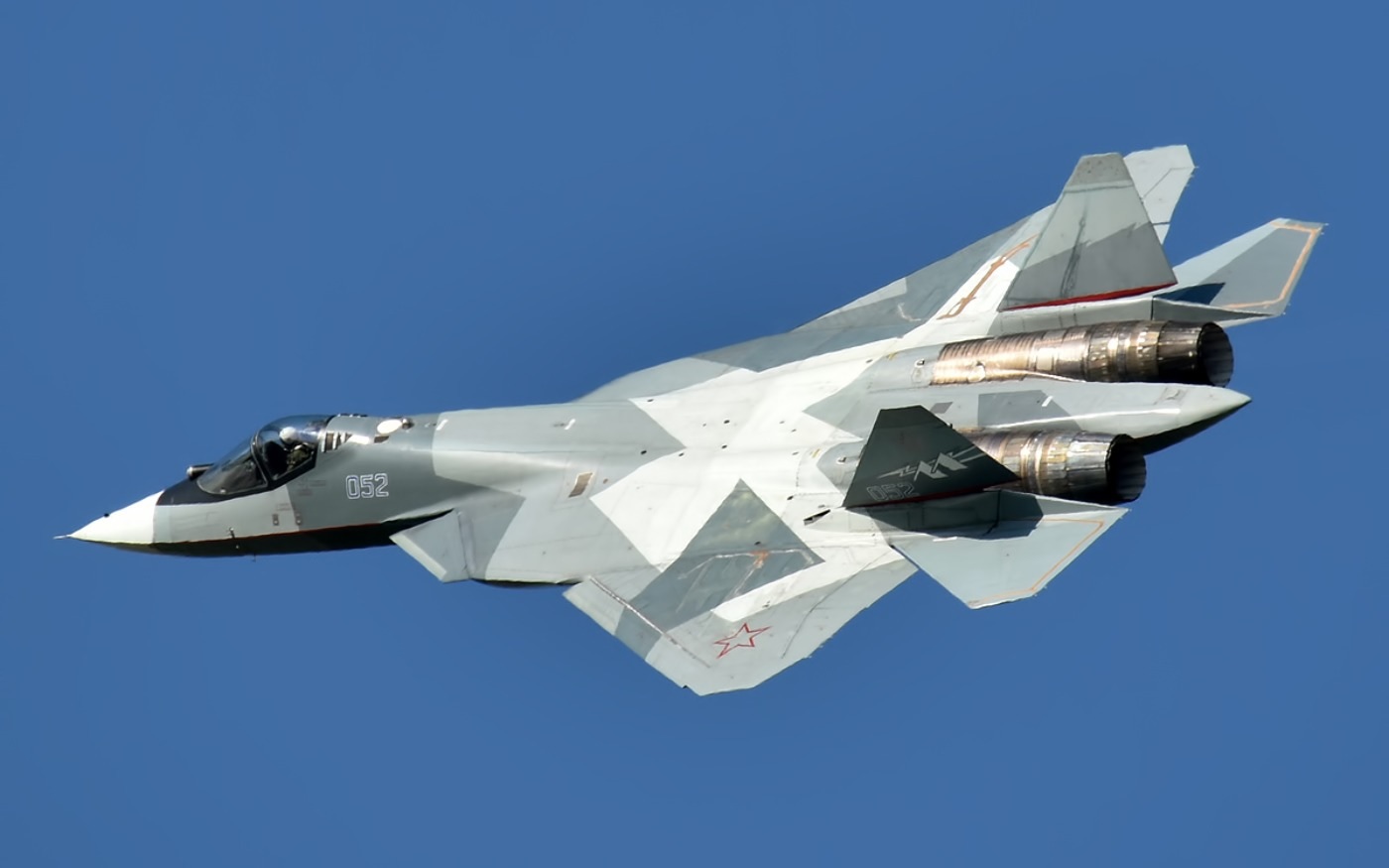 Russian Analysts Debate Su-57 Capabilities After Putin Calls Fighter Superior to F-35
-
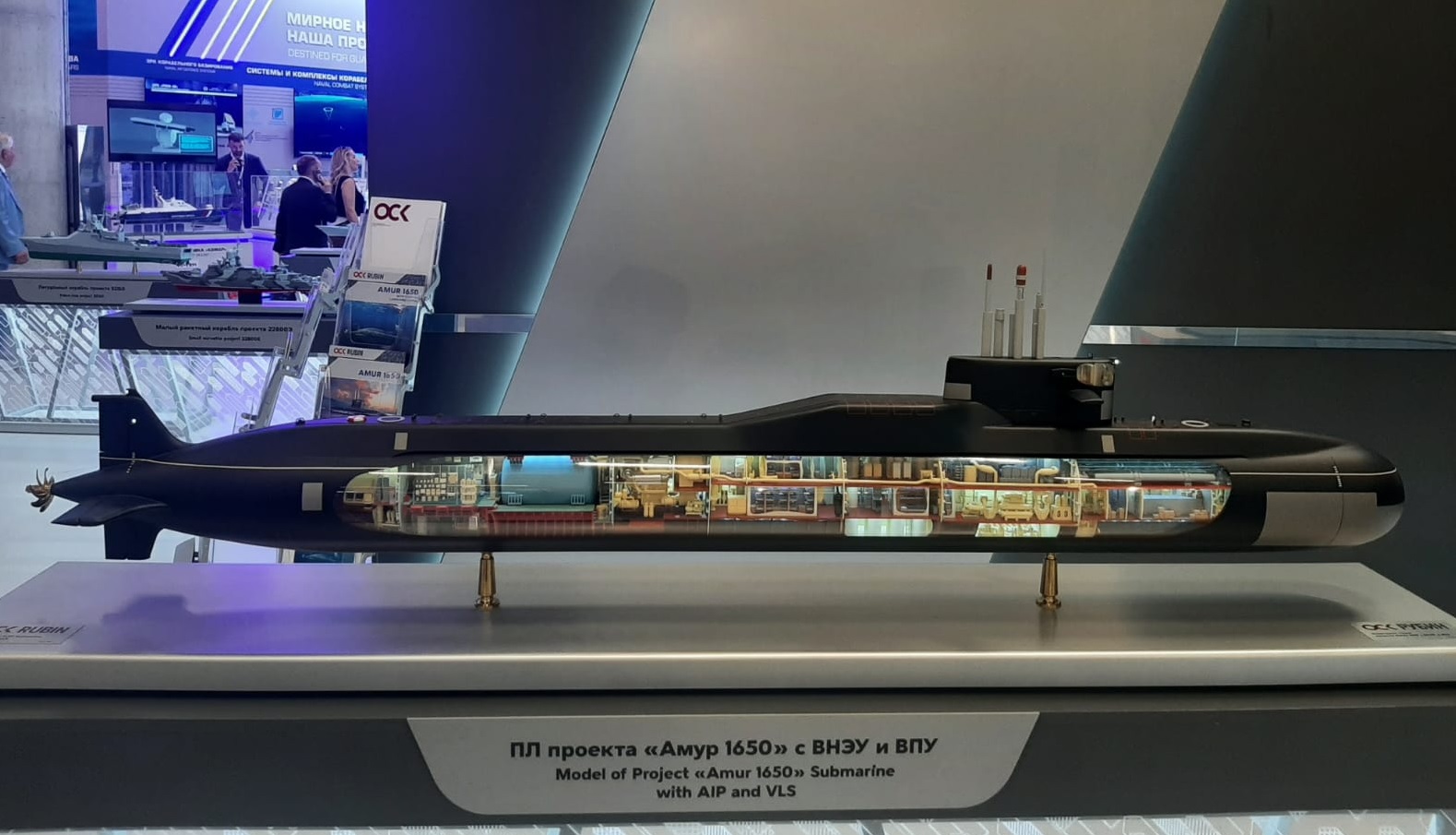 Russia Unveils Amur-1650 AIP Submarine Equipped with BrahMos Vertical Launch System at Fleet-2026
-
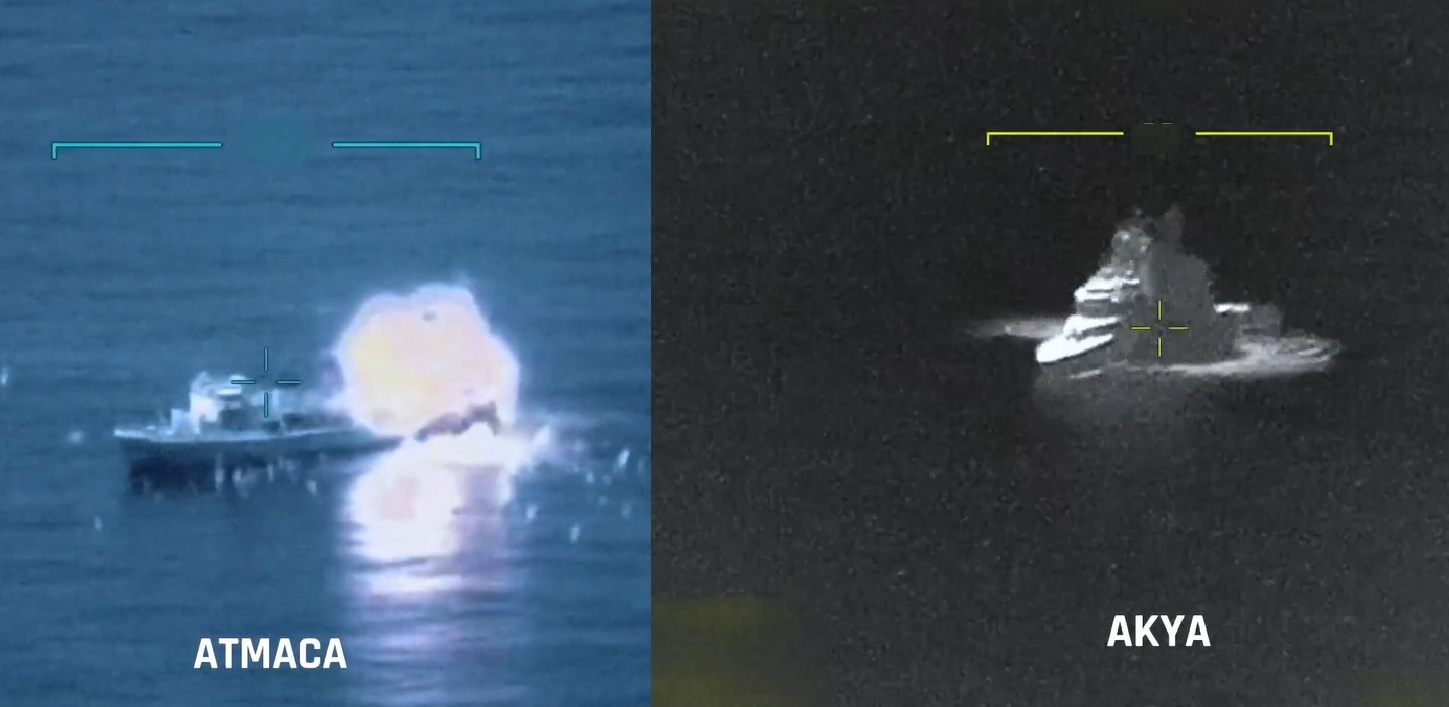 Turkey Navy Successfully Tests AKYA Torpedo and ATMACA Missile During Major Denizkurdu-II Naval Exercise
-
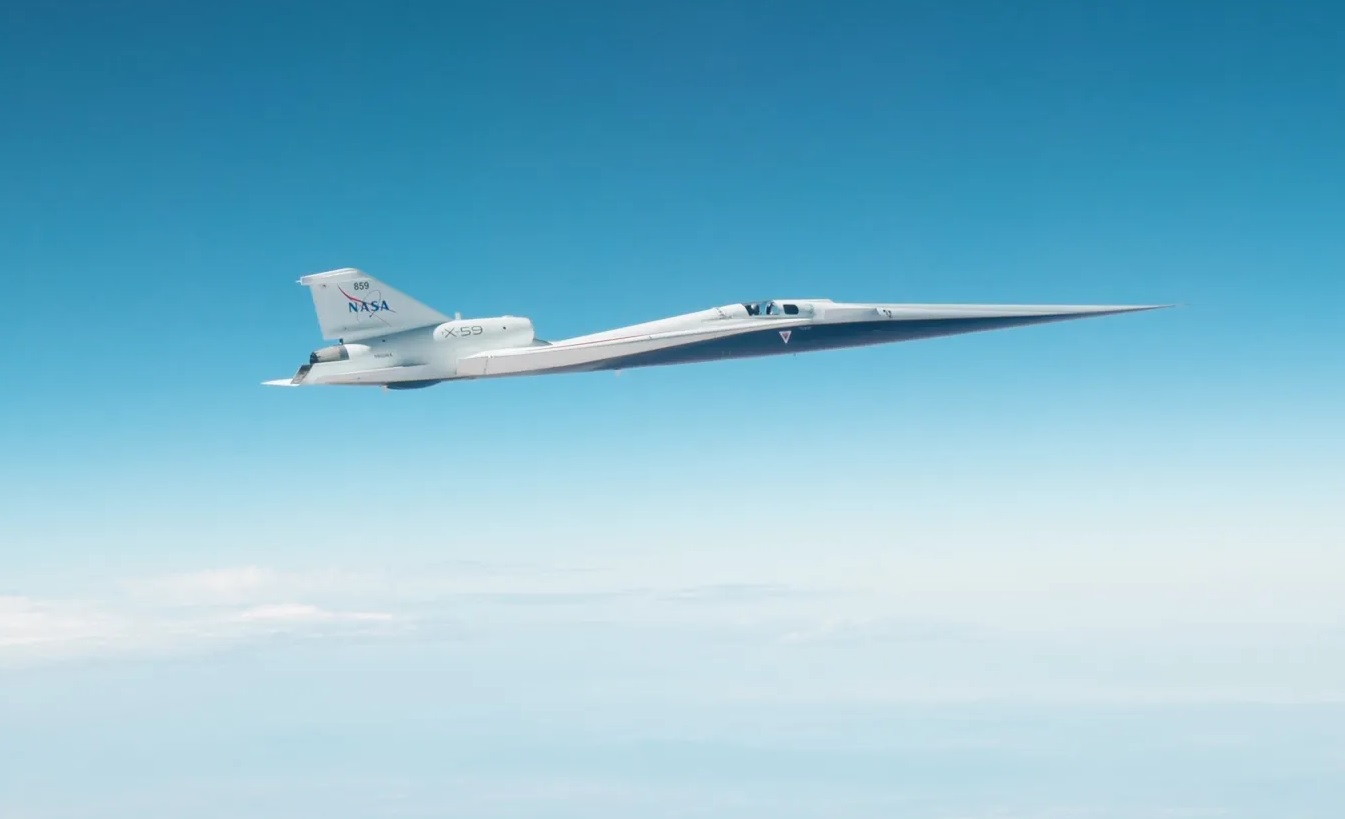 NASA X-59 Achieves Planned Mission Conditions with Mach 1.4 Flight at 55,000 Feet
Top Trending in 4 Days
-
 Iranian Media Leaks 14-Point U.S.-Iran Peace Framework Amid Ongoing Negotiations
-
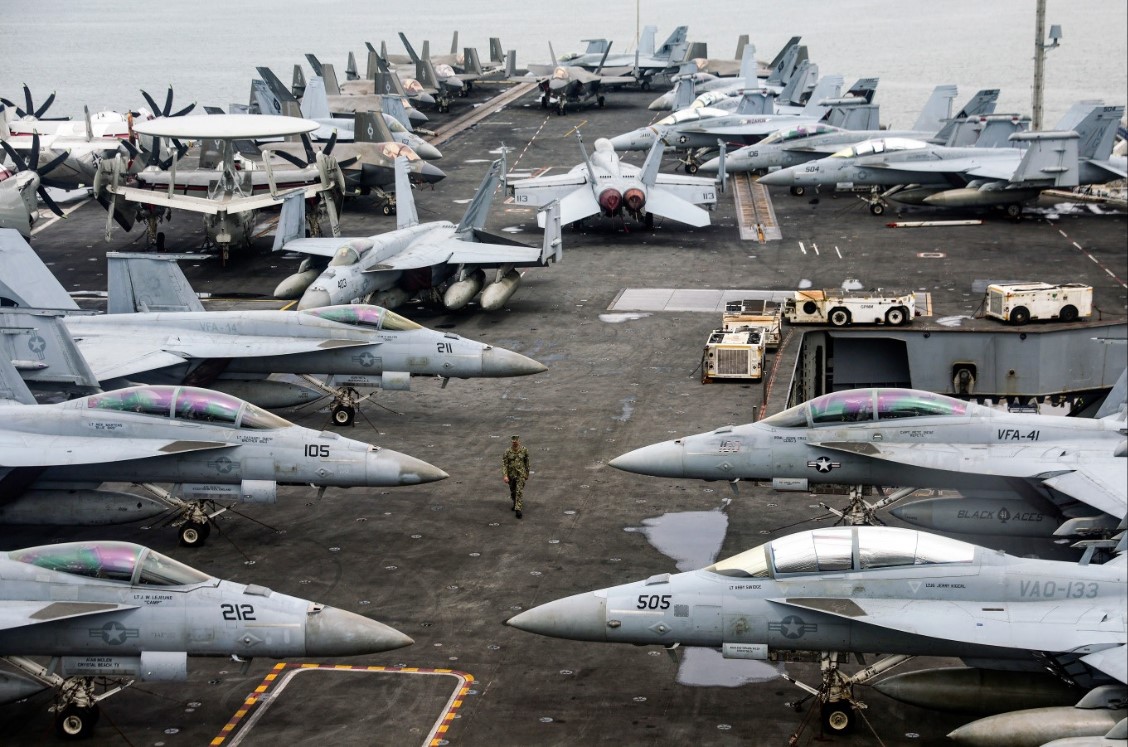 US Plans Significant Reduction of Fighter Jets and Warships for NATO Operations in Europe
-
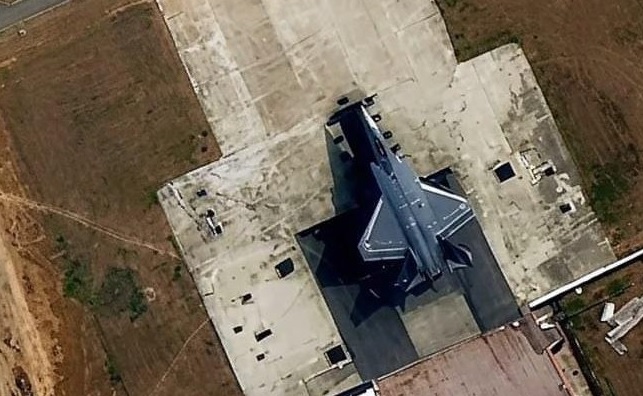 AMCA Airframe Spotted at DRDO’s ORANGE Facility for Radar Cross-Section Testing
-
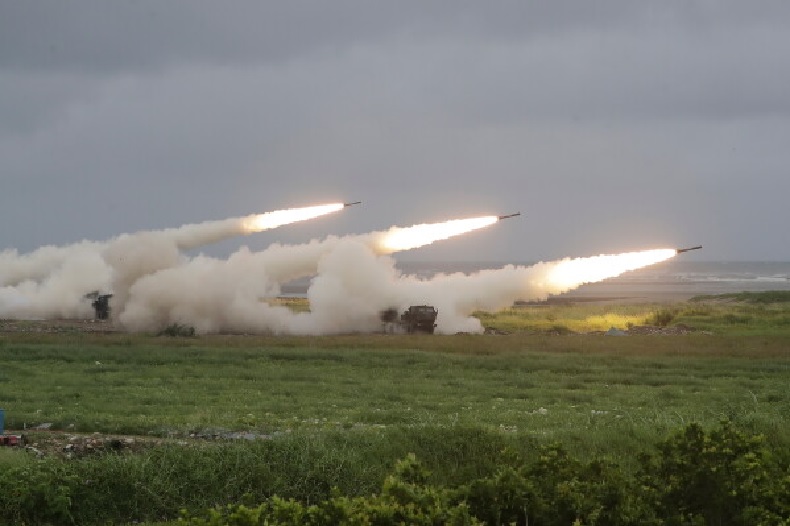 Taiwan Conducts First Live-Fire of HIMARS Rockets From West Coast During Invasion Defense Drill
-
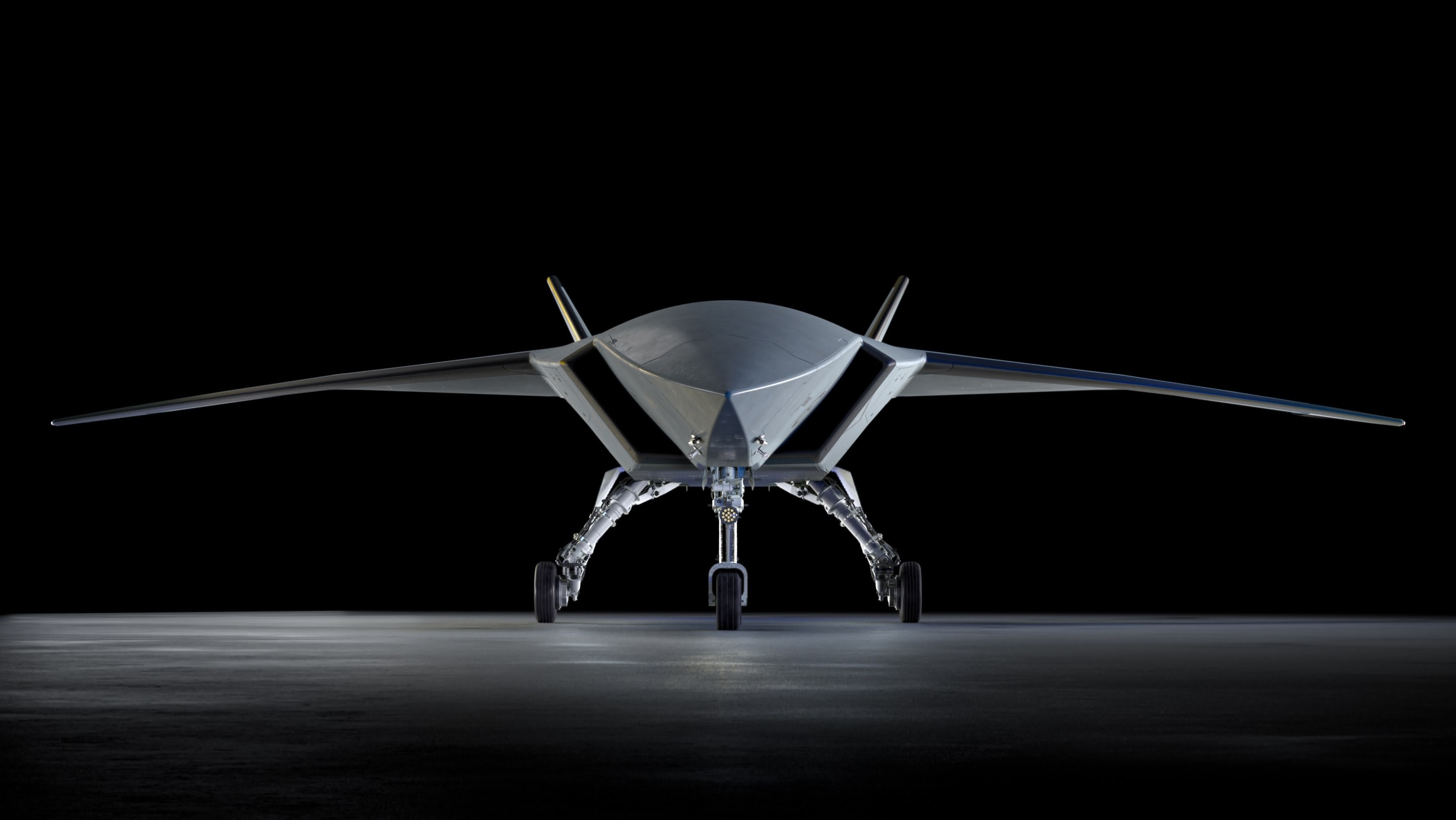 Boeing Introduces New MQ-28 Ghost Bat Upgrades with Increased Range, Payload and Weapons Capacity at ILA Berlin 2026
-
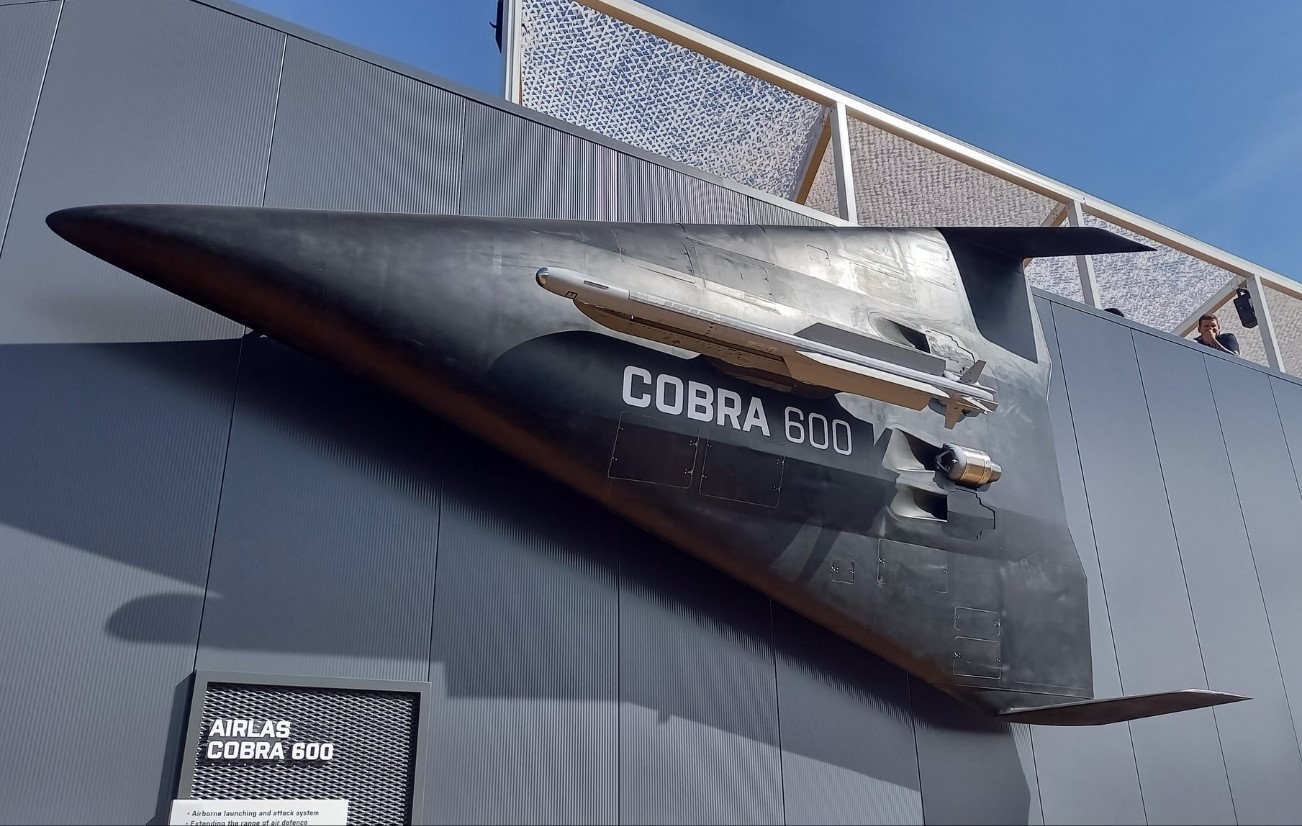 Diehl Defence Unveils IRIS-T Armed Cobra 600 Air Defense Drone at ILA Berlin 2026
-
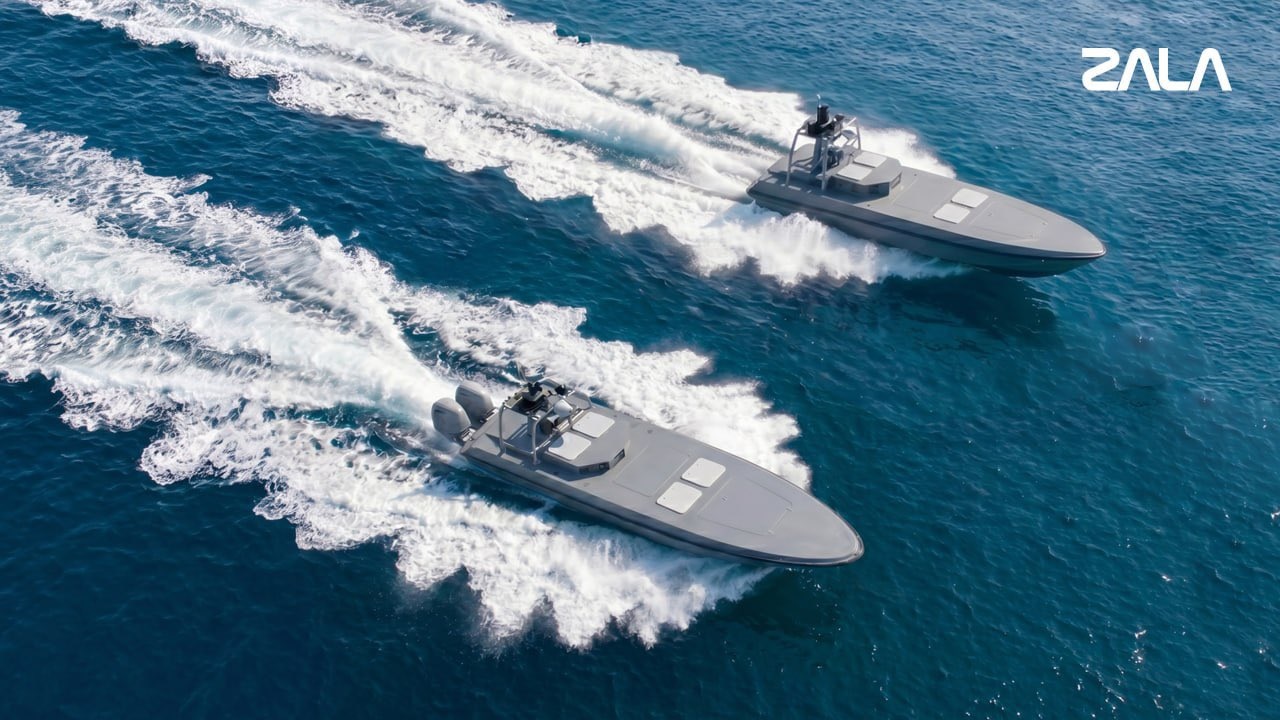 Russian Defense Firm ZALA Unveils KAMA Unmanned Surface Vessel Family at FLOT-2026 Naval Exhibition
-
 U.S Aircraft Carrier USS Theodore Roosevelt Departs San Diego for Major RIMPAC 2026 Naval Exercise