World
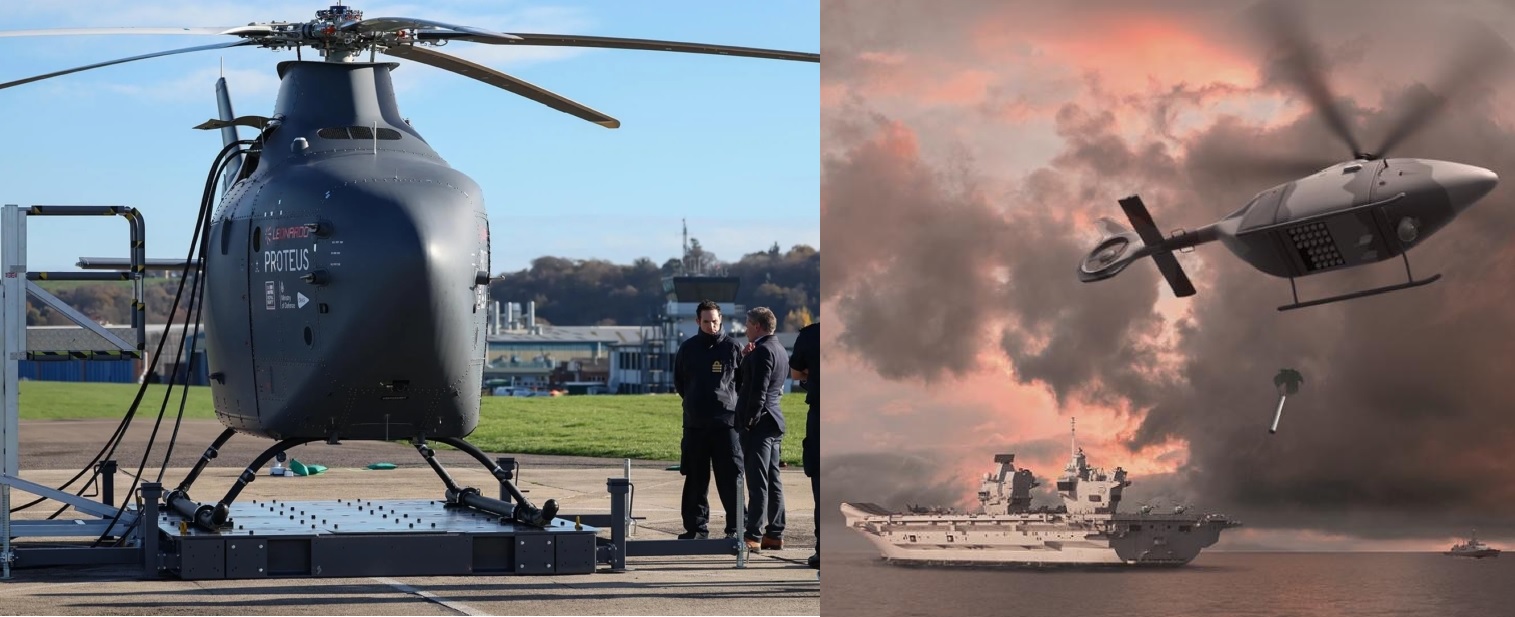
The UK’s next major step in autonomous aviation advanced this week as the Proteus Technology Demonstrator, a full-scale autonomous helicopter developed by Leonardo, completed its first ground-running tests at Yeovil. The aircraft, similar in size to a conventional helicopter, has been designed so that it is tasked by an operator rather than flown by a pilot, marking a new direction for future Royal Navy aviation programmes. Proteus has been developed in less than two-and-a-half years under a £60 million Ministry of Defence programme, and is regarded as one of the first full-size autonomous VTOL aircraft of its type. The ground-running event involved testing the helicopter’s engines, systems, and rotor blades to verify basic functionality before flight trials begin. Senior Royal Navy and Ministry of Defence staff visited Leonardo’s facility to observe the demonstration and to review the aircraft’s autonomy software, onboard processing systems, and integrated sensors. Captain David Gillett, Head of Maritime Aviation and Carrier Strike in the Royal Navy’s Develop Directorate, said the programme reflects current defence requirements. “It’s been a huge pleasure to work with Leonardo and across Defence, as one team, to deliver Proteus. It combines cutting-edge technology, the experience of recent conflicts and has enormous potential to shape the Royal Navy’s future hybrid air wing.” Nigel Colman, Managing Director Helicopters UK at Leonardo, said the system is designed to operate reliably in maritime conditions. “Proteus is equipped with cutting-edge onboard software capabilities, carrying a suite of sensors and systems that allow it to sense its environment, make decisions and act accordingly,” he noted, adding that these features are intended to allow the aircraft to function in high sea states and strong winds. Building the Royal Navy’s Future “Hybrid Air Wing” Proteus is intended not just as a flying prototype but as a foundational technology demonstrator for what the Royal Navy describes as a future hybrid air wing — a mix of crewed helicopters, drones, and autonomous VTOL platforms operating cooperatively. The aircraft’s one-tonne payload bay opens the door to a wide mission set, far beyond its initial anti-submarine warfare (ASW) evaluation. Potential operations include maritime surveillance, search and rescue, strike support, logistics resupply, intelligence gathering, and control of unmanned systems. The ability to fly long-endurance missions without fatiguing crews offers a major enhancement to fleet-wide operational tempo. Global navies increasingly see autonomous rotorcraft as the future backbone of maritime aviation. The United States, France, Japan, and Australia are all investing in similar systems, but Proteus stands out as one of the first full-scale, heavy-lift autonomous helicopters to undergo integrated naval testing. Autonomous Warfare: Proteus and the Anti-Submarine Battle The initial testing campaign focuses on the platform’s ability to contribute to anti-submarine warfare — a domain where endurance, data fusion, and precision sensing are critical. Proteus is being prepared to patrol designated maritime areas autonomously, integrating intelligence from allied ships, aircraft, satellites, and underwater sensors. To detect hostile submarines, the helicopter will deploy sonobuoys and analyse acoustic signatures using onboard AI. Once a target of interest is identified, Proteus will automatically relay its findings to mission commanders, supporting human operators in both threat assessment and tactical planning. This new approach reflects lessons from recent global conflicts, where distributed sensing, autonomous patrols, and human–machine teaming have shown transformational potential. How Proteus Fits Into Leonardo’s Broader Technological Push Proteus is part of Leonardo’s long-term strategy to maintain UK leadership in rotorcraft innovation. The company is simultaneously developing: AI-enabled flight control systems Modular autonomous mission suites Integrated maritime combat data networks Hybrid-electric propulsion concepts for future VTOL platforms These technologies will inform the Royal Navy’s future replacements for the Merlin and Wildcat fleets, and potentially the UK’s contribution to NATO’s next-generation unmanned aviation doctrine. The Yeovil site has also been preparing a new simulation environment where naval operators can test human–machine teaming scenarios using Proteus’ flight software. This digital ecosystem aims to reduce physical testing costs while accelerating operational readiness. Maintaining Human Oversight in a New Autonomous Era Although Proteus is not flown by a human pilot, every mission is overseen by a trained system operator who works within strict safety protocols and rules of engagement. Engineers stress that human control and oversight will remain central, even as autonomous functions increase. The goal, officials say, is not to replace pilots but to extend the Navy’s reach, enabling aircrew to focus on complex decision-making while autonomous aircraft handle long, repetitive, or high-risk missions. A New Era for Britain’s Maritime Air Power The successful ground test marks the beginning of a multi-year flight evaluation campaign. Upcoming phases will introduce autonomous taxing, hover tests, controlled take-offs, and — eventually — full autonomous missions at sea. For the Royal Navy, Proteus is more than a technology demonstrator. It is a symbol of the service’s determination to adapt to an era where AI-powered aircraft, long-range sensing networks, and human–machine collaboration are reshaping naval warfare. With Proteus now alive on the test line, the UK has positioned itself at the forefront of autonomous helicopter development — a domain set to define maritime operations for decades to come.
Read More → Posted on 2025-12-03 17:47:10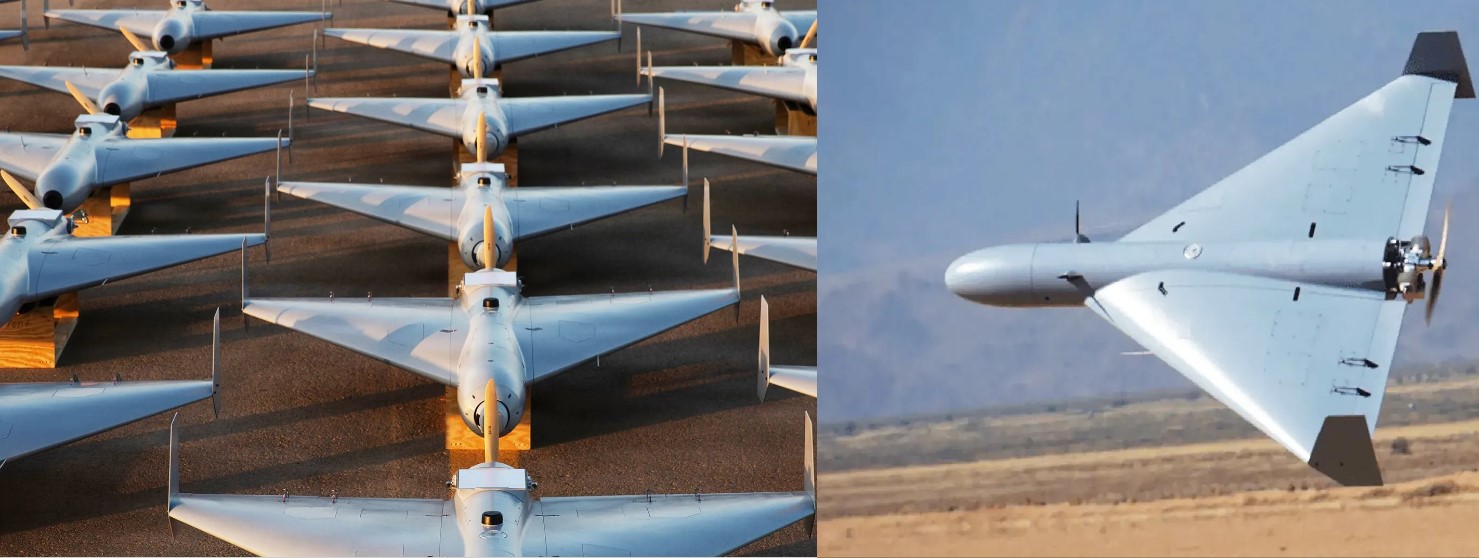
World
On December 3, 2025, CENTCOM announced formation of a new task force — Task Force Scorpion Strike (TFSS) — to oversee the U.S. military’s first squadron of one-way-attack drones (Kamikaze Drones) deployed in the The task force comprises a squadron built around LUCAS drones, currently positioned at an undisclosed base inside CENTCOM’s area of responsibility. CENTCOM says the move comes only four months after a push by Pete Hegseth — identified as “Secretary of War” in CENTCOM’s announcement — to accelerate acquisition and fielding of affordable drone technology. What Is LUCAS And Why It Matters LUCAS, which stands for Low-Cost Uncrewed Combat Attack System, is produced by U.S. defense contractor SpektreWorks. The platform was designed with cost and scalability in mind — roughly US$35,000 per drone, a fraction of legacy UAVs or missiles. LUCAS is a modular, open-architecture system built with adaptability in mind. While its “one-way attack” (kamikaze / loitering-munition) configuration is being deployed now, LUCAS was originally conceived to support a variety of mission profiles, including intelligence, surveillance and reconnaissance (ISR), communications relay, and tactical strike. The drone’s physical design — delta wings, lightweight composite structure, minimal logistical footprint — and its ability to launch without traditional runways (via catapult, rocket-assisted takeoff, or vehicle-based systems) make it well suited for deployment in austere or contested environments. Officials say LUCAS drones have “extensive range” and are capable of autonomous operation, reducing reliance on large support crews or infrastructure. Why CENTCOM Is Betting on Cheap, Attritable Drones The deployment of TFSS and LUCAS reflects a broader shift in U.S. military thinking away from traditional high-cost platforms toward scalable, low-cost, mass-produced weapon systems. Analysts say this comes in response to the widespread use, by adversaries such as Islamic Revolutionary Guard Corps-linked forces, of inexpensive, often mass-produced drones in conflicts across the Middle East. According to CENTCOM, TFSS’s creation builds on earlier innovation efforts launched in September, under a separate group, Rapid Employment Joint Task Force (REJTF). The REJTF — guided by CENTCOM’s chief technology officer — was established to fast-track deployment of emerging capabilities across three focus areas: capability, software, and “tech diplomacy.” TFSS is led by personnel from Special Operations Command Central (SOCCENT), signaling that the new drone squadron is being positioned as a flexible, rapid-response tool potentially suited for special operations as well as more conventional missions. Defense and security observers note that LUCAS and TFSS mark a milestone: for the first time, the U.S. has committed — at a formation level — to deploying low-cost, “attritable” one-way drones in the Middle East, shifting from expensive platforms to a model emphasizing quantity, speed, and flexibility. Potential Implications for Regional Security and Signals to Adversaries The deployment sends a clear signal to regional adversaries — especially those relying heavily on mass-produced drones — that U.S. forces are adapting to the evolving landscape of drone warfare. By fielding inexpensive, scalable drone capabilities, CENTCOM aims to restore deterrence and reduce vulnerabilities inherent in traditional force structures. Adm. Brad Cooper, CENTCOM’s commander, said the task force “sets the conditions for using innovation as a deterrent.” Because LUCAS drones can be launched without runways, operate with minimal logistical overhead, and be dispersed widely, they could enable rapid, distributed operations — complicating adversaries’ attempts to target U.S. support infrastructure or rely on static frontlines. At the same time, the rise of “attritable” drones raises difficult questions about escalation and the threshold for kinetic use. Cheap, expendable drones could lower the bar for strikes, potentially leading to more frequent engagements — especially in volatile zones across the Middle East. Analysts warn that adversaries might respond with their own drone swarms or counter-drone measures, prompting a new kind of arms competition. Moreover, the adaptation of a drone inspired by foreign designs — namely the widely used Shahed-136 — underscores a shift in U.S. strategy: rather than solely seeking high-end, precision assets, the Pentagon appears willing to embrace lower-cost, mass-produced systems that may trade some sophistication for scalability and denial-of-service value. What Remains Unclear and What to Watch Despite the public announcement, many key details remain unconfirmed or opaque. CENTCOM has not disclosed the exact number of LUCAS drones, the full size and composition of TFSS, its command structure, where it is based, or the operational doctrine under which the drones would be used. The location of the squadron remains “undisclosed.” Defence-industry experts caution that while LUCAS is billed as low-cost and flexible, earlier evaluations suggested it may lack some performance characteristics of the systems it imitates, especially in payload, endurance, and navigational sophistication. Observers will be watching closely whether TFSS remains a limited demonstrator force — or whether it expands rapidly, scaling up LUCAS production and deployment across the CENTCOM theater. Such an expansion could significantly alter the calculus of regional deterrence and U.S. power projection. The launch of Task Force Scorpion Strike and the deployment of LUCAS drones represent a clear turning point: the U.S. military is now embracing low-cost, attritable drone technology at scale, potentially reshaping how it projects power, responds to threats, and deters adversaries in the Middle East and beyond.
Read More → Posted on 2025-12-03 17:40:05
World
BRUSSELS — In a landmark decision on Wednesday, the European Union formally committed to phasing out imports of Russian natural gas, including both liquefied natural gas (LNG) and pipeline gas, by late 2027 — a move aimed at ending decades-long dependency and undermining Moscow’s financial ability to sustain its war efforts in Ukraine. Under the agreement struck by member states and the European Parliament, LNG imports from Russia will be banned by end-2026, while pipeline gas imports must cease by autumn 2027, with a latest deadline of November 1, 2027. The decision forms part of the broader REPowerEU initiative, launched after Russia’s 2022 invasion of Ukraine, which aims to wean Europe off Russian fossil fuels and accelerate the transition to diversified and sustainable energy sources. European Commission President Ursula von der Leyen, speaking after the agreement, said the move is about “ending forever” Europe’s reliance on Russian gas and delivering a “new era” of energy independence for the bloc. Phased Ban: How and When the Imports Will End The timeline laid out in the agreement spells a step-by-step wind-down of Russian gas imports, accounting for existing contracts and supply security. For supply deals signed before mid-June 2025, the ban on Russian LNG will take effect from April 25, 2026, and for pipeline gas from June 17, 2026. For longer-term contracts, the prohibition will apply to LNG as of January 1, 2027, while pipeline gas contracts will end by September 30, 2027 — or no later than November 1, 2027, even if gas storage targets are not fully met. To ensure compliance, the regulation introduces a prior-authorization requirement for gas imports. Companies importing Russian gas will need to submit documentation of origin and contract history; any change in contracts will only be allowed under narrow “operational” reasons. Violations of the ban will lead to penalties on both companies and private individuals. The agreement also obliges all member states to draw up national energy-diversification plans — not only to replace Russian supply sources, but also to ensure stability and security during the transition period. Furthermore, the EU Commission is expected next year to propose similar legislation to phase out Russian oil imports by end-2027, signaling a broader decoupling from Russian fossil fuels. Hitting Moscow’s "War Chest" The war in Ukraine and Russia’s repeated use of gas supply as geopolitical leverage galvanized the EU to act. The dependence on Russian gas had long been a vulnerability — for decades Russia was the bloc’s dominant supplier. By cutting off Russian gas imports, the EU aims to deny Moscow a major stream of revenue — potentially undermining its capacity to wage war and diminishing its leverage over European energy security. Commission officials have framed the decision as not just an economic or energy policy, but a geopolitical one. This shift also aligns with the EU’s long-term push for energy diversification, investment in renewables and sustainable alternatives such as hydrogen, and reducing overall fossil-fuel dependence — all central pillars of REPowerEU. Who’s Resisting, What Could Happen The ban is not without resistance. At least two EU member states — Hungary and Slovakia — have signalled their intention to challenge the decision. Both countries remain heavily dependent on Russian gas for their energy needs. Hungarian officials have already warned of legal challenges at the Court of Justice of the European Union. Critics argue that the ban could drive up energy prices across the EU, especially in countries with low capacity to import alternative gas or energy. Some warn of potential economic consequences for industries, households, and energy-intensive sectors. Nevertheless, EU negotiators say they have included a “safeguard clause”: in case of serious supply-security issues — for example, if gas storage levels fall dangerously low — the bloc may temporarily suspend the ban for affected countries. But they stressed this would be allowed only under strict and limited conditions. The Broader Implications for Europe and Beyond For the European Union, the decision marks a turning point: a definitive break from Russian gas, which for decades shaped its energy strategy, economics, and geopolitics. The bloc is signaling that it will no longer tolerate energy dependence as leverage in conflict. The move is also likely to accelerate Europe’s shift toward diversified energy imports — including from the United States and other non-Russian suppliers — and hasten the deployment of renewable and alternative energy solutions. This could reshape global energy trade patterns over the coming years. Politically, the ban sends a strong message to Moscow. By depriving Russia of significant export revenue, the EU aims to weaken its capacity to fund military aggression. It also strengthens the EU’s strategic autonomy, reducing vulnerability to external coercion through energy supply. At the same time, for opposition-minded EU members, the decision will test the balance between collective security interests and national energy security concerns. The legal challenges anticipated from Hungary and Slovakia may delay or complicate the transition — and highlight the intricate trade-offs involved in forging a unified European energy strategy.
Read More → Posted on 2025-12-03 17:14:03
World
China has announced that its newly developed quantum-radar technology — centred on a device dubbed the “Photon Hunter” (also referred to as the “photon catcher”) — has entered serial production and is being fielded, marking what Beijing describes as the end of the stealth-era for modern low-observable aircraft. What is the “Photon Hunter”? The Photon Hunter refers to an ultra-sensitive, four-channel single-photon detector, built by the Quantum Information Engineering Technology Research Center in Anhui province. According to Chinese authorities, the detector is capable of registering individual photons — the smallest units of light — even in extremely noisy, cluttered environments, making it a core component of a next-generation quantum radar. Traditional radar systems rely on sending out radio-wave pulses and measuring their echoes. Low-observable or stealth aircraft — such as those built around special shaping and coatings — are designed to reflect back very little of that energy, or deflect it away from the radar receiver, making them hard to detect. Quantum radar, by contrast, aims to exploit quantum-mechanical effects (like photon entanglement) or ultra-sensitive photon detection to pick up minute reflections, even when conventional radar returns are vanishingly small. In the words of analysts, isolating a single photon among background “noise” is akin to hearing “a grain of sand falling during a thunderstorm” — a feat once thought nearly impossible outside labs. Why This is a Threat to Stealth Aircraft Because the Photon Hunter can detect single photons and distinguish their faint echoes from background clutter, it could, in principle, reveal aircraft that are nearly invisible to conventional radar. This includes famed stealth jets like the U.S.-built F-22 Raptor and F-35 Lightning II. Chinese reports explicitly name them as targets for future quantum radar systems. Proponents argue that quantum radar's sensitivity and resistance to electronic-jamming or spoofing — vulnerabilities that hamper conventional radars — give it a fundamental advantage, potentially neutralising stealth technology's core advantage: invisibility. Moreover, detection is not limited to just radar cross-section; by capturing even the weakest traces of photon reflections, such radars could also pick up thermal signatures or secondary emissions otherwise ignored by standard sensors, thus raising the stakes for stealth aircraft. What’s New Now , Mass Production and Deployment In mid-October 2025, Chinese state media reported that the Photon Hunter had entered mass production, suggesting that the country has not only developed but also begun to scale up the manufacturing of the core quantum-sensing hardware. According to the official announcement, China now claims self-sufficiency in producing this advanced single-photon detector — a milestone that could accelerate fielding quantum-radar systems across various branches of its military. Analysts view this transition — from lab prototypes to mass-produced hardware — as Beijing signaling confidence that the technology is mature enough to begin operational deployment. A Shift in the Global Air-Power Balance If the Photon Hunter and associated quantum radar systems live up to their promise under real-world, combat-ready conditions, the implications for global air power are profound. Stealth aircraft — long a backbone of air dominance doctrines, especially in the U.S. and allied air forces — could lose their advantage. This change is not only a threat to foreign stealth fleets: even China’s own stealth aircraft (operated by its air force) might face increased detectability if other powers also master similar quantum radar technologies. In effect, the “end of stealth” may be as much a reset for China’s own stealth ambitions, as for those of its potential adversaries. Moreover, several other nations — including powers in Europe, India and U.S. — are known to be researching photon- and quantum-radar technologies. Hence, even if China gains a temporary lead, the race is global — with the possibility that stealth design, radar detection, and counter-stealth measures may all evolve in a new quantum-era arms competition. Caution from Experts Despite the dramatic claims, many defense analysts caution that deployment of quantum radar — especially one capable of long-range detection under combat conditions — remains speculative. While the Photon Hunter represents an important advance in quantum-sensing hardware, key technical challenges remain. These include preserving quantum coherence over distance, operating reliably (especially at cryogenic temperatures), and integrating quantum sensors into actual radar platforms. Indeed, some experts describe claims of a fully operational quantum radar as “a sharper stethoscope being presented as a fully functioning intensive-care unit.” Furthermore, while civilian and research implementations of quantum detection (e.g. for imaging or communications) are slowly maturing, military-grade quantum radar that can operate robustly at long range and under operational stress — remain unproven in independent open-source verification. What This Means for India and U.S Security For India, as well as for U.S watching — this development underscores a global shift in military-technology priorities. Stealth, long considered the golden standard for air combat survivability, may no longer guarantee invisibility. Nations investing in stealth fleets may need to re-evaluate their strategies; those investing in detection and counter-stealth technologies may be better positioned in future conflicts. For U.S security Dynamics — the Photon Hunter heralds what could be a quantum-era arms race, where sensor technology, quantum communication and radar-countermeasures become as important as jets, missiles or stealth coatings. Stealth aircraft may not disappear overnight — but their role, design philosophy, and strategic value could be fundamentally altered.
Read More → Posted on 2025-12-03 16:57:22
World
A newly released photograph taken on 1 December 2025 at the reactivated Roosevelt Roads naval base in Ceiba has revealed the most compelling visual evidence yet of a sustained, heavily armed U.S. air presence operating just a short flight from Venezuelan airspace. Captured by Ricardo Arduengo of Reuters, the image shows a U.S. Marine Corps AV-8B Harrier II taxiing for takeoff while a U.S. Air Force AC-130 gunship sits parked nearby — an unprecedented pairing in this region since the base was closed in 2004. The image has rapidly circulated across social media and analytical communities, confirming what earlier reports had only hinted at: the United States has quietly transformed Roosevelt Roads into a forward hub where Marine strike aircraft, special operations gunships, and supporting air assets now operate concurrently, forming what analysts describe as a “ready-on-arrival” strike posture aimed primarily at contingencies involving Venezuela. A December Image That Confirms a Larger Pattern The December photograph follows an earlier revelation published by Army Recognition Group on 11 October 2025, which documented an AC-130J Ghostrider in Puerto Rico armed with wing-mounted AGM-114 Hellfire missiles — an unusual loadout almost never seen in the Caribbean theater. Together, the October and December sightings present a coherent picture:the United States has deployed a persistent, heavily armed aerial contingent to Puerto Rico, capable of surveillance, interdiction, and precision strikes across the eastern Caribbean. U.S. officials continue to emphasize “counter-narcotics operations,” but the combination of platforms and the geography leave little doubt that Venezuela remains the strategic focal point. The Ghostrider: A Precision Firepower Platform in the Caribbean The AC-130J Ghostrider, the latest and most advanced gunship in the U.S. Air Force inventory, brings a formidable combination of surveillance, firepower, and precision strike capabilities to the Caribbean. Built on the C-130J airframe and equipped with the Precision Strike Package, the aircraft integrates high-performance electro-optical and infrared sensors, secure datalinks, advanced mission consoles, and a pair of side-firing weapons — the 30 mm GAU-23/A cannon and a 105 mm howitzer. Beyond these traditional gunship systems, the Ghostrider carries precision munitions on its underwing pylons, including GBU-39 and GBU-69 glide bombs, the AGM-176 Griffin, and significantly, the AGM-114 Hellfire missile. This Hellfire addition, more commonly associated with drones and helicopter gunships, allows the AC-130J crew to engage moving targets with line-of-sight precision, delivering low-yield strikes with minimal collateral risk. In the maritime spaces around Venezuela, this transforms the Ghostrider into a slow-flying, sensor-rich platform capable of loitering for hours, identifying threats, and striking without warning. Why the Hellfire Loadout Matters The Hellfire-armed configuration of the AC-130J — first documented in Puerto Rico through imagery released in October 2025 — is highly unusual for the Caribbean region. Such a loadout had previously been associated with counter-insurgency missions in Iraq, Syria, and Afghanistan. Its appearance in Puerto Rico indicates a shift in mission profile. Hellfire missiles provide the precision necessary to counter small surface threats, while the Ghostrider’s cannons enable broad area suppression, and its sensor suite allows for detailed maritime and littoral surveillance. Together, these capabilities give the United States an aircraft optimized for countering fast-attack craft, smuggling boats, militia-style coastal defenses, irregular naval units, and other asymmetric threats in contested sea lanes. In the packed maritime environment surrounding Venezuela, this represents a potent interdiction and deterrence tool. A Base Quietly Returning to Strategic Relevance Roosevelt Roads, once the largest U.S. naval installation in the Caribbean, lay dormant for nearly two decades after its closure in 2004. However, a combination of Reuters imagery, commercial satellite analysis, and on-the-ground observations throughout 2025 has revealed a steady and quiet revitalization. Newly resurfaced runways and taxiways, expanded apron areas, and fresh construction across former naval facilities point to a broader restoration effort. Increasing numbers of U.S. military aircraft — from tactical jets to transports — have been observed cycling through the base. What initially seemed like limited refurbishment has evolved into a fully functioning forward operating hub. Today, Roosevelt Roads is hosting Marine AV-8B Harriers, F-35B STOVL jets, V-22 Ospreys, KC-130 tankers, C-17 and C-130 transports, and the AC-130J Ghostrider. Because the base sits on U.S. territory yet lies only minutes from Venezuelan airspace, Washington is able to project power forward without technically deploying forces abroad, avoiding many diplomatic and political complications. Marine Harriers, F-35Bs, and Ghostriders Operating as an Integrated Package The AV-8B Harrier II seen in the December photograph belongs to the aviation combat element embarked on the USS Iwo Jima with the 22nd Marine Expeditionary Unit and VMM-263. The MEU shifts between flight operations aboard the amphibious assault ship and shore-based missions at Roosevelt Roads. This creates a layered and flexible posture that integrates Marine Corps and Air Force aviation into a single operational environment. Harriers and F-35Bs provide fast-reaction strike capabilities, V-22 Ospreys enable rapid personnel movement, KC-130s support aerial refueling and logistics, and the AC-130J offers persistent surveillance and precision fire support. In any crisis linked to Venezuela, this combination would give the United States continuous maritime and littoral monitoring, the ability to support Marine landing forces, and the option to use Hellfires or other precision munitions against small or time-sensitive targets — all without the delays associated with major new deployments. The December image makes clear how seamlessly Marine aviation and Air Force special operations aircraft are now sharing the same operational space. A Wider Caribbean Strategy Taking Shape Developments at Roosevelt Roads align with a broader U.S. regional posture emerging throughout 2025. Analysts have tracked repeated AC-130J activity in El Salvador, verified by satellite imagery in November, along with greater U.S. Navy presence across the Caribbean and increased logistics flights through Honduras and Colombia. These activities run parallel to expanded counter-narcotics missions that overlap with Venezuelan maritime corridors. Collectively, the pattern reveals a distributed and networked basing strategy stretching from Central America to Puerto Rico, designed to deter Venezuelan military escalation, monitor illicit maritime routes, and counter external actors — including Russia and Iran — that have deepened their support for Caracas. While neighboring Caribbean states may see this posture as stabilizing, Venezuelan officials and military strategists almost certainly interpret it as mounting pressure. A Strategic Signal, Not Just a Technical Curiosity The repeated documentation of a Hellfire-armed AC-130J Ghostrider in Puerto Rico — once in October and again through the 1 December imagery — signals far more than an unconventional weapons loadout. It underscores a strategic reality: the United States is already in position. Surveillance aircraft, Marine fighters, amphibious forces, and precision gunships are operating from a revitalized base that brings American firepower closer to Venezuela than at any point since the early 2000s. Whether the Ghostrider ever launches a missile is secondary. What matters is that the capability exists, is integrated with other assets, and is positioned for immediate use. With the December imagery now public, the evolving U.S. posture in the Caribbean stands out clearly — rebuilt quietly, strengthened significantly, and structured for rapid action without the need for additional deployments.
Read More → Posted on 2025-12-03 16:29:41
World
Russian President Vladimir Putin issued one of his sharpest warnings to Europe in years, declaring that Moscow is “ready” for war if European nations choose confrontation over diplomacy. His remarks came on Tuesday during a tense day of negotiations in Moscow, where U.S. envoy Steve Witkoff and presidential adviser Jared Kushner arrived for critical talks aimed at finalizing a new American peace proposal to end the Ukraine conflict. The statement immediately reverberated across European capitals, deepening anxieties as the nearly four-year-long war enters a decisive phase. Putin’s Message: “We Are Ready Right Now” Speaking to reporters in Moscow, Putin insisted Russia does not seek war with Europe but emphasized that the country is fully prepared for one if provoked. “We are not planning to go to war with Europe, but if Europe wants to and starts, we are ready right now,” Putin said. He accused European governments of sabotaging U.S.-led peace efforts, claiming that their revised inputs to Washington’s 28-point peace plan were deliberately designed to block diplomatic progress. “They have no peaceful agenda, they are on the side of war,” he added, saying Europe’s proposed changes to the U.S. draft were “aimed solely at completely blocking the peace process and putting forward demands absolutely unacceptable for Russia.” U.S. Pushes a Controversial 28-Point Plan The United States, under President Donald Trump, has presented a 28-point peace draft aimed at ending the war. But the proposal—initially seen as leaning toward Russia’s strategic demands—triggered resistance from Kyiv and widespread skepticism in Europe, who felt the plan risked forcing Ukraine into concessions on territory and sovereignty. After criticism, Washington amended portions of the draft. The ongoing mission by Witkoff and Kushner aims to secure approval from both Moscow and Kyiv before the plan is publicly unveiled. European governments, meanwhile, insist that “no unfair peace should be imposed on Ukraine”, arguing that any agreement must not reward aggression. Why Europe and Russia Have Been in Conflict: A Historical Overview The tensions between Russia and Europe did not emerge overnight. They are rooted in centuries of political rivalry, territorial disputes, and competing visions of security. 1. Medieval and Imperial Rivalries The conflict goes back nearly 1,000 years, with early divisions between: Western Europe, shaped by the Catholic Church and later modern nation-states Russia, influenced by Orthodox civilization and later expanded into a vast Eurasian empire Competing cultural and political identities laid the foundation for mistrust. 2. The Napoleonic Wars (early 1800s) France’s invasion of Russia in 1812 cemented Russia’s deep suspicion of Western military ambitions. Europe saw Russia as a continental power to contain, while Russia saw Europe as a threat to its sovereignty. 3. The Crimean War (1853–56) Russia fought a coalition of Britain, France, and the Ottoman Empire. The war marked one of the first modern confrontations between Russia and Europe over: control of the Black Sea influence in Eastern Europe protection of Christian minorities 4. The World Wars Russia (later the Soviet Union) and Europe clashed in both wars: WWI: Russia fought against Germany and Austria-Hungary. WWII: Nazi Germany invaded the Soviet Union, killing nearly 27 million Soviet citizens.This trauma still shapes Russian strategic thinking. 5. The Cold War (1947–1991) Europe split into: NATO (Western Europe) backed by the U.S. The Warsaw Pact led by the Soviet Union This era solidified Europe-Russia rivalry over political systems, military blocs, and global influence. 6. NATO Expansion & Post-Soviet Tensions After the Soviet collapse: Many Eastern European countries joined NATO. Russia saw NATO’s eastward expansion as a direct threat. Europe viewed it as guaranteeing freedom for post-Soviet states. This disagreement forms the backbone of the modern conflict. 7. 2014 Crimea Annexation & Donbas War Russia’s annexation of Crimea and backing of separatists in eastern Ukraine created the most serious Europe-Russia crisis since the Cold War. 8. The 2022–2025 Ukraine War The current war, now nearing four years, is the culmination of decades of: NATO-Russia mistrust disputes over European security Ukraine’s struggle between Western integration and Russian influence Europe sees the war as a defense of international law.Russia sees it as protecting its security space from NATO. Why Europe Opposes the U.S. Plan European diplomats believe that the American proposal risks forcing Kyiv into territorial concessions, which would effectively legitimize Russia’s battlefield gains. They fear that Moscow could use such a settlement to rearm and later return with renewed pressure on Ukraine. For Europe, Ukraine’s survival and sovereignty are directly tied to the continent’s own security, a reality very different from that of the United States, which is geographically distant and far less vulnerable to Russian power projection. European officials also argue that the draft meets too many of Russia’s demands, especially on Crimea and the eastern territories. Accepting such conditions, they warn, would set a dangerous precedent, undermining international law and encouraging further aggression. Above all, Europe fears that any peace deal weakening Ukraine’s sovereignty could destabilize the continent for decades, triggering new cycles of conflict rather than ending the war. Moscow’s View: Europe Is Blocking Peace From Moscow’s perspective, the original U.S. peace proposal—before European governments amended it—represented the closest and most realistic path toward a ceasefire in Ukraine. Russian officials argue that Europe deliberately altered the plan to make it unacceptable for Moscow, acting not out of strategic reasoning but out of what the Kremlin describes as a long-standing anti-Russian political instinct. In the Russian view, Kyiv is not negotiating independently, and is instead being guided by European capitals unwilling to allow compromise, even if it could lead to a settlement. This, they claim, has left the peace process stalled and fragile. Putin’s latest comments appear designed to increase pressure on Europe, signaling that unless European leaders soften their position and support an agreement closer to Washington’s earlier draft, the risk of further escalation will continue to grow. What Happens Next The Witkoff-Kushner mission is expected to continue through the week.If Moscow and Kyiv reach preliminary agreement, the U.S. hopes to unveil the peace plan before year-end. Europe, however, is preparing for prolonged negotiations—and heavily reinforcing its defenses amid what some officials call the most dangerous moment in Euro-Russian relations since the 1980s. Whether Putin’s latest warning is a negotiating tactic or a signal of deeper confrontation remains uncertain. But the message was unmistakably clear: Russia is not seeking a war with Europe—but is prepared for one.
Read More → Posted on 2025-12-03 14:25:27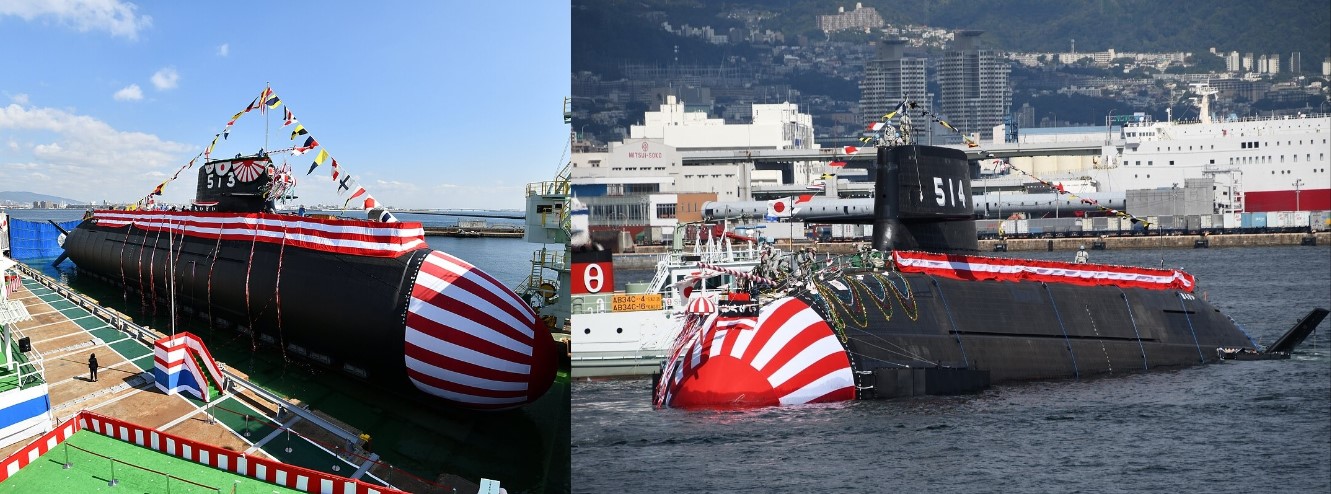
World
Japan has taken a decisive lead in submarine technology with its late-batch Sōryū-class and the next-generation Taigei-class, the world’s first operational combat submarines powered entirely by lithium-ion batteries. This propulsion revolution has reshaped everything from acoustic stealth to underwater endurance, placing these Japanese boats in a unique category where they can match — and under certain tactical conditions surpass — the quietness of nuclear-powered submarines. The achievement represents a milestone not only for Japan’s maritime forces but for submarine warfare as a whole. Lithium-Ion Propulsion as the Foundation of Silence The shift from lead-acid to lithium-ion power transformed Japan’s underwater operations. A lithium-ion battery can store several times more energy per unit weight than legacy cells, allowing the submarine to cruise underwater for far longer without surfacing. When operating in full battery mode, every major noise source inside the hull disappears. The diesel engines remain shut down. There is no need for a mechanical AIP engine, no rotating pistons, no fuel-cell compressors, and no intake or exhaust noises from frequent snorkel cycles. This creates a submarine that moves with only the soft electrical hum of a permanent-magnet propulsion motor, producing an acoustic signature so faint that it dissolves into the background noise of the sea. Unlike lead-acid batteries, lithium-ion cells maintain a high voltage throughout their discharge cycle, allowing the submarine to operate at higher speed without becoming louder. Why Lithium-Ion Silence Surpasses Nuclear Stealth Nuclear-powered submarines dominate long-range warfare, but they are permanently burdened by the machinery of atomic propulsion. A reactor must always run. Pumps circulate coolant. Steam systems drive turbines. Even when running at their quietest setting, nuclear submarines generate a detectable mechanical heartbeat. Japan’s lithium-ion boats do not have this problem. In low-speed patrols, ambush positions, or seabed listening missions, the submarine radiates almost no mechanical signature. The absence of reactor noise removes the constant low-frequency hum that nuclear boats cannot eliminate. This is why, in the tight waters of the East China Sea, Okinawa chain, and Luzon Strait, Japanese submarines can be harder to hear than nuclear fast-attack vessels from major powers. The Sōryū-Class Lithium-Ion Variants The breakthrough began with the final pair of Sōryū-class submarines, JS Ōryū and JS Tōryū. These 84-meter-long boats displace about 4,200 tons submerged, can exceed 20 knots underwater, and are equipped with a full array of flank, bow, and towed-array sonars. Their lithium-ion system replaced the earlier Stirling AIP engines, eliminating mechanical vibration and simplifying the submarine’s internal layout. The power density of the new batteries allowed longer silent running and reduced snorkel frequency, giving the submarine extended periods of near-complete invisibility. These submarines served as the operational testbed that validated Japan’s safety systems, including advanced thermal management, multi-layer fire isolation zones, and an unusually sophisticated battery management system derived from Japan’s consumer and automotive battery sectors. No other navy had attempted such a transition in an operational fleet before Japan did. The Taigei-Class: Japan’s First Purpose-Built Lithium-Ion Submarine The Taigei-class represents Japan’s full expression of lithium-ion submarine engineering. Also about 84 meters in length and displacing approximately 3,000 tons surfaced and 4,500 tons submerged, the Taigei features a hull sculpted specifically for quiet hydrodynamics. Its new permanent-magnet synchronous motor is even smoother and quieter than the Sōryū’s induction motor, producing remarkably low acoustic output at creeping speeds. Japanese engineers redesigned Taigei from the keel up to take advantage of lithium-ion power. The batteries are larger, arranged in more efficient blocks, and managed by a next-generation thermal system. The submarine dives beyond 300 meters and uses a full suite of Japanese-developed sensors with improved signal processing to detect low-frequency contacts at extended ranges. The interior machinery is raft-mounted on multi-layer dampers, while floating decks isolate vibrations. Even the coolant flows and pipe routing were reshaped to eliminate micro-vibrations that sonar arrays could detect. Why Japan’s Lithium-Ion Submarines Are More Advanced Than Other Nations’ Li-Ion Efforts Several countries now plan to adopt lithium-ion batteries, including South Korea and France. But Japan’s system is considered more advanced for three key reasons. Japan has far more operational experience. Its lithium-ion submarines have been deployed on real patrols for years, giving Japan data that no other navy possesses. This includes long-term battery degradation behavior under deep diving, high-speed discharge patterns, and the thermal characteristics of megawatt-hour battery packs under combat conditions. Japan also enjoys the world’s strongest industrial ecosystem for battery technology. Companies such as Panasonic and GS Yuasa have decades of experience in safe high-density cells, a capability absent in most other submarine builders. This depth allowed Japan to develop a battery chemistry with extremely high stability and a battery management system capable of monitoring thousands of cells simultaneously with millisecond reaction times. Finally, Japan designs the submarine as a complete acoustic system, not a platform with a new battery. Every part — from the propeller shape to the arrangement of cable ducts — is tuned for stealth. Other nations may adopt lithium-ion packs, but without Japan’s holistic quieting philosophy, their acoustic results will not reach the same level. What Makes Them Technically Special Even Compared to Nuclear Submarines Japan’s lithium-ion submarines are not nuclear boats, yet in certain missions, they outperform them in stealth because they remove the reactor as a noise source. Nuclear submarines cannot glide in total silence; their reactors and pumps generate a continuous, low-frequency signature that modern sonar arrays can detect at range. Japan’s lithium-ion boats do not suffer from this mechanical baseline. At slow speeds they produce almost no detectable emissions and can remain acoustically neutral for long periods. Their lithium-ion packs also allow high-speed dashes in near silence, something lead-acid batteries cannot support. Nuclear submarines can sprint indefinitely, but not quietly. Japan’s boats can sprint silently for tactical bursts without revealing their location, a unique advantage in shallow strategic waters. Strategic Significance in the First Island Chain The First Island Chain is defined by straits, shallow basins, and complex seabed acoustics. In these environments, silence is more valuable than unlimited endurance. Japan’s lithium-ion submarines can wait in near-motionless ambush, observe enemy movement with powerful passive sonar, and then reposition without revealing themselves. Their presence complicates Chinese naval operations and strengthens Japan’s deterrent posture without the political burden of acquiring nuclear submarines. As more Taigei-class submarines enter service, Japan is constructing one of the world’s most technologically advanced non-nuclear submarine fleets. It is a fleet that challenges long-held assumptions about what conventional submarines can do, and one that proves that silence — not size — remains the most decisive weapon beneath the waves.
Read More → Posted on 2025-12-03 13:36:10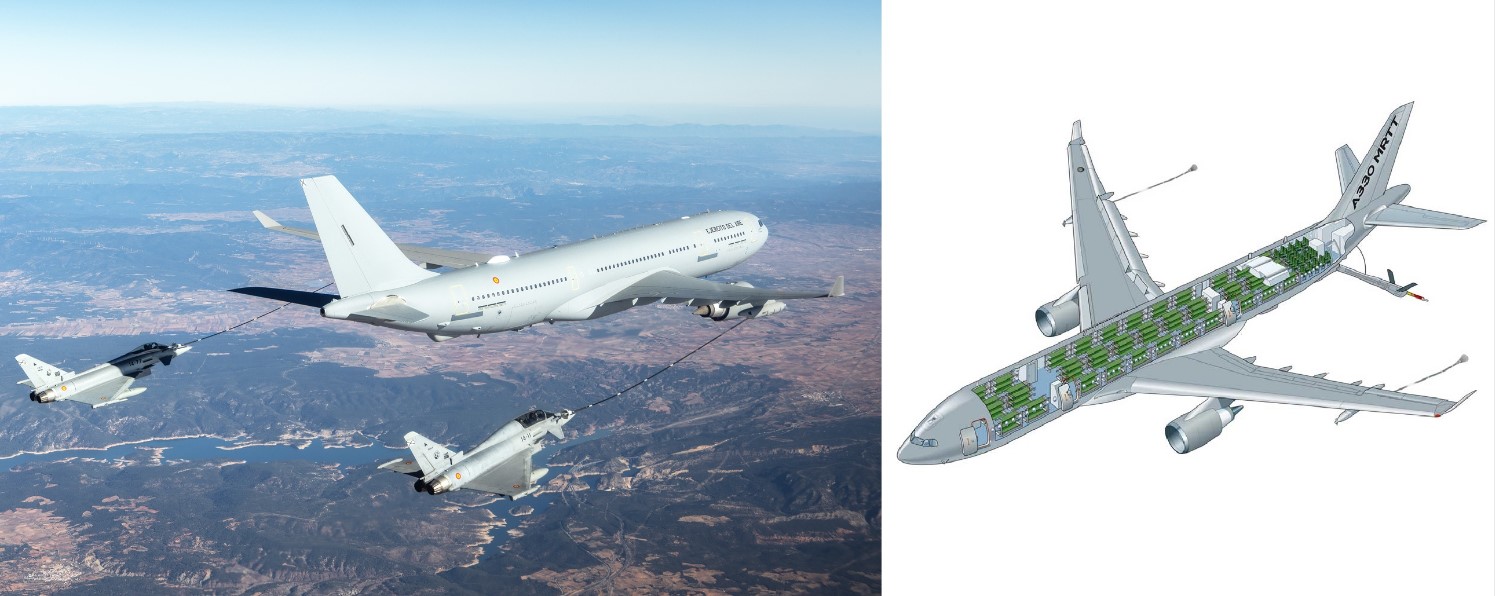
World
Poland has announced plans to acquire Multi-Role Tanker Transport (MRTT) aircraft, in what officials and analysts are calling one of the most important steps in the modernisation of the Polish Air Force since the decision to buy the F-35. Warsaw is expected to purchase three to four Airbus A330 MRTT aircraft from France in a deal worth more than €1 billion, giving Poland its first-ever national aerial refuelling capability for its F-35, F-16 and FA-50 fleets. A Billion-Euro Deal Built Around A330 MRTT According to Polish and European defence media, the government has decided to move ahead with the Karkonosze tanker/transport programme after nearly a decade of delays. The preferred solution is a small fleet of Airbus A330 MRTT aircraft sourced from France, which already operates the type and can offer training, maintenance cooperation and rapid integration into NATO refuelling networks. The purchase is expected to be co-financed under the European Commission’s EU SAFE defence investment facility, which offers low-interest loans for critical capability projects but requires that no more than 35% of the system’s value comes from non-EU components. That condition strongly favours the European-built A330 MRTT over US competitors and has been cited in Polish media as a key reason for the Airbus selection. While final contract details have not yet been published, officials in Warsaw say the goal is to have the first tankers in service before the end of this decade, in time to support a growing fleet of fifth-generation and upgraded fourth-generation fighters. From Zero Tankers To A National Capability Unlike many Western air forces, the Polish Air Force has never operated its own dedicated aerial refuelling tankers. Instead, Poland has relied on a network of NATO partners for inflight refuelling support during training and operations. French A330 MRTT tankers, for example, have recently refuelled Polish F-16s, while U.S. Air National Guard tanker wings have supported Polish fighters and the training of Polish F-35 crews. Earlier attempts to plug this gap repeatedly stalled: In 2008, Polish plans to acquire tankers were shelved amid budget pressures. In 2014, Warsaw joined a NATO Multinational MRTT Fleet (MMF) initiative but then withdrew in 2016, just days before signing, a decision retired Polish Air Force leaders later described as a “lost opportunity”. In the absence of tankers, Poland depended on its transport fleet—five C-130E Hercules, additional C-130H airframes being received from the United States, 16 Airbus C-295M, and smaller M28 Bryza aircraft—for strategic and tactical lift, medical evacuation and troop movements. These aircraft can move people and cargo but cannot refuel fighters in mid-air, forcing Polish jets to operate within range of ground bases or allied tankers. The planned A330 MRTT purchase therefore represents not a replacement of older Polish tankers – there were none – but the creation of an entirely new mission area inside the Polish Air Force. What The A330 MRTT Brings To Poland The Airbus A330 MRTT is widely regarded as the benchmark among new-generation tanker/transports. Based on the civilian A330-200 airliner, it combines a large fuel load with a wide-body cabin for cargo and passengers: It can carry around 111 tonnes of fuel in its wings and tanks without additional fuel cells. Airbus data shows it can offload up to 70 tonnes of fuel during a one-hour loiter mission 1,250 nautical miles from base—enough to keep a sizeable fighter package airborne. The aircraft can also transport up to about 300 troops or roughly 45 tonnes of cargo, and can be configured for aeromedical evacuation with intensive-care modules. For Poland, that means a single platform able to: Refuel F-35A, F-16C/D and future tanker-capable aircraft via boom or hose-and-drogue systems. Fly long-range strategic airlift missions, including deployments to the Middle East, Africa or the Indo-Pacific without relying on chartered civilian lift. Conduct mass medical evacuation or humanitarian relief flights, for example in support of operations in Ukraine or disaster response. Polish air commanders have publicly argued that having tankers can halve the number of fighters and crews needed to maintain long combat air patrols by allowing aircraft to refuel in the air rather than cycling back to base. Supporting A Rapidly Expanding Fighter Fleet The MRTT decision is closely tied to Poland’s rapidly growing fast-jet inventory. Warsaw is modernising and expanding its air force on several fronts: It operates 48 F-16C/D Jastrząb fighters, which are now being upgraded to the latest F-16V standard under a multibillion-dollar programme. It has ordered 32 F-35A Lightning II, with the first jets already delivered to a U.S. training base and Polish-based deliveries scheduled from 2026. It has contracted 48 FA-50 light combat aircraft from South Korea, 12 of which have already been delivered, with the remainder arriving through 2028. As these fleets enter service and legacy MiG-29 and Su-22 jets are phased out, Poland faces a simple problem: modern jets without a tanker are range-limited. A national MRTT fleet will allow: Deep-strike and patrol missions along NATO’s eastern flank and over the Baltic Sea. Long-endurance air policing and missile-defence patrols, which have become routine since Russia’s full-scale invasion of Ukraine. More realistic training for F-35 crews, who will rely heavily on tanker support in any high-intensity conflict. EU, NATO And Industrial Dimensions The choice of A330 MRTT also deepens Poland’s integration with wider European and NATO refuelling networks. Several European allies—including France, the Netherlands (through the Multinational MRTT Fleet), Spain and the UK—already operate the aircraft, enabling shared training, common logistics and pooled operations in crises. By tying the deal to the EU SAFE mechanism, Warsaw can offset part of the financial burden while supporting European industrial supply chains, particularly Airbus facilities in France, Spain and Germany. At the same time, Poland continues to explore separate deals for tactical transports like the Embraer C-390 Millennium, which can also be configured as a smaller tanker, suggesting that the A330 MRTT fleet could eventually be complemented by more agile tanker/transport platforms assembled partly in Poland. What Happens Next The next milestones will include the formal intergovernmental agreement with France, contract signature with Airbus, selection of a Polish base for the MRTT fleet, and detailed decisions on boom and hose-and-drogue fit, medical kits and communications systems. Once delivered, the aircraft will need a tailored training pipeline for pilots, boom operators and maintenance personnel. For Warsaw, however, the strategic direction is already clear. After years of relying on allied tankers and watching earlier initiatives fall through, the planned purchase of three to four Airbus A330 MRTT aircraft marks the moment when Poland finally couples its expanding fleet of modern combat aircraft with the long-range reach and endurance they were designed to deliver.
Read More → Posted on 2025-12-03 12:13:24
World
President Donald Trump is claiming that his new administration has unlocked an investment boom “never seen in history,” declaring that more than $18 trillion in investment commitments have been secured in just 10 months – compared with “just $1 trillion” over President Joe Biden’s four years. The dramatic comparison, repeated in a now-viral video and in a Cabinet meeting in Washington, has electrified Trump supporters and alarmed economists, who say the headline numbers mix very different kinds of promises and are not directly comparable. Where Trump’s $18 trillion number comes from Trump made the $18 trillion claim during an extended Cabinet session, describing what he called the “strongest economic turnaround in U.S. history.” He told his team that, in 10 months, the administration had “secured commitments of over $18 trillion” and argued that no country had ever attracted such investment before. Behind that figure is a mix of: Corporate investment announcements in the U.S. – especially in AI, data centers, chips, manufacturing and energy – listed on a new “US & Foreign Investments” page on the Trump White House website. The page showcases hundreds of billions of dollars in planned spending by companies such as Apple, Nvidia, Meta, TSMC, Micron, Google, Amazon, Eli Lilly, Ford, Hyundai, Nippon Steel and many others. Foreign-government pledges to invest in or buy from the U.S. The same White House list includes very large headline commitments such as: Qatar – $1.2 trillion United Arab Emirates – $1.4 trillion Japan – $1 trillion Saudi Arabia – $600 billion India – $500 billion Bahrain – $17 billion An additional $600 billion associated with EU firms under a trade deal. A separate $1 trillion Saudi pledge for AI-related investments with U.S. companies, highlighted during Saudi Crown Prince Mohammed bin Salman’s recent visit to Washington, where Trump framed AI and data centers as the core of his economic strategy. If you add together corporate factory and data-center plans, energy projects and these sovereign pledges, you can approach the kind of multitrillion-dollar totals Trump is now citing – at least on paper. But many of these are long-term, conditional or not yet financed, and some overlap with investments first developed under Biden-era industrial policies. Fact-check: What independent analysts say about Trump’s investment totals Trump’s newest $18 trillion boast didn’t appear out of nowhere. For months he has steadily escalated the figure: Earlier this year he talked about $10 trillion in investments; a detailed fact-check of that claim found that the White House’s own public lists added up to about $5.1 trillion in “promised” investments, of which only around $2.1–4.3 trillion could be reasonably treated as genuinely new – and even those were not guaranteed to materialise. By October, he was citing $17 trillion in new investments, a claim the Associated Press described as relying on announcements, foreign pledges, budget items and some double counting, concluding that the actual number of new, confirmed projects was “likely much less.” FactCheck.org has documented how Trump’s claimed totals have grown from $3 trillion to over $10 trillion over just a few months, even though the underlying published investment lists did not support those rapidly rising numbers. More recently, a Reuters review of the Trump White House “Trump Effect” investment website found that nearly half of the $2.6 trillion in projects listed at the time either began under Biden, pre-dated Trump’s return to office, or were routine corporate capital spending that would likely have happened anyway. Taken together, the independent assessments suggest: Many projects Trump counts as “his” were already in motion under Biden or earlier. Not all “commitments” are firm investments: some are memorandums of understanding, tentative pledges or marketing numbers that could be scaled back. The real, new capital actually being spent in the U.S. is significantly lower than the advertised $17–18 trillion. Economists also point out that $18 trillion is close to three-quarters of total annual U.S. GDP – making it implausible that such an amount of fresh, additional investment has truly been locked in over a few months. How Biden’s “$1 trillion” figure was calculated Trump contrasts his $18 trillion claim with “just $1 trillion” under Biden. That comparison is technically anchored in a real Biden-era figure – but it is narrower and more carefully defined than Trump suggests. In late 2024, the Biden White House announced that its “Investing in America” agenda – the Bipartisan Infrastructure Law, CHIPS and Science Act and Inflation Reduction Act – had catalyzed more than $1 trillion in private-sector investment announcements in the United States. That $1 trillion number: Covers specific sectors: semiconductors and electronics, clean energy, EVs and batteries, biomanufacturing, heavy industry and clean power. Comes from announced factory and project plans tracked on the public invest.gov database, not from global financial flows or foreign sovereign commitments. Is meant to show how Biden-era laws nudged private companies to build plants in the U.S., not to measure every dollar of investment in the wider economy. In other words, Biden’s $1 trillion refers to a narrow slice of domestic industrial investment, while Trump’s $18 trillion appears to mix global sovereign wealth pledges, long-term LNG purchase agreements, AI-infrastructure deals, data-center clusters, pharmaceutical expansions and more over an undefined time frame. Analysts therefore describe Trump’s comparison as “apples to oranges”: he is stacking a broad set of global, multi-year promises against a more conservative, sector-focused tally compiled by the previous administration. What kinds of investments are actually being discussed? The investments being discussed cover several major sectors of the U.S. economy. In advanced manufacturing and semiconductor production, companies such as TSMC, Micron, GlobalFoundries and Intel have announced massive factory and packaging projects across states including Arizona and New York. Many of these initiatives first emerged in response to Biden’s CHIPS Act subsidies, yet the Trump administration now points to later expansions, additional phases and renegotiated agreements as part of its investment totals. In the field of artificial intelligence and data infrastructure, companies like Nvidia, Google, Meta and Amazon are pursuing multi-billion-dollar plans to build AI super-computing hubs and large-scale data centers. These facilities require extraordinary amounts of power, which is why many of them are tied to long-term electricity supply arrangements and natural-gas contracts. Energy and LNG commitments add another layer to the numbers. Major U.S. LNG export projects and grid-modernization efforts are supported by long-term agreements from foreign buyers such as Japan’s JERA and major South Korean energy firms, whose purchase contracts help finance these large developments. There is also a significant category of foreign sovereign investment deals. Countries including Saudi Arabia, Qatar, the United Arab Emirates, Japan and India have announced large, long-term pledges—sometimes in the hundreds of billions or even over a trillion dollars—to invest in U.S. industries ranging from AI and energy to manufacturing and technology partnerships. These commitments are often connected to each nation’s own economic-transformation strategies. All of these investment areas involve genuinely large sums of planned spending. The real debate is not about whether the investments exist but about how they are counted, over what time period they apply, and which administration deserves credit for the commitments. The political stakes Trump’s message is clear: he wants voters to believe that massive investment commitments, lower inflation and tax cuts are proof that his second term is delivering an economic turnaround that “shocks the experts.” But independent fact-checkers and financial analysts are just as clear: The $18 trillion headline is not a verified, universally accepted economic statistic. It bundles together many different types of promises, some of which may never fully materialise, and some of which were seeded by Biden-era legislation or pre-existing corporate plans. For now, Trump’s dramatic line – “Four years, a trillion. Ten months, more than eighteen trillion” – functions more as campaign messaging than as a precise accounting of U.S. investment flows.
Read More → Posted on 2025-12-03 11:59:45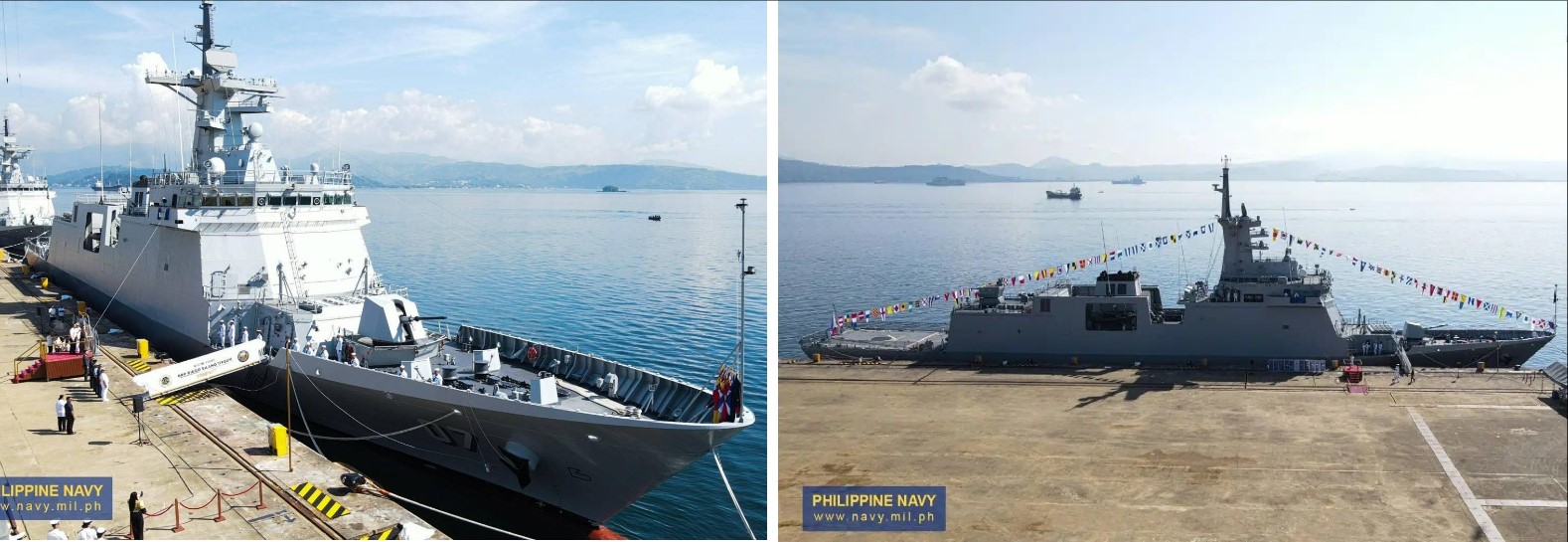
World
The BRP Diego Silang (FFG-07) — the second guided-missile frigate of the Miguel Malvar-class frigate — was officially commissioned into service on 2 December 2025 at Naval Operating Base Subic, marking a significant milestone in the ongoing modernization of the Philippine Navy (PN). Senior naval and defense officials present at the ceremony highlighted the arrival of the ship as a decisive step in boosting maritime domain awareness and deterrence — particularly in disputed waters of the West Philippine Sea, the Philippine EEZ in the broader South China Sea. “This will add to the capital ships of the PN that are capable of patrolling all the way up to our EEZ and even beyond,” said the Navy’s West Philippine Sea spokesperson during the press briefing, calling BRP Diego Silang “the most modern warship that we will have.” Defense Undersecretary for Acquisition and Resource Management said the commissioning “sends a clear message that the Philippines will keep investing in programs that bolster maritime domain awareness, strengthen deterrence, and reinforce our ability to uphold the rule of law.” From South Korea to Subic: Delivery and Arrival Built by South Korea's HD Hyundai Heavy Industries (HD HHI), the frigate was delivered to the Philippine Navy on 9 September 2025. The warship is based on HHI’s HDC-3200 design — a further-evolved variant of the hull used in the earlier Jose Rizal-class frigate. At arrival, the ship was formally welcomed by another Philippine naval vessel — the BRP Jose Rizal (FF-150) — marking a symbolic moment for the navy’s expanding surface fleet. During its voyage into Philippine waters, the frigate also conducted coordinated maneuvers with a coastal patrol vessel of the Philippine Coast Guard, reinforcing fleet interoperability. Soon after its arrival, the necessary acceptance procedures and final checks were completed to prepare for full commissioning — now formalized on 2 December 2025. What BRP Diego Silang brings: Capabilities & Strategic Value At around 3,200 tons displacement, approximately 116–118 meters in length, with a beam of 14.9 meters, BRP Diego Silang is powered by a Combined Diesel and Diesel (CODAD) propulsion system, enabling a top speed of about 25 knots and a cruising range of 4,500 nautical miles. The frigate is outfitted for multi-domain warfare — capable of addressing air, surface, and subsurface threats. Its weapons fit includes a 76 mm main naval gun, a 16-cell vertical launching system (VLS) for surface-to-air missiles, eight anti-ship missile launchers, a 35 mm Gökdeniz close-in weapon system (CIWS), and torpedo launchers for anti-submarine warfare. Beyond raw firepower, the vessel is equipped with modern sensors and electronics — including long-range radar, fire-control systems, sonar capability, and integrated combat management systems — allowing the Philippine Navy to track, detect and respond across multiple domains. Why the Commission Matters for Manila’s Maritime Strategy The commissioning of BRP Diego Silang underlines the broader intent of the Philippine government to strengthen maritime security, assert sovereignty, and deter incursions in its Exclusive Economic Zone. In recent years, tensions in the South China Sea — particularly the West Philippine Sea — have increased, with reports of foreign naval incursions probing Philippine maritime claims. Against that backdrop, a capable, modern frigate represents a valuable symbol and instrument of deterrence. Moreover, the ship enhances interoperability with allied navies, and signals Manila’s readiness to participate more robustly in joint maritime operations, patrols, and regional security cooperation. At the same time, the government — via the Department of National Defense (DND) — appears to be doubling down on modernization, with negotiations underway to acquire two additional Miguel Malvar-class frigates. What Comes Next With BRP Diego Silang now active, the Philippine Navy is better positioned to maintain a credible forward presence in its maritime zones. The planned additional frigates — once acquired — would further increase patrol coverage, surveillance, and deterrence capacity, enabling Manila to safeguard its maritime interests more confidently. Much will depend on how the Navy integrates these new ships operationally — through training, coordination with regional partners, and deployment strategies — to maximize impact. In commissioning its newest and most capable warship to date, Manila sends a clear message: it intends to assert and defend its maritime rights, and remains committed to modernizing its naval forces for the challenges ahead.
Read More → Posted on 2025-12-02 17:58:56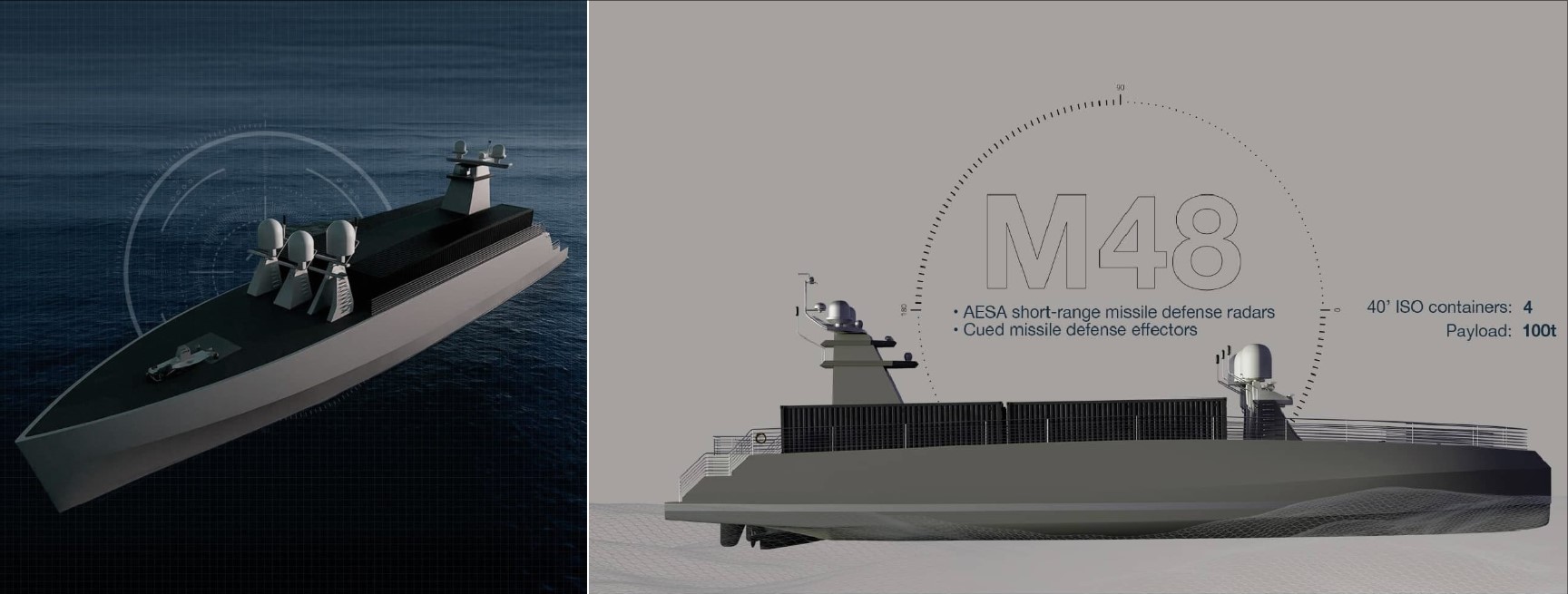
Magnet Defense Unveils M48: A $50 Million AI-Powered USV After 390 Days of Autonomous Sea Operations
World
After more than two years of quiet development, Magnet Defense LLC has formally stepped into the spotlight today with the public unveiling of its first autonomous maritime platform: the 48-metre M48 Large Uncrewed Surface Vessel (LUSV). The company said it invested over US$50 million into the design, build and validation of M48 — which has already logged a striking 32,000 nautical miles and 390 total days at sea under AI-enabled autonomous operation. Magnet Defense describes M48 as a flagship entry into a new generation of unmanned surface vessels (USVs), combining advanced autonomy, modular mission payloads and rugged seafaring endurance. The unveiling comes at a time when global strategic uncertainty is driving demand for unmanned maritime capabilities. According to the company, traditional manned multi-mission warships are increasingly seen as costly, limited in number, and too slow to scale for many modern defense needs — fueling a shift toward lower-cost, rapidly deployable autonomous platforms. What M48 brings: Capabilities, Design and Performance The M48 platform is designed to operate fully autonomously, even in high-risk or contested maritime zones. Magnet Defense says the vessel is configured to deliver a wide range of mission capabilities — from persistent intelligence, surveillance and reconnaissance (ISR), to missile defense, electronic warfare, anti-submarine warfare (ASW), logistics and other multi-domain tasks — all while minimizing risk to human personnel. A key differentiator is M48’s modular payload architecture. The vessel features containerized mission modules, allowing operators to quickly reconfigure the USV for different tasks. Its stable hull geometry and efficient design have reportedly enabled it to operate continuously for long durations: 390 days at sea, with successful navigation over 32,000 nautical miles; operations included sustained periods in Sea State 7, and surviving multi-hour exposures in Sea State 9. On the technological side, M48 leverages advanced machine learning, edge computing, and multi-sensor fusion to deliver rapid threat recognition, automated weapon pairing, and high-level autonomy — while still allowing for human-in-the-loop oversight when required. The system reportedly includes redundancies, failsafes, and design features enabling long unattended missions without maintenance. Why M48 Matters Now Unmanned surface vessels are not a new concept; over past decades, various navies and defence-industrial firms have experimented with USVs for surveillance, mine countermeasure, and reconnaissance missions. But according to defence-industry analysts, the rising demand for scalable, automated, low-cost maritime assets is reshaping naval procurement strategy — especially as navies look to modernize without committing vast resources to traditional crews and warships. In this environment, Magnet Defense aims to position M48 (and future USV variants) as a cost-effective yet highly capable alternative — one that can deliver long-endurance missions in contested or dangerous environments, reduce risk to human crews, and enable distributed maritime operations at scale. Moreover, modular payload architectures align with global trends in open-architecture naval design, allowing navies to integrate ISR, ASW, or electronic-warfare packages depending on operational needs. What’s Next While Magnet Defense’s public announcement paints an ambitious picture, several questions remain. Observers may be keen to see independent verification of performance claims — particularly endurance under severe sea states, autonomy performance in real-world contested zones, and reliability over multiple mission cycles. Moreover, the regulatory and geopolitical landscape for unmanned maritime systems is still evolving. As USVs scale up, navies may need to address issues such as command-and-control, rules of engagement, interoperability with manned fleets, and safety in international waters. It is also unclear how soon Magnet Defense — or any potential customers — might move from sea trials to operational deployment. Market demand seems favorable: many nations are accelerating interest in unmanned maritime capabilities, especially for persistent surveillance, maritime domain awareness, and force-multiplying effects at lower cost. With the unveiling of M48, Magnet Defense LLC has entered the growing arena of autonomous naval platforms. Backed by a substantial investment and a successful 390-day sea trial, M48 appears to represent a meaningful step toward full-scale adoption of AI-enabled unmanned maritime systems — combining long-range endurance, modular flexibility, and advanced autonomy. As global maritime security dynamics evolve, vessels like M48 could reshape how navies deploy force at sea — potentially redefining the balance between traditional manned fleets and distributed autonomous naval assets.
Read More → Posted on 2025-12-02 17:51:48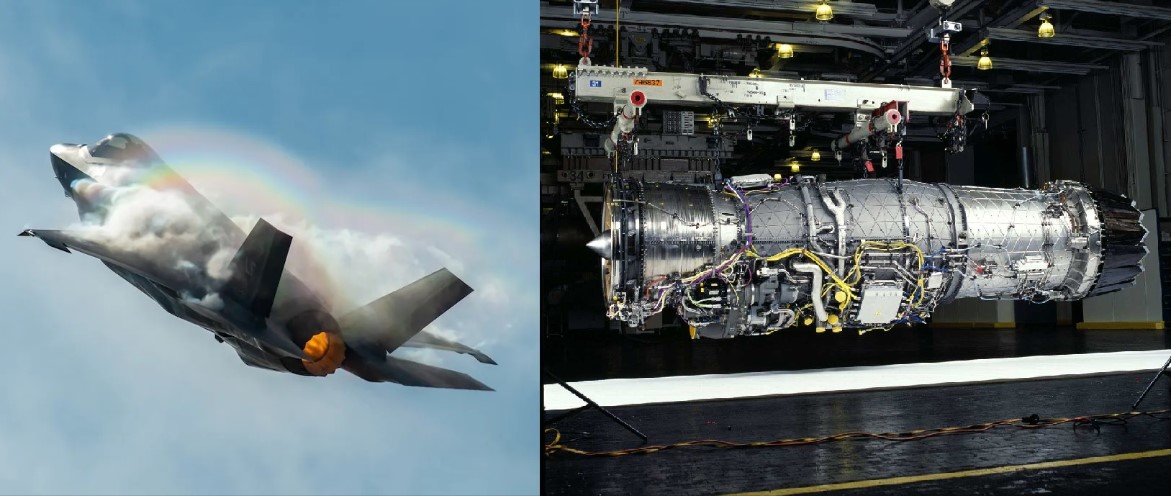
World
Pratt & Whitney, an RTX business, has been awarded a $1.6 billion undefinitised contract action (UCA) to continue sustaining the F135 engines that power all three variants of the F-35 Lightning II, the world’s largest and most internationally connected fifth-generation fighter program. The new award ensures continued engine readiness for both U.S. operators and international customers across the 20-nation F-35 partnership. A Comprehensive Sustainment Package The contract funds a wide spectrum of sustainment activities essential to keeping the global F-35 fleet mission-ready. It covers depot-level maintenance and repair, replenishment of spare parts and material management, as well as propulsion system integration and engineering support. It also provides for software sustainment, including updates to the engine’s health-monitoring tools and performance algorithms. This comprehensive support package is especially important as the global F-35 fleet continues to expand—now numbering more than 1,000 aircraft—ensuring that squadrons maintain high mission-capable rates despite increasing operational demands. Pratt & Whitney: Sustaining Global Readiness “Investing in F135 sustainment keeps allied forces ready to meet current and future threats,” said Kinda Eastwood, vice president of F135 Sustainment at Pratt & Whitney. She added that air forces worldwide rely on the engine’s power and performance for a wide range of operational missions, from deterrence patrols and expeditionary deployments to strike missions and homeland defense. The F135, recognized as the most powerful fighter engine ever fielded, delivers 40,000+ pounds of thrust, advanced thermal management, and high-efficiency performance—all essential for the F-35’s stealth and sensor-fusion capabilities. A Global Sustainment Footprint Pratt & Whitney’s F135 sustainment network is one of the most distributed and complex engine-support infrastructures in the world. It spans: Multiple depot facilities across the United States, Europe and Asia 39 operating bases 12 aircraft carriers and amphibious assault ships equipped for F-35B and F-35C operations This global footprint allows rapid deployment of parts, tools, and technical expertise, enabling high aircraft availability across theaters such as Europe, the Indo-Pacific, and the Middle East. Officials say the distributed model enhances agility, resilience and response time, ensuring that F-35 units remain combat-ready under all conditions. A Growing Fleet and Future Upgrades Pratt & Whitney has already delivered more than 1,300 F135 production engines. With the F-35 program projected to exceed 3,000 aircraft, sustainment costs and reliability upgrades remain politically and strategically important. The company emphasized that the upcoming F135 Engine Core Upgrade (ECU)—a modernization package scheduled to begin entering service later this decade—will be fully compatible with existing sustainment infrastructure. The ECU aims to improve: Thrust performance Thermal management (critical as F-35s gain new sensors and weapons) Fuel efficiency Lifecycle cost reduction Partner nations have welcomed the ECU as a cost-effective and low-risk path to maintain engine performance without pursuing a completely new propulsion system. Why This Contract Matters The sustainment UCA comes at a time when global F-35 deployments are expanding rapidly. Nations such as Japan, the U.K., Australia, Norway, the Netherlands, Italy, Finland, South Korea and others rely heavily on the aircraft’s operational availability to deter regional threats. For the U.S., the F-35 remains the backbone of tactical airpower across the Air Force, Navy, and Marine Corps, making engine support essential for forward operations, carrier deployments, and homeland defense missions. The new contract ensures the stability of the sustainment pipeline, secures spare-part inventories, and supports the transition to next-generation upgrades—all crucial as worldwide demand for F-35 missions intensifies.
Read More → Posted on 2025-12-02 17:04:36
World
Ukraine is confronting a dangerous new escalation in aerial warfare after Russian forces modified Shahed/Geran-2 drones to carry and potentially fire R-60 (AA-8 “Aphid”) air-to-air missiles, a capability never before seen in any modern conflict. The discovery marks the world’s first documented instance of a disposable kamikaze drone being adapted to threaten fighter jets and helicopters. The development underscores how rapidly Russia has advanced its drone program—once considered far behind Ukraine’s—into one of the most aggressive and experimental unmanned warfare systems on the battlefield. Evidence From Wreckage Confirms R-60 Missile Integration The breakthrough emerged when Ukrainian forces examined wreckage from several downed Geran-2 drones.A detailed video released by the Darknode Battalion of the 412th Nemesis Brigade, part of Ukraine’s Unmanned Systems Forces, revealed: A custom launch rail mounted atop the drone A fully integrated R-60 missile Modified wiring and stabilizers to support guided weapon release The R-60 missile—introduced in the 1970s—is a compact, highly maneuverable infrared-guided weapon capable of: Mach 2+ speeds 200–300 m engagement range 3-kg fragmentation warhead Although designed for dogfights between jets, even a single R-60 is deadly enough to destroy helicopters, low-flying aircraft, and slow-moving interceptors. Ukraine Intercepted the Drones — But Calls the Threat Serious Ukraine confirmed that the modified Shahed drones carrying R-60 air-to-air missiles were brought down by Sting interceptor UAVs, a counter-drone system developed by the Ukrainian company Wild Hornets. Despite these successful interceptions, officials warn the development represents a serious and escalating threat. If the Russian modifications prove fully functional, the drones could endanger incoming F-16s, Mirage 2000 fighters, and frontline helicopter units such as the Mi-8 and Mi-24, along with Ukraine’s specialized drone-hunter helicopters. Even if the R-60 cannot reliably lock onto fast jets, the mere presence of a missile-armed drone forces Ukrainian aircraft to fly higher, avoid frontline zones, and operate at larger standoff distances, reducing their tactical flexibility—an outcome that clearly serves Russian interests. Is the System Fully Operational? Experts Divided Although the presence of the R-60 missile on the modified Geran-2 has been confirmed, analysts remain divided about its true operational readiness. The R-60 typically requires precise heat-lock capability, something extremely difficult for a Shahed drone to achieve due to its lack of targeting sensors, radar, or infrared tracking systems. Launching a supersonic weapon from a slow, propeller-driven drone also poses major technical risks, with experts warning that the force of separation could destabilize or destroy the drone. Some analysts believe the modification is intended primarily as a psychological weapon, compelling Ukraine to change its flight patterns. Others argue that Russia may be testing early prototypes aimed at creating drone-based air-defense interceptors or anti-helicopter loitering traps. Regardless of functionality, the adaptation demonstrates Russia’s clear intent to expand drone warfare into air-to-air roles. Ukraine Did It First — And Russia Followed Ukraine itself pioneered missile-armed drones earlier in the war, when its Magura V5 naval drones were equipped with R-73 heat-seeking missiles and later AIM-9 Sidewinders. These armed drones achieved several confirmed kills, bringing down Russian Mi-8 helicopters and Su-30 fighters over the Black Sea during 2023 and 2024. Russia’s decision to adapt its Geran drones with R-60 missiles may be a direct response to Ukraine’s earlier successes, as both sides continue to escalate their technological race. Rapid Russian Drone Evolution: From Weakness to Dominance At the beginning of the invasion, Russia suffered heavy battlefield losses due to Ukraine’s superior drone tactics. Kyiv’s quadcopters, strike drones, and naval drones destroyed armored columns, artillery sites, and supply convoys, giving Ukraine a clear technological lead. But by 2023–2025, Russia launched one of the fastest drone expansion programs in the world, rapidly shifting from vulnerability to dominance. The Kremlin invested massively in the mass production of Geran-2 drones, deployed Lancet loitering munitions, rolled out long-range Italmas and Privet-82 UAVs, built FPV strike swarms with thermal imaging, fielded anti-drone drones, and created a growing fleet of electronic-warfare-resistant UAVs. The introduction of an R-60-equipped Shahed now adds a new anti-air capability to Russia’s expanding unmanned arsenal. A Turning Point in Drone Warfare The appearance of a kamikaze drone carrying an air-to-air missile marks a historic turning point in modern aerial warfare. For the first time, a cheap, expendable UAV could potentially threaten multi-million-dollar fighter jets. Suicide drones, once used mainly for ground strikes, are evolving into multi-role aerial combat platforms. Drone-versus-aircraft engagements, once considered theoretical, are now becoming a real possibility on the Ukrainian battlefield. Both nations already rely heavily on UAVs for reconnaissance, deep strikes, artillery guidance, and maritime operations, but the ability to fire an air-to-air missile pushes drone warfare into a new, more complex and dangerous phase. Analysts warn that future drones may carry miniaturized air-defense systems, anti-helicopter weapons, small radar seekers, electronic-warfare emitters, and even coordinated swarm interceptors. With every new innovation, Ukraine becomes the world’s most active testing ground for next-generation aerial robotics, and the consequences are likely to reshape global air warfare for years to come.
Read More → Posted on 2025-12-02 16:30:30
World
Ukraine’s political environment has entered a period of intense internal strain after MP Artem Dmitruk claimed that President Volodymyr Zelensky has been “ordered to resign within the coming days.” The allegation remains unverified, but it has drawn attention because it comes during a phase in which the government is dealing with corruption investigations, party disputes, and a delayed 2026 budget, creating a climate of administrative difficulty during wartime. Dmitruk, who was expelled from Zelensky’s Servant of the People party earlier in the president’s term, stated that he had received information about a supposed resignation demand and suggested that Zelensky would “wait until the last moment.” He did not specify who allegedly issued this request or present evidence. Because of his political conflicts with the current government and past controversies, analysts have treated his claim as politically motivated. Even so, it has circulated widely because it aligns with Ukraine’s current governance challenges. One of the main issues confronting the administration is the fallout from the Mindich tapes corruption case. The investigation centers on businessman Timur Mindich, formerly connected to Zelensky’s entertainment company, and involves allegations of improper influence over state contracts in the energy and defense sectors. As part of the expanding inquiry, authorities conducted searches at the home of Andriy Yermak, the president’s chief of staff. Yermak later resigned, marking a significant shift within the leadership team responsible for coordinating wartime decision-making and diplomacy. The probe has grown to include multiple layers of suspected financial misconduct, including kickback arrangements and procurement irregularities. Mindich left Ukraine before the searches and has since been listed as wanted by authorities. These developments have increased public scrutiny over government operations and raised expectations for stronger accountability. Parallel to the corruption issues, Zelensky’s governing faction, Servant of the People, is facing internal disagreements. MPs have expressed differing views on policy, appointments, and the handling of corruption cases. This fragmentation has reduced the administration’s ability to reliably pass legislation. The impact is particularly visible in the difficulty surrounding the approval of the 2026 state budget. Although the draft budget passed its initial stage, final approval has been delayed due to disagreements within the ruling faction and demands from opposition parties for adjustments to funding priorities and oversight mechanisms. Officials have emphasized that timely approval is necessary to maintain defense spending and essential government functions. Another contributing factor to the tense atmosphere is the legal status of the presidency. Zelensky’s regular five-year term ended in May 2024, but Ukraine’s constitution does not allow national elections during martial law. As a result, he remains in office until elections can legally be held. While this arrangement follows constitutional requirements, it has still become a point of debate among political opponents, adding to the broader context of criticism and speculation. Together, these developments explain why Dmitruk’s statement has received visibility despite the absence of supporting evidence. The presidency is currently navigating corruption investigations, leadership changes, parliamentary disputes, and budget delays, creating a period of administrative pressure. Government representatives have dismissed rumors about a planned resignation, noting that Zelensky continues his duties and maintains regular engagement with domestic institutions and international partners. The coming weeks are expected to focus on whether the government can finalize the 2026 budget, appoint a new chief of staff, and manage the ongoing investigations effectively. While the claim that Zelensky has been ordered to resign remains unconfirmed, the circumstances that allowed such statements to gain attention reflect the governance challenges Ukraine is working to address.
Read More → Posted on 2025-12-02 16:07:25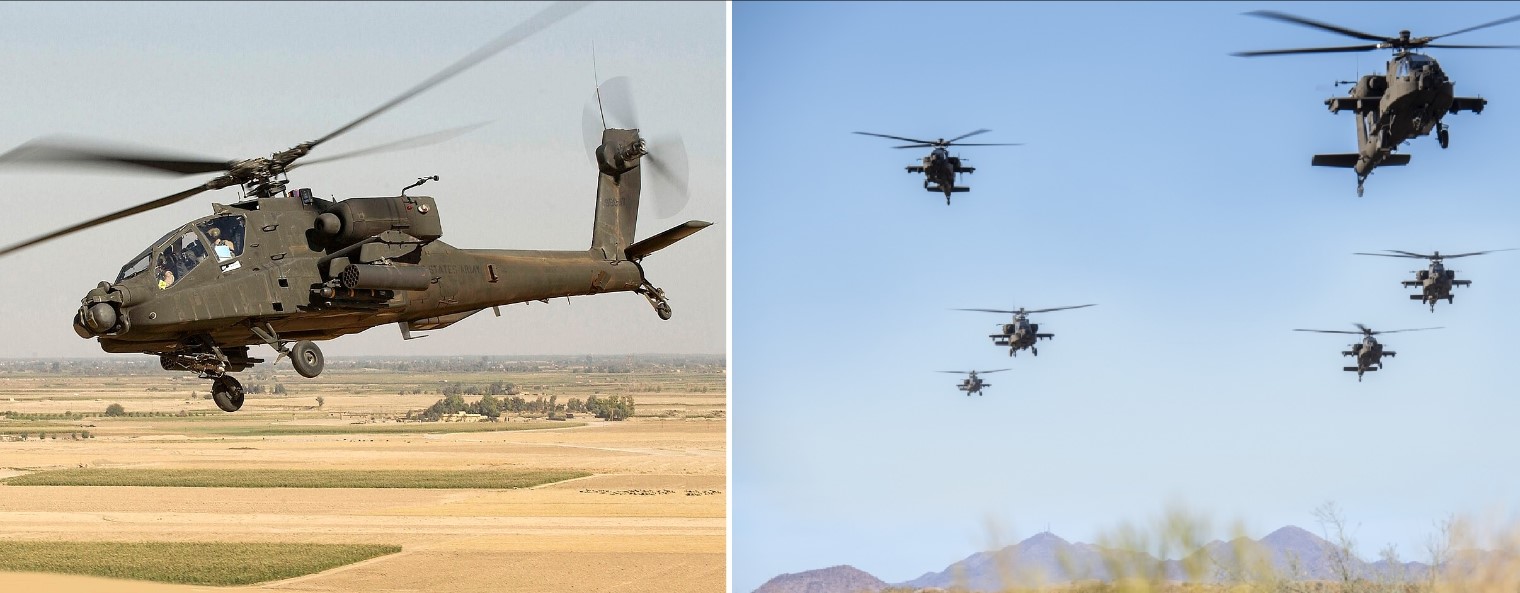
World
Poland has formally locked in a massive production contract for 96 AH-64E Apache Guardian attack helicopters, cementing its place as the largest Apache operator outside the United States and one of NATO’s most heavily armed land forces. The deal, worth about $10 billion when weapons, training, and support are included, is a cornerstone in Warsaw’s fast-tracked military buildup following Russia’s full-scale invasion of Ukraine in 2022. From US Approval To Signed Contract The Apache story for Poland began in August 2023, when the US State Department approved a potential Foreign Military Sales (FMS) package including 96 AH-64E Apaches and a full ecosystem of radars, engines, weapons, training, and logistics, with an estimated value of $12 billion . This cleared the political and legal path in Washington for the helicopter sale. On 13 August 2024, Poland’s Deputy Prime Minister and Defence Minister Władysław Kosiniak-Kamysz announced that Warsaw had signed the Letter of Offer and Acceptance (LOA) for 96 AH-64E Apache Guardians, describing it as a transformative step for the Polish Armed Forces. The deal was publicized at the 56th Inowrocław-Latkowo Air Base, headquarters of the 1st Land Forces Aviation Brigade, which is expected to become one of the key Apache hubs. The US Army then awarded Boeing a foreign military sales production contract in late November 2025, valued at nearly $4.7 billion, covering Apache helicopters for several international customers, including the full batch of 96 for Poland. This production contract translates the earlier political approvals into firm manufacturing orders. Delivery Timeline: 2028 And Beyond According to Polish government statements and Boeing’s official release, deliveries are scheduled to begin in 2028 and are expected to continue into the early 2030s, with some Polish sources indicating a working window of 2028–2032 for the full fleet to arrive. To avoid a capability gap and accelerate training, Poland has already signed a separate lease deal for eight AH-64D Apache helicopters from the US Army. That lease, reportedly worth about $300 million, was concluded in early 2025 and allows Polish pilots, ground crews, and commanders to gain hands-on experience with the Apache platform years before the first new-build AH-64E is delivered. Boeing notes that Poland has already started to train pilots and maintainers and is integrating Apache-related infrastructure into its air bases and logistics system, ensuring that the aircraft can enter service with minimal delay once they arrive from the production line in Mesa, Arizona. Why The AH-64E Matters For Poland The AH-64E Apache Guardian is the latest and most advanced variant of the iconic Apache family. Compared to older models, the E-version features upgraded GE T700-701D engines, new composite main rotor blades, and a fully modernized digital architecture. These upgrades improve hot-and-high performance, flight range, and payload, while also enabling faster data processing and integration with other platforms. The Polish Apaches will be equipped with the standard US-export suite of sensors and weapons, including the mast-mounted Longbow fire control radar, advanced electro-optical systems, and the ability to fire AGM-114 Hellfire or AGM-179 JAGM precision missiles, unguided and guided rockets, and the 30 mm chain gun. In addition, the AH-64E is designed for network-centric warfare: it can share target data over tactical datalinks and cooperate with unmanned aerial vehicles, allowing the helicopter to direct strikes without exposing itself directly. For Poland, these capabilities are intended to mesh with other new acquisitions such as M1A2 Abrams and K2 Black Panther main battle tanks, HIMARS and K239 Chunmoo rocket artillery, and new air-defence systems like Patriot and Narew. Together, they are meant to create a layered, mobile, high-firepower deterrent along NATO’s eastern flank. Largest Apache Operator Outside The US Once the 96 helicopters are delivered, Poland will become the largest Apache operator outside the United States, surpassing long-time users such as the United Kingdom, Israel, and Japan. With this fleet size, Poland will also rank as the second-largest Apache user overall, behind only the US Army. This scale matters for several reasons. First, it allows Warsaw to distribute Apaches across multiple brigades and regions, while maintaining training, test, and reserve pools. Second, it creates an economic case for deeper industrial cooperation, including potential Polish participation in maintenance, repair, and overhaul (MRO) activities and supply-chain work related to Apache components. Boeing has already highlighted Poland as the 19th global operator and has signalled interest in expanding partnerships with Polish industry as part of the wider deal. Strategic Signal To Moscow And NATO Beyond the technical and financial details, the Apache contract sends a clear political message. Since 2022, Poland has positioned itself as one of Ukraine’s most vocal supporters and as a frontline state preparing for high-intensity conflict with Russia should deterrence fail. Large-scale purchases of tanks, artillery, air-defence systems, and now advanced attack helicopters are intended both to bolster Poland’s own security and to reassure NATO allies that the eastern flank will be heavily defended. At the same time, the deal underlines the deepening defence-industrial ties between Warsaw and Washington. By choosing the AH-64E Apache Guardian and integrating it with US-origin tanks, air-defence batteries, and command-and-control networks, Poland is binding its military future ever more tightly to US technology and logistics. For the United States, the contract reinforces a key NATO partner, expands the global Apache community, and sustains production lines that are vital to American and allied aviation. With deliveries starting in 2028 and running into the next decade, the Apache fleet will form a central pillar of Poland’s land-attack and anti-armour capability for many years to come — a long-term investment in deterrence at a time when Europe’s security environment remains highly unstable.
Read More → Posted on 2025-12-02 15:51:15Search
Top Trending in 24 Hours
-
 U.S Navy Orders 50 Blackbeard Hypersonic Missiles in New $23.4 Million Contract
-
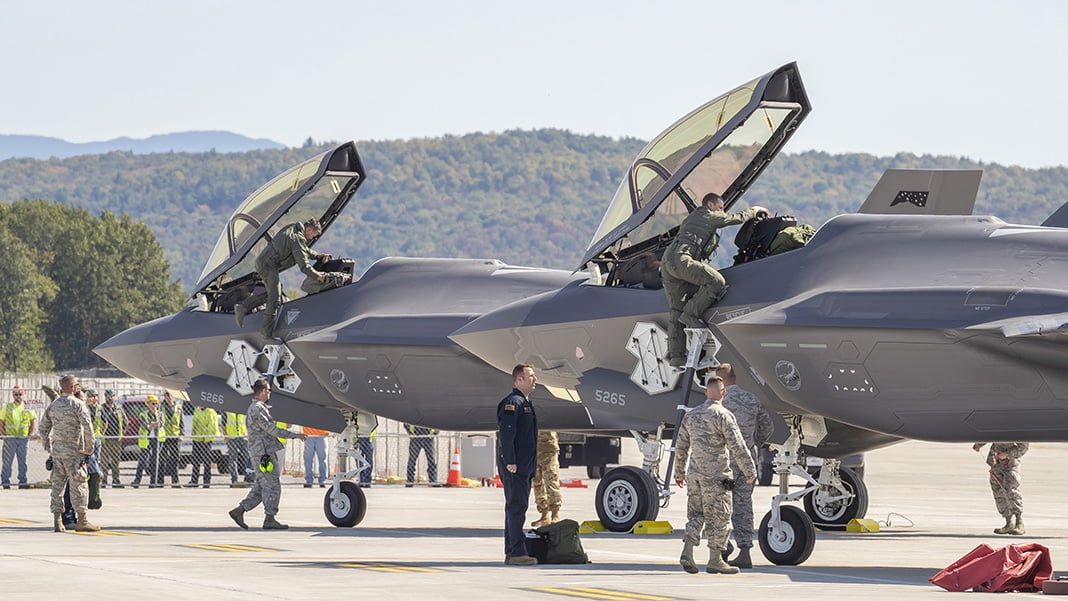 F-35 Fleet Readiness Falls to 25% Amid Parts Shortages and Software Delays: GAO Report
-
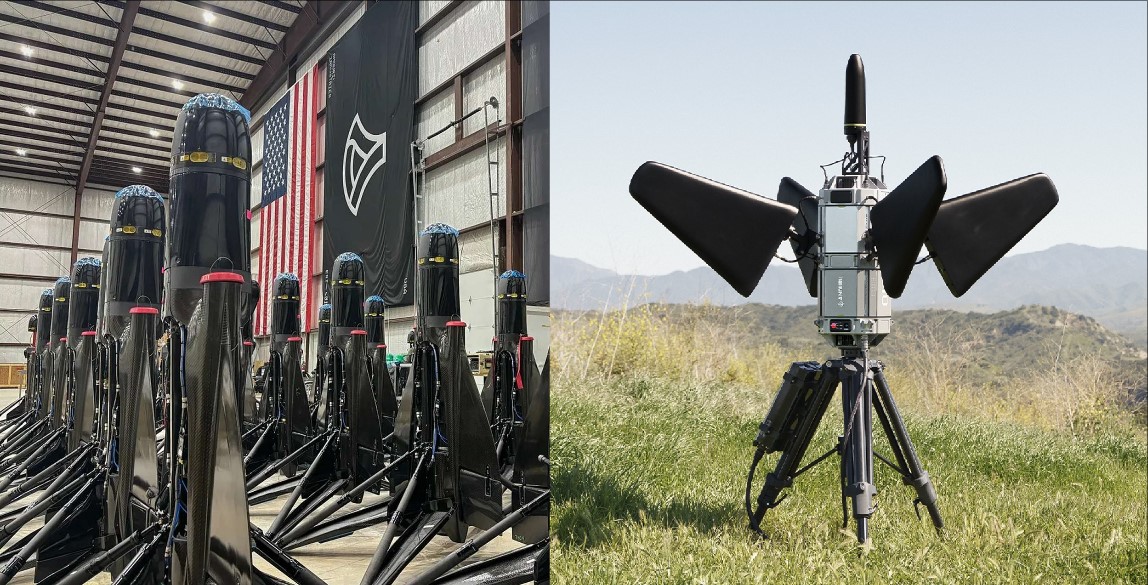 U.S. Approves $1.98 Billion Sale of Anduril AI-Powered Counter-Drone Systems to Kuwait
-
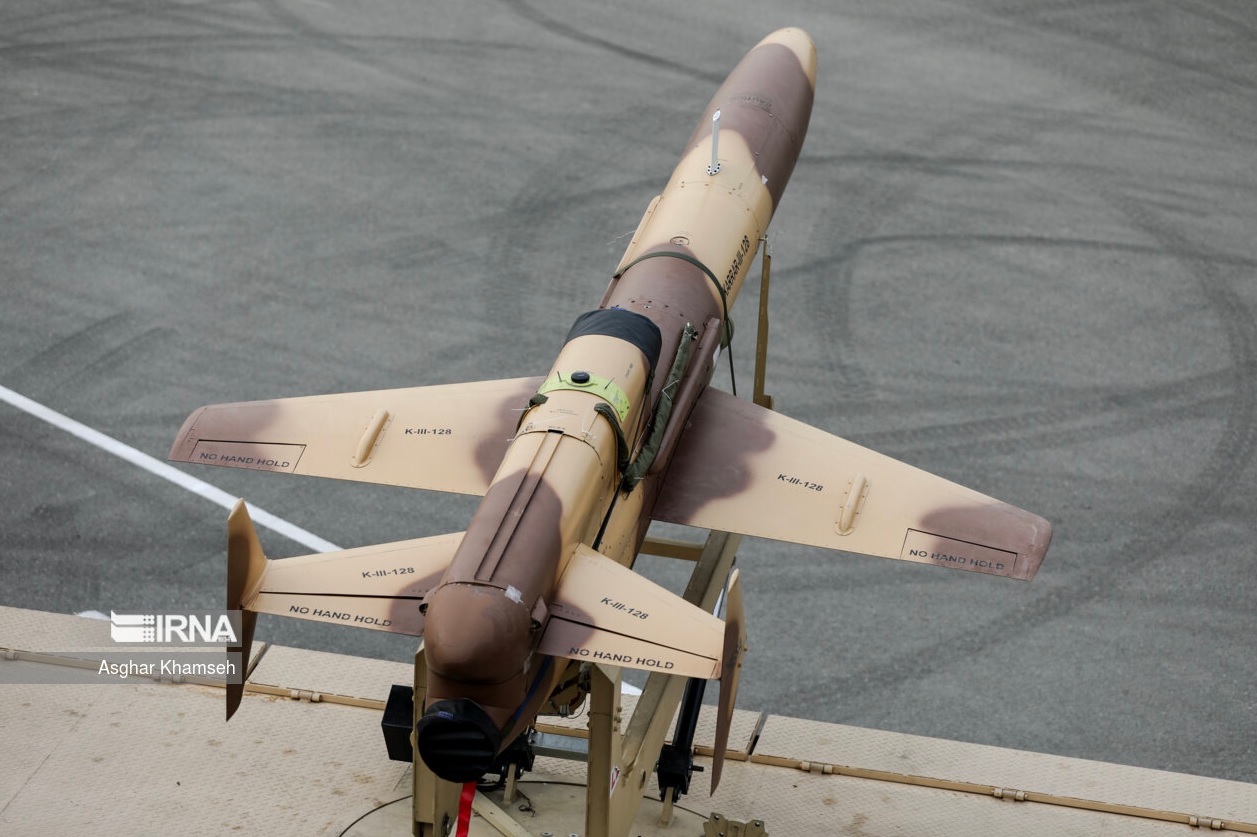 Russia Launches 1,400 Jet-Powered Drones in 2026 as Strike Tactics Evolve to Challenge Ukraine's Air Defenses
-
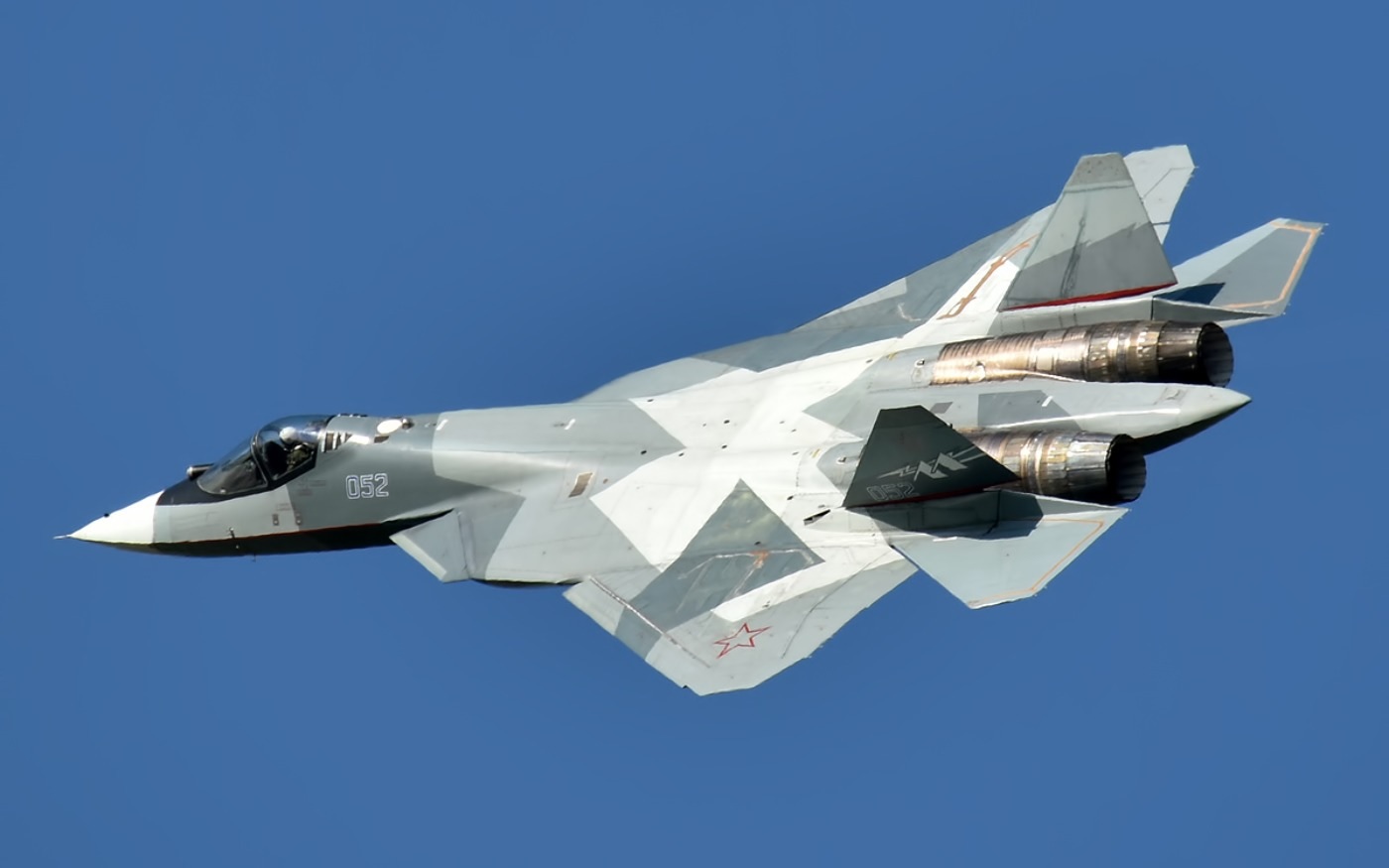 Russian Analysts Debate Su-57 Capabilities After Putin Calls Fighter Superior to F-35
-
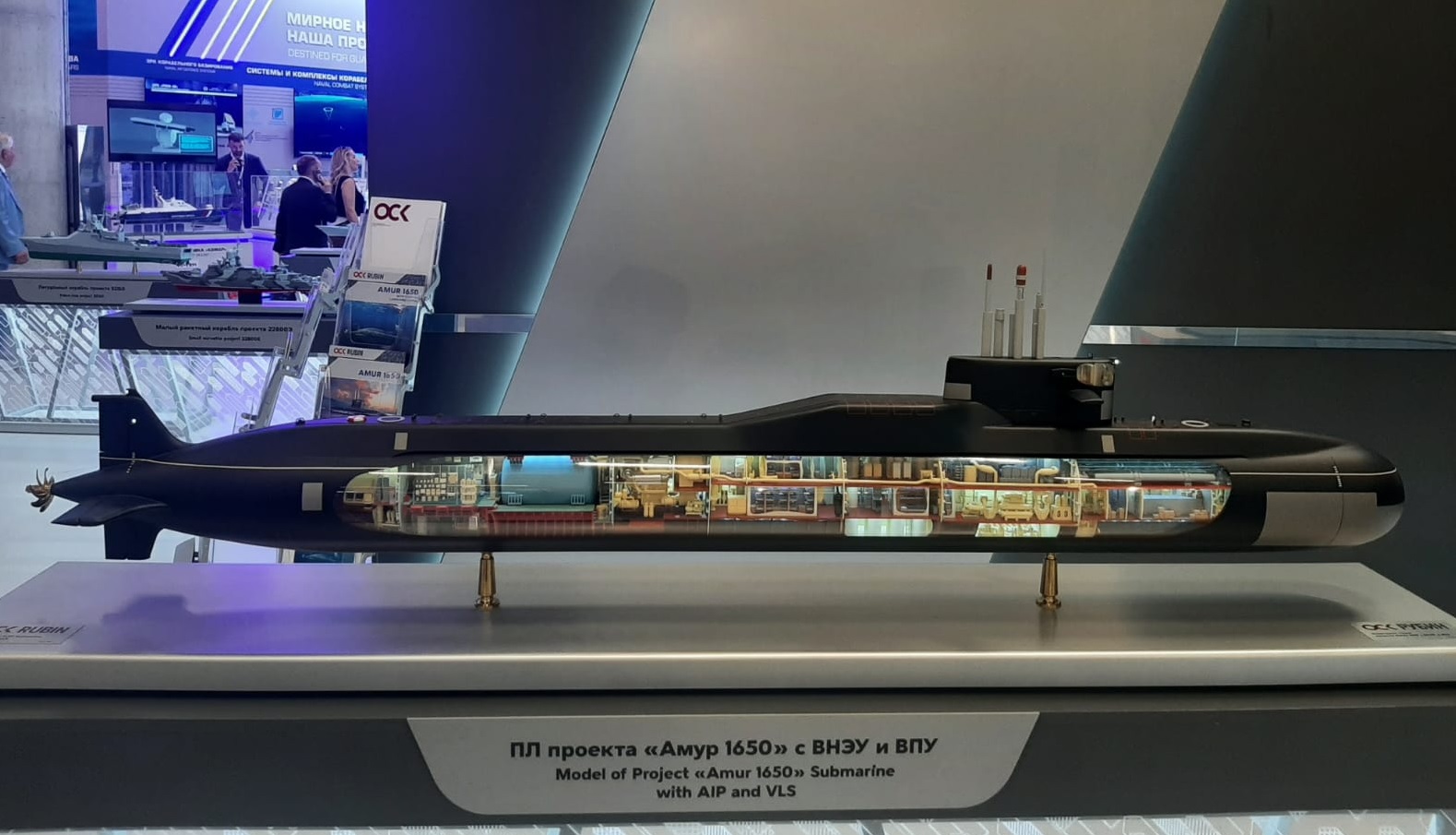 Russia Unveils Amur-1650 AIP Submarine Equipped with BrahMos Vertical Launch System at Fleet-2026
-
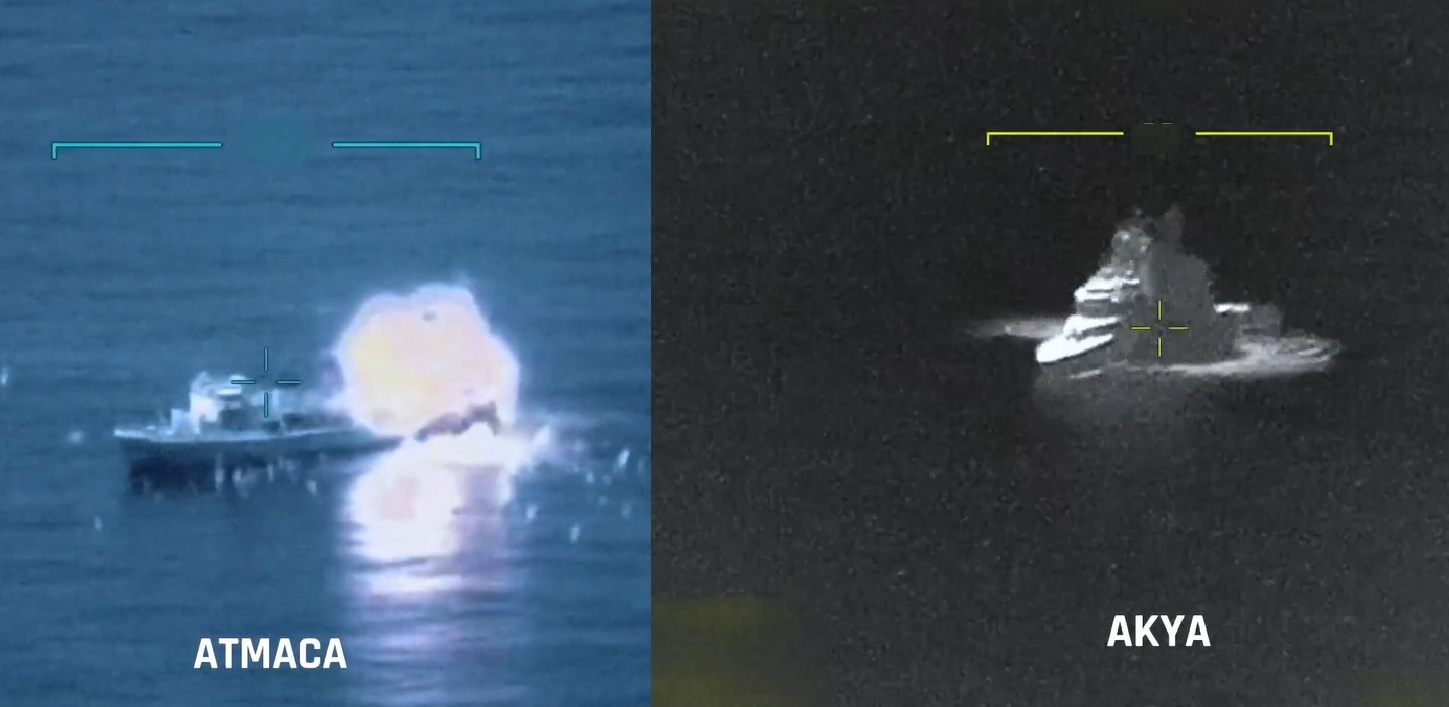 Turkey Navy Successfully Tests AKYA Torpedo and ATMACA Missile During Major Denizkurdu-II Naval Exercise
-
 UAE Denies Reports of Releasing Up to $20 Billion in Funds to Iran Amid Regional De-Escalation Efforts
Top Trending in 4 Days
-
 Iranian Media Leaks 14-Point U.S.-Iran Peace Framework Amid Ongoing Negotiations
-
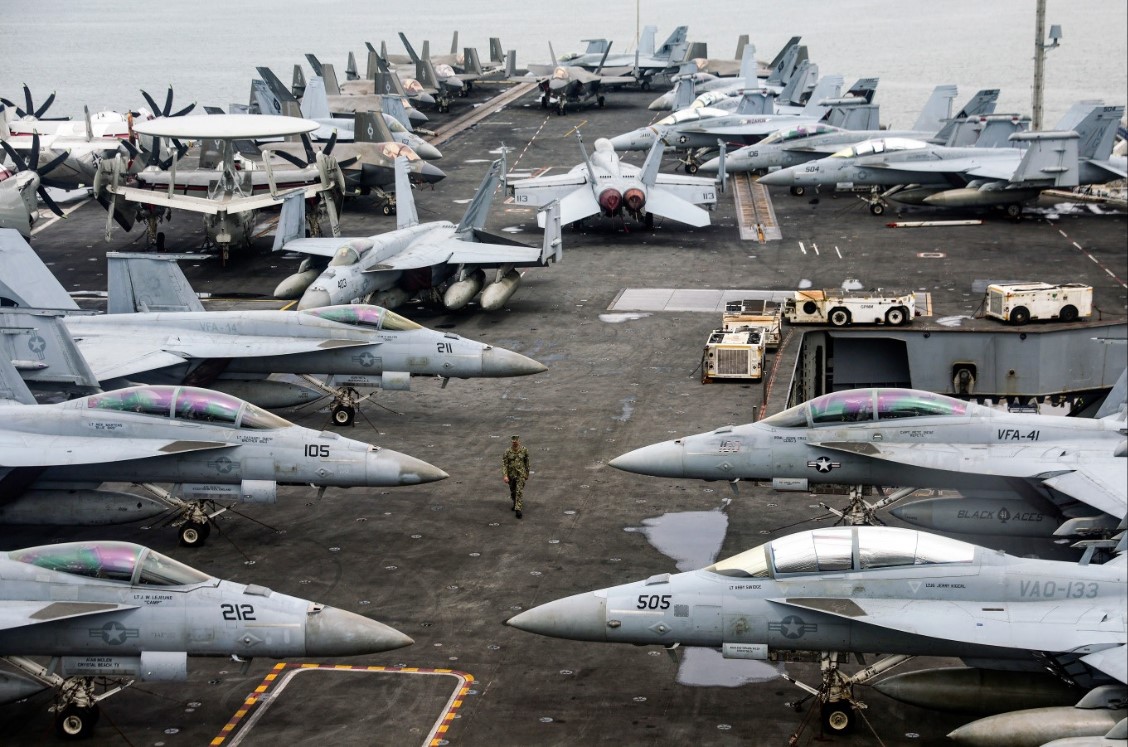 US Plans Significant Reduction of Fighter Jets and Warships for NATO Operations in Europe
-
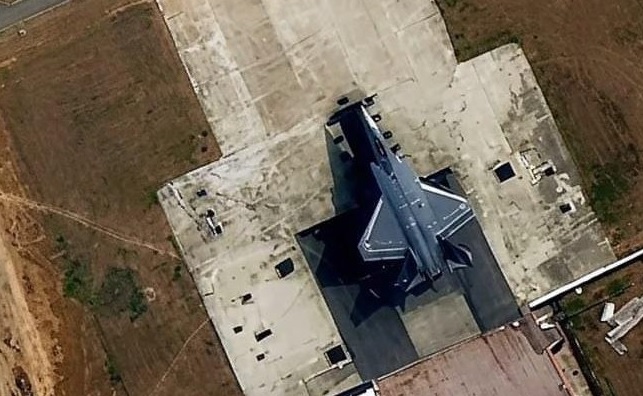 AMCA Airframe Spotted at DRDO’s ORANGE Facility for Radar Cross-Section Testing
-
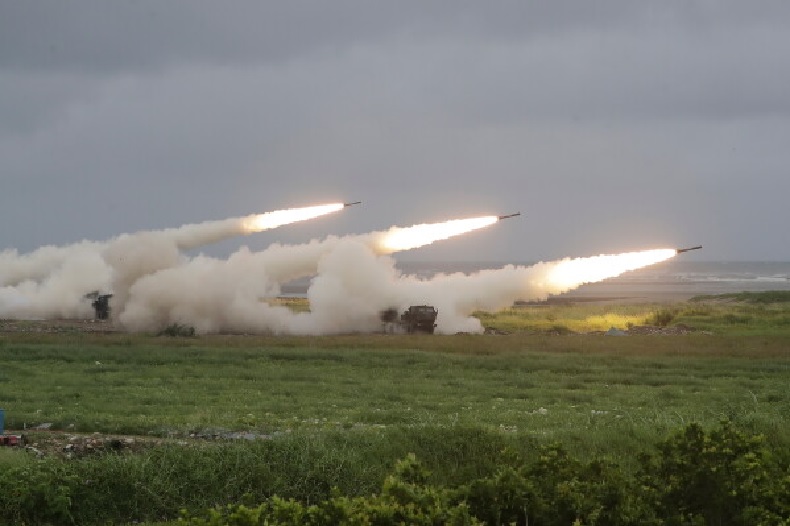 Taiwan Conducts First Live-Fire of HIMARS Rockets From West Coast During Invasion Defense Drill
-
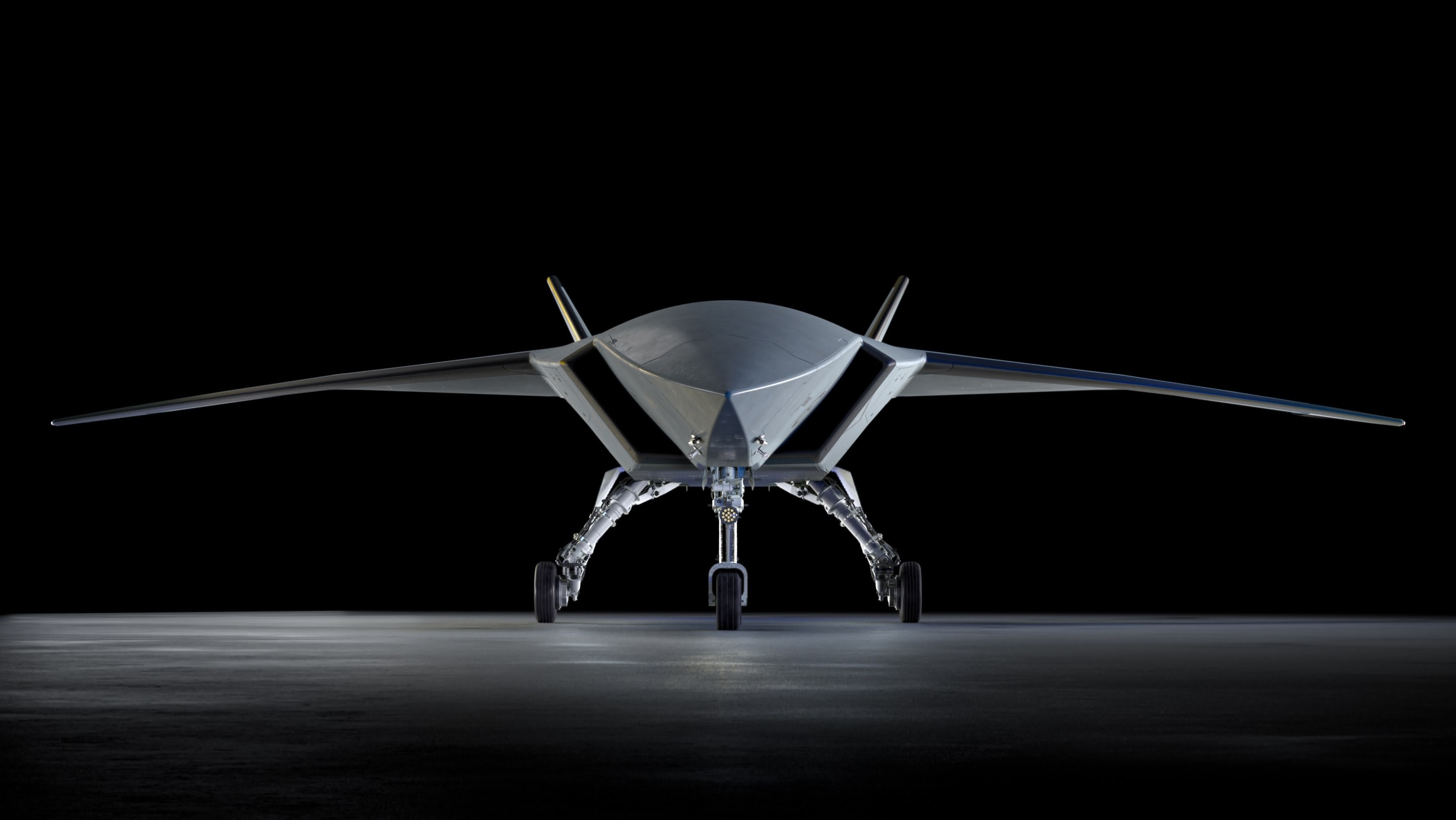 Boeing Introduces New MQ-28 Ghost Bat Upgrades with Increased Range, Payload and Weapons Capacity at ILA Berlin 2026
-
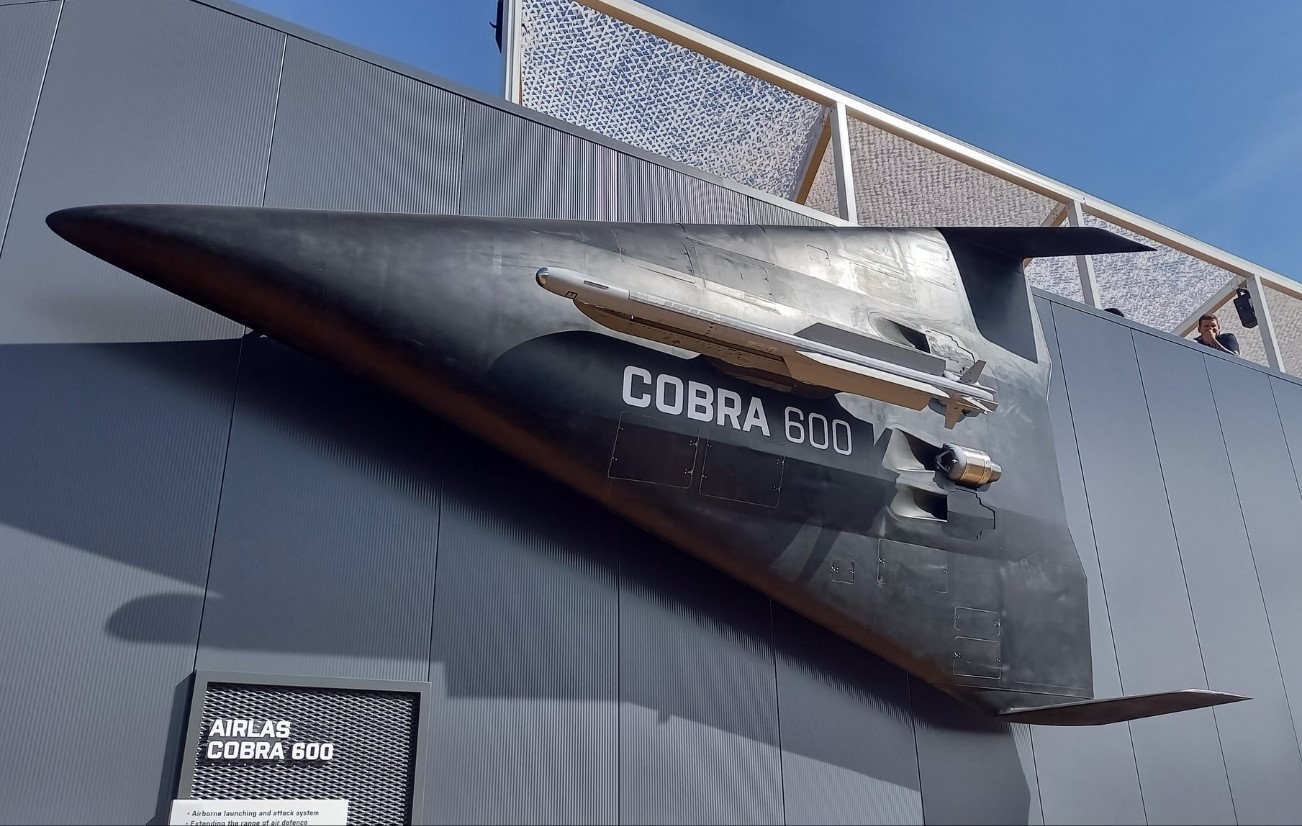 Diehl Defence Unveils IRIS-T Armed Cobra 600 Air Defense Drone at ILA Berlin 2026
-
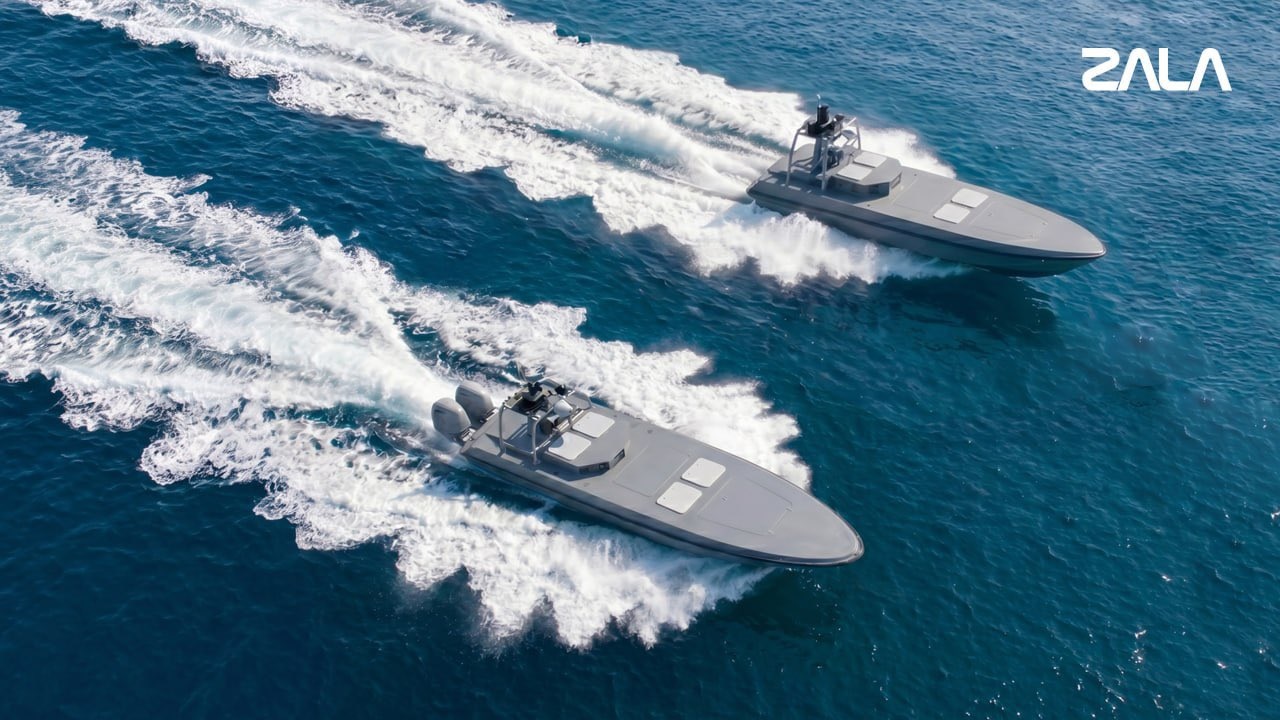 Russian Defense Firm ZALA Unveils KAMA Unmanned Surface Vessel Family at FLOT-2026 Naval Exhibition
-
 U.S Aircraft Carrier USS Theodore Roosevelt Departs San Diego for Major RIMPAC 2026 Naval Exercise