ASHBURN, Va. — Curtiss-Wright Corporation has received an approximately $14 million contract from Northrop Grumman to supply sensor-processing equipment for the U.S. Army’s Improved Threat Detection System (ITDS). The award supports Phase II development of the Army’s future aircraft threat-warning system.
ITDS for Army Aviation
ITDS is designed to detect, classify and identify electro-optical and infrared threats in real time and provide the information needed for an aircraft’s defensive response.
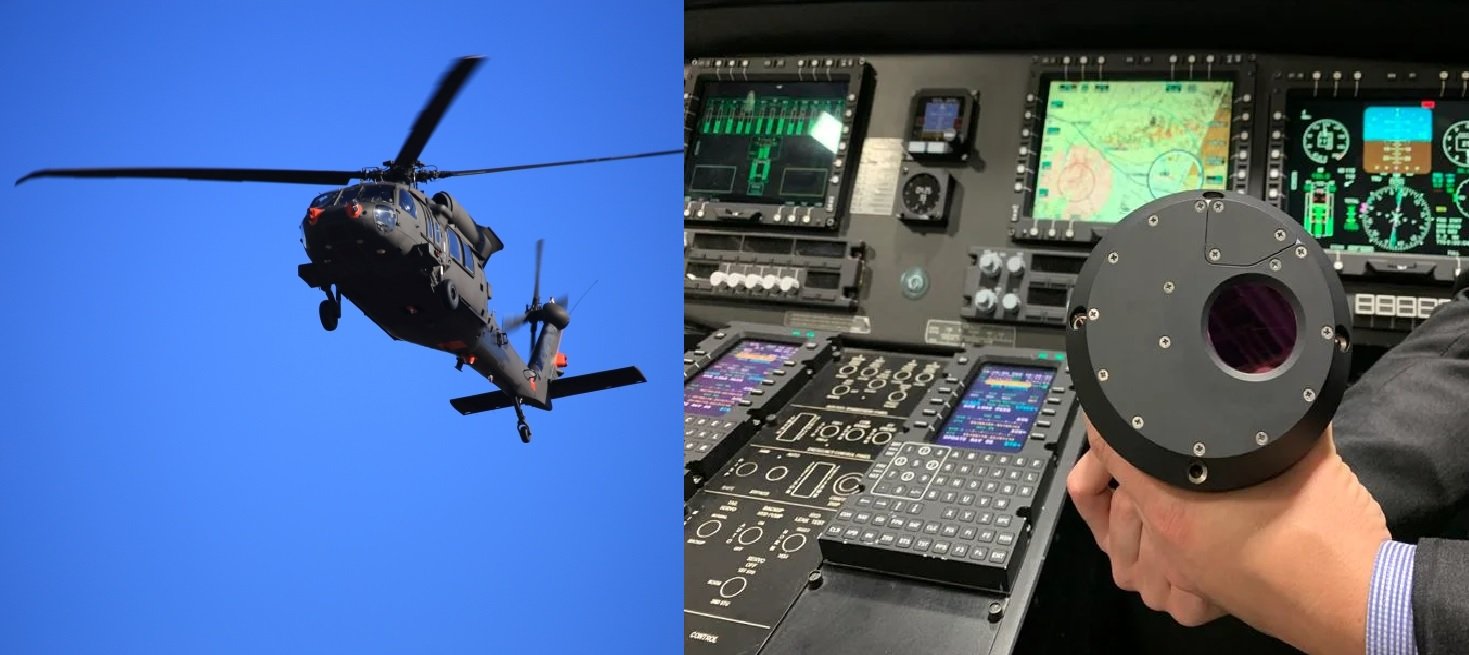
The system is intended for current and future Army aviation platforms, with priority given to the AH-64 Apache and MV-75 Future Long-Range Assault Aircraft (FLRAA).
Curtiss-Wright Processor and ATHENA Sensor
Under the contract, Curtiss-Wright will provide an integrated processor capable of receiving, processing and fusing high-bandwidth sensor data before rapidly distributing threat information across the aircraft.
The processor will work with Northrop Grumman’s Advanced Tactical Hostile Engagement Awareness (ATHENA) sensor. ATHENA is designed to provide 360-degree situational awareness and high-resolution detection of electro-optical and infrared threats.
The system is designed to detect threats including unmanned aerial systems, air-to-air missiles, anti-tank guided missiles, rocket-propelled grenades, loitering munitions, guided man-portable air-defense systems, small-arms fire and machine guns. It can also identify related threats outside a pilot’s direct line of sight or below the aircraft.
Threat Warning and Defensive Response
Once a threat is classified, ITDS is designed to provide information to the aircraft’s defensive systems and support an appropriate response. This includes directable infrared countermeasures and expendable countermeasures such as chaff and flares.
The system will also provide hostile-fire warnings and distinguish small-arms fire from rocket threats.
Open Architecture and Processing
Curtiss-Wright’s processor uses a modular architecture aligned with the Modular Open Systems Approach (MOSA) and Sensor Open Systems Architecture (SOSA) requirements.
The equipment is housed in a conduction-cooled chassis designed for airborne operations and includes high-speed optical connections and configurable input-output interfaces. These features support both modern digital sensors and legacy aircraft systems.
The processor also provides artificial-intelligence-enabled computing and real-time network-centric data sharing. The open architecture is intended to support the integration of new sensors, algorithms and countermeasure capabilities as threats evolve.
The planned ITDS configuration consists of infrared sensors, a processor and a memory module connected through a digital backbone. The system is designed to conform to the Future Airborne Capability Environment (FACE).
Phase II Development
The contract is part of Phase II of the Army’s ITDS Other Transaction Agreement. Northrop Grumman advanced to Phase II following earlier development and testing, including more than 51 hours of flight testing and live-fire evaluations during Phase I.
Phase II includes initial prototype systems, system design, integration, architecture development, sensor assessment, and additional flight and operational testing.
The program is being developed under the Army’s Program Executive Office for Intelligence, Electronic Warfare & Sensors and is intended to provide a future threat-warning capability for rotary-wing aviation while supporting integration with existing countermeasure systems.
Curtiss-Wright’s approximately $14 million award provides the processing element that will operate with Northrop Grumman’s ATHENA sensor as ITDS moves through Phase II development and testing.
Source : defence-industry
——— End of Article ———