
Space & Technology
Space News ,India :- In a groundbreaking development, the Indian Space Research Organisation (ISRO) introduces a cutting-edge data product that unravels the intricacies of air quality dynamics across the vast expanse of the Indian subcontinent. Powered by the SAC Aerosol Retrieval (SAER) algorithm, an innovative tool utilizing EOS-6 satellite data, this product is set to transform the landscape of air quality research and analysis.Accessible to researchers and students through MOSDAC after formal registration, this data repository beckons individuals to explore air quality intricacies in unprecedented detail. Positioned as a benchmarking air quality simulation model, it offers valuable insights for scholars and policymakers, paving the way for a cleaner and healthier future, as highlighted by ISRO.At the core of this advancement is the 1 km spatial resolution of the OCM-3 onboard EOS-6, a satellite launched in November 2022. Equipped with a state-of-the-art OCM sensor, this satellite signifies a significant leap in the ability to monitor atmospheric aerosols.The OCM-3 AOD product data delivers unparalleled insights into aerosol concentrations across the Indian landmass, delving deep into the intricacies of particulate matter suspended in the atmosphere. This high-resolution data reveals the dynamics of particulate matter (PM2.5/PM10), providing detailed insights into their distribution and transport over metropolitan areas.Going beyond the borders of the Indian subcontinent, the OCM-3 AOD product emerges as a global resource for monitoring aerosols worldwide. It offers crucial insights into aerosol blankets originating from diverse sources, such as South Asian fires and Canadian wildfires.ISRO points to recent case studies, showcasing a notable increase in AOD values post-October 13, 2023, particularly over the Indo-Gangetic plain. Persistent high AOD values in Delhi underscore the enduring impact of pollution during and after Deepavali, with a temporary improvement in air quality noted in mid-December followed by another spike in AOD levels during mid-January 2024.The synergy of AOD and fire products, combined with trajectory modeling, corroborates extensive fire activities, emphasizing the significant role of agricultural residue burning in severe air pollution. This comprehensive data product stands at the forefront of air quality research, offering a vital tool for understanding and addressing environmental challenges on a global scale.
Read More → Posted on 2024-03-05 08:19:30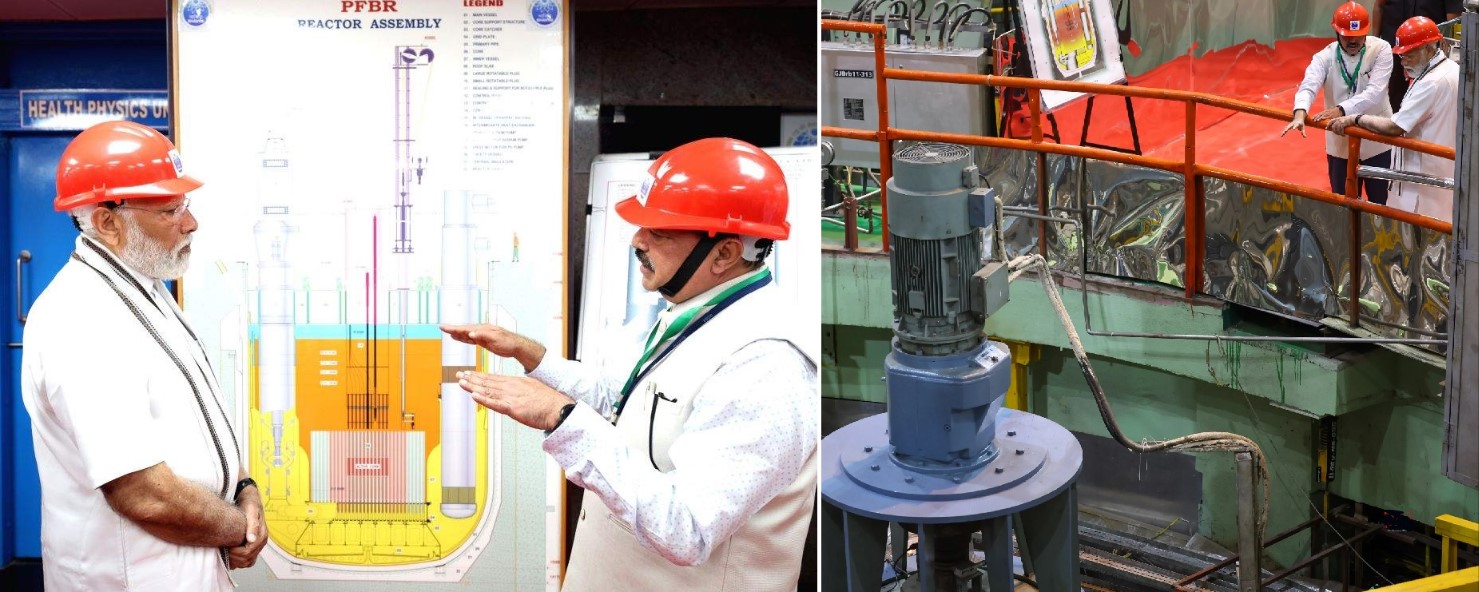
Space & Technology
Defense News ,India :- In a groundbreaking event for India's nuclear power initiative, Prime Minister Narendra Modi is set to witness the commencement of core loading for India's 500 MW indigenous Prototype Fast Breeder Reactor (PFBR). Constructed by BHAVINI (Bharatiya Nabhikiya Vidyut Nigam Limited) in Kalpakkam, approximately 70 km from Chennai, the historic event is scheduled for Monday. Modi is expected to arrive in Chennai around 1445 hrs and proceed to Kalpakkam, where he will tour the PFBR facility from 1530 hrs to 1615 hrs.Following the visit, the Prime Minister will return to Chennai to address a public meeting of the BJP at YMCA Nandanam grounds before departing for Telangana later in the evening. According to an official release on Sunday evening, the reactor core comprises control sub-assemblies, blanket sub-assemblies, and fuel sub-assemblies.The core loading process involves the sequential loading of reactor control sub-assemblies, followed by blanket sub-assemblies and fuel sub-assemblies, which will ultimately generate power. India has embraced a three-stage nuclear power program featuring a closed fuel cycle. In the PFBR, representing the program's second stage, spent fuel from the initial stage is reprocessed and utilized as fuel in the Fast Breeder Reactor (FBR).An exceptional characteristic of this sodium-cooled PFBR is its ability to produce more fuel than it consumes, contributing to self-reliance in future fast reactor fuel supply. With minimized nuclear waste production and advanced safety features, FBRs promise a secure, efficient, and environmentally friendly energy source, aligning with the objective of achieving net-zero emissions.This marks a significant stride for India towards thorium utilization in the third stage of the nuclear power program. Once operational, India will become the second country, after Russia, to operate a commercially viable Fast Reactor, as indicated in the official release.
Read More → Posted on 2024-03-04 15:44:01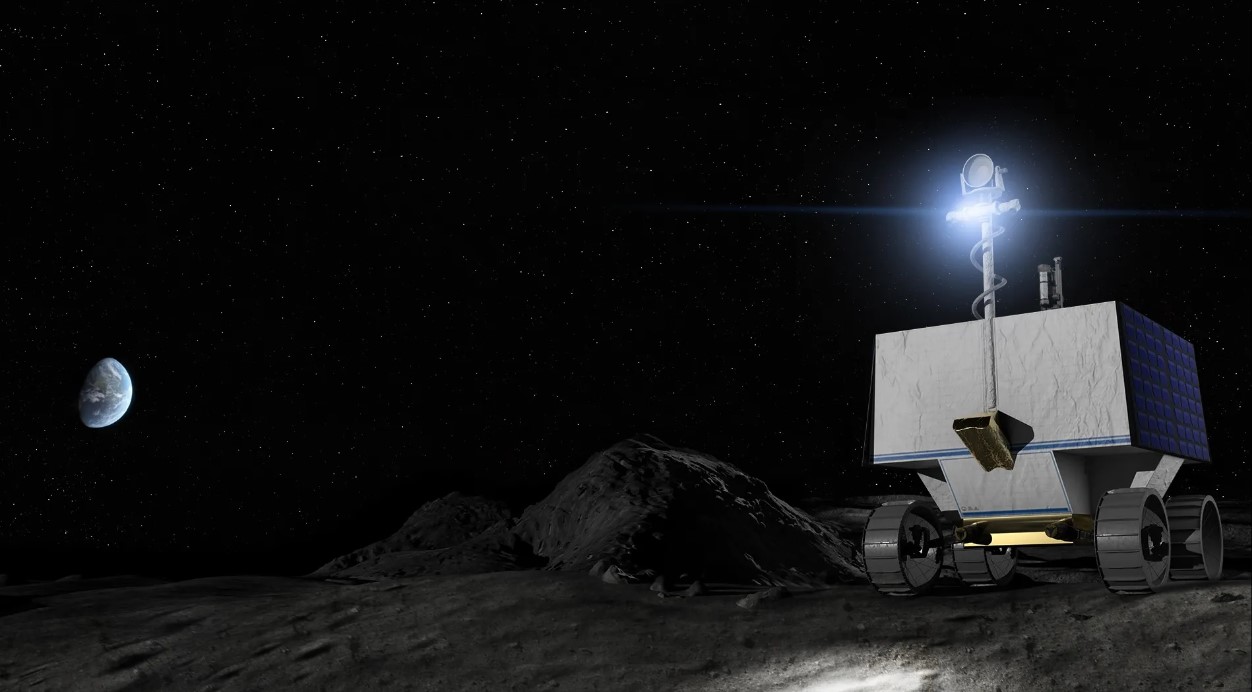
Space & Technology
Space News ,World :- NASA is getting ready to send its cool new moon rover, VIPER ("Volatiles Investigating Polar Exploration Rover"), on a mission to the lunar surface. This rolling robot is more than 80% ready, and the VIPER team is super excited about it!VIPER's main job is to find water ice and other helpful stuff for future astronauts on the moon, especially for the upcoming Artemis mission in 2026. This mission is special because it will include the first woman and the first person of color stepping onto the lunar surface. VIPER will spend about 100 days exploring the lunar south pole area, checking out where water ice might be hiding and figuring out how easy it is to get to.This rover is set to make history by being the first-ever mission to map resources on another planet. Making maps of these resources is crucial for NASA's plan to have people living and working on the moon for a long time.While satellites orbiting the moon have told us some things about water, VIPER is going to get a much closer look. It's going to use its special tools and a 3.3-foot drill to investigate the soil at different depths. VIPER will even explore some super cold craters that have probably been icy for billions of years.But VIPER has a tough job ahead. It has to face the moon's extreme weather and freezing temperatures, especially in those really cold, shadowy places it's going to explore. Also, the terrain on the moon can be pretty tricky.Testing is a big deal for VIPER. Before it heads to the moon, the team is making sure everything works perfectly. They do all sorts of tests, like making sure the rover's different parts, like cables and connectors, are working well together. They even try sending commands to VIPER's instruments to take pictures and check if everything is working smoothly.The team calls this the "test as we go" approach. It's like checking your homework as you do it instead of waiting until the end. This way, if something is not right, they can fix it before VIPER is on the moon and out of reach.Dan Andrews, the VIPER Project Manager, says, "We test as we go to decrease risk later." This means they want to avoid problems when VIPER is on the moon's surface. By testing things step by step, they can quickly figure out what might have gone wrong if there's an issue.The team has been working really fast, and they've had a lot of successes. It's like putting together a super complicated puzzle, but they're doing an awesome job. Everyone is looking forward to seeing VIPER roll onto the moon and start its important work.
Read More → Posted on 2024-03-03 15:51:24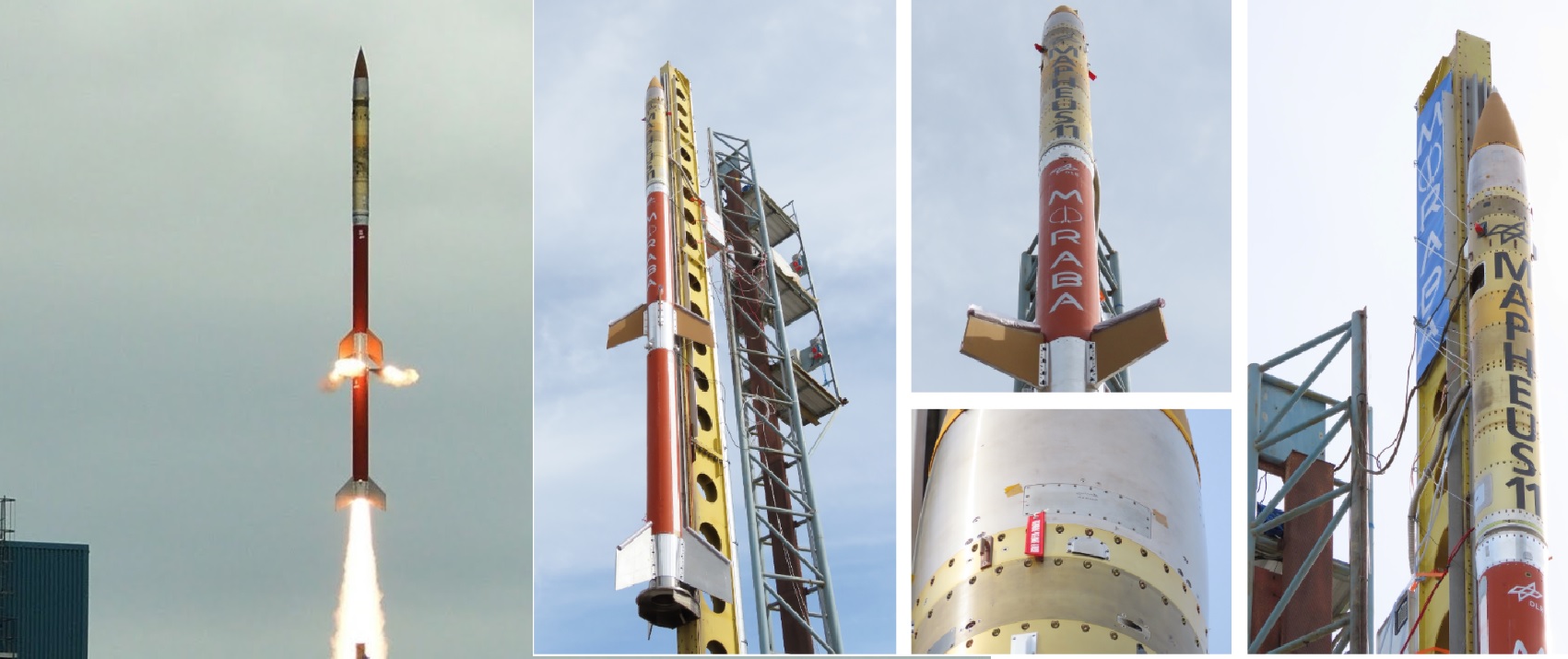
Space & Technology
Space News ,Europe :- On February 27th, at 07.27 UTC, the MAPHEUS 14 sounding rocket took off from the Esrange Space Center in Kiruna. This launch was special because it introduced the new Red Kite rocket motor, signifying a fresh start for European sounding rockets.The German Aerospace Center (DLR) operated the rocket, reaching a peak altitude of 265 km. Scientific experiments, conducted under microgravity conditions, were a success. The payload was safely recovered within an hour after liftoff.The experiments focused on advanced material science and biological studies involving human and animal cells. The goal was to understand how microgravity affects the brain and the central nervous system.Elin Lundqvist, the campaign manager at SSC, expressed her satisfaction with the campaign and launch. The collaboration between SSC and DLR, especially on the new rocket motor, was highlighted. Lundqvist thanked everyone involved.Maiden Launch for Red Kite MotorMAPHEUS 14 marked the debut of the Red Kite rocket motor at Esrange. This new motor, a joint effort between DLR and Bayern-Chemie, underwent testing at Esrange the previous summer. The collaboration is seen as beneficial for both SSC and customers due to improved transport and availability within the EU.Dr. Prof. Felix Huber, Director of Space Operations and Astronaut Training at the German Aerospace Center, emphasized the advantages of having their own motor. The Red Kite motor is tailored to their flight profile, providing a significant advantage.Swedish-German Collaboration in Shared ModuleThe MAPHEUS rocket carried a Shared Module from SSC, accommodating seven scientific and technical experiments from Australia, Sweden, and Germany. The Shared Module offers access to professional sounding rocket missions with a microgravity environment under the SubOrbital Express program.Stefan Krämer, the project manager of the Shared Module at SSC, expressed gratitude for the collaboration with the DLR MAPHEUS team and acknowledged the hard work of scientists and researchers on the payload and experiments.
Read More → Posted on 2024-03-03 15:19:37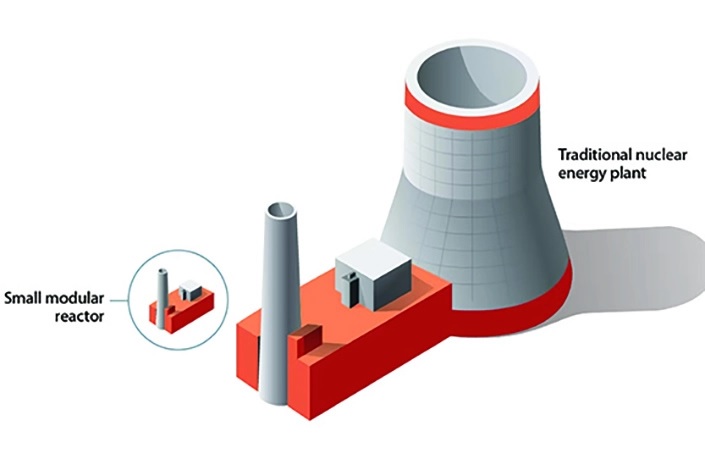
Space & Technology
Technology News ,India :- India's Neyveli Lignite Corporation (NLC), a big power producer, is teaming up with the Nuclear Power Corporation of India Limited (NPCL) to check out the use of Small Modular Reactors (SMRs) at its coal mines. This move could change the way India gets its energy.SMRs: A New Kind of Nuclear PowerSMRs are a new kind of nuclear technology. Unlike big reactors that produce gigawatts of power, SMRs are smaller, operating at capacities under 300 MWe. They are more modular, meaning they can be put together like building blocks.NLC's leader, M Prasanna Kumar, says SMRs have the potential to fill the gap between large nuclear power plants and the changing power from sources like solar and wind.Why It Matters for IndiaSMRs could bring some important benefits to India:1. Stable Power Supply: SMRs could give a steady supply of power, making the electricity grid more stable and reducing the ups and downs that come with renewable energy.2. Working Towards Zero Emissions: India wants to have zero carbon emissions by 2070. SMRs could be a cleaner energy choice in India, which still depends a lot on coal for power.3. Moving Toward Cleaner Energy: NLC looking into SMRs shows they are thinking ahead and planning for a cleaner energy future.Early Steps, Big PotentialEven though NLC and NPCL are still in the early stages of working together, this is a big step toward trying out SMRs in India.The possible benefits, like more secure energy and less pollution, make investigating SMRs an interesting idea.Other Things to Think AboutBut, before fully jumping in, experts say we need to think about a few things:1. Cost: We need to make sure SMRs make economic sense compared to other ways of making energy.2. Rules and Regulations: There should be clear rules about how to use and run SMRs.3. What People Think: People might worry about nuclear technology, so it's important to address their concerns.What's Next for Indian EnergyNLC checking out SMRs is a big deal for India's move toward cleaner energy. We don't know yet if SMRs will become a big part of the change, but this effort adds something interesting to the conversation about India's energy future.
Read More → Posted on 2024-03-03 15:13:28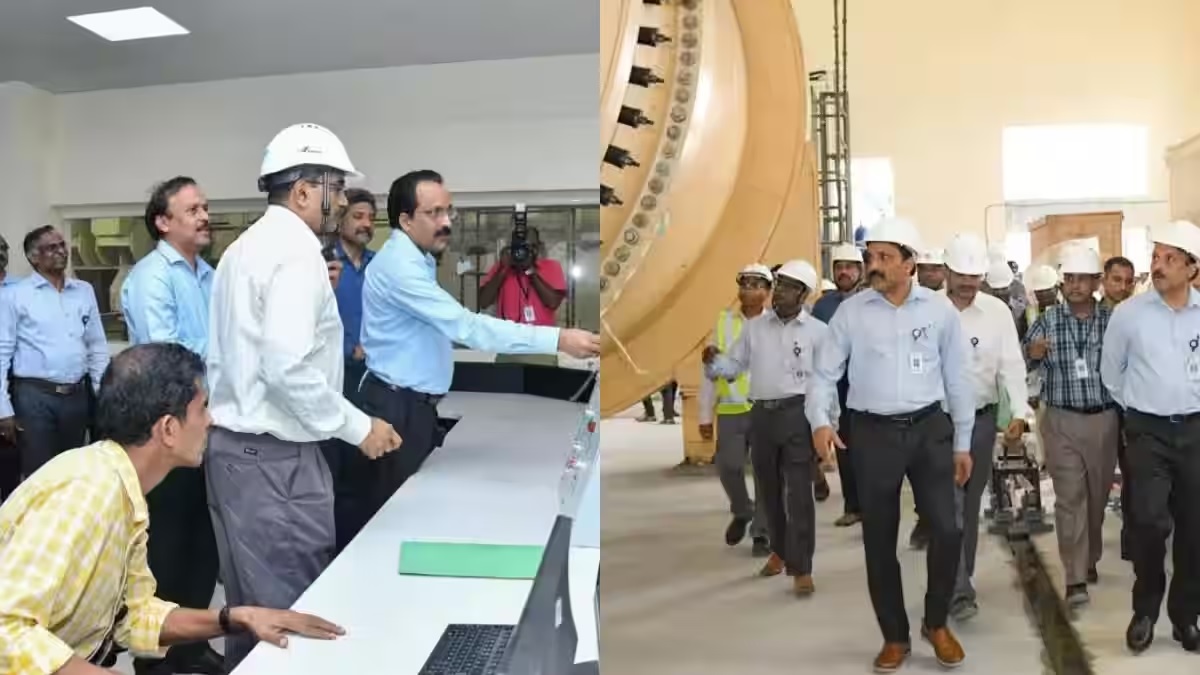
Space & Technology
Space News ,India :- India marked a significant stride in space exploration as Prime Minister Narendra Modi revealed three new space projects, collectively costing Rs 1,800 crore. Among these, the inauguration of the Trisonic Wind Tunnel (TWT) at Kerala’s Vikram Sarabhai Space Centre (VSSC) stands out. This large wind tunnel, a first of its kind in India, will play a crucial role in enhancing the aerodynamic design of rockets for greater efficiency. In this simplified overview, we delve into the purpose and significance of the Trisonic Wind Tunnel.Understanding Trisonic Wind Tunnel:The Trisonic Wind Tunnel at VSSC is India’s third hypersonic wind tunnel. It can operate at three distinct wind velocity ranges: subsonic (below the speed of sound), transonic (at the speed of sound), and hypersonic (above the speed of sound). The facility has undergone successful testing for a year, showcasing its capabilities. Its primary function is to aerodynamically enhance rockets and re-entry spacecraft using scaled-down models.This unique equipment is expected to reduce overall testing and development costs for launch vehicles and re-entry capsules that navigate through the Earth's atmosphere. India now joins an elite group of three countries, including the United States and France, possessing wind tunnels capable of producing speeds above the speed of sound.What are Wind Tunnels ?:Wind tunnels are essential tools used to assess airflow properties, aerodynamic forces, temperature and pressure variations, and structural stability of objects. They find applications in testing various vehicles like planes, rockets, cars, and trucks, as well as structures such as buildings and bridges. Wind tunnels come in different sizes based on wind velocities and the size of the objects being tested.The Trisonic Wind Tunnel at VSSC is an impressive cylindrical structure, measuring 160 meters in length and with a diameter of 5.4 meters. Its 'trisonic' label signifies its capability to operate at three speed settings concerning the speed of sound. It can reach maximum wind velocity conditions of four times the speed of sound (1360 meters per second) and a minimum speed of 0.2 times the speed of sound (68 meters per second).Building the Trisonic Wind Tunnel:Tata Projects, in collaboration with Aiolos Engineering Corporation in Canada, spearheaded the construction of the Trisonic Wind Tunnel. The project saw involvement from various industry players and small start-ups, including Walchandnagar Industries, Summits Hygronics, Acoustic India, Hydrocare Fluid Power Systems, Artson Engineering, Siemens Energy, and more.Vikram Sarabhai Space Centre (VSSC):Situated in Thiruvananthapuram, Kerala, VSSC is one of ISRO’s prominent research and testing centers. The main campus, located at Thumba, was initially known as the Thumba Equatorial Rocket Launching Station (TERLS). Thumba was chosen for India’s first launch station due to its proximity to the equator.TERLS, dedicated to the United Nations in 1968 by then-Prime Minister Indira Gandhi, played a crucial role in launching over 1,000 USSR weather rockets between the 1970s and 1990s. The present-day VSSC is one of ISRO’s largest, actively contributing to the development of all ISRO’s rockets. Notably, it houses the Space Physics Laboratory, focusing on atmospheric research.VSSC extends its facilities to nearby regions, with Valiamala hosting an integration facility, Vattiyoorkavu dedicated to materials development, and Aluva serving as the center for solid propellant fuel production. Dr. S. Unnikrishnan Nair currently leads VSSC, having succeeded S. Somanath, who served as the director until 2022.Here are some benefits of the TWT for ISRO:1. Better Designs and Efficiency: Engineers at ISRO can study how models behave in the TWT and make improvements to rocket and spacecraft designs, making them work better and use less fuel.2. Reduced Development Costs: Instead of spending a lot on real flight tests, the TWT is a more affordable way for ISRO to test and improve designs quickly.3. Positioning India at the Forefront: With the TWT, India now stands alongside the US and France in being able to test at hypersonic speeds. This shows that India is a major player in the global space exploration race.
Read More → Posted on 2024-03-03 14:56:45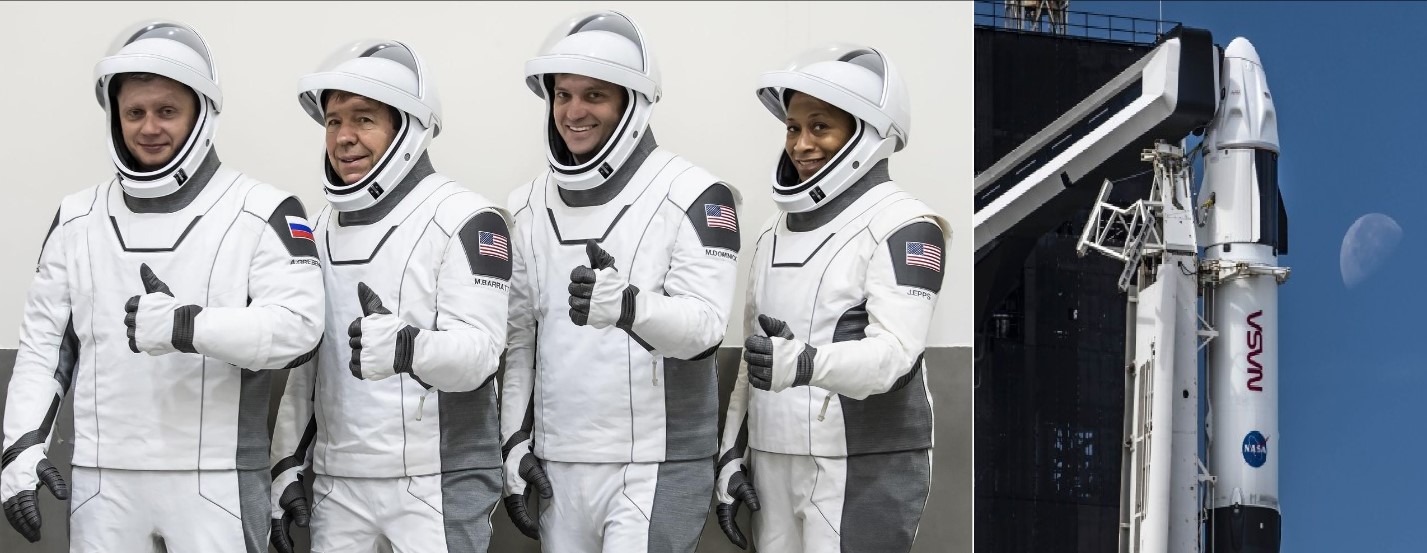
Space & Technology
Space News ,World :- SpaceX had planned to launch NASA's Crew-8 mission to the International Space Station (ISS) on Saturday, but the liftoff got delayed for 24 hours due to elevated winds during ascent. The new scheduled launch time is on Sunday at 10:53 p.m. EST from Pad 39A at NASA's Kennedy Space Center in Cape Canaveral, Florida. You can catch the live broadcast of the launch on NASA TV starting at 6:45 p.m. EST.The Crew-8 mission is part of SpaceX's contract with NASA to transport astronauts to and from the ISS. This mission will carry NASA astronauts Matthew Dominick, Michael Barratt, and Jeanette Epps, along with Russian cosmonaut Alexander Grebenkin, on a six-month journey to the ISS.Despite the delay, the astronauts, dressed in their white SpaceX spacesuits, are ready for the mission. The launch delay means they have to go through the preparations again, but it also provides them with more rest. As NASA astronaut Raja Chari mentioned during a commentary on NASA TV, it's like a "Groundhog Day" scenario, but with the advantage of added rest for the crew.This delay is the latest in a series of setbacks for the Crew-8 mission. Initially set for a March 1 launch, it was pushed back due to weather concerns. Previous delays occurred on Feb. 22 and Feb. 28, allowing additional preparation time after a private moon lander launch on Feb. 18 from the same launch pad.Saturday's weather forecast was already uncertain, with a 40% chance of favorable conditions, according to the U.S. Space Force's 45th Weather Squadron. However, Sunday's forecast is more promising, with a 75% chance of good conditions for the launch.For the Crew-8 mission, SpaceX will use a new Falcon 9 rocket, while the Dragon capsule, named Crew Dragon Endeavour, is a spaceflight veteran. Endeavour was the first SpaceX capsule to carry NASA astronauts and is now embarking on its fifth spaceflight.Had the launch taken place on Saturday, it would have coincided with a significant anniversary for SpaceX. Five years ago, on March 2, 2019, SpaceX launched its first Crew Dragon mission, the uncrewed Demo-1 test flight, marking a pivotal moment for the company's human spaceflight capabilities."With Crew-8, we'll go from Zero-G to 50, as Falcon 9 is targeted to launch Dragon Endeavour for the fifth time with our 50th crew member on board," SpaceX shared in a statement on social media.
Read More → Posted on 2024-03-03 07:45:56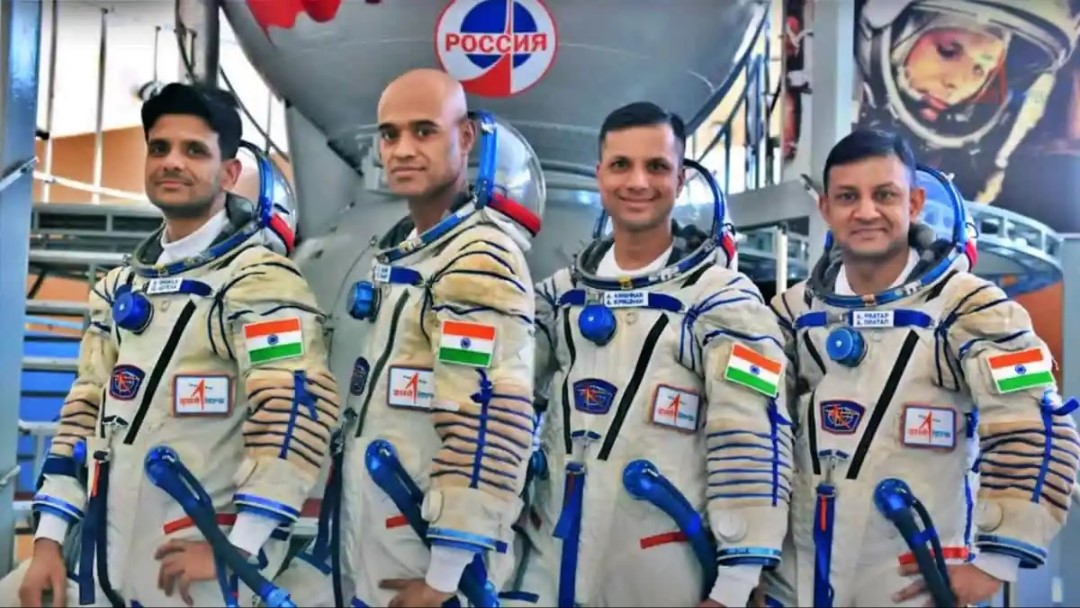
Space & Technology
Space News ,India :- In an exciting development on Tuesday, Prime Minister Narendra Modi awarded "astronaut wings" to Group Captain Prashanth Balakrishnan Nair, Group Captain Ajit Krishnan, Group Captain Angad Pratap, and Wing Commander Shubhanshu Shukla. Many might assume that these four individuals are set to become India's first astronauts, given the historical context of space exploration by Wing Commander Rakesh Sharma in 1984. However, they are destined to be known as the world's first vyomanauts.This distinction in naming is part of a tradition where space travelers are identified based on their national origin or language. The practice traces back to the Cold War-era space race between the United States and the Soviet Union, where each country named its space explorers in alignment with linguistic and cultural influences.India joins the ranks of the United States, the former Soviet Union (now Russia), and China as the fourth country to develop an indigenous human space travel program. The terminology for space travelers, such as astronauts for the U.S., cosmonauts for Russia, and taikonauts for China, reflects a unique cultural identity.The U.S. initiated its human spaceflight program under the National Aeronautics and Space Administration (NASA) in the late 1950s and early 1960s. The term "astronaut" was chosen, drawing inspiration from Greek roots, symbolizing America's commitment to peaceful space exploration. In Greek, "astron" means star, and "nautes" means sailor, translating to "star sailor."During the early years of space exploration, there was a discussion within NASA about whether spacecraft crew members should be called astronauts or cosmonauts. "Cosmonaut" was favored by some, emphasizing the broader cosmos, while "astronaut" prevailed due to common usage.The term "astronaut" had earlier surfaced in literature, with Neil R. Jones using it in his 1930 short story "The Death's Head Meteor." The word had earlier appearances in works like Percy Greg's 1880 book "Across the Zodiac" and J.H. Rosny aîné's 1925 work "Les Navigateurs de l'infini." The term might have drawn inspiration from "aeronaut," coined in 1784 for balloonists.In Russian, an astronaut employed by the Russian Federal Space Agency is called a cosmonaut, derived from the Russian term "kosmonavt." "Cosmos" in Russian means space, and "nautes" means sailor, translating to "space sailor" or "cosmic traveler." Yuri Gagarin became the first cosmonaut in 1961, orbiting Earth in the Vostok 1 spacecraft.China joined the human space exploration race with the launch of its first crewed mission, Shenzhou-5, in 2003. The Chinese term for their space travelers is "taikonaut," with "Taikong" meaning space and "Naut" borrowed from Greek for sailor. However, the official Chinese term is "Vuhangyuan," meaning "travelers of the Universe."India continues this tradition by naming its space travelers "vyomanauts." In Sanskrit, "Vyoma" means space, and "Naut" reflects the Greek term for sailor. The Indian Space Research Organisation (ISRO) has reportedly coined this term for individuals participating in India's indigenous human space program.Three vyomanauts are set to crew Gaganyaan, India's first crewed orbital spacecraft. While Prashanth Nair and Angad Prathap have been confirmed as the first two vyomanauts, Ajith Krishnan and Subhanshu Shukla are competing for the third spot.
Read More → Posted on 2024-03-03 07:17:31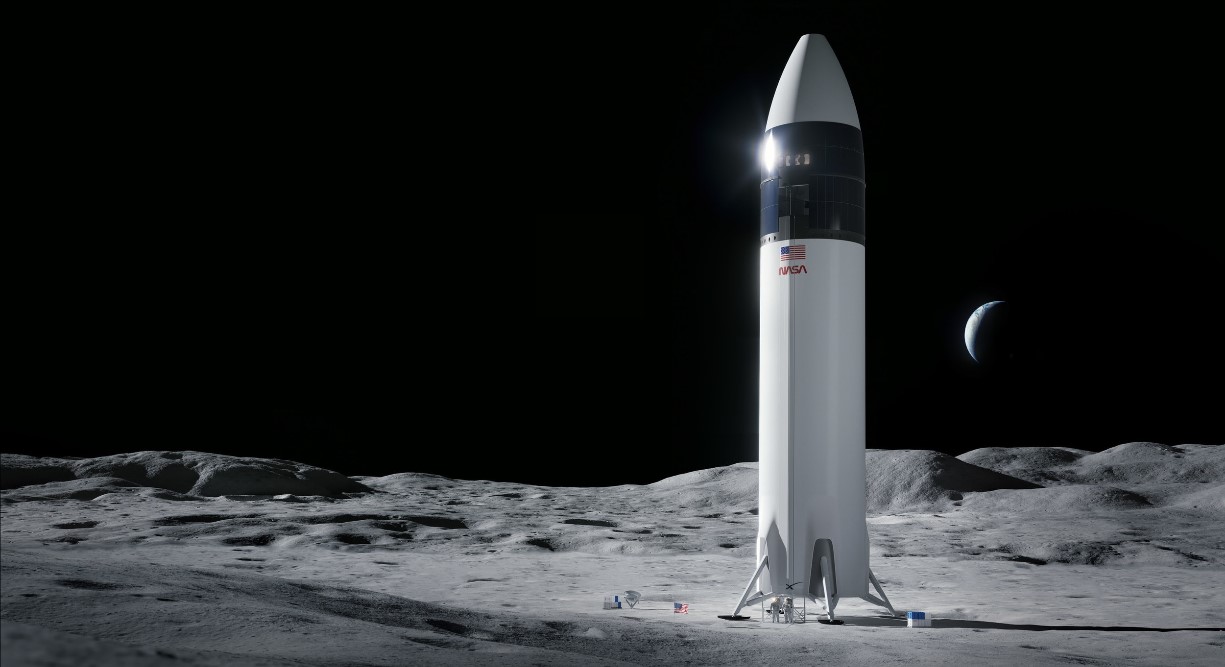
Space & Technology
Space News ,World :- In the quest for a successful moon mission with astronauts on board, practice becomes the key to perfection. Recently, SpaceX and NASA joined forces to complete over 200 docking scenarios using the Starship hardware. This hardware is an essential part of the landing system that will bring astronauts to the lunar surface during the Artemis 3 mission, expected no earlier than 2026.Engineers at NASA's Johnson Space Center dedicated 10 days to testing the Starship lander hardware and NASA's Orion orbiter, designed by Lockheed Martin. The tests involved various approach angles and speeds to validate the computer models of the moon lander's docking system, using full-scale hardware.The Artemis 3 moon landing involves two spacecraft: the Orion capsule, responsible for ferrying astronauts to lunar orbit, and the Starship lander, tasked with transporting astronauts to the moon's south pole. NASA's long-term goal is to establish a permanent settlement in this region to utilize its potential water ice for fueling and other mission requirements.During testing, Starship played an active docking role, acting as a "chaser" to the Orion target docking system. The focus was on ensuring that SpaceX's soft capture system could extend to Orion, while Orion's passive system stayed retracted. The connection between the two hardware pieces involved "latches and other mechanisms," according to NASA officials.Despite Starship not yet reaching Earth orbit, its lunar docking system draws on the flight heritage of the Dragon 2 docking system used in International Space Station missions. In future missions post-Artemis 3, Starship is set to dock with NASA's Gateway space station alongside Orion for astronaut transfer.SpaceX, selected as the winner of the Human Landing System (HLS) contract for NASA's Artemis program in 2021, faced challenges as competitors Blue Origin and Dynetics filed protests citing concerns with the award process. Although the protests were rejected by the Government Accountability Office, the U.S. Senate directed NASA to choose a second company. Eventually, Blue Origin was selected for its Blue Moon lander system.Starship underwent two test flights in 2023 to reach Earth orbit, but both were unsuccessful. A recent investigation into the November launch attempt was closed by the Federal Aviation Administration, and SpaceX is now working on the launch license for its third attempt.The Artemis 3 landing, along with the Artemis 2 round-the-moon mission, faced delays in January due to technical issues, including Starship delays. Artemis 3 is now expected to land in 2026 at the earliest, a year later than planned, while Artemis 2 is set to launch nine months later in September 2025.Concerns about SpaceX's progress with Starship have been ongoing for NASA. In June 2023, NASA associate administrator Jim Free emphasized that SpaceX needs to successfully complete "a significant number of launches" before receiving approval for Artemis.In a recent update, NASA highlighted that SpaceX has achieved "more than 30 HLS specific milestones," covering aspects from power generation and guidance systems to propulsion, life support, and protection from space's harsh environment. This collaboration between NASA and SpaceX underscores their commitment to overcoming challenges and ensuring the success of future moon missions.
Read More → Posted on 2024-03-02 15:48:55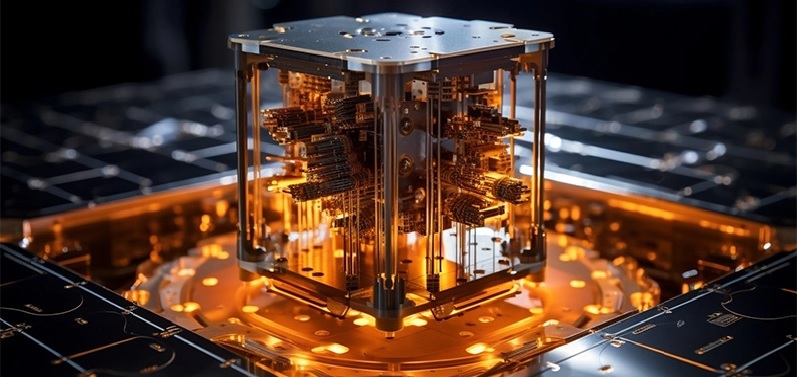
Space & Technology
Technology News ,India :- The Indian Institute of Technology, Mandi, is making groundbreaking strides in quantum computing by developing a first-of-its-kind indigenous room-temperature quantum computer that utilizes photons for high-speed calculations, as revealed by officials.Part of the National Quantum Mission, this unique computer possesses the ability to analyze data and propose solutions with an impressive 86% accuracy, all without the reliance on traditional algorithms. Quantum computing, an emerging technology, leverages the principles of quantum mechanics to solve complex problems beyond the capabilities of classical computers.Chairperson of the Center for Quantum Science and Technologies (CQST) at IIT-Mandi, C S Yadav, stated, “We are constructing a room-temperature optical quantum computer capable of solving feature learning and classification problems instantly. With a sophisticated user interface, quantum simulator, and processing capabilities, our computer will function as a graphics processor (GPU), seamlessly handling inputs like videos or photographs.”The quantum computer will extract models to elucidate hidden dynamics within input data and provide output as a quantum live feed. Yadav highlighted the unique approach, stating, “Composing a quantum algorithm is tedious. Yet our computer will mirror the inquisitive mind of a scientist, swiftly suggesting an approximate theoretical model for unknown big data with an 86% accuracy, all without relying on algorithms.”While acknowledging other players like Google and IBM in the quantum computing field, Yadav emphasized their objective to develop a photon-based quantum computer at room temperature, in contrast to the superconducting Josephson junction qubit-based systems that require extremely low temperatures.Explaining the technology, Yadav stated that the room-temperature optical quantum computer would use light for fast calculations, employing quantum bits (qubits) to exist in multiple states simultaneously for rapid processing. The system is designed to update itself and erase memory using a special gel.The team at IIT-Mandi is focused on scaling up the quantum computing system from handling 16 tasks to 1,024 tasks simultaneously. Key components, including a single photon source, a phase-sensitive single-photon avalanche diode, and a multipurpose coincidence counter, are being developed to high levels of reliability and effectiveness.IIT-Mandi Director Laxmidhar Behera expressed optimism about the impact of the Center for Quantum Science and Technologies, stating, “Through the National Quantum Mission, we are advancing the field with groundbreaking innovations aimed at enhancing feature learning and classification capabilities across genetics, astrophysics, finance, and weather forecasting. By collaborating with startups and establishing a robust supply chain, we aim to commercialize these components locally, fostering indigenous innovation and aligning with the aspirations of the National Quantum Mission.”
Read More → Posted on 2024-03-01 14:36:26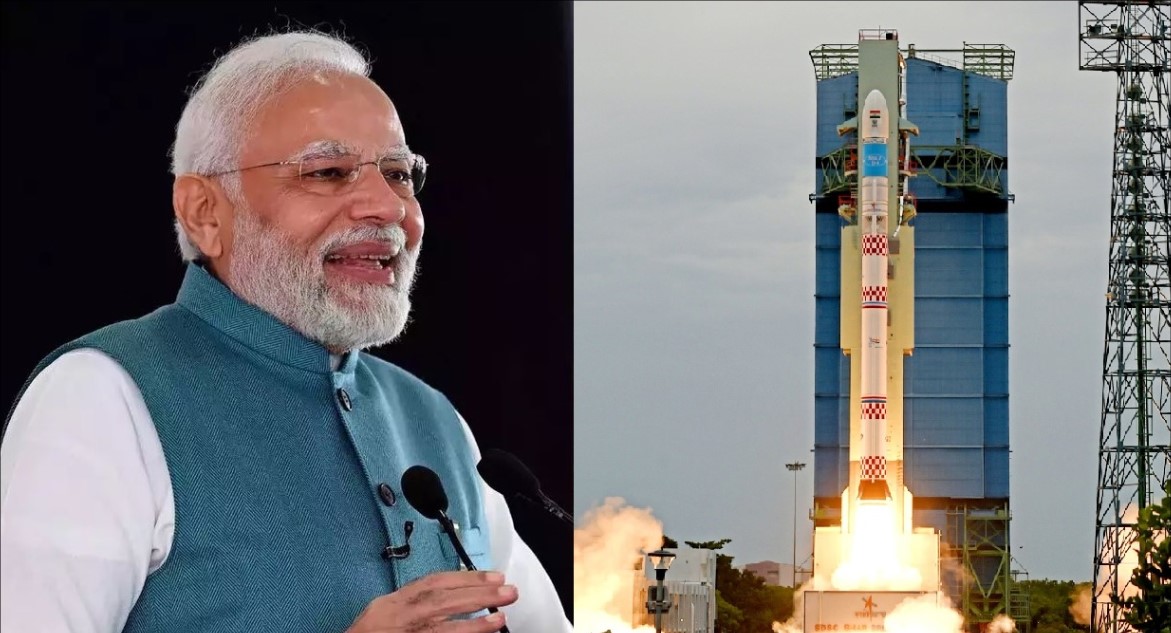
Space & Technology
Space News ,India :- India's Prime Minister, Narendra Modi, achieved a historic milestone on Wednesday by initiating a groundbreaking project worth ₹950 crores. This project aims to enhance India's space capabilities and involves the creation of a state-of-the-art spaceport in Kulasekarapattinam, spanning 2,233 acres across Padukkapathu, Pallakurichi, and Mathavankurichi villages.Unlike the existing Sriharikota space center, the Kulasekarapattinam spaceport will specialize in launching smaller satellites, including nano and micro satellites. This shift in focus reflects India's commitment to a diverse space program, catering to the changing needs of the global aerospace industry.The unique location of Kulasekarapattinam provides a significant advantage for launching small satellites. Its proximity to the open waters south of India, extending towards Antarctica, ensures that satellites are already in orbit by the time they pass over the southernmost continent. This aligns with regulations preventing spacecraft from flying over landmasses when not in orbit.This new spaceport marks a significant advancement in India's space infrastructure, solidifying its position in the global space industry. With the incorporation of cutting-edge technologies and leveraging the region's unique geographical benefits, Kulasekarapattinam is poised to become a major hub for satellite launches.
Read More → Posted on 2024-02-29 15:32:59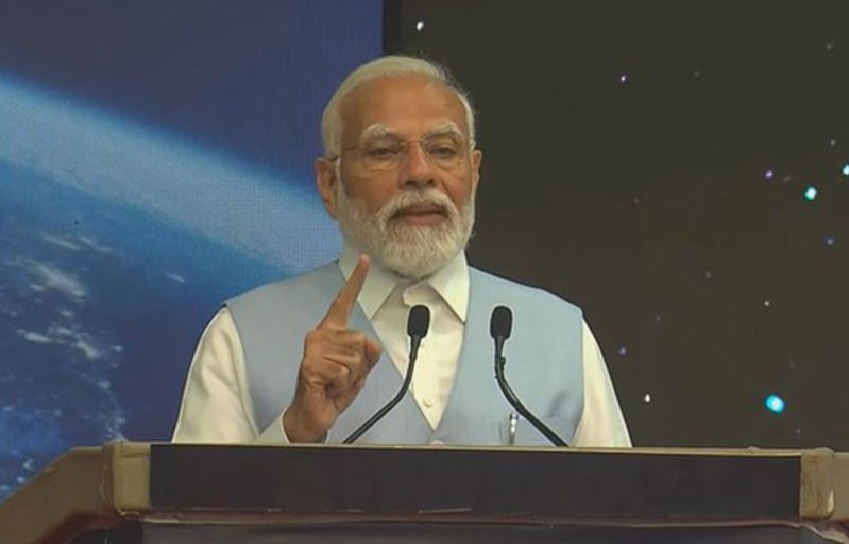
Space & Technology
Space News , India :- Prime Minister Narendra Modi declared on Tuesday that India is set to establish its own space station by 2035, marking a significant leap in the nation's space exploration endeavors. Addressing a gathering at the Vikram Sarabhai Space Centre (VSSC) in Thiruvananthapuram, the Prime Minister also revealed plans for an Indian astronaut to land on the moon using indigenous rockets.Modi emphasized the transformative role of India in the 21st century, showcasing substantial advancements across various sectors. He highlighted the country's remarkable progress by noting that in the past decade alone, India has launched about 400 satellites, a stark contrast to the 33 launched in the preceding decade.Expressing his delight, the Prime Minister noted that a majority of the equipment for the Gaganyaan mission, India's first human space flight program scheduled for 2024-25, is domestically produced. Modi proudly announced the names of the four chosen Indian Air Force pilots who will be part of this historic mission, trained at the Yuri Gagarin Cosmonaut Training Center in Russia.Commending the astronauts for their dedication, Modi stated, "These are not just 4 names and 4 humans, but 4 forces taking 140 crore aspirations to space." He underscored the significance of India's success in the space sector, asserting that it is fostering a scientific temperament among the nation's youth.During his visit to Kerala, Prime Minister Modi reviewed the progress of the Gaganyaan mission and awarded 'astronaut wings' to the selected candidates at the Vikram Sarabhai Space Centre. The Gaganyaan project aims to demonstrate India's human spaceflight capability by sending a crew of three members to an orbit of 400 km for a three-day mission, safely returning them to Earth.The prerequisites for the Gaganyaan mission involve the development of critical technologies, including a human-rated launch vehicle, life support systems, and crew management aspects. Various precursor missions, such as Integrated Air Drop Test (IADT), Pad Abort Test (PAT), and Test Vehicle (TV) flights, are planned to demonstrate technology readiness before the manned mission.Highlighting the paramount importance of human safety, Modi emphasized the development of new technologies to ensure the success and reliability of the Gaganyaan mission. India's recent achievements, such as the successful soft landing of Chandrayaan-3 on the Moon's South Pole and the launch of Aditya-L1, have not only solidified the country's position in the global space economy but have also spurred the growth of the private space sector in India.Looking ahead, India envisions establishing 'Bharatiya Antariksha Station' by 2035 and aims to send the first Indian to the Moon by 2040, further solidifying its place in the global space exploration landscape.
Read More → Posted on 2024-02-28 07:08:08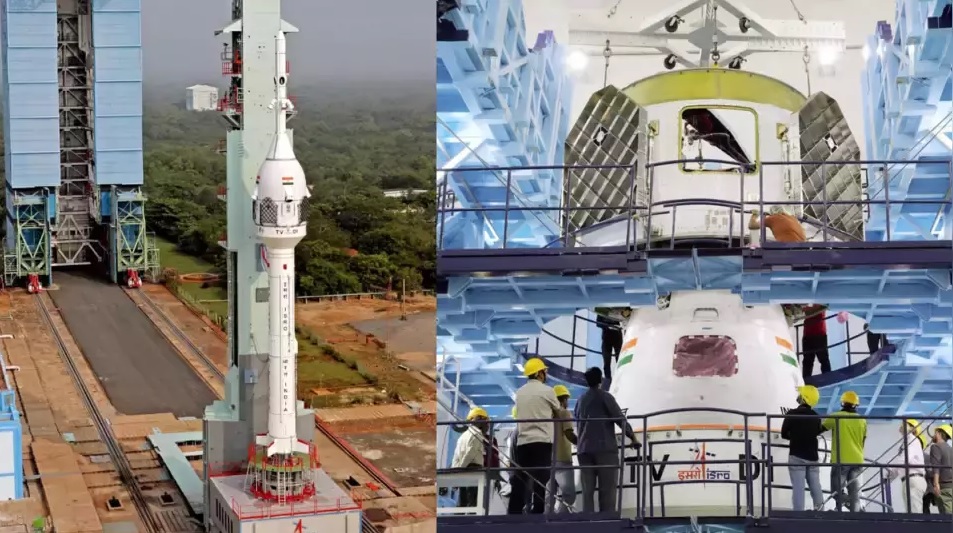
Space & Technology
Space News ,India :- Great news! India's Gaganyaan project has passed all tests and is now ready for a successful launch, according to former ISRO chairman K Sivan.Sivan shared that India will conduct the second round of astronaut training, following the completion of the first round in Russia. He emphasized that test pilots will be part of the initial mission, and mission scientists will get the chance to join any successful future missions.In addition, Sivan revealed details about a joint satellite project with NASA. Although specific information is not available yet, he confirmed that both space agencies are actively working on this exciting project.
Read More → Posted on 2024-02-28 06:47:05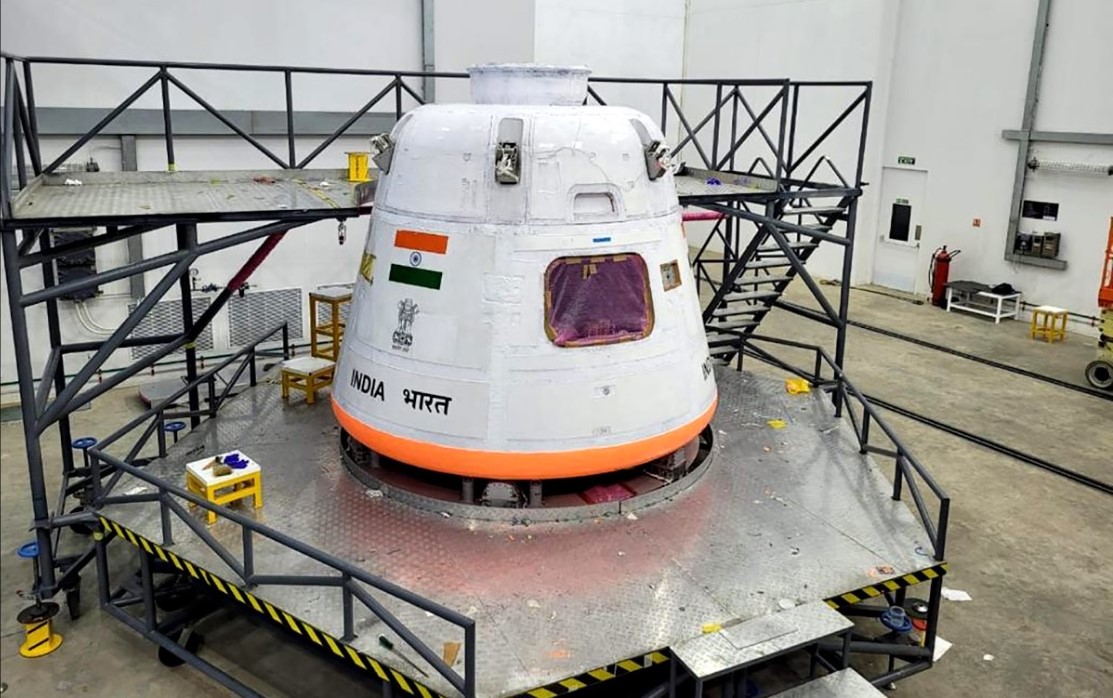
Space & Technology
Space News ,India :- According to a report from TOI, India is making big moves to send its first astronauts into space through the Gaganyaan mission. Currently, four potential astronauts are in training in Bengaluru, but their names haven't been officially announced by the government yet.The chosen individuals are likely to be either wing commanders or group captains. Prime Minister Narendra Modi is scheduled to meet these potential astronauts at the Vikram Sarabhai Space Centre. If successful, India will become the fourth country to send a human into space. Here are the names of the four test pilots undergoing training for India's first human space mission.According to TOI, only 12 test pilots who showed interest in the Gaganyaan mission managed to pass the first selection phase. The selection process occurred in 2019 at the Institute of Aerospace Medicine in Bengaluru, which falls under the Indian Air Force.After several rounds of selection, Prashant Nair, Angad Pratap, Ajit Krishnan, and Chauhan were approved by IAM to participate in the Gaganyaan mission. In 2020, ISRO sent these four individuals to Russia for their initial training. The training concluded in 2021, with the Covid-19 pandemic contributing to a delay in the completion of training.
Read More → Posted on 2024-02-27 06:39:10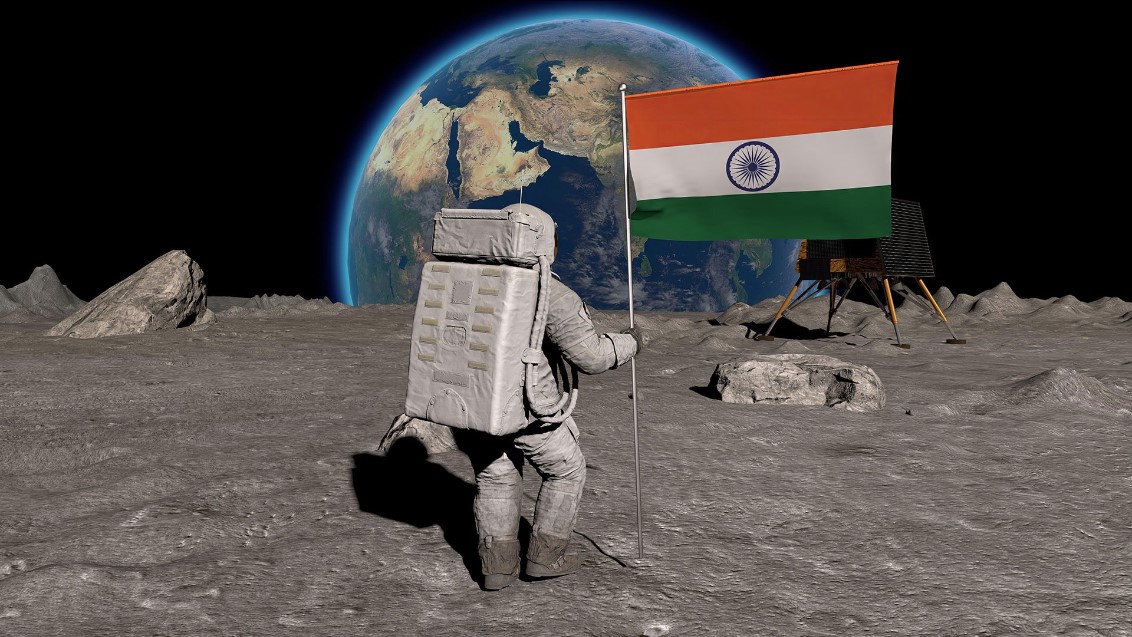
Space & Technology
Space News ,India :- The head of the Indian Space Research Organisation (ISRO), S Somanath, shared plans for continued lunar exploration and expressed hope for an Indian moon landing by 2040. He discussed these goals during the opening of the 22nd National Space Science Symposium (NSSS 2024), organized by Goa University in collaboration with ISRO.The symposium's purpose is to connect space science and technology with society. Somanath highlighted the renewed interest in moon exploration from countries like the United States and China. He emphasized that India needs to understand these global efforts, as many nations are working towards lunar exploration.Somanath stressed the importance of ongoing experiments and exploration before achieving a successful Indian moon landing. The discussions at the symposium included plans for interplanetary missions, such as the Venus Orbiter Mission and the Mars Lander. There was also a focus on efforts towards a lunar sample return mission for scientific studies.Governor of Goa P S Sreedharan Pillai inaugurated the symposium, which features exhibitions by ISRO, Space on Wheels, poster sessions, and public lectures. The event aims to foster interaction between professionals, research students, and the public.NSSS 2024, running until March 1, aligns with the upcoming National Science Day celebrations in Goa. The symposium offers various events, including scientific sessions, public lectures, plenary talks, outreach programs, exhibitions, student sessions, and posters, creating a comprehensive platform for scientific exchange.The event includes six parallel scientific sessions on diverse themes of space science and technology, with a dedicated students' session to nurture young minds. Public lectures, plenary and interdisciplinary talks, and invited presentations by experts are expected to enrich the symposium experience. Poster sessions over four days will facilitate in-depth discussions for early-career researchers.Simultaneously, the three-day Science Fiesta 2024 at Goa Science Centre showcases significant developments in science and technology. The exhibition, open to the public, highlights space science technology and milestones achieved by ISRO during the symposium. Industry participants associated with the National Space Science mission showcase innovative contributions, engaging students and the public in the exhibition and outreach events at Manohar Parrikar Law School, Goa University.
Read More → Posted on 2024-02-27 06:35:03Search
Top Trending in 24 Hours
-
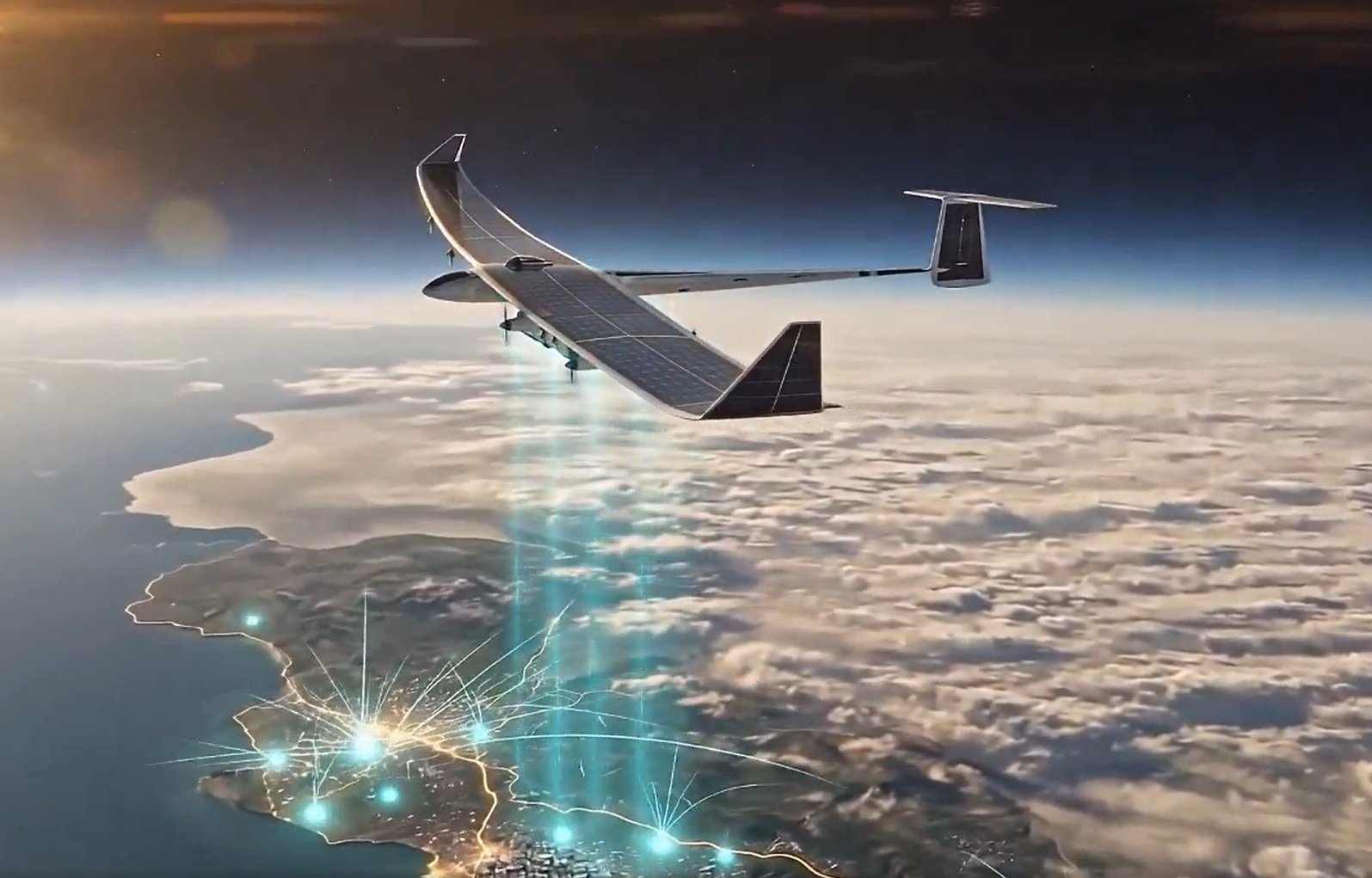 Iran’s DotOne Plans 200 High-Altitude Platform Station Communication Drones for Nationwide Internet Coverage
-
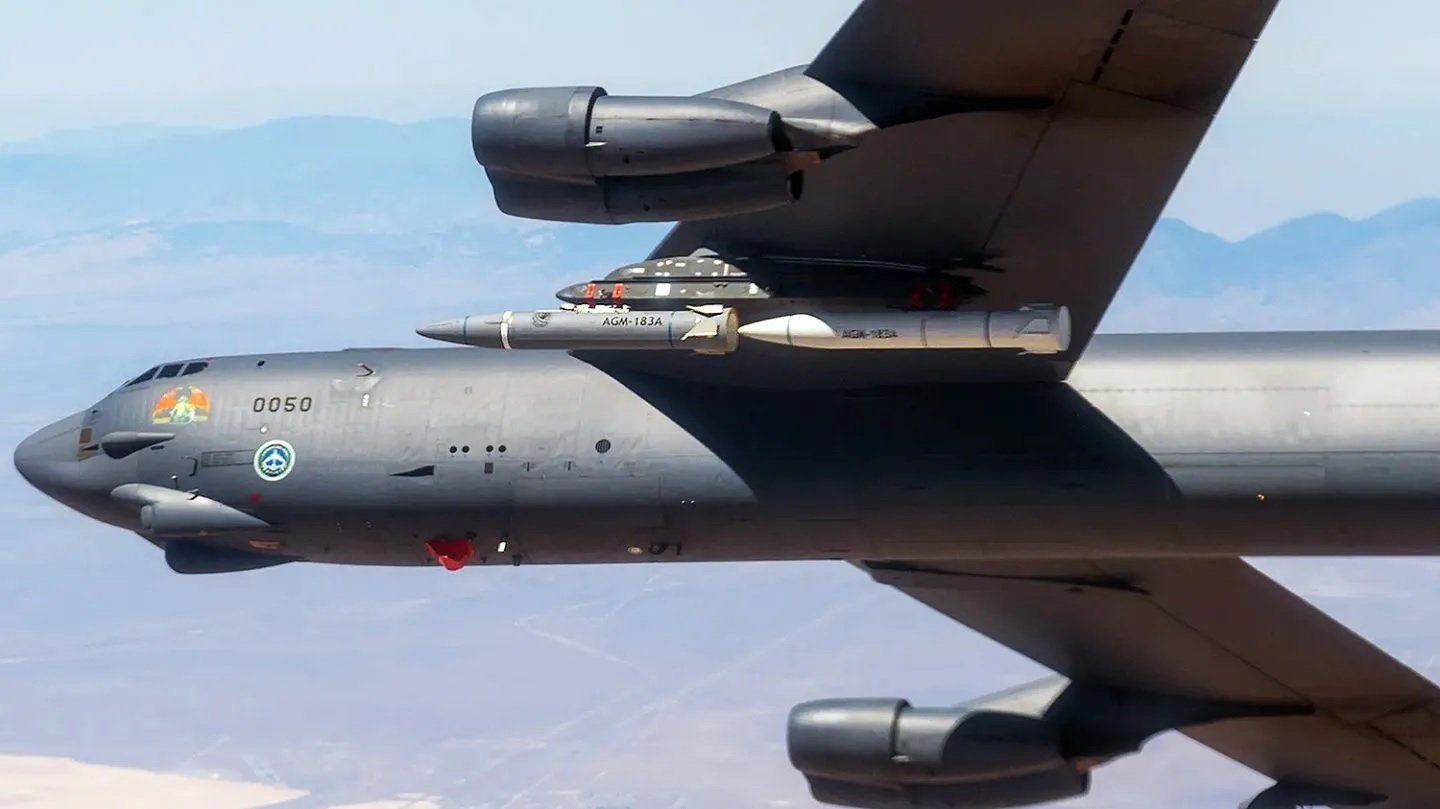 U.S. Air Force Moves First Hypersonic Missile Into Production With $694 Million Contract
-
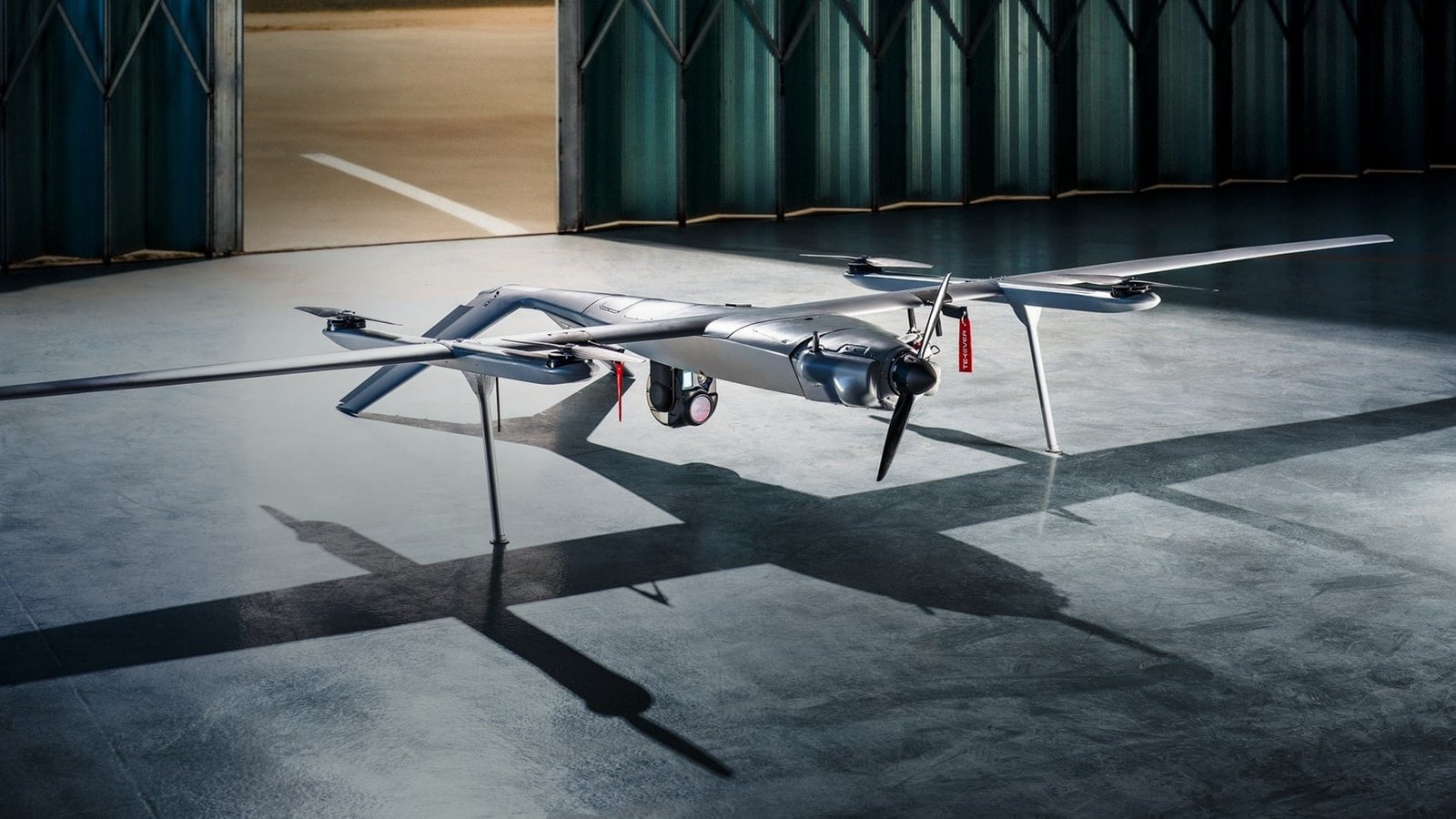 Tekever Wins U.S. Special Operations Command Contract for AR3 Uncrewed Aerial Systems
-
 Israeli Ad-Tech Firm Discover-Tech Suspected of Tracking Starlink Users Across More Than 100 Countries
-
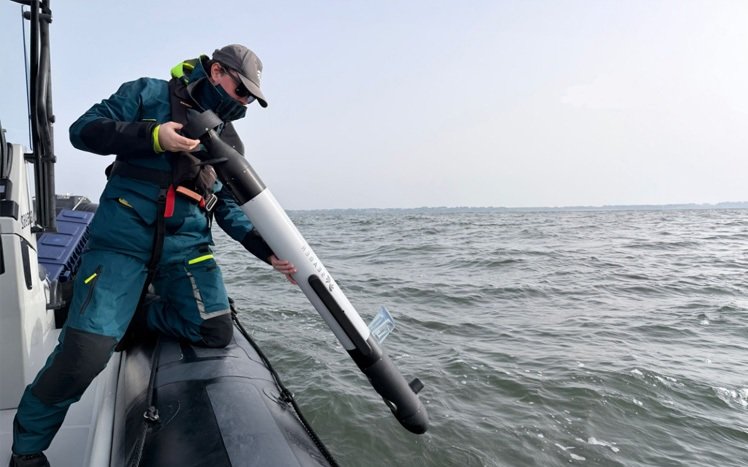 France’s SEABER Introduces RAVEN Autonomous Underwater Vehicle for Mine Countermeasures
-
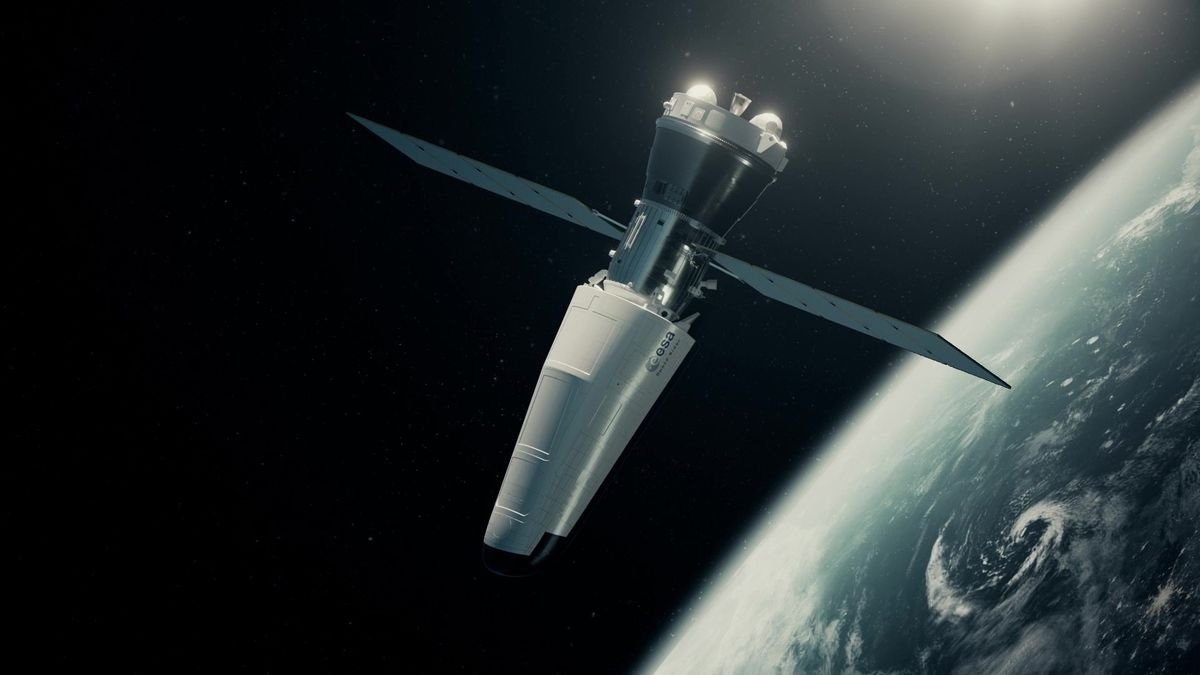 ESA’s Space Rider Reusable Spaceplane Crashes in Italy During Test After Main Parafoil Detaches
-
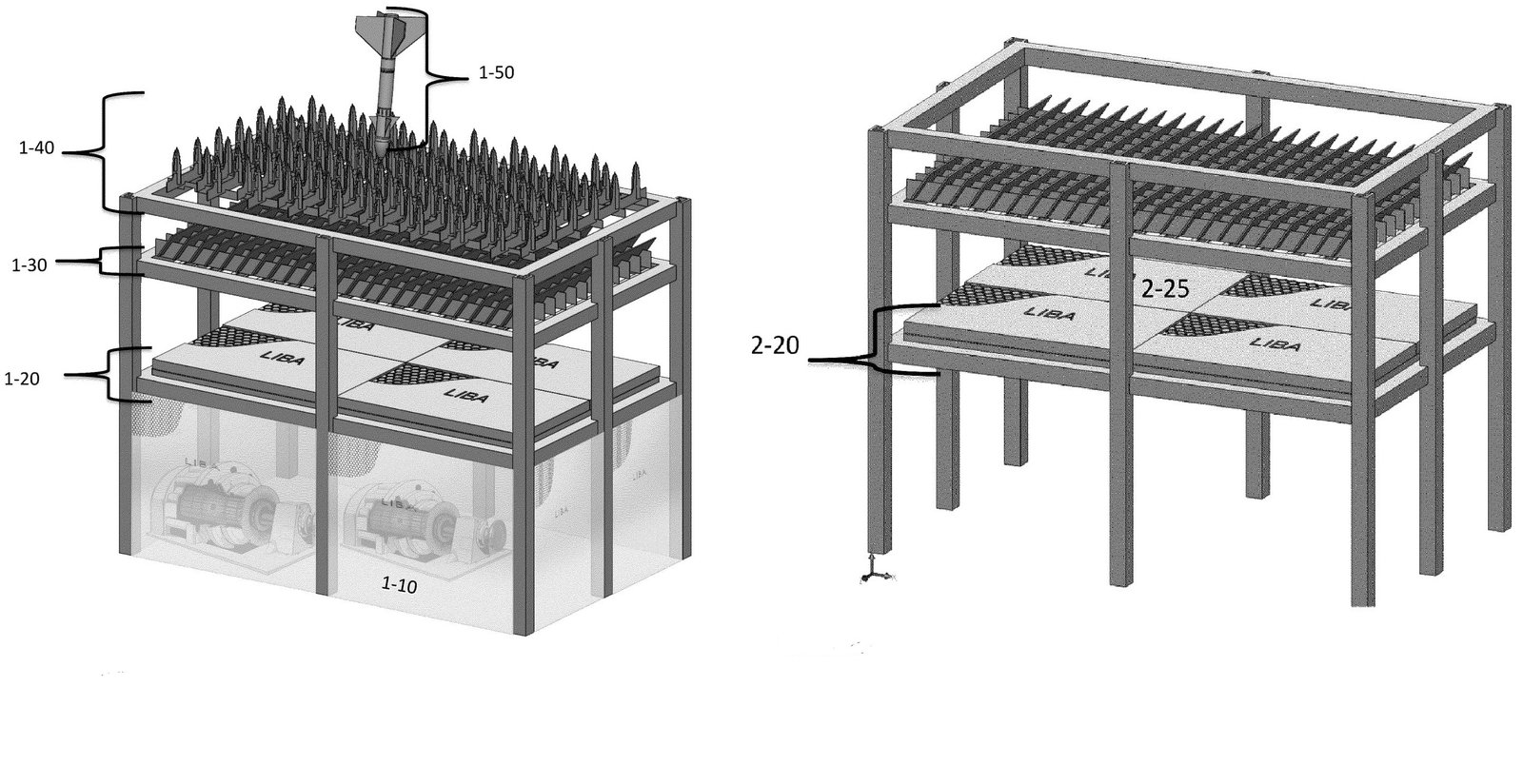 Israel Reportedly Developing Three-Layer Physical Shield for Critical Infrastructure
-
 U.S. Lawmaker Warns Oil Companies of Criminal Penalties for Purchasing Russian Diesel
Top Trending in 4 Days
-
 Pentagon Launches FORTRESS Initiative to Make Major U.S. Bases Self-Sufficient for 90 Days
-
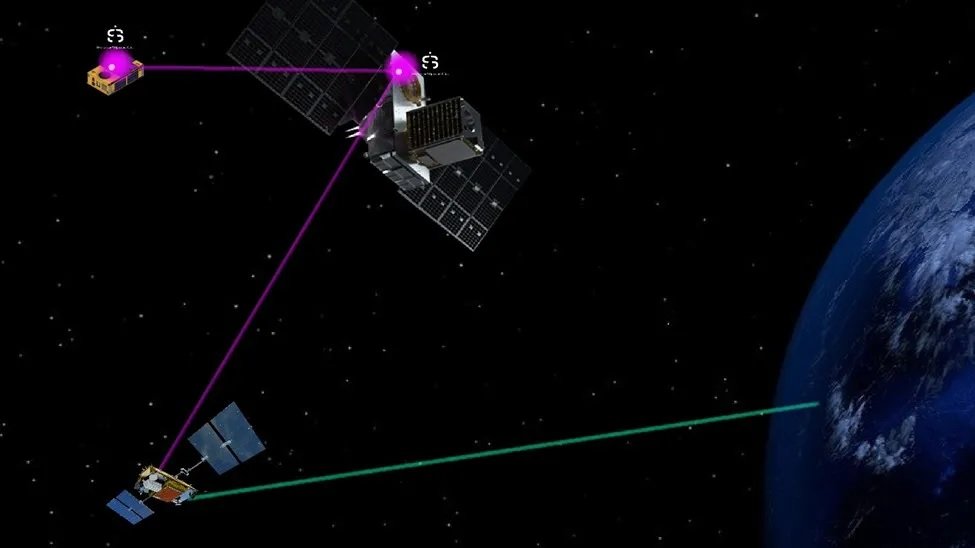 NASA Demonstrates Space-to-Space Wi-Fi Between Two Orbiting Spacecraft
-
 USS Pinckney Becomes First U.S. Navy Destroyer to Begin Phase Two Modernization with Advanced SPY-6 Radar
-
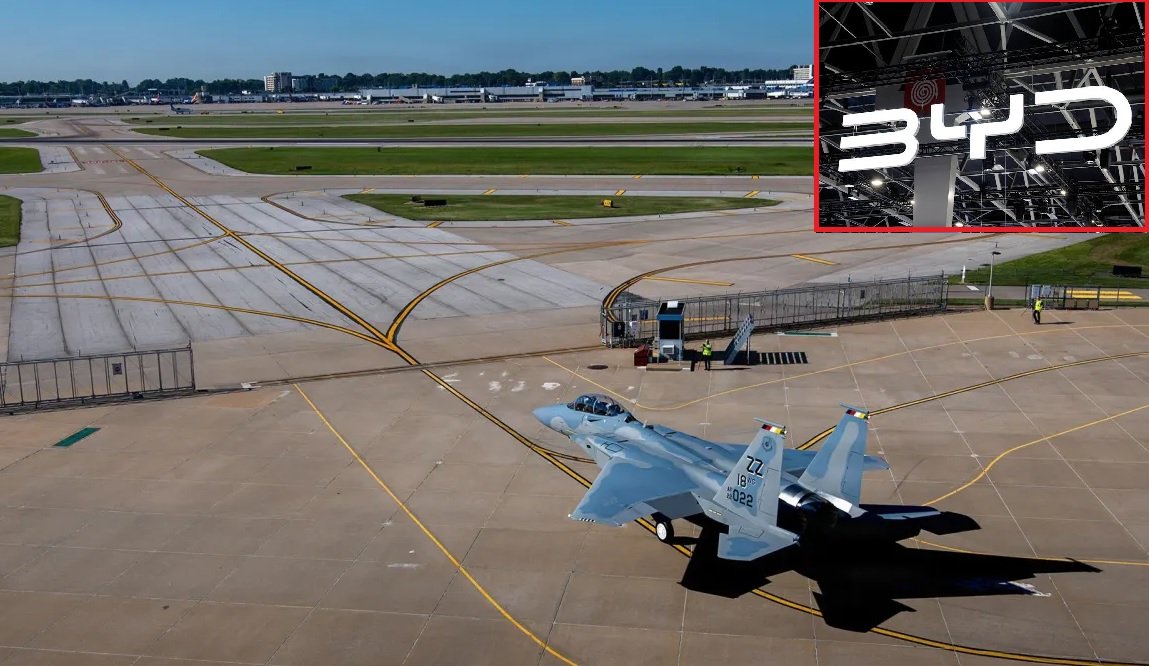 U.S. Military to Ban Chinese Automaker BYD Vehicles from Kadena Air Base in Japan Over Security Concerns
-
 Saudi Arabia, Pakistan and Turkey Hold High-Level Security Talks with Iran in Tehran Amid Reports of Potential Iranian Integration
-
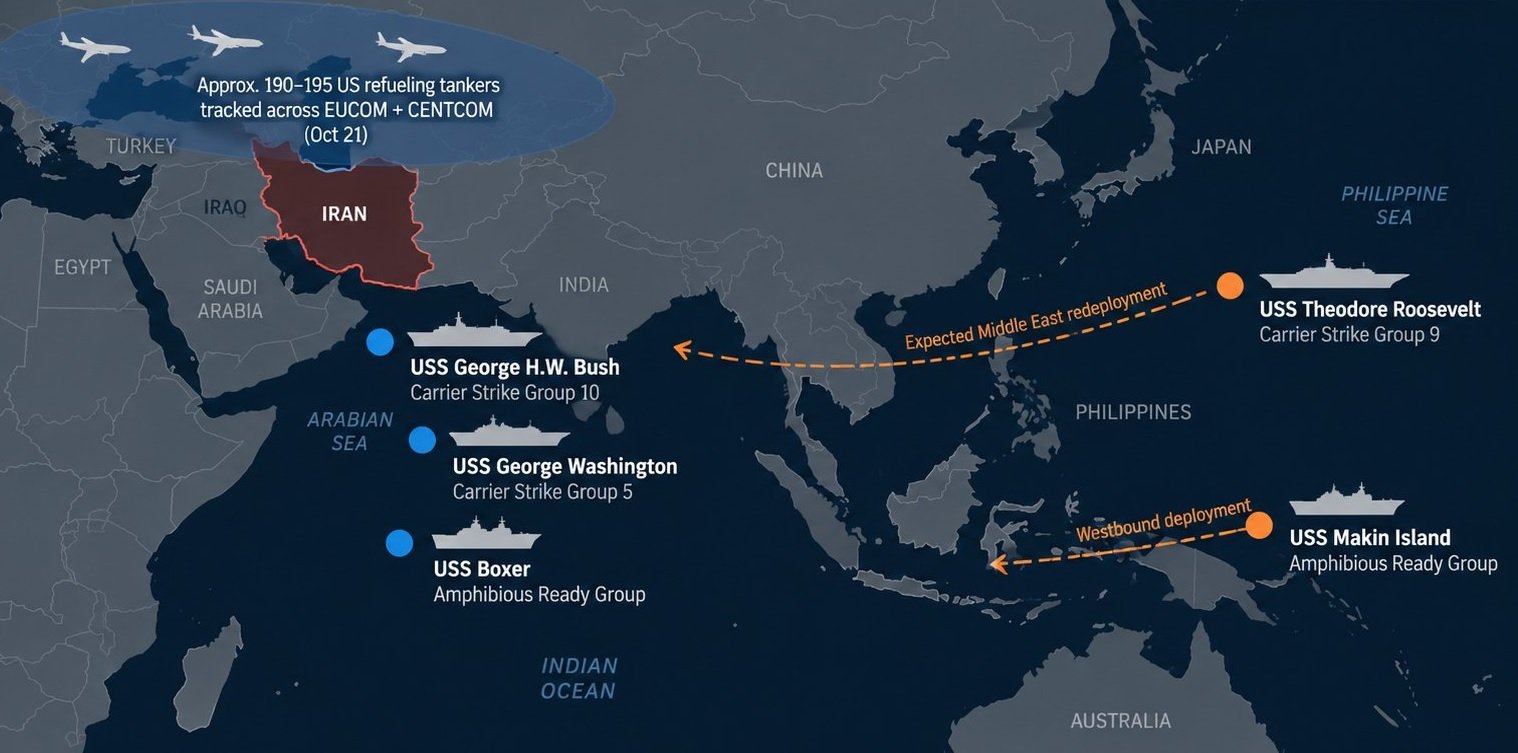 US Expands Military Buildup Near Iran with Third Aircraft Carrier and Additional Marines
-
 UK Ministry of Defence Opens £120,000 Tender for Skydio X10D Drones
-
 General Atomics Partners With Spirit Defense to Expand FQ-42 Vengeance Production