Space News ,India ISRO :-
India groundbreaking space mission, known as the "Celestial Surya
Namaskar," is on the verge of reaching a pivotal moment as the Aditya-L1
satellite, the country first space-based solar observatory, prepares to
settle into its designated orbit for the next five years. The Indian
Space Research Organization (ISRO) has announced that the satellite is
scheduled to reach its destination orbit on January 6 at 4 pm after a
remarkable 126-day journey covering approximately 3.7 million kilometers
since its launch on September 2 last year.
Throughout its
journey, Aditya-L1 has taken a circuitous route, showcasing its
resilience and robust health, as confirmed by ISRO. The satellite has
already begun beaming back captivating images of the Sun full disc,
providing a glimpse into the scientific treasures it holds.
Aditya-L1
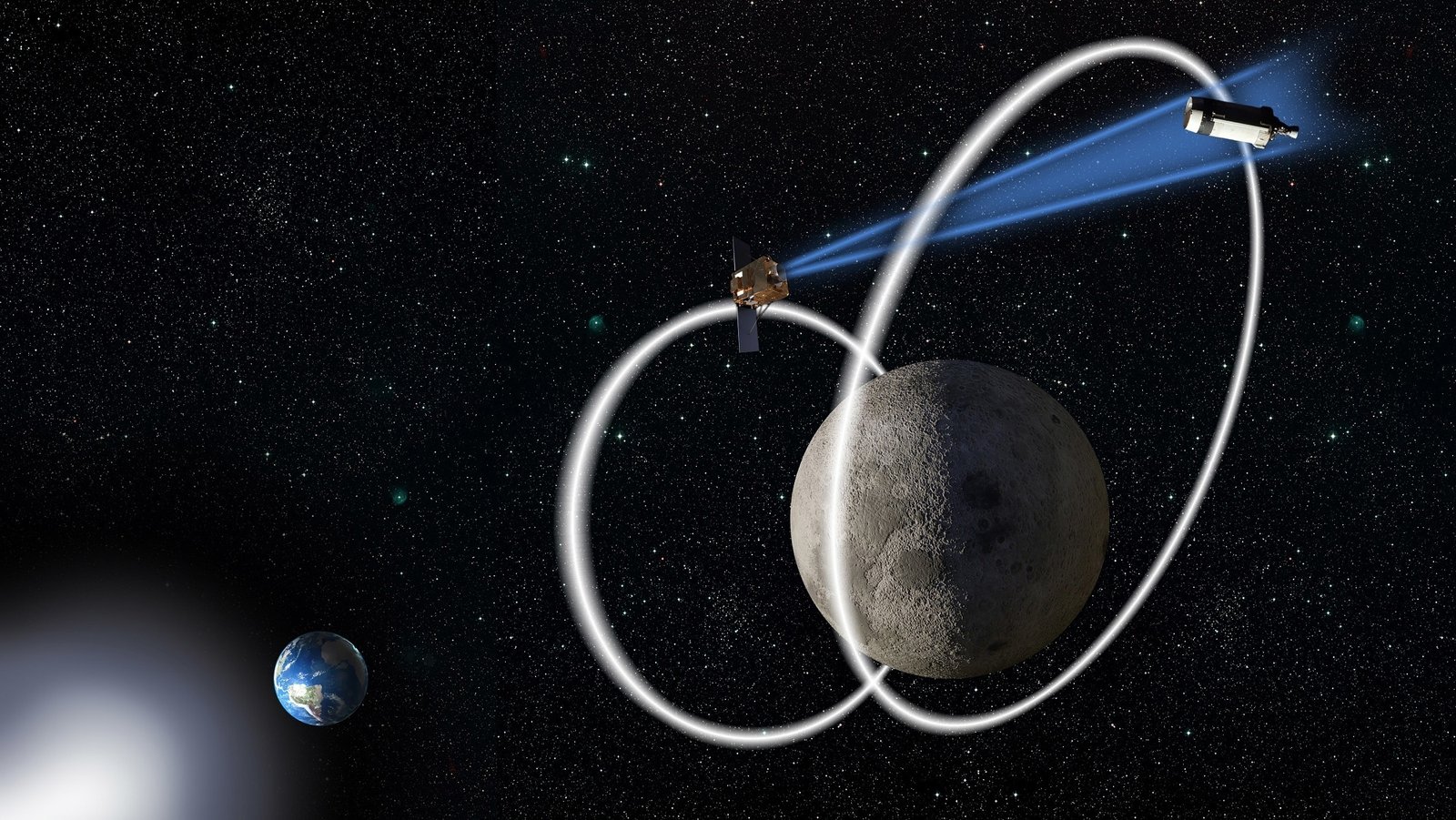
celestial abode is a halo-shaped orbit positioned approximately 1.5
million kilometers away from Earth. Despite its proximity to the Sun,
the orbit keeps the satellite significantly distant, considering the
Sun vast distance of around 150 million kilometers from Earth.
From
its final observation point, the Lagrangian Point-1, the 1,475-kilogram
Aditya-L1 satellite is poised to conduct a series of scientific
experiments aimed at unraveling the mysteries of our solar system
central star. Positioned strategically, it will offer an uninterrupted
view of the Sun, aiding in understanding space weather dynamics. Nigar
Shaji, the Project Director for Aditya-L1, highlighted its significance,
stating that the observatory will serve as a forecasting and warning
platform for solar storms.
Solar storms, large-scale magnetic
eruptions on the Sun, can impact the entire solar system. Aditya-L1
continuous monitoring capability positions it as a crucial tool for
issuing warnings about potential solar electromagnetic effects on Earth.
This capability is vital for safeguarding India extensive space assets,
which include over 50 operational satellites valued at more than
₹50,000 crores.
S Somanath, Chairman of ISRO, emphasized
Aditya-L1 role as a space-based protector, safeguarding against solar
flares and ensuing solar storms. The intelligent satellite, as described
by astrophysicist Prof Somak Raychaudhury, will remain vigilant,
ensuring continuous surveillance of Earth nearest star.
The solar
mission key highlights include Aditya-L1 successful injection into an
elliptical orbit around Earth, its unique halo orbit around the
Sun-Earth Lagrangian point, and its stable position at the Lagrange
Point, where gravitational forces between the Earth and the Sun reach
equilibrium. The satellite is armed with seven indigenously developed
scientific payloads, designed to observe various layers of the Sun using
electromagnetic particle and magnetic field detectors.
As India
Aditya-L1 satellite embarks on this unprecedented journey, scientists
eagerly anticipate gaining valuable insights into the Sun behavior and
contributing to our understanding of space phenomena.
——— End of Article ———