
Space & Technology
Technology NewsWorldOzonetel has unveiled a new suite of AI-powered solutions aimed at enhancing digital-first customer experiences. Developed with GenAI capabilities and purpose-built LLMs (Large Language Models), this suite is designed exclusively to meet the needs of modern businesses navigating the digital landscape.The digital CX solution suite is seamlessly integrated with Ozonetel’s acclaimed unified CX platform, offering organizations the ability to streamline and orchestrate customer journeys across various digital touchpoints. With capabilities spanning WhatsApp, social media, SMS, and other advanced messaging channels, alongside voice solutions, enterprises can now manage millions of digital interactions from a single platform.In today’s digital age, many enterprises grapple with effectively leveraging new technologies to drive growth. One major hurdle is the lack of a unified interface for managing and analyzing customer interactions across digital channels in real-time and at scale. This fragmentation often leads to subpar customer experiences and missed business opportunities. Additionally, managing multiple vendors results in data silos and operational complexities across different business functions.Discussing the potential of the AI-led digital CX solution suite, Prashanth Kancherla, Chief Product Officer of Ozonetel, emphasized the crucial link between exceptional CX and business growth. He highlighted how the suite has already delivered tangible results for enterprise customers, such as doubling ROI in real estate sales and increasing brand engagement fivefold in hospitality.Key features of the AI-led digital CX suite include:Digital Customer Journeys: Orchestrating seamless customer interactions across digital touchpoints.Digital Conversational Marketing: Enabling personalized engagement at scale across digital channels.Digital Self-Service: Empowering customer interactions with GenAI-powered chatbots and human handoff.Digital CX From Field: Allowing field team members to engage with customers digitally without compromising security.Omnichannel+ Digital CX: Providing a unified experience across multiple channels for faster service resolution.Digital Conversational Intelligence: Offering real-time insights from digital interactions to enhance customer experience.Overall, Ozonetel’s AI-led digital CX solution suite presents businesses with an opportunity to reimagine customer experiences in today’s digital-first era, driving growth through enhanced engagement and streamlined operations.
Read More → Posted on 2024-04-05 15:12:12
Space & Technology
Technology News IndiaPresident Droupadi Murmu launched India's first home-grown gene therapy for cancer at IIT Bombay on Thursday.Speaking on the occasion, the President said that the launch of India's first gene therapy is a breakthrough in the battle against cancer.As this line of treatment, named "CAR-T cell therapy", is accessible and affordable, it provides a new hope for the whole of humankind. She expressed confidence that it will be successful in giving new lives to countless patients."I am told this therapy will be available across the country in major cancer hospitals, providing new hope to patients and their families. Moreover, this affordable treatment can be made available to all patients across the world. That will be in tune with our vision of "Vasudhaiva Kutumbakam," President Murmu said.The President said that CAR-T cell therapy is considered to be one of the most phenomenal advances in medical science. It has been available in developed nations for some time, but it is extremely costly and beyond the reach of most patients around the world.She was happy to note that the therapy is the world's most affordable CAR-T cell therapy. She said that it is also an example of the 'Make in India' initiative; a shining example of the 'Atmanirbhar Bharat'.The President was happy to note that India's first CAR-T cell therapy was developed through collaboration between the Indian Institute of Technology, Bombay and Tata Memorial Hospital in association with industry partner ImmunoACT. She said that this is a praiseworthy example of an academia-industry partnership, which should inspire many more similar efforts.The President said that IIT Bombay is renowned, not only in India but across the world, as a model of technology education. In the development of CAR-T cell therapy, technology is not only being put in the service of humanity, but partnerships have been with eminent institutions from other fields as well as with industry.This has been made possible by the focus IIT, Bombay has placed on research and development over the last three decades. She said that with the knowledge base and skills of the faculty and students of IIT Bombay and other similar institutions, India as a whole, would benefit greatly from the technological revolution underway.
Read More → Posted on 2024-04-04 15:36:30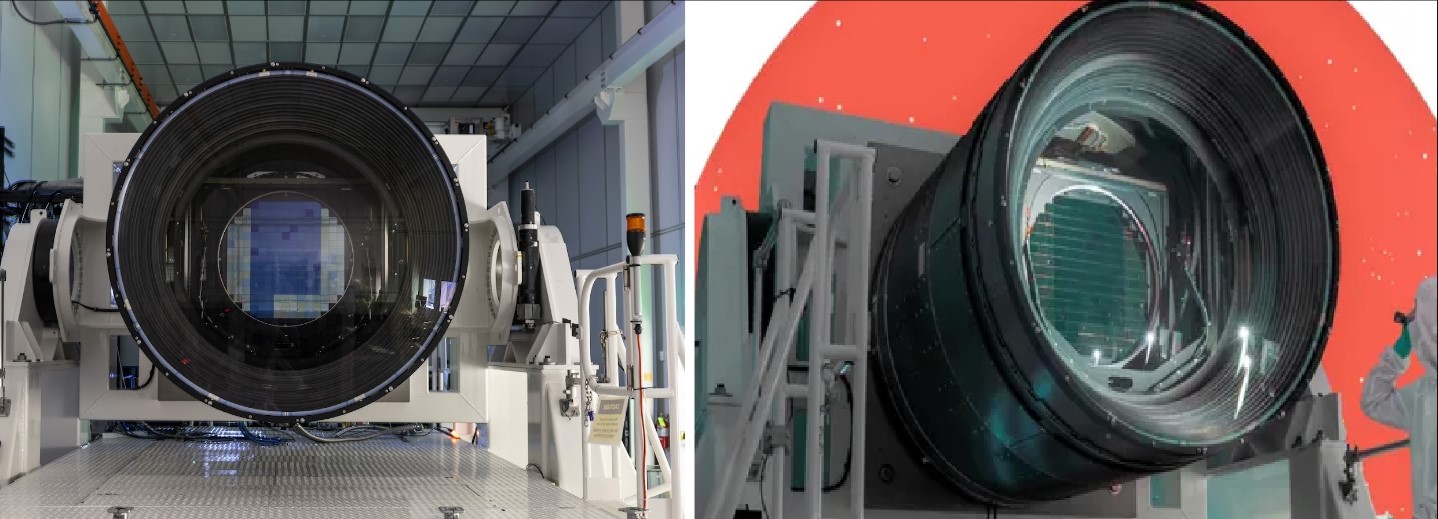
Space & Technology
Technology NewsWorldThe Vera C. Rubin Observatory is gearing up for a groundbreaking mission: the Legacy Survey of Space and Time (LSST). This ambitious project aims to monitor the entire southern hemisphere of the sky, capturing thousands of images over the span of a decade. To accomplish this monumental task, the observatory will rely on the largest digital camera ever built - the LSST camera, developed by scientists and engineers at the SLAC National Accelerator Laboratory.The LSST camera is no ordinary piece of equipment. It boasts an impressive 3,200-megapixel resolution and is about the size of a compact car, weighing in at a hefty 3 metric tons. Despite its massive proportions, it's still lighter than a male African bush elephant. This colossal camera will play a pivotal role in unlocking some of the universe's greatest mysteries, including dark energy and dark matter.Rendered image of the Vera C. Rubin facility on a mountain top (Image credit: Rubin Observatory/NSF/AURA)Dark energy, which makes up approximately 70% of the universe's matter-energy content, remains one of the most enigmatic forces in cosmology. By observing the expansion of the cosmos, scientists hope to gain insight into this elusive phenomenon. Additionally, the LSST will shed light on dark matter, an invisible substance that constitutes about 85% of the universe's mass. Through its comprehensive survey of the night sky, the LSST aims to create an unparalleled map of the cosmos, providing invaluable data for astronomers worldwide.One of the key features of the LSST survey is its ability to repeatedly observe the same regions of the sky over a prolonged period. This continuous monitoring will enable scientists to track transient events such as supernovas, study the effects of gravitational lensing caused by dark matter, and measure the expansion of the universe driven by dark energy. By meticulously analyzing these observations, researchers hope to unravel the mysteries surrounding these fundamental cosmic forces.The LSST camera's unique capabilities extend beyond its sheer size. Despite covering vast swathes of the sky, it retains an impressive level of detail. In fact, its resolution is so high that it could theoretically discern a golf ball from a distance of 15 miles, all while capturing an area seven times wider than the full moon. This unprecedented combination of breadth and detail will provide astronomers with an unparalleled view of the universe.Before the LSST camera can commence its groundbreaking observations, it must first embark on a journey from its home at SLAC in Menlo Park, California, to the summit of Cerro Pachón in the Andes. Transporting this delicate instrument is no small feat, given its size and fragility. The LSST team has meticulously planned the logistics of this operation, conducting extensive tests to ensure the camera's safe passage to its final destination.Once installed atop the Simonyi Survey Telescope, the LSST camera will undergo rigorous testing to ensure its functionality. With its sensors cooled to a chilling minus 148 degrees Fahrenheit, the camera will begin capturing images of the cosmos in unprecedented detail. While the initial target for observation has yet to be selected, astronomers anticipate focusing on a large, bright galaxy for the first images.The completion of the LSST camera marks a significant milestone in the field of astronomy. After years of meticulous planning and development, scientists are eager to see the fruits of their labor. As the LSST embarks on its monumental survey of the universe, it promises to revolutionize our understanding of dark energy, dark matter, and the cosmos at large.In the coming years, the LSST camera will provide a wealth of data for astronomers to analyze and interpret. From tracking the movements of distant galaxies to unraveling the mysteries of the universe's expansion, the possibilities are endless. As we await the first images from this groundbreaking instrument, one thing is certain: the LSST camera is poised to transform our understanding of the cosmos for generations to come.
Read More → Posted on 2024-04-04 07:50:07
Space & Technology
Space NewsIndia & RussiaThe Russian Deputy Chief of Mission, Roman Babushkin, has praised India's strides in space exploration, affirming Russia's steadfast support for its endeavors in this domain. Speaking on the 40th anniversary of Rakesh Sharma's historic spaceflight aboard the Soviet spacecraft Soyuz T-11 in 1984, Babushkin underscored the enduring partnership between Russia and India in space exploration.Babushkin highlighted the success of India's Chandrayaan-3 mission and collaborative efforts in the Gaganyaan project, emphasizing Russia's consistent backing for Indian achievements in space. He commemorated Rakesh Sharma's groundbreaking accomplishment as India's first astronaut, lauding India's independent space research program and its assistance to other nations in satellite launches.Ahead of the 77th anniversary of diplomatic relations between Russia and India, Babushkin reaffirmed Russia's unwavering support for India's space endeavors, citing significant milestones such as Chandrayaan-3's recent triumph and the ambitious Gaganyaan mission.Acknowledging Russia's historical collaboration with India in space exploration since 1975, Babushkin highlighted the pivotal role played by Russia in nurturing India's space capabilities, including astronaut training and spacecraft development. He emphasized the special and privileged strategic partnership between the two countries, noting Russia's enduring support for Indian success in space exploration.Babushkin noted India's evolution into a space superpower with a robust national space program, recognized globally for its reliability and excellence in satellite launching. He emphasized the close cooperation between ISRO and Roscosmos in various aspects of space exploration, including astronaut training, spacecraft development, and space medicine capacity building.Highlighting the extensive partnership between India and Russia in space propulsion engineering, cryogen engine construction, and satellite navigation, Babushkin also underscored collaboration in establishing ground stations for communication signals and exploring opportunities for involvement of the private sector and startups in space initiatives.Babushkin emphasized the close coordination between India and Russia at multilateral platforms such as the UN Outer Space Committee, focusing on preventing arms races in outer space and promoting initiatives for peaceful space exploration.Reflecting on upcoming milestones, including the 63rd anniversary of Yuri Gagarin's first human space journey and the 77th anniversary of Russia-India diplomatic relations, Babushkin highlighted the significance of space exploration in fostering bilateral cooperation and friendship.On Wednesday, the Russian Embassy and TASS News Agency organized a photo exhibition featuring archival materials and a documentary screening on Rakesh Sharma's journey to outer space. Sharma's historic flight aboard Soyuz T-11 from Baikonur Cosmodrome marked India's entry into space exploration, with significant contributions in biomedicine and remote sensing.Sharma's scientific studies and experiments during his space mission, including remote sensing and biomedicine research, showcased India's capabilities in space exploration. His iconic response to then Prime Minister Indira Gandhi's question about how India looked from outer space, "Saare Jahaan Se Achcha," resonated as a testament to India's pride in its achievements in space exploration.Babushkin's remarks underscored the deep-rooted partnership between Russia and India in space exploration, highlighting India's significant strides and contributions to global space endeavors. The commemoration of Rakesh Sharma's spaceflight serves as a reminder of the enduring friendship and cooperation between the two nations in the pursuit of scientific advancement and exploration beyond Earth's boundaries.
Read More → Posted on 2024-04-04 07:35:45
Space & Technology
Space NewsNASANASA has chosen three private teams, led by Intuitive Machines, Lunar Outpost, and Venturi Astrolab, to develop Lunar Terrain Vehicles (LTVs) for the Artemis missions. These rovers will assist astronauts in exploring the moon's southern polar region starting in 2030.Intuitive Machines Moon RoverA concept of the Intuitive Machines Moon Racer rover driving on the lunar surface with astronauts aboard. (Image credit: Intuitive Machines)Lunar Outpost Moon RoverA concept of a Lunar Outpost moon rover driving on the lunar surface with astronauts aboard. (Image credit: Lunar Outpost)Venturi Astrolab Moon RoverArtist's concept of the Venturi Astrolab FLEX moon rover driving on the lunar surface with astronauts aboard. (Image credit: Astrolab)Vanessa Wyche, director of NASA's Johnson Space Center, expressed excitement about advancing lunar exploration through the development of these vehicles. They will enhance astronauts' ability to conduct science and exploration on the moon's surface.Over the next year, each team will refine its rover concept under a feasibility task order from NASA. Afterward, they'll compete for a task order to build and demonstrate their vehicle ahead of the Artemis 5 mission in 2030.NASA will purchase rover services rather than the LTVs themselves, similar to its contracts with SpaceX for cargo and crew delivery to the International Space Station.The total potential value of the LTV services contract is $4.6 billion. The selected team(s) will be responsible for building and delivering their rovers to the moon's south pole.The LTV will be the United States' first moon car since the Apollo 15 mission in 1971. Similar to the Apollo rover, it will be unpressurized and accommodate two astronauts. However, it will feature autonomous driving capabilities, a significant upgrade from its predecessor.The Artemis rover will serve as both a crewed and uncrewed science exploration platform, akin to NASA's Mars rovers, Curiosity and Perseverance.NASA aims to establish Artemis bases near the moon's south pole, believed to contain significant amounts of water ice.Artemis 1, the first mission, sent an uncrewed Orion capsule to lunar orbit in late 2022. Artemis 2 is scheduled to launch four astronauts around the moon in September 2025, followed by Artemis 3, which aims to land astronauts near the lunar south pole in 2026.NASA intends to have an LTV on the moon before the arrival of the Artemis 5 crew in 2030. Any earlier availability would be welcomed.The development of the LTV began in February 2020 when NASA solicited industry ideas for the next moon rover. After additional input in August 2021, NASA officially requested proposals in May of the following year.Intuitive Machines, one of the selected companies, achieved a significant milestone in lunar exploration in February by successfully landing its robotic Odysseus lander on the moon under a different NASA contract.
Read More → Posted on 2024-04-04 06:39:27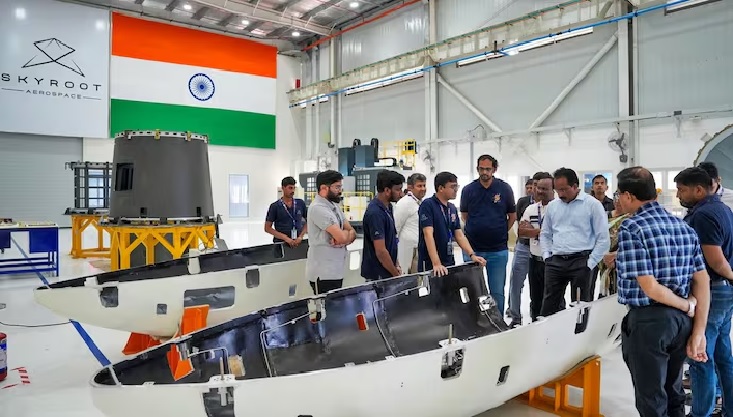
Space & Technology
Space NewsIndiaSkyroot Aerospace, one of India's prominent players in the space industry, welcomed Dr. S Somanath, the chief of the Indian Space Research Organisation (ISRO), to its MAX-Q headquarters. This visit aimed to discuss advancements regarding the Vikram-I launch vehicle, slated for its inaugural launch in the third quarter of 2024.Skyroot Aerospace, founded by Pawan Kumar Chandana and Naga Bharath Daka, gained attention last year with the successful launch of Vikram-S, marking South Asia's first privately developed rocket. The company's focus now shifts towards the Vikram-I project, part of their strategy to cater to the growing demand for small satellite launches.Dr. Somanath's visit included a comprehensive tour of the MAX-Q facility, where he was acquainted with the Vikram-1 hardware. This next-gen rocket represents Skyroot's vision to introduce a series of small-lift launch vehicles tailored for the emerging small satellite market. Discussions also encompassed Skyroot's upcoming orbital launch endeavors.In March 2024, Skyroot achieved a milestone by conducting a successful test-fire of the second stage engine of Vikram-1, named Kalam-250. This test, carried out at ISRO's Satish Dhawan Space Centre in Sriharikota, was supported by the Vikram Sarabhai Space Centre (VSSC), providing a proprietary head-mounted safe arm (HMSA) device for ensuring operational safety. The solid propellant used in Kalam-250 was sourced from Solar Industries' facility in Nagpur.This recent accomplishment builds upon Skyroot's earlier success in testing the Kalam-100, the third stage of Vikram-1, back in June 2021.The collaboration between ISRO and the private sector, exemplified by Skyroot Aerospace's endeavors, underscores India's ambition in space exploration and technology. With ongoing developments and strategic partnerships, India is poised to make significant strides in the global space arena.
Read More → Posted on 2024-04-04 06:12:47
Space & Technology
Space NewsWorld For over two decades, the International Space Station (ISS) has stood as a testament to human ingenuity and collaboration in the realm of space exploration. As it approaches the twilight of its operational life, the question of what comes next looms large. In this comprehensive exploration, we delve into the challenges facing the ISS, the intricate plans for its retirement, and the exciting prospects that await in the era beyond. The ISS: A Legacy of ExplorationThe Birth of a Marvel:The journey of the International Space Station began on November 20, 1998, with the launch of its first segment. Over the years, this marvel of engineering has grown from its modest beginnings into a sprawling complex spanning over 109 meters - longer than a football pitch. Continuously occupied since November 2, 2000, the ISS has served as a beacon of scientific discovery, hosting astronauts from 21 countries and enabling ground-breaking research across various disciplines.Scientific Triumphs:From unravelling the mysteries of Alzheimer's disease and cancer to studying our planet's ecosystems from afar, the ISS has been at the forefront of cutting-edge research. Its microgravity environment has provided scientists with a unique platform to conduct experiments, leading to breakthroughs in medicine, materials science, and fundamental physics. Challenges and Aging InfrastructureTesting Resilience:Despite its remarkable achievements, the ISS has not been immune to the rigors of space. Micro-fractures, thruster misfires, coolant leaks, and communication dropouts have presented formidable challenges. Additionally, the station's aging infrastructure, subjected to the harsh realities of space, has raised concerns about its long-term viability.Diplomatic Tensions:Compounding these challenges are the geopolitical tensions that have cast a shadow over the ISS's future. Tensions between Russia and other partner countries, including the United States, Europe, Japan, and Canada, have strained international cooperation. Roscosmos, Russia's space agency, has hinted at the possibility of withdrawing from the ISS after 2024, adding another layer of uncertainty to its future. Retirement PlanA Controlled Farewell:In response to the challenges facing the ISS, plans are underway for its retirement. Most international partners have committed to maintaining the station until early 2031, with a controlled deorbit planned thereafter. This carefully orchestrated descent will culminate in the ISS's re-entry into Earth's atmosphere over the remote Point Nemo in the South Pacific, ensuring a safe and controlled end to its operational life. Legacy and Transition:As the ISS approaches its retirement, its legacy as a symbol of international cooperation and scientific discovery will endure. However, the transition to a new era of space exploration is already underway. Private companies and space agencies alike are laying the groundwork for a future where commercial space stations will play a central role in humanity's quest for the stars. Why Replace the ISS ?Aging Infrastructure and Obsolescence:The need to replace the ISS is driven by practical considerations. The station's aging infrastructure, subjected to the harsh environment of space, is showing signs of wear and tear. Components are reaching the end of their operational life, while advances in technology have rendered certain systems obsolete.Meeting the Challenges Ahead:Furthermore, the ISS was not designed to last indefinitely. As it approaches the limits of its operational lifespan, the risks associated with its continued operation become increasingly apparent. By proactively planning for its retirement, space agencies can ensure a smooth transition to the next phase of human space exploration. Cracks, Leaks, and InnovationsStructural Integrity:Despite its challenges, the ISS has demonstrated remarkable resilience over the years. Modules like ESA's Columbus laboratory have weathered the rigors of space without major issues. However, leaks in Russia's Zvezda module and degradation of solar arrays highlight the need for ongoing maintenance and innovation. Innovations for the Future:Innovations in materials science and construction techniques hold the key to the future of space exploration. Advanced materials that are resistant to radiation and micro-fractures will be essential for building the next generation of space stations. Additionally, advancements in robotics and autonomous systems will enable more efficient maintenance and repair operations in the unforgiving environment of space. What Comes Next ?The Dawn of Commercial Space Stations:As the era of government-operated space stations draws to a close, the stage is set for the rise of commercial space stations. Companies like Axiom Space, Blue Origin, Northrop Grumman, and Voyager Space are leading the charge, with ambitious plans to build and operate their own space habitats. These commercial stations promise to democratize access to space and unlock new opportunities for scientific research, tourism, and commerce. Let’s learn a little more about these: Axiom Space: Pioneering Commercial Space StationsVisionary Leadership:Axiom Space, led by former NASA ISS Program Manager Michael Suffredini, has emerged as a key player in the transition to commercial space stations. With a team comprised of seasoned space industry veterans, Axiom is at the forefront of designing and building the next generation of space habitats.A Modular Approach:Axiom's approach to space station development is modular, allowing for flexibility and scalability. The company plans to attach modules to the ISS initially, leveraging existing infrastructure before transitioning to an independent space station. This incremental approach minimizes risk while maximizing the potential for innovation and expansion.Enhancing the Astronaut Experience:One of Axiom's key goals is to enhance the astronaut experience in space. From comfortable crew quarters to state-of-the-art research facilities, Axiom's space station will prioritize the well-being and productivity of its occupants. By creating a more inviting and conducive environment for living and working in space, Axiom aims to revolutionize human spaceflight. Blue Origin: Transforming Space Tourism and ResearchBold Ambitions:Blue Origin, founded by Amazon billionaire Jeff Bezos, has set its sights on transforming space tourism and research with its ambitious Orbital Reef project. Building on its success with suborbital space tourism, Blue Origin aims to establish a multi-purpose space station that serves as a hub for scientific research, commercial activities, and even entertainment.Zoned Design:Orbital Reef's innovative design features distinct zones for different activities, ensuring that astronauts have dedicated spaces for work, rest, and leisure. By creating a more comfortable and efficient living environment in space, Blue Origin hopes to attract a diverse range of users, from researchers and astronauts to tourists and entertainers.Sustainability and Longevity:Blue Origin is committed to sustainability and longevity in space. Orbital Reef will be equipped with advanced environmental control systems and efficient resource management technologies to minimize its environmental footprint. By prioritizing sustainability, Blue Origin aims to ensure that Orbital Reef remains a viable platform for exploration and innovation for years to come. Northrop Grumman: Building on a Legacy of Space ExplorationHeritage of Excellence:Northrop Grumman, a leading aerospace and defense contractor, brings decades of experience and expertise to the table. Drawing on its heritage of excellence in space exploration, Northrop Grumman is poised to deliver a modular space station that combines versatility, reliability, and performance.Scalable Solutions:Northrop Grumman's space station concept is designed to be scalable, allowing for growth and adaptation to meet evolving needs and demands. The company plans to leverage its existing technologies and capabilities to deliver a cost-effective and efficient solution for space habitation and research.Collaboration and Partnership:Northrop Grumman recognizes the importance of collaboration and partnership in the development of space infrastructure. By working closely with government agencies, international partners, and commercial entities, Northrop Grumman aims to ensure that its space station meets the needs of a diverse range of users and stakeholders. Voyager Space: Pushing the Boundaries of Space ExplorationInnovative Solutions:Voyager Space, in partnership with Nanoracks, is pushing the boundaries of space exploration with its innovative Starlab concept. This fully operational space station offers a comprehensive solution for scientific research, manufacturing, and habitation in space, setting a new standard for space habitats.Human-Centered Design:Starlab prioritizes human-centered design, with spacious living quarters, state-of-the-art research facilities, and advanced amenities. By focusing on the needs and preferences of astronauts, Voyager Space aims to create a space station that enhances productivity, comfort, and well-being in space.Global Collaboration:Voyager Space recognizes the importance of global collaboration in advancing space exploration. By fostering partnerships with space agencies, research institutions, and commercial entities around the world, Voyager Space aims to create a vibrant ecosystem of space-based activities that benefit humanity as a whole. A New Frontier:With the retirement of the ISS, humanity stands on the threshold of a new frontier in space exploration. Commercial space stations will pave the way for a vibrant ecosystem of space-based activities, from research and manufacturing to tourism and beyond. As we look to the stars, the legacy of the ISS will endure as a testament to human curiosity, ingenuity, and cooperation. This expanded version of the article provides a more detailed exploration of the challenges facing the ISS, the plans for its retirement, and the exciting prospects that lie ahead in the era of commercial space stations.
Read More → Posted on 2024-04-03 08:38:11
Space & Technology
Space NewsIndiaCoimbatore-based Lakshmi Machine Works Advanced Technology Centre (LMW ATC) has recently completed the delivery of a 5-meter diameter Ogive Payload Fairing to the Indian Space Research Organisation (ISRO) for the GSLV MK-III. This payload fairing, constructed by LMW's metallic and composites divisions, plays a crucial role in transporting satellites into orbit. Made from carbon composites, it stands at a height of 10.75 meters.Sanjay Jayavarthanavelu, the Chairman and Managing Director of LMW, officially handed over the hardware documents to ISRO Chairman S Somanath. The unveiling ceremony of the payload fairing was conducted virtually, showcasing the collaboration between LMW and ISRO in advancing space technology.LMW-ATC's contributions extend beyond the Ogive Payload Fairing. In February, the company delivered a "4-meter diameter hat stiffened composite equipment bay shroud" essential for the upcoming Gaganyaan Mission. Additionally, LMW-ATC undertook assembly, structural testing, and non-destructive testing of composite tubular members for the Inter Tank Structure of the C-25 cryogenic upper stage, which is vital for Chandrayaan-3.These developments underscore LMW's commitment to supporting India's space exploration endeavors through the provision of high-quality aerospace components and technology.
Read More → Posted on 2024-04-03 07:15:17
Space & Technology
Space NewsWorldNASA's Parker Solar Probe has made a groundbreaking discovery, offering scientists a rare glimpse inside a coronal mass ejection (CME) as it erupted from the sun. These CMEs, massive clouds of plasma, are known to cause both stunning auroras and disruptive effects on electrical grids and satellites when they interact with Earth.(Image credit: U.S. Naval Research Laboratory)The probe's Wide-field Imager for Parker Solar Probe (WISPR) captured clear images of turbulent eddies within the CME. These eddies, known as Kelvin-Helmholtz instabilities (KHI), occur when fast-moving fluid patches interact with each other. Similar phenomena are observed on Earth in cloud formations when there's a difference in wind speed at different ends of a cloud.Solar physicists have long suspected the existence of KHI in CMEs, as plasma within these eruptions moves differently from the background solar wind. However, until now, they lacked the necessary equipment in the right location to observe them directly.According to Evangelos Paouris, a solar physicist at George Mason University, understanding turbulence, which gives rise to KHI, is crucial for comprehending the dynamics of CMEs as they interact with the solar wind.The Parker Solar Probe, launched in August 2018, has been able to venture closer to the sun's corona than any previous spacecraft. Its elliptical orbit has enabled it to come within just 11.5 solar radii from the sun's surface, essentially entering the sun's outer atmosphere.Even now, the Parker Solar Probe has not completed its final orbit. It has utilized gravity assists from Venus to increase its speed and tighten its orbit around the sun. In November of this year, the probe will make its seventh flyby of Venus, further tightening its loop around the sun. This trajectory adjustment will allow it to come within just 9.5 solar radii from the sun in 2025 and beyond.The findings from the Parker Solar Probe provide valuable insights into the mechanisms behind solar storms, aiding scientists in better predicting and understanding these phenomena.
Read More → Posted on 2024-04-02 16:31:10
Space & Technology
Technology News WorldWhat is Air Defense Identification Zones (ADIZ) or Air Defense Identification System ?An Air Defense Identification Zone (ADIZ) serves as a designated area in the sky where a country holds control over incoming aircraft for national security purposes. This zone acts as a buffer extending beyond a nation's territorial borders, ensuring the safety of its airspace. Here's a simple breakdown of what an ADIZ does:Purpose:1. Identification: Countries aim to swiftly identify any aircraft entering the ADIZ, regardless of whether they are civilian or military. This allows them to assess potential threats and safeguard their airspace.2. Location: Knowing the whereabouts of all aircraft within the ADIZ is crucial for maintaining situational awareness. This knowledge enables a faster response if needed.3. Control: Countries have the authority to impose restrictions on certain types of aircraft or mandate specific procedures for those flying within the ADIZ.Key Points:1. Not International Law: The concept of ADIZ isn't formally outlined in any international treaty and lacks universal recognition.2. Early Warning System: An ADIZ acts as an early warning system, alerting authorities to potential threats approaching a country's airspace.3. Procedures for Civilian Aircraft: Civilian airlines typically file flight plans that include entering an ADIZ. Additionally, they may need to communicate with air traffic control or military authorities.4. Military Response: In cases where an unidentified aircraft fails to follow prescribed procedures, military jets may be deployed to visually identify it and potentially escort it out of the zone.Example: North American ADIZOne well-known example is the North American Air Defense Identification Zone (NAADIZ), which is jointly managed by the United States and Canada. It covers the airspace surrounding both countries and plays a vital role in maintaining air defense readiness. an ADIZ serves as a proactive measure to safeguard national airspace, ensuring swift identification and response to potential threats.How Air Defense Identification Zones Work ?Air Defense Identification Zones (ADIZ) are crucial components of a nation's airspace security strategy. They function as early warning systems, deterring unauthorized flights, and ensuring orderly air traffic within a designated area.The Players Involved:1. Military: The air force plays a critical role in monitoring and enforcing the ADIZ. They use ground-based radar stations to scan the airspace continuously for any flying objects, including aircraft, missiles, or drones.2. Air Traffic Control (ATC): Civilian ATC coordinates with airlines to ensure flight plans are filed properly, including notifying authorities about entering the ADIZ.3. Civil Aviation Authorities: These authorities establish regulations and procedures for civilian aircraft operating within the ADIZ, including communication protocols and identification procedures.The Process:1. Continuous Monitoring: Military radars scan the ADIZ for any flying objects, gathering information like position, altitude, speed, and direction.2. Identification: Aircraft are identified through filed flight plans, transponder data, or communication attempts.3. Evaluation: Authorities assess the potential threat level based on gathered information.4. Response: If an unidentified aircraft doesn't follow procedures, increased scrutiny, scrambling of jets, or escorting may occur.Importance of ADIZ:1. Early Warning: ADIZ provides valuable time for a country to react to potential threats approaching its airspace.2. Deterrence: The presence of an ADIZ discourages unauthorized flights, enhancing national security.3. Maintaining Order: ADIZ procedures manage air traffic and prioritize national security concerns.Limitations:1. International Recognition: ADIZ isn't universally recognized, leading to occasional tensions when other countries disregard it.2. Enforcement Challenges: The vastness of an ADIZ can make monitoring difficult, and distinguishing between civilian and military aircraft can pose challenges.Overall, ADIZ plays a significant role in safeguarding a country's airspace, ensuring early detection of threats, deterring unauthorized flights, and maintaining order within a designated area.World's First Air Defense Identification Zone During the height of the Cold War in December 1950, the United States took a significant step in bolstering its air defense capabilities by establishing the world's first Air Defense Identification Zone (ADIZ). This move came shortly after President Harry S. Truman declared a national emergency amidst the Korean War.The Cold War era was marked by heightened tensions, particularly concerning potential air attacks from adversaries like the Soviet Union. With the emergence of radar technology, there was a pressing need to distinguish between friendly and hostile aircraft. However, the existing radar systems were not advanced enough to provide definitive identification.To address this gap, the United States implemented the ADIZ concept. By delineating a buffer zone around its airspace, the ADIZ provided crucial additional time to identify incoming aircraft before they entered US airspace. This was particularly important given the evolving nature of aerial threats during the Korean War.The establishment of ADIZ around North America served as a deterrent against potential attacks and ensured a timely response to any approaching aircraft. While not universally recognized by international law, ADIZ has since become a widely adopted practice by many countries seeking to safeguard their airspace.In essence, the creation of ADIZ represented a pragmatic response to the challenges posed by Cold War tensions and the evolving nature of aerial warfare. It underscored the importance of early warning systems and the need for proactive measures to protect national airspace.Limitations of Air Defense Identification Systems: Real-World Incidents Highlight ConcernsAir Defense Identification Zones (ADIZ) play a pivotal role in safeguarding airspace globally. However, recent events underscore the system's vulnerabilities and the need for improvements.1. Korean Air Lines Flight 007 (1983): This incident exposed a major flaw in ADIZ procedures. A commercial South Korean passenger plane strayed into Soviet airspace after a navigational error. Despite warnings from the US ADIZ system, the Soviets failed to properly identify the civilian aircraft and tragically shot it down, resulting in the loss of 269 lives.2. China's East China Sea ADIZ (2013): China's declaration of an ADIZ in the East China Sea created friction with neighboring countries like Japan and South Korea. These countries argued it was an infringement on their airspace and challenged China's authority to enforce it. The incident highlighted the potential for political tensions to arise from overlapping ADIZ claims.3. Malaysia Airlines Flight 370 (2014): This mysterious disappearance of a Malaysian passenger plane showcased the limitations of ADIZ coverage. The flight vanished somewhere between Malaysia and Vietnam, with some speculating it might have flown into a remote area beyond the reach of existing radar coverage. This incident highlighted the need for improved radar and communication technologies within ADIZ zones.4. Russian Incursions into European ADIZ: Russian military aircraft frequently enter the airspace of European countries bordering the Baltics. While most are intercepted and escorted by NATO jets, these incursions test the responsiveness of the ADIZ system and raise concerns about potential military escalations. 5. Drone Threats: The proliferation of drones poses a new challenge to ADIZ systems. Their small size and maneuverability make them difficult to detect, highlighting gaps in traditional air defense measures.These incidents underscore three main limitations of ADIZ systems:Incomplete Coverage: Radar constraints and vast airspace create detection gaps, especially for smaller aircraft and drones.Communication Challenges: Misunderstandings or lack of clear communication between civilian and military authorities can lead to unintended consequences.Political Frictions: Overlapping ADIZ claims fuel tensions between nations, potentially escalating into diplomatic conflicts.Looking ahead, Addressing these limitations is crucial. Advancements in radar technology, enhanced communication protocols, and international cooperation are imperative to bolster the effectiveness of ADIZ systems and ensure comprehensive airspace defense.Future of Air Defense Identification Zones : Advancements and IntegrationIn the realm of air defense, the future holds promising advancements and integration efforts for Air Defense Identification Zones (ADIZ). These zones, crucial for safeguarding airspace, are poised to benefit from technological enhancements and collaboration with other systems.Technological Progress:Enhanced Radar Systems: Upgrades in radar technology are set to improve detection capabilities, allowing for better identification of smaller and faster-moving objects like drones.Improved Communication Networks: With more reliable communication networks, information sharing between military and civilian authorities will become faster, enabling quicker responses to unidentified aircraft.Artificial Intelligence (AI) Integration: AI could play a pivotal role in analyzing radar data in real-time, automating threat assessments, and predicting flight paths, thus expediting decision-making processes.Integration with Other Systems:Satellite Integration: Real-time data from surveillance satellites will complement radar data, providing a comprehensive view of aerial activities within ADIZ.Cybersecurity Measures: As ADIZ systems rely more on digital networks, robust cybersecurity measures will be vital to prevent breaches and ensure system reliability.International Information Sharing: Collaborative initiatives between nations to share information regarding potential threats and suspicious flight patterns will bolster overall air defense capabilities.Potential Replacements for ADIZ?While ADIZ will likely remain fundamental for air defense, emerging technologies offer potential alternatives:Advanced Active Defense Systems: Development of laser and directed-energy weapons could offer means to neutralize drone threats or disable aircraft before entering designated zones, subject to ethical and regulatory considerations.Autonomous Air Defense Systems: Theoretical possibilities include highly automated air defense systems capable of independently identifying and engaging threats, though safety concerns and the risk of miscalculations persist.The future of air defense identification systems will involve a blend of factors. Continued enhancement of ADIZ technology, integration with other systems, and exploration of complementary solutions will be essential in addressing evolving threats in modern air warfare. The overarching aim is to establish a layered and adaptable air defense network, effectively safeguarding airspace while minimizing the risk of unintended escalation.
Read More → Posted on 2024-04-02 06:55:30
Space & Technology
Technology News ,India :- Larsen & Toubro's Heavy Engineering division has achieved a significant milestone by delivering the first Steam Generator (SG) for India's indigenous 10 X 700 MWe PHWR Fleet Programme, a full year ahead of schedule. This accomplishment surpasses L&T's previous benchmark in SG manufacturing.A Steam Generator is a crucial component utilized in nuclear power plants, responsible for converting water into steam through the heat generated in the reactor core.The timely delivery of these Steam Generators to the Nuclear Power Corporation of India Ltd (NPCIL) is pivotal for advancing India's nuclear energy program and aligns with the country's commitment to achieving net zero carbon emissions by 2070, as envisioned by Prime Minister Narendra Modi's 'Aatmanirbhar Bharat' initiative.The flag-off ceremony took place at L&T's A M Naik Heavy Engineering Complex in Hazira, Gujarat, and was attended by senior officials from NPCIL and L&T.Anil V Parab, Whole-time Director & Sr Executive Vice President of L&T Heavy Engineering & L&T Valves, expressed pride in the achievement, emphasizing L&T's dedication to supporting India's goal of net zero emissions by 2070. He also highlighted L&T's alignment with NPCIL's mission to rapidly expand India's nuclear power capacity to 22,480 MWe by 2032, a growth of over three times within a decade.L&T's Heavy Engineering division has a strong track record of supplying advanced equipment and systems to various sectors globally, including refineries, oil & gas, petrochemicals, fertilizers, and nuclear power.Previously, L&T played a significant role in projects such as the Kakrapar Atomic Power Station and the core fuel loading in the 500 MWe Prototype Fast Breeder Reactor (PFBR). These endeavors contribute to India's progress towards clean energy and mark important milestones in the country's energy landscape.
Read More → Posted on 2024-04-01 15:03:36
Space & Technology
Technology News ,India :- Bhabha Atomic Research Centre (BARC) is working on a mobile nuclear reactor that uses a teleoperated system of a mobile robot, wireless network, and control stations. The mobile robot is Ackerman steered and has a mission time of 10 hours on a single charge.A New Research Reactor A swimming pool type research reactor “Apsara-upgraded”, of higher capacity was born at Trombay on 10th September 2018 at 18:41 hrs. The reactor, made indigenously, uses plate type dispersion fuel elements made of....Reactor Design & Development GroupThe teleoperated system comprises of a mobile robot, wireless network and the control / operator stations. The mobile robot is a Ackerman steered wheeled robot with a mission time of 10 hours on single charge.BARC is also the premier research organization of the Department of Atomic Energy (DAE). It has designed the first PPP Research Reactor for production of nuclear medicines and has also started work on designing a 900 MW pressurised heavy water reactor (PWR). BARC has also built a 20 MW reactor in Kalpakkam and for the INS Arihant submarine.BARC also has the Environmental Survey Laboratories (ESLs), which are equipped with sophisticated Gamma Spectrometers and Tritium counters to detect extremely low-levels of radioactivity. These are used for constant monitoring to ensure safety of personnel associated with nuclear facilities and people at large.
Read More → Posted on 2024-04-01 14:35:08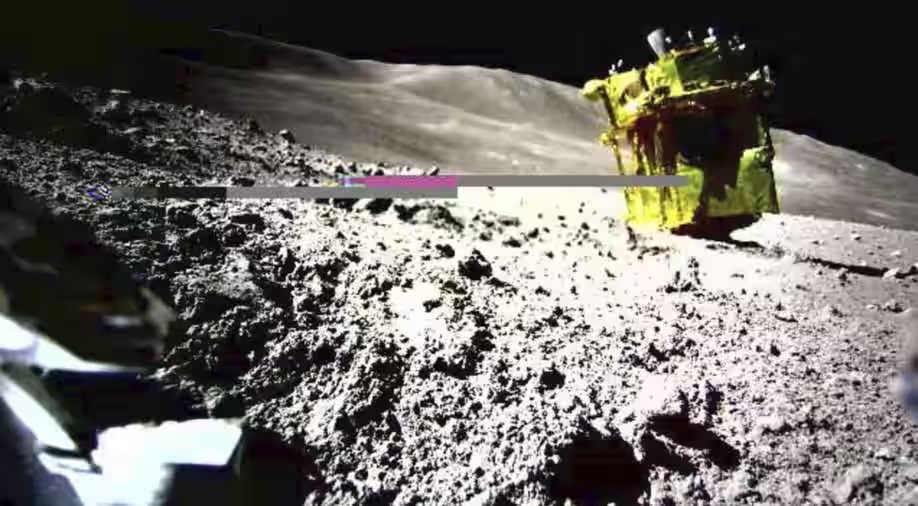
Space & Technology
Space News ,Japan :- Japan's unmanned moon lander, known as SLIM (Smart Lander for Investigating Moon), has awakened from its second lunar night, showcasing resilience amidst extreme conditions on the moon's surface. The Japan Aerospace Exploration Agency (JAXA) announced this development, highlighting the successful completion of SLIM's overnight activities.During this period, SLIM captured images of the lunar landscape using its navigational camera, despite facing challenges due to its wonky angle upon touchdown in January. Initially, the lander's solar panels were misaligned, hindering its ability to harness sunlight efficiently. Despite these obstacles, JAXA managed to power down SLIM with a remaining 12% battery, keeping the possibility of reactivation open.Following a brief hiatus, SLIM resumed operations in late January, utilizing its high-spec camera to conduct scientific observations of a crater. However, the harsh lunar nights, characterized by temperatures plummeting to minus 133 degrees Celsius, posed significant challenges for the spacecraft's functionality.Nevertheless, JAXA engineers successfully revived SLIM in late February after its first lunar night, marking a significant milestone in the mission. Referred to as the "Moon Sniper" for its precision landing technology, SLIM aims to explore a segment of the moon's mantle, an area typically concealed beneath its surface.This achievement contrasts with the recent setback experienced by Odysseus, an unmanned American lander, which failed to awaken despite projections of adequate sunlight exposure to activate its radio. Odysseus, hailed as the first private spacecraft to land successfully on the moon, encountered difficulties in reactivation, highlighting the complexities of lunar exploration.SLIM's resilience and successful navigation through lunar nights underscore Japan's advancement in space exploration, paving the way for further discoveries and advancements in our understanding of the moon's composition and geology.
Read More → Posted on 2024-03-30 06:27:55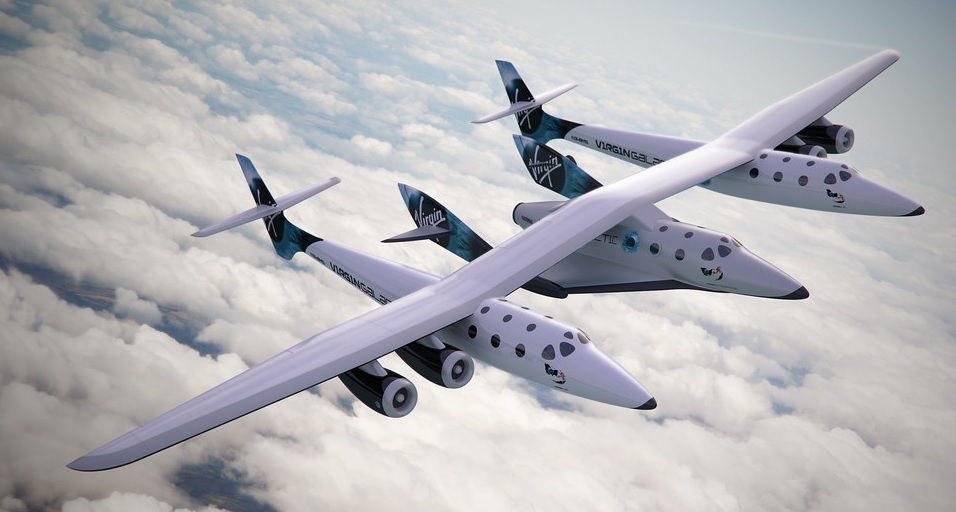
Space & Technology
Space News ,World :- Boeing and Aurora Flight Sciences are upset with Virgin Galactic! They've filed a lawsuit because they say Virgin Galactic hasn't paid them for their work and has been sharing their secret information.Virgin Galactic is in trouble! Boeing and Aurora Flight Sciences are taking them to court. They say Virgin Galactic owes them a whopping $26.4 million for the work they did. This work was all about creating a new "mothership" aircraft. This special aircraft would help Virgin Galactic's space planes fly into suborbital space. The lawsuit was filed in the U.S. District Court for the Eastern District of Virginia on March 21.But Virgin Galactic doesn't agree with Boeing and Aurora Flight Sciences. They say the lawsuit isn't fair. They're ready to fight back and defend themselves strongly.Virgin Galactic is known for its space tourism. They use a big aircraft, called a mothership, to carry their space plane up high. Then, the space plane goes on its own rocket-powered adventure into space.In 2022, Virgin Galactic chose Aurora Flight Sciences to build two new motherships. These were supposed to be ready by 2025 and would replace the current one they use, named VMS Eve. These new motherships were meant to fly up to 200 times a year!But things didn't go as planned. Work stopped in May 2023 after they finished the basic design. Boeing and Aurora Flight Sciences say they couldn't finish the new mothership because of money and time problems. They just couldn't make it work like Virgin Galactic wanted.Boeing and Aurora Flight Sciences are also mad because they think Virgin Galactic stole their secrets. They say Virgin Galactic got their hands on some important technical stuff, like how the aircraft performs, by mistake. Now, Boeing and Aurora want Virgin Galactic to get rid of this secret info.Virgin Galactic doesn't want to give up the secrets, though. They say they have the right to keep them because of their deal with Boeing and Aurora.Instead of working on the new mothership, Virgin Galactic has decided to focus on making their Delta-class space plane. They'll still use the old mothership, VMS Eve, for their test and commercial flights.So, things are pretty heated between these space companies! Boeing and Aurora Flight Sciences want their money, and they want their secrets back. But Virgin Galactic is standing firm, saying they've done nothing wrong. It's a big space showdown!
Read More → Posted on 2024-03-28 15:05:37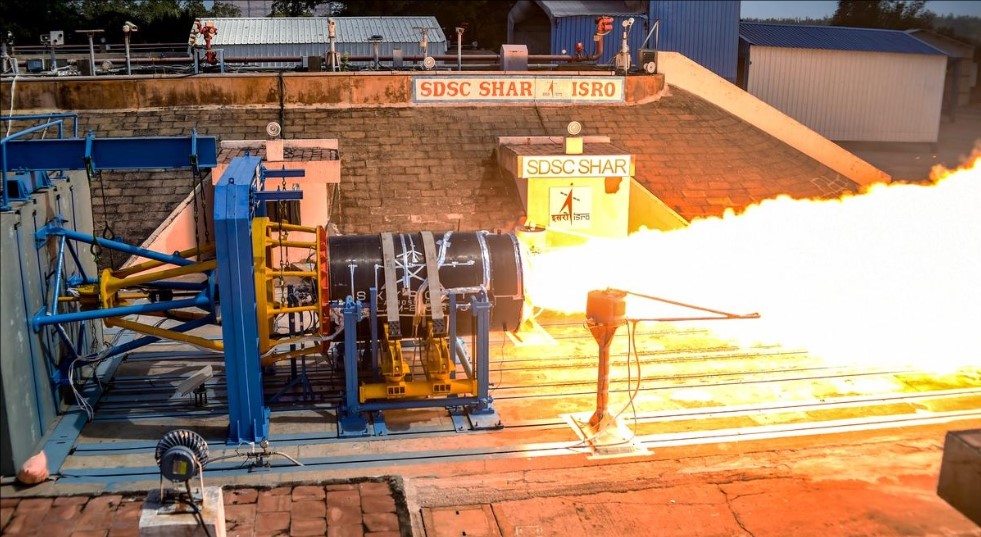
Space & Technology
Space News ,India :- Skyroot Aerospace, a company based in Hyderabad, is making big strides in space exploration. They recently tested the Stage-2 of their Vikram-1 space launch vehicle, named Kalam-250, at the Satish Dhawan Space Centre in Sriharikota.This test is a big deal because it's part of India's first private orbital rocket launch. Skyroot had previously launched India's first private rocket, the Vikram-S, into suborbital space in November 2022.During the test, which lasted 85 seconds, the rocket reached a peak sea-level thrust of 186 kilonewtons (kN). When it's in flight, this will translate to a fully expanded vacuum thrust of around 235kN. The Kalam-250 rocket motor is made of strong carbon composite and uses solid fuel. It's also equipped with a high-performance Ethylene-Propylene-Diene terpolymers (EPDM) thermal protection system (TPS) to keep it safe during launch.The Stage-2 of the rocket has some important features. It includes a carbon ablative flex nozzle and high-precision electro-mechanical actuators for thrust vector control. These features help the rocket stay on the right path during its journey. The Vikram Sarabhai Space Centre (VSSC), another part of ISRO, contributed to the test by supplying its proprietary head-mounted safe arm (HMSA), which ensures the safe operation of the rocket stage.The solid propellant used in the Kalam-250 rocket was made by Solar Industries at their special facility in Nagpur. This test is a crucial step in the Vikram-1 launch because Stage-2 propels the rocket from the atmosphere into the deep vacuum of outer space.Pawan Chandana, Co-Founder and CEO of Skyroot, expressed his excitement about the milestone. He said, "This test marks the successful test of the largest propulsion system ever designed and manufactured by the Indian private sector. It's also the first carbon-composite-built motor tested at ISRO. Everything went as planned, and this brings us closer to the upcoming orbital launch of the Vikram-1 rocket."Naga Bharath Daka, Co-Founder and COO of Skyroot, emphasized the importance of the test. He said, "We validated the critical flex nozzle control system during firing for the first time. This is a significant milestone in our journey. We have more milestones ahead and are focused on reaching our maiden orbital launch of the Vikram-1 in 2024. Our incredible team, along with the support from IN-SPACe and ISRO, has been key to our progress."This successful test is a major achievement for Skyroot Aerospace and marks a significant step forward in India's space exploration journey.
Read More → Posted on 2024-03-28 13:04:22Search
Top Trending in 24 Hours
-
 Iran’s DotOne Plans 200 High-Altitude Platform Station Communication Drones for Nationwide Internet Coverage
-
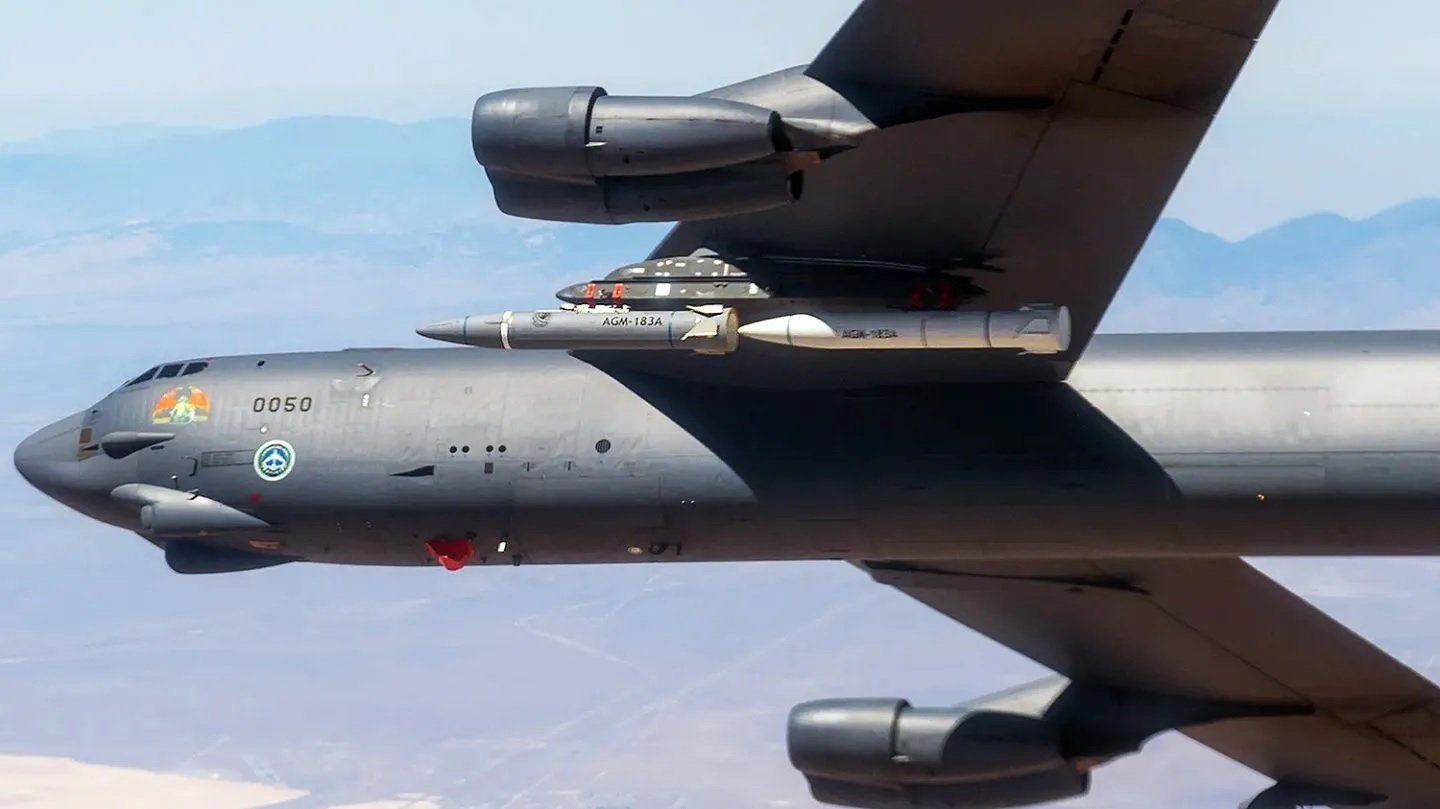 U.S. Air Force Moves First Hypersonic Missile Into Production With $694 Million Contract
-
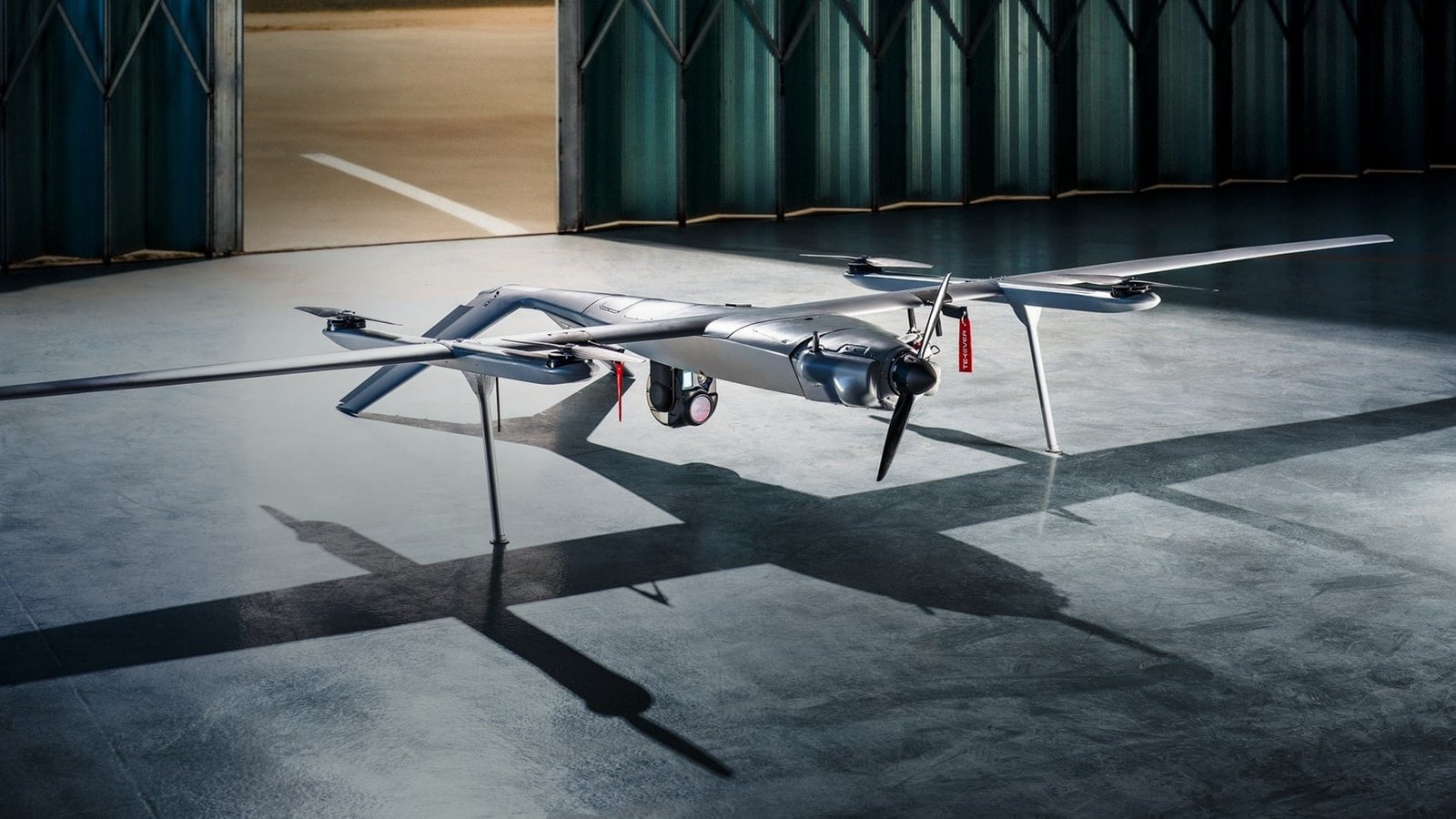 Tekever Wins U.S. Special Operations Command Contract for AR3 Uncrewed Aerial Systems
-
 Israeli Ad-Tech Firm Discover-Tech Suspected of Tracking Starlink Users Across More Than 100 Countries
-
 France’s SEABER Introduces RAVEN Autonomous Underwater Vehicle for Mine Countermeasures
-
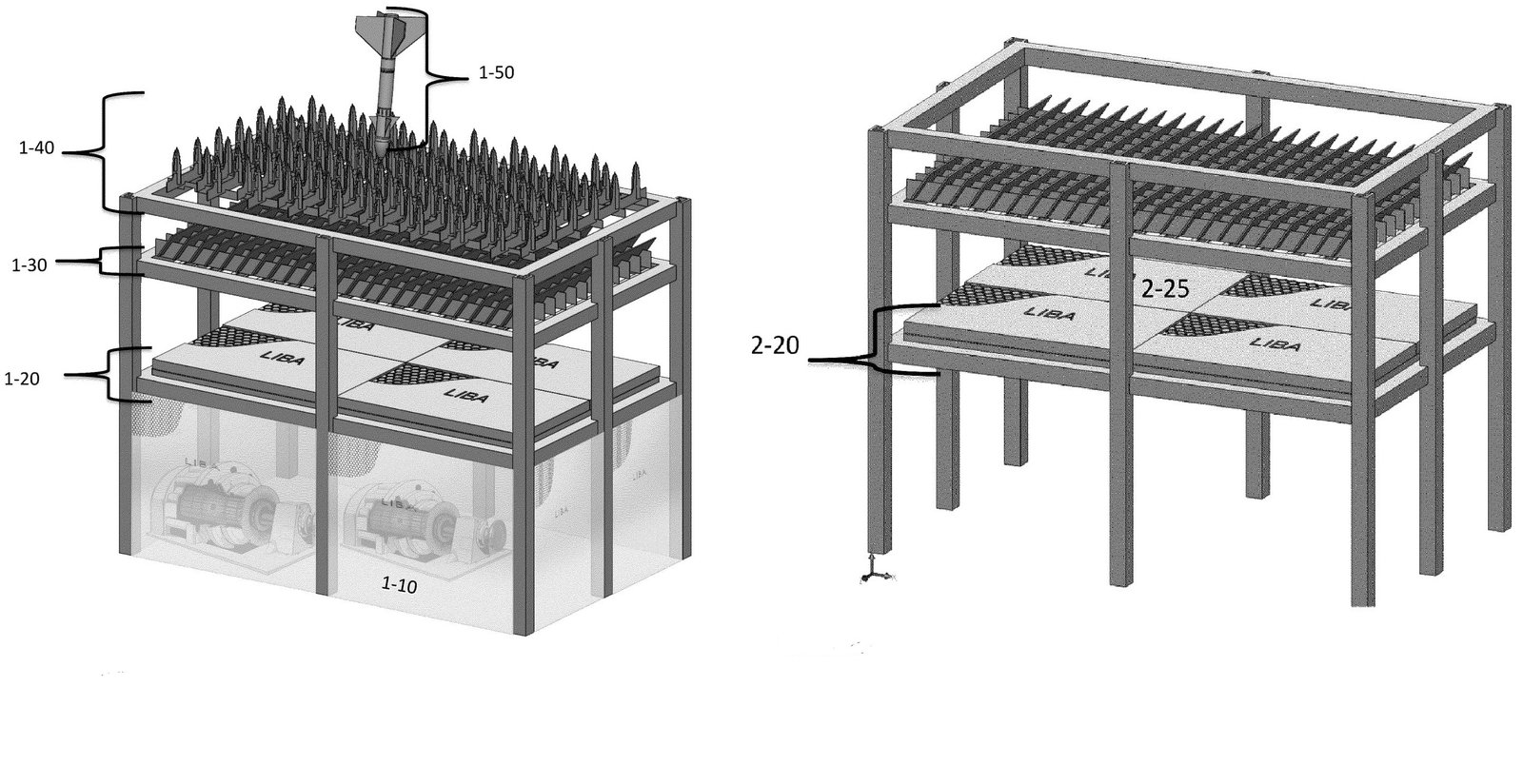 Israel Reportedly Developing Three-Layer Physical Shield for Critical Infrastructure
-
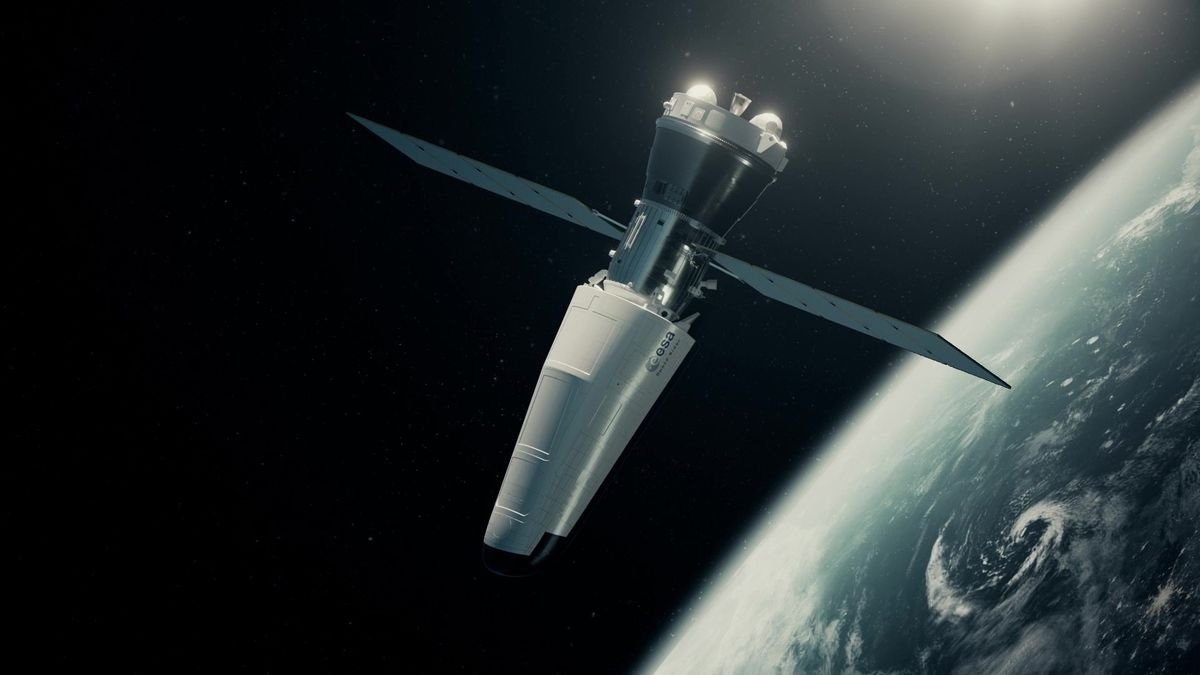 ESA’s Space Rider Reusable Spaceplane Crashes in Italy During Test After Main Parafoil Detaches
-
 U.S. Lawmaker Warns Oil Companies of Criminal Penalties for Purchasing Russian Diesel
Top Trending in 4 Days
-
 Pentagon Launches FORTRESS Initiative to Make Major U.S. Bases Self-Sufficient for 90 Days
-
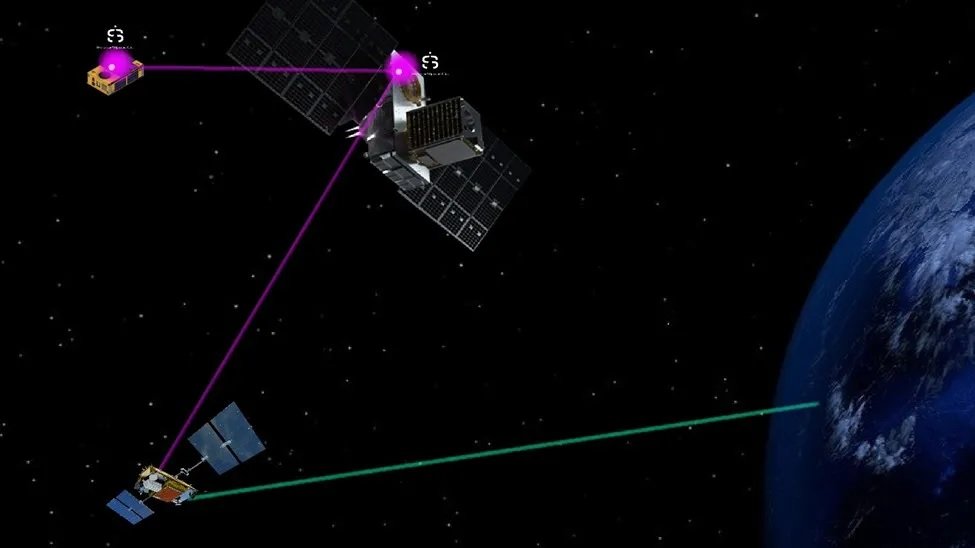 NASA Demonstrates Space-to-Space Wi-Fi Between Two Orbiting Spacecraft
-
 USS Pinckney Becomes First U.S. Navy Destroyer to Begin Phase Two Modernization with Advanced SPY-6 Radar
-
 U.S. Military to Ban Chinese Automaker BYD Vehicles from Kadena Air Base in Japan Over Security Concerns
-
 Saudi Arabia, Pakistan and Turkey Hold High-Level Security Talks with Iran in Tehran Amid Reports of Potential Iranian Integration
-
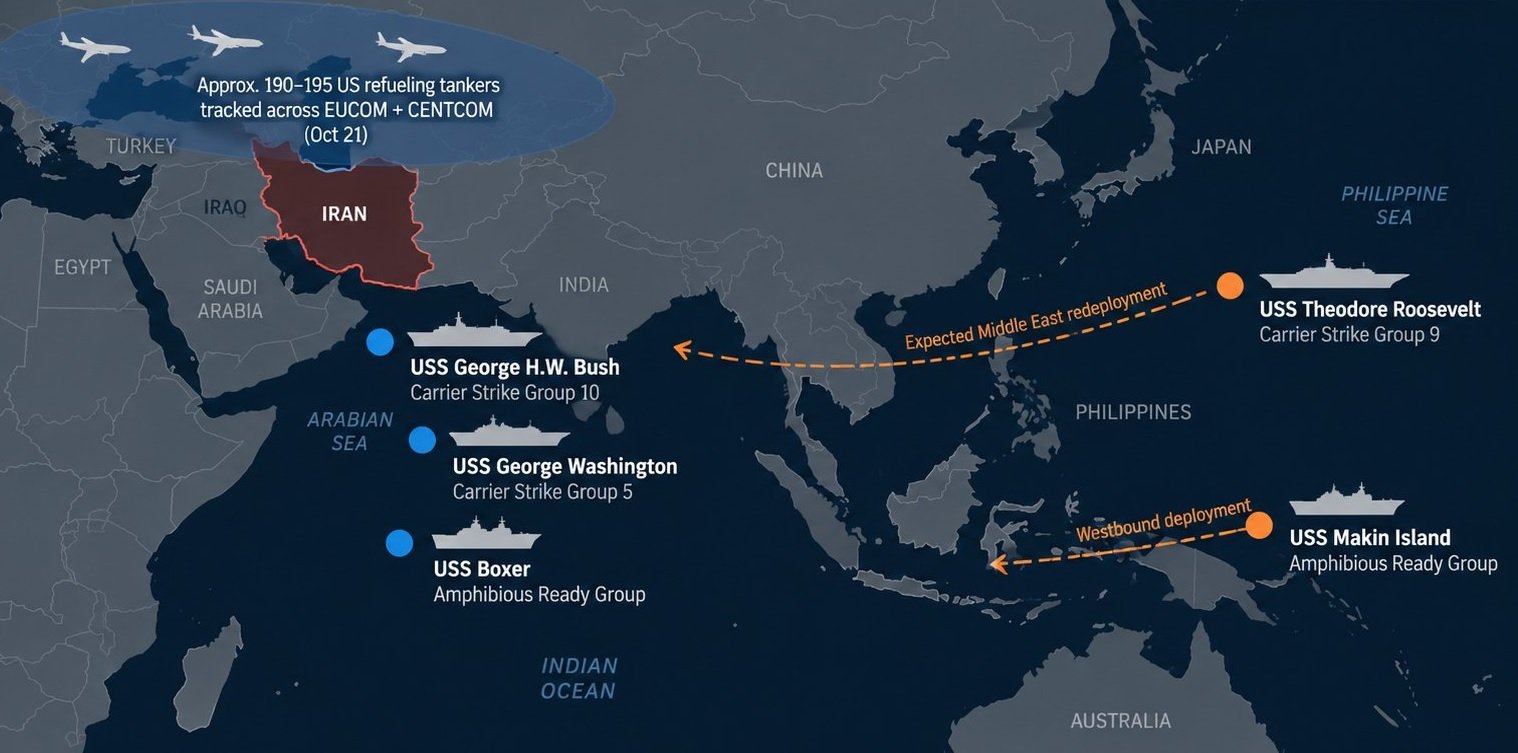 US Expands Military Buildup Near Iran with Third Aircraft Carrier and Additional Marines
-
 UK Ministry of Defence Opens £120,000 Tender for Skydio X10D Drones
-
 General Atomics Partners With Spirit Defense to Expand FQ-42 Vengeance Production