
Space & Technology
Space News ,World :- Boeing and Aurora Flight Sciences are upset with Virgin Galactic! They've filed a lawsuit because they say Virgin Galactic hasn't paid them for their work and has been sharing their secret information.Virgin Galactic is in trouble! Boeing and Aurora Flight Sciences are taking them to court. They say Virgin Galactic owes them a whopping $26.4 million for the work they did. This work was all about creating a new "mothership" aircraft. This special aircraft would help Virgin Galactic's space planes fly into suborbital space. The lawsuit was filed in the U.S. District Court for the Eastern District of Virginia on March 21.But Virgin Galactic doesn't agree with Boeing and Aurora Flight Sciences. They say the lawsuit isn't fair. They're ready to fight back and defend themselves strongly.Virgin Galactic is known for its space tourism. They use a big aircraft, called a mothership, to carry their space plane up high. Then, the space plane goes on its own rocket-powered adventure into space.In 2022, Virgin Galactic chose Aurora Flight Sciences to build two new motherships. These were supposed to be ready by 2025 and would replace the current one they use, named VMS Eve. These new motherships were meant to fly up to 200 times a year!But things didn't go as planned. Work stopped in May 2023 after they finished the basic design. Boeing and Aurora Flight Sciences say they couldn't finish the new mothership because of money and time problems. They just couldn't make it work like Virgin Galactic wanted.Boeing and Aurora Flight Sciences are also mad because they think Virgin Galactic stole their secrets. They say Virgin Galactic got their hands on some important technical stuff, like how the aircraft performs, by mistake. Now, Boeing and Aurora want Virgin Galactic to get rid of this secret info.Virgin Galactic doesn't want to give up the secrets, though. They say they have the right to keep them because of their deal with Boeing and Aurora.Instead of working on the new mothership, Virgin Galactic has decided to focus on making their Delta-class space plane. They'll still use the old mothership, VMS Eve, for their test and commercial flights.So, things are pretty heated between these space companies! Boeing and Aurora Flight Sciences want their money, and they want their secrets back. But Virgin Galactic is standing firm, saying they've done nothing wrong. It's a big space showdown!
Read More → Posted on 2024-03-28 15:05:37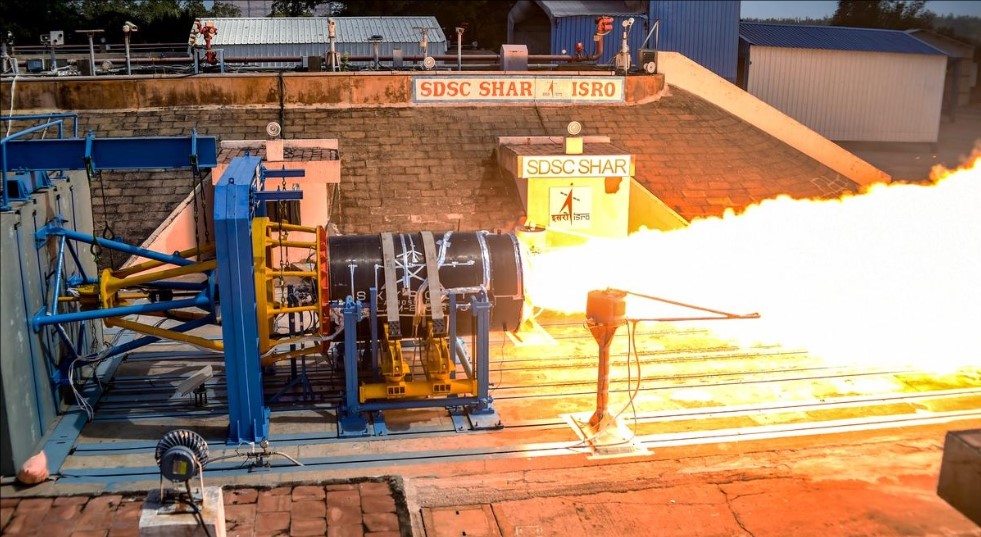
Space & Technology
Space News ,India :- Skyroot Aerospace, a company based in Hyderabad, is making big strides in space exploration. They recently tested the Stage-2 of their Vikram-1 space launch vehicle, named Kalam-250, at the Satish Dhawan Space Centre in Sriharikota.This test is a big deal because it's part of India's first private orbital rocket launch. Skyroot had previously launched India's first private rocket, the Vikram-S, into suborbital space in November 2022.During the test, which lasted 85 seconds, the rocket reached a peak sea-level thrust of 186 kilonewtons (kN). When it's in flight, this will translate to a fully expanded vacuum thrust of around 235kN. The Kalam-250 rocket motor is made of strong carbon composite and uses solid fuel. It's also equipped with a high-performance Ethylene-Propylene-Diene terpolymers (EPDM) thermal protection system (TPS) to keep it safe during launch.The Stage-2 of the rocket has some important features. It includes a carbon ablative flex nozzle and high-precision electro-mechanical actuators for thrust vector control. These features help the rocket stay on the right path during its journey. The Vikram Sarabhai Space Centre (VSSC), another part of ISRO, contributed to the test by supplying its proprietary head-mounted safe arm (HMSA), which ensures the safe operation of the rocket stage.The solid propellant used in the Kalam-250 rocket was made by Solar Industries at their special facility in Nagpur. This test is a crucial step in the Vikram-1 launch because Stage-2 propels the rocket from the atmosphere into the deep vacuum of outer space.Pawan Chandana, Co-Founder and CEO of Skyroot, expressed his excitement about the milestone. He said, "This test marks the successful test of the largest propulsion system ever designed and manufactured by the Indian private sector. It's also the first carbon-composite-built motor tested at ISRO. Everything went as planned, and this brings us closer to the upcoming orbital launch of the Vikram-1 rocket."Naga Bharath Daka, Co-Founder and COO of Skyroot, emphasized the importance of the test. He said, "We validated the critical flex nozzle control system during firing for the first time. This is a significant milestone in our journey. We have more milestones ahead and are focused on reaching our maiden orbital launch of the Vikram-1 in 2024. Our incredible team, along with the support from IN-SPACe and ISRO, has been key to our progress."This successful test is a major achievement for Skyroot Aerospace and marks a significant step forward in India's space exploration journey.
Read More → Posted on 2024-03-28 13:04:22
Space & Technology
Space News ,India :- In a significant stride towards sustainable space exploration, the Indian Space Research Organisation (ISRO) announced the successful completion of its Polar Satellite Launch Vehicle (PSLV) mission, PSLV-C58/XPoSat, with zero orbital debris. This accomplishment marks a pivotal moment in space technology and underscores ISRO's commitment to space sustainability.What is Zero Orbital Debris ?Zero orbital debris refers to the ideal condition where there are no unnecessary objects floating around in space. It's like keeping space clean by removing any leftover satellites, rocket parts, or other space junk that could potentially collide with operational satellites or spacecraft.Imagine space as a big highway, and every piece of debris is like a tiny rock or obstacle on that highway. Too much debris can be dangerous because it increases the chances of collisions, which can damage or destroy important satellites and spacecraft.Achieving zero orbital debris means actively managing and removing any unnecessary objects from space to keep it safe for future space missions and satellite operations.On March 21, the PSLV Orbital Experimental Module-3 (POEM-3) concluded its mission with a controlled re-entry into Earth's atmosphere. This milestone was achieved following the transformation of the terminal stage of PSLV into the POEM-3, a 3-axis stabilised platform.ISRO highlighted that the mission left virtually no debris in orbit, emphasizing the meticulous planning and execution of the operation. The terminal stage was deorbited and passivated to minimize accidental break-up risks, demonstrating ISRO's dedication to responsible space practices.POEM-3 was equipped with nine experimental payloads, including contributions from Non-Government Entities (NGEs) facilitated by the Indian National Space Promotion and Authorization Centre (IN’SPACe). These payloads aimed at conducting technology demonstrations and scientific experiments on indigenous systems, with mission objectives successfully met within a month.The controlled descent of the upper stage continued until impact in the North Pacific Ocean, showcasing ISRO's precise orbital management capabilities. Through POEM, ISRO has provided a cost-effective platform for academia, startups, and NGEs to conduct short-duration space experiments, fostering innovation in the space sector.Various entities, including startups and universities, leveraged POEM to conduct experiments such as electric thrusters and star-tracking, illustrating the platform's versatility and utility for diverse space missions. POEM also incorporates advanced features such as total avionics in a single-chain configuration and new navigation algorithms, enhancing its operational efficiency.For effective experiment conduct, ISRO stabilized body rates and introduced innovative schemes like controlled propellant dumping to minimize disturbances during passivation. The Vikram Sarabhai Space Centre (VSSC) spearheaded the conceptualization and realization of POEM, with PSLV-C58/XPoSat marking the third successful mission in the series.ISRO's spacecraft operations team, supported by ISRO Telemetry Tracking and Command Network (ISTRAC) and ISRO's System for Safe and Sustainable Spacecraft Operations Management (IS4OM), ensured smooth payload operations throughout the mission. Ground stations and tracking radar monitored POEM-3 until re-entry, showcasing ISRO's comprehensive mission control capabilities.Moving forward, ISRO reaffirmed its commitment to providing cost-effective orbital experiment platforms amidst the growing threat of space debris. With the proliferation of small satellite constellations, ISRO recognizes the importance of mitigating space debris for safe satellite launches, human spaceflight, and exploration missions.As a responsible space agency, ISRO pledged to develop advanced debris tracking systems, deorbiting technologies, and responsible satellite deployment practices to safeguard orbital environments for future space endeavors. This commitment underscores ISRO's dedication to sustainable space exploration and the preservation of outer space for generations to come.
Read More → Posted on 2024-03-26 04:07:13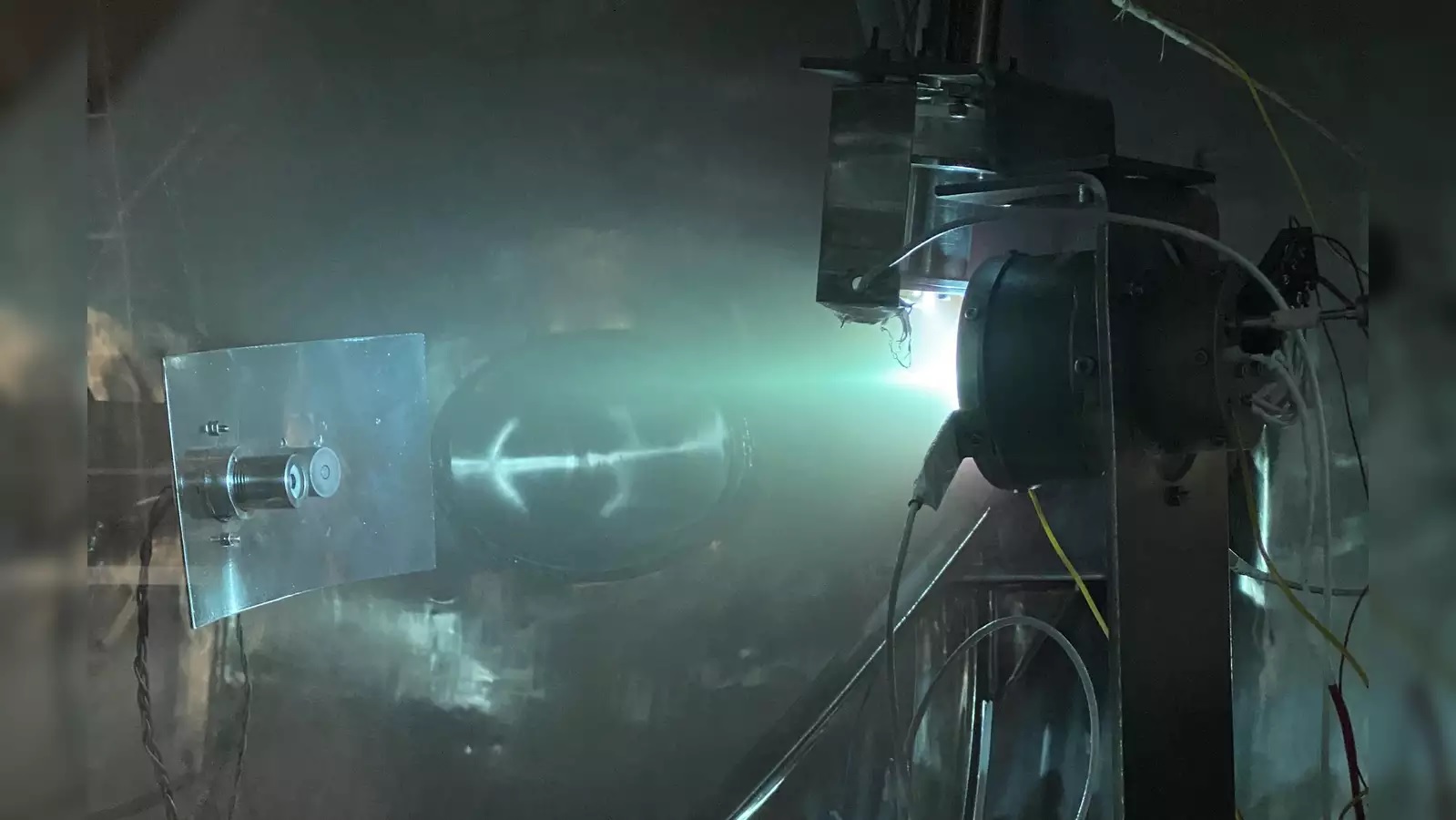
Space & Technology
Space News ,World :- Bellatrix Aerospace has developed new microwave plasma thrusters called JAL 5000. These thrusters use water as fuel and are available for satellites weighing over 1,000 kg.The JAL series of Microwave Plasma Thrusters offer great power compared to other electrical propulsion systems. They have four times more efficiency than traditional chemical propulsion systems. These thrusters are not only powerful but also cost-effective, reliable, and easy to handle, making them perfect for missions in Geostationary Orbit (GEO). Bellatrix offers these thrusters even at power levels greater than 5kW.Specifications of JAL 5000:Thrust: 300 millinewtonsPower: 5000 wattsSpecific Impulse: 1050 secondsOperational Life: Over 20,000 hoursPropellant Cost: Zero
Read More → Posted on 2024-03-25 06:39:06
Space & Technology
Space News ,India :- India's space program has achieved a big milestone! The International Astronomical Union (IAU) has officially named the landing site of Chandrayaan-3 as 'Shiva Shakti'. This special name was announced by Prime Minister Narendra Modi in August 2023 and is now officially recorded in the IAU's list of planetary names.The name 'Shiva Shakti' comes from Indian stories and represents two important forces of nature: masculine (Shiva) and feminine (Shakti). This name shows how India's culture is deeply connected to its achievements in space.On August 23, 2023, Chandrayaan-3 made history by landing softly near the Moon's south pole. This made India the first country to do so, joining the group of top explorers of the Moon.The 'Shiva Shakti' name celebrates the mix of India's scientific skills and its rich culture. It's a very important moment for India's space program.Chandrayaan-3's mission has big scientific goals. The chosen landing site could have valuable water ice. The mission's tools and the Pragyan rover will help scientists learn a lot about what the Moon is made of and what resources it might have.The IAU recognizing 'Shiva Shakti' shows that India is becoming a strong space power. This official name is proof of Chandrayaan-3's success and will inspire India for more space missions in the future.
Read More → Posted on 2024-03-24 15:46:58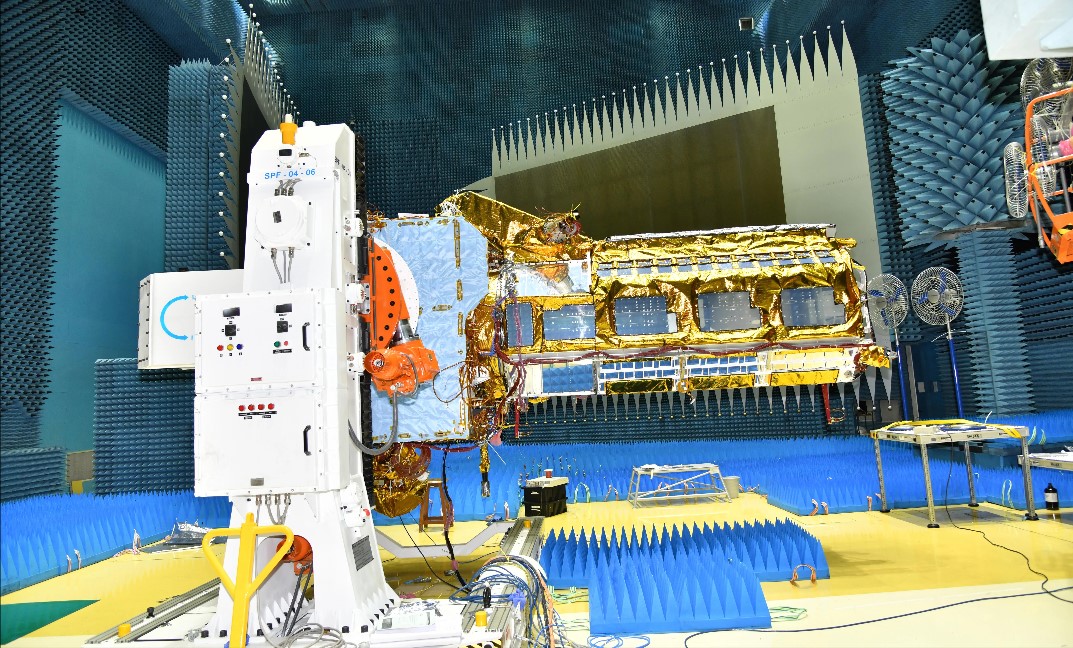
Space & Technology
Space News ,India :- NASA and ISRO (Indian Space Research Organisation) recently took an interesting step to keep their mission running smoothly. The reflector dish, which is like a big mirror, at the center of their joint project, called the NASA-ISRO Synthetic Aperture Radar (NISAR), had to travel from India to the United States and back again. This was because there were some possible issues that needed special attention.The reflector dish, which is covered in a thin layer of gold, is very important for the NISAR spacecraft. It helps to gather information about Earth by focusing radar signals.When ISRO was testing the equipment, they found out that the reflector dish could get too hot in space. This could have caused problems when they tried to unfold it during the mission.To fix this problem, NASA decided to put a special coating on the reflector dish. This coating would help to reflect sunlight, keeping the temperature under control.A NASA plane called a C-130 cargo aircraft flew the reflector dish back from Bangalore, India to a special lab at NASA's Jet Propulsion Laboratory in California. There, they applied the special coating. After that, the reflector dish will go back to India to be put back into the NISAR spacecraft.This unexpected twist shows how NASA and ISRO are committed to solving any problems that come up during their joint project. By taking this step, they make sure that the reflector dish can keep doing its job well, gathering important information about Earth for the NISAR mission.
Read More → Posted on 2024-03-24 07:00:40
Space & Technology
Space News ,World :- A big cloud of poisonous gas is moving across northern Europe from a volcano eruption in Iceland. This gas isn't likely to make people sick, but it might harm the ozone hole above the Arctic, scientists say.Last week, a volcano in Iceland's Reykjanes Peninsula erupted for the fourth time in a few months. This eruption made the biggest crack yet and let out a lot of lava. The lava almost reached a town called Grindavík, but luckily, it didn't reach the sea. If it did, it could have let out a gas called hydrochloric acid, which is very dangerous. Instead, the volcano released sulfur dioxide, a gas that can be harmful in large amounts. On March 17, it was spitting out about 110 pounds (50 kilograms) of sulfur dioxide every second. People working at a nearby power plant had to leave because of the gas, and locals were told to stay indoors.Since March 18, the amount of sulfur dioxide being released has gone down. But a European program called Copernicus has been watching the gas. They found that a big chunk of it formed a 3-mile-tall (5 kilometers) cloud and is now moving towards other countries in northern Europe.The cloud has already passed over the U.K. and is heading towards Scandinavia. But scientists don't think it will cause any problems with the air we breathe or the climate.However, it's still important to keep an eye on sulfur dioxide because it can react with the ozone in our atmosphere. Ozone helps protect us from the sun's harmful rays. In the past, a big eruption in Tonga made a huge hole in the ozone layer above Antarctica.Scientists think these eruptions in Iceland might be the start of many more over the next few centuries. If that happens, more sulfur dioxide could reach the Arctic, making the ozone holes even bigger."We need to keep watching what's happening in Iceland," says Laurence Rouil, who directs the Copernicus program.
Read More → Posted on 2024-03-23 16:12:18
Space & Technology
Space News ,U.S :- Orbit Fab, a company from Colorado, has finished testing its fuel ports for satellites. This week, they announced that their ports are ready to be sent to customers, including the Space Force.The fuel ports, called Rapidly Attachable Fuel Transfer Interface (RAFTI), are made to be put on satellites. They allow satellites to get fuel either in space or on the ground before they are launched.For the past two years, Orbit Fab has been checking if their ports can handle space conditions. They tested them on the ground and in space to make sure they work well even in extreme weather.Now that the testing is done, Orbit Fab has started sending out the first 12 RAFTI ports to customers. Eight of these are for the Space Force, and the rest are for other customers like Astroscale, a company working on spacecraft with refillable gas tanks.Orbit Fab plans to make about a dozen more RAFTI ports in the next month. The CEO, Adam Harris, says they aim to produce around 100 units this year. They are also talking to other companies to allow them to make these ports too, so more people can use them.Harris said, "Having multiple companies offering these ports can help us move towards reusable, refuellable satellites."The Space Force wants to test refueling satellites in the next few years to see how useful they can be for military purposes. They want all Department of Defense satellites to have refueling ports by the end of the decade. This will let these satellites move freely without worrying about running out of fuel.Many companies, including Northrop Grumman, are making refueling ports. The Space Force recently approved Northrop Grumman's Passive Refueling Module for its satellites.Orbit Fab wants to offer RAFTI ports whenever the Space Force needs them. Harris said, "Whenever the Space Force makes a new satellite, we'll offer them RAFTI."This includes a recent request from the Space Force for satellites that can keep an eye on space and can be refueled.Orbit Fab is also working with the Space Force, Defense Innovation Unit, and the Air Force Research Laboratory on a refueling demonstration. This demonstration, planned for 2026, will show how satellites can be refueled in space.Orbit Fab's fuel depot and RAFTI ports will be part of this demonstration. Impulse Space will make the spacecraft to host the fuel depot. This depot will refuel a servicing vehicle made by Astroscale, which will then refuel three satellites for the Air Force Research Laboratory's Tetra-5 mission.Harris said that Orbit Fab's depot has finished its main designs and will start making and testing it this year. They aim to launch it in 2025.Orbit Fab is also working with the Space Force’s Rapid Capabilities Office on another project to improve refueling technology. This project will run until 2025.
Read More → Posted on 2024-03-23 05:32:56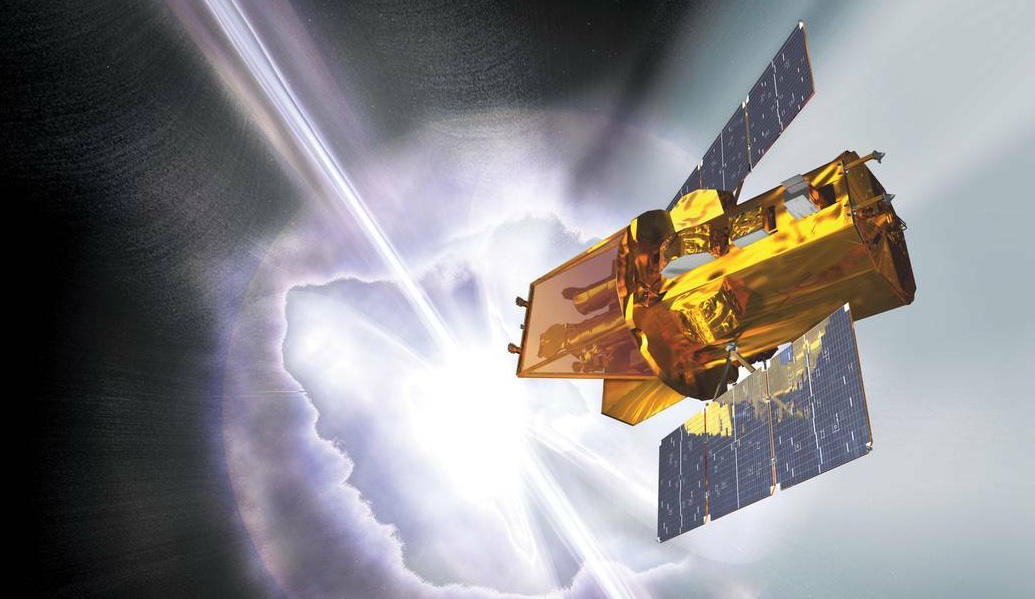
Space & Technology
Space News ,NASA :- NASA has paused the science observations made by its Neil Gehrels Swift Observatory. But don't worry, it's just a temporary pause.The Neil Gehrels Swift Observatory is a space telescope that looks at some of the strongest bursts of radiation from the universe's most powerful cosmic events. These events are called "gamma-ray bursts." The telescope went into safe mode on March 15 because one of its three gyroscopes, which help it point toward objects in space, wasn't working well.NASA noticed the gyroscope wasn't working properly a few months ago, and by mid-March, it was causing problems. The telescope was having trouble locking onto stars and couldn't make successful observations.The Swift team is working on fixing the problem by updating the telescope's software. They hope to get it back to normal as soon as possible. But until then, the telescope won't be able to do much science.What Swift DoesSwift has been in space for almost 20 years, observing the universe since it launched in 2004. Its main job is to look at gamma-ray bursts (GRBs), which are intense bursts of gamma rays, the highest-energy form of light. These bursts can last from a fraction of a second to a few minutes. Swift has to spot these bursts quickly so other telescopes on Earth can study them too.Swift has three telescopes that look at different types of light: visible, ultraviolet, X-ray, and gamma-ray. By observing these bursts in different wavelengths, scientists hope to learn more about what causes them. Some of the possible causes include the collapse of a massive star, the birth of a black hole, or the collision of two neutron stars.Discoveries of SwiftOne of Swift's biggest discoveries happened in 2022 when it spotted a GRB nicknamed the "Brightest Of All Time" or the "BOAT." This burst was incredibly powerful, possibly one of the most energetic explosions since the Big Bang itself.The BOAT burst was seen on October 9, 2022, and it was much brighter than other bursts Swift had seen before. It was at least 10 times more energetic and released photons with more energy than particles in the Large Hadron Collider, the world's largest particle accelerator. Scientists believe it was caused by a star 30 times the size of the Sun going supernova in the Sagitta constellation. This explosion happened so far away that its light had been traveling for 2.4 billion years before Swift saw it.Swift's Latest TrickEven though Swift has been in space for a while, it's still learning new things. In 2023, it detected a black hole in a galaxy 500 million light-years away. This black hole was eating a star similar to the Sun. This discovery was made possible by a new way of analyzing data from Swift's X-ray Telescope.Phil Evans, an astrophysicist at the University of Leicester, said that Swift has adapted to new areas of astrophysics over its lifetime. With its new capabilities, it's doing even more exciting science.Looking to the FutureScientists are excited to see Swift back in action. They're eager to see what new things it will discover about the high-energy universe. Swift may be old in terms of space telescopes, but it still has a lot to teach us.
Read More → Posted on 2024-03-22 16:09:00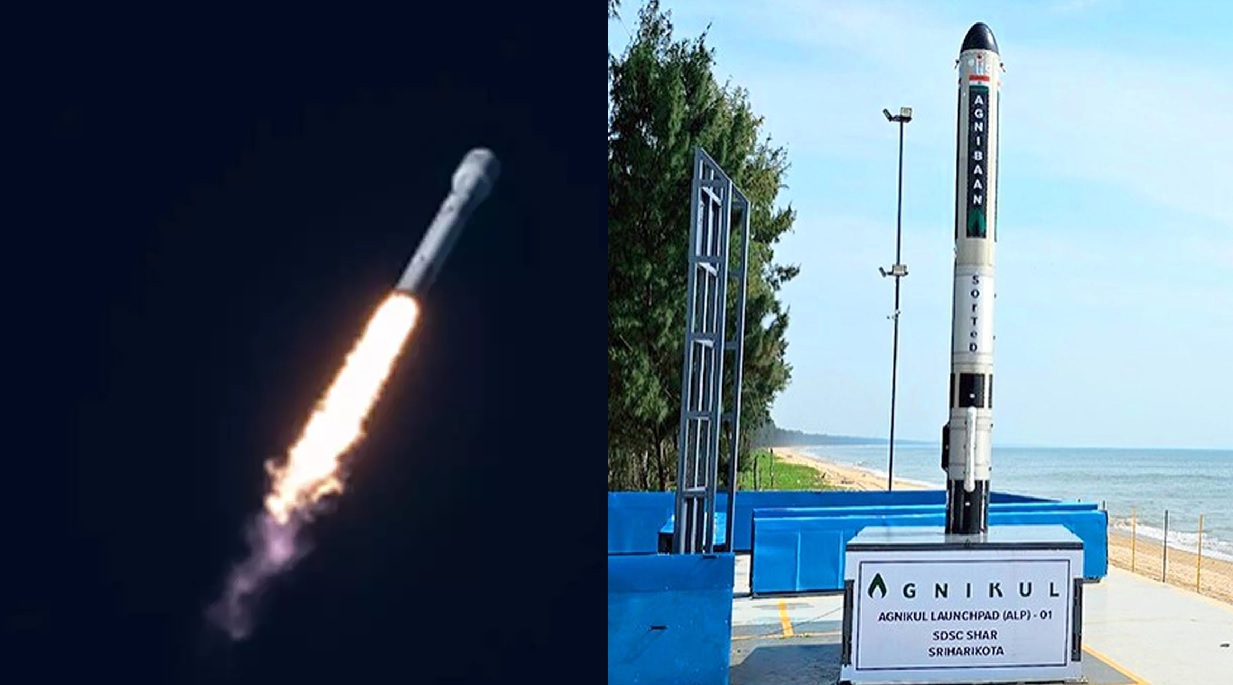
Space & Technology
Space News ,India :- A Chennai-based company called Agnikul Cosmos, which started from IIT-Madras, had to delay its first rocket launch. They were planning to launch a mission called Agnibaan SOrTeD (Sub Orbital Technology Demonstrator) from Sriharikota, Andhra Pradesh, on March 22 at 7 am. But they faced some technical problems during the preparation before the launch.Why the Launch Got DelayedThe company explained on social media that they noticed some small issues during the final practice countdown. So, to be safe, they decided to postpone the launch. They promised to tell everyone about the new date and time for the launch soon. The launch that was supposed to happen on March 22, 2024, is now canceled.What the Mission Was AboutThis mission was important because it aimed to show that space travel can be cheaper and easier. They wanted to use a rocket called Agnibaan to do this. The first flight was like a practice to check if everything works well.Special Things About Agnibaan SOrTeD MissionThe Agnibaan SOrTeD mission was special because it had a unique one-piece 3D printed rocket engine. The rocket was 6.2 meters tall and weighed 575 kilograms. It used special fuels called sub-cooled Liquid Oxygen and Aviation Turbine Fuel.Other Private Space ProjectsThis delay isn't something new in private space projects. Another company from Hyderabad, Skyroot Aerospace, became the first private space company to launch its rocket called Vikram-S in 2022. This was a big deal because it showed that private companies could also go to space in India.
Read More → Posted on 2024-03-22 15:40:02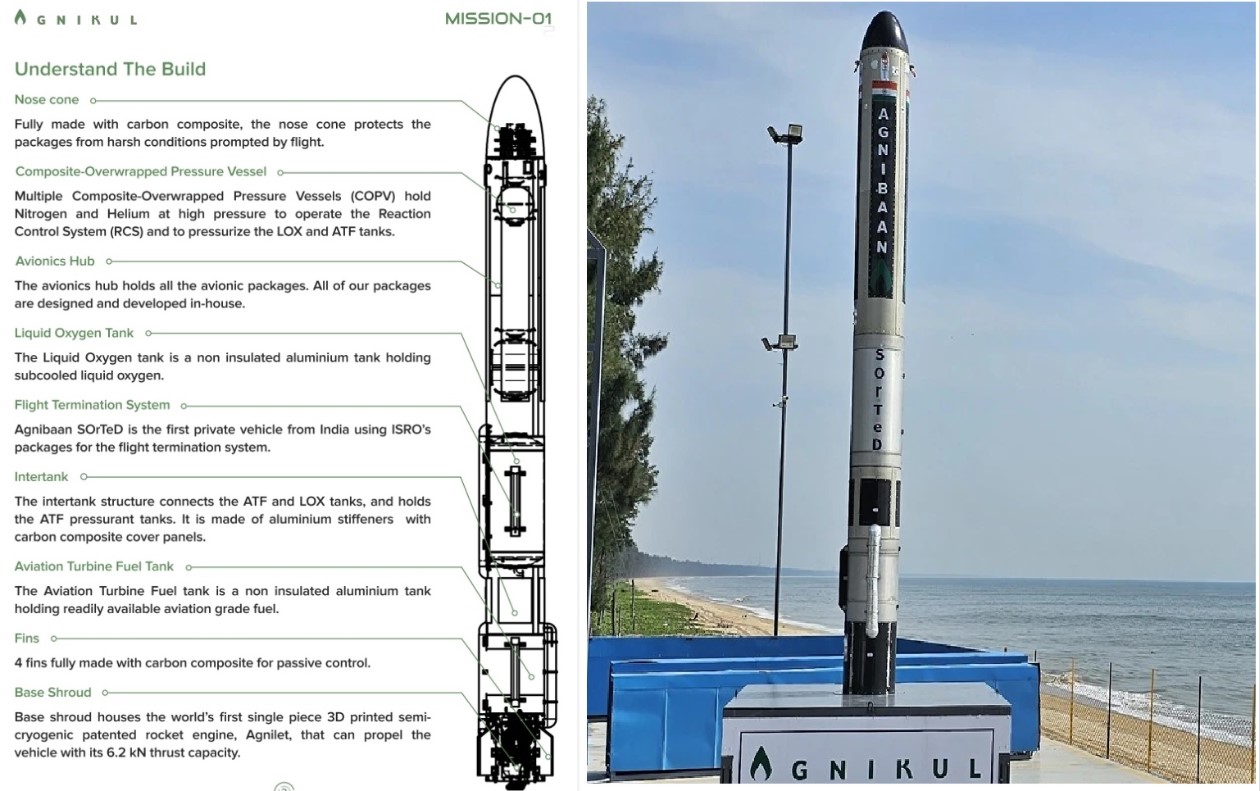
Space & Technology
Space News ,India :- Indian space startup Agnikul Cosmos has unveiled the inner workings of its upcoming rocket, the Agnibaan SOrTeD (Suborbital Tech Demonstrator). This detailed breakdown provides insights into the components driving the vehicle's innovative design as it readies for its first test flight.1. Protective Nose Cone: The rocket features a nose cone made of strong carbon composite material. This cone shields the payload during launch and flight, ensuring its safety.2. COPVs for Essential Functions: Multiple Composite Overwrapped Pressure Vessels (COPVs) hold crucial nitrogen and helium gases. These gases are vital for steering the rocket and pressurizing fuel and oxidizer tanks.3. Avionics Hub: The electronic systems controlling and monitoring the rocket are housed within the avionics compartment. Agnikul takes pride in designing and developing these systems in-house.4. Propellant Tanks: Separate tanks hold liquid oxygen (LOX) oxidizer and Aviation Turbine Fuel (ATF). The LOX tank, made of non-insulated aluminum, stores supercooled oxidizer for efficient combustion.5. Carbon Composite Fins: Four carbon composite fins provide stability to the rocket. These fins help maintain a steady trajectory without complex moving systems.6. Agnilet Engine: The rocket's powerhouse, the Agnilet engine, is a single-piece, 3D-printed semi-cryogenic engine with a thrust capability of 6.2 kN. It's a significant achievement for Agnikul.7. ISRO Flight Termination System: The rocket integrates parts of the Indian Space Research Organisation's (ISRO) flight termination system, ensuring controlled termination if needed.8. Intertank Structure: Aluminum stiffeners and carbon composite cover panels form the intertank structure, providing critical structural integrity.Agnikul Cosmos' unveiling of the Agnibaan SOrTeD components marks a milestone for India's private space industry. This suborbital demonstrator represents a leap forward, and its upcoming launch is eagerly anticipated as a significant achievement for India's space ambitions.
Read More → Posted on 2024-03-21 15:55:50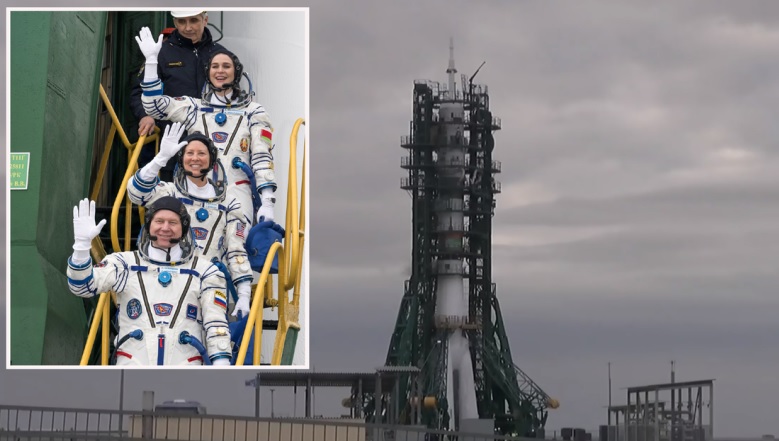
Space & Technology
Space News ,Russia :- On Thursday, a Soyuz rocket was all set to carry three astronauts to the International Space Station (ISS). But just as the crew was waiting inside, there was a rare event – the launch was suddenly called off.This happened only 21 seconds before the rocket was supposed to blast off. The crew included NASA astronaut Tracey Caldwell Dyson, Russian cosmonaut Oleg Novitskiy, and spaceflight participant Marina Vasilevskaya from Belarus. They were supposed to go to the ISS from Baikonur Cosmodrome in Kazakhstan. The launch was scheduled for 9:21 a.m. EDT (1321 GMT).A NASA spokesperson, Rob Navias, announced the launch abort during live commentary. He said, "So, no visitors to the International Space Station today. The next opportunity to launch, pending resolution of what happened today, would be Saturday morning."Navias mentioned that no reason had been given for the abort. He explained that an automatic system caused the abort just before the engines were supposed to ignite. Two umbilical connections, which are like tubes that supply things to the rocket, were pulled back from the rocket just before launch. Engineers from Roscosmos, Russia's space agency, quickly went to the launch pad to make sure everything was safe and that the crew could come out.Navias assured everyone that the crew was safe. He said, "The vehicle is safe, all fueling operations have ceased. All safety commands have been provided onboard the rocket so there's no danger to the crew. They're perfectly safe."The news of the launch abort was radioed to astronauts aboard the ISS. Flight controllers made it clear that the Soyuz crew was safe. Station commander Andreas Mogensen of the European Space Agency replied, "Most importantly, Station copies crew are safe."Soyuz rockets are regularly used to transport astronauts to and from the ISS. This incident of an abort just before launch is very rare. The last time such an event happened was in October 2018 when a Soyuz rocket carrying NASA astronaut Nick Hague and cosmonaut Alexey Ovchinin faced an in-flight abort. The crew had to make an emergency landing. That abort was traced back to a sensor issue.The three astronauts – Dyson, Novitskiy, and Vasilevskaya – were supposed to join the ongoing crew on the International Space Station. Dyson and Novitskiy planned to spend six months aboard the space station as part of its Expedition 71 crew, while Vasilevskaya was set to stay for 12 days and then return home with the outgoing Expedition 70 crew.But now, it's unclear when they will be able to launch. Roscosmos has said that the next window for launch will open on Saturday. However, engineers need to understand why the launch aborted and fix any issues before that.Meanwhile, in Florida, another rocket is getting ready to launch to the ISS. An uncrewed SpaceX Falcon 9 rocket and Dragon cargo ship are scheduled to launch more than 2 tons of fresh supplies to the ISS from Cape Canaveral Space Force Station. The launch is set for 4:55 p.m. EDT (2055 GMT) and should proceed as planned, according to Navias.NASA and SpaceX will provide a livestream of the cargo launch, starting at 4:35 p.m. EDT (2035 GMT).
Read More → Posted on 2024-03-21 15:50:25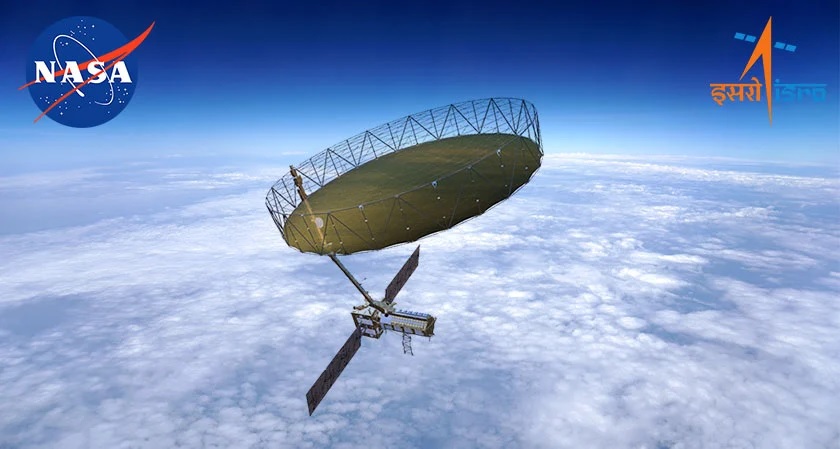
Space & Technology
Space News ,India :- The joint NASA-ISRO mission to send the groundbreaking NISAR (NASA-ISRO Synthetic Aperture Radar) satellite into space is facing a delay. Instead of the earlier planned timeframe, the launch is now scheduled for late May 2024.Indian Space Research Organisation (ISRO) has assured that the designated Geosynchronous Satellite Launch Vehicle (GSLV) will be ready by March-April. However, the final testing and integration of the complex radar instrument into the satellite need more time.Why the Delay?The delay is crucial for ensuring thorough testing of NISAR's instruments before its launch. This meticulous approach is vital for the success of the mission. NISAR aims to gather essential data to study Earth's ecosystems, landforms, and changing ice masses accurately.What's the Value of NISAR?Although the delay means the scientific community will have to wait a little longer, the significance of NISAR's mission cannot be overstated. The satellite's advanced observations will greatly contribute to environmental monitoring, resource management, and global disaster preparedness.What NISAR Will Do?NISAR, a collaborative project between NASA and ISRO, is designed to collect highly detailed radar data. This data will be used for various purposes, including:1. Ice Sheet Dynamics: Understanding the movement and melting of glaciers and ice sheets to better comprehend the impacts of climate change.2. Ecosystem Monitoring: Tracking changes in forests, wetlands, and agricultural areas to support conservation and sustainable practices.3. Disaster Response: Assisting in mapping floods, earthquakes, and volcanic activity to enhance response efforts during emergencies.What Does the Delay Show?The slight delay in the NISAR launch highlights NASA and ISRO's commitment to ensuring the accuracy and reliability of this significant scientific mission.The delay in the launch of the NISAR satellite is a necessary step to guarantee its effectiveness in collecting crucial data about Earth's environment. Despite the wait, the scientific community eagerly anticipates the valuable insights that NISAR will provide once it's operational.
Read More → Posted on 2024-03-21 04:19:27
Space & Technology
SPace News ,India :- India's space exploration is on the cusp of a momentous milestone this Friday, courtesy of Chennai-based private startup Agnikul Cosmos. The company is gearing up to launch its homegrown rocket, Agnibaan SOrTeD (Suborbital Tech Demonstrator), in what promises to be a landmark test.Weighing in at 580 kilograms, the Agnibaan rocket is scheduled to take off from the Satish Dhawan Space Centre in Sriharikota. The primary objective of this inaugural test flight is to propel the rocket to a suborbital altitude of approximately 20 kilometers before it safely descends, landing in the Bay of Bengal. Despite its focus on technology demonstration, the rocket boasts a potential payload capacity of up to 7 kilograms, hinting at its future versatility.One of the most significant innovations of Agnibaan SOrTeD lies in its propulsion system. Co-founder of Agnikul Cosmos, Moin SPM, reveals that the rocket is powered by a semi-cryogenic engine fueled by readily available resources – commercial aviation turbine fuel (similar to kerosene) and medical-grade liquid oxygen.This test flight signifies a substantial leap forward for Agnikul Cosmos in its quest for orbital launches. The data and insights gathered from the Agnibaan SOrTeD mission will be instrumental in validating essential technologies for the company's future orbital endeavors.Beyond its technical achievements, the suborbital launch stands as a testament to the vibrancy of India's private space sector. Agnikul Cosmos's strides promise to enhance the nation's capabilities in space exploration and technology, ushering India into a new era of space innovation.
Read More → Posted on 2024-03-20 04:07:02
Space & Technology
Technology News ,World :- A company in the US named Cognition has made a big announcement. They've created a new kind of computer program called Devin. They say Devin is the world's first AI software engineer that can work all by itself.Cognition describes Devin as a really helpful team member. It can work together with people or do tasks on its own for them to check later.What Can Devin Do?Devin is super smart. It can handle tough engineering jobs that need thousands of decisions. The company says Devin can remember important details, learn as it goes, and fix mistakes.Cognition has also given Devin tools that real developers use, like a code editor and a web browser. And it's set up in a way that keeps everything safe. Plus, Devin can talk to users, share updates, take suggestions, and help make decisions.The Results Speak for ThemselvesAccording to Cognition, Devin is really good at solving problems. It gets things right about 14% of the time from start to finish. That's much better than other similar programs, which only manage about 2% to 5% accuracy.
Read More → Posted on 2024-03-19 16:38:28Search
Top Trending in 24 Hours
-
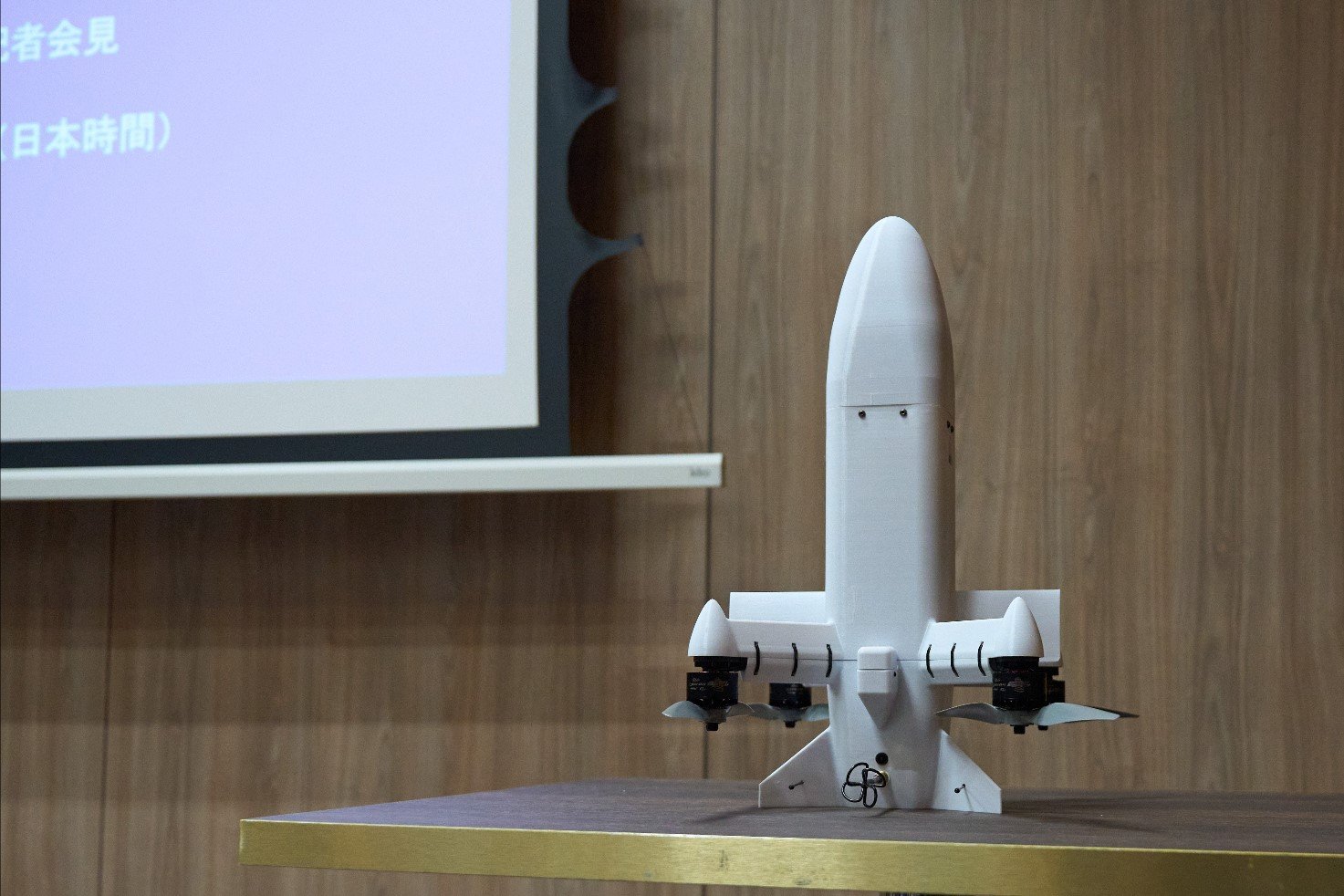 Japan Selects Terra Drone’s Terra B1 for Mass Production of Interceptor UAVs
-
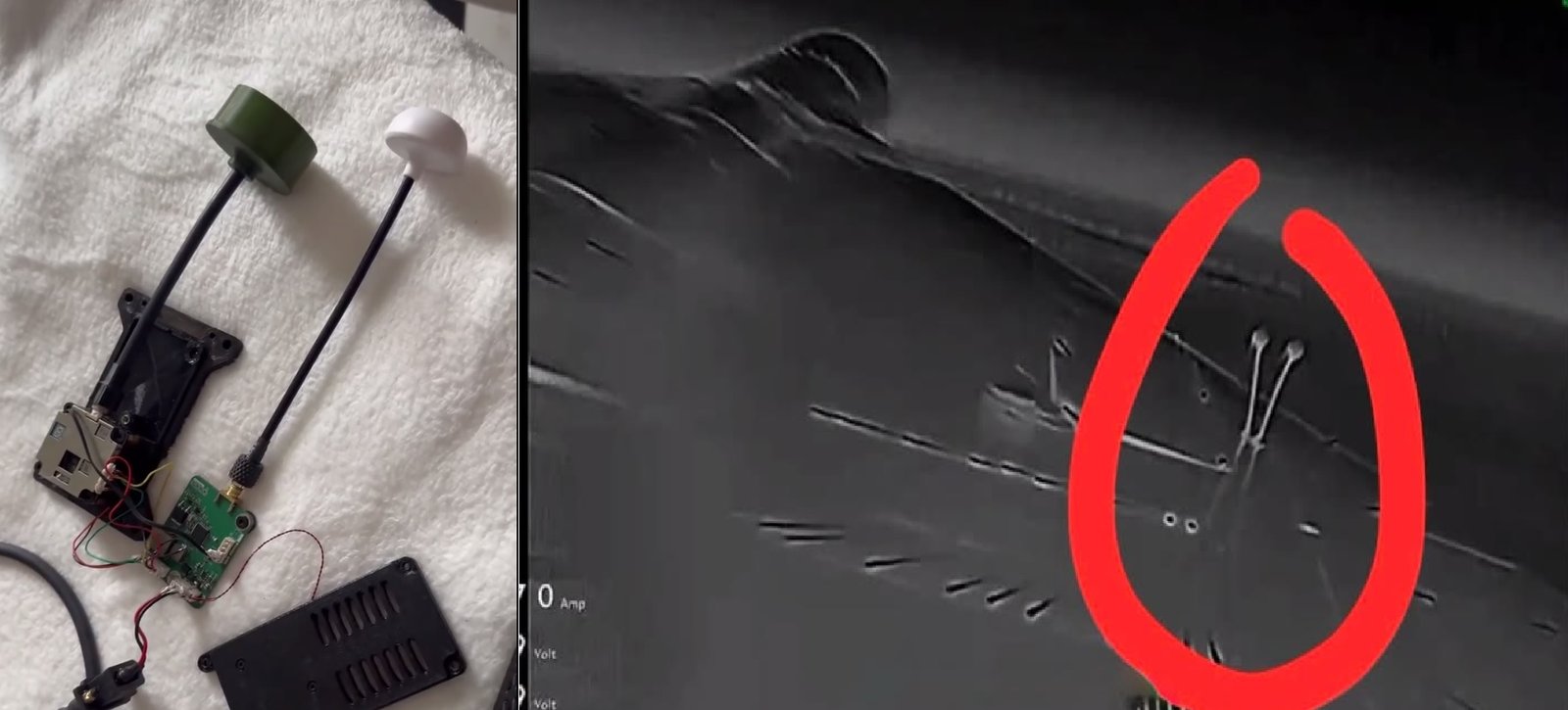 Russia Equips Shahed and Geran Drones With Electronic Warfare Systems to Jam Ukrainian Interceptor Video Links
-
 Austria Receives First Modernized Leopard 2A4Ö Tank and Ulan NV Infantry Fighting Vehicle
-
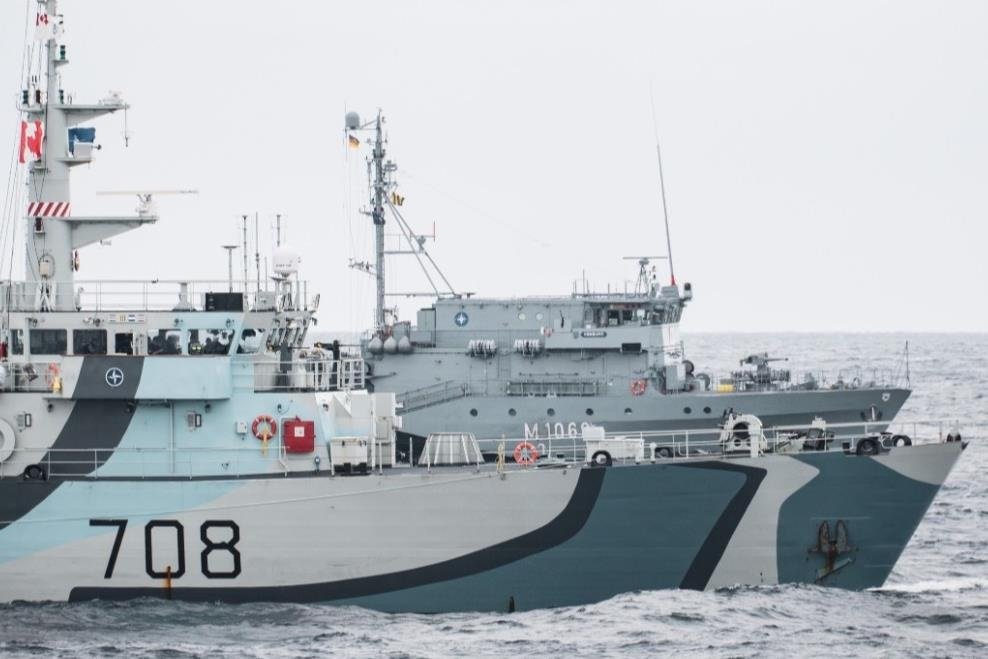 NATO Launches Exercise Northern Viking 26 in Iceland to Secure North Atlantic Routes
-
 Ukraine Reduces Use of Western Tanks as Cheap Drones Become a Major Battlefield Threat
-
 Kongsberg Introduces Aegir SSA Sonar Family With AI-Powered Monitoring for Continuous Underwater Surveillance
-
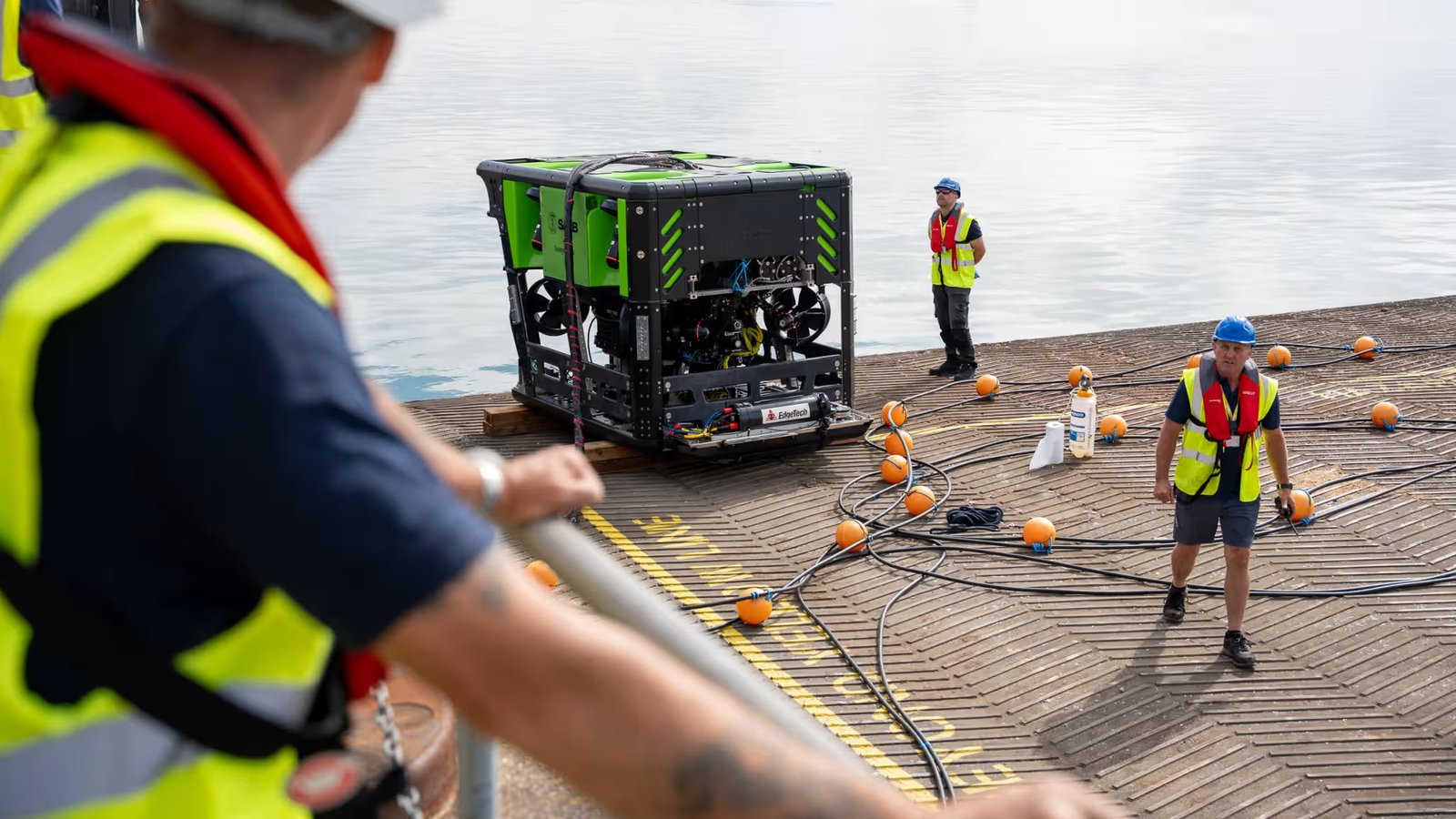 Saab UK Completes Key Trials of Seaeye SR20 eWROV, Moves to Next Development Phase
-
 Mystery Chinese J-20-Like Object Seen at Former Airport Was a Firefighting Training Mock-Up
Top Trending in 4 Days
-
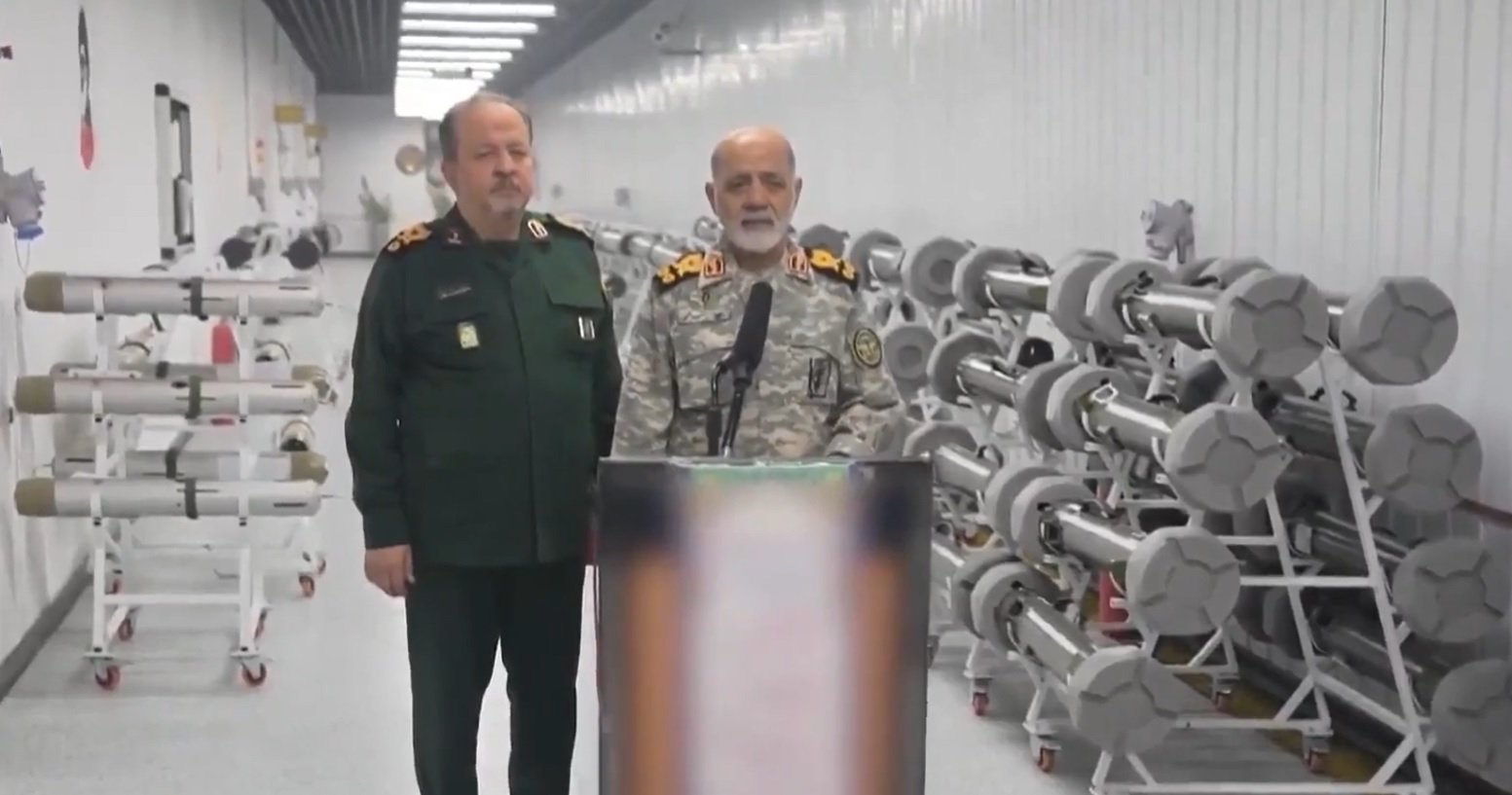 Iran Reveals Underground Weapons Manufacturing Facility for First Time on State TV
-
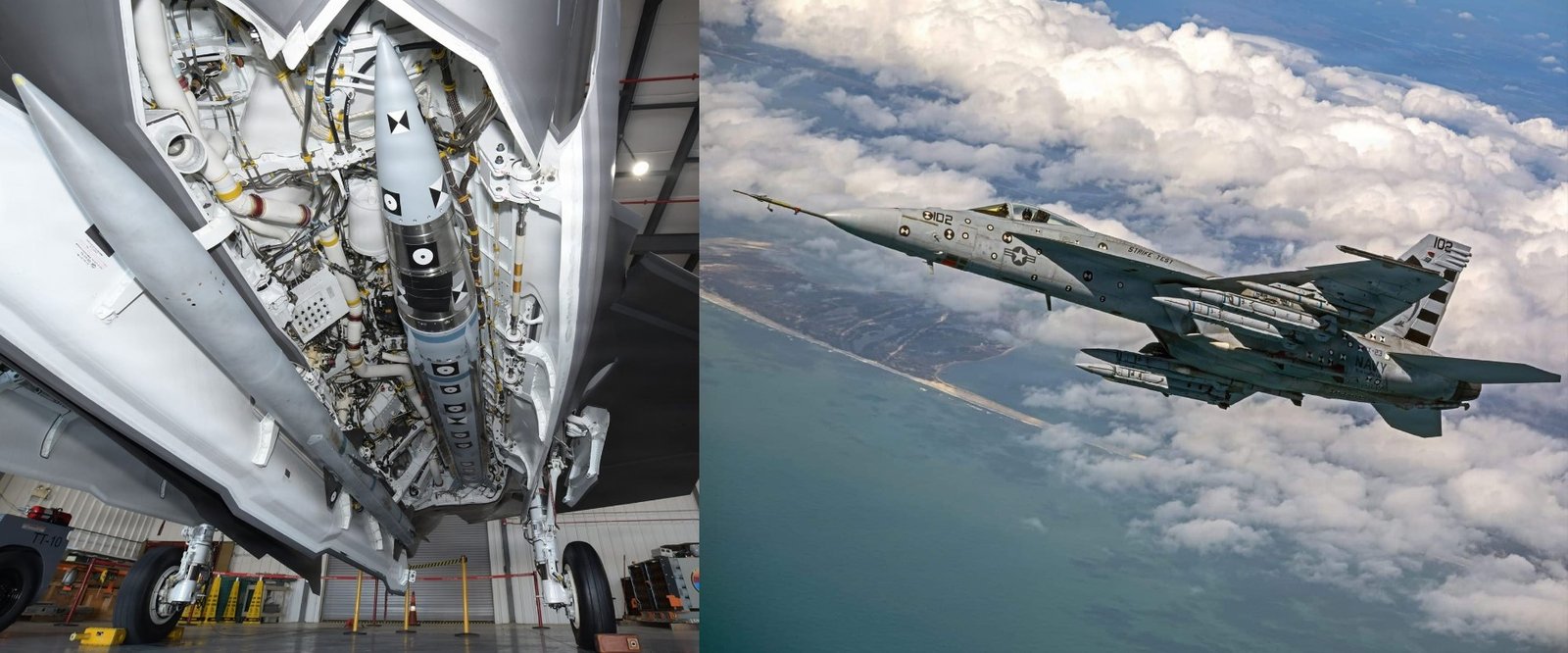 U.S. Navy Unveils New AIM-424 ‘Malice’ Air-to-Air Missile With 463+ km Range for F-35C, Super Hornet and F/A-XX
-
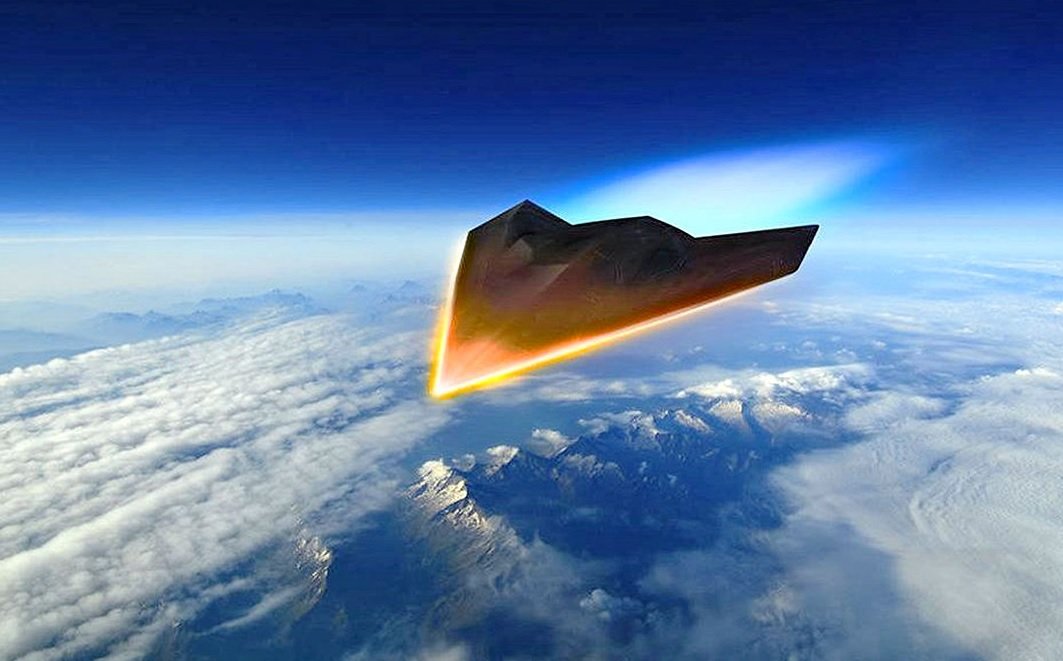 China Develops Hypersonic Glide Vehicles Capable of Launching Air-to-Air Missiles Mid-Flight
-
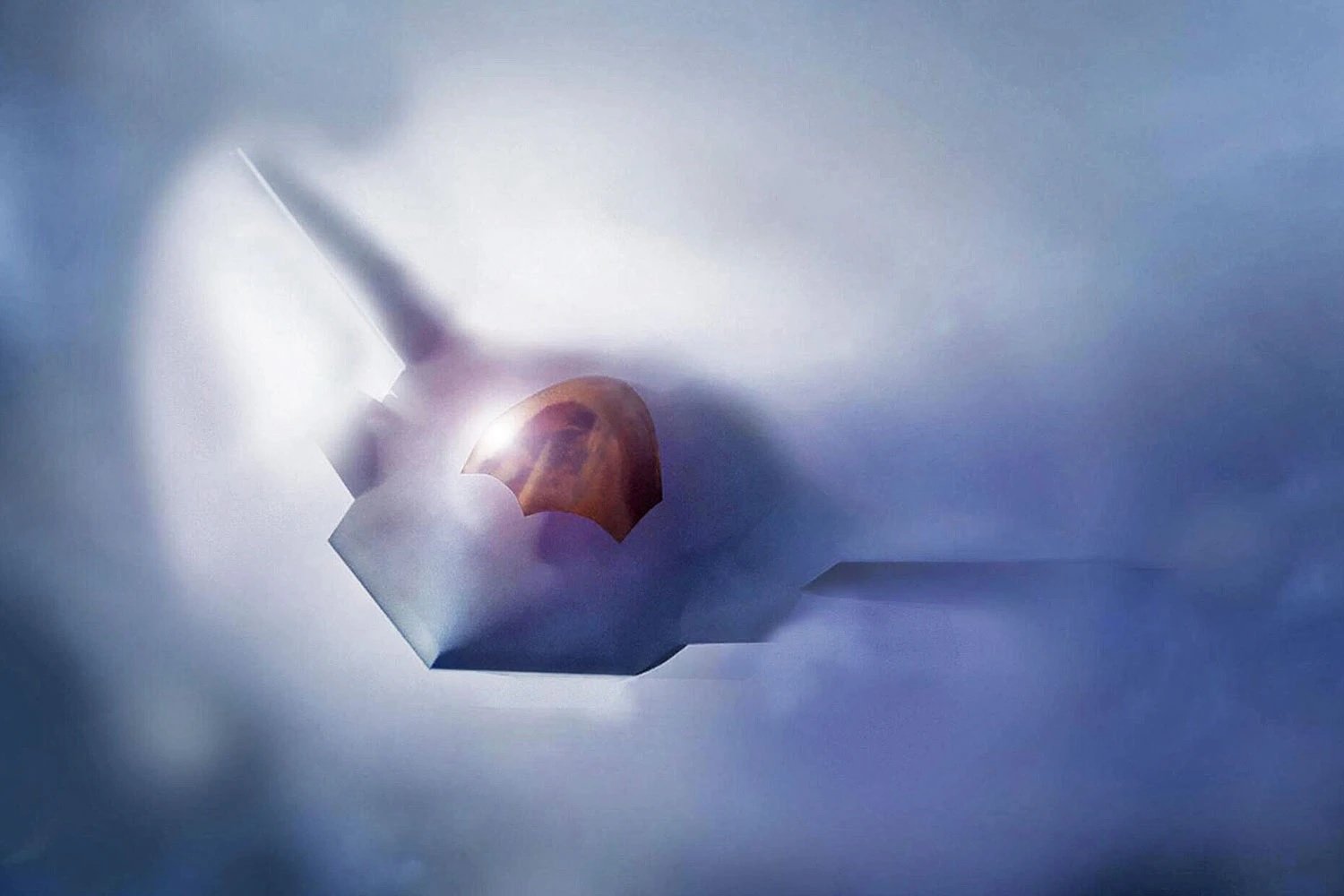 Israel Explores Potential Acquisition of U.S. F-47 Sixth-Generation Fighter
-
 Iran-Linked Hackers Shut Down UK Power Plant for Four Days in First Known Attack
-
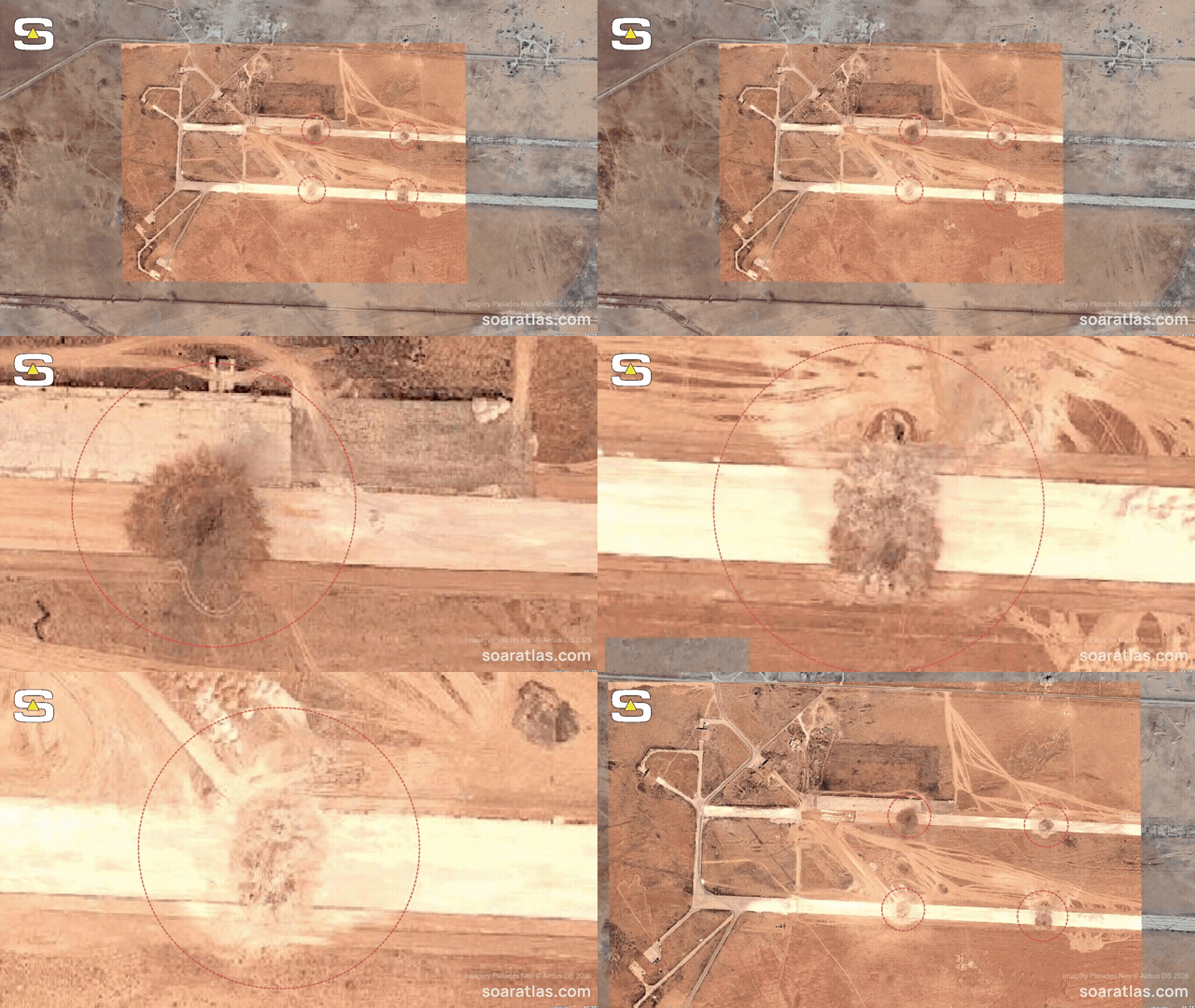 Satellite Imagery Shows Damage From Israeli Strikes on Turkey Military Occupied Syria’s Abu al-Duhur Airbase
-
 Ukraine Holds World’s First Unmanned Military Parade on 35th Independence Day
-
 North Korea Deploys 400 Drone Operators to Russia Amid Expanding Military Support