Space & Technology
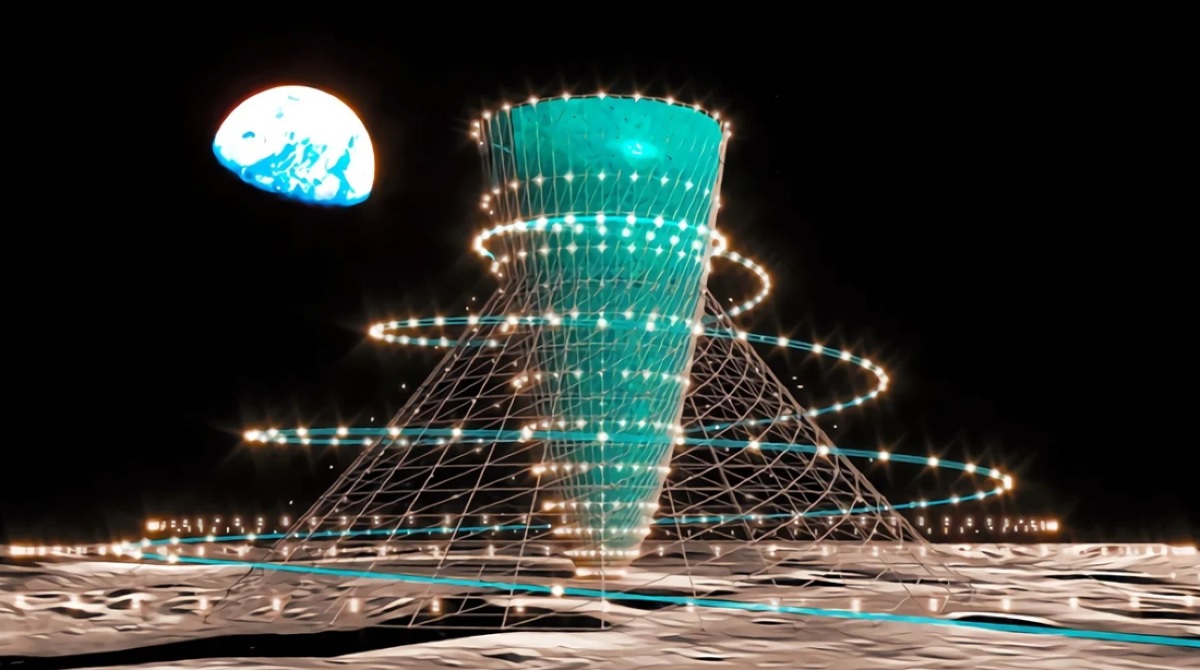
Space News ,Japan :- In a groundbreaking announcement in 2022, researchers from Kyoto University unveiled plans to pioneer the construction of interplanetary trains and a revolutionary artificial space habitat network, spanning from Earth to the Moon and Mars, in collaboration with Kajima Construction.Their visionary project, dubbed "The Glass," aims to create a livable environment in space that mirrors Earth's gravity, terrain, and atmosphere. The primary goal is to combat the detrimental effects of prolonged exposure to low-gravity and zero-gravity conditions on the human musculoskeletal system.At the heart of their proposal is the construction of "The Glass," a towering conical structure equipped with artificial gravity and amenities reminiscent of Earth, including public transportation, green spaces, and water features. Illustrations depict a rotating cylindrical structure adorned with rivers and park-like landscapes, providing a semblance of normalcy for human inhabitants.Central to their design is an inverted cone configuration that generates centrifugal force to simulate Earth's gravitational pull. The team aims to build a scaled-down prototype reaching approximately 1,300 feet in height and 328 feet in diameter by the year 2050, with plans for the final version to be completed and operational within a century, as reported by the Asahi Shimbun.Dubbed "Marsglass" for Mars and "Lunaglass" for the Moon, these habitats will rely on elements extracted from Earth's terrain and ecosystem to establish a sustainable living environment. The project encompasses a multidisciplinary approach, incorporating fields such as geology, biology, botany, physics, engineering, and climatology to create what they term a "core biome complex."In addition to habitat construction, the researchers envision an ambitious interplanetary transportation system known as the "Hexatrack," designed to maintain a constant gravitational force of 1G during long-distance travel. This system features hexagonal-shaped capsules, or "Hexacapsules," propelled by a central moving device.The capsules, varying in size, facilitate travel between Earth, the Moon, and Mars. Utilizing electromagnetic technology similar to that of Maglev trains, the capsules traverse designated tracks, ensuring stable and efficient transportation. Terra Station serves as the central hub on Earth, while the Space Express, consisting of six coaches on a standard gauge track, facilitates interplanetary travel.While some skeptics have dismissed these plans as reminiscent of science fiction, others acknowledge the potential for innovation and progress in space exploration. In light of China's advancements in electromagnetic rail gun technology for space propulsion, such ambitious projects may not be as far-fetched as initially perceived, though caution is warranted in assessing their feasibility.
Read More → Posted on 2024-03-18 15:53:47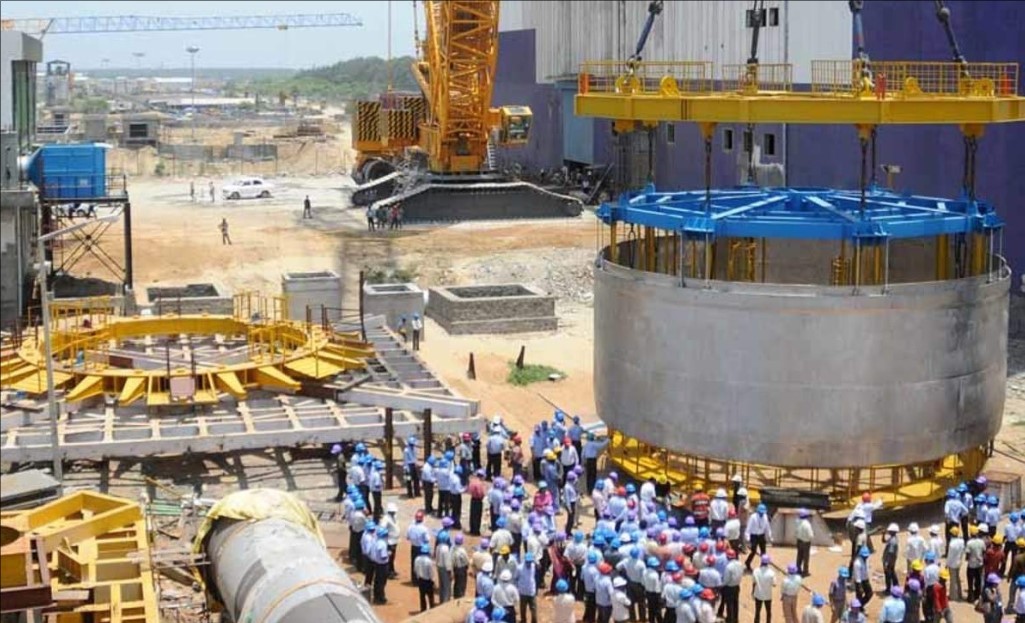
Space & Technology
Technology News ,India :- Nuclear power is a strong way to make electricity, but we worry about how long the fuel lasts and the waste it makes. India is working hard on a special kind of reactor, called a Fast Breeder Reactor (FBR). These reactors are all about being efficient and making less waste.How FBRs Work:Regular reactors mainly use uranium-235 to make energy. But FBRs are different. They're smart! They can make more fuel than they use to make electricity. They do this by using other kinds of fuel, like uranium-238 or thorium, which are more common in nature.India's Plan:India's FBR program is based in a place called Kalpakkam. They're using a lot of thorium because India has a lot of it. Their program has three parts:Stage 1: They use natural uranium as fuel. This makes electricity and also makes plutonium.Stage 2: The plutonium from Stage 1 goes back into the reactor as fuel. At the same time, they put thorium in the reactor. This changes the thorium into a fuel called uranium-233 (U-233).Stage 3: The U-233 from Stage 2 becomes the main fuel.Why FBRs Are Cool:1. They're Super Efficient: FBRs can make up to 70% more energy from the same amount of fuel compared to regular reactors.2. They Make Less Waste: FBRs make new fuel and use the old fuel again. This means they don't make as much long-lasting waste. So, we don't need big places to put all the waste.3. They Keep Fuel Secure: FBRs make their own fuel inside, so they don't need new fuel as often. This makes it easier to keep running without relying on other countries for fuel.4. They're Safe: Even though FBRs are complicated, they have safety systems. If something goes wrong, these systems can shut down the reactor to keep everyone safe.India's Green Energy Future:India's FBR program is a big step toward using nuclear energy in a good way.By using fuel better, making less waste, and using lots of thorium, FBRs are a cleaner and more useful way for India to get the energy it needs.
Read More → Posted on 2024-03-17 14:59:17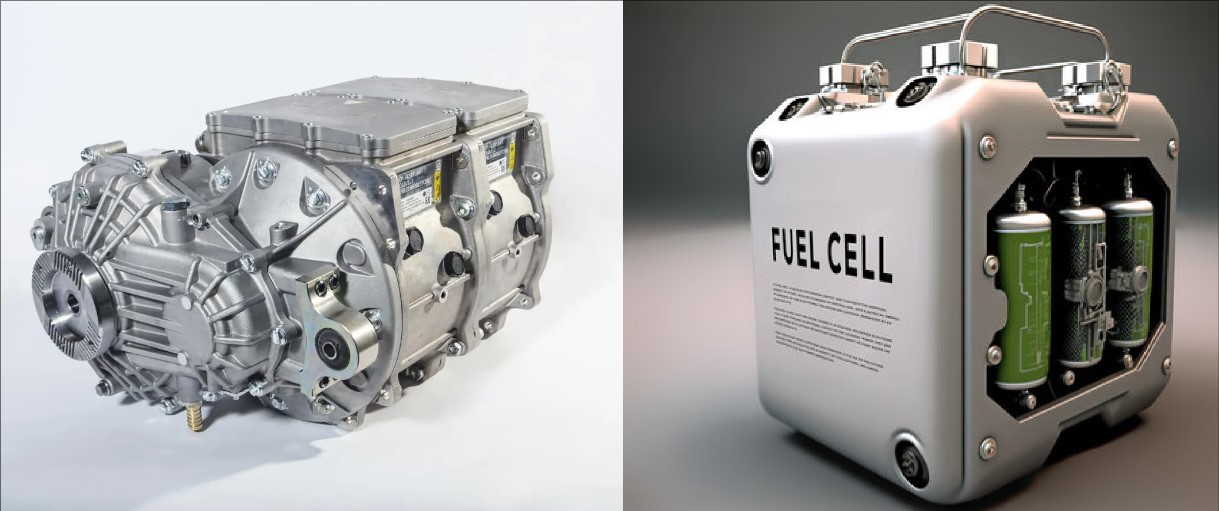
Space & Technology
Defense News ,India :- Indian startup company Dg Propulsion Private Limited (DPPL) has just got its hands on a second patent. This patent covers a special power system for a type of eco-friendly car called a hybrid electric vehicle. It's a big deal because this technology could change the way we think about sustainable transportation.What's So Special About It?DPPL's new system combines two cool technologies:1. Fuel Cell: This works like a battery, making electricity through a chemical process. It's great because it can make the car accelerate quickly and keeps making power as long as there's fuel (usually hydrogen).2. Micro Gas Turbine: This tiny engine acts like a small power station. It burns fuel to make electricity. It's especially handy for long trips, solving a big problem for electric cars by giving them more range.Why It's Awesome:1. Super Efficient: By teaming up the quick-start fuel cell with the long-lasting micro gas turbine, DPPL's system could be even better than regular electric cars.2. Eco-Friendly: It could use cleaner fuels like hydrogen, cutting down on pollution and making the air cleaner.3. No More Worrying About Range: The micro gas turbine means you can drive longer distances without needing to stop and charge up.Getting It to You:DPPL's founder, Prateek Dhawan, says this technology could make cars more efficient and cleaner. But there's still work to do before it hits the market. They need to sort out some technical stuff and figure out if it makes economic sense.But even though there's more to do, the potential of this new tech is huge. It could totally change how we get around in a way that's better for the planet.India's Green Push:DPPL's breakthrough shows that India is serious about finding greener ways to travel. With support from the government and more people wanting eco-friendly options, there's a good chance that India could lead the world in clean transportation.
Read More → Posted on 2024-03-17 06:01:01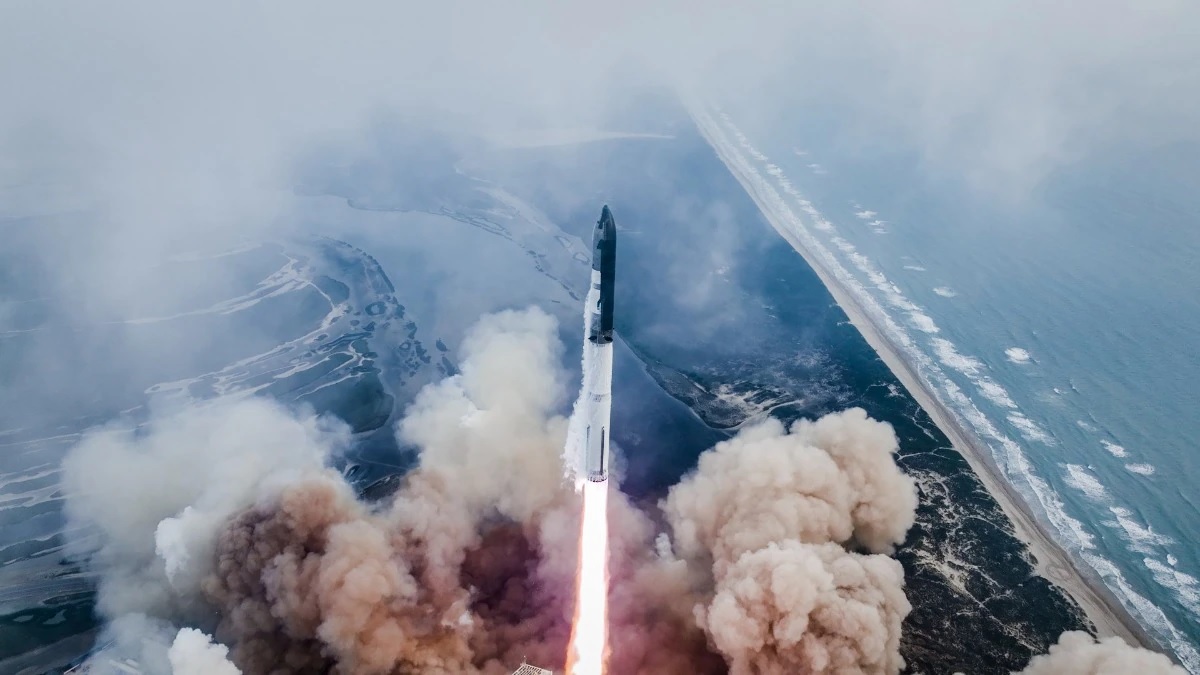
Space & Technology
Space News ,World :- SpaceX's big rocket, called Starship, did many important things during its third test flight on March 14, 2024. It was able to move fuel, separate its parts, and open its payload door. But, as it came back into the Earth's atmosphere, it lost contact and fell apart over the Indian Ocean. This meant the mission didn't go perfectly.Even though there were some problems, this flight was still a big step forward for SpaceX. It showed progress in making a spacecraft that SpaceX needs for launching satellites. Also, it gave hope for future missions, like NASA's plans to go to the Moon.The Starship is the biggest and strongest rocket ever made. It's super tall, standing at 397 feet, and very wide, about 30 feet across.
Read More → Posted on 2024-03-17 05:53:58
Space & Technology
Space News ,India :- India's journey into space exploration is reaching new heights with the pioneering efforts of the Indian Space Research Organisation (ISRO) in collaboration with Hindustan Aeronautics Limited (HAL) and the National Aerospace Laboratories (NAL). Together, they are embarking on a transformative initiative to develop cutting-edge hybrid and electric propulsion systems, showcasing India's unwavering commitment to innovation and self-reliance in the rapidly evolving space sector.The foundation of ISRO's groundbreaking work in hybrid rocket technology was laid with the successful test of a 30 kN hybrid rocket motor in 2022. Hybrid rockets present a compelling alternative to conventional propulsion systems, ingeniously blending elements of solid and liquid-fueled rockets. In this innovative design, the fuel remains in a solid state while the oxidizer is in a liquid form.Advantages of Hybrid TechnologyThe innovations in hybrid propulsion encompass a spectrum of advancements including improved fuel and oxidizer combinations, sophisticated combustion control mechanisms, and optimized nozzle designs. These advancements offer numerous potential benefits:1. Increased Efficiency: Hybrid engines have demonstrated superior efficiency compared to solid rocket motors. This heightened efficiency could pave the way for larger payloads or significantly reduced launch costs in future missions.2. Enhanced Control: The ability to regulate the flow rate of the liquid oxidizer provides unprecedented precision in hybrid systems. This enables greater thrust adjustment and smoother in-flight maneuverability.3. Improved Safety: Hybrid systems mitigate the risk of catastrophic explosions by physically separating the fuel and oxidizer, thus enhancing the safety of launch operations and spaceflight.India's Ambitious Space FutureThe collaborative efforts spearheaded by ISRO mark a significant milestone in India's aspirations to emerge as a leading space power. Hybrid and electric propulsion systems hold the promise of unlocking a more efficient, sustainable, and cost-effective approach to space exploration.As ISRO, HAL, and NAL continue to advance these technologies, they propel India's space program into a bold new era, potentially revolutionizing the way humanity accesses and utilizes the cosmos.This strategic partnership underscores India's commitment to leveraging indigenous expertise and resources to drive innovation and achieve self-reliance in critical areas such as space exploration. By harnessing the collective capabilities of ISRO, HAL, and NAL, India is poised to make significant strides in space propulsion technology, thereby cementing its position as a formidable player in the global space arena.The development of advanced propulsion systems not only enhances India's capabilities in space exploration but also opens up new avenues for collaboration and partnerships with other spacefaring nations. By fostering international cooperation, India can contribute to the collective advancement of space science and exploration, fostering a shared vision of exploring the mysteries of the universe for the betterment of humankind.
Read More → Posted on 2024-03-15 15:35:15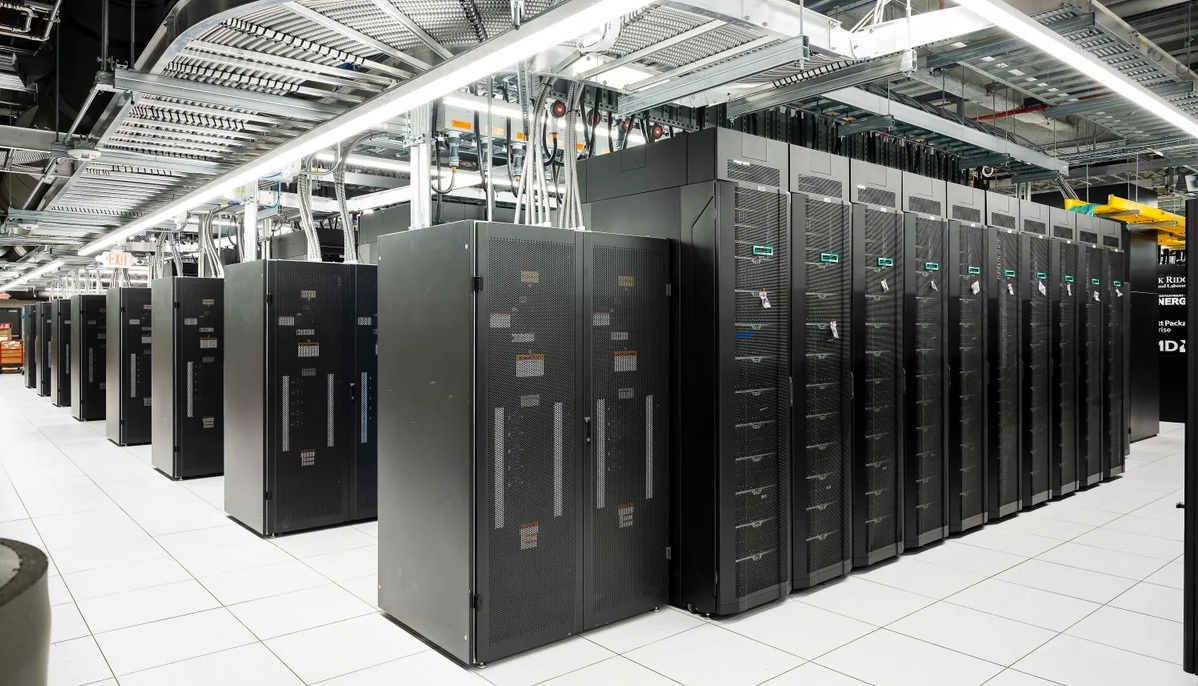
Space & Technology
Technology News ,India :- India's Earth Sciences Minister, Kiren Rijiju, is upset with a French IT company called Atos. The reason for his frustration is that the delivery of two supercomputers to Indian weather forecasting institutes, ordered from this company, is being delayed.Last year, the Earth Sciences Ministry decided to enhance the computing capabilities of its institutions – the National Centre for Medium Range Weather Forecasting (NCMRWF) and the Indian Institute of Tropical Meteorology (IITM). They ordered two supercomputers worth $100 million from a French firm called Eviden, which is part of the Atos Group.In an interview with news agency PTI, Minister Rijiju expressed his disappointment. He mentioned that the target for receiving the supercomputers was December, but the delivery has been delayed. The Union Cabinet had already approved the purchase of these supercomputers. Currently, the institutions have only a computing capacity of four petaflops, but they aim to install up to 18 petaflops for better forecasting accuracy.Rijiju explained that the French company faced financial difficulties and requested the government to make payments to its subsidiary. This delay worries him greatly as it has exceeded the agreed timeline. However, he expressed hope that the issue would be resolved soon. The government wants to ensure that all legal aspects are correctly addressed before making any payments.The Minister also mentioned that steps were being taken to expedite the delivery process, although he didn't provide specifics. He expressed confidence in the relationship between India and France, hoping that the French government would intervene to resolve the matter.Highlighting the importance of the transaction's integrity due to its high cost, Rijiju emphasized that payments would only be made to the company with which they have signed a Memorandum of Understanding (MoU).The supercomputing system, based on Eviden's BullSequana XH2000, is expected to have a combined power capacity of up to 21.3 petaflops.The supercomputer at IITM, located in Pune, will provide 13 petaflops of computing power for atmosphere and climate research. It will consist of 3,000 CPU nodes using AMD EPYC 7643 processors and 26 GPU nodes equipped with NVIDIA A100 Tensor Core GPUs. Additionally, the system will benefit from the NVIDIA Quantum InfiniBand networking platform, 3PB all-flash, 29PB disk-based DDN EXAScaler ES400NVX2 storage, and Micron high-technology memory.Currently, the existing computing facility at NCMRWF stands at 2.8 petaflops, while at IITM, it's 4 petaflops.India First Super Computer :India's first supercomputer was the PARAM 8000, developed in 1991. It achieved speeds of around 5 Gigaflops (Gflops). This was a significant accomplishment at the time, as it placed the PARAM 8000 among the world's fastest supercomputers.The PARAM 8000 was a major milestone for India's technological development, demonstrating the country's ability to design and build its own high-performance computing systems.World Most Powerful Super Computer :The world's most powerful supercomputer as of today, March 14, 2024, is Frontier. It's located at the Oak Ridge National Laboratory in Tennessee, USA. Frontier achieved a mind-boggling speed of 1.194 exaflops on the High Performance Linpack (HPL) benchmark. An exaflop is equal to one quintillion (1,000,000,000,000,000,000) floating-point operations per second, making Frontier incredibly fast for complex calculations.CPU speed measuring units along with their abbreviations and conversions: FLOPS stands for Floating-point Operations Per Second. It's a unit used to measure the processing speed of computers, especially supercomputers, for tasks involving floating-point numbers (numbers with decimals). Higher FLOPS indicate faster processing speeds. Here's a breakdown of common FLOPS units with conversions: ExaFLOPS (EFLOPS): One Quintillion FLOPS (1,000,000,000,000,000,000,000) - incredibly fast! PetaFLOPS (PFLOPS): One Quadrillion FLOPS (1,000,000,000,000,000,000) TeraFLOPS (TFLOPS): One Trillion FLOPS (1,000,000,000,000,000) GigaFLOPS (GFLOPS): One Billion FLOPS (1,000,000,000) KiloFLOPS (KFLOPS): One Million FLOPS (1,000,000)
Read More → Posted on 2024-03-14 09:02:00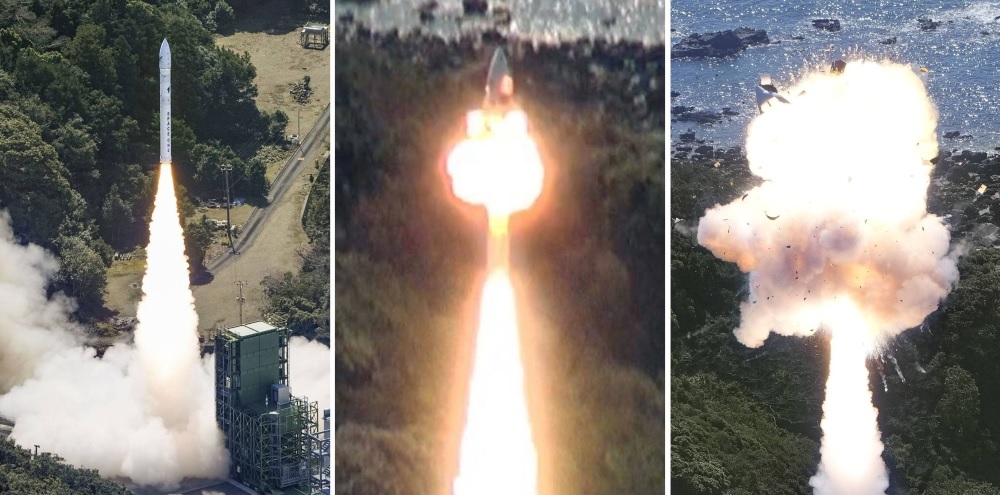
Space & Technology
Space News ,Japan :- A Japanese company's attempt to launch a rocket into orbit ended in failure just seconds after takeoff. The Kairos solid rocket, launched from Space Port Kii in western Japan, exploded shortly after liftoff. Despite debris scattered around the launch site, there were no reported injuries or damages.The company, Space One, aimed to be the first Japanese private launch company to reach orbit. The 18-meter-long Kairos rocket had a mission to carry payloads to low Earth orbit, weighing up to 550 pounds (250 kilograms). The rocket's highly automated design included three solid propellant stages and a liquid propellant upper stage.Space One's president, Masakazu Toyoda, mentioned that the rocket terminated the flight after realizing the mission's difficulty. The exact cause of the failure remains unknown, and an investigation will determine the next steps for the company's future launches.Established in 2018, Space One, based in Tokyo, plans to launch more than 20 times per year by the end of the decade. However, the recent setback puts a pause on their ambitions. Toyoda acknowledged the need to compete with other companies, citing Rocket Lab as an example of overcoming initial failures.Rocket Lab, just hours before the Kairos failure, successfully launched a radar imaging satellite. This event marked a contrast, showcasing Rocket Lab's ability to bounce back after early challenges.The Kairos failure also poses a setback for Japan's broader space industry development. The country's space policy committee is actively working on a $6.7 billion, 10-year space strategic fund to enhance autonomy, innovation, and competitiveness. The plans involve boosting Japan's launch rate through new rockets like the H3 and collaborations with private companies.While the Kairos failure is a setback, other Japanese companies, such as Interstellar Technologies, are gearing up for future launches. Interstellar Technologies aims for its first orbital launch with the Zero rocket in 2025, contributing to Japan's space industry aspirations.
Read More → Posted on 2024-03-13 15:52:41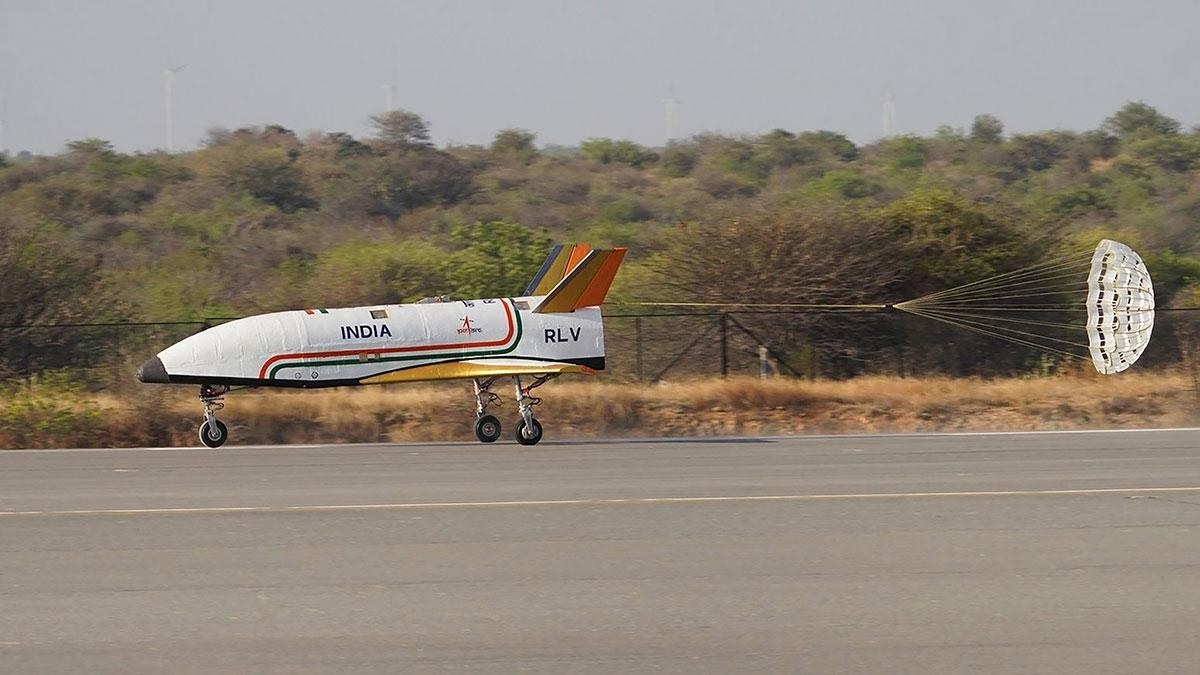
Space & Technology
Space News ,India :- The Indian Space Research Organisation (ISRO) is getting ready for its second Reusable Launch Vehicle Autonomous Landing (RLV-LEX) mission. Dr V Narayanan, the director of LPSC-ISRO, shared that they are aiming to conduct the test on a date after March 16.Speaking at the National Seminar Space organized by Dr MGR-ACS Centre for Space Technology and the Department of Engineering and Technology, Dr Narayanan emphasized the importance of empowering innovators and start-ups in the space industry.In April 2023, the first RLV-LEX mission was a success. The test took place at the Aeronautical Test Range (ATR) in Chitradurga, Karnataka. During the mission, an RLV prototype was carried by an aircraft to an altitude of 4.5 km. The vehicle then performed a high-speed return of an unmanned spacecraft from orbit, successfully achieving an autonomous landing simulation.ISRO's RLV-LEX program is a crucial initiative aiming to revolutionize space exploration. Unlike conventional launch vehicles that are used only once, reusable launch vehicles can significantly reduce the cost of space missions. The success of the first mission has paved the way for potential changes and improvements in the upcoming test, bringing ISRO one step closer to making space launches more cost-effective.
Read More → Posted on 2024-03-13 08:01:54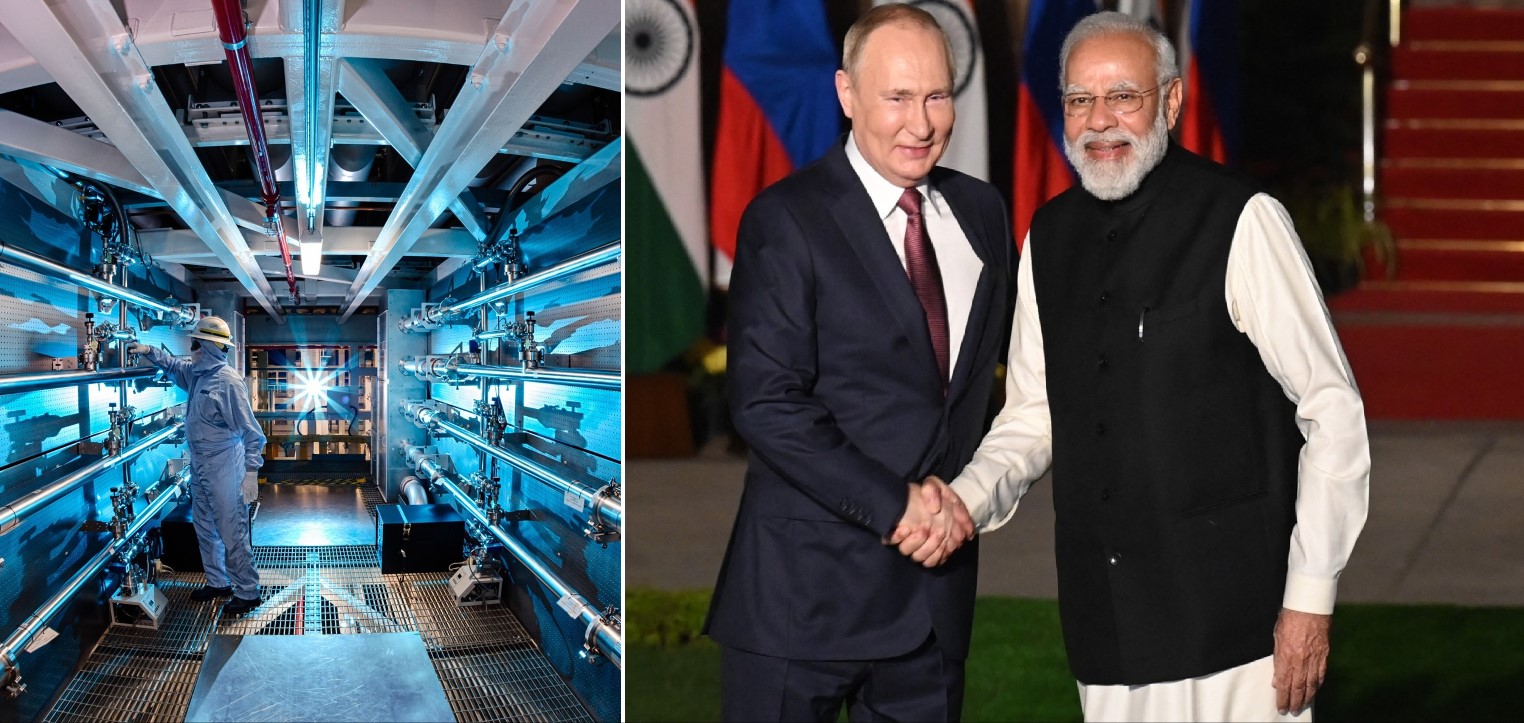
Space & Technology
Technology News ,India Russia :- In a bid to strengthen their strategic partnership, India and Russia are engaged in discussions to broaden collaboration beyond nuclear energy. The CEO of Russia's state-run atomic energy corporation, Rosatom, AE Likhacheva, highlights the potential areas of cooperation, including research on controlled thermonuclear fusion, the joint development of the Northern Sea Route, and the ongoing collaboration in building the Rooppur Nuclear Power Plant in Bangladesh. This article delves into the multifaceted collaboration between the two nations, exploring opportunities in scientific research, energy strategies, and environmental sustainability.Cooperation in Nuclear Technologies:The cornerstone of India-Russia collaboration lies in nuclear technologies, with a focus on the Kudankulam Nuclear Power Plant (KNPP). Likhacheva emphasizes the substantial experience gained during the construction of KNPP's initial units, indicating a robust foundation for further cooperation. Beyond India's borders, Indian companies are actively participating in Rosatom's project to construct the first nuclear power plant in Bangladesh, highlighting the international scope of their collaboration.Rosatom is keen on expanding its range of activities, with approximately 80 new areas under development. Likhacheva extends an offer to share Rosatom's competencies, particularly in constructing low-power nuclear plants. Furthermore, the CEO emphasizes the potential for joint scientific research, particularly in the realm of controlled thermonuclear fusion. To facilitate this, Rosatom is prepared to grant Indian scientists access to the MBIR multi-purpose fast neutron research reactor in Russia, expected to be the most powerful of its kind globally.Joint Development of the Northern Sea Route:In addition to nuclear cooperation, Russia and India are exploring opportunities for joint development of the transit potential of the Northern Sea Route, operated by Rosatom. This collaboration aims to facilitate the shipment of Russian oil, coal, and liquefied natural gas to India through the Northern Sea Route, utilizing Russian Far Eastern ports for transshipment. Discussions also involve participation in the Euro-Asian Container Transit project, envisioning a pilot line for international container transit through the Northern Sea Route. The diverse areas for cooperation reflect the commitment of both nations to bolstering their strategic partnership.India's Energy Strategy and Goals:Turning to India's long-term energy strategy, Likhacheva outlines Rosatom's plan to achieve a cumulative installed capacity share of non-fossil fuel energy sources around 50% by 2030, ultimately striving for net-zero emissions by 2050. Nuclear energy is poised to play a pivotal role in achieving these ambitious goals. India currently ranks second globally in the number of nuclear power units under simultaneous construction, with the KNPP serving as a flagship project of Indo-Russian cooperation.Likhacheva underscores the environmental benefits of the KNPP, noting that operating its first two units has already prevented over 47 million tons of CO2 equivalent emissions. The ongoing construction of additional units signifies a commitment to expanding India's nuclear energy capacity. Rosatom has already delivered a new type of fuel assemblies, TVS-2M, to KNPP, with plans to enhance economic efficiency through longer fuel cycles. Nuclear energy emerges as a cornerstone in India's fight against climate change, offering undeniable advantages in terms of cost, longevity, and efficiency.Advantages of Nuclear Energy:The Rosatom CEO highlights the distinctive advantage of nuclear energy—the cost-effectiveness that comes with an extended service life of up to 80 years. Despite higher initial construction costs, the long-term benefits, including a constant decrease in the cost of electricity production, position nuclear energy as one of the most affordable and efficient electricity generation methods. The global demand for Russian-designed nuclear power plants further validates the effectiveness and compliance of Russian nuclear power units with modern requirements.The collaboration between India and Russia transcends conventional boundaries, encompassing nuclear technologies, scientific research, and strategic transit projects. As both nations continue to explore new avenues of cooperation, their partnership is poised to make significant contributions to global energy sustainability, scientific advancements, and environmental protection. The shared vision of a strategic alliance reflects the commitment of India and Russia to a prosperous and mutually beneficial future.
Read More → Posted on 2024-03-12 15:58:15
Space & Technology
Space News ,U.S :- The White House has proposed a budget of $25.4 billion for NASA in the fiscal year 2025, showing a 2% increase from the previous year's budget of $24.9 billion. This proposal was revealed on March 11, raising questions about the agency's financial future. It's important to note that the enacted budget for fiscal 2024, approved by Congress on March 8, was $24.9 billion, which represents a notable reduction from the $27.2 billion initially requested by the White House for the current fiscal year.Despite the proposed increase for 2025, there's no certainty that NASA will receive the full $25.4 billion, as adjustments may occur during the budget approval process, which typically concludes before the fiscal year begins on October 1.To put this in perspective, the proposed 2025 budget is a fraction of the overall federal spending, which is estimated to be around $7.3 trillion. Within this budget, $7.6 billion has been earmarked for NASA's Artemis program. This program's primary goal is to establish a human presence on and around the moon by the end of the 2020s.The allocated funds for the Artemis program are crucial for maintaining the agency's schedule. NASA officials have outlined plans to launch astronauts around the moon in September 2025 with the Artemis 2 mission. Additionally, boots are expected to touch down near the lunar south pole with the Artemis 3 mission scheduled for a year later.Notably, the proposed budget supports crewed spaceflight efforts closer to Earth. A significant portion, amounting to $109 million, is designated for the development of a vehicle in collaboration with the private sector. This vehicle aims to safely deorbit the International Space Station (ISS) around 2030. Furthermore, the budget continues to finance the development of one or more private successors to the ISS in low Earth orbit (LEO).Margaret Vo Schaus, NASA's Chief Financial Officer, highlighted the inclusion of $170 million in the budget for three commercial LEO partnerships in Phase 1. These partnerships are currently progressing through early design maturation stages.The proposed budget also allocates $2.73 billion for robotic planetary exploration. This funding will enable NASA to advance various missions, including the Dragonfly project—a rotorcraft designed to explore Saturn's moon Titan, which is believed to have conditions suitable for hosting life.A significant portion of the $2.73 billion is reserved for the Mars sample return (MSR) project. This ambitious initiative, developed in collaboration with the European Space Agency, aims to bring samples collected by NASA's Perseverance rover back to Earth in the 2030s. However, MSR has faced challenges such as cost overruns and scheduling issues, as highlighted in a recent audit by the NASA Office of Inspector General.Due to these challenges, the budget for MSR in 2024 and 2025 is yet to be finalized. NASA is awaiting information from an independent review committee, expected to issue a report at the end of March. Nicola Fox, associate administrator for NASA's Science Mission Directorate, acknowledged the need for tough choices in maintaining a balanced portfolio. The agency aims to provide clarity on the MSR budget in April, following the review team's report.In summary, NASA's proposed budget for 2025 reflects a strategic allocation of funds for critical programs like Artemis, LEO partnerships, and planetary exploration. However, uncertainties surrounding the MSR project highlight the challenges the agency faces in managing costs and scheduling. As the budget approval process unfolds, the space community eagerly awaits NASA's decisions on these funding priorities.
Read More → Posted on 2024-03-12 07:57:43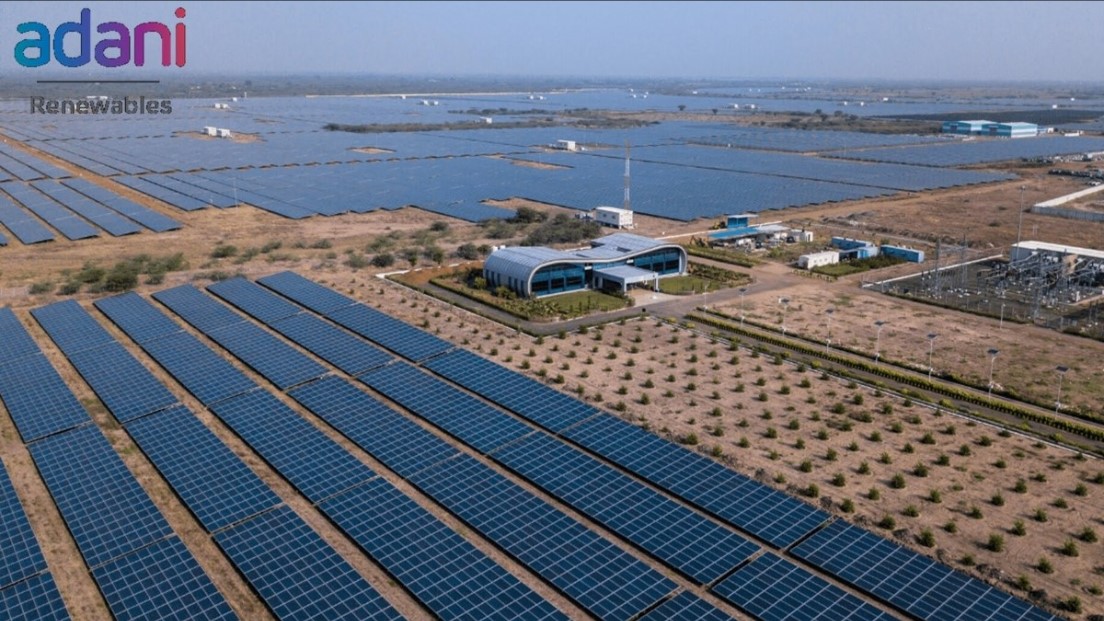
Space & Technology
Technology News ,India :- Adani Green Energy Limited has successfully started operating 1,000 megawatts (MW) of solar energy at the largest renewable energy park in Khavda, Gujarat. This achievement adds to the company's total operational capacity of 9,478 MW, as it works towards its goal of reaching 45,000 MW by 2030.In just under a year of beginning work in Khavda, AGEL completed the installation of around 2.4 million solar modules to deliver the 1,000 MW capacity. This progress highlights AGEL's commitment to India's target of achieving 500 gigawatts (GW) of non-fossil fuel capacity by 2030.The Khavda project, covering a massive 538 square kilometers of barren land, aims to become the world's largest renewable energy plant with a total capacity of 30 GW. It is expected to be completed in the next five years and create over 15,200 green jobs.AGEL is also implementing innovative solutions at Khavda, such as using waterless cleaning robots for the entire solar capacity. This helps address dust accumulation on panels, increase energy output, and conserve water in the arid Kutch region. These efforts align with AGEL's commitment to water neutrality, in line with the United Nations Sustainable Development Goal 6.India, which heavily relies on coal-fired electricity, sees renewable energy projects as a way to reduce dependence on traditional power sources. At the 2021 COP26 conference, India pledged to achieve ambitious goals, including reaching 500 GW of non-fossil electricity capacity, generating half of all energy from renewables, and reducing emissions by 1 billion tonnes by 2030. Additionally, India aims to decrease the emissions intensity of its GDP by 45% and achieve net-zero emissions by 2070.
Read More → Posted on 2024-03-11 08:37:46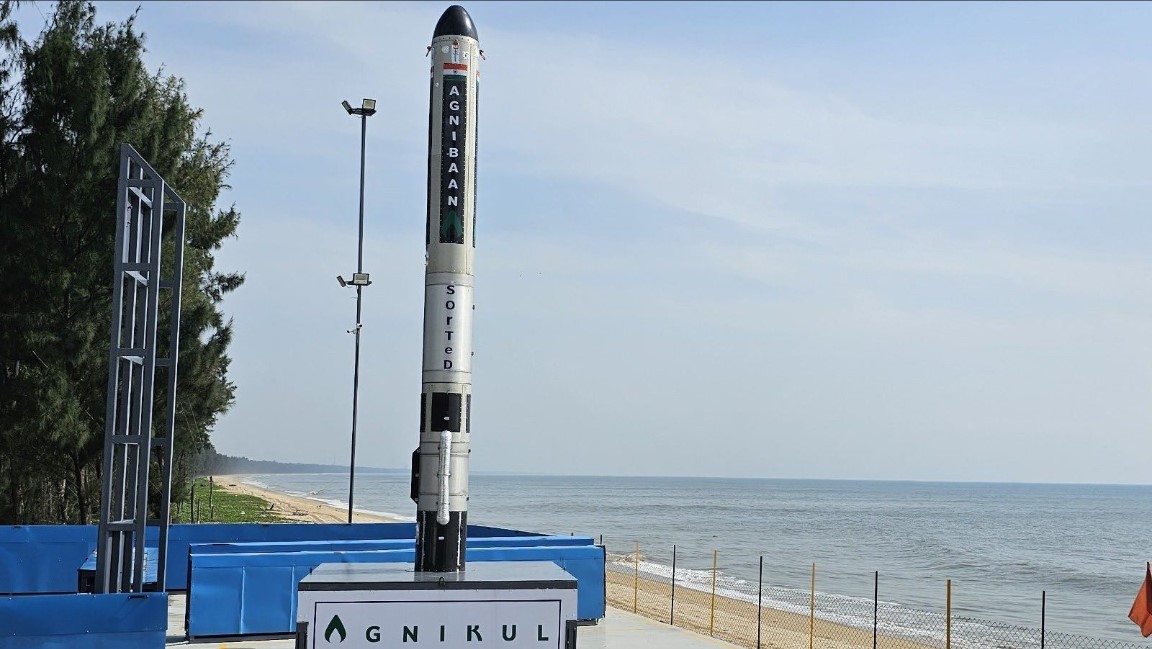
Space & Technology
Space News ,India :- Chennai-based startup Agnikul Cosmos is gearing up for a significant milestone in India's space sector with the impending launch of its sub-orbital rocket, Agnibaan SOrTeD. The launch is scheduled between March 22nd and 28th, 2024, from the Satish Dhawan Space Centre in Sriharikota, marking India's second venture into private space launches following Skyroot Aerospace's successful Vikram-S mission.Agnibaan SOrTeD: A Technological MarvelAgnibaan SOrTeD stands out as a unique single-stage launch vehicle specifically designed to propel small satellites into suborbital trajectories. What distinguishes it is the groundbreaking Agnilet engine, a semi-cryogenic propulsion system entirely 3D-printed in a single piece. Unlike traditional sounding rockets, Agnibaan SOrTeD opts for a vertical liftoff, executing precise maneuvers in-flight without relying on launch rails for guidance.Mission Objectives UnveiledAgnikul has laid out two primary objectives for this suborbital launch. Firstly, it serves as a crucial test for the company's proprietary navigation, guidance, and autopilot systems. Additionally, the mission aims to generate valuable data for evaluating the capabilities of Agnikul's launchpad infrastructure, setting the stage for more complex future launches.India's Expanding Private Space IndustryThe imminent launch of Agnibaan SOrTeD underscores the rapid growth and aspirations of India's private space sector. Success in this mission not only validates Agnikul's technological prowess but also contributes significantly to the development of indigenous space capabilities.This achievement opens doors to a future where private space companies play a pivotal role in India's space exploration endeavors, shaping the landscape of the country's space industry.
Read More → Posted on 2024-03-09 15:44:07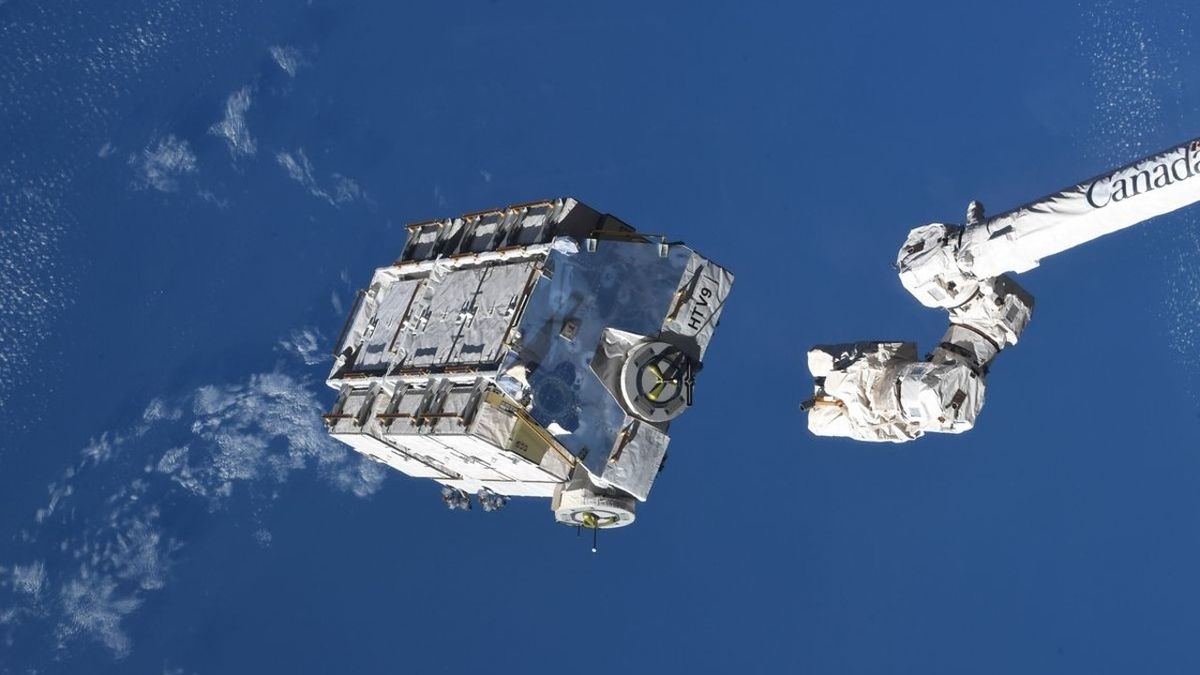
Space & Technology
Space News ,World :- A massive leftover, almost 3-ton in weight, that was thrown out from the International Space Station (ISS) is getting close to reentering Earth. Back in March 2021, the space station let go of the hefty Exposed Pallet 9 (EP9), making it the biggest object ever tossed from the ISS. This is a usual way of getting rid of used or unnecessary stuff on the space station because these objects usually burn up harmlessly in Earth's atmosphere.Before EP9 makes its way back, the Federal Office for Civil Protection and Disaster Relief in Germany issued a warning. They said, "Between midday on March 8 and midday on March 9, a larger space object is expected to re-enter the Earth's atmosphere and possibly fragment." The object in question is battery packs from the ISS, and there might be bright lights or even a sonic boom when it happens. The warning center mentions that the chances of debris hitting Germany are very low, but if the risk goes up, they will provide new information.Astronomer Jonathan McDowell from the Harvard–Smithsonian Center for Astrophysics shared on social media that the battery is likely to reenter between 7:30 a.m. ET on March 9 and 3:30 a.m. ET on March 9. Germany's Federal Office for Civil Protection and Disaster Relief even made a map showing possible paths for the battery pallet.A map of Germany showing streaks indicating where the reentry could take place. (Image credit: Federal Office for Civil Protection and Disaster Relief, National Warning Center 1)Before it reenters, satellite tracker Marco Langbroek saw the battery passing over the Netherlands and shared a video on X (formerly Twitter). EP9 is carrying old Nickel-Hydrogen batteries, as NASA explained when it was thrown out. They mentioned that EP9 is about the size of a large SUV and estimated it would re-enter Earth's atmosphere in two-to-four years.The ISS received EP9 from Japan's HTV-9 (Kountori 9) on May 20, 2020. EP9 had six Lithium-Ion battery Orbital Replacement Units (ORUs) that replaced existing ISS Nickel-Hydrogen batteries during a spacewalk by astronauts.
Read More → Posted on 2024-03-08 16:02:09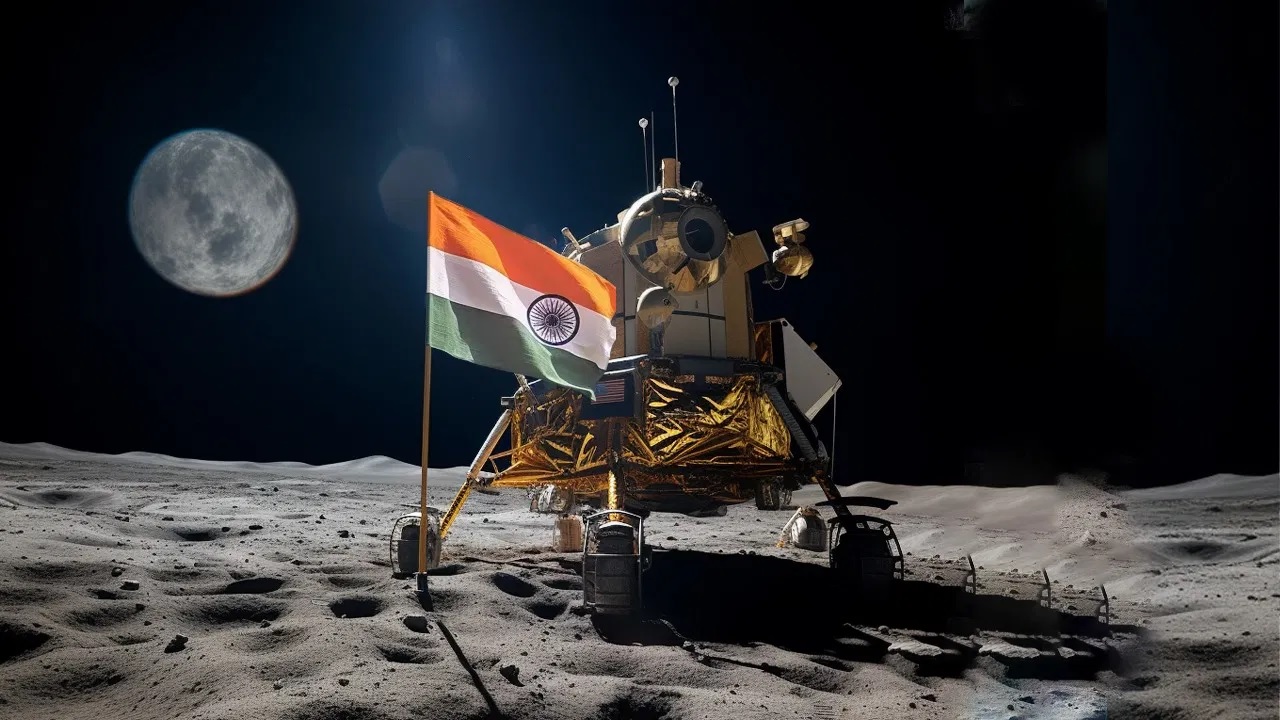
Space & Technology
Space News ,India :- Building on the triumph of Chandrayaan-3, the Indian Space Research Organisation (ISRO) is gearing up for an even more ambitious lunar mission—Chandrayaan-4. Diverging from its predecessor, this mission comprises two integral phases, aiming not only to successfully land on the Moon but also to retrieve and bring back lunar rocks and soil, known as lunar regolith, to Earth.Chandrayaan-4 is designed with five distinct spacecraft modules, each playing a pivotal role:1. Propulsion Module: Similar to Chandrayaan-3, this module guides the spacecraft into lunar orbit before detaching.2. Descender Module: Responsible for the lunar landing, akin to the Vikram lander in Chandrayaan-3.3. Ascender Module: After collecting lunar samples, this module separates from the lander and begins its return journey to Earth.4. Transfer Module: In lunar orbit, this module rendezvous with the ascender module, captures it, and heads back to Earth. It releases the re-entry capsule with lunar samples before returning to Earth itself.5. Re-entry Module: A crucial capsule housing collected lunar regolith, enduring re-entry into Earth’s atmosphere to safely land on Earth.Executing this intricate mission involves a two-phased launch approach by ISRO. The initial launch, employing India’s heavy-lift launch vehicle LVM-3, will carry the first three modules: the propulsion module, descender module, and ascender module. The transfer module and re-entry module will be launched separately at a later date.Chandrayaan-4 represents a significant advancement for Indian space exploration. If successful, it would position India as the fourth nation globally to accomplish the successful return of lunar samples, joining the ranks of the United States, the Soviet Union, and China. This achievement not only cements India's role as a major player in the global space race but also promises invaluable scientific insights into the Moon’s composition and history.
Read More → Posted on 2024-03-06 15:31:26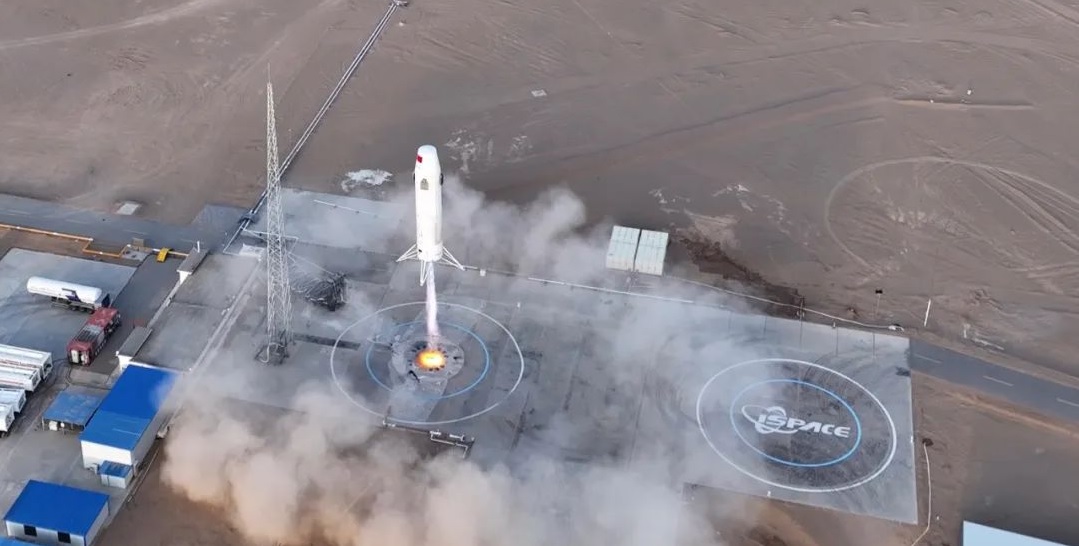
Space & Technology
Space News ,China :- China Aerospace Science and Technology Corporation (CASC) is set to conduct test flights for two groundbreaking reusable rockets, each boasting a substantial diameter, within the next few years. Despite ongoing efforts in commercial reusability, CASC is pushing the boundaries of space exploration with plans to launch a four-meter-diameter rocket in 2025, followed by a five-meter-diameter counterpart in 2026, as revealed by Wang Wei, a deputy to the National People’s Congress, to China News Service on March 4.The specifics of the two rockets are not explicitly detailed in the reports, but CASC is known to be working on a 5.0-meter-diameter crew launch vehicle named Long March 10. This vehicle, set to potentially embark on its maiden flight in 2025, holds paramount importance in China's ambitious goal to land astronauts on the moon by 2030. With a 92-meter lunar variant capable of launching 27 tons into trans-lunar orbit, the Long March 10 is pivotal to lunar exploration endeavors.In parallel, a 4.0-meter-diameter launcher, possibly the one proposed earlier by CASC's Shanghai Academy of Spaceflight Technology (SAST), is anticipated to have the capacity to launch up to 6,500 kg of payload to a 700-kilometer sun-synchronous orbit (SSO). Utilizing engines developed by Jiuzhou Yunjian, this launcher signifies a significant leap in China's space capabilities.CASC's initial venture into reusable rockets was focused on creating a recoverable version of the Long March 8, but this plan seems to have been abandoned. Additionally, SAST plans to introduce the 3.8-meter-diameter Long March 12 later this year from a new commercial launch site, adding to China's expanding space launch capabilities.While the Long March 10 serves distinct purposes in lunar and human spaceflight, the second reusable rocket indicates a potential overlap with China's commercial rocket companies. This seeming redundancy aligns with a broader national strategy to foster reusable rocket technology and support burgeoning commercial ecosystems, offering increased launch options and facilitating the construction of planned low Earth orbit megaconstellations.Wang Wei emphasized CASC's commitment to propelling China's commercial space industry forward, leveraging its comprehensive industrial chain, technological prowess, and infrastructure advantages. The corporation also aims to enhance openness, sharing large-scale test facilities, participating in commercial launch site construction, and providing crucial infrastructure to support commercial launches.Rong Yi, associated with the China Academy of Launch Vehicle Technology (CALT) under CASC, highlighted the steady progress in China's reusable rocket development. Overcoming key technological hurdles and achieving smooth overall progress, CASC is actively adapting its products for the commercial space market. The report also revealed advancements in reusable launch vehicle technology and the development of the YF-209 methane-liquid oxygen reusable engine for commercial use.Several Chinese commercial rocket companies, including Landspace, Space Pioneer, Galactic Energy, and iSpace, are already conducting small-scale hop tests, marking initial steps toward larger, reusable launch vehicles set to debut in the near future. Deep Blue Aerospace is also poised to make its first orbital launch and recovery attempt later this year, adding to the dynamic landscape of China's evolving space exploration efforts.
Read More → Posted on 2024-03-06 07:11:11Search
Top Trending in 24 Hours
-
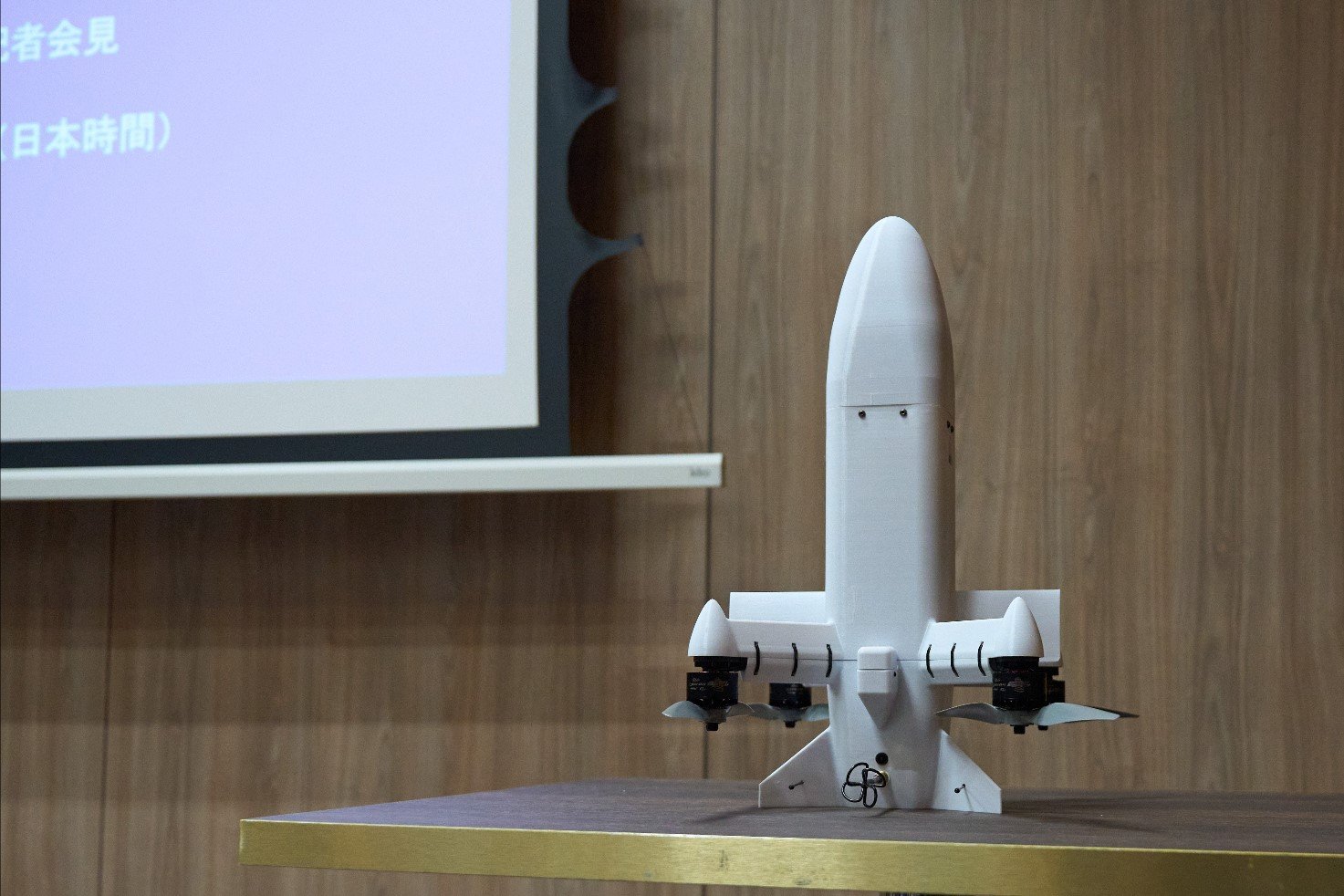 Japan Selects Terra Drone’s Terra B1 for Mass Production of Interceptor UAVs
-
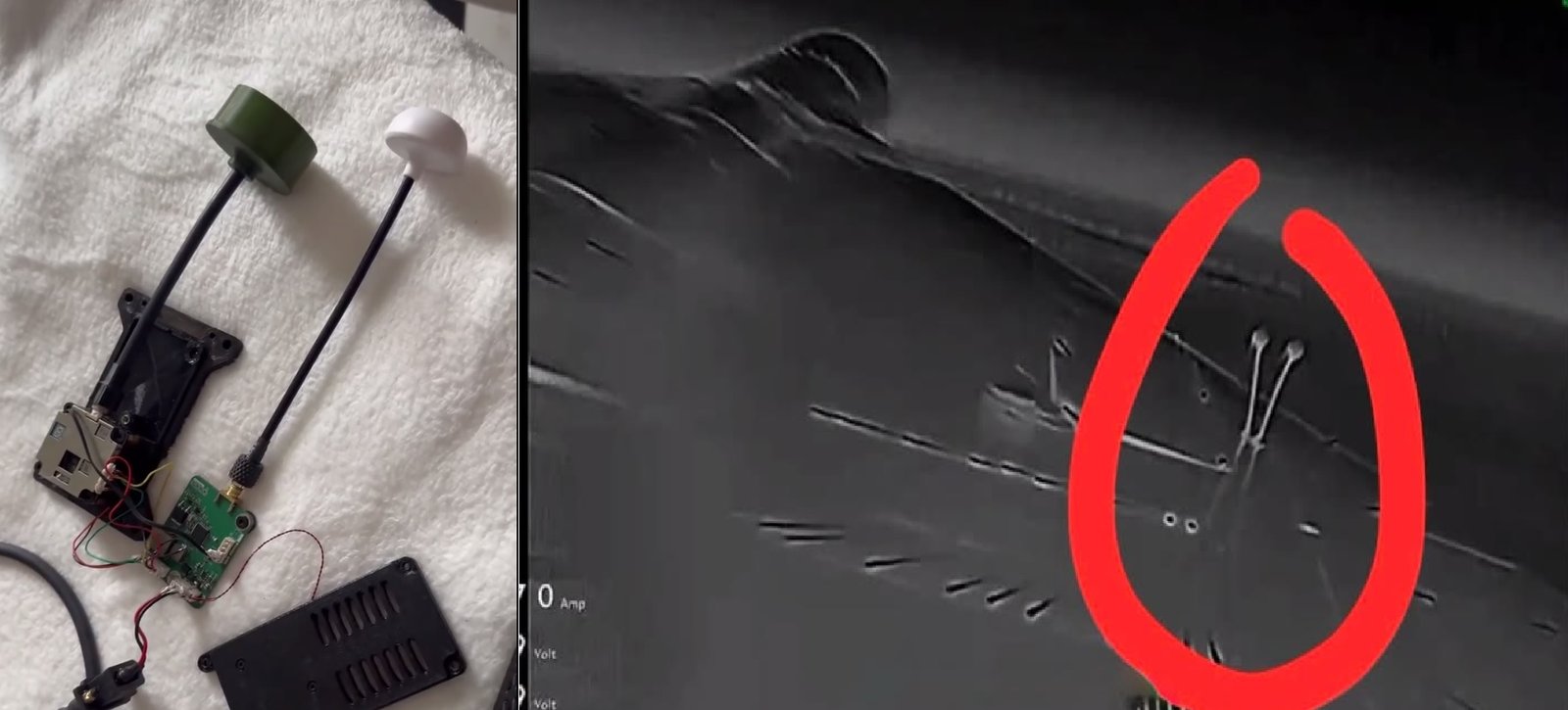 Russia Equips Shahed and Geran Drones With Electronic Warfare Systems to Jam Ukrainian Interceptor Video Links
-
 Austria Receives First Modernized Leopard 2A4Ö Tank and Ulan NV Infantry Fighting Vehicle
-
 NATO Launches Exercise Northern Viking 26 in Iceland to Secure North Atlantic Routes
-
 Ukraine Reduces Use of Western Tanks as Cheap Drones Become a Major Battlefield Threat
-
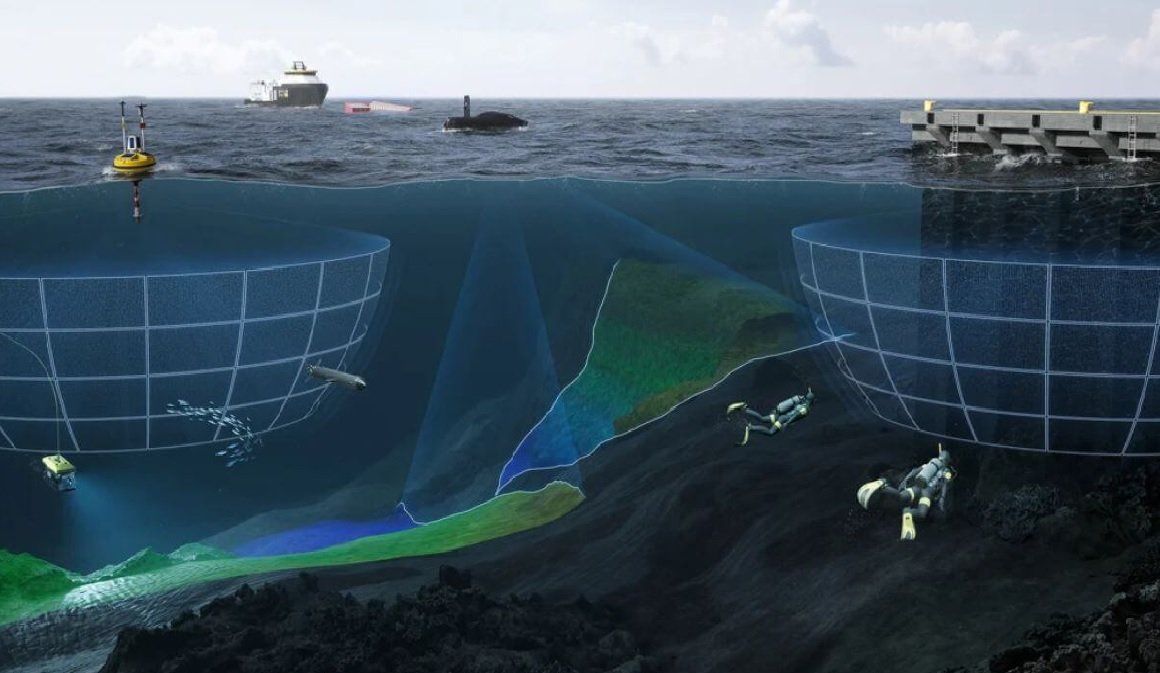 Kongsberg Introduces Aegir SSA Sonar Family With AI-Powered Monitoring for Continuous Underwater Surveillance
-
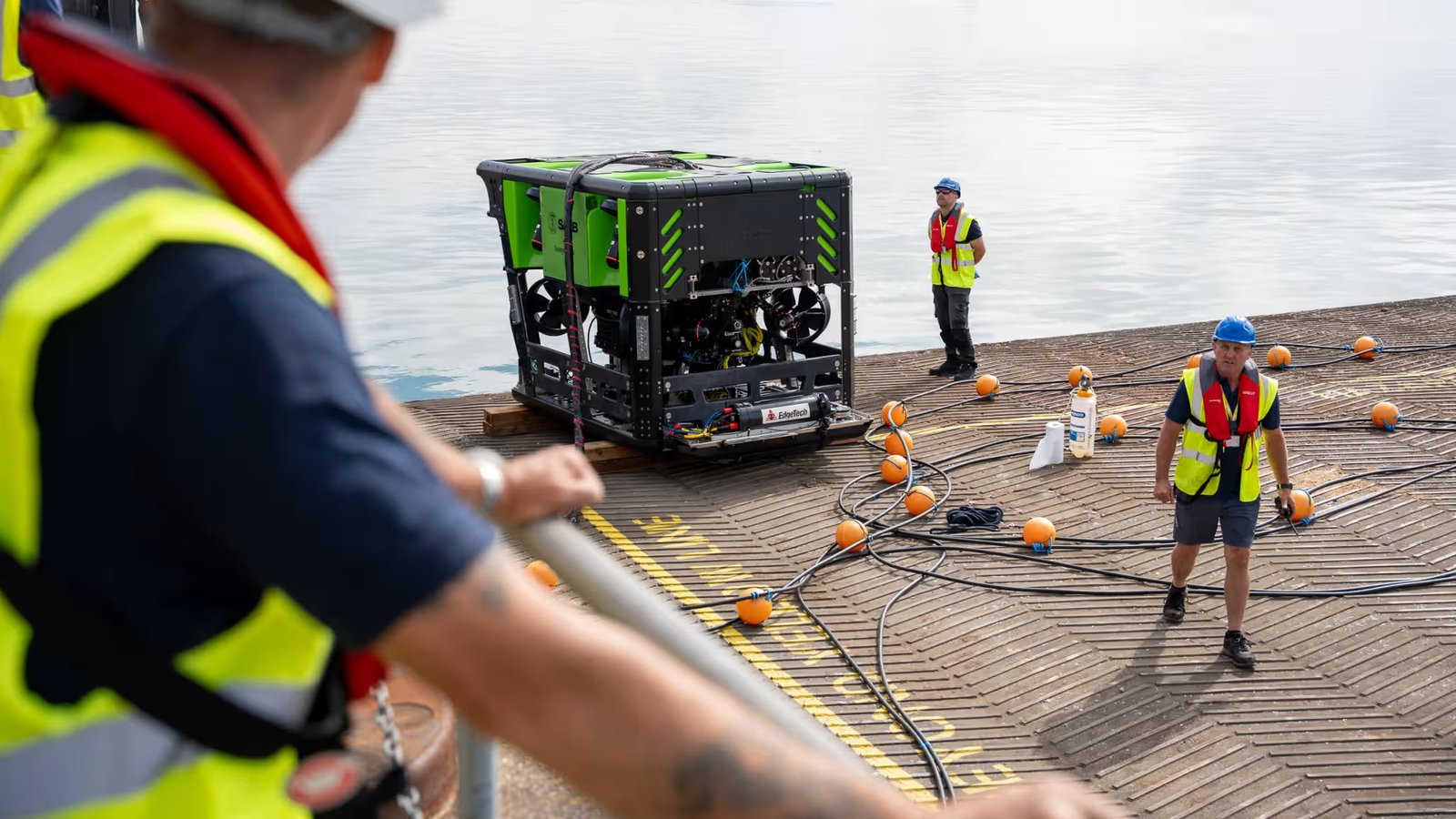 Saab UK Completes Key Trials of Seaeye SR20 eWROV, Moves to Next Development Phase
-
 Mystery Chinese J-20-Like Object Seen at Former Airport Was a Firefighting Training Mock-Up
Top Trending in 4 Days
-
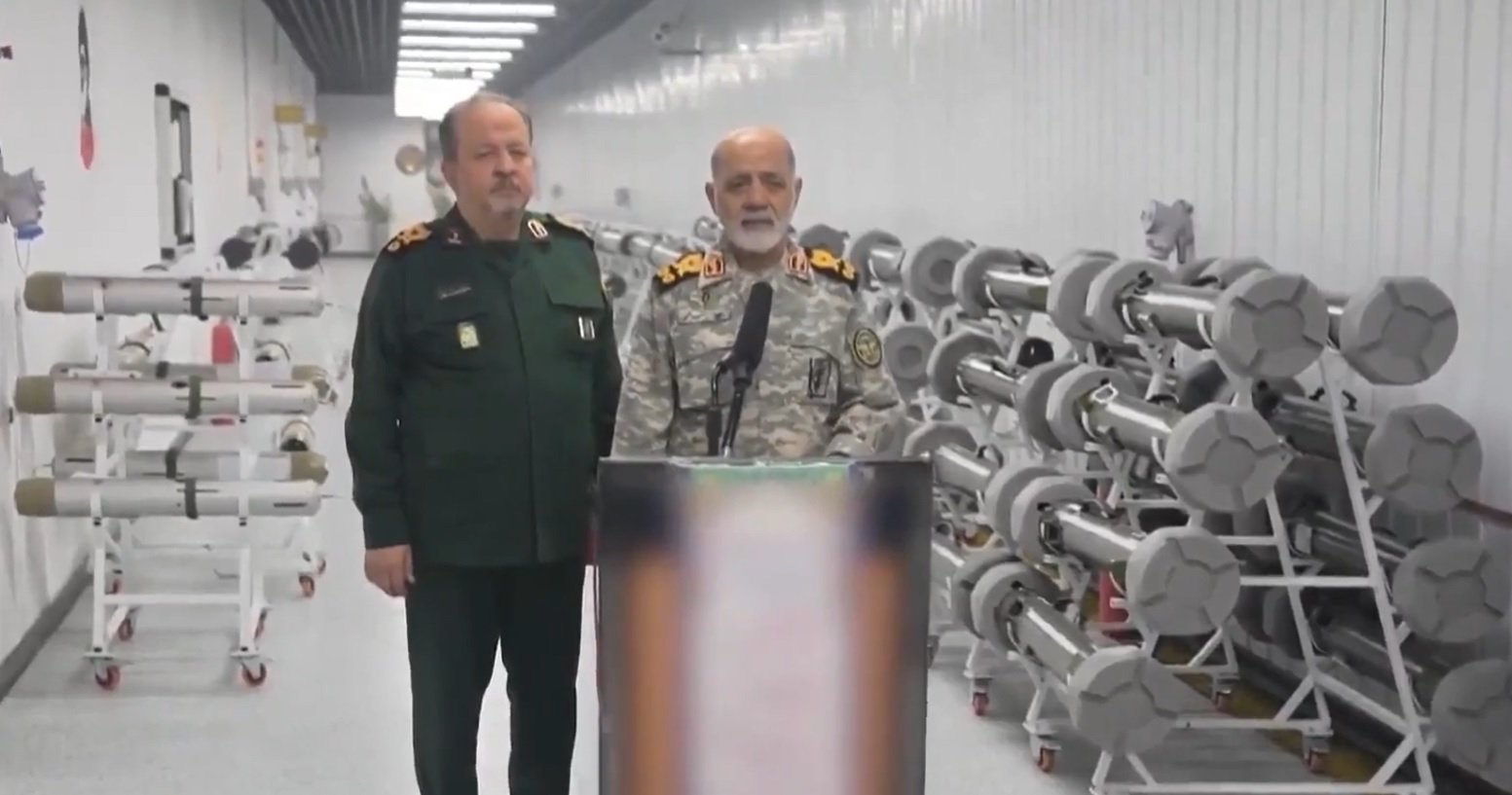 Iran Reveals Underground Weapons Manufacturing Facility for First Time on State TV
-
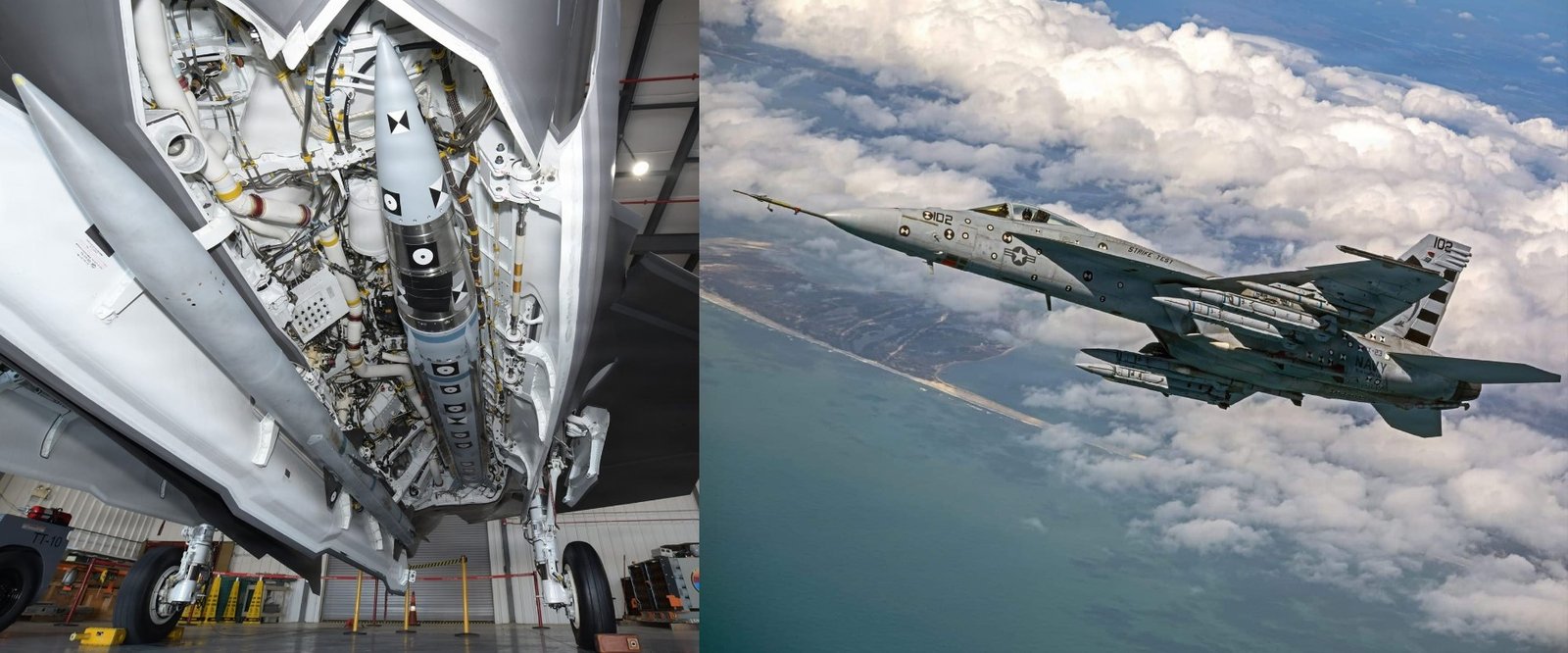 U.S. Navy Unveils New AIM-424 ‘Malice’ Air-to-Air Missile With 463+ km Range for F-35C, Super Hornet and F/A-XX
-
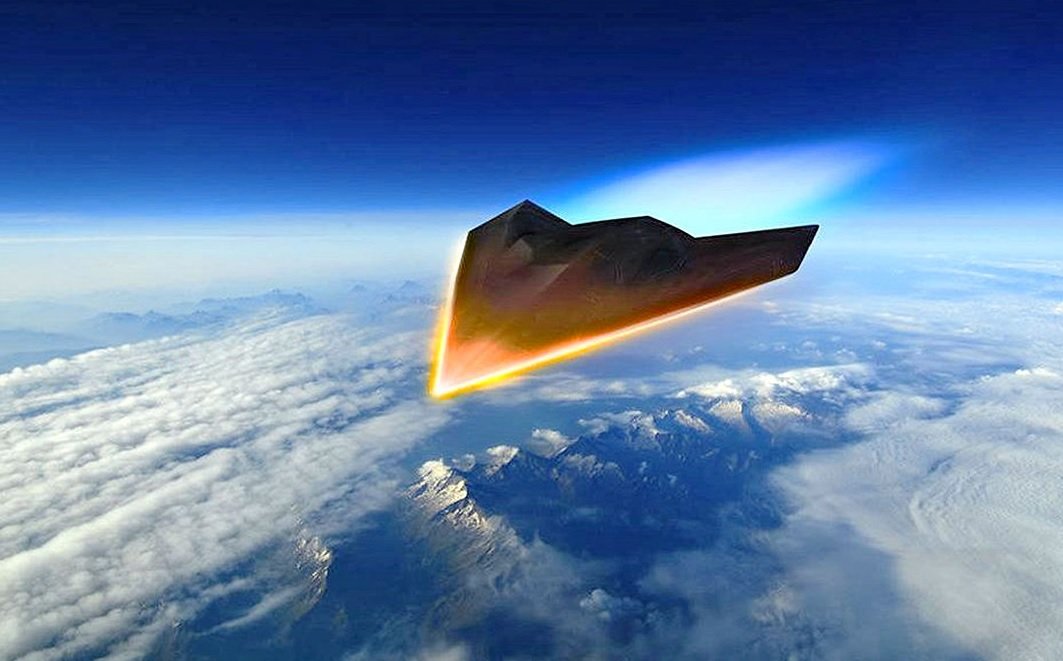 China Develops Hypersonic Glide Vehicles Capable of Launching Air-to-Air Missiles Mid-Flight
-
 Israel Explores Potential Acquisition of U.S. F-47 Sixth-Generation Fighter
-
 Iran-Linked Hackers Shut Down UK Power Plant for Four Days in First Known Attack
-
 Satellite Imagery Shows Damage From Israeli Strikes on Turkey Military Occupied Syria’s Abu al-Duhur Airbase
-
 Ukraine Holds World’s First Unmanned Military Parade on 35th Independence Day
-
 North Korea Deploys 400 Drone Operators to Russia Amid Expanding Military Support