
Space & Technology
Latest Space NewsIndiaGaruda Aerospace, India's leading drone manufacturer, has made a significant stride in the space-tech domain with its latest collaboration with the Indian Space Research Organisation (ISRO). The partnership entails ISRO procuring Garuda Aerospace's advanced Quadcopter drones, a move aimed at enhancing efficiency across various ISRO operations.Renowned for its cutting-edge drone technology, Garuda Aerospace's Quadcopter drones are equipped with machine learning and artificial intelligence capabilities. The integration of these drones into ISRO's operations is anticipated to bring about substantial improvements in efficiency.The collaboration between Garuda Aerospace and ISRO follows successful trials conducted in 2021, where Garuda Aerospace's drones were utilized for delivering medicines and food supplies. Additionally, the drones were employed for sanitization purposes during the COVID-19 pandemic. These trials played a pivotal role in Garuda Aerospace securing the order from ISRO for Quadcopter drones.Agnishwar Jayaprakash, CEO, and Founder of Garuda Aerospace, expressed his elation regarding this milestone achievement, emphasizing the company's dedication and commitment to excellence. He highlighted the significance of drones and unmanned aerial vehicles in the space sector and underscored the partnership with ISRO as a testament to Garuda Aerospace's credibility and leadership in the industry.Jayaprakash also acknowledged the favorable governmental support, such as the approval of 100% Foreign Direct Investment into the space sector, which presents an exciting opportunity for Garuda Aerospace. He emphasized that this decision would not only provide crucial financial support but also pave the way for Garuda Aerospace to achieve a historic milestone of becoming the first-ever Indian drone Unicorn startup.Garuda Aerospace's drones are known for their customizability to withstand atmospheric pressure and gravity, making them suitable for various applications such as surveying, mapping, and sample collection. The company recently introduced its border patrolling drone, Trishul, further solidifying its position as an industry leader.Garuda Aerospace holds the distinction of being the first drone company in India to receive dual DGCA approvals for manufacturing small and medium-category drones, as well as pilot training. The company is poised to go public by the end of 2024, signaling its continued growth and leadership in the drone industry.
Read More → Posted on 2024-04-12 05:04:33
Space & Technology
Technology NewsWorldA weapon that can cripple a city without a single explosion or fireball. That's the potential impact of an EMP (electromagnetic pulse) bomb. Unlike conventional bombs that cause physical destruction, EMP bombs unleash a powerful burst of electromagnetic radiation that can fry electronics over a wide area.What is an EMP ?An EMP is a short, intense pulse of electromagnetic energy. It can be generated by natural phenomena like lightning strikes, but EMP bombs are specifically designed to weaponize this effect. There are two main types of EMP bombs:Nuclear EMP (NEMP): This is a byproduct of a nuclear detonation. The gamma rays from the blast interact with the Earth's atmosphere, creating a powerful EMP that can affect vast areas depending on the altitude of the detonation.Non-Nuclear EMP: These bombs use conventional explosives to generate a strong magnetic field. While less powerful than a NEMP, they can be targeted and are more readily deployable.How Does an EMP Bomb Work ?Non-nuclear EMP bombs typically rely on a design called a flux compression generator. Here's a breakdown of the process:The Setup: The bomb has a metal cylinder (armature) surrounded by a coil of wire (stator). The armature is filled with explosives, and the entire device is encased in a shell.The Trigger: A powerful electrical current from capacitors surges through the stator coil, creating a magnetic field around the armature.The Explosion: The explosives detonate, rapidly compressing the armature inwards.The Pulse: As the armature collapses, it interacts with the magnetic field from the stator, generating a massive EMP.This intense burst of electromagnetic radiation travels outward, inducing high voltage currents in any conductors it encounters. These currents can overload and damage electronic circuits, potentially frying computers, communication systems, and even power grids.The Impact of an EMP AttackAn EMP attack can have a devastating impact on modern society. Here's what could happen:Widespread blackouts: Power grids are highly susceptible to EMP, leading to widespread power outages that could last for days or even weeks.Communication breakdown: Communication infrastructure like cell towers and internet cables could be crippled, hindering emergency response and coordination.Transportation disruption: Modern vehicles often rely on electronic control systems, which could be rendered inoperable by an EMP.Economic chaos: Financial institutions and other critical infrastructure heavily depend on electronics, leaving them vulnerable to disruption.While EMP bombs are not as widely proliferated as nuclear weapons, the potential for disruption makes them a growing concern. Many countries are actively researching ways to protect their critical infrastructure from EMP attacks.It's important to note that EMP bombs are not without limitations. Shielding can protect electronic devices from EMP effects, and some systems are designed to be more resistant than others. Additionally, the effectiveness of an EMP attack depends on various factors like the bomb's design, detonation location, and target infrastructure.
Read More → Posted on 2024-04-11 16:29:18
Space & Technology
Space NewsU.SA Falcon 9 rocket successfully launched from Vandenberg Space Force Base in California at 10:25 a.m. EDT (7:25 a.m. local California time; 1425 GMT) on a mission for the U.S. Space Force known as USSF-62.The purpose of USSF-62 is to deploy the Weather System Follow-on — Microwave (WSF-M) satellite into low Earth orbit. WSF-M, developed and constructed by BAE Systems, is designed to furnish vital weather intelligence for military operations across various domains of warfare.The primary instrument aboard WSF-M is a microwave imager, tasked with measuring sea surface winds, assessing the strength of tropical cyclones, and collecting other pertinent environmental data. Additionally, the satellite carries a space weather sensor provided by the U.S. government, enhancing its capabilities.Colonel Jim Horne, senior materiel leader for Space Systems Command's Launch Execution Delta, expressed his enthusiasm for the mission, highlighting its contribution to bolstering America's national security capabilities and deterrence against evolving threats.Following liftoff, the Falcon 9's first stage executed a successful return to Earth, touching down at Vandenberg's Landing Zone 4 approximately eight minutes after launch. Notably, this marked the third launch and landing for the particular booster utilized in the mission, as stated by SpaceX.Moreover, the rocket's payload fairing, responsible for shielding satellites during launch, also demonstrated its reliability as a spaceflight veteran. This achievement, noted by Colonel Horne, represents a milestone for national security launches.USSF-62 constitutes SpaceX's 37th launch of 2024 and its second collaboration with the Space Force this year. Earlier in the year, on February 14, a Falcon 9 rocket launched the USSF-124 mission, deploying six satellites from Florida's Cape Canaveral Space Force Station.
Read More → Posted on 2024-04-11 16:04:22
Space & Technology
Space NewsWorldMars, often referred to as the Red Planet, has captivated humanity's imagination for centuries. As the fourth planet from the Sun, it stands as a tantalizing enigma in our solar system. Over the years, astronomers and space agencies have embarked on numerous missions to unlock the secrets of this mysterious world. From ancient water to frozen ice caps, Mars holds clues about its past, present, and potential for future exploration. In this comprehensive exploration, we delve deep into the various facets of Mars, tracing its history of exploration, unveiling its geological wonders, and examining the ongoing quest to understand its potential for harbouring life. 1. Ancient Water on MarsFor centuries, astronomers speculated about Mars' potential to support life, inspired by early observations of "canali" by Percival Lowell. Although later debunked as optical illusions, subsequent spacecraft missions revealed compelling evidence of ancient water channels and rock formations, suggesting that Mars once possessed liquid water on its surface. These findings ignited speculation about the possibility of past habitable environments on the Red Planet. 2. Present-Day Frozen WaterWater remains a central focus of Mars exploration, as its presence hints at potential habitability. Despite Mars' thin atmosphere inhibiting surface water, polar ice caps and frosty regions offer tantalizing glimpses of frozen water. The Curiosity rover's mission, among others, includes the search for habitable environments, past or present, further fueling excitement about Mars' potential for hosting life. 3. Evolution of Mars' AtmosphereUnderstanding the evolution of Mars' atmosphere is crucial in unraveling its past climate and habitability. Over billions of years, the stripping of hydrogen molecules by solar radiation has led to the gradual loss of Mars' atmosphere. NASA's MAVEN spacecraft is dedicated to studying these atmospheric changes, shedding light on Mars' environmental history and its implications for potential life. 4. Mars' Diverse TerrainMars boasts a diverse array of geological wonders, offering insights into its dynamic past and present. From towering volcanoes like Olympus Mons to colossal canyon systems like Valles Marineris, the Red Planet's terrain provides valuable clues about its geological evolution. These features serve as a testament to Mars' complex and ever-changing landscape. 5. Martian Moons and their Fate Mars' two moons, Phobos and Deimos, likely originated as captured asteroids. However, Phobos faces an uncertain future, destined to either collide with Mars or disintegrate due to gravitational forces. Understanding the fate of these moons offers valuable insights into Mars' gravitational interactions and its early history. 6. Martian Meteorites on EarthMeteorite impacts have scattered Martian debris across the solar system, with some fragments reaching Earth as meteorites. These samples, known as SNC meteorites, provide scientists with invaluable insights into Martian geology and composition, offering a glimpse into the planet's distant past and enriching our understanding of its geological history. 7. Harsh Environment for AstronautsThe harsh environment of Mars poses formidable challenges for human exploration. With frigid temperatures, minimal atmosphere, and inhospitable conditions, unprotected astronauts face significant risks on the Martian surface. Overcoming these challenges is crucial for future manned missions to Mars and requires innovative solutions in habitat design, life support systems, and propulsion technologies. 8. Evolving Perception of MarsEarly observations of Mars likened it to the moon, portraying a barren, cratered world. However, discoveries from missions like Mariner 9 revolutionized our understanding of the planet's dynamic nature. Global dust storms and dormant volcanoes revealed Mars as a complex and evolving world, reshaping our perception of its geological and atmospheric processes. 9. Methane Mystery on MarsThe detection of methane in Mars' atmosphere has sparked intrigue among scientists, as it could indicate biological or geological activity. Telescopic observations and rover missions have yielded varying measurements and inconclusive data, fueling ongoing research into the origins and fluctuations of Martian methane and its potential implications for life. 10. Prolific Spacecraft ExplorationNASA's extensive exploration efforts, spanning from the pioneering Viking missions to the latest rover missions, have significantly expanded our knowledge of Mars. Collaborative endeavors with international space agencies, including the European Space Agency and India, promise continued exploration and discovery in the years ahead, ushering in a new era of Mars exploration and scientific inquiry. 11. Potential for Extant LifeRecent discoveries of subsurface lakes and seasonal flows of liquid water have reignited speculation about the possibility of extant life on Mars. The presence of water, coupled with organic molecules detected by rover missions, suggests that Mars may harbor habitable environments beneath its surface, prompting further investigation into the potential for life beyond Earth. 12. Exploration of Martian MoonsFuture missions aim to explore Mars' enigmatic moons, Phobos and Deimos, to unravel their origins and composition. These missions could provide valuable insights into the formation and evolution of Mars' satellite system, shedding light on the planet's early history and the processes that shaped its moons. Historical Overview of Mars MissionsEarly Mars Missions (1960s - 1970s)Humanity's first attempts to reach Mars occurred in the early days of the space age. The Soviet Union and NASA made multiple attempts in the 1960s, with NASA's Mariner 4 becoming the first successful spacecraft to fly by Mars in 1965. The Soviet Union achieved partial success with the Mars 2 orbiter in 1971 but faced challenges with their lander missions. NASA's Mariner 9 mission in 1971 provided groundbreaking discoveries, revealing dormant volcanoes and vast canyon systems on Mars. Mariner 9 and the Viking Missions (1970s - 1980s)NASA's Mariner 9 mission in 1971 marked a significant milestone in Mars exploration, uncovering volcanic features and massive rifts across the planet's surface. The Soviet Union continued its Mars missions, achieving partial success with orbiters and landers in the mid-1970s. NASA's Viking missions in 1976 represented the first extended exploration of Mars, providing valuable data on its surface composition and geological history. Faster, Better, Cheaper Era (1990s)In the 1990s, NASA initiated the Faster, Better, Cheaper program to streamline mission costs and enhance efficiency. Despite setbacks like the loss of Mars Observer in 1993, missions like Mars Global Surveyor and Pathfinder demonstrated significant advancements in Mars exploration. The era also saw international contributions, with Japan's Nozomi mission and Europe's Mars Express/Beagle 2 mission. The Rover Exploration Era (2000s - Present)The new millennium ushered in a renaissance in Mars exploration, with a focus on rover missions. NASA's Spirit and Opportunity rovers in the mid-2000s discovered compelling evidence of past water activity on Mars, while later missions like Curiosity and Perseverance further expanded our understanding of the planet's geology and potential habitability. International collaborations, including ESA's ExoMars program and China's Tianwen-1 mission, have also contributed to the exploration of Mars' surface and atmosphere. Current and Future Mars MissionsThe exploration of Mars continues with a diverse array of missions from countries around the world. NASA's Perseverance rover, along with the Ingenuity helicopter, arrived at Mars in 2021, tasked with searching for signs of ancient life and collecting samples for future return to Earth. China's Tianwen-1 mission includes an orbiter, lander, and rover, marking China's first successful mission to the Red Planet. Future missions like Japan's MMX mission and ESA's Rosalind Franklin rover aim to further explore Mars' moons and surface, providing new insights into the planet's geological history and potential for life. Editor’s Thoughts: Mars exploration represents one of humanity's greatest scientific endeavors, driven by curiosity and the quest for knowledge. From ancient water to potential signs of life, Mars offers a wealth of mysteries waiting to be uncovered. As technology advances and international collaboration grows, the future of Mars exploration holds boundless possibilities, offering hope for new discoveries and a deeper understanding of our neighboring planet and its place in the cosmos. As we continue to unravel the secrets of Mars, we embark on a journey of discovery that may one day answer the age-old question: are we alone in the universe?
Read More → Posted on 2024-04-11 15:43:38
Space & Technology
Latest Space NewsNorwayKongsberg Defence & Aerospace has secured a significant contract from the Norwegian Intelligence Service (NIS) on behalf of the Norwegian government. The contract entails providing satellite maritime surveillance data to cover Norwegian Areas of Interest, with a duration of five years starting from 2025. The exact value of the contract remains undisclosed.Under this agreement, Kongsberg will produce three satellites through its subsidiary, Kongsberg NanoAvionics. These satellites will be equipped with Automatic Identification System (AIS) receivers and detector systems provided by another Kongsberg subsidiary, Kongsberg Discovery.Ownership and operation of these satellites will be managed by Kongsberg Satellite Services (KSAT), utilizing its international network of downloading stations to deliver high-frequency and low-latency surveillance data. This data will be utilized by various Norwegian government institutions involved in maritime security, including the Norwegian Armed Forces, Coastal Administration, Directorate of Fisheries, and Norwegian Customs.Eirik Lie, President of Kongsberg Defence & Aerospace, expressed pride in the opportunity to provide this service to the Norwegian government and potential international partners. He highlighted how this delivery of maritime satellite data strengthens Kongsberg's overall offering in the maritime domain awareness value chain.Vice Admiral Nils Andreas Stensønes, Director of the Norwegian Intelligence Service, emphasized the importance of these satellites in enhancing maritime surveillance capability within Norwegian Areas of Interest. He highlighted their role in improving situational awareness for various government institutions and bolstering maritime security, particularly in the High North region.The satellite constellation, named N3X, marks the first in a series of satellites planned by Kongsberg. These satellites are designed to provide optimal data sets for users, with excess capability that may benefit international users beyond Norwegian Areas of Interest.In summary, Kongsberg's contract with the Norwegian Intelligence Service represents a significant step in enhancing maritime surveillance capabilities for the Norwegian government and potentially for international partners. Through the deployment of these satellites and the utilization of advanced technology, Kongsberg aims to contribute to greater maritime security and situational awareness in critical regions.
Read More → Posted on 2024-04-10 15:22:22
Space & Technology
Latest Space NewsIndiaThe Indian Space Research Organisation (ISRO) is steadily advancing its space exploration efforts, with the Chandrayaan-4 mission currently in development. ISRO Chairman S Somanath emphasized the continuous nature of space research during his interaction with the media following his attendance at the twentieth anniversary of the Sat Paul Mittal School.Dr. Somanath reaffirmed ISRO's commitment to its lunar exploration mission, stating that the organization is on track to achieve significant progress. He highlighted Prime Minister Narendra Modi's directive to land on the moon by the early 2040s, indicating ISRO's ongoing dedication to exploration.In addition to lunar exploration, ISRO is actively involving students from across the country in various technology development projects. This engagement reflects ISRO's broader mission to foster interest and expertise in space-related endeavors among the youth.Last August marked a milestone for India's space program, with the successful touchdown of Chandrayaan-3 on the lunar south pole. This achievement underscores India's growing presence and capabilities in space exploration.Overall, ISRO's ongoing efforts underscore India's commitment to advancing space exploration and technology development, paving the way for future milestones and discoveries.
Read More → Posted on 2024-04-10 05:54:58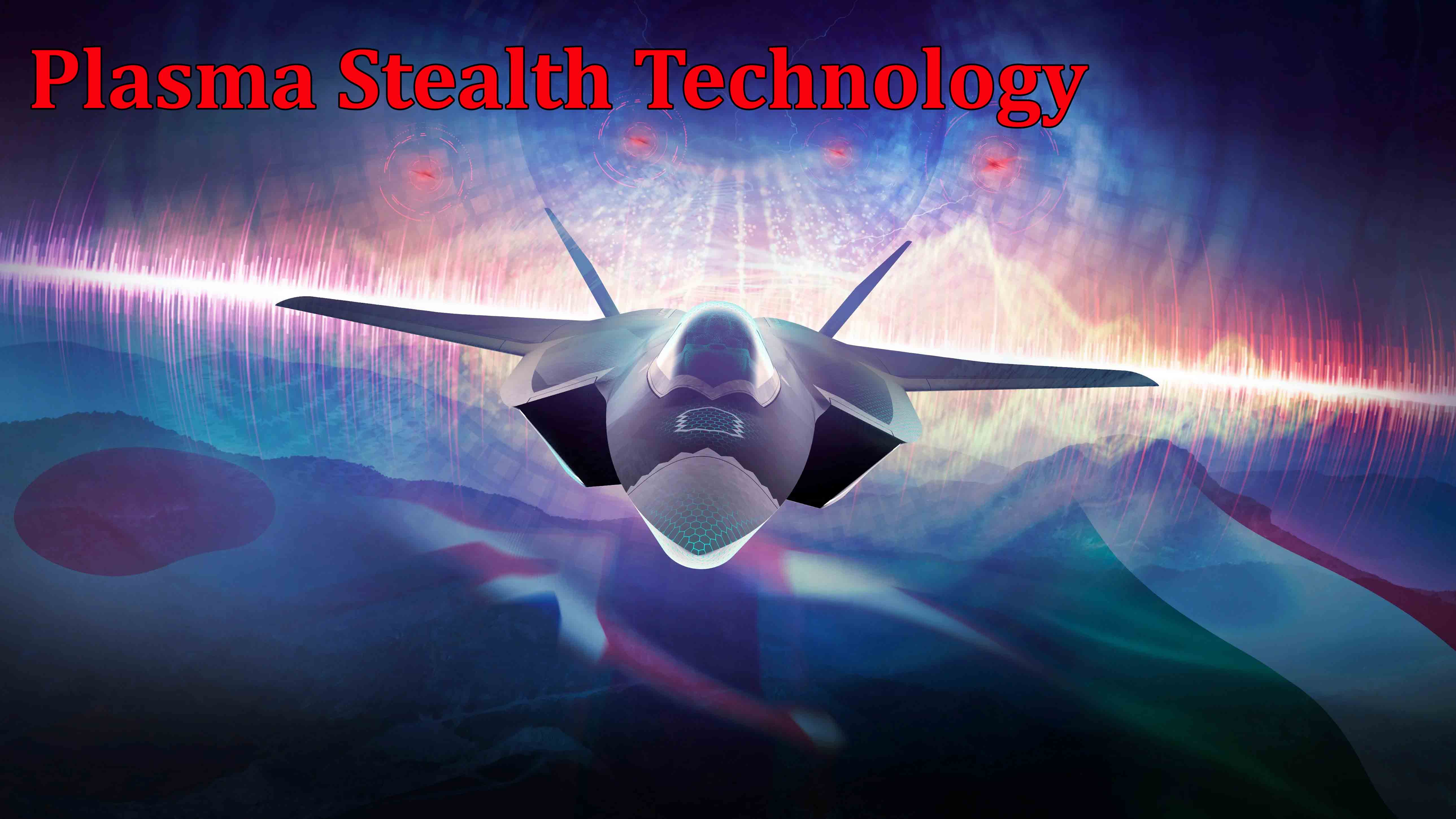
Space & Technology
Latest Technology News WorldImagine a fighter jet cloaked not in physical materials, but in a shimmering shield of ionized gas – plasma. This is the dream of plasma stealth technology, a revolutionary concept that aims to render aircraft invisible to radar.Traditionally, stealth aircraft rely on a combination of radar-absorbent materials and meticulously designed shapes to deflect or absorb radar waves. However, plasma stealth offers a different approach. By surrounding the aircraft in a cloud of plasma, the technology disrupts incoming radar signals, making the jet appear much smaller or even vanish from the radar screen entirely.The Science Behind the ShieldPlasma, often referred to as the fourth state of matter, consists of charged particles. When these particles interact with electromagnetic radiation like radar waves, they can absorb or scatter the energy, weakening the signal that bounces back to the radar receiver. In essence, the plasma cloud acts like a cloak, deflecting or absorbing the radar waves before they can reveal the aircraft's location and size.Challenges on the HorizonWhile the idea of plasma stealth is undeniably captivating, significant hurdles remain before it becomes a reality. Here are some of the key challenges:Maintaining the Plasma Field: Generating and sustaining a stable plasma field around a moving aircraft requires immense amounts of energy. Fighter jets would need lightweight and efficient power sources to keep the plasma shield operational during flight.Plasma Control: Managing the plasma field precisely is crucial. An uncontrolled discharge could damage the aircraft or interfere with its own electronic systems.Impact on Aerodynamics: The presence of a plasma field might disrupt the airflow around the aircraft, potentially affecting its performance and maneuverability.The Race for Radar InvisibilityDespite the challenges, the potential benefits of plasma stealth are undeniable. Several countries, including China and the United States, are reportedly conducting research and development in this field. The Future of FlightWhile plasma stealth technology is still in its early stages, it represents a fascinating glimpse into the future of aerial warfare. If the technical hurdles can be overcome, plasma stealth could revolutionize fighter jet design, giving them an unprecedented advantage in the skies. The coming years will be crucial in determining whether this futuristic concept takes flight. Countries With Plasma Stealth Technology No country has yet confirmed using plasma stealth technology for its fighter jets. While research is ongoing, particularly in China and the United States, developing a functional and efficient system presents significant challenges. These challenges include maintaining a stable plasma field around a moving aircraft, precisely controlling the plasma to avoid damaging the aircraft itself, and mitigating the impact on the jet's aerodynamics.
Read More → Posted on 2024-04-09 16:06:45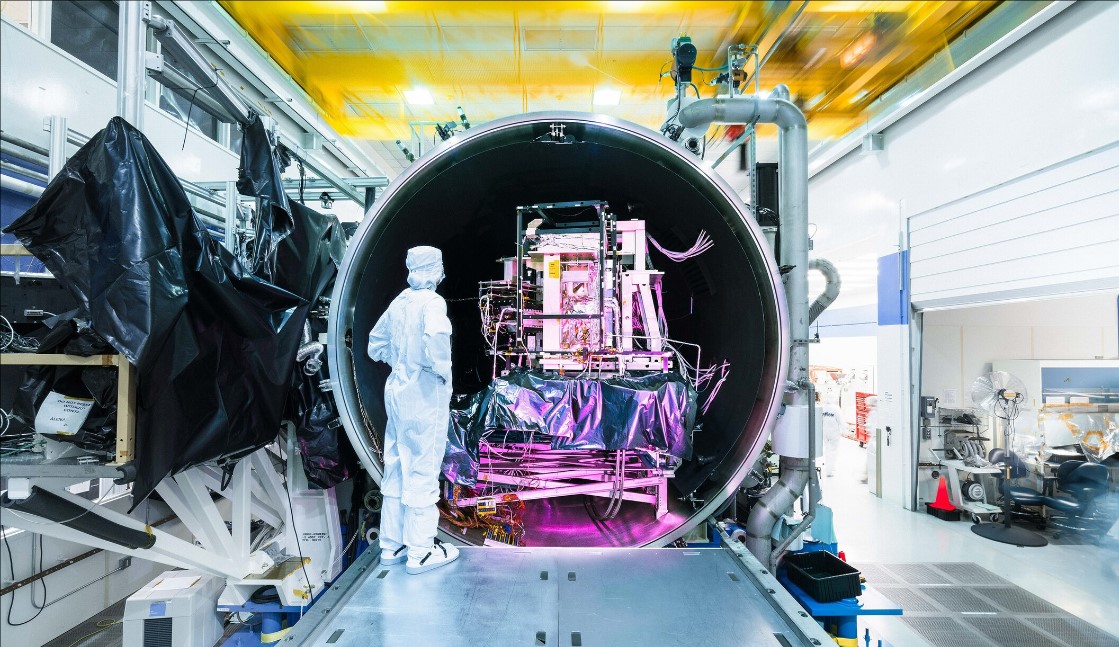
Space & Technology
Latest Space News WorldRaytheon has achieved a significant milestone in the development of its latest Visible Infrared Imaging Radiometer Suite (VIIRS) sensor. The VIIRS instrument, which gathers global environmental data spanning visible and infrared wavelengths across land, ocean, and atmosphere, is a key component of the NASA-NOAA Joint Polar Satellite System (JPSS) series of satellites.The final VIIRS Sensor, known as J4, has completed Thermal Vacuum tests ahead of schedule in late 2023. This successful testing ensures that the VIIRS program remains on track to deliver the final sensor for satellite integration in 2024.According to Sandy Brown, president of Space Systems for Raytheon, the recent thermal vacuum testing on J4 was the most successful and efficient cycle in the program's history. This achievement underscores the experience and collaboration between NASA and Raytheon, facilitating seamless test execution.NASA's Joint Polar Satellite System represents the U.S. contribution to the next generation polar-orbiting operational environmental satellite system. VIIRS, one of the instruments on JPSS, comprises 22 bands providing high radiometric accuracy and spatial resolution multispectral imagery. These images, including the unique panchromatic Day/Night band (DNB), are utilized for various purposes such as fire and air quality monitoring, agriculture monitoring, carbon modeling, flood and sea ice mapping, among others.Raytheon has been responsible for designing, building, and delivering four VIIRS instruments since 2010, contributing significantly to environmental monitoring and scientific research.
Read More → Posted on 2024-04-09 05:50:24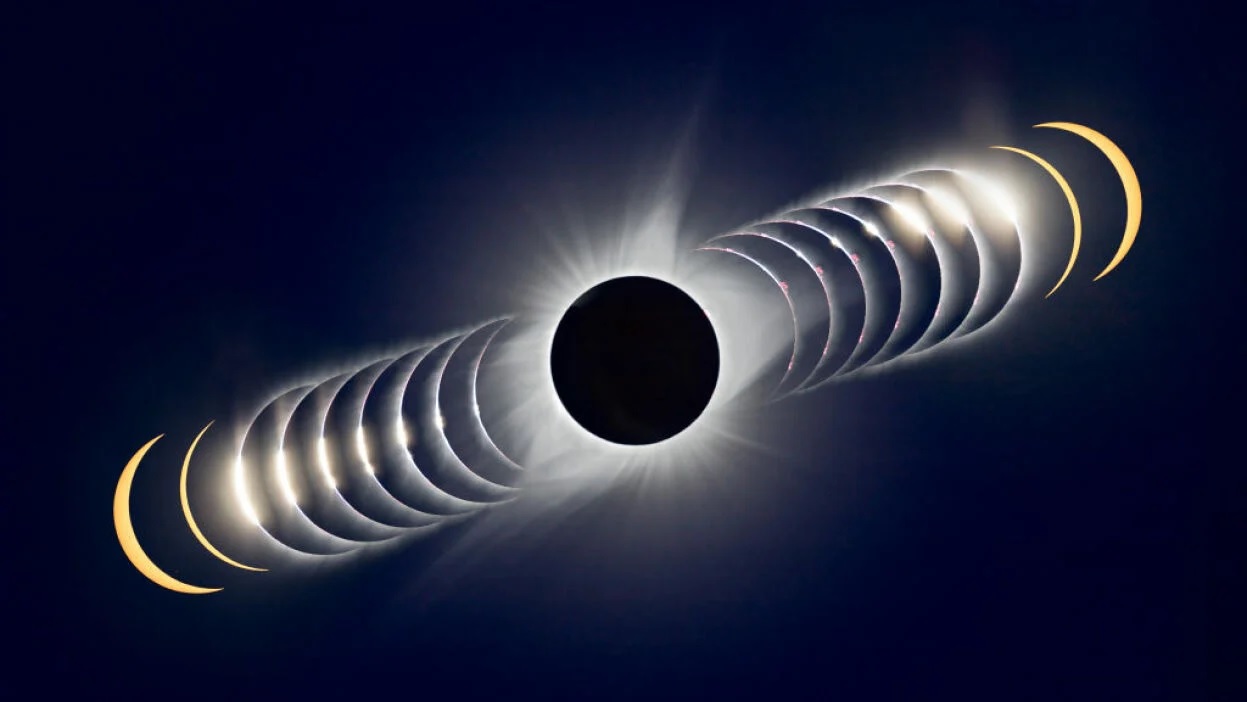
Space & Technology
Space NewsWorldAn astronomical spectacle is all set to captivate skywatchers as a total solar eclipse is set to grace the skies across North America, turning day into night, on April 8. Total eclipses are dramatic and turn the sky dark, but they are only visible from a few locations. This is why the opportunity to experience an eclipse is often called a once-in-a-lifetime opportunity. What is a Solar Eclipse ? A solar eclipse is an astronomical phenomenon where the Moon passes between the Earth and the Sun and blocks the Sun's light either entirely or partially. When the moon completely covers the sun, it casts a shadow on Earth, forming what is called a "path of totality." This path is a relatively narrow band that moves across the surface. People standing inside this band can witness a total solar eclipse, provided the weather and clouds cooperate. In the path of totality, where the Moon completely covers the Sun, the sky will become dark, as if it were dawn or dusk. Unless people are on that line—the path of totality—they will only see a partial eclipse. For them, the sky will appear slightly darker than it was before the eclipse, depending on how much the Moon blocks the Sun in their location. Total Solar Eclipse Date and Timings: The total solar eclipse of 2024 will occur on April 8. The total darkening of the sky, also known as totality, will be visible across a 185-kilometre stretch between Mexico, the US, and Canada. As many as 18 different US States will also get to see it. However, it won't be visible to skywatchers in India, According to the Indian Standard Time (IST), the total solar eclipse will begin at 9:12 pm on April 8, totality will start at 10:08 pm, and will end on April 9, 2024, at 2:22 am. The Pacific coast of Mexico will experience totality first, around 11:07 am PDT, and the occurrence will leave Maine at around 1:30 pm PDT. Total Solar Eclipse Duration The whole event will take about two and a half hours, but totality will only last about four minutes. As per NASA, the peak spectacle is expected to last for up to 4 minutes and 27 seconds in the path of total darkness. "The duration of totality will be up to 4 minutes and 27 seconds, almost double that of The Great American Eclipse of August 21, 2017," according to Great American Eclipse. Most places along the centerline (path of totality) will see a totality duration between 3.5 and 4 minutes. How To Safely View the Eclipse? The Sun's surface is so bright that if you stare at any portion of it, no matter how small, it produces enough light to damage individual retinal cells. Skygazers across the world have been advised to wear protective eyewear, such as licensed eclipse glasses, during its partial phases. Failure to do so can burn your eye's retinas and cause permanent damage or even blindness. Total Solar Eclipse: How To Watch It Online? If you cannot witness the solar eclipse in person, you can tune in to NASA's live stream. The space agency will start its live stream on April 8 at 5:00 pm GMT (10:30 pm IST) and continue until 8:00 pm GMT (1:30 am IST). During the broadcast, NASA will also be sharing conversations with experts and providing telescope views of the eclipse from several sites along the eclipse path.
Read More → Posted on 2024-04-08 05:15:05
Space & Technology
World's top 10 AI programs 1. LaMDA: LaMDA (Language Model for Dialogue Applications) is a factual language model from Google AI, trained on a massive dataset of text and code. It can generate text, translate languages, write different kinds of creative content, and answer your questions in an informative way.2. WuDao 2.0: WuDao 2.0 is a large language model developed by the Beijing Academy of Artificial Intelligence (BAAI). It is similar to LaMDA in its capabilities and is said to be trained on a dataset of 1.75 trillion words.3. Megatron-Turing NLG: Megatron-Turing NLG is a generative pre-trained transformer model developed by NVIDIA. It is known for its ability to generate different creative text formats, like poems, code, scripts, musical pieces, email, letters, etc.4. Jurassic-1 Jumbo: Jurassic-1 Jumbo is a factual language model from AI21 Labs. It is known for its factual language processing capabilities.5. GPT-4 (Generative Pre-trained Transformer 4): GPT-4 is a large language model chatbot developed by OpenAI. It is known for its ability to generate realistic and coherent chat conversations.6. AlphaFold: AlphaFold is a protein structure prediction software developed by DeepMind. It is known for its ability to predict the 3D structure of proteins from their amino acid sequences.7. Simulating a Nervous System (SENS): SENS is a large-scale neural network architecture from Google Research, designed to model the structure and function of the nervous system.8. PaLM-2 (Pathway Language Model): PaLM-2 is a pathway language model from Google AI, trained on a massive dataset of text and code. It can generate text, translate languages, write different kinds of creative content, and answer your questions in an informative way, similar to LaMDA but with a focus on scientific language.9. Stable Diffusion-3: Stable Diffusion is a text-to-image diffusion model developed by Stability AI. It can generate high-quality images from text descriptions.10. DALL-E 2: DALL-E 2 is a text-to-image diffusion model developed by OpenAI. It is similar to Stable Diffusion but known for its higher photorealism capabilities.
Read More → Posted on 2024-04-07 16:06:11
Space & Technology
Technology NewsIndiaAdani Green Energy Limited is developing 30 GW renewable energy plant on barren land at Khavda in Kutch of Gujarat over area of 538 sq km after which the project would be the planet’s largest power plant.The area of project in Khavda is five times the size of Paris and almost as large as Mumbai. The first energy flowb from the project to the national grid was made on February 14, 2024 with 551 MW solar . Adani Green Energy Limited will invest about Rs 1.5 lakh crore for the project.The renewable energy project at Khavda will generate both solar and wind energy. Adani Green has already operationalised capacity of 2,000 MW solar energy at Khavda in March 2024.When asked about the timeline that company will follow to reach 30 GW at Khavda project, Vneet Jaain, MD, Adani Green Energy Limited, said, “Currently at the Khavda project site, 2 GW power production is completed and the company aims to produce 4 GW more in the ongoing financial year, 2024-25, making it 6 GW by March ’25. After this the company plans to expand by minimum of 5GW every year”.The company aims to produce 45,000 MW renewable energy by 2030.AGEL project site in Khavda is equipped with waterless cleaning robots for the entire solar capacity to address dust accumulation on panels to increase energy output and help conserve water in the arid Kutch region.With this project India is poised to avoid about 58 million tonnes of CO2 emissions annually. Adani Green’s renewable energy portfolio is spread across 12 states in which major production takes place in Rajasthan and Gujarat.
Read More → Posted on 2024-04-07 15:05:16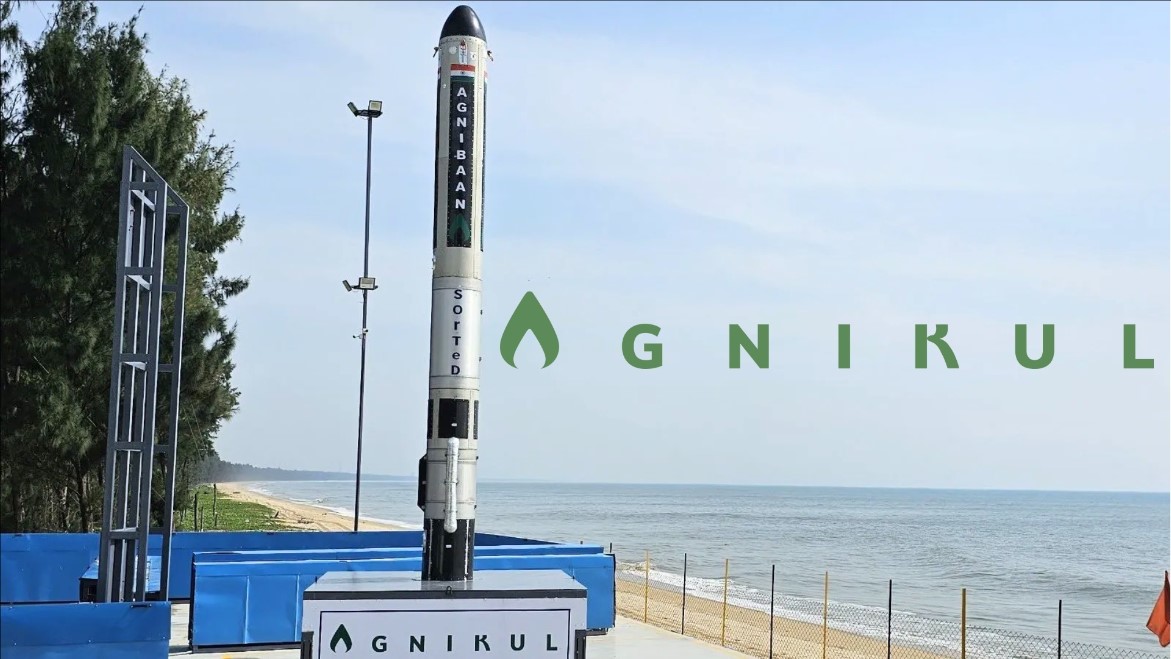
Space & Technology
Space NewsIndiaThe maiden test launch of the Agnibaan rocket, developed by Indian space startup Agnikul Cosmos, has been postponed for the third time due to technical reasons. Scheduled to take place from India's first private Launchpad – ALP-01 – located at the Satish Dhawan Space Centre in Sriharikota, the mission, named SOrTeD (Sub Orbital Technology Demonstrator), aims to demonstrate the functionality of the first rocket stage. This stage will power future missions of the two-stage launch vehicle, capable of carrying payloads of up to 300 kg into orbits approximately 700 km above Earth.Agnikul Cosmos, the second private spaceflight company in India after Skyroot, collaborated with the Indian Space Research Organisation (ISRO) to develop the launchpad. The postponement of the maiden test launch represents a setback for Agnikul Cosmos, as they seek to establish themselves in the burgeoning private space industry. Skyroot, the first private spaceflight company in India, has already conducted successful tests of its Vikram-1 rocket.Despite the delays, Agnikul Cosmos remains committed to demonstrating the capabilities of the Agnibaan rocket. The postponements highlight the complexities and challenges involved in space exploration, particularly for emerging private enterprises. The company continues to work closely with ISRO to address technical issues and prepare for a successful test launch in the near future.
Read More → Posted on 2024-04-07 14:41:52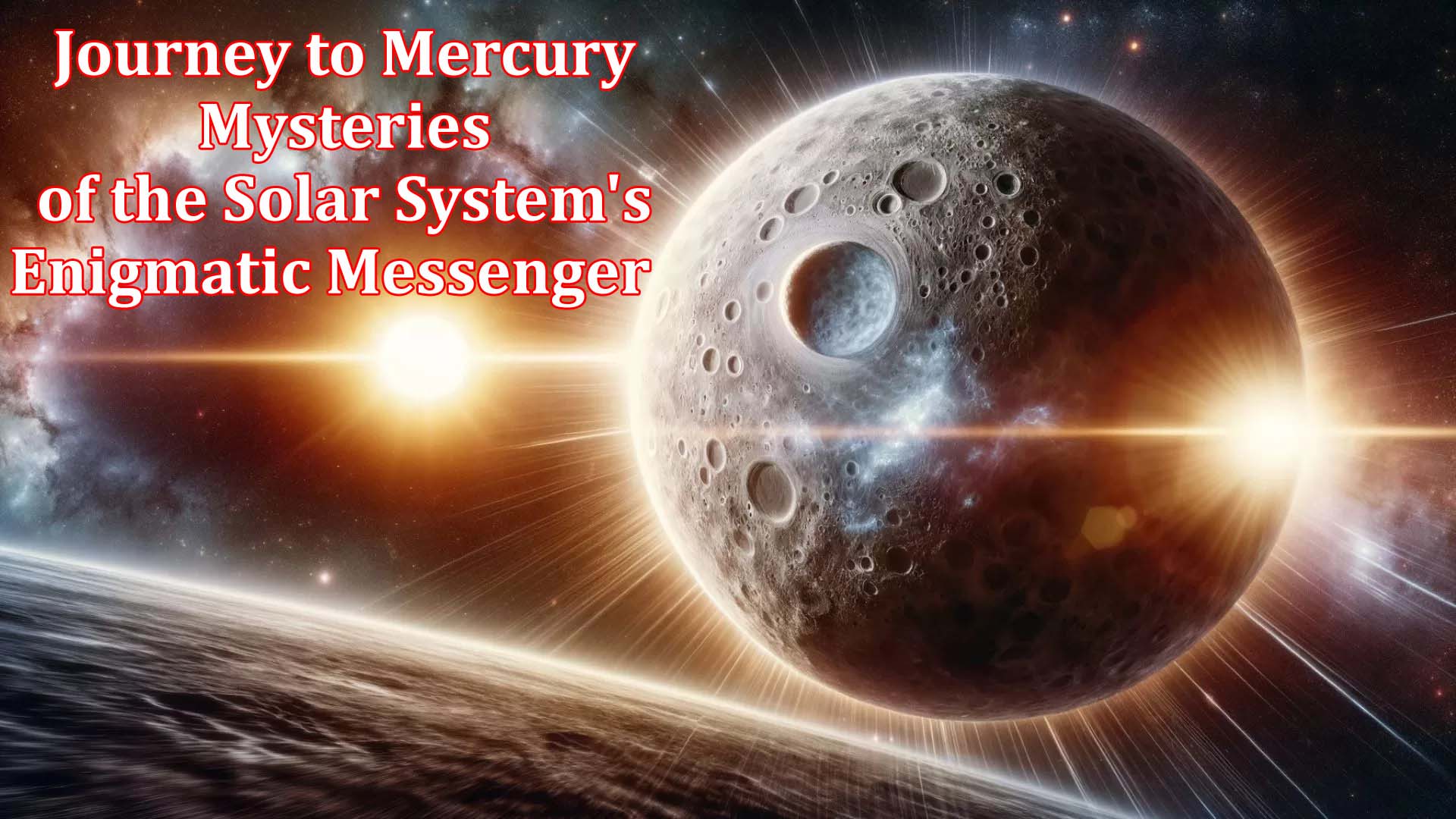
Space & Technology
Space NewsWorldWelcome, fellow adventurers, to the gateway of the cosmos, where the mysteries of the universe await our eager exploration. Today, we embark on a transcendent journey to the inner sanctum of our solar system, guided by the celestial beacon known as Mercury. As we board the Galactic Voyager, let us cast aside the constraints of earthly bounds and immerse ourselves in the wonders of ancient mythology and cutting-edge scientific discovery. Together, we shall traverse the vast expanse of space, charting a course through the enigmatic realms of the cosmos. Prepare to be captivated, exhilarated, and inspired as we embark on an odyssey to unravel the secrets of Mercury, the elusive messenger of the gods. Our voyage begins now. Welcome aboard. Ancient Mythology and Historical Observations:Legends of the Celestial Messenger: Step back in time as we delve into the myths and legends surrounding Mercury, the swift messenger of the gods in Roman mythology. From tales of divine communication to the celestial significance of ancient cultures, immerse yourself in the rich tapestry of celestial lore.Historical Encounters: Cast your eyes to the heavens as we trace humanity's historical encounters with Mercury. From the keen observations of ancient astronomers to the technological marvels of modern telescopes, witness the evolution of our understanding of this elusive planet. Modern Discoveries and Scientific Insights:Craters and Complex Terrain: Brace yourself for an exhilarating descent onto the rugged surface of Mercury, where towering cliffs and vast plains bear witness to eons of cosmic bombardment. Explore the secrets hidden within the planet's labyrinth of impact craters and rugged terrain.Water Ice and Organic Compounds: Venture into the polar regions of Mercury, where hidden reservoirs of water ice and organic compounds defy the scorching heat of the nearby Sun. Marvel at the implications of these discoveries for the search for extraterrestrial life.Atmospheric Dynamics and Magnetic Mysteries: Navigate through the tenuous exosphere of Mercury, where traces of calcium, sodium, and magnesium paint a picture of atmospheric variability. Delve into the mysteries of the planet's magnetic field and its subtle interactions with the solar wind.Extreme Temperature Fluctuations: Experience the harsh realities of Mercury's surface environment, where temperatures swing from searing highs of 800°F (427°C) to bone-chilling lows of -269°F (−173°C). Witness the relentless cycle of heat and cold that shapes the planet's rugged landscape. Physical Characteristics and Geological Wonders:Size and Structure: Feel the awe-inspiring grandeur of Mercury's diminutive size and dense metallic core as we navigate through its rugged terrain. Marvel at the stark beauty of the planet's surface features, sculpted over millennia by the forces of impact and erosion.Volcanic Activity and Tectonic Forces: Explore the remnants of ancient volcanic activity and tectonic forces that have shaped Mercury's geology. Witness the evidence of past eruptions and seismic activity, providing tantalizing clues to the planet's dynamic history.Surface Composition and Mineral Deposits: Analyse the chemical composition of Mercury's surface, rich in metallic elements such as iron and nickel. Discover the presence of valuable minerals and resources, offering exciting prospects for future exploration and colonization. Exploration and Future Endeavours:Historic Missions and Bold Endeavours: Follow in the footsteps of robotic explorers like Mariner 10 and MESSENGER as we unlock the secrets of Mercury's enigmatic surface. Explore the challenges of exploring a world so close to the Sun and the technological innovations driving future missions.Commercial Space Tourism to Mercury: Experience the thrill of commercial space travel as we offer unprecedented access to the wonders of Mercury. Join us on board the Galactic Voyager as we embark on a once-in-a-lifetime journey to the mysteries of the solar system's innermost planet. Final Thoughts:As our cosmic odyssey draws to a close, we invite you to reflect on the profound significance of our journey to Mercury. From ancient myths to modern science, our exploration has illuminated the boundless depths of human curiosity and the enduring quest for knowledge. As we return to Earth, may the spirit of discovery continue to inspire us to reach for the stars and unlock the mysteries of the cosmos. Epilogue: As we bid farewell to the wonders of Mercury, we extend our heartfelt thanks for joining us on this extraordinary voyage. Whether you're a seasoned space traveller or a novice explorer, may the memories of our journey together inspire you to embrace the spirit of adventure and curiosity that defines humanity's quest for understanding.
Read More → Posted on 2024-04-07 09:11:07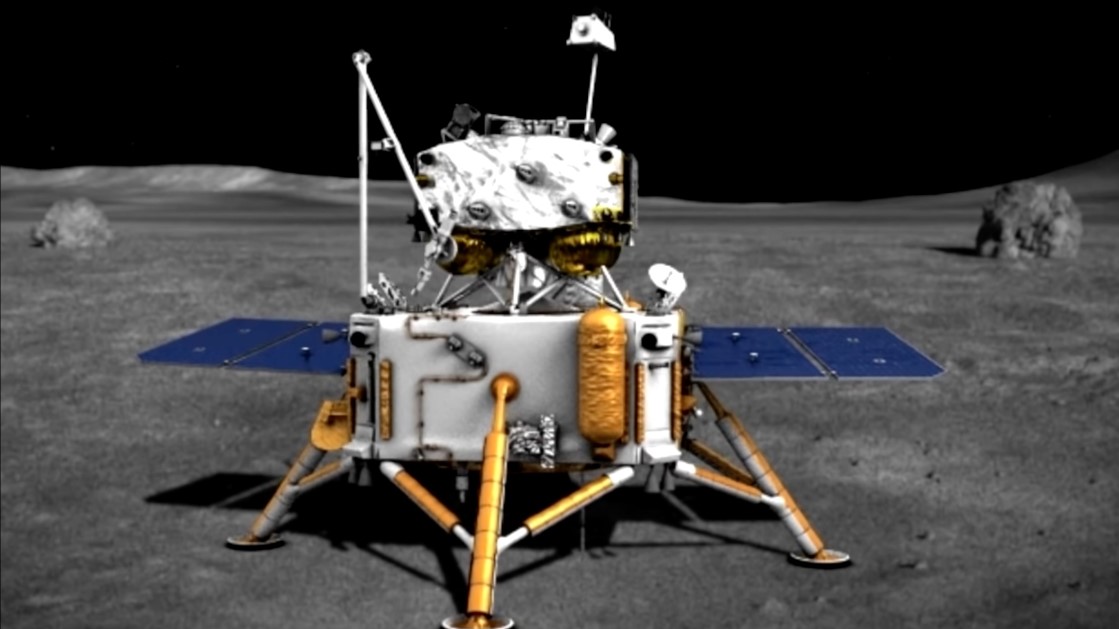
Space & Technology
Space NewsChinaA recent study published in the journal Nature Astronomy sheds light on the long-standing mystery of the moon's weathered and cratered surface. Researchers from the Institute of Geochemistry in Guiyang, along with colleagues from Guangzhou and Macau, analyzed lunar soil samples collected by China's Chang’e 5 mission and made a groundbreaking discovery.The team identified titanium compounds, including Ti2O, which have never been observed in natural samples on Earth. These minerals likely formed due to intense vaporization and deposition processes triggered by the constant bombardment of micrometeorites from space.Micrometeorite impacts have long been recognized as significant agents in altering the lunar landscape. However, the precise mechanisms behind these transformations have remained elusive until now.The titanium compounds were found on a 9-micrometer-diameter meteorite impact crater on the surface of a Chang’e 5 glass beadThe discovery of Ti2O, found in two distinct structures on tiny glass beads retrieved by the Chang’e 5 spacecraft, marks a significant milestone. It becomes the seventh and eighth minerals ever discovered on the moon, following previous findings from US Apollo missions, Russian Luna missions, and China's Chang’e 5.Titanium, a common element on both Earth and the moon, typically exists as an oxide. However, the existence of Ti2O in lunar samples provides valuable insights into the lunar surface's geological processes.The formation scenario proposed by the Chinese team explains how a micrometeorite impact results in the vaporisation-deposition of Ti-oxide compounds on the lunar surfaceBy analyzing 25 glass beads from the Chang’e 5 samples, the researchers utilized advanced transmission electron microscopy techniques to examine their composition. They observed a tiny impact crater on one of the beads, where three titanium-containing minerals were detected: rutile (TiO2), trigonal Ti2O, and triclinic Ti2O.The team proposed that micrometeorites, traveling at high speeds, collided with ilmenite grains on the moon's surface, leading to melting, vaporization, and redeposition of the material onto the impact crater rim. This scenario aligns with predictions made by US planetary scientist Bruce Hapke five decades ago.The study's findings offer new insights into lunar weathering processes and may have implications for understanding similar phenomena on other airless planetary bodies in the solar system, such as Mercury and asteroids.The research was supported by various funding programs, including the National Key Research & Development Programme, the Strategic Priority Programme of the Chinese Academy of Sciences, and the National Natural Science Foundation of China.Overall, this discovery represents a significant step forward in unraveling the mysteries of the moon's geological history, providing valuable clues for future lunar exploration endeavors.
Read More → Posted on 2024-04-07 09:00:41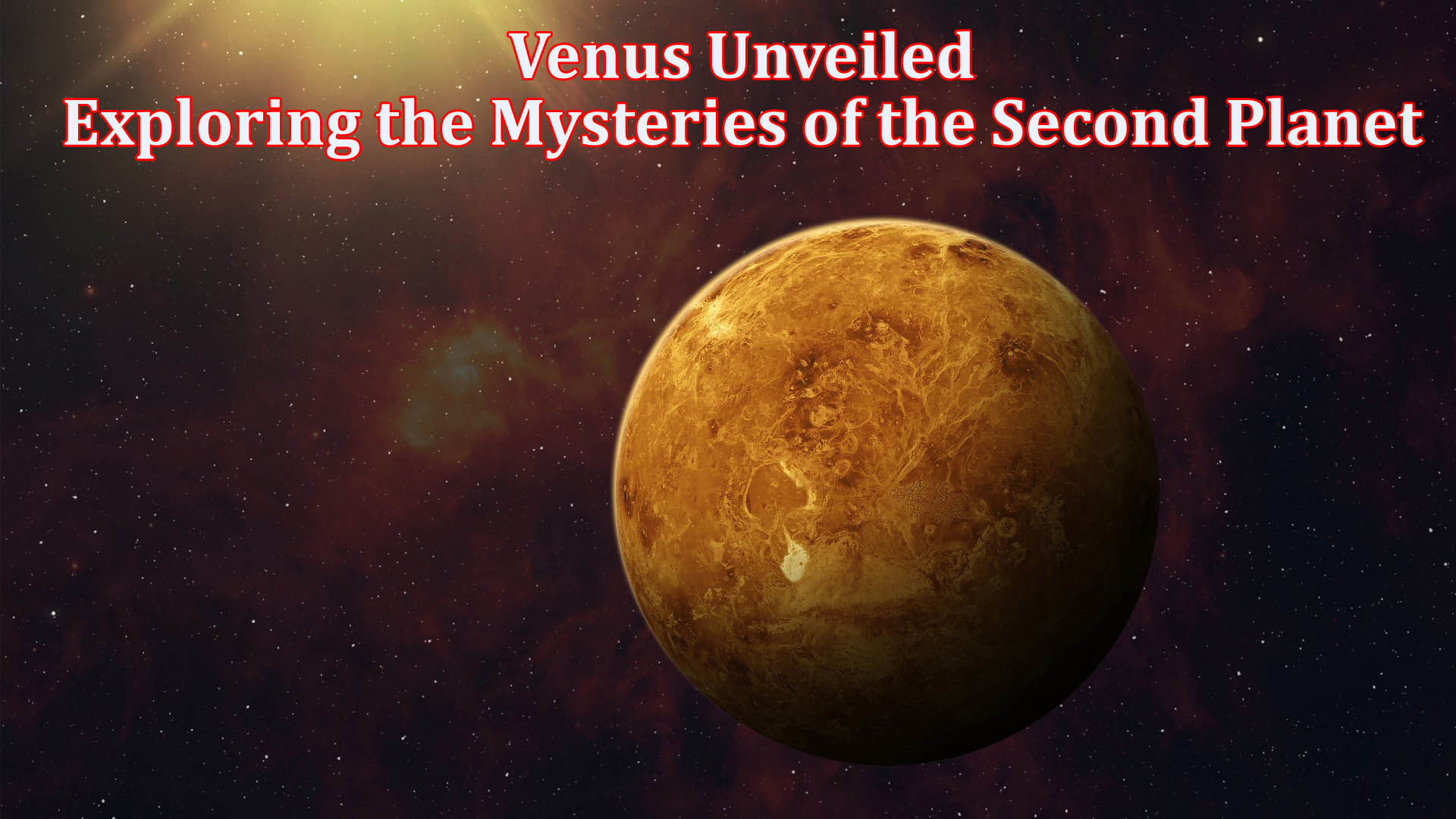
Space & Technology
Space NewsWorldIn the vast expanse of our solar system, among the myriad celestial bodies that dance around the radiant sun, Venus stands as a captivating enigma. Cloaked in an atmosphere of mystery and intrigue, the second planet from the sun offers a glimpse into the complexities of planetary evolution and the tantalizing possibility of extraterrestrial life. As we embark on a journey of discovery through the scorching world of Venus, let us unravel its secrets and delve into 20 fascinating facts that illuminate this mesmerizing celestial neighbor. 1. A Rich Tapestry of History:From the annals of ancient Babylonian astronomy to the realms of Roman mythology, Venus has woven itself into the fabric of human civilization. Traced back to 1600 BCE, Babylonian astronomers meticulously tracked its celestial journey, while ancient cultures revered it as the embodiment of love and beauty, bestowing upon it the name of the Roman goddess Venus. 2. The Weight of the Atmosphere:Walking upon the surface of Venus would be a harrowing experience, with its atmosphere exerting pressures over 90 times greater than that of Earth's, akin to the crushing depths of the ocean's abyss. 3. A Tale of Two Twins:Often dubbed as "Earth's twin," Venus shares striking similarities with our home planet in terms of size, density, and surface composition. Yet, beneath the veneer of resemblance lies a stark dichotomy of environments, with Venus shrouded in a thick blanket of acidic clouds. 4. Phases of Illumination:Like a celestial chameleon, Venus undergoes a metamorphosis of phases, transitioning between a radiant "morning star" and an ethereal "evening star" every nine-and-a-half months, captivating stargazers with its luminous presence. This phenomenon, known as its "inferior conjunction," occurs when Venus lies between Earth and the Sun. 5. Rare Transits Across the Sun:As one of the few planets to orbit within Earth's path, Venus graces the heavens with rare transits, casting a fleeting silhouette upon the face of the sun in a celestial ballet witnessed only once in a century. The last transit occurred in 2012, and the next pair of transits will take place in December 2117 and December 2125. 6. The Furnace of the Solar System:Basking in the fiery embrace of the sun, Venus reigns supreme as the hottest planet in our solar system, boasting surface temperatures that surpass even the scorching heat of Mercury. The intense greenhouse effect, fueled by its thick atmosphere primarily composed of carbon dioxide, traps heat, leading to surface temperatures exceeding 880 degrees Fahrenheit (471 degrees Celsius). 7. Volcanic Fury Unleashed:Beneath its fiery shroud, Venus harbors a tumultuous landscape marked by the fury of volcanic eruptions, boasting an impressive array of over 1,600 major volcanoes that dot its surface. Among these volcanic features stands "Maat Mons," a towering shield volcano rising over 5 miles (8 kilometers) high. 8. A Moonless Companion:In the cosmic dance of celestial companions, Venus stands alone, devoid of the lunar allure that graces many of its planetary counterparts. Yet, the absence of a moon beckons tantalizing theories of celestial intrigue. While Earth's moon likely formed from a collision with a Mars-sized object early in its history, the absence of a large moon around Venus remains a subject of debate. 9. Life Amidst the Clouds ?Amidst the searing heat and toxic atmosphere, scientists speculate the possibility of life within Venus' cloud-shrouded realms, where conditions akin to Earth's lower atmosphere offer a glimmer of hope for microbial existence. Recent studies have suggested that certain regions within Venus' atmosphere, with moderate temperatures and pressures, could harbor microbial life forms adapted to extreme conditions. 10. The Longest Day:Time unfolds languidly upon the surface of Venus, where a single day stretches into an astonishing 243 Earth days, marking the longest day of any planet in our solar system. The slow rotation of Venus on its axis results in a prolonged period of sunlight exposure for regions near its equator, contributing to the planet's extreme surface temperatures. 11. A Retrograde Revolution:Defying the cosmic norm, Venus embarks on a celestial revolution with a clockwise rotation, a testament to the cosmic collisions that shaped its enigmatic destiny. While most planets in our solar system exhibit counterclockwise, or prograde, rotation, Venus' retrograde rotation remains a unique feature that continues to puzzle planetary scientists. 12. Venturing Into the Unknown:As the vanguard of planetary exploration pushes the boundaries of scientific inquiry, Venus beckons with tantalizing prospects of airborne exploration within its cloud-laden domain. Concepts for future missions to Venus include advanced aerial platforms such as balloons, gliders, and airships, designed to traverse its atmosphere and unlock the secrets of its enigmatic surface. 13. Echoes of a Bygone Era:Once a paradise akin to Earth, Venus bears the scars of a cataclysmic transformation, where a runaway greenhouse effect transformed its verdant landscapes into a desolate inferno. Geological evidence suggests that Venus may have possessed oceans of liquid water in its distant past, providing a potential habitat for primitive life forms. 14. Magnetic Mysteria:Despite its twin status, Venus veils itself in an enigmatic cloak, shunning the magnetic embrace that defines its planetary counterpart. Unlike Earth, which boasts a robust magnetic field generated by its liquid iron core, Venus exhibits a negligible magnetic field, posing intriguing questions about the dynamics of its interior structure. 15. A Legacy of Exploration:From the dawn of space exploration to the modern era of robotic missions, Venus has been the focal point of scientific curiosity, beckoning humanity to unravel its mysteries. Over the decades, numerous spacecraft, including NASA's Mariner, Pioneer, and Magellan missions, have ventured to Venus, mapping its surface and probing its atmospheric secrets. 16. The Elusive Lightning Dance:Amidst the tempestuous skies of Venus, whispers of electrical phenomena echo through the abyss, eluding the probing gaze of scientific inquiry. While terrestrial lightning occurs frequently in Earth's atmosphere, observations of Venusian lightning have remained elusive, with spacecraft missions yielding inconclusive results. 17. A Beacon in the Night:Illuminating the celestial tapestry with its radiant glow, Venus stands as a beacon of light amidst the cosmic expanse, casting its ethereal shadows upon the Earth below. Its dazzling brilliance, often visible to the naked eye, has captivated astronomers and inspired ancient civilizations throughout history. 18. Winds of Change:Amidst the tempestuous maelstrom of Venus' atmosphere, winds of unparalleled ferocity sweep across its surface, carving a path of superrotation through the cosmic void. The phenomenon of superrotation, where the atmosphere rotates much faster than the planet itself, generates winds exceeding 224 miles per hour (360 kilometers per hour) at the cloud tops, rivaling the most powerful hurricanes on Earth. 19. A Glimpse into the Future:As humanity charts its course through the cosmic seas, the allure of Venus beckons with promises of innovation and discovery, offering a tantalizing vista of exploration yet to unfold. Future missions to Venus, equipped with advanced instruments and technologies, hold the potential to unlock the planet's geological history, atmospheric dynamics, and the possibility of life beyond Earth. 20. The Unfolding Odyssey:In the timeless dance of celestial bodies, Venus stands as a testament to the boundless wonders of the cosmos, inviting humanity to embark on an odyssey of discovery that transcends the boundaries of space and time. With each new revelation and scientific breakthrough, Venus unveils its mysteries, inspiring generations to gaze upon the heavens with wonder and curiosity.Epilogue:As we conclude our expedition through the captivating realms of Venus, we stand in awe of the cosmic wonders that grace our celestial tapestry. From its tumultuous surface to the ethereal realms of its cloud-laden skies, Venus beckons humanity to unravel its enigmatic secrets and embrace the spirit of exploration. In the annals of planetary science, Venus stands as a testament to the complexities of planetary evolution and the boundless potential for discovery that lies beyond the confines of our earthly domain. As we gaze upon the radiant orb of Venus shimmering amidst the cosmic expanse, let us carry forth the torch of curiosity and embark on a journey of exploration that transcends the boundaries of space and time. With each passing moment, the mysteries of Venus beckon us to delve deeper into the unknown, to unravel the secrets of its turbulent past and unlock the mysteries of its atmospheric enigma. As we chart our course through the cosmic seas, let us heed the call of Venus and embark on an odyssey of discovery that ignites the flames of wonder and inspires generations to gaze upon the heavens with reverence and awe. For in the timeless dance of celestial bodies, Venus stands as a beacon of light amidst the darkness of the cosmos, guiding humanity towards a future illuminated by the brilliance of scientific inquiry and the boundless wonders of the universe.
Read More → Posted on 2024-04-06 16:49:31Search
Top Trending in 24 Hours
-
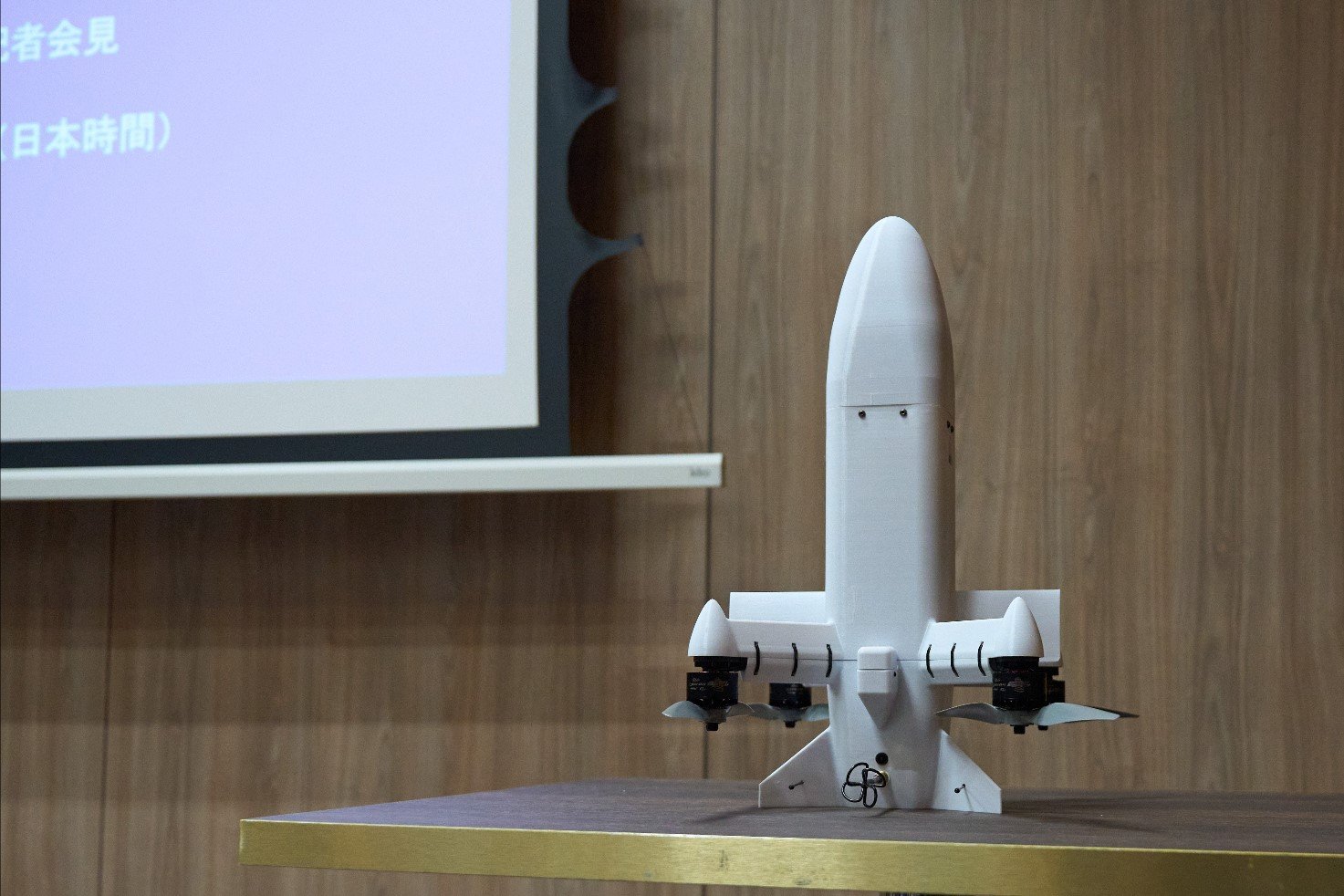 Japan Selects Terra Drone’s Terra B1 for Mass Production of Interceptor UAVs
-
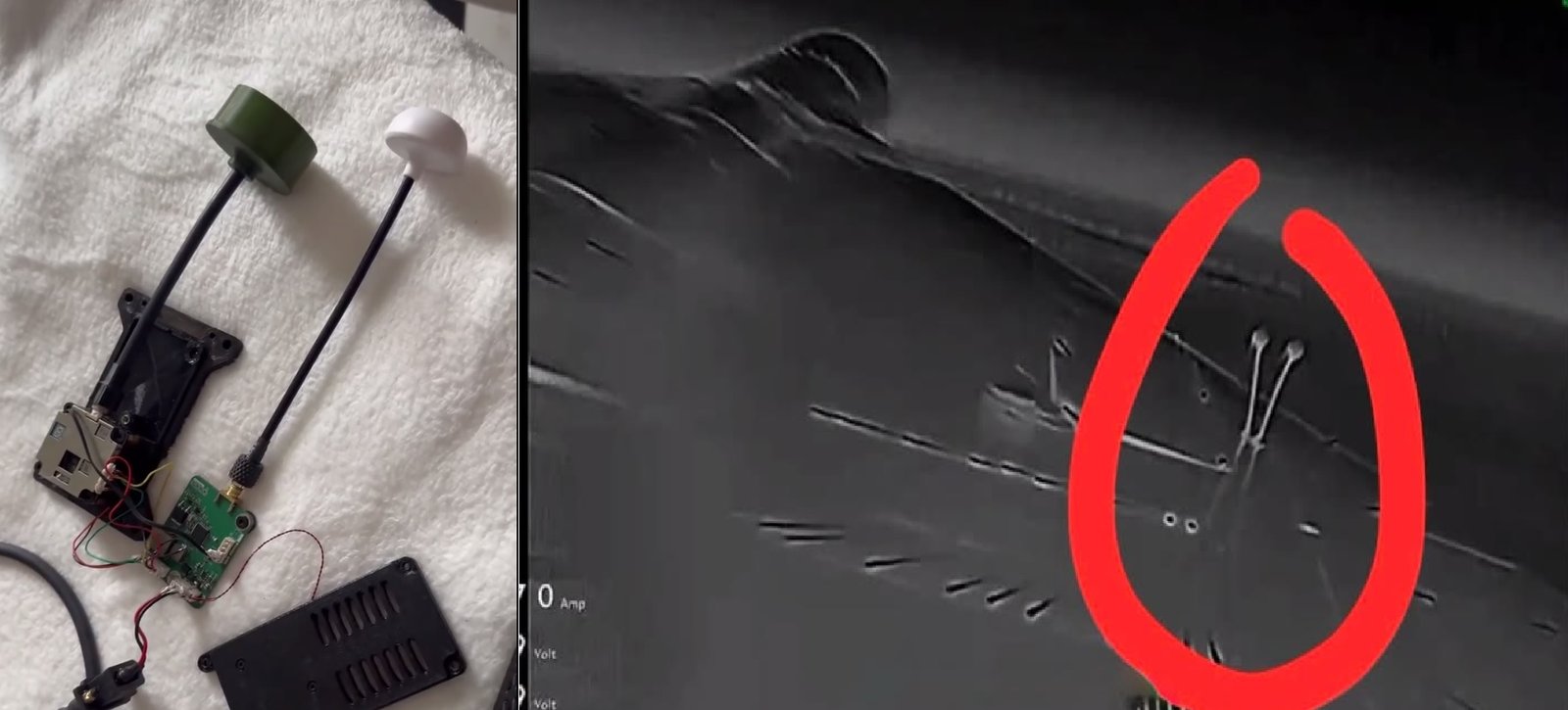 Russia Equips Shahed and Geran Drones With Electronic Warfare Systems to Jam Ukrainian Interceptor Video Links
-
 Austria Receives First Modernized Leopard 2A4Ö Tank and Ulan NV Infantry Fighting Vehicle
-
 NATO Launches Exercise Northern Viking 26 in Iceland to Secure North Atlantic Routes
-
 Ukraine Reduces Use of Western Tanks as Cheap Drones Become a Major Battlefield Threat
-
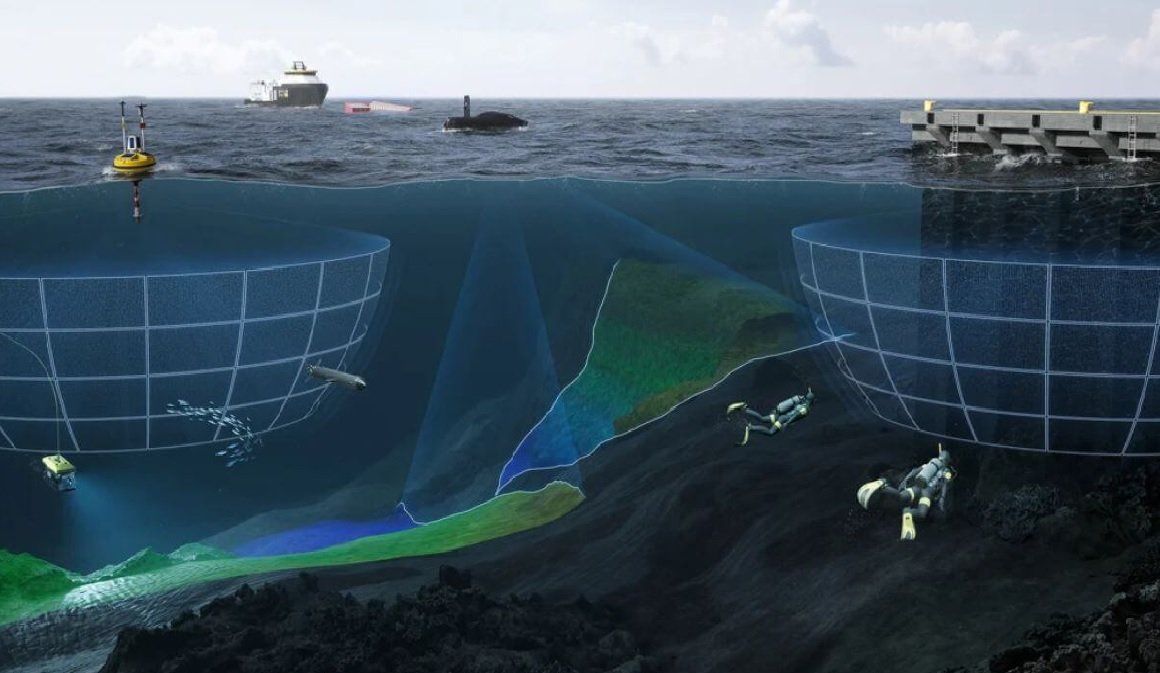 Kongsberg Introduces Aegir SSA Sonar Family With AI-Powered Monitoring for Continuous Underwater Surveillance
-
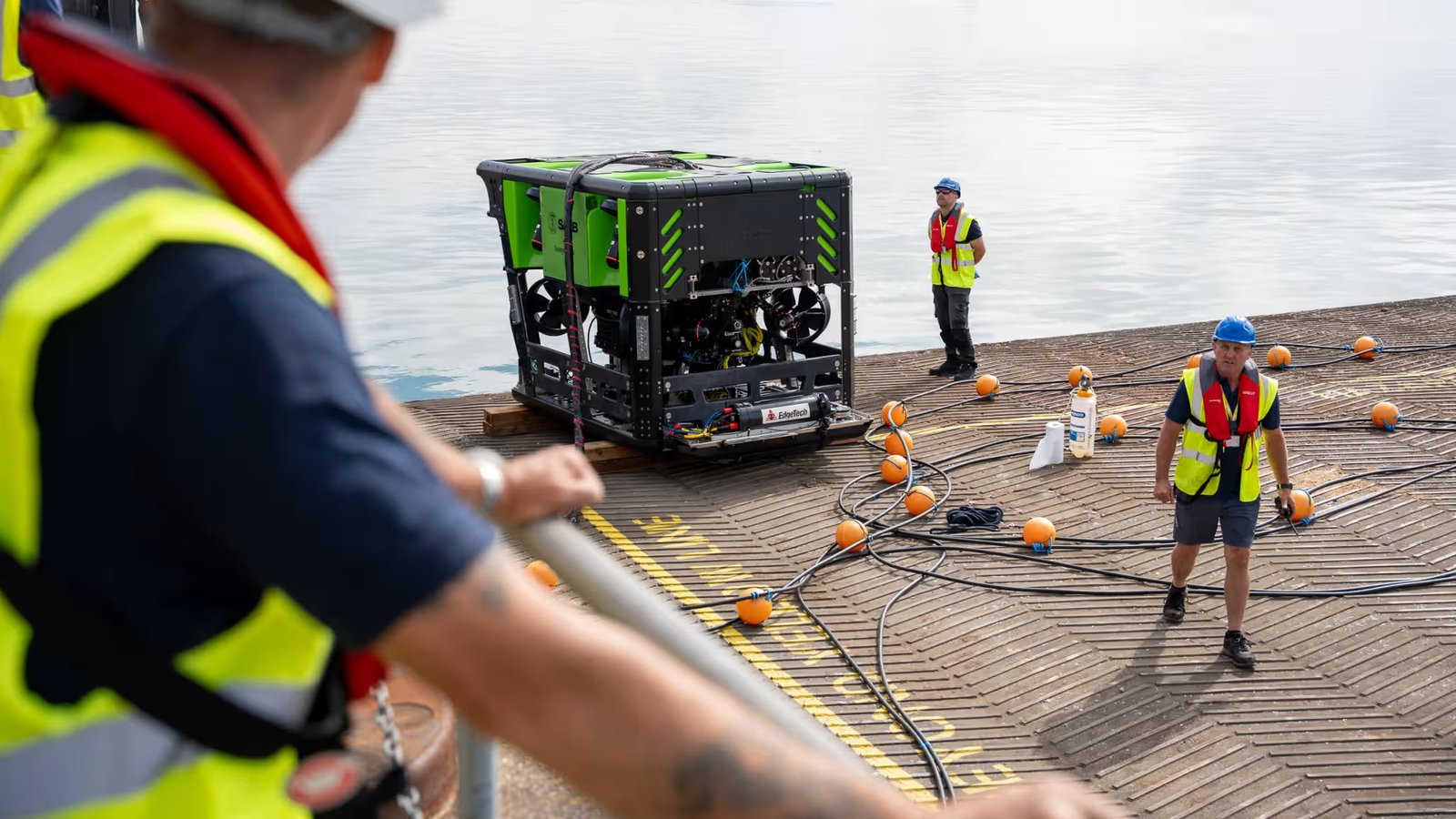 Saab UK Completes Key Trials of Seaeye SR20 eWROV, Moves to Next Development Phase
-
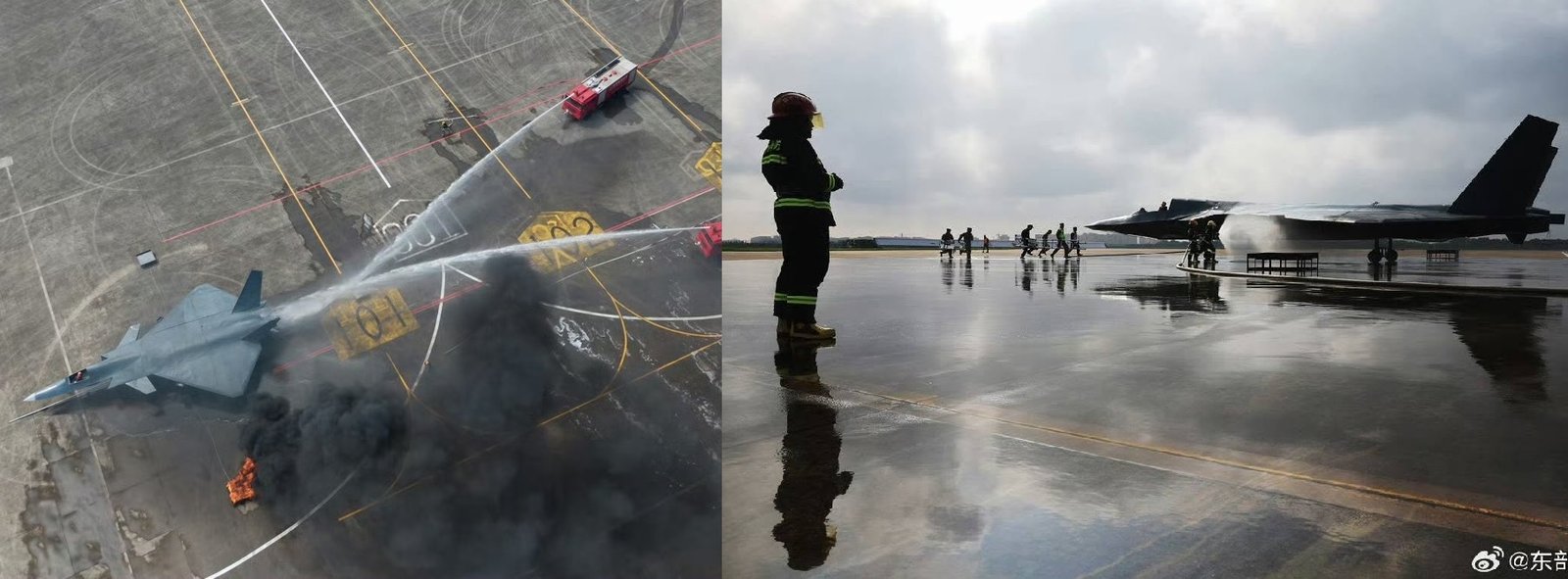 Mystery Chinese J-20-Like Object Seen at Former Airport Was a Firefighting Training Mock-Up
Top Trending in 4 Days
-
 Iran Reveals Underground Weapons Manufacturing Facility for First Time on State TV
-
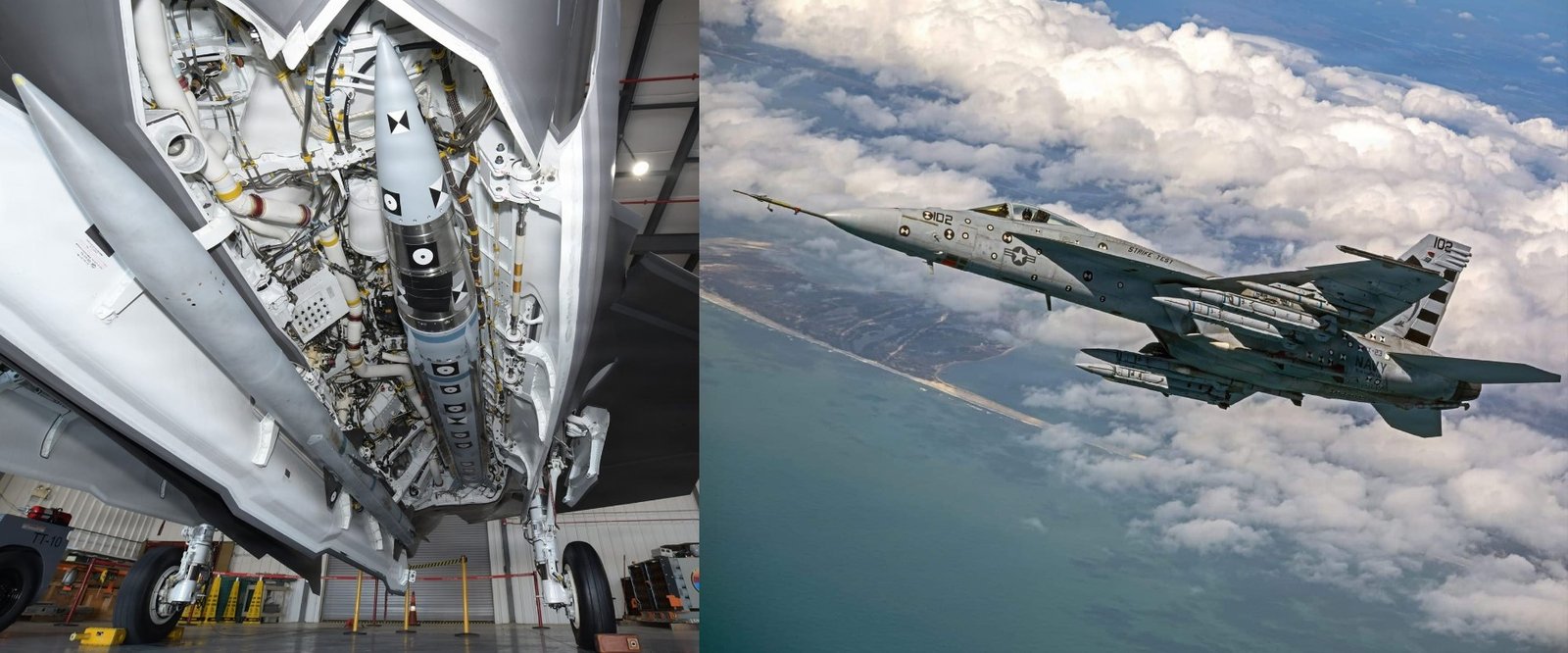 U.S. Navy Unveils New AIM-424 ‘Malice’ Air-to-Air Missile With 463+ km Range for F-35C, Super Hornet and F/A-XX
-
 China Develops Hypersonic Glide Vehicles Capable of Launching Air-to-Air Missiles Mid-Flight
-
 Israel Explores Potential Acquisition of U.S. F-47 Sixth-Generation Fighter
-
 Iran-Linked Hackers Shut Down UK Power Plant for Four Days in First Known Attack
-
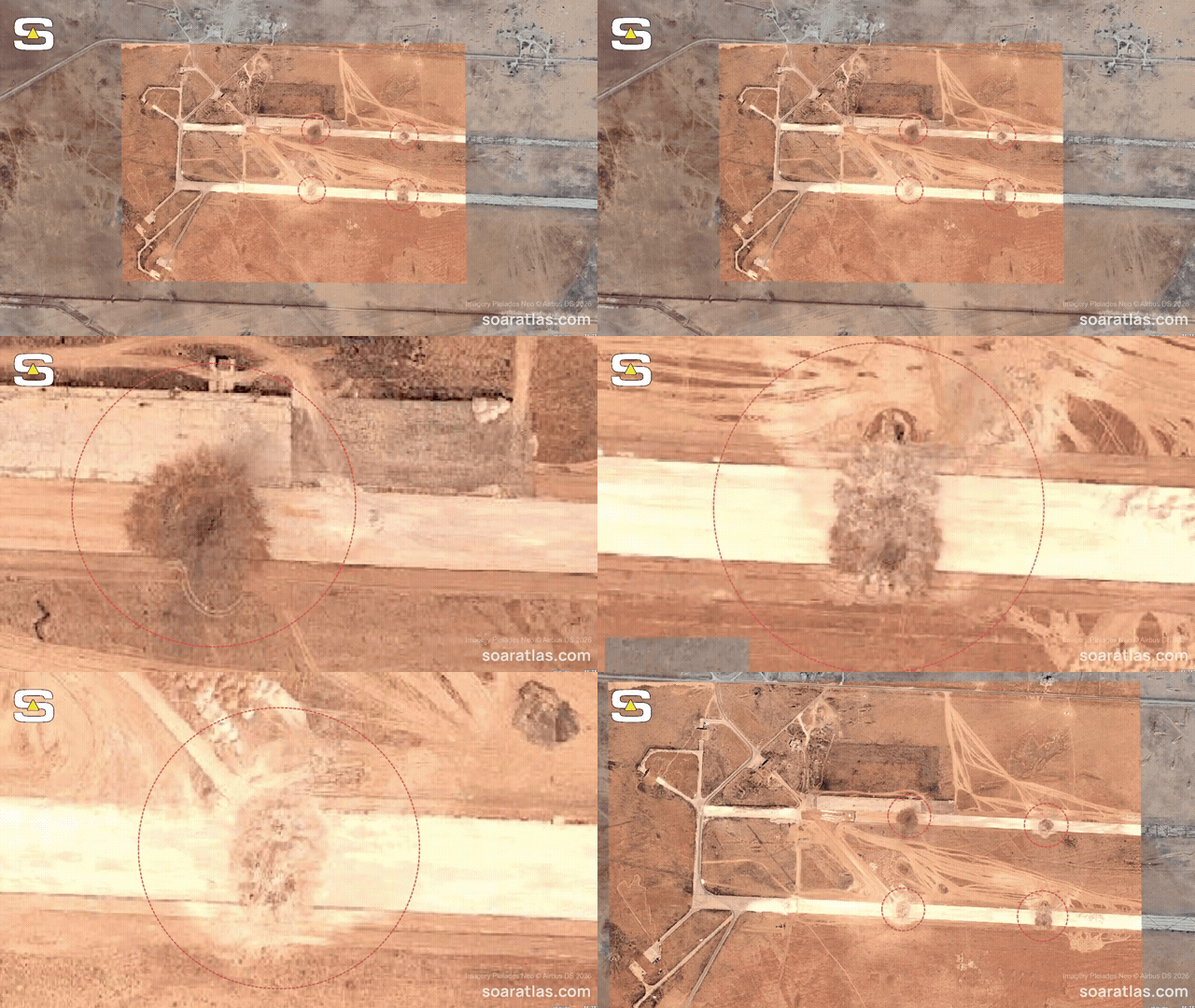 Satellite Imagery Shows Damage From Israeli Strikes on Turkey Military Occupied Syria’s Abu al-Duhur Airbase
-
 Ukraine Holds World’s First Unmanned Military Parade on 35th Independence Day
-
 UAE Completes Protective Metal Structures Around Fuel Tanks Near Dubai International Airport