
Space & Technology
World Portal Space Systems unveils Supernova, a revolutionary satellite bus with solar-thermal propulsion, promising over 50 times the mobility of current spacecraft, set to debut in late 2025.Portal Space Systems, a spaceflight startup led by CEO Jeff Thornburg, has emerged from stealth mode with a groundbreaking innovation in satellite technology. With over $3 million in funding from the U.S. Department of Defense, the company is poised to revolutionize satellite bus technology with its new Supernova platform.Thornburg, formerly of SpaceX and Amazon's Project Kuiper, brings a wealth of experience to Portal. Under his leadership, SpaceX developed the powerful Raptor engine for the Starship megarocket, demonstrating a commitment to advancing space exploration. Now, with Supernova, Portal aims to push the boundaries of satellite maneuverability using cutting-edge solar-thermal propulsion technology.Supernova represents a significant leap forward in satellite mobility. Unlike existing satellites, which are limited in their maneuverability, Supernova will offer unparalleled agility. This capability is made possible by its innovative propulsion system and flexible bus design, allowing it to support a wide range of payloads with over 50 times the mobility of current spacecraft.One of Supernova's key features is its ability to traverse vast distances in a fraction of the time required by traditional satellites. From low Earth orbit (LEO) to geostationary orbit and even the vicinity of the moon, Supernova can reach these destinations in just hours or days. This level of responsiveness opens up new possibilities for real-time monitoring and response to events in space.Portal's partnership with the U.S. Space Force underscores the strategic importance of Supernova. By enhancing the nation's flexibility and responsiveness in space operations, Supernova aligns with the Space Force's mission to secure American interests in the final frontier.While Supernova has yet to make its maiden flight, Portal is targeting late 2025 for its debut launch. With its groundbreaking technology and strategic partnerships, Supernova promises to usher in a new era of satellite capabilities, paving the way for enhanced space exploration and national security.In summary, Portal Space Systems' unveiling of the Supernova satellite bus marks a significant milestone in satellite technology. With its advanced propulsion system and unprecedented maneuverability, Supernova has the potential to redefine space operations and unlock new opportunities for exploration and security in space.
Read More → Posted on 2024-05-01 06:16:39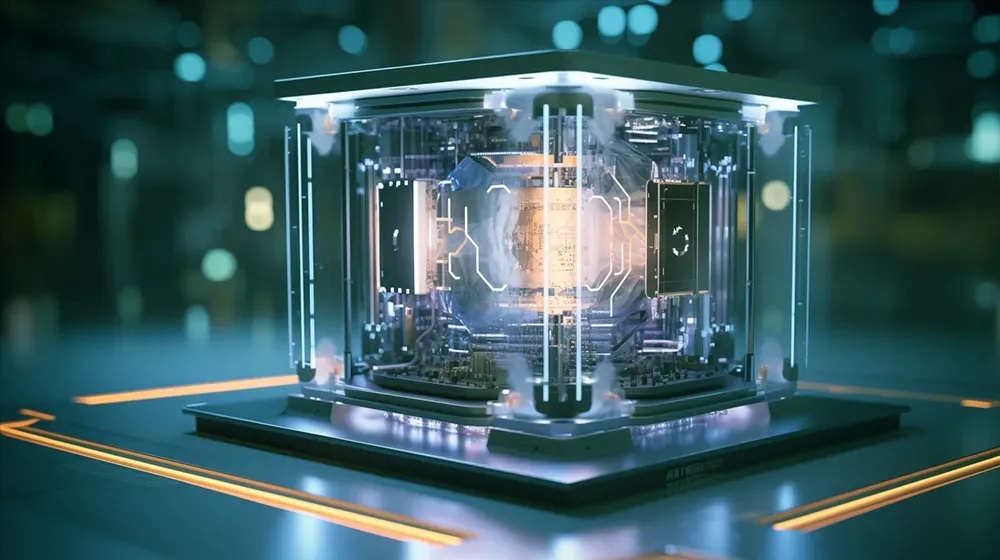
Space & Technology
Quantum supremacy represents a watershed moment in the realm of computing, heralding the dawn of a new era where quantum systems outperform classical computers in solving certain tasks. This paradigm shift, enabled by the principles of quantum mechanics, holds transformative implications across diverse fields, from cryptography and optimization to drug discovery and materials science. In this expansive article, we embark on a journey through the intricacies of quantum supremacy, exploring the underlying principles, recent breakthroughs, applications, challenges, and the future trajectory of quantum computing. Understanding Quantum SupremacyQuantum supremacy refers to the capability of quantum computers to solve computational problems that are intractable for classical computers within a reasonable timeframe. At the heart of quantum supremacy lies the fundamental principle of superposition, wherein quantum bits or qubits can exist in multiple states simultaneously, and entanglement, wherein qubits become correlated with one another, enabling exponential computational power.Superposition: Unlike classical bits, which can exist in a state of 0 or 1, qubits can exist in a superposition of both states simultaneously. This inherent parallelism allows quantum computers to explore multiple solutions to a problem simultaneously, vastly accelerating computation for certain tasks.Entanglement: Entanglement is a phenomenon wherein the state of one qubit becomes correlated with the state of another qubit, irrespective of the distance between them. This non-local correlation enables quantum computers to perform complex computations by harnessing the collective behavior of entangled qubits.Quantum Gates: Quantum gates are the basic building blocks of quantum circuits, analogous to classical logic gates. Quantum gates manipulate the state of qubits, performing operations such as superposition, entanglement, and measurement, thereby enabling quantum algorithms to execute computational tasks. Demonstrations of Quantum SupremacySeveral landmark experiments have demonstrated quantum supremacy by showcasing the superiority of quantum computers over classical computers in performing specific tasks:Google's Quantum Supremacy Experiment: In October 2019, Google's research team, led by John Martinis, announced the achievement of quantum supremacy using their 53-qubit quantum processor named Sycamore. The experiment involved solving a specialized problem known as random circuit sampling, demonstrating that the quantum computer could perform the task in minutes, whereas the most powerful classical supercomputers would require thousands of years to achieve the same feat.IBM's Quantum Volume Metric: IBM has developed a metric known as quantum volume to assess the performance of quantum computers. Quantum volume takes into account factors such as the number of qubits, gate error rates, and connectivity between qubits. IBM's efforts in enhancing the quantum volume of its quantum processors signify progress towards achieving quantum supremacy and scaling up quantum computing capabilities.Other Quantum Computing Platforms: Besides Google and IBM, other companies and research institutions are also making strides in the quest for quantum supremacy. Companies like Rigetti Computing, IonQ, and D-Wave Systems are developing diverse approaches to quantum computing, including superconducting qubits, ion trap qubits, and adiabatic quantum annealing, each with its unique advantages and challenges. Applications of Quantum SupremacyThe advent of quantum supremacy has profound implications across various domains, unlocking new possibilities and capabilities in:Cryptography and Cybersecurity: Quantum computers have the potential to revolutionize cryptography by rendering traditional encryption schemes, such as RSA and ECC, vulnerable to quantum attacks. Quantum-resistant cryptographic algorithms, based on mathematical principles immune to quantum attacks, are being developed to safeguard sensitive information in the era of quantum computing.Optimization and Machine Learning: Quantum computers excel at solving optimization problems, such as portfolio optimization, logistics planning, and protein folding, which are computationally intensive for classical computers. Quantum machine learning algorithms leverage quantum principles to accelerate tasks such as data clustering, pattern recognition, and feature selection, offering enhanced capabilities for data-driven decision-making.Drug Discovery and Materials Science: Quantum computers enable precise simulations of molecular structures and chemical reactions, facilitating drug discovery, materials design, and catalyst optimization. Quantum simulations can elucidate the behavior of complex biomolecules, predict drug interactions, and accelerate the development of novel therapeutics for treating diseases.Financial Modeling and Risk Analysis: Quantum computing offers advantages in financial modeling and risk analysis by enabling the efficient evaluation of complex financial instruments, portfolio optimization strategies, and risk management techniques. Quantum algorithms can optimize trading strategies, simulate market dynamics, and mitigate systemic risks in financial markets.Climate Modeling and Renewable Energy: Quantum computers have the potential to revolutionize climate modeling and renewable energy research by simulating complex environmental systems, predicting climate patterns, and optimizing energy storage technologies. Quantum simulations can accelerate the discovery of novel materials for solar cells, batteries, and carbon capture technologies, thereby advancing sustainability and mitigating climate change. Challenges and Future DirectionsDespite the remarkable progress in quantum computing, several challenges and opportunities lie ahead on the path towards realizing the full potential of quantum supremacy:Qubit Quality and Error Correction: Improving qubit coherence times, gate fidelities, and error correction capabilities is essential for scaling up quantum computers and achieving quantum supremacy with larger, more complex systems. Error mitigation techniques, fault-tolerant quantum error correction codes, and quantum annealing approaches are being pursued to address these challenges.Hardware Scalability and Connectivity: Scaling up the number of qubits and enhancing qubit connectivity are essential for tackling real-world problems with quantum computers. Developing scalable quantum architectures, optimizing qubit connectivity graphs, and implementing fault-tolerant error correction schemes are critical for realizing large-scale quantum computing systems.Algorithm Development and Quantum Software: Developing efficient quantum algorithms tailored to specific applications is paramount for harnessing the power of quantum computers. Quantum algorithm design, quantum software development frameworks, and hybrid classical-quantum algorithms are areas of active research aimed at maximizing the utility of quantum computing across diverse domains.Interdisciplinary Collaboration and Education: Fostering interdisciplinary collaboration between quantum physicists, computer scientists, mathematicians, and domain experts is essential for advancing quantum computing research and applications. Educational initiatives, quantum computing training programs, and public outreach efforts can cultivate a skilled workforce and raise awareness about the potential of quantum technologies.Ethical and Societal Implications: Anticipating and addressing the ethical, societal, and policy implications of quantum computing is essential for ensuring responsible development and deployment of quantum technologies. Ethical frameworks, privacy-preserving algorithms, and regulatory guidelines can safeguard against potential risks and promote equitable access to the benefits of quantum computing. Editor’s Thoughts: Quantum supremacy represents a transformative milestone in the evolution of computing, showcasing the unparalleled capabilities of quantum systems in solving complex problems beyond the reach of classical computers. From cryptography and optimization to drug discovery and climate modeling, quantum computing promises to revolutionize diverse fields and unlock new frontiers of exploration and discovery. While challenges remain on the path towards realizing the full potential of quantum supremacy, the remarkable progress and ongoing research efforts underscore the profound impact of quantum computing on society, science, and technology in the decades to come.
Read More → Posted on 2024-04-30 16:29:37
Space & Technology
Quantum communication networks represent a paradigm shift in the realm of telecommunications, harnessing the principles of quantum mechanics to enable ultra-secure and high-speed communication over vast distances. By leveraging the unique properties of quantum phenomena, such as superposition and entanglement, quantum communication networks promise unparalleled levels of security and information transfer rates, revolutionizing the landscape of modern communication infrastructure. In this comprehensive report, we delve into the principles of quantum communication, state-of-the-art technologies, applications, challenges, and future prospects of quantum communication networks.Principles of Quantum CommunicationQuantum communication is founded upon the fundamental principles of quantum mechanics, which enable the secure transmission of information through quantum states. Key principles include:Quantum Key Distribution (QKD): Quantum key distribution protocols leverage the principles of quantum mechanics to establish secure cryptographic keys between distant parties. Techniques such as BB84 and E91 protocols exploit the properties of quantum states, such as photon polarization or particle spin, to generate random and unbreakable encryption keys, ensuring the confidentiality of transmitted data.Quantum Entanglement: Quantum entanglement is a phenomenon in which the quantum states of two or more particles become correlated, regardless of the distance separating them. Entangled particles exhibit instantaneous correlations, enabling the transmission of quantum information over long distances without being intercepted or eavesdropped upon.Quantum Teleportation: Quantum teleportation allows for the transfer of quantum information from one location to another, without physically transporting the quantum state itself. By entangling two particles and performing measurements on one particle, the state of the other particle can be instantaneously recreated at a distant location, facilitating secure communication and quantum computing applications.Technologies in Quantum Communication NetworksQuantum communication networks employ a range of cutting-edge technologies to enable secure and efficient communication:Quantum Cryptography Systems: Quantum cryptography systems, including QKD devices and quantum key management systems, are deployed to generate, distribute, and authenticate cryptographic keys for secure communication. These systems utilize quantum states, such as polarized photons or quantum bits (qubits), to encode and decode information, ensuring robust protection against eavesdropping and data tampering.Quantum Repeaters: Quantum repeaters are essential components of long-distance quantum communication networks, enabling the extension of quantum entanglement over large distances. These devices employ quantum error correction techniques and entanglement swapping protocols to overcome signal attenuation and loss in optical fibers, thereby enabling the realization of quantum networks spanning continental or global scales.Quantum Satellite Communication: Quantum satellite communication systems leverage satellites equipped with quantum payloads to establish secure links between ground stations over vast distances. By exploiting the unique capabilities of space-based platforms, such as low-loss optical channels and global coverage, quantum satellite communication enables secure communication beyond the limitations of terrestrial infrastructure, offering unprecedented levels of security and connectivity.Applications of Quantum Communication NetworksQuantum communication networks have diverse applications across various sectors and industries:Secure Communication: Quantum communication networks provide the foundation for ultra-secure communication protocols, enabling secure data transmission and information exchange in sensitive domains such as government communications, financial transactions, and defense applications. Quantum encryption ensures the confidentiality and integrity of transmitted data, protecting against cyber threats and data breaches.Quantum Internet: Quantum communication networks serve as the backbone for the development of the quantum internet, a global network of interconnected quantum nodes and devices. The quantum internet enables secure quantum communication, distributed quantum computing, and quantum-enhanced sensing applications, fostering collaboration and innovation in quantum technology research and development.Quantum Sensor Networks: Quantum communication networks enable the deployment of quantum sensor networks for precision metrology, environmental monitoring, and resource exploration. Quantum sensors leverage entangled states and quantum entanglement swapping techniques to achieve unprecedented levels of sensitivity and resolution, enabling the detection and measurement of physical quantities with unparalleled accuracy and precision.Quantum Computing: Quantum communication networks play a crucial role in the development and scalability of quantum computing systems. Quantum computers rely on entangled qubits and quantum gates to perform complex computations and solve optimization problems that are intractable for classical computers. Quantum communication facilitates the distribution of quantum information and synchronization of quantum processors, paving the way for practical quantum computing applications in cryptography, materials science, and drug discovery. Challenges and Future DirectionsDespite the promise of quantum communication networks, several challenges must be addressed to realize their full potential:Technical Complexity: Quantum communication networks require sophisticated hardware and infrastructure, including quantum sources, detectors, and repeater nodes. Overcoming technical challenges related to quantum noise, decoherence, and error correction is essential to achieve reliable and scalable quantum communication systems.Interoperability and Standardization: Ensuring interoperability and standardization of quantum communication protocols is crucial for the compatibility and seamless integration of quantum networks. Standardization bodies and international collaborations are needed to develop common standards and protocols for quantum communication, enabling interoperability between diverse quantum platforms and technologies.Security Assurance: Despite the inherent security advantages of quantum cryptography, ensuring the practical security of quantum communication networks against potential attacks remains a challenge. Adversarial threats, such as quantum hacking and side-channel attacks, necessitate ongoing research and development of robust security mechanisms and countermeasures to protect against emerging threats and vulnerabilities.Scalability and Deployment: Scaling up quantum communication networks to encompass large-scale deployments and global coverage requires overcoming logistical and practical challenges. Deploying quantum repeaters, satellite platforms, and ground-based infrastructure in diverse environments and geographic regions necessitates coordinated efforts and investments in infrastructure development and deployment strategies.Regulatory and Policy Frameworks: Developing regulatory and policy frameworks to govern the deployment and operation of quantum communication networks is essential to ensure compliance with legal, ethical, and security requirements. Regulatory agencies and policymakers must address issues such as spectrum allocation, data privacy, and international cooperation to foster the responsible and secure deployment of quantum communication technologies. Editor’s Thoughts: Quantum communication networks herald a new era of secure and high-speed communication, leveraging the principles of quantum mechanics to enable unprecedented levels of security and connectivity. By harnessing the unique properties of quantum phenomena, such as entanglement and superposition, quantum communication networks promise to revolutionize diverse sectors ranging from telecommunications to cybersecurity and scientific research. Despite the remaining challenges related to technical complexity, security assurance, and regulatory frameworks, the future of quantum communication networks is bright, with the potential to transform communication infrastructure and drive innovation in the digital age.
Read More → Posted on 2024-04-29 16:25:39
Space & Technology
India TATA Group and Powerchip Semiconductor are developing 14nm chip technology, bolstering India's semiconductor capabilities. With a capacity of 50,000 wafers monthly, the Dholera facility aims to produce three billion chips annually, creating significant employment opportunities.TATA Group, in partnership with Powerchip Semiconductor Manufacturing Corporation (PSMC), has initiated the development of 14-nanometer (nm) chip technology. This strategic collaboration complements their ongoing efforts to manufacture 28 nm nodes at their semiconductor fabrication unit located in Dholera, Gujarat.The introduction of the 14nm chip technology represents a significant advancement, offering improved efficiency, power, and speed. This development is particularly pertinent for the production of compact electronic devices such as tablets, laptops, and smartphones. Both TATA Group and PSMC are committed to driving indigenous technologies forward, particularly in assembly, testing, marking, and packaging (ATMP) processes.The Dholera facility boasts a monthly capacity of 50,000 wafers and is geared towards an annual production output of three billion chips. This substantial capacity will cater to diverse sectors, including high-performance computing, electric vehicles (EVs), and consumer electronics. The facility serves both commercial and strategic interests, with the first chip expected to be rolled out by the end of 2026.In parallel with this venture, TATA Group is investing ₹27,000 crore in an ATMP project located in Assam. This initiative underlines the group's commitment to fostering technological innovation and economic development across various regions.The establishment of the Dholera facility is projected to generate approximately 50,000 employment opportunities, contributing significantly to local economies. Additionally, the Assam unit is expected to create an additional 20,000-22,000 jobs, further enhancing socio-economic growth in the region.In conclusion, the collaboration between TATA Group and PSMC represents a milestone in the advancement of semiconductor technology in India. With a focus on innovation and job creation, these initiatives underscore the importance of strategic partnerships in driving industrial progress and economic prosperity.
Read More → Posted on 2024-04-29 14:37:45
Space & Technology
Neural interface technologies represent a cutting-edge field at the intersection of neuroscience, engineering, and computing, aiming to establish direct communication pathways between the human brain and external devices. By bridging the gap between biology and technology, neural interface technologies hold the potential to revolutionize healthcare, communication, and human-computer interaction. In this extensive report, we delve deeply into the principles of neural interfaces, state-of-the-art methodologies, diverse applications, challenges, and future directions. Principles of Neural Interface TechnologiesNeural interface technologies leverage principles from neuroscience, engineering, and computational science to enable bidirectional communication between the brain and external devices. Key principles include:Neural Recording and Stimulation: Neural interfaces enable the recording and stimulation of neural activity using electrodes implanted in or near the brain. Electrode arrays detect electrical signals from neurons, allowing researchers to decode neural information related to motor control, sensory perception, and cognitive processes. Electrical stimulation can also be delivered to neural tissue to modulate brain activity and restore lost function in neurological disorders.Signal Processing and Decoding: Advanced signal processing techniques are employed to decode neural signals and extract meaningful information about brain activity. Machine learning algorithms analyze neural data to decode motor intentions, speech patterns, and cognitive states, enabling real-time control of prosthetic limbs, speech synthesizers, and brain-computer interfaces (BCIs). Decoding algorithms adapt over time to improve performance and accommodate changes in neural signals due to neural plasticity or device adaptation.Biocompatibility and Long-Term Stability: Neural interface devices must be biocompatible and exhibit long-term stability to minimize tissue damage and ensure reliable performance over extended periods. Materials engineering and surface coatings are employed to reduce tissue inflammation, gliosis, and foreign body response to implanted electrodes, enhancing device biocompatibility and longevity. Chronic implantation studies assess the long-term safety and efficacy of neural interface devices in animal models and human patients. Applications of Neural Interface TechnologiesNeural interface technologies have diverse applications across various domains, including:Neuroprosthetics: Neural prosthetic devices restore motor function and communication abilities to individuals with paralysis or limb loss by translating neural signals into control commands for robotic prostheses. Brain-controlled prosthetic limbs, cochlear implants, and visual prostheses enable individuals to regain independence and improve their quality of life through direct brain-machine communication.Brain-Computer Interfaces (BCIs): BCIs enable direct communication between the brain and external devices for controlling computers, robotic systems, and assistive technologies. Non-invasive BCIs utilize electroencephalography (EEG) or functional near-infrared spectroscopy (fNIRS) to record neural activity from the scalp, while invasive BCIs interface with neural tissue using microelectrode arrays implanted in the brain. BCIs empower individuals with disabilities to interact with their environment and communicate through thought alone.Neuromodulation Therapies: Neural interface technologies are employed in neuromodulation therapies to treat neurological and psychiatric disorders by modulating neural activity in targeted brain regions. Deep brain stimulation (DBS), transcranial magnetic stimulation (TMS), and optogenetics deliver electrical or optical stimuli to specific brain circuits to alleviate symptoms of Parkinson's disease, depression, epilepsy, and chronic pain. Closed-loop neuromodulation systems adapt stimulation parameters in real-time based on feedback from neural sensors, optimizing therapeutic outcomes and minimizing side effects.Neuroscientific Research: Neural interface technologies facilitate neuroscientific research by providing unprecedented access to neural activity in animal models and human subjects. Electrophysiological recordings, calcium imaging, and optogenetic manipulation techniques elucidate neural circuits underlying behavior, cognition, and disease states. Advanced neuroimaging methods, such as functional magnetic resonance imaging (fMRI) and magnetoencephalography (MEG), enable non-invasive mapping of brain function and connectivity at the whole-brain level. Challenges and Future DirectionsDespite the promise of neural interface technologies, several challenges must be addressed to realize their full potential:Biocompatibility and Long-Term Reliability: Improving the biocompatibility and long-term reliability of neural interface devices is essential to minimize tissue damage, inflammation, and device failure over time. Advances in materials science, nanotechnology, and tissue engineering are needed to develop implantable electrodes with enhanced biocompatibility, stability, and longevity.Signal Quality and Resolution: Enhancing the signal quality and resolution of neural recordings is critical for decoding fine-grained neural activity and improving the performance of neural interface devices. Innovations in electrode design, signal amplification, and noise reduction techniques aim to increase the signal-to-noise ratio and spatial resolution of neural recordings, enabling more precise control of prosthetic devices and BCIs.Closed-Loop Control and Adaptation: Developing closed-loop neural interface systems that adapt in real-time to changes in neural activity or user intent is crucial for optimizing device performance and user experience. Closed-loop algorithms integrate neural feedback with control signals to adjust stimulation parameters or device behavior, enabling personalized therapy delivery and improving patient outcomes.Ethical and Societal Implications: Addressing ethical and societal implications of neural interface technologies, including privacy concerns, autonomy, and equitable access, is essential to ensure responsible development and deployment of these technologies. Ethical guidelines, regulatory frameworks, and public engagement initiatives can help navigate ethical dilemmas and foster trust and acceptance of neural interface technologies in society.Translation to Clinical Practice: Accelerating the translation of neural interface technologies from the laboratory to clinical practice requires interdisciplinary collaboration, regulatory approval, and reimbursement pathways. Clinical trials, patient registries, and post-market surveillance are essential for evaluating safety, efficacy, and long-term outcomes of neural interface devices in real-world settings and informing clinical guidelines and reimbursement policies. Editor’s Thoughts: Neural interface technologies represent a frontier in neuroscience and engineering, offering unprecedented opportunities to interface the human brain with external devices for communication, control, and therapy. By leveraging principles of neural recording, signal processing, and biocompatibility, neural interface technologies have the potential to transform healthcare, communication, and human augmentation. Despite the challenges posed by biocompatibility, signal quality, and ethical considerations, the future of neural interface technologies is bright, with the promise of improving quality of life and unlocking new capabilities for individuals with neurological disorders and disabilities.
Read More → Posted on 2024-04-29 06:21:49
Space & Technology
IndiaISRO Chairman S Somanath emphasizes the crucial role of private players in advancing space technology, citing SpaceX's contributions. Chandrayaan-4, India's next moon mission, aims to collect lunar samples as a step towards future manned lunar exploration.In a recent interaction with space enthusiasts via ISRO's official Instagram page, S Somanath, the chairman of the Indian Space Research Organisation, underscored the pivotal role of private players in accelerating research and development within the space technology domain.Addressing an observation regarding the significant contributions of SpaceX, a private entity, to space technology, Somanath highlighted America's precedent of fostering private sector involvement in rocket engine development and human spaceflight exploration. He expressed optimism in India replicating this model, emphasizing the vital role of private companies in driving technological advancement, cost reduction, and enhancing space accessibility.Somanath emphasized that India could cultivate similar capabilities within the private sector, provided there is robust government support. He cited the example of NASA transferring technology to SpaceX, facilitating rapid progress evidenced by SpaceX's notable achievements, including approximately 45 launches in a single year.Highlighting promising developments within India, Somanath mentioned two private companies, Skyroot Aerospace and Agnikul Cosmos, actively engaged in space technology. He expressed enthusiasm about India's trajectory in this direction, noting that these companies have already conducted tests of launch vehicles.Addressing inquiries about the Chandrayaan-4 mission, Somanath provided insights into India's next lunar exploration endeavor. Chandrayaan-4 is envisaged as a continuation of the Chandrayaan series, with a focus on supporting India's long-term goal, as articulated by Prime Minister Modi, of landing on the moon by 2040. The mission's objectives include deploying a craft to the moon, collecting samples, and safely returning them to Earth. Furthermore, Chandrayaan-4 lays the groundwork for future manned lunar missions, wherein Indian astronauts will conduct experiments on the moon and return safely to Earth.The interaction, spanning an hour, concluded with Somanath committing to another engagement in May. The #asksomnathisro initiative, initiated on March 2, reflects ISRO's endeavor to engage with the younger generation, fostering dialogue and fostering interest in space exploration.Overall, S Somanath's insights underscore the symbiotic relationship between government agencies like ISRO and the burgeoning private sector, signaling a promising trajectory for India's space exploration endeavors.
Read More → Posted on 2024-04-29 05:46:48
Space & Technology
IndiaISRO prepares for a crucial air-drop test for the Gaganyaan mission, evaluating parachute systems and crew module safety, marking a pivotal step towards India's manned spaceflight endeavor.The Indian Space Research Organisation (ISRO) is gearing up for a pivotal milestone in its Gaganyaan mission as it prepares to conduct the integrated air-drop test for the crew module. Scheduled initially for this week, the test has been rescheduled for execution next week at the Satish Dhawan Space Centre in Sriharikota, according to sources within the Indian space agency.This crucial test is an integral part of the preparatory steps leading up to India's ambitious manned spaceflight endeavor. The crew module, meticulously designed to ensure the safe return of astronauts from space, will undergo a simulated descent from an altitude of approximately 3.5 to 4 kilometers using an Indian Air Force helicopter.The primary objective of this procedure is to evaluate the functionality of the parachute system and assess the overall stability and safety of the crew capsule during descent. The module will undergo a series of parachute deployments upon release, culminating in a controlled splashdown in the Bay of Bengal. These tests are paramount in validating the safety measures and operational capabilities of the crew module.The decision to postpone the test was influenced by the necessity for additional technical preparations and the requirement for favorable weather conditions, underscoring ISRO's commitment to upholding stringent safety protocols for its astronauts. In line with this, ISRO has issued a Notice to Airmen (NOTAM), indicating the airspace restrictions applicable during the test period.It is imperative to emphasize that this air-drop test is not merely a procedural requirement; rather, it serves as a tangible demonstration of ISRO's unwavering dedication to ensuring the safety and success of its astronauts. Moreover, it marks one of the final major preparatory activities before the Gaganyaan mission's first uncrewed orbital flight.While the exact date of the air-drop test remains undisclosed, sources close to the project have hinted at a launch window within the next week, pending final checks and optimal weather conditions. With meticulous planning and rigorous testing, ISRO is poised to achieve another significant milestone in India's space exploration journey.
Read More → Posted on 2024-04-28 15:48:53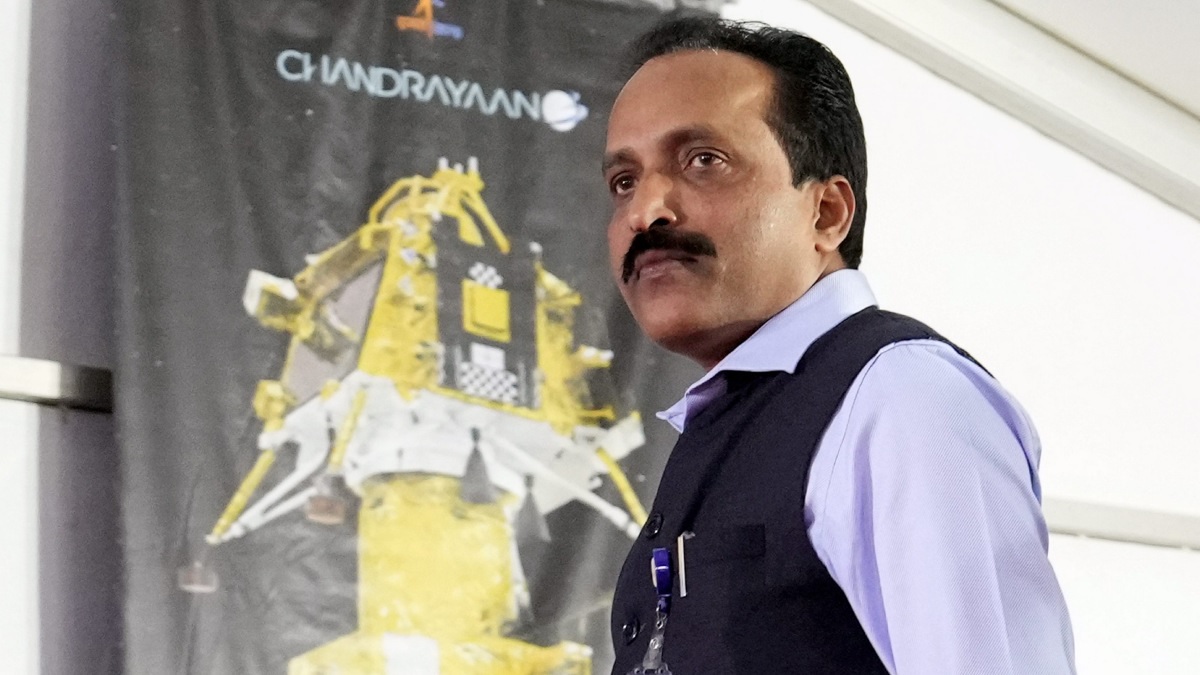
Space & Technology
IndiaISRO Chairman S Somanath engages with 1,500 space enthusiasts on Instagram, offering insights into ISRO's missions and future endeavors, emphasizing opportunities in science and technology. Next session scheduled for May, continuing ISRO's commitment to public engagement and awareness.The Indian Space Research Organisation (ISRO) Chairman, S Somanath, recently took to Instagram to engage with aspiring scientists and space enthusiasts, shedding light on ISRO's ongoing projects and future endeavors. During the hour-long session held on April 27, which saw participation from nearly 1,500 individuals, Somanath addressed a range of questions spanning from Chandrayaan missions to space colonization.One of the focal points of the session was ISRO's efforts towards encouraging young minds to pursue careers in science and technology. Somanath emphasized the diverse opportunities available within ISRO, extending beyond conventional astronaut roles, to fields such as geology and engineering.In response to inquiries regarding the feasibility of building a sustainable space colony, Somanath highlighted the substantial technical challenges involved, coupled with the exorbitant investment required. He indicated that while the concept remains a distant goal, immediate prospects for its realization are slim.Highlighting ISRO's ongoing initiatives, Somanath elaborated on sample return missions, where spacecraft retrieve samples from celestial bodies like the Moon or asteroids for analysis on Earth. He also addressed queries regarding ISRO's collaboration with NASA on satellite projects, affirming the justifiability of costs against the benefits accrued.Somanath provided insights into advancements in satellite technology, particularly nano satellites weighing less than 1 kilogram, which now rival their heavier counterparts in efficiency. Additionally, he fielded questions on exoplanets, space debris management, and the upcoming Chandrayaan-4 mission.This Instagram interaction marked another instance of Somanath's efforts to foster direct engagement with space enthusiasts, following a similar session on March 2. By leveraging social media platforms like Instagram, ISRO aims to raise awareness about its missions and inspire interest in space exploration among the public.Looking ahead, Somanath announced plans for future Instagram sessions in May, signaling ISRO's commitment to continued outreach and transparency in its endeavors. The precise date and time for the upcoming session will be disclosed soon, providing another opportunity for dialogue between ISRO and the space community.In conclusion, S Somanath's engagement on Instagram serves as a platform for knowledge exchange, offering insights into ISRO's endeavors and igniting passion for space exploration among enthusiasts worldwide.
Read More → Posted on 2024-04-28 15:23:29
Space & Technology
Mars European Space Agency's Mars Express orbiter captures images of spider-like features emerging from beneath Mars' surface during seasonal changes, shedding light on the planet's dynamic geological processes.The European Space Agency's Mars Express orbiter has captured intriguing images showcasing peculiar spider-like features emerging from beneath the surface of Mars. These features, observed near the Red Planet's south pole in an area dubbed Inca City, are a result of seasonal changes on Mars.As explained by ESA, this phenomenon occurs during the Martian spring when sunlight penetrates the surface, warming layers of carbon dioxide ice accumulated during the planet's winter. The trapped gas beneath the ice eventually breaks through the overlying layers, carrying dark dust particles from below. The expelled dust settles on the surface, forming intricate, cracked formations resembling spider webs, measuring between 0.03 to 0.6 miles across.Inca City, also known as Angustus Labyrinthus, presents a distinctive linear network of ridges, akin to the ruins of the Inca civilization on Earth. Scientists speculate various theories regarding the formation of these ridges, ranging from ancient sand dunes solidifying over time to the seepage of materials like magma or sand through fractured Martian rocks. Another possibility is that these ridges are "eskers," meandering formations linked to past glacial activity.The recent images captured by Mars Express' High Resolution Stereo Camera (HRSC) offer a closer look at this enigmatic Martian landscape. These images complement previous observations made by ESA's ExoMars Trace Gas Orbiter in 2020, which documented similar spider-like features near Mars' south pole. The next significant event on Mars will be the spring equinox scheduled for November 12, 2024.Despite advancements in Martian exploration, mysteries surrounding the formation of features like those found in Inca City persist. ESA continues to analyze data gathered from various missions to unravel the secrets of Mars' intriguing landscapes, providing valuable insights into the planet's geological history and potential for past habitability.In conclusion, the recent observations of spider-like formations on Mars offer a glimpse into the complex interplay of seasonal processes shaping the planet's surface. As scientists delve deeper into understanding these phenomena, the allure of Mars and its mysteries only deepens, driving further exploration and discovery.
Read More → Posted on 2024-04-27 06:55:15
Space & Technology
ChinaChina is ramping up space debris procedures after a Tiangong space station power loss, enhancing orbit forecasting and reinforcing equipment against potential impacts. This move underscores growing concerns over space safety amid increasing human-generated orbital debris.China is stepping up its efforts to address space debris concerns following a partial power loss incident on its Tiangong space station. According to state media reports, the China Manned Space Agency (CMSA) announced plans to bolster measures aimed at safeguarding astronauts and equipment in orbit.During the Shenzhou 17 mission, astronauts conducted two successful spacewalks outside the Tiangong space station, despite encountering a partial loss of power supply. This power disruption was attributed to a debris strike on the station's solar panels.The CMSA, in a recent press conference reported by Xinhua, confirmed the success of these spacewalks and outlined plans to mitigate future space debris issues. Deputy director Lin Xiqiang highlighted that the Tiangong core module, Tianhe, experienced the partial power loss due to the impact on the solar wing's power cables.While the origin of the debris was not specified, both natural micrometeoroids and human-generated space debris pose threats to space stations like Tiangong and the International Space Station (ISS). The increasing presence of human-generated orbital debris underscores the importance of proactive measures to ensure space safety.Currently, the North American Aerospace Defense Command (NORAD) tracks over 43,000 space objects, with more than 7,500 active satellites in orbit. ISS controllers, in collaboration with NORAD, have conducted over 30 maneuvers to evade debris since the station's inception in 1998.China's space station has also executed maneuvers to avoid debris impacts, as highlighted in the Xinhua report. Lin Xiqiang outlined several measures undertaken by CMSA to prevent future incidents, including enhanced orbit forecasting, optimization of collision warning procedures, and reducing false alarm rates.Future initiatives include increased video monitoring of Tiangong using a high-definition camera on its robotic arm and reinforcement tasks for the upcoming Shenzhou 18 crew. Scheduled to launch soon, the crew will install additional protections for extravehicular piping, cables, and critical equipment.Notably, NASA and China operate independently in space exploration due to restrictions imposed by the 2011 Wolf amendment. However, both entities have been forming separate coalitions for lunar exploration. NASA's Artemis Accords have garnered participation from nearly 40 nations, while China, in collaboration with Russia, announced three new partners for its lunar exploration coalition.In conclusion, China's proactive steps to enhance space debris procedures underscore the importance of international cooperation and vigilance in ensuring the safety and sustainability of space activities. As the realm of space exploration expands, collaboration and robust mitigation strategies will be crucial for addressing emerging challenges.
Read More → Posted on 2024-04-26 16:34:29
Space & Technology
Synthetic biology represents a cutting-edge interdisciplinary field that amalgamates principles from biology, engineering, and computational sciences to engineer novel biological systems with tailored functionalities. This innovative approach holds immense promise in addressing pressing societal challenges, ranging from healthcare and agriculture to renewable energy and environmental sustainability. In this comprehensive report, we embark on a journey to unravel the latest synthetic biology innovations, elucidate their applications across diverse domains, examine ethical considerations, confront challenges, and envision future trajectories. Principles of Synthetic BiologySynthetic biology is underpinned by several foundational principles:Design Principles: At the heart of synthetic biology lies the design of biological systems with predefined functionalities. Design principles encompass modularization, standardization, and abstraction, enabling the construction of genetic circuits, metabolic pathways, and cellular systems with predictable behaviors and outcomes.Engineering Approaches: Synthetic biology leverages engineering methodologies to manipulate biological components and assemble them into functional systems. Techniques such as DNA synthesis, genome editing, and directed evolution empower researchers to engineer organisms with novel traits, ranging from enhanced productivity to resistance against pathogens.Computational Modeling: Computational tools and algorithms play a crucial role in synthetic biology, facilitating the design, simulation, and optimization of biological systems. Modeling approaches, including mathematical modeling, stochastic simulation, and machine learning, enable researchers to predict system behavior, identify design constraints, and guide experimental design. Applications of Synthetic Biology InnovationsSynthetic biology innovations find applications across diverse domains:Biomedical Applications: Synthetic biology holds promise in biomedical applications, including drug discovery, regenerative medicine, and disease diagnostics. Engineered cells and tissues serve as platforms for drug screening, personalized medicine, and tissue engineering, offering novel approaches to combat diseases such as cancer, diabetes, and neurodegenerative disorders.Industrial Biotechnology: Synthetic biology revolutionizes industrial biotechnology by enabling the production of bio-based chemicals, fuels, and materials. Engineered microorganisms and enzymes catalyze bioconversion processes, such as fermentation and biocatalysis, to produce sustainable alternatives to fossil fuels, plastics, and pharmaceuticals, thereby reducing reliance on finite resources and mitigating environmental impact.Agricultural Innovations: Synthetic biology innovations enhance agricultural productivity, sustainability, and resilience. Engineered crops with traits such as increased yield, disease resistance, and nutrient utilization efficiency offer solutions to address global food security challenges, while bioengineered microbes contribute to soil health, crop protection, and nutrient cycling in agroecosystems.Environmental Remediation: Synthetic biology offers novel strategies for environmental remediation and ecosystem restoration. Engineered microorganisms and plants are deployed for bioremediation of contaminated soils and waters, carbon sequestration, and restoration of degraded ecosystems, thereby mitigating pollution, climate change, and biodiversity loss.Biosecurity and Biosafety: Synthetic biology innovations raise concerns regarding biosecurity and biosafety risks, including the deliberate misuse or accidental release of engineered organisms. Regulatory frameworks, risk assessment protocols, and biocontainment strategies are essential to ensure responsible conduct of synthetic biology research and prevent unintended consequences on human health and the environment. Ethical ConsiderationsSynthetic biology presents ethical considerations that warrant careful deliberation:Dual-Use Dilemma: The dual-use nature of synthetic biology raises ethical dilemmas regarding the potential misuse of engineered organisms for harmful purposes. Ethical frameworks, biosecurity measures, and international collaborations are essential to mitigate the risks of bioterrorism, bio-warfare, and unintended consequences arising from synthetic biology research.Environmental Impact: Engineered organisms may have unintended ecological impacts on natural ecosystems, including disruption of native biodiversity, ecosystem functions, and ecological interactions. Environmental risk assessment, ecological monitoring, and public engagement are crucial to anticipate and mitigate potential environmental risks associated with the release of engineered organisms into the environment.Social Justice and Equity: Synthetic biology innovations should be developed and deployed in a manner that promotes social justice, equity, and inclusivity. Ethical considerations include equitable access to benefits and risks of synthetic biology technologies, transparency in decision-making processes, and engagement with diverse stakeholders, including communities affected by synthetic biology research and applications. Challenges and Future DirectionsSynthetic biology faces several challenges on its path to widespread adoption and impact:Complexity and Predictability: Biological systems exhibit inherent complexity and unpredictability, posing challenges in the design, modeling, and engineering of synthetic biological systems. Advancements in computational modeling, high-throughput experimentation, and systems biology approaches are needed to enhance the predictability and reliability of synthetic biology designs.Standardization and Modularization: Standardization of biological parts, devices, and systems is essential to enable interoperability, reproducibility, and scalability in synthetic biology research and applications. Efforts to develop standardized genetic tools, biological parts repositories, and modular assembly techniques are critical to facilitate collaborative research and accelerate innovation in synthetic biology.Ethical and Regulatory Frameworks: Ethical and regulatory frameworks must evolve to address the unique ethical, social, and environmental implications of synthetic biology research and applications. Collaborative efforts between policymakers, scientists, ethicists, and civil society are needed to develop adaptive regulatory frameworks that balance innovation, safety, and ethical considerations in synthetic biology.Education and Public Engagement: Education and public engagement are essential to foster informed discourse, ethical awareness, and responsible stewardship of synthetic biology. Educational initiatives, public forums, and outreach programs can empower diverse stakeholders, including policymakers, students, and the general public, to engage in meaningful discussions about the benefits, risks, and societal implications of synthetic biology.Global Collaboration and Governance: Synthetic biology is a global endeavor that requires international collaboration, knowledge sharing, and governance mechanisms to address global challenges and ensure responsible innovation. International consortia, collaborative research networks, and multilateral agreements can foster cooperation, capacity-building, and technology transfer in synthetic biology research and applications. Editor’s Thoughts: Synthetic biology represents a frontier of scientific innovation with transformative potential across diverse domains, from healthcare and agriculture to environmental sustainability and biosecurity. By harnessing the principles of design, engineering, and computation, synthetic biology pioneers novel approaches to address pressing societal challenges, offering solutions that are sustainable, equitable, and ethically responsible. Despite the complexities and challenges ahead, the trajectory of synthetic biology promises a future where engineered biological systems contribute to human well-being, environmental stewardship, and global prosperity.
Read More → Posted on 2024-04-26 16:24:20
Space & Technology
Next-Generation BatteriesNext-generation batteries represent a cornerstone of technological advancement, offering solutions to pressing challenges in energy storage, sustainability, and electrification. With innovative materials, novel designs, and enhanced performance characteristics, these batteries hold the promise of revolutionizing various industries and driving the transition towards a cleaner, more sustainable future. In this comprehensive report, we delve into the principles of next-generation batteries, cutting-edge developments, applications across diverse sectors, challenges, and future prospects. Principles of Next-Generation BatteriesNext-generation batteries are characterized by their advanced materials, novel architectures, and improved energy storage capabilities. Key principles include:Advanced Electrode Materials: Next-generation batteries employ advanced electrode materials, such as lithium metal, silicon, sulfur, and solid-state electrolytes, to enhance energy density, cycling stability, and safety. These materials offer higher specific capacities and energy densities compared to traditional lithium-ion batteries, enabling longer-lasting and more powerful energy storage solutions.Innovative Electrochemical Reactions: Next-generation batteries leverage innovative electrochemical reactions, including lithium-sulfur, lithium-air, and metal-air chemistries, to achieve higher energy densities and efficiencies. These reactions enable the reversible storage of large amounts of energy in lightweight and abundant materials, paving the way for breakthroughs in electric vehicles, grid storage, and portable electronics.Advanced Manufacturing Techniques: Next-generation batteries employ advanced manufacturing techniques, such as additive manufacturing, roll-to-roll processing, and atomic layer deposition, to fabricate electrodes, electrolytes, and separators with precise control over composition, morphology, and porosity. These manufacturing methods enable the production of high-performance batteries at scale, reducing costs and improving efficiency. Developments in Next-Generation BatteriesRecent advancements in next-generation batteries have propelled the field forward, with notable developments including:Solid-State Batteries: Solid-state batteries replace traditional liquid electrolytes with solid electrolytes, offering higher energy densities, improved safety, and wider operating temperatures. By eliminating the risk of electrolyte leakage and dendrite formation, solid-state batteries enable the use of lithium metal anodes and higher voltage cathodes, resulting in longer cycle life and faster charging capabilities.Lithium-Sulfur Batteries: Lithium-sulfur batteries utilize sulfur as the cathode material, offering a theoretical specific capacity several times higher than conventional lithium-ion batteries. Recent advancements in sulfur cathode design, electrolyte formulation, and separator materials have addressed challenges related to polysulfide dissolution, volumetric expansion, and low conductivity, leading to improved cycling stability and energy efficiency.Metal-Air Batteries: Metal-air batteries, such as lithium-air and aluminum-air batteries, utilize oxygen from the air as the cathode material, enabling higher energy densities and reduced weight compared to conventional lithium-ion batteries. By harnessing the reversible oxidation and reduction of metals, metal-air batteries offer the potential for electric vehicles with longer driving ranges and grid-scale energy storage with higher storage capacities.Flow Batteries: Flow batteries store energy in liquid electrolytes contained in external tanks, enabling scalable and modular energy storage solutions for grid applications. Recent advancements in flow battery chemistry, including vanadium, zinc-bromine, and organic redox couples, have led to improved energy efficiency, cycling stability, and cost-effectiveness, making flow batteries a viable option for renewable energy integration and grid stabilization. Applications of Next-Generation BatteriesNext-generation batteries have diverse applications across various sectors, including:Electric Vehicles (EVs): Next-generation batteries offer higher energy densities, faster charging rates, and longer cycle life compared to traditional lithium-ion batteries, making them ideal for electric vehicle applications. By extending driving ranges and reducing charging times, next-generation batteries accelerate the adoption of electric vehicles and contribute to the decarbonization of transportation.Grid-Scale Energy Storage: Next-generation batteries play a crucial role in grid-scale energy storage, enabling the integration of renewable energy sources such as solar and wind into the electricity grid. By storing excess energy during periods of low demand and delivering it during peak demand hours, next-generation batteries improve grid stability, reduce reliance on fossil fuels, and support the transition to a renewable energy future.Portable Electronics: Next-generation batteries power a wide range of portable electronic devices, including smartphones, laptops, and wearable devices. By offering higher energy densities and longer battery life, these batteries enhance the performance and functionality of electronic gadgets, enabling greater mobility and productivity for consumers.Aerospace and Defense: Next-generation batteries are increasingly used in aerospace and defense applications, including unmanned aerial vehicles (UAVs), satellites, and military equipment. By providing lightweight and high-energy-density power sources, these batteries support extended mission durations, increased payload capacities, and enhanced operational capabilities in remote or hostile environments. Challenges and Future DirectionsDespite the progress in next-generation batteries, several challenges remain to be addressed:Safety and Reliability: Ensuring the safety and reliability of next-generation batteries is paramount, particularly in high-stress environments such as electric vehicles and grid-scale energy storage. Mitigating risks related to thermal runaway, dendrite formation, and electrolyte degradation requires advanced materials, robust design strategies, and rigorous testing protocols.Cost and Scalability: Achieving cost parity with conventional lithium-ion batteries and scaling up production to meet growing demand are significant challenges for next-generation battery technologies. Innovations in materials synthesis, manufacturing processes, and supply chain management are needed to reduce costs and increase production volumes while maintaining high quality and performance standards.Environmental Impact: Addressing the environmental impact of battery production, use, and disposal is essential for achieving sustainability goals. Developing recyclable materials, closed-loop recycling processes, and environmentally friendly manufacturing methods can minimize the carbon footprint and ecological footprint of next-generation batteries, ensuring a greener and more sustainable energy future.Policy and Regulation: Implementing supportive policies and regulations is critical for incentivizing the adoption of next-generation batteries and accelerating their deployment across various sectors. Policy measures, such as tax incentives, research grants, and performance standards, can encourage investment in battery R&D, promote market competition, and drive innovation in energy storage technologies.Interdisciplinary Collaboration: Facilitating interdisciplinary collaboration between researchers, engineers, policymakers, and industry stakeholders is essential for advancing next-generation battery technologies and translating research findings into practical applications. Collaborative research networks, technology transfer initiatives, and public-private partnerships can foster knowledge exchange, accelerate innovation, and address complex challenges in energy storage and electrification. Editor’s Thoughts: Next-generation batteries hold the key to unlocking a sustainable and electrified future, offering solutions to pressing challenges in energy storage, transportation, and grid resilience. By leveraging advanced materials, innovative designs, and scalable production processes, these batteries have the potential to revolutionize various industries and accelerate the transition to renewable energy sources. Despite the remaining challenges related to safety, cost, environmental impact, and policy support, the future of next-generation batteries is bright, with the promise of powering a cleaner, greener, and more sustainable world.
Read More → Posted on 2024-04-26 16:02:43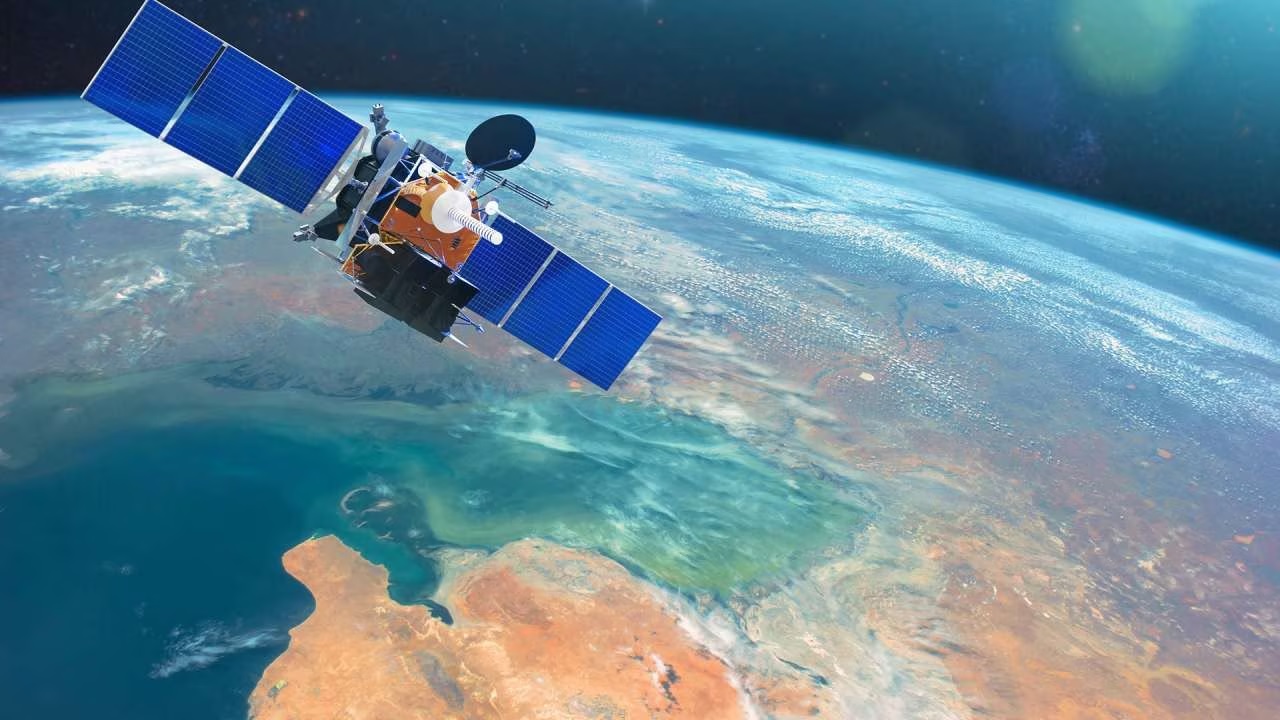
Space & Technology
IndiaGalaxEye Space is developing a satellite equipped with SAR and EO sensors for enhanced Earth observation, targeting strategic defense applications in challenging environments. Scheduled for launch in early 2025, the satellite will provide simultaneous data capture, offering defense forces comprehensive surveillance capabilities.GalaxEye Space, a company based in Bangalore, is in the process of developing a satellite tailored to meet the Earth observation needs of the Indian Armed Forces. This satellite, set to launch in early 2025, aims to enhance surveillance capabilities through a combination of electro-optic (EO) and synthetic aperture radar (SAR) sensors.At the Indian DefSpace Symposium 2024 in Delhi, Deb Jyoti Pal, GalaxEye's senior vice-president of business development, revealed key details about the project. The satellite, operating in low Earth orbit (LEO), will carry both EO and SAR sensors. These sensors will work simultaneously, offering comprehensive data collection regardless of environmental conditions such as day, night, fog, or clouds.Pal highlighted the strengths of each sensor type. While SAR excels in all-weather and day-night conditions, EO sensors provide clearer imagery. By integrating data from both sensors, GalaxEye aims to provide defense forces with a more complete and actionable picture of strategic areas of interest.The fusion of SAR and EO data enables GalaxEye to overcome the limitations of each sensor individually. SAR data, though robust, can be challenging to interpret on its own. On the other hand, EO data lacks SAR's versatility in adverse weather conditions. By combining the strengths of both, GalaxEye enhances the utility of the satellite's observations for defense applications.In summary, GalaxEye Space's forthcoming satellite represents a significant advancement in Earth observation technology tailored specifically for defense needs. By leveraging the complementary capabilities of SAR and EO sensors, the satellite promises to provide defense forces with enhanced situational awareness for strategic decision-making.
Read More → Posted on 2024-04-26 14:56:56
Space & Technology
ChinaChina successfully launches Shenzhou 18 spacecraft with a three-person crew to join Tiangong space station, advancing its ambitions in space exploration.China marked another milestone in its space exploration journey with the successful launch of the Shenzhou 18 spacecraft, carrying a three-person crew, from the Jiuquan Satellite Launch Center in the Gobi Desert. The Long March 2F rocket lifted off at 8:59 a.m. EDT on April 25, 2024, carrying veteran astronaut Ye Guangfu, alongside spaceflight rookies Li Cong and Li Guangsu.Following a flawless launch, the Shenzhou spacecraft separated from its launch vehicle approximately 10 minutes into the flight, confirming the success of the mission. Commanded by Ye Guangfu, who previously participated in the Shenzhou 13 mission, the crew is set to spend approximately six months in space.Ye Guangfu expressed a sense of duty and responsibility ahead of the launch, highlighting the difference between his first spaceflight filled with excitement and curiosity, and the current mission characterized by a sense of mission and duty.The Shenzhou 18 spacecraft is scheduled to dock with the Tiangong space station approximately 6.5 hours after liftoff. The crew will join the Shenzhou 17 crew aboard the orbital outpost, who are completing their six-month mission and preparing to return to Earth.Upon arrival at Tiangong, the Shenzhou 18 crew will engage in various activities, including extravehicular activities (EVAs), live science lectures to school children in China, and a series of cargo and science experiments. Lin Xiqiang, deputy director of the China Manned Space Agency, outlined plans for six cargo outbound deliveries via the station's cargo airlock module and two to three extravehicular activities during a recent press conference unveiling the Shenzhou 18 crew.The crew's supplies, delivered by the Tianzhou 7 cargo spacecraft in January, will be replenished around August by the Tianzhou 8 spacecraft, bringing fresh supplies, equipment, and experiments to Tiangong.Meanwhile, preparations for the upcoming Shenzhou 19 mission are underway at the Jiuquan Satellite Launch Center. A new Long March 2F rocket will be maintained in a state of near readiness, ensuring it can be launched promptly as a lifeboat in the event of an emergency.China's Tiangong space station, constructed in 2021 and completed in late 2022, has been hosting crews of three astronauts for six-month durations. The station, roughly 20% of the mass of the International Space Station, is intended for permanent occupation for at least a decade. China is considering future expansions and opening the outpost to commercial activities.In conclusion, the successful launch of the Shenzhou 18 mission demonstrates China's continued progress in space exploration and its commitment to establishing a long-term presence in space. With plans for further missions and the expansion of the Tiangong space station, China is poised to play a significant role in shaping the future of space exploration.
Read More → Posted on 2024-04-26 07:19:33
Space & Technology
WorldThe realm of molecular machines and nanotechnology stands at the forefront of scientific innovation, offering unprecedented opportunities to engineer and manipulate matter at the molecular and nanoscale levels. Molecular machines, inspired by biological systems, exhibit dynamic functionalities and precise control over molecular motion, paving the way for transformative applications in fields ranging from medicine to materials science. In this comprehensive report, we embark on a journey to explore the principles of molecular machines, breakthroughs in nanotechnology, current applications, challenges, and future prospects. Principles of Molecular MachinesMolecular machines are intricately designed molecular-scale devices capable of performing mechanical tasks through controlled movements or changes in molecular conformation. Key principles include:Design and Synthesis: Molecular machines are engineered using principles from chemistry, physics, and biology to achieve specific functions at the molecular level. Synthetic molecular motors, switches, and rotors are constructed using organic molecules, metal complexes, or supramolecular assemblies, allowing precise control over their mechanical motion.Energy Conversion and Motion: Molecular machines harness energy from various sources, including light, chemical reactions, and electrical stimuli, to drive molecular motion. Rotary motors, for instance, utilize chemical energy to drive directional rotation, mimicking the rotary motion observed in biological systems such as ATP synthase.Dynamic Behavior and Control: Molecular machines exhibit dynamic behaviors, including Brownian motion, thermal fluctuations, and stochastic switching between different states. Control strategies, such as photoactivation, pH modulation, and ligand binding, enable external manipulation and regulation of molecular machine activity, facilitating programmable responses to environmental cues. Breakthroughs in NanotechnologyNanotechnology encompasses the manipulation and control of matter at the nanoscale, offering unprecedented opportunities for innovation and discovery. Recent breakthroughs include:Nanomaterials Synthesis: Advances in nanomaterial synthesis techniques, such as chemical vapor deposition (CVD), sol-gel synthesis, and self-assembly, enable the fabrication of nanoscale structures with tailored properties and functionalities. Quantum dots, carbon nanotubes, and metallic nanoparticles exhibit unique optical, electrical, and mechanical properties, opening new avenues for applications in electronics, photonics, and catalysis.Nanofabrication Technologies: Nanofabrication techniques, including electron beam lithography (EBL), nanoimprint lithography (NIL), and atomic layer deposition (ALD), allow for the precise patterning and manipulation of materials at the nanoscale. These techniques enable the fabrication of nanoscale devices, sensors, and circuits with high resolution and scalability, revolutionizing fields such as microelectronics, biomedical devices, and energy storage.Nanomedicine and Drug Delivery: Nanotechnology holds promise for revolutionizing healthcare through targeted drug delivery, imaging, and therapeutics. Nanoparticle-based drug carriers, liposomes, and polymeric nanoparticles enable site-specific drug delivery, reducing systemic toxicity and enhancing therapeutic efficacy. Nanomaterials, such as graphene oxide and gold nanoparticles, serve as contrast agents for imaging modalities, including magnetic resonance imaging (MRI) and computed tomography (CT), facilitating early disease detection and diagnosis. Current ApplicationsMolecular machines and nanotechnology find applications across diverse domains, including:Biomedical Engineering: Molecular machines and nanotechnology are poised to transform biomedical engineering through targeted drug delivery, biosensing, and regenerative medicine. Biomimetic nanocarriers, engineered tissues, and implantable devices offer novel solutions for treating diseases, repairing tissues, and restoring physiological function.Information Technology: Nanotechnology enables the development of high-performance computing devices, memory storage systems, and quantum computing technologies. Nanoscale transistors, memory chips, and spintronics devices exhibit enhanced speed, energy efficiency, and storage capacity, driving advancements in information processing and data storage.Environmental Remediation: Nanomaterials and molecular machines hold promise for addressing environmental challenges, including pollution, water purification, and renewable energy generation. Nanoparticle-based catalysts, photocatalysts, and sensors enable efficient degradation of pollutants, capture of greenhouse gases, and conversion of solar energy into electricity or fuel. Challenges and Future DirectionsDespite the remarkable progress in molecular machines and nanotechnology, several challenges must be addressed to unlock their full potential:Scalability and Manufacturing: Scaling up nanotechnology manufacturing processes and achieving reproducibility at the nanoscale remain significant challenges. Developing scalable fabrication techniques, standardizing manufacturing processes, and minimizing defects are essential for the commercialization and widespread adoption of nanotechnology-based products and devices.Biocompatibility and Safety: Ensuring the biocompatibility and safety of nanomaterials for biomedical applications is critical for clinical translation. Addressing concerns related to nanoparticle toxicity, immunogenicity, and long-term biodegradation is essential to mitigate risks and ensure the safety of nanotechnology-enabled therapies and medical devices.Regulatory and Ethical Considerations: Regulatory frameworks for the oversight of nanotechnology products and applications are still evolving, posing challenges for market approval and commercialization. Addressing ethical considerations, including privacy, data security, and environmental impact, is essential to ensure responsible development and deployment of nanotechnology solutions.Interdisciplinary Collaboration: Advancing molecular machines and nanotechnology requires interdisciplinary collaboration across fields such as chemistry, physics, materials science, and biology. Fostering collaboration between researchers, industry partners, and regulatory agencies is essential for overcoming technical barriers, addressing societal concerns, and driving innovation in nanotechnology.Education and Workforce Development: Building a skilled workforce equipped with the knowledge and expertise to navigate the complexities of molecular machines and nanotechnology is essential for sustaining progress in this field. Educational initiatives, training programs, and interdisciplinary research collaborations can cultivate the next generation of nanotechnology experts and innovators, driving continued advancements in this rapidly evolving field.Editor’s thoughts: Molecular machines and nanotechnology hold immense promise for transforming diverse industries and addressing global challenges through precise manipulation of matter at the molecular and nanoscale levels. By harnessing the principles of molecular motion, nanomaterial synthesis, and nanofabrication techniques, researchers are unlocking new frontiers in healthcare, information technology, environmental remediation, and beyond. Despite the challenges ahead, the future of molecular machines and nanotechnology is bright, with the potential to revolutionize technology, improve human health, and safeguard the environment on a global scale.
Read More → Posted on 2024-04-25 15:42:28Search
Top Trending in 24 Hours
-
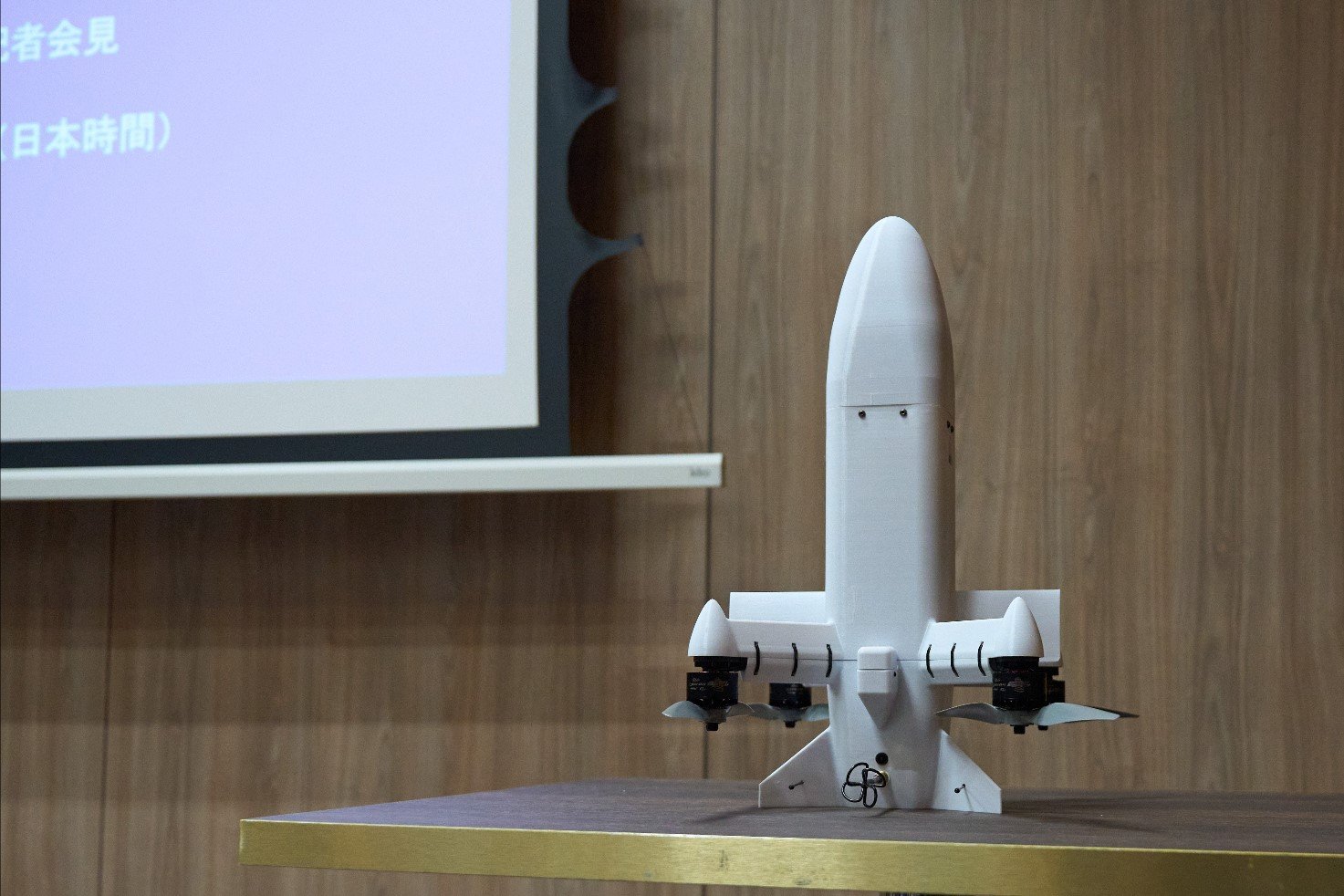 Japan Selects Terra Drone’s Terra B1 for Mass Production of Interceptor UAVs
-
 Russia Equips Shahed and Geran Drones With Electronic Warfare Systems to Jam Ukrainian Interceptor Video Links
-
 Austria Receives First Modernized Leopard 2A4Ö Tank and Ulan NV Infantry Fighting Vehicle
-
 NATO Launches Exercise Northern Viking 26 in Iceland to Secure North Atlantic Routes
-
 Ukraine Reduces Use of Western Tanks as Cheap Drones Become a Major Battlefield Threat
-
 Kongsberg Introduces Aegir SSA Sonar Family With AI-Powered Monitoring for Continuous Underwater Surveillance
-
 Saab UK Completes Key Trials of Seaeye SR20 eWROV, Moves to Next Development Phase
-
 Mystery Chinese J-20-Like Object Seen at Former Airport Was a Firefighting Training Mock-Up
Top Trending in 4 Days
-
 Iran Reveals Underground Weapons Manufacturing Facility for First Time on State TV
-
 U.S. Navy Unveils New AIM-424 ‘Malice’ Air-to-Air Missile With 463+ km Range for F-35C, Super Hornet and F/A-XX
-
 China Develops Hypersonic Glide Vehicles Capable of Launching Air-to-Air Missiles Mid-Flight
-
 Israel Explores Potential Acquisition of U.S. F-47 Sixth-Generation Fighter
-
 Iran-Linked Hackers Shut Down UK Power Plant for Four Days in First Known Attack
-
 Satellite Imagery Shows Damage From Israeli Strikes on Turkey Military Occupied Syria’s Abu al-Duhur Airbase
-
 Ukraine Holds World’s First Unmanned Military Parade on 35th Independence Day
-
 UAE Completes Protective Metal Structures Around Fuel Tanks Near Dubai International Airport