Space & Technology
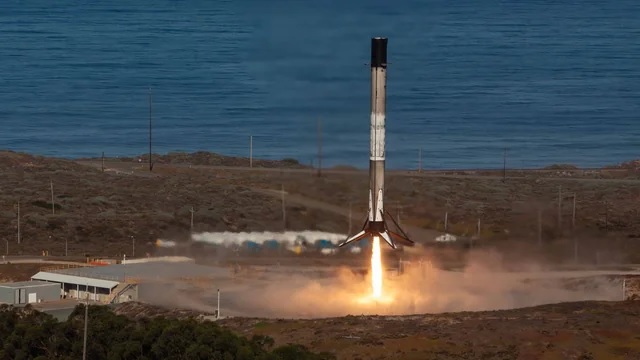
IndiaSpace Zone India Introduce RHUMI-1, a reusable rocket with a hybrid propulsion system, poised to revolutionize satellite launches, targeting India's burgeoning small satellite market.Space Zone India, headquartered in Kelambakkam, Chennai, is on the verge of a significant breakthrough in Indian space technology. The startup is making waves with its pioneering project, RHUMI-1, a reusable rocket designed to transform satellite launches.RHUMI-1 represents a remarkable advancement in Indian space technology, aimed at revolutionizing satellite launches. Unlike traditional rockets, RHUMI-1 incorporates a reusable mechanism, promising cost-effective and environmentally sustainable solutions. With the capacity to carry three cube satellites, this innovative rocket utilizes a hybrid propulsion system, combining solid fuel and liquid oxidizer technologies. This design not only slashes operational costs but also ensures safety.The surge in demand for small satellites in Low Earth Orbit (LEO) within India has prompted Space Zone India to strategically focus on capturing this burgeoning market. CEO Anand Megalingam highlighted the company's commitment to leveraging the Hybrid Propulsion system to deliver unparalleled cost-effectiveness. With retired ISRO scientists providing guidance, the team is diligently overcoming challenges associated with hybrid propulsion technology.The completion of all tests for the Reusable Hybrid Rocket (Demonstrator) is imminent, with a highly anticipated launch scheduled for mid-August 2024 in the coastal region of Chennai. This milestone marks a pivotal moment for Space Zone India and the Indian space industry, positioning the company as a frontrunner in reusable rocket technology.Space Zone India made history in February 2023 by successfully launching India's first hybrid rocket. The event was witnessed by esteemed dignitaries, including ISRO Scientist Padma Sri Dr. Mylswamy Annadurai and Deputy Director Ranganathan from Sriharikota, alongside eminent scientists from the Atomic Research Centre in Kalpakkam. The company's portfolio includes a range of rockets tailored for altitudes ranging from 1 km to 500 km, showcasing its commitment to innovation and versatility.Innovative launch systems developed by Space Zone India include ground-supporting equipment for rocket launches, pioneering portable launch systems that can be easily transported between locations without requiring large transportation. With the successful launch of their reusable hybrid rocket demonstrator, the company is poised to attract investors for its upcoming rocket launches.
Read More → Posted on 2024-04-25 14:51:30
Space & Technology
SpaceUnravel the mysteries of exoplanets with this comprehensive report, exploring detection methods, key findings, and future prospects in the quest for understanding our cosmic neighborhood. The discovery of exoplanets, planets orbiting stars beyond our solar system, has revolutionized our understanding of the cosmos and expanded the horizons of planetary science. With advancements in observational techniques and data analysis, astronomers have identified thousands of exoplanets with diverse characteristics, ranging from rocky worlds to gas giants, within habitable zones and beyond. In this comprehensive report, we delve into the principles of exoplanet discovery, state-of-the-art observational methods, key findings, challenges, and future prospects. Principles of Exoplanet DiscoveryExoplanet discovery relies on a variety of observational techniques and detection methods, including:Transit Photometry: Transit photometry involves monitoring the brightness of a star over time to detect periodic dips in brightness caused by an exoplanet passing in front of the star, or transiting. By measuring the depth and duration of these transits, astronomers can infer the size, orbital period, and orbital inclination of the exoplanet.Radial Velocity Method: The radial velocity method, also known as the Doppler method, detects exoplanets by measuring the tiny wobbles or shifts in the spectral lines of a star induced by the gravitational pull of an orbiting planet. By analyzing these radial velocity variations, astronomers can infer the mass, orbital period, and eccentricity of the exoplanet.Direct Imaging: Direct imaging involves capturing images of exoplanets directly, either by blocking out the light of the parent star or by using specialized instruments capable of detecting the faint light emitted by the exoplanet itself. Direct imaging is particularly challenging for Earth-like exoplanets due to their small size and proximity to bright stars.Microlensing and Gravitational Lensing: Microlensing and gravitational lensing occur when the gravitational field of a massive object, such as a star or a galaxy, bends and magnifies the light from a more distant star or exoplanet. By monitoring these lensing events, astronomers can detect the presence of exoplanets orbiting the foreground lensing object. Key Findings in Exoplanet ResearchExoplanet discoveries have yielded a wealth of insights into the prevalence, diversity, and formation mechanisms of planetary systems:Exoplanet Census: Astronomers have identified thousands of exoplanets orbiting stars in our galaxy, spanning a wide range of sizes, compositions, and orbital characteristics. These discoveries suggest that planetary systems are common throughout the universe, with planets orbiting a significant fraction of stars.Habitable Zone Exoplanets: The discovery of exoplanets within the habitable zone of their parent stars, where conditions may be conducive to liquid water and potentially life, has sparked excitement in the search for extraterrestrial life. These "Goldilocks" planets offer tantalizing targets for future exploration and characterization efforts.Exoplanet Atmospheres: Observations of exoplanet atmospheres using spectroscopic techniques have provided valuable insights into their chemical compositions, temperature profiles, and weather patterns. Detecting molecular signatures, such as water vapor, methane, and carbon dioxide, can inform models of exoplanet formation and evolution.Exomoon Candidates: While the discovery of exoplanets has been the primary focus of exoplanet research, astronomers have also identified potential exomoons, natural satellites orbiting exoplanets. These exomoon candidates offer opportunities to study the dynamics and evolution of planetary systems beyond our solar system. Challenges and Future ProspectsDespite the remarkable progress in exoplanet research, several challenges lie ahead:Detection Limits: Current detection methods are biased towards detecting larger exoplanets in close orbits around their parent stars. Detecting smaller, Earth-sized exoplanets in the habitable zones of distant stars remains challenging due to their smaller size and fainter signals.Characterization Challenges: Fully characterizing the properties of exoplanets, including their atmospheres, compositions, and habitability, requires advanced observational techniques and instrumentation. Future space telescopes, such as the James Webb Space Telescope (JWST) and the Nancy Grace Roman Space Telescope, will enable high-resolution imaging and spectroscopic analysis of exoplanet atmospheres.Data Analysis and Interpretation: Analyzing the vast amounts of data generated by exoplanet surveys requires sophisticated data analysis techniques and computational tools. Machine learning algorithms, statistical methods, and data visualization techniques play crucial roles in identifying exoplanet candidates and extracting meaningful information from observational datasets.Next-Generation Surveys: Future exoplanet surveys, such as the Transiting Exoplanet Survey Satellite (TESS) and the European Space Agency's PLATO mission, will continue to search for exoplanets across a wide range of stellar environments and orbital configurations. These surveys will expand our understanding of exoplanet demographics and provide targets for follow-up observations.Biosignature Detection: Detecting signs of life, or biosignatures, on exoplanets is a major goal of future exoplanet research. Identifying biomarkers, such as oxygen, ozone, and methane, in exoplanet atmospheres could provide evidence of biological activity and inform the search for extraterrestrial life. Editor’s Thoughts: The discovery of exoplanets has revolutionized our understanding of the cosmos and opened new avenues for exploration and discovery. By leveraging advanced observational techniques, data analysis methods, and computational models, astronomers continue to push the boundaries of exoplanet research, uncovering new worlds and shedding light on the formation and evolution of planetary systems. Despite the challenges ahead, the future of exoplanet research is bright, with the potential to unravel the mysteries of the universe and search for signs of life beyond our solar system.
Read More → Posted on 2024-04-25 05:20:23
Space & Technology
Technology News WorldDeep learning, a subset of artificial intelligence (AI) and machine learning, has emerged as a transformative technology in healthcare. By leveraging complex neural networks to analyze vast amounts of data, deep learning algorithms can extract valuable insights, make accurate predictions, and assist healthcare professionals in diagnosis, treatment planning, and patient care. In this comprehensive report, we will explore the principles of deep learning, its applications in healthcare, ethical considerations, challenges, and future prospects. Principles of Deep LearningDeep learning algorithms are inspired by the structure and function of the human brain, specifically neural networks composed of interconnected nodes or neurons. These neural networks consist of multiple layers of nodes, including input, hidden, and output layers, each performing specific computations on the input data. Through a process known as backpropagation, deep learning models learn to iteratively adjust the weights and biases of connections between nodes to minimize prediction errors and optimize performance.Key principles of deep learning include:Neural Network Architecture: Deep learning models are characterized by their architecture, which can range from simple feedforward networks to complex convolutional neural networks (CNNs), recurrent neural networks (RNNs), and transformers. CNNs are particularly well-suited for image recognition tasks, while RNNs excel at sequence prediction and natural language processing (NLP) tasks.Training Data and Labels: Deep learning models require large amounts of labeled data to learn from. Training datasets are typically annotated with ground truth labels, allowing the model to learn the relationships between input features and target outputs. The quality and diversity of training data play a critical role in the performance of deep learning algorithms.Loss Functions and Optimization: Loss functions quantify the difference between predicted and ground truth values, providing feedback to the model during training. Optimization algorithms, such as stochastic gradient descent (SGD) and Adam, adjust model parameters to minimize the loss function and improve performance. Hyperparameter tuning, including learning rate, batch size, and regularization techniques, can further enhance model convergence and generalization.Applications of Deep Learning in HealthcareDeep learning has a wide range of applications in healthcare, including:Medical Imaging: Deep learning algorithms have demonstrated remarkable performance in medical image analysis tasks, including disease detection, segmentation, and classification. CNNs trained on large datasets of medical images, such as X-rays, CT scans, and MRIs, can accurately identify abnormalities and assist radiologists in diagnosing conditions such as cancer, pneumonia, and neurological disorders.Clinical Decision Support: Deep learning models can analyze electronic health records (EHRs), patient vitals, and laboratory results to provide clinical decision support to healthcare providers. RNNs and transformers trained on longitudinal patient data can predict disease progression, identify at-risk patients, and recommend personalized treatment plans based on individual patient profiles and medical history.Drug Discovery and Development: Deep learning algorithms are increasingly used in drug discovery pipelines to accelerate the identification of novel drug candidates and predict their pharmacological properties. Generative models, such as generative adversarial networks (GANs) and variational autoencoders (VAEs), can generate molecular structures with desired drug-like properties, aiding in the design of new therapeutics for complex diseases like cancer, Alzheimer's, and COVID-19.Genomic Analysis: Deep learning techniques are employed to analyze genomic and transcriptomic data, uncovering hidden patterns and associations between genetic variants and disease phenotypes. CNNs and graph neural networks (GNNs) can predict gene expression, identify regulatory elements, and classify genetic mutations, providing insights into the molecular mechanisms underlying complex diseases and informing precision medicine approaches.Natural Language Processing (NLP): Deep learning models are used to extract and analyze information from unstructured clinical text, including medical notes, pathology reports, and scientific literature. Transformer-based models, such as BERT and GPT, can perform tasks such as named entity recognition (NER), entity linking, and text summarization, enabling automated medical coding, literature curation, and clinical documentation. Ethical ConsiderationsWhile deep learning offers tremendous potential to improve healthcare outcomes, it also raises ethical concerns related to data privacy, algorithm bias, and patient autonomy. Key ethical considerations include:Data Privacy and Security: Deep learning models trained on sensitive patient data must adhere to strict privacy regulations, such as the Health Insurance Portability and Accountability Act (HIPAA) in the United States. Data anonymization, encryption, and access controls are essential to safeguard patient privacy and prevent unauthorized access or misuse of healthcare data.Algorithm Bias and Fairness: Deep learning algorithms may exhibit bias and disparities in their predictions, particularly when trained on biased or unrepresentative datasets. Algorithmic bias can lead to inequities in healthcare delivery, exacerbating existing disparities based on race, ethnicity, gender, or socioeconomic status. Mitigating bias requires transparent model development, diverse training data, and ongoing monitoring and evaluation of algorithm performance.Informed Consent and Transparency: Patients have the right to understand how their data is being used and shared for deep learning applications. Informed consent procedures should be transparent and comprehensible, providing patients with clear explanations of the risks, benefits, and implications of participating in data-driven research or clinical decision support systems. Healthcare providers must also disclose the limitations and uncertainties associated with deep learning predictions, fostering trust and accountability in patient-provider relationships. Challenges and Future DirectionsDespite the transformative potential of deep learning in healthcare, several challenges must be addressed to maximize its impact:Interpretability and Explainability: Deep learning models are often described as "black boxes," making it challenging to interpret their decisions and understand the underlying mechanisms driving predictions. Enhancing model interpretability and explainability is crucial for building trust among healthcare providers and patients, particularly in critical decision-making contexts such as diagnosis and treatment planning.Data Quality and Bias: Deep learning algorithms are sensitive to the quality and representativeness of training data, which may contain errors, biases, or missing information. Improving data quality through data curation, annotation, and augmentation is essential to enhance model robustness and generalization. Addressing algorithmic bias requires careful consideration of dataset composition, feature selection, and algorithm design to mitigate disparities and ensure equitable outcomes for diverse patient populations.Regulatory Compliance and Validation: Deep learning models used in healthcare applications must adhere to regulatory standards and undergo rigorous validation and testing processes to ensure safety, efficacy, and reliability. Regulatory agencies, such as the U.S. Food and Drug Administration (FDA) and the European Medicines Agency (EMA), play a crucial role in evaluating and approving deep learning-based medical devices, diagnostic tools, and treatment algorithms.Clinical Integration and Adoption: Integrating deep learning algorithms into clinical workflows and decision-making processes requires overcoming technical, organizational, and cultural barriers. Healthcare providers must be trained to use and interpret deep learning predictions effectively, incorporating them into existing clinical practices while ensuring patient safety and quality of care. Addressing user interface design, workflow integration, and clinician feedback is essential to facilitate seamless adoption and acceptance of deep learning technologies in healthcare settings.Collaboration and Knowledge Sharing: Collaboration between interdisciplinary teams of clinicians, data scientists, engineers, and policymakers is essential for advancing deep learning research and translating innovations into clinical practice. Knowledge sharing platforms, open-source software repositories, and collaborative research networks facilitate the exchange of ideas, data, and best practices, accelerating progress in healthcare AI and fostering a culture of innovation and collaboration. Editor’s thoughts: Deep learning holds immense promise for revolutionizing healthcare delivery and improving patient outcomes across a wide range of applications. By harnessing the power of complex neural networks to analyze diverse sources of data, deep learning algorithms can assist healthcare providers in diagnosis, treatment planning, and patient care. Despite the remaining challenges related to data privacy, algorithm bias, regulatory compliance, and clinical integration, the future of deep learning in healthcare is bright, with the potential to transform medicine and enhance the quality of life for millions of people worldwide.
Read More → Posted on 2024-04-24 17:05:57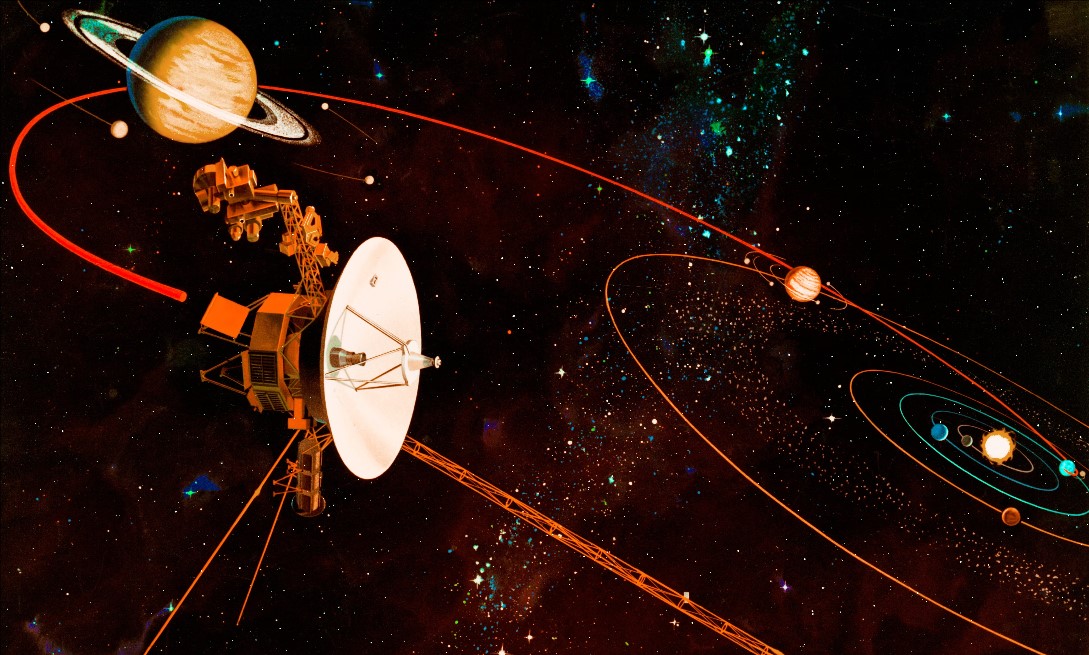
Space & Technology
Latest Space News NASA In a significant breakthrough for space exploration, NASA's Voyager 1 spacecraft has resumed communication with ground control after a hiatus of five months. The spacecraft, launched in 1977, holds the distinction of being the first human-made object to venture beyond the boundaries of our solar system and into interstellar space. Its sibling, Voyager 2, followed suit six years later in 2018.However, on November 14, 2023, Voyager 1 encountered a communication setback when its binary code, the language it uses to communicate with NASA's flight team, became incomprehensible. This glitch was traced back to a corrupted code stored on a single chip, affecting approximately 3% of the spacecraft's memory. As a result, Voyager 1's ability to transmit both scientific and engineering data was compromised.To address this issue, NASA's Voyager 1 operating team devised a remote solution: relocating the affected code to different sections of the spacecraft's memory. This process required meticulous planning, as radio signals traveling between Earth and Voyager 1 take 22.5 hours each way. The team began the arduous task on April 18, 2024, carefully transferring the code to its new location.By April 20, 2024, ground control confirmed the success of the modification, marking the resumption of communication with Voyager 1. This development opens the door for further adjustments to the spacecraft's flight data subsystem (FDS) software, with the ultimate goal of restoring its capability to transmit crucial scientific data from beyond our solar system.Despite the distance and challenges involved, the dedication of the NASA team has enabled this remarkable achievement. Their expertise and perseverance exemplify the spirit of human ingenuity in overcoming obstacles encountered in the exploration of outer space.Looking ahead, the focus will be on fine-tuning the FDS software and recovering additional regions of the system responsible for processing and transmitting scientific data. Each step forward brings us closer to unlocking new insights into the mysteries of the cosmos.The successful reconnection with Voyager 1 reaffirms its status as a trailblazer in space exploration, inspiring future generations to continue pushing the boundaries of our understanding of the universe. As we celebrate this milestone, we reflect on the enduring legacy of Voyager 1 and the enduring spirit of exploration that drives humanity's quest to explore the cosmos.
Read More → Posted on 2024-04-23 16:06:40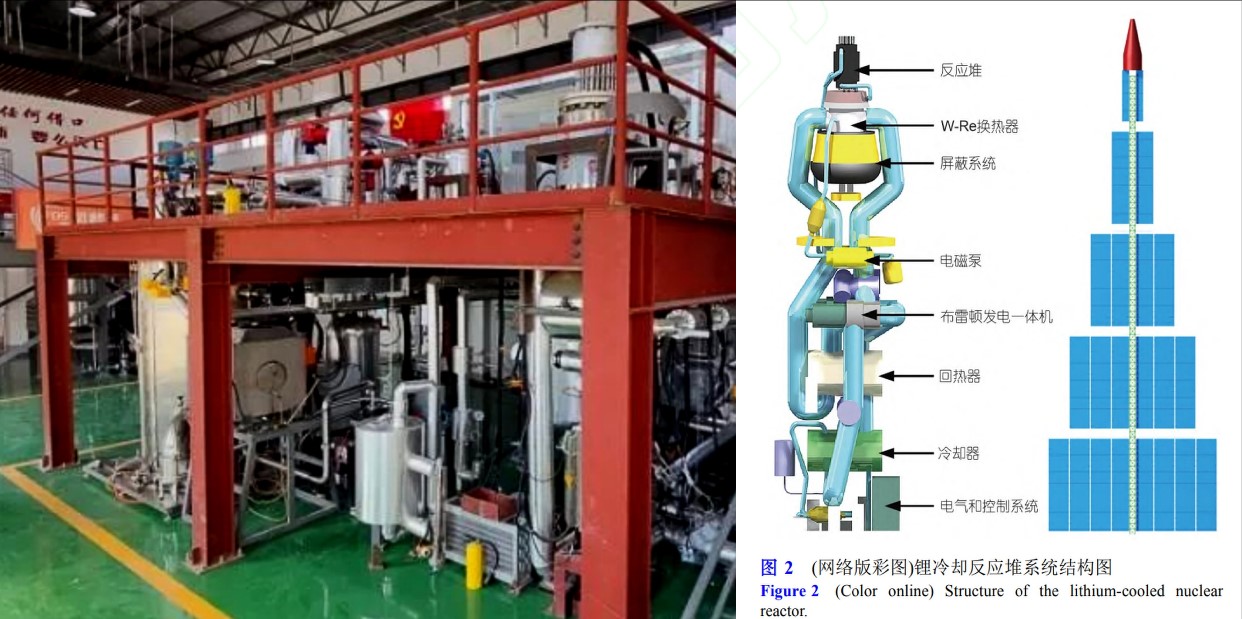
Space & Technology
Latest Space News China A collaboration of more than 10 research institutes and universities across China has made significant strides towards interplanetary travel with the development of a nuclear fission technology that could power large-scale exploration of Mars. In a paper published by the Chinese Academy of Sciences’ peer-reviewed journal Scientia Sinica Technologica, the research team said its prototype lithium-cooled nuclear reactor system has passed some initial ground tests. The results confirmed some of the key technological solutions invented by Chinese scientists and engineers to shrink a megawatt-class reactor – seven times more powerful than a rival system being built by Nasa – to an unprecedented size, they said. When fully deployed in space, the 1.5 megawatt reactor – including its heat sink – could tower as high as a 20-storey building. But on the ground, it will fold neatly into a container-sized volume, weighing less than eight tonnes, the paper said. The design makes the reactor system “easy to load and launch by rocket,” wrote the researchers, led by the academy’s Wu Yican. It will also be able to maintain stable operations in the harsh environments of space for extended periods, they said. According to the paper, the powerful energy source will make high-mass, round-trip transport possible for both crewed and cargo space flights – opening the way for China’s large-scale exploration of the moon and Mars. Some scientists estimate that a nuclear-powered spacecraft could complete a round trip between the Earth and Mars in just three months. The current scientific mainstream consensus is that the technology will be vital for interplanetary missions. In contrast, spacecraft that rely on fossil fuels – like the Starship under development by US company SpaceX – could take at least seven months to reach Mars, according to some calculations. The Starship rocket is central to Nasa’s plans for landing astronauts on the moon later this decade, as well as SpaceX CEO Elon Musk’s hopes of colonising Mars, but even a one-way trip to the red planet would need an enormous life support system. “Innovate or perish. No excuses,” reads a slogan hanging above the Chinese prototype reactor – an indication of China’s determination to lead the race for nuclear-powered space travel that is now under way. Nasa’s Artemis programme plans to send a nuclear reactor to the moon and use similar technology to build a fleet of Mars-colonising spacecraft. The European Union has initiated three ambitious projects to develop nuclear-related space technologies. And Russia has restarted its Cold War-era nuclear-powered spacecraft project. The US government raised concerns last month over Russia’s attempts to launch a nuclear-powered weapons platform into low Earth orbit. Both the Soviet Union and the United States sent low-power reactors into space during the Cold War. The US reactors were capable of reaching a maximum in the hundred-watt range, while the Soviet Union’s devices achieved kilowatt-level power. Design work for Nasa’s 20 kilowatt nuclear reactor – which is being built by Lockheed Martin, Westinghouse, and private start-up company IX – is expected to be completed by 2025. The US space agency hopes to send this device to the moon in the early 2030s. China and its lunar exploration partner Russia are discussing the possibility of building a nuclear power plant on the moon, the Russian space agency Roscosmos said earlier this month. If the plans proceed smoothly, a China-Russia nuclear reactor could be launched between 2033 and 2035, according to Roscosmos. The Chinese Yutu-2 lunar rover, powered by a Russian radioactive isotope nuclear battery, has been operating on the far side of the moon for more than four years, making it the longest lasting man-made machine on the lunar surface. Wu and his team said Russia is making the fastest research and development progress in some of the field’s key technologies, including space nuclear fuel. The researchers said the Chinese reactor will generate up to 1,276 degrees Celsius (2,328.8 Fahrenheit) through the fission of uranium fuel, far exceeding the operating temperature of most commercial nuclear plants. The intense heat will expand liquid forms of the inert elements helium and xenon into gases, driving a generator. The chain reaction produces fast neutrons that will enable an efficient and continuous power supply for at least 10 years, the paper said. The scientists said that by using liquid lithium they can make the reactor smaller, thanks to the element’s high thermal conductivity and low weight. Traditionally, a heat exchanger and radiation shield occupy a significant amount of space in reactor designs, but Wu and his colleagues said they have developed a technology that combines these two components into one. According to the paper, the reactor’s heat exchanger is made of tungsten alloy, which can achieve efficient heat exchange in the loop while blocking harmful radiation. Other new technologies include high-temperature corrosion-resistant materials. At this stage, the prototype’s heat source is an external power supply, with plans to add nuclear fuel rods to achieve full operation in coming steps of the testing programme, the researchers said. “Currently, integrated system operation tests have been carried out, including lithium-cooled loop circulation, coupling heat exchange between the primary and secondary loops, and [a] closed Brayton power generation system,” they said. The tests provided a preliminary demonstration of the feasibility of coupling a lithium-based cooling system with a Brayton generator – developed in the 19th century as a piston engine and widely used in powered space flight. “Corrosion tests of molybdenum alloy materials have also been conducted in high-temperature environments,” the researchers said. Wu and his team said China’s demand for nuclear fission power is likely to grow significantly around 2035 and there is still much to do, including practical flight verification of the technologies and hardware on board the Tiangong space station and other spacecraft. A key focus of further research and development for the scientists will be the safety of the nuclear reactors during launch and operations, with an imperative requirement that there will be no danger of a nuclear explosion, even if a reactor falls back to Earth. The project team also plans to apply artificial intelligence to the long-term uncrewed operation of space reactors, using the technology to automatically diagnose and deal with any faults. The institutes and universities involved in the ambitious project plan to strengthen their coordination and cooperation even further in coming years. The researchers said China’s largest and most complete industrial chain will also help to realise the project. Nuclear reactors could also support China’s other space activities, including its planned crewed mission to the moon and ambitions to play a leading role in interplanetary exploration. “Our country is in a new era,” Wu and his team said. “We plan to embark on deep space exploration missions such as manned lunar exploration, asteroid exploration, flying by Jupiter, and exploring the edges of the solar system. [Space reactors] will be crucial in these endeavours.” While there is still a gap in the research and development foundation of space reactors between China, the US and Russia, the researchers said they believe they will be able to demonstrate applications of the technology at an earlier stage than their rivals, because of their coordinated approach.
Read More → Posted on 2024-04-21 16:24:17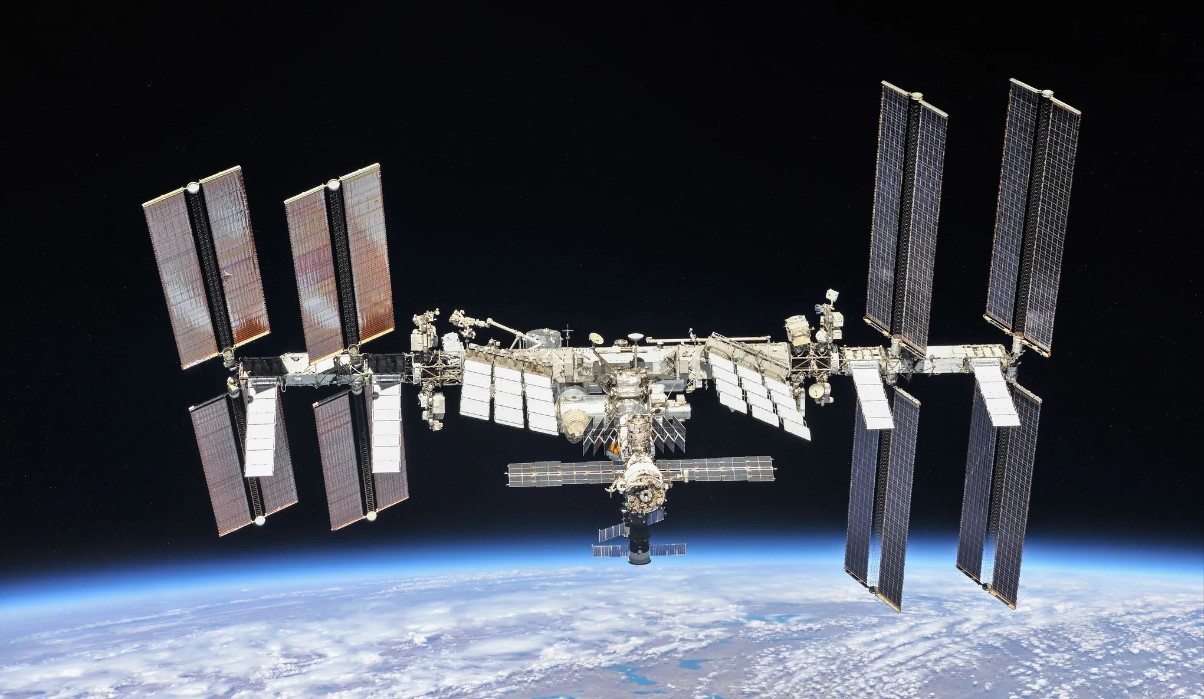
Space & Technology
Latest Space News WorldSince its inception, the International Space Station (ISS) has stood as a testament to international collaboration in space exploration. Over its twenty-five years of operation, the ISS has served as a hub for scientific research, hosting astronauts from various nations and conducting thousands of experiments. However, as technological advancements continue to reshape the landscape of space exploration, the ISS is nearing the end of its operational lifespan. In its place, a new era of private space endeavors is emerging, promising both opportunities and challenges for the future of low-Earth orbit (LEO).The Legacy of the International Space Station:Conceived during a period of geopolitical tension, the ISS represented a remarkable collaboration between former adversaries, the United States and Russia. Its construction and operation have not only advanced scientific knowledge but also fostered diplomatic relations among participating nations. Over the years, the ISS has been instrumental in studying the effects of microgravity on the human body, conducting experiments in various scientific disciplines, and testing technologies for long-duration space missions.Challenges Facing the International Space Station:Despite its accomplishments, the ISS faces challenges that necessitate its decommissioning. Originally designed in the 1980s, the station's aging infrastructure requires constant maintenance, making it economically unviable to sustain. Moreover, advancements in technology have rendered some of its systems outdated, prompting the need for an upgrade. As the ISS approaches the end of its operational life by 2030, attention shifts towards the emergence of private space initiatives poised to fill the void left by its departure.The Rise of Private Space Endeavors:In the coming decade, LEO will witness a proliferation of private space stations, marking a new chapter in space exploration. Companies such as Axiom Space, Blue Origin, Boeing, Airbus, Voyager, and governmental agencies like Russia's Roscosmos and India's ISRO are spearheading efforts to establish their own orbital laboratories. These ventures aim to not only conduct scientific research but also cater to commercial interests such as space tourism, resource mining, and technology development.Axiom Space, for instance, plans to deploy the first module of its private space station by 2026, paving the way for a new era of human presence in space. Similarly, the Orbital Reef Space Station, a collaborative effort between Blue Origin and Boeing, promises to serve as a hub for research and tourism, showcasing the potential for public-private partnerships in space exploration.International Collaborations and Competition:While private space endeavors hold promise, concerns arise regarding the transparency and collaboration in future space activities. China's Tiangong space station, initiated in 2021, exemplifies this challenge, as its goals and research activities remain largely undisclosed. With private companies entering the fray, there is a risk of proprietary research and competition hindering scientific cooperation, a hallmark of the ISS era.The Future of Space Exploration:Despite these challenges, the proliferation of private space stations presents new opportunities for advancing scientific knowledge and commercial endeavors. Multiple stations orbiting Earth can serve as refueling points for missions to the Moon, Mars, and beyond, fostering collaboration and innovation in space exploration. Furthermore, the accessibility of LEO could democratize access to space, enabling more countries and entities to participate in scientific research and exploration.Conclusion:As the International Space Station approaches its twilight years, the transition to private space endeavors signals a new phase in humanity's journey into space. While challenges such as competition and transparency persist, the potential for scientific discovery and commercial innovation is immense. By embracing collaboration and leveraging technological advancements, the future of low-Earth orbit holds promise for unlocking the mysteries of the cosmos and expanding the horizons of human exploration.
Read More → Posted on 2024-04-20 10:55:18
Space & Technology
Technology News India Kaynes Technology, a prominent electronics manufacturer, has secured a pivotal contract to produce 3,000 high-performance computing (HPC) servers for the Centre for Development of Advanced Computing (C-DAC), a government entity overseeing India's National Supercomputing Mission (NSM).Under the NSM initiative, these servers will form the backbone of the PARAM RUDRA supercomputing systems, fulfilling critical computational needs across various sectors, including hyper-scale data centers, edge processing, banking, healthcare, and advanced manufacturing.E Magesh, the Director General of C-DAC, expressed confidence in Kaynes Technology's ability to deliver indigenous servers tailored to meet the stringent requirements of the NSM. He emphasized the strategic importance of this partnership in advancing India's capabilities in high-performance computing.Ramesh Kannan, Managing Director of Kaynes Technology, underscored the significance of the agreement, highlighting that the company will be assembling RUDRA-1 HPC servers as per the contract. Additionally, Kannan revealed that RUDRA-2, the next iteration of the supercomputing system, is already in the pipeline, following the receipt of a model request from C-DAC.Kannan elaborated on the swift progress made by Kaynes Technology in acquiring the necessary licenses and expertise to manufacture the servers domestically. Within a remarkably short period of three-and-a-half months from receiving the design files, the company successfully established the manufacturing infrastructure and completed ten fully functional prototypes of the server.Operating since October, Kaynes Technology's electronics manufacturing facility, situated across 17 acres in Chamarajanagar near Mysuru, is equipped with state-of-the-art Surface-Mount Technology (SMT) lines. These lines, including one capable of producing up to one lakh servers per year, signify the company's commitment to scale up production to meet the burgeoning demand.Looking ahead, Kannan outlined the timeline for manufacturing the 3,000 servers, with plans to commence production within the next 20 weeks. While some components will be sourced externally, the majority of the manufacturing process will be executed in-house, ensuring quality control and timely delivery.In conclusion, Kaynes Technology's collaboration with C-DAC represents a significant milestone in India's journey towards self-reliance in high-performance computing technology. By leveraging domestic expertise and infrastructure, the partnership is poised to propel the country's innovation ecosystem and bolster its position in the global technology landscape.
Read More → Posted on 2024-04-19 15:25:33
Space & Technology
Latest Defence News U.S ,China The head of the U.S. space agency, NASA, has expressed concern about China's growing space program and the possibility of a military presence in space. Bill Nelson, NASA Administrator, voiced these concerns during a congressional hearing on April 10, 2024, while testifying about NASA's budget request for fiscal year 2025.Nelson pointed to China's rapid advancements in space exploration over the past decade, particularly their secretive nature. He stated, "China has made extraordinary strides...but they are very, very secretive." He went on to express his belief that "a lot of their so-called civilian space program is a military program," raising the specter of a renewed space race. Nelson emphasized the importance of the United States maintaining its leadership in space exploration. He stressed the need to land astronauts back on the moon before China does, with the Artemis 3 mission currently scheduled for 2026. He voiced his concern that China, if it reaches the moon first, might attempt to claim lunar resources or restrict access to certain areas.The comments highlight the growing competition between the U.S. and China in space exploration. While both nations have made significant strides in recent years, there are concerns that this competition could lead to a militarization of space. International treaties currently prohibit nations from placing weapons of mass destruction in space, but the definition of "military" can be ambiguous.Nelson's comments come amidst ongoing discussions about the future of space exploration and the need for international cooperation. It remains to be seen how these concerns will be addressed and whether both nations can find a way to collaborate peacefully in the vast expanse of space.
Read More → Posted on 2024-04-18 16:26:43
Space & Technology
Latest Space News India The Indian Space Research Organisation (ISRO) is on course to achieve yet another significant milestone with its Gaganyaan mission. In line with its declaration that 2024 will mark India's prestigious inaugural human space flight mission, ISRO has announced a series of upcoming activities.Scheduled for next week, ISRO will conduct the second uncrewed mission, a test vehicle flight mission, and an airdrop test. The airdrop test, slated for April 24, aims to validate crucial aspects of the mission.ISRO Chairman, speaking at an event organized by the Astronautical Society of India (ASI) in Ahmedabad, confirmed these plans. He emphasized that following the forthcoming test flight mission, two additional uncrewed missions are planned for next year.The culmination of these preparatory endeavors aims to pave the way for the manned mission, anticipated by the end of next year, contingent upon successful outcomes from the preceding missions.ISRO's momentum stems from recent triumphs, notably the successful Chandrayaan-3 lunar mission, where India achieved a historic landing on the unexplored South polar region of the Moon. Additionally, the Aditya-L1 mission reached the Halo orbit of Lagrange Point (L1), facilitating comprehensive studies of Venus's outer atmosphere.Regarding the Aditya-L1 mission, ISRO announced the accomplishment of Halo-Orbit Insertion (HOI) on January 6, 2024. The spacecraft now orbits approximately 1.5 million kilometers from Earth along the Sun-Earth line, ensuring continuous observation of the sun.A significant achievement preceding these endeavors was the In-flight Abort Demonstration of the Crew Escape System (CES) conducted in October 2023. This successful demonstration, involving Test Vehicle separation and Crew Module recovery, laid a strong foundation for the Gaganyaan mission.ISRO's Human Space Flight Centre (HSFC) plays a pivotal role in coordinating efforts across various ISRO centers, research labs, academia, and industries. The center focuses on ensuring the reliability and safety of human space flight activities through rigorous research and development.Key areas of HSFC's focus include life support systems, Human Factors Engineering, Bioastronautics, Crew training, and Human rating and certification. These efforts are essential for enabling future endeavors such as rendezvous and docking, space station construction, and collaborative manned missions to celestial bodies.As ISRO advances steadily towards its Gaganyaan mission goals, meticulous planning, rigorous testing, and collaborative efforts remain the cornerstones of India's ambitions in human space exploration.
Read More → Posted on 2024-04-18 16:17:40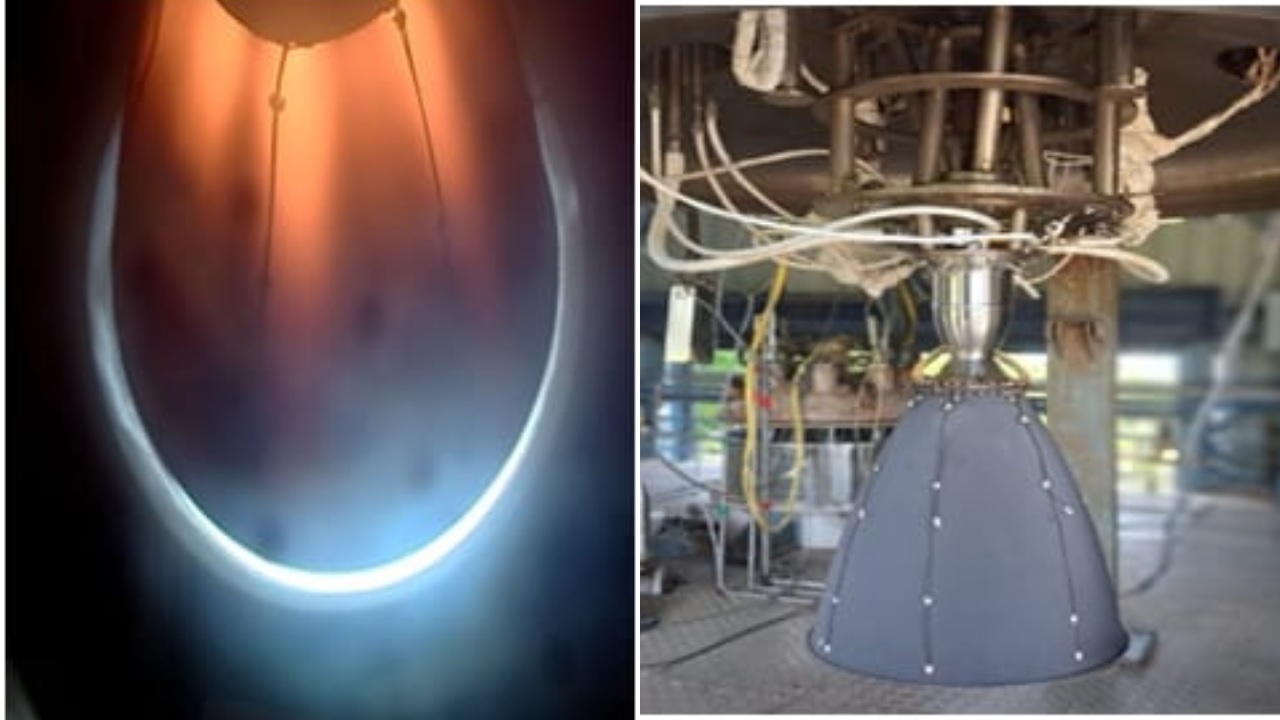
Space & Technology
Latest Space News India The Indian Space Research Organisation (ISRO) has achieved a significant breakthrough in rocket propulsion technology with the development of a lightweight, carbon-carbon (C-C) nozzle for its rocket engines. This innovation, pioneered by the Vikram Sarabhai Space Centre (VSSC), promises to enhance several critical aspects of rocket engines, ultimately leading to increased payload capacity for ISRO's launch vehicles.The key advantage of the C-C nozzle lies in its significantly reduced weight. Compared to traditional materials, the carbon-fiber composite construction offers a substantial weight reduction, particularly valuable in the upper stages of rockets. This translates into a potential payload increase. For instance, the C-C nozzle could increase the payload capacity of the reliable Polar Satellite Launch Vehicle (PSLV) by an impressive 15 kilograms, a significant gain for satellite launches.But the benefits of the C-C nozzle extend beyond weight reduction. The use of carbon-carbon composite material also improves other crucial engine parameters. These include:Thrust Levels: The C-C nozzle design allows for more efficient channeling of the hot exhaust gases, leading to a potential increase in overall thrust generated by the engine.Specific Impulse: This refers to the efficiency of the engine in converting propellant into thrust. The C-C nozzle's design is expected to improve this metric as well.Thrust-to-Weight Ratio: By reducing weight while potentially increasing thrust, the C-C nozzle promises to improve the overall thrust-to-weight ratio of the engine, a key factor in a rocket's performance.The successful testing of the C-C nozzle marks a major milestone for ISRO. Rigorous testing at the High-Altitude Test (HAT) facility at ISRO Propulsion Complex (IPRC) confirmed the system's performance and hardware integrity. These tests culminated in a 200-second hot fire on April 2, 2024, where the nozzle performed as expected, reaching temperatures of over 1200 Kelvin.This development is a testament to ISRO's ongoing efforts to refine and improve its spacefaring technologies. The C-C nozzle has the potential to be a game-changer for ISRO's launch capabilities, allowing them to carry heavier payloads into space and further advance India's space exploration endeavors.
Read More → Posted on 2024-04-16 15:43:34
Space & Technology
Latest Space News NASA NASA is gearing up for its latest solar sail mission, dubbed the Advanced Composite Solar Sail System (ACS3), set to launch no sooner than April 24. The mission aims to test new space travel materials in Earth's orbit, with a primary focus on deploying solar sails using innovative composite booms.These composite booms, made of lightweight and sturdy materials, are designed to unfurl and hold four thin triangular sheets to form a kite-like solar sail. Compared to previous technology, these booms are more rigid and lighter, allowing for quicker deployment from a compact satellite.Scheduled to lift off onboard Rocket Lab's Electron rocket from New Zealand's Māhia launch site, the ACS3 mission marks a significant step in utilizing solar sails as an affordable alternative for space travel. Solar sails harness sunlight to propel spacecraft, similar to how sailboats use wind, by transferring the momentum of photons striking the sail.While previous missions like the Planetary Society's LightSail 2 have demonstrated the feasibility of solar sails, ACS3 aims to improve upon existing technology. Unlike the metal booms used in previous missions, ACS3 employs carbon fiber reinforced polymer (CFRP) booms, which are lighter and more flexible.Once in orbit 600 miles above Earth's surface, the spacecraft will undergo a 25-minute process to deploy the composite booms, spanning the diagonals of the solar sail. If successful, the mission will also test maneuvering the spacecraft's orbit using the solar sail, providing valuable data for future missions.Upon full deployment, the solar sail will cover an area of about 860 square feet, shining brightly above the Earth's surface. With its reflective surface, the sail is expected to sparkle as brightly as Sirius, the brightest star in the night sky.Alan Rhodes, the mission's lead systems engineer at NASA's Ames Research Center, expressed optimism that the new technologies validated by ACS3 will inspire future space exploration endeavors. The mission represents a step forward in harnessing the potential of solar sails for propulsion and scientific exploration beyond Earth's orbit.
Read More → Posted on 2024-04-15 16:19:21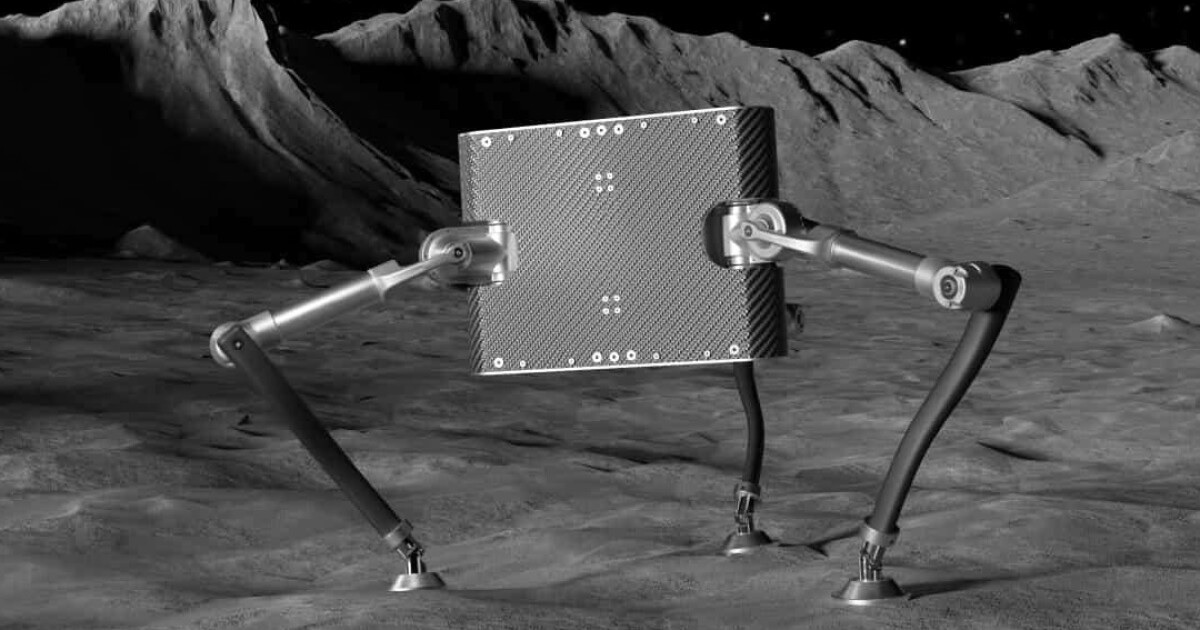
Space & Technology
Latest Space News World Exploring low-gravity environments, such as asteroids and moons, poses unique challenges for space exploration. To address these challenges, researchers at ETH Zurich university in Switzerland have developed SpaceHopper, a three-legged robot designed to navigate these celestial bodies.The SpaceHopper program originated as a student research project two and a half years ago and has since evolved into a promising solution for exploring small celestial bodies with minimal gravity. The robot features a triangular body with an articulated leg at each corner, equipped with knee and hip joints for propulsion and control.During a recent test conducted in a simulated zero-gravity environment aboard a European Space Agency parabolic flight, SpaceHopper demonstrated its capabilities. The robot executed coordinated movements, utilizing its legs to propel itself through space and control its landing within a designated area. These brief hops enable SpaceHopper to overcome the challenges of limited traction and atmospheric conditions typically encountered in low-gravity environments.The significance of SpaceHopper lies in its potential to unlock valuable mineral resources and provide insights into the formation of the universe. Asteroids, in particular, are believed to harbor resources that could benefit future space missions and human endeavors. By enabling efficient exploration of these celestial bodies, SpaceHopper contributes to advancing our understanding of the cosmos.The recent successful test during the parabolic flight marks a significant milestone in the development of SpaceHopper. The ability to simulate low-gravity conditions provides researchers with valuable data to further refine and optimize the robot's performance for future missions.In conclusion, SpaceHopper represents a promising advancement in the field of space exploration. Its innovative design and functionality offer a practical solution for navigating low-gravity environments and conducting scientific research on celestial bodies. As efforts continue to expand our reach into space, SpaceHopper stands poised to play a crucial role in shaping the future of extraterrestrial exploration.
Read More → Posted on 2024-04-14 16:00:50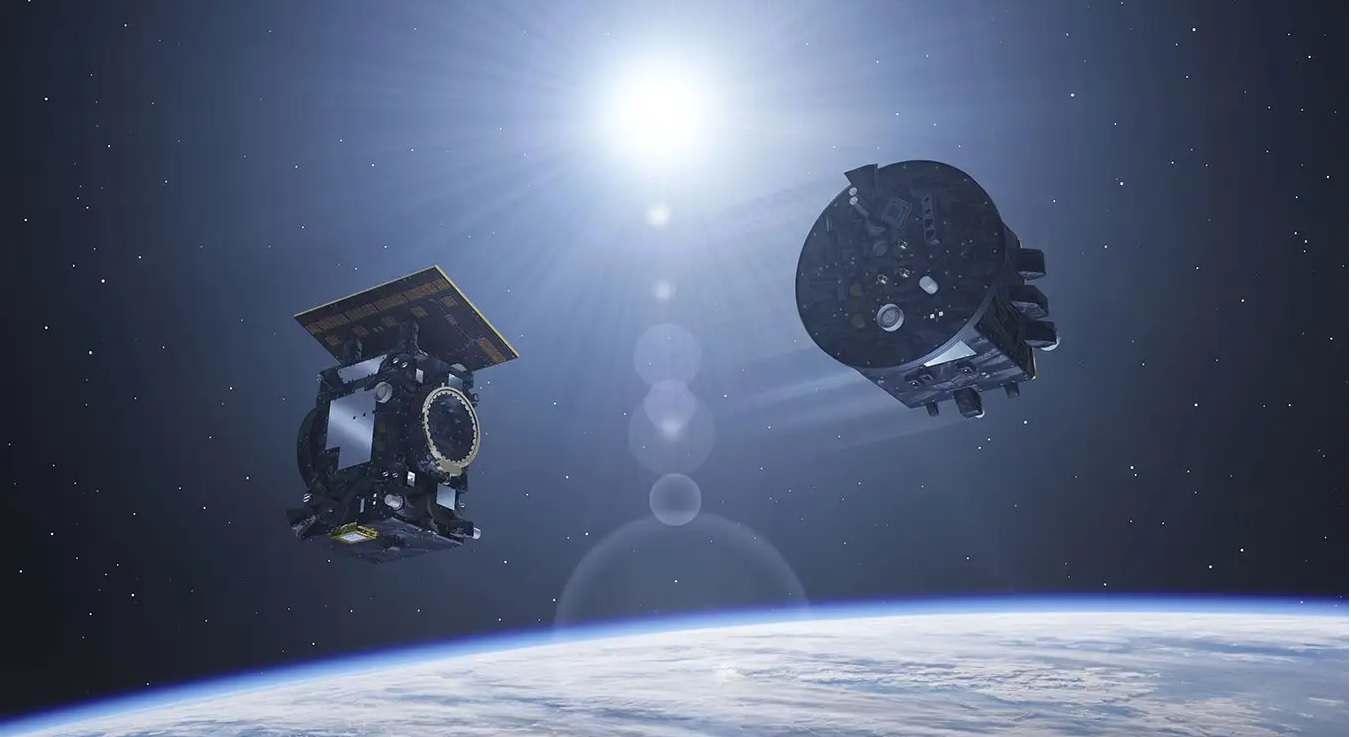
Space & Technology
Latest Space News India The Indian Space Research Organisation (ISRO) is poised to launch a pioneering space mission in collaboration with the European Space Agency (ESA) that promises to deepen our understanding of the Sun. Named Proba-3, this mission aims to unveil the mysteries of the Sun's outer atmosphere, known as the corona, by employing a unique approach akin to creating artificial eclipses in space.Scheduled to fly in tandem, two small satellites will orbit 144 meters apart, with one acting as a shield to block the Sun's intense brightness while the other observes the corona in detail. This configuration effectively creates a "virtual telescope" in space, enabling scientists to study the corona for extended periods with unprecedented clarity.The corona, typically obscured by the Sun's glare, holds vital clues about solar activity, including the origins of solar flares and other space weather phenomena. Understanding these processes is crucial for predicting and mitigating their potential impact on Earth's communication systems, satellites, and power grids.Maintaining precise formation flight for the two satellites is imperative for the success of the Proba-3 mission. To achieve this, ESA has developed state-of-the-art positioning and coordination technologies, ensuring the satellites remain synchronized with exceptional accuracy throughout the mission.Launching aboard ISRO's reliable Polar Satellite Launch Vehicle (PSLV), Proba-3 underscores the significance of international collaboration in advancing space exploration. As part of ESA's Proba series of missions, it represents a testament to the collective effort aimed at pushing the boundaries of scientific discovery for the benefit of humanity.In summary, ISRO's Proba-3 mission holds promise for shedding light on one of the Sun's most enigmatic regions, offering insights that could enhance our ability to forecast and manage space weather events. With its innovative approach and international cooperation, Proba-3 exemplifies the collaborative spirit driving progress in space exploration.
Read More → Posted on 2024-04-13 13:43:24
Space & Technology
Latest Space News India Gopichand Thotakura, an Indian citizen, is on the brink of making history as the second Indian to venture into space. This feat is set to be achieved through his participation in the New Shephard-25 (NS-25) mission, spearheaded by Jeff Bezos' space company, Blue Origin. The flight date for this monumental journey is soon to be disclosed.The first Indian to accomplish this extraordinary feat was Wing Commander Rakesh Sharma, a former Indian Air Force pilot, who embarked on his space voyage in 1984.In an exclusive interview with ANI, Thotakura delved into his lifelong passion for aviation and the significance of the NS-25 mission in safeguarding Earth. He expressed his anticipation and pride, articulating his eagerness to witness the Earth from a perspective unfathomable to most. Thotakura emphasized the unique experience of observing the planet firsthand, unfiltered by any medium, accentuating the profound impact it would have on him.Central to Blue Origin's ethos is their tagline, 'For the benefit of Earth,' a sentiment echoed by Thotakura, who stressed the importance of preserving our planet. He underscored the mission's broader objective of fostering life and adventure beyond Earth's confines.Discussing the concept of space tourism, Thotakura underscored the necessity of affordability in making such ventures accessible to a wider audience. While the precise cost remains uncertain, he expressed optimism about the potential of initiatives like Blue Origin's collaboration with NASA to establish a private international space station, thereby facilitating the growth of space tourism.Thotakura's journey serves as a testament to the power of perseverance and self-determination. He encourages future generations to pursue their aspirations relentlessly, affirming that with dedication, anything is attainable.In a symbolic gesture, each astronaut aboard the NS-25 mission will carry a postcard representing Blue Origin's foundation, Club for the Future. This initiative aims to inspire and mobilize young minds towards careers in STEAM disciplines, with the overarching goal of benefiting Earth.The six-person crew for the NS-25 mission comprises individuals from diverse backgrounds, including Mason Angel, Sylvain Chiron, Kenneth L Hess, Carol Schaller, Gopi Thotakura, and former Air Force Captain Ed Dwight. Notably, Ed Dwight, selected as the nation's first black astronaut candidate by President John F. Kennedy in 1961, is poised to fulfill his long-awaited dream of space travel.As the NS-25 mission prepares to embark on its historic journey, the world eagerly awaits the unveiling of the flight date. This milestone event not only signifies a leap forward in space exploration but also underscores humanity's collective endeavor to transcend the confines of Earth and explore the boundless expanse of the cosmos.
Read More → Posted on 2024-04-13 07:44:16
Space & Technology
Latest Technology NewsChinaIn the aftermath of the devastating 2008 Sichuan earthquake, which claimed over 80,000 lives and highlighted critical communication breakdowns, the Chinese government quietly initiated the Tiantong Project. Named after the concept of "connecting with heaven," this project aimed to establish a satellite communication system accessible to all, irrespective of socio-economic status. Over the past 16 years, the Tiantong Project has not only made significant strides in satellite communication but also catalyzed new trends in mobile phone development, with profound implications for disaster response and everyday connectivity.The Tiantong Satellite Network:The cornerstone of the Tiantong Project is the Tiantong Satellite Network, comprising a series of satellites orbiting at an altitude of 36,000km. Launched in phases since 2016, these satellites provide comprehensive coverage across the Asia-Pacific region, from the Middle East to the Pacific Ocean. Their strategic positioning enables uninterrupted communication, even in remote or disaster-stricken areas. Notably, the Tiantong satellites facilitate direct satellite connectivity for mobile phones, a groundbreaking advancement that has revolutionized communication accessibility.Overcoming Technical Challenges:One of the primary technical hurdles in implementing satellite communication on a mass scale has been passive intermodulation (PIM) interference. Traditional communication satellite networks have frequently experienced failures due to signal degradation caused by PIM. However, Chinese scientists leading the Tiantong Project have made significant breakthroughs in understanding and mitigating this phenomenon. By delving into the microscopic physical mechanisms underlying PIM, they developed innovative simulation software and suppression techniques, ensuring optimal satellite performance in harsh working conditions.Pioneering Mobile Connectivity:The integration of satellite calling functionality into smartphones marks a paradigm shift in mobile technology. Huawei Technologies spearheaded this advancement with the release of the world's first smartphone capable of direct satellite calls. Subsequently, other Chinese smartphone manufacturers followed suit, introducing similar models equipped with satellite connectivity. This technological convergence not only enhances communication resilience during emergencies but also extends connectivity to remote regions with limited terrestrial infrastructure.Enhancing Disaster Response:The tangible impact of the Tiantong Project became evident during the 6.2-magnitude earthquake in Gansu province. Despite widespread communication disruptions, individuals equipped with Tiantong-enabled smartphones could establish contact with the outside world via satellite calls. This capability significantly facilitated rescue operations and coordination efforts, underscoring the pivotal role of satellite communication in disaster response. The ability to connect with emergency services and loved ones during crises can mitigate the human toll of natural disasters, exemplifying the societal benefits of technological innovation.Global Implications:While China leads the forefront in satellite communication technology with the Tiantong Project, other initiatives such as SpaceX's Starlink project present formidable competition. Starlink satellites operate in low-Earth orbit, offering advantages in reduced PIM interference and compatibility with older 4G phones. However, the Tiantong Satellite Network boasts wider coverage and the ability to connect directly with smartphones, providing a compelling alternative. As the space race intensifies, the competition between these technological giants is poised to shape the future of global connectivity.Patent Dominance and Strategic Advantage:China's extensive patent filings for Tiantong satellite technology confer strategic advantages in the competitive landscape. By securing intellectual property rights, Chinese hi-tech companies gain autonomy and protection from potential patent barriers or sanctions from Western counterparts. This preemptive move ensures the continued advancement and commercialization of Tiantong technology, bolstering China's position as a global leader in satellite communication and mobile innovation.Future Outlook:As the Tiantong Project continues to evolve, the focus shifts towards sustainability and scalability. Ensuring the longevity and reliability of satellite infrastructure amidst technological advancements and geopolitical dynamics remains paramount. Additionally, ongoing research and development efforts aim to refine satellite communication protocols and enhance user experience. With the convergence of satellite and mobile technologies driving unprecedented connectivity, the Tiantong Project stands as a testament to human ingenuity and resilience in overcoming communication barriers.Conclusion:The Tiantong Project represents a transformative leap forward in satellite communication and mobile technology, spurred by the imperative of resilience and connectivity in the face of natural disasters. Through relentless innovation and collaboration, Chinese scientists and engineers have surmounted formidable technical challenges to establish a robust satellite network accessible to all. As the world increasingly relies on interconnectedness, initiatives like the Tiantong Project serve as beacons of progress, bridging gaps and empowering communities through universal access to communication.
Read More → Posted on 2024-04-12 06:15:45Search
Top Trending in 24 Hours
-
 Japan Selects Terra Drone’s Terra B1 for Mass Production of Interceptor UAVs
-
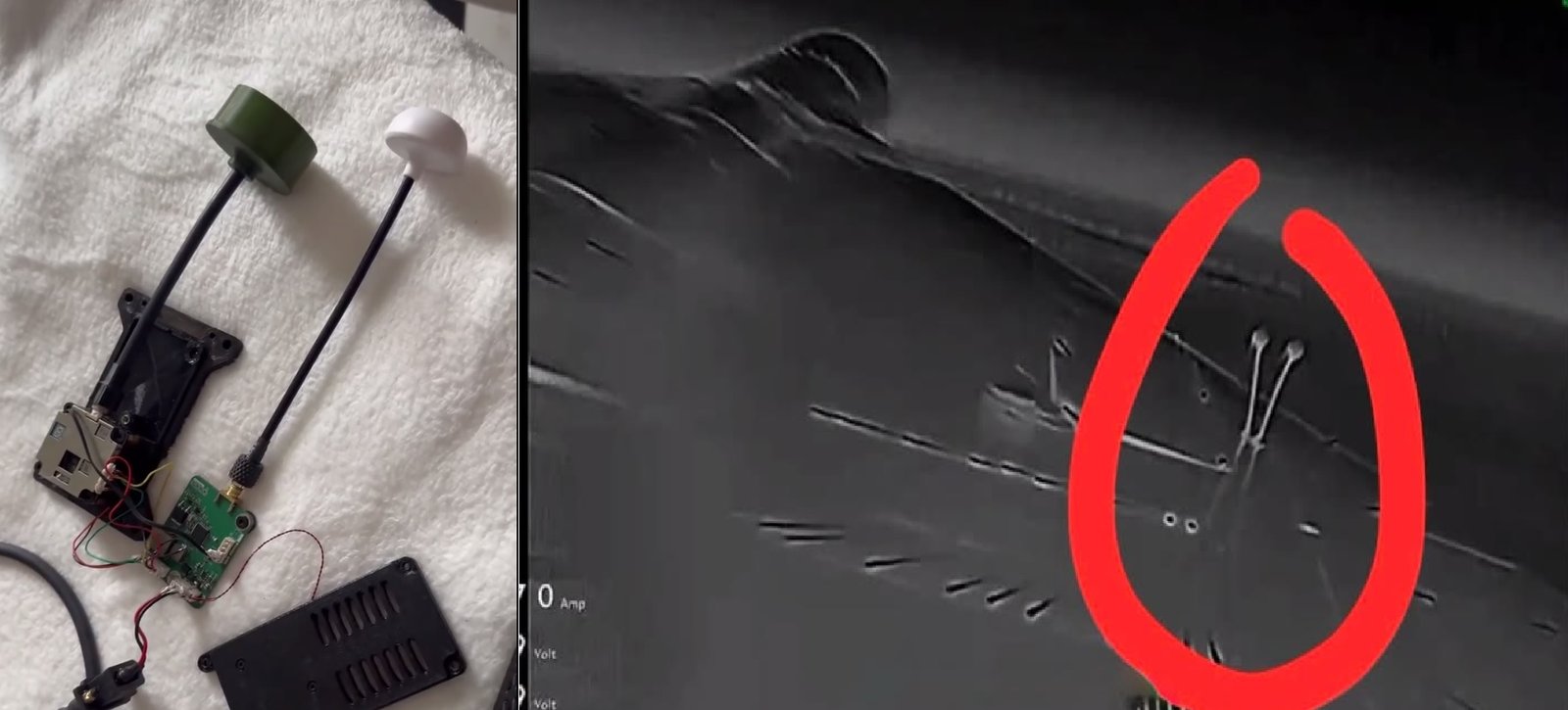 Russia Equips Shahed and Geran Drones With Electronic Warfare Systems to Jam Ukrainian Interceptor Video Links
-
 Austria Receives First Modernized Leopard 2A4Ö Tank and Ulan NV Infantry Fighting Vehicle
-
 NATO Launches Exercise Northern Viking 26 in Iceland to Secure North Atlantic Routes
-
 Ukraine Reduces Use of Western Tanks as Cheap Drones Become a Major Battlefield Threat
-
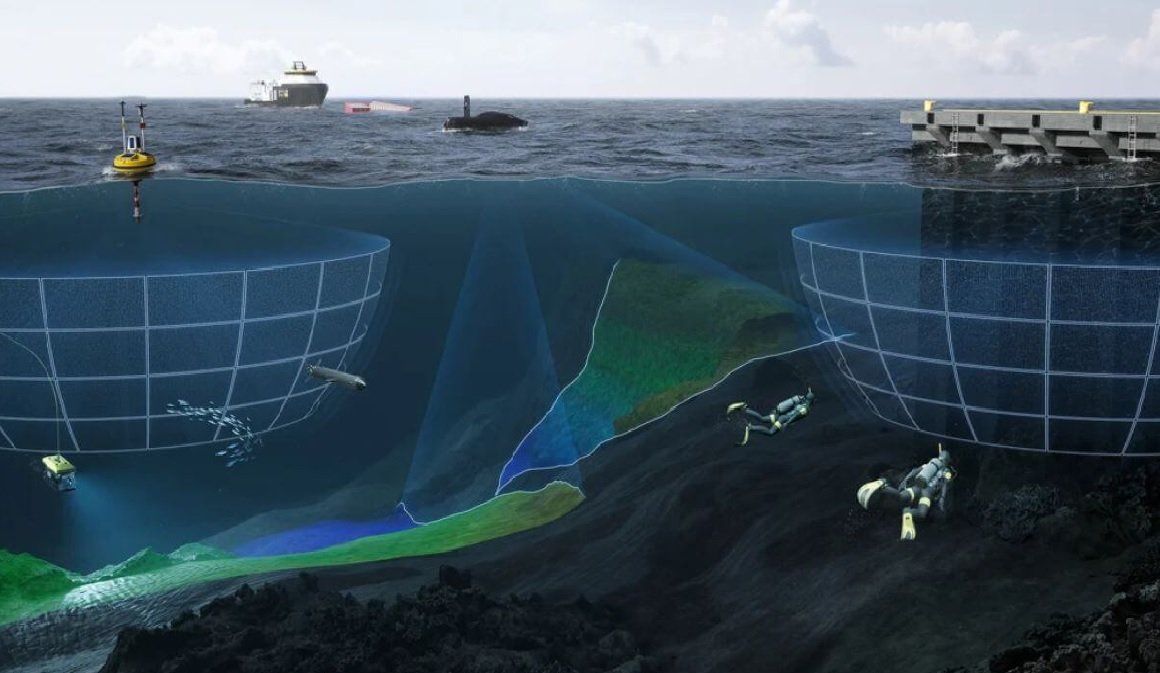 Kongsberg Introduces Aegir SSA Sonar Family With AI-Powered Monitoring for Continuous Underwater Surveillance
-
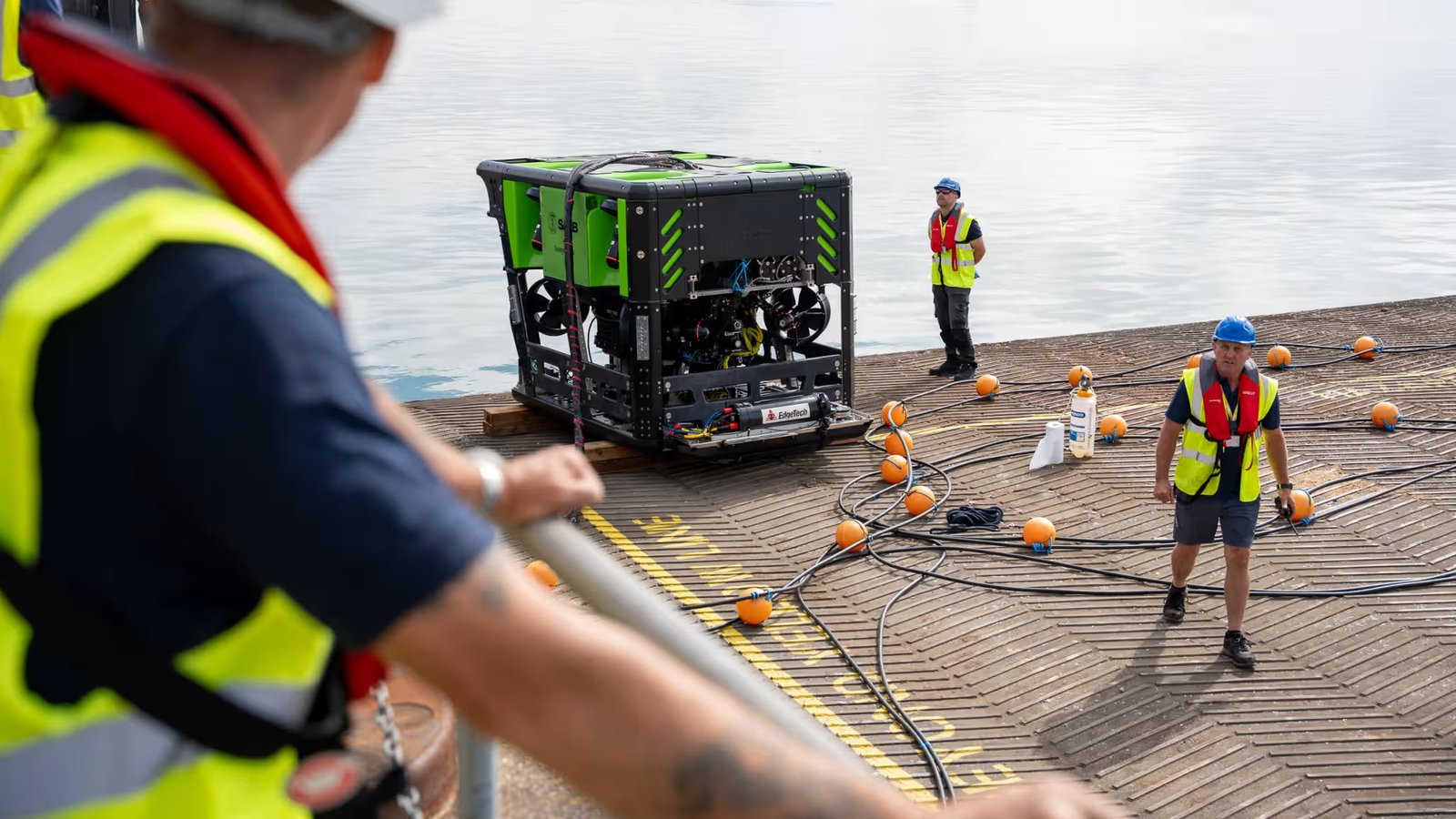 Saab UK Completes Key Trials of Seaeye SR20 eWROV, Moves to Next Development Phase
-
 Mystery Chinese J-20-Like Object Seen at Former Airport Was a Firefighting Training Mock-Up
Top Trending in 4 Days
-
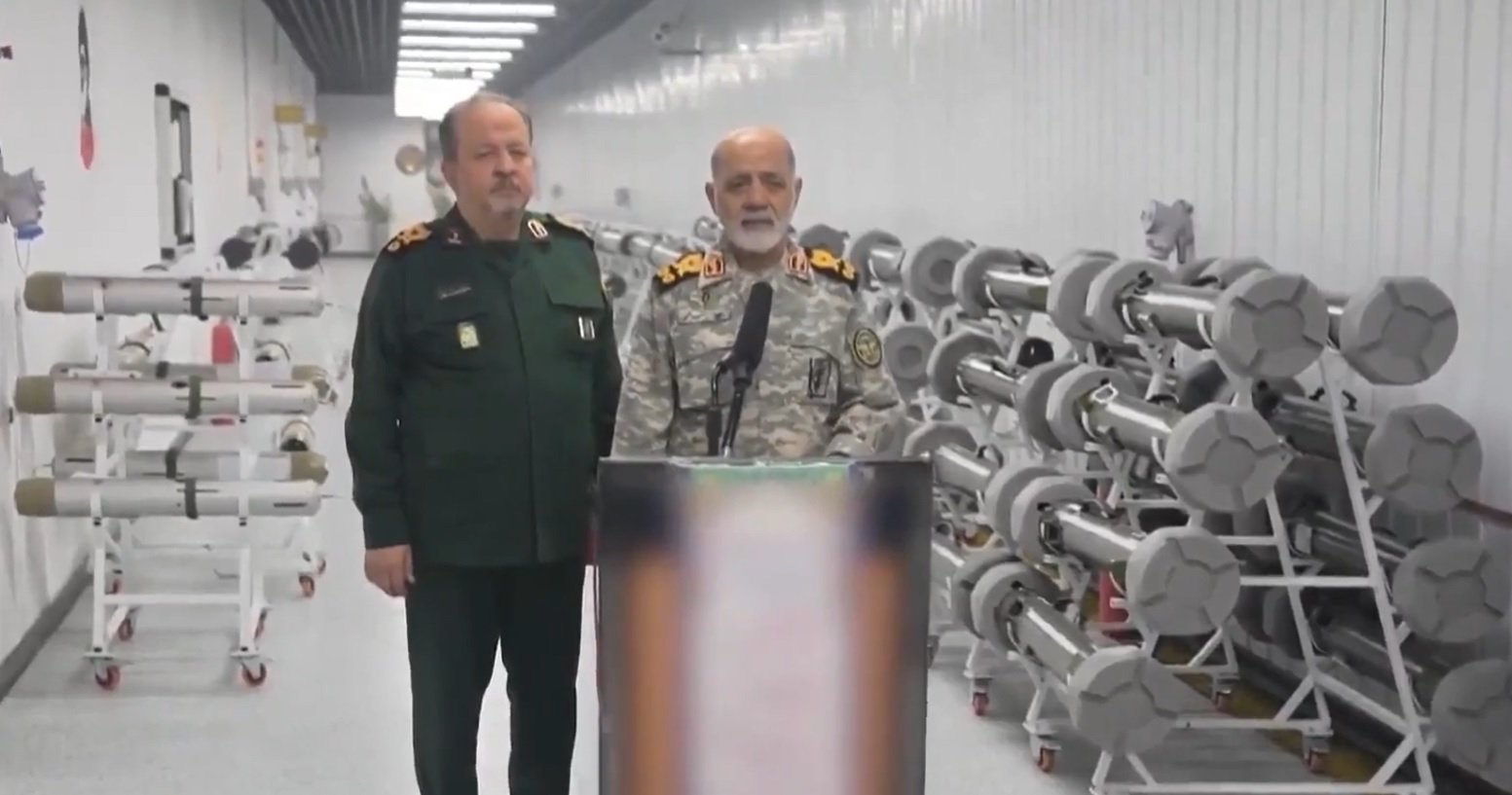 Iran Reveals Underground Weapons Manufacturing Facility for First Time on State TV
-
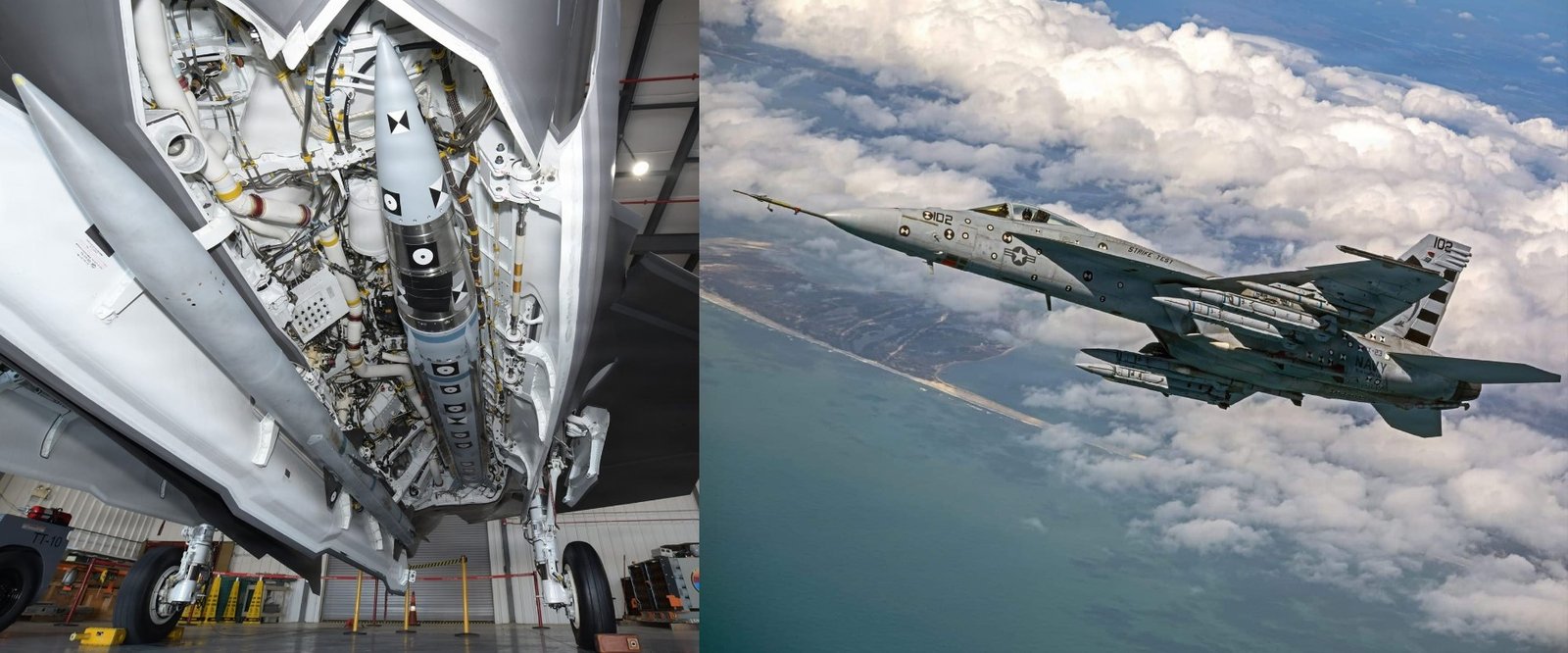 U.S. Navy Unveils New AIM-424 ‘Malice’ Air-to-Air Missile With 463+ km Range for F-35C, Super Hornet and F/A-XX
-
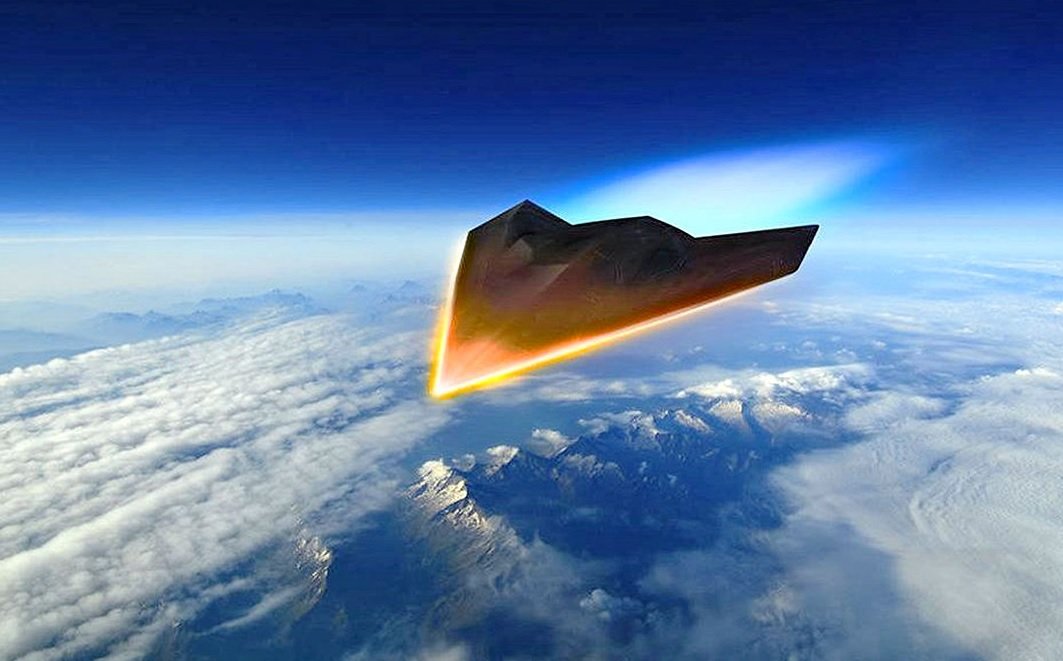 China Develops Hypersonic Glide Vehicles Capable of Launching Air-to-Air Missiles Mid-Flight
-
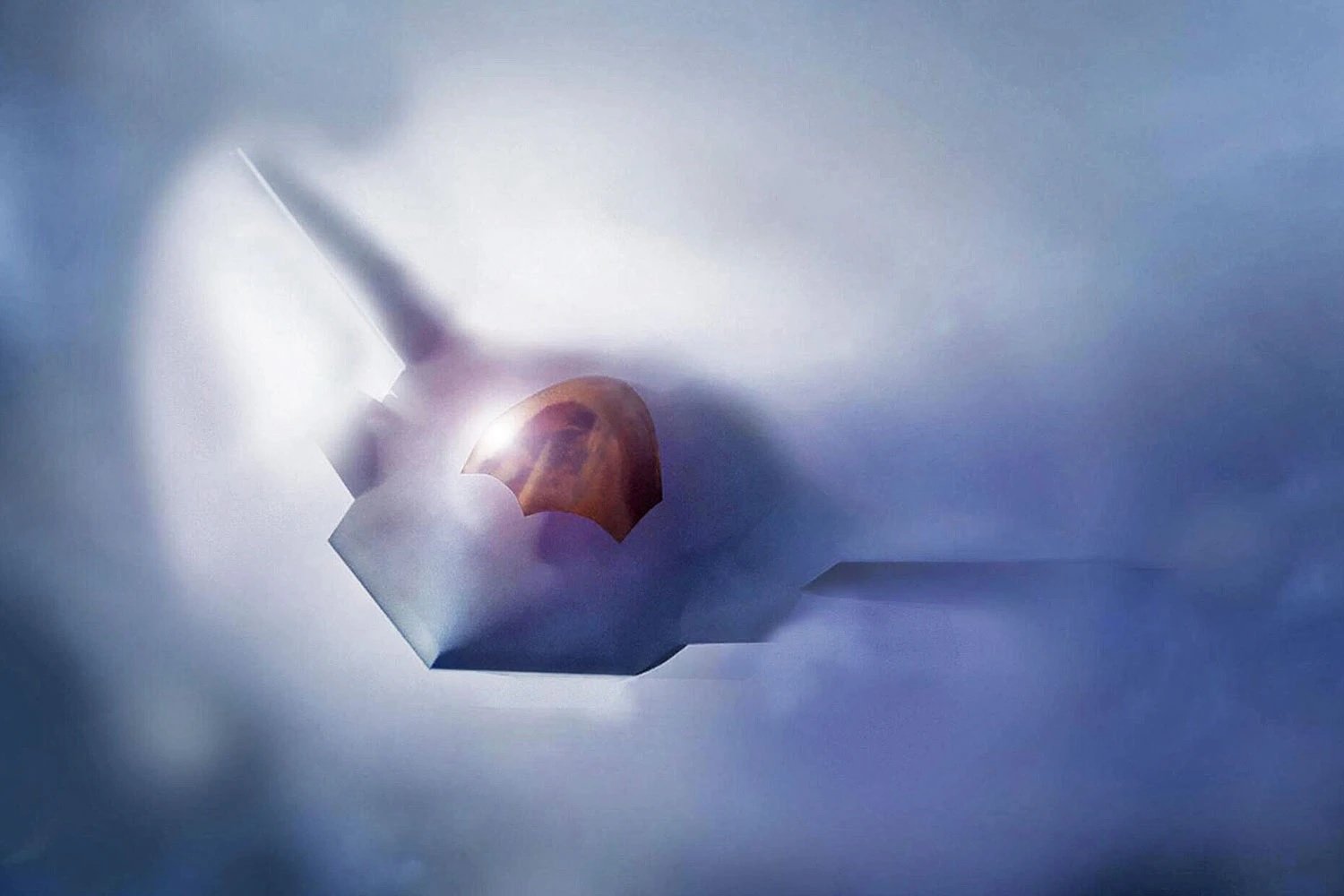 Israel Explores Potential Acquisition of U.S. F-47 Sixth-Generation Fighter
-
 Iran-Linked Hackers Shut Down UK Power Plant for Four Days in First Known Attack
-
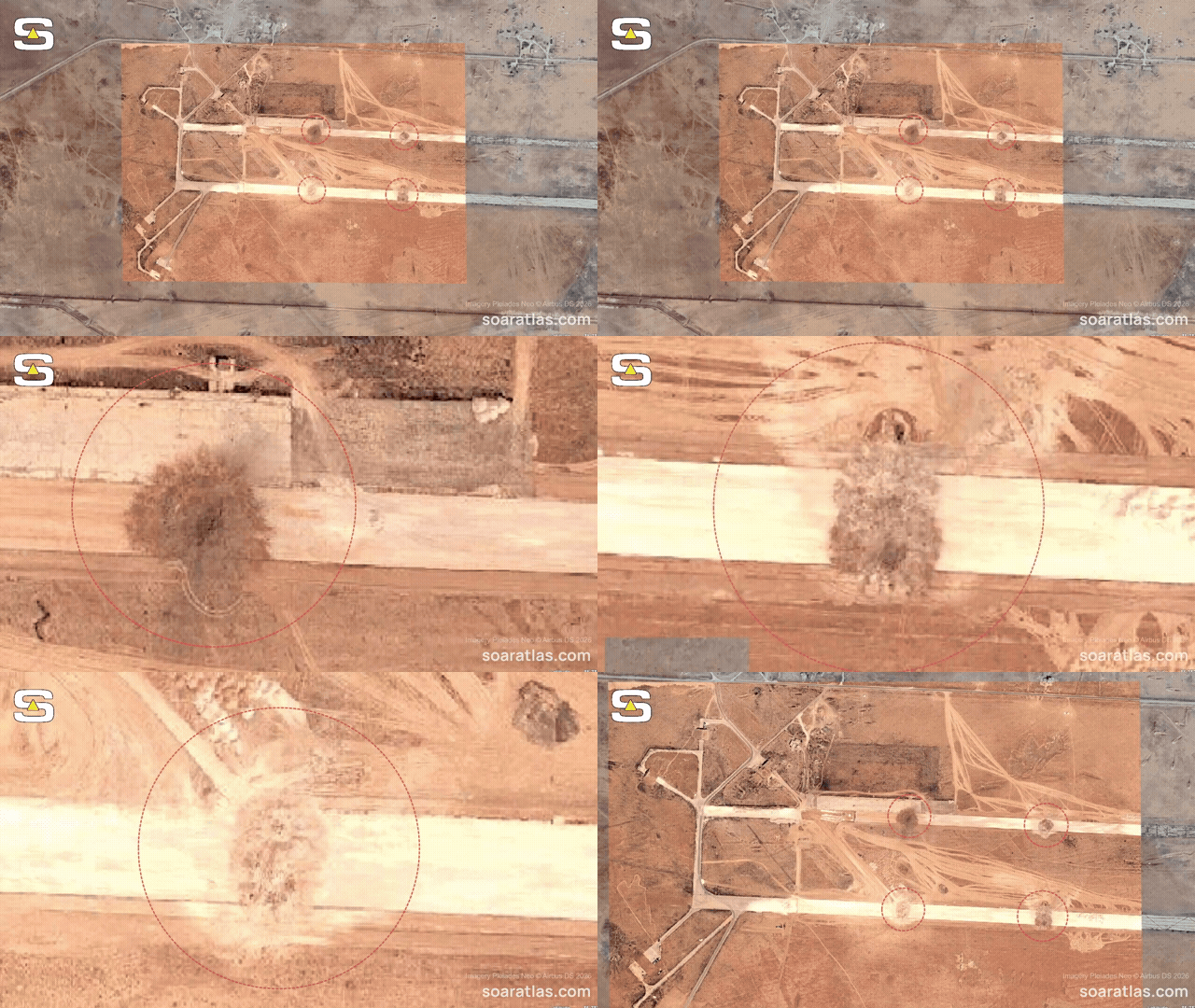 Satellite Imagery Shows Damage From Israeli Strikes on Turkey Military Occupied Syria’s Abu al-Duhur Airbase
-
 Ukraine Holds World’s First Unmanned Military Parade on 35th Independence Day
-
 UAE Completes Protective Metal Structures Around Fuel Tanks Near Dubai International Airport