
Space & Technology
MOSCOW / WASHINGTON : After more than a quarter-century circling the Earth as the most ambitious joint project in human spaceflight, the International Space Station (ISS) is entering its final, irreversible phase. Russian and American space officials are preparing for a decisive series of negotiations that will determine not whether the ISS will be destroyed, but precisely how and when the 450-ton orbital laboratory will be brought down safely before the end of the decade. The confirmation came this week from Roscosmos Director General Dmitry Bakanov, who said that while the station’s operational life has been formally extended, the emphasis has now shifted from utilization to controlled disposal. The talks, expected to intensify this year, mark the beginning of what both sides privately describe as the most complex engineering challenge the ISS program has ever faced. From Extension to Exit Strategy Under current agreements, NASA plans to operate the ISS until 2030, while Russia has committed only through 2028. That two-year discrepancy has emerged as the central fault line in the negotiations, because the station’s ability to maintain altitude depends heavily on propulsion systems housed in the Russian segment. Bakanov said Roscosmos has already completed a draft technical program for deorbiting the ISS, estimating that the full sequence—from preparatory maneuvers to final reentry—would take roughly two and a half years. That timeline implies that irreversible steps must begin well before 2030, even if astronauts continue living aboard the station during its final operational phase. Engineers on both sides warn that delaying decisions could increase the risk of an uncontrolled descent. As the station ages, its orbit naturally decays due to atmospheric drag, forcing regular reboosts to prevent an unplanned reentry. How the ISS Will Be Brought Down The planned end of the ISS is not a single dramatic plunge, but a carefully staged process. Once the final crew departs, a dedicated vehicle will attach to the station and gradually lower its orbit. The final burn will send the structure into a steep trajectory toward Point Nemo, a remote region of the South Pacific often called the world’s “spacecraft cemetery,” where surviving debris is expected to fall harmlessly into the ocean. NASA has already moved ahead with its own solution. In 2025, the agency awarded a contract worth nearly $1 billion to SpaceX to develop the U.S. Deorbit Vehicle (USDV). The spacecraft is based on an enlarged Dragon design, fitted with dozens of Draco engines and carrying far more propellant than any previous Dragon mission. According to NASA officials, the USDV is intended to function as a powerful space tug, capable of steering the ISS through its final maneuvers even if Russian propulsion is unavailable late in the process. Russian officials, however, have continued to argue that any deorbit plan must be fully coordinated, given the deeply integrated nature of the station. The Russian Module Question One of the most contentious issues is the future of Russia’s newer ISS modules, particularly Nauka, which was launched in 2021 after years of delays. Roscosmos has proposed detaching these modules to serve as the foundation of a future Russian Orbital Station (ROS) once the ISS partnership ends. Recent internal technical assessments, however, have cast doubt on that plan. Engineers have warned that metal fatigue and weaknesses in older docking nodes could make separation risky, raising the possibility of structural damage to both the departing modules and the remaining station. The dilemma is stark: if Russia withdraws in 2028, the ISS loses its primary propulsion and attitude-control capabilities. If it stays until 2030, the modules themselves may be too degraded to reuse. The issue underscores how tightly coupled the station’s international architecture has become after decades of continuous modification and expansion. A Symbolic End to a Unique Partnership Since its first modules were launched in 1998, the International Space Station has been continuously inhabited since 2000, hosting astronauts from more than a dozen countries and supporting tens of thousands of scientific experiments. It survived the end of the Space Shuttle era, multiple geopolitical crises, and the near-total collapse of U.S.–Russian cooperation on Earth. Now, both partners are looking elsewhere. NASA is backing a mix of private commercial space stations in low Earth orbit while focusing government efforts on the Moon through the Gateway program. Russia is pursuing ROS as a sovereign successor, designed for higher-inclination orbits and potential civil-military dual use. For Bakanov, the moment is as much about responsibility as legacy. “The station has served its purpose,” he said. “Our task now is to ensure its final chapter is written safely, so that it does not become a threat to the planet it observed for nearly three decades.” As negotiations move forward, the fate of humanity’s most expensive and enduring orbital outpost now depends not on discovery or diplomacy, but on precision, timing, and an orderly end.
Read More → Posted on 2026-01-18 17:26:30
Space & Technology
New Delhi / Washington : The United States is preparing to invite India as a full member of Pax Silica, a US-led strategic alliance focused on securing semiconductor, silicon and critical technology supply chains, according to official indications and diplomatic sources. The prospective move would mark a major geopolitical upgrade for India, positioning it at the centre of a rapidly evolving global contest over chips, artificial intelligence hardware and next-generation manufacturing, while reinforcing Washington’s effort to build a trusted technology bloc among allied and partner nations. What Is Pax Silica And Why It Matters Pax Silica is not a military alliance but a strategic technology coordination framework designed to protect and diversify supply chains that underpin the modern digital economy. The grouping focuses on the entire semiconductor ecosystem — from critical minerals and silicon wafers to chip fabrication, advanced packaging and downstream applications in AI, defence and telecommunications. Current members include the United States, Japan, South Korea, Singapore, Netherlands, United Kingdom, Israel, United Arab Emirates and Australia — nations that collectively dominate key nodes of the global high-tech and semiconductor value chain. Why The US Wants India Inside The Alliance Washington sees India as a critical missing link in its technology-security strategy. With a large domestic market, a rapidly expanding electronics manufacturing base, and ambitious plans to build domestic semiconductor fabrication capacity, India offers scale that few other partners can match. US officials believe India’s inclusion would help de-risk global supply chains, reduce over-concentration in sensitive regions, and strengthen the strategic resilience of allied technology ecosystems. The move also aligns with broader US-India cooperation in critical minerals, advanced manufacturing and defence technologies. What India Stands To Gain For New Delhi, joining Pax Silica would bring tangible industrial and diplomatic benefits. Membership could unlock greater foreign investment, accelerate technology partnerships, and integrate India more deeply into global chip production networks. Equally significant, India would gain a seat at the table where decisions on export controls, technology standards and supply-chain governance are increasingly being shaped — areas that directly affect India’s long-term economic and strategic interests. The invitation would also complement India’s domestic push to become a global hub for electronics and semiconductor manufacturing, reducing dependence on imports for strategic technologies. Strategic Benefits And Delicate Balancing Despite the advantages, the decision carries strategic sensitivities. India has long emphasised strategic autonomy and maintains diverse global partnerships. Deeper alignment with a US-led technology bloc could require careful navigation of trade rules, export-control regimes and investment screening mechanisms. Officials familiar with the discussions indicate that India is seeking assurances that Pax Silica membership will support domestic industry and preserve policy flexibility, rather than impose constraints. A Signal In The Global Tech Power Struggle India’s expected entry into Pax Silica highlights how semiconductors and critical technologies have become central to global power politics. Alliances are increasingly being built not around troops or treaties, but around chips, data and supply chains. If finalised, India’s membership would signal its emergence as a core player in the global high-tech order, while giving the United States a powerful new partner in its effort to shape the future of the semiconductor-driven world economy.
Read More → Posted on 2026-01-14 16:12:54
Space & Technology
BEIJING : In a disclosure that is intensifying global debate over the future of warfare, Chinese state media has formally confirmed that the long-speculated Nantianmen Project—also known as South Heaven Gate—has moved beyond conceptual imagery and into China’s active military research and defense planning. The announcement marks one of the clearest indications yet that Beijing intends to secure a decisive power edge in near-space and low-Earth orbit, redefining how military power may be projected in the coming decades. The confirmation was aired by China Central Television, citing internal research and planning discussions associated with the PLA Air Force Command College. Together, the reports frame Nantianmen as a strategic technology architecture, guiding the development of space-air integrated combat systems through the 2030s and toward an anticipated deployment horizon around 2040. The Luan Niao: A Fortress in the Sky At the core of the Nantianmen vision is the Luan Niao, a proposed orbital strike carrier whose scale and ambition have few historical parallels. Chinese sources describe the platform as displacing approximately 120,000 tons, making it heavier than even the largest U.S. naval supercarriers. According to official data and design illustrations released through state-linked channels, the Luan Niao would measure roughly 242 meters in length, with a wingspan of about 684 meters. Military analysts appearing on CCTV described it as a persistent command-and-control hub, capable of remaining aloft in the stratosphere and potentially transitioning into lower orbit for extended periods. The carrier is envisioned as the central node of an “integrated space–air strategic defense system”, linking satellites, airborne platforms, drones and ground-based forces into a single network. From this position, Chinese planners argue, the platform could coordinate operations across air, space, cyber and electronic warfare domains. Propulsion, Endurance and Power Generation Propulsion details remain among the most controversial aspects of the project. State presentations reference multi-cycle aerospace engines combined with nuclear-derived power systems, a configuration intended to provide both sustained lift and long-duration energy supply. Some Chinese materials have alluded to cold nuclear fusion concepts, a claim widely met with skepticism by international scientists. Chinese officials, however, have stressed that Nantianmen represents a technology roadmap and research target, not a finalized or operational design. The emphasis, they say, is on identifying future breakthroughs in energy density, propulsion efficiency and thermal management. Weapons, Sensors and Global Strike Potential Chinese media portray the Luan Niao as far more than a carrier. Conceptual armament includes directed-energy weapons, high-energy particle systems, and layered laser defenses designed to counter missiles, satellites, hypersonic glide vehicles and hostile spacecraft. Analysts on CCTV suggested that a platform operating from near-space could enable rapid global strike capability, allowing targets anywhere on Earth to be engaged within hours. Such reach would dramatically reduce dependence on overseas bases and maritime logistics, which Chinese planners increasingly view as vulnerable in a high-intensity conflict. If realized, this approach would represent a doctrinal shift—from sea-based power projection to persistent dominance from above the atmosphere. The Air Wing: White Emperor and Xuan Nu The Nantianmen framework also details a sophisticated air wing combining unmanned saturation with elite manned platforms. According to state media, the Luan Niao is designed to deploy up to 88 Xuan Nu unmanned combat aerial vehicles. These UCAVs are described as highly maneuverable, capable of operating at extreme altitudes and, in some depictions, transitioning briefly into the vacuum of space. Operating alongside them is the White Emperor, also known as Baidi, a proposed sixth-generation integrated space–air fighter. A full-scale mock-up of the Baidi Type-B displayed at the Zhuhai Airshow in 2024 attracted global attention. Chinese engineers describe the White Emperor as capable of hypersonic flight, orbital insertion, and atmospheric re-entry, serving as the primary combat platform while the Xuan Nu provides numerical mass and reconnaissance. From Science Fiction to Strategic Tool The Nantianmen Project first appeared publicly in 2017 as a promotional intellectual property initiative by the Aviation Industry Corporation of China, complete with stylized artwork and fictional narratives involving extraterrestrial threats. For years, it was dismissed outside China as science-fiction branding rather than a credible military plan. That perception has shifted sharply. Wang Mingzhi, a military analyst at the PLA Air Force Command College, stated on CCTV that Nantianmen’s concepts now function as “technology targets” for China’s defense industry. He emphasized that the project guides research into advanced propulsion, materials science, artificial intelligence, energy generation and space–air integration, reflecting how China expects future wars to be fought. How Nantianmen Could Give China a Power Edge Strategically, Nantianmen signals Beijing’s ambition to secure dominance in space-adjacent domains. Platforms like the Luan Niao could provide persistent surveillance, early-warning superiority, and the ability to disrupt enemy satellites, communications and navigation systems at the outset of a conflict. Military analysts note that such capabilities would allow China to blind and disorient adversaries, degrading command networks before traditional forces engage. Near-space platforms could also function as anti-satellite hubs, threatening the orbital infrastructure on which modern militaries—and civilian economies—depend. A Catalyst for a New Space Arms Race International reaction has been cautious and, in some quarters, alarmed. While many experts question the technical feasibility of a 120,000-ton orbital carrier by 2040, others argue that feasibility is not the primary message. An analysis by The National Interest noted that China is clearly signaling its intent to treat the mesosphere and low-Earth orbit as decisive battlefields. Critics warn that initiatives like Nantianmen could accelerate the weaponization of space, prompting rival powers to pursue similar systems. Such a trend, they argue, risks igniting a new global arms race, extending strategic competition far beyond Earth’s atmosphere. Whether the Nantianmen Project ultimately produces an operational orbital carrier remains uncertain. What is increasingly clear, however, is that China is openly repositioning space and near-space at the center of its long-term military strategy—challenging traditional assumptions about where wars are fought, how power is projected, and who controls the ultimate high ground in the decades ahead.
Read More → Posted on 2026-01-14 15:25:40
Space & Technology
Paris / Toulouse : Europe’s drive to strengthen its space-based communications infrastructure gathered further momentum after Airbus Defence and Space was awarded a new contract by Eutelsat to manufacture 340 additional low Earth orbit (LEO) satellites for the OneWeb constellation. The latest agreement follows an earlier order for 100 satellites placed in December 2024, taking the total number of spacecraft procured to 440. The combined programme represents one of the largest satellite manufacturing efforts in Europe, underlining the growing strategic importance of LEO constellations in global connectivity. Manufacturing and Delivery Timeline The new satellites will be built at Airbus Defence and Space’s Toulouse facility, where a newly installed production line has been commissioned to support high-rate, industrial-scale manufacturing. Airbus said the upgraded facility is designed to meet the demanding schedule and quality standards required for large LEO constellations. Deliveries are scheduled to begin from the end of 2026, with satellites launched and deployed progressively. This phased introduction is intended to ensure uninterrupted service continuity as older OneWeb satellites are gradually retired. Strengthening European Space Sovereignty Airbus described the programme as a further step in reinforcing European space sovereignty, particularly in the area of secure and resilient satellite communications. As geopolitical and commercial competition in orbit intensifies, European operators and governments are placing greater emphasis on domestically built and controlled infrastructure. The expanded OneWeb programme aligns with broader European efforts to maintain independent access to critical space technologies and reduce reliance on non-European broadband systems. Current OneWeb Constellation and Replacement Strategy OneWeb’s existing LEO network consists of more than 600 satellites operating across 12 synchronised orbital planes at an altitude of around 1,200 kilometres. The constellation delivers global, low-latency coverage, supporting enterprise, mobility, aviation, maritime and government communications. The newly ordered satellites will replace early-generation spacecraft nearing the end of their operational life. By introducing next-generation satellites on a rolling basis, Eutelsat aims to maintain full service availability while steadily enhancing network performance. Technology Upgrades and New Capabilities The next generation of OneWeb satellites will feature advanced digital channelisers, significantly improving onboard processing, efficiency and flexibility in managing network capacity. Airbus has also introduced an optimised satellite architecture designed for long-term reliability and extended mission life. In parallel, Eutelsat plans to assess new commercial opportunities, including hosted payload capabilities, allowing third parties to integrate dedicated services onto the OneWeb platform. Industry Reaction “This latest contract from Eutelsat is an endorsement of our design and manufacturing expertise for LEO satellites,” said Alain Fauré, Head of Space Systems at Airbus Defence and Space. He noted that Airbus has been a key partner to Eutelsat for more than 30 years, with the new award further strengthening the relationship. Jean-François Fallacher, Chief Executive Officer of Eutelsat, said the company was pleased to continue working with Airbus, adding that the new satellites will ensure service continuity for a growing customer base while supporting Eutelsat’s long-term growth strategy in the LEO market. With production ramping up in Toulouse and deployments planned for the latter part of the decade, the expanded OneWeb programme places Eutelsat and Airbus at the centre of Europe’s low Earth orbit ambitions. As demand for low-latency global connectivity accelerates, the latest satellite order signals strong confidence in both the technology and the commercial future of Europe’s LEO broadband ecosystem.
Read More → Posted on 2026-01-12 14:48:00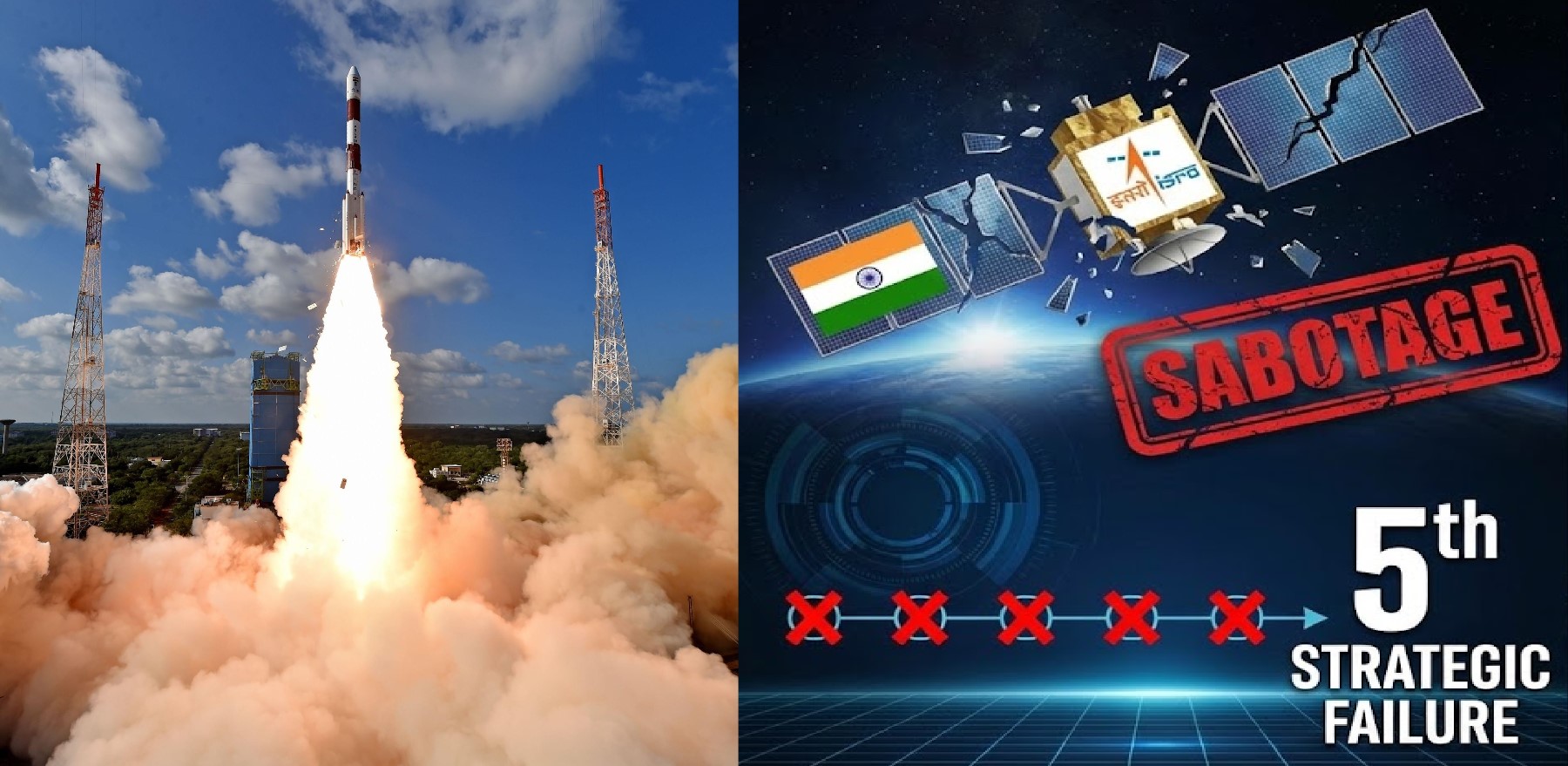
Space & Technology
Sriharikota, India : The Indian Space Research Organisation (ISRO) is facing an unprecedented crisis following the failure of the PSLV-C62 mission earlier today. The Polar Satellite Launch Vehicle, a rocket once celebrated for its near-perfect reliability, failed to place the strategic EOS-N1 (Anvesha) satellite into orbit, marking its second consecutive failure in just eight months. While official statements cite a "third-stage deviation," defense analysts and cyber-security experts are raising a more alarming possibility: that India’s strategic space program may be the target of sophisticated, coordinated sabotage. The "Third Stage" Anomaly: A Statistical Impossibility? Today’s failure of the PSLV-C62 eerily mirrors the loss of the PSLV-C61 mission in May 2025. In both instances, the rocket performed flawlessly during the initial stages, only to experience a catastrophic anomaly in the third stage (PS3)—a solid rocket motor that has been reliable for decades. May 2025 (PSLV-C61): The mission carrying EOS-09 (a radar imaging satellite) failed due to a sudden "pressure drop" in the third stage motor. January 12, 2026 (PSLV-C62): The mission carrying EOS-N1 (a DRDO hyperspectral spy satellite) reported a "deviation in flight path" and "disturbance in roll rates" during the same third-stage burn. "The probability of the same proven component failing twice in a row, exclusively on strategic missions, is statistically negligible," said a senior analyst at Intelegrid, a firm specializing in critical infrastructure security. "This suggests a repeatable failure mode—a signature of intentional interference rather than random bad luck." The Pattern: Only Strategic Missions are Failing A forensic review of ISRO’s launch history since the 2017 Doklam standoff reveals a chilling pattern. While commercial and scientific missions like Chandrayaan-3 and Aditya-L1 have largely succeeded, missions carrying payloads critical to India's national security have faced a 100% failure rate in major anomalies. The "Strategic Curse" Timeline: Aug 2017 (PSLV-C39): IRNSS-1H (Military GPS/NavIC) – Failed. (Heat shield did not separate). Aug 2021 (GSLV-F10): EOS-03 (Real-time Border Surveillance) – Failed. (Cryogenic stage valve leak). Aug 2022 (SSLV-D1): EOS-02 (Micro-surveillance) – Failed. (Sensor logic error injected satellite into wrong orbit). May 2025 (PSLV-C61): EOS-09 (Cloud-penetrating Spy Radar) – Failed. (3rd stage pressure drop). Jan 2026 (PSLV-C62): EOS-N1 (Hyperspectral Tracking) – Failed. (3rd stage deviation). This selective targeting has delayed India’s "eye in the sky" capabilities by over five years, leaving critical gaps in border monitoring. The Invisible Hand: Cyber and Electronic Sabotage Experts are urging the Prime Minister’s Office (PMO) to look beyond mechanical faults and investigate "Non-Kinetic" sabotage—methods that destroy a rocket without explosives. 1. GPS Spoofing & Telemetry Corruption : Intelegrid experts have called for a forensic audit of the ground stations and antennas used during the launch. "If the telemetry data fed to the rocket’s guidance computer is spoofed or corrupted by an external cyber-actor, the rocket will 'think' it is off-course and 'correct' itself into a crash," the firm noted. This matches the "deviation in flight path" reported in today's C62 mission. 2. The "Logic Bomb" : The SSLV-D1 failure in 2022 was caused by a software logic error that triggered a salvage action unnecessarily. Cyber-security insiders warn that malware, similar to the "Dtrack" virus used by the Lazarus Group (which targeted ISRO in 2019), could be planted in the guidance software to trigger failures only under specific orbital conditions—making them undetectable during ground tests. 3. Supply Chain "Poisoning" : The recurrence of third-stage failures points to potential deep-level supply chain sabotage. Defense experts recall historical precedents where imported microprocessors and DSPs (Digital Signal Processors) were found to contain hardware "backdoors." "Decades ago, Russian defense establishments discovered that Western-imported chips were deliberately engineered to degrade prematurely," noted a former defense consultant. "A chip designed to last ten years would fail in three, or succumb to solar radiation because the shielding was intentionally compromised. If ISRO is importing sensitive electronics for its stage controllers without end-to-end fabrication control, we are vulnerable to 'Electronic Time Bombs' that no physical inspection can detect." The Call for a "Red Team" Investigation The consensus among security hawks is that the standard Failure Analysis Committee (FAC) is ill-equipped to detect malicious intent. By design, an FAC looks for a broken valve; it does not look for a bad actor who broke the valve. Consequently, there is a growing demand for a high-level "Red Team" investigation—one that moves beyond standard technical diagnostics to include intelligence officers, cyber-warfare experts, and propulsion scientists. Such a probe would be tasked with auditing the failure from a counter-intelligence perspective, specifically scrutinizing source codes for dormant "logic bombs" and rigorously vetting the supply chain for compromised imported electronics. As India stands on the cusp of becoming a true space power, the repeated loss of its military satellites serves as a stark warning. If these "anomalies" are indeed acts of invisible warfare, the cost of inaction will be measured not just in lost rupees, but in compromised national security.
Read More → Posted on 2026-01-12 13:46:14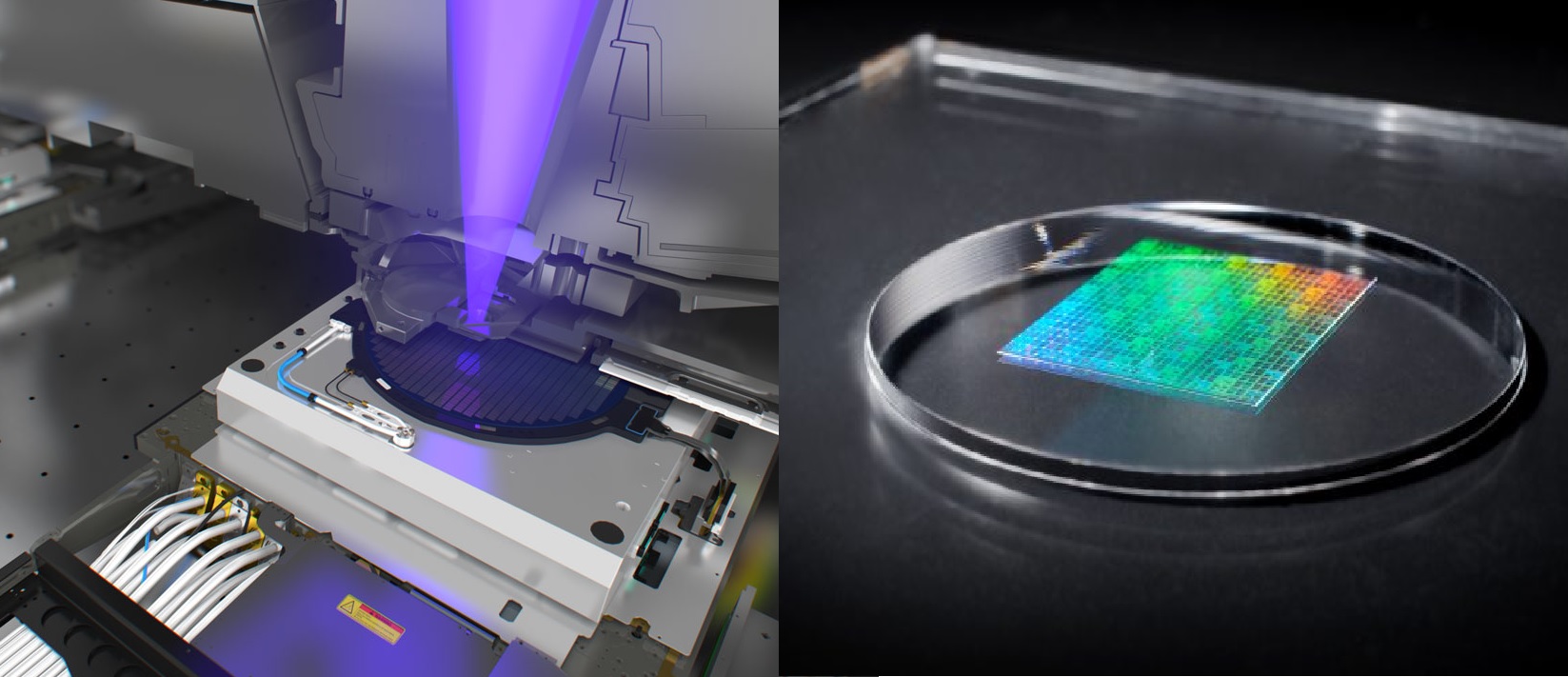
Space & Technology
Tokyo : Dai Nippon Printing (DNP) says it has developed a Nanoimprint lithography (NIL) template capable of transferring 10-nanometer line patterns, a milestone the company is positioning for “1.4nm-generation” logic semiconductor manufacturing and as a potential way to reduce reliance on energy-hungry EUV steps in advanced chip production. The announcement, made in early December 2025 ahead of SEMICON Japan, lands as the semiconductor industry braces for another wave of scaling pressure—where the cost, power draw, and capacity constraints of extreme ultraviolet lithography (EUV) are becoming as strategic as the transistor architectures themselves. What DNP Has Developed — And Why 10 Nm Matters At the core of DNP’s update is a patterning template—the “stamp” in a stamping-style lithography flow. Instead of projecting light through complex optics (as in DUV/EUV), NIL physically presses a pre-formed pattern into a resist layer on the wafer, then cures it and transfers it through subsequent etch steps. DNP says its new template achieves 10 nm circuit line width and is intended to support patterning for logic semiconductors aligned with the 1.4nm class, even though modern node labels no longer map cleanly to a single physical dimension on the chip. To reach that resolution, DNP says it leveraged Self-Aligned Double Patterning (SADP)—a density-doubling technique widely used in advanced fabrication—applied here to the creation of the imprint template itself. The Energy Claim That’s Turning Heads DNP’s most attention-grabbing assertion is energy-related. The company says that, driven by its “energy-saving processing technology” using NIL, it can cut power consumption in the exposure process to approximately one-tenth compared with “currently available exposure processes,” including ArF immersion and EUV—depending on how the approach is deployed in a flow. That claim speaks directly to a real industry pain point: EUV’s light source and tool infrastructure are widely viewed as power intensive, and EUV scanners are also famously large and costly, reinforcing why chipmakers obsess over reducing the number of EUV layers and rework steps in a leading-edge process. Not A Full EUV Replacement — But A Strategic Alternative DNP is careful about scope. It says the 10 nm NIL template could replace a portion of the EUV lithography process, including for customers that do not have EUV processing capacity but still want access to advanced patterning options. Independent coverage has echoed the same framing: NIL is increasingly being pitched as a complementary patterning route for selected layers, not a wholesale swap for EUV across an entire 1.4nm-class logic flow. This distinction matters because logic manufacturing at the leading edge is dominated by tight overlay and defect requirements across many layers. NIL’s contact-based approach can be unforgiving: particles, template wear, and alignment stability can all turn into yield killers if not controlled at scale. Those risks—overlay, defects, and template durability—are long-recognized challenges for nanoimprint as it moves from specialty applications toward mainstream logic ambitions. Timeline: Evaluation In 2026, Production Targeted For 2027 DNP says it has begun evaluation work with semiconductor manufacturers and is aiming to start mass production in 2027, while expanding capacity to match demand. Commercially, the company has put a number on its ambition: DNP is targeting ¥4 billion in NIL-related sales by FY2030. The company also planned to show the new 10 nm template at SEMICON Japan 2025 (Dec. 17–19) at Tokyo Big Sight, signaling that it wants early ecosystem feedback and toolchain discussions to start immediately. Why Japan’s Nanoimprint Push Is Gaining Momentum DNP is not alone in pushing imprint back into the spotlight. Canon has been developing nanoimprint lithography tools for years and has already commercialized a 300mm NIL system that patterns by pressing a mask into resist “like a stamp,” explicitly emphasizing reduced power consumption and lower cost versus conventional optical exposure approaches. Meanwhile, leading foundries are planning their 1.4nm-class eras on aggressive timelines—typically still EUV-heavy—while debating when, and whether, to transition to next-generation “High-NA” EUV tools. The backdrop creates an opening for technologies that can meaningfully reduce EUV tool count, EUV layer usage, or the overall exposure burden without forcing a full redesign of manufacturing lines. The Remaining Challenges: Defects, Overlay, And Durability For NIL to earn a place in advanced logic manufacturing, the industry’s questions are likely to be brutally practical. First is defectivity control. NIL transfers patterns through physical contact; any contaminant can imprint directly into resist and propagate through etch, threatening yield. Second is overlay—the ability to align each layer to the one beneath it with nanometer-level accuracy across a full 300mm wafer. Third is template durability and repeatability: high-volume fabs cannot afford frequent template degradation, slow inspection cycles, or costly master replacements. These are exactly the issues that have historically kept NIL from taking over the most critical logic layers, even as the technique proved itself in other markets. DNP’s 10 nm template achievement does not automatically solve those problems—but it does raise the stakes of the conversation. With evaluation programs underway and a 2027 manufacturing target, the next 12–24 months will likely determine whether NIL becomes a niche assist technology, a serious EUV load-reducer in select layers, or another promising approach that struggles under the realities of high-volume leading-edge production.
Read More → Posted on 2026-01-11 18:13:43
Space & Technology
Thiruvananthapuram, India : The Indian Space Research Organisation (ISRO), through the Vikram Sarabhai Space Centre (VSSC), has formally invited India’s aerospace manufacturing sector to build the structural hardware for the country’s first space-station module—an early, high-stakes industrial step in the Bharatiya Antariksh Station (BAS) programme. In an Expression of Interest (EoI) issued by VSSC, ISRO called for qualified Indian aerospace manufacturers to undertake the “development and realisation” of two sets of the BAS-01 structure, described as a 3.8-metre-diameter, 8-metre-tall cylindrical assembly that will form the base module of India’s planned modular space station. The EoI sets March 8, 2026 (4 pm) as the submission deadline, after which ISRO will carry out technical capability assessments and shortlist firms for the next stage of bidding. What ISRO Is Asking Companies To Build According to the EoI document, the contracted industry partner will be responsible for end-to-end realisation of the BAS-01 structural assembly using AA-2219 aluminium alloy, a material widely used in aerospace structures for its strength and weldability characteristics. ISRO will supply Gaganyaan-qualified raw materials, including AA-2219 (in specified tempers), AA2319 filler wire, and fasteners—along with test certificates to ensure traceability—while the selected company executes fabrication, welding, inspection, testing, and delivery. The build is not a simple cylinder. VSSC’s scope describes a manufacturing flow that includes producing ring components and internal ortho-grid panels, developing plate-bending processes for cylindrical and conical panels, and establishing welding procedures for multiple joint types. The structure is expected to involve roughly 18 circumferential seam welds and 10 long-seam welds, with typical weld thicknesses ranging from 5 mm to 15 mm, requiring dedicated modular tooling and distortion control through the weld sequence. Human-Rating Requirements Raise The Bar VSSC’s tender makes clear that BAS-01 will be treated as human-rated hardware, aligning its quality regime with protocols used for India’s crewed spaceflight programme, Gaganyaan. That translates into additional in-process inspections, operator qualifications for workmanship-dependent processes, and strict verification of assembly-critical and function-critical dimensions. The dimensional requirements laid out in the EoI are unusually tight for large hardware, calling for inspection of geometrical parameters up to 0.2 mm tolerance on diameter and 0.5 mm on height, supported by metrology infrastructure such as CMM and laser tracker capability. Testing requirements include proof pressure testing of the complete assembly at 1.5 bar internal gauge pressure using nitrogen, followed by non-destructive testing (including UT and dye penetrant), along with helium leak-check capability. Facilities Needed And What Cannot Be Outsourced The EoI outlines a heavy industrial footprint, listing large-scale CNC turning and milling, multi-axis machining for complex parts, welding infrastructure (GTAW/FSW/EBW), forming and heat-treatment facilities, surface treatment qualification, and a controlled storage setup for department-supplied materials. It also states that no financial assistance will be provided by the Department for facility creation or augmentation, effectively limiting the field to firms (or consortia) able to invest upfront. Critically, VSSC specifies that welding and final assembly—described as key to meeting functional and geometric specs—cannot be outsourced, even if other sub-tasks can be enabled through approved subcontracting routes. Eligibility And “Make In India” Filters VSSC’s criteria require bidders to demonstrate sustained aerospace manufacturing experience and financial capacity. Among the thresholds: the bidder (or lead consortium member) must have been operational for more than five years, with over five years’ experience in aerospace manufacturing, and must meet financial track-record conditions including a minimum average annual turnover of ₹50 crore over the relevant recent three-year period and positive net worth for at least two of those years. The tender also applies domestic sourcing restrictions, including conditions that only Class I and Class II local suppliers are eligible and that foreign vendors are not permitted. Timeline: From March 2026 Shortlisting To A 2028 Target Launch The EoI describes a two-stage selection process: first, capability assessment and shortlisting through the EoI, and then a limited Request for Proposal (RFP) to technically qualified bidders, where the final selection will be made based on techno-commercial evaluation and competitive pricing. On the execution side, VSSC indicates an aggressive industrial schedule for first hardware, targeting completion within roughly 11 months from the “last input” (including supply of major raw materials and approved drawings), with the second set of hardware to be assembled within six months of the first set’s completion. The manufacturing push ties into India’s larger space-station roadmap. In a Parliament response published by the Press Information Bureau in December 2025, the Department of Space stated that BAS is planned as a five-module station expected to be fully operational by a 2035 timeframe, and that the Union Cabinet had approved development and launch of the first module (BAS-01) by 2028. The same response said BAS-related allocations were included in the expanded Gaganyaan programme scope, with additional funding taking the approved outlay to ₹20,193 crore. Why This EoI Matters For India’s Space Industrial Base Beyond the space-station milestone, the EoI signals how ISRO intends to scale domestic industry into “turnkey” aerospace manufacturing roles—particularly for large, human-rated welded structures that demand advanced toolings, metrology, qualification discipline, and repeatable production controls. With the BAS-01 structural hardware now opened to competitive industrial development and a March 2026 submission deadline in place, the shortlisting round will be closely watched as an early indicator of which Indian manufacturers are positioned to become prime integrators for the hardware backbone of India’s first long-duration home in low Earth orbit.
Read More → Posted on 2026-01-10 14:11:31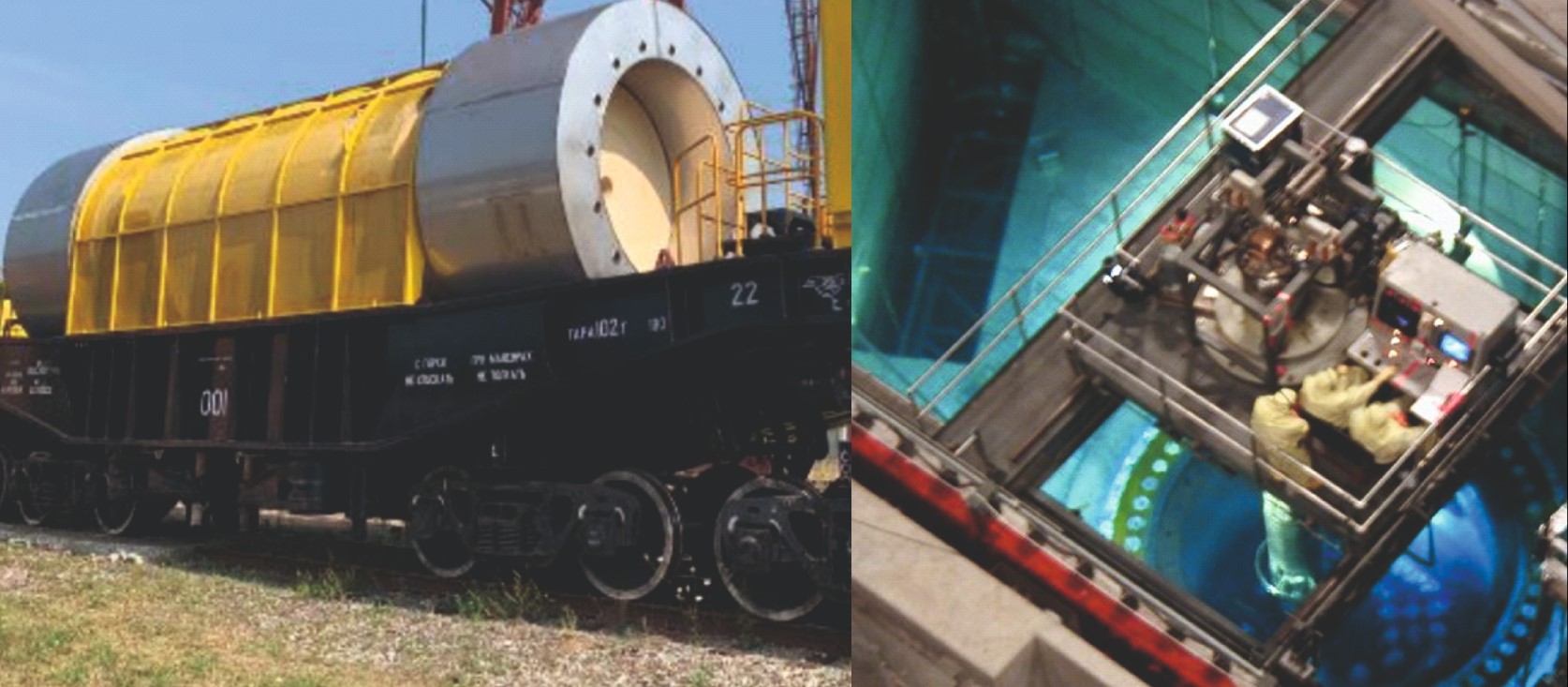
Space & Technology
Vadodara : In a significant boost to India’s nuclear self-reliance, a Vadodara-based MSME, Vividh Hi-Fab Pvt. Ltd., has successfully developed critical indigenous equipment for the handling, transfer and storage of spent nuclear fuel. The achievement is expected to sharply reduce India’s dependence on imported nuclear fuel management systems and strengthen domestic capability in one of the country’s most strategic and regulated sectors. Three Years of R&D to Meet NPCIL Standards The indigenisation programme is the result of nearly three years of sustained research and engineering, carried out to meet the stringent safety and performance requirements of the Nuclear Power Corporation of India Limited (NPCIL). According to officials familiar with the project, the equipment underwent multi-stage inspections, material validation and safety testing by central government agencies before being cleared for operational use. The first batch of indigenously manufactured spent fuel storage racks is now ready for dispatch to the Kudankulam Nuclear Power Plant, one of India’s most critical nuclear power facilities. World’s First Integrated Nuclear Storage Manufacturing Facility Vividh Hi-Fab has emerged as the world’s first facility capable of manufacturing all three types of nuclear spent fuel equipment under one roof. These include: Fuel Transfer Machines Spent Fuel Transportation Containers Spent Fuel Storage Racks These systems are essential for the safe movement, shielding and long-term storage of highly radioactive spent fuel after it is removed from reactor cores. Until now, India relied largely on foreign suppliers for such complex and safety-critical equipment. Advanced Borated Stainless Steel Enhances Safety A key technological highlight of the new storage racks is the use of borated stainless steel, a specialised alloy enriched with boron to absorb neutrons and control radiation levels. This material is globally recognised for its ability to prevent criticality, while allowing high-density storage of spent fuel assemblies in reactor pools. The adoption of borated stainless steel ensures long-term structural integrity, resistance to corrosion, and reliable performance under high radiation and thermal conditions. Strategic Impact on India’s Nuclear Programme Experts say the indigenous development of spent fuel handling systems represents a major strategic breakthrough for India’s nuclear ecosystem. Beyond cost reduction and import substitution, domestic manufacturing offers NPCIL greater control over quality assurance, lifecycle support and future upgrades. The milestone also highlights the growing role of Indian MSMEs in advanced defence and nuclear manufacturing—domains traditionally dominated by large public-sector enterprises and overseas vendors. Next Phase: Full Domestic Fuel Management Capability With storage racks now cleared for deployment at Kudankulam, work is progressing on the fuel transfer machines and transport containers to complete a fully indigenous end-to-end spent fuel management chain. As India accelerates its nuclear power expansion to meet rising energy demand and long-term decarbonisation goals, developments such as this underscore how home-grown engineering, advanced materials and MSME innovation are becoming central to the country’s energy security and strategic autonomy.
Read More → Posted on 2026-01-08 17:15:38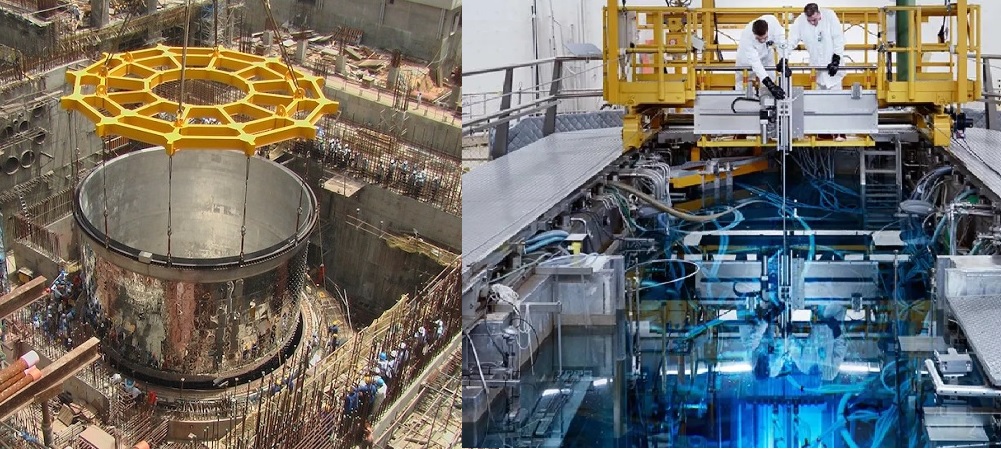
Space & Technology
Clean Core Thorium Energy (CCTE), a Chicago-based nuclear fuel technology company, has moved closer to India’s reactor fleet after receiving a US Department of Energy (DOE) export authorisation under 10 CFR Part 810—a regulatory clearance that governs the transfer of certain unclassified nuclear technology, technical data and assistance to foreign atomic energy activities. Multiple reports in India’s business press describe CCTE as only the second US company in nearly two decades to secure such an export licence for nuclear technology exports to India—an infrequent development in the civil nuclear corridor between the two countries. Tie-up with NTPC, But Company Says Discussions are Exploratory CCTE’s India entry is now being linked to a partnership track with NTPC Ltd, India’s largest power utility, aimed at advancing thorium as an alternative to uranium for fuelling nuclear reactors—particularly India’s Pressurised Heavy Water Reactors (PHWRs). However, on January 2, 2026, NTPC told exchanges that it is only evaluating a minority stake in CCTE and that no binding agreement has been signed, framing the engagement as part of ongoing exploration of investment opportunities subject to due diligence and approvals. What CCTE is Bringing: ANEEL Fuel And a “Plug-And-Play” Pitch CCTE’s core proposition is ANEEL™ (Advanced Nuclear Energy for Enriched Life)—a thorium-enriched uranium fuel concept marketed as compatible with existing PHWR/CANDU-type reactors, reducing the need for entirely new reactor designs to begin using thorium-bearing fuel. In its communications around the Part 810 authorisation, CCTE has said the licence permits it to export ANEEL-related technology and services to India, positioning the move as a milestone in US–India civil nuclear cooperation. Why Thorium Matters More in India Than Almost Anywhere Else India has long treated thorium as strategic because domestic uranium resources are limited while thorium occurs in monazite-bearing coastal sands. A Government of India parliamentary response on monazite resources—often discussed in the thorium context—notes 13.15 million tonnes (Mt) of monazite in identified settings and describes monazite as containing roughly ~10% ThO₂ (thorium oxide), alongside rare earth content. This resource logic underpins India’s three-stage nuclear programme, conceived to eventually transition to thorium utilisation at scale after sufficient fissile material is bred. SHANTI Law And India’s 2047 Nuclear Targets The renewed activity around thorium fuel collaboration is landing as India pushes an aggressive nuclear build-out. Government statements and policy documents have repeatedly referenced a national objective of 100 GW nuclear capacity by 2047. That drive is being reinforced by the SHANTI reform package, which has been described as opening space for private participation and modernising the sector’s legal architecture—moves that supporters argue are needed to accelerate capacity additions, while critics have raised concerns about safety and liability design. For NTPC, the policy backdrop is directly relevant. The utility has publicly signalled an ambition to develop 30 GW of nuclear capacity as part of India’s long-horizon expansion plan. The Key Technical And Regulatory Questions Ahead Even with a US export authorisation in hand, deployment in India would still hinge on Indian clearances and reactor-operator acceptance. India’s operating fleet includes 24 reactors (World Nuclear Association, updated August 31, 2025) and is dominated by PHWRs, which is why “drop-in” fuel claims are central to the commercial pitch. The gating items, analysts say, are likely to include how such fuel would be qualified for India’s PHWRs, the extent of changes required in fuel fabrication and handling, and alignment with India’s safeguards and regulatory pathway—issues that typically move slower than corporate announcements. What to Watch Next Near-term signals will come from NTPC’s next disclosures: whether its “exploratory” talks mature into a documented investment or technical programme, and whether Indian nuclear agencies outline a formal evaluation track for a thorium-bearing fuel compatible with PHWRs. For now, the immediate headline is clear: a rare US export authorisation (10 CFR Part 810) has reopened momentum in the US–India civil nuclear channel, and a potential NTPC–CCTE alignment has put thorium fuel for existing reactors back at the centre of India’s nuclear-growth conversation—this time with corporate capital and policy reform moving in parallel.
Read More → Posted on 2026-01-02 15:21:38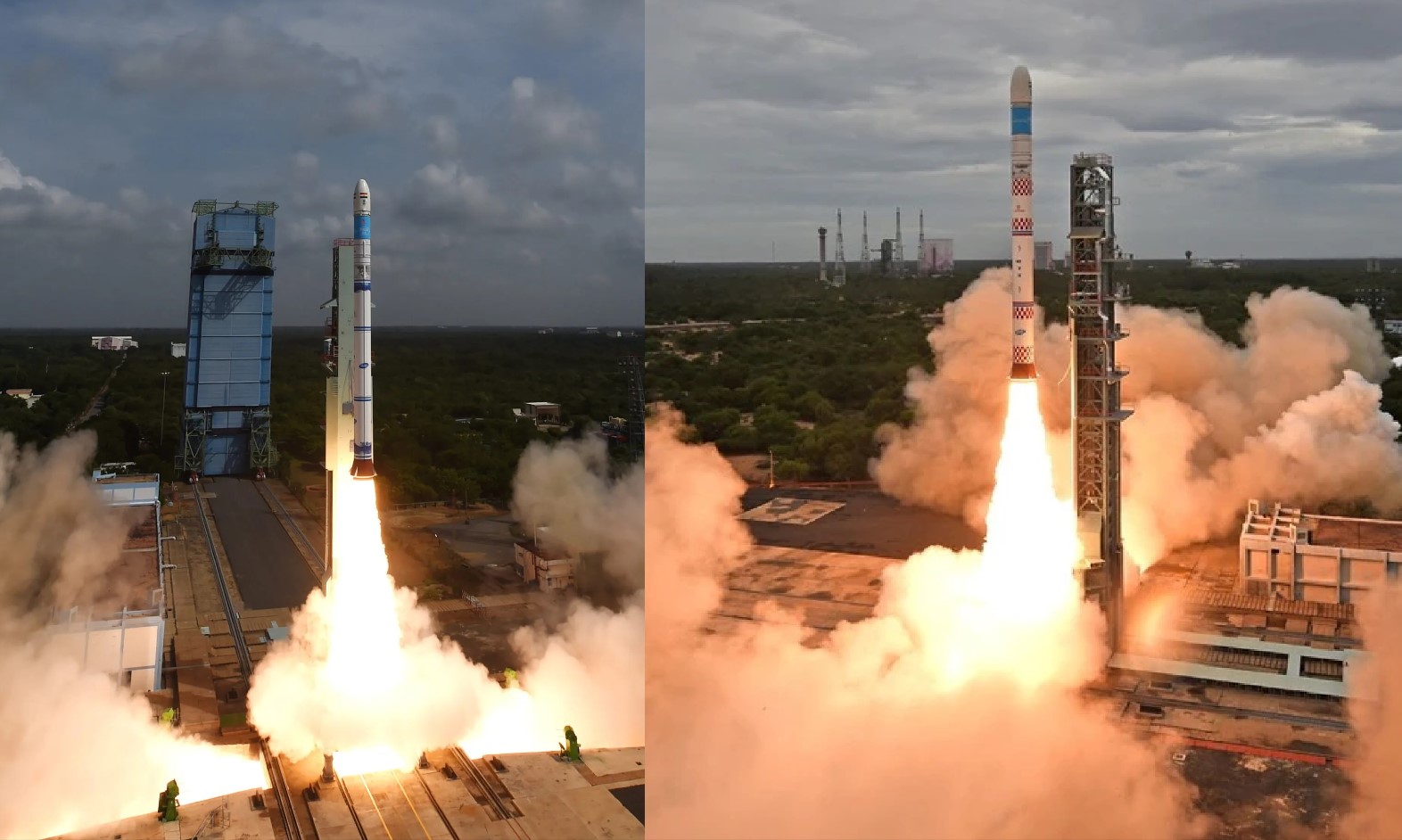
Space & Technology
Sriharikota/Bengaluru: The Indian Space Research Organisation (ISRO) has successfully conducted a static ground test of an improved version of the third stage (SS3) of its Small Satellite Launch Vehicle (SSLV), marking a significant upgrade to India’s dedicated small-satellite launch system. The test was carried out at the Satish Dhawan Space Centre, validating critical design changes aimed at increasing payload capability and operational robustness. The static firing of the upgraded SS3 lasted 108 seconds, during which all key performance parameters—including chamber pressure, thrust profile and structural behaviour—closely matched pre-test predictions. ISRO officials said the results confirm that the redesigned stage meets qualification requirements for induction into future SSLV missions. Lighter Stage, Higher Payload The most notable improvement in the new SS3 is the introduction of a carbon-epoxy composite motor case, replacing heavier metallic structures used earlier. This reduction in inert mass directly enhances vehicle performance. According to ISRO, the upgraded third stage enables an additional 90 kg of payload capability for SSLV, a substantial gain in the small-launch segment where every kilogram counts. SS3 is the uppermost solid propulsion stage of SSLV and plays a decisive role in delivering the final velocity required for orbital insertion. In its standard configuration, the stage uses HTPB-based solid propellant, delivers a maximum vacuum thrust of about 160 kN, burns for approximately 107 seconds, and contributes nearly 4 km/s of velocity to the launch vehicle. The improved version retains these core characteristics while benefiting from reduced structural mass and refined subsystems. Design Refinements And Reliability Focus Beyond the composite motor case, ISRO has incorporated improvements in the igniter system, nozzle configuration, and control hardware of SS3. The nozzle actuation system has been strengthened with fault-tolerant electro-mechanical mechanisms and low-power control electronics, aimed at enhancing mission reliability while keeping the launcher simple and cost-effective. The upgraded motor case was realised at ISRO’s composites facilities, while casting and integration were completed at Sriharikota. Officials highlighted that the test also reflects the maturity of India’s indigenous solid-propulsion ecosystem, which has seen recent capacity expansion in propellant production and large-scale mixing infrastructure. Importance For SSLV Programme SSLV has been developed as a quick-response, low-cost launcher for the growing global market of small satellites. The four-stage rocket, which is about 34 metres long, 2 metres in diameter, and has a lift-off mass of roughly 120 tonnes, is designed to place up to 500 kg into a 500-km low-Earth orbit. Enhancements such as the upgraded SS3 are intended to give mission planners greater flexibility, either by accommodating heavier spacecraft or by providing additional performance margins. The successful SS3 static test comes as SSLV moves further towards regular operational and commercial missions, with industry participation expected to scale up production and launch cadence in the coming years. Next Steps With the completion of the 108-second firing, ISRO said the improved third stage is cleared for flight use. The upgraded SS3 is expected to be integrated into upcoming SSLV launches, strengthening India’s position in the competitive small-satellite launch market and reinforcing the reliability of its newest launch vehicle.
Read More → Posted on 2025-12-31 16:59:08
Russia Expands Orbital Surveillance Capabilities with Launch of Obzor-R/R1 Strategic Radar Satellite
Space & Technology
Moscow / Plesetsk : In a significant development for Russia’s space-based intelligence and Earth observation architecture, a Soyuz-2.1a launch vehicle successfully placed the first Obzor-R/R1 strategic orbital radar reconnaissance satellite into orbit this week, bolstering all-weather surveillance and reconnaissance capabilities in Sun-synchronous orbit. The launch, which occurred on 25 December 2025 from Plesetsk Cosmodrome, approximately 800 kilometers north of Moscow, was conducted under the auspices of the Russian Ministry of Defence with support from the Aerospace Forces. Liftoff took place at 17:11 Moscow Time and marked the sixth Soyuz mission of 2025, reaffirming the enduring operational status of the Soyuz-2.1a medium-lift rocket in Russia’s military and reconnaissance programs. A New Era of All-Weather Radar Observation The Obzor-R/R1 satellite, developed by TsSKB-Progress and other domestic space industry partners, represents a next-generation strategic orbital radar reconnaissance platform designed to perform detailed Earth monitoring regardless of meteorological conditions or time of day. Its primary sensor is the advanced Kasatka-R digital active electronically scanned array (AESA) synthetic aperture radar (SAR), which provides high-resolution imagery and intelligence data—capabilities critical for both defence and civil applications. According to manufacturers, the Kasatka-R radar features 18 X-band digital radar modules, each measuring approximately 0.45 × 0.8 meters, which together form a sizeable 1.6 × 4 meter radar aperture capable of robust imaging performance in a variety of environmental conditions. The radar architecture is designed to be jam-resistant and digitally agile, enabling persistent monitoring of the Earth’s surface with a reported resolution down to 0.5 meters—a benchmark that, if fully realized, places the system among the more capable SAR payloads currently in service. Satellite Specifications and Mission Profile At an estimated 4,000 kilograms, Obzor-R/R1 is one of the heavier Earth observation satellites deployed by Russia in recent years. It was inserted into a Sun-synchronous orbit with an inclination near 98 degrees, an orbital regime that allows for consistent lighting conditions over target regions and frequent revisits. Initial orbital parameters place the satellite roughly 650 kilometers above Earth, where it will begin commissioning and calibration of its radar payload before entering full operational service. The satellite carries an expected operational lifespan of at least five years, during which it will support a range of defence and civilian intelligence tasks, including infrastructure monitoring, environmental observation, border surveillance, and strategic reconnaissance. Russian officials have indicated that multiple Obzor-R satellites are planned, with at least three or potentially more spacecraft expected to be launched in the coming years to establish a persistent orbital constellation. Strategic and Technological Context The Obzor-R program has a long history within the Russian space sector. Initial development efforts date back more than a decade, with the project originally slated for launch in the late 2010s. Technical hurdles, particularly involving the radar payload, pushed timelines into the early 2020s and beyond. Despite these delays, the successful deployment of Obzor-R/R1 represents a culmination of years of engineering efforts and underscores Russia’s continued prioritization of autonomous Earth observation and surveillance infrastructure. The use of SAR technology aboard Obzor-R aligns with broader global trends in space reconnaissance. Synthetic aperture radar enables satellites to “see” through clouds, darkness, and adverse weather, providing crucial near-real-time intelligence when optical systems are limited by environmental factors. Nations such as the United States, China, and European space agencies have invested heavily in SAR constellations for both military and civil applications; Russia’s entry into this domain with a domestically produced platform underscores its desire for independent, strategic remote-sensing capabilities Looking Ahead With the first Obzor-R now in orbit and undergoing early operations, attention will turn to subsequent launches to build out a resilient radar reconnaissance constellation. Future satellites in the series are expected to carry enhanced payloads and improved performance metrics, potentially expanding coverage and revisit rates. As Russia continues to advance its spaceborne surveillance infrastructure, Obzor-R/R1 stands as a key milestone in the nation’s efforts to achieve persistent, high-resolution Earth monitoring that is independent of external technology partners and capable of supporting both defence and civilian missions into the next decade and beyond.
Read More → Posted on 2025-12-31 14:35:24
Space & Technology
Tehran: Iran on Sunday successfully placed three domestically built observation satellites into orbit using a Russian Soyuz rocket, marking another milestone in the country’s expanding space programme amid ongoing Western sanctions. State television reported that the satellites — Zafar-2, Paya, and Kowsar-1.5 — were launched from the Vostochny Cosmodrome, one of Russia’s newest and most strategically important spaceports. The mission represents one of Iran’s most advanced multi-satellite deployments so far. Satellite Capabilities According to the official IRNA news agency, all three satellites were designed and developed within Iran, with a strong role played by the country’s private aerospace sector. The spacecraft are intended exclusively for Earth observation and civilian applications, Iranian officials said. Among them, Paya is described as Iran’s most technologically advanced imaging satellite to date. It incorporates artificial intelligence–based image processing, allowing enhanced resolution and faster data analysis. IRNA said the satellite will be used for water resource management, environmental and climate monitoring, land-use mapping, and disaster assessment. Zafar-2 and Kowsar-1.5 are also observation satellites, designed to expand Iran’s ability to collect geospatial data for agriculture, urban planning and infrastructure monitoring, contributing to what officials describe as greater data self-reliance. Why a Russian Launch Iranian media, citing the Fars News Agency, said the Soyuz launch vehicle was selected because of its reputation as one of the world’s most reliable orbital rockets, particularly for missions involving sensitive and high-value payloads. The use of Russian launch services reflects Tehran’s growing reliance on international partnerships to ensure consistent access to space. The launch further strengthens technical cooperation between Iran and Russia, which has expanded in recent years across defence, energy and aerospace sectors. A Growing Space Programme The mission brings the number of Iranian satellite launches to 10 in the past two years, highlighting an accelerated pace in the country’s space activities. Iran conducted another launch from the same Russian spaceport in July, signalling a sustained operational relationship with Russian launch facilities. International Concerns Western governments have long expressed concern that satellite launch systems share technologies with ballistic missile platforms, which could theoretically be adapted to carry nuclear payloads. These concerns are frequently linked to Iran’s controversial nuclear programme. Iran has rejected those accusations, insisting that its aerospace activities are peaceful, civilian in nature, and compliant with United Nations Security Council resolutions. Tehran continues to deny seeking nuclear weapons, maintaining that its satellite programme is focused on scientific research, environmental monitoring and economic development. Strategic Signal With the successful deployment of Zafar-2, Paya and Kowsar-1.5, Iran has demonstrated that international sanctions have not halted its progress in space technology. The emphasis on AI-enabled satellites, private-sector involvement and reliable foreign launch partnerships points to a more mature and strategically significant phase of Iran’s space ambitions.
Read More → Posted on 2025-12-29 13:39:47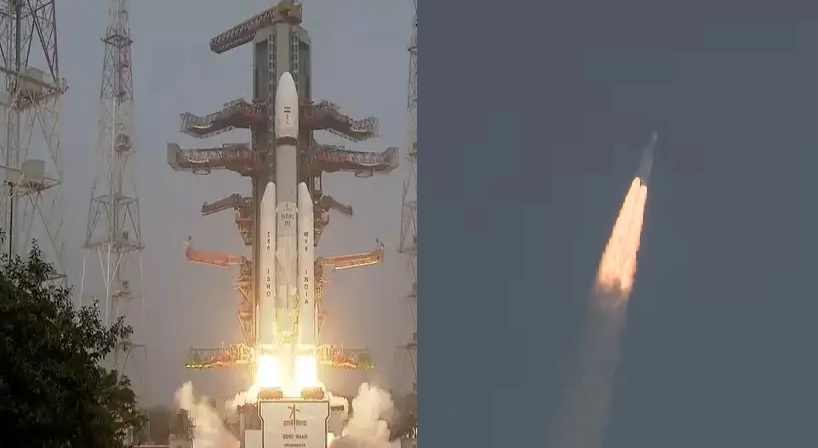
Space & Technology
Sriharikota, December 24, 2025 — At 08:54 AM IST on Wednesday, India marked a historic moment in its space journey as the Indian Space Research Organisation (ISRO) successfully launched the LVM3-M6 mission, placing the heaviest satellite ever launched from Indian soil into its intended orbit. The mission carried BlueBird-6, a next-generation communications satellite developed for US-based AST SpaceMobile, reinforcing India’s growing stature in the global commercial launch market. The launch vehicle lifted off from the Second Launch Pad at the Satish Dhawan Space Centre, Sriharikota, precisely on schedule. Within minutes, the three-stage LVM3 demonstrated flawless performance, injecting the 6,100-kg BlueBird-6 spacecraft into a circular low-Earth orbit of 520 × 520 km with a 53-degree inclination. This payload mass established a new national record, surpassing ISRO’s own previous benchmark set during an earlier LVM3 mission. The LVM3-M6 flight also achieved a significant operational milestone. It was conducted just 52 days after the previous LVM3 launch, making it the shortest turnaround time ever between two missions of India’s heavy-lift rocket. The earlier fastest interval stood at 154 days. The rapid turnaround reflects major advances in vehicle production, stage integration, and launch-readiness workflows, positioning ISRO for higher launch frequency in the coming years. Technically, the mission highlighted the full capabilities of the LVM3 launch system. The rocket, standing 43.5 metres tall with a liftoff mass of about 640 tonnes, employed two massive S200 solid strap-on boosters in its first stage, generating a combined thrust of over 10,300 kN. These were followed by the L110 liquid core stage powered by hypergolic propellants, and the C25 cryogenic upper stage using liquid hydrogen and liquid oxygen, which executed a long-duration burn of over 10 minutes to precisely place the satellite into orbit. The mission’s payload, BlueBird-6, is the first satellite in the BlueBird Block-2 series developed by AST SpaceMobile. BlueBird-6 represents a major technological leap, featuring a much larger deployable antenna array and enhanced power systems compared to earlier demonstrators. Designed to operate as a space-based cellular tower, BlueBird-6 aims to deliver high-speed, direct-to-phone broadband connectivity using ordinary 4G and 5G smartphones, without specialised satellite handsets. The Block-2 platform is expected to offer significantly higher bandwidth, improved signal strength, and wider coverage, enabling mobile connectivity in remote, rural, and underserved regions across the world. For ISRO, the success of LVM3-M6 further cements the LVM3’s transition from a human-spaceflight-focused launcher to a mature, commercially viable heavy-lift vehicle. With a flawless flight history and a 100 percent mission success rate, the rocket is emerging as a credible option for launching large international satellites at a time when global demand for heavy-lift services is rapidly expanding. As mission control confirmed precise orbital insertion and satellite health, celebrations followed at Sriharikota. The LVM3-M6 launch stood out not just for its records in payload mass and turnaround time, but as a clear statement of India’s rising confidence, capability, and competitiveness in advanced space operations—signalling a new chapter in its role as a major player in the global space economy.
Read More → Posted on 2025-12-24 04:42:12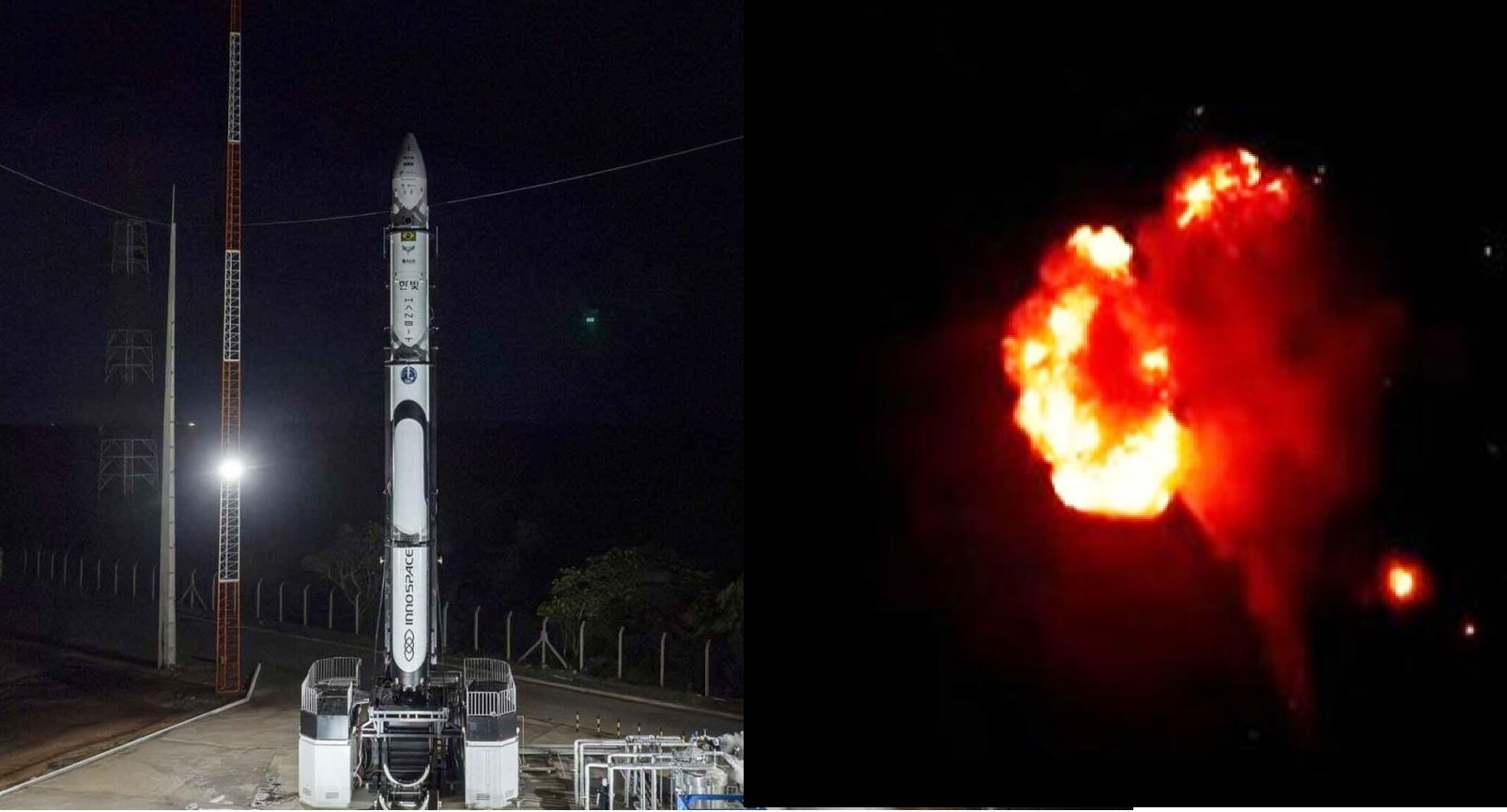
Space & Technology
South Korea’s ambitions in the commercial space launch sector suffered a serious setback on Monday, December 23, after the Hanbit-Nano rocket, developed by startup Innospace, crashed moments after liftoff from Brazil’s Alcântara Space Center. The failure marked the unsuccessful debut orbital mission of what was expected to become South Korea’s first privately developed and operated commercial launch vehicle. The launch was intended to showcase the country’s growing capabilities in private-sector spaceflight, positioning Innospace as a new entrant in the fast-growing global small-satellite launch market. Instead, the mission ended prematurely, with the rocket failing to reach orbit. Mission Objectives And Payload Details The Hanbit-Nano rocket was designed to deploy five nanosatellites into a 300-kilometre low-Earth orbit, a key technical milestone for Innospace’s commercial roadmap. The payloads included satellites from international customers, underscoring the company’s ambition to compete beyond the domestic market. Standing about 17 metres tall, Hanbit-Nano is a two-stage orbital launch vehicle optimized for lightweight payloads. Its first stage uses hybrid propulsion technology, combining a paraffin-based solid fuel with liquid oxygen, a system the company says offers lower costs and improved operational safety compared with traditional liquid-fuel engines. Failure Occurs Within Minutes Of Launch The rocket lifted off during a late-night launch window on December 23 from the Alcântara site, whose near-equatorial location provides efficiency advantages for orbital missions. However, an anomaly was detected shortly after liftoff, disrupting the ascent sequence. Live footage showed the rocket climbing briefly before the broadcast feed was cut. Brazilian authorities later confirmed that the vehicle fell back to Earth within a designated safety zone near the launch complex. Officials said no injuries were reported, and no damage occurred outside the restricted launch area. Emergency and security teams were deployed to secure debris and assess the impact site. Investigation Launched By Company And Authorities In a statement released after the crash, Innospace confirmed the failure and said it had launched a full technical investigation. The company is analyzing flight telemetry, onboard sensor data, and ground-system information in coordination with Brazilian authorities. The precise cause of the failure—whether related to propulsion, guidance, staging, or structural systems—has not yet been disclosed. Pre-Launch Delays Added Pressure The mission followed several postponements in the weeks leading up to the December 23 launch, stemming from technical inspections, ground-system checks, and weather-related constraints at the coastal spaceport. Despite these challenges, Innospace proceeded after completing what it described as final safety verifications. Aerospace analysts note that first-time orbital launches frequently face setbacks, particularly when new vehicles transition from suborbital testing to full orbital operations. Setback For South Korea’s Private Space Ambitions The failure represents a symbolic blow to South Korea’s emerging private aerospace sector. While the country has successfully launched satellites using government-developed rockets, Hanbit-Nano was positioned as the first fully commercial alternative led by a private company. Innospace had previously completed a successful suborbital test flight from the same Brazilian facility, raising expectations ahead of the December orbital attempt. Market Reaction And Path Forward Following news of the December 23 crash, Innospace shares fell sharply in Seoul trading, reflecting investor concerns over development timelines, reliability, and future launch contracts. The company emphasized that lessons learned from the failure will be incorporated into future missions and reaffirmed its commitment to returning to flight. For Brazil, the incident highlights both the risks and long-term potential of developing Alcântara Space Center as a global commercial launch hub. Brazilian officials reiterated their support for international launch providers despite the setback. As investigators work to determine what went wrong on December 23, the findings will be crucial for Innospace’s next launch attempt and for South Korea’s broader goal of establishing a competitive presence in the global commercial space industry.
Read More → Posted on 2025-12-23 14:39:44
Space & Technology
Iran is preparing to launch three domestically developed satellites—Paya, Zafar-2 and Kowsar—into low Earth orbit in late December, marking a significant step in the country’s expanding space programme. Iranian officials say the mission is focused on civilian applications, particularly natural-resource management, environmental monitoring and disaster response, as the country faces increasing challenges from droughts, floods and environmental degradation. According to official statements, the satellites are equipped with advanced imaging and data-collection technologies designed to enhance Earth observation capabilities. The spacecraft are expected to be placed in an orbit of roughly 500 kilometres above Earth, a standard altitude for remote-sensing missions that balances wide coverage with operational efficiency. Focus On Natural Resources And Crisis Management Iranian authorities describe the launch as part of a broader effort to integrate space-based data into national planning and development. Satellite imagery is expected to support agriculture, helping monitor crop health, soil moisture and irrigation patterns, while also assisting in water-resource management during prolonged dry periods. Disaster management is another central objective. Officials say the satellites will enable faster damage assessment following floods, earthquakes, landslides and forest fires, allowing emergency agencies to respond more effectively. Environmental monitoring, including tracking desertification, deforestation, air pollution and urban expansion, is also highlighted as a key benefit of the mission. Capabilities Of Paya, Zafar-2 And Kowsar Paya, described as the most advanced of the three, is an Earth-observation satellite weighing around 150 kilograms. Iranian sources say it can capture black-and-white images with approximately five-metre resolution and colour images at around ten metres, making it suitable for large-scale mapping, agricultural analysis and disaster assessment. Zafar-2 is an upgraded version of earlier Zafar-class satellites developed by Iran’s academic and research institutions. It combines imaging and improved communication capabilities, allowing more efficient transmission of data to ground stations. While not designed for very high-resolution imagery, it is optimized for wide-area monitoring and civilian scientific use. Kowsar represents a newer generation of remote-sensing satellites and is reported to include elements of data relay and connectivity. Iranian media have linked it to applications such as smart agriculture and environmental sensing, where satellite imagery is combined with ground-based sensor data to improve monitoring and analysis. Launch Vehicle And International Cooperation The satellites are expected to be launched aboard a Russian Soyuz rocket from a Russian spaceport, reflecting Iran’s continued space cooperation with Moscow. While Iran has developed indigenous launch vehicles, it has increasingly relied on foreign rockets to place heavier or more complex payloads into orbit, particularly for multi-satellite missions. This cooperation highlights Iran’s pragmatic approach to space access, using established launch systems while continuing to develop domestic capabilities. Military Implications And Dual-Use Concerns Despite official emphasis on civilian objectives, Iran’s space launches continue to draw international scrutiny due to potential military implications. The satellites themselves are not weapons, but Earth-observation technology is inherently dual-use. Even medium-resolution imagery can support military planning, including infrastructure mapping, monitoring large facilities, assessing damage after strikes and improving logistics. Similarly, the launch rockets rely on technologies—such as multi-stage propulsion, guidance systems and high-energy flight profiles—that overlap with those used in long-range ballistic missiles. This technological overlap is a key reason why Iran’s space activities are closely watched by Western governments. However, analysts note that the reported imaging resolutions of Paya and Zafar-2 are generally insufficient for precision targeting on their own and are more suited to environmental monitoring and broad situational awareness. A Milestone In Iran’s Space Programme If successful, the late-December launch will add three new satellites to Iran’s growing orbital fleet and strengthen the use of space-based data in domestic planning and crisis response. At the same time, it underscores the continuing debate over the dual-use nature of space technology, as Iran seeks to present its programme as scientific and economic while international concerns over security implications persist.
Read More → Posted on 2025-12-23 14:03:16Search
Top Trending in 24 Hours
-
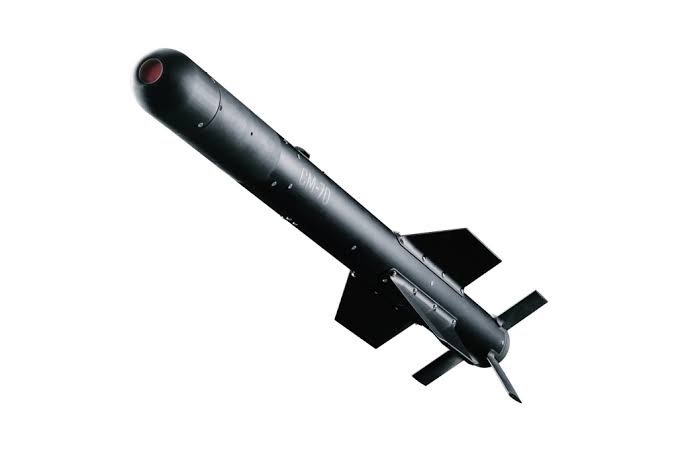 CSG and North Vector Dynamics Sign MoU to Explore European Production of CM-70 Counter-Drone Interceptor
-
 Satellite Images Reveal Four KJ-3000 AEW&C Aircraft at Chinese Aircraft Facility, Hinting at Possible Serial Production
-
 Long Wall Receives $75 Million MDA Award to Complete Cyclops Interceptor Flight Testing
-
 Spanish Navy and Navantia Advance F110 Frigate Design with Enhanced Air and Missile Defence
-
 Satellite Images Reveal Iran Continues Restoration of Eagle 44 Underground Airbase After 2026 Strikes
-
 Russia’s SJ-100 Superjet Flight Control System Enters Final Certification Stage After 1,500 Tests
-
 Denmark Acquires Anthem and Joint Strike Missiles in Major Long-Range Defense Overhaul
-
 Saudi Arabia Expanding Ballistic Missile Facility for Larger Solid-Fuel Missiles, Satellite Analysis Shows
Top Trending in 4 Days
-
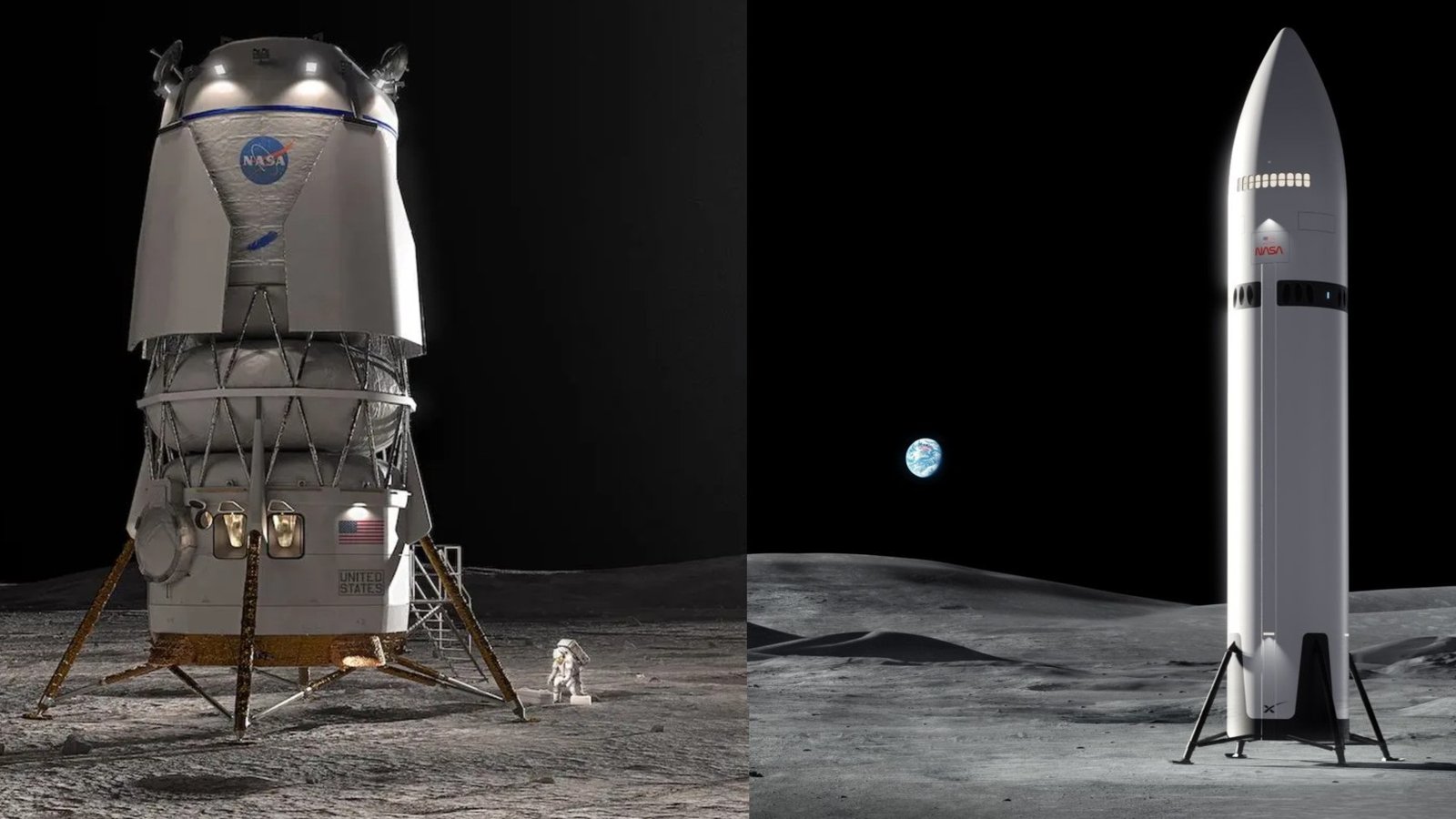 NASA Sets New Artemis Milestones as SpaceX and Blue Origin Target Moon Landings in 2027–2028
-
 U.S. Air Force Awards HII Subsidiary Enlighten IT $332.8 Million Cyber Defense Contract
-
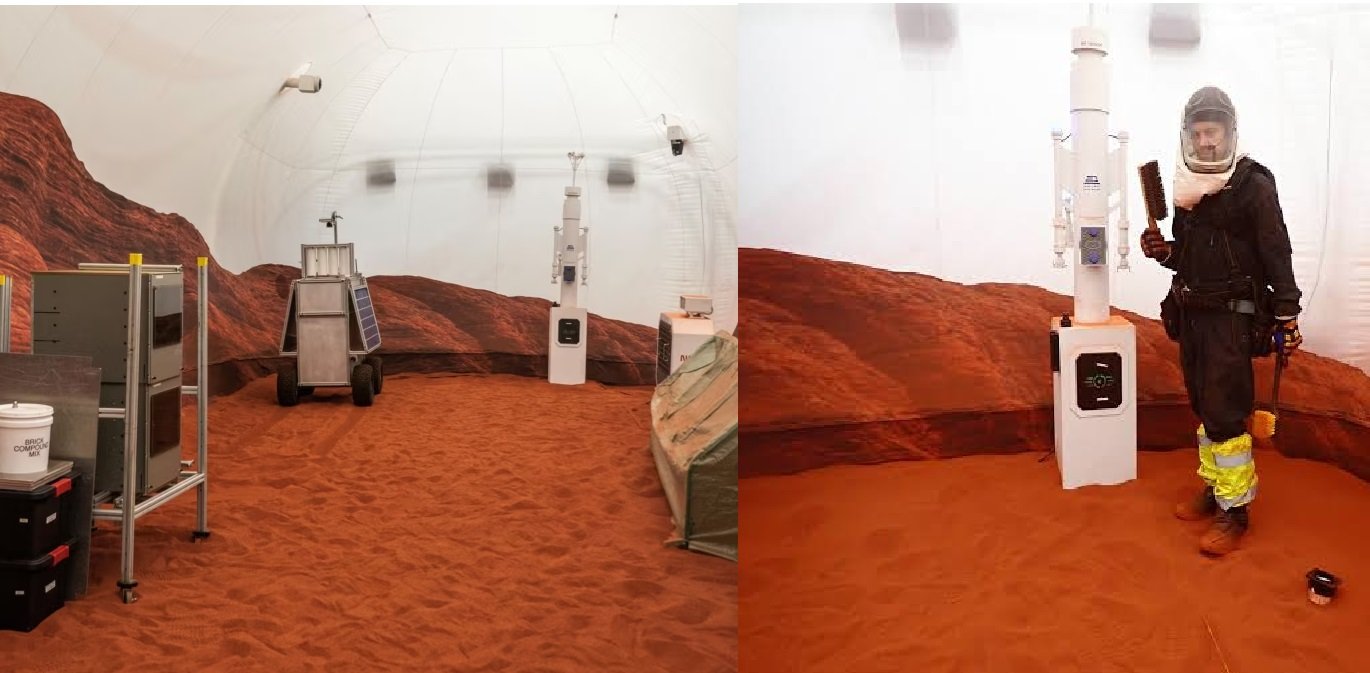 Four NASA Volunteers Mark One Year in Simulated Mars Habitat
-
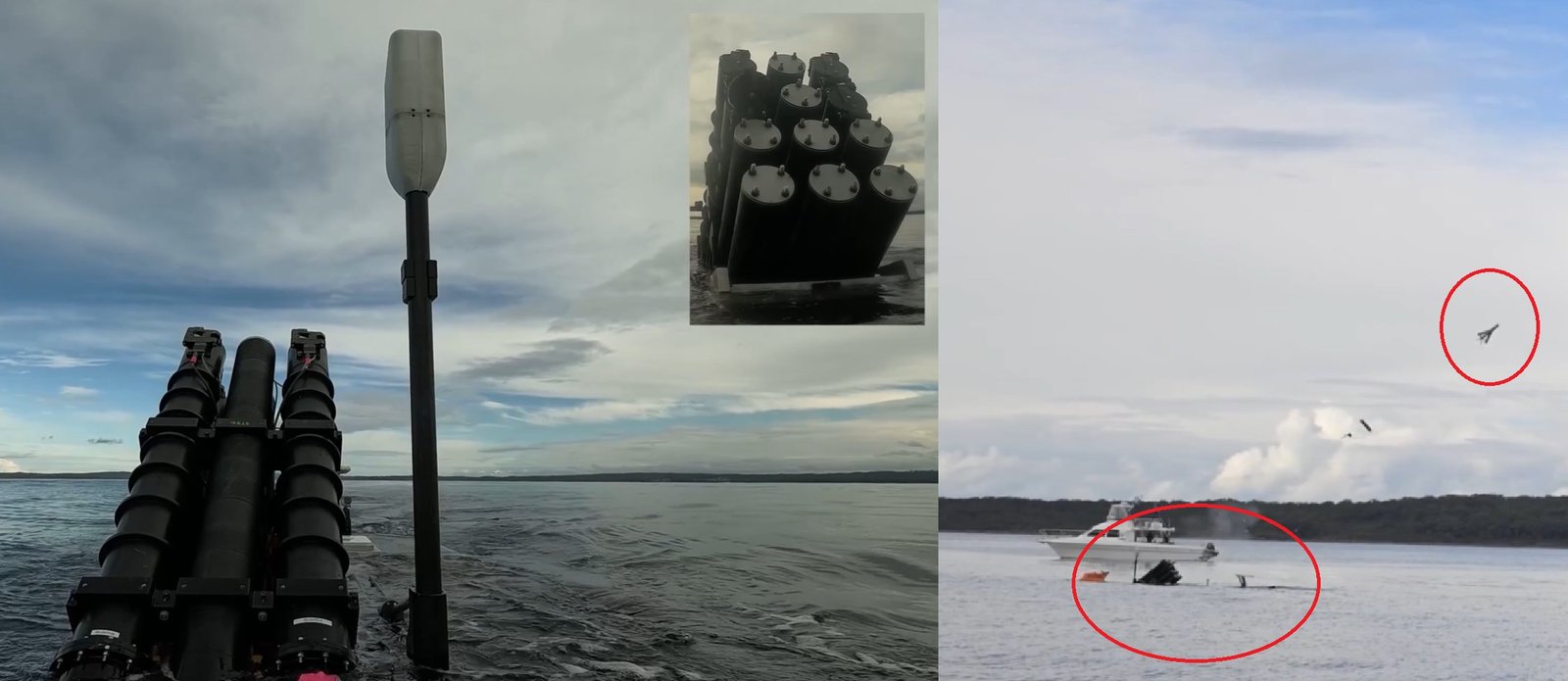 Australia Unveils Ghost Shark Autonomous Submarine’s Mine, Drone and Logistics Capabilities
-
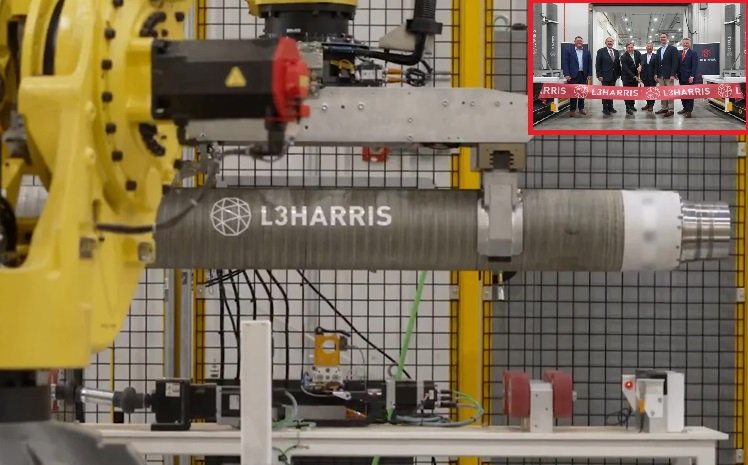 L3Harris Opens ‘Arsenal of Freedom’ Rocket Motor Plant in Arkansas to Double Production Capacity
-
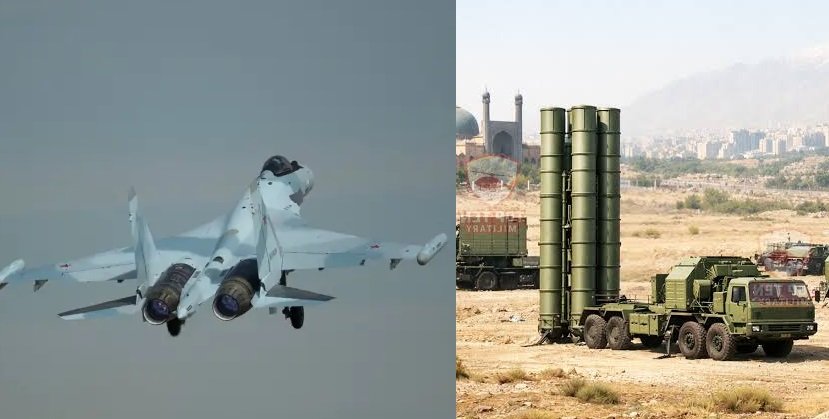 Russia Reportedly Offers Su-35 Fighters and S-400 Air Defence System to Protect Tehran
-
 Unitree Unveils H2-X ‘Kung Fu Legend: Guardian’ Humanoid Robot for Security and Rescue
-
CSG and North Vector Dynamics Sign MoU to Explore European Production of CM-70 Counter-Drone Interceptor