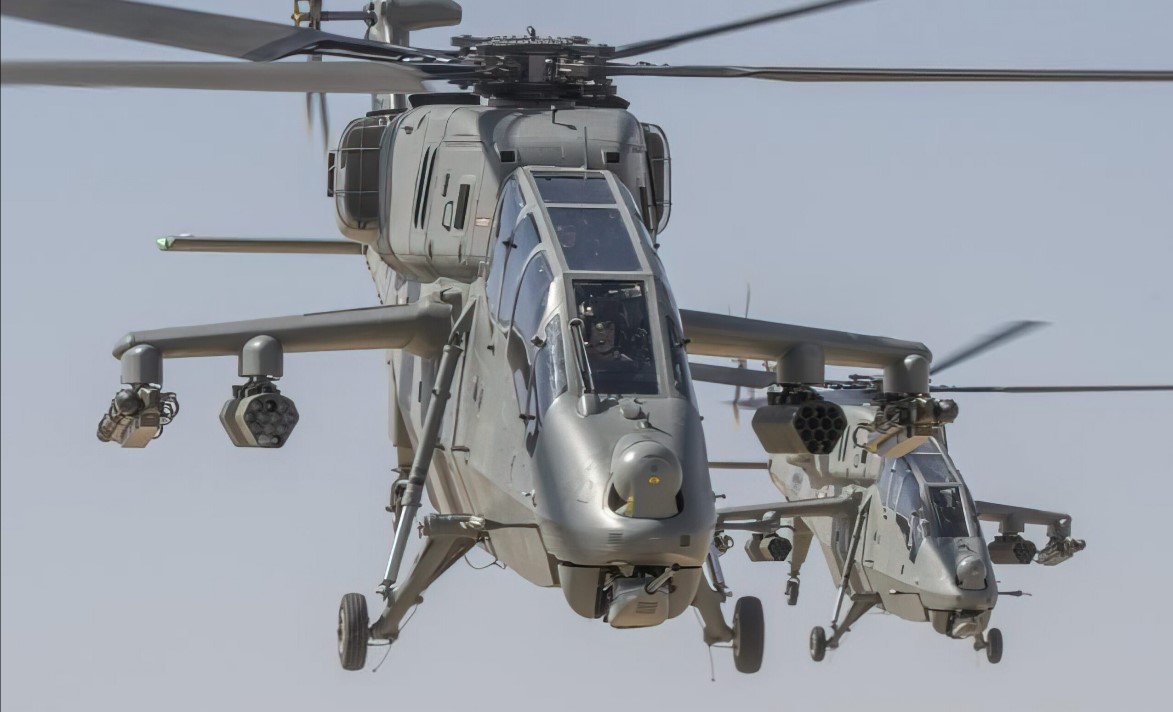
Nigeria is on the verge of significantly upgrading its military firepower by acquiring four Light Combat Helicopters (LCH) from India's Hindustan Aeronautics Limited (HAL). As negotiations between the two nations near completion, this move signals Nigeria’s commitment to modernizing its aerial defence capabilities and enhancing its counterterrorism operations.
The LCH, developed by HAL, is a highly advanced and versatile combat helicopter. Built as a derivative of HAL’s Dhruv Advanced Light Helicopter (ALH), the LCH stands out for its state-of-the-art design, which includes stealth technology, armored protection, and crash-worthy landing gear. These features enhance its survivability and make it suitable for high-risk military operations. The helicopter’s light weight and advanced maneuverability give it an edge in combat situations, especially in rough terrains such as high-altitude mountains and dense jungle environments.
Nigeria's interest in the LCH stems from its need for a robust and reliable platform to conduct a variety of military operations, including counter-insurgency, combat search and rescue, and enemy air defense destruction. The LCH is armed with precision weapons, including air-to-air and air-to-ground missiles, 70mm rocket systems, and a nose-mounted 20mm cannon. Its targeting systems, including electro-optical sensors and thermal imaging, allow the helicopter to operate effectively both day and night.
This acquisition comes at a critical time for Nigeria as the country faces increasing internal security challenges, particularly from insurgent groups such as Boko Haram. The LCH’s adaptability to Nigeria’s geographic diversity—ranging from vast savannahs to dense forests—makes it an ideal fit for Nigerian military operations. Its ability to counter drones and other slow-moving aerial threats adds an extra layer of tactical capability that could be invaluable in Nigeria's ongoing fight against terrorism.
The deal is being facilitated through a soft credit arrangement, demonstrating Nigeria’s growing interest in international defense partnerships. Interestingly, this move comes on the heels of the Nigerian Army's previous involvement with HAL’s Dhruv helicopters, where officers underwent extensive training in India. This prior experience with HAL’s helicopter technology has paved the way for this new partnership, easing the transition to more advanced systems like the LCH.
The helicopter's modern design, which includes a glass cockpit and composite airframe, is not only a technological leap but also a product of HAL's indigenous innovation. The Indian Air Force and Army have already inducted the LCH into their fleets, and ongoing collaborations between India’s Defence Research and Development Organisation (DRDO) and HAL are focused on further enhancing the helicopter's weaponry and operational capabilities.
For Nigeria, this acquisition is part of a broader military modernization strategy. The country is reportedly looking to acquire up to 12 twin-engine attack helicopters from various suppliers, with HAL’s LCH being a strong contender. Other potential suppliers include Airbus and Turkey’s TAI, but the LCH’s proven track record in challenging environments, combined with its adaptability and firepower, gives it a competitive edge.
Beyond just providing helicopters, HAL is committed to offering comprehensive training programs for Nigerian military personnel. These training initiatives will ensure that Nigeria can operate and maintain these sophisticated helicopters effectively, ensuring the long-term success of the acquisition.
In conclusion, as Nigeria prepares to finalize this deal, the acquisition of HAL’s Light Combat Helicopters is set to bolster its military strength, particularly in counterterrorism and internal security operations. This partnership also highlights the growing international reach of India’s defense manufacturing sector, underscoring HAL’s emergence as a global supplier of advanced military equipment.
——— End of Article ———