India
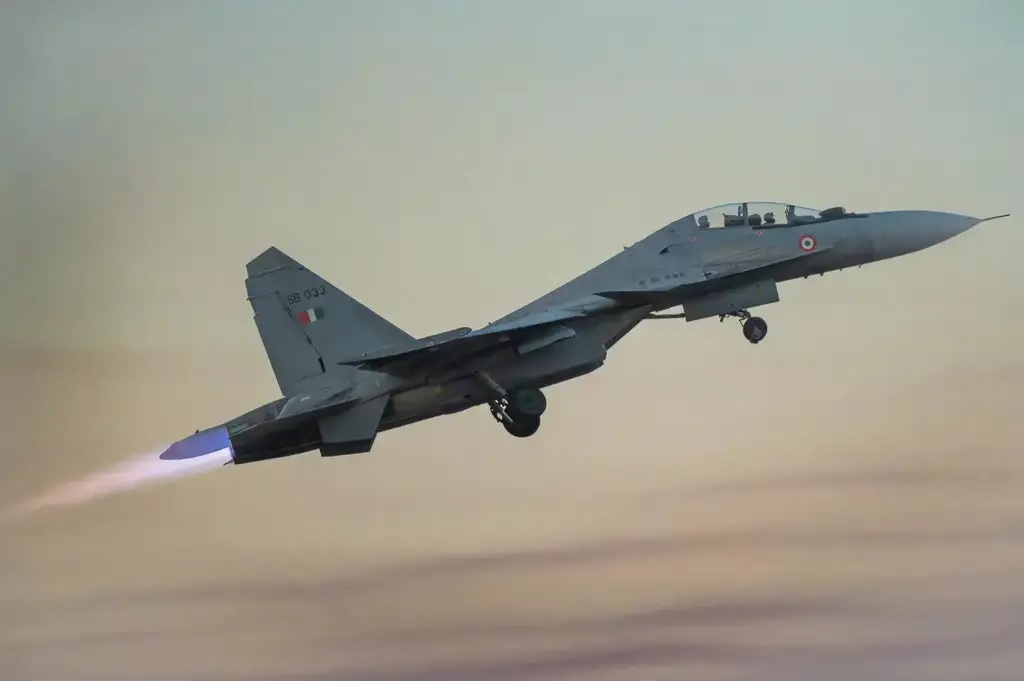
In a strategic move to strengthen India’s defense capabilities and promote domestic manufacturing, the Ministry of Defence (MoD) signed a major contract with Hindustan Aeronautics Limited (HAL) today for the procurement of 240 AL-31FP aero engines. Valued at over ₹26,000 crore, this deal is a crucial step in maintaining the combat readiness of the Indian Air Force’s (IAF) Su-30MKI fleet, a key component of India’s air defense.The contract, signed in New Delhi in the presence of Defence Secretary Giridhar Aramane and Chief of the Air Staff, Air Chief Marshal VR Chaudhari, highlights India's push for self-reliance in defense production. These engines, specifically designed to power the formidable Su-30MKI aircraft, will be manufactured at HAL's Koraput Division, known for its expertise in producing high-performance jet engines. The Su-30MKI itself is a highly maneuverable multirole air superiority fighter, built under license from Russia, and is the backbone of the IAF’s aerial combat capabilities.The AL-31FP engine, which is a variant of the Russian AL-31F, is a critical component for the Su-30MKI. It offers afterburner thrust in excess of 27,000 pounds-force, which enables the fighter jet to achieve high speeds, with a maximum speed of Mach 2 at altitude. Additionally, the engine is equipped with thrust-vectoring nozzles, giving the aircraft enhanced agility and maneuverability, especially in close combat scenarios.Under the contract, HAL will produce 240 of these engines over the next eight years at a planned rate of 30 engines per year. The engine manufacturing process is not only aimed at meeting the IAF’s operational needs but also at enhancing India’s domestic production capabilities. HAL intends to increase the indigenous content of the engines significantly, from 54% at the start of the program to 63% by its completion. This initiative aligns with the government’s broader ‘Atmanirbhar Bharat’ or self-reliant India initiative, aimed at reducing dependency on foreign imports in critical sectors like defense.The Koraput Division of HAL, where these engines will be produced, has been a key player in India’s aerospace industry for decades. Over the years, HAL has built significant expertise in the production, maintenance, and overhaul of the AL-31FP engines, which are known for their reliability and performance under diverse combat conditions. As part of this contract, HAL plans to collaborate with several micro, small, and medium enterprises (MSMEs) as well as companies from both the public and private sectors, further boosting India’s defense manufacturing ecosystem.What sets this contract apart is its long-term vision for self-sufficiency. HAL’s increased focus on indigenous content means that India will not only be able to produce these engines domestically but also service and maintain them within the country. This marks a crucial shift in India’s defense strategy, as it reduces dependency on foreign suppliers for spare parts and engine overhauls, ensuring that the Su-30MKI fleet remains operational and combat-ready at all times.The Su-30MKI, equipped with these engines, is known for its versatile roles, including air-to-air combat, air interdiction, and ground attack missions. With a range of 3,000 kilometers and a capability to carry a wide variety of weapons, the aircraft is indispensable for India's defense strategy, particularly in patrolling vast airspaces and responding to any threats along the country’s borders.This contract is a significant milestone in India’s journey toward defense self-reliance, and the involvement of HAL’s Koraput Division in the production of these engines is a testament to the country's growing technical expertise in the aerospace sector. As the production begins, it is expected to provide a major boost to India's defense industry, further cementing the country’s status as a regional military power.By enhancing indigenous capabilities and maintaining a strong fighter jet fleet, India is taking a critical step toward securing its skies, ensuring the operational readiness of the Su-30MKI, and reinforcing the nation's defense posture in the region.
Read More → Posted on 2024-09-09 16:08:16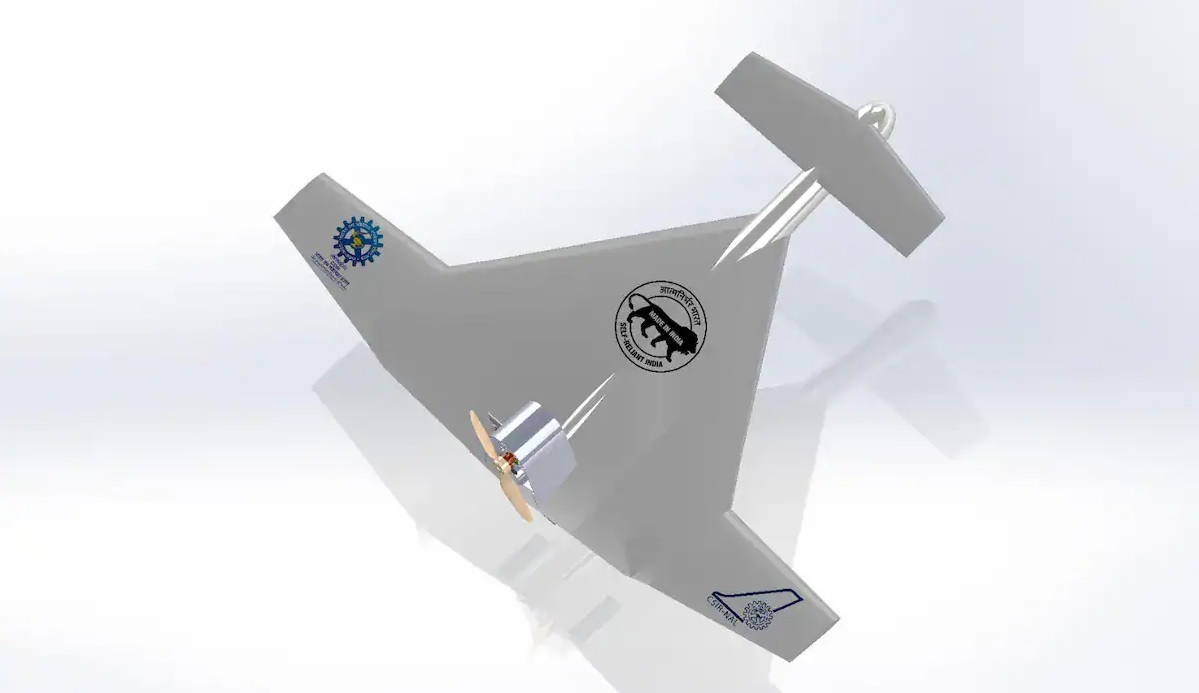
India
The National Aerospace Laboratories (NAL) has set its sights on advancing India's defense capabilities with an ambitious project involving the development of a 150kg loitering munition (LM) UAV. This indigenous drone is designed for precision strikes and high-level surveillance, combining cutting-edge technology with tactical versatility. To achieve this, NAL is inviting private sector participation to collaborate in the development, manufacturing, and commercialization of the UAV, marking a significant step in India’s push towards self-reliance in defense technologies.The project, with an estimated cost of ₹102 crore, demonstrates NAL's deep commitment, with the laboratory contributing ₹64 crore. The joint venture aims to build 10 prototypes of this loitering munition, which will be key in bolstering India's aerial strike and surveillance capabilities. What sets this UAV apart is its ability to linger over potential targets, waiting for the perfect moment to strike, making it a game-changing weapon in modern warfare.At the heart of this UAV is a powerful 30hp Wankel engine developed in-house by NAL. This engine is engineered for efficiency and reliability, ensuring that the drone can cover vast distances with an impressive endurance of 6-9 hours. The UAV boasts a range of 900 kilometers and a service ceiling of 5,000 meters, making it capable of operating in diverse environments. Its ability to carry a 15 kg warhead, in addition to other payloads such as advanced sensors, positions it as a versatile tool for both offensive and intelligence-gathering missions.To enhance its surveillance capabilities, the UAV will feature a cutting-edge Electro-Optical/Infrared (EO/IR) sensor gimbal. This sensor system allows for high-resolution imaging and tracking, even in low-light or challenging weather conditions. Additionally, the UAV will be equipped with a 200-kilometer line-of-sight communications link, enabling seamless real-time data transmission between the drone and ground control stations. One of the standout features of this UAV is its ability to navigate in GPS-denied environments. In today’s warfare, GPS signals can be easily jammed or disrupted, rendering many systems ineffective. However, NAL’s UAV will be designed to operate independently of GPS signals, ensuring continued functionality even in electronic warfare scenarios. The stealth design elements of the UAV further reduce its detectability, giving it a tactical edge in enemy airspace.NAL’s invitation to the private sector isn’t just about development. The chosen partner will have a pivotal role in the design, testing, and refinement phases of the project. Upon successful completion, this partner will have the first right to manufacture, market, and provide after-sales support for the UAV. Essentially, the collaboration offers a significant business opportunity for private players to enter a growing defense market where loitering munitions are gaining global importance.Loitering munitions are increasingly seen as a more efficient alternative to traditional missiles and aircraft in modern warfare. These drones can hover over enemy territory, collecting intelligence and waiting for the right time to attack, which makes them both flexible and deadly. Their ability to perform both reconnaissance and strike roles in a single mission has made them invaluable in conflict zones around the world.The project has already attracted attention, with a pre-bid conference set for September 23, 2024. Interested parties have until October 22, 2024, to submit their technical offers. This development could reshape India's defense landscape, offering a highly sophisticated aerial platform capable of precision strikes, surveillance, and overcoming electronic warfare challenges.This joint venture signifies a new era in India's defense innovation, where public-private collaboration can lead to technological advancements that not only strengthen national security but also position India as a significant player in the global defense market.
Read More → Posted on 2024-09-09 16:05:56
India
India’s role as a potential mediator in the ongoing Russia-Ukraine conflict is gaining global attention, with National Security Advisor (NSA) Ajit Doval heading to Moscow this week to engage in critical discussions aimed at resolving the crisis. Doval's visit follows the diplomatic groundwork laid by Prime Minister Narendra Modi, who has taken personal initiative in mediating between Russia and Ukraine over the past months.PM Modi's approach has been a delicate balancing act. He visited both Moscow and Kyiv in July and August, respectively, holding meetings with Russian President Vladimir Putin and Ukrainian President Volodymyr Zelensky. His efforts underscore India’s unique position—trusted by both Russia and Ukraine—as a possible mediator in the conflict. During these trips, Modi underscored the importance of diplomacy and peaceful dialogue, aligning with India’s longstanding position of advocating for non-violent resolutions to global conflicts.After his visit to Ukraine, Modi made a follow-up phone call to Putin on August 27. According to a statement from the Russian Embassy, Modi briefed Putin about his discussions with Zelensky and reaffirmed India’s dedication to bringing a political and diplomatic solution to the conflict. It was during this call that the idea of sending NSA Ajit Doval to Moscow was discussed and agreed upon.The upcoming Moscow visit is part of a broader effort by India to play a key role in facilitating peace talks between Russia and Ukraine. Doval's trip coincides with his participation in the BRICS NSA meeting, where top security officials from Brazil, Russia, India, China, and South Africa, along with new BRICS members including Saudi Arabia, the UAE, and Iran, will convene ahead of the annual BRICS Summit in Kazan. While the official agenda includes BRICS security matters, sources indicate that Doval's primary focus in Moscow will be on the Ukraine conflict. There are expectations that bilateral talks will also take place, notably with his Chinese counterpart, Wang Yi. The involvement of multiple global powers like China and Brazil adds another layer to the complexity of the negotiations. However, India remains in a unique position, being seen as a neutral player with strong relationships with both Russia and the West.Doval's visit also comes on the heels of international recognition of India's potential role as a mediator. Italian Prime Minister Giorgia Meloni, during a meeting with Ukrainian President Zelensky at the Ambrosetti Forum in Italy, noted that countries like India and China could play pivotal roles in resolving the Ukraine conflict. This sentiment was echoed by President Putin, who, during the Eastern Economic Forum in Vladivostok, acknowledged the efforts of countries like India in offering a "helping hand" toward peace.India's diplomatic strategy in this conflict has been clear: maintain good relations with both Russia and Ukraine, while advocating for peace through dialogue. Modi’s outreach, coupled with Doval’s forthcoming Moscow visit, reflects India's deep commitment to finding a peaceful resolution. As world leaders watch closely, India's role in the peace talks could significantly shape the future trajectory of the conflict in Ukraine.
Read More → Posted on 2024-09-08 15:22:59
India
India is set to make a major leap in its naval capabilities with the integration of an indigenously developed Air Independent Propulsion (AIP) system into its Scorpene-class submarines. The news, announced by Dr. Samir V Kamat, Chairperson of the Defence Research and Development Organisation (DRDO), marks a key milestone for the Indian Navy and the country’s defense technology. By 2026, the first of these advanced AIP systems will be fitted on the INS Kalvari, a Scorpene-class submarine, boosting its operational capabilities significantly.The AIP system is a game-changer for conventional diesel-electric submarines. Typically, these submarines need to surface or snorkel regularly to recharge their batteries, making them vulnerable to detection. However, with an AIP system in place, a submarine can stay submerged for much longer, greatly enhancing its stealth. This capability is especially important in naval operations where the element of surprise and extended endurance are critical.India's AIP system has been under development at the Naval Materials Research Laboratory (NMRL) in Ambernath. The technology represents years of meticulous research by a small yet dedicated team of scientists. Dr. Kamat emphasized this during his speech at the convocation of the Defence Institute of Advanced Technology (DIAT) in Pune. The successful development of this technology puts India among an elite group of countries that have mastered this advanced capability, joining the likes of the United States and France.Technologically, India's AIP system is based on a Phosphoric Acid Fuel Cell (PAFC) design, which generates power through an electrochemical reaction between hydrogen and oxygen. This fuel-cell-based system produces no emissions, making it quieter than conventional diesel engines, a key asset in maintaining stealth during underwater operations. Moreover, the PAFC AIP system does not require moving parts like traditional engines, reducing the risk of mechanical failure and improving reliability in long missions.The AIP system will be integrated into the Indian Navy's Scorpene-class submarines, starting with INS Kalvari, during its next refit cycle in 2026. This retrofit will extend the submarine's underwater endurance by several weeks, compared to the few days that conventional diesel-electric submarines can typically manage. Given the importance of submarines in maritime strategy, especially in the Indian Ocean Region (IOR), this upgrade comes at a crucial time. With growing geopolitical tensions in the region, India’s enhanced naval stealth capabilities will provide it with a strategic edge.During the convocation at DIAT, where 271 students, including officers from the Indian Armed Forces, graduated, Dr. Kamat highlighted how critical this technology is to India’s goal of self-reliance in defense. He stressed that developing these cutting-edge systems in-house strengthens India’s sovereignty and reduces dependency on foreign technology.Dr. Kamat’s address also touched on the broader defense challenges India faces in a rapidly evolving world. He underscored the importance of adapting to new technologies, including quantum communications, artificial intelligence, and advanced sensing, areas where DIAT has been making strides. In an increasingly multipolar world, India must not only keep pace but lead in critical defense innovations to maintain a strong military presence globally.The upcoming integration of AIP technology into the Indian Navy’s fleet is a testament to India’s growing defense capabilities and its commitment to innovation. It marks another step towards the country’s goal of becoming a leading player in the global defense arena, both in terms of technological prowess and military strategy. As India continues to enhance its naval power with indigenous technologies like the AIP system, it solidifies its position as a formidable force in the Indian Ocean and beyond.
Read More → Posted on 2024-09-08 15:17:39
India
Russia's bold vision to power future lunar bases with a nuclear plant has captured the attention of two of the world's space exploration heavyweights—India and China. This plan, spearheaded by Rosatom, the Russian state nuclear energy corporation, seeks to develop a nuclear power station on the Moon, potentially revolutionizing lunar exploration and habitation. Alexey Likhachev, head of Rosatom, recently revealed that both India and China are interested in collaborating on this groundbreaking project.The idea behind Russia's lunar nuclear power plant is to create an energy source capable of generating up to half a megawatt of electricity. This power would be essential to sustain the infrastructure and operations of a lunar base, an endeavor that Russia and China have been working on since May 2024. According to Likhachev, Roscosmos, Russia’s space agency, plans to complete and deploy the plant by 2036. This timeline would coincide with the broader efforts to establish a long-term human presence on the Moon.For India, this project offers an enticing opportunity to join the race in building a permanent lunar presence. After the success of its Chandrayaan missions, India's space agency ISRO has been looking for deeper collaborations that would elevate its standing in the global space community. The lunar nuclear power plant offers India the chance to leap forward in space technology while contributing to a significant international project.China’s interest in this initiative comes as no surprise given its growing space ambitions. After landing its Chang'e lunar missions and planning future manned explorations, China has made it clear that the Moon is a focal point of its space aspirations. By collaborating with Russia on the lunar power plant, China aims to secure its place in the next phase of space exploration and development.The significance of this project extends far beyond mere energy generation. The lunar nuclear power plant is seen as a cornerstone for more extensive operations on the Moon, including scientific research, mineral extraction, and the establishment of lunar habitats. The ability to generate reliable energy on the Moon could make it a stepping stone for more ambitious missions, including manned missions to Mars.The international collaboration between Russia, China, and potentially India marks an era of joint space exploration efforts, where the geopolitical divides of the past give way to cooperation in one of humanity's most exciting frontiers. The prospect of a nuclear-powered lunar base serves as a testament to the technological strides being made in the space sector and highlights the growing importance of energy solutions that can support extraterrestrial missions.As these three nations work together, the implications are vast—not only for space exploration but for technological advancements that could have applications back on Earth. Whether it’s developing safer and more efficient nuclear energy systems or pushing the boundaries of robotics and AI in hostile environments, the benefits of these lunar projects may ripple through many sectors.The race to the Moon is no longer about who gets there first, but about who can build the future on its surface. With India, China, and Russia expressing interest in making a nuclear-powered lunar base a reality, we may be closer than ever to witnessing human outposts beyond Earth.
Read More → Posted on 2024-09-08 15:09:16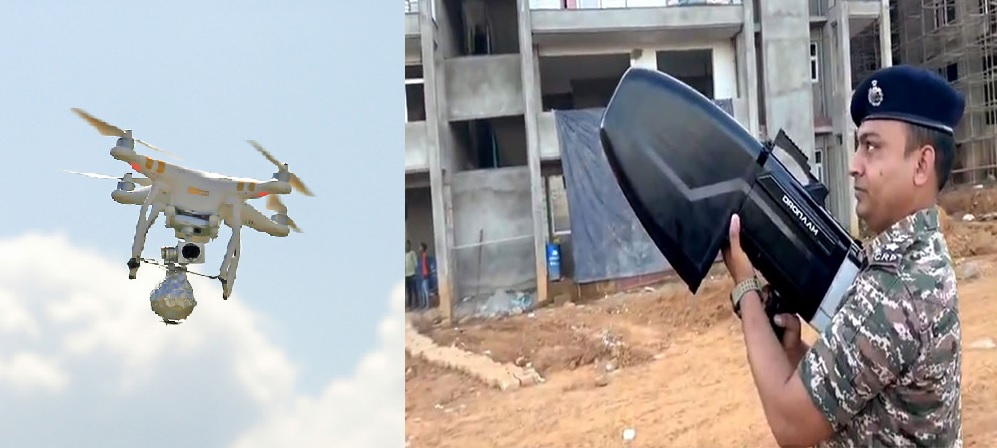
India
In the midst of escalating violence and drone-related threats, security forces in Manipur have begun deploying advanced anti-drone systems to safeguard the state. As attacks from militant groups increase, with drones playing a pivotal role, the Assam Rifles (AR) and the Central Reserve Police Force (CRPF) have taken proactive steps to combat these dangers by introducing cutting-edge technology to neutralize potential aerial threats.The deployment of anti-drone systems comes in response to rogue drone sightings in the state, where militants have reportedly used drones and long-range rockets to launch attacks on civilian areas. In recent weeks, these attacks have caused significant damage, killing civilians and intensifying the already fragile security situation.The Assam Rifles has positioned several anti-drone systems in the fringe areas of the state to detect and neutralize any unauthorized drones. These systems are designed to intercept and disable drones through various technologies, including jamming their communications or taking control of them mid-flight. This defensive strategy not only helps in monitoring hostile drone activity but also serves as a deterrent against further attacks.In addition to the AR's deployment, the CRPF has tested its own anti-drone systems, handing them over to forces on the ground for immediate use. The force is also in the process of bringing more anti-drone guns into the state to supplement existing measures. These guns are portable and can disrupt drone operations by targeting their radio frequencies or GPS systems, rendering the drones inoperative.The Manipur police, recognizing the growing threat posed by these aerial devices, have also initiated the procurement of their own anti-drone systems. This move is part of a broader effort to strengthen security and minimize the risk of drone-assisted militant operations. The police are particularly focused on enhancing security in vulnerable regions, where militant groups have carried out frequent strikes using both drones and long-range weapons.A recent incident in Bishnupur district underscored the gravity of the situation. Kuki militants launched rockets into civilian areas, killing a 78-year-old man and injuring several others. In the wake of this attack, Manipur police reported the destruction of three bunkers, a clear indication of the growing intensity of the conflict. Senior police officials, including the Inspector General of Police (IGP) and Deputy Inspector General (DIG), swiftly visited the affected areas to assess the situation and plan countermeasures.These attacks have prompted a series of combing operations by the police and other security forces in both the hill and valley regions. The operations, which cover a range of 3-5 kilometers, are aimed at neutralizing militants and dismantling their infrastructure. Key checkpoints, known as ‘nakas,’ have also been strengthened to monitor the movement of individuals and prevent further militant activity.Manipur's Inspector General of Police (Intelligence), K Kabib, provided additional details on the security efforts, noting that three bodies of suspected militants were recovered after a firefight in Jiribam district. The situation remains tense, with security forces working closely to prevent further loss of life.Alongside these ground operations, the deployment of anti-drone systems marks a significant shift in the security landscape of Manipur. The technology is part of a broader strategy to combat modern militant tactics, which increasingly rely on drones for reconnaissance, smuggling, and launching attacks. By intercepting drones before they can be used to carry out missions, security forces are aiming to reduce the effectiveness of militant operations in the state.In response to the rising violence, authorities have also imposed prohibitory orders, restricting gatherings and the carrying of arms to prevent further unrest. Security personnel have intensified their patrolling along National Highways 37 and 2, ensuring the safe movement of essential goods through the region.The situation in Manipur remains complex, with ongoing efforts by the police and military to stabilize the state and counter drone-related threats. As more anti-drone systems arrive, it is hoped that these measures will help restore peace and security to a region that has seen significant turmoil in recent months.
Read More → Posted on 2024-09-08 15:01:40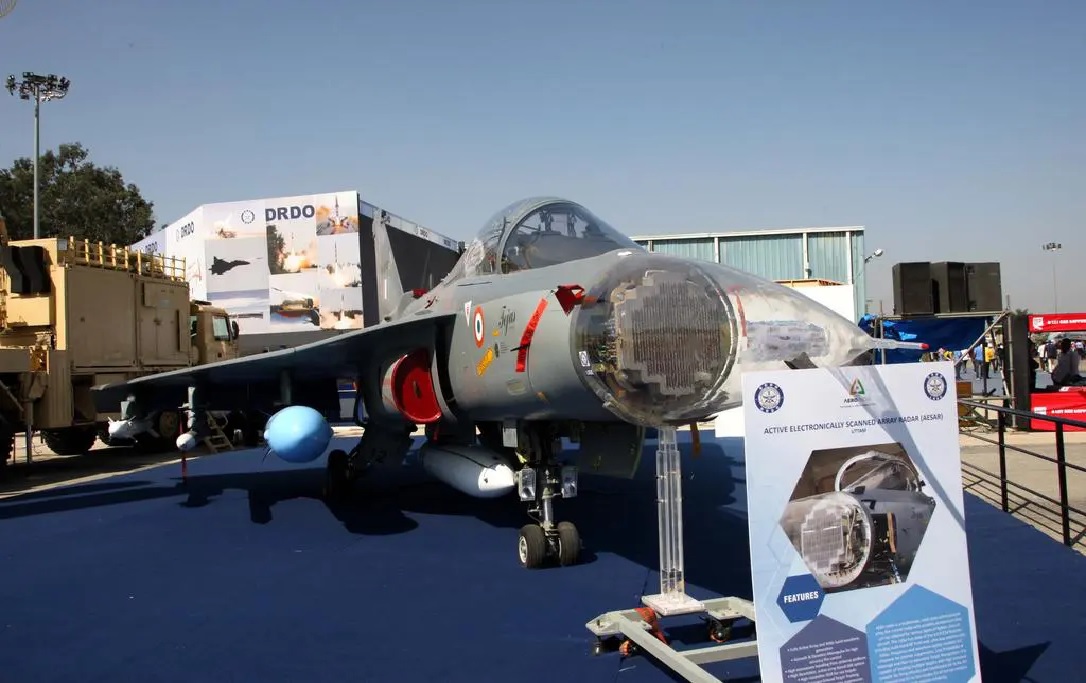
India
The Defence Acquisition Council (DAC) is likely to reject the Defence Research and Development Organisation’s (DRDO) proposal to integrate its indigenously developed Active Electronically Scanned Array (AESA) radar, called 'Uttam,' into the Rafale-M fighters. This decision, which has caught attention due to its implications for India’s "Make in India" initiative, primarily stems from concerns over high costs and significant delays in integration, according to a recent report by Hindustan Times.The Indian Navy has an urgent need to expand its fleet of Rafale-M fighters to strengthen its air combat capabilities, especially with the commissioning of the INS Vikrant aircraft carrier and the aging of its current MiG-29K fleet. While the DRDO's 'Uttam' radar has shown promise in other platforms like the Tejas MkII and is even being considered for upgrades to the MiG-29K, the complexities surrounding its integration into the Rafale-M have raised red flags.The 'Uttam' radar, an advanced AESA system, is designed to offer superior tracking, targeting, and electronic warfare capabilities. AESA radars are highly coveted for their ability to simultaneously track multiple targets and perform complex missions, such as electronic jamming and precise missile guidance, which gives them an edge over traditional radars. The 'Uttam' radar, under development by DRDO, has been seen as a significant leap forward in India’s indigenous defense technology landscape.However, integrating a new radar into an existing aircraft like the Rafale-M is no small feat. The process would require extensive testing, software integration, hardware adjustments, and aircraft certification, all of which take time and substantial financial investment. The Rafale-M already comes equipped with the battle-proven RBE2 AESA radar, which has been thoroughly tested and is fully integrated with the aircraft’s combat systems. Given the current timeline pressures and the need for a reliable solution, the DAC appears to be leaning toward retaining the RBE2 radar system instead of opting for the still-developing 'Uttam' radar.Another factor weighing heavily on the DAC's decision is the cost. Developing and integrating a new radar system could lead to budget overruns and push delivery timelines beyond acceptable limits, which would strain the Navy’s plans for immediate force enhancement. The Rafale-M’s RBE2 radar, being a proven system, offers a reliable solution with no additional development costs or delays. Thus, while the DRDO’s 'Uttam' radar would align with India’s broader goal of indigenization, the immediate needs of the Navy seem to be taking precedence.Despite this potential setback, DRDO’s efforts with the 'Uttam' radar are far from over. The radar continues to progress as part of the Tejas MkII program and is slated to play a crucial role in the future modernization of the MiG-29K fleet. The rejection of its integration into the Rafale-M is likely more a matter of timing and operational urgency than a reflection on the radar’s technical capabilities.In this context, the decision to prioritize the RBE2 radar on Rafale-M fighters provides the Navy with an off-the-shelf, high-performance radar system that can be delivered within a reasonable timeframe. Meanwhile, DRDO can focus on refining the 'Uttam' radar for future platforms, which could eventually see deployment on a wider scale across India’s defense forces.This move by the DAC illustrates the fine balance India must strike between pushing for indigenous defense technologies and meeting its immediate military requirements. The Indian Navy, with its growing strategic responsibilities, requires quick solutions to maintain operational readiness, particularly as it looks to modernize its air capabilities in the face of regional threats.
Read More → Posted on 2024-09-08 14:46:44
India
In a historic admission, Pakistan Army Chief General Asim Munir has officially confirmed the involvement of Pakistani military forces in the Kargil War of 1999. This acknowledgment, made during a recent Pakistan Army Day event, marks a significant shift from previous official positions. While notable figures such as Lt Gen (retd) Shahid Aziz, former President Pervez Musharraf, and former Prime Minister Nawaz Sharif had previously acknowledged the military's role, it was typically done outside of their official capacities or after leaving office.General Munir's statement sheds light on the long-held but previously unacknowledged truth of Pakistan's military engagement in the conflict. "The Pakistani army has always faced its adversaries with courage and resilience, be it in 1948, 1965, 1971, or during the 1999 Kargil War," Munir stated, highlighting the sacrifices made by thousands of soldiers. His comments underline the army's ongoing commitment to defending the nation, honoring those who have given their lives in the past and continue to serve today.The Kargil War, which erupted in May 1999, saw Pakistani forces crossing the Line of Control (LoC) and occupying strategic positions in the Kargil district of Ladakh. Initially mistaken for insurgents, these infiltrators were soon identified as Pakistani soldiers. The Indian Army faced intense fighting as it sought to reclaim these high-altitude positions. By July 26, 1999, Indian forces had succeeded in pushing the Pakistani troops back, marking the end of the conflict. The war resulted in significant casualties, with India reporting 527 soldiers killed and 1,363 wounded, while Flight Lieutenant K Nachiketa became the sole prisoner of war.The extreme conditions in Kargil played a critical role in the conflict's intensity. Located around 200 kilometers northeast of Srinagar and 230 kilometers west of Leh, Kargil sits at an elevation of 2,676 meters (8,780 feet), with nearby Dras reaching 3,300 meters (10,800 feet) and surrounding peaks soaring to 5,500 meters (18,000 feet). The region's harsh climate, characterized by temperatures as low as -30 degrees Celsius during winter, compounded the difficulties faced by the soldiers. The cold not only affected their physical well-being but also caused mechanical failures in equipment, necessitating extra effort to maintain functionality.The rugged terrain of Kargil, with its steep and challenging landscape, provided significant cover to the entrenched Pakistani forces, making it even more difficult for the Indian Army to dislodge them. In response, the Indian military adapted its tactics and equipment to the high-altitude environment. Improved acclimatization strategies and advanced cold-weather gear were developed. The use of the Bofors gun, which proved effective in the thin air, played a crucial role in the conflict. Small unit tactics combined with extensive artillery fire became central to overcoming the enemy's strong defensive positions.This recent acknowledgment by General Munir not only clarifies a critical historical aspect of the Kargil War but also highlights the ongoing significance of the military's role in Pakistan's national defense. The candid admission adds depth to our understanding of the conflict and its impact on both military strategy and historical narratives.
Read More → Posted on 2024-09-07 15:21:11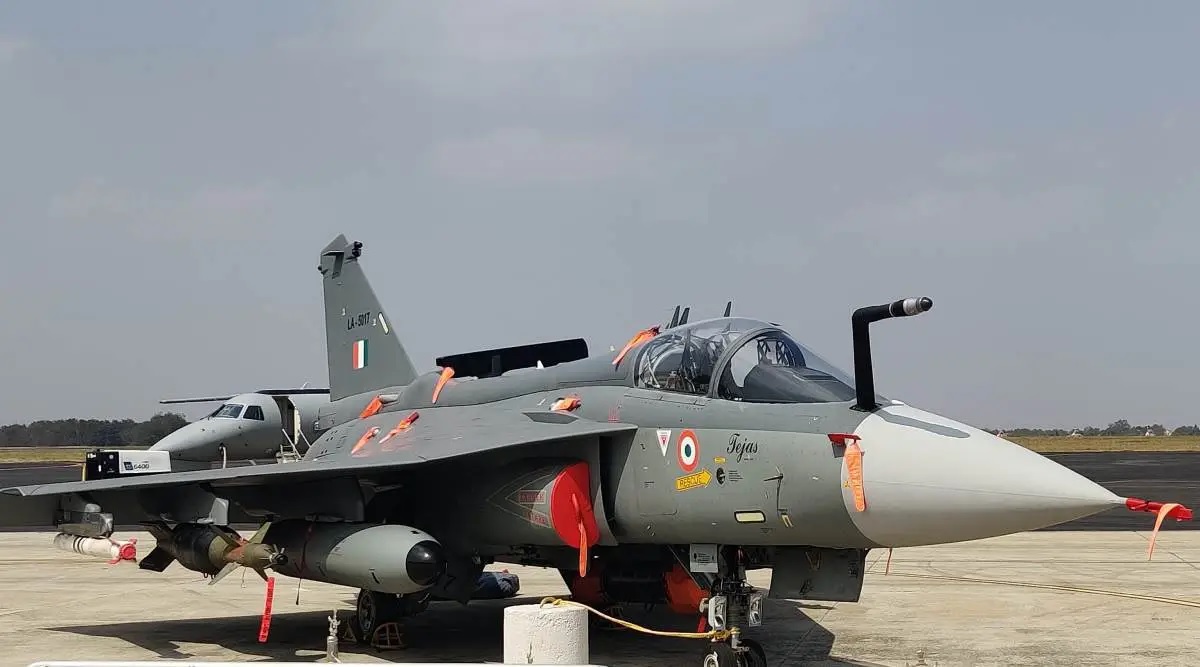
India
India’s ambition to accelerate the production of its indigenous Tejas Light Combat Aircraft (LCA) has found a new champion in renowned defense analyst Bharat Karnad. In his latest column, Karnad emphasizes a bold strategy to ramp up the annual production rate of Tejas jets to 144, a figure that would not only meet but potentially exceed the Indian Air Force’s (IAF) needs within a mere three years. His proposal focuses on sharing the crucial source codes of the Tejas with private sector giants like L&T, Tata, and Mahindra Aerospace, aiming to break India's long-standing dependency on foreign military equipment.Karnad, a Senior Fellow at the Centre for Policy Research, suggests that the Indian government take immediate and strategic steps to empower the private sector in the defense manufacturing ecosystem. He argues that by allowing private firms access to the Tejas source code—currently held by the National Aerospace Laboratories (NAL) and the Defence Research and Development Organisation (DRDO)—India can vastly enhance production efficiency and capability. The rationale is clear: HAL, despite its engineering expertise and track record, has faced bottlenecks in scaling production to meet the IAF’s urgent demands. HAL’s current output is far below the necessary rate to ensure India’s defense readiness, particularly as geopolitical tensions continue to simmer.Karnad's proposal doesn’t stop at code-sharing. He advocates for substantial government incentives, including tax holidays for companies willing to establish multiple production lines for the Tejas 1A and future models like the Advanced Medium Combat Aircraft (AMCA). By enticing private sector involvement, Karnad envisions the creation of a robust, multi-tiered production infrastructure that not only delivers the 144 jets annually but also creates a defense manufacturing ecosystem capable of scaling up to meet future demands, including potential exports.The Tejas Mk1A, the upgraded variant, comes with advanced radar systems like the AESA radar, Beyond Visual Range (BVR) missile capabilities, and modern electronic warfare systems. Karnad argues that private firms, with their vast experience in managing large-scale production and supply chains, can bring much-needed efficiency and innovation to the table. He highlights the capabilities of companies like Tata and Mahindra Aerospace, both of which have already shown prowess in aerospace manufacturing, and suggests that their involvement could revolutionize the production process.The urgency of accelerating Tejas production is underscored by the fact that the global aerospace industry is evolving rapidly. With 6th generation combat aircraft already in development around the world, India cannot afford to fall behind. The Tejas, while a solid 4.5-generation platform, must be produced and fielded in larger numbers if India hopes to maintain its defense edge and reduce its reliance on costly foreign imports like the Rafale jets. Karnad’s plan could also position India to compete in the global aerospace market, potentially transforming the country from a buyer into a producer and exporter of cutting-edge military technology.Leadership changes at Hindustan Aeronautics Limited (HAL) also add to the urgency of Karnad’s call to action. As Dr. DK Sunil prepares to take over as the new head of HAL, Karnad is hopeful that fresh leadership will be more receptive to collaboration with the private sector. He points to the lessons of the past, where HAL’s underutilization of indigenous designs, such as the HF-24 Marut, led to missed opportunities. Today, with a much more mature defense industry and a wealth of talent in the private sector, Karnad believes the time is ripe for HAL to recognize its limitations and join hands with industry leaders to achieve the nation’s defense production goals.Ultimately, Karnad’s vision is one where India stands on its own as a self-reliant aerospace power. By reducing its dependency on foreign equipment, India can ensure its strategic autonomy and secure its borders more effectively. But this will only be possible if the government acts decisively to integrate the private sector into its defense production plans, offering both the access and the incentives needed to scale up production quickly.Karnad’s proposal represents more than just a production goal; it is a roadmap for India to realize its full potential in the aerospace industry. The Tejas program, already a symbol of national pride, could soon become the cornerstone of India’s defense manufacturing renaissance—if the government heeds the call.
Read More → Posted on 2024-09-07 15:17:53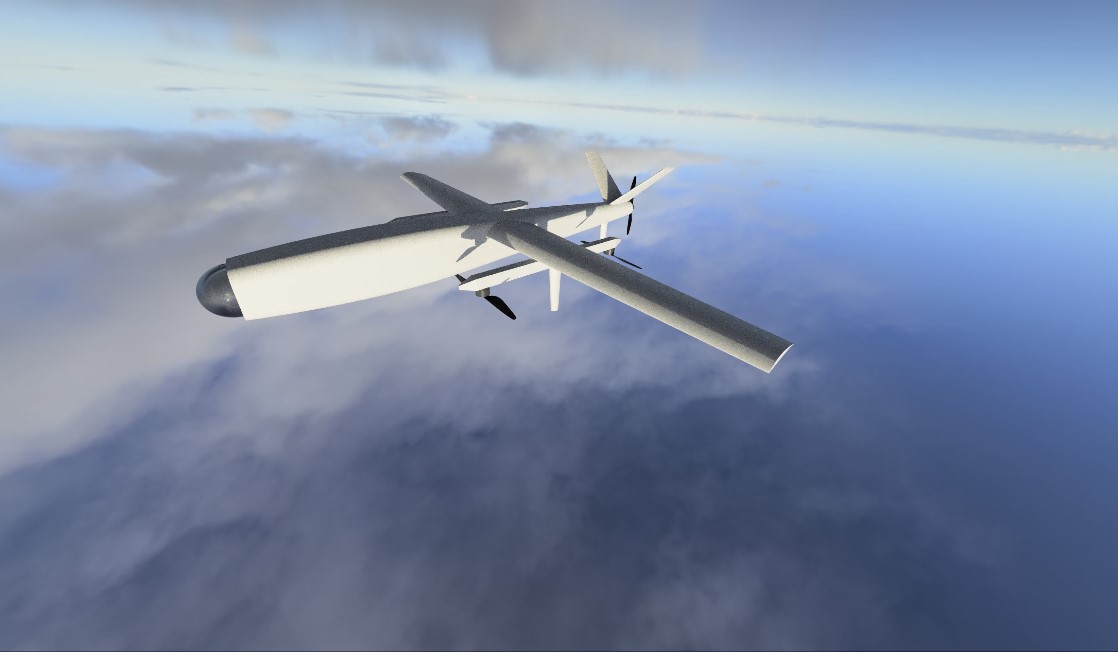
India
Flying Wedge Defence & Aerospace (FWDA), a rising Indian company founded by Suhas Tejaswini, has made waves in the defence sector with its recent announcement. The company revealed its ambitious plan to develop an unmanned aerial vehicle (UAV) capable of taking on Pakistan's advanced fighter jets, specifically the F-16 and JF-17 Thunder. This bold statement has sparked widespread interest and speculation, as success in this venture could transform the future of air combat for India.The challenge of building a UAV with such advanced capabilities is monumental. Pakistan’s F-16 fighter jets, purchased from the United States, are known for their agility, firepower, and battlefield prowess. Meanwhile, the JF-17 Thunder, developed in collaboration with China, is a versatile multi-role fighter that Pakistan has actively used in its air force. Creating an unmanned system capable of neutralizing these aircraft demands cutting-edge technology, precise engineering, and significant financial investment. However, the strategic benefits of succeeding would give India a tremendous advantage in the skies.FWDA’s vision to create a combat UAV emphasizes India’s growing focus on self-reliance in defence technology. Historically, India has imported a large percentage of its defence equipment, but recent years have seen a push toward domestically produced systems. Flying Wedge’s project aligns perfectly with the Indian government's "Make in India" initiative, which aims to position the country as a global hub for defence production.While Tejaswini did not commit to a specific timeline for the UAV's development, the announcement itself is a clear signal of India’s ambition to stay ahead in the evolving landscape of aerial warfare. A UAV capable of dogfighting with fighter jets like the F-16 and JF-17 would not only boost India’s defensive capabilities but could also pave the way for exporting such high-tech systems to other countries.The complexity of developing such a UAV cannot be understated. It will likely incorporate stealth technology, high-speed propulsion, advanced missile systems, and sophisticated radar or sensor suites. It’s expected that the UAV will be equipped with beyond-visual-range (BVR) air-to-air missiles, similar to the ones found on India's existing fighter jets like the Sukhoi Su-30MKI or the Tejas. These missiles would allow the UAV to strike enemy aircraft from a distance, neutralizing threats before they even enter close combat range.Another crucial feature will be the UAV's artificial intelligence (AI) systems. Modern air combat is increasingly dependent on data processing and decision-making at lightning speeds. AI-driven autonomous systems could allow the UAV to analyze enemy movements, react faster than a human pilot, and engage with multiple targets simultaneously.Tejaswini’s announcement has naturally raised the question of how FWDA’s UAV will stack up against Pakistan's F-16s and JF-17s. These are battle-proven aircraft with a strong track record. Pakistan’s F-16s are especially formidable, equipped with advanced radar and missile systems. However, a well-designed UAV could have several advantages, including greater endurance (as unmanned systems don’t need to return to base as often), higher G-force tolerances (since there’s no human pilot to protect), and the ability to swarm opponents using multiple drones at once.The implications of FWDA’s UAV could be game-changing for India’s defence capabilities. A successful system would not only allow India to counter threats from Pakistan but could also serve as a deterrent against other regional powers. Furthermore, it would underscore India’s growing prominence in the global aerospace and defence sectors.As the world watches FWDA's progress, the next few years will be critical for the company. If Flying Wedge Defence & Aerospace can turn this vision into reality, India’s aerial combat strategies might never be the same.
Read More → Posted on 2024-09-07 15:07:09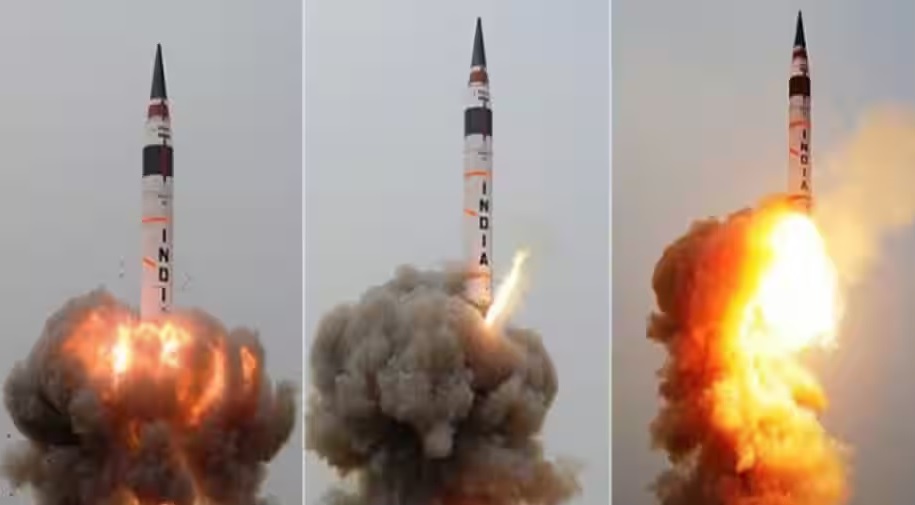
India
India's defence capabilities took a significant leap forward on September 6, 2024, when the Ministry of Defence successfully test-fired the Agni-IV Intermediate-Range Ballistic Missile (IRBM) from the Integrated Test Range in Chandipur, Odisha. This launch marks yet another milestone in India’s strategic missile program, as the Agni-IV plays an integral role in the country's nuclear deterrence posture.The Agni-IV is not just another addition to India’s arsenal; it symbolizes technological advancement and a strategic necessity in an ever-evolving geopolitical landscape. With a range of up to 4,000 kilometers, the missile provides India the capability to strike high-value targets across significant distances, enhancing its ability to deter threats from both China and Pakistan. This missile is a cornerstone of India's nuclear strategy, which revolves around maintaining credible minimum deterrence.Technical Specifications: A Technological MarvelAgni-IV, often regarded as a superior upgrade to the Agni-II missile, boasts advanced technology designed to ensure accuracy, flexibility, and resilience. The missile is a two-stage solid-fuelled weapon with a length of approximately 20 meters and weighs around 17,000 kilograms. Its development represents an evolution from its predecessor, allowing India to expand its strategic reach and improve precision.One of the standout features of Agni-IV is its solid propulsion system. The first stage of the missile, with a diameter of 1.2 meters, uses maraging steel, a specially treated alloy that gives the missile both strength and durability. The first stage generates 710 kilonewtons (kN) of thrust. The second stage, which has a narrower diameter of about 1 meter and is made from carbon-fiber composites, produces an average thrust of 39.5 kN. This combination allows the missile to maintain a precise trajectory while traveling at supersonic speeds.Agni-IV employs advanced guidance technologies, notably an inertial navigation system with ring laser gyroscopes. These systems allow the missile to maintain its course even in challenging flight conditions. Additionally, its flex nozzle control (FNC) thrust vectoring system ensures stable flight orientation. What makes Agni-IV even more impressive is its accuracy, with a circular error probable (CEP) of less than 100 meters at its maximum range of 4,000 kilometers, a remarkable achievement for such a long-range missile.The Role of Agni-IV in India's Defence StrategyThe Agni-IV missile is central to India’s strategic deterrence doctrine, which is rooted in the principle of "credible minimum deterrence." This doctrine emphasizes maintaining a nuclear arsenal sufficient to deter adversaries without seeking an arms race. By showcasing the Agni-IV’s capabilities, India reinforces its commitment to safeguarding national security through strategic, yet defensive, means.Agni-IV is capable of carrying both conventional and nuclear payloads, with a maximum payload capacity of 1,000 kilograms. This versatility allows India to deploy the missile in various operational scenarios. The missile is also designed to be road-mobile, which increases its survivability against preemptive strikes. This mobility ensures that India’s nuclear forces can remain operational even in times of heightened threat, adding an extra layer of deterrence.India’s focus on credible deterrence becomes particularly important in the context of the country's complex relationships with neighboring nuclear powers like China and Pakistan. The Agni-IV's range is tailored to target key installations within these nations, making it a vital part of India's strategic calculus. Moreover, the missile's ability to carry strategic nuclear warheads ensures that India retains the capacity to retaliate effectively in the event of a nuclear strike, thus discouraging potential adversaries from initiating conflict.The Future of Agni-IV: Enhancing DeterrenceThe successful launch of the Agni-IV missile demonstrates India's growing technological prowess and its dedication to maintaining a credible defence system. The Strategic Forces Command (SFC), which manages India’s nuclear arsenal, conducts regular tests to ensure the missile's reliability and operational readiness. The SFC, a tri-services command, reports directly to the Prime Minister's Office, reflecting the importance of this missile in India’s national security strategy.As geopolitical tensions continue to simmer in the Indo-Pacific region, the Agni-IV provides India with a vital tool for maintaining stability and peace. By enhancing its long-range missile capabilities, India signals to the world that it is prepared to defend its sovereignty and interests while adhering to a policy of restraint.In conclusion, the Agni-IV Intermediate-Range Ballistic Missile is more than just a weapon. It represents India’s commitment to peace through strength, ensuring that potential adversaries are deterred from aggressive actions. The missile’s advanced technology, long-range capability, and nuclear payload options make it a critical component of India’s strategic defence and its efforts to secure long-term regional stability.
Read More → Posted on 2024-09-07 14:58:48
India
Sansera Engineering, a prominent Indian precision engineering firm, has secured a significant contract to supply critical components for the Airbus A220 door program. This partnership, facilitated through a deal with Dynamatic Technologies, showcases the rising prominence of Indian manufacturers in the highly competitive global aerospace market. It further underlines India's growing influence in high-precision aerospace manufacturing, a sector that has historically been dominated by a few key players in Europe and North America.The contract involves Sansera Engineering producing intricate structural parts for the Airbus A220 aircraft's doors. These components are essential to the aircraft's structural integrity, ensuring that the doors meet the stringent safety, reliability, and performance standards expected in the aerospace industry. Airbus, known for setting the bar high in terms of precision and quality, relies on manufacturers like Sansera Engineering to deliver components that adhere to strict guidelines and enhance the aircraft's overall efficiency.The Airbus A220 itself is a marvel of modern aviation, popular among airlines for its fuel efficiency, advanced technology, and enhanced passenger comfort. It is designed for shorter to medium-range flights and can carry between 100 and 150 passengers. One of the most attractive features of the A220 is its lightweight design, which contributes to lower fuel consumption, helping airlines reduce operational costs and lower their environmental impact. The door components produced by Sansera will be part of this cutting-edge aircraft, ensuring the doors are both lightweight and robust, contributing to the overall performance of the plane.Sansera Engineering's state-of-the-art facilities, equipped with the latest manufacturing technologies, will be instrumental in delivering the precision required for this project. The company has a long history of producing high-precision components for industries such as automotive, aerospace, and defense. Its skilled workforce, combined with advanced technology, positions Sansera to meet the rigorous demands of Airbus, further strengthening India's capabilities as a global aerospace supplier.This contract with Dynamatic Technologies, a leading supplier of complex aerospace components, not only expands Sansera's footprint in the aerospace industry but also reinforces India's growing role in the global supply chain. Indian manufacturers have increasingly become key players in major international aircraft programs, and this partnership is a testament to the country's engineering prowess and ability to meet global standards.The collaboration between Sansera Engineering and Dynamatic Technologies is also expected to drive innovation within India's aerospace sector, providing a platform for further advancements in manufacturing technologies. With more Indian companies securing contracts from global giants like Airbus, the country's aerospace industry is poised for significant growth, opening up new opportunities for both domestic and international partnerships.In conclusion, Sansera Engineering's contract to supply Airbus A220 door components is a major step forward for both the company and the broader Indian aerospace industry. It highlights India's capability to produce world-class aerospace components and positions Indian manufacturers as vital players in the global aerospace supply chain. As Indian firms continue to establish themselves in this competitive sector, partnerships like this will help drive the country's ambition to become a leading force in aerospace manufacturing.
Read More → Posted on 2024-09-07 14:49:14
India
India has taken a significant leap in bolstering its nuclear deterrence capabilities with the commissioning of INS Arighat, its newest nuclear-powered ballistic missile submarine (SSBN). With a range of advancements over its predecessor, INS Arihant, the INS Arighat represents not only cutting-edge technology but also a remarkable achievement in India’s push for self-reliance in defense production.INS Arighat, commissioned by Defence Minister Rajnath Singh, is part of India’s strategy to secure its maritime and strategic interests with a second SSBN. Unlike INS Arihant, which entered service in 2018 with missiles capable of reaching targets up to 750 kilometers, INS Arighat comes equipped with missiles boasting a far superior range of over 3,500 kilometers. This extended range vastly enhances India’s ability to strike distant targets, providing a much stronger deterrent against potential adversaries.The submarine’s missile capability is backed by indigenous technology, with nearly 70% of its systems and components being designed, manufactured, and integrated in India. This is a key achievement under India’s ‘Make in India’ initiative, as the country aims to reduce its dependency on foreign technology, particularly in critical defense platforms. The development of INS Arighat involved extensive collaboration between Indian scientists, engineers, defense personnel, and local industries, marking a significant advancement in the nation’s naval capabilities.The submarine’s design builds on the experience gained from INS Arihant, but INS Arighat incorporates numerous improvements. It is larger, capable of carrying more weapons, and features superior stealth characteristics, making it harder to detect by enemy forces. Additionally, its reactor design allows for longer patrol durations, which means it can remain submerged for extended periods, providing a more enduring nuclear deterrent.INS Arighat is powered by a pressurized water reactor (PWR), which uses highly enriched uranium as fuel. The reactor allows the submarine to operate at great depths, improving its survivability and making it less vulnerable to detection. Coupled with its ballistic missile capabilities, this makes Arighat a cornerstone of India's nuclear triad, ensuring that India can launch nuclear strikes from land, air, and sea.With INS Arighat now in active service and a third SSBN expected to join the fleet soon, India’s submarine-launched ballistic missile (SLBM) force is rapidly evolving into a formidable shield. These submarines not only enhance India's second-strike capability—a key component of nuclear deterrence—but also signal to the world that India is a self-sustaining military power.Defence Minister Rajnath Singh emphasized the national pride associated with INS Arighat, praising the dedication and ingenuity behind its construction. The project, which required years of research, development, and precision engineering, has elevated India into a small group of nations capable of independently developing such sophisticated platforms.With a combination of technological innovation, strategic firepower, and indigenous development, INS Arighat symbolizes a new chapter in India’s maritime defense. Its induction significantly strengthens the nation’s ability to protect its interests in the Indian Ocean and beyond, solidifying its role as a regional power and a key player on the global stage. As India continues to expand its SSBN fleet, it’s clear that INS Arighat will play a pivotal role in maintaining strategic balance and safeguarding the country’s security.
Read More → Posted on 2024-09-07 14:46:08
India
The Indian Army has made a significant leap in modern warfare by inducting the Krushna Unmanned Ground Vehicle (UGV), a highly advanced autonomous system designed by Club First, a Jaipur-based robotics company. This move reflects the Army’s growing focus on utilizing unmanned systems to strengthen its surveillance, reconnaissance, and logistical support capabilities, especially in challenging terrains and hostile environments.The Krushna UGV stands out for its versatility and the range of cutting-edge technologies it incorporates. Built to support a wide variety of missions, the vehicle is particularly useful for stealth operations, thanks to its silent operation capabilities. This feature is crucial for maintaining secrecy during sensitive missions, making it an invaluable tool for covert operations along borders or in hostile regions.One of the UGV's standout features is its advanced thermal and day/night camera, which boasts an impressive range of up to 4 kilometers. This allows the vehicle to conduct long-range surveillance, providing real-time visual data to military personnel even in low-light or difficult weather conditions. Whether patrolling India's rugged borders or keeping an eye on remote outposts, the Krushna UGV provides high-resolution, all-weather reconnaissance, drastically reducing the risk to human soldiers.What makes the Krushna UGV even more sophisticated is its dual-mode operation system. It can be remotely controlled, giving operators precise command over its movements, but it also features autonomous navigation capabilities powered by GPS waypoint technology. This allows the vehicle to traverse difficult terrain, such as mountainous or forested regions, without direct human intervention. The autonomous mode is particularly useful for long-range missions, where human control might be difficult or unsafe.In addition to its technical prowess, the Krushna UGV is designed to withstand India’s diverse and often harsh environmental conditions. From extreme heat in deserts to freezing temperatures in high-altitude regions, the vehicle is equipped to maintain functionality in environments that would typically challenge conventional military equipment.The induction of this unmanned vehicle is part of a broader shift within the Indian Army toward incorporating more advanced AI and robotics into its operational toolkit. As India continues to face security challenges across its borders, especially with tensions in the northern and western frontiers, technologies like the Krushna UGV are becoming essential in bolstering the Army’s surveillance and rapid response capabilities.Beyond reconnaissance, the Krushna UGV has the potential to be used in logistical roles as well. With minor adjustments, it can be deployed for transporting supplies, equipment, or even injured soldiers in conflict zones. This flexibility enhances the Army's operational efficiency while simultaneously reducing the exposure of personnel to dangerous situations.The Krushna UGV’s introduction marks a significant advancement in India’s defense strategy, demonstrating how unmanned systems can complement traditional forces. As this technology continues to evolve, it is likely that we will see more applications for UGVs like Krushna in the future, from border patrols to disaster response and humanitarian missions. In essence, it not only strengthens India’s defense but also represents a broader vision of a tech-enabled future for the country’s armed forces.By adopting the Krushna UGV, the Indian Army is taking a proactive step toward ensuring that its personnel are supported by cutting-edge technology, making the force more resilient and capable of responding to the demands of modern warfare.
Read More → Posted on 2024-09-07 14:43:12
India
In response to a growing wave of militant drone attacks in Manipur, the Indian government has authorized the use of anti-drone guns by paramilitary forces. This critical decision follows a significant incident on September 1st, where militants, suspected to be from the Kuki group, used sophisticated drones to carry out an attack on Border Security Force (BSF) personnel and Manipur Police in the Koutruk area of Imphal West. The attackers reportedly used the drones to drop RPGs (rocket-propelled grenades), a tactic not previously seen in the conflict-ridden state.The deployment of anti-drone technology is part of the Centre's urgent measures to counter this novel threat. While such anti-drone systems have already been in use by the BSF along India’s western border with Pakistan, the recent attacks in Manipur mark the first time drones have been used in the region with such deadly precision. The Centre's quick response aims to prevent the situation from escalating further.The BSF, Assam Rifles, and other paramilitary units stationed in Manipur will be the first to receive these anti-drone guns, which are specifically designed to jam drone signals and disable them mid-flight. These guns have proven effective in countering threats from drones carrying explosives, reconnaissance equipment, or smuggling contraband across sensitive areas. According to officials, these anti-drone guns can neutralize targets within a range of up to 1-2 kilometers, depending on the terrain and the type of drone being targeted. In Manipur, the initial deployment will focus on key locations prone to militant activities, creating a layered security net.Experts believe this technological shift by militants signals a dangerous new chapter in Manipur's conflict, as the use of drones for dropping explosives is more commonly seen in conventional warfare. In recent years, non-state actors have increasingly employed drones in regions like Syria, Ukraine, and Iraq, where drones have been repurposed as inexpensive, effective tools for delivering bombs or conducting surveillance. The fact that such tactics are now being utilized in Manipur underscores the escalating complexity of the insurgency.The Assam Rifles, known for its expertise in counter-insurgency operations in the northeastern region, has been specifically instructed to begin deploying its anti-drone guns in vulnerable zones. Meanwhile, the state government has been directed to accelerate the procurement of additional units. This effort will involve deploying the technology in a way that maximizes coverage, including the creation of “drone-free zones” around key security installations and civilian areas.Manipur Police have emphasized the highly technical nature of these attacks, which require significant expertise to operate the drones and deploy explosives accurately. In their statement, the police assured the public that authorities are closely monitoring the situation and have the capability to respond to future incidents. The state government has also called for more training and readiness among security personnel to handle this emerging threat.The Centre’s decision to arm forces in Manipur with anti-drone technology is seen as a significant step in adapting to the evolving tactics of militants. With drones now being used as offensive weapons, ensuring the safety of both security forces and civilians has become an urgent priority. As the situation develops, experts anticipate further upgrades in the region’s counter-drone defenses to match the increasing sophistication of militant strategies. This swift action by the Centre highlights the growing importance of drone warfare in internal security matters and the need for cutting-edge technology to defend against these new-age threats.
Read More → Posted on 2024-09-06 15:00:43Search
Top Trending in 24 Hours
-
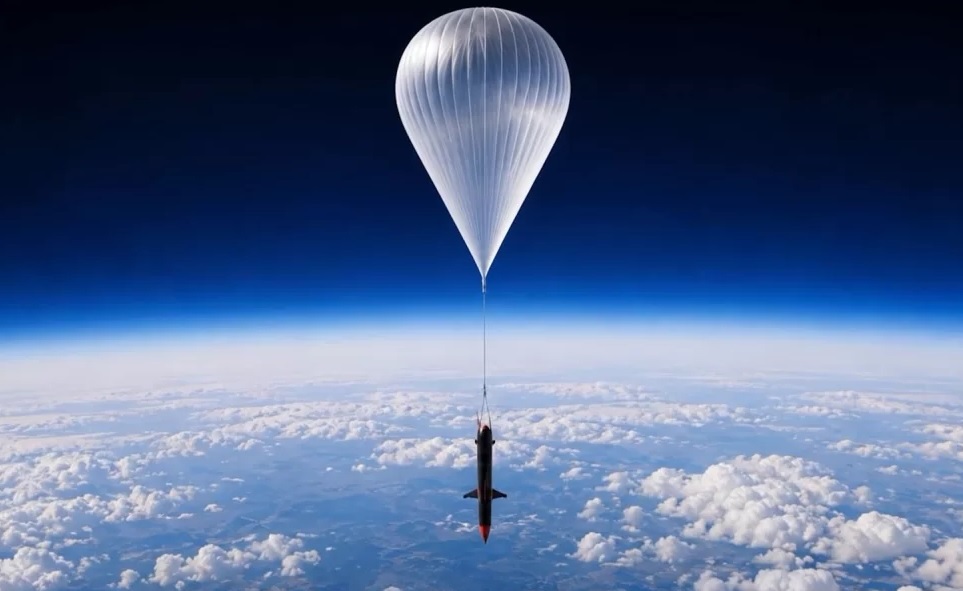 Ukraine Introduces Balloon-Launched DART Missile Designed to Defeat Electronic Warfare
-
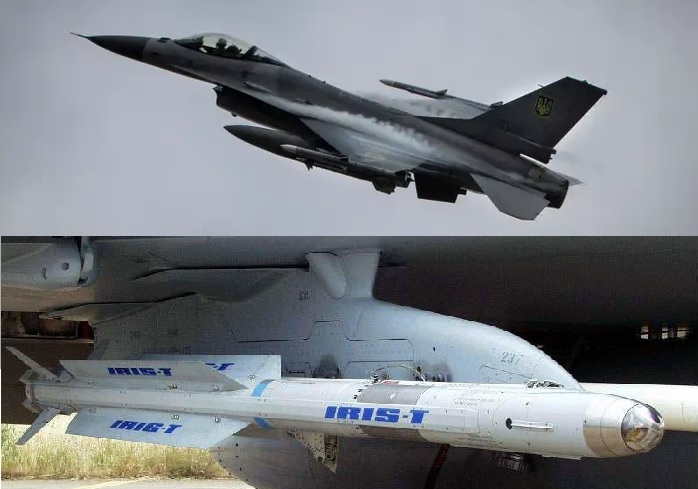 Ukraine’s F-16 Fighters Set to Receive German IRIS-T Air-to-Air Missiles
-
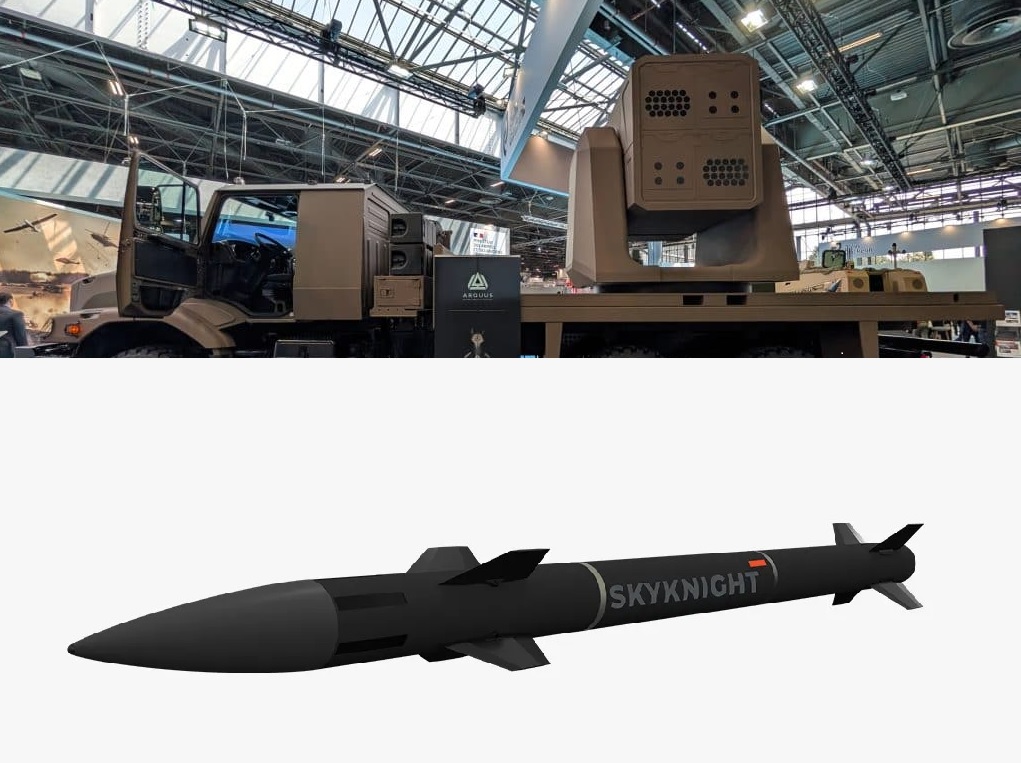 Naval Group Unveils Rampart Modular CIWS Multi-Purpose Weapon System for Naval and Ground Forces at Eurosatory 2026
-
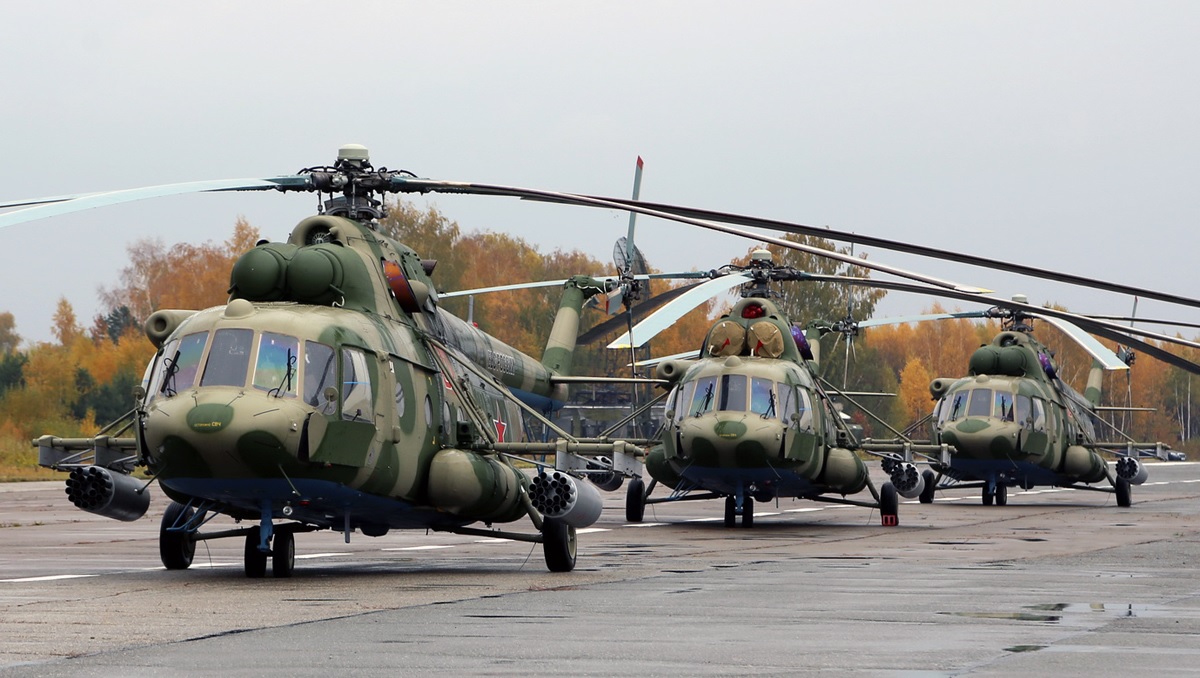 Iran Signs Deal with Russia for 20 Mi-8 and Mi-17 Helicopters to Boost Rescue and Medical Missions
-
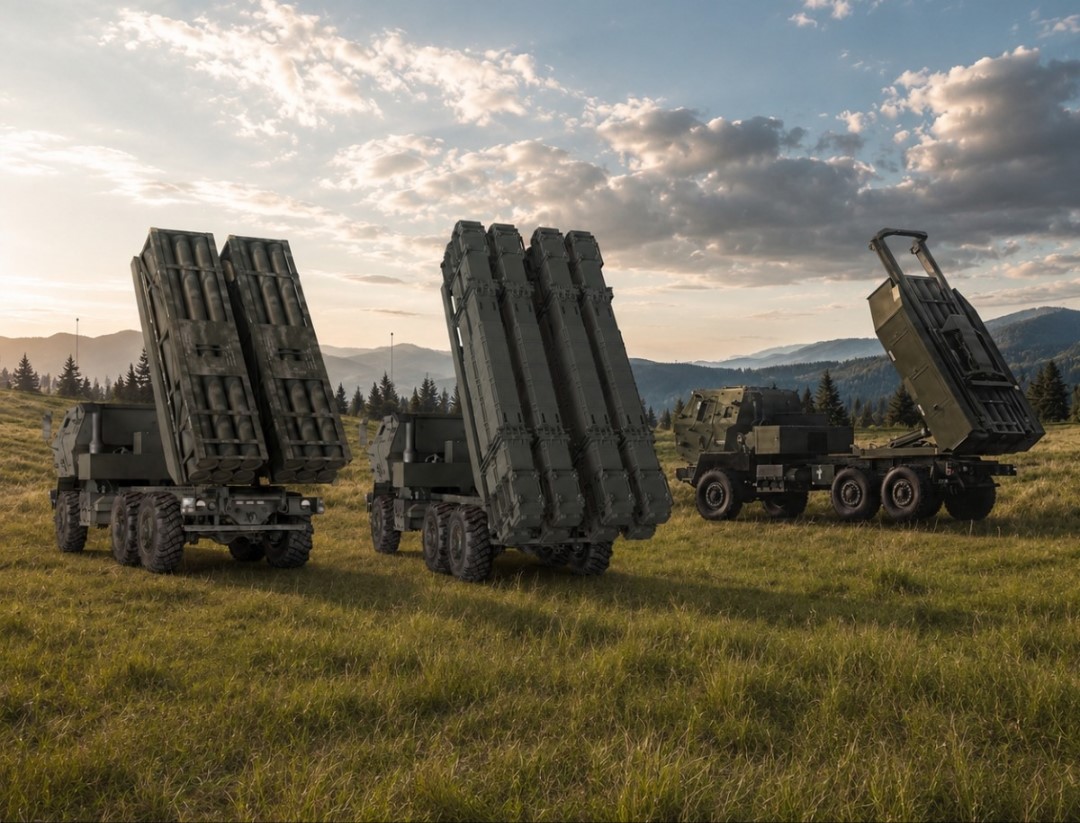 Lockheed Martin Unveils HIMARS FLEX with Dual-Pod Launcher and NATO-Compatible Air Defense Integration
-
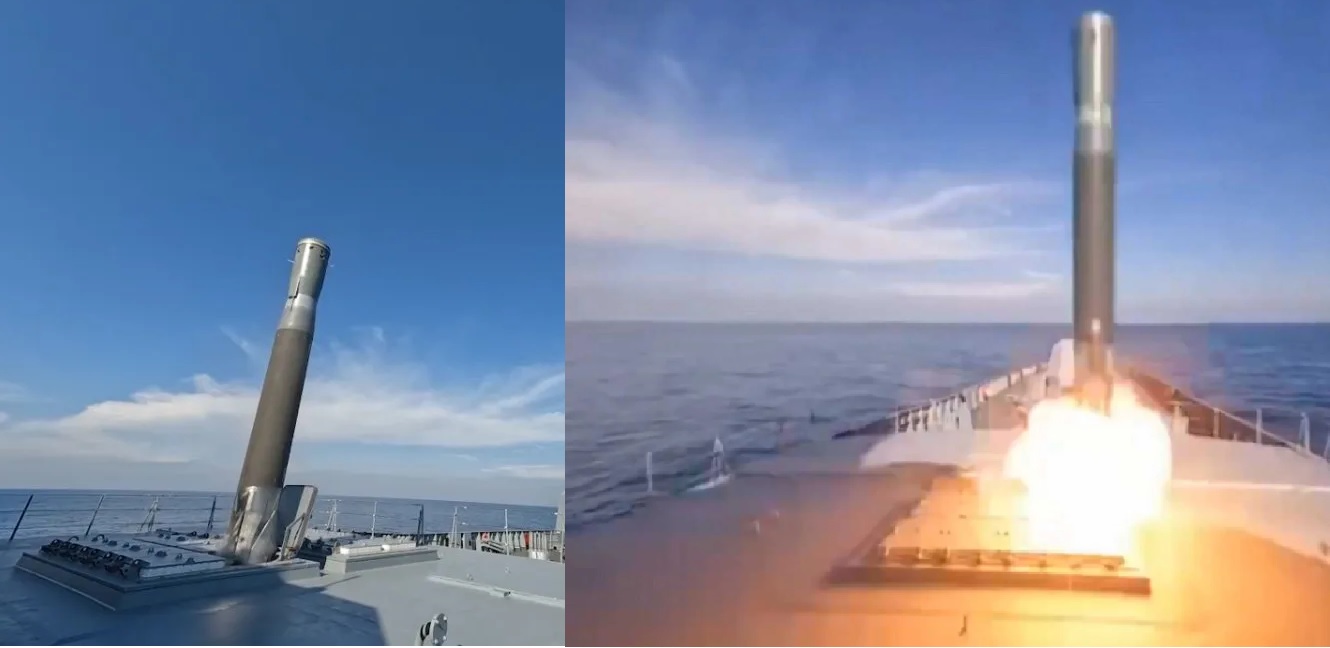 Open-Source Evidence Suggests Russia's Zircon Is a Quasi-Ballistic Missile, Not a True Hypersonic Cruise Weapon
-
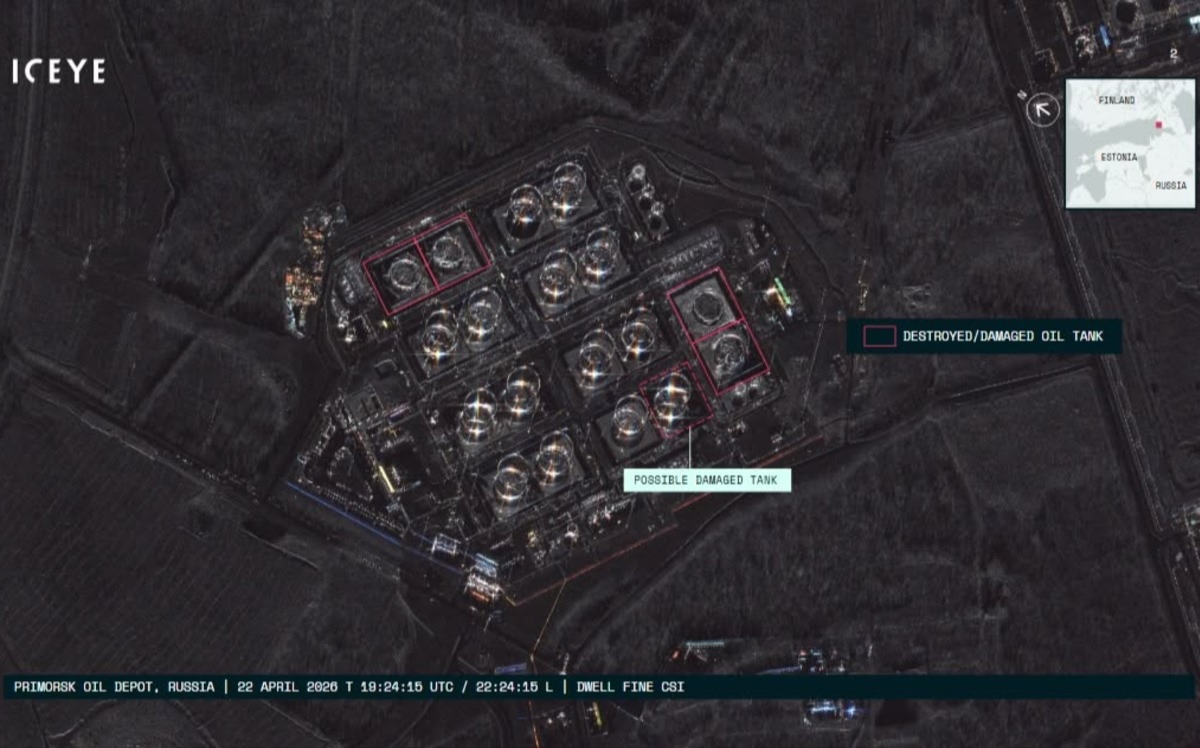 Portugal Doubles Sovereign SAR Satellite Fleet with Order for Two Additional ICEYE Satellites
-
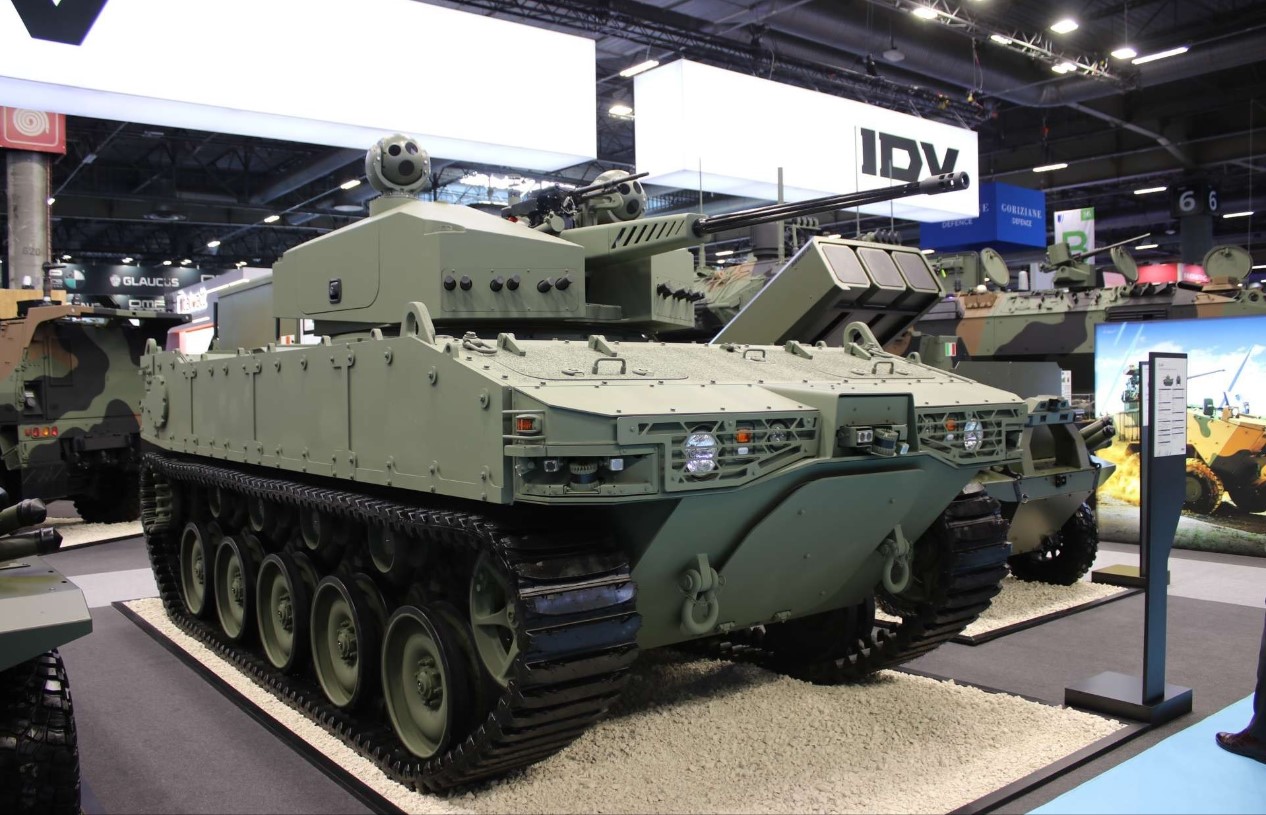 IDV Unveils CL2X Hybrid Uncrewed Light Tank at Eurosatory 2026
Top Trending in 4 Days
-
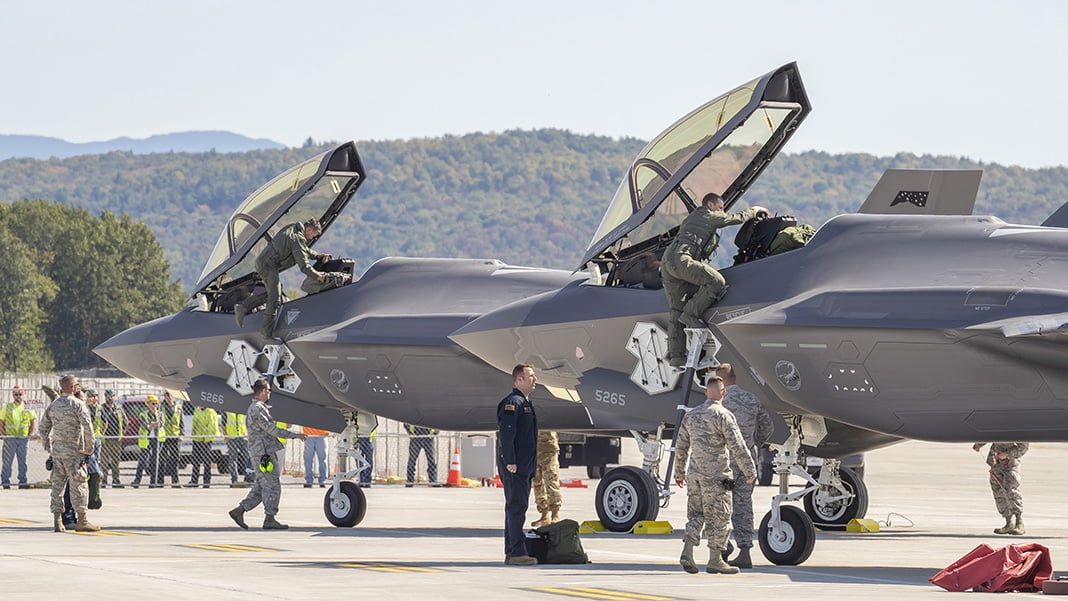 F-35 Fleet Readiness Falls to 25% Amid Parts Shortages and Software Delays: GAO Report
-
 US Marine Corps F/A-18D Hornet Crashes During Training Flight in Washington Mountains; Pilot Ejects Safely
-
 Leonardo Rheinmetall to Unveil Italy’s New IMBT Main Battle Tank at Eurosatory 2026
-
 Tulsi Gabbard Releases Declassified Files Detailing U.S.-Backed Network of 120 Biolaboratories Across 30+ Countries
-
 8 U.S. Air Force Crew Members Killed in B-52 Bomber Crash During Test Flight at Edwards Air Force Base
-
 NASA X-59 Achieves Planned Mission Conditions with Mach 1.4 Flight at 55,000 Feet
-
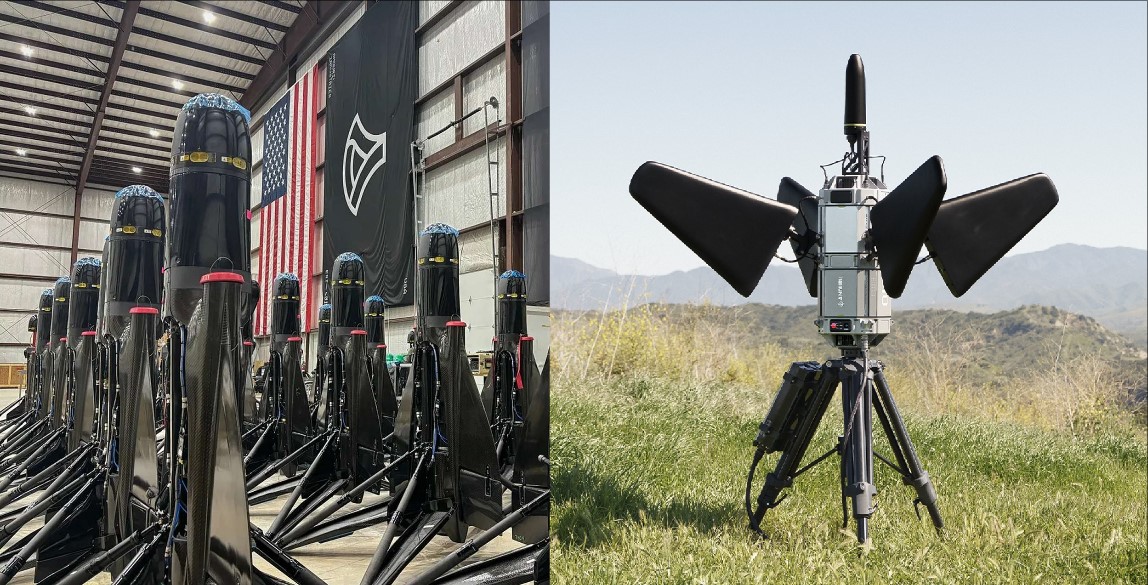 U.S. Approves $1.98 Billion Sale of Anduril AI-Powered Counter-Drone Systems to Kuwait
-
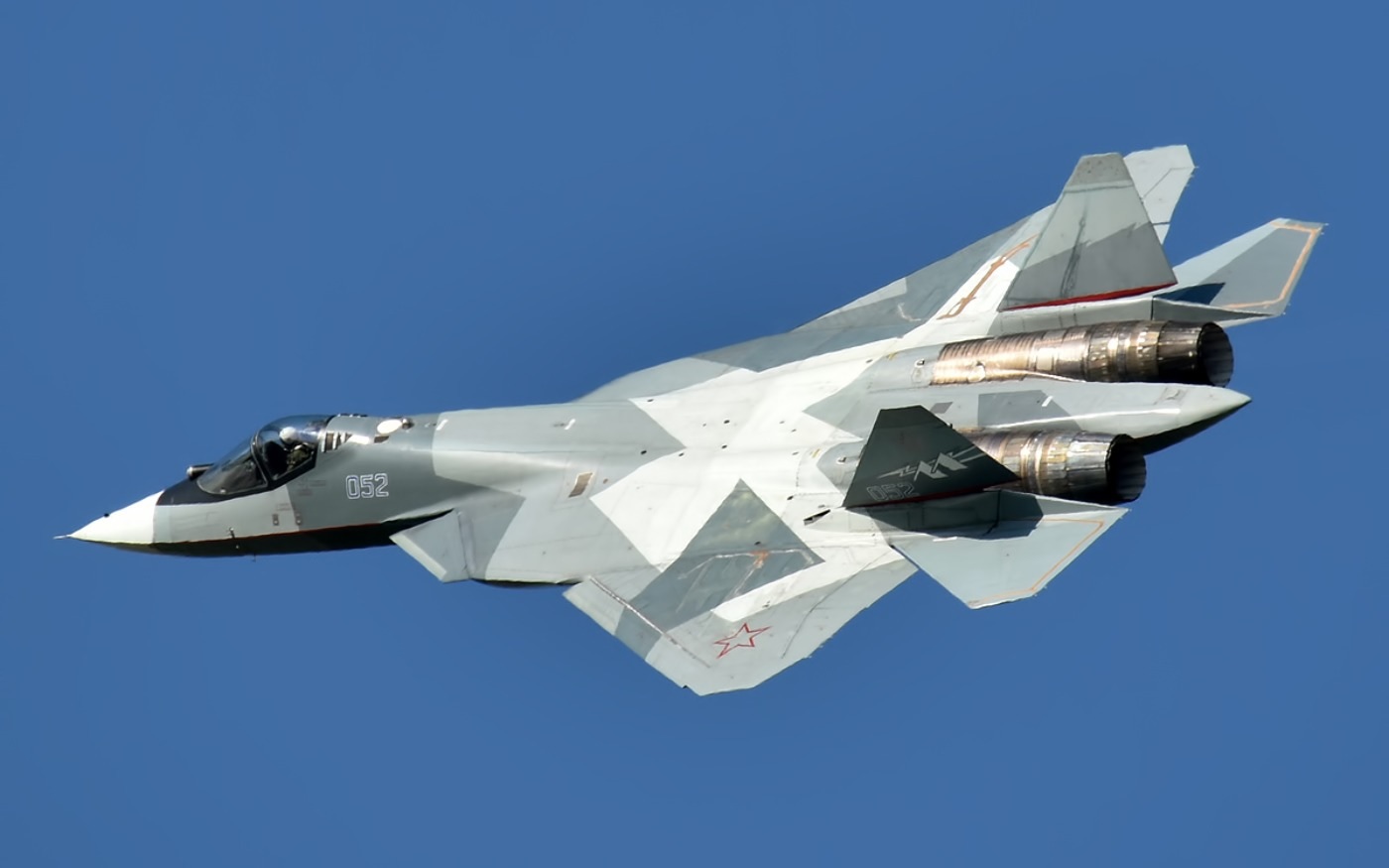 Russian Analysts Debate Su-57 Capabilities After Putin Calls Fighter Superior to F-35