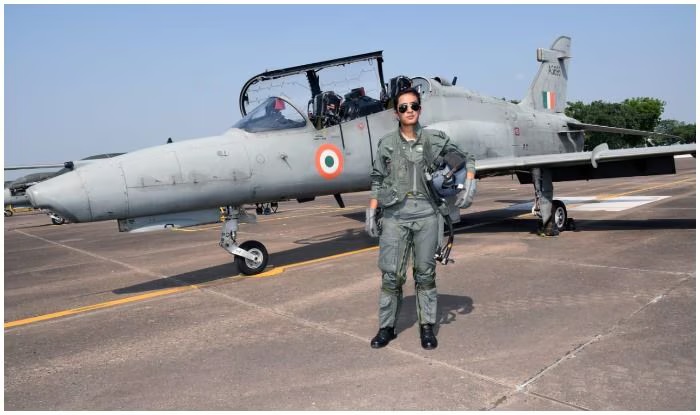
Squadron Leader Mohana Singh has once again made history, this time by becoming the first female fighter pilot in India to be cleared to fly the Light Combat Aircraft (LCA) Tejas, India’s indigenously developed fighter jet. This achievement is not just a personal milestone but a significant moment in the journey of women in the Indian Air Force (IAF), marking a new era of gender equality in the country's defense forces.
Mohana Singh, along with her colleagues Avni Chaturvedi and Bhawana Kanth, was part of the first batch of women inducted into the fighter stream of the IAF in 2016. At that time, this trio made headlines, as the Air Force had only recently opened its fighter wings to female pilots. The decision to allow women to fly combat aircraft was groundbreaking, symbolizing India’s increasing commitment to equal opportunities in its military forces.
Initially, the three women were trained on various aircraft from the Air Force’s fleet, including the Sukhoi Su-30MKI, one of the IAF’s primary fighter jets. Over the years, Singh has built a distinguished career, flying not just the Su-30MKI but also now the LCA Tejas, showcasing her adaptability and skill across different aircraft platforms.
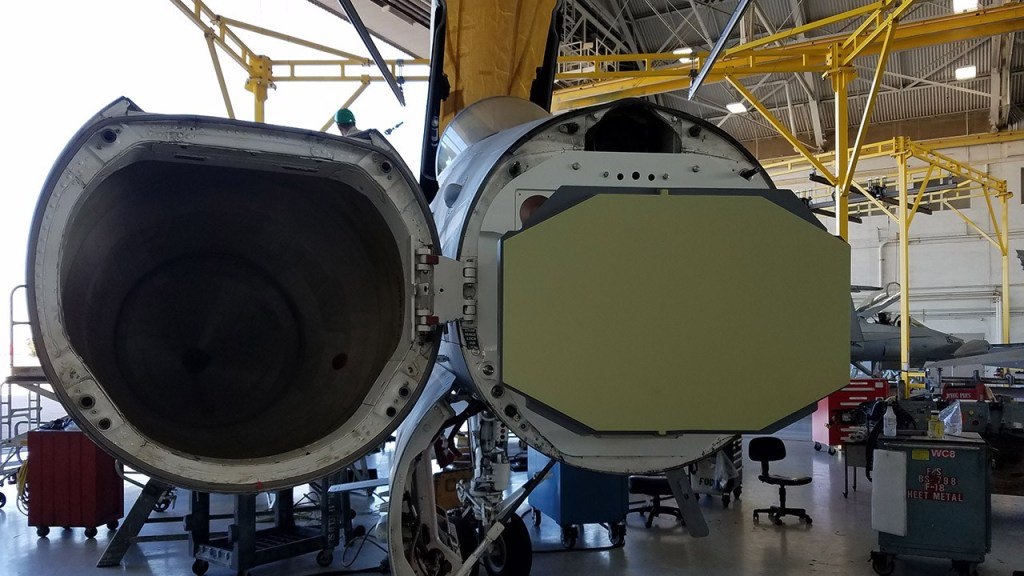
Tejas, the aircraft Singh now pilots, is a homegrown marvel. Developed by Hindustan Aeronautics Limited (HAL), the LCA Tejas is a single-engine, multi-role fighter designed primarily for air combat and ground attack missions. Lightweight and highly maneuverable, it represents India’s push toward self-reliance in defense technologies. The aircraft is equipped with modern avionics, advanced radar systems, and a sophisticated fly-by-wire system, allowing it to perform in complex combat scenarios. Singh’s qualification to fly the Tejas is a testament to both her exceptional abilities as a pilot and the operational readiness of the aircraft itself.
Squadron Leader Singh's latest achievement comes on the heels of her participation in the recent 'Tarang Shakti' military exercise in Jodhpur. During this exercise, she was part of a historic flight alongside the Vice Chiefs of the Indian Armed Forces. The exercise, which included countries such as the U.S., Australia, and Japan, was a key moment in showcasing India's military capabilities and international collaboration. Singh’s role in this exercise highlighted not only her technical skill but also the evolving role of women in high-level defense activities.
The Indian Air Force has made significant strides in integrating women into its ranks. Currently, there are about 20 women serving as fighter pilots, with many of them flying advanced aircraft like the Su-30MKI and Tejas. The IAF's decision in 2016 to allow women into its fighter stream has opened doors for female officers to serve on an equal footing with their male counterparts. This is part of a broader trend in India’s military, where women are being given opportunities in previously male-dominated roles, from flying combat jets to serving in elite forces like the Garud commandos.
In December 2023, the IAF also inducted its first batch of women Agniveers, marking another milestone. The Agniveers are recruited under the Agnipath scheme, a short-term service program aimed at bringing young people into the military. Women Agniveers, after completing their training, now serve in various non-officer roles, further expanding the scope of women’s participation in the defense sector.
Singh’s journey, from being one of the first women inducted into the fighter stream to now flying the Tejas, symbolizes the growing presence of women in India’s armed forces. Her accomplishments not only reflect personal perseverance but also the broader strides India is making in achieving gender equality in one of its most crucial sectors.
With the LCA Tejas now being flown by a female pilot for the first time, the IAF has yet another reason to celebrate its advancements in both technology and gender inclusion. Singh’s achievement underscores the growing confidence in India’s indigenous fighter jet program and highlights the important role women play in the nation’s defense.
——— End of Article ———