
India
At KADEX 2024, South Korea's Hanwha Aerospace revealed its latest innovation in self-propelled artillery—the K9A3 howitzer. This new version of the widely respected K9 Thunder represents a leap forward in artillery technology, offering an extended range, automation, and unmanned operation. These advancements make it a strong contender for countries like India, which faces unique challenges in its high-altitude regions, such as the Himalayas.One of the standout features of the K9A3 is its impressive firing range. Developed under the Ultra Long Range Cannon System Extended Range Program, the K9A3 sports a 155mm, 58-caliber barrel, allowing it to strike targets over 80 kilometers away. This marks a significant upgrade from earlier models and puts it in direct competition with the American M1299 Iron Thunder, another artillery system known for its long-range capabilities. For a country like India, where high-altitude warfare demands precision and the ability to engage distant targets, this extended range is critical.But what truly sets the K9A3 apart is its unmanned operation. Designed for Manned-Unmanned Teaming (MUM-T) missions, this howitzer can be controlled remotely, reducing the need for human operators in combat zones and minimizing risk. One control vehicle can manage up to three K9A3s simultaneously, greatly enhancing operational efficiency and making it ideal for complex, high-altitude environments where mobility and safety are paramount.The K9A3’s versatility is another key asset. It can be equipped with various munitions and shell charges, making it adaptable to a wide range of combat situations. Whether it’s providing fire support in the challenging terrain of the Himalayas or engaging in long-distance warfare, the K9A3 is built for flexibility. This adaptability, along with its ability to strike at extended ranges, makes it an appealing option for India’s artillery modernization program.India already operates a version of the K9 Thunder, known as the K9 Vajra, which is manufactured domestically by Larsen & Toubro (L&T) under a technology transfer agreement with Hanwha Defence. The success of the K9 Vajra has paved the way for potential future collaborations between India and Hanwha, with reports suggesting that the company is looking to supply an additional 100 K9 units to the Indian Army. The K9A3, with its advanced unmanned capabilities and extended range, could be the next logical step in enhancing India’s artillery firepower, particularly for high-altitude deployments.As tensions in the region continue and India seeks to bolster its defensive capabilities in strategic areas, including mountainous borders, the K9A3 offers a solution that is not only powerful but also technologically advanced. With its unmanned operation, superior range, and operational flexibility, the K9A3 is positioned to become a key player in India’s high-altitude defense strategy, further strengthening the partnership between Hanwha and India.In the global market for artillery systems, the K9A3 is poised to be a major contender, blending cutting-edge technology with practical battlefield applications. As Hanwha continues to evolve the K9 platform, the K9A3 could redefine how modern militaries approach artillery, offering a perfect balance of range, automation, and safety. For India, this advanced howitzer could be an essential asset in maintaining its defense posture in some of the world’s most challenging terrains.
Read More → Posted on 2024-10-04 16:04:20
India
Defense Laboratory, Jodhpur (DLJ) is at the forefront of cutting-edge camouflage technology, making significant breakthroughs that promise to revolutionize military vehicle stealth. Their latest innovation, adaptive visual and thermal camouflage systems, is designed to help military vehicles blend seamlessly into any environment, reducing their visibility to both the naked eye and thermal imaging systems. In addition, DLJ has developed multi-spectral camouflage stickers that provide enhanced concealment against various sensors, further improving vehicle stealth in the battlefield.At the heart of this innovation is the use of sophisticated algorithms that enable the adaptive camouflage system to dynamically adjust the vehicle's visual color and thermal patterns based on the surrounding environment. This technology allows military vehicles to match the terrain they are deployed in, whether it be desert, forest, or urban settings. By continuously altering its appearance to mimic its surroundings, the adaptive camouflage makes it significantly harder for enemy forces to detect vehicles, whether by sight or infrared technology.The system has been rigorously tested in various environments, including field trials held in the Jaisalmer desert between July 10 and 15, 2024. Mounted on MFEL (Multi-Function Electric Laser) vehicles, the adaptive camouflage system was evaluated across a wide range of scenarios, demonstrating its ability to change both visual and thermal patterns to effectively blend with the background. The key to its success lies in the active pixels embedded in the camouflage system, which respond to environmental cues and adjust the vehicle’s appearance in real time. Whether it's daytime or nighttime, hot or cold, the system continuously adapts, ensuring the vehicle remains concealed.Complementing the adaptive system, DLJ has also developed multi-spectral camouflage stickers in five distinct military color shades. These stickers have been specially designed to reduce the visibility of military vehicles across the Visual, Near-Infrared (NIR), and Thermal Infrared (TIR) spectrums. During the same field trials in Jaisalmer, these stickers were applied to T-90 tanks, where they proved highly effective in reducing the detection range when scanned by advanced sensors. This multi-spectral approach ensures that military vehicles are harder to detect using a variety of surveillance technologies, giving them a strategic advantage in combat zones.The implications of these advancements are profound for modern military operations. In environments where enemy forces rely heavily on visual and thermal detection, DLJ’s adaptive camouflage technology provides a new layer of protection, allowing vehicles to move and operate more discreetly. The ability to blend seamlessly into the environment, regardless of changes in background conditions, increases the survivability of military assets on the battlefield, making operations safer and more effective.Moreover, the use of multi-spectral camouflage stickers offers a practical and cost-effective solution for enhancing vehicle stealth. The stickers are easy to apply and adaptable to various military platforms, including tanks and other armored vehicles. By combining these stickers with the adaptive camouflage system, military forces can achieve a higher level of concealment, particularly in environments with advanced surveillance and targeting systems.In summary, DLJ’s adaptive camouflage systems and multi-spectral stickers mark a significant leap forward in camouflage technology. These innovations promise to improve the stealth and operational efficiency of military vehicles, enhancing the security and effectiveness of military operations in hostile environments. As these technologies continue to evolve, the future of battlefield stealth is becoming increasingly dynamic and adaptive, ensuring that military vehicles remain one step ahead of enemy detection.
Read More → Posted on 2024-10-04 16:01:28
India
The Indian Army is gearing up for crucial trials of its highly anticipated Guided Pinaka rocket system, which will take place at the Pokhran Firing Range (PFFR) in Rajasthan from October 21st to 31st, 2024. These tests represent a pivotal moment in the ongoing modernization of India’s artillery capabilities, with this indigenously developed weapon system being touted as a key upgrade to the country’s defense arsenal.The Pinaka rocket system, originally designed in the late 1980s by the Defence Research and Development Organisation (DRDO), has been a reliable asset for the Indian Army, particularly during conflicts like the Kargil War in 1999. However, the upcoming trials will focus on a more advanced version of this system—the Guided Pinaka. Unlike its predecessor, the Guided Pinaka variant is equipped with state-of-the-art precision guidance technology that significantly enhances its accuracy and extends its operational range.One of the standout features of the Guided Pinaka system is its ability to strike targets with unprecedented accuracy over distances of 75 kilometers or more, a considerable improvement over the unguided versions that had a range of around 40 kilometers. This advanced range and precision make the system comparable to global counterparts like the U.S. M270 Multiple Launch Rocket System (MLRS) and Russia's BM-30 Smerch. The trials in Pokhran are seen as a crucial step toward full-scale induction of the Guided Pinaka into the Indian Army’s artillery units. A dedicated team of experts will be stationed in the Pokhran and Jaisalmer region to manage pre-trial preparations, conduct the actual test firings, and evaluate post-trial data. These logistical operations are no small feat, involving the transportation of heavy equipment and personnel across the rugged desert terrain of the PFFR. Once deployed, the Guided Pinaka system is expected to provide the Indian Army with a substantial boost in terms of its ability to counter threats from adversaries. Its rapid-fire capability, combined with pinpoint accuracy, would allow Indian forces to target enemy installations, troops, and strategic positions with greater effectiveness. The increased range also ensures that Indian artillery can maintain a safe distance while still delivering powerful strikes deep within enemy territory.Beyond its technical capabilities, the success of the Guided Pinaka system could have broader strategic implications for the region. Defense experts are closely watching these trials, as the system’s advanced firepower could shift the balance of power in South Asia. With heightened tensions along India’s borders, especially with Pakistan and China, a successful trial could position the Guided Pinaka as a deterrent and a critical tool for the Indian military’s preparedness.Overall, the upcoming trials mark an important milestone in India's journey toward self-reliance in defense technologies. The Guided Pinaka system, once fully operational, will not only boost the army’s firepower but also enhance its strategic options in high-stakes conflicts. As the world watches, these trials could solidify India’s position as a regional power capable of defending its interests with cutting-edge military technology.
Read More → Posted on 2024-10-04 15:46:20
India
Bharat Electronics Limited (BEL), a premier defense electronics company in India, has once again demonstrated its pivotal role in bolstering national security. In a significant accomplishment, BEL recently completed the delivery of 100 Akashteer Control Centres for the Air Defence Control & Reporting System (Akashteer) to the Indian Army. This milestone not only highlights BEL’s technological prowess but also its ability to meet critical deadlines in the realm of national defense.The Akashteer project was initiated in March 2024 under BEL's Defense Command & Control Systems (DCCS) Strategic Business Unit (SBU). Despite the complexity and precision required for such a large-scale defense system, BEL successfully delivered the units ahead of schedule, underlining its efficiency in executing vital defense contracts. The guidance and collaboration with the Army Air Defence Corps were instrumental in ensuring this swift and seamless delivery.What is Akashteer?The Akashteer system is an advanced air defense command and control solution specifically developed to meet the operational needs of the Indian Army. The system's main role is to integrate various air defense assets into a cohesive network that enhances situational awareness and response capabilities in battle scenarios. Essentially, Akashteer acts as a nerve center, monitoring low-altitude airspace, coordinating ground-based air defense weapons, and ensuring effective engagement with enemy targets.The core advantage of Akashteer lies in its ability to fuse data from multiple radar and communication sources into a single, unified control system. This gives operators a real-time picture of the battlefield, allowing them to make rapid decisions about how and when to deploy their air defense assets. This is especially critical in environments where low-flying enemy aircraft or unmanned aerial vehicles (UAVs) pose a significant threat to ground forces.Technical Specifications of AkashteerThe Akashteer system is built to be mobile and adaptable, featuring a vehicle-based design that allows for easy deployment in a wide variety of terrains. This is particularly important for the Indian Army, which must operate in diverse and often harsh environments, from deserts to mountainous regions.The system is equipped with a range of sophisticated components, including:Multi-function Radars : These radar systems are capable of detecting, tracking, and identifying low-level aerial threats.Communication Links : Akashteer integrates various communication systems, ensuring secure and reliable data transmission across different units in real-time.Command and Control Modules : The control centers act as the brain of the system, offering tactical and operational control over air defense operations. Operators can track multiple threats simultaneously and assign appropriate responses based on the real-time data fed into the system.Adaptable Software : The software architecture is designed to be flexible, allowing for the integration of new sensors or systems as technology evolves.Role in Indian Army’s Air DefenseAkashteer is a critical component of the Indian Army's air defense strategy. It serves as a crucial link between sensors (such as radar) and shooters (such as missile systems), ensuring that the right target is engaged at the right time. This capability becomes particularly significant during high-intensity conflicts, where rapid decisions can mean the difference between neutralizing a threat or allowing it to cause damage.With the delivery of these 100 control centers, the Indian Army will be better equipped to monitor and defend its airspace against various aerial threats. Akashteer's ability to manage multiple targets across a wide area gives it a strategic edge, especially in combat zones where air superiority can be decisive.Contribution to "Atmanirbhar Bharat"This project is not just a technological success but also a significant step toward self-reliance in defense, aligning with the Indian government's "Atmanirbhar Bharat" initiative. The Ministry of Defence awarded BEL the contract for the Akashteer project in March 2023, valued at ₹1,982 crore (around US$237 million). By developing cutting-edge technology like Akashteer within India, BEL is reducing the country's dependency on foreign defense suppliers, thereby reinforcing national security and boosting the domestic defense manufacturing ecosystem.Strategic ImpactThe timely completion of this project is not just about meeting contractual obligations—it represents a major upgrade in India's air defense infrastructure. As the geopolitical landscape becomes increasingly volatile, the need for sophisticated defense systems like Akashteer is more urgent than ever. By delivering this system ahead of schedule, BEL has reaffirmed its position as a trusted and reliable partner of the Indian Armed Forces.Moreover, the deployment of Akashteer ensures that Indian Army air defense units are prepared to respond swiftly to a range of threats, from enemy aircraft to drones, thereby safeguarding both military assets and civilian infrastructure.BEL’s delivery of 100 Akashteer Control Centres marks a significant advancement in India’s air defense capabilities. With cutting-edge technology that integrates radar, communication, and command systems, Akashteer is set to play a critical role in enhancing the Indian Army’s operational readiness and situational awareness. This achievement reflects not only BEL’s technical expertise but also the country's growing self-reliance in defense technologies, ensuring a more secure and capable national defense network for years to come.
Read More → Posted on 2024-10-03 16:37:59
India
In a significant step toward enhancing India's defense capabilities and expanding its presence in the global defense market, Kalyani Strategic Systems Ltd. (KSSL), a subsidiary of Bharat Forge, has partnered with two leading US defense companies, AM General and Mandus Group LLC. This collaboration marks a key moment in India's efforts to modernize its artillery systems and meet the demands of evolving global military needs.The collaboration centers on the co-development and production of cutting-edge artillery platforms. Specifically, it will focus on the creation of advanced 105mm and 155mm howitzers—versatile, lightweight, and robust artillery systems that are essential in modern warfare. These next-generation platforms will bring together the expertise of Kalyani Strategic Systems in precision manufacturing with AM General's long-standing experience in defense systems and Mandus Group's specialization in lightweight, mobile artillery.A New Era in Artillery TechnologyIn recent years, the global defense industry has seen a growing demand for light artillery systems that combine powerful firepower with enhanced mobility. Traditional heavy artillery, while effective in specific conditions, often suffers from logistical challenges in diverse environments, such as mountainous terrains or dense urban areas. The new systems being co-developed aim to solve these challenges by providing adaptable, high-precision, and easily transportable artillery solutions.The 105mm and 155mm howitzers that will be produced as part of this partnership are designed to be compact yet powerful. They will feature advanced command and control systems, improving their ability to operate autonomously and with greater accuracy. These artillery systems are expected to offer superior precision strike capabilities while maintaining tactical mobility, allowing them to be deployed quickly in various combat scenarios.In addition, the next-gen artillery will incorporate features to enhance survivability. This includes integrating technologies that minimize the time required for deployment and repositioning, reducing the exposure of troops to enemy fire. The ability to operate in diverse terrains and weather conditions is another key feature, ensuring these platforms can be effective whether in desert, jungle, or cold mountainous regions.Strategic Importance for IndiaFor Kalyani Strategic Systems, this partnership is a clear reflection of the company's ambitions to play a leading role in the global defense market. Bharat Forge, under the leadership of Chairman and Managing Director Baba Kalyani, has already established itself as a significant player in defense manufacturing, and this collaboration further solidifies its position. Kalyani emphasized the importance of this partnership by stating that it will lead to the development of "the most versatile and innovative weapon systems" that can meet the evolving needs of armies around the world.This partnership is not just about technical collaboration; it also aligns with India's larger goal of achieving self-reliance in defense production. The Indian government's push toward indigenization and its recent policy shifts encouraging foreign direct investment (FDI) in defense manufacturing are driving collaborations like this. By teaming up with AM General and Mandus Group, Kalyani Strategic Systems gains access to cutting-edge technologies and processes, while the US firms gain a foothold in one of the world's fastest-growing defense markets.Enhancing Global Defense CollaborationJohn Chadbourne, Executive Vice President for Business Development at AM General, described the partnership as "a testament to our company’s commitment to being responsive and dynamic as the battlefield evolves.” The evolving nature of warfare, with its emphasis on mobility, precision, and technological integration, makes such collaborations crucial. The partnership aims not only to produce advanced artillery platforms but also to innovate the very approach to modern military engagements, ensuring adaptability in the face of changing threats.The inclusion of Mandus Group in the collaboration is particularly significant because of its focus on mobile, lightweight artillery systems. Mandus Group has previously developed systems like the "Hawkeye" 105mm Mobile Weapon System, which uses soft recoil technology to reduce the weight and recoil of the artillery platform, allowing it to be mounted on light tactical vehicles. This kind of innovation aligns perfectly with the needs of modern militaries, which require platforms that can be rapidly deployed and are easily maneuverable across a variety of terrains.India’s Growing Defense IndustryThis partnership comes at a time when India's defense industry is on the rise. In the fiscal year 2023-24, India's defense production hit a record ₹1.27 lakh crore, with defense exports crossing ₹21,000 crore for the first time. The Indian government aims to increase this figure to ₹50,000 crore within the next five years as part of its broader vision of becoming a $25 billion defense manufacturing hub. Partnerships like the one between KSSL, AM General, and Mandus Group are critical for achieving these ambitious targets.The Indian government's focus on fostering homegrown defense capabilities while inviting strategic foreign collaborations is paving the way for the country to become a global defense exporter. Kalyani Strategic Systems' partnership with these US defense companies signals a deeper integration of Indian defense manufacturing into the global supply chain, potentially opening doors to further international collaborations and contracts.The collaboration between Kalyani Strategic Systems, AM General, and Mandus Group represents a vital step forward in the development of advanced artillery systems that will shape the future of warfare. With a focus on co-developing lightweight, powerful, and highly mobile howitzer systems, this partnership is not only crucial for India's defense modernization but also highlights the growing role of Indian defense companies in the global market. By aligning cutting-edge technology with India's defense goals, this partnership underscores the country's ambition to become a key player in the global defense industry.
Read More → Posted on 2024-10-03 16:24:45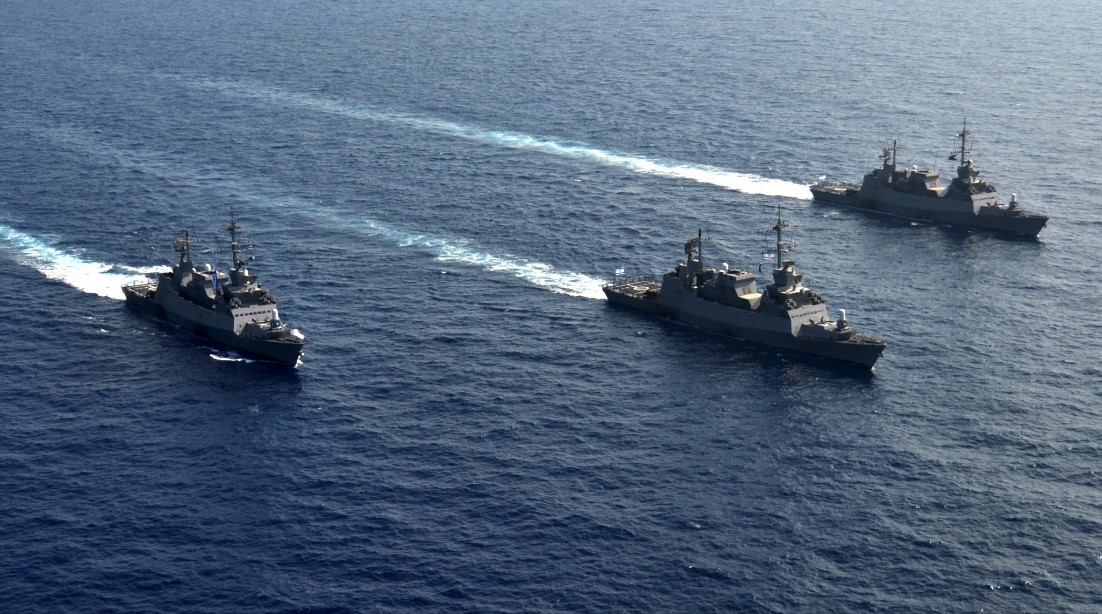
India
As tensions in the Middle East escalate, India's latest naval deployment to Iran has garnered attention. Three Indian naval ships—INS Shardul, INS Tir, and ICGS Veera—recently docked at Bandar Abbas, Iran, as part of a routine training mission. While officially framed as an exercise in fostering maritime cooperation, this event occurs against the backdrop of a volatile Middle-Eastern environment, raising questions about its broader strategic significance.The Indian Navy's engagement in the Persian Gulf underscores its intent to solidify partnerships and safeguard maritime security. Upon arrival, the Indian ships were welcomed by the Iranian Navy vessel Zereh, marking a moment of growing naval collaboration. Official statements stress that the visit's primary goal is enhancing mutual understanding and maritime interoperability, essential for regional stability.India's Strategic Maritime DiplomacyIndia has long maintained an interest in the Persian Gulf, primarily due to its energy needs and geopolitical positioning. In recent years, the Indian Navy has been increasingly active in ensuring the safety of maritime routes in the Gulf, which is vital to global energy supply chains. Approximately 55% of India’s energy imports come from the Gulf, making it a critical region for India's energy security.This latest docking in Iran is not an isolated event. Earlier this year, Iran's warship Dena participated in India's Milan-24 naval exercises, signaling a continuous effort to strengthen military ties. The presence of Iranian training ships in Mumbai also reflects a reciprocal commitment to maritime cooperation between the two nations.However, India's involvement goes beyond joint naval drills. The docking of warships in Iran during heightened tensions between Israel and Iran, following missile attacks, positions India delicately between its defense ties with Israel and its need for stable energy relations with Iran. Indian Prime Minister Narendra Modi recently urged Israeli Prime Minister Benjamin Netanyahu for restraint and diplomacy, highlighting India's complex role as a balancing force in regional conflicts.Geopolitical Complexity: Navigating Between Iran and IsraelIndia's diplomatic balancing act is further complicated by its close relationship with Israel, a country that has shared strong defense and technological partnerships with New Delhi. As Iran-Israel tensions increase, India is in a precarious position, navigating between its commitments to Israel and its strategic energy interests with Iran. Maintaining naval diplomacy with both nations allows India to assert its role in the region while securing its energy supplies.The Strait of Hormuz, a narrow chokepoint through which 30% of global oil shipments pass, remains a significant concern. Any disruption to this region would have severe economic consequences for India, leading to potential spikes in energy prices and inflation. The 2019 Gulf of Oman tanker attacks already demonstrated how vulnerable these shipping lanes are to regional unrest.India has preemptively taken steps to ensure the security of its energy supplies, notably deploying warships like **INS Chennai** to the region to protect oil tankers. Furthermore, India’s **Information Fusion Centre – Indian Ocean Region (IFC-IOR)** monitors maritime traffic, enhancing India's ability to respond to potential threats.Economic Implications of a Potential ConflictIf tensions escalate into a broader conflict between Israel and Iran, it could severely impact India's economy. Any disruption in the Strait of Hormuz would disrupt oil supplies, and as India imports 44.6% of its crude oil from the Middle East, a full-scale conflict would have direct economic repercussions.Recent data indicates a marginal decrease in India's oil imports due to falling global crude prices, with Brent crude averaging $80.9 per barrel in August 2024. However, an escalation in regional conflict could reverse this trend, driving up global oil prices and creating inflationary pressures within India. Reports suggest that a $10 per barrel increase in crude oil prices could widen India’s current account deficit, making the country's economy even more vulnerable.The Broader Implications of India’s Naval Presence in IranIndia's decision to maintain a naval presence in Iran, especially in the face of escalating conflicts, highlights the importance of its strategic autonomy in foreign policy. India's dual partnerships with Israel and Iran reflect its broader geopolitical ambition of being a stabilizing force in global politics.By sending warships to Iran, India signals that it is not merely a passive observer in the Middle East. Instead, it is an active participant in ensuring maritime security and protecting global energy routes. The Indian Navy's training exercises with Iran show India’s commitment to fostering peaceful and stable relations, even amid growing uncertainties in the region.In conclusion, as the Middle East witnesses increasing strife, India's naval presence in Iran exemplifies its proactive approach to securing its strategic interests, particularly its energy security. While the world watches how Israel and Iran respond to ongoing hostilities, India continues to strengthen its maritime partnerships and navigate a complex web of alliances—carefully balancing between diplomacy, defense, and economic imperatives.
Read More → Posted on 2024-10-03 15:49:24
India
India has once again demonstrated its commitment to an independent foreign policy, this time in response to Japan’s proposal for an “Asian NATO,” a strategic military alliance aimed at countering China’s growing influence in the region. The concept, put forward by Japan’s Prime Minister, Shigeru Ishiba, reflects Tokyo's concern over China’s assertive actions in the East and South China Seas, as well as tensions in the Taiwan Strait. However, India, a key regional power, has firmly declined the idea, opting instead to reaffirm its longstanding principle of strategic autonomy.India’s External Affairs Minister, Dr. S. Jaishankar, clearly articulated India’s stance during a recent press conference. “We have never been a treaty ally of any country. We don’t have that strategic architecture in mind,” he said, signaling India’s refusal to join a formal military alliance that could compromise its ability to independently navigate international relations. This position is deeply rooted in India’s foreign policy philosophy, which seeks to engage with multiple partners while avoiding rigid military alignments that could limit its freedom of action.The proposal for an “Asian NATO” mirrors NATO’s collective defense framework in Europe, where member states pledge mutual defense against common threats. Japan sees a similar structure as a necessary deterrent in a region increasingly shaped by China’s economic and military rise. For Japan, this alliance could create a stronger, unified front among regional powers like India, Australia, and the United States, which have mutual concerns over China's growing assertiveness.India, however, views its security concerns through a broader lens, shaped not only by its complex relationship with China but also by its ongoing tensions with Pakistan and other neighborhood dynamics. While India shares Japan’s concerns over China's rise, New Delhi has made it clear that it prefers to handle these challenges through flexible partnerships and multilateral engagements, such as the Quadrilateral Security Dialogue (Quad), rather than committing to a formalized military bloc.India’s decision to decline Japan’s proposal is not surprising, considering its historical approach to foreign policy. Since gaining independence, India has cultivated a reputation for non-alignment, choosing not to side with any of the major power blocs during the Cold War. This led to India’s leadership role in the Non-Aligned Movement (NAM), a coalition of countries that sought to avoid entanglement in the U.S.-Soviet rivalry. Though the Cold War is long over, the principle of non-alignment has evolved into what India now calls "strategic autonomy."Strategic autonomy allows India to engage with various global powers on its terms, without being bound by the obligations of a formal military alliance. This approach provides the flexibility to cooperate with countries like Japan and the U.S. on shared concerns, such as countering China, while also maintaining strong relations with other global powers like Russia. It ensures India can protect its national interests without the risks that come with permanent alliances.In recent years, India has focused on deepening its strategic partnerships with like-minded countries, especially in the Indo-Pacific. However, these relationships, including India’s involvement in the Quad, have been based on cooperation in areas such as infrastructure development, cybersecurity, and maritime security. India sees these engagements as complementary to its broader foreign policy goals, rather than steps toward creating a formal military bloc.Japan’s push for an "Asian NATO" is a reflection of its desire for a more robust security framework in the region. Japan, which has a pacifist constitution that limits its military activities, has been increasingly vocal about the need for stronger defense measures amid China’s expanding influence. For Tokyo, a collective defense mechanism offers a more structured and effective way to address these regional challenges. But for India, the context is different. Its security calculus includes the reality of its nuclear-armed neighbor Pakistan, ongoing border disputes with China, and the need to maintain influence in its immediate neighborhood, particularly South Asia.India’s rejection of the "Asian NATO" proposal aligns with its broader strategy of ensuring it is not drawn into the larger geopolitical struggles between global powers. As the world shifts toward multipolarity, with new centers of influence emerging, India is positioning itself as a major power capable of independent action on the global stage. This not only reinforces India’s foreign policy identity but also signals its intent to continue navigating complex global challenges with a focus on maintaining balance and safeguarding its sovereignty.By turning down Japan’s proposal, India has once again underscored its commitment to a foreign policy that remains flexible, independent, and centered around its national interests. While Japan may seek formal alliances to address its security concerns, India will continue to rely on strategic autonomy to engage with the world on its terms.This decision also highlights the evolving nature of global security alliances in the 21st century, where countries like India prefer issue-based partnerships over permanent military commitments. As regional tensions continue to rise, particularly concerning China, India’s approach of maintaining sovereignty over its strategic decisions will likely remain central to its foreign policy for years to come.
Read More → Posted on 2024-10-03 15:42:17
India
The Indian Navy is preparing for a groundbreaking naval exercise in the Arabian Sea, marking a significant leap in its maritime strength. For the first time, India will conduct dual-carrier operations involving the newly inducted INS Vikrant and the formidable INS Vikramaditya. This exercise not only demonstrates India's growing naval capabilities but also underscores its strategic positioning in the Indo-Pacific, a region that is becoming increasingly contested due to rising geopolitical tensions, particularly with China's expanding naval footprint.The INS Vikrant: A Milestone in Indian Naval EngineeringThe INS Vikrant, India's first indigenously designed and built aircraft carrier, represents a monumental achievement in the nation's defense sector. Weighing 44,000 tonnes and equipped to carry 28-30 aircraft, it marks India's entry into an elite group of nations capable of dual-carrier operations. The induction of INS Vikrant into the Western Fleet, based out of Karwar, significantly enhances the navy's offensive and defensive power, boosting its “Sword Arm” capability, which refers to the fleet's strike and combat power.INS Vikrant is equipped with a complex and versatile aviation capability, hosting a mix of fighter jets like the MiG-29K and helicopters for reconnaissance, anti-submarine warfare, and logistics. The carrier also boasts advanced air traffic control systems, radar, and sensor technologies that enable it to function as a floating airbase, projecting power far beyond Indian shores.Dual-Carrier Drills: A Strategic Power PlayThe upcoming exercise will focus on two major elements: INS Vikrant and INS Vikramaditya, the latter being a 45,000-tonne, Kiev-class carrier that has long been the flagship of the Indian Navy. Together, these two carriers will form the core of the Carrier Strike Groups (CSGs), each designed to operate autonomously with a wide array of support vessels. A typical CSG includes not just the carrier but also frigates, destroyers, submarines, and replenishment ships, all working in tandem to defend the carrier while enhancing its strike capability.The exercise will simulate a highly complex and challenging tactical environment, pitting the two carriers against opposing forces. These drills are designed to test the capabilities of both carriers under real-world combat conditions, including live-fire exercises, air-to-air combat scenarios, and anti-submarine operations. This ensures that both the carriers and their accompanying strike groups are battle-ready, with full integration of their air wings, weapons systems, and support fleets.Testing INS Vikrant's Operational ReadinessOne of the primary goals of this exercise is to rigorously test all of INS Vikrant's operational systems. Everything from the aircraft lift systems, which move fighter jets from the hangar to the flight deck, to air traffic control operations will be scrutinized. The carrier’s ability to quickly launch its aircraft, measured by the "sortie generation rate," will also be a key performance indicator.Moreover, these drills will test the aircrew’s ability to react to emergency situations. Whether it’s scrambling jets to respond to an aerial threat or conducting night-time operations in adverse weather, the aircrew's proficiency will be closely monitored. Such exercises are critical to ensuring that the carrier can function effectively even in the most demanding conditions, where the ability to launch and recover aircraft is akin to “threading a moving needle” due to the dynamic nature of the sea.Geopolitical Implications: A Deterrent in the Indo-PacificThe timing of these two-carrier drills is especially crucial, given the growing complexities in the Indo-Pacific region. China's expanding influence, particularly its naval presence in the Indian Ocean, has raised concerns among regional players. India’s ability to deploy two fully operational carrier strike groups is a clear message of deterrence, underscoring its role as a key player in maintaining stability in the region.With this exercise, India joins an exclusive club of nations capable of executing dual-carrier operations, a feat achieved by only a handful of navies globally, including the U.S., the U.K., and China. This operational capability is vital in ensuring that India can project power across the vast waters of the Indian Ocean and protect its maritime interests, from securing sea lanes to deterring potential threats in its strategic backyard.The Road AheadThe successful completion of these drills will pave the way for INS Vikrant’s full integration into the Indian Navy’s operational fleet, further solidifying India's maritime prowess. The drills will be closely monitored by a team of inspectors from fleet headquarters, who will assess the carrier's readiness and ability to perform in real combat scenarios. Once fully inducted, INS Vikrant will significantly bolster India's naval power projection capabilities, not just in the Arabian Sea but across the wider Indo-Pacific region.This two-carrier exercise is not just a display of military strength but also a statement of India's intent to secure its maritime interests in an increasingly volatile region. As the world watches, India’s naval modernization continues to gather momentum, positioning it as a dominant force in the maritime domain.
Read More → Posted on 2024-10-03 15:36:07
India
China has recently conducted a significant surface-to-air missile interception test on the Karakoram Plateau, a region located close to its border with India. The test, which targeted a subsonic cruise missile at an altitude of over 17,000 feet, has raised eyebrows, particularly because it coincides with renewed efforts to resolve the ongoing border tensions between the two neighboring countries.While Chinese state media framed the tests as a necessary demonstration of the country’s advanced defense capabilities, the timing and location suggest a deeper strategic intention. Analysts point out that the proximity of the missile test to the Indian border serves as a deliberate show of force, potentially aimed at sending a clear message to India regarding the territorial dispute that has persisted for years.The exact location of the test has not been revealed, but its occurrence on the Karakoram Plateau places it uncomfortably close to sensitive areas along the border. This region has been a flashpoint between the two nations, especially since the deadly clashes in the Galwan Valley in 2020, which marked a significant escalation in hostilities. Since then, both sides have fortified their positions, engaging in various military exercises as a show of strength while simultaneously engaging in diplomatic talks.What makes this missile test particularly noteworthy is its timing. It took place just as India and China were holding their 31st round of border talks in Beijing, aimed at de-escalating tensions. Official statements following the talks reflected cautious optimism, with both sides expressing a desire to maintain peace along the disputed Line of Actual Control (LAC). Yet, China’s missile test casts a shadow over these diplomatic gestures, with military experts suggesting that it serves as a reminder of China’s capabilities in the region.Lin Minwang, a prominent Chinese academic, noted that the test serves as a "warning" to India. The message being sent is one of strength, implying that China is prepared to defend its claims along the border through military means if necessary. This sentiment was echoed by Song Zhongping, a Chinese military analyst, who described the missile tests as a "guarantee of strength" that underpins China’s position in the ongoing border negotiations.India, for its part, has maintained a cautious stance. While New Delhi acknowledges progress in resolving the border standoff, including a reported 75% success in disengagement efforts in Eastern Ladakh, it remains wary of China's growing military infrastructure along the border. In recent years, China has significantly expanded its presence in Tibet and Ladakh by building airfields, heliports, and roads that enable the rapid deployment of troops. These developments add a layer of complexity to the negotiations, as they indicate China’s readiness to back its territorial claims with a stronger military presence.India’s External Affairs Minister, S. Jaishankar, has repeatedly emphasized that normal relations between India and China hinge on maintaining peace along the border. However, the missile test and China’s continued infrastructure buildup along the LAC suggest that the path to normalizing relations is far from straightforward.Despite the talks, the reality on the ground remains tense. Both nations are engaged in a delicate balancing act, where diplomatic efforts to reduce hostilities coexist with military maneuvers designed to assert dominance. As China continues to develop its military presence near the Indian border, missile tests like the one recently conducted on the Karakoram Plateau serve as a reminder of the unresolved tensions that continue to simmer beneath the surface. This ongoing blend of diplomacy and posturing leaves little room for complacency as both India and China navigate a highly complex and sensitive border dispute that shows no signs of a quick resolution.
Read More → Posted on 2024-10-02 16:18:15
India
Swedish defense giant SAAB is making a bold move to secure its place in India’s Multi-Role Fighter Aircraft (MRFA) program by offering its advanced Gripen fighter jet, with a promise of local production and rapid delivery. As the Indian Air Force (IAF) edges closer to procuring 114 new fighter aircraft, SAAB is positioning its Gripen-E and Gripen-F variants as the perfect candidates, blending cutting-edge technology with India’s ‘Aatmanirbhar Bharat’ (self-reliant India) vision.The Gripen-E, a star of SAAB’s offer, comes equipped with several high-tech features that place it among the world’s most advanced fighter jets. At its core is the General Electric F414G engine, renowned for its high thrust and reliability. This engine provides the Gripen-E with exceptional speed and agility, giving it an edge in both air-to-air combat and ground attack missions.Another key selling point of the Gripen-E is its advanced avionics system and the integration of Artificial Intelligence (AI). This AI technology enables real-time mission analysis, providing pilots with vital data to make split-second decisions on the battlefield. Combined with its state-of-the-art Active Electronically Scanned Array (AESA) radar, the Gripen can detect and track multiple targets at longer ranges, increasing its combat effectiveness. The Human Machine Collaboration (HMC), a feature highlighted by Kent-Ake Molin, Head of Gripen for India Programme, is central to this experience. The HMC technology allows the aircraft to act almost as an extension of the pilot’s body, enhancing situational awareness and reducing cognitive load during intense missions.The Gripen’s cockpit has also been redesigned with a focus on Hands-On Throttle and Stick (HOTAS) control, allowing the pilot to manage the aircraft and its weapon systems with greater ease and efficiency. This, along with increased fuel capacity, gives the fighter greater endurance and range, making it suitable for extended missions across India's vast geography.Local Production and Technology TransferOne of the biggest draws for SAAB’s offer is its commitment to local production and technology transfer. SAAB has already proven its ability to set up production lines outside Sweden, as seen with its Gripen production facility in Brazil, and now the company is ready to do the same in India. This commitment aligns with India’s push for greater self-reliance in defense manufacturing, as SAAB promises to establish a supply chain within India. Molin explained that SAAB envisions Indian-made Gripens not only fulfilling local needs but also becoming an export hub, further boosting India’s defense industry.The company has already built relationships with Indian defense firms and is keen to expand this network to support local manufacturing. SAAB’s proposal extends beyond just assembling the jets in India; it includes a plan for full-scale technology transfer that could help Indian companies develop advanced aerospace capabilities. This level of collaboration would ensure that a significant portion of the aircraft’s production occurs on Indian soil, involving Indian engineers and technicians, and positioning India as a key player in global defense exports.Potential Roadblocks for SAABHowever, SAAB’s bid is not without challenges. The Gripen-E, despite its advanced features, still depends on foreign suppliers for critical components like its engine and radar. This reliance on external original equipment manufacturers (OEMs) could complicate India’s broader goal of defense self-sufficiency. Furthermore, the success of SAAB’s local production initiative will depend on how well it can collaborate with Indian partners and navigate the complexities of India’s defense procurement processes.The Gripen-E also faces stiff competition from other contenders in the MRFA program, including American, Russian, and European fighter jets, all vying for the lucrative contract. Additionally, India’s commitment to its indigenous **Light Combat Aircraft (LCA) Tejas program** raises questions about how much room there is for foreign fighter jets in the country’s future fleet.Timely Delivery PromiseTo sweeten the deal, SAAB has committed to an aggressive delivery timeline, promising to deliver the first batch of Gripens within three years of securing the contract. This is a crucial factor, as the IAF is looking to quickly bolster its fighter squadrons to meet growing regional threats. A rapid deployment of the Gripen could give SAAB a leg up in the competition, especially with India’s increasing demand for immediate defense capabilities.In the end, SAAB’s offer of advanced technology, coupled with local production and a swift delivery schedule, makes the Gripen-E a strong contender in India’s MRFA competition. However, the final decision will hinge on how well the Gripen fits with India’s broader defense goals, including technology transfer, indigenous production, and long-term sustainability in maintaining its air superiority.
Read More → Posted on 2024-10-02 16:12:15
India
Lockheed Martin has set its sights firmly on the F-21 fighter jet, a highly customized version of the legendary F-16, as it pushes to secure India’s massive Medium Multi-Role Combat Aircraft (MMRCA) contract. With a price tag of around $18 to $20 billion, this deal represents a significant opportunity for global defense manufacturers, and Lockheed Martin is betting that the F-21, specifically tailored to meet the needs of the Indian Air Force, will be the winning solution.The F-21’s entry into this high-stakes competition comes as speculation swirls around the potential sale of the F-35A Lightning II, one of the most advanced stealth fighters in the world. The F-35A made a notable appearance at Aero India 2023, sparking rumors of a potential deal. However, Lockheed Martin has clarified that no formal offer for the F-35A has been made, and the company remains focused on the F-21 as the most viable option for India.Lockheed Martin’s decision to prioritize the F-21 is rooted in several key factors. While the F-35A is a fifth-generation stealth aircraft, it comes with advanced and complex systems that are not fully compatible with India's current defense infrastructure. Integrating the F-35A into India's existing systems would require significant changes, both in terms of technology and operational capacity. This makes the F-35A a challenging and perhaps impractical option for India at this stage, despite its cutting-edge capabilities.Retired Air Marshal Manmohan Bahadur, along with other defense experts, has echoed these concerns, pointing out that the F-35A’s intricate systems would present major integration hurdles for the Indian Air Force. This viewpoint aligns with earlier comments made by former Air Force Chief Marshal Birender Singh Dhanoa, who stated back in 2018 that India was not pursuing the F-35A at that time.Instead, Lockheed Martin’s F-21 is viewed as a more realistic and compatible choice for the Indian Air Force’s current needs. The F-21 is a step forward from the F-16 platform, boasting significant upgrades that make it a formidable contender in the MMRCA competition. The fighter features an advanced glass cockpit, cutting-edge avionics, and an innovative Triple Pylon Rail system that allows it to carry more air-to-air missiles than its predecessors—specifically, multiple AIM-120s, giving the F-21 a unique edge in combat.Moreover, Lockheed Martin is offering the F-21 as part of India’s “Make in India” initiative, promising technology transfer and local production. This proposal would not only strengthen India’s defense manufacturing capabilities but also create thousands of high-skill jobs, thanks to Lockheed’s collaboration with Tata Advanced Systems. Such an approach is well-aligned with India's growing emphasis on self-reliance and domestic defense production.However, the competition for the MMRCA deal remains fierce. Russia has thrown its MiG-35 and Su-35 into the ring, though India’s recent moves to diversify its defense procurement away from Russian systems could hurt their chances. Boeing has also pitched the F-15EX, a highly capable fighter that has been approved for offer to India, while France is hoping to expand on its successful Rafale deal, with the Dassault Rafale already proving its worth in the Indian Air Force.The European Eurofighter Typhoon, known for its versatility and agility, is another contender, supported by a consortium of European nations. Meanwhile, Saab from Sweden is offering the Gripen E, highlighting the aircraft’s cost-effectiveness, advanced technology, and a significant technology transfer deal that appeals to India’s manufacturing goals.Complicating this decision further is India’s own ambition to develop a fifth-generation fighter, the Advanced Medium Combat Aircraft (AMCA). The success of the AMCA program could reduce India’s reliance on foreign fighter jets like the F-35A in the future, offering a homegrown solution to the country’s defense needs. However, the timeline for AMCA’s development and deployment will play a crucial role in shaping India’s current procurement decisions.As India weighs its options in this high-stakes competition, Lockheed Martin’s F-21 stands out as a strong candidate, balancing modern capabilities with practical compatibility for India’s defense infrastructure. The final decision on the MMRCA deal will not only influence the future of India’s air force but also its strategic defense partnerships with major global powers.The outcome of this deal will likely reverberate across the defense industry, shaping India’s military future and its role as a major player in global defense manufacturing.
Read More → Posted on 2024-10-02 16:08:49
India
MKU, one of the world’s leading manufacturers of armored solutions, is making bold moves to expand its global footprint. The company, based in Kanpur, India, has announced plans to establish new manufacturing facilities in Saudi Arabia and Brazil. This strategic decision comes amidst soaring demand for its renowned bulletproof jackets and composite helmets, which are essential for military, law enforcement, and special forces units worldwide.As Asia’s largest provider of armored solutions, MKU has a rich history of supplying advanced protective gear to the Indian Armed Forces, police, and special operations units. The company’s products are trusted for their quality, reliability, and cutting-edge technology, all of which contribute to their global reputation. MKU’s reach already extends beyond India, with an existing production facility in Germany, which serves the European market.The decision to open manufacturing plants in Saudi Arabia and Brazil is a clear indication of MKU’s ambition to strengthen its international presence. Both regions represent critical markets for defense and security products, with growing demand driven by increased government investments in defense and homeland security.The move to Saudi Arabia and Brazil is not just about expanding production capacity; it’s also about offering more localized services and solutions. By having operations closer to its customers, MKU can better serve the unique needs of these regions and improve its delivery times. This localized approach also ensures quicker after-sales support, which is critical in defense equipment.The exact details of the upcoming facilities, including the scale of investment and anticipated production output, have yet to be disclosed. However, it is anticipated that the new plants will significantly boost MKU’s production capacity, allowing it to meet the increasing demand for its products. Additionally, these expansions are expected to create new job opportunities and stimulate economic activity in both Saudi Arabia and Brazil, two countries with rising defense budgets.MKU’s product portfolio includes bulletproof jackets made from advanced composite materials and ballistic helmets designed to offer maximum protection while maintaining lightweight characteristics. These products incorporate cutting-edge technologies, including NIJ Level III and IV protection for bulletproof vests and advanced aramid fibers and polyethylene composites in helmets, ensuring they meet the highest standards of protection.One of the key drivers behind MKU’s success is its commitment to innovation and research. The company has consistently invested in research and development to stay ahead of emerging threats and technological advancements in the defense industry. Its products are designed not only to provide physical protection but also to enhance the mobility and comfort of the wearer, which is critical for soldiers and law enforcement personnel who wear them for extended periods.Recently, MKU secured orders from countries such as the Philippines, Thailand, and the UAE, further solidifying its position as a global leader in armored solutions. These international contracts highlight the increasing reliance of various governments on MKU’s products to safeguard their armed forces and police units.The expansion into Saudi Arabia and Brazil is a logical next step for MKU as it continues to grow its influence in emerging markets. The company’s ability to offer high-quality, innovative solutions at competitive prices has made it a preferred supplier for governments around the world. Moreover, the rising geopolitical tensions and growing security concerns in regions like the Middle East and Latin America mean there is an ever-growing need for reliable armored solutions, making MKU’s decision to establish a presence in these areas highly strategic.In conclusion, MKU’s expansion into Saudi Arabia and Brazil is a testament to its global ambitions and ability to adapt to the dynamic needs of the defense sector. As global demand for protective armor continues to rise, MKU is well-positioned to lead the way with its cutting-edge technology, strategic manufacturing locations, and unwavering commitment to innovation. This move not only strengthens the company’s position in the global defense industry but also highlights its potential to become a dominant force in emerging markets.
Read More → Posted on 2024-10-02 15:49:37
India
Tata Motors, a key player in India's defense sector, has recently made significant upgrades to its WHAP 8×8 (Wheeled Armoured Amphibious Platform), delivering a powerful boost to Morocco's defense capabilities. The inclusion of a state-of-the-art 360-degree situational awareness radar system, specifically designed to counter unmanned aerial threats (CUAS), marks a crucial step in preparing for the modern battlefield, where drones have become a growing menace.Counter-Drone Technology for Evolving ThreatsIn today's conflict zones, drones have quickly evolved from simple reconnaissance tools to fully weaponized threats, capable of inflicting substantial damage on ground troops. The incorporation of CUAS radar technology into the WHAP 8×8 provides Morocco’s military with the ability to detect, track, and neutralize a wide range of aerial threats, including small, hard-to-detect drones. This radar operates in a full 360-degree view, allowing it to scan the skies for any approaching UAVs, regardless of their size or speed.Although Tata Motors has not disclosed the exact origin of the CUAS radar, this advanced system has positioned the WHAP 8×8 as a formidable force on the battlefield, transforming it into a cutting-edge, multi-purpose vehicle capable of countering one of the fastest-growing threats in modern warfare.Versatility Beyond Drone DefenseWhile the focus of the latest upgrade is its enhanced drone-fighting capabilities, the WHAP 8×8 offers far more than just counter-UAV functions. As a highly modular platform, it is designed to support a variety of weapons systems that can be easily swapped based on mission requirements. These include:Remote-Controlled Weapon Stations (RCWS): Allows operators to engage targets from within the safety of the vehicle using mounted machine guns or grenade launchers.Anti-Tank Guided Missiles (ATGM) Launchers: Provides the WHAP with anti-armor capabilities, allowing it to neutralize enemy tanks and fortified positions.Automatic Grenade Launchers (AGL): For engaging enemy infantry or soft-skinned vehicles at medium to long ranges.Additionally, the WHAP 8×8 can transport up to a fully equipped infantry squad, making it an ideal infantry fighting vehicle (IFV) for varied combat roles. The vehicle’s spacious interior is built to carry troops into combat zones, while offering protection against small arms fire, IEDs, and other battlefield hazards.Adapted for Morocco’s TerrainOriginally designed as an amphibious vehicle, capable of navigating rivers and coastal areas, the Moroccan version of the WHAP 8×8 has been tailored to better suit the country’s operational needs. Notably, the amphibious features have been modified, with the rear-mounted pump jets removed in favor of optimizing the vehicle for Morocco's challenging desert and mountainous terrain. This adaptation ensures that the WHAP 8×8 remains highly mobile and effective in diverse environments, from urban warfare scenarios to open desert engagements.Morocco's Defense Strengthens with Tata MotorsThe contract between Tata Motors and the Moroccan Armed Forces includes the delivery of 150 WHAP 8×8 units, a major step for both Tata and Morocco. This deal is part of Tata’s broader push into the North African defense market, positioning the Indian defense manufacturer as a growing global competitor.Moreover, Tata Advanced Systems Limited (TASL) has also entered into an agreement with Morocco to establish a local production facility in Casablanca. This factory will not only serve to assemble and maintain the WHAP 8×8 for Morocco’s military but could also become a central hub for exporting these advanced armored vehicles to other nations in Africa.By establishing local production, Tata and Morocco are creating jobs and boosting the domestic defense sector, strengthening the country’s self-sufficiency and reducing dependence on foreign arms imports.The WHAP 8×8: Indian Engineering with Global AppealDeveloped in collaboration with India’s Defence Research and Development Organisation (DRDO), the WHAP 8×8 represents a versatile, combat-ready vehicle built for modern warfare. Its mobility, armor protection, and ability to integrate various weapon systems make it a strong contender in the global armored vehicle market. The successful sale of 150 units to Morocco is a testament to the vehicle's adaptability and Tata's growing reputation in the defense industry.Tata’s efforts not only showcase India's expanding defense export portfolio but also demonstrate the potential of partnerships in defense manufacturing. As Morocco strengthens its military capabilities, Tata Motors continues to solidify its place as a key supplier of cutting-edge military hardware in Africa and beyond.With the WHAP 8×8, Tata has created a vehicle that not only answers the needs of today’s rapidly evolving battlefield but also provides flexibility for future upgrades and mission requirements.
Read More → Posted on 2024-10-01 16:44:48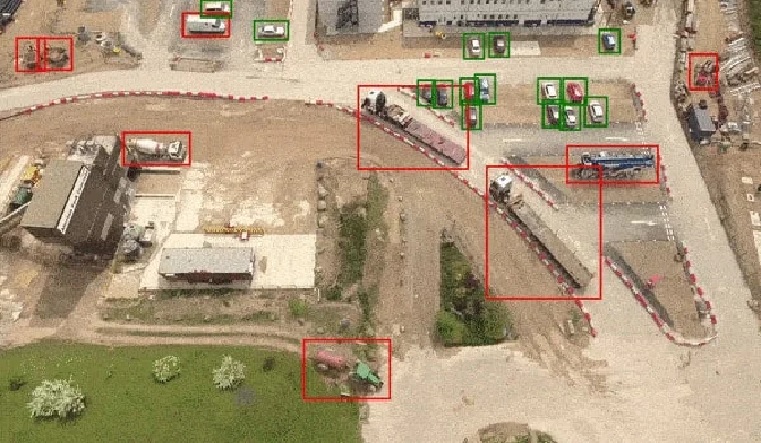
India
Larsen & Toubro (L&T), a prominent player in India's engineering and technology sector, has recently secured a revolutionary piece of software from the Council for Scientific and Industrial Research (CSIR) – Central Scientific Instruments Organisation (CSIO). This advanced software framework, designed specifically for unmanned aerial vehicles (UAVs), enhances real-time object detection and localization, marking a significant breakthrough in the UAV space. This collaboration represents a critical technological leap that will allow UAVs to perform highly accurate object detection and tracking, even in complex environments. The real-time capabilities offered by this software mean that drones can identify objects with precision, providing valuable applications in sectors like disaster management, aerial surveillance, precision agriculture, and infrastructure monitoring.UAV Software: Unlocking Advanced CapabilitiesThe technology transfer from CSIR-CSIO to L&T holds great promise. While the exact specifications of the software remain under wraps, it’s clear that the system leverages cutting-edge algorithms and computer vision technology. UAV cameras can now process large amounts of visual data instantly, making them ideal for tasks that require high-speed decision-making and object recognition. For example, in surveillance, drones could identify unauthorized intrusions in real time, or during natural disasters, they can detect survivors amid chaotic conditions.The software’s ability to operate under complex environmental conditions ensures that UAVs become more adaptable and reliable across a wider range of industries. The integration of this software into L&T’s UAV platforms is expected to lead to faster and more intelligent drones, transforming how industries use this technology.Real-World Applications: From Disaster Management to AgricultureOne of the most exciting aspects of this collaboration is the broad range of practical applications it offers. In disaster management, UAVs equipped with the new object detection technology can be deployed to locate people in need of rescue during earthquakes, floods, or other calamities. This can vastly improve the speed and accuracy of rescue operations. In agriculture, the software enables UAVs to detect variations in crop health, making it easier for farmers to monitor large fields with precision. By spotting areas that require additional care, such as irrigation or pest control, farmers can optimize their resources and increase crop yields. This represents a step forward in the field of precision agriculture, where data-driven decisions lead to more efficient farming practices.The construction and infrastructure sectors will also benefit greatly. UAVs fitted with this software can inspect bridges, roads, and other critical infrastructure for potential damage or maintenance needs. This real-time monitoring capability will help in predicting failures before they happen, enhancing safety and reducing maintenance costs.Strengthening India’s Technological IndependenceThis partnership between CSIR-CSIO and L&T also aligns with India’s push towards technological self-reliance. CSIR-CSIO is known for its expertise in developing home-grown technologies, and by collaborating with L&T, they ensure that their research reaches industries that can put it to practical use. This synergy between a leading research body and a top industrial player is expected to spur innovation and help India become a leader in UAV technology.With the Indian government encouraging indigenous solutions, particularly in defense and critical infrastructure sectors, the transfer of such advanced technology is a positive step towards building a self-reliant technological ecosystem.In conclusion, L&T's acquisition of this UAV software framework from CSIR-CSIO is poised to make a significant impact across various industries. It underscores the importance of collaboration between research institutions and industrial giants to bring advanced solutions into the mainstream. As UAVs continue to grow in importance across sectors like agriculture, disaster relief, and infrastructure monitoring, this cutting-edge technology will drive future innovations, positioning India as a leader in UAV technology.
Read More → Posted on 2024-10-01 15:52:14
India
Hindustan Aeronautics Limited (HAL) has achieved a significant milestone by delivering the first AL-31FP aero engine, under a contract for 240 engines, to the Indian Air Force (IAF). This engine, which powers the Su-30MKI fighter jets, was handed over at HAL's Koraput facility in Odisha, a location dedicated to building these engines from raw material to final assembly. The contract, signed on September 9, 2023, outlines the delivery of 240 engines over the course of eight years, reinforcing HAL’s role in maintaining and enhancing the IAF’s fighter fleet.The AL-31FP engine is the core powerplant of the Su-30MKI, a twin-engine, multirole air superiority fighter aircraft developed by Sukhoi and customized for Indian requirements. With thrust vectoring capabilities, the AL-31FP allows the Su-30MKI to perform advanced maneuvers, giving the aircraft a tactical edge in dogfights and complex air operations. The engine produces around 27,560 pounds of thrust, enabling the aircraft to reach speeds of Mach 2 and handle the heavy payloads needed for long-range missions.Sanjeev Kumar, Secretary of Defence Production, praised HAL for delivering the first engine within weeks of the contract’s signing. He emphasized that this quick turnaround exemplifies HAL’s growing expertise in aero engine manufacturing and its commitment to supporting India’s defense capabilities. Kumar also highlighted the strategic importance of HAL’s Koraput Division, which has developed cutting-edge technologies to manufacture the AL-31FP engine domestically, matching global standards set by original equipment manufacturers (OEMs).HAL’s Chairman and Managing Director, D K Sunil, also spoke about the future of Indian aerospace manufacturing, expressing the company’s intent to increase the involvement of Indian industries in the engine production process. Currently, Indian industries contribute around 40% to the manufacturing of the AL-31FP engine, but HAL aims to raise this to over 50% in the coming years. This shift will not only strengthen India’s self-reliance in defense production but also generate employment and boost the aerospace sector.The Su-30MKI fleet is a critical component of the IAF’s airpower, and ensuring a steady supply of engines is essential for its operational readiness. HAL’s Koraput facility, established specifically for the production of the AL-31FP engines, plays a crucial role in this effort. By manufacturing the engines entirely in India, HAL reduces the IAF’s dependency on foreign suppliers, lowers costs, and enhances the overall capability of India’s defense industrial base.This new contract marks a significant step in India’s ongoing efforts to indigenize its defense sector. As HAL continues to develop its capabilities in advanced aerospace technology, the IAF stands to benefit from more reliable and cost-effective maintenance of its Su-30MKI fleet. Moreover, the increasing participation of Indian industries in this process will further solidify the country's position as a global defense manufacturing hub.
Read More → Posted on 2024-10-01 15:45:49Search
Top Trending in 24 Hours
-
 Naval Group Unveils Rampart Modular CIWS Multi-Purpose Weapon System for Naval and Ground Forces at Eurosatory 2026
-
 Open-Source Evidence Suggests Russia's Zircon Is a Quasi-Ballistic Missile, Not a True Hypersonic Cruise Weapon
-
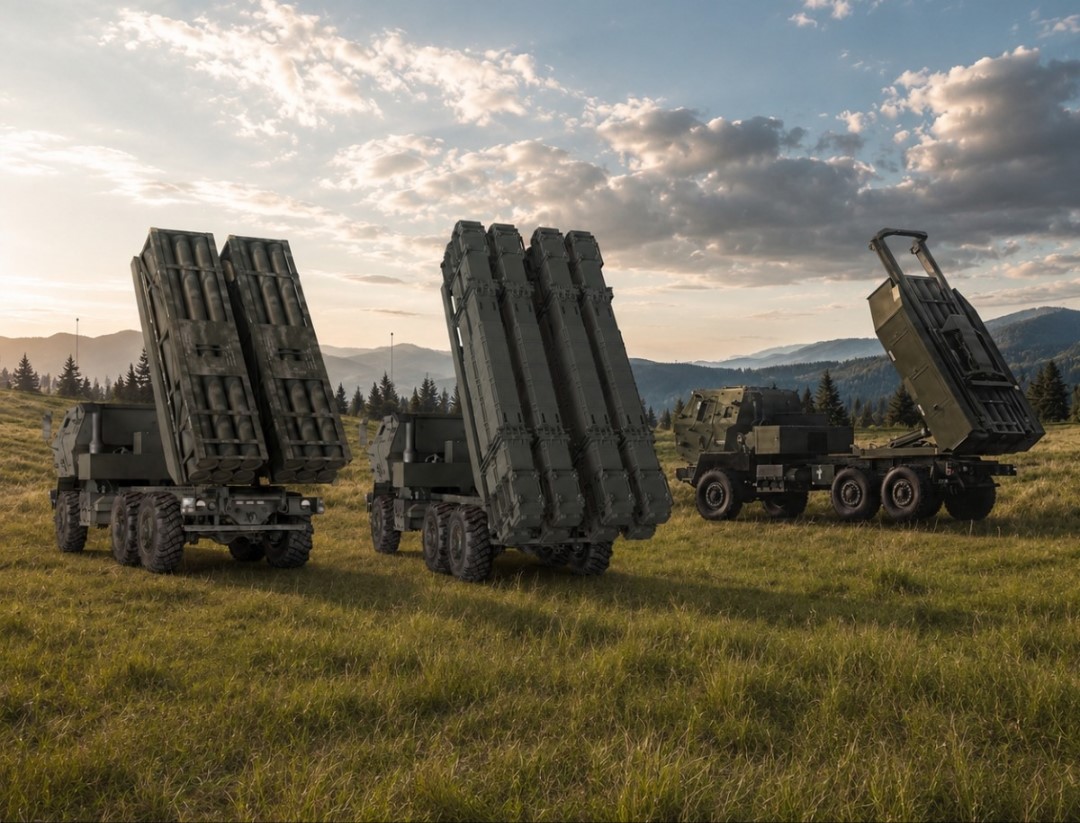 Lockheed Martin Unveils HIMARS FLEX with Dual-Pod Launcher and NATO-Compatible Air Defense Integration
-
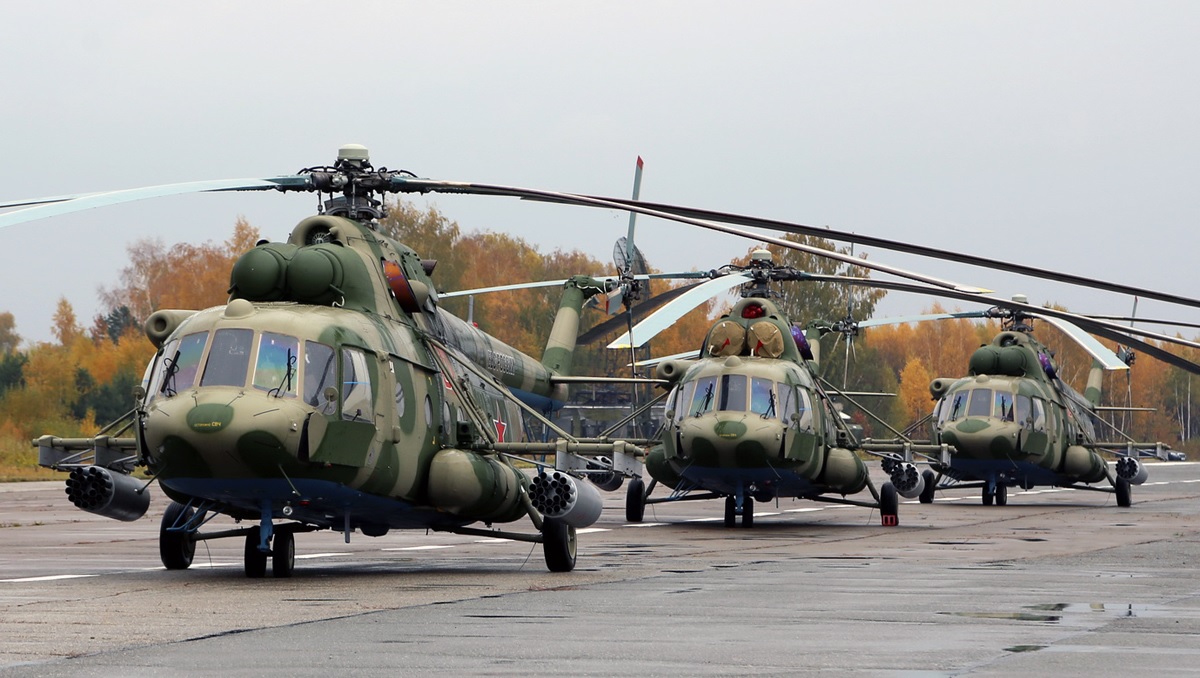 Iran Signs Deal with Russia for 20 Mi-8 and Mi-17 Helicopters to Boost Rescue and Medical Missions
-
 Why the U.S. Restored Pacific Command Name, Ending the Indo-Pacific Designation After Eight Years
-
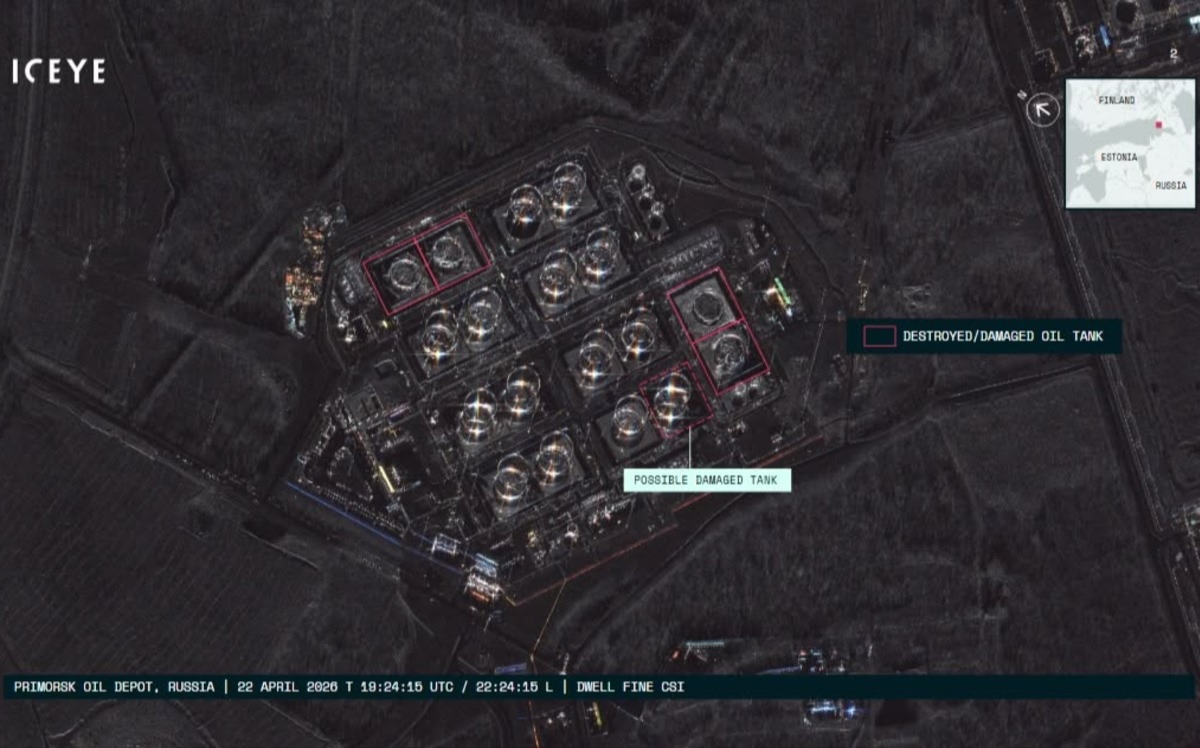 Portugal Doubles Sovereign SAR Satellite Fleet with Order for Two Additional ICEYE Satellites
-
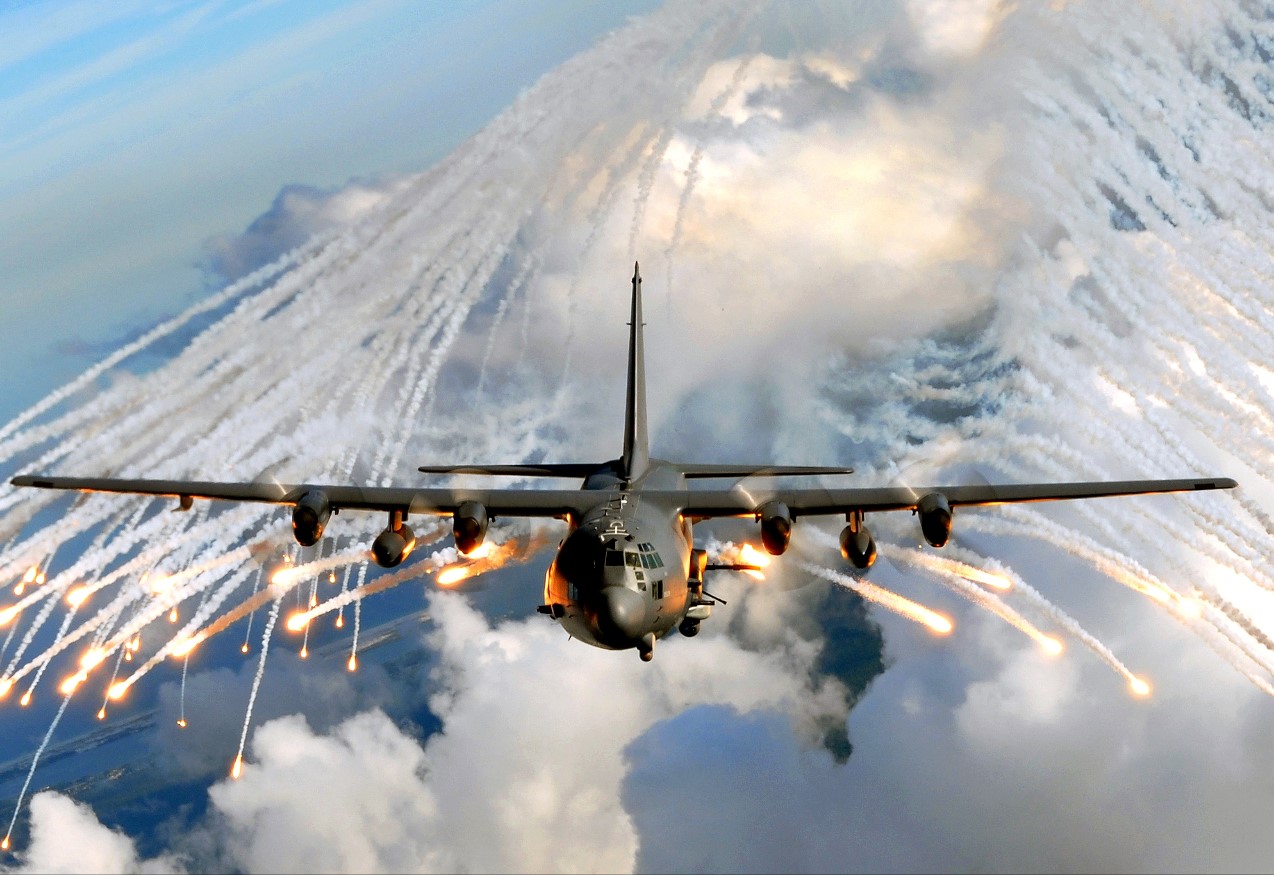 Pentagon Expands Alloy Surfaces Contract to $328.8 Million for Advanced Aircraft Decoy Flares Amid Evolving Drone Threats
-
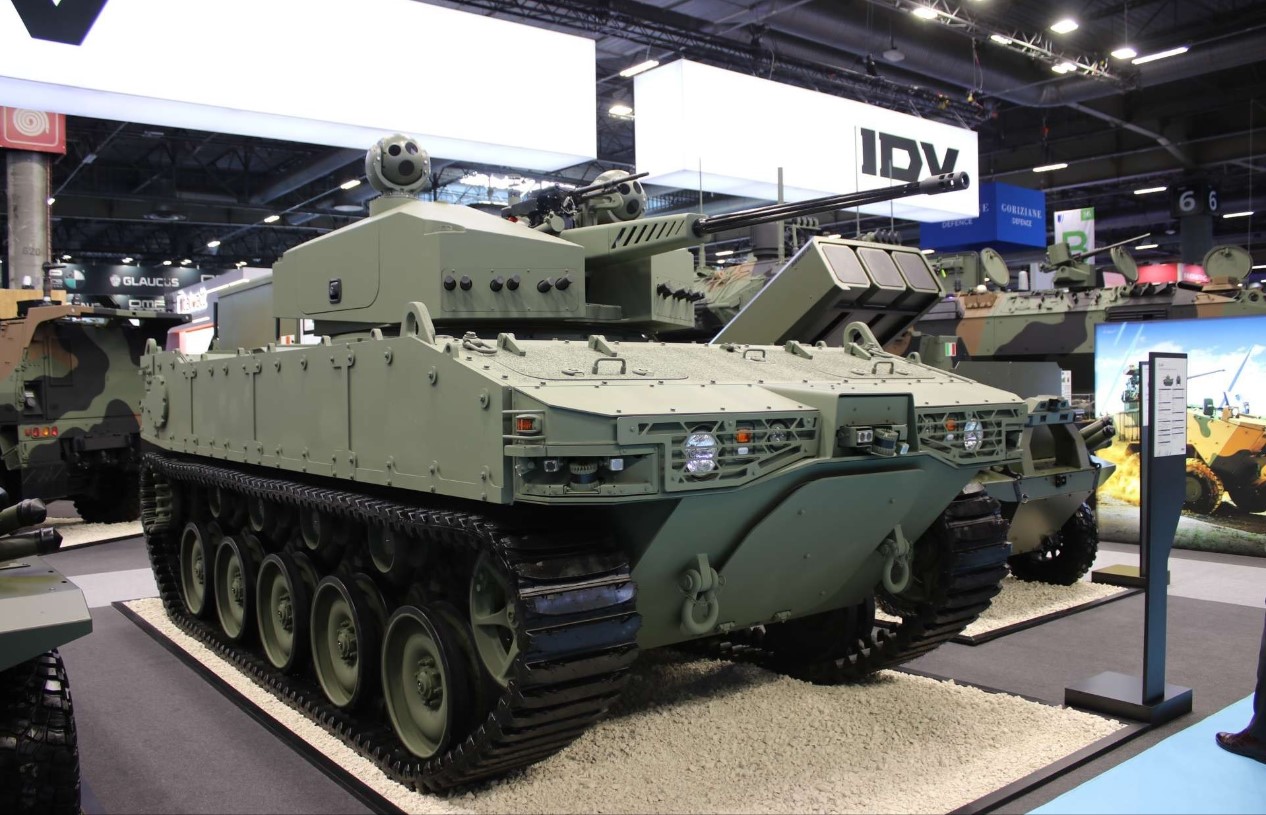 IDV Unveils CL2X Hybrid Uncrewed Light Tank at Eurosatory 2026
Top Trending in 4 Days
-
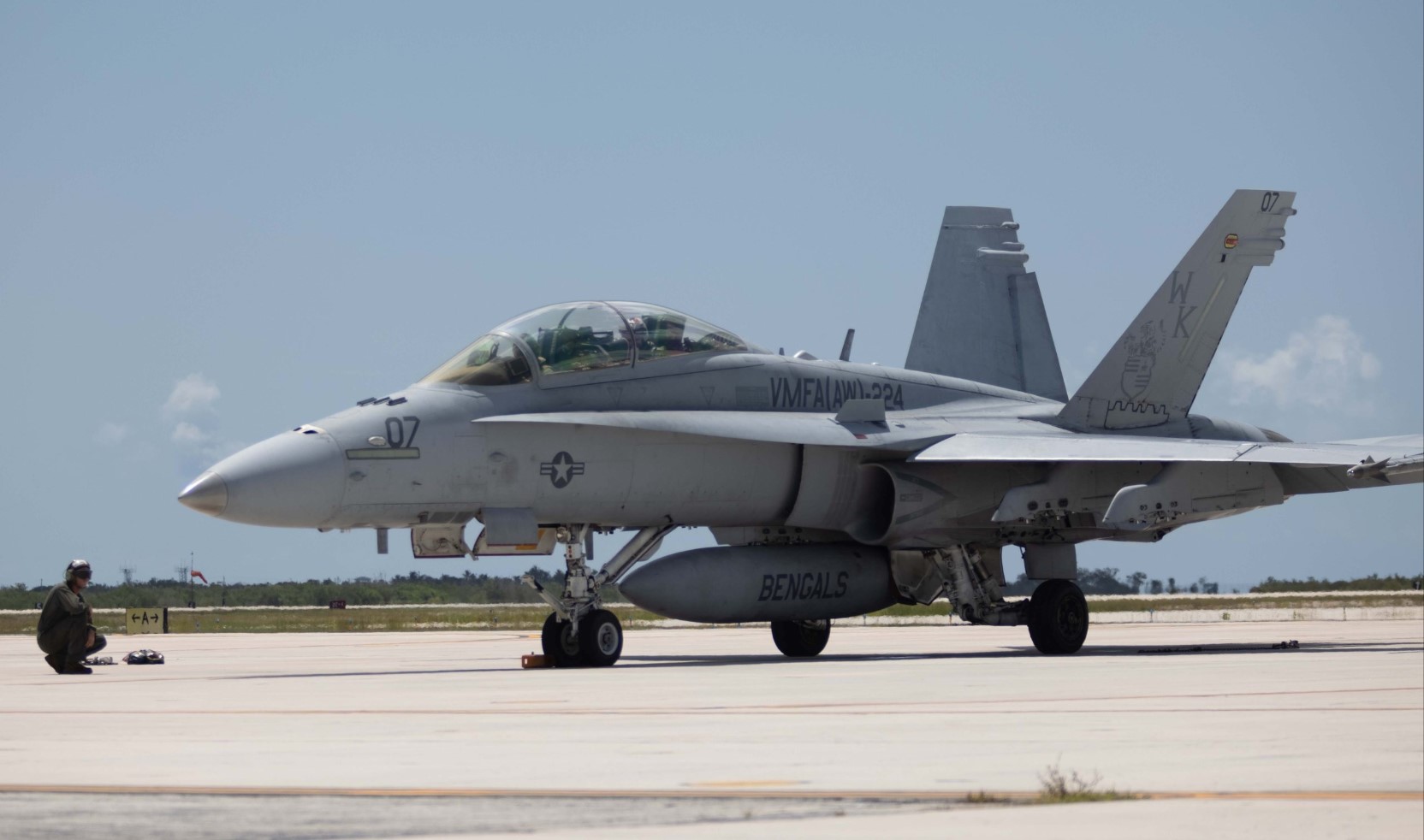 US Marine Corps F/A-18D Hornet Crashes During Training Flight in Washington Mountains; Pilot Ejects Safely
-
 Tulsi Gabbard Releases Declassified Files Detailing U.S.-Backed Network of 120 Biolaboratories Across 30+ Countries
-
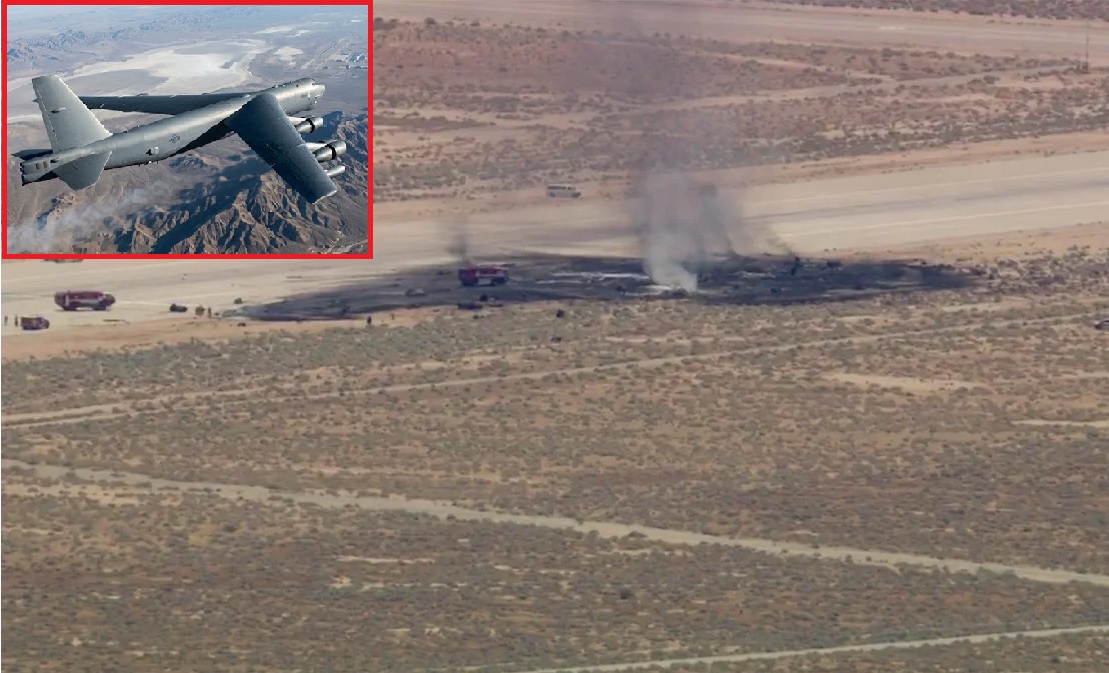 8 U.S. Air Force Crew Members Killed in B-52 Bomber Crash During Test Flight at Edwards Air Force Base
-
 Ukraine Introduces Balloon-Launched DART Missile Designed to Defeat Electronic Warfare
-
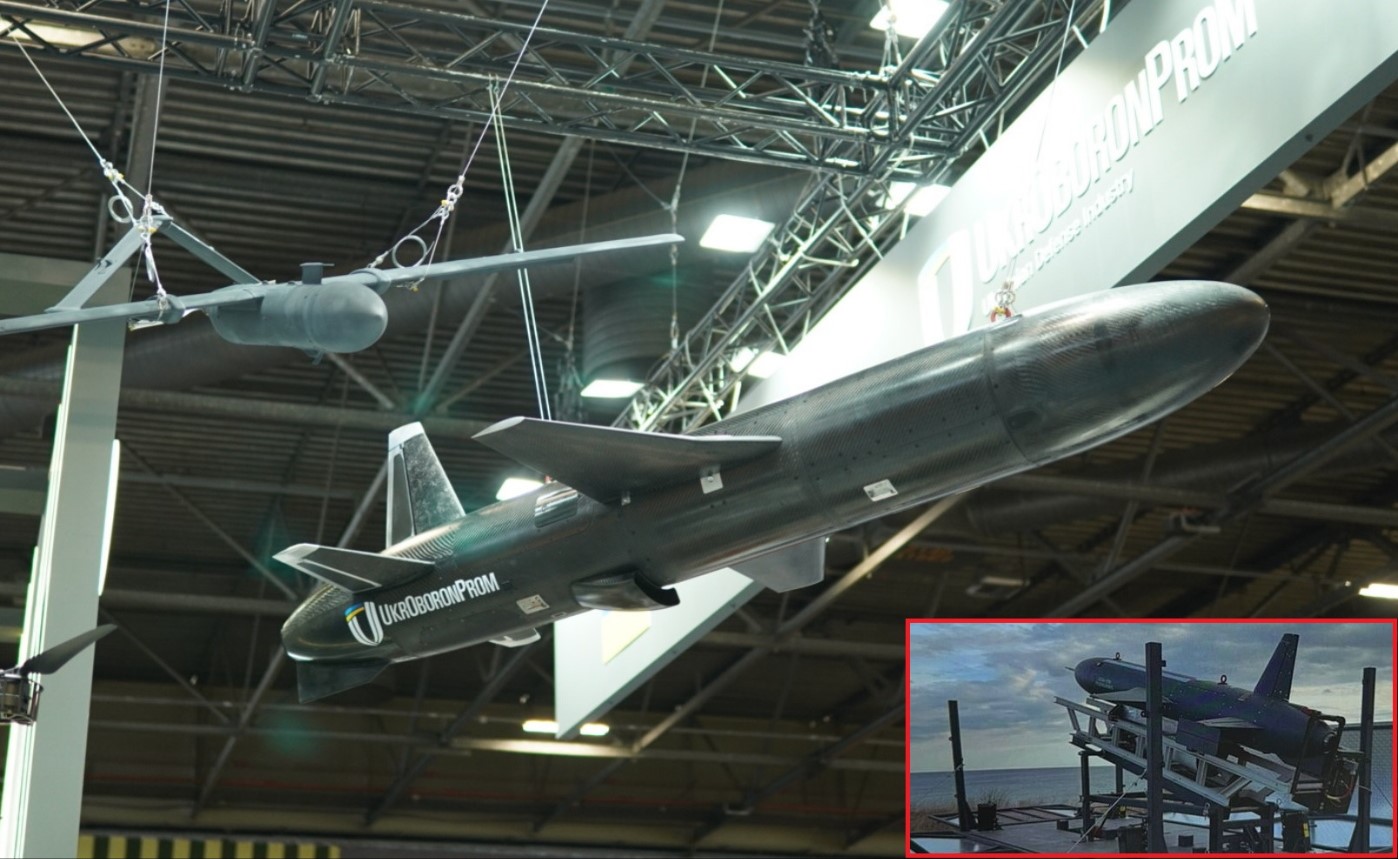 Ukraine Unveils UAV-290 Jet-Powered Strike Drone with 650 km Range at Eurosatory 2026
-
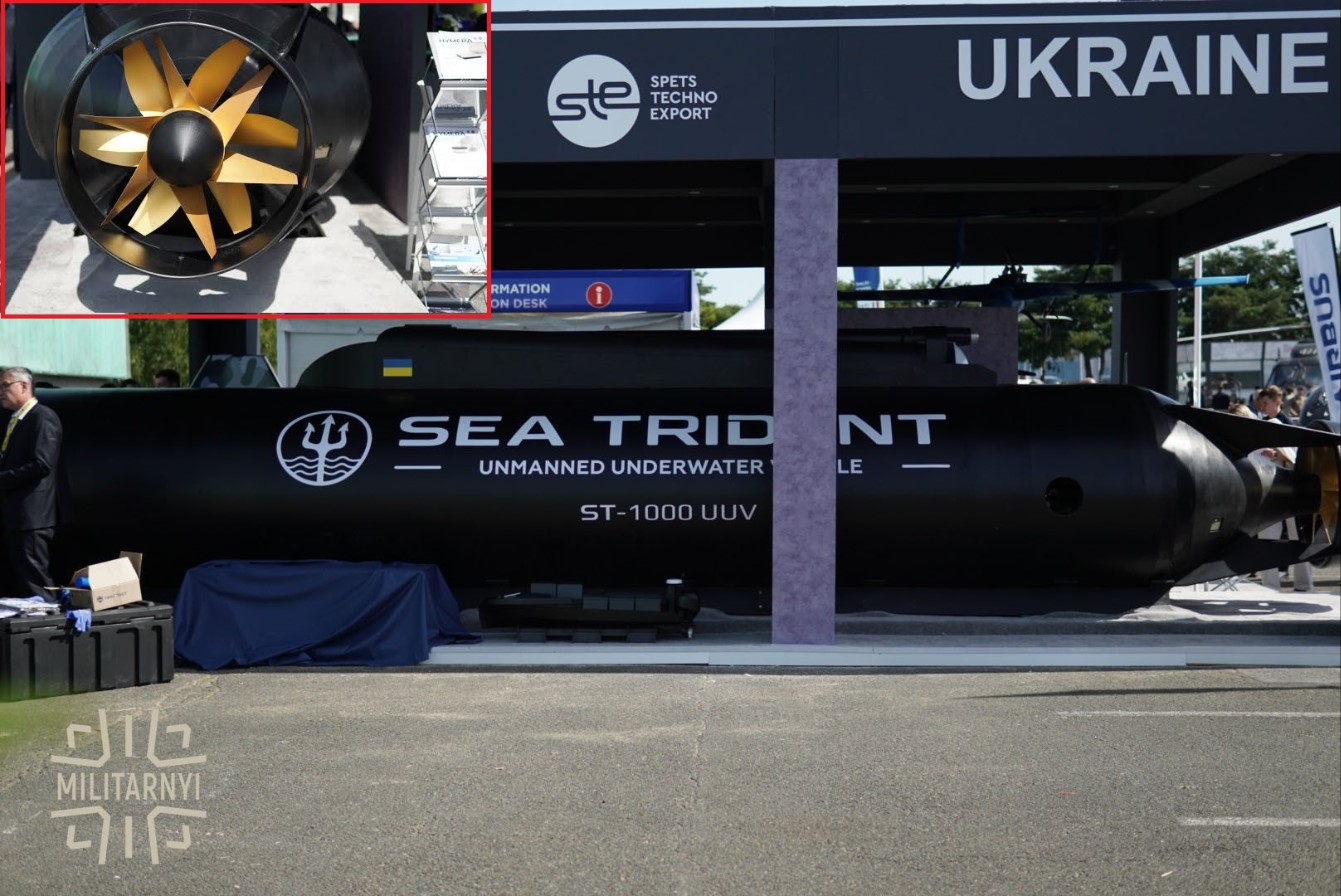 Ukraine Unveils 'Sea Trident' 10-Ton Autonomous Underwater Drone at Eurosatory 2026
-
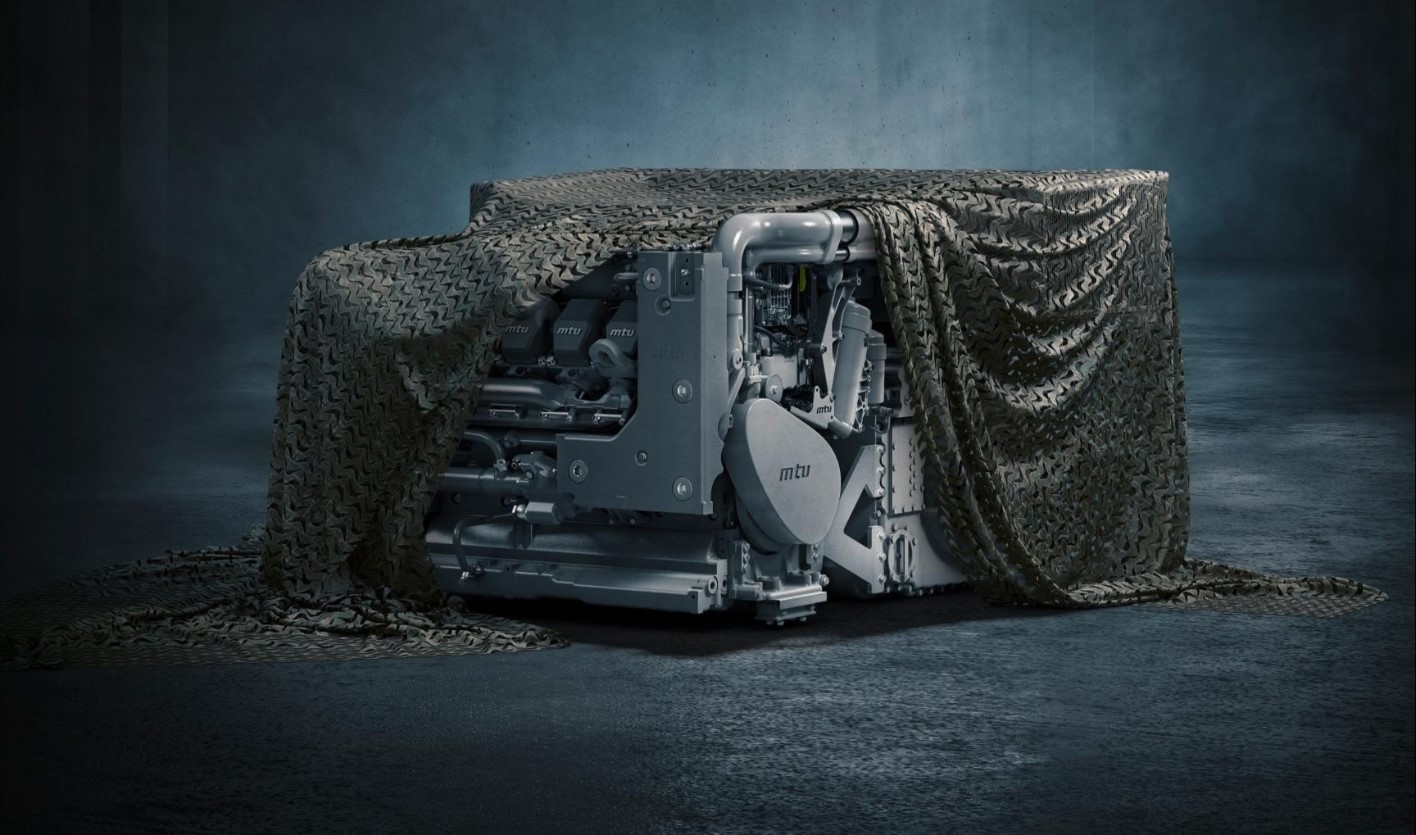 Rolls-Royce Unveils New Hybrid Powertrain for Heavy Military Vehicles at Eurosatory 2026
-
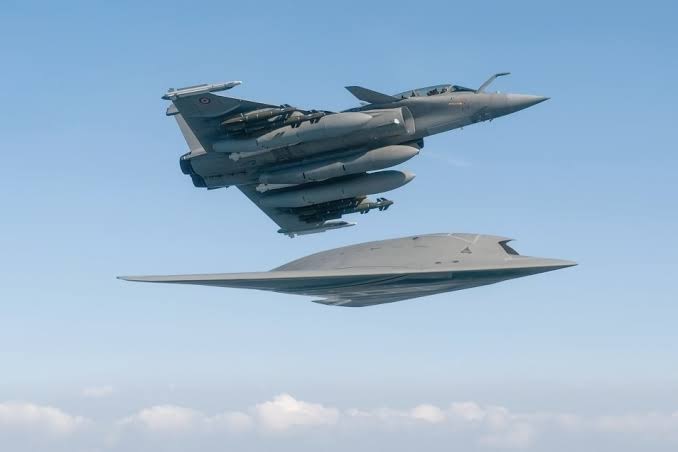 France Agrees to Equip Future Indian Rafales with AI, MUM-T and Secure Satellite Links Under F5 Standard