
India
In a major stride toward enhancing its operational capabilities, the Indian Army has successfully received all 100 Robotic Mules ordered from AeroArc, a cutting-edge robotics company based in New Delhi. This delivery is a significant component of the army's broader efforts to modernize its forces with advanced technology, particularly in challenging operational terrains.These robotic mules are not just simple transport tools; they represent a highly sophisticated support system for soldiers deployed in some of the most demanding environments. Designed with an all-terrain capability, the robotic mules can traverse rough landscapes, from steep hills and rocky surfaces to dense debris fields, offering invaluable assistance in terrains where traditional vehicles may struggle. They can even climb stairs, which makes them adaptable for urban combat or disaster relief scenarios.One of the key highlights of AeroArc’s Robotic Mule is its rugged design, which allows it to endure the harshest conditions. With an IP-67 rating, these robots are dust-tight and can withstand water immersion, ensuring they remain functional in extreme weather conditions, from the freezing temperatures of high-altitude regions to the scorching heat of desert landscapes. Their operational temperature range extends from -40°C to +55°C, making them suitable for deployment across India's diverse geographical regions, including the challenging terrains of the Himalayas and the deserts of Rajasthan.At just 51 kg, the robotic mule is lightweight yet durable, able to carry a maximum payload of 12 kg. It is also designed for efficiency in the field; soldiers can assemble or disassemble the mule in just 15 minutes, allowing for rapid deployment during missions. The mule is powered by a NVIDIA Xavier CPU/GPU, providing it with advanced computational capabilities, making it ideal for both autonomous and semi-autonomous operations.These robotic mules are equipped with much more than basic transport capabilities. They can be fitted with a range of advanced payloads, including small arms for combat support, electro-optical and thermal imaging sensors for enhanced situational awareness, and even chemical and radioactivity detection systems. This versatility allows the mules to not only carry essential supplies like ammunition and medical kits but also to act as valuable reconnaissance tools in hostile or hard-to-reach areas.One particularly notable feature is their top speed of 3 meters per second (roughly 10.8 km/h), which ensures that they can keep pace with soldiers on foot, making them highly effective in dynamic, fast-paced operations. The robotic mules also have an impressive standby runtime of 20 hours, meaning they can be operational for extended periods without requiring immediate recharging, an essential feature for prolonged missions in remote areas.This procurement marks a significant leap in the Indian Army’s technological advancement. The integration of robotic systems like the AeroArc mules helps reduce the physical and cognitive burden on soldiers, allowing them to focus on critical tasks while the mules handle logistics, reconnaissance, or even hazardous material detection.The Indian Army’s interest in such technologies is part of its broader strategy to stay at the forefront of modern warfare. With initiatives like the Drone-A-Thon 2 competition and the HIMTECH symposium, which focuses on high-altitude technologies, the army is actively exploring and adopting homegrown innovations to meet the evolving demands of warfare. The addition of robotic mules aligns perfectly with this vision, particularly for high-risk, high-altitude operations where logistical support and terrain adaptability are crucial for success.As India continues to focus on self-reliance in defense, the procurement of these indigenously developed robotic mules demonstrates the country’s growing capability to produce world-class military technologies. The Indian Army's adoption of these robotic systems signifies a future where human soldiers will work alongside robots, enhancing their capabilities and ensuring they have the technological edge needed to face the increasingly complex security challenges of the modern battlefield.
Read More → Posted on 2024-10-09 15:15:31
India
India's indigenous Airborne Early Warning and Control (AEW&C) system, known as *Netra*, is nearing a significant milestone. After nearly seven years of development and testing, the system is expected to achieve Full Operational Capability (FOC) by the end of the year. This milestone marks a major leap forward for the Indian Air Force (IAF), as it will be fully equipped with a powerful surveillance and command system capable of boosting India's aerial defense.The Netra program, developed by India’s premier defense research organization, the Defence Research and Development Organisation (DRDO), has been a crucial part of India’s growing self-reliance in defense technologies. The program began taking shape in 2017, when it was granted Initial Operational Capability (IOC) status. Since then, the IAF has been using two Netra Mk1 systems, which are mounted on the Brazilian Embraer ERJ-145 platform. These systems have been instrumental in enhancing India's air surveillance capabilities, providing early warnings on aerial threats and helping with command-and-control functions in combat and peacetime operations.The third Netra Mk1 platform has served as a testing bed for upgrades and further advancements. Over time, the system has been subject to significant improvements, making it more robust and capable. One of the notable developments this year has been the clearance for the IAF to procure six upgraded Netra Mk1A systems. These advanced versions incorporate numerous upgrades over the initial model, such as enhanced radar and tracking capabilities, better communication systems, and increased operational range.Looking ahead, the future of the Netra program seems even brighter. In a bid to further strengthen its air defense, India is set to acquire six Netra MkII systems. Unlike the first iteration, these will be mounted on the Airbus A321 platform, which offers a larger airframe and significantly more space for advanced electronics and sensors. The *Netra MkII* promises extended surveillance range, improved detection and tracking capabilities, and the ability to monitor a wider airspace simultaneously. This will make it a critical component in safeguarding India’s skies against both conventional and asymmetrical threats.What makes Netra especially crucial is its strategic role in enhancing the IAF’s ability to maintain control over air operations. AEW&C systems like Netra are often referred to as "force multipliers" because they dramatically increase the effectiveness of other military assets. By providing real-time data on enemy aircraft, missiles, and ground movements, Netra allows Indian forces to take timely action. Whether it’s identifying a hostile aircraft or managing large-scale combat operations, *Netra* provides the situational awareness and coordination that are key to modern warfare.The Netra AEW&C system also aligns with India’s broader ambition to become self-sufficient in defense technologies. Given its complex nature, developing an AEW&C system domestically is no small feat. It represents a culmination of years of research, testing, and collaboration across multiple defense and aerospace sectors. With the Netra program, India joins an exclusive group of nations that have developed indigenous airborne early warning systems, placing it in a stronger position on the global defense stage.In conclusion, as the Netra AEW&C system moves closer to achieving Full Operational Capability, it stands as a testament to India's defense innovation and resilience. With both the Netra Mk1 and upcoming Netra MkII systems, the Indian Air Force is set to bolster its defense infrastructure, enhancing its surveillance capabilities and readiness to respond to emerging threats. By the end of this year, India’s air defense will be significantly stronger and more responsive, thanks to the successful realization of the *Netra* program.
Read More → Posted on 2024-10-09 15:06:00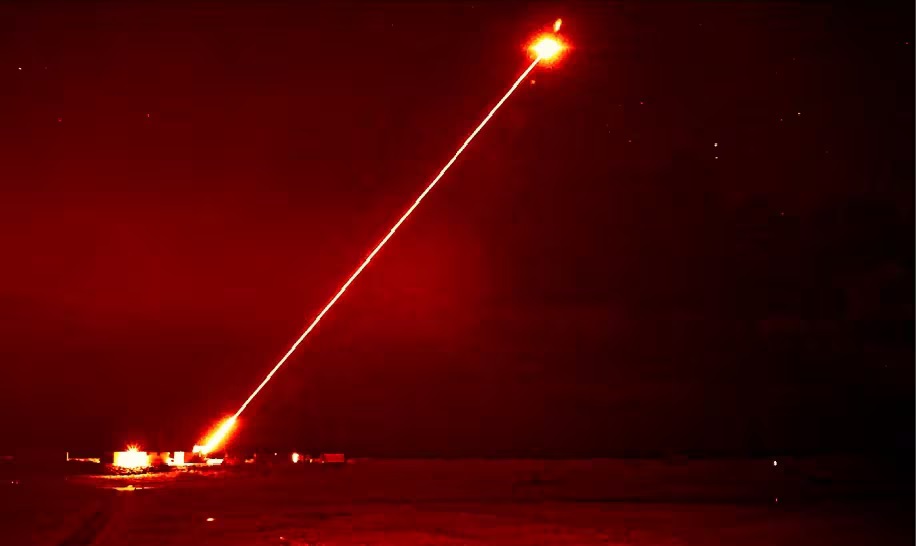
India
Chennai-based Big Bang Boom Solutions (BBBS) has unveiled a cutting-edge development in defense technology: the Vajra Strike. This direct energy weapon system represents a significant advance in counter-drone warfare, leveraging artificial intelligence (AI) and directed energy to neutralize aerial threats like never before. It is designed to counter the increasing menace of drones, which pose serious security risks to sensitive locations, public events, and critical infrastructure.The Vajra Strike doesn’t rely on traditional ammunition. Instead, it harnesses the power of concentrated energy beams to quickly eliminate drones. Its efficiency and speed are unmatched in its class, offering pinpoint accuracy with minimal risk of collateral damage. The direct energy technology allows the system to act instantly—whether in a cityscape or a military zone—without leaving the kind of debris or aftermath caused by physical projectiles. This clean, precise action makes it an excellent choice for crowded environments or densely populated urban areas.The Role of AI: Smarter Drone DefenseWhat sets the Vajra Strike apart from other anti-drone solutions is its intelligent AI-based targeting system. The AI embedded in the Vajra Strike isn’t just reactive—it’s predictive. Using a network of integrated sensors, sensor fusion, and computer vision algorithms, the system can scan the environment for aerial threats, differentiating between friend and foe. This "Friend & Foe" algorithm is a key feature, ensuring that the Vajra Strike only neutralizes drones that pose a real threat. By categorizing targets in real-time, the AI minimizes false positives and avoids accidental engagement of non-hostile objects.The AI can also adapt to rapidly changing environments. Whether deployed at a political rally or on a border defense post, the system continuously learns and improves its detection abilities. As drones evolve and become more sophisticated, the Vajra Strike’s AI ensures it remains one step ahead, adjusting its strategies to tackle newer models and different types of threats.Design and Deployment: Adaptable and User-FriendlyOne of the main advantages of the Vajra Strike is its compact, modular design. Unlike other heavy-duty defense systems, it’s built for versatility. Whether you’re securing a stadium, a government building, or an airport, the Vajra Strike can easily integrate into existing security frameworks. This portability makes it attractive to a range of operators, from national defense forces to private security companies. Its compact form factor does not compromise its power—making it easier to move and deploy in fast-changing threat environments.Ease of use is another crucial aspect. The Vajra Strike’s interface is designed with end-users in mind, ensuring that security personnel can operate and maintain the system without needing deep technical expertise. This is vital in high-stress situations where a rapid response is needed. The system’s intuitive controls allow for quick decision-making, enabling operators to respond swiftly and efficiently.A Leap Forward for India’s Defense SectorThe development of the Vajra Strike is a proud moment for India’s defense technology sector. BBBS has already proven its capabilities with previous systems like the Vajra Sentinel, an anti-drone solution that earned them a ₹200 crore contract with the Indian Armed Forces. The Vajra Strike takes things further, enhancing the company's standing as a key player in India's indigenous defense innovations.By incorporating AI and direct energy, BBBS is aligning with the global shift toward non-kinetic defense systems, where energy and intelligence replace traditional force. The Vajra Strike has the potential to revolutionize how drones are managed in conflict zones and civilian areas alike.Why It Matters: The Future of Drone WarfareThe rise in drone usage—whether for surveillance, delivery, or combat—has highlighted the need for effective countermeasures. Traditional anti-drone systems often rely on physical interceptors or jamming technologies, both of which have limitations. Physical interceptors can cause collateral damage, while jamming can disrupt other communications. The Vajra Strike addresses these issues with its focused energy beams that can disable drones without physical contact and its AI system that ensures only hostile drones are targeted.As drones continue to become a more prominent part of modern warfare and security concerns, tools like the Vajra Strike are no longer optional—they are essential. The system's rapid neutralization capabilities, adaptability, and precision make it a game-changer for governments, military forces, and even private security sectors worldwide.The Vajra Strike is more than just a weapon; it’s a comprehensive drone defense solution that signals a shift towards smarter, more adaptive, and cleaner warfare technologies. BBBS’s innovation promises a safer future, where drone threats can be neutralized swiftly, precisely, and with minimal harm to the surrounding environment.In a world where drone technology is advancing rapidly, BBBS’s Vajra Strike positions India at the forefront of the global race to develop cutting-edge defense solutions. With this breakthrough, BBBS is not only safeguarding critical infrastructure but also contributing to the evolving narrative of modern warfare.
Read More → Posted on 2024-10-08 15:15:27
India
Sri Lanka's new Foreign Minister, Vijitha Herath, has come forward to defend the government’s decision to allow the Chinese military training ship "Po Lang" to dock in Colombo. The move comes amidst ongoing diplomatic exchanges and growing international attention, particularly from India, over Chinese military and research vessels in the Indian Ocean region. According to Herath, such visits are routine and pose no threat to Sri Lanka’s security or sovereignty, aligning with the nation’s policy of maintaining international cooperation.The "Po Lang," a training vessel from China’s People’s Liberation Army (PLA) Navy, arrived at the Colombo port as part of its ocean-going mission aimed at boosting the professional skills of midshipmen. The ship, an 86-meter-long sail training vessel, is staffed by a crew of 130, including 35 officer cadets. The visit forms part of a broader itinerary that includes stops in countries such as Vietnam, Indonesia, Singapore, and a technical halt in Hong Kong. The purpose of the visit, as stated by the Chinese Navy, is to conduct naval exchanges and strengthen cooperation with other nations, including Sri Lanka.Herath was quick to highlight that Sri Lanka's decision to host the Chinese military ship is consistent with past policies, where the country has welcomed ships from a variety of nations, including Germany and the United States. "We are happy to allow military training ships. They pose no threat," Herath stated in response to concerns raised over the Chinese presence. He emphasized that the move is part of the country’s broader diplomatic engagements, dismissing any fears of jeopardizing national interests.Notably, the current Sri Lankan government’s stance contrasts with previous policy decisions under the former administration. The earlier government had placed restrictions on allowing foreign scientific research vessels in Sri Lanka’s Exclusive Economic Zone (EEZ), a decision that sparked concern in countries like India. India has repeatedly voiced its worries about Chinese military and research ships operating in Sri Lankan waters, given its strategic interest in the Indian Ocean region.Herath’s predecessor, Ali Sabry, had already indicated in July that the government was reviewing this moratorium on foreign research vessels. It appears that the arrival of the Chinese military training ship signals a shift in policy, one that prioritizes strengthening naval ties and maintaining international relations.The arrival of the "Po Lang" was met with a warm reception by the Sri Lanka Navy, in line with naval traditions. The visit also includes joint training programs between the Sri Lankan and Chinese naval personnel, aimed at enhancing operational understanding and camaraderie. The Chinese crew will also participate in cultural activities and visit key tourist attractions in Colombo, further promoting bilateral engagement beyond military cooperation.Despite potential concerns from neighboring India, Herath remains firm in his stance, asserting that the government will continue to allow visits by foreign military training ships as part of its commitment to international diplomacy and cooperation. "Such visits align with our policy of fostering international naval ties, without compromising our national interests," he reiterated.This diplomatic balancing act highlights Sri Lanka’s effort to navigate complex international relations in a region where strategic interests are continually at play. The presence of Chinese military vessels in the Indian Ocean has been a point of contention, particularly for India, which views the region as its strategic backyard. However, for Sri Lanka, maintaining open relations with both China and India is crucial for its own national interests, especially given its economic reliance on international partnerships.By allowing the Chinese training vessel to dock, Sri Lanka is signaling its intention to keep its foreign policy flexible, ensuring that it does not align too closely with one power at the expense of others.
Read More → Posted on 2024-10-08 15:01:17
India
In a bid to secure a contract with the Indian Air Force (IAF) under its Medium Tactical Transport (MTA) program, Embraer has made an ambitious pledge: the Brazilian aerospace giant has committed to ensuring a high serviceability rate of over 90% for its C-390M transport aircraft, coupled with a reliable, localized supply chain in India. The MTA program, a critical initiative for the IAF, aims to modernize its tactical transport fleet with a potential purchase of 60-80 aircraft. At the core of Embraer's pitch is the serviceability of the C-390M, an essential factor for the IAF, which has been grappling with poor operational readiness among many of its aging Soviet-era aircraft. Embraer has pledged to maintain a serviceability rate of 90% or higher, a notable improvement compared to the IAF’s existing fleet, where many platforms struggle to achieve even a 50% readiness rate.The C-390M’s Proven Track RecordEmbraer's confidence stems from the operational experience of the Brazilian Air Force, which currently operates six C-390Ms. These aircraft have consistently maintained a serviceability rate of over 97%, a remarkable achievement for a fleet still in its growth phase. The Brazilian Air Force has an additional 13 C-390Ms on order, indicating its long-term commitment to the platform. Embraer emphasizes that such operational reliability, achieved even with a relatively small fleet, demonstrates the C-390M’s durability and the company’s robust maintenance support network.Should India choose the C-390M, the IAF would become the largest operator of this aircraft globally, surpassing even Brazil’s fleet. This would require Embraer to ramp up its supply chain significantly, and to address this, the company plans to collaborate with Mahindra Defence, a leading Indian defense firm. This partnership is central to Embraer's strategy of establishing a local supply chain in India, minimizing dependence on parts shipped from Brazil. By localizing production and parts supply, Embraer aims to streamline maintenance, reduce downtime, and ensure the IAF’s fleet remains operationally ready.A Competitive Edge Over RivalsEmbraer’s commitment to serviceability is likely to be a critical factor in the IAF’s decision-making process. The MTA program is highly competitive, with Embraer’s C-390M vying against Airbus's A400M Atlas and Lockheed Martin's C-130J Super Hercules, both of which have proven track records and global operators. However, Embraer is banking on the C-390M’s impressive operational reliability and its ability to be tailored specifically to the IAF’s needs through localized support.In addition to its high serviceability, the C-390M boasts a range of advanced features that make it a strong contender in the MTA program. The aircraft is powered by two IAE V2500-E5 engines, providing it with a top speed of around 870 km/h. It also has a payload capacity of 26 tons, making it ideal for transporting troops, equipment, and even conducting humanitarian missions. Its in-flight refueling capability and modern avionics system further enhance its versatility, giving it a technological edge over older platforms.Addressing IAF’s Current ChallengesThe IAF currently relies heavily on its aging Soviet-era transport fleet, which often suffers from low availability and high maintenance costs. The situation is exacerbated by the fact that spare parts for these aircraft are increasingly difficult to source. Embraer’s focus on localized supply chains and its collaboration with Indian industry would help to alleviate this issue, ensuring that parts and maintenance support for the C-390M are readily available within India itself.Currently, the IAF’s most reliable transport platform is its fleet of 11 Boeing C-17 Globemaster III strategic airlifters, which maintain a serviceability rate of over 90%. However, these aircraft are primarily used for long-range strategic transport, and the IAF’s tactical transport needs—missions that require flexibility, rapid response, and high availability—are currently underserved by its older platforms. The C-390M, with its combination of tactical agility and operational reliability, could fill this gap effectively.A Strategic Decision for IndiaThe IAF is expected to carry out a thorough evaluation of all contenders for the MTA program, considering not just immediate capability, but also factors such as long-term life-cycle costs, upgrade potential, and overall fleet support. Embraer’s promise of consistent serviceability, bolstered by a localized supply chain, could give it an edge, especially given India’s growing focus on defense indigenization under the "Make in India" initiative. While the competition remains fierce, Embraer’s offer to the IAF presents a compelling case for a modern, reliable, and locally supported tactical transport solution that could significantly enhance the IAF’s operational readiness.If the C-390M is selected, it would not only mark a significant win for Embraer but also open new doors for future defense cooperation between Brazil and India. The outcome of this competition could have far-reaching implications for the IAF’s future operational capabilities, particularly in addressing its tactical transport requirements.
Read More → Posted on 2024-10-07 15:50:29
India
The Indian Air Force (IAF) has reached a new milestone in its defensive capabilities, successfully demonstrating that its Rafale fighter jets can neutralize high-altitude surveillance balloons. This development places India in the same league as countries like the United States, which downed a Chinese spy balloon in early 2023 using an F-22 Raptor. These advancements are particularly significant as global security concerns around surveillance balloons continue to grow.Earlier this year, an IAF Rafale jet intercepted and destroyed a balloon target over the Eastern Air Command’s operational zone. Although smaller than the Chinese balloon downed by the U.S., this balloon was equipped with a payload and flying at over 55,000 feet—far above typical commercial air traffic altitudes. The IAF employed an inventory missile to effectively bring down the balloon, showcasing the accuracy and capability of its Rafale jets in tackling non-traditional aerial threats.The downed balloon was suspected of being a surveillance tool, much like the one the U.S. dealt with in 2023. That Chinese balloon incident had sparked global concern, as it demonstrated the potential for nations to conduct espionage through relatively low-cost and hard-to-detect means. In the U.S. case, the balloon traversed North America before being shot down, which led to a tense diplomatic exchange between Washington and Beijing. India, too, reportedly detected a similar balloon over the Andaman and Nicobar Islands around the same period, though no action was taken at the time.India’s recent success in neutralizing such a target marks a significant leap forward in its defense preparedness, especially in response to aerial intelligence-gathering threats. Over the past year, the IAF has been working closely with the U.S. Air Force to develop strategies for countering these types of high-altitude balloons. The U.S. shared valuable insights into the nature of these surveillance tools, and this collaboration has clearly paid off, with the IAF now demonstrating it has both the operational knowledge and technical capacity to neutralize this threat.The Rafale jets, known for their versatility, agility, and firepower, are proving to be an indispensable asset to the IAF. Equipped with advanced radar systems, precision missiles, and the ability to operate at altitudes of up to 60,000 feet, the Rafale can engage targets well beyond the reach of older fighter jets. This capability is especially crucial for India, as it strengthens its eastern borders, where tensions have escalated with neighboring China.While the Rafale is primarily known for its superiority in dogfights and air-to-ground operations, its adaptability in taking down high-altitude balloons shows how far the IAF has come in addressing new-age threats. These balloons, which can be maneuvered to hover over sensitive areas for prolonged periods, pose a unique challenge. Unlike traditional aircraft, they can float undetected for extended durations, gathering intelligence on critical infrastructure or military activities.By successfully demonstrating its ability to counter these balloons, the IAF has sent a strong message about its readiness to handle emerging security challenges. As technology evolves, so do the threats, and India's defense systems are keeping pace. With its Rafale jets now fine-tuned for this mission, the IAF has added another layer to its robust air defense strategy.The ability to neutralize surveillance balloons, especially at altitudes exceeding 50,000 feet, gives India a critical advantage in monitoring and protecting its airspace. As geopolitical tensions remain high in the region, India’s enhanced aerial capabilities signal that it is well-prepared to safeguard its borders against any form of intrusion—whether it be from conventional aircraft or unconventional spy balloons.
Read More → Posted on 2024-10-07 15:20:08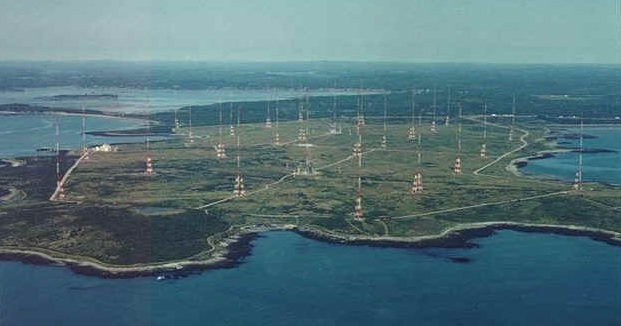
India
The Indian Navy’s ambitious plan to construct a Very Low Frequency (VLF) radar station in Vikarabad, Telangana, has hit a roadblock as local protests fueled by political motivations threaten to delay its development. The project, critical for bolstering India’s maritime defense capabilities, is designed to improve submarine communication across the Indian Ocean region. It marks only the second such installation in the country, following the establishment of the INS Kattabomman radar facility in Tamil Nadu.Scheduled for completion by 2027, the Vikarabad VLF radar station promises substantial technological, economic, and security benefits. It is set to boost India’s defense infrastructure by providing enhanced communication with submarines operating at vast distances. This is crucial for monitoring underwater activities and maintaining maritime security in an increasingly challenging geopolitical landscape.The project, which has received all necessary environmental and regulatory clearances, would also offer major development opportunities for Vikarabad. In particular, the Navy has planned extensive infrastructure improvements in the region. Roads, schools, hospitals, markets, and a self-sufficient township are expected to emerge around the radar station, creating jobs and improving the quality of life for residents. A new road to the historic Sri Ramalingeshwara Temple is also part of the development blueprint, further embedding the Navy’s commitment to local culture and heritage.Despite the wide-reaching benefits, the project has been met with resistance from a small group of villagers in Damagundam. On the surface, these protests appear to center around fears of environmental damage and health hazards. However, a deeper look reveals that the concerns are likely driven more by political agendas than by genuine community grievances. This mirrors tactics seen in other regions where developmental projects face opposition backed by vested political interests aiming to stoke unrest.The environmental and health concerns raised by protesters lack credible scientific backing. In fact, the Indian Navy’s previous VLF radar station at INS Kattabomman, operational since 1990, has had no adverse impact on the local environment or public health. Personnel working at the facility and communities living nearby have reported no issues, further undermining claims about potential health risks posed by the Vikarabad radar.Additionally, the Vikarabad project adheres to strict environmental regulations. Rigorous assessments have been carried out, and over half of the project’s area will be preserved as forest land to minimize ecological disruption. The Ministry of Environment, Forest, and Climate Change (MoEF) has given its green light, ensuring that the project meets national environmental standards.The Navy has also taken significant steps to engage with the local community, conducting numerous outreach programs to ensure transparency and involvement. These efforts are aimed at reassuring residents of the project’s long-term benefits, addressing their concerns, and preserving the region’s natural and cultural heritage.However, the political undertones behind the protests have become apparent. It seems that the opposition to the project is not rooted in genuine community concerns but is instead orchestrated by forces with vested political interests. These factions appear to be leveraging local anxieties to disrupt the progress of a project that would bring immense strategic value to India and tangible benefits to the region.In the bigger picture, the Vikarabad radar project represents a balance between national security, environmental stewardship, and regional development. While the protests have created temporary hurdles, the Navy remains committed to moving forward. The long-term benefits—ranging from defense enhancements to infrastructure development—are expected to transform Vikarabad into a hub of growth and opportunity.As the project unfolds, it is likely that more residents will come to recognize the tangible advantages it offers, from job creation to improved healthcare and education facilities. The radar station is not just a defense installation; it’s an opportunity to uplift the region economically and socially while strengthening India’s maritime security framework.
Read More → Posted on 2024-10-06 15:28:28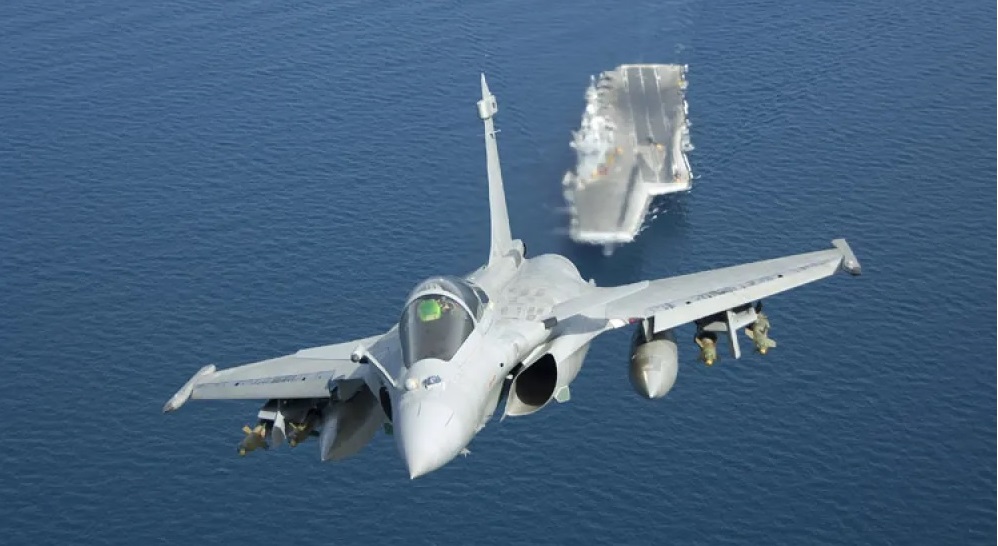
India
The Indian Navy's future fleet of Rafale Marine jets is about to receive a significant upgrade, as they are set to be equipped with advanced air-to-air missiles that will elevate their combat potential. This move involves the integration of two high-tech missile systems: the European Meteor missile and India’s homegrown Astra Mk1A. As the deal for 26 Rafale Marine (Rafale M) jets inches closer to finalization, this missile enhancement is poised to give the Indian Navy an unprecedented edge in aerial warfare.The inclusion of the **Meteor missile** is a game-changer for the Indian Navy. Manufactured by European defense giant MBDA, the Meteor is recognized as one of the most advanced beyond-visual-range air-to-air missiles (BVRAAM) in the world. With a range exceeding 150 kilometers, it allows fighter jets to engage enemy aircraft long before they come into sight. What sets the Meteor apart is its **ramjet engine**, which allows it to maintain high speeds (up to Mach 4) throughout its flight, giving it more time and flexibility to lock onto high-speed, agile targets. This missile is equipped with an **active radar seeker**, which ensures precision in tracking and striking enemy aircraft, even in complex combat environments. The Meteor is widely praised for its “no-escape zone,” a large engagement area where the target has very little chance of evading the missile once fired.On the other hand, the **Astra Mk1A**, developed by India’s Defence Research and Development Organisation (DRDO), is a perfect complement to the Meteor. Although the Astra Mk1A has a slightly shorter range of about 105 kilometers, it is specifically designed to meet India's unique air combat needs. The Astra Mk1A is equipped with **active radar homing** technology and is capable of high-speed engagements, making it a lethal weapon for neutralizing enemy aircraft in the region. The missile’s compact size and lighter weight compared to the Meteor make it suitable for operations that demand quick, agile responses. Furthermore, its **midcourse guidance system**, combined with a data link from the launch platform, allows it to adjust mid-flight and better track its target in real-time. The acquisition of both Meteor and Astra Mk1A missiles not only arms the Rafale M jets with long-range offensive capabilities but also gives the Indian Navy a strong defensive posture. The combination of these two systems will provide flexibility in mission planning, with the Meteor suited for longer-range engagements and the Astra Mk1A optimized for medium-range dogfights. This dual capability is crucial for a maritime force like the Indian Navy, where securing air dominance over vast stretches of ocean is vital for safeguarding maritime interests.The deal for **26 Rafale M jets**, expected to be finalized by the end of the year, will significantly bolster the Indian Navy's air wing. The Rafale Marine has already proven its effectiveness in naval operations, and this new missile upgrade will further enhance its strike capabilities in various scenarios, from air defense to offensive operations over the open sea. For India, this move underscores its commitment to building a modern, self-reliant defense force, while also ensuring that its naval fleet is ready for any emerging challenges in the region.This acquisition is part of a larger push by India to modernize its defense forces and assert its naval presence, especially in the Indian Ocean, where strategic control is becoming increasingly important. With the integration of these sophisticated air-to-air missiles, the Indian Navy will have some of the most advanced maritime fighter jets in the world, capable of projecting power far beyond India's coastlines. The Meteor and Astra Mk1A, together with the Rafale M jets, will undoubtedly form a formidable combination, ensuring India's maritime security for years to come.
Read More → Posted on 2024-10-06 15:19:29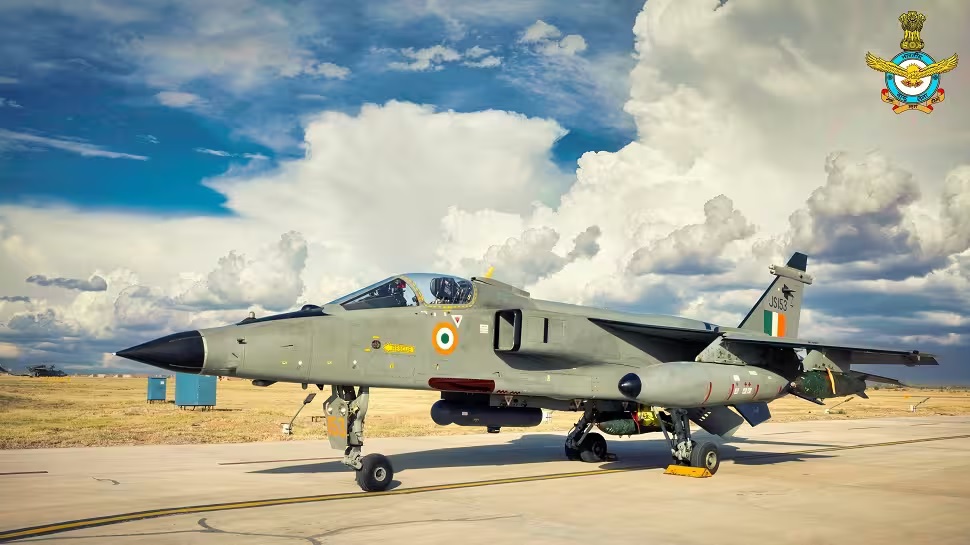
India
In a significant move to bolster India’s self-reliance in defense, the Indian Air Force (IAF), led by Air Chief Marshal Amar Preet Singh, has outlined a preference for what’s being termed the "Jaguar model" in its upcoming Multi-Role Fighter Aircraft (MRFA) tender. This approach, emphasizing autonomy in upgrading and weapon integration, reflects India’s ambition to reduce its dependency on foreign defense contractors and enhance its indigenous capabilities.The MRFA tender aims to acquire 114 advanced fighter jets to modernize the IAF's aging fleet. But beyond simply purchasing new aircraft, the IAF’s focus on the "Jaguar model" suggests a deeper strategy of technological independence. This model is inspired by the IAF’s experience with its SEPECAT Jaguar fleet, which has been continually modernized over the years with significant indigenous upgrades. By doing so, the IAF has successfully extended the life and capabilities of its Jaguars without relying heavily on the original equipment manufacturers (OEMs).### The "Jaguar Model" in ActionThe SEPECAT Jaguar, which entered IAF service in the late 1970s, was initially seen as a ground attack aircraft with limited flexibility. However, over the decades, the IAF, through its Aircraft and Systems Testing Establishment (ASTE), took control of the aircraft's evolution. A major breakthrough came with the Darin-I and Darin-II upgrades, which significantly improved avionics and mission capabilities. The most notable advancement came with the Darin-III upgrade, which transformed the Jaguar into a cutting-edge combat aircraft. This upgrade included the integration of an Active Electronically Scanned Array (AESA) radar, a highly advanced technology, marking the first time such a system was fitted on a legacy fighter. The Darin-III also incorporated indigenously developed mission computers and weapon systems such as the Advanced Short Range Air-to-Air Missile (ASRAAM) and Israel's Rampage air-to-surface missile. These upgrades were carried out without the involvement of the OEM, showcasing India’s ability to independently enhance its military hardware.### Implications for MRFA TenderBy invoking the "Jaguar model" for the MRFA, the IAF is signaling its desire for similar flexibility and control over the new fighter jets. The primary demand from the IAF is access to the aircraft’s source codes and system integration capabilities, particularly for mission computers, radar systems, and weaponry. This level of access would enable India to upgrade and modify the aircraft domestically in the future, aligning with the country’s “Aatmanirbhar Bharat” (Self-Reliant India) initiative.For global manufacturers, this presents a challenging proposition. Traditionally, defense contractors maintain control over post-sale upgrades and provide long-term service contracts, which are key revenue streams. However, by seeking greater control over the lifecycle management of its aircraft, the IAF could reduce the role of OEMs in future modernization efforts. This approach may force manufacturers to rethink their traditional business models if they wish to remain competitive in the Indian market.### A Shift in Defense StrategyThe MRFA competition has attracted bids from major global defense companies, including Lockheed Martin with its F-21, Boeing with the F/A-18 Super Hornet, Dassault Aviation’s Rafale, Saab’s Gripen, and the Eurofighter Typhoon. While each of these aircraft brings advanced capabilities to the table, the IAF’s demand for autonomy will likely narrow the field of contenders.The IAF's insistence on autonomy in upgrades represents a shift in India’s broader defense acquisition strategy. In the past, India was largely dependent on foreign suppliers for not only aircraft but also for upgrades and maintenance. By internalizing these processes, India aims to not only reduce costs but also ensure that its defense capabilities remain unaffected by external geopolitical factors. For instance, during times of conflict or diplomatic strain, reliance on foreign suppliers for critical upgrades or parts can lead to vulnerabilities in the supply chain.### What Lies AheadThe MRFA tender is critical for the IAF’s future combat readiness, and the “Jaguar model” approach could redefine how India procures and maintains its fighter jets. For the global aircraft manufacturers vying for the contract, this new approach will likely require significant flexibility and willingness to transfer advanced technology to India. Some OEMs may find this level of technological sharing difficult, while others may view it as an opportunity to secure a long-term relationship with one of the world’s largest military forces.As the competition heats up, the IAF’s push for self-reliance will likely continue shaping the defense sector, both in India and globally. Whether through the MRFA tender or future acquisitions, the emphasis on autonomy and indigenous upgrades signals that India’s defense strategy is evolving in line with its ambitions to become a major global military power.
Read More → Posted on 2024-10-06 15:11:32
India
The Indian Air Force (IAF) is gearing up to receive the last two squadrons of the highly advanced S-400 Triumf air defense missile systems from Russia by 2025. This update was confirmed by Air Chief Marshal AP Singh, signaling a crucial step in strengthening India's air defense capabilities. Although initially delayed due to the ongoing conflict in Ukraine and logistical challenges, the remaining units are now expected to arrive within the next year.A Game-Changer in Air DefenseThe S-400 Triumf, a product of Russian technology, is considered one of the world’s most advanced air defense systems. It is equipped to handle a range of aerial threats, from fighter jets and drones to ballistic and cruise missiles, providing multi-layered protection. What makes the S-400 so formidable is its extensive range and accuracy. It can engage targets up to 400 kilometers away and at altitudes of up to 30 kilometers, creating a protective umbrella for the airspace it defends.This system employs different types of missiles to address various kinds of threats. For instance, it has the long-range 40N6E missile, medium-range 48N6, and the shorter-range 9M96E missiles, each suited for engaging different types of targets at varying distances and speeds. Such versatility ensures that the S-400 is a significant asset, capable of neutralizing complex threats even before they enter critical zones.The Deal and DelaysIndia inked the $5.5 billion (approximately Rs 35,000 crore) deal with Russia for five S-400 squadrons back in October 2018. The acquisition was part of India's broader defense modernization plan, aimed at strengthening its ability to counter growing security challenges, especially in the context of its borders with China and Pakistan.Three of the five squadrons have already been delivered and are operational, primarily deployed along the country's northern and western borders. The first squadron was fully operational by December 2021, playing a critical role in safeguarding Indian airspace.However, the delivery of the remaining two squadrons has been slowed by a combination of factors, most notably the Ukraine war. With Russian defense manufacturers shifting their focus toward meeting domestic demands spurred by the conflict, the production and export schedules were disrupted. Additionally, there were supply chain issues and challenges in the transportation of this complex system, which comprises radar units, missile launchers, command centers, and auxiliary equipment—all of which need to work together seamlessly for the system to be operational.Payment and Logistics ResolvedWhile there were initial concerns about payment issues between India and Russia, these were swiftly resolved. The IAF Chief recently stated that consistent diplomatic and technical engagement between India and Russia has ensured that the delivery process is back on track.India has been in continuous discussions with Moscow to expedite the process, given the importance of these systems in light of escalating regional threats. Once all five squadrons are in place, India's air defense infrastructure will become significantly more robust, enhancing its ability to monitor and engage multiple aerial threats simultaneously.Why the S-400 MattersThe S-400 is a key component in India's defense strategy, providing a critical shield against evolving threats in the region. The system’s phased array radar can track up to 300 targets and engage 36 of them simultaneously, giving the IAF a massive leap in its tracking and engagement capabilities. Additionally, the S-400's integration with other defense systems in India, such as the indigenous Akash missile system, will create a layered and effective air defense network.The strategic placement of these systems along India’s borders will be essential in deterring hostile actions from adversaries, particularly as regional tensions remain high. The S-400’s presence also serves as a strong signal of India’s growing military partnership with Russia, despite global geopolitical pressures.Looking AheadWith the final two squadrons arriving by 2025, India is on the verge of completing one of the most important acquisitions in its modern military history. Once fully operational, the S-400 will significantly bolster the country’s aerial defenses, creating a more secure airspace and reinforcing India's position as a regional power with formidable defense capabilities.This acquisition not only enhances India's military preparedness but also represents a broader effort to modernize its defense forces to face new-age challenges. By the time the last units are delivered, the Indian Air Force will be equipped with one of the most sophisticated air defense systems in the world, a critical step toward securing India's national security interests.
Read More → Posted on 2024-10-05 15:26:07
India
In a significant milestone for India's defense capabilities, the Defence Research and Development Organisation (DRDO) successfully carried out flight tests of the 4th Generation Very Short Range Air Defence System (VSHORADS) missile at the Pokhran firing ranges in Jaisalmer, Rajasthan. The tests, which took place over the course of several days, mark a critical step forward in enhancing India's indigenous air defense technology, addressing the nation’s need for modern systems to counter aerial threats.What is VSHORADS?The VSHORADS (Very Short Range Air Defence System) missile is designed to provide a last line of defense against enemy aircraft, helicopters, drones, and other airborne threats. The 4th generation iteration of this system, developed by DRDO, represents a significant technological upgrade from the previous versions. It is a compact, highly mobile missile system intended for quick deployment on the battlefield.One of the key features of the VSHORADS missile is its portability. Designed to be easily carried by troops, it can be launched from shoulder-fired systems or mounted on light vehicles. This adaptability makes it ideal for fast-moving and dynamic combat environments, providing flexibility for ground forces to respond swiftly to aerial threats.Advanced Features of the 4th Gen VSHORADS MissileThis 4th generation system comes packed with advanced features, which position it as one of the most sophisticated air defense systems developed indigenously by India. A few key specifications include:1. Infrared Homing Technology: The VSHORADS missile uses a highly sensitive infrared seeker to detect and lock onto its target, enabling it to track and engage aircraft or drones with precision, even in low-visibility conditions such as fog or night operations. 2. Quick Reaction Capability: Designed to detect, track, and neutralize threats in seconds, this missile system is highly responsive. It can engage targets in close range, typically within 6 to 8 kilometers, providing crucial protection against fast-approaching enemy aircraft or missiles.3. Miniaturized Electronics: The missile incorporates miniaturized electronic components, making it lightweight and easy to handle. This reduction in size, without compromising power, allows for greater mobility and ease of use by ground forces.4. Dual-Mode Targeting System: Equipped with both passive and active modes of tracking, the missile can target low-altitude aerial threats such as helicopters or drones, and also track high-speed jets effectively. This dual-mode tracking gives it an edge over previous generation systems.5. All-Weather Capability: The missile system has been designed to operate efficiently in diverse weather conditions, including extreme heat or cold, making it versatile and reliable in a range of operational environments, from deserts to high-altitude regions.The Significance of the TestThe recent tests at Pokhran were part of the developmental trials that are necessary before the system enters full-scale production. Defence Minister Rajnath Singh congratulated the DRDO, the Indian Army, and the private industry partners involved in the project, highlighting the importance of the system in bolstering India’s defense capabilities. He emphasized that this advanced missile system will provide a technological edge to the armed forces, particularly in countering modern aerial threats, such as advanced fighter jets, unmanned aerial vehicles (UAVs), and cruise missiles.For years, India’s armed forces have relied heavily on the Russian-made Igla missiles to address short-range aerial defense requirements. However, the need to modernize and indigenize has been long felt, especially in the context of rapidly evolving aerial warfare tactics and technologies. The VSHORADS missile, developed entirely in India, addresses these concerns by offering a state-of-the-art alternative to the older Igla systems, with enhanced capabilities.Strategic ImportanceIndia’s push for self-reliance in defense, under the "Make in India" initiative, has been significantly bolstered by the development of the VSHORADS missile. The successful test firing comes at a time when India is focusing on enhancing its indigenous defense production, reducing dependence on foreign imports, and equipping its military with cutting-edge technology to protect against a range of threats.The missile's development also reflects India's understanding of the changing nature of warfare, where unmanned systems, advanced fighter jets, and even hypersonic missiles pose new challenges. In such a scenario, systems like the VSHORADS provide a crucial layer of defense, ensuring that the country can defend its airspace at close ranges with precision and reliability.The successful flight tests of the 4th Gen VSHORADS missile by DRDO mark a key achievement in India's defense modernization efforts. This indigenous system will enhance the capabilities of India's armed forces, offering a modern, reliable, and mobile solution for tackling emerging aerial threats. As the missile undergoes further trials and prepares for full-scale deployment, it signifies another step forward in India’s journey towards self-reliance in defense technology and strengthening its overall strategic deterrence.This development not only reinforces India’s military strength but also underlines the importance of indigenous technological advancements in safeguarding national security in an ever-evolving global defense landscape.
Read More → Posted on 2024-10-05 15:22:29
India
India’s growing military confidence was underscored recently when Air Chief Marshal AP Singh, the newly appointed Chief of Air Staff, made a bold statement about the country's air defense capabilities. According to Singh, the Indian Air Force (IAF) possesses advanced air defense systems that surpass Israel’s famed Iron Dome, but he emphasized that the sheer number of these systems needs to be increased to handle large-scale missile attacks effectively.India’s Indigenous Defense CapabilitiesIn a press conference, Air Chief Marshal Singh outlined the IAF’s modernization efforts, with a particular focus on fortifying the country’s air defense and missile interception capabilities. India has made significant strides in developing home-grown defense technologies over the past decades, and this effort is now bearing fruit. Systems like the Akash and the Akash NG (Next Generation) missiles are prime examples of this achievement.The Akash missile system, developed by the Defence Research and Development Organisation (DRDO), is a medium-range surface-to-air missile designed to neutralize aerial threats. Capable of engaging multiple targets simultaneously, it forms the backbone of India's layered air defense. The Akash NG, which Singh confirmed is nearing induction into service, improves on the original with greater range and accuracy, making it better suited to engage modern threats like drones, cruise missiles, and advanced aircraft.Why More Systems Are NeededDespite these advancements, Singh cautioned that the current inventory of such systems is not sufficient to deal with saturation missile attacks — those involving a large number of incoming missiles or drones at once. Such attacks overwhelm a defense system's ability to intercept all targets, which is precisely why Israel developed its Iron Dome. The Iron Dome is lauded for intercepting short-range projectiles with a high success rate. However, Singh was clear that India doesn't need to adopt Israel’s system because it already has more advanced alternatives.India’s defense planners have long recognized the need to build indigenous solutions that can handle the full spectrum of missile and aerial threats, from drones to ballistic missiles. The Ballistic Missile Defense (BMD) shield, another key element of India’s defense strategy, is a two-tiered system designed to intercept ballistic missiles at both high and low altitudes. Capable of targeting missiles both within (endo-atmospheric) and outside (exo-atmospheric) the atmosphere, the BMD system aims to provide full-spectrum defense against incoming missile threats. This two-layered approach ensures that even complex, multi-pronged attacks can be handled more effectively.Akash NG and BeyondWhile India already fields a significant number of Akash missile systems, Singh stressed that more units of the Akash NG variant are needed to enhance the country’s defense posture. The Akash NG, which is expected to join the IAF arsenal soon, offers extended range (around 70-80 kilometers), faster reaction time, and enhanced target engagement capabilities. It is designed to neutralize more sophisticated threats, a necessity in today’s increasingly complex battlefield environments.Self-Reliance and Strategic ImplicationsIndia's reliance on indigenous defense technologies has clear strategic advantages. By reducing dependency on foreign weaponry, the country gains more control over its defense posture and reduces potential vulnerabilities in supply chains. Moreover, the development of indigenous systems like Akash and BMD allows for customization according to specific national security needs.The modernization efforts of the IAF reflect a broader trend within India's defense strategy — focusing on self-reliance or "Atmanirbhar Bharat." Not only is this policy aimed at bolstering India's domestic defense industry, but it also helps India emerge as a potential exporter of defense technology.Air Chief Marshal Singh’s assertion that India has more capable air defense systems than the Iron Dome reflects the significant technological progress made by the country in recent years. However, Singh’s emphasis on the need to increase the number of these systems serves as a reminder that while the technology is world-class, scaling it up remains a priority. India is well-positioned to meet the challenges of modern warfare, but it will need to continue building on these advancements to ensure that it can respond to any future aerial threat, no matter how complex or saturated.India’s defense sector has made remarkable strides in developing cutting-edge systems, and as these continue to mature, the country will not only bolster its own security but also potentially offer these technologies to the world.
Read More → Posted on 2024-10-05 15:17:42
India
In a renewed effort to strengthen military ties and enhance air capabilities, Russia has offered India an additional 50 Su-30MKI fighter jets to be produced under license. This comes on the heels of India's recent steps toward modernizing its fleet, including the production of new engines for its Su-30MKI aircraft and a deal for 12 new jets. The proposal signals a deepening of the already long-standing defense collaboration between Russia and India, which has seen continuous cooperation on the Su-30MKI program since the early 2000s.A Closer Look at the Su-30MKIThe Su-30MKI is a twin-seat, multi-role fighter aircraft specifically designed by Russia for the Indian Air Force (IAF). Notably, the “MKI” in the designation refers to “Modernizirovannyi Kommercheskiy Indiski,” or “Modernized Commercial for India,” highlighting its customized nature. These fighters boast advanced avionics and weapon systems and are known for their remarkable agility, superior range, and all-weather capabilities. This aircraft, first inducted into the Indian Air Force in 2002, remains one of the most versatile and potent platforms in India's arsenal. With a length of 21.9 meters, a wingspan of 14.7 meters, and a height of 6.4 meters, the Su-30MKI can carry a massive payload, up to 8,000 kg on 12 hardpoints. One of the standout features of the Su-30MKI is its use of thrust vectoring, making it one of the most manoeuvrable fighters in its class. Equipped with two AL-31FP afterburning turbofan engines, each delivering up to 122.58 kN of thrust, the fighter can execute complex aerial manoeuvres with remarkable precision. The plane’s combat radius reaches up to 3,000 km, and with aerial refuelling, it extends significantly, making it an invaluable asset in both defensive and offensive missions.In terms of electronics, the Su-30MKI is fitted with the H011 "Bars" phased-array radar, capable of tracking multiple air and ground targets simultaneously. The aircraft also has an optical location system (IRST) combined with a laser rangefinder, allowing it to engage targets without the use of radar, thus reducing its detectability. Its weaponry is formidable, featuring a combination of air-to-air and air-to-ground missiles, laser-guided bombs, and a 30mm GSh-30-1 autocannon. Notable among its armaments is the Astra air-to-air missile, with an impressive 350 km range, making the Su-30MKI a powerful force in both air superiority and ground attack roles.Expanding India’s Fleet: The Offer of 50 More Su-30MKIsRussia’s offer of 50 more Su-30MKI fighters is an extension of a decades-long partnership between the two nations. As of now, Hindustan Aeronautics Limited (HAL), which has been licensed to assemble these jets since 2000, has produced over 260 Su-30MKI aircraft for the Indian Air Force. The current offer would increase the number of these fighters in India’s fleet and possibly introduce several upgrades.In tandem with the expansion, Russia is also offering a modernization package, suggesting that these new aircraft could incorporate advanced features from the Su-30SM2 variant—an evolution of the Su-30 platform. This would likely include more powerful engines, advanced avionics, and radar systems, bringing them closer in capability to Russia’s Su-35S fighters. Such upgrades could significantly enhance the operational lifespan of the Su-30MKI, extending it into the 2050s.HAL’s New Role: Delivering the Next-Gen EnginesIndia has already taken a big step in self-reliance when it comes to Su-30MKI engines. In September 2024, HAL delivered the first locally produced AL-31FP engine, marking a major milestone in indigenous defense production. This is part of a $3.1 billion contract that mandates the production of 240 such engines over the next eight years. The Sukhoi Engine Division plant in Odisha has been outfitted with cutting-edge technology to manufacture these engines, which will serve as the backbone of India’s Su-30MKI fleet.The production of these engines is crucial not only for India’s current fleet but also for the proposed expansion. Each new Su-30MKI aircraft will likely be fitted with these locally produced engines, ensuring that India can maintain and upgrade its fighters without dependence on foreign suppliers.Strategic Importance: A Regional Power PlayThe offer of 50 more Su-30MKI jets comes at a critical time for India, as it seeks to enhance its air power to counter regional threats. The Su-30MKI has been a backbone of the Indian Air Force, capable of both air dominance and ground attack missions, and has played a key role in several strategic operations. Expanding and modernizing this fleet will allow India to maintain a strong deterrent posture, especially with the growing presence of China and Pakistan in the region.Moreover, India’s involvement in producing components for these fighters makes the collaboration with Russia more than just a buyer-seller relationship. It signifies India’s ambition to become a key player in defense manufacturing, potentially even exporting defense equipment in the future.Russia, on the other hand, benefits from India’s reliable partnership. Despite facing international sanctions, Russia continues to find a significant market in India, particularly for its defense technology. The ongoing cooperation allows Russia to maintain a foothold in one of the world’s largest defense markets.Looking AheadThe potential deal for 50 more Su-30MKI fighters, along with the continued production of engines, signals a robust future for India’s air defense capabilities. As the Su-30MKI remains an integral part of the Indian Air Force’s strategy, its modernization will likely keep it relevant for decades to come.In an era of rapidly evolving defense technologies, the Russia-India Su-30MKI collaboration serves as a prime example of how strategic partnerships can adapt and thrive, benefiting both nations in their pursuit of military readiness and global influence.
Read More → Posted on 2024-10-05 15:09:01
India
The Indian Air Force (IAF) has temporarily grounded its fleet of Dhruv Advanced Light Helicopters (ALH) following an emergency landing in Bihar on October 2, 2024. The helicopter, which was conducting flood relief operations, had to make an unplanned landing in water due to a technical malfunction. The swift actions of the pilot prevented any casualties, but the incident has reignited concerns over the safety of the Dhruv helicopter, an integral part of India's military and humanitarian missions.The Incident and Eyewitness AccountsAccording to reports, the helicopter experienced severe technical difficulties mid-flight, forcing the pilot to land in a river. Local eyewitnesses noted visible cracks in the helicopter’s windows and significant damage to its rotor blades, indicating the gravity of the malfunction. This led to fears of a catastrophic failure, but fortunately, the pilot's decision to perform a precautionary landing averted disaster. Local residents were quick to respond, using boats to rescue the personnel onboard and retrieve the relief supplies from the helicopter.This incident follows another alarming event in September 2024, when a Coast Guard Dhruv helicopter crashed in the Arabian Sea. That accident prompted the Coast Guard to ground its entire ALH fleet for safety checks. The IAF's decision to restrict the Dhruv's operations indicates heightened concerns about the aircraft's airworthiness, despite recent efforts to improve its reliability.Technical and Safety ChallengesThe Dhruv ALH, developed by Hindustan Aeronautics Limited (HAL), is a twin-engine, multi-role helicopter used extensively by the Indian armed forces for both combat and non-combat roles. It is capable of performing a wide range of operations, including troop transport, search and rescue, medical evacuation, and disaster relief.However, the helicopter has faced a series of technical challenges since its induction into the Indian military, with approximately 15 accidents recorded in the past five years. A major issue that has plagued the Dhruv is the booster control rods, critical components in the helicopter's flight control system. The failure of these rods has been linked to several past accidents. To address this, HAL initiated a comprehensive upgrade program, replacing the faulty rods with redesigned steel versions across the entire fleet. These upgrades were completed recently, yet the latest incident suggests that other vulnerabilities may still exist.In response to the Bihar emergency landing, the IAF has imposed restrictions on Dhruv operations, limiting the helicopter to only essential tasks until the cause of the technical failure is determined. A senior IAF official emphasized that this is a precautionary measure and assured that flight operations would resume once safety checks are completed.Broader Implications for the Dhruv ProgramThe Dhruv helicopter plays a vital role in the Indian military’s capabilities, from counter-insurgency operations in conflict zones to humanitarian missions in disaster-stricken areas. Its versatility makes it an invaluable asset, but the recent spate of accidents has raised questions about its long-term reliability.HAL has consistently worked to improve the Dhruv’s safety record, but challenges remain. The helicopter underwent significant design changes in recent years, including the installation of more powerful Shakti engines co-developed with France's Safran, and improvements in avionics and rotor technology. Despite these efforts, incidents like the one in Bihar cast doubt on whether the upgrades are sufficient to fully address the underlying mechanical issues.The Road AheadAs the IAF investigates the latest failure, there is increasing pressure on HAL to ensure that the Dhruv fleet is safe and reliable. While the helicopter remains an essential part of India’s military and disaster relief efforts, further enhancements may be required to restore confidence in its operational safety.For now, the IAF will continue to rely on its Dhruv fleet in a limited capacity, but with close monitoring and additional safety protocols in place. The outcome of the ongoing investigation will likely determine whether the fleet can return to full operational status, or whether more significant modifications will be necessary to ensure that incidents like the Bihar emergency landing become a thing of the past.The future of the Dhruv ALH will depend not only on HAL’s ability to rectify these issues but also on maintaining rigorous safety checks and ensuring that each component is designed and tested for durability in the demanding environments in which these helicopters operate.The grounding of the Dhruv helicopters underscores the importance of safety in military aviation, particularly for platforms as widely used as the Dhruv ALH. While these helicopters have proven their worth in various operations, recurring technical issues highlight the need for continuous monitoring, regular maintenance, and rapid responses to emerging safety concerns. The IAF’s decision to restrict Dhruv flights is a prudent step toward ensuring the safety of its personnel and the effectiveness of its aircraft.As investigations continue, the hope is that the Dhruv helicopters will soon return to the skies, fully equipped to carry out their crucial missions—this time, with the confidence that their safety has been thoroughly addressed.
Read More → Posted on 2024-10-05 15:05:38
India
On the eve of the 92nd Indian Air Force Day, Air Chief Marshal Amar Preet Singh laid out an ambitious roadmap for the future of the Indian Air Force (IAF). Speaking ahead of the celebrations on October 8th, the Air Chief revealed the IAF's long-term vision for 2047, aiming for a fleet that will be entirely homegrown. This is a significant step towards "Atmanirbhar Bharat," or self-reliant India, as the nation seeks to reduce dependency on foreign defense imports and emerge as a leader in indigenous defense technologies.A Vision Beyond ImportsAir Chief Marshal Singh's message was clear: the IAF of 2047 will not merely replace imported equipment but will operate an entirely indigenous inventory, marking a massive leap forward for India's defense capabilities. This future IAF will boast advanced fighter jets, sophisticated unmanned aerial vehicles (UAVs), cutting-edge missiles, and modernized weapon systems—each developed within the country.Currently, India is making steady progress on this front. The Light Combat Aircraft (LCA) Tejas, which has already become a staple of the IAF’s combat fleet, demonstrates the potential of Indian-made military hardware. This success has fueled a larger push towards creating a fully indigenous air force that can meet the challenges of future conflicts.The Stealth Fighter of the Future: AMCAAt the heart of the IAF's Vision 2047 is the Advanced Medium Combat Aircraft (AMCA), a fifth-generation stealth fighter jet that is under development. Once complete, the AMCA will be one of the most technologically advanced aircraft in the world, featuring stealth capabilities, supercruise, and advanced avionics. Air Chief Marshal Singh confirmed that the development of the AMCA is a top priority, with close collaboration between the Defence Research and Development Organisation (DRDO) and private sector firms to ensure its timely induction. The aircraft is expected to feature a twin-engine setup, super-maneuverability, and an internal weapons bay designed to reduce its radar cross-section.The AMCA will replace the older generation of aircraft and allow India to assert its dominance in the skies with technology that rivals, if not surpasses, that of foreign nations.Advanced UAVs and Cutting-Edge WeaponryBut the IAF’s vision for the future doesn't stop at manned aircraft. Unmanned aerial vehicles (UAVs) are also a crucial component of the IAF’s strategy. India is developing advanced UAVs designed for both combat and reconnaissance missions. These UAVs will possess enhanced endurance, artificial intelligence-driven targeting, and advanced sensor suites that allow them to perform in hostile environments without risking human life.On the weapons front, the Astra missile family, a beyond-visual-range air-to-air missile (BVRAAM), is already in service with the IAF. The Astra's indigenous origins signal India’s growing expertise in missile technology. More advanced variants of this missile are currently in the works, aiming to offer even greater range, speed, and accuracy. Additionally, India’s radar systems, air defense platforms, and electronic warfare capabilities are all being developed to modern standards, ensuring that every aspect of the IAF’s operations is equipped with the best technology available.Collaboration and ChallengesThe IAF’s journey toward its Vision 2047 will not be without challenges. Air Chief Marshal Singh acknowledged the need for continued investment in research and development, especially as global supply chain disruptions and technical hurdles pose potential roadblocks. However, he expressed optimism about India's burgeoning defense sector, which includes a growing partnership between public and private enterprises. Companies like Hindustan Aeronautics Limited (HAL), Bharat Electronics Limited (BEL), and private firms like Tata and Larsen & Toubro are playing critical roles in pushing India’s defense technology forward.By 2047, the goal is to see India stand shoulder to shoulder with global powers in aerospace technology. This will require not only advanced aircraft like the AMCA but also world-class supporting infrastructure, skilled human resources, and a robust defense manufacturing ecosystem.A Leap Towards Self-RelianceThe unveiling of the IAF’s Vision 2047 comes at a time when India is increasingly asserting itself as a leader in aerospace and defense. With the success of the Tejas program and the ongoing development of the AMCA and advanced UAVs, the IAF is poised to become a fully indigenous force, capable of addressing future conflicts with state-of-the-art technology.India’s aerospace ambitions are no longer just a vision but a reality in the making, as the country moves toward a future where it is not just a buyer of foreign technology but a producer of world-class military hardware. By 2047, the Indian Air Force plans to dominate the skies with its homegrown fleet, making a clear statement about India's position in global military power.
Read More → Posted on 2024-10-04 16:40:34Search
Top Trending in 24 Hours
-
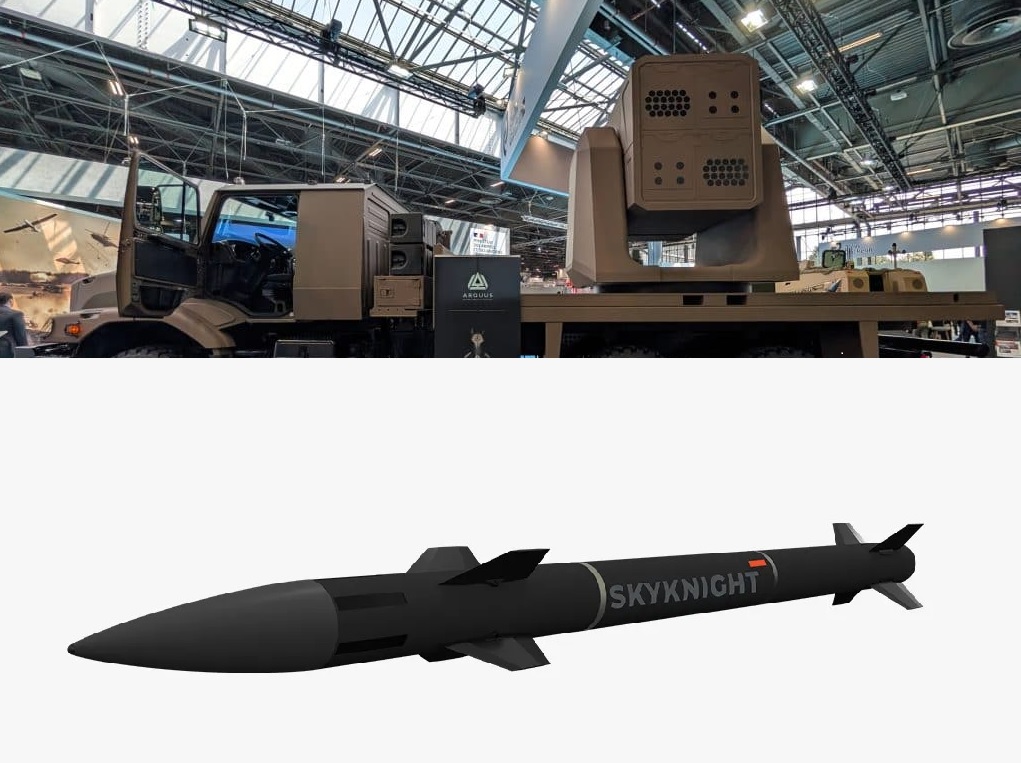 Naval Group Unveils Rampart Modular CIWS Multi-Purpose Weapon System for Naval and Ground Forces at Eurosatory 2026
-
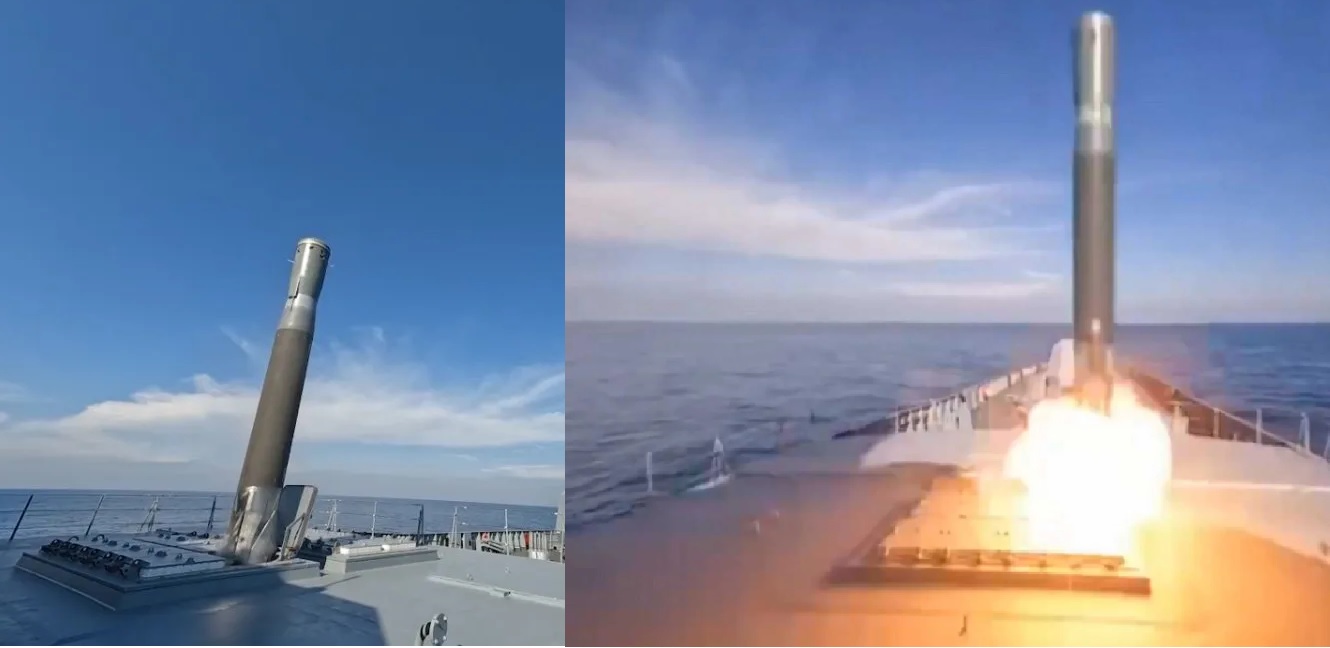 Open-Source Evidence Suggests Russia's Zircon Is a Quasi-Ballistic Missile, Not a True Hypersonic Cruise Weapon
-
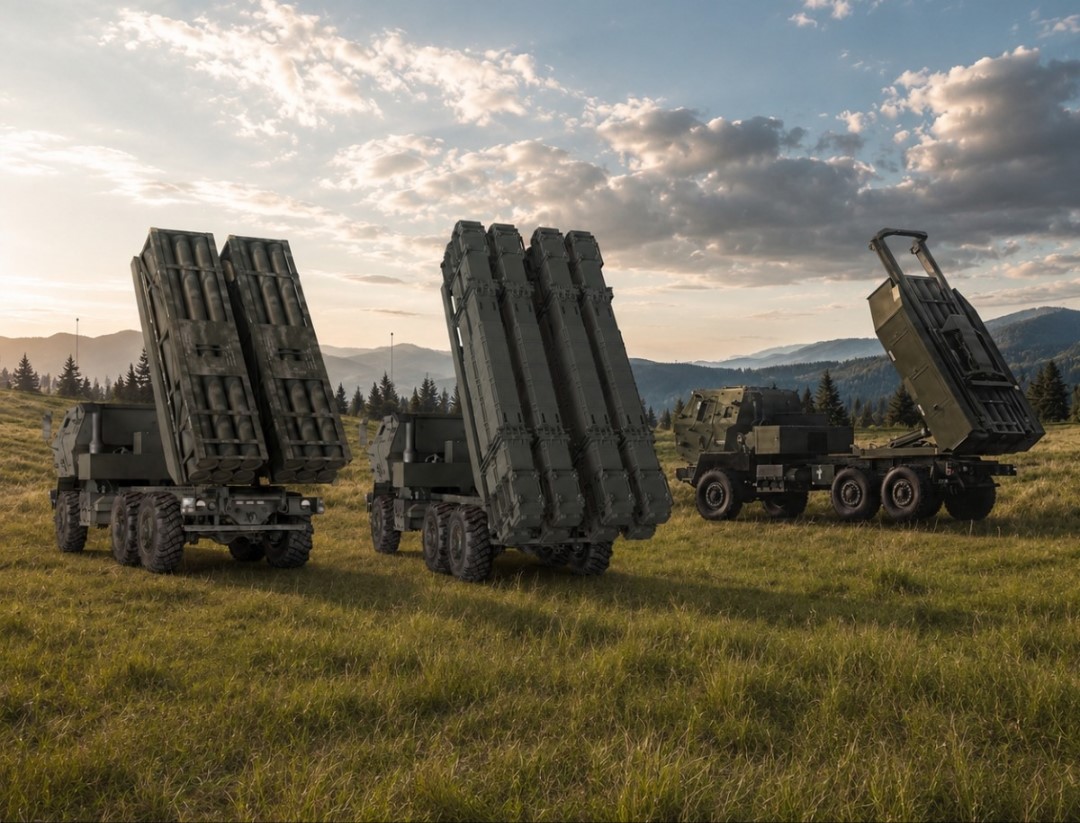 Lockheed Martin Unveils HIMARS FLEX with Dual-Pod Launcher and NATO-Compatible Air Defense Integration
-
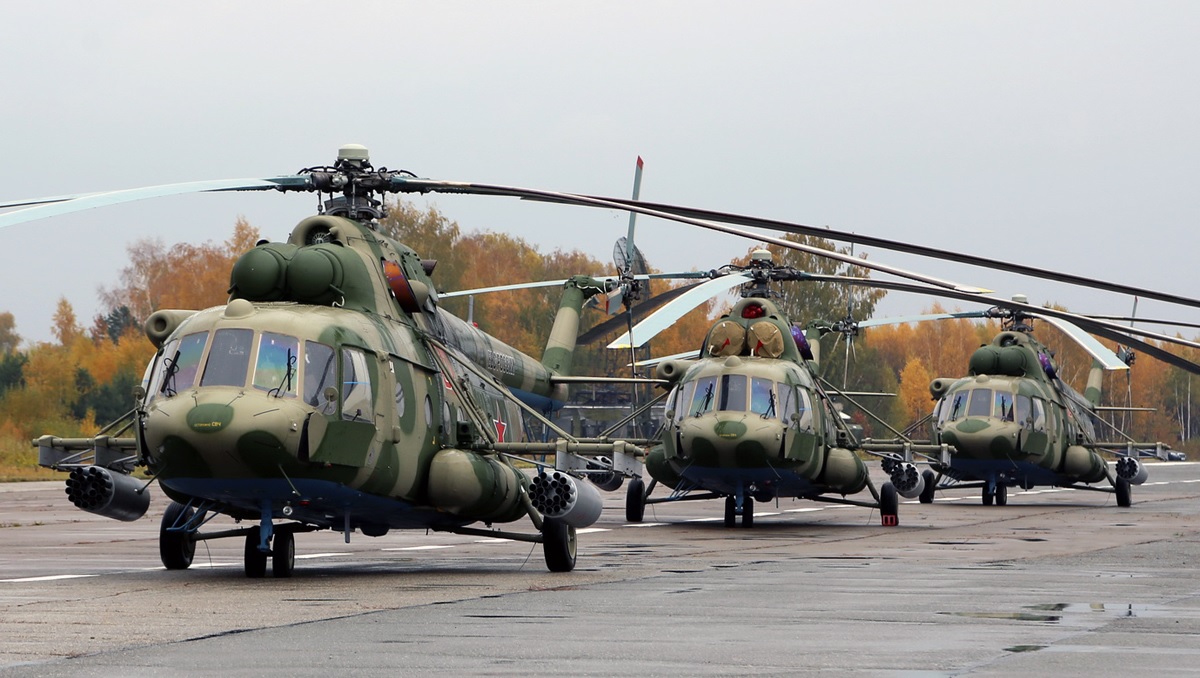 Iran Signs Deal with Russia for 20 Mi-8 and Mi-17 Helicopters to Boost Rescue and Medical Missions
-
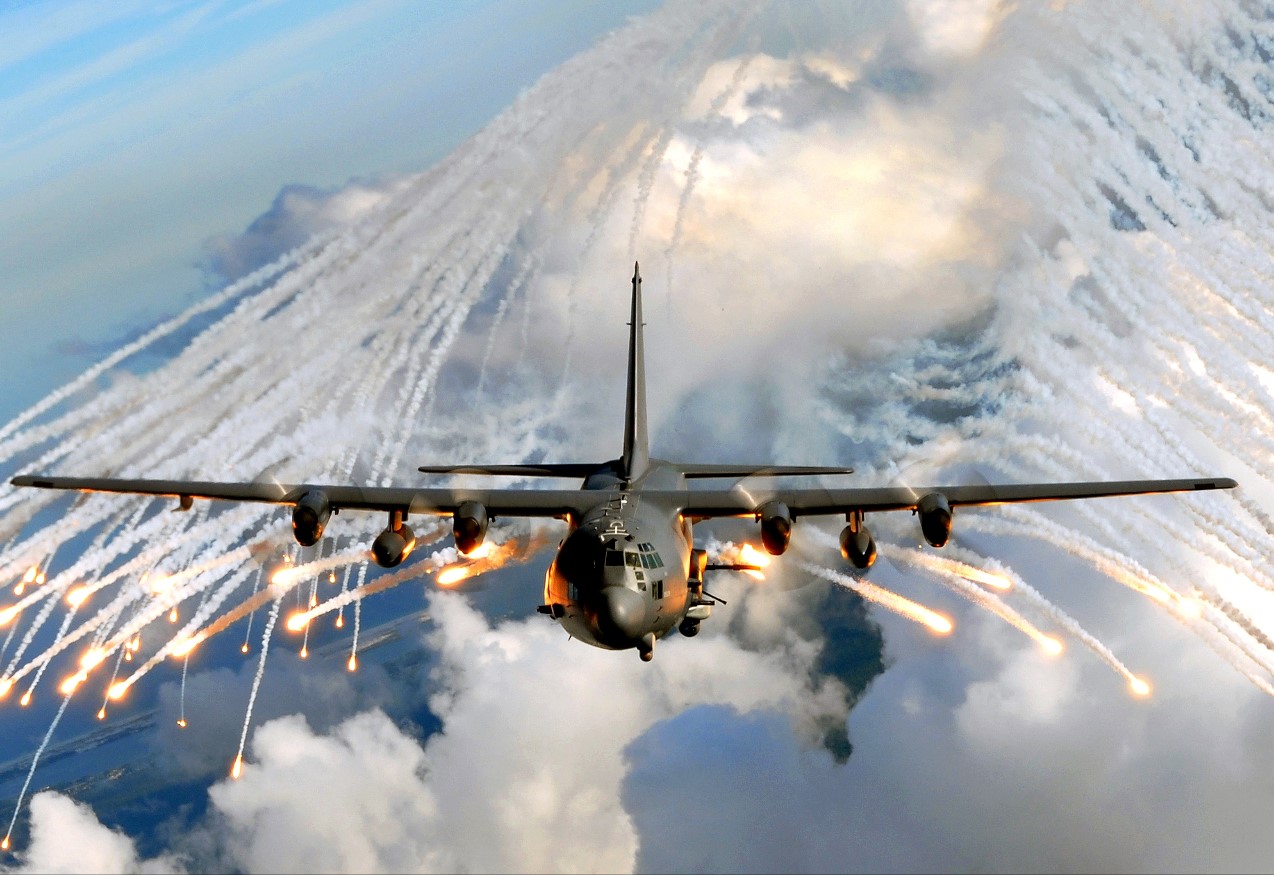 Pentagon Expands Alloy Surfaces Contract to $328.8 Million for Advanced Aircraft Decoy Flares Amid Evolving Drone Threats
-
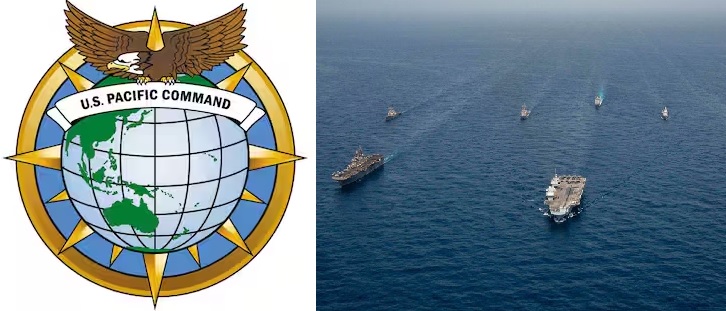 Why the U.S. Restored Pacific Command Name, Ending the Indo-Pacific Designation After Eight Years
-
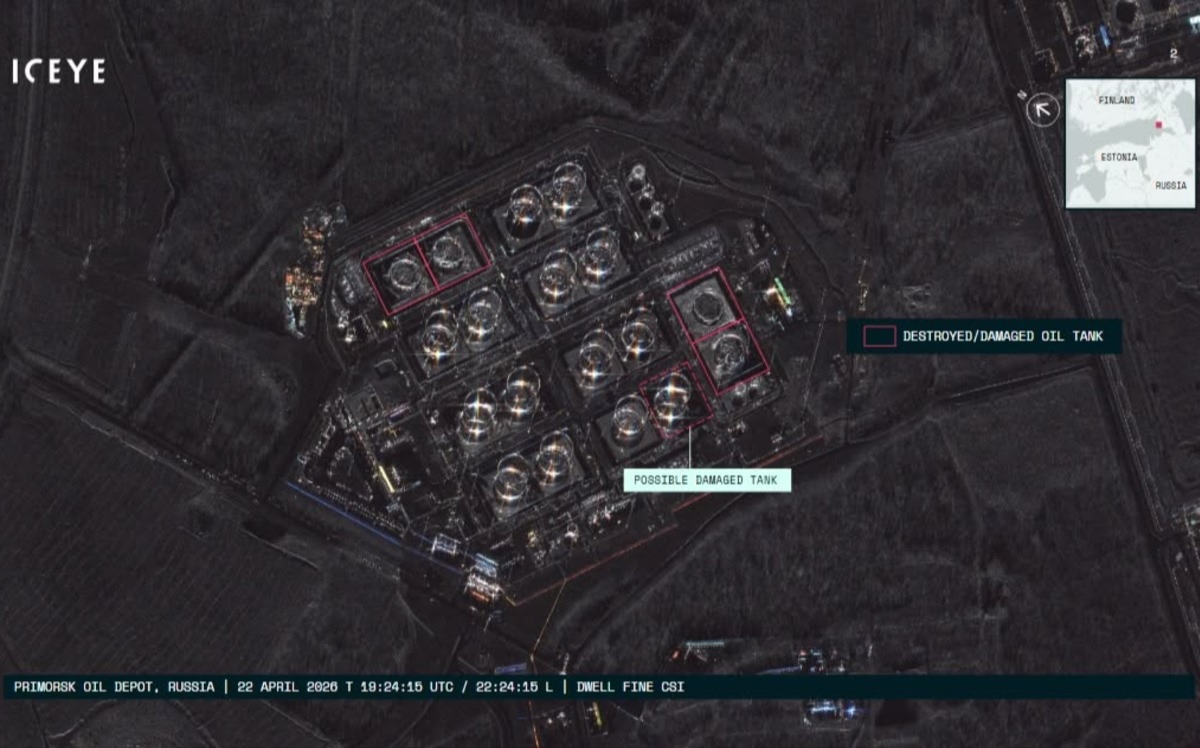 Portugal Doubles Sovereign SAR Satellite Fleet with Order for Two Additional ICEYE Satellites
-
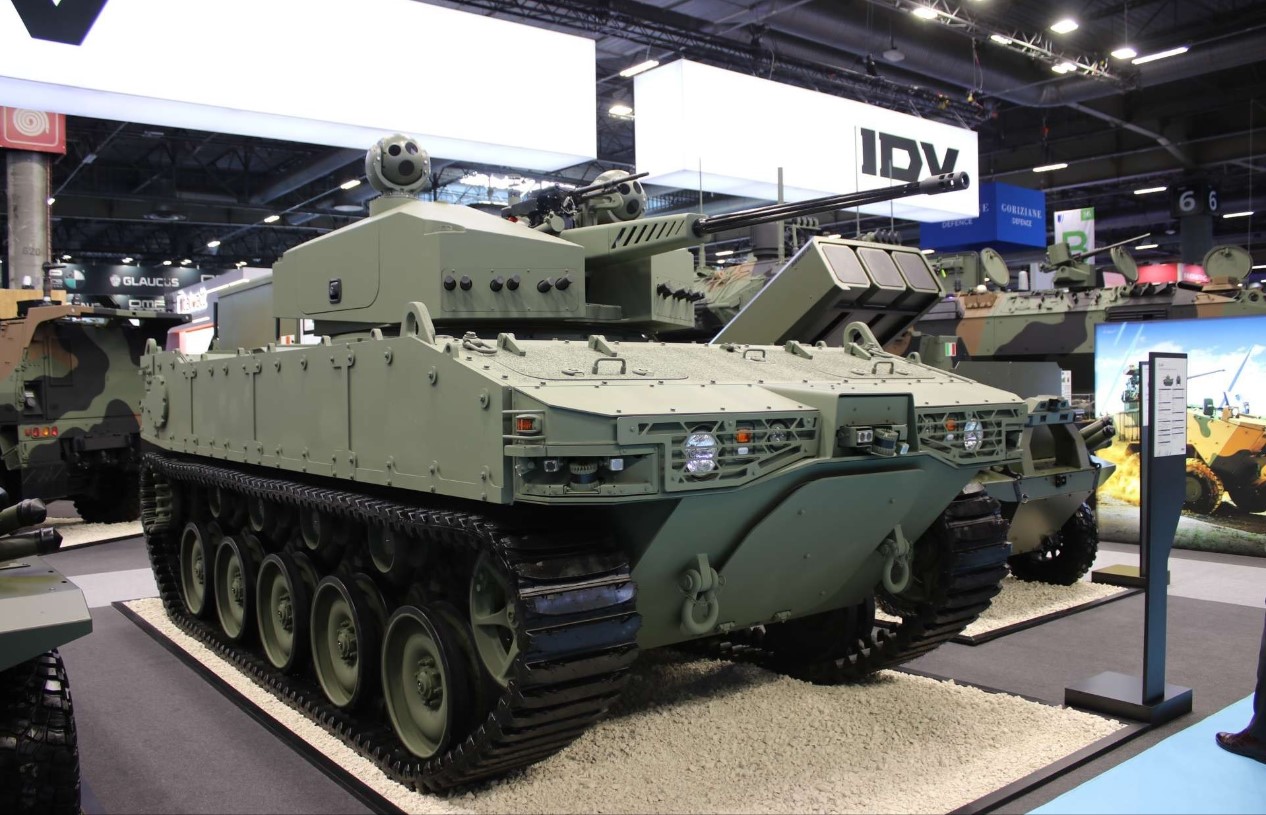 IDV Unveils CL2X Hybrid Uncrewed Light Tank at Eurosatory 2026
Top Trending in 4 Days
-
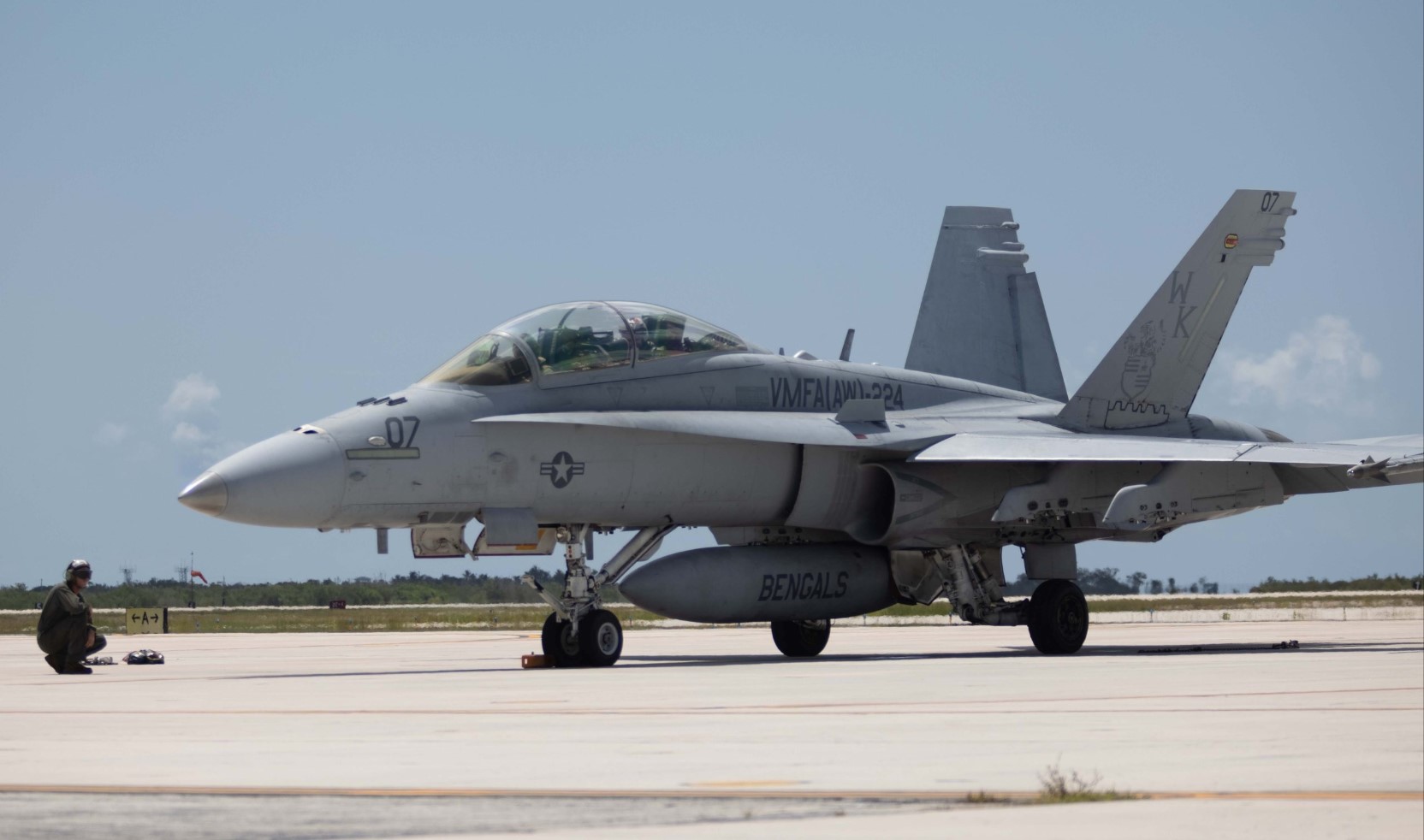 US Marine Corps F/A-18D Hornet Crashes During Training Flight in Washington Mountains; Pilot Ejects Safely
-
 Tulsi Gabbard Releases Declassified Files Detailing U.S.-Backed Network of 120 Biolaboratories Across 30+ Countries
-
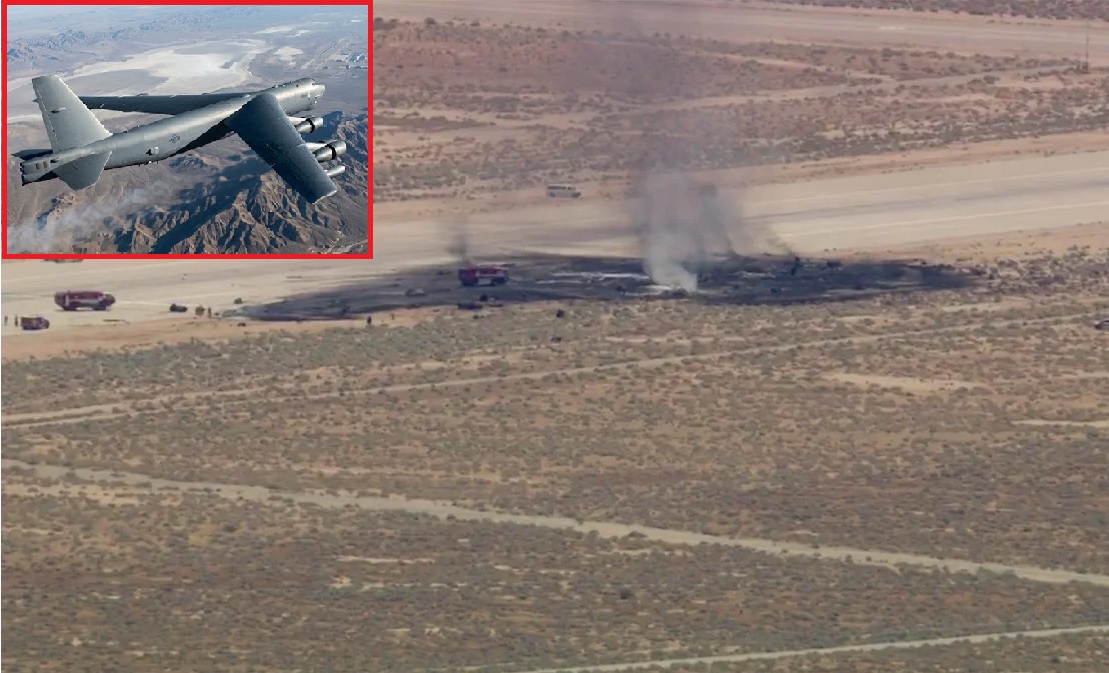 8 U.S. Air Force Crew Members Killed in B-52 Bomber Crash During Test Flight at Edwards Air Force Base
-
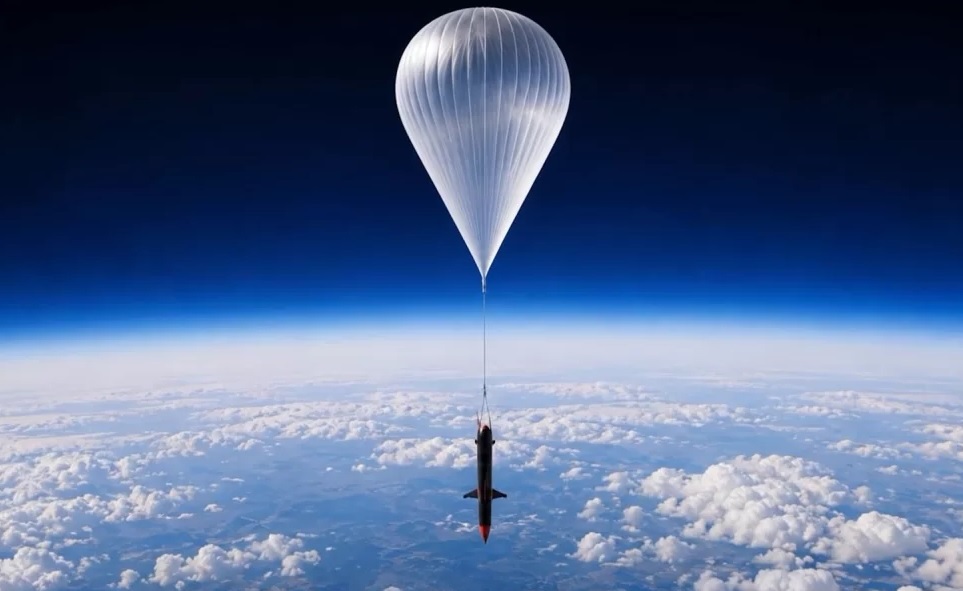 Ukraine Introduces Balloon-Launched DART Missile Designed to Defeat Electronic Warfare
-
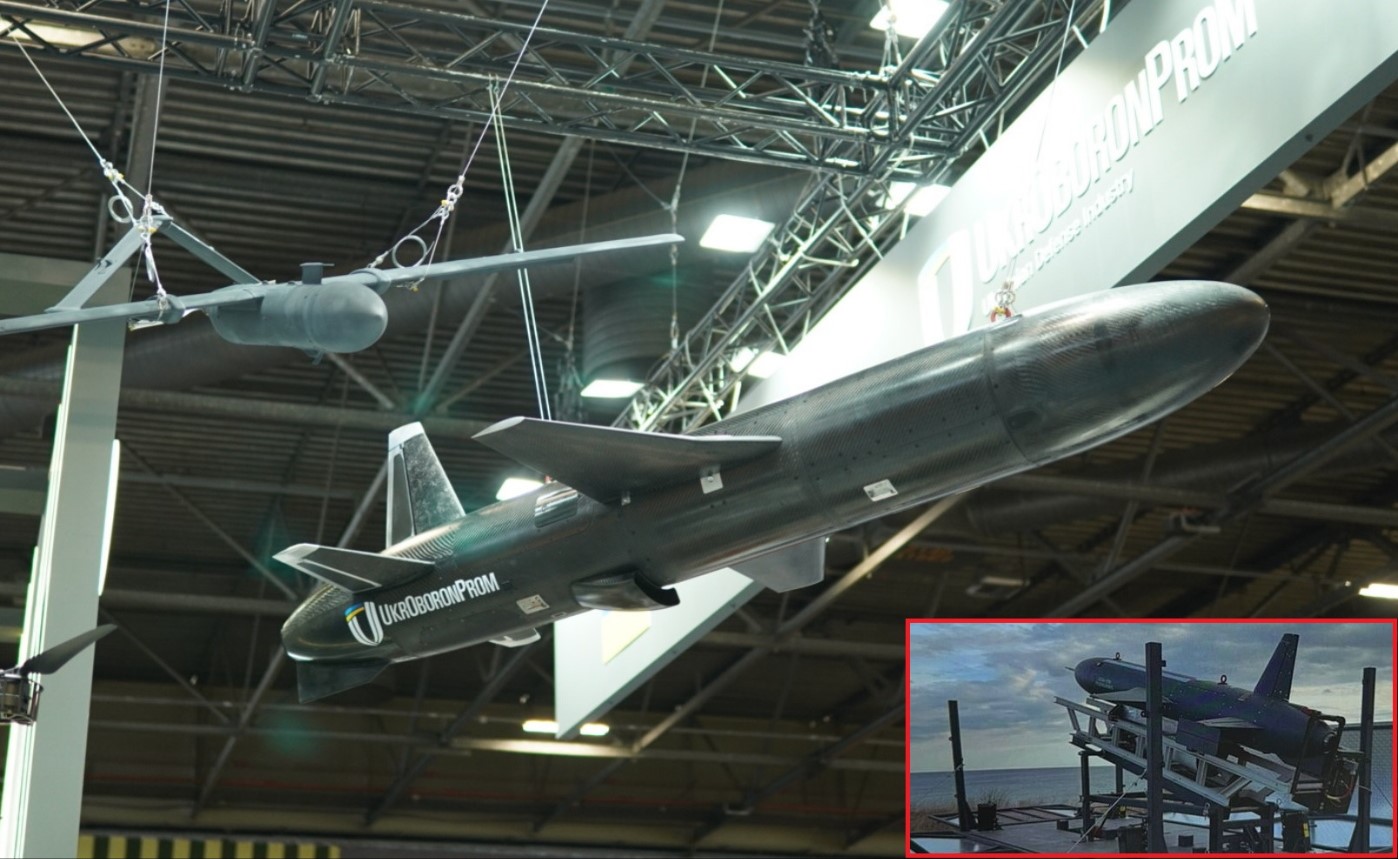 Ukraine Unveils UAV-290 Jet-Powered Strike Drone with 650 km Range at Eurosatory 2026
-
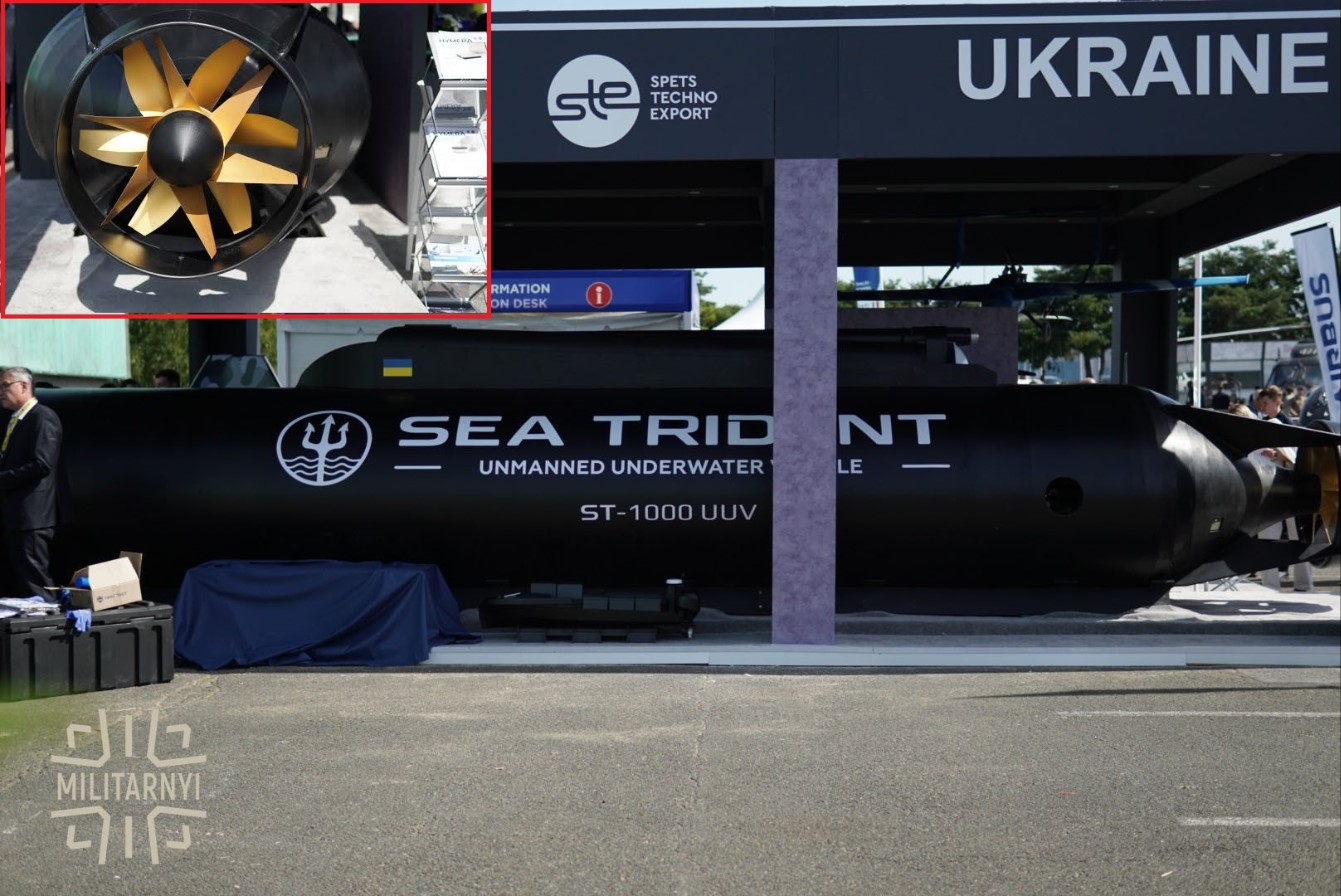 Ukraine Unveils 'Sea Trident' 10-Ton Autonomous Underwater Drone at Eurosatory 2026
-
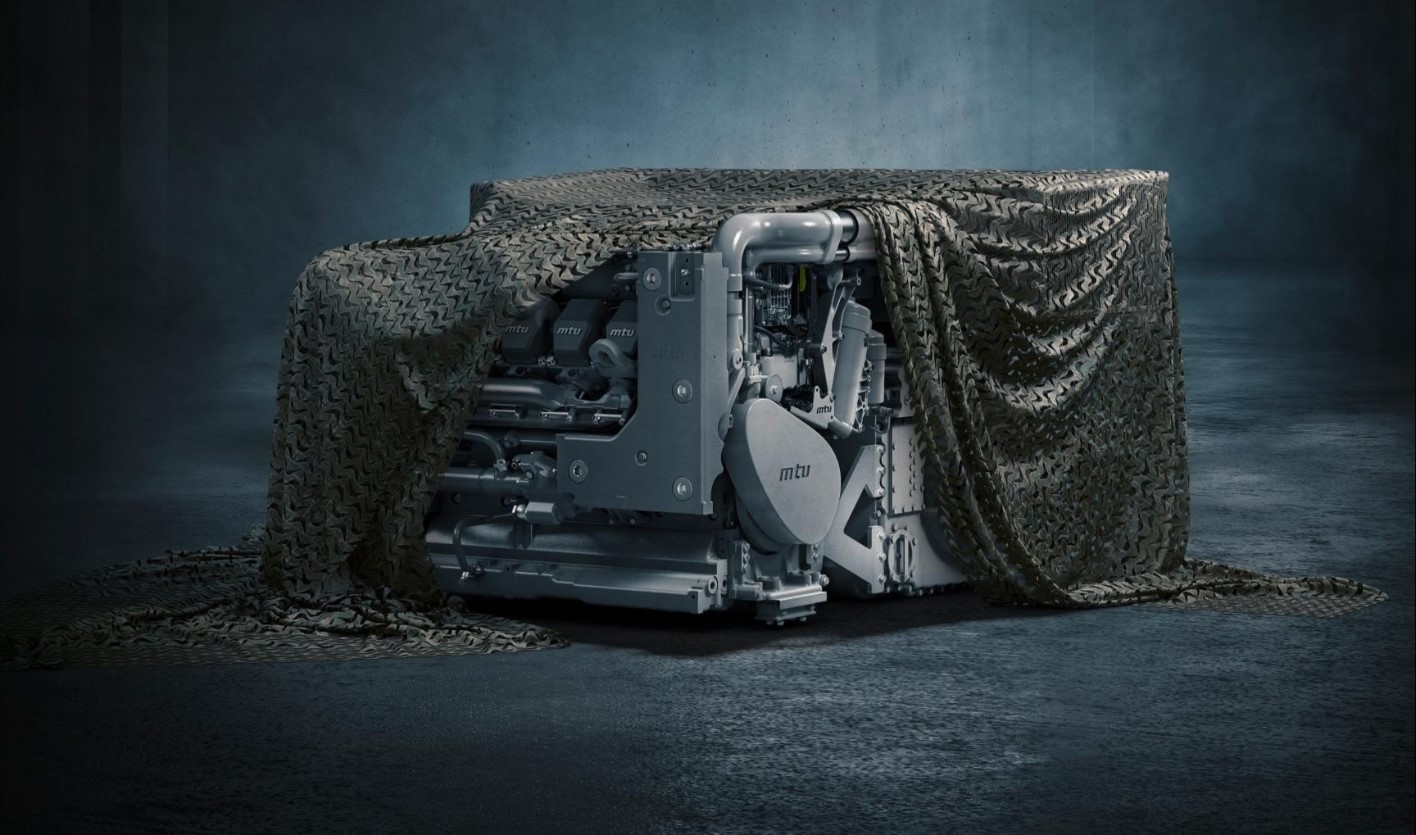 Rolls-Royce Unveils New Hybrid Powertrain for Heavy Military Vehicles at Eurosatory 2026
-
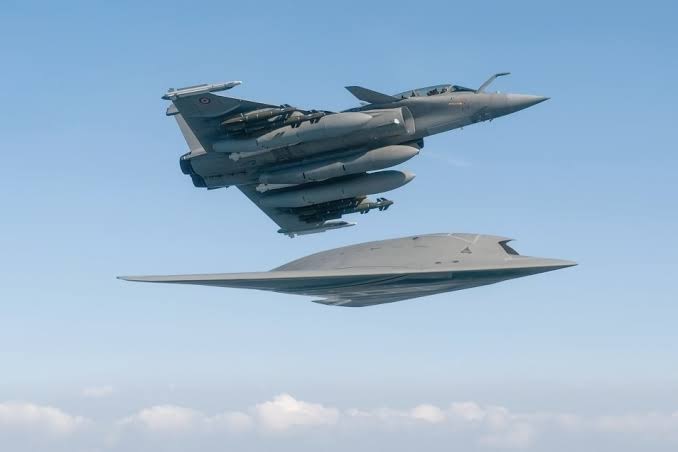 France Agrees to Equip Future Indian Rafales with AI, MUM-T and Secure Satellite Links Under F5 Standard