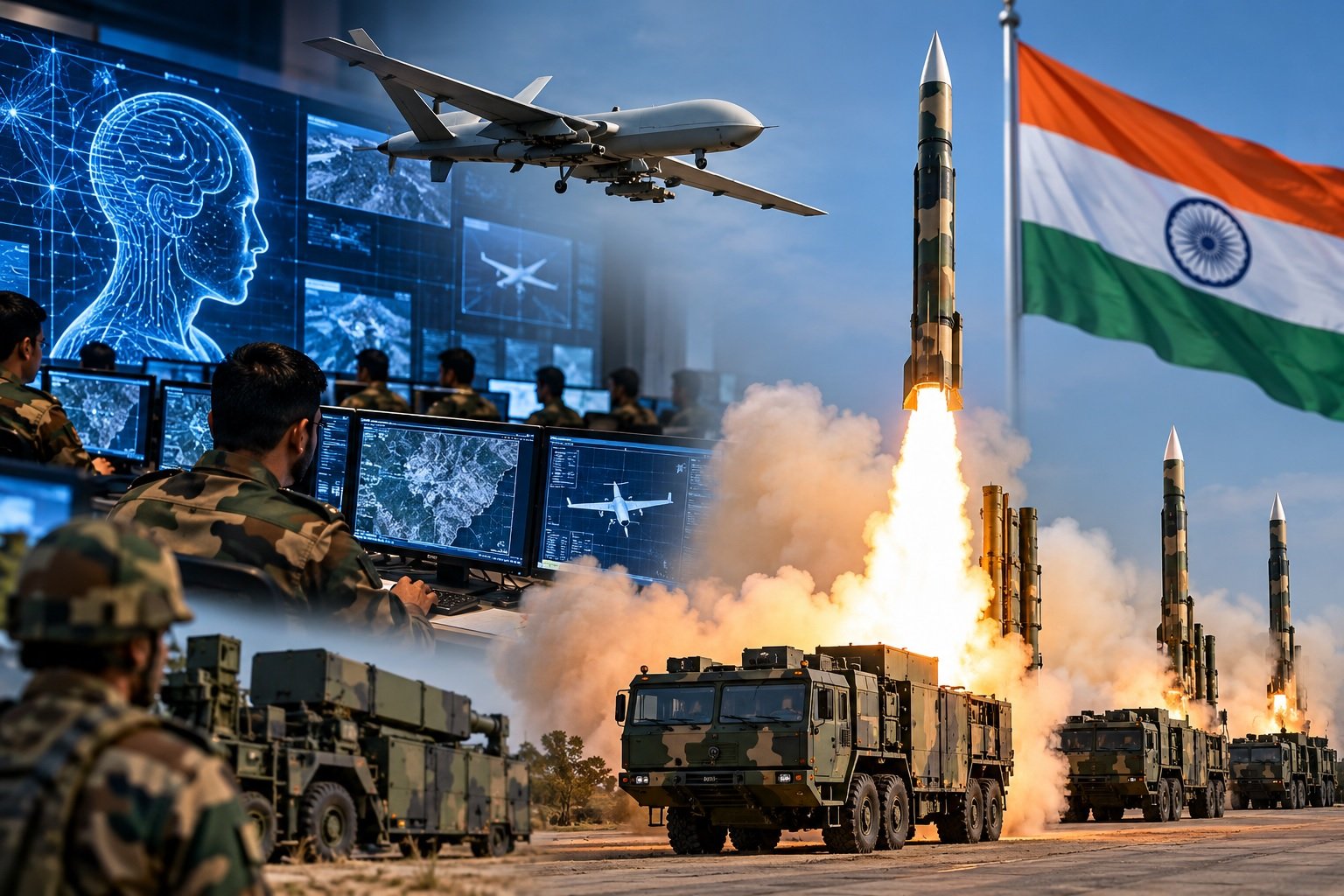
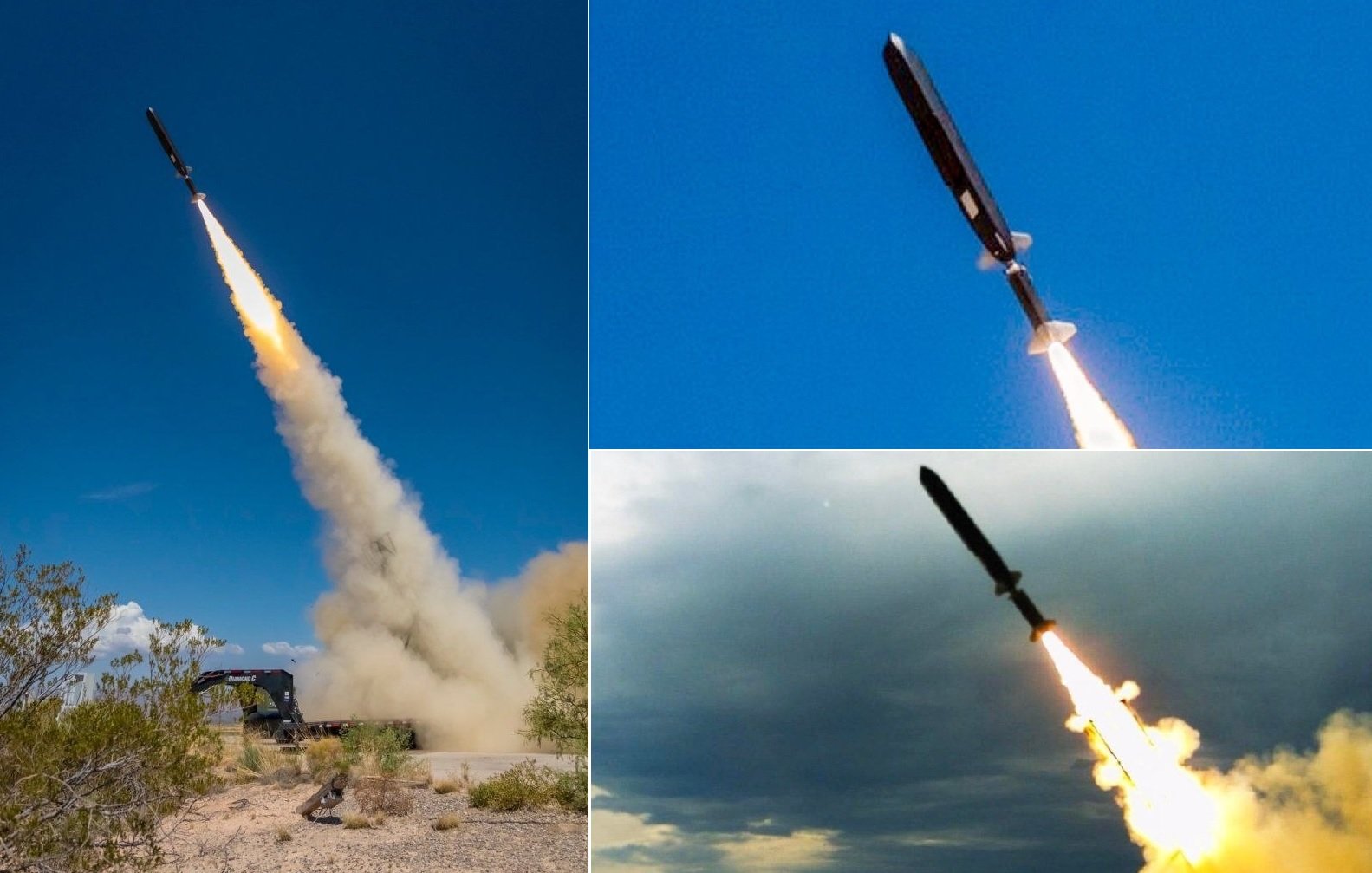
The Indian Army is gearing up for crucial trials of its highly anticipated Guided Pinaka rocket system, which will take place at the Pokhran Firing Range (PFFR) in Rajasthan from October 21st to 31st, 2024. These tests represent a pivotal moment in the ongoing modernization of India’s artillery capabilities, with this indigenously developed weapon system being touted as a key upgrade to the country’s defense arsenal.
The Pinaka rocket system, originally designed in the late 1980s by the Defence Research and Development Organisation (DRDO), has been a reliable asset for the Indian Army, particularly during conflicts like the Kargil War in 1999. However, the upcoming trials will focus on a more advanced version of this system—the Guided Pinaka. Unlike its predecessor, the Guided Pinaka variant is equipped with state-of-the-art precision guidance technology that significantly enhances its accuracy and extends its operational range.
One of the standout features of the Guided Pinaka system is its ability to strike targets with unprecedented accuracy over distances of 75 kilometers or more, a considerable improvement over the unguided versions that had a range of around 40 kilometers. This advanced range and precision make the system comparable to global counterparts like the U.S. M270 Multiple Launch Rocket System (MLRS) and Russia's BM-30 Smerch.
The trials in Pokhran are seen as a crucial step toward full-scale induction of the Guided Pinaka into the Indian Army’s artillery units. A dedicated team of experts will be stationed in the Pokhran and Jaisalmer region to manage pre-trial preparations, conduct the actual test firings, and evaluate post-trial data. These logistical operations are no small feat, involving the transportation of heavy equipment and personnel across the rugged desert terrain of the PFFR.
Once deployed, the Guided Pinaka system is expected to provide the Indian Army with a substantial boost in terms of its ability to counter threats from adversaries. Its rapid-fire capability, combined with pinpoint accuracy, would allow Indian forces to target enemy installations, troops, and strategic positions with greater effectiveness. The increased range also ensures that Indian artillery can maintain a safe distance while still delivering powerful strikes deep within enemy territory.
Beyond its technical capabilities, the success of the Guided Pinaka system could have broader strategic implications for the region. Defense experts are closely watching these trials, as the system’s advanced firepower could shift the balance of power in South Asia. With heightened tensions along India’s borders, especially with Pakistan and China, a successful trial could position the Guided Pinaka as a deterrent and a critical tool for the Indian military’s preparedness.
Overall, the upcoming trials mark an important milestone in India's journey toward self-reliance in defense technologies. The Guided Pinaka system, once fully operational, will not only boost the army’s firepower but also enhance its strategic options in high-stakes conflicts. As the world watches, these trials could solidify India’s position as a regional power capable of defending its interests with cutting-edge military technology.
——— End of Article ———