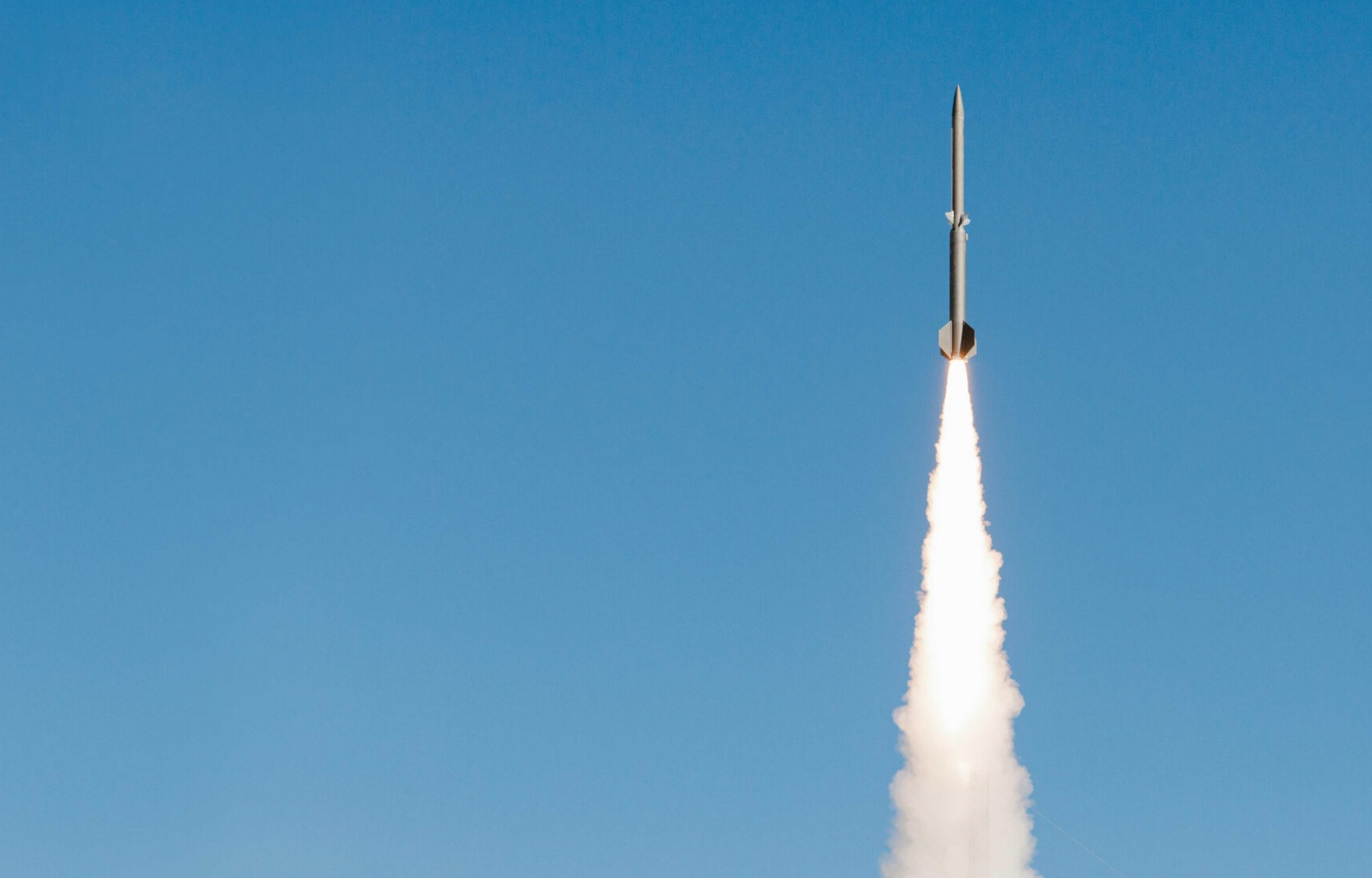
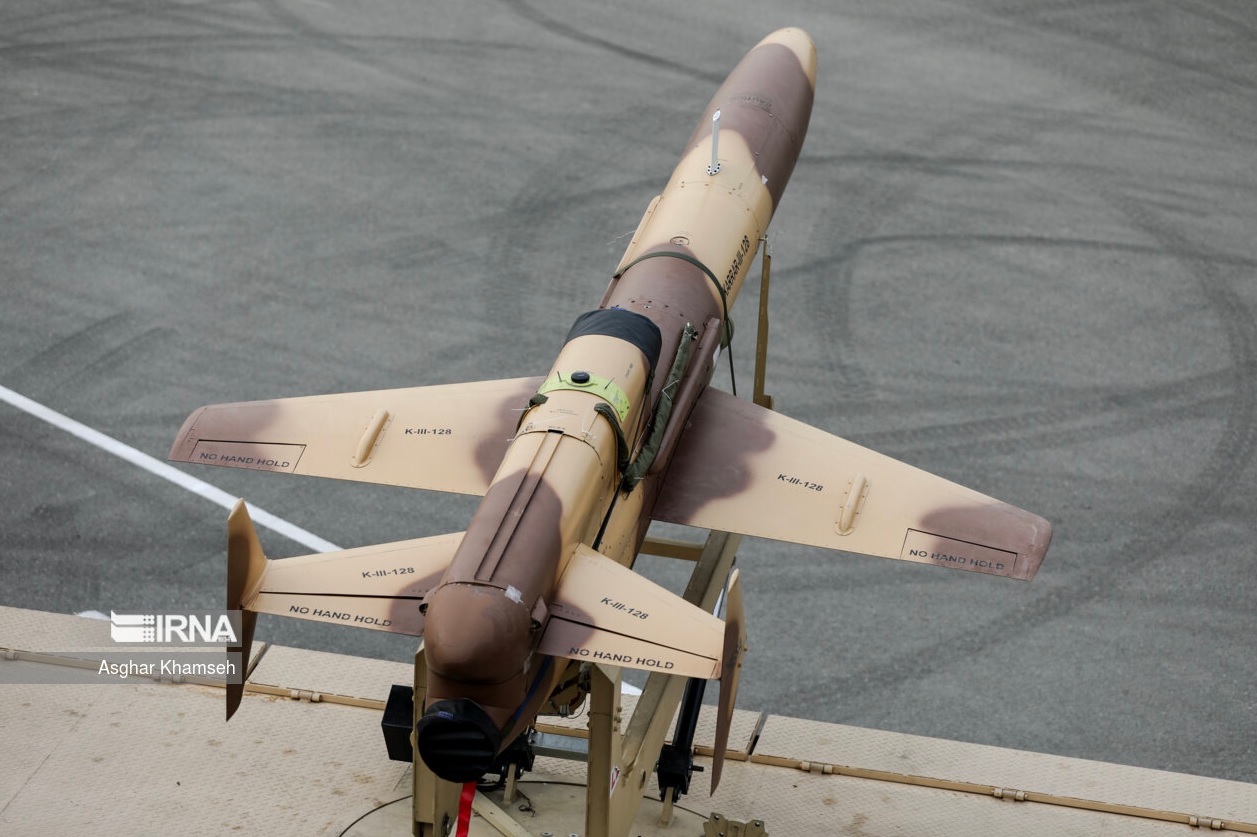
China has recently conducted a significant surface-to-air missile interception test on the Karakoram Plateau, a region located close to its border with India. The test, which targeted a subsonic cruise missile at an altitude of over 17,000 feet, has raised eyebrows, particularly because it coincides with renewed efforts to resolve the ongoing border tensions between the two neighboring countries.
While Chinese state media framed the tests as a necessary demonstration of the country’s advanced defense capabilities, the timing and location suggest a deeper strategic intention. Analysts point out that the proximity of the missile test to the Indian border serves as a deliberate show of force, potentially aimed at sending a clear message to India regarding the territorial dispute that has persisted for years.
The exact location of the test has not been revealed, but its occurrence on the Karakoram Plateau places it uncomfortably close to sensitive areas along the border. This region has been a flashpoint between the two nations, especially since the deadly clashes in the Galwan Valley in 2020, which marked a significant escalation in hostilities. Since then, both sides have fortified their positions, engaging in various military exercises as a show of strength while simultaneously engaging in diplomatic talks.
What makes this missile test particularly noteworthy is its timing. It took place just as India and China were holding their 31st round of border talks in Beijing, aimed at de-escalating tensions. Official statements following the talks reflected cautious optimism, with both sides expressing a desire to maintain peace along the disputed Line of Actual Control (LAC). Yet, China’s missile test casts a shadow over these diplomatic gestures, with military experts suggesting that it serves as a reminder of China’s capabilities in the region.
Lin Minwang, a prominent Chinese academic, noted that the test serves as a "warning" to India. The message being sent is one of strength, implying that China is prepared to defend its claims along the border through military means if necessary. This sentiment was echoed by Song Zhongping, a Chinese military analyst, who described the missile tests as a "guarantee of strength" that underpins China’s position in the ongoing border negotiations.
India, for its part, has maintained a cautious stance. While New Delhi acknowledges progress in resolving the border standoff, including a reported 75% success in disengagement efforts in Eastern Ladakh, it remains wary of China's growing military infrastructure along the border. In recent years, China has significantly expanded its presence in Tibet and Ladakh by building airfields, heliports, and roads that enable the rapid deployment of troops. These developments add a layer of complexity to the negotiations, as they indicate China’s readiness to back its territorial claims with a stronger military presence.
India’s External Affairs Minister, S. Jaishankar, has repeatedly emphasized that normal relations between India and China hinge on maintaining peace along the border. However, the missile test and China’s continued infrastructure buildup along the LAC suggest that the path to normalizing relations is far from straightforward.
Despite the talks, the reality on the ground remains tense. Both nations are engaged in a delicate balancing act, where diplomatic efforts to reduce hostilities coexist with military maneuvers designed to assert dominance. As China continues to develop its military presence near the Indian border, missile tests like the one recently conducted on the Karakoram Plateau serve as a reminder of the unresolved tensions that continue to simmer beneath the surface.
This ongoing blend of diplomacy and posturing leaves little room for complacency as both India and China navigate a highly complex and sensitive border dispute that shows no signs of a quick resolution.
——— End of Article ———