
India
India and the United States have formalized a significant defense agreement, worth ₹34,500 crore (approximately $4 billion), to acquire 31 MQ-9B Predator drones for the Indian armed forces. This deal marks another step in deepening defense cooperation between the two countries, aiming to strengthen India’s surveillance and combat capabilities, particularly along sensitive borders like the one shared with China.The MQ-9B Predator drones, manufactured by General Atomics, are highly advanced long-endurance unmanned aerial vehicles (UAVs). They have already demonstrated their combat effectiveness in several high-profile operations, most notably the elimination of al-Qaeda leader Ayman al-Zawahiri in Kabul. These drones, capable of flying for over 35 hours, can carry up to four Hellfire missiles and approximately 450 kg of bombs. Their versatility extends beyond just surveillance, making them a potent tool for both intelligence gathering and strike missions.Under the terms of the deal, 15 drones will be assigned to the Indian Navy, and 8 each to the Indian Air Force and Army. This distribution is designed to enhance India’s maritime and land-based surveillance, providing real-time data to decision-makers on potential threats along its vast coastline and borders. The drones are expected to be a key asset in countering China's growing influence in the Indian Ocean and along the disputed border in the northern region.In addition to the procurement of the drones, the deal includes the establishment of a maintenance, repair, and overhaul (MRO) facility in India. This will not only ensure the continued operational readiness of the drones but also bolster India's growing defense manufacturing sector. General Atomics, in partnership with Bharat Forge, has committed to producing UAV components locally, with the MRO facility poised to become a global hub for servicing drones. This strategic move is likely to reduce dependency on foreign maintenance and enhance India’s self-reliance in defense technology.The agreement has been in the works for some time, with final approval secured earlier this year during a Defense Acquisition Council meeting. The Cabinet Committee on Security (CCS) gave its nod just ahead of the October 31 deadline set by the U.S. The signing of the deal was witnessed by key defense officials, including Vivek Lall, CEO of General Atomics Global Corporation, who played a pivotal role in the negotiations.These drones represent the latest technology in long-range UAVs. The MQ-9B Reaper, which these drones are modeled after, boasts a maximum altitude of around 50,000 feet and is equipped with advanced radar systems, sensors, and the ability to carry various munitions, making it both a reconnaissance and strike asset. The drones are set to be stationed at key strategic bases, including INS Rajali near Chennai, Porbandar in Gujarat, and military airbases in Sarsawa and Gorakhpur.The addition of these high-altitude UAVs is seen as a game-changer for India's defense strategy. They will significantly enhance India's capacity to monitor large swathes of the Indian Ocean Region, especially amid the growing presence of Chinese naval forces. Similarly, along the northern borders, these drones will improve India's surveillance capabilities and offer a more dynamic response to cross-border threats.There are also indications that the two countries may work towards a technology transfer agreement, potentially allowing India to develop its own combat drones in the future. General Atomics has already committed to providing consultancy for India’s drone development programs, marking a deeper level of collaboration in high-tech defense projects.This massive deal not only adds a formidable asset to India’s defense arsenal but also strengthens the strategic partnership between India and the U.S., particularly in the defense and technology sectors. As both countries continue to navigate shifting geopolitical landscapes, such collaborations are likely to play a key role in shaping regional and global security dynamics.
Read More → Posted on 2024-10-15 14:54:36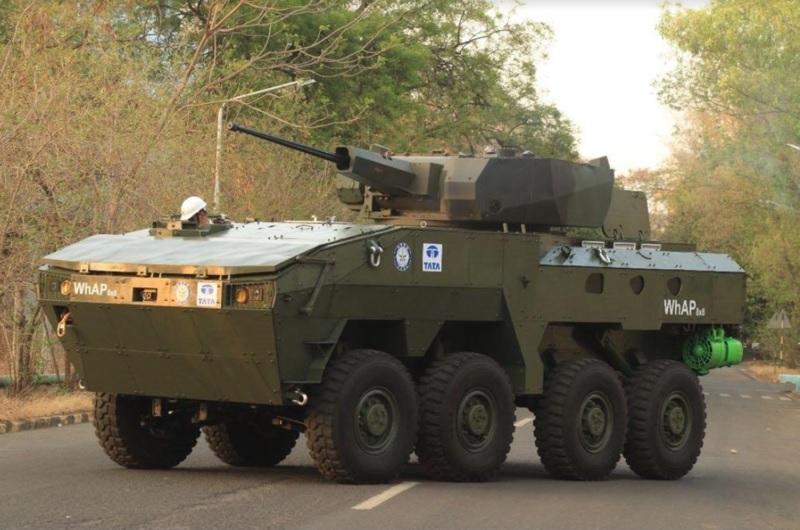
India
In a significant move to modernize its military, Morocco is poised to acquire 400 additional Tata WhAP 8x8 Infantry Fighting Vehicles (IFVs), which will replace the country’s aging fleet of French-supplied VAB IFVs and AML-90/60 armored vehicles. This acquisition marks a crucial shift in Morocco’s defense strategy, aimed at enhancing the mobility, firepower, and protection of its armed forces. The Moroccan military's decision to invest in Tata's Wheeled Armoured Platform (WhAP) is not only about upgrading equipment but also about diversifying military partnerships away from traditional suppliers like France.Initially, Morocco signed a deal with Tata Motors to procure 150 WhAP IFVs. These units will support the country's Abrams tank units, playing critical roles in troop transport, reconnaissance missions, and fire support. The success of this initial acquisition has sparked plans for an additional 400 vehicles, ensuring a complete overhaul of the current fleet, which includes the outdated VAB IFVs and AML-90/60 reconnaissance vehicles, some of which have been in service for decades.The Tata WhAP, developed in collaboration between Tata Advanced Systems and India’s Defence Research and Development Organisation (DRDO), represents a leap forward in military vehicle technology. This vehicle offers all-terrain capability, amphibious operations, and advanced protection features, making it highly versatile for the Moroccan Armed Forces. With its 8x8 wheel configuration, the WhAP can navigate difficult terrains while providing superior speed and mobility compared to tracked vehicles. It also boasts strong armor protection against small arms fire, mine blasts, and IEDs, crucial for operations in volatile environments.Morocco’s decision to establish a manufacturing facility for these IFVs in collaboration with Tata Motors further highlights the country’s commitment to developing its defense industry. This move is expected to bring significant economic benefits, including technology transfers, job creation, and a boost to local industrial capacity. For Morocco, this is more than just a military upgrade—it's a step toward becoming a regional hub for defense manufacturing.The WhAP is currently in limited service with the Indian Army, primarily deployed in harsh border conditions like Ladakh, underscoring its durability and operational capability in extreme environments. For Morocco, acquiring such a versatile and battle-proven platform means significantly enhancing its ability to handle diverse military operations, from border patrols to combat engagements.By selecting the Indian-made WhAP, Morocco is diversifying its defense procurement strategies, moving away from its traditional reliance on French and Western suppliers. This shift aligns with a broader trend in global defense markets where countries are exploring new suppliers to meet their evolving security needs. For India, this deal further establishes its growing reputation as a global arms exporter, with the WhAP being one of its flagship offerings in the IFV market.Overall, the acquisition of the Tata WhAPs positions Morocco to field a more modern, capable, and flexible armored force. The vehicles' integration with existing systems, such as the Abrams tanks, will offer Morocco a formidable military capability. As Morocco continues to invest in high-tech defense solutions, it is signaling its intention to be a major military power in North Africa.The deal also signifies a deepening relationship between India and Morocco, with potential for further defense cooperation in the years to come. Both nations stand to gain from this partnership, militarily and economically, as the Tata WhAP deal sets the stage for a new era in Morocco’s defense strategy.
Read More → Posted on 2024-10-15 14:50:30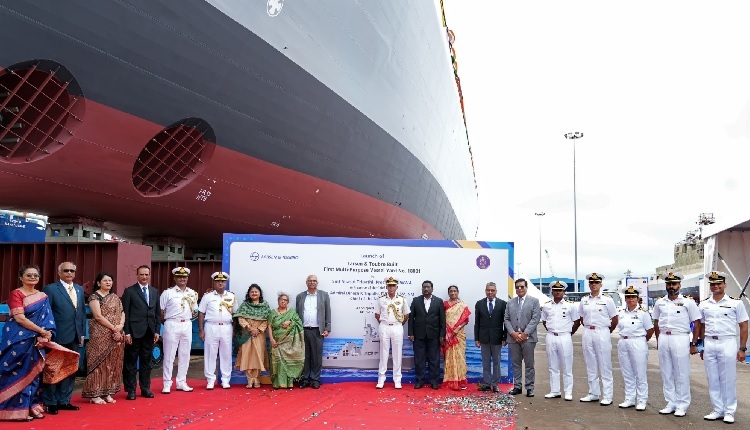
India
The Indian Navy has taken a major step in its journey towards self-reliance with the launch of 'Samarthak,' the first indigenous Multi-Purpose Vessel (MPV), built at the L&T Shipyard in Kattupalli, near Chennai. The name 'Samarthak,' meaning "Supporter," captures the essence of the vessel’s multifaceted role in the Navy's operations. The launch ceremony, which took place on Monday, was graced by Mrs. Shashi Tripathi, President of the Navy Welfare and Wellness Association (NWWA), with Chief of Naval Staff, Admiral Dinesh K Tripathi, presiding over the event.This significant milestone is part of India’s broader "Aatmanirbhar Bharat" and "Make in India" initiatives, aimed at enhancing self-reliance in defense production. The contract for constructing two MPVs was awarded to L&T Shipyard on March 25, 2022. These vessels represent a leap in India's shipbuilding capabilities and demonstrate a continued commitment to reducing reliance on foreign imports for defense assets.At 106 meters in length and 16.8 meters in width, Samarthak is designed to perform a wide variety of tasks that are crucial to naval operations. The ship can achieve a top speed of 15 knots, making it an agile and efficient vessel for its intended roles. Its versatility stems from the array of tasks it can undertake, ranging from towing naval vessels to supporting advanced naval trials.One of the critical functions of Samarthak is its ability to serve as a trial platform for indigenous weapons and sensors. This capability is pivotal for advancing homegrown technologies, enabling the Indian Navy to test new defense systems in a real-world maritime environment. Additionally, the vessel will enhance operational flexibility by handling support roles that would typically occupy larger warships. This frees up frontline vessels to focus on more demanding missions, optimizing the Navy’s combat readiness.Samarthak is also equipped for mine countermeasures (MCM), an essential function that boosts the Navy’s capacity to detect and neutralize underwater mines, ensuring the safety of both military and commercial shipping lanes. The vessel’s capability to launch and recover targets is another valuable feature, particularly for naval exercises and weapons testing. Moreover, the integration of unmanned autonomous vehicles expands the scope of operations to include advanced underwater and surface drone activities, reflecting the growing emphasis on modern naval warfare.The introduction of Samarthak into the Indian Navy's fleet is not only a testament to India’s growing defense manufacturing capabilities but also a significant boost to the Navy’s operational reach. The vessel provides mobility, flexibility, and enhanced support to forward-deployed units, giving the Navy the ability to project power at critical points.This launch is part of a larger vision for modernizing the Indian Navy, which includes an ongoing commitment to indigenous shipbuilding. The second MPV under this project is already under construction and is expected to join the fleet soon, further enhancing India’s maritime strength.As Admiral Dinesh K Tripathi highlighted during the launch, "These vessels provide our forward-deployed units with the necessary mobility, flexibility, and versatility to project power and presence." Samarthak's launch is a proud moment for India, demonstrating the strength of its defense industry and the Navy’s forward-looking approach to maritime security.
Read More → Posted on 2024-10-15 14:36:05
India
Noida-based Brainwave Science Private Limited has introduced a groundbreaking innovation that could reshape the future of lie detection and truth verification. Their AI-powered app, "iCognative," claims an impressive 99% accuracy in detecting deception, making it a powerful tool for law enforcement, security agencies, and even corporate investigations.iCognative isn't just another polygraph test or conventional lie detector. It relies on analyzing brainwave patterns in real-time, using advanced algorithms to detect deception at a cognitive level. The core of this technology lies in identifying a specific brainwave response known as the "P300." When a person is exposed to familiar information—something they are trying to conceal—the brain triggers a P300 response, a measurable signal linked to memory and attention. By capturing this subtle brainwave activity, iCognative can determine whether a subject is hiding the truth.The company has equipped the iCognative app with a headset that records the subject's brainwaves, making the entire process smooth and non-invasive. What sets it apart from other lie detection methods is the precision with which it can analyze data. iCognative incorporates deep learning and neuroscience advancements into its framework, ensuring that it stays up-to-date with the latest scientific breakthroughs.According to Krishna Ika, CEO of Brainwave Science, "iCognative is a game-changer in the field of deception detection. Its ability to uncover hidden truths with an accuracy rate of 99% offers a revolutionary solution for investigators." The web-based app is also easy to use, requiring minimal training for operators and eliminating the need for bulky equipment. This accessibility makes it ideal for law enforcement officers and investigators in the field, who need real-time results without extensive setup.What makes iCognative particularly innovative is its versatility. The application of this technology extends across various domains, from counter-terrorism and crime investigations to corporate security screenings. In counter-terrorism, it can help identify individuals with knowledge of planned attacks or hidden information about terrorist networks. In corporate environments, it could be used to detect fraud or misconduct, providing an extra layer of security.The success of iCognative is supported by an extensive database built through collaboration with law enforcement agencies worldwide. This vast repository of real-life scenarios helps the system refine its ability to interpret human behavior and distinguish deception. Moreover, its integration of artificial intelligence allows iCognative to continually evolve, ensuring it remains at the cutting edge of truth detection.Some of the app's most impressive features include rapid real-time analysis, which is crucial for fast-paced investigative environments. Its proprietary EEG headset is designed to provide high-quality brainwave data while utilizing sophisticated techniques to remove noise and artifacts from the readings. The technology is robust against countermeasures, meaning individuals cannot easily trick the system, even in highly complex scenarios.Additionally, iCognative boasts an autonomous system that reduces reliance on human oversight, allowing AI to take control of test administration. Investigators are further supported by an AI assistant integrated into the platform, which guides them through the process and improves their overall efficiency. And with the system moving to a cloud-based infrastructure, scalability is no longer an issue. iCognative can now be deployed at scale while ensuring strict adherence to data security protocols.Despite its promising potential, iCognative does raise some ethical concerns, particularly around privacy and the risk of misuse. Questions have also been raised about the possibility of false positives, though Brainwave Science insists that the system has been rigorously tested and validated to meet the highest standards of accuracy. They believe that the benefits far outweigh any potential risks, provided that the technology is used responsibly.In an era where security challenges are becoming increasingly sophisticated, Brainwave Science’s iCognative offers a cutting-edge solution that brings the future of lie detection into the present. With its AI-driven approach and a strong focus on accuracy and ease of use, it could reshape how investigators around the world uncover the truth.
Read More → Posted on 2024-10-14 15:15:55
India
The Cabinet Committee on Security (CCS) has taken a crucial step in advancing India's defence capabilities by approving the establishment of a new tactical missile testing range in Nagayalanka, Andhra Pradesh. This move comes at a pivotal moment when the Defence Research and Development Organisation (DRDO) is deep into developing a range of missile systems, particularly those designed for short-range air defence and anti-tank warfare.India’s missile development programs have gained momentum in recent years, reflecting a growing emphasis on indigenous technology. The newly approved range will serve as a dedicated platform for testing critical missile systems such as Very Short Range Air Defence Systems (VSHORADS), anti-tank guided missiles (ATGMs), and other tactical systems designed to protect ground forces in battlefield conditions. The approval of this facility provides a significant boost to the testing of domestically developed weaponry.Why the New Missile Range is SignificantWith this approval, the DRDO is set to benefit from a facility that allows for extensive testing under real-world conditions. This range will cater to missile systems designed for quick deployment and response during combat situations. For instance, the VSHORADS—a highly portable air defence missile—is built for rapid deployment to protect troops against low-flying aircraft and drones. On the other hand, the anti-tank guided missiles, both man-portable and vehicle-launched, are developed to target modern armoured vehicles, crucial for India's ground forces.While India already has missile testing facilities such as the Integrated Test Range (ITR) in Odisha, this new facility in Andhra Pradesh will be focused on tactical missile systems. The terrain and geographical features of the Nagayalanka region are ideal for such tests, allowing DRDO to simulate battlefield conditions more effectively.DRDO’s Growing Portfolio of Tactical MissilesThe DRDO has been making significant strides in the development of tactical missile systems, with several of them being close to induction. Among these are the VSHORADS and various anti-tank missile systems like the MPATGM (Man-Portable Anti-Tank Guided Missile). These missiles are designed to be lightweight, versatile, and capable of being operated by soldiers in diverse terrains—from the plains of Punjab to the mountainous regions of Ladakh.Additionally, quick-reaction surface-to-air missiles (QRSAMs) and vertically launched short-range air defence systems (VL-SRSAM) are also in development. These systems are intended to protect key military installations and assets, including ground vehicles and personnel, from enemy air attacks. The new missile testing range will support the evaluation and refinement of these cutting-edge systems.A Broader Strategy for National DefenceThe establishment of the missile testing range is not an isolated move. The CCS meeting also gave the green light to several other significant proposals. These include the acquisition of 31 Predator drones from the United States—capable of conducting surveillance and precision strikes—and the construction of two nuclear submarines under Project ATV, which is responsible for India’s indigenous strategic submarine development.The expansion of India’s missile testing infrastructure is part of a larger vision to boost the country's self-reliance in defence technology. With growing tensions in the region and an evolving security landscape, having an advanced, well-equipped defence research framework is essential for maintaining military preparedness.However, as with any significant defence project, there are both advantages and challenges. On the positive side, the new range will streamline the testing process, making it easier for DRDO to advance its projects to the next phase. But on the downside, setting up and maintaining such a facility comes with environmental and logistical concerns, including potential disruptions to local ecosystems and the need for adequate infrastructure development.The Road AheadThis new testing range marks another milestone in India’s defence modernization efforts, aligning with the country’s long-term goal of achieving self-reliance in critical military technologies. For DRDO, it presents an opportunity to accelerate the pace of missile development and deliver world-class systems to the Indian Armed Forces.While the approval of the missile range is a major win for India’s defence sector, the execution of the project will be equally critical. Ensuring that the range becomes operational on time and meets the required standards will be key in supporting DRDO’s ambitious missile development agenda. As India continues to develop and enhance its tactical and strategic capabilities, this new facility could become a cornerstone in testing and refining systems crucial for the country's defence.
Read More → Posted on 2024-10-14 15:10:23
India
The Armenian Army has successfully completed trials of the Indian-made Advanced Towed Artillery Gun System (ATAGS), marking a significant milestone in defense cooperation between the two nations. Armenia, which first purchased these systems in 2023, tested a batch of six 155mm ATAGS across various regions of the country, adapting them to local terrain and operational conditions. The trials were critical, as they not only evaluated the gun's technical capabilities but also confirmed its adaptability to the specific needs of the Armenian military.The ATAGS tested in Armenia were modified to accommodate the Armenian Army's unique requirements, including programming the trajectory computational model in the Armenian language. The extensive testing phase aimed to ensure that these guns, initially tested in India, could operate effectively under Armenia's varied environmental conditions. The trials reportedly went well, setting the stage for a larger arms deal.A Larger Deal on the HorizonArmenia is now expected to place a much larger order for an additional 84 ATAGS units, valued at approximately $155 million. This comes after the country confirmed its interest in expanding its artillery capabilities to bolster its defenses against Azerbaijan. The ATAGS howitzer is part of a broader effort by Armenia to diversify and upgrade its military hardware, with several purchases from India including the Akash air defense system, Swathi counter-battery radars, and Pinaka multi-barrel rocket launchers.Specifications of the ATAGSThe ATAGS is a 155mm/52-caliber towed artillery system that was developed in India by a collaboration between the Armament Research and Development Establishment, Tata Advanced Systems, and Kalyani Strategic Systems. It represents a significant leap forward in India's indigenous defense manufacturing capabilities and was primarily designed to meet the needs of the Indian Army.The gun is known for its impressive specifications:Range: The ATAGS has a maximum firing range of 48 kilometers (about 30 miles), which gives it a substantial advantage in long-range engagements.Rate of Fire: In burst mode, the howitzer can fire up to 5 rounds per minute. In intense mode, it can fire 10 rounds in 2 minutes and 30 seconds. Its sustained fire rate is 60 rounds per hour, making it highly effective in prolonged engagements.Weight and Mobility: Despite its 18-ton weight, the gun is designed for mobility, allowing it to be towed across rugged terrain by specialized vehicles. A crew of six operates the system, making it an efficient asset in terms of manpower.The development of the ATAGS began in 2013, and after several trials, including its first test in 2016, the system was officially cleared for induction into the Indian Army in 2022. Its advanced fire control system, precision, and ability to operate in harsh environments make it a top-tier artillery system, and these qualities were put to the test during the trials in Armenia.Armenia's Growing Defense Partnership with IndiaThis deal is just one aspect of Armenia’s growing defense relationship with India. Beyond the ATAGS artillery system, Armenia has also turned to India for assistance with other critical military assets. Reports indicate that Armenia is exploring options to upgrade its fleet of Su-30 fighter jets and may also be looking to acquire advanced missile systems from India. This expanding partnership highlights Armenia's efforts to modernize its military, relying on India's growing defense production capabilities as a key supplier.The trials of the ATAGS in Armenia signal the beginning of what could be a long-term collaboration in defense technology between the two countries. With successful tests and a larger order on the way, the ATAGS howitzer is set to play a pivotal role in Armenia’s defense strategy moving forward.
Read More → Posted on 2024-10-14 15:07:30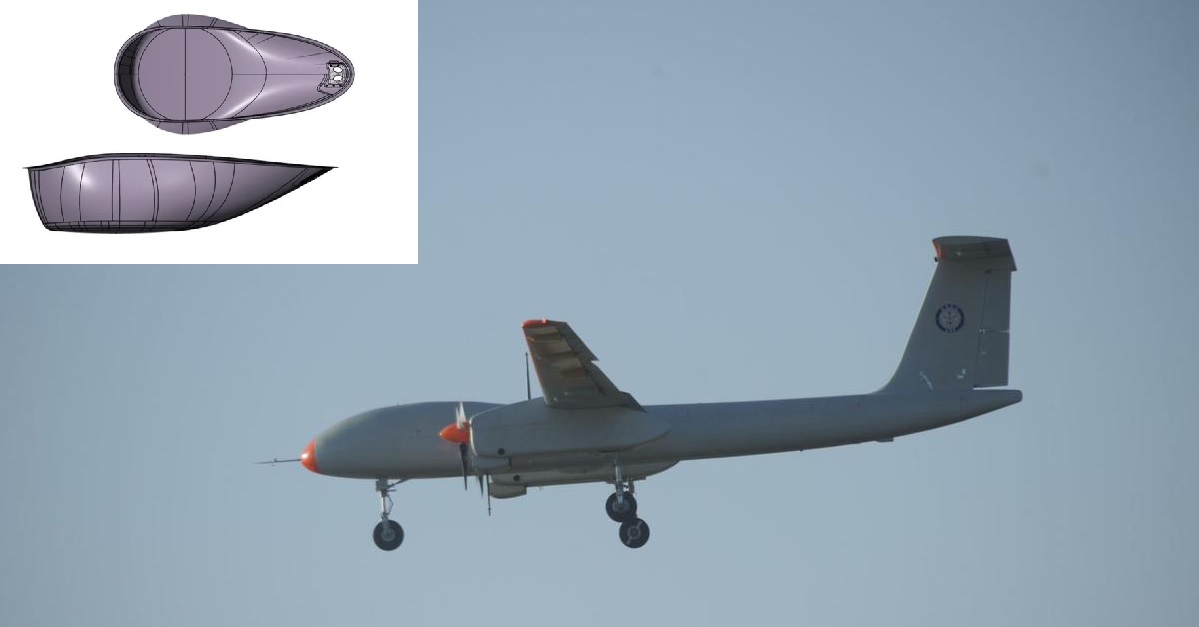
India
The Aeronautical Development Establishment (ADE), a prominent laboratory under India’s Defence Research and Development Organisation (DRDO), is pushing the boundaries of unmanned aerial technology with its latest project—the integration of advanced radar systems into the TAPAS UAV. The TAPAS (Tactical Airborne Platform for Aerial Surveillance) is already a formidable unmanned aerial vehicle, but the addition of a Multi-Parameter Phased Array Radar (MPAR) and a Synthetic Aperture Radar (SAR) is set to enhance its surveillance capabilities, particularly for naval requirements.This development is being driven by the Indian Navy’s growing need for robust maritime surveillance tools in regions like the Andaman and Nicobar Islands. The islands are strategically vital, offering India a vantage point over some of the busiest and most sensitive sea lanes in the Indian Ocean Region (IOR). In recent years, Chinese naval activities, including submarines and warships operating in these waters, have increased significantly. This has heightened India's need for persistent intelligence, surveillance, and reconnaissance (ISR) capabilities to safeguard its maritime borders.TAPAS UAV: The Indian Navy’s New Maritime SentinelThe Indian Navy has shown a keen interest in the TAPAS UAV, with plans to acquire 10 units for bolstering maritime surveillance. The UAV’s long endurance and capability to operate at extended ranges make it an ideal asset for continuous monitoring of the IOR. However, what makes TAPAS truly stand out is the advanced radar systems it will carry—the MPAR and SAR.These radars bring cutting-edge technology that will allow the TAPAS UAV to perform a variety of missions that require both real-time and all-weather monitoring. Whether it is tracking enemy ships or submarines, detecting incursions into Indian waters, or maintaining an overall awareness of maritime activities, TAPAS is poised to become a critical player in India’s naval defense strategy.MPAR: Versatile and EfficientThe Multi-Parameter Phased Array Radar (MPAR) is a next-generation radar system that offers several advantages over traditional radar technologies. The most significant feature of MPAR is its ability to electronically steer its radar beam. Unlike conventional radars that require mechanical movement of the antenna, MPAR can quickly switch between different scanning modes, allowing for faster and more efficient detection.Simultaneous Target Tracking: MPAR excels in tracking multiple targets simultaneously, be it surface ships, submarines, or airborne threats. This makes it invaluable in busy maritime zones, where numerous vessels are constantly moving.All-Weather Monitoring: MPAR’s design ensures it functions effectively even in harsh weather conditions. Whether it’s the heavy rains of the monsoon season or rough sea states, MPAR guarantees uninterrupted surveillance.Rapid Scanning of Large Areas: MPAR’s phased array technology enables it to cover vast oceanic expanses quickly. This rapid scanning is particularly useful in the IOR, where early detection of foreign vessels is critical for naval security.SAR: High-Resolution Imaging for Persistent SurveillanceSynthetic Aperture Radar (SAR) is another advanced technology that makes TAPAS a powerful tool for maritime surveillance. SAR operates by using the motion of the UAV to simulate a much larger radar antenna, producing high-resolution images of the Earth’s surface. This allows for detailed imagery, regardless of environmental conditions, making it ideal for detecting stealthy platforms like submarines or smaller vessels that may otherwise evade detection.Long-Range Detection: TAPAS equipped with SAR can monitor vast stretches of ocean, providing long-range detection of surface and subsurface threats. In the context of the Indian Navy’s operations, this capability is crucial for maintaining an early-warning system against Chinese naval activity in the region.Surface and Subsurface Detection: SAR has the ability to penetrate surface layers, which is key to detecting submarines at shallow depths. Chinese submarines, which have been increasingly active in the IOR, often attempt to evade detection by staying submerged. SAR can pick up on subtle disturbances on the water’s surface or even slight temperature changes, making it an effective countermeasure against these stealthy incursions.High-Resolution Imagery in All Conditions: SAR can capture detailed images in adverse conditions like rain, fog, or darkness. This gives the Indian Navy a consistent and reliable tool to monitor maritime activities, especially in the IOR where weather conditions can frequently hamper traditional surveillance systems.A Strategic Boost for India’s Maritime SecurityThe integration of MPAR and SAR radars into the TAPAS UAV will significantly enhance India’s Maritime Domain Awareness (MDA). By deploying these UAVs from the Andaman and Nicobar Islands, the Indian Navy can maintain round-the-clock surveillance over a critical part of the Indian Ocean. This region is becoming increasingly important, not just for India’s maritime security but for the broader strategic dynamics involving China’s growing naval presence.Moreover, TAPAS will also contribute to India’s anti-submarine warfare (ASW) efforts. The UAV’s endurance and real-time radar capabilities will allow it to work in tandem with Indian Navy ships and aircraft to detect, track, and counter potential threats from Chinese submarines and warships operating in the region. This layered defense strategy is crucial for India to maintain its dominance in the Indian Ocean and protect its maritime interests.With the integration of MPAR and SAR radars, ADE is positioning the TAPAS UAV as a game-changer for India’s maritime defense. The system will offer the Indian Navy a comprehensive surveillance solution, capable of detecting, tracking, and monitoring a wide range of maritime threats in real-time. As India continues to modernize its defense capabilities, TAPAS, equipped with these advanced radar systems, will play a key role in safeguarding the nation’s maritime interests in an increasingly contested region.
Read More → Posted on 2024-10-14 15:04:07
India
The delivery of India’s first indigenously produced artillery gun, the Dhanush, is facing significant delays, making it unlikely that the project will meet the planned March 2026 deadline. The Dhanush, an upgraded version of the Bofors gun, is being manufactured by Advanced Weapons and Equipment India Limited (AWEIL), a successor of the Ordnance Factory Board (OFB). Despite its promising capabilities, the slow pace of delivery has raised concerns within the Indian Army about meeting operational needs on time.The Dhanush project, which aims to induct 114 guns by 2026, began with high hopes of reducing dependency on foreign suppliers. These artillery systems boast 80% indigenous content, making them a landmark achievement in India's military self-reliance. However, as of 2024, fewer than two regiments have become operational, a stark contrast to the initial expectations. Given that one regiment consists of 18 guns, this sluggish production pace may push the final delivery well beyond the set deadline.Dhanush Gun Specifications and CapabilitiesThe Dhanush is a 155mm/45 calibre howitzer and represents a major leap forward from the old Bofors system. Its firing range of up to 36 kilometers surpasses the Bofors gun’s 30 kilometers, thanks to its longer barrel—approximately 877mm longer. This increased range provides the Army with greater flexibility in countering threats in hostile terrains, especially along challenging borders such as the Line of Actual Control (LAC) in Ladakh. The Dhanush is capable of both day and night operations, a critical feature in modern warfare.Not only is the Dhanush more capable than the Bofors in terms of range, but it also benefits from a series of technological upgrades. Equipped with modern targeting systems, electronic sights, and improved ordnance delivery, the Dhanush offers higher accuracy and efficiency. It is also built to withstand harsh terrain, making it ideal for deployment in remote, high-altitude areas like Ladakh.Another significant advantage of the Dhanush is its cost-effectiveness. Each unit costs approximately ₹14 crore, which is significantly lower than the cost of importing foreign artillery systems like the Bofors. The high indigenous content also simplifies maintenance, ensuring a steady supply of spare parts within India, a critical aspect for long-term operational readiness.Delays and Future ChallengesWhile the Dhanush project began with the induction of the first gun in April 2019, the current pace of production raises doubts about the Army’s ability to field the full 114-gun complement by 2026. Senior defense officials have expressed concern that, with just two years remaining, meeting the deadline is becoming increasingly unlikely. The delays are compounded by the fact that the Army’s artillery modernization plans extend beyond the Dhanush. The Indian Army is in the process of acquiring several other 155mm artillery systems, including 300 Advanced Towed Artillery Gun Systems (ATAGS), 300 Mounted Gun Systems (MGS), and 400 Towed Gun Systems (TGS) ,Additionally, the Army has already inducted 100 K9 Vajra-T guns, with plans to add 100 more. This extensive procurement effort is part of the Army’s broader strategy to standardize its artillery to the 155mm/52 calibre by 2042.Lieutenant General Adosh Kumar, Director General of Artillery, outlined the long-term vision for India's artillery modernization. The Army has laid out plans extending to 2027, 2042, and even 2047, aimed at transforming India's artillery capabilities for decades to come.Despite these ambitious plans, the Dhanush remains a critical component of the Indian Army's arsenal. Its indigenous design, superior range, and cost-effectiveness position it as a valuable asset. However, if the current pace of production persists, the full operational deployment of these advanced guns may be delayed, potentially impacting India's defense preparedness along crucial borders.In conclusion, while the Dhanush represents a significant leap in India’s indigenous defense production capabilities, the project’s slow progress is causing concern. The Army’s push for modernization and standardization of artillery systems is essential, but the timely delivery of the Dhanush will be critical in ensuring that India remains prepared for future challenges.
Read More → Posted on 2024-10-14 14:45:24
India
The Indian Air Force’s much-anticipated next-generation fighter, the Tejas Mk2, is finally nearing a significant milestone. The assembly of the first prototype of the Tejas Mk2 is slated to begin soon, with expectations for a formal rollout by March 2026. This is a major step forward for India’s ambitious indigenous fighter jet program, which has been under development for several years.According to officials at the Aeronautical Development Agency (ADA), this new timeline indicates steady progress for the project. Director of Avionics and Weapons Systems at ADA, Prabhulla Chandran VK, recently confirmed that the prototype should roll out within 18 months, putting it on track for its much-anticipated first flight sometime in 2026.Once the first prototype is ready, the testing phase will begin. This involves a series of rigorous assessments, including taxi trials, ground engine runs, and systems checks, all crucial steps before the aircraft can take to the skies for its maiden flight. These evaluations are designed to ensure that the Tejas Mk2 meets performance expectations and fulfills the mission requirements of the Indian Air Force (IAF).What makes the Tejas Mk2 a standout aircraft is the range of upgrades and improvements over its predecessor, the Tejas Light Combat Aircraft (LCA). This new variant is classified as a 4.5-generation fighter, featuring state-of-the-art enhancements that place it closer to the performance capabilities of advanced fighter jets globally. One of the most significant upgrades is the integration of the General Electric GE-F414 engine, a more powerful and efficient propulsion system that will boost the aircraft’s speed, endurance, and overall performance.Design-wise, the Tejas Mk2 introduces a redesigned fuselage with close-coupled canards, which enhance maneuverability, especially in dogfights. These canards contribute to better aerodynamic control, allowing the aircraft to make sharper turns and quicker adjustments during combat scenarios. Additionally, the Tejas Mk2 will be equipped with an advanced Infra-Red Search and Track System (IRST), a sensor suite designed to detect and track enemy aircraft without relying on radar. This IRST system improves the pilot's situational awareness, giving them a distinct tactical advantage in combat.The cockpit will also feature an enhanced avionics package, including an active electronically scanned array (AESA) radar, capable of tracking multiple targets simultaneously and offering superior tracking range and precision. The Tejas Mk2’s avionics will integrate seamlessly with various weapon systems, enabling the jet to carry a wide array of air-to-air, air-to-ground, and air-to-sea munitions, significantly expanding its combat role. While there were some early concerns about potential delays, the program now seems firmly back on track, a testament to the collaborative effort between ADA, Hindustan Aeronautics Limited (HAL), and multiple private and public sector entities. This partnership underscores India’s push to reduce reliance on foreign defense imports by fostering indigenous development.Looking ahead, the Tejas Mk2 will play a crucial role in the future of the Indian Air Force. It is expected to complement advanced fighter jets like the Rafale and serve alongside the planned Advanced Medium Combat Aircraft (AMCA), solidifying India’s defense capabilities and enhancing its strategic position in the region. Once inducted, the Tejas Mk2 will not only boost India's air superiority but also demonstrate the country's growing prowess in aerospace and defense technology on the global stage.With the clock ticking toward the prototype’s rollout and subsequent first flight, the Tejas Mk2 is poised to become a critical asset for India’s military aviation, furthering the nation’s goals of self-reliance in defense production and strengthening its strategic capabilities.
Read More → Posted on 2024-10-13 15:36:55
India
India's ambitious Advanced Medium Combat Aircraft (AMCA) Mk2 project is facing a critical moment. The development of a powerful, high-thrust engine—specifically a 110 kN thrust engine—is seen as the linchpin for the success of the 5th generation fighter jet, according to former Indian Air Force Chief, Air Chief Marshal R.K.S. Bhadauria. In a recent interview, Bhadauria emphasized that without this engine, the AMCA Mk2 may struggle to compete with global peers.The AMCA program, which was recently greenlit by India's Cabinet Committee on Security (CCS), is part of India's larger push towards self-reliance in defense technology. The Mk1 variant of the AMCA will be powered by an upgraded GE F414 engine, which produces around 98 kN of thrust. But the Mk2, designed to have more advanced capabilities, requires an indigenously developed 110 kN engine. This engine will not only ensure the aircraft's high-speed performance but also deliver the stealth, maneuverability, and fuel efficiency critical for modern combat scenarios.The new engine will be developed in collaboration with a foreign aerospace firm, an approach that seeks to combine India’s growing expertise in aeronautics with international experience in high-thrust engine design. Bhadauria's comments reflect a sense of urgency: the engine's development timeline must be maintained to prevent delays that could set back the entire AMCA project. The stakes are high since this engine is expected to give the AMCA Mk2 a competitive edge in both regional and global defense markets.One of the most anticipated features of the new engine is the ability to achieve supercruise—sustained supersonic flight without engaging afterburners. This feature is already present in advanced jets like the F-22 Raptor and Eurofighter Typhoon, and its inclusion in the AMCA Mk2 would make the Indian fighter one of the few aircraft globally capable of such performance. Supercruise enhances fuel efficiency and gives a strategic advantage in combat, allowing the aircraft to maintain high speeds over long periods without burning excessive fuel.Bhadauria's caution stems from past lessons, particularly the challenges faced by the Kaveri engine project, which was intended for India’s Light Combat Aircraft (LCA) Tejas. The Kaveri engine, developed indigenously by the Gas Turbine Research Establishment (GTRE), failed to meet the performance requirements and encountered several delays, eventually forcing the LCA program to rely on foreign engines like the GE F404. The Kaveri's setbacks underscored the complexity of developing a high-performance engine in-house, an effort that requires technical expertise, precision manufacturing, and sustained funding.However, Bhadauria believes that the lessons from the Kaveri project can guide the AMCA Mk2's engine development, helping to avoid similar pitfalls. To mitigate risks, India is reportedly in talks with multiple aerospace companies, seeking to strike a balance between indigenization and international collaboration. This partnership will likely ensure that the AMCA Mk2’s engine meets global standards of reliability and performance while incorporating Indian innovations in engine design.The AMCA Mk2 is envisioned to operate as a multi-role fighter with a focus on air superiority and strike missions. Its 110 kN engine is expected to support various mission profiles, including high-altitude interceptions, ground attack, and even deep-strike capabilities. The jet will be equipped with advanced stealth technologies, a state-of-the-art avionics suite, and an array of precision-guided munitions, all of which will require the engine to provide consistent, reliable performance across diverse combat scenarios.As India aims to field the AMCA Mk1 by the early 2030s, the Mk2 variant will follow soon after, assuming the engine development proceeds without significant delays. Bhadauria’s warnings highlight the need for close monitoring of the engine project to ensure that the timelines are adhered to. He noted that any technical hiccups or bureaucratic delays in engine development could have a cascading effect on the entire AMCA program.Ultimately, the success of the AMCA Mk2 and its 110 kN engine will represent a milestone in India's defense modernization efforts. This project holds the potential to solidify India’s position in the global aerospace industry, marking a significant step toward self-reliance in high-end defense technologies. With a capable and reliable engine, the AMCA Mk2 could become a benchmark for future fighter jet programs, both within India and globally.
Read More → Posted on 2024-10-13 15:33:03
India
India has made yet another leap in its drive toward defence self-reliance with Mazagon Dock Shipbuilders Limited (MDL) and SEC Industries, Hyderabad, developing a crucial piece of equipment—the Battery Loading Trolley for submarines. This advancement marks a major milestone as India continues to indigenize its defence manufacturing capabilities, gradually reducing its dependency on foreign imports. The Battery Loading Trolley, a previously imported product from Spain's Mesursa, is now made entirely in India, a step forward in promoting local expertise and innovation.The Battery Loading Trolley is a critical component in submarine operations. It is used to safely and efficiently load batteries into the vessel’s battery compartments. Submarines, especially the Scorpene class being constructed by MDL, rely on these batteries for power when submerged, making the process of loading and securing the batteries extremely important. Each Scorpene submarine is equipped with two battery compartments, and a total of 180 large batteries are required to ensure optimal performance during underwater missions.The indigenously developed trolley not only simplifies the handling of these heavy batteries but also ensures their safe placement into the confined spaces of submarines. This equipment plays a key role in streamlining the battery-loading process, ensuring that it is not only efficient but also minimizes any risk of damage to the batteries, which are vital for the submarine’s operations. Given the sensitivity of submarines’ electrical systems, the proper loading and alignment of batteries are essential for their overall operational safety and efficiency.This collaboration between MDL and SEC Industries represents a broader effort to promote indigenous innovation in the defence sector. By eliminating the need to import such specialized equipment, India is not only cutting costs but also gaining critical expertise that could be applied to future naval projects. This development is expected to benefit the Indian Navy by offering a more seamless, efficient, and cost-effective solution, especially as the country ramps up the production of its Scorpene submarines under the 'Make in India' initiative.The indigenization of defence technologies is one of the strategic pillars of India's national security strategy. The successful development of the Battery Loading Trolley underlines India’s capability to manufacture complex and high-precision equipment domestically. Beyond immediate cost savings, this advancement reduces the logistical delays often involved in importing critical components from foreign suppliers. It also contributes to the growth of India’s defence industrial base, creating opportunities for further collaboration between public-sector enterprises like MDL and private firms such as SEC Industries.India’s push for indigenous solutions in defence technology is gaining momentum, with the MDL and SEC Industries collaboration being a prime example of what can be achieved when public and private sectors work together. As the country continues to enhance its manufacturing capabilities, developments like these will not only bolster India’s self-reliance but also position it as a competitive player in the global defence market.This breakthrough adds to India’s growing portfolio of indigenously developed defence equipment, reaffirming the government's long-term goal of achieving self-sufficiency in defence production while reducing its reliance on international vendors. As MDL continues to build Scorpene-class submarines, these advancements are set to play a crucial role in supporting the nation’s defence objectives and operational readiness in the maritime domain.
Read More → Posted on 2024-10-13 15:26:03
India
Hindustan Aeronautics Ltd (HAL), one of India’s leading public sector enterprises, has officially joined the prestigious group of 'Maharatna' companies. This announcement, made by the Government of India (GoI) via its Department of Public Enterprises (DPE), marks a significant leap for the aerospace and defense powerhouse. The news was shared through the DPE's official 'X' (formerly Twitter) account, confirming that Finance Minister Nirmala Sitharaman approved HAL’s promotion to Maharatna status.HAL's new Maharatna designation places it among the top 14 public sector undertakings (PSUs) in India. This elite recognition is reserved for PSUs that demonstrate exceptional performance and leadership within their sectors. For HAL, the upgrade serves as a testament to its outstanding contributions to India's defense and aerospace capabilities, as well as its consistent financial success.Financial Performance and GrowthHAL’s financials were key to securing its Maharatna status. The company posted impressive results for the fiscal year 2023-24, with an annual turnover of ₹28,162 crore and a net profit of ₹7,595 crore. These figures reflect not only the company’s robust business operations but also its ability to maintain steady profitability in a highly competitive and technologically advanced field. HAL’s success in manufacturing aircraft, helicopters, and related aerospace systems has been vital to India’s defense infrastructure, making it an indispensable asset to the nation.Increased Autonomy and Strategic FlexibilityOne of the primary benefits of Maharatna status is the increased autonomy that comes with it. HAL can now invest up to ₹5,000 crore or 15% of its net worth in a single project, whichever is applicable in the future, without requiring government approval. This expanded financial freedom allows HAL to take on larger, more ambitious projects that align with its strategic vision, whether domestically or internationally.This newfound flexibility extends to mergers, acquisitions, and joint ventures, giving HAL the ability to explore strategic opportunities more freely. As a Maharatna company, HAL now holds the potential to compete on a larger global stage, engaging in partnerships and ventures that can elevate its technological and operational capabilities even further.A Leader in India’s Aerospace and Defense SectorsHAL’s journey to Maharatna status underscores its crucial role in India’s aerospace and defense landscape. The company has long been a leader in producing fighter jets, helicopters, engines, and other critical defense equipment. HAL’s product portfolio includes flagship projects such as the Tejas Light Combat Aircraft, Dhruv Advanced Light Helicopter, and the Sukhoi Su-30MKI fighter jet, among others. Its collaboration with international partners and indigenous innovations continues to strengthen India’s defense manufacturing ecosystem.Moreover, HAL's expertise in research and development (R&D) has enabled it to innovate in key areas such as unmanned aerial vehicles (UAVs), new-generation helicopters, and aircraft upgrades. This expertise is set to grow further under its Maharatna status, as the company now has more resources to fuel R&D and invest in cutting-edge technologies.A National Asset with Global PotentialAs HAL ascends to Maharatna status, it symbolizes India’s broader ambitions to become a global aerospace leader. With its expanded investment capabilities and operational freedom, HAL is now better equipped to collaborate with international defense manufacturers, explore export opportunities, and contribute to India’s growing footprint in the global defense market.In the coming years, HAL’s new status is expected to fuel even greater innovation, enhanced production capabilities, and broader global outreach. The company is poised to play a crucial role in India’s ‘Atmanirbhar Bharat’ initiative, which aims to make India self-reliant in defense manufacturing and reduce its dependency on foreign imports.The Government of India’s recognition of HAL as a Maharatna PSU is not just a celebration of the company's past accomplishments but a significant step toward future growth and global competitiveness in the defense and aerospace sectors.
Read More → Posted on 2024-10-12 18:19:04
India
The Indian Air Force (IAF) is gearing up for a significant shift in its fleet composition. Starting in 2045, the IAF will begin gradually phasing out its older Su-30MKI fighter jets, marking the end of an era for an aircraft that has played a pivotal role in securing India's airspace since 2001. This shift is part of the broader modernization program aimed at introducing the highly advanced, indigenous Advanced Medium Combat Aircraft (AMCA) Mk II into its fleet.The Su-30MKI, a versatile and powerful multi-role fighter, has been a cornerstone of the IAF’s operations for over two decades. Produced by Hindustan Aeronautics Limited (HAL) under a license agreement with Russia’s Sukhoi Corporation, the Su-30MKI was designed to adapt to India’s unique defense requirements. Its combination of thrust-vectoring engines, long-range capabilities, and multi-role mission versatility made it an essential asset. However, as time marches on and technology rapidly evolves, the need for more advanced platforms has become apparent.The first wave of retirement will affect around 100 older Su-30MKI variants, while newer models, inducted in the 2020s, will continue serving until at least 2060. These remaining jets will not be left behind technologically, as the IAF plans to upgrade them under the "Super Sukhoi" program. This initiative will bolster their radar, avionics, and electronic warfare systems, ensuring that they remain relevant in modern combat. The upgraded Su-30MKIs will also carry more sophisticated weapons, such as the BrahMos-NG cruise missile and Astra air-to-air missiles, extending their combat utility.Replacing these aircraft will be the AMCA Mk II, which represents a giant leap forward for India’s indigenous aerospace industry. Developed by the Aeronautical Development Agency (ADA) and Hindustan Aeronautics Limited (HAL), the AMCA Mk II is a 5.5-generation stealth fighter designed to incorporate cutting-edge technologies. With superior stealth capabilities, advanced avionics, and multi-mission roles, the AMCA will serve as the backbone of the IAF’s future fleet.Stealth is a defining feature of the AMCA Mk II, which will include radar-absorbing materials and a design optimized for low observability. This will give the aircraft a significant edge in modern combat scenarios, especially when combined with advanced sensor fusion technology, which allows the AMCA to process vast amounts of battlefield data in real-time. Its versatility will enable it to undertake air superiority missions, deep-strike operations, and electronic warfare, making it a formidable replacement for the Su-30MKI.The phased retirement of the Su-30MKI will ensure that there is no sudden gap in the IAF’s operational capabilities. By 2045, the AMCA Mk II is expected to be in full-scale production, with 4-5 squadrons already operational. The gradual transition will allow the IAF to maintain its combat readiness while introducing the next generation of airpower. By continuing to upgrade the remaining Su-30MKIs and gradually introducing the AMCA Mk II, the IAF ensures that its air superiority remains uncontested for decades to come.The AMCA Mk II’s introduction fits into a global trend in military aviation, with several countries developing advanced fifth-generation and even 6th-gen fighter platforms. These new aircraft are designed with next-generation combat environments in mind, where stealth, electronic warfare, and sensor integration will be critical. The AMCA Mk II will place India at the forefront of this evolution, enabling the IAF to compete with the best air forces in the world.This transition is not just about aircraft, but about positioning the IAF to meet the strategic challenges of the future. The integration of indigenous technologies, enhanced with international collaboration, sets a new trajectory for India's defense capabilities. By 2060, the IAF’s fleet will be a mix of highly upgraded Su-30MKIs and advanced AMCA Mk II squadrons, ensuring India’s dominance in the skies well into the 21st century.
Read More → Posted on 2024-10-12 18:09:29
India
India's ambitious submarine modernization program has received a significant boost with the approval to build two new nuclear-powered attack submarines (SSNs). These submarines, set to displace an impressive 10,000 tons, mark a strategic leap forward in India's naval capabilities, especially in light of the rising maritime competition in the Indian Ocean Region (IOR).The decision by India's Cabinet Committee on Security (CCS) to green-light this project underscores New Delhi’s commitment to enhancing its undersea warfare capabilities. This move is a direct counter to China's growing presence in the region, where Beijing has been deploying its Type 093 Shang-class SSNs. While China’s Type 093 submarines displace around 6,400 tons, India's new SSNs will be nearly 40% larger, giving them a clear edge in terms of endurance, operational range, and payload capacity.The size advantage of these new Indian SSNs will not only allow them to stay submerged for longer periods but will also enable them to carry a more extensive array of weapons. Reports suggest that these submarines will be equipped with Vertical Payload Tubes (VPTs), allowing them to deploy a mix of advanced weaponry. This will likely include India’s indigenous Nirbhay subsonic cruise missiles and, potentially, hypersonic missiles like the BrahMos-2K or the upcoming Project Vishnu Hypersonic Cruise Missile (HCM). These hypersonic missiles, traveling at speeds greater than Mach 5, offer an unmatched advantage, as they are exceedingly difficult to intercept, significantly boosting India’s strategic deterrence.In addition to the missile systems, these SSNs will carry heavyweight torpedoes designed for both anti-ship and anti-submarine warfare. Their quiet operation, powered by a 190 MW pressurized water reactor (PWR), ensures they remain stealthy while patrolling the deep waters of the IOR, adding another layer to their offensive and defensive capabilities. The submarines are also expected to utilize advanced pump-jet propulsion systems, known for their ability to reduce noise and enhance stealth—a crucial feature in modern submarine warfare.The 10,000-ton displacement of these submarines places them in the same class as the US Navy's Virginia-class Block V SSNs, which are considered among the most capable submarines in the world. This comparison speaks volumes about India's technological advancements in this field, reflecting the nation's growing ability to field world-class naval assets. While the Virginia-class is a proven platform, India's SSNs, with similar or larger size and comparable capabilities, signal that New Delhi is taking its role as a regional maritime power very seriously.These submarines will likely play a crucial role in countering China's increasing assertiveness in the Indian Ocean. Beijing has been steadily expanding its naval footprint in the region, with frequent deployments of both surface ships and submarines. India’s new SSNs, with their superior endurance, firepower, and stealth, will serve as a formidable deterrent and ensure that India maintains its naval supremacy in the strategically vital waters of the IOR.Furthermore, the development of these SSNs also paves the way for India's future ballistic missile submarine (SSBN) program. The S5 class of SSBNs, which are projected to displace 13,000 tons, will follow the current S4 and S4* class SSBNs, which displace around 7,000 tons. Like the SSNs, the S5 SSBNs will be powered by 190 MW PWRs and will likely feature pump-jet propulsion systems. The synergy between the SSN and SSBN programs will ensure that India has a well-rounded, technologically advanced submarine fleet capable of both offensive operations and nuclear deterrence.In summary, India's decision to develop these two new 10,000-ton SSNs is a bold step toward securing its interests in the Indian Ocean. As China's naval power continues to grow, these submarines will not only help maintain balance in the region but also serve as a symbol of India’s strategic ambitions. With cutting-edge technology, formidable firepower, and enhanced stealth, these submarines represent the future of India’s naval dominance.
Read More → Posted on 2024-10-12 18:05:43
India
India has swiftly emerged as the second-largest supplier of restricted technology to Russia, creating a new challenge for the United States and its European allies. According to officials from the U.S. and Europe, India's exports of critical, dual-use items—such as microchips, circuits, and machine tools—have surged in recent months. These restricted technologies, which are often needed for military applications, are now flowing to Russia in significant quantities, despite global efforts to curb such exports.In April and May, India’s shipments of restricted goods to Russia surpassed $60 million each month—double the figures from earlier in the year. By July, the total had skyrocketed to $95 million, signaling a worrying trend for Ukraine’s allies. With China remaining the top supplier, India has now taken second place in providing restricted technology to Russia.The sensitive nature of these exports has caught the attention of U.S. and EU officials. The goods involved—ranging from advanced microchips to machine tools—are essential for Russia's military-industrial complex, which supports its war in Ukraine. Almost 20% of the restricted technology that Russia requires for its military operations is now sourced via India, highlighting the complexity of cutting off supply routes to Moscow.India’s increasing role has raised alarms, particularly as the West has struggled to fully isolate Russia from global technology supplies. Direct exports of such dual-use items to Russia have been banned by most countries since the Ukraine invasion began in early 2022, forcing Moscow to seek alternative sources. Countries like India, China, Turkey, and the UAE have become critical transshipment hubs for these items. Officials believe that in some cases, these technologies are supplied to Russia through intermediaries or subsidiaries of Western companies that may not even be aware of their final destination.India’s position in the global geopolitical landscape adds another layer of complexity. U.S. and European leaders are keen to maintain strong ties with Prime Minister Narendra Modi’s government, as India plays a key role in regional security and global supply chains. Yet, at the same time, India has cultivated a deepening relationship with Russia. India’s purchase of Russian oil, despite Western restrictions, has strengthened this partnership, leading to large reserves of rupees in Russian hands. This stockpile of rupees from oil sales is now being used to finance the purchase of restricted technology, making India an even more significant player in these transactions.India’s Ministry of External Affairs has largely declined to comment on the growing concerns. However, U.S. and European officials have been increasingly vocal in raising the issue with their Indian counterparts. In July, U.S. Deputy Treasury Secretary Wally Adeyemo sent a letter to Indian industry leaders, warning that companies and banks doing business with Russia's military-industrial complex risk facing sanctions. The letter, obtained by Bloomberg News, underscored the risks for Indian firms that continue to deal with sanctioned Russian entities.The rise of India as a key supplier of restricted technology to Russia complicates the Western strategy to stifle Moscow’s war efforts. Sanctions have been imposed on several Indian companies, and U.S. and EU officials have made several trips to New Delhi to urge action. But despite these warnings, India’s role in transshipping goods to Russia remains a growing concern.The challenge ahead for Western policymakers is how to balance their strategic partnership with India while also pressuring the country to cut off the flow of restricted technology to Russia. With global sanctions tightening and Russia increasingly dependent on countries like India to sustain its military capacity, the situation puts the U.S. and EU in a difficult position. India's geopolitical importance, combined with its expanding trade relationship with Russia, ensures that this issue will remain a major point of tension in the months to come.
Read More → Posted on 2024-10-12 17:53:57Search
Top Trending in 24 Hours
-
 Naval Group Unveils Rampart Modular CIWS Multi-Purpose Weapon System for Naval and Ground Forces at Eurosatory 2026
-
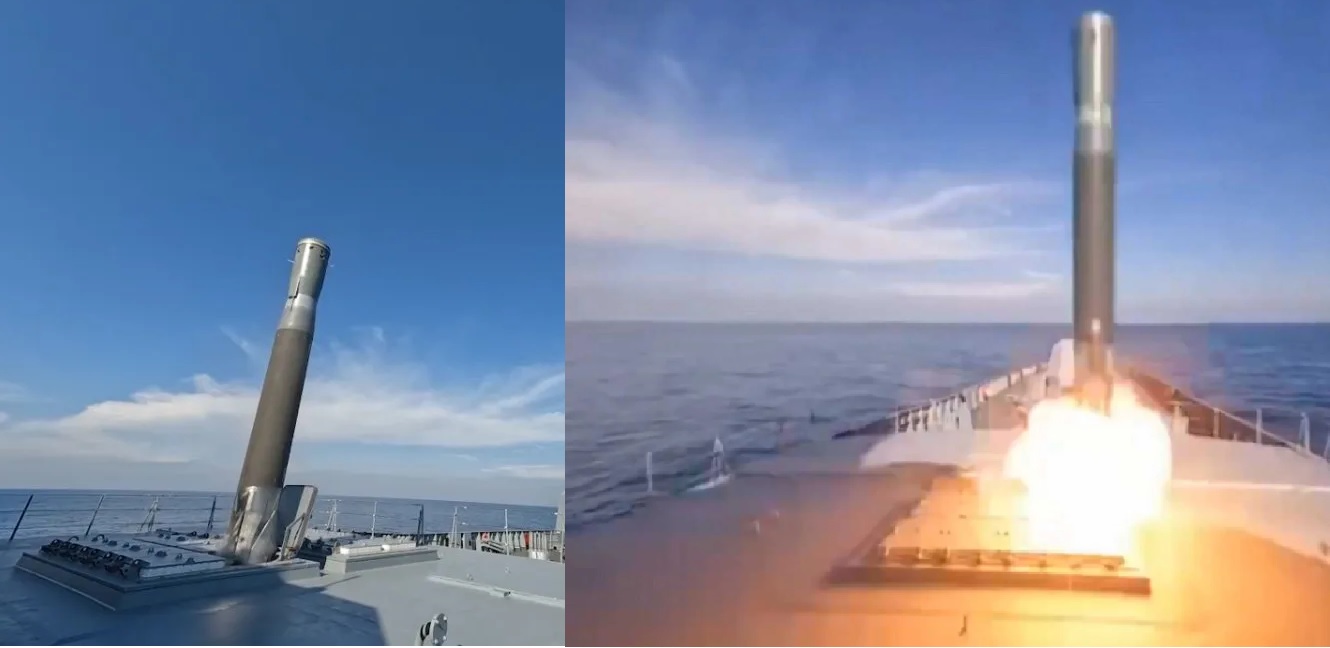 Open-Source Evidence Suggests Russia's Zircon Is a Quasi-Ballistic Missile, Not a True Hypersonic Cruise Weapon
-
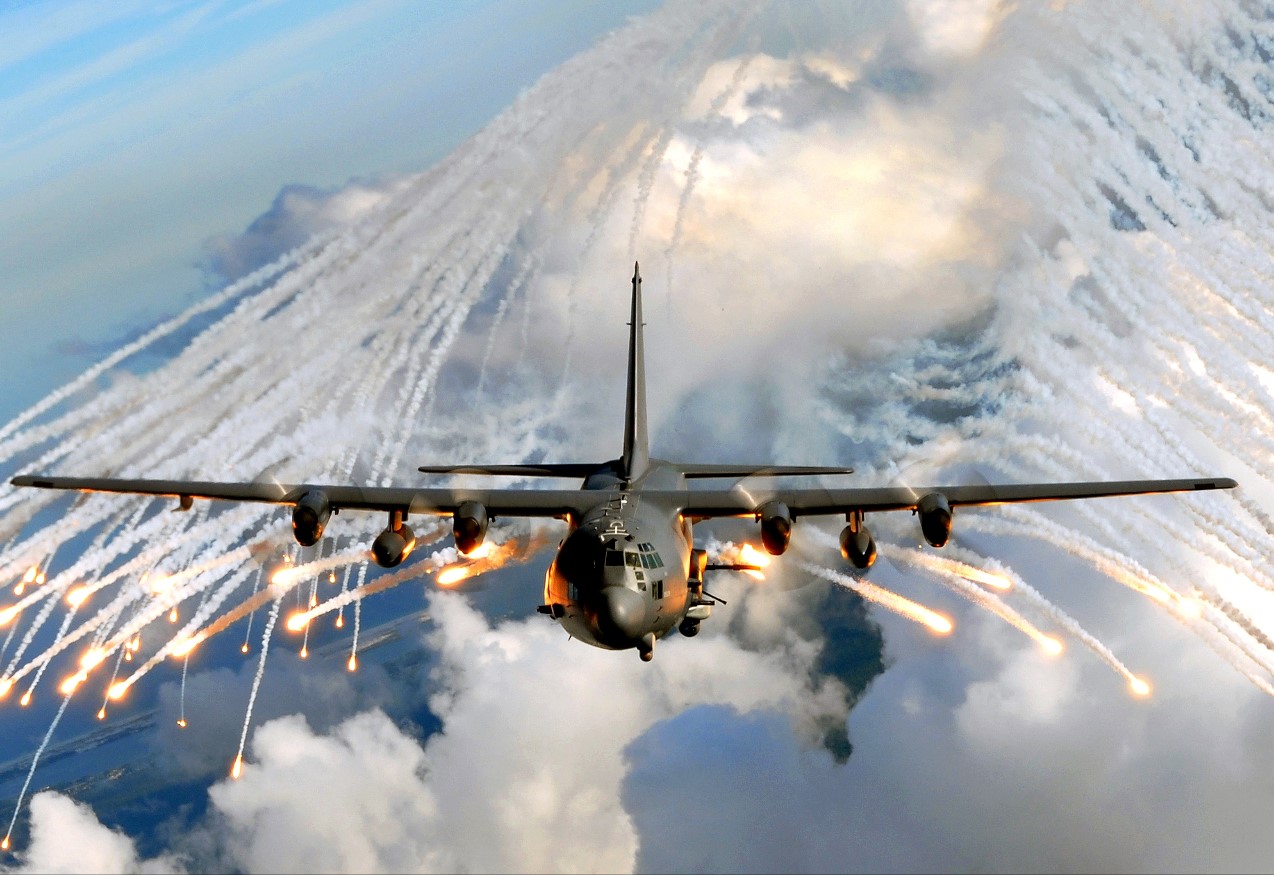 Pentagon Expands Alloy Surfaces Contract to $328.8 Million for Advanced Aircraft Decoy Flares Amid Evolving Drone Threats
-
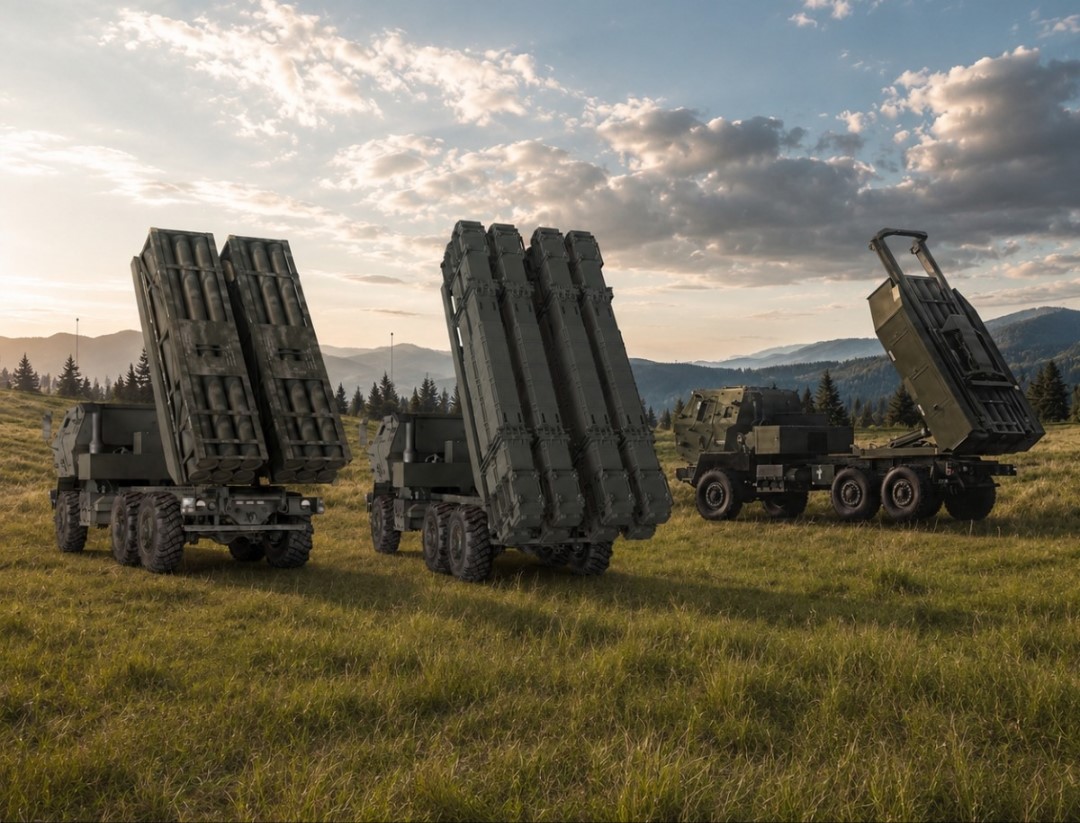 Lockheed Martin Unveils HIMARS FLEX with Dual-Pod Launcher and NATO-Compatible Air Defense Integration
-
 Why the U.S. Restored Pacific Command Name, Ending the Indo-Pacific Designation After Eight Years
-
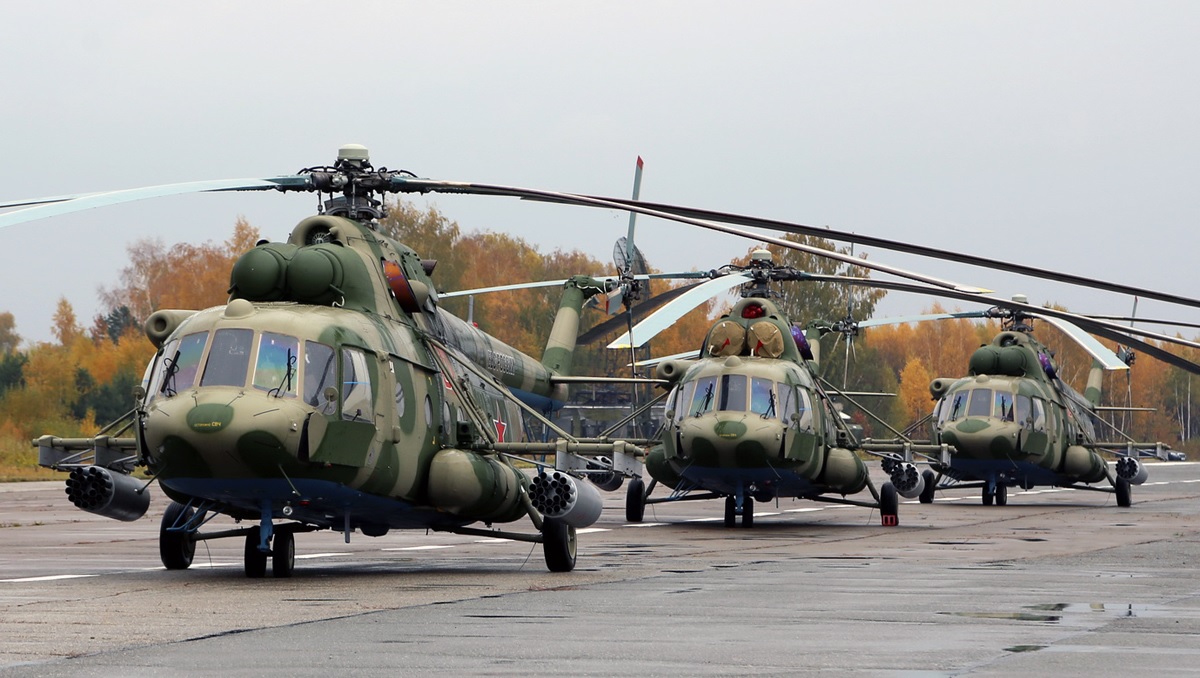 Iran Signs Deal with Russia for 20 Mi-8 and Mi-17 Helicopters to Boost Rescue and Medical Missions
-
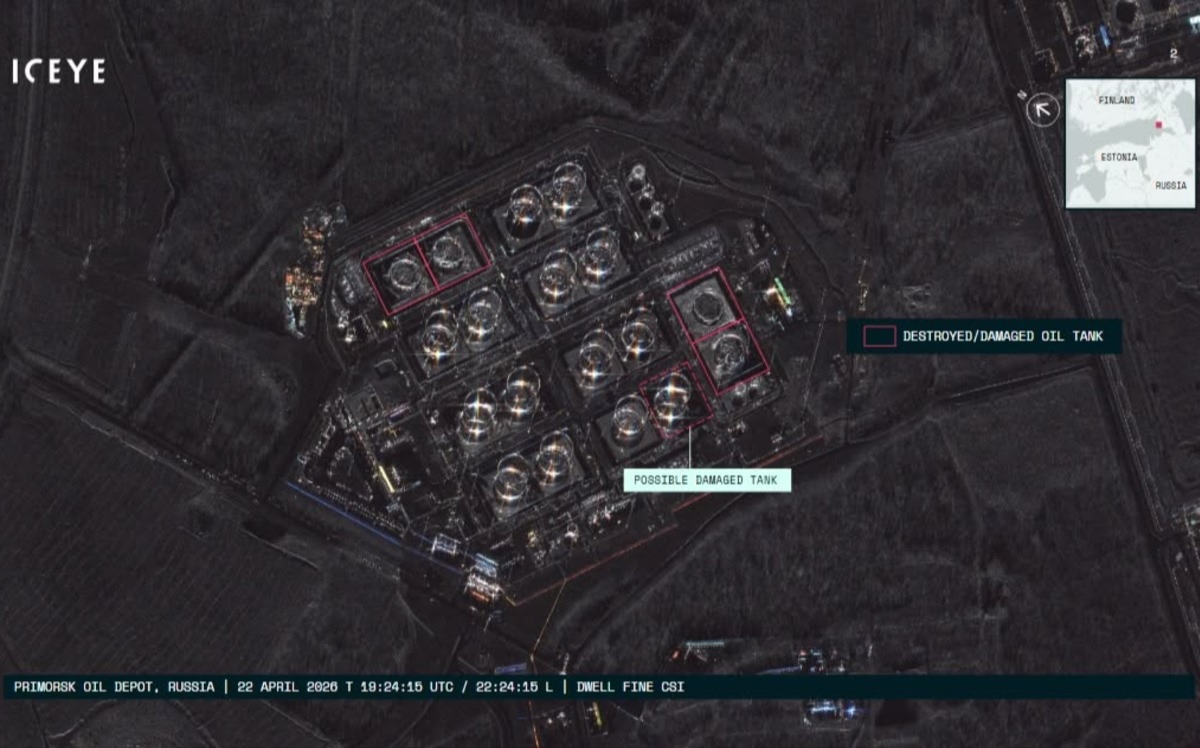 Portugal Doubles Sovereign SAR Satellite Fleet with Order for Two Additional ICEYE Satellites
-
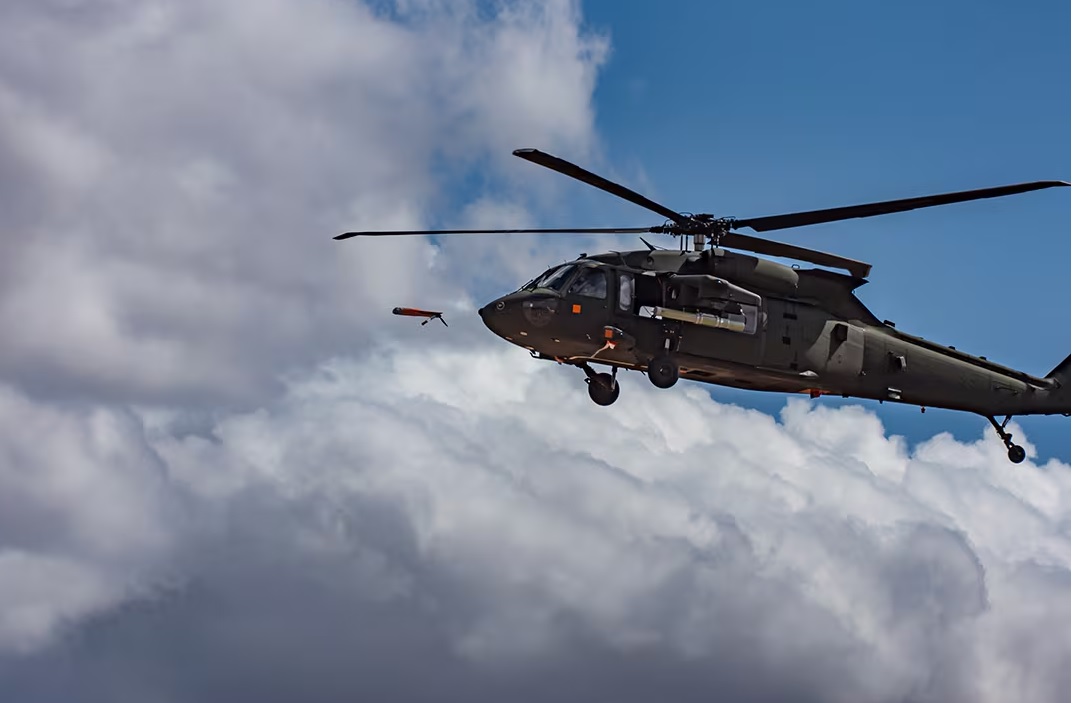 U.S. Army Completes First Flight Test of Medium-Range Air-Launched Effects from Black Hawk Helicopter
Top Trending in 4 Days
-
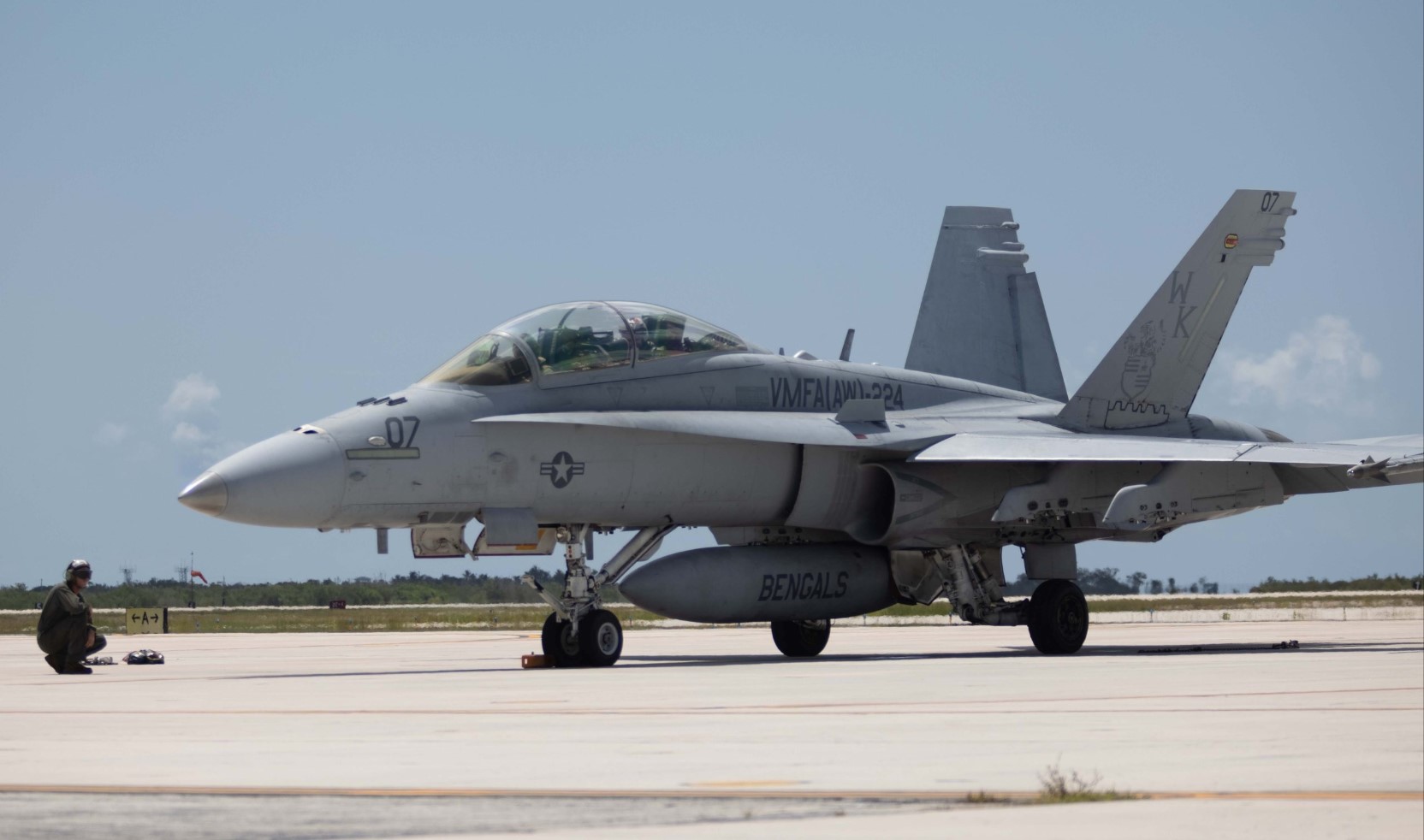 US Marine Corps F/A-18D Hornet Crashes During Training Flight in Washington Mountains; Pilot Ejects Safely
-
 Tulsi Gabbard Releases Declassified Files Detailing U.S.-Backed Network of 120 Biolaboratories Across 30+ Countries
-
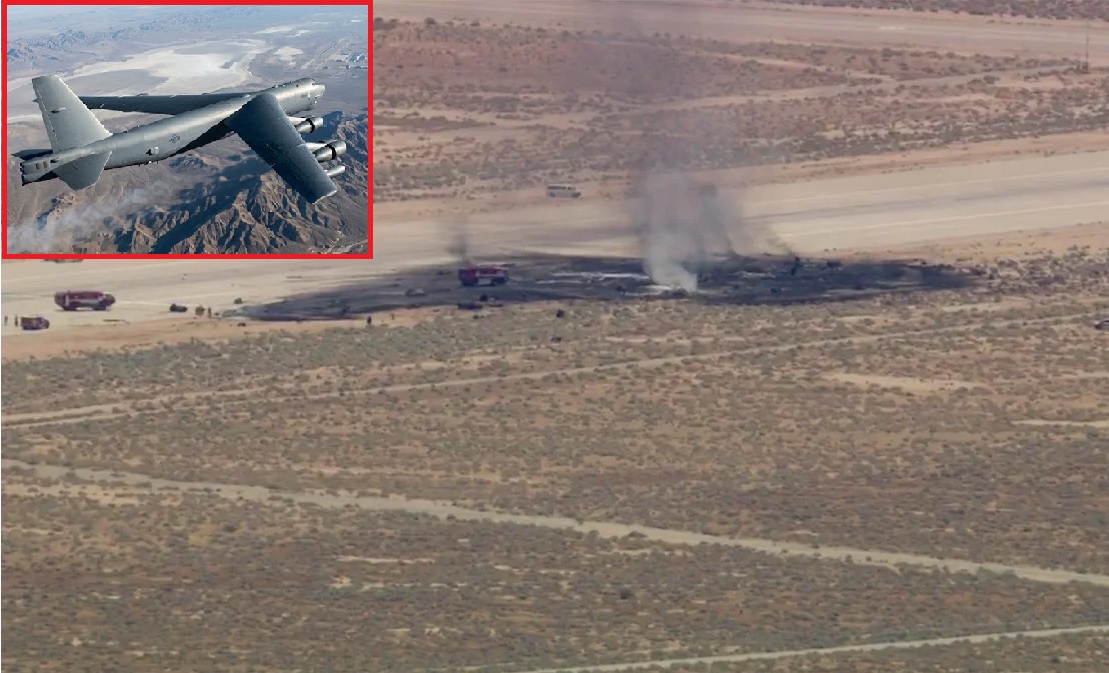 8 U.S. Air Force Crew Members Killed in B-52 Bomber Crash During Test Flight at Edwards Air Force Base
-
 Ukraine Introduces Balloon-Launched DART Missile Designed to Defeat Electronic Warfare
-
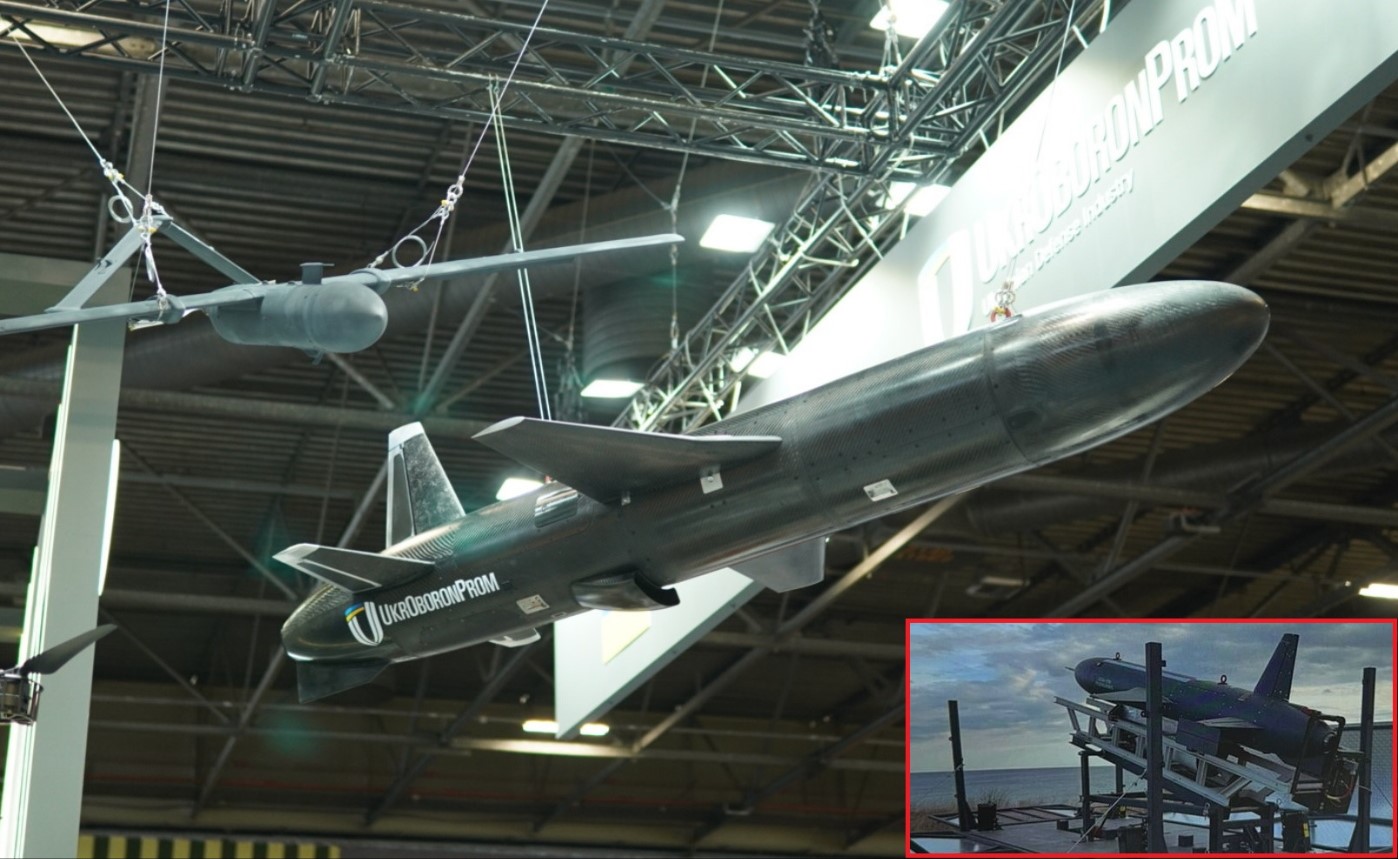 Ukraine Unveils UAV-290 Jet-Powered Strike Drone with 650 km Range at Eurosatory 2026
-
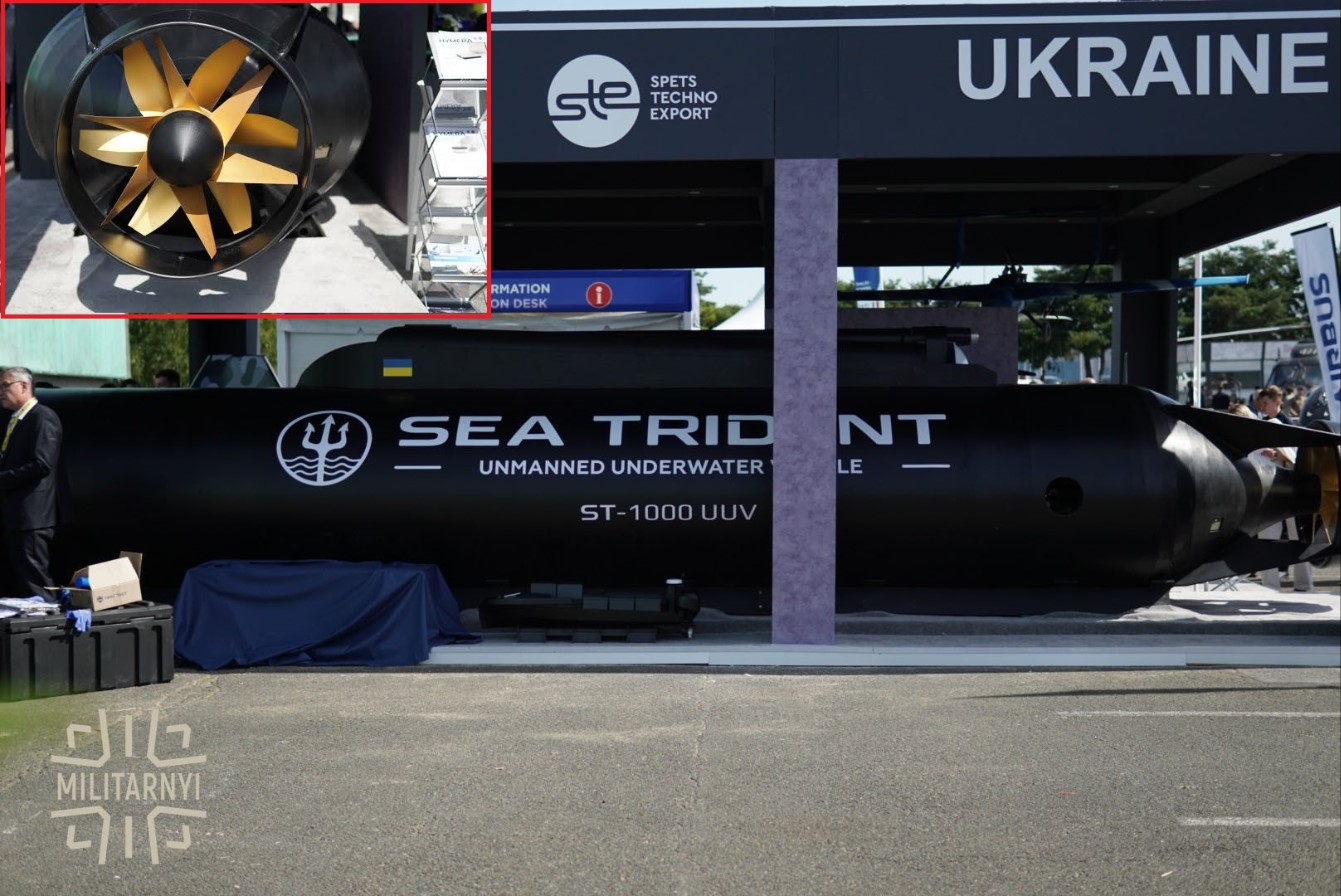 Ukraine Unveils 'Sea Trident' 10-Ton Autonomous Underwater Drone at Eurosatory 2026
-
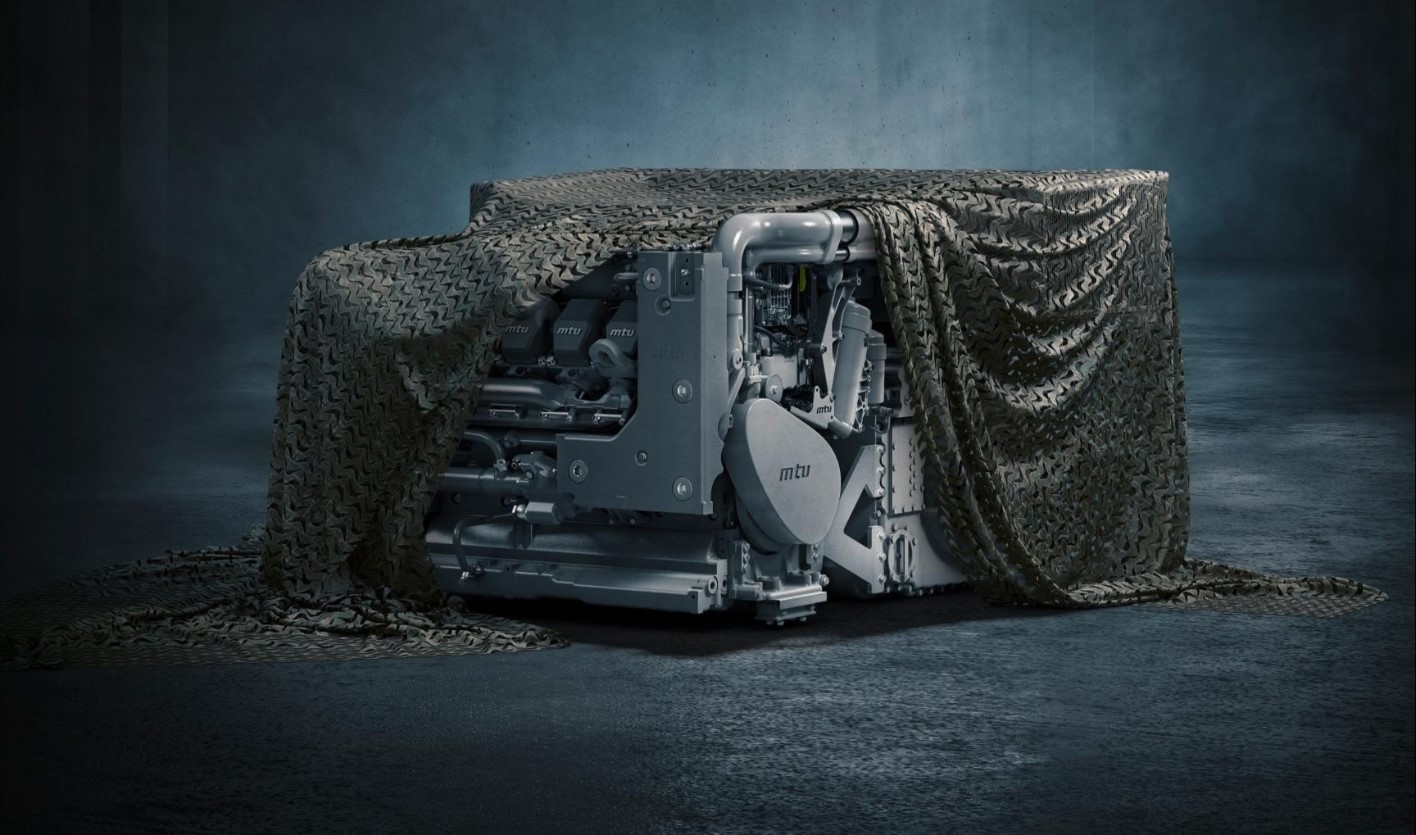 Rolls-Royce Unveils New Hybrid Powertrain for Heavy Military Vehicles at Eurosatory 2026
-
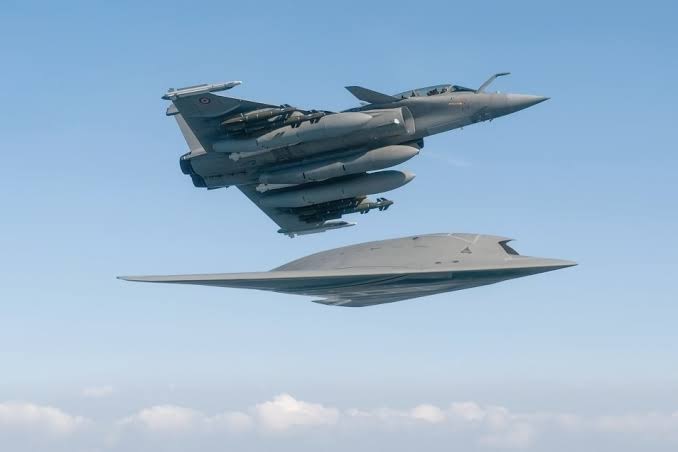 France Agrees to Equip Future Indian Rafales with AI, MUM-T and Secure Satellite Links Under F5 Standard