India
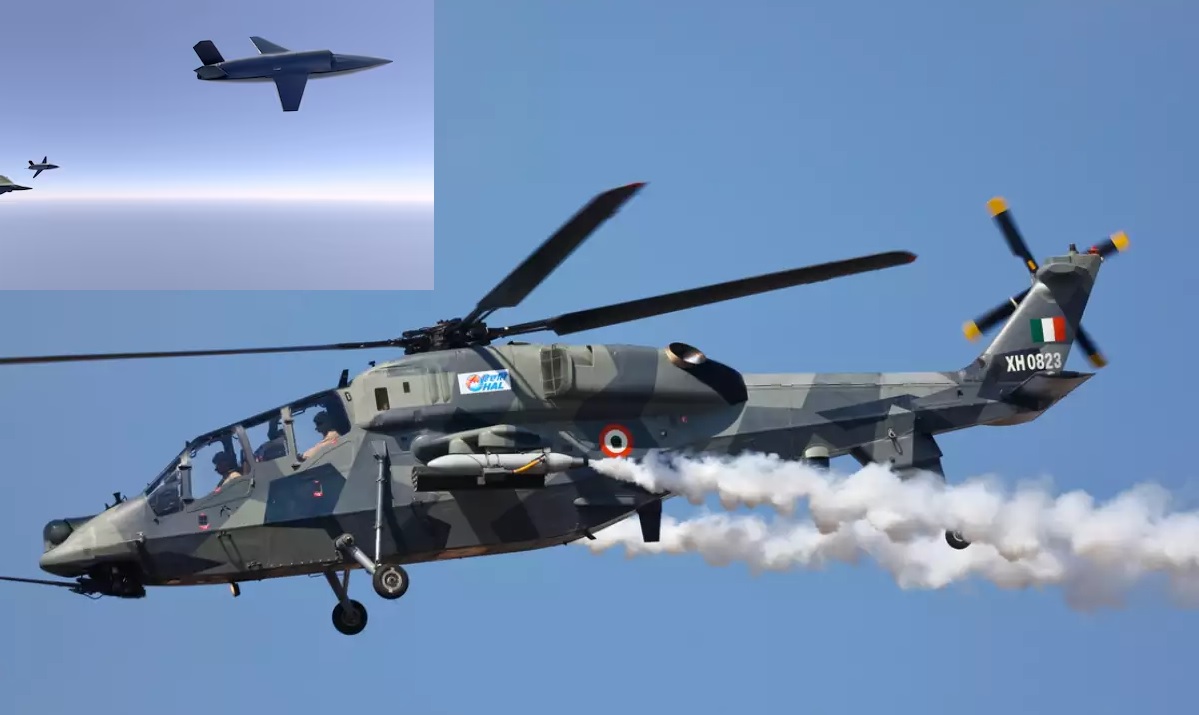
A recently unveiled computer-generated concept has sparked significant interest in India's defence circles, shedding light on the potential integration of manned and unmanned aerial assets. The imagery, shared on March 28 by HAL Chief Test Pilot Harsh Vardhan Thakur, depicts India's indigenous Light Combat Helicopter (LCH) Prachand working in tandem with the HAL Warrior Loyal Wingman UAVs. This hints at India's push towards developing Manned-Unmanned Teaming (MUM-T) capabilities for its rotary-wing platforms. The Prachand, meaning "Fierce" in Hindi, is India's first indigenously developed multi-role light attack helicopter. Designed by Hindustan Aeronautics Limited (HAL) for high-altitude operations, it has already proven its mettle in challenging environments such as Ladakh and Siachen. Since its formal induction in October 2022, the Prachand has demonstrated its versatility with a service ceiling of 6,500 meters, advanced avionics, and an array of weaponry including a 20mm cannon, rockets, and air-to-air missiles. The Indian government's recent approval for the acquisition of 156 additional LCH units, split between the Army and Air Force, highlights the strategic importance of this platform. However, the emergence of the Warrior Loyal Wingman in conjunction with the LCH suggests a paradigm shift in how future air combat operations could be conducted. The Warrior UAV, part of HAL’s Combat Air Teaming System (CATS) initiative, is envisioned as an autonomous, stealth-enabled force multiplier. Initially conceptualized to support manned fighter jets such as the Tejas and Su-30MKI, its potential integration with the LCH is an intriguing development. The CGI concept shared by Thakur depicts the Prachand acting as a command platform, orchestrating Warrior UAVs in real-time combat scenarios. This could redefine the LCH’s role from a direct combat asset to a tactical command hub capable of coordinating multiple unmanned units. Integrating a helicopter with UAVs for combat operations is an innovative approach that could unlock new tactical advantages. Traditionally, fixed-wing aircraft have been preferred for MUM-T roles due to their sensor and communication capabilities. However, the LCH’s ability to hover, operate in rugged terrain, and perform precision strikes makes it an ideal candidate for leading unmanned combat formations. By leveraging Warrior drones, the Prachand could conduct reconnaissance, target engagement, and electronic warfare missions while maintaining a safer standoff distance. The Warrior UAV, reportedly powered by twin HAL PTAE-7 turbojet engines, is expected to feature stealth attributes, autonomous navigation, and a range exceeding 700 km. Its internal weapon bays could be loaded with precision munitions, allowing it to carry out high-risk missions that would otherwise endanger manned aircraft. Additionally, an AI-driven voice command interface is being considered, potentially enabling seamless interaction between the LCH crew and accompanying UAVs. If successfully implemented, this MUM-T capability could significantly enhance India's aerial warfare capabilities, especially in high-altitude border regions. The ability to deploy Warrior UAVs ahead of a manned helicopter would provide critical battlefield intelligence, engage enemy air defences, or neutralize targets without direct exposure to threats. This would be particularly beneficial in mountainous combat zones, where visibility and reaction time are critical. However, transitioning from conceptual imagery to operational capability involves several challenges. Establishing secure, high-bandwidth communication links between the LCH and Warrior UAVs, integrating AI-driven mission control, and upgrading the helicopter’s avionics to manage UAV operations are crucial technical hurdles. The LCH’s Integrated Avionics and Display System (IADS) may require enhancements to support real-time UAV coordination. Additionally, the Warrior UAV itself is still under development, with HAL targeting its initial flight tests in the 2024-2025 timeframe. Despite these challenges, the potential pairing of the LCH Prachand and Warrior Loyal Wingman aligns with India’s broader defence modernization efforts under the Atmanirbhar Bharat initiative. By pioneering MUM-T capabilities for its helicopter fleet, India could significantly enhance its aerial combat effectiveness while reducing risks to pilots. If realized, this vision could establish a powerful, cost-effective combat ecosystem for high-altitude warfare, setting a precedent for future innovations in India’s indigenous defence industry.
Read More → Posted on 2025-03-31 14:59:07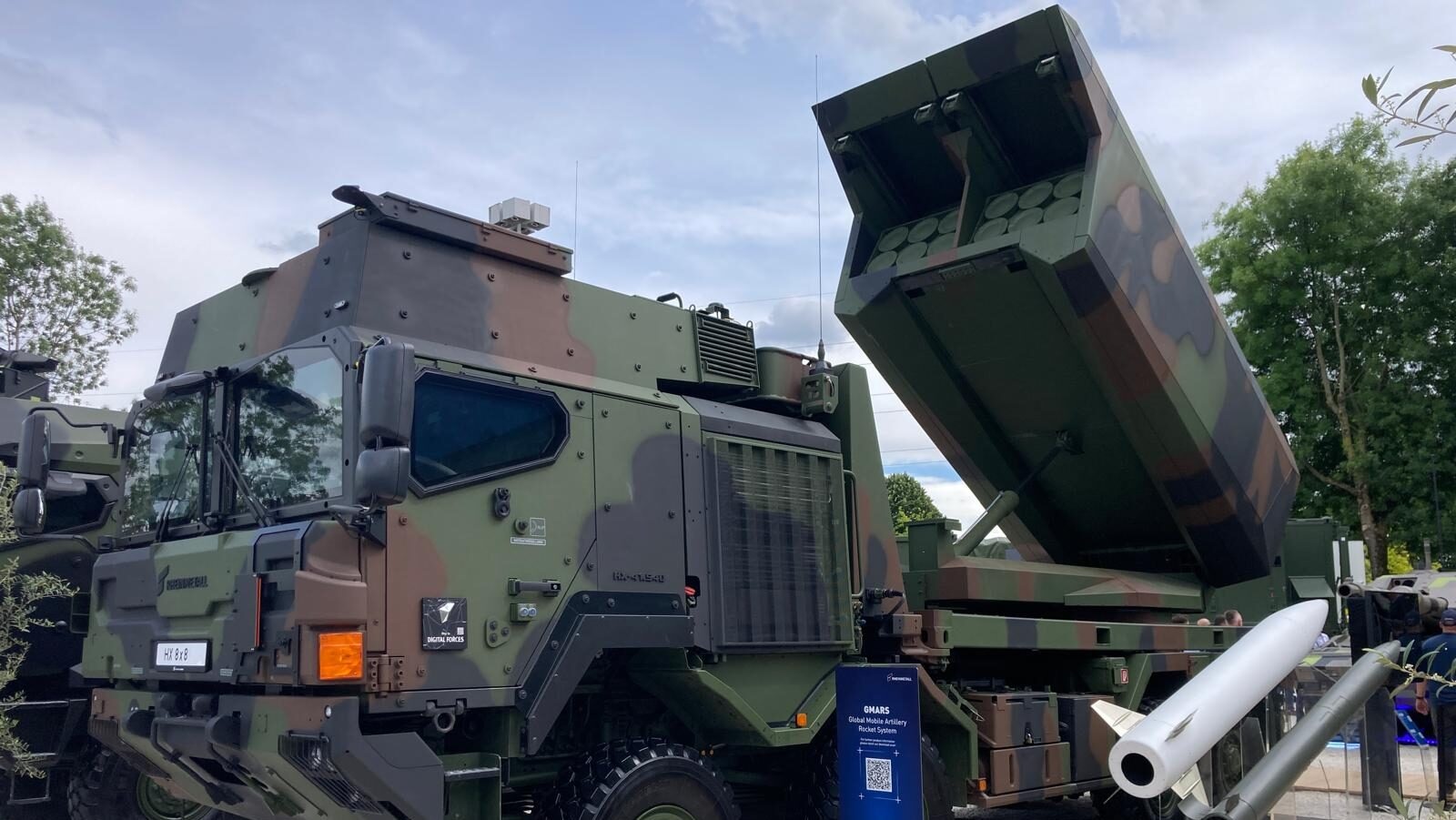
World
Rheinmetall and Lockheed Martin, partners in the Global Mobile Artillery Rocket System (GMARS) program, recently convened an international summit in Europe to discuss advancements in long-range precision fire capabilities. The event brought together defense professionals, military leaders, and industry experts from 14 nations to explore the latest developments in the two-pod launcher system. Focus on Interoperability A key theme of the summit was interoperability, emphasizing how GMARS can integrate with NATO systems like HIMARS and M270. Attendees participated in factory tours and presentations that detailed the GMARS launcher’s operational flexibility and the range of precision-guided munitions developed by Lockheed Martin. Platform Capabilities GMARS is based on the Rheinmetall HX3 vehicle, providing enhanced mobility, survivability, and versatility to meet modern operational demands. The system features a highly mobile, all-weather, 24/7 missile artillery capability mounted on the proven HX truck. Equipped with a multiple rocket launcher with two pods and a fire control system, GMARS can fire the entire MLRS ammunition family, including GMLRS, ER GMLRS, ATACMS, and PrSM, achieving ranges exceeding 400 kilometers. A live firing demonstration is scheduled for the summer, allowing attendees to witness its capabilities firsthand.Breaking Defense+4Joint Forces News+4International Defence Analysis+4 Insights from Military Leadership LTG (R) Ben Hodges, former Commander of US Army Europe, delivered the keynote address, offering insights into current and future battlefield challenges and opportunities. The summit also featured a networking session, enabling attendees to discuss specific national requirements with defense experts and peers. Statements from Industry Leaders Dr. Björn Bernhard, Head of Rheinmetall’s Vehicle Systems Division, expressed satisfaction with the event: “We were pleased to showcase the capabilities of the GMARS launcher at the summit with our partner Lockheed Martin. This event provided a unique opportunity for European customers to learn more about the system, its benefits, and how it can support their long-range precision fire requirements.” Paula Hartley, Vice President and General Manager of Tactical Missiles at Lockheed Martin, added: “Lockheed Martin is committed to delivering innovative solutions that meet the evolving needs of our customers. The GMARS program is a prime example of this commitment, and we were pleased to discuss its capabilities and benefits with customers at the summit.” Analysis The collaboration between Rheinmetall and Lockheed Martin on GMARS signifies a strategic effort to enhance long-range precision fire capabilities within NATO and allied forces. By integrating proven missile technology with a robust and mobile platform, GMARS aims to provide a versatile solution adaptable to various operational scenarios. The focus on interoperability ensures that GMARS can seamlessly function alongside existing systems like HIMARS and M270, promoting cohesive and efficient joint operations. The upcoming live firing demonstration will be a critical milestone, offering potential users an opportunity to assess the system's performance and operational suitability. As modern battlefields demand increased mobility, precision, and adaptability, GMARS positions itself as a formidable asset in addressing these evolving challenges.
Read More → Posted on 2025-03-31 14:55:21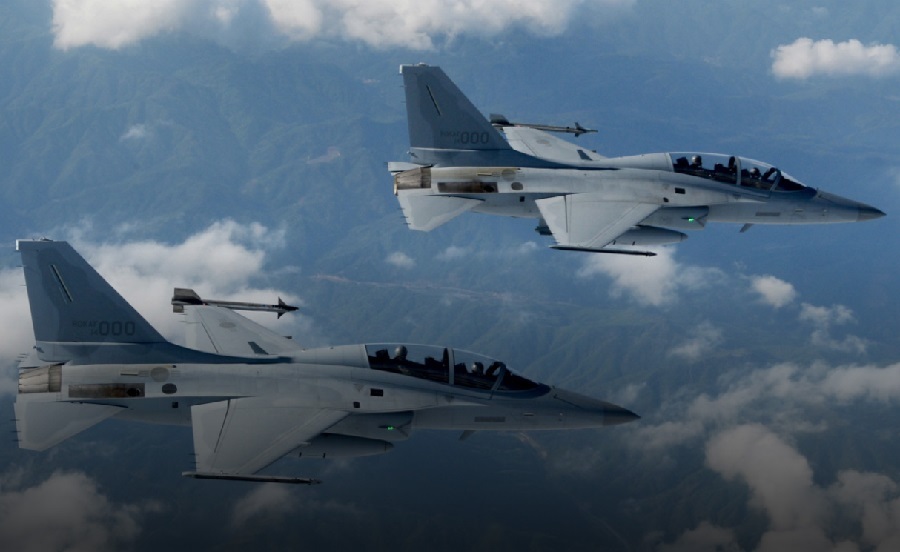
World
Egypt is in advanced negotiations with South Korea to procure up to 100 FA-50 light combat aircraft, aiming to modernize its air force and bolster defense capabilities. Egyptian Ambassador to Seoul, Khaled Abdelrahman, confirmed that discussions have been positive, with an initial focus on acquiring 36 aircraft. Catalyst for Interest Egypt's interest in the FA-50 intensified following the August 2022 Pyramids Air Show, where South Korea's Black Eagles aerobatic team showcased the aircraft's capabilities over the Giza pyramids. This demonstration highlighted the FA-50's performance and potential compatibility with Egypt's defense needs. Aircraft Overview Developed by Korea Aerospace Industries (KAI), the FA-50 is a versatile, two-seat, supersonic light combat aircraft derived from the T-50 advanced jet trainer. It offers a blend of training and combat functionalities, with a maximum speed of Mach 1.5 and a range of approximately 2,592 kilometers. The FA-50 is equipped to carry a diverse array of weaponry, including air-to-air and air-to-ground missiles, precision-guided bombs, and an internal 20mm cannon. Strategic Advantages A significant advantage of the FA-50 is its 70% parts commonality with the F-16, which is already in service with the Egyptian Air Force. This similarity is expected to streamline logistics, maintenance, and training processes. Additionally, the FA-50's advanced avionics and combat systems are designed to enhance operational readiness and effectiveness. Local Production and Economic Impact Egypt's Arab Organization for Industrialization (AOI) has entered into a cooperation agreement with KAI to localize the production of the FA-50. This partnership aims to manufacture a substantial portion of the aircraft domestically at the Helwan Aircraft Factory, fostering technology transfer and bolstering Egypt's defense industry. Local production is anticipated to create jobs, develop technical expertise, and position Egypt as a regional hub for aircraft manufacturing and maintenance. The prospective acquisition of the FA-50 represents a strategic move for Egypt, addressing both immediate defense needs and long-term industrial goals. By integrating advanced aircraft with local production capabilities, Egypt aims to enhance its military readiness while promoting economic growth and technological advancement within the country.
Read More → Posted on 2025-03-31 14:53:21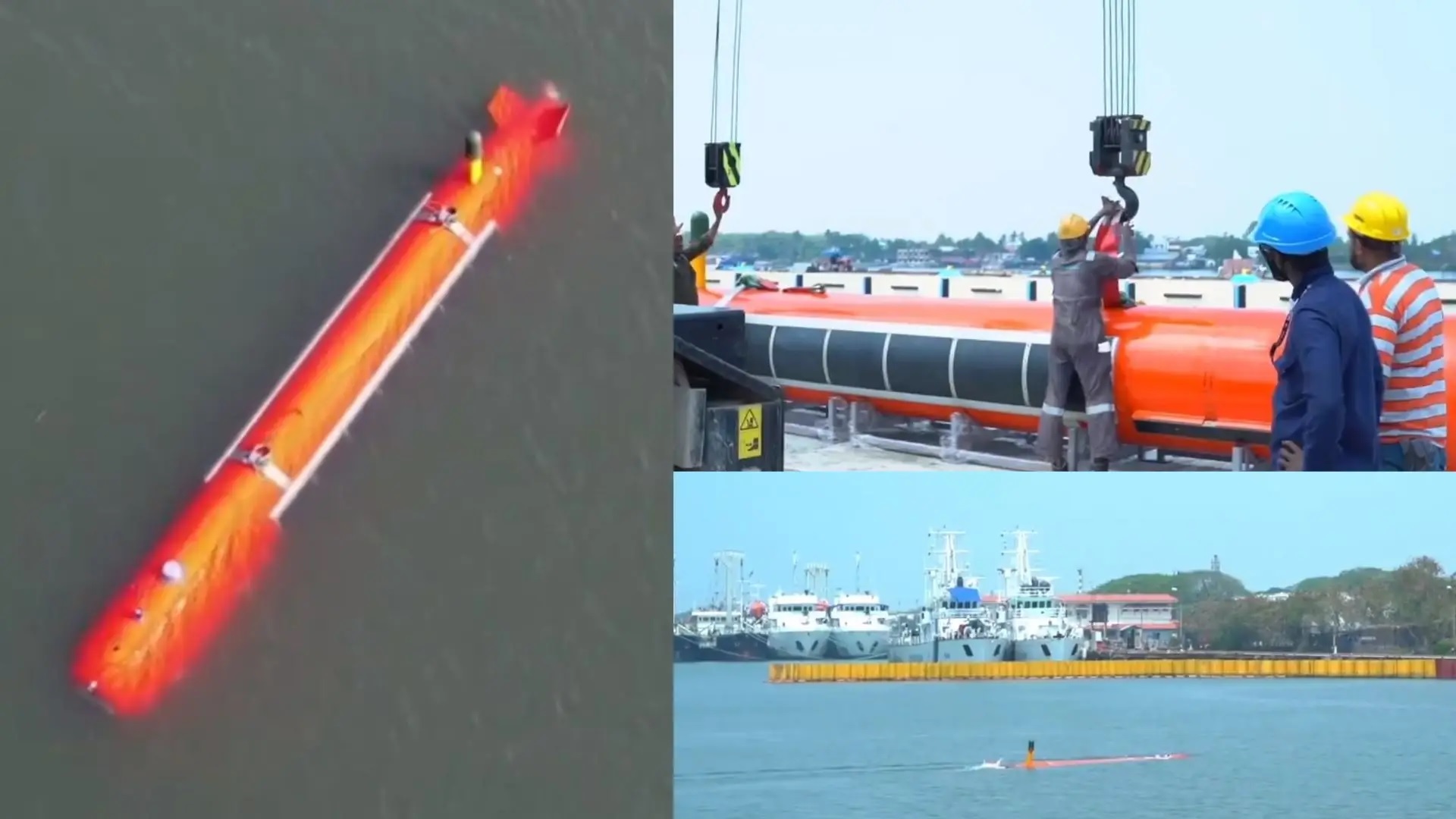
India
India's defense research and development efforts have taken a major leap forward with the successful testing of the High Endurance Autonomous Underwater Vehicle (AUV). Developed by the Naval Science and Technological Laboratory (NSTL), this advanced unmanned system is designed for long-duration underwater missions. Successful Lake Trials The recent trials in a lake environment demonstrated the AUV's exceptional capabilities in both surface and submerged conditions. During multiple test runs, the vehicle exhibited stable maneuverability, precise navigation, and seamless transition between different operational modes. One of the key highlights of the trial was the flawless performance of its advanced sonar systems and communication modules, which ensured accurate data transmission and situational awareness. Specifications and Features Endurance: Capable of extended underwater missions without requiring frequent resurfacing. Navigation System: Equipped with advanced inertial navigation and GPS-assisted tracking for precise movement. Sonar Capabilities: Integrated high-resolution sonar for underwater mapping, obstacle detection, and surveillance. Communication System: Secure underwater acoustic communication system for real-time data relay. Depth Capability: Designed to operate at significant depths while maintaining stability. Autonomy: AI-powered control systems enable autonomous decision-making and adaptive mission planning. Strategic Importance The success of these trials is a major step toward strengthening India’s maritime surveillance, reconnaissance, and underwater warfare capabilities. Once fully operational, this AUV could be deployed for a variety of naval missions, including intelligence gathering, mine detection, and anti-submarine operations. With DRDO's continuous advancements in autonomous marine technology, this High Endurance AUV is set to play a crucial role in enhancing India's underwater defense capabilities in the near future.
Read More → Posted on 2025-03-31 14:51:13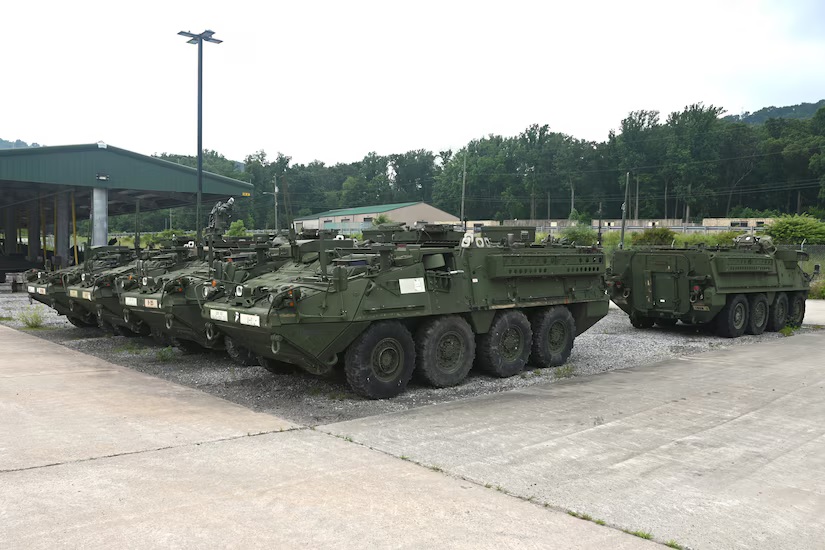
World
Soldiers from the U.S. Army’s 56th Stryker Brigade Combat Team (SBCT) have begun hands-on training with newly upgraded Stryker armored vehicles. The first batch of 25 vehicles has arrived at Fort Indiantown Gap, marking the initial phase of a larger delivery of 324 modernized Strykers. Enhanced Protection and Upgraded Features The latest Stryker variant features a redesigned double-V hull that significantly enhances blast protection compared to the older flat-bottom models. This improvement increases crew survivability, particularly against roadside bombs and explosive threats. In addition, the upgraded Strykers come with new safety enhancements, improved communications systems, and minor mechanical modifications that require operators and maintainers to adapt to the updated design. Training Program for Soldiers The training is structured as a "train-the-trainer" model, where experienced soldiers are trained to become subject matter experts within their units. The program is divided into two specialized streams: Driver Training: Focuses on handling the upgraded vehicle and understanding its new safety mechanisms. Maintenance Training: Equips soldiers with technical knowledge to repair and sustain the vehicle in the field. Around 55 soldiers will complete the driving module, while 30 soldiers will undergo maintenance training. The sessions are being led by General Dynamics Land Systems, the manufacturer of the Stryker vehicle. Soldiers' Experience with the Upgraded Stryker According to Capt. Matthew McCabe, logistics officer for the 2nd Battalion, 112th Infantry Regiment, the training will enable soldiers to become proficient with the new systems and better prepared for future operations. “It’s allowing these individuals to go back to their units, be the subject matter experts, and it’s allowing us to get our hands on a piece of equipment that’s more modern than what we had before,” McCabe said. Sgt. Robert Leamer, vehicle commander with Alpha Company, 1st Battalion, 111th Infantry Regiment, noted that while the handling of the new Stryker remains similar to previous models, key design updates—especially in armor protection and safety features—stand out. “A lot of updates seem to be with the armor, with the new hull,” Leamer said. “They have some safety features, like the emergency shut-off for the fuel, and a couple of comms things, but as far as these Strykers, they seem to roll very similar to the old ones.” Preparing for Future Operations This training program is a crucial step in preparing the brigade for full-scale deployment and combat readiness. Capt. McCabe emphasized that the training will set the brigade up for success in fiscal year 2026, once all soldiers return from their current deployments and the upgraded Strykers are fully integrated into their units. With enhanced protection, better survivability, and an improved training framework, the 56th Stryker Brigade Combat Team is gearing up to maximize the effectiveness of these modernized combat vehicles in future missions.
Read More → Posted on 2025-03-30 15:28:56
India
During an interaction with reporters at the swearing-in ceremony of U.S. Attorney Alina Habba, former U.S. President Donald Trump expressed confidence in the ongoing tariff discussions between India and the United States. He stated that "tariffs are going to work out well" between the two nations, signaling optimism about future trade relations. Trump also praised Indian Prime Minister Narendra Modi, calling him a "very smart man" and a "great friend." His remarks reflected the strong personal rapport between the two leaders, which has often translated into closer diplomatic and economic ties. However, Trump did not shy away from mentioning that India is one of the highest tariff-imposing nations globally, a point he has consistently raised during his tenure. The Trade Talks and Tariff Adjustments The latest discussions between India and the U.S. are part of a broader effort to finalize a new bilateral trade agreement. The primary goal is to enhance economic cooperation by reducing trade barriers, expanding market access, and fostering supply chain integration. India has already taken steps in this direction by lowering tariffs on certain U.S. products, including bourbon whiskey, motorcycles, and select agricultural goods. The first phase of the agreement is expected to be concluded by fall 2025. However, Trump’s stance on reciprocal tariffs remains unchanged. He has repeatedly emphasized that the U.S. will impose equivalent tariffs on its trading partners, including India, to correct what he sees as unfair trade imbalances. This approach is in line with his broader economic strategy of promoting domestic manufacturing and protecting American industries from foreign competition. His recent announcement of a 25% tariff on imported vehicles, set to take effect on April 2, is a clear example of this policy in action. Balancing Economic Ties and Strategic Interests Despite Trump's insistence on reciprocity, India is hopeful of securing concessions in ongoing negotiations to mitigate the impact of these tariffs. Indian officials have indicated a willingness to lower tariffs on several U.S. goods, provided that the overall deal benefits both economies. Beyond trade, the discussions also have significant geopolitical implications. Both India and the U.S. view their growing economic partnership as a counterbalance to China's increasing influence in the Indo-Pacific region. A stable and mutually beneficial trade agreement could strengthen their strategic alliance, ensuring economic growth while maintaining regional stability. In essence, while Trump's remarks signal a firm stance on trade, they also suggest room for negotiation. His praise for Modi and optimism about the outcome of tariff talks indicate that both nations are working towards a balanced agreement that serves their economic and strategic interests.
Read More → Posted on 2025-03-30 15:26:30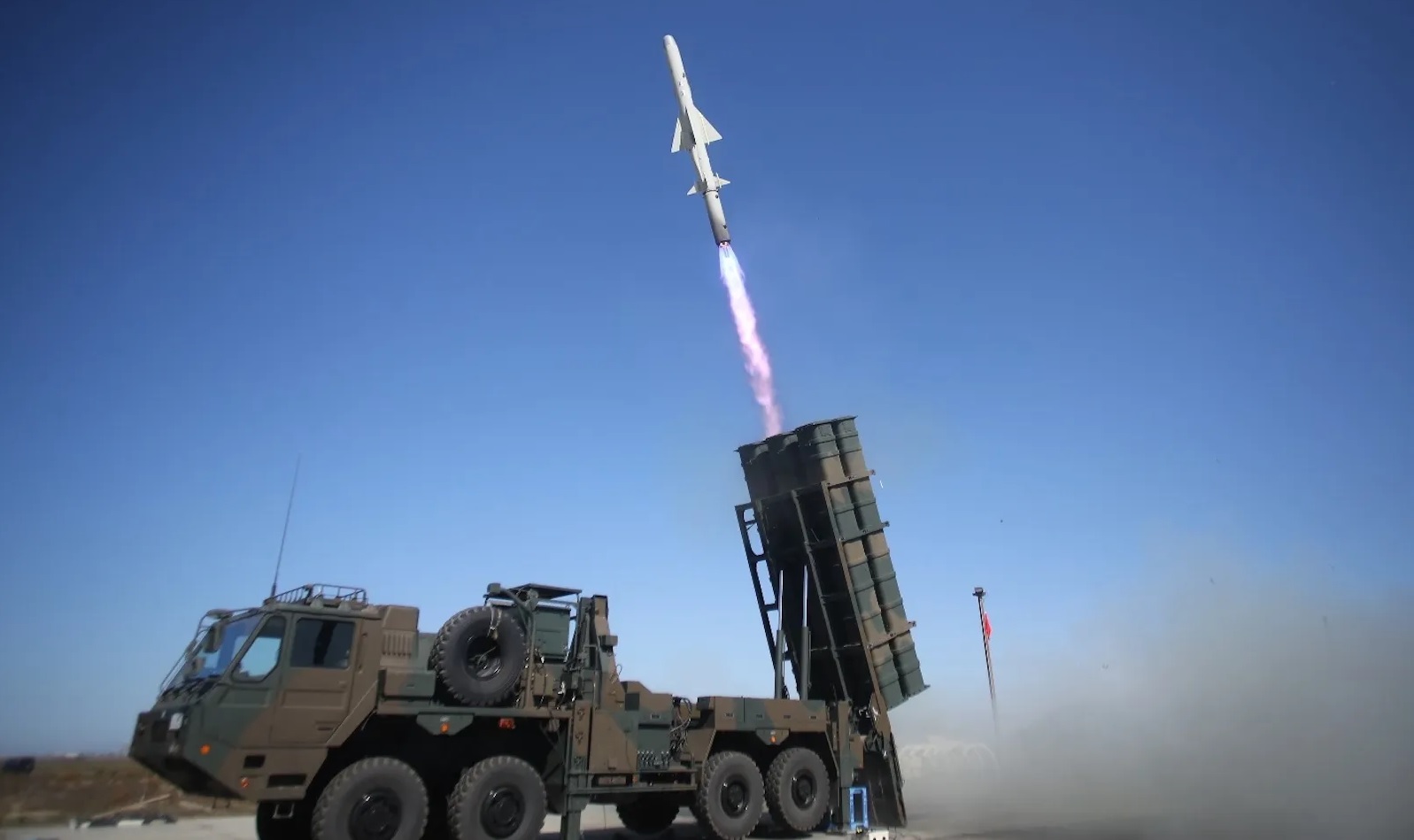
World
On March 30, 2025, Japan's Ministry of Defense officially established the 8th Surface-to-Ship Missile Regiment at the Japan Ground Self-Defense Force's (JGSDF) Yufuin garrison in Ōita Prefecture. This new unit comprises approximately 300 personnel and is equipped with the Type 12 surface-to-ship missile system, which currently boasts a range of several hundred kilometers. The activation ceremony featured State Defense Minister Toshiro Honda presenting the unit's flag to its commander, Colonel Daisaku Yamada. This event marks the completion of Japan's plan to deploy seven surface-to-ship missile regiments, a key component of its recent defense buildup strategy. Enhanced Capabilities of the Type 12 Missile The Type 12 missile system, developed by Mitsubishi Heavy Industries, has undergone significant upgrades to enhance Japan's defensive capabilities. Originally introduced with a range of approximately 200 kilometers, the improved version aims to extend this reach to at least 900 kilometers, with future enhancements targeting up to 1,200 kilometers. These advancements enable coverage of strategic areas, including parts of China's coastal regions and the entirety of North Korea, depending on deployment locations. In addition to increased range, the upgraded Type 12 missile features a stealthier design with reduced radar cross-section, improving its survivability against enemy defenses. It also incorporates advanced guidance systems, such as the Up-to-Date Command (UDTC) technology, allowing for real-time target information updates via satellite communications. This capability enhances accuracy against moving targets, providing a significant boost to Japan's deterrence posture. Strategic Implications and Regional Security The establishment of the missile unit in Ōita Prefecture reflects Japan's broader shift towards enhancing its "counterstrike capability" amid rising regional tensions. By deploying long-range missiles in the southwestern region, Japan aims to deter potential threats from neighboring countries. Defense planners are focusing on public outreach and infrastructure preparations to support the integration of these advanced systems. The Yufuin-based regiment joins existing units in Okinawa, Kumamoto, Aomori, and Hokkaido, forming a comprehensive network of missile regiments across the country. This strategic deployment underscores Japan's commitment to bolstering its defense capabilities in response to evolving geopolitical dynamics in the Indo-Pacific region.
Read More → Posted on 2025-03-30 15:24:36
India
Force Motors has secured a significant order to supply 2,978 Light Strike Vehicles (LSVs) to the Indian defence forces. These vehicles are specifically designed to meet the operational needs of both the Indian Army and the Indian Air Force, further reinforcing the company’s reputation as a trusted provider of mission-ready military vehicles. Advanced Capabilities for Defence Operations The vehicles ordered under this contract include the Force Gurkha GS 4X4 800 kg Soft Top light vehicle. These LSVs are known for their exceptional durability, off-road performance, and adaptability in extreme conditions. They are built to operate efficiently in rugged terrains, making them ideal for rapid troop movement, reconnaissance, and border patrol duties. Key specifications of the Force Gurkha GS 4X4 include: High Ground Clearance – Ensuring superior mobility over rough terrains. Unmatched Water-Wading Capability – Allowing the vehicle to traverse flooded areas and rivers. Advanced 4×4 System – Enhancing traction and maneuverability in challenging environments. 800 kg Payload Capacity – Making it suitable for transporting troops and essential equipment. Strategic Importance and Delivery Timeline The contract, awarded by the Directorate General of Capability Development (CD-13/14), signifies the Indian defence forces’ confidence in Force Motors’ capabilities. The deliveries will be carried out in multiple phases over the next three years, with the initial batch expected to be deployed soon. Force Motors Managing Director Prasan Firodia emphasized the company's commitment to providing rugged and high-performance vehicles that align with the needs of India's armed forces. This order further strengthens Force Motors' long-standing contribution to India’s defence sector, which dates back to 1958 with vehicles like the Matador and Shaktiman trucks. By securing this contract, Force Motors continues to support India’s “Make in India” initiative, bolstering self-reliance in military vehicle production and enhancing the country's defence mobility infrastructure.
Read More → Posted on 2025-03-30 15:23:54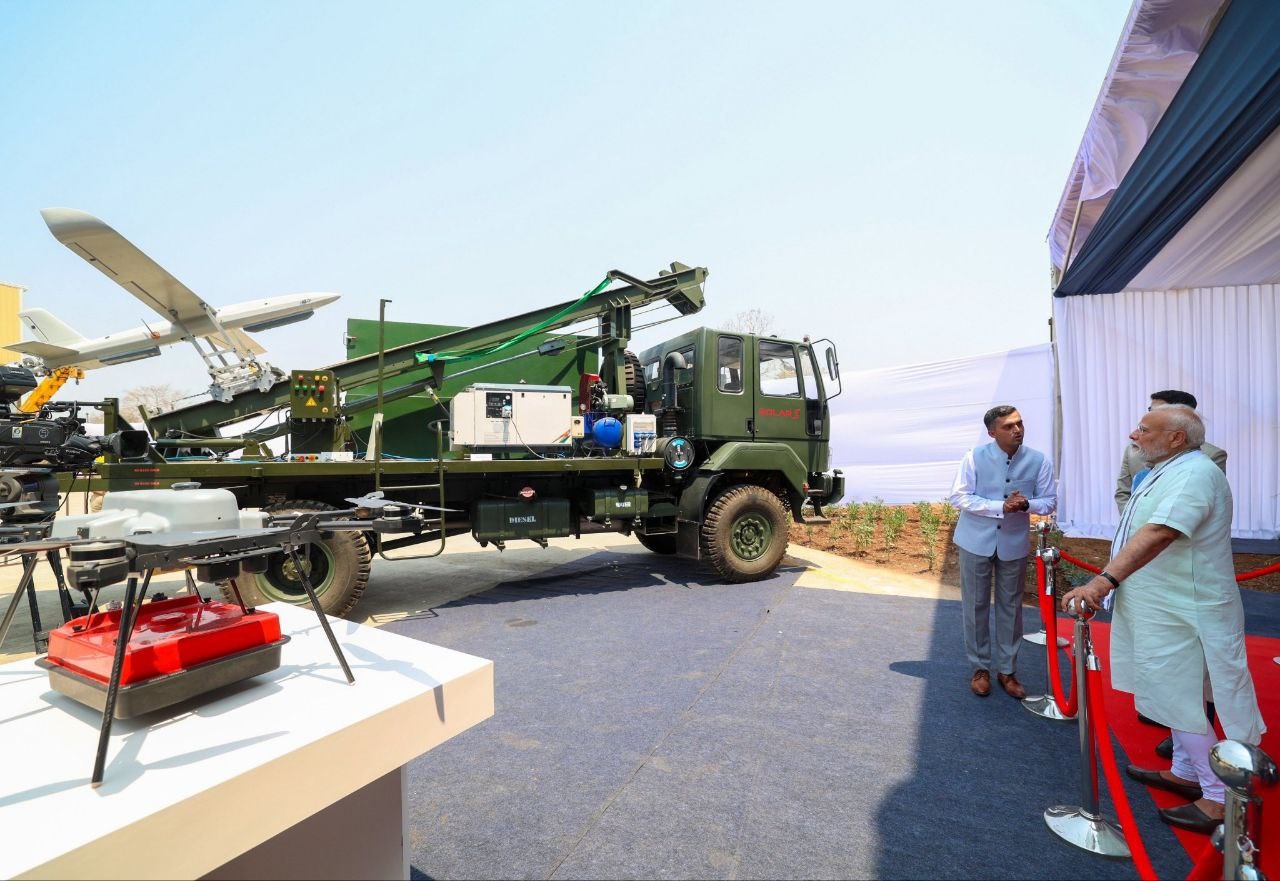
India
India’s defense landscape is undergoing rapid transformation, and at the heart of this modernization is the push for indigenous loitering munitions. Prime Minister Narendra Modi recently witnessed the unveiling of the Nagastra-3, an advanced loitering munition system being developed under the Medium Range Precision Kill System (MRPKS). This system is designed to provide the Indian Armed Forces with a versatile, high-endurance, precision-strike capability over a range exceeding 100 kilometers. Technical Specifications and Capabilities The Nagastra-3 is a next-generation loitering munition built to offer long-range reconnaissance and strike capabilities against high-value targets. The system's defining features include: Range: Over 100 km, allowing deep-strike operations beyond enemy lines. Endurance: More than 5 hours, enabling prolonged surveillance and target acquisition before committing to a strike. Guidance System: GPS and Inertial Navigation System (INS) for precise targeting, coupled with Artificial Intelligence (AI)-driven target identification. Warhead: Designed for precision strikes, the Nagastra-3 can carry a high-explosive (HE) warhead, anti-tank shaped charge, or fragmentation warhead based on mission requirements. Launch Platform: It is a canister-launched system, deployable from mobile platforms, providing rapid launch capability. Operational Altitude: Capable of flying at medium altitudes to evade enemy radar detection. Stealth and Survivability: Built with a low radar cross-section (RCS) and capable of performing evasive maneuvers to avoid interception. Data Link: Secure, encrypted communication with ground control stations for real-time video feed and manual target confirmation. Role in Modern Warfare The introduction of the Nagastra-3 into India’s arsenal strengthens its ability to conduct asymmetric warfare. Loitering munitions like the Nagastra-3 bridge the gap between traditional cruise missiles and UAV-based airstrikes. The capability to hover over a battlefield, select targets in real time, and execute precision strikes makes it an invaluable asset for: Neutralizing Enemy Air Defenses: The ability to engage high-value air defense systems and radar installations before a full-scale aerial attack. Tactical Battlefield Support: Providing real-time reconnaissance and engaging enemy troop concentrations, armored formations, or command centers. Urban Warfare and Counter-Terror Operations: Reducing collateral damage by allowing precise engagement of targets in densely populated areas. Strategic Implications The Nagastra-3's development aligns with India's push for self-reliance under the Atmanirbhar Bharat initiative. The loitering munition not only reduces India's dependence on imported weaponry but also positions the country as a key player in unmanned aerial warfare. With regional threats evolving, the ability to conduct precise, time-sensitive strikes without risking pilot lives enhances India’s strategic deterrence capabilities. Future Prospects Given its promising features, the Nagastra-3 is likely to undergo further refinements, including AI-assisted autonomous targeting, swarming capabilities, and enhanced electronic warfare countermeasures. The successful integration of this system into India's military framework will mark a significant leap in the nation’s offensive and defensive combat strategies. As the world moves towards network-centric warfare, loitering munitions like the Nagastra-3 will play a pivotal role in shaping future battlefields, giving India a critical edge in modern warfare scenarios.
Read More → Posted on 2025-03-30 15:15:04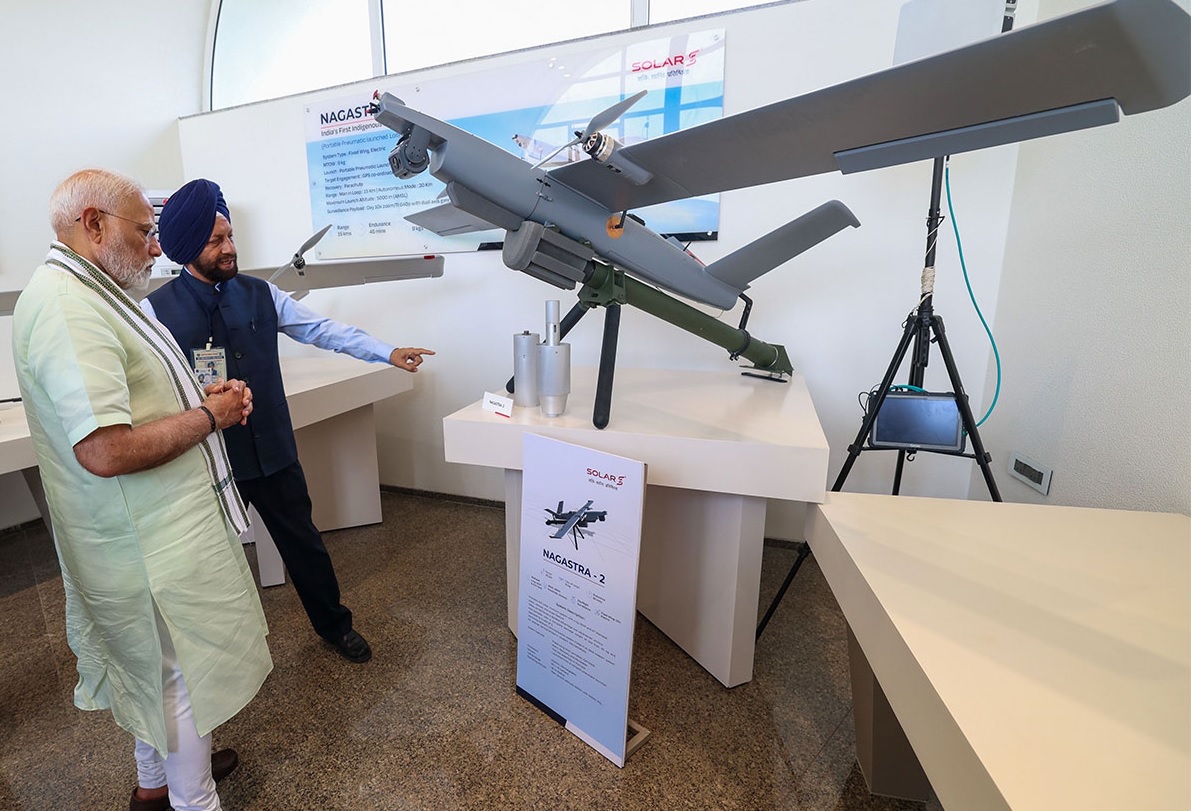
India
Prime Minister Narendra Modi today inaugurated Solar Defence's expansive 1,080-acre facility in Nagpur, marking a significant advancement in India's defense capabilities. This state-of-the-art complex encompasses a Loitering Munition Test Range and a dedicated runway for testing Medium Altitude Long Endurance (MALE) and High Altitude Long Endurance (HALE) Unmanned Aerial Vehicles (UAVs). Loitering Munition Test Range The Loitering Munition Test Range is designed to rigorously evaluate systems like the indigenous Nagastra series. The Nagastra-1, developed by Solar Industries in collaboration with Z-Motion Autonomous Systems Pvt Ltd, is a man-portable, fixed-wing electric UAV weighing approximately 9 kg. It offers a range of 15 km in manual mode and up to 30 km autonomously, with an endurance of 30 minutes. Equipped with day and night surveillance cameras and a 1 kg high-explosive fragmenting warhead, the Nagastra-1 boasts a GPS-enabled precision strike capability with an accuracy of up to 2 meters. A notable feature is its parachute recovery mechanism, allowing for mission abortion and reuse—a significant advantage over many existing systems. MALE/HALE UAV Test Runway The facility also includes a specialized runway for testing MALE and HALE UAVs. Solar Industries is developing MALE UAVs equipped with both surveillance and attack capabilities, aligning with the global recognition of drones as critical force multipliers in modern warfare. The development of these UAVs is part of the Ministry of Defence’s Indigenously Designed, Developed, and Manufactured (IDDM) category, emphasizing India's commitment to self-reliance in defense technology. The inauguration of this facility underscores India's strategic push towards enhancing its defense manufacturing capabilities and reducing reliance on foreign technology. By investing in indigenous development and testing infrastructure, India aims to position itself as a global leader in autonomous weaponized systems
Read More → Posted on 2025-03-30 15:10:40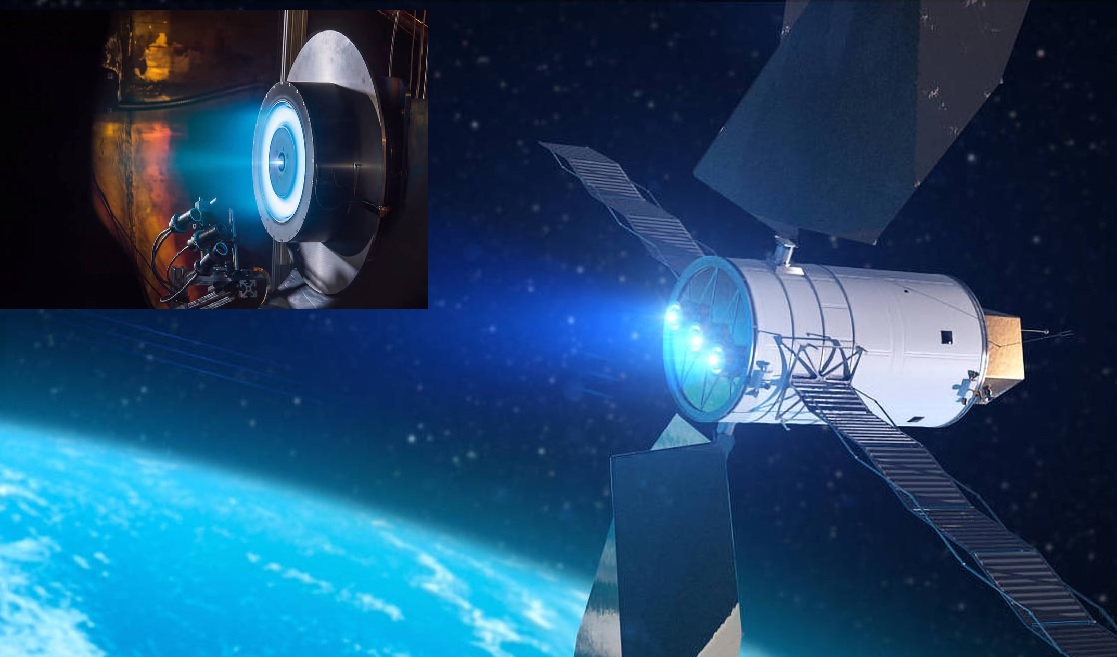
ISRO Successfully Completed 1,000-Hour Life Test of Stationary Plasma Thruster for Future Satellites
Space & Technology
On March 27, 2025, the Indian Space Research Organisation (ISRO) successfully completed a 1,000-hour life test on its 300mN Stationary Plasma Thruster, a key component of the Electric Propulsion System (EPS) designed for future satellites. This achievement marks a significant step towards replacing traditional chemical propulsion with electric propulsion in ISRO's upcoming satellite missions. Advancing Satellite Propulsion Technology The Electric Propulsion System (EPS) is set to revolutionize ISRO’s satellite technology by enabling satellites to rely entirely on electric propulsion for orbit raising and station-keeping. Unlike conventional chemical thrusters, EPS offers higher efficiency and significant mass savings, allowing for increased payload capacity, particularly in communication satellites. The key advantage of this system lies in its Specific Impulse (Isp), which is a measure of propulsion efficiency. The electric thrusters boast an Isp that is at least six times higher than conventional chemical propulsion, making them far more fuel-efficient. Key Specifications of ISRO's 300mN Stationary Plasma Thruster Thrust Output: 300mN (millinewtons) Power Consumption: 5.4 kW Propellant Used: Xenon Vacuum Chamber Testing: Simulated space environment Erosion Monitoring: Periodic assessment of electrode liner wear Specific Impulse: At least 6 times higher than conventional propulsion Critical Testing and Performance Validation The 1,000-hour life test was conducted at full power levels in a vacuum chamber replicating space conditions. A crucial aspect of the test was monitoring electrode liner erosion, which helps predict the long-term durability of the thruster. The data obtained is essential for refining ISRO's future electric propulsion designs and ensuring their reliability in space operations. Future Deployment in ISRO Satellites With this successful test, ISRO plans to integrate and validate the Electric Propulsion System in its upcoming Technology Demonstration Satellite (TDS-01). The system will play a key role in orbit-raising maneuvers to the Geostationary Orbit (GEO), proving its capability before full-scale deployment in future missions. This milestone not only strengthens India's space capabilities but also aligns ISRO with global advancements in electric propulsion technology, paving the way for more efficient, cost-effective, and longer-lasting spacecraft.
Read More → Posted on 2025-03-30 15:02:42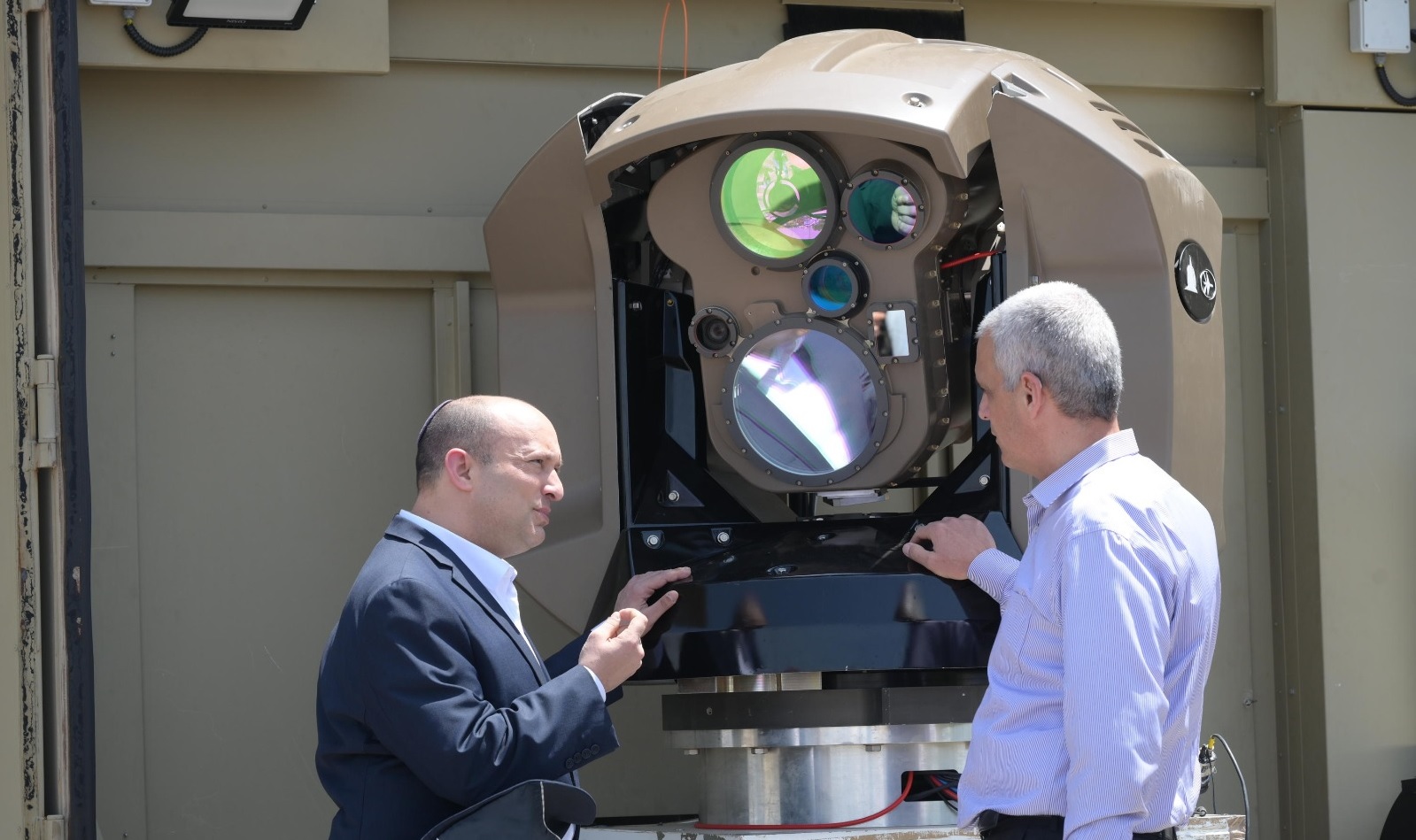
World
Rafael Advanced Defense Systems has officially announced that its Iron Beam, a high-energy laser air defense weapon, will become operational in 2025. This marks a major breakthrough in missile defense technology, as the system is set to provide an affordable and highly effective countermeasure against aerial threats. A Game-Changer in Air Defense Iron Beam is designed to work alongside Israel’s Iron Dome and other missile defense systems, offering a cost-effective solution for intercepting enemy rockets, drones, and mortar shells. Unlike traditional missile-based defenses, which rely on costly interceptors, Iron Beam uses directed energy to destroy threats at the speed of light. Rafael CEO Yoav Turgeman emphasized that the Iron Beam will significantly reduce operational costs while increasing interception efficiency. Currently, each Iron Dome interceptor costs around $30,000, whereas the Iron Beam’s laser-based approach is far cheaper, requiring only electricity to function. Key Specifications of Iron Beam Technology: High-energy laser-based air defense system Purpose: Neutralizes rockets, drones, and mortar shells Speed: Engages targets at the speed of light Cost Advantage: Far cheaper than missile-based interceptions Operational Range: Estimated to be several kilometers Integration: Works in conjunction with Iron Dome and other air defense systems Revolutionizing Air Defense Iron Beam’s operational deployment in 2025 will mark a global milestone in laser defense technology. With its instantaneous response time and lower operational costs, it is expected to transform Israel’s air defense strategy while setting a precedent for the future of military laser weapons worldwide.
Read More → Posted on 2025-03-30 14:58:48
World
In a recent development, Russian forces have seized control of two additional villages in eastern Ukraine, marking a significant advancement in the ongoing conflict. The Russian Defense Ministry announced the capture of Lozova in the Kharkiv region and Krasnoye (known as Sontsivka in Ukraine) in the Donetsk region. The latter's proximity to the strategic hub of Kurakhove underscores the tactical importance of these gains. This progression aligns with Russia's intensified efforts to secure more territory in eastern Ukraine, particularly in the Donetsk and Zaporizhzhia regions. Ukrainian officials and military analysts anticipate a renewed Russian offensive in the coming weeks, aiming to exert pressure on Ukraine and strengthen Russia's position in potential ceasefire negotiations. President Volodymyr Zelenskyy has highlighted increased Russian troop movements, suggesting possible attacks in northeastern regions like Sumy and Kharkiv. The capture of these villages not only signifies territorial expansion but also serves as a strategic maneuver to encircle key resource hubs, potentially disrupting Ukrainian supply lines and fortifications. As both nations prepare for prolonged engagement, the international community remains watchful of the evolving dynamics and their broader geopolitical implications. Lockheed Martin Delivers First F-16 Block 70 Fighter Jet to Taiwan On March 28, Lockheed Martin hosted a formal ceremony at its Greenville facility in South Carolina to present the first serial production F-16D Fighting Falcon Block 70 aircraft to Taiwan. The event was attended by representatives from Lockheed Martin, the Taiwanese government, and members of the United States Congress. Taiwan becomes the fourth recipient of the F-16 Block 70/72 variant, following Bahrain, Slovakia, and Bulgaria. Under a government-to-government agreement signed in 2019, Taiwan ordered 66 new F-16C/D Block 70 aircraft, making it the largest customer of this configuration to date. Lockheed Martin has previously completed deliveries to Bahrain, and production is ongoing for orders from Slovakia and Bulgaria. The Taiwanese Air Force currently operates a fleet of upgraded F-16AM/BM aircraft brought to the F-16V standard, which will be complemented by the new-build Block 70 jets. Taiwan had initially expressed interest in acquiring F-35A fighters, but the United States declined to approve the sale, citing concerns over escalating tensions with mainland China. As a result, Taiwan proceeded with the advanced F-16 variant, which offers modern avionics, improved radar systems, and enhanced survivability despite being a fourth-generation platform. The delivery schedule was initially planned for completion by 2026, but delays in relocating the F-16 production line from Fort Worth to Greenville have pushed the timeline back by at least two years. Taiwan’s new aircraft are expected to replace aging Mirage 2000-5 and F-5 Tiger II fighters, strengthening its defensive capabilities. Lockheed Martin has received confirmed orders for 188 F-16 Block 70/72 aircraft. In addition to current customers, future sales may include countries such as Morocco, Jordan, Turkey, the Philippines, Vietnam, and Colombia, as interest in the proven platform continues to grow. In October 2024, Taiwan’s Defence Minister announced plans for further combat aircraft acquisitions from the United States. However, due to political sensitivities, approval for more advanced platforms like the F-35 remains unlikely in the near term.
Read More → Posted on 2025-03-30 14:55:17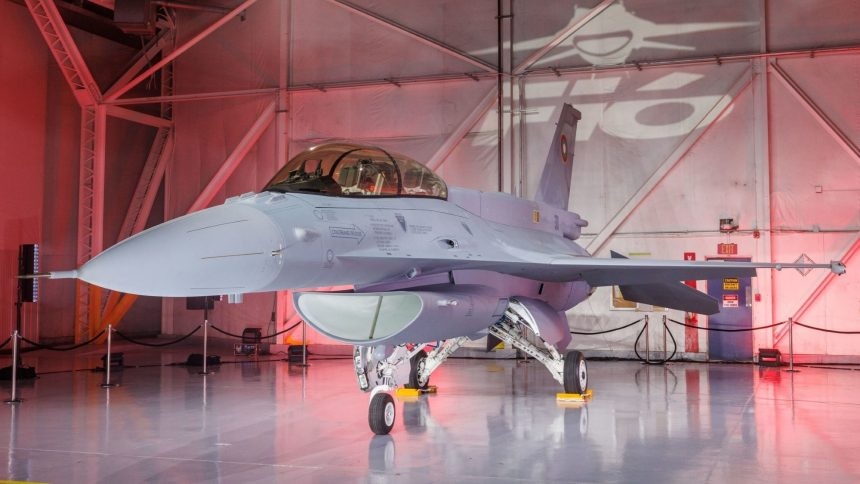
World
On March 28, 2025, Lockheed Martin hosted a ceremony at its Greenville, South Carolina facility to commemorate the delivery of the first F-16D Fighting Falcon Block 70 aircraft to Taiwan. This event marks a significant milestone in Taiwan's ongoing efforts to modernize its air force and bolster its defensive capabilities. Taiwan's Acquisition and Strategic Implications In 2019, Taiwan entered into a government-to-government agreement with the United States to procure 66 new F-16C/D Block 70 aircraft, positioning Taiwan as the largest customer of this advanced configuration. This acquisition is part of Taiwan's broader strategy to replace its aging fleet of Mirage 2000-5 and F-5 Tiger II fighters, thereby enhancing its ability to safeguard its airspace amid regional security challenges. Delays and Adjusted Delivery Timeline The initial delivery schedule aimed for completion by 2026. However, delays associated with relocating the F-16 production line from Fort Worth, Texas, to Greenville have extended the timeline by at least two years. Despite these setbacks, the delivery of the first F-16 Block 70 underscores the commitment to strengthening Taiwan's defense capabilities. Advanced Features of the F-16 Block 70 The F-16 Block 70/72 represents the most advanced iteration of the Fighting Falcon, incorporating several state-of-the-art features: Advanced Radar Systems: Equipped with Northrop Grumman's APG-83 Active Electronically Scanned Array (AESA) radar, the Block 70 offers fifth-generation radar capabilities, providing pilots with enhanced situational awareness and all-weather targeting precision. Enhanced Battlespace Awareness: The aircraft features a high-resolution Center Pedestal Display (CPD), delivering critical tactical imagery and allowing pilots to fully exploit data from the AESA radar and targeting systems. Extended Structural Life: With an extended structural life of 12,000 hours, the Block 70 surpasses previous F-16 models by more than 50%, ensuring a reliable service life of at least 40 years without the need for extensive structural repairs. Automatic Ground Collision Avoidance System (Auto GCAS): This life-saving system is designed to prevent controlled flight into terrain incidents, a leading cause of aircraft losses and pilot fatalities. Global Interest and Future Prospects Beyond Taiwan, Lockheed Martin has secured orders for the F-16 Block 70/72 from countries including Bahrain, Slovakia, and Bulgaria, with confirmed orders totaling 188 aircraft. Additional nations such as Morocco, Jordan, Turkey, the Philippines, Vietnam, and Colombia have also expressed interest in this advanced platform, reflecting its growing global appeal. The delivery of the first F-16 Block 70 to Taiwan signifies a pivotal advancement in the island's defense modernization efforts. Despite initial delays, the incorporation of these advanced fighters is set to significantly enhance Taiwan's air defense capabilities, contributing to regional stability and security.
Read More → Posted on 2025-03-30 14:50:30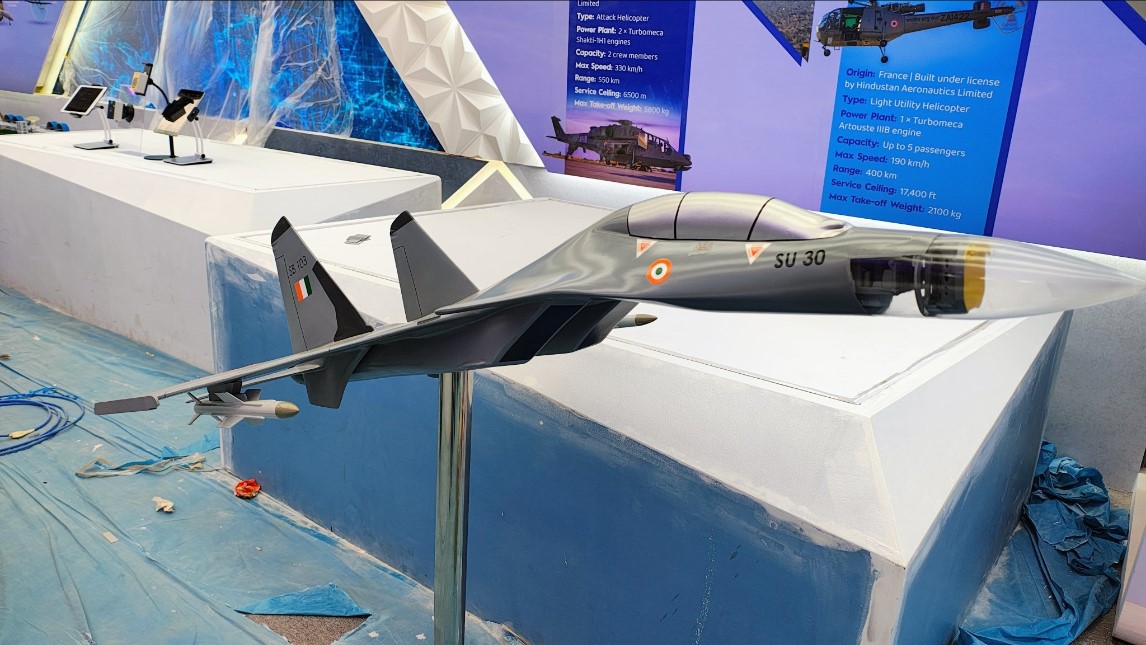
India
The Indian Air Force (IAF) has embarked on a significant modernization program for its frontline Su-30MKI fleet, integrating advanced indigenous and foreign technologies to counter emerging aerial threats. Among the key upgrades are the Virupaksha Active Electronically Scanned Array (AESA) radar, Astra MkIII beyond-visual-range air-to-air missile (BVRAAM), and enhanced networking capabilities through airborne warning and control system (AWACS) support. These enhancements, according to IAF officials, could give the upgraded Su-30MKI a decisive edge over China's new-generation J-35A stealth fighter. Understanding the Upgrades: The Virupaksha AESA Radar The heart of the Su-30MKI's modernization is the integration of the Virupaksha AESA radar, developed by India’s Defence Research and Development Organisation (DRDO). This radar marks a generational leap over the older Russian-origin N011M Bars radar, offering: Greater Detection Range: Estimated to exceed 300 km for large aircraft and over 200 km for smaller targets like fighter jets. High-Resolution Tracking: Capable of simultaneously tracking multiple targets in air-to-air and air-to-ground modes, enhancing situational awareness. Electronic Warfare (EW) Capability: Equipped with advanced jamming resistance and passive detection features to counter stealth aircraft. Multi-Mode Operations: Supports synthetic aperture radar (SAR) imaging, moving target tracking, and terrain mapping, allowing strike missions to be more precise. This AESA radar significantly enhances the Su-30MKI’s ability to detect and engage enemy aircraft before they can close in for a dogfight, countering the advantages of stealth designs like the J-35A. Astra MkIII BVRAAM: India's Long-Range Punch The Astra MkIII is the next-generation air-to-air missile under development, designed to extend engagement ranges and enhance the lethality of IAF’s Su-30MKIs. It features: Ramjet Propulsion: Ensures a sustained high-speed trajectory, unlike traditional rocket-powered missiles. Range of Over 300 km: This allows Indian pilots to engage adversaries beyond the effective range of China’s PL-15 missile, which is estimated to have a range of 200-250 km. Advanced Guidance System: Equipped with dual-mode seekers and high anti-jamming resistance, ensuring effectiveness even in contested environments. No-Escape Zone: Expanded due to its superior energy retention at terminal engagement phases, increasing kill probability. When paired with the Virupaksha AESA radar, the Astra MkIII provides an enormous advantage, allowing Su-30MKIs to engage J-35A aircraft before they are detected, negating their stealth advantage. AWACS Network: Force Multiplier in Air Combat India’s airborne early warning and control (AEW&C) platforms, such as the DRDO-developed Netra and upcoming AEW&C Block-2, play a crucial role in countering stealth threats. These aircraft provide: Early Detection of Low-Observable Aircraft: Operating at high altitudes, they can spot stealth fighters using low-frequency radar bands and data fusion techniques. Beyond-Line-of-Sight Targeting: AWACS can provide targeting information to Su-30MKIs, allowing them to fire Astra MkIII missiles without switching on their own radar, reducing their electromagnetic signature. Network-Centric Warfare Capabilities: Enhancing coordinated responses, real-time data sharing, and increasing the survivability of combat aircraft. With AWACS support, the Su-30MKI gains the ability to engage adversaries while remaining hidden, a critical tactic against stealth aircraft like the J-35A. Comparing the Upgraded Su-30MKI and the J-35A Feature Upgraded Su-30MKI J-35A Radar Virupaksha AESA (300+ km detection range) Unknown AESA (est. 200-250 km) Missiles Astra MkIII (300+ km) PL-15 (~200-250 km) Stealth Moderate RCS Reduction Measures Advanced Stealth Features Maneuverability Thrust Vectoring (TVN) No TVN Sensor Fusion Integrated with AWACS & EW suite Advanced but lacks confirmed network capabilities The J-35A benefits from stealth characteristics, making it difficult to detect using conventional radars. However, the upgraded Su-30MKI, with its high-power AESA radar and AWACS support, can detect and engage it beyond visual range. Moreover, the Astra MkIII missile, with a superior engagement range compared to China’s PL-15, gives the Su-30MKI an advantage in a long-range missile duel. Tactical Advantages in a Combat Scenario Long-Range Detection and Engagement: The Su-30MKI can leverage AWACS data to detect the J-35A early and launch Astra MkIII before the Chinese fighter gets within its own missile range. Electronic Warfare Superiority: With onboard EW capabilities and jamming-resistant radars, the Su-30MKI can disrupt the J-35A’s fire-control radar, reducing the effectiveness of its PL-15 missiles. Supermaneuverability in Close Combat: If combat shifts to within-visual-range (WVR), the Su-30MKI's thrust vectoring and superior agility give it an edge over the J-35A. Saturation Strikes with AWACS Coordination: Multiple Su-30MKIs can engage J-35As simultaneously using networked targeting, overwhelming China’s fighter in a contested airspace. An Effective Counter to the J-35A The Su-30MKI’s modernization with the Virupaksha AESA radar, Astra MkIII missile, and AWACS support significantly enhances its ability to counter stealth threats. While the J-35A’s low-observability and modern avionics make it a formidable adversary, the combination of long-range detection, superior missile technology, and network-centric operations gives the IAF a crucial advantage. As India continues to refine its air combat doctrine and invest in indigenous technologies, the upgraded Su-30MKI will remain a potent force capable of challenging even next-generation adversaries like the J-35A. This development ensures that the IAF maintains air superiority in contested environments, safeguarding India's airspace against emerging threats.
Read More → Posted on 2025-03-29 15:33:02
World
Rocket Lab has been officially selected by the United States Space Force (USSF) to compete for national security launch contracts under the National Security Space Launch (NSSL) Phase 3 program. This decision marks a major milestone for the company, as its upcoming Neutron rocket will play a crucial role in delivering sensitive defense payloads to space in the coming years. The NSSL Phase 3, Lane 1, is a five-year contract running through June 2029, with a total funding ceiling of $5.6 billion. It aims to integrate lower-cost launch providers into the U.S. defense ecosystem, enhancing America’s ability to deploy critical national security assets in space. The contract includes a minimum of 30 missions, which will be distributed among the selected providers. Rocket Lab is one of only five companies chosen, highlighting its growing influence in the aerospace industry. What is the Neutron Rocket? Neutron is Rocket Lab’s next-generation reusable launch vehicle, specifically designed for medium-lift missions. Unlike the company’s smaller Electron rocket, which primarily launches small satellites, Neutron is built to carry payloads of up to 13,000 kg to low Earth orbit (LEO). It is made of carbon composite materials, ensuring a lightweight yet robust structure. One of Neutron’s standout features is its reusability, which reduces launch costs and improves efficiency. The rocket's first stage is designed for rapid refurbishment and reuse, making it a cost-effective option for both commercial and government missions. Key Specifications of Neutron Rocket Payload Capacity: Up to 13,000 kg to LEO Material: Carbon composite for high strength and low weight Launch Site: Launch Complex 3, Wallops Island, Virginia, USA Reusability: First stage designed for multiple reuses Fairing System: Advanced design for payload protection and flexibility First Launch: Expected in the second half of 2025 Rocket Lab’s Role in the U.S. Space Force Program As part of its selection for the NSSL Phase 3 program, Rocket Lab has received an initial $5 million task order to conduct a Capability Assessment. This assessment will demonstrate how Neutron meets strict U.S. Space Force requirements such as precise launch timing, accurate orbital placement, and secure payload handling—all essential for national security missions. Rocket Lab’s founder and CEO, Sir Peter Beck, emphasized the importance of Neutron’s role in the program, stating: “Supporting assured access to space for the nation’s most important missions has always been the goal with our Neutron rocket.” He further highlighted that Neutron will offer a balance of performance, affordability, and reliability, setting a new benchmark for medium-lift launch services. Expanding Rocket Lab’s Presence in U.S. Defense Operations Rocket Lab has gained recognition with its Electron rocket, which has completed over 40 successful launches. However, Neutron represents a major leap in payload capacity, bringing the company closer to competing with larger, well-established launch providers. With significant investments in infrastructure, including new launch and production facilities in Virginia, Rocket Lab is positioning itself as a key partner for both commercial and government space missions. The U.S. Space Force’s selection of Neutron further validates the company’s technological advancements and long-term commitment to aerospace innovation. As Rocket Lab prepares for Neutron’s debut launch in 2025, its role in the U.S. national security space program is set to grow, cementing its position as a major player in the future of space exploration and defense.
Read More → Posted on 2025-03-29 15:26:58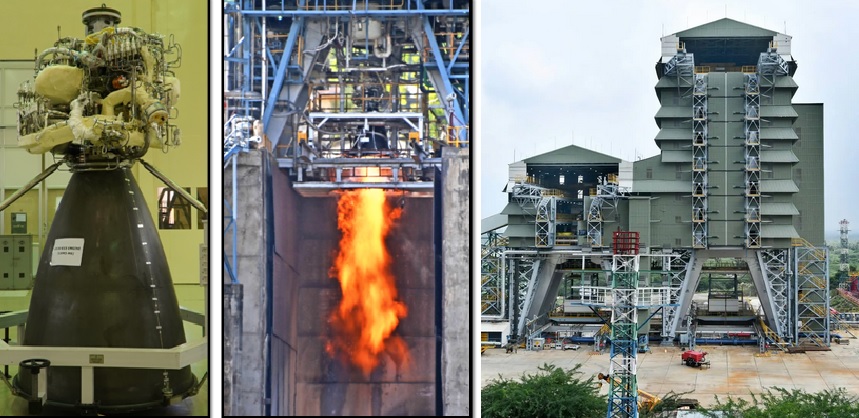
Space & Technology
The Indian Space Research Organisation (ISRO) has achieved a significant milestone with the successful hot test of its semi-cryogenic engine. This breakthrough marks a major step toward enhancing India’s space capabilities, particularly for future heavy-lift missions. The semi-cryogenic engine is a crucial component of ISRO's Next-Gen Launch Vehicle (NGLV), designed to replace the existing GSLV and PSLV rockets. Why is the Semi-Cryogenic Engine Important? A semi-cryogenic engine runs on refined kerosene (RP-1) and liquid oxygen (LOX), offering higher efficiency and thrust compared to conventional cryogenic engines that use liquid hydrogen. This technology is vital for increasing payload capacity while reducing operational costs. Key Specifications of the Semi-Cryogenic Engine: Fuel: Refined Kerosene (RP-1) Oxidizer: Liquid Oxygen (LOX) Thrust: Approximately 2,000 kN (kilonewtons) Efficiency: Higher than conventional cryogenic engines due to better fuel density Application: Future heavy-lift missions, including crewed spaceflight and interplanetary missions With this success, ISRO is now a step closer to deploying the engine in upcoming launch vehicles, strengthening India's space exploration capabilities and reducing dependency on foreign propulsion systems. The next phases will include integrated testing and final implementation in India's new generation of launch vehicles. Russia Unveils Advanced Mobile Laser Weapon to Counter Drone Threats In response to the growing threat of drones in modern warfare, Russia has unveiled a cutting-edge mobile laser weapon designed to neutralize unmanned aerial threats with precision and speed. The new system represents a leap in directed-energy weapon technology, offering an effective way to disable enemy drones without relying on traditional missile-based air defense systems. How Does the Russian Mobile Laser Weapon Work? The laser system operates by emitting a high-energy beam that can heat and destroy the target’s electronics, rendering drones inoperative in seconds. Unlike conventional anti-air defenses, lasers provide a nearly unlimited number of shots as long as they have sufficient power, making them highly cost-effective. Key Features of the Mobile Laser Weapon: High-Power Laser: Capable of destroying drones at medium and short ranges Rapid Response: Instant target engagement without reload time Silent and Stealthy: Operates without noise or detectable missile launch signature Mobile Deployment: Mounted on a vehicle for flexible battlefield use Cost-Effective: No need for expensive missiles or traditional ammunition This new laser system is expected to be deployed in key military zones, providing Russia with a strategic advantage in electronic warfare. As drone warfare continues to evolve, laser-based defense systems could become a crucial element in modern military operations.
Read More → Posted on 2025-03-29 15:23:00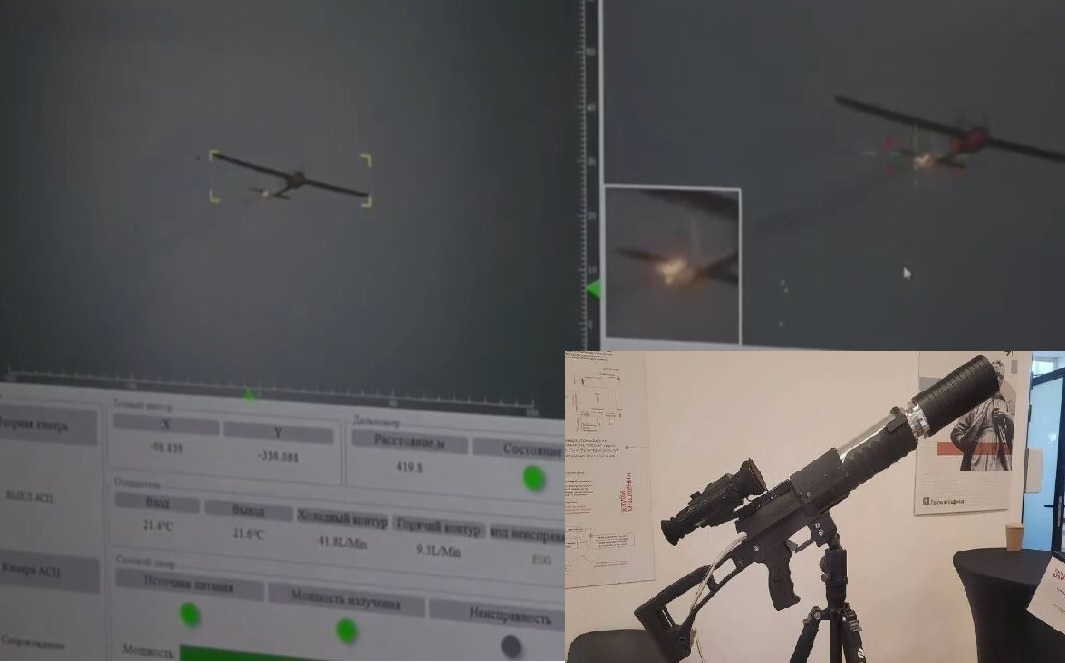
World
Russia Develops Advanced Mobile Laser System to Neutralize Drones Russia has unveiled a new mobile laser weapon designed to counter the growing threat of unmanned aerial vehicles (UAVs). The system, showcased at the Pan-Russian Conference on the Protection of Civilian Facilities Against Unmanned Aerial Systems, has sparked significant interest among defense experts and military strategists. Demonstration and Capabilities During a recent demonstration attended by Dmitry Medvedev, deputy chairman of Russia’s Security Council, the laser weapon successfully neutralized a small, fixed-wing drone using a directed-energy beam. The footage from the event highlighted its ability to disable drones quickly, making it a promising addition to Russia’s counter-drone arsenal. The mobile complex consists of two specialized vehicles: one equipped with a radar detection system and another carrying the laser weapon with an optical tracking system. This setup allows for early detection and precise targeting of UAVs, ensuring an effective defense against aerial threats. Technical Specifications and Features While official details remain scarce, defense analysts suggest the laser system is optimized for engaging small, commercial-grade drones within a limited range. According to reports, the weapon operates at a maximum range of 500 meters and utilizes a focused ytterbium laser beam to disable drones by targeting their bodies, propellers, engines, or batteries. This system represents a significant step in Russia’s development of directed-energy weapons (DEWs), offering key advantages such as: Unlimited ammunition: As long as there is a sufficient power supply, the laser can engage multiple targets without the need for reloading. Low operational cost: Unlike traditional missile-based defense systems, lasers reduce per-shot expenses, making them cost-effective for sustained operations. Silent and precise attack: The system operates without noise and minimizes collateral damage, crucial in both military and civilian settings. Strategic Importance in Modern Warfare The rise of First-Person View (FPV) drones in military conflicts, particularly in the Russia-Ukraine war, has intensified the demand for innovative counter-drone solutions. FPV drones, controlled in real-time via a live video feed, have proven highly effective for reconnaissance and targeted strikes. This has prompted nations to develop advanced anti-drone measures, with laser weapons emerging as a promising alternative to traditional jamming and kinetic methods. Unlike signal jamming—which can be ineffective against autonomous drones—and kinetic weapons that require physical ammunition, laser-based systems offer a reusable and energy-efficient countermeasure. However, the weapon’s effectiveness in adverse weather conditions and against multiple drone swarms remains untested in real-world combat scenarios. Comparison with Global Laser Defense Systems Russia’s new mobile laser gun aligns with global efforts to integrate directed-energy weapons into modern military strategies. Similar developments include: The U.S. Navy’s Laser Weapon System (LaWS): Capable of disabling drones and small boats from naval platforms. Israel’s Iron Beam: Designed to complement missile defense systems by neutralizing aerial threats at close range. China’s Silent Hunter: A high-energy laser system built for counter-drone operations and vehicle defense. However, Russia’s approach stands out for its compact, mobile design, potentially allowing individual soldiers or small teams to deploy it in the field. This mobility enhances its flexibility in protecting military units, key infrastructure, and civilian areas from UAV incursions. Challenges and Future Prospects Despite its promising capabilities, several challenges remain: Power and energy requirements: Portable laser systems require significant energy to operate, posing logistical hurdles in sustained battlefield use. Countermeasures from adversaries: Drones equipped with reflective coatings, maneuvering capabilities, or autonomous AI-driven responses could reduce the laser’s effectiveness. Combat durability: The system’s performance in harsh environmental conditions and prolonged engagements is yet to be publicly tested. While Russian officials have not disclosed whether the laser rifle is a prototype or ready for mass deployment, its unveiling suggests confidence in its potential. Analysts predict that if proven effective, the system could become a standard component of Russia’s ground-based air defense units, reinforcing its ability to tackle evolving aerial threats. Russia’s new mobile laser weapon signals a shift towards directed-energy solutions in the ongoing race to counter drone warfare. While questions remain about its battlefield effectiveness, the system represents a major step forward in laser-based air defense. Whether it will reshape military tactics or remain a limited-use technology depends on real-world performance and further developments in the field of energy-based weaponry.
Read More → Posted on 2025-03-29 15:16:24
World
A Swedish defense technology startup, Nordic Air Defence (NAD), is set to revolutionize the counter-drone sector with its new low-cost, high-speed interceptor, the Kreuger100. Designed to combat the growing threat of small unmanned aerial systems (UAS), this interceptor aims to provide an affordable and efficient solution for military forces, law enforcement agencies, and critical infrastructure operators. A Smart Approach to Drone Defense Unlike conventional systems that rely on costly onboard sensors and guidance technologies, the Kreuger100 leverages software-driven flight control and pulsed propulsion. This design allows it to maneuver with precision using controlled aerodynamics, making it both agile and cost-effective. For civil applications, the interceptor can reach speeds of 270 km/h (168 mph), while military variants are expected to achieve even higher speeds. NAD envisions a broad range of use cases, from intercepting high-altitude reconnaissance drones like the Russian Orlan-10 to neutralizing Iranian-designed Shahed drones before they can reach their targets. Field Testing and Future Deployment Currently, the Kreuger100 is undergoing daily tests, including indoor trials and secret outdoor flight tests to maintain operational security. NAD is also exploring portable configurations, which could allow troops to carry the interceptor in backpacks, providing on-the-move protection against enemy drones. Targeting the Real Threats According to Karl Rosander, CEO of NAD, the most dangerous drones on the battlefield are not just the ones dropping bombs but also those transmitting GPS coordinates for artillery strikes. Fast and affordable interceptors like the Kreuger100 are essential in neutralizing these threats before they can cause damage. As modern battlefields continue to face evolving drone threats, the Kreuger100’s modular and scalable design positions it as a flexible, low-cost, and effective countermeasure for defense forces worldwide.
Read More → Posted on 2025-03-29 15:11:42
World
The Royal Netherlands Navy has taken a significant step forward in enhancing its mine warfare capabilities as Vlissingen, the first mine warfare mothership built for the Netherlands under the Belgian-Dutch rMCM programme, began its maiden sea trials on March 27, 2025. Departing from Concarneau, France, the vessel is undergoing rigorous testing to assess its propulsion system, maneuverability, and overall performance before delivery at the end of 2025. A Technological Leap in Mine Warfare Designed under the leadership of Belgium Naval & Robotics—a consortium of Naval Group and Exail—the rMCM (Replacement Mine Countermeasures) programme represents a major advancement in European defense collaboration. These next-generation mine warfare motherships are engineered to conduct mine countermeasure operations with minimal human intervention, utilizing a sophisticated network of unmanned systems. What sets these vessels apart is their ability to deploy and coordinate a variety of unmanned surface and underwater vehicles, aerial drones, and mine neutralization systems. With a length of 82.6 meters, displacement of 2,800 tons, and a range exceeding 3,500 nautical miles, the Vlissingen and her sister ships are designed to operate in hazardous environments while keeping their crew safe from direct exposure to underwater threats. Strategic Deployment and Fleet Expansion The rMCM programme includes twelve vessels, six each for the Belgian and Dutch navies, all scheduled for delivery by 2030. The first vessel, Oostende, intended for Belgium, is currently undergoing combat system trials, with delivery expected by mid-2025. Following this, Tournai, another Belgian ship, will begin its sea trials by the end of summer 2025. Meanwhile, Scheveningen, the second Dutch mothership, was launched in November 2024 and is on track for further trials. Each of these vessels serves as a central hub for unmanned mine-hunting operations, replacing traditional manned minesweepers and significantly improving the efficiency and safety of naval mine clearance. By leveraging Exail’s UMISOFT software suite and an array of autonomous systems—including unmanned surface vehicles, autonomous underwater drones, and mine identification and disposal systems—the new MCM motherships can clear minefields up to ten times faster than conventional methods. A European Defense Collaboration with Global Impact Naval Group and Exail have brought together multiple European industrial players to execute this ambitious project. The ships are constructed by Kership and Chantier Piriou, under the industrial oversight of Kership—a joint venture between Naval Group and Piriou. Exail, headquartered in Ostend, Belgium, is responsible for the production and maintenance of the unmanned mine warfare systems, ensuring the vessels remain at the cutting edge of maritime security technology. Beyond their autonomous mine clearance capability, these vessels are built to withstand underwater explosions and feature low acoustic, electrical, and magnetic signatures, making them stealthy and resilient in high-threat environments. Their modular design allows for rapid integration of future technological advancements, ensuring they remain relevant in evolving naval warfare scenarios. With the Vlissingen now undergoing sea trials, the Netherlands is set to revolutionize its naval mine countermeasures fleet, replacing outdated minesweepers with a highly automated, cyber-secure, and mission-flexible platform. This milestone not only strengthens Dutch and Belgian naval cooperation but also underscores Europe’s commitment to maintaining a robust and technologically advanced maritime defense network. As the rMCM programme progresses, these state-of-the-art vessels will play a critical role in securing international waters, ensuring safe maritime navigation, and countering modern mine threats more efficiently than ever before.
Read More → Posted on 2025-03-29 15:09:12Search
Top Trending in 24 Hours
-
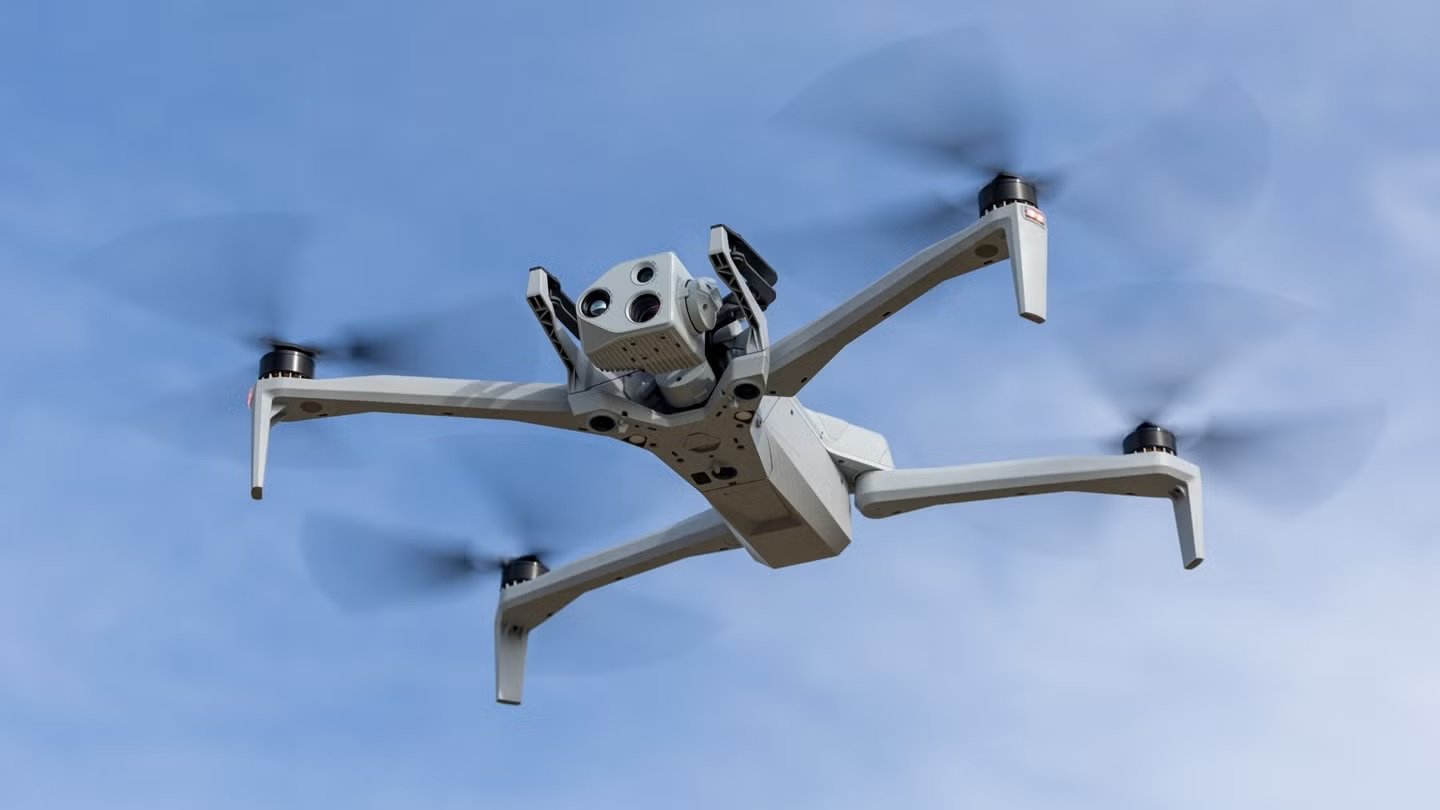 UK Ministry of Defence Opens £120,000 Tender for Skydio X10D Drones
-
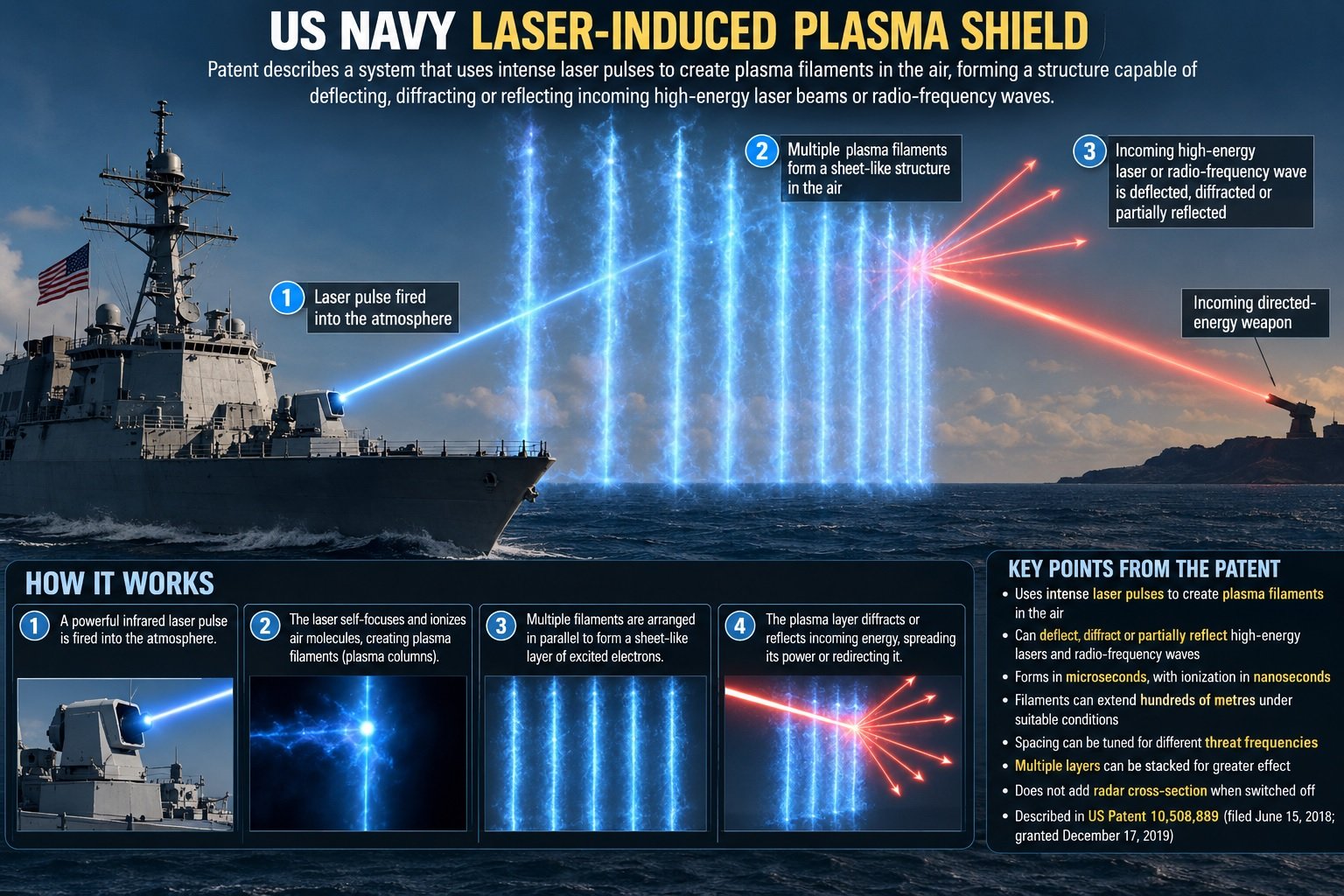 US Navy Patent Details Laser-Induced Plasma System to Deflect Directed-Energy Weapons
-
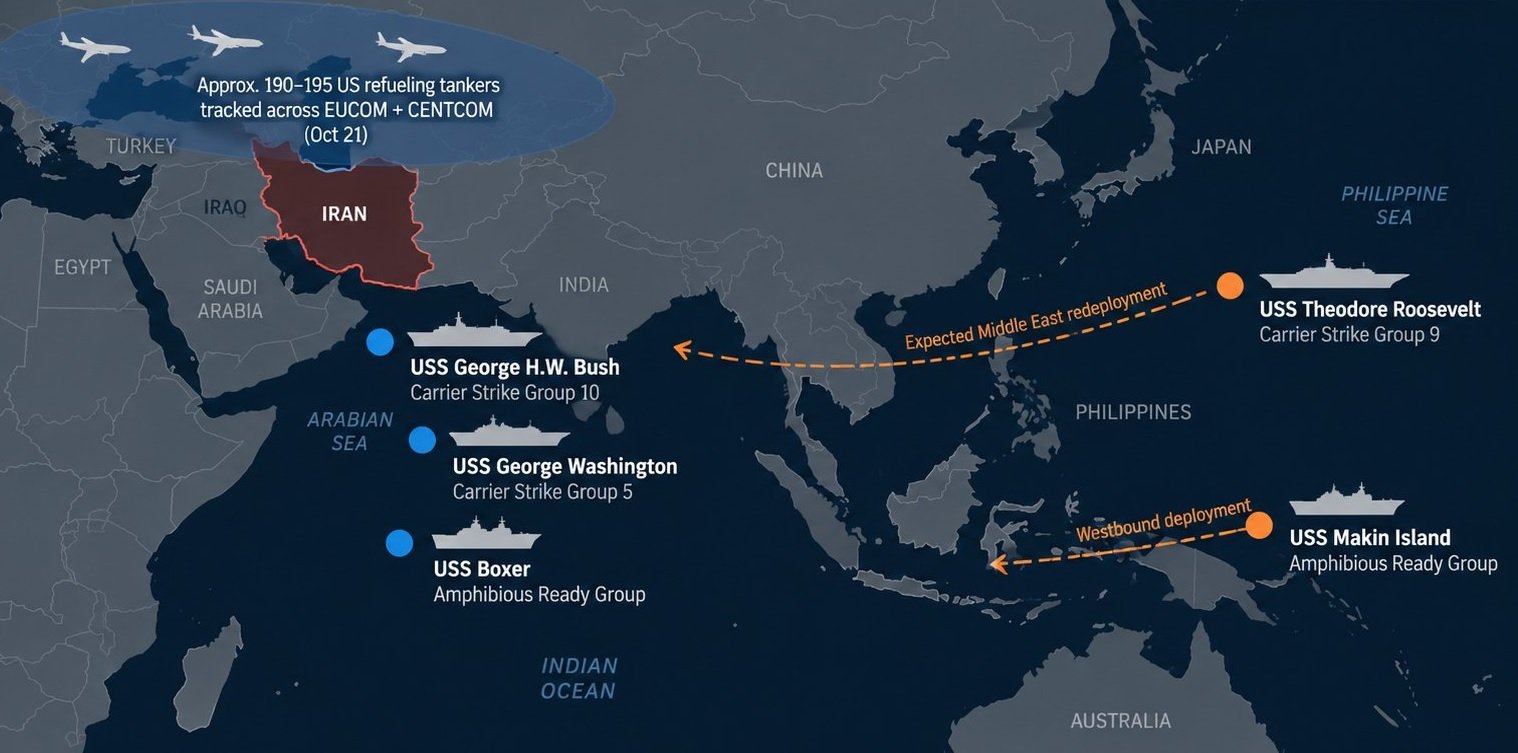 US Expands Military Buildup Near Iran with Third Aircraft Carrier and Additional Marines
-
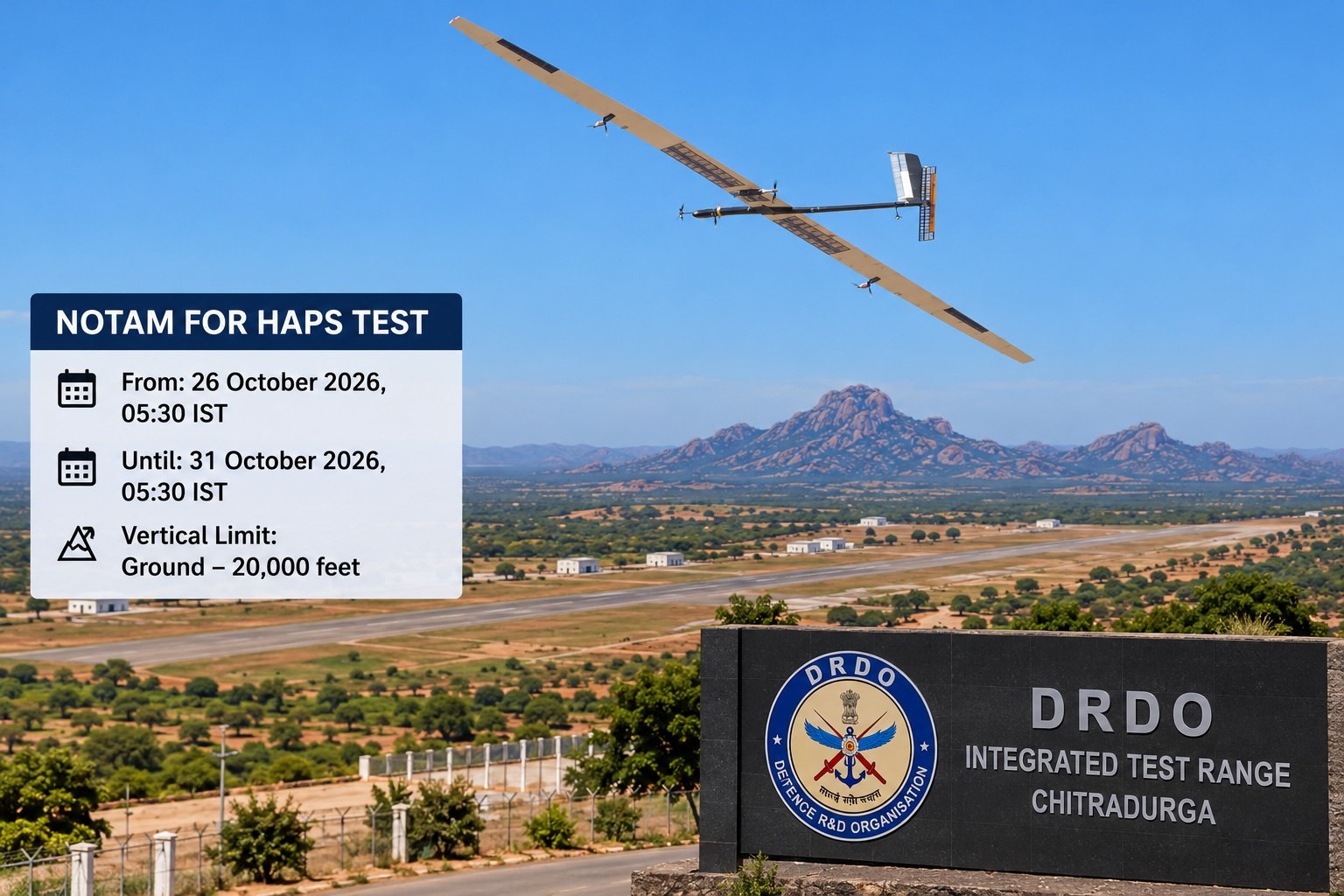 India Issues NOTAM for High Altitude Pseudo Satellite Test at DRDO Chitradurga Facility
-
 EDGE Integrates Autonomous Naval Systems in UAE-US Maritime Demonstration
-
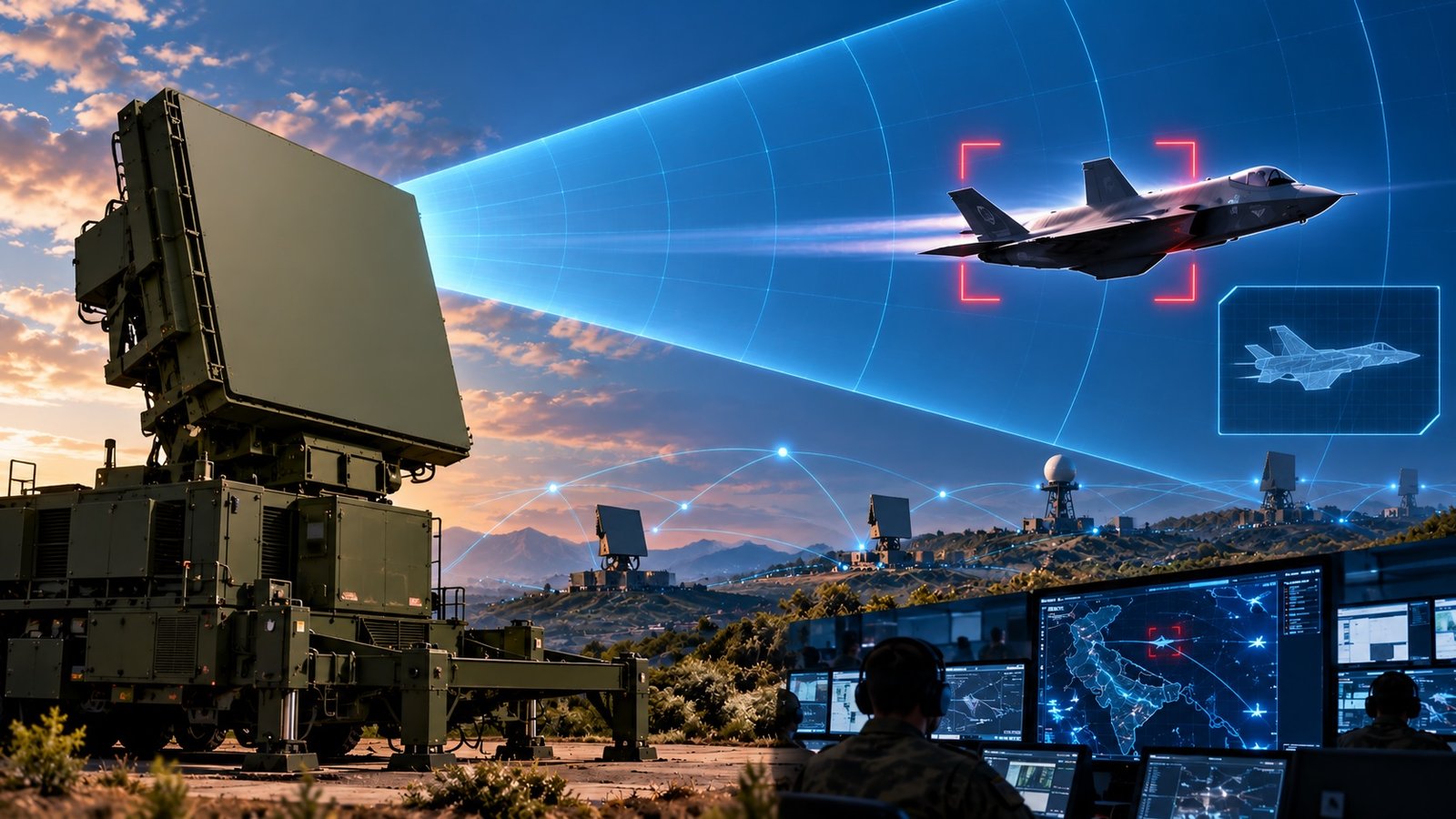 DRDO’s Arudhra Radar Reportedly Tracks F-35-Like Stealth Target in AI-Assisted Simulation: How It Works
-
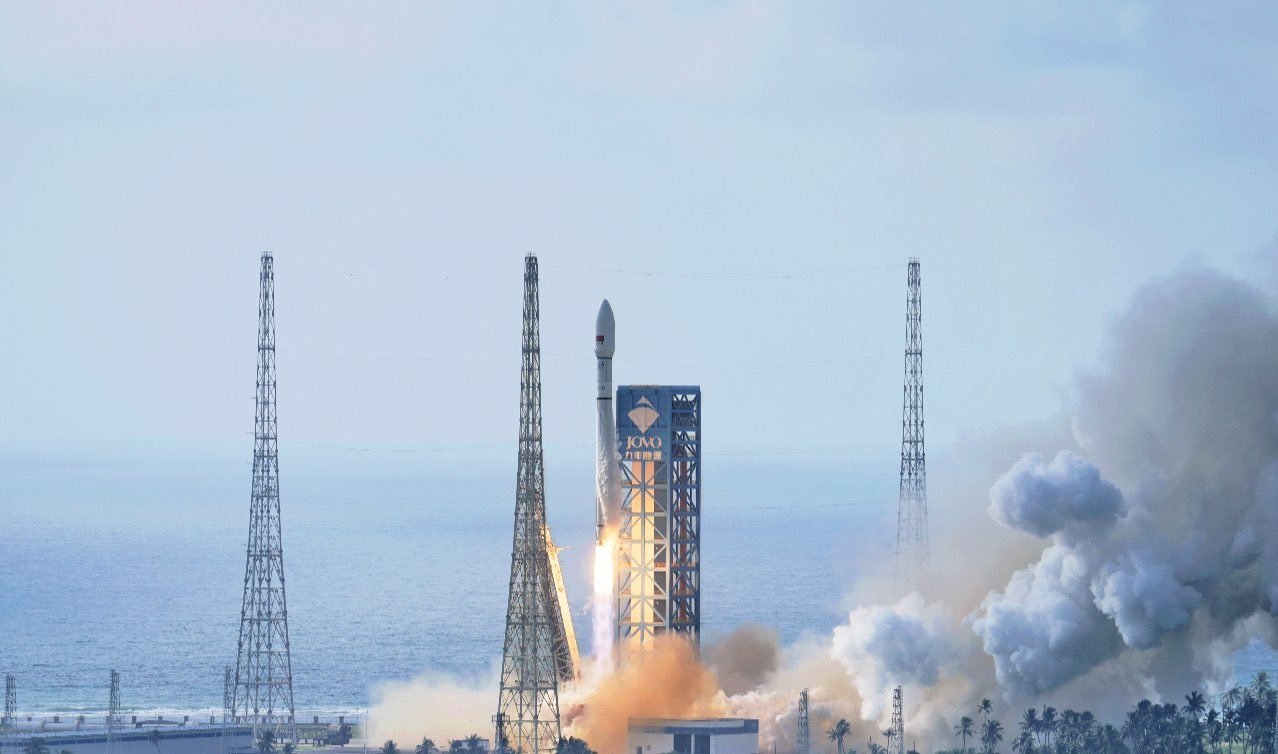 China Launches Six New Remote-Sensing Satellites into Orbit to Expand Earth-Observation Network
-
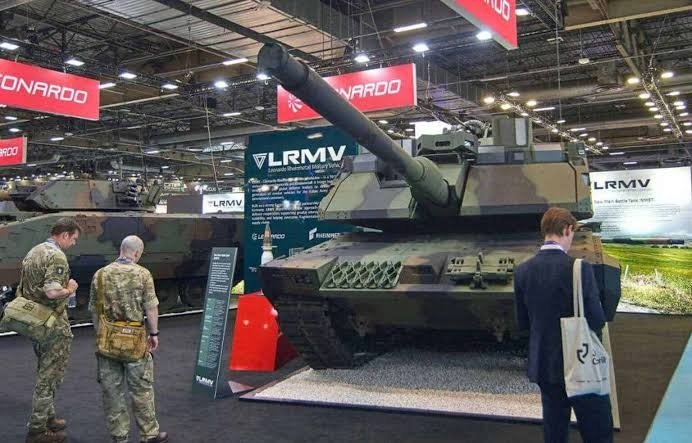 Italy Reportedly Orders 30 Panther Tanks and 48 Lynx IFVs in €3.7 Billion Deal
Top Trending in 4 Days
-
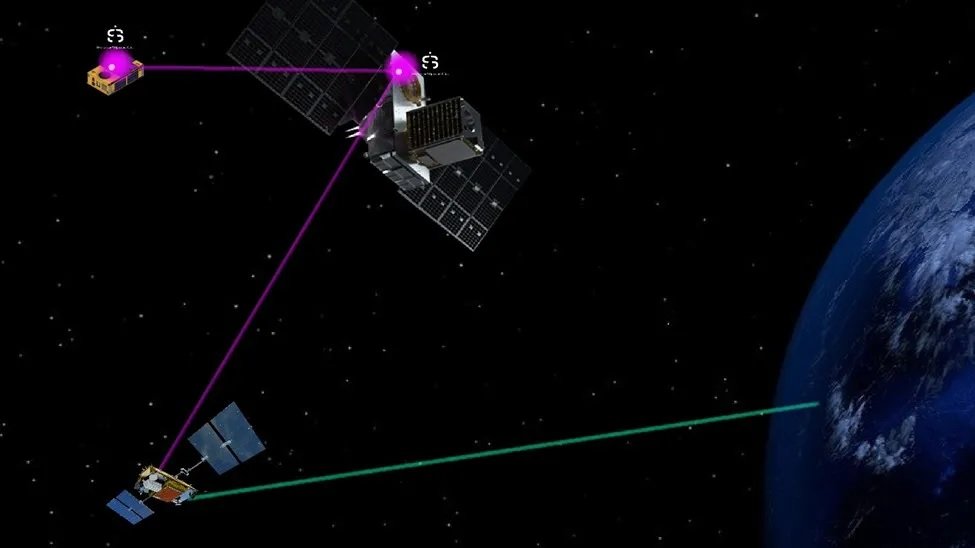 NASA Demonstrates Space-to-Space Wi-Fi Between Two Orbiting Spacecraft
-
 USS Pinckney Becomes First U.S. Navy Destroyer to Begin Phase Two Modernization with Advanced SPY-6 Radar
-
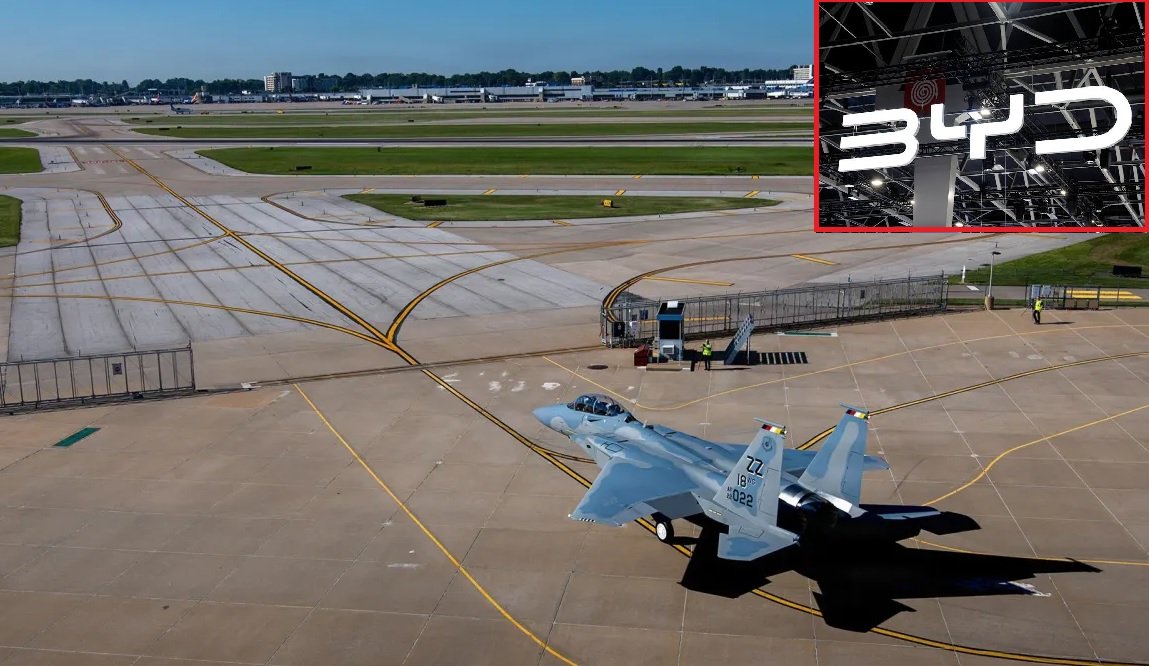 U.S. Military to Ban Chinese Automaker BYD Vehicles from Kadena Air Base in Japan Over Security Concerns
-
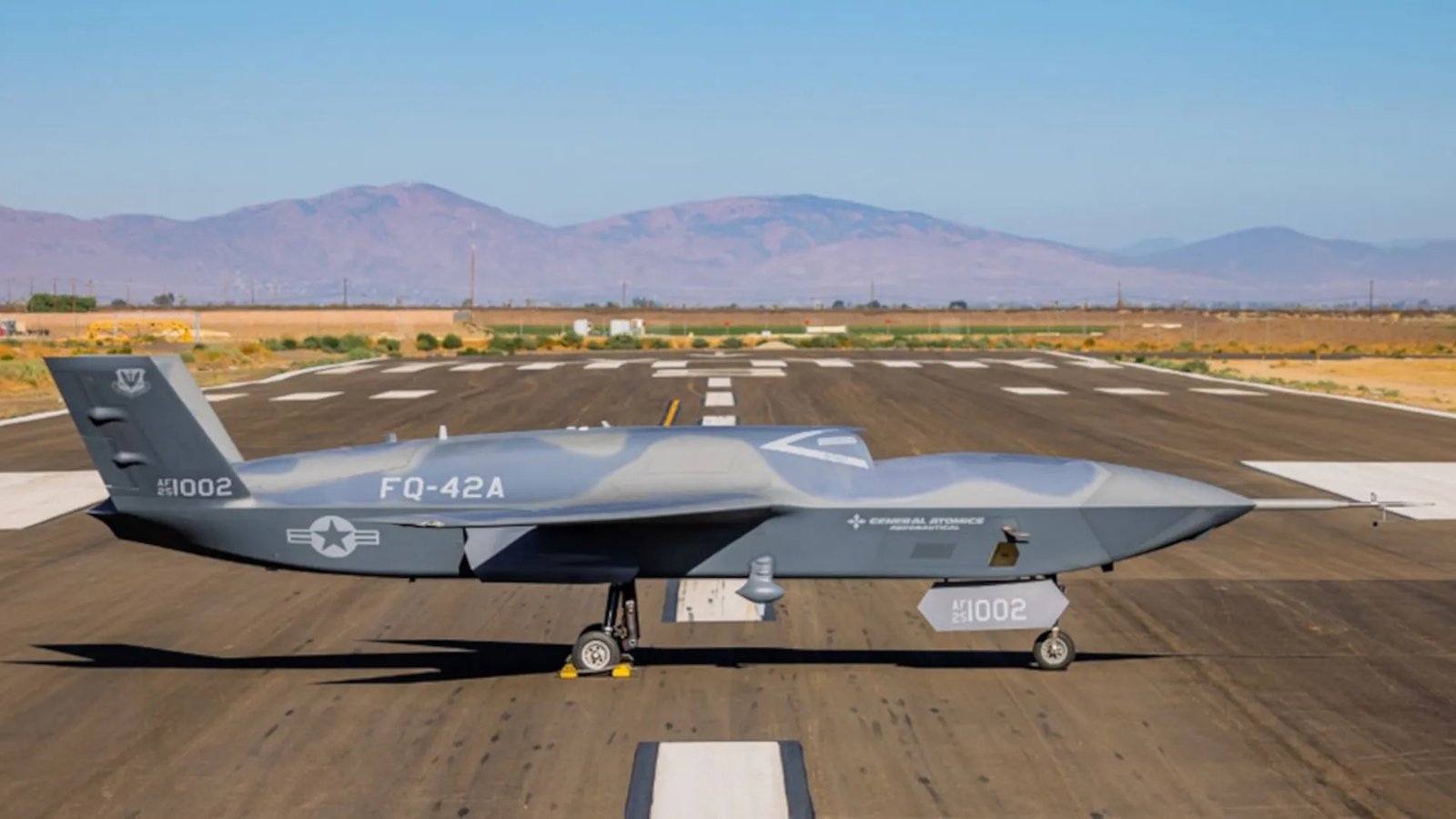 General Atomics Partners With Spirit Defense to Expand FQ-42 Vengeance Production
-
UK Ministry of Defence Opens £120,000 Tender for Skydio X10D Drones
-
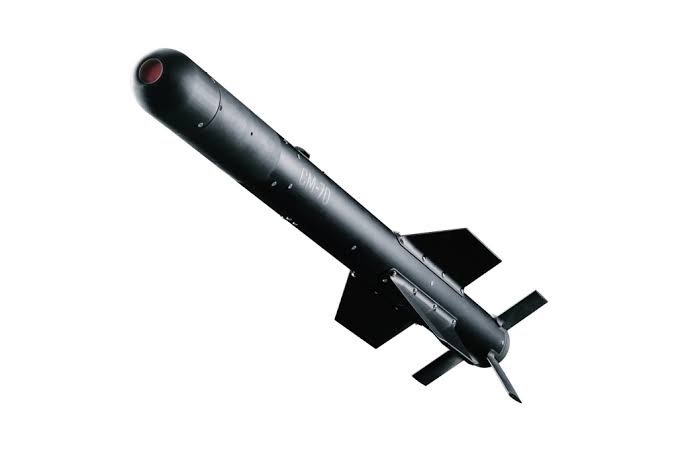 CSG and North Vector Dynamics Sign MoU to Explore European Production of CM-70 Counter-Drone Interceptor
-
 Unitree Unveils H2-X ‘Kung Fu Legend: Guardian’ Humanoid Robot for Security and Rescue
-
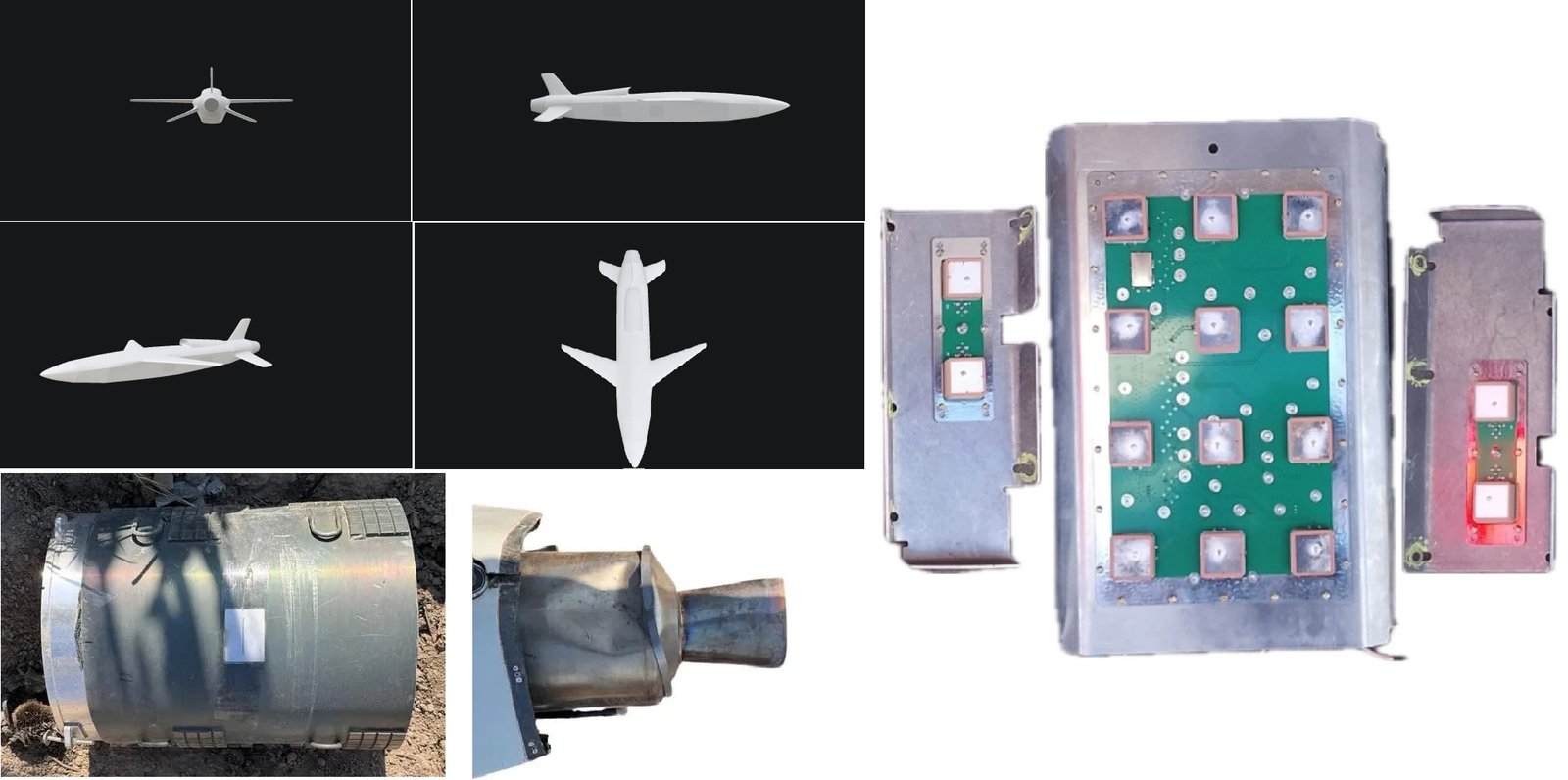 Ukraine Reveals Technical Details of Russia’s New Filin Cruise Missile
