
World
China has deployed its Shandong aircraft carrier along with 21 warships in a large-scale military drill surrounding Taiwan, heightening tensions in the region. The exercises, involving air, naval, ground, and missile forces, mark one of the most expansive People’s Liberation Army (PLA) operations in recent months. Taiwan’s Ministry of National Defense confirmed that the Shandong carrier group entered its response zone on March 30, prompting heightened surveillance and defensive measures. Taipei has accused China of using “gray-zone” tactics—aggressive military posturing that falls short of open conflict but tests Taiwan’s defenses, disrupts routine military operations, and exerts political pressure. The exercises also come amid growing international concerns over Beijing’s increasing military assertiveness in the Indo-Pacific. Taiwan has denounced these maneuvers as destabilizing, warning that China’s activities challenge the regional security architecture and the rules-based international order. Strategic Implications China’s use of its first domestically built aircraft carrier, the Shandong, in such close proximity to Taiwan signals a shift in Beijing’s military strategy. Previously, the carrier had been deployed in the Western Pacific, but this new drill suggests China is enhancing its ability to project power near Taiwan. Additionally, the coordination between multiple branches of the PLA, including naval and air forces, demonstrates China’s readiness for more complex military operations. This move serves as a warning to both Taiwan and its allies—particularly the United States and Japan, which have expressed concerns about Beijing’s actions. Taiwan’s Response Despite the increased PLA activity, Taiwan’s military has maintained a calm but vigilant stance. The Ministry of National Defense has reaffirmed its commitment to avoiding escalation or provocation, but it remains prepared to defend its sovereignty and the safety of its people. No live-fire exercises have been reported so far, but Taiwan continues to monitor the PLA’s evolving tactics, acknowledging that Beijing’s military pressure is unlikely to subside anytime soon. What’s Next? China’s latest drills reinforce its long-standing objective of intimidating Taiwan while testing the responses of Taipei and its allies. As tensions rise, regional stability remains fragile, with both China and Taiwan preparing for future confrontations that could shape the geopolitical landscape of the Indo-Pacific.
Read More → Posted on 2025-04-01 15:44:22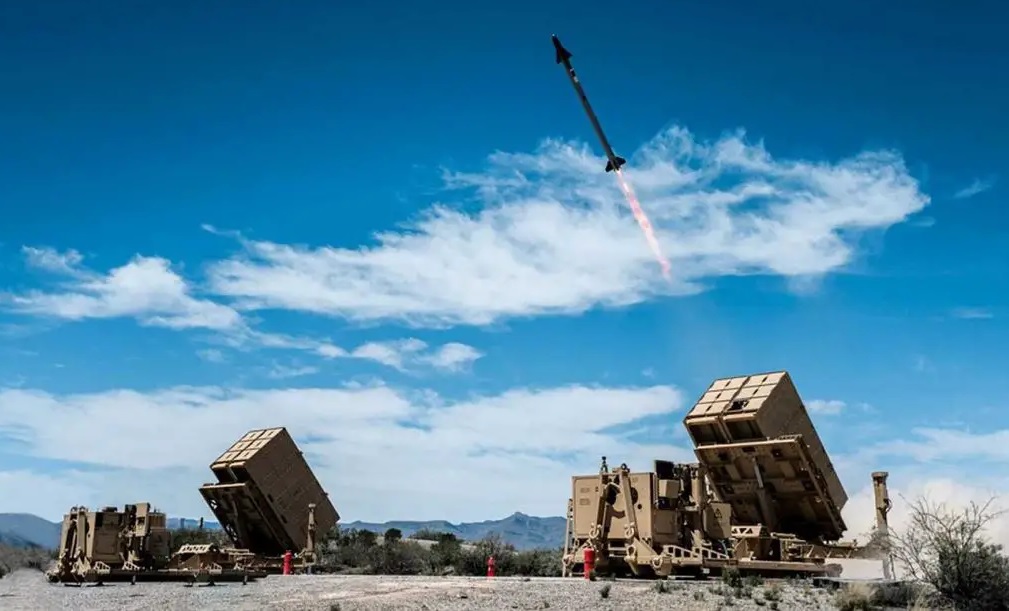
World
Boeing has been selected to advance to the next phase of the U.S. Army's Indirect Fires Protection Capability (IFPC) Increment 2 Second Interceptor competition. This initiative aims to develop a medium-range interceptor to defend fixed and forward operating bases against emerging aerial threats, including cruise missiles and unmanned aerial systems (UAS). The IFPC Increment 2 program is a pivotal component of the Army's layered air defense strategy, designed to bridge the gap between short-range systems like the Maneuver-Short Range Air Defense (M-SHORAD) and long-range platforms such as the Patriot missile system. Boeing's proposed interceptor is engineered to address low-flying, mid-range threats that are increasingly prevalent on modern battlefields. Jim Leary, Boeing's Executive Director of Business Development for Precision Engagement Systems, emphasized the company's commitment: "We understand warfighter needs and the dynamic environments soldiers operate in, and our goal is to keep them safe with an innovative, affordable offering that leverages our industry-leading missile expertise." He further noted that the design offers increased magazine depth, enhanced speed to target, greater range, and improved maneuverability to effectively counter evolving threats. A notable feature of Boeing's interceptor is its incorporation of a Modular Open Systems Approach (MOSA). This design philosophy facilitates rapid integration of software and hardware updates, ensuring adaptability to emerging threats and promoting cost-efficiency and sustained performance across diverse operational environments. The U.S. Army has underscored the necessity for an intermediate air defense solution capable of neutralizing threats that are beyond the reach of short-range systems but do not warrant engagement by long-range platforms. The Second Interceptor initiative is integral to providing continuous protection for critical sites, particularly against fast-moving and unpredictable aerial threats. In January 2024, the Army announced plans to hold a competition for a second interceptor for IFPC Increment 2, aiming to address both subsonic and supersonic cruise missile threats. The selected vendors are expected to participate in a technology demonstration during the fiscal years 2026 to 2027, with the goal of awarding a development, qualification, and test effort following this demonstration. Boeing's advancement in this competition reflects its extensive experience in missile development and air defense systems. The company's proposal is informed by expertise from multiple missile programs, including the PAC-3 interceptor, Ground-Based Midcourse Defense, Avenger, Harpoon, and SLAM-ER. This depth of knowledge positions Boeing to deliver a solution that meets the Army's requirements for a versatile and effective medium-range interceptor. As the competition progresses, further testing and evaluation phases are anticipated in the coming months. The Army will assess each candidate's potential to deliver a deployable, reliable, and scalable interceptor suitable for operational use. The outcome of this competition will significantly influence the future landscape of U.S. Army air defense capabilities, ensuring that forward operating bases and critical installations are well-protected against a spectrum of aerial threats.
Read More → Posted on 2025-04-01 15:37:38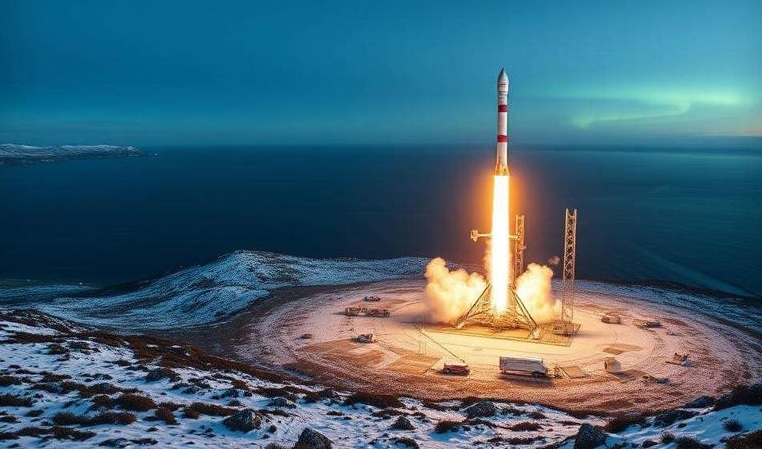
World
Isar Aerospace has achieved a major milestone by successfully launching its Spectrum rocket, marking the first time an orbital rocket has lifted off from continental Europe. The launch took place at Norway’s Andøya Spaceport at 12:30 PM CEST, making the German company a frontrunner in Europe’s commercial space race. Although the mission lasted only 30 seconds, it was a crucial test that met all primary objectives, including a clean liftoff and the successful activation of the Flight Termination System. The rocket was intentionally guided into the sea in a controlled descent, ensuring safety for all personnel and infrastructure. A Breakthrough for Europe’s Space Industry Isar Aerospace’s CEO and Co-founder, Daniel Metzler, called the test flight a “great success,” emphasizing that the company has now proven its ability to not only design and manufacture rockets but also launch them. This development is a game-changer for Europe’s space ambitions, which have long relied on non-European launch sites. The company is now analyzing flight data to refine its technology for upcoming missions. Importantly, the launch pad at Andøya Spaceport remained intact, allowing future flights to proceed without major delays. Spectrum launch vehicles #2 and #3 are already in production, taking advantage of Isar Aerospace’s advanced manufacturing process, which is designed to scale rapidly. At its headquarters near Munich, the company is preparing to produce up to 40 rockets per year, a significant capacity for the growing satellite launch market. This ability to iterate and improve quickly gives Isar Aerospace a competitive edge in an industry that demands both reliability and efficiency. The Growing Demand for European Launch Capabilities Europe has historically faced a gap in independent access to space, relying on facilities in regions like South America. Isar Aerospace is now positioned to fill that void, offering a European solution for the growing demand for flexible and cost-effective satellite launch services. Metzler noted that the company’s success contributes to closing a critical blind spot in Europe’s security and technological independence. Bulent Altan, Chairman of Isar Aerospace and a former SpaceX executive, praised the clean-sheet design of the Spectrum rocket, stating that the company is on track to meet global market demand. With a payload capacity of 1,000 kg, Spectrum rockets are ideal for small- and medium-sized satellite deployments, making them highly attractive to commercial and governmental customers worldwide. Norway’s Key Role in the Launch The launch was made possible through strong collaboration with Norway, which played a pivotal role in securing regulatory approval. The Norwegian Civil Aviation Authority issued Europe’s first Launch Operator License for such a test flight, paving the way for future commercial operations at Andøya Spaceport. Metzler expressed gratitude towards Norwegian authorities and the local community, acknowledging their support in enabling this historic mission. The partnership with Norway demonstrates how European nations can work together to establish a robust space infrastructure. The Road Ahead With the first successful flight now behind them, Isar Aerospace is focused on refining its technology and preparing for future missions. The company aims to transition from test flights to regular commercial launches, further strengthening Europe’s role in the global space industry. By securing independent access to space, Isar Aerospace is not only advancing its own ambitions but also contributing to Europe’s broader efforts to establish a sovereign, competitive space sector. The success of the Spectrum rocket is just the beginning of what could be a transformative era for European commercial spaceflight.
Read More → Posted on 2025-04-01 15:23:38
U.S. State Department Silent on USCIRF’s Push to Designate India as a ‘Country of Particular Concern
India
The U.S. State Department has chosen not to comment on the United States Commission on International Religious Freedom's (USCIRF) recommendation to designate India as a "Country of Particular Concern" (CPC) in its latest annual report. This marks another year in which the USCIRF has pushed for India’s inclusion in the CPC list, a call that has consistently been ignored by the U.S. government. State Department spokesperson Tammy Bruce confirmed that the department is reviewing the USCIRF's findings but refrained from making any remarks about potential diplomatic actions. This pattern of non-committal responses reflects Washington's careful approach to balancing human rights concerns with strategic interests in South Asia. The USCIRF has been advocating for India's CPC status since 2020, citing what it describes as systematic violations of religious freedoms. Its latest report claims that religious minorities in India are facing increasing violence, suppression, and restrictive policies, both domestically and internationally. Notably, the commission has also called for sanctions against India's external intelligence agency, the Research and Analysis Wing (RAW), over its alleged role in targeting dissidents abroad. India has strongly rejected these accusations, dismissing the USCIRF as a "biased and agenda-driven entity" with no real authority over U.S. foreign policy decisions. New Delhi argues that the commission selectively targets India while ignoring similar issues in other countries. Indian officials have also pointed out that the U.S. State Department itself has not adopted the USCIRF's recommendations, indicating a disconnect between the commission’s stance and actual U.S. policy. Currently, the CPC list includes countries like China, North Korea, and Pakistan, nations that the U.S. government officially considers as engaging in extreme religious persecution. Despite repeated recommendations, India has never been placed on this list, reflecting the broader geopolitical and economic considerations that shape Washington’s approach toward New Delhi. While the USCIRF continues to push its agenda, the U.S. administration appears unwilling to escalate tensions with India, a key partner in countering China's influence in the Indo-Pacific. This diplomatic tightrope walk underscores the complex nature of international human rights advocacy when intertwined with global power dynamics.
Read More → Posted on 2025-04-01 15:17:17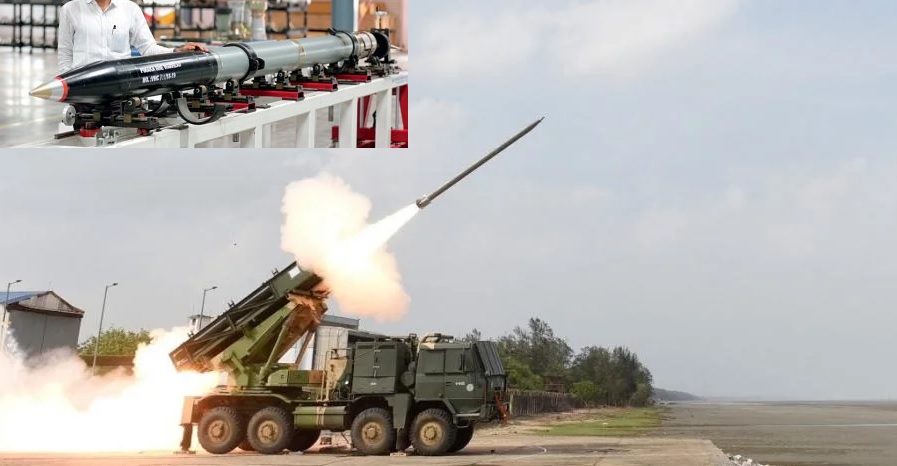
India
India's Defence Research and Development Organisation (DRDO) is working on a groundbreaking technology called the Ejectable Rocket Ignition System to enhance the performance of the Pinaka MkIII multi-barrel rocket launcher (MBRL). This innovation aims to improve range, fuel efficiency, and rapid reloading, making India's indigenous rocket artillery more powerful and versatile. The project is being led by DRDO's Armament Research and Development Establishment (ARDE) in Pune, reinforcing India's commitment to self-reliance in advanced defence technology. What is the Ejectable Rocket Ignition System? Unlike conventional ignition systems that stay attached to the rocket throughout its flight, the ejectable ignition system is designed to separate from the rocket after launch. This lightens the rocket mid-flight, enhancing fuel efficiency and allowing for: Extended Range – Less weight means greater propulsion efficiency, potentially exceeding the current 120+ km range. Faster Reloading – A modular ignition system can enable quicker rearming of launchers in battlefield conditions. Improved Safety – Enhanced handling and storage safety, reducing risks during transportation and deployment. Pinaka MkIII: A Leap Forward in Indian Rocket Artillery The Pinaka MkIII is the next-generation variant of India’s homegrown 300mm multiple rocket launch system, designed to outperform foreign counterparts like Russia’s BM-30 Smerch. The key specifications of the Pinaka MkIII include: Range: Expected to exceed 120 km with improved aerodynamics. Speed: Capable of reaching speeds of Mach 4.7. Operational Altitude: Potentially up to 40 km. Warheads: Can carry high-explosive, fragmentation, cluster munitions, and precision-guided payloads. Integration with Advanced Technologies The development of the ejectable ignition system is part of a larger DRDO initiative that includes: Guidance kits for improved accuracy. Trajectory correction systems to enhance precision. Ramjet propulsion research in collaboration with IIT Madras for even longer-range applications. Next Steps and Future Prospects The project is progressing swiftly, with possible trials within the next six months. High-speed dynamic testing will be critical to ensure the ignition system functions correctly under extreme launch conditions. The successful implementation of this technology will significantly boost India's artillery strength, providing the Indian Army with a more lethal, efficient, and rapid-response rocket system.
Read More → Posted on 2025-04-01 15:15:09
World
In a surprising turn of events, the U.S. Navy has announced that its next aircraft carrier, originally set to be named USS Enterprise (CVN 80), will instead be christened USS Musk. This marks the first time in history that an active Senior Advisor to the President has had a warship named in their honor. The executive order authorizing the name change is expected to be signed later today, reinforcing the administration’s efforts to revamp the Navy’s image and shipbuilding priorities. A Symbol of Modern Innovation The USS Musk will be the third Gerald R. Ford-class aircraft carrier and is expected to be commissioned by 2029 to replace the aging USS Dwight D. Eisenhower (CVN 69). Ford-class carriers represent the cutting edge of naval warfare, featuring advanced electromagnetic aircraft launch systems (EMALS), improved nuclear reactors, and an overall reduction in crew size due to automation. It is no coincidence that the Navy chose this particular ship to bear the name of Elon Musk, who has been instrumental in revolutionizing space travel, electric vehicles, and artificial intelligence. The inclusion of EMALS—an electromagnetic launch system—aligns symbolically with Musk’s emphasis on electric-powered technologies. However, it remains to be seen whether President Trump, who previously criticized EMALS in favor of traditional steam catapults, will support its continued use on the USS Musk. A Shift in Naval Traditions This renaming is part of a broader initiative under the "Make Ship Names Great Again" campaign, aimed at countering what the administration sees as unnecessary political correctness in military traditions. Some analysts view this decision as a move to embrace figures who represent innovation and economic growth rather than historical figures or military heroes. Critics argue that naming an aircraft carrier after a living, politically connected individual is a break from long-standing traditions and could set a controversial precedent. Adding to the controversy, reports have surfaced suggesting that a new U.S. Navy Signal Intelligence (SIGINT) vessel could be named after Secretary of Defense Pete Hegseth, though the White House has denied this. Meanwhile, speculation continues that the USS Constitution, the Navy’s oldest commissioned warship, may soon be decommissioned. Critics argue that retiring the wooden ship is an unnecessary erasure of history, but officials insist it is an outdated relic unfit for modern naval warfare. The Bigger Picture The decision to rename CVN 80 as USS Musk fits into a broader narrative of redefining U.S. military priorities. With China rapidly expanding its naval capabilities—launching its new Type-004 Fujian-class carriers—the U.S. Navy is under pressure to maintain its technological edge. The Ford-class carriers, including USS Musk, represent the future of American sea power. However, the controversy surrounding this naming choice suggests that, for many, military tradition still holds significant weight. As the ship nears its launch later this year, debate will continue over whether the USS Musk represents a bold new vision for the Navy or an unnecessary politicization of military assets. Regardless, one thing is certain: this aircraft carrier’s name will keep it in the spotlight for years to come.
Read More → Posted on 2025-04-01 15:10:07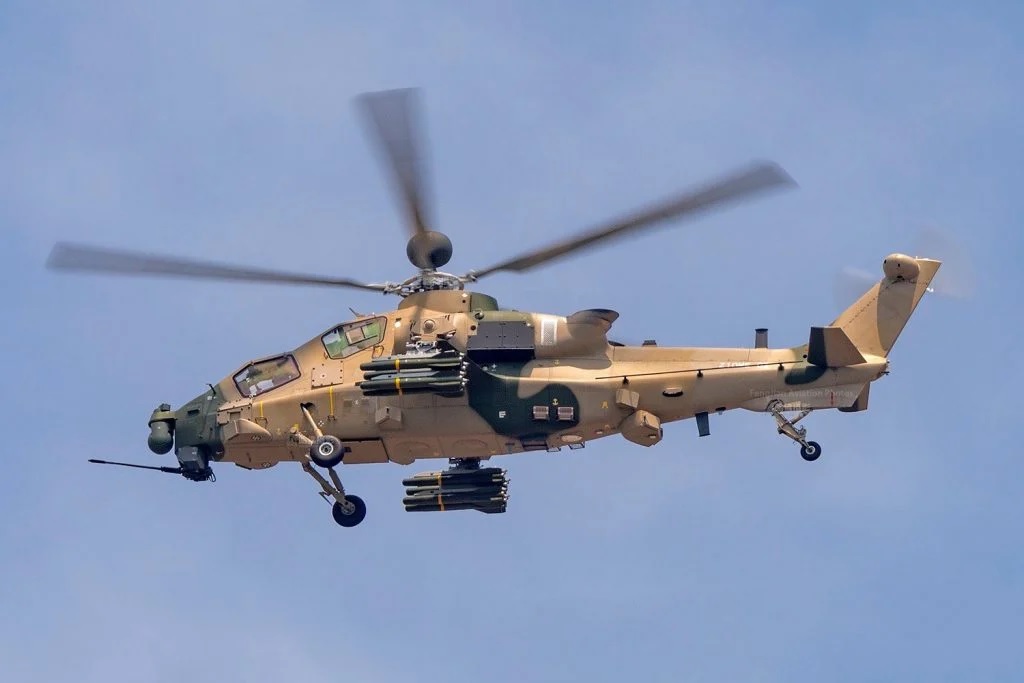
India
Pakistan is gearing up for a major enhancement of its attack helicopter fleet by acquiring additional Z-10ME helicopters from China. This strategic move is seen as a direct counter to India’s ambitious procurement of 156 Light Combat Helicopters (LCH) Prachand, designed for high-altitude warfare. In a significant twist, Pakistan is also exploring a possible collaboration with Turkey to integrate advanced Turkish weaponry into these Chinese-made helicopters, bolstering their firepower and survivability. India’s Prachand, developed by Hindustan Aeronautics Limited (HAL), is a highly versatile combat helicopter tailored for operations in challenging terrains, including the Himalayas and the Siachen Glacier. With an acquisition cost of around ₹62,000 crore (approximately $6.1 billion), India's massive order includes 90 helicopters for the Army and 66 for the Air Force. The helicopter’s ability to operate at altitudes above 5,000 meters, coupled with advanced weapons like air-to-air missiles, makes it a formidable asset. Faced with this growing aerial threat, Pakistan is intensifying its military ties with China to bolster its own attack helicopter capabilities. The Z-10ME, a modified export variant of the Chinese Z-10, features upgrades such as a more powerful WZ-9G engine, enhanced defensive systems, and measures to reduce its infrared signature, improving survivability against modern air defense threats. Initial deliveries to Pakistan are expected by 2025, marking a renewed push after earlier failed attempts to acquire attack helicopters from the U.S. (AH-1Z Viper) and Turkey (T129 ATAK) due to export restrictions. Beyond direct acquisition, Pakistan is reportedly in discussions with China to locally assemble the Z-10ME. Establishing an assembly line would not only reduce dependency on foreign suppliers but also enhance Pakistan’s domestic defense industry, fostering local expertise in helicopter maintenance and modifications. This move could allow Pakistan to customize the Z-10ME to meet its specific operational needs along the Line of Control (LoC) and in counter-insurgency missions. Adding another layer to this expansion, Pakistan is considering integrating Turkish weapon systems onto the Z-10ME platform. Despite Washington blocking the sale of T129 ATAK helicopters due to U.S.-controlled engine technology, Turkey has emerged as a key defense partner for Pakistan. Turkish weapons like UMTAS anti-tank guided missiles, Cirit laser-guided rockets, and advanced avionics could significantly enhance the Z-10ME’s battlefield capabilities. Such an upgrade would not only strengthen Pakistan’s aerial combat potential but also deepen its trilateral defense cooperation with China and Turkey, bypassing Western restrictions. While the Z-10ME is not as battle-tested as the American AH-64 Apache or the Russian Mi-28, its reported 800 km range and 1,500 kg weapon payload make it a competitive platform. In contrast, India’s Prachand, with a range of 700 km, has proven its high-altitude prowess, demonstrated by successful landings at nearly 15,800 feet. By equipping the Z-10ME with Turkish technology, Pakistan aims to create a capable counter to the Prachand, ensuring a balance of power in the region. If Pakistan successfully procures and assembles the Z-10ME, it could grow its fleet beyond 30 helicopters, though official numbers remain undisclosed. A successful integration of Turkish weaponry could also pave the way for Pakistan to export a customized version of the Z-10ME, mirroring India’s aspirations to sell the Prachand globally. This helicopter expansion underscores Pakistan’s commitment to maintaining a credible aerial deterrent against India’s rapidly modernizing military. By leveraging Chinese and Turkish defense technologies, Pakistan seeks to secure its strategic interests while reducing reliance on Western arms markets, where procurement hurdles remain a persistent challenge.
Read More → Posted on 2025-04-01 15:07:13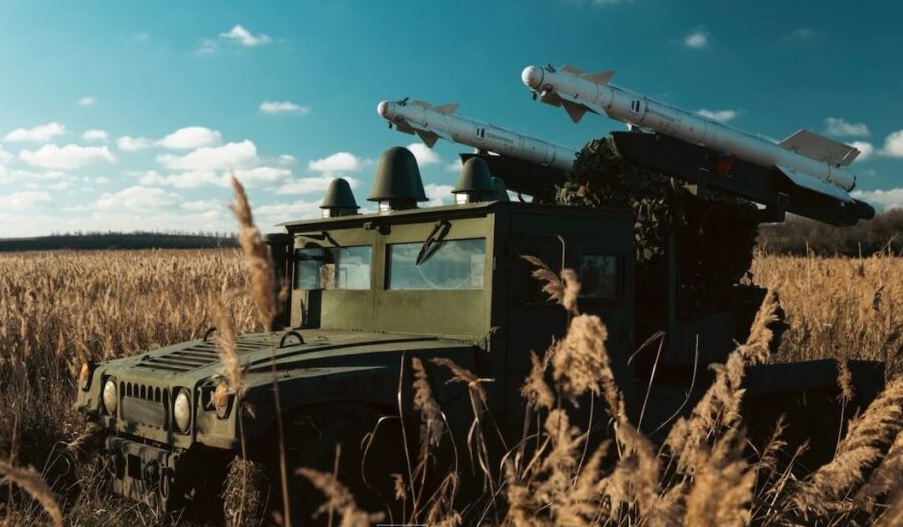
World
In response to escalating aerial threats, Ukraine has unveiled a mobile air defense system ingeniously mounted on the chassis of a U.S.-supplied High Mobility Multipurpose Wheeled Vehicle (HMMWV), commonly known as the Humvee. This adaptation underscores Ukraine's commitment to enhancing its defensive capabilities through innovation and resourcefulness. Design and Features The transformation of the Humvee into a formidable air defense platform involves significant modifications: Armored Cabin: The original vehicle's cabin has been replaced with a custom-built armored structure, providing enhanced protection for the crew against battlefield threats. Missile Launch System: Equipped with Soviet-era R-73 missiles, originally designed for air-to-air engagements, the system has been adapted for ground-based launches. The R-73 is a short-range, infrared-guided missile known for its agility and effectiveness in targeting low-flying aerial threats. Electronic Warfare Capabilities: To counter the increasing use of drones in modern warfare, electronic warfare modules are mounted atop the vehicle. These systems are designed to disrupt and neutralize enemy unmanned aerial vehicles (UAVs), particularly first-person view (FPV) drones that pose significant risks on the battlefield. Operational Advantages The integration of the R-73 missile system onto a mobile Humvee platform offers several strategic benefits: Mobility and Agility: The Humvee's renowned maneuverability allows for rapid deployment and repositioning, enabling Ukrainian forces to respond swiftly to aerial threats across diverse terrains. Fire-and-Forget Capability: The R-73 missiles operate on a fire-and-forget principle, allowing operators to engage targets and immediately relocate to avoid counterattacks, thereby enhancing survivability in contested environments. Cost-Effective Adaptation: By repurposing existing missile stockpiles and vehicle platforms, Ukraine achieves a cost-efficient solution to bolster its air defense without the need for entirely new systems. Context and Strategic Implications The development of this Humvee-based air defense system is part of Ukraine's broader strategy to enhance its defensive capabilities amid ongoing conflicts. The system has been deployed to frontline units, including the 3rd Assault Brigade of the Ukrainian Armed Forces, to counter Russian aerial threats effectively. This initiative complements other efforts, such as the collaboration with the United Kingdom on the Gravehawk air defense system, which also utilizes modified R-73 missiles for ground-based air defense. By integrating advanced missile technology with mobile platforms like the Humvee, Ukraine not only addresses immediate security concerns but also demonstrates a commitment to innovative defense solutions that can adapt to evolving threats on the modern battlefield.
Read More → Posted on 2025-04-01 15:05:27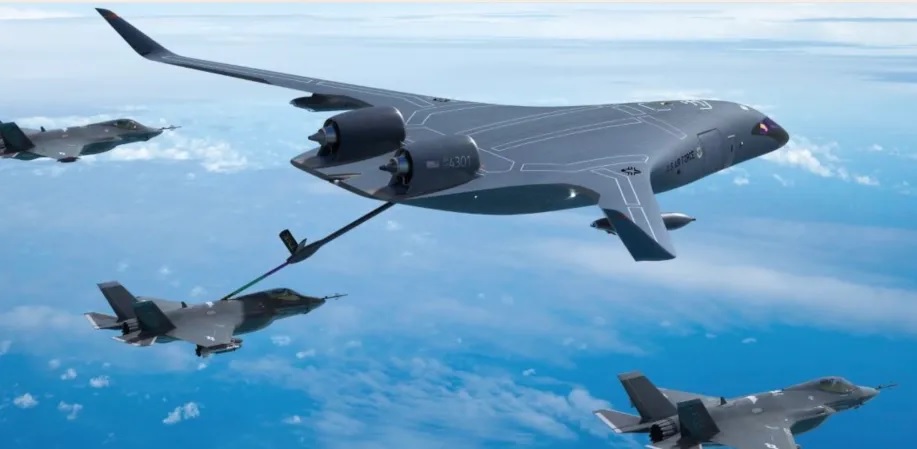
India
The United States Department of Defense is actively seeking key international allies, including India, to join its Next-Generation Air Refueling System (NGAS) program. This initiative is a strategic move to distribute development costs, enhance technological collaboration, and accelerate progress in creating a stealth tanker that can support future aerial combat operations. For India, this invitation marks another milestone in its deepening defense relationship with the US. As a designated Major Defense Partner, India has steadily increased cooperation in areas ranging from fighter jet engines to naval technologies. Participation in the NGAS program could further solidify this partnership, offering India access to cutting-edge aerospace technologies and enhancing interoperability with US and allied forces. The Evolution and Challenges of NGAS The need for a next-generation tanker stems from the aging US Air Force (USAF) fleet, primarily consisting of KC-135 Stratotankers—some of which date back to the 1950s. To replace these, the USAF initiated a three-phase modernization plan: KC-X Phase – Led to the procurement of Boeing KC-46 Pegasus tankers, currently replacing older aircraft. KC-Y Phase – A bridging effort that may involve additional KC-46 orders or competition between Boeing, Airbus, and Lockheed Martin for a more capable commercial-derived tanker. KC-Z (now NGAS) – Initially envisioned as a highly advanced stealth tanker, capable of operating in contested airspace and supporting next-gen fighter aircraft like the NGAD and unmanned aerial systems. Despite its ambitious goals, the NGAS program has faced funding challenges. In early 2024, budgetary constraints and competing priorities—such as the Next Generation Air Dominance (NGAD) fighter and the B-21 Raider bomber—led to uncertainty over NGAS funding. Some USAF studies even suggested canceling the program due to cost concerns. However, the Pentagon revived interest in mid-2024, emphasizing the need for a tanker capable of operating closer to battle zones without being easily detected or targeted. India’s Potential Role and Strategic Considerations India’s inclusion in NGAS discussions reflects Washington’s push for deeper defense-industrial partnerships. The US sees India as a key player in diversifying supply chains, sharing research and development costs, and fostering a more resilient defense ecosystem. For India, the opportunity is both promising and challenging. On the positive side, it could gain early access to stealth refueling technology, boost its domestic aerospace manufacturing sector, and integrate its software and networking expertise into a high-end US defense program. The INDUS-X initiative, launched in 2023, already aims to enhance joint defense research and industry collaboration, making NGAS a natural extension of this effort. However, India must carefully evaluate the financial and strategic implications. Unlike the USAF, India operates a relatively small aerial refueling fleet, consisting mainly of Russian Il-78 tankers and planned Airbus A330 MRTTs. Investing in a program like NGAS could divert resources from other priorities, such as the indigenous Advanced Medium Combat Aircraft (AMCA) program or naval modernization efforts. Additionally, technology transfer and intellectual property issues remain potential sticking points. The US maintains strict controls on stealth and autonomous systems, which could limit the depth of India’s participation. Regulatory hurdles, export restrictions, and the compatibility of India’s procurement policies with US defense contracts will also need to be addressed. A Calculated Move in a Changing Geopolitical Landscape Despite uncertainties, the US effort to engage allies in NGAS aligns with a broader trend of collaborative defense programs. With China’s expanding airpower and the increasing demand for extended-range operations in the Indo-Pacific, a stealth tanker could play a crucial role in future conflicts. For India, participation in NGAS would signal its growing role in global defense innovation. But it will have to weigh the benefits of advanced technological exposure against the risks of investing in a project with an uncertain timeline and cost trajectory. If structured effectively, this collaboration could enhance India’s defense-industrial base while offering the USAF a critical capability in the years to come.
Read More → Posted on 2025-04-01 15:02:13
World
Sierra Space has achieved a major milestone in satellite navigation technology by successfully demonstrating its Resilient GPS (R-GPS) system for the U.S. Space Force. Developed in partnership with General Dynamics Mission Systems, the breakthrough aims to enhance the security and reliability of GPS signals, a crucial factor for both military and civilian applications in an era of growing electronic warfare threats. Enhancing GPS Security in a Contested Space Environment GPS technology is the backbone of modern navigation, communication, and defense systems. However, adversaries have developed sophisticated methods to jam or spoof signals, posing a significant challenge to U.S. national security. The U.S. Space Force’s Quick Start program seeks to counter these threats by deploying smaller, more agile satellites equipped with advanced GPS capabilities. Sierra Space’s R-GPS technology is a direct response to this need, ensuring that GPS signals remain robust even in contested environments. The recent demonstration proved the system's ability to generate all essential GPS signals, including P(Y), M-code, and C/A at L1 and L2 frequencies. This feature ensures compatibility with existing GPS systems while offering enhanced protection against interference. The success of the test now positions Sierra Space as a strong contender for Phase One of the Quick Start program. Technical and Strategic Impact Since being awarded the R-GPS contract by Space Systems Command in September 2024, Sierra Space has made rapid progress in developing cost-effective, small satellite solutions. The system has passed an internal Systems Requirements Review, and this latest test further validates its operational effectiveness. General Dynamics Mission Systems, a key partner in this initiative, emphasized the importance of speed in deploying advanced GPS solutions. According to Amy Johnson, Vice President at General Dynamics, the U.S. needs to upgrade its GPS infrastructure at an accelerated pace to maintain a technological edge. By leveraging General Dynamics’ proven expertise and Sierra Space’s innovative approach, the R-GPS project is on track to meet the Space Force’s demanding operational timelines. Future Outlook The U.S. Space Force’s push for resilient GPS solutions reflects a broader trend in military space technology: adaptability and rapid deployment. With space becoming an increasingly contested domain, ensuring uninterrupted GPS functionality is paramount. Sierra Space’s success in this demonstration signals a step toward a new era of satellite navigation, one where resilience against interference is a built-in feature rather than an afterthought. As the program advances, the next phase will focus on integrating the R-GPS technology into actual satellite platforms, paving the way for its eventual deployment in orbit. If successful, this development could redefine the future of military-grade GPS technology, ensuring secure and reliable positioning data for years to come.
Read More → Posted on 2025-04-01 15:00:04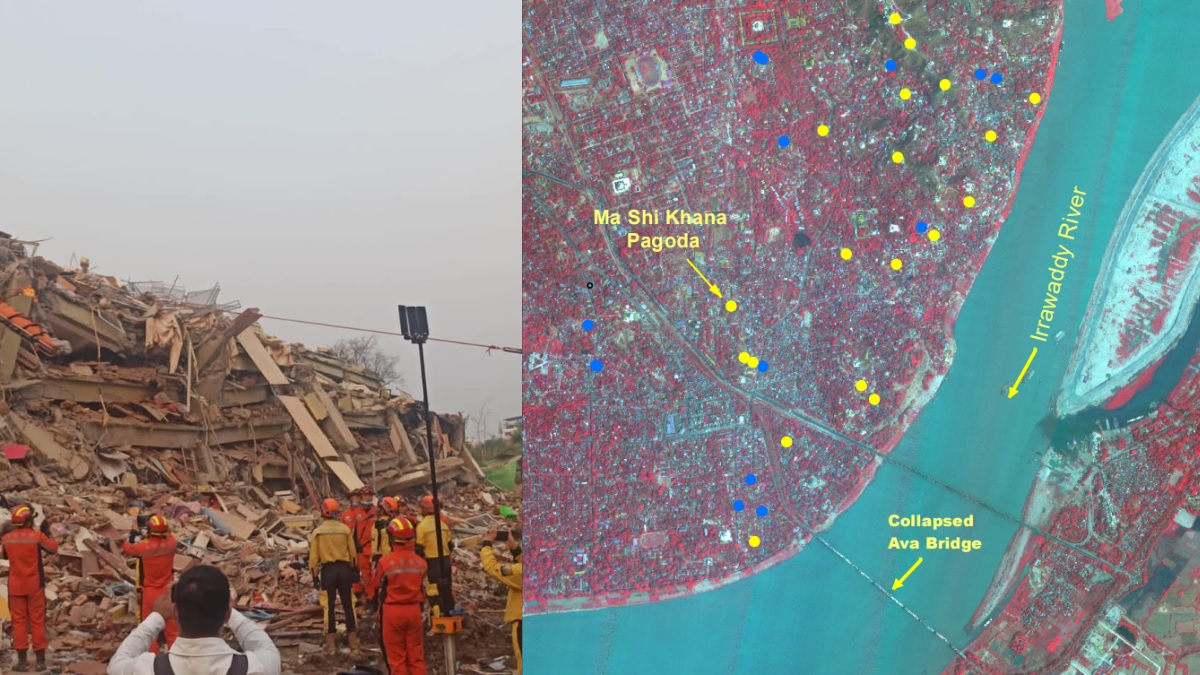
India
The devastating earthquake that struck Myanmar on March 28, 2025, has caused catastrophic destruction across Mandalay and the Sagaing region. With a magnitude of 7.7 on the Richter scale, the quake shattered infrastructure, damaged historical landmarks, and left thousands dead or displaced. As rescue teams continue their operations amid the chaos, the Indian Space Research Organisation (ISRO) has provided critical satellite imagery to assess the full extent of the destruction. High-resolution images captured by ISRO's Cartosat-3 satellite have revealed the massive scale of the damage. One of Myanmar’s most iconic structures, the Ava Bridge, completely collapsed under the seismic force. Cultural and religious landmarks such as the Mahamuni Pagoda and several monasteries in Mandalay and Sagaing suffered extensive damage. The imagery also exposed widespread destruction of residential areas, with entire neighborhoods reduced to rubble, making relief efforts increasingly difficult. The Myanmar military government swiftly declared a state of emergency and launched rescue operations, but the ongoing civil conflict has complicated relief efforts. With over 2,900 confirmed fatalities and thousands injured, emergency response teams are struggling against infrastructure damage, shortages of medical supplies, and logistical challenges. Volunteers from local communities have stepped in to provide aid, but the need for external assistance remains critical. ISRO’s satellite imagery has been instrumental in disaster response, offering detailed before-and-after visuals to help authorities pinpoint the hardest-hit areas. This data has guided rescue operations, assisted in prioritizing medical aid distribution, and facilitated better coordination of relief efforts. The ability of space-based technology to provide real-time insights highlights its growing significance in disaster management worldwide. International support has been swift, with India launching "Operation Brahma" to send medical teams, field hospitals, and essential supplies to Myanmar. China, Thailand, and the United States have also dispatched rescue personnel and aid, underlining the global solidarity in response to the tragedy. Geologically, the earthquake occurred along the Sagaing Fault, a highly active seismic zone where the Indian and Eurasian tectonic plates collide. This incident raises serious concerns about future earthquakes in the region, emphasizing the need for improved disaster preparedness and resilient infrastructure. As Myanmar embarks on the long road to recovery, ISRO’s contribution underscores the critical role of satellite technology in mitigating the effects of natural disasters. With continued global assistance and technological advancements, rebuilding efforts will help restore lives and communities devastated by this tragic event.
Read More → Posted on 2025-04-01 14:57:29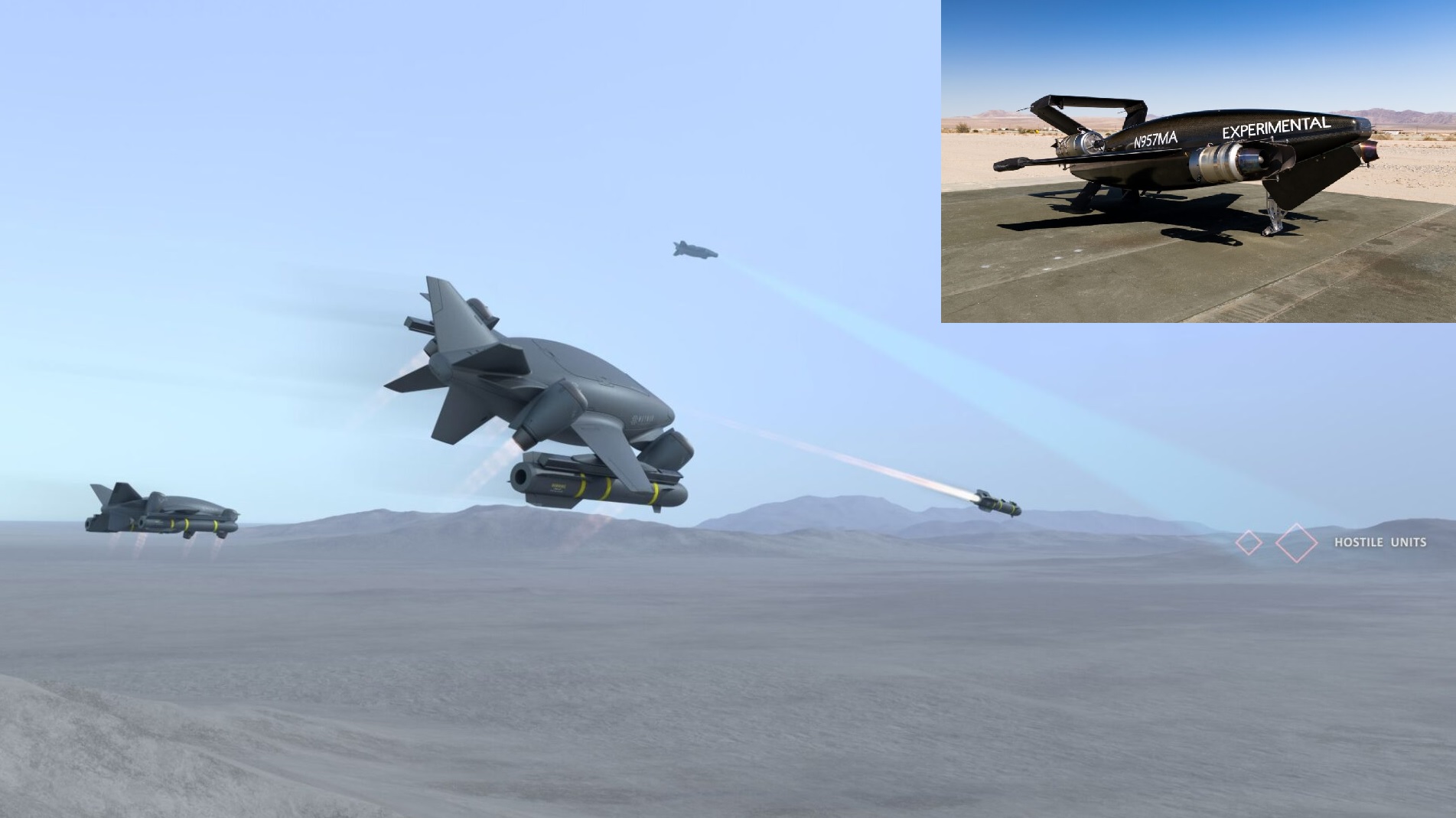
World
Mayman Aerospace has successfully conducted test flights of its RAZOR P100 Vertical Takeoff and Landing (VTOL) unmanned aerial system (UAS). The tests, carried out at the U.S. Marine Corps Air Ground Combat Center in Twentynine Palms, California, marked a significant milestone in autonomous drone technology. A Leap in Autonomous Flight The RAZOR P100, part of Mayman Aerospace's advanced VTOL drone family, demonstrated complete autonomy during its first untethered flights. Over 18 months of engineering and development culminated in this test program, validating the aircraft's ability to perform complex maneuvers without human intervention. Central to this achievement is SKYFIELD, Mayman Aerospace’s proprietary AI-driven flight control software. SKYFIELD enables the P100 to adapt to real-time mission and environmental conditions, allowing for fully autonomous operation. The system also supports swarm operations, complex terrain navigation, and mission execution in GPS-denied environments, making it a powerful asset for modern defense applications. Performance and Capabilities During the tests, the RAZOR P100 successfully executed autonomous flight patterns, confirming its ability to operate in contested electronic warfare conditions. The drone’s AI-driven autonomy is designed to work seamlessly with Battle Management Systems, enhancing its battlefield relevance. Mayman Aerospace also tested its extended-range RAZOR TBX drone, which carried a 50-pound payload in a beyond-visual-line-of-sight (BVLOS) operation. This was the TBX’s 26th flight and further proved the robustness of the RAZOR platform. Key Specifications of the RAZOR P100 Type: Fully autonomous VTOL drone Flight System: AI-powered SKYFIELD control software Payload Capacity: 100 lbs (approx.) Range: Designed for extended BVLOS operations Navigation: GPS-denied operational capability Applications: Military reconnaissance, logistics, swarm operations Future Development Looking ahead, Mayman Aerospace aims to enhance the RAZOR P100’s operational range, increase its payload capacity, and further develop SKYFIELD’s capabilities. These advancements will solidify the RAZOR platform as a leading-edge solution in autonomous drone technology. David Mayman, Founder and CEO of Mayman Aerospace, highlighted the breakthrough by stating, "These flights represent a major step forward in autonomous VTOL technology. The RAZOR family of aircraft is unlike anything currently available in the market." With its advanced capabilities and commitment to innovation, Mayman Aerospace is paving the way for the future of fully autonomous aerial systems.
Read More → Posted on 2025-03-31 16:04:52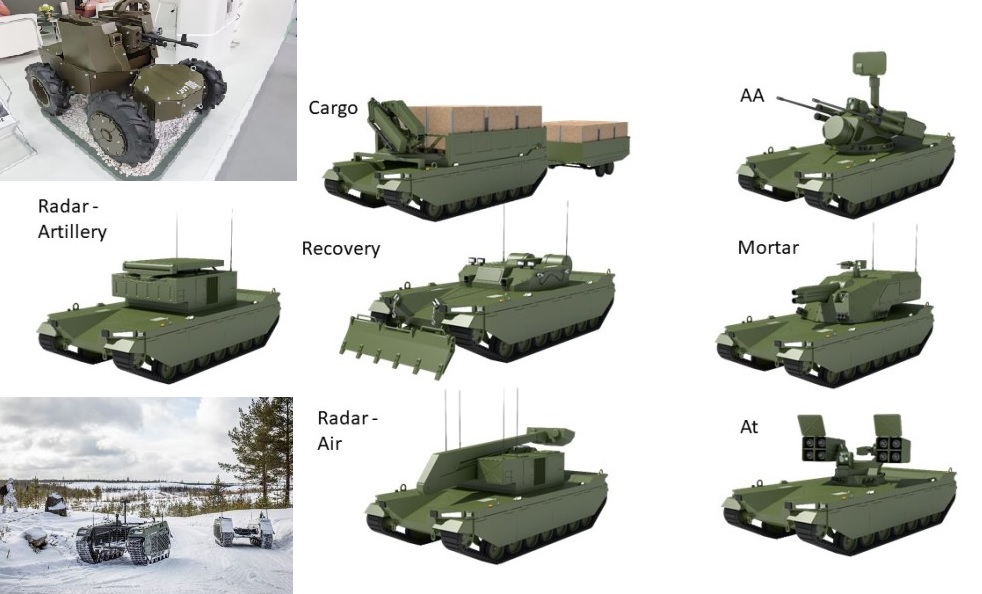
World
The Integrated Modular Unmanned Ground System (iMUGS) has been one of the European Union’s most ambitious defense projects, focusing on developing Unmanned Ground Vehicles (UGVs) for military applications. Following the success of iMUGS1, the next phase—iMUGS2—is set to take autonomous warfare to the next level. Spearheaded by Milrem Robotics, the project aims to enhance combat-ready UGVs with advanced features, ensuring interoperability among European defense systems and responding to the lessons learned from the battlefield, especially in Ukraine. The Evolution from iMUGS1 to iMUGS2 Building on the foundation laid by iMUGS1, the iMUGS2 project is set to develop a new generation of UGVs with enhanced capabilities. Unlike its predecessor, which focused mainly on non-lethal applications and logistics, iMUGS2 will incorporate combat-ready solutions, integrating weapon systems for direct battlefield engagement. The project has expanded significantly, growing from 15 industry partners in seven countries to 29 partners across 15 nations. This collaboration will ensure that iMUGS2 leverages cutting-edge European technology, enhancing the EU’s defense capabilities while reducing dependency on external military suppliers. Key Objectives of iMUGS2 Developing a Standardized Open Architecture – The new UGVs will feature a modular design, allowing seamless integration of different payloads, including weapon systems, surveillance equipment, and communication tools. Enhancing Manned-Unmanned Teaming – The project aims to develop UGVs that can work alongside manned vehicles and infantry units, providing battlefield support in both offensive and defensive roles. Creating a Combat-Ready Infantry Support System – UGVs will be designed to assist ground troops with logistics, reconnaissance, and direct combat support, making them an essential part of modern warfare. Laying the Groundwork for Future Unmanned Battalions – iMUGS2 will conceptualize how autonomous systems can function at a battalion level, forming the basis for future military advancements. The Shift Towards Weaponized UGVs In the past, discussions about arming UGVs were controversial. However, the ongoing war in Ukraine has shifted perspectives, demonstrating the urgent need for autonomous combat systems. Russia has been aggressively developing and deploying weaponized UGVs, leaving Europe no choice but to accelerate its own military robotics programs. Milrem Robotics and its partners recognize that the future of warfare will involve robotic systems fighting against each other, with victory going to the side with superior technology and faster response capabilities. While European nations emphasize keeping a “man-in-the-loop” control system, the integration of weaponized UGVs is now seen as essential for maintaining military parity with global adversaries. The European Defence Fund (EDF) has supported the iMUGS2 initiative, with a final decision on continued funding expected in May 2025. The lack of a unified strategic direction from the EU and NATO for land robotics remains a challenge, but the iMUGS2 team is pushing forward with innovation-first development, followed by standardization. As major military powers like the U.S., China, and Russia continue advancing their unmanned warfare capabilities, Europe must act swiftly. The success of iMUGS2 could lay the foundation for a fully autonomous, battle-ready military force in the future, ensuring European defense forces remain competitive on the modern battlefield. The future of warfare is shifting rapidly, and Milrem Robotics’ iMUGS2 is a crucial step toward integrating robotic combat systems into the heart of European defense strategy. With advanced technology, strategic foresight, and multinational cooperation, iMUGS2 could redefine how ground battles are fought in the years to come.
Read More → Posted on 2025-03-31 15:59:01
World
Switzerland has successfully completed the modernisation of its four radar stations used for permanent air surveillance. On 20 March 2025, armasuisse officially handed over the final upgraded radar system to the Armed Forces for operational use, marking a significant milestone in the country’s air defence infrastructure. Strengthening Air Surveillance with Advanced Technology The upgrades are part of the broader "Radar" project within the Swiss Air Force’s Florako system, which ensures continuous monitoring and control of both civil and military air traffic. This modernisation was approved under the 2016 armament programme to enhance system reliability and extend operational effectiveness for years to come. Each radar station was upgraded in a phased manner to prevent disruptions in air surveillance. Given the stations' locations at altitudes of up to 3,000 metres above sea level, the process required meticulous coordination and detailed planning to handle the challenging conditions. Key Features of the Upgraded Radar System The newly modernised radar stations boast several improvements: Enhanced Detection Range: The upgraded systems provide better tracking and detection capabilities, ensuring Swiss airspace remains secure against any potential threats. Improved Processing Speeds: Faster data processing allows for quicker response times, essential for both civil and military aviation. Better Integration with Air2030 Systems: The new radars seamlessly connect with other Air2030 elements, such as command and control networks and upcoming fighter aircraft. Weather Resilience: Advanced components enhance radar performance in adverse weather conditions, crucial for high-altitude operations. Following successful acceptance and operational tests, the final radar station has been fully integrated into the Armed Forces Cyber Command for continuous operation. “This marks an important milestone in the project,” armasuisse stated, confirming the successful modernisation of the Flores radar components. Future Plans and the Role of Air2030 While the radar upgrade is a key achievement, additional sub-projects remain. These include replacing control and display units and conducting final warranty works, with full project completion expected by November 2026. These steps will ensure the Swiss Air Force maintains peak operational readiness. The radar project is a crucial part of the larger Air2030 programme, which also includes: The acquisition of new-generation fighter jets. A long-range ground-based air defence system. Modernisation of command and control systems (RLE@NDP – C2Air). These efforts reflect Switzerland’s commitment to safeguarding its airspace through advanced technology and strategic planning. With step-by-step modernisation, the Swiss Air Force continues to reinforce its national defence capabilities for the future.
Read More → Posted on 2025-03-31 15:56:12
India
The Indian Ministry of External Affairs (MEA) has categorically rejected a recent report by The New York Times alleging that Hindustan Aeronautics Limited (HAL) diverted sensitive technology to Russia. The MEA labeled the report as "factually incorrect and misleading," asserting that it distorts facts to fit a particular political narrative. The MEA emphasized that HAL has consistently adhered to international regulations concerning strategic trade controls and end-user commitments. They highlighted India's robust legal and regulatory framework governing strategic trade, which guides the overseas commercial activities of its companies. The ministry also urged reputable media outlets to conduct thorough due diligence before publishing such reports. Details of the Allegations According to The New York Times, a British aerospace firm, HR Smith Group, allegedly shipped restricted technology to HAL between 2023 and 2024. The report suggests that HAL subsequently transferred similar equipment to Russia's state-owned arms agency, Rosoboronexport. Customs records cited indicate that HAL received 118 shipments of restricted technology worth nearly $2 million from HR Smith's subsidiary, Techtest, during this period. Concurrently, HAL reportedly made at least 13 shipments of similar components to Rosoboronexport, with payments totaling over $14 million. These components are described as dual-use technology, flagged by British and American authorities as critical to Russia's military operations in Ukraine. India's Defense Trade Dynamics India maintains a longstanding defense relationship with Russia, characterized by collaborations such as the licensed manufacturing of AL-31FP engines for the Su-30MKI fighter jets. In November 2024, a delegation from HAL visited Russia to finalize a contract for producing 240 of these engines, underscoring the depth of Indo-Russian defense cooperation. This collaboration aligns with India's strategic objective of enhancing indigenous defense production capabilities. Concurrently, India has been expanding its defense partnerships globally. The Ministry of Defence signed a contract with HAL in December 2024 for the procurement of 12 Su-30MKI aircraft, valued at approximately ₹13,500 crore. These aircraft feature significant indigenous content, reflecting India's commitment to self-reliance in defense manufacturing. International Scrutiny and India's Stance India's defense trade practices have attracted international attention. Reports indicate that India has become a significant supplier of restricted critical technologies to Russia, with exports including microchips and machine tools. U.S. and European officials have noted these developments, highlighting the complexities in efforts to regulate exports fueling military activities. In response to sanctions imposed by the U.S. on several Indian entities for allegedly supporting Russia's military-industrial base, the MEA stated that it is in communication with U.S. authorities to clarify the issues. The ministry emphasized that the sanctioned transactions and companies are not in violation of Indian laws and reiterated India's robust legal framework governing strategic trade and non-proliferation controls. The Indian government has firmly denied the claims made in The New York Times report, reaffirming HAL's compliance with international trade regulations. India continues to navigate its defense relationships and trade practices amidst global scrutiny, emphasizing adherence to its legal frameworks and international commitments.
Read More → Posted on 2025-03-31 15:51:59
World
Iran's Supreme Leader, Ayatollah Ali Khamenei, issued a stern warning on Monday, stating that Iran would deliver a powerful response to any military aggression against the nation. This declaration follows recent threats from U.S. President Donald Trump, who indicated potential military action if Iran does not agree to a new nuclear deal. During his Eid al-Fitr address, marking the end of Ramadan, Khamenei remarked, "If [the enemy] makes any aggression, it will be hit hard and our defense will also include response." This statement underscores Iran's readiness to defend itself amid escalating tensions with the United States. Escalating Tensions Over Nuclear Negotiations The backdrop to these developments is the heightened strain between Iran and the U.S. concerning Iran's nuclear program. In 2018, President Trump withdrew the U.S. from the 2015 Joint Comprehensive Plan of Action (JCPOA), commonly known as the Iran nuclear deal, and reinstated stringent sanctions on Tehran. These actions were part of a "maximum pressure" campaign aimed at curbing Iran's nuclear ambitions and regional influence. In response to the U.S. withdrawal and subsequent sanctions, Iran began exceeding the uranium enrichment limits set by the JCPOA, arguing that its nuclear program is solely for peaceful purposes. Western nations, however, have expressed concerns over potential weaponization. Recent Developments and Diplomatic Efforts In early March, President Trump sent a letter to Ayatollah Khamenei, delivered via UAE presidential adviser Anwar Gargash, proposing renewed nuclear negotiations and cautioning of possible military action should Tehran refuse. Iran responded by reiterating its refusal to engage in direct talks under the current pressure and threats but left open the possibility of indirect negotiations through intermediaries such as Oman. Despite these diplomatic overtures, tensions have continued to escalate. The U.S. has deployed additional military assets to the region, including B-2 bombers stationed on Diego Garcia, while Iran has placed its missiles on alert and showcased an underground "missile city." These moves highlight the precarious situation and the potential for rapid escalation. Regional Implications and International Responses The deteriorating U.S.-Iran relationship has broader implications for the Middle East. Iran's support for groups such as Hezbollah in Lebanon, Hamas in the Palestinian territories, the Houthi rebels in Yemen, and various armed factions in Iraq has long been a point of contention. Khamenei's recent statements reinforce Iran's commitment to these alliances, which he refers to as the "axis of resistance" against Israel and U.S. influence in the region. Internationally, countries like Russia and China have called on the U.S. to lift sanctions against Iran and rejoin the JCPOA, emphasizing the importance of diplomatic solutions over military confrontations. European nations have also expressed concern over the escalating rhetoric and have urged both parties to return to the negotiating table to prevent further destabilization. The exchange of threats between the U.S. and Iran has brought the two nations to a critical juncture. While diplomatic channels remain open, the potential for military conflict looms large. The international community continues to watch closely, hopeful that dialogue will prevail over aggression to ensure stability in the region.
Read More → Posted on 2025-03-31 15:47:34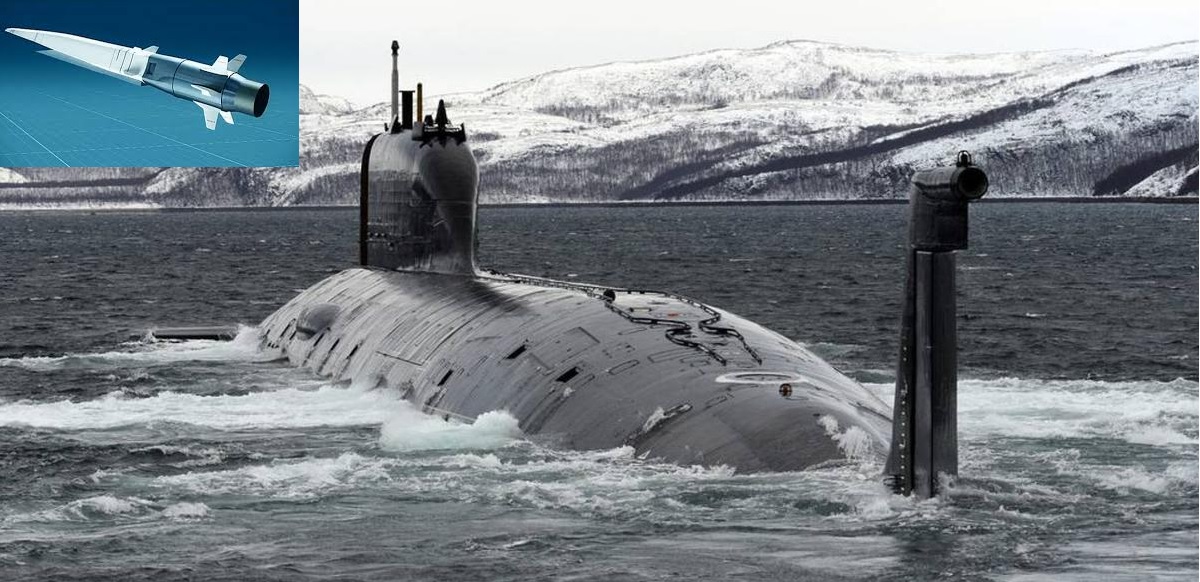
World
In a significant advancement for its naval capabilities, Russia has launched the 'Perm,' a nuclear-powered submarine equipped with the formidable Zircon hypersonic cruise missiles. This development marks a pivotal moment in modern naval warfare, potentially altering strategic balances due to the advanced features of both the submarine and its weaponry. The 'Perm' Submarine The 'Perm' is the latest addition to Russia's Yasen-M class of nuclear-powered submarines, representing the sixth vessel in this series. Constructed by the Sevmash shipyard, the 'Perm' incorporates several enhancements over its predecessors, including structural modifications to accommodate the Zircon missiles. This submarine is designed for multipurpose operations, capable of engaging both naval and land-based targets, thereby extending Russia's strategic reach. Zircon Hypersonic Cruise Missiles The Zircon missile is a cutting-edge hypersonic weapon capable of reaching speeds between Mach 8 and 9, approximately 9,800 to 11,000 kilometers per hour. This extraordinary speed, combined with a range of 450 to 1,000 kilometers, makes the Zircon exceptionally challenging to intercept with current missile defense systems. The missile's stealth capabilities are further enhanced by a plasma cloud that envelops it during flight, absorbing radio frequencies and rendering it invisible to radar detection. Strategic Implications The integration of Zircon missiles into the 'Perm' submarine signifies a substantial escalation in naval warfare capabilities. Hypersonic missiles like the Zircon can penetrate existing defense systems due to their high speed and maneuverability, posing a significant challenge to adversaries. The deployment of such advanced weaponry underscores Russia's commitment to maintaining and enhancing its strategic deterrence capabilities. The launch of the 'Perm' submarine, armed with Zircon hypersonic missiles, represents a notable advancement in military technology. This development not only enhances Russia's naval power but also has the potential to influence global strategic dynamics, prompting other nations to reassess their defense postures in response to the evolving capabilities of hypersonic weaponry.
Read More → Posted on 2025-03-31 15:43:24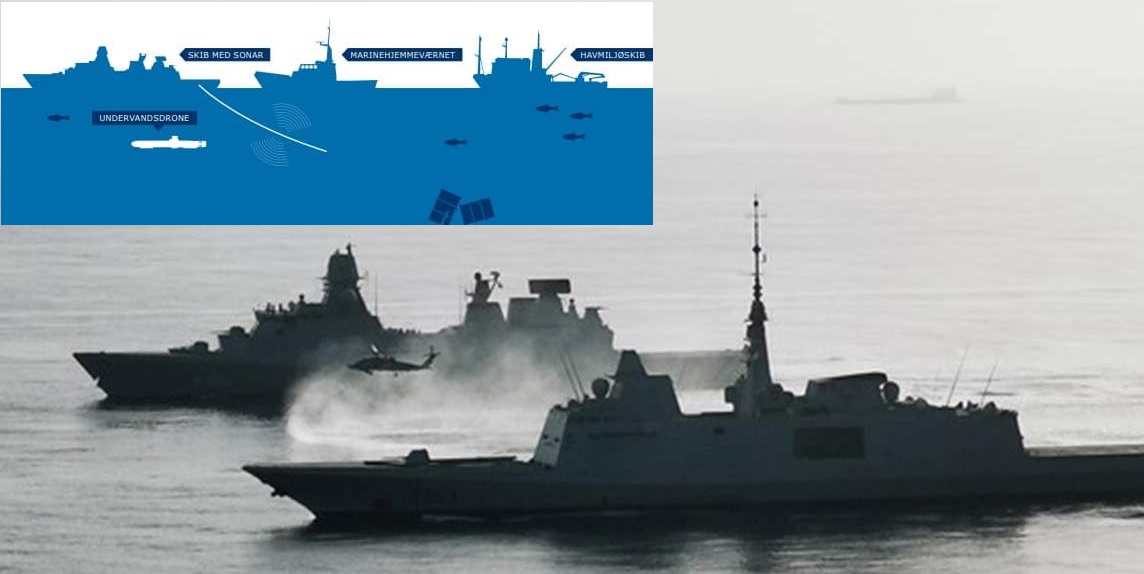
World
Denmark has recently unveiled a comprehensive fleet plan aimed at enhancing the capabilities of the Royal Danish Navy (RDN). This strategy encompasses both immediate measures to bolster key operational capacities and long-term initiatives focused on modernizing major surface combatants. Short-Term Initiatives In the immediate future, the plan emphasizes strengthening the RDN's ability to execute missions within Danish territorial waters. Key areas of focus include pollution control, mine warfare, patrol duties, and the surveillance of critical underwater infrastructure. To achieve these objectives, the plan outlines the acquisition of five larger vessels across two distinct classes and the replacement of the Marinehjemmeværnet’s (Naval Home Guard) primary patrol craft, the MHV 800-class. The MHV 800-class, a conventional design weighing 83 tons, comprises 18 units distributed nationwide, ensuring a local naval presence in areas that might otherwise lack such visibility. This class also features the extended MHV 850-subclass, including the MHV851 Sabotøren, which is slated for replacement. In total, 21 new patrol craft will be procured to provide the force with modern platforms. Among the five larger vessels, one will serve as a dedicated patrol vessel tasked with protecting underwater infrastructure. This role will be supported by significant investments in sensors and underwater drones. To advance unmanned capabilities, a development program for naval unmanned systems is set to launch, addressing both short-term and long-term goals. The remaining four vessels will be multi-purpose designs, primarily aimed at replacing the RDN's aging pollution control vessels. Recent concerns about environmental risks, highlighted by the increased use of older, often poorly maintained tankers, have underscored the need for modernized oil and chemical spill recovery capabilities. These new vessels will also be equipped to perform additional naval tasks, including patrol duties, surveillance of underwater infrastructure, and minelaying operations. Minister for Resilience and Preparedness, Torsten Schack Pedersen, emphasized the versatility of these ships, describing them as "maritime environmental and minelaying ships." Long-Term Vision: New Frigates Looking ahead, the fleet plan envisions replacing the RDN's current frigates, starting with the air-defense-focused Iver Huitfeldt-class, which are expected to remain in service for another decade. Minister of Defence Troels Lund Poulsen highlighted the importance of timely planning for these future acquisitions. The possibility of constructing the new vessels domestically or ensuring a significant Danish workshare is under consideration to enhance security of supply. Additionally, the long-term strategy includes the procurement of a second batch of Arctic patrol vessels and explores potential collaborations with other nations to develop a shared icebreaking capacity. These initiatives reflect Denmark's commitment to maintaining a robust and versatile naval force capable of addressing evolving security challenges. This comprehensive fleet plan underscores Denmark's proactive approach to modernizing its naval capabilities, ensuring readiness to safeguard national interests and contribute effectively to regional and international maritime security.
Read More → Posted on 2025-03-31 15:36:33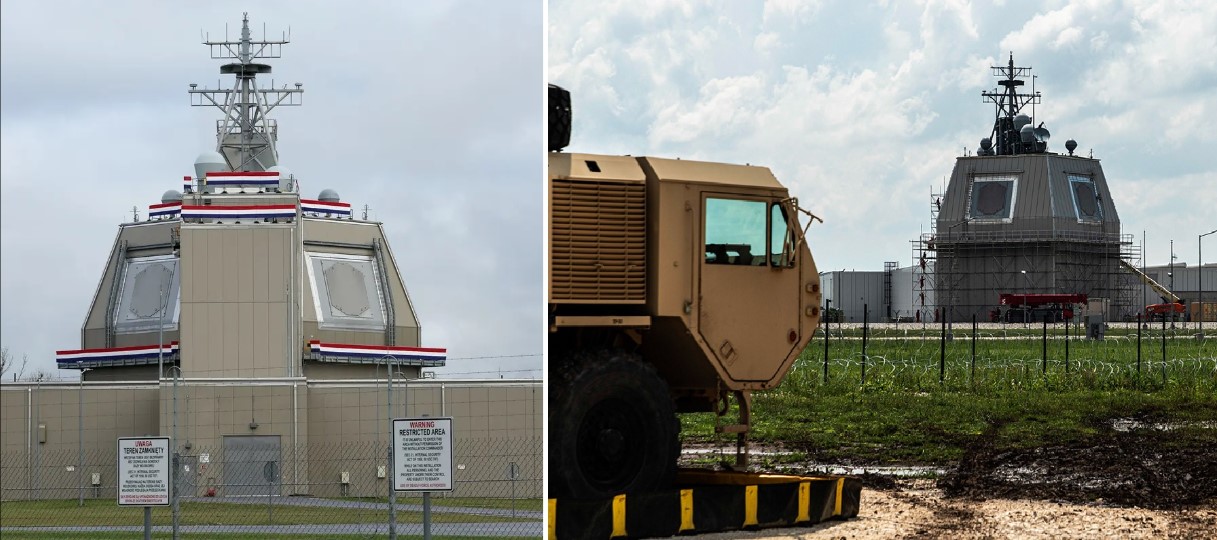
World
V2X, Inc. has been awarded a USD 100 million contract to provide critical support to the U.S. Navy’s Aegis Ashore missile defense facility in Poland. This site is an essential component of NATO’s defense strategy, designed to detect, track, and intercept ballistic missile threats, thereby enhancing Europe's security against evolving global challenges. Contract Details and Scope The contract follows a firm-fixed-price structure, ensuring cost stability. It includes: A one-year base period Seven one-year options for continued support A six-month extension option This agreement builds on V2X’s extensive experience, particularly its work over the past four years at the Aegis Ashore site in Romania, demonstrating the company’s expertise in missile defense operations. V2X’s Role in Missile Defense V2X specializes in delivering integrated solutions that blend physical infrastructure and digital technologies to support national security and defense missions. The company’s contributions to Aegis Ashore will involve advanced maintenance, logistics, and operational support, ensuring the system remains combat-ready. Jeremy C. Wensinger, President and CEO of V2X, emphasized the contract’s significance, stating, “This contract underscores our commitment to high-consequence missions. This award marks a significant step in strengthening NATO’s defense and protecting European populations against global threats.” Aegis Ashore: A Critical NATO Defense Asset The Aegis Ashore system is a land-based version of the U.S. Navy’s Aegis Ballistic Missile Defense System, equipped with SPY-1 radar and SM-3 interceptor missiles. The Polish facility, located in Redzikowo, enhances NATO’s deterrence capabilities by: Tracking and intercepting intermediate-range ballistic missiles Providing a layered defense alongside the Romanian Aegis Ashore site Supporting NATO’s European Phased Adaptive Approach (EPAA) to counter threats from adversarial nations V2X’s Technological Edge With a global workforce of around 16,000 professionals, V2X leverages cutting-edge technologies, including AI and machine learning, to improve: Operational readiness Resource management Resilience in mission-critical environments Conclusion The USD 100 million contract awarded to V2X underscores its pivotal role in supporting U.S. and NATO missile defense efforts. As global security threats evolve, the Aegis Ashore facility in Poland stands as a crucial safeguard, reinforcing NATO’s commitment to collective defense and regional stability.
Read More → Posted on 2025-03-31 15:31:49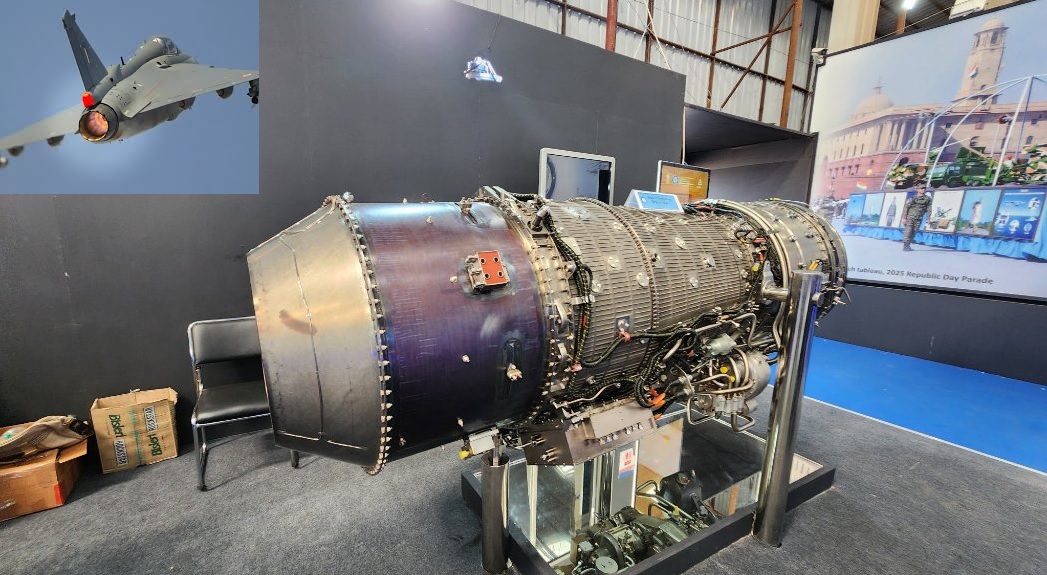
India
India is pushing ahead with its ambitious plan to develop the Kaveri turbofan engine, a move aimed at reducing dependence on foreign powerplants for the TEJAS MK-1A fighter jets. The Indian Air Force (IAF), which plans to operate over 220 TEJAS MK-1A jets over the next four decades, has extended its support to the indigenous engine program. This effort aligns with India’s broader goal of achieving self-reliance in defense technology. Why India Wants to Replace the GE F404 Engine Currently, the TEJAS MK-1A is powered by the GE F404-IN20 engine, which delivers 54 kN of dry thrust and 84 kN with afterburner. While these engines have been reliable, their high procurement costs—ranging between $8–10 million per unit—along with supply chain vulnerabilities due to geopolitical factors, have made indigenous alternatives an attractive option. The Gas Turbine Research Establishment (GTRE), a key player in India’s defense research, is leading the development of the Kaveri engine. The goal is to create a fully homegrown propulsion system that can match or exceed the capabilities of the imported GE F404 while ensuring greater operational independence. The Road to Kaveri 2.0 GTRE has been working on an upgraded version, often referred to as Kaveri 2.0, which is designed to enhance India’s fighter jet propulsion capabilities. The Kaveri 2.0 variant has now been approved for flight testing, marking a crucial milestone in the engine’s development. Extensive ground tests have already demonstrated a dry thrust of approximately 49–51 kN, making it suitable for Unmanned Aerial Vehicles (UAVs). The next step involves real-world flight testing, which is expected to provide crucial insights into its performance under operational conditions. The objective is to produce a thrust range of 55–58 kN in its core configuration, with an afterburner module pushing total thrust beyond 90 kN—sufficient for aircraft like the TEJAS MK-1A and future platforms. The first step in this roadmap is demonstrating the capabilities of the Dry Kaveri engine with an afterburner, targeting an initial wet thrust of around 73–75 kN. Challenges and the Path Ahead The original Kaveri engine faced multiple hurdles, particularly in achieving its intended thrust levels. The early versions could only produce 70–75 kN of wet thrust instead of the targeted 81 kN. Addressing these issues, GTRE is focusing on refining the engine’s core and integrating advanced afterburner technology. A two-phase strategy is in place to ensure the project’s success: Validate the KDE (Kaveri Derivative Engine) for mid-life upgrades of TEJAS MK-1A. Develop the more powerful Kaveri 2.0, capable of generating 90–100 kN of thrust, which could potentially power the TEJAS MK-2 and future indigenous fighters. Key hurdles include sourcing critical materials like high-pressure turbine blades and low-pressure turbine discs, which India is currently procuring. The program also requires sustained investment and technological advancements to reach operational deployment. Certification of the afterburner module is anticipated by 2026. Strategic Benefits of an Indigenous Fighter Jet Engine A successful Kaveri program would mark a major step in India's defense self-reliance, reducing dependence on suppliers like General Electric and enhancing operational flexibility. Indigenous engines are also tailored to withstand India's diverse climatic conditions, unlike imported ones that tend to degrade in high-temperature environments. The long-term impact of the Kaveri engine extends beyond TEJAS jets. Future iterations could power advanced fighter jets, unmanned combat aerial vehicles (UCAVs), and even India's upcoming 5th-generation fighter aircraft projects. The development of the Kaveri engine represents a strategic leap for India’s aerospace sector. While challenges remain, GTRE's ongoing efforts, supported by the Indian Air Force, signal a determined push toward self-sufficiency in fighter jet propulsion. If successfully integrated, the Kaveri engine will not only replace foreign alternatives but also pave the way for India’s future in military aviation technology.
Read More → Posted on 2025-03-31 15:26:32Search
Top Trending in 24 Hours
-
 UK Ministry of Defence Opens £120,000 Tender for Skydio X10D Drones
-
 US Navy Patent Details Laser-Induced Plasma System to Deflect Directed-Energy Weapons
-
 US Expands Military Buildup Near Iran with Third Aircraft Carrier and Additional Marines
-
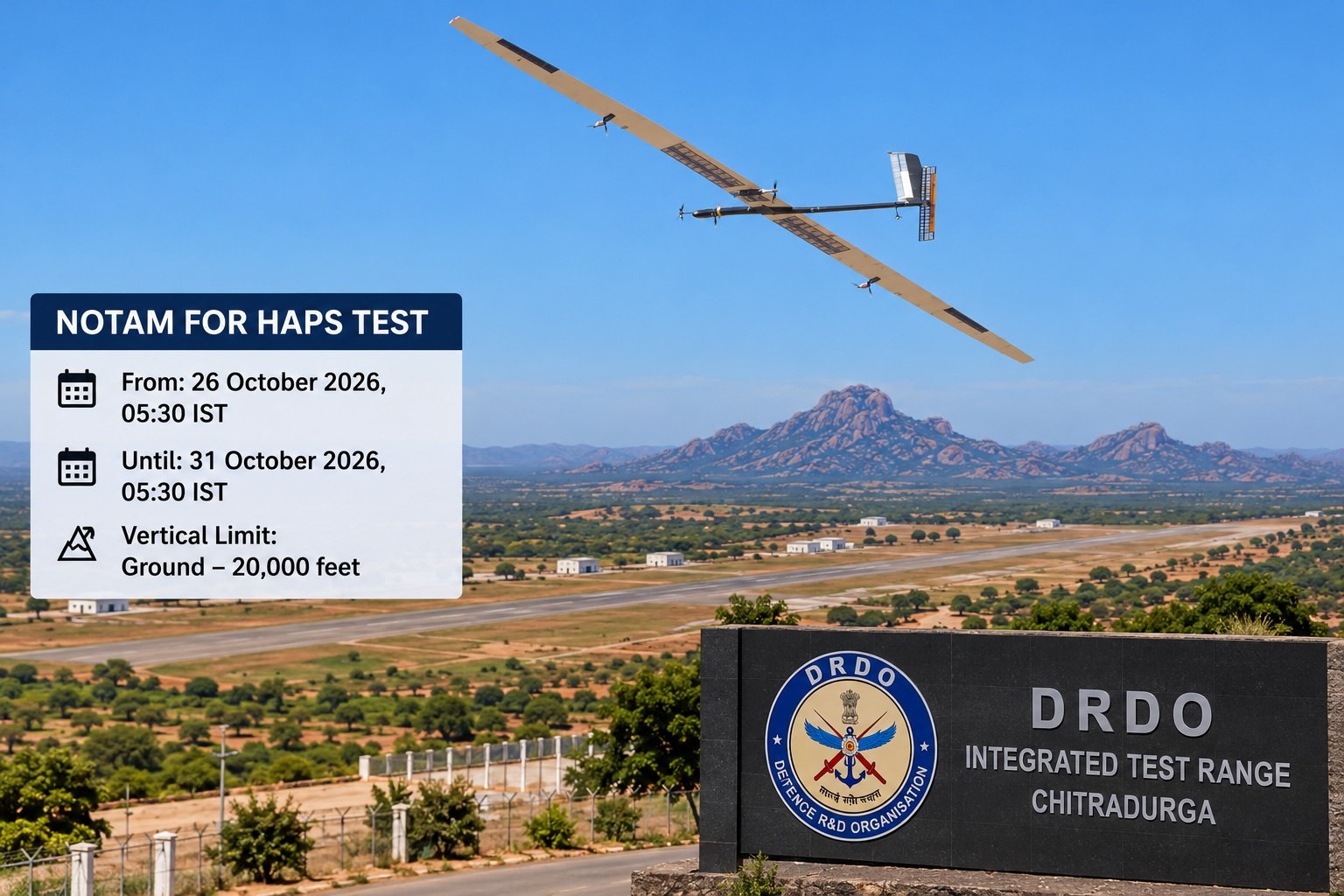 India Issues NOTAM for High Altitude Pseudo Satellite Test at DRDO Chitradurga Facility
-
 EDGE Integrates Autonomous Naval Systems in UAE-US Maritime Demonstration
-
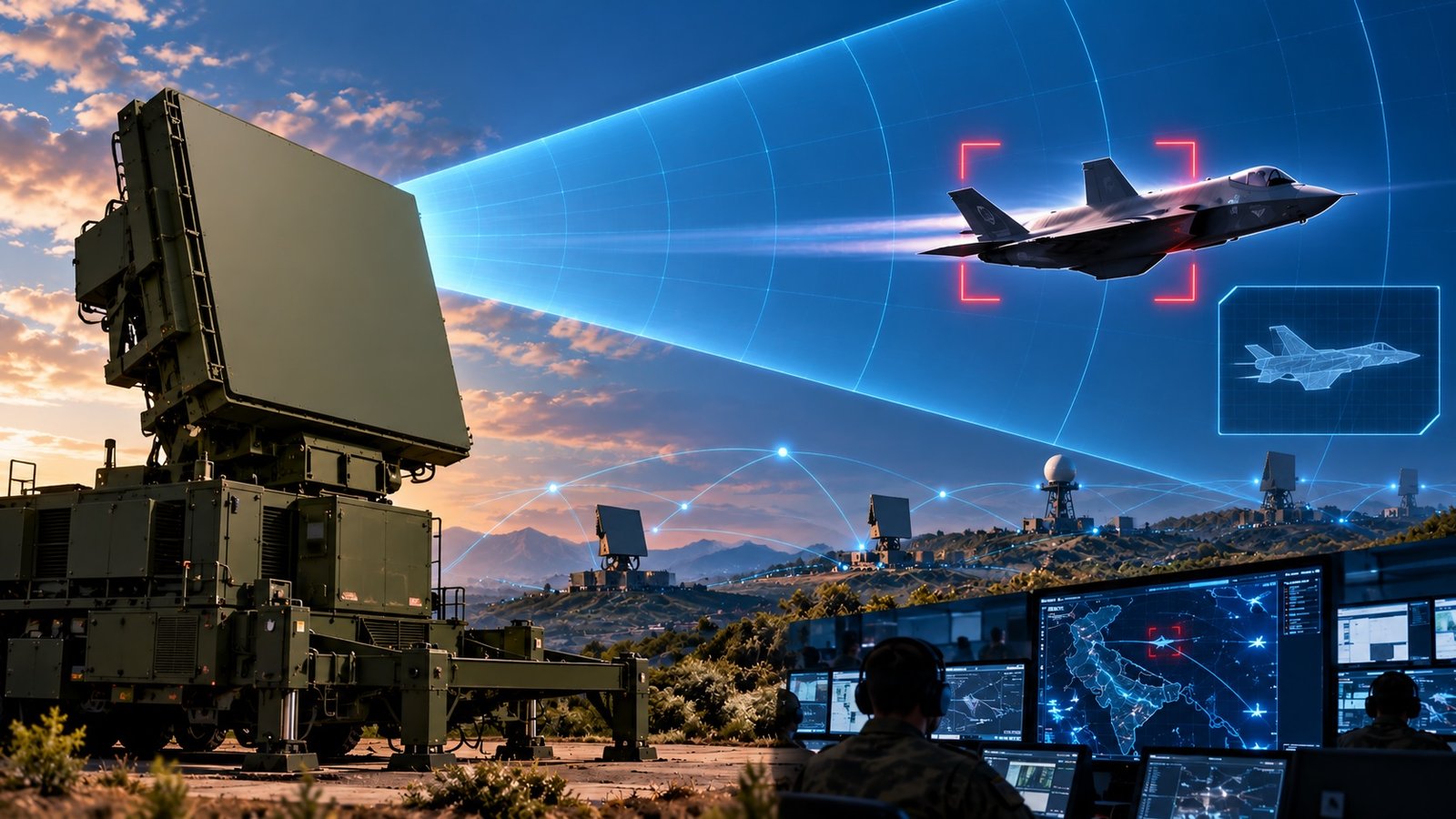 DRDO’s Arudhra Radar Reportedly Tracks F-35-Like Stealth Target in AI-Assisted Simulation: How It Works
-
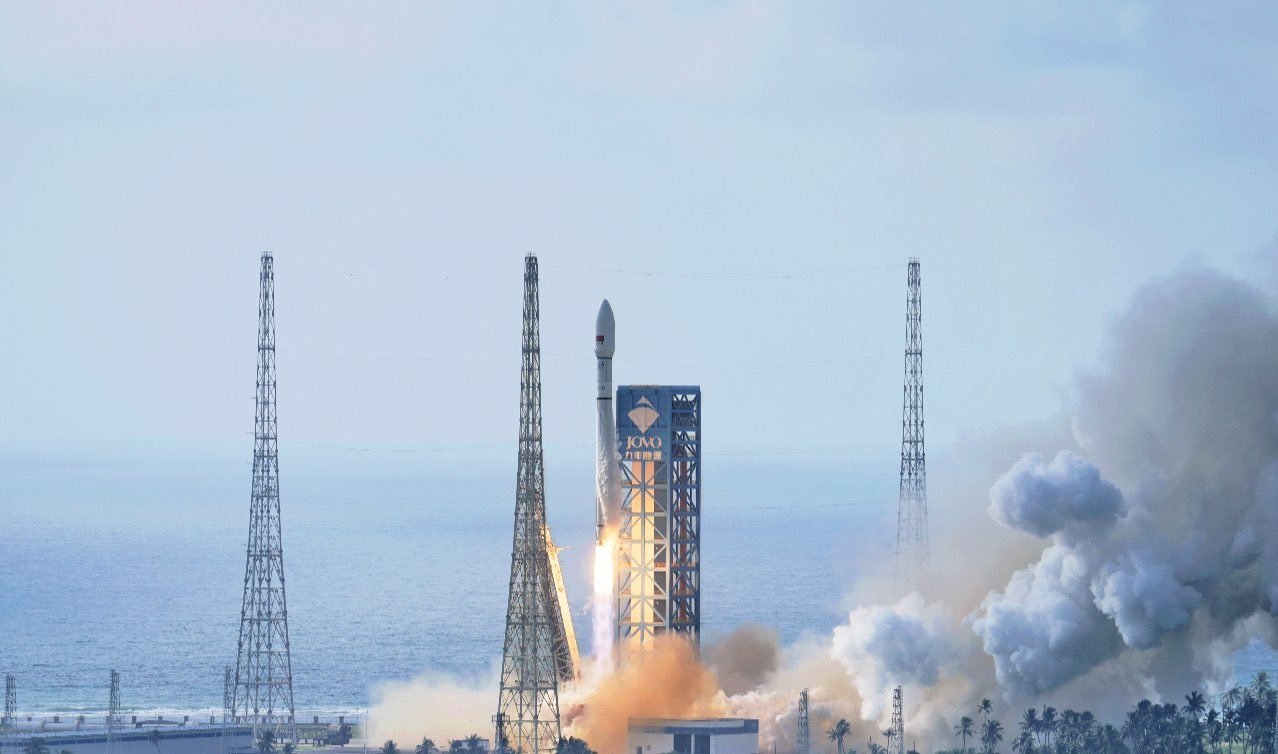 China Launches Six New Remote-Sensing Satellites into Orbit to Expand Earth-Observation Network
-
 Italy Reportedly Orders 30 Panther Tanks and 48 Lynx IFVs in €3.7 Billion Deal
Top Trending in 4 Days
-
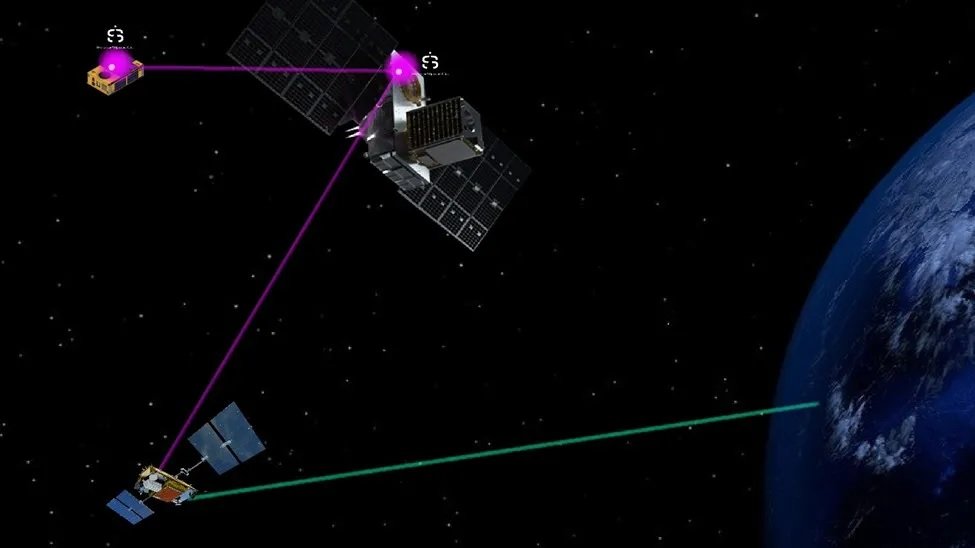 NASA Demonstrates Space-to-Space Wi-Fi Between Two Orbiting Spacecraft
-
 USS Pinckney Becomes First U.S. Navy Destroyer to Begin Phase Two Modernization with Advanced SPY-6 Radar
-
 U.S. Military to Ban Chinese Automaker BYD Vehicles from Kadena Air Base in Japan Over Security Concerns
-
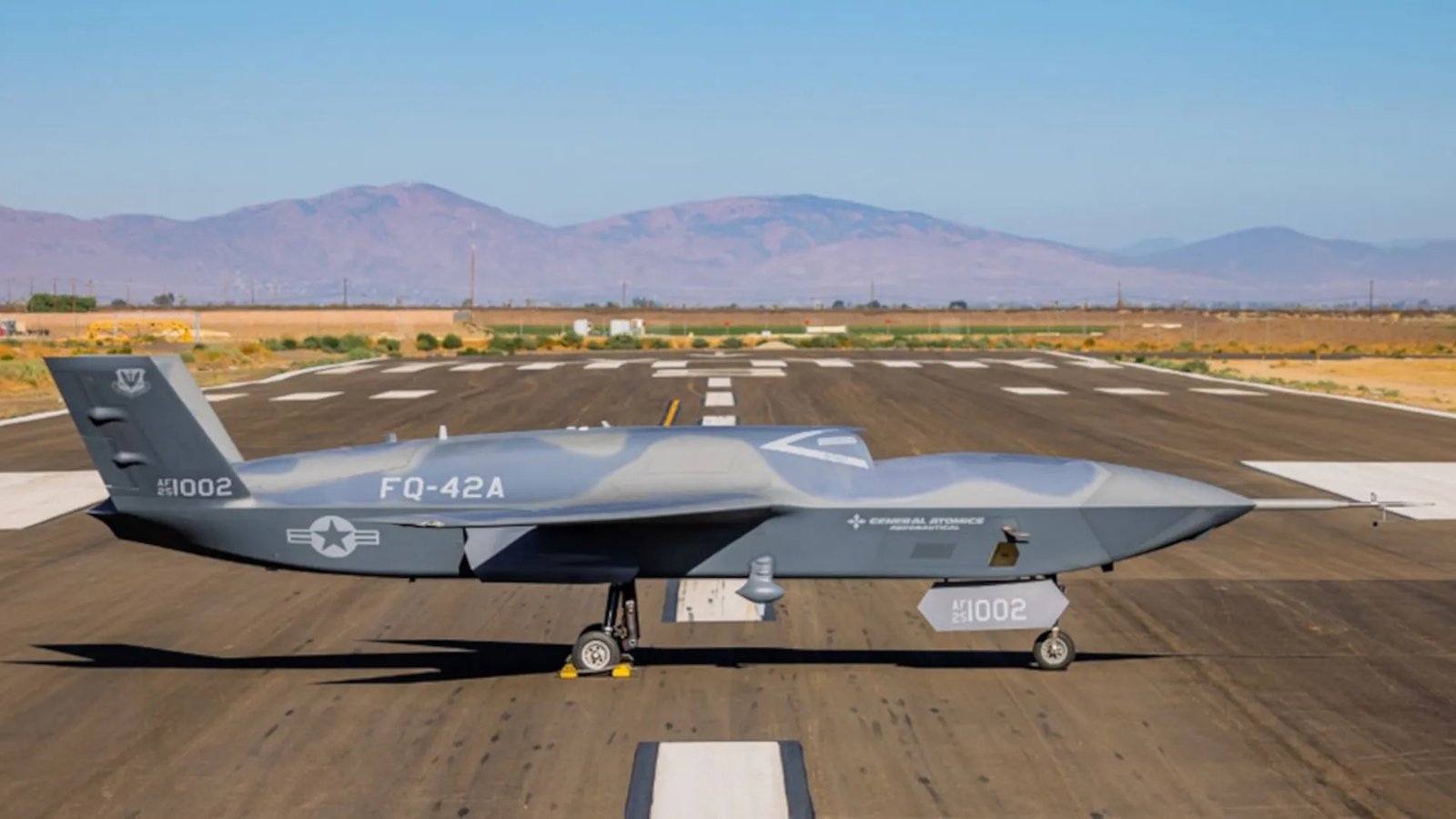 General Atomics Partners With Spirit Defense to Expand FQ-42 Vengeance Production
-
UK Ministry of Defence Opens £120,000 Tender for Skydio X10D Drones
-
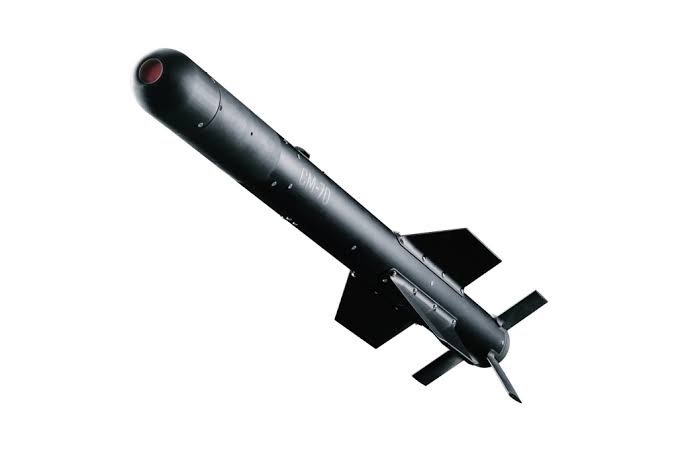 CSG and North Vector Dynamics Sign MoU to Explore European Production of CM-70 Counter-Drone Interceptor
-
 Unitree Unveils H2-X ‘Kung Fu Legend: Guardian’ Humanoid Robot for Security and Rescue
-
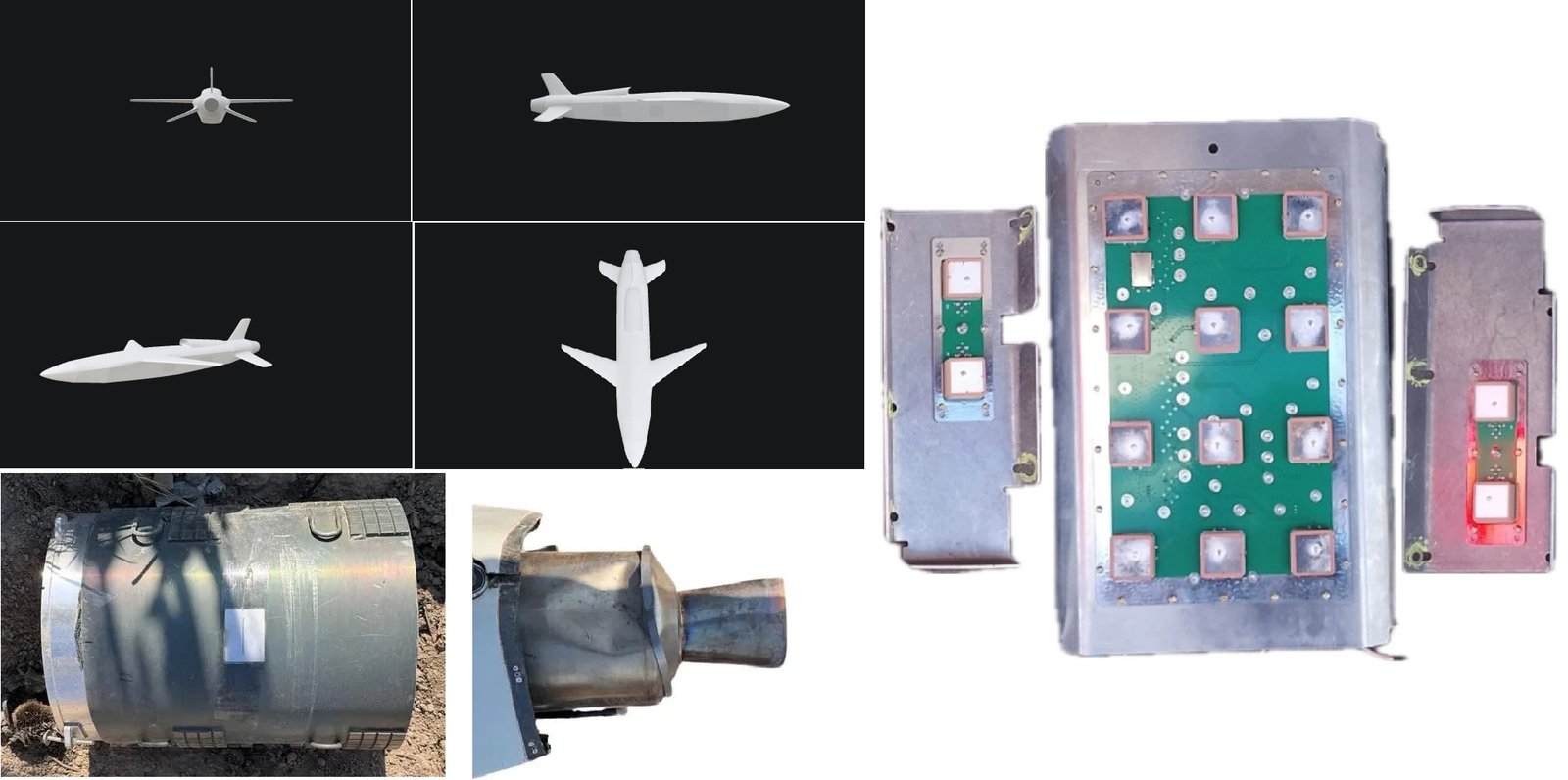 Ukraine Reveals Technical Details of Russia’s New Filin Cruise Missile
