World
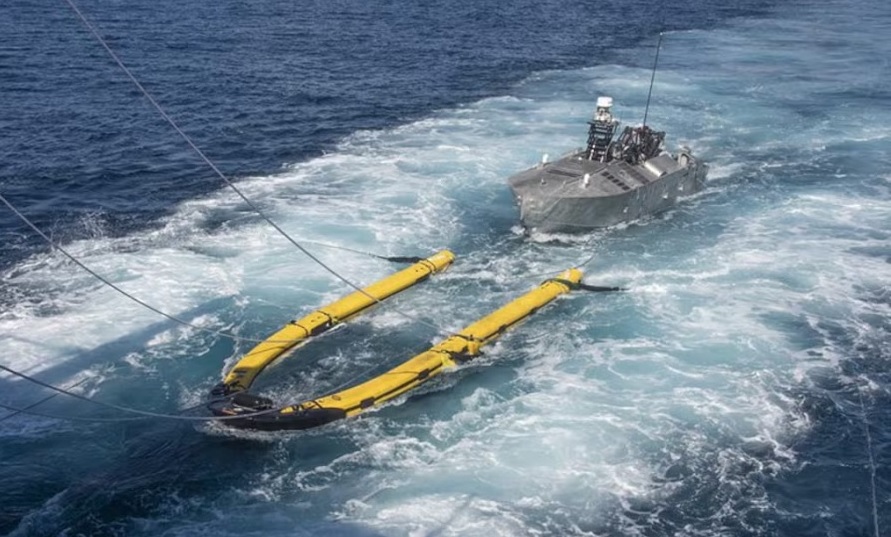
The U.S. Navy is taking significant steps to bolster its mine countermeasures (MCM) capabilities, particularly through the deployment of the Littoral Combat Ship (LCS) MCM Mission Package (MP). Recent contracts awarded under the Program Executive Office for Unmanned and Small Combatants (PEO USC) are set to enhance the Navy's ability to detect and neutralize mines in coastal waters. MCM Unmanned Surface Vehicle (USV): A Versatile Asset Central to these advancements is the MCM Unmanned Surface Vehicle (USV), a diesel-powered, unmanned craft designed for flexibility and efficiency. This vessel can be launched from various platforms, including LCS ships, shore stations, or other suitable vessels. Its modular design allows for the integration of multiple payload delivery systems, enabling it to perform a range of MCM operations such as minesweeping, mine hunting, and mine neutralization. Key Contracts and Their Impact To further develop this technology, the Navy has awarded several notable contracts: Bollinger Shipyards received a $7.7 million contract for an MCM USV Advanced Material Order (AMO). This funding will support enhancements based on operational testing results, aiming to improve the efficiency and effectiveness of the unmanned system. The project is expected to be completed by September 2025. Raytheon Technologies secured an $18.3 million contract to produce five Minehunt Payload Delivery Systems (MH PDS), with deliveries scheduled for completion by the end of the 2026 fiscal year. The MH PDS utilizes AN/AQS-20 sonar technology to detect underwater threats, significantly enhancing the Navy's mine-hunting capabilities. Textron Systems was awarded a $12.1 million contract for four Minesweep Payload Delivery Systems (MS PDS), set to be delivered in early 2027. The MS PDS provides acoustic and magnetic minesweeping capabilities, allowing for the effective neutralization of potential mine threats. Leadership Perspectives Captain Matthew Lehmann, the LCS Mission Modules program manager, emphasized the importance of these contracts in maintaining the Navy’s operational readiness. He noted that the agreements would ensure LCS vessels receive the necessary modernized MCM equipment, allowing sailors to safely conduct missions while remaining outside hazardous minefields. Rear Admiral Kevin Smith, PEO USC program executive officer, highlighted the strategic significance of these investments. He stated that improving mine countermeasure capabilities ensures the safety of U.S. Navy personnel and strengthens maritime security, particularly in critical shipping lanes. These contracts represent a significant advancement in the U.S. Navy's efforts to enhance its mine countermeasures capabilities. By investing in advanced technologies and systems, the Navy is ensuring that its personnel are equipped with the tools necessary to safely and effectively navigate and secure vital maritime environments.
Read More → Posted on 2025-02-12 15:29:43
World
In a significant development in the ongoing conflict, the Ukrainian Ministry of Defense announced on February 10, 2025, that its forces have destroyed the 10,000th Russian tank. This milestone underscores the intense and protracted nature of the war, which has now entered its third year. Assessing the Numbers Before the invasion in February 2022, Russia's tank inventory was estimated at approximately 16,970 units. The reported destruction of 10,000 tanks by Ukrainian forces suggests that over half of Russia's armored capabilities have been neutralized. However, these figures are subject to debate. Open-source intelligence platforms, such as Oryx, have documented around 3,740 Russian tanks as neutralized, with 2,672 confirmed destroyed. The disparity between these numbers highlights the challenges in obtaining accurate battlefield data. Broader Military Losses The Ukrainian Ministry of Defense also reports that Russia has suffered over 850,000 personnel losses since the conflict's inception. This figure aligns closely with assessments from Western defense agencies. In addition to tank losses, approximately 20,000 Russian armored fighting vehicles have been destroyed, along with 22,879 artillery systems and 1,273 multiple launch rocket systems. Russia's air defense infrastructure has also been significantly impacted, with 1,059 systems reported as neutralized. The Role of Drones and Air Defense The modern battlefield has seen a surge in drone utilization. Ukrainian forces claim to have destroyed at least 24,500 Russian unmanned aerial systems. Moreover, Ukraine's air defense units have been effective against aerial threats, neutralizing more than 3,000 hostile cruise missiles and 370 aircraft to date. Strategic Implications The reported destruction of 10,000 Russian tanks not only signifies a substantial depletion of Russia's armored forces but also serves as a morale booster for Ukrainian troops and citizens. This achievement reflects Ukraine's resilience and tactical proficiency in countering a numerically superior adversary. As the conflict continues, the international community closely monitors these developments, recognizing their potential to reshape regional power dynamics and influence future military engagements.
Read More → Posted on 2025-02-12 15:26:21
India
Tata Advanced Systems Limited (TASL), a prominent player in India's defense sector, has secured a significant contract to supply its state-of-the-art Rajak Thermal Weapon Sight Cooled (TWC) systems to the Indian Army. These advanced thermal sights are set to be deployed across various geographical commands, significantly bolstering the Army's targeting and surveillance capabilities. Rajak Thermal Weapon Sight Cooled (TWC): A Game Changer The Rajak TWC is a cutting-edge thermal imaging system designed to provide superior target detection and identification, even in the most challenging environmental conditions. Equipped with high-resolution thermal sensors, the Rajak TWC enables soldiers to detect targets at extended ranges, ensuring enhanced operational effectiveness during both day and night operations. Key Features of Rajak TWC: High-Resolution Imaging: Delivers clear thermal images, facilitating accurate target identification. Extended Detection Range: Allows for the detection of human targets up to 1,800 meters away, ensuring a tactical advantage in various combat scenarios. Robust Design: Built to withstand extreme environmental conditions, including harsh temperatures, dust, and moisture, ensuring reliable performance across diverse terrains. Lightweight Construction: Designed for ease of use, minimizing additional burden on soldiers during operations. Rajak-XLR: Pushing the Boundaries of Surveillance In addition to the TWC, TASL has developed the Rajak-XLR (Extra-Long Range) surveillance system, an advanced variant of the earlier Rajak-ULR (Ultra-Long Range). The Rajak-XLR is equipped with a long-range continuous zoom thermal camera, a day camera with similar capabilities, and a laser rangefinder. Notable Capabilities of Rajak-XLR: Vehicle Detection: Capable of detecting vehicles at distances up to 50 kilometers, providing strategic surveillance over vast areas. Human Detection: Enables the identification of human targets up to 40 kilometers away, crucial for monitoring and security operations. TASL's Commitment to India's Defense Sector Beyond thermal imaging systems, TASL has been instrumental in delivering a range of advanced defense solutions to India's armed forces: Tactical Access Switch (TAS): Delivered an initial batch of 40 systems to the Indian Army, enhancing secure communication networks. Advanced Loitering System-50 (ALS-50): Supplied the Indian Air Force with this 'suicide drone' loitering munition, offering precision strike capabilities. Unmanned Aerial Vehicles (UAVs): Actively developing advanced UAVs to meet modern reconnaissance and combat requirements. AH-64 Apache Fuselage Production: In partnership with Boeing, delivered the first fuselage for the Indian Army's AH-64 Apache combat helicopters from its Hyderabad facility. C-295 Transport Aircraft: Collaborating with Airbus to manufacture and assemble medium-lift tactical C-295 transport aircraft for the Indian Air Force, bolstering tactical airlift capabilities. Missile and Rocket Launchers: Engaged in the design, development, and production of missile and rocket launchers, including systems like Akash, MRSAM, TCT Agni, ULAD, and Pinaka, reinforcing India's indigenous defense manufacturing. TASL's unwavering commitment to innovation and excellence continues to play a pivotal role in strengthening India's defense infrastructure, ensuring that the nation's armed forces are equipped with the latest technology to safeguard national security.
Read More → Posted on 2025-02-12 15:21:30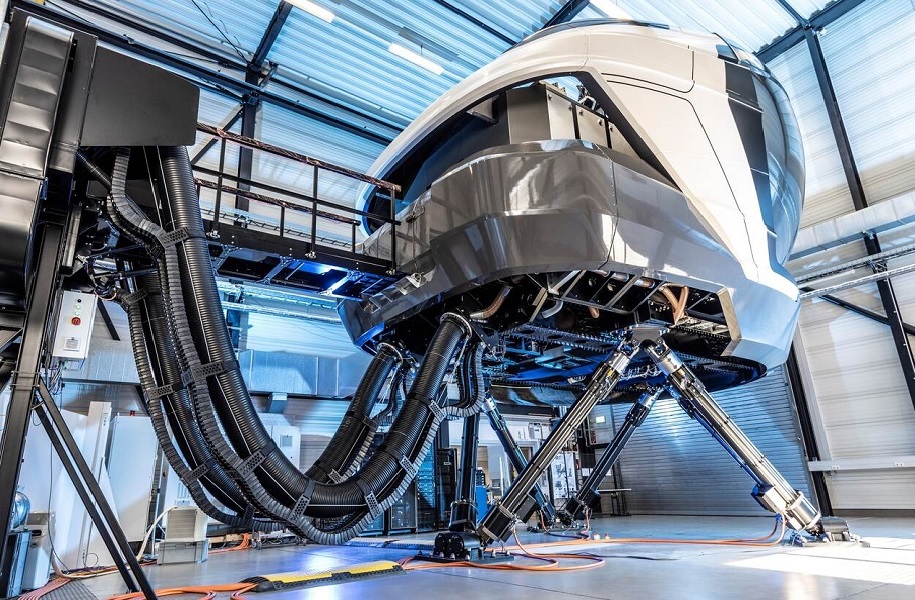
World
In a significant move to bolster its air mobility capabilities, the Royal Netherlands Air Force (RNLAF) has contracted Rheinmetall, in collaboration with Embraer, to supply state-of-the-art flight simulators for the C-390 Millennium transport aircraft. This initiative aligns with the Netherlands' recent decision to procure five C-390 aircraft, aiming to replace the aging C-130H Hercules fleet that has been in service since the 1990s. Comprehensive Training Suite The training package encompasses several advanced components designed to provide thorough and realistic training experiences: Full Flight Simulator (FFS): Developed in partnership with Embraer, this simulator meets the Level D standard, the pinnacle of flight simulation fidelity. It allows aircrew to train under both standard and emergency scenarios, supporting military mission rehearsals and simulating over 350 potential aircraft malfunctions. Cargo Handling Station Trainer (CHST): Created alongside Rheinmetall, the CHST is tailored for flight crews, loadmasters, and ground personnel. It utilizes cutting-edge visual display technology to offer both an internal view of the cargo compartment and an external perspective of the aircraft, facilitating comprehensive cargo handling training. Computer-Based Trainer (CBT): Developed with Portuguese company Empordef Tecnologias de Informação (ETI), the CBT provides theoretical instruction for pilots, loadmasters, additional crew members, and maintenance personnel. It operates through a Learning Management System compatible with SCORM technology, ensuring a flexible and efficient learning process. Strategic Significance The acquisition of these training devices is a pivotal step in the RNLAF's modernization efforts. By integrating advanced simulation technologies, the Dutch military aims to enhance the preparedness and proficiency of its personnel, ensuring seamless operation of the new C-390 fleet. The C-390 Millennium, with a maximum payload of 26 tons and a top speed of 470 knots, stands as a leader in its class. Its robust design, featuring powerful engines, a spacious cargo hold, and durable landing gear, enables it to perform a wide array of missions, from humanitarian support to special operations and disaster response. The current global fleet of C-390s has accumulated over 15,000 flight hours, maintaining a 93% mission capability rate and over 99% mission completion rate, underscoring its reliability and operational efficiency. With the increasing number of European C-390 customers, including Portugal, Hungary, Austria, the Netherlands, the Czech Republic, and South Korea, Embraer and Rheinmetall are exploring the establishment of a dedicated C-390 training center in Europe. Currently, C-390 crew training is conducted at an Embraer facility in São Paulo, Brazil. A European training center would enhance accessibility and support for existing and future C-390 operators in the region. The delivery of the training suite to the Netherlands is anticipated by the end of 2026, with full operational capability expected the same year. This development marks Rheinmetall's third major order for C-390 simulators worldwide and its second in Europe, highlighting the growing adoption of the C-390 platform and its associated training solutions. As the RNLAF prepares to integrate the C-390 Millennium into its fleet, the advanced training solutions provided by Rheinmetall and Embraer will play a crucial role in ensuring that Dutch aircrews are well-equipped to operate the new aircraft effectively and safely.
Read More → Posted on 2025-02-12 15:18:12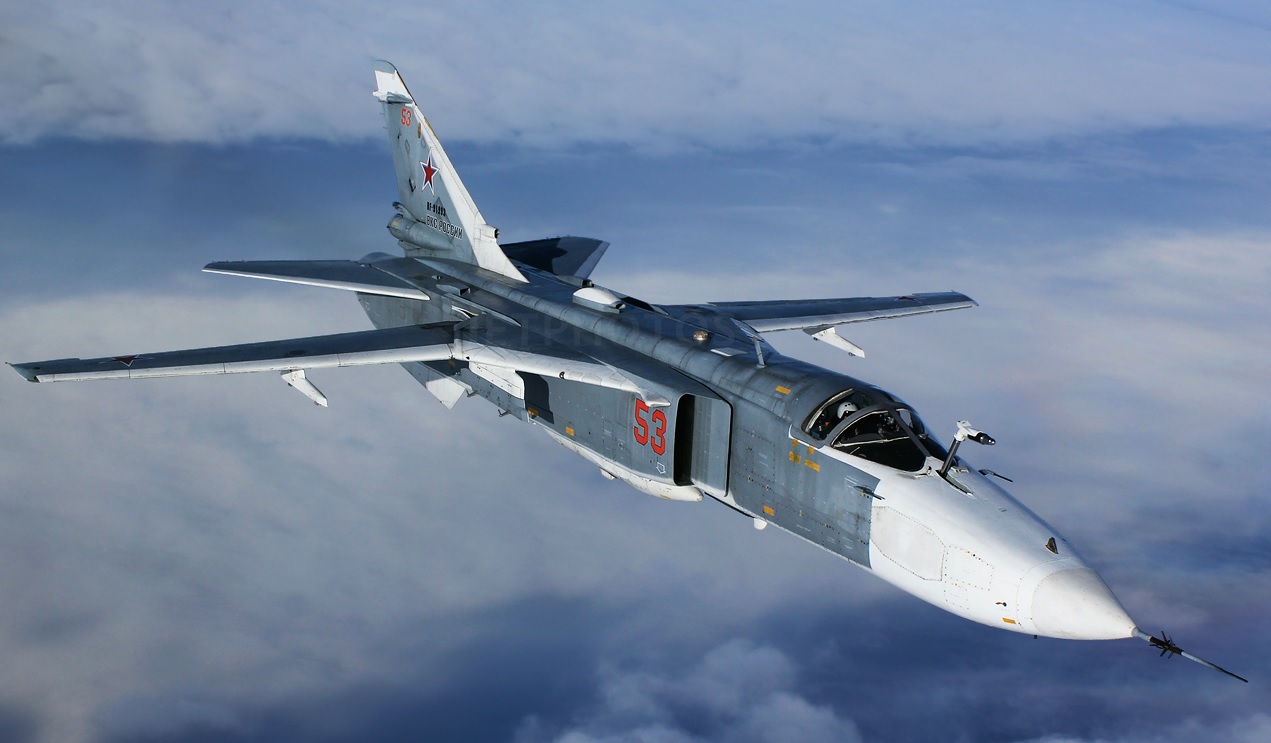
World
On February 11, 2025, a Russian Su-24MR reconnaissance aircraft breached Polish airspace over the eastern part of the Gulf of Gdańsk. The incident was reported by the Operational Command of the Polish Armed Forces. Details of the Incursion The aircraft took off from the Kaliningrad region and penetrated Polish airspace to a depth of 6.5 kilometers. The incursion lasted for 1 minute and 12 seconds, occurring at 14:09 local time. Polish military radar systems tracked the aircraft throughout its flight. Following intervention from a Russian Armed Forces air traffic controller, the aircraft altered its course and exited Polish airspace. Response from Polish Authorities Polish air defense units responsible for monitoring national airspace established contact with Russian authorities. The Russian side acknowledged the violation and attributed it to a navigation system failure on the Su-24MR. About the Su-24MR The Su-24MR is a dedicated tactical reconnaissance variant of the Su-24, developed in the Soviet Union. It is equipped with advanced surveillance systems, including a side-looking radar, infrared scanner, and photographic cameras. The aircraft can also carry external reconnaissance pods for laser, radiation, and radar signal detection. When flying at high altitude, it can gather intelligence up to 400 kilometers away. Specifications of the Su-24MR Crew: 2 (pilot and navigator) Length: 24.6 meters Wingspan: 17.6 meters Height: 6.2 meters Empty Weight: 22,320 kilograms Maximum Takeoff Weight: 39,570 kilograms Powerplant: Two AL-21F-3A turbojet engines Maximum Speed: 1,700 kilometers per hour (Mach 1.6) Range: Approximately 2,775 kilometers Service Ceiling: 11,000 meters Context of Recent Airspace Violations This incident is part of a pattern of Russian military aircraft entering the airspace of neighboring countries. In June 2024, a Russian Su-24 violated Swedish airspace near the island of Gotland, prompting Sweden to scramble JAS-39 Gripen fighter jets. Such incursions have raised concerns among NATO members about the security of their airspace and the potential for miscommunication or accidents. The recent violation of Polish airspace by a Russian Su-24MR underscores the importance of robust airspace monitoring and communication between nations to prevent misunderstandings and maintain regional stability.
Read More → Posted on 2025-02-12 15:11:49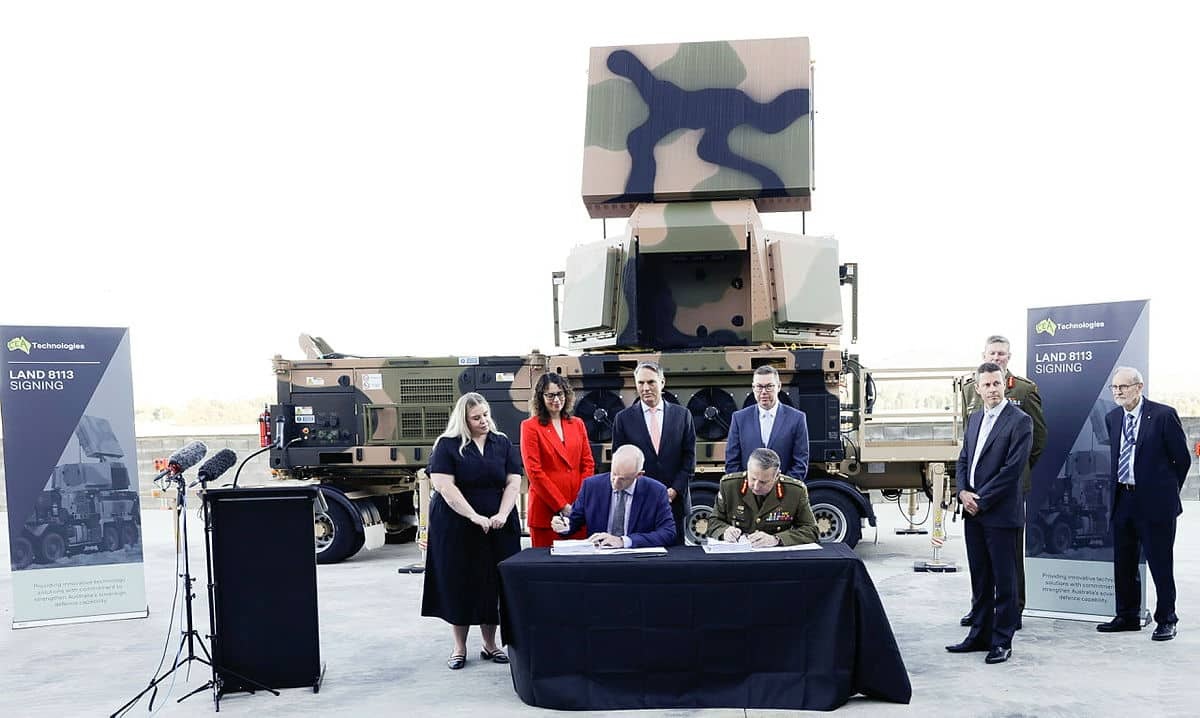
World
In a significant move to enhance its defense capabilities, the Australian Government has announced an investment in domestically produced multi-mission phased array radars (MMPARs) to bolster the Army's maritime strike proficiency. This initiative aligns with the nation's commitment to strengthening its defense infrastructure and supporting local industries. CEA Technologies: Pioneering Radar Innovation Canberra-based CEA Technologies, established in 1983 by former naval officers, has been at the forefront of radar and communications systems development. The company specializes in active digital phased array radar systems known for their affordability, lightweight design, scalability, and modularity. These systems are configurable across sea, land, and air domains, supporting both the Australian Defence Force and allied nations. Phased Array Radar Capabilities The MMPARs are designed to provide a multi-function radar capability, performing 3D volume search, surface search, fire control support, and target classification in demanding environments. The CEAFAR antenna array, a modular active phased array antenna, is scalable in size and transmit power, making it adaptable for various platforms. Integration into the Australian Army Once constructed, these advanced radars will be stationed at the Edinburgh Defence Precinct in South Australia, serving as a crucial component of the 10th Fires Brigade. The deployment of MMPARs is expected to significantly enhance the Army's long-range fires capability, providing greater monitoring of potential threats and contributing to an integrated, focused Defence Force. Timeline and Economic Impact The delivery of the first radars is anticipated to commence in 2027. This investment is projected to sustain over 700 local jobs in Canberra and across the country, reflecting the government's dedication to building a defense future made in Australia. Strategic Alignment and Future Prospects This development is in line with the 2024 National Defence Strategy, ensuring that the Army's long-range fire capabilities are bolstered to deliver an integrated, focused force. The government's commitment to investing in advanced capabilities aims to contribute to regional security and safeguard Australians while supporting world-leading defense businesses and local employment. In summary, Australia's investment in locally produced phased array radars signifies a strategic enhancement of its defense capabilities, a boost to domestic industry, and a reinforcement of national security objectives.
Read More → Posted on 2025-02-12 15:08:54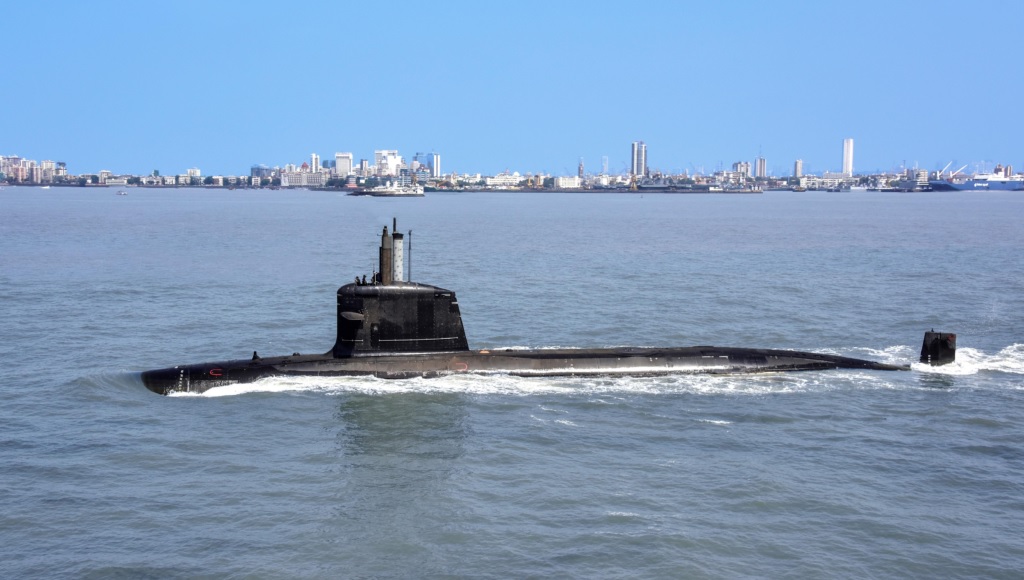
India
In a significant stride to enhance its maritime strength, the Indian Navy is finalizing a deal to procure three additional Scorpene-class submarines from Mazagon Dock Shipbuilders Limited (MDL). Valued at over ₹36,000 crore, the contract is anticipated to be signed by March 31st, marking a pivotal development in India's naval modernization efforts. Escalating Costs: A Closer Look The proposed cost for each new submarine is approximately ₹12,000 crore, a notable increase from the ₹3,500 crore per unit of the earlier batch under Project-75. This substantial rise in expenditure is attributed to several key factors: Enhanced Indigenous Content: The new submarines will feature 60% indigenous components, a significant leap from the previous 30%. This aligns with the 'Make in India' initiative, aiming to bolster domestic defense manufacturing capabilities. Design and Size Modifications: Incorporating design elements from the Scorpene variants supplied to the Brazilian Navy, these submarines will be slightly larger, accommodating advanced systems and increased operational capabilities. Technological Advancements and Specifications The Scorpene-class submarines are renowned for their stealth, agility, and advanced warfare capabilities. Key specifications include: Dimensions: A length of approximately 66.4 meters, with a submerged displacement of around 1,700 tonnes. Speed and Endurance: Capable of achieving speeds over 20 knots underwater, with an endurance of up to 50 days, allowing for extended missions without resurfacing. Armament: Equipped with torpedoes and anti-ship missiles, enhancing their offensive capabilities in various combat scenarios. Air-Independent Propulsion (AIP): While the current deal excludes the DRDO-developed AIP system, future integration is planned to extend submerged endurance and reduce detectability. Strategic Imperatives Behind the Acquisition The decision to expedite the procurement of these submarines stems from delays in the Project-75(I) initiative, which aims to induct six advanced AIP-equipped submarines. As the Indian Navy anticipates the arrival of its first indigenously designed nuclear attack submarine (SSN) by 2036-37, these new Scorpene submarines will serve as a critical interim enhancement to its underwater fleet. Balancing Modernization with Fiscal Prudence This procurement underscores India's commitment to strengthening its naval forces amidst evolving regional security dynamics. However, the significant cost escalation prompts a broader discussion on balancing defense modernization with fiscal responsibility. While the push for indigenization is commendable, ensuring cost-effectiveness remains a crucial consideration in the procurement process. In conclusion, the acquisition of these advanced Scorpene-class submarines represents a strategic move to bolster India's maritime capabilities, reflecting a nuanced approach to defense preparedness in a complex geopolitical environment.
Read More → Posted on 2025-02-12 15:02:22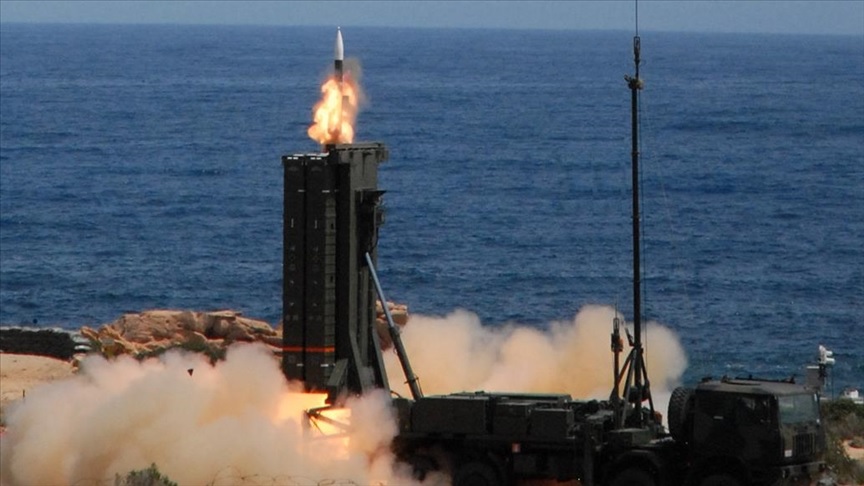
World
In a significant move to bolster NATO's defensive posture in the Baltic region, Italy has deployed its advanced SAMP/T ground-based long-range air defense systems to Lithuania. This deployment underscores Italy's commitment to collective security and aims to enhance deterrence against potential threats. Strategic Importance of the Deployment The Lithuanian Minister of Defence, Dovilė Šakalienė, emphasized the critical nature of this contribution, stating that it "significantly contributes to deterrence and strengthening defense." She further highlighted that "European security directly depends on the defense of the North-Eastern flank," expressing gratitude to Italy for its substantial role in regional security. Italy's participation in NATO's air policing mission in the Baltic States involves the rotational deployment of troops and equipment, ensuring a continuous and adaptable presence in the region. The introduction of the SAMP/T systems is a testament to Italy's proactive approach in supporting NATO's strategic objectives. Integration into NATO Exercises The SAMP/T systems are slated to play a pivotal role in upcoming NATO exercises in Lithuania. These drills will see the integration of the SAMP/T systems with Italian and French fighter jets from NATO's Baltic air policing mission, as well as Lithuania's NASAMS air defense systems. The primary goal of this integration is to enhance synchronization and interoperability among allied forces, thereby strengthening regional air defense operations. Overview of the SAMP/T System Developed by the European consortium Eurosam, which includes MBDA Italy, MBDA France, and Thales, the SAMP/T (Sol-Air Moyenne Portée/Terrestre) is a state-of-the-art air defense system designed to protect critical assets and battlefield areas from a variety of airborne threats. Key features of the SAMP/T system include: Threat Interception Capabilities: The system is capable of intercepting cruise missiles, manned and unmanned aircraft, and tactical ballistic missiles within a range of up to 600 kilometers. High Firepower and Responsiveness: Equipped to handle multiple, coordinated, and multidirectional attacks, the SAMP/T can have up to 48 missiles ready to fire, ensuring rapid response to emerging threats. Operational Flexibility: The system requires minimal personnel for deployment and operation, and it can function autonomously or be integrated into a broader defense network, offering flexibility in various operational scenarios. Technical Specifications The SAMP/T system utilizes the Aster 30 missile, which is a two-stage missile comprising a booster and a seeker. The missile's specifications are as follows: Length: Approximately 4.9 meters Weight: Around 450 kilograms Diameter: 180 millimeters Warhead: 15-kilogram focused fragmentation warhead with a lethal radius of 2 meters The missile is guided by an advanced inertial navigation system coupled with an active radar seeker, allowing for high-precision targeting and interception. Lithuania's Commitment to Defense Enhancement In response to evolving security dynamics, particularly in light of regional conflicts, Lithuania has been actively strengthening its defense capabilities. The reconstitution of its 1st Mechanized Division, which includes air defense, reconnaissance, and artillery units, reflects Lithuania's dedication to national and regional security in collaboration with NATO allies. Furthermore, the Lithuanian government has announced plans to significantly increase its defense spending, aiming to allocate between five and six percent of the country's GDP to defense from 2026 to 2030. This substantial investment underscores Lithuania's commitment to enhancing its military capabilities and contributing to collective security efforts. Italy's deployment of the SAMP/T air defense systems in Lithuania represents a strategic enhancement of NATO's defensive capabilities in the Baltic region. Through advanced technology and collaborative exercises, this initiative aims to strengthen deterrence and ensure the security of NATO's northeastern flank.
Read More → Posted on 2025-02-12 14:58:57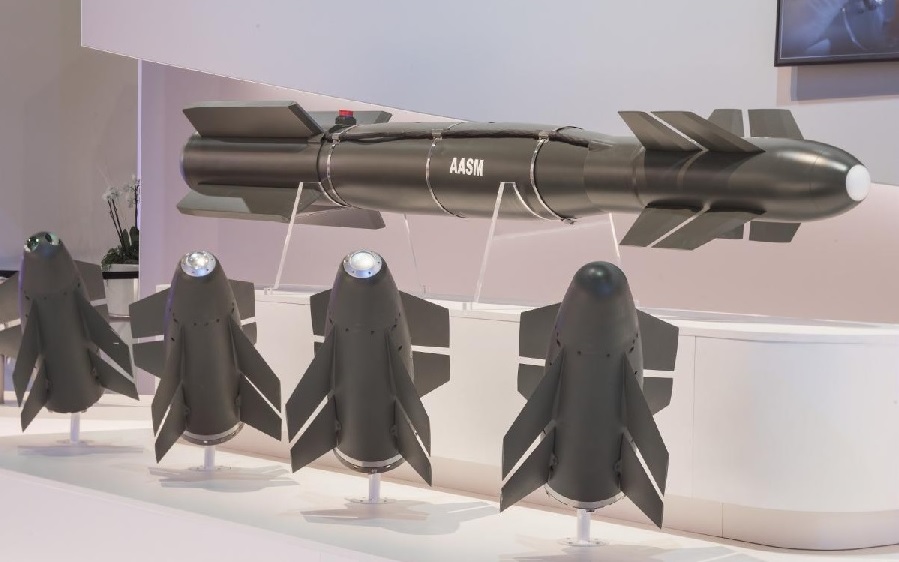
India
In a significant move to bolster India's defense manufacturing capabilities, French defense company Safran Electronics & Defense has partnered with Indian state-owned Bharat Electronics Limited (BEL) to produce the Highly Agile Modular Munition Extended Range (HAMMER) precision-guided air-to-ground weapon system domestically. This collaboration aligns with India's "Atmanirbhar Bharat" (Self-Reliant India) initiative, aiming to reduce dependence on foreign imports and enhance local production. Details of the Partnership The Memorandum of Understanding (MoU) was signed by Mr. K V Suresh Kumar, Director (Marketing) at BEL, and Mr. Alexandre Ziegler, Executive Vice President of Safran Electronics & Defense. The ceremony was attended by senior representatives from both companies, including BEL’s Chairman and Managing Director, Mr. Manoj Jain, and Safran Electronics & Defense’s CEO, Mr. Franck Saudo. As part of this partnership, BEL and Safran Electronics & Defense plan to establish a Centre of Excellence focusing on joint industrial activities such as manufacturing, engineering, and maintenance services. This center will provide operational support, repairs, and overhauls of optronics and navigation equipment for the Indian armed forces. Safran will facilitate knowledge transfer, while BEL will lead in final assembly, testing, and quality assurance. About the HAMMER Weapon System The HAMMER, also known as Armement Air-Sol Modulaire (AASM), is a French air-to-surface missile developed by Safran Electronics & Defense. It is designed for both close air support and deep strike missions, offering high precision and modularity. The system consists of a guidance kit and a range extension kit, which can be attached to standard bomb bodies of various weights, including 125 kg, 250 kg, 500 kg, and 1,000 kg. Key Specifications: Length: Approximately 3.1 meters Weight: Varies depending on the bomb body; the 250 kg version weighs around 340 kg Guidance Systems: Hybrid Inertial Navigation System (INS) and Global Positioning System (GPS) for all-weather capability Optional Infrared (IR) or Laser guidance for enhanced accuracy and the ability to engage moving targets Range: Capable of striking targets over 70 km away Compatibility: Can be integrated with various aircraft platforms, including the Dassault Rafale, Mirage 2000D, and India's LCA Tejas Operational History The HAMMER entered service with the French Air and Space Force and Naval Aviation in 2007. It has been used in various conflicts, including operations in Afghanistan and Libya, demonstrating a high degree of effectiveness. The weapon system has also been selected by several international operators, including Egypt, Morocco, Qatar, and India. Implications for India's Defense Sector This joint venture is expected to significantly enhance India's defense capabilities by enabling the indigenous production of advanced weapon systems. It will also create opportunities for Indian industries, including small and medium enterprises (SMEs), to participate in the defense manufacturing ecosystem. The partnership underscores India's commitment to self-reliance in defense and strengthens the strategic ties between India and France. By manufacturing the HAMMER weapon system locally, India aims to ensure timely availability and maintenance of this critical capability for its armed forces, thereby enhancing operational readiness and national security.
Read More → Posted on 2025-02-12 14:53:50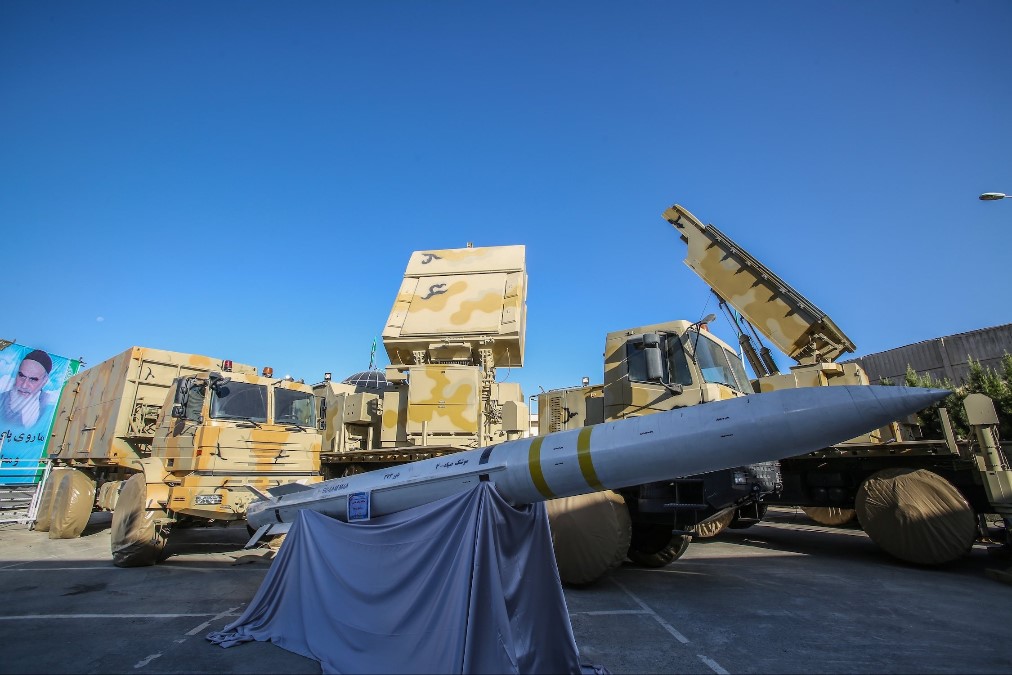
World
In a significant demonstration of its advancing military capabilities, Iran has showcased an upgraded version of its domestically developed Bavar-373 air defense missile system during the "Eqtedar 1403" military exercises in the central province of Isfahan. This move underscores Tehran's commitment to bolstering its defense infrastructure amid regional tensions. Key Features of the Upgraded Bavar-373 The modernized Bavar-373 launcher is equipped with a new integrated radar system, enabling it to independently detect, track, and engage targets without relying on external radar support. This enhancement significantly improves the system's operational autonomy and responsiveness. During the drills, the Bavar-373 successfully identified and neutralized a simulated adversary aircraft in the Kavir desert. Notably, it operated in conjunction with the Russian-made S-300 system, highlighting Iran's strategy of integrating various air defense platforms to create a layered and robust defense network. Technical Specifications The Bavar-373 is a mobile, long-range surface-to-air missile system designed to counter a variety of aerial threats, including aircraft, drones, and ballistic missiles. Key specifications include: Range: The system can detect targets at distances exceeding 450 kilometers, track them at approximately 405 kilometers, and engage and destroy targets at ranges over 300 kilometers. Missile Capabilities: It employs the Sayyad-4B missile, capable of reaching speeds up to Mach 9 (approximately 3,000 meters per second), enhancing its effectiveness against high-speed threats. Mobility: Mounted on an 8x8 transporter erector launcher and radar (TELAR) vehicle, the Bavar-373 offers high mobility, allowing for rapid deployment and repositioning to respond to emerging threats. Radar Systems: The system features advanced radar technology, including the Me'raj-4 radar for target detection and tracking, which enhances its ability to identify and engage multiple targets simultaneously. Strategic Integration and Defense Posture The integration of the Bavar-373 with existing systems like the S-300 enhances Iran's air defense capabilities, providing a more comprehensive shield against high-altitude threats. This layered defense approach ensures redundancy and increases the likelihood of intercepting hostile targets. Recent Defense Developments Iran's unveiling of the upgraded Bavar-373 is part of a broader initiative to strengthen its military capabilities. In recent weeks, the country has introduced several new defense systems: Drone Carrier Vessel: Earlier this month, Iran showcased its first drone carrier vessel, described as the "largest naval military project" in the nation's history. This vessel is expected to enhance Iran's maritime surveillance and combat capabilities. Heavy-Duty Drone "Gaza": In January, Iran presented a new heavy-duty drone named "Gaza," capable of flying up to 4,000 kilometers and carrying up to 13 precision-guided glide bombs in a single mission, significantly extending its operational reach. Underground Naval Base: Last month, Tehran unveiled an underground naval base housing dozens of assault boats equipped with anti-ship missiles and a new ballistic missile model capable of reaching significant distances, further bolstering its strategic deterrence. These developments reflect Iran's ongoing efforts to modernize its military forces and enhance its defensive and offensive capabilities in response to evolving regional security dynamics.
Read More → Posted on 2025-02-12 14:50:18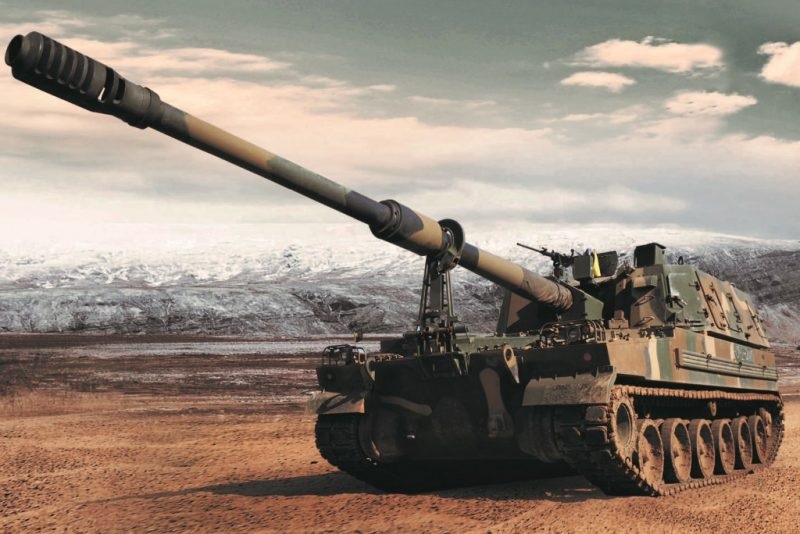
World
South Korea's Hanwha Aerospace has achieved a significant milestone by completing acceptance testing for a domestically developed 1,000-horsepower diesel engine tailored for the K9 self-propelled howitzer (SPH). This advancement underscores the company's commitment to enhancing the K9's capabilities and expanding its footprint in the global artillery market. Comprehensive Testing Across Diverse Terrains Over the past year, the new engine underwent rigorous testing regimes spanning more than 10,000 kilometers. These trials were conducted in various locations, including South Korea and Egypt, to evaluate the engine's performance across a spectrum of environments and road conditions, notably challenging desert terrains. Strategic Implications for Global Expansion Kim Dong-hyun, Head of the Land Systems Business Group at Hanwha Aerospace, highlighted the strategic significance of this development: "With the successful completion of the homegrown engine test, we can offer a specialized engine to any potential K9 customers, which is expected to expand K9’s global presence." This domestically produced engine not only reduces reliance on foreign components but also positions Hanwha Aerospace to better meet the evolving demands of international defense clients. The K9 Thunder: A Benchmark in Modern Artillery The K9 Thunder is a 155mm/52 caliber self-propelled howitzer designed to deliver rapid and precise fire support. Key specifications include: Firing Range: Capable of striking targets over 40 kilometers away with standard ammunition, and up to 60 kilometers when utilizing rocket-assisted projectiles. Firing Rate: Equipped with an automatic loading system, the K9 can fire six rounds per minute, ensuring sustained firepower during critical operations. Mobility: Powered by a 1,000-horsepower diesel engine, the K9 achieves a top speed of 67 km/h and boasts an operational range of approximately 360 kilometers, allowing for rapid repositioning on the battlefield. Protection: The vehicle's armor is designed to withstand small arms fire and artillery shell fragments, enhancing crew survivability in hostile environments. Global Adoption and Future Prospects The K9 artillery system is currently operational in 10 countries, including six NATO members, underscoring its global appeal and reliability. In 2022, Hanwha Aerospace secured a $1.7 billion contract with Egypt to supply K9 SPHs, K10 ammunition resupply vehicles, and K11 fire control vehicles. The first batch of K9A1EGY howitzers, equipped with the newly developed engine, is slated for delivery to Egypt by the first quarter of 2026. The successful development and integration of this indigenous engine are poised to further solidify the K9's position in the international defense market, offering enhanced performance and strategic advantages to military forces worldwide.
Read More → Posted on 2025-02-12 14:42:36
India
The Indian Army is poised to significantly enhance its infantry capabilities with the acquisition of 70,000 AK-203 assault rifles in 2025. This procurement is part of a comprehensive ₹5,000 crore Indo-Russian defense agreement, aiming to modernize the army's arsenal by replacing the outdated INSAS rifles. An additional 100,000 AK-203 rifles are anticipated to be delivered in 2026, further strengthening the army's operational readiness. Manufacturing Partnership and Indigenous Production The AK-203 rifles are being produced through a collaborative effort between India and Russia at the Indo-Russian Rifles Private Limited (IRRPL) facility in Amethi, Uttar Pradesh. This joint venture underscores the 'Make in India' initiative, focusing on bolstering domestic defense manufacturing and reducing dependence on foreign imports. The initial batch of 35,000 rifles has already been delivered to the Indian Army, with another 35,000 expected by May 2025. The indigenous content of these rifles has progressively increased, starting from 5% in the first batch, with plans to reach up to 70% in subsequent productions. Technical Specifications and Advantages The AK-203 is a modern, gas-operated, magazine-fed, select-fire assault rifle chambered for the 7.62×39mm cartridge. Weighing approximately 3.8 kg, it features a length of 705 mm with the stock folded and 940 mm when extended. The rifle boasts a rate of fire of around 700 rounds per minute and an effective range of up to 800 meters. Its design includes Picatinny rails for mounting various optics and accessories, a folding telescopic buttstock, and a slotted flash suppressor. These features enhance the rifle's versatility, accuracy, and adaptability across diverse combat scenarios. Strategic Impact and Future Outlook The induction of the AK-203 rifles represents a significant leap in the Indian Army's modernization efforts, providing soldiers with a reliable and effective weapon system suited for contemporary warfare. The emphasis on increasing indigenous content aligns with India's strategic objective of achieving self-reliance in defense production. As the production scales up, the AK-203 is expected to become a mainstay in the Indian Army's infantry units, ensuring enhanced operational effectiveness and readiness to address emerging security challenges.
Read More → Posted on 2025-02-12 14:20:58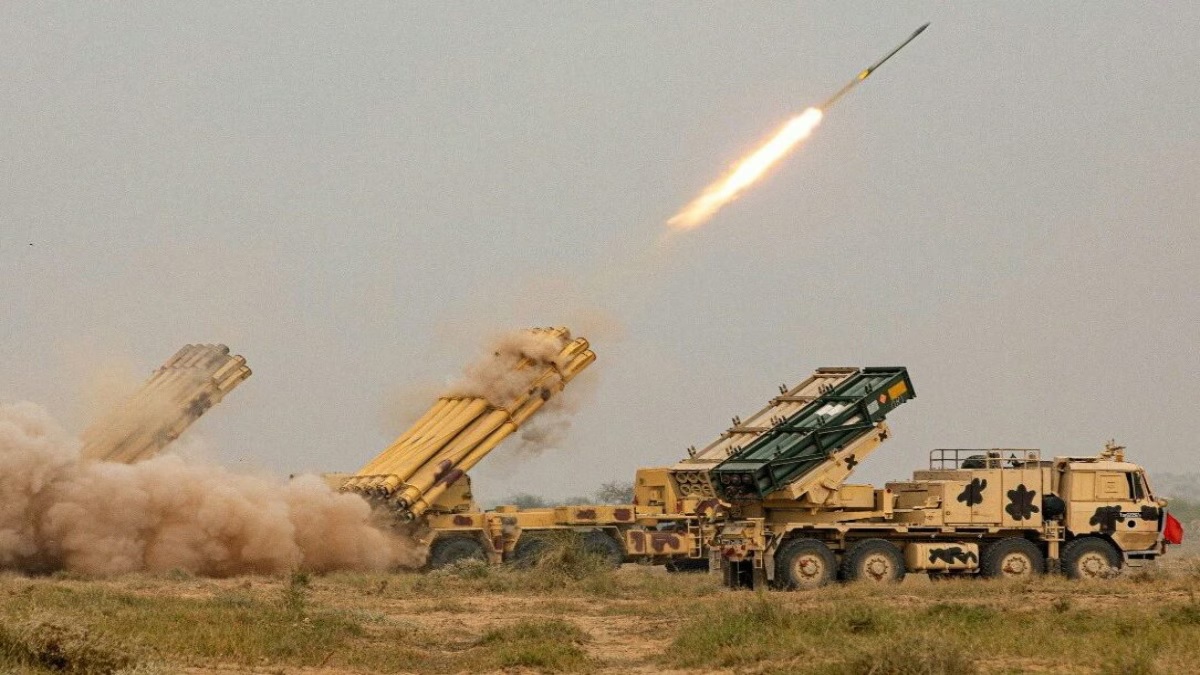
India
In a significant development underscoring the deepening defense ties between India and France, discussions have advanced regarding France's potential procurement of India's indigenous Pinaka multi-barrel rocket launcher system. This move not only highlights India's growing capabilities in defense manufacturing but also marks a pivotal shift in traditional defense trade dynamics. The Pinaka System: An Overview Developed by India's Defence Research and Development Organisation (DRDO), the Pinaka system was conceived as a replacement for the Soviet-era BM-21 Grad launchers. Since its induction into the Indian Army in the early 2000s, Pinaka has undergone several enhancements, resulting in multiple variants tailored to diverse operational requirements. Key Specifications and Variants Pinaka Mk-I: Range: Approximately 40 kilometers. Salvo Capability: Capable of launching 12 high-explosive rockets in 44 seconds. Deployment: Mounted on an 8×8 vehicle for enhanced mobility. Pinaka Mk-I Enhanced: Range: Extended to around 60 kilometers. Improvements: Incorporates advanced propulsion systems for increased range and accuracy. Pinaka Mk-II: Range: Further extended to 75 kilometers. Features: Enhanced with improved guidance systems and payload options. Guided Pinaka: Range: Up to 90 kilometers. Guidance: Equipped with an advanced navigation system for precision targeting. Each Pinaka battery comprises six launcher vehicles, each equipped with two pods housing a total of 12 rockets. A full battery can neutralize an area of approximately 1,000 × 800 meters, delivering a massive volume of firepower in a short duration. Operational History and Effectiveness The Pinaka system demonstrated its combat effectiveness during the Kargil conflict in 1999, where it was instrumental in neutralizing enemy positions in challenging mountainous terrains. Its rapid salvo delivery and mobility have since made it a cornerstone of India's artillery capabilities. India-France Defense Collaboration France's interest in the Pinaka system signifies a notable development in the defense relationship between the two nations. Traditionally, India has been a major importer of defense equipment, with France being its second-largest supplier between 2019 and 2023. The potential acquisition of Pinaka by France would mark a reversal of roles, showcasing India's emergence as a defense exporter. Beyond the Pinaka system, India and France have been collaborating on various defense projects, including the co-development of fighter jet engines and the potential procurement of additional Scorpene-class submarines by India. The establishment of a DRDO office in the Indian Embassy in Paris in 2023 further underscores the commitment to deepening technological cooperation. Strategic Implications France's evaluation of the Pinaka system aligns with its broader strategy to diversify and modernize its military capabilities. For India, a successful export of the Pinaka system would not only bolster its defense manufacturing sector but also enhance its credibility as a global defense exporter. In conclusion, the ongoing discussions between India and France regarding the Pinaka multi-barrel rocket launcher system epitomize the evolving nature of international defense partnerships. As both nations continue to explore avenues for collaboration, such initiatives are poised to strengthen their strategic alliance and contribute to global defense innovation.
Read More → Posted on 2025-02-12 03:33:06
India
Hindustan Aeronautics Limited (HAL) is gearing up to significantly enhance India's air combat capabilities by streamlining the production of the TEJAS MK-1A Light Combat Aircraft (LCA). Deliveries from HAL's Nasik plant are slated to commence in March 2025, with an ambitious plan to ramp up production to 16-24 aircraft annually by 2026. Production Milestones and Engine Collaboration Secretary of Defence Production, Sanjeev Kumar, has confirmed that the production line, including the supply of General Electric (GE) engines, has been stabilized. The Ministry of Defence is actively collaborating with U.S. counterparts to expedite engine deliveries, ensuring the TEJAS MK-1A program proceeds without hitches. This collaboration aims to streamline engine supply by 2025-26, bolstering the program's momentum. Indian Air Force's Commitment and Aircraft Enhancements The Indian Air Force (IAF) has demonstrated its commitment to indigenous fighter jet production by placing an order for 83 MK-1A aircraft. These jets are on track to receive Military Type Certification (MTC), formally integrating them into service. The TEJAS MK-1A, also known as the Alpha, is an upgraded variant featuring over 40 improvements from its predecessor. Key enhancements include: Advanced Avionics: Integration of an Active Electronically Scanned Array (AESA) radar, upgraded mission computer, digital flight control systems, and smart multi-function displays enhance pilot situational awareness and mission effectiveness. Enhanced Weaponry: The aircraft is equipped with Astra Beyond Visual Range (BVR) missiles and precision-guided munitions, significantly boosting its strike capabilities. Net-Centric Warfare Capabilities: Advanced communication systems enable seamless integration into modern battlefield networks, allowing for coordinated operations and real-time data sharing. Unified Electronic Warfare Suite (UEWS): Developed by the Defence Avionics Research Establishment (DARE), this suite includes electronic countermeasures and digital radio frequency memory-based jamming capabilities, enhancing survivability in hostile environments. Production Expansion and Future Outlook HAL is not resting on its laurels; the company is establishing a fourth assembly line for the TEJAS MK-1A at its Nashik facility, expected to be operational by mid-2026. This expansion aims to increase the annual production rate to 30 units, ensuring timely fulfillment of the IAF's orders. The current order of 83 TEJAS MK-1As is expected to be delivered by 2031-32, with plans to finalize a new contract for an additional 97 units by the end of 2025. Addressing Challenges and Ensuring Timely Deliveries Despite earlier delays due to engine supply setbacks, GE has assured that the production schedule is back on track, with 12 F404 engines scheduled for delivery starting March 2025. HAL aims to manufacture 11 TEJAS MK-1As by the end of this year, reflecting its enhanced production capabilities. However, Air Chief Marshal A.P. Singh has expressed concerns regarding the pace of production and delays in deliveries. A government report also highlighted challenges such as design and development issues, aero engine availability, and HAL's ability to maintain the required production pace. Technological Advancements and Indigenous Development The TEJAS MK-1A represents a significant leap in indigenous defense technology. The aircraft features a night vision goggles-compatible glass cockpit, domestically developed head-up display (HUD), and an integrated health-monitoring system. The avionics suite includes an indigenously developed Onboard Oxygen Generation System (OBOGS) for extended missions. Additionally, HAL is in discussions with GE for a technology transfer agreement for F414 engines, intended for the TEJAS MK-2 and the Advanced Medium Combat Aircraft (AMCA), aiming for 80% technology transfer, including detailed designs and critical manufacturing knowledge. In summary, HAL's concerted efforts to streamline and ramp up the production of the TEJAS MK-1A are poised to significantly enhance India's air combat capabilities, reflecting a strong commitment to self-reliance and technological advancement in defense manufacturing.
Read More → Posted on 2025-02-12 03:28:36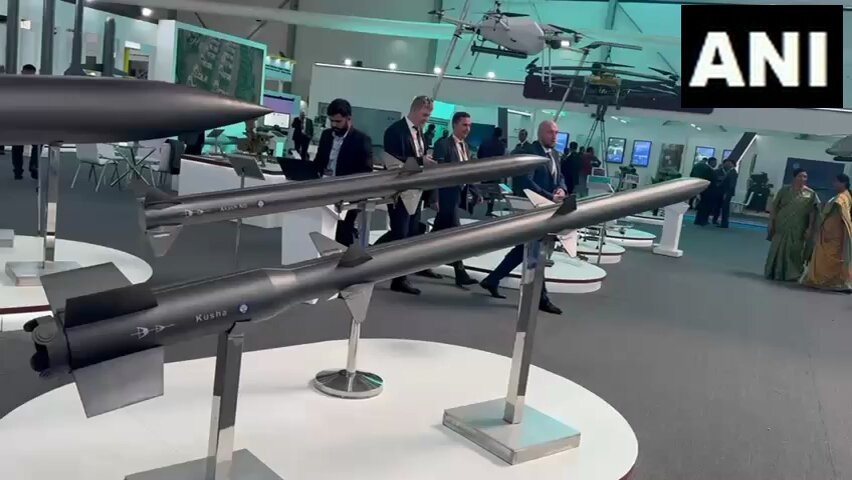
India
At the Aero India 2025 exhibition, the Defence Research and Development Organisation (DRDO) showcased scale models of the Project Kusha Air Defence System, highlighting its advanced capabilities and strategic importance for India's defence infrastructure. Overview of Project Kusha Project Kusha, also known as the Extended Range Air Defence System (ERADS), is an ambitious initiative by DRDO to develop a long-range, surface-to-air missile system tailored for the Indian Air Force (IAF) and the Indian Navy. The system is designed to detect and neutralize a variety of aerial threats, including stealth fighters, drones, cruise missiles, and precision-guided munitions, at ranges extending up to 350 kilometers. Its deployment is anticipated between 2028 and 2029. Key Specifications and Features Interceptor Missiles: The system comprises three distinct interceptor missiles, each designed for specific range capabilities: M1 (MR-SAM): Medium-range interceptor with a range of 150 km. M2 (ER-SAM): Extended-range interceptor capable of engaging targets up to 250 km. M3 (XR-SAM): Long-range interceptor with a reach of 350 km. Speed and Guidance: The missiles are engineered to achieve speeds up to Mach 5.5 and are equipped with dual-mode seekers combining infrared (IR) and radio frequency (RF) technologies, ensuring high accuracy in target acquisition and engagement. Kill Vehicle: Each missile incorporates a specialized kill vehicle designed to effectively neutralize incoming threats through direct impact or proximity detonation. Radar Systems: The system integrates advanced long-range surveillance and fire control radars, enhancing its ability to detect, track, and engage multiple targets simultaneously. Integration with IAF Systems: Project Kusha is designed to seamlessly integrate with the IAF's Integrated Air Command and Control System (IACCS), a fully automated network that combines various military and civilian radars to provide a comprehensive airspace picture, thereby enhancing the efficiency and reliability of air defence operations. Development Milestones The Cabinet Committee on Security (CCS) approved the development of Project Kusha in May 2022. Subsequently, in September 2023, the Ministry of Defence granted Acceptance of Necessity (AoN) for the procurement of five squadrons for the IAF, with an estimated budget of ₹21,700 crore (approximately US$2.5 billion). As of August 2024, DRDO has initiated the fabrication of the M1 missiles and has placed orders for essential components, including airframes, rocket motors, kill vehicles, and transceivers. Testing of these missiles is slated to commence in early 2025. Strategic Significance Project Kusha is poised to significantly enhance India's air defence capabilities by filling the operational gap between existing systems such as the MR-SAM (with a range of 70-80 km) and the Russian S-400 (with a range of up to 400 km). By providing a layered defence mechanism, it will offer comprehensive protection against a wide spectrum of aerial threats, thereby strengthening national security. The unveiling of Project Kusha at Aero India 2025 underscores India's commitment to advancing its indigenous defence technologies and achieving self-reliance in critical military capabilities.
Read More → Posted on 2025-02-11 15:17:44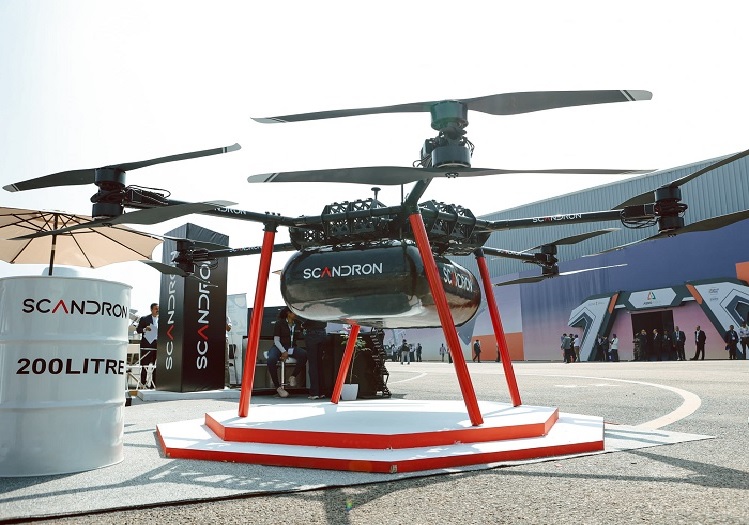
India
Bengaluru-based startup Scandron has made waves at AeroIndia 2025 with the launch of the CargoMax 20KHC, India’s most powerful cargo drone. Designed to meet the demanding needs of the Indian Armed Forces and various other sectors, the CargoMax 20KHC boasts a remarkable payload capacity of 200 kg, positioning it as a game-changer in the field of aerial logistics. A New Era in Autonomous Aerial Logistics The CargoMax 20KHC is engineered to provide a stable, robust, and reliable aerial logistics platform, particularly for last-mile deliveries in challenging environments. With a fully autonomous flight system, this drone eliminates the need for pilot intervention, thereby enhancing efficiency and reducing operational risks. Key specifications of the CargoMax 20KHC include: Payload Capacity: 200 kg Operational Range: 15 km Operational Ceiling: 6,000 meters AMSL (Above Mean Sea Level) Autonomous Operations: Fully pilotless capability Versatility Across Diverse Environments One of the standout aspects of the CargoMax 20KHC is its adaptability to various terrains and mission profiles. Scandron has developed multiple variants of the CargoMax series, ensuring superior logistics capability across different operational environments: High Altitude Operations: Designed for Indian Army applications, the drone can effectively conduct last-mile deliveries at altitudes exceeding 5,500 meters AMSL, making it invaluable in remote mountainous regions. Desert Operations: Optimized for extreme temperature conditions and long-range logistics support. Naval and Island Operations: Capable of pinpoint landings on moving naval platforms, the CargoMax drones are ideally suited for maritime supply chain logistics. Expanding the Capabilities of India's Drone Ecosystem Scandron’s CargoMax series of logistics drones strengthens India’s drone ecosystem by reducing dependency on imported UAV technology while advancing the country’s capabilities in autonomous aerial transport. The drones are designed to seamlessly integrate into both urban and remote logistics networks, making them valuable assets for defense, disaster relief, and supply chain management. Some key applications include: Military Logistics: Supporting defense forces with high-altitude cargo transport, rapid response, and autonomous resupply missions. Supply Chain Optimization: Enhancing mid-mile logistics and warehouse-to-warehouse operations. Disaster Relief Operations: Assisting the National Disaster Response Force (NDRF) and State Disaster Response Force (SDRF) in heavy-lift emergency relief operations. Showcasing Cutting-Edge Drone Innovations at AeroIndia 2025 At AeroIndia 2025, Scandron not only unveiled the CargoMax 20KHC but also showcased the SkyKrane 40 Aerial Crane and the ScanD suite of surveillance drone platforms. These advanced systems further solidify Scandron’s position as a leader in India’s drone technology sector. A Vision for the Future Commenting on the launch, Arjun Naik, CEO and Founder of Scandron, stated: “Scandron is a customer-focused company, and we continuously innovate to design and develop disruptive drone solutions to help solve real-world problems. Our goal is to integrate drones into mainstream operations, enhancing efficiency and reducing costs without compromising safety and reliability.” The CargoMax 20KHC exemplifies this vision by offering a scalable, future-proof platform that can be customized for various industry requirements. As India pushes forward with advancements in drone technology, Scandron’s innovations are set to play a crucial role in shaping the future of autonomous logistics.
Read More → Posted on 2025-02-11 15:12:19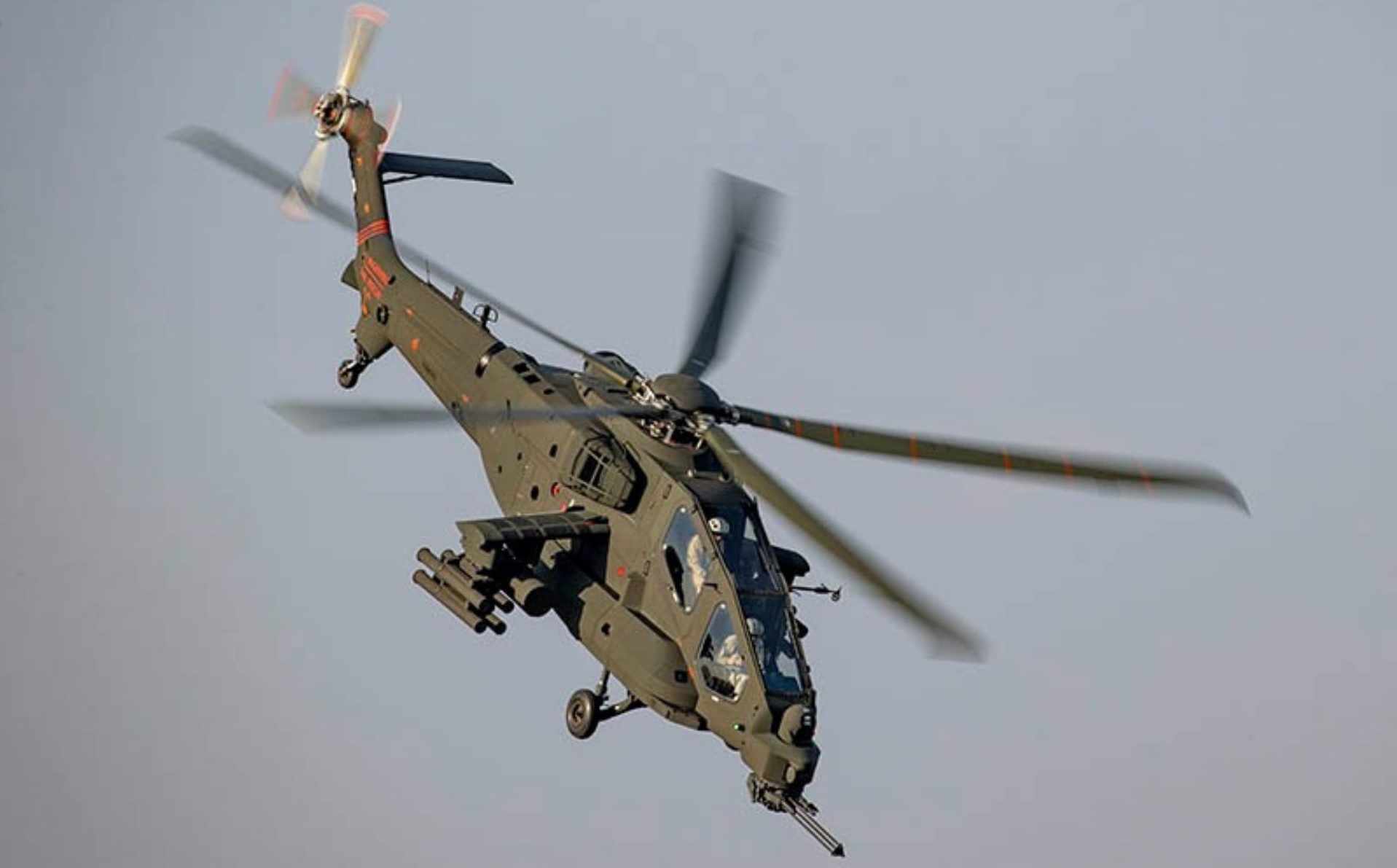
World
The Italian Army's AW249 next-generation combat helicopter program is making significant strides, with 17 units already under contract out of a planned total of 48. The first deliveries are anticipated to commence in 2027. As of now, four prototypes have been constructed, with two actively engaged in performance, system integration, and payload testing, while the remaining two are poised to begin testing soon. These prototypes are instrumental in refining the helicopter's advanced systems and ensuring readiness for full-scale production. Weapons testing for the AW249 has been underway since November 2023, focusing on its 20mm chin-mounted cannon and unguided rocket systems. These evaluations are crucial to validate the helicopter's effectiveness in combat scenarios, particularly in close air support and escort missions. Designed to replace the aging A129 Mangusta, the AW249 boasts several advancements: Enhanced Survivability: The helicopter features a reduced radar cross-section and suppressed infrared signature, making it less detectable to adversaries. Advanced Avionics: Equipped with state-of-the-art digital communications and battlefield management systems, the AW249 offers improved situational awareness and reduced pilot workload. Powerful Performance: Powered by two General Electric CT7-8E6 turboshaft engines, each producing approximately 2,500 horsepower, the helicopter achieves a maximum cruise speed of 287 kilometers per hour and an operational range of 796 kilometers. Flexible Armament: The AW249 is equipped with six-wing store stations capable of carrying a combination of air-to-ground or air-to-air missiles, unguided or guided rockets, or external fuel tanks, allowing for mission-specific configurations. The helicopter's design also emphasizes interoperability, featuring an open systems architecture that facilitates integration with various mission systems and the ability to control unmanned aerial vehicles (UAVs). This capability enhances its role in modern, multi-domain operations. As Italy progresses with the AW249 program, the focus remains on rigorous testing and refinement to ensure the helicopter meets the evolving demands of the battlefield. With its blend of advanced technology, survivability features, and versatile armament options, the AW249 is poised to be a formidable asset in both national and NATO operations.
Read More → Posted on 2025-02-11 15:00:26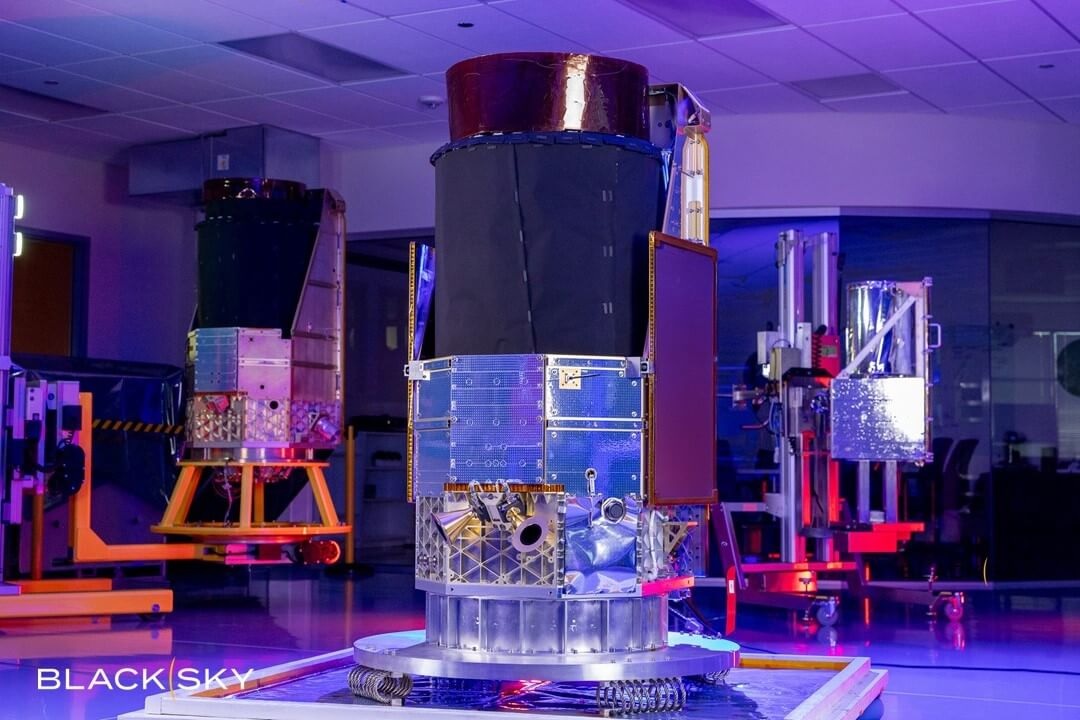
Space & Technology
BlackSky Technology Inc., in collaboration with Rocket Lab USA, Inc., is set to launch its first next-generation Gen-3 satellite on February 18, 2025. This mission, aptly named "Fasten Your Space Belts," signifies a pivotal advancement in space-based intelligence, promising enhanced imaging capabilities and more robust data analytics for global defense and intelligence operations. Elevating Imaging Capabilities: Gen-3 vs. Gen-2 The Gen-3 satellites represent a significant upgrade over their Gen-2 predecessors. One of the most notable improvements is the enhanced imaging resolution. While Gen-2 satellites provided imagery with a resolution of one meter, the new Gen-3 satellites boast a very high-resolution 35-centimeter imaging capability. This enhancement allows for more detailed and precise observations of the Earth's surface, enabling the identification and analysis of smaller objects and features. In addition to improved resolution, the Gen-3 satellites are designed to support automated detection, identification, and classification of various objects, including vehicles and aircraft. This capability is crucial for both tactical intelligence, surveillance, and reconnaissance (ISR) missions and broader strategic operations, providing users with timely and actionable insights. Technical Specifications and Advancements The Gen-3 satellites are engineered to deliver rapid-revisit 35-centimeter imagery, coupled with AI-enabled analytics. This combination ensures that users receive high-frequency monitoring with minimal latency, a critical factor in dynamic operational environments. The satellites are equipped with advanced onboard attitude control systems, enhancing their operational efficiency and agility in orbit. This agility allows for quick adjustments and re-tasking, ensuring that high-priority targets can be monitored effectively. Furthermore, the Gen-3 satellites feature low-latency inter-satellite communications, providing customers with the flexibility to conduct high-priority, last-minute tasking. This capability ensures that emerging situations can be addressed promptly, a vital feature for defense and intelligence applications. Strategic Implications and Future Outlook The deployment of the Gen-3 satellites marks a transformative leap forward for BlackSky's space-based intelligence services. By enhancing imaging resolution and incorporating advanced analytics, BlackSky aims to meet the growing demand from defense and intelligence customers worldwide. With additional Gen-3 satellites currently in production, BlackSky plans to continue expanding its constellation throughout the year. This expansion will further optimize the company's capacity and flexibility, ensuring continuous service availability and the ability to deliver real-time insights to its clients. In summary, the launch of the Gen-3 satellite not only signifies a technological advancement but also underscores BlackSky's commitment to providing cutting-edge intelligence solutions. As the company continues to innovate and expand its capabilities, it is poised to play a pivotal role in the future of space-based intelligence and global monitoring.
Read More → Posted on 2025-02-11 14:55:20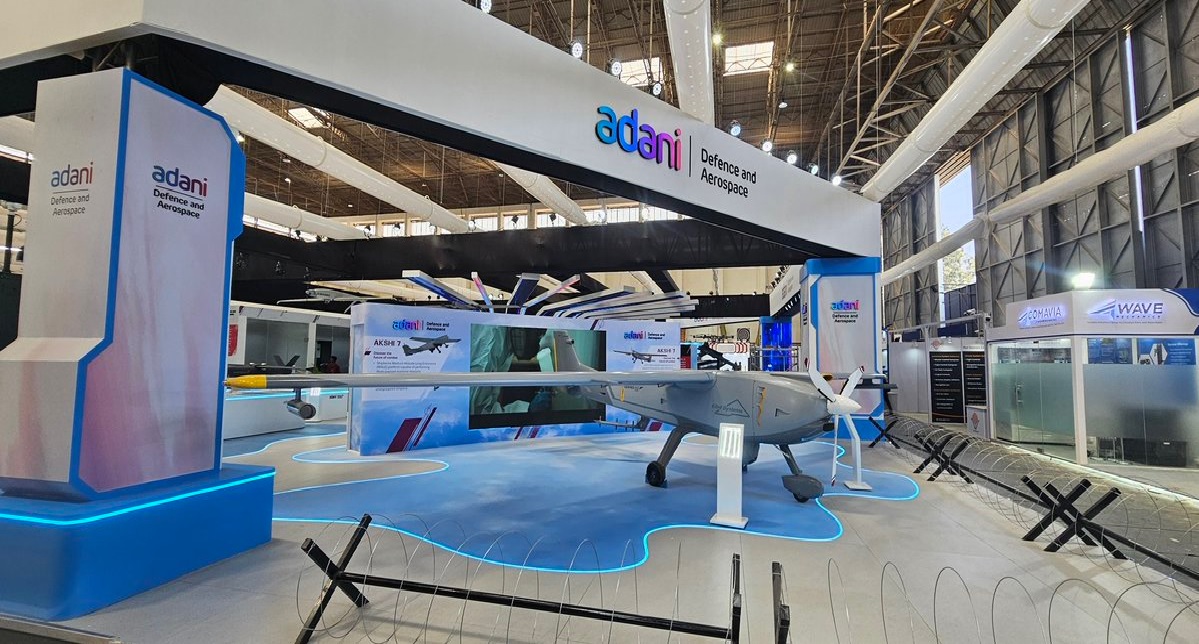
India
At Aero India 2025, Adani Defence has taken a major leap in the unmanned aerial systems (UAS) domain with the introduction of the Akshi 7, a cutting-edge tactical drone designed for modern warfare and intelligence operations. This UAS is a rebranded version of the Hermes 650 Spark, an advanced multi-role platform originally developed for high-end military missions. The Akshi 7 represents a step towards strengthening India’s defense self-reliance while bringing battlefield-proven technologies under indigenous branding. A Leap in Tactical Unmanned Systems The Akshi 7 is built for long-endurance surveillance, precision intelligence gathering, and tactical mission support. Equipped with a powerful satellite communication (SATCOM) link, it can operate beyond the line of sight (BLOS), making it suitable for long-range reconnaissance and strike support missions. With an endurance of up to 24 hours and a flight range of over 300 km in line-of-sight (LOS) mode, the UAS is ideal for border patrol, counter-terrorism operations, and strategic intelligence gathering. One of the defining features of the Akshi 7 is its modular multi-mission capability. The drone supports a wide array of interchangeable payloads, allowing military forces to customize it for specific missions. Whether conducting electronic warfare (EW), signals intelligence (SIGINT), or surveillance, the Akshi 7 can be adapted in real-time to meet operational needs. Next-Gen AI-Driven Intelligence At the core of the Akshi 7 is an AI-powered onboard computing system, which functions as a “server in the sky.” The AI engine enables real-time data processing, target recognition, and predictive maintenance, reducing downtime and improving operational efficiency. This system allows ground commanders to receive instant intelligence updates, ensuring faster decision-making in dynamic combat scenarios. The drone also integrates machine learning algorithms to enhance autonomous navigation, threat detection, and battlefield coordination. This makes it not only an advanced reconnaissance tool but also a strategic asset in modern network-centric warfare. Stealth, Agility, and Adaptability Designed with a low radar signature, the Akshi 7 enhances survivability in contested airspace. It also features automatic takeoff and landing (ATOL) capability, allowing it to operate from short or semi-prepared runways, increasing its versatility in both peacetime and combat missions. Its multi-sensor payload bay can accommodate electro-optical (EO), infrared (IR), short-wave infrared (SWIR), radar, electronic intelligence (ELINT), and communications intelligence (COMINT) systems. Additionally, the integration of the SkEye Wide Area Persistent Surveillance (WAPS) system makes it an invaluable asset for persistent aerial monitoring of large regions. Optimized for Cost-Efficiency and Scalability While advanced in technology, the Akshi 7 has been designed with an emphasis on low operational costs. The UAS requires minimal ground crew and logistical support, reducing overall maintenance demands. Automated pre-flight inspections and self-diagnostic systems further streamline its deployment, ensuring rapid mission readiness with minimal downtime. With a maximum payload capacity of 260kg, the Akshi 7 is highly adaptable to carrying multiple mission-critical sensors simultaneously. The payloads are distributed across 8 modular storage stations, including 2 payload bays and 6 external hardpoints, enabling seamless mission customization. A Strategic Asset for India’s Defense Forces With India focusing on strengthening its indigenous defense manufacturing under initiatives like Atmanirbhar Bharat, the Akshi 7 marks a significant milestone in developing next-generation military UAVs. By adopting the battle-proven Hermes 650 Spark platform under a new Indian identity, Adani Defence is ensuring that the country gains access to world-class UAS technology while maintaining local control over its deployment and integration. As global conflicts become more tech-driven and intelligence-centric, drones like the Akshi 7 will play a pivotal role in shaping future battlefields. Whether for border surveillance, counter-insurgency, maritime security, or electronic warfare, this advanced UAS promises to be a force multiplier for India’s armed forces. With its debut at Aero India 2025, the Akshi 7 represents not just another military drone but a vision for the future of Indian air defense technology—autonomous, intelligent, and mission-ready.
Read More → Posted on 2025-02-11 14:51:17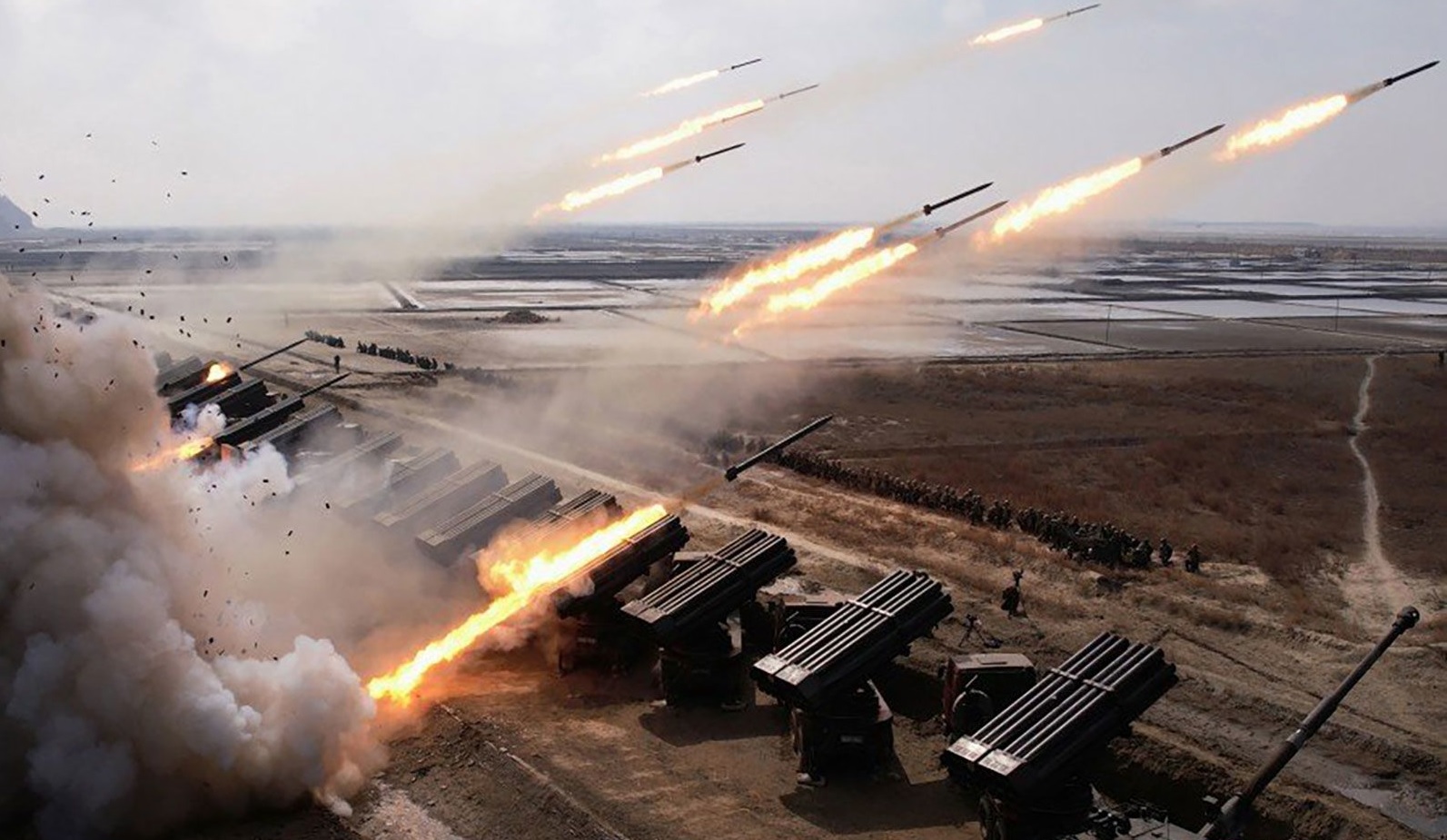
World
In a significant development, North Korea has supplied Russia with approximately 200 long-range artillery pieces, as reported by a South Korean defense ministry official. This move underscores the strengthening military ties between Pyongyang and Moscow amid the ongoing conflict in Ukraine. Details of the Artillery Transfer The artillery systems provided by North Korea are believed to include the 170mm M-1989 Koksan self-propelled howitzers and 240mm M-1991 multiple rocket launchers. The M-1989 Koksan howitzer is notable for its impressive range, capable of firing high-explosive shells up to 40 kilometers (approximately 25 miles) and rocket-assisted projectiles up to 60 kilometers (about 37 miles). These capabilities make it one of the longest-range non-rocket artillery systems in North Korea's arsenal. Broader Military Contributions Beyond artillery, North Korea's support to Russia encompasses a range of military assets. Reports indicate that Pyongyang has dispatched around 11,000 troops, including special operations units, to assist Russian forces, particularly in the Kursk region. These deployments have come at a significant cost, with estimates of approximately 4,000 North Korean casualties due to intense combat and challenges such as cultural and language barriers. Additionally, North Korea has supplied Russia with various missile systems. Notably, over 20 short-range ballistic missiles have been fired by Russian forces in Ukraine since December 2023. These missiles have demonstrated increased accuracy, striking within 50 to 100 meters (160 to 330 feet) of their intended targets, a marked improvement from previous iterations. Strategic Implications and Future Prospects The deepening military cooperation between North Korea and Russia is mutually beneficial. For Russia, the influx of artillery, missiles, and manpower bolsters its military capabilities in Ukraine. For North Korea, this alliance provides combat experience for its troops and potential economic benefits, including food and petroleum supplies. Looking ahead, there is potential for further collaboration. North Korea could supply additional troops, weapons, and ammunition to Russia. This partnership not only enhances North Korea's military experience but also strengthens its strategic alliance with Russia, signaling a notable shift in global geopolitical dynamics.
Read More → Posted on 2025-02-11 14:42:16Search
Top Trending in 24 Hours
-
 U.S. Secures Permanent Military Rights in Greenland in Historic Security Pact with Denmark
-
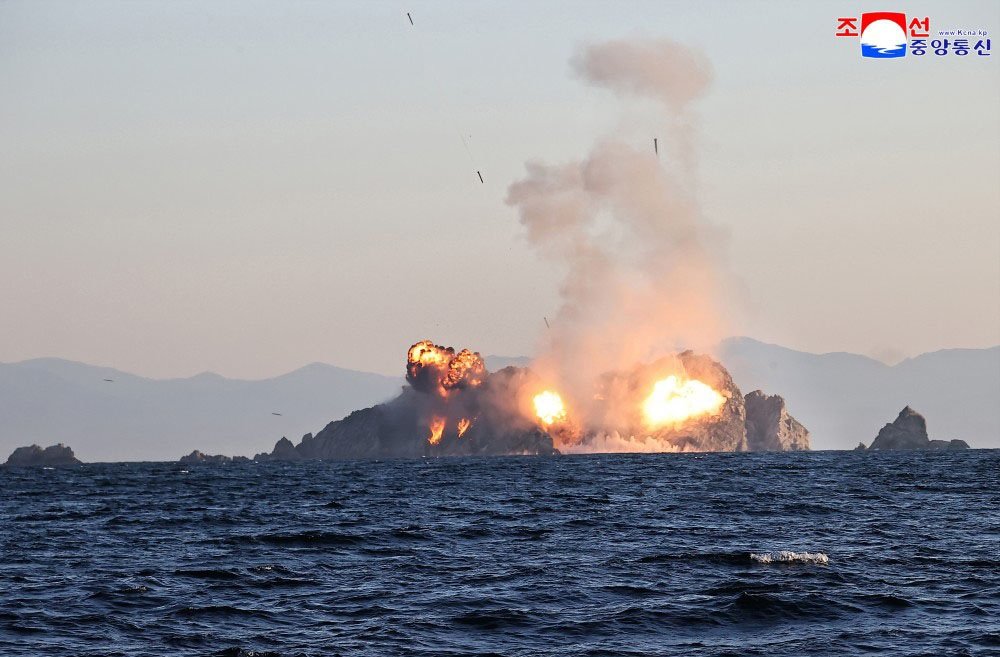 North Korea Fires Short-Range Ballistic Missile Toward Sea of Japan After Freedom Edge 26
-
 U.S. Government Seizes Almasirah.net, Houthi-Linked News Website
-
 India’s xTerra Robotics Launches Indigenous DHAV-Hy Wheeled-Legged Quadruped for Industrial Inspection
Top Trending in 4 Days
-
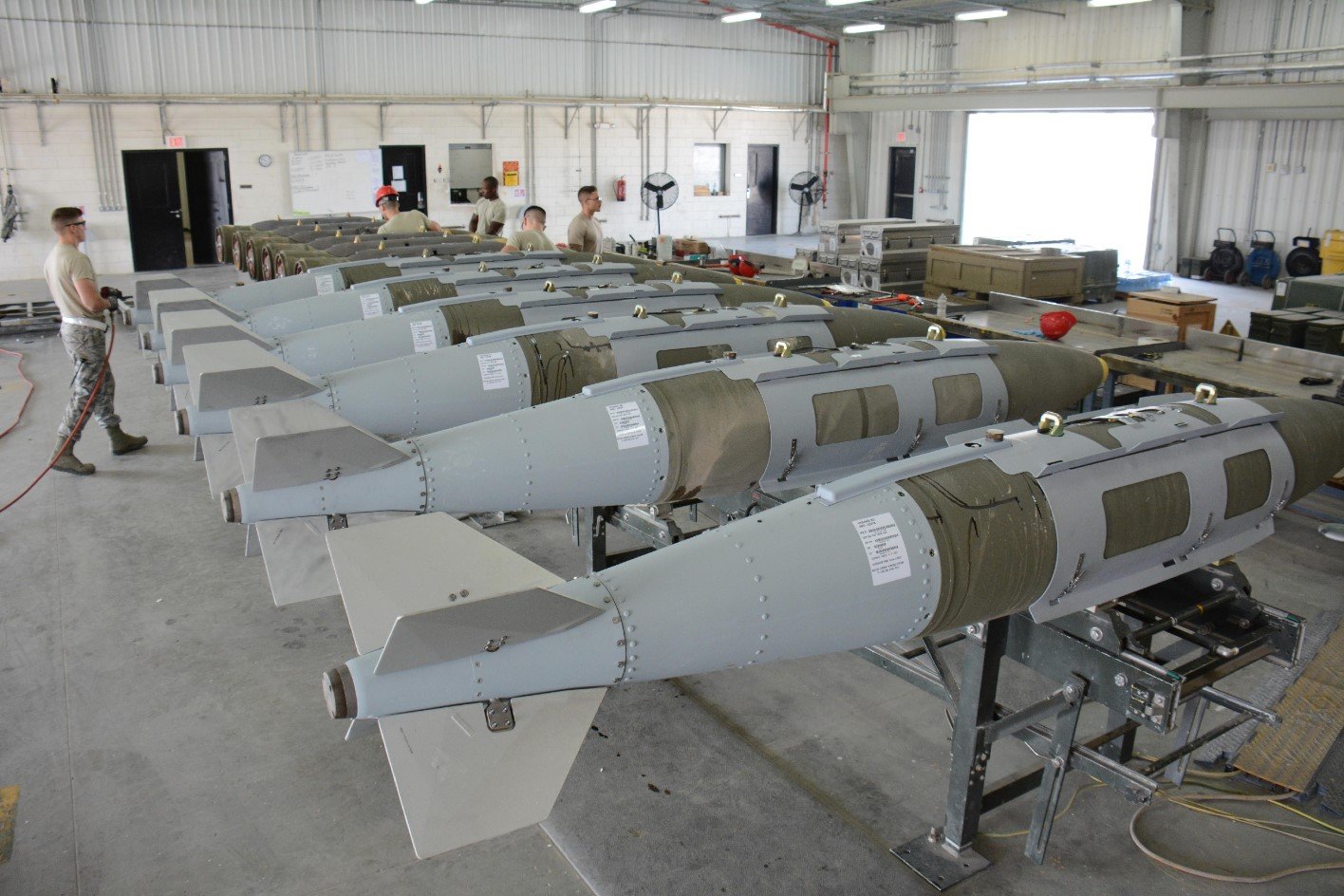 U.S. Plans $2.8 Billion Sale of 40,000 Heavy Bombs and 20,000 I-2000 Penetrator Warheads to Israel
-
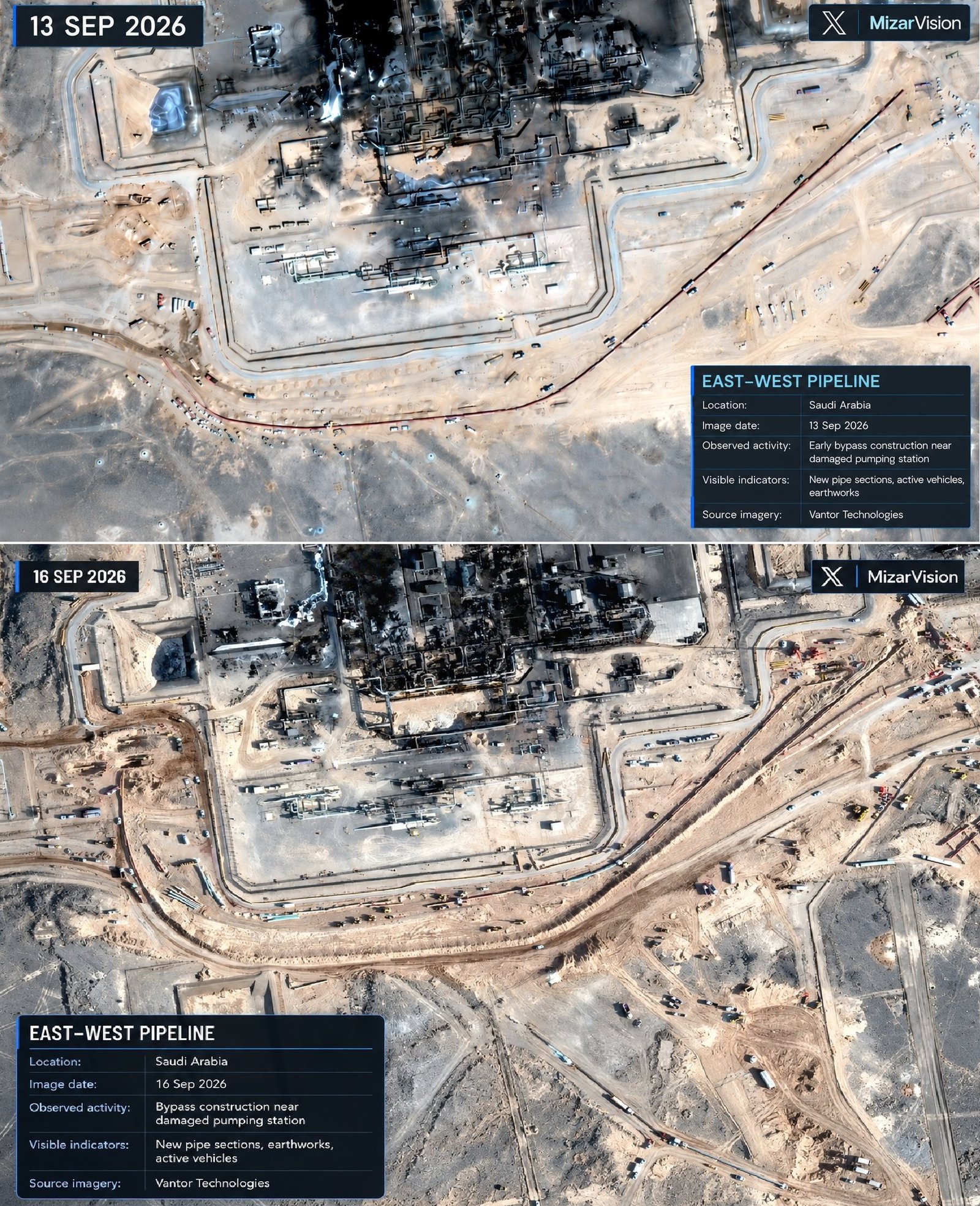 Satellite Images Show Saudi Arabia Building Emergency Bypass Around Damaged East-West Oil Pipeline Station
-
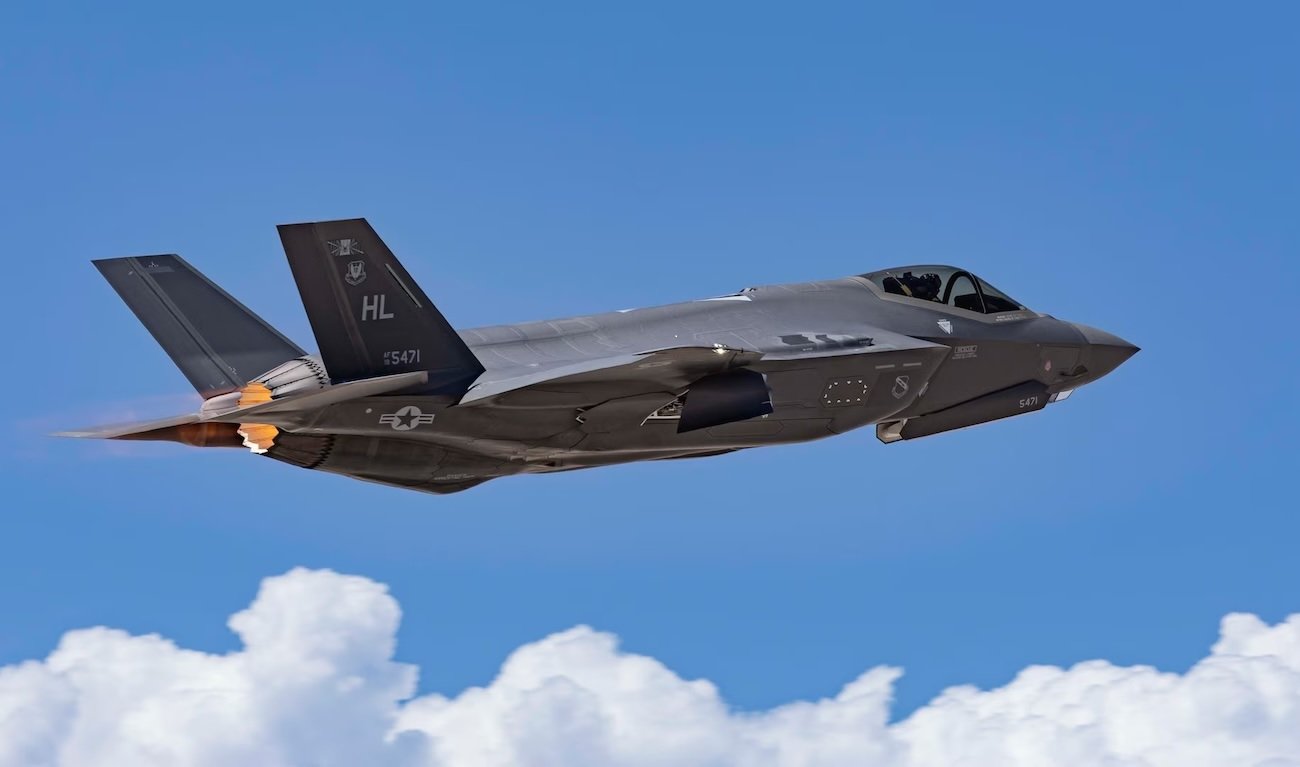 Sensitive F-35 Components Diverted to Hong Kong, Some Parts Missing
-
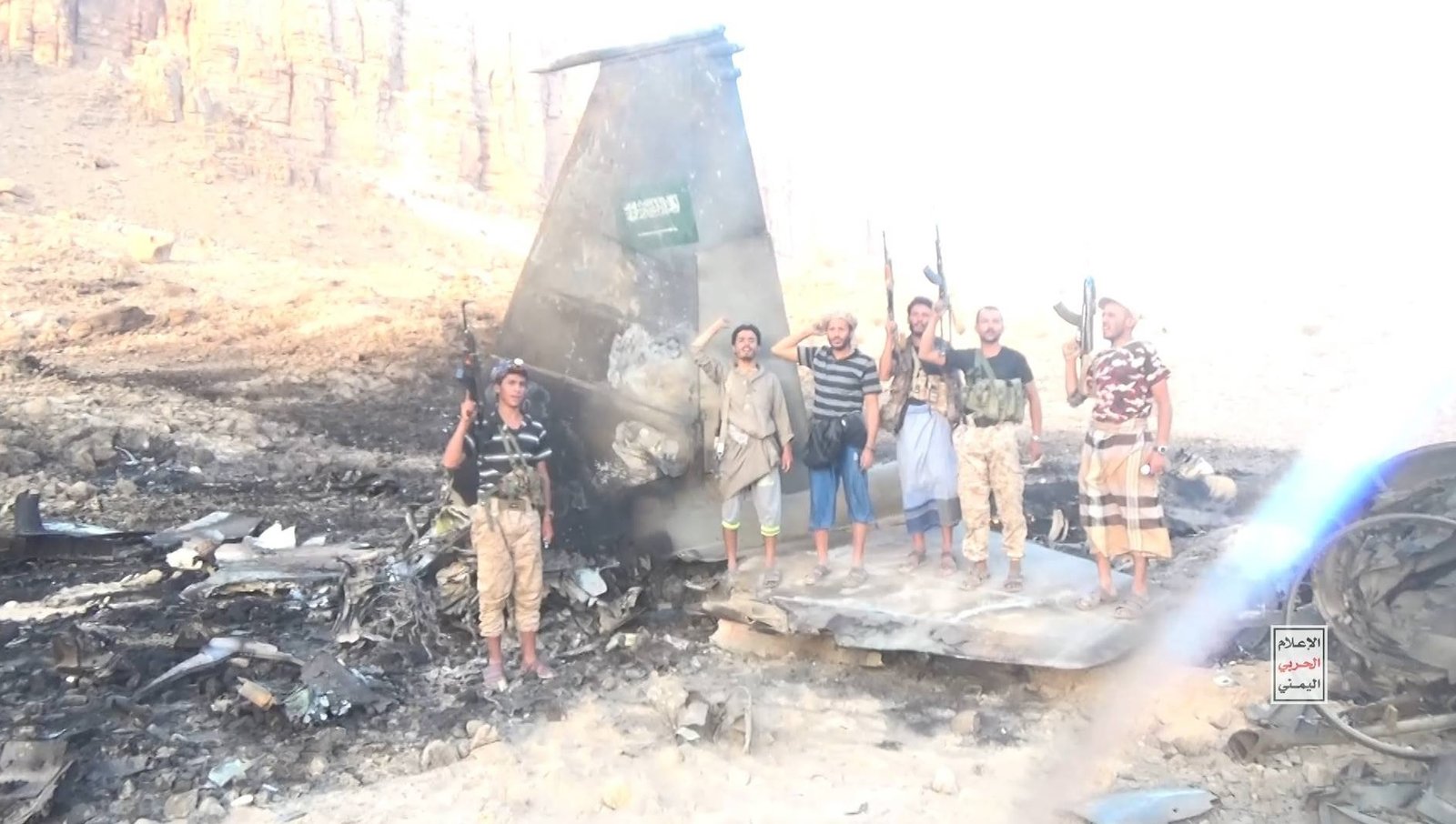 Houthis Claim Downing of Saudi F-15 and Wing Loong II Drone Over Marib
-
 Photos Reveal Damaged E-3 Sentry, Buildings and Vehicles at U.S. Bases in Saudi Arabia and Kuwait After Iranian Strikes
-
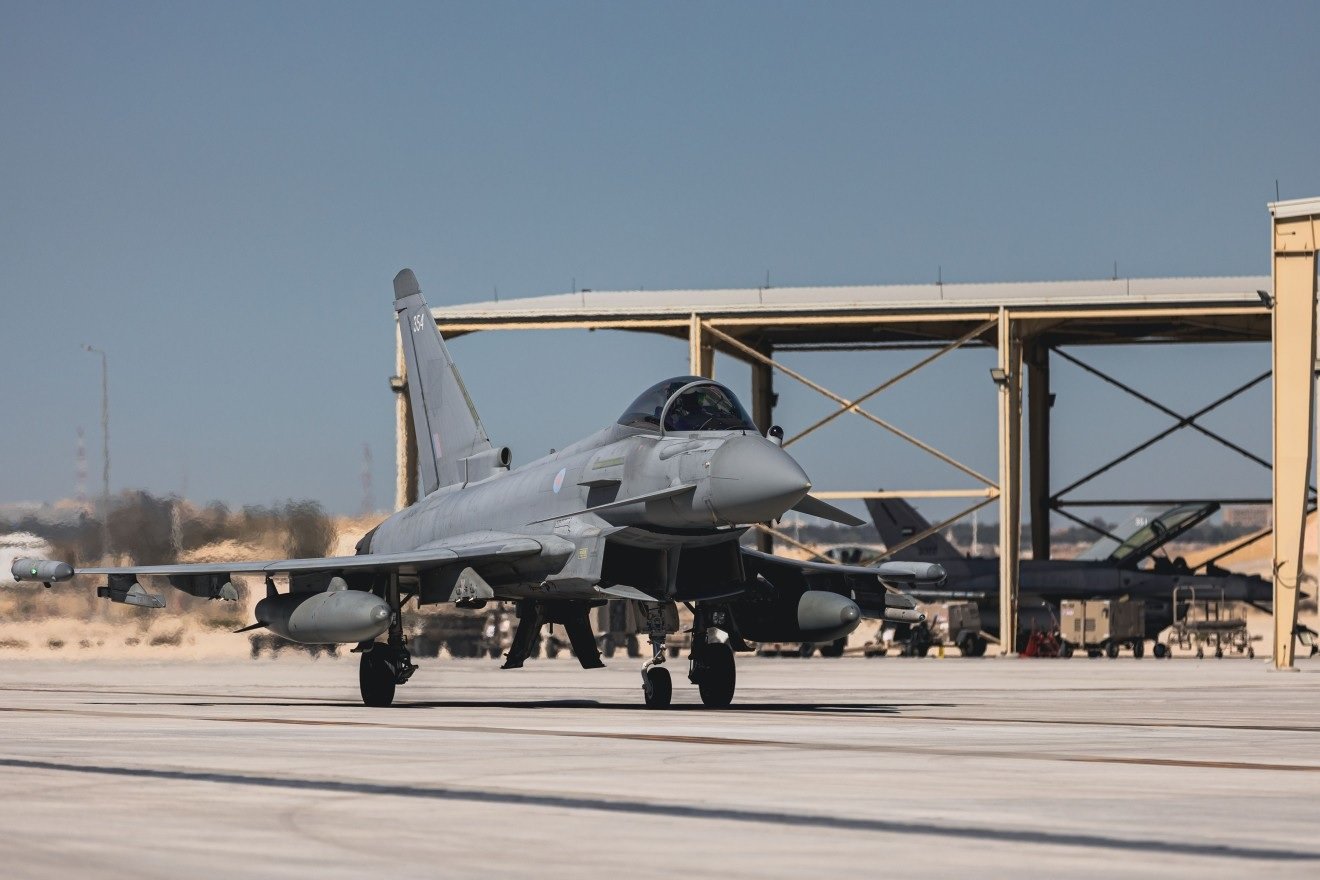 Italian Eurofighter Damaged in Houthi Attack on Saudi Arabia’s King Fahd Air Base
-
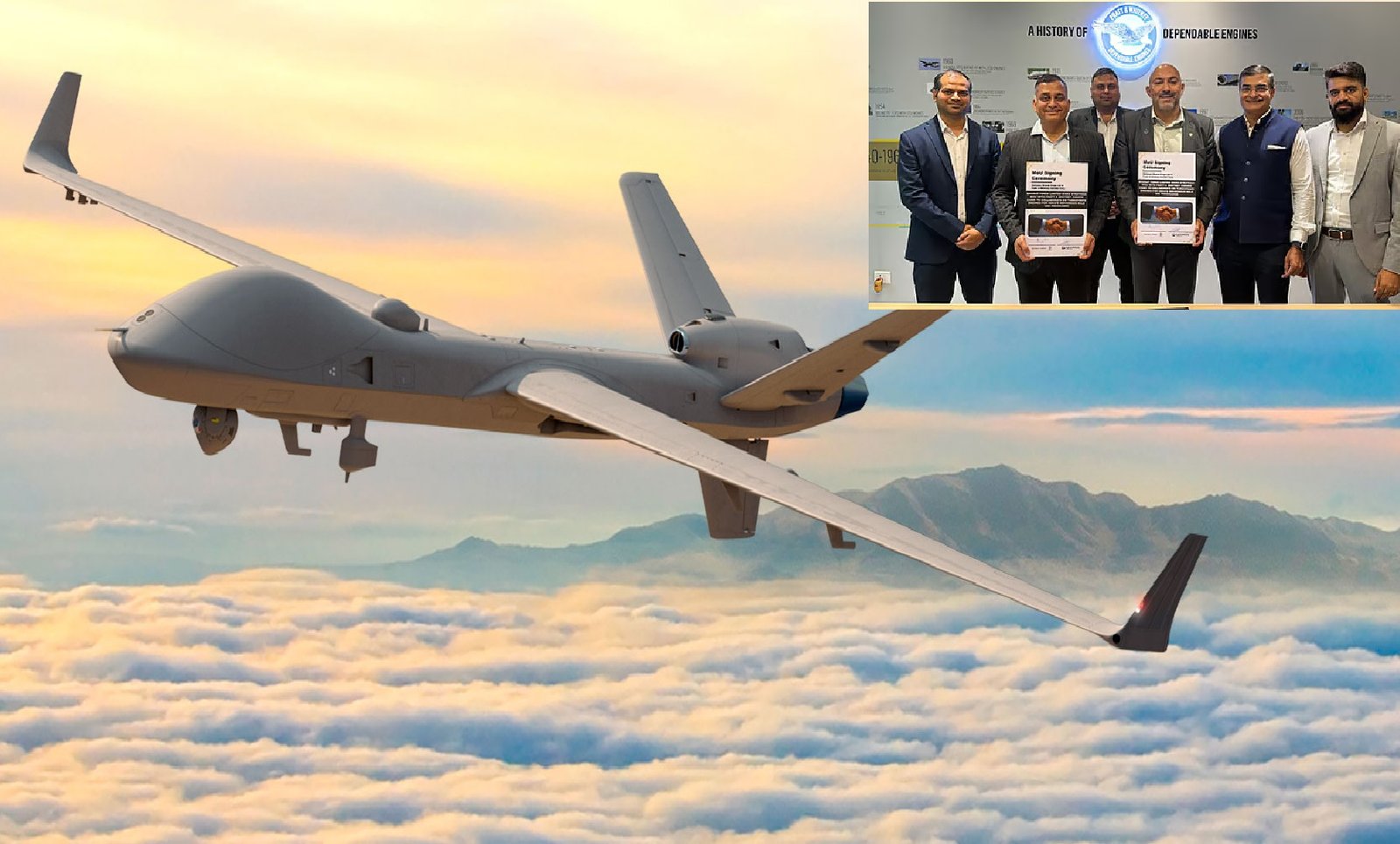 Bharat Forge, Pratt & Whitney Canada to Evaluate Turboprop Engines for DRDO’s Indigenous HALE UAV
-
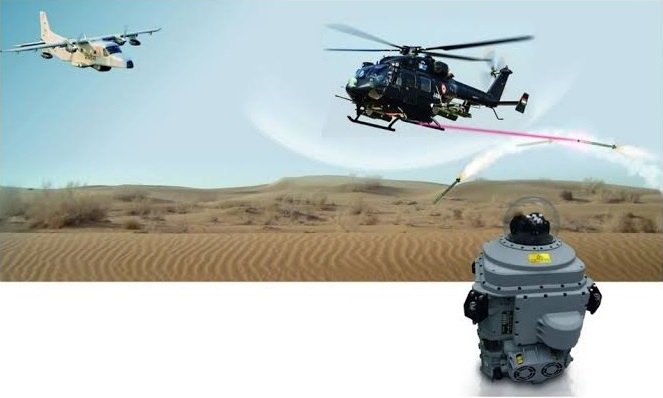 BEL Signs Export Deal with Elbit Systems for Directed Infrared Countermeasure Sub-Assemblies, Secures ₹648 Crore in Additional Orders
