
India
India Indian security forces, including the Army, CRPF, and J&K Police, apprehended two individuals with weapons in Aloora, Shopian, Jammu and Kashmir, following specific intelligence input. The operation resulted in the recovery of a pistol, two hand grenades, and other military supplies.The Indian Army, Central Reserve Police Force (CRPF), and Jammu and Kashmir Police apprehended two individuals in possession of weapons at Aloora in Shopian, Jammu and Kashmir. The operation, based on specific intelligence input, resulted in the recovery of one pistol, two hand grenades, and other warlike stores from the suspects.The Chinar Corps tweeted about the operation, stating, "Based on specific intelligence input, a Joint Mobile Vehicle Check Post (MVCP) was established today by Indian Army, CRPF, and J&K Police at Aloora, Shopian. Two suspected individuals have been apprehended along with the recovery of 01xPistol, 02xHand Grenade & other war-like stores. Further Investigation is in progress.""Based on specific intelligence input, a Joint Mobile Vehicle Check Post (MVCP) was established today by #IndianArmy, @crpf_srinagar & @JmuKmrPolice at Aloora, Shopian. Two suspected individuals have been apprehended along with recovery of 01xPistol, 02xHand Grenade & other war like stores. Further Investigation is in progress," the army posted on X.This joint mobile check post was instrumental in the successful operation, highlighting the seamless coordination between the Indian Army, CRPF, and J&K Police. Further investigation into the matter is currently underway to determine the intent and background of the apprehended individuals.
Read More → Posted on 2024-05-06 06:16:39
India
India ,Pakistan Former Prime Minister Imran Khan accuses India of orchestrating violence in Pakistan, alleging complicity from the Pakistani Army, sparking renewed tensions between the nuclear-armed neighbors.Former Prime Minister of Pakistan, Imran Khan, currently incarcerated on corruption charges, has once again stirred controversy by accusing India of committing murders within Pakistani territory. In a recent column penned for the British newspaper ‘Daily Telegraph,’ Khan reiterated his earlier allegations against India while also levelling serious accusations against the Pakistani Army.Khan's allegations, though not new, highlight the tense relations between India and Pakistan, two nuclear-armed neighbors with a long history of conflict and territorial disputes. The timing of Khan's statement, made from his confinement in Rawalpindi’s Adiala Jail, adds further weight to its significance.The crux of Khan's claims lies in the assertion that India is orchestrating acts of violence within Pakistan, particularly in regions like Balochistan, where separatist movements have been active. He points to an increase in terrorism and the forced disappearance of individuals as evidence of India's alleged involvement.Furthermore, Khan accuses the Pakistani Army of complicity, claiming that it not only fails to address the security challenges but also seeks to eliminate him. These accusations underscore a deep-seated distrust between Khan and the military establishment, which has historically wielded significant influence over Pakistan's politics.Khan's reference to the situation in Balochistan and the ongoing border dispute with Afghanistan underscores the complexity of regional dynamics. The region has long been plagued by instability, fueled by ethnic tensions, militant activity, and external interference.The comparison drawn by Khan between the current state of affairs and the events leading to the partition of Pakistan in 1971, resulting in the creation of Bangladesh, is significant. It serves as a stark warning about the potential consequences of internal strife and external interference.However, it is essential to approach Khan's claims with caution and subject them to thorough scrutiny. Accusations of this nature have far-reaching implications, not only for bilateral relations between India and Pakistan but also for regional stability.In response to Khan's allegations, India has vehemently denied any involvement in destabilizing activities within Pakistan. The Indian government has consistently maintained its commitment to peace and stability in the region, advocating for dialogue and diplomacy to address outstanding issues.While Khan's assertions may resonate with some segments of Pakistani society, they also raise questions about his motives and the political landscape within Pakistan. As a polarizing figure, Khan's statements often evoke strong reactions, both domestically and internationally.In conclusion, Imran Khan's accusations against India and the Pakistani Army underscore the complex web of challenges facing the region. However, it is imperative to approach these claims with skepticism and engage in constructive dialogue to address underlying grievances and promote lasting peace and stability in South Asia.
Read More → Posted on 2024-05-06 06:13:46
World
Ukraine Russia War Rheinmetall intensifies artillery ammunition production to bolster Ukraine's defense against Russian forces, aiming to deliver hundreds of thousands of advanced rounds, while also expanding long-term Western military readiness.In a recent interview with Handelsblatt, Rheinmetall CEO Armin Papperger unveiled plans to significantly boost Ukraine's defense capabilities against Russian forces. The German arms manufacturer aims to ramp up production of artillery ammunition, with hundreds of thousands of rounds slated for delivery this year. These include advanced prototypes capable of reaching distances up to 100 kilometers.Papperger stressed the crucial role of artillery in the conflict, highlighting Ukraine's struggles with ammunition shortages amid heavy Russian artillery fire. He also pointed out a broader issue: the Western world's lack of readiness for conventional warfare, citing declining production capacities for artillery munitions in Europe and the US.To address these challenges, Rheinmetall plans to expand its annual artillery shell production from 70,000 to 700,000 in 2024, and further to 1.1 million in the medium term. This expansion involves setting up new facilities in Germany and Lithuania, with plans for a joint venture plant in Ukraine itself.The move aims not only to support Ukraine in the short term but also to enhance long-term military readiness within the Western alliance. Additionally, the German government has already supplied Ukraine's Armed Forces with Vulcano long-range artillery shells, along with laser designators for the advanced Vulcano GLR variant.Furthermore, Rheinmetall is collaborating with American defense contractor Northrop Grumman to develop a next-generation artillery projectile, under a 2021 cooperation agreement. This project competes with similar developments by Norwegian firm Nammo.Overall, Rheinmetall's efforts represent a significant step in bolstering Ukraine's defense capabilities and improving Western military readiness in the face of evolving security challenges.
Read More → Posted on 2024-05-06 06:09:04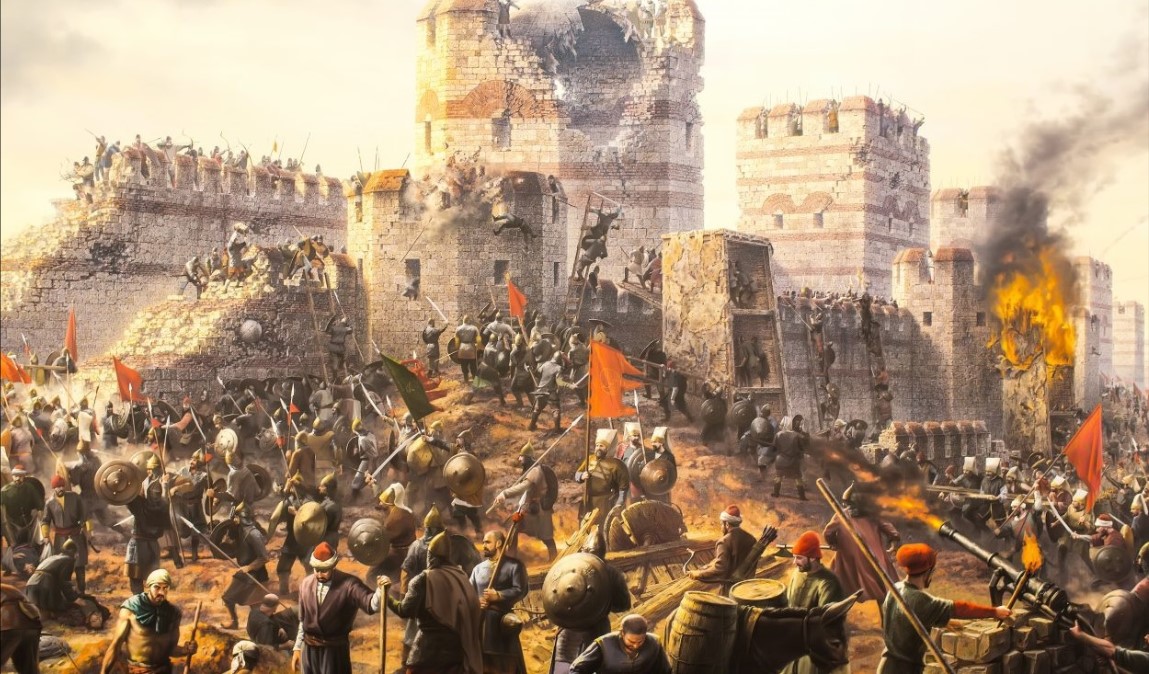
History
The Fall of Constantinople: A Turning Point in HistoryThe Fall of Constantinople in 1453 stands as a watershed moment in history, marking the end of the Byzantine Empire and the dawn of a new era. This monumental event, which saw the conquest of one of the most illustrious cities in the world by the Ottoman Turks, reshaped the geopolitical landscape of Europe and Asia Minor and altered the course of Western civilization. In this comprehensive exploration, we embark on a journey through the origins, causes, key players, military tactics, impact, and legacy of the Fall of Constantinople, unraveling the complexities of this pivotal moment in human history. Origins and ContextTo understand the Fall of Constantinople, it is essential to examine the historical context in which it occurred. The Byzantine Empire, successor to the Roman Empire in the East, had endured for over a millennium, serving as a bastion of Christian civilization in the face of successive waves of invaders. Constantinople, the empire's capital and a beacon of culture and learning, was renowned for its strategic location, formidable defenses, and opulent architecture.Constantinople's strategic significance lay in its location at the crossroads of Europe and Asia, straddling the Bosphorus Strait and controlling access between the Mediterranean and Black Seas. This made it a vital hub for trade and commerce, as well as a key military stronghold for defending against incursions from both east and west.However, by the 15th century, the Byzantine Empire had been reduced to a mere shadow of its former glory. Decades of internal strife, external threats, and economic decline had weakened the empire's power and prestige, leaving it vulnerable to conquest by ambitious neighboring states. At the same time, the rise of the Ottoman Empire under the leadership of Sultan Mehmed II posed a formidable challenge to Byzantine sovereignty, as the Ottomans sought to expand their influence and territory at the expense of their Christian neighbors. Sultan Mehmed IIKey Players and Military LeadersThe Fall of Constantinople was precipitated by the ambitions of two towering figures: Sultan Mehmed II, the youthful and ambitious ruler of the Ottoman Empire, and Emperor Constantine XI Palaiologos, the valiant but beleaguered defender of Byzantium. Mehmed II, known as Mehmed the Conqueror, was determined to fulfill his dream of capturing Constantinople and establishing himself as the rightful heir to the Roman Empire. Constantine XI, the last Byzantine emperor, faced the daunting task of defending his city against overwhelming odds, rallying his people to resist the impending Ottoman onslaught.On the Ottoman side, Mehmed II assembled a formidable army and navy, drawing upon the resources of his vast empire to lay siege to Constantinople. He employed innovative military tactics, including the use of massive cannons and siege engines, to breach the city's formidable walls and fortifications. Mehmed's military genius and strategic acumen earned him a reputation as one of history's greatest conquerors, while his ruthless determination to achieve victory at any cost fueled his relentless pursuit of Constantinople.In contrast, Constantine XI struggled to muster sufficient resources and manpower to defend his city against the Ottoman onslaught. Despite his efforts to bolster the city's defenses and rally support from Western powers, including the Papacy and European monarchs, Constantine faced formidable obstacles in his quest to repel the Ottoman invaders. His army, depleted by years of war and neglect, was no match for the disciplined and well-equipped forces of Mehmed II, leaving Constantinople vulnerable to capture. Siege and ConquestThe siege of Constantinople began in earnest in April 1453, as Mehmed II's army encircled the city and commenced a relentless bombardment of its walls and fortifications. For weeks, the defenders of Constantinople held out against the Ottoman onslaught, repelling wave after wave of attacks with unparalleled courage and determination. Despite their heroic efforts, however, the Byzantine defenders were unable to withstand the sheer force of Mehmed's assault, as the Ottomans breached the city's defenses and launched a final, desperate assault on its gates.On May 29, 1453, after a siege lasting over seven weeks, Constantinople fell to the Ottoman Turks, marking the end of an era and the beginning of a new chapter in world history. The city's capture was a moment of triumph for Mehmed II and his forces, who celebrated their victory with feasting, revelry, and plunder. For the people of Constantinople, however, the fall of their beloved city was a moment of unparalleled tragedy, as they faced the prospect of enslavement, exile, or death at the hands of their conquerors. Impact and LegacyThe Fall of Constantinople had far-reaching implications for the course of world history, reshaping the geopolitical landscape of Europe and Asia Minor and heralding the rise of the Ottoman Empire as a dominant force in the Mediterranean world. The conquest of Constantinople dealt a devastating blow to Christendom, depriving Europe of its last major Christian outpost in the East and opening the door to Ottoman expansion into the heart of Europe.Moreover, the fall of Constantinople had profound cultural, economic, and intellectual consequences, as the city's rich heritage and legacy were preserved and absorbed by its Ottoman conquerors. Mehmed II, recognizing the strategic and symbolic importance of Constantinople, sought to transform the city into a showcase of Ottoman power and grandeur, renaming it Istanbul and transforming its churches and palaces into mosques and administrative buildings.The legacy of the Fall of Constantinople endures to this day, as Istanbul remains a vibrant and cosmopolitan city, blending elements of East and West in a unique fusion of cultures and traditions. The city's iconic landmarks, including the Hagia Sophia and Topkapi Palace, bear witness to its storied past and enduring legacy as a crossroads of civilizations. Editor’s Thoughts: The Fall of Constantinople in 1453 was a pivotal moment in history, marking the end of the Byzantine Empire and the beginning of a new era dominated by the Ottoman Turks. This monumental event, which saw the conquest of one of the most illustrious cities in the world, reshaped the geopolitical landscape of Europe and Asia Minor and altered the course of Western civilization. From its origins and key players to its military tactics, impact, and legacy, the Fall of Constantinople remains a subject of fascination and study, as scholars and historians continue to unravel its complexities and significance in the tapestry of human history.
Read More → Posted on 2024-05-05 16:30:22
World
U.S USS Theodore Roosevelt (CVN 71) achieves 250,000 successful arrested landings milestone, showcasing its operational excellence and Navy's readiness in international waters.On March 19, 2024, the Nimitz-class aircraft carrier USS Theodore Roosevelt (CVN 71) marked a significant achievement by completing its 250,000th successful arrested landing. This milestone, reached during routine operations in the South China Sea, underscores the carrier's remarkable ability to operate effectively and consistently in international waters since its commissioning.Cmdr. Brandon Miller, operations officer of Carrier Air Wing (CVW) 11, piloted an F/A-18F Super Hornet to make the historic landing. This accomplishment is a testament to the carrier's capability and the crucial role played by its arresting gear in facilitating flight operations. The precision and reliability of this equipment, along with the dedication of the crew in maintaining it, ensure the carrier's continued success in supporting aviation missions.Chief Aviation Boatswain’s Mate (Equipment) Mark Jolly, leading chief petty officer of the aircraft launch and recovery equipment (ALRE) team, highlighted the team’s resilience and dedication in maintaining the arresting gear. Despite facing challenges such as being undermanned and working long hours in demanding conditions, the ALRE team's commitment to excellence remains unwavering.To celebrate this achievement, Captain Brian Schrum, commanding officer of Theodore Roosevelt, and Rear Adm. Christopher Alexander, commander of Carrier Strike Group Nine, joined the ALRE team and crew for a commemorative event. However, the focus quickly returned to their duties, highlighting the crew's ongoing commitment to ensuring the carrier's operational readiness.The successful completion of 250,000 arrested landings demonstrates USS Theodore Roosevelt's capability to operate anywhere, anytime, showcasing the Navy's proficiency and readiness to both allies and adversaries alike.
Read More → Posted on 2024-05-05 16:17:39
World
U.S The M88A3 recovery vehicle undergoes rigorous testing to enhance its single-vehicle recovery capabilities for modern Abrams tanks, promising increased towing capacity and improved performance for battlefield rescue missions. Led by Test Officer Yoselyn Vargas, the evaluation at the U.S. Army Yuma Proving Ground ensures the vehicle's efficacy and durability in diverse operational conditions.Military operations rely heavily on reliable equipment, especially when it comes to recovering disabled vehicles from the battlefield. In this regard, the latest iteration of the M88 recovery vehicle, known as the M88A3, is currently undergoing rigorous testing at the U.S. Army Yuma Proving Ground.Under the leadership of Test Officer Yoselyn Vargas from the Combat Automotive System Division, these tests are crucial to ensuring the effectiveness and durability of military vehicles. The focus of this phase is on confirming the vehicle's capabilities, particularly its ability to perform single-vehicle recovery operations for modern Abrams tanks.The M88A3 brings significant upgrades compared to its predecessor, the M882. Notably, it can handle the heavier Abrams tanks on its own, eliminating the need for collaboration with another vehicle. This simplifies logistics and increases operational efficiency on the battlefield.BAE Systems, the company behind the M88A3, has introduced several advancements to enhance its performance. These include a modernized powertrain, a seventh road wheel for stability, and hydro-pneumatic suspension units for improved mobility.One of the primary goals of this testing phase is to increase the vehicle's towing capacity from 70 to 80 tons. This enhancement is crucial for effective battlefield rescue missions, ensuring that disabled vehicles can be swiftly recovered.Currently, two M88A3 vehicles are undergoing extensive testing, covering a total of 6,000 miles. Each vehicle will individually complete 3,000 miles, allowing for thorough evaluation of their hoisting and winching capabilities.Testing began in mid-March and is expected to continue throughout the year. Additionally, Aberdeen Proving Ground is assessing the vehicle's longevity in sandy conditions, further ensuring its reliability in various environments.As the M88A3 progresses through testing, it represents a significant advancement in battlefield recovery capabilities. By enhancing mission effectiveness and soldier safety, this new vehicle will play a vital role in military operations moving forward.
Read More → Posted on 2024-05-05 16:10:36
India
India ,Canada Diplomatic tensions soar between India and Canada over allegations of state involvement in the killing of Hardeep Singh Nijjar, as both nations trade accusations amid ongoing investigations.In a fresh critique of the Justine Trudeau-led dispensation for giving space and legitimacy to “extremism, separatism, and advocates of violence” in the name of free speech, External Affairs Minister S Jaishankar said Canada has been issuing visas to people with links to organised crime despite warnings from New Delhi.Sharing the stage with the state’s intellectuals and professionals for an interaction on his book ‘Why Bharat Matters’, Jaishankar said some people in Canada, with ‘pro-Pakistan leanings’, have organised themselves politically and taken the shape of an influential political lobby.On the rise of pro-Khalistani activities in Canada and the arrest of three Indians over their alleged involvement in the killing of India-designated terrorist Hardeep Singh Nijjar, Jaishankar said, “In some countries, these kinds of people have organised themselves politically and become a political lobby and in some of these democratic countries, the politicians of these countries are made to believe that if they defer to these people or pander to these people, these people have some ability to get a community to support them. So, they have tried to create space for themselves in the politics of these countries. I mean, at this time, it’s not so much a problem in the US.”“Our biggest problem right now is in Canada. Because in Canada, actually, today the party in power in Canada, and other parties in Canada have given these kinds of extremism, separatism, and advocates of violence a certain legitimacy in the name of free speech. See, when you tell them something, their answer is no no we are a democratic country but it is free speech. The point that they need to understand, it is no longer a world that runs as a one-way street. If there are that which happen out there, there will be pushback. Newton’s law of politics will apply there also. There will be a reaction. Others will take steps or counter it,” he added.He said he saw reports that three people have been arrested, and, the Canadian police have conducted ‘some investigation’.Nijjar was shot and killed after he had stepped out of a gurdwara in Surrey in June last year. A video clip of his killing reportedly surfaced in March this year, purportedly showing Nijjar being fatally shot by assailants, in what was claimed to be ‘contract killing’.Jaishankar said Canada has been welcoming people from India with links to organised crime, ignoring warnings by New Delhi.“Often, when I see for example these kinds of attacks, threats to our embassies, because they concern me very deeply and I tell the foreign minister, suppose if (they) happened to you, if it was your embassy, your diplomat, your flag, how would you react. We have to keep our position strong on this particular report which has come. I also saw it yesterday night, I was coming to Odisha in the morning, somebody may have been arrested, their police may have done some investigation,” Jaishankar said at the event.“But, the fact is that a number of gangland people, a number of people with organised crime links from Punjab have been made welcome in Canada. We have been telling Canada saying look these are wanted criminals from India, you have given them visas. Many of them have come in false documentation and yet you allow them to live there. If you decide to import for political purposes people with very dubious, actually, very negative backgrounds, there will be issues, they have in some cases created problems in their own country as a result of their own policies. No, why would we fear, if something happens there, it is for them to worry about,” he added.On May 4, Canada’s New Democratic Party (NDP) leader Jagmeet Singh levelled a fresh allegation of an India hand in the killing of Nijjar. However, the Canadian police administration did not share any evidence suggesting India’s involvement in the killing of the Khaliatani leader.Jagmeet’s party backs the Liberal minority government led by Trudeau in exchange for support on some key bills.After the Canadian Police announced the arrest of three alleged accused in the killing of Hardep Nijjar, Jagmeet renewed his claim of an Indian hand in the incident.“The Indian government hired assassins to murder a Canadian citizen on Canadian soil – at a place of worship. Today 3 arrests were made. Let me be clear – any Indian agent or state actor that ordered, planned or carried out this murder must be exposed and met with the full force of Canadian law. For Canada, democracy and free speech – there must be Justice for Hardeep Singh Nijjar,” Jagmeet posted from his X handle.In 2023, the Canadian PM alleged an Indian hand in the killing, a claim that was vehemently denied by India which called it ‘absurd and motivated’. The Canadian Police have also not given any evidence linking India to the killing.Earlier, on Friday, Canadian police released photographs of all three persons arrested in the killing of India-designated terrorist Hardeep Singh Nijjar last year amid an ongoing probe into alleged connections of the Indian government.The Royal Canadian Mounted Police (RCMP) in a statement named the three men, all Indian nationals, as Karanpreet Singh, 28, Kamalpreet Singh, 22 and Karan Brar, 22 and released their photographs. The trio were arrested in Edmonton City in Alberta.The Integrated Homicide Investigation Team (IHIT) of Surrey, RCMP on Friday (local time) said that on the morning of May 3, IHIT investigators, with the assistance of members from the British Columbia and Alberta RCMP and the Edmonton Police Service, arrested the three men for the June 2023 killing of Hardeep Singh Nijjar in Surrey.The trio have now been charged with first-degree murder and conspiracy to commit murder in relation to the homicide, according to a Royal Canadian Mounted Police press release. Along with photographs of the three accused, the Canadian police have also released the photographs of the car believed to have been used by the suspects in the time leading up to the homicide, in and around the Surrey area.Addressing reporters at a news conference on Friday, RCMP Assistant Commissioner David Teboul, who leads the Federal Policing Program in the Pacific Region, emphasised the active nature of the investigation into Nijjar’s murder.“Three suspects have been arrested and charged for their alleged involvement in the killing of Nijjar… We are not able to make any comments on the nature of the evidence… Nor can we speak behind the motive of the murder of Nijjar… However, I will say this matter is very much under active investigation,” he said.“There are separate and distinct investigations ongoing into these matters, certainly not limited to the involvement of the people arrested today, and these efforts include investigating connections to the government of India,” Teboul also said.India and Canada are dealing with an unprecedented diplomatic crisis, after the Canadian Prime Minister accused agents of the Indian government of killing Canadian Khalistani leader Hardeep Singh Nijjar in June 2023. However, India has dismissed the accusations as “absurd” and “motivated.”
Read More → Posted on 2024-05-05 15:54:33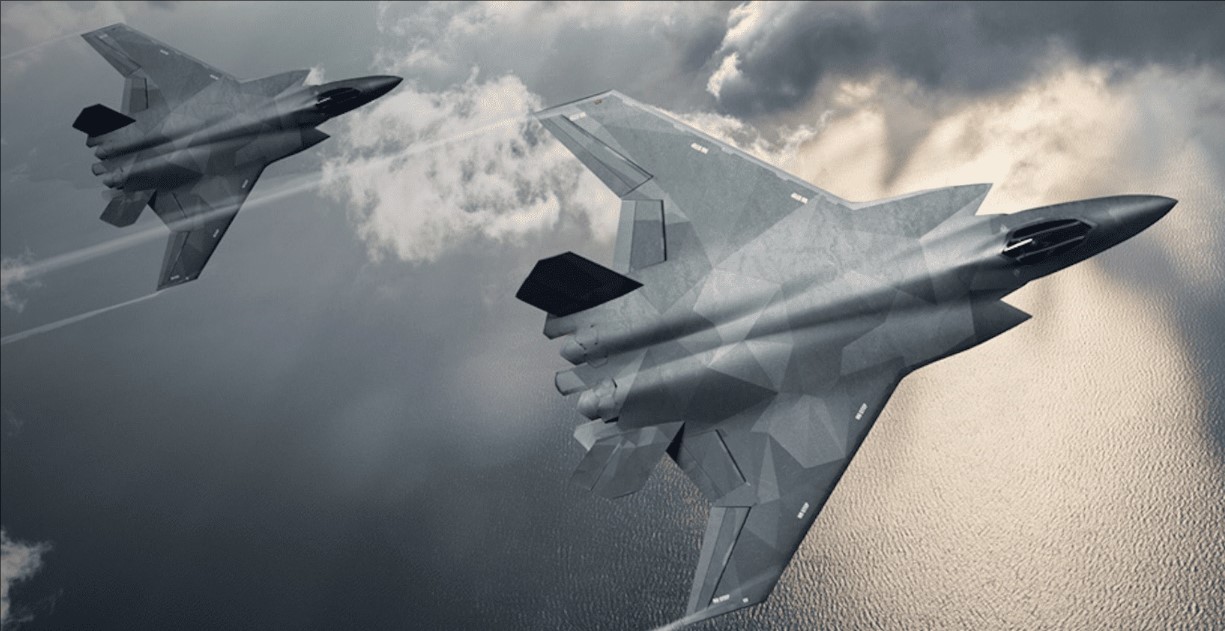
World
Europe ,Belgium Belgium joins NGWS/FCAS as observer, investing €60 million in R&D to bolster defense capabilities; program aims to develop sixth-gen fighter, enhancing Europe's strategic autonomy.Belgium has recently taken a significant step forward in defense collaboration by agreeing to join the Next Generation Weapon System/Future Combat Air System (NGWS/FCAS) as an observer nation. This important decision, led by Defence Minister Ludivine Dedonder, comes after extensive discussions with Germany, France, and Spain, the main countries involved in the project.In addition to obtaining observer status, the Belgian Council of Ministers has approved a €60 million research and development program aimed at enhancing the capabilities of the Belgian defense industry. This initiative focuses on deeper engagement with the NGWS/FCAS development efforts.The NGWS/FCAS, also known as the Système de Combat Aérien du Futur (SCAF), was launched in 2017 as a multinational effort to develop a sixth-generation jet fighter to replace older models like the Rafale and Eurofighter. This project consists of several advanced components: the Next Generation Fighter (NGF), unmanned Remote Carriers (RCs), and a distributed digital framework known as the Combat Cloud (CC).The NGF is designed to be a highly advanced, multi-role combat aircraft equipped with the latest technologies for operational effectiveness, survivability, and connectivity. The unmanned RCs will support the NGF by performing various tasks, from surveillance to direct combat, enhancing the overall force capability in challenging environments.The Combat Cloud (CC) is a revolutionary digital framework that enables seamless management of data and operations across different platforms. This system facilitates real-time intelligence sharing and coordination among both manned and unmanned systems in the air, as well as integration with naval, land, and cyber forces.The development of the NGWS is divided into seven technology pillars, each managed by a leading national company from the partner nations. These pillars cover the NGF, engines, RCs, the Combat Cloud, sensors, stealth technologies, and overall program coordination, involving major European aerospace and defense companies such as Dassault Aviation, Airbus, and Indra.The FCAS program is crucial for maintaining Europe’s strategic autonomy and technological independence. With a target to reach a demonstrator phase by 2027 and full operational capability by 2040, the program aims to integrate complex technological innovations, including artificial intelligence, advanced sensors, and stealth technologies. This initiative reflects a pivotal shift toward network-centric warfare, highlighting the growing importance of data and connectivity in modern combat scenarios.In summary, Belgium's decision to join the NGWS/FCAS as an observer nation underscores the country's commitment to defense collaboration and technological advancement, contributing to Europe's collective security and defense capabilities.
Read More → Posted on 2024-05-05 15:12:14
World
South Korea South Korea's KF-21 fighter jet program is advancing with focus on long-range air-to-air missiles and diverse air-to-surface strike options, marking a significant leap in the nation's aerospace capabilities.South Korea's indigenous KF-21 fighter jet program is making significant strides in its development, focusing on enhancing both its air-to-air and air-to-surface strike capabilities. Here's a straightforward breakdown of the key advancements:1. Long-range Air-to-Air Missile-II Program: South Korea has officially launched the Long-range Air-to-Air Missile-II program for the KF-21. This marks a crucial step towards equipping the fighter jet with advanced long-range aerial combat abilities.2. Two-tiered Response to Aerial Threats: The LR-AAM program will progress alongside the Short-range Air-to-Air Missile-II program, providing the KF-21 with a two-tiered response to aerial threats. Notably, basic hardware components for the Long-range AAM will be shared with the Air-to-Ship Missile-II, simplifying development and potentially reducing costs.3. Diverse Air-to-Surface Strike Capabilities: The development of the KF-21's offensive capabilities goes beyond air-to-air missiles. Programs for various air-to-surface strike missiles are underway, including supersonic and hypersonic cruise missiles, Air-Launched Ballistic Missiles (ALBM), Air-Launched Cruise Missiles (ALCM), and anti-radiation missiles.4. Indigenous Weaponry Development: Currently, the KF-21 Block-I relies on foreign air-to-air missiles like IRIS-T and Meteor. However, ongoing missile development programs aim to equip future KF-21 variants with indigenous weaponry, reducing dependence on external suppliers.5. Significance for Korean Aerospace Industry: The focus on long-range air combat capabilities, diverse air-to-surface strike options, and indigenous weapon development represents a major advancement for the Korean aerospace industry. The success of these programs will arm the KF-21 with a robust offensive arsenal, enhancing its effectiveness in regional air defense.In summary, South Korea's KF-21 fighter jet program is rapidly evolving, with a clear emphasis on strengthening its combat capabilities. From advanced long-range air-to-air missiles to diverse air-to-surface strike options, the KF-21 is poised to become a formidable force in regional air defense, showcasing the innovation and progress of the Korean aerospace industry.
Read More → Posted on 2024-05-05 15:07:20
India
India Security forces launch a massive search operation in J&K's Poonch district following a terrorist attack on an Air Force convoy, resulting in one casualty and several injuries. The operation aims to apprehend the perpetrators and restore peace to the region amid escalating tensions.In response to a terrorist attack on a convoy of the Air Force in Jammu and Kashmir's Poonch district, security forces have initiated a large-scale search operation in several areas. The attack, which occurred on Saturday evening in the Bakrabal Mohalla (Sanai) area of Surankote tehsil, resulted in the tragic loss of one Air Warrior's life.According to reports from the Air Force, terrorists targeted a two-vehicle convoy, prompting the Air Warriors to engage in a firefight in self-defense. During the exchange, five IAF personnel sustained gunshot wounds and were promptly evacuated to the nearest military hospital for urgent medical care. Sadly, one of the injured Air Warriors succumbed to his injuries later. The remaining four injured individuals were airlifted to the command hospital in Udhampur, with one reported to be in critical condition while the others are stable under medical supervision.This attack bears striking similarities to a previous incident on December 21, 2023, when terrorists ambushed an Army vehicle in the Dera Ki Gali area of Bafliaz, resulting in the loss of four soldiers' lives. Tragically, three civilians also lost their lives under mysterious circumstances, sparking allegations of retaliation by locals. In response to these allegations and to reassure civilians, Defence Minister Rajnath Singh visited the area at that time, emphasizing the Army's commitment to safeguarding lives and property. Subsequently, several top Army officers were reassigned, and command structures were reorganized to bolster civilian confidence.The resurgence of terrorist activities in Poonch and Rajouri districts, previously peaceful between 2021 and 2023, underscores the persistent security challenges in the region. The December 21, 2023 attack marked a troubling shift, prompting renewed concerns about the safety and security of residents.In light of these developments, a comprehensive search operation has been launched under the supervision of senior Army and police officials, including the General Officer Commanding (GOC), Deputy Inspector General (DIG), and Senior Superintendent of Police (SSP) of the concerned district. This operation aims to locate and neutralize the perpetrators responsible for the recent attack, thereby restoring peace and stability to the affected areas.As efforts continue to address the immediate aftermath of the attack, it is imperative to maintain a steadfast commitment to countering terrorism and protecting civilian lives. The resolve of security forces remains unwavering in the face of such challenges, reaffirming their dedication to safeguarding the nation's security and integrity.
Read More → Posted on 2024-05-05 15:02:06
World
U.S The U.S. Department of Defense partners with Lockheed Martin to upgrade the AGM-158C Long Range Anti-Ship Missile, enhancing its range and effectiveness against enemy vessels. This modernization effort underscores a broader initiative to bolster the nation's anti-ship capabilities in defense strategy.The U.S. Department of Defense recently sealed a major deal with aerospace and defense giant Lockheed Martin. The aim? To upgrade the AGM-158C Long Range Anti-Ship Missile (LRASM), a critical component of the nation's defense arsenal.This upgraded version, likely dubbed AGM-158C-3 or LRASM-ER (Extended Range), is set to be completed by August 2026. The primary focus of this enhancement is to extend the missile's range, making it even more potent in targeting enemy ships. How? By integrating technologies from the JASSM-ER cruise missiles and components from the earlier AGM-158C-1 version.Lockheed Martin's LRASM is specifically designed to enable U.S. and allied air forces to engage enemy ships from safe distances. While the missile can already be launched from Lockheed Martin's versatile Mk 41 Vertical Launch System (VLS) aboard ships, this aspect hasn't seen significant market interest yet.This development is part of a larger effort to modernize the U.S. military's anti-ship weaponry. Apart from the LRASM upgrade, the project includes acquiring Kongsberg's NSM missiles, marketed through RTX Corporation as RGM-184A, and the RTX RGM-109 Tomahawk Block Va cruise missiles.Presently, the AGM-158C LRASM is procured by the U.S. Department of Defense and Australia, its first export customer. There's also growing interest from other nations like the UK, Singapore, Canada, and Japan. In the past year, orders for nearly 200 LRASM missiles were placed, with deliveries expected to continue until mid-2027. These LRASM missiles are currently deployed on B-1B Lancer bombers and F/A-18E/F Super Hornet multi-role fighters.In essence, this collaboration between the U.S. Department of Defense and Lockheed Martin represents a significant stride in bolstering the nation's defense capabilities, ensuring readiness to counter potential threats at sea.
Read More → Posted on 2024-05-05 14:50:23
India
India India's Defence Minister, Rajnath Singh, predicts peaceful reunification with Pakistan-Occupied-Kashmir (PoK) due to improving conditions in Jammu and Kashmir, without the need for force.India will never give up its claim on Pakistan-Occupied-Kashmir (PoK) but it won't have to capture it with force because its people, on their own, would want to be part of India after seeing the development in Kashmir, Defence Minister Rajnath Singh has said. In an exclusive interview to PTI, Singh asserted that the ground situation has improved significantly in Jammu and Kashmir and that a time will come when AFSPA (Armed Forces Special Powers Act) will no longer be required in the Union Territory. The defence minister, however, said the matter is under the domain of the Union Home Ministry and it will take appropriate decisions. He said elections will also be held there definitely, but wouldn't give a timeline. "I think India will not have to do anything. The way the ground situation has changed in Jammu and Kashmir, the way the region is witnessing economic progress and the way peace has returned there, I think demands will emerge from people of PoK that they should merge with India," he said. "We will not have to use force to take PoK as people would say that we must be merged with India. Such demands are now coming," he said. The defence minister asserted that "PoK was, is, and will remain ours". Citing improvement in the ground situation in Jammu and Kashmir, Singh said assembly elections will be held there soon, but did not give a timeline. "The way the situation is improving in Jammu and Kashmir, I think a time will come when AFSPA will no longer be required there. It is my view and it is for the Home Ministry to decide on it," he said. The AFSPA empowers security forces to conduct operations and arrest anyone without any prior warrant. It also gives immunity to the forces if they shoot someone dead. The defence minister, referring to Pakistan's proxy war in Jammu and Kashmir, said Islamabad must stop cross border terrorism. "They are trying to destabilise India and we will not allow it to happen," he said. The ties between India and Pakistan came under severe strain after India's warplanes pounded a Jaish-e-Mohammed terrorist training camp in Balakot in Pakistan in February 2019 in response to the Pulwama terror attack. The relations further deteriorated after India on August 5, 2019 announced the withdrawal of special powers of Jammu and Kashmir and the bifurcation of the state into two union territories. India has been maintaining that it desires normal neighbourly relations with Pakistan while insisting that the onus is on Islamabad to create an environment free of terror and hostility for such an engagement.
Read More → Posted on 2024-05-05 14:46:35
Space & Technology
CRISPR-Cas9 Gene Editing: Pioneering Advances Shaping the Future of Biotechnology In the realm of biotechnology, few innovations have garnered as much attention and promise as CRISPR-Cas9 gene editing. This groundbreaking technology, inspired by nature's own defense mechanisms against viral invaders, has revolutionized the field of genetic engineering with its precision, efficiency, and versatility. From basic research to potential therapeutic applications, CRISPR-Cas9 has catalyzed a paradigm shift, offering unprecedented opportunities to edit the genetic code of organisms with unprecedented precision. In this comprehensive article, we delve into the intricacies of CRISPR-Cas9 gene editing, exploring its mechanisms, applications, recent advances, ethical considerations, and future prospects. Understanding CRISPR-Cas9 Gene Editing CRISPR-Cas9 (Clustered Regularly Interspaced Short Palindromic Repeats-CRISPR associated protein 9) is a powerful tool derived from the bacterial immune system, specifically the adaptive immune system of Streptococcus pyogenes. The system consists of two main components: CRISPR RNA (crRNA): This is a short RNA sequence that serves as a guide to target specific DNA sequences complementary to it.Cas9 Protein: Cas9 is an endonuclease enzyme that acts as molecular scissors, capable of cutting DNA at precise locations dictated by the crRNA.The process begins with the synthesis of a single guide RNA (sgRNA), which consists of a fusion between crRNA and a trans-activating CRISPR RNA (tracrRNA). The sgRNA guides the Cas9 protein to the target DNA sequence, where it forms a complex and induces a double-strand break (DSB) at the specified site. Subsequent repair of the DSB by the cell's own DNA repair mechanisms can lead to either error-prone non-homologous end joining (NHEJ) or precise homology-directed repair (HDR), depending on the desired outcome of the gene editing. Applications of CRISPR-Cas9 Gene EditingThe versatility and precision of CRISPR-Cas9 gene editing have enabled a wide range of applications across various fields:Basic Research: CRISPR-Cas9 has revolutionized basic research by allowing scientists to precisely manipulate the genomes of model organisms such as mice, fruit flies, and zebrafish. This has facilitated the study of gene function, regulation, and interaction, elucidating the underlying mechanisms of disease and development.Biomedical Research: In the realm of biomedical research, CRISPR-Cas9 holds promise for elucidating the genetic basis of human diseases and developing novel therapeutic interventions. By introducing precise genetic modifications in cell lines and animal models, researchers can study disease mechanisms, identify therapeutic targets, and develop potential treatments for a wide range of disorders, including cancer, genetic disorders, and infectious diseases.Crop Improvement: CRISPR-Cas9 gene editing offers a powerful tool for crop improvement and agricultural biotechnology. By precisely modifying plant genomes, researchers can enhance crop yield, quality, and resistance to pests, diseases, and environmental stresses. This holds the potential to address global food security challenges and promote sustainable agriculture practices.Therapeutic Applications: CRISPR-Cas9 gene editing has garnered significant attention for its potential therapeutic applications in human medicine. The technology offers the possibility of precisely correcting disease-causing mutations, modulating gene expression, and engineering cellular therapies for various genetic disorders, including cystic fibrosis, sickle cell disease, and muscular dystrophy. Clinical trials are underway to evaluate the safety and efficacy of CRISPR-based therapies in treating a range of diseases. Recent Advances in CRISPR-Cas9 TechnologyRecent years have witnessed a flurry of advances and innovations in CRISPR-Cas9 technology, expanding its capabilities and enhancing its utility:Enhanced Specificity: One of the major challenges of CRISPR-Cas9 gene editing is off-target effects, where unintended modifications occur at genomic loci similar to the target sequence. Researchers have developed novel Cas9 variants with enhanced specificity, such as high-fidelity Cas9 and Cas9 nickase, which reduce off-target cleavage while maintaining on-target efficiency.Base Editing: Base editing technologies enable precise, single-nucleotide changes in the genome without inducing DSBs. These systems, such as CRISPR base editors, leverage Cas9 or Cas12a fused to cytidine or adenine deaminases, enabling targeted conversion of one DNA base pair to another with high efficiency and minimal off-target effects.Prime Editing: Prime editing represents a groundbreaking advance in CRISPR-Cas9 technology, offering precise genome editing without the need for DSBs or donor DNA templates. Prime editors utilize a catalytically impaired Cas9 fused to a reverse transcriptase enzyme and a prime editing guide RNA (pegRNA) to introduce targeted sequence modifications, including insertions, deletions, and point mutations, with high precision and efficiency.Multiplex Editing: Multiplex genome editing allows for the simultaneous targeting of multiple genomic loci within the same cell. This is achieved by designing multiple sgRNAs that target distinct genomic sites, enabling the generation of complex genetic modifications, gene knockouts, or gene activation/repression with improved efficiency and throughput. Ethical ConsiderationsAs with any powerful technology, CRISPR-Cas9 gene editing raises important ethical considerations that must be carefully considered and addressed:Off-Target Effects: Off-target effects remain a concern in CRISPR-Cas9 gene editing, as unintended modifications at genomic loci similar to the target sequence could have unpredictable consequences. Strategies to minimize off-target effects, improve specificity, and enhance safety are essential to mitigate potential risks.Germline Editing: The ability to edit the germline, which would result in heritable genetic modifications, raises ethical questions regarding the potential long-term implications and unintended consequences of such interventions. There is ongoing debate and deliberation surrounding the ethical, legal, and social implications of germline editing, with calls for careful regulation and oversight to ensure responsible use of the technology.Informed Consent and Equity: In clinical applications of CRISPR-Cas9 gene editing, ensuring informed consent, equitable access, and transparency in decision-making processes are paramount. Patients must be adequately informed about the risks, benefits, and uncertainties associated with gene editing therapies, and efforts should be made to address disparities in access to emerging genetic technologies.Dual-Use Concerns: CRISPR-Cas9 gene editing has dual-use potential, with applications in both beneficial and potentially harmful contexts. Concerns regarding the misuse of gene editing technologies for bioterrorism, weaponization, or nefarious purposes underscore the importance of ethical guidelines, regulatory frameworks, and international cooperation to safeguard against misuse and abuse of the technology. Future Directions and ChallengesWhile CRISPR-Cas9 gene editing holds tremendous promise, several challenges and opportunities lie ahead:Delivery Systems: Developing efficient and safe delivery systems for CRISPR-Cas9 components remains a challenge, particularly for in vivo applications. Strategies to improve the delivery of CRISPR-Cas9 into target cells, tissues, and organs are essential to realize the full therapeutic potential of gene editing.Immunogenicity and Safety: Addressing immunogenicity and safety concerns associated with CRISPR-Cas9 gene editing is critical for clinical translation. Immune responses to Cas9 proteins or viral vectors used for delivery could pose challenges for therapeutic applications, necessitating the development of strategies to mitigate immunogenicity and enhance safety profiles.Regulatory Approval: Regulatory approval processes for CRISPR-based therapies require careful consideration of safety, efficacy, and ethical considerations. Harmonizing regulatory frameworks, streamlining approval pathways, and ensuring rigorous oversight are essential for translating promising preclinical findings into approved therapies for clinical use.Ethical Governance: Ethical governance frameworks must evolve in tandem with advances in CRISPR-Cas9 gene editing, addressing emerging ethical challenges, safeguarding patient rights, and promoting responsible innovation. Multidisciplinary collaboration, public engagement, and stakeholder dialogue are essential for navigating ethical dilemmas and shaping the responsible use of gene editing technologies. Editor’s Thoughts: CRISPR-Cas9 gene editing represents a transformative technology with far-reaching implications for basic research, biomedicine, agriculture, and beyond. Its precision, versatility, and potential to address unmet medical needs have sparked a revolution in genetic engineering, offering unprecedented opportunities to manipulate the building blocks of life with unprecedented precision. While challenges remain, the remarkable advances, recent innovations, and ongoing research efforts underscore the transformative potential of CRISPR-Cas9 gene editing in shaping the future of biotechnology and genetic medicine.
Read More → Posted on 2024-05-04 16:24:19
History
The Great Fire of RomeThe Great Fire of Rome remains an enigmatic and tragic event in the annals of history, leaving an indelible mark on the ancient city and its inhabitants. Spanning six days and seven nights in July of 64 AD, this catastrophic inferno reshaped the urban landscape of Rome and reverberated throughout the Roman Empire. In this comprehensive exploration, we embark on a journey through the origins, causes, impact, aftermath, and lasting legacy of the Great Fire, shedding light on its significance in the tapestry of human history. Origins and CauseThe precise origins of the Great Fire of Rome remain obscured by the mists of time, leaving historians to grapple with competing theories and conjectures. According to contemporary accounts, the fire erupted in the bustling commercial district of Rome on the night of July 18 or 19, during the reign of Emperor Nero. While the exact cause of the fire remains a subject of debate, several factors likely contributed to its rapid spread and devastating impact.Urban overcrowding and inadequate infrastructure exacerbated the risk of fire in ancient Rome, where densely packed tenements and narrow streets created ideal conditions for conflagrations to take hold. The city's labyrinthine alleys and tightly clustered buildings hindered firefighting efforts, allowing flames to leap from one structure to the next with alarming speed. Additionally, the predominance of wooden construction materials and the absence of effective fire prevention measures heightened the vulnerability of Rome to catastrophic blazes.Among the various theories proposed to explain the origin of the fire, one of the most enduring is the notion of accidental ignition. Scholars speculate that the fire may have been sparked by a combination of factors, including a stray ember from a household hearth, a malfunctioning oil lamp, or even a lightning strike during a summer storm. Alternatively, some historians suggest that the fire may have been deliberately set by arsonists or saboteurs seeking to sow chaos and discord in the city. Impact and DestructionThe Great Fire of Rome unleashed a torrent of destruction unparalleled in the city's history, laying waste to homes, temples, civic buildings, and cultural landmarks with ferocious intensity. As flames roared through the crowded streets of Rome, panic and chaos gripped the populace, sending residents fleeing for their lives amidst the choking smoke and searing heat. The fire's voracious appetite spared neither the humblest dwellings nor the grandest monuments, reducing centuries of architectural splendor to smoldering ruins.Among the many casualties of the fire were some of Rome's most iconic structures, whose loss dealt a devastating blow to the city's cultural heritage. The majestic Circus Maximus, where chariot races and spectacles once enthralled the masses, was reduced to a charred wasteland devoid of life. The sprawling Palatine Hill, home to emperors and aristocrats, lay in ruins, its once opulent palaces reduced to rubble. The venerable Temple of Jupiter Optimus Maximus, guardian of the Roman state, stood as a blackened shell, a haunting testament to the fire's destructive power.Yet, perhaps the most tragic aspect of the fire was its human toll, as countless lives were lost or forever changed by the flames. Families were torn apart, livelihoods were destroyed, and communities were shattered in an instant, leaving behind a trail of grief and devastation that would linger for generations to come. The survivors of the fire, bereft of homes and possessions, faced an uncertain future fraught with hardship and despair. Aftermath and ReconstructionIn the wake of the Great Fire, Rome lay smoldering and desolate, its once vibrant streets now silent and still. Emperor Nero, faced with the monumental task of rebuilding the city and restoring public confidence, embarked on a ambitious program of reconstruction and renewal. Under Nero's direction, vast swaths of charred debris were cleared away to make room for grandiose new structures and public amenities, transforming the scarred landscape of Rome into a showcase of imperial magnificence.The centerpiece of Nero's reconstruction efforts was the Domus Aurea, or Golden House, a sprawling palace complex that epitomized the emperor's extravagant tastes and megalomaniacal ambitions. Stretching across acres of prime real estate in the heart of Rome, the Domus Aurea boasted opulent gardens, lavishly decorated chambers, and a vast artificial lake, all designed to showcase Nero's wealth and power. Yet, for all its grandeur, the Domus Aurea would ultimately become a symbol of Nero's excesses and tyranny, fueling resentment and rebellion among his subjects.Despite Nero's efforts to rebuild and revitalize Rome, the scars of the Great Fire ran deep, casting a long shadow over the city's psyche. The trauma of the fire lingered in the collective memory of the Roman people, serving as a grim reminder of the fragility of human civilization and the capriciousness of fate. In the years that followed, Rome would endure further trials and tribulations, from civil unrest and political upheaval to invasion and conquest. Yet, through it all, the spirit of Rome endured, resilient and unyielding in the face of adversity. Legacy and Historical SignificanceThe Great Fire of Rome occupies a prominent place in the annals of history, serving as a cautionary tale of the destructive power of fire and the vulnerability of urban centers to catastrophe. Its impact reverberated far beyond the borders of Rome, shaping the course of Western civilization and influencing the trajectory of human events for centuries to come. In the centuries that followed, artists, writers, and thinkers would continue to draw inspiration from the tragic events of that fateful summer night, using the fire as a metaphor for the fragility of human existence and the transience of earthly power.The legacy of the Great Fire endures in the collective memory of humanity, a reminder of the enduring power of resilience and renewal in the face of adversity. As Rome rose from the ashes of destruction, rebuilt and rejuvenated by the indomitable spirit of its people, it served as a testament to the triumph of the human spirit over adversity and the enduring resilience of civilization. Rebuilding Efforts and Urban Planning InitiativesEmperor Nero's response to the Great Fire of Rome extended beyond mere reconstruction; it encompassed an ambitious vision for the revitalization and modernization of the city. Nero seized the opportunity presented by the fire to implement sweeping urban planning initiatives aimed at transforming Rome into a model metropolis of the ancient world.Central to Nero's urban renewal efforts was the Domus Aurea, a sprawling palace complex that epitomized the emperor's grandiose ambitions. Situated on the ruins of the devastated city, the Domus Aurea boasted extravagant features such as vast gardens, ornate frescoes, and opulent banquet halls. However, the construction of the Domus Aurea necessitated the clearance of large swathes of residential areas, displacing thousands of residents and exacerbating social tensions.In addition to the Domus Aurea, Nero undertook numerous other building projects designed to beautify and modernize Rome. He constructed new aqueducts to ensure a reliable water supply for the city's residents, as well as public baths, temples, and theaters to enhance the quality of life in Rome. Nero also expanded and renovated existing structures, such as the Colosseum, which was originally commissioned by his predecessor, Emperor Vespasian.Despite Nero's grand ambitions, his urban planning initiatives were not without controversy and opposition. The exorbitant cost of construction, coupled with heavy taxation and forced labor, fueled resentment among the Roman populace, leading to widespread unrest and dissent. Moreover, Nero's penchant for extravagance and self-aggrandizement only served to alienate him further from his subjects, ultimately contributing to his downfall.In the aftermath of Nero's reign, subsequent emperors sought to distance themselves from his legacy, dismantling or repurposing many of his grandiose projects. The Domus Aurea, once a symbol of imperial opulence, was partially demolished and buried beneath the earth, its magnificent halls and gardens consigned to oblivion. However, traces of Nero's influence endured in the architectural and cultural landscape of Rome, leaving an indelible imprint on the city's identity. Editor’s Thoughts:The Great Fire of Rome stands as a pivotal moment in the history of the ancient world, a cataclysmic event that forever altered the course of Roman civilization. From its mysterious origins to its far-reaching consequences, the fire encapsulates the triumphs and tragedies of a bygone era, serving as a testament to the resilience of the human spirit in the face of adversity.While the exact cause of the fire remains shrouded in mystery, its impact on the city of Rome and its inhabitants was undeniable. The flames consumed homes, temples, and monuments with relentless fury, leaving behind a landscape of devastation and despair. Yet, amidst the ruins, the seeds of renewal were sown, as Emperor Nero and subsequent rulers sought to rebuild and rejuvenate the city, transforming it into a symbol of imperial power and prestige.The legacy of the Great Fire endures in the collective memory of humanity, a reminder of the fragility of civilization and the enduring resilience of the human spirit. From the ashes of destruction rose a new Rome, rebuilt and revitalized by the indomitable spirit of its people. Though the scars of the fire may have faded with time, its lessons continue to resonate through the ages, inspiring awe and reverence for the enduring legacy of one of history's greatest tragedies. As we reflect on the events of that fateful summer night, let us not forget the lessons of the Great Fire of Rome: the importance of preparedness, the power of community, and the resilience of the human spirit in the face of unimaginable adversity. May we draw strength from the ashes of the past as we chart a course towards a brighter and more resilient future, mindful of the enduring legacy of one of history's most defining moments.
Read More → Posted on 2024-05-04 16:15:38
World
Canada Canadian police arrested three Indian nationals in connection with the 2023 killing of Hardeep Singh Nijjar, designated a terrorist by India's NIA, outside a Gurdwara in Surrey. The suspects face charges of first-degree murder and conspiracy, with investigations ongoing into potential ties to the Indian government.Canadian authorities have taken a significant step forward in the investigation into the tragic killing of Hardeep Singh Nijjar, a designated terrorist by India's National Investigation Agency in 2020. The Royal Canadian Mounted Police (RCMP) announced the arrest of three individuals, all Indian nationals, in connection with Nijjar's murder.The suspects, identified as Karanpreet Singh (28), Kamalpreet Singh (22), and Karan Brar (22), were apprehended in Edmonton, Alberta, following a coordinated operation involving the Integrated Homicide Investigation Team (IHIT) of Surrey, RCMP, and other law enforcement agencies.Hardeep Singh Nijjar was fatally shot in June 2023 outside a Gurdwara in Surrey, a suburb of Vancouver. The investigation into his murder has been ongoing, with IHIT collaborating closely with various partner agencies and support services across Canada.The three suspects now face charges of first-degree murder and conspiracy to commit murder in relation to Nijjar's death. While the RCMP has not disclosed specific details regarding evidence or motives, Assistant Commissioner David Teboul emphasized the active nature of the investigation.Teboul underscored that the investigation extends beyond the arrested individuals, with ongoing efforts to explore any potential connections to the government of India. However, Public Safety Minister Dominic Leblanc refrained from confirming any such link, urging inquiries to be directed to the RCMP.The arrest of the suspects marks a significant development in the pursuit of justice for Hardeep Singh Nijjar and his family. The Canadian authorities have demonstrated their commitment to thorough investigation and accountability in cases of violent crime.It's essential to note that diplomatic tensions between Canada and India arose following Prime Minister Justin Trudeau's accusations of Indian involvement in Nijjar's killing, allegations that India vehemently denied. Despite speculations in the media, Canadian police have not provided evidence linking the murder to the Indian government.The release of the suspects' photographs and details of the investigation underscore the transparency and diligence of Canadian law enforcement agencies in handling complex criminal cases. As the investigation progresses, authorities continue to appeal for public cooperation and encourage anyone with information to come forward.The pursuit of justice for Hardeep Singh Nijjar remains a priority for Canadian law enforcement, with ongoing efforts to bring all those responsible for his senseless killing to account.
Read More → Posted on 2024-05-04 16:02:35
India
India The keel-laying ceremony for India's first Next Generation Offshore Patrol Vessel marks a milestone in the nation's drive for self-reliance in defense. These advanced ships will bolster maritime security, supporting anti-piracy efforts and coastal defense in the Indian Ocean Region.The Indian Navy took a significant step forward in its quest for self-reliance with the keel-laying ceremony for the first Next Generation Offshore Patrol Vessel (NGOPV), held at Goa Shipyard Ltd. This event marks a crucial milestone in India's 'Make in India' initiative, aimed at bolstering the nation's maritime security capabilities.At the ceremony, Vice Admiral B Siva Kumar, Controller Warship Production & Acquisition, presided over the proceedings. Last year, the Ministry of Defence, along with Goa Shipyard Ltd (GSL) and Garden Reach Shipbuilders and Engineers (GRSE), inked a contract for the indigenous design and construction of 11 NGOPVs. GSL will lead the construction, making seven vessels, while GRSE will build the remaining four.These advanced patrol vessels will serve vital roles in safeguarding India's economic and geopolitical interests in the Indian Ocean Region. Their main tasks will include anti-piracy operations, coastal defense and surveillance, search and rescue missions, and protection of critical offshore assets.The Ministry of Defence highlighted that this endeavor is in line with the 'Aatmanirbhar Bharat' vision, which promotes self-reliance in defense manufacturing. This initiative underscores India's commitment to enhancing its naval capabilities and emerging as a dominant maritime force.The keel-laying ceremony of the first NGOPV underscores India's resolve to modernize its naval fleet. These domestically manufactured vessels will significantly enhance the Indian Navy's ability to patrol waters and safeguard the nation's extensive coastline.
Read More → Posted on 2024-05-04 15:37:14
India
India The Indian Air Force celebrated the overhaul of its 2500th Viper 22-8 aero engine, crucial for training pilots, at the BRD Kanpur. Air Marshal Vibhas Pande commended the depot's expertise, highlighting the IAF's commitment to self-reliance in aero-engine maintenance.The Indian Air Force (IAF) achieved a significant milestone on April 30th, 2024, as it celebrated the overhaul of its 2500th Viper 22-8 aero engine at the Base Repair Depot (BRD) located at Air Force Station (AFS) Kanpur. This engine is crucial as it powers the Kiran MK I/IA aircraft, which plays a vital role in training IAF pilots.Air Marshal Vibhas Pande, the Air Officer Commanding-in-Chief (AOC-in-C) of Headquarters Maintenance Command (HQMC), was present to commend the BRD Kanpur for its remarkable achievement. The depot has been overhauling Viper engines since 1974, showcasing a long history of exceptional service. The Viper 22-8 engines are essential for the continued operation of the Kiran MK I/IA jet trainers, which have been fundamental in IAF pilot training for many years.Reaching the milestone of 2500 engine overhauls highlights the expertise of the personnel at BRD Kanpur. Their dedication ensures that IAF assets remain highly serviceable, allowing for uninterrupted training of future pilots. This achievement also reflects the IAF's commitment to self-reliance in aero-engine maintenance.During his visit, Air Marshal Pande also recommissioned the AN-32 Aircraft Painting Hangar, a unique facility within the IAF. In his address to air warriors, he emphasized the importance of adapting to advancements in military technology and the changing landscape of cyber warfare.Additionally, Air Marshal Pande inaugurated a new recreation room at the Airmen Mess and a re-appropriated canteen, recognizing efforts to enhance the quality of life for personnel at AFS Kanpur.The overhaul of the 2500th Viper engine is a testament to the Indian Air Force's dedication to maintaining operational readiness and fostering a culture of self-sufficiency within its ranks. This achievement marks a significant step forward in the IAF's journey towards excellence in aviation maintenance and training.
Read More → Posted on 2024-05-04 15:27:13
World
Europe ATLAS introduces the revolutionary ATLAS ECOSYSTEM, enhancing UAV operations with its advanced Atlas MESH technology, enabling stable communication and continuous data transmission for up to five devices simultaneously.In the ever-evolving landscape of unmanned aerial vehicle (UAV) technology, ATLAS has emerged as a trailblazer with the launch of its groundbreaking ATLAS ECOSYSTEM. This innovative network leverages Atlas MESH technology to revolutionize UAV operations, offering unparalleled stability and continuous data transmission for up to five devices simultaneously.At the heart of the ATLAS ECOSYSTEM lies the Atlas MESH technology, which allows devices within the network to seamlessly communicate and serve as relays for each other. This robust connectivity ensures uninterrupted communication, even in environments where direct communication is obstructed or challenging.One of the key features of the ATLAS ECOSYSTEM is its ability to control multiple devices, such as drones and rovers, with a single remote. This capability, elucidated by Ivan Tolchinsky, CEO of ATLAS, is invaluable for conducting complex missions and maintaining control over devices in diverse operational environments.Central to the ATLAS ECOSYSTEM is the AtlasULTRA remote control, a game-changing device introduced at prestigious events like the Paris Air Show 2023 and NEDS 2023 exhibition. With its impressive features including a high-brightness screen, joystick vibration, IP65 protection, and ergonomic design, the AtlasULTRA ensures seamless operation in varied environmental conditions.Complementing the AtlasULTRA is the AtlasTETHER, offering a tethered solution for surveillance in GPS-challenged environments. Tested in real-world scenarios, including Ukraine, this device facilitates continuous operation and data exchange within the network, even under signal jamming conditions. Equipped with optical flow technology, the AtlasTETHER maintains stable imaging and position, covering vast areas within a 10 km radius.Furthermore, the ATLAS ECOSYSTEM introduces the AtlasMICRO drone, designed for low-visibility operations and indoor maneuverability. Weighing a mere 249g, this drone seamlessly integrates with the MESH network, supporting Beyond Visual Line of Sight (BVLOS) flights. Its debut at the NEDS 2023 exhibition underscores its significance in the UAV landscape.In tandem with these technological advancements, ATLAS has enhanced its existing UAV offerings. The adoption of optical flow technology for AtlasPRO drones improves maneuverability, while an increase in battery capacity extends flight times from 35 to 40 minutes, ensuring prolonged operational capabilities.ATLAS's commitment to innovation is further exemplified by its expansion, with a new Research and Development (R&D) office in Ukraine. This strategic move aims to bolster customer support and foster the development of cutting-edge technologies, underscoring ATLAS's dedication to excellence.To empower its clientele effectively, ATLAS has developed an extensive training program tailored for military customers. This program focuses on maximizing the operational capabilities of its drones, ensuring optimal performance in mission-critical scenarios.In conclusion, ATLAS continues to spearhead innovation in UAV technology, delivering robust performance and adaptability across diverse operational environments. With the ATLAS ECOSYSTEM at its core, ATLAS sets a new standard for excellence in the UAV industry, promising a future of unparalleled possibilities and enhanced operational efficiency.
Read More → Posted on 2024-05-04 15:23:05
India
India India's External Affairs Minister rejects Biden's characterization of India as "xenophobic," emphasizing the country's openness and economic strength, while reaffirming its commitment to inclusivity and diplomatic relationships.In recent remarks by US President Joe Biden, India found itself characterized as "xenophobic," alongside China, Japan, and Russia. However, India’s External Affairs Minister, S Jaishankar, swiftly rejected these assertions, emphasizing India’s long-standing openness to diverse cultures and people. Speaking to the Economic Times, Jaishankar refuted claims of India’s faltering economy and highlighted the country's welcoming stance, particularly exemplified by the Citizenship Amendment Act (CAA) introduced by the Prime Minister Narendra Modi-led government.Biden's statement, made during a fundraising event in Washington, sparked a rebuttal from Jaishankar, who staunchly defended India’s inclusive ethos. Contrary to Biden’s portrayal, Jaishankar emphasized that India has historically been a melting pot, welcoming individuals from various backgrounds. He pointed out that the CAA stands as a testament to India's commitment to offering refuge to those in need, regardless of religion or ethnicity.Criticism surrounding the CAA was also addressed by Jaishankar, who dismissed claims of discrimination against Muslims. He clarified that no individuals had lost their citizenship due to the CAA, countering assertions that a million Muslims would be affected. Jaishankar’s stance underscores India’s commitment to upholding its secular values while addressing humanitarian concerns.Moreover, Jaishankar addressed the biased coverage of certain international media outlets, particularly regarding India and its policies. He criticized what he perceived as an ideological agenda aimed at shaping global narratives, expressing concerns over biased reporting that targets India. His remarks shed light on the importance of objective journalism in fostering understanding and cooperation among nations.Additionally, Jaishankar addressed allegations of India’s involvement in targeted killings of terrorists in Pakistan. While acknowledging the presence of terrorists in the region, he refrained from confirming any direct involvement, attributing such incidents to the volatile nature of terrorism. His response reflects India’s commitment to combating terrorism while upholding international norms and principles.Following Biden’s comments, the White House moved swiftly to clarify the President’s intentions, emphasizing his respect for allies and partners, including India and Japan. White House Press Secretary Karine Jean Pierre reiterated Biden’s commitment to strengthening diplomatic relationships with key nations, highlighting his actions over the past three years.In essence, India’s response to Biden’s remarks reaffirms its steadfast commitment to openness, inclusivity, and economic resilience. By refuting allegations of xenophobia and highlighting its welcoming approach, India underscores its role as a vibrant democracy that values diversity and pluralism. As the global community navigates various challenges, including geopolitical tensions and economic uncertainties, fostering mutual respect and understanding remains paramount in advancing collective prosperity and peace.
Read More → Posted on 2024-05-04 15:14:31
India
India Terrorists opened fire on security vehicles in Jammu and Kashmir's Poonch, injuring five soldiers. Despite recent claims of declining incidents, the attack serves as a stark reminder of ongoing security challenges in the region.Five soldiers were injured after terrorists opened fire on two security vehicles in Jammu and Kashmir's Poonch, officials said today. There was no immediate report of any casualty.According to reports, terrorists attacked an Indian Air Force vehicle convoy in the Poonch district of J&K. The firing was reported from Sanai village of Surankote and reinforcements from Army and police have been rushed to the area to ascertain the details, officials told PTI.Security officials told ANI that the local Rashtriya Rifles unit has started cordon and search operations in the area following the incident. "The vehicles have been secured inside the air base in the general area near Shahsitar," they added.Home Minister Amit Shah had claimed earlier in January this year that terrorist incidents declined by 66 per cent in J&K in 2023.However, the latest attack on the soldiers' convoy would rekindle memories of the 2019 Pulwama attack, in which 44 soldiers lost their lives.In 2019, 44 Central Reserve Police Force (CRPF) personnel were killed and another 20 injured when a Jaish-e-Mohammad (JeM) terrorist drove an explosive-laden SUV into a convoy of vehicles carrying paramilitary troops on the Srinagar-Jammu national highway in South Kashmir’s Pulwama district.
Read More → Posted on 2024-05-04 15:07:49Search
Top Trending in 24 Hours
-
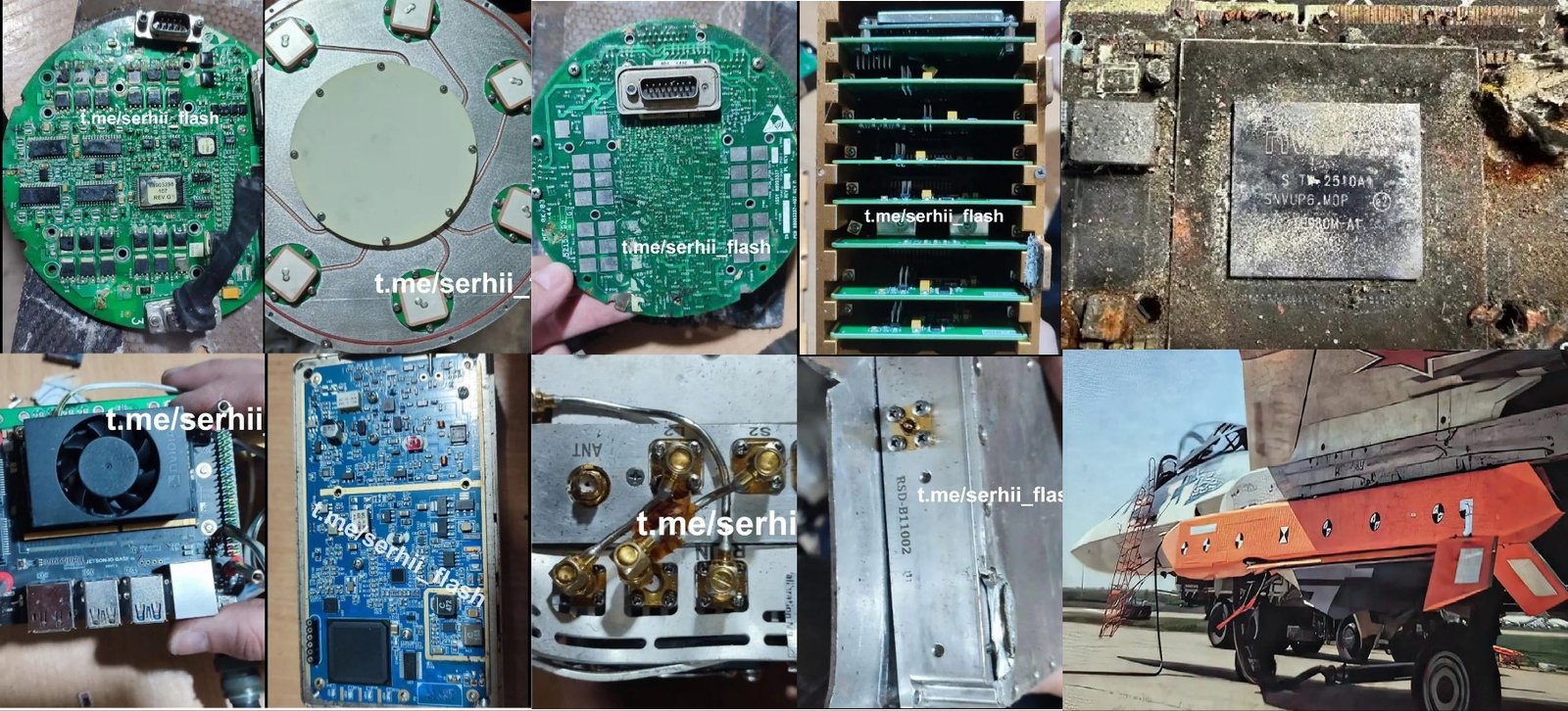 Russian Drones and Cruise Missiles Found Using Civilian NVIDIA AI Chips in Ukraine
-
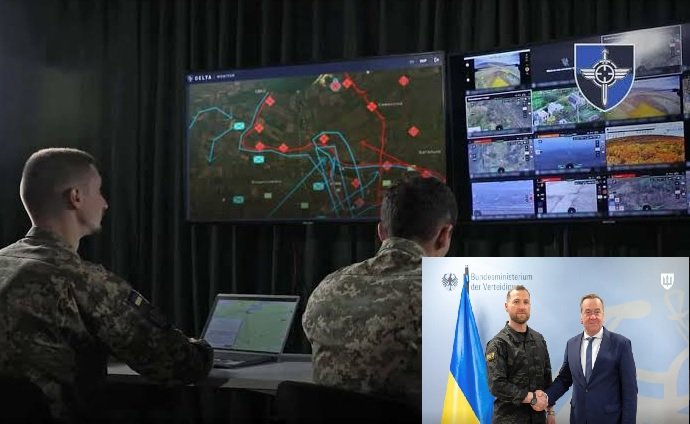 Germany Becomes First Country to Gain Access to Ukraine’s DELTA Battlefield System
-
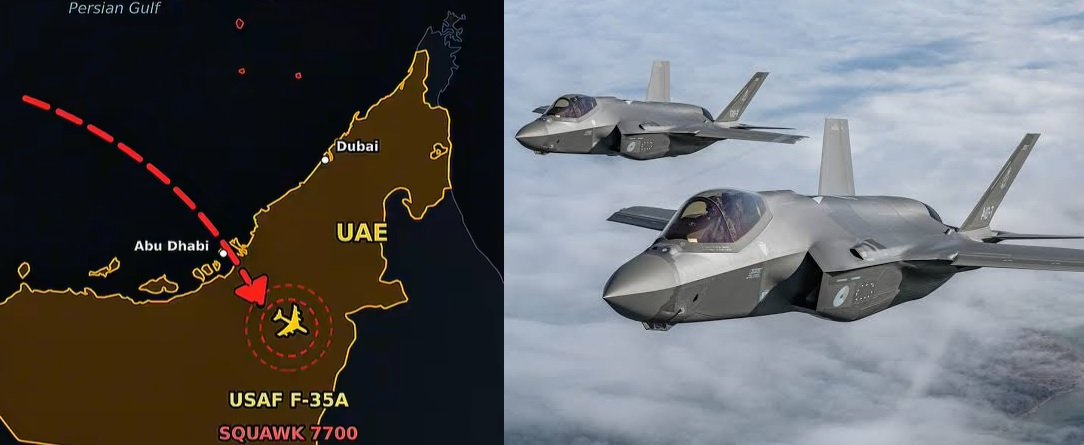 US Air Force F-35A Declares Emergency Over UAE, Flight Tracking Shows Diversion Toward Al Dhafra
-
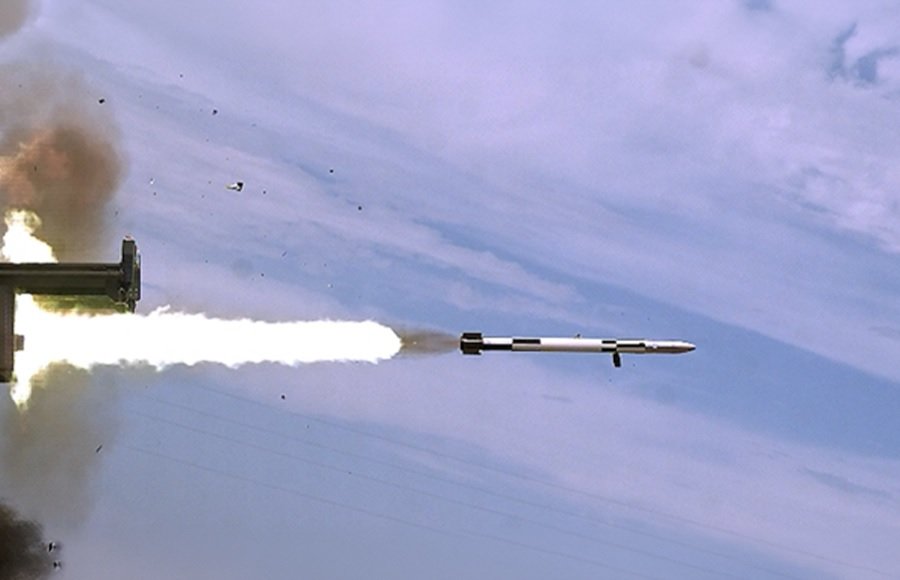 Lockheed Martin Completes Third Test of Reloadable JR3 Training Rocket
-
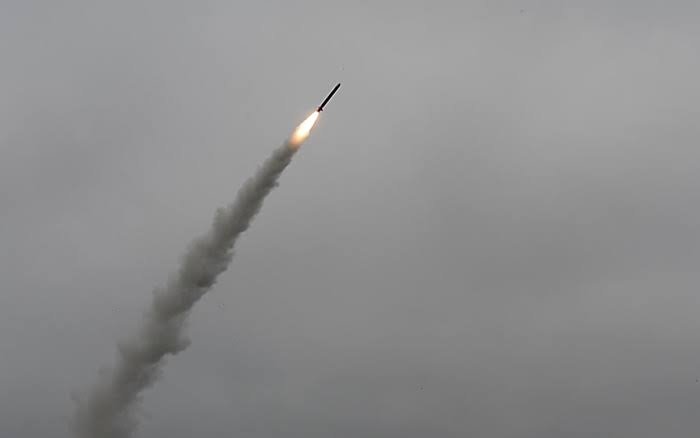 U.S. Navy Awards Raytheon Agreement to Advance Submarine-Launched Nuclear Cruise Missile
-
 Quantum Space Goes Public on NYSE After $300 Million Financing and SPAC Merger
-
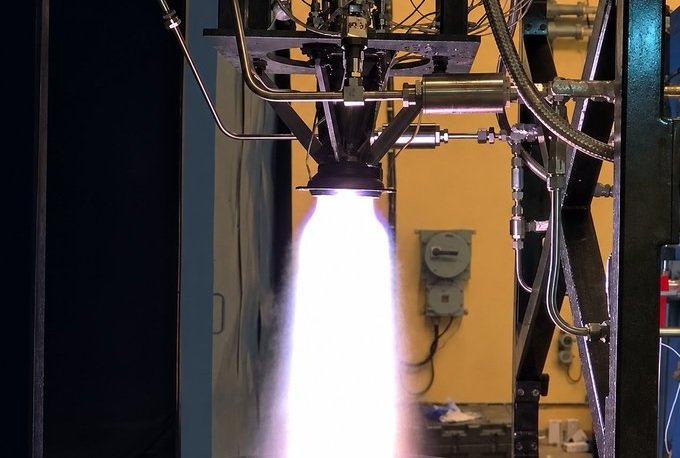 Skyroot’s Raman-2 Engine Clears Acceptance Test Ahead of Second Vikram-1 Flight
-
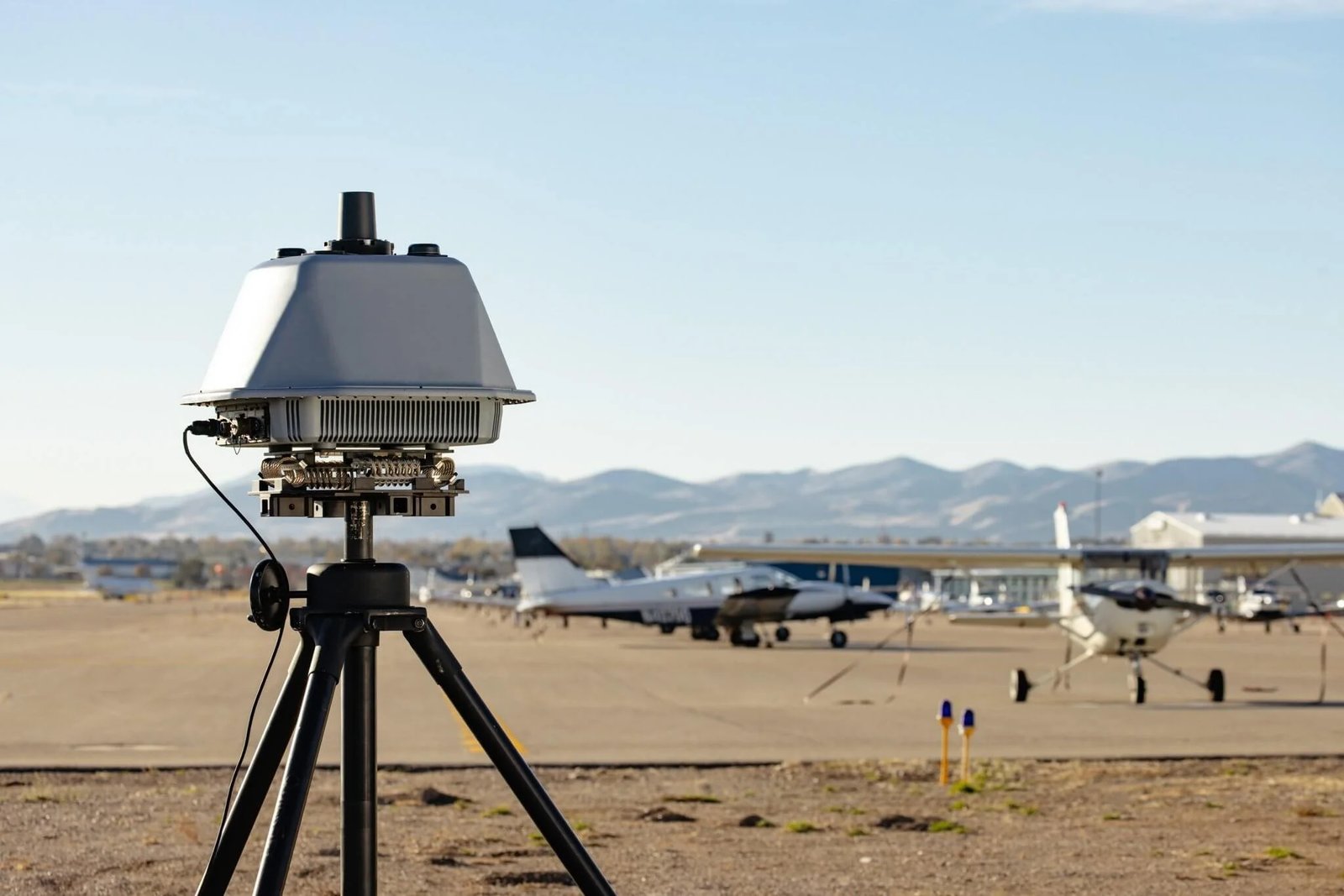 DroneShield Fixed-Site Counter-Drone System Reaches Operational Readiness for Pentagon Task Force
Top Trending in 4 Days
-
 Two Injured in Bahrain After Iranian Attacks; Iran Claims Strike on US Patriot Radars
-
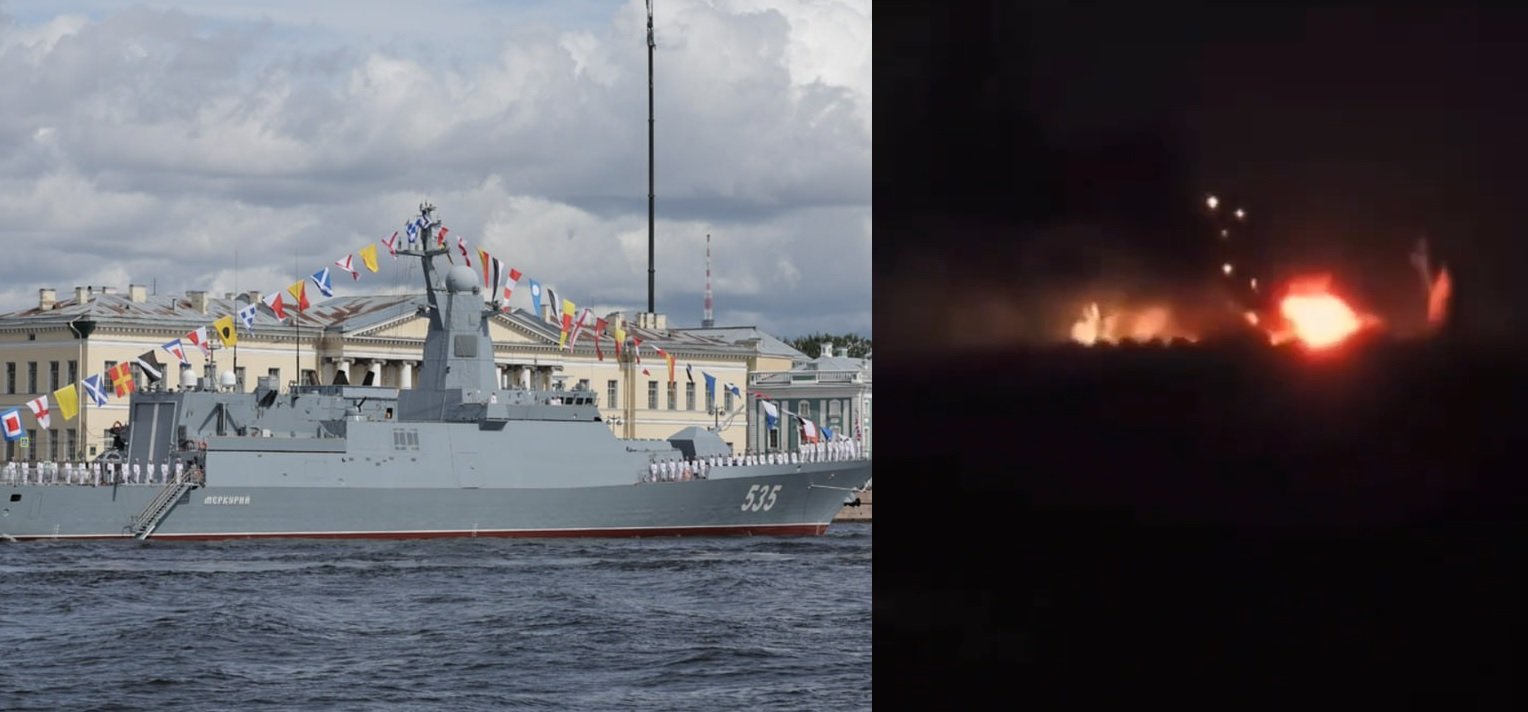 Russian Corvette Merkury Almost Certainly Destroyed in Benghazi Port Explosion
-
Russian Drones and Cruise Missiles Found Using Civilian NVIDIA AI Chips in Ukraine
-
 Western Intelligence Warns Russia Could Launch Nuclear-Armed Satellite as Early as December
-
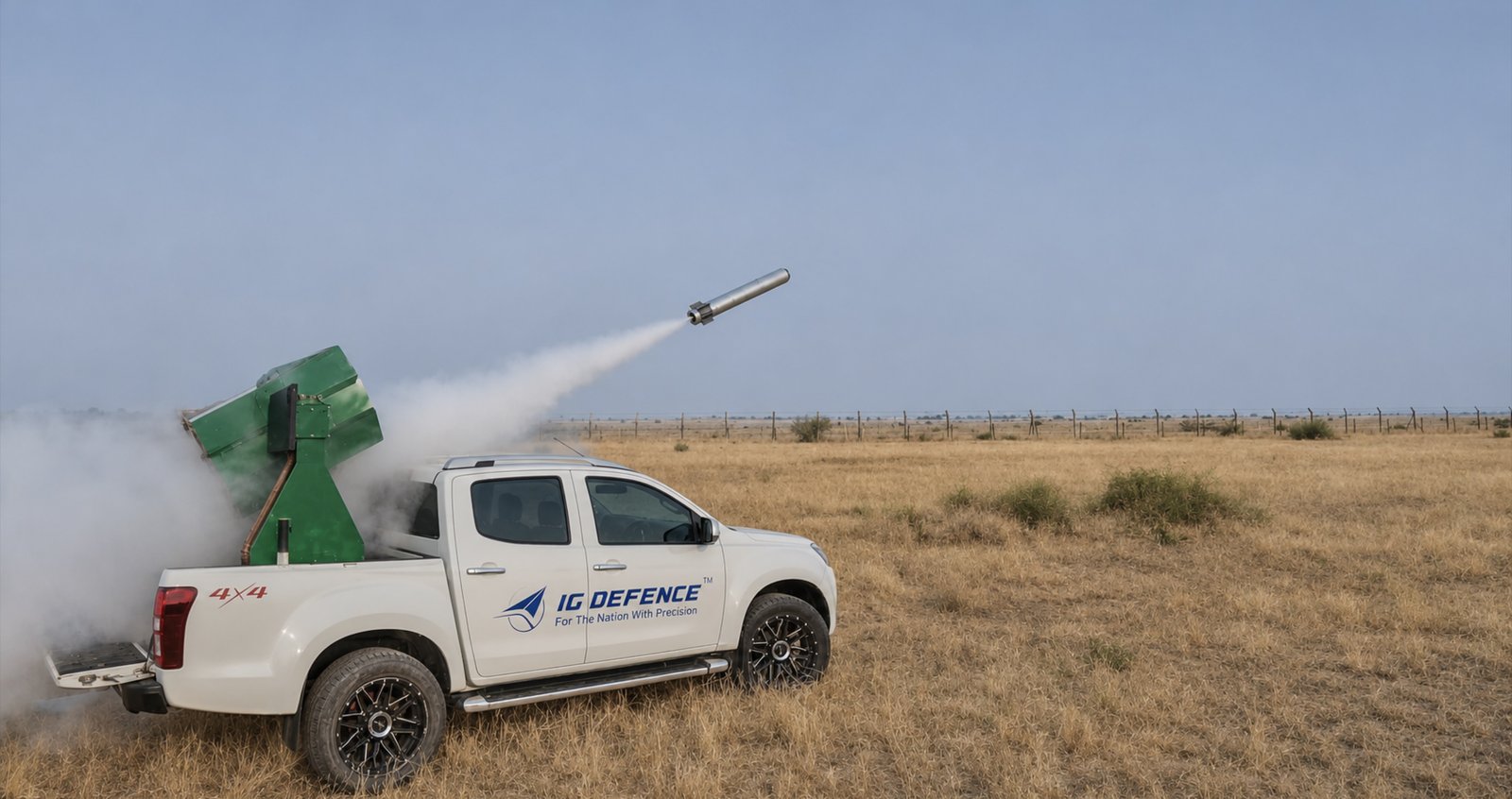 IG Defence Successfully Test-Fires JWALA MK-1 Counter-Drone Missile at Pokhran
-
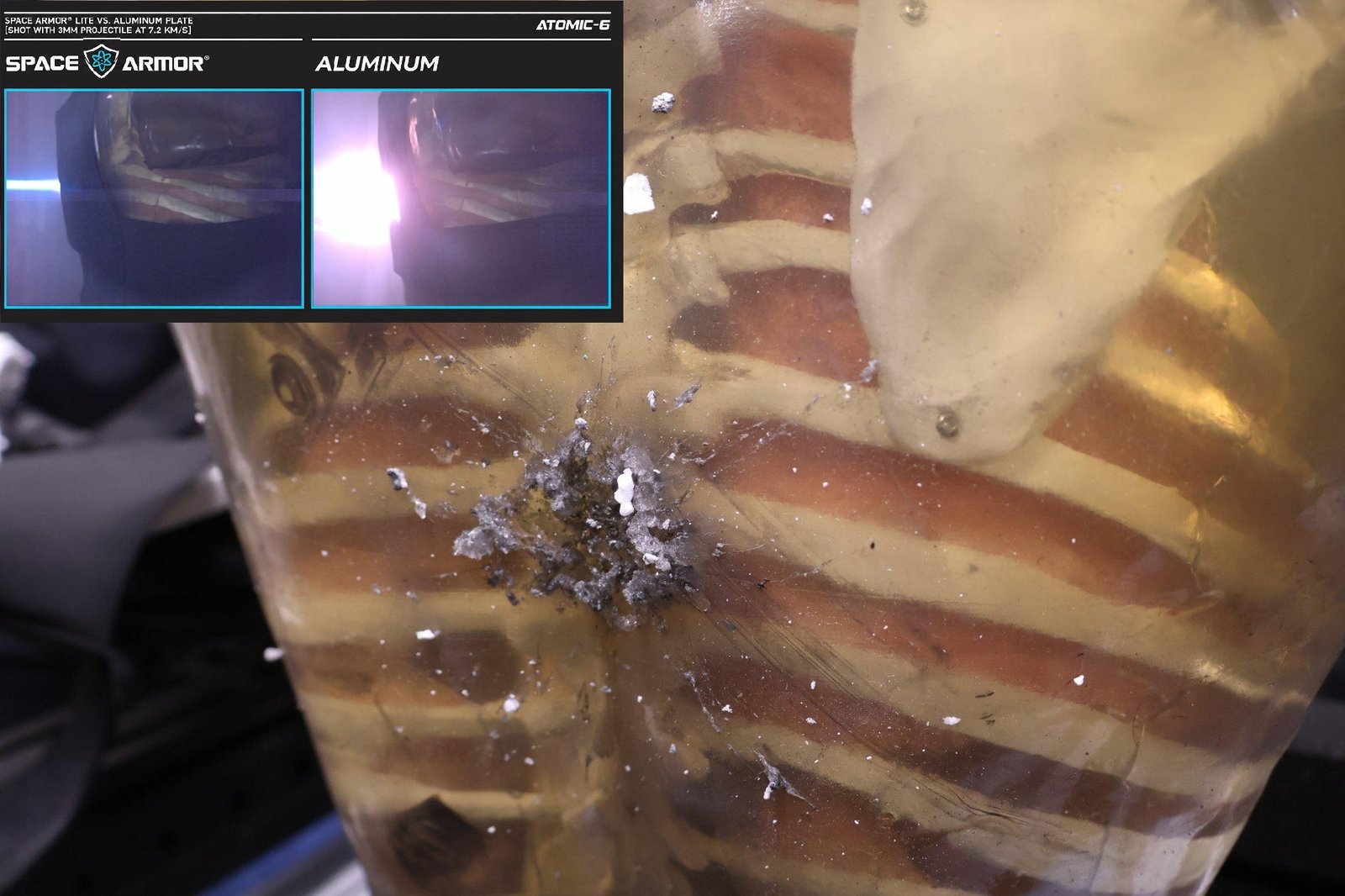 Atomic-6 Tests Composite Armor Against 16,100 MPH Space Debris for Astronaut Protection
-
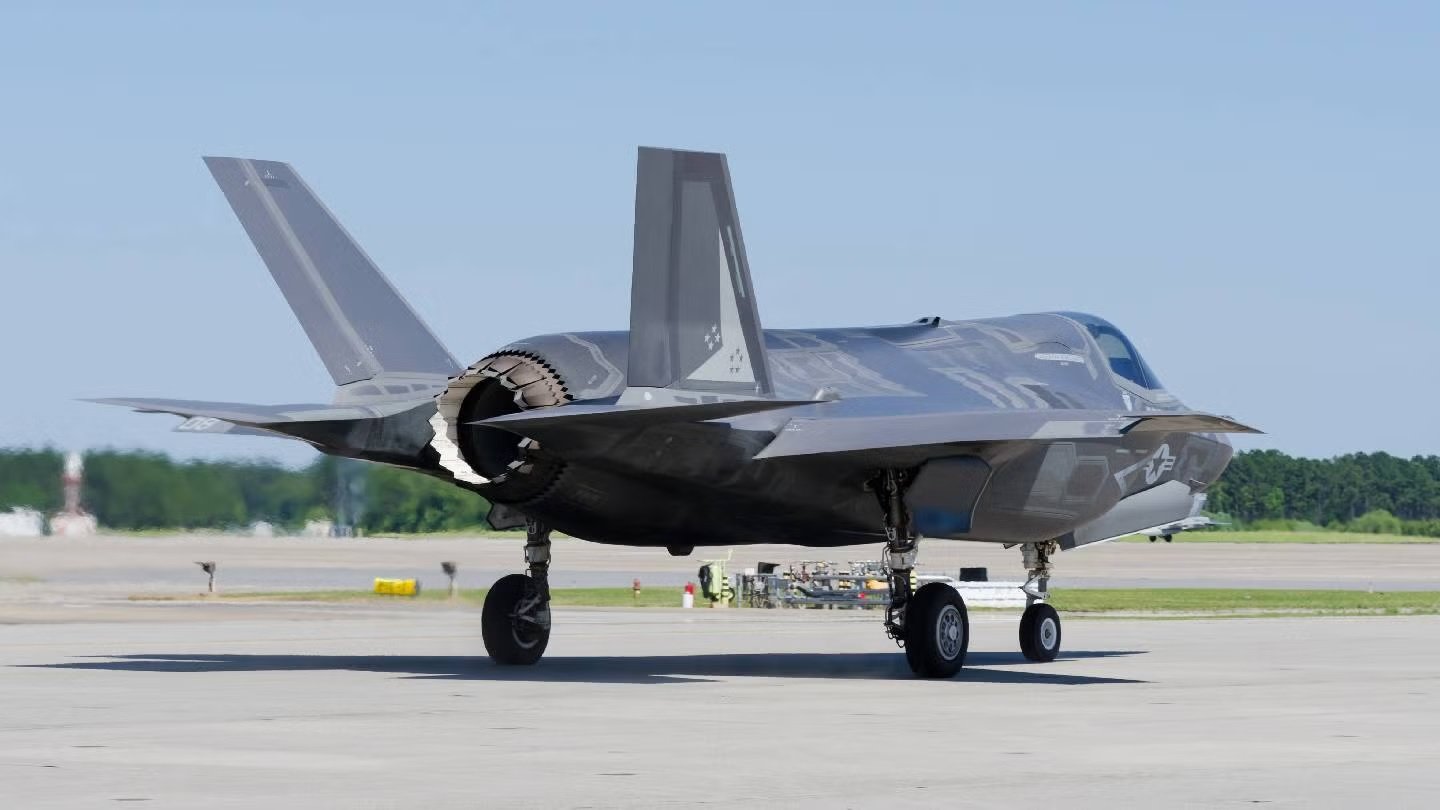 U.S. Awards Lockheed Martin $330.6 Million Contract for Long-Lead Materials Supporting 75 F-35 Lot 22 Aircraft
-
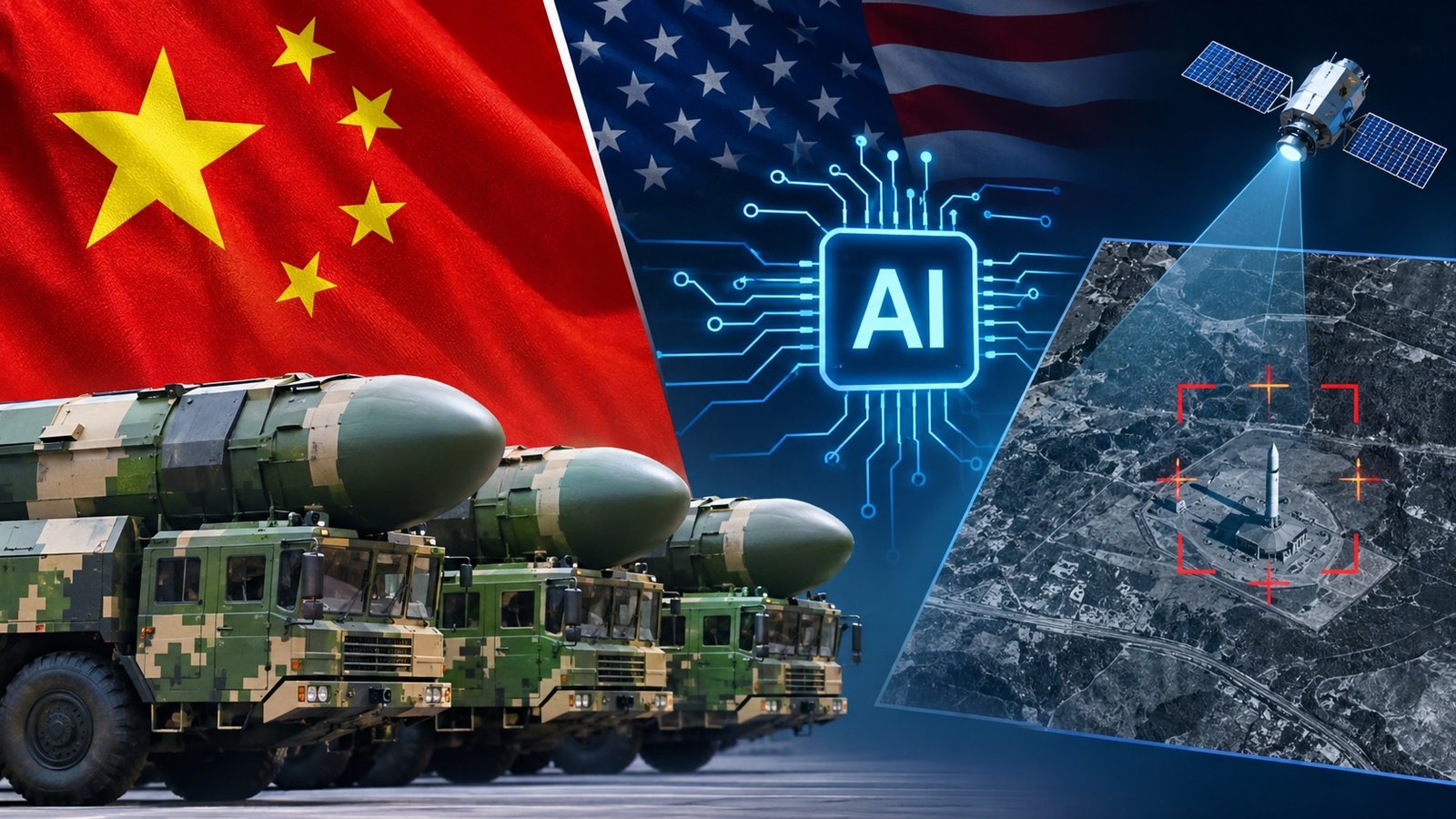 Chinese Military Warns U.S. AI Could Threaten China’s Nuclear Missile Survivability
