WASHINGTON — June 01, 2026 : The United States military carried out what it described as targeted “self-defense strikes” against Iranian radar, air defense, drone command-and-control, and military infrastructure on Goruk and Qeshm islands on May 31, following the reported downing of an American MQ-9 surveillance drone near the Strait of Hormuz.
According to U.S. Central Command (CENTCOM), the operation was launched in response to what Washington said was Iran’s targeting of a U.S. drone operating in international airspace. CENTCOM stated that the strikes focused on facilities believed to be involved in threatening U.S. forces and maritime traffic in the region, including Iranian air-defense assets, drone control infrastructure, and radar systems.
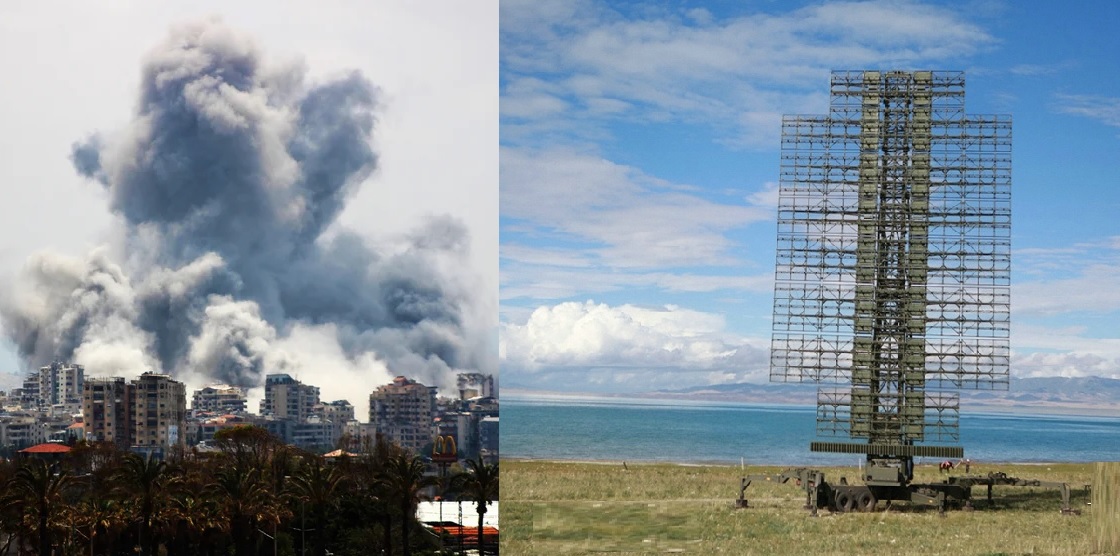
Defense reports indicate that among the primary targets on Goruk Island were Chinese-supplied military systems, including the JY-27A long-range radar and the HQ-9 surface-to-air missile defense system. Reports circulating after the operation claimed that both systems were destroyed during the strikes. However, neither the United States nor Iran has officially confirmed the destruction of these specific systems.
The JY-27A is a Chinese-made Very High Frequency (VHF) radar system designed for long-range surveillance and marketed as capable of detecting stealth aircraft. Defense analysts said the radar was supplied to Iran to strengthen monitoring capabilities around the Strait of Hormuz and improve detection of advanced military aircraft operating in the region.
Several defense reports and intelligence assessments have suggested that the U.S. operation involved F-35 Lightning II stealth fighter jets, although the Pentagon has not officially disclosed the aircraft used in the mission. According to reports circulating among defense analysts, the JY-27A radar did not detect the approaching aircraft during the strike.
The reports further stated that the aircraft involved in the operation were able to bypass Iranian radar coverage and target military infrastructure on Goruk Island, including air-defense systems, a drone ground control station, and two one-way attack drones before a coordinated response could be initiated. Independent verification of these claims remains pending.
Goruk Island and Qeshm Island hold strategic importance due to their location near the Strait of Hormuz, a critical maritime route through which a significant portion of global energy shipments passes. Iran has developed radar, missile, drone, and surveillance infrastructure across the area to monitor military and commercial activity and strengthen coastal defense capabilities.
The reported destruction of the JY-27A radar and HQ-9 air-defense system has also drawn attention to the effectiveness of modern air-defense systems when operating against advanced stealth aircraft. Analysts noted that the incident may lead to closer examination of the operational performance of radar and missile defense systems supplied for counter-stealth roles, though official assessments have not yet been released.
The strikes took place amid heightened tensions between Washington and Tehran in and around the Strait of Hormuz. Following the U.S. operation, Iran’s Islamic Revolutionary Guard Corps (IRGC) announced that it had launched a retaliatory strike targeting an undisclosed air base that it claimed had supported the U.S. mission.
At the same time, Kuwait activated air-defense systems after reports of incoming drones and projectiles in regional airspace. Kuwaiti authorities also implemented precautionary flight diversions as a security measure.
Despite the recent military exchanges, diplomatic discussions aimed at reducing tensions and ensuring maritime security in the Strait of Hormuz are continuing. No formal agreement or resolution has been announced so far, while independent verification of several battlefield claims from both sides remains ongoing.
——— End of Article ———