
World
The recent Israeli airstrikes that effectively disabled Iran’s S-300 air defense systems have significantly weakened Iran’s military defenses and left critical sites more exposed. The strikes, reportedly targeting around 20 military facilities, including missile and drone manufacturing sites across Iran, were launched by the Israel Defense Forces (IDF) in response to an Iranian missile attack on Israel earlier this month. The impact on Iran’s strategic capabilities is considerable, particularly with the loss of its three remaining S-300 air defense systems. The Russian-made S-300 systems, designed for long-range air defense, were among the most advanced defensive assets in Iran’s arsenal. Known as the S-300PMU-2 Favorit or NATO’s SA-20B Gargoyle, these systems offer robust anti-ballistic capabilities and can engage multiple aerial threats at ranges up to 200 kilometers. Iran received these systems from Russia in 2016, representing a significant modernization of its defenses at the time. But now, with all four Iranian S-300 units—one struck earlier this year and three destroyed this weekend—out of action, Tehran faces an unprecedented vulnerability. The S-300, though introduced by the Soviet Union in the late 1970s and considered an aging system by modern standards, remains effective as part of a layered defense network. In recent years, however, the S-300’s vulnerabilities have been exposed, most notably in the Ukraine conflict. Iran’s inability to effectively counter Israel’s recent air raid raises questions about the resilience of its broader air defense strategy. Israel’s Operation Days of Repentance, involving over 100 fighter jets, met with minimal resistance, as Iran managed to intercept “few if any” of the incoming missiles, according to U.S. and Israeli sources.Reports indicate that among the affected sites were Iran’s Imam Khomeini International Airport, Abadan oil refinery, the Bandar Imam Khomeini energy complex, and critical gas fields such as Tang-eh Bijar. Not only do these sites hold strategic energy assets, but they are also key to Iran’s military and economic infrastructure. According to the Institute for the Study of War (ISW), degrading the defenses around these installations could make them even more vulnerable to future attacks.The IDF’s familiarity with the S-300 has been honed over years of multinational exercises. Israel has used S-300PMU-1 systems in exercises conducted with Greece and even trained with the U.S. on tactics for neutralizing these systems, which likely helped plan and execute Saturday’s operation. Despite Iran’s potential interest in acquiring additional air defense systems from Russia, the ongoing demands of the Ukraine war make any transfer of advanced units, such as the S-400, highly unlikely in the near future. Short of acquiring new S-300 units, Iran could face a long wait before it can restore its air defenses to full strength.The aftermath of the strikes has left Iran scrambling to assess the damage and prepare for potential follow-up attacks. The IDF’s strategic choice to target Iran’s missile and drone production facilities could also hamper Tehran’s support for its regional allies, including Hezbollah and Houthi rebels. Furthermore, the Shahroud missile factory in Iran’s Semnan province, reportedly damaged in the strikes, is a critical site for the production of ballistic missiles. Disrupting production at these facilities impacts not only Iran’s defense strategy but also its supply capabilities for its regional proxies. While Israel has refrained from targeting Iran’s nuclear facilities for now, experts speculate that the strikes might serve as a warning, signaling Israel’s capacity to hit deeply embedded Iranian infrastructure. Additionally, the possibility of further cyber or non-kinetic attacks on Iran’s air defense network remains on the table. Some analysts believe that any Iranian retaliation could prompt Israel to target even more sensitive military and government sites in Iran. In light of Iran’s current defense posture, the loss of the S-300s represents a serious setback, potentially limiting Tehran’s response options and increasing its reliance on other, possibly outdated, air defense systems. As the regional situation intensifies, the recent developments highlight the ongoing arms race in the Middle East and Israel’s commitment to staying ahead in terms of tactical readiness and defense capabilities.
Read More → Posted on 2024-10-29 17:23:08
India
At Swavlamban 2024, an event spotlighting India’s defence innovations, Artemon Aerospace introduced a cutting-edge multi-barrel launch-capable loitering munition designed specifically to enhance the operational reach of the Indian Navy’s P-8I maritime aircraft. This new munition represents a significant leap for India’s naval and aerial defence, promising greater precision, adaptability, and self-reliance in line with the country’s ‘Atmanirbhar Bharat’ defence initiative.Artemon Aerospace, in collaboration with Munitions India Limited (MIL), has engineered this munition to provide Indian forces with a versatile weapon that combines advanced surveillance capabilities with precise strike potential. Sushil Ghule, Director of Artemon Aerospace, emphasized that this indigenous system aims to transform how the Indian Navy approaches both offensive and surveillance missions, using advanced multi-barrel technology to create a powerful deterrent. Ghule stated that Artemon’s ongoing commitment to innovative, reliable aerospace solutions will be instrumental in bolstering India’s defence arsenal, particularly for the Indian Armed Forces’ maritime wing.Tailored for Maritime Operations: Seamless P-8I IntegrationOne of the defining features of this loitering munition is its compatibility with the sonobuoy tubes of the Indian Navy’s P-8I aircraft, a Boeing-developed maritime patrol and reconnaissance platform. This unique adaptation enables the P-8I to carry up to 120 munitions in a single flight, allowing it to take on a dual role as a surveillance and strike craft. This capacity not only maximizes the operational versatility of the P-8I but also significantly enhances the strategic options available to the Indian Navy in both offensive and defensive scenarios.Dual-Use Surveillance and Strike SystemArtemon Aerospace’s loitering munition doesn’t simply serve as an offensive weapon; it also functions as an intelligence, surveillance, and reconnaissance (ISR) tool. Equipped with a high-resolution Electro-Optical/Infrared (EO/IR) camera suite, the munition can provide real-time data on target locations, movements, and environments. This high-tech surveillance capability allows it to gather and relay critical information, improving mission outcomes by providing both an eye in the sky and the means to take direct action on high-value targets.Swarm and Kamikaze Modes for Strategic FlexibilityThe loitering munition unveiled at Swavlamban 2024 showcases two standout functionalities: swarm mode and kamikaze mode. In swarm mode, multiple munitions can be deployed simultaneously, enabling cooperative target tracking and engagement. This group coordination approach strengthens the munition’s effectiveness in complex, multi-target environments and makes it an excellent tool against fast-moving or evasive targets.In kamikaze mode, each munition is fitted with a warhead ranging between 1 and 1.5 kilograms, giving it the ability to strike targets directly with devastating accuracy. With an operational range of up to 100 kilometers and an endurance of approximately one hour, the munition can travel a considerable distance from the P-8I, providing flexibility for varied mission profiles. Additionally, operators have the option to abort the mission mid-flight, which enhances adaptability in evolving tactical scenarios.Lightweight, Stealthy, and Hard to DetectCrafted from carbon fiber, the loitering munition boasts a lightweight, durable construction that offers both endurance and resilience. This material choice not only contributes to longer flight times but also reduces the munition’s radar cross-section, making it more challenging for adversaries to detect and intercept. Its low observability and portability make it ideal for high-threat environments, where stealth and agility are paramount.A New Era of Naval Strike and SurveillanceArtemon’s multi-barrel launch-capable loitering munition stands as a groundbreaking addition to the Indian Navy’s operational toolkit, combining ISR, precision strike, and multi-target engagement capabilities in a single, robust package. The munition’s introduction is not only a testament to India’s growing technological prowess but also marks an important step towards self-reliance in defence manufacturing. Through partnerships with industry players like MIL, Artemon Aerospace is helping position India as a formidable force in the modern defence landscape, making it well-equipped to meet the challenges of maritime security and beyond.
Read More → Posted on 2024-10-29 17:13:12
World
German space technology firm OHB System AG has taken on a significant role in advancing Earth observation through a EUR 280 million contract with the European Space Agency (ESA) for the creation of two innovative Earth observation satellites. The satellites, part of ESA’s “Earth Explorer 10” Harmony mission, are set to provide unprecedented insights into key environmental systems such as ocean circulation, ice dynamics, and land surface deformation. This mission falls under ESA’s FutureEO programme, which aims to enrich scientific understanding of climate change impacts and broader Earth systems through high-resolution data collection.The contract, signed at the International Astronautical Congress in Milan by ESA’s Director of Earth Observations Programmes Simonetta Cheli and OHB System AG’s Board Member Rüdiger Schönfeld, designates OHB as the prime contractor, leading a consortium of 45 companies across 15 ESA member states. This group, featuring partners like Thales Alenia Space Italia and Canada’s ABB, is tasked with building and integrating sophisticated instruments for the mission.Harmony Mission Overview and Satellite SpecificationsThe Harmony mission brings a new level of observational capability to Earth system science. Set for a 2029 launch, the satellites will be launched into orbit approximately 693 kilometers above Earth, flying in tandem with ESA’s existing Sentinel-1D satellite from the Copernicus programme. This collaboration is strategic: the Harmony satellites will leverage radar signals from Sentinel-1D to collect synchronized data. By operating in conjunction, the three-satellite system will deliver highly detailed views of changes within the Earth's atmosphere, oceans, and land.Each Harmony satellite features a unique combination of instruments: a passive synthetic aperture radar (SAR) and a thermal infrared (TIR) camera. The SAR payload, provided by Thales Alenia Space Italia, will capture high-resolution images of Earth's surface in real time. Meanwhile, the TIR instrument from ABB will detect subtle changes in temperature, offering essential data on thermal energy exchanges between land, oceans, and the atmosphere. This dual-payload setup presents technical challenges and represents a first for OHB, pushing the boundaries of current Earth observation technology.Scientific and Environmental Impact of Harmony DataThe data collected by Harmony is expected to transform our understanding of multiple Earth processes. With SAR providing imaging capabilities and TIR capturing temperature dynamics, scientists will gain detailed insights into the interactions between ocean currents and atmospheric conditions, the behavior of sea ice and glaciers, and even tectonic and volcanic activity. Such data will be crucial for understanding and forecasting sea-level changes, tracking land deformation due to tectonic shifts, and monitoring potential natural hazards.Harmony’s high-resolution observations will also support climate models, improving our capacity to predict and mitigate the impacts of climate change. The mission will benefit various sectors, such as crisis response, land and resource management, and marine ecosystem conservation, by delivering real-time data that can help authorities make informed decisions on environmental protection and sustainable resource use.Building an International Consortium for InnovationLeading this ambitious mission, OHB System AG oversees a diverse industrial consortium, including 45 companies across Europe and beyond, with more partners expected to join as development progresses. This collaborative approach ensures the mission’s success by pooling expertise from a wide array of aerospace, environmental science, and engineering specialists. For example, Thales Alenia Space Italia’s SAR capabilities and ABB’s TIR instrumentation add unique strengths to the satellites, allowing for high accuracy in observing climate-driven changes across vast and remote areas.Simonetta Cheli of ESA highlighted Harmony’s role in filling critical knowledge gaps, saying the data will bridge “current knowledge gaps in Earth system science,” while OHB’s Schönfeld emphasized the mission’s importance and complexity, remarking on the groundbreaking combination of SAR and TIR instruments as a step forward in Earth observation.Looking Ahead: A Mission for Global Understanding and Climate ActionWith Harmony, ESA and OHB are set to advance Earth observation science on an unprecedented scale, offering a new lens through which to view our planet's changing environment. By collecting valuable data on climate and environmental changes, the mission aims to address urgent global challenges. As OHB and its partners progress toward the 2029 launch, Harmony remains a symbol of scientific innovation, international cooperation, and a commitment to sustaining our planet.
Read More → Posted on 2024-10-29 17:05:57
World
The Indian Navy’s Weapons and Electronic Systems Engineering Establishment (WESEE) showcased an innovative new target drone, the LCLE X-61B, at the Swavlamban 2024 exhibition. This unique drone has captured attention due to its design and operational potential, which differ from traditional target drones. While WESEE has not released exhaustive technical data, the LCLE X-61B’s unique specifications and hints of flexibility have sparked excitement and speculation within defense circles.One standout feature of the LCLE X-61B is its landing gear—a rarity for aerial target drones. This addition means that, unlike the conventional catapult-launched target drones that require specialized launch systems, the LCLE X-61B can perform traditional take-offs and landings. This shift in design could open up new deployment options and significantly reduce setup time, as it can be deployed from a wider range of locations with conventional runways. Not only does this enhance its operational flexibility, but it could also bring down logistical costs by minimizing the need for complex infrastructure to support its use.Although the LCLE X-61B is labeled as a target drone, its design hints at additional capabilities. Its avionics and structural customization potential mean that it could handle various mission adaptations, even if it does not have the endurance or payload capacity of high-end UAVs or long-range loitering munitions. These features could see the LCLE X-61B being utilized beyond basic target practice, supporting roles that would enhance training and operational readiness. Some potential applications could include:1. Electronic Warfare Training: The LCLE X-61B might be equipped with electronic warfare systems, allowing it to simulate complex threat environments. For the Indian Navy, such a capability would provide crews with invaluable practice against realistic electronic threats, enhancing their response skills in situations where electronic countermeasures are required.2. Sensor Testing and Calibration: The drone’s adaptable design could make it an ideal platform for sensor testing and calibration exercises. Radar systems, infrared sensors, and other detection equipment could be tested and fine-tuned in controlled scenarios, allowing the Navy to validate and calibrate sensors for real-world accuracy and reliability. This is particularly crucial in maritime settings, where detecting and tracking multiple threat vectors can be challenging.3. ISR (Intelligence, Surveillance, and Reconnaissance) Missions: Although limited in endurance, the LCLE X-61B can potentially be outfitted with lightweight ISR payloads. This would enable it to perform reconnaissance in low-threat environments, providing situational awareness and intelligence over short missions. This adaptability could be an asset in scenarios where a larger, more expensive drone might be impractical or too risky to deploy.At Swavlamban 2024, WESEE’s demonstration of the LCLE X-61B has not only underscored the Navy’s commitment to cutting-edge technology but also emphasized the growing trend of multifunctional systems within military applications. The LCLE X-61B could redefine the role of target drones, pushing them beyond conventional training roles into areas that traditionally required more complex and costly UAVs.
Read More → Posted on 2024-10-29 17:03:05
World
In a significant step to fortify US space defense capabilities, the U.S. Space Force is set to deploy a cutting-edge satellite jamming system next year, aimed explicitly at countering Chinese and Russian satellites in the early stages of potential conflicts. Developed by L3Harris Technologies, this electronic warfare system, dubbed "Meadowlands," will give the US an enhanced ability to block adversary satellite communications, a measure critical for modern battlefield scenarios where control over information flow can be decisive.What is Meadowlands?The Meadowlands system represents an advanced iteration of the existing L3Harris Counter Communications System (CCS), which the US has used effectively to interrupt enemy satellite links. The new platform, however, boasts a more powerful set of capabilities designed to disrupt satellite communications more efficiently and on a larger scale. Unlike conventional electronic warfare systems, Meadowlands focuses on temporarily jamming satellite communications without causing permanent damage. This reversible disruption feature allows operators to halt enemy surveillance or target-based communications momentarily and then re-enable them as necessary.Scheduled initially for a 2022 release, Meadowlands has undergone additional development to refine its functionality and ensure its reliability in rapidly changing battle scenarios. The project has received a considerable investment of $124 million from the Department of Defense, a testament to its strategic importance. The upgrades include enhanced power efficiency, reduced physical size, and increased automation, allowing Meadowlands to be deployed quickly and operated in high-stakes situations where maintaining communication dominance is critical.How Meadowlands WorksUnlike satellite jammers used in past decades, which relied on brute-force methods, Meadowlands employs sophisticated ground-based radio frequency (RF) units to jam satellite transmissions from afar. This technique minimizes energy use and limits the system's detectability, making it challenging for adversaries to counter or pinpoint its location. Through automated processes, Meadowlands can adjust jamming frequencies based on the specific satellite it is targeting, further enhancing the system’s stealth capabilities and operational effectiveness.The U.S. Air Force and Space Force are expected to start evaluating Meadowlands between January and March 2025. The assessment will involve the first five out of an anticipated 32 systems and will focus on performance, reliability, and adaptability across different geographic locations. Protecting the Battlefield from AboveCurrently, the U.S. Space Force operates 16 CCS platforms capable of shutting down an adversary’s satellite communication links, some of which are managed by the Air National Guard. Meadowlands builds on this legacy, expanding the scope of operations to directly impact satellites used by adversaries for real-time surveillance and intelligence gathering over US forces on the ground.China and Russia, both with extensive satellite networks, have invested significantly in space capabilities that could threaten the US. China’s BeiDou global navigation satellite system, for example, consists of more than 30 satellites, enabling global positioning and potentially weapon guidance systems, while Russia’s GLONASS network remains an essential component of its defense and intelligence operations. Both nations are also actively exploring satellite-killer missiles designed to disable satellites in low and high Earth orbits. A 2020 US Department of Defense report suggested that China is developing anti-satellite (ASAT) weapons, underscoring the potential threats faced by US assets in space.Strategic SignificanceAs tensions rise between China and Taiwan, and with the ongoing conflict in Ukraine, the Meadowlands jamming system represents a proactive approach to securing communication lines essential for US forces. By jamming satellites, the US can potentially disrupt GPS targeting and intelligence efforts by adversaries, which could be crucial in a high-stakes conflict. Meadowlands offers flexibility in operation, allowing for temporary shutdowns to thwart surveillance attempts while minimizing long-term damage.The upcoming deployment of Meadowlands marks a significant upgrade in the US's space warfare capabilities and reflects an increasing reliance on the Space Force for national security. As the US ramps up its investment in space-based defense, Meadowlands will likely play a pivotal role in future conflicts where control over satellite communications becomes essential for victory.
Read More → Posted on 2024-10-29 16:31:39
World
QinetiQ, a global defense technology company, has recently clinched a significant contract with the U.S. Army valued at up to $95 million to supply advanced aerial target systems. This contract, known as Aerial Target Systems (ATS-3), represents QinetiQ’s first major role as a prime contractor in the United States, opening a new chapter in their relationship with the U.S. military. As part of this indefinite-delivery/indefinite-quantity (IDIQ) contract, QinetiQ is set to deliver cutting-edge target solutions that will be integral to the Army’s training and testing programs around the world. The Role of the MQM-185B Banshee Jet 80+At the heart of QinetiQ’s offerings is the MQM-185B Banshee Jet 80+, a highly advanced aerial target system engineered to replicate realistic, modern threats. This unmanned aerial vehicle (UAV) is equipped to simulate a variety of hostile aerial threats, making it an invaluable tool for military exercises. Capable of high-speed flight and agile maneuvers, the Banshee Jet 80+ can mimic the performance of enemy aircraft or missiles, challenging soldiers to respond effectively to complex, high-intensity scenarios. Its modular design allows for the integration of various payloads and electronic countermeasure systems, giving training exercises greater realism.The Banshee Jet 80+ is particularly known for its robustness and adaptability in different operational conditions, ensuring it meets the specific demands of each training mission. By providing a versatile platform, QinetiQ allows the U.S. Army to create training environments that mirror real-world combat situations, which is essential for preparing soldiers for modern warfare's unpredictable and rapidly evolving threats.A Step Forward in Aerial Target TechnologyQinetiQ’s role goes beyond simply providing target systems. Under the ATS-3 contract, they will offer extensive operational support, ensuring the targets are deployed and managed with maximum efficiency and reliability. This support includes everything from launching and tracking the aerial targets during exercises to providing maintenance, ensuring the Army can achieve high mission success rates during training.QinetiQ’s Chief Growth Officer, Sam Lewis, noted that the company’s involvement in this contract signals a significant move into the U.S. defense market, allowing QinetiQ to leverage its extensive expertise developed in the UK, Australia, Canada, Germany, and other defense markets. This experience brings advanced engineering solutions to the forefront, allowing QinetiQ to innovate continuously in aerial target technology.Enhanced Reliability and Mission SuccessWith a history of over 30 years in the aerial target sector, QinetiQ has a proven track record, maintaining an impressive 97% mission success rate in the last five years. This consistency in performance highlights the reliability and robustness of their target systems, which are vital for military training exercises where accuracy and dependability are paramount.QinetiQ plans to incorporate advanced systems engineering into their offerings under this contract, focusing on improving autonomy and operational performance. By integrating sophisticated software and autonomous capabilities, QinetiQ’s targets are designed to be more self-reliant and capable of executing complex maneuvers, further enhancing their value in training scenarios. This means the U.S. Army can benefit from aerial targets that offer a realistic training experience while reducing the need for extensive human oversight.Meeting the Evolving Demands of Modern WarfareThe aerial targets provided by QinetiQ are built to address the evolving nature of aerial threats. With modern combat environments requiring more agile and responsive solutions, QinetiQ’s targets can be quickly adapted to reflect changing threat profiles. The company’s engineering teams are working on integrating payloads that simulate everything from radar signatures to electronic warfare measures, pushing the limits of target realism.In this U.S. Army partnership, QinetiQ not only secures a foothold in the American defense market but also sets a new standard for advanced aerial targets designed to train soldiers for the complexities of modern warfare. This contract underscores QinetiQ’s commitment to delivering sophisticated, cost-effective solutions and solidifies its position as a leader in aerial target technology globally. As the U.S. Army prepares for the challenges of contemporary battlefields, QinetiQ’s expertise and cutting-edge solutions promise to play a critical role in enhancing the combat readiness of its forces.
Read More → Posted on 2024-10-29 16:28:32
India
The Indian government has imposed multiple penalties on General Electric (GE) due to delays in the delivery of the F404-IN20 engines, a crucial component for the Tejas Mk1A light combat aircraft. The Tejas Mk1A program, led by Hindustan Aeronautics Limited (HAL), is designed to strengthen India’s air defense capabilities and reduce reliance on imported fighter jets. However, setbacks in GE’s engine delivery timeline have disrupted the production and deployment of these aircraft, leading to significant concerns within the Indian Air Force (IAF) and prompting actions by the Indian government.Originally, GE was expected to begin engine deliveries by March 2023. However, supply chain issues and financial challenges faced by a South Korean supplier of critical engine components have pushed this timeline back to March or April 2025. This delay has left the IAF, which has been eagerly awaiting the Tejas Mk1A fleet to modernize its resources, in a challenging position.The delays have reached the highest levels of the Indian government, with both Prime Minister Narendra Modi and Defence Minister Rajnath Singh reportedly addressing the issue in discussions with the U.S. leadership during recent visits. In response, GE has acknowledged these disruptions, attributing them to challenges within its global supply chain rather than any intentional delay. CEO Larry Culp publicly recognized the issues but assured that steps are being taken to rectify the situation.The F404-IN20 engines, specially developed for the Tejas Mk1A, offer advanced capabilities and are essential for the aircraft’s operational performance. These engines are built to enhance speed, maneuverability, and efficiency for the Tejas Mk1A, which already includes upgraded avionics, radar systems, and electronic warfare capabilities. While the exact penalties levied on GE remain undisclosed due to ongoing contractual negotiations, insiders confirm that the contract stipulates fines for each phase of delay. The imposition of these penalties underscores India’s commitment to holding GE accountable for timely deliveries, especially given the strategic importance of the Tejas program.Despite GE’s delays, HAL has assured that its production facilities are ready. The company recently established a new assembly line in Nashik with the capacity to produce up to 24 aircraft per year. However, actual production and deployment hinge on GE’s engine delivery. HAL recently conducted the maiden flight of the first Tejas Mk1A aircraft in March 2024, albeit using older “Category B” engines. These older engines are a temporary solution until the arrival of the F404-IN20 units, essential for the full operational capability of the Mk1A.The delay poses additional challenges for India’s defense strategy, as the country pushes to reduce its dependency on foreign suppliers for critical defense assets. With China and Pakistan as close and active adversaries, India is working to build its domestic manufacturing capabilities to avoid potential supply-chain risks in critical situations. This move aligns with Prime Minister Modi’s “Atmanirbhar Bharat” (Self-Reliant India) initiative, emphasizing domestic production in key areas, including defense. India’s defense partnerships are also diversifying. Historically reliant on Russia, India has increasingly turned to Western nations, including the U.S., for advanced defense technology. The delays from GE, however, underscore the complexities of managing such partnerships in a globalized defense industry, where delays or disruptions in one part of the supply chain can impact entire projects.Looking forward, the IAF is hopeful that GE will meet the revised timeline and that India can soon begin to realize the full potential of the Tejas Mk1A program. With the new April 2025 target, both HAL and the IAF await the arrival of the F404 engines to proceed with final testing and deployment, marking a critical step in India’s pursuit of defense modernization and self-reliance.
Read More → Posted on 2024-10-29 16:24:58
India
The Indian Army has embarked on a landmark acquisition journey to secure a new generation of artillery guns aimed at reinforcing its firepower and agility across diverse terrains. At the heart of this project, valued at around ₹7,000 crore, lies a clear mandate: to acquire 400 state-of-the-art howitzers that not only enhance range and accuracy but also align with India's “Make in India” initiative by sourcing them domestically.Strengthening India’s Artillery with Indigenous TechThe tender calls for the procurement of advanced 155mm/52 calibre towed artillery gun systems (TAGS) built under the Indigenously Designed, Developed, and Manufactured (IDDM) category. These howitzers are set to replace older, less potent 105mm field guns that, though lightweight, lack the enhanced range and firepower needed in modern combat.The move to 155mm calibre offers a standardization that boosts lethality, accuracy, and flexibility for the Army. The shift to a larger calibre, combined with a weight limit of 15,000 kg, makes these artillery pieces lighter and more suitable for rapid deployment, especially in challenging, high-altitude areas along the Line of Actual Control (LAC) with China.Key Features and Technological AdvancementsThe Army’s new artillery systems promise an impressive firing range of up to 40 km, making them capable of reaching distant targets with enhanced precision. Advanced technological integrations include automated sighting and ammunition handling, a first for many artillery systems within the Indian Army, which will help reduce response times and improve accuracy. This shift towards automated systems enables these howitzers to be operated with a higher level of efficiency, allowing troops to quickly adapt to dynamic combat situations.The Army has placed a high priority on mobility, given the variable terrain of the Indian border regions. The emphasis on a lighter, more adaptable artillery system is a strategic move to ensure easy transport and faster deployment.Diverse Ammunition Types for Varied Combat ScenariosThe new howitzers are designed to handle an array of specialized ammunition types, providing the Army with increased versatility on the battlefield.High Explosive (HE) Shells: These include standard HE shells for fragmentation effects against personnel and light fortifications. Extended Range HE shells, equipped with Base Bleed (BB) technology, are another addition, enhancing range without compromising on blast impact.Terminally Guided Munitions (TGM): Featuring precision guidance systems, these shells can hit targets with a Circular Error Probable (CEP) of approximately 10 meters. This precision allows for effective targeting even in complex terrain, crucial for India’s diverse geographical challenges.Smart Artillery Shells: In collaboration with IIT-Madras, these shells are being designed with advanced navigation systems leveraging India’s NavIC satellite constellation. Capable of multiple detonation modes, they offer significantly improved targeting accuracy and can adapt to various combat situations.Smoke and Illumination Rounds: Smoke rounds generate multispectral cover, masking troop movements and hindering enemy visibility. Illumination rounds provide light in dark or low-visibility conditions, facilitating night-time operations.Anti-Structure Ammunition: Specialized HE shells designed for penetration allow these guns to dismantle fortified structures, an advantage in scenarios requiring significant firepower against strongholds.Indian Defence Industry Set to Compete for the ContractSeveral prominent Indian defence firms are expected to participate in this bid, including Bharat Forge, Larsen & Toubro, Adani Defence & Aerospace, and the Ordnance Factory Board. Each of these companies has prior experience in artillery projects, positioning them well to fulfill the Army’s requirements for cutting-edge, indigenously produced artillery systems. This contract, however, goes beyond mere production; it is also a strategic step toward enhancing the technological capabilities and self-reliance of India’s defence industry.Strategic and Operational AdvantagesThe new artillery systems will be a key upgrade for the Indian Army, especially in high-altitude and challenging terrains. The lighter, more powerful howitzers enable swift positioning and quicker strikes, a necessity along the LAC where rapid response is vital. The new systems’ extended range and diverse ammunition options further ensure that they are not only effective against ground targets but also flexible enough for multi-dimensional combat scenarios, including area denial and target illumination.A Major Step Towards Self-Reliance in DefenceThis artillery procurement drive underlines the Indian Army’s commitment to indigenization and strengthening domestic defence capabilities. By investing in advanced, locally-produced howitzers, the Army not only secures essential technology but also supports India’s defence ecosystem, propelling economic growth and technological advancement. This move is part of a broader plan aimed at achieving full operational modernization by 2042, laying a strong foundation for India’s long-term defence strategy.With enhanced firepower, range, and precision, these advanced artillery systems will bolster the Indian Army’s strategic edge, especially in border regions where tensions are high. The modernization of the Army’s artillery systems thus marks a significant leap towards a stronger, self-reliant India, aligning national security interests with economic and technological growth.
Read More → Posted on 2024-10-29 16:16:24
World
At Istanbul’s Saha Expo, Turkish defense company FNSS, in partnership with Indonesia’s state-owned PT Pindad, unveiled the latest conceptual design for their Kaplan Armored Personnel Carrier (APC), a 30-ton-class tracked vehicle set to meet the Indonesian Army’s modern combat needs. The collaboration, which began in 2015, has since yielded multiple innovative military vehicles, including the Kaplan MT medium tank, which Indonesia incorporated into its military operations earlier this year. The Kaplan APC now builds on these foundations with additional features and capabilities tailored to Indonesia’s demanding landscapes and defense requirements. A Next-Generation Design for the BattlefieldWith plans to begin production in 2025, the Kaplan APC brings several enhancements in technology and design. The first production unit will be manufactured in FNSS facilities in Turkey, followed by a second vehicle assembled at PT Pindad’s Indonesian facilities, reflecting the commitment to joint defense development and technology transfer. The APCs are scheduled to enter service in the Indonesian army by late 2026, reinforcing the military's mechanized infantry capabilities.Designed for maximum durability and reliability, the Kaplan APC boasts an advanced suspension system that maximizes traction and stability across rough and unpredictable terrains. This system minimizes vibrations, enhancing the safety and comfort of the crew and passengers. The vehicle can accommodate up to 13 personnel, including the driver, commander, and gunner, making it ideal for rapid troop deployment. With its modular build and open architecture, the Kaplan APC is adaptable for multiple mission profiles, from reconnaissance to command-and-control functions.Superior Protection and SurvivabilityIn response to the increasing threats posed by modern warfare environments, the Kaplan APC is equipped with enhanced ballistic and mine protection systems that shield against small-arms fire, shrapnel, and roadside explosive devices. The vehicle includes optional active protection systems to counter anti-tank missiles and rocket-propelled grenades. Inside, a fire suppression system, climate control, and robust chemical, biological, radiological, and nuclear (CBRN) defenses are built in to ensure crew survivability under severe combat and environmental conditions. These features are crucial for deployment in regions where both tropical climates and complex combat scenarios demand high resilience and adaptability.Power and FirepowerThe Kaplan APC’s flexibility extends to its armament options. It is compatible with various turret systems and can accommodate an array of weaponry, including 30mm and 35mm cannons and anti-tank guided missiles. Its open architecture allows integration with both manned and unmanned turret systems, allowing the Indonesian Army to customize the vehicle for a broad spectrum of tactical applications. Furthermore, the APC can be equipped with mission-critical Battlefield Management and Situational Awareness Systems, which enhance communication and situational analysis during operations.The Kaplan APC also supports multiple configurations beyond troop transport, making it an effective choice for roles such as medical evacuation, combat engineering, and direct or indirect fire support. This versatility strengthens Indonesia’s defense position, giving it a multi-functional vehicle that can adapt to diverse military needs. With plans for production in both Turkey and Indonesia, the Kaplan APC represents a significant step forward in the defense partnership between FNSS and PT Pindad, as well as a strategic enhancement to Indonesia’s military assets. As these next-generation vehicles roll off production lines by 2025 and into Indonesian terrain by 2026, they will mark a new chapter in Southeast Asia’s armored vehicle capabilities, demonstrating the strength of international defense collaborations in achieving modernized, mission-ready military solutions.
Read More → Posted on 2024-10-29 16:11:28
India
India’s quest to bolster its air capabilities is set to take a crucial turn as the government explores a streamlined and transparent process for the acquisition of 114 advanced fighter jets for the Indian Air Force (IAF). This significant procurement, designed to boost IAF’s modern fleet, aims to sidestep past controversies surrounding defense deals, notably the high-profile 2016 Rafale purchase. The government now seems keen to adopt an “open tender” method, marking a departure from previous single-vendor deals. By involving multiple vendors, officials are hopeful this approach will be efficient and free from public scrutiny issues, especially given the heightened global demand for fighter jets.Meeting IAF’s Demand for Modern FightersThe IAF has expressed an urgent need for 4.5 generation multi-role fighters, a generation known for their balanced mix of stealth, radar capabilities, and advanced avionics. These aircraft will serve as a critical asset, especially with India’s existing fighter jets, such as the MiG-21, Mirage-2000, and Jaguars, nearing retirement over the next few years. With the phasing out of these aircraft, there’s a pressing need for replacements capable of addressing threats on both India’s western and northern borders. An open tender, according to officials, could satisfy this demand transparently while encouraging multiple vendors to participate and align with India’s defense manufacturing goals under the “Make in India” initiative.A Fresh Start to Avoid “Rafale-like” ControversyIndia’s previous defense purchase, a 36-unit order for Rafale jets in 2016, quickly became contentious, drawing allegations of corruption and sparking public debate on defense procurement. The urgency to acquire fighter jets under that deal led to a government-to-government purchase between India and France. Despite the IAF’s satisfaction with the Rafale jets, the deal’s controversies escalated, ultimately reaching the Supreme Court.This time, sources reveal, the government is committed to a more cautious and transparent approach. By favoring a multi-vendor open tender, India aims to prevent a repeat of the Rafale scenario. This tender process will likely focus on the technical and operational performance of the competing aircraft, allowing IAF to select a model that meets stringent operational requirements while fostering competition and cost-effectiveness.Prospects for a Diverse Fighter FleetWith an open tender, India could potentially attract leading defense manufacturers, including Boeing, Lockheed Martin, Saab, and Russia’s United Aircraft Corporation, in addition to Dassault Aviation, the maker of Rafale. Each of these companies brings a model with unique features and capabilities:Dassault Rafale: Known for its combat-proven capabilities, the Rafale is a 4.5 generation fighter with robust multi-role capabilities, advanced avionics, and compatibility with India’s weapons systems.Boeing F/A-18 Super Hornet: An upgraded 4.5 generation aircraft, the Super Hornet offers twin-engine reliability, powerful radar, and sensor fusion technology, which could suit the IAF’s operational needs, especially for carrier-based operations.Lockheed Martin F-21: A variant of the F-16 specifically configured for India, the F-21 has advanced radar, communication systems, and weapons compatibility, making it a cost-effective option.Saab Gripen E: This Swedish fighter boasts advanced electronic warfare capabilities, low operational costs, and versatility, aligning with India’s requirement for a multi-role, cost-effective option.Timeline, Challenges, and Make in India ProspectsAccording to sources, the government is aware that a final decision must come soon, given IAF’s urgent needs. However, even after a deal is signed, the timeline for manufacturing and deploying these jets may extend beyond 10 years due to the complexities of production and supply chains. For instance, Dassault Aviation has a full order book from global clients, meaning a delay if India opts to expand its Rafale fleet.A pivotal part of the acquisition process will be India’s “Make in India” mandate, which requires foreign vendors to partner with local firms for assembly and manufacturing. This could strengthen India’s defense ecosystem by promoting technology transfer and building a skilled local workforce. Not only does this meet national security needs, but it also boosts the domestic defense industry, making India more self-reliant in critical defense areas.Path Forward: Avoiding Delays and Fostering TransparencyThe potential open tender model offers the IAF flexibility to select a platform that best matches its operational requirements. It also aligns with the government’s commitment to improving defense procurement transparency and efficiency, avoiding delays and the kind of public controversies seen with the Rafale deal. By opening the process to multiple vendors, the government aims to introduce competitive pricing, ensuring a cost-effective solution for taxpayers.In its journey to strengthen the IAF’s fleet with modern 4.5 generation fighters, India’s government hopes to avoid “Rafale-like” controversies by placing emphasis on transparency, competitive procurement, and domestic production. As the country finalizes its strategy, this tender could not only shape the future of the IAF but also serve as a benchmark for future defense procurements in India.
Read More → Posted on 2024-10-29 15:51:41
Israel Allocates $530 Million to Fast-Track 'Iron Beam' Laser Defense System for Enhanced Protection
World
In a bold move to strengthen its air defense, Israel recently announced a $530 million investment to expedite the development of the "Iron Beam" laser defense system, marking a significant advancement in its multi-layered defense network. This innovative system is expected to complement Israel’s well-known Iron Dome, providing a new layer of protection by targeting smaller threats, including drones, rockets, and other projectiles that may bypass traditional interceptors.The Iron Beam project, managed by Israel’s Ministry of Defense, stands out for its cost-effective and sustainable approach to missile defense. Unlike conventional systems, which rely on interceptors with high production and deployment costs, the Iron Beam utilizes directed-energy lasers to neutralize incoming threats. In its statement, Israel’s defense ministry indicated that approximately two billion shekels (around $530 million) would be allocated to the accelerated procurement and development of these laser systems. The investment will see prominent Israeli defense companies Rafael Advanced Defense Systems and Elbit Systems at the forefront of the system’s finalization, aiming to bring the Iron Beam to operational readiness within a year.How Iron Beam Enhances Israel's Air DefenseIsrael’s need for such a laser-based defense is underscored by recent conflicts with Hezbollah, a Lebanon-based militant group that has launched numerous projectiles toward Israel, intensifying threats in support of Hamas in Gaza. Current systems like the Iron Dome have been unable to intercept every incoming projectile, particularly those at close range or traveling at lower altitudes. The Iron Beam's laser-based interception offers a solution to this challenge by swiftly targeting and disabling incoming threats with precision.The Iron Beam also boasts notable advancements in speed and efficiency. Each laser strike costs a fraction of what traditional interceptors require, making it financially sustainable for extended military operations. In contrast, Iron Dome batteries cost thousands of dollars per interceptor, with each launch contributing significantly to operational costs. Laser defense, however, allows for continuous, high-frequency engagements with minimal resource expenditure, a crucial advantage in prolonged engagements.Technical Specifications and OperationThe Iron Beam’s powerful lasers emit concentrated beams of energy capable of reaching speeds far beyond conventional interceptors. This advanced technology targets incoming objects, burning through the projectile's structure or disabling its guidance systems. Tests conducted in 2021 demonstrated the system’s effectiveness, showing the Iron Beam mounted on an aircraft and using its laser to obliterate a drone mid-air. The video, published by Israel’s Ministry of Defense, provided a glimpse into the Iron Beam’s potential, showing the laser setting drones ablaze in mere seconds, a feat that combines speed and accuracy.Engineers at Rafael Advanced Defense Systems have developed Iron Beam with an emphasis on modularity and adaptability, allowing it to be deployed across various platforms, whether mounted on vehicles, aircraft, or ground installations. This adaptability enables Iron Beam to function both independently and as part of Israel’s broader defense apparatus, providing a layer of protection tailored to evolving threats.Collaborative Development and FundingA significant portion of Iron Beam’s advancement comes from Israel’s collaboration with the United States, which provides substantial military aid under agreements supporting shared security interests. Recently, the U.S. allocated $8.7 billion in aid, with $5.2 billion earmarked specifically for air defense enhancements, a portion of which will contribute to advancing Israel’s laser-based defense systems. Elbit Systems, which received a separate $200 million contract, is responsible for refining Iron Beam’s core technology, focusing on increasing its operational range and potency.The Future of Israel’s Air DefenseThe Iron Beam, upon deployment, will join Israel’s existing air defense architecture, known for its layered approach. This includes the Iron Dome, designed for short-range threats; David’s Sling, effective against medium-range threats; and the Arrow missile systems, developed to counter ballistic missile threats. With the addition of Iron Beam, Israel aims to create a seamless defense matrix capable of addressing an array of aerial threats with minimal disruption.Israel’s strategic positioning of Iron Beam underscores its proactive stance on defense, especially as tensions in the region continue to rise. This cutting-edge system reflects a significant leap in missile defense, offering a glimpse into the future where laser-based interception becomes a mainstay in military strategy.
Read More → Posted on 2024-10-29 06:17:21
India
Bharat Dynamics Limited (BDL) has officially launched the production of HELINA anti-tank missile launchers for the Indian Army, marking a significant milestone in India's defense self-reliance and modernization efforts. This initial batch, consisting of over 20 launchers, is part of a targeted order that includes seven key components essential to the HELINA system’s operation. The HELINA, a potent, helicopter-launched weapon system, represents a major advancement for India's anti-tank capabilities, giving the Army an effective "fire-and-forget" solution for ground targets.The HELINA Missile System: Technology and CapabilitiesDeveloped by the Defence Research and Development Organisation (DRDO), the HELINA (Helicopter-launched Nag) is a third-generation, fire-and-forget anti-tank guided missile (ATGM). Designed to be launched from rotary-wing platforms like the Dhruv Advanced Light Helicopter, the HELINA is built on the success of the land-launched Nag missile, adapting it for airborne deployment with increased precision and extended reach. The system's advanced imaging infrared (IIR) seeker enables it to lock onto targets prior to launch. This sophisticated seeker mechanism allows HELINA to distinguish and pursue targets even in poor visibility or challenging battlefield environments, such as those with heavy smoke or foliage. This all-weather capability ensures the Indian Army can deploy the system with confidence, regardless of the operational setting.The HELINA’s strike range is estimated to reach up to 7 kilometers, a distance that places it among the most powerful anti-tank systems available for helicopters. At such ranges, the missile can deliver pinpoint accuracy, a crucial feature when engaging armored targets in complex terrains. The missile’s design, featuring a tandem warhead, is especially effective against enemy armor, including vehicles with Explosive Reactive Armor (ERA), which it can penetrate with ease. This lethality, combined with the fire-and-forget targeting ability, enables HELINA-equipped helicopters to engage multiple targets in a single mission, significantly enhancing the Army's combat flexibility.Current Production and Assembly SpecificationsIn its first production phase, BDL is assembling the HELINA launchers at its state-of-the-art manufacturing facility. A key designated vendor is tasked with producing the launcher assembly, ensuring it meets precise technical specifications critical to performance. However, this initial run does not include the gas bottle and cooling system, which are integral to the full functionality of the HELINA system. These elements will be incorporated into future production phases, once the Army has had time to test and assess the initial units' performance.Each launcher is built to withstand the high-stress environments faced by helicopter-mounted systems. This requires precise engineering and stringent quality control throughout the assembly process. The production team’s scope of work involves complex calibration and extensive testing to ensure the launcher units perform as required, including integration testing with the DRDO-developed HELINA missiles.Future Deployment and Strategic ImportanceThe Indian Army’s order for these launchers is an essential first step in a broader vision of outfitting the armed forces with indigenous, high-tech weaponry. After this initial limited production run, a larger-scale manufacturing effort is expected to follow, with the aim of equipping more Army aviation units with HELINA-ready helicopters.The HELINA system, specifically designed for integration with India's indigenous Dhruv helicopters, strengthens India’s military capabilities by allowing armed forces to engage hostile armor quickly and accurately. With its range, precision, and advanced targeting abilities, HELINA is positioned to become a critical component in India’s defense against armored threats.As the production of these missile launchers progresses, BDL and DRDO continue to advance the system’s overall efficiency and reliability. This production marks a step toward a larger, long-term objective to enhance India's defensive self-reliance, reduce dependence on foreign ATGM systems, and provide the Army with cutting-edge tools to meet modern battlefield challenges.
Read More → Posted on 2024-10-29 06:01:49
World
In October 2024, the Russian military achieved its most significant monthly advancement in Ukraine since the conflict's early days in March 2022. According to data from the American Institute for the Study of War (ISW), analyzed by AFP, Russian forces captured 478 square kilometers (184.5 square miles) of Ukrainian territory over the month. This expansion in Ukraine’s eastern regions, particularly around Pokrovsk in the Donetsk region, highlights the ongoing challenges faced by the Ukrainian forces as they grapple with increasingly fortified Russian troops.The October figures reveal an uptick in territorial gains compared to the preceding months. In August and September 2024, Russian advances measured 477 and 459 square kilometers, respectively, but October saw a new high. The eastern region of Donetsk accounted for nearly two-thirds of these recent advances, with Russian troops closing in on Pokrovsk from the south and east. Their progress in Donetsk aligns with their broader strategic objectives in eastern Ukraine, where control over critical cities like Pokrovsk would further secure Russia’s hold on the Donbas industrial region.In addition to eastern Ukraine, Russian forces also made strides in the north near Kupiansk, a town with a recent history of strategic exchanges. Initially seized by Russian troops in the early phases of the war, Kupiansk was recaptured by Ukrainian forces in a September 2022 counteroffensive. However, in October 2024, Russian advances in this region included the capture of more than 40 square kilometers (15.4 square miles), once again underscoring the dynamic nature of the frontlines.The cumulative data underscores Russia’s gradual but steady territorial consolidation since the beginning of 2024. Although only 584 square kilometers were captured throughout 2023, Russian forces have already taken more than 2,660 square kilometers (1,027 square miles) this year, an area slightly larger than Moscow itself. As of October 27, 2024, Russia’s total territorial control in Ukraine—alongside the Crimean Peninsula and regions under Moscow-backed separatist control—amounts to approximately 18.2 percent of Ukraine’s pre-2014 boundaries.Russia’s recent advances underscore the challenges faced by the Ukrainian forces. Eastern Ukraine’s terrain and the infrastructure devastation in the Donetsk and Luhansk regions complicate Ukraine’s defense strategy. With many Russian troops and resources concentrated in these areas, Kyiv’s forces are confronting an opponent that has built up defenses and maintains significant firepower and manpower advantages in the contested zones. The current frontline is notably more rigid than during the conflict's initial months. While early 2022 saw fluid battles and rapid shifts as Russian troops moved toward Kyiv, the situation today resembles a grinding stalemate with gradual Russian advances in specific, strategically valuable regions. In recent months, Russian forces have shown renewed momentum in their offensive operations. The data used by AFP and ISW relies on information provided by both Ukrainian and Russian sources and is validated through satellite imagery. This analytical method enables a clearer view of the evolving battlefield, even as information from the ground becomes increasingly challenging to verify due to heightened operational security.As winter approaches, the strategic implications of Russia’s October gains could affect the war's trajectory, making it harder for Ukraine to regain lost territories in the eastern regions. The progress recorded this month is a reminder that, even two years into the conflict, the situation remains unpredictable, with both sides continuing to adapt their strategies on a rapidly evolving battlefield.
Read More → Posted on 2024-10-29 05:58:17
India
India’s ambitious project to manufacture C-295 military transport aircraft is moving forward, with the first "Made-in-India" model expected to roll out in September 2026. The project, led by Airbus and Tata Advanced Systems Ltd. (TASL), marks a significant step toward strengthening India’s defense industry and reducing reliance on foreign-made military equipment. By August 2031, the Indian Air Force (IAF) is anticipated to receive all 40 of the C-295s set for production in India. An Historic Facility in VadodaraThe manufacturing of C-295 aircraft will take place in Vadodara, Gujarat, where Prime Minister Narendra Modi laid the foundation stone in October 2022. This facility will serve as India’s first private sector final assembly line for military aircraft, setting a new precedent in India’s aerospace industry. In addition to boosting self-reliance, this facility is expected to create numerous jobs and build a skilled workforce in advanced manufacturing, maintenance, and aircraft assembly.Ahead of its official inauguration, Spanish Prime Minister Pedro Sanchez is scheduled to visit India from October 28-30, 2024. During his trip, he will join PM Modi to inaugurate the Vadodara facility, underscoring India and Spain’s collaborative partnership in defense and technology.The C-295 Contract and TimelineIn 2021, the Ministry of Defence signed a ₹21,935 crore contract with Airbus Defense and Space SA, Spain, for 56 C-295 aircraft. Under the agreement, 16 of these planes will be delivered in flyaway condition directly from Spain. Meanwhile, TASL will manufacture the remaining 40 aircraft domestically under a technology transfer arrangement. This initiative is part of India’s broader strategy to build an indigenous defense ecosystem while maintaining strong alliances with international partners.The Vadodara facility aims to deliver the first Indian-built C-295 by September 2026, and the remaining 39 aircraft will be completed by August 2031. This timeline aligns with India’s goal of gradually replacing the IAF’s aging fleet of Avro-748 planes, which have served for over six decades, with a newer, more versatile fleet.C-295: A Versatile and Robust Tactical Transport AircraftThe C-295 is a medium tactical transport aircraft recognized for its flexibility and suitability in various operational environments. Built with a high-wing design, it can perform challenging missions, including troop transport, medical evacuation, and logistical support, even in rugged and unprepared airstrips. Some of the C-295’s key specifications and features include:Capacity: The C-295 can carry up to 71 troops or 50 paratroopers and transport payloads up to 9,250 kg, making it ideal for rapid deployment scenarios.Range and Endurance: With a range of approximately 2,000 nautical miles, the C-295 can cover substantial distances without refueling, critical for India’s varied geography.Short Takeoff and Landing (STOL): The aircraft’s STOL capability allows it to operate on short and rough runways, even under adverse weather conditions. This adaptability enables the IAF to access hard-to-reach areas, such as remote border regions or mountainous terrain.Advanced Avionics and Self-Protection: Equipped with cutting-edge avionics and optional self-protection systems, the C-295 offers enhanced operational safety. Its defensive aids include radar warning receivers, missile approach warning systems, and countermeasure dispensers, which boost survivability in hostile environments.This makes the C-295 not only a versatile military asset but also valuable for disaster relief and humanitarian missions.Strengthening India’s Aerospace EcosystemThe Vadodara C-295 facility represents a pivotal move in India’s drive for “Atmanirbhar Bharat” or “self-reliant India.” This project is more than an acquisition; it is an investment in the nation’s defense manufacturing capabilities. With Airbus transferring technology to TASL, the facility will not only build aircraft but will also establish infrastructure and expertise in aircraft manufacturing. The collaboration will involve over 125 suppliers across India, leading to a ripple effect on the local economy, from parts manufacturing to maintenance services.India’s defense establishment hopes this move will set the stage for more such collaborations and empower local industry players to participate in the global supply chain. By mastering the production and maintenance of advanced military aircraft like the C-295, India stands to gain both strategic autonomy and economic benefits.Strategic Implications and Future ProspectsReplacing the IAF’s outdated Avro-748 fleet with the C-295 provides India with an updated and versatile fleet, crucial for both military and non-military missions. This upgrade will significantly boost India’s ability to mobilize troops, deliver supplies, and provide relief during emergencies.With this large-scale production capability, India may also explore the potential for exporting the C-295 to other countries seeking a reliable, medium-capacity tactical transport. Such prospects could further boost India’s defense export goals while strengthening ties with international allies.As the Vadodara facility gears up for production, the rollout of the first Indian-made C-295 will be a momentous occasion, underscoring India’s growing prowess in advanced defense manufacturing. This initiative not only reflects India’s commitment to bolstering its military capabilities but also its ambition to become a hub for aerospace innovation in the coming years.
Read More → Posted on 2024-10-29 04:09:39
World
Rheinmetall’s expansion into Ukraine marks a significant shift in both the defense and production landscape for the country. Known for its robust combat technology, the German defense giant has set up its first factory on Ukrainian soil, with a second facility nearing completion. This development means more than just manufacturing; it’s a strategic move designed to reinforce Ukraine’s military infrastructure amid ongoing challenges. Rheinmetall’s CEO, Armin Papperger, shared these updates in an interview with TSN, affirming the company’s commitment to supporting Ukraine’s defense industry with cutting-edge technology and local production capability.The Lynx Infantry Fighting Vehicle (IFV) is at the center of this venture. First introduced in 2016, this vehicle has gained a reputation for durability, adaptability, and superior protection. With production now localized in Ukraine, Rheinmetall aims to deliver the first batch of Lynx IFVs by the end of the year. Additionally, the company is considering further expansion to include munitions production and a specialized facility for gunpowder manufacturing, enhancing Ukraine’s self-sufficiency in defense equipment.The Lynx: A Modular Powerhouse in Modern CombatThe Lynx IFV comes in two main configurations, each designed for different operational needs. The lighter KF31 model weighs around 38 tons, powered by a 755-horsepower engine that allows it to reach a speed of up to 65 km/h. The larger KF41 model, on the other hand, is more robust at 50 tons with a powerful 1,140-horsepower engine, reaching speeds up to 70 km/h. Both models are equipped with modular components, meaning they can be configured for various missions and roles, from frontline combat to reconnaissance and support operations.The design of the Lynx prioritizes flexibility without compromising protection. Its armor is crafted from ballistic steel and reinforced with a dual-hull system, effectively absorbing the impact of blasts. The Lynx’s armor can withstand armor-piercing rounds up to 25 mm in diameter at distances of 500 meters, and its advanced hull design is built to withstand explosions equivalent to 10 kg of TNT. These protection levels can be further enhanced with modular add-ons, including ceramic plates and an optional Active Protection System (APS) to counteract anti-tank threats.Engineered for Crew SafetyOne of the standout aspects of the Lynx IFV is its emphasis on crew safety. The design thoughtfully separates the ammunition storage from the crew compartment, reducing the risk to personnel if the vehicle’s armor is breached. The cabin’s layout ensures that any damaged section doesn’t compromise the safety of the entire crew, allowing troops to operate with added assurance in hazardous environments. The spacious cabin also accommodates additional equipment, giving the Lynx an advantage in versatility and functionality on the battlefield.Strategic Impact of Local ProductionThe significance of Rheinmetall’s production facilities in Ukraine extends beyond the immediate delivery of the Lynx IFV. By setting up manufacturing close to where the vehicles will be deployed, Rheinmetall is helping Ukraine maintain and repair its own fleet more effectively. The reduction in supply chain dependency not only accelerates delivery times but also strengthens Ukraine’s ability to manage and deploy essential defense equipment on its own terms.With plans to extend their facilities to munitions and gunpowder production, Rheinmetall’s investment also speaks to a broader commitment: building a sustainable defense production ecosystem within Ukraine. This localization is poised to benefit Ukraine’s military readiness, ensuring that essential equipment is always within reach.The production of Lynx IFVs in Ukraine symbolizes a new chapter in the country's defense capabilities. As Rheinmetall continues its strategic expansion, it is likely that Ukraine’s military will gain even greater operational flexibility, autonomy, and resilience against potential future threats.
Read More → Posted on 2024-10-27 17:23:40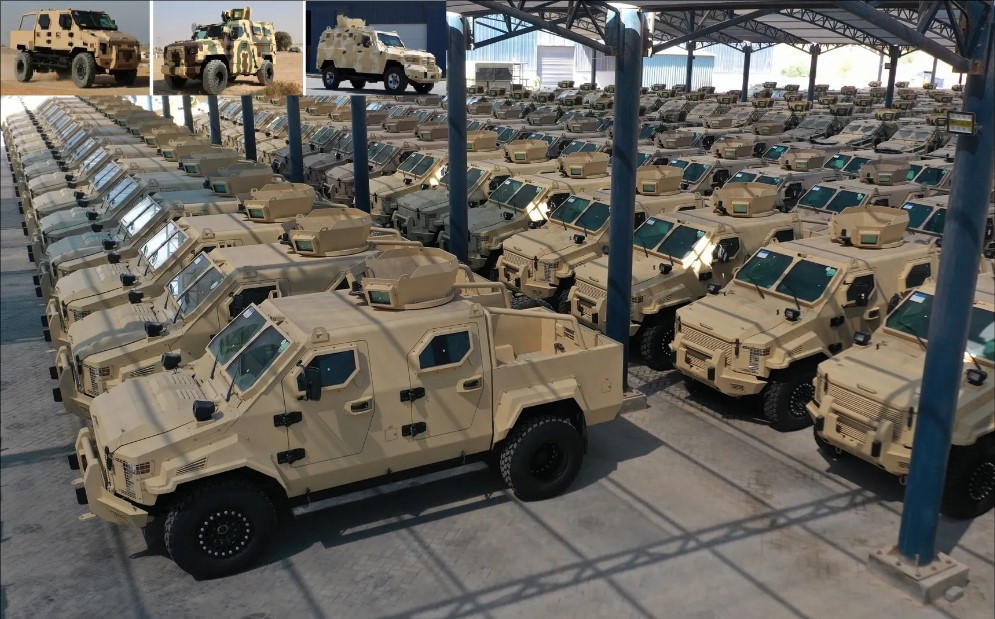
World
In recent days, Russian social media has seen video footage of armored vehicles reportedly delivered to Russian forces, drawing considerable attention. This development, confirmed by prominent military blogger Voennyi Osvedomitel, suggests a new batch of Streit Group-manufactured vehicles may now be operational within Russia's military ranks. Osvedomitel notes that these vehicles could have originated either from the UAE or South Africa, two prominent bases for the Streit Group’s manufacturing.A Closer Look at the Vehicles in QuestionThe video showcases over 20 armored vehicles, revealing that the Streit Group’s Spartan SUT, Cobra, and Cougar models appear to be in use. These vehicles, based on the sturdy Toyota Land Cruiser and Ford F-550 platforms, are designed for enhanced durability, mobility, and survivability under fire. Streit Group’s Spartan, for example, is a battle-proven vehicle known for its flexibility and multi-role capacity. Built on the Toyota Land Cruiser platform, it’s engineered for combat environments, able to withstand light firearms, small explosives, and even certain roadside IEDs. Meanwhile, the Streit Cobra and Cougar models are built on the Ford F-550 chassis and known for their reinforced structure and adaptability in combat. Both vehicles offer varying levels of armor protection, and the Cougar model, in particular, is outfitted for both personnel transport and equipment deployment. Streit Group has historically showcased these vehicles at major international defense exhibitions, highlighting their versatility and capacity for customization based on mission requirements.Armored Vehicles in a New Geopolitical ContextThe presence of Streit Group vehicles in Russia is significant amid heightened international scrutiny, as global sanctions increasingly restrict Russian access to military-grade imports. This new video sheds light on the possible channels through which Russia continues to acquire advanced military assets. While it remains unclear whether these vehicles were directly sourced from Streit Group or procured through third-party intermediaries, this development marks another example of complex arms transactions circumventing conventional trade routes and restrictions.Notably, Streit Group has a history of collaboration with Russian entities, having partnered with Russia's Military-Industrial Company (VPK) in the past. This partnership led to the creation of the Condor/VPK-Ural armored vehicles, some of which reportedly went to private military forces such as the Wagner Group. These prior engagements with Russian contractors have allowed Streit Group vehicles to be field-tested in various conflict zones, contributing to their reputation for endurance and flexibility.Amid Sanctions, the Arms Market Finds New RoutesThis latest transfer of armored vehicles underscores the fluid nature of the global arms market, even as Russian assets face strict sanctions in light of the ongoing Ukraine conflict. Armored vehicles like these fill critical needs for ground support, mobile protection, and supply transport, allowing Russian forces to maintain resilience despite logistical hurdles. The vehicles' arrival from a UAE-based manufacturer, whether directly or via intermediaries, speaks to the intricate global network that continues to enable arms movements even under regulatory pressures.Streit Group's armored offerings have long been popular in international defense markets, often featuring in stockpiles worldwide, which may offer Russia various avenues to source these assets. Past appearances of Streit’s vehicles at global expos are reminders of how widespread their deployment has become, presenting numerous options for procurement that bypass direct sales. While precise details about this particular shipment remain scarce, the strategic utility of these vehicles for Russian forces remains clear: reliable and robust transportation in a highly volatile landscape.In a broader sense, this scenario reveals how the demand for specialized armored vehicles continues to influence and reshape military strategies, especially for nations facing extensive restrictions. These developments around Streit Group’s armored vehicles underscore the complexity of global arms dynamics as they intersect with shifting political landscapes, revealing how critical mobility and protection remain in the evolving calculus of modern warfare.
Read More → Posted on 2024-10-27 17:11:47
World
Japan is advancing a new era in defense technology through Kawasaki Heavy Industries (KHI), which is developing a next-generation surface-to-ship missile (SSM) aimed at fortifying the country’s remote island defense. Set to undergo a prototype launch by 2027, this “New Anti-Ship Missile for the Defense of Remote Islands” will provide Japan’s defense forces with a long-range standoff capability, enabling them to neutralize threats from a safe distance, especially in the East China Sea—a region fraught with escalating tensions over the disputed Senkaku Islands.A Strategic Shift Toward Stand-Off DefenseIn recent years, Japan has recognized the need for advanced, long-range, and highly mobile defense technology to protect its far-flung territories. With a range of approximately 2,500 kilometers, the new KHI missile will be able to target bases well beyond Japan's borders, even reaching inland locations in China if deployed from western Japan. The missile’s purpose aligns with Japan’s recent shift towards counterstrike and standoff capabilities—a response to the increased naval presence and strategic posturing by China near disputed maritime territories.This development fits within Japan’s broader defense initiatives, especially after the Japanese government approved a significant Defense Buildup Program in December 2022. This program earmarked funding for several defense projects focused on modular missile designs, improved radar cross-sections for stealth, and enhanced mobility for rapid deployment.Design and Performance: Inspired by Advanced Western SystemsVisually, the new missile resembles the U.S. Tomahawk, which has set benchmarks globally for its range and precision in cruise missile design. Like the Tomahawk, the Japanese missile prototype shown at the Japan Aerospace show JA2024 features large main wings and a flush-mounted air intake, designed to enhance aerodynamic efficiency and sustain long-distance flights. These elements are instrumental for the missile’s speed, stability, and flight range, which are essential for its role in standoff defense.Underneath its sleek exterior lies a highly efficient small turbofan engine known as the KJ300. This two-spool engine, exclusive to KHI’s new standoff missiles, provides a thrust of 3.58 kN (or roughly 365 kgf) under sea-level conditions. At just under a meter in length, this compact engine is crafted for fuel efficiency, allowing the missile to cover substantial distances while remaining economical. Its power and efficiency make it ideal for missiles intended to operate far beyond standard defense perimeters.KHI's Development Goals and Future Testing PlansKHI’s contract for the project spans five years (2023–2027), supported by the Japanese Ministry of Defense with an investment of ¥33.9 billion ($223 million). This funding will drive the missile’s research, development, and eventual prototype launch. According to Japan’s Acquisition, Technology & Logistics Agency (ATLA), the missile will be fine-tuned to deliver not only increased range and mobility but also low radar cross-section (RCS) to enhance its stealth capabilities—a feature that allows it to evade detection and maintain a tactical advantage against hostile radar systems.Japan’s Ministry of Defense has also allocated additional funds in its 2024 budget for the “New Surface-to-Ship/Surface Precision Guided Missile” project. While related, this missile differs from the KHI's anti-ship missile and is tailored more for high-precision strikes with enhanced surface-to-ship and surface-to-surface versatility. Research from both projects will share technologies, particularly in radar evasion and precision guidance, with the ultimate aim of reducing costs by utilizing common design elements and modular components.Addressing a Rising Threat LandscapeJapan’s strategic investment in these new missile systems reflects a pragmatic response to the evolving threat landscape, especially near its western shores. The Senkaku Islands have been a hotspot of contention, with Chinese naval and paramilitary vessels increasing their presence in contested waters. This missile will support Japan’s ability to deter and respond to potential incursions, providing a credible deterrent while underscoring Japan’s commitment to sovereignty over its islands.With its potent combination of range, precision, and stealth, the new KHI missile aligns with the Japanese government's long-term vision for securing its territorial integrity and augmenting its defensive autonomy in the Asia-Pacific region. The anticipated launch in 2027 will be a crucial milestone, signaling Japan's readiness to protect its borders in an increasingly complex regional security environment.
Read More → Posted on 2024-10-27 17:07:30
World
Turkey has unveiled a cutting-edge addition to its naval arsenal: the TRANÇA mini attack submarine, a small yet highly capable submersible designed for swift deployment and advanced tactical missions. Introduced at the SAHA EXPO 2024 defense fair, the TRANÇA is the brainchild of Dr. Munir Cansin Ozden, founder of DATUM A.Ş., who highlighted its flexible, mobile capabilities as a game-changer in coastal defense. Unlike traditional submarines, TRANÇA’s compact 20-meter, 80-ton structure enables it to be transported overland on low-bed trailers and launched via cranes. This unique design allows for flexible operations without the need for dedicated submarine bases, making it ideal for rapid deployment in remote or strategically critical locations.Beyond its combat role, TRANÇA serves as a versatile testing platform for the Turkish Navy’s future technologies. According to Dr. Ozden, the submarine’s streamlined size and cost-efficient design make it a perfect testbed for advanced naval systems, such as new sonar arrays, communication devices, and weapons, including the SUB-ATMACA anti-ship missile and ORKA torpedoes. This setup allows the navy to trial advanced systems on a smaller, lower-cost platform before rolling them out to larger vessels, thereby reducing costs and increasing innovation efficiency.The TRANÇA submarine can also accommodate new sonar technology from local Turkish companies, enhancing its ability to detect threats in shallow and deep waters. This integration of advanced sonar capabilities places TRANÇA at the forefront of submarine stealth technology, making it harder to detect in coastal and near-shore waters where ambient noise and unpredictable sound propagation hinder detection. Mini submarines like TRANÇA, with their smaller size and quieter profiles, exploit these conditions, effectively making them a valuable tool for operations in highly contested waters.A Revolution in Naval Personnel EfficiencyOne of the most notable benefits of TRANÇA’s design is its minimal personnel requirements. Traditional submarines often require large, highly specialized crews, which many navies struggle to maintain due to the high cost and long training times. TRANÇA, on the other hand, operates with a crew of only four, with enough capacity to carry six combat swimmers for special operations. Moreover, a single crew team can manage two TRANÇA submarines simultaneously. This leaner crew requirement not only saves resources but also allows for faster redeployment, enabling operators to quickly pivot to new missions as needed. Dr. Ozden emphasized that this reduced crew model offers a strategic advantage, enabling a rapid response across multiple regions without the heavy logistical burden typically associated with larger submarine fleets.Combat and Special Operations CapabilitiesThe TRANÇA’s combat capabilities are formidable. It comes equipped with two 533mm torpedo tubes that can launch heavy-duty AKYA torpedoes, as well as SUB-ATMACA anti-ship missiles, bolstering Turkey’s undersea strike capabilities. Additionally, the MÜREN combat management system enhances the submarine's targeting precision, while a diver lockout chamber provides transportation for combat swimmers, supporting special operations at depths up to 250 meters. TRANÇA also carries the MALAMAN smart sea mines developed through a partnership between MKE-Koç-SAGE, adding to its versatility in seabed operations.Specifications and Technical DetailsTRANÇA’s specifications reflect its dual focus on efficiency and combat readiness. With a length of 20 meters, a beam of 2.8 meters, and a displacement of 60 tonnes, it is built for agility and stealth. Its propulsion is powered by a 50kW electric engine and a robust 400kW diesel engine, supported by Lithium Titanate Oxide batteries. The submarine boasts an operational range of 400 nautical miles on battery power and up to 2,000 nautical miles when snorkeling, making it a potent asset for extended missions. Its maximum speed reaches 12 knots, and it can operate at depths of up to 250 meters, ensuring tactical versatility across various underwater conditions.In terms of communication, TRANÇA is outfitted with VHF, HF, and SATCOM systems, and uses GNSS for surface navigation while relying on an integrated INS+DVL system underwater. This comprehensive suite ensures robust situational awareness and precise navigation, further supporting its stealth and operational capabilities.Strategic Advantages in Asymmetric WarfareThe TRANÇA mini submarine is a leap forward in asymmetric naval warfare. In coastal zones, where sonar detection is often challenging due to sound variation, TRANÇA’s compact size and low noise signature offer a significant tactical advantage. Capable of carrying out reconnaissance and offensive operations in waters where traditional submarines may struggle, TRANÇA could shift the balance in naval encounters, especially in areas with limited submarine infrastructure.Moreover, its ability to operate undetected, combined with advanced weapon systems, positions TRANÇA as a formidable deterrent to enemy forces. Armed with high-impact weaponry like heavy torpedoes and anti-ship missiles, it can effectively deliver surprise strikes against high-value targets, disrupting enemy strategies with minimal risk of detection.The TRANÇA mini attack submarine not only represents a shift in Turkey’s approach to coastal defense but also underscores the growing global trend toward compact, flexible, and cost-effective military assets. Its unique design offers an efficient solution to the personnel and logistical challenges faced by conventional submarine operations, making it an ideal fit for modern naval requirements. As more countries seek adaptable solutions for coastal and regional defense, TRANÇA’s innovative design sets a promising example of how smaller, agile submarines can play a significant role in maintaining maritime security.
Read More → Posted on 2024-10-27 17:02:24
India
The Indian Army is driving a significant expansion in defense technology and research to meet the complex challenges faced across varied operational terrains. Northern Army Commander Lieutenant General M V Suchindra Kumar recently highlighted that the army has identified 135 specific areas where collaboration with the industry can bridge critical operational gaps. This proactive approach, which includes 93 research and development (R&D) projects at various stages of advancement, is part of a broader strategy to integrate cutting-edge technology into the armed forces.The army's push for collaboration comes as it navigates multiple, challenging fronts in the Northern Command. This region, which spans the plains of Jammu to the high-altitude zones of eastern Ladakh, is seen as an invaluable testing ground for modern military equipment. The challenging conditions here provide defense companies and startups with real-world scenarios where they can evaluate and refine their technologies. With the Indian Army designating 2024 as the “year of technology absorption,” the stage is set for a rapid infusion of innovation aimed at boosting national security capabilities.A major focus area for the army is the incorporation of disruptive technologies such as drones, counter-drone systems, artificial intelligence (AI), robotics, advanced communication systems, electronic warfare setups, and enhanced mobility solutions for personnel and vehicles. These technologies are crucial in modern warfare, where speed, agility, and precision are often deciding factors. For these projects, the Indian Army has engaged over 12,000 Micro, Small, and Medium Enterprises (MSMEs), involving nearly 500 industries with projects collectively worth close to Rs 2 lakh crore. These collaborations are not just technological; they are strategically vital for maintaining defense self-reliance.To facilitate operations and ensure coordination at every level, five joint command and control centers have been established across the Northern Command. This infrastructure helps synchronize the army’s activities on the ground, especially in areas affected by cross-border challenges. By working closely with other security forces such as the Border Security Force (BSF) and Central Reserve Police Force (CRPF), the Indian Army ensures cohesive action against both terrorism and infiltration. Special training has also been extended to Village Defense Groups (VDGs), enhancing community-based security measures.The Indian Army’s readiness to embrace indigenously developed weapons and equipment is also evident in the Northern Command’s theater. Defense companies are granted access to these high-altitude regions to better understand the unique operational demands faced by soldiers. Lt Gen Kumar noted that this exposure is essential for companies to build solutions that are not just innovative but also practical and durable in extreme conditions. The close interaction between defense forces and academia allows the army’s requirements to be clearly translated into technical specifications, making it easier for the industry to meet the needs of soldiers on the ground.Furthermore, Operation Sadbhavana, a goodwill initiative in Kashmir, reflects the army's commitment to building trust and fostering stability among the local population. With 43 Army Goodwill Schools and educational programs that reach over 16,000 students, many from remote areas, the Indian Army is ensuring that quality education is accessible even in the most challenging regions. Nearly 1.6 lakh students have graduated from these schools, and many have successfully cleared competitive exams like the JEE, NEET, and UPSC. This educational focus helps address socio-economic issues in the region and strengthens the bond between the army and local communities.With additional troops now deployed in violence-affected areas, the Indian Army is bolstering its capability to respond swiftly and effectively to emerging threats. New camps are being set up, and specialized operation groups have been reinforced to maintain high levels of readiness. The close cooperation between the army and other security forces enables a well-coordinated approach to security, ensuring that each force’s strengths are utilized effectively.In conclusion, the Indian Army’s efforts in technological collaboration, coupled with community-centric initiatives like Operation Sadbhavana, mark a substantial shift towards a technologically advanced and socially engaged defense strategy. This comprehensive approach is helping the army stay ahead of modern warfare challenges while simultaneously fostering peace and development in conflict-prone regions. As 2024 unfolds, the impact of these initiatives is expected to redefine the operational landscape of the Indian defense forces, paving the way for a more resilient and technologically capable military.
Read More → Posted on 2024-10-27 16:56:00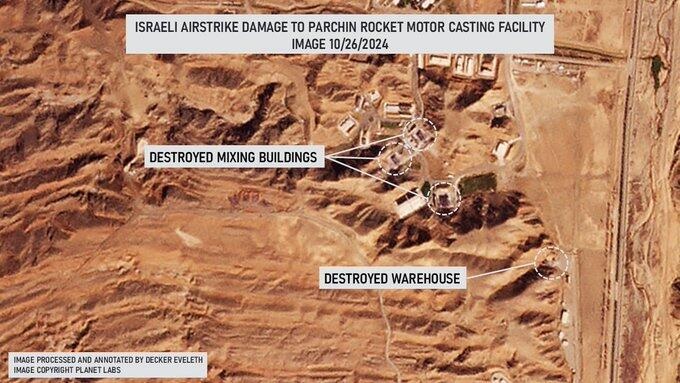
World
In a recent, highly coordinated series of airstrikes, Israeli forces delivered a significant blow to Iran’s ballistic missile program, targeting critical facilities associated with the production of solid fuel for long-range missiles. Satellite imagery and assessments from American researchers, David Albright and Decker Eveleth, confirmed the extent of the damage, revealing a powerful display of precision and tactical planning. These strikes, which occurred on Saturday, specifically targeted facilities across several Iranian provinces, including Tehran, Ilam, and Khuzestan, where key missile production capabilities are concentrated. The targets were highly specific: 12 planetary mixers essential for mixing solid fuel, a critical component in Iran’s missile manufacturing. These mixers, which Iran relies on China to import due to a lack of domestic production capability, play a crucial role in the creation of Iran’s ballistic missile arsenal. By disabling or destroying this equipment, Israel has delivered a major setback to Iran’s missile capabilities. It is estimated that rebuilding the affected facilities could take Iran up to two years, putting a significant strain on their ability to manufacture missiles on a large scale.The scope of the damage extends beyond just the mixers. Sources suggest that additional facilities crucial to missile production and storage were also struck, potentially slowing down Iran's capacity to maintain its missile stockpiles. One particular site that took a heavy hit was described as the “backbone of Iran’s missile industry,” underscoring the strategic nature of the strike. Israeli sources also indicated that the operation targeted four S-300 air defense systems, an advanced network meant to protect key Iranian assets from aerial attacks. Disabling these defensive batteries was likely a tactical choice to weaken Iran’s ability to respond swiftly to further airstrikes.In recent years, Iran has escalated its missile operations, with one instance in early October seeing over 200 missiles launched toward Israeli targets. The timing and precision of Israel’s recent operation suggest it was a calculated move within a broader strategy to neutralize potential Iranian missile threats. With Iran’s missile arsenal being the largest in the Middle East, the successful execution of these strikes represents a substantial blow to Iran’s offensive capabilities, likely complicating any future missile plans aimed at Israel. Satellite images of the Khojir and Parchin facilities provide a clear picture of the damage inflicted. Buildings in these areas, dedicated to missile production, were encircled by high dirt berms, an engineering feature intended to prevent explosive fallout from igniting nearby structures. This detail highlights the sophistication and critical nature of the targets. Parchin, notably, is also located near a site previously associated with Iran’s halted nuclear weapons program, which ceased operations in 2003. Iran, however, maintains that it has no active nuclear weapons development initiatives.Iranian state media initially claimed their air defenses were effective in mitigating the impact of the strikes, but multiple explosions were reported across the targeted sites, indicating that significant damage was indeed incurred. Iranian officials have since issued statements promising a "proportional reaction" to Israel's actions, though it remains unclear what form this retaliation might take.Military analysts agree that this pre-emptive strike by Israel is likely to disrupt Iran's missile production pipeline significantly. The precision of these attacks, especially in avoiding non-military infrastructure, demonstrates Israel’s advanced tactical approach, which aims to debilitate Iran’s offensive capabilities without drawing excessive civilian fallout. By focusing on the specific mixers essential to solid-fuel production, Israel has effectively slowed down Iran’s ability to replenish and maintain its missile arsenal.For now, the full extent of the damage is still being assessed, but this operation marks a pivotal moment in the ongoing tension between Israel and Iran. Both regional and international observers are watching closely, given the potential for escalation. With Iran’s missile capabilities under serious strain, the military balance in the Middle East may shift, as Israel continues to leverage its air superiority to contain Iran's influence and deter future missile threats.
Read More → Posted on 2024-10-27 16:53:00Search
Top Trending in 24 Hours
-
 Tulsi Gabbard Releases Declassified Files Detailing U.S.-Backed Network of 120 Biolaboratories Across 30+ Countries
-
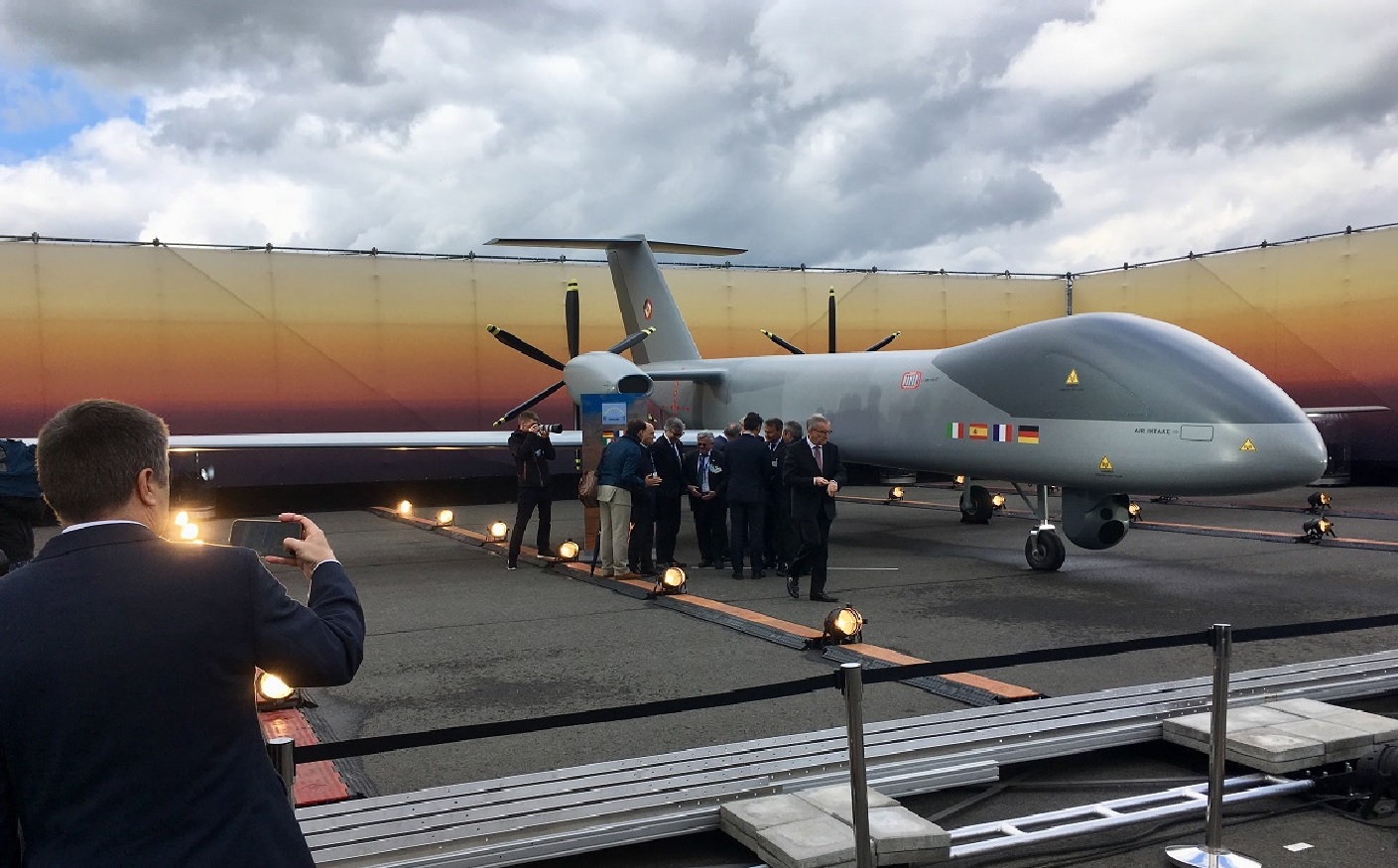 Dassault Seeks Compensation From Airbus as Eurodrone Dispute Erupts After FCAS Collapse
-
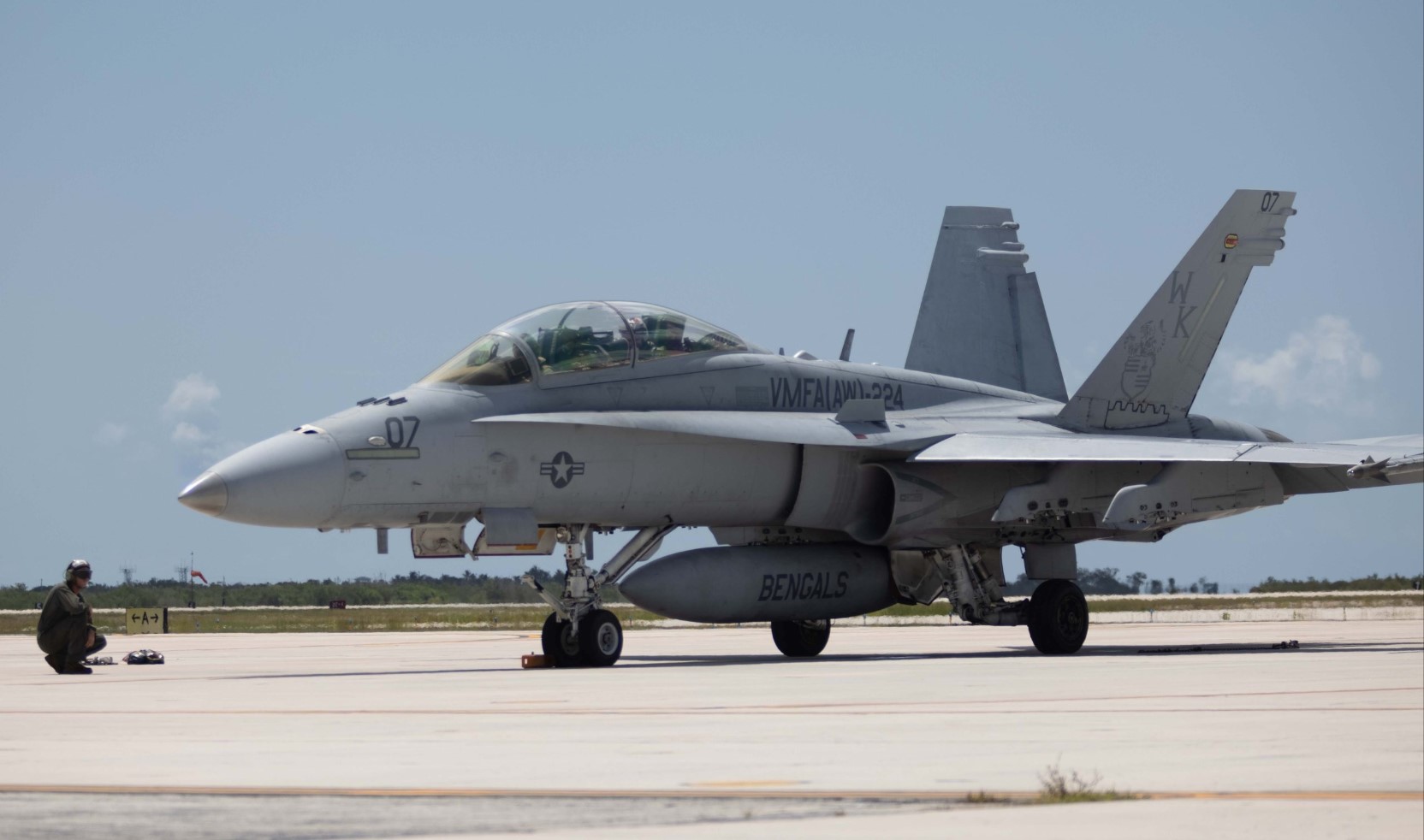 US Marine Corps F/A-18D Hornet Crashes During Training Flight in Washington Mountains; Pilot Ejects Safely
-
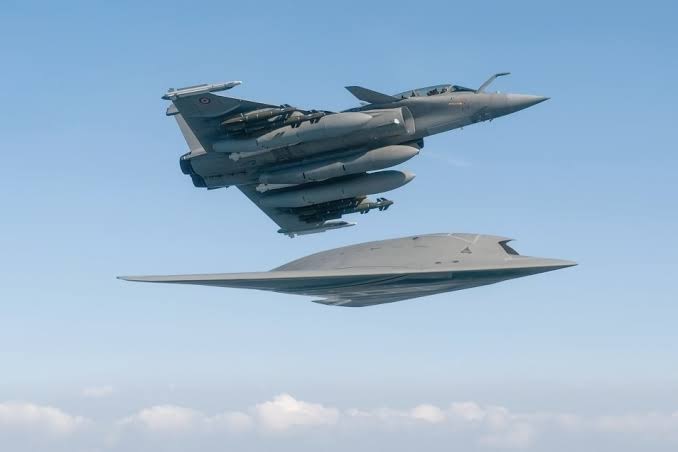 France Agrees to Equip Future Indian Rafales with AI, MUM-T and Secure Satellite Links Under F5 Standard
-
 AM General Unveils Next-Generation UGV and JLTV A2 with Counter-Drone Systems at Eurosatory 2026
-
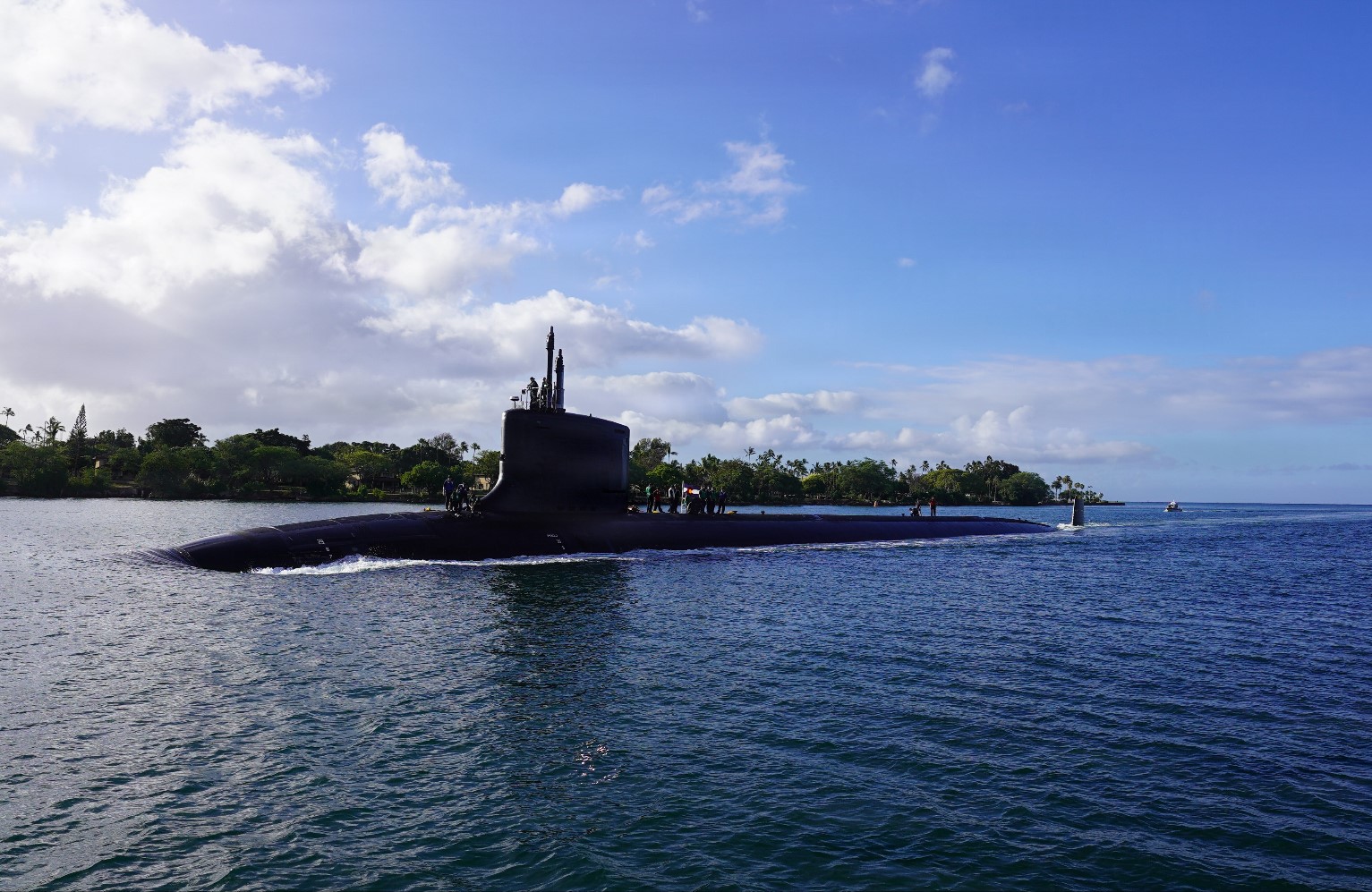 U.S. Navy's USS Colorado Submarine Returns to Pacific Fleet 29 Days Early After Major Pearl Harbor Overhaul
-
 Pakistan Raises Defence Budget from $9 Billion to $10.8 Billion as J-35 Fighter and Hangor Submarine Programs Advance
-
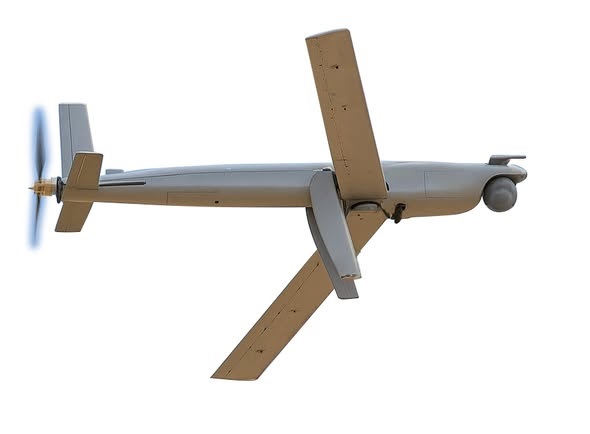 Elbit Systems and Diehl Defence Partner to Offer SkyStriker Loitering Munition to German Armed Forces
Top Trending in 4 Days
-
 Iranian Media Leaks 14-Point U.S.-Iran Peace Framework Amid Ongoing Negotiations
-
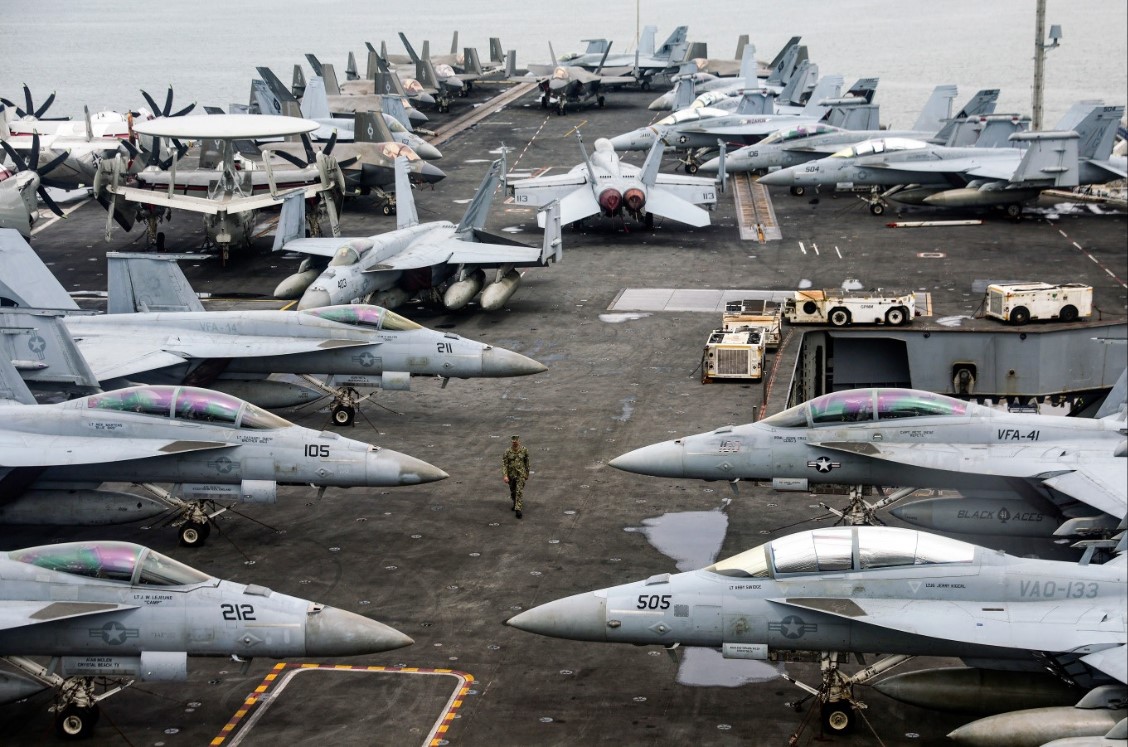 US Plans Significant Reduction of Fighter Jets and Warships for NATO Operations in Europe
-
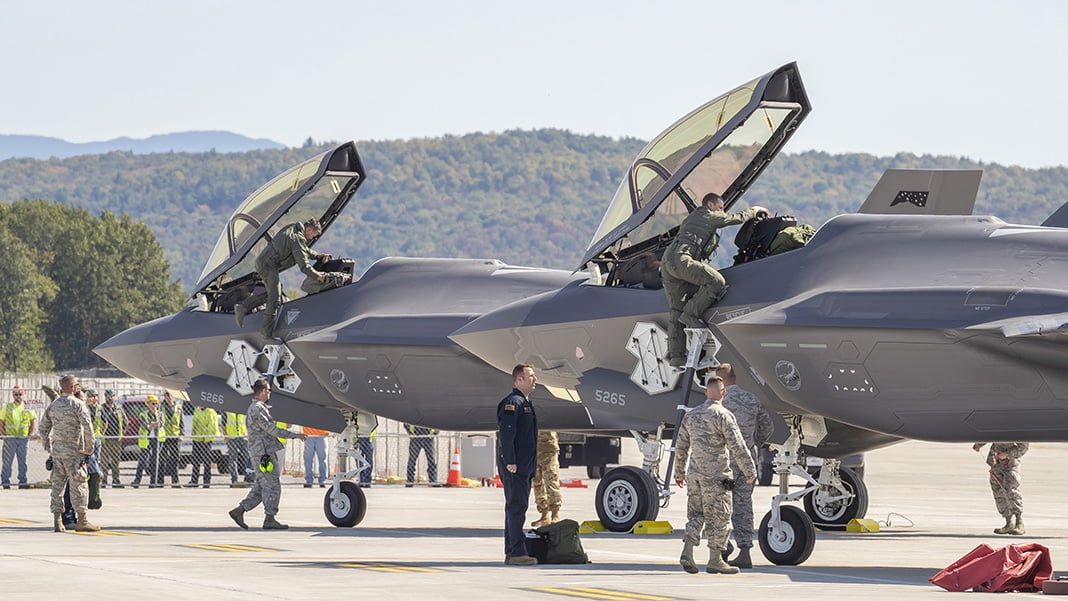 F-35 Fleet Readiness Falls to 25% Amid Parts Shortages and Software Delays: GAO Report
-
 U.S. Air Force Faces Strategic Airlift Shortfall as C-17 Production Restart Remains Uncertain
-
 NATO Commander Says Russia Not Seeking Conflict With Alliance Despite U.S. Force Reductions
-
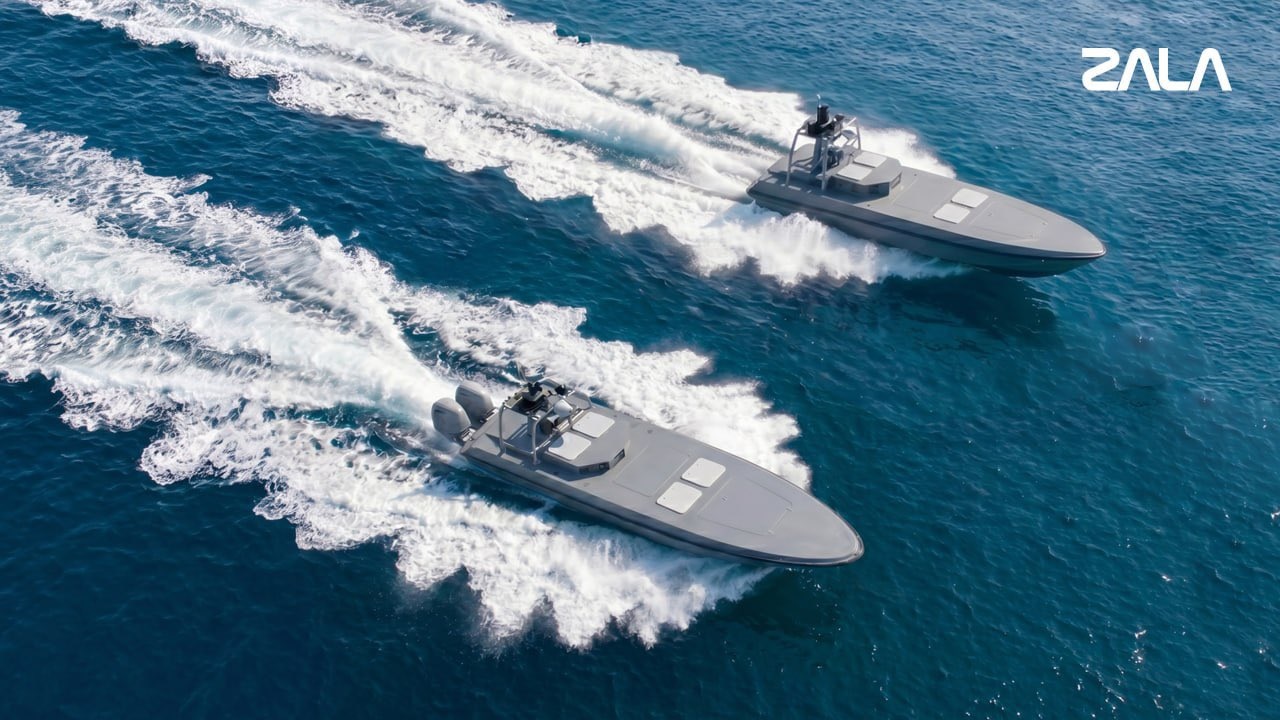 Russian Defense Firm ZALA Unveils KAMA Unmanned Surface Vessel Family at FLOT-2026 Naval Exhibition
-
 U.S. Space Force Awards $437.7 Million Contracts for First PTS-G Swarm 1 Anti-Jam Satellites
-
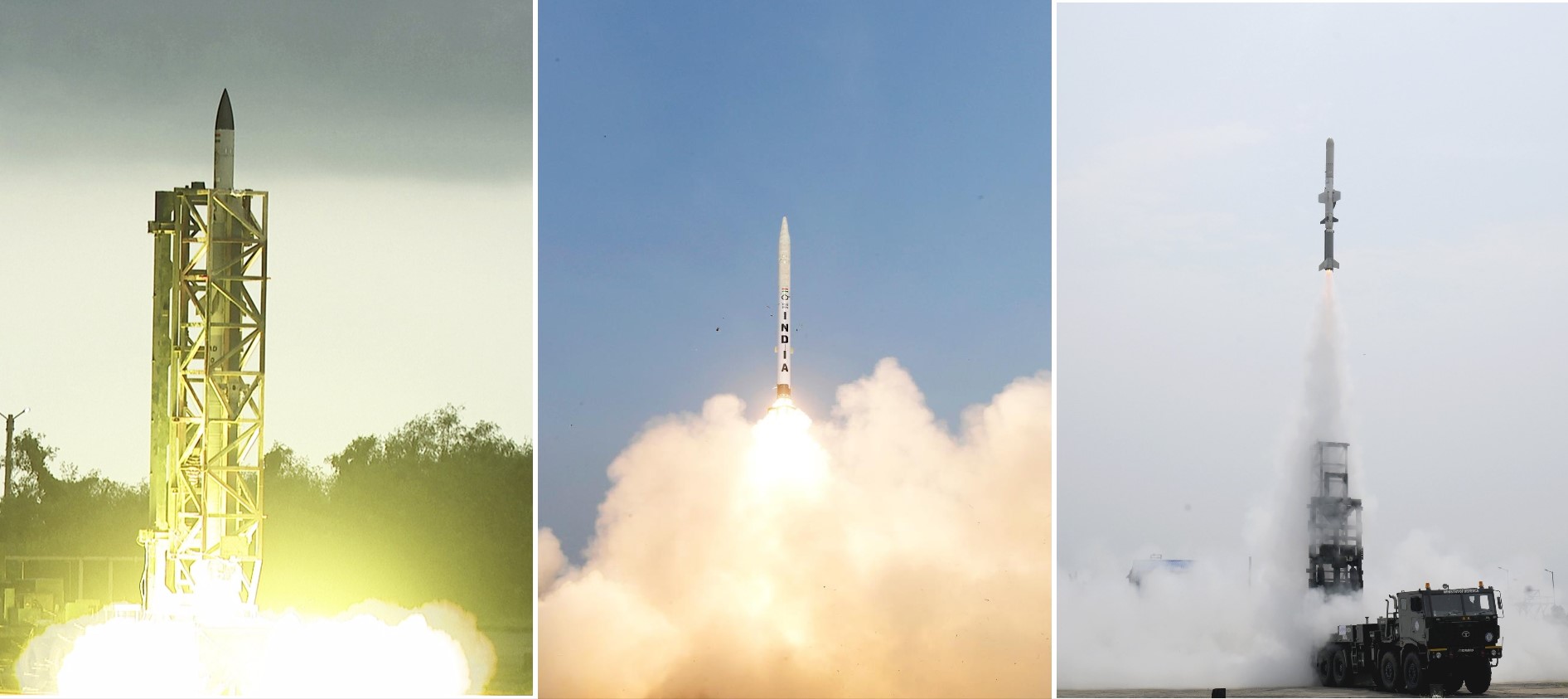 India Successfully Conducts AD-1, AD-2 Interceptor Tests and Maiden NASM-MR Flight Trial
