
India
In a stunning development that has cast serious doubts on Pakistan’s war narrative, a leaked report from Pakistani news channel SAMAA TV briefly published a list of 155 Pakistan Army personnel killed during India’s Operation Sindoor in May 2025. The report, which included the names, ranks, and provinces of the fallen soldiers, was quickly removed under pressure from the Pakistani military, fueling accusations that Islamabad has been hiding the true scale of its battlefield losses. The list, which circulated online before being scrubbed from official platforms, revealed that nearly all the casualties were from the Punjab province, with only a handful from Balochistan. Most of the slain were sepoys (junior enlisted soldiers), along with a few non-commissioned officers. Many of the names were prefixed with “Shaheed”, Pakistan’s honorific for martyrs, indicating that the military had formally acknowledged their deaths internally even as it denied them publicly. The revelation directly contradicts Islamabad’s repeated claims that India’s strikes had only hit “empty hills” and “uninhabited targets.” Instead, the list points to the destruction of multiple Pakistani military bases, validating India’s assertion that Operation Sindoor inflicted heavy losses on Pakistan’s armed forces. Military analysts note that this episode is not just about battlefield numbers but also about credibility. By silencing its own media and suppressing casualty figures, Pakistan’s leadership has exposed its propaganda strategy—downplaying defeats while amplifying minor successes. The suppression of SAMAA TV’s report has also sparked questions within Pakistan about the freedom of press and the military’s tight grip over information during wartime. India, for its part, has maintained that its strikes were precise, targeting command centers, logistics hubs, and forward bases. The accidental publication of Pakistan’s casualty list appears to confirm this narrative, delivering a major propaganda victory for New Delhi and an embarrassing setback for Islamabad. The leaked list also raises another uncomfortable truth: Pakistan’s reliance on its Punjab-heavy military recruitment base. With the majority of the casualties from Punjab, the war’s burden has fallen disproportionately on a single province, something that has historically fueled resentment in other regions like Sindh and Balochistan. For the Pakistani establishment, the incident is more than a military loss—it is a political and psychological blow. The exposure of hidden casualties undermines its narrative of resilience and paints Operation Sindoor as a decisive failure for Pakistan’s armed forces. Meanwhile, for India, it strengthens claims of having achieved a strategic upper hand and of dismantling Pakistan’s ability to wage prolonged conflict. The suppression of SAMAA TV’s report cannot erase the digital trail of the soldiers’ names. Their sacrifice now serves as a stark reminder of the cost of war—and the dangers of propaganda in concealing truths that eventually surface.
Read More → Posted on 2025-08-17 15:48:16
World
Lockheed Martin’s Sikorsky division has started the final assembly of the first CH-53K King Stallion helicopter for the Israeli Air Force (IAF), marking a major step in one of Israel’s most significant defense acquisitions in recent years. The company confirmed that the cockpit and cabin sections of the aircraft were recently joined at its Connecticut facility, beginning the integration phase of what will become Israel’s most advanced heavy-lift helicopter. This aircraft is the first of 12 units ordered under a $2 billion deal signed in 2023, with the first deliveries expected in 2028. In Israeli service, the CH-53K will be designated as the “Pere”, replacing the CH-53D Yas’ur fleet, which has been the backbone of the IAF’s heavy-lift operations since the late 1960s. Despite multiple upgrades, the Yas’ur helicopters are approaching the limits of their service life, making the Pere essential for maintaining Israel’s strategic mobility. The CH-53K offers triple the payload capacity of the older Yas’ur, along with faster cruising speeds, enhanced survivability in contested environments, and reduced maintenance requirements. Once production is complete in the United States, the helicopters will undergo additional integration work led by Elbit Systems, which will install Israeli-designed navigation, communication, and electronic warfare systems. This stage, valued at several hundred million dollars, will raise the cost of each helicopter to more than $200 million, making the Pere one of the most expensive platforms ever inducted into the IAF. Although the modifications will extend the delivery timeline, Israeli defense officials argue that they will allow the helicopters to achieve operational readiness far more quickly once they arrive. Israel had initially considered purchasing 18 aircraft, but only 12 were approved under the current defense budget. Officials have left open the possibility of ordering six more in the future, depending on operational needs and lessons from recent conflicts in Gaza, Lebanon, and Iran. Full delivery of the 12 helicopters is expected by 2030. For now, the IAF will continue to rely on its aging Yas’ur fleet, which will be nearly six decades old by then. Despite their age, the helicopters remain operational thanks to two major upgrade and life-extension programs. The CH-53K King Stallion was developed primarily for the U.S. Marine Corps, and Israel remains its only foreign customer. Germany and Japan evaluated the platform but ultimately opted for Boeing’s CH-47F Chinook. Calling the CH-53K a “standard for future operators,” Sikorsky officials said the helicopter would give Israel unprecedented flexibility in missions ranging from troop transport and supply runs to heavy-lift operations in combat zones. For Israel, the Pere represents not just a replacement for an aging fleet but also a guarantee that its air force will retain cutting-edge heavy-lift capacity well into the coming decades.
Read More → Posted on 2025-08-17 15:11:52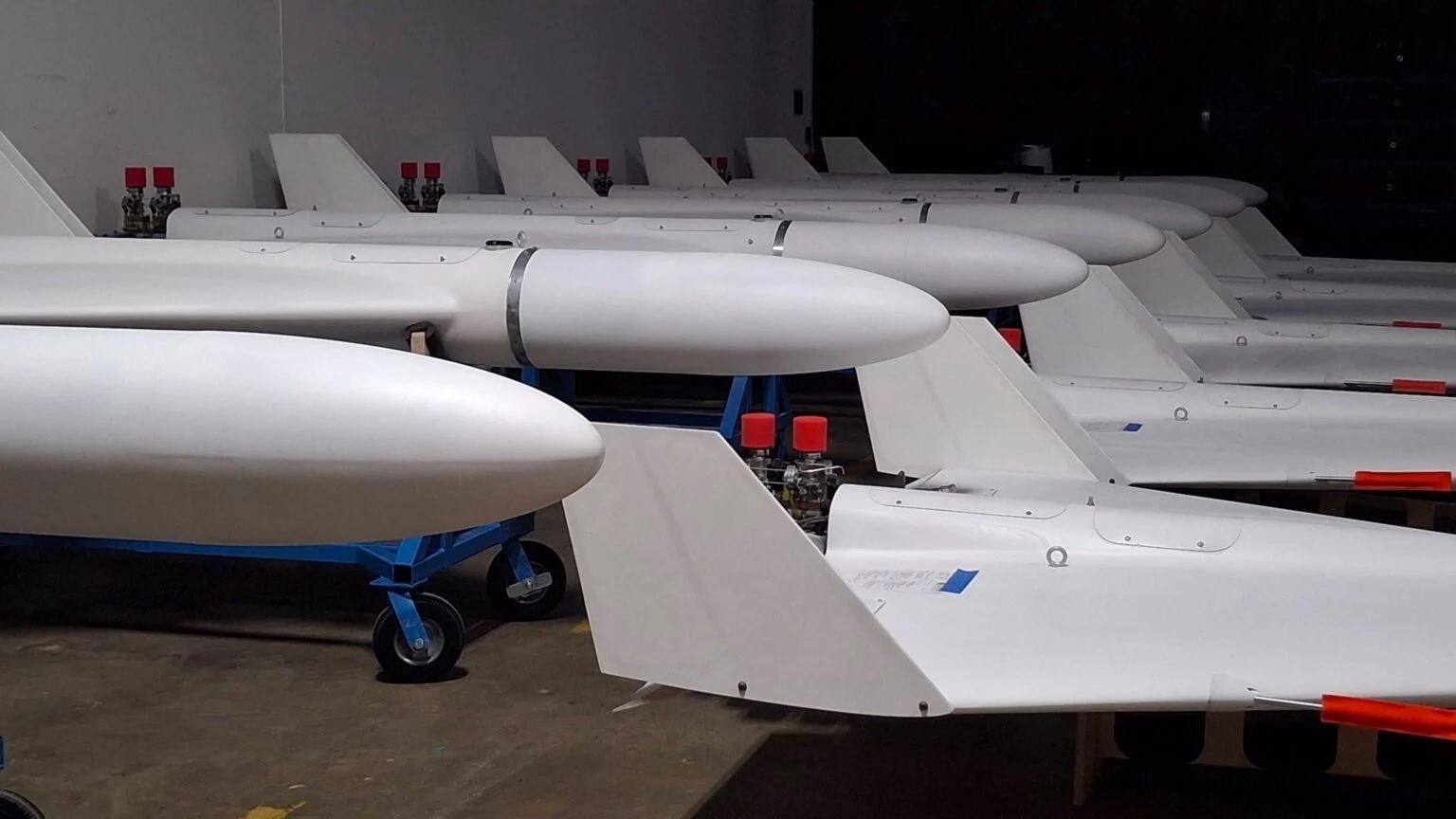
World
Alabama-based Griffon Aerospace has officially rolled out its latest unmanned aircraft system, the MQM-172 Arrowhead, a versatile drone designed to serve both as a high-performance target drone and a configurable strike platform. The company described the Arrowhead as a purpose-built system that offers unmatched flexibility across multiple mission sets. Daniel Beck, Airworthiness Manager and Program Manager at Griffon Aerospace, emphasized the adaptability of the new platform, saying, “Arrowhead was purpose-built to give our customers unmatched flexibility across multiple mission sets.” Although its primary role is as a target drone for training exercises, the Arrowhead can also be adapted into a one-way attack platform, reflecting a growing demand for dual-use unmanned systems. This makes it suitable not only for training scenarios but also for real-world operations where rapid, cost-effective strike capabilities are required. A key feature of the Arrowhead is its modular design. It includes a configurable payload bay capable of carrying up to 100 pounds, allowing operators to equip the drone with a range of sensors or warheads depending on mission requirements. Built with a maneuverable and durable airframe, the aircraft reflects Griffon’s broader philosophy of creating reliable, multi-role unmanned systems. The drone was designed, tested, and manufactured entirely in-house, leveraging Griffon Aerospace’s long track record in the sector. The company has delivered more than 12,000 unmanned aerial systems to date, making it a well-established player in the U.S. defense drone industry. Beck highlighted that the launch of the MQM-172 is the result of an extensive development cycle. “This release represents the culmination of extensive development and testing, and we’re excited to see Arrowhead take its place in the field alongside our other proven platforms,” he noted. The MQM-172 Arrowhead enters a rapidly expanding market of multi-mission drones being developed by U.S. defense firms to give armed forces affordable, deployable, and flexible options for both combat training and operational missions. With its dual capability, the Arrowhead is expected to strengthen Griffon Aerospace’s footprint in the unmanned systems industry and attract interest from both the U.S. military and international customers.
Read More → Posted on 2025-08-17 15:03:48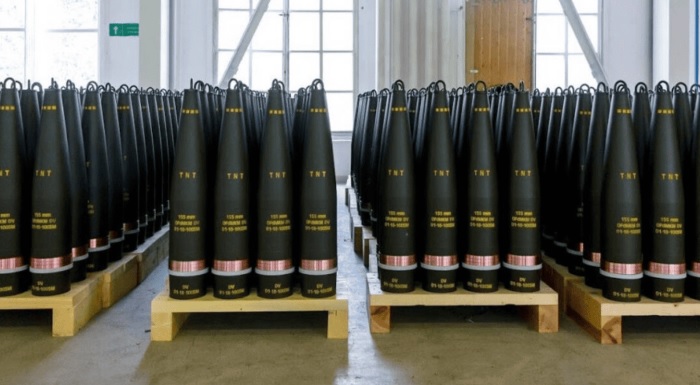
World
On 15 August, MSM Group North America Inc., a subsidiary of the Czechoslovak Group (CSG) holding, secured a $636.2 million contract from the U.S. Army Contracting Command in Rock Island, Illinois, to design and construct a new production line for 155mm artillery ammunition at the Iowa Army Ammunition Plant (IAAP) in Middletown. The contract, formally registered as W519TC-25-C-0032, includes provisions for adjustments based on economic conditions. Notably, MSM Group was the sole electronic bidder for the project, underscoring the specialized expertise required to expand U.S. ammunition manufacturing capabilities. The new line will cover the entire process of projectile manufacture, shell loading, and final packaging, ensuring a modernized and expanded capacity for the plant. According to the agreement, the work is expected to be completed by 10 August 2029. The IAAP, a government-owned, contractor-operated facility currently run by American Ordnance LLC, is already a cornerstone of the U.S. munitions base. It produces a wide array of critical armaments, including 155mm artillery shells, 120mm tank rounds, 60mm, 81mm, and 120mm mortar rounds, as well as warheads for TOW-2, Hellfire, Javelin, Stinger, and Sidewinder missiles. The plant also manufactures hand grenades, engineering charges, ceremonial ammunition, and test munitions. This new investment reflects Washington’s broader push to dramatically ramp up ammunition production in response to global security challenges and heightened demand from U.S. allies. The 155mm artillery round, in particular, has become one of the most sought-after munitions given its central role in modern conflict, especially highlighted by ongoing NATO support for Ukraine. The U.S. Department of Defense has already announced ambitious plans to increase monthly output of 155mm shells several-fold by 2025, investing billions in modernizing production lines and collaborating with both domestic and allied defense industries. The decision to bring in MSM Group, part of a European holding with a strong track record in ammunition manufacturing, illustrates the deepening industrial cooperation between the U.S. and its NATO partners. With completion slated for 2029, the new line at IAAP is set to significantly expand America’s long-term artillery supply capacity, ensuring sustained readiness for the U.S. Army and its allies.
Read More → Posted on 2025-08-17 14:53:34
World
In a striking revelation, Lieutenant General Kyrylo Budanov, head of Ukraine’s military intelligence, has disclosed that North Korea is preparing to send engineering troops and armored combat vehicles to Russia as the war in Ukraine intensifies. Speaking to The Japan Times, Budanov warned that Pyongyang’s deployment may go far beyond the announced humanitarian and reconstruction missions. Earlier this month, North Korea confirmed plans to send 6,000 soldiers to Russia’s Kursk region, officially tasked with demining operations and infrastructure reconstruction. However, Budanov raised concerns that this seemingly limited role could mask deeper involvement in frontline operations. According to him, Moscow and Pyongyang are discussing the transfer of 50 to 100 combat vehicles, including BTR-80 armored personnel carriers and heavy Cheonma-2 tanks, all to be deployed with their own North Korean crews. If materialized, this would mark the first direct combat participation of North Korean units in the Ukraine war. Budanov emphasized that such involvement would place Pyongyang in an exclusive category of countries engaged in large-scale modern warfare, alongside only Ukraine and Russia. He argued that the move would allow North Korea to gain real battlefield experience—an opportunity that could significantly enhance its military capacity. The equipment North Korea is reportedly preparing to send underscores its seriousness. The Cheonma-2, its most advanced main battle tank unveiled in 2020, weighs around 55 tons and is powered by a 1,200-horsepower diesel engine. Armed with a 125 mm gun, automatic grenade launchers, machine guns, and anti-tank missiles, it is also equipped with upgraded armor systems modeled after Russian and Chinese designs. The inclusion of such modern systems suggests Pyongyang is eager to test and validate its latest military technology in Ukraine’s high-intensity combat environment. Beyond battlefield implications, this growing partnership reflects a strategic alignment between Moscow and Pyongyang. Both nations are under sweeping international sanctions, and their cooperation appears to be built on a system of mutual benefits. For North Korea, it could mean access to Russian energy supplies, food aid, and advanced military technologies, while Russia gains manpower and additional equipment to relieve pressure on its overstretched forces. Analysts believe the influx of North Korean armored units may not decisively shift the war’s balance—given Russia’s own large inventory of tanks and APCs—but it could strengthen Russian positions at key sectors of the front by easing the burden on its troops. For North Korea, however, the value lies in the long-term: combat testing its newest weapons, refining doctrine, and boosting the battlefield skills of its soldiers. Budanov’s remarks highlight a troubling trend: the Ukraine conflict is becoming a testing ground for foreign militaries, with North Korea now preparing to join the ranks. If confirmed, this unprecedented step would further globalize the war, embedding Pyongyang deeper into Moscow’s military strategy and signaling a shift in the operational landscape of the conflict.
Read More → Posted on 2025-08-17 14:43:38
India
India’s ambitious plan to equip its six Scorpene-class submarines with a homegrown Air-Independent Propulsion (AIP) system has hit yet another setback, pushing the timeline further. The first submarine, INS Kalvari, which was commissioned in 2017, is currently undergoing its scheduled refit but will not receive the AIP system as originally intended. Instead, the integration has now been deferred to the second Scorpene, INS Khanderi, when it enters refit in mid-2026. The AIP project, based on indigenously developed fuel-cell technology by the Defence Research and Development Organisation (DRDO) in partnership with Larsen & Toubro (L&T), was sanctioned back in 2014 with an allocation of ₹270 crore. Initially, the system was slated for completion by June 2017, in time to be retrofitted on the first submarine during its first major refit. However, technical hurdles, prolonged testing phases, and delays in operational certification have stretched the program well beyond the original timeline. While recent trials have indicated promising results, the AIP is still not considered ready for full-scale operational deployment. The technology is crucial for conventional diesel-electric submarines, allowing them to remain submerged for extended periods without surfacing to recharge batteries. This significantly enhances stealth, survivability, and combat endurance, especially in contested waters where detection risks are high. India currently operates six Kalvari-class submarines built at Mazagon Dock Shipbuilders Limited (MDL) under a technology transfer agreement with France’s Naval Group. With increasing Chinese presence in the Indian Ocean and Pakistan also inducting new submarines with advanced propulsion systems, the delays in India’s AIP program raise concerns about maintaining undersea combat edge in the region. Officials maintain that despite setbacks, the indigenous AIP remains a strategic necessity for self-reliance in critical defence technology. Once integration begins with INS Khanderi, the remaining Scorpene submarines are expected to be gradually upgraded during their respective refits in the coming years.
Read More → Posted on 2025-08-17 14:36:57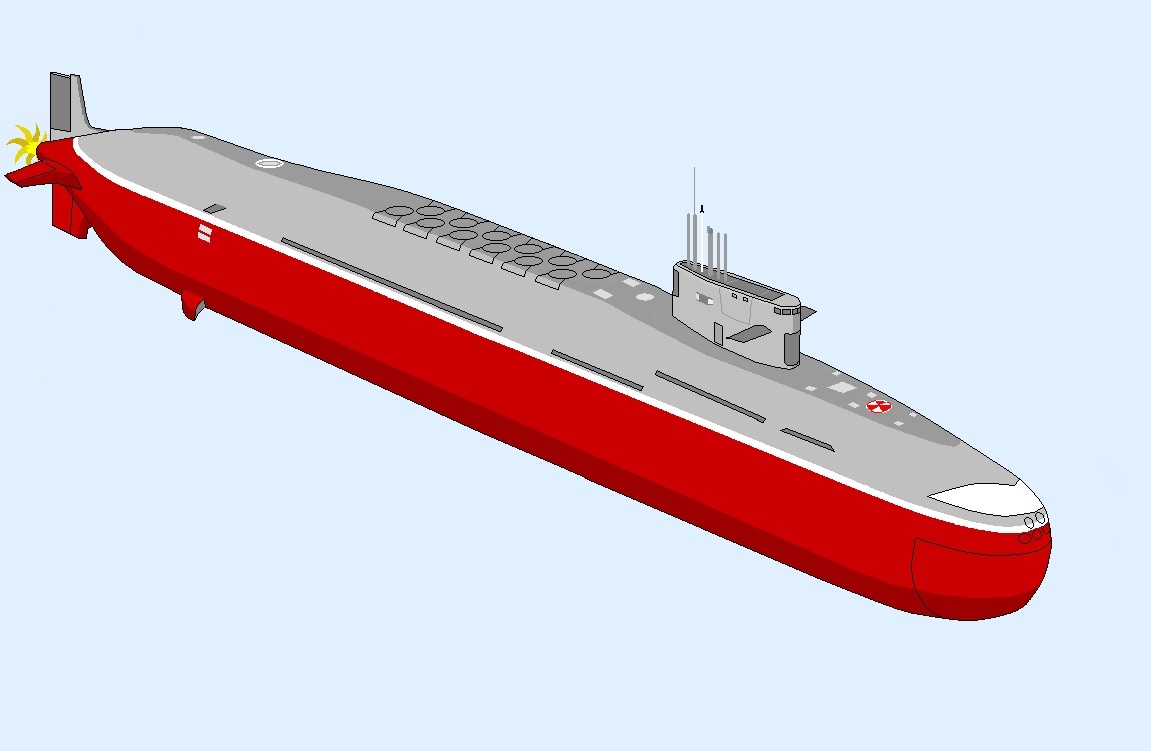
India
India is preparing to take a major leap in its nuclear deterrence capabilities with the upcoming S5-class nuclear-powered ballistic missile submarines (SSBNs), which are expected to enter production by 2027. These submarines will be the largest and most powerful built in India, forming the backbone of the country’s sea-based nuclear arsenal. Bigger, Stealthier, and More Powerful The S5-class submarines are projected to have a displacement of around 13,500 tonnes, making them nearly twice the size of the existing Arihant-class SSBNs. They will be powered by a 190 MW pressurized water reactor developed by the Bhabha Atomic Research Centre (BARC), a significant upgrade over the 83 MW reactor used in earlier submarines. This enhanced reactor is designed to run for up to a decade without refueling, giving the submarines greater endurance and stealth. The submarines are expected to feature pump-jet propulsion technology, which will reduce noise levels and make them harder to detect under water. With an expected endurance of several months at sea, the S5-class will enable India to maintain continuous nuclear deterrent patrols. Formidable Missile Payload The defining strength of the S5 will be its missile load. Each submarine is designed to carry 12 to 16 ballistic missiles, including the upcoming K-5 and K-6 submarine-launched ballistic missiles (SLBMs). These missiles are believed to have ranges between 5,000 km and 8,000 km, and the K-6 is expected to carry MIRV (Multiple Independently targetable Reentry Vehicle) warheads, allowing one missile to strike multiple targets. Future upgrades could see the S5 armed with even longer-range SLBMs under development, further strengthening India’s ability to deter adversaries at greater distances. Production and Fleet Expansion A new submarine construction facility has already been developed to support the S5 program, with the capacity to build up to three submarines at the same time. India reportedly plans to build at least four S5-class SSBNs, ensuring that at least one submarine is always on deterrent patrol while others undergo maintenance and training. Construction of each submarine could take seven to eight years, with the first expected to be completed in the mid-2030s. Part of India’s Nuclear Triad The S5-class will significantly strengthen India’s nuclear triad, which relies on land-based missiles, air-delivered weapons, and submarine-launched missiles. SSBNs are considered the most survivable leg of the triad, as they can remain hidden underwater and provide a reliable second-strike capability in the event of a nuclear attack. With the Arihant-class already in service and the larger S4 and S4 variants* nearing completion, the S5-class represents the next evolutionary step in India’s undersea deterrent. Strategic Impact The arrival of the S5-class will bring India closer to the capabilities of global nuclear powers like the United States, Russia, China, France, and the UK, all of which operate advanced SSBN fleets. For India, it ensures a credible, survivable deterrent against both Pakistan and China, reinforcing stability in the Indo-Pacific region. At a Glance – S5-Class SSBN Displacement: ~13,500 tonnes Reactor: 190 MW BARC pressurized water reactor Propulsion: Pump-jet (low acoustic signature) Missiles: 12–16 SLBMs (K-5/K-6, MIRV capable) Range of missiles: Up to 8,000 km (future >10,000 km) Construction start: 2027 Fleet size: At least 4 submarines planned
Read More → Posted on 2025-08-16 17:11:13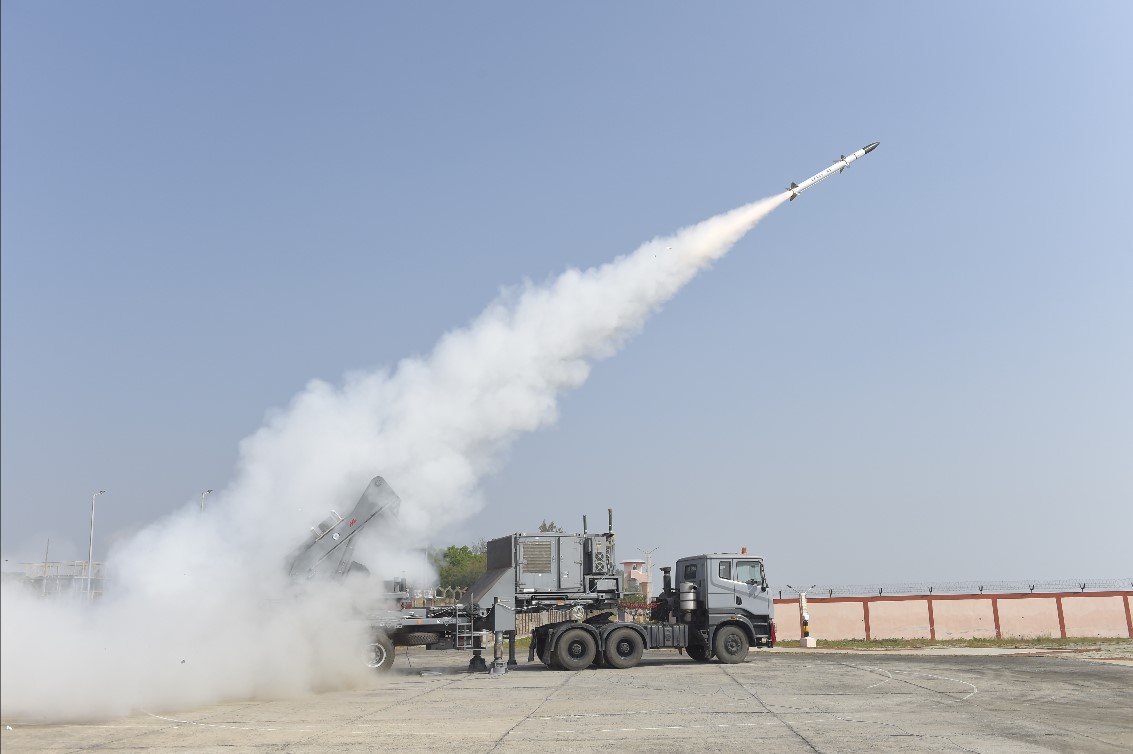
India
New Delhi, August 2025 – India’s next-generation Akash surface-to-air missile (Akash-NG) has entered user trials with the armed forces, a key step before its induction into operational service. Developed by the Defence Research and Development Organisation (DRDO), the missile is designed to provide longer range, higher accuracy, and better reliability compared to the current Akash system. The Akash-NG has already completed a series of successful developmental trials over the past few years. With the system now handed over to the Army and the Air Force for testing in real battlefield conditions, India is moving closer to deploying one of its most advanced air defence systems. Stronger Capabilities The Akash-NG has a range of 70 to 80 kilometres, more than double that of the earlier Akash variant. It uses a dual-pulse solid rocket motor, giving it faster acceleration and longer endurance in the air. The missile is guided by an indigenous Ku-band active radar seeker, capable of tracking and intercepting small, fast-moving, and low-flying targets such as drones, cruise missiles, and fighter aircraft. The system is paired with a modern AESA multi-function radar, a canisterized launcher for rapid deployment, and an optical proximity fuse for precision engagement. These features allow the Akash-NG to engage multiple targets at once, even in difficult weather or high-altitude conditions. Successful Tests So Far The missile’s first trial took place in January 2021, followed by a series of tests against high-speed aerial targets in the same year. More recent evaluations, including a test in January 2024, confirmed its ability to intercept enemy aircraft at low altitudes and in challenging environments. Upcoming trials will focus on high-altitude performance, particularly in regions like Ladakh, where thin air and extreme cold present unique challenges. A Push for Self-Reliance The Akash-NG is being developed with wide participation from Indian defence industries, including Bharat Electronics Limited (BEL) and Bharat Dynamics Limited (BDL). With a unit cost expected to be much lower than comparable foreign missile systems, it is not only strategically valuable but also economically efficient. Officials say the missile could be inducted by 2026–27 once the current phase of user trials is completed. Strategic Importance The Akash-NG will form a key part of India’s layered air defence shield, alongside systems like the indigenous QRSAM and foreign platforms such as the S-400. Its long range and advanced seeker technology will give India an effective response against modern aerial threats, strengthening security along both western and northern borders.
Read More → Posted on 2025-08-16 16:40:37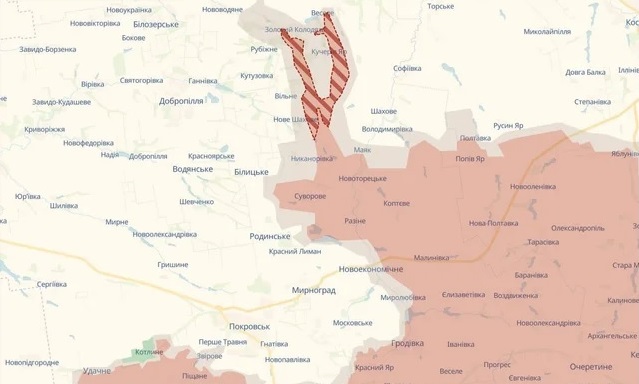
World
Kyiv, August 14, 2025 – Russia’s army has made its largest single-day advance of the year, claiming to have captured about 110 square kilometers of territory on August 12 in eastern Ukraine. Analysts said this is the biggest territorial gain in a single day since late May 2024. The advance reportedly took place around the Dobropillia–Pokrovsk axis, an area where Russian troops have been applying heavy pressure for months. According to battlefield assessments, Moscow’s forces relied on infiltration tactics, sending small groups to probe Ukrainian defenses, exploit weak points, and secure footholds for reinforcements. Military experts noted that such a gain usually takes Russia five to six days to achieve, highlighting the unusual speed of this advance. However, they cautioned that many of these gains may not yet be fully consolidated, as Russian forces have previously struggled to hold new positions when met with Ukrainian counterattacks. Context of the Advance The surge in territorial claims comes as the war grinds into its fourth year, with both sides facing heavy losses and resource strains. Russia has slowly increased its gains over the past year, capturing thousands of square kilometers, though this remains a fraction of Ukraine’s total pre-war territory. For Ukraine, the loss of ground underscores the challenges it faces in manpower and ammunition supplies, particularly as international military aid has slowed. Kyiv has been reinforcing its eastern lines, but commanders admit that attrition and constant pressure are forcing difficult choices about where to allocate troops. Strategic Implications While the August 12 gains are not considered a major breakthrough, the sudden spike in Russian advances could have political and psychological effects. Such territorial claims can disrupt Ukrainian logistics, force troop redeployments, and be used by Moscow to project strength at home and abroad. The development also comes ahead of sensitive international talks, leading some observers to suggest that Russia may be seeking to bolster its negotiating position by showcasing battlefield momentum. It remains to be seen whether Russia can hold and expand the ground it claimed on August 12 or whether Ukrainian forces will mount effective counterattacks. Analysts warn that temporary territorial gains can quickly shift in this war, where battles are often fought street by street and village by village. Still, the record one-day advance highlights how the conflict remains highly volatile, with both sides adapting tactics and neither yet able to deliver a decisive strategic victory.
Read More → Posted on 2025-08-16 16:35:03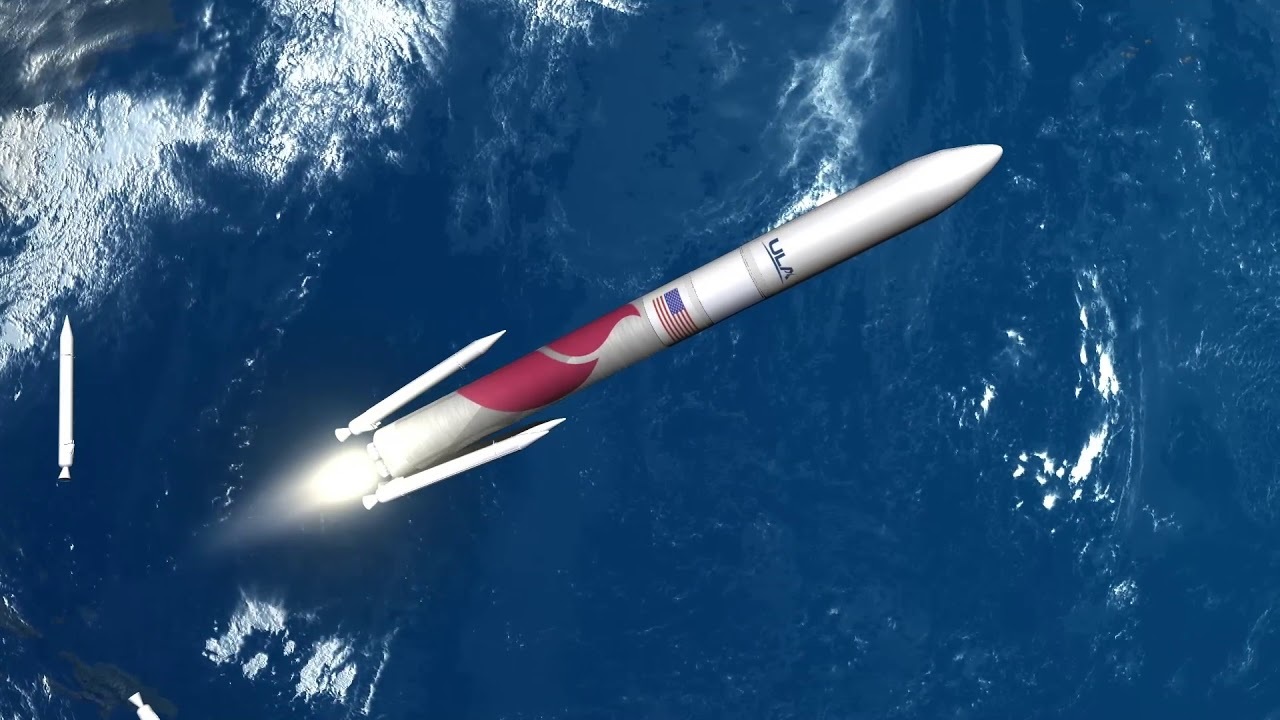
US Air Force Launches Navigation Satellite NTS-3 on Vulcan Rocket, Marking New Era in GPS Technology
World
The US Air Force Research Laboratory (AFRL) has successfully launched the Navigation Technology Satellite-3 (NTS-3), a next-generation spacecraft designed to strengthen America’s dominance in global navigation and positioning systems. The satellite was lifted into orbit from Cape Canaveral Space Force Station in Florida aboard a United Launch Alliance (ULA) Vulcan rocket, in a mission officially designated USSF-106. The NTS-3 is not just another satellite—it is a prototype for the future of GPS. Unlike traditional systems, it has been built to resist jamming, counter spoofing, and adapt in real time. Using software updates that can be uploaded directly from Earth, the satellite avoids the costly hardware replacement cycles that have historically limited GPS upgrades. Equipped with a state-of-the-art atomic clock, a reprogrammable signal receiver, and advanced authentication protocols, NTS-3 promises greater accuracy and security for both military and civilian users. The spacecraft has been placed in geosynchronous orbit, where it will undergo a two-year experimental phase to test its resilience and precision in real-world conditions. Defense experts note that such advancements are critical as global reliance on GPS grows—from aircraft navigation and precision-guided weapons to agriculture, mobile networks, and even banking systems. By improving Positioning, Navigation, and Timing (PNT) resilience, NTS-3 is expected to ensure that the US can stay ahead of rivals who are investing heavily in electronic warfare aimed at disrupting GPS signals. The launch also marked the first national security mission aboard ULA’s new Vulcan rocket, a powerful next-generation launch vehicle. Standing 202 feet tall and weighing 1.74 million pounds, the Vulcan comes with the advanced Centaur V upper stage, which offers far greater performance and endurance than its predecessors. ULA has already described this flight as a “catalyst for a new era in national space security.” Industry leaders have praised the launch as a milestone. ULA CEO Tory Bruno highlighted that Vulcan is designed to give the US unmatched flexibility in space operations, making it a cornerstone of national defense strategy. Since its founding in 2006, ULA has carried out over 130 critical missions for the Pentagon and intelligence agencies, but this flight represents a turning point—pairing a brand-new rocket with a game-changing satellite program. For AFRL, NTS-3 is more than an experiment—it is a pathfinder for the next generation of navigation satellites. If successful, many of its features could be integrated into future GPS systems, ensuring that the US military, allies, and civilian infrastructure maintain reliable navigation even in contested environments.
Read More → Posted on 2025-08-16 16:31:56
World
Washington/Brussels, August 16, 2025 – U.S. President Donald Trump and top European leaders have held talks on offering Ukraine new security guarantees that could mirror NATO’s Article 5 mutual defence clause, but would exist outside of the NATO framework. The discussions highlight efforts to find a middle path between supporting Kyiv and avoiding a direct NATO expansion that could further escalate tensions with Moscow. According to officials familiar with the talks, European leaders pressed Washington for clarity on what role the United States would play in such an arrangement. While the idea of “NATO-style” protections is gaining attention, no firm details have yet been outlined, leaving questions about whether the U.S. would commit troops, military aid, intelligence support, or primarily political backing. What the Proposal Means Under NATO’s Article 5, an attack on one member is treated as an attack on all, obliging allies to respond collectively. The model being discussed for Ukraine would not make Kyiv a NATO member but would instead create a coalition of countries pledging to defend Ukraine if attacked again. Such a system could involve joint military planning, sanctions enforcement, or automatic supply of weapons and logistics in the event of renewed aggression. Why This Matters Now The talks come against the backdrop of continued fighting in eastern Ukraine and growing calls in Europe for “ironclad security guarantees” that would allow Ukraine to rebuild and stabilize without fear of another large-scale invasion. Western leaders have long struggled with balancing support for Ukraine’s sovereignty while avoiding steps that could be seen as crossing Russia’s red lines, such as full NATO membership. European Concerns European governments are wary of vague promises that lack credibility. Without concrete U.S. commitments, leaders fear the arrangement could be seen as a political gesture rather than a genuine deterrent. Diplomats stress that the success of any guarantee depends on how clearly Washington spells out its role. Ukraine’s Position Ukrainian officials have repeatedly insisted that Kyiv must be included in any negotiations affecting its security. While open to creative solutions, Ukraine’s leadership has made clear it will only accept arrangements that preserve its sovereignty, its right to choose alliances, and that provide a genuine deterrent to future attacks. Possible Options Being Considered A mutual defence pledge among a group of willing states, similar in wording to Article 5. A standing European-led force stationed in or near Ukraine, with U.S. intelligence and logistics support. Guaranteed arms packages, intelligence-sharing, and training programs written into long-term agreements. Sanctions snap-back clauses that automatically trigger severe economic measures if Russia violates peace terms. Challenges Ahead Analysts warn that creating an Article 5-style umbrella outside NATO faces major hurdles. Any framework must be legally binding, militarily credible, and politically sustainable in both Europe and the U.S. There is also the risk that a half-measure could embolden Russia if it senses Western reluctance to intervene directly. Talks are still in the early stages. European capitals have asked Washington for a clearer outline of its commitment, while Kyiv is pushing to ensure its voice is central in shaping any deal. The coming months will be crucial as diplomats try to turn political intent into a concrete security framework that can reassure Ukraine without drawing NATO directly into conflict.
Read More → Posted on 2025-08-16 16:26:24
India
Lviv, August 16, 2025 – Ukraine has unveiled a new weapon in its fight against Russia’s relentless drone strikes: the Besorar 3210, a reusable interceptor drone that uses a 12-gauge shotgun and automated targeting system to shoot down enemy drones at close range. The aircraft was showcased at the IRON DEMO 2025 defense exhibition in Lviv, highlighting Ukraine’s rapid push to innovate under the pressures of war. How It Works The Besomar 3210 is a fixed-wing drone launched from a ground catapult, capable of flying at speeds of 150 to 200 km/h with an endurance of about one hour. It carries a thermal camera for day and night tracking, while its onboard computer and automated fire-control system calculate when to fire, releasing shotgun rounds at a distance of roughly 20 meters for a high-probability hit. The prototype carries two cartridges, with the potential to expand to four in future versions. Designed with reusability in mind, the drone can be recovered, rearmed, and relaunched multiple times per day. A frequency-hopping communication system makes it resistant to Russian jamming efforts, ensuring stable guidance in contested airspace. Answering Russia’s Drone Swarms Ukraine is facing an unprecedented drone threat, with over 6,000 Russian drones launched in a single recent month — the highest rate since the start of the full-scale invasion. Most of these are Geran-2 loitering munitions (the Russian version of Iran’s Shahed-136), which are cheap, numerous, and difficult to stop without expending costly air-defense missiles. The Besomar 3210 provides a low-cost alternative: instead of using million-dollar missiles to shoot down drones worth only tens of thousands, Ukraine can rely on interceptors like the Besomar that are cheaper to build, operate, and reuse. Specifications at a Glance Launch method: Ground catapult Speed: 150–200 km/h Endurance: ~60 minutes Sensors: Thermal camera + automated targeting Comms: Jam-resistant frequency-hopping system Weapons: 12-gauge shotgun (2–4 cartridges) Effective range: ~20 meters Recovery: Reusable, quick turnaround for multiple sorties Part of a Larger Strategy Kyiv is not relying on a single solution. The Besomar 3210 is part of a broader layered defense approach, combining electronic warfare to jam drones, ground-based air-defense systems to protect critical infrastructure, and interceptor drones to sweep up what gets through. Ukrainian officials have set an ambitious goal of producing hundreds to over a thousand interceptors daily, aiming to create a constant defensive screen over major cities and power plants. The Besomar 3210 may not be a silver bullet, but it reflects Ukraine’s ability to adapt quickly and innovate under fire. With its reusability, automation, and affordability, the drone is designed to blunt Russia’s strategy of overwhelming Ukrainian defenses with sheer numbers. If produced at scale, it could play a decisive role in keeping Ukraine’s skies safer from nightly drone raids.
Read More → Posted on 2025-08-16 15:38:23
India
Visakhapatnam, August 2025 – India is preparing to induct its most advanced nuclear-powered ballistic missile submarine yet, the INS Aridhaman (S4), which is currently undergoing sea trials and is expected to be commissioned later this year. The submarine, built at the Ship Building Centre in Visakhapatnam, represents a major leap in India’s Arihant-class SSBN program and will greatly enhance the nation’s nuclear triad. Bigger, Quieter, More Lethal Weighing around 7,000 tonnes, Aridhaman is significantly larger than India’s first two Arihant-class boats. It is powered by an 83 MW CLWR-B1 nuclear reactor, an upgraded design that allows longer patrol endurance and a quieter acoustic signature, making it harder for enemy navies to detect. At nearly 130 meters long and capable of reaching 24 knots submerged, the submarine is designed for extended deterrence patrols in both the Arabian Sea and Bay of Bengal. Nuclear propulsion means it can stay at sea indefinitely, limited only by crew endurance and supplies. Missile Firepower Aridhaman carries eight vertical launch tubes, double the capacity of India’s lead boat INS Arihant. These tubes can be loaded with: Eight K-4 SLBMs with a range of about 3,500 km Or the future K-5 SLBMs, with an estimated range of 5,000–6,000 km Alternatively, up to 24 shorter-range K-15 missiles This greatly improves India’s second-strike capability, allowing Aridhaman to strike targets deep inside enemy territory while remaining hidden at sea. Indigenous Effort The submarine boasts about 70% indigenous content, showcasing India’s growing expertise in submarine construction, reactor design, sonar systems, and weapons integration. Systems like the USHUS sonar and Panchendriya combat suite highlight how far Indian shipbuilding has come since the first SSBN project began in the late 1990s. Class Status and What’s Next INS Arihant (S2) – commissioned in 2016, first deterrence patrol in 2018. INS Arighaat (S3) – commissioned in August 2024. INS Aridhaman (S4) – undergoing sea trials, expected in service by late 2025. Fourth hull (S4)* – launched in October 2024, under construction with expanded missile capacity and further reactor improvements. By the early 2030s, India aims to field a fleet of at least four operational SSBNs, ensuring that one submarine is always at sea on deterrence patrol. Strategic Significance Aridhaman comes at a critical time for India’s defense posture. With China expanding its nuclear submarine fleet and Pakistan moving ahead with Chinese-built Hangor-class conventional submarines, the ability to keep nuclear weapons survivable at sea is vital. Unlike land-based or air-based nuclear forces, a submarine operating silently underwater provides the most credible assured second strike in case of a nuclear exchange. The arrival of Aridhaman will allow India to shift from a single-hull nuclear deterrent—which depended solely on Arihant—to a continuous at-sea deterrence model, where at least one submarine is always available for patrol even when others undergo refit or training. At a Glance – INS Aridhaman (S4): Type: Nuclear-powered ballistic missile submarine (SSBN) Displacement: ~7,000 tonnes Length: ~130 meters Speed: 24 knots submerged Reactor: 83 MW CLWR-B1, upgraded for endurance & stealth Missile tubes: 8 (K-4 / K-5 / K-15 SLBMs) Indigenous content: ~70% Status: Sea trials, commissioning in 2025
Read More → Posted on 2025-08-16 15:31:38
Space & Technology
Sriharikota/Pasadena, August 15, 2025 — In a historic milestone for space cooperation, ISRO and NASA have successfully deployed the world’s largest spaceborne radar antenna on the NISAR satellite, just 17 days after its launch from India’s Satish Dhawan Space Centre on July 30. The 12-meter gold-plated radar reflector antenna, attached to a 9-meter boom, was unfurled in orbit in 37 minutes using explosive bolts and motors. Weighing around 64 kilograms and built with 123 composite struts, the reflector expanded into position smoothly, marking one of the most critical steps of the mission’s 90-day commissioning phase. About the Mission The 2,393-kg NISAR spacecraft, powered by nearly 6,500 watts of solar energy, circles Earth in a 747 km sun-synchronous orbit. It carries both L-band and S-band synthetic aperture radars, which together will map the entire Earth every 12 days with unmatched precision. The L-band radar has a wavelength of about 24 cm, while the S-band radar has about 10–12 cm, enabling the mission to capture subtle ground deformations, vegetation changes, and ice movements. Unlike traditional optical satellites, NISAR can observe day or night and through clouds, making it invaluable for continuous monitoring of Earth’s surface. What It Will Do NISAR is designed to monitor: Ecosystem changes such as deforestation, soil health, and agricultural cycles Ice sheets and glaciers, measuring their melt and contribution to sea-level rise Natural hazards like earthquakes, landslides, volcanic activity, and floods Ground subsidence and infrastructure stability in urban areas The satellite’s radar interferometry technology will detect movements of just a few millimeters, providing early warning insights. Importantly, the mission will provide freely available data, with regular products released within one to two days, and in emergencies, within hours. Significance and Scale NISAR is a $1.3 billion collaboration, one of the largest joint Earth science efforts between India and the United States. NASA contributed the L-band radar, high-speed communication systems, and navigation payloads, while ISRO provided the S-band radar, satellite bus, launcher, and will oversee operations. The mission aims for a minimum lifespan of five years, although consumables may allow operations beyond that. By fall 2025, once all systems are tested and calibrated, NISAR will officially begin science operations, creating the most detailed global radar maps of Earth ever attempted. Why It Matters The successful antenna deployment confirms NISAR’s capability to become the world’s most advanced radar imaging satellite, a tool that will support climate research, disaster response, water and forest management, and agricultural planning. Scientists and emergency responders alike are hailing it as a game-changer for real-time environmental intelligence.
Read More → Posted on 2025-08-16 15:24:04
World
Anchorage, August 15, 2025 – In a landmark first, U.S. President Donald Trump and Russian President Vladimir Putin held a nearly three-hour summit at Joint Base Elmendorf–Richardson in Alaska, marking their first in-person meeting since Russia’s invasion of Ukraine in 2022. A Missed Breakthrough—but with Subtle Progress The meeting ended without a ceasefire or formal peace deal, yet both leaders called the talks “productive.” Trump emphasized, “There’s no deal until there’s a deal,” underscoring that despite positive momentum, final consensus remains elusive. Putin, meanwhile, spoke of an "understanding" reached during discussions, hinting that future negotiations could follow. He even floated the possibility of hosting the next meeting in Moscow, suggesting the dialogue may continue. Key Dynamics and Context The summit included high-level aides: U.S. Secretary of State Marco Rubio and Russian Foreign Minister Sergey Lavrov, among others. Trump signaled his intent to brief Ukrainian President Volodymyr Zelenskyy and NATO leaders on the talks, reinforcing that any resolution must involve Ukraine and its allies. The joint appearance featured traditional ceremonial touches—red carpet welcome, military flyby, and a brief joint press conference where neither president took questions. What’s Next on the Agenda Trump asserted that the best path forward is a direct peace agreement, not merely a temporary ceasefire, warning that such fragile pauses often fall apart. Plans are underway for a follow-up meeting with Zelenskyy in Washington, potentially followed by a trilateral summit involving all three leaders. Putin raised the topic of nuclear arms control reform, signaling potential expansion of discussions beyond Ukraine. Regional and Global Reactions European leaders from France, Germany, the UK, Italy, and elsewhere welcomed Trump’s engagement but reiterated that true peace requires Ukraine's meaningful inclusion. They also emphasized that international borders must not be redrawn by force and pledged continued support for Kyiv. Ukraine itself stressed that negotiations excluding its participation would be unacceptable, dismissing any suggestion of ceding territory in exchange for peace. Expert Takeaways Analysts view the summit as high-profile diplomacy, but caution that the absence of concrete results may simply postpone the hard decisions. As one expert noted, working directly toward a peace treaty is a bold move—but without clear commitments, the risk of fragmented, unstable outcomes remains high.
Read More → Posted on 2025-08-16 15:16:22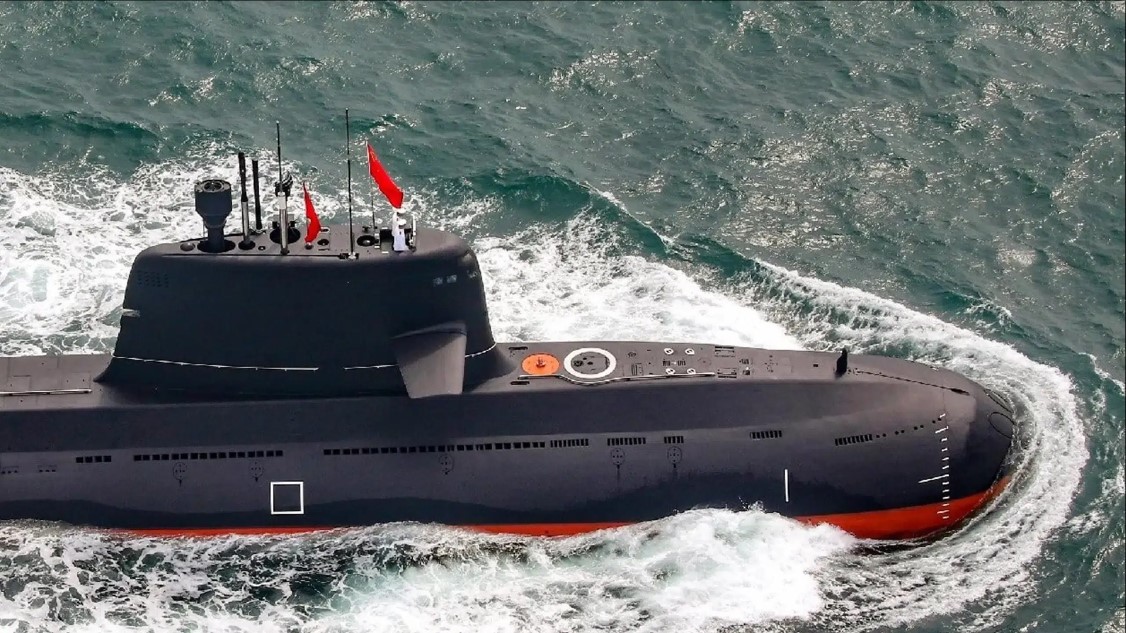
World
China has delivered the third of eight advanced Hangor-class submarines to Pakistan, marking another major step in strengthening Islamabad’s naval fleet as part of Beijing’s ongoing efforts to expand influence in the Indian Ocean, a region often seen as India’s strategic backyard. The handover ceremony took place in Wuhan, Hubei province, where Pakistan’s Deputy Chief of Naval Staff (Projects-2), Vice Admiral Abdul Samad, highlighted that the new submarine, equipped with cutting-edge weaponry and modern sensors, will help maintain “regional power equilibrium” and enhance “maritime stability.” This comes just months after the second Hangor-class submarine was delivered in March. The eight-boat program, agreed in 2015, represents one of the largest defense deals between China and Pakistan, under which four submarines will be built in China and four at Pakistan’s Karachi Shipyard & Engineering Works (KSEW). Specifications of Hangor-Class Submarines The Hangor-class is based on the Chinese Type 039A/041 Yuan-class design, customized for Pakistan. Key features include: Length: About 76 meters Displacement: Around 2,800 tons (submerged) Propulsion: Diesel-electric with Air-Independent Propulsion (AIP) system, allowing it to stay submerged for over two weeks without surfacing Stealth: Advanced hull design with low acoustic signature for quiet operation Weapons: Capable of carrying torpedoes, anti-ship cruise missiles, and possibly land-attack cruise missiles (Babur-III SLCM), giving it a potential nuclear-strike capability Sensors: Equipped with comprehensive sonar suites and modern combat management systems for enhanced detection and targeting Range & Endurance: Estimated endurance of 8,000 nautical miles and the ability to operate at sea for up to 90 days With these features, the Hangor-class submarines are considered among the most advanced conventional submarines in the region, rivalling the capabilities of India’s Kalvari-class (Scorpène) submarines. China–Pakistan Defense Ties Deepen The submarine deal is part of Beijing’s wider strategy to bolster Pakistan’s military power. In recent years, China has supplied: Four advanced Type 054A/P frigates for the Pakistan Navy Over 600 VT-4 main battle tanks for its army 36 J-10CE fighter jets, delivered since 2022 Pakistan’s first dedicated spy ship, the Rizwan According to global defense data, more than 80 percent of Pakistan’s imported military hardware now comes from China, cementing Beijing as Islamabad’s primary defense partner. Strategic Implications in the Indian Ocean The induction of Hangor-class submarines significantly boosts Pakistan’s undersea warfare capabilities at a time when China is also expanding its naval footprint in the Arabian Sea, where it operates from the Gwadar Port in Balochistan. The addition of long-endurance, missile-capable submarines to Pakistan’s fleet could complicate India’s naval strategy, especially in the Arabian Sea and Indian Ocean Region (IOR), where the Indian Navy maintains superiority. Chinese analysts have claimed the Hangor-class provides Pakistan with “excellent stealth, long underwater endurance, and formidable strike power,” making it a deterrent platform against India’s surface and submarine forces. With three submarines already delivered and five more on the way, Pakistan’s navy is expected to undergo its largest transformation in decades. By the early 2030s, Islamabad aims to operate one of the most modern conventional submarine fleets in Asia, while China continues to secure its influence in South Asia through defense, trade, and infrastructure partnerships.
Read More → Posted on 2025-08-16 15:11:23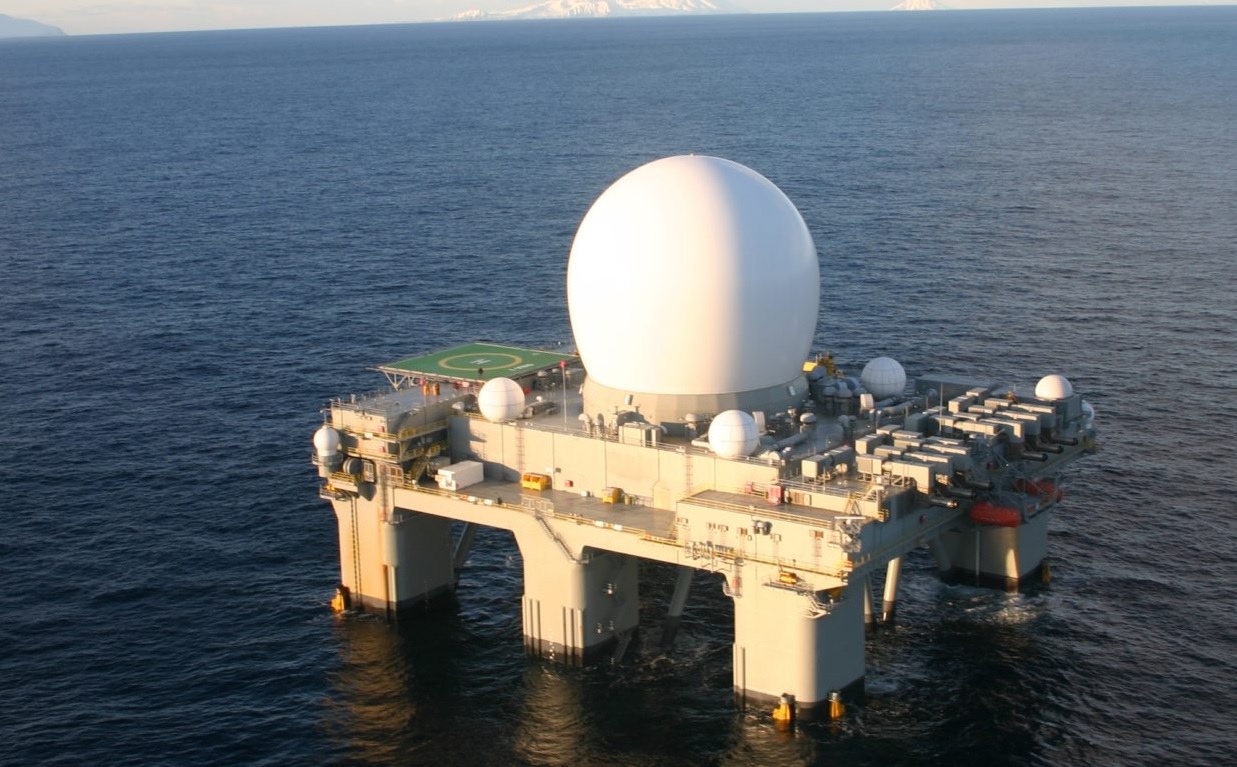
World
The U.S. Department of Defense has selected TOTE Services Inc. to provide maintenance and operational support for the Sea-Based X-Band Radar (SBX-1), one of the most advanced elements of America’s missile defense network. The contract is valued at $311.4 million, covering an initial 12-month period, with options for four additional years and a possible six-month extension. The SBX-1, operated by the Missile Defense Agency, is unique within the U.S. military. It is the only operational radar system mounted on a semi-submersible platform, making it mobile yet stable in rough seas. This capability allows the radar to be deployed where needed, providing highly accurate tracking of ballistic missile launches around the globe. A Giant Eye in the Pacific Developed by Raytheon, the SBX-1’s X-Band Radar (XBR) is housed inside a massive 31 x 37-meter dome, instantly recognizable by its distinctive white, golf-ball-like appearance. The heart of the radar is an octagonal phased-array antenna with a 384 m² physical aperture and a 248 m² active aperture, made up of more than 45,000 transmit/receive modules. This allows it to detect, track, and differentiate between real warheads and decoys during the midcourse phase of a missile’s flight. The radar can rotate up to 270° horizontally and 85° vertically, scanning at a rate of 5–8 degrees per second. Its X-band frequency (8–12.5 GHz) makes it one of the most precise tracking systems ever built, able to spot objects the size of a baseball from thousands of kilometers away. Engineering Marvel The SBX-1 is as much a floating powerhouse as it is a radar station. Its enormous electronics and antenna require strict temperature control, maintained by a liquid cooling system circulating 3,634 liters of propylene glycol per minute. The platform itself displaces 32,690 tonnes, swelling to over 50,000 tonnes when fully ballasted for stability at sea. Weight of radar dome: ~8,164 kg Total platform weight: ~1,814 tonnes (radar and support systems) Power: Eight Caterpillar C280-16 diesel generators (5,060 kW each) Propulsion: Eight Wärtsilä FS 2150-663 azimuth thrusters, each with 3,300 kW electric motors Maximum speed: 9 knots Crew capacity: 85 personnel Endurance: Up to 60 days without resupply This engineering behemoth can reposition itself across oceans and remain on station for months at a time, making it a critical asset for monitoring missile threats. From Oil Rig to Missile Shield The SBX-1 was built on a Moss CS 50 semi-submersible oil platform, constructed at the Vyborg Shipyard in Russia in 2002. It was later converted for military use at Keppel AmFELS shipyard in Texas, with Boeing Integrated Defense Systems overseeing the design. The radar installation was completed in Corpus Christi, Texas, in 2005, when the massive dome was placed over the antenna. Although officially homeported at Adak Island, Alaska, the SBX-1 has been based in Pearl Harbor, Hawaii, since 2009 following escalating North Korean missile tests. It has carried out numerous high-profile deployments, including its longest sea mission of 661 days, which ended in 2022. Strategic Significance The SBX-1 is a cornerstone of the U.S. Ballistic Missile Defense System (BMDS). Unlike ground-based radars fixed in location, its mobility allows it to be positioned to monitor adversary missile launches in real time, providing data to interceptor systems such as the Ground-Based Midcourse Defense (GMD). Its strategic value is especially high in the Indo-Pacific region, where missile tests from North Korea and China pose ongoing challenges. Analysts note that the SBX-1’s ability to distinguish between live warheads and decoys makes it a vital link in ensuring that limited interceptor missiles are used effectively in a real conflict. With the new contract awarded, the Pentagon ensures the SBX-1 will remain operationally ready for at least the next half decade. As the U.S. faces a rapidly evolving missile landscape—ranging from hypersonic threats to swarming decoys—the platform will continue to act as America’s floating radar fortress, combining cutting-edge technology with unmatched mobility.
Read More → Posted on 2025-08-16 15:05:17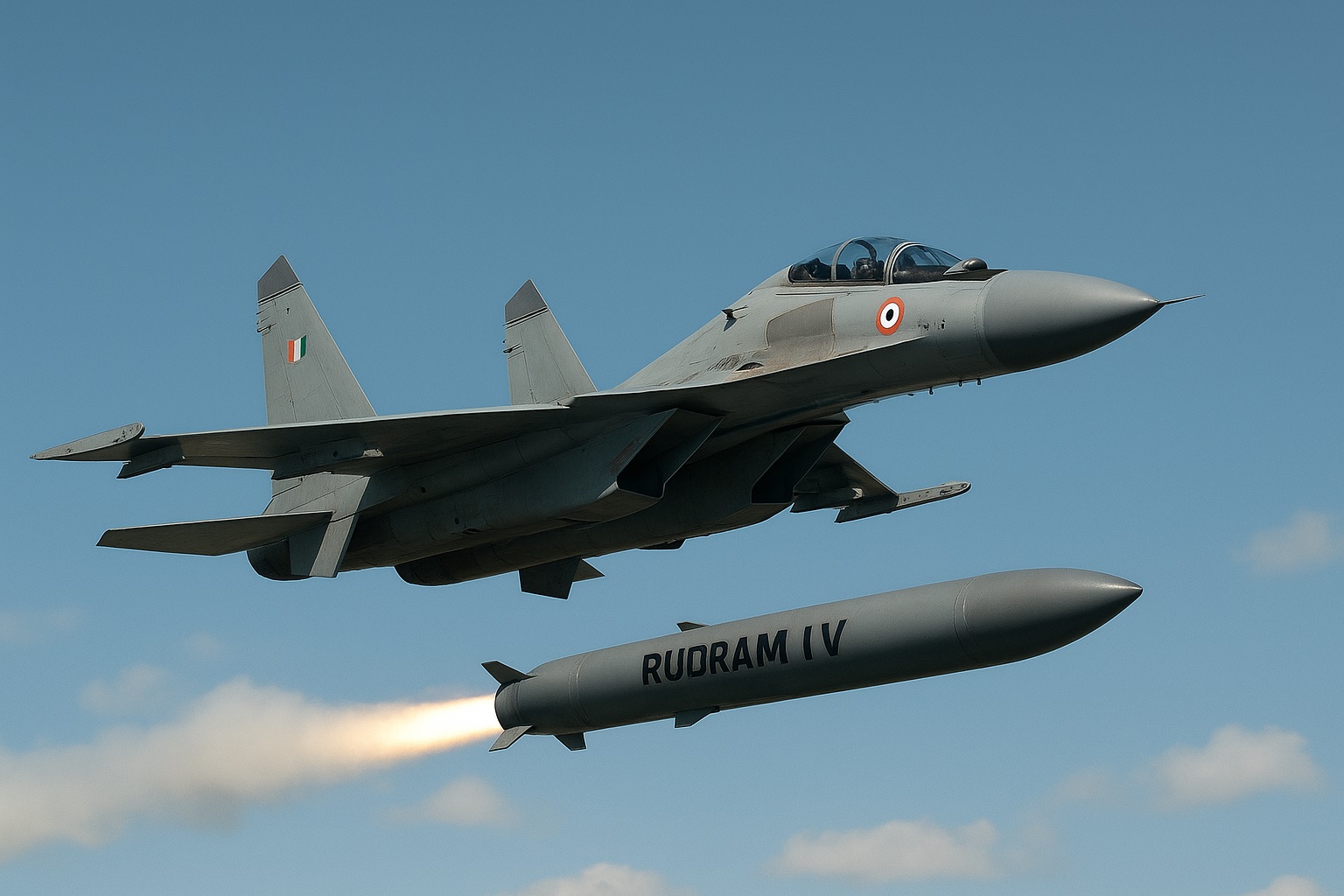
India
India’s next-generation missile, Rudram-4, is not just another variant of the Pralay missile—it’s a distinct, advanced addition to the Rudram series, offering unmatched reach, speed, and precision. What We Know: Rudram vs. Pralay Pralay is a surface-to-surface tactical ballistic missile developed by DRDO. It is roughly 5 tonnes in weight, two-staged, travels at about Mach 6.1, and is launched from ground-based transporter erector launchers. Its role is strategic ground strike, not aerial launch. Rudram-4, by contrast, belongs to a family of air-launched, air-to-surface missiles designed to neutralize enemy ground-based defenses like radar, command centers, and bunkers. It’s hypersonic and optimized for operations launched from fighter aircraft. Rudram-4: Speed, Range, and Tactical Edge Below is a snapshot of how the Rudram series has evolved: Variant Range Speed Notable Features Rudram-1 ~200 km ~Mach 2 Anti-radiation, supersonic, integrated Rudram-2 ~300 km ~Mach 5.5 Dual-role: ground attack & ARM, hypersonic Rudram-3 ~550 km Hypersonic Two-stage, highly maneuverable Rudram-4 (est.) ~1,000–1,500 km >Mach 5 (hypersonic) Long-range, lightweight LRSOW variant Rudram-4 is being developed as a Long-Range Stand-Off Weapon (LRSOW) with a projected range between 1,000 and 1,500 km. It’s designed for hypersonic speeds (faster than Mach 5), making interception extremely challenging. The missile will likely use a quasi-ballistic trajectory with low-altitude maneuvers, ideal for evading advanced air-defenses. Equipped with INS-GPS/ENG guidance and possibly Imaging Infrared (IIR) or passive homing heads, Rudram-4 aims for pinpoint accuracy against hardened or radar-equipped targets. It’s designed to integrate with multiple fighter platforms such as Su-30MKI, Mirage 2000, and Rafale, enhancing deployment flexibility. Development got a boost in 2023 when the Defence Acquisition Council approved its Acceptance of Necessity (AoN), signaling path to operational deployment within 3–4 years. Strategic Implications Rudram-4 is a game-changer in India’s SEAD/DEAD (Suppression/Destruction of Enemy Air Defenses) capabilities. Its combination of range and speed could neutralize threats deep inside adversary territory while keeping Indian aircraft at safe stand-off zones. Designed especially to counter threats from China and Pakistan, it addresses sophisticated air defense systems like the HQ-9 and S-400. The development of Rudram-4 represents India’s growing competence in hypersonic missile technology, alongside global powers like Russia, China, and the US. It underscores India’s commitment to indigenous, network-centric defense capabilities and enhances deterrent credibility. Rudram-4 stands as a distinct and significant leap beyond the Pralay missile—offering hypersonic speed, extended reach (1,000–1,500 km), low-altitude maneuverability, and multi-platform aerial launch capability. Rather than being an A2G version of Pralay, it represents a strategic and technological evolution in air-to-ground strike capacity.
Read More → Posted on 2025-08-15 17:08:30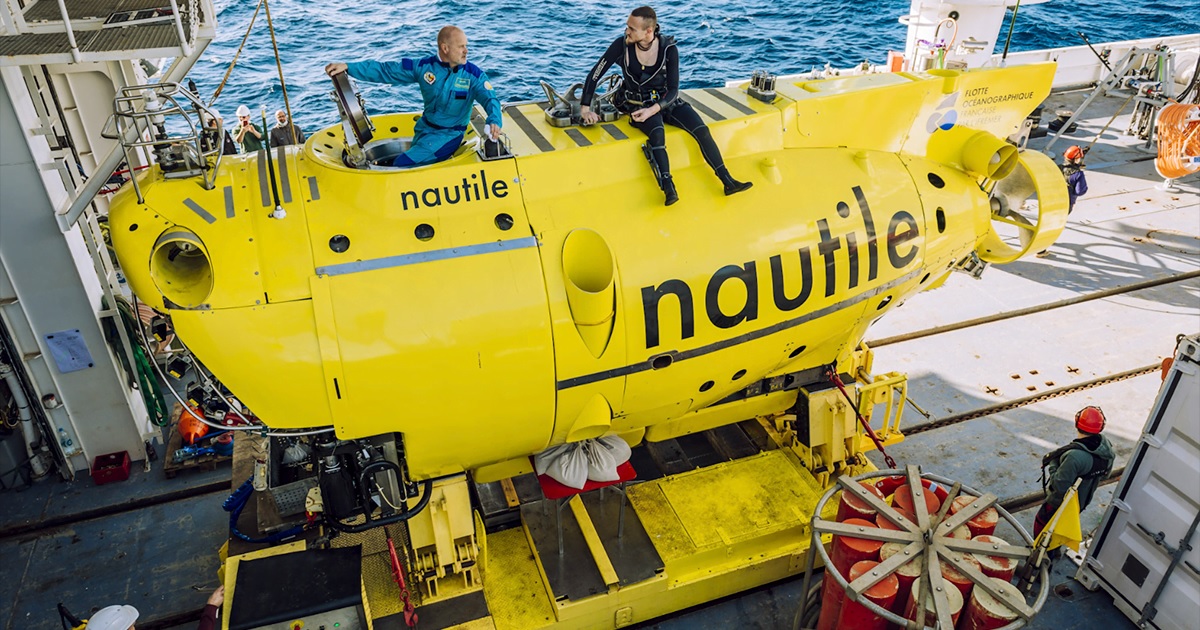
World
India has taken a giant leap in deep-ocean exploration, successfully sending two Indian aquanauts to depths of up to 5,000 metres in the North Atlantic Ocean aboard the French crewed submersible Nautile on August 5 and 6. The milestone marks the deepest manned dives ever undertaken by Indian explorers and is a crucial step toward the country’s upcoming Samudrayaan mission. On August 5, R Ramesh, a scientist from the National Institute of Ocean Technology (NIOT), descended to 4,025 metres. The following day, Commander (Retd) Jatinder Pal Singh reached a record-breaking 5,003 metres. Each dive lasted nearly nine to ten hours, including a 2.5-hour descent, around four hours of operations on the seabed, and a 2.5-hour ascent. The missions involved extensive training in deep-sea navigation, trajectory tracking, vehicle handling, and real-time communication. The Nautile, operated by the French marine research institute Ifremer, is capable of diving up to 6,000 metres and houses three people. Equipped with powerful lights, high-definition cameras, and two robotic arms, it can conduct up to six hours of operational work at the seabed during each dive. During the expedition, the aquanauts tested the submersible’s robotic manipulators, collected samples from the ocean floor, and planted both the Indian and French national flags at depth, symbolising international cooperation in ocean science. This mission is seen as critical preparation for Samudrayaan, India’s first manned ocean mission under the Deep Ocean Mission program. Scheduled for 2027–28, it will send three Indian aquanauts to 6,000 metres aboard the indigenously developed Matsya-6000 submersible. The vessel, designed with a titanium sphere, will have a 12-hour operational endurance and emergency support for up to 96 hours. With this achievement, India moves closer to joining an elite group of nations—the United States, Russia, China, France, and Japan—capable of crewed deep-sea exploration. Officials say the mission will help strengthen India’s blue economy, advance deep-sea mining capabilities, and expand scientific knowledge of unexplored marine ecosystems. “This successful deep dive demonstrates India’s readiness for its own 6,000-metre mission and reflects the growing expertise of our scientists and engineers in extreme underwater operations,” an NIOT official said. The expedition also aligns with India’s agreements with the International Seabed Authority to explore mineral-rich deep-sea regions between 4,000 and 5,500 metres, a step towards securing strategic undersea resources.
Read More → Posted on 2025-08-15 16:26:17
World
Russia’s Federal Security Service (FSB) announced it had dealt a significant setback to Ukraine’s long-range missile capabilities following a joint operation with the Defence Ministry. The operation reportedly targeted facilities linked to the production and deployment of Ukraine’s Sapsan ballistic missile, also known as the Hrim-2, striking sites in both Sumy and Dnipropetrovsk regions. According to the FSB, the targeted locations included missile production buildings, air defence systems, and infrastructure used to shield these facilities. Russian forces claim the strikes have eliminated Ukraine’s technical base for manufacturing the Hrim-2, a missile system believed to be capable of striking the Moscow region, central Russia, and Belarus. The Defence Ministry said the attacks—carried out by air, sea, and land forces—were aimed at disrupting what it described as a Kyiv-led plan, coordinated with Western allies, to mass-produce long-range missiles for deep strikes into Russian territory. The ministry reported that Ukrainian design bureaus, rocket fuel storage sites, and missile assembly plants were destroyed during the July raids. In addition to targeting the Hrim-2 program, the ministry claimed its forces destroyed four launchers of the U.S.-supplied Patriot air defence system and a U.S.-made target detection and guidance radar in the Dnipropetrovsk region. The FSB further alleged that Ukraine’s development of the Sapsan missile involved assistance from unnamed Western European specialists, adding weight to Moscow’s long-standing accusations of direct Western involvement in Ukrainian defence projects. While Kyiv has not issued a response to the latest Russian claims, Ukrainian media outlets previously reported that the Hrim-2 successfully completed combat testing in May, striking a Russian military target at a distance of nearly 300 kilometres. Military analysts believe the system’s maximum range could extend beyond 500 kilometres, posing a significant strategic challenge for Russia if deployed at scale. The Sapsan/Hrim-2 program, often described as Ukraine’s answer to Russia’s Iskander-M missile, has been a high-priority defence project for Kyiv since its inception. If operational, it could give Ukraine the ability to target deep within Russian territory, disrupting supply lines and command infrastructure. The latest Russian claims come amid an intensifying missile and drone campaign on both sides of the conflict, with Ukraine increasingly targeting military and industrial sites inside Russia, and Moscow responding with strikes aimed at crippling Ukraine’s defence industry. As of now, independent verification of the extent of the damage to Ukraine’s missile program remains unavailable, but if Russia’s account proves accurate, it would mark one of the most significant blows to Ukraine’s long-range strike capabilities since the war began.
Read More → Posted on 2025-08-15 16:15:11Search
Top Trending in 24 Hours
-
 President Trump Pauses Plans to Expand U.S. Strikes on Iran Amid Concerns Over Air Defense Missile Stocks
-
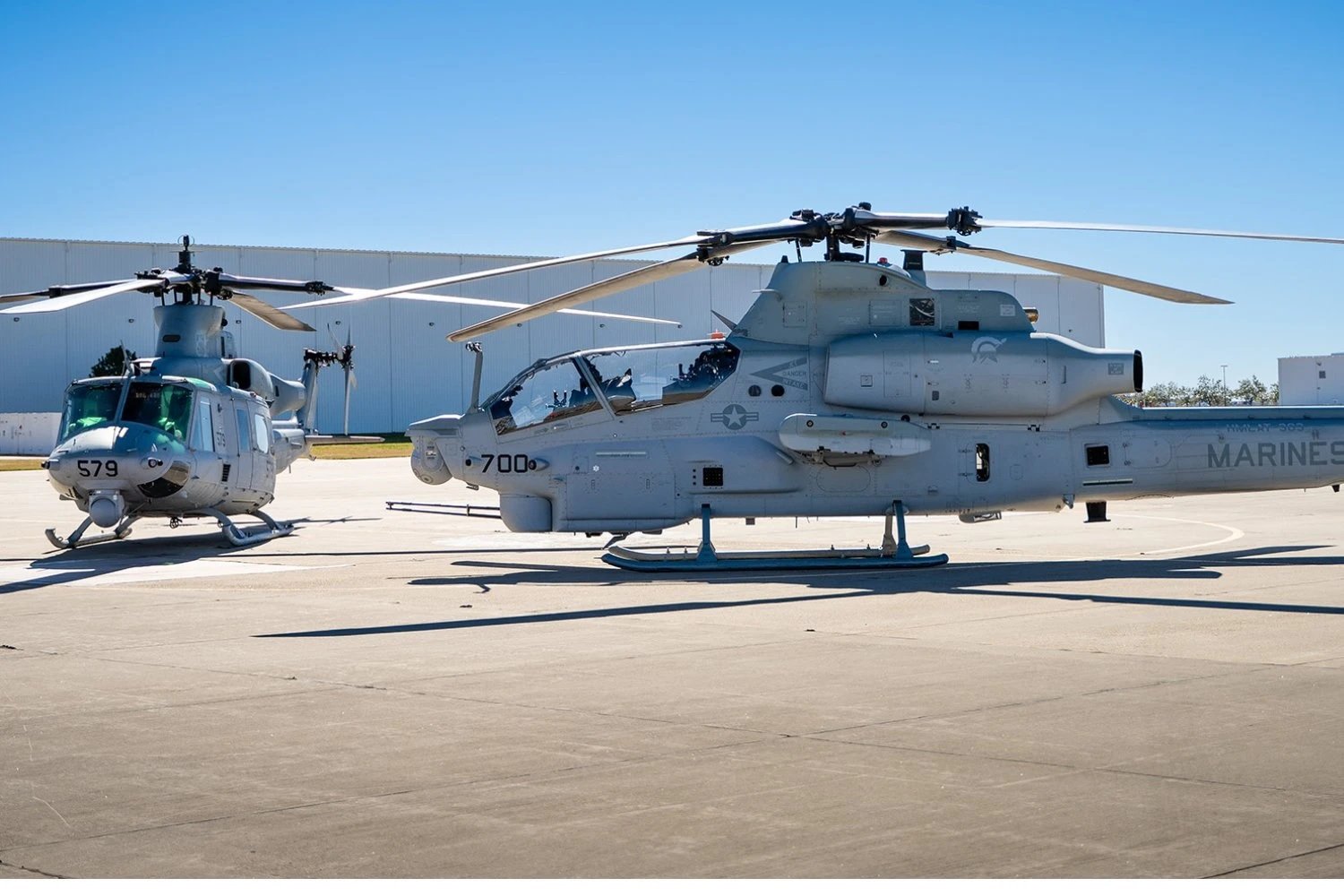 U.S. Awards Bell Textron $33.64 Million Contract for Next Phase of Marine Corps AH-1Z and UH-1Y Helicopter Upgrades
-
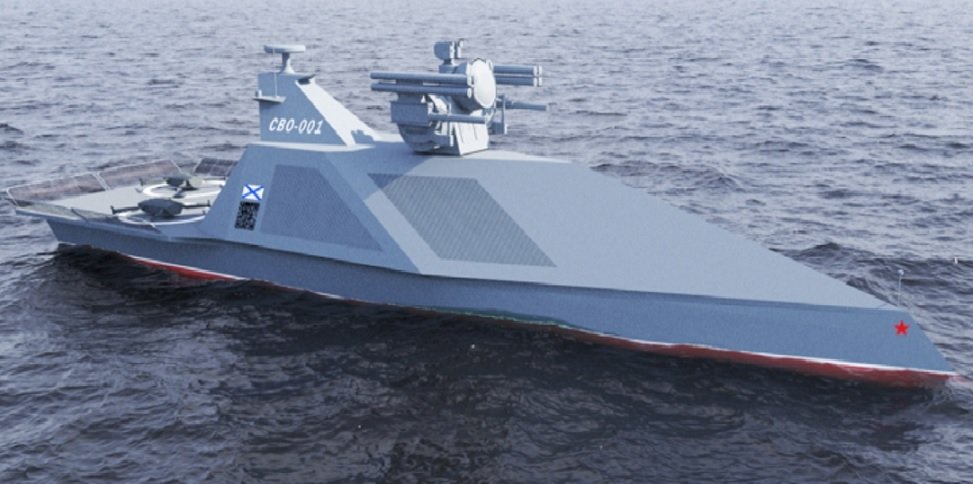 Russia Builds 500-Ton Unmanned Warship For Anti-Submarine Warfare, Plans New 9,500-Ton Warship, Navy Chief Says
-
 Unreleased Footage Reveals Why Lindsey Graham Dropped Plan to Push Trump on Hezbollah Strikes
-
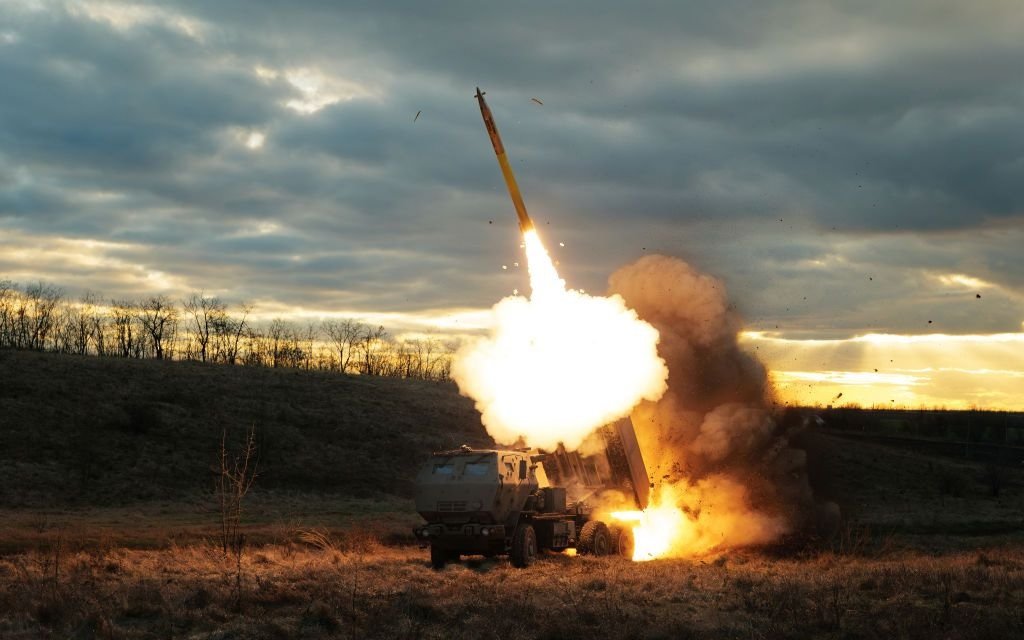 U.S. Military Selectively Intercepts Iranian Missiles to Preserve Shrinking Air Defense Stocks : Report
-
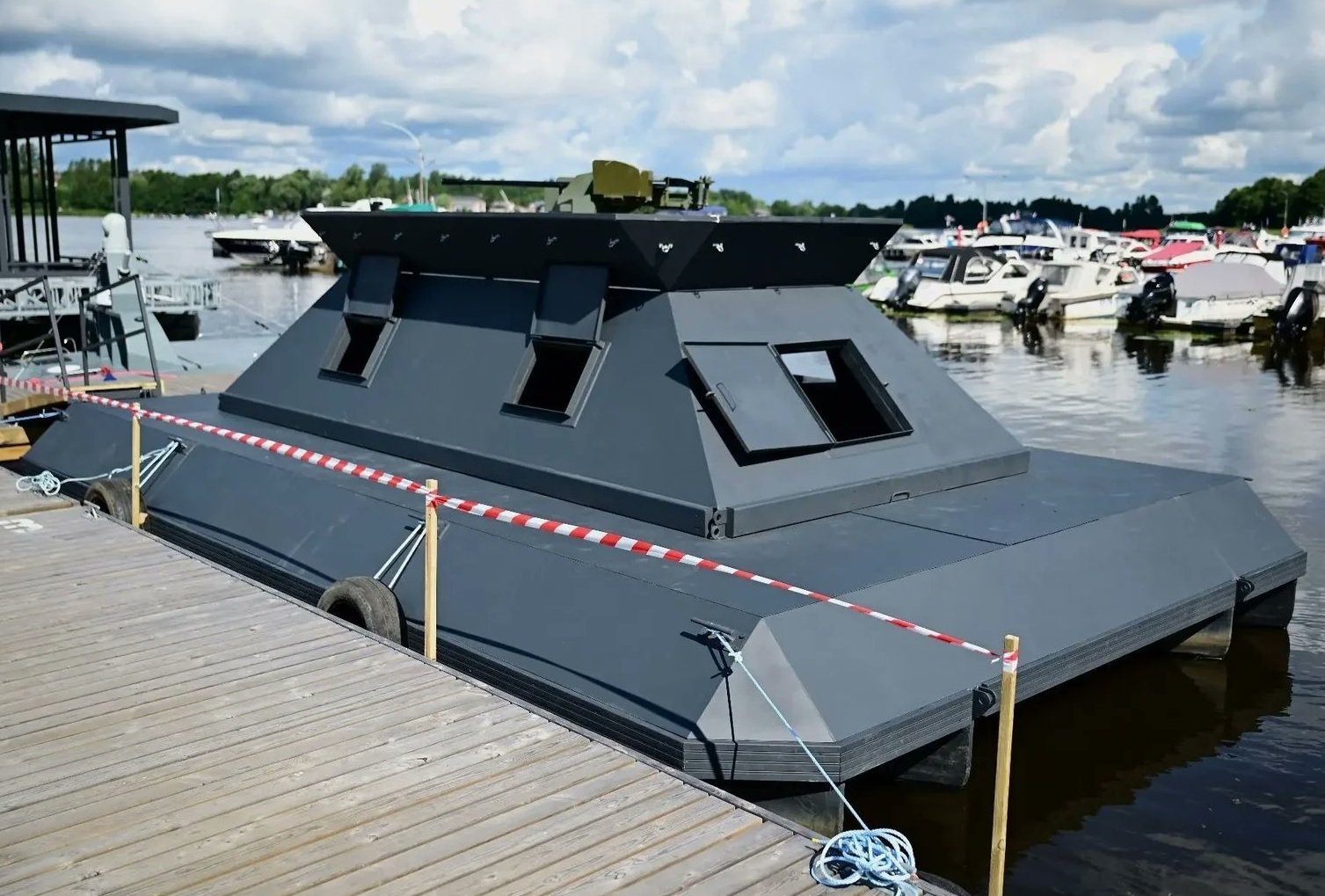 Russia Unveils Experimental Plot-40 Floating Defense Platform to Counter Drone and USV Threats
-
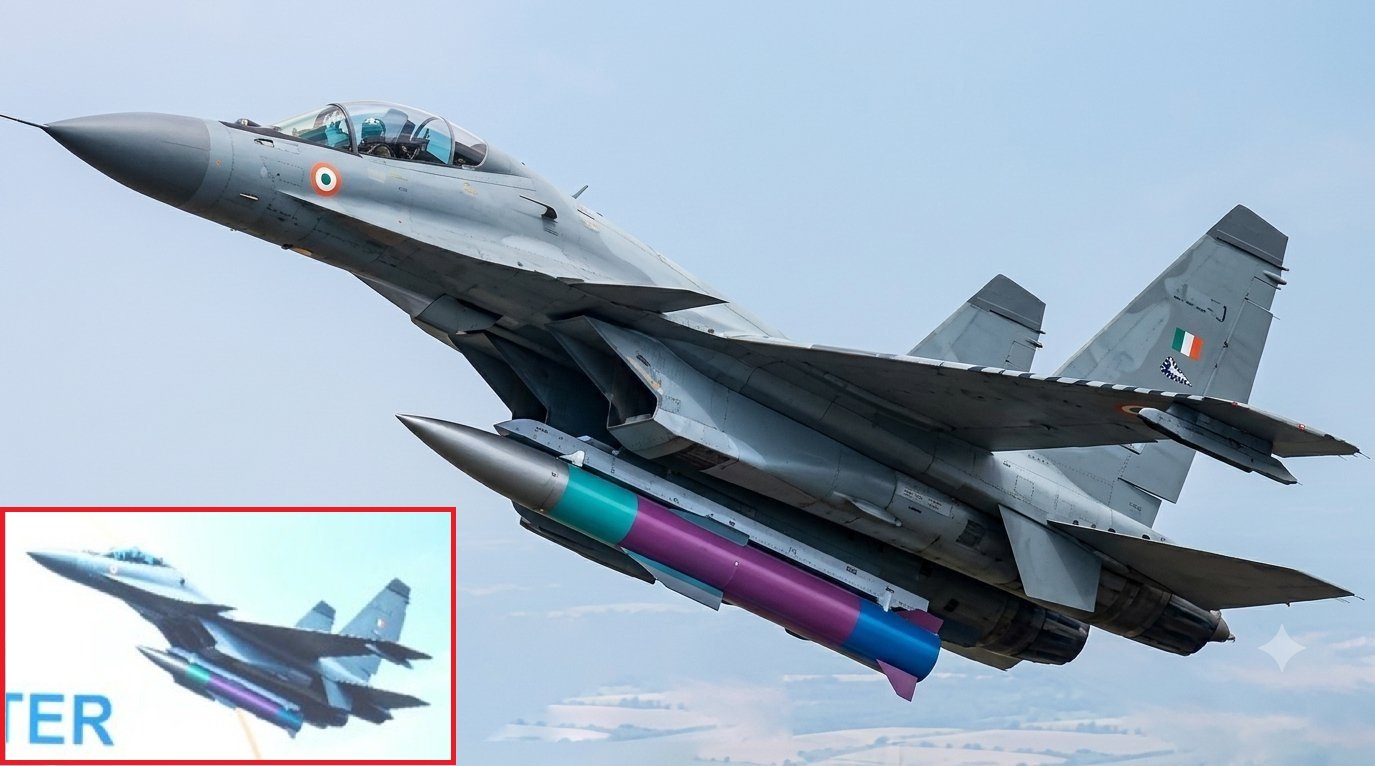 DRDO Developing Long-Range Air-Launched Ballistic Missile for Su-30MKI, Rudram-4 Seen as Likely Candidate
-
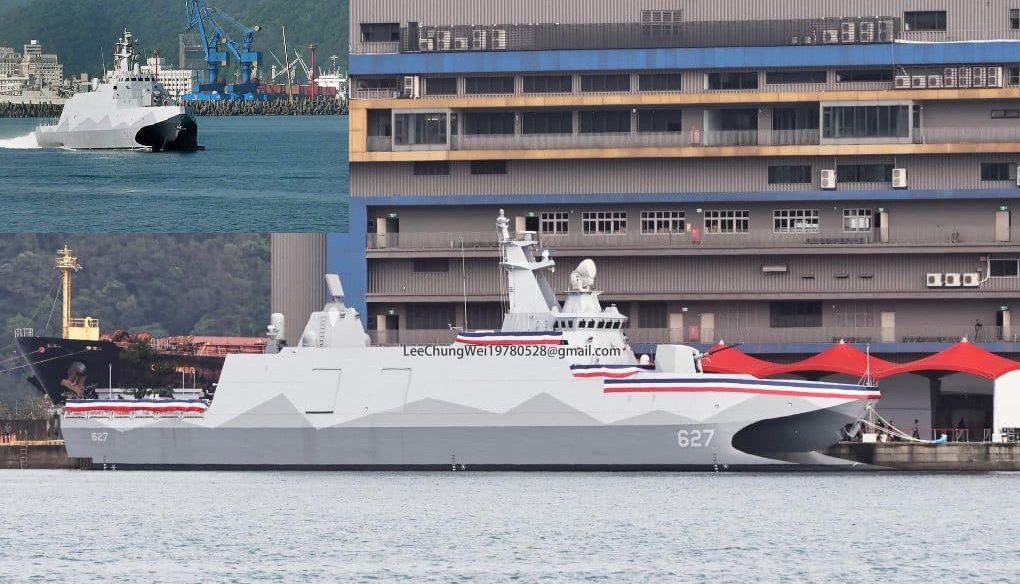 Taiwan Commissions First Batch 2 Tuo Chiang-Class Corvette with New Leonardo Radar
Top Trending in 4 Days
-
 U.S. Navy Awards Northrop Grumman $1.2 Billion Deal for Three New E-2D Advanced Hawkeyes
-
 U.S. Airstrikes Target IRGC Missile Base Near Taft as Overnight Strikes Hit Central Iran
-
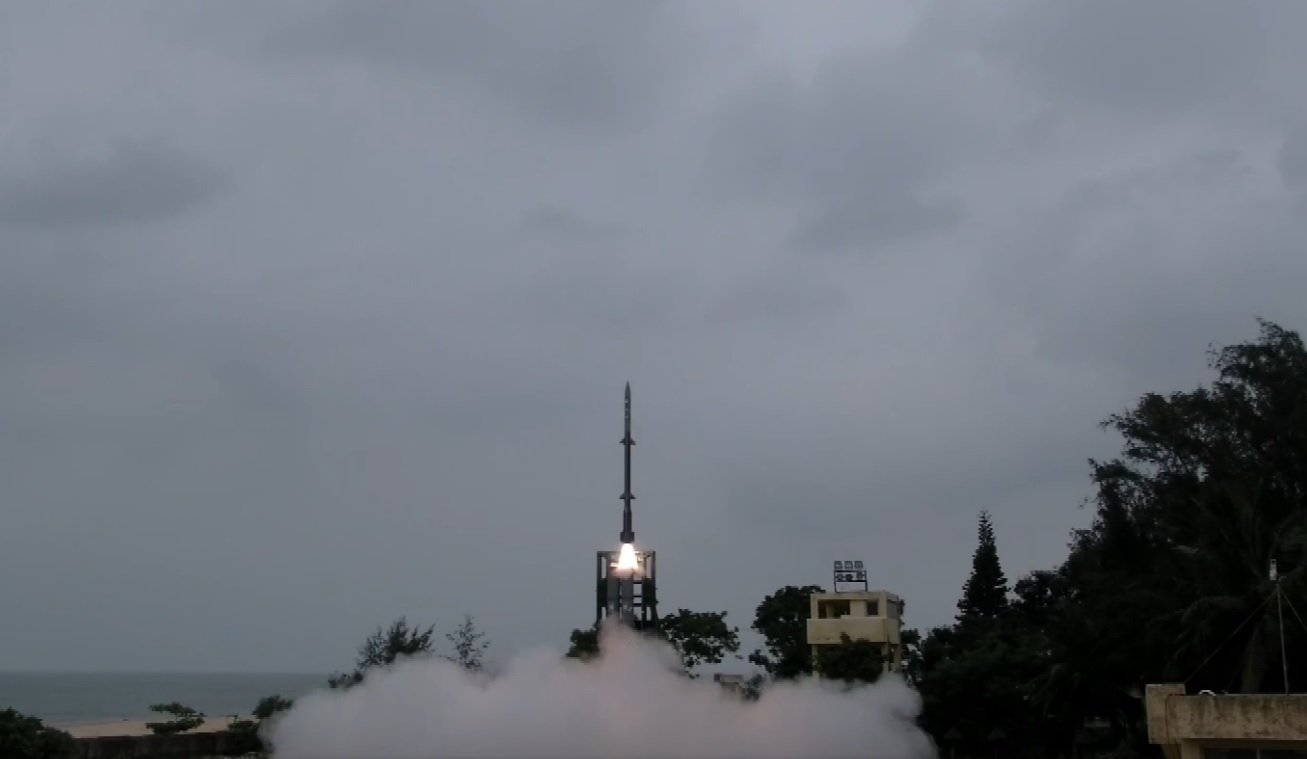 DRDO Successfully Conducts Maiden Flight Test of 150-km-Range Kusha M1 Air Defence Missile
-
 Kuwait and Bahrain Reportedly Launch First Joint Direct Airstrikes on Iran Since War Began : Report
-
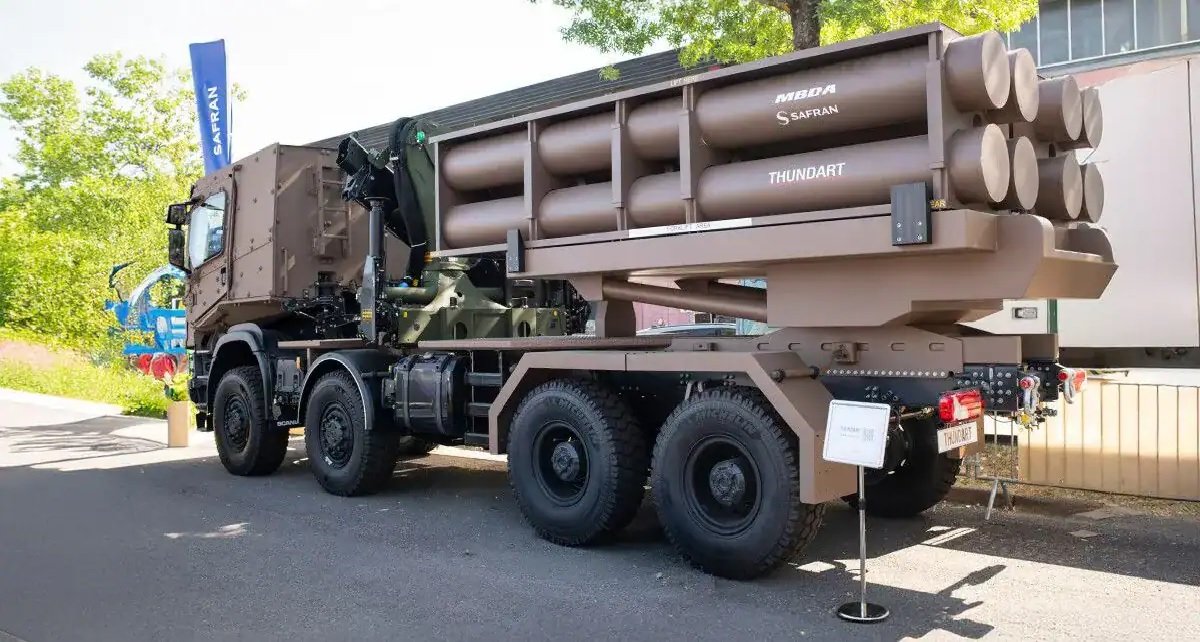 France's THUNDART Long-Range Rocket System May Undergo Prototype Combat Testing in Ukraine
-
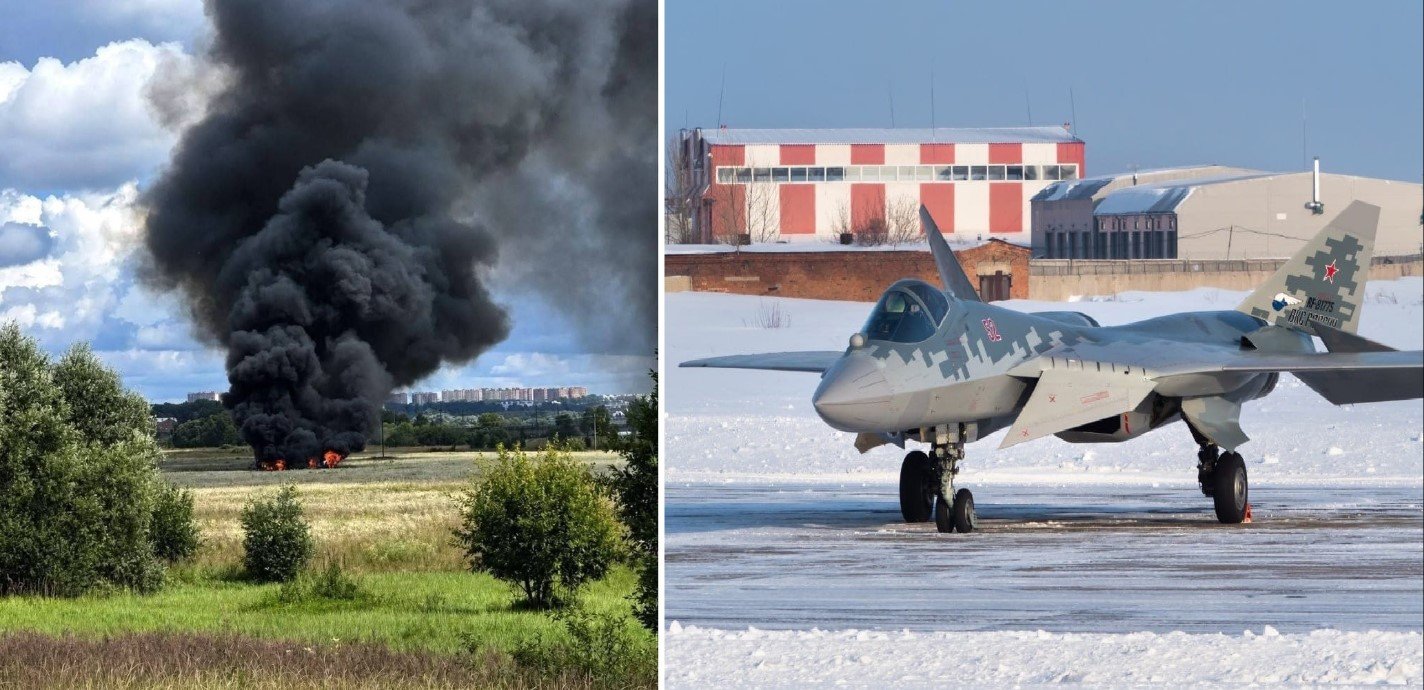 Russian Su-57 Stealth Fighter Crashes During Training Flight Near Moscow, Pilot Ejects Safely
-
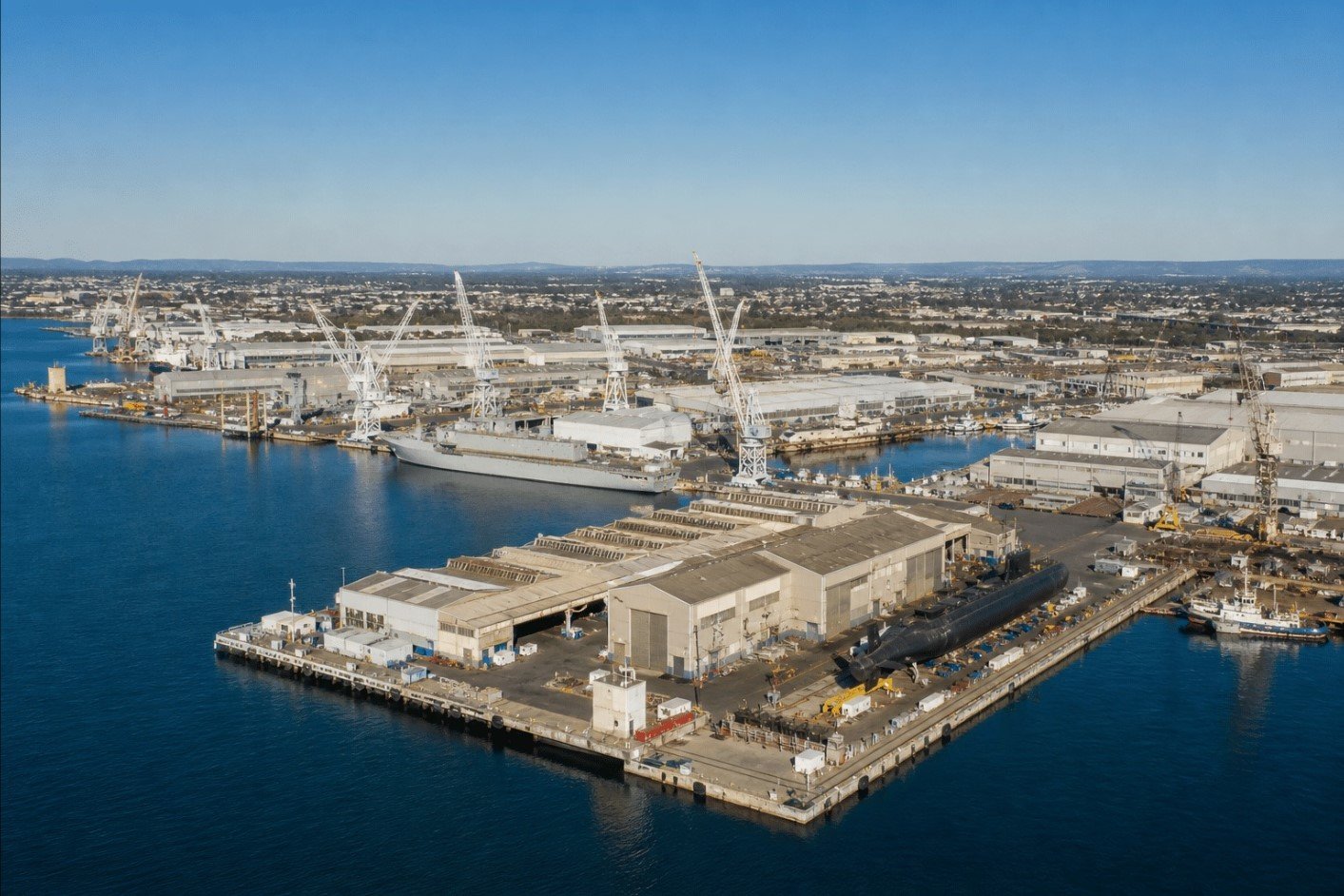 Australia Commits Additional AUD 4.6 Billion to Expand Osborne Shipyard for AUKUS Submarines
-
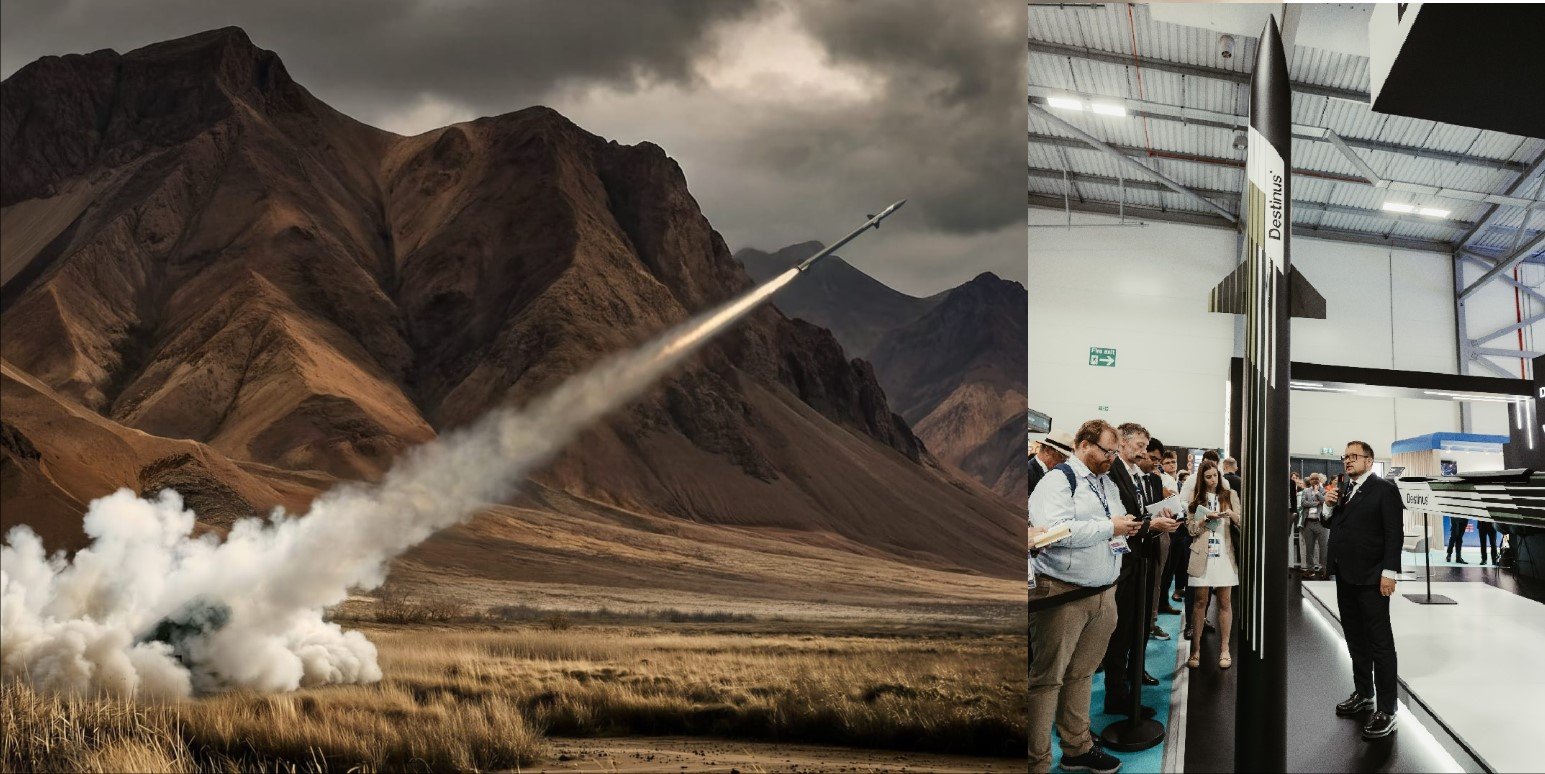 Destinus Unveils Vorexon Interceptor Concept to Defend Critical Sites from Artillery Threats
