
World
Piasecki Aircraft Corporation has introduced the KARGO II, a powerful new vertical take-off and landing (VTOL) unmanned aerial vehicle designed to redefine the future of aerial logistics. As the successor to the company’s earlier KARGO UAV, this upgraded platform delivers significant performance improvements and a remarkable leap in payload capacity, making it one of the most capable medium-lift drones in its class. The KARGO II can now carry over 1,500 pounds (680 kilograms) of cargo—nearly triple the top payload of its predecessor, which ranged from 500 to 800 pounds. This expanded capacity opens the door to missions involving larger and heavier loads, from critical military resupply in remote battle zones to emergency humanitarian deliveries in disaster-struck areas. Beyond raw lifting power, the drone features a greater operational range, faster cruise speeds, and enhanced mission flexibility. Its upgraded shaft-driven transmission is engineered to handle heavier loads without compromising flight stability, while newly designed larger rotors provide greater lift efficiency and improved performance in high-altitude or adverse weather conditions. Piasecki’s engineers have also refined the aircraft’s modular design, allowing for rapid reconfiguration between different payload types—whether transporting supplies, specialized equipment, or autonomous cargo pods. The system is expected to integrate seamlessly with both military logistics networks and commercial supply chains, reducing the need for traditional ground convoys or manned aircraft in high-risk areas. Industry analysts note that the KARGO II arrives at a time when global demand for unmanned logistics solutions is surging, driven by defense modernization, e-commerce expansion, and climate-related humanitarian missions. By removing the limitations of runways and conventional infrastructure, the drone could prove invaluable in environments ranging from remote islands to urban centers with restricted access. Piasecki Aircraft has hinted at future developments for the KARGO platform, including autonomous mission planning, AI-based route optimization, and potential hybrid-electric propulsion to improve efficiency and reduce operational costs. These advancements could further cement the KARGO II’s role as a next-generation workhorse for both civilian and defense operations. With the launch of the KARGO II, Piasecki is not just delivering a bigger and stronger VTOL drone—it is signaling a shift toward more autonomous, heavy-lift aerial logistics that can operate where traditional delivery systems fall short.
Read More → Posted on 2025-08-14 14:51:58
World
The US State Department has declined to confirm or deny reports of Pakistan Air Force F-16 fighter jet losses during Operation Sindoor, an intense 88-hour conflict between India and Pakistan from May 7 to May 10, 2025. When queried by NDTV, the State Department responded with a curt, “We refer you to the Government of Pakistan to discuss its F-16s,” sidestepping direct answers about the status of Pakistan’s US-supplied aircraft. This refusal to comment contrasts with the US’s continuous oversight of Pakistan’s F-16 fleet, maintained through Technical Support Teams (TSTs), US contractors stationed in Pakistan 24/7 to monitor the jets under strict end-use agreements. US Oversight of Pakistan’s F-16 Fleet The United States maintains detailed knowledge of Pakistan’s F-16s through TSTs, which operate under agreements that define how these jets can be used in combat. These teams ensure compliance with conditions that allow Pakistan to receive ongoing US support for maintaining its fleet of approximately 75 F-16s, out of a total air force of around 410 aircraft. The agreements restrict the jets’ use primarily to counterterrorism and counterinsurgency operations, raising questions about whether their deployment during Operation Sindoor adhered to these terms. The presence of TSTs at key bases, including Shahbaz Jacobabad airfield, suggests the US would be aware of any losses or damage to the aircraft, making their silence notable. Indian Claims and Pakistani Denials India’s military leadership has claimed significant damage to Pakistan’s air capabilities during Operation Sindoor. Indian Air Force Chief Air Marshal AP Singh stated that the IAF targeted three key hangars, including one at Jacobabad, which housed F-16s under maintenance. “One half of the hangar is gone. And I’m sure there were some aircraft inside which have got damaged there,” Singh said. The IAF further claims to have shot down six Pakistani aircraft, including five fighters and one large aircraft, possibly an Airborne Early Warning and Control (AEW&C) or Electronic Intelligence (ELINT) platform. Pakistan, however, has rejected these claims. Defence Minister Khawaja Muhammad Asif challenged India to allow independent verification of aircraft inventories, suggesting that India’s assertions may be exaggerated. “If the truth is in question, let both sides open their aircraft inventories to independent verification,” Asif stated, implying that such an exercise would reveal the true extent of losses. Pakistan has also made counterclaims about downing Indian jets, though these remain unverified. Speculation on US Technical Support Teams The heavy strikes on Jacobabad airfield, a key F-16 base, have raised unconfirmed speculation about the safety of US Technical Support Teams stationed there. Given their round-the-clock presence to monitor the jets, the possibility that US contractors were caught in the attacks cannot be dismissed, though no official reports have confirmed casualties. The US State Department’s refusal to comment on the F-16s’ status may reflect sensitivity around the potential involvement of American personnel in a conflict zone, especially given the delicate nature of US-Pakistan military cooperation. Contrast with 2019 Balakot Response The US’s current stance differs from its response in 2019, following India’s airstrikes on the Balakot terror facility. At that time, US officials told Foreign Policy Magazine that a physical count of Pakistan’s F-16s found none missing, directly countering India’s claim of downing one. The Biden administration’s decision to avoid similar clarity now, despite having real-time data from TSTs, suggests a cautious approach, possibly to avoid escalating tensions or revealing sensitive operational details. Broader Context and Implications Operation Sindoor, marked by intense aerial and ground engagements, has reignited debates about the use of US-supplied military equipment in India-Pakistan conflicts. The US’s $450 million deal in 2022 to enhance Pakistan’s F-16 capabilities, reversing earlier restrictions under the Trump administration, underscores the strategic importance of this fleet. However, posts on X have highlighted Pakistan’s ongoing maintenance challenges with its F-16s, suggesting that losses in Operation Sindoor could exacerbate an existing crisis and potentially force Pakistan to phase out the jets. The US’s refusal to engage with questions about F-16 losses, combined with the presence of TSTs and the possibility of American personnel being affected, adds layers of complexity to an already tense regional situation. As both India and Pakistan trade claims and counterclaims, the lack of transparency from Washington leaves open questions about the true toll of Operation Sindoor and its implications for US-Pakistan relations.
Read More → Posted on 2025-08-13 16:59:30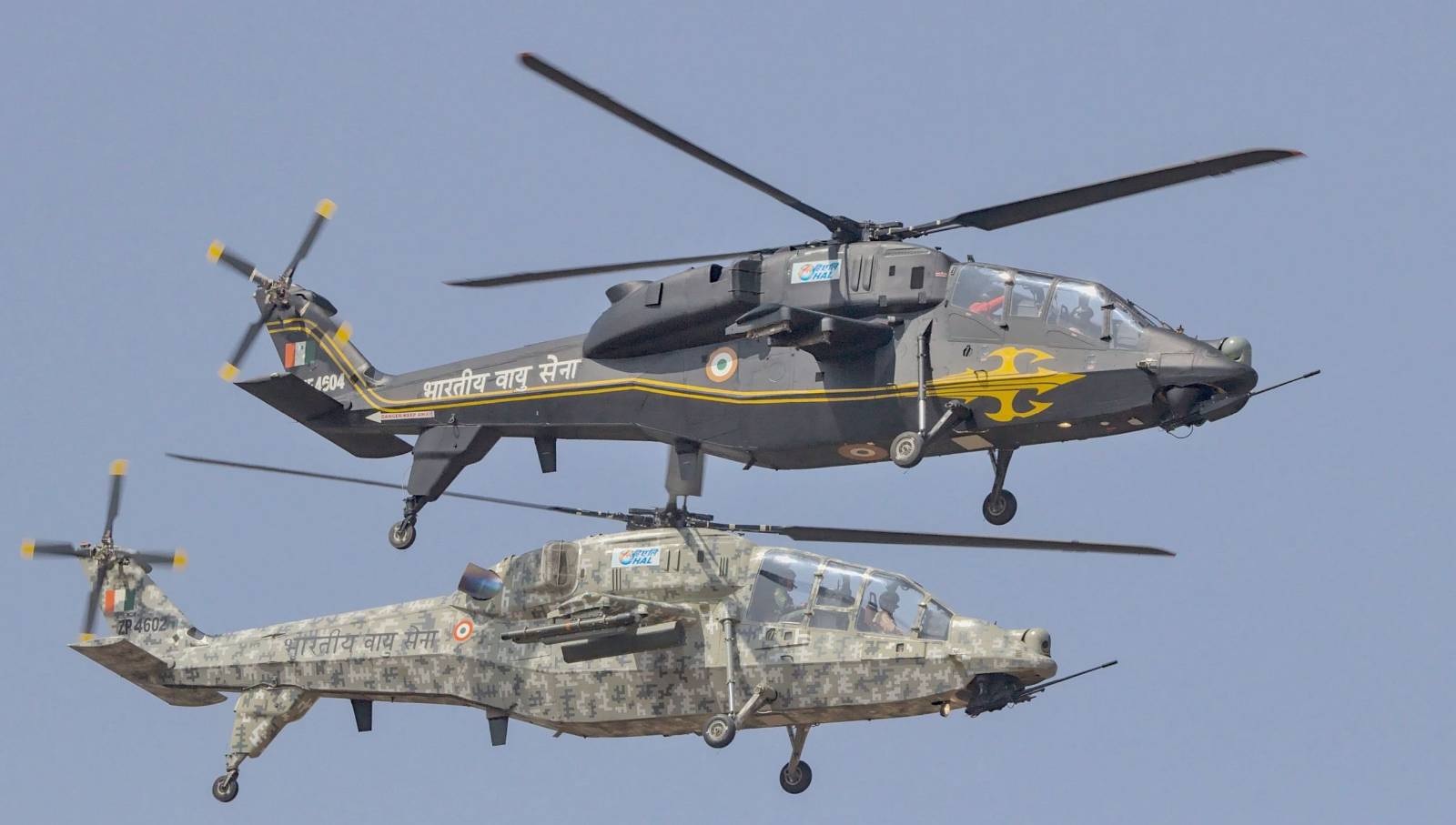
India
India's light combat helicopter (LCH), known as "Prachand," has entered its second phase of weapon integration, setting the stage for full-scale induction. Hindustan Aeronautics Limited (HAL) has commenced this critical step and is slated to begin deliveries of mission-ready helicopters in roughly three years. Weapon Integration Enters Next Stage HAL recently kick-started the second phase of weapon integration for the LCH, which involves seamlessly fitting advanced armaments—such as anti-tank guided missiles, rocket systems, and 20 mm cannon—into the helicopter’s design. This marks a key milestone toward achieving operational readiness for combat deployment. Delivery Timeline and Contract Scope Earlier this year, the Indian government approved a landmark deal for 156 LCHs—66 units for the Air Force and 90 for the Army, valued at over ₹62,000 crore (approximately $7.3 billion). According to the contract, the first batch of helicopters will be delivered beginning in March 2028, with subsequent production ramping up to 30 units annually. HAL plans to fulfill all deliveries within five to six years thereafter. Production and Indigenous Content Goals Prachand helos will be manufactured across HAL’s aerospace complexes in Bengaluru and Tumkuru. A strategic objective is to locally source at least 65% of the helicopter's components. The contract also earmarks nearly 40% of the workshare for private sector firms, supporting over 250 domestic MSMEs and creating thousands of jobs. High-Altitude Capability and Multi-Role Design Developed specifically for high-altitude combat, the LCH is uniquely capable of operating above 5,000 meters, even landing and taking off in Himalayan regions such as Siachen and Ladakh. Its narrow, stealth-optimized fuselage, armour protection, advanced avionics, and tandem cockpit make it versatile for missions including close air support, anti-armour engagement, and counter-insurgency operations. Enhanced Arms and Sensor Suite Prachand is equipped with: A 20 mm nose-mounted cannon integrated with a helmet-mounted sight system. 70 mm unguided rocket systems with modern fire-control capabilities. Anti-tank guided missiles such as Helina, along with air-to-air missiles like Mistral 2. A cutting-edge sensor suite, including FLIR, electro-optical targeting, radar warning receivers, and missile approach warning systems—enhancing situational awareness and survivability. Strategic Impact The ramped-up production of Prachand strengthens India’s defence posture along its mountainous frontiers with China and Pakistan. The indigenous nature of the platform aligns with the Make-in-India initiative and underlines the country’s push toward self-reliance in combat aviation.
Read More → Posted on 2025-08-13 16:49:53
India
India’s indigenous Light Combat Aircraft (LCA) Tejas Mk1A program has reached a significant milestone in its production journey, with Hindustan Aeronautics Limited (HAL) making substantial progress in delivering these advanced fighter jets to the Indian Air Force (IAF). As of August 2025, HAL has successfully built 10 Tejas Mk1A aircraft, with two additional units in the final stages of assembly. Furthermore, one Tejas Mk1A trainer variant has been manufactured, and two more trainers are currently on the assembly line. This development positions HAL to have approximately 14 to 15 Tejas Mk1A aircraft ready by December 2025, marking a critical step toward bolstering India’s air defense capabilities and advancing the nation’s self-reliance in defense manufacturing under the "Make in India" initiative. Production Momentum and Milestones The Tejas Mk1A, an advanced variant of the Tejas Mk1, is a lightweight, multi-role supersonic fighter designed to replace the IAF’s aging MiG-21 fleet. The aircraft features upgraded avionics, improved radar systems, and enhanced combat capabilities, including a top speed of Mach 1.8 (approximately 2,223 km/h) and a combat range of about 1,500 kilometers. Powered by the GE Aerospace F404-IN20 engine, the Tejas Mk1A is equipped with a 23mm twin-barrel cannon, precision-guided munitions, and a versatile array of air-to-air and air-to-surface missiles, making it a formidable asset in modern aerial warfare. HAL’s production efforts have gained significant momentum in 2025, following the resolution of critical supply chain bottlenecks, particularly the delayed delivery of F404-IN20 engines from GE Aerospace. The first engine was delivered in March 2025, nearly two years behind schedule, and a second engine followed recently, with GE committing to supply 12 engines by early 2026. These engines are pivotal to the program, and their steady flow has enabled HAL to ramp up production across its facilities in Bengaluru and Nashik. The Bengaluru facility, with two operational production lines, has been restructured to increase output, while a third production line in Nashik received flight clearance on August 11, 2025, from the Directorate General of Aeronautical Quality Assurance (DGAQA). Each production line in Bengaluru and Nashik is capable of producing eight aircraft annually, with plans to scale up to a combined output of 16 to 24 Tejas Mk1A jets per year starting in 2025-26. The activation of the Nashik line has decentralized production, reducing risks associated with supply chain disruptions and enhancing operational flexibility. Private Sector Collaboration A key factor in the accelerated production of the Tejas Mk1A is the involvement of private sector companies, aligning with India’s push for indigenous defense manufacturing. Larsen & Toubro (L&T) delivered the first set of wing assemblies for the Tejas Mk1A to HAL in Coimbatore on July 17, 2025, marking a significant milestone. L&T plans to supply four wing sets annually initially, with the potential to scale up to 12 sets per year through advanced automation and assembly techniques. Other private players contributing critical components include: Lakshmi Machine Works: Air intake assemblies Alpha Tocol Engineering Services Pvt Ltd: Rear fuselage assemblies Amphenol: Loom assemblies Tata Advanced Systems: Fin and rudder assemblies VEM Technologies: Center fuselage assemblies This collaboration has enabled HAL to establish a parallel aircraft structural assembly line in the private sector, significantly boosting production capacity. HAL’s Chairman and Managing Director, Dr. D.K. Sunil, emphasized this partnership, stating, “HAL is actively collaborating with both large companies and SMEs to drive Aatmanirbharta in aerospace and defence.” Delivery Timelines and Future Orders The current production status indicates that HAL is on track to deliver up to 12 Tejas Mk1A aircraft by the end of 2025, with the first batch of six jets scheduled for delivery by March 2026. The completion of 10 aircraft, with two in final assembly and three trainers (one completed and two in progress), suggests that HAL is poised to meet or exceed its target of 14 to 15 aircraft by December 2025. The first Nashik-built Tejas Mk1A is expected to be delivered in August 2025, further reinforcing the program’s progress. The IAF has placed high expectations on the Tejas program, with a contract for 83 Mk1A aircraft signed in February 2021 for ₹48,000 crore. An additional order for 97 jets, valued at ₹67,000 crore, is in the pipeline, bringing the total planned fleet to 180 aircraft by 2031. This expansion is critical as the IAF’s squadron strength has dwindled to 31, against an authorized strength of 42.5, due to the retirement of aging aircraft like the MiG-21, MiG-27, and Jaguars. The Tejas Mk1A is seen as a vital component in closing this gap and enhancing India’s aerial combat readiness amid regional tensions with China and Pakistan. Challenges and the Road Ahead Despite the progress, the Tejas Mk1A program has faced significant challenges, including delays in engine deliveries and the integration of critical systems like the Astra air-to-air missile. The global supply chain disruptions and GE Aerospace’s production challenges had previously stalled progress, with only one engine delivered by early 2025. However, recent commitments from GE to deliver 12 engines by March 2026 and 20 annually thereafter have alleviated some concerns. Additionally, HAL and GE are in discussions for co-production and technology transfer of the F414 engines for the Tejas Mk2, further aligning with India’s self-reliance goals. The Ministry of Defence has also taken proactive steps to address systemic delays by forming a five-member Defence Empowerment Committee, led by Defence Secretary Rajesh Kumar Singh. The committee has recommended involving private players in the production chain and streamlining processes to ensure timely deliveries. Strategic Importance The Tejas Mk1A program is a cornerstone of India’s “Atmanirbhar Bharat” vision, reducing dependence on foreign suppliers and fostering innovation in the aerospace sector. The successful delivery of 14 to 15 aircraft by December 2025 will mark a turning point for HAL and the IAF, signaling India’s growing capability to produce advanced, homegrown combat aircraft. As HAL scales up production and integrates more indigenous components, the Tejas Mk1A is poised to become a powerful symbol of India’s defense self-reliance, strengthening its strategic posture in a volatile geopolitical landscape.
Read More → Posted on 2025-08-13 16:46:26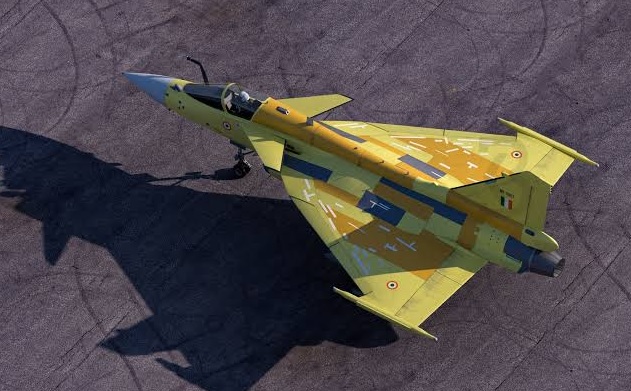
India
Hindustan Aeronautics Limited (HAL) has confirmed that the first prototype of the Tejas Mk-2 fighter jet will now roll out by May 2026, marking a slight delay from its earlier plan to unveil the aircraft by late 2025. The postponement comes as part of an adjusted development schedule for India’s ambitious next-generation light combat aircraft program. As of February 2025, HAL reported that over 55% of the prototype’s airframe had already been fabricated. Both the wings and forward fuselage were nearing completion, while the center fuselage had been fully built. Production of the rear fuselage was set to begin shortly thereafter. The Tejas Mk-2, also known as the Medium Weight Fighter (MWF), is being designed to bridge the gap between India’s light fighters and heavier platforms like the Su-30MKI. It will feature a more powerful GE F414 engine, advanced avionics, and enhanced payload capacity compared to the Tejas Mk-1. The aircraft’s design improvements are intended to replace ageing fleets such as the Mirage-2000, Jaguar, and MiG-29 in the Indian Air Force. To ensure precision and accelerate timelines, HAL is leveraging advanced digital manufacturing techniques, including 3D digital modeling and laser scanning. Once the first prototype rolls out, HAL plans to conduct ground power-on tests and taxi trials, aiming for the aircraft’s maiden flight by last-2026 or Early 2027. The program will produce four prototypes by 2027, each contributing to testing and certification phases. The Indian Air Force expects Final Operational Clearance (FOC) for the Tejas Mk-2 around late 2030, paving the way for mass production in the early 2030s. With its advanced design and indigenous systems, the Tejas Mk-2 is seen as a cornerstone in India’s journey toward self-reliance in aerospace and defense manufacturing.
Read More → Posted on 2025-08-13 16:36:18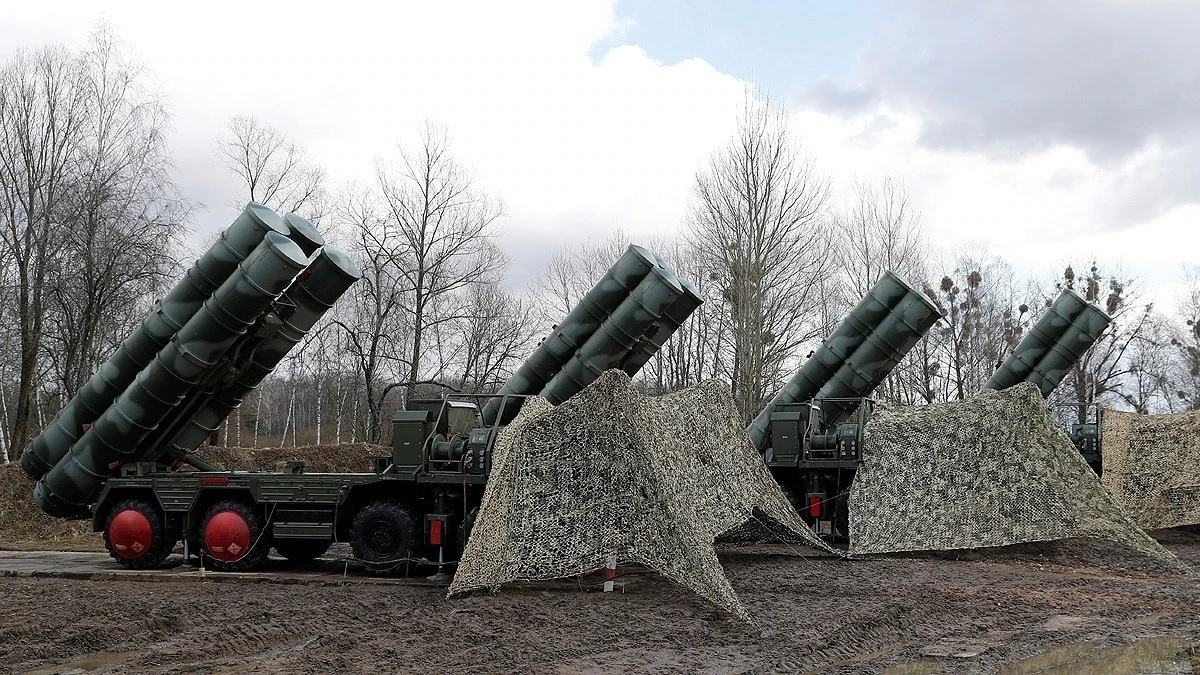
India
The Indian Air Force (IAF) is considering the purchase of at least two additional S-400 Triumf air defence squadrons from Russia, building on the five already on order. The move comes after the system’s spectacular performance in Operation Sindoor, where it played a decisive role in intercepting enemy missiles and shooting down six Pakistani military aircraft during clashes in May. Air Chief Marshal A.P. Singh confirmed that the S-400 units deployed during the operation achieved unprecedented results, including the destruction of a high-value surveillance aircraft at a range of 300 kilometres – believed to be the longest surface-to-air kill on record. The system also contributed to taking down five Pakistani fighter jets, crippling enemy air power and neutralising key threats before they could approach Indian airspace. India’s original S-400 deal, worth $5.4 billion and signed in 2018, covers five squadrons. Three are already operational, protecting sensitive sectors along the borders with Pakistan and China. The remaining two are expected by 2026–27, but IAF planners are now pushing for an expanded fleet to ensure layered coverage and redundancy across the country’s air defence network. Officials say the decision is influenced not only by recent combat success but also by the need to counter growing threats from both western and northern fronts. Pakistan’s evolving air combat capabilities and China’s expanding missile arsenal are driving India to maintain a technological edge. The S-400 system, capable of tracking and engaging multiple targets including aircraft, drones, and ballistic missiles, has a range of up to 400 kilometres and can be integrated into India’s Integrated Air Command and Control System (IACCS). In Operation Sindoor, it operated in close coordination with other assets, allowing rapid threat detection and precision engagement. The IAF’s future air defence strategy is also expected to blend the S-400 with Project Kusha, an indigenous long-range surface-to-air missile programme under development. While Kusha is projected to enter service by the late 2020s, the S-400’s proven capabilities make it a critical shield for the present decade. Defence analysts note that expanding the S-400 fleet would enhance deterrence against both state and non-state aerial threats, while sending a clear message to adversaries about India’s readiness to act decisively. The push for more squadrons also comes amid closer India–Russia defence ties, despite global geopolitical tensions. If approved, the additional S-400 units could be fast-tracked for delivery, ensuring the IAF maintains its advantage in long-range air defence well into the 2030s.
Read More → Posted on 2025-08-13 16:28:51
India
India has formally submitted a bid to host the 2030 Commonwealth Games in Ahmedabad, positioning the city as the centerpiece of one of the world’s largest multi-sport events. The proposal, sent to the Commonwealth Games Federation (CGF), highlights India’s readiness to deliver a modern, large-scale sporting spectacle and signals the country’s ambition to return as host after nearly three decades — the last time being the 2010 Games in New Delhi. Ahmedabad, known for its rapid urban development, is being pitched as the ideal venue thanks to its world-class infrastructure, expanding metro network, upgraded roads, and state-of-the-art sporting facilities. The city’s iconic Narendra Modi Stadium — the largest cricket stadium in the world — is expected to play a central role, with other sports to be spread across newly developed arenas and complexes. If selected, the 2030 Games could align with India’s broader sports vision, which includes hosting more international events and investing in athlete training programs. Sources familiar with the bid indicate that the government and Gujarat authorities have pledged significant funding and logistical support, aiming to match — or surpass — global standards in security, sustainability, and hospitality. The bid also emphasizes Ahmedabad’s accommodation capacity, with new hotels and an improved transport network to cater to tens of thousands of athletes, officials, and visitors. Additionally, organizers are focusing on green initiatives, including renewable energy-powered venues and low-emission transportation for participants. The competition to host the 2030 edition is expected to be stiff, with other cities worldwide also expressing interest. However, India’s pitch highlights its growing influence in global sports, bolstered by recent successes in hosting the 2023 Cricket World Cup and securing international recognition for its sporting infrastructure. A decision on the host city is expected within the next year, and if Ahmedabad wins, it would mark a historic moment for both the city and the nation — further cementing India’s place on the global sporting map.
Read More → Posted on 2025-08-13 16:22:42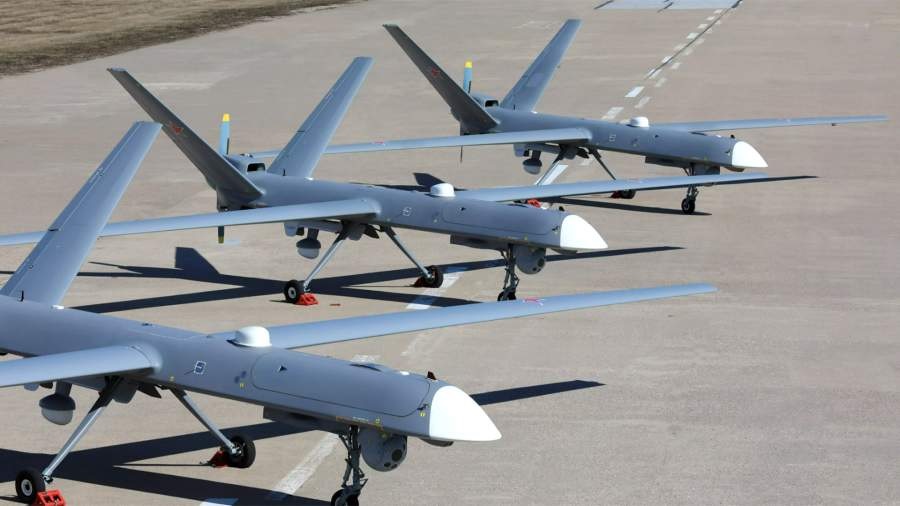
World
Russia has opened a new Unmanned Aviation Control Center in the far eastern Kamchatka Peninsula, marking a major expansion of its Pacific Fleet’s surveillance and strike capabilities. The facility is designed to oversee the full-scale deployment of long-endurance reconnaissance and combat drones, a move aimed at tightening control over strategic Arctic and Pacific waters. The center will initially manage operations of Forpost-RU and Inokhodets (Orion) heavy-class UAVs, with plans to integrate other drone models in the future. These aircraft will be stationed at multiple regional airfields, enabling coverage of vast maritime zones and critical Arctic shipping routes, including the Northern Sea Route and the Bering Strait. The Forpost-RU, derived from the Israeli Searcher II but extensively redesigned in Russia, can stay airborne for over 15 hours, carry precision-guided weapons, and perform advanced reconnaissance using radar and optical-electronic sensors. The Inokhodets, with its 16-meter wingspan and 24-hour endurance, offers a heavier payload capacity, including guided missiles and light bombs. Both systems have seen combat use in Ukraine, where they were employed for precision strikes and real-time target acquisition. Positioning the control hub in Kamchatka offers several strategic advantages. It allows Moscow to monitor U.S. and NATO naval movements in the Pacific and Arctic, safeguard the Pacific Fleet’s nuclear submarine base at Vilyuchinsk, and maintain constant surveillance over resource-rich northern waters. This comes amid intensified competition in the Arctic, where American nuclear submarines and NATO patrols have increased their presence. Unlike lighter tactical drones, the heavy-class UAVs managed here will be part of an integrated command network, allowing Russia to combine aerial intelligence with naval and aerospace force operations. This shift toward networked unmanned warfare reduces reliance on manned patrol aircraft, which are costlier to operate and more vulnerable in contested areas. Defense analysts see this development as part of Russia’s long-term strategy to counter Western presence near its borders. The combination of persistent drone surveillance, strike capabilities, and centralized control provides Moscow with the ability to react quickly to threats, track foreign vessels, and project power far from its shores. It also compensates for the challenges of defending the country’s massive eastern and northern coastlines, where infrastructure is sparse and logistics are difficult. By operationalizing this UAV hub, Russia is effectively creating a permanent aerial shield over two of its most sensitive frontiers. This capability is expected to expand, with future plans likely to include advanced electronic warfare drones, Arctic-weather UAVs, and possibly unmanned naval systems linked to the same control architecture.
Read More → Posted on 2025-08-13 16:16:22
World
Poland has signed a $3.8 billion contract to modernise its fleet of F-16 fighter jets, marking one of the country’s most significant air force upgrade programs in recent years. The move comes as Warsaw intensifies military investments in response to the ongoing war in neighbouring Ukraine. Poland currently operates 48 F-16C/D Block 52+ aircraft, delivered between 2006 and 2008. While these jets have served as the backbone of the Polish Air Force for nearly two decades, officials say the technology now requires major enhancements to match modern combat demands. Defence Minister Władysław Kosiniak-Kamysz announced that the upgrade work will be carried out domestically at the Wojskowe Zakłady Lotnicze Nr 2 aviation plant in Bydgoszcz, a key facility for maintaining Poland’s military aircraft. The project will focus on improving reconnaissance systems, upgrading communication networks, and integrating the aircraft with newer platforms such as Poland’s F-35 stealth fighters, M1A2 Abrams main battle tanks, and AH-64 Apache attack helicopters. “The current capabilities of the F-16s are good, but after 20 years they are no longer enough to deal with modern threats,” Kosiniak-Kamysz said, emphasising the need for Poland’s air fleet to be fully interoperable with allied forces and capable of operating across air, land, sea, and cyber domains. The upgrades are expected to include new radars, advanced targeting pods, enhanced electronic warfare systems, and improved weapons integration—transforming the jets into multirole combat platforms capable of countering both traditional and hybrid threats. This investment is part of Poland’s broader defence expansion, which will see the country allocate 5% of its GDP to the armed forces by 2026—one of the highest defence spending levels among NATO members. The government has also been pursuing rapid acquisitions, including a recent multi-billion-dollar agreement with Hyundai Rotem for new battle tanks and earlier contracts for K2 tanks, K9 self-propelled howitzers, HIMARS rocket systems, and Patriot air defence batteries. Analysts say the F-16 upgrade program will ensure that Poland’s air force remains a powerful deterrent and a crucial NATO frontline asset for decades, especially given the heightened tensions with Russia and Belarus. With the modernisation work carried out domestically, it will also boost Poland’s defence industry and create skilled jobs in the aviation sector.
Read More → Posted on 2025-08-13 15:54:39
Elbit Systems Wins $1.63 Billion European Defense Deal to Deliver Multi-Domain Military Technologies
World
Israel’s defense giant Elbit Systems Ltd. has secured a landmark $1.635 billion contract to supply a comprehensive suite of advanced military technologies to an undisclosed European nation, in one of the company’s largest-ever European deals. The five-year agreement will significantly bolster the recipient country’s defense capabilities across land, air, and electronic warfare domains. The deal spans two major categories. The first involves long-range precision strike artillery-rocket systems and a diverse range of unmanned aerial systems (UAS). These include tactical reconnaissance drones, operational-level surveillance platforms, and loitering munitions designed for precision engagement, as well as portable, soldier-operated drones for frontline intelligence gathering. The second category focuses on cutting-edge ISTAR (Intelligence, Surveillance, Target Acquisition, and Reconnaissance) capabilities. This includes advanced signals intelligence (SIGINT), communications intelligence (COMINT), and electronic warfare systems. Elbit will also supply modern electro-optical sensors, night-vision devices, combat vehicle upgrades, and active protection systems to shield against anti-tank threats. A key component of the package is a C4ISR (Command, Control, Communications, Computers, Intelligence, Surveillance, and Reconnaissance) solution that digitally links every layer of the battlefield—from strategic headquarters to individual combat vehicles—through next-generation software and secure communication hardware. According to the company, the technologies will provide the customer with greater situational awareness, faster decision-making cycles, and higher precision in strike missions, essential for modern multi-domain warfare. The contract also features industrial cooperation measures, ensuring that a portion of the work and technology transfer will take place within the buyer’s own defense industry. This move is expected to boost domestic manufacturing capacity, create skilled jobs, and enhance the European nation’s long-term defense independence. Defense analysts note that the deal comes at a time of heightened European security concerns following increased geopolitical tensions and conflict on the continent. Many NATO and EU member states are accelerating military modernization, with a strong focus on integrated, network-centric warfare systems capable of countering both conventional and hybrid threats. Bezhalel (Butzi) Machlis, Elbit Systems’ President and CEO, said the agreement underscores Europe’s growing reliance on combat-proven Israeli technologies. “Our integrated, multi-domain solutions have demonstrated operational success and adaptability in some of the most challenging environments. We are proud to support this European partner in strengthening its national security,” he said. The five-year rollout will be implemented in phases, aligning with the customer’s military modernization strategy. Once completed, the program is expected to transform the nation’s defense posture, providing a strategic deterrent while also enhancing battlefield support capabilities in any future conflict scenario.
Read More → Posted on 2025-08-13 15:52:17
Space & Technology
Tata Group’s Nelco has announced a strategic partnership with global satellite giant Eutelsat to deliver OneWeb’s low Earth orbit (LEO) satellite-based high-speed internet services across India. The move promises secure, low-latency connectivity for the land, maritime, and aviation sectors, reaching deep into remote areas, border zones, and territorial waters where traditional internet infrastructure is limited or non-existent. Under this collaboration, Nelco will roll out OneWeb’s LEO services as soon as the satellite network becomes commercially operational in India. The offering is aimed at government agencies, defense forces, enterprises, and transport operators, supporting national security, critical infrastructure, and economic growth. High-Tech Satellite Specifications OneWeb’s LEO constellation, now fully deployed in orbit, consists of 648 satellites positioned at 1,200 kilometers above Earth, providing global coverage. The system operates in the Ku-band, delivering: Speeds up to 195 Mbps per terminal Round-trip latency of 70–100 milliseconds – significantly lower than traditional geostationary (GEO) satellites Seamless handover between satellites for uninterrupted connectivity in motion, ideal for ships, aircraft, and trains Secure, encrypted communications to meet government and defense-grade security standards The LEO architecture enables direct connectivity to user terminals without reliance on extensive terrestrial networks, making it a game-changer for remote and high-mobility operations. Strategic Importance for India By integrating OneWeb’s technology with its local expertise, Nelco aims to fill a critical connectivity gap in India’s rural hinterlands, mountainous regions, offshore installations, and border posts. The initiative aligns with national priorities such as: Digital India Mission – bridging the rural-urban digital divide Maritime and Aviation Modernization – supporting real-time navigation, passenger services, and operational safety Defense Communications – ensuring secure, high-speed links for military outposts and border patrols Disaster Response – enabling emergency communications in areas where infrastructure is damaged or unavailable Nelco is also exploring multi-orbit satellite solutions, combining LEO with medium Earth orbit (MEO) and geostationary (GEO) systems for redundancy and uninterrupted coverage—a competitive advantage as India’s satellite broadband market expands. Market and Future Outlook India’s satellite internet sector is expected to witness rapid growth, driven by demand from industries such as energy, shipping, aviation, and rural broadband. Nelco’s tie-up with Eutelsat and OneWeb positions Tata Group at the forefront of this transformation, competing against emerging players like SpaceX’s Starlink and Amazon’s Project Kuiper. With commercial rollout expected soon, the collaboration could help India leapfrog traditional infrastructure challenges and establish itself as a hub for advanced satellite communications in Asia.
Read More → Posted on 2025-08-13 15:49:48
World
Pakistan has introduced its latest missile, the Fatah-4, a ground-launched cruise missile designed to overcome the shortcomings of its earlier systems that were neutralized by India’s Akash air defense system during Operation Sindoor. The Fatah-1 and Fatah-2 missiles, both short-range artillery rockets, had been intercepted with high success rates by India’s air defense network in recent engagements. In response, Pakistan developed the Fatah-4 to fly at low altitudes, making it harder for radar systems to detect, and to strike targets at distances of over 750 kilometers. Specifications of the Fatah-4 Type: Ground-launched cruise missile Range: 750+ kilometers Warhead: 330 kg high-explosive fragmentation Guidance: Advanced AI-based navigation with satellite and terrain-following capabilities Accuracy: Less than 5 meters CEP (Circular Error Probable) Speed: Approximately 0.7 Mach (~860 km/h) Flight Profile: Low-altitude, terrain-hugging Launch Platform: Mobile transporter-erector-launcher (TEL) The missile’s AI guidance system is designed to track moving and stationary targets with exceptional precision, even in environments with electronic warfare interference. Its terrain-hugging flight path is meant to minimize detection time for defensive radars. However, the Fatah-4 has a critical vulnerability—its subsonic speed of 0.7 Mach. While this makes it efficient for long-range, low-level flight, it also allows India’s air defense systems and fighter jets to detect, track, and intercept it with relative ease. Systems like Akash, Spyder, and Barak-8, combined with Su-30MKI and Rafale fighter jets due to it's low speed, can engage such slow-moving cruise missiles before they reach critical targets. Analysts say this speed limitation reduces the missile’s ability to penetrate India’s layered defense network, which integrates long-range surveillance radars, quick-reaction interceptors, and advanced fighter aircraft. While the Fatah-4 represents a technical leap in Pakistan’s missile development with its AI-based precision and extended range, its low speed means it is more suited for surprise attacks on lightly defended or static targets, rather than heavily guarded strategic installations in India.
Read More → Posted on 2025-08-13 15:47:03
World
The U.S. Department of Defense has officially revealed the design of its ambitious Golden Dome missile defense system, a massive multi-layer shield intended to protect the continental United States, Alaska, and Hawaii from ballistic, cruise, and hypersonic missile threats. The announcement was made before nearly 3,000 defense industry representatives in Huntsville, Alabama, underscoring both the scale and urgency of the program. With an estimated cost of $175 billion, the Golden Dome is expected to achieve initial operational capability by 2028. It represents one of the most comprehensive homeland missile defense efforts in U.S. history, combining space-based early warning with multiple tiers of ground-based interceptors in an architecture far larger and more complex than Israel’s Iron Dome. Four Layers of Protection The Golden Dome is built around four interlocking layers of interception, each targeting different phases of a missile’s flight: Boost-Phase Space Interception – Orbital kill vehicles will attempt to destroy missiles in their powered ascent above 100 kilometers, when they are most vulnerable. Midcourse Interception – Using Next Generation Interceptors (NGI) and SM-3 Block IIA missiles, threats will be engaged in space between 80 and 1,200 kilometers from Earth. High-Altitude Terminal Defense – THAAD batteries and Aegis SM-6 missiles will neutralize warheads and hypersonic glide vehicles between 40 and 150 kilometers. Low-Altitude Point Defense – Patriot PAC-3 MSE interceptors, short-range missile batteries, and future high-energy laser systems will guard critical locations against any surviving threats. A new NGI missile field in the Midwest is planned to reinforce existing Ground-Based Midcourse Defense (GMD) sites in Alaska and California, improving coverage against attacks from multiple directions. Strategic and Industrial Impact The Pentagon has already secured over $70 billion in funding for early development. While details about the number of interceptors, radar stations, and support facilities remain classified, industry heavyweights such as Lockheed Martin, Northrop Grumman, Boeing, and Raytheon are expected to compete for major contracts. The project will also draw in dozens of subcontractors, boosting U.S. defense manufacturing and creating thousands of jobs across multiple states. The system is designed in response to growing missile capabilities from China, Russia, North Korea, and Iran—including hypersonic glide vehicles that can evade traditional defense systems. Pentagon officials say the Golden Dome will serve not only as a physical shield but as a strategic deterrent, making it riskier for adversaries to launch an attack in the first place. Challenges Ahead Despite its advanced design, defense experts caution that no missile shield is invincible. The vast geography of the United States, coupled with potential saturation attacks and sophisticated decoys, could strain even the most capable systems. Hypersonic weapons, with their unpredictable flight paths, remain one of the most difficult threats to counter. The Golden Dome is expected to be integrated with existing U.S. missile defense networks, allied radar systems, and space-based tracking assets to maximize coverage. By blending traditional interceptors with emerging technologies like directed-energy weapons, the Pentagon hopes to create a defense infrastructure that can adapt to evolving threats over the next several decades. If successful, the Golden Dome will mark a historic leap in U.S. homeland defense, giving Washington a layered, resilient network capable of countering a wide range of missile threats—though officials admit it will never be an impenetrable shield.
Read More → Posted on 2025-08-13 15:41:53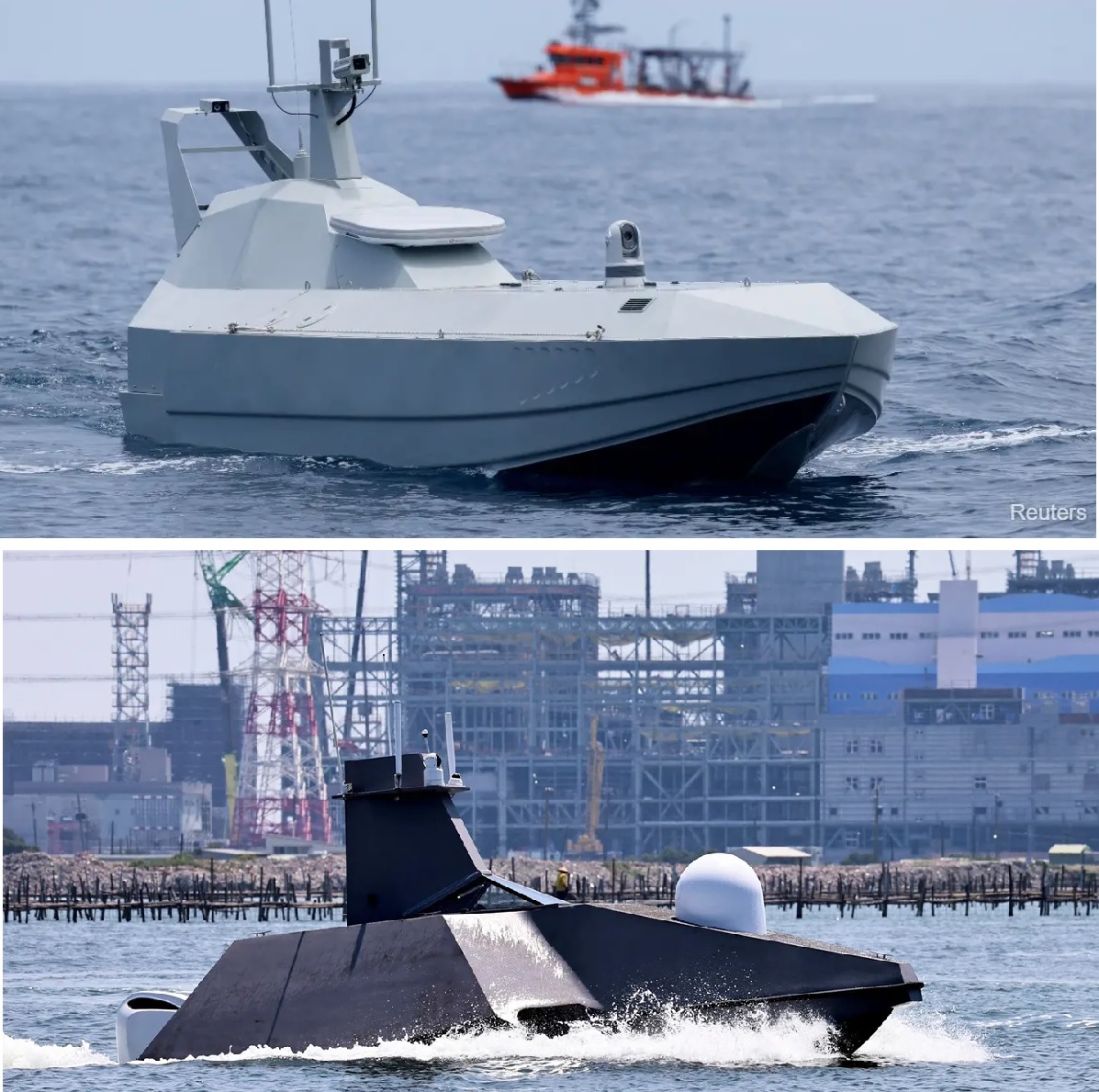
World
Taiwan is racing to transform its coastal defenses with a fleet of advanced armed uncrewed surface vessels (USVs), a technology that has already proven its value in modern warfare. Drawing heavily on the lessons of the Ukraine–Russia conflict in the Black Sea, these high-speed naval drones are designed to hunt, disrupt, and destroy an invading force long before it reaches Taiwan’s shores. The urgency is clear: with the People’s Republic of China (PRC) maintaining the world’s largest navy and rehearsing large-scale amphibious operations, Taiwan needs cost-effective tools to counter a numerically superior fleet. USVs offer exactly that — fast, hard-hitting platforms that can operate autonomously or remotely, deliver precision strikes, and force enemy ships into predictable patterns that make them easier targets for Taiwan’s missiles, aircraft, and coastal defenses. Why These Designs Stand Out Taiwan’s new USVs are not simple motorboats with explosives; they are purpose-built combat drones packed with stealth features, advanced communications, and multi-role payloads. Key designs include: Kuaiqi – Modeled after Ukraine’s most successful drones, this low-profile vessel uses twin diesel outboards to reach speeds of 43 knots. It can carry a bow-mounted explosive ram for direct strikes, a hangar for quadcopter drones to provide aerial reconnaissance, and six launch tubes for loitering munitions, such as Taiwan’s indigenous Jing Feng type. Endeavour Manta – A sleek trimaran built from stealthy fiber-reinforced plastic. At 8.6 meters long, it has a sail-like mast housing communications systems and can operate with or without a crew. Its design reduces radar detection, allowing it to get close to enemy ships before being spotted. Sea Shark 800 – A larger evolution of Taiwan’s first-generation USV, with fully enclosed twin outboard motors that may provide light armor protection. Its size allows for heavier payloads and potentially longer-range missions. Piranha 9 – A 9-meter stealth attack drone coated in radar-absorbent material. It houses a large central hangar for loitering munitions and is powered by twin water jet systems for rapid maneuverability. These designs combine speed, stealth, and modular weapons capability — a rare combination for small surface craft. They can swarm enemy formations, strike high-value targets like landing barges or supply ships, and then retreat or self-destruct before interception. A Strategic Shift in Taiwan’s Defense The development program, led by the National Chung-Shan Institute of Science & Technology in partnership with multiple private firms, has accelerated dramatically in the past year. Field trials of several prototypes are already underway, and Taiwan is reportedly moving toward mass production to ensure these drones can be deployed in large swarms. In a real-world scenario, a fleet of these USVs could soften up an invasion force before it reaches the beaches, target vulnerable resupply ships, and force Chinese warships into narrow defensive formations. This would make them easier prey for Taiwan’s shore-based anti-ship missiles like the Hsiung Feng III or U.S.-made Harpoons. Raising the Stakes for Beijing Military analysts say these USVs won’t guarantee victory in the event of war, but they could make any attempted invasion far costlier for the PRC. They add an extra layer of uncertainty for Chinese commanders, who would have to plan for hidden, fast-moving threats in addition to Taiwan’s air, missile, and submarine defenses. In modern warfare, small, smart, and expendable systems can sometimes have a bigger impact than large, expensive platforms. For Taiwan, these naval drones may become the wild card that forces Beijing to think twice before launching a full-scale assault.
Read More → Posted on 2025-08-13 14:55:51
India
In a major boost to India’s long-range strike capabilities, the Defence Research and Development Organisation (DRDO) is upgrading its Smart Anti-Airfield Weapon (SAAW) from an unpowered precision glide bomb into a jet-powered mini air-launched cruise missile. The powered version will feature a compact turbojet engine and a built-in fuel tank, enabling it to fly more than 200 kilometres—over double the current unpowered range of about 100 km. This transformation means the weapon will no longer rely solely on gravity and glide but will have sustained propulsion, allowing Indian Air Force (IAF) fighters to hit high-value targets from far outside enemy air defence zones. From Glide Bomb to Cruise Missile The SAAW, originally developed by DRDO’s Research Centre Imarat (RCI) in Hyderabad, is a 125 kg precision-guided munition designed to take out runways, bunkers, and fortified shelters with pinpoint accuracy. The present version, which uses foldable wings for aerodynamic glide, has already been integrated with aircraft such as the Sukhoi Su-30 MKI, Jaguar, and Hawk, with plans to add it to the Rafale and Tejas Mk1A fleets. An indigenous Smart Quad Rack system enables a Su-30 MKI to carry up to 20–32 SAAW units, allowing the IAF to carry out mass saturation strikes on enemy airbases in a single sortie. Next-Gen Targeting Capability The upgraded, jet-powered SAAW will come with an advanced Electro-Optical (EO) seeker using Imaging Infrared (IIR) technology. This will provide a “fire-and-forget” capability, letting the weapon autonomously identify and lock onto targets using visual or heat signatures. Unlike the current GPS and inertial navigation-based guidance, the IIR seeker will allow the missile to strike moving targets such as mobile missile launchers, armoured convoys, or radar systems—critical in fast-changing battlefield environments. It will also be resilient against GPS jamming, an increasingly common tactic in modern warfare. With a Circular Error Probable (CEP) of less than three metres, the system ensures near-surgical precision. Strategic Edge in South Asia The extended range and autonomy could significantly change the IAF’s operational playbook. From safe standoff positions, Indian fighters could target airfields, command centres, and supply depots deep inside hostile territory—including sensitive locations like Skardu in Pakistan-administered Gilgit-Baltistan or Sargodha in Punjab province—without crossing into enemy airspace. Along the Line of Actual Control (LAC) with China, the weapon could hit high-altitude logistics hubs and airstrips, which are otherwise difficult to target due to terrain and air defence constraints. DRDO is expected to conduct a series of powered SAAW flight trials by late 2025, testing the weapon in varying altitudes, weather conditions, and day-night scenarios. Once proven, it will be integrated across multiple fighter platforms, dramatically enhancing India’s precision-strike reach in the region. With this upgrade, India is not just modifying a weapon—it is reshaping the IAF’s strike doctrine, ensuring it can project power deep into adversary territory without exposing its pilots or high-value aircraft to unnecessary risk.
Read More → Posted on 2025-08-13 14:51:12
World
A research team led by renowned Chinese physicist Pan Jianwei has achieved a major milestone in quantum computing by developing an atom-arranging system capable of creating arrays 10 times larger than any previous atom-based quantum setup. The innovation, which can arrange more than 2,000 rubidium atoms into perfect patterns in just 60 milliseconds, could pave the way toward quantum computers with tens of thousands of qubits. Pan’s team, from the University of Science and Technology of China (USTC), collaborated with the Shanghai Artificial Intelligence Laboratory to solve one of the biggest bottlenecks in neutral-atom quantum computing: the slow process of positioning each atom individually. Instead, they designed an artificial intelligence system that shifts all atoms simultaneously using advanced laser shaping technology. The system employs a high-speed spatial light modulator to direct focused laser beams—known as optical tweezers—which trap and rearrange the atoms into two- or three-dimensional arrays. This approach maintained the same speed of arrangement regardless of the array’s size, a key indicator that it could be scaled to much larger systems without slowing down. The team’s experiments reached world-class precision in quantum operations, performing single-qubit tasks with 99.97% accuracy and two-qubit operations with 99.5% accuracy, while detecting qubit states with 99.92% accuracy. These figures match the performance of top global research centers such as Harvard and MIT, but with a significantly larger atom array than most current systems. Atom-based quantum computers are considered one of the most promising approaches in the field, thanks to their stability and scalability. Unlike superconducting circuits or trapped ions, neutral atoms can be controlled in large numbers with minimal interference, making them ideal for building large quantum processors. Until now, however, working systems were typically limited to a few hundred atoms due to technical constraints. In a striking demonstration of their system’s capabilities, Pan’s group arranged about 550 rubidium atoms to recreate a physical version of the famous Schrödinger’s cat quantum thought experiment—something previously impossible at this scale with such speed and accuracy. Despite the breakthrough, the researchers acknowledge current limitations. In three-dimensional configurations, atoms can only be moved within the same layer; moving them vertically risks losing them. The size of the array is also restricted by the available laser power and the precision of beam-shaping devices. The next goal is to develop more powerful lasers and faster, more precise modulators, which could enable perfect arrangement of tens of thousands of atoms. If achieved, such a system could become the foundation for a truly practical quantum computer, capable of solving problems far beyond the reach of today’s most powerful supercomputers. Experts believe that progress in this field could accelerate breakthroughs in cryptography, advanced material design, AI training, and large-scale simulations of physical systems. For China, which has invested heavily in quantum technologies, Pan’s achievement represents a significant step toward global leadership in next-generation computing.
Read More → Posted on 2025-08-13 14:46:10
World
California-based Radiant has signed a landmark agreement to provide a mass-produced nuclear microreactor for a U.S. military installation under the Advanced Nuclear Power for Installations (ANPI) program. The ANPI initiative, a joint effort by the Defense Innovation Unit and the U.S. Air Force, aims to deploy portable, resilient nuclear energy systems for both domestic and overseas bases. The project is part of the Pentagon’s broader strategy to adopt dual-use technologies that meet both military and civilian needs, with a focus on safety, scalability, and rapid deployment. Officials say such systems could give U.S. forces a decisive edge over near-peer adversaries by ensuring continuous, cyber-secure power even in contested environments. Kaleidos: A Reactor in a Box Under the agreement, Radiant plans to deliver its Kaleidos reactor to the ANPI program within three years, following its planned testing in 2026 at the Idaho National Laboratory’s Demonstration of Microreactor Experiments facility. This marks the first time in nearly 50 years that a new U.S. reactor design will be tested at the site. The Kaleidos is a high-temperature gas-cooled microreactor capable of generating 1 megawatt of electricity—enough to power a small military base—or about 3 megawatts of thermal energy for heating or industrial processes. Its most striking feature is mobility: the entire system fits into a standard shipping container, can be transported by truck, rail, or aircraft, and can be fully operational within 48 hours of arrival. Once running, it can provide years of uninterrupted energy without refueling. How the Technology Works The Kaleidos runs on TRISO fuel, which consists of ceramic-coated uranium particles engineered to be meltdown-proof. Cooling is provided by helium gas instead of water, eliminating the need for large cooling towers and reducing contamination risks. Inside the reactor, graphite blocks and a zinc-hydride moderator stabilize reactions, while a supercritical carbon dioxide Brayton cycle efficiently converts heat into electricity. For safety, Kaleidos uses passive air-jacket cooling, meaning it can shed heat naturally without pumps or external power. In the event of an emergency, the reactor can shut down and cool itself in just 300 milliseconds. A single sealed unit runs for five years before being shipped back for refueling. Over its 20-year life, it can be refueled four times, leaving no permanent waste or infrastructure behind. Strategic Impact and Future Deployment Military analysts note that portable nuclear reactors could be a game-changer for U.S. forward bases, which often rely on vulnerable fuel supply chains. The ability to generate secure, stable power on-site reduces dependence on fuel convoys, which are high-risk in conflict zones. Radiant envisions deploying hundreds of Kaleidos units worldwide, each monitored remotely around the clock from a centralized control center. In addition to military use, the company believes such reactors could support disaster relief operations, remote industrial sites, and isolated communities where traditional energy infrastructure is impractical. The Pentagon is expected to use the ANPI program to evaluate Kaleidos and other microreactor designs for scalability, battlefield survivability, and rapid deployment capability, with the goal of building a resilient and adaptable military energy network for the decades ahead.
Read More → Posted on 2025-08-13 14:36:51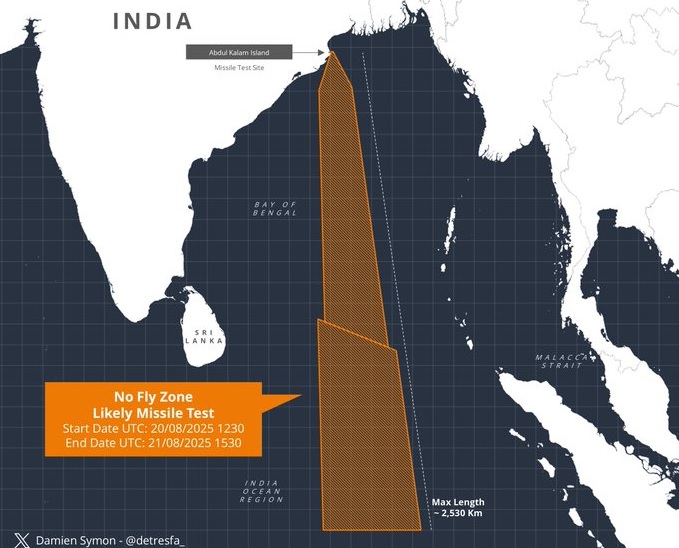
India
India has issued an updated Notice to Airmen (NOTAM) for a likely missile test from the Odisha coast, extending the designated danger zone far deeper into the Indian Ocean Region. The revised notification now covers a range of approximately 2,530 kilometers, a significant increase from the earlier announced 1,560 km. The test window is scheduled for August 20–21, 2025, with operations expected to take place from Dr. APJ Abdul Kalam Island off the coast of Odisha, India’s premier missile test facility. While the exact type of missile remains unconfirmed, defense analysts believe it could involve a long-range ballistic missile such as an Agni-series system or possibly a next-generation interceptor missile under development. The extended range in the new notification suggests the trial could be aimed at validating enhanced range performance, testing advanced re-entry vehicles, or demonstrating new propulsion and guidance upgrades. Such a distance also places the danger zone well into the central stretches of the Bay of Bengal, signaling the test’s strategic significance. The NOTAM serves as a safety measure, alerting both aviation and maritime traffic to avoid the designated area during the test window to prevent any risk to civilian aircraft or ships. India’s long-range missile program has been a key component of its defense modernization and self-reliance drive, aligning with the ‘Atmanirbhar Bharat’ initiative. In recent years, the country has conducted a series of trials for systems like the Agni-V, which can reach over 5,000 km, and advanced interceptors for its Ballistic Missile Defence (BMD) program. Strategic experts view the upcoming test in the context of regional security challenges, particularly the evolving missile arsenals in China and Pakistan. Expanding the range of missile capabilities strengthens deterrence posture, provides greater second-strike assurance, and enhances India’s ability to project power across a wider geographical span. If the test involves a new or upgraded missile, it could mark another milestone in India’s transition toward a fully indigenous long-range strike capability, further reducing dependence on foreign technology. With the expanded NOTAM now in place, attention will be focused on the Bay of Bengal later this month, where the outcome of the trial could signal the next leap in India’s strategic missile capabilities.
Read More → Posted on 2025-08-12 16:06:13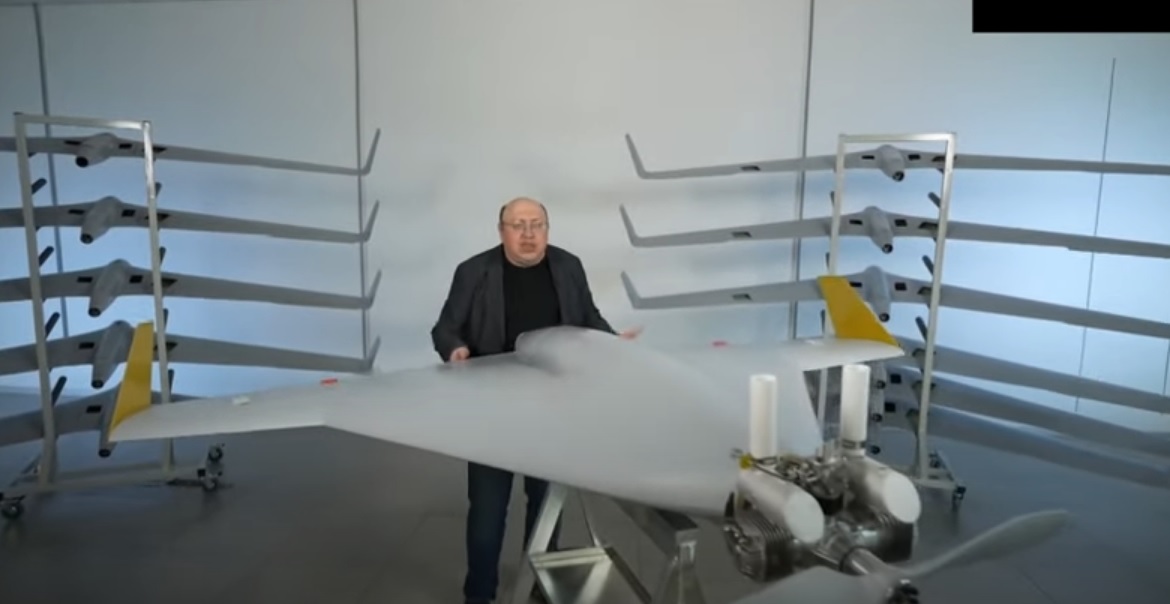
World
Russia has rapidly transformed its drone capabilities into one of the most significant military developments of the ongoing war in Ukraine, building an extensive and increasingly sophisticated unmanned systems industry despite heavy Western sanctions and sustained political pressure. Over just a few years, Moscow has shifted focus toward low-cost, proven, and mass-produced designs that can be deployed in large numbers without straining resources. This strategy has led to the serial production of a wide spectrum of systems — from loitering munitions and fiber-optic-controlled first-person-view (FPV) drones to interceptor drones, unmanned maritime vessels, and ground-based robotic platforms. At the tactical level, Russia’s success is most visible in strike drones with ranges of 20 to 50 kilometers, such as the Lancet, Molniya, and Knyaz Vandal Novgorodsky, which have been used extensively against Ukrainian artillery, air defense systems, and logistics hubs. On the strategic side, platforms like the Geran and Harpiya — modeled after Iran’s Shahed-series drones — have demonstrated ranges of 500 kilometers or more, giving Moscow the ability to strike deep inside Ukraine. Russian forces have been receiving hundreds of thousands of drones annually, with estimates suggesting over 120,000 units were delivered to the front in 2024 alone. That figure is expected to climb sharply this year as the Kremlin blends lessons from Ukraine’s own battlefield innovations into its tactics. This includes the integration of artificial intelligence for target recognition, real-time video analysis, and automated target locking to increase precision and reduce operator workload. A notable part of Russia’s approach is the push to professionalize tactical drone operations through specialized units like the Rubicon Centers. These units focus on fiber-optic drones capable of attacking Ukrainian supply lines, tactical interceptors designed to disable larger ISR platforms, and coordinated swarm operations that overwhelm defenses. Still, the Russian drone program is not without weaknesses. Reliance on Chinese-made components and commercially available drones, such as the DJI Mavic series, remains significant. Quality control is inconsistent across the many small manufacturers producing FPV systems, and pilot training standards vary between units. Ukraine, while under constant aerial pressure, has taken notice. Its defense industry is studying and reverse-engineering several Russian designs, including the Lancet and Molniya, to create cost-effective counterparts. Ukrainian strategists warn, however, that Russia’s pace of production could soon shift the balance in the skies. Security experts in Kyiv have raised concerns about a near-future scenario in which thousands of armed Russian drones could patrol Ukrainian skies continuously, not just targeting fixed coordinates like missiles do, but actively hunting individual targets in real time. Such a development could threaten not only front-line cities like Sumy, Kharkiv, and Dnipro but also urban centers in Ukraine’s west, such as Lviv and Chernivtsi. Both nations are now locked in an escalating drone arms race, with rapid adaptation on each side. For Russia, the priority remains overwhelming Ukraine with sheer numbers and persistent strikes, while Ukraine races to deploy its own mass-produced, affordable strike and reconnaissance systems. The outcome of this drone war could redefine the battlefield dynamic, with the side that masters low-cost, high-volume, and adaptive drone warfare likely to gain a decisive advantage in the months and years ahead.
Read More → Posted on 2025-08-12 16:00:30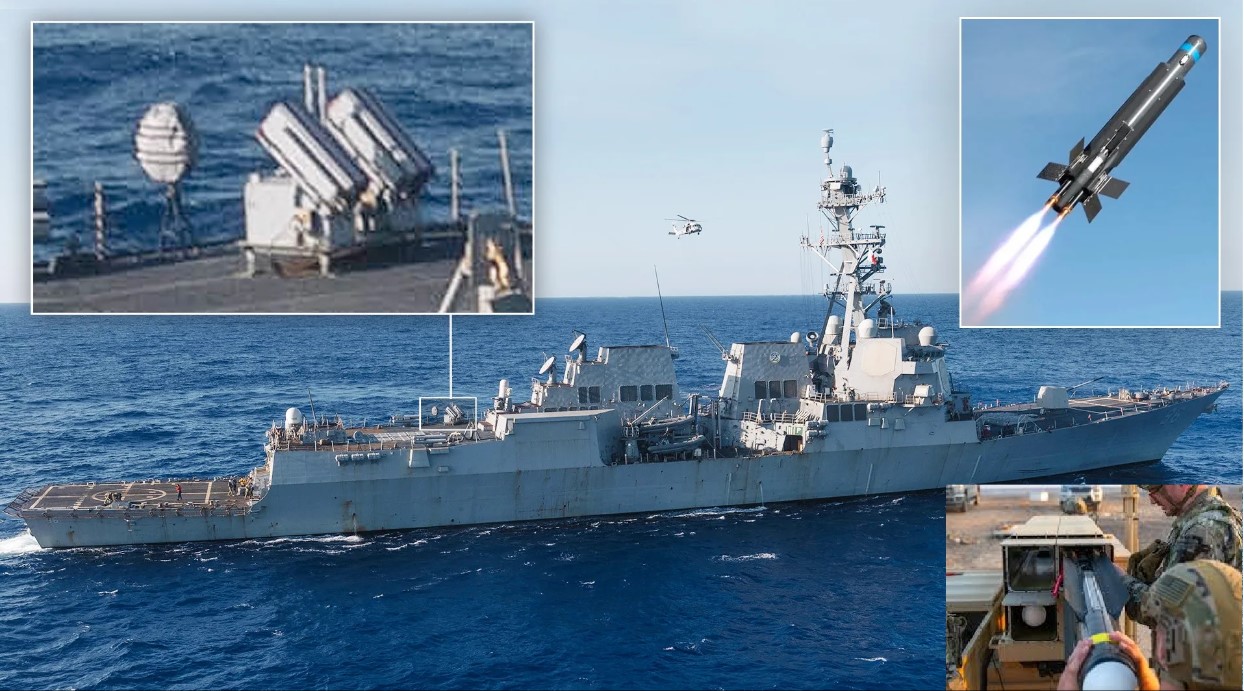
World
The US Navy has given the world its first clear look at the Coyote Block 2 counter-drone system installed aboard an operational destroyer, after releasing a photograph of the USS Bainbridge (DDG 96) during NATO’s Neptune Strike exercise. The image, taken amid a helicopter, board, search, and seizure drill in the Ionian Sea, marks a significant milestone in the Navy’s push to strengthen shipboard defenses against the fast-evolving threat of unmanned aerial systems (UAS). The USS Bainbridge, an Arleigh Burke-class Flight IIA guided-missile destroyer assigned to the Gerald R. Ford Carrier Strike Group, now carries multiple Coyote launchers mounted near its aft Mk 41 Vertical Launch System (VLS) cells. This location allows the interceptors to work seamlessly alongside the ship’s primary air-defense weapons, providing a layered defense that conserves high-value missiles like the SM-2 and ESSM for larger, more dangerous targets. A New Layer in Ship Defense The Coyote Block 2 interceptor, developed by Raytheon, is a small, tube-launched, turbine-powered unmanned aircraft designed to loiter in the air while actively hunting for aerial targets. Unlike expensive long-range ship missiles such as the SM-2 Block IIIC (($2 million) or an ESSM ($1.65 million), the Coyote’s estimated cost of $100,000 makes it a cost-effective choice for defending against swarms of cheap drones. Once launched, the Block 2 can remain airborne for several minutes, maneuver aggressively, and home in on its target using onboard sensors. It is capable of engaging fixed-wing drones, rotary drones, and even loitering munitions, making it a flexible asset in fleet defense. Its compact size means more interceptors can be carried onboard, enabling sustained counter-drone operations without quickly depleting a ship’s missile inventory. Specifications of the Coyote Block 2 System Length: Approximately 1.5 meters (5 feet) Weight: Around 13–15 kg (30–33 lbs) Propulsion: Turbine engine with high maneuverability Speed: Estimated up to 200 knots (370 km/h) Range/Endurance: Several kilometers with loitering capability of up to 15–20 minutes Guidance: GPS navigation, inertial systems, and onboard electro-optical/infrared sensors Warhead: Small high-explosive charge designed for aerial target destruction Launch Method: Tube-launched from deck-mounted canisters Primary Role: Interception of small unmanned aerial systems (UAS) and loitering munitions Strategic Significance The adoption of the Coyote Block 2 on a front-line destroyer marks a shift in the Navy’s layered air defense doctrine. Large, high-value missiles will still be used against fighter aircraft, bombers, or advanced cruise missiles, but the Coyote provides a persistent, lower-cost option for continuous drone defense. This approach is crucial as potential adversaries increasingly deploy large numbers of small, inexpensive unmanned aircraft to overwhelm traditional defenses. The system is not new to combat—its Block 2 variant has already been used by the US Army under the Low, Slow, Unmanned Aircraft Integrated Disposal System (LIDS) program in the Middle East, Africa, and Europe. However, its integration into an Arleigh Burke-class destroyer suggests the Navy is ready to adapt lessons from land-based operations to the maritime environment. Although the Navy has not officially confirmed whether the entire destroyer fleet will receive the upgrade, similar launcher installations have been observed on other vessels such as the USS Winston S. Churchill. Analysts believe a broader rollout is likely as the service seeks to enhance protection for carrier strike groups without incurring unsustainable costs. The appearance of the Coyote launchers on the USS Bainbridge is more than just a hardware upgrade—it signals the Navy’s recognition that future sea battles may be decided as much by defeating swarms of drones as by intercepting supersonic missiles. By embracing loitering interceptor technology, the US Navy is positioning itself to counter one of the fastest-growing threats in modern naval warfare.
Read More → Posted on 2025-08-12 15:41:50Search
Top Trending in 24 Hours
-
 President Trump Pauses Plans to Expand U.S. Strikes on Iran Amid Concerns Over Air Defense Missile Stocks
-
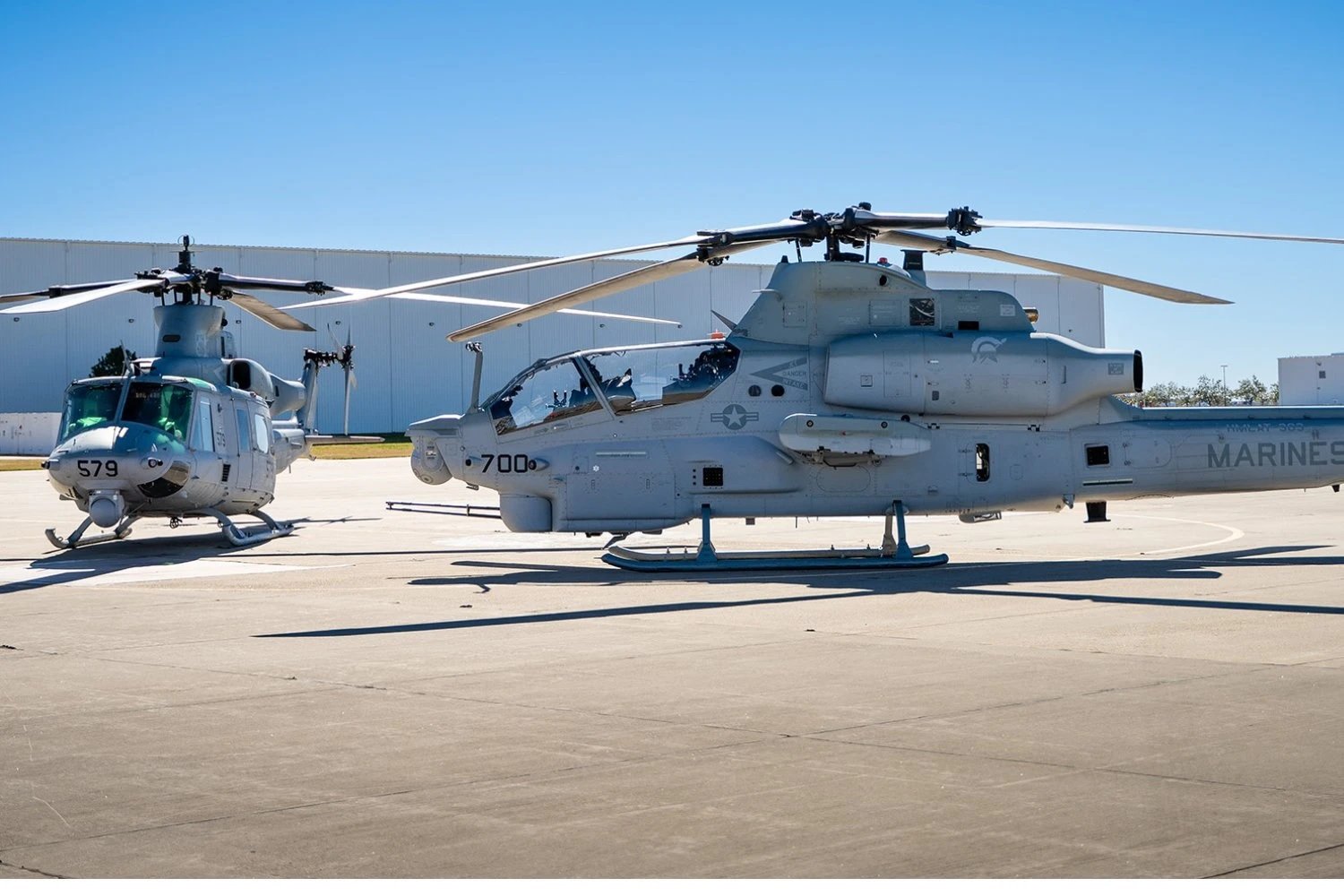 U.S. Awards Bell Textron $33.64 Million Contract for Next Phase of Marine Corps AH-1Z and UH-1Y Helicopter Upgrades
-
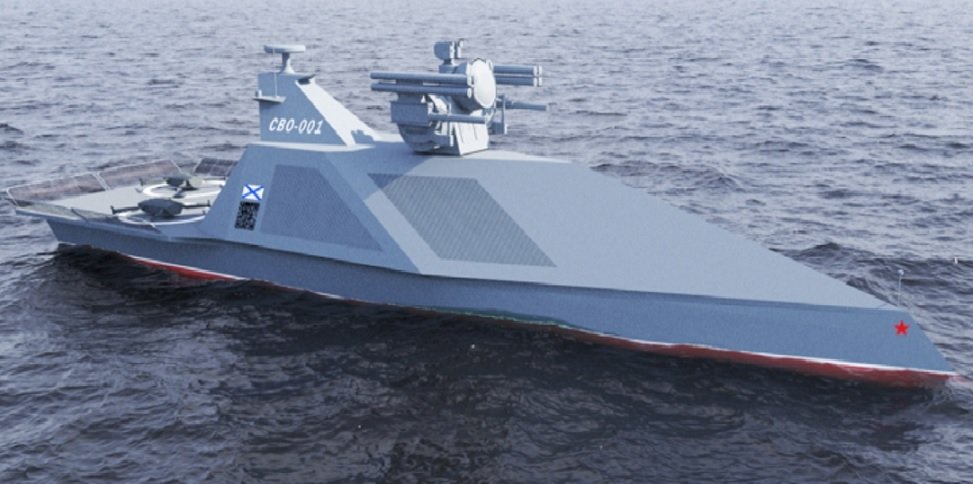 Russia Builds 500-Ton Unmanned Warship For Anti-Submarine Warfare, Plans New 9,500-Ton Warship, Navy Chief Says
-
 Unreleased Footage Reveals Why Lindsey Graham Dropped Plan to Push Trump on Hezbollah Strikes
-
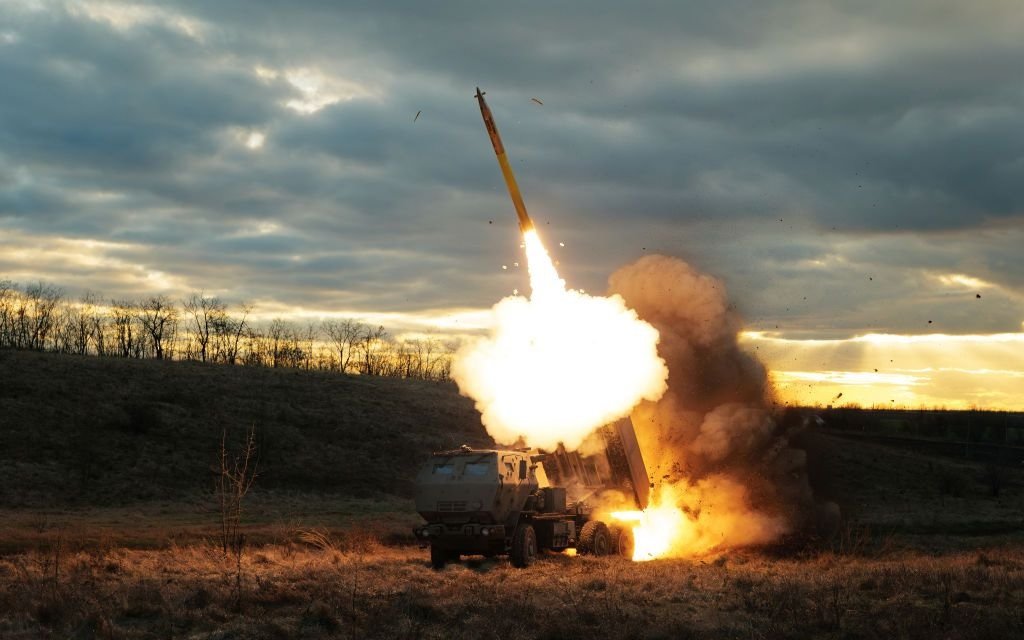 U.S. Military Selectively Intercepts Iranian Missiles to Preserve Shrinking Air Defense Stocks : Report
-
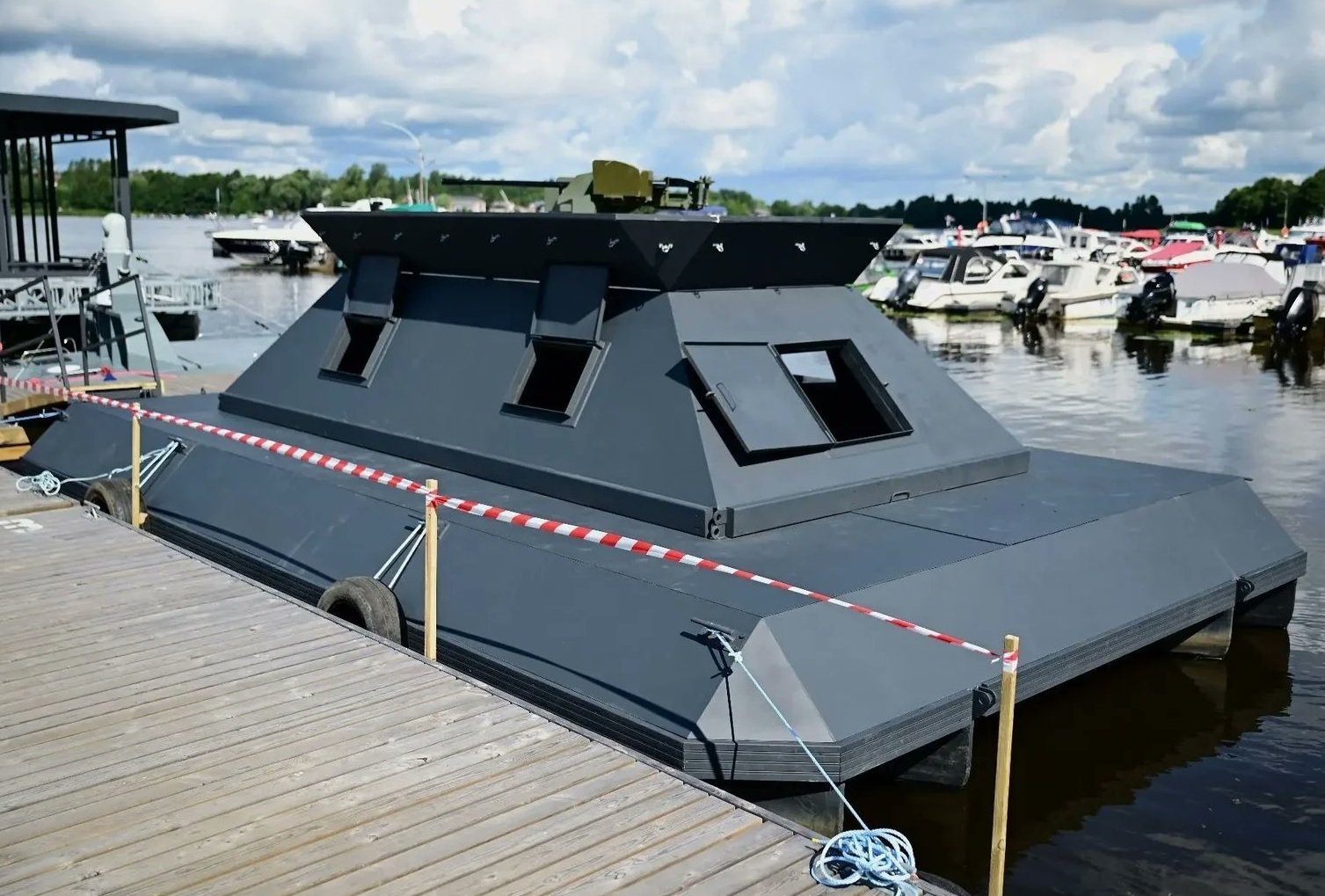 Russia Unveils Experimental Plot-40 Floating Defense Platform to Counter Drone and USV Threats
-
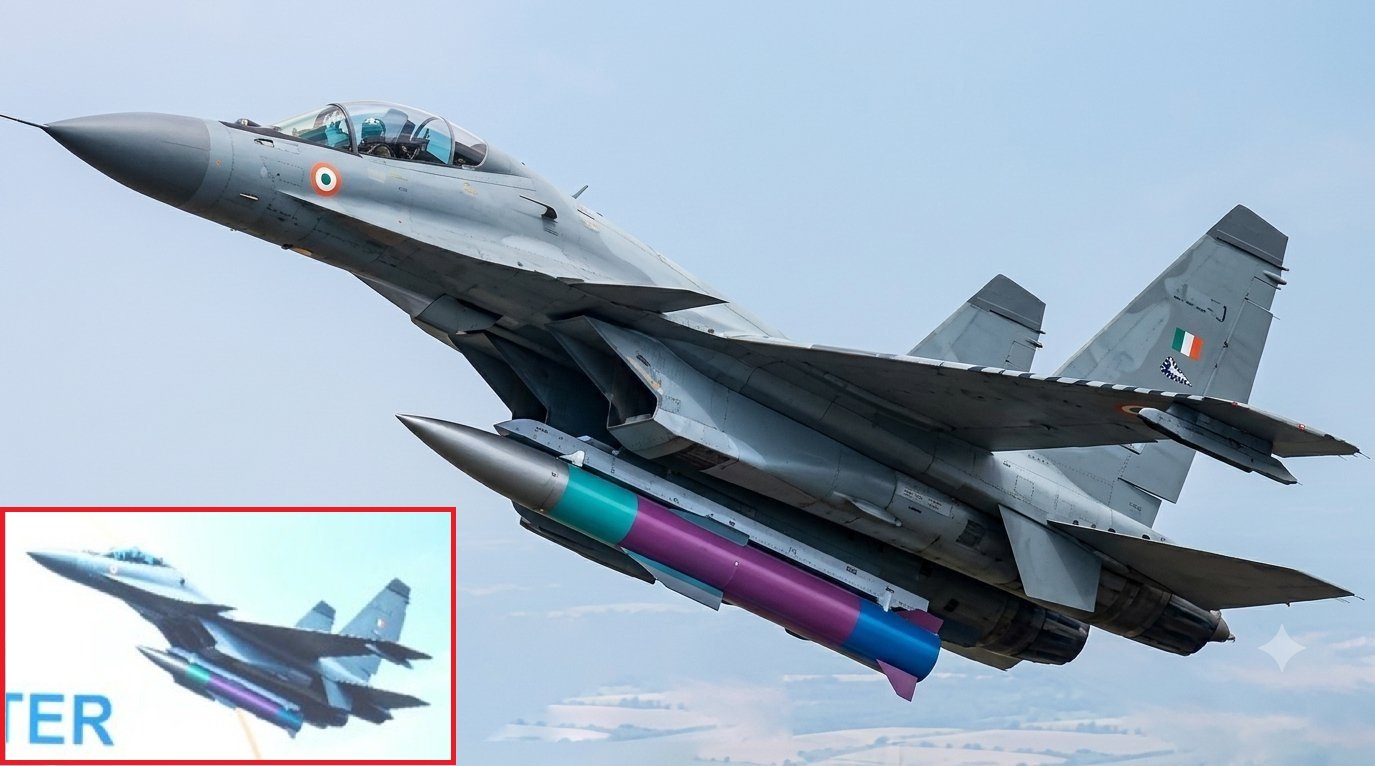 DRDO Developing Long-Range Air-Launched Ballistic Missile for Su-30MKI, Rudram-4 Seen as Likely Candidate
-
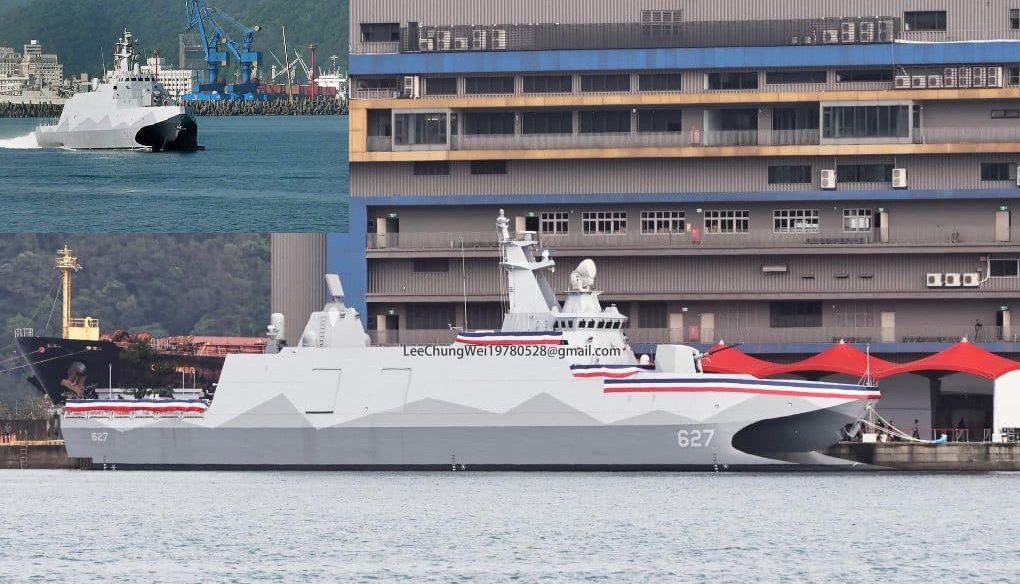 Taiwan Commissions First Batch 2 Tuo Chiang-Class Corvette with New Leonardo Radar
Top Trending in 4 Days
-
 U.S. Navy Awards Northrop Grumman $1.2 Billion Deal for Three New E-2D Advanced Hawkeyes
-
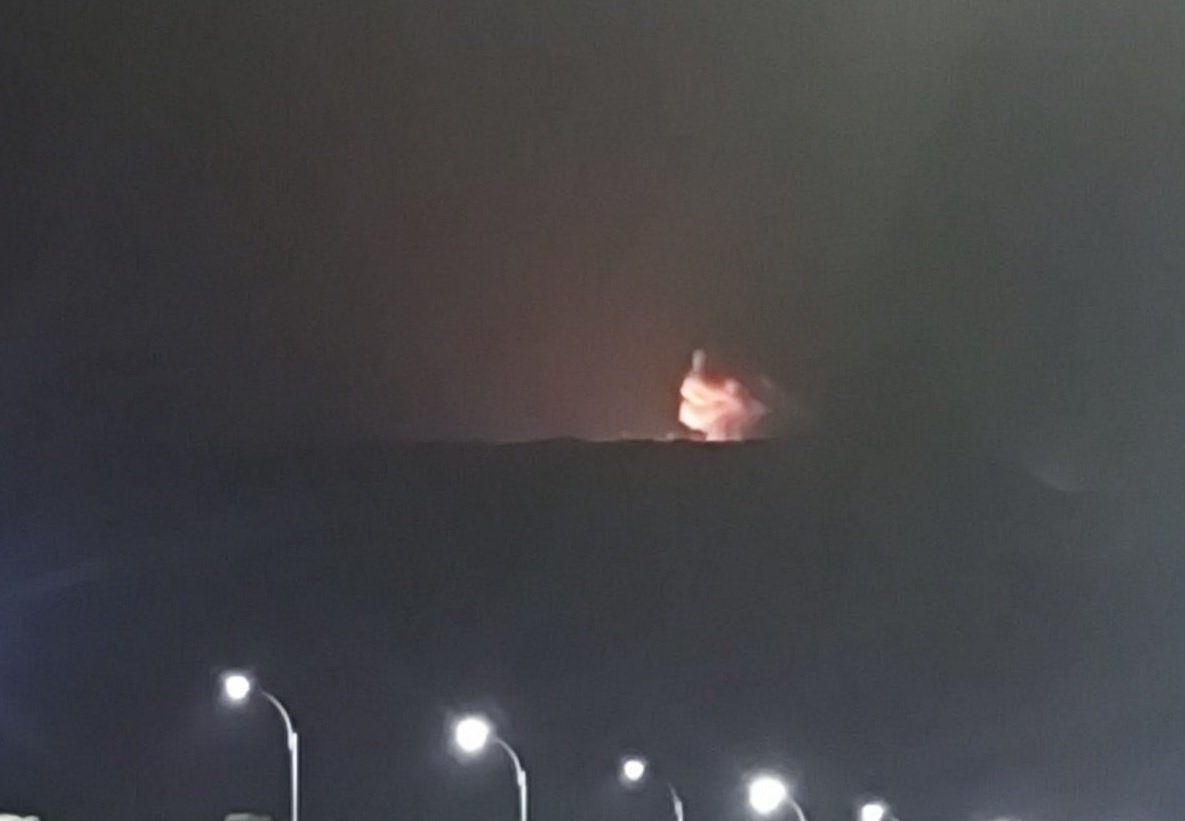 U.S. Airstrikes Target IRGC Missile Base Near Taft as Overnight Strikes Hit Central Iran
-
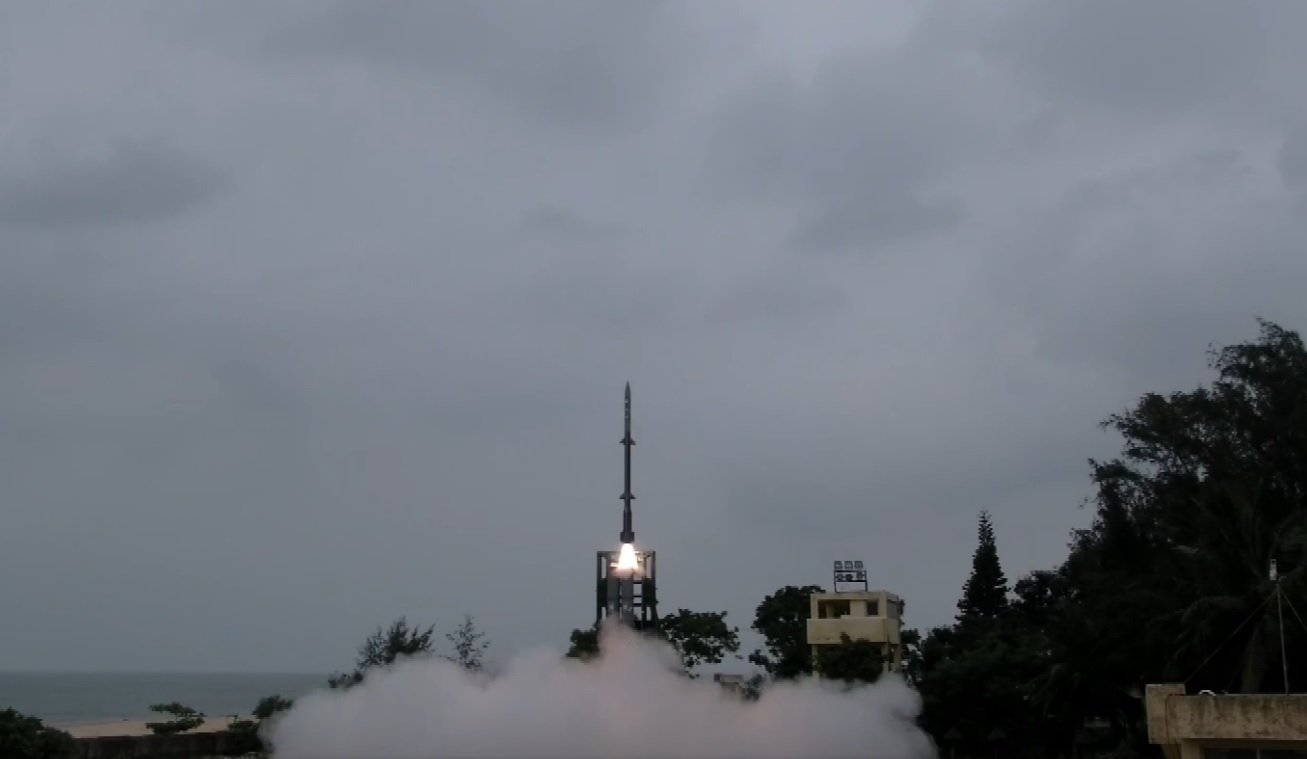 DRDO Successfully Conducts Maiden Flight Test of 150-km-Range Kusha M1 Air Defence Missile
-
 Kuwait and Bahrain Reportedly Launch First Joint Direct Airstrikes on Iran Since War Began : Report
-
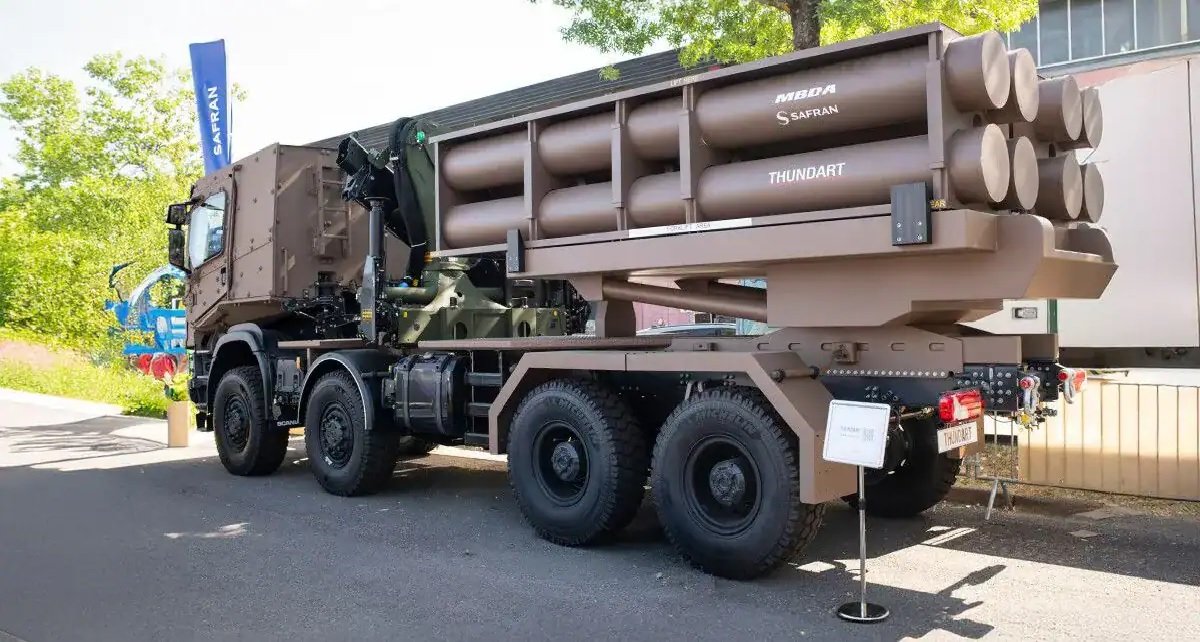 France's THUNDART Long-Range Rocket System May Undergo Prototype Combat Testing in Ukraine
-
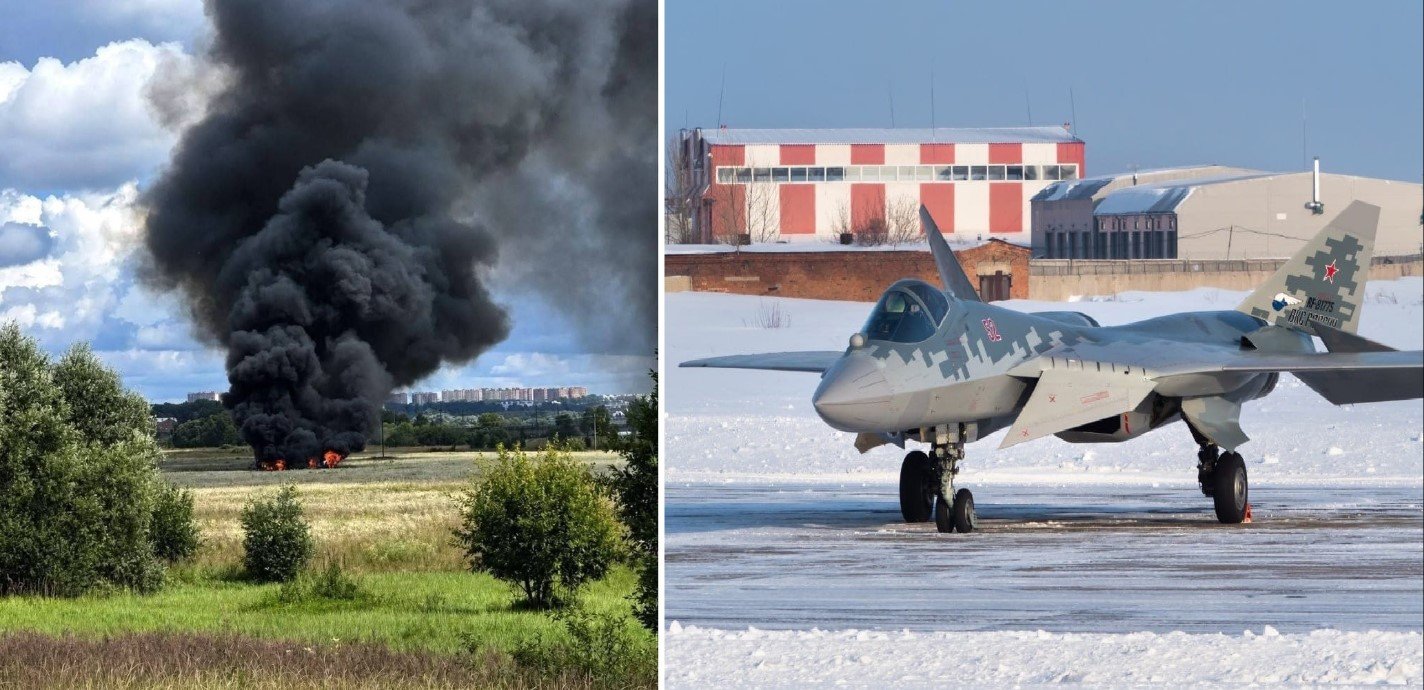 Russian Su-57 Stealth Fighter Crashes During Training Flight Near Moscow, Pilot Ejects Safely
-
 Australia Commits Additional AUD 4.6 Billion to Expand Osborne Shipyard for AUKUS Submarines
-
 Destinus Unveils Vorexon Interceptor Concept to Defend Critical Sites from Artillery Threats
