
India
New Delhi, August 2025 – In a landmark announcement that signals a new chapter in India’s defence self-reliance journey, Defence Minister Rajnath Singh declared that India will jointly manufacture engines for fifth-generation fighter aircraft in collaboration with French aerospace giant Safran. The announcement came during the Economic Times World Leaders’ Forum in New Delhi, where Singh underscored India’s commitment to building advanced combat aircraft indigenously while also inviting global defence companies to participate in the country’s rapidly growing aerospace sector. India’s First Step Toward Fifth-Generation Engines “We have taken steps forward in the direction of building fifth-generation fighter aircraft. We are about to start engine manufacturing work in India with the French company Safran,” Singh stated, adding that the project would be a cornerstone of India’s future combat aviation capabilities. The move is expected to directly support India’s Advanced Medium Combat Aircraft (AMCA) programme, a fifth-generation stealth fighter project currently spearheaded by the Aeronautical Development Agency (ADA) with Hindustan Aeronautics Limited (HAL) and private partners. About the AMCA Programme Approved earlier this year by the Defence Ministry under a new “Execution Model,” the AMCA is being designed as a 25-tonne class, twin-engine stealth fighter with features such as: Internal weapons bays to maintain low radar visibility. Stealth shaping and coatings for reduced detectability. Sensor fusion and advanced avionics for enhanced situational awareness. Supercruise capability, allowing sustained supersonic flight without afterburners. Multi-role versatility, with both air superiority and deep-strike missions. The first prototype of the AMCA is expected to roll out before the end of this decade, with an initial project cost pegged at ₹15,000 crore. The Engine Challenge and the Safran Partnership Engines have long been India’s weak point in military aviation. While HAL and DRDO have successfully developed airframes and avionics, the indigenous Kaveri engine project fell short of delivering power levels required for modern fighters. The tie-up with Safran, which powers France’s Rafale jets through its M88 turbofan, aims to bridge this gap. Under the collaboration, India is expected to co-develop a 110 kN-class engine, providing the thrust necessary for the AMCA’s stealth and supercruise performance. This partnership will also ensure high levels of technology transfer, allowing India to establish a domestic engine ecosystem capable of supporting not just AMCA but also future aircraft programs, including unmanned combat aerial vehicles (UCAVs). Strategic and Industrial Impact Singh’s announcement aligns with the broader ‘Atmanirbhar Bharat’ initiative, focusing on cutting foreign dependency and building a globally competitive defence industry. He added, “Our Make in India is not limited to India only. When you Make in India, you will make for the world. India’s thinking is oriented towards development and peace, but collective development is most important.” The Safran partnership is also expected to benefit the civilian aerospace sector, with spinoff technologies in materials, manufacturing, and thermal management. It will open opportunities for Indian MSMEs and private companies to integrate into global supply chains. Geopolitical Context The announcement comes at a time of heightened security focus, especially after Operation Sindoor, India’s military response to the Pahalgam terror attack earlier this year. Strengthening indigenous air power has become a strategic priority to counter both conventional and asymmetric threats. By committing to a fifth-generation jet engine programme, India joins an elite group of nations—including the U.S., Russia, China, and France—capable of developing advanced combat engines domestically. The India-Safran joint engine project is expected to begin detailed design and prototype work within the next two years. Once operational, it will serve as the powerplant for the AMCA Mk-2 and potentially for the Indian Navy’s future carrier-based fighters. With this, India moves closer to its long-cherished goal of fielding a fully indigenous fifth-generation fighter jet, reducing its reliance on foreign suppliers and asserting itself as a rising aerospace power on the global stage.
Read More → Posted on 2025-08-22 15:40:47
World
Bogotá, August 2025 – Colombian authorities have confirmed that a UH-60 Black Hawk police helicopter was destroyed in a drone attack while conducting a counternarcotics mission in the Antioquia region. The attack marks one of the deadliest uses of weaponized drones against state forces in the country’s recent history, raising alarm about the growing sophistication of armed groups. The Attack The Black Hawk was carrying personnel to rural areas near Amalfi, where security forces were engaged in eradication of coca crops, the base ingredient for cocaine production. According to officials, as the helicopter hovered above a hillside preparing to land, it was struck by an FPV (first-person-view) drone rigged with explosives. Video released by the government showed the drone slamming into the aircraft, followed by a powerful explosion. The blast destabilized the helicopter, which tipped over and crashed, leaving it completely destroyed. A second helicopter in the operation, tasked with coordination, captured the footage of both the impact and the subsequent crash. Casualties Local authorities reported that 12 people aboard were killed, including police officers and members of the counternarcotics unit. Rescue teams were dispatched, but there were no survivors. Antioquia governor Andrés Julián posted on social media, stating, “A drone attacked a Black Hawk helicopter while it flew over coca fields in our region. This is a new and serious threat to our security forces.” Government Response Colombian President Gustavo Petro and Defense Minister Pedro Sánchez blamed the attack on dissident factions of the Revolutionary Armed Forces of Colombia (FARC). These groups, though the original guerrilla organization officially disbanded in 2016 under a peace accord, continue to operate in remote areas, often aligning with cartels to control cocaine production and trafficking routes. President Petro condemned the attack, vowing that counternarcotics operations will not stop and that new counter-drone measures will be implemented to protect security forces. A Growing Threat The Colombian government has long relied on Black Hawk helicopters to move troops and police into remote, hostile areas where ground access is limited. The helicopters provide rapid insertion, medical evacuation, and fire support. However, the latest attack underscores the emerging challenge of drones in modern conflict and organized crime, a tactic increasingly seen in regions like the Middle East, Ukraine, and Latin America. Security analysts note that FPV drones, inexpensive and commercially available, can be modified to carry small explosive charges. Their use by criminal groups in Colombia represents a serious escalation in the narco-war, as helicopters have traditionally been among the most resilient assets of the police and military. Operations Continue Despite the loss, Colombian authorities have confirmed that eradication and security missions will continue in Antioquia. Special forces have been reinforced in the region to prevent further attacks, while efforts are being made to develop and deploy anti-drone systems capable of detecting, jamming, and intercepting hostile UAVs. The destruction of the Black Hawk in Antioquia is a grim reminder of the evolving tactics of armed groups and cartels in Colombia. As drones become more accessible and lethal, the government faces a new challenge in securing its skies. The attack not only claimed the lives of 12 personnel but also highlighted the urgent need for modern counter-drone defenses to safeguard future missions in the country’s long-running fight against drug trafficking and insurgency.
Read More → Posted on 2025-08-22 15:24:30
World
December 2024 – BAE Systems has received a new production contract from Lockheed Martin to deliver additional radio-frequency (RF) sensors for the AGM-158C Long-Range Anti-Ship Missile (LRASM) program. The contract, awarded in December 2024, ensures continued production and delivery of these critical components through 2030, strengthening the U.S. military’s maritime strike capabilities. Sustained Partnership Since 2018 BAE Systems has been a long-standing partner in the LRASM program, having supplied RF sensors since 2018. These sensors form a key part of the missile’s guidance system, allowing it to navigate and engage targets even in GPS-denied and heavily jammed environments. The latest contract represents a large-lot procurement approach, which reduces acquisition costs while ensuring the U.S. Navy and Air Force can build a robust arsenal of advanced anti-ship weapons. Industry Statements Vanessa Varrati, LRASM Sensor Program Director at BAE Systems, stated:“BAE Systems is dedicated to its work with Lockheed Martin to provide discriminating capabilities to the warfighter. This contract recognizes our technical and operational expertise that brings this critical deterrence and strike capability to the U.S. Navy and U.S. Air Force.” Ed Leonard, Director of Small Form Factor Solutions at BAE Systems, emphasized future adaptability:“We’re anticipating the need for small, powerful, multi-function hardware that can work on a variety of platforms, and we’re building the core elements today.” About the AGM-158C LRASM The Long-Range Anti-Ship Missile is one of the most advanced anti-ship weapons in the U.S. arsenal. It was designed to counter heavily defended naval forces, providing a stealthy, autonomous, precision strike capability at long ranges. Key features include: Stealth design to minimize detection by enemy radars. Multi-sensor guidance, including an anti-jam GPS, radio-frequency sensor (RFS), and infrared seeker. Autonomous target recognition, allowing the missile to select and engage specific ships within a group without reliance on external data links. Penetrating blast fragmentation warhead weighing 1,000 lbs (454 kg), capable of destroying large warships. Estimated range of 500 nautical miles (930 km), comparable to the JASSM-ER from which it is derived. The missile achieved early operational capability (EOC) with the U.S. Navy’s F/A-18E/F Super Hornet in December 2019 and is also integrated with the B-1B Lancer bomber. Live-fire tests have demonstrated its ability to strike maritime targets under realistic combat conditions, including Valiant Shield 2020 exercises. Strategic Importance The LRASM is considered a game-changer in the Pacific and other contested regions, where the U.S. military faces increasingly capable naval forces. Unlike traditional anti-ship missiles, LRASM can: Operate in blue-water scenarios far from shore. Penetrate advanced integrated air defense systems (IADS). Function effectively in electronic warfare environments where communications and GPS may be denied. By enhancing survivability, lethality, and range, LRASM provides the U.S. Navy and Air Force with a decisive edge in maintaining maritime dominance. With production now extended until 2030, BAE Systems’ RF sensors will remain at the heart of the LRASM’s advanced guidance suite. The company is also investing in scalable and modular systems that could shape the next generation of multi-domain strike weapons, ensuring adaptability to evolving threats. This new contract underscores both Lockheed Martin’s and BAE Systems’ commitment to delivering high-end, survivable strike capabilities—a cornerstone of U.S. deterrence in contested maritime domains.
Read More → Posted on 2025-08-22 15:19:33
Space & Technology
Stockholm, August 2025 – A consortium of Sweden’s most prominent companies – AstraZeneca, Ericsson, Saab, SEB, and Wallenberg Investments – has announced the creation of Sferical AI, a new company that will operate one of Europe’s most advanced sovereign AI supercomputers. The move is designed to accelerate Sweden’s preparedness for the rapidly evolving era of artificial intelligence while ensuring technological sovereignty and competitiveness. A Bold Leap in AI Infrastructure Sferical AI will establish its headquarters in Linköping, Sweden, where it will build a world-class AI computing facility powered by two NVIDIA DGX SuperPODs. These will be based on the latest NVIDIA GB300 architecture, comprising 1,152 high-performance GPUs working in tandem. This configuration is expected to deliver unprecedented computational capacity, enabling the training and deployment of the most complex AI models across industries ranging from healthcare to telecommunications, finance, and defense. The project builds on a collaboration first revealed in May 2025, when Marcus Wallenberg, Chairman of Wallenberg Investments, and Jensen Huang, CEO of NVIDIA, jointly outlined plans to bring sovereign AI computing power to Sweden. Strategic Goals for Swedish Industry Marcus Wallenberg emphasized the importance of the initiative, noting:“Through this initiative, we create the opportunity for some of Sweden’s leading companies to position themselves at the forefront of the rapid structural transformation of the business landscape brought about by the development and use of AI.” The goal is not only to support participating companies but also to create a national platform that ensures Sweden’s industries are equipped with sovereign, secure, and cutting-edge AI capabilities without over-reliance on external cloud providers. NVIDIA AI Technology Centre in Sweden Alongside the launch of Sferical AI, plans are underway to establish a dedicated NVIDIA AI Technology Centre in Sweden. This facility will: Support participating companies in adapting AI systems to their needs. Develop new AI-driven applications tailored for healthcare, aerospace, telecom, and financial services. Provide AI training programmes through the NVIDIA Deep Learning Institute, helping to strengthen Sweden’s workforce with advanced AI skills. This dual approach—supercomputing infrastructure paired with knowledge transfer—is expected to accelerate AI adoption across Sweden’s industrial ecosystem. Leadership and Vision Sferical AI will be led by Jenny Nordlöw, appointed as CEO, with Professor Anders Ynnerman, a leading figure in scientific visualization, serving as Executive Chairman. Anders Ynnerman remarked, “This initiative demonstrates the Swedish ability to collaborate on important issues. We will be able to leverage the combined expertise of the participating companies, and we already see how the exchange between very different companies creates significant added value.” Jenny Nordlöw added, “I am humbled by the task of leading Sferical AI and look forward to, together with our partners, establishing the next generation of AI infrastructure in Sweden and strengthening the competitiveness of Swedish industry.” Part of a Wider European AI Push Europe has recently intensified efforts to establish sovereign AI computing resources, with initiatives in Germany, France, and the EU-wide “AI Factories” programme. By launching Sferical AI, Sweden is positioning itself as a Nordic leader in AI supercomputing, complementing regional strengths in innovation, digitalization, and advanced research. Industry experts highlight that such sovereign AI infrastructure is critical for handling sensitive data in healthcare, finance, and defense, while ensuring compliance with European regulations on AI governance and data security. Once operational, Sferical AI is expected to deliver transformative capabilities for Sweden’s industrial base. From drug discovery at AstraZeneca, to secure telecom networks at Ericsson, next-generation defense technologies at Saab, and AI-driven financial services at SEB, the applications are broad and strategically vital. With the combined strength of Sweden’s industry leaders, academic expertise, and global technology partners, Sferical AI represents one of the most ambitious AI initiatives in Europe—a step designed to ensure Sweden remains competitive and technologically sovereign in the global AI race.
Read More → Posted on 2025-08-22 15:16:15
World
Florida, December 2025 – A SpaceX Falcon 9 rocket successfully lifted off late Thursday night, carrying into orbit the U.S. military’s secretive X-37B spaceplane for its eighth mission. The launch took place from NASA’s Kennedy Space Center in Florida at 11:50 pm local time (0350 GMT Friday), lighting up the night sky as the rocket ascended. Mission Objectives The U.S. Space Force, which operates the X-37B, described this new mission – known as OTV-8 (Orbital Test Vehicle-8) – as one focused on advanced technology testing and experimentation. According to officials, the payloads include: Next-generation laser communications systems, aimed at enhancing secure space-based links. The most advanced quantum inertial sensor ever tested in orbit, designed to improve navigation capabilities when GPS is unavailable. Experiments to increase the resilience, efficiency, and security of U.S. space communications architectures. The mission will also examine new methods for long-duration flight operations, an area where the X-37B has already set records. About the X-37B Spaceplane The X-37B Orbital Test Vehicle (OTV), built by Boeing, is an unmanned, reusable spaceplane roughly the size of a small bus. It is 30 feet (9 meters) long, with a 15-foot wingspan, and is powered by deployable solar panels. Its design is reminiscent of NASA’s retired Space Shuttle, though far smaller. The spacecraft first flew in 2010 and has since become a cornerstone of U.S. military space experimentation. The X-37B can: Stay in orbit for years before autonomously landing on a runway. Test new satellite components, space technologies, and payload systems. Conduct classified missions that remain undisclosed to the public. So far, two X-37B vehicles exist, which are rotated between missions. A Record of Long-Duration Missions The X-37B has consistently extended endurance milestones in space. On its previous mission (OTV-6), the vehicle stayed in orbit for 908 days, breaking its own record for the longest flight of a reusable spacecraft. Earlier missions have tested NASA experiments, satellite systems, and re-entry technologies. The duration of OTV-8 has not been disclosed, but it is expected to last well over a year, given the vehicle’s capabilities. Strategic Importance Beyond technology testing, the X-37B is widely seen as a strategic asset in the new era of space competition. Its ability to stay in orbit for extended periods, maneuver in unpredictable ways, and return safely to Earth allows the U.S. to: Trial classified defense payloads. Demonstrate space resilience against potential adversaries. Lead advancements in on-orbit servicing and reusable spacecraft technology. The program, once run by the U.S. Air Force, is now under the control of the U.S. Space Force, reflecting the military’s increasing emphasis on securing dominance in space. While much about the X-37B remains classified, its repeated successes have proven the viability of reusable military spacecraft. With each mission testing advanced technologies like quantum sensors, AI-driven communications, and resilient navigation systems, the X-37B is setting the stage for future space operations where both defense and science intersect. As global interest in military space assets grows, the X-37B continues to serve as a symbol of U.S. innovation and secrecy in orbit — quietly shaping the future of space warfare and satellite resilience.
Read More → Posted on 2025-08-22 14:38:01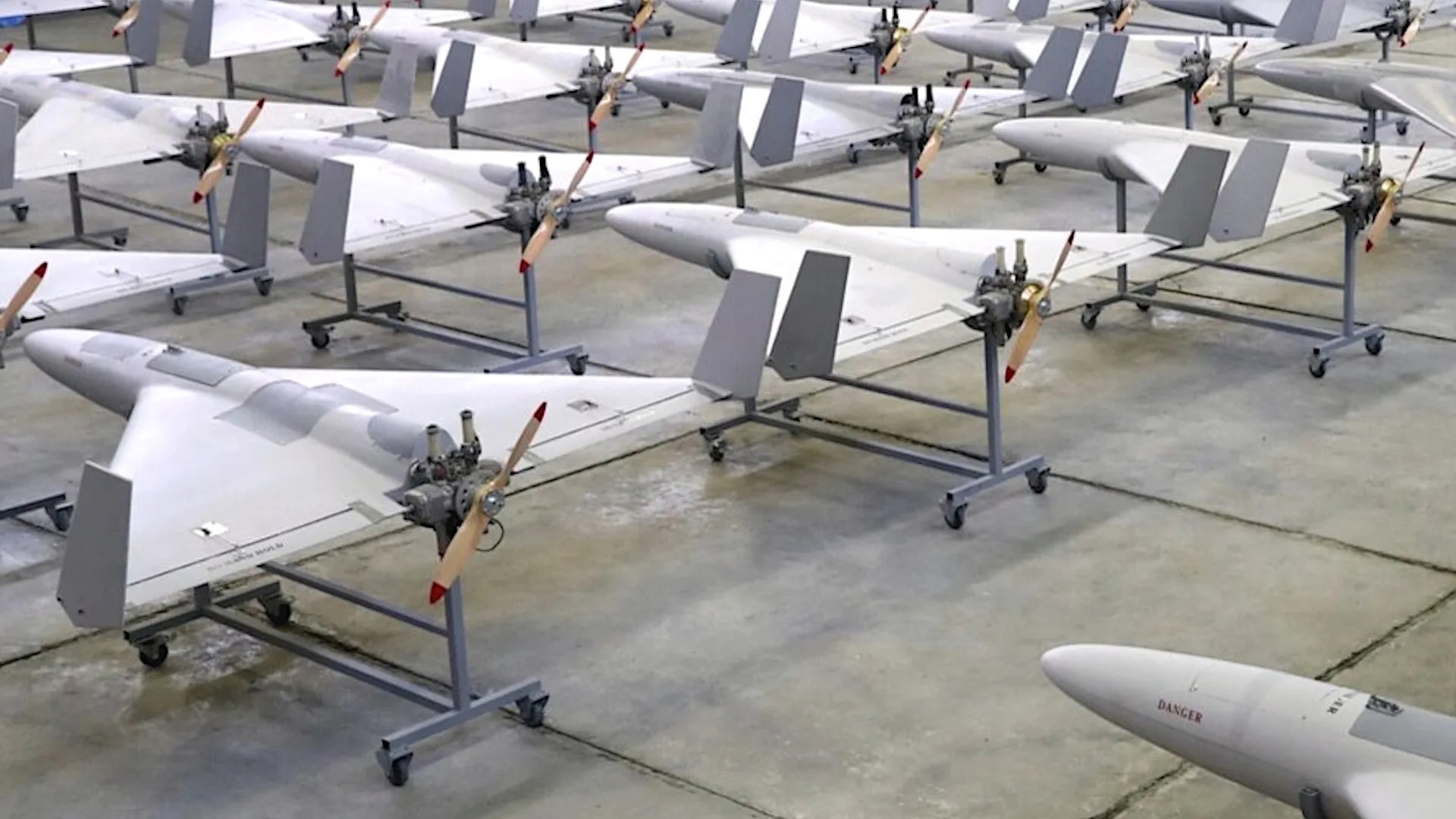
World
Washington, August 2025 – The US Air Force has announced plans to acquire 1:1 replicas of the Iranian-origin Shahed-136 drones, which Russia has been using extensively in its campaign against Ukraine. The move is aimed at enhancing American counter-drone capabilities by studying and simulating the operational characteristics of these low-cost, long-range loitering munitions. Details of the Requirement According to the Air Force’s request, the replica drones must mirror the form, fit, and function of the Shahed-136, also known in Russia as the Geran-2. The initial order covers 16 drones, with an option to acquire 20 additional units later. The specifications for the replicas include: Gas-powered propulsion with a minimum range of 80 kilometers (50 miles). Weight between 25 and 599 kilograms (55–1,320 pounds). Flight ceiling below 5,486 meters (18,000 feet). Maximum speed under 463 km/h (250 knots). Autonomous take-off and landing via pneumatic launch systems. Operation and maintenance by no more than three personnel. Open system architecture to allow payload integration and software modifications. Notably, the replicas do not need to include advanced features such as GPS-denied navigation or radar evasion, as the focus is on replicating the drone’s basic performance to design countermeasures. Shaheds on the Ukrainian Front The Shahed-136 has become one of the most visible weapons in Russia’s arsenal against Ukraine. Initially deployed in small numbers, Russia has drastically increased its use, launching upwards of 1,000 drones weekly in recent months. The drones are primarily aimed at overwhelming Ukraine’s air defense systems, striking infrastructure, and demoralizing civilian populations. Key features of the operational Shahed-136 include: Range of 970 to 2,500 kilometers (602–1,553 miles). Endurance of up to 40 minutes. Warhead capacity of around 40 kilograms (88 pounds). Low production cost of $20,000–$50,000 each, making them difficult to counter economically with expensive interceptor missiles. Why the US Needs Replicas For the US military, understanding the Shahed’s design is vital. Unlike expensive high-tech drones, the Shahed-136 demonstrates how affordable and mass-produced loitering munitions can alter the balance of modern warfare. By studying the drone in controlled environments, the Air Force aims to: Develop low-cost interception methods. Train crews against swarm tactics. Test electronic warfare and AI-driven defense systems. Strengthen forward-deployed air defense networks in Europe, the Middle East, and the Indo-Pacific. Global Countermeasures Ukraine and its allies have already begun experimenting with counter-Shahed technologies, including: FPV (first-person view) drones used as interceptors. A specially designed “Shahed-killer” missile. AI-powered air defense turrets that can automatically track and shoot down incoming drones. The US Air Force hopes its replica program will allow faster integration of similar or more advanced solutions into its arsenal. Strategic Implications The Shahed-136 has highlighted a fundamental shift in warfare—where cheap, expendable systems can neutralize or exhaust multi-million-dollar defense systems. By investing in realistic test platforms, the United States is preparing to confront not only Iranian and Russian drone tactics but also similar threats from other adversaries. As one defense analyst noted, the Air Force’s program underscores a simple reality: to beat the Shahed, you must first understand it inside and out.
Read More → Posted on 2025-08-22 14:33:51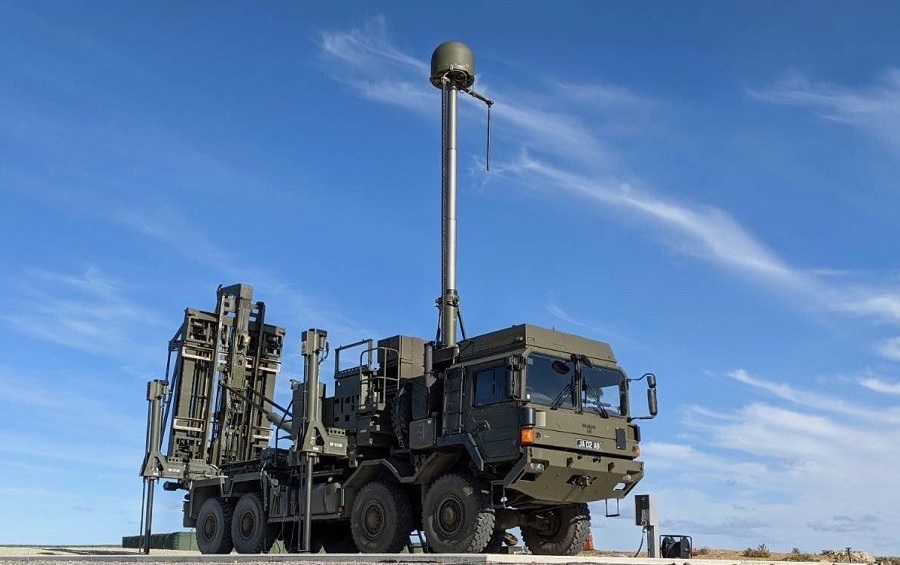
World
London, August 2025 – The UK Ministry of Defence (MoD) has announced the purchase of six additional Land Ceptor surface-to-air missile systems, worth £118 million, in a move that will double the number of Sky Sabre systems available to the British Armed Forces. The deal, signed with European missile manufacturer MBDA, will provide a major boost to Britain’s homeland air defences and reinforce protection for UK forces deployed overseas. Strengthening National and NATO Defence The Land Ceptor is the launcher component of the Sky Sabre medium-range air defence system, which combines advanced radar, a battle management command-and-control system, and missile launchers into one integrated shield. The system is capable of tracking multiple targets and guiding 24 missiles simultaneously, intercepting threats that include enemy aircraft, cruise missiles, drones, and precision-guided munitions. Sky Sabre has already proven its worth in NATO exercises, including the Formidable Shield missile defence exercise at the Outer Hebrides range, where it conducted its first live UK firing. The system has also been deployed in Poland under Operation Stifftail, providing additional reassurance on NATO’s eastern flank. Precision and Cutting-Edge Technology Sky Sabre is considered one of the most advanced air defence systems in Europe. Its key missile, the CAMM (Common Anti-Air Modular Missile), travels at supersonic speed and is so precise that it can strike a tennis ball-sized target travelling at twice the speed of sound. The system’s range of up to 25 kilometers and high mobility give the Army flexibility to defend both static bases and mobile units on deployment. The addition of six more launchers will ensure the Army’s 16th Regiment Royal Artillery, which operates the system, can deliver a stronger and more sustainable air defence posture both in the UK and abroad. Industrial and Economic Benefits The £118 million contract is part of the UK Government’s Plan for Change, which uses defence spending to fuel industrial growth. The deal will sustain up to 140 jobs across the UK, primarily at MBDA’s Bolton site in Lancashire, and support a network of domestic suppliers. Defence Minister Luke Pollard MP emphasised, “Doubling our deployable Sky Sabre capability will strengthen the UK’s air defences, protect UK forces abroad, and deter our adversaries. Through this investment we are supporting over 100 jobs across the UK, with more to come. Defence is an engine for national prosperity as well as security.” The Ministry of Defence also highlighted that defence spending currently supports 151,000 jobs across the country, marking a rise of 14,000 from the previous year. Partnership Between Industry and Army MBDA UK’s Managing Director, Chris Allam, described the contract as a milestone in the long-standing partnership between industry and the Armed Forces. “Land Ceptor is an excellent example of innovative capability produced here in the UK. Manufacturing these systems sustains not only jobs at Bolton but also critical skills across our supply chain. Importantly, it gives the Army decisive capability at scale.” Lieutenant Colonel James Boutle, Commanding Officer of 16th Regiment Royal Artillery, underlined the operational importance: “Sky Sabre represents a step change in the UK’s ground-based air defence. It provides a powerful shield against modern airborne threats – from fast jets to precision-guided weapons and drones. Our close work with MBDA ensures the system remains at the cutting edge.” The contract for six new Land Ceptor launchers will run over three years, with the systems expected to enter service progressively from late 2026. Once fully fielded, the British Army will operate a doubled Sky Sabre capability, giving the UK one of the most advanced and flexible air defence networks in Europe. This acquisition is part of a broader Strategic Defence Review commitment, which includes up to £1 billion in new funding for homeland air and missile defence. As threats from drones, cruise missiles, and hypersonic weapons grow, the MoD views Sky Sabre as central to keeping the UK and its deployed forces safe.
Read More → Posted on 2025-08-22 14:29:13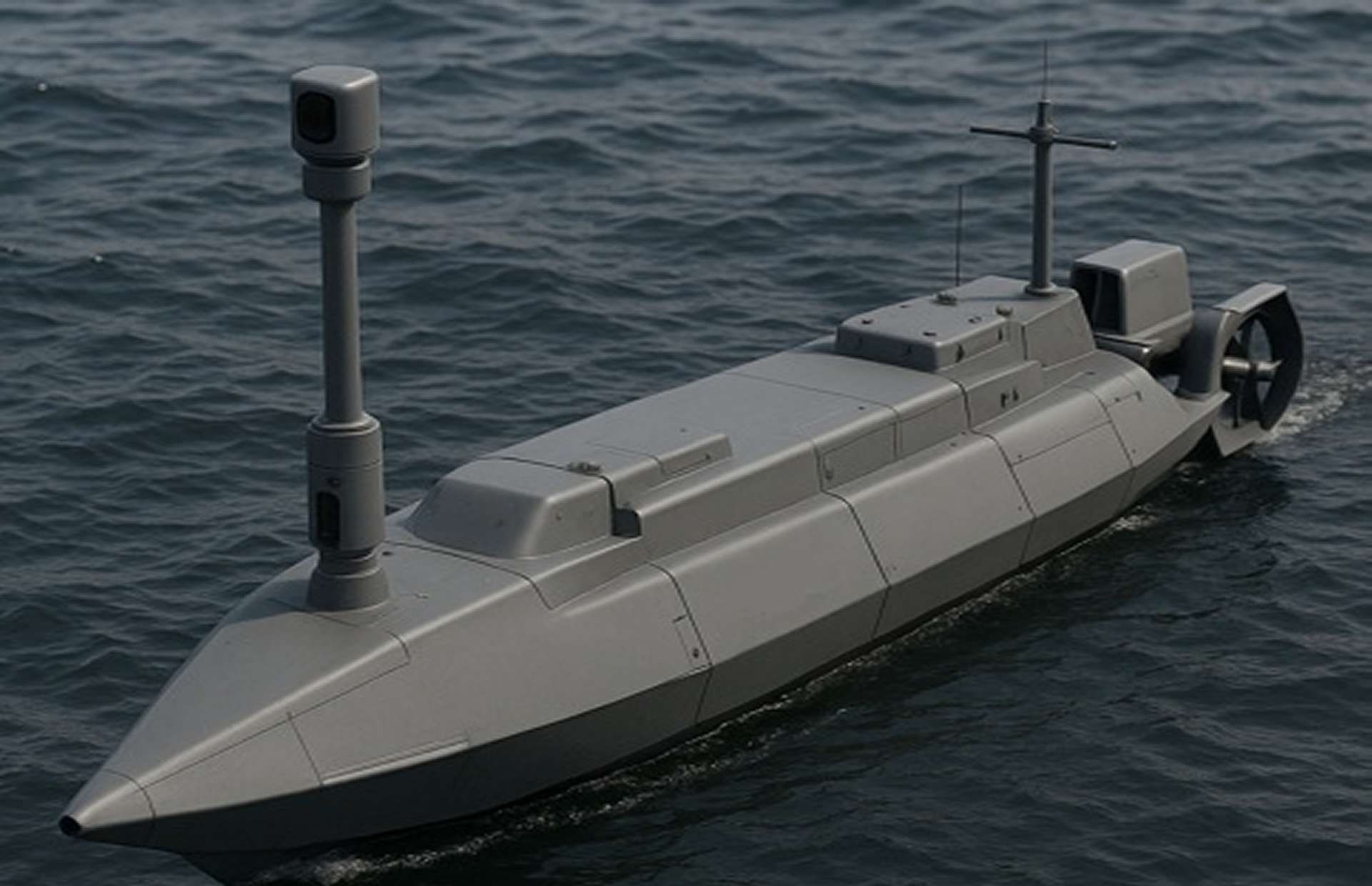
World
Ballerup, Denmark, August 20, 2025 – In a landmark announcement at DALO Industry Days 2025, the German naval technology firm Gabler confirmed a new partnership with maritime robotics specialist FLANQ to co-develop a next-generation class of submarine-launched uncrewed surface vehicles (USVs). The joint project aims to transform standard submarine torpedo tubes into versatile launch platforms for autonomous surface systems, representing a major step forward in undersea and surface warfare integration. Turning Torpedo Tubes into Multi-Mission Launchers The concept under development uses the NATO-standard 533 mm torpedo tube as the baseline launcher, ensuring compatibility with both conventional and nuclear-powered submarines already in service with NATO and allied fleets. The USV platform is designed with a modular architecture and compact features, including a folding control fin and mast structure for stowage and launch. Once on the surface, the vehicle expands into operational mode, ready for missions ranging from intelligence, surveillance, and reconnaissance (ISR) to electronic warfare, decoy deployment, and precision strikes. Key Features and Capabilities Size & Design: Hydrodynamic hull approximately 5–6 meters long with displacement under 800 kg. Variants: Both recoverable and expendable options using the same core hull. Endurance: Over 200 nautical miles range and up to 36 hours operational duration in ISR configurations. Navigation: AI-enabled autonomy with GPS-denied inertial navigation and situational awareness algorithms. Communications: Equipped with surface datalinks, satellite relays, and burst underwater acoustic channels for limited submarine communication. Payload Capacity: Modular bays allowing integration of electro-optical/infrared sensors, EW suites, loitering munitions, or naval decoy systems. Game-Changer for Modern Submarine Fleets The Gabler–FLANQ system offers a cost-effective path for navies to enhance submarine capabilities without major hull modifications or new platforms. By using existing torpedo tubes, submarines can discreetly deploy USVs from underwater, which then surface to conduct missions in contested areas. This approach maintains submarine stealth while expanding operational reach: ISR Missions: Extend sensor range hundreds of nautical miles. Strike Configurations: Launch loitering munitions or conduct stand-off jamming operations. Deception Roles: Deploy expendable USVs to mimic naval signatures, confusing enemy tracking. Hybrid Warfare: Conduct covert reconnaissance or influence operations with plausible deniability. For contested littoral zones, the concept dramatically shifts the risk equation by allowing submarines to shape the battlespace without exposing manned platforms. Potential Global Adopters The German Navy is expected to be an early adopter, with its Type 212A and new Type 212CD submarines providing an ideal integration platform due to their advanced combat systems. Other NATO allies and partners are also showing strong interest, including: Royal Netherlands Navy, currently pursuing future submarines with multi-mission capabilities. Norway, Italy, and South Korea, all of which operate torpedo-tube-equipped submarines.For smaller navies or those with constrained budgets, this system represents a scalable upgrade path without requiring specialized USV support ships. Industrial Collaboration Under the agreement: Gabler will lead systems integration, interfacing, and delivery, leveraging decades of experience in submarine masts and launch mechanisms. FLANQ will take responsibility for design engineering, AI-driven autonomy, and mission payload integration. A full-scale prototype is already under assembly, with sea trials scheduled for mid-2026. The partners plan a live demonstration during NATO’s Joint Warrior 2026 exercise, which could mark the first-ever operational test of a torpedo tube-launched USV in allied service. Strategic Significance The development represents a paradigm shift in subsea warfare. By merging the stealth of submarines with the flexibility of uncrewed surface assets, NATO and allied navies can achieve: Extended reach into denied areas without risking submarine exposure. New deterrence options with unmanned strike and deception capabilities. Force multiplication through modular, low-cost systems adaptable across fleets. As underwater and surface domains become increasingly contested, the Gabler–FLANQ collaboration may redefine how submarines project power, gather intelligence, and safeguard maritime interests in the 21st century.
Read More → Posted on 2025-08-22 14:23:37
India
New Delhi, August 2025 – India has announced an ambitious ₹20,000 crore Nuclear Energy Mission, marking a decisive leap forward in the global clean energy race. The initiative, led by the Department of Atomic Energy (DAE), focuses on the development of three advanced Small Modular Reactor (SMR) designs aimed at reshaping the country’s power landscape, accelerating the transition away from fossil fuels, and reinforcing India’s position as a future nuclear technology exporter. Shaping a New Nuclear Era The programme is a cornerstone of India’s broader commitment to achieve net-zero carbon emissions by 2070, while ensuring energy security and industrial resilience for one of the fastest-growing economies in the world. Unlike traditional nuclear reactors, which are large, complex, and capital-intensive, SMRs are compact, scalable, and flexible, making them suitable for diverse deployment environments. The three reactor designs under development reflect targeted solutions for India’s evolving energy needs: 1. Bharat Small Modular Reactor (BSMR-200) – 200 MWe The BSMR-200 has been designed as a direct replacement for retiring coal-fired thermal power plants. By installing modular reactors on existing brownfield coal plant sites, India can reuse grid connections, water systems, and other infrastructure, dramatically cutting down construction costs and timelines. This innovative approach helps India address two pressing issues simultaneously: Phasing out coal while preventing stranded infrastructure. Maintaining reliable power supply by plugging SMRs into the existing grid. Energy-intensive industries such as aluminium, steel, and petrochemicals are also expected to benefit, with captive BSMR-200 units ensuring uninterrupted clean power for their operations. 2. SMR-55 – 55 MWe The SMR-55 is designed for remote, off-grid, and hard-to-access regions. With a capacity of 55 MWe, it will replace diesel-based power in hilly terrain, island territories, and India’s Northeast, where electricity supply is often unreliable. Apart from providing clean and stable power for civilian needs, the SMR-55 also offers a strategic edge by supplying electricity to defence outposts and border infrastructure in isolated geographies. This dual role makes it a vital asset for both national development and security. 3. High Temperature Gas-Cooled Reactor (HTGR) – 5 MW(th) Perhaps the most transformative of the three, the 5 MW(th) High Temperature Gas-Cooled Reactor (HTGR) is focused exclusively on green hydrogen production. Instead of producing electricity, this reactor uses high-temperature process heat to split water more efficiently, offering a zero-carbon pathway to hydrogen. This aligns with India’s National Hydrogen Mission, which aims to make the country a leading global hub for green hydrogen production and export. The HTGR will support hard-to-abate industries such as steel, cement, and fertilisers, while also enabling cleaner transport systems. Deployment Strategy According to the DAE’s roadmap: First-of-a-kind units for each SMR design will be built at controlled DAE facilities to ensure safe commissioning and regulatory oversight. Once proven, subsequent reactors will be deployed at retiring coal power plant sites and end-user industrial facilities, maximising reuse of existing assets. This phased rollout will minimise costs and risks while ensuring faster adoption of the technology. Global and Strategic Significance By investing heavily in SMR development, India joins the ranks of leading nations such as the United States, Russia, and China, all of whom are exploring modular nuclear technologies. Unlike conventional large nuclear plants, which can take over a decade to construct, SMRs can be built in shorter timeframes and deployed in a modular fashion based on demand. India’s approach—linking SMRs with coal retirement, remote energy access, and hydrogen production—demonstrates a unique model tailored to developing economies. Experts believe this could position India not only as a domestic user but also as an exporter of SMR technology to countries in Asia, Africa, and beyond, where modular reactors could deliver sustainable and affordable clean energy. Beyond Traditional Nuclear Historically, India’s nuclear programme has revolved around Pressurised Heavy Water Reactors (PHWRs) and fast breeder technologies. With the launch of this mission, India is embracing flexible, modular, and application-specific nuclear solutions that integrate with emerging clean energy vectors such as hydrogen and decentralised grids. This represents a paradigm shift in nuclear strategy, expanding from large-scale generation to distributed, multipurpose energy solutions. The ₹20,000 crore Nuclear Energy Mission is more than just a technological project—it is a strategic roadmap for India’s clean energy future. By combining repurposed coal sites, decentralised SMRs, and nuclear-powered hydrogen, India is addressing the triple challenge of: Transitioning away from coal, Expanding reliable power access, and Decarbonising heavy industries. As the world looks toward Small Modular Reactors as the next frontier of nuclear power, India’s early and ambitious investment ensures that it will not only meet its own clean energy goals but also emerge as a global leader in modular nuclear technologies.
Read More → Posted on 2025-08-22 14:15:21
World
Ultra Maritime, a global leader in naval defense technology, has made significant breakthroughs in the development of advanced Next Generation Countermeasure (NGCM) systems, designed to revolutionize the way navies around the world conduct anti-submarine warfare (ASW) operations in increasingly complex and contested maritime environments. Redefining Torpedo Defense with Autonomy and Intelligence At the heart of this technological leap is a new class of autonomous undersea vehicles engineered to perform independent ASW missions. These countermeasure systems are capable of deployment from both submarines and unmanned undersea vehicles (UUVs), allowing for highly flexible operational profiles. Once launched, these autonomous platforms separate from their host and navigate independently, conducting real-time tactical surveillance and response operations. This autonomy is not merely navigational—these systems employ intelligent sensing, onboard decision-making algorithms, and adaptive mission execution, allowing them to react dynamically to evolving undersea threats, such as advanced torpedoes and stealthy adversary submarines. Full-Duplex Acoustic Communications: A Game Changer One of the most notable innovations is Ultra Maritime’s full-duplex acoustic communication node—a breakthrough that allows secure, two-way communication between manned and unmanned platforms across the maritime battlespace. This capability is a critical enabler for coordinated defense strategies, allowing platforms to share targeting data, mission updates, and situational awareness in real time. Unlike older one-way acoustic systems, this node enhances command-and-control resilience in high-threat areas, improving both platform survivability and the effectiveness of layered ASW defense. Convergence of Technologies: The Future of ASW Ultra’s NGCM systems reflect the convergence of torpedo countermeasures and unmanned vehicle technology—a pivotal shift in undersea warfare. These new systems are not merely passive decoys or expendable jammers; they are multi-role defensive assets capable of maneuvering, sensing, and deploying effectors such as acoustic decoys or jamming payloads. The result is a layered defense ecosystem that combines traditional soft-kill methods with autonomous, mobile, intelligent assets that can respond to threats proactively, even in denied or degraded communication environments. Proven Legacy and Future Outlook Ultra Maritime’s legacy in torpedo countermeasures is unmatched. With over 30,000 expendable countermeasure units delivered to allied navies worldwide, the company has decades of operational experience in protecting submarines and surface vessels from torpedo threats. The NGCM initiative builds upon this foundation, integrating next-generation UUV platforms, AI-enabled mission software, and secure acoustic communications to create a holistic ASW defense network. As global adversaries continue to develop quieter, more agile, and harder-to-detect torpedoes and submarines, the need for autonomous, intelligent, and integrated countermeasure systems is more pressing than ever. Ultra Maritime’s NGCM program represents not just an incremental improvement, but a strategic leap forward in undersea defense. With its NGCM systems, Ultra Maritime is not just responding to today’s threats—it is shaping the future of undersea warfare. Through continued innovation and deep collaboration with allied navies, Ultra aims to maintain maritime dominance in an era where the undersea battlespace is rapidly evolving. As these next-generation systems move toward full operational capability, they are set to redefine how navies approach survivability, coordination, and deterrence in the unforgiving domain of the deep.
Read More → Posted on 2025-08-22 14:05:54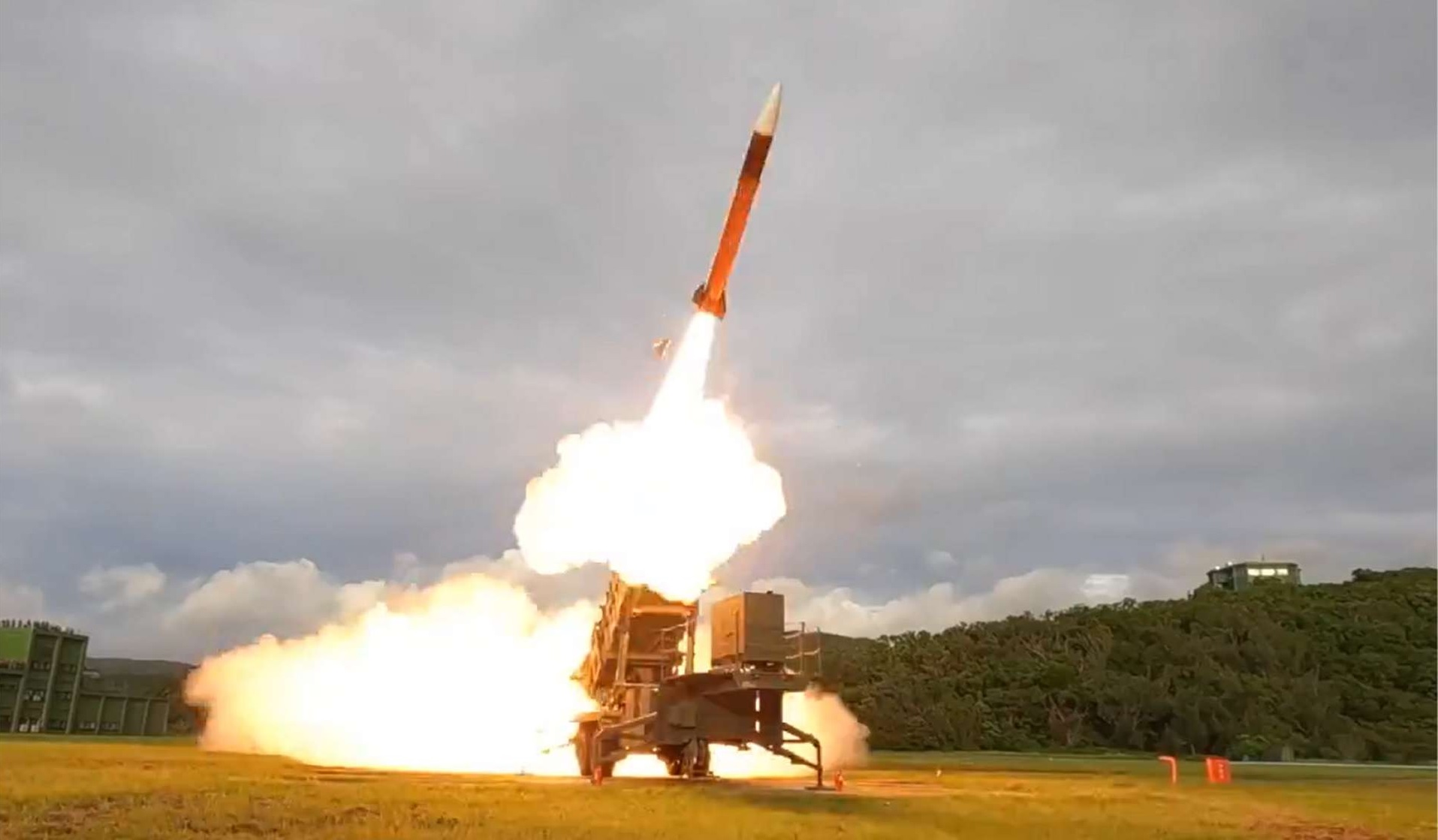
World
Taipei, August 2025 – Taiwan’s military is investigating the unexpected explosion of a Patriot PAC-2 missile during a major annual precision munitions drill along the country’s southeastern coast. The incident occurred at the Jiupeng military base in Pingtung County, where the armed forces were conducting their Sea and Air Precision Ammunition Firing Exercises. Incident During Live Drill Video footage circulating in local media showed that one of two Patriot PAC-2 missiles launched during the exercise detonated in mid-air just four seconds after take-off. The second missile launched during the same drill reportedly flew without any disruption. While the military has not directly addressed the explosion, Taiwan’s Air Force Command Headquarters confirmed that the annual drills were completed as planned, with all scenarios executed and managed according to standard procedures. A military evaluation committee has been tasked with reviewing the results and investigating the malfunction. Cause Unknown According to military sources, the cause of the explosion remains unknown, and officials have not ruled out possibilities ranging from technical faults, fuel or booster malfunction, to human error. The investigation will likely involve both Taiwan’s military engineers and support from the United States, which supplies the Patriot system. Similar Episodes in the Past This is not the first time Taiwan has experienced issues with its Patriot missile systems: In 2024, a military truck carrying Patriot equipment overturned in southern Taiwan, injuring two personnel. In 2023, a missile reportedly exploded during a drill. Initial reports claimed it was a PAC-3, but the U.S. manufacturer clarified that the failed missile was not of that variant. Taiwan’s Air Force later confirmed the missile had exploded before reaching its target. These incidents have raised questions about the maintenance, handling, and operational readiness of Taiwan’s Patriot air defense systems, which form a critical part of its defensive shield against potential missile attacks. Patriot in Taiwan’s Defense Taiwan first acquired Patriot missiles in 1996, initially the PAC-2 variant, with subsequent upgrades to PAC-3 interceptors under U.S. foreign military sales programs. The system is designed to intercept ballistic missiles, cruise missiles, and advanced aircraft, making it central to Taiwan’s multi-layered air defense network. In recent years, Taiwan has accelerated efforts to modernize its missile defense, amid rising tensions with China. The Patriot system, along with domestically developed platforms like the Tien Kung (Sky Bow) missile series, forms the backbone of the island’s defense against potential large-scale missile barrages. Strategic Implications While the malfunction has drawn attention, military analysts caution that such incidents are not unusual in the lifecycle of advanced missile systems. Live-fire exercises are often used to stress-test equipment, and failures can help improve reliability. However, given Taiwan’s reliance on these systems in a high-threat environment, any repeated failures could undermine confidence in its defensive readiness. The ongoing investigation is expected to determine whether the problem was isolated or systemic. Results will shape Taiwan’s future training protocols and may influence future purchases or upgrades of Patriot systems from the United States. The Patriot PAC-2 missile explosion during Taiwan’s live-fire drill highlights both the strengths and vulnerabilities of its defense preparations. While one missile failed, the successful launch of the second underscored the system’s continued operational value. For Taiwan, which faces persistent security challenges, ensuring the reliability of its air defense shield remains a top priority. The military is expected to release further details once the evaluation committee completes its review.
Read More → Posted on 2025-08-22 14:01:25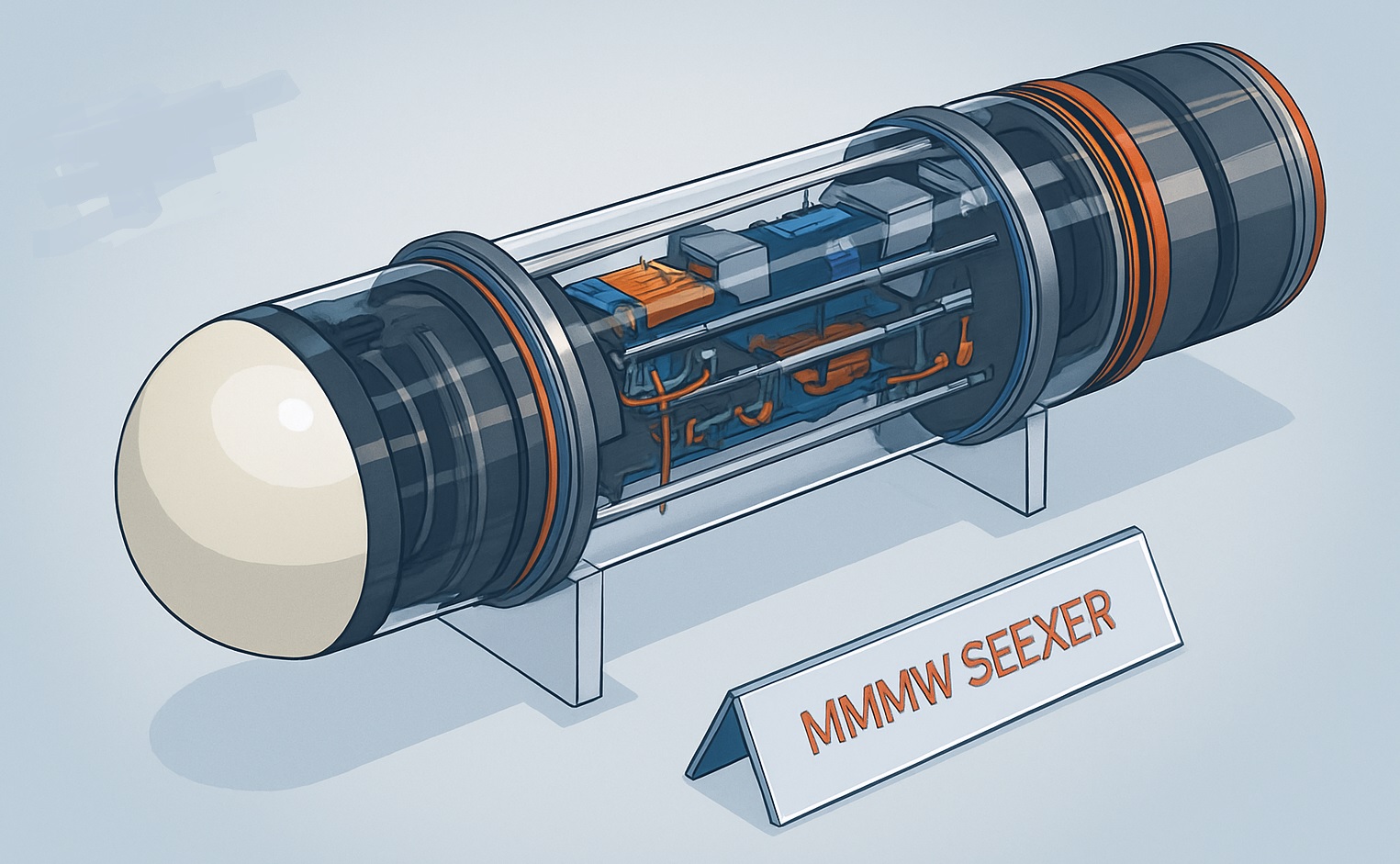
India
New Delhi, August 2025 – India’s Defence Research and Development Organisation (DRDO) has successfully designed and developed a cutting-edge Millimetre-Wave (MMW) Mk-II Seeker, now equipped with both Lock-On-After-Launch (LOAL) and Lock-On-Before-Launch (LOBL) capabilities. This marks a substantial leap in missile guidance technology, potentially elevating the precision and versatility of India’s next-generation missile systems. What Sets the Mk-II Seeker Apart Dual Lock-On Modes: The seeker supports both LOBL (allowing target acquisition before missile release) and LOAL (enabling the missile to acquire the target mid-flight). This dual-mode flexibility greatly enhances engagement options against dynamic, long-distance, or stealthy targets. Millimetre-Wave Precision: By harnessing millimetre-wave radar frequencies, the seeker offers exceptional resolution and target discrimination—even under adverse weather, low visibility, or electronic warfare conditions. All-Weather, Jam-Resistant Performance: The seeker’s radar-based approach ensures reliable operation in diverse environments and resilience against common countermeasures. Strategic Significance Enhanced Combat FlexibilityWith both pre-launch and post-launch locking capabilities, missile operators gain multiple engagement strategies—ideal for both static and mobile targets, increasing mission success probabilities. Superior Targeting AccuracyMMW technology offers high-resolution imaging, allowing the missile to distinguish closely spaced targets and engage effectively even when adversaries use stealth or dispersion. Robustness Against Electronic WarfareRadar-based seekers fare better than infrared or electro-optical systems when faced with jamming or deceptive tactics, ensuring reliable operability in contested environments. Alignment with DRDO’s Future-Ready Strategy DRDO’s introduction of the Mk-II seeker fits seamlessly into its broader push towards next-generation, indigenous missile technologies. Notable advancements under DRDO’s vision include improved seekers for the Astra missile, emerging EO/IR dual-mode seekers, and guidance modules for anti-radiation and air-to-ground systems. The Mk-II represents another strategic building block aimed at achieving self-reliance and operational supremacy. Where It Could Be Deployed The Mk-II seeker is not limited to a single missile type. Potential platforms include: Air-to-Air Missiles (AAMs) like Astra variants—pushing for longer range and higher accuracy. Anti-Radiation Missiles (ARMs) such as Rudram-2, which already boast LOBL/LOAL functionality. Surface-to-Air Missiles (SAMs), especially future developments in Akash-NG or other indigenous programs. Precision Air-to-Ground Weapons, including next-gen SAAW platforms equipped for dynamic targeting. India is steadily closing the gap in advanced missile guidance technology. With developments like the MMW Mk-II seeker, the nation is gaining not just technological prowess but also operational autonomy, reducing reliance on imported systems. This strategic climb is supported by collaborative efforts across DRDO labs, allied research institutions, and trusted industry partners.
Read More → Posted on 2025-08-21 17:00:54
India
Bengaluru, August 2025 – In a significant boost to the Indian Navy’s surveillance and combat capabilities, the indigenously developed MFR X-Band Radar has been successfully integrated with the frontline warship INS Rana, a Rajput-class destroyer. The radar, jointly developed by the Defence Research and Development Organisation (DRDO) and Bharat Electronics Limited (BEL), was showcased at Aero India and represents a leap forward in naval radar technology for India. Advanced Features for Maritime Operations The Multi-Function Radar (MFR) X-Band is built to deliver superior tracking and targeting performance even in rough sea states. Its design includes: Electronic stabilization to compensate for ship roll and pitch during operations. Distributed T/R module design that ensures graceful degradation of system performance in case of localized failures, improving reliability. Automatic acquisition and tracking of both air and surface targets with high update rates. Seamless integration with CMS (Combat Management System) and WCS (Weapon Control System), enabling precise engagement of threats with surface-to-air missiles (SAMs) and naval guns. Technical Specifications The radar operates in the X-band frequency and employs four phased-array antennas that provide 360° azimuth coverage. Its elevation coverage extends up to 70°, allowing effective tracking of high-angle aerial threats, including anti-ship missiles and fast maneuvering aircraft. Key highlights include: Solid-state active array technology with electronic scanning in both azimuth and elevation. Detection range over 200 km in Track While Scan (TAWS) mode. Extended range beyond 300 km in Long Range Surveillance (LRS) mode. Lightweight design with antenna weight around 1.27 tons, making it adaptable for various classes of naval platforms. Fully compliant with MIL-STD and JSS55555:2012 naval qualification standards. Strategic Importance for INS Rana INS Rana, a Rajput-class guided missile destroyer, has been in service since 1982 and continues to play a crucial role in the Navy’s Eastern Fleet. The integration of the MFR X-Band radar significantly enhances its air defense and maritime strike capabilities, providing the ship with a modern sensor suite that can effectively counter new-generation threats such as sea-skimming missiles, drones, and stealth aircraft. This upgrade also reflects India’s focus on indigenous solutions for warship modernisation, reducing dependence on foreign radars and strengthening self-reliance under the Atmanirbhar Bharat initiative. Part of a Larger Naval Modernisation Drive The induction of MFR X-Band radars is part of a broader naval plan to equip Indian warships with multi-function active phased array radars capable of long-range surveillance, precision tracking, and fire-control functions. These radars are expected to be standard fits on future destroyers, frigates, and aircraft carriers, ensuring seamless integration across platforms. The successful integration of the MFR X-Band radar aboard INS Rana represents a vital step in India’s efforts to modernise its naval fleet with indigenous, next-generation electronic systems. With its advanced tracking, targeting, and surveillance capabilities, the radar will significantly improve the Indian Navy’s operational readiness and provide a decisive edge in safeguarding maritime interests in the Indo-Pacific region. Do you also want me to prepare a comparison box at the end (e.g., MFR X-Band Radar vs existing naval radars like RAWL-02 or EL/M-2248 MF-STAR) so readers can easily see its technological leap?
Read More → Posted on 2025-08-21 16:51:34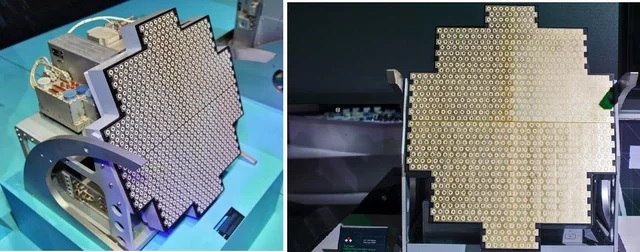
India
New Delhi, August 2025 – The Defence Research and Development Organisation (DRDO) has achieved a major technological breakthrough by successfully completing the site acceptance test of the country’s first-ever photonic radar system. Developed by DRDO’s Electronics and Radar Development Establishment (LRDE), this cutting-edge radar uses light-based components for signal processing, offering ultra-high resolution, the ability to detect stealth targets, and strong immunity against jamming. A Leap in Radar Technology Unlike conventional radars that rely on electronic circuits for generating and processing radio frequencies, the photonic radar employs laser and optical techniques. This allows it to work at much higher frequencies and with greater precision than traditional systems. Key benefits of the system include: Ultra-high resolution for detecting even very small targets. Effective detection of stealth aircraft and drones, which are usually hard to track with current radar technology. Strong resistance to jamming, making it reliable in electronic warfare environments. Lightweight and compact design, allowing integration on fighter jets, drones, naval ships, and ground-based platforms. India Joins Select Global League With this achievement, India joins the ranks of only a handful of nations – including the United States, China, and Israel – that have developed photonic radar technology. This positions India at the forefront of next-generation radar innovation and significantly strengthens its air defense capabilities. Role of Astra Microwave A significant part of the radar’s hardware, especially the photonic components, has been developed and supplied by Astra Microwave, an Indian private-sector defense partner. This reflects the growing contribution of domestic industry in India’s defense ecosystem and supports the vision of self-reliance under Atmanirbhar Bharat. From Lab to Field Trials Following the successful site acceptance test, the radar will now undergo extensive field trials. These trials will test its performance in different environments, including: Detection of stealth aircraft and cruise missiles. Tracking of small, low-flying drones. Operation in high electronic warfare conditions. Integration with existing air defense and surveillance systems. The trials, expected later this year, will be a decisive step in proving the radar’s effectiveness under real combat-like conditions. Part of DRDO’s Future Vision The development of the photonic radar is aligned with DRDO’s broader “next-generation warfare technologies” roadmap, which includes advances in directed energy weapons, quantum technologies, autonomous systems, and AI-based defense solutions. Together, these innovations aim to provide India with a decisive edge in future conflicts. Why It Matters Strengthens India’s ability to counter stealth fighters and drones. Provides a game-changing edge in radar technology, where India now competes with the world’s most advanced nations. Enhances self-reliance in defense production, reducing dependency on foreign systems. Opens the door for export potential, as several countries are seeking reliable counter-stealth radar solutions. With the successful test of its first photonic radar, DRDO has laid the foundation for one of the most advanced surveillance technologies in the world. Once trials are complete, the radar is expected to be integrated into India’s defense network, giving the armed forces a powerful tool to detect, track, and neutralize modern aerial threats. This marks a significant step in India’s journey toward building a self-reliant, future-ready defense ecosystem, while demonstrating the country’s growing technological prowess on the global stage.
Read More → Posted on 2025-08-21 16:39:11
World
Warsaw, August 20, 2025 – Poland has accused Russia of staging a new provocation after a Russian military drone entered its airspace and exploded overnight in farmland near the village of Osiny, around 100 kilometers east of Warsaw and close to the borders with Ukraine and Belarus. Defense Minister Władysław Kosiniak-Kamysz told reporters on Wednesday, “Once again, we are facing a provocation from the Russian Federation, with a Russian drone.” He stressed that the timing was deliberate, coming during ongoing peace talks aimed at ending the war in Ukraine. Explosion in Farmland, No Casualties The drone detonated in a cornfield, causing a powerful blast that shattered windows in nearby houses but resulted in no injuries. Local residents reported hearing a loud explosion late at night, and Polish media later shared video footage showing a fireball lighting up the sky as well as photos of debris, including an engine and propeller. Military officials identified the aircraft as a decoy drone fitted with a self-destruct warhead but not carrying conventional weapons. Polish General Dariusz Malinowski explained that such drones are often used by Russia to confuse air defenses during larger missile and drone attacks. Government Condemnation Polish Foreign Minister Radosław Sikorski described the incident as “a new violation of our airspace from the east.” He confirmed that Poland would lodge a formal protest against Russia for breaching its sovereignty. Defense Minister Kosiniak-Kamysz called for strengthening anti-drone defenses, saying: “Russia has repeatedly violated NATO airspace, and this time Poland was the target… We must expand the operational capabilities of the Polish Armed Forces and anti-drone systems.” Broader Pattern of Violations This is not the first time Poland and other NATO members have faced incursions from Russian drones or missiles since the war in Ukraine began more than three years ago: July 2025: A Russian drone flew from Belarus into Lithuania, crossing over the capital Vilnius before crashing in a military training area. It carried explosives that did not detonate. 2023: Poland reported that a Russian missile had briefly entered its airspace during an attack on Ukraine. November 2022: A tragic incident occurred when a Ukrainian anti-aircraft missile, fired to intercept Russian rockets, landed on a Polish border village, killing two civilians. Russian drones and missiles have also crossed into the territories of Latvia, Lithuania, Romania, and Poland, testing NATO responses and raising concerns of accidental escalation. Experts note that Russia frequently uses decoy drones like the “Gerbera” model, designed to mimic combat drones but equipped with self-destruct mechanisms rather than strike payloads. These decoys are intended to draw out and deplete Ukrainian and NATO air defense systems. Strategic and Political Context Poland has been one of Ukraine’s staunchest allies, serving as a major hub for Western weapons shipments and hosting over one million Ukrainian refugees. Analysts say this makes Poland a frequent target of Russian intimidation tactics, intended to unsettle NATO unity. The latest incident comes at a sensitive moment. As diplomatic efforts continue to seek an end to the war, Moscow’s actions risk undermining fragile peace talks. Western officials see Russia’s provocations as an attempt to demonstrate that it can pressure NATO’s eastern flank without direct escalation into armed conflict. Polish leaders insist that while the incident caused no casualties, it highlights the growing threat from Russian drones and the need for stronger air defense measures across NATO’s eastern border. The explosion in Osiny serves as yet another reminder of how the Ukraine conflict regularly spills into neighboring NATO territory, testing the alliance’s defenses and raising the stakes for European security.
Read More → Posted on 2025-08-21 16:36:24
India
Even as signs of positive movement in Indo-China relations emerge through recent diplomatic engagements, Indian military planners are expected to remain on high alert along the Line of Actual Control (LAC). The underlying concern is China’s extensive border infrastructure build-up, which provides the People’s Liberation Army (PLA) with the ability to rapidly redeploy forces to forward positions despite any pullback agreements. PLA’s Infrastructure Advantage Over the past five years, the PLA has constructed an extensive network of roads, bridges, tunnels, helipads, and permanent habitats along the LAC stretching from eastern Ladakh to Arunachal Pradesh. This network allows Chinese troops to pull back 100–150 km and still return to forward posts within a few hours. A senior Indian Army officer noted, “The way China has built roads, bridges, tunnels and habitats along the entire LAC, PLA troops can easily afford to pull back and then come back again in 2–3 hours.” Although some Combined Arms Brigades (CABs) of the PLA have retreated about 100 km in recent months, many remain forward deployed. Each CAB typically consists of 4,500–5,000 troops, supported by tanks, armored vehicles, artillery and surface-to-air missile systems. This gives the PLA greater mobilisation flexibility compared to Indian forces, which face a longer response time to deploy equivalent strength in the same sectors. Trust Deficit Persists Despite Stabilisation Diplomatically, progress has been made. During Chinese Foreign Minister Wang Yi’s recent visit, both sides agreed to discuss a long-term de-escalation framework. On the ground, the situation has stabilised since troop disengagement at Depsang and Demchok in October 2024, but Indian officials underline that a deep trust deficit continues. Another senior Army officer explained, “There is no disruption in coordinated patrolling by the rival soldiers. But we cannot let our guard down since there has been no let-up in the PLA’s military preparedness and infrastructure build-up.” Both armies remain forward deployed across the 3,488-km-long LAC with tanks, artillery, air defence systems, and fighter aircraft support. New Border Management Mechanisms As part of ongoing efforts to manage tensions, both nations are now working on new military-to-military mechanisms beyond the existing Ladakh-level talks. These will include general-level discussions for the eastern sector (Sikkim and Arunachal Pradesh) and the middle sector (Uttarakhand and Himachal Pradesh). From India’s side: In the middle sector, the Lt-General commanding the Uttar Bharat Area (Bareilly) will likely be the key participant. In the eastern sector, the Dimapur-based 3 Corps or the Tezpur-based 4 Corps will engage with the PLA counterparts. Restoration of Patrolling Rights A major unresolved issue for India remains the restoration of patrolling rights in areas where “no-patrol buffer zones” were created during disengagement rounds up to September 2022. These buffer zones — ranging from 3 to 10 km — were established in sensitive areas such as Galwan Valley, Pangong Tso’s north bank, the Kailash Range, and Gogra-Hot Springs. Initially described as temporary moratoriums, they have continued to restrict Indian patrols in areas New Delhi considers part of its own territory. Military planners view this as a loss of operational access, which India hopes to reverse in the next phase of talks. Trade Channels Reopened Adding a diplomatic layer to the developments, India and China recently agreed to resume border trade through three traditional routes: Lipulekh Pass (Uttarakhand), Shipki La Pass (Himachal Pradesh), and Nathu La Pass (Sikkim). The move is being seen as a step toward improving bilateral ties, though analysts caution that trade normalisation does not equate to resolution of military tensions. Strategic Outlook Experts highlight that the PLA’s rapid mobilisation advantage will remain a critical factor for Indian military planners. While India has accelerated infrastructure development in border areas in recent years — including all-weather roads, bridges, forward airstrips, and advanced logistics hubs — the time differential in mobilisation remains in Beijing’s favor. In response, New Delhi continues to prioritise infrastructure upgrades, deployment of additional mountain strike formations, and integration of high-altitude surveillance systems to counterbalance China’s numerical and mobility advantages. For now, even as diplomatic channels reopen and border trade resumes, the Indian Army remains on heightened alert, determined to avoid repeating past mistakes of underestimating the PLA’s preparedness.
Read More → Posted on 2025-08-21 16:12:32
India
New Delhi, August 2025 – After suffering severe losses during Operation Sindoor, the Pakistan-based terror outfit Jaish-e-Mohammad (JeM) has launched a massive fundraising campaign worth Rs 3.91 billion under the pretext of constructing over 300 mosques across Pakistan, Indian security officials have revealed. According to intelligence assessments, the initiative is designed not only to rebuild destroyed terror camps but also to replicate Lashkar-e-Taiba’s decentralised network of markaz (religious and training centres). This move aims to ensure that future Indian strikes have minimal impact on the group’s overall terror infrastructure. Fundraising Through Digital Wallets Unlike earlier years when JeM depended on donations through cash, animal hides, and charities, the group has now shifted to digital wallets like EasyPaisa and Sadapay, allegedly controlled by family members of its chief Masood Azhar. Accounts linked to Azhar’s brother Talha Al Saif, his son Abdullah Azhar, and senior commanders such as Aftab Ahmad and Syed Safdar Shah have been identified as key channels for the flow of funds. Officials say over 250 wallet accounts are being used to funnel donations. JeM has also been aggressively promoting the campaign on social media platforms like Facebook and WhatsApp, posting videos, posters, and appeals from Masood Azhar himself, urging supporters to contribute. Each so-called mosque is projected to cost Rs 12.5 million, though actual costs are believed to be far lower, leaving a huge surplus for weapons procurement. Link to Operation Sindoor The fundraising comes in the aftermath of Operation Sindoor, when the Indian Armed Forces carried out precision missile strikes on JeM facilities in Pakistan and Pakistan-occupied Kashmir in retaliation to the Pahalgam terror attack. Between May 7 and May 10, Indian operations destroyed JeM’s main headquarters, Markaz Subhanallah, and four other training centres including Markaz Bilal, Markaz Abbas, Mahmona Joya, and the Sargal camp. Pakistan’s government later pledged to help rebuild the destroyed facilities, but intelligence inputs suggest JeM has simultaneously sought to generate independent funds through this “mosque construction” project. Hidden Motives Behind Mosque Construction While the outfit publicly claims it is building 313 mosques, security officials highlight two hidden objectives: Decentralisation of Terror Infrastructure – By spreading training and logistics across hundreds of smaller centres, JeM can avoid heavy losses in case of future Indian military strikes. Safe Houses for Leadership – Larger markaz would double as secure residences for Masood Azhar and his family, allowing Pakistan to continue its deniability of Azhar’s presence. Under this structure, three to four large centres would act as safe houses, medium-sized facilities as training camps, and the rest as logistics hubs, creating a nationwide terror network disguised as religious institutions. Financial Surplus and Weapons Procurement Though JeM claims each mosque will cost Rs 12.5 million, officials estimate smaller markaz cost only Rs 4–5 million to build. Large facilities like Subhanallah or Usman-o-Ali may cost Rs 100 million, but only a handful of such structures are planned. This means that from the Rs 3.91 billion campaign, only around Rs 1.23 billion may be used for actual construction, leaving a massive surplus for arms and equipment. Officials warn that with JeM’s close ties to Tehreek-e-Taliban Pakistan (TTP) and Hamas, the group could use these funds to acquire advanced weapons systems, drones, and quadcopters, significantly increasing its strike capability. Already, JeM’s arsenal includes machine guns, rocket launchers, and mortars, and with ISI support, the group has access to the black market for cheaper arms purchases. ISI Role and FATF Concerns India has long accused the Inter-Services Intelligence (ISI) of providing direct and indirect support to JeM. Intelligence agencies now believe the ISI is backing this fundraising campaign by ensuring that money moves through digital wallets instead of traceable bank accounts, allowing Pakistan to mislead the Financial Action Task Force (FATF). In 2019, Pakistan was placed on the FATF grey list due to inadequate action against terror financing, including JeM activities. It was removed from the list in 2022 after pledging reforms such as banning cash donations and seizing JeM facilities. However, with the new digital methods, Pakistan can continue claiming compliance while money flows freely to Azhar’s network. Strategic Implications for India Security experts caution that JeM’s fundraising drive could reinvigorate its terror infrastructure and extend operational capability for the next decade. If left unchecked, this campaign could result in: Renewed infiltration attempts along the Line of Control. Increased drone-based attacks in Jammu & Kashmir. Stronger JeM presence in Pakistan’s Punjab and Khyber Pakhtunkhwa, with safe havens harder to target. Indian officials have emphasized that this development must be taken seriously by the international community, as it exposes the continuing nexus between Pakistan-based terror groups and the ISI despite repeated commitments to crack down on them. The exposure of JeM’s Rs 3.91 billion fundraising drive highlights how terror outfits adapt quickly to changing circumstances. By cloaking terror infrastructure under the guise of religious construction, JeM is seeking to secure its future operations, evade global scrutiny, and maintain the safety of its leadership. For India, the developments serve as a reminder that despite battlefield setbacks like Operation Sindoor, Pakistan-backed terror outfits continue to regroup, rearm, and reorganize with state support—posing a persistent challenge to regional security.
Read More → Posted on 2025-08-21 16:04:22
India
On August 20, 2025, India marked a significant milestone in its defense capabilities with the successful test-firing of the Agni-5 intermediate-range ballistic missile from the Integrated Test Range at Chandipur in Odisha. This user trial, conducted under the aegis of the Strategic Forces Command, validated all operational and technical parameters, reinforcing India's commitment to a credible minimum deterrence posture. The missile, developed indigenously by the Defence Research and Development Organisation (DRDO), showcased its precision and reliability in a real-world scenario. The test garnered widespread attention due to the missile's visibility across multiple regions, as captured in numerous videos shared on social media platforms. Eyewitness accounts and footage highlighted sightings from various states in eastern India, including Odisha—where the launch originated—and West Bengal, with notable videos emerging from coastal areas like Digha. Remarkably, the missile's bright ascent was also spotted from neighboring Bangladesh, underscoring the high-altitude trajectory that made it observable over a broad expanse. These observations, shared by users on X (formerly Twitter), depicted a spectacular streak of light illuminating the evening sky, emphasizing the missile's powerful thrust and elevation. Analysis of the launch trajectory, based on these social media videos and expert insights, indicates a lofted profile with an estimated launch angle between 75° and 80°. This steep angle explains the widespread visibility, as the missile ascended rapidly to a high apogee, allowing it to be seen from distant locations despite the test's controlled range. Lofted trajectories are often employed in missile testing to simulate operational conditions while ensuring the projectile remains within designated safety zones, such as those outlined in Notices to Airmen (NOTAMs). In this case, the NOTAM specified a hazard area extending approximately 4,790 km into the Indian Ocean, aligning with the observed flight path. To understand the implications of this trajectory, we turn to the classical projectile range formula (neglecting air drag for simplification) This estimation suggests that, if launched at the optimal 45° angle, the Agni-5 could achieve a theoretical maximum range of 9,580 km to 14,000 km, depending on the exact launch angle used in the test. Such capabilities position the missile as a formidable intercontinental asset, far exceeding its officially stated intermediate-range classification of over 5,000 km. The Agni-5 incorporates advanced features that enhance its strategic value. It is nuclear-capable, with the ability to carry a payload of up to 1.5 tonnes, including multiple independently targetable reentry vehicles (MIRVs) for striking several targets simultaneously. The missile reaches hypersonic speeds of up to Mach 24 during its terminal phase, making it difficult to intercept. Its canister-launched, road-mobile design allows for rapid deployment and survivability against preemptive strikes. This test builds on previous successes, including the integration of MIRV technology demonstrated earlier, and underscores India's progress in indigenous defense manufacturing under the Atmanirbhar Bharat initiative. Geopolitically, the test bolsters India's deterrence against potential adversaries, covering vast swathes of Asia and beyond. It comes amid regional tensions, with neighboring countries monitoring developments closely—Pakistan, for instance, issued its own NOTAM shortly after, sparking speculation of reciprocal activities. Experts note that the lofted trajectory not only validates the missile's performance under varied conditions but also signals India's growing prowess in long-range precision strikes.
Read More → Posted on 2025-08-21 15:59:43
World
Hanoi, August 2025 – Vietnam has taken a historic step in its naval modernization with the launch of its first domestically produced amphibious warfare vessel, designated VDC-01. The new ship, rolled out at the Ba Son Shipyard in Ho Chi Minh City, marks a major milestone in the country’s long-term goal of achieving greater self-reliance in defense production. From Repair to Full-Scale Construction For decades, Vietnam’s shipyards were limited to repair and maintenance work on older Soviet-era vessels. The launch of VDC-01 represents a leap forward, demonstrating that Vietnam’s defense industry has advanced to the stage of independently constructing combat-ready warships. The design of VDC-01 is based on the Soviet Project 770 Polnocny-class landing ship, a proven model known for reliability and effectiveness. By choosing a tried-and-tested design, Vietnam avoided the risks and delays that often come with brand-new prototypes, ensuring the vessel can join the fleet more quickly. A Shift in Defense Strategy Vietnam has gradually moved from heavy reliance on foreign suppliers to developing its own defense industry. In earlier modernization phases, Hanoi purchased ships and equipment from Russia, Ukraine, the Netherlands, and the United States. Today, the focus has shifted to domestic shipyards, reducing dependence on imports and ensuring a more secure supply chain. The VDC-01 is not just a ship—it is a symbol of Vietnam’s ambition to localize military production, gain valuable shipbuilding experience, and expand into more sophisticated naval platforms in the future. Ceremony and Future Plans At the launch ceremony in early August, senior naval leaders and defense officials hailed the VDC-01 as a milestone achievement. Ba Son shipyard engineers highlighted how the project required major investments in technology, workforce training, and production systems to meet military standards. The ship is currently about 80% complete. Final work will include outfitting advanced systems, crew training, and acceptance trials before it is officially commissioned into the Vietnam People’s Navy. Capabilities and Role Although not a cutting-edge design compared to modern Western amphibious assault ships, the VDC-01 provides essential transport capacity for troops, vehicles, and equipment. Such ships are crucial for Vietnam’s naval operations, particularly in the South China Sea, where logistics, island support, and amphibious capability play a central role in strategy. Analysts describe Vietnam’s approach as pragmatic. By adopting older but reliable technology, the navy gains immediate operational capacity while shipyards steadily build the expertise required to produce more advanced warships in the future. The launch of VDC-01 signals Vietnam’s determination to develop an indigenous defense industry while continuing to maintain ties with foreign partners. This dual-track approach strengthens both military readiness and industrial growth, ensuring that the country can meet future challenges with greater autonomy.
Read More → Posted on 2025-08-21 15:51:15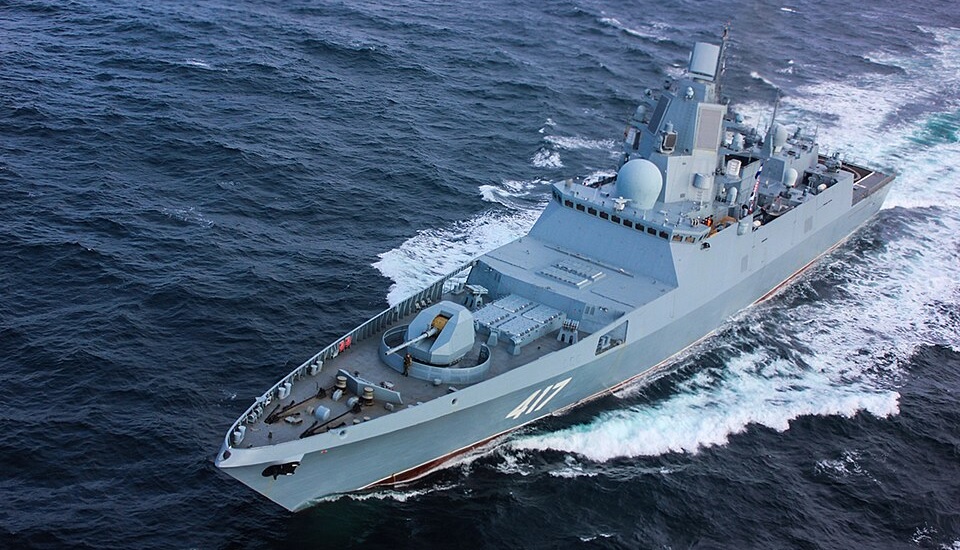
World
St. Petersburg, August 14, 2025 – Russia has launched its newest Project 22350 frigate, the Admiral Amelko, at the Severnaya (Northern) Shipyard in St. Petersburg, marking another step in the country’s ongoing naval modernization program. The vessel is the fifth Gorshkov-class frigate, the only line of ocean-going combat ships developed and built in Russia since the collapse of the Soviet Union. The keel of Admiral Amelko was laid in April 2019, and following the launch, the ship will now undergo outfitting and trials. According to the Russian Navy, the frigate is expected to be commissioned by the end of 2027. A Modernized Variant The Admiral Amelko is notable for being the first vessel of the class built in a modified configuration, strengthening its missile armament compared to earlier ships. While previous frigates carried 16 missile launch cells, the Amelko is fitted with 32-cell 3S-14 UKSK vertical launchers. These can accommodate a wide range of advanced Russian weapons, including: 3M55 Onyx supersonic anti-ship missiles 3M22 Tsirkon hypersonic cruise missiles 3M14 Kalibr land-attack cruise missiles This makes the ship significantly more versatile and capable in long-range strike roles, as well as in anti-ship and anti-surface warfare. Expansion of the Class The launch of Admiral Amelko is part of a broader Russian effort to expand its fleet of modern surface combatants. Three more frigates of the same class are currently under construction at Severnaya Shipyard: Admiral Chichagov Admiral Yumashev Admiral Spiridonov Although earlier reports suggested that Yumashev and Spiridonov would debut the upgraded design, the Amelko has taken the lead as the first modified unit. Russian Navy Commander-in-Chief Admiral Aleksandr Moiseev stated during the launch ceremony that the Navy intends to continue the program. “We plan to lay the keels of at least two ships of this class as early as 2026, i.e., next year,” he said, signaling an expansion of production despite economic and logistical challenges. Project 22350M Alongside the Gorshkov-class, the Russian Navy is working on the Project 22350M frigate, often described as a “Super Gorshkov.” This larger, heavier-armed vessel is intended to serve in the distant ocean zone, extending Russia’s blue-water naval capabilities. Admiral Moiseev confirmed that the technical design phase is nearing completion and that construction could begin under the next state armament program. The 22350M ships are expected to displace around 7,000 tons, carry up to 48 or more missile cells, and field advanced air defense and strike systems, including the 3M22 Tsirkon hypersonic missile. The program had faced delays due to funding shortages in 2020, but has since been revived as part of Russia’s effort to strengthen its ocean-going fleet. Strategic Context The Gorshkov-class frigates play a central role in Russia’s naval strategy. Designed by the Severnoye Design Bureau (SPKB) in St. Petersburg, these frigates combine anti-air, anti-ship, and land-attack capabilities in a single platform. Importantly, they are currently the only surface ships in Russian service integrated with the 3M22 Tsirkon hypersonic missile, giving them a unique strategic advantage. Since the first of the class, the Admiral Gorshkov, entered service in 2018, the frigates have become the backbone of Russia’s modern surface fleet, filling the gap left by larger Soviet-era cruisers and destroyers that are now aging or retired. The launch of the Admiral Amelko highlights Russia’s determination to sustain and expand its surface combatant fleet despite international sanctions and economic strain. With at least five Gorshkov-class ships afloat, three more under construction, and additional keels planned for 2026, the class is set to remain at the core of the Russian Navy’s modernization drive. Coupled with the upcoming 22350M “Super Gorshkov” project, Moscow is signaling its intent to maintain a credible ocean-going fleet capable of projecting power, deploying advanced hypersonic weapons, and defending its maritime interests on the global stage.
Read More → Posted on 2025-08-21 14:51:38Search
Top Trending in 24 Hours
-
 President Trump Pauses Plans to Expand U.S. Strikes on Iran Amid Concerns Over Air Defense Missile Stocks
-
 U.S. Awards Bell Textron $33.64 Million Contract for Next Phase of Marine Corps AH-1Z and UH-1Y Helicopter Upgrades
-
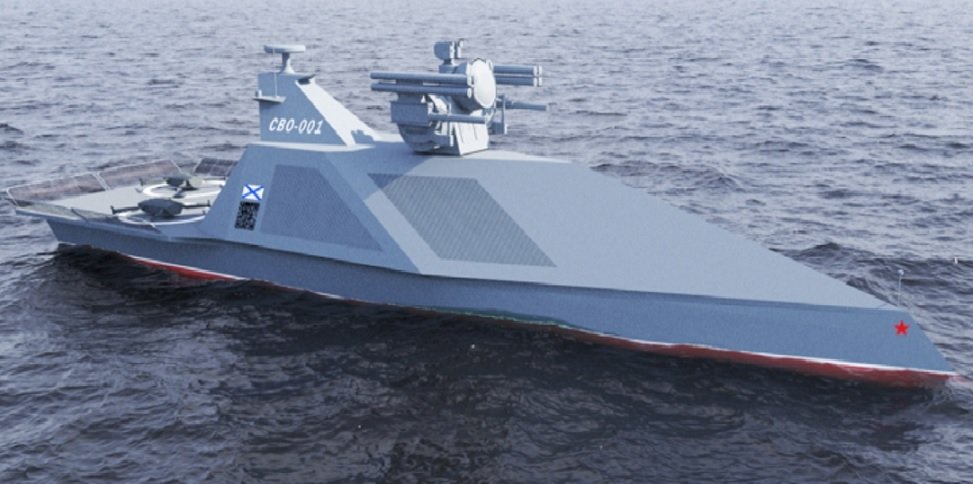 Russia Builds 500-Ton Unmanned Warship For Anti-Submarine Warfare, Plans New 9,500-Ton Warship, Navy Chief Says
-
 Unreleased Footage Reveals Why Lindsey Graham Dropped Plan to Push Trump on Hezbollah Strikes
-
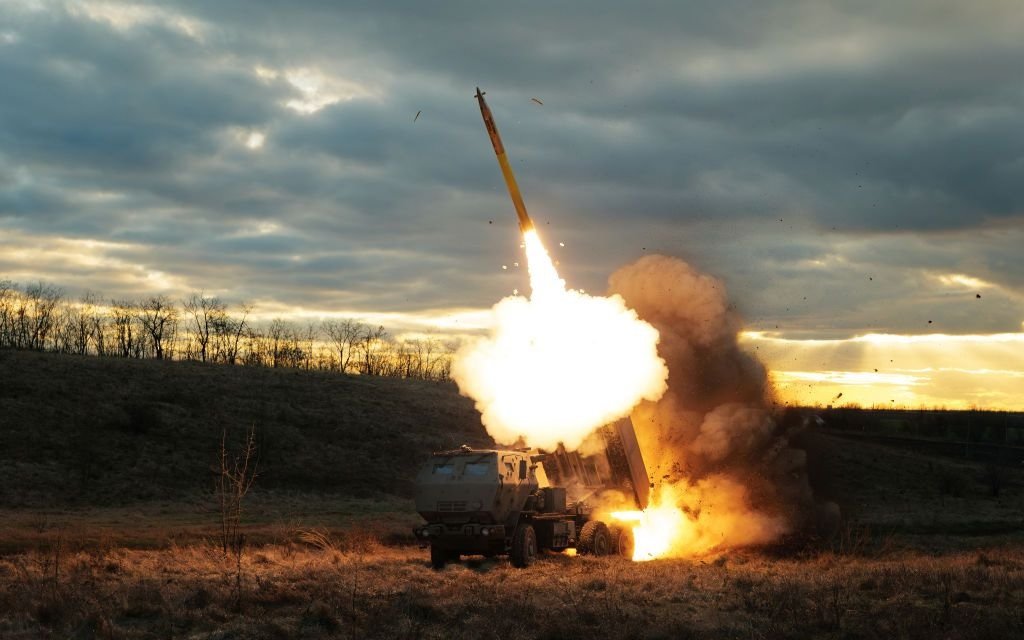 U.S. Military Selectively Intercepts Iranian Missiles to Preserve Shrinking Air Defense Stocks : Report
-
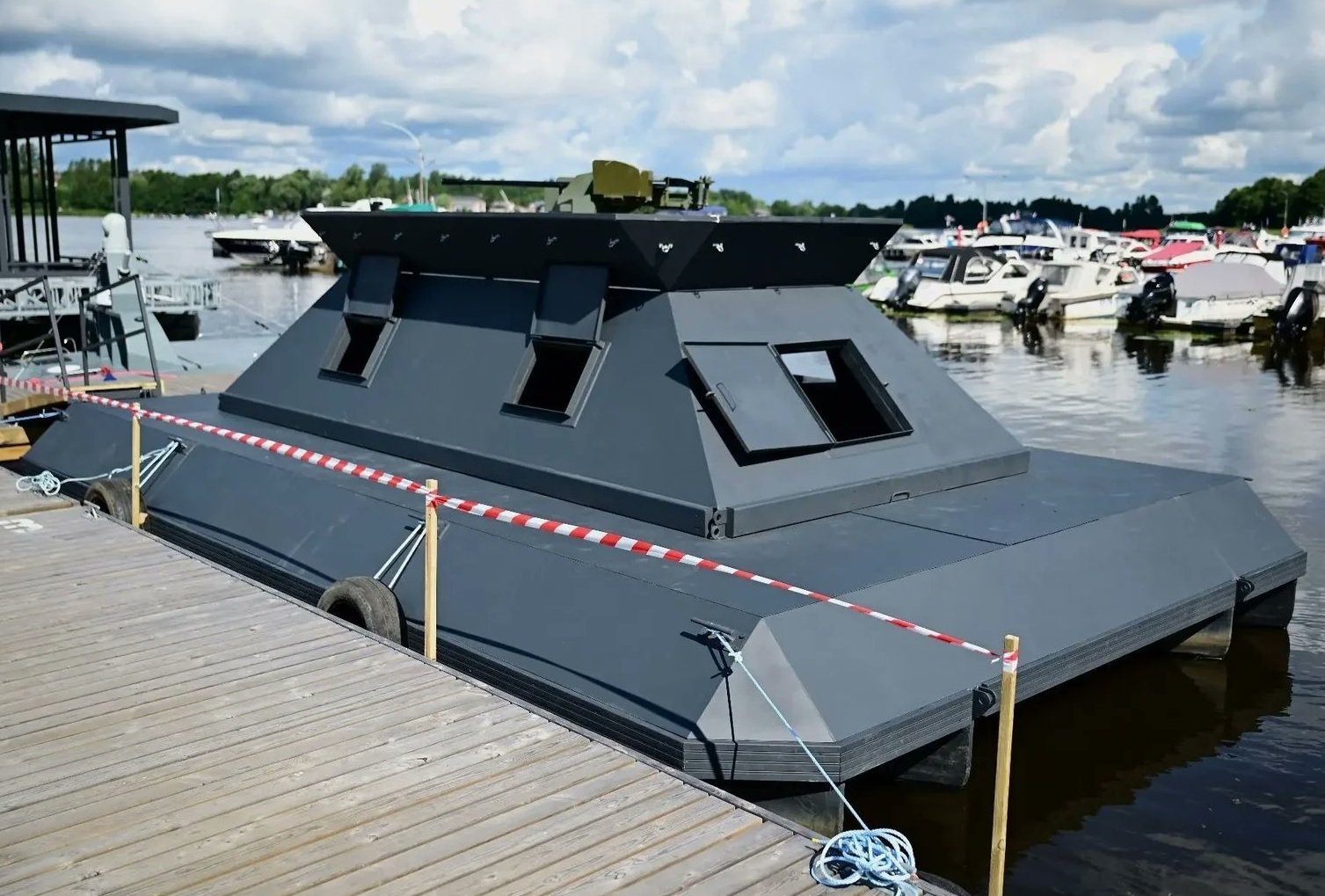 Russia Unveils Experimental Plot-40 Floating Defense Platform to Counter Drone and USV Threats
-
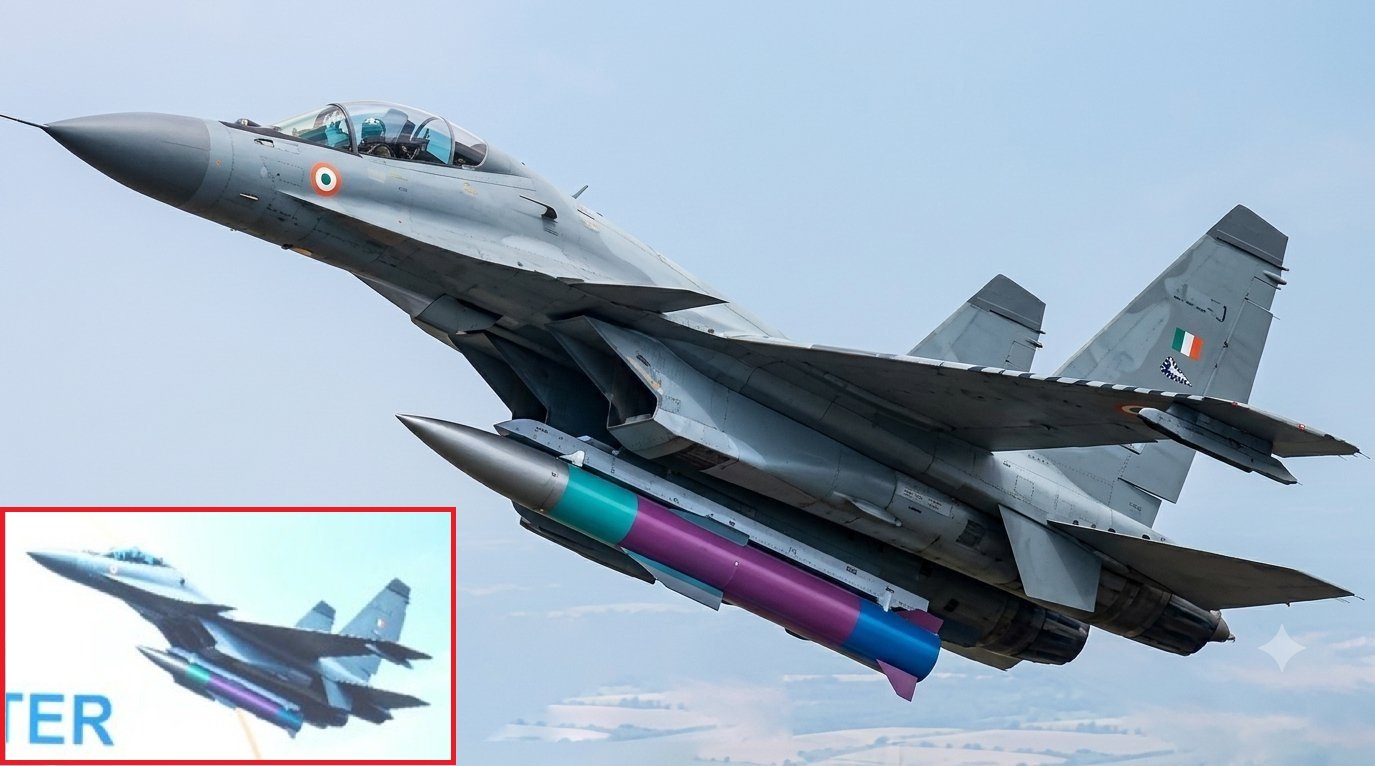 DRDO Developing Long-Range Air-Launched Ballistic Missile for Su-30MKI, Rudram-4 Seen as Likely Candidate
-
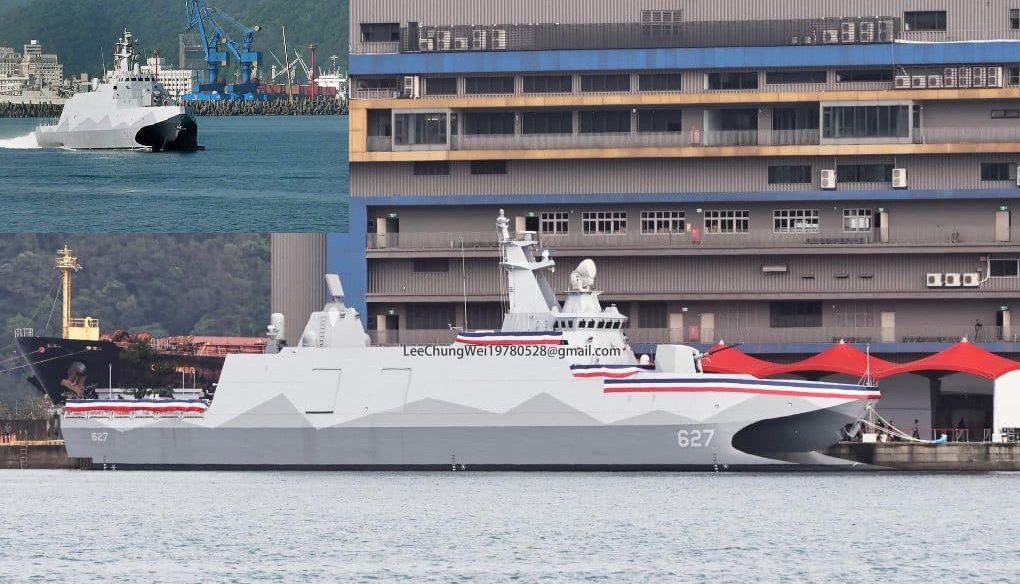 Taiwan Commissions First Batch 2 Tuo Chiang-Class Corvette with New Leonardo Radar
Top Trending in 4 Days
-
 U.S. Navy Awards Northrop Grumman $1.2 Billion Deal for Three New E-2D Advanced Hawkeyes
-
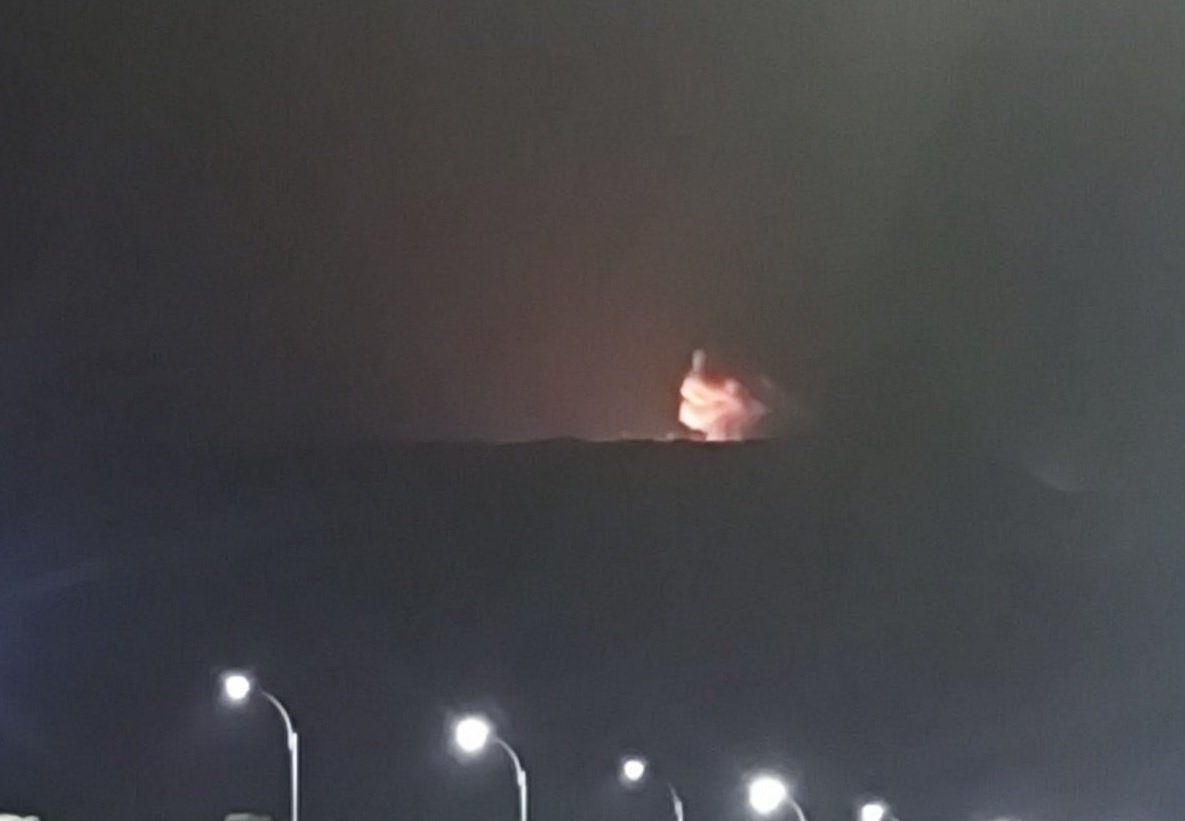 U.S. Airstrikes Target IRGC Missile Base Near Taft as Overnight Strikes Hit Central Iran
-
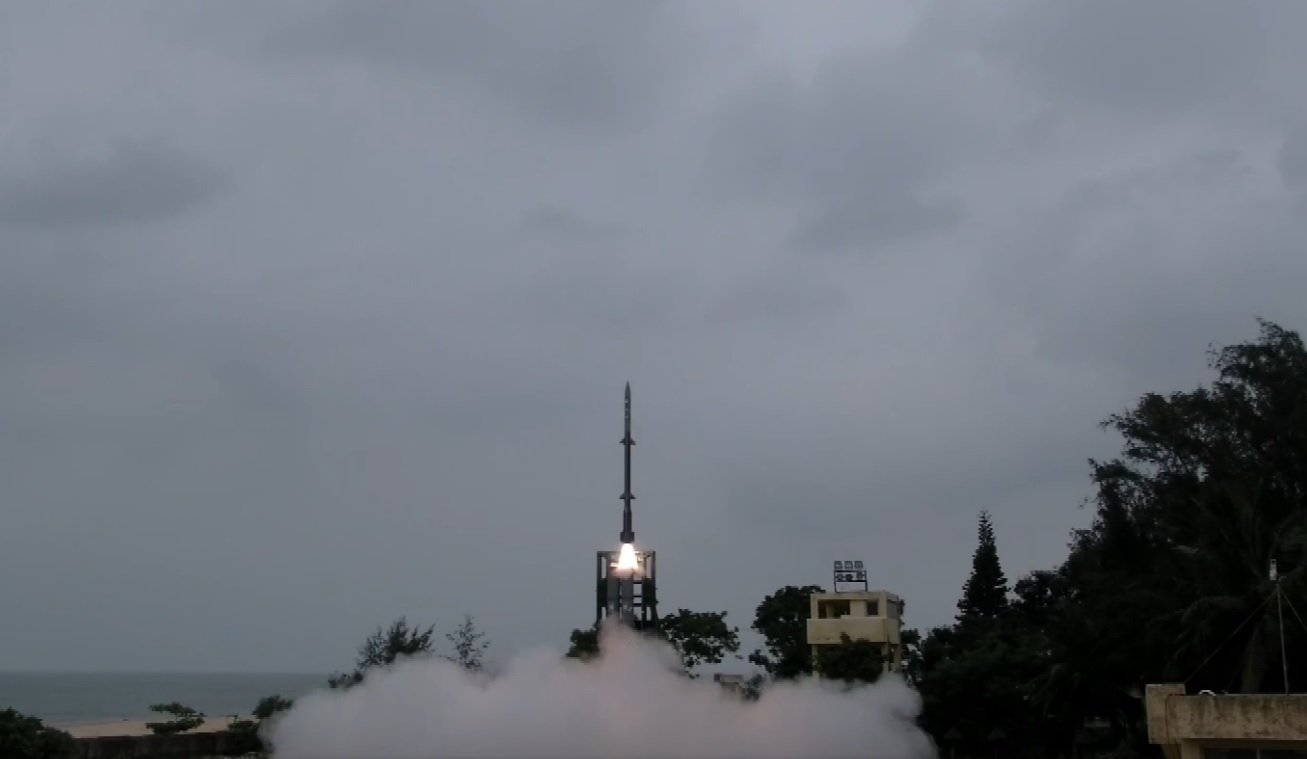 DRDO Successfully Conducts Maiden Flight Test of 150-km-Range Kusha M1 Air Defence Missile
-
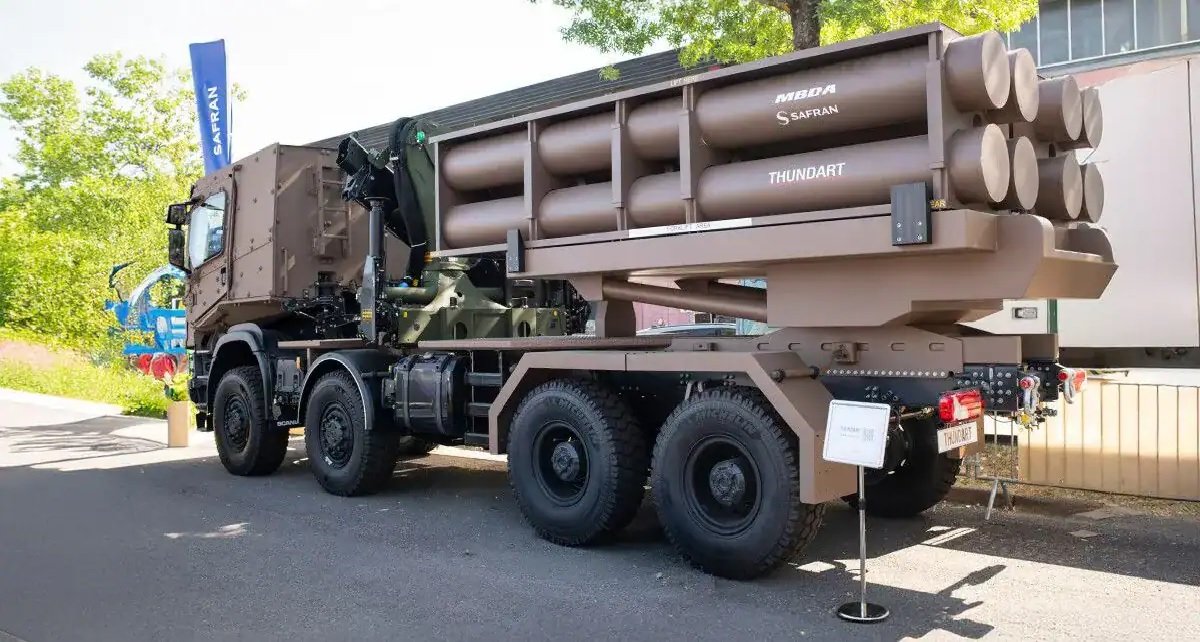 France's THUNDART Long-Range Rocket System May Undergo Prototype Combat Testing in Ukraine
-
 Kuwait and Bahrain Reportedly Launch First Joint Direct Airstrikes on Iran Since War Began : Report
-
 Russian Su-57 Stealth Fighter Crashes During Training Flight Near Moscow, Pilot Ejects Safely
-
 Australia Commits Additional AUD 4.6 Billion to Expand Osborne Shipyard for AUKUS Submarines
-
 Destinus Unveils Vorexon Interceptor Concept to Defend Critical Sites from Artillery Threats
