
World
A detailed investigation has revealed that a U.S. Air Force MQ-9 Reaper drone, valued at approximately $13 million, was lost in the Mediterranean Sea last December after suffering a catastrophic mid-air mechanical failure that caused its propeller to detach from the engine. The incident took place on December 16, 2024, during a routine mission. The unmanned aircraft, remotely piloted by a crew from the 20th Attack Squadron at Whiteman Air Force Base in Missouri, had taken off from an undisclosed location within the U.S. European Command’s operational area. Sudden Loss of Power At 5 p.m. GMT, while cruising at normal speed and altitude, the Reaper experienced a sudden and complete loss of engine torque—dropping to zero in less than a second. The abrupt change caused engine speed to spike dramatically, triggering cockpit alerts. Despite immediate throttle adjustments, the drone’s engine failed to recover torque. The crew initially managed to maintain altitude, but as airspeed began to fall, they prepared for an emergency landing in a remote, uninhabited area. However, about 15 minutes into the emergency, engine oil sensors detected metallic debris, a clear sign of internal mechanical damage. Restarting the engine was ruled out for safety reasons. Final Moments Over the Sea With no power and altitude steadily decreasing, the mission operations superintendent ordered the crew to ditch the drone in the Mediterranean to avoid potential hazards on land. The Reaper struck the water at 5:23 p.m., sinking and making recovery impossible. The loss of the aircraft also meant investigators could not physically inspect the failed components. Likely Cause: Gearbox Spiral Lock Ring Failure Analysis of the drone’s onboard data logs by General Atomics, the Reaper’s manufacturer, indicated that the propeller had disconnected from the engine during flight. Investigators believe the most probable cause was the failure of a spiral lock ring inside the gearbox—a critical part that secures the propeller assembly. Such lock rings are known to experience heavy wear over time. The drone’s engine supplier, Honeywell, had implemented a maintenance program to replace these rings every 3,000 flight hours to prevent failure. In this case, however, the downed drone had accumulated only about half of that flight time, suggesting premature wear. Without the wreckage, the exact reason for the early failure could not be confirmed. Broader Implications for Drone Operations The MQ-9 Reaper, a primary workhorse of the U.S. Air Force’s remotely piloted fleet, is used extensively for intelligence gathering, reconnaissance, and precision strikes. The loss highlights the risks posed by unexpected mechanical breakdowns in unmanned systems operating far from maintenance bases. While the investigation found no fault with the crew’s handling of the emergency or with pre-flight checks, the event has raised concerns about component lifespan predictions and whether maintenance cycles for critical parts like the spiral lock ring should be shortened. Defense analysts note that such failures, while rare, underscore the importance of redundancy, rapid diagnostic systems, and component durability—especially as unmanned aircraft play an ever-greater role in U.S. military strategy across contested regions such as the Mediterranean and the Middle East.
Read More → Posted on 2025-08-15 16:12:05
World
China’s People’s Liberation Army (PLA) has drawn attention with new footage of infantry training in rugged highland terrain, featuring what appears to be a soldier wearing a rudimentary, unpowered exoskeleton frame. The exercise, aired by China’s military-focused CCTV-7 channel, was part of a segment highlighting a unit from the PLA’s 76th Group Army. The troops, identified by state media as a “model anti-Japanese guerrilla battalion” — a ceremonial title preserved from the Second World War era — were shown advancing under simulated live fire, carrying heavy machine guns and maneuvering across rocky ground. In the midst of the action, one soldier stood out for wearing a metal brace-like device strapped to his legs and back, believed to be a passive load-bearing support. Reducing the Soldier’s Burden Unpowered exoskeletons are designed to shift the weight of gear away from the spine and hips, helping soldiers carry loads that can exceed 30–40 kilograms. For infantry operating in mountainous or desert regions, this can mean less fatigue, lower injury risk, and improved endurance during long marches. While powered versions exist, including battery-assisted models capable of enhancing movement, they remain rare on the battlefield due to limits in battery life, weight, and environmental durability. Passive frames like the one seen in the footage require no power source, making them lighter and potentially more practical for long-duration operations. China’s Wider Push into Wearable Military Tech The appearance of even a basic exoskeleton in a televised exercise signals that the PLA may be testing wearable assistive systems in realistic combat scenarios rather than keeping them confined to research labs. In recent years, Chinese defense developers have also unveiled powered exoskeletons for logistics crews, artillery units, and drone operators. One such system, introduced by defense technology firm Kestrel Defense, integrates control equipment for unmanned aerial vehicles (UAVs) directly into the suit. Images have surfaced of operators launching drones using arm-mounted interfaces, suggesting a vision where infantry could directly control battlefield drones without separate equipment. Global Trend, Local Adaptation Militaries worldwide have experimented with similar concepts. The U.S. Army has tested the ONYX powered exoskeleton for support units to reduce back strain and improve mobility during prolonged operations. However, most armies have yet to fully integrate these systems into frontline infantry roles due to cost, reliability concerns, and the need for extensive field testing. China appears to be following a step-by-step integration strategy, starting with unpowered systems in demanding environments, such as mountain brigades, before considering powered versions for combat troops. Signals of Future Deployment The fact that the device was showcased in a national broadcast hints that it may not be a one-off experiment. In Chinese military tradition, high-profile state TV coverage often precedes wider trials, production scaling, or even export offerings. For now, the PLA’s exoskeleton-equipped infantryman remains an isolated sighting — but it could mark the beginning of a broader effort to blend human endurance with mechanical assistance in China’s push to modernize its ground forces.
Read More → Posted on 2025-08-15 16:08:24
World
In a move drawing intense global scrutiny, U.S. President Donald Trump is preparing for a high-stakes meeting with Russian President Vladimir Putin at a secure military base near Anchorage. The summit is being described as one of the most consequential diplomatic encounters of the decade, with the potential to reshape the trajectory of the war in Ukraine and redefine European security for years to come. The talks come at a time when the war in Ukraine remains deadlocked, with heavy fighting continuing in the country’s east and south. Trump’s supporters frame him as a master dealmaker capable of cutting through years of bloody stalemate, while critics warn that such negotiations — conducted without Ukrainian President Volodymyr Zelenskyy present — risk undermining Kyiv’s sovereignty and the West’s stated principle that “nothing about Ukraine happens without Ukraine.” For Putin, the summit offers a rare opportunity to break through diplomatic isolation, secure recognition of Russia’s battlefield gains, and weaken Ukraine’s NATO aspirations. Analysts believe Moscow will push hard for territorial concessions and a reconfiguration of Ukraine’s security status, potentially returning it to Russia’s sphere of influence. Trump has hinted that the meeting is a “feel-out session”, but his comments suggest the door is open to an expansive peace framework — one that could involve U.S. security guarantees to Ukraine in exchange for halting its NATO bid. However, he has also warned that if Russia shows no movement toward peace, “serious consequences” could follow. The challenge lies in bridging a vast gap: Russia’s demands for recognized control over occupied territories remain unacceptable to Kyiv and most of its allies. The symbolism of Alaska as the venue is not lost on historians. Once Russian territory before its sale to the United States in 1867, the state sits just a short flight from Russia’s eastern coast, underscoring the geographical proximity — and historic rivalry — between the two powers. The remote military location also minimizes the risk of protests and ensures heightened security, signaling the sensitivity of the discussions. Western capitals are watching closely. NATO allies fear that a bilateral Trump-Putin deal, reached without European or Ukrainian input, could fracture the alliance’s unity. Beyond Europe, nations such as China and Iran will be gauging Trump’s willingness to stand firm against Moscow’s demands, testing U.S. credibility in other geopolitical flashpoints. The summit’s outcome could have far-reaching consequences: If Trump manages even a partial breakthrough — such as an agreement on humanitarian corridors or limited ceasefires — it could lay the groundwork for broader peace talks. If the meeting ends without progress, it may deepen mistrust between Washington and Kyiv, embolden Russia, and send signals to authoritarian regimes that hardline stances pay off. With global attention fixed on Anchorage, the stakes could hardly be higher. The talks will not only influence the immediate fate of Ukraine but may also set the tone for a new era of U.S.-Russia relations, shaping the balance of power well into the future.
Read More → Posted on 2025-08-15 15:58:00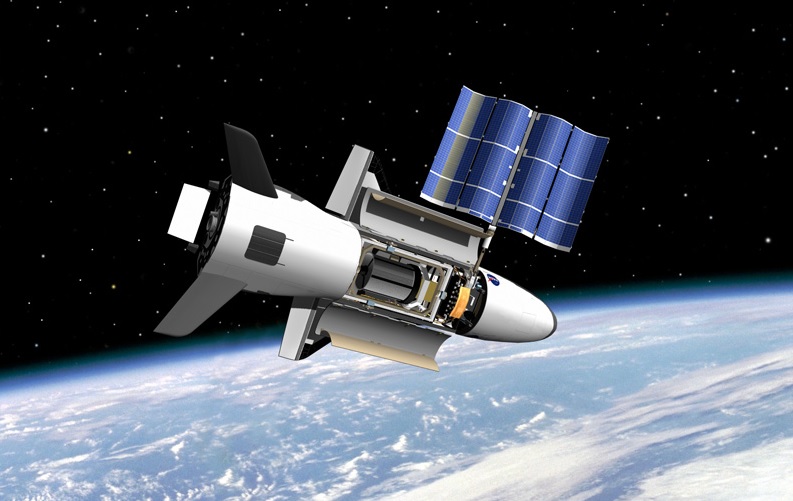
World
The U.S. Space Force, working with the Air Force Rapid Capabilities Office and SpaceX, is preparing to launch the eighth mission of its secretive X-37B Orbital Test Vehicle on 21 August from Kennedy Space Center, Florida. Designated USSF-36, the mission will lift off atop a SpaceX Falcon 9 rocket and carry an array of advanced experiments aimed at pushing the limits of space technology. This latest mission will focus on high-bandwidth inter-satellite laser communications — a step toward faster, more secure data transfer between satellites — and advanced space navigation using what is described as the highest-performing quantum inertial sensor ever flown in space. Such navigation technology could eventually allow spacecraft to operate with high precision even when GPS signals are unavailable, which is critical for deep-space missions or in contested environments. According to officials, the X-37B has become the Space Force’s premier platform for testing the “space technologies of tomorrow.” Its design — part spacecraft, part reusable mini-shuttle — allows it to spend years in orbit before returning to Earth for analysis and refurbishment. This reusability drastically reduces the cost and time needed to test new systems compared to one-time-use satellites. Since its first flight in April 2010, the X-37B has logged more than 4,200 days in space. Past missions have demonstrated orbital trajectory changes using aerobraking, tested space domain awareness sensors, trialled solar power beaming technology for delivering energy from orbit to Earth, and exposed biological materials — such as plant seeds — to long-term radiation, aiding preparations for future crewed missions to the Moon, Mars, and beyond. Military analysts note that the X-37B’s versatility makes it valuable for both scientific research and national security. In addition to civilian applications like space-based energy and crop resilience, the spacecraft’s ability to maneuver, change orbit, and stay aloft for extended periods also has potential strategic uses — from inspecting satellites to deploying experimental payloads in secret. With the USSF-36 mission, the Space Force is not only refining its technological edge but also signaling the increasing role of reusable spacecraft in sustaining U.S. leadership in space. As competition in orbit intensifies, platforms like the X-37B could prove decisive in enabling rapid deployment and testing of innovations that keep pace with both commercial developments and potential adversaries’ capabilities.
Read More → Posted on 2025-08-15 15:52:55
India
Former U.S. President Donald Trump has once again stirred controversy by revising his account of the India-Pakistan conflict of May 2025, now claiming that six to seven jets were shot down during the clashes — an increase from his earlier statement of five. Speaking at a White House event on August 14, Trump also repeated his long-standing assertion that he personally averted a potential nuclear war between the two South Asian rivals by intervening through trade negotiations and diplomatic outreach. He argued that his actions should place him among the frontrunners for a Nobel Peace Prize. However, India has firmly rejected the notion that Washington played any mediation role. Officials in New Delhi reiterated that the ceasefire following Operation Sindoor was achieved through direct military-to-military talks between the countries’ Directors General of Military Operations (DGMO), without any external involvement. The latest round of claims has left strategic analysts skeptical. Trump has offered no evidence to back his version of events, and India’s defense establishment has not verified his figures on aircraft losses. Pakistan, meanwhile, had claimed it shot down six Indian jets during the skirmishes, but India dismissed the figure, acknowledging only “some” losses without providing specifics. The May 2025 clashes — the most intense exchange of fire along the Line of Control in years — began after a series of cross-border strikes and artillery exchanges escalated rapidly. Operation Sindoor, launched by India, aimed at neutralizing militant camps and Pakistani military positions believed to be aiding infiltration into Jammu & Kashmir. The confrontation raised regional and global alarm, given both nations’ nuclear capabilities. Trump’s narrative appears to be aimed at building his profile as a global dealmaker and crisis manager ahead of a possible return to the political arena. His emphasis on the nuclear angle, despite lack of corroboration, has been interpreted as part of a broader campaign to position himself as a peacemaker in volatile regions. Regional security experts caution that exaggerating battlefield outcomes or behind-the-scenes diplomacy could distort the historical record and complicate future crisis management between India and Pakistan.
Read More → Posted on 2025-08-15 15:37:45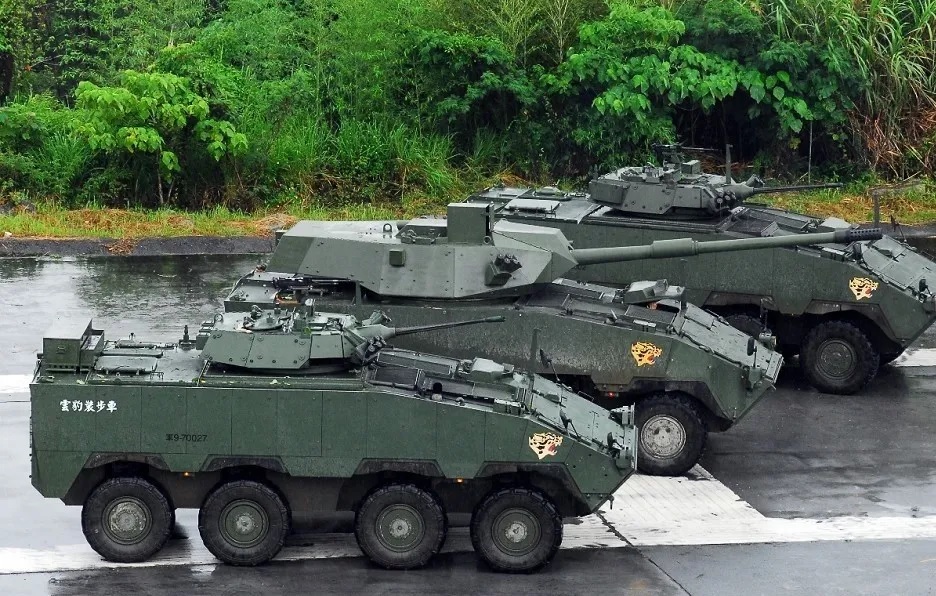
World
Taiwan has revealed the D3 prototype of its 105mm wheeled combat vehicle, a major upgrade under the country’s Project Cheetah aimed at strengthening its ability to respond quickly to military threats, particularly from the sea. The latest D3 version, showcased during the Ministry of National Defense’s online program Defense Online, is 40 centimeters shorter than the previous model, with a lower profile, stronger blast protection, and increased ammunition capacity. Its compact design makes it harder to detect and easier to deploy in urban streets and coastal defense zones, where space and reaction time are critical during an attack. From D1 to D3 – A Rapid Evolution Project Cheetah began in 2019 to give Taiwan a homegrown, high-mobility armored platform. The first two prototypes, D1 and D2, were developed almost entirely with local expertise, achieving 89% domestic component manufacturing. The D2, introduced in mid-2024, used an advanced 8×8 chassis from the Clouded Leopard family and carried a 105mm rifled gun compatible with Taiwan’s M60A3 and CM-11 tanks. It also featured a remote-controlled 12.7mm weapon station for the commander and a “hunter-killer” targeting system, allowing simultaneous tracking and engagement of multiple threats. The D3 builds on this foundation but introduces key structural and balance improvements. The vehicle’s height is now under 3 meters, down from 3.3 meters, improving stability and concealment. The turret has been repositioned further back to enhance weight distribution, and the chassis has been upgraded to the second-generation Clouded Leopard M2, which resolves previous handling issues. New side mirrors and an optimized armor layout improve crew visibility and survivability. Performance Built for Rapid Response Despite its smaller size, the D3 retains a low-recoil 105mm gun with electric servo drives for precise aiming. It can exceed 100 km/h on roads and travel up to 500 kilometers without refueling, allowing it to redeploy quickly anywhere on the island. This mobility is vital for Taiwan’s interregional reinforcement missions, where speed can determine the success of defending against sudden amphibious landings. The vehicle’s design suits Taiwan’s asymmetric defense strategy, where lighter, faster, and more dispersed units can outmaneuver heavier enemy forces. Instead of relying solely on main battle tanks, which are difficult to hide or transport in Taiwan’s mountainous terrain, the Cheetah D3 can execute hit-and-run ambushes, “shoot-and-scoot” tactics, and direct fire support for infantry. Preparing for the Worst Taiwan plans to publicly display the D3 at next month’s Taipei Aerospace & Defense Technology Exhibition, offering a closer look at the platform’s capabilities. Military analysts note that vehicles like the D3 could be deployed in small, highly mobile fire brigades, reinforcing vulnerable coastal zones during the early stages of an amphibious assault. However, some in Taiwan’s army have expressed concerns about the lethality of the 105mm gun, suggesting that a shift to a 120mm cannon might be necessary to match modern armor threats in the region. A Response to Rising Tensions The unveiling comes during escalating tensions in the Taiwan Strait. China has increased military flights across the median line, conducted large-scale amphibious drills, and maintained a constant naval presence near Taiwan’s waters. Taipei has responded by accelerating defense modernization, prioritizing indigenous production to ensure strategic autonomy. The Cheetah D3, with its mix of mobility, local production, and tactical adaptability, embodies Taiwan’s determination to stay agile, self-reliant, and ready in the face of growing regional threats. Defense officials say the platform is not just a vehicle—it is a symbol of Taiwan’s shift toward a more flexible and resilient fighting force.
Read More → Posted on 2025-08-15 15:28:40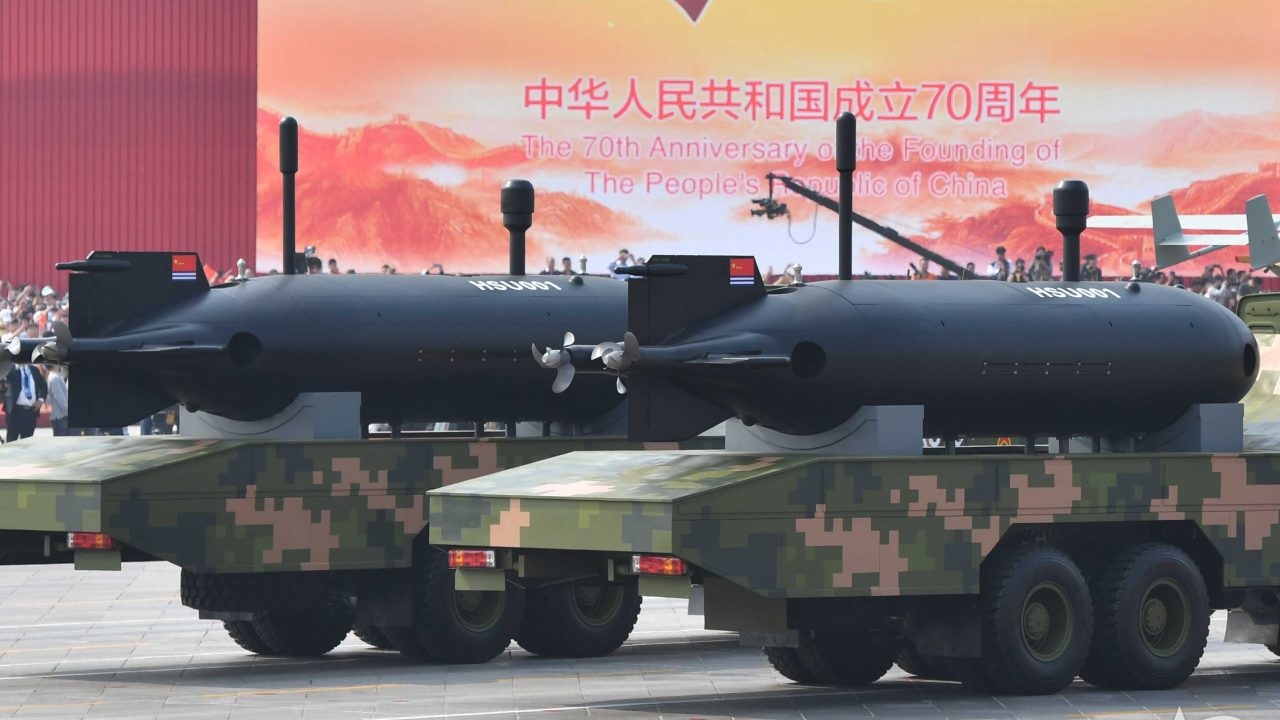
World
Military analysts say Chinese naval strategists are increasingly focused on finding ways to weaken the United States’ undersea surveillance network, a key element in tracking submarines across the vast waters of the Western Pacific. According to recent assessments by defense experts, China’s People’s Liberation Army Navy (PLAN) views the U.S. network as both a critical advantage for Washington and a potentially “fragile” system vulnerable to disruption. The concern for Beijing stems from the fact that the network enables the U.S. to keep a near-constant watch on Chinese submarine movements, particularly through strategic chokepoints in the South and East China Seas. The U.S. surveillance grid, formally known as the Integrated Undersea Surveillance System (IUSS), evolved from the Cold War-era SOSUS program. It uses fixed seabed arrays, undersea cables, mobile Surveillance Towed Array Sensor System (SURTASS) ships, and advanced sonar-equipped warships and submarines. Aircraft such as the P-8A Poseidon and MH-60R Seahawk add another layer by deploying sonobuoys and torpedoes during patrols. Chinese military commentators argue that this network’s vast coverage makes it difficult to protect every sensor and cable. They suggest that disabling even a small percentage of these nodes could have an outsized impact, reducing detection ranges and response times. Tactics under discussion include kinetic strikes on surveillance ships, deploying unmanned undersea vehicles (UUVs) for sabotage, or cyberattacks to disrupt the network’s command and control systems. Beijing has invested heavily in such capabilities. The PLAN operates advanced UUVs like the HSU-001 and Sea Wing (Haiyi) drones, capable of long-range reconnaissance and undersea interference. Other deep-diving platforms such as the Qianlong series, Haishen-6000, and research submersibles like Jiaolong could be adapted to locate and neutralize U.S. installations, sever communication cables, or plant counter-surveillance devices. Some Chinese strategists have floated the idea of pre-conflict saturation tactics, in which multiple submarines or unmanned craft would flood surveillance zones to overwhelm detection systems. The goal, they argue, would be to mask the movements of high-value nuclear and conventional submarines before any major operation. Former U.S. Navy officers acknowledge the potential risk but emphasize that finding small, hidden sensors across thousands of square miles of ocean remains a significant challenge. Moreover, mounting such a campaign would carry high political and economic risks for Beijing, potentially triggering immediate escalation. If China were to degrade this surveillance network, the U.S. Navy’s ability to monitor Chinese submarines would suffer, forcing Washington to rethink its anti-submarine warfare (ASW) posture. Allies like Japan, Australia, and South Korea could be called upon to take a larger role in regional monitoring, possibly using distributed, autonomous sensor networks to maintain coverage even if fixed sites were disabled. The stakes are high: a loss of U.S. undersea dominance could open new operational opportunities for China in contested waters, altering the balance of naval power in the Indo-Pacific and increasing the strategic uncertainty in one of the world’s most heavily militarized maritime regions.
Read More → Posted on 2025-08-15 15:25:58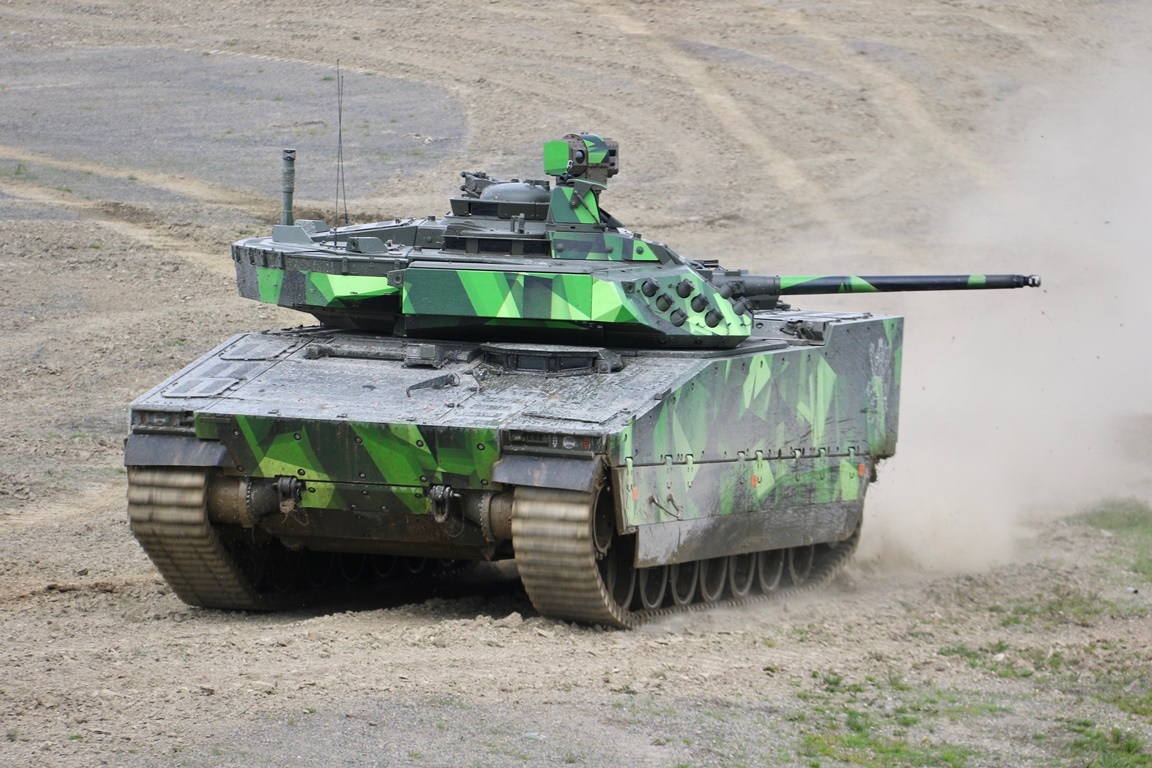
World
The Czech Ministry of Defence has signed a major seven-year, €250 million contract with German defence group Rheinmetall to provide long-term service, maintenance, and logistical support for its fleet of Leopard 2A4 main battle tanks and Bergepanzer 3 “Büffel” armoured recovery vehicles. The agreement, concluded in Prague between the Ministry and Rheinmetall Landsysteme GmbH, covers 42 Leopard 2A4 tanks and two Büffel recovery vehicles. The scope includes spare parts supply, on-site customer service, factory-level repairs, crew and technician training, logistical and technical assistance, temporary infrastructure, and overall project management. Rheinmetall confirmed it will work closely with Czech defence industry partners to fulfil the deal, with subcontracts expected to go to local companies. A letter of intent was signed the same day with the state-owned VOP CZ s.p., outlining cooperation in maintenance and repair operations, along with the transfer of specialised technical know-how. This partnership comes after the Czech Armed Forces recently received the Leopard 2A4 tanks and Büffel vehicles, refurbished and supplied by Rheinmetall under separate agreements. The deliveries were part of a defence cooperation framework between the Czech Republic and Germany, in which Berlin has supported Prague’s modernisation efforts as a gesture of solidarity following Czech military aid to Ukraine. The Leopard 2A4, originally developed in the late 1970s but upgraded extensively over time, is renowned for its firepower, armour protection, and battlefield survivability. The Büffel armoured recovery vehicle, based on the Leopard chassis, provides critical battlefield support by towing, repairing, or recovering disabled tanks in combat zones. By securing long-term maintenance, the Czech Ministry aims to ensure these platforms remain combat-ready for decades, while also building domestic technical capabilities through industrial cooperation. Defence analysts note that such agreements are not just about hardware upkeep — they strengthen NATO interoperability, improve logistics resilience, and ensure that frontline assets remain fully operational during periods of heightened security tensions in Europe. With this deal, the Czech Republic continues its steady modernisation drive, replacing older Soviet-era equipment with Western-standard platforms, a move widely seen as bolstering the country’s role within NATO’s collective defence posture.
Read More → Posted on 2025-08-15 15:22:26
World
Hezbollah’s deputy leader Naim Qassem has issued a stark warning to Lebanon’s government, accusing it of “handing the country to Israel” by pressing ahead with plans to disarm the group. Speaking in a televised address on Friday, Qassem vowed that Hezbollah would not give up its weapons and was ready to fight to preserve its arsenal if necessary. The remarks came after Qassem met Ali Larijani, Iran’s top security chief, whose country has long been a major backer of Hezbollah and a central player in the so-called “axis of resistance” — a coalition of Iran-aligned groups across the Middle East. The Lebanese government, under strong US pressure, has tasked the army with drafting a plan to disarm Hezbollah by the end of the year. This follows last year’s devastating war with Israel, which left the group significantly weakened both militarily and politically. Qassem accused the authorities in Beirut of following “an American-Israeli order to end the resistance”, warning that such a move could plunge the country into civil war and internal strife. “The resistance will not surrender its weapons while aggression continues, occupation persists, and we will fight… if necessary to confront this American-Israeli project no matter the cost,” Qassem declared. He further urged the government “not to hand over the country to an insatiable Israeli aggressor or an American tyrant with limitless greed”, framing Hezbollah’s weapons as essential to defending Lebanon’s sovereignty. The latest tensions come at a time when Iran itself has been weakened by a series of setbacks, most notably during its recent confrontation with Israel, which saw US forces strike Iranian nuclear sites. Hezbollah’s position within Lebanon has also been under growing strain, with critics blaming the group for dragging the country into wars and crippling its economy. Despite the pressure, Qassem’s speech made clear that Hezbollah sees its arsenal as non-negotiable — not only as a means of deterring Israel, but as a symbol of its political power within Lebanon.
Read More → Posted on 2025-08-15 15:17:16
India
On this Independence Day, Prime Minister Narendra Modi made a high-impact announcement that blends India’s ancient heritage with cutting-edge defence technology. From the ramparts of the Red Fort, he declared the launch of the “Rashtra Suraksha Kavach” — a nationwide security shield — and the “Sudarshan Chakra Mission”, a fully indigenous air-defence system aimed at protecting both critical military and civilian infrastructure while delivering decisive counterstrikes against any hostile threat. The Rashtra Suraksha Kavach will deploy advanced technology platforms to safeguard hospitals, religious sites, vital industries, and other sensitive national landmarks. It is not just a physical shield; it is a nationwide protective network built on emerging technologies, ensuring that from large cities to remote areas, every Indian feels secure. Modi set an ambitious goal — by 2035, the shield will be expanded, strengthened, and fully modernised, with all systems researched, developed, and manufactured in India. At the heart of this broader security push lies the Sudarshan Chakra Mission. Taking its name from Lord Krishna’s legendary celestial weapon, the system is expected to be a next-generation air defence shield comparable in concept to Israel’s Iron Dome — but built entirely in India, with indigenous innovations. Its purpose is twofold: to neutralise enemy missile or drone attacks before they can cause harm, and to launch precision counterstrikes that can cripple an adversary’s capabilities. Modi’s announcement comes at a tense time. Reports have hinted at Pakistan’s military leadership threatening possible strikes on Indian infrastructure in any future conflict, even naming strategic targets like the Jamnagar oil refinery. Pakistan’s prime minister recently revealed plans to build a “rocket force” modelled on China’s example. Against this backdrop, the Sudarshan Chakra Mission sends a clear message — India is not only prepared to defend but also to respond with force. Technically, the system will be integrated into India’s Integrated Air Command and Control System (IACCS) — a fully automated network that links radars, sensors, and weapon systems across the Army, Navy, and Air Force. This setup ensures real-time threat detection and allows seamless coordination to intercept hostile missiles, drones, or aircraft. In past operations, IACCS proved its worth by preventing Pakistani missile penetration for almost 100 hours during Operation Sindoor. Sources suggest that the Sudarshan Chakra will go beyond just intercepting incoming threats. It will incorporate precision counterstrike weapons, electronic warfare systems, and even anti-cyber capabilities to neutralise digital threats before they can disrupt critical infrastructure. This multi-layered approach means India will be able to protect, retaliate, and deter, all within seconds of detecting an attack. The project will bring together DRDO scientists, the armed forces, and private-sector innovators, ensuring that the technology is not only homegrown but also future-ready. It fits directly into the Aatmanirbhar Bharat vision of making India self-reliant in defence technology — a strategic move that reduces dependence on foreign systems and keeps sensitive capabilities within the country. Beyond the technology, there is a psychological dimension. By invoking the name Sudarshan Chakra and keeping many of its specifications under wraps, India has created an air of mystery around its true capabilities. This uncertainty forces potential adversaries like Pakistan and China to second-guess what the system can do — and that very doubt acts as a deterrent. In essence, the Rashtra Suraksha Kavach and Sudarshan Chakra Mission mark a major leap in India’s security posture. They promise not just to shield the nation’s vital arteries from harm, but to ensure that any attack is met with a swift, precise, and punishing response. From ancient legend to modern battlefield, India’s new defence shield is set to redefine the balance of power in the region — and keep its enemies constantly on edge.
Read More → Posted on 2025-08-15 15:09:48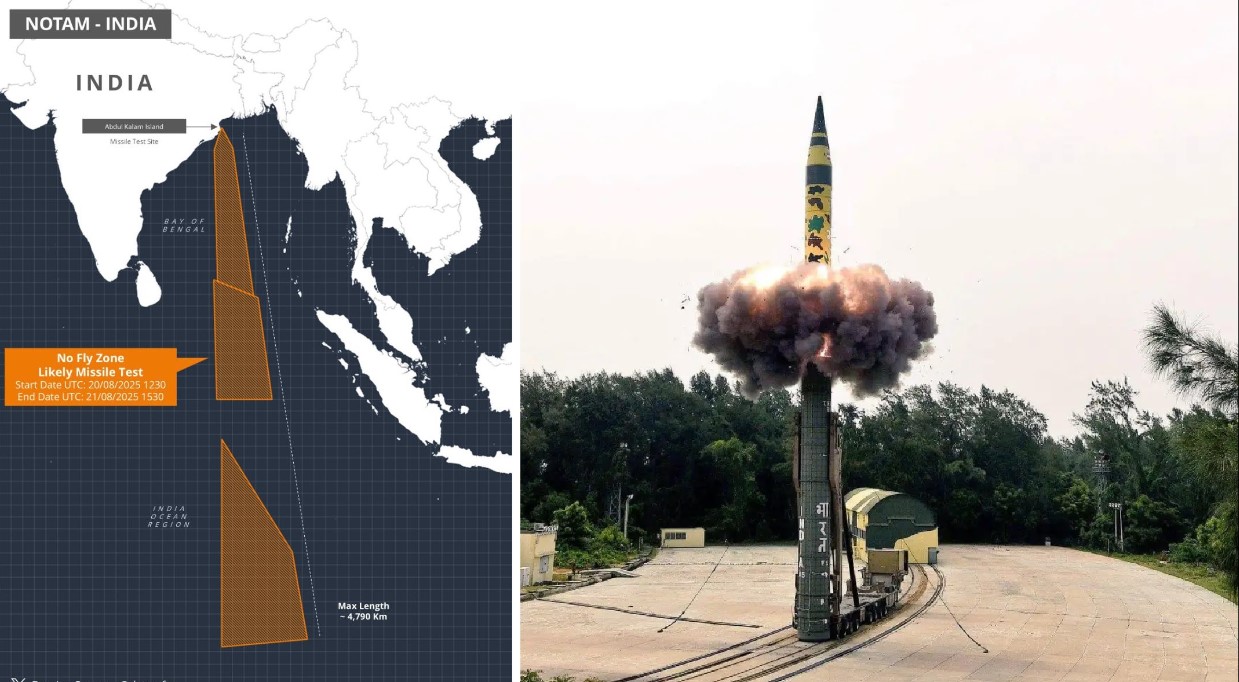
India
India has issued an updated Notice to Airmen (NOTAM) for a missile test scheduled between 20–21 August 2025 from the Integrated Test Range (ITR) at Dr APJ Abdul Kalam Island, off the Odisha coast. The initial warning, covering a 1,560 km range, was significantly extended—first to approximately 2,530 km, and now to an expansive 4,790 km into the Indian Ocean Region. Evolving Danger Zones 1,560 km zone — Issued around 12 August 2025, marking the first safety perimeter for the test window. 2,530 km zone — Later expanded to enhance safety assurances over maritime and airspace. 4,790 km zone — The most recent and substantial extension, stretching deep into the Indian Ocean and issued around 15 August 2025. Why the Expansion Matters Such a massive test zone underscores a potential trial of next-generation missile systems—possibly a new variant of the Agni series, such as an Agni-V MK2, or even the advanced Agni-VI ICBM. The extended range hints at capabilities well beyond conventional missile reach, marking a significant stride in India’s long-range strike arsenal. Agni-VI & Future Technologies Agni-VI, still under development, is projected as a three-stage ICBM with an 8,000–12,000 km range and MIRV (Multiple Independently Targetable Re-entry Vehicles) capability. Further development of Agni-V variants for conventional bunker-buster or airburst roles suggests enhanced precision and destructive capabilities at 2,500–3,000 km ranges, traveling at hypersonic speeds (Mach 8–20). India is also pursuing hypersonic cruise missiles, but the current NOTAM range exceeds the reach of these systems, pointing towards a far more powerful platform. Safety and Strategic Signaling The escalating NOTAM range ensures civilian and maritime traffic safety across an increasingly vast swath of air- and seaways. But beyond safety, the move signals a strategic shift: India is bolstering long-range deterrence, reinforcing its second-strike capability, and asserting missile reach across the Indo-Pacific. Possibilities: Agni-5 or Agni-6? Agni-V (and its variants) is a proven platform with capabilities beyond 5,000 km, and modified versions could be undergoing validation. Agni-VI, designed for ultra-long-range and MIRV payloads, remains a strong candidate given the expanded test radius, though it has yet to be fully test-fired. India’s incremental expansion of the missile test danger zone—from 1,560 km to an unprecedented 4,790 km—likely reflects the testing of advanced long-range missiles. Whether it’s a modified Agni-V or the futuristic Agni-VI, the development highlights India’s accelerating journey toward strategic self-reliance and powerful deterrence.
Read More → Posted on 2025-08-15 14:58:04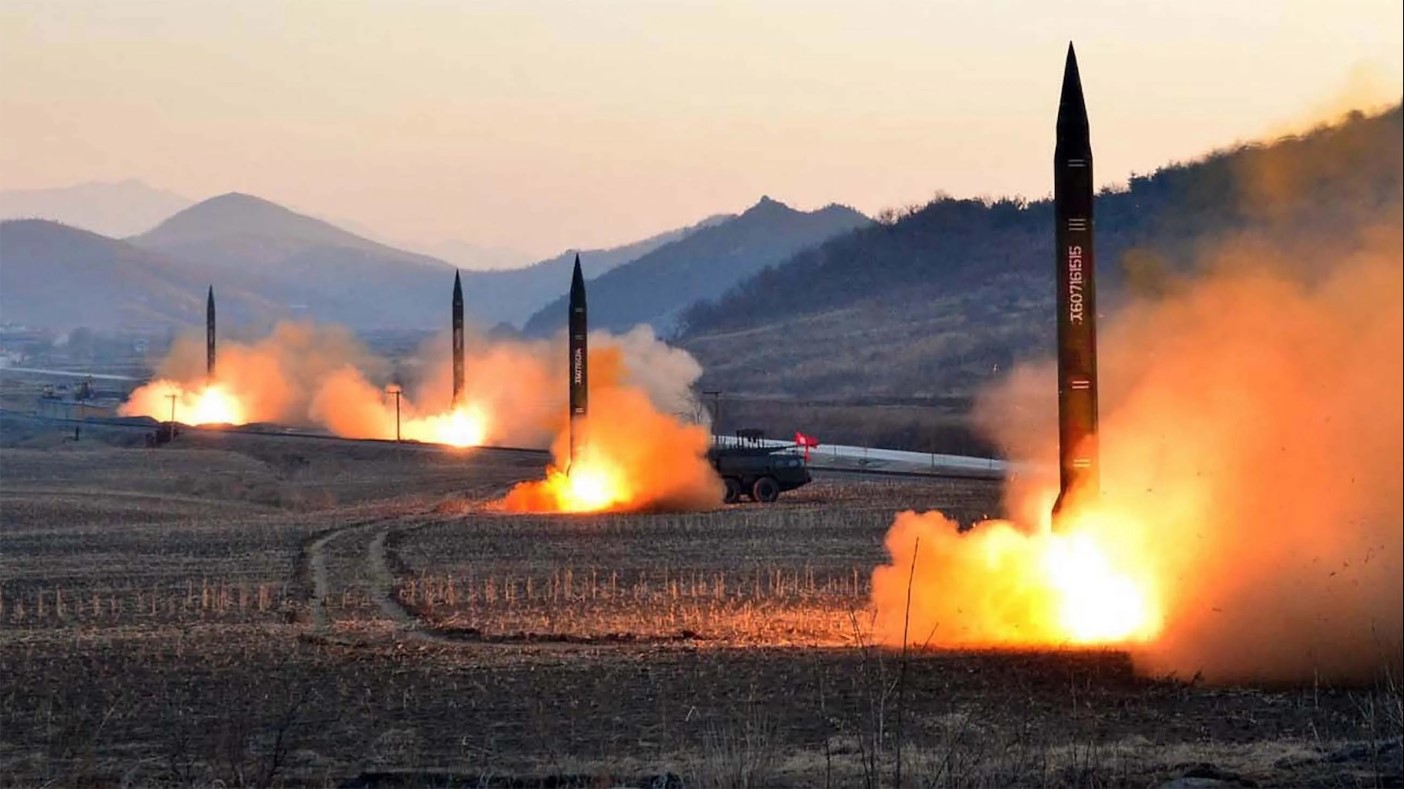
World
Russia and Belarus are set to conduct Zapad-2025 military exercises from September 12 to 16 in Belarus, with scenarios simulating nuclear weapon use and the deployment of the hypersonic Oreshnik missile, according to Belarusian Defense Minister Viktor Khrenin. The announcement comes just days before a planned U.S.-Russia meeting in Alaska aimed at discussing ways to end the war in Ukraine, a timing that has drawn heightened concern from NATO allies. The Oreshnik, an intermediate-range ballistic missile capable of reaching Mach 11 and striking targets over 3,000 kilometers away, can carry both conventional and nuclear warheads. Its extreme speed and in-flight maneuverability make it highly resistant to interception, posing a significant challenge to existing missile defense systems. First launched against Ukraine in November 2024, the missile has since entered serial production, with its presence in the drills seen as a signal of Moscow’s expanding strike capabilities. Zapad exercises, held every four years, have historically served as large-scale readiness checks and strategic messaging tools. In 2021, similar drills were followed within months by Russia’s full-scale invasion of Ukraine, raising fears that Zapad-2025 could also mask preparations for new offensives. Reports suggest that up to 150,000 troops could participate this year, making it one of the largest joint operations between Moscow and Minsk since the war began. While the Kremlin and Minsk insist the exercises are purely defensive, the inclusion of nuclear strike scenarios and advanced hypersonic missile operations significantly raises the stakes. Western defense analysts warn that the combination of nuclear simulations, large troop movements, and missile drills near NATO’s borders creates a volatile environment with a high risk of miscalculation. The timing, scale, and content of Zapad-2025 appear to be as much about deterrence and strategic signaling as they are about military training. For NATO, the drills not only test the alliance’s eastern flank readiness but also underscore the evolving missile threat landscape—one where hypersonic systems like the Oreshnik may soon become central to Russian warfighting doctrine.
Read More → Posted on 2025-08-14 16:10:38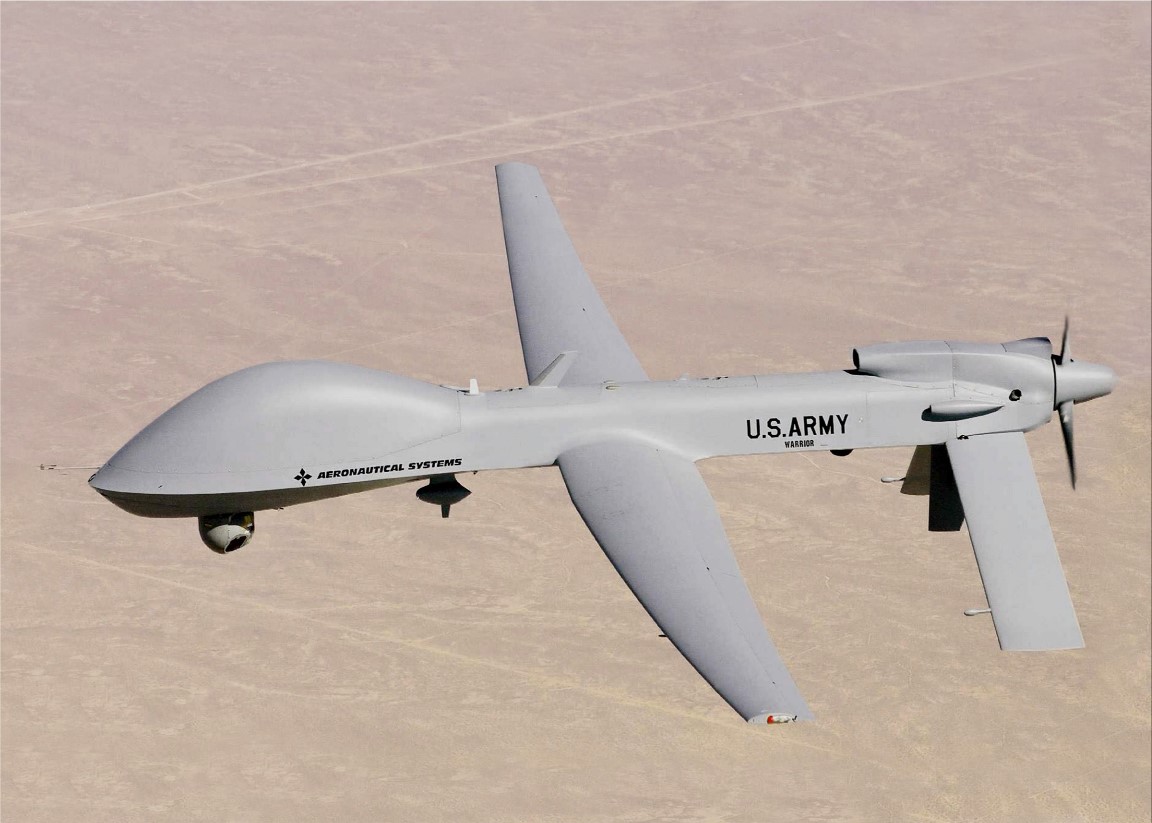
World
The US Army is preparing a major shift in its unmanned aerial systems (UAS) strategy, moving to retire its long-serving MQ-1C Gray Eagle and RQ-7B Shadow drones in favor of advanced, more autonomous platforms under the Army Transformation Initiative. The decision follows earlier moves to halt further Gray Eagle procurement and cancel the Future Tactical Uncrewed Aircraft System (FTUAS) program, which had been intended to replace the retired Shadow. This pivot reflects the Army’s growing focus on shorter deployment timelines, flexible launch capabilities, and integration with modern battlefield technologies. Divisions to Get Larger, More Capable UAS Under current plans, newer Gray Eagle variants will continue to serve with upgrades until around fiscal year 2028, while older models will be phased out. The Gray Eagle, built by General Atomics, has been a core asset for intelligence, surveillance, and reconnaissance (ISR) missions, with the ability to carry guided munitions. Its eventual replacement will be a Group 4 or Group 5 UAS capable of short or vertical takeoff and landing (STOL/VTOL), eliminating the need for traditional runways and allowing deployment from smaller, dispersed bases. Group 4 drones: Weigh over 1,320 pounds, operate below 18,000 feet, and offer medium- to long-endurance missions. Group 5 drones: The largest category, flying above 18,000 feet with extended endurance and greater payloads, suited for high-altitude ISR or strike missions. The Army issued a request for information in mid-2024 and received over 10 proposals from industry, with a final requirements decision expected within the next few months. Fielding of the new system is aimed for 2028, and major players such as General Atomics are expected to compete, promoting their Gray Eagle 25M and STOL variants as candidates. Brigades to Get New Group 3 Drones Faster At the brigade level, the Army plans to skip lengthy procurement processes and instead purchase ready-made commercial drones. This approach is intended to quickly restore operational capability after the Shadow’s retirement in 2024 left brigades without a dedicated reconnaissance aircraft. The initial buy will focus on Group 3 platforms — drones weighing between 55 and 1,320 pounds — with procurement potentially starting in fiscal 2026. Candidates will include former FTUAS competitors such as Griffon and Textron, alongside new entrants. Over time, more advanced systems could be added in phases, pending leadership approval and budget allocation. Why This Shift Matters The Gray Eagle and Shadow have been workhorses for the US Army for decades, but the future battlefield demands faster, more survivable, and more adaptable aerial assets. In modern conflict scenarios, where anti-drone defenses are increasingly sophisticated, the ability to launch and recover drones from austere locations without large runways is becoming critical. By moving toward VTOL-capable Group 4 and 5 systems for divisions and commercially sourced Group 3 drones for brigades, the Army aims to create a more distributed and resilient ISR and strike network. This modernization effort is also part of a broader push to integrate AI-driven mission planning, autonomous navigation, and modular payload systems into future UAS fleets. If successful, the transition could mark one of the biggest overhauls of Army aviation in two decades, reshaping how US forces gather intelligence, track targets, and strike in contested environments.
Read More → Posted on 2025-08-14 16:06:29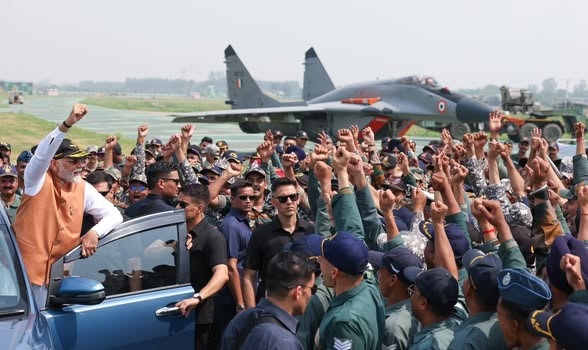
India
Twenty-six officers and airmen of the Indian Air Force (IAF) have been conferred the Vayu Sena Medal (Gallantry) for missions that included precision strikes on targets inside Pakistan and the operation of S-400 and other air-defence systems that thwarted every planned Pakistani attack on Indian soil during the recent crisis. Announced on the eve of Independence Day, the awards form part of the President-approved national gallantry list and underscore how air power and layered air defence proved decisive during Operation Sindoor in May 2025. The list includes fighter pilots credited with deep-strike and suppression missions, as well as surface-to-air missile (SAM) crews, radar controllers, and battle-management teams who created an airtight defensive umbrella. What these medals recognise The Vayu Sena Medal (Gallantry) is awarded for acts of exceptional courage that hold special significance for air operations. In this cycle, it honours: Strike crews that executed time-sensitive targeting missions against Pakistani military infrastructure, using stand-off weapons, decoys, and electronic-warfare escorts to reduce exposure to enemy air defences. Air-defence operators who ran India’s integrated air-defence network (IADN)—including S-400, Akash, Pechora, and SPYDER batteries—coordinated with AWACS and ground-based radars to detect, classify, and intercept inbound threats ranging from cruise missiles and armed drones to tactical aircraft. Mission planners and controllers who fused satellite, AWACS, and ground sensor feeds to deliver real-time cueing for both offensive and defensive missions, enabling rapid retasking and multi-axis salvos. Why this matters The awards validate India’s evolving doctrine of combining long-range precision strike with a tiered air shield. During Operation Sindoor, the IAF’s quick-reaction missiles and SAM batteries created narrow “windows of advantage” for strike packages while denying airspace to adversary aircraft and munitions. Recognition for S-400 teams highlights how strategic SAMs—integrated with legacy and medium-range systems—can push enemy aircraft back, protect logistics hubs, and guard high-value assets such as airbases and command centres. Honouring both aircrew and ground-based defenders reflects the joint nature of modern air warfare: precision strikes succeed when defended air corridors, electronic attack, and ISR all line up in the same minute-by-minute battle rhythm. The bigger picture India’s 2025 gallantry roll also includes multiple Vir Chakras for IAF fighter pilots from the same campaign, indicating the scale and intensity of air operations. Official tallies of awards show 26 Vayu Sena Medals (Gallantry) this year—an unusually high number for the IAF—capturing the breadth of roles from cockpit to command post. Together, the decorations tell a clear story: India’s conventional missile-and-air-defence pairing has matured into a combat-credible deterrent. About the Vayu Sena Medal (Gallantry) Instituted in 1960, the Vayu Sena Medal recognises courage and devotion to duty with a specific “Gallantry” designation for acts in the face of the enemy. It may be awarded to any rank of the IAF, and repeat awards are recognised by a bar on the ribbon.
Read More → Posted on 2025-08-14 16:00:33
India
Pakistan has officially unveiled a new missile-focused military formation, the Army Rocket Force (ARF), in what officials describe as a major step toward modernizing the country’s conventional strike capabilities. The announcement came from Prime Minister Shehbaz Sharif during the nation’s 78th Independence Day celebrations, just months after the May 2025 conflict with India—known in India as Operation Sindoor—that saw some of the heaviest missile and drone exchanges in South Asian history. Indian officials have claimed that during Operation Sindoor, Indian missile strikes inflicted heavy losses on Pakistan’s key military infrastructure, including air defense sites, ammunition depots, and forward operating bases. According to New Delhi, precision attacks carried out by the Pralay, Prahaar, and Pinaka Mk-II systems crippled several Pakistani units within the first 48 hours of the operation. India has stood firmly by its claim of operational success, stating that these strikes demonstrated the effectiveness of its modern conventional missile doctrine. Pakistan has not publicly confirmed the extent of the losses, but the sudden announcement of the ARF is widely seen as an acknowledgment of the gap in its conventional missile defense and deployment capabilities. A Doctrinal Shift in Pakistan’s Military Until now, Pakistan’s missile forces largely fell under the Army Strategic Forces Command (ASFC), which is tied to the Strategic Plans Division Force (SPDF) and the National Command Authority—institutions primarily responsible for nuclear deterrence. The ARF marks a clear break from that structure, focusing entirely on conventional deterrence. The force is expected to operate short- to medium-range missile systems such as the NASR (Hatf-9) tactical ballistic missile with a 70 km range, Babur cruise missiles with ranges beyond 700 km, and future Shaheen-series variants that could reach up to 2,750 km. It will focus on rapid launch readiness, mobility, and precision targeting, integrating its operations closely with drones, reconnaissance satellites, and air force assets to improve survivability and strike effectiveness. Regional Parallels with India The creation of the ARF mirrors India’s Integrated Rocket Force (IRF) concept, which has been in discussion since 2022. India’s arsenal includes Pinaka Mk-II guided rockets (90 km), Prahaar tactical missiles (150 km), the Pralay quasi-ballistic missile (up to 500 km), and the Agni series reaching well beyond 5,000 km. The IRF is designed for rapid, massed missile salvos against high-value targets, supported by satellite-based intelligence. Indian defense analysts say Pakistan’s move is a direct counter to India’s Integrated Battle Groups (IBGs) and growing missile dominance. Many in New Delhi argue that the performance of Indian missile forces in Operation Sindoor—where key objectives were reportedly neutralized within hours—proved the decisive advantage of rapid-strike precision missile warfare in the modern South Asian battlefield. Lessons from Operation Sindoor The May conflict underscored how conventional missile forces now play a central role in regional warfare. For the first time since the 1999 Kargil War, high-tempo missile salvos shaped the outcome of a major clash. Indian forces claim their missile strikes not only halted Pakistani advances but also degraded command-and-control capabilities, leaving several sectors vulnerable. Defense experts believe this experience may have been a driving factor behind Islamabad’s urgency in establishing the ARF. International Implications and Future Development Global observers are watching closely. The United States has privately voiced concern over the accelerating arms competition, while China—Pakistan’s primary defense partner—is expected to provide assistance in guidance systems, ISR integration, and satellite-based targeting to improve missile precision. Pakistan’s plan to raise its defense budget by 20 percent to roughly USD 9 billion reflects a broader shift from relying solely on nuclear deterrence toward building a fast, flexible, and survivable conventional missile strike force. The ARF’s development could mark the beginning of a new phase in South Asia’s military rivalry—one in which precision conventional firepower becomes as strategically significant as nuclear weapons in shaping the balance of power.
Read More → Posted on 2025-08-14 15:52:02
World
Russian President Vladimir Putin has signaled that Moscow and Washington could negotiate a new nuclear arms control agreement as part of broader efforts to end the ongoing war in Ukraine. Speaking to senior ministers and security officials, Putin praised the United States for making what he described as “energetic and sincere efforts” to bring the conflict to a close, ahead of his much-anticipated meeting with U.S. President Donald Trump in Anchorage, Alaska. Putin said the talks could go beyond Ukraine’s battlefield to address strategic stability, including the future of the New START treaty, the last remaining nuclear arms control pact between the two nations. The treaty, which caps deployed strategic warheads at 1,550 per side, is set to expire on February 5 next year. Without renewal or replacement, both countries would be free to expand their nuclear arsenals for the first time in decades. The Anchorage summit will be the first direct meeting between the Russian and U.S. presidents since June 2021 and comes at a time of high tension. Earlier this month, Trump ordered two U.S. nuclear submarines to move closer to Russia following remarks by former Russian president Dmitry Medvedev suggesting that war between the two nations was possible. The Kremlin downplayed the move but cautioned against escalating nuclear rhetoric. Putin’s foreign policy adviser Yuri Ushakov said the meeting will begin at 11:30 a.m. local time and will feature a one-on-one discussion between the leaders, followed by a working lunch with their delegations. The Russian side will include Foreign Minister Sergei Lavrov, Defence Minister Andrei Belousov, Finance Minister Anton Siluanov, and Kirill Dmitriev, Putin’s special envoy for investment and economic cooperation. While Ukraine is expected to dominate the agenda, Ushakov stressed that the summit would also cover broader security, trade, and economic issues, pointing to “huge untapped potential” in U.S.-Russia economic relations. Moscow is likely to propose easing certain sanctions in exchange for security concessions, though the U.S. position on such trade-offs remains unclear. The backdrop to these talks is complex: Russia and the U.S. hold over 90% of the world’s nuclear weapons, and any breakdown in arms control could spark a new global arms race. At the same time, Washington is balancing support for Ukraine with a growing domestic push—led by Trump—to end the war quickly through direct diplomacy with Moscow. Analysts say the Alaska summit could be a turning point. If both sides find common ground on nuclear arms limits and a Ukraine ceasefire, it could mark the first significant U.S.-Russia détente in more than a decade. But if talks falter, the world could face a renewed period of strategic rivalry and heightened nuclear risk.
Read More → Posted on 2025-08-14 15:44:09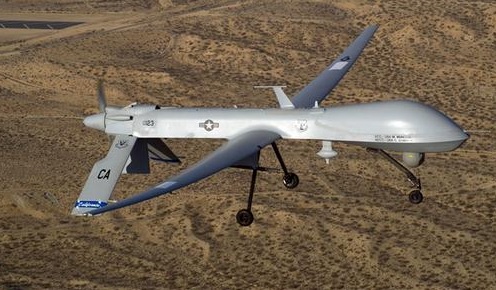
World
Germany’s armed forces are preparing for one of the most significant technological transformations in their modern history, unveiling an ambitious plan to expand the Bundeswehr’s unmanned aerial systems (UAS) inventory from just over 600 today to more than 8,000 by 2029. The move signals a decisive shift toward making drones a core element of future combat, reconnaissance, and support operations, reflecting lessons learned from recent conflicts where unmanned systems have become indispensable. The planned expansion will span a wide range of platforms, from tiny nano-drones for close-quarter reconnaissance to loitering munitions capable of precision strikes. By 2029, Germany aims to not only have Europe’s most extensive and technologically advanced military drone fleet but also ensure these systems are upgraded continuously to keep pace with rapid advances in drone technology. A Diverse Fleet for Modern Warfare According to the internal planning framework, the Bundeswehr intends to acquire around 1,200 nano-drones designed for stealthy observation in urban areas, dense forests, or other complex terrains where traditional surveillance assets are less effective. These will be supported by more than 3,000 mini-UAS for short-range surveillance—likely successors to proven systems such as the ALADIN and FALKE, which have been key tools in past reconnaissance missions. In addition, 800 communications relay drones will enhance battlefield connectivity, enabling secure and extended command-and-control links for dispersed units in fast-moving or contested environments. The program also includes loitering munitions, which combine surveillance and strike functions, allowing German forces to detect, track, and destroy targets with high precision—mirroring tactics seen in Ukraine and the Middle East. A New Procurement Model Defence Minister Boris Pistorius has confirmed that the program is anchored in a formalized drone strategy emphasizing flexible contracting, continuous procurement cycles, and the rapid integration of new technologies. Unlike traditional acquisition processes that can take years, this approach is designed to keep the Bundeswehr’s drone capabilities constantly modernized. The plan also calls for an operational reserve equal to 20–40% of the fleet, ensuring that Germany can replace combat losses quickly, sustain high-tempo operations, and surge capacity during crises. While the budget for the program has not been disclosed, its scale suggests multi-year funding commitments and close cooperation with domestic and allied defense industries. Strategic Implications By 2029, the Bundeswehr’s drone force will be a game-changer for Germany’s military posture. Thousands of unmanned systems, integrated across multiple branches, will provide persistent surveillance coverage, faster target acquisition, and enhanced operational flexibility in both defensive and offensive missions. The integration of loitering munitions also represents a shift toward autonomous precision strike capability, allowing Germany to respond quickly to emerging threats without relying solely on manned aircraft or artillery. This aligns with NATO’s evolving doctrine for distributed, network-enabled warfare, where drones serve as force multipliers for reconnaissance, logistics, and direct engagement. Strengthening NATO’s Eastern Flank Germany’s enhanced unmanned capabilities will have direct implications for NATO’s deterrence posture, especially along its eastern flank near Russia and Belarus. By combining a large-scale operational fleet with rapid replacement reserves, Berlin positions itself to respond effectively in high-intensity conflict scenarios while maintaining readiness for prolonged deployments. Military analysts note that this program is not just about numbers—it’s about operational independence, technological adaptability, and resilience. By embedding drones deeply into its force structure, Germany is preparing for a battlefield environment where speed, situational awareness, and precision strikes define success.
Read More → Posted on 2025-08-14 15:41:45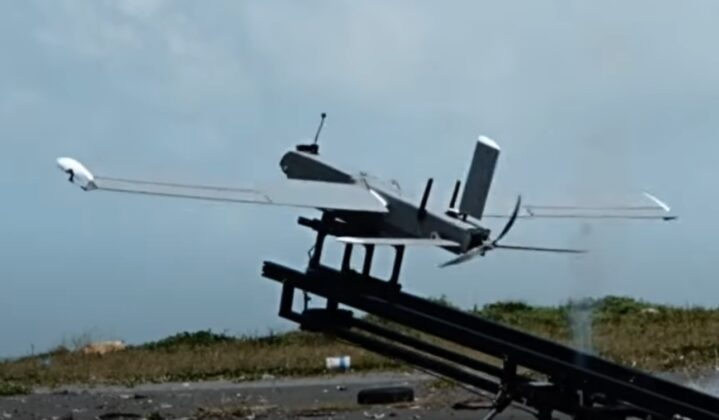
World
Taiwan’s Ministry of National Defense has unveiled a new generation of multi-role unmanned aerial systems designed to enhance the country’s ability to respond to potential threats from a stronger adversary. Developed at the state-run Plant 202 in partnership with private-sector manufacturers, the program focuses on mass production, affordability, and versatility — all key elements in the island’s asymmetric warfare strategy. The new lineup includes a fixed-wing strike drone capable of carrying explosives to ram into long-range targets, functioning as a precision-guided loitering munition. One of the standout designs is a lightweight plywood-built attack drone, featuring a rectangular airframe made from durable wooden panels. This simple but effective construction allows for rapid manufacturing at low cost, following a trend seen in the Ukraine-Russia war, where both sides have used wooden drones to evade radar detection and keep expenses low. Alongside these, Taiwan’s arsenal now includes bomber-style multirotor drones capable of carrying and releasing mines or small munitions on enemy positions with pinpoint accuracy. Officials say these systems can be deployed for both reconnaissance and strike missions, allowing seamless cooperation between ground, naval, and air units. The emphasis on combining intelligence gathering and firepower into a single platform means fewer drones can accomplish more tasks, reducing logistical burden in wartime. Every model in the new fleet has undergone complete field testing with Taiwan’s armed forces, ensuring readiness for immediate deployment. The drones are designed to be highly mobile and easily concealable, allowing units to relocate quickly, operate from improvised launch sites, and survive in a contested battlespace where traditional aircraft may be too vulnerable. Military experts note that Taiwan’s focus on small, expendable, and domestically produced drones is a direct response to China’s growing military pressure. Large, high-value systems can be easily targeted in a conflict, but fleets of inexpensive drones offer the ability to overwhelm defenses, conduct surprise attacks, and provide persistent surveillance without risking expensive manned aircraft. The Ministry of National Defense described the project as a critical step toward strengthening Taiwan’s indigenous defense capabilities. By ensuring local manufacturing and supply chains, the program aims to keep production resilient during a crisis, allowing the military to quickly replenish losses and adapt designs to emerging threats. With tensions across the Taiwan Strait remaining high, these new drones are expected to play a central role in deterrence and rapid-response operations, giving Taiwan’s forces a cost-effective edge in the face of a much larger opponent.
Read More → Posted on 2025-08-14 15:05:11
India
In a fresh boost to India’s naval capabilities and indigenous shipbuilding drive, Garden Reach Shipbuilders and Engineers (GRSE) Ltd has handed over the Survey Vessel (Large) Ikshak to the Indian Navy. The delivery marks yet another milestone for the shipyard, which has built and delivered more warships for the Navy than any other yard in the country. ‘Ikshak’, meaning “Guide,” is the third vessel in a series of four Sandhayak-class SVLs designed for detailed hydrographic surveys. The first of the class, INS Sandhayak, joined the Navy in December 2023, followed by INS Nirdeshak in October 2024. The fourth and final vessel is currently under construction. Notably, this handover comes less than a month after GRSE delivered the advanced guided missile frigate Himgiri, underscoring the shipyard’s high production pace. At 110 metres long, the Ikshak is one of the largest survey platforms ever built in India. It is also the 802nd ship and the 113th warship to roll out of GRSE’s docks, making it the 75th warship delivered to the Indian Navy by the shipyard since their partnership began in 1961 with the indigenous warship INS Ajay. Over the decades, this collaboration has transformed the Navy from a “buyer” of warships to a self-reliant builder, in line with the government’s Atmanirbhar Bharat vision. Advanced Hydrographic Capabilities The Ikshak is equipped with sophisticated survey systems to conduct full-scale coastal and deep-sea hydrographic surveys, including mapping port approaches, navigation channels, and offshore routes. The data gathered will be used not only for naval operational planning but also to update maritime charts for commercial shipping. The vessel can also undertake maritime limit surveys and collect oceanographic and geographical data critical for defence purposes. Multi-Role Functionality The SVL class can carry a helicopter, perform low-intensity combat missions, and be quickly converted into a hospital ship for medical emergencies. Its design also supports Humanitarian Assistance and Disaster Relief (HADR) operations, making it a vital tool during natural disasters. Powered by two marine diesel engines and equipped with fixed-pitch propellers along with bow and stern thrusters, the vessel can manoeuvre with precision at low speeds—essential for accurate survey work. Built using Integrated Construction technology and adhering to Indian Register of Shipping (IRS) standards, the Ikshak stands as an example of modern naval engineering. Looking Ahead GRSE is currently building 14 more warships for the Indian Navy, including two Project 17A advanced guided missile frigates, one more SVL, seven anti-submarine warfare shallow water crafts, and four next-generation offshore patrol vessels. The delivery of Ikshak reinforces India’s maritime mapping strength at a time when accurate and rapid hydrographic data is increasingly vital for both strategic and commercial reasons. With this addition, the Navy is better positioned to maintain secure sea lanes, support maritime trade, and respond effectively to challenges across the Indian Ocean region.
Read More → Posted on 2025-08-14 15:00:46
World
German drone maker Quantum Systems is in the final stages of developing a new unmanned aerial system in Ukraine, code-named Sparta, designed to act as a “drone mothership” capable of carrying and deploying multiple drones during missions. Serial production is expected to begin before the end of this year, marking a significant step in Europe’s growing push to enhance battlefield drone capabilities. Sparta’s primary advantage lies in its ability to transport and launch smaller drones directly over operational zones, extending their effective range and reducing the time needed to reach targets. The system can be pre-positioned in strategic areas, allowing rapid deployment without the delay of flying from distant bases. This approach is increasingly important in modern warfare, where quick reaction and precision strikes can determine mission success. The platform’s design includes a long, slender fuselage, extended wings, a V-shaped tail, and a rear-mounted electric pusher propeller. Unlike the company’s vertical takeoff and landing drones, Sparta uses a catapult launch system to increase lift capacity and is recovered through a controlled belly landing. During production, certain design elements—such as the landing system—may still be refined to improve durability and efficiency. Sparta is built to be highly versatile, featuring modular attachment points on each wing for carrying a variety of payloads, including surveillance sensors, communication relays, or additional drone units. With a maximum takeoff weight of 23 kilograms and an empty weight of 8 kilograms, the system offers a flight radius of 200 kilometers and endurance of six to eight hours—giving it the ability to loiter over target areas for extended periods. The development comes at a time when Ukraine is actively integrating advanced drone technologies into its defense strategy, both to counter long-range threats and to enhance reconnaissance capabilities in contested zones. Platforms like Sparta could enable Ukrainian forces to launch coordinated drone swarms, conduct deep reconnaissance, or deliver precision strikes far behind enemy lines. Analysts note that the “drone mothership” concept mirrors emerging trends in military technology, where a single larger UAV acts as a carrier and controller for multiple smaller drones, creating a networked aerial force. This not only expands the reach of operations but also makes it harder for adversaries to predict attack patterns. With final testing underway, Sparta’s introduction into active service later this year could mark one of the most notable advancements in Ukraine’s drone warfare capabilities—providing a blend of long endurance, modular versatility, and multi-drone deployment in a single platform.
Read More → Posted on 2025-08-14 14:55:30Search
Top Trending in 24 Hours
-
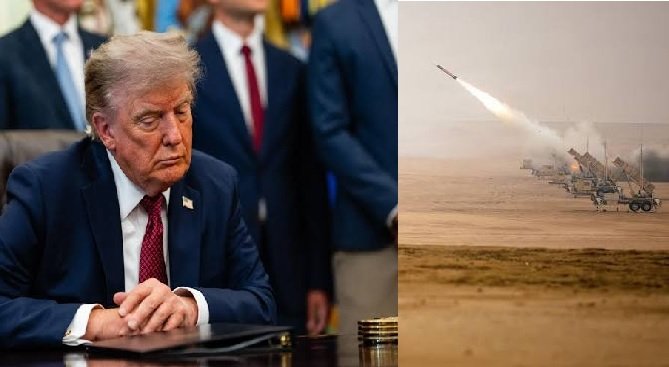 President Trump Pauses Plans to Expand U.S. Strikes on Iran Amid Concerns Over Air Defense Missile Stocks
-
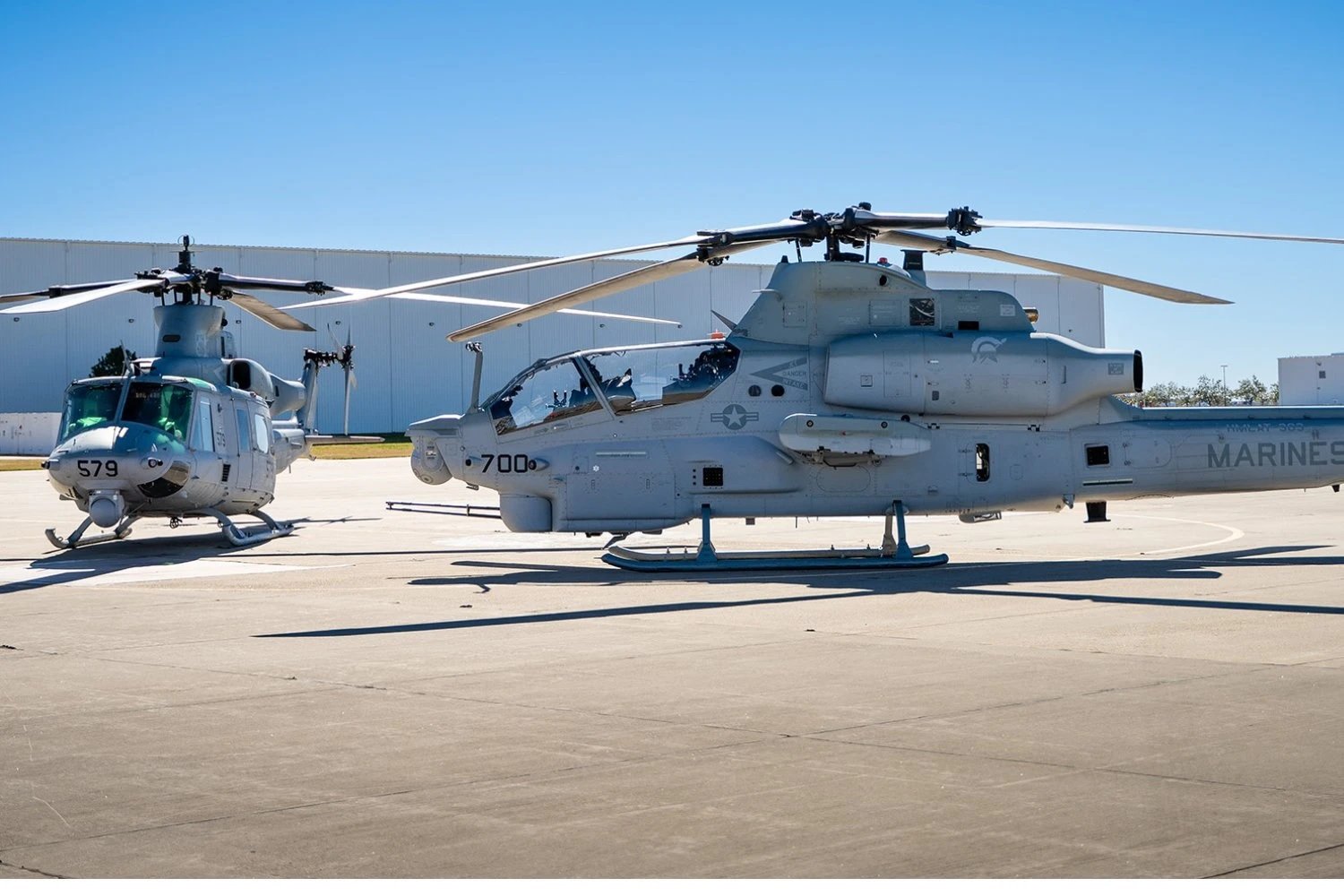 U.S. Awards Bell Textron $33.64 Million Contract for Next Phase of Marine Corps AH-1Z and UH-1Y Helicopter Upgrades
-
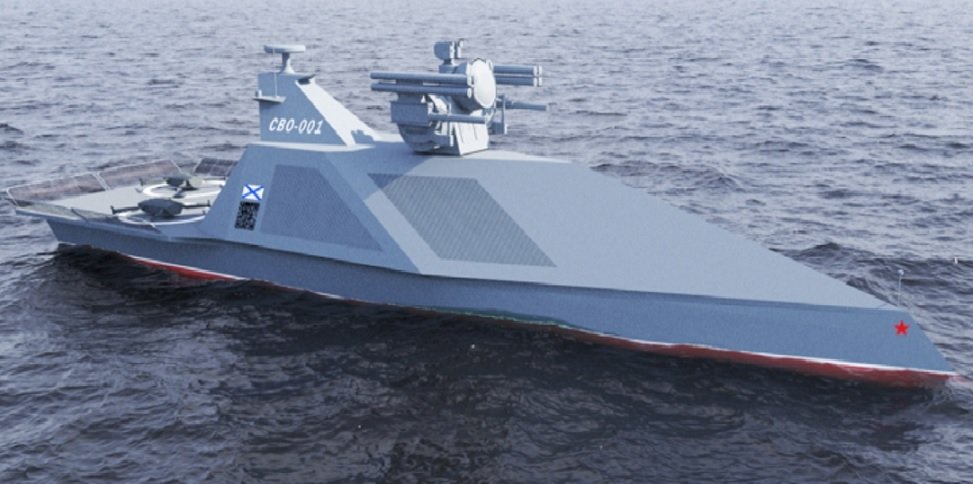 Russia Builds 500-Ton Unmanned Warship For Anti-Submarine Warfare, Plans New 9,500-Ton Warship, Navy Chief Says
-
 Unreleased Footage Reveals Why Lindsey Graham Dropped Plan to Push Trump on Hezbollah Strikes
-
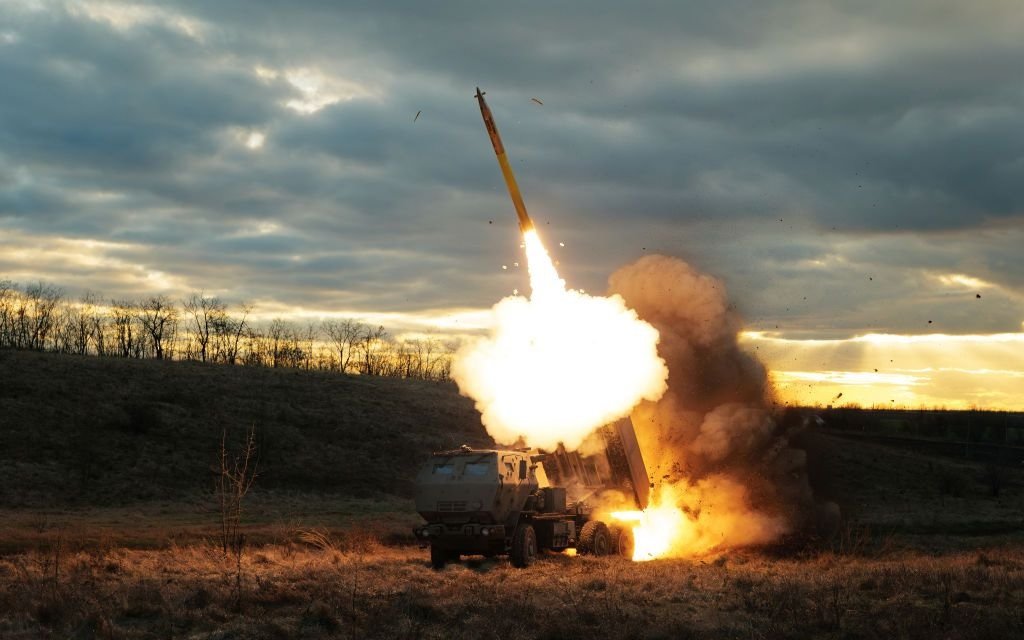 U.S. Military Selectively Intercepts Iranian Missiles to Preserve Shrinking Air Defense Stocks : Report
-
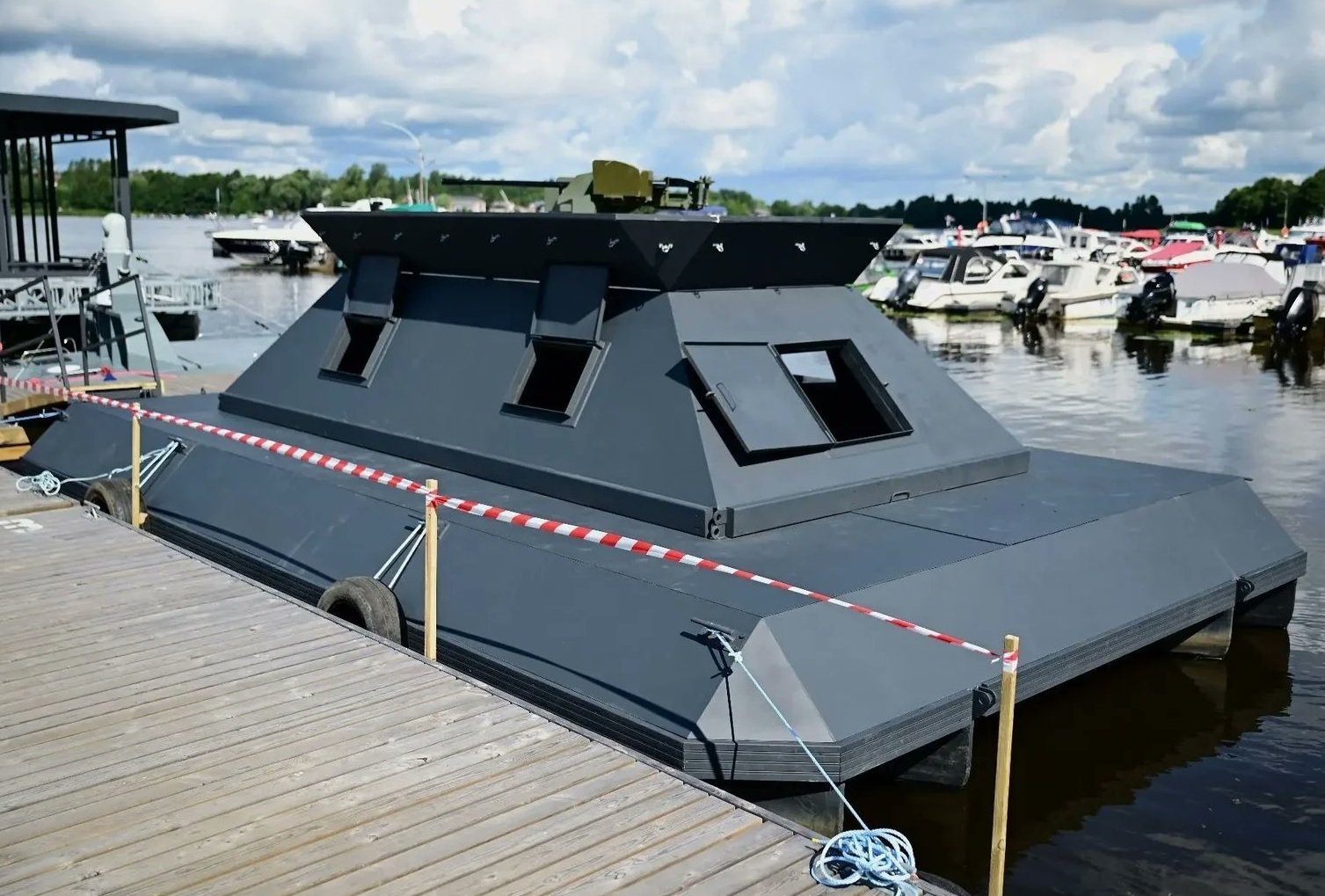 Russia Unveils Experimental Plot-40 Floating Defense Platform to Counter Drone and USV Threats
-
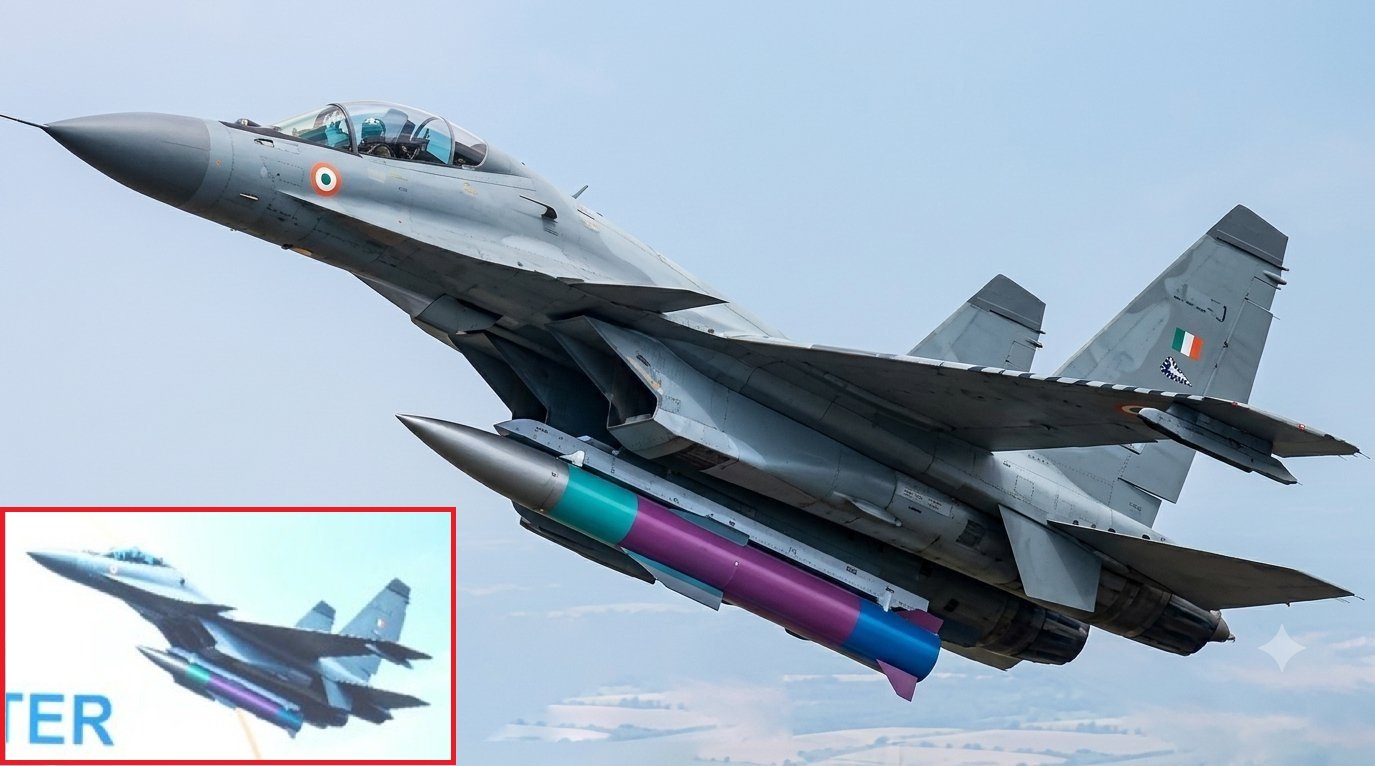 DRDO Developing Long-Range Air-Launched Ballistic Missile for Su-30MKI, Rudram-4 Seen as Likely Candidate
-
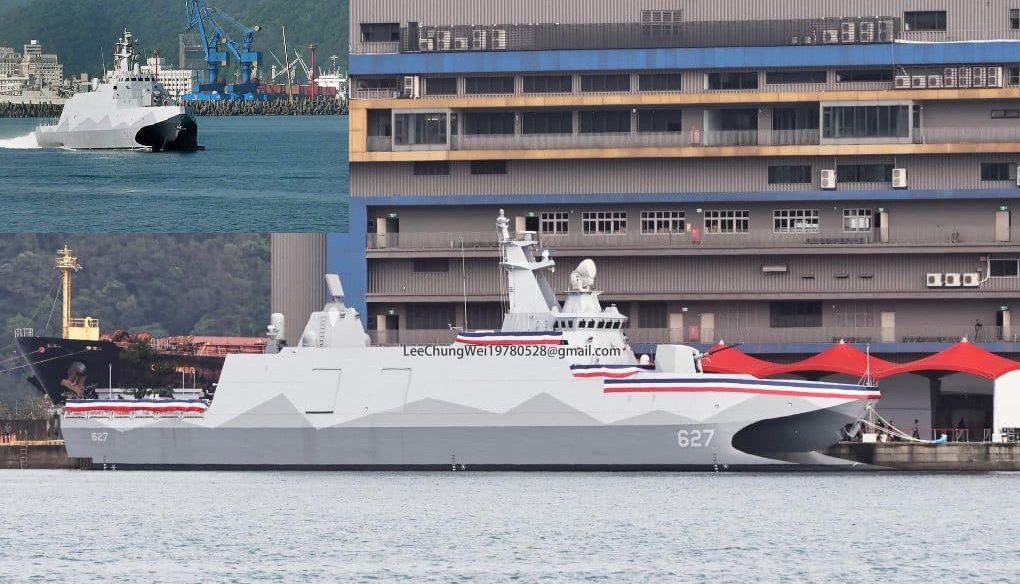 Taiwan Commissions First Batch 2 Tuo Chiang-Class Corvette with New Leonardo Radar
Top Trending in 4 Days
-
 U.S. Navy Awards Northrop Grumman $1.2 Billion Deal for Three New E-2D Advanced Hawkeyes
-
 U.S. Airstrikes Target IRGC Missile Base Near Taft as Overnight Strikes Hit Central Iran
-
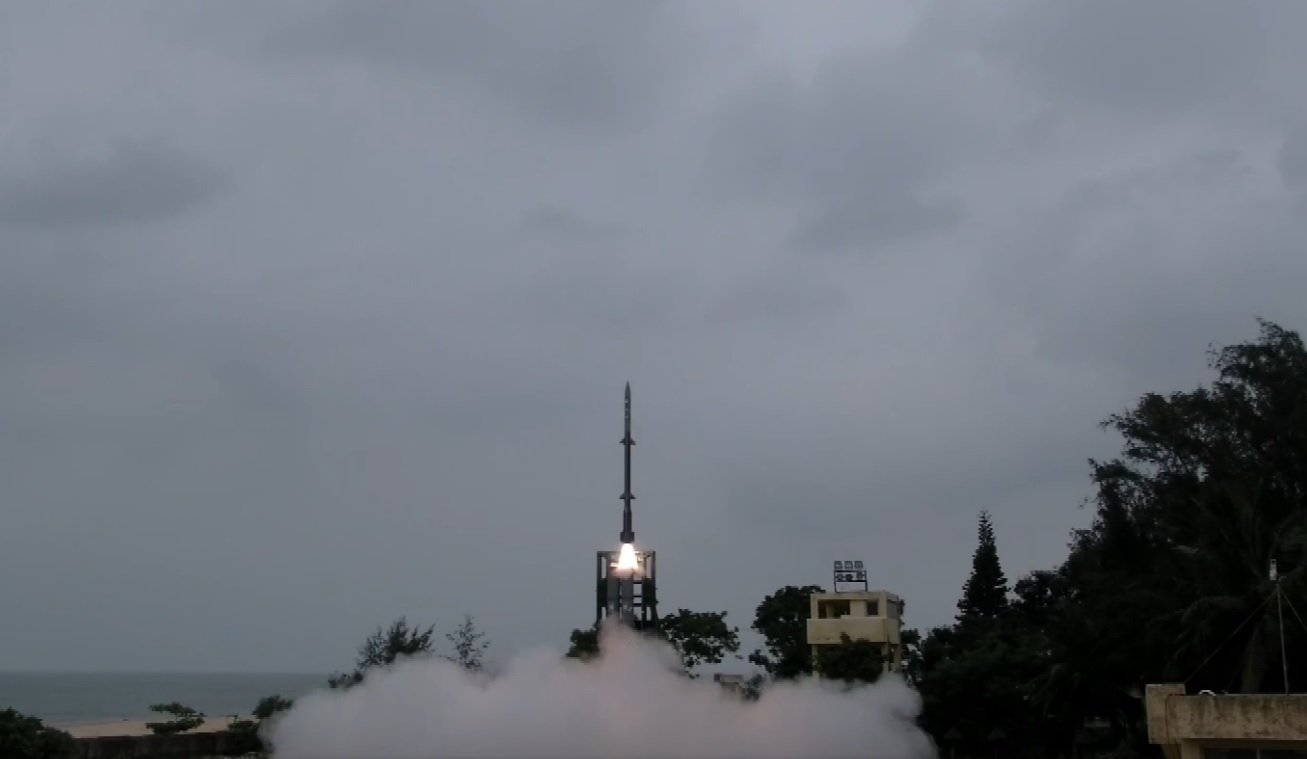 DRDO Successfully Conducts Maiden Flight Test of 150-km-Range Kusha M1 Air Defence Missile
-
 Kuwait and Bahrain Reportedly Launch First Joint Direct Airstrikes on Iran Since War Began : Report
-
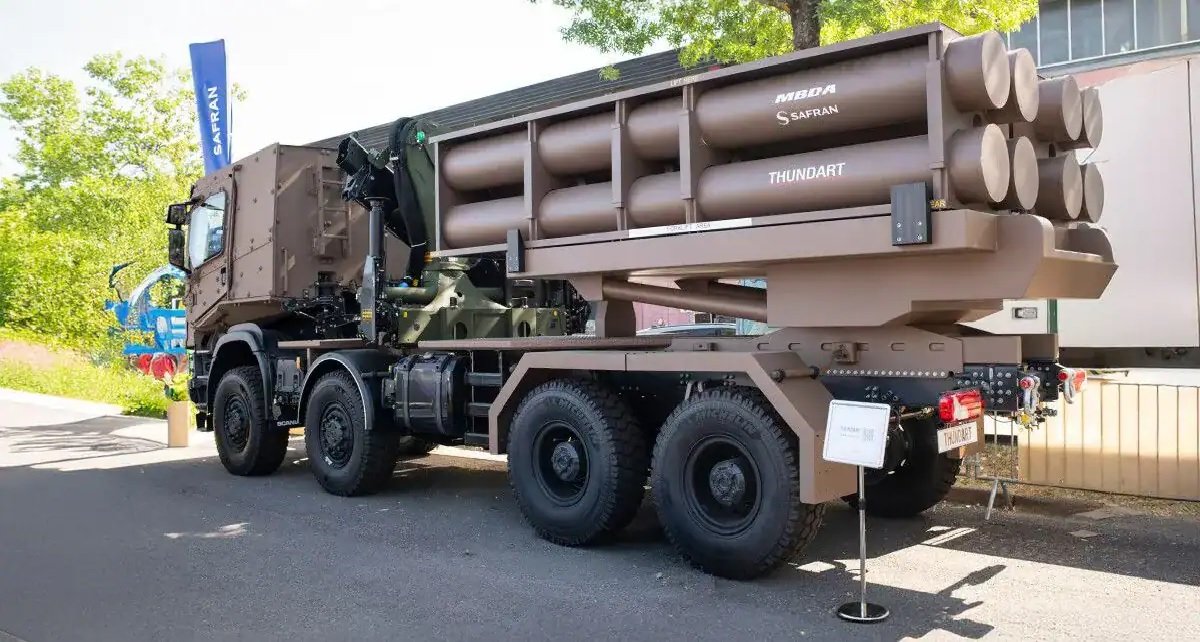 France's THUNDART Long-Range Rocket System May Undergo Prototype Combat Testing in Ukraine
-
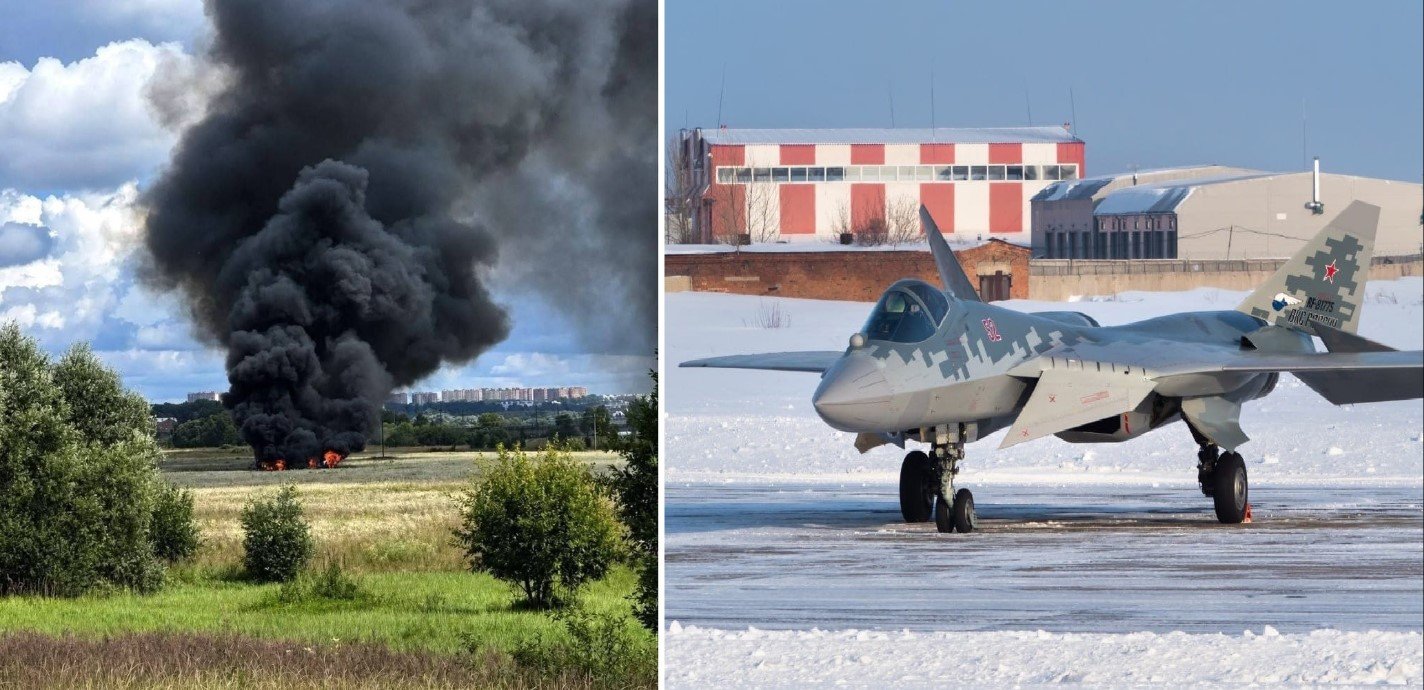 Russian Su-57 Stealth Fighter Crashes During Training Flight Near Moscow, Pilot Ejects Safely
-
 Australia Commits Additional AUD 4.6 Billion to Expand Osborne Shipyard for AUKUS Submarines
-
 Destinus Unveils Vorexon Interceptor Concept to Defend Critical Sites from Artillery Threats
