McLEAN, Va., — May 4, 2026 : Booz Allen Hamilton has been awarded an Other Transaction Authority (OTA) agreement by the U.S. Space Force through its Space Systems Command to develop a prototype for the Space-Based Interceptor (SBI) program. The effort supports the broader “Golden Dome for America” initiative, a space-based missile defense architecture designed to counter evolving global threats to the U.S. homeland.
Contract Structure and Program Scope
The agreement was issued under the OTA framework, a contracting mechanism that allows the Department of Defense to bypass traditional procurement processes in order to accelerate the development and delivery of advanced capabilities. This approach enables collaboration with both established defense contractors and newer entrants while maintaining flexibility and speed in acquisition.
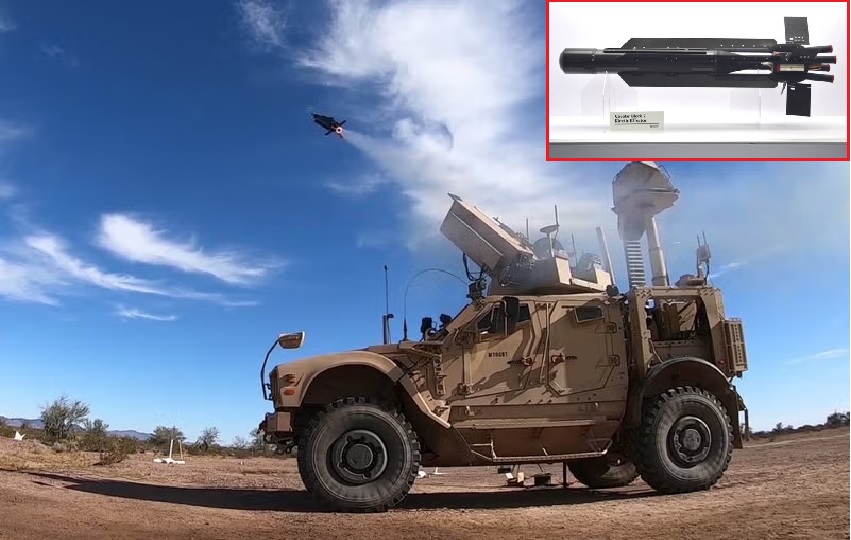
The Space-Based Interceptor program focuses on building a proliferated constellation of interceptors in Low Earth Orbit (LEO). These systems are intended to detect, track, and neutralize a range of missile threats, including ballistic, hypersonic, and cruise missiles. The interceptors are being designed to operate across multiple engagement phases—boost, midcourse, and glide—enhancing response time and coverage compared to existing ground- and sea-based systems.
The program originates from policy direction outlined in Executive Order 14186, issued on January 27, 2025, which identified advanced missile threats as a major national security concern and called for expanded space-based defense capabilities.
Technology Integration and Development Approach
Booz Allen Hamilton is tasked with engineering a prototype that integrates advanced software, artificial intelligence, and command-and-control capabilities. The development of space-based interceptors requires rapid data processing, persistent situational awareness, and automated decision-making systems to respond effectively to high-speed and maneuverable threats.
Angela Wallace, executive vice president at Booz Allen Hamilton, stated that the company has invested over the past decade in space-based missile defense technologies and is positioned to deliver capabilities aligned with the Golden Dome mission. She noted the company’s ongoing partnership with the U.S. government in advancing homeland defense systems.
Katie Carr, an engineering director within the company’s national security division, highlighted the role of software and AI in shaping the prototype. She emphasized that combining command-and-control experience with advanced digital solutions allows for a performance-focused approach to the SBI mission.
Booz Allen Hamilton has more than 60 years of experience supporting defense, intelligence, and civil space programs and is a major provider of artificial intelligence solutions to the U.S. federal government.
Broader Industry Participation
The contract awarded to Booz Allen Hamilton is part of a wider competitive effort led by the Space Systems Command to develop the Golden Dome architecture. Between late 2025 and early 2026, a total of 20 OTA agreements were issued to 12 companies, with a combined potential value of up to $3.2 billion.
Participating organizations include Anduril Industries, General Dynamics, GITAI USA, Lockheed Martin, Northrop Grumman, Quindar, Raytheon, Sci-Tec, SpaceX, True Anomaly, and Turion Space.
The OTA model is being used to maintain competition and accelerate innovation across both traditional defense primes and emerging aerospace firms.
Timeline and Funding
The U.S. Space Force aims to demonstrate an initial operational capability for the Space-Based Interceptor system integrated into the Golden Dome architecture by 2028. The program is managed within Space Systems Command, with its program office located at Redstone Arsenal in Huntsville, Alabama.
According to defense planning documents, the Fiscal Year 2027 budget request includes approximately $17.5 billion for the Golden Dome initiative. Of this, $14.2 billion is allocated for research and development, with a significant portion directed toward the proliferated layer of space-based interceptors.
Strategic Context and Challenges
The Golden Dome initiative reflects a broader effort by the U.S. government to modernize missile defense systems through a layered architecture that incorporates space-based assets. The system is intended to improve detection, tracking, and interception capabilities against increasingly advanced missile technologies.
Michael Guetlein, who has been designated to oversee the Golden Dome effort, has noted in congressional discussions that intercepting missiles during their boost phase remains a complex and resource-intensive challenge. Despite these technical hurdles, defense officials have indicated that the program is progressing under an accelerated timeline to address emerging threats.
Bryon McClain, the space combat power program executive officer, has previously stated that rapid acquisition strategies are necessary to keep pace with the speed and sophistication of adversary missile systems.
——— End of Article ———