KYIV / YEREVAN, — May 3, 2026 : Volodymyr Zelensky and Petteri Orpo held bilateral discussions in Yerevan, Armenia, resulting in Finland pledging an additional $300 million in military assistance to Ukraine. The meeting, confirmed through official video releases on Ukrainian government channels, reflects continued expansion of Nordic support for Kyiv amid the ongoing war.
Aid Package Focused on Air Defense Capabilities
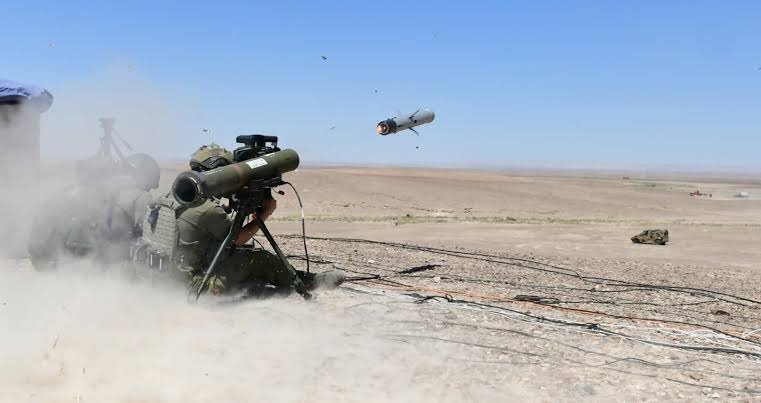
According to Ukrainian officials, the newly announced funding will be directed toward strengthening critical elements of Ukraine’s defense infrastructure, with a primary emphasis on air defense systems. The allocation aligns with Ukraine’s ongoing requirement to counter aerial threats, including missile and drone attacks.
The focus on air defense also reflects broader regional cooperation trends among Nordic countries. Previous initiatives have included the deployment of the NASAMS (National Advanced Surface-to-Air Missile System), developed by Kongsberg Gruppen, which was formally integrated into Ukraine’s defense framework following documentation by the Verkhovna Rada in May 2023.
While specific procurement details under the new $300 million package have not been publicly disclosed, Ukrainian authorities indicated that funding will support systems designed to improve interception capabilities against a range of airborne threats.
Proposed “Drone Deal” to Expand Defense Collaboration
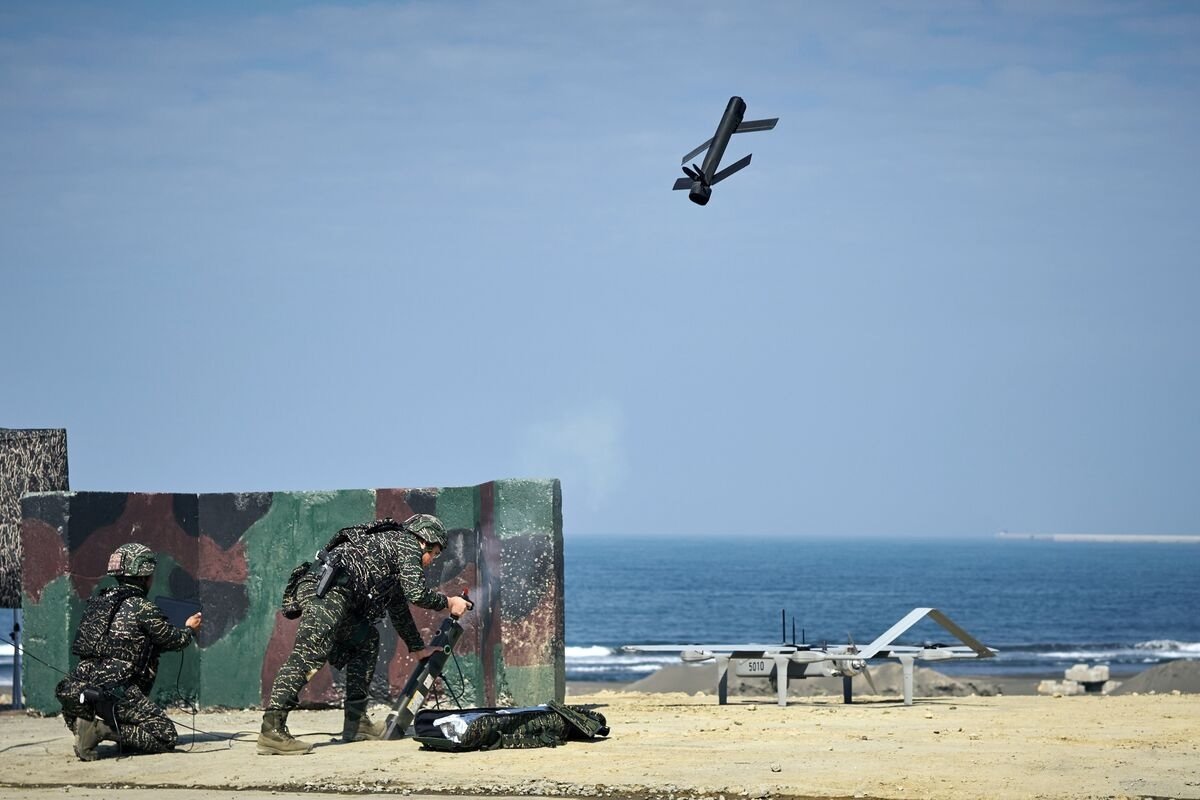
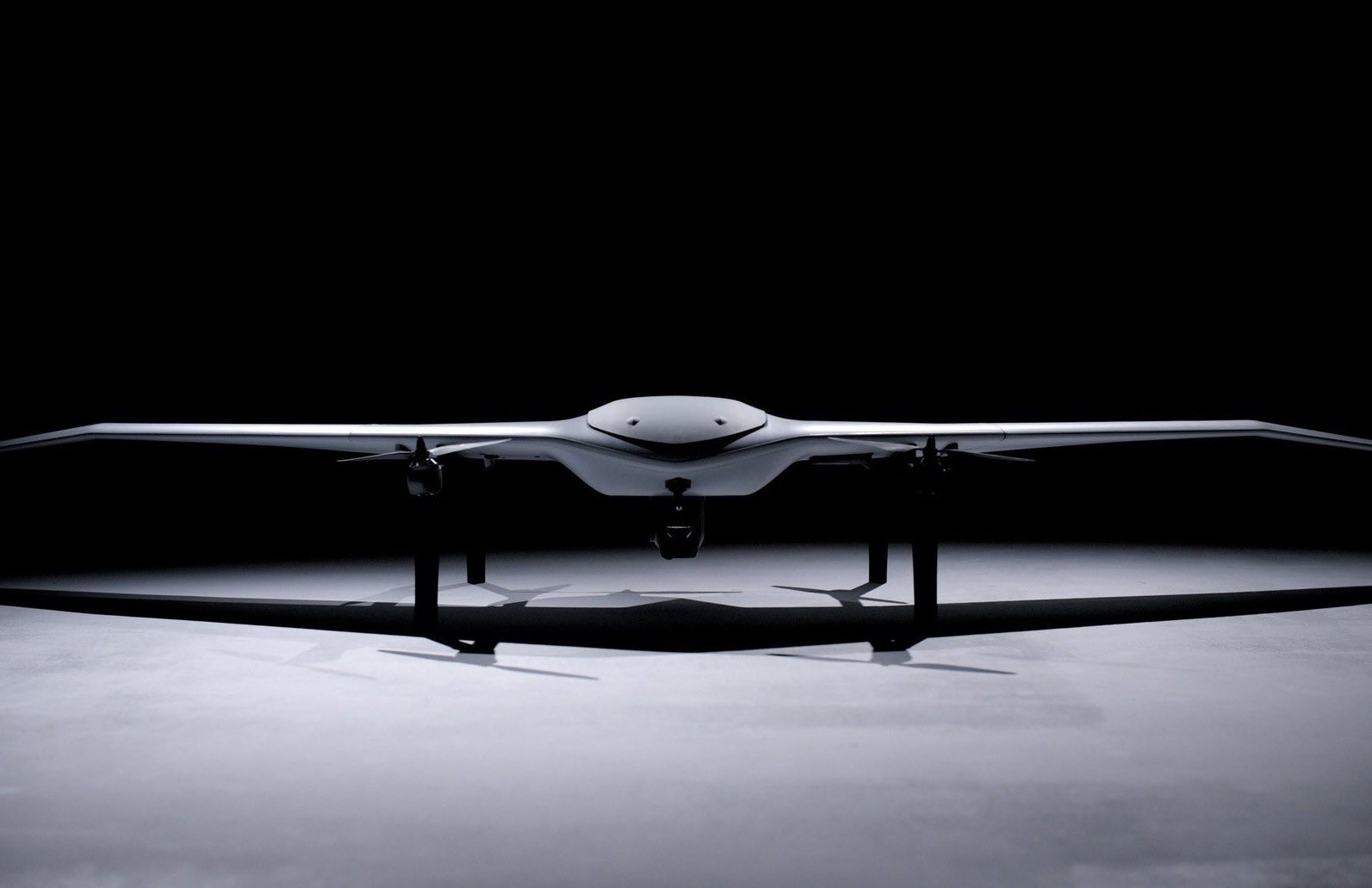
During the meeting, President Zelensky introduced a proposal for a bilateral agreement referred to as the “Drone Deal.” The initiative is designed to deepen cooperation between Ukraine and Finland in the development, testing, and production of unmanned aerial and ground systems.
Ukrainian officials stated that Kyiv is prepared to share operational battlefield experience related to drone deployment, including tactical usage and system optimization under combat conditions. This exchange is intended to support technological advancement in partner countries while strengthening Ukraine’s defense industrial collaboration with allied nations.
The proposed framework represents a shift from traditional military aid toward joint development and co-production models, particularly in areas where Ukraine has gained extensive real-world operational experience since the escalation of the conflict.
Unreported Deployment of Sisu GTP Armored Vehicles
Parallel to the diplomatic engagement, Finnish-made Sisu GTP 4×4 armored vehicles have recently entered service with Ukraine’s Special Operations Forces. The vehicles are manufactured by Sisu Auto and are classified as mine-resistant ambush-protected (MRAP) infantry mobility platforms.
The Sisu GTP platform features a modular chassis designed for adaptability across multiple mission roles and is optimized for high-mobility operations in challenging terrain. Built on a chassis derived from the Mercedes-Benz Unimog platform, the vehicle is engineered to withstand high-risk combat environments, including mine and improvised explosive device (IED) threats.
The presence of these vehicles in Ukraine has drawn attention from defense analysts, as Finland had not previously announced their transfer in official military aid packages. Observers suggest that the vehicles may have been supplied indirectly through third-party channels rather than through direct bilateral delivery.
Sweden Identified as Possible Transfer Channel
One potential intermediary identified by analysts is Sweden, which maintains a joint procurement framework with Finland for ground mobility systems. Sweden has recently placed an order for more than 300 Sisu GTP vehicles to equip its own armed forces, raising the possibility that some units may have been redirected or transferred onward to Ukraine.
Such indirect supply arrangements have been observed in previous defense transfers, particularly when donor countries seek to manage operational security or political sensitivities surrounding military aid disclosures.
Expanding Scope of Finland’s Military Support
The newly announced $300 million package adds to Finland’s ongoing military assistance to Ukraine, which has included multiple aid tranches addressing a range of operational requirements. The latest commitment further underscores Helsinki’s continued role in supporting Ukraine’s defense capabilities.
In addition to financial aid and equipment transfers, the proposed Drone Deal indicates a growing emphasis on collaborative defense innovation. Ukrainian officials view such partnerships as critical to sustaining long-term military readiness and strengthening allied defense industries.
No additional technical specifications or delivery timelines related to the latest aid package have been released at this stage.
——— End of Article ———