
World
Defense News ,Russia :- In recent developments, revelations from the U.S. Congress and administration have shed light on Russia's advancement in developing a new nuclear anti-satellite weapon. Despite the partial nature of these disclosures, they underscore a looming threat to both military and civilian satellites, not only in the U.S. but globally. The details remain obscured, leaving questions about the operational mechanics of this potential space system armed with a nuclear warhead or propelled by nuclear energy. Nonetheless, either avenue, if achieved, would exponentially escalate the vulnerability of satellites, potentially violating international treaties barring nuclear weapon tests in outer space.On February 14th, the chairman of the U.S. House Permanent Select Committee on Intelligence urged President Joe Biden to declassify an intelligence report highlighting a "serious national security threat," directly linked to Russia's "destabilizing military capabilities." This appeal, coupled with leaks about a purported new space nuclear weapon or a military system with nuclear propulsion, has triggered widespread speculation about Russia's intentions and capabilities in space. While the White House has dismissed the notion of a fractional orbital bombardment system (FOBS), it indirectly confirmed the existence of a new anti-satellite weapon system (ASAT). Despite Russia's denial, these reports have been portrayed as manipulation aimed at influencing Congress to approve further military assistance to Ukraine.Russia's Strategic Approach to ASATsRussia perceives ASAT systems as integral to its strategic arsenal, envisaging their deployment in a potential conflict with the U.S. and NATO. Recognizing the dependence of the Alliance's armed forces and global economy on satellites, Russia views these assets as vulnerable points ripe for exploitation. With over 8,000 military, civilian, and dual-use satellites orbiting in low Earth orbit and a smaller number operating at higher altitudes in geostationary orbits, Russia has intensified its investments in various ASAT systems, many of which are continuations of Soviet-era projects.Parallel to preparations for the invasion of Ukraine, Russia tested an A-235 Nudol ASAT missile in November 2021, resulting in the destruction of one of its inactive satellites and generating 1,700 pieces of debris in low Earth orbit. Furthermore, amidst the conflict in Ukraine, Russia engaged in cyberattacks on Viasat terminals used by the Armed Forces of Ukraine and employed electronic jamming tactics to disrupt satellite communication and navigation. This aggressive stance extends to declaring dual-purpose satellites as legitimate military targets, posing a direct threat to systems like Starlink, which provides data services to Ukraine.ASAT and Other Strategic ProjectsThe development of a "nuclear ASAT" aligns with Russia's broader strategy of circumventing or violating arms control treaties. Projects like the Burevestnik cruise missile and Poseidon torpedo-drone, both equipped with miniature nuclear propulsion, have garnered significant attention. While Russia showcased a computer-generated animation of a FOBS attack in 2018, there's been no concrete evidence of progress or tests on such a system. Despite Russian claims, a FOBS strike wouldn't significantly enhance the efficacy of a surprise attack or circumvent U.S. missile defense systems. However, Russia's suspension of the New START treaty in February 2023 signals a disregard for arms control agreements, potentially paving the way for clandestine advancements in ASAT capabilities.Russia's New ASAT OptionsThe pursuit of a "nuclear ASAT" presents two plausible scenarios: the development of a nuclear warhead or the exploration of revolutionary technologies powered by nuclear propulsion. In the former scenario, Russia could leverage existing warhead models without the need for nuclear testing, thereby circumventing international law. Alternatively, nuclear propulsion systems offer unprecedented maneuverability in space, enabling shifts between orbits and providing a substantial energy source for offensive capabilities like lasers or electronic warfare measures. Such advancements, coupled with initiatives like the TEM Zeus space tug, could herald a new era of space-based military operations for Russia.Implications for NATOA Russian "nuclear ASAT" test, whether utilizing nuclear warheads or propulsion, carries severe repercussions for the space domain, designated by NATO as a collective defense area. The detonation of even a small-yield nuclear device in low Earth orbit could trigger an electromagnetic pulse, disrupting or destroying thousands of satellites, particularly vulnerable civilian systems. Conversely, a high-yield nuclear strike from geostationary orbit could cripple critical U.S. satellites used for intelligence and early warning, heightening NATO's vulnerability. Moreover, the deployment of a nuclear-powered ASAT complicates deterrence efforts, as existing treaties do not explicitly prohibit nuclear propulsion in space, posing a challenge in discerning the true intent behind Russian initiatives.Conclusion: Mitigating the ThreatWhile the full extent of Russia's ASAT capabilities remains shrouded in secrecy, the implications are profound for global security, necessitating a coordinated response from the international community. Efforts to curb Russia's advancements within the UN framework face significant hurdles, given the complexity of arms control negotiations and Russia's demonstrated willingness to flout agreements. In light of these developments, NATO must bolster its resilience against potential ASAT attacks, investing in countermeasures and dual-use satellite technologies. Additionally, vigilance is paramount, with heightened scrutiny of Russia's activities in space and preemptive measures to mitigate emerging threats. Failure to address these challenges could precipitate a new space arms race, further destabilizing the delicate balance of global security.
Read More → Posted on 2024-03-17 15:18:44
World
Defense News ,Israel :- Israeli Prime Minister Benjamin Netanyahu railed on Sunday against growing criticism from the United States against his leadership amid the devasting war with Hamas, saying the pressure won't stop Israel from achieving "total victory." In recent days, top officials from the US, Israel's staunchest ally which has provided key military and diplomatic support during the war, have publicly voiced their frustration with Netanyahu and his government. US President Joe Biden accused Netanyahu of hurting Israel because of the huge civilian death toll in Gaza. US Senate Majority Leader Chuck Schumer, the highest-ranking Jewish official in the country and a strong Israel supporter, then called on Israel to hold a new election, saying Netanyahu had "lost his way." Biden then expressed support for what he called Schumer's "good speech." The US also has expressed concerns about a planned Israeli assault on the southern Gaza city of Rafah, where about 1.4 million displaced Palestinians are sheltering, and support for a new round of talks aimed at securing a cease-fire in exchange for the return of Israeli hostages. The Israeli delegation to those talks wasn't expected to leave for Qatar until after Sunday evening meetings of the Security Cabinet and War Cabinet, which will give them directions for the negotiations. Despite the talks, Netanyahu made it clear Sunday he had no plans of backing down from the fighting that has already killed more than 31,000 Palestinians, according to local health officials, in the more than five months since Hamas' October 7 attack on southern Israel killed 1,200 people and left another 250 hostage in Gaza, Israeli authorities say. He said that calls for an election now - which polls show he would lose badly - would force Israel to stop fighting and would paralyze the country for six months. "If we stop the war now, before all of its goals are achieved, this means that Israel will have lost the war, and this we will not allow. Therefore, we cannot, and will not, succumb to this pressure," he said. While the international criticism was mainly directed at Netanyahu and his leadership specifically, his statement Sunday painted it as a broader attack on Israel. "No international pressure will stop us from realizing all of the goals of the war: Eliminating Hamas, freeing all of our hostages and ensuring that Gaza never again constitutes a threat to Israel," he said. He reiterated his determination to attack Hamas in Rafah and said that his government approved military plans for such an operation. "We will operate in Rafah. This will take several weeks, and it will happen," Netanyahu said. Alon Pinkas, a former Israeli consul-general in New York and an outspoken critic of Netanyahu, said that the Israeli leader's comments fit in with his efforts to find someone else to blame should Israel not achieve it's wartime goal of destroying Hamas. "He's looking on purpose for a conflict with the US so that he can blame Biden," Pinkas said. Both sides have something to gain politically from the public spat. The Biden administration has come under increasing pressure from progressive Democrats and some Arab-American supporters to restrain Israel's war against Hamas. Netanyahu, meanwhile, has used the recurrent arguments to show his base that he can withstand global pressure, even from Israel's closest ally. Israel's offensive has driven most of Gaza's 2.3 million people from their homes. A quarter of Gaza's population is starving, according to the UN. The Gaza Health Ministry said at least 31,645 Palestinians have been killed in the war. The ministry doesn't differentiate between civilians and combatants in its count, but says women and children make up two-thirds of the dead.
Read More → Posted on 2024-03-17 14:50:20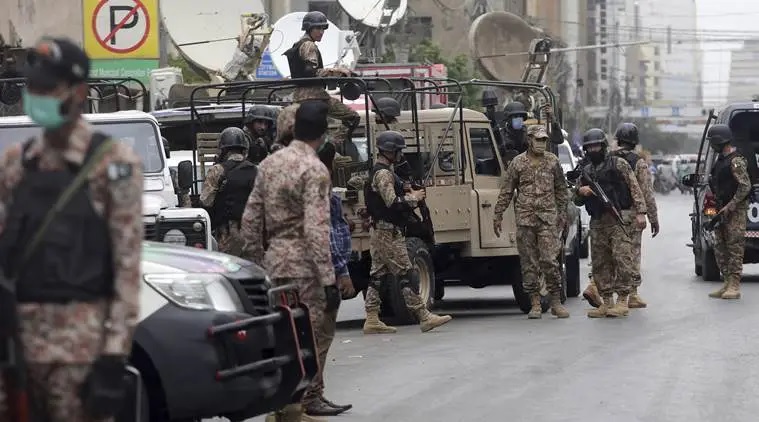
World
Defense News ,Pakistan :- In a devastating incident reported by Dawn, a heinous terror attack targeted a security forces post in the Mir Ali area of Pakistan's North Waziristan district, resulting in the loss of seven lives, including two officers, as confirmed by the Inter-Services Public Relations (ISPR). This attack, orchestrated by six terrorists, led to a fierce confrontation that ultimately cost the lives of brave soldiers and officers who valiantly defended their post.According to the ISPR, the assault unfolded in the early hours of Saturday when a group of terrorists initiated their attack by ramming an explosives-laden vehicle into the security forces post. Despite the initial onslaught, Pakistani troops thwarted the attempt of intrusion, prompting the terrorists to resort to multiple suicide bombing attacks. Tragically, the ensuing gunfight claimed the lives of five soldiers, identified as Havildar Sabir, Naik Khurshid, Sepoy Nasir, Sepoy Raja, and Sepoy Sajjad.The response from the security forces was swift and resolute. Led by Lieutenant Colonel Kashif, they engaged the terrorists in a fierce clearance operation. Through their bravery and determination, all six terrorists were neutralized. However, this valor came at a heavy cost, as Lieutenant Colonel Syed Kashif Ali and Captain Muhammad Ahmed Badar fell in the line of duty during the exchange of fire.In the aftermath, a sanitization operation was conducted to eliminate any remaining threats in the area. The loss of these gallant soldiers and officers sent shockwaves across the nation, prompting condemnation from the highest echelons of government. Prime Minister Shehbaz Sharif denounced the cowardly act of terrorism and praised the security forces for their unwavering commitment in thwarting such sinister designs. President Asif Ali Zardari offered heartfelt condolences to the families of the fallen heroes and reiterated Pakistan's steadfast resolve to eradicate terrorism.This tragic incident serves as a stark reminder of the persistent threat of terrorism faced by Pakistan. Despite efforts to maintain peace and security, the country has experienced a surge in terrorist activities, particularly in regions like Balochistan and Khyber Pakhtunkhwa. The cessation of the ceasefire between the outlawed Tehreek-i-Taliban Pakistan and the government in November 2022 has further exacerbated the situation.According to a report by the Centre for Research and Security Studies cited by Dawn, Pakistan witnessed over 1,500 violence-related fatalities and numerous injuries in 2023 alone, stemming from 789 terror attacks and counter-terror operations. The provinces of Khyber Pakhtunkhwa and Baluchistan bore the brunt of this violence, with a significant majority of fatalities and attacks occurring in these regions.In response to the escalating threat, Pakistani security forces have intensified their efforts to combat terrorism. Recent operations in Khyber Pakhtunkhwa's North Waziristan district have resulted in the neutralization of multiple terrorists. In one instance, ten terrorists were killed over two days, demonstrating the unwavering determination of the security forces to root out extremism and protect the nation's borders.Despite these efforts, the challenges posed by terrorism persist, as evidenced by the tragic events in Mir Ali. As the nation mourns the loss of its brave soldiers and officers, it also stands united in its resolve to confront and overcome the scourge of terrorism, ensuring a safer and more secure future for all its citizens.
Read More → Posted on 2024-03-17 14:31:21
World
Defense News ,Maldives :- Recently, the Defense Ministry of Maldives made a deal with Turkey to buy drones for watching over its special ocean areas. These drones have now arrived in Male, the capital city, according to a report by local news organization Adhadhu.The report mentioned that the drones were first kept at Maafaru but were later moved to Haa Dhaal Hanimaadhoo.Adhadhu also reported that the airport hangar at Maafaru was temporarily given to the Maldives National Defense Force (MNDF) to control the drones. This arrangement will last until August.These drones, called Bayraktar TB2, are made by a Turkish company. They can fly at medium altitudes for a long time and are used for tasks like watching, gathering information, and doing reconnaissance. They can even be used for attacks.Aviators Maldives, a group that follows defense news, shared a video showing the drones flying in Maafaru. The drones were being operated at Noonu Maafaru, an island in Maldives.Earlier this year, when relations between India and Maldives were strained, reports came out saying that Maldives was going to buy drones from Turkey to watch over its special ocean areas.Before this, India and Maldives used to work together to watch over this part of the Indian Ocean. But the new President of Maldives, Mohamed Muizzu, has said that Maldives will handle its own security and monitoring.This deal with Turkey for drones came shortly after Muizzu asked India to take back its soldiers from Maldives by March 15.Under Muizzu's leadership, Maldives has become closer to China. Just recently, Maldives signed a defense agreement with China for military help. According to Muizzu, this deal means Maldives will get free military equipment and training from China, which will make the country stronger and more independent.The military relationship between Maldives and China has gotten stronger since Muizzu said that after May 10, there won't be any Indian soldiers in Maldives, not even those in plain clothes.A geostrategic expert named Brahma Chellaney criticized Maldives for moving away from India. He said India has helped Maldives a lot with defense, from training to giving helicopters and planes for rescue missions. He added that Maldives is moving closer to China even though it owes a lot of money to China.Chellaney mentioned how, when Sri Lanka was in trouble economically in 2022, it was India, not China, that helped them. He said that like Sri Lanka, China owns most of Maldives' debt.
Read More → Posted on 2024-03-17 06:27:36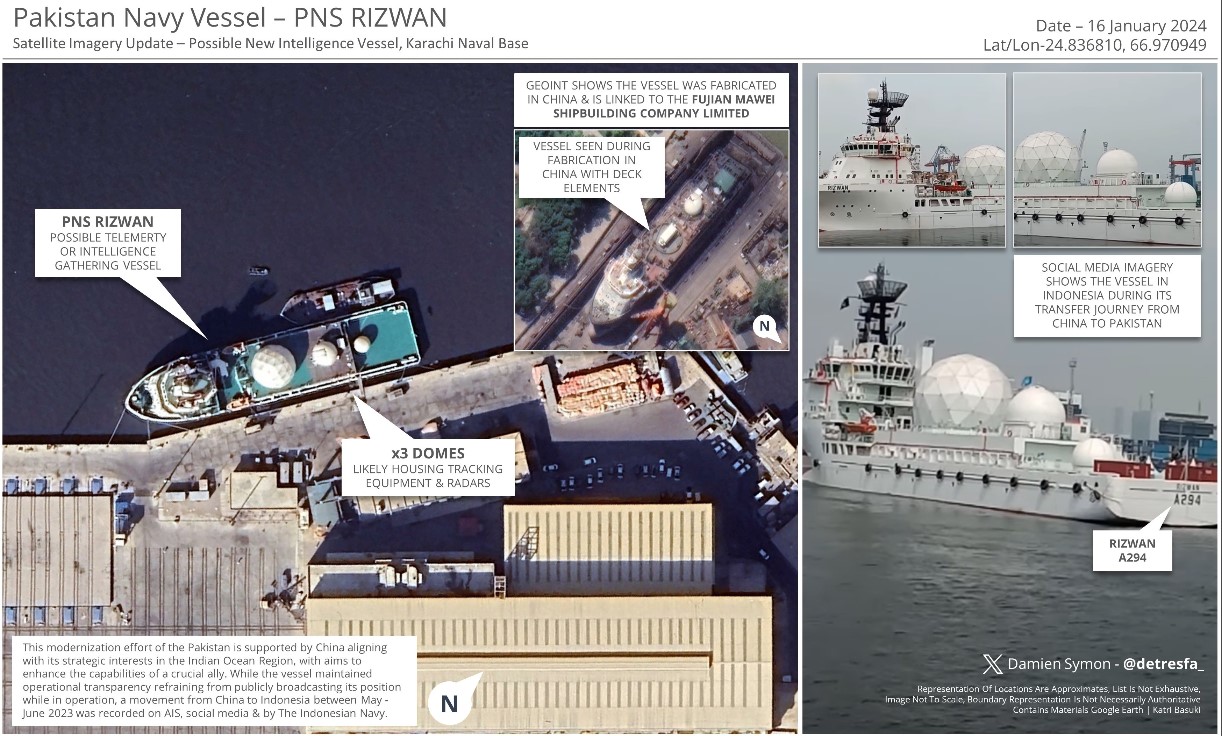
World
Defense News ,Pakistan :- A Pakistani Navy ship called PNS Rizwan (A294) was seen coming back from China, which has made people worried about security in the area.Experts think the ship might be spying in the Arabian Sea, which could make things more complicated in terms of security.Spying CapabilitiesAn organization called Open Source Naval Intelligence Tracker (OSNIT) says the ship's setup shows it might have spying abilities. The ship has radars that could track things, hinting it could gather secret information.Partnership Between China and PakistanThe PNS Rizwan was made by a Chinese company called Fujian Mawei Shipbuilding Company Limited. Some believe China's navy might have helped pay for it. This teamwork between China and Pakistan shows they are becoming closer, which makes people wonder how it affects security in the region.What Could the Ship Be Doing?Nobody knows for sure what the PNS Rizwan is up to, but experts have a couple of guesses:1. Watching India's Navy: Since the ship was close to India's west coast, Pakistan might be keeping an eye on India's navy to gather information about their plans.2. Working with Other Warships: The ship could be teaming up with other Pakistan and China warships to spy together. There aren't many places for India to test missiles on the west coast, so monitoring regular ship traffic is a possibility.What It Means for SecurityHaving a suspected spy ship in the Arabian Sea makes the area even more tense. More spying could lead to misunderstandings or accidents.If Pakistan was clearer about what the ship was doing, it might calm some of these worries down.Why We Need to Calm Things DownEveryone in the area has a reason to want things peaceful in the Arabian Sea. More military stuff and possible spying could mean more chances of fights.Talking and doing things to make the situation less tense are important to keep peace and safety in this important waterway.
Read More → Posted on 2024-03-17 06:13:10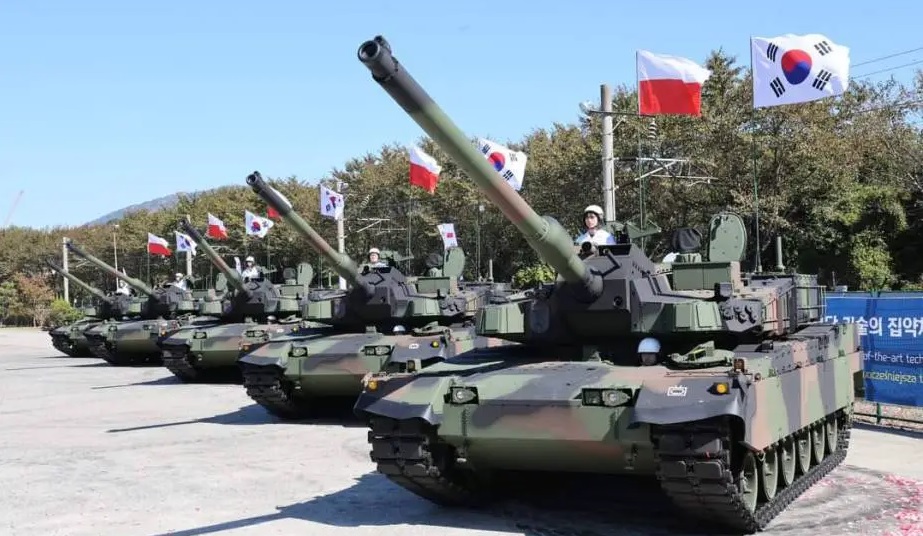
World
Defense News ,South Korea :- A few days ago, a company from South Korea called Hyundai Rotem sent three more K2 main battle tanks to Poland. Now, Poland has a total of 31 of these tanks in its army.The Polish defense agency says that Hyundai Rotem will bring more tanks by the end of March. Last year, in August, Poland made a big deal with South Korea. They agreed to buy 180 K2 tanks for $3.37 billion. All these tanks should arrive in Poland by 2025. The first ten tanks came in December 2022.In 2022, Poland made a deal for up to 1,000 tanks from South Korea. They want to make 820 tanks in Poland, based on a modified version of the K2, called the K2PL. But they haven't signed the official agreement for this yet.The South Korean government and Hyundai Rotem really want Poland to sign the new contract. They're working hard to convince the Polish government to do it.
Read More → Posted on 2024-03-17 06:04:55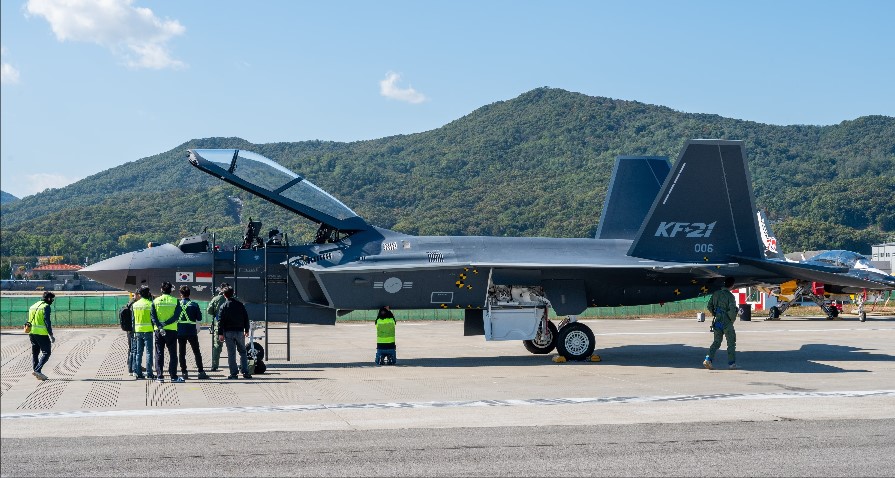
World
Defense News ,South Korea :- South Korean police raided the main office of Korea Aerospace Industries (KAI) to look into claims that two people from Indonesia leaked secrets about a fighter jet project. These engineers are accused of breaking South Korea’s Defense Acquisition Program Act and sharing information about the KF-21, South Korea’s own fighter jet project, which Indonesia is partly involved in.The raid started on Thursday and is continuing for another day, according to a spokesperson from the security investigation bureau of Gyeongnam Provincial Police.KAI, the company behind the KF-21 project, stated that they are cooperating fully with the investigation to uncover the truth.The KF-21, developed by KAI, is meant to be a more affordable alternative to the American F-35 fighter jet, which South Korea uses.An Indonesian government spokesperson mentioned that they are collecting evidence regarding these allegations.The KF-21 project is important for both South Korea and Indonesia, and they aim to solve any issues that come up as smoothly as possible, as it's a joint effort.South Korea and Indonesia had a disagreement over funding for this project in 2022 but have since promised to strengthen their defense cooperation.Some people in South Korea worry that their laws aren't strict enough to stop technology leaks from companies like KAI. To address this, last year, the Sentencing Commission decided to increase punishments for leaking technology.
Read More → Posted on 2024-03-17 05:49:59
World
Defense News ,Gulf :- Early on Sunday in the Gulf of Aden, near Yemen's port city of Aden, there was a big explosion close to a ship. It's thought that Yemen's Houthi rebels might be behind this attack, which could be their latest attempt to disrupt ships traveling through this important waterway leading to the Red Sea.The UK Maritime Trade Operations center said the ship's crew saw the explosion. Luckily, the ship wasn't damaged, and everyone on board is safe.These Houthi rebels have been causing trouble in the area for a while now. They often launch drone and missile attacks, which can disrupt the movement of oil and other goods through the Gulf of Aden.Usually, the Houthis don't claim responsibility for their attacks straight away. It usually takes them a few hours to admit that they were behind it.Meanwhile, the US military has been taking action against the Houthis too. They recently carried out strikes to destroy some of the Houthis' drone boats and drones before they could even take off from Yemen.In addition to that, one Houthi drone was shot down over the Red Sea, and another one is believed to have crashed. Fortunately, there were no reports of any ships being damaged or anyone getting hurt.The Houthis say they're attacking ships to try to pressure Israel into stopping its actions in the Gaza Strip. But most of the ships they target have nothing to do with Israel or the United States, who are involved in the conflict.Despite their attacks, the Houthis haven't been very successful in hitting their targets in Israel. Their missiles often miss or get intercepted before they can do any damage.These attacks on ships have made people pay more attention to the Houthis. They're a group of rebels who belong to a minority sect of Islam called Shiite Zaydi. They used to rule Yemen for a long time until 1962.There's a report that the Houthis might have a new kind of missile called a hypersonic missile. If that's true, it could make them an even bigger threat, especially to American and allied ships in the area.Earlier this month, a Houthi missile hit a commercial ship in the Gulf of Aden, killing three crew members. The survivors had to leave the ship. It was the first time the Houthis had killed people in one of their ship attacks.Just last month, they attacked a cargo ship carrying fertilizer. The ship sank after drifting for several days because of the damage the attack caused.So, these attacks by the Houthis are causing a lot of trouble in the Gulf of Aden, and it's making people worried about the safety of ships in the area.
Read More → Posted on 2024-03-17 05:17:29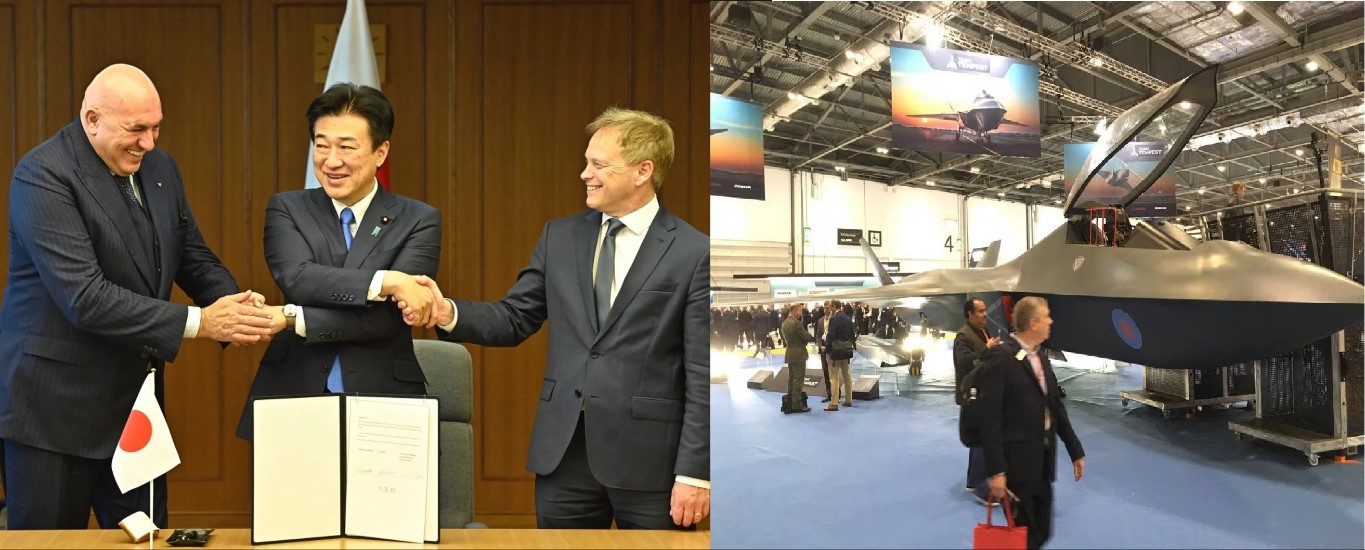
World
Defense News ,Japan :- Japan's government decided on March 15 to allow the sale of new fighter jets they're building with Britain and Italy. This means they're changing their strict rules about selling military stuff. Japan, Britain, and Italy agreed last December to work together on these jets, and they plan to finish them by 2035.Right now, Japan doesn't usually sell its military stuff to other countries. But there have been some exceptions lately.Yosuke Takagi, from the Komeito party, talked with the Liberal Democratic Party and they agreed to relax the rules for selling these jets.But before Japan can sell any jets, the cabinet has to say it's okay. Also, they can only sell them to countries that Japan has defense agreements with and aren't in any wars, according to NHK, a public news channel.A survey by Kyodo News found that almost half of the people asked think it's okay to sell the jets, but only to certain countries.
Read More → Posted on 2024-03-16 15:11:54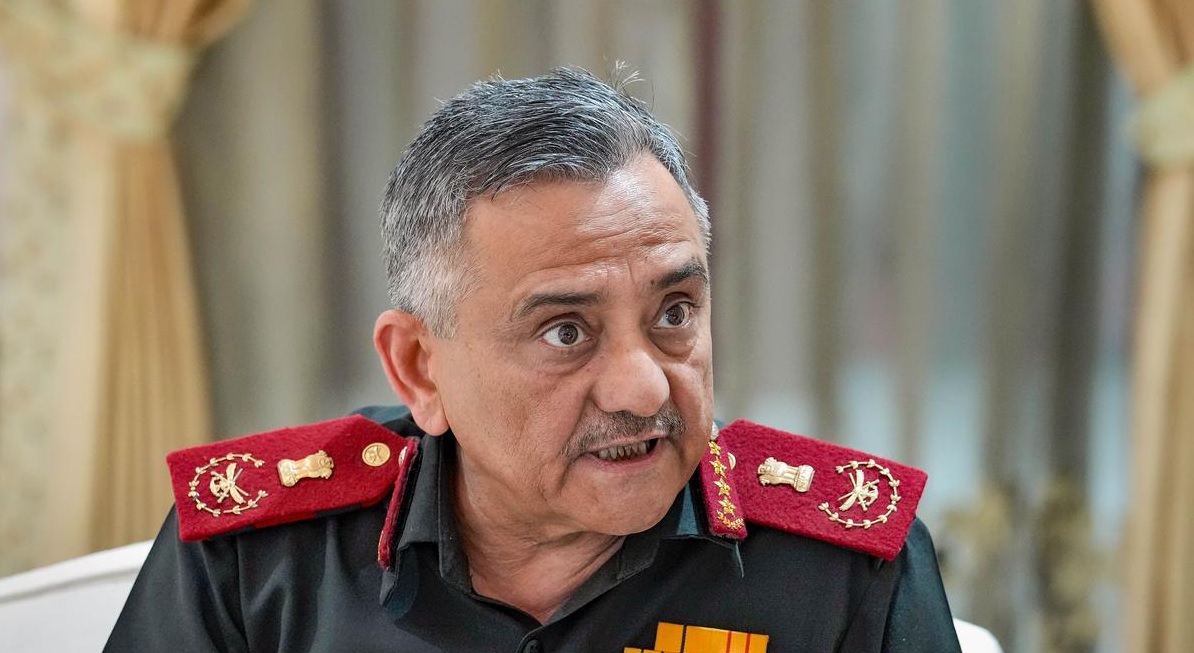
World
Defense News ,India :- Chief of Defence Staff Gen Anil Chauhan on Saturday said Pakistan may be in a kind of economic turmoil but militarily there has been "no denting" in its capabilities and its armed forces "remain a threat for us".During an interaction at a conclave here, he also said that India has resources to "take care of our borders", especially disputed borders in the north, very well.He said this in response to a question on some of the biggest security challenges for India in the 21st century during a session at India Today Conclave 2024."I think if you look at the armed forces, the biggest challenge would be mostly external (ones). And they are of immediate concern. But then external challenge also unite a nation. We have seen it in Kargil, we have seen it in Galwan," Gen Chauhan said.The interaction was on the subject of 'Vision National Security: The Challenges Before the Indian Military'."As far as the armed forces are concerned, our immediate challenge is the rise of China and the unsettled boundary problem. We have two neighbours, both adversarial to us. Both of them profess that their friendship is higher than the Himalayas and as deep as the oceans. And they are both nuclear capable," the CDS said.But both of them are predictable actually and the Indian military knows that these are the kinds of threats, he said."What is unpredictable, and for us what the biggest challenge would be, is the way warfare is changing in future. And, because of this, we will have to introduce new weapon systems, technologies and tactics and strategies are going to change. And, probably organisation systems," Gen Chauhan said."This particular path of how to predict and what paths to take right now so that we are at the right place at the right time that I think is the biggest challenge for us," he added.He was also asked if a "financially weaker Pakistan" continues to remain a threat."Pakistan may be in economic kind of turmoil and may be politically also slightly unstable, now they have a proper government. But militarily there has been no denting in its capabilities actually. And, we should.. give full marks to the adversary. That's a better way of looking at things, that is how I look at things," the CDS said."They retained their capabilities..., so, Pakistan remains a threat, you can't say that Pakistan armed forces will not remain a threat. Yes, there may be a challenge for them to fight a long war because of the current economic problems which they have. But they remain a threat for us," he added.The remarks from the top general of the armed forces comes days after the Indian military conducted the mega exercise 'Bharat Shakti' at Pokhran near the international border, where it showcased the prowess of its indigenous defence equipment and platforms.Gen Chauhan and other members of India's top military brass had also witnessed the exercise held in the field firing range located in the arid terrain of Pokhran in Jaisalmer district.As far as the border is concerned, they are "reasonably well secured", the CDS said during the conclave."We have resources to take care of our borders, especially disputed borders in the north very well," he said.The CDS also spoke about the recent testing of Agni-5 and how it will strengthen deterrence.India on March 11 successfully carried out the first flight test of the indigenously developed Agni-5 missile with multiple independently targetable re-entry vehicle (MIRV) under its 'Mission Divyastra', joining a select group of nations having such a capability.The MIRV feature ensures that a single missile can deploy multiple warheads at different locations, sources earlier said."We have a nuclear doctrine which professes, no-first use. Hence, the credibility of our deterrence has to be very, very high. This particular test actually testifies this, the credibility of our doctrine," Gen Chauhan said."When we talk about deterrence, there is an element of communication into it. That means we should be able to communicate, if you don't communicate to the adversary what you possess, then the deterrence is of no value. So, this particular test is part of a communication, so this will strengthen deterrence and I believe in the long run will promote strategic stability in the neighbourhood. But, right now it's time to congratulate the people involved and the DRDO (Defence Research and Development Organisation)," he added.The CDS also said the rise of China in an assertive nature, that is "the biggest challenge", but the only silver lining is that its rises hasn't been so peaceful.It's got large number of "like-minded nations together" and hence, for the Chinese to achieve their geopolitical aims, "would be slightly difficult", he added.Gen Chauhan said he is a strong proponent of geography as it shapes strategic outlook of nations."For us, the Himalayas have been providing security for ages actually, but of late, because of advancement of technology, you know Himalayas are no longer an impediment because you have missiles and aircraft. And, then of course breach it with advancing mobility options" the CDS said.So, to some extent, the impregnability of Himalayas I would say has diminished slightly for us. But, then of course, we have a geographical advantage of our peninsula shape which just out into the Indian Ocean flanked by two island territories which gives us a lot of strategic depth, Gen Chauhan added."And, the access to Indian Ocean Region is very, very restricted and we enjoy predominant position. So, I think we need to balance out between our continental challenge and maritime challenges," he said.Asked about the challenges the armed forces face, he said, "Our immediate challenges and problems are of course land-centric, and that is because of unsettled borders and problems with Pakistan.""While our threats may be in the continental domain, but the opportunities lie in the seas," he added.
Read More → Posted on 2024-03-16 15:07:15
World
Defense News ,Norway :- Norway's Prime Minister, Jonas Gahr Støre, says it's crucial for Norway to boost its defense. He emphasizes that both national and international security demand immediate action. This year, Norway is committed to meeting NATO's guideline of spending 2% of its Gross Domestic Product (GDP) on defense. Støre highlights that security, especially in the face of a more dangerous and unpredictable Russia, is not something to be taken lightly. He assures that Norway will play its part in contributing to European security.Increasing defense spending means the government will allocate more money from public funds to strengthen the armed forces and overall resilience. To ensure this commitment, the government plans to propose additional funding for defense in the revised national budget. This move aims to fulfill Norway's obligation to spend 2% of GDP on defense in 2024, aligning with NATO's shared ambition since 2014. Initially, Norway aimed to reach this goal by 2026 but has now accelerated its efforts.Norwegian Minister of Finance, Trygve Slagsvold Vedum, underscores that the government's primary responsibility is ensuring the security of its people. He stresses the importance of allocating more resources to security, defense, and national readiness, especially given the current global unrest. Vedum notes that defense spending has already increased by 40% since the current government took office. Introducing new measures to meet the 2% guideline will further enhance national control and security while generating job opportunities across Norway.Minister of Defence, Bjørn Arild Gram, highlights the government's ongoing efforts to maximize existing capabilities. Investments in people, competence, and infrastructure have been prioritized, alongside incremental increases in defense spending each budget year. Gram promises an ambitious long-term plan to Parliament for a more robust defense system. Continuous improvement of capabilities and investment in new technologies are also on the agenda.
Read More → Posted on 2024-03-16 14:59:51
World
Defense News ,Pakistan :- Pakistan's prices are going up fast. In just one week, the cost of things people need has gone up by 1.35%. That's a big deal for the economy, especially because it happened right after a new government was formed.Now, the yearly inflation rate is at a worrying 32.89%. That means everything is getting more expensive, and it's putting a lot of pressure on the country's money situation.Data shows that prices for 18 important things have gone up, while prices for 14 things have gone down. And 23 things haven't changed in price at all.Some of the things that got more expensive are tomatoes, bananas, eggs, and garlic. This happened right as the holy month started.For example, tomatoes now cost 30 Pakistani Rupees more per kilogram. Bananas are 34 Rupees more for a dozen, and eggs cost 19 Rupees more for a dozen.Not just food, but other things are getting more expensive too. The price for a domestic LPG cylinder is now 146.71 Rupees, making it harder for families to afford. Garlic is 22 Rupees more per kilogram, and mutton is 31 Rupees more per kilogram.Basic food items like beef, chicken, cooking oil, and flour are also pricier. Beef is 14 Rupees more per kilogram, and chicken is 6 Rupees more per kilogram.To help with this financial strain, Pakistan is talking to a big international lender about getting the last part of a loan program. It's a big loan, worth 1.1 billion US dollars. At the same time, they're also asking for a new deal that would give them more time to pay back the money.Overall, Pakistan might ask for another loan worth 6 to 8 billion US dollars to help manage the high costs.
Read More → Posted on 2024-03-16 14:43:59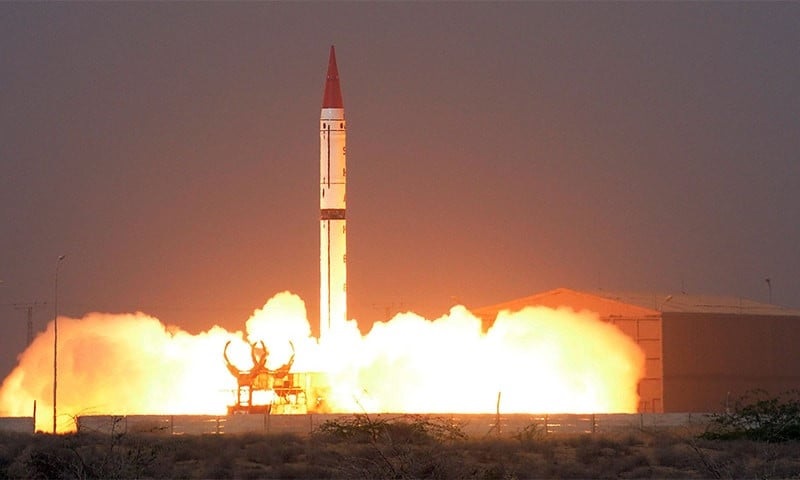
World
Defense News ,Pakistan :- Dr. Zafar Nawaz Jaspal, a professor and analyst from Pakistan, recently talked about how Pakistan sees India's latest missile test. India tested a missile called Agni-V with something called Multiple Independently Targetable Reentry Vehicle (MIRV) technology.Dr. Jaspal, in an article for Arab News, worries about what this test means for Pakistan's safety. He says that this MIRV technology makes India more powerful. It means India can hit cities like Beijing, Shanghai, and Islamabad with just one missile.He points out that India could already attack anywhere in Pakistan with its current missiles. But with MIRV, it gets trickier. Now, one missile can carry many warheads, making it harder for Pakistan to defend itself.Dr. Jaspal says there's a danger of both countries starting a missile race. India's defense systems are getting better, which could make Pakistan want to make its own MIRV technology. This could make the region less safe.He ends by saying that India's new technology might make Pakistan speed up its own missile program, like Ababeel. This program aims to give Pakistani missiles MIRV capabilities. Dr. Jaspal thinks it's important for both countries to be on equal footing to avoid conflict and keep the region stable.
Read More → Posted on 2024-03-16 14:35:54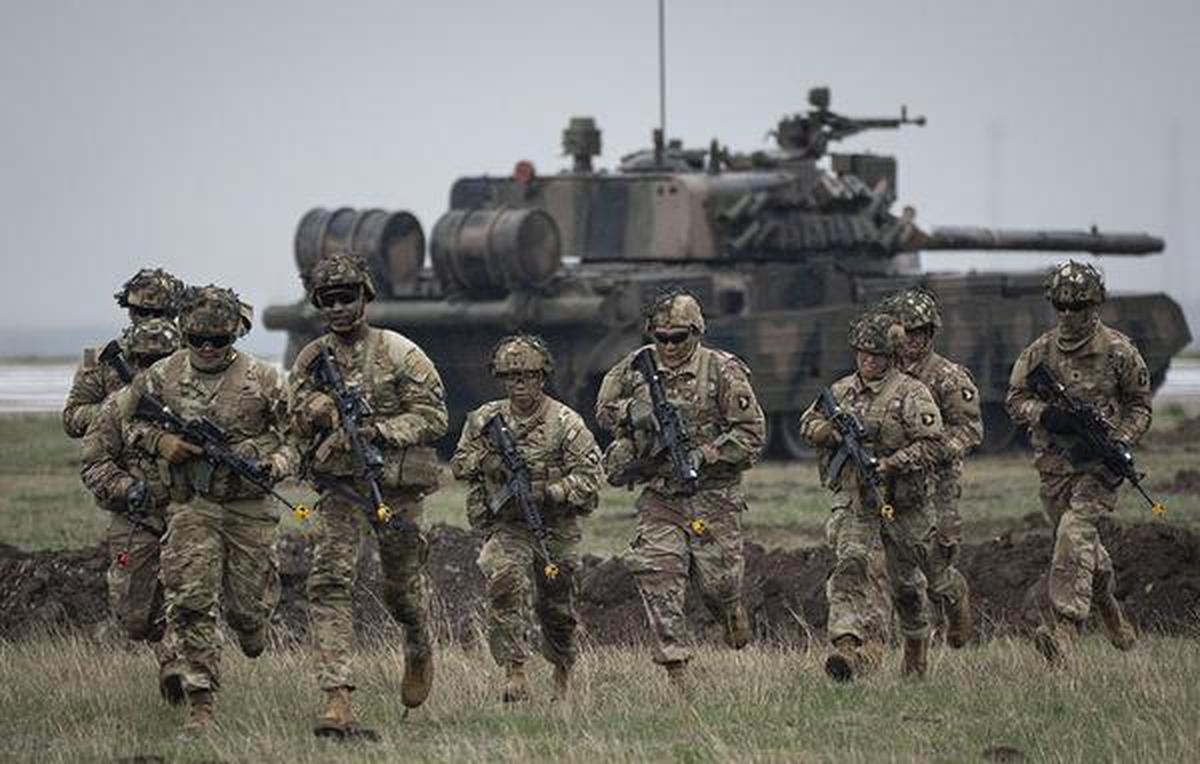
World
Defense News ,NATO :- In a big training event called Nordic Response 24, Finland got ready to protect the northern parts of NATO for the first time. This was a big deal because it was based on Article 5.This exercise covered areas in Finland, Sweden, and Norway. Soldiers practiced fighting on land, at sea, and in the sky. Nordic countries joined forces with allies from across the Atlantic Ocean in Norway, Finland, and Sweden.The head of the Finnish force in the exercise, Brigadier General Manu Tuominen, said that this event showed how well the allies and Nordic countries could work together. Sweden, Finland's western neighbor, became a member of NATO during the exercise. Sweden sent about 3,000 soldiers to Finland, making a big mechanized brigade as part of an army division.Now that all Nordic countries are part of NATO, they can plan their defense better and improve their military together, Tuominen added.Different parts of the military like the Army, Navy, and Air Force, along with logistics and communication units, worked with allies during the exercise. Air Force planes flew over Finland, Sweden, and Norway in international groups. The Navy's coastal unit did practice landings in Northern Norway with soldiers from Sweden, France, and Italy. Setting up the command structure and moving troops in the tough northern conditions needed a lot of teamwork and special skills.Leaders from all levels of the Finnish Defense Forces were part of the exercise, from big command centers to small outposts. This helped them learn how NATO works and how they can join NATO-led missions better.The success of the exercise came from close teamwork between different agencies, not just from one country but from Finland, Sweden, and Norway. Civilian groups helped move troops and keep them supplied during the exercise.Besides the military training, there was also a medical drill. Finland and Norway worked together to practice evacuating injured soldiers from Finland to a special hospital in Norway. This showed how well different agencies could work together in emergencies. The Finnish Defense Forces also helped with medical evacuations outside the exercise, showing their readiness to help in real-life situations.
Read More → Posted on 2024-03-16 14:29:51
World
Defense News ,Djibouti :- The US Army has picked Textron Aviation to give two unique Cessna Grand Caravan EX planes to the Djibouti Air Force.These planes are designed for special jobs and are like luxury business planes. They have a big wing and a powerful engine that can carry two pilots and up to 14 people, depending on what's needed.These planes can land on regular runways or on skis, depending on what they're being used for. Inside, they can have seats for passengers or a space for carrying cargo.The Grand Caravan EX can go pretty fast, between 304 to 343 kilometers (about 189 to 213 miles) per hour, depending on the version.These planes are powered by a strong engine made by Pratt & Whitney, which gives them 867 horsepower. They also have a special four-blade propeller made by McCauley.Textron Aviation's VP, Bob Gibbs, said, “The two special missions Cessna Grand Caravan EX aircraft will be Intelligence, Surveillance, and Reconnaissance equipped to ensure the border sovereignty of the country of Djibouti.”Textron Aviation's latest deal is part of a long-term plan to provide planes for the US Department of Defense's friends over five years. Other planes included in this plan are the Cessna SkyCourier, the Beechcraft King Air 260, and the Beechcraft King Air 360.The first part of this plan ordered three King Air 360 Extended Range planes. Two of these were for the Peruvian Naval Aviation Force and the other for the Ecuadorian Naval Aviation.“This multiyear contract allows the US Army Security Assistance Command to rapidly procure Commercial off the Shelf aircraft and modifications from Textron Aviation for our Foreign Military Sale allies and partner nations,” Gibbs explained.“We are honored to assist in advancing US national security and foreign policy interests by providing our solutions under the [indefinite delivery, indefinite quantity] and we look forward to further cooperation with the US Army.”
Read More → Posted on 2024-03-16 14:18:57Search
Top Trending in 24 Hours
-
 Trump Administration Weighs Purchase of Chagos Islands to Secure Diego Garcia Base
-
 US Considers Using Frozen Iranian Assets to Rebuild Gulf Infrastructure Damaged by Attacks
-
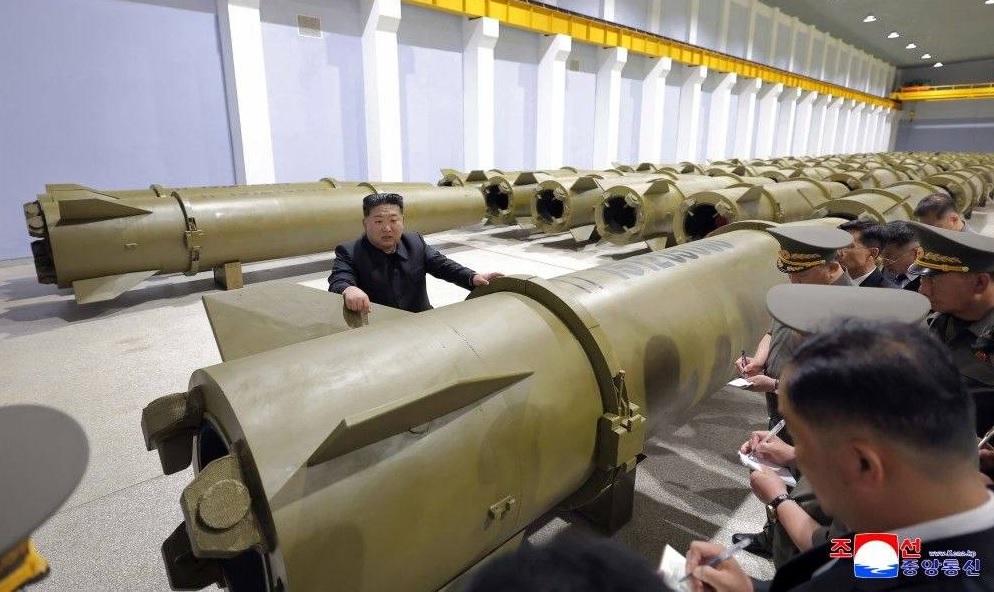 North Korea Launches Five-Year Plan to Boost Ballistic and Cruise Missile Production Production by 250%
-
 Taiwan Says It Received No Notice of Reported $14 Billion US Arms Package Freeze
-
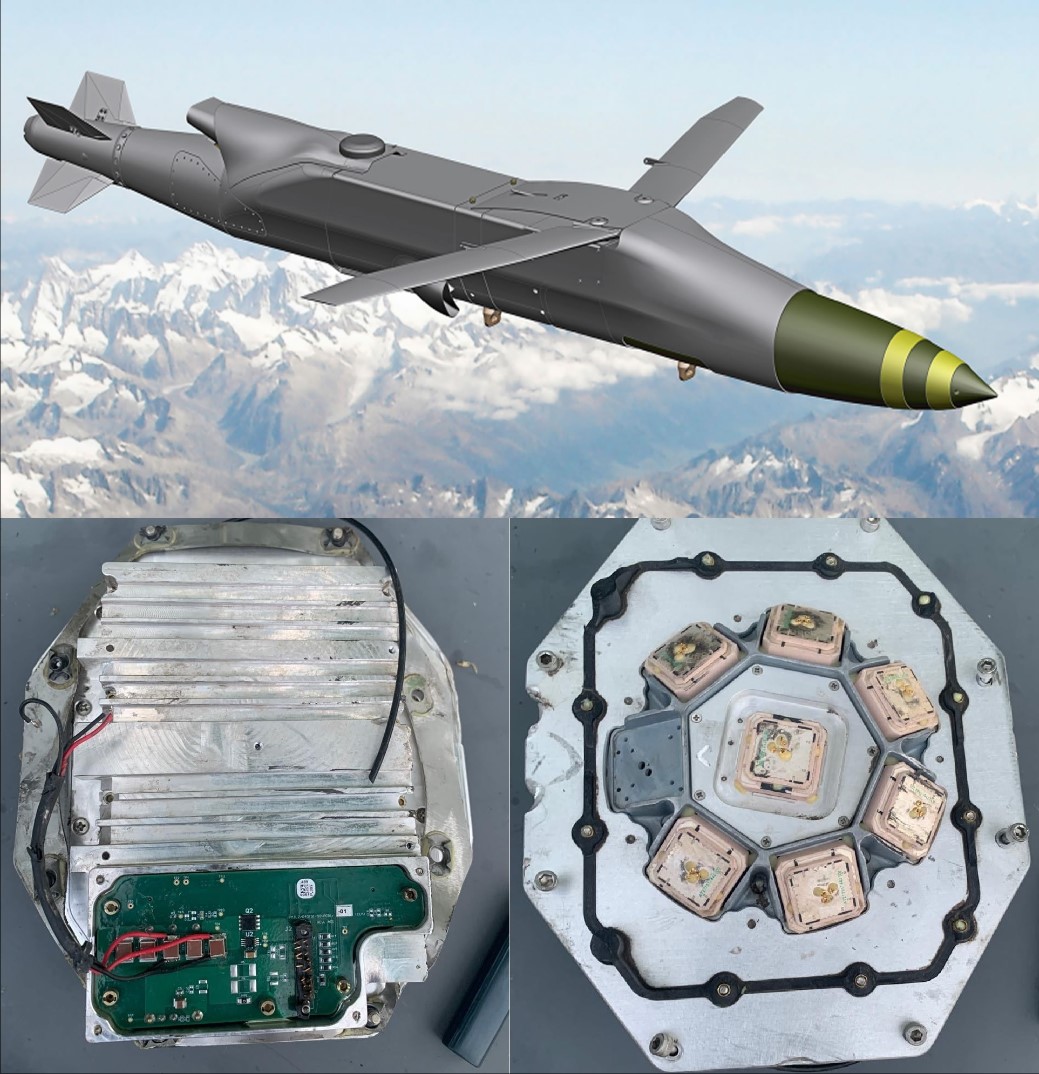 Missile Debris in Ukraine Suggests First Operational Use of U.S.-Made ERAM Cruise Missiles
-
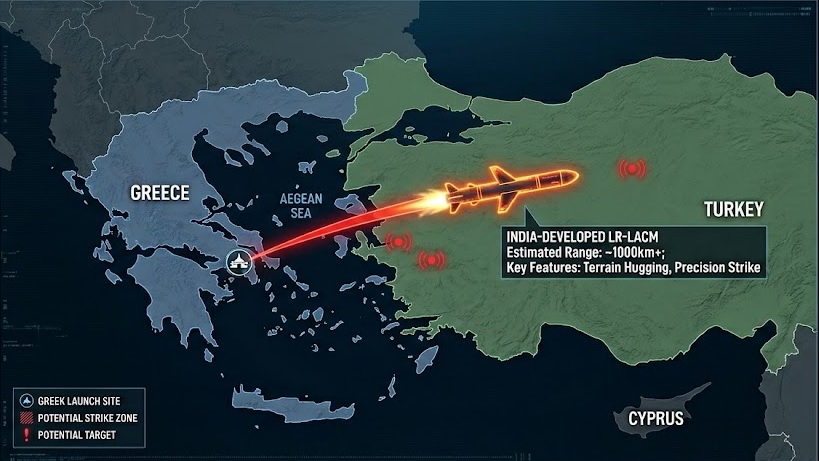 Turkish Media Raises Concerns Over Reports of Greek Interest in India’s LR-LACM Missile
-
 Turkish Navy Plans 2032 Delivery of Indigenous MUGEM Aircraft Carrier with Drone-Focused Air Wing
-
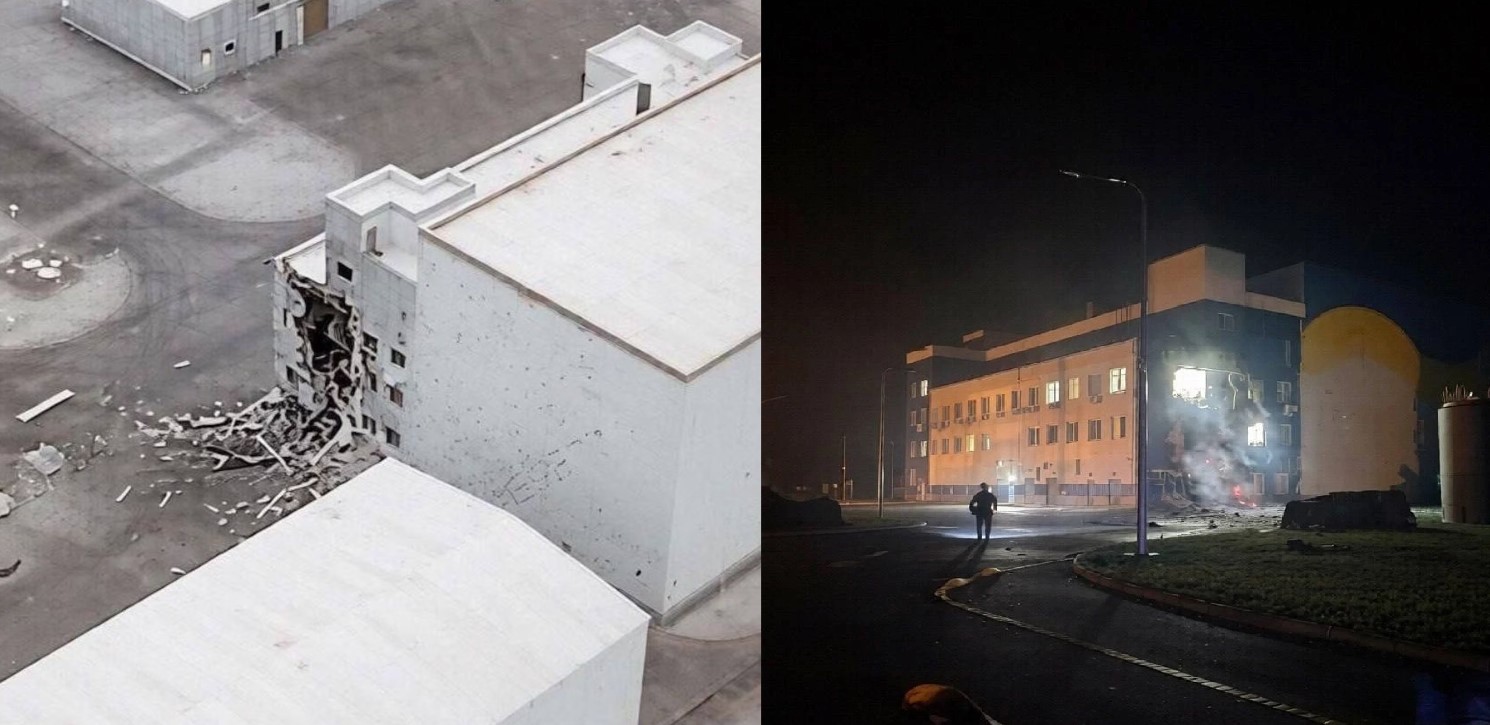 Russian Drone Strike Damages Chornobyl Nuclear Fuel Storage Facility; Radiation Levels Remain Normal
Top Trending in 4 Days
-
 Iran Releases Footage of Qader Missile and Shahid Danaye Drone Launches Toward Two U.S. Navy Destroyers
-
 Five Eyes Issues Joint Alert on Chinese Targeting Government and Military Personnel Through LinkedIn and Job Platforms
-
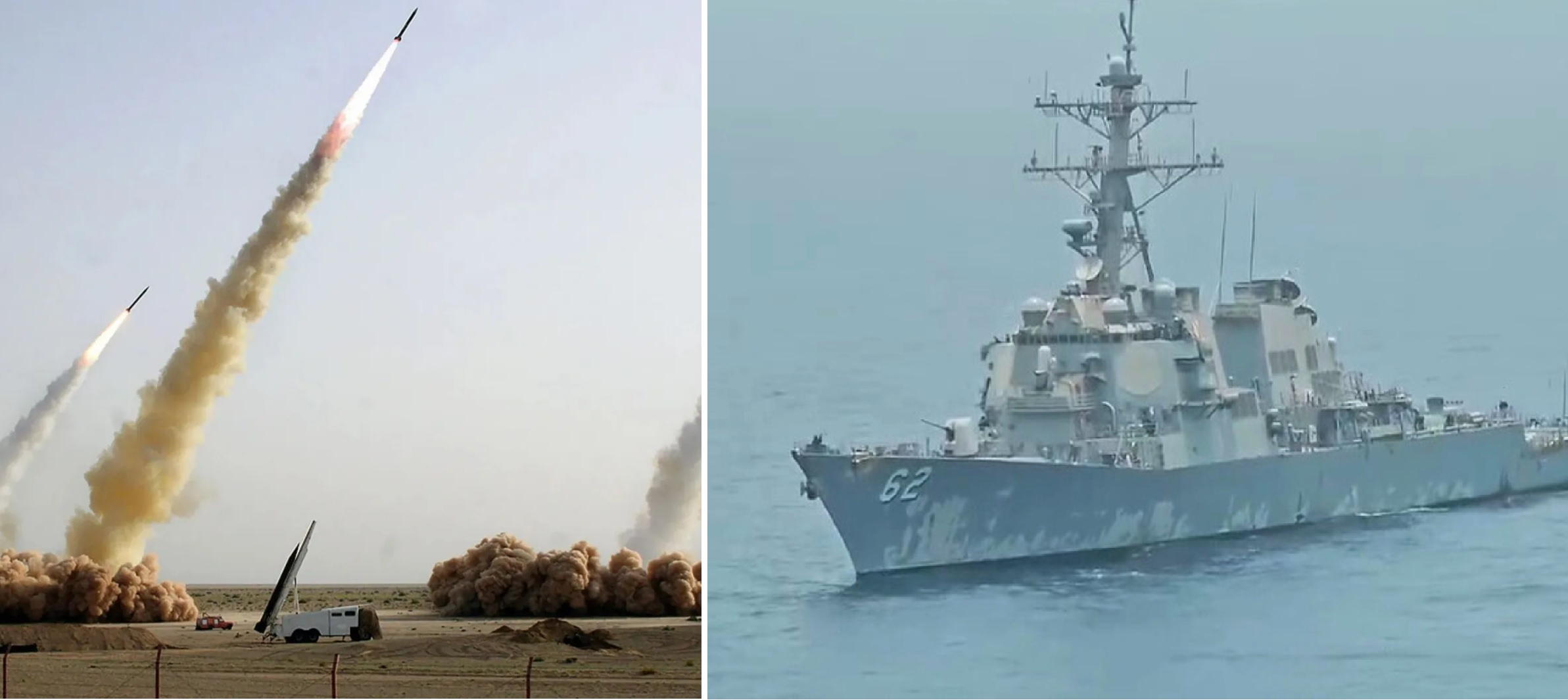 Iran Claims Attack on U.S. Destroyer in Gulf of Oman, CENTCOM Denies Attack
-
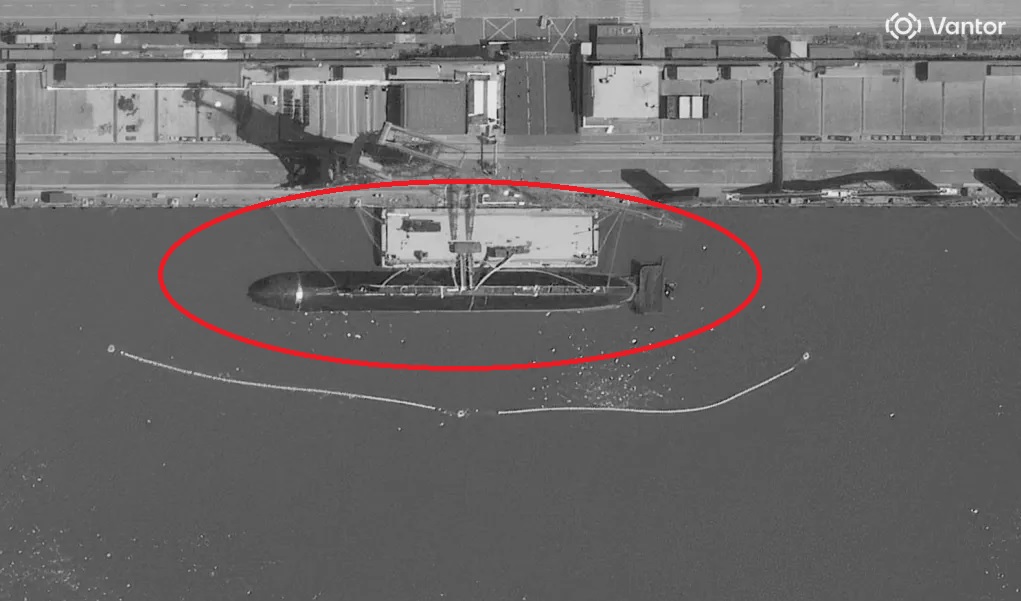 Satellite Imagery Reveals China's New-Generation Sail-Less Nuclear Submarine With Unique Design Features
-
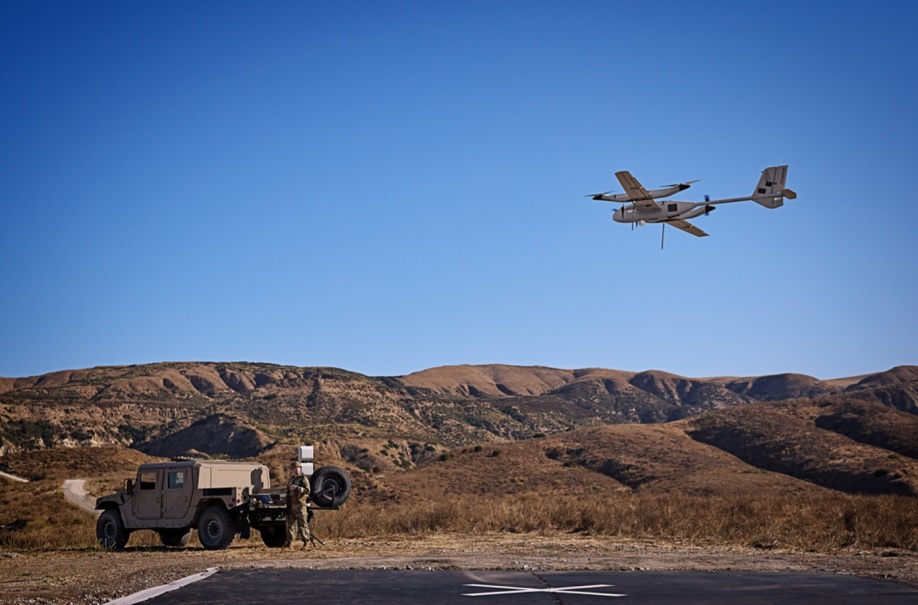 U.S. Army Awards AeroVironment $117.3 Million Contract for 82 P550 Long-Range Reconnaissance Drones
-
 First Satellite of Russia's Rassvet Broadband Constellation Reenters Atmosphere After Less Than Three Months in Orbit
-
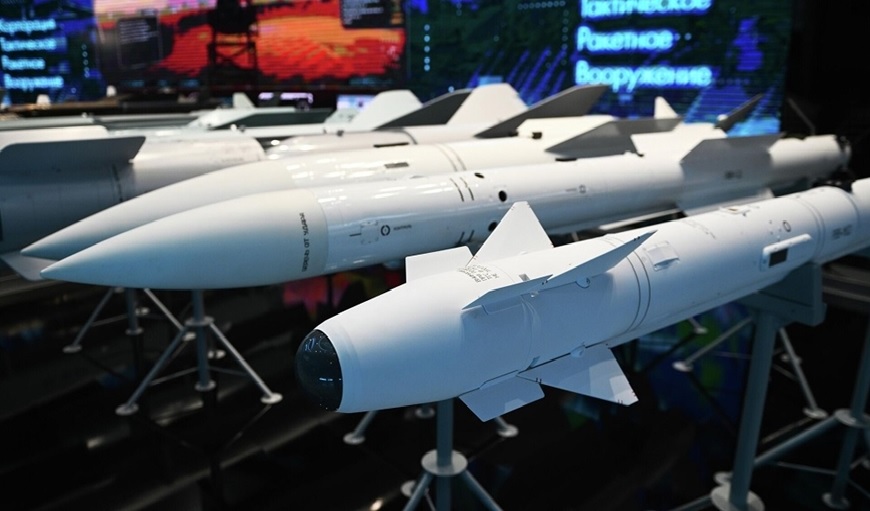 Leaked Contracts Reveal Russia Supplying Air-to-Air and Strike Missiles to Iran for Su-35 Fighter Fleet Through 2027
-
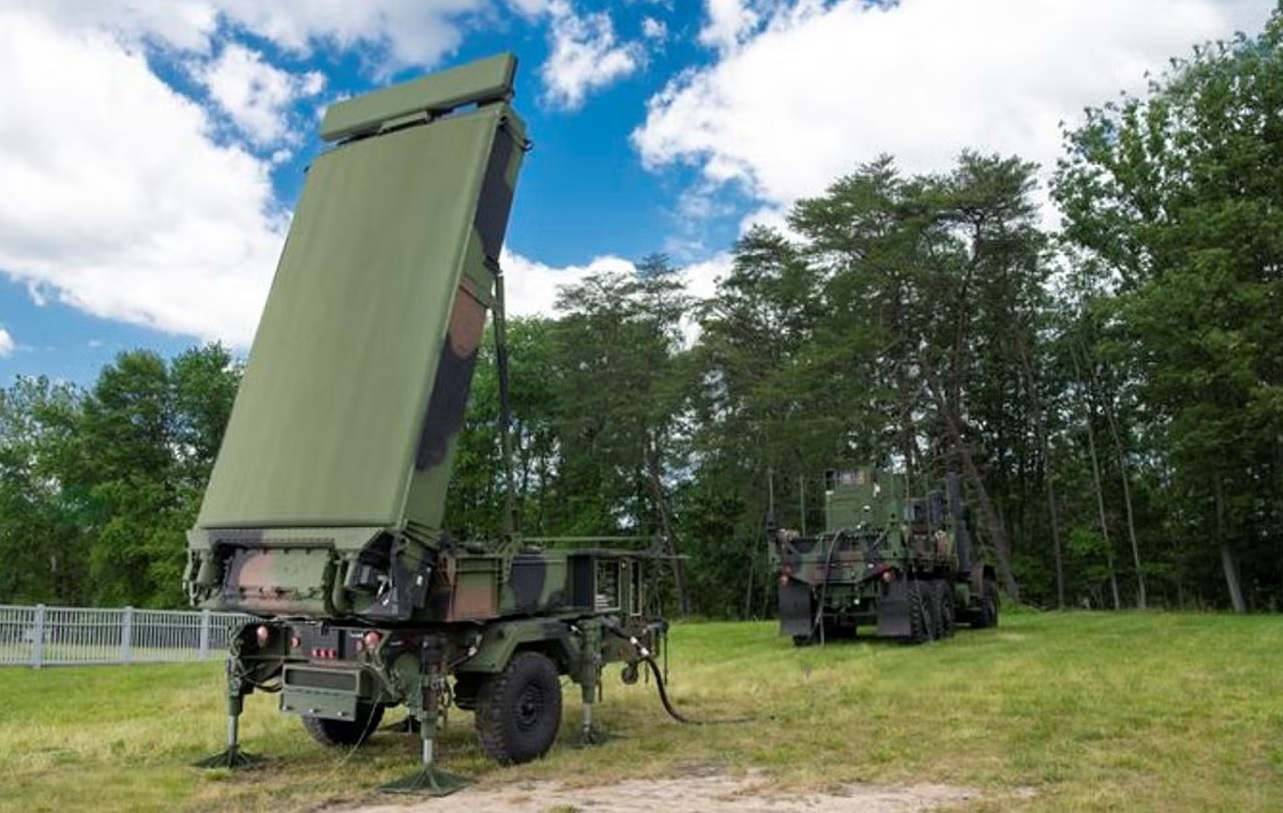 Northrop Grumman Positions G/ATOR Radar for Global Expansion with 60 Systems Planned by 2029