World
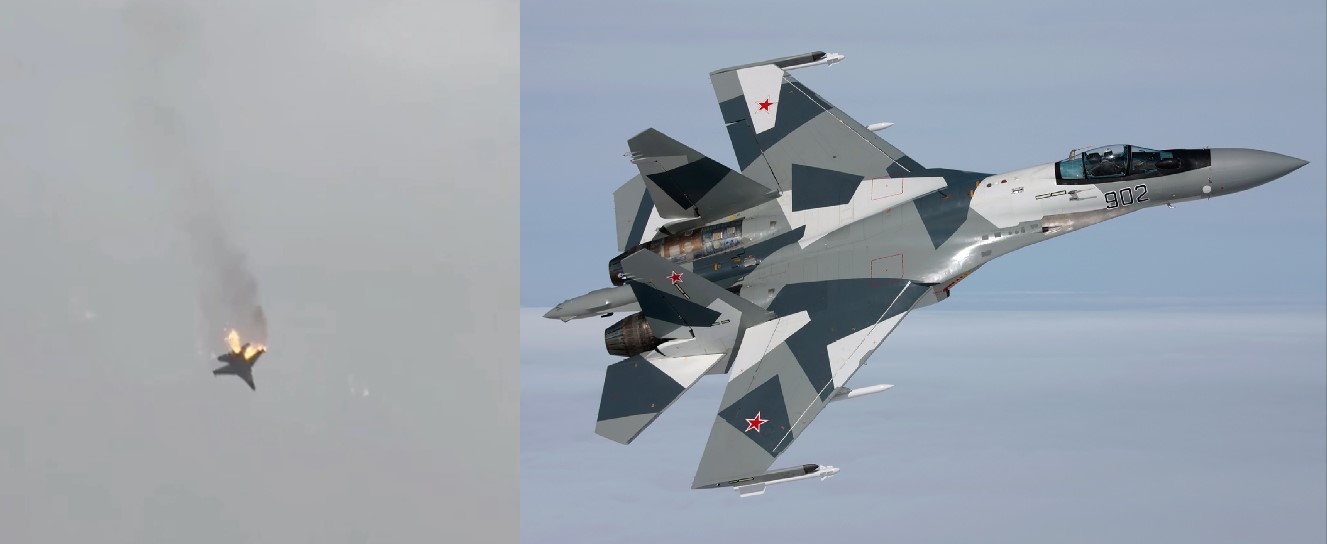
Defense News ,Russia Ukraine War :- In a recent incident over Crimea, tensions escalated as Russian forces accidentally downed one of their own Sukhoi Su-27 fighter jets, as reported by Ukraine. The mishap, attributed to a state of heightened combat readiness, was acknowledged by Ukraine's Navy spokesman, Dmytro Pletenchuk, who highlighted the role of "the human factor" in the incident.Initially reported by Mikhail Razvozhayev, a Moscow-appointed leader in Sevastopol, the incident saw a Russian warplane crashing off the Crimean coast, with the pilot successfully ejecting and being rescued. Footage circulated on Russian Telegram channels depicted the aircraft engulfed in flames during its descent, alongside the pilot's parachute.The Crimean Wind Telegram channel suggested that the aircraft was mistakenly shot down shortly after taking off from the Belbek military airfield. Pletenchuk's televised confirmation reinforced the narrative that the aircraft was indeed Russian and fell victim to friendly fire due to an operator's error.This incident compounds a series of setbacks for Russia's Air Force, which has endured significant losses in recent months, including several warplanes like Su-34 fighter bombers and Su-35 fighter jets.In contrast, Ukraine is poised to bolster its aviation capabilities with the impending arrival of F-16 fighter jets from its allies. This marks a substantial leap in technology from the Soviet-era aircraft currently in service.The announcement of the F-16 acquisition comes amidst a broader military assistance package, with countries like Belgium and Denmark pledging support to maintain and sustain the new aircraft. This support underscores the growing international backing for Ukraine in its efforts to modernize its defense capabilities.However, Russian President Vladimir Putin's recent remarks on the potential targeting of these aircraft highlight the volatile nature of the region's security landscape. Despite dismissing speculation of attacks on NATO members as "nonsense," Putin's statement underscores the need for continued vigilance and diplomatic efforts to mitigate escalating tensions in the region.The downing of the Su-27 fighter jet serves as a stark reminder of the risks inherent in heightened states of combat readiness and the importance of stringent protocols in military operations. As Ukraine prepares to welcome advanced F-16 fighter jets, the incident underscores the need for both sides to exercise restraint and prioritize dialogue to prevent further escalation in the region.
Read More → Posted on 2024-03-31 05:25:01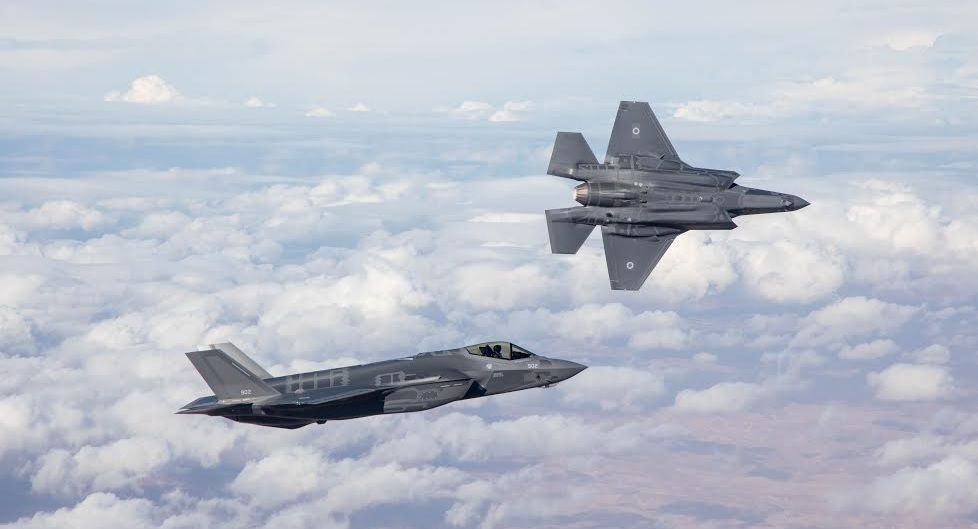
World
Defense News ,Israel Hamas war :- Israel-Gaza conflict, the United States has authorized the transfer of significant military hardware to Israel, despite publicly expressing concerns over potential military offensives in the region.According to reports from The Washington Post, the recent arms package authorized by Washington includes a substantial arsenal, comprising over 1,800 MK84 2,000-pound bombs, 500 MK82 500-pound bombs, and 25 F-35 fighter jets. The decision to greenlight such a significant transfer of military equipment comes amidst escalating tensions in the Gaza Strip, where Israel has been engaged in a protracted conflict with Hamas militants.The United States, a longstanding ally of Israel, allocates $3.8 billion annually in military assistance to the nation. This assistance has been a cornerstone of the bilateral relationship between the two countries, though it has faced increasing scrutiny from some quarters of American politics, particularly among certain Democratic lawmakers and Arab American groups. Critics have raised concerns about the unconditional support extended to Israel, especially in light of its military actions in Gaza and the resulting humanitarian crisis.Despite mounting pressure to reconsider its support, the Biden administration has remained steadfast in its commitment to Israel's security. White House officials have emphasized the importance of maintaining Israel's "qualitative military edge" in the region, citing it as a crucial element of regional stability. President Biden himself has acknowledged the concerns expressed by Arab Americans over the conflict in Gaza, but has reiterated his administration's unwavering support for Israel.The decision to authorize the transfer of military equipment comes at a critical juncture in the conflict, with Israel facing international condemnation for its military operations in Gaza. The recent United Nations Security Council vote calling for a ceasefire and the release of hostages taken by Hamas militants has further underscored the complexities of the situation. While the United States abstained from the vote, it has faced criticism from Israel, which argues that such resolutions could embolden Hamas and hinder truce negotiations.In addition to the military aid package, discussions between Israeli Defense Minister Yoav Gallant and U.S. counterparts have highlighted the strategic importance of maintaining close ties between the two nations. Despite occasional differences in approach, both Washington and Jerusalem remain committed to addressing the ongoing challenges posed by the Israel-Gaza conflict.As the conflict continues to unfold, the transfer of military equipment from the United States to Israel is likely to reignite debates over America's role in the region and the broader implications for regional security. With tensions remaining high and the humanitarian situation in Gaza deteriorating, finding a lasting resolution to the conflict remains an elusive goal, underscoring the urgent need for diplomatic efforts to de-escalate tensions and promote peace in the region.
Read More → Posted on 2024-03-31 05:14:24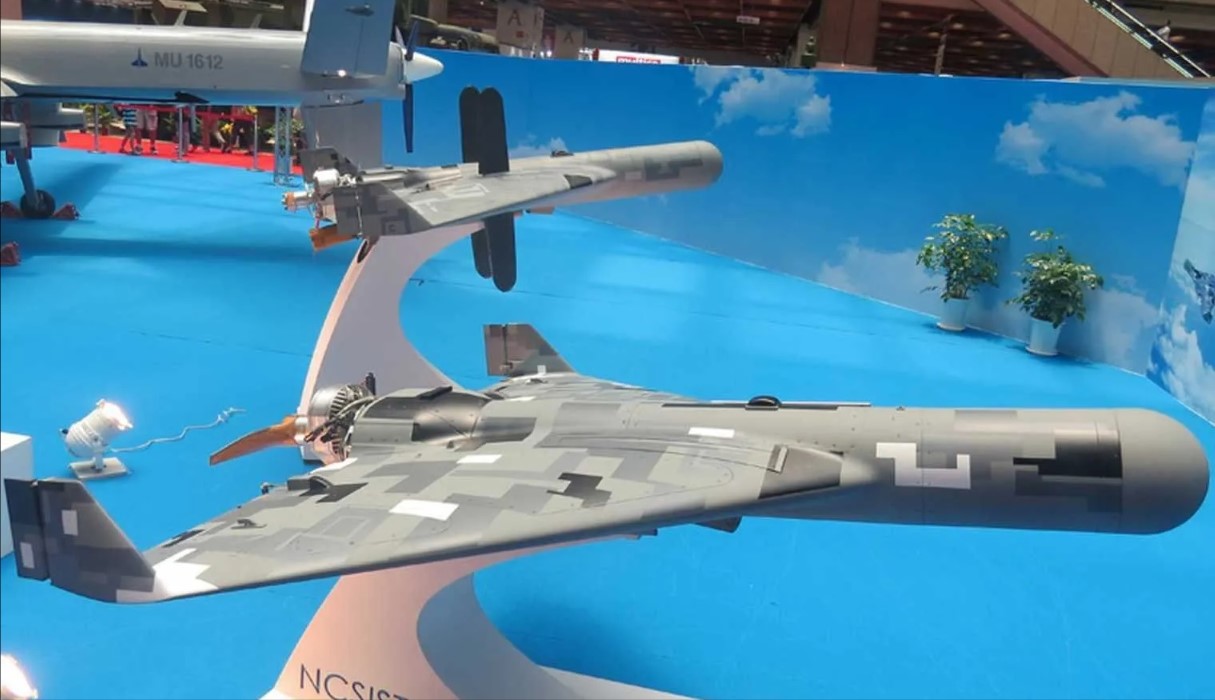
World
Defense News Taiwan :- The Taiwanese military is gearing up to strengthen its combat drone capabilities as a crucial part of its defense strategy. However, experts caution that Taiwan needs to act swiftly, considering its mainland counterpart's significant lead in utilizing this technology.The defense ministry of the island recently unveiled its plans, which entail a blend of domestically produced and US-manufactured devices, along with the establishment of a new training center for operators. These plans were presented to Taiwan's lawmakers.The ministry aims to procure approximately 3,225 micro and small military drones from local suppliers by 2025, in addition to acquiring 96 mid-sized surveillance and reconnaissance unmanned aerial vehicles (UAVs) by 2028, amounting to a total expenditure of NT$6.6 billion (US$206 million).According to the report, prototypes of 35 drones have already undergone testing and are poised for mass production. Moreover, the National Chung-Shan Institute of Science and Technology, backed by government funding, is tasked with developing eight types of surveillance and attack UAVs, including the Type-2 suicide drone.The Type-2 drone, tentatively named the Loitering Missile II, draws inspiration from the US-made Switchblade 300, noted for its effectiveness in combat situations such as destroying Russian tanks and ground targets during the conflict in Ukraine. Additionally, Taiwan has placed orders for MQ-9B SkyGuardian drones from the United States.Despite Taiwan's efforts, many nations, including the US, do not officially recognize Taiwan as an independent state. Beijing remains steadfast in its objective to bring the island under its control, viewing any steps towards independence as crossing a "red line." In contrast, the US, Taiwan's primary arms supplier, opposes any attempt by Beijing to alter the existing status quo through force.Drone warfare has proven its effectiveness in various conflicts worldwide, prompting Taiwan to develop its capabilities in anticipation of evolving warfare patterns and escalating threats from Beijing.The US$467 million deal encompasses the acquisition of two ground control systems, spare parts, and support equipment, with the US slated to deliver the initial two MQ-9Bs in 2026, followed by two more in 2027.The US State Department has emphasized that the MQ-9Bs will equip Taiwan with essential capabilities for intelligence, surveillance, reconnaissance, target acquisition, as well as counter-land, counter-sea, and anti-submarine strike operations.As outlined in the ministry's report, the military plans to deploy MQ-9Bs and other drones across all branches of its armed forces for joint operations and various missions, ranging from tactical to combat operations.During a legislative session, Taiwanese Defence Minister Chiu Kuo-cheng affirmed that there were no plans to establish an independent UAV force. Instead, the decision was made to have different branches operate the drones according to their designated missions, deeming it more effective.To address the shortage of qualified personnel, which currently stands at 210, the ministry aims to enhance training for drone operators. A dedicated training center will be established to impart operational and combat skills, along with strategies for managing combat scenarios and enemy threats.Starting next month, civilian agencies will be contracted to train 320 drone operators for recruitment into the military. These recruits will then serve as instructors to educate soldiers across various branches on operating small-sized drones.When questioned about the adequacy of 320 seed coaches to train sufficient operators, Minister Chiu reiterated the aim to align the number of operators with that of the devices.Furthermore, ministry officials highlighted plans to learn from Ukraine's experiences by incorporating uncrewed surface vessels (USVs) for potential sea battles with the People’s Liberation Army (PLA). Ukrainian forces have effectively utilized USVs to neutralize several vessels from the larger Russian Black Sea Fleet.Observers stress the urgency for Taiwan to expedite its military drone capabilities, considering their significance in the island's asymmetric warfare strategy against potential PLA threats.Max Lo, executive director of the Taiwan International Strategic Study Society, emphasized the need for close collaboration between the military and civilian sectors to scale up production capacity to meet the island's drone requirements.Chen Kuo-ming, a military expert and editor of Defense International magazine, acknowledged Taiwan's nascent stage in developing USVs compared to mainland China's advanced research and production capabilities in unmanned maritime vehicles.With the aim of commencing mass production by 2026, the Chung-Shan Institute has allocated NT$810 million (US$25 million) for developing attack-type remote-control unmanned vessels.Shu Hsiao-huang, a senior analyst at the Institute for National Defence and Security Research, stressed the importance of aligning product development with combat requirements and ensuring an adequate pool of qualified operators. Shu suggested integrating drone operation into conscript and reservist training to capitalize on individuals with prior UAV experience.Taiwan's endeavors to bolster its military drone capabilities reflect the evolving landscape of modern warfare and the imperative to adapt to emerging threats, particularly in the context of tensions with mainland China. Swift action and collaborative efforts across sectors are deemed essential to enhance Taiwan's defense posture and readiness for potential conflicts.
Read More → Posted on 2024-03-30 15:19:20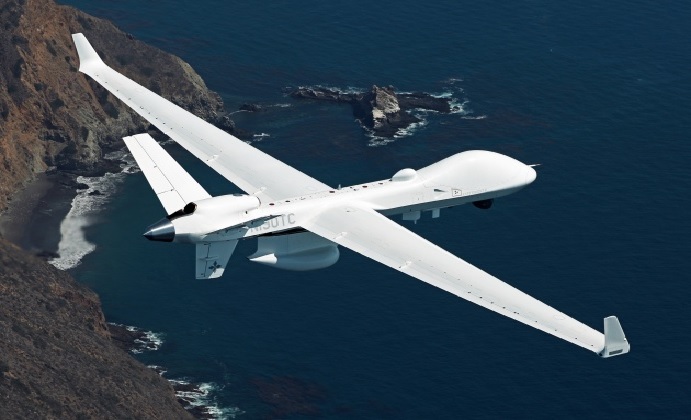
World
Defense News ,U.S :- The Sonobuoy Dispensing System (SDS) trial by General Atomics Aeronautical Systems, conducted using the MQ-9B SeaGuardian unmanned aerial system, marks a significant advancement in Anti-Submarine Warfare (ASW) capabilities.Throughout the trial flight, a series of eight AN/SSQ-53 and two AN/SSQ-62 sonobuoys, which are designed to identify underwater threats, were released from the drone’s pod utilizing an Aerea advanced pneumatic ejection system. These sonobuoys were then closely monitored by the onboard Sonobuoy Monitoring and Control System.The MQ-9B SeaGuardian possesses the capacity to carry up to four SDS pods on its four wing stations. Each of these pods is capable of accommodating either ten A-size sonobuoys or up to twenty G-size sonobuoys, depending on the specific mission requirements.The Sonobuoy Monitoring and Control System plays a pivotal role in the process. It receives and interprets the acoustic signatures transmitted by the sonobuoys, subsequently generating target tracks. Furthermore, it calculates crucial information such as speed, course, and depth, all of which are displayed on an integrated intelligence station.David R. Alexander, President of GA-ASI, expressed satisfaction with the results, deeming the demonstration a success. He emphasized the importance of the SDS in enhancing the Anti-Submarine Warfare capabilities of their systems.What is Sonobuoy Dispensing System in UAV ?A Sonobuoy Dispensing System (SDS) integrated into an Unmanned Aerial Vehicle (UAV) plays a crucial role in Anti-Submarine Warfare (ASW) operations. It enables the UAV to transport and deploy sonobuoys, which are electronic devices designed to detect and track submarines underwater.Here’s a detail of its functionality:Capacity: The SDS typically consists of external pods mounted on the wings of the UAV. These pods have varying capacities depending on their size and design. They can accommodate different numbers of sonobuoys, with common configurations allowing for the deployment of either 10 A-size or 20 G-size sonobuoys per pod.Deployment Mechanism: The system utilizes compressed air to launch the sonobuoys into the water swiftly and efficiently.Sonobuoy Types: Various types of sonobuoys serve different purposes. Some are designed to detect sound waves (acoustic), while others measure environmental factors such as water temperature (bathythermograph), providing valuable data for ASW operations.Benefits of UAV-based ASW with Sonobuoy Dispensing System:Persistent Monitoring: UAVs can remain airborne for extended periods, allowing for continuous surveillance of large maritime areas to detect submarine activity promptly.Risk Reduction: As UAVs are unmanned, they eliminate the risk associated with deploying manned aircraft over potentially hazardous waters, ensuring the safety of personnel.Cost-Effectiveness: Compared to manned patrols, UAV missions are generally more economical, making them a cost-effective solution for ASW operations.The integration of the Sonobuoy Dispensing System equips UAVs with enhanced ASW capabilities, expanding their role in ensuring maritime security and safeguarding against underwater threats.
Read More → Posted on 2024-03-30 06:09:57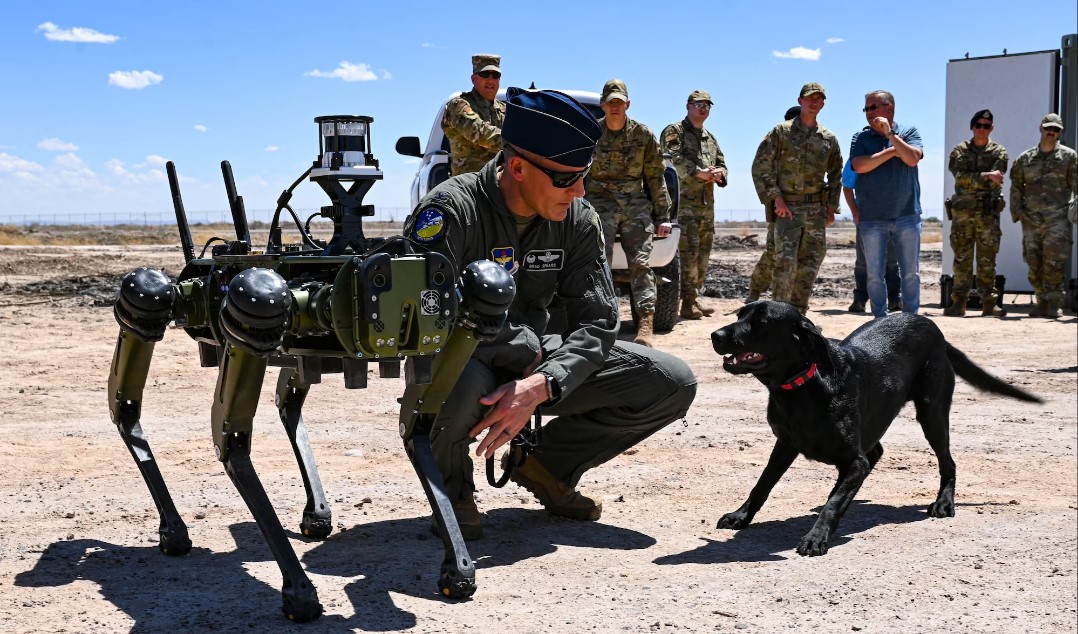
World
Defense News Japan :- Japan's Ground Self-Defense Forces (GSDF) have started a plan to buy and test a range of unmanned systems. This move is part of a bigger effort to figure out how these systems can be used in ground forces.In this process, the Japanese military has purchased the VISION 60. It's a medium-sized unmanned ground drone that can work for long periods and is useful in both city and natural environments. It has applications in defense and homeland security. The VISION 60, also called the "robot dog," is a semi-autonomous robot with four legs. It's made by Ghost Robotics. This robot can handle tough conditions. It can carry up to 31 pounds and can go as fast as 6.71 miles per hour. It can operate within a range of 10 kilometers and can run for three hours continuously.One of its key features is its ability to move around easily. It can navigate through different kinds of terrain like rough ground, sand, hills, and even climb stairs. Its design allows it to walk, run, crawl, climb, and even swim, making it adaptable to various environments.It's worth noting that similar robotic dogs have been used by the United States Air Force since March 2022. They are used for tasks like security and patrolling at military bases.Key specifications of the VISION 60 Robot Dog by Ghost Robotics . Mobility:Speed: Achieves a swift 1 meter per second (3.3 feet per second) standard walking speed.Endurance: Covers 6.8 to 12.8 kilometers (4.2 to 8 miles) per charge powered by a Lithium-ion battery.Terrain Handling: Boasts an IP67 rating, mastering various terrains including stairs, uneven ground, water, and dust.Agility: Displays high dexterity for seamless navigation through complex environments.Self-Recovery: Equipped to self-right from most immobilized situations.Sensors:360° Awareness: Features high-bandwidth 16-channel integrated RGB and depth sensors for comprehensive situational awareness.Control and Processing:Control Core: Employs a computationally efficient ARM microcontroller ensuring secure and efficient operation. Autonomy Modes: Supports a range of autonomy modes for both pre-programmed and real-time control.Processing Power: Harnesses the NVIDIA Xavier NX with 32GB RAM, facilitating robust on-board processing for AI and autonomy applications.Communication: Integrates Wi-Fi, 4G/LTE connectivity, and Gigabit Ethernet switch for flexible communication options. Other Features:Open Architecture: Facilitates customization and seamless integration of additional sensors and payloads.Modular Design: Features quick-swappable sub-assemblies (legs, battery, compute module) for effortless field repairs.Software Support: Compatible with ROS (Robot Operating System) and ROS2 for streamlined development and integration. Applications:Defense and Security: Versatile applications in patrolling, reconnaissance, and hazardous material inspection.Homeland Security: Ideal for border patrol and perimeter security operations.Enterprise Applications: Vital support in inspection, search and rescue missions in remote or hazardous areas.
Read More → Posted on 2024-03-30 06:01:09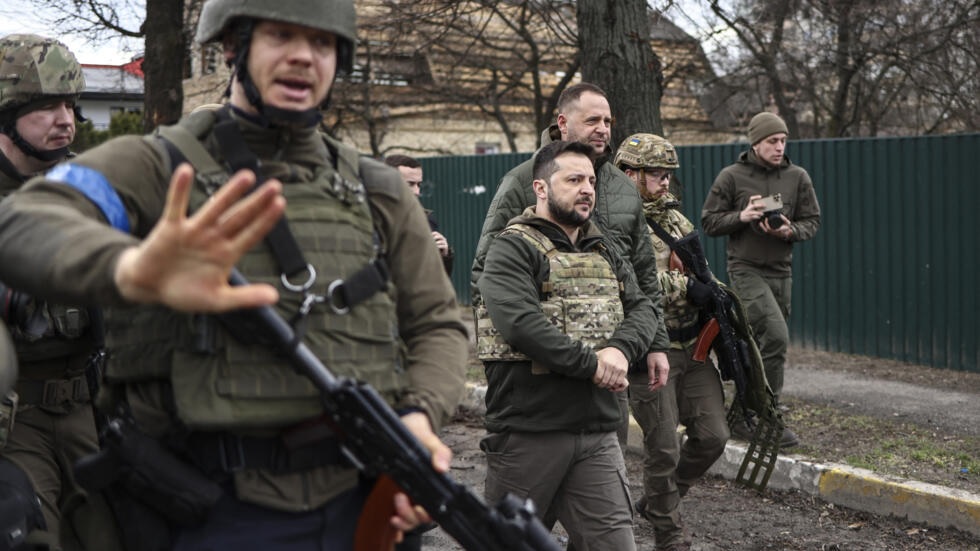
World
Defense News ,Ukraine :- On Friday ,President Volodymyr Zelensky expressed concerns about Ukraine's ability to defend itself in the face of ongoing disputes over promised US military aid. In an interview published on Friday, he warned that without this support, Ukrainian forces would be forced to retreat, inch by inch, due to shortages in critical resources.Zelensky emphasized the importance of US assistance, highlighting the absence of essential defensive capabilities such as air defense systems, Patriot missiles, electronic warfare jammers, and artillery rounds. Without these vital resources, he explained, Ukrainian forces would be compelled to withdraw gradually, risking territorial losses to Russian advances.The Ukrainian president underscored the severity of the situation, citing shortages in munitions as a significant challenge. He noted that the scarcity of resources necessitated strategic adjustments, including shortening the frontline to mitigate vulnerabilities. Zelensky expressed concerns that without adequate support, Russian forces could penetrate deeper into Ukrainian territory, posing a threat to major urban centers.Despite Democratic President Joe Biden's advocacy for the aid package, its approval has been delayed by disputes in the Republican-controlled US House of Representatives. Zelensky stressed the urgency of endorsing the aid package during a recent conversation with House Speaker Mike Johnson, emphasizing its critical importance for Ukraine's defense capabilities.The ongoing conflict with Russian forces has already resulted in territorial losses for Ukraine, including the recent capture of the eastern town of Avdiivka. However, despite these setbacks, Zelensky maintained that Ukraine was resilient, employing domestically produced weaponry and air defense systems to compensate for shortages. Nevertheless, he acknowledged that these efforts were insufficient to counter the escalating threat posed by Russian aggression.In response to intensified attacks on energy and infrastructure targets by Russian forces, Ukrainian troops have been unable to advance effectively. Zelensky revealed that Kyiv intended to retaliate by targeting strategic assets in Russia, including oil refineries. However, he lamented the lack of support from Washington in response to Ukrainian counterattacks, emphasizing the necessity of safeguarding Ukraine's energy infrastructure against Russian aggression.Recent attacks on thermal and hydroelectric power plants in central and western Ukraine have exacerbated concerns about the vulnerability of critical infrastructure. Zelensky condemned these acts of aggression, accusing Russia of seeking to inflict ecological disasters similar to the destruction of the Kakhovka Hydroelectric Power Plant in the Kherson region. He warned of the potential consequences for both Ukraine and neighboring Moldova, underscoring the broader implications of Russian military actions.The destruction of key energy facilities, including the DniproHES dam and the Zmiivska thermal plant, has further underscored the severity of the situation. Ukrainian officials described the recent wave of attacks as the most intense since the invasion in February 2022, highlighting the escalating conflict in the region.Russian forces have also targeted infrastructure in various regions, including Kamianske and Dnipro, resulting in casualties and widespread damage. Ukrainian Energy Minister German Galushchenko denounced these attacks as deliberate attempts to disrupt electricity generation and distribution systems. Prime Minister Denys Shmyhal condemned the assaults on energy facilities across multiple regions, emphasizing the need for international support to mitigate the impact of Russian aggression.As a result of the attacks, power cuts have been implemented in several regions, further exacerbating the humanitarian crisis in Ukraine. Major energy companies, such as DTEK, have reported significant damage to their facilities, raising concerns about the sustainability of Ukraine's energy infrastructure in the face of ongoing hostilities.President Zelensky's plea for US military aid underscores the critical need for international support in Ukraine's ongoing struggle for survival. The escalation of Russian attacks on infrastructure highlights the urgent need for concerted efforts to address the humanitarian crisis and mitigate the impact of conflict on civilian populations. The international community must stand united in condemning acts of aggression and supporting Ukraine's sovereignty and territorial integrity.
Read More → Posted on 2024-03-30 05:54:05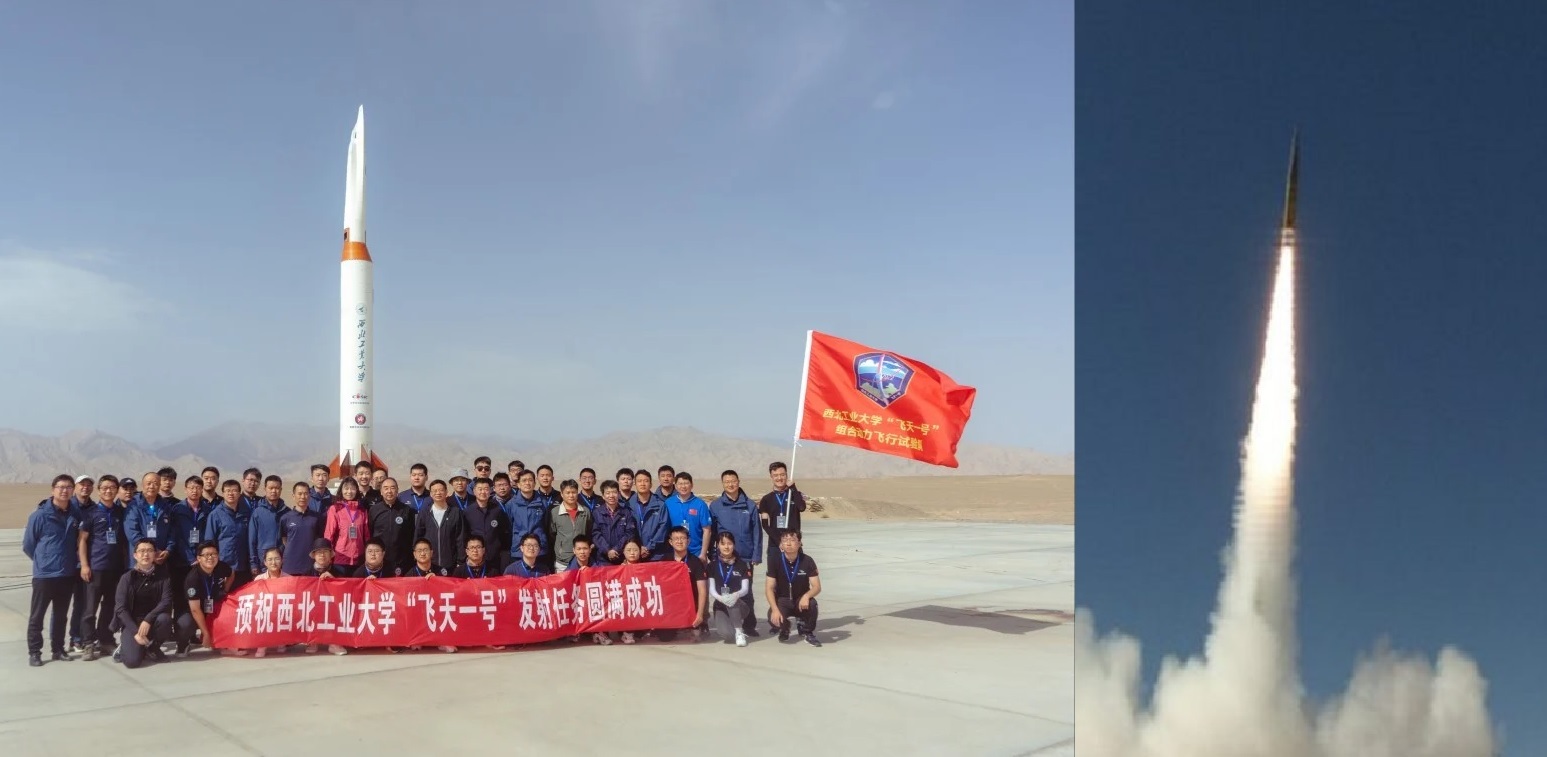
World
Defense News ,China :- Chinese researchers have announced a revolutionary breakthrough in air defense technology, claiming they are in the process of developing an unprecedented surface-to-air missile (SAM) with a remarkable range of up to 2,000 kilometers (1,240 miles). This hypersonic missile, fueled by solid propellant, aims to intercept incoming threats such as bombers and airborne adversaries, potentially reshaping the landscape of air defense systems.Reports from the South China Morning Post (SCMP) reveal that this proposed "ultra-long-range" SAM surpasses the capabilities of existing air defense systems, which typically operate within much shorter ranges, spanning from tens to a few hundred kilometers. Chinese military analysts view this development as a significant stride forward, suggesting that it could redefine the boundaries of tactical air defense strategies.The primary objective of this groundbreaking missile is to counteract threats posed by enemy bombers and early warning aircraft, which traditionally operate at extended distances. This poses a formidable challenge to conventional air warfare doctrines, where engaging targets at such extreme ranges was previously deemed impractical. However, the potential success of this missile suggests that Chinese researchers may have overcome these technical obstacles, signaling a paradigm shift in air defense capabilities.If realized, this technological advancement has the potential to disrupt the regional military balance of power, highlighting China's intensified efforts to bolster its air defense capabilities. While the system is still in its purported conceptual stage, its announcement underscores a significant leap in technology that could prompt a reevaluation of existing air defense strategies.It is essential to approach this development with caution, considering that the reported capabilities of the missile are based solely on claims by Chinese researchers. Independent verification is imperative to ascertain its operational effectiveness and its broader implications for military strategy.Key Points to Consider:Chinese researchers are reportedly in the process of designing a groundbreaking surface-to-air missile with an unprecedented range exceeding 2,000 kilometers, surpassing existing air defense systems.This hypersonic missile is intended to engage targets at high altitudes and extreme speeds, posing a significant challenge to conventional air defense tactics.The development of this missile is part of China's broader efforts to modernize its military capabilities, including the advancement of sophisticated weapons systems.It's important to note that the information regarding this missile comes from a Chinese scientific journal, and the specifics regarding the project's development stage remain unclear.Additional Insights:Hypersonic missiles, characterized by speeds surpassing Mach 5, present formidable challenges in terms of defense and interception.The development of hypersonic weapons is gaining momentum among major military powers, including the United States, Russia, and China.The extended range of this prospective missile could potentially tilt the balance of air power in the region, marking a significant milestone in military technology.
Read More → Posted on 2024-03-30 05:20:11
World
Defense News ,Israel :- Israel's Prime Minister Benjamin Netanyahu has approved a new round of Gaza ceasefire talks to take place in Doha and Cairo, his office said Friday, days after the negotiations appeared stalled. Since the UN Security Council adopted a resolution on Monday demanding an "immediate ceasefire", Hamas and Israel have traded blame for their failure to agree a deal. Mediator Qatar said Tuesday that talks between Hamas and Israel on a Gaza truce and hostage release were continuing, but the warring sides and mediators have offered little information since. Netanyahu's office said the premier spoke to Mossad chief David Barnea about the talks, but declined elaborate on whether Barnea would be travelling to Doha or Cairo for the negotiations. The war began when Hamas launched an unprecedented attack on Israel that resulted in about 1,160 deaths, mostly civilians, according to an AFP tally of Israeli official figures. Israel's military has waged a retaliatory offensive against Hamas that has killed 32,623 people in Gaza, most of them women and children, according to the Hamas-run territory's health ministry. Palestinian militants seized about 250 Israeli and foreign hostages during the October 7 attack on Israel, but dozens were released during a week-long truce in November. Israel believes about 130 remain in Gaza, including 33 who are presumed dead -- eight soldiers and 25 civilians.
Read More → Posted on 2024-03-29 15:56:29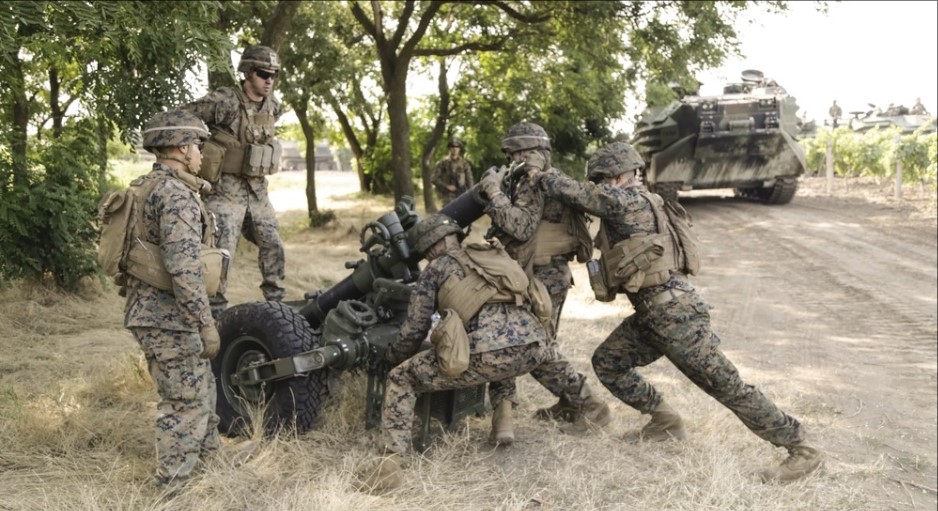
World
Defense News ,Ukraine-Russia War :- In a recent interview, Ukraine's commander-in-chief, Oleksandr Syrsky, shared insights into the ongoing conflict with Russia. He revealed that Russian forces are significantly outnumbering Ukrainian troops, leading to losses in both personnel and territory.Syrsky explained that the ratio of ammunition fired by the enemy compared to Ukrainian forces is about six to one. This overwhelming advantage puts Ukrainian defense forces in a precarious position, especially considering the scarcity of weapons and ammunition along the extensive front lines.Taking over as commander-in-chief after his predecessor was dismissed by President Zelensky, Syrsky highlighted the recent escalation in Russian aviation activity. He noted the use of guided aerial bombs by Russia, targeting Ukrainian positions with precision.Amidst these challenges, Ukraine is actively seeking support from the United States. They are urging Congress to approve a $60-billion military aid package, emphasizing the need for air defense systems and missiles to bolster their defense capabilities.Syrsky lamented the loss of territory, attributing it to the lack of sufficient air defense systems and artillery shells. He admitted that the Ukrainian forces faced limitations during the Kharkiv offensive due to resource constraints.Reflecting on past engagements, Syrsky recalled Ukraine's successful recapture of territory near Kharkiv in 2022. However, Russia's persistent attacks in the border region pose ongoing threats.He issued a stern warning to Russia against attempting to reclaim Kharkiv, emphasizing the dire consequences it would entail. Despite Ukrainian efforts, Russian forces managed to establish strong defenses in the south, particularly in the Zaporizhzhia region.Syrsky acknowledged the challenges faced during the summer counter-offensive, citing insufficient air support and heavy losses in human lives and equipment. The city of Avdiivka, near Donetsk, fell to Russian forces due to relentless bombardment and compromised defense integrity.The commander-in-chief highlighted the critical role of ammunition in artillery operations, expressing frustration over the inability to effectively engage in counter-battery fights.To prevent further casualties and avoid encirclement, Syrsky made the difficult decision to withdraw from Avdiivka.Ukraine is grappling with significant challenges in the face of Russian aggression. The lack of adequate resources, particularly ammunition and air defense systems, hampers their ability to defend against the well-equipped Russian forces. International support, especially from the United States, is crucial in bolstering Ukraine's defense capabilities and maintaining stability in the region.
Read More → Posted on 2024-03-29 15:14:34
World
Defense News ,India :- The 1st Warsaw Armoured Brigade of the Polish Land Forces shared exciting news on March 28 via social media. They announced the arrival of a fresh set of M1A1 Abrams main battle tanks. These tanks are now stationed on the eastern outskirts of Warsaw, Poland's capital city.Poland has been gradually strengthening its military capabilities, and this recent addition is a significant step. Reports suggest that out of the 116 M1A1 Abrams tanks purchased from the United States, Poland has already received 69.The remaining 47 tanks are scheduled to arrive by the end of this year as per the contract terms. This procurement plan was set in motion back in January 2023 when Poland inked an intergovernmental agreement with the United States, formally known as the Letter of Offer and Acceptance.Aside from the tanks, the agreement also includes various support vehicles and equipment. This comprises 12 M88A2 Hercules recovery vehicles, eight M1074 Joint Assault Bridges, six M577A3 command vehicles, and 26 NG SECM (Next Generation Shop Equipment Contact Maintenance) units.The total value of this agreement stands at a substantial USD 1.4 billion, with a portion of USD 200 million being financed by the American government. Once all the M1A1 Abrams tanks are delivered, the Polish Land Forces will boast two tank battalions fully equipped with these formidable machines.Moreover, looking ahead, Poland has ambitious plans to further enhance its armored capabilities. In April 2022, a contract worth USD 4.75 billion was signed with the United States for the procurement of 250 M1A2 SEPv3 Abrams main battle tanks. These tanks are expected to be delivered by 2026, marking another significant milestone in Poland's defense modernization efforts.
Read More → Posted on 2024-03-29 14:10:30
World
Defense News ,Russia ,Armenia :- Russia has accused Armenia of trying to damage their relationship. Armenia is upset with Russia's role in keeping peace in their region. They've been in a tense situation with their neighbor, Azerbaijan, for many years. Armenia believes Russia didn't help them enough during a conflict in 2020.The leader of Russia's Foreign Ministry, Sergei Lavrov, said Armenia's leaders are purposely making things worse between the two countries.Armenia has talked about leaving a group called the Collective Security Treaty Organisation (CSTO), which Russia leads. This group includes some countries that used to be part of the Soviet Union.Armenia's Prime Minister, Nikol Pashinyan, said their security agreements with Russia aren't working. Last year, Azerbaijan took control of a region called Nagorno Karabakh. This area was controlled by Armenian separatists, but Azerbaijan claimed it as theirs. Russian soldiers were supposed to keep the peace there after a war in 2020.Armenia didn't attend a meeting of the CSTO because they felt the group didn't help them when they needed it.Armenia is now trying to make friends with Western countries like France and the United States to find new ways to stay safe.
Read More → Posted on 2024-03-29 13:51:00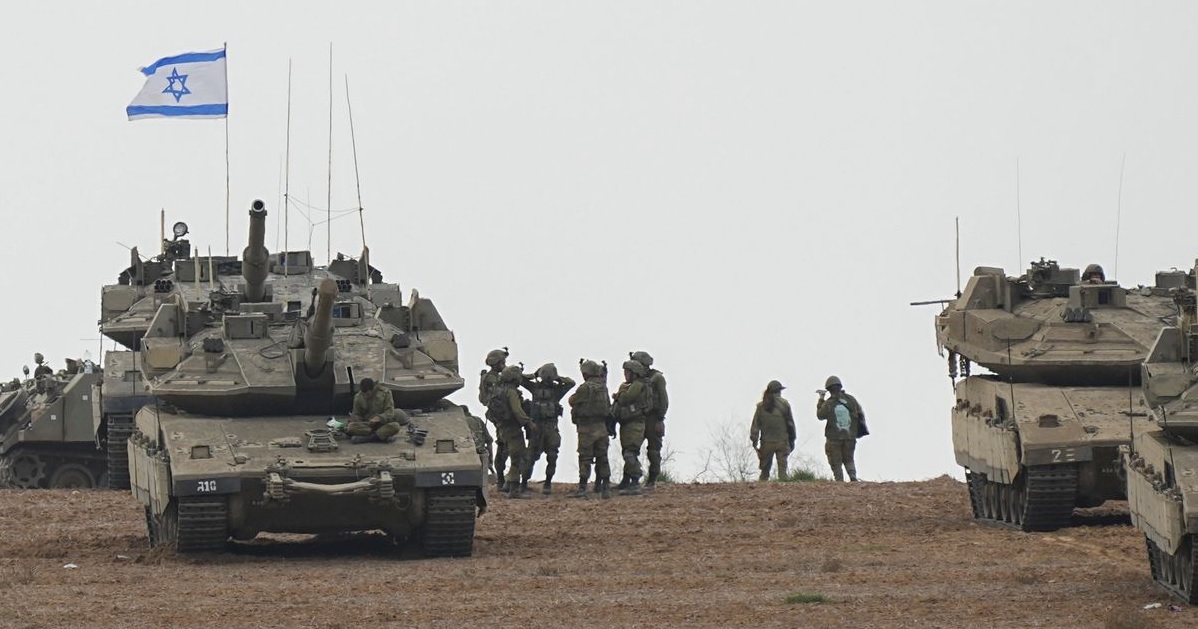
World
Defense News ,Israel :- An Israeli air strike hit Syria's Aleppo province, resulting in the deaths of at least 36 Syrian soldiers, as reported by a war monitor. The attack targeted an area close to Hezbollah weapons depots, according to the UK-based Syrian Observatory for Human Rights. The strike occurred near Aleppo's international airport, causing casualties among both civilians and military personnel, according to Syrian state news agency SANA.The Israeli military has refrained from commenting on the incident. This attack adds to Israel's history of air strikes in Syria, which intensified during the civil war that began in 2011. Israel aims to disrupt Hezbollah's supply routes to Lebanon through these strikes.The escalation of air strikes coincided with Israel's conflict with Hamas in Gaza, which resulted in significant casualties on both sides. The spillover of violence has raised concerns about a broader regional conflict, particularly with Hezbollah, a key ally of Hamas, engaging in cross-border exchanges with Israel.Hezbollah's involvement in Syria dates back to the outbreak of the civil war, where it supported President Bashar al-Assad's regime against rebel forces. Despite facing casualties in Syria and Lebanon, Hezbollah remains active in both countries, with its fighters also targeted in recent Israeli air strikes.The conflict dynamics further intensified with an air strike in a Damascus suburb, targeting an area populated by pro-Iran armed groups, including Hezbollah. This incident underscores the ongoing tensions and violence plaguing the region.In summary, the Israeli air strike near Aleppo reflects the complex geopolitical landscape of the Middle East, characterized by intertwined conflicts involving various regional actors, including Israel, Syria, Hezbollah, and Hamas.
Read More → Posted on 2024-03-29 05:46:57
World
Defense News ,Russia ,Ukraine :- Ukrainian analysts have recently disclosed the classified specifications of Russia’s elusive hypersonic cruise missile, the 3M22 Zircon, which was intercepted by US-made missile defense systems over Kyiv on March 25.An intelligence document obtained by Defense Express has shed light on the findings of experts who meticulously examined the remnants of the intercepted missiles. Their analysis confirms that Russia has indeed made significant strides in missile technology by developing a hypersonic ramjet engine specifically for the Zircon. Unlike its predecessor, the Kh-47 Kinzhal air-launched ballistic missile, the Zircon is capable of maintaining sustained hypersonic speeds, marking a remarkable advancement in Russia's arsenal.The launch sequence of the Zircon involves an initial "mortar" launch, succeeded by the activation of a booster stage, propelling the missile to soaring altitudes and achieving hypersonic velocities. Cruising at altitudes of several tens of kilometers, the Zircon attains a consistent speed of up to 5.5 Mach, effectively managing thermal stress in the rarefied atmosphere.Intriguingly, analysis of the Zircon’s warhead has uncovered an unexpected revelation: its warhead weight, estimated to be approximately 100-150 kg with up to 40 kg of explosive material, is notably lighter compared to other anti-ship missiles. This raises pertinent questions regarding its effectiveness against larger naval vessels such as destroyers or aircraft carriers.Despite its touted capabilities, the Zircon poses challenges in terms of production and deployment. Its projected cost could escalate to millions, presenting hurdles for mass deployment. Moreover, the resource-intensive development phase suggests limited production capacity, potentially yielding only a few dozen to a few hundred units annually.Contrary to propaganda claims, uncertainties loom over the Zircon's suitability for its intended purpose of targeting large warships and aircraft carriers. Its complexity coupled with higher resource demands may further impede production rates, underscoring the formidable challenges associated with its deployment.
Read More → Posted on 2024-03-29 05:34:49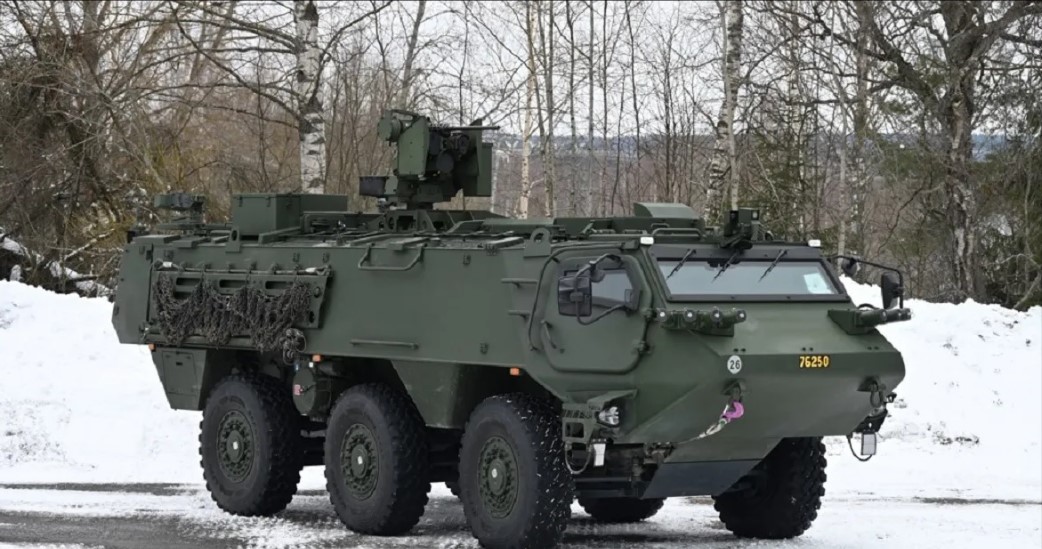
World
Defense News ,Sewdwn :- In a deal worth 1.2 billion Norwegian kroner ($110 million), Kongsberg has signed a contract with Patria to equip Sweden and Finland's 6x6 Common Armored Vehicle System (CAVS) platforms with Protector remote weapon stations.The CAVS program aims to create a unified amphibious fleet for European Union members' military forces, with Patria as the main contractor. Over 300 vehicles ordered by Sweden and Finland will receive Kongsberg's remote turret capability in its RS4 variant under this agreement.Deliveries of the Protector remote weapon stations are scheduled to start in 2025 and continue through the 2030s.Esa Rautalinko, CEO and President of Patria, expressed satisfaction with the collaboration, highlighting the importance of shared military equipment among Nordic countries for interoperability and logistical efficiency. This initiative also supports NATO's goal of equipment interchangeability and ensuring security of supply.The Protector RS4, weighing up to 190 kilograms (419 pounds), can be equipped with various armaments including machine guns, Gatling guns, grenade launchers, and anti-tank guided missiles for countering heavy enemy vehicles. It also features non-lethal effectors.Eirik Lie, President of Kongsberg Defence and Aerospace, hailed the contract as a significant achievement for the international CAVS program, emphasizing the benefits of delivering weapon systems to multiple countries under one contract and highlighting the efficiency and unity benefits of the partner nations.Patria developed the CAVS vehicle based on its 8x8 armored military vehicle, with the new 6x6 system capable of traveling up to 60 miles (100 kilometers) per hour on land and 5 miles (8 kilometers) on water.The program partners, including Latvia, selected the platform as their common system in 2020, with Sweden and Germany joining later. In March 2024, Patria secured a contract to supply 321 CAVS platforms to Sweden, while Finland had previously ordered 40 CAVS vehicles, with an additional 20-unit order placed in June 2023.
Read More → Posted on 2024-03-29 05:26:17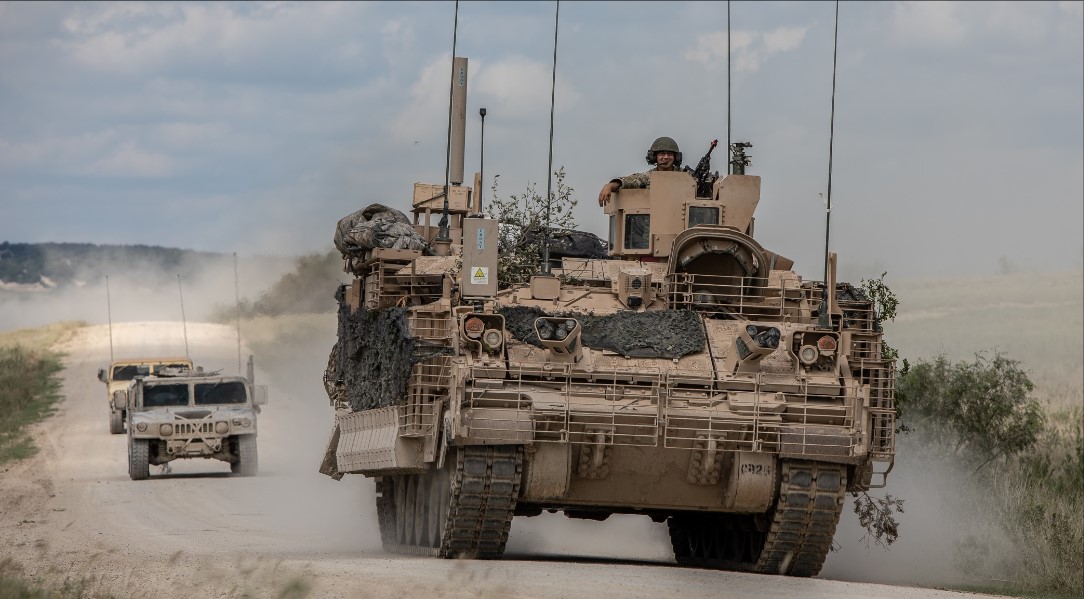
World
Defense News ,U.S :- BAE Systems, a leading defense contractor, has clinched a substantial USD 754 million contract to propel the production of the Armored Multi-Purpose Vehicle (AMPV) family for the U.S. Army. This contract marks the commencement of the second phase of full-rate production, spanning from March 2026 to February 2027.The AMPV fleet, designed for multi-mission readiness, is poised to replace the aging vehicles from the Army’s M113 family, originally deployed during the Vietnam War. By introducing critical upgrades in survivability, mobility, and interoperability to the Armored Brigade Combat Team (ABCT), the AMPV project aims to modernize the Army's combat capabilities.Bill Sheehy, the AMPV program director at BAE Systems, emphasized the significance of swiftly replacing the M113s to ensure soldiers remain unparalleled on the contemporary battlefield. He affirmed BAE Systems' unwavering commitment to collaborating with the Army to deliver top-notch AMPVs at an accelerated and sustained pace. This endeavor aligns with the broader objective of furnishing the ABCT with a versatile combat platform capable of accomplishing present and future missions while maneuvering adeptly across diverse terrains.The AMPV lineup presently comprises five variants, catering to diverse operational needs such as General Purpose, Mortar Carrier, Medical Evacuation, Medical Treatment, and Mission Command. These variants, with adaptable hulls, lay the groundwork for seamless integration of forthcoming mission roles and technological advancements.BAE Systems continues to invest in enhancing the AMPV platform, ensuring soldiers maintain their edge on the battlefield. Ongoing investments aim to develop a more modular chassis facilitating swift integration of next-generation technologies, thus catering to potential future requirements of customers.The journey of the AMPV project commenced in 2014 when BAE Systems secured the engineering and manufacturing development contract from the Army, followed by a low-rate initial production contract in 2018. The recent contract milestone underscores the program's evolution into full-rate production, achieved in August 2023.In a strategic move to bolster AMPV production capabilities, BAE Systems announced substantial investments in expanding its production line located in York, Pennsylvania, last year. These investments not only enhance the company's capacity but also fortify the combat vehicle industrial base, enabling faster delivery of capabilities to the U.S. government. Notably, the recent installation of additional robotic weld capability on the AMPV line augments quality throughput during manufacturing, paving the way for expanded production to meet escalating business demands.The latest contract award to BAE Systems marks a significant stride in advancing the production of the AMPV fleet for the U.S. Army. With a steadfast commitment to innovation and collaboration, BAE Systems endeavors to equip soldiers with cutting-edge vehicles, ensuring their supremacy on the modern battlefield while reinforcing the nation's defense capabilities.
Read More → Posted on 2024-03-29 04:41:09Search
Top Trending in 24 Hours
-
 Trump Administration Weighs Purchase of Chagos Islands to Secure Diego Garcia Base
-
 US Considers Using Frozen Iranian Assets to Rebuild Gulf Infrastructure Damaged by Attacks
-
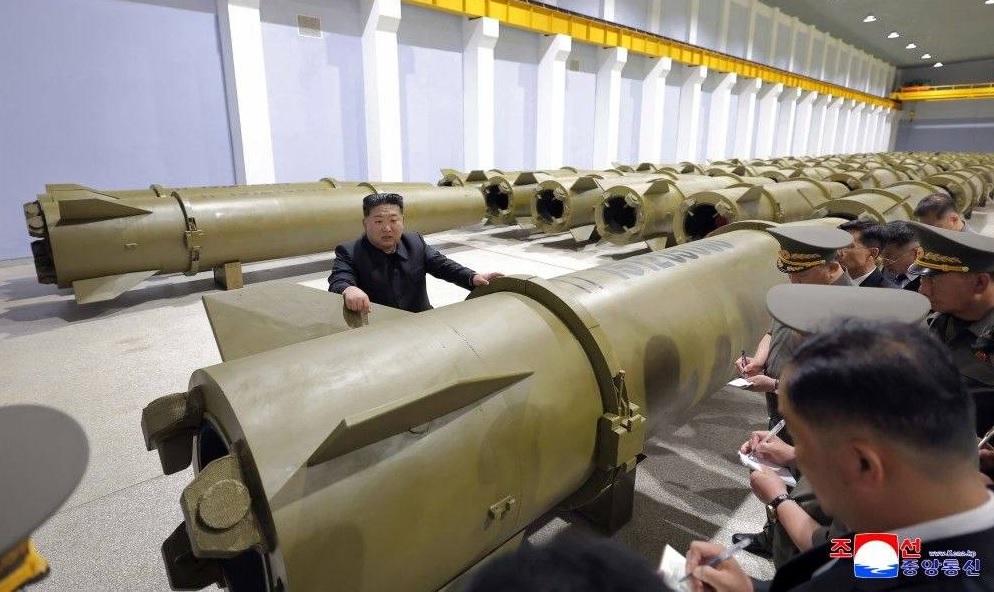 North Korea Launches Five-Year Plan to Boost Ballistic and Cruise Missile Production Production by 250%
-
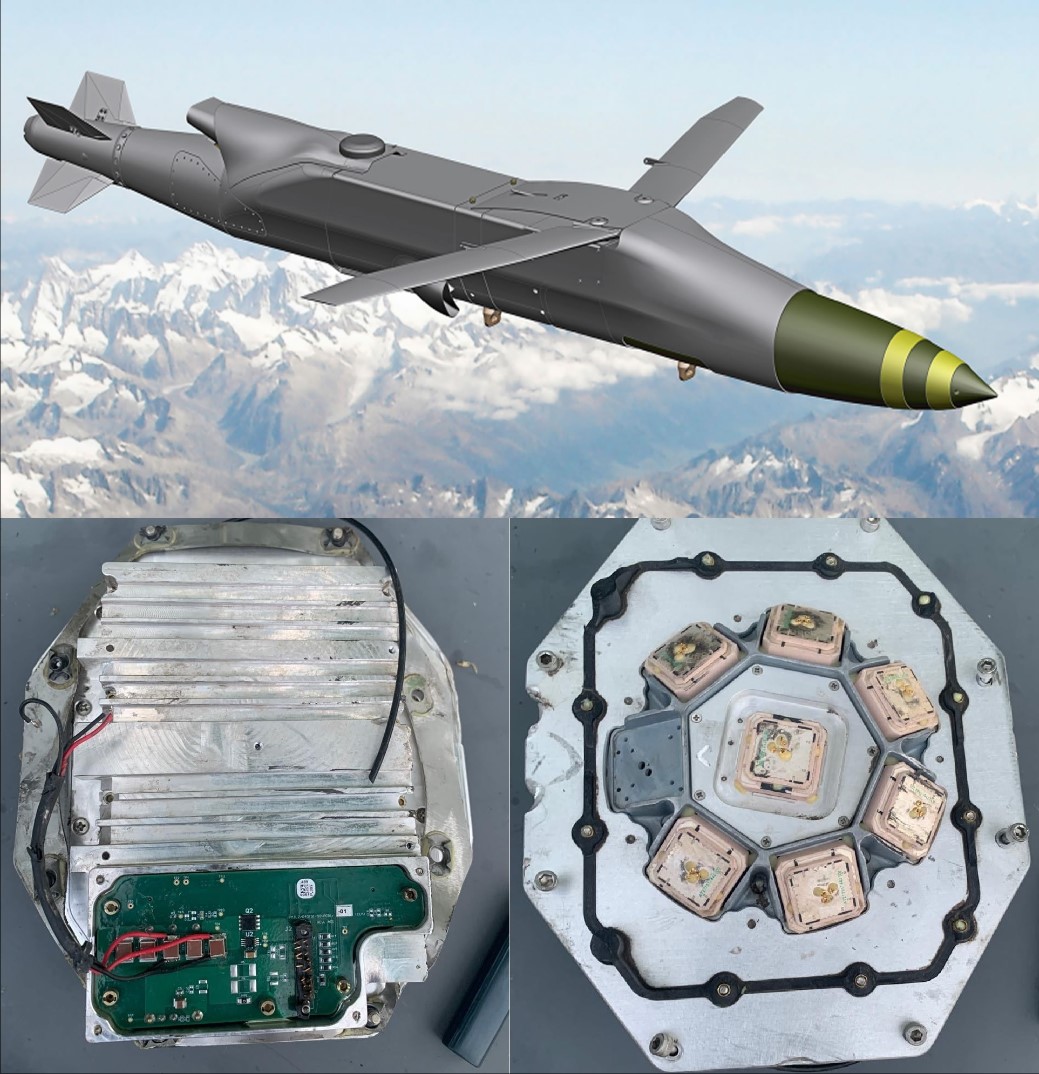 Missile Debris in Ukraine Suggests First Operational Use of U.S.-Made ERAM Cruise Missiles
-
 Cuba Distributes Weapons to Civilians Amid Growing Tensions with the United States
-
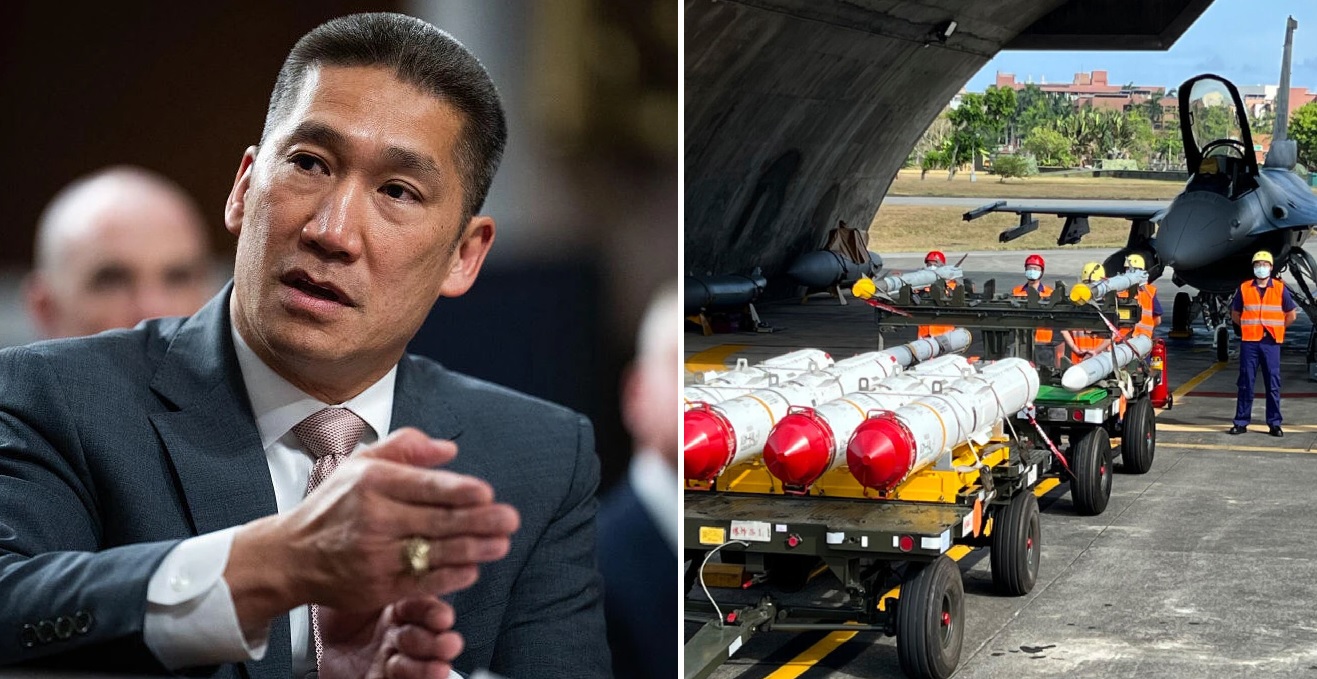 Taiwan Says It Received No Notice of Reported $14 Billion US Arms Package Freeze
-
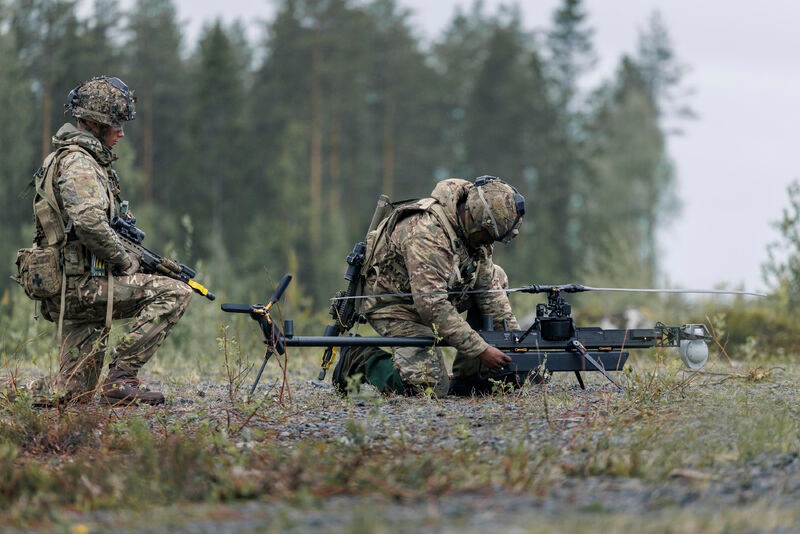 British Army Tests Autonomous Ghost and Bolt Drones Near Russian Border During NATO Exercise in Finland
-
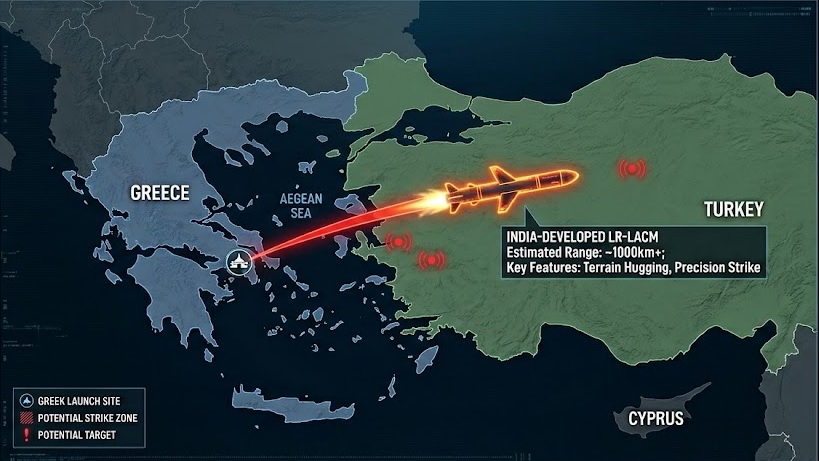 Turkish Media Raises Concerns Over Reports of Greek Interest in India’s LR-LACM Missile
Top Trending in 4 Days
-
 Iran Releases Footage of Qader Missile and Shahid Danaye Drone Launches Toward Two U.S. Navy Destroyers
-
 Five Eyes Issues Joint Alert on Chinese Targeting Government and Military Personnel Through LinkedIn and Job Platforms
-
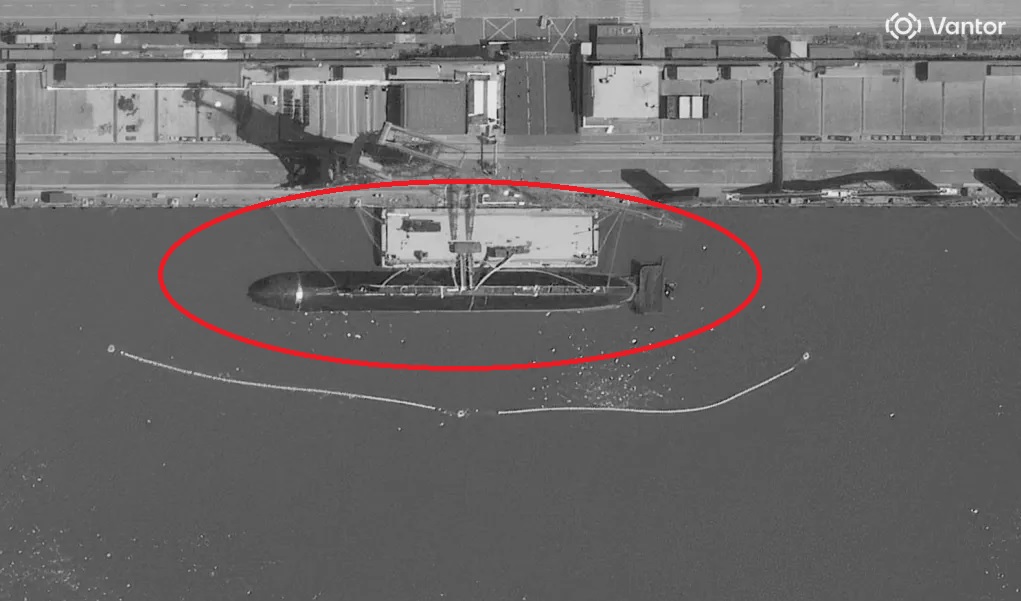 Satellite Imagery Reveals China's New-Generation Sail-Less Nuclear Submarine With Unique Design Features
-
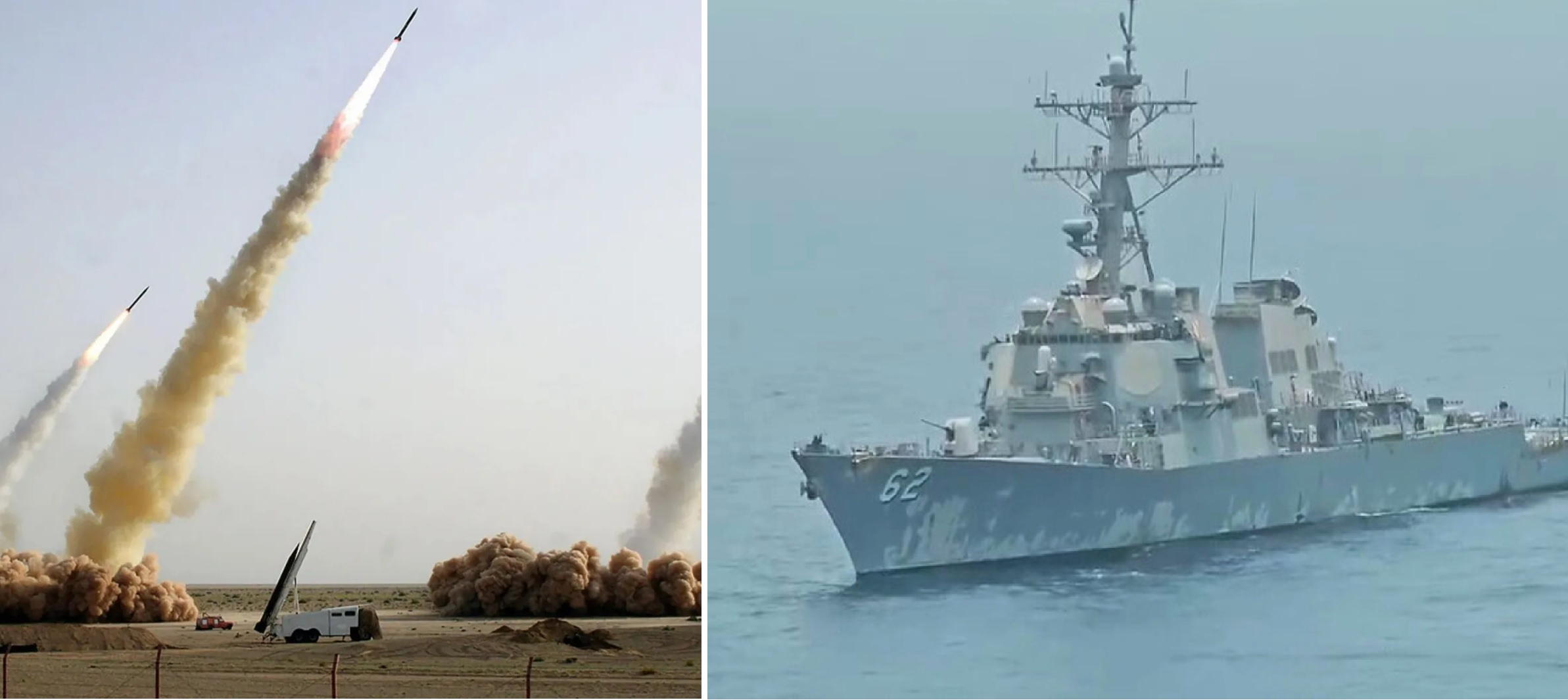 Iran Claims Attack on U.S. Destroyer in Gulf of Oman, CENTCOM Denies Attack
-
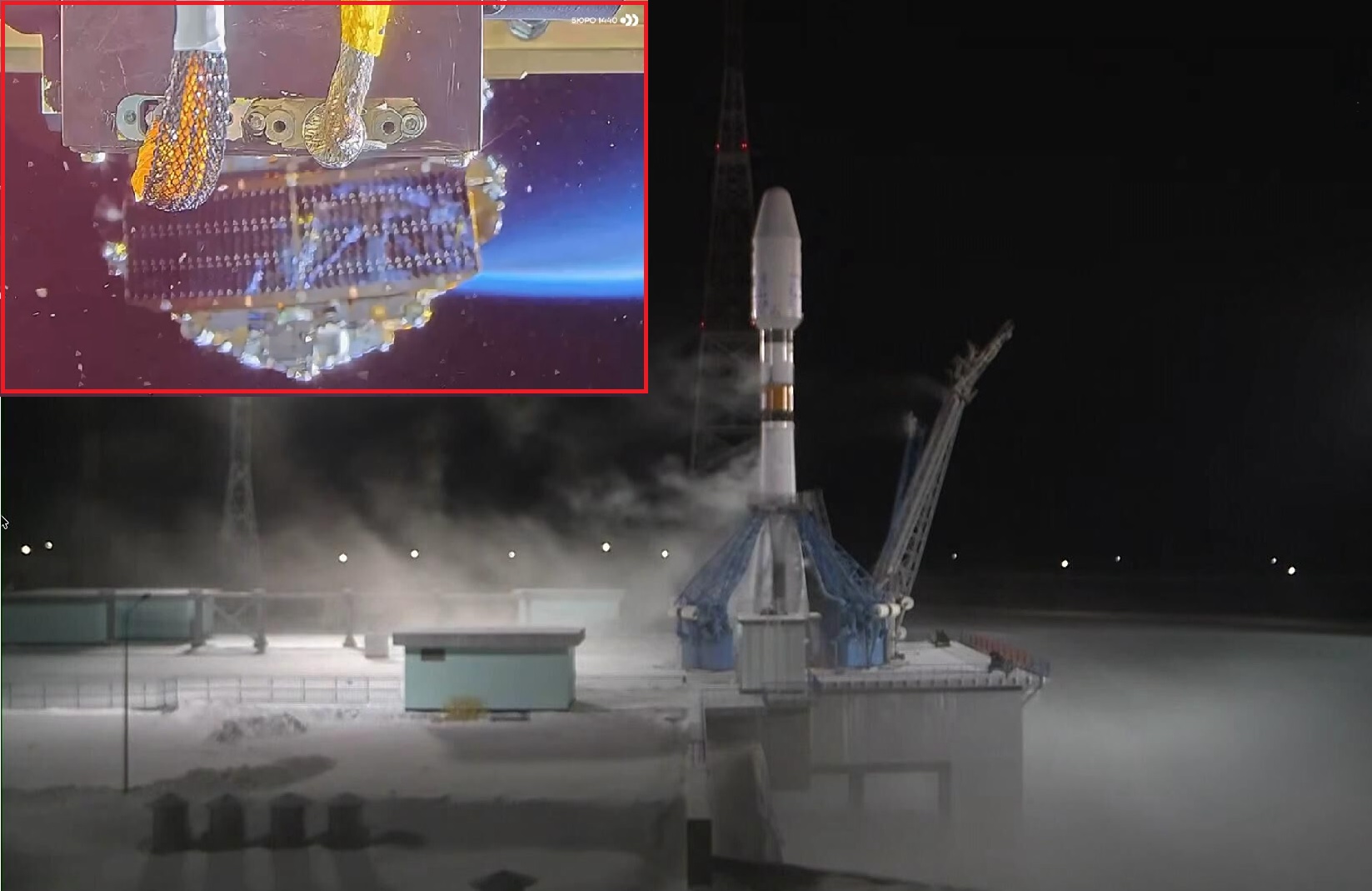 First Satellite of Russia's Rassvet Broadband Constellation Reenters Atmosphere After Less Than Three Months in Orbit
-
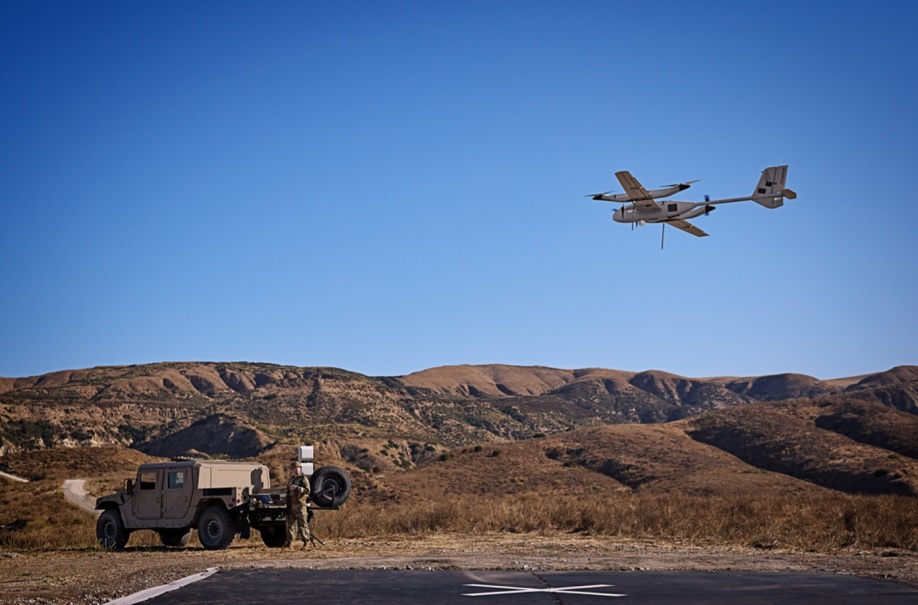 U.S. Army Awards AeroVironment $117.3 Million Contract for 82 P550 Long-Range Reconnaissance Drones
-
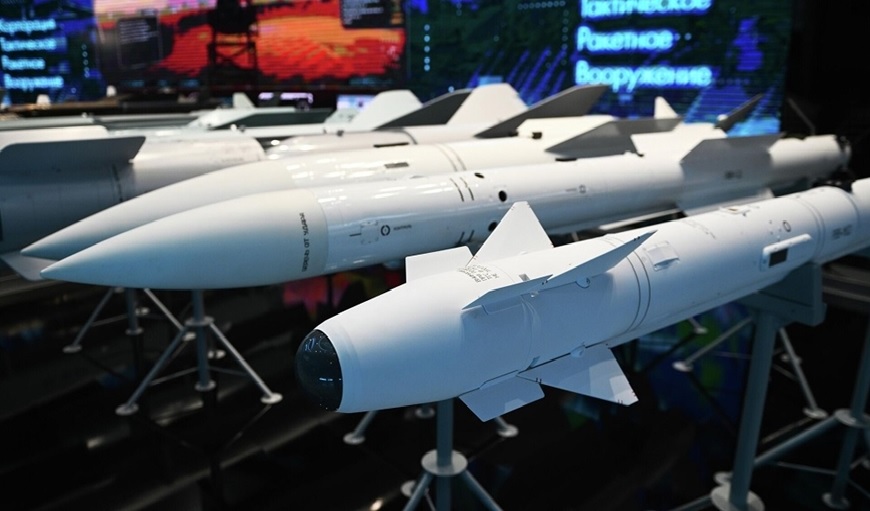 Leaked Contracts Reveal Russia Supplying Air-to-Air and Strike Missiles to Iran for Su-35 Fighter Fleet Through 2027
-
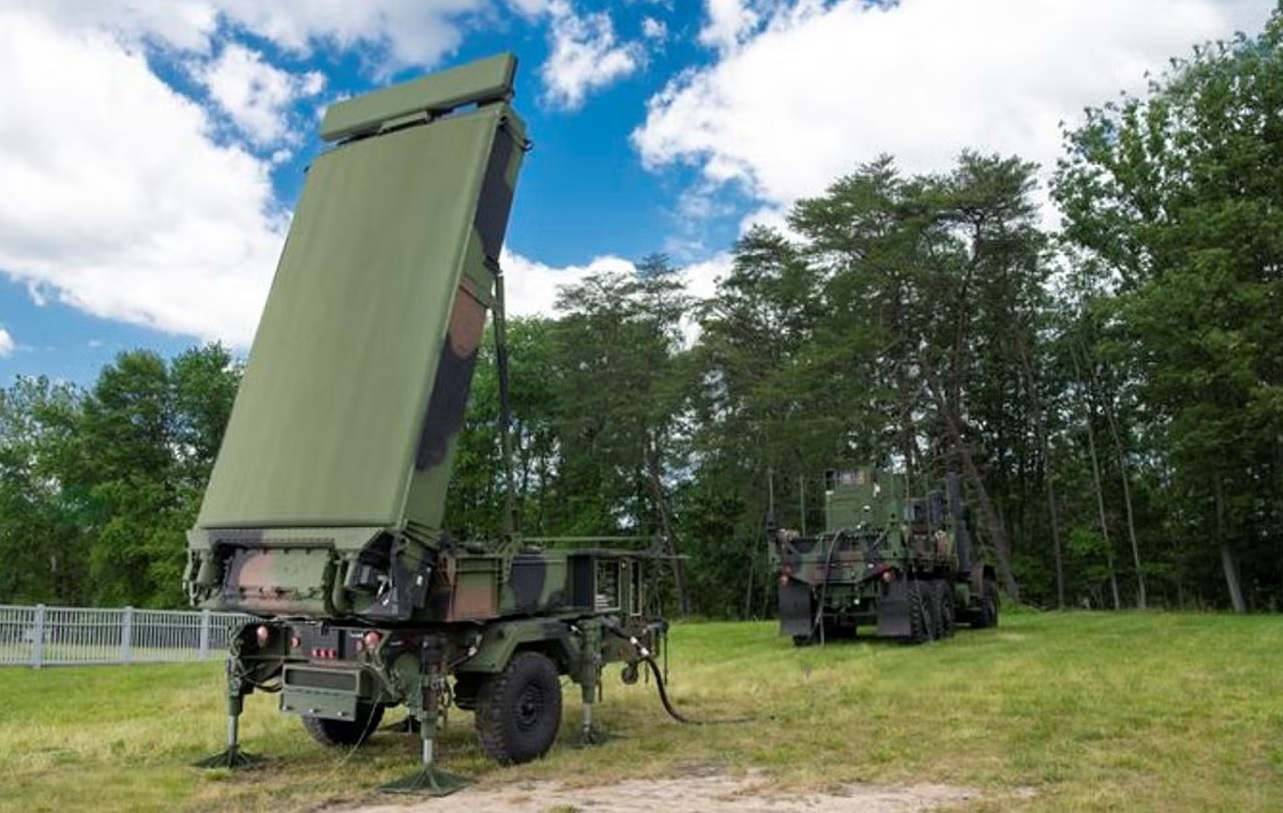 Northrop Grumman Positions G/ATOR Radar for Global Expansion with 60 Systems Planned by 2029