
World
Defense NewsIsrael & IranFor decades, Israel and Iran have fought a shadow war across the Middle East, trading attacks by land, sea, air and in cyberspace.Iran has largely used foreign proxies to strike Israeli interests, while targeted assassinations of Iranian military leaders and nuclear scientists have been a key part of Israel's strategy.Israel's strike in the Syrian capital, Damascus, that killed three top Iranian commanders Monday was the most brazen attack in years, raising fears of a wider confrontation. That would be particularly dangerous in a region already in turmoil on multiple fronts, including Israel's war in the Gaza Strip, cross-border skirmishes between Israel and the Lebanese militant group Hezbollah and attacks by Yemen's Houthi militia against Western interests in the Red Sea. An escalation between Israel and Iran would also risk further entangling the United States, given the presence of U.S. troops in the region.Here are some key moments in the years-long conflict.January 2020: A Major TargetThe assassination of Gen. Qassem Soleimani, commander of the foreign-facing arm of Iran's Revolutionary Guard, in a U.S. drone strike in Baghdad was greeted with satisfaction in Israel.Iran hit back by attacking two bases in Iraq that housed U.S. troops with a barrage of missiles, injuring about 100 U.S. military personnel.U.S. officials accused Soleimani of causing the deaths of hundreds of soldiers during the Iraq War. They also said that he was behind destabilizing Iranian activities throughout the Middle East and that he was accused of plotting attacks against U.S. embassies and Israeli targets.The general had built a network of allied militias to defend Iran's interests across the Middle East and to counter the United States and Israel.October 2023: Tit-for-Tat Strikes Before Oct. 7Iran and Israel reportedly carried out a number of covert attacks and counterattacks in the years following Soleimani's death.Israel killed Iran's top nuclear scientist, Mohsen Fakhrizadeh, in November 2021, and followed up with the assassination of a Revolutionary Guard commander, Col. Hassan Sayyad Khodaei, in May 2022.In July 2021, an oil tanker managed by an Israeli-owned shipping company was attacked off the coast of Oman, killing two crew members, according to the company and three Israeli officials.Two of the officials said the attack appeared to have been carried out by several Iranian drones that crashed into living quarters underneath the ship's bridge. Iran did not explicitly claim or deny responsibility, but a state-owned TV channel described the attack on the ship as a response to an Israeli strike in Syria.Once Israel's bombardment of Gaza began after the Hamas-led attacks on Oct. 7, Iranian-backed militias stepped up their attacks.December 2023: Another High-Profile KillingAt the end of last year, Iran accused Israel of killing a high-level military figure, Brig. Gen. Seyed Razi Mousavi, in a missile strike outside Damascus. A senior adviser to the Revolutionary Guard, Mousavi was described as having been a close associate of Soleimani and was said to have helped oversee the shipment of arms to Hezbollah.Israel, adopting its customary stance, declined to comment directly on whether it was behind Mousavi's death.January 2024: Back-and-Forth Attacks Ratchet UpThe Pentagon launched a drone strike in Baghdad that killed a senior figure in an Iran-linked militant group.The attack came days after an explosion in a suburb of Beirut that killed Saleh Arouri, a Hamas leader, along with two commanders from that group's armed wing. The blast was the first such assassination of a top Hamas official outside the West Bank and Gaza in recent years.Officials from Hamas, Lebanon and the United States ascribed the attack to Israel, which did not publicly confirm involvement.Arouri was the most senior Hamas figure to be killed since Israel vowed to destroy the organization after Oct. 7.Hezbollah, which receives major support from Iran, stepped up its assaults on Israel after Arouri's death. Israel's military hit back at Hezbollah in Lebanon, killing a number of the group's commanders.Later in January, Iran accused Israel of launching an airstrike on Damascus. A number of senior Iranian military figures were killed, including the head of intelligence in Syria for the overseas arm of the Revolutionary Guard and his deputy, according to the Iranian news media and an Israeli defense official.Then, a drone strike by an Iran-backed militia killed three U.S. service members and injured at least 34 others in Jordan. Ten days later, U.S. forces launched a retaliatory drone strike in Baghdad that killed a senior militia leader that U.S. officials blamed for the attacks on U.S. personnel.February 2024: Further Strikes by IsraelThe United States' retaliatory airstrikes against Iran-backed militias appeared to temper Iran's actions.Israel was blamed for a number of attacks in Syria and Lebanon. In February, Syrian state news media said Israel was behind an airstrike on a residential building in Damascus that killed two people.The Israeli military declined to comment on that strike, though it has acknowledged hundreds of past strikes on Iran-linked targets in Syria.But the Israeli military did acknowledge a strike in southern Lebanon in February that it said killed a Hezbollah commander, and in March, it killed a senior Hamas operative in an airstrike also in southern Lebanon.March 2024: A Tense AtmosphereAn Israeli drone strike targeted a car in southern Lebanon, killing at least one person. Israel's military said it had killed the deputy commander of Hezbollah's rocket and missile unit. Hezbollah acknowledged the death of a man, Ali Abdulhassan Naim, but did not provide further details.The same day, airstrikes killed soldiers near Aleppo, in northern Syria, in what appeared to be one of the heaviest Israeli attacks in the country in years.Those strikes killed 36 Syrian soldiers, seven Hezbollah fighters and a Syrian from a pro-Iran militia, according to the Syrian Observatory for Human Rights, a British-based group that tracks Syria's civil war.Israel's military did not claim responsibility. However, the country's defense minister, Yoav Gallant, wrote on social media, "We will pursue Hezbollah every place it operates and we will expand the pressure and the pace of the attacks."Three days later, on Monday evening, Israeli warplanes struck the building in Damascus in the attack that killed the three top Iranian commanders.This article originally appeared in The New York Times.
Read More → Posted on 2024-04-03 07:45:34
World
Defense NewsTaiwanA devastating earthquake measuring 7.3 on the Richter scale struck the east coast of Taiwan at 7:58 am on Wednesday, resulting in significant loss of life and widespread damage. According to reports, at least seven people have lost their lives, while 711 others have been reported injured.The earthquake's epicenter was located approximately 25 kilometers south of Hualien, a county in eastern Taiwan, with its impact felt across the entire island. Buildings collapsed, and residents ran in panic as the ground shook violently for nearly a minute.Among the casualties, three hikers lost their lives due to falling rocks at the Dekalun Trail in Taroko National Park, while a truck driver was killed when his vehicle was crushed by rocks near a tunnel in Hualien. In addition, more than 40 people, mostly tourists, were injured in Taroko Park, and hundreds were evacuated.In various parts of Taiwan, at least 50 individuals were injured either by falling objects or as a result of the earthquake's impact. Search and rescue operations are underway, with 22 people rescued from a collapsed eight-storey building in Hualien, while five remain trapped and one person is reported missing.The earthquake caused extensive damage to infrastructure, with reports of damaged walls, falling bricks, and debris across the island. A total of 125 buildings and houses have been reported damaged, including seven houses in New Taipei that collapsed due to foundation damage.Taiwan's transportation network also suffered, with several mountain sectors of highways closed due to partial collapses or blockages from fallen rocks. However, Taiwan's high-speed rail services remain unaffected, with no reports of damage or injuries.The earthquake's impact extended beyond Taiwan, with disruptions in the semiconductor industry, as major companies like Taiwan Semiconductor Manufacturing Co (TSMC) evacuated factory areas and partially shut down operations as a preventive measure. Other companies such as Powerchip Semiconductor Manufacturing Co and Innolux also took similar precautions.In response to the disaster, Taiwan's President Tsai Ing-wen has called for military support in rescue missions, while Vice-President William Lai Ching-te urged the public to remain calm and cautious. However, there has been no confirmation regarding the postponement of the upcoming presidential inauguration scheduled for May 20.The earthquake marks the most significant seismic event in Taiwan since 1999, with its impact felt in neighboring regions such as Japan and mainland China. Authorities have issued tsunami warnings, with aftershocks of up to magnitude 7 expected in the coming days, according to Taiwan's Central Weather Bureau.
Read More → Posted on 2024-04-03 07:32:36
World
Defense News North KoreaNorth Korea successfully test-fired a new hypersonic missile, state news agency KCNA said on Wednesday, the latest step in a plan its leader Kim Jong Un described as aimed at using solid fuel to power its entire range of missiles.The North is developing missiles and nuclear weapons undeterred by sanctions in the wake of U.N. Security Council bans, while analysts say solid-fuel missiles can be faster to deploy than liquid-fuel variants.It drew swift condemnation from neighbours South Korea and Japan, as well as the United States for firing the intermediate-range ballistic missile (IRBM) into the sea on Tuesday.Kim oversaw the launch of the new Hwasong-16B missile, KCNA said, calling it a strategic weapon showcasing the "absolute superiority" of the North's defence technology.It perfects the North's project for "putting all the tactical, operational and strategic missiles with various ranges on solid-fuelled, warhead-controlled and nuclear warhead-carrying basis," Kim said, according to KCNA.That would give North Korea the capacity for "rapidly, accurately and powerfully striking any target in the enemy side worldwide," Kim said.Analysts said it was unclear if the North would exclusively use solid-fuel missiles in future, and what the switch would mean for its arsenal of liquid-fuel weapons, such as its largest Hwasong-17 and Hwasong-15 intercontinental ballistic missiles (ICBMs).North Korea may heavily favour solid-fuel systems where possible, but actually phasing out liquid-fuel weapons is likely to play out over years, said Ankit Panda of the U.S.-based Carnegie Endowment for International Peace."There are obvious strategic advantages to an all-solid-fuel force for them in the form of greater promptness, responsiveness, and survivability," he added.North Korea would need to have high confidence in its production capabilities to allow solid-fuel missiles to sit for a number of years, during which they may develop imperfections that lead to in-flight failures, Panda added."India and other countries have had problems with this sort of thing with solid-fuel missiles," he said. "Liquid-fuel missiles, despite their strategic disadvantages, don't face this particular long-term handling problem."A move away from liquid fuel would be surprising, given recent state media coverage of such weapons, but would make sense if North Korea wants an extremely responsive missile force, said Decker Eveleth of the James Martin Center for Nonproliferation Studies in California."Solid-fuel missiles are much, much faster to get off the ground in an emergency," he said in a post on X.Such a shift could also see North Korea place some ICBMs in silos, in addition to the mobile launch vehicles it has exclusively used so far, Eveleth added.North Korea's pursuit of hypersonic vehicles helps its broader effort to field warheads tougher to intercept.Warheads typically launched by such missiles travel at more than five times the speed of sound or about 6,200 kph (3,850 mph), often manoeuvring at relatively low altitudes.That manoeuvrability, not speed, is the most attractive feature of such weapons, analysts say, as the latter can sometimes be matched or exceeded by traditional ballistic missile warheads.Tuesday's launch, which followed a ground test late in March of a solid-fuel engine for a new type of intermediate-range hypersonic missile, was also condemned by Britain, which said it breached UN Security Council resolutions.
Read More → Posted on 2024-04-03 07:08:44
World
Defense NewsWorldBelgian Defence has recently made a purchase of six R7 Remotely Operated Vehicles (ROVs) from Exail. These cutting-edge underwater vehicles are set to greatly enhance the capabilities of the Belgian Armed Forces, particularly in the areas of inspecting and disposing of underwater explosive ordnance (EOD), as well as safeguarding harbors, coastal areas, ships, and key infrastructures.Nicolas Astruc, Managing Director of ROV at Exail, expressed gratitude to the Belgian Defence for their trust in selecting the R7 ROV. He highlighted the R7's capabilities in critical infrastructure protection, explosive ordnance disposal, and inspection missions up to 300 meters deep. This acquisition from Belgium, known for its expertise in underwater operations, further validates the R7's effectiveness.According to the Belgian Defence, the introduction of ROV R7s into the Belgian Navy signifies a significant advancement in protecting Belgian waters. These ROVs will be instrumental in tasks such as underwater EOD inspection and removal, as well as ensuring the security of ports, coastal areas, ships, and vital infrastructures. The move reflects the Navy's ongoing commitment to enhancing its capabilities and ensuring the safety of its personnel and the environment they operate in.The R7 ROV is characterized by its cost-efficiency, compact size, and versatility. It is easily deployable and operable from small boats like RHIBs or from the shore. Equipped with a robotic arm and capable of carrying multiple payloads, the R7 is adaptable to a wide range of missions.For EOD neutralization missions, the R7 comes equipped with a special payload featuring a neutralization charge. Its precise positioning is ensured by embedded INS, DVL, and USBL sensors. Additionally, the ROV is equipped with a multibeam sonar and an Orphie 12S camera, facilitating accurate target detection and identification even in challenging conditions.In conclusion, the acquisition of the R7 ROVs by the Belgian Defence signifies a practical step towards bolstering their underwater capabilities. With their advanced features and versatility, these ROVs are expected to play a crucial role in enhancing security and safety in Belgian waters.
Read More → Posted on 2024-04-02 16:35:12
World
Defense NewsRussia Ukraine WarThe Russian military is taking measures to defend ground troops against drone attacks by forming mobile anti-aircraft gun units, as reported by the state-backed Izvestia. These units will be equipped with truck-mounted ZU-23-2 anti-aircraft cannons, providing a cost-effective alternative to guided missiles and rockets commonly used in short-range air defense systems.According to sources cited by Izvestia, each unit will also be outfitted with electronic warfare equipment and smoke production vehicles. These additional assets are intended to disrupt unmanned aerial systems and enhance the effectiveness of the anti-aircraft gun units.The centerpiece of these units is the ZU-23-2 anti-aircraft cannon, which has been in service since the 1960s. This twin-barrel cannon is capable of firing at a rate of up to 2,000 rounds per minute, making it suitable for defending low-moving and stationary targets against aerial threats.Military expert Alexei Leonkov highlighted the versatility of these units, pointing out that existing Shilka complexes, equipped with four twin 23-mm cannons operating as a single unit, can be effectively deployed in this role.By establishing mobile anti-aircraft gun units, the Russian military aims to bolster ground troop defenses against the growing threat posed by drones. These units offer a practical and efficient means of countering drone attacks, ensuring the protection of critical assets and personnel on the ground.
Read More → Posted on 2024-04-02 16:17:26
World
Defense NewsU.SIn a recent statement, the Deputy Director of DARPA’s Information Innovation Office, Matt Turek, emphasized the crucial importance of developing trustworthy artificial intelligence (AI) for the U.S. Defense Department. Turek highlighted that about 70% of DARPA’s programs integrate AI, machine learning, and autonomy in various capacities.The urgency stems from the need to stay ahead of potential technological advancements by adversarial forces. Turek stressed DARPA’s commitment to maintaining a competitive edge through strategic advancements of its own.To achieve these objectives, DARPA actively seeks transformative ideas and capabilities from industry and academia, often through competitive challenges where private sector teams compete for substantial monetary prizes. One such example is the DARPA Artificial Intelligence Cyber Challenge, which employs generative AI technologies to identify and rectify vulnerabilities in critical infrastructure’s open-source software.Large language models, a subset of AI, play a pivotal role in enhancing various tasks such as secure coding, decision-making, speech recognition, and predictive analysis. DARPA collaborates with leading large language model providers like Google, Microsoft, OpenAI, and Anthropic to push the boundaries of AI capabilities.Turek emphasized that advancements in large language models would not only benefit the defense sector but also have significant implications for commercial applications.DARPA’s practical implementations of AI include experimentation with autonomy in F-16 fighter jets, demonstrating the real-world applicability of AI technologies.DARPA’s AI research focuses on four key domains: proficient AI, bolstering confidence in the information domain, fortifying secure and resilient systems, and developing defensive and offensive cyber tools. Turek highlighted the synergistic relationship across these research areas, reflecting DARPA’s holistic approach to advancing AI for defense purposes.
Read More → Posted on 2024-04-02 16:07:53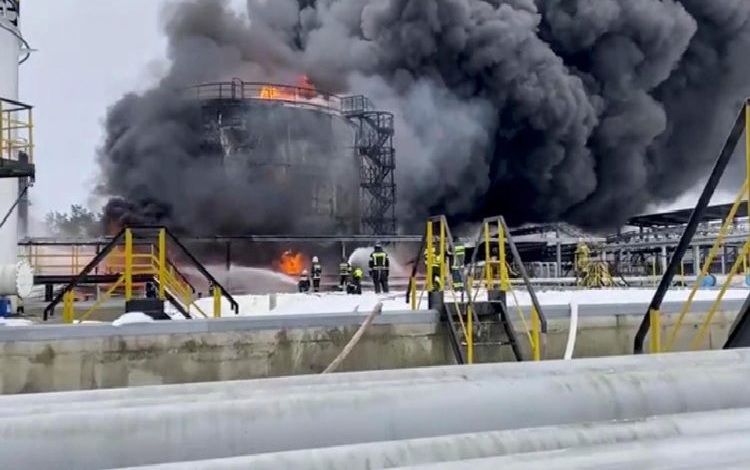
World
Defense NewsUkraine Russia WarA Ukrainian drone struck Russia's third largest oil refinery on Tuesday about 1,300 km (800 miles) from the front lines, hitting a unit that processes about 155,000 barrels of crude per day though an industry source said the damage was not significant. Russian officials said its jamming devices locked onto a Ukrainian drone near Tatneft's Taneco refinery, which has an annual production capacity of more than 17 million tons (340,000 barrels per day). Pictures from the scene indicated the drone hit the primary refining unit, CDU-7, at the refinery, though the drone appears to have not done serious damage. An industry source who spoke to Reuters on condition of anonymity said the damage to the unit was not critical while the personnel was returning to the plant. A fire broke out at the refinery but was extinguished within 20 minutes, the state news agency RIA said, adding that output had not been disrupted. Ramil Mullin, the mayor of Nizhnekamsk in the Tatarstan region southeast of Moscow where the refinery is located, said there had been no serious damage done. The unit that was hit accounts for around a half of the plant's total annual production capacity. The refinery accounts for about 6.2% of Russia's refining capacity. A military intelligence source in Ukraine, which has been at war with Russia since Moscow began a full-scale invasion of its neighbour two years ago, said in Kyiv that the primary Taneco refining unit had been hit, causing a fire. The source said the aim of the strike was to reduce Russia's oil revenue. Another Ukrainian intelligence source said Ukrainian-made drones also hit a Russian plant producing long-range "Shahed" attack drones, causing "significant damage". Tuesday's attack was one of several in Tatarstan, a highly industrialised region, in the early hours of Tuesday. The Washington Post reported last year that Russia was mass-producing drones at a plant in Tatarstan. RUSSIAN OIL REVENUE TARGETED Ukraine has in recent months begun attacking the oil refineries of Russia, the world's second largest oil exporter, impacting Moscow's highly lucrative trade in refined products, amid extensive Russian missile strikes on Ukraine's energy grid. According to Reuters calculations, around 14% of Russia's refining capacity has been shut down by drone attacks. There is more demand for refined oil products than for Russian crude. The attacks on Russian refineries - many deep inside the world's largest country - have raised concern in Washington about the potential for escalation with Russia, which is the world's largest nuclear power. Ukraine says its drone attacks on Russia are justified because it says it is fighting for survival and has suffered widespread damage from to its infrastructure, including power plants, from Russian air strikes. Ukraine, which says it has been attacked by more than 4,630 Russian long-range Shahed drones during the 25-month-old war, regards its own drone production push as a way to hit back at a much better armed and larger enemy. When asked if Russia thought the United States was involved in the attacks on Russian refineries, the Kremlin said the question was better addressed to the defence ministry and security services. "The Kyiv regime continues its terrorist activity," Kremlin spokesman Dmitry Peskov said. "We and our military are primarily working to minimise this threat, and subsequently to eliminate it." DRONE BATTLE Since President Vladimir Putin sent tens of thousands of troops into Ukraine in 2022, drones have played a big part in the war - either as "kamikaze" attackers or as eyes in the sky that guide in other weaponry to kill soldiers or destroy equipment. Ukraine has carried out a series of high-profile attacks deep inside Russia meant to either undermine Russia's war machine or, as with a 2023 drone strike on the Kremlin, bring the reality of war to the very heart of Russia. A powerful ally of Putin said on Tuesday that NATO was essentially fighting Russia in Ukraine and that the U.S.-led military alliance had helped organise strikes on sovereign Russian territory. Ukrainian sources say Kyiv alone is responsible for the planning and execution of the drone attacks inside Russia. The United States has repeatedly said that it does not support Ukrainian strikes inside Russia. Tuesday's attacks also hit enterprises in Yelabuga and Nizhnekamsk and some people were injured, Tatarstan's regional governor Rustam Minnikhanov said. Two drones struck a dormitory on the territory of the Alabuga Special Economic Zone and at least seven people were injured, Russian media reported.
Read More → Posted on 2024-04-02 14:16:14
World
Defense NewsJapanThe Japan Maritime and Air Self-Defense Forces recently wrapped up a week-long Tomahawk land attack missile training alongside the US Navy in Yokosuka. The training focused on learning the naval cruise missile curriculum from the US Department of Defense, aiming to enhance coordination in shipboard weapons operations. Participants, including Japanese warfighters, engaged in classroom sessions, walkthroughs, and demonstrations aboard the USS McCampbell (DDG 85) Arleigh Burke-class guided-missile destroyer. They received hands-on training on Tomahawk missile control systems and equipment.The culmination of the training involved a simulation of a generic strike mission, showcasing the acquired skills. Cmdr. Michael Arnold, Officer in Charge of the US Surface Combat Systems Training Command Western Pacific, expressed the significance of the training for Japan's strategic acquisition of the Tomahawk Weapon Control System.US Ambassador to Japan Rahm Emanuel emphasized the importance of maintaining deterrence and operations within the Indo-Pacific region, highlighting the ongoing support and capacity building efforts for allies like Japan.The Tomahawk missile, in service since the 1980s, provides all-weather capability for the US Navy against land-based targets. It boasts a maximum speed of 885 kilometers per hour and can carry various warhead types, enabling engagement at distances ranging from 460 to over 1,600 kilometers.The collaborative training underscores the commitment to a free and open Indo-Pacific region while strengthening the alliance between the US and Japan.
Read More → Posted on 2024-04-02 14:00:06
World
Defense NewsGermany German Finance Minister Christian Lindner has outlined potential plans for increased defense spending in the coming years. Speaking to DPA news agency, Lindner stated that if Germany manages to decrease its debt levels below the EU-mandated threshold of 60% of GDP, up to 9 billion euros could be allocated to defense by 2028.The additional funds would be made available by reconsidering the repayment of coronavirus-related debts, currently scheduled to begin in 2028. Lindner emphasized that falling below the 60% debt threshold could prompt a reevaluation of these repayment plans.Germany incurred emergency loans totaling approximately 300 billion euros in response to the COVID-19 pandemic and the conflict in Ukraine. These loans, coupled with the suspension of the debt brake, have strained the country's fiscal position.Lindner highlighted the potential for financial flexibility without altering the debt brake mechanism. He suggested that reducing the debt burden could create room for increased defense spending.The government's current budgetary plans include debt repayments of 9 billion euros annually starting in 2028, with a larger sum of 10.8 billion euros per year from 2031. However, Lindner indicated that if pandemic-related debts are sufficiently mitigated, these repayments could be scaled back, freeing up funds for defense.The goal, according to Lindner, is to align with NATO targets for defense spending, which require member states to allocate at least 2% of GDP to defense. In light of the ongoing conflict in Ukraine, Germany established a special fund of 100 billion euros for modern weapons procurement and pledged to meet NATO's spending target.Looking ahead to 2028, Lindner warned of impending challenges as the special fund's reserves are depleted. To maintain defense spending at the required level, an additional 20 to 25 billion euros may be necessary in the regular defense budget.In sum, Lindner emphasized the potential for increased financial flexibility if debt levels are reduced, presenting a pathway for bolstering defense spending in the future. This strategy builds on previous instances where the government extended debt repayment timelines to create additional fiscal space.
Read More → Posted on 2024-04-02 13:51:49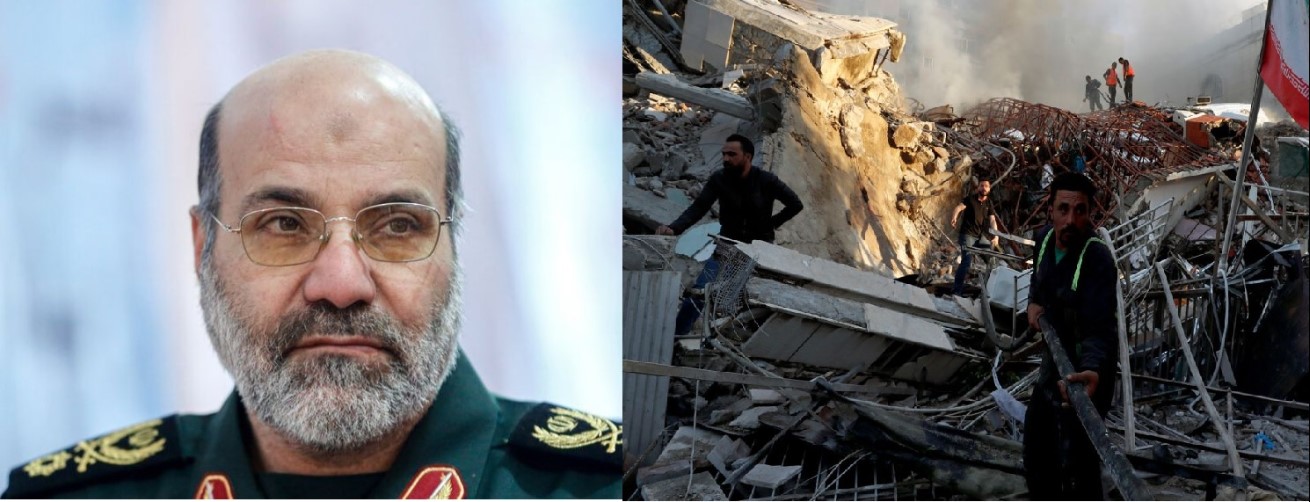
World
Defense News Israel & IranIran has accused Israel of carrying out an airstrike near its embassy in Damascus, resulting in the deaths of seven members of Iran's Islamic Revolutionary Guard Corps (IRGC), including a top commander. The strike targeted a building adjacent to the Iranian embassy in the Mezzeh area of Damascus, according to footage.Although Israel has not officially commented on the incident, unnamed Israeli officials cited by The New York Times have confirmed the country's involvement in the attack. Iranian media reports suggest that the targeted building was either the consulate or the ambassador's residence.Among the deceased IRGC members was Mohammad Reza Zahedi, a senior commander in the IRGC's Quds Force, designated as a terrorist organization by the US. Zahedi was responsible for overseeing IRGC operations in Syria and Lebanon, as well as maintaining ties with Hezbollah. This marks the most significant killing of an IRGC leader since the assassination of Qasem Soleimani in 2020.Iran has vowed a harsh response to the airstrike, with its ambassador in Syria warning of consequences. Iran's Foreign Minister Hossein Amirabdollahian has held Israel responsible for the attack, condemning it as a breach of international conventions.The strike comes amid escalating tensions between Israel and Iran-backed groups. Israel has conducted numerous airstrikes against Iran-backed militias in Syria over the past decade, aiming to prevent the transfer of arms to groups like Hezbollah. In response to ongoing attacks, Israel has intensified its strikes on Iran-linked targets in Syria, resulting in casualties among IRGC operatives and Hezbollah members.The incident follows a drone attack by an Iran-backed militia in Iraq on an Israeli Navy base in Eilat, causing damage. Shortly after the Damascus strike, the Israeli military announced new operational plans for the Northern Command, amidst repeated attacks by Hezbollah on northern Israel.The IDF has targeted several Hezbollah positions in southern Lebanon in response to continued rocket fire at army bases and Israeli communities along the border.The situation remains tense as both sides brace for potential retaliation and further escalation in the region.
Read More → Posted on 2024-04-02 06:11:40
World
Defense News UKThales UK has ramped up its production of weapons in response to the ongoing conflict in Ukraine, with operations doubling and expected to double again.The escalation follows Russia’s invasion of Ukraine, prompting the company, a subsidiary of the French Thales Group, to intensify activities at its two Northern Ireland facilities. High-precision missiles, including the Starstreak, Lightweight Multirole Missile (LMM) systems, and assembly of the Saab-designed NLAW, are being produced at its east Belfast plant, with final assembly taking place in Crossgar, Co Down.Thales UK has also contributed to training efforts, preparing both UK and Ukrainian soldiers in the south of England.The Thales Group, operating in 68 countries, spans various sectors, including cybersecurity, aerospace, and defense systems. The Belfast plant’s history with missile production dates back decades, with notable use during the Falklands War in 1982 and later in conflicts such as the Gulf War and Afghanistan. Starstreak missiles were also deployed for the security of the 2012 London Olympic Games and are planned for use in the upcoming Paris 2024 Olympics.The increase in production is directly linked to the need for military aid to Ukraine, with Thales replenishing Starstreak, LMM, and Saab NLAW systems previously procured by the UK Ministry of Defence for assistance to Ukraine.Thales maintains a policy of selling missiles exclusively to governments, under strict licensing agreements for military exports from the UK.
Read More → Posted on 2024-04-02 05:59:10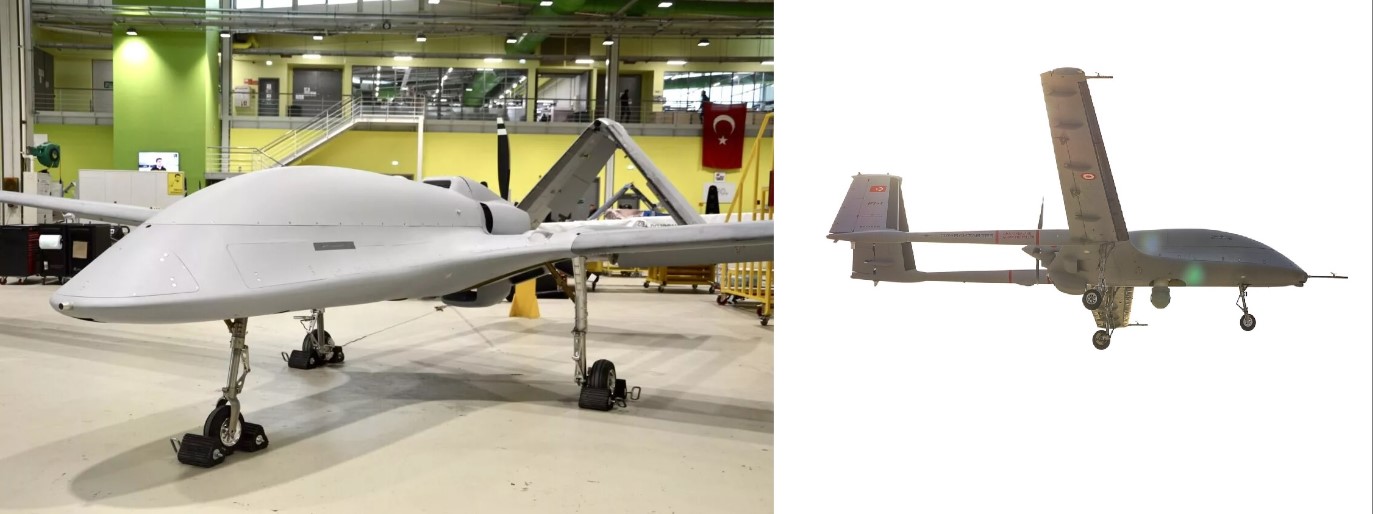
World
Defense NewsTurkeyThe Bayraktar TB3 marine Unmanned Combat Aerial Vehicle (UCAV) has achieved a significant milestone in its development, with the successful completion of a 27-hour flight during its latest test. Equipped with the advanced ASELFLIR-500 electro-optical system, the UCAV flew a distance of 4600km, demonstrating its cutting-edge technology and engineering.Following the impressive performance of its first prototype, which set a record flight time of 32 hours and covered a distance of 5700km, the Bayraktar TB3 continues to push boundaries in endurance and range capabilities. Designed to operate from short-runway ships like the TCG Anadolu (L400), the UCAV is undergoing tests on a mock runway resembling the ship's deck.Featuring reinforced landing gear, folding wings, and a more powerful engine, the Bayraktar TB3 represents a significant advancement in maritime and aerial warfare technology. Selçuk Bayraktar, Chairman of Baykar, has announced plans for testing aboard the TCG Anadolu (L400) in 2024, signaling a pivotal moment in the integration of unmanned systems in naval operations.With a Maximum Take-Off Weight (MTOW) of 1450 kg and a payload capacity of 280 kg, the Bayraktar TB3 offers improved operational capabilities compared to its predecessor, the TB2. Expected to have a range of 1,000 nautical miles, the TB3 will be equipped with various munitions for engaging surface targets at sea and on land, enhancing the tactical flexibility and strike capabilities of naval forces.The development and upcoming tests of the Bayraktar TB3 highlight the rapid progress in unmanned aerial vehicle technology and its growing importance in modern warfare. As the TB3 prepares for groundbreaking tests aboard the TCG ANADOLU, it sets a new standard in naval and aerial combat operations, solidifying Bayraktar's position as a leader in UCAV innovation.
Read More → Posted on 2024-04-02 05:39:49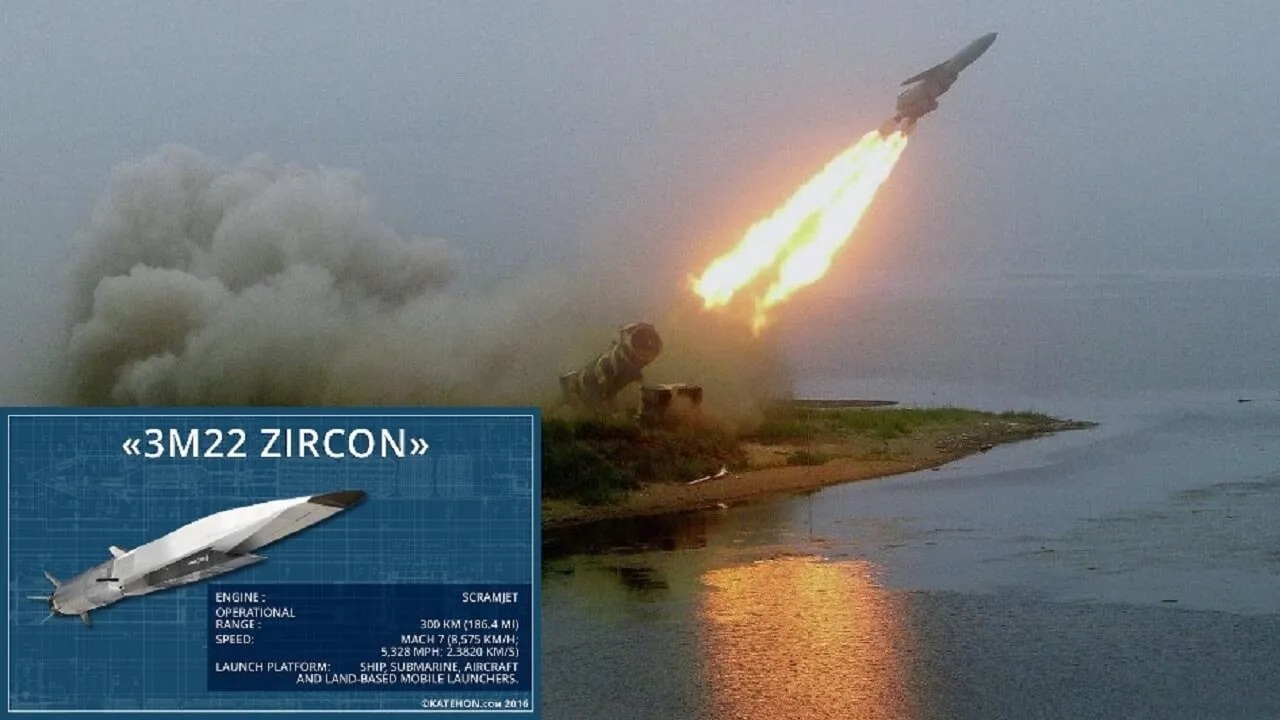
World
Defense NewsRussia Ukraine WarRussia has used five of its new hypersonic Zircon missiles to attack Kyiv since the start of the year, the city's military administration said on Monday.The attacks are among more than 180 Russian missile and drone attacks launched against the Ukrainian capital in the first three months of the year, the administration said in a post on Telegram.The sea-based Zircon missiles have a range of 1,000 km and travel at nine times the speed of sound, Russia says. Military analysts have said the missiles' hypersonic speed could mean greatly reduced reaction time for air defences and a capability to attack large, deep and hardened targets.President Putin confirmed in his annual state-of-the-nation address on Feb. 29 that Russia had used Zircon missiles in battle, without saying what sites had been targeted. He has described the Zircon as part of a new generation of unrivalled arms systems.
Read More → Posted on 2024-04-02 05:12:08
World
Defense NewsFrance & UkraineFrance has announced its decision to provide Ukraine with an additional batch of Aster 30 air defense missiles, as revealed by Sébastien Lecornu, the French Minister of Defence, in an interview with "La Tribune" newspaper. These missiles are part of the SAMP/T air and missile defense system, initially supplied to Ukraine by Italy and France.This support comes amidst a critical period for Ukraine, which is facing relentless missile attacks from Russia. The decision to offer further military aid was made public on March 31st, following a week marked by severe Russian missile strikes on Ukrainian territory. These strikes inflicted significant damage to the country's energy infrastructure, employing a mix of drones, cruise missiles, and ballistic missiles.The challenge of countering such ballistic missile threats is a pressing concern for the Ukrainian Armed Forces, who are grappling with a shortage of effective air defense systems. Presently, only the PATRIOT and SAMP/T systems, provided by Western nations, possess the capability to engage these threats. However, reports indicate that the missile arsenal for these systems is dwindling, compounded by the recent loss of two PATRIOT system launchers in precision attacks by Russian forces.The additional delivery of Aster 30 missiles by France aims to fortify Ukraine's defensive capabilities, enabling them to better counter ballistic missiles and aerodynamic targets over distances exceeding 100 km. The SAMP/T system, armed with Aster 30 missiles, is designed to engage hostile aircraft within a range of 3 km to over 100 km and ballistic missiles within a range of 3 km to 25 km, at altitudes up to 25 km.The Aster 30 missile specifications include a weight of 450 kg (990 lb), a length of 4.9 m (16 ft), a diameter of 180 mm (7.1 in), and a speed of Mach 4.5. It boasts a maximum intercept altitude of 18 km (60,000 ft) and is equipped with a two-stage design comprising a solid propellant booster and ramjet motor. Additionally, it features aerodynamic controls, thrust vectoring, and an active radar seeker for terminal guidance in all weather conditions. These missiles are seamlessly integrated into various air defense systems, enhancing their effectiveness in safeguarding against aerial threats.
Read More → Posted on 2024-04-02 05:00:16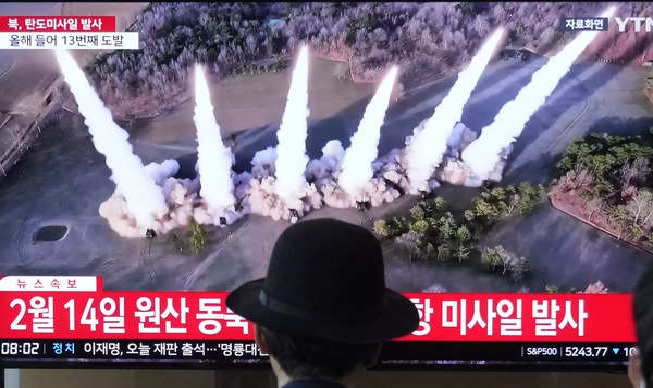
World
Defense NewsNoth Korea Ballistic MissileNorth Korea launched a suspected intermediate-range ballistic missile into the sea off its east coast on Tuesday, according to South Korea's military. The missile, believed to be of an intermediate-range class, was detected originating from Pyongyang at 0653 a.m. local time. It traveled approximately 600 kilometers (372 miles) before falling into the sea. Japan's defense ministry estimated its range at 650 km (400 miles) with a maximum altitude of 100 km (62 miles).Although the exact type of missile was not specified by South Korea's Joint Chiefs of Staff, North Korea has been testing a new intermediate-range hypersonic missile powered by a solid-fuel engine. In March, North Korean leader Kim Jong Un supervised a ground test of such an engine, aimed at enhancing the nation's defense capabilities.Japan confirmed that the missile fell outside of its exclusive economic zone (EEZ). Concerns have risen over potential military collaboration between Russia and North Korea, prompting the United States, South Korea, and Japan to bolster security cooperation.Accusations have emerged from officials in the United States, South Korea, and Ukraine, alleging North Korea's involvement in supplying weapons, including missiles, to Russia for use in the Ukraine conflict. South Korea has responded by imposing sanctions on two Russian vessels allegedly involved in transporting munitions between North Korea and Russia, along with two Russian entities employing North Korean workers to generate foreign currency for Pyongyang.Japanese Prime Minister Fumio Kishida condemned North Korea's missile launch, emphasizing its destabilizing impact on regional peace and stability. North Korea's recent disinterest in holding a summit with Japan further strains already tense relations between the two countries.Amidst these developments, reports suggest that the United States government is arranging a summit in July between President Joe Biden and his Japanese and South Korean counterparts, scheduled to take place on the sidelines of a NATO summit in Washington, D.C.
Read More → Posted on 2024-04-02 04:52:25Search
Top Trending in 24 Hours
-
 Trump Administration Weighs Purchase of Chagos Islands to Secure Diego Garcia Base
-
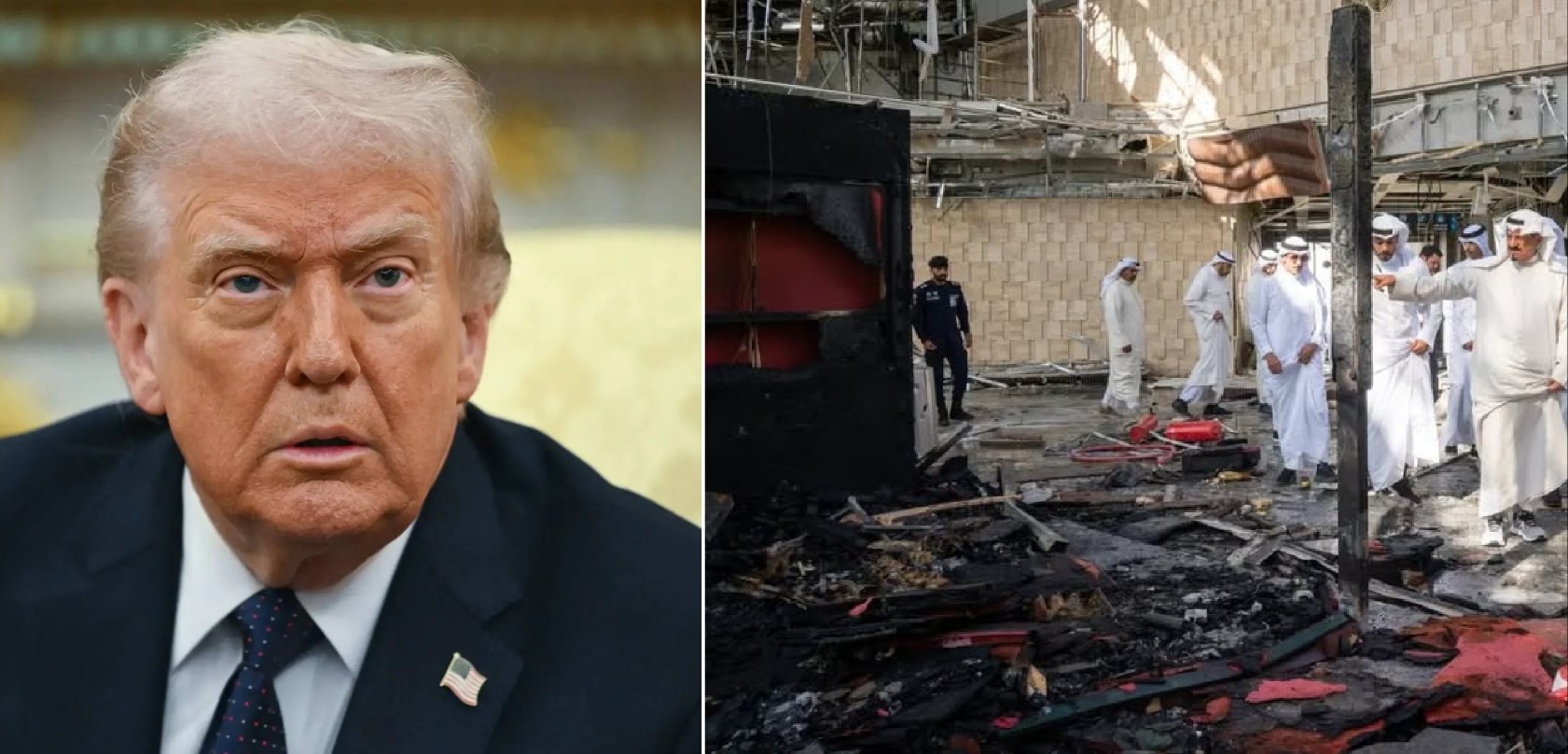 US Considers Using Frozen Iranian Assets to Rebuild Gulf Infrastructure Damaged by Attacks
-
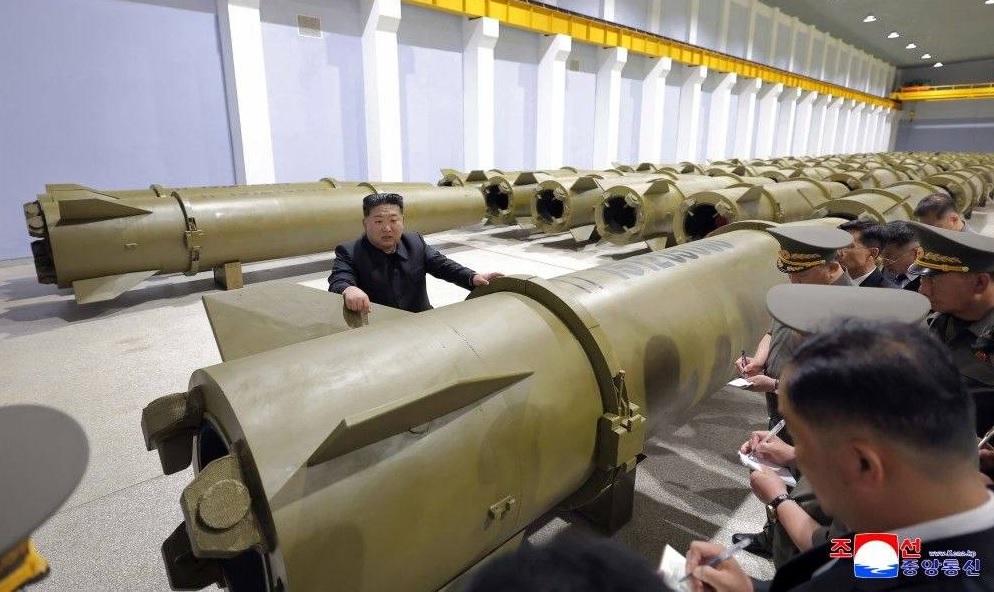 North Korea Launches Five-Year Plan to Boost Ballistic and Cruise Missile Production Production by 250%
-
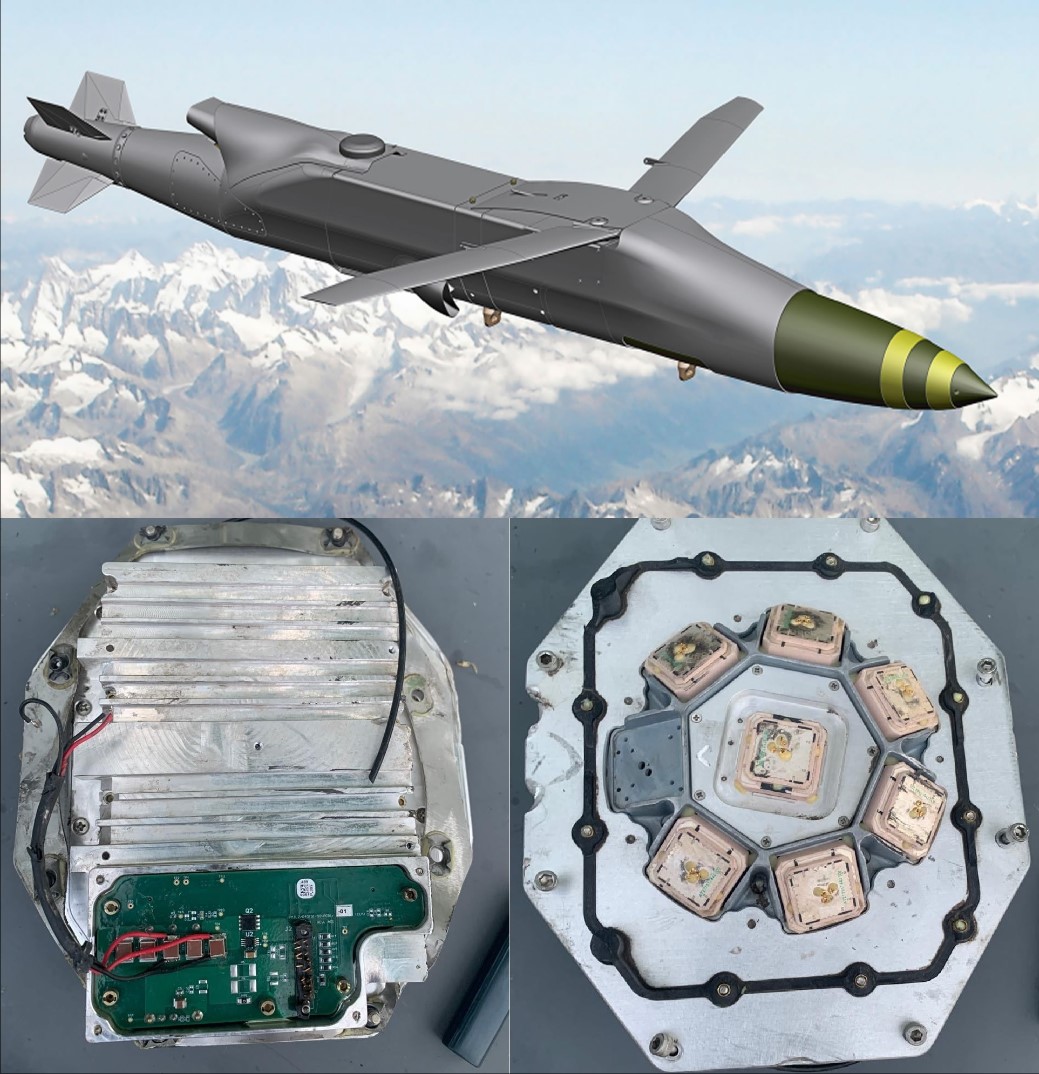 Missile Debris in Ukraine Suggests First Operational Use of U.S.-Made ERAM Cruise Missiles
-
 Cuba Distributes Weapons to Civilians Amid Growing Tensions with the United States
-
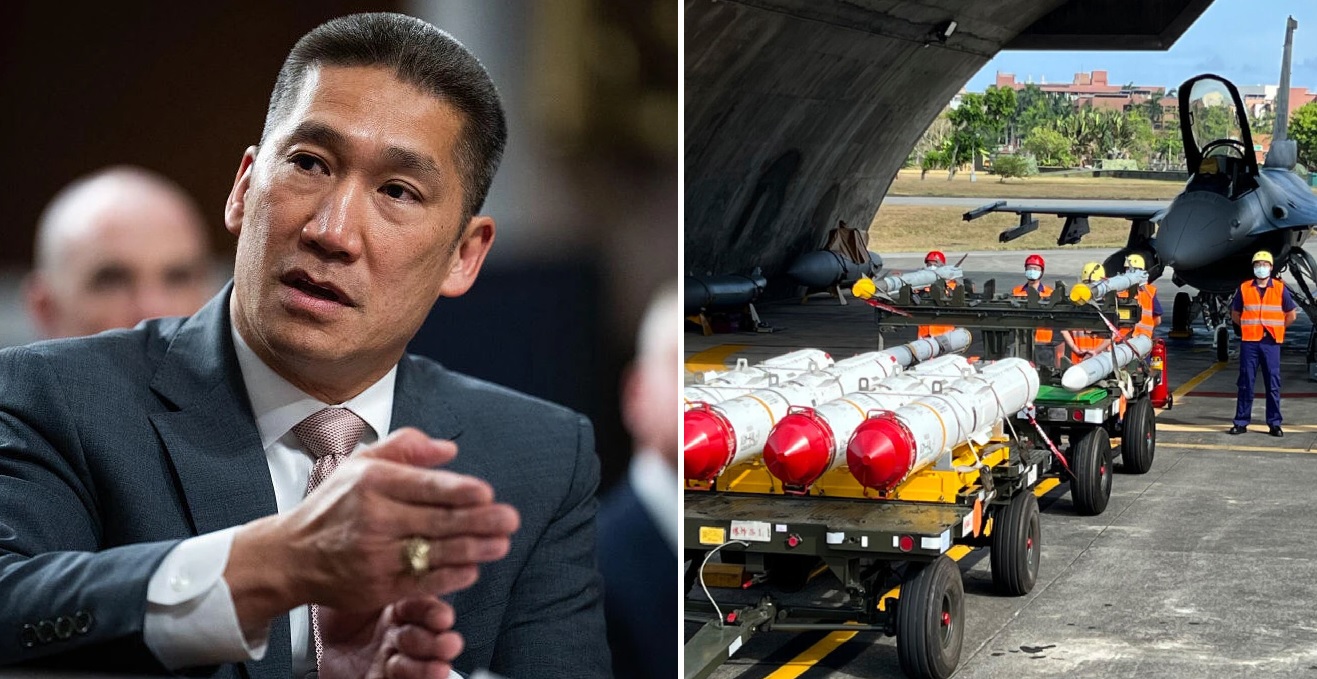 Taiwan Says It Received No Notice of Reported $14 Billion US Arms Package Freeze
-
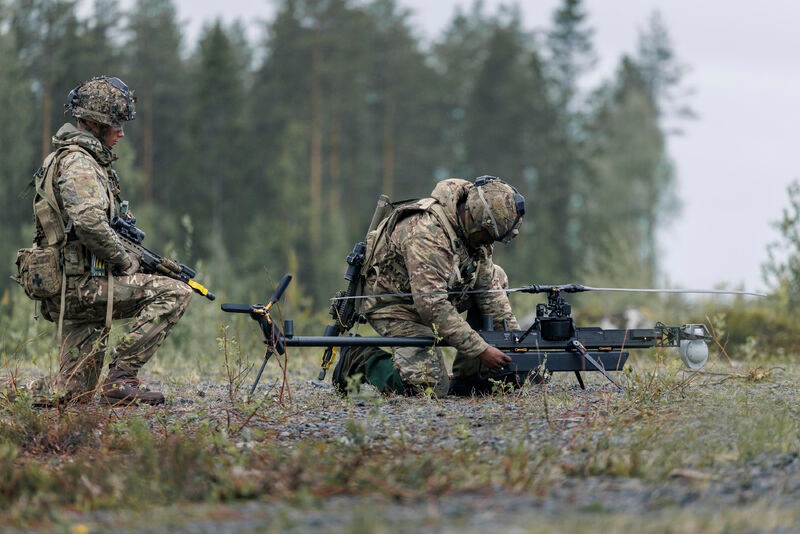 British Army Tests Autonomous Ghost and Bolt Drones Near Russian Border During NATO Exercise in Finland
-
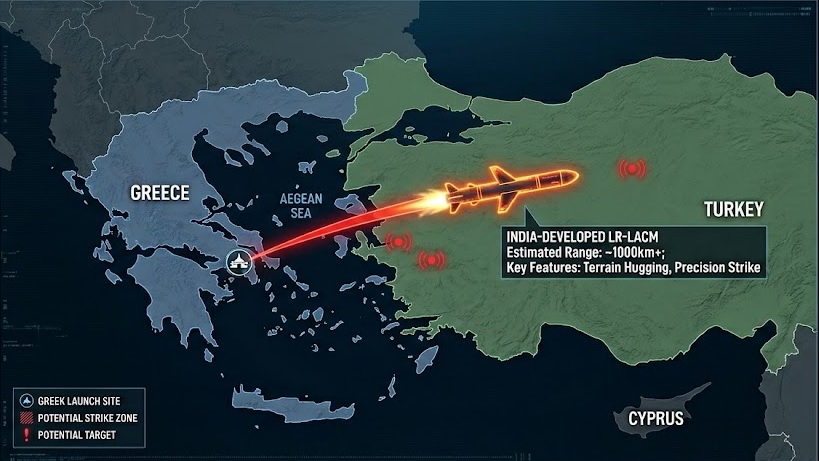 Turkish Media Raises Concerns Over Reports of Greek Interest in India’s LR-LACM Missile
Top Trending in 4 Days
-
 Iran Releases Footage of Qader Missile and Shahid Danaye Drone Launches Toward Two U.S. Navy Destroyers
-
 Five Eyes Issues Joint Alert on Chinese Targeting Government and Military Personnel Through LinkedIn and Job Platforms
-
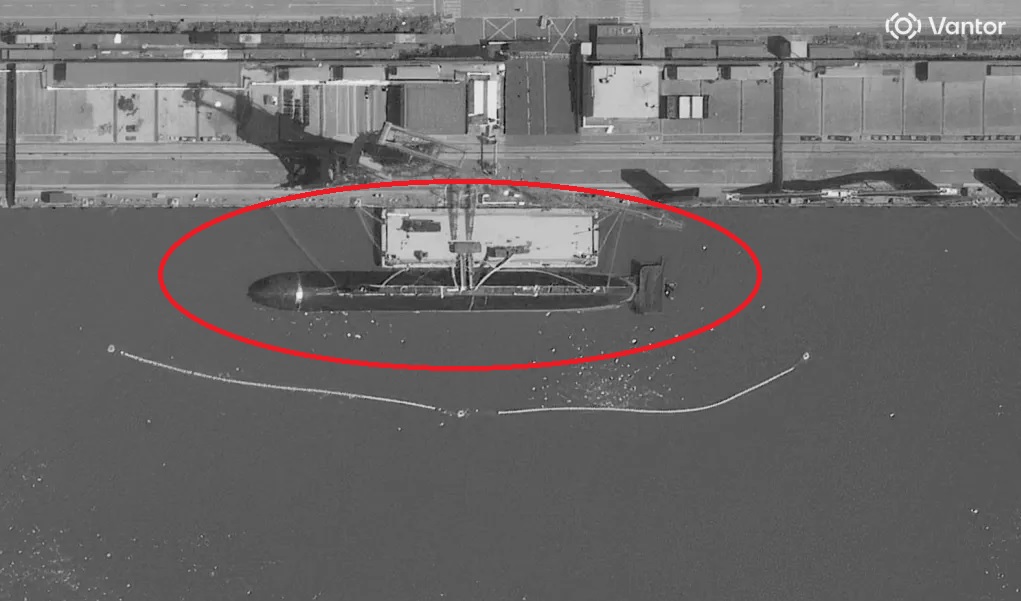 Satellite Imagery Reveals China's New-Generation Sail-Less Nuclear Submarine With Unique Design Features
-
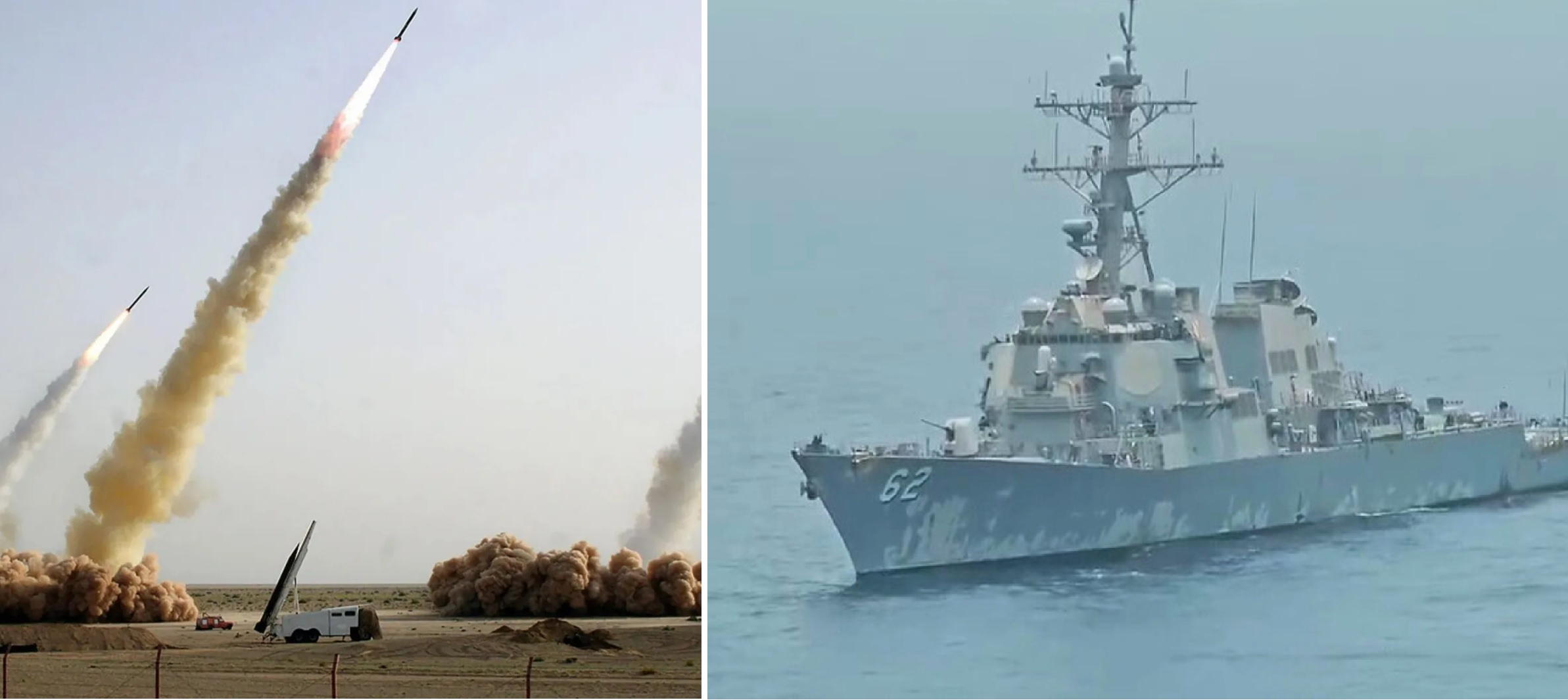 Iran Claims Attack on U.S. Destroyer in Gulf of Oman, CENTCOM Denies Attack
-
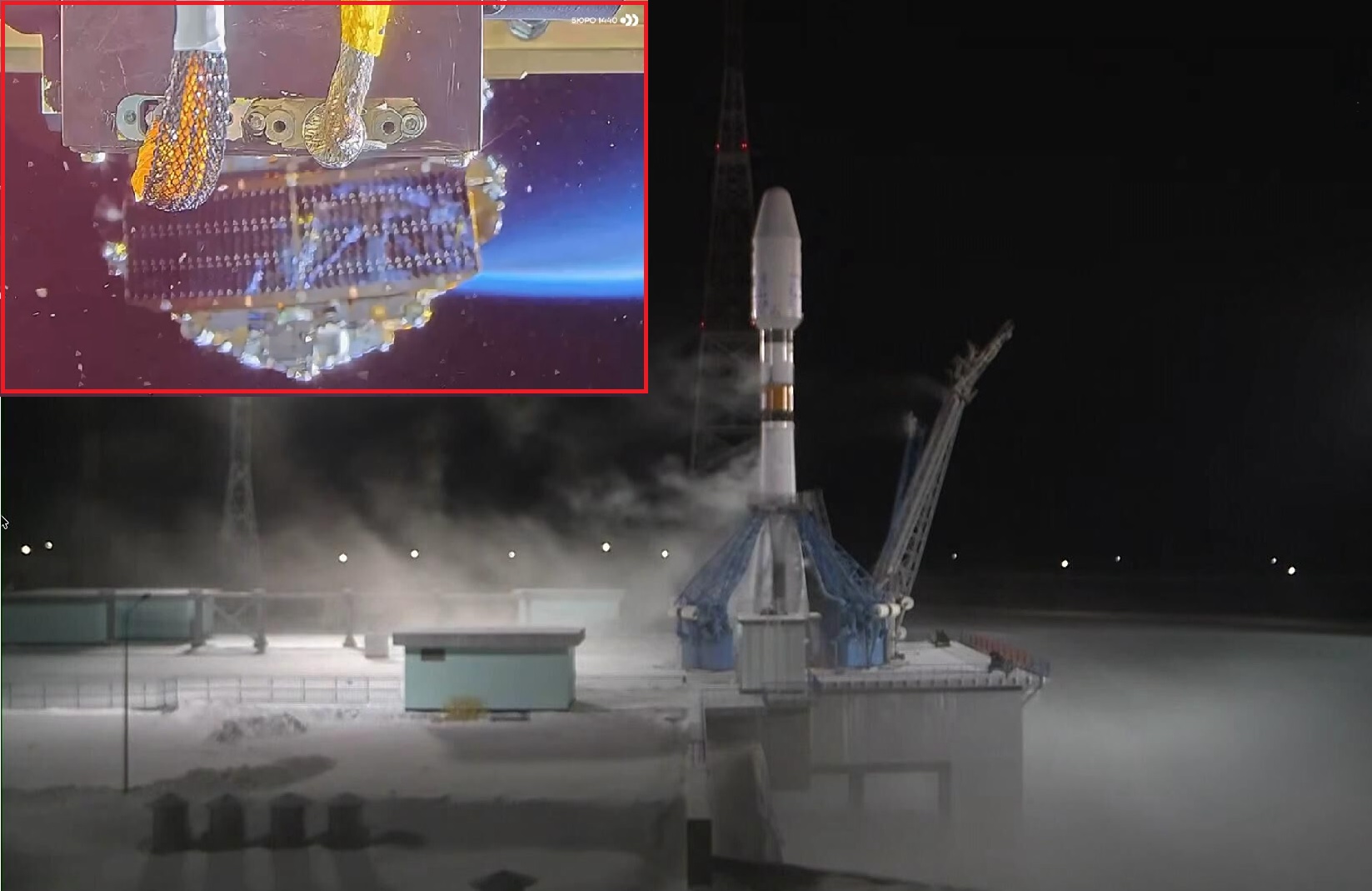 First Satellite of Russia's Rassvet Broadband Constellation Reenters Atmosphere After Less Than Three Months in Orbit
-
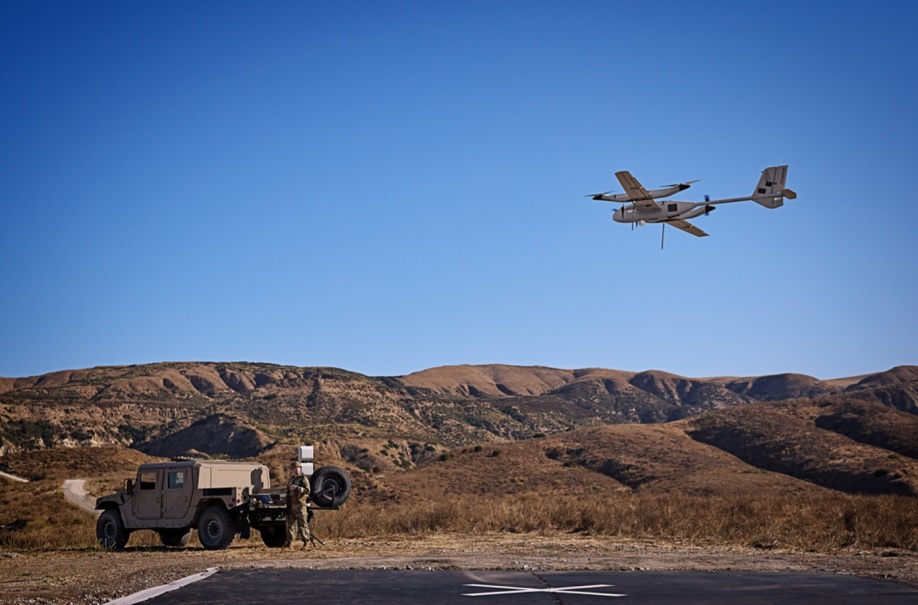 U.S. Army Awards AeroVironment $117.3 Million Contract for 82 P550 Long-Range Reconnaissance Drones
-
 Leaked Contracts Reveal Russia Supplying Air-to-Air and Strike Missiles to Iran for Su-35 Fighter Fleet Through 2027
-
 Northrop Grumman Positions G/ATOR Radar for Global Expansion with 60 Systems Planned by 2029