World
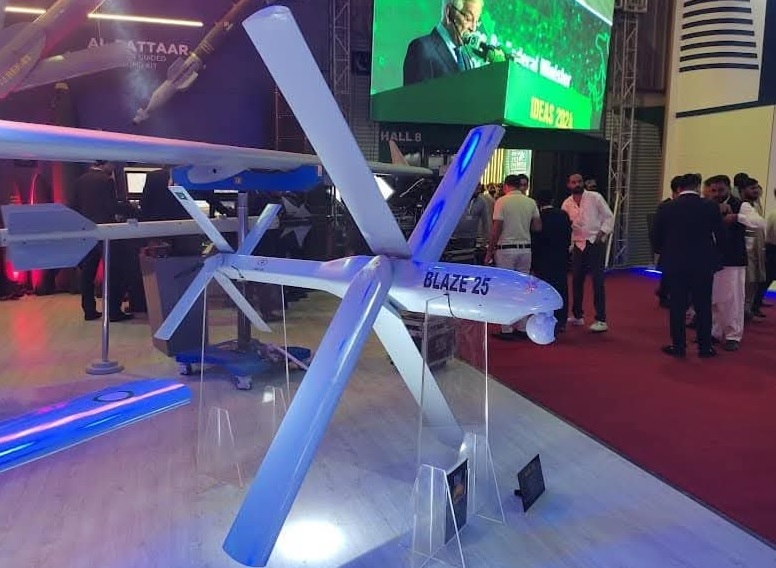
Pakistan has introduced its latest kamikaze drone, the BLAZE-25, at the International Defence Exhibition & Conference (IDEX) 2025 in Abu Dhabi, marking a significant step in the country's drone warfare capabilities. Developed by a leading Pakistani defense firm, the BLAZE-25 is a compact, tube-launched loitering munition designed for precision strikes, blending advanced targeting technology with operational flexibility. Cutting-Edge Capabilities and Design The BLAZE-25 is built for both offensive and surveillance missions, providing real-time reconnaissance before striking high-value targets. Weighing just 25 kg, it features an electric propulsion system, making it stealthy with a low acoustic and thermal signature—a crucial advantage in modern battlefield environments where detection avoidance is key. The drone has an operational range of 75 km, allowing it to reach deep behind enemy lines, and it can loiter for up to 60 minutes over a target area before executing an attack. This extended loitering capability gives operators the flexibility to observe and assess the battlefield before engaging, minimizing collateral damage while ensuring high mission success rates. Dual-Functionality: Surveillance and Strike One of the most notable aspects of the BLAZE-25 is its ability to function as both a kamikaze drone and a real-time surveillance platform. When used for reconnaissance, it maintains a data-link range of 10 km, allowing operators to gather intelligence without direct engagement. However, its autonomous targeting system enables independent operation beyond communication range, ensuring that even if external links are jammed or disrupted, the drone can still complete its mission. This feature highlights a significant leap in Pakistan’s unmanned warfare strategy, as autonomous capabilities reduce reliance on constant operator control, making it more effective in electronic warfare scenarios. Strategic Importance in Modern Warfare The introduction of the BLAZE-25 aligns with a global shift toward loitering munitions, a category of smart drones that linger over battle zones before executing precision strikes. These systems have proven highly effective in recent conflicts, such as those in Ukraine and the Middle East, where they have been used to neutralize armored vehicles, artillery positions, and enemy command centers. By unveiling the BLAZE-25, Pakistan joins an elite group of countries—including the United States, Israel, and Turkey—that have invested heavily in next-generation loitering munitions. Given its cost-effective yet advanced design, the BLAZE-25 is likely to attract international buyers looking for affordable and efficient drone solutions for counterterrorism, asymmetric warfare, and conventional military operations. Pakistan’s Growing Drone Industry Pakistan has steadily expanded its indigenous defense industry, with a specific focus on unmanned systems. The country has already developed several drone platforms, including attack UAVs and reconnaissance drones, and the BLAZE-25 marks a significant step toward self-reliance in loitering munition technology. The BLAZE-25's unveiling at IDEX 2025 reflects Pakistan’s commitment to modernizing its armed forces while positioning itself as a competitive drone exporter in the global defense market. As the demand for loitering munitions continues to grow, Pakistan’s entry into this space could reshape regional military dynamics, particularly in South Asia and the Middle East. Future Prospects While the full specifications and combat testing of the BLAZE-25 remain undisclosed, its introduction suggests Pakistan is ready to integrate loitering munitions into its strategic arsenal. Whether for border security, counterinsurgency, or conventional military engagements, the BLAZE-25 provides a lethal, adaptable, and technologically advanced option. As IDEX 2025 continues, the BLAZE-25 is expected to draw interest from defense experts and potential buyers, further solidifying Pakistan’s footprint in drone warfare technology.
Read More → Posted on 2025-02-19 14:39:22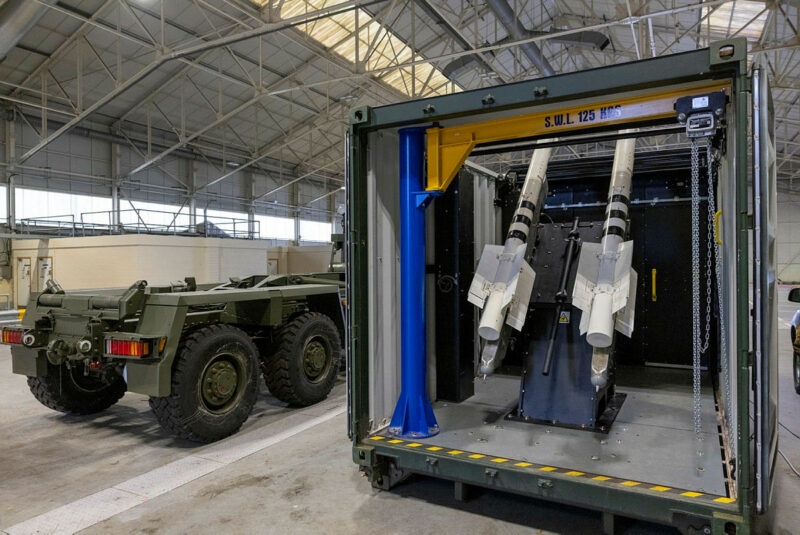
World
The United Kingdom has unveiled the Gravehawk, a cutting-edge air defense system developed to bolster Ukraine's defenses against ongoing aerial threats. This innovative system, rapidly designed in just 18 months, adapts existing missile technology to meet the pressing needs of modern warfare. Design and Features The Gravehawk system ingeniously repurposes Soviet-era R-73 air-to-air missiles for ground-based air defense. These missiles, originally intended for aerial combat, have been modified to launch from a ground platform, effectively targeting drones, missiles, and aircraft. The entire setup is housed within a standard ISO shipping container, enhancing its mobility and concealment. This containerized design allows the system to be mounted on various truck chassis, such as the Leyland DAF 8×6 Drops, facilitating rapid deployment across diverse terrains. A notable feature of the Gravehawk is its passive infrared targeting system. Equipped with a high-performance infrared camera, the system can detect and lock onto heat signatures from incoming threats without emitting signals that could reveal its position. This stealth capability is crucial for operations in contested environments. Additionally, the control unit is compact enough to fit into a suitcase, enabling operators to manage the system remotely and safely from a distance. Operational Capabilities Designed to address Ukraine's critical shortage of air defense solutions, the Gravehawk enhances the country's ability to defend against a spectrum of aerial threats. By utilizing existing R-73 missile stockpiles, Ukraine can efficiently bolster its defenses without the need for procuring new munitions. The system's mobility ensures that it can be repositioned as needed, providing flexible and responsive air defense coverage for key assets and infrastructure. Development and Deployment The development of the Gravehawk is a testament to international collaboration and rapid innovation. Jointly funded by the UK and Denmark, the project emphasizes the commitment of allied nations to support Ukraine's sovereignty and security. Two prototypes underwent successful testing in Ukraine in September 2024, demonstrating the system's effectiveness in real-world conditions. Following these trials, an additional 15 units are slated for delivery to Ukraine within the year, significantly enhancing the nation's defensive capabilities. Strategic Implications The introduction of the Gravehawk system represents a strategic advancement in Ukraine's defense posture. By converting air-to-air missiles for ground-based use, the system offers a cost-effective solution to counteract persistent aerial threats. This approach not only maximizes the utility of existing military assets but also ensures that high-end defense systems can be reserved for more sophisticated threats. As Ukraine continues to face challenges to its airspace, the Gravehawk provides a timely and effective means to safeguard its skies and maintain national security.
Read More → Posted on 2025-02-19 14:20:42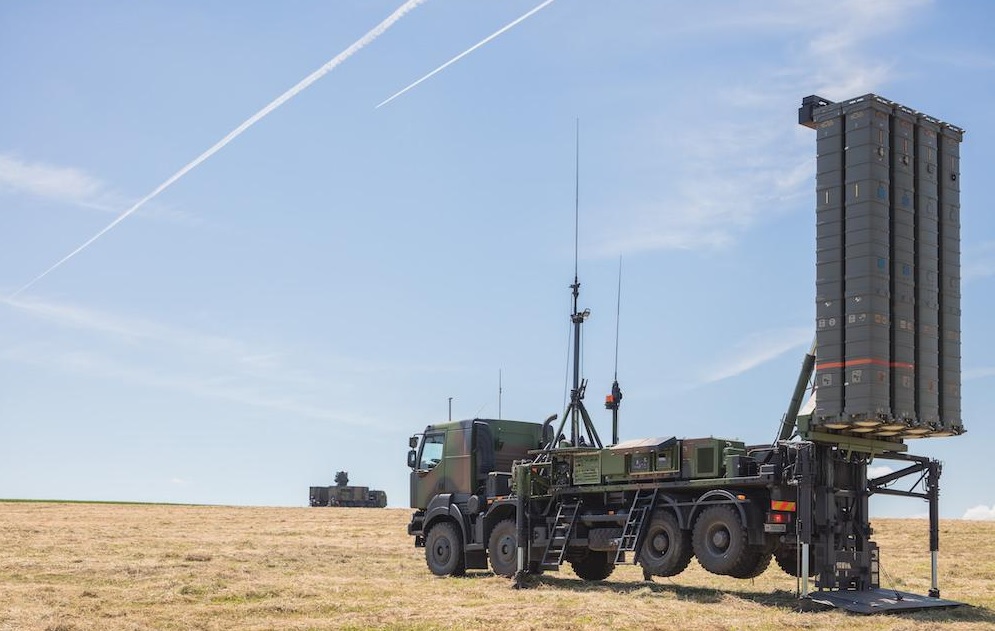
World
Italy has deployed its advanced SAMP/T ground-based air defence system in Lithuania as part of a bilateral exercise with the Lithuanian Air Defence Battalion. This training mission, running from February 10 to 20, is a crucial step in integrating NATO’s air and missile defence capabilities in the Baltic region. The exercise focuses on redeployment, integration, and joint air defence operations, ensuring seamless cooperation between Italian and Lithuanian forces. It aligns with NATO’s broader Integrated Air and Missile Defence (IAMD) Model, designed to enhance security and deterrence along the alliance’s eastern flank. Chief of the Defence Staff Lt Gen Remigijus Baltrėnas emphasised that the exercise is another milestone in implementing NATO’s new Rotational Air Defence Model, aimed at strengthening air defences in Eastern Europe. SAMP/T: A Powerful Shield Against Aerial Threats The SAMP/T system plays a critical role in defending NATO’s Baltic allies. It is equipped with Aster 30 missiles and an advanced Arabel radar, making it highly effective against a wide range of threats, including: Enemy aircraft Cruise missiles Tactical ballistic missiles The system’s advanced radar technology ensures precise target tracking, even in environments with intense electronic warfare and jamming. This makes the SAMP/T a crucial asset in NATO’s air defence network, offering rapid response and high interception accuracy. A Coordinated NATO Defence Effort The exercise brings together multiple NATO air defence assets, including: Lithuania’s NASAMS mid-range air defence system Italian SAMP/T system Fighter jets from NATO’s Baltic Air Policing Mission The Lithuanian Air Operations Centre is actively coordinating these elements, ensuring real-time airspace monitoring and operational execution. Lithuania’s Vice Minister of National Defence Tomas Godliauskas highlighted that the deployment of Italy’s SAMP/T is a major step in making the Rotational NATO Air Defence Model a reality. NATO’s Growing Defence Presence in the Baltics Italy is playing a key role in NATO’s security framework in Eastern Europe. It currently leads its seventh NATO Air Policing Mission in the Baltics, contributing fighter jets and naval patrols in the Baltic Sea. Italy is also part of NATO’s Multinational Battle Groups, reinforcing ground-based deterrence in the region. The Rotational NATO Air Defence Model was first tested during Baltic Connection 24, when the Netherlands deployed its Patriot air defence system in Lithuania. This new model aims to integrate various NATO air defence assets across Eastern Europe, ensuring rapid deployment and interoperability in case of a crisis. Strengthening Europe’s Defence Against Emerging Threats The deployment of Italy’s SAMP/T system in Lithuania is more than just a military exercise—it’s a strategic move to deter threats from adversarial forces. As NATO continues expanding its air defence capabilities, these joint drills demonstrate the alliance’s commitment to protecting its eastern members from potential air and missile attacks. With an increasingly volatile security landscape, Lithuania and Italy’s close defence collaboration sends a clear message: NATO is prepared to defend its borders, and its airspace remains well-protected against evolving threats.
Read More → Posted on 2025-02-19 14:17:36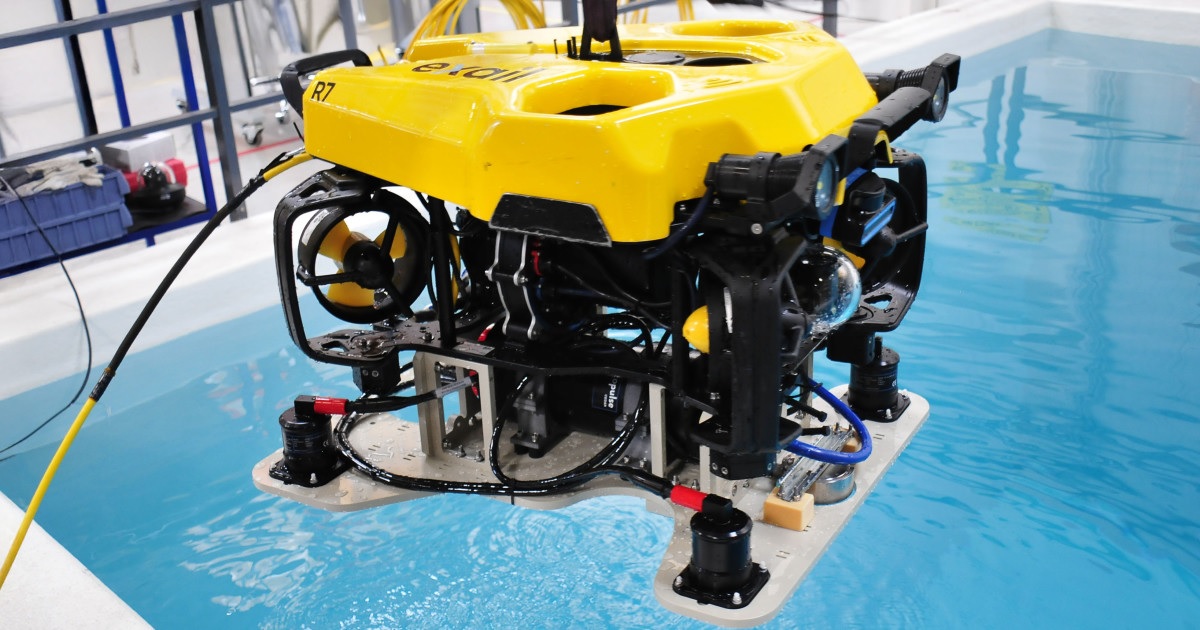
World
Exail, a leader in maritime robotics, has partnered with Elwave to integrate cutting-edge electromagnetic sensing technology into its R7 Remotely Operated Vehicles (ROVs). This collaboration aims to enhance the R7's capabilities in detecting and identifying underwater targets, thereby improving operational performance in complex maritime environments. Integration of Elwave's CEDAR Technology Central to this upgrade is the incorporation of Elwave's Tetrapulse sensors, powered by the innovative Controlled Electric Detection And Ranging (CEDAR) technology. CEDAR is a biomimetic sensing system inspired by certain species of fish that use electric fields to navigate and detect objects in turbid waters. By emulating this natural mechanism, the R7 ROVs gain the ability to generate real-time, three-dimensional images of their surroundings, significantly enhancing their detection and localization capabilities. The integration of CEDAR technology enables the R7 to effectively identify a variety of materials, including steel, aluminum, and fiberglass composites. This is particularly advantageous in challenging conditions where traditional optical and acoustic sensors may be less effective. Gary Bagot, Sales Director at Elwave, noted that this technology provides superior operational performance in environments such as turbid waters, where visibility is compromised. Enhanced Features of the R7 ROV The R7 is designed for a wide range of underwater missions, including inspection, observation, surveillance, maintenance, and object recovery, at depths of up to 300 meters. Its robust and modular architecture allows for easy customization and integration of various payloads and sensors, making it adaptable to diverse operational requirements. Key features of the R7 include: Advanced Imaging Systems: Equipped with high-definition cameras and sensors, the R7 provides 360° visuals, enabling precise identification and assessment of underwater objects. Manipulator Arm: A five-function manipulator arm allows for the handling and recovery of objects during missions, enhancing the R7's versatility in complex tasks. High Mobility: With a forward speed of up to 3 knots and a weight of less than 35 kilograms, the R7 combines agility with ease of deployment. Its compact design facilitates operation from small vessels or even from the shore. Digital Architecture: The fully digital system supports plug-and-play integration of various payloads, ensuring scalability and future-proofing the R7 for evolving mission needs. This collaboration between Exail and Elwave represents a significant advancement in underwater robotics, providing operators with enhanced tools for effective and safe maritime operations.
Read More → Posted on 2025-02-19 14:12:03
World
Israel Aerospace Industries (IAI) has introduced the MOSP 5000, a next-generation Multi-Mission Optronic Stabilized Payload, designed to provide unmatched long-range observation, target tracking, and munition guidance. Developed by TAMAM, IAI’s electro-optics and navigation division, the system integrates multiple sensors and AI-driven tracking capabilities to enhance the operational efficiency of both aerial and maritime platforms. Advanced Multi-Sensor Capabilities The MOSP 5000 is engineered for real-time intelligence, surveillance, and reconnaissance (ISR) missions. Equipped with a high-resolution daylight camera, infrared (IR) imaging, and Short-Wave Infrared (SWIR) sensors, it provides superior imaging in both day and night operations. The system’s continuous optical zoom ensures high-clarity visuals, even in challenging environments such as fog, smoke, haze, and cloud cover. Laser Designation for Precision Targeting A key feature of the MOSP 5000 is its integrated laser designator, which allows precision targeting and munition guidance. This capability is crucial for airborne strike missions, naval operations, and special forces engagements, enabling pinpoint accuracy in identifying and engaging threats. AI-Driven Automatic Target Tracking The system incorporates AI-based automatic target tracking, allowing operators to monitor multiple targets simultaneously. This is particularly useful for border security, coastal surveillance, anti-terror operations, and battlefield reconnaissance. The advanced image stabilization ensures clear visuals even in high-speed movements, making it ideal for UAVs, helicopters, fixed-wing aircraft, and naval vessels. Flexible and Modular Design Designed for seamless integration across multiple platforms, the MOSP 5000 features a lightweight, modular build, making it adaptable to various mission requirements. The system can be easily installed on: Unmanned Aerial Vehicles (UAVs) Helicopters and fixed-wing aircraft Maritime patrol vessels and warships Land-based surveillance and defense systems Building on Decades of Expertise IAI’s TAMAM division has been a global leader in electro-optical systems for over 60 years, with its technologies being widely used by the Israeli Air Force, Navy, and global defense forces. The MOSP 5000 builds upon the legacy of previous systems like MOSP 3000, MiniPOP, Tactical POPSTAR, and MegaPOP, offering next-level enhancements in stabilization, image processing, and AI integration. ISR and Combat Missions With the introduction of the MOSP 5000, IAI strengthens its position as a leader in advanced electro-optical solutions. The system’s cutting-edge AI capabilities, laser guidance, and multi-sensor fusion provide defense forces worldwide with a powerful, reliable, and mission-ready ISR solution. Whether used in airborne, naval, or land-based operations, the MOSP 5000 is set to redefine modern surveillance and targeting technology.
Read More → Posted on 2025-02-19 14:09:37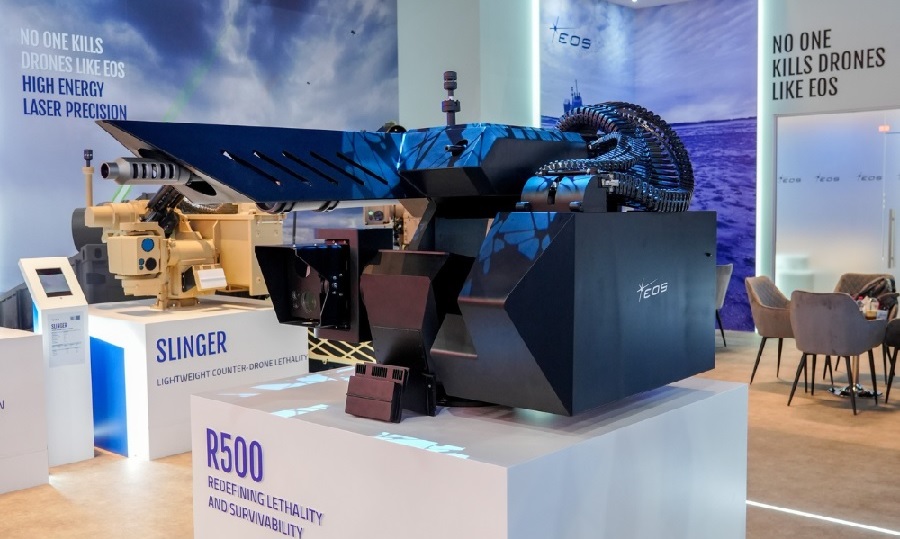
World
Electro Optic Systems (EOS), the Australian defence technology company, has officially introduced its latest Remote Weapon System (RWS), the R500, at the International Defence Exhibition & Conference (IDEX 2025) in Abu Dhabi. The system represents a significant leap in firepower, precision, and adaptability, specifically designed for modern battlefield conditions where emerging threats, including drones, pose a major challenge. Next-Generation Firepower and Versatility The R500 is an evolution of the R400, a widely deployed and battle-proven RWS. While maintaining its core modularity, the R500 enhances weapon compatibility, ammunition capacity, and operational effectiveness. It can integrate multiple weapons, including heavy machine guns, automatic grenade launchers, and anti-tank guided missiles (ATGMs), making it highly adaptable to diverse mission requirements. One of its standout features is its high-capacity ammunition stowage, ensuring sustained combat performance with minimal reload interruptions. The system is also designed for quick reconfiguration, allowing forces to switch weapon configurations based on mission needs. Advanced Targeting and Counter-UAS Capabilities With battlefield threats evolving, EOS has equipped the R500 with state-of-the-art targeting and surveillance technology. The system integrates: AI-powered fire control and tracking algorithms for precision targeting. High-resolution electro-optical and infrared sensors to detect and engage threats in all weather conditions. Integrated Counter-Unmanned Aerial System (C-UAS) radar, allowing the R500 to identify and neutralize drone threats efficiently. STANAG Level 2 add-on armour, providing increased survivability against enemy attacks. These upgrades ensure that the R500 offers enhanced situational awareness, giving operators the ability to identify, track, and engage threats with high accuracy before they become critical. Unmanned Ground Vehicle (UGV) Integration and Remote Operation Another groundbreaking feature of the R500 is its full compatibility with Unmanned Ground Vehicles (UGVs). The system includes an advanced wireless control suite, allowing operators to remotely command the weapon system from a safe distance. This integration reduces risks to personnel while enabling precise and effective firepower in high-threat environments. Additionally, the high-performance edge AI hardware embedded within the system enables autonomous operation capabilities, making the R500 one of the most advanced RWS solutions in the industry. Global Adoption and Regional Expansion EOS’ Remote Weapon Systems are widely used by militaries across Australia, North America, Europe, the Middle East, and South-East Asia. More than 2,500 units have been sold globally, with over 500 systems actively deployed by the Emirati Armed Forces. Since 2019, EOS' technology centre in Abu Dhabi has played a vital role in supporting military forces in the region, ensuring maintenance, upgrades, and operational support. With the launch of the R500 at IDEX 2025, EOS reaffirms its commitment to providing cutting-edge, AI-powered defence solutions that meet the growing challenges of modern warfare. The system’s increased firepower, enhanced targeting, and counter-drone capabilities position it as a game-changer in the global defence market.
Read More → Posted on 2025-02-19 13:52:40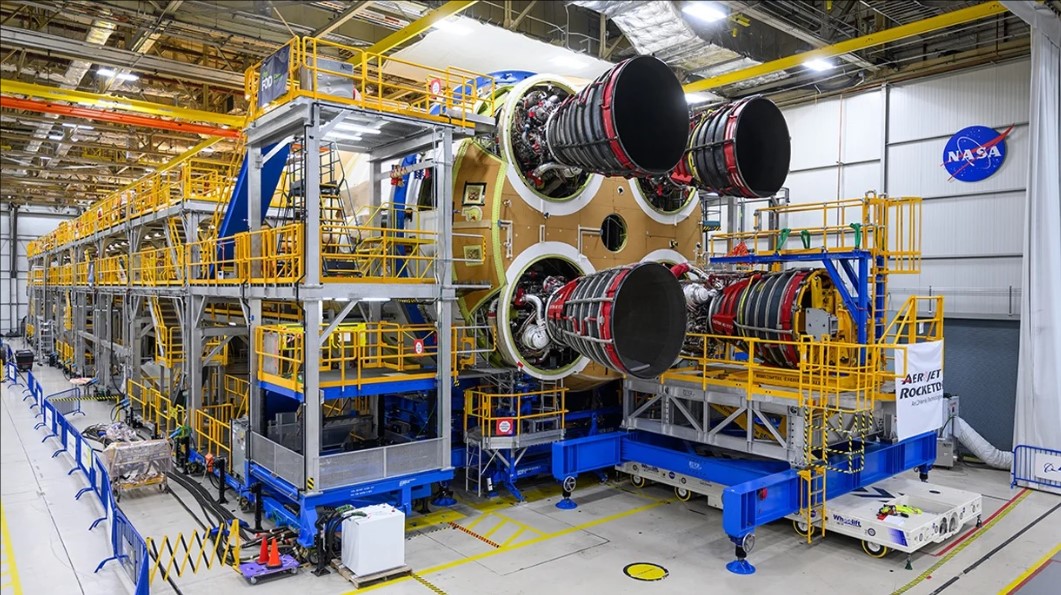
World
L3Harris has successfully assembled the first newly built RS-25 engine for NASA’s Artemis V mission, marking a major milestone in the Space Launch System (SLS) program. Designated E20001, this engine is the first of four newly manufactured RS-25 engines that will power the core stage of the Artemis V rocket as NASA pushes forward with its deep-space exploration goals. A Shift from Shuttle-Era Engines Earlier Artemis missions relied on repurposed RS-25 engines from the retired Space Shuttle Program. However, starting with Artemis V, NASA will use newly built RS-25 engines, designed with modern manufacturing techniques to enhance efficiency while maintaining the high reliability of their predecessors. The next step for E20001 is acceptance testing, which includes a 500-second static hot-fire test at the Fred Haise Test Stand at NASA’s Stennis Space Center in Mississippi. During this test, the engine will be: Pushed to full thrust Temporarily reduced to 80% thrust Throttled back up to simulate in-flight performance This “test like you fly” approach ensures the engine’s performance is validated under realistic mission conditions, particularly during critical phases like booster separation. Advancing Engine Technology for Deep Space Exploration The next-generation RS-25 engines include 3D-printed components and redesigned structural parts that help streamline manufacturing. By reducing the number of parts and welds, L3Harris has successfully lowered production costs while improving efficiency and reliability. The company is currently assembling the remaining three engines for Artemis V while refining its production processes to further enhance performance and cost-effectiveness. The Future of Artemis Missions As NASA’s Artemis program continues to evolve, these new RS-25 engines will be a critical part of missions that aim to return humans to the Moon and eventually venture to Mars. The advancements made in engine design and manufacturing will not only support deep-space exploration but also pave the way for more sustainable and efficient space travel in the future.
Read More → Posted on 2025-02-19 09:18:29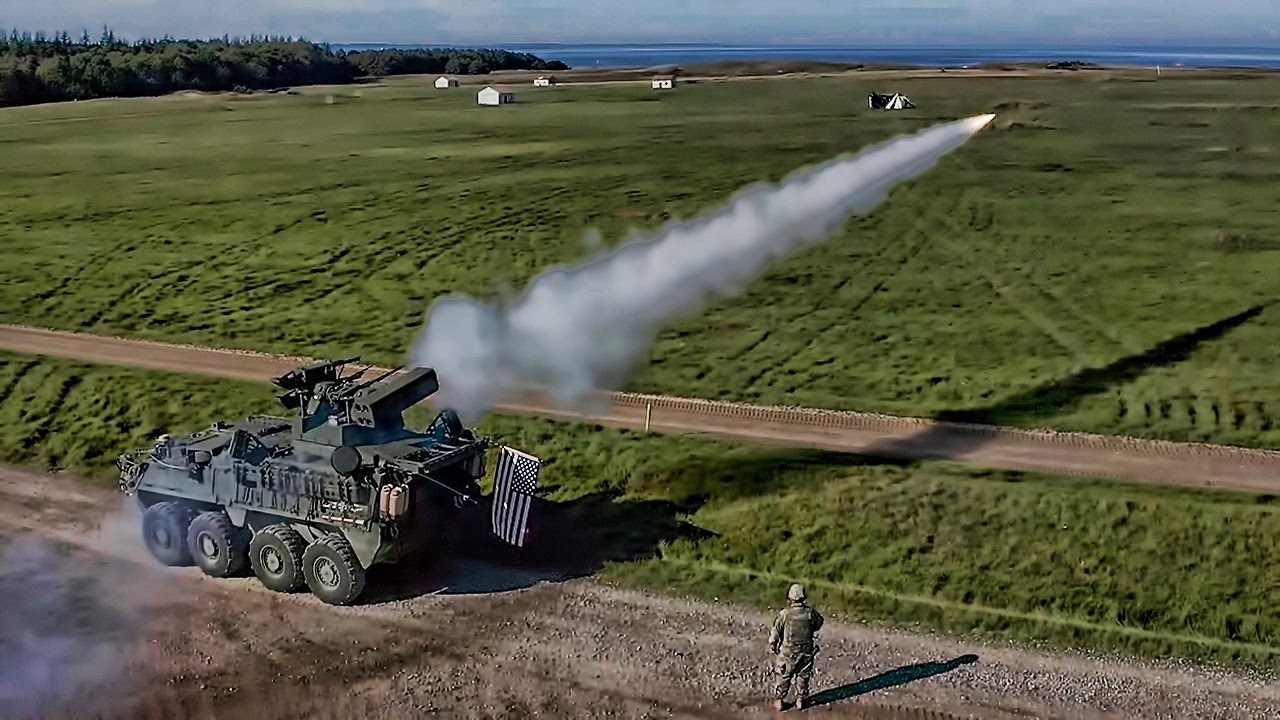
World
Raytheon, a business under RTX, has achieved a major milestone in the development of the Next-Generation Short-Range Interceptor (NGSRI) for the U.S. Army. The company recently completed 10 successful subsystem demonstrations, paving the way for a highly advanced replacement for the Stinger surface-to-air missile. A New Era in Short-Range Air Defense The NGSRI program is designed to provide enhanced capabilities for defending against aerial threats, including drones, helicopters, and fixed-wing aircraft. The successful subsystem demonstrations confirm that Raytheon’s new interceptor will deliver a longer range, improved accuracy, and higher lethality compared to the Stinger missile, which has been in service since the 1980s. According to Tom Laliberty, President of Land & Air Defense Systems at Raytheon, these tests mark a crucial step in delivering an affordable, low-risk, and highly producible solution that meets the Army’s stringent performance requirements. Breakthroughs in NGSRI Testing Over the past several months, Raytheon’s industry team successfully tested all key subsystems of the new interceptor. The results exceeded expectations and showcased significant improvements over existing short-range air defense (SHORAD) systems. Key Subsystem Tests & Achievements: Advanced Seeker Assembly: The seeker demonstrated maximum range acquisition, surpassing the Stinger’s capabilities in both laboratory and real-world outdoor environments. Flight Rocket Motor: A newly designed rocket motor successfully extended the intercept range, providing a significant upgrade for maneuver-based short-range air defense. Command Launch Assembly (CLA): The man-portable launch system improved target detection and identification, especially in low-visibility environments. Warhead Testing: Arena tests confirmed the missile warhead’s ability to achieve high-precision, repeatable lethality against a wide range of aerial threats. Additionally, six other tests covered critical missile functions, including: Tracking and guidance Aerodynamic control Fuzing technology Safety mechanisms Next Steps: Soldier Evaluations & Flight Testing With subsystem testing complete, Raytheon is now moving forward with soldier touchpoint exercises. This phase will allow U.S. Army soldiers and Marines to interact directly with the new interceptor, providing real-time feedback on its usability and effectiveness in field conditions. A full system flight test demonstration is also planned for later this year, marking a critical milestone before production and deployment. Raytheon’s Legacy in Missile Defense Raytheon has been at the forefront of missile defense technology for over 60 years. The NGSRI program integrates advanced engineering and modern manufacturing to ensure faster production and superior performance while maintaining affordability for the U.S. Army and Marine Corps. As the Stinger missile nears retirement, the Next-Generation Short-Range Interceptor promises to be a game-changer, providing unmatched agility, accuracy, and reliability for the battlefield of the future.
Read More → Posted on 2025-02-19 09:12:12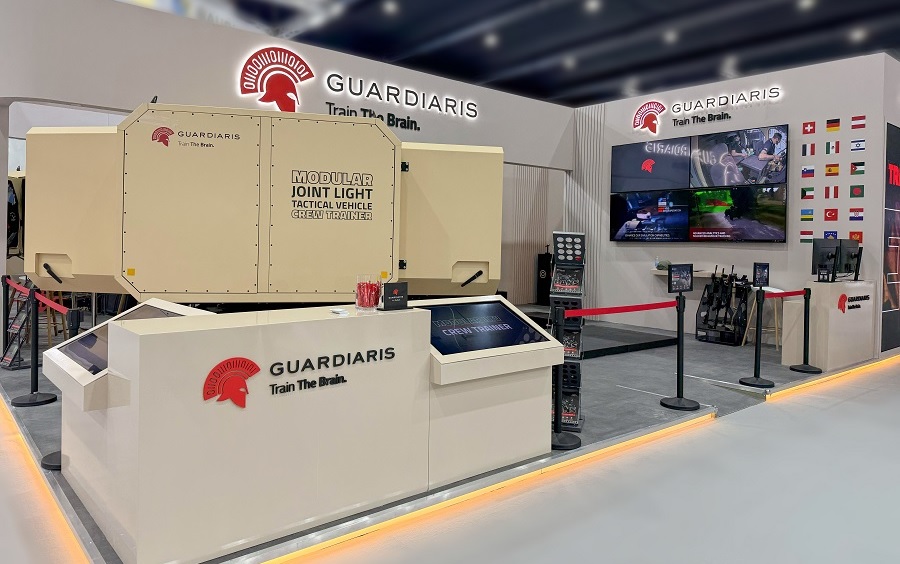
World
Slovenian defense company Guardiaris is set to showcase its latest military training simulators at IDEX 2025 in Abu Dhabi. The event will feature the debut of the Modular Joint Light Tactical Vehicle (JLTV) Crew Trainer and the Small Arms Mobile Trainer (SAMT), both designed to enhance the realism and effectiveness of military training. Modular JLTV Crew Trainer The Modular JLTV Crew Trainer is a state-of-the-art simulator that replicates the interior of the JLTV, allowing all four crew members—driver, gunner, commander, and fourth operator—to train simultaneously. This comprehensive system covers essential skills such as tactical maneuvering, weapon handling, intercom and radio communication, and terrain observation. Mounted on a 6 Degrees of Freedom (DoF) motion platform, the simulator provides realistic haptic feedback by accurately simulating various terrains and battlefield conditions. Its customizable design enables integration with any remote weapon system, complete with full ballistics and destruction models, ensuring adaptable training scenarios for diverse operational needs. Small Arms Mobile Trainer (SAMT) Alongside the JLTV Crew Trainer, Guardiaris will present the Small Arms Mobile Trainer (SAMT). This highly customizable, laserless mobile system offers comprehensive marksmanship and tactical training. The SAMT can incorporate a variety of weapon replicas, including small arms, anti-tank weapons, military vehicles, and remote weapon stations. Its modular, scalable LED screens provide an immersive training environment, while its portable design allows for quick deployment in various locations. Interoperability and Global Partnerships Both simulators are designed for interoperability, allowing seamless integration with other Guardiaris training systems and external military platforms. This capability enables large-scale, multi-location training exercises, enhancing combat readiness and operational coordination. Guardiaris' participation at IDEX 2025 underscores its commitment to advancing military training technology and strengthening global partnerships. By introducing these innovative training solutions, Guardiaris aims to provide military personnel with the tools necessary for effective and realistic preparation, ultimately enhancing mission success and safety.
Read More → Posted on 2025-02-18 15:06:28
World
At the 2025 International Defence Exhibition & Conference (IDEX), AeroVironment introduced the JUMP 20-X, a cutting-edge uncrewed aircraft system (UAS) engineered to transform maritime and expeditionary missions. This next-generation Group 3 vertical takeoff and landing (VTOL) medium UAS sets new benchmarks in autonomy, endurance, and operational versatility. Key Features and Specifications Vertical Takeoff and Landing (VTOL): The JUMP 20-X's VTOL capability eliminates the necessity for traditional runways, enabling rapid deployment from confined spaces, including ship decks and remote locations. Heavy-Fuel Engine: Equipped with a multi-fuel heavy-fuel engine, the aircraft can operate on various fuel types, enhancing logistical efficiency and mission adaptability across diverse environments. Extended Endurance and Range: Designed for long-range missions, the JUMP 20-X offers a flight endurance exceeding 13 hours and an operational range of up to 185 kilometers (115 miles), ensuring sustained operations over vast areas. Payload Capacity: With a modular design supporting up to 30 pounds (13.6 kilograms) of payload, the system can be customized with various equipment, including intelligence, surveillance, reconnaissance (ISR) sensors, synthetic aperture radar (SAR), signals intelligence (SIGINT) tools, electronic warfare (EW) systems, secure communication devices, and precision strike weapons. Modular Open Systems Approach (MOSA): Built on an open-architecture framework, the JUMP 20-X ensures seamless integration with existing military networks and emerging technologies, promoting interoperability among allied and coalition forces. AI-Powered Autonomy: Advanced artificial intelligence enables precise autonomous takeoff and landing, even on moving vessels in challenging sea conditions, enhancing operational safety and efficiency. SPOTR-Edge™ Computer Vision Technology: This proprietary technology provides real-time automated object detection and classification, bolstering situational awareness and informed decision-making during missions. Enhanced Maritime Operations The JUMP 20-X is specifically optimized for maritime applications. Its fully marinized design ensures resilience in harsh sea environments, and its autonomous capabilities allow for precise operations from moving ships, even in rough seas or extreme weather conditions. This makes it an invaluable asset for naval forces requiring reliable and flexible UAS solutions. Operational Versatility Beyond maritime missions, the JUMP 20-X's adaptable architecture makes it suitable for a wide range of operations, including: Intelligence, Surveillance, and Reconnaissance (ISR): Providing real-time data collection and monitoring. Synthetic Aperture Radar (SAR) and Wide-Area Surveillance (WAS): Delivering high-resolution imaging and extensive area monitoring capabilities. Signals Intelligence (SIGINT) and Electronic Warfare (EW): Enabling interception of communications and disruption of adversarial electronic systems. Secure Communications and Video Relay: Facilitating encrypted communication links and real-time video transmission. Precision Strike Capabilities: Offering customizable lethality options for targeted engagements. Industry Impact Shane Hastings, AeroVironment's vice president and general manager of Medium Uncrewed Aircraft Systems, emphasized the transformative nature of the JUMP 20-X, describing it as a "force multiplier" that delivers unparalleled versatility, efficiency, and reliability. By integrating advanced autonomy, extended endurance, and a modular design, the JUMP 20-X redefines the potential for maritime and expeditionary UAS operations in the most challenging domains. The introduction of the JUMP 20-X signifies a significant advancement in uncrewed aerial technology, offering defense forces a robust and flexible platform to address the evolving demands of modern warfare.
Read More → Posted on 2025-02-18 14:48:42
World
Sentrycs, a Tel Aviv-based company specializing in counter-unmanned aerial system (C-UAS) technologies, has been awarded a multi-million-dollar contract to supply its advanced anti-drone solutions to an undisclosed defense customer in Latin America. This strategic partnership aims to enhance the nation's defense capabilities against the growing threat of unauthorized and hostile drone activities. Comprehensive Anti-Drone Solutions Under the agreement, Sentrycs will deliver a range of C-UAS systems, including fixed installations, portable units, and vehicle-mounted configurations. These versatile solutions are designed to meet the customer's multi-layer defense requirements, providing robust protection across various operational scenarios. The systems will be deployed to safeguard military bases, support mobile operations, assist special forces missions, and ensure VIP security. Additionally, they will play a crucial role in drug interdiction efforts and other crime intervention operations. User-Friendly and Versatile Technology A standout feature of Sentrycs' anti-drone systems is their user-friendly design. The cyber radio frequency kits can operate either individually or in combination, depending on the mission's specific needs. Remarkably, they do not require extensive training or specialized skills for operation, enabling ground crews to effectively utilize the technology with minimal preparation. Each system offers "plug and play" activation, ensuring continuous drone monitoring both day and night, even in environments challenged by signal jamming and spoofing attempts. The data collected by these systems is comprehensive, providing real-time information on drone altitude, speed, coordinates, and last known location. This intelligence is vital for making informed decisions and implementing effective countermeasures against unauthorized drone incursions. Proven Performance and Stealth Capabilities The selection of Sentrycs' solutions followed rigorous evaluations that emphasized stealth capabilities. During trials, Sentrycs' technologies outperformed over a dozen competitors, particularly in scenarios requiring devices to remain undetectable throughout simulations. This superior performance underscores the effectiveness of Sentrycs' approach to counter-drone technology. Additional factors influencing the decision included Sentrycs' established presence in the region and positive references from an existing in-country user who had previously collaborated with the company. This local availability and proven track record were pivotal in securing the contract. Addressing Emerging Threats Jason Moore, Sentrycs' Chief Revenue Officer, highlighted the significance of this contract in the context of regional security challenges. He stated, "Recent events in Latin America, including heightened defense challenges and increased unauthorized drone use in criminal activities, underscore the pressing need for advanced airspace security." Moore emphasized that this milestone contract reflects Sentrycs' commitment to delivering unparalleled solutions to contemporary drone security challenges. "We are proud to play a pivotal role in enhancing national security for this region and look forward to supporting this air defense strategy with our innovative technologies," he added. Expanding Global Presence This contract marks another significant achievement for Sentrycs in the global defense market. In March 2024, the company secured a similar agreement to install its C-UAS solutions for a European customer. That framework involved deploying the systems across military bases to enhance intelligence, surveillance, and reconnaissance missions. These successive contracts demonstrate Sentrycs' growing reputation as a trusted provider of advanced counter-drone technologies worldwide. In summary, Sentrycs' partnership with the Latin American defense customer signifies a strategic advancement in the region's airspace security. By integrating Sentrycs' state-of-the-art anti-drone solutions, the nation is taking proactive measures to address evolving aerial threats and enhance its national defense capabilities.
Read More → Posted on 2025-02-18 14:42:35
World
At IDEX 2025, HENSOLDT, a global leader in sensor solutions, unveiled its latest innovation: the DL-6000, a sixth-generation data link system designed to enhance secure and reliable communication across multiple platforms. This advanced system facilitates the transmission of high-definition video and telemetry data over long distances, ensuring seamless connectivity between unmanned and rotary-wing aircraft and ground-based command centers. Key Features of the DL-6000: Advanced IP-Based Communication: The DL-6000 ensures seamless data transmission between various platforms, including unmanned and rotary-wing aircraft, and ground-based command centers. Networking Capability: It allows for the networking of multiple radios, facilitating distributed control and data sharing across various operational platforms. Software-Defined Radio (SDR) Architecture: This provides flexibility and adaptability to meet evolving operational demands. Compatibility: The system is fully compatible with the previous HENSOLDT DL-5000 series, ensuring a smooth transition for existing users. Modular Design: Engineered for efficiency and cost-effectiveness, the DL-6000's modular design simplifies maintenance and reduces lifecycle costs. Robust Anti-Jamming Capabilities: The system is designed to withstand electronic warfare threats with advanced spread-spectrum technology, ensuring a low probability of intercept and detection. High-Speed Data Transmission: It offers a stable, high-speed data rate regardless of range, providing operators with real-time information to enhance situational awareness. Compact Design: The DL-6000's compact design allows for seamless integration into both manned and unmanned platforms. STANAG-4586 Compliance: The system is optimized for easy installation with a variety of data and video interfaces, adhering to international standards. Marcus Reuter, Key Accounts Manager at HENSOLDT South Africa’s Radar business unit, emphasized the importance of connectivity in modern defense systems. He described the DL-6000 as a crucial technology that integrates sensors, platforms, and operators to support real-time decision-making and mission success. HENSOLDT also emphasizes its commitment to supporting localized defense initiatives and is open to collaboration with regional partners to ensure that the DL-6000 contributes to the development of sovereign capabilities.
Read More → Posted on 2025-02-18 14:33:52
World
In a significant diplomatic development, senior officials from the United States and Russia convened in Riyadh, Saudi Arabia, on February 18, 2025, to discuss avenues for improving bilateral relations and negotiating an end to the ongoing war in Ukraine. This meeting, held at the historic Diriyah Palace, marks a pivotal shift in U.S. foreign policy under President Donald Trump's administration, aiming to reverse the previous stance of isolating Russia. Key Participants and Agenda The U.S. delegation was led by Secretary of State Marco Rubio, accompanied by National Security Adviser Mike Waltz and Special Envoy Steve Witkoff. On the Russian side, Foreign Minister Sergey Lavrov headed the delegation, with Kremlin foreign affairs adviser Yuri Ushakov among the attendees. Saudi Foreign Minister Faisal bin Farhan and National Security Adviser Musaed al Alban were present at the commencement of the talks but departed early, underscoring the bilateral nature of the discussions. The primary objectives outlined during the meeting included restoring embassy staffing levels, supporting peace negotiations in Ukraine, and exploring closer economic ties between the U.S. and Russia. Both nations expressed a commitment to addressing issues affecting their bilateral relationship and finding a sustainable path to resolve the conflict in Ukraine. Exclusion of Ukrainian Representation Notably, Ukrainian officials were absent from these initial discussions. This exclusion has raised concerns in Kyiv and among European allies, who fear that decisions made without Ukraine's involvement could undermine its sovereignty and interests. Ukrainian President Volodymyr Zelenskyy emphasized that his country would not accept any outcomes from negotiations in which it did not participate. European leaders, including French President Emmanuel Macron, have called for inclusive negotiations, stressing the necessity of Ukraine's presence at the table to ensure a legitimate and lasting peace agreement. International Reactions and European Concerns The decision to hold bilateral talks without Ukrainian or broader European Union representation has led to a sense of unease among European nations. Former NATO official Stefanie Babst highlighted a growing perception that the U.S. may no longer be a steadfast ally to Europe, citing President Trump's perceived alignment with Russian interests. In response, European leaders are advocating for stronger defense cooperation and unity within the continent to address security challenges independently. Saudi Arabia's Role as Host Saudi Arabia's hosting of these talks signifies Crown Prince Mohammed bin Salman's ambition to position the kingdom as a central player in international diplomacy. The choice of Diriyah Palace, a site rich in historical significance, reflects Saudi Arabia's desire to be seen as a neutral ground conducive to high-stakes negotiations. This move also serves to enhance the kingdom's global image, especially in light of past controversies. Ongoing Conflict and Humanitarian Impact Despite the diplomatic efforts underway, the situation on the ground in Ukraine remains dire. Russian forces continue to launch drone attacks, with recent strikes causing civilian casualties and infrastructure damage. The persistence of hostilities underscores the urgency of achieving a comprehensive and inclusive peace agreement that addresses the root causes of the conflict and ensures the security and sovereignty of Ukraine. In summary, the U.S.-Russia talks in Saudi Arabia represent a critical juncture in the quest to resolve the Ukraine conflict. The exclusion of Ukrainian and European representatives, however, raises questions about the legitimacy and potential effectiveness of any agreements reached. The international community continues to watch closely, advocating for a peace process that includes all relevant stakeholders to achieve a durable resolution.
Read More → Posted on 2025-02-18 14:30:50
World
German defence technology giant HENSOLDT has introduced its latest electronic warfare solution, the GMJ9500 man-portable RCIED jamming system, at IDEX 2025. This cutting-edge system is designed to protect military personnel and security forces from radio-controlled improvised explosive devices (RCIEDs) in high-threat environments. Versatile Protection for Military and Security Operations The GMJ9500 has been developed to serve three primary roles: Infantry Patrol Protection: Shields troops from remote-controlled IEDs in combat zones. De-mining & Counter-IED Operations: Provides critical support for neutralizing explosive threats. Explosive Ordnance Disposal (EOD) Teams: Safeguards specialists during bomb disposal missions. With a wide frequency range of 20 MHz to 6000 MHz, the system employs sophisticated jamming algorithms to counter evolving threats and ensure operational safety. Man-Portable, Modular, and Mission-Ready The GMJ9500 is built for mobility, featuring a lightweight, man-portable structure for easy transport and rapid deployment. Its modular design allows operators to customize frequency bands and jamming modes based on mission requirements, offering unparalleled flexibility in diverse combat scenarios. Cutting-Edge Features and Advanced Capabilities Equipped with software-defined technology, the GMJ9500 can adapt to new and emerging threats by integrating customizable jamming waveforms. Beyond countering RCIEDs, the system is capable of blocking drone-controller frequencies, effectively neutralizing unmanned aerial vehicle (UAV) threats in modern battlefields. At the heart of the system is the GMJ Mission Software, which enables: Precision programming of attack frequencies and blocked bands Automated jamming waveform calculations Seamless mission file generation Compatibility with friendly-force communications Redefining Tactical Electronic Warfare With the launch of the GMJ9500, HENSOLDT is setting a new standard for portable electronic warfare systems. Designed for frontline troops, special forces, and counter-terrorism units, this advanced jammer ensures enhanced survivability and mission effectiveness in high-risk environments. As threats evolve, so does the technology—and HENSOLDT’s GMJ9500 represents the future of battlefield electronic countermeasures.
Read More → Posted on 2025-02-18 14:19:45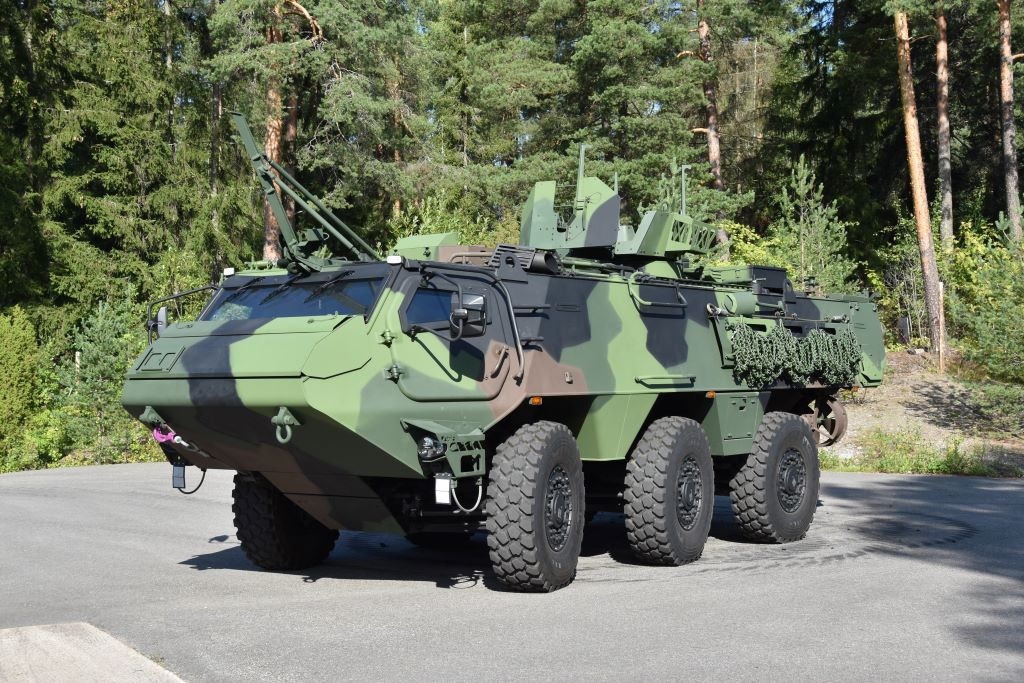
World
Latvia has taken a major step in enhancing its defense capabilities by testing the Patria 6×6 armored personnel carrier (APC) on public roads. This move comes as part of a broader effort to accelerate the deployment of these advanced military vehicles, which are being procured under a long-term agreement with Finnish defense manufacturer Patria. The tests aim to ensure the vehicles meet operational standards before they are officially handed over to the Latvian National Armed Forces (NBS). Road Tests to Streamline Certification Process The ongoing trials mark a shift from traditional testing at military grounds to more extensive evaluations on public roads. Vehicles undergoing the tests have been equipped with temporary license plates, allowing engineers and defense specialists to assess their performance under real-world conditions. Latvian Defence Minister Andris Sprūds emphasized the importance of these trials, stating that they would significantly expedite the certification process and enhance national security. Previously, testing was confined to the Ādaži military training ground, where limited infrastructure constrained the pace of assessments. The decision to allow road tests under special regulatory provisions now enables full-scale performance checks, including stability, mobility, and fuel efficiency at higher speeds. Public Road Testing: Key Performance Metrics During these tests, the Patria 6×6 vehicles will travel across designated routes, reaching speeds of up to 90 km/h (56 mph). Various onboard systems, including navigation, communication, and suspension, will be closely monitored for optimal functionality. Meanwhile, vehicles that have yet to receive regulatory clearance will continue to undergo trials at the Ādaži training ground to ensure uninterrupted production and delivery schedules. The trials are being conducted by highly trained personnel using specialized testing infrastructure and diagnostic equipment at the Valmiera-based assembly facility. In compliance with Latvian road traffic laws, the test vehicles have been issued mandatory civil insurance, just like any other vehicle operating on public roads. Latvia’s Patria 6×6 Procurement Plan Latvia signed an agreement with Patria in 2021, committing to the procurement of up to 200 Patria 6×6 APCs by 2029. The contract is part of a broader initiative under the European Patria 6×6 vehicle program, which also involves countries like Finland and Sweden. In 2024, the first batch of mass-produced vehicles will be assembled at the Valmiera factory, strengthening Latvia’s domestic defense manufacturing capabilities. Patria 6×6: A Versatile Combat Vehicle The Patria 6×6 is a highly adaptable, modern armored vehicle designed to transport troops and operate in challenging combat conditions. Weighing up to 24,000 kg (52,911 lbs), the vehicle can carry up to 10 personnel while offering protection against ballistic threats, kinetic projectiles, and explosive blasts. Key specifications of the Patria 6×6 include: Dimensions: 8 meters (26 feet) in length Engine: 390-horsepower Scania diesel engine Top Speed: 100 km/h (62 mph) Operational Range: 700 km (435 miles) The vehicle’s modular design allows for customization based on mission requirements, making it a strategic asset for Latvia’s defense forces. Strengthening Latvia’s Defense Readiness By integrating Patria 6×6 vehicles into its military fleet, Latvia is significantly enhancing its defense posture in the Baltic region. The ability to conduct real-world performance tests on public roads ensures that these APCs will be combat-ready upon delivery, providing both mobility and protection to Latvian forces. With growing security concerns in Eastern Europe, the expedited deployment of these vehicles underscores Latvia’s commitment to national and regional security.
Read More → Posted on 2025-02-18 14:16:21Search
Top Trending in 24 Hours
-
 Ukraine Introduces Balloon-Launched DART Missile Designed to Defeat Electronic Warfare
-
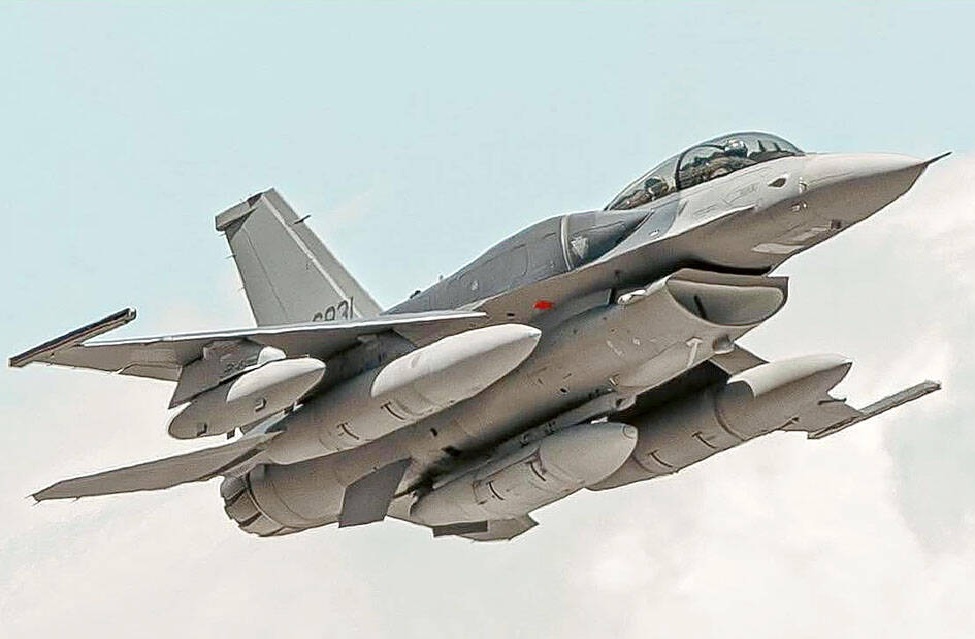 First Taiwanese F-16 Block 70 Flies with Five-Tank Fuel Configuration During Texas Tests
-
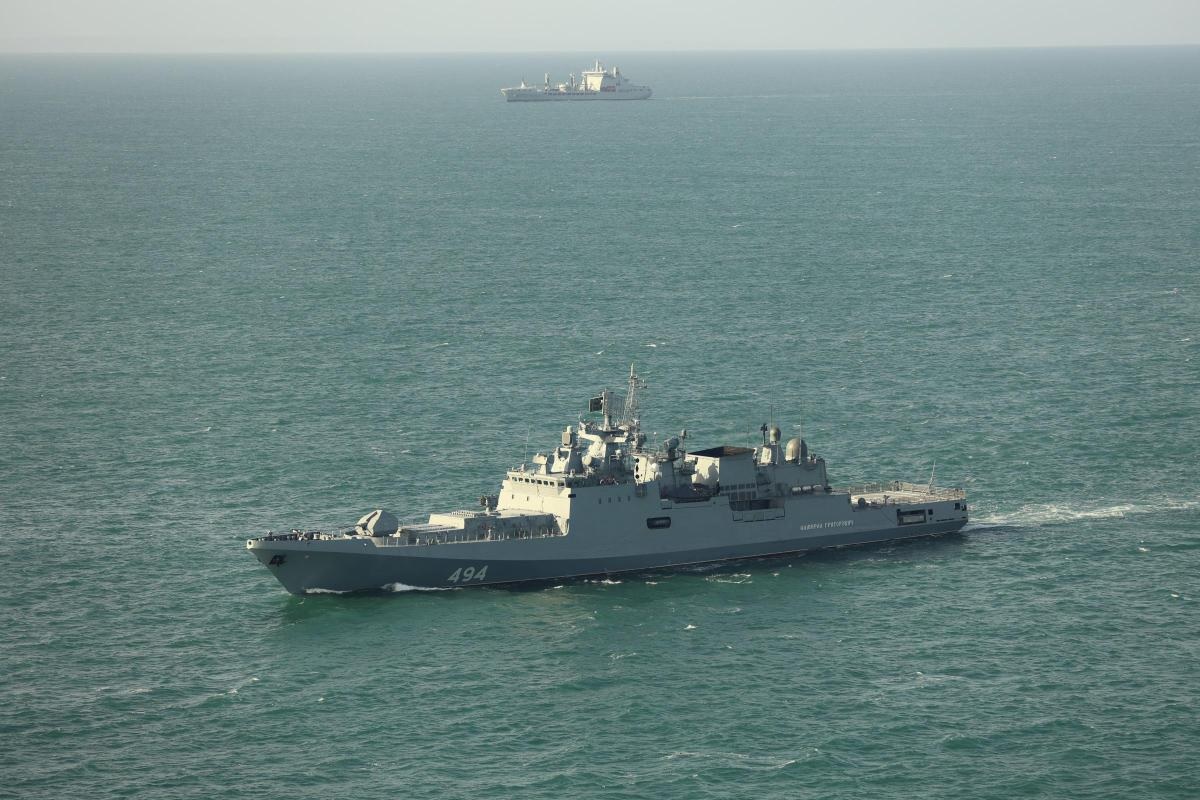 Russian Frigate Admiral Grigorovich Challenges UK Yacht in English Channel With Warning Shots
-
 UK Announces £210 Million Deal to Supply Enriched Uranium to Ukraine for Two Years
-
 Lockheed Martin Wins $514 Million U.S. Space Force Contract for Two New GPS IIIF Satellites
-
 Patria Launches WISPR Passive Counter-Battery Radar with Silent Detection Capability at Eurosatory 2026
-
 Space Force Transfers Transportable Satellite Tracking Antenna to Naval Research Laboratory
-
 U.S. Army Launches 10-Year Plan to Sustain Javelin Missile Production Through 2036
Top Trending in 4 Days
-
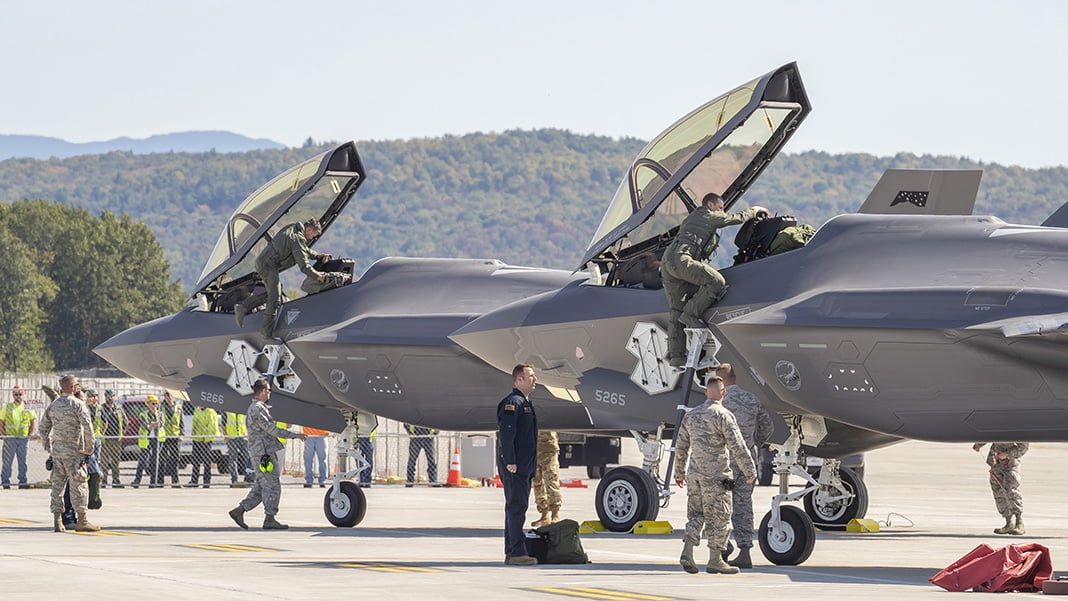 F-35 Fleet Readiness Falls to 25% Amid Parts Shortages and Software Delays: GAO Report
-
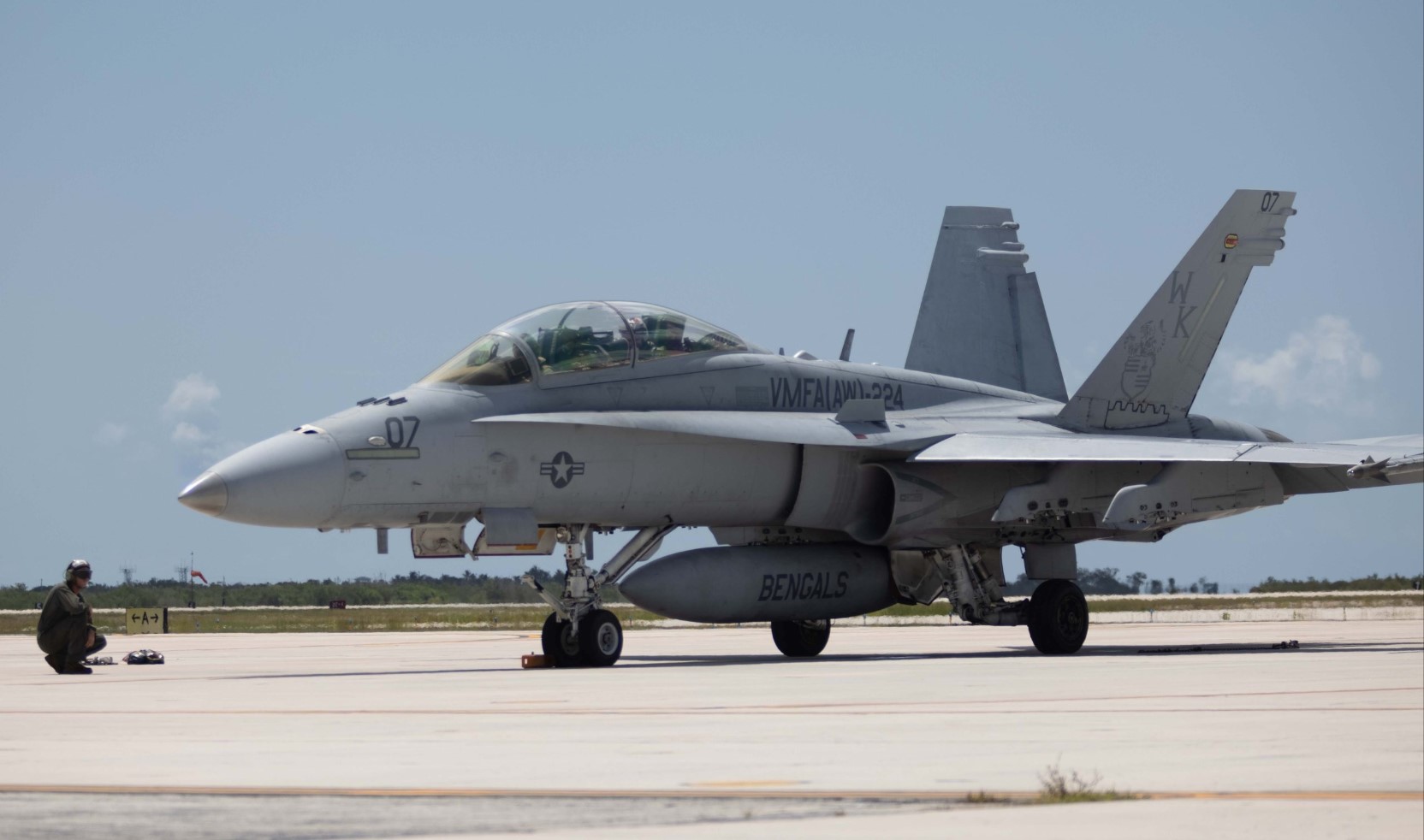 US Marine Corps F/A-18D Hornet Crashes During Training Flight in Washington Mountains; Pilot Ejects Safely
-
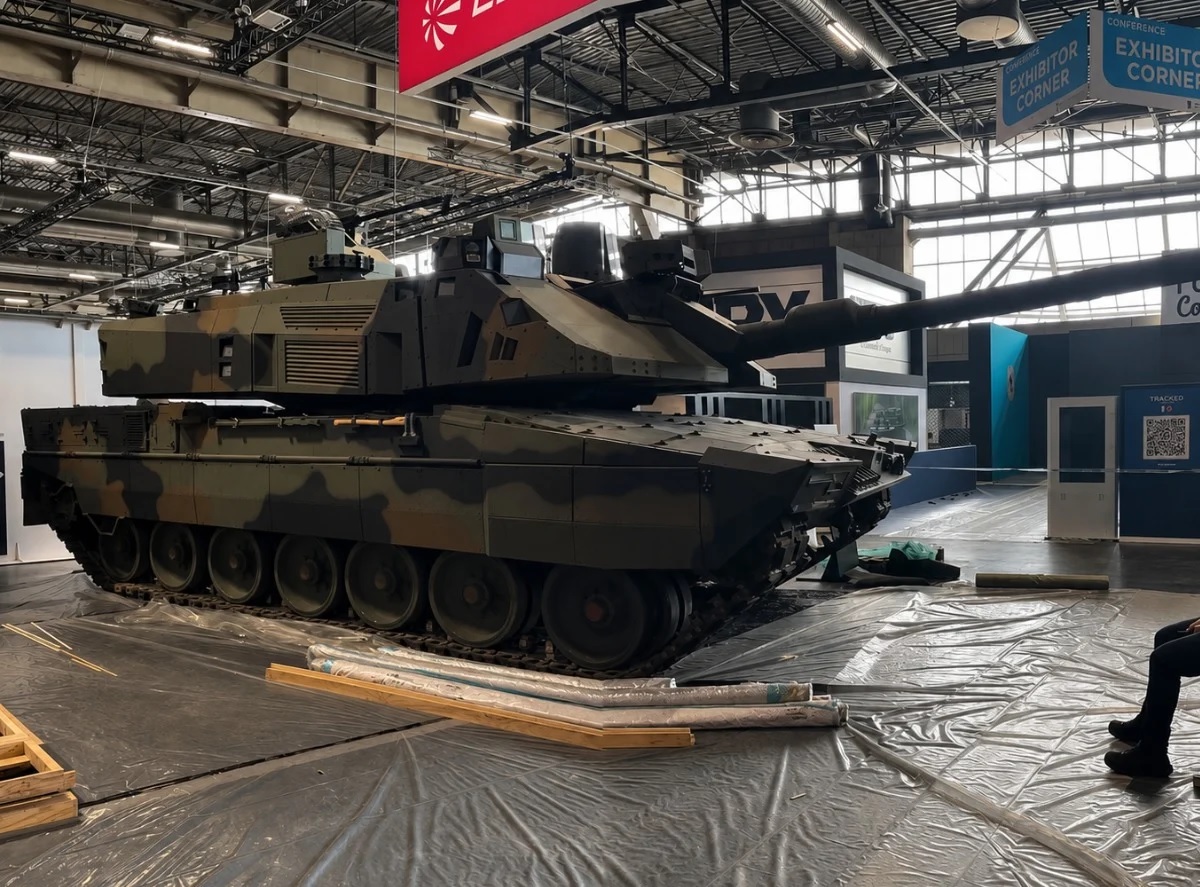 Leonardo Rheinmetall to Unveil Italy’s New IMBT Main Battle Tank at Eurosatory 2026
-
 Tulsi Gabbard Releases Declassified Files Detailing U.S.-Backed Network of 120 Biolaboratories Across 30+ Countries
-
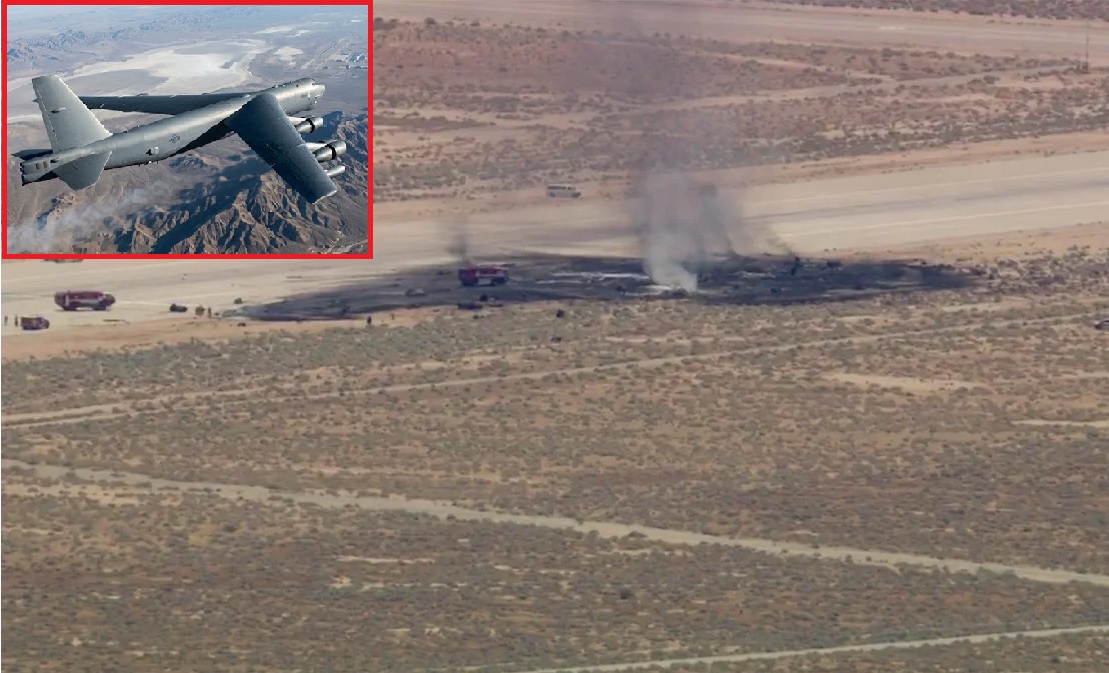 8 U.S. Air Force Crew Members Killed in B-52 Bomber Crash During Test Flight at Edwards Air Force Base
-
 NASA X-59 Achieves Planned Mission Conditions with Mach 1.4 Flight at 55,000 Feet
-
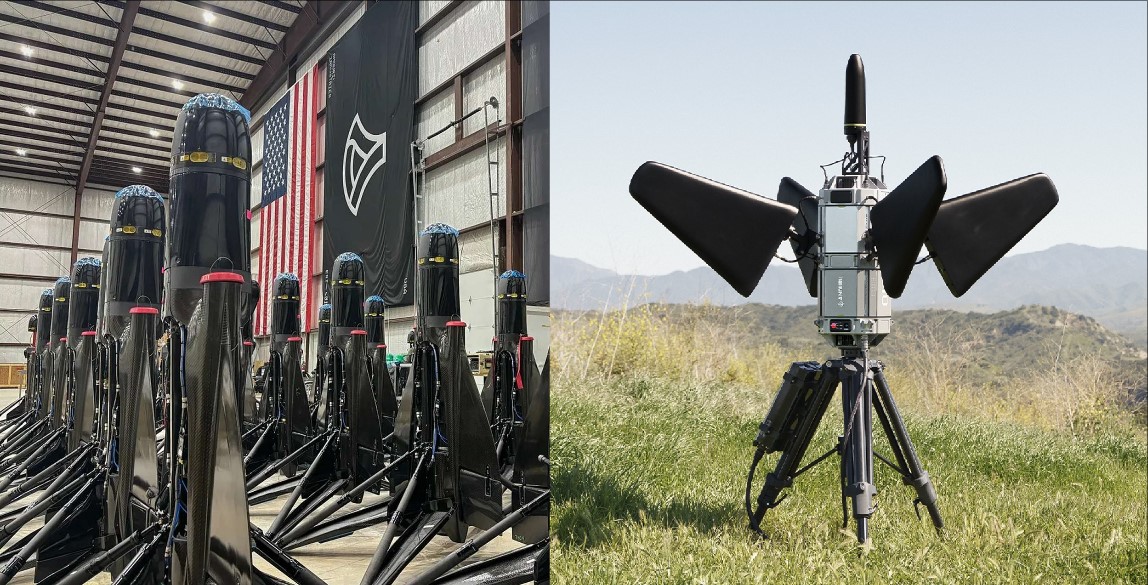 U.S. Approves $1.98 Billion Sale of Anduril AI-Powered Counter-Drone Systems to Kuwait
-
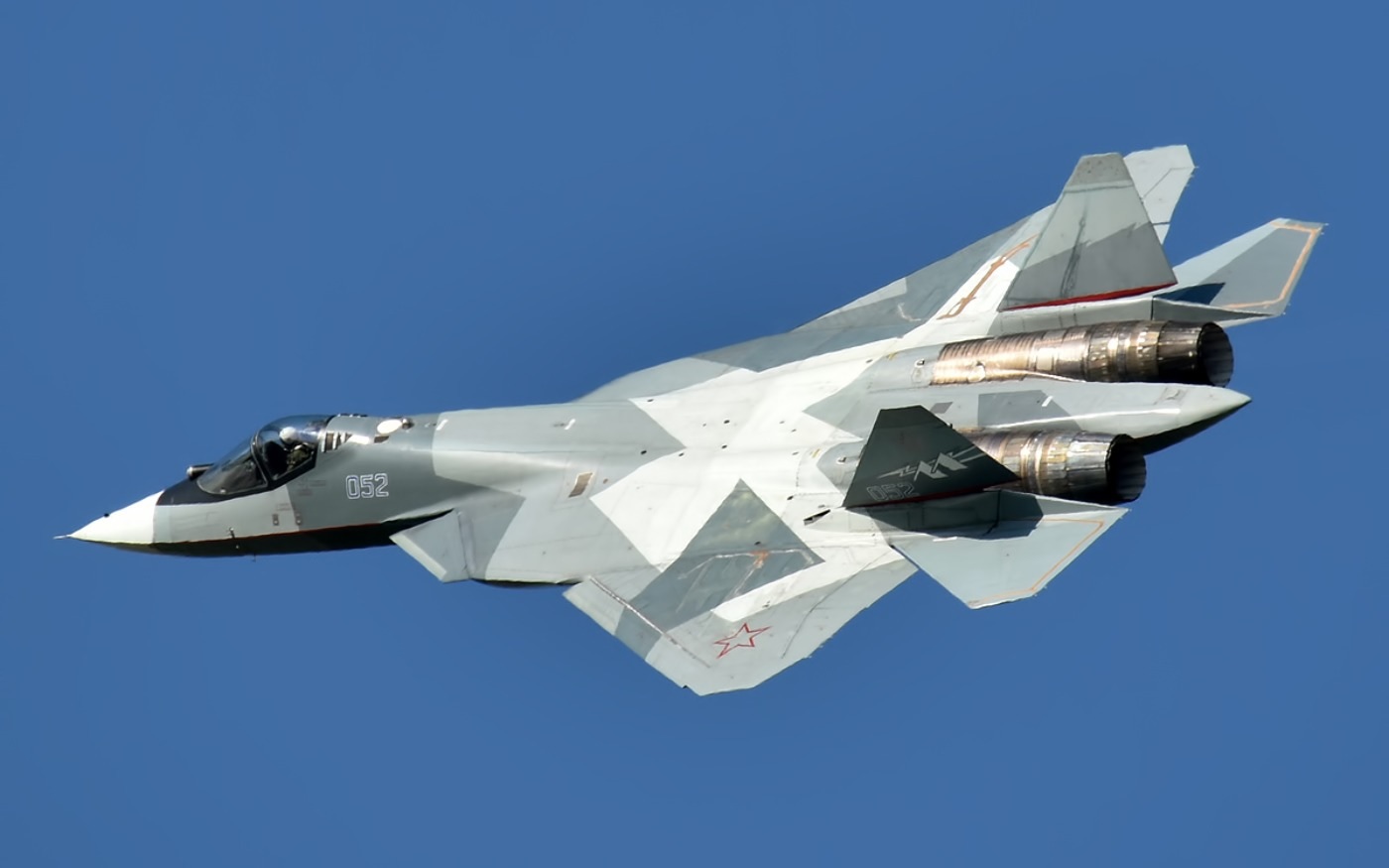 Russian Analysts Debate Su-57 Capabilities After Putin Calls Fighter Superior to F-35