
World
Baykar Technologies has officially entered serial production of its next-generation Bayraktar Kızılelma combat drone, marking a major milestone in Turkey’s growing defense and aerospace industry. The first batch is expected to be delivered to the Turkish Armed Forces by 2026, according to the company’s Chairman of the Board, Selçuk Bayraktar. The announcement comes as the sixth prototype of the Kızılelma is currently being completed. This advanced unmanned combat aerial vehicle (UCAV) represents a significant leap in Turkey’s domestic aerospace capabilities. Speaking about the achievement, Bayraktar said, “Turkey, which previously could not even design its own aircraft, has now become a global leader in unmanned aerial technologies.” He revealed that Baykar currently holds 65% of the global UCAV market, with 60% of that share belonging to the company alone, highlighting its strong international presence and export success. The Kızılelma drone is unique in many ways. It is jet-powered, capable of carrier operations, and built with low radar visibility and high maneuverability, enabling it to conduct missions in contested airspaces. It is designed to work in coordination with manned fighter jets and other drones, enhancing networked warfare capabilities for future combat scenarios. What makes the project even more significant is its fully domestic supply chain. Bayraktar confirmed that “all of its components are manufactured in Turkey,” underlining the country’s shift towards defense self-sufficiency. He also stated that Kızılelma is the first combat drone of its class to enter mass production, achieving this milestone ahead of countries like the United States and Israel. The Kızılelma (which translates to "Red Apple") project is seen as a centerpiece of Turkey’s broader defense modernization strategy. First unveiled in 2022, it has undergone multiple successful flight tests and attracted attention for its potential to revolutionize air combat through autonomous and semi-autonomous operations. With mass production now underway, and the first operational units set to join the Turkish Armed Forces by 2026, Turkey is positioning itself as a serious player in the future of aerial warfare—not just regionally, but globally.
Read More → Posted on 2025-08-04 14:46:25
Indonesia Inducts Turkish-Made KHAN Ballistic Missile System, Gains First Tactical Strike Capability
World
In a significant boost to its military power, Indonesia has acquired its first-ever tactical ballistic missile system, the Turkish-made KHAN (ITBM-600), marking a major milestone in the country’s defense modernization efforts. The development, confirmed on August 1, 2025, was revealed through a series of verified images posted by defense platform Sahabat Keris, showing the KHAN system stationed at Raipur A base in East Kalimantan. This deployment is more than symbolic—it’s a strategic leap. The KHAN system, developed by Türkiye’s Roketsan, is a precision-guided tactical missile capable of hitting high-value targets up to 280 kilometers away. This gives Indonesia, for the first time, the ability to conduct long-range strikes well beyond conventional artillery ranges. The variant received, the ITBM-600, is the most advanced export version offered by Roketsan, and it reflects Indonesia’s intention to strengthen its deterrent capabilities amidst growing regional tensions. The missile is launched from a Tatra 8×8 mobile platform, designed for all-terrain mobility—an essential feature for a nation like Indonesia, spread across thousands of islands. Each 2,500 kg missile, with a 610 mm diameter, is equipped with hybrid navigation (GPS, GLONASS, and inertial guidance), ensuring high accuracy even in environments where jamming is a risk. It is optimized for striking strategic assets like command centers, military bases, and logistics hubs far behind enemy lines. Despite not having an active protection system, the KHAN’s mobility, concealment, and rapid deployment ability enhance its survivability. Its warhead type remains undisclosed, but analysts suggest the system can carry multiple payload configurations suited to varying operational needs. This breakthrough comes under a 2022 defense deal between Indonesia and Türkiye, which not only involved system acquisition but also the transfer of advanced missile technology. This contract has further cemented defense ties between the two countries and could pave the way for future joint production or localized manufacturing of missile components. Strategically, positioning the KHAN system in East Kalimantan is critical. From this location on Borneo island, Indonesia can effectively cover vast maritime areas, including key sea lanes and territorial waters. This capability is especially important in an era of increasing geopolitical friction in Southeast Asia. With this acquisition, Indonesia enters a new era of defense readiness. The country has long emphasized its non-aligned foreign policy, but the arrival of the KHAN missile system signals a clear intent to protect national interests with modern, home-operable deterrence tools. It also reflects a broader regional trend: Southeast Asian nations are seeking more independent and advanced military capabilities amid uncertain global alignments. This move will likely draw attention from neighboring countries and could influence their defense strategies as well. While Indonesia maintains its policy of regional stability, the operationalization of a ballistic missile system demonstrates that Jakarta is prepared to defend its sovereignty using precision and reach like never before.
Read More → Posted on 2025-08-04 14:43:23
World
In a bold step towards modernizing military training, the UK Ministry of Defence has announced the launch of its first-ever military esports league, called the International Defence Esports Games (IDEG), set to kick off in 2026. The tournament is being developed in collaboration with the British Esports Federation and aims to tap into gaming as a tool for building digital-age defence capabilities. Unlike traditional sports competitions, IDEG focuses on skills increasingly relevant to today’s battlefields—cybersecurity awareness, digital literacy, and even the operation of unmanned aerial systems (UAS). The initiative draws inspiration from the Ukrainian military’s use of simulator games to train drone operators and enhance battlefield coordination. Initially, UK service members and reservists will be eligible to participate, with plans to later expand the competition to cadets, veterans, civil servants, and defence industry personnel. The tournament will culminate in a major final event in the UK, though regional and partner-nation competitions are also expected to be part of the run-up. “Esports will help attract, develop, and retain top cyber and digital talent, while supporting this government’s Plan for Change,” said Alistair Carns, Minister for Veterans and People at the UK Ministry of Defence. He called the initiative “an exciting opportunity to foster collaboration and overcome traditional boundaries with international partners.” The program is backed by major defence contractors like BAE Systems, alongside smaller military tech firms, underlining the UK government’s push to integrate high-tech industries with military readiness. It also builds upon recent steps like the formal recognition of esports as a military sport in the UK and the launch of the Cyber Direct Entry Scheme, which fast-tracks recruits into cyber roles with shorter basic training. In a symbolic nod to this shift in military culture, the Royal Navy has already set up an esports center aboard the HMS Prince of Wales, a Queen Elizabeth-class aircraft carrier. The gaming hub is equipped with high-end systems from Alienware, NVIDIA, and Intel, supporting the IDEG initiative. UK Strategic Command, which manages the country’s joint military capabilities, will oversee the coordination of IDEG. Lieutenant General Sir Tom Copinger-Symes, Deputy Commander of the Strategic Command, emphasized the growing relevance of esports: “For centuries, we’ve used ball games like rugby and football to build teamwork and resilience. Esports now complements these, preparing us for 21st-century security challenges.” The UK’s move is part of a wider global trend where gamification and digital platforms are increasingly being integrated into defense training. With warfare rapidly shifting into cyber and hybrid domains, IDEG represents a future-forward step in ensuring that armed forces are equipped not just physically, but digitally and cognitively, for the challenges ahead.
Read More → Posted on 2025-08-04 14:36:43
World
Rheinmetall and Lockheed Martin have officially begun testing their jointly developed Global Mobile Artillery Rocket System (GMARS) at the White Sands Missile Range in the United States. This follows the system’s public debut at the Eurosatory 2024 defence exhibition in Paris, marking a key step in its development towards full operational capability. Built on the Rheinmetall HX truck platform, the GMARS system integrates a double-pod multiple rocket launcher with advanced fire control systems. It is engineered to handle all-weather, 24/7 operations, supporting the MLRS Family of Munitions (MFOM)—the same munitions used by established platforms like the M270 and HIMARS. This design choice makes GMARS fully interoperable with NATO-standard systems. The GMARS system is optimized for high mobility and fast action, featuring a "shoot and scoot" capability that allows it to fire and quickly reposition without requiring additional setup. It uses a combined inertial and GPS-guided navigation system, enabling precision strikes at ranges beyond 400 km, with further range extensions in the pipeline. Weighing less than 40 tonnes, GMARS can reach speeds of 100 km/h and has an operational road range of up to 700 kilometres. Its compact size allows for smooth travel on regular roads and easy rail transport, improving its strategic flexibility. Designed for a two-person crew with an optional third seat, GMARS also includes an integrated crane for quick reloading in any weather condition. Shared components with existing NATO artillery systems help reduce the learning curve for operators and streamline maintenance processes. Earlier this year, Rheinmetall and Lockheed Martin co-hosted an international summit in Europe, where they presented GMARS to defence representatives from 14 countries. The event featured technical briefings, factory tours, and discussions on NATO interoperability and long-range precision fires. The summit concluded with plans for a live-fire demonstration in summer 2025. Dr. Björn Bernhard, Head of Rheinmetall’s Vehicle Systems Division, said, “We were pleased to showcase the capabilities of the GMARS launcher at the summit with our partner Lockheed Martin.” Paula Hartley, Vice President and General Manager of Tactical Missiles at Lockheed Martin, echoed that sentiment: “The GMARS programme is a prime example of this commitment, and we were pleased to discuss its capabilities and benefits with customers at the summit.” The event also featured remarks by LTG (R) Ben Hodges, who emphasized the rising importance of advanced mobile artillery in addressing future battlefield challenges. With testing now underway, GMARS is positioning itself as a next-generation artillery solution that combines long-range firepower, rapid deployment, and NATO interoperability—key features that make it a strong candidate for modern military forces worldwide.
Read More → Posted on 2025-08-03 16:37:49
World
In a major step forward for modern military communications, Northrop Grumman has successfully tested its NG InSight system, showcasing advanced, multi-domain resilient communications that could shape the future of joint-force operations. The live demonstration flight took place on April 30, 2025, at Baltimore/Washington International Airport (BWI), marking a significant milestone in proving the system's readiness and performance. During the test, Technology Readiness Level 6 (TRL 6) components were installed aboard a CRJ-700 aircraft. These included a mix of open system processors, advanced antennas, Government Reference Architecture (GRA)-compliant directional line-of-sight (DLOS) communications, and mission-aware content routing. All these elements formed a working configuration of what Northrop calls the NG InSight ecosystem—designed to serve as a robust communications hub across land, air, sea, and space domains. One of the key highlights of the test was the simultaneous demonstration of DLOS and beyond-line-of-sight (BLOS) communications, a critical capability that significantly reduces the risk of enemy interception or jamming. These communications enabled secure, low-latency data sharing across extended ranges, essential for real-time collaboration between different platforms in complex, contested environments. According to Jenna Paukstis, Vice President and General Manager of Northrop Grumman’s Networked Information Solutions Division, “NG InSight is essential for establishing robust, high-performance data sharing in environments where traditional methods may be too vulnerable or limited in range.” She added that the technology helps "counter enemy threats and improve survivability" by maintaining uninterrupted and protected communications under challenging conditions. The NG InSight system is not just a single product but a scalable family of interoperable solutions aimed at delivering next-generation secure connectivity. It supports both joint and coalition operations, integrating assets across air, land, maritime, and space domains. This seamless connectivity is critical for enabling modern military forces to work together effectively across multiple theaters of operation. Beyond basic communications, NG InSight offers powerful features such as signals intelligence (SIGINT), non-kinetic effects (NKE), multi-level security, and cross-domain information sharing. These capabilities ensure that warfighters have access to actionable, real-time intelligence, even in heavily contested or electronically denied zones. As threats grow more complex and the need for joint force integration becomes urgent, Northrop Grumman’s NG InSight could become a foundational technology for enabling secure, resilient, and flexible communications across domains—a vital requirement for future defense strategies.
Read More → Posted on 2025-08-03 15:33:24
World
In a significant development in India-Russia defence ties, Russia has offered a customised, localised version of its cutting-edge T-14 Armata main battle tank (MBT) to the Indian Army, aimed at joint development under India’s Next Generation Main Battle Tank (NGMBT) program. The offer, reportedly made by Russian defence giant Uralvagonzavod, signals a strategic attempt to deepen military-industrial cooperation between the two nations. The T-14 Armata is considered one of the most advanced tanks in the world. It features a revolutionary unmanned turret, an armoured crew capsule, and a fully digitalised control system. Equipped with a 125mm smooth-bore cannon, capable of firing both shells and laser-guided missiles, it also comes with a 7.62mm remote-controlled machine gun, modular armour, and an advanced active protection system (APS) that can intercept incoming anti-tank missiles. The tank is also equipped to handle NBC threats and has an automatic fire suppression system, making it highly survivable on modern battlefields. India's interest in the T-14 is rooted in the urgent need to replace its ageing fleet of T-72s and future-proof its tank forces, including upgrades beyond the T-90 Bhishma, which is already being produced domestically with over 83% indigenisation, including its locally built engine. This latest Russian proposal aligns with India’s “Make in India” defence policy and specifically fits into the “Make-I” category of the NGMBT program, which supports government-funded prototype development with up to 70% funding. Sources suggest that India could co-develop the tank with the Combat Vehicles Research and Development Establishment (CVRDE) and eventually manufacture it with Indian components and technologies. A critical part of the localisation plan reportedly involves replacing Russia’s troubled 12N360 diesel engine with India’s own DATRAN-1500HP engine, offering a more reliable powerpack suited to India’s harsh and varied environments—from icy Himalayan terrain to scorching desert zones. However, the T-14 Armata itself is not without problems. As of early 2024, only about 20 units had been produced in Russia, due to persistent technical and reliability issues, particularly with the engine and powerpack. Russian officials have acknowledged that the T-14 is not yet ready for large-scale deployment, citing these unresolved mechanical challenges. India’s involvement may offer not only a new market for the T-14 but also much-needed technical support to overcome these hurdles. Despite these limitations, the tank remains attractive for India’s future combat requirements. It is designed to operate in extreme climates, including temperatures as low as -50°F, aligning with Indian border conditions. Its modular design also allows for further customisation, making it a strong candidate for India’s future-ready armoured strategy. If the proposal goes forward, the T-14-based NGMBT could form the backbone of India's future tank regiments, offering enhanced mobility, survivability, and firepower across the nation’s varied terrains—especially on the northern and western fronts, where threats are evolving. Ultimately, this offer from Russia represents more than just a weapons deal—it’s a strategic opportunity for India to leap forward in tank warfare technology while strengthening its own defence manufacturing ecosystem. For Russia, it’s a chance to revive and scale up a struggling platform by tapping into India’s growing defence industrial base.
Read More → Posted on 2025-08-03 14:50:39
World
Hamas has strongly rejected claims that it is ready to give up its weapons as part of a ceasefire deal with Israel. The Palestinian group called the remarks made by U.S. envoy Steve Witkoff false and misleading, stressing that the right to armed resistance remains a “national and legal” necessity while Israeli occupation continues. The controversy began after Haaretz published details of a private meeting between Witkoff and families of Israeli hostages held in Gaza. According to a recording cited by the Israeli outlet, Witkoff allegedly said that Hamas was "prepared to be demilitarised." However, Hamas issued a sharp rebuttal, stating clearly that it had made no such promise. In its official statement, Hamas said:“The resistance and its weapons are a national and legal right as long as the [Israeli] occupation persists. This right cannot be relinquished until our full national rights are restored, foremost among them the establishment of a fully sovereign, independent Palestinian state with Jerusalem as its capital.” The comments come amid a tense backdrop of global diplomacy and increasing scrutiny of humanitarian conditions in Gaza. Witkoff, a close ally of former U.S. President Donald Trump and now serving as his special Middle East envoy, had just visited an aid site in Gaza run by the controversial Global Humanitarian Foundation (GHF)—an organisation jointly supported by the U.S. and Israel. Hamas described Witkoff’s visit as a "staged show", accusing him of trying to mask the real humanitarian crisis in the enclave. The group cited a United Nations report that says over 1,300 Palestinians have been killed since May while attempting to access food at GHF-run aid distribution centres. Despite global criticism, the Trump-aligned administration has continued to support GHF, pledging $30 million in U.S. aid to the group just last month. The disarmament claim and Hamas’ response come at a time when pressure is mounting internationally for a political resolution to the Gaza war. During a recent United Nations conference in New York, 17 countries, along with the European Union and the Arab League, signed a joint declaration calling for a two-state solution. The document included a demand for Hamas to end its control of Gaza and transfer authority to the Palestinian Authority, with support from the international community. Significantly, the United Kingdom also hinted it may formally recognise a Palestinian state by September—unless Israel agrees to a ceasefire. UK Foreign Secretary David Lammy echoed Prime Minister Keir Starmer’s position, stating that recognition would come under clear conditions tied to peace efforts. As the war drags on and diplomatic efforts intensify, Hamas' rejection of disarmament underlines the deep divisions and mistrust that remain obstacles to peace. The conflicting narratives from Hamas and the U.S. envoy only add to the complexity of negotiations, even as the humanitarian crisis in Gaza worsens daily.
Read More → Posted on 2025-08-03 14:47:03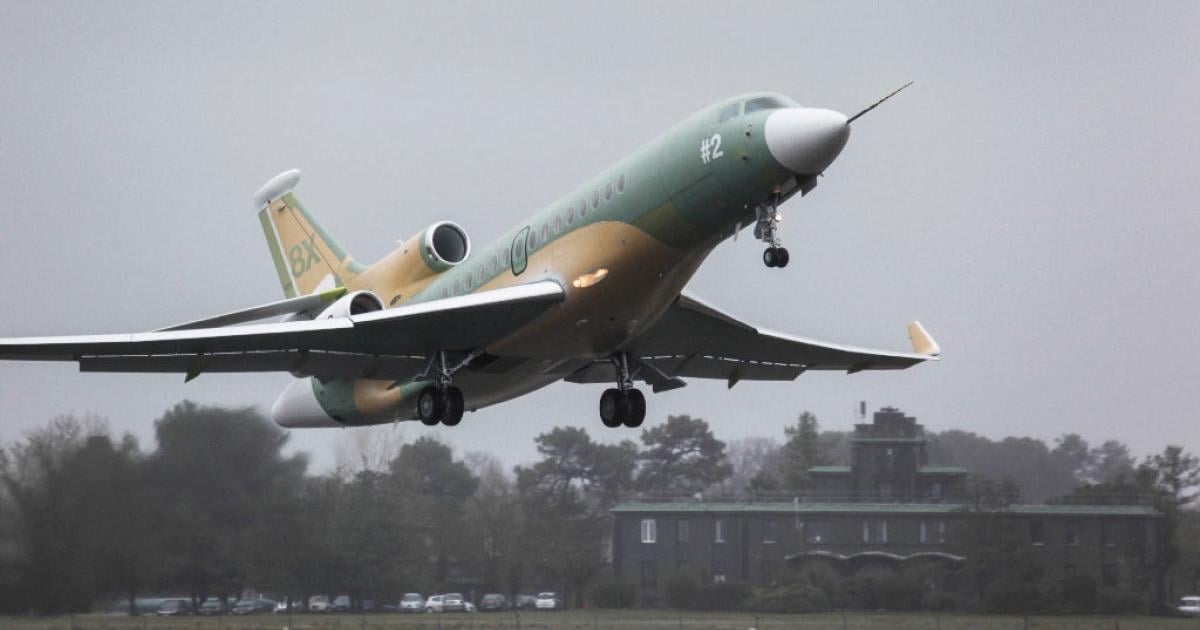
World
In a major step towards modernising its intelligence capabilities, France’s defence procurement agency (DGA) has successfully completed the first flight of the Archange new-generation intelligence aircraft, developed in partnership with Dassault Aviation and Thales. This flight marks a milestone in France’s effort to boost its strategic surveillance and electromagnetic intelligence capabilities. The aircraft, based on the Dassault Falcon 8X business jet, is being converted into an advanced intelligence-gathering platform under the Archange programme. These modified jets will serve the French Air and Space Force, enabling it to detect and analyse communication signals and radar emissions from a wide operational area. According to the DGA, three Archange aircraft are planned to be delivered between now and 2030, aligning with France’s current Military Planning Law (Loi de programmation militaire 2024–2030). These jets are expected to significantly upgrade France’s ability to collect, process, and interpret critical strategic information, both in peacetime and during conflict. At the heart of the transformation is a state-of-the-art mission system developed by Thales DMS and Thales SIX, which brings together high-performance sensors and sophisticated electronic warfare technologies. This system enables the aircraft to simultaneously detect both radar and communication signals, offering a much more comprehensive view of the electromagnetic environment compared to existing platforms. Dassault Aviation is overseeing the structural and systems modifications needed to tailor the Falcon 8X to the French military’s intelligence mission requirements. The aircraft’s long range, high altitude capability, and reliability make it ideal for such a demanding role. In addition to the aircraft themselves, the Archange programme includes a complete training and support infrastructure. This will include dedicated ground facilities and long-term maintenance services, ensuring the operational availability and readiness of the new fleet. The DGA praised the collaborative effort, stating: “This first flight is the result of several years of collaboration between leading industrial partners and the DGA. It demonstrates a collective commitment to strengthening France’s defence capabilities, its decision-making sovereignty, and the operational superiority of its armed forces.” With the Archange programme moving ahead, France is reinforcing its strategic intelligence edge in an increasingly complex global security environment. The new aircraft will not only enhance its ability to monitor threats and support military operations, but also serve as a key asset in preserving national and allied security interests.
Read More → Posted on 2025-08-03 14:41:31
World
In a significant military milestone, the United States Army has deployed its Long-Range Hypersonic Weapon (LRHW) system to Australia’s Northern Territory, marking the first time the advanced missile system has been sent outside the continental U.S. This high-profile deployment took place during Exercise Talisman Sabre 2025, the largest bilateral training operation between the U.S. and Australia. The 3rd Multi-Domain Task Force (3MDTF) was responsible for this deployment, showcasing the unit’s capability to rapidly position and operate the LRHW system in a forward and potentially contested environment. This move is seen as a demonstration of both military readiness and strategic intent by the U.S. Indo-Pacific Command. According to Admiral Samuel J. Paparo, Commander of U.S. Indo-Pacific Command, “The deployment of the LRHW system to Australia marks a significant achievement... It validates the Army’s ability to deploy, position, and exercise command and control (C2) of the system in a forward environment.” The LRHW system is capable of precision deep strikes at hypersonic speeds, meaning it can hit targets thousands of kilometers away in a matter of minutes. This makes it a key component in the U.S. military’s future arsenal, especially in the Indo-Pacific, where fast response to threats is crucial. Colonel Wade Germann, Commander of the 3MDTF, emphasized that the deployment highlights U.S. commitment to regional partners. “This is a major milestone for the Army... It demonstrates our ability to rapidly deploy and operate advanced capabilities in support of our allies and partners,” he said. The Talisman Sabre exercise, held every two years, is designed to improve joint operations between the U.S. and Australian militaries, with broader objectives of strengthening ties and enhancing regional deterrence. This year’s event includes over 30,000 personnel and participation from allied nations such as Japan, the United Kingdom, and South Korea. Military analysts note that hypersonic weapons, which travel at speeds greater than Mach 5, are nearly impossible to intercept using current missile defense systems. By demonstrating the ability to operate the LRHW in the Indo-Pacific, the U.S. sends a clear signal about its readiness to defend allied territory and deter adversaries. The deployment also underlines the U.S.-Australia strategic partnership, as both countries deepen their cooperation in emerging defense technologies and integrated deterrence strategies. It’s a key step in adapting to new-era threats in the Indo-Pacific, particularly in light of rising tensions and expanding military capabilities of regional powers. In short, this historic forward deployment of the LRHW system not only marks a technical and operational achievement for the U.S. Army but also sends a strong geopolitical message: the U.S. is fully committed to ensuring peace, stability, and defense cooperation across the Indo-Pacific.
Read More → Posted on 2025-08-03 14:26:57
World
In a major move to modernize its digital warfare capabilities, the U.S. Army has awarded a $10 billion contract to software company Palantir Technologies. This long-term deal is focused on integrating artificial intelligence (AI), enhancing data fusion, and strengthening digital systems used in military operations. The contract was officially issued on July 31 by the Army Contracting Command at Rock Island Arsenal, Illinois, under solicitation number W519TC-25-D-0039. This enterprise agreement will run through July 31, 2035, and consolidates a number of existing contracts where Palantir is already serving as a prime or subcontractor. Now, all those services will operate under a unified structure, streamlining efforts to develop and deploy AI-enabled tools across U.S. Army programs. Palantir, headquartered in Palo Alto, California, is known for building powerful software platforms that combine both classified and unclassified data to support missions ranging from battlefield planning to counterterrorism operations. The company has built a strong presence within the U.S. defense and intelligence ecosystem, serving agencies such as the CIA, NSA, FBI, DHS, U.S. Air Force, Marine Corps, and even the U.S. Military Academy at West Point. As part of this new deal, Palantir will coordinate with multiple defense partners to deliver AI-driven solutions for mission planning, intelligence analysis, logistics, and tactical battlefield support. The systems developed will be used to boost targeting accuracy, speed up decision-making, and enhance the survivability of troops in combat. Palantir’s platforms are already being tested in high-stakes environments. In Ukraine, the country's military is using Palantir's tools to optimize artillery strikes by processing live sensor data and geospatial information in real time. Ukrainian forces have credited the software with helping to shorten targeting cycles and improve the coordination of fire missions. Beyond combat use, Ukraine’s Office of the Prosecutor General is employing Palantir’s tools to collect digital evidence of Russian war crimes, including photo and metadata analysis to document violations of international law. This latest Army contract signals a deeper commitment to embedding advanced technologies like AI into the daily workings of military operations. It reflects the growing importance of data and decision-support systems in future conflicts—where the ability to process, interpret, and act on information quickly can determine success or failure on the battlefield. The funding and specific work locations for this contract will be determined by individual task orders over the contract’s 10-year lifespan.
Read More → Posted on 2025-08-02 15:52:12
World
In a major boost to its battlefield capabilities, Ukraine has delivered more than one million FPV (first-person view) drones to its frontline troops in the first half of 2025. This large-scale effort, coordinated by the Defence Procurement Agency (DPA), is part of a broader plan to supply over two million such drones by the end of the year. According to Ukrainian Defence Minister Denys Shmyhal, the goal is clear: get the right drones into the hands of soldiers who need them most. “Our priority is to develop the most effective mechanisms for providing soldiers on the front lines with the necessary drones,” he said. “We are working to increase the pace of supply so that each unit receives exactly what it needs to perform its combat tasks.” The drones, commonly used for reconnaissance and explosive strikes, have become a defining element of modern warfare in Ukraine’s ongoing defence against Russian forces. The delivery of such a massive number in just six months shows how Ukraine is rapidly scaling its domestic drone production and procurement processes. Arsen Zhumadilov, Director of the Defence Procurement Agency, stressed that the million-drone milestone is just the beginning. “We are focusing on even larger volumes. We have launched additional tools for the mass supply of UAVs,” he said. To make procurement faster and more flexible, Ukraine has adopted new approaches. One of these is contracting based on tactical and technical specifications (TTS), which allows a wider range of drone manufacturers to participate by meeting performance standards rather than selling only pre-named products. This strategy helps expand the supplier base and encourages competition through the Prozorro public procurement system. Ukraine is also piloting the DOT-Chain Defence IT platform, a kind of digital marketplace where military units can select the drones that best fit their operational needs. So far, 12 combat brigades are actively placing targeted drone orders through the platform, giving commanders more say in the gear their troops receive. Zhumadilov added that framework agreements through Prozorro and DOT-Chain have become essential to ensure high-quality drones are delivered efficiently and transparently using state budget funds. While this surge in FPV drone delivery is a technical achievement, it also signals Ukraine's increasing focus on technological innovation and decentralized logistics in warfare. The country is clearly investing in tools and platforms that can sustain and evolve its military response over the long term. With over a million drones already deployed in just six months and more on the way, Ukraine is not just keeping pace with modern warfare—it is actively shaping it.
Read More → Posted on 2025-08-02 15:10:11
World
In a surprising announcement on Truth Social, former U.S. President Donald Trump revealed that he has ordered two U.S. nuclear submarines to be deployed to what he described as "appropriate regions." The move appears to be a direct response to recent threatening remarks by Russia's former president Dmitry Medvedev, though Trump did not provide specific details about the submarines or their destinations. Trump explained the decision as a precautionary step, saying it was made “just in case these foolish and inflammatory statements are more than just that.” While it’s unclear which class of submarines have been deployed, the U.S. Navy operates three types of nuclear-powered subs, with only one type — the Ohio-class ballistic missile submarines (SSBNs) — carrying nuclear weapons. The Ohio-class “boomers” are at the heart of America’s nuclear deterrent. Each of these 14 submarines is armed with up to 20 Trident ballistic missiles, capable of delivering nuclear warheads to targets over 4,600 miles away. These submarines are designed for stealth and long-term deployments, often remaining submerged for months. They measure about 170 meters in length, weigh nearly 19,000 tons submerged, and carry a crew of around 159 sailors. In addition to the SSBNs, the U.S. Navy has four other Ohio-class submarines that were converted into guided-missile submarines (SSGNs). These carry up to 154 Tomahawk cruise missiles, which are conventionally armed and have a range of 1,000 miles. SSGNs are also capable of deploying special operations forces, using modified missile tubes as lockout chambers. The Navy also operates dozens of fast-attack submarines, including the Virginia, Los Angeles, and Seawolf classes. While these do not carry nuclear missiles, they are equipped with Tomahawk missiles and are used to track enemy submarines, conduct intelligence missions, and strike land targets. The Pentagon has not officially confirmed Trump’s claim or the identities of the submarines, as submarine deployments are typically highly classified for strategic and security reasons. However, U.S. officials in the past have occasionally disclosed submarine activity as a show of force or deterrence in sensitive regions. This development comes at a time of growing geopolitical tension, particularly in light of ongoing U.S.-Russia friction over Ukraine and global nuclear posturing. While Trump is no longer in office, his comments and claims still attract global attention, especially when they involve military action or national security. Whether the Biden administration will confirm or respond to Trump’s statement remains unclear.
Read More → Posted on 2025-08-02 15:07:41
World
A senior Russian lawmaker has downplayed Donald Trump’s claims about deploying American submarines in response to provocative Russian rhetoric, saying that Russia already has enough nuclear submarines in global waters to handle any such threat. Viktor Vodolatsky, a member of Russia’s lower house of Parliament (Duma), said the situation does not require any special reaction from Moscow. He emphasized that the number of Russian nuclear submarines currently deployed in the world’s oceans exceeds that of the United States, and that any US submarines moved under Trump’s orders are already being tracked. “The subs that President Trump ordered to be redirected have long been under our control,” Vodolatsky told Russian state news agency TASS, adding: “Let the two US subs sail. They have been in the crosshairs for a long time now.” The former US President had earlier taken to his social media platform Truth Social on Friday, claiming he had ordered US submarines into position due to “extremely provocative statements” made by Dmitry Medvedev, Russia’s former president and current deputy chairman of the Russian Security Council. Trump did not elaborate further. Vodolatsky also said that instead of threats, a fundamental agreement is needed between the US and Russia to calm global tensions and avoid further speculation about the beginning of World War III. While the remarks generated media attention, Russian foreign policy expert Fyodor Lukyanov, editor-in-chief of Russia in Global Affairs, advised not to take Trump’s words too seriously. Speaking to RBC TV, a Russian news channel, Lukyanov remarked: “Trump reacts emotionally and spontaneously. I think the US Navy likely read his statement with great surprise. So far, this is just rhetoric.” Still, Trump’s comments had a financial ripple effect. Following the post, the Moscow Exchange index dropped by nearly 0.99%, falling by 2,709.26 points by 8:01 pm local time on Friday, reflecting investor concern over rising tensions. On a related note, Russian Foreign Minister Sergey Lavrov, responding to a question about recent comments by US Secretary of State Marco Rubio during a Fox News interview, said Russia fully agrees with Washington on one key issue: a direct military conflict must be avoided. “We share the US administration’s stance that a direct military confrontation must not happen,” Lavrov said, adding that such understanding has come through constructive dialogue between Moscow and Washington, despite ongoing tensions over Ukraine. Lavrov’s remarks come amid growing unease in Europe, where several NATO members continue to push for Ukraine’s fast-track NATO integration, something Russia strongly opposes. In summary, while Trump’s statement has stirred political chatter and market reactions, the Russian response remains confident and dismissive, portraying American actions as both monitored and manageable.
Read More → Posted on 2025-08-02 15:03:46
World
In a significant move likely to raise tensions with NATO, Russia has announced plans to deploy its new Oreshnik hypersonic missile system in Belarus by the end of 2025. The announcement came directly from President Vladimir Putin, who confirmed that the missile system has already entered military service and that deployment sites in Belarus have been selected. Speaking alongside Belarusian President Alexander Lukashenko during a visit to Valaam Island, Putin said that preparations for deployment are underway and expected to be completed by year’s end. This marks a major step in Moscow’s strategy to strengthen its military posture near the borders of NATO countries. The Oreshnik missile, named after the Russian word for “hazelnut tree,” reportedly made its combat debut in November 2024, when Russia struck a missile production facility in Dnipro, Ukraine. Military officials in Moscow claim the missile is capable of carrying both conventional and nuclear warheads, and reaching speeds of up to Mach 10—a velocity that makes it extremely difficult for Western air defense systems to intercept. Putin emphasized its capability, saying “multiple warheads plunge to a target at Mach 10 and are immune to being intercepted.” He added that a coordinated strike using several Oreshnik missiles, even with conventional warheads, would have devastation similar to that of a nuclear attack. The missile’s hypersonic speed and maneuverability make it one of the most advanced systems in Russia’s arsenal, representing a growing threat to countries supporting Ukraine with long-range weapons. In a stark warning, Putin hinted at using the Oreshnik in counterstrikes beyond Ukraine’s borders if NATO-supplied weapons are used to hit Russian territory. “If Kyiv uses NATO missiles to strike us, we could respond using systems like Oreshnik—even outside Ukraine,” he said. The decision to place the Oreshnik in Belarus—a country that borders Ukraine and several NATO members—adds a new layer to the region’s already high military tension. Since Russia’s invasion of Ukraine in 2022, Belarus has allowed increased Russian military presence, including the deployment of Russian tactical nuclear weapons. In 2023, Belarus and Russia signed a security pact that effectively brought Belarus under Russia’s nuclear umbrella. President Lukashenko, who has ruled Belarus for over 30 years, claimed in late 2024 that his country already hosts “several dozen” Russian nuclear weapons. The planned deployment of Oreshnik hypersonic missiles further solidifies Belarus’s role as a forward operating base for Russia, giving Moscow faster access to launch advanced weapon systems near NATO’s eastern flank. As the war in Ukraine grinds on and tensions between Russia and the West remain high, the arrival of Oreshnik missiles in Belarus could further escalate the arms race in Eastern Europe—and raise fresh concerns across Western capitals.
Read More → Posted on 2025-08-02 14:36:24
World
In a major step to enhance its space-tracking capabilities, the U.S. Space Force has officially activated a significant upgrade to the Ground-Based Optical Sensor System (GBOSS) at White Sands Missile Range in New Mexico. This upgraded system will now play a stronger role in helping the U.S. military monitor and track objects in deep space, improving overall space domain awareness. Developed in collaboration between Space Operations Command (SpOC) and Space Systems Command (SSC), the upgrade marks a key modernization milestone. GBOSS is part of the broader Ground-based Electro-Optical Deep Space Surveillance (GEODSS) network, which supports the Space Surveillance Network (SSN)—the system the U.S. relies on to monitor thousands of satellites and objects orbiting above Earth. The recent upgrade at White Sands is already fully operational, while another similar upgrade at the Maui site in Hawaii is in its final testing stages and will also become part of the GBOSS program once approved. According to Colonel Barry Croker, Commander of SpOC Mission Delta 2 – Space Domain Awareness, this advancement offers “a leap forward in capability for the joint warfighter.” The updated system not only improves the accuracy and speed of detecting objects in orbit but also increases how often space is scanned (known as revisit rates) and how many objects can be monitored at once. GBOSS was originally built in the 1980s, and this modernization was long overdue. The new version is far more sensitive, faster, and cost-efficient, with improved ability to work with commercial space data providers. This means better coordination across military and civilian space tracking efforts—something that's becoming increasingly important as both satellite traffic and threats in orbit continue to grow. Shannon Pallone, SSC Program Executive Officer for Battle Management, Command, Control, Communication, and Space Intelligence, praised the teams behind the upgrade, saying they “demonstrated a strong technical understanding of requirements, skillful program management, and seamless execution.” The U.S. Space Force says systems like GBOSS are crucial for tracking satellites and other space objects located more than 10,000 kilometers above Earth. With this upgrade, the military is better equipped to detect potential threats, avoid collisions, and maintain secure operations in orbit—key goals as space becomes a more contested domain. Upgrades like this show how the U.S. is preparing to stay ahead in the increasingly crowded and competitive space environment, focusing not just on launching new assets but also on modernizing its ground-based infrastructure.
Read More → Posted on 2025-08-02 14:30:31Search
Top Trending in 24 Hours
-
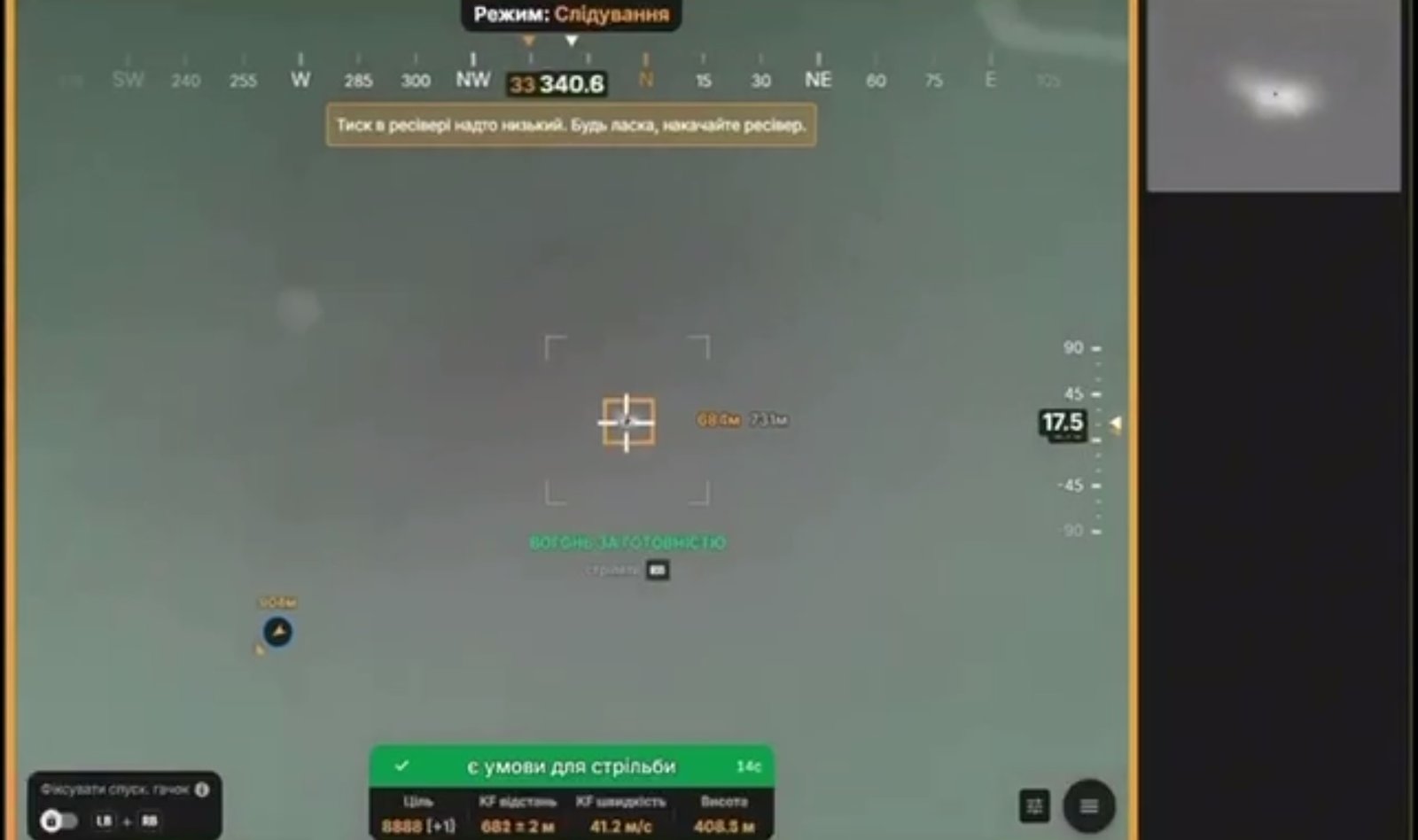 Ukraine’s Blysk Laser Air Defence System Shoots Down Russian Jet-Powered Geran Drone
-
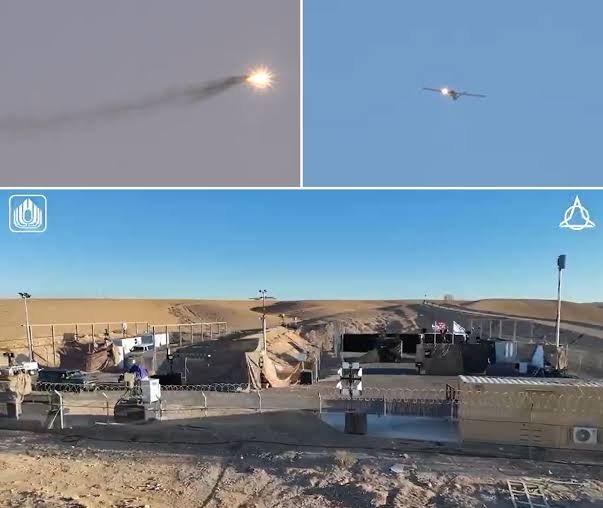 Israel and US Test 20 Counter-Drone Systems in First Joint Trials on Israeli Soil
-
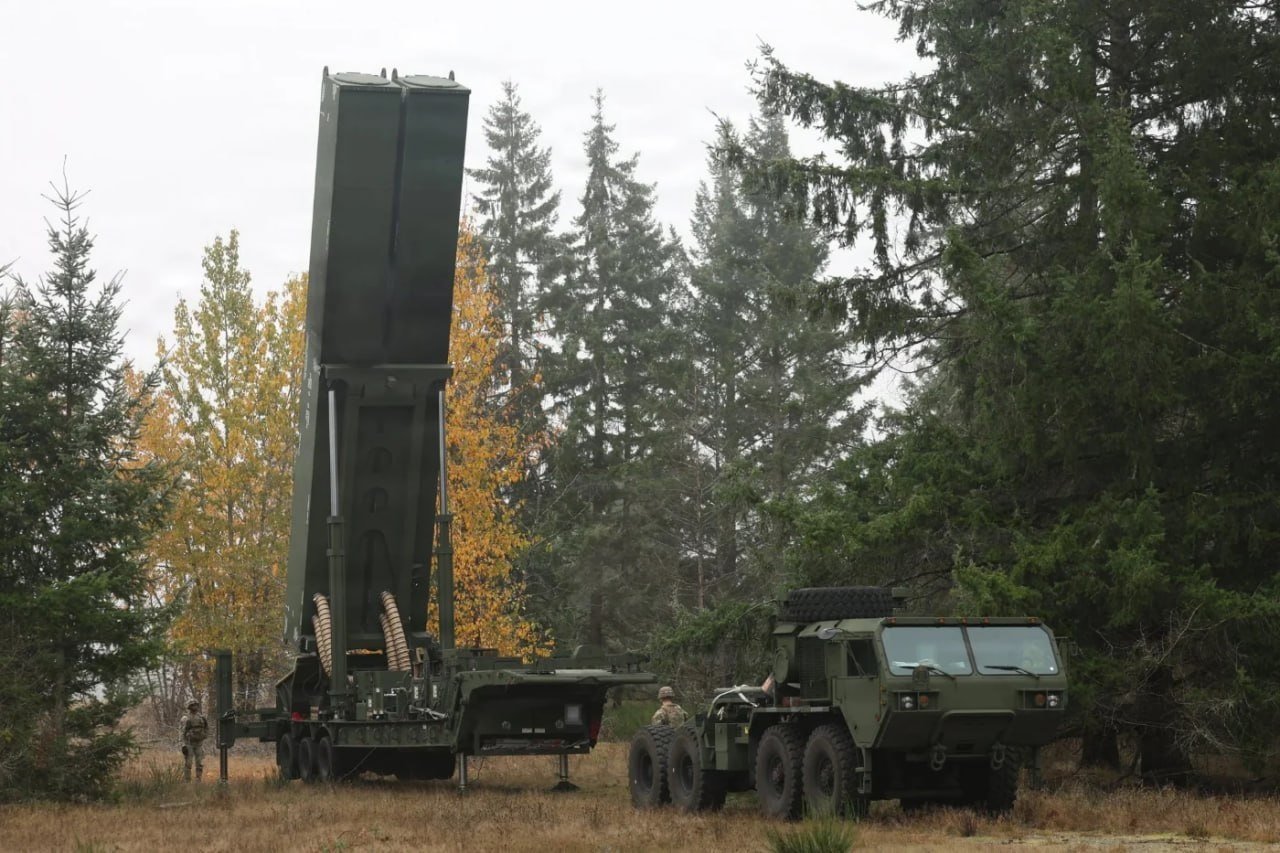 U.S. Army Declares First Dark Eagle Hypersonic Missile Battery Ready for Combat Deployment
-
 India's SiGaN Validates First 20-Watt GaN RF Power Amplifier, Opens Commercial Orders
-
 Europe Opens Largest Satellite Factory in Belgium to Build Starlink Alternative
-
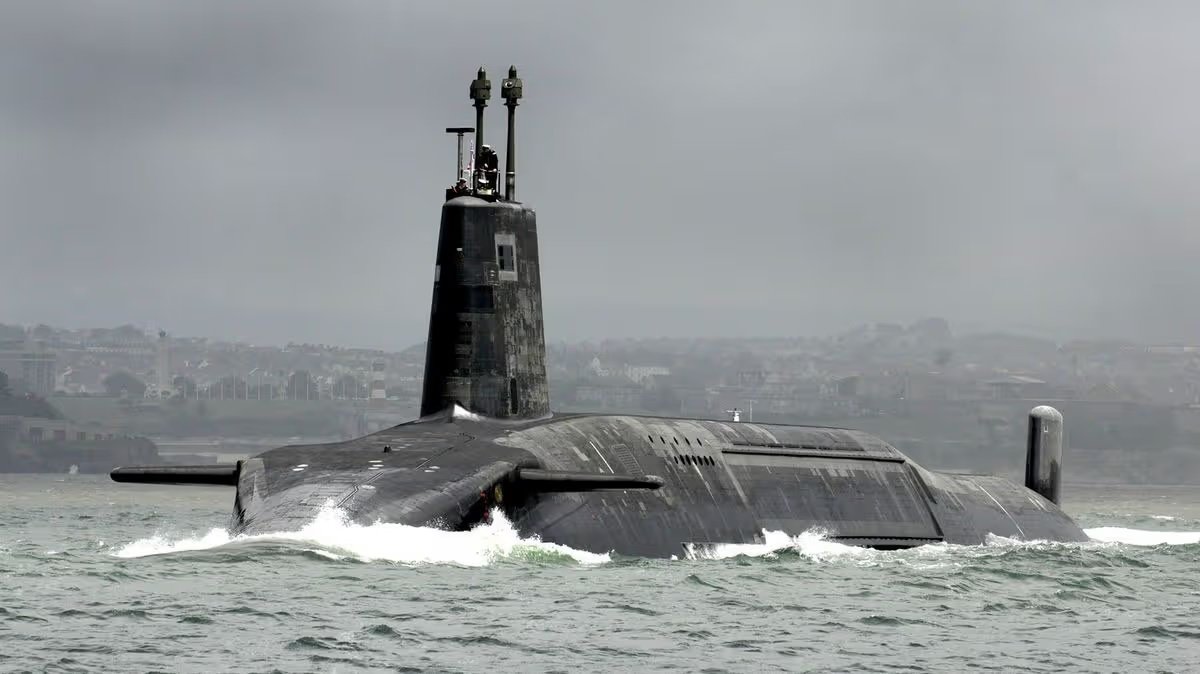 Babcock Signs Record £8.7 Billion Deal to Support UK Nuclear Submarine Fleet
-
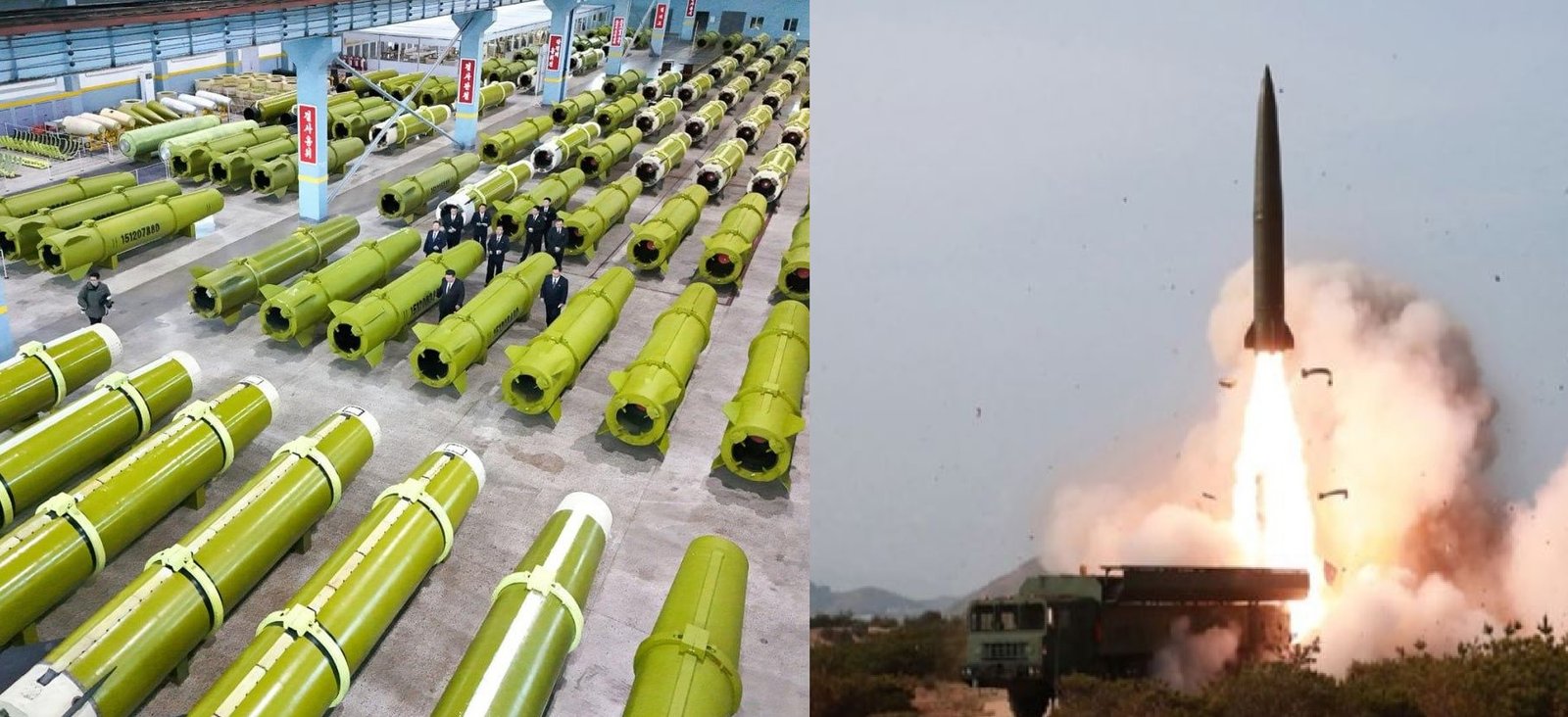 North Korea Suspends KN-23 Missile and Artillery Deliveries to Russia Amid Diplomatic Tensions
-
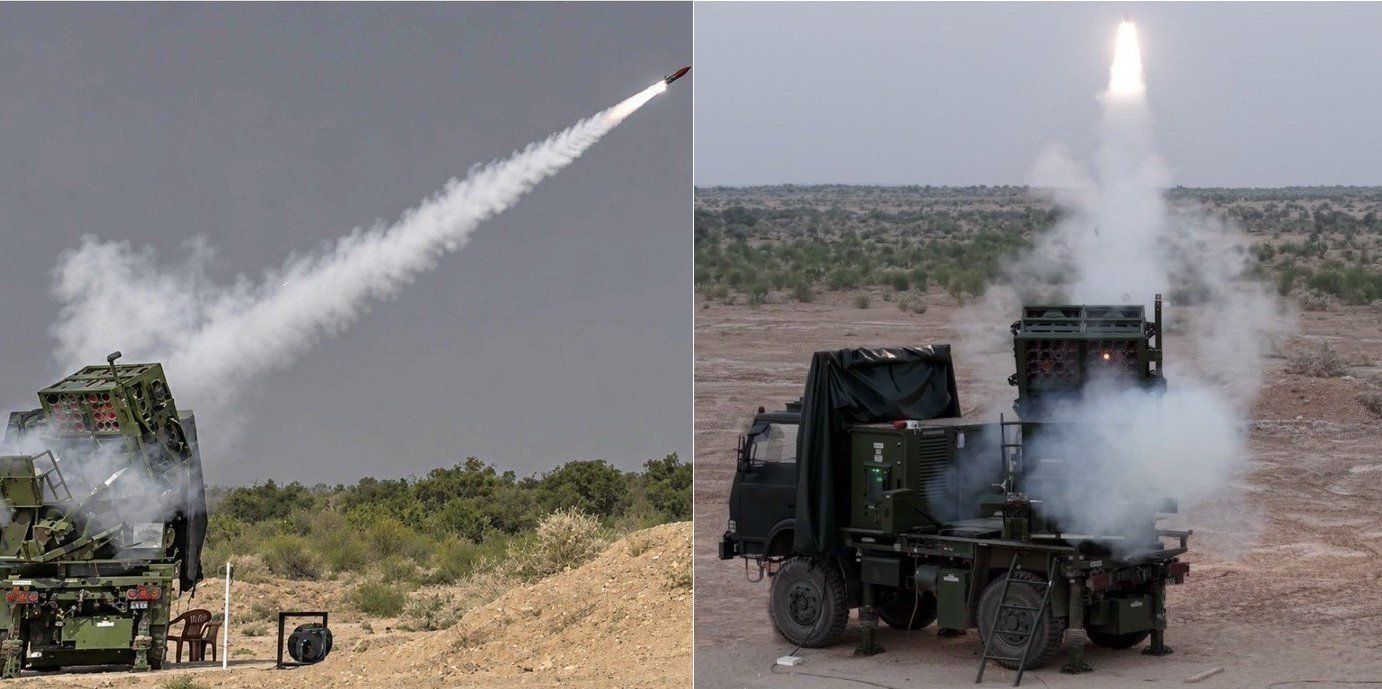 India’s Bhargavastra Counter-Swarm Drone System Completes Pokhran Trials Ahead of Army Demonstration
Top Trending in 4 Days
-
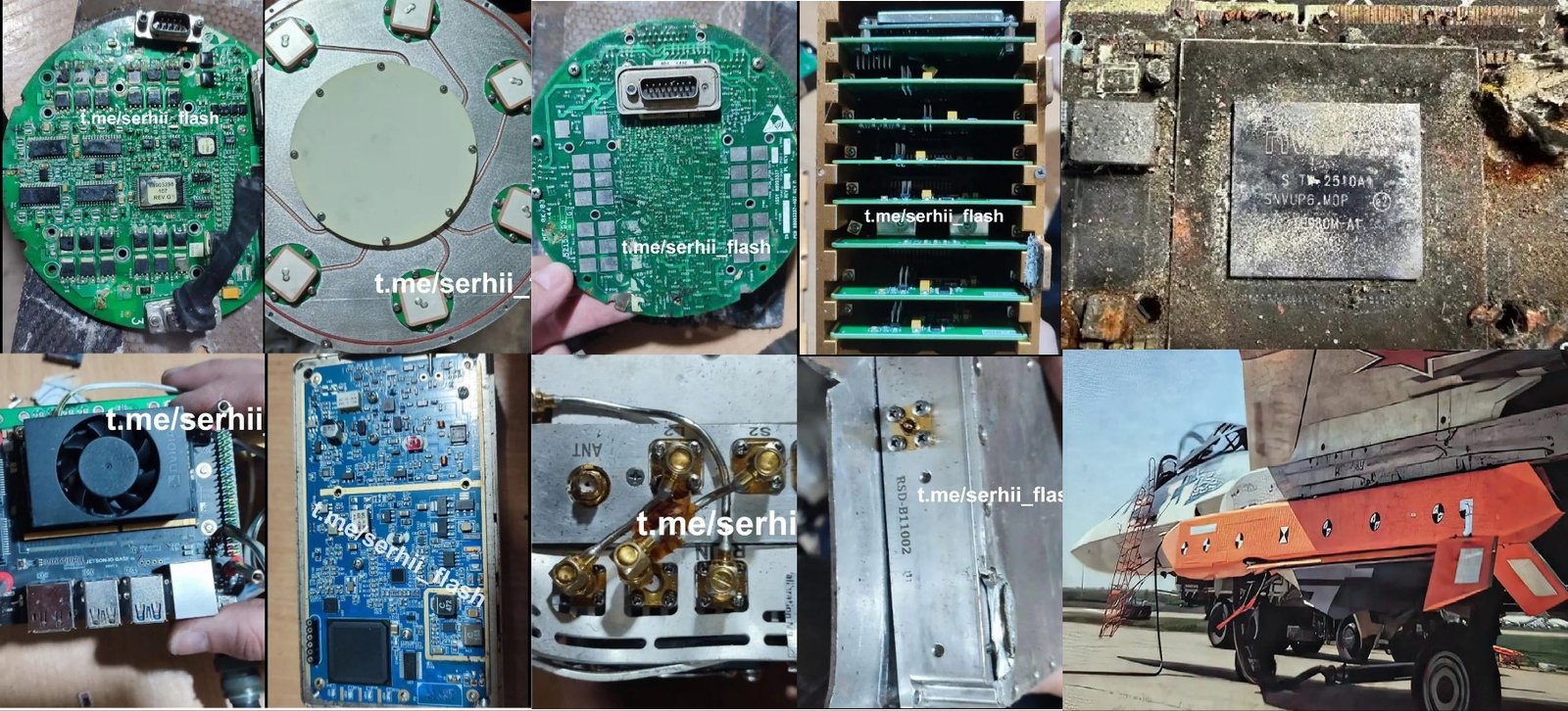 Russian Drones and Cruise Missiles Found Using Civilian NVIDIA AI Chips in Ukraine
-
 Western Intelligence Warns Russia Could Launch Nuclear-Armed Satellite as Early as December
-
 NASA Suspends Science Operations on Perseverance Rover and Mars Odyssey After Hardware Failures
-
 U.S. Awards Lockheed Martin $330.6 Million Contract for Long-Lead Materials Supporting 75 F-35 Lot 22 Aircraft
-
Ukraine’s Blysk Laser Air Defence System Shoots Down Russian Jet-Powered Geran Drone
-
 Ukraine Strikes Five Russian Warplanes, Including Three Kinzhal-Capable MiG-31s at Savasleyka Airbase
-
 Chinese Military Warns U.S. AI Could Threaten China’s Nuclear Missile Survivability
-
Israel and US Test 20 Counter-Drone Systems in First Joint Trials on Israeli Soil