
World
Algeria has officially confirmed its acquisition of Russia's Su-57 stealth fighter jets, becoming the first foreign nation to procure this advanced fifth-generation aircraft. The announcement was made through Algerian state television, highlighting a significant milestone in the defense relationship between Algeria and Russia. Training and Delivery Schedule Algerian pilots are currently undergoing training in Russia to operate the Su-57 jets. The initial batch of aircraft is expected to be delivered within this year, marking a swift progression from agreement to operational readiness. While the exact number of units and financial terms have not been publicly disclosed, reports suggest that Algeria is set to receive six Su-57s in 2025, with more than 20 fighters scheduled for production this year. Strengthening Algeria-Russia Defense Ties This procurement underscores the longstanding defense partnership between Algeria and Russia, which has been robust since the 1960s. In 2023, both nations agreed to further enhance their military collaboration, and this Su-57 deal is a testament to that commitment. Su-57 Stealth Fighter Overview The Su-57, known by its NATO designation "Felon," is Russia's premier fifth-generation multirole fighter jet. Designed to engage a variety of aerial, ground, and naval targets, the Su-57 combines advanced stealth technology with high maneuverability and supersonic cruising capabilities. Key Specifications Engines: The Su-57E is powered by two engines, each delivering 14,500 kgf of thrust, enabling impressive performance metrics. Speed: The aircraft can achieve a maximum speed of 1,350 km/h (838 mph) at low altitudes, allowing for rapid response in various combat scenarios. Range: With in-flight refueling, the Su-57E boasts a flight range of up to 7,800 km (4,847 miles), facilitating extended missions without the need for frequent stops. Dimensions: The fighter measures 19.7 meters in length, has a wingspan of 14 meters, and stands 4.8 meters tall, with a wing area of 78.8 square meters. Weight: The aircraft's empty weight is 18,500 kg, with a maximum takeoff weight of 37,000 kg, allowing for substantial payloads. Combat Radius: The Su-57E has a combat radius of approximately 1,800 km (1,118 miles), enabling it to operate effectively over vast areas. Service Ceiling: The aircraft can operate at altitudes up to 18.8 kilometers (11.6 miles), providing a tactical advantage in various missions. Advanced Avionics and Armament Equipped with cutting-edge avionics, the Su-57E features an advanced radar system capable of detecting and tracking multiple targets simultaneously. Its stealth design minimizes radar cross-section, reducing detectability by enemy systems. The fighter jet is also armed with a diverse array of weaponry, including air-to-air and air-to-ground missiles, as well as precision-guided bombs, making it a versatile asset in modern combat scenarios. Implications for Regional Security Algeria's acquisition of the Su-57 is poised to significantly enhance its aerial combat capabilities, potentially altering the balance of power in the North African region. This move may prompt neighboring countries to reassess their defense strategies and procurements in response. In summary, Algeria's procurement of the Su-57 stealth fighters marks a pivotal development in its defense strategy and exemplifies the deepening military ties between Algeria and Russia. As the first export customer of this advanced aircraft, Algeria is set to bolster its air force capabilities substantially.
Read More → Posted on 2025-02-17 14:27:37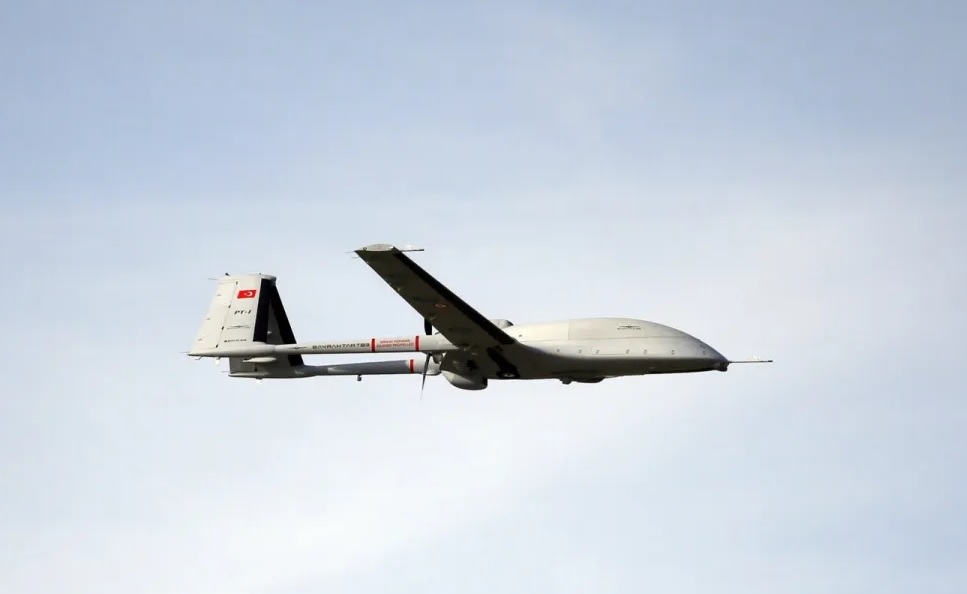
World
In a significant boost to its defense and surveillance capabilities, Indonesia has signed a deal to acquire 60 Bayraktar TB3 drones from Turkey. The agreement, sealed between Turkish drone manufacturer Baykar and Indonesian defense company Republikorp, marks a historic moment in Indonesia’s military modernization efforts. With this purchase, Indonesia becomes the first foreign operator of the Bayraktar TB3, an advanced unmanned combat aerial vehicle (UCAV) designed for both land and naval operations. The deal was finalized during Turkish President Recep Tayyip Erdoğan’s visit to Jakarta, underscoring the growing defense ties between the two nations. As part of a broader partnership, Baykar and Republikorp have also agreed to jointly produce and export nine Akıncı drones, further enhancing Indonesia’s unmanned aerial fleet. Bayraktar TB3: A Game-Changer for Indonesia The Bayraktar TB3 is an upgraded version of the battle-proven TB2, which has gained global recognition for its effectiveness in modern warfare. The TB3 brings cutting-edge enhancements, making it an ideal choice for Indonesia’s diverse operational needs, including border security, maritime surveillance, and precision strike missions. Key Features & Specifications of Bayraktar TB3: Carrier-Capable Design: Unlike its predecessor, the TB3 features foldable wings, allowing it to operate from aircraft carriers and short runways. This makes it compatible with Indonesia’s expanding naval forces. Extended Flight Endurance: The drone can stay airborne for over 21 hours, providing long-range intelligence gathering, target tracking, and reconnaissance without frequent refueling. High Altitude & Speed: It can reach altitudes of 20,000 feet (6,096 meters) and speeds of 110 knots (203 km/h or 126 mph), making it effective in varied combat environments. Multi-Role Combat Capabilities: The TB3 is designed to carry smart munitions under its wings, including precision-guided bombs and missiles, allowing it to neutralize high-value targets with pinpoint accuracy. Advanced Communication & AI-Driven Targeting: The drone is equipped with real-time data link technology, advanced electro-optical sensors, and AI-assisted targeting systems for enhanced situational awareness. Why Indonesia Chose the Bayraktar TB3 Indonesia’s decision to acquire TB3 drones aligns with its broader strategy to modernize its defense forces, particularly in aerial and maritime security. Given the country’s vast archipelagic geography, drones play a critical role in monitoring remote regions, detecting potential threats, and responding swiftly to security challenges. The TB3’s ability to operate from naval vessels is particularly valuable as Indonesia strengthens its maritime defenses in response to rising geopolitical tensions in the Indo-Pacific region. Its long endurance and precision strike capabilities will enhance border security, counter-insurgency operations, and anti-piracy efforts. Strengthening Turkey-Indonesia Defense Relations This historic deal also signifies deepening defense cooperation between Turkey and Indonesia. Apart from the TB3 acquisition, the two nations have entered a joint venture to develop next-generation drones, paving the way for technology transfer and local production in Indonesia. Furthermore, the additional purchase of nine Bayraktar Akıncı drones, a heavier and more advanced combat UAV, will further reinforce Indonesia’s air combat capabilities. With the acquisition of 60 Bayraktar TB3 drones, Indonesia is taking a significant step in modernizing its military while strengthening its aerial surveillance and combat capabilities. The indigenous production agreement with Baykar also opens doors for future collaborations in defense technology, ensuring that Indonesia remains at the forefront of UAV warfare in the region.
Read More → Posted on 2025-02-17 14:23:27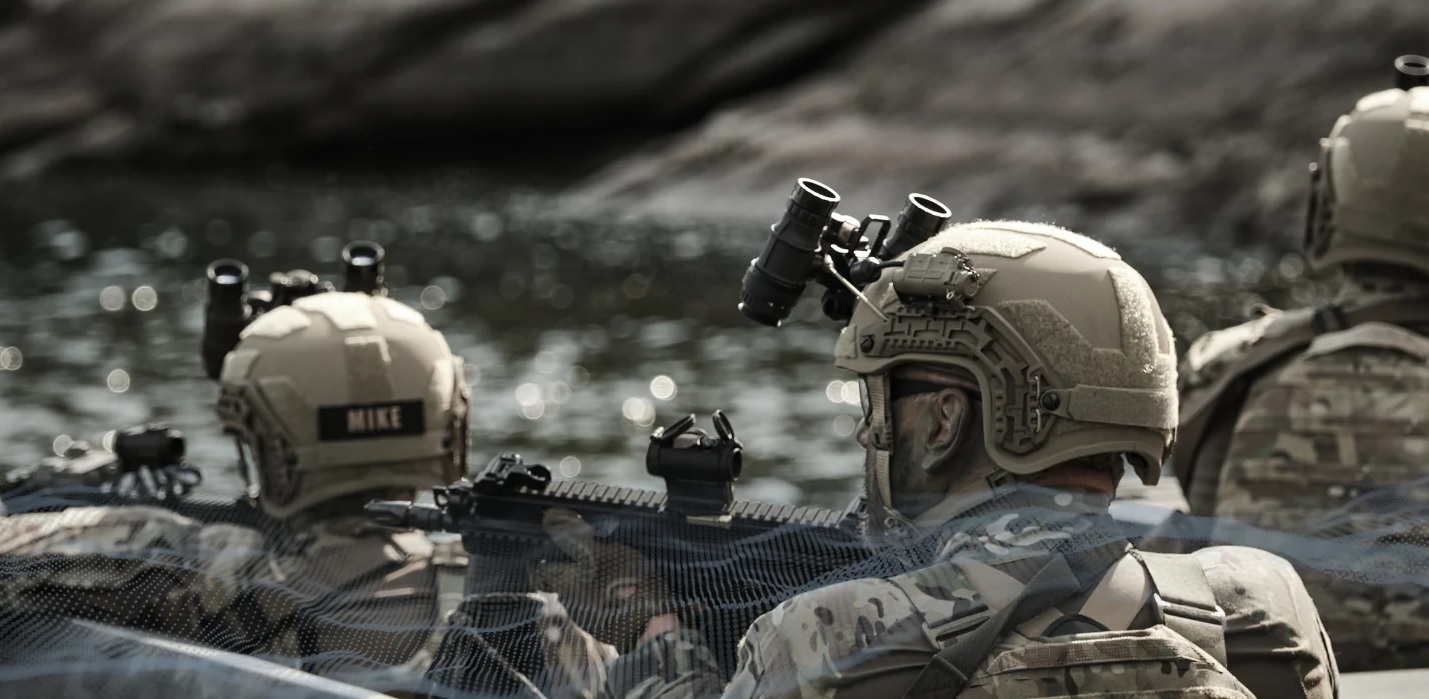
World
Galvion, a global leader in military head protection and soldier system technology, has secured a major contract from the Middle East for 35,000 Batlskin helmet systems. The announcement, made during IDEX 2025, highlights Galvion’s continued expansion in the region and the growing demand for next-generation ballistic helmets. Cutting-Edge Helmet Systems for Modern Warfare The order includes two of Galvion’s most advanced helmet platforms: Batlskin VIPER A1 Special Edition – Designed for elite military units, this helmet features a high-cut aramid shell, a custom camouflage cover, and a bespoke helmet bag. Batlskin PDxT (Hellbender™) – Known for its battle-tested durability, this variant offers a reinforced rear ballistic profile, superior impact resistance, and an ACH-front design for enhanced protection. Both models are equipped with Galvion’s Modular Suspension System (MSS), which improves comfort, air circulation, and stability, making them ideal for extended combat missions. A Decade-Long Commitment to Middle Eastern Forces Galvion has built a strong partnership with regional defence forces, having supplied over 100,000 helmets to military and security units in the last decade. The latest contract underscores the trust and confidence placed in Galvion’s technology, as regional armies seek battle-proven protective gear for their personnel. Alex Hooper, Vice President of Strategic Markets at Galvion, emphasized the significance of the deal: "We have a long-standing relationship with Middle Eastern military forces, and these latest orders reaffirm their trust in our head protection solutions. Alongside our Batlskin helmets, we are also introducing our expanded Nerv Centr® power and data management solutions at IDEX 2025, which are well-suited for the harsh operational environments of the region." Strengthening Military Readiness with Innovative Gear The Middle Eastern order signals a major investment in soldier survivability. By integrating high-performance ballistic protection with advanced suspension systems, Galvion’s Batlskin helmets offer enhanced defense against battlefield threats while maintaining lightweight agility for troops in high-intensity operations. As modern warfare evolves, battlefield protection remains a top priority, and Galvion’s cutting-edge helmet technology is poised to play a vital role in securing soldiers in the Middle East and beyond.
Read More → Posted on 2025-02-17 14:20:12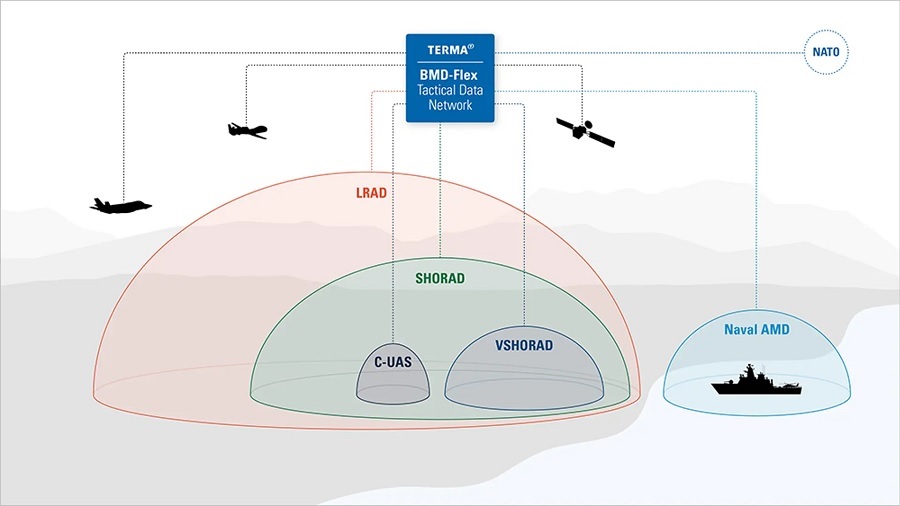
World
Slovakia is taking a major step toward modernizing its air defence capabilities with the integration of Terma’s advanced command-and-control (C2) software, BMD-Flex. This upgrade is part of the country’s €554 million investment in the Barak MX Integrated Air Defence System, a highly advanced air defence solution developed by Israel Aerospace Industries (IAI). By integrating Terma’s BMD-Flex software, Slovakia ensures seamless interoperability with NATO’s Integrated Air and Missile Defence System (NATINAMDS), significantly improving its ability to detect, track, and neutralize a wide range of aerial threats, including: Fighter jets Unmanned Aerial Vehicles (UAVs)/drones Cruise missiles Ballistic projectiles Barak MX: A Battle-Proven Air Defence System The Barak MX system, already in use by eight nations across four continents, is a modular, multi-layered air defence platform capable of intercepting threats at different ranges. Slovakia has acquired six batteries of this system, which will greatly enhance national security while reinforcing its commitment to NATO’s collective defence strategy. Key features of the Barak MX include: Multi-layered Defence – Engages short, medium, and long-range threats. Active Electronically Scanned Array (AESA) Radar – Provides advanced detection and tracking. 360-Degree Coverage – Ensures all-around defence against incoming threats. Network-Centric Architecture – Can integrate seamlessly with NATO’s defence systems. Battle-Proven Technology – Successfully deployed in multiple nations. Terma’s BMD-Flex: The Brains Behind the Defence System A crucial part of this integration is Terma’s BMD-Flex, a battle-proven command-and-control software already used by the Danish Defence for very short-range air defence (VSHORAD) operations. This software will act as the nerve center of Slovakia’s new air defence network, enabling: Real-Time Data Sharing – Immediate coordination of defence assets. Multi-Sensor Fusion – Integrates radars, interceptors, and battle management systems. NATO Interoperability – Ensures seamless communication within NATINAMDS. Automated Threat Analysis – Rapid decision-making in high-pressure scenarios. NATO Integration and Strategic Importance One of the biggest advantages of this upgrade is NATO compatibility. Slovakia’s air defence will now be fully synchronized with allied forces, allowing for faster threat detection and coordinated responses. Terma will oversee the integration process, ensuring that the system meets NATO’s operational standards and provides a unified, network-centric defence framework. Thomas Flarup, Executive Vice President of Global Sales and Portfolio Management at Terma, highlighted the importance of this project: "We are proud to contribute to Slovakia’s enhanced air defence capabilities by delivering our battle-proven BMD-Flex C2 software and leading the integration efforts." Future-Proofing Slovakia’s Air Defence By adopting the Barak MX system and Terma’s advanced software, Slovakia is future-proofing its air defence against emerging aerial threats. This investment solidifies Slovakia’s role in NATO’s defence network, ensuring the country remains well-protected against modern warfare tactics. With this integration, Slovakia is not just upgrading its defence systems—it is strengthening its sovereign security, military readiness, and strategic position within NATO’s collective security framework.
Read More → Posted on 2025-02-17 14:08:49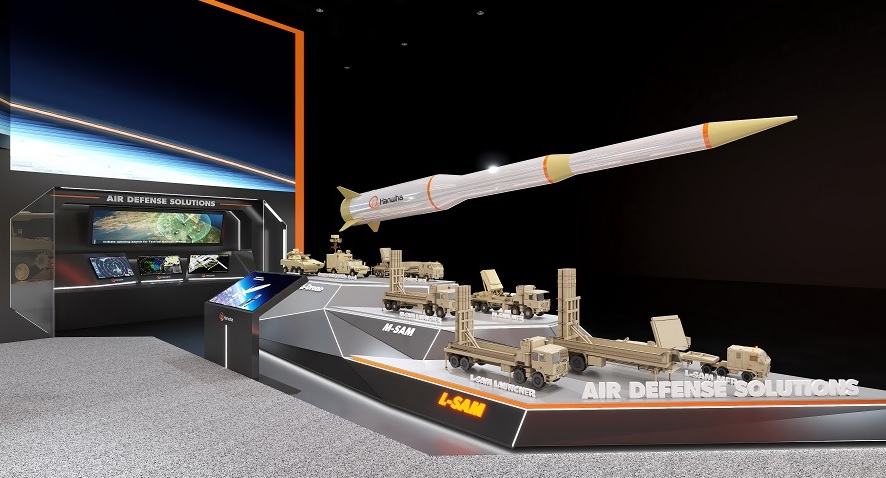
World
South Korea’s Hanwha Aerospace, a leading player in the global defence industry, is set to make a powerful impact at IDEX 2025, held from February 17 to 21 at the ADNEC Exhibition Center in Abu Dhabi. Under the theme “Driving Innovation with Partners,” Hanwha will unveil a range of state-of-the-art defence technologies, reinforcing its growing influence in the Middle Eastern and African defence markets. The company will showcase next-generation artillery, missile defence systems, armored vehicles, and space surveillance solutions, strengthening its role as a key supplier of advanced military platforms. K9A1 Self-Propelled Howitzer: A Game-Changer in Artillery One of the key highlights of Hanwha’s exhibition will be the K9A1 Self-Propelled Howitzer (SPH), an upgraded variant of the widely used K9 Thunder. The latest version now features a 1,000-horsepower domestically developed engine, which has been rigorously tested in South Korea, Egypt, and other international terrains to ensure maximum reliability in diverse combat conditions. The K9A1 retains its powerful 155mm 52-caliber gun, capable of firing up to 40 km with precision-guided munitions, and integrates automated fire control, improved mobility, and enhanced crew protection. L-SAM: Strengthening Air Defence Capabilities Hanwha Aerospace will also highlight its Long-Range Surface-to-Air Missile (L-SAM), designed to intercept high-altitude ballistic missiles and provide multi-layered defence in coordination with existing systems like the M-SAM and PAC-3. This advanced air defence system enhances interoperability with command and control networks, providing seamless real-time threat detection and response. Hanwha has confirmed that mass production of L-SAM will begin this year for deployment with the Republic of Korea Air Force, while a more advanced L-SAM II variant is expected to be operational by 2028. Chunmoo MLRS, Redback IFV, and TIGON Armored Vehicle: Strengthening Ground Warfare Hanwha will present a comprehensive range of land-based combat platforms, including: Chunmoo Multiple Rocket Launch System (MRLS): Capable of firing different types of rockets and guided missiles, providing a versatile and long-range strike capability. Redback Infantry Fighting Vehicle (IFV): A state-of-the-art tracked combat vehicle developed for Australia’s LAND 400 Phase 3 program, featuring active protection systems, composite rubber tracks, and a remote-controlled weapon station. TIGON Wheeled Armored Vehicle: A highly mobile 8x8 combat platform, available in multiple configurations, including a tank destroyer variant equipped with a high-powered engine and advanced anti-tank guided missile systems. H-SHORAD and Multi-Function Radar: Advancing Air Defence and Counter-Drone Capabilities In response to evolving aerial threats, Hanwha will showcase its Hybrid Short-Range Air Defense (H-SHORAD) system, designed to counter drones, helicopters, and low-flying aircraft with a combination of missiles, guns, and electronic warfare capabilities. The company’s Multi-Function Radar (MFR) will also be featured, providing long-range detection and tracking for both airborne and missile threats. Hanwha’s mobile anti-drone system, equipped with advanced sensors and laser-based interception technology, will be another critical highlight, addressing the growing need for counter-unmanned aerial systems (C-UAS) solutions. Expanding into Space Surveillance and Global Defence Markets Beyond traditional defence platforms, Hanwha Systems will introduce its small Synthetic Aperture Radar (SAR) satellite, designed for high-resolution Earth observation. This satellite technology plays a key role in environmental monitoring, disaster prediction, and security intelligence operations, reinforcing Hanwha’s ambitions in the space defence sector. Global Expansion and Leadership To drive its international defence business, Hanwha Aerospace has appointed Michael Coulter as Global Defense President & CEO. With extensive experience in defence and military modernization, Coulter will lead Hanwha’s global expansion, ensuring strong industrial partnerships and technological advancements worldwide. Hanwha’s Commitment to Innovation and Partnerships With its participation in IDEX 2025, Hanwha Aerospace is set to demonstrate its commitment to developing and delivering cutting-edge defence technologies tailored for modern combat environments. From advanced artillery and missile defence systems to innovative space solutions, Hanwha continues to expand its footprint in the global defence industry, reinforcing its role as a trusted partner for military modernization efforts worldwide.
Read More → Posted on 2025-02-17 13:51:29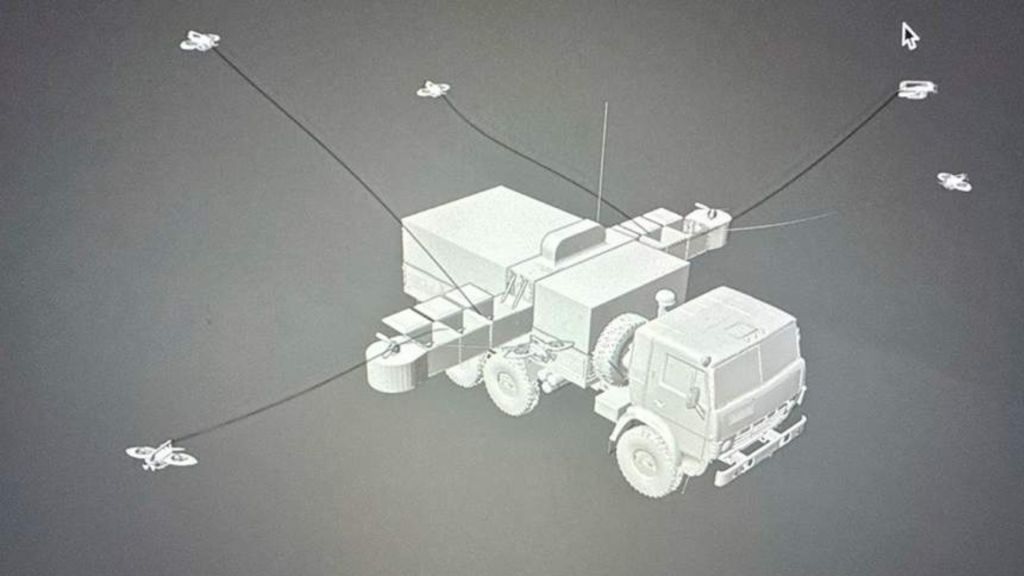
World
Russia is developing an advanced truck-mounted drone management system, named Cerberus, designed to control swarms of tethered drones for reconnaissance, targeting, and battlefield support. The system is expected to redefine modern warfare by integrating continuous power supply, AI-driven coordination, and real-time data processing to enhance battlefield efficiency. How Cerberus Works The Cerberus system functions as a mobile command and control center, hosting up to 12 interconnected drone hangars, each connected to the main platform through optical fibers. These drones are tethered to the system, meaning they receive continuous power from the vehicle, eliminating the need for onboard batteries and extending operational time indefinitely. Each swarm operates in pairs, with one drone conducting reconnaissance and surveillance, while the other actively tracks and engages targets. This setup ensures round-the-clock intelligence gathering, making it an indispensable tool for modern warfare. Mikhail Klimchuk, executive director of the company behind Cerberus, described the system as the “food, brain, and hangar” for drones, emphasizing its ability to function autonomously with minimal human intervention. Strategic Capabilities & Military Advantages Beyond traditional reconnaissance and strike missions, the Cerberus system has been designed with multi-role adaptability, allowing it to support various military operations, including: Electronic Warfare – The system can jam enemy signals and disrupt communication networks.Missile Defense Support – It can deploy heat decoys to mislead enemy missiles and enhance overall air defense. AI-Powered Autonomous Operations – The integrated AI module enables the drone swarm to respond dynamically to battlefield conditions, adjusting tactics in real-time. Cooperation with Anti-Air Systems – Cerberus can coordinate with air defense systems, improving threat detection and response efficiency. A New Era in Swarm Drone Warfare Russian engineers are reportedly in advanced development stages, with Cerberus set to make its public debut at the Army 2025 forum in August. If successfully implemented, this system could offer the Russian military a game-changing tactical advantage, transforming battlefield operations by providing an advanced, self-sufficient drone warfare unit. With the increasing importance of autonomous warfare, Cerberus is poised to become a critical asset in Russia’s military arsenal, offering a blend of cutting-edge technology, AI integration, and real-time battlefield adaptability.
Read More → Posted on 2025-02-17 13:47:53
World
China has taken a significant step towards balancing energy security and environmental sustainability by unveiling the world’s first floating production storage and offloading (FPSO) unit equipped with carbon capture technology. Developed by Cosco Ocean Shipping Heavy Industry Company, this massive 330-meter (1,080 ft) vessel is set to be delivered by the end of the month and is expected to redefine the global oil and gas industry’s approach to carbon emissions reduction. What Makes This FPSO Unique? Unlike traditional offshore oil platforms, which release large amounts of CO₂ into the atmosphere, this innovative FPSO not only captures its own emissions but also utilizes waste heat to generate electricity. This dual-purpose system enhances energy efficiency while significantly cutting down on greenhouse gas emissions, a key factor in mitigating climate change. Key Specifications of China’s Carbon Capture FPSO: Length: 330 meters (1,080 feet) Production Capacity: 120,000 barrels of crude oil per day Carbon Capture & Storage (CCS) Capability: Stores captured CO₂ offshore Energy Efficiency: Uses waste heat to generate onboard power Developer: Cosco Ocean Shipping Heavy Industry Company Addressing a Global Emissions Challenge The oil and gas industry is one of the world’s largest contributors to carbon emissions, with 5.1 billion tonnes of greenhouse gases released in 2022 alone, according to the International Energy Agency (IEA). FPSOs, which rely on gas-fired turbines to power their operations, have been particularly difficult to decarbonize due to their remote locations and high energy demands. China’s new FPSO addresses this issue by integrating carbon capture and storage (CCS) technology directly into its operations. This marks a crucial advancement in offshore carbon reduction and could set a new standard for the global oil industry, which has been seeking low-emission production solutions. China’s Push for Carbon Neutrality As the world’s largest carbon emitter, China has set ambitious targets to peak carbon emissions by 2030 and achieve net-zero emissions by 2060. To achieve this, the country has been actively investing in clean energy and carbon capture technologies. In 2023, the China National Offshore Oil Corporation (CNOOC) launched its first carbon capture and storage (CCS) project at the Enping 15-1 oilfield in Guangdong province. This facility can store 300,000 tonnes of CO₂ per year, with a total storage capacity of over 1.5 million tonnes—equivalent to planting 14 million trees. China’s new carbon capture FPSO is an extension of this effort, proving that even in high-emission industries like oil and gas, decarbonization is possible. A Global Race Towards Greener Oil Production While China is the first to launch an operational carbon capture FPSO, other global players are also working on similar technologies: American Bureau of Shipping (ABS) recently approved a design for an ammonia production unit with onboard carbon capture. SBM Offshore (Netherlands) is preparing to launch its own carbon capture FPSO design. With the oil industry under increasing pressure to reduce its carbon footprint, technologies like these will be crucial in meeting global climate goals. The Future of Carbon-Neutral Oil Production The unveiling of China’s first carbon capture FPSO represents a milestone in energy innovation. By integrating carbon reduction measures directly into oil production, this ship offers a potential blueprint for future offshore projects worldwide. As China continues to invest in low-carbon energy solutions, this breakthrough FPSO could be a game-changer in global efforts to curb climate change, demonstrating that sustainability and energy security can go hand in hand.
Read More → Posted on 2025-02-16 15:12:52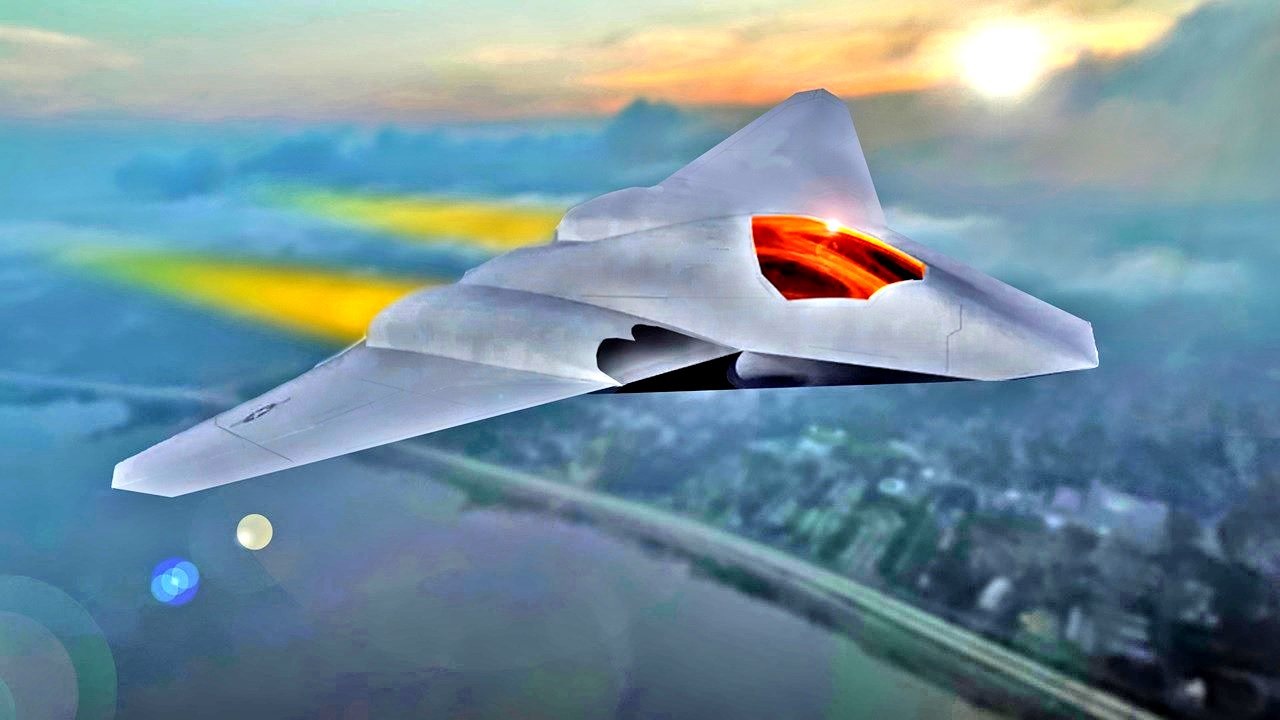
World
The Next-Generation Air Dominance (NGAD) program, once seen as the cornerstone of future U.S. air superiority, is now facing uncertainty. Initially designed to replace the F-22 Raptor, NGAD was envisioned as more than just a fighter jet—it was supposed to be a networked system of manned and unmanned platforms, built to dominate contested airspace. However, the delayed contract award, rising costs, and strategic reassessments have cast doubt on whether NGAD will move forward as originally planned. Why NGAD Was Conceived The program was developed to counter the growing air power of near-peer adversaries like China. The F-22 Raptor, despite being one of the world’s most advanced fighter jets, has limitations in range and payload capacity, especially when operating over the vast distances of the Pacific theater. NGAD was meant to overcome these shortcomings with a highly survivable, next-generation aircraft, featuring: Stealth-enhanced airframe to operate in contested environments Next-generation adaptive engines for extended range and efficiency Advanced sensor fusion for superior situational awareness AI-powered battle management to assist pilots in complex combat Integration with drone wingmen (Collaborative Combat Aircraft - CCA) This manned-unmanned teaming approach was expected to transform air combat, allowing NGAD to operate alongside autonomous drones, which could extend its reach, engage threats, and reduce risk to pilots. The Cost Problem: Is NGAD Too Expensive to Sustain? One of the biggest hurdles facing NGAD is its staggering cost. Estimates suggest that a single NGAD fighter could cost up to $300 million—far more than any fighter ever built, including the F-22 and F-35. The Biden administration’s 2025 budget request allocates $2.75 billion for NGAD research and development, set to rise to $5.72 billion by 2029. However, this comes at a time when the Air Force is also funding other expensive projects, including: The B-21 Raider stealth bomber The LGM-35 Sentinel ICBM replacement The KC-46 Pegasus aerial refueling tanker With limited resources, some within the Pentagon and Congress are questioning whether a single, ultra-expensive fighter is still the best approach. The Senate Appropriations Committee has already proposed shifting $557 million from NGAD to the CCA program, signaling a preference for autonomous systems as a cost-effective alternative. Strategic Reassessment: A Shift Toward Drones? The delay in NGAD’s contract award suggests that the Air Force is reconsidering its approach. Some experts argue that rather than investing in a single, ultra-capable fighter, the U.S. should spread capabilities across multiple, lower-cost platforms, including: Unmanned combat aircraft Networked sensors and AI-driven battle management systems Swarm drone technology for overwhelming enemy defenses This modular approach could make U.S. air power more adaptable and cost-effective. Some lawmakers and military analysts believe autonomous aircraft will eventually play the dominant role in future wars, reducing the need for expensive, manned fighters. However, others argue that human pilots remain essential for high-stakes air combat, where split-second decision-making can determine the outcome. Political Uncertainty: Will the New Administration Change NGAD’s Course? The future of NGAD is also tied to political leadership. Secretary of the Air Force Frank Kendall has indicated that the incoming Trump administration will have the final say on NGAD’s direction. If cost concerns drive decision-making, the program could see significant revisions or even a shift in funding toward alternative air superiority solutions. The Bigger Question: How Will the U.S. Maintain Air Superiority? Beyond NGAD, the broader challenge for the U.S. Air Force is how to maintain air dominance in the coming decades. With China developing its own sixth-generation fighter, and advancements in AI, electronic warfare, and cyber threats, the U.S. must adapt to a rapidly evolving battlefield. Congress will play a key role in shaping NGAD’s future, weighing factors like: Budget constraints vs. maintaining technological superiority The role of manned vs. unmanned systems in future combat How NGAD fits into broader U.S. defense priorities Whatever decision is made, one thing is clear: the next decade will determine whether NGAD is the future of U.S. air power—or just an ambitious project that never takes off.
Read More → Posted on 2025-02-16 15:01:06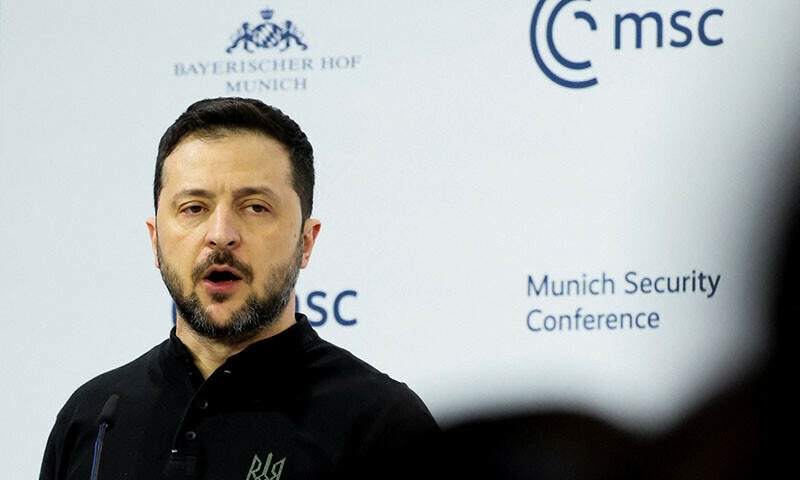
World
As the war in Ukraine nears its fourth year, Ukrainian President Volodymyr Zelenskiy has made a dramatic call for the creation of a unified European army. Speaking at the Munich Security Conference 2025, Zelenskiy stressed that Europe can no longer rely on U.S. protection and must take charge of its own security. He argued that forming a European military force—including Ukraine—would strengthen the continent’s ability to defend itself against Russian aggression and earn greater respect from Washington. Rethinking Europe's Defense Strategy Zelenskiy's push for a European army comes amid shifting geopolitical priorities in the U.S.. The Trump administration has made it clear that European allies in NATO must take greater responsibility for their own defense. In line with this stance, Washington recently sent a questionnaire to European capitals, asking what contributions they could make to Ukraine’s security guarantees in any future peace deal with Russia. This move has fueled concerns in Europe that the U.S. might reduce its commitment to NATO and focus on domestic and Indo-Pacific challenges instead. The uncertainty has prompted European leaders to reconsider their reliance on the transatlantic alliance and explore new military frameworks. The Case for a European Army Zelenskiy argues that a European army is necessary to ensure that Europe’s fate is decided in Europe, not elsewhere. In his speech, he questioned the reliability of U.S. support: "Does America need Europe as a market? Yes. But as an ally? I don’t know. For the answer to be yes, Europe needs a single voice, not a dozen different ones." Currently, European defense cooperation is centered around NATO, but efforts to establish a separate European military force have been repeatedly blocked by national governments, citing sovereignty concerns. While France and Germany have expressed interest in deeper military integration, other countries—especially in Eastern Europe—believe that NATO remains the best framework for collective security. America’s New Approach to Ukraine and Europe The Trump administration’s recent diplomatic maneuvers have left many European leaders uneasy. Trump’s unilateral call with Russian President Vladimir Putin regarding Ukraine peace talks—without consulting European allies—was widely seen as a major diplomatic snub. Zelenskiy has warned that Kyiv will not accept a peace deal made without its input, expressing concerns that Trump may offer concessions to Russia at Ukraine’s expense. Meanwhile, NATO Secretary General Mark Rutte urged European nations to stop complaining about being left out of key decisions and instead focus on building military strength. He advised European leaders to increase defense spending and develop clear strategic proposals for the future. Difficult Choices Ahead for Europe With growing uncertainty over America’s long-term military commitment, Europe faces difficult decisions regarding its defense policy. French Foreign Minister Jean-Noel Barrot acknowledged that Europe must prepare for tough choices: "We will have to face difficult days, make complicated decisions, and even sacrifices we weren’t expecting until now to ensure our security." Despite these challenges, some signs of transatlantic cooperation remain. The G7 foreign ministers, including the U.S., recently agreed to continue working towards a durable peace deal for Ukraine with strong security guarantees. The group—which includes France, Germany, Italy, Canada, Japan, Britain, and the EU—stressed that any agreement must ensure that Russia cannot restart the war. The Road Ahead: Will Europe Build Its Own Military Force? Zelenskiy’s call for a European army has reignited a long-standing debate on the continent. While some leaders support greater defense integration, others insist that NATO remains the cornerstone of European security. As U.S. priorities shift, Europe must decide whether to continue relying on NATO or take a bold step toward a unified military force. With Russia’s aggression showing no signs of abating, the question of Europe’s defense autonomy is more pressing than ever.
Read More → Posted on 2025-02-16 14:57:54
World
Israel’s defense ministry confirmed on Sunday that a shipment of heavy aerial bombs from the United States had arrived overnight, reinforcing the country's military capabilities amid ongoing regional tensions. The shipment included MK-84 bombs, powerful 2,000-pound (907 kg) munitions capable of destroying fortified targets and deep underground bunkers. This delivery follows the $7.4 billion arms package approved earlier by the Trump administration, which includes bombs, missiles, and advanced military equipment. The MK-84 bombs, known for their devastating impact, significantly enhance Israel’s Air Force (IAF) strike capabilities, particularly for use in precision bombing operations. Strengthening Israel’s Military Capabilities Israeli Defense Minister Israel Katz described the new arms shipment as a crucial addition to the nation’s defense strategy: "The arrival of these heavy aerial bombs demonstrates the unwavering strength of the US-Israel alliance. These munitions will serve as a strategic asset for the Israel Defense Forces (IDF), enhancing its ability to address regional threats." The US Defense Security Cooperation Agency (DSCA) had earlier stated that the arms sale would help Israel counter evolving security challenges, strengthen homeland defense, and deter adversaries. MK-84 Bombs: A Powerful Addition to the IDF Arsenal The MK-84 is a general-purpose bomb, often referred to as a bunker buster due to its ability to penetrate reinforced structures and underground bunkers before detonation. Some key specifications include: Weight: 2,000 lbs (907 kg) Length: ~10.75 feet (3.28 meters) Explosive Payload: 945 lbs (429 kg) of Tritonal or PBXN-109 Effective Radius: Can cause severe damage within a 400-meter radius Guidance Compatibility: Can be fitted with JDAM (Joint Direct Attack Munition) kits, turning it into a precision-guided smart bomb With this new batch of munitions, Israel gains a tactical edge in carrying out high-impact airstrikes, particularly in conflict zones where Hamas, Hezbollah, and other adversaries remain active threats. US-Israel Military Cooperation Amidst the Gaza Conflict Israel launched a major military offensive in Gaza in October 2023, following a deadly Hamas attack that triggered a large-scale war. Since then, Israel’s airstrikes have devastated Gaza, leading to mass displacement and severe humanitarian crises. In response to civilian casualties, the Biden administration had previously paused a shipment of 2,000-pound bombs in early 2024, fearing their use in densely populated areas. However, the Trump administration reportedly reversed this decision, allowing the recent delivery to proceed. Meanwhile, US Secretary of State Marco Rubio has arrived in Israel to meet with Prime Minister Benjamin Netanyahu and discuss regional security, the Gaza ceasefire, and Trump’s controversial plan to relocate Palestinian civilians to Egypt and Jordan. The proposal has faced global criticism, with many nations warning against forced displacement. What This Means for the Region The arrival of heavy US bombs signals continued American military support for Israel, even as global concerns grow over the escalating humanitarian crisis in Gaza. With tensions still high and ceasefire negotiations ongoing, this arms shipment underscores Washington’s strategic commitment to Israel’s defense—while also fueling debates over the ethics of supplying lethal weaponry to an active warzone.
Read More → Posted on 2025-02-16 14:49:17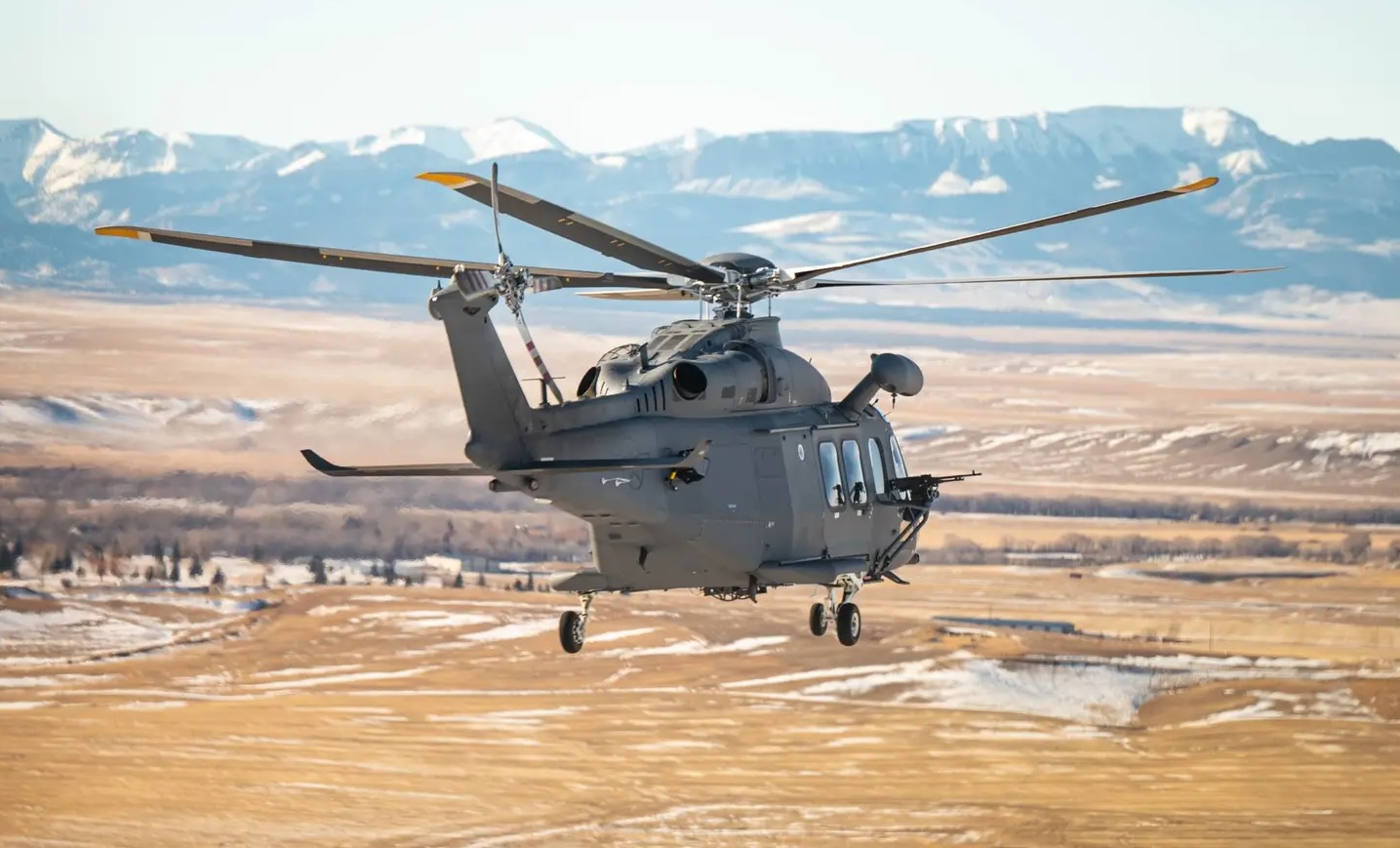
World
The U.S. Air Force has taken a major step forward in upgrading its aerial fleet by conducting Initial Operational Test and Evaluation (IOT&E) flights for the MH-139A Grey Wolf helicopter. These tests, led by the 550th Helicopter Squadron in late January 2025, were designed to assess the helicopter’s effectiveness, suitability, and survivability for critical missions. The MH-139A Grey Wolf is set to replace the aging UH-1N Huey, a helicopter that has served the Air Force Global Strike Command (AFGSC) for decades. With enhanced speed, range, payload capacity, and advanced security features, the Grey Wolf promises superior operational capabilities tailored for nuclear security, convoy protection, and emergency response missions. Grey Wolf’s Performance in IOT&E Tests During the evaluation phase, the Air Force conducted three test flights, each focused on different mission-critical aspects: Convoy Support Operations – The Grey Wolf’s ability to escort and protect ground convoys was tested, with an emphasis on its communication systems, coordination with ground forces, and response capabilities. Emergency Response Missions – The helicopter was tasked with a simulated threat response scenario, where it had to deploy a full tactical response force and use its onboard weaponry to recapture and recover launch facilities under high-pressure conditions. These tests are crucial milestones in determining whether the MH-139A meets the Air Force's stringent operational and security requirements. If successful, the aircraft will be formally integrated into AFGSC’s nuclear security mission, leading to the retirement of the UH-1N Huey at Malmstrom Air Force Base. MH-139A Grey Wolf: A Leap in Capability Designed by Boeing and Leonardo, the MH-139A Grey Wolf is based on the AW139 civilian helicopter platform but heavily modified for military operations. It offers significant improvements over the UH-1N Huey, including: Speed: 50% faster than the UH-1N, reaching speeds of over 165 knots (305 km/h). Range: Can fly nearly 50% farther, covering up to 778 miles (1,250 km) on a full tank. Payload Capacity: Can carry five fully equipped personnel in addition to the crew. Advanced Defensive Systems: Equipped with classified countermeasures, secure communication systems, and advanced sensors for enhanced mission security. Increased Survivability: Features ballistic protection, crash-resistant fuel tanks, and advanced avionics. The Future of Grey Wolf in the U.S. Air Force The IOT&E process is a mandatory phase for any new military aircraft, ensuring it can perform in real-world operational scenarios before entering full service. Once these evaluations conclude, the Air Force will submit a final performance report to AFGSC, which will then decide on full-scale deployment. If the MH-139A passes all requirements, it will officially take over critical missions, including: Protecting nuclear missile sites Providing rapid response security for intercontinental ballistic missile (ICBM) launch facilities Conducting VIP and personnel transport operations By adopting the MH-139A Grey Wolf, the U.S. Air Force ensures that its strategic defence missions remain equipped with the most advanced, reliable, and mission-ready helicopters for years to come.
Read More → Posted on 2025-02-16 14:42:16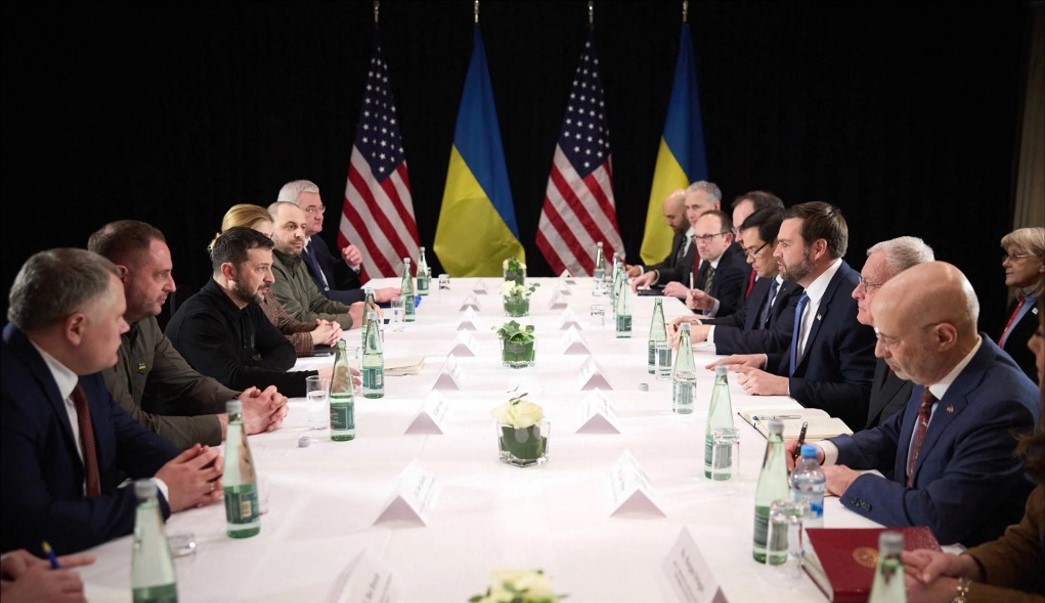
World
Ukrainian President Volodymyr Zelensky has made a strong appeal for security guarantees as he met with U.S. Vice President JD Vance at the Munich Security Conference. The meeting comes amid growing concerns in Kyiv and Europe that the United States, under President Donald Trump, is moving toward a peace deal with Russia that could leave Ukraine vulnerable. Ukraine’s Fears Over U.S. Truce Talks with Russia Zelensky’s meeting with Vance follows Trump’s shocking announcement that he plans to meet Russian President Vladimir Putin to discuss a potential truce in the three-year-long war. While Ukraine has repeatedly emphasized its desire for peace, Zelensky made it clear that any settlement must come with ironclad security guarantees to prevent future aggression from Russia. "We want peace very much, but we need real security guarantees," Zelensky stressed, indicating his concerns that the U.S. may be rushing to broker a ceasefire without Ukraine’s full involvement. Adding to Ukraine’s worries, Zelensky acknowledged that his phone call with Trump this week came after Trump had already spoken to Putin for 90 minutes. This sequence has fueled fears that Washington might negotiate terms without fully considering Kyiv’s position. U.S. Signals Shift in Strategy Vice President Vance, while assuring Ukraine of continued support, also made it clear that the U.S. is focused on securing a lasting peace. He emphasized that Washington wants to avoid a situation where Eastern Europe remains trapped in continuous conflict. However, Pentagon chief Pete Hegseth’s recent remarks that Ukraine might not be able to join NATO or reclaim all its lost territory have further deepened anxieties in Kyiv. European nations have also raised concerns that a hasty peace deal could leave Ukraine in a weakened position, emboldening Russia to strike again in the future. Meanwhile, Trump’s foreign policy team has suggested using "military leverage" in negotiations, but details remain unclear. Reports indicate that the U.S. is pushing Europe to take on more responsibility for regional security, with Washington shifting focus to other global challenges. Europe Demands a Seat at the Table European leaders have been vocal about their role in any future negotiations, arguing that a settlement between Russia and Ukraine will directly impact European security. French President Emmanuel Macron assured Zelensky that "it is Ukrainians alone who should drive the discussions for a solid and lasting peace." Similarly, EU Commission President Ursula von der Leyen warned that forcing Ukraine into a bad deal would ultimately harm U.S. and European interests. As part of Kyiv’s strategy to keep Washington engaged, Ukraine has also offered access to its rare mineral deposits in exchange for long-term security commitments from the U.S. Chernobyl Drone Strike Raises Tensions While diplomatic talks continued in Munich, Ukraine suffered another massive Russian drone attack, with 133 drones launched overnight. One strike reportedly hit a protective structure at the Chernobyl nuclear power plant, raising alarms about possible radiation risks. Zelensky used the attack to highlight Russia’s continued aggression, stating: "Putin is definitely not preparing for negotiations—he is preparing to continue deceiving the world." What’s Next for Ukraine? With Trump’s team pushing for a peace deal and Europe demanding a larger role in negotiations, Ukraine is caught in a high-stakes diplomatic battle. Zelensky's insistence on security guarantees reflects fears that a rushed truce could leave Ukraine exposed to future Russian attacks. As the situation unfolds, the fate of Ukraine may depend not only on the battlefield but also on the negotiating table—where decisions made in Washington, Moscow, and Europe could reshape the future of Eastern Europe.
Read More → Posted on 2025-02-15 14:26:46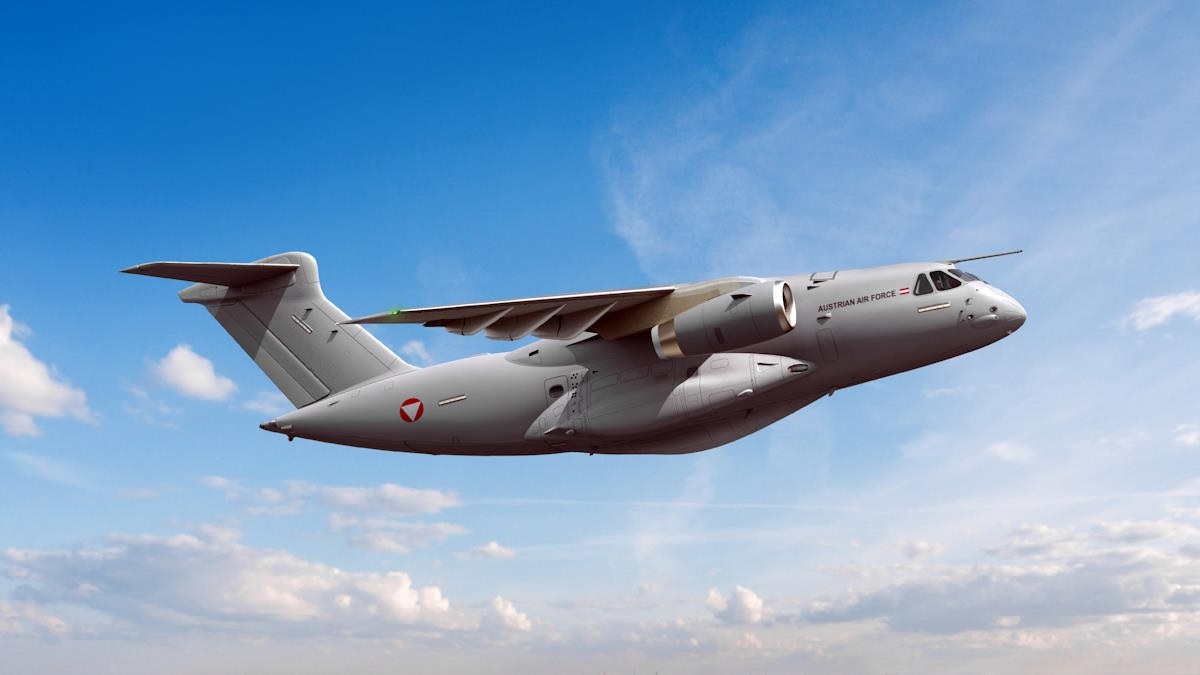
World
Embraer has officially started the structural assembly of Austria’s first C-390 Millennium military transport aircraft at its Gavião Peixoto production facility in Brazil. This milestone marks Austria’s entry into the growing list of nations adopting the C-390, a multi-role transport aircraft known for its efficiency, versatility, and superior performance in military and humanitarian missions. A Game-Changer in Military Transport The C-390 Millennium is a medium-sized, multi-mission military transport aircraft designed to replace older fleets of transporters like the Lockheed C-130 Hercules. Unlike traditional aircraft in its class, the C-390 incorporates modern avionics, powerful engines, and a robust airframe, enabling it to handle a wide variety of missions with greater speed and payload capacity. Key Features and Performance Maximum Payload Capacity: 26 tonnes (57,300 lbs), surpassing older transport aircraft in its category. Top Speed: 470 knots (870 km/h), making it the fastest transport aircraft in its class. Range: Over 6,000 km when lightly loaded, providing long-haul capabilities. Cargo Hold & Rear Ramp: Spacious cargo bay capable of carrying armored vehicles, helicopters, and large cargo loads, with a built-in rear ramp for rapid deployment. Reinforced Landing Gear: Can operate on unpaved runways and austere environments, making it ideal for combat and disaster relief missions. Multi-Mission Capabilities Austria’s C-390 Millennium will be deployed in various operational scenarios, including: Military Cargo and Troop Transport – Rapid deployment of personnel and heavy equipment. Humanitarian Aid and Disaster Relief – Transporting emergency supplies and personnel to crisis-hit areas. Medical Evacuation (MEDEVAC) – Configurable for airlifting wounded personnel with advanced medical facilities. Search and Rescue (SAR) – Extended range and speed enhance response capabilities in emergencies. Peacekeeping and Special Forces Operations – Tactical support for international security missions. Air-to-Air Refueling (KC-390 Variant) – The aircraft can function as a tanker and receiver, using wing-mounted refueling pods. Proven Performance and Reliability Since its induction into the Brazilian Air Force (FAB) in 2019, the C-390 Millennium has demonstrated remarkable operational efficiency: Over 16,300 flight hours accumulated across multiple global missions. Mission completion rate exceeding 99%, proving its reliability. 93% mission capability rate, making it one of the most dependable aircraft in military service. Austria Joins an Expanding Global User Base Austria is now part of a growing list of C-390 operators, which includes: Brazil (First operator, with multiple aircraft in service) Portugal Hungary Netherlands Czech Republic South Korea Sweden, Slovakia, and an undisclosed customer in 2024 As Austria moves forward with its first C-390, it underscores the aircraft’s increasing popularity as a cost-effective, next-generation transport solution in the global defense sector. With its cutting-edge design, superior payload capacity, and combat-proven performance, the C-390 Millennium is fast becoming the preferred choice for modern air forces worldwide.
Read More → Posted on 2025-02-15 14:21:02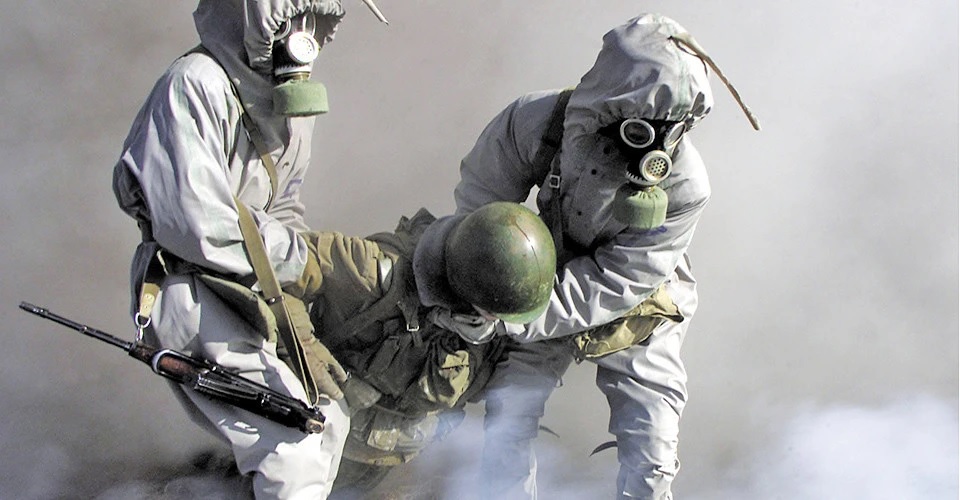
World
The Organisation for the Prohibition of Chemical Weapons (OPCW) has confirmed the presence of the banned riot control agent CS in multiple samples provided by Ukraine, raising fresh concerns over the use of chemical agents in the ongoing conflict with Russia. The discovery was made in nine samples collected from the frontline, including four grenade shells, three soil samples, and two vegetation samples found near a dugout. A Growing Concern in the War Zone CS gas, commonly known as tear gas, is not lethal but causes intense irritation to the lungs, skin, and eyes. While it is legally used for riot control by law enforcement, its use as a weapon of war is strictly prohibited under the Chemical Weapons Convention (CWC), to which both Russia and Ukraine are signatories. Despite this, accusations of chemical weapon usage have been exchanged between the two nations since the beginning of the war. The OPCW report does not assign blame to either side but confirms that chemical agents are being used in active combat zones. This marks the second instance where riot-control agent grenades have been found in Ukraine’s Dnipropetrovsk region. The first confirmation came in November 2024, when CS was identified in three shell and soil samples from contested areas. Alleged Chemical Attacks and International Reactions Ukraine formally requested the OPCW’s investigation into three alleged chemical weapon incidents: October 2, 2024 – Near the village of Mariivka October 12 & 14, 2024 – Near Illinka Following the analysis, the OPCW concluded that “all grenades collected from dugouts contained the riot control agent CS, CS-related compounds, and/or their degradation products.” The chemical was also found in soil and vegetation samples from the reported sites, reinforcing suspicions that chemical agents have been deployed in the battlefield. OPCW Director-General Fernando Arias emphasized that the findings highlight the urgency of enforcing the Chemical Weapons Convention. “This report underscores the importance of ensuring that toxic chemical agents are not used in warfare, as outlined by international law,” he stated. Western Allegations and Russian Denials Ukraine’s Western allies, particularly the United States and the United Kingdom, have accused Russia of violating the CWC by using riot control agents and the highly toxic chemical chloropicrin since its invasion of Ukraine in 2022. These accusations have been strongly denied by Moscow, which insists that it no longer possesses a military chemical arsenal. However, Russia continues to face international pressure for greater transparency regarding its alleged use of toxic agents on the battlefield. As the war drags on, the presence of chemical agents in contested areas raises troubling questions about the future of chemical warfare enforcement. The OPCW’s findings could lead to increased diplomatic scrutiny and calls for stronger international action to prevent further violations of the Chemical Weapons Convention.
Read More → Posted on 2025-02-15 14:08:42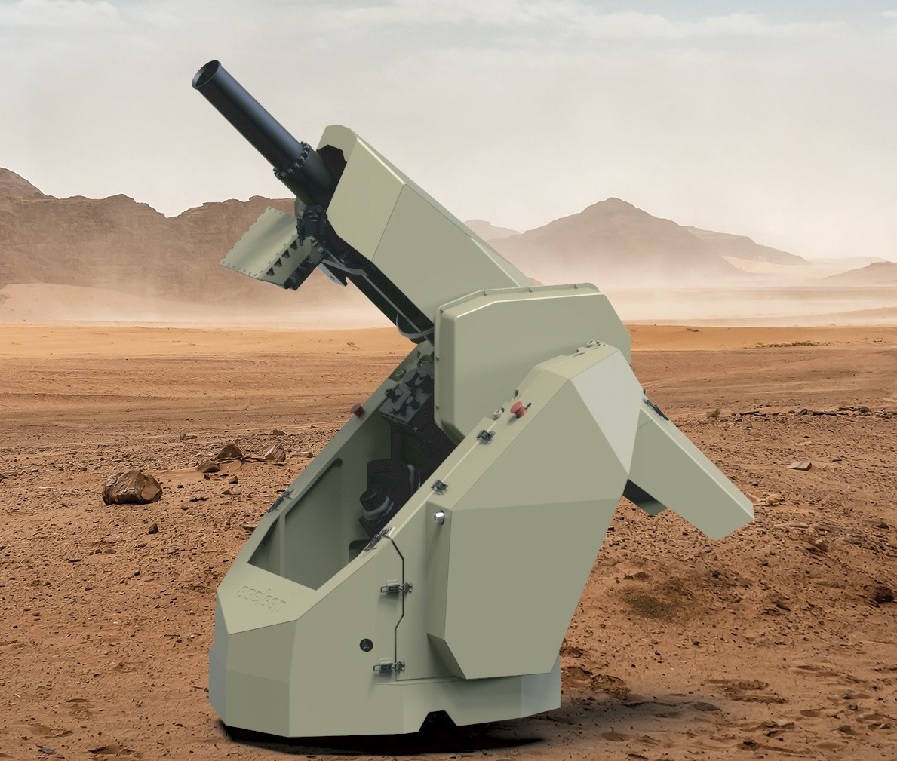
World
Turkish defense leader ASELSAN is poised to showcase its latest land and naval defense technologies at the International Defence Exhibition (IDEX) and Naval Defence Exhibition (NAVDEX) 2025 in Abu Dhabi, UAE, from February 17 to 21. This participation underscores ASELSAN's commitment to technological excellence and its strategic focus on the Middle East and Gulf regions. Land Defense Innovations At IDEX 2025, ASELSAN will present a range of cutting-edge land defense solutions: ALKAR Artillery and Mortar Systems: The ALKAR 100/81 and ALKAR 110/81 systems offer enhanced accuracy and operational flexibility, catering to diverse battlefield requirements. Smart Ammunition: Featuring the ASAF 155 CCF, ASAF 155 MOFA, and ATOM 25 ABM, these munitions are designed for improved strike precision and adaptability in dynamic combat scenarios. YENER 100-G Ground-Penetrating Radar: This advanced radar system detects concealed threats, such as improvised explosive devices (IEDs) and mines, beneath road surfaces, enhancing troop safety during operations. Naval Defense Technologies In the naval arena, ASELSAN's display at NAVDEX 2025 will include: GÖKDENİZ Close-In Weapon System: A critical defense mechanism against aerial threats, ensuring robust protection for naval vessels. GÖKSUR and SMASH Systems: Advanced solutions tailored to meet evolving naval security challenges. CENK, AKREP, and SERDAR Systems: Integrated combat and electronic warfare systems designed to enhance maritime operational capabilities. Collaborative Ventures Demonstrating a commitment to regional partnerships, ASELSAN will also feature: KORKUT 150/35 Self-Propelled Air Defense Gun System: Mounted on the Wahash 8×8 vehicle developed by UAE-based CALIDUS, this system exemplifies successful international collaboration. Cockpit Display Solutions: Integrated into Calidus Aerospace's B-250 air platform, showcasing ASELSAN's avionics expertise. Additionally, at the EDGE Group's stand, ASELSAN will present: ARTCom 9661 Tactical Radios: Ensuring secure and reliable communication in complex operational environments. ALP 300-G Air Defense Search Radar: A vital component for early threat detection and airspace monitoring. NIMR's display will feature the SARP 100 remote-controlled weapon system mounted on its Ajban vehicles, highlighting ASELSAN's versatile land defense solutions. Strategic Vision ASELSAN's President & CEO, Ahmet Akyol, emphasized the company's dedication to strengthening its presence in the Middle East. With established offices and subsidiaries in the UAE, Saudi Arabia, Qatar, Oman, and Jordan, ASELSAN aims to solidify its regional relationships and explore new collaborative opportunities during IDEX & NAVDEX 2025. This participation not only highlights ASELSAN's technological advancements but also reflects its strategic intent to be among the world's top 30 defense companies by 2030, focusing on innovation, integration, and resilience in defense solutions.
Read More → Posted on 2025-02-15 14:05:49Search
Top Trending in 24 Hours
-
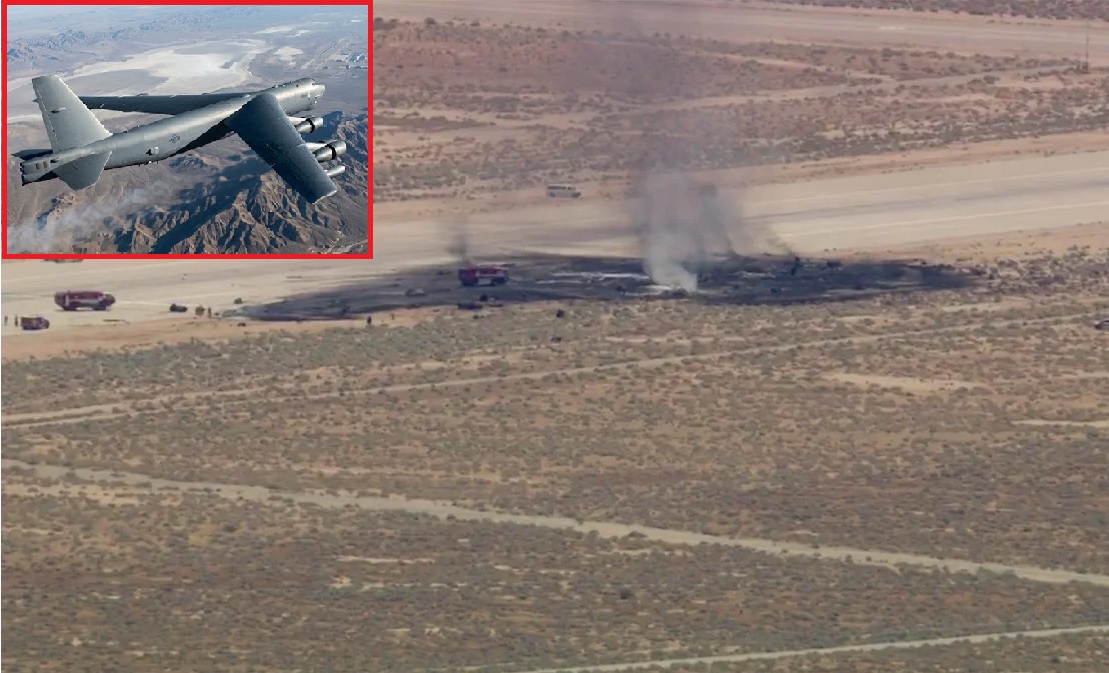 8 U.S. Air Force Crew Members Killed in B-52 Bomber Crash During Test Flight at Edwards Air Force Base
-
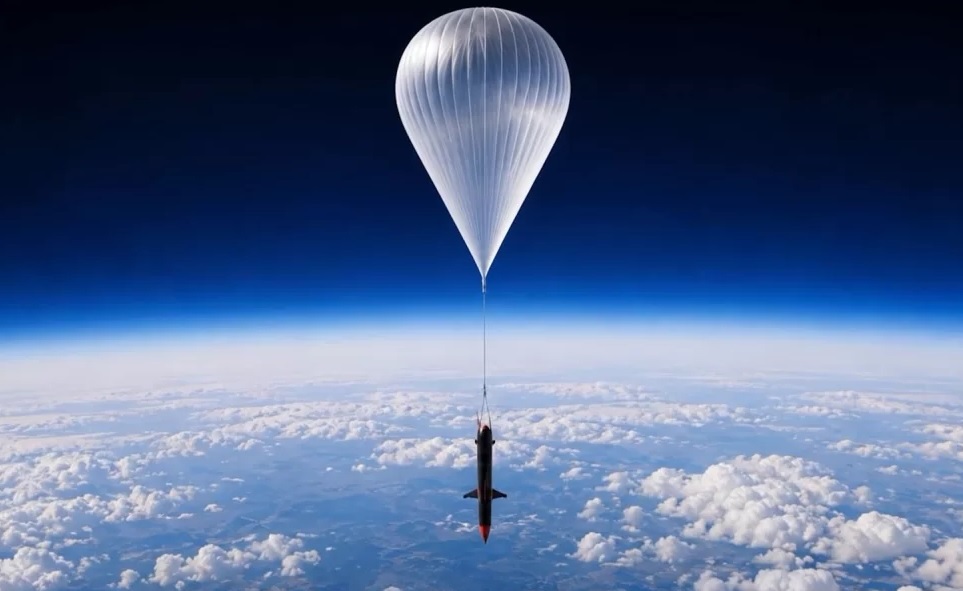 Ukraine Introduces Balloon-Launched DART Missile Designed to Defeat Electronic Warfare
-
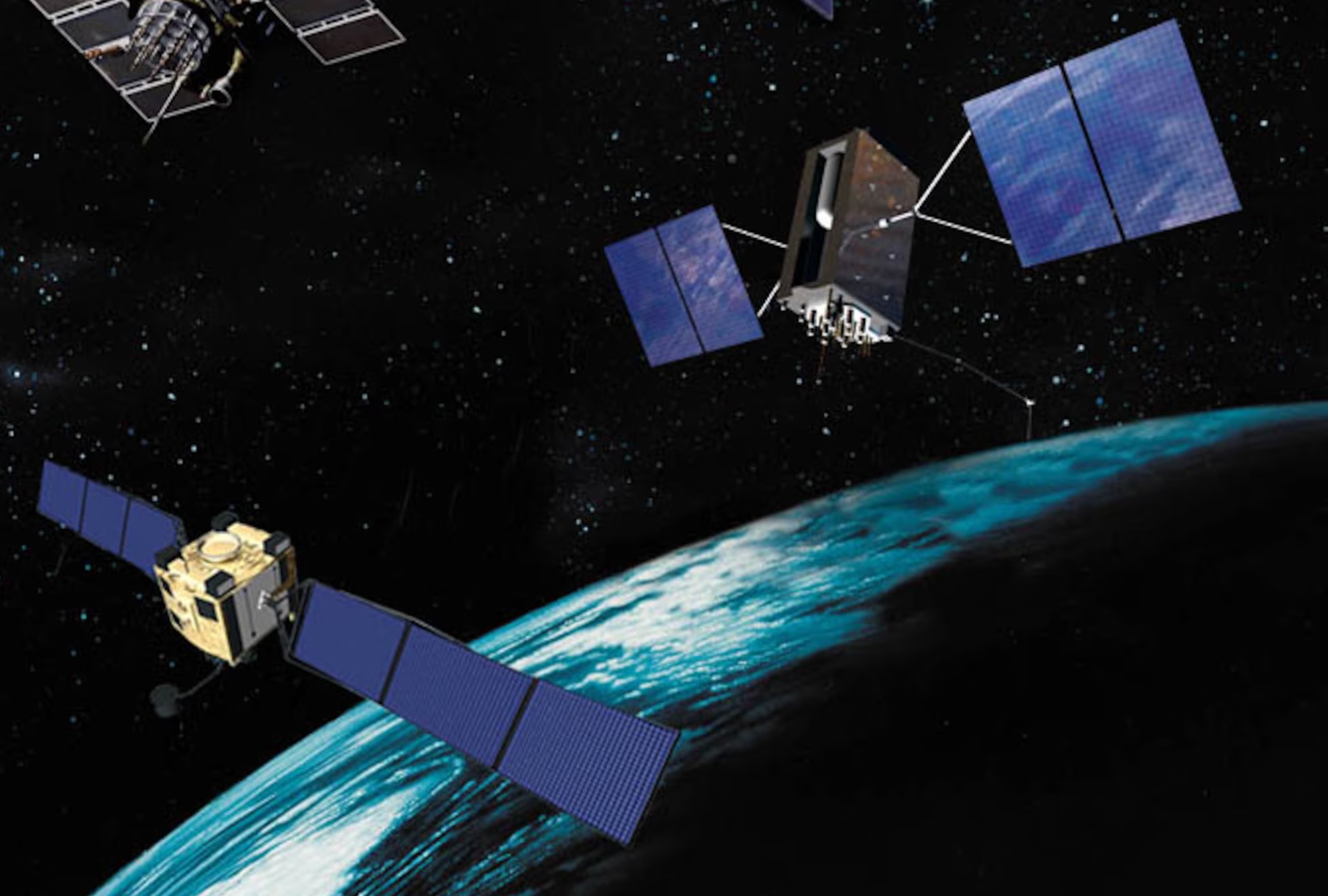 Lockheed Martin Wins $514 Million U.S. Space Force Contract for Two New GPS IIIF Satellites
-
 UK Announces £210 Million Deal to Supply Enriched Uranium to Ukraine for Two Years
-
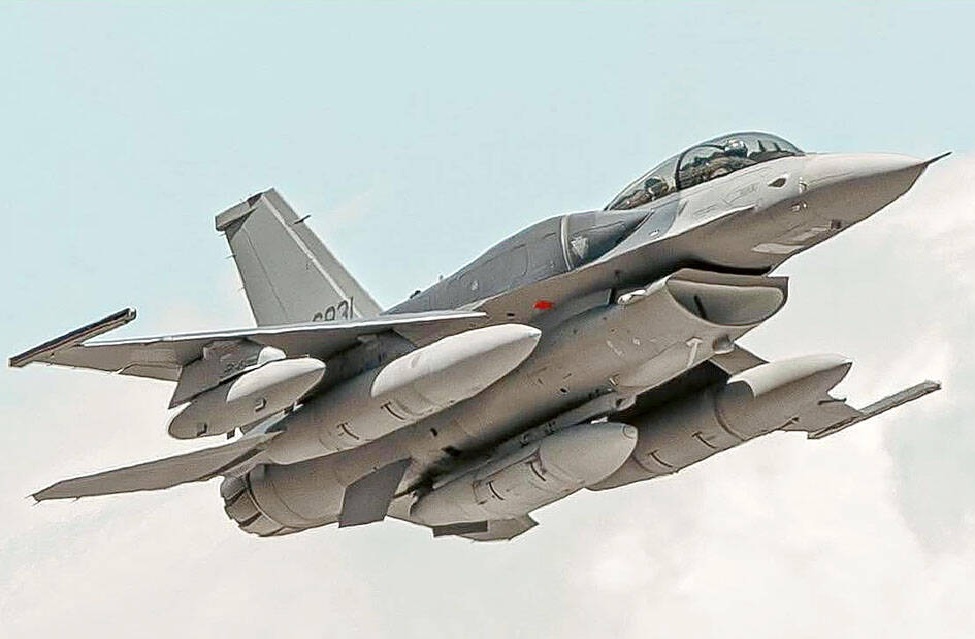 First Taiwanese F-16 Block 70 Flies with Five-Tank Fuel Configuration During Texas Tests
-
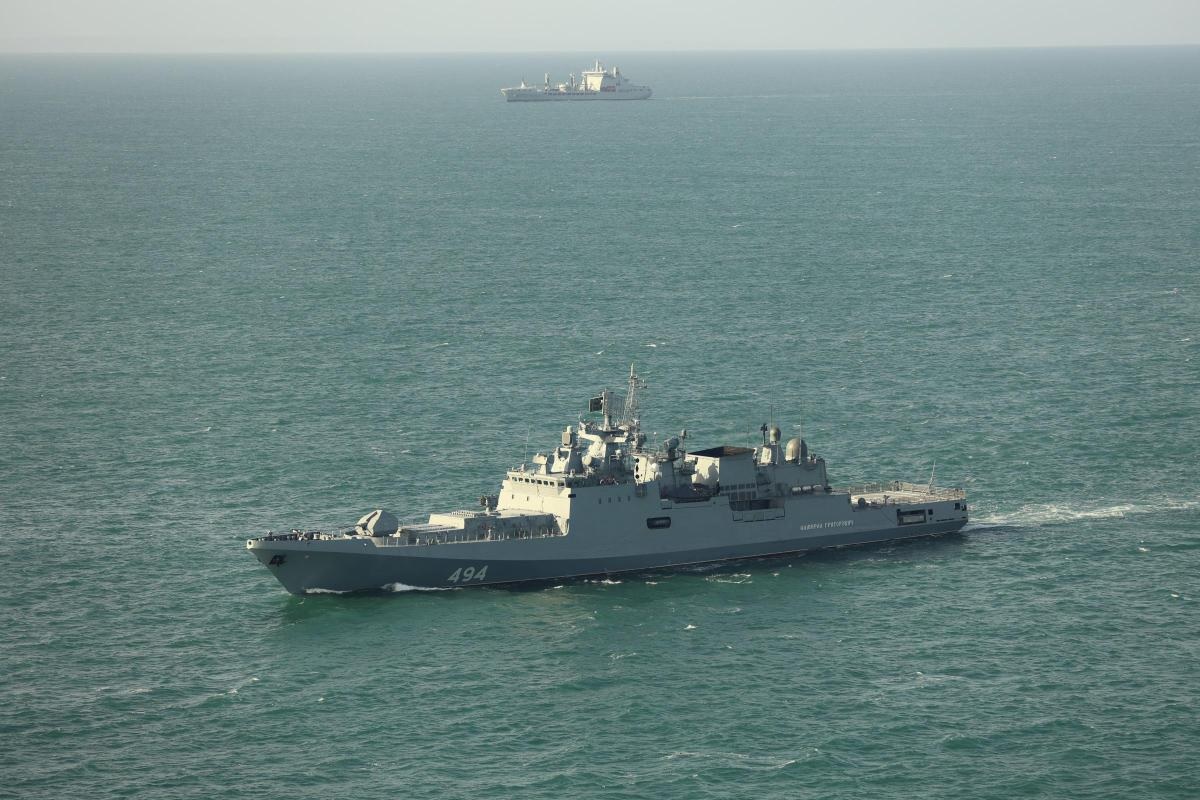 Russian Frigate Admiral Grigorovich Challenges UK Yacht in English Channel With Warning Shots
-
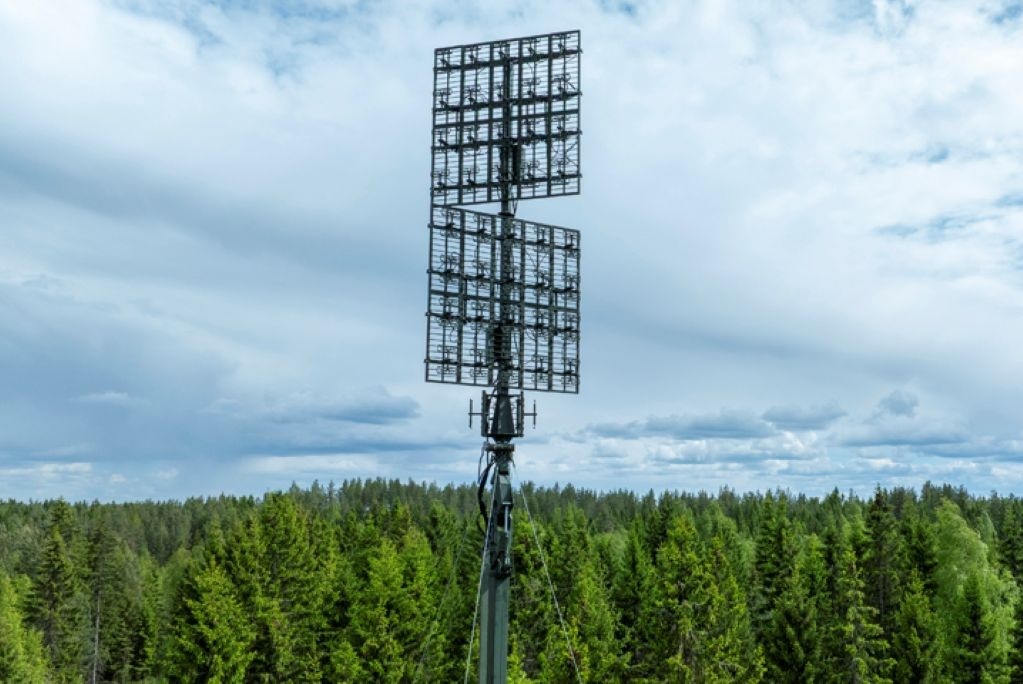 Patria Launches WISPR Passive Counter-Battery Radar with Silent Detection Capability at Eurosatory 2026
-
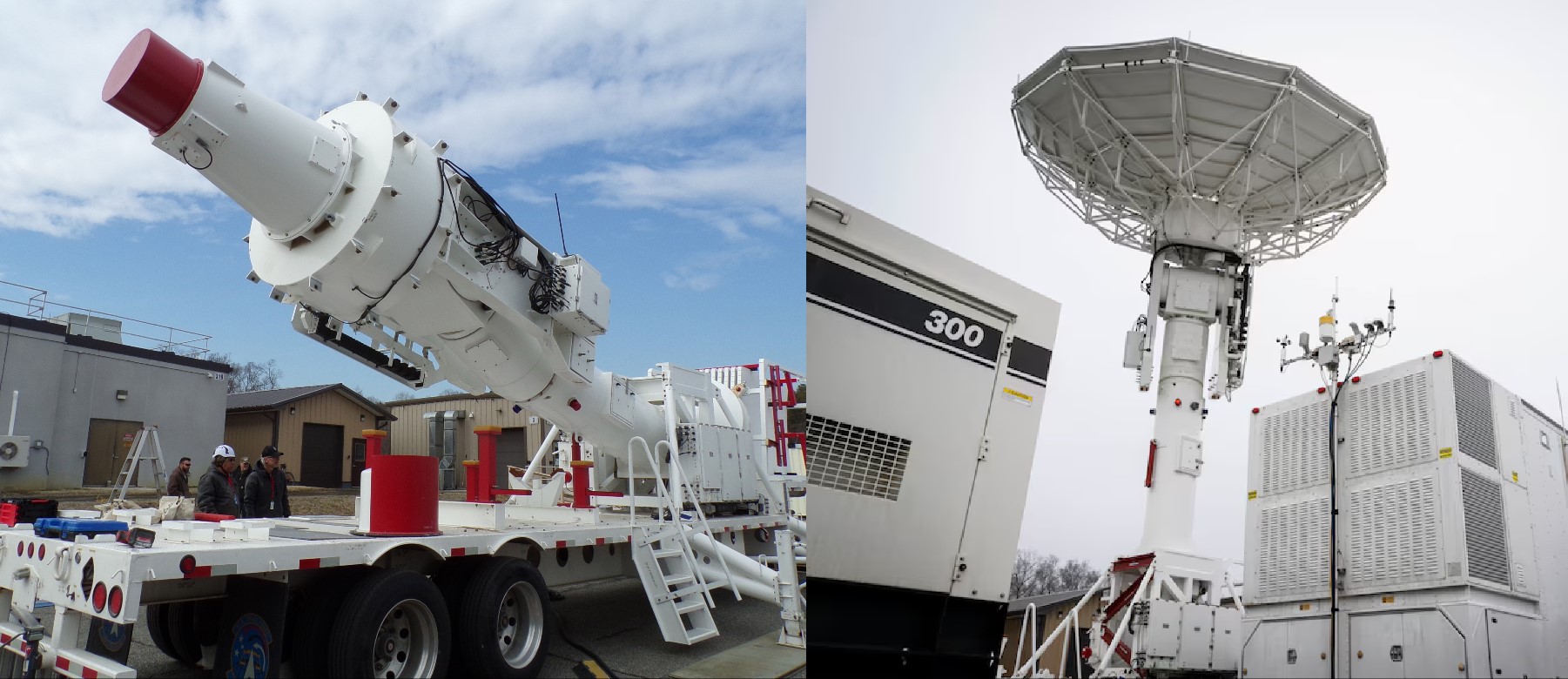 Space Force Transfers Transportable Satellite Tracking Antenna to Naval Research Laboratory
Top Trending in 4 Days
-
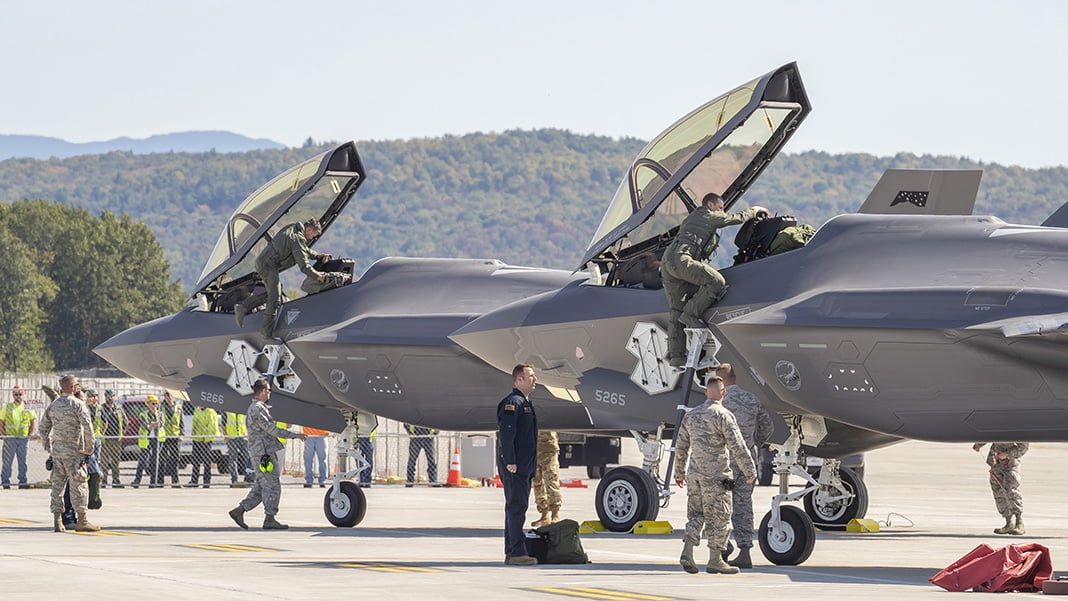 F-35 Fleet Readiness Falls to 25% Amid Parts Shortages and Software Delays: GAO Report
-
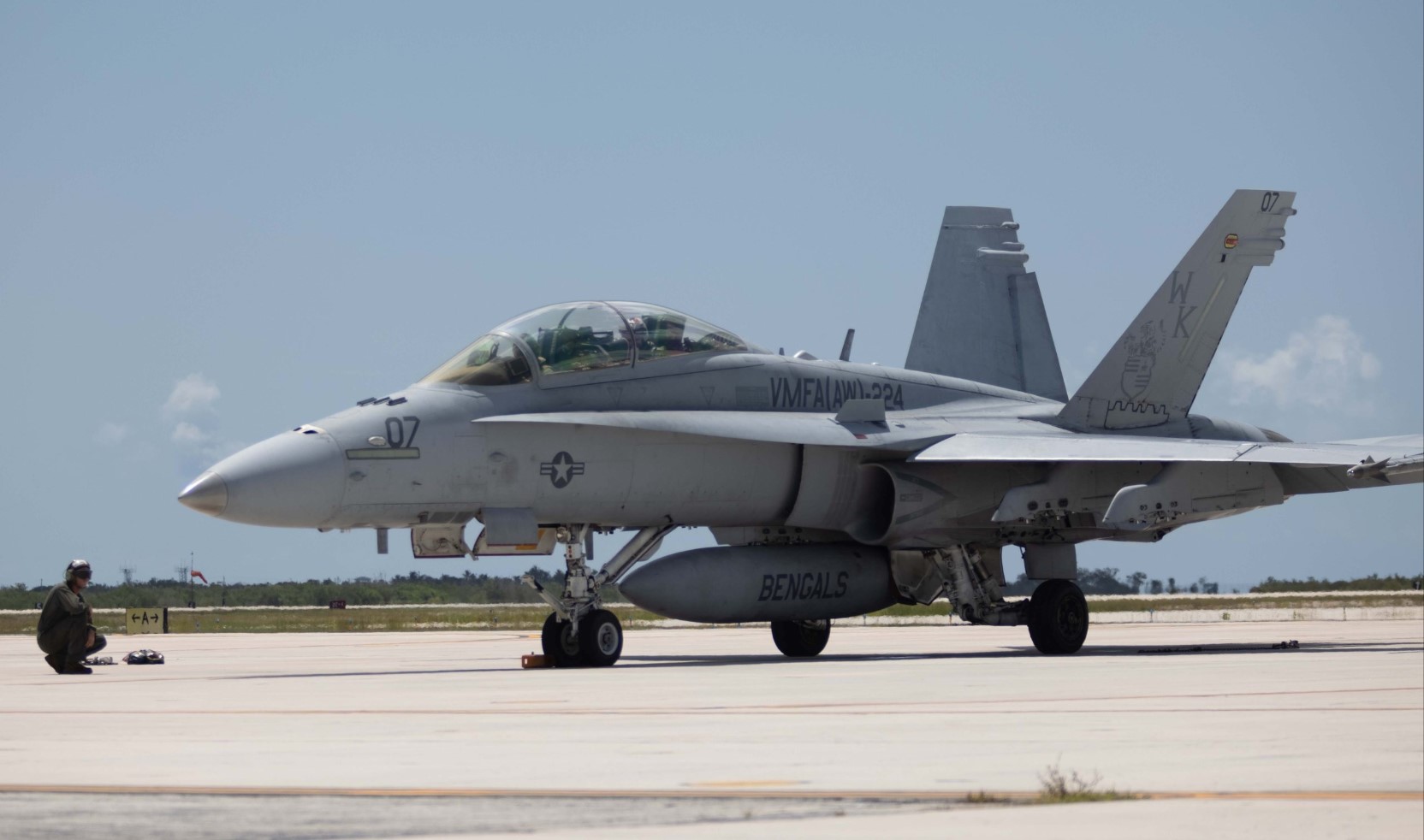 US Marine Corps F/A-18D Hornet Crashes During Training Flight in Washington Mountains; Pilot Ejects Safely
-
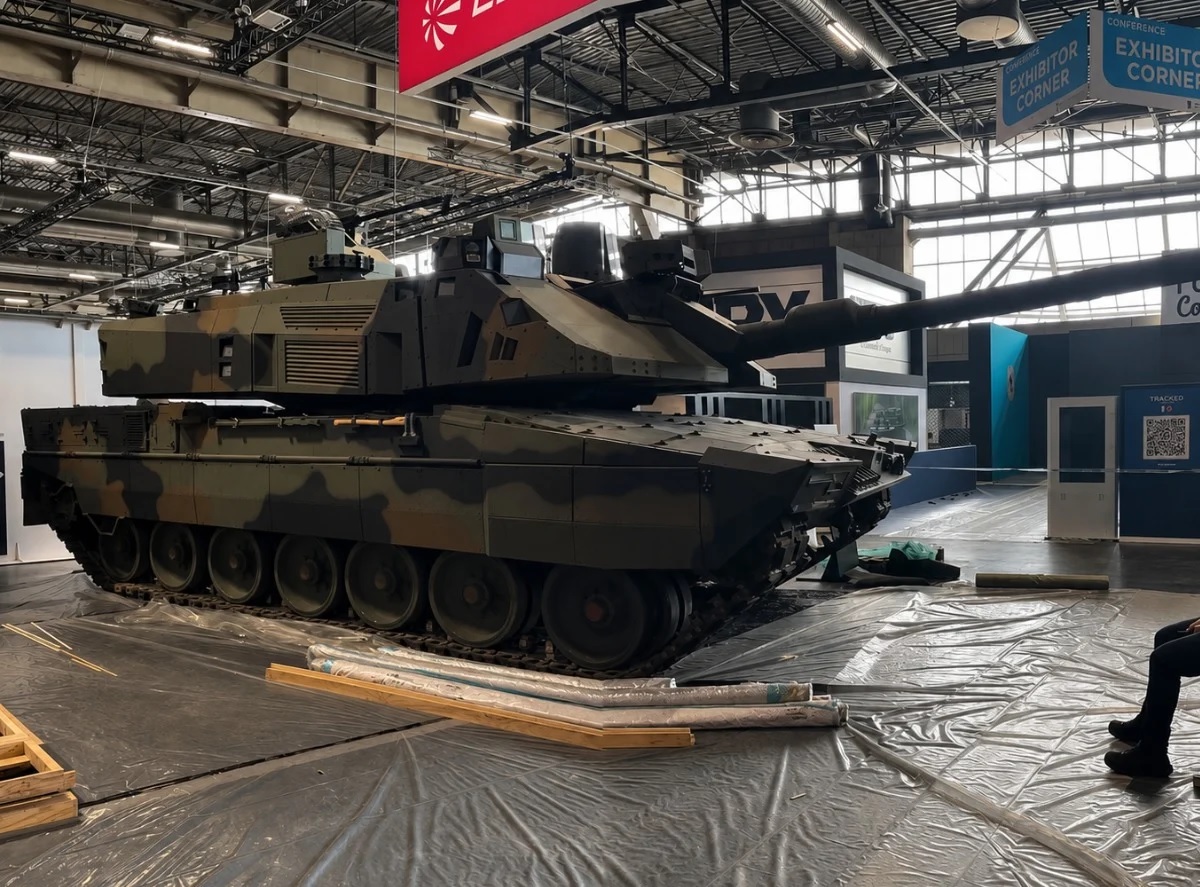 Leonardo Rheinmetall to Unveil Italy’s New IMBT Main Battle Tank at Eurosatory 2026
-
 Tulsi Gabbard Releases Declassified Files Detailing U.S.-Backed Network of 120 Biolaboratories Across 30+ Countries
-
8 U.S. Air Force Crew Members Killed in B-52 Bomber Crash During Test Flight at Edwards Air Force Base
-
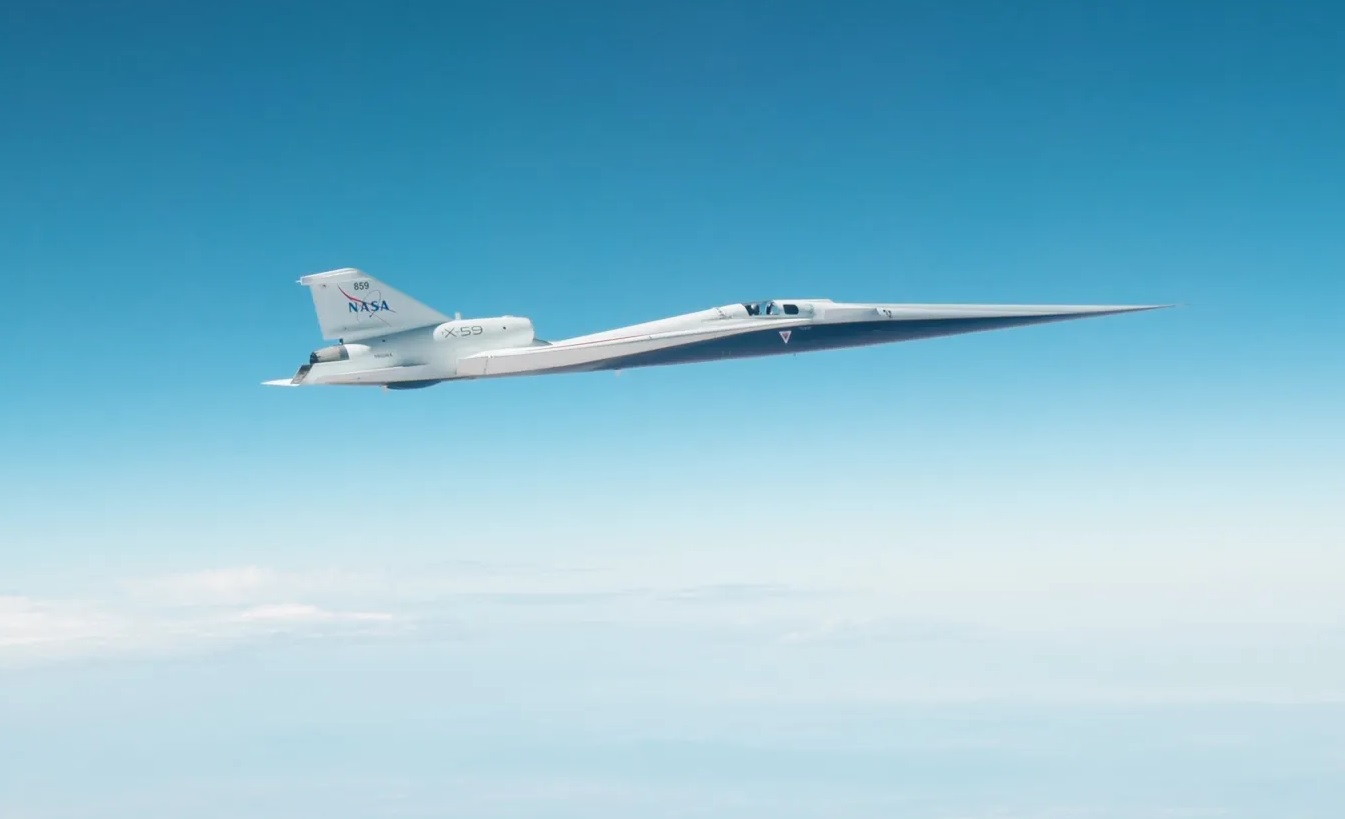 NASA X-59 Achieves Planned Mission Conditions with Mach 1.4 Flight at 55,000 Feet
-
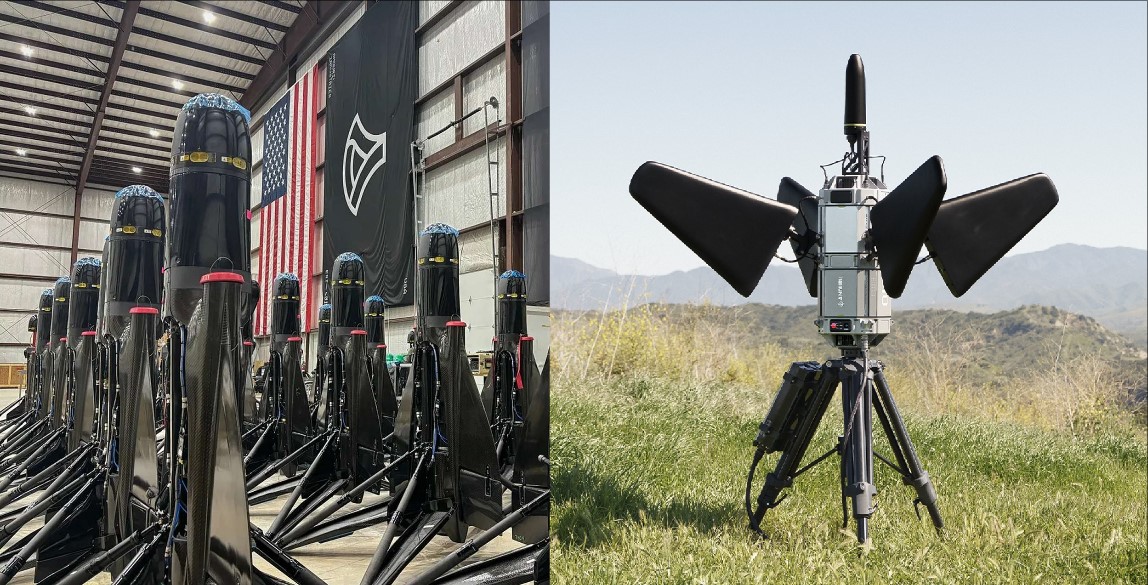 U.S. Approves $1.98 Billion Sale of Anduril AI-Powered Counter-Drone Systems to Kuwait
-
 Russia Launches 1,400 Jet-Powered Drones in 2026 as Strike Tactics Evolve to Challenge Ukraine's Air Defenses