World
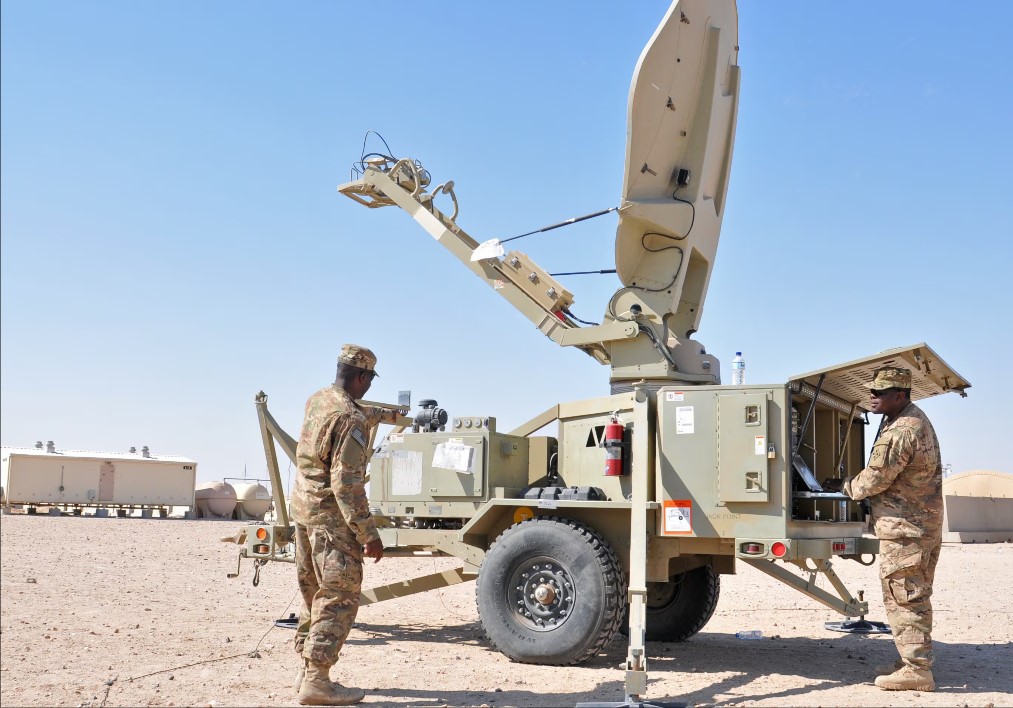
The US Space Force has taken a major step toward building a more secure and reliable satellite communication system for military use. It has awarded $37.5 million in contracts to five companies to develop a prototype for the Protected Tactical SATCOM – Global (PTS-G) system, a next-generation satellite network designed to provide anti-jam, secure communications across the globe. The companies selected are Viasat, Northrop Grumman, Astranis, Intelsat General, and Boeing. Each firm will take one of its existing commercial satellite designs and adapt it for military needs under the PTS-G project. The goal is to demonstrate how these commercial designs can be used to enhance military capabilities while saving time and resources. The PTS-G system will rely on small satellites placed in geosynchronous orbit—an orbit where satellites match the Earth’s rotation—to ensure constant, global coverage. These satellites are expected to provide resilient and jam-resistant connectivity, especially important in modern warfare where satellite links are vulnerable to electronic attacks. Cordell DeLaPena, Jr., the Space Systems Command’s program executive officer for Military Communications and Positioning, Navigation and Timing, said this approach allows the Space Force to move faster. “The incorporation of commercial baseline designs to meet military capability significantly enhances the Space Force’s speed and efficiency to add capability to meet emerging threats,” he stated. This development effort is just the beginning. Based on the performance of each company’s technical demonstrations, the Space Force will decide who moves forward to the production phase, which is expected to begin with a contract award in 2026. The first satellites are planned for launch by 2028, with a second production batch to follow in 2031. This move comes as part of a broader effort by the US military to modernize its space-based infrastructure. In July, the Space Force upgraded the GPS control segment with the Next Generation Operational Control System, improving the accuracy and reliability of satellite navigation and timing. In June, L3Harris delivered the Meadowlands Counter Communications System, a ground-based platform designed to jam or disrupt enemy satellite communications, strengthening the US military’s electronic warfare capabilities. And earlier in April, Lockheed Martin delivered the GPS III SV08 satellite to the Space Force for final testing before it joins the current 31-satellite GPS constellation already in orbit. With the PTS-G and other projects, the US is not just maintaining its dominance in space—it’s actively preparing for a future where secure, resilient, and flexible satellite communication could decide the outcome of conflicts.
Read More → Posted on 2025-08-01 15:47:16
World
The French Navy’s second Jacques Chevallier-class replenishment tanker, BRF ‘Jacques Stosskopf’, has officially arrived at its new homeport in Toulon, southern France. This marks a significant milestone in France’s efforts to modernize and expand its naval logistics capabilities under the ongoing FLOTLOG program. The ‘Jacques Stosskopf’, named after a renowned Alsatian naval engineer and Resistance fighter, is the second of four planned force supply ships (BRF) designed to extend the endurance and reach of the French Navy’s fleet during distant maritime operations. Built at Saint-Nazaire by Chantiers de l’Atlantique and Naval Group, the vessel is part of a Franco-Italian collaboration led by OCCAR (Organisation for Joint Armament Cooperation), supporting both the French defence procurement agency (DGA) and Italy’s NAVARM. The design is derived from Italy’s Vulcano-class (LSS) ships. Measuring 194 meters long and displacing 31,000 tonnes when fully loaded, the Jacques Stosskopf can carry 13,000 m³ of fuel, along with provisions, ammunition, and spare parts. It is equipped with four lateral transfer stations and refueling masts that allow it to supply two vessels at once, even in harsh sea conditions. These capabilities will significantly enhance operational autonomy for French carrier strike groups and other naval task forces. The vessel comes with robust self-defense and communications systems, including: Two 40mm RAPIDFire naval guns by Thales and Nexter Two Simbad-RC VSHORAD systems from MBDA, now positioned on modified bridge wings for improved coverage The PASEO XLR optronic fire control system by Safran GE’s MV7000 propulsion systems The Polaris® Combat Management System According to the French Navy, Jacques Stosskopf will now undergo further trials and crew training before officially entering full operational service by the end of 2025. The first ship in the class, ‘Jacques Chevallier’, was delivered in 2023 and is already in service. The remaining two BRFs—‘Émile Bertin’ and ‘Gustave Zédé’—are scheduled for delivery in 2027 and 2032, respectively. The FLOTLOG logistics fleet forms a key part of France’s 2019–2025 Military Programming Law, ensuring long-range support and logistical resilience in future naval deployments. Each vessel also serves as a tribute to French maritime history, honoring engineers and naval figures who contributed to both science and national defense. The arrival of Jacques Stosskopf in Toulon is more than just the delivery of a ship—it reflects a growing commitment to sustain France’s strategic autonomy and ability to project power across oceans, well beyond European waters.
Read More → Posted on 2025-08-01 15:40:18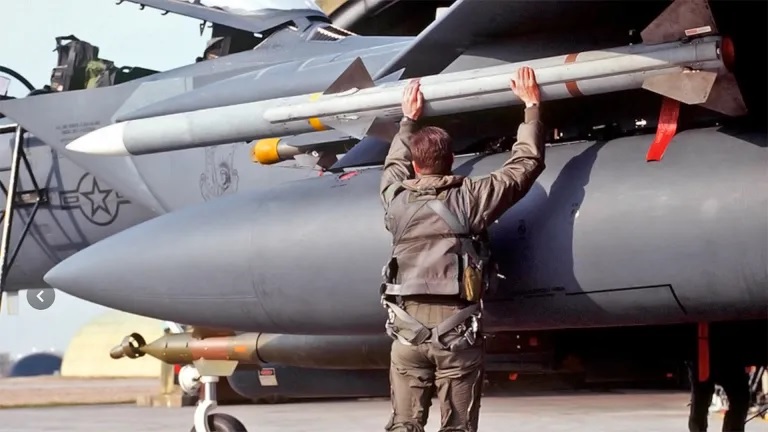
World
Raytheon, a business under RTX, has been awarded a $3.5 billion contract by the U.S. Department of Defense to produce the Advanced Medium-Range Air-to-Air Missile (AMRAAM) — the largest contract in the program’s history, and a major milestone in one of the world’s most widely used air-to-air missile systems. The contract, formally listed as an Indefinite-Delivery, Indefinite-Quantity (IDIQ) agreement, allows for flexibility in procurement and spans production and delivery for both U.S. military services and international customers under the Foreign Military Sales (FMS) program. This structure means the actual number of missiles and timeline will vary based on specific orders placed under the agreement. The deal includes AMRAAM missile purchases for a number of allied countries, including Japan, Canada, Germany, the United Kingdom, and Ukraine, reflecting the system’s widespread global use and importance to collective defense. The agreement covers lot 37 and lot 38 missile production, and includes missiles for the U.S. Air Force, U.S. Navy, and foreign allies. Under this contract, Raytheon will also deliver training equipment, spare parts, missile containers, and technical support — ensuring that the missiles can be maintained, integrated, and deployed effectively by partner nations. The work will primarily be carried out at Raytheon's facility in Tucson, Arizona, and is expected to be completed by January 31, 2027. This deal follows a previous $1.15 billion AMRAAM production contract in 2023, and signals a ramp-up in manufacturing to meet global demand. The U.S. Department of Defense emphasized that procurement under this award supports NATO allies and other friendly nations, especially those in regions experiencing rising security threats. AMRAAM, often called the “fire-and-forget” missile, uses active radar guidance, enabling the launch aircraft to disengage immediately after firing. Its high kill probability and beyond-visual-range (BVR) engagement capabilities make it a cornerstone of modern air superiority. Currently, the missile is used on advanced platforms including the F-15, F-16, F/A-18, F-22, F-35, and NATO’s Eurofighter Typhoon, and it's also integrated into ground-based air defense systems like NASAMS (National Advanced Surface-to-Air Missile System) — the same system that has been deployed in Ukraine for defense against Russian aerial attacks. According to Sam Deneke, president of Air & Space Defense Systems at Raytheon, “This award underscores the critical role that the fifth-generation AMRAAM plays in maintaining air superiority and will ensure service members have the advanced technology needed to stay ahead of adversary threats.” As geopolitical tensions continue to rise, particularly in Europe and the Indo-Pacific, AMRAAM’s proven reliability, ease of integration, and interoperability among allied forces make it a highly strategic asset. With this deal, Raytheon is positioned to support U.S. and allied air dominance well into the future.
Read More → Posted on 2025-08-01 14:33:34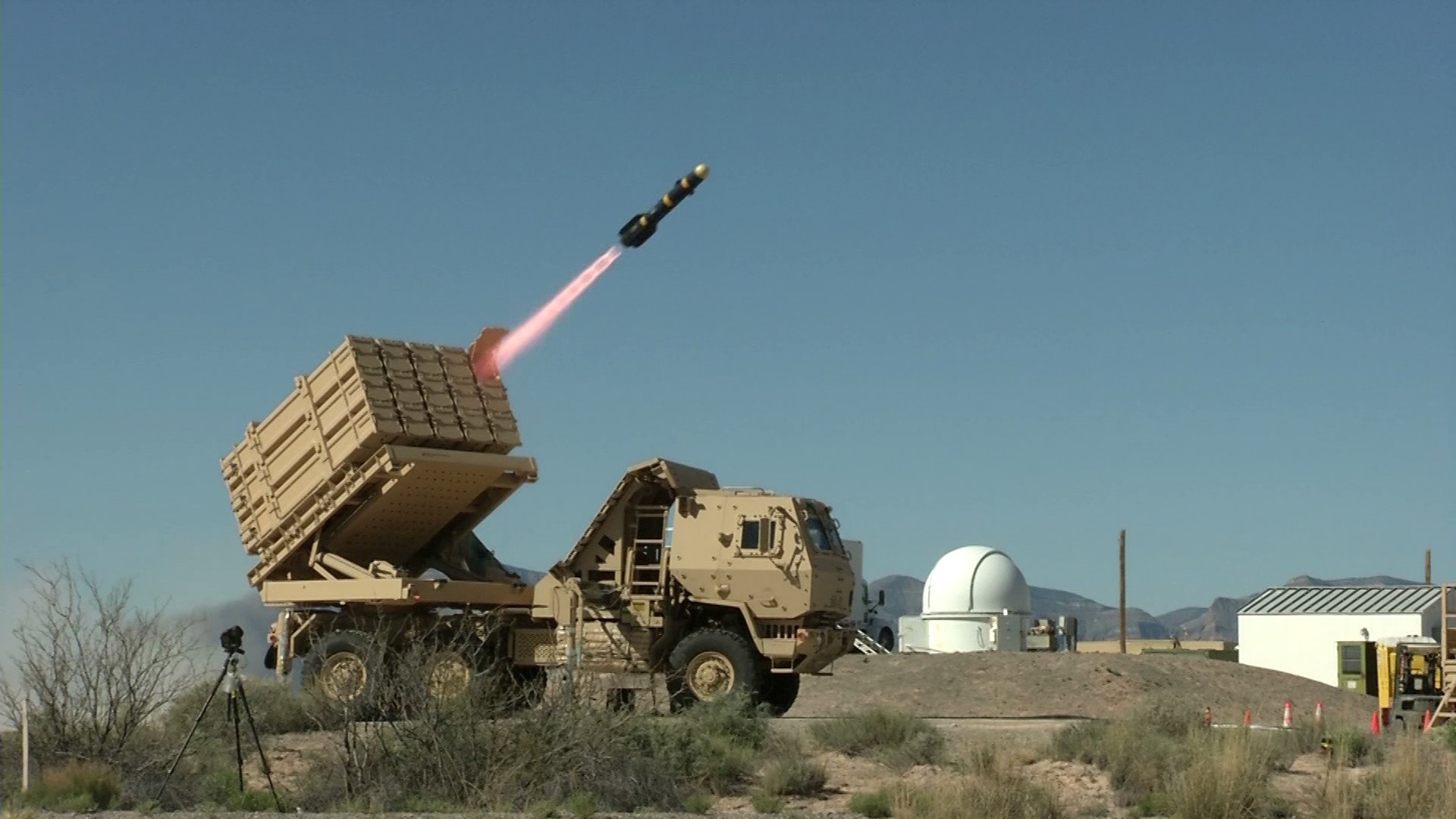
World
In a significant move to bolster the United States’ layered air defense strategy, the Department of Defense (DoD) awarded a $264.6 million contract to Dynetics Inc. on July 30, 2025. The Huntsville, Alabama-based defense firm will lead the advancement of the U.S. Army’s Indirect Fire Protection Capability (IFPC) program—an air defense system designed to counter a wide range of aerial threats, from drones and cruise missiles to rocket and mortar attacks. The contract is a fixed-price and cost-plus-fixed-fee agreement, backed by the U.S. Army’s Fiscal Year 2025 research, development, testing, and evaluation (RDT&E) budget. More than $127 million was obligated at the time of signing. The project work will be conducted across three key locations: Huntsville (Alabama), Dallastown (Pennsylvania), and Chanhassen (Minnesota). Completion is targeted for July 30, 2026, with overall management under the Army Contracting Command at Redstone Arsenal, Alabama. A Multi-Layered Shield Against Emerging Threats The IFPC is central to the Army's efforts to protect semi-fixed and fixed sites from indirect aerial attacks. These include RAM threats (rockets, artillery, and mortars), unmanned aerial systems (UAS), and cruise missiles—weapon types increasingly used in asymmetric or saturation-style assaults. Designed to fill the gap between short-range air defense systems like M-SHORAD and long-range solutions such as the Patriot missile system, the IFPC adds an essential middle tier to the U.S. Army’s air and missile defense architecture. Its core strength lies in its modularity and adaptability. The system is being developed to function within the Army’s Integrated Battle Command System (IBCS), allowing for real-time integration between sensors, launchers, and command-and-control platforms. It supports multiple interceptors, including Israel’s combat-proven Tamir missile from the Iron Dome and a customized version of the AIM-9X missile. Dynetics' launcher for the IFPC Increment 2 program has been engineered with interoperability in mind, ensuring seamless integration with allied forces and compatibility with evolving missile defense technologies. Building on a $4.1 Billion Strategic Framework This latest contract builds on the momentum of a major agreement signed in November 2024, when the Army entered into a $4.1 billion indefinite-delivery/indefinite-quantity (IDIQ) framework with Dynetics. That earlier agreement included funding for low-rate and full-rate production, lifecycle support, and agile acquisition. As part of it, a $204 million undefinitized contract action had already been issued, with $99 million obligated at the time. This flexible contracting model supports rapid acquisition and timely fielding of the IFPC system, ensuring it can evolve in step with emerging threats. By leveraging the IBCS network for integrated sensor-shooter coordination, the IFPC will significantly enhance threat detection and engagement across complex operational environments. A Strategic Leap Toward Future Air Dominance The importance of IFPC is underscored by the growing global demand for mobile, modular air defense systems capable of countering UAS and RAM threats. Whether deployed to defend forward-operating bases, high-value assets, or allied infrastructure, the IFPC provides a cost-effective, adaptable solution that complements existing systems. With continued investment through this new contract, the U.S. Army is not only reinforcing its future battlefield dominance but also promoting greater interoperability with international partners. The system's open architecture and compatibility with multinational command networks make it an ideal component for joint operations. As aerial threats grow more sophisticated and accessible to adversaries, the IFPC stands out as a timely and crucial capability—ensuring the U.S. and its allies are equipped to meet tomorrow’s challenges with agility and precision.
Read More → Posted on 2025-08-01 14:22:11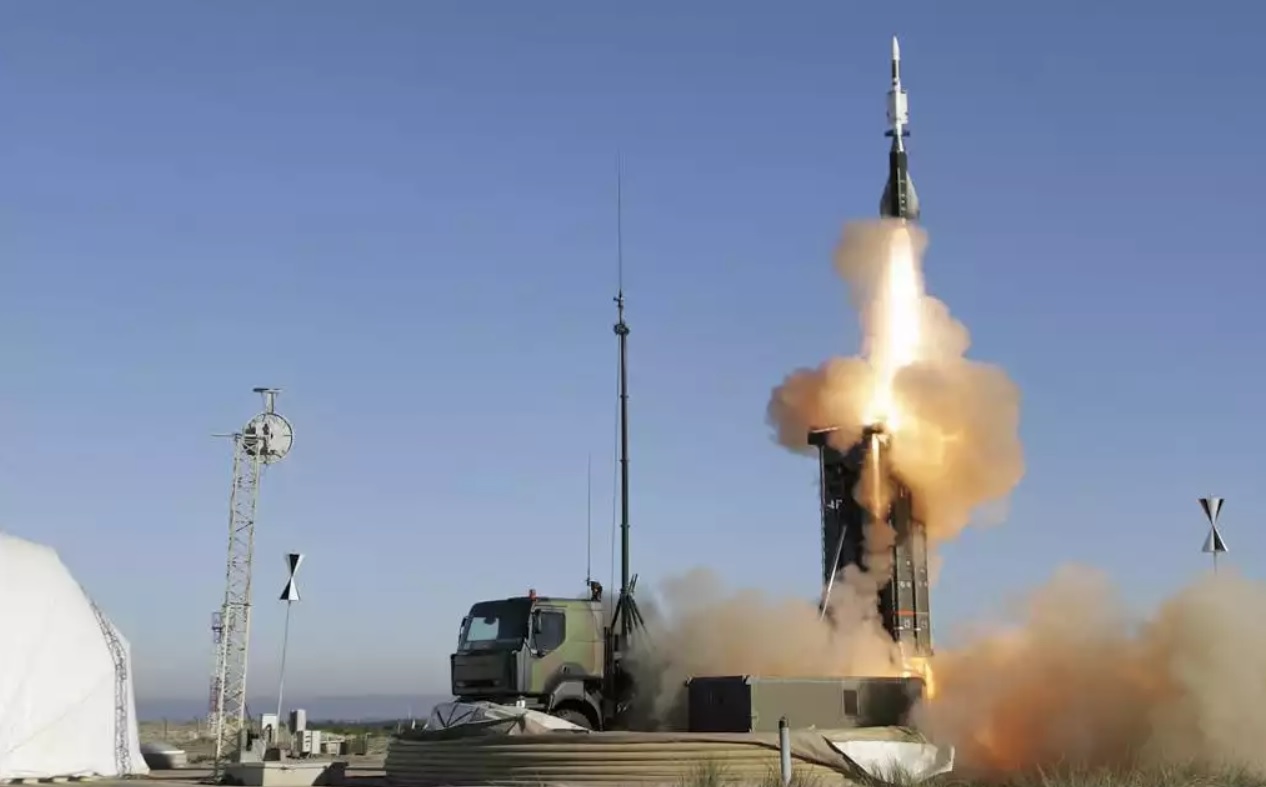
World
In a major milestone for European air defence, EUROSAM has successfully completed a second test firing of the ASTER B1 New Technology (ASTER B1NT) missile, confirming its long-range capabilities and bringing the SAMP/T NG air defence system one step closer to full qualification. The launch took place at the DGA Essais de Missiles test range in France, under the observation of defence representatives from France, Italy, and the United Kingdom, the three nations involved in the long-standing FSAF-PAAMS air defence cooperation, managed by OCCAR (Organisation for Joint Armament Co-operation). This second firing, following the first successful test in October 2024, demonstrated the missile’s capability to intercept threats at a range of up to 150 kilometers and at higher altitudes. The ASTER B1NT, developed by MBDA, features several enhancements over previous versions, including a new Ka-band seeker, improved algorithms for target discrimination, and increased agility—key traits for engaging advanced, high-speed, and stealth aerial threats, including ballistic and hypersonic missiles. The test marks a crucial success for the joint ASTER B1NT and SAMP/T NG programs, which are being developed by EUROSAM for the French and Italian armed forces. The SAMP/T NG, an upgraded ground-based air defence system, will be deployed by both the Armée de l’Air et de l’Espace (French Air and Space Force) and the Italian Army and Air Force, providing a future-ready shield against evolving airborne threats. The ASTER B1NT’s integration into naval systems is also in progress. The missile will be part of the Mid-Life Update (MLU) for the Horizon-class air defence destroyers of both France and Italy. Under this modernization, the ships will be upgraded with new radars (Kronos Grand Naval by Leonardo for Italy, SMART-L MM by Thales for France), modern electronic warfare systems, and next-generation combat management systems—Athena/SADOC Mk 4 on Italian vessels and SETIS on French ones. Beyond its core land and naval roles, the ASTER B1NT is designed for Ballistic Missile Defence (BMD), capable of intercepting short-range ballistic missiles with ranges up to 1,500 km. During recent briefings, MBDA and DGA officials highlighted its capability to counter next-generation hypersonic weapons like Russia’s Zircon and Kinzhal, and China’s DF-21D anti-ship ballistic missile. One of the ASTER B1NT’s most significant innovations is its Ka-band active radar seeker—a rare feature in European missiles. Although Ka-band seekers typically have a narrower field of view and shorter range, MBDA engineers have extended its detection range by fine-tuning the beam shape, which also enhances its ability to distinguish real threats from decoys. As of now, the ASTER missile family has recorded more than 250 successful firings, with over 100 operational launches, particularly in high-threat environments like Ukraine and the Red Sea, where the French Navy alone has used over 20 ASTER missiles in recent months, according to Admiral Defougère of the French Navy. The success of the latest test not only reinforces Europe's missile defence capability but also strengthens EUROSAM’s position in the global air defence landscape. With systems like the SAMP/T NG and ASTER B1NT, Europe now possesses a credible and modern defence solution against emerging aerial and missile threats—including ballistic, hypersonic, stealth, and highly maneuverable targets.
Read More → Posted on 2025-08-01 14:15:02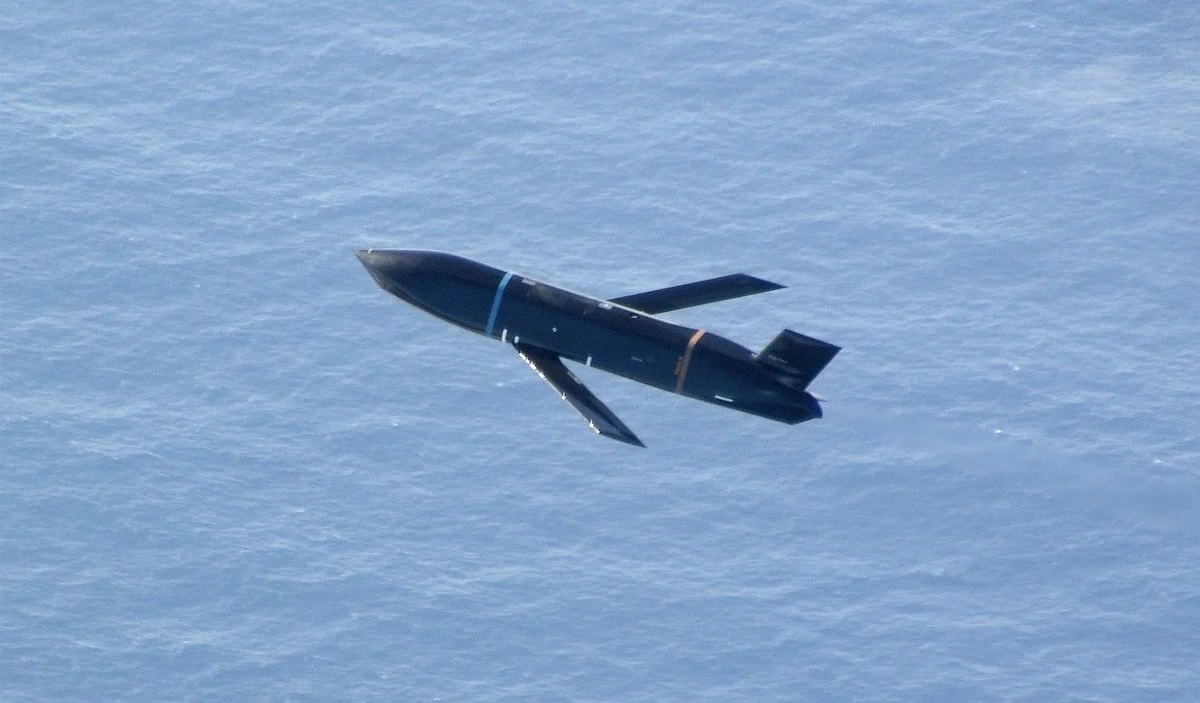
World
In a major boost to advanced missile production, Lockheed Martin has signed a $4.3 billion framework agreement with the U.S. Department of Defense for the production of two key long-range precision weapons — the AGM-158B JASSM-ER and the AGM-158C LRASM. The JASSM-ER (Joint Air-to-Surface Standoff Missile – Extended Range) is a long-range, air-launched cruise missile, while the LRASM (Long Range Anti-Ship Missile) is a stealthy missile designed to counter heavily defended maritime targets. Both systems are crucial to enhancing the U.S. military's ability to strike high-value targets from a safe distance. The agreement, announced on 31 July, outlines production and deliveries that will continue through January 2033. Although the full deal is worth $4.3 billion, an initial installment of $1.4 billion has been released to kick-start the work. In addition to fulfilling U.S. military needs, this agreement also includes missile deliveries to foreign allies under the Foreign Military Sales (FMS) program. Four countries — Poland, the Netherlands, Japan, and Finland — are confirmed recipients of the AGM-158B JASSM-ER under this contract. These nations are collectively contributing $239 million toward the first batch of exports. The Netherlands, Japan, and Finland plan to deploy the JASSM-ER on their F-35A/B Lightning II fighter jets, while Japan will also integrate the missiles onto its upgraded F-15J Eagle aircraft. The exact number of missiles being delivered remains undisclosed, but the contract reflects a growing global interest in long-range precision strike capabilities, especially among U.S. allies in Europe and the Indo-Pacific. This deal follows previous contracts aimed at increasing the production of both JASSM-ER and LRASM, signaling continued investment in next-generation missile technology amid rising geopolitical tensions.
Read More → Posted on 2025-08-01 14:12:15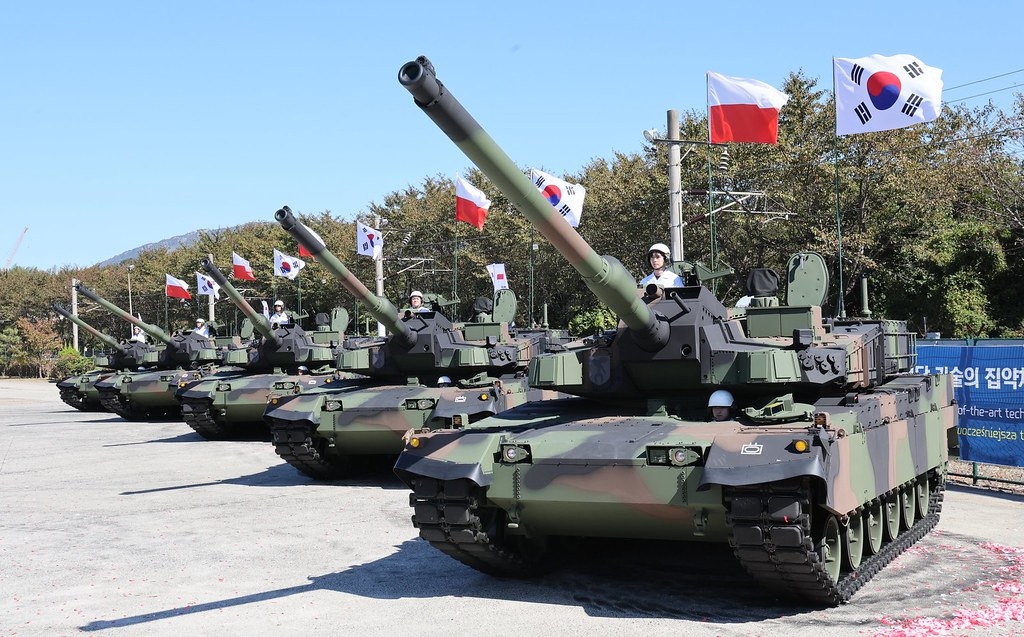
World
Poland has signed a $6.5 billion agreement with South Korea’s Hyundai Rotem for the delivery of 180 K2 Black Panther main battle tanks and 81 support vehicles. The contract was finalized during an official ceremony in Gliwice, Poland, attended by Polish Defence Minister Władysław Kosiniak-Kamysz and South Korean Defence Minister Ahn Gyu-back, highlighting the growing defense ties between the two countries. This is the second major deal Poland has signed for the K2 tanks, following a 2022 order for another 180 units. The newly signed agreement is part of a broader framework that allows Poland to eventually procure up to 1,000 K2 tanks, signaling a long-term strategy to replace older Soviet-era tanks with modern platforms. Delivery Plan and Local Production The delivery of the tanks will take place between 2026 and 2030. The contract specifies that: 116 tanks will be delivered in the K2GF variant, manufactured in South Korea. 64 tanks will be delivered in the K2PL variant, which is a Poland-specific version with enhanced armor, firepower, and onboard systems tailored for European terrain and battlefield needs. Production of the K2PL variant will begin in South Korea, with the first three units built there. Then, Poland’s Bumar-Łabędy facility, a subsidiary of the state-owned Polska Grupa Zbrojeniowa (PGZ), will take over production of the remaining 61 tanks, promoting technology transfer and domestic industrial capability. Minister Kosiniak-Kamysz stated that full-scale production in Poland will take place from 2028 to 2030, aligning with Warsaw’s goal to establish independent manufacturing capacity for next-generation armored vehicles. Included Vehicles and Support Package In addition to the main battle tanks, the deal includes: 81 support vehicles, such as armored recovery vehicles (ARVs) and bridge-laying tanks, designed to operate in coordination with the K2 fleet. Training and logistics support, including simulators and spare parts. A maintenance and repair infrastructure package, enabling Polish forces to sustain operations without relying on foreign repair hubs. This comprehensive support will ensure the Polish Armed Forces are not just equipped but also operationally ready and capable of maintaining the fleet over decades. Specifications of the K2 Black Panther The K2 Black Panther is one of the most advanced tanks currently in service worldwide, developed by South Korea’s Agency for Defense Development (ADD) and produced by Hyundai Rotem. Key specifications include: Main Armament: 120mm L/55 smoothbore gun with an autoloader (3 rounds per 15 seconds) Secondary Armament: 7.62mm coaxial MG and 12.7mm heavy MG Armor: Modular composite armor with Explosive Reactive Armor (ERA) and optional Active Protection System (APS) Engine: 1,500 hp diesel engine Suspension: In-arm hydropneumatic suspension system (ISU), allowing variable ground clearance and tilt for urban or mountainous terrain Speed: Maximum road speed over 70 km/h; reverse up to 30 km/h Crew: 3 (commander, gunner, driver) Weight: Approx. 55 tons The K2PL version is expected to be heavier—around 60 tons—due to extra armor and upgraded battlefield systems, potentially including Polish or NATO-standard communications and fire control modules. Strategic Context Poland's increasing military procurement from South Korea is part of a broader shift in defense policy. Since Russia's full-scale invasion of Ukraine, Warsaw has ramped up defense spending to 4% of its GDP, one of the highest in NATO. The country is seeking new-generation, NATO-compatible systems that can be quickly delivered and, ideally, produced domestically. In recent years, Poland has also signed deals for: 48 FA-50 light attack aircraft 212 K9A1 self-propelled howitzers 288 K239 Chunmoo multiple rocket launchers The South Korea-Poland defense partnership has emerged as one of the fastest-growing in Europe, with technology transfer, joint production, and logistics support forming the backbone of these agreements. The K2 tank deal is a cornerstone in this growing alliance, aimed at reshaping Poland into a central hub for advanced armored warfare systems in NATO. By securing these tanks and the associated production capacity, Poland is not only reinforcing its national defense but also positioning itself as a key player in European defense manufacturing for years to come.
Read More → Posted on 2025-08-01 14:03:13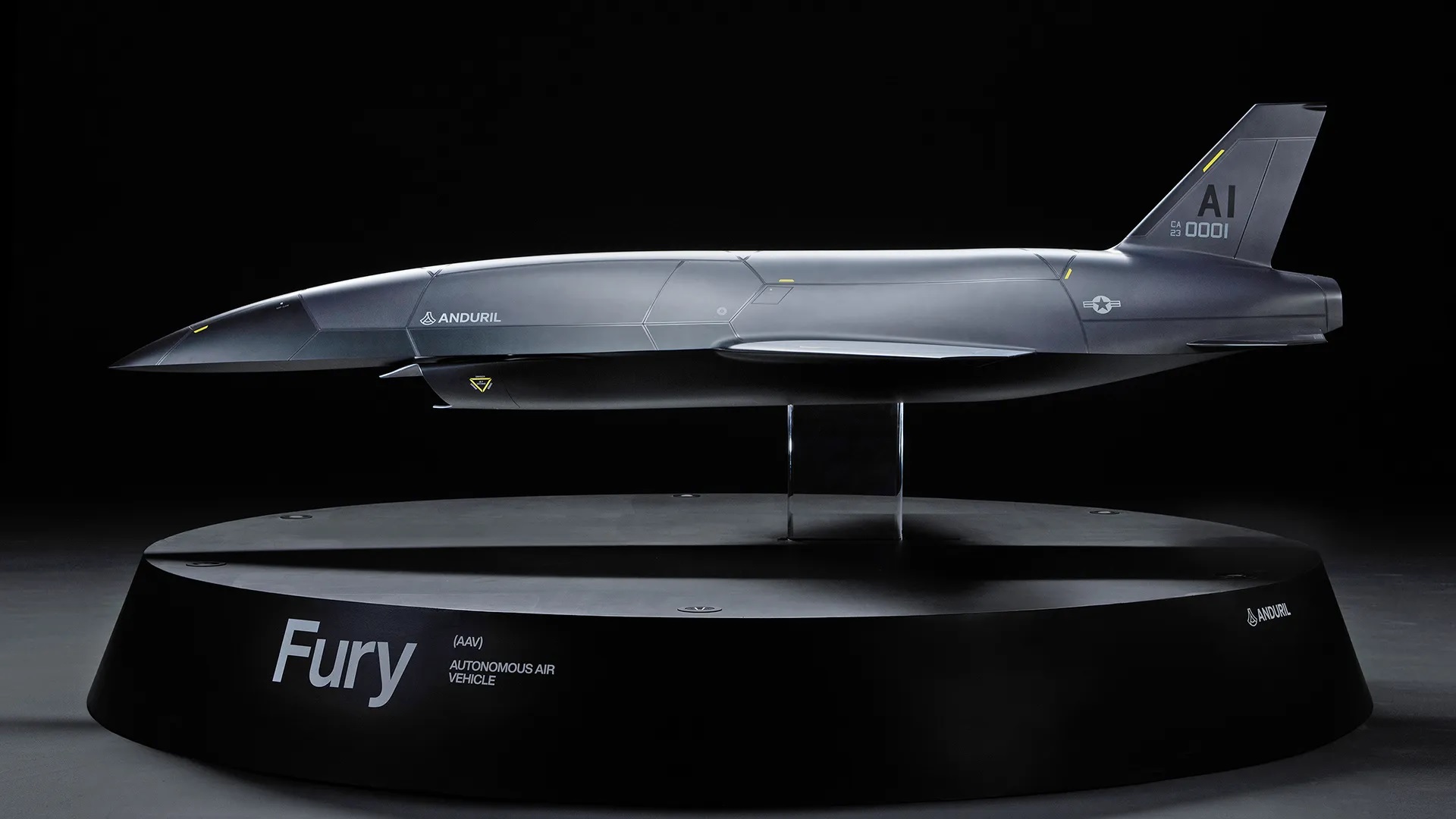
World
Taiwan is set to strengthen its drone and defense tech capabilities through a new agreement with U.S. defense company Anduril, known for its cutting-edge work in autonomous systems and command software. According to reports from Taiwan's Liberty Times, the island’s National Chung-Shan Institute of Science and Technology (NCSIST) has signed a memorandum of understanding with Anduril to acquire both unmanned aerial systems (UAS) and a command and control platform. At the center of the deal is Anduril’s Lattice software, a high-tech command and control system designed to improve how battlefield information is collected and used for decision-making. This system helps combine data from different sensors and delivers it quickly to where it's needed — a key part of modern "sensor-to-shooter" warfare. While the exact drone models Taiwan is eyeing haven’t been officially revealed, Anduril’s recently unveiled Fury drone could be a strong contender. This next-generation uncrewed combat aircraft is built to work in tandem with manned fighter jets and is capable of conducting electronic warfare, air combat, and suppression of enemy air defenses. This cooperation comes as Anduril’s founder Palmer Luckey is scheduled to visit Taiwan on August 4, signaling growing U.S.-Taiwan defense collaboration. Taiwan’s interest in Anduril isn’t new. It has already placed an order for 1,000 attack drones from the United States, including 291 Altius 600M-Vs developed by Anduril. These drones will likely play a key role in Taiwan’s effort to build an asymmetric defense strategy — using smart technology to offset the military size advantage of China. In addition to foreign deals, Taipei recently announced plans to manufacture 50,000 drones domestically over the next two years. The move reflects Taiwan’s urgent push to modernize its defense and bolster its unmanned capabilities in light of increasing regional tensions. This new partnership with Anduril is expected to bring advanced battlefield coordination tools and versatile combat drones into Taiwan’s arsenal, helping the island adapt to the demands of modern warfare.
Read More → Posted on 2025-08-01 13:39:06
World
In a significant leap in electromagnetic warfare research, Chinese military scientists have revealed a new design for a microwave weapon capable of firing 10-gigawatt (GW) power pulses at ultra-high repetition rates — potentially transforming future satellite and space-based combat scenarios. The weapon, still in development, is based on a phenomenon known as superradiance, first observed by Soviet researchers during the Cold War. This advanced concept allows for exceptionally fast and powerful bursts of microwave energy, far exceeding the limitations seen in current systems. The findings were published in a peer-reviewed study by the PLA Academy of Military Sciences and the Key Laboratory of Advanced Science and Technology on High Power Microwave, in the Chinese journal Modern Applied Physics (June edition). What the Weapon Can Do The new system can fire bursts of over 10GW, with the first pulse reaching 16.6GW, thanks to an electron beam design that enhances energy efficiency to an astounding 143% conversion rate. This doesn’t break physics laws — instead, it harnesses the coherent, avalanche-like radiation from bunched electron pulses. Each pulse lasts about 0.77 nanoseconds, with a frequency near 9.7GHz, and can be repeated at 126 million times per second (126 MHz) — a rate once thought impossible for combat-grade microwave systems due to electrical and thermal limitations. To compare, earlier systems firing 1GW pulses were already considered enough to damage satellites by disabling solar panels, crashing electronics, and cutting communication. With this new 10GW-class system, even satellites in higher orbits could become vulnerable. How It Works The microwave generator uses a compact relativistic electron beam moving through a specially designed slow-wave structure. This structure has graded corrugations that amplify the interaction between the beam and microwaves, enabling rapid micro-bunching of electrons and superradiant energy bursts. A reflector at one end bounces waves back to intensify the process, while an output coupler lets energy escape and helps trigger the next burst. With a long enough input pulse, this creates a chain reaction of microwave emissions — like a machine gun of energy blasts. Why This Is a Breakthrough Historically, there was always a trade-off between power and firing speed — systems could be high-power but slow, or fast but weak. This design breaks that trade-off, achieving both high power and high repetition rate in one system. The researchers also improved key factors like voltage rise speed, cooling systems, and beam control, helping to shrink the system’s size while boosting its performance. Military Implications A weapon like this could: Neutralize satellites silently, without explosions or visible attacks. Bypass hardened defenses with rapid-fire bursts. Cause cumulative damage too fast for countermeasures to react. Operate through both "front-door" (antennas) and "back-door" (circuit paths) vulnerabilities. Still a Prototype Despite the promise, the system is not yet deployable. Integrating such tech into actual weapons faces major engineering obstacles like: Electromagnetic interference Thermal control Miniaturization for mobile platforms Steering and focusing beams through the atmosphere The lead researcher, Zhang Guangshui, emphasized that it is “still at a preliminary stage,” though competition is growing within China. Other teams are reportedly developing even more powerful systems, such as a 100GW coaxial Cherenkov generator, with efficiency over 2%, though few details are public. This development highlights a growing global interest in non-kinetic space warfare, where energy weapons could silently disable enemy infrastructure from the ground — without ever firing a missile. If realized, such weapons could redefine the balance of power in both Earth and near-Earth orbit.
Read More → Posted on 2025-07-31 16:06:56
World
A new United Nations Security Council (UNSC) report has clearly identified The Resistance Front (TRF)—a group based in Pakistan and linked to Lashkar-e-Taiba (LeT)—as responsible for the April 22, 2025 terror attack in Pahalgam, Jammu and Kashmir, that killed 26 civilians at a popular tourist site. According to the UNSC 1267 Monitoring Team’s July 2025 report, five terrorists carried out the strike, and TRF immediately claimed responsibility for the attack not once but twice. It even published a photo from the site on the same day. But four days later, TRF withdrew its claim—a move that has drawn international attention. Importantly, no other group has claimed responsibility, making TRF’s role all the more significant. What makes this report a diplomatic breakthrough for India is that this is the first time since 2019 that a Pakistan-backed group like LeT or its proxy has been explicitly named in a UNSC document. The move reinforces India’s long-standing position that Pakistan sponsors terrorism in Kashmir while trying to mask its role through newer group names like TRF, which are often presented as homegrown or secular. Interestingly, the report also highlights differences among UNSC member countries. One country noted that the attack couldn’t have occurred without LeT’s support, and described TRF as essentially another name for Lashkar-e-Taiba. But another member claimed that LeT was defunct, indicating disagreement over how deeply the two groups are connected. Still, the inclusion of TRF in the Monitoring Team report comes despite Pakistan’s efforts to have the group omitted from official UNSC communications. Earlier, Pakistan’s Foreign Minister Ishaq Dar claimed success in removing TRF’s name from a press statement condemning the attack. But this new report—backed by inputs and evidence shared by India’s Ministry of External Affairs (MEA)—puts TRF back in the spotlight, along with Pakistan’s role in sheltering it. Since December 2023, India has been providing detailed dossiers on TRF to the UN and held multiple briefings with UNSC members. After the Pahalgam incident, India also launched Operation Sindoor, targeting terror infrastructure across Pakistan and Pakistan-occupied Kashmir (PoK). Overall, the UNSC Monitoring Team’s findings confirm: TRF’s involvement in the Pahalgam terror attack; Its direct links to Lashkar-e-Taiba; The group’s published image from the attack site; And the widening concerns that Pakistan-based terror outfits are exploiting India-Pakistan tensions. Because UNSC Monitoring Team reports are adopted by consensus, this one holds serious diplomatic weight. It signals that the international community is increasingly aligned with India’s counter-terrorism narrative, and puts added pressure on Pakistan’s attempts to deny or downplay its terror links in the region.
Read More → Posted on 2025-07-31 15:40:46
World
Northrop Grumman has officially completed the delivery of all major components of the Integrated Battle Command System (IBCS) under a key production phase for the U.S. Army. This achievement marks a major step in equipping the Army with next-generation air and missile defense capabilities. Under the Low-Rate Initial Production (LRIP) contract, Northrop Grumman produced and handed over 142 major end items (MEIs) from its Huntsville, Alabama facility. These included 35 Engagement Operations Centers, 32 Integrated Fire Control Network Relays, and 75 Integrated Collaborative Environments. According to Jeremy Knupp, Vice President of Global Command and Control Solutions at Northrop Grumman, this milestone reflects the company's commitment to fast, high-quality production. “We have the manufacturing depth and capacity to deliver IBCS at speed,” he said, highlighting the system’s role in providing enhanced situational awareness, precision in decision-making, and adaptability in operations. The IBCS is a modular and open-architecture command and control system. It links both current and future sensors and weapons across different military services and domains. By doing so, it creates a single, unified view of the battlespace, helping commanders make faster, better-informed decisions in high-threat environments. This system is central to the U.S. Army’s modernization of its integrated air and missile defense strategy, and it’s designed to work in joint and coalition operations. Its networked approach means it can support a wide range of missions, both today and in the future. In December 2021, Northrop Grumman was awarded a five-year contract worth over $1 billion by the U.S. Army for both the low-rate and full-rate production of IBCS. With the LRIP phase now complete, the company is moving into full-rate production at its Enhanced Production and Integration Center (EPIC) in Madison, Alabama. This advanced facility is equipped to increase production capacity and accelerate delivery of vital defense systems. Northrop Grumman, with a workforce of nearly 100,000 people and over 30 million square feet of manufacturing space across the U.S., continues to invest in its infrastructure and talent. Its focus remains on delivering cutting-edge solutions to meet the evolving demands of national defense.
Read More → Posted on 2025-07-31 15:14:31
World
A U.S. Navy F‑35C Lightning II stealth fighter jet crashed on Wednesday evening, around 6:30 p.m., just north of Naval Air Station Lemoore in central California. The aircraft, assigned to the Strike Fighter Squadron VFA‑125 “Rough Raiders”, went down during a routine training mission . The pilot ejected safely and was quickly located in a nearby field; he was transported to a local hospital for evaluation and is expected to recover (. No other personnel were injured during the crash, and base officials confirmed no additional staff were affected . Local emergency responders—including deputies, CAL Fire, EMS and the California Highway Patrol—swiftly reached the site, where the wreckage had ignited a fire in a cotton field, eventually contained by around 8:30 p.m. Bulldozers were used to clear access paths for fire crews to reach and extinguish the blaze . Video footage from local affiliates shows thick black smoke and flames billowing from the crash site, underscoring the severity of the incident . The F-35C Lightning II is the carrier-based variant of the F-35 family and features advanced stealth, sensors, and avionics. It is cornerstoned for the U.S. Navy’s future strike capabilities . The jet belonged to VFA‑125 “Rough Raiders”, a Fleet Replacement Squadron under the Navy's Joint Strike Fighter Wing at NAS Lemoore, tasked with training crew before deployment into frontline carrier-based squadrons . This marks one of several high-profile mishaps involving F-35 variants this year: in January 2025, an F-35A crashed during a training mission in Alaska, with the pilot ejecting safely in that incident as well . The crash adds to mounting scrutiny over the aircraft's reliability and readiness: a January 2025 Pentagon report found that the F‑35 fleet still falls short of key performance benchmarks related to operational availability, reliability, and maintainability . Investigations into the cause are currently underway, led by Navy safety officials with support from defense contractor Lockheed Martin, the manufacturer of the F‑35 . Meanwhile, defense analysts and partner nations are closely watching these developments. Complaints have surfaced from other global operators, including the UK and Australia, raising questions about whether the F‑35 program’s complexity and cost justify its expanding deployment . Why It Matters The incident raises serious concerns about the readiness and reliability of America’s most advanced stealth fighter. Each F-35 costs over $100 million, making such crashes not just dangerous but also financially significant. Frequent mishaps risk undermining confidence among international partners invested in F‑35 squadrons. Data from recent accident histories suggests maintenance challenges, system glitches, and complex avionics remain ongoing hurdles Fortunately, this crash ended without loss of life, and the pilot’s survival speaks to both emergency planning and ejection system reliability. But as investigations continue, the events compound concerns over whether the F‑35 is living up to its promise—or instead burdening the U.S. military with increasing complexity, cost, and risk.
Read More → Posted on 2025-07-31 15:12:03
World
The US Army is testing a new autonomous robot vehicle called ULTRA (Uncrewed Long-range Transport Autonomy), designed to carry out resupply missions without needing a driver, remote control, or even GPS. ULTRA is being developed by a tech company called Overland AI. What makes it special is its ability to move through rough and unpredictable terrain completely on its own—even in areas where GPS is jammed, communication lines are weak, or visibility is poor. At the heart of this robot is Overland AI’s OverDrive software, which is paired with military-grade hardware. It uses a high-tech mix of stereo cameras, thermal imagers, lidar sensors, and GPS-denied navigation systems. These sensors help ULTRA “see” its environment, detect obstacles, and recalculate its path in real-time, no matter the conditions. The vehicle can carry a modular payload of up to 1,000 pounds (about 454 kg). Depending on the mission, it can deliver supplies, deploy sensors, evacuate wounded troops, or even transport explosives. With the choice between all-electric and hybrid drive systems, ULTRA offers flexibility and can operate for over eight hours depending on the terrain and cargo weight. For added safety and coordination in the field, ULTRA is built with cybersecurity features, tactical mesh networking, and secure processors, allowing it to connect smoothly with military command systems. Recently, ULTRA was tested by soldiers from the 1st Squadron, 91st Cavalry Regiment during Exercise Agile Spirit 25 in Krtsanisi, Georgia. The trials were held in the rugged, forested Vaziani Training Area, where ULTRA carried out multiple autonomous resupply tasks—including cargo delivery, off-road driving, and joining convoys—without using GPS. During the test, troops observed how ULTRA navigated muddy roads, avoided obstacles, and adjusted its path without any help. Soldiers said the robot could significantly reduce exposure to threats such as ambushes or roadside bombs, making it a safer option for future logistics missions. Encouraged by the results, the US Army plans to conduct more trials in late 2025 and early 2026, pushing ULTRA closer to becoming a regular part of battlefield support in GPS-denied environments.
Read More → Posted on 2025-07-31 14:56:53
World
Pakistan has reportedly begun receiving Z-10ME attack helicopters from China, marking a significant step in Islamabad’s efforts to modernize its aging tactical helicopter fleet. While no official announcements have been made by either government, verified images and videos have surfaced online showing the Chinese-built helicopters painted with Pakistan Army insignia, confirming the delivery. The new helicopters are expected to replace the decades-old American-made AH-1F Cobras, which have been in service with Pakistan since the 1980s. In an earlier attempt to modernize the fleet, Pakistan secured a deal with the United States in 2015 to acquire AH-1Z Viper helicopters. However, rising diplomatic tensions between Islamabad and Washington caused the deal to stall, creating an opportunity for China to step in with its own offer. That’s when China's Z-10ME, the export version of its homegrown Z-10 attack helicopter, became a viable alternative for Pakistan. Although rumors and reports about the procurement had been circulating for years, the recent visual evidence suggests that the deal has finally moved past the trial and production phase into active delivery. The Z-10ME, developed by China’s Changhe Aircraft Industries Corporation, is a medium-weight attack helicopter designed for anti-tank missions and limited air-to-air combat. The aircraft is powered by two WZ-9C turboshaft engines, each delivering around 1,600 horsepower. It has a length of 14 meters, a rotor diameter of 13 meters, and can fly at speeds of up to 160 knots (296 km/h). The helicopter is capable of operating at altitudes as high as 6,400 meters (20,997 feet) and offers a range of 430 nautical miles (796 km). It is armed with a revolving cannon, guided and unguided rockets, multi-role missiles, and even loitering munitions, making it a versatile weapon in both offensive and defensive operations. Currently, the People’s Liberation Army (PLA) operates around 200 Z-10 helicopters, highlighting China’s confidence in the system. The export of this system to Pakistan also represents growing defense ties between Beijing and Islamabad, especially at a time when Western military cooperation with Pakistan appears to be cooling. While the full number of units Pakistan is acquiring remains undisclosed, the induction of the Z-10ME could significantly enhance its battlefield capabilities, especially in mountainous and rugged terrains, where rotary-wing assets are crucial for tactical advantage.
Read More → Posted on 2025-07-31 14:35:43
World
In a major move to strengthen its defense capabilities, Taiwan has announced plans to purchase over 100,000 military drones, making it the country's largest-ever drone procurement initiative. The effort includes a new order for more than 50,000 unmanned aerial systems (UAS), which will be added to an earlier confirmed purchase of 48,750 drones by the Ministry of National Defense. Together, these acquisitions are expected to fully engage Taiwan's domestic drone production capacity for at least the next five years. This announcement was made during an industry briefing on July 29, organized by the Executive Yuan’s Aerospace Program Office and the Armaments Bureau. Officials highlighted that the increased demand is part of a broader strategy to enhance national resilience and expand Taiwan’s distributed drone fleet, especially for protecting critical infrastructure and supporting homeland defense. The new batch of 50,000 drones will serve both civilian and military roles, such as monitoring energy and transportation facilities, and expanding the multi-layered unmanned defense systems across the island. Earlier this year, the Ministry of National Defense confirmed its plan to acquire drones across five key categories, including micro surveillance drones, attack drones, and medium-range reconnaissance platforms. The total military budget alone is expected to exceed NT$50 billion. Local manufacturers are already stepping up. Drone maker Thunder Tiger Technologies announced its intent to compete for all five categories of defense drones, as well as the new 50,000-unit order under the Executive Yuan’s plan. Another major player, Century Minsheng, is also scaling up production, with ambitions to enter global defense markets, including Europe and the U.S. The drone briefing, held at the 202nd Plant in Nangang, drew over 400 participants, including drone makers, electronics firms, material suppliers, and communications companies. Due to high interest, each company was limited to two representatives. Officials clarified that the procurement process will follow a “multi-award” model, allowing contracts to be shared among several vendors. This will not only speed up production and delivery, but also help reduce risks tied to supply chain disruption. While many drone specs remain classified, insiders suggest the new fleet will include autonomous flight systems, secure communications, and swarming capabilities—all adapted for Taiwan’s mountainous terrain and urban environments. Analysts view this massive procurement effort as a turning point for Taiwan’s defense industry, positioning it as a key player in the global drone market amid rising geopolitical tensions and a worldwide push for defense modernization.
Read More → Posted on 2025-07-30 16:04:40Search
Top Trending in 24 Hours
-
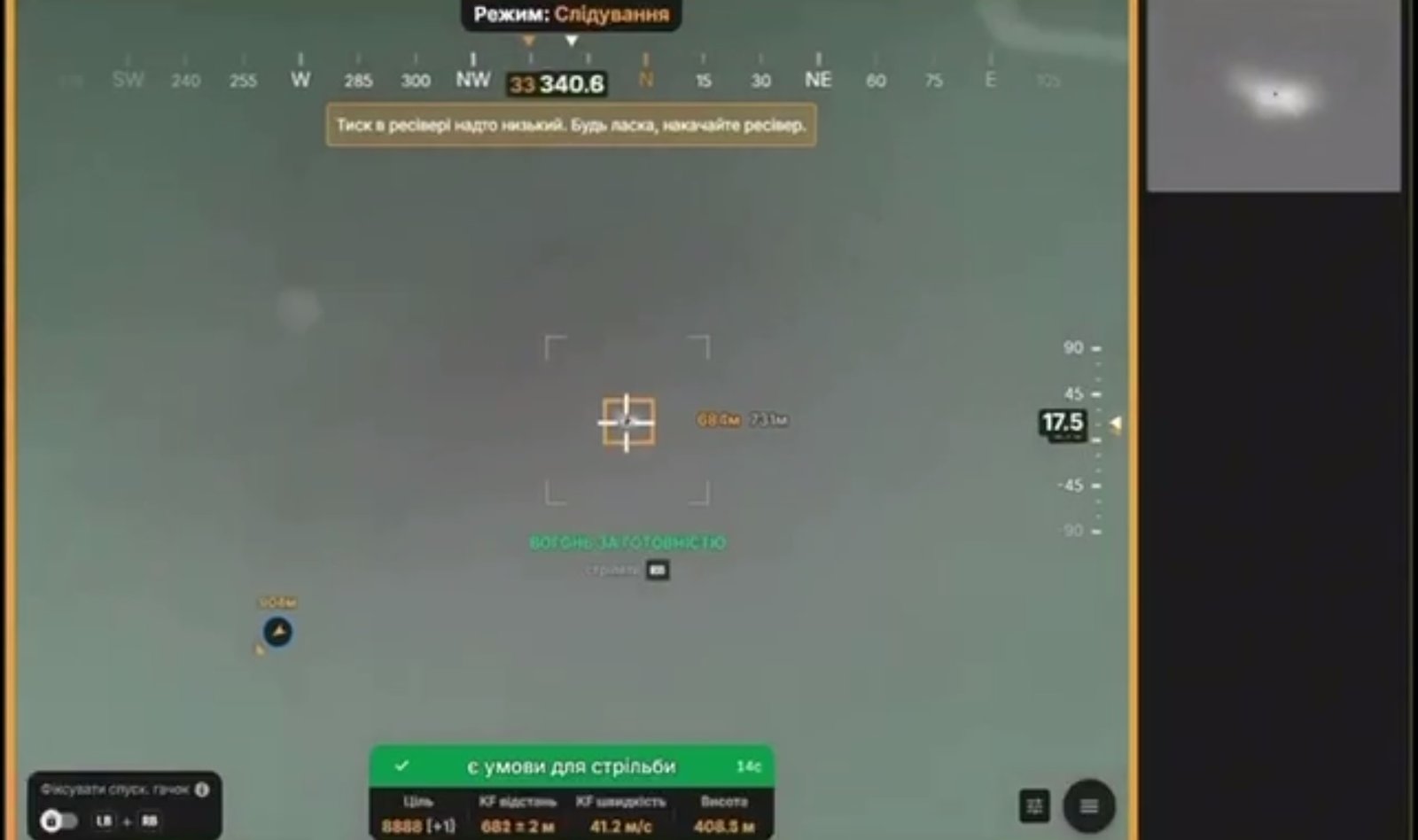 Ukraine’s Blysk Laser Air Defence System Shoots Down Russian Jet-Powered Geran Drone
-
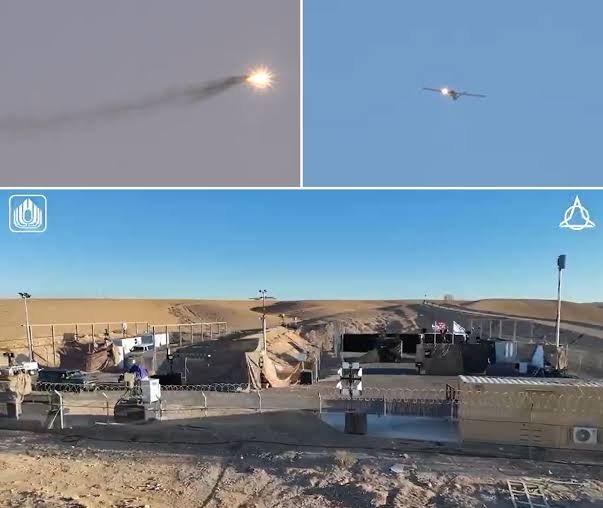 Israel and US Test 20 Counter-Drone Systems in First Joint Trials on Israeli Soil
-
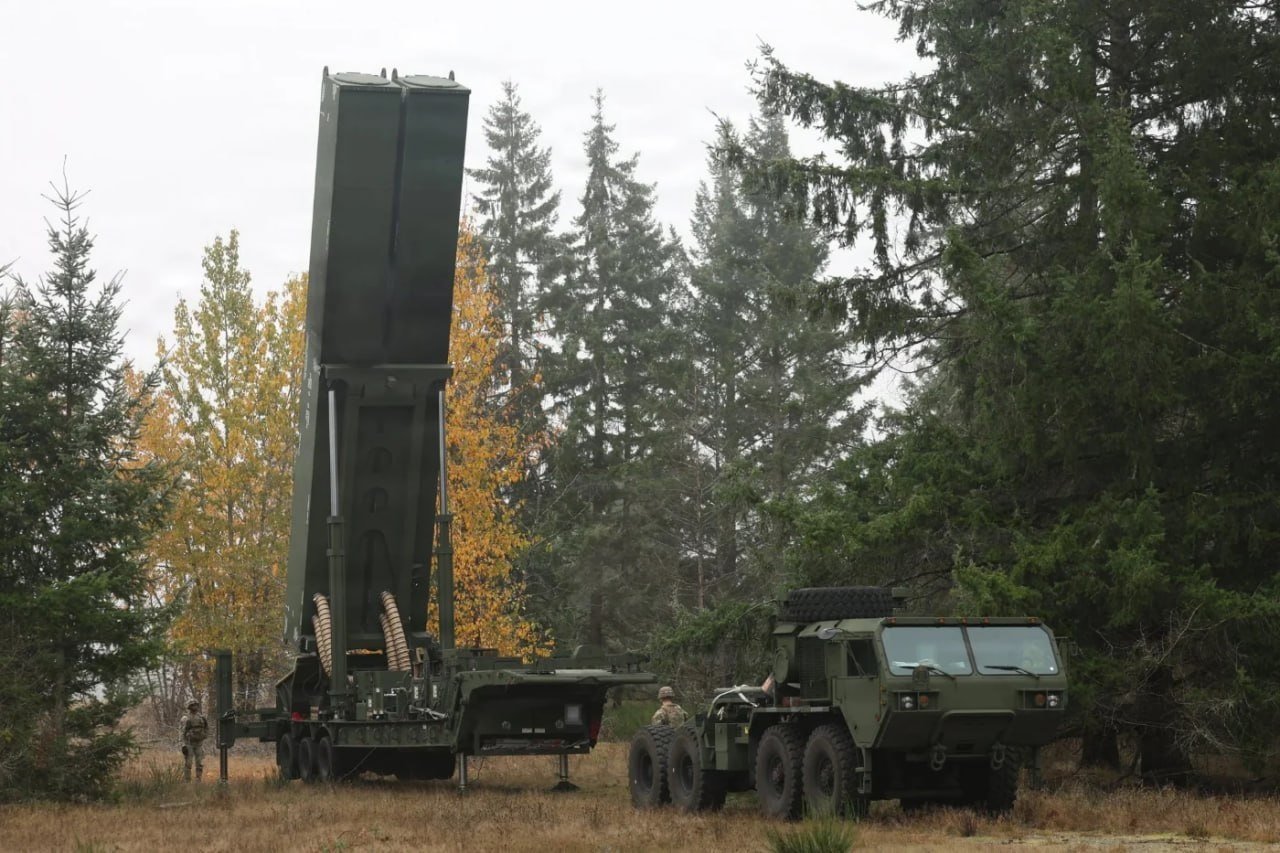 U.S. Army Declares First Dark Eagle Hypersonic Missile Battery Ready for Combat Deployment
-
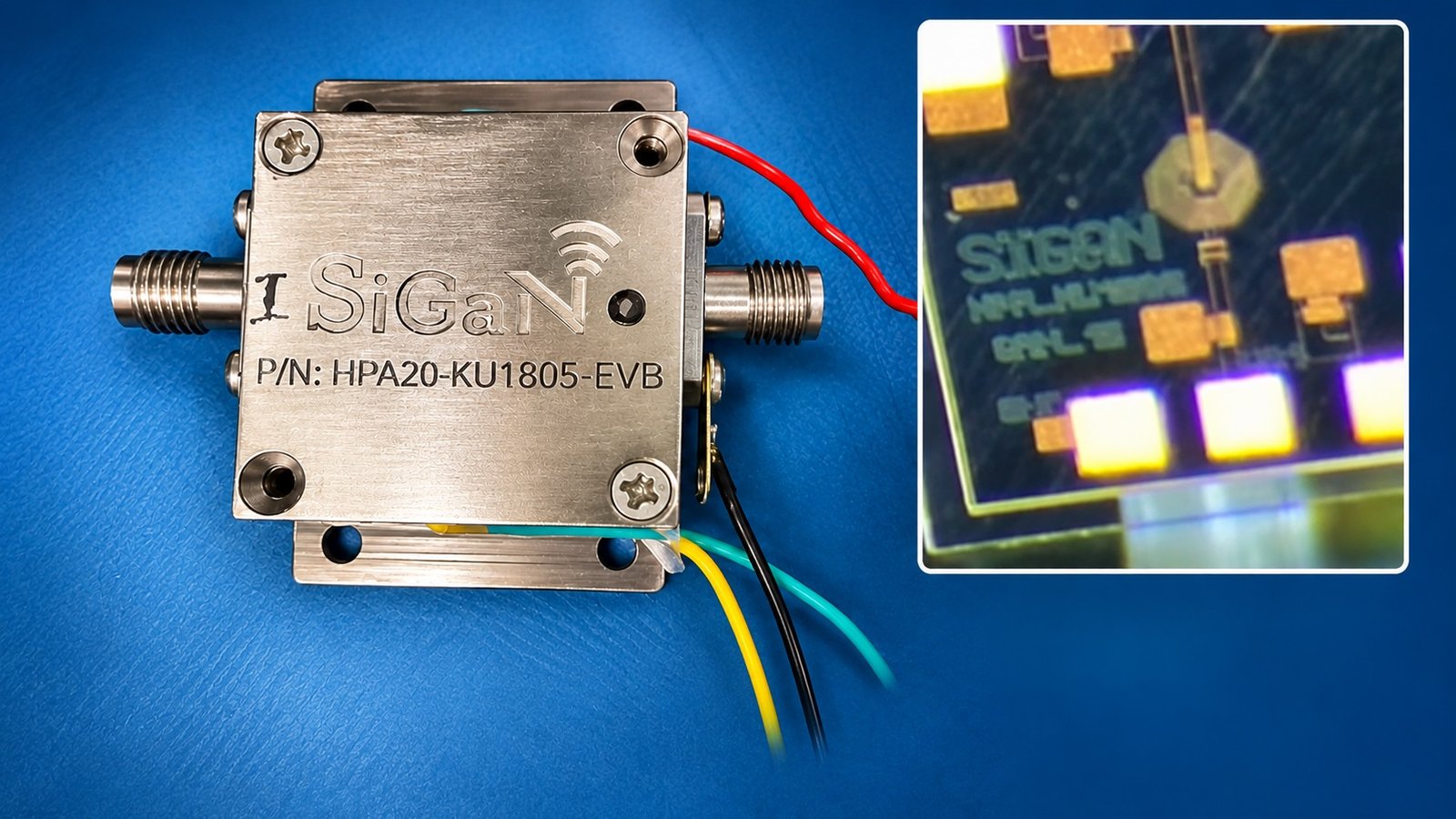 India's SiGaN Validates First 20-Watt GaN RF Power Amplifier, Opens Commercial Orders
-
 Europe Opens Largest Satellite Factory in Belgium to Build Starlink Alternative
-
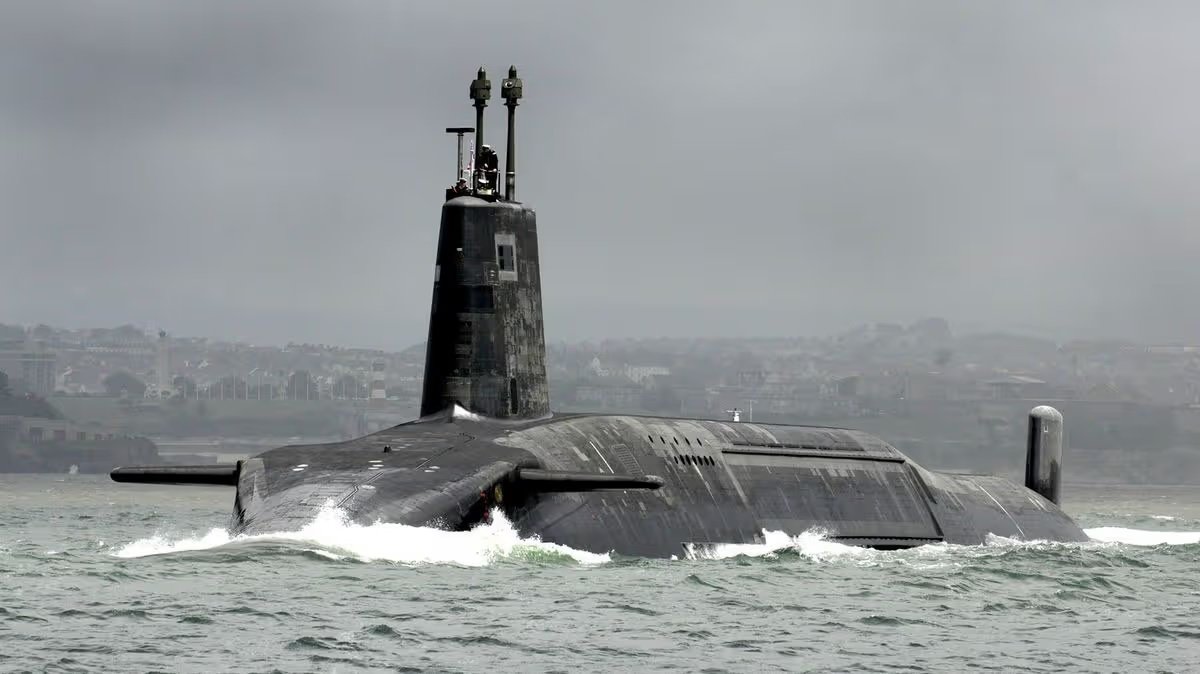 Babcock Signs Record £8.7 Billion Deal to Support UK Nuclear Submarine Fleet
-
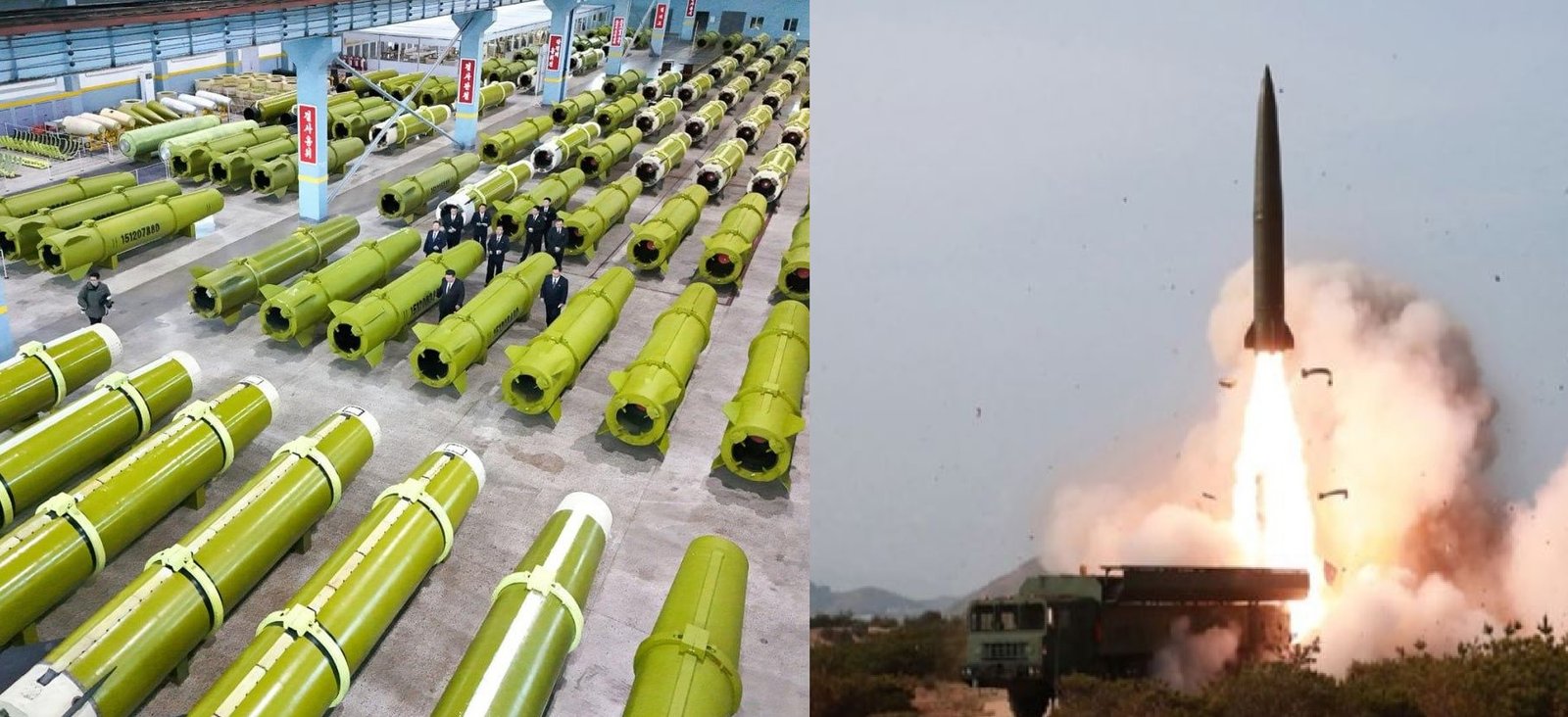 North Korea Suspends KN-23 Missile and Artillery Deliveries to Russia Amid Diplomatic Tensions
-
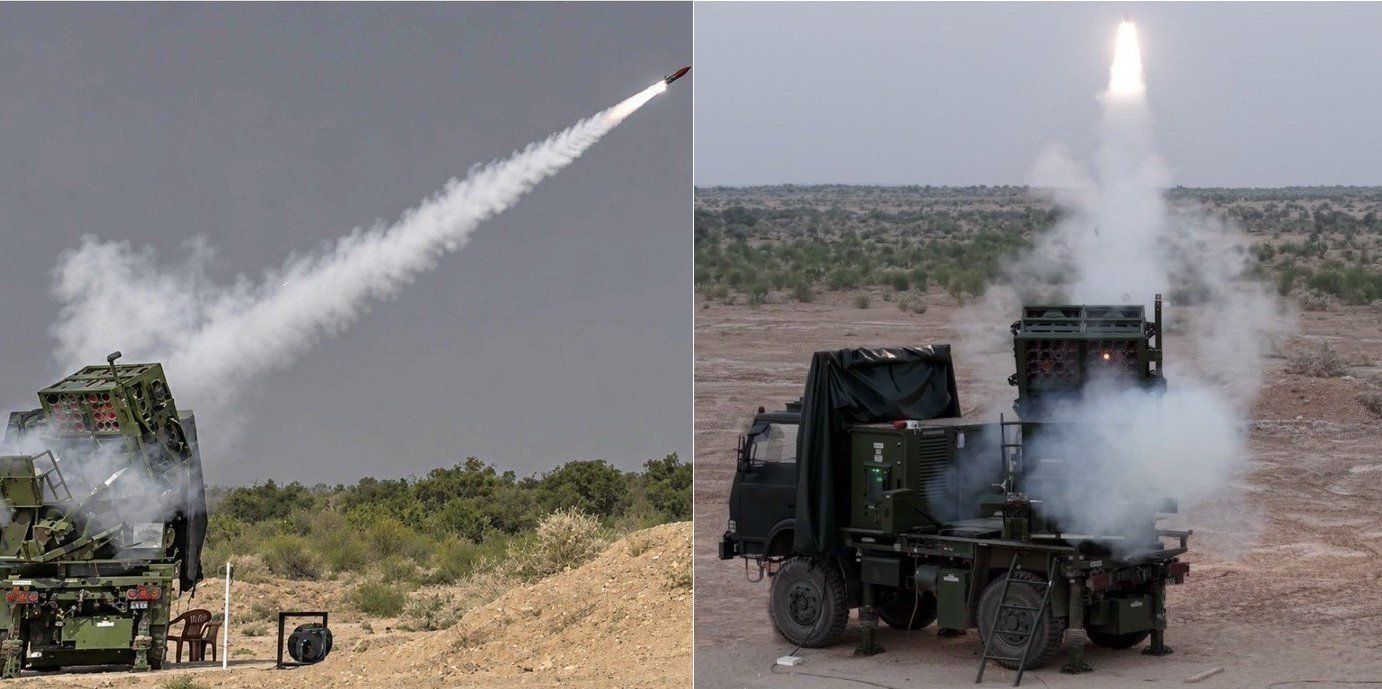 India’s Bhargavastra Counter-Swarm Drone System Completes Pokhran Trials Ahead of Army Demonstration
Top Trending in 4 Days
-
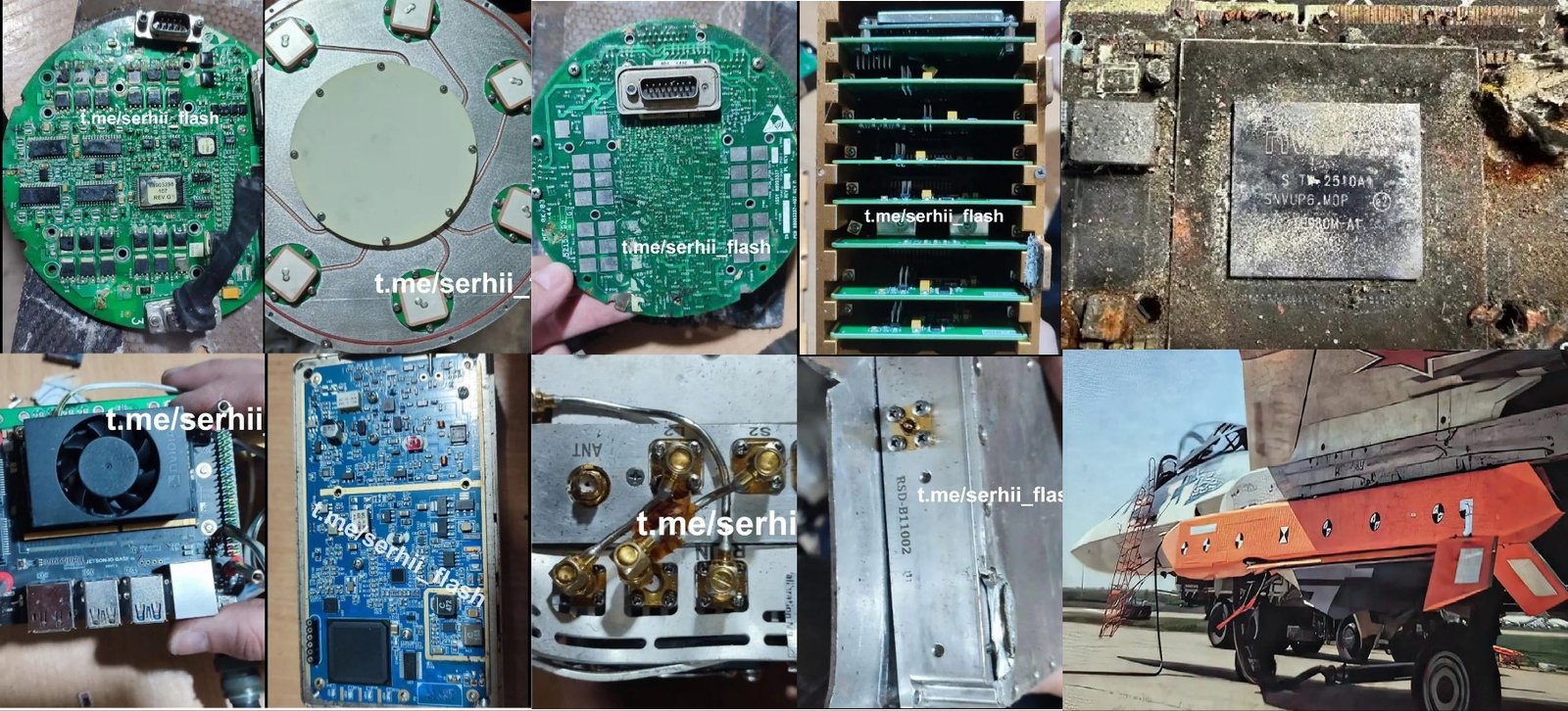 Russian Drones and Cruise Missiles Found Using Civilian NVIDIA AI Chips in Ukraine
-
 Western Intelligence Warns Russia Could Launch Nuclear-Armed Satellite as Early as December
-
 NASA Suspends Science Operations on Perseverance Rover and Mars Odyssey After Hardware Failures
-
 U.S. Awards Lockheed Martin $330.6 Million Contract for Long-Lead Materials Supporting 75 F-35 Lot 22 Aircraft
-
Ukraine’s Blysk Laser Air Defence System Shoots Down Russian Jet-Powered Geran Drone
-
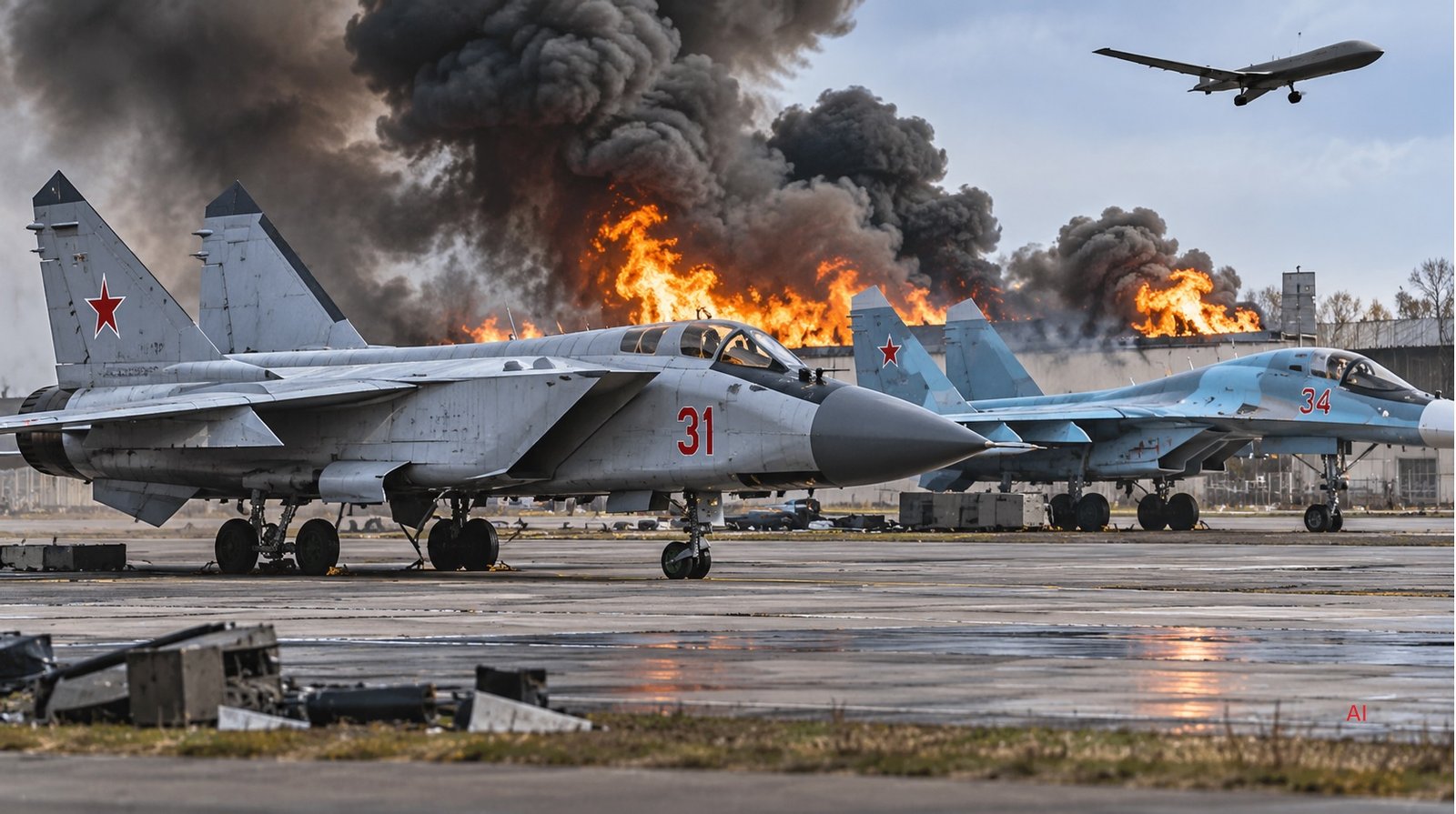 Ukraine Strikes Five Russian Warplanes, Including Three Kinzhal-Capable MiG-31s at Savasleyka Airbase
-
 Chinese Military Warns U.S. AI Could Threaten China’s Nuclear Missile Survivability
-
Israel and US Test 20 Counter-Drone Systems in First Joint Trials on Israeli Soil