World
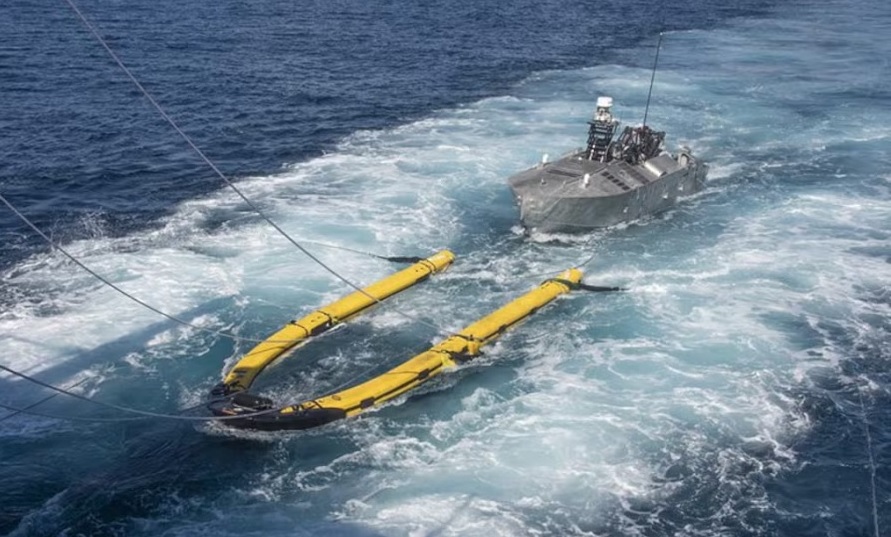
The U.S. Navy is taking significant steps to bolster its mine countermeasures (MCM) capabilities, particularly through the deployment of the Littoral Combat Ship (LCS) MCM Mission Package (MP). Recent contracts awarded under the Program Executive Office for Unmanned and Small Combatants (PEO USC) are set to enhance the Navy's ability to detect and neutralize mines in coastal waters. MCM Unmanned Surface Vehicle (USV): A Versatile Asset Central to these advancements is the MCM Unmanned Surface Vehicle (USV), a diesel-powered, unmanned craft designed for flexibility and efficiency. This vessel can be launched from various platforms, including LCS ships, shore stations, or other suitable vessels. Its modular design allows for the integration of multiple payload delivery systems, enabling it to perform a range of MCM operations such as minesweeping, mine hunting, and mine neutralization. Key Contracts and Their Impact To further develop this technology, the Navy has awarded several notable contracts: Bollinger Shipyards received a $7.7 million contract for an MCM USV Advanced Material Order (AMO). This funding will support enhancements based on operational testing results, aiming to improve the efficiency and effectiveness of the unmanned system. The project is expected to be completed by September 2025. Raytheon Technologies secured an $18.3 million contract to produce five Minehunt Payload Delivery Systems (MH PDS), with deliveries scheduled for completion by the end of the 2026 fiscal year. The MH PDS utilizes AN/AQS-20 sonar technology to detect underwater threats, significantly enhancing the Navy's mine-hunting capabilities. Textron Systems was awarded a $12.1 million contract for four Minesweep Payload Delivery Systems (MS PDS), set to be delivered in early 2027. The MS PDS provides acoustic and magnetic minesweeping capabilities, allowing for the effective neutralization of potential mine threats. Leadership Perspectives Captain Matthew Lehmann, the LCS Mission Modules program manager, emphasized the importance of these contracts in maintaining the Navy’s operational readiness. He noted that the agreements would ensure LCS vessels receive the necessary modernized MCM equipment, allowing sailors to safely conduct missions while remaining outside hazardous minefields. Rear Admiral Kevin Smith, PEO USC program executive officer, highlighted the strategic significance of these investments. He stated that improving mine countermeasure capabilities ensures the safety of U.S. Navy personnel and strengthens maritime security, particularly in critical shipping lanes. These contracts represent a significant advancement in the U.S. Navy's efforts to enhance its mine countermeasures capabilities. By investing in advanced technologies and systems, the Navy is ensuring that its personnel are equipped with the tools necessary to safely and effectively navigate and secure vital maritime environments.
Read More → Posted on 2025-02-12 15:29:43
World
In a significant development in the ongoing conflict, the Ukrainian Ministry of Defense announced on February 10, 2025, that its forces have destroyed the 10,000th Russian tank. This milestone underscores the intense and protracted nature of the war, which has now entered its third year. Assessing the Numbers Before the invasion in February 2022, Russia's tank inventory was estimated at approximately 16,970 units. The reported destruction of 10,000 tanks by Ukrainian forces suggests that over half of Russia's armored capabilities have been neutralized. However, these figures are subject to debate. Open-source intelligence platforms, such as Oryx, have documented around 3,740 Russian tanks as neutralized, with 2,672 confirmed destroyed. The disparity between these numbers highlights the challenges in obtaining accurate battlefield data. Broader Military Losses The Ukrainian Ministry of Defense also reports that Russia has suffered over 850,000 personnel losses since the conflict's inception. This figure aligns closely with assessments from Western defense agencies. In addition to tank losses, approximately 20,000 Russian armored fighting vehicles have been destroyed, along with 22,879 artillery systems and 1,273 multiple launch rocket systems. Russia's air defense infrastructure has also been significantly impacted, with 1,059 systems reported as neutralized. The Role of Drones and Air Defense The modern battlefield has seen a surge in drone utilization. Ukrainian forces claim to have destroyed at least 24,500 Russian unmanned aerial systems. Moreover, Ukraine's air defense units have been effective against aerial threats, neutralizing more than 3,000 hostile cruise missiles and 370 aircraft to date. Strategic Implications The reported destruction of 10,000 Russian tanks not only signifies a substantial depletion of Russia's armored forces but also serves as a morale booster for Ukrainian troops and citizens. This achievement reflects Ukraine's resilience and tactical proficiency in countering a numerically superior adversary. As the conflict continues, the international community closely monitors these developments, recognizing their potential to reshape regional power dynamics and influence future military engagements.
Read More → Posted on 2025-02-12 15:26:21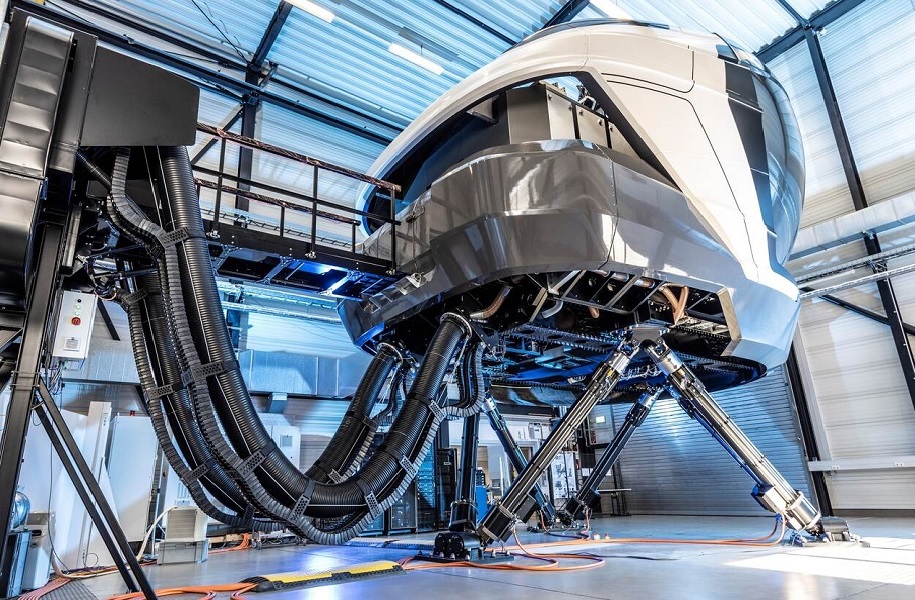
World
In a significant move to bolster its air mobility capabilities, the Royal Netherlands Air Force (RNLAF) has contracted Rheinmetall, in collaboration with Embraer, to supply state-of-the-art flight simulators for the C-390 Millennium transport aircraft. This initiative aligns with the Netherlands' recent decision to procure five C-390 aircraft, aiming to replace the aging C-130H Hercules fleet that has been in service since the 1990s. Comprehensive Training Suite The training package encompasses several advanced components designed to provide thorough and realistic training experiences: Full Flight Simulator (FFS): Developed in partnership with Embraer, this simulator meets the Level D standard, the pinnacle of flight simulation fidelity. It allows aircrew to train under both standard and emergency scenarios, supporting military mission rehearsals and simulating over 350 potential aircraft malfunctions. Cargo Handling Station Trainer (CHST): Created alongside Rheinmetall, the CHST is tailored for flight crews, loadmasters, and ground personnel. It utilizes cutting-edge visual display technology to offer both an internal view of the cargo compartment and an external perspective of the aircraft, facilitating comprehensive cargo handling training. Computer-Based Trainer (CBT): Developed with Portuguese company Empordef Tecnologias de Informação (ETI), the CBT provides theoretical instruction for pilots, loadmasters, additional crew members, and maintenance personnel. It operates through a Learning Management System compatible with SCORM technology, ensuring a flexible and efficient learning process. Strategic Significance The acquisition of these training devices is a pivotal step in the RNLAF's modernization efforts. By integrating advanced simulation technologies, the Dutch military aims to enhance the preparedness and proficiency of its personnel, ensuring seamless operation of the new C-390 fleet. The C-390 Millennium, with a maximum payload of 26 tons and a top speed of 470 knots, stands as a leader in its class. Its robust design, featuring powerful engines, a spacious cargo hold, and durable landing gear, enables it to perform a wide array of missions, from humanitarian support to special operations and disaster response. The current global fleet of C-390s has accumulated over 15,000 flight hours, maintaining a 93% mission capability rate and over 99% mission completion rate, underscoring its reliability and operational efficiency. With the increasing number of European C-390 customers, including Portugal, Hungary, Austria, the Netherlands, the Czech Republic, and South Korea, Embraer and Rheinmetall are exploring the establishment of a dedicated C-390 training center in Europe. Currently, C-390 crew training is conducted at an Embraer facility in São Paulo, Brazil. A European training center would enhance accessibility and support for existing and future C-390 operators in the region. The delivery of the training suite to the Netherlands is anticipated by the end of 2026, with full operational capability expected the same year. This development marks Rheinmetall's third major order for C-390 simulators worldwide and its second in Europe, highlighting the growing adoption of the C-390 platform and its associated training solutions. As the RNLAF prepares to integrate the C-390 Millennium into its fleet, the advanced training solutions provided by Rheinmetall and Embraer will play a crucial role in ensuring that Dutch aircrews are well-equipped to operate the new aircraft effectively and safely.
Read More → Posted on 2025-02-12 15:18:12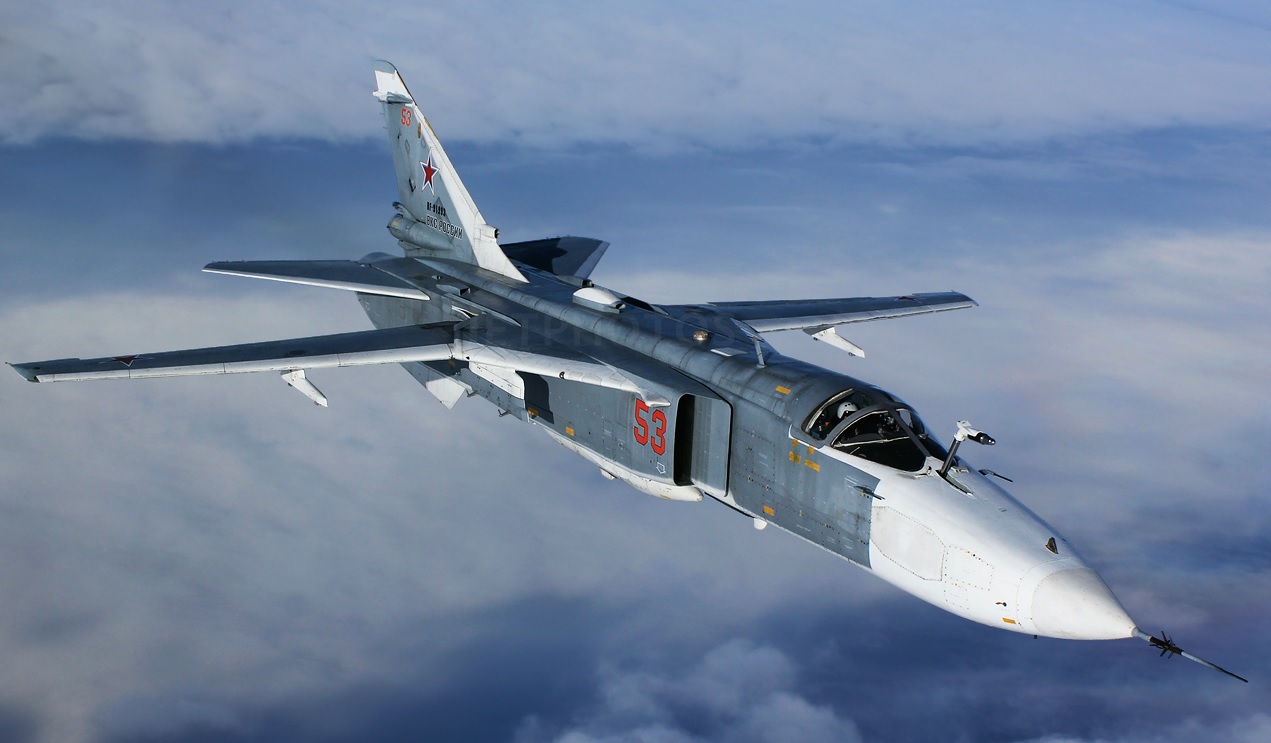
World
On February 11, 2025, a Russian Su-24MR reconnaissance aircraft breached Polish airspace over the eastern part of the Gulf of Gdańsk. The incident was reported by the Operational Command of the Polish Armed Forces. Details of the Incursion The aircraft took off from the Kaliningrad region and penetrated Polish airspace to a depth of 6.5 kilometers. The incursion lasted for 1 minute and 12 seconds, occurring at 14:09 local time. Polish military radar systems tracked the aircraft throughout its flight. Following intervention from a Russian Armed Forces air traffic controller, the aircraft altered its course and exited Polish airspace. Response from Polish Authorities Polish air defense units responsible for monitoring national airspace established contact with Russian authorities. The Russian side acknowledged the violation and attributed it to a navigation system failure on the Su-24MR. About the Su-24MR The Su-24MR is a dedicated tactical reconnaissance variant of the Su-24, developed in the Soviet Union. It is equipped with advanced surveillance systems, including a side-looking radar, infrared scanner, and photographic cameras. The aircraft can also carry external reconnaissance pods for laser, radiation, and radar signal detection. When flying at high altitude, it can gather intelligence up to 400 kilometers away. Specifications of the Su-24MR Crew: 2 (pilot and navigator) Length: 24.6 meters Wingspan: 17.6 meters Height: 6.2 meters Empty Weight: 22,320 kilograms Maximum Takeoff Weight: 39,570 kilograms Powerplant: Two AL-21F-3A turbojet engines Maximum Speed: 1,700 kilometers per hour (Mach 1.6) Range: Approximately 2,775 kilometers Service Ceiling: 11,000 meters Context of Recent Airspace Violations This incident is part of a pattern of Russian military aircraft entering the airspace of neighboring countries. In June 2024, a Russian Su-24 violated Swedish airspace near the island of Gotland, prompting Sweden to scramble JAS-39 Gripen fighter jets. Such incursions have raised concerns among NATO members about the security of their airspace and the potential for miscommunication or accidents. The recent violation of Polish airspace by a Russian Su-24MR underscores the importance of robust airspace monitoring and communication between nations to prevent misunderstandings and maintain regional stability.
Read More → Posted on 2025-02-12 15:11:49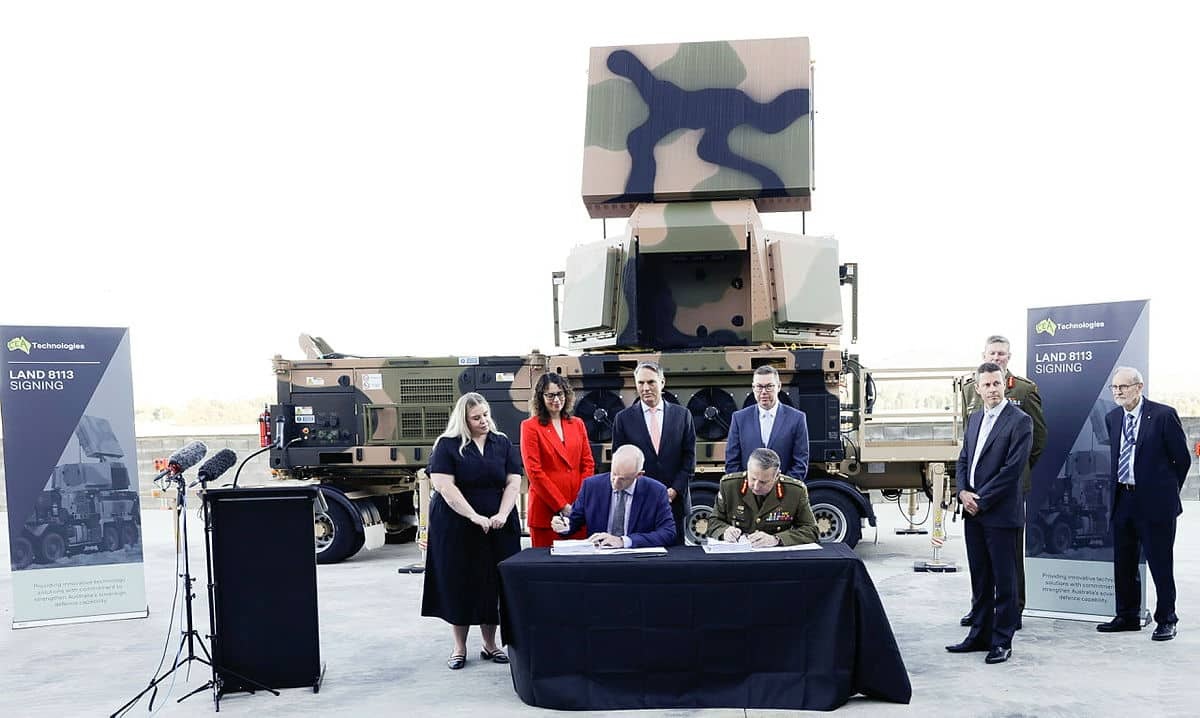
World
In a significant move to enhance its defense capabilities, the Australian Government has announced an investment in domestically produced multi-mission phased array radars (MMPARs) to bolster the Army's maritime strike proficiency. This initiative aligns with the nation's commitment to strengthening its defense infrastructure and supporting local industries. CEA Technologies: Pioneering Radar Innovation Canberra-based CEA Technologies, established in 1983 by former naval officers, has been at the forefront of radar and communications systems development. The company specializes in active digital phased array radar systems known for their affordability, lightweight design, scalability, and modularity. These systems are configurable across sea, land, and air domains, supporting both the Australian Defence Force and allied nations. Phased Array Radar Capabilities The MMPARs are designed to provide a multi-function radar capability, performing 3D volume search, surface search, fire control support, and target classification in demanding environments. The CEAFAR antenna array, a modular active phased array antenna, is scalable in size and transmit power, making it adaptable for various platforms. Integration into the Australian Army Once constructed, these advanced radars will be stationed at the Edinburgh Defence Precinct in South Australia, serving as a crucial component of the 10th Fires Brigade. The deployment of MMPARs is expected to significantly enhance the Army's long-range fires capability, providing greater monitoring of potential threats and contributing to an integrated, focused Defence Force. Timeline and Economic Impact The delivery of the first radars is anticipated to commence in 2027. This investment is projected to sustain over 700 local jobs in Canberra and across the country, reflecting the government's dedication to building a defense future made in Australia. Strategic Alignment and Future Prospects This development is in line with the 2024 National Defence Strategy, ensuring that the Army's long-range fire capabilities are bolstered to deliver an integrated, focused force. The government's commitment to investing in advanced capabilities aims to contribute to regional security and safeguard Australians while supporting world-leading defense businesses and local employment. In summary, Australia's investment in locally produced phased array radars signifies a strategic enhancement of its defense capabilities, a boost to domestic industry, and a reinforcement of national security objectives.
Read More → Posted on 2025-02-12 15:08:54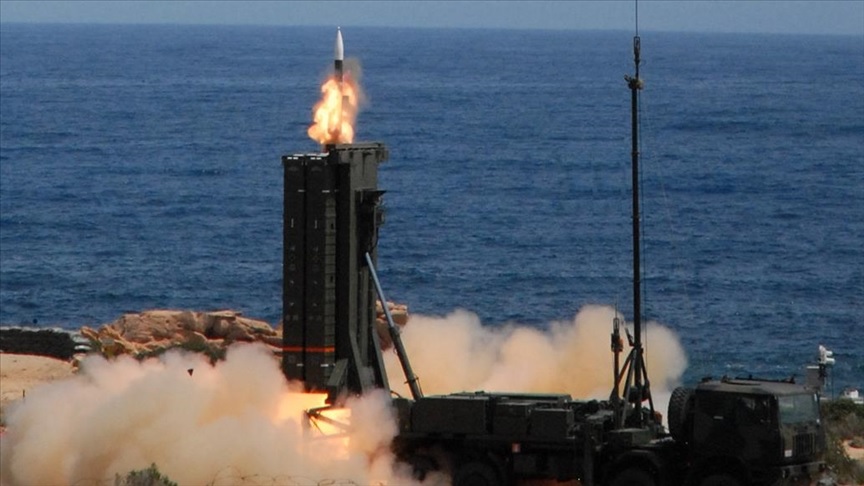
World
In a significant move to bolster NATO's defensive posture in the Baltic region, Italy has deployed its advanced SAMP/T ground-based long-range air defense systems to Lithuania. This deployment underscores Italy's commitment to collective security and aims to enhance deterrence against potential threats. Strategic Importance of the Deployment The Lithuanian Minister of Defence, Dovilė Šakalienė, emphasized the critical nature of this contribution, stating that it "significantly contributes to deterrence and strengthening defense." She further highlighted that "European security directly depends on the defense of the North-Eastern flank," expressing gratitude to Italy for its substantial role in regional security. Italy's participation in NATO's air policing mission in the Baltic States involves the rotational deployment of troops and equipment, ensuring a continuous and adaptable presence in the region. The introduction of the SAMP/T systems is a testament to Italy's proactive approach in supporting NATO's strategic objectives. Integration into NATO Exercises The SAMP/T systems are slated to play a pivotal role in upcoming NATO exercises in Lithuania. These drills will see the integration of the SAMP/T systems with Italian and French fighter jets from NATO's Baltic air policing mission, as well as Lithuania's NASAMS air defense systems. The primary goal of this integration is to enhance synchronization and interoperability among allied forces, thereby strengthening regional air defense operations. Overview of the SAMP/T System Developed by the European consortium Eurosam, which includes MBDA Italy, MBDA France, and Thales, the SAMP/T (Sol-Air Moyenne Portée/Terrestre) is a state-of-the-art air defense system designed to protect critical assets and battlefield areas from a variety of airborne threats. Key features of the SAMP/T system include: Threat Interception Capabilities: The system is capable of intercepting cruise missiles, manned and unmanned aircraft, and tactical ballistic missiles within a range of up to 600 kilometers. High Firepower and Responsiveness: Equipped to handle multiple, coordinated, and multidirectional attacks, the SAMP/T can have up to 48 missiles ready to fire, ensuring rapid response to emerging threats. Operational Flexibility: The system requires minimal personnel for deployment and operation, and it can function autonomously or be integrated into a broader defense network, offering flexibility in various operational scenarios. Technical Specifications The SAMP/T system utilizes the Aster 30 missile, which is a two-stage missile comprising a booster and a seeker. The missile's specifications are as follows: Length: Approximately 4.9 meters Weight: Around 450 kilograms Diameter: 180 millimeters Warhead: 15-kilogram focused fragmentation warhead with a lethal radius of 2 meters The missile is guided by an advanced inertial navigation system coupled with an active radar seeker, allowing for high-precision targeting and interception. Lithuania's Commitment to Defense Enhancement In response to evolving security dynamics, particularly in light of regional conflicts, Lithuania has been actively strengthening its defense capabilities. The reconstitution of its 1st Mechanized Division, which includes air defense, reconnaissance, and artillery units, reflects Lithuania's dedication to national and regional security in collaboration with NATO allies. Furthermore, the Lithuanian government has announced plans to significantly increase its defense spending, aiming to allocate between five and six percent of the country's GDP to defense from 2026 to 2030. This substantial investment underscores Lithuania's commitment to enhancing its military capabilities and contributing to collective security efforts. Italy's deployment of the SAMP/T air defense systems in Lithuania represents a strategic enhancement of NATO's defensive capabilities in the Baltic region. Through advanced technology and collaborative exercises, this initiative aims to strengthen deterrence and ensure the security of NATO's northeastern flank.
Read More → Posted on 2025-02-12 14:58:57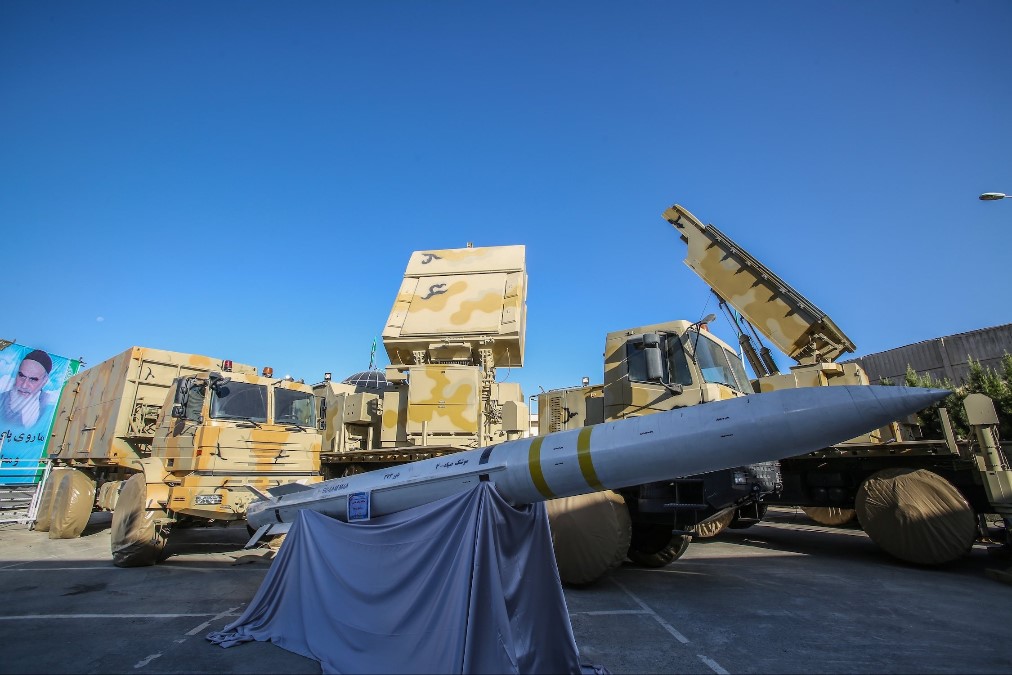
World
In a significant demonstration of its advancing military capabilities, Iran has showcased an upgraded version of its domestically developed Bavar-373 air defense missile system during the "Eqtedar 1403" military exercises in the central province of Isfahan. This move underscores Tehran's commitment to bolstering its defense infrastructure amid regional tensions. Key Features of the Upgraded Bavar-373 The modernized Bavar-373 launcher is equipped with a new integrated radar system, enabling it to independently detect, track, and engage targets without relying on external radar support. This enhancement significantly improves the system's operational autonomy and responsiveness. During the drills, the Bavar-373 successfully identified and neutralized a simulated adversary aircraft in the Kavir desert. Notably, it operated in conjunction with the Russian-made S-300 system, highlighting Iran's strategy of integrating various air defense platforms to create a layered and robust defense network. Technical Specifications The Bavar-373 is a mobile, long-range surface-to-air missile system designed to counter a variety of aerial threats, including aircraft, drones, and ballistic missiles. Key specifications include: Range: The system can detect targets at distances exceeding 450 kilometers, track them at approximately 405 kilometers, and engage and destroy targets at ranges over 300 kilometers. Missile Capabilities: It employs the Sayyad-4B missile, capable of reaching speeds up to Mach 9 (approximately 3,000 meters per second), enhancing its effectiveness against high-speed threats. Mobility: Mounted on an 8x8 transporter erector launcher and radar (TELAR) vehicle, the Bavar-373 offers high mobility, allowing for rapid deployment and repositioning to respond to emerging threats. Radar Systems: The system features advanced radar technology, including the Me'raj-4 radar for target detection and tracking, which enhances its ability to identify and engage multiple targets simultaneously. Strategic Integration and Defense Posture The integration of the Bavar-373 with existing systems like the S-300 enhances Iran's air defense capabilities, providing a more comprehensive shield against high-altitude threats. This layered defense approach ensures redundancy and increases the likelihood of intercepting hostile targets. Recent Defense Developments Iran's unveiling of the upgraded Bavar-373 is part of a broader initiative to strengthen its military capabilities. In recent weeks, the country has introduced several new defense systems: Drone Carrier Vessel: Earlier this month, Iran showcased its first drone carrier vessel, described as the "largest naval military project" in the nation's history. This vessel is expected to enhance Iran's maritime surveillance and combat capabilities. Heavy-Duty Drone "Gaza": In January, Iran presented a new heavy-duty drone named "Gaza," capable of flying up to 4,000 kilometers and carrying up to 13 precision-guided glide bombs in a single mission, significantly extending its operational reach. Underground Naval Base: Last month, Tehran unveiled an underground naval base housing dozens of assault boats equipped with anti-ship missiles and a new ballistic missile model capable of reaching significant distances, further bolstering its strategic deterrence. These developments reflect Iran's ongoing efforts to modernize its military forces and enhance its defensive and offensive capabilities in response to evolving regional security dynamics.
Read More → Posted on 2025-02-12 14:50:18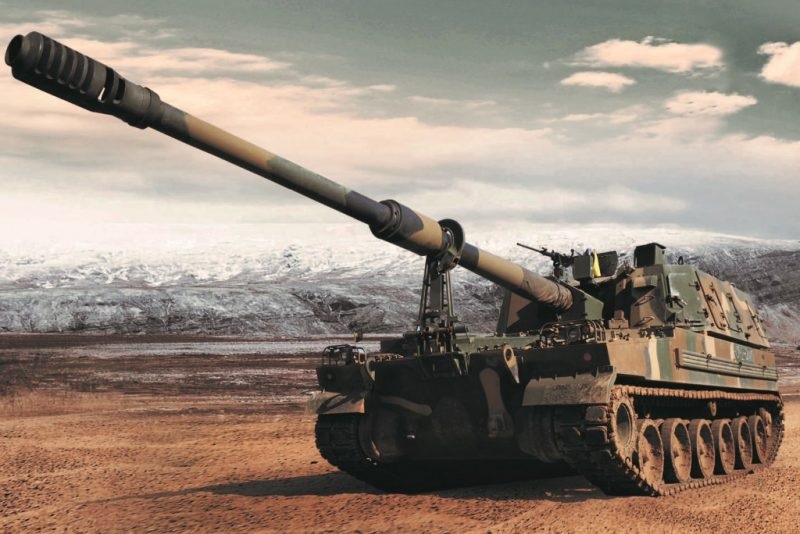
World
South Korea's Hanwha Aerospace has achieved a significant milestone by completing acceptance testing for a domestically developed 1,000-horsepower diesel engine tailored for the K9 self-propelled howitzer (SPH). This advancement underscores the company's commitment to enhancing the K9's capabilities and expanding its footprint in the global artillery market. Comprehensive Testing Across Diverse Terrains Over the past year, the new engine underwent rigorous testing regimes spanning more than 10,000 kilometers. These trials were conducted in various locations, including South Korea and Egypt, to evaluate the engine's performance across a spectrum of environments and road conditions, notably challenging desert terrains. Strategic Implications for Global Expansion Kim Dong-hyun, Head of the Land Systems Business Group at Hanwha Aerospace, highlighted the strategic significance of this development: "With the successful completion of the homegrown engine test, we can offer a specialized engine to any potential K9 customers, which is expected to expand K9’s global presence." This domestically produced engine not only reduces reliance on foreign components but also positions Hanwha Aerospace to better meet the evolving demands of international defense clients. The K9 Thunder: A Benchmark in Modern Artillery The K9 Thunder is a 155mm/52 caliber self-propelled howitzer designed to deliver rapid and precise fire support. Key specifications include: Firing Range: Capable of striking targets over 40 kilometers away with standard ammunition, and up to 60 kilometers when utilizing rocket-assisted projectiles. Firing Rate: Equipped with an automatic loading system, the K9 can fire six rounds per minute, ensuring sustained firepower during critical operations. Mobility: Powered by a 1,000-horsepower diesel engine, the K9 achieves a top speed of 67 km/h and boasts an operational range of approximately 360 kilometers, allowing for rapid repositioning on the battlefield. Protection: The vehicle's armor is designed to withstand small arms fire and artillery shell fragments, enhancing crew survivability in hostile environments. Global Adoption and Future Prospects The K9 artillery system is currently operational in 10 countries, including six NATO members, underscoring its global appeal and reliability. In 2022, Hanwha Aerospace secured a $1.7 billion contract with Egypt to supply K9 SPHs, K10 ammunition resupply vehicles, and K11 fire control vehicles. The first batch of K9A1EGY howitzers, equipped with the newly developed engine, is slated for delivery to Egypt by the first quarter of 2026. The successful development and integration of this indigenous engine are poised to further solidify the K9's position in the international defense market, offering enhanced performance and strategic advantages to military forces worldwide.
Read More → Posted on 2025-02-12 14:42:36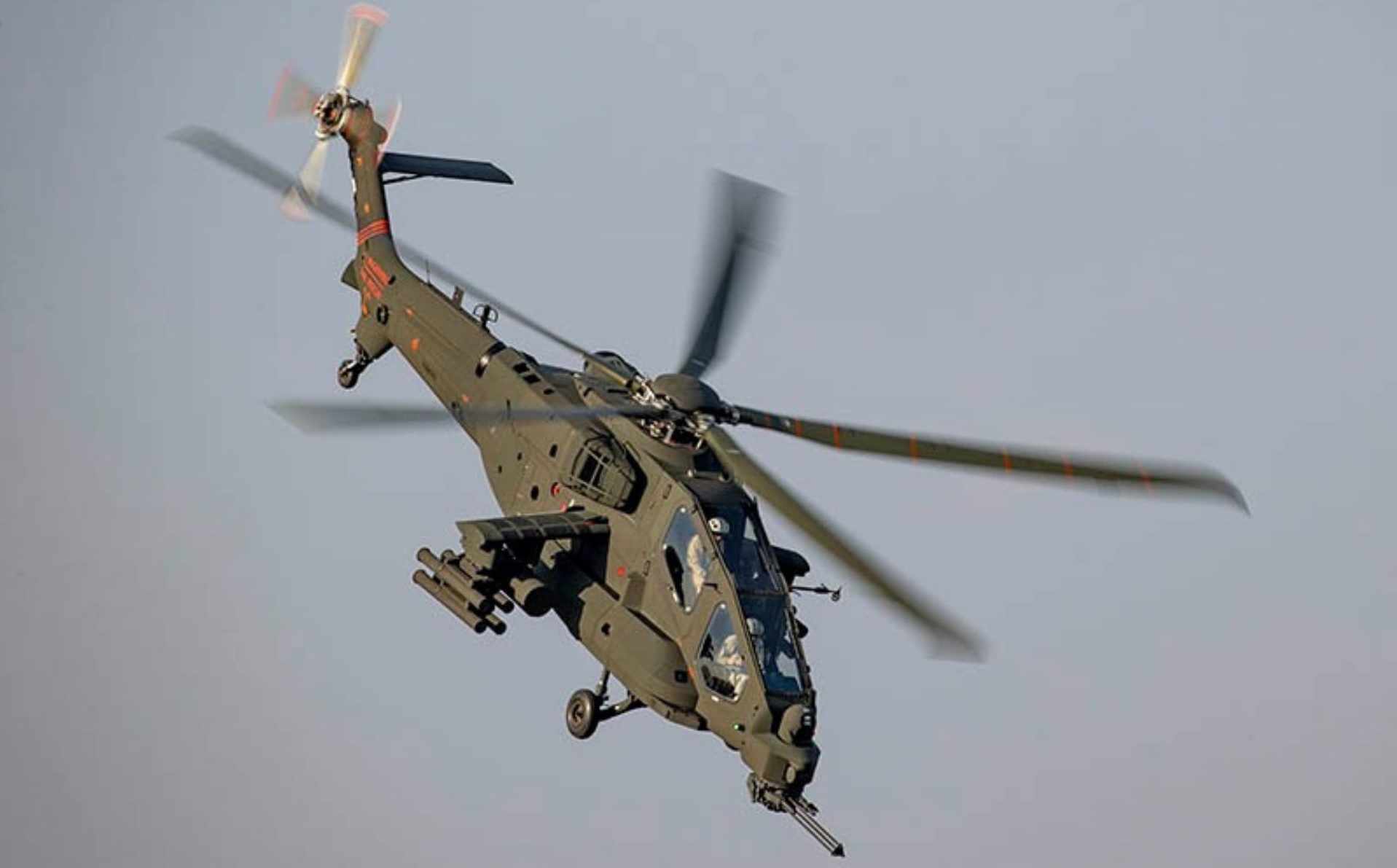
World
The Italian Army's AW249 next-generation combat helicopter program is making significant strides, with 17 units already under contract out of a planned total of 48. The first deliveries are anticipated to commence in 2027. As of now, four prototypes have been constructed, with two actively engaged in performance, system integration, and payload testing, while the remaining two are poised to begin testing soon. These prototypes are instrumental in refining the helicopter's advanced systems and ensuring readiness for full-scale production. Weapons testing for the AW249 has been underway since November 2023, focusing on its 20mm chin-mounted cannon and unguided rocket systems. These evaluations are crucial to validate the helicopter's effectiveness in combat scenarios, particularly in close air support and escort missions. Designed to replace the aging A129 Mangusta, the AW249 boasts several advancements: Enhanced Survivability: The helicopter features a reduced radar cross-section and suppressed infrared signature, making it less detectable to adversaries. Advanced Avionics: Equipped with state-of-the-art digital communications and battlefield management systems, the AW249 offers improved situational awareness and reduced pilot workload. Powerful Performance: Powered by two General Electric CT7-8E6 turboshaft engines, each producing approximately 2,500 horsepower, the helicopter achieves a maximum cruise speed of 287 kilometers per hour and an operational range of 796 kilometers. Flexible Armament: The AW249 is equipped with six-wing store stations capable of carrying a combination of air-to-ground or air-to-air missiles, unguided or guided rockets, or external fuel tanks, allowing for mission-specific configurations. The helicopter's design also emphasizes interoperability, featuring an open systems architecture that facilitates integration with various mission systems and the ability to control unmanned aerial vehicles (UAVs). This capability enhances its role in modern, multi-domain operations. As Italy progresses with the AW249 program, the focus remains on rigorous testing and refinement to ensure the helicopter meets the evolving demands of the battlefield. With its blend of advanced technology, survivability features, and versatile armament options, the AW249 is poised to be a formidable asset in both national and NATO operations.
Read More → Posted on 2025-02-11 15:00:26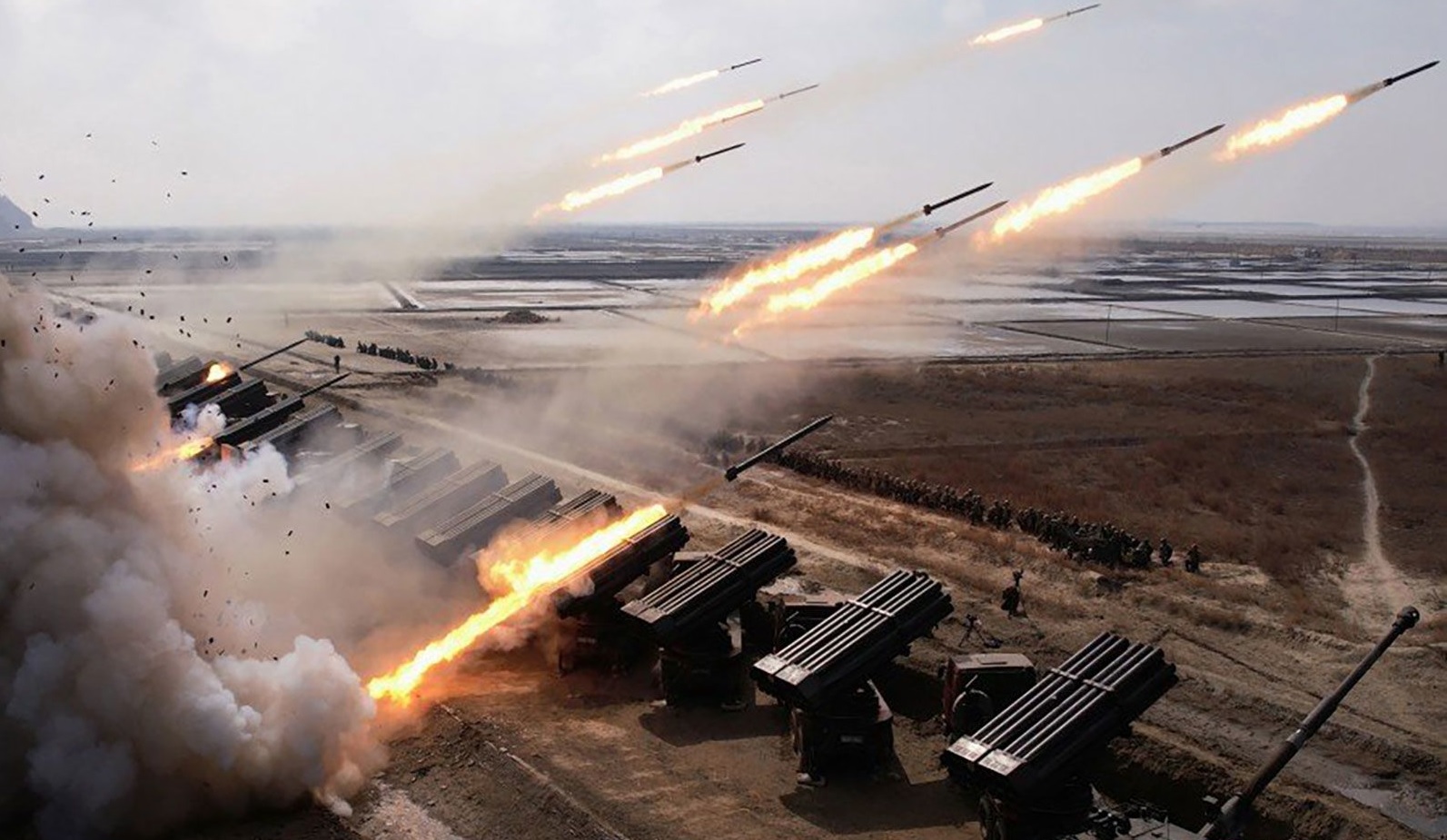
World
In a significant development, North Korea has supplied Russia with approximately 200 long-range artillery pieces, as reported by a South Korean defense ministry official. This move underscores the strengthening military ties between Pyongyang and Moscow amid the ongoing conflict in Ukraine. Details of the Artillery Transfer The artillery systems provided by North Korea are believed to include the 170mm M-1989 Koksan self-propelled howitzers and 240mm M-1991 multiple rocket launchers. The M-1989 Koksan howitzer is notable for its impressive range, capable of firing high-explosive shells up to 40 kilometers (approximately 25 miles) and rocket-assisted projectiles up to 60 kilometers (about 37 miles). These capabilities make it one of the longest-range non-rocket artillery systems in North Korea's arsenal. Broader Military Contributions Beyond artillery, North Korea's support to Russia encompasses a range of military assets. Reports indicate that Pyongyang has dispatched around 11,000 troops, including special operations units, to assist Russian forces, particularly in the Kursk region. These deployments have come at a significant cost, with estimates of approximately 4,000 North Korean casualties due to intense combat and challenges such as cultural and language barriers. Additionally, North Korea has supplied Russia with various missile systems. Notably, over 20 short-range ballistic missiles have been fired by Russian forces in Ukraine since December 2023. These missiles have demonstrated increased accuracy, striking within 50 to 100 meters (160 to 330 feet) of their intended targets, a marked improvement from previous iterations. Strategic Implications and Future Prospects The deepening military cooperation between North Korea and Russia is mutually beneficial. For Russia, the influx of artillery, missiles, and manpower bolsters its military capabilities in Ukraine. For North Korea, this alliance provides combat experience for its troops and potential economic benefits, including food and petroleum supplies. Looking ahead, there is potential for further collaboration. North Korea could supply additional troops, weapons, and ammunition to Russia. This partnership not only enhances North Korea's military experience but also strengthens its strategic alliance with Russia, signaling a notable shift in global geopolitical dynamics.
Read More → Posted on 2025-02-11 14:42:16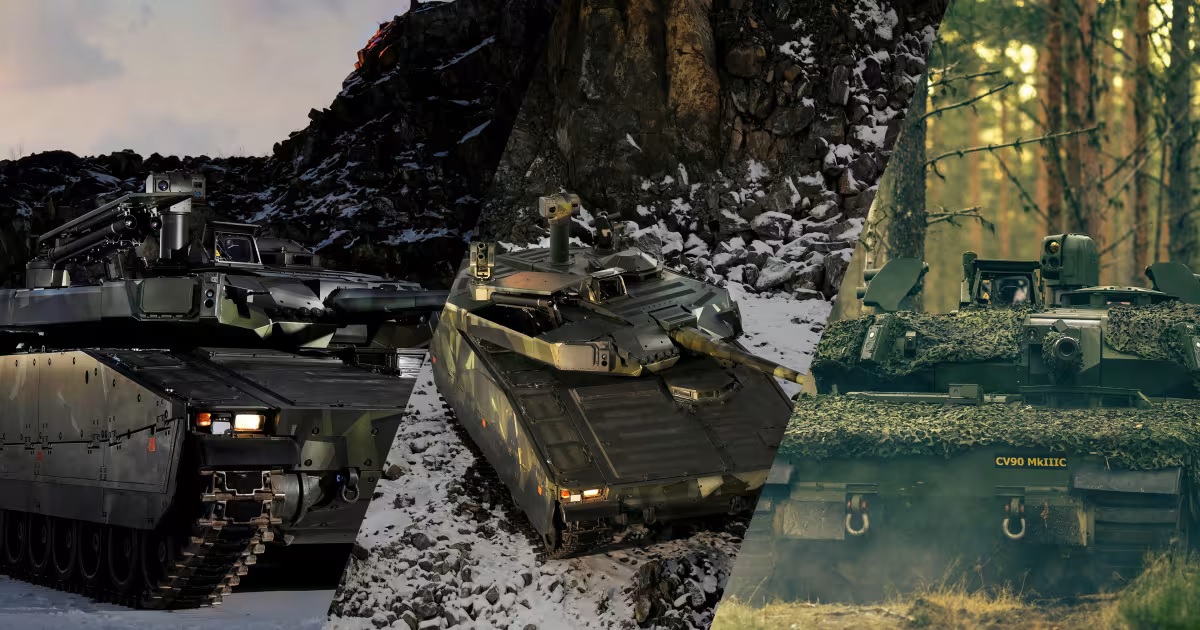
World
Swedish defense company Saab has secured a significant contract valued at approximately SEK 700 million from BAE Systems Hägglunds to supply its Universal Tank and Anti-Aircraft System (UTAAS) for the Combat Vehicle 90 (CV90). This collaboration aims to bolster the CV90's targeting and fire control capabilities, addressing both ground and aerial threats. The Combat Vehicle 90 (CV90): A Versatile Combat Platform Developed by BAE Systems Hägglunds in Örnsköldsvik, Sweden, the CV90 is a family of Swedish tracked armored combat vehicles designed by the Swedish Defence Materiel Administration (FMV), Hägglund & Söner, and Bofors during the mid-1980s to early 1990s, before entering service in Sweden in the mid-1990s. The CV90 platform design has continuously evolved from the Mk 0 to the current Mk IV, integrating advanced technologies to meet modern battlefield requirements. The vehicle's adaptability has led to its adoption by several armed forces worldwide, including those of Denmark, Estonia, Finland, the Netherlands, Norway, Sweden, and Switzerland. UTAAS: Precision in Targeting The Universal Tank and Anti-Aircraft System (UTAAS) is a versatile sight and fire control system for tanks and combat vehicles. It provides high hit probability against all ground targets, as well as against helicopters and high-speed aircraft. The system's modularity allows for integration of various components, including thermal imaging and laser rangefinders, enhancing its adaptability to different combat scenarios. Key Specifications of UTAAS: High Hit Probability: Effective against both ground and aerial targets, including helicopters and high-speed aircraft. Gun Stabilization: Better than 0.5 mils at 30 km/h on APG track, ensuring accuracy even during movement. Firing Range: Maximum effective range of up to 5,000 meters. Line of Sight Deflection Range: Elevation from -10º to +45º and azimuth of ±18º, allowing for significant targeting flexibility. Laser Rangefinder: Operates at 1.54 µm with a pulse repetition frequency of 4 Hz, providing precise distance measurements. Day Channel: Offers 8x magnification with an 8º field of view, along with a direct 1:1 view for situational awareness. Thermal Imager: Equipped with a third-generation thermal imaging system for enhanced night operations. Enhancing the CV90's Combat Effectiveness The integration of UTAAS into the CV90 platform significantly enhances its combat effectiveness. The advanced sighting system allows for rapid target acquisition and engagement, while the modular design ensures that the system can be tailored to specific mission requirements. This adaptability is crucial for modern combat vehicles operating in diverse and evolving threat environments. A Legacy of Collaboration Carl-Johan Bergholm, Head of Business Area Surveillance at Saab, emphasized the longstanding partnership between Saab and BAE Systems Hägglunds. He noted that the increasing international demand for the CV90 has prompted Saab to expand its production capacity to meet the needs of armed forces globally. In summary, Saab's UTAAS is set to play a pivotal role in enhancing the CV90's operational capabilities, providing advanced targeting solutions that address both current and emerging threats on the battlefield.
Read More → Posted on 2025-02-11 14:37:49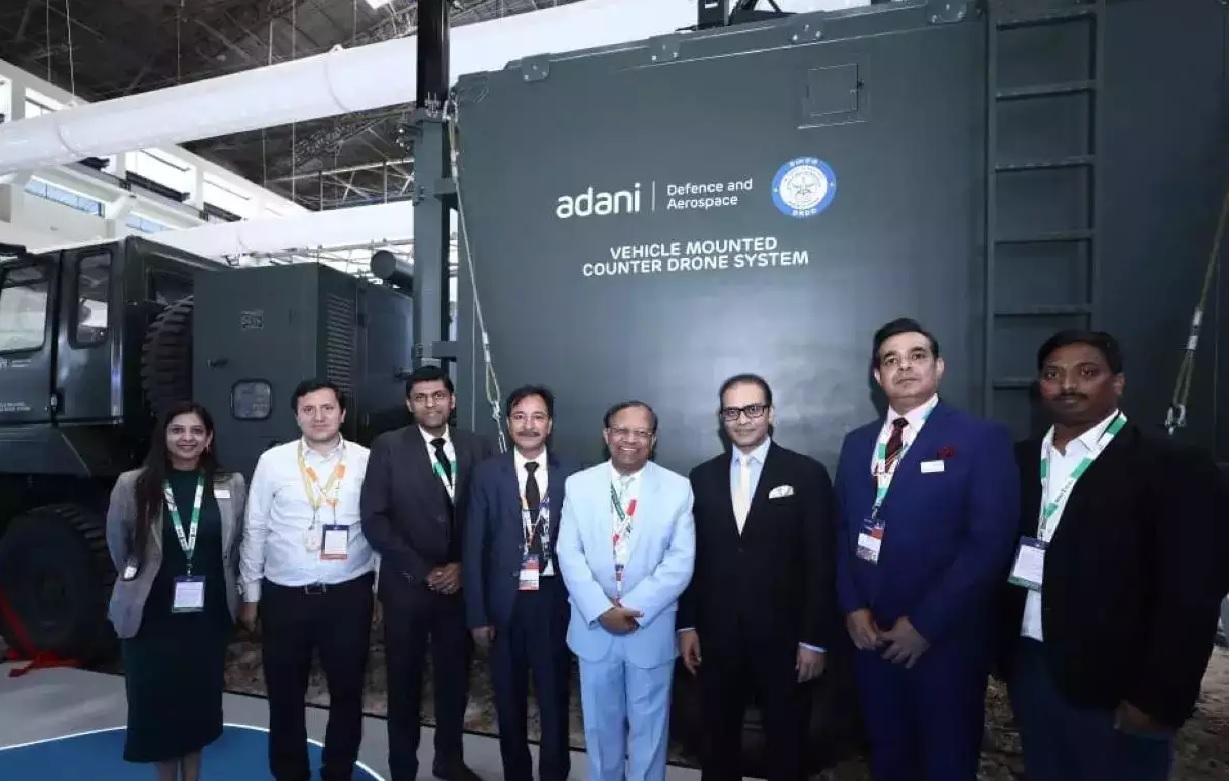
World
In a significant stride towards bolstering India's defense capabilities, Adani Defence & Aerospace, in collaboration with the Defence Research and Development Organisation (DRDO), unveiled a state-of-the-art Vehicle-Mounted Counter-Drone System at Aero India 2025. This development underscores India's commitment to indigenous defense solutions, especially in the realm of emerging aerial threats. Key Features of the Counter-Drone System: Advanced Detection and Tracking: The system employs a sophisticated 3D radar operating in both X and S bands, providing 360-degree coverage with a detection range extending beyond 10 kilometers. It can simultaneously track over 100 targets, automatically distinguishing between drones and other aerial objects. Signal Intelligence (SIGINT): Equipped with a long-range passive system, it offers automatic detection and classification capabilities. The integrated Direction Finding (DF) and Drone Geo-location features, along with a Software-Defined Radio (SDR) wideband scanning mechanism covering frequencies from 400 MHz to 6000 MHz, enhance its operational efficiency. Neutralization Capabilities: The system boasts a high-power laser technology for precise long-range neutralization of hostile drones. Additionally, it supports customized high-speed drones capable of operating in GPS-denied environments to counter incoming aerial threats. Electro-Optical/Infrared (EO/IR) Systems: These systems aid in visual detection, tracking, and investigation, available in both cooled and uncooled configurations. They offer automatic locking and tracking of targets, synchronized with radar inputs. Integrated onto a single 4x4 vehicle, this counter-drone system offers high mobility, agility, and reliability, ensuring rapid deployment and operational flexibility. Its comprehensive suite of detection, tracking, and neutralization technologies makes it a formidable asset for modern defense forces. Significance of the Collaboration: The partnership between Adani Defence & Aerospace and DRDO exemplifies the success of India's defense innovation ecosystem. By leveraging DRDO's cutting-edge research and Adani's advanced manufacturing capabilities, the collaboration has yielded an operationally ready solution to counter evolving drone threats. This initiative aligns with India's broader strategy to achieve self-reliance in defense production and reduce dependence on foreign imports. Leadership Perspectives: Ashish Rajvanshi, CEO of Adani Defence & Aerospace, emphasized the importance of this development, stating that it strengthens the armed forces' ability to counter evolving drone threats. He reiterated the company's commitment to providing the most advanced indigenous defense technologies to safeguard the nation's strategic interests. Dr. BK Das, Director General (Electronics & Communication System) at DRDO, highlighted the system's role in enhancing India's defense preparedness against asymmetric threats. He affirmed DRDO's dedication to developing next-generation solutions in collaboration with Indian industry partners to bolster national security. Aero India 2025: A Platform for Indigenous Innovation Aero India 2025 serves as a global platform to showcase India's advancements in aerospace and defense. The unveiling of the Vehicle-Mounted Counter-Drone System reaffirms India's position as a key player in the global defense sector. As unmanned aerial threats continue to evolve, such indigenous innovations are crucial for maintaining national security and advancing technological prowess. This development not only enhances India's defense capabilities but also signifies a milestone in the nation's journey towards self-reliance in defense technology. The successful collaboration between Adani Defence & Aerospace and DRDO marks a pivotal moment in strengthening India's defense infrastructure against emerging aerial threats.
Read More → Posted on 2025-02-11 14:29:17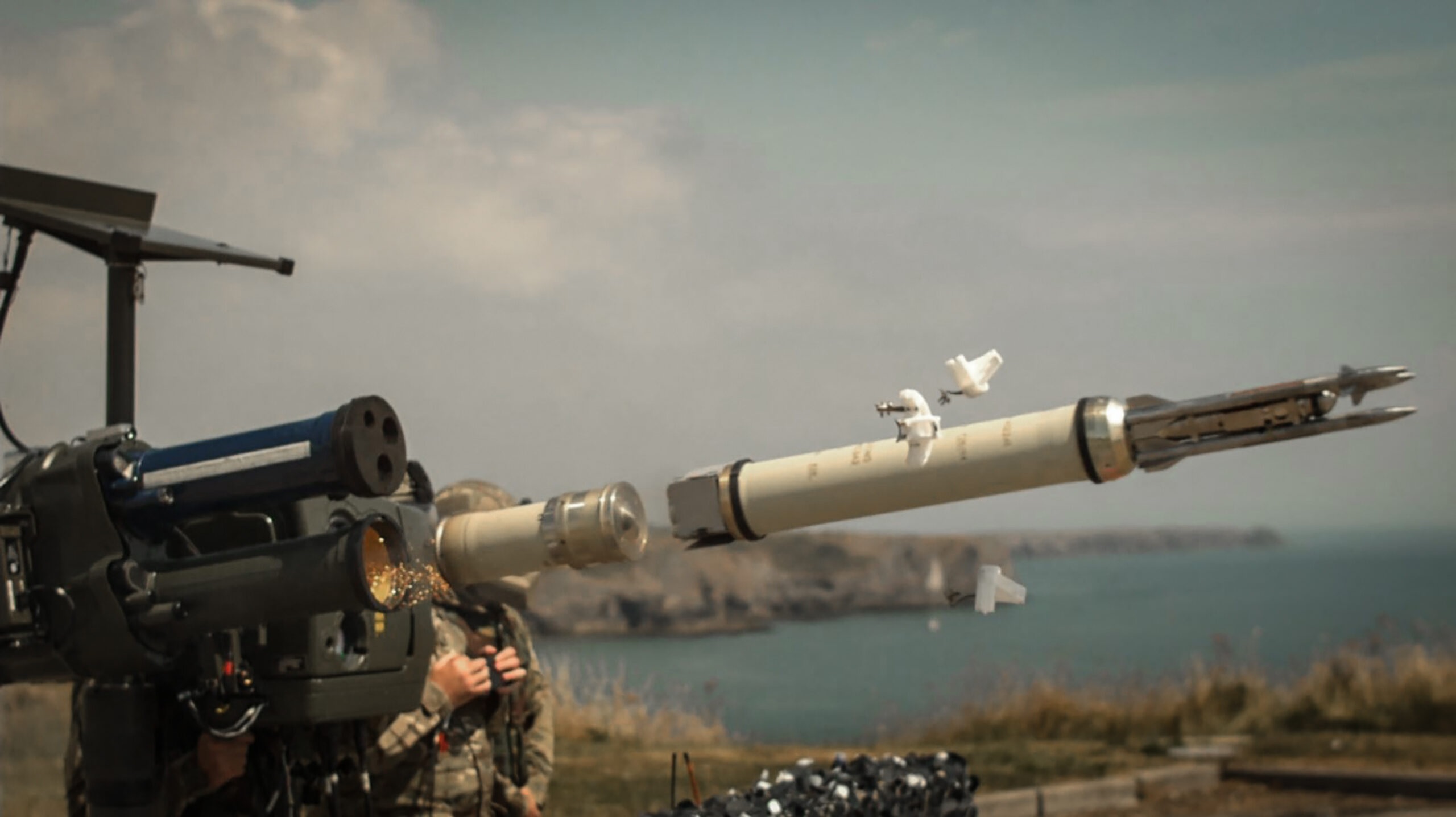
World
In a significant move to bolster India's air defense capabilities, Thales, a global leader in defense technology, has partnered with Bharat Dynamics Limited (BDL), a Government of India enterprise, to supply the STARStreak High Velocity Missile (HVM) system to the Indian Armed Forces. This collaboration aligns with India's 'Make in India' initiative, aiming to strengthen indigenous defense manufacturing and reduce reliance on foreign imports. The STARStreak High Velocity Missile System The STARStreak HVM is a state-of-the-art, man-portable air defense system (MANPADS) designed to engage and neutralize a variety of low-flying aerial threats, including fixed-wing aircraft, attack helicopters, and unmanned aerial vehicles (UAVs). Key features of the STARStreak system include: Speed and Agility: The missile accelerates to speeds exceeding Mach 3, making it one of the fastest short-range surface-to-air missiles in existence. This high velocity reduces the engagement time, increasing the likelihood of intercepting fast-moving targets. Unique Warhead Configuration: Unlike traditional missiles, STARStreak employs a trio of dart-like submunitions. Upon launch, these darts separate and are guided independently, enhancing the probability of a successful hit and maximizing damage to critical components of the target. Laser Beam Riding Guidance: The system utilizes a semi-automatic line-of-sight (SACLOS) laser beam riding guidance mechanism. The operator maintains the crosshairs on the target, and the missile follows a laser beam projected from the launcher, ensuring precise targeting and resistance to common countermeasures. Specifications of the STARStreak Missile Missile Length: Approximately 1.39 meters Missile Diameter: 0.27 meters Weight: 14 kilograms Effective Range: Up to 7 kilometers These specifications underscore the system's portability and effectiveness in various combat scenarios, providing ground forces with a reliable tool for air defense. Manufacturing and Delivery Timeline Under the terms of the agreement, up to 60% of the STARStreak system will be manufactured in India, supporting the nation's push for self-reliance in defense production. The initial batch of missiles and launchers is scheduled for delivery in 2025, marking the first instance of India acquiring this advanced Very Short Range Air Defence (VSHORAD) capability. Strategic Implications This partnership not only enhances India's defense readiness but also strengthens the strategic relationship between India and the United Kingdom. By integrating advanced missile technology into its arsenal, India is taking a significant step toward modernizing its military capabilities and ensuring the security of its airspace against evolving aerial threats. In summary, the collaboration between Thales and Bharat Dynamics Limited represents a pivotal development in India's defense sector, promising to deliver cutting-edge air defense solutions while promoting indigenous manufacturing and technological advancement.
Read More → Posted on 2025-02-11 14:21:52
World
In a significant advancement for the UK's defense capabilities, Airbus has been awarded a £127 million contract by the UK Ministry of Defence (MOD) to design and build two state-of-the-art Synthetic Aperture Radar (SAR) satellites under the Oberon program. These satellites are set to revolutionize space-based Intelligence, Surveillance, and Reconnaissance (ISR) by providing high-resolution, day-and-night, all-weather monitoring capabilities. Key Features of the Oberon Satellites: Ultra-High-Resolution Imaging: The Oberon satellites will be equipped with advanced SAR technology, enabling them to capture detailed images of the Earth's surface regardless of lighting or weather conditions. This ensures uninterrupted surveillance and intelligence gathering. Enhanced Operational Autonomy: By developing these satellites domestically, the UK secures a sovereign surveillance capability, reducing reliance on foreign assets and enhancing operational independence for British and allied defense forces. Innovative Antenna Technology: Collaborating with Oxford Space Systems, Airbus will integrate cutting-edge carbon fiber antennas into the satellites. These antennas are designed to be compact during launch and deploy into their operational configuration once in orbit, optimizing space and functionality. Development and Deployment Timeline: The design, construction, and testing phases of the Oberon satellites will be conducted at Airbus' facilities in Stevenage and Portsmouth. The project is expected to support numerous high-value jobs across these locations. Additionally, the development of the supporting satellite ground segment and geospatial intelligence capabilities will take place at Airbus' sites in Guildford, Newcastle, Newport, and Chippenham. The system is slated for launch in 2027, aiming to significantly contribute to the UK's information and decision-making superiority. Strategic Importance: The Oberon project is a pivotal component of the UK's broader strategy to establish a global military satellite ISR capability under Project ISTARI. Historically, the UK has relied on intelligence-sharing agreements, particularly with the United States, for such data. The development of the Oberon satellites marks a decisive move towards achieving an autonomous on-orbit constellation by 2031, thereby enhancing national security and strategic flexibility. Industry Collaboration: Airbus' partnership with Small and Medium-Sized Enterprises (SMEs) across the UK underscores the collaborative nature of the project. By leveraging innovative technologies from these SMEs, the Oberon program not only advances the UK's defense capabilities but also stimulates growth and innovation within the domestic space sector. Statements from Key Figures: Ben Bridge, Chairman of Airbus Defence and Space UK, emphasized the significance of the project: "Oberon's satellites will give the UK a much-needed sovereign capability and greatly enhance its space surveillance and intelligence autonomy. Airbus in the UK has more than 45 years' experience in the design and build of high-resolution radar satellites, and once in orbit, these spacecraft will play a vital role in keeping our Armed Forces safe around the world." Maria Eagle, Minister for Defence Procurement and Industry, highlighted the government's commitment: "The contract for Oberon shows the UK's commitment to grow one of the most innovative and attractive space economies in the world and keep our competitive edge in space science and technology. Oberon will not only support Armed Forces personnel deployed globally but also support highly skilled jobs, delivering on the government's growth mission." The Oberon contract represents a significant milestone in the UK's pursuit of advanced space-based defense capabilities. By investing in cutting-edge SAR satellite technology and fostering collaboration with domestic enterprises, the UK is poised to enhance its surveillance, intelligence, and reconnaissance operations, ensuring the safety and effectiveness of its Armed Forces worldwide.
Read More → Posted on 2025-02-10 15:45:36
World
The modern battlefield has evolved, with threats emerging not just from traditional ground and air forces but also from the third dimension—drones and first-person view (FPV) systems. These aerial adversaries, including missiles from combat helicopters, unmanned aerial vehicles (UAVs), loitering munitions, and FPV drones, pose significant risks to armored vehicles. To counter these challenges, creating a protective "bubble" capable of neutralizing such threats has become essential. This necessity was prominently addressed at the International Armoured Vehicles (IAV) Conference in late January 2025 in Farnborough, where numerous short-range air defense (SHORAD) and counter-unmanned aircraft systems (C-UAS) were showcased. Moog's Reconfigurable Integrated-weapons Platform (RIwP): A Modular Defense Solution A highlight of the conference was Moog's Reconfigurable Integrated-weapons Platform (RIwP), a modular turret designed for adaptability across various platforms. Previously displayed on a British Army Ridgback 4×4 at DVD 2024, the RIwP was now mounted on two additional vehicles: KNDS Deutschland Dingo 3 4×4: This prototype, unveiled at IAV, featured the RIwP turret installed on its flatbed. The turret was equipped with two four-missile pods containing Thales Starstreak High Velocity Missiles (HVM) and/or Lightweight Multirole Missiles (LMM), alongside a Northrop Grumman M230 low recoil 30×113 mm chain gun. The missiles are designed to neutralize high-value aerial targets at ranges exceeding 6 km, while the automatic gun is effective against smaller UAVs at closer distances, utilizing XM1211 high explosive rounds with proximity fuses. Supacat 6×6 HMT Mk3 Closed Cab: Sharing its chassis and automotive systems with the Jackal and Coyote vehicles in service with the British Army, this platform showcased the RIwP turret in a configuration similar to the Dingo 3. The cabin accommodates up to four personnel and is compliant with the Generic Vehicle Architecture (GVA) standard, ensuring easy integration of future systems. With a gross vehicle weight (GVW) of 12,000 kg and a payload capacity of 3,500 kg, it offers versatility for various mission requirements. The RIwP's design emphasizes survivability, allowing operators to reload direct fire weapons from within the vehicle's armored protection. Its modularity supports the integration of various weapon systems, making it adaptable to evolving threats. CTAI's 40mm Airburst Munitions: Enhancing C-UAS Capabilities CTAI, the producer of the CT40 gun used on the Ajax platform, showcased its range of 40×255 mm telescoped-case ammunition. Among the developments were three types of airburst munitions: ABM HE (Air Burst Munition High Explosive): Designed primarily as an anti-personnel round, this munition is in the final stages of qualification. A3B (also known as KE-AB, Kinetic Energy Air Burst): Developed under a contract from the French General Directorate for Armaments (DGA), this round weighs 1,400 grams and contains 200 tungsten cylinders. These are deployed in front of the target using a time fuse set by the fire control system, effective up to a range of 4,000 meters. GP-AB-T (General Purpose Air Burst Tracer): Developed with company funds, this round matches the standard projectile weight of 980 grams and uses the same ballistic tables. It contains smaller tungsten cylinders, with an effective range of 2,500 meters, specifically designed for the C-UAS mission. Availability is anticipated within two years. Rafael's Advanced Defense Systems: Trophy APS and Laser Solutions Rafael Advanced Defence Systems presented significant advancements in active protection and laser-based defense: Trophy Active Protection System (APS): Traditionally effective against rocket-propelled grenades (RPGs) and anti-tank guided missiles (ATGMs), the Trophy system has evolved to counter drone threats. Recent tests demonstrated its capability to intercept FPV drones, with software upgrades enhancing its threat detection and neutralization processes. Laser Defense Systems: Rafael showcased a range of laser solutions, including: Iron Beam 450: A 100 kW-class high-energy laser system designed to neutralize UAVs, rockets, and mortars. Iron Beam M 250: A 50 kW-class mobile tactical laser system housed in a 20-foot container, suitable for deployment at the brigade level to protect military sites and strategic assets. Lite Beam 250: A 10 kW-class system designed for close-range defense, effective against Group 1 and Group 2 UAVs within a range of approximately 3 km. It can be mounted on light armored vehicles, with availability expected in 2026. These laser systems offer advantages such as low operational costs (approximately $5 per shot) and an "endless magazine," provided sufficient energy is available. The engagement time varies depending on the threat type and range but is generally within a few seconds, allowing for the potential to counter swarms of incoming drones. Patria's C-UAS Solution: The CAVS 6×6 Armored Vehicle Patria introduced a counter-UAS version of its Common Armoured Vehicle System (CAVS) 6×6 armored vehicle. This configuration is designed to detect, identify, and neutralize UAV threats, enhancing the protection of armored formations on the modern battlefield. Aselsan's Göker Multimission Weapon System Aselsan showcased a new air-defense system based on the 35 mm Göker multimission weapon system. Previously seen in fixed installations, this mobile application represents a novel approach to providing air defense capabilities against UAVs and other aerial threats.
Read More → Posted on 2025-02-10 15:39:17Search
Top Trending in 24 Hours
-
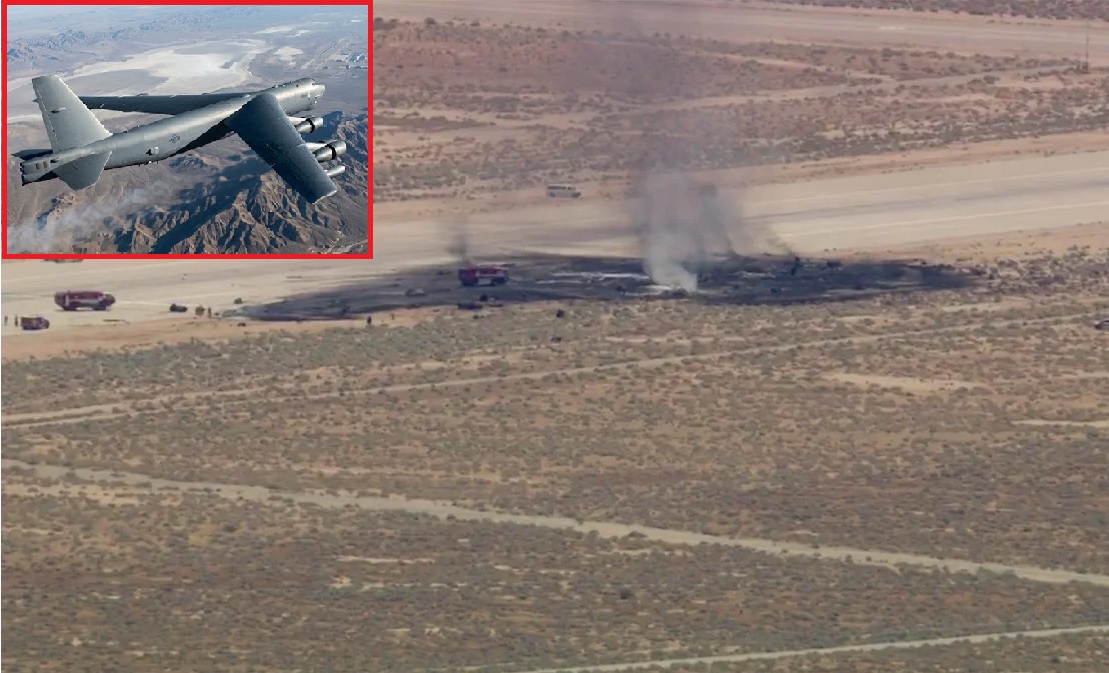 8 U.S. Air Force Crew Members Killed in B-52 Bomber Crash During Test Flight at Edwards Air Force Base
-
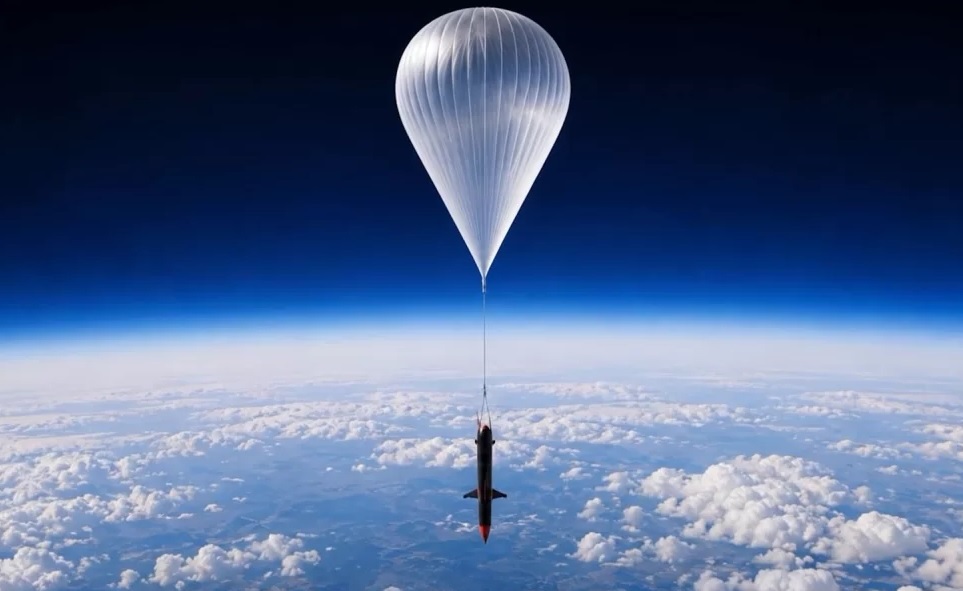 Ukraine Introduces Balloon-Launched DART Missile Designed to Defeat Electronic Warfare
-
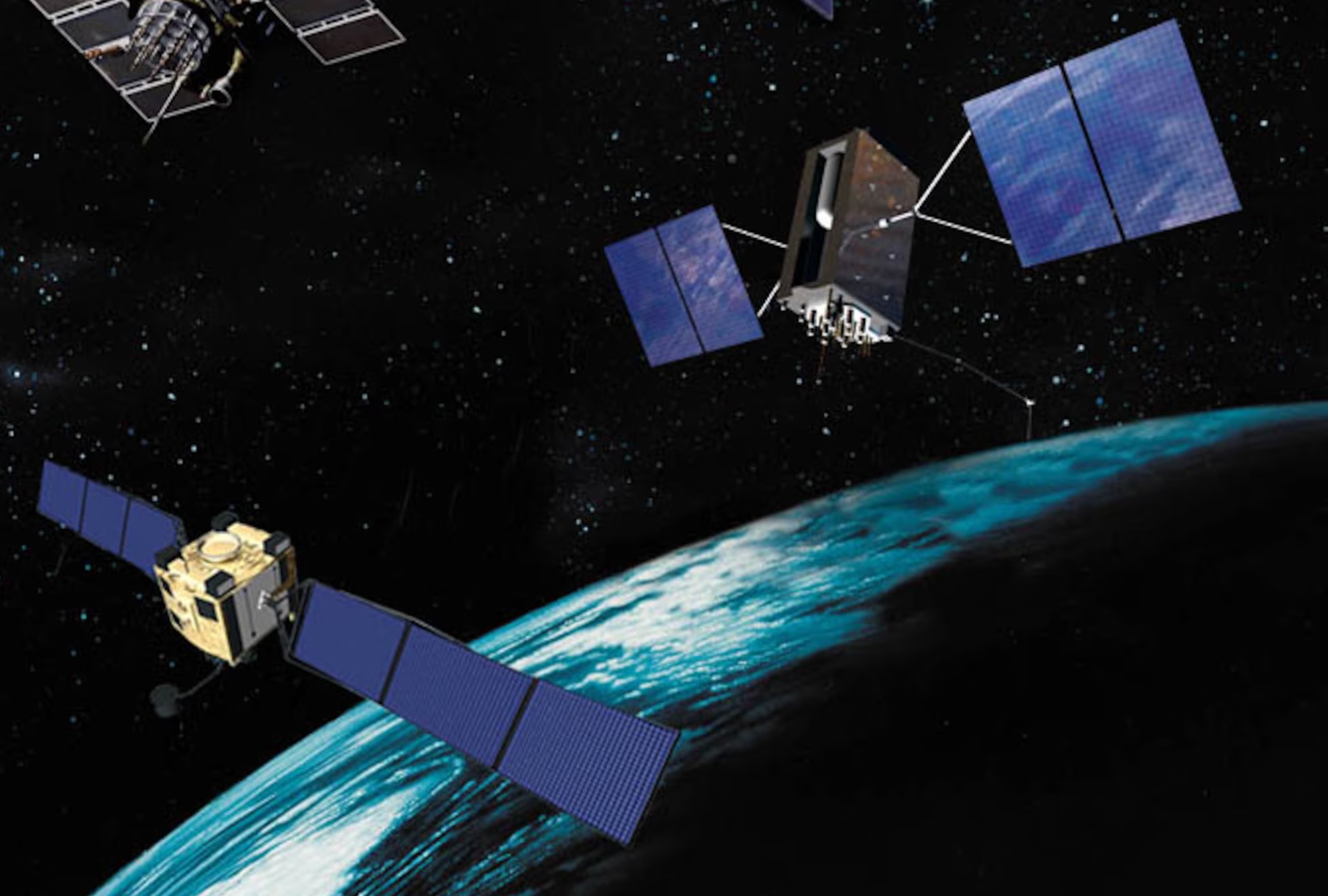 Lockheed Martin Wins $514 Million U.S. Space Force Contract for Two New GPS IIIF Satellites
-
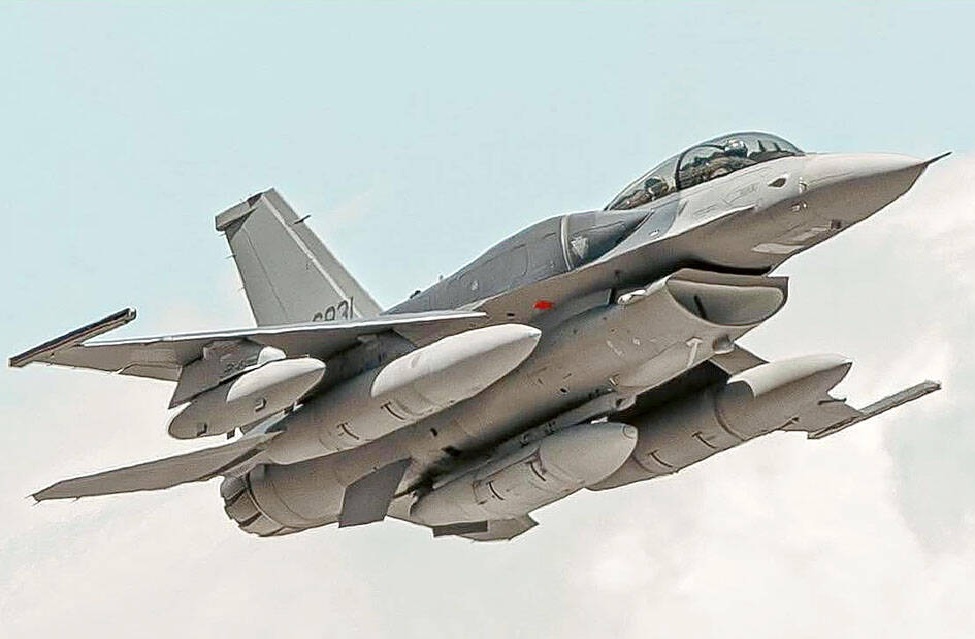 First Taiwanese F-16 Block 70 Flies with Five-Tank Fuel Configuration During Texas Tests
-
 UK Announces £210 Million Deal to Supply Enriched Uranium to Ukraine for Two Years
-
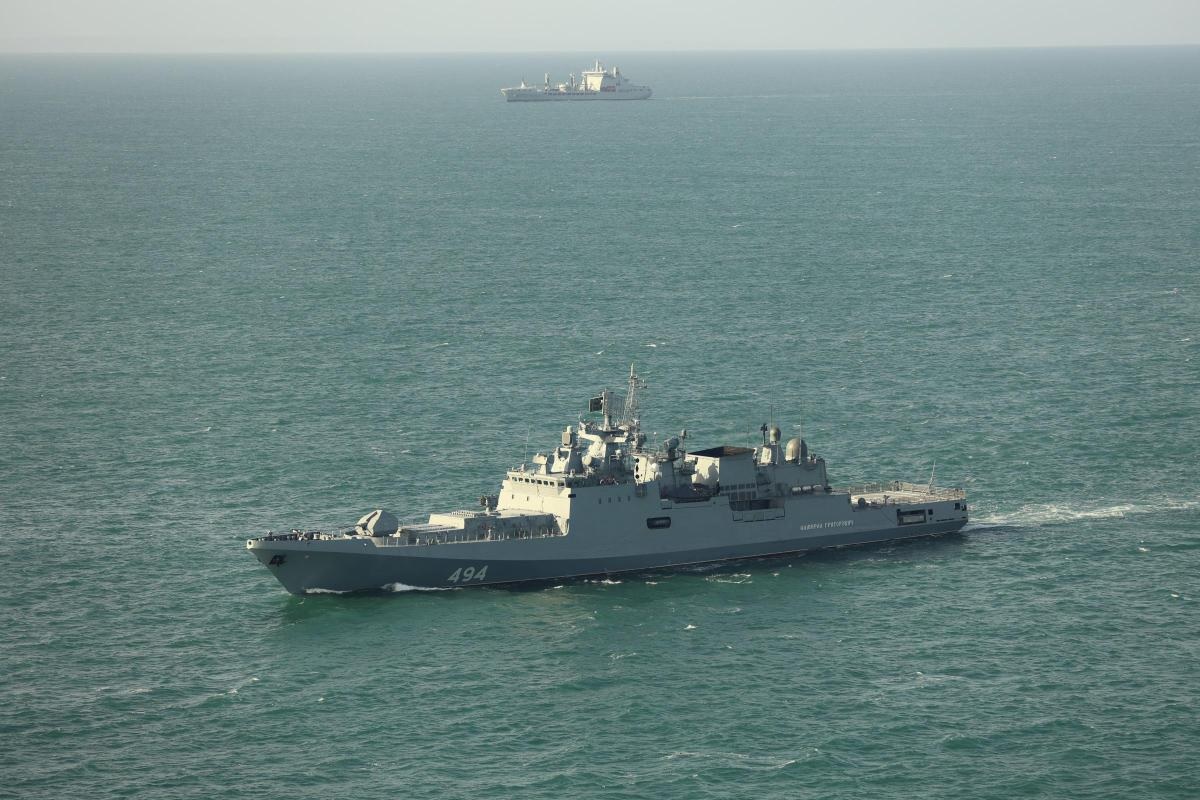 Russian Frigate Admiral Grigorovich Challenges UK Yacht in English Channel With Warning Shots
-
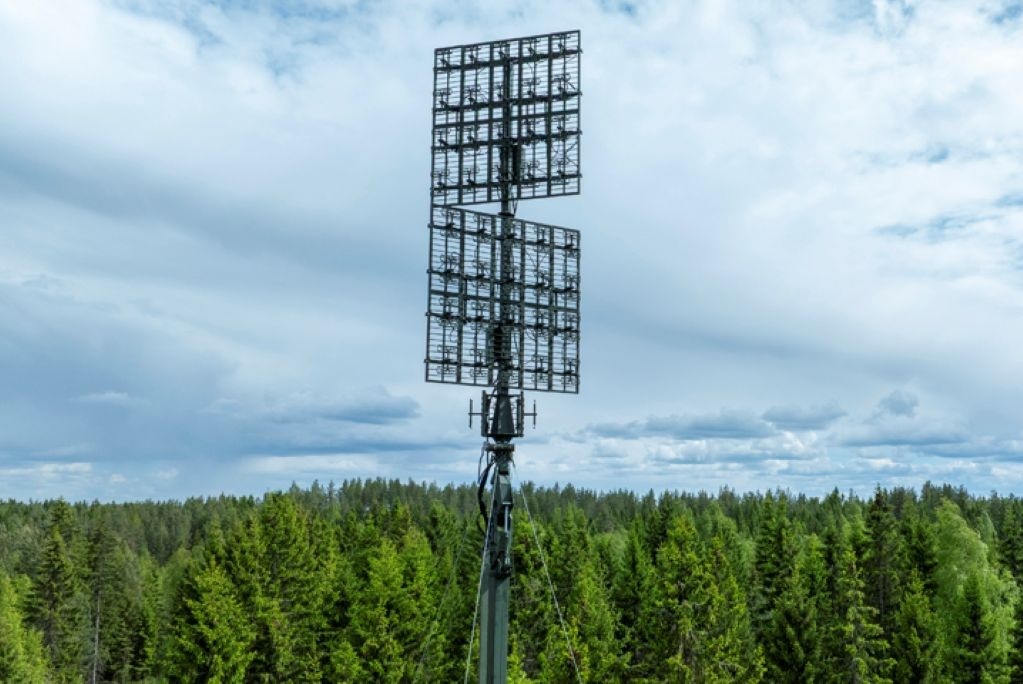 Patria Launches WISPR Passive Counter-Battery Radar with Silent Detection Capability at Eurosatory 2026
-
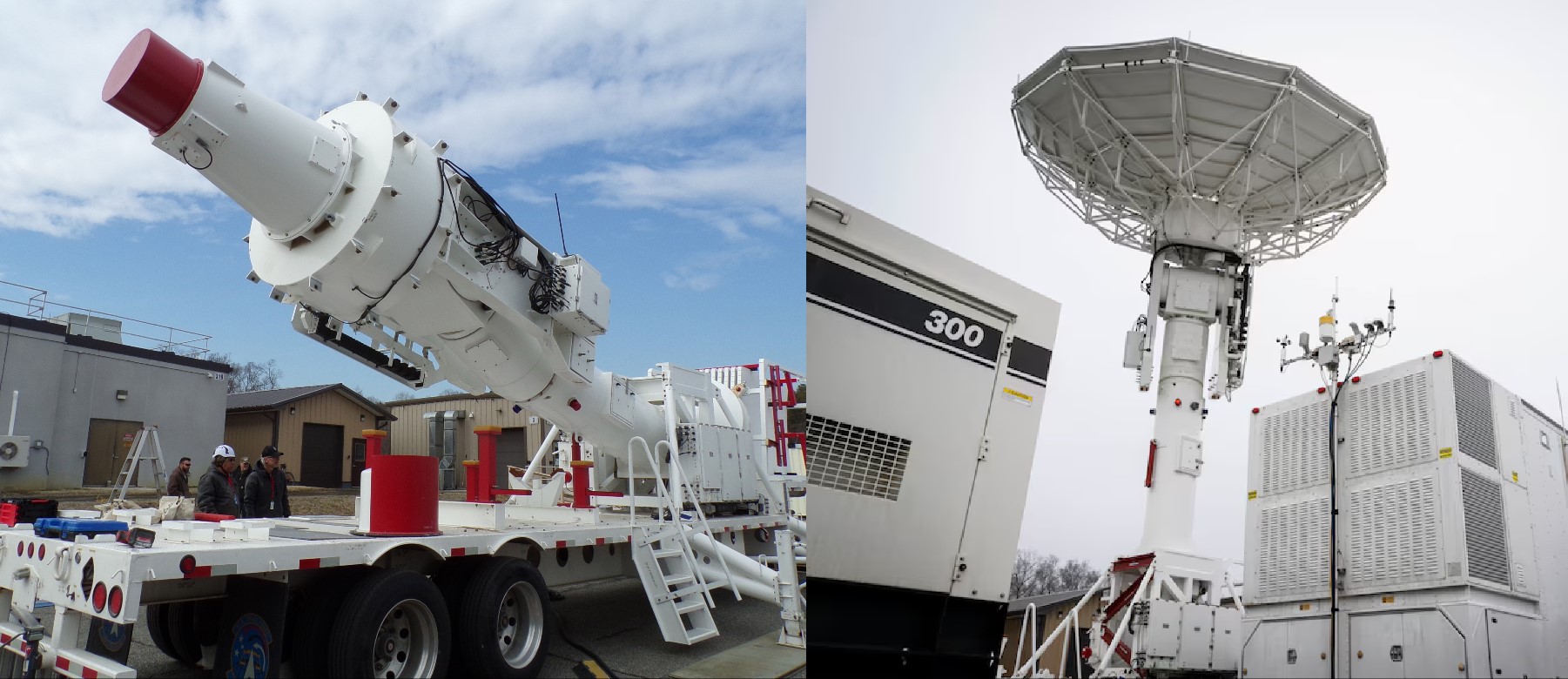 Space Force Transfers Transportable Satellite Tracking Antenna to Naval Research Laboratory
Top Trending in 4 Days
-
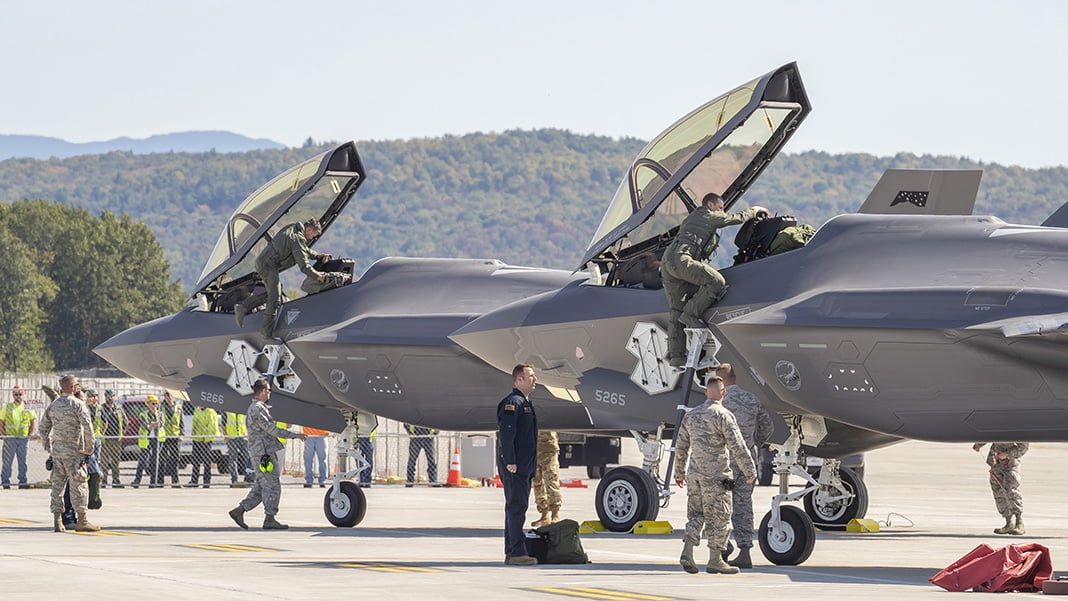 F-35 Fleet Readiness Falls to 25% Amid Parts Shortages and Software Delays: GAO Report
-
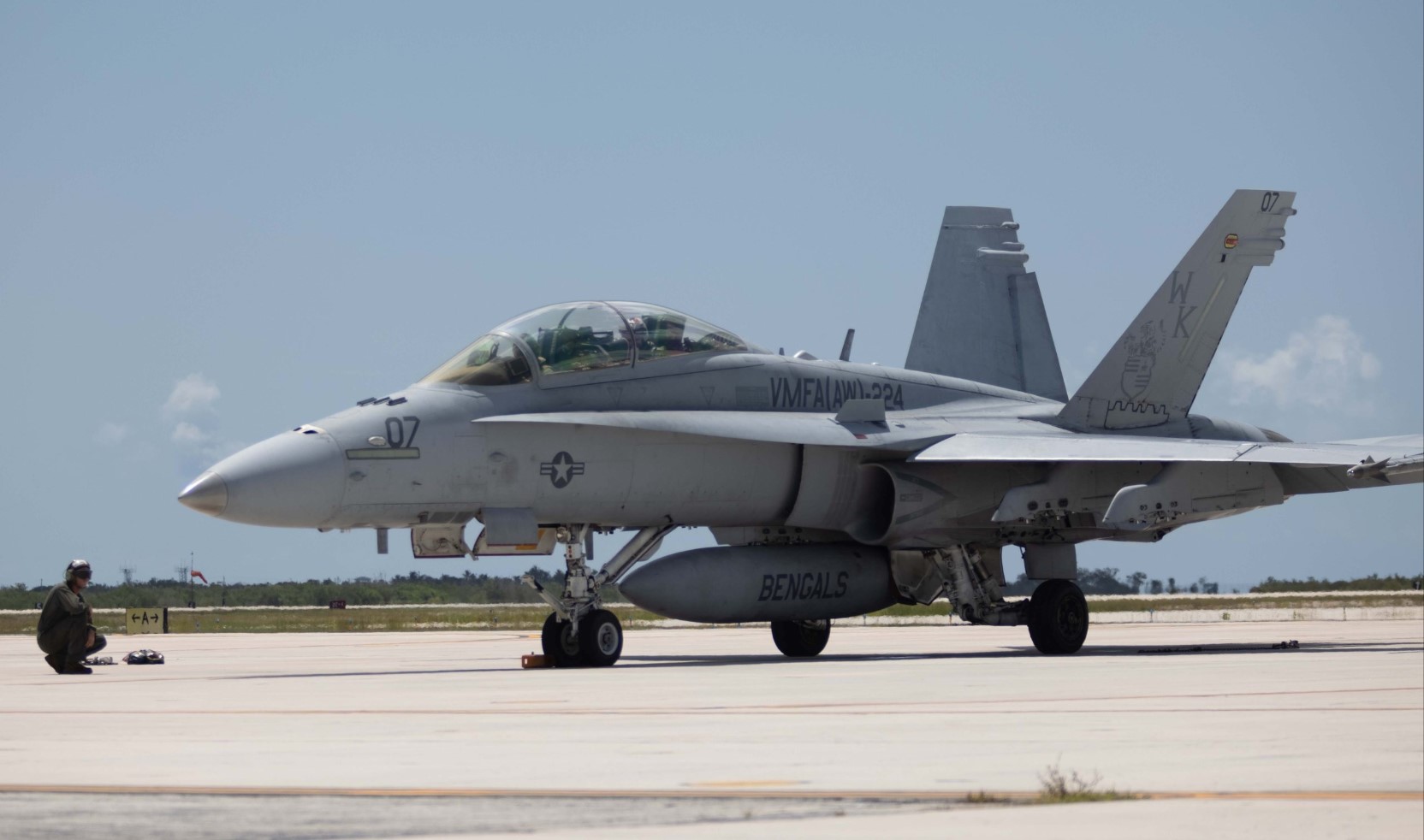 US Marine Corps F/A-18D Hornet Crashes During Training Flight in Washington Mountains; Pilot Ejects Safely
-
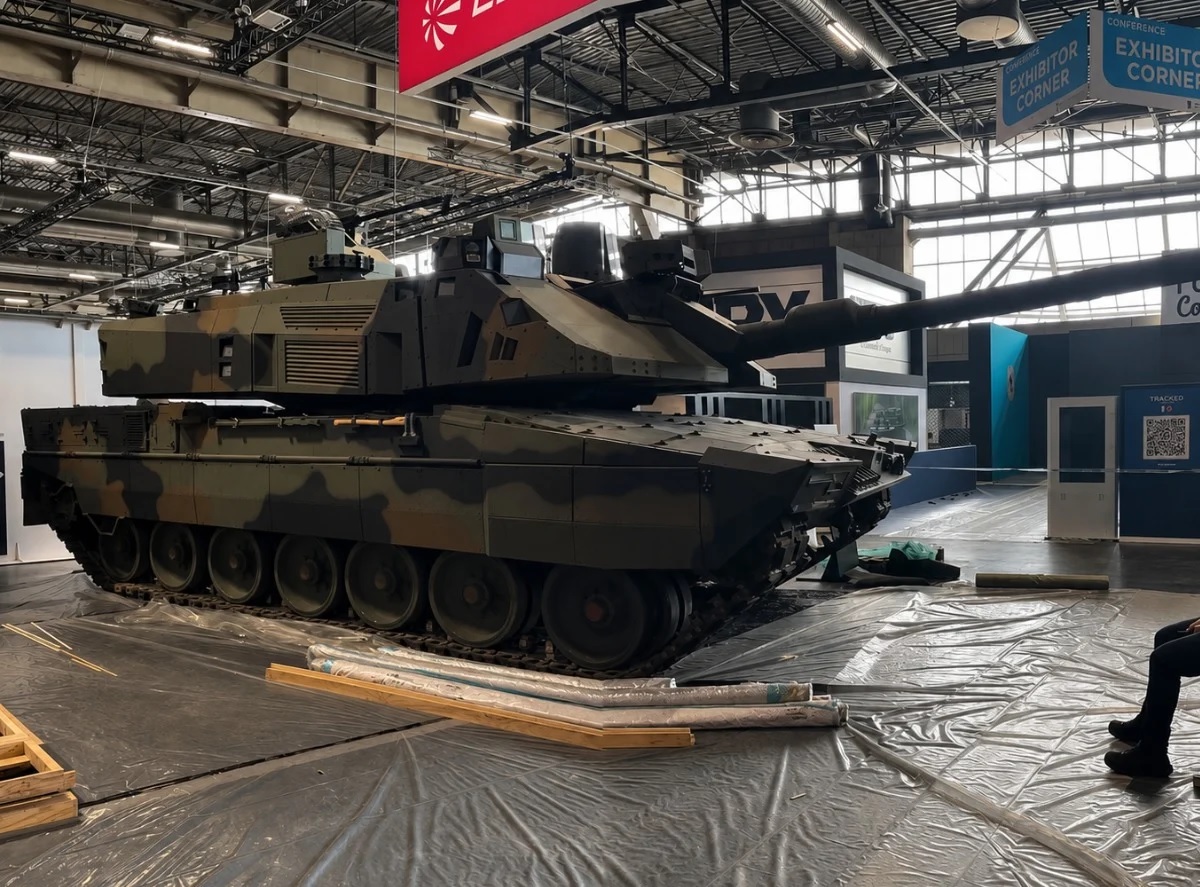 Leonardo Rheinmetall to Unveil Italy’s New IMBT Main Battle Tank at Eurosatory 2026
-
 Tulsi Gabbard Releases Declassified Files Detailing U.S.-Backed Network of 120 Biolaboratories Across 30+ Countries
-
8 U.S. Air Force Crew Members Killed in B-52 Bomber Crash During Test Flight at Edwards Air Force Base
-
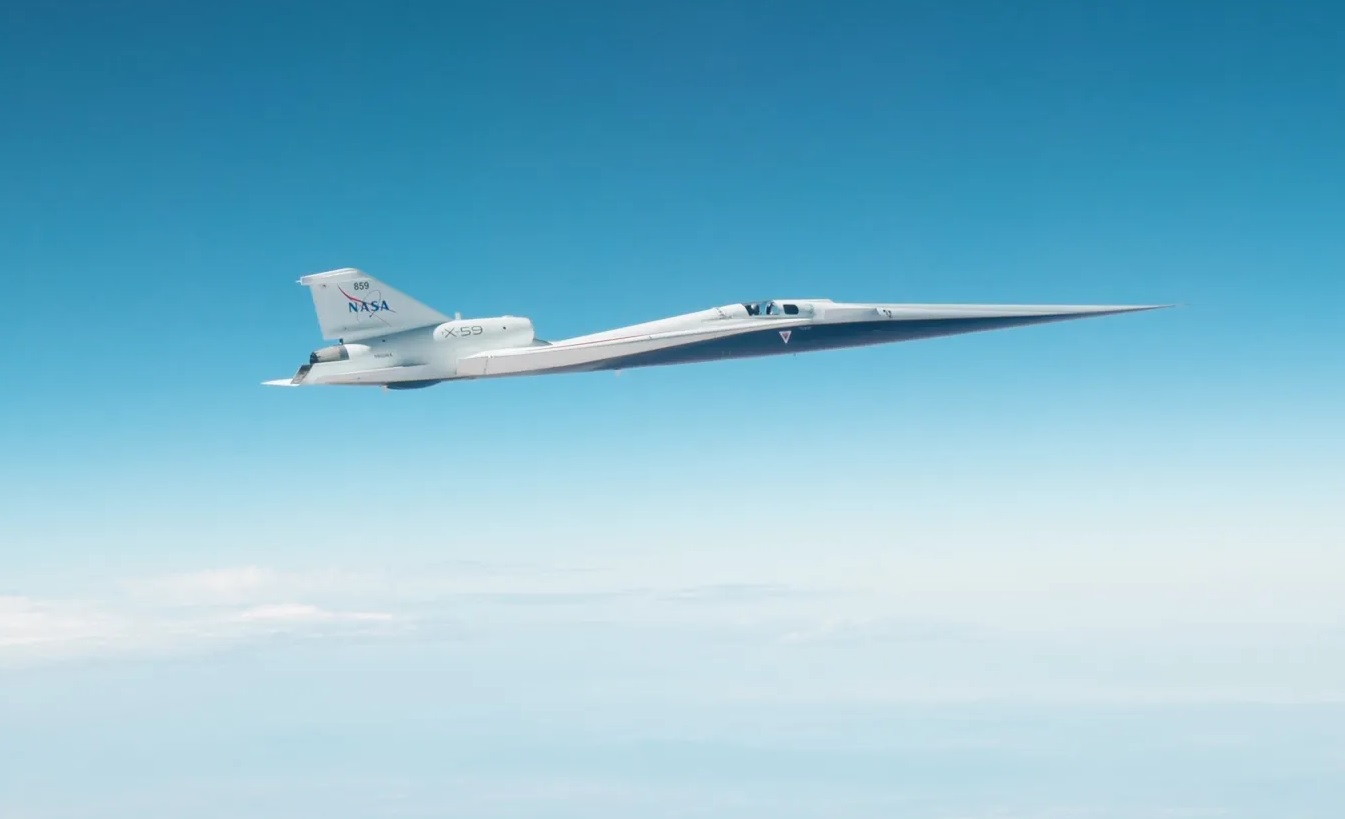 NASA X-59 Achieves Planned Mission Conditions with Mach 1.4 Flight at 55,000 Feet
-
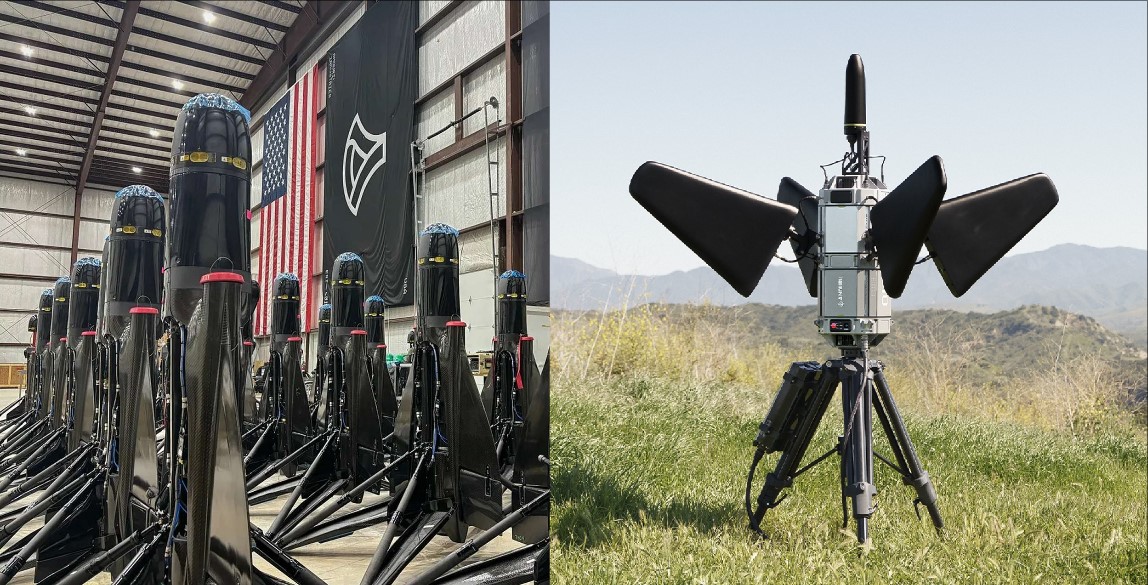 U.S. Approves $1.98 Billion Sale of Anduril AI-Powered Counter-Drone Systems to Kuwait
-
 Russia Launches 1,400 Jet-Powered Drones in 2026 as Strike Tactics Evolve to Challenge Ukraine's Air Defenses