
World
German drone technology company Quantum Systems has announced plans to double its production capacity in Ukraine by 2025. This strategic expansion aims to meet the increasing demand for advanced aerial intelligence solutions in both defense and commercial sectors. Currently, Quantum Systems operates production hubs in Brisbane, Los Angeles, Kyiv, and Munich. The decision to enhance operations in Ukraine underscores the company's commitment to providing high-performance drones swiftly, setting it apart from traditional defense suppliers. Co-CEO Sven Kruck highlighted the company's proactive stance, stating that the increased production directly addresses the urgent need for state-of-the-art drone technology in Ukraine. In April 2024, Quantum Systems inaugurated its second facility in Ukraine, investing €6 million over two years. This expansion is expected to create approximately 100 jobs by the end of 2024 and boost production capacity to up to 1,000 drones annually, including spare parts. The company's flagship drones, such as the Vector and Trinity F90+, are pivotal in this expansion. The Vector is a silent, mid-endurance electric vertical take-off and landing (VTOL) fixed-wing small unmanned aircraft system (sUAS) designed for mid-range reconnaissance missions. It boasts a wingspan of 9.2 feet, a maximum take-off weight of 18.7 pounds, and an endurance of up to 180 minutes. Equipped with the Quantum-Skynode flight control computer, it offers onboard computing power and artificial intelligence capabilities, reducing the operator's cognitive load. The Trinity F90+ is tailored for professional mapping applications, featuring an extended flight time of 90 minutes and user-friendly mission planning software, QBase 3D. It supports a range of integrated cameras, including RGB, oblique, multispectral, and LiDAR, making it versatile for various mapping needs. Since May 2022, Quantum Systems' Vector reconnaissance drones have been operational in Ukraine, with 212 systems provided through the German Enablement Initiative. By the end of 2024, the total deliveries are expected to reach 500 units. This expansion aligns with Ukraine's strategic emphasis on unmanned systems to bolster its defense capabilities. In February 2025, Ukrainian Defense Minister Rustem Umerov announced an initiative to expand the country's most proficient drone units, aiming to replicate their success across the armed forces. This move addresses the current infantry shortage by leveraging drone units as force multipliers in support of ground troops. By enhancing its manufacturing footprint in Ukraine, Quantum Systems not only meets the immediate technological needs of the region but also solidifies its position as a leader in the global drone industry.
Read More → Posted on 2025-02-15 04:19:58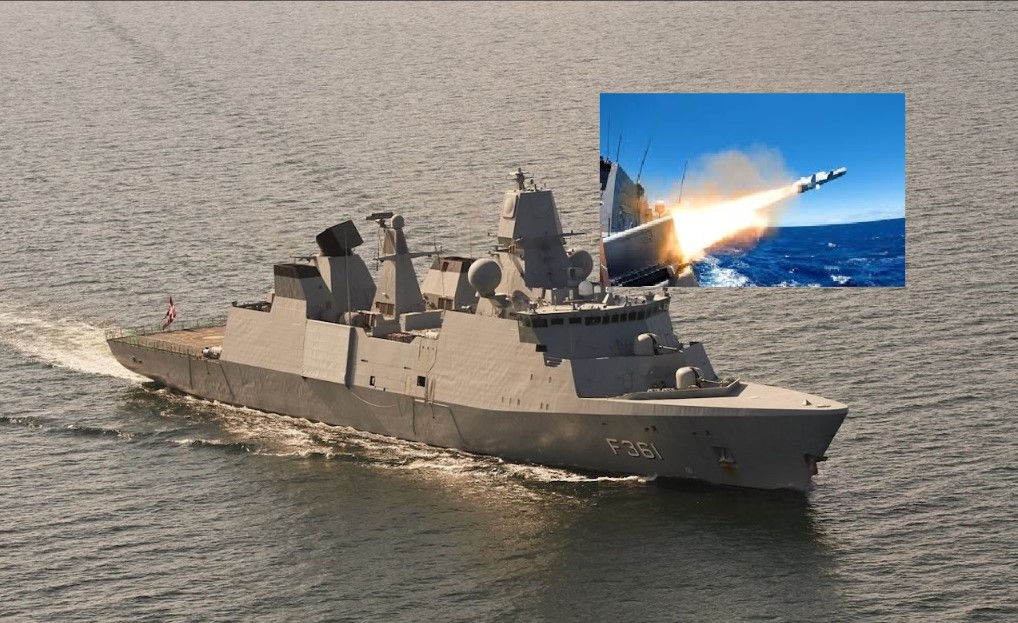
World
In a significant move to bolster its maritime defense capabilities, the Royal Danish Navy has opted to integrate the Naval Strike Missile (NSM) into its arsenal. This decision comes as a direct response to the donation of Denmark's existing Harpoon missiles to Ukraine, necessitating a modern replacement to maintain the nation's naval deterrence. Financial Commitment and Strategic Rationale The Danish Ministry of Defence Acquisition and Logistics Organisation (DALO), known locally as FMI, is spearheading this acquisition. The planned government-to-government contract with Norway, valued between DKK 900 million and DKK 1.5 billion, underscores Denmark's commitment to enhancing its naval strike proficiency. This procurement strategy was chosen after a comprehensive market survey revealed that the NSM not only meets operational requirements but also offers advantages in terms of cost and delivery speed. Additionally, the NSM's compatibility with allied systems ensures seamless interoperability within NATO frameworks. Deployment Plans and Fleet Integration Initially, the NSM will be deployed on Denmark's three Iver Huitfeldt-class frigates, which are slated for mid-life upgrades that may include advanced radar systems. While it's yet to be confirmed if the Absalon-class frigates will receive the NSM, future Danish patrol ships and replacements for the Thetis-class are strong candidates for this advanced missile system. The Naval Strike Missile: A Technological Marvel Developed by Norway's Kongsberg Defence & Aerospace, the NSM is a testament to modern military engineering. Key features include: Stealth and Survivability: Constructed with advanced composite materials, the NSM boasts sophisticated stealth capabilities, making it less detectable to enemy defenses. Precision and Autonomy: Equipped with an imaging infrared homing seeker and an onboard target database, the missile can autonomously identify and engage targets with high precision. Maneuverability: The design of the airframe, combined with a high thrust-to-weight ratio, grants the NSM exceptional maneuverability, allowing it to perform advanced terminal maneuvers to evade enemy defenses. Range and Speed: The missile operates at subsonic speeds between Mach 0.7 and 0.9 and has an effective range exceeding 185 kilometers (100 nautical miles), enabling it to strike targets at considerable distances. Multi-Platform Launch Capability: The NSM's versatile design allows it to be launched from various platforms, including ships, coastal defense systems, and potentially aircraft, making it adaptable to diverse operational scenarios. Global Adoption and NATO Integration Denmark's selection of the NSM aligns it with a growing list of NATO countries that have adopted this missile system, including Norway, Poland, Germany, the United States, and the United Kingdom. This widespread adoption not only signifies the NSM's advanced capabilities but also enhances collaborative defense efforts within the alliance. By integrating the Naval Strike Missile into its naval forces, Denmark is making a strategic investment in its maritime defense infrastructure. This move ensures that the Royal Danish Navy remains equipped with cutting-edge technology, capable of addressing contemporary security challenges and contributing effectively to collective defense initiatives.
Read More → Posted on 2025-02-14 15:24:16
World
In a deeply alarming escalation of its military campaign, Russia has launched a drone strike on the protective shelter covering the ruined fourth reactor of the Chernobyl Nuclear Power Plant. Ukrainian President Volodymyr Zelenskyy confirmed that a high-explosive warhead hit the New Safe Confinement (NSC) structure, which was built to contain radioactive materials from the catastrophic 1986 disaster. A Direct Attack on Global Safety The New Safe Confinement was an international effort involving the European Union, the United States, and other nations, designed to prevent radiation leaks and protect the environment. It was completed in 2016 at a cost of around $1.7 billion, making it one of the largest nuclear safety projects in history. This dome-shaped shelter was specifically engineered to last for at least 100 years, ensuring the containment of radioactive materials within the destroyed reactor. The Russian drone attack has now jeopardized the integrity of this critical structure. Although initial radiation readings remain stable, Ukrainian authorities are closely monitoring the situation. Emergency teams quickly extinguished a fire caused by the explosion, but experts warn that further structural damage could increase the risk of radiation leaks in the future. Zelenskyy Condemns Russia’s Reckless Actions President Zelenskyy strongly denounced the attack, emphasizing that Russia is the only nation in history to deliberately target nuclear sites. He accused Moscow of waging war without regard for humanity, citing its previous occupation of the Zaporizhzhia Nuclear Power Plant, the largest in Europe, which remains under Russian control. "Russia continues its relentless aggression, striking Ukraine’s critical infrastructure night after night," Zelenskyy stated. "This attack on Chernobyl proves that Putin is not seeking negotiations—he is preparing for further war." Global Reactions and Potential Consequences The attack has triggered international outrage, with many world leaders expected to discuss tighter sanctions on Russia and further military assistance to Ukraine. The potential dangers of such a strike extend far beyond Ukraine’s borders—any breach in the Chernobyl containment could lead to widespread radioactive contamination, affecting Europe and beyond. Experts warn that a direct hit on the reactor’s containment zone could lead to an environmental disaster, spreading radioactive particles across international borders. Given that radiation leaks have long-lasting effects, any damage to the NSC could reverse decades of efforts to mitigate the impact of the 1986 explosion. Ukraine Calls for Action Ukraine has once again called on the international community to increase pressure on Russia and provide enhanced air defense systems to prevent further attacks on vital infrastructure. Zelenskyy stressed that the world cannot ignore such reckless actions, demanding unified action to hold Russia accountable. As investigations into the extent of the damage continue, Ukrainian authorities are implementing precautionary measures to protect workers and the surrounding environment. Meanwhile, concerns grow over whether Russia will continue targeting nuclear sites—an action that could have irreversible consequences for global security.
Read More → Posted on 2025-02-14 15:20:59
World
In recent developments, Iranian President Masoud Pezeshkian has firmly stated that Iran will reconstruct its nuclear facilities if they are attacked. This declaration comes amid reports suggesting that Israel is considering strikes on key Iranian nuclear sites. During a visit to the southern province of Bushehr, President Pezeshkian addressed these threats, emphasizing the nation's resilience and the ingenuity of its people. He remarked, "They are threatening us that they will attack our Natanz nuclear facility. Come and attack it. It is the brains of our children that built it." He further asserted, "If you destroy a hundred (nuclear facilities), our children will build a thousand." These statements follow a report by The Washington Post, citing U.S. intelligence sources, which indicates that Israel is "likely to attempt a strike on Iran’s Fordow and Natanz nuclear facilities in the first six months of 2025." The report outlines "two potential strike options, each involving the U.S. providing support in the form of aerial refueling as well as intelligence, surveillance, and reconnaissance." The backdrop to these tensions includes the reinstatement of the "maximum pressure" policy by U.S. President Donald Trump, based on allegations that Iran is pursuing the development of nuclear weapons—a claim that Tehran has consistently denied. Despite the pressure, President Trump has expressed a preference for a diplomatic resolution, stating, "I would like a deal done with Iran on non-nuclear. I would prefer that to bombing the hell out of it." He added, "If we made the deal, Israel wouldn’t bomb them." The region has witnessed escalating hostilities between Iran and Israel. Notably, on October 26, Israel conducted airstrikes on military sites in Iran, resulting in the deaths of four servicemen. This action was in response to an October 1 missile barrage from Iran. Analysts suggest that these strikes inflicted significant damage on Iranian air defenses and missile capabilities. However, Iran has downplayed the impact, denying any major damage to its facilities. In retaliation, on April 13, Iran launched drones and missiles targeting Israel, following a deadly April 1 attack on its Damascus consulate, which was attributed to Israel. The international community remains on high alert as these developments unfold, with concerns about the potential for further escalation and the broader implications for regional stability.
Read More → Posted on 2025-02-14 15:15:56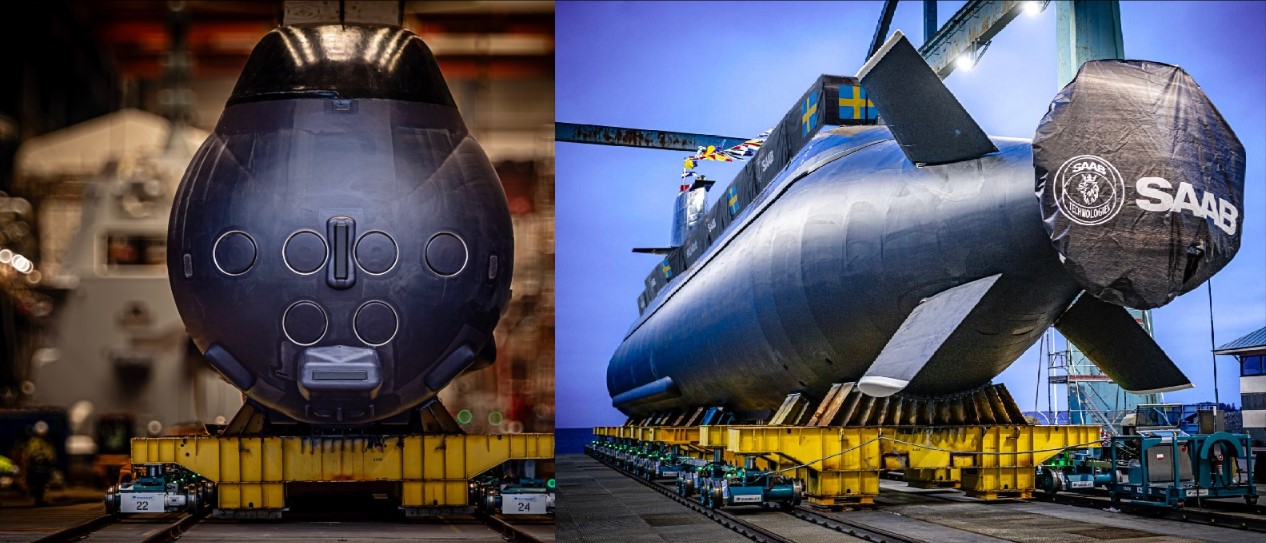
World
Swedish defence giant Saab has successfully launched the upgraded HMS Halland submarine following a major mid-life modernisation at its Karlskrona shipyard. As the third and final Gotland-class submarine to undergo extensive upgrades, HMS Halland now boasts cutting-edge technology that enhances Sweden’s naval capabilities and strengthens its position in the Baltic Sea. The advancements made in this upgrade will also serve as the foundation for Sweden’s next-generation Blekinge-class submarines. A Critical Boost for Sweden’s Naval Strength With Sweden’s strategic position in the Baltic Sea and its recent NATO accession, naval defence has become more crucial than ever. The HMS Halland upgrade ensures that the Swedish Navy remains prepared to counter evolving maritime threats while securing vital underwater infrastructure and sea lanes. Saab’s enhancements make the vessel more stealthy, resilient, and technologically superior, giving Sweden a formidable advantage in underwater warfare. Mats Wicksell, Head of Saab’s Business Area Kockums, emphasised the importance of this upgrade: “Securing critical underwater infrastructure and sea lanes is more important than ever. The launch of HMS Halland is a testament to Saab’s ability to upgrade and deliver advanced submarines with the capabilities the Swedish Navy requires. With HMS Halland, the Swedish Navy, and by extension NATO, is given additional muscle to defend and monitor the Baltic Sea.” Cutting-Edge Enhancements HMS Halland’s modernisation involved replacing more than 20 key systems, ensuring the submarine remains operational for years to come. Some of the major improvements include: New Command and Control Systems – Enhancing situational awareness and combat efficiency. Upgraded Sensor Suite – Providing superior underwater detection capabilities for anti-submarine warfare. Improved Stealth Features – Reducing noise signature to make it harder to detect. Extended Endurance and Operational Range – Allowing the submarine to conduct longer missions with greater effectiveness. Enhanced Weapons Systems – Strengthening offensive and defensive capabilities. These upgrades not only improve HMS Halland’s performance but also align Sweden’s submarine fleet with the latest technological advancements, ensuring seamless integration with NATO’s maritime operations. A Step Toward the Future Now that HMS Halland joins the upgraded HMS Gotland and HMS Uppland in active service, Sweden’s submarine fleet is well-positioned to safeguard its interests in the Baltic region. The improvements made in these vessels will directly contribute to the design and capabilities of the upcoming Blekinge-class submarines, which will be the next step in Sweden’s evolving naval strategy. As geopolitical tensions persist in the Baltic Sea, Sweden’s investment in its naval forces demonstrates a commitment to strengthening both national security and regional defence cooperation within NATO. The successful launch of the upgraded HMS Halland marks another milestone in Sweden’s maritime defence evolution, reinforcing its ability to operate in an increasingly complex security environment.
Read More → Posted on 2025-02-14 15:07:38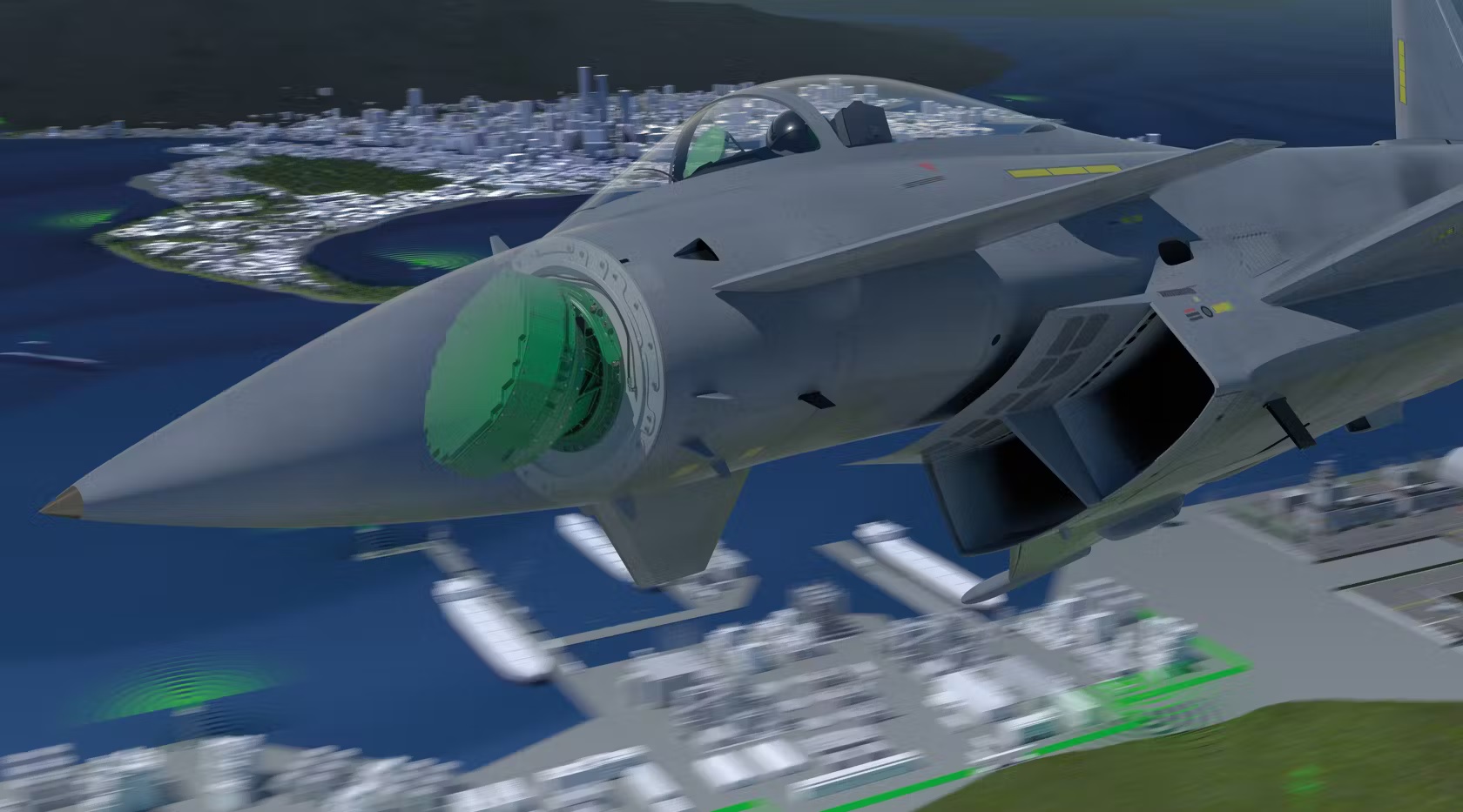
World
German defense technology company HENSOLDT has been awarded a €350 million contract extension to further develop the Eurofighter Mk1 radar system. This decision comes after approvals from the German and Spanish Ministries of Defence, enabling Airbus Defence and Space to commission additional development tasks. Advancements in Radar Technology The European Common Radar System Mark 1 (ECRS Mk1) represents a significant leap in radar technology for the Eurofighter Typhoon, a cornerstone of many European and Middle Eastern air forces. Traditionally, the Eurofighter relied on mechanically-scanned (M-Scan) fire control radar technology. However, advancements in electronically-scanned array (E-Scan) technology have paved the way for the integration of Active Electronically Scanned Array (AESA) radars into the platform. Developed collaboratively by Germany's HENSOLDT Sensors GmbH and Spain's Indra Sistemas S.A., the ECRS Mk1 radar is designed to enhance the Eurofighter's capabilities in both air-to-air and air-to-ground operations. Notably, it introduces advanced electronic warfare functionalities, transforming the radar from a traditional sensor to a multifunctional system. Key Features and Specifications The ECRS Mk1 boasts several advanced features: Wide Field of View: The radar offers a ±90° field of view, providing 50% greater angular coverage than traditional AESA radars. Enhanced Detection and Tracking: With very high frequency agility and new digital waveforms, the radar ensures faster detection and tracking of multiple targets, improved tracking performance, and increased detection of weak signals. Advanced Air-to-Ground Capabilities: The system includes ultra-high-resolution Synthetic Aperture Radar (SAR) imagery and modes such as Ground Moving Target Indication (GMTI) and Space-Time Adaptive Processing (STAP). Electronic Warfare Functions: The radar integrates electronic support measures (ESM) and electronic attack (EA) capabilities, enhancing the Eurofighter's survivability in contested environments. A notable design advantage is the Eurofighter's larger nose, which accommodates a bigger antenna compared to other fighters. This design, combined with the ability to mechanically rotate the antenna, increases both the detection area and the field of view, surpassing other AESA radar systems. Contract Extension Details The recent contract extension encompasses the delivery of test systems for Germany's Airbus A320 D-ATRA radar test aircraft and enhancements to the Mk1 Step 1 radar system. These developments signify a substantial technological advancement, ensuring the system's long-term operational effectiveness and adaptability. Additionally, the agreement initiates the development phase for ECRS Mk1 Step 2, aiming to further augment radar capabilities. The integration of Airbus Defence and Space's Attack & Identify system is expected to reduce pilot workload and improve mission effectiveness. Future Outlook HENSOLDT's Head of Eurofighter Radar, Frank Döngi, stated, "The contract extension ensures the development of an air-certifiable, robust Eurofighter Mk1 radar for Germany and Spain. Our goal is to start flight testing of the revised radar at the end of 2025. Installation of the Mk1 Step 1 on the German Quadriga Eurofighters is then scheduled to begin in the course of 2027." These advancements underscore the commitment to maintaining the Eurofighter Typhoon's status as a leading multi-role combat aircraft, equipped to meet evolving defense challenges.
Read More → Posted on 2025-02-14 14:50:35
World
In a solemn and significant operation, Ukraine has successfully repatriated the remains of 757 soldiers who lost their lives in battles against Russian forces. This effort underscores the profound human cost of the ongoing conflict and highlights the collaborative endeavors to honor and remember those who have made the ultimate sacrifice. Details of the Repatriation Effort The Coordination Headquarters for the Treatment of Prisoners of War announced that the bodies were retrieved from various critical front-line sectors: Donetsk Sector: 451 soldiers Bakhmut Sector: 71 soldiers Vuhledar Sector: 51 soldiers Luhansk Sector: 13 soldiers Zaporizhzhia Sector: 137 soldiers Additionally, 34 fallen defenders were returned from morgues located within Russian territory. The comprehensive nature of this operation reflects the extensive reach and intensity of the conflict across multiple regions. Collaborative Efforts in the Repatriation Process The repatriation was made possible through the concerted efforts of several Ukrainian agencies and international partners. Key contributors included: The Central Directorate for Civil and Military Cooperation of the General Staff of the Armed Forces of Ukraine The Security Service of Ukraine (SBU) The Ministry of Internal Affairs The State Emergency Service The Office of the Verkhovna Rada Commissioner for Human Rights The Secretariat of the Commissioner for Persons Missing Under Special Circumstances This multi-agency collaboration ensured the meticulous and respectful handling of the fallen soldiers' remains. Identification and Honoring the Fallen Upon return, the bodies are entrusted to law enforcement agencies and forensic experts for prompt identification. This process is crucial for providing closure to the families and ensuring that each soldier is honored appropriately. The Ukrainian government remains steadfast in its commitment to identifying all fallen defenders and facilitating their dignified return to their loved ones. Context of the Ongoing Conflict The repatriation of such a significant number of fallen soldiers underscores the ongoing intensity and human toll of the conflict between Ukraine and Russia. As the war approaches its three-year mark, both nations continue to engage in prisoner exchanges and repatriation efforts, which stand as some of the few areas of cooperation amidst the hostilities. Recent Developments in Prisoner Exchanges In addition to the repatriation of bodies, there have been notable prisoner exchanges between the two nations. For instance, on January 15, 2025, Ukraine and Russia conducted a prisoner swap, with each side releasing 25 individuals. Such exchanges are critical for maintaining a semblance of humanitarian cooperation and providing relief to the families affected by the conflict. The return of the 757 fallen Ukrainian soldiers is a poignant reminder of the sacrifices made in the defense of the nation. It also highlights the importance of continued efforts to honor those who have perished and to seek avenues of cooperation, even amidst ongoing hostilities. The Ukrainian government, along with its partners, remains dedicated to these humanitarian endeavors, ensuring that the fallen are remembered and their families receive the support they need during these challenging times.
Read More → Posted on 2025-02-14 14:43:11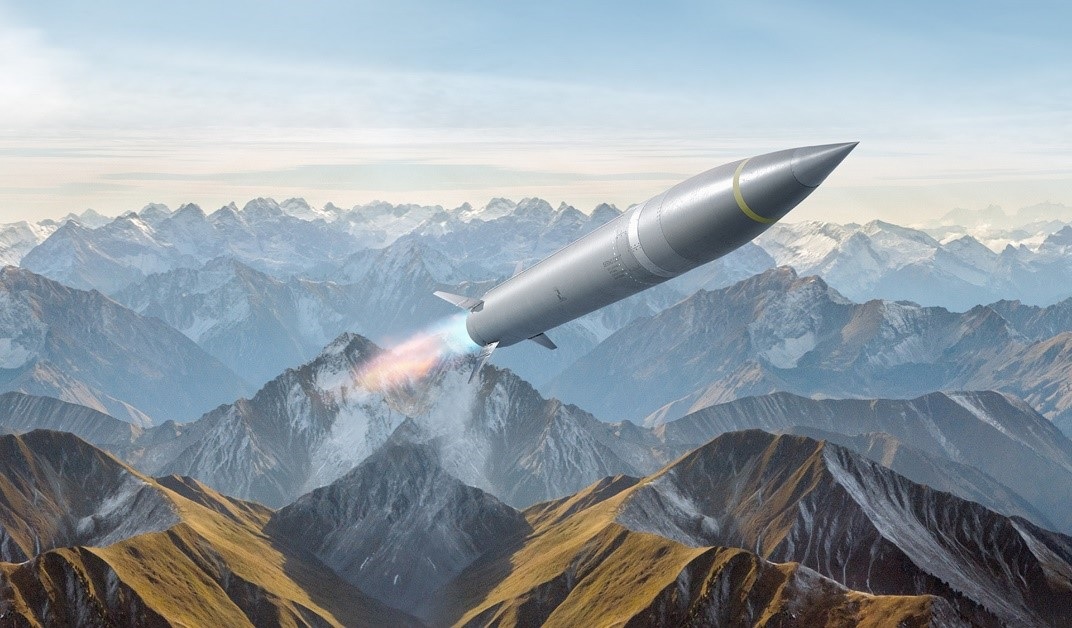
World
On February 12, 2025, the U.S. Army achieved a significant milestone by successfully testing the Precision Strike Missile (PrSM) Increment 1 at White Sands Missile Range, New Mexico. This test involved launching two PrSM missiles from a High Mobility Artillery Rocket System (HIMARS), targeting multiple simulated threats, including a surrogate SCUD missile, radar installations, and rotary-wing platforms. The missiles demonstrated exceptional performance in range, accuracy, and detonation parameters, underscoring their reliability in combat scenarios. Advancements Over Previous Systems The PrSM is set to replace the aging Army Tactical Missile System (ATACMS), offering substantial improvements in range and lethality. One of the standout features of the PrSM is its extended range, exceeding 499 kilometers, which allows it to strike deep into enemy territory, targeting command centers, air defenses, and other high-value assets. This capability not only enhances the Army's offensive reach but also provides a strategic advantage in suppressing and neutralizing threats before they can pose significant risks. Design and Compatibility Designed with an open systems architecture, the PrSM emphasizes affordability and flexibility, ensuring that it can adapt to future technological advancements. Its modular design allows for seamless integration of upgrades, keeping the missile relevant in evolving combat environments. Moreover, the PrSM is compatible with existing Army platforms, including the M270 Multiple Launch Rocket System (MLRS) and the M142 HIMARS. This compatibility ensures that current artillery units can adopt the new missile without extensive modifications, streamlining the transition process. Enhanced Firepower and Efficiency A notable improvement over its predecessor is the PrSM's missile load-out capacity. Each launch pod can accommodate two PrSM missiles, effectively doubling the firepower compared to the single-missile capacity of the ATACMS system. This increase in payload capacity allows for more targets to be engaged in a shorter time frame, enhancing the Army's ability to overwhelm enemy defenses and achieve mission objectives efficiently. Guidance and Warhead Specifications The PrSM employs an advanced guidance system that combines an Inertial Navigation System (INS) with Global Positioning System (GPS) inputs, ensuring high-precision targeting even in challenging environments. The missile is equipped with an enhanced lethality warhead designed specifically for its target set, ensuring effective neutralization of a wide range of threats. Future Prospects The successful test of the PrSM Increment 1 marks a pivotal step in the U.S. Army's pursuit of advanced long-range precision strike capabilities. As the missile progresses towards full-rate production, scheduled for a decision in the fourth quarter of fiscal year 2025, it is poised to become a cornerstone of the Army's artillery formations. Its combination of extended range, precision, and adaptability ensures that the PrSM will play a critical role in maintaining battlefield superiority and strategic deterrence in future conflicts. In summary, the Precision Strike Missile represents a significant advancement in the U.S. Army's artillery capabilities, offering enhanced range, precision, and flexibility. Its successful testing underscores the Army's commitment to modernizing its forces and maintaining a strategic edge in modern warfare.
Read More → Posted on 2025-02-14 14:40:14
World
The U.S. Army has recently awarded Oshkosh Defense contracts totaling $214.8 million for additional Family of Medium Tactical Vehicle A2 (FMTV A2) trucks and trailers. These contracts, issued by the U.S. Army Contracting Command – Detroit Arsenal, include the first procurement of Low Velocity Air Drop (LVAD) vehicles, designed to enhance strategic mobility and sustainment operations. Introduction of LVAD Capabilities The LVAD variants are specifically engineered for rapid deployment in contested and austere environments. They feature a folding cab that reduces the vehicle's height to 90 inches, a chassis designed for parachute drop and landing, and the addition of a winch to all LVAD variants. These specialized vehicles successfully underwent airdrop testing in 2024, proving their capability in supporting airborne operations. Enhanced Features of the FMTV A2 Platform The FMTV A2 platform is designed to address the evolving needs of the battlefield, featuring 19 different variants tailored to meet mission-specific requirements. The vehicle offers increased payload capacity, improved performance, and enhanced protection for personnel and cargo. Its advanced suspension and stability control systems enable superior mobility across challenging terrain, ensuring safe and rapid deployment of soldiers and essential equipment. Key Specifications: Payload Capacity: Depending on its configuration, the FMTV A2 can transport payloads weighing from 5,000 to 20,000 pounds (2,268 to 9,072 kilograms). Variants: The FMTV A2 is offered in 12 truck, 4 chassis, and 3 trailer options to support different user requirements. Its main variants include a 4×4 cargo, 6×6 cargo, and dump truck that can be integrated with different mission components. Mobility: Equipped with advanced suspension and stability control systems, the FMTV A2 ensures superior mobility across challenging terrains. Protection: Enhanced protection features safeguard both personnel and cargo during operations. Ongoing Commitment to Modernization Oshkosh Defense anticipates securing a three-year contract extension in Spring 2025, covering order years 8-10. Since the initial contract award in 2018, the company has received orders for over 3,000 FMTV A2 units, underscoring the program’s importance in supporting U.S. military logistics and mobility requirements. The FMTV A2’s increased payload capacity provides greater flexibility in transporting equipment, supplies, and personnel, reducing logistical strain and streamlining military operations. The platform’s modernized design is a crucial component of the U.S. Army’s ongoing efforts to maintain operational effectiveness in dynamic combat environments. With fielding already underway, these additional orders build on the momentum of the FMTV A2 program, and soldiers are set to benefit from its enhanced mobility, protection, and payload capacity.
Read More → Posted on 2025-02-13 15:10:55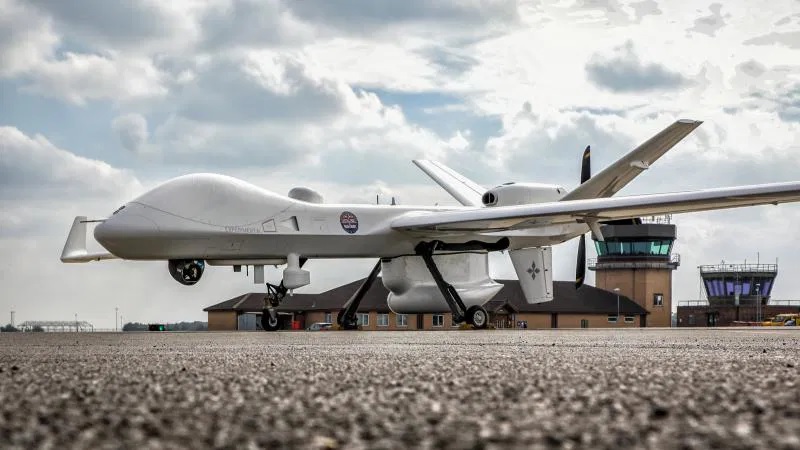
World
The Royal Air Force (RAF) has successfully conducted a flight test of its latest Remotely Piloted Air System (RPAS), the Protector RG1, over Lincolnshire. This event signifies a pivotal step in the aircraft's evaluation program as it approaches full operational status. Advancements in RPAS Technology The Protector RG1 is poised to replace the current Reaper system, introducing significant advancements in intelligence, surveillance, and reconnaissance (ISR) capabilities. Notably, it is the first RPAS certified to operate across all classes of UK airspace, ensuring seamless integration into both military and civilian aviation sectors. Key Specifications Endurance: Capable of operating for over 30 hours, the Protector RG1 offers extended mission durations, enhancing its ISR effectiveness. Altitude: The aircraft can reach altitudes up to 40,000 feet, allowing for operations above commercial air traffic and providing a broad surveillance range. Dimensions: With a wingspan of 79 feet (24 meters) and a length of 37.5 feet (11.43 meters), the Protector RG1 is designed for optimal aerodynamic performance. Engine: Powered by a Honeywell TPE331-10 turboprop engine, it ensures reliable performance across various mission profiles. Advanced Features The Protector RG1 is equipped with state-of-the-art technology to enhance its operational capabilities: Electro-Optical/Infrared (EO/IR) Sensor: Provides high-definition imagery for detailed reconnaissance. Lynx® Multi-Mode Radar: Offers synthetic aperture radar (SAR) imaging and ground moving target indication (GMTI), crucial for identifying and tracking targets. Detect and Avoid System (DAAS): Ensures safe operation within civilian airspace by autonomously detecting and avoiding other aircraft. All-Weather Capability: Features lightning protection and a de-icing system, allowing operations in diverse weather conditions. Operational Milestones The recent flight test was conducted by an all-UK crew from the new RAF ground station at Waddington, led by 56 (Test & Evaluation) Squadron with support from 31 and 54 Squadrons. This marks a significant phase in the aircraft's testing program, focusing on critical integration and operational assessments. The UK government has committed to acquiring 16 Protector RPAS units for the RAF, bolstering the nation's remotely piloted aviation capabilities. RAF Waddington will serve as the primary operational hub, supporting both training and global deployment operations. Infrastructure and Training To support the Protector program, the first Certifiable Ground Control Station (CGCS) and simulator have been installed at RAF Waddington. As of now, four Protector aircraft have arrived in the UK, with additional units undergoing testing in the United States. RAF engineers from 31 Squadron have been instrumental in assembling and testing the aircraft, ensuring it meets the rigorous standards required for operational deployment. Future Outlook As testing progresses, the Protector RG1 is anticipated to provide the RAF with an advanced, long-endurance, high-altitude RPAS. Its ability to operate in complex environments while integrating seamlessly into civilian airspace represents a significant leap in addressing the demands of modern air operations. The successful flight test over Lincolnshire underscores the collaborative efforts of RAF personnel, defense partners, and industry contractors in delivering this state-of-the-art capability to the UK's defense arsenal.
Read More → Posted on 2025-02-13 15:06:47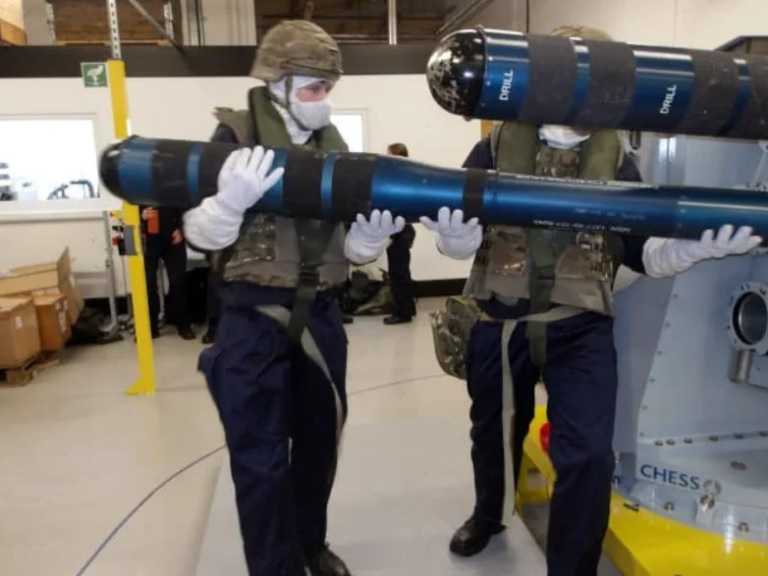
World
The Royal Navy is advancing its maritime defense capabilities with the introduction of the Maritime Electronic Warfare System Integrated Capability (MEWSIC). This state-of-the-art system has recently completed production and is now undergoing final tests and upgrades, marking a significant milestone in enhancing the fleet's electronic warfare proficiency. Deployment Across Key Vessels MEWSIC is slated for installation on both current and future major surface warships, including: Queen Elizabeth-Class Aircraft Carriers: These carriers represent the largest and most advanced ships ever built for the Royal Navy, serving as the central components of the UK's naval power. Type 45 Destroyers: Renowned for their advanced air defense capabilities, these destroyers will benefit from MEWSIC's enhanced electronic warfare features. Type 26 and Type 31 Frigates: These forthcoming frigates are designed for anti-submarine warfare and general-purpose operations, respectively, and will be equipped with MEWSIC to bolster their operational effectiveness. Enhanced Electronic Warfare Capabilities MEWSIC provides a significant upgrade to the Royal Navy's existing electronic warfare systems. Key enhancements include: Advanced Sensor Suite: The system features an upgraded sensor array capable of detecting and identifying a broader range of radar signals across an expanded frequency spectrum. Improved Command-and-Control System: This enhancement facilitates faster operational decision-making by integrating detected electromagnetic emissions with the tactical picture, thereby increasing situational awareness. Anti-Ship Missile Defense: MEWSIC enhances the Navy's defensive capabilities against anti-ship missiles by enabling more simultaneous detections and identifications of radar signals, aiding in quicker threat assessment and response. Development and Collaboration The development of MEWSIC is the result of a collaborative effort under a 13-year, £100 million contract. The consortium responsible for this advancement includes: Babcock International: Serving as the prime contractor, Babcock has led the integration and delivery of the system. Elbit Systems UK: Contributing advanced electronic technologies and systems integration expertise. QinetiQ: Providing specialized knowledge in defense technology and innovation. Integration with Ancilia Countermeasure System Complementing MEWSIC is the Ancilia maritime countermeasures solution, designed to enhance the Royal Navy's defensive measures against advanced missile threats. Key features of Ancilia include: Trainable Decoy Launchers: Unlike traditional fixed launchers, Ancilia's trainable design allows for rapid adjustment of the launch angle, enabling the ship to deploy decoys effectively without the need for evasive maneuvers. Modular and Flexible Design: Ancilia's compact and adaptable architecture allows for integration across various vessel types, including the Type 26, 31, and 45 warships. Enhanced Threat Response: By rapidly adjusting to incoming threats, Ancilia improves the ship's ability to evade missiles, thereby increasing the overall survivability of the vessel. The integration of MEWSIC with the Ancilia system represents a significant advancement in the Royal Navy's electronic warfare and defensive capabilities, ensuring that the fleet remains equipped to counter evolving maritime threats effectively.
Read More → Posted on 2025-02-13 15:00:02
World
Swedish defense company Saab has introduced its latest innovation, the Coast Control Radar, a state-of-the-art system designed to bolster maritime surveillance and security. This next-generation, phased-array, non-rotating, software-defined radar was developed in the United Arab Emirates (UAE) and is set to be officially launched at the International Defence Exhibition and Conference (IDEX) in the UAE. Enhanced Maritime Monitoring The Coast Control Radar is engineered to improve the monitoring of territorial waters, ensuring the safety of maritime traffic and reinforcing national sovereignty. Its compact and modular design offers high-performance tracking capabilities, enabling the detection of small and fast-moving vessels even in challenging coastal environments. This capability is crucial for supporting national security efforts and contributes significantly to the protection of global maritime trade routes. Flexible Installation and Comprehensive Coverage Designed for flexible installation, the radar can be seamlessly integrated into existing infrastructure such as buildings, towers, and waterway bridges. Its modular design facilitates 360-degree coverage, ensuring comprehensive monitoring of the maritime domain. Additionally, the system supports regular software updates, allowing it to maintain optimal performance and adapt to evolving operational requirements. Advanced Features and Specifications The Coast Control Radar boasts several advanced features: Phased-Array Design: Utilizes a phased-array architecture, providing a compact footprint without compromising performance. Enhanced Detection Capabilities: Capable of detecting small and fast-moving vessels, even in harsh environmental conditions, ensuring reliable performance in diverse maritime settings. Cost-Efficient Operation: Designed for minimal maintenance requirements, the system ensures high availability while keeping operational costs low. Strategic Importance Heléne Bittmann, Saab’s Managing Director in the UAE, emphasized the strategic importance of secure maritime transit in the region. She highlighted that the Coast Control Radar offers an effective solution for nations aiming to enhance their monitoring of key waterways, thereby strengthening maritime security and facilitating safe and efficient maritime operations. In summary, Saab's Coast Control Radar represents a significant advancement in maritime surveillance technology, offering enhanced detection capabilities, flexible installation options, and cost-effective operation. Its deployment is poised to play a pivotal role in safeguarding territorial waters and supporting global maritime security initiatives.
Read More → Posted on 2025-02-13 14:55:43
World
Israel Aerospace Industries (IAI) has recently delivered its latest innovation in airborne surveillance, the C-Catcher Multi-Mode, Multi-Role radar system, to an undisclosed strategic customer. This advanced radar is engineered to enhance detection capabilities and operational flexibility across air-to-sea, air-to-ground, and air-to-air missions. Evolution from the ELM-2022 Building upon the success of the ELM-2022 radar family, which boasts over 1,000 units in service across 35 countries, the C-Catcher represents a significant technological leap. The integration of Gallium Nitride (GaN) Active Electronically Scanned Array (AESA) technology not only boosts performance and reliability but also maintains a compact and efficient design. Key Features and Capabilities Simultaneous Multi-Mode Operation: The C-Catcher is capable of conducting wide-area surveillance in real-time, operating multiple detection modes concurrently. This feature ensures comprehensive situational awareness across various mission profiles. Advanced Target Detection: With sophisticated digital processing and algorithms, the radar excels in detecting small targets at high altitudes, even under challenging conditions such as rough sea states or cluttered ground environments. High-Resolution Imaging: Equipped with Synthetic Aperture Radar (SAR) and Inverse Synthetic Aperture Radar (ISAR) modes, the C-Catcher provides high-resolution imaging, enhancing target classification and identification accuracy. Versatile Configurations: Available in both fixed and rotating setups, the radar is adaptable for installation on various platforms, including fixed-wing aircraft, helicopters, unmanned aerial vehicles (UAVs), and vertical take-off and landing (VTOL) platforms. Strategic Importance Dror Bar, Vice President of IAI and CEO of its subsidiary ELTA Systems, emphasized the critical role of airborne surveillance radars in national security and defense. He noted that the C-Catcher leverages decades of operational experience in radar technology, positioning it as a pivotal asset for modern defense strategies. About Israel Aerospace Industries Established in 1953, IAI is a global leader in aerospace and defense, developing advanced solutions for both military and commercial markets. The company's expertise spans satellites, UAVs, missile systems, cybersecurity, and intelligence solutions, underscoring its commitment to innovation and excellence in the defense sector. In summary, the C-Catcher radar system signifies a substantial advancement in airborne surveillance technology, offering enhanced detection capabilities, operational flexibility, and adaptability across multiple platforms and mission scenarios.
Read More → Posted on 2025-02-13 14:47:22
World
In a significant shift within military technology development, Anduril Industries has assumed control of the U.S. Army's Integrated Visual Augmentation System (IVAS) program, taking over from Microsoft. This transition comes after the IVAS program faced several challenges, including delays and technical issues. Background of the IVAS Program Initiated to revolutionize soldiers' combat and training experiences, the IVAS program aims to integrate advanced augmented reality (AR) and virtual reality (VR) technologies into a single platform. The system is designed to enhance battlefield awareness, allowing soldiers to rapidly identify threats and make informed decisions. Key features of IVAS include: Mixed Reality Capabilities: Combining AR and VR to overlay critical information onto the soldier's field of view. Enhanced Situational Awareness: Providing real-time data to improve decision-making processes. Synthetic Training Environment (STE): Enabling soldiers to engage in realistic training scenarios without physical risks. Challenges and Setbacks Despite its ambitious goals, the IVAS program encountered several hurdles: User Discomfort: Early versions of the headset led to complaints from soldiers about headaches, nausea, and eyestrain. Technical Deficiencies: Issues such as limited peripheral vision and the bulkiness of the equipment hindered performance. Operational Delays: The program experienced multiple postponements to address these challenges, delaying its deployment. Anduril's Involvement and Innovations To address these challenges, Anduril Industries, founded by Palmer Luckey, has taken over the development and production of the IVAS system. Anduril plans to integrate its Lattice software platform into IVAS, aiming to enhance threat detection and situational awareness. The Lattice platform is known for its advanced artificial intelligence and machine learning capabilities, which can process data from various sensors to provide a comprehensive view of the battlefield. Microsoft's Continued Role While Anduril leads the hardware and software development, Microsoft will continue to support the program by providing its advanced cloud infrastructure and AI technologies. This collaboration ensures a robust backbone for seamless data integration, leveraging Microsoft's expertise in cloud computing to handle the vast amounts of data processed by the IVAS system. Future Prospects The partnership between Anduril and Microsoft aims to overcome previous obstacles and deliver a more effective IVAS solution. By combining Anduril's innovative approach to defense technology with Microsoft's cloud and AI capabilities, the program seeks to provide soldiers with a tool that enhances their effectiveness and safety on the battlefield. This development reflects a broader trend of integrating cutting-edge technology into military applications, highlighting the importance of collaboration between defense and technology companies to meet evolving military needs.
Read More → Posted on 2025-02-13 14:37:40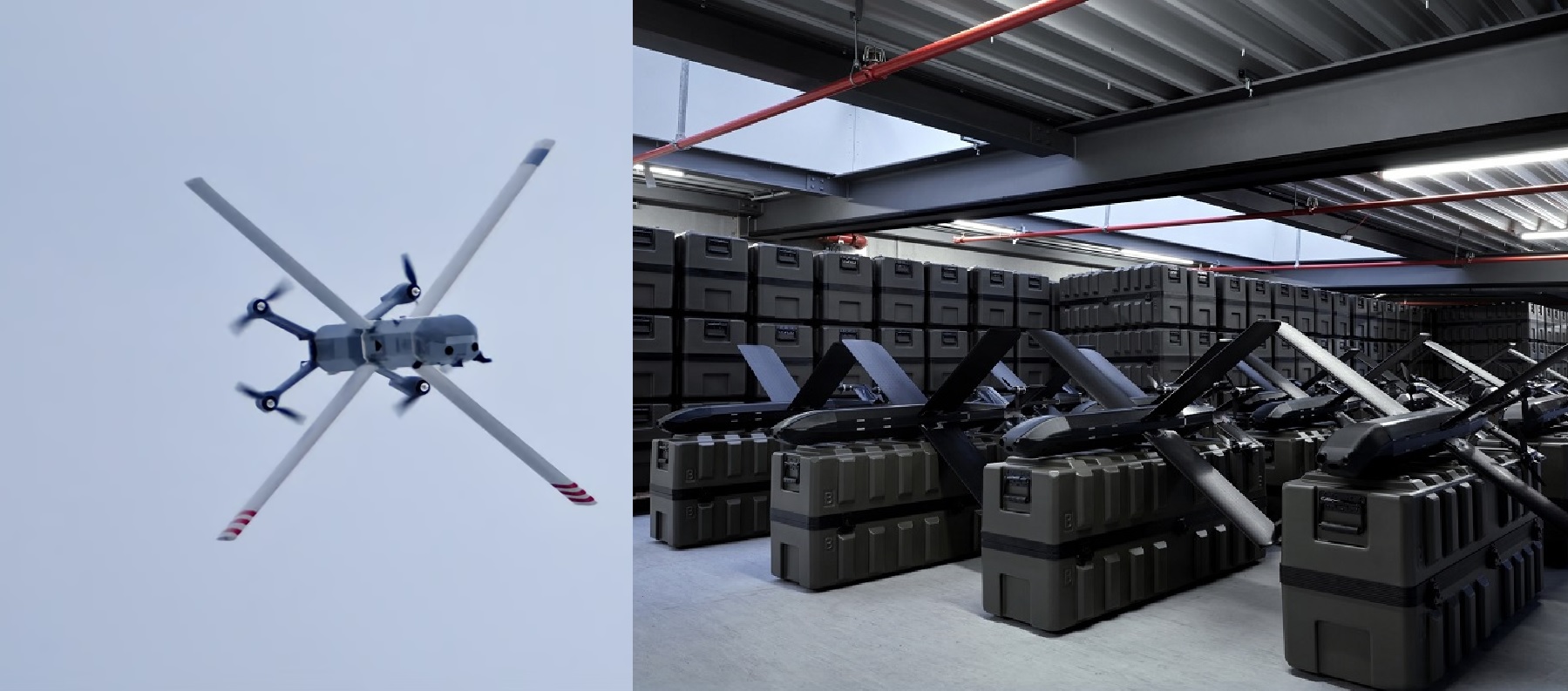
World
In a significant move to bolster Ukraine's defense capabilities, German defense technology company Helsing has announced the production of 6,000 HX-2 strike drones for delivery to Ukraine within this year. This decision follows a previous shipment of 4,000 HF-1 drones in November 2024, underscoring the deepening defense collaboration between Germany and Ukraine. HX-2 Strike Drone: A Technological Marvel Unveiled in late 2024, the HX-2 represents a leap in unmanned aerial vehicle technology. This electrically propelled, X-wing precision munition boasts a range of up to 100 kilometers and can reach speeds of 220 km/h. Weighing approximately 12 kilograms, it is designed for agility and precision. The drone is versatile in its payload capacity, capable of being equipped with multi-purpose, anti-tank, and anti-structure munitions, making it adept at targeting enemy artillery systems, armored vehicles, and command posts. One of the standout features of the HX-2 is its advanced onboard artificial intelligence system. This AI grants the drone full resistance to electronic warfare and jamming attempts, ensuring reliable operation even in contested environments. The AI enables the drone to autonomously navigate complex terrains, identify targets, and execute precision strikes without constant human intervention. Swarm Capabilities and the Altra Platform The HX-2 is integrated into Helsing's Altra reconnaissance-strike software platform. This integration allows multiple HX-2 drones to operate in coordinated swarms, controlled by a single human operator. Such swarm capabilities enhance battlefield effectiveness, enabling simultaneous strikes on multiple targets and overwhelming enemy defenses. Mass Production and the Resilience Factory Initiative To meet the high demand and ensure rapid deployment, Helsing has inaugurated its first Resilience Factory in Southern Germany. These state-of-the-art manufacturing facilities are designed for high-efficiency production, with the initial factory boasting a monthly capacity of over 1,000 HX-2 drones. Helsing plans to establish additional Resilience Factories across Europe, aiming to provide nations with local and sovereign production capabilities, ensuring scalability during times of conflict. Strategic Implications and Future Outlook Gundbert Scherf, co-founder of Helsing, emphasized the importance of expanding production for Ukraine, stating that precision mass is helping to counter numerical disadvantages on the battlefield. He urged NATO to learn from these developments. Niklas Köhler, another co-founder, highlighted the company's innovative approach to mass production, noting that their factories integrate software-first design principles, reducing costs while maintaining effectiveness and deterrence. With the expansion of production and the establishment of new manufacturing facilities, Helsing is positioning itself as a major player in modern military technology. The company's strategy aims to strengthen European defense capabilities while supporting Ukraine's ongoing war efforts. The delivery of these 6,000 HX-2 drones is expected to significantly enhance Ukraine's defensive and offensive operations, providing a technological edge in the ongoing conflict.
Read More → Posted on 2025-02-13 12:04:33Search
Top Trending in 24 Hours
-
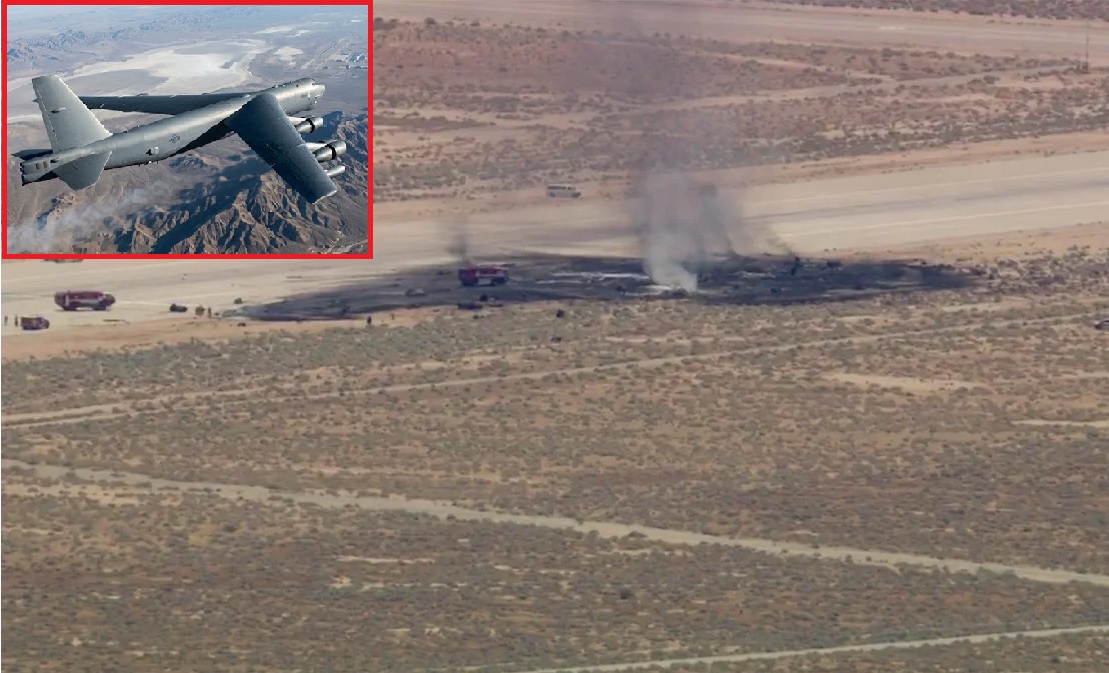 8 U.S. Air Force Crew Members Killed in B-52 Bomber Crash During Test Flight at Edwards Air Force Base
-
 Ukraine Introduces Balloon-Launched DART Missile Designed to Defeat Electronic Warfare
-
 Lockheed Martin Wins $514 Million U.S. Space Force Contract for Two New GPS IIIF Satellites
-
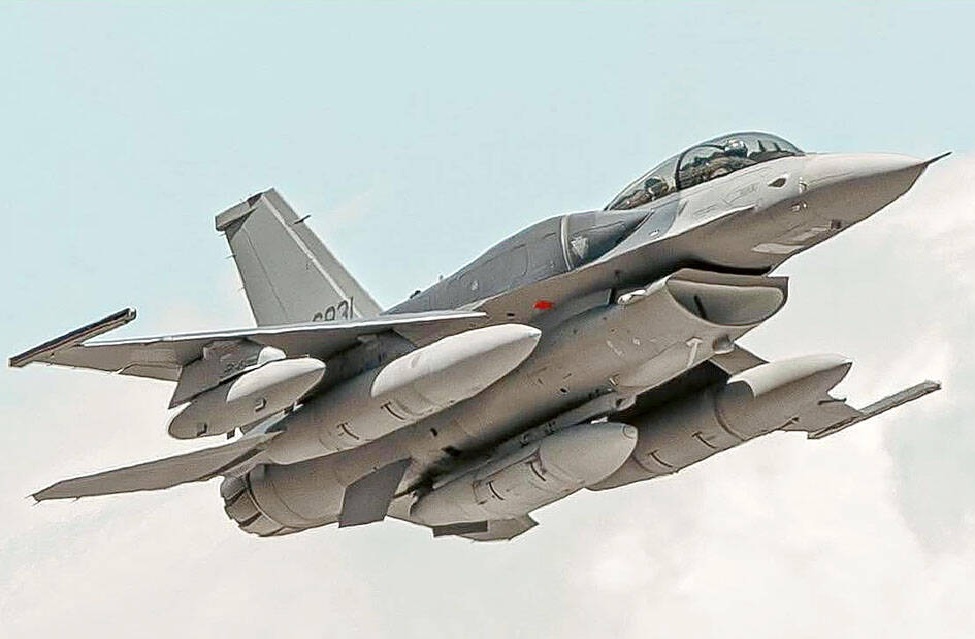 First Taiwanese F-16 Block 70 Flies with Five-Tank Fuel Configuration During Texas Tests
-
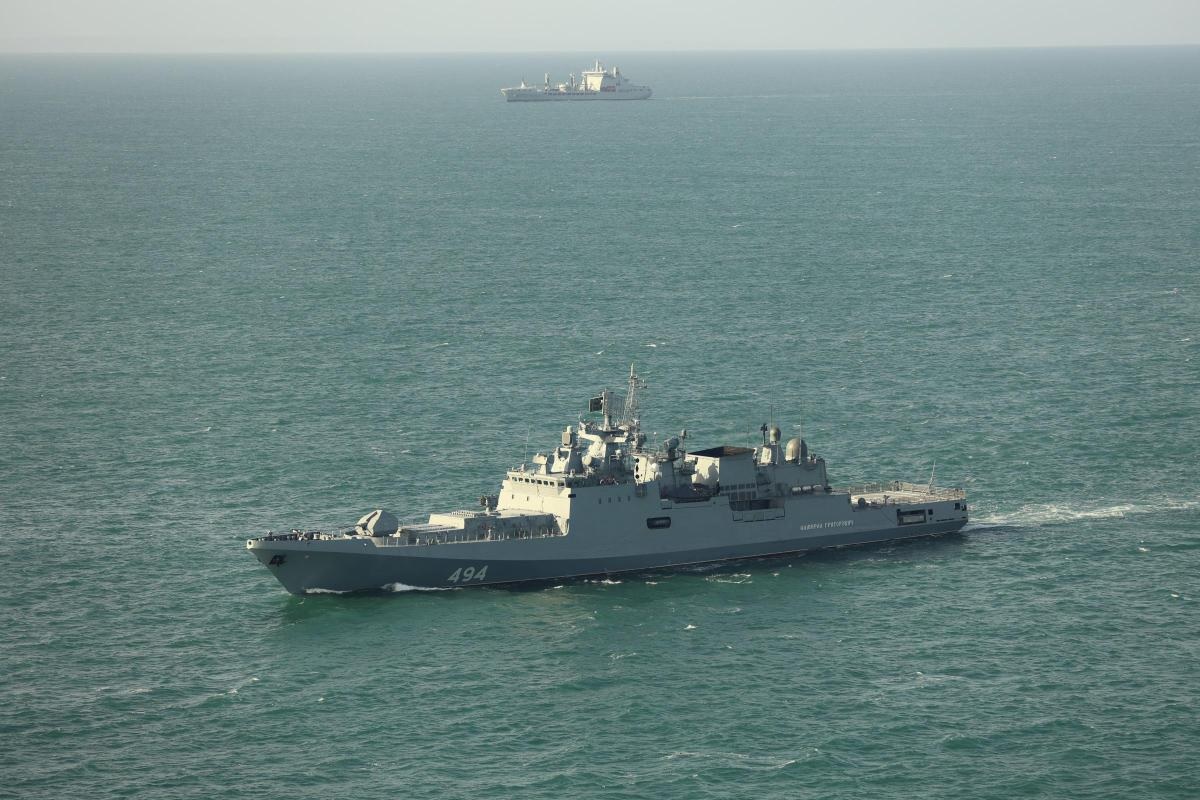 Russian Frigate Admiral Grigorovich Challenges UK Yacht in English Channel With Warning Shots
-
 UK Announces £210 Million Deal to Supply Enriched Uranium to Ukraine for Two Years
-
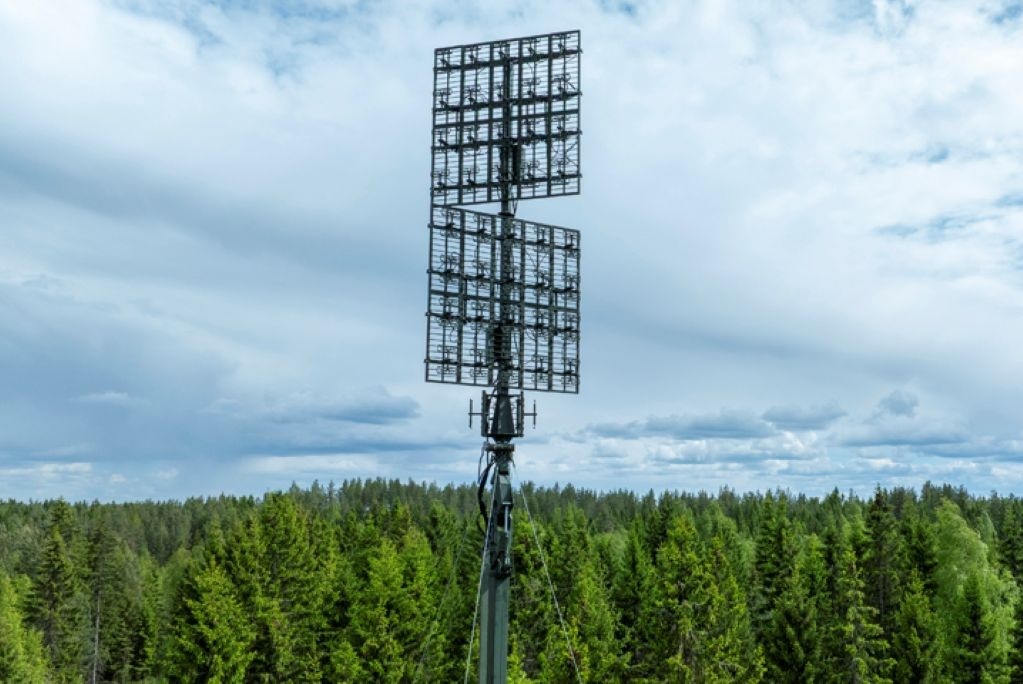 Patria Launches WISPR Passive Counter-Battery Radar with Silent Detection Capability at Eurosatory 2026
-
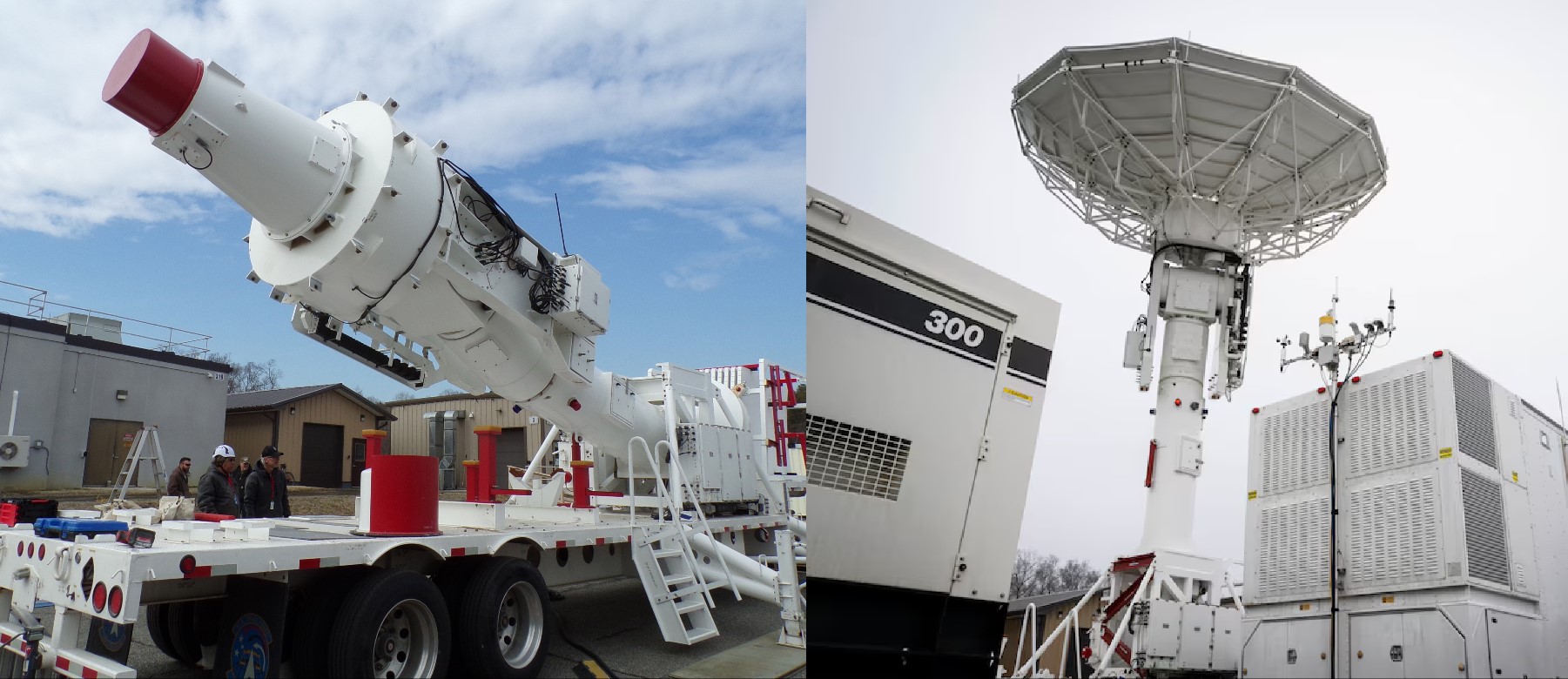 Space Force Transfers Transportable Satellite Tracking Antenna to Naval Research Laboratory
Top Trending in 4 Days
-
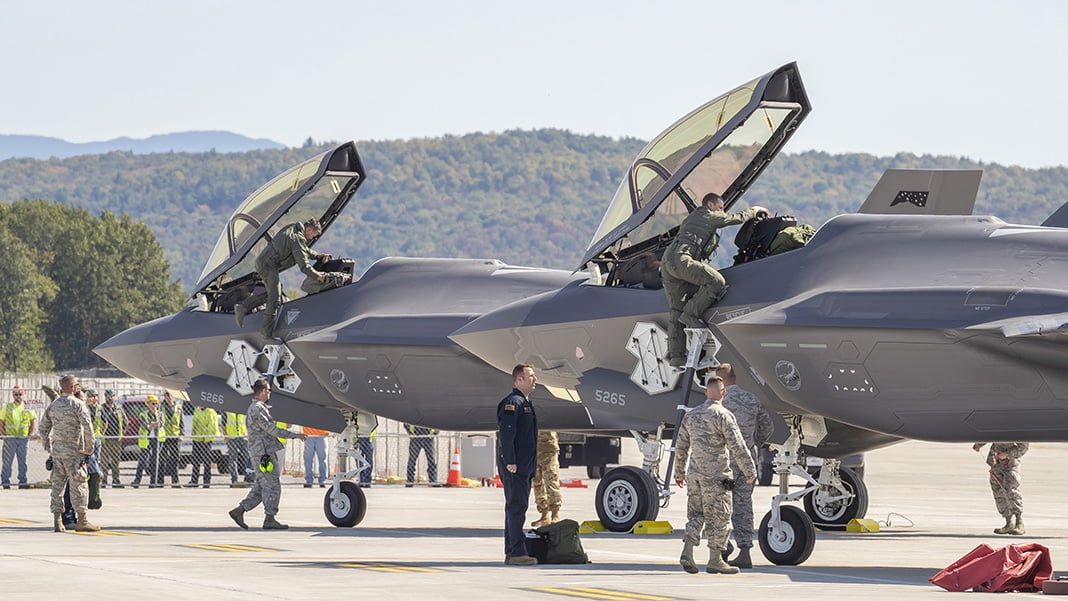 F-35 Fleet Readiness Falls to 25% Amid Parts Shortages and Software Delays: GAO Report
-
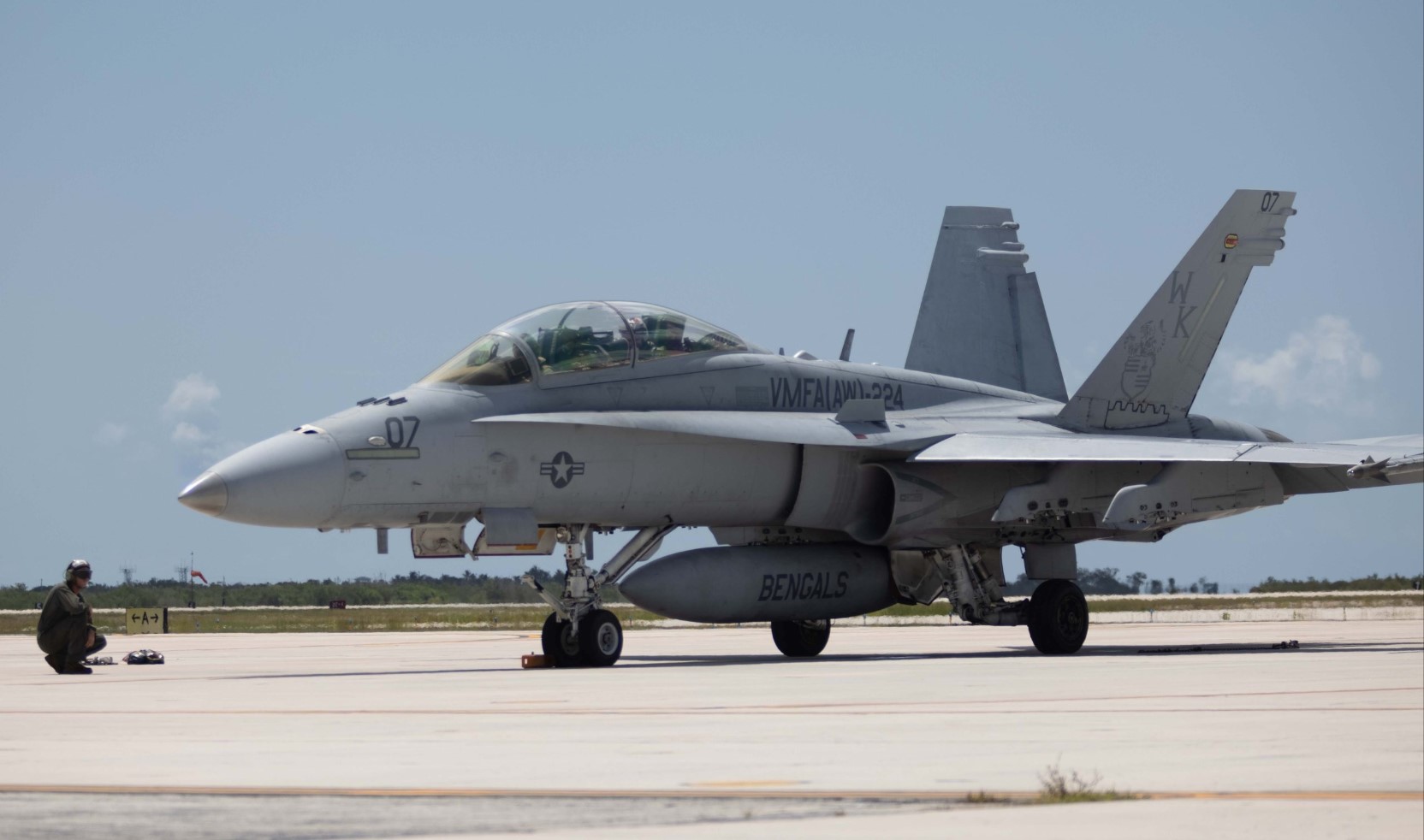 US Marine Corps F/A-18D Hornet Crashes During Training Flight in Washington Mountains; Pilot Ejects Safely
-
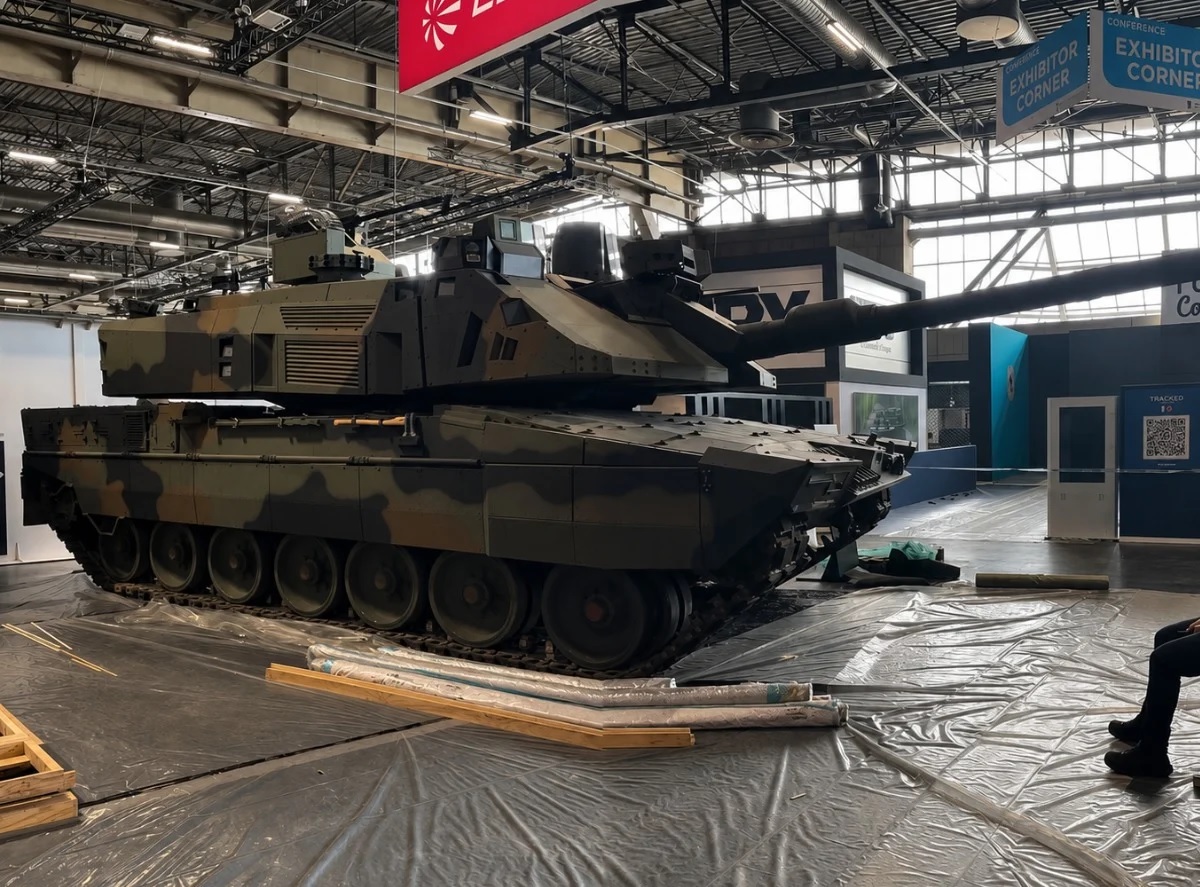 Leonardo Rheinmetall to Unveil Italy’s New IMBT Main Battle Tank at Eurosatory 2026
-
 Tulsi Gabbard Releases Declassified Files Detailing U.S.-Backed Network of 120 Biolaboratories Across 30+ Countries
-
8 U.S. Air Force Crew Members Killed in B-52 Bomber Crash During Test Flight at Edwards Air Force Base
-
 NASA X-59 Achieves Planned Mission Conditions with Mach 1.4 Flight at 55,000 Feet
-
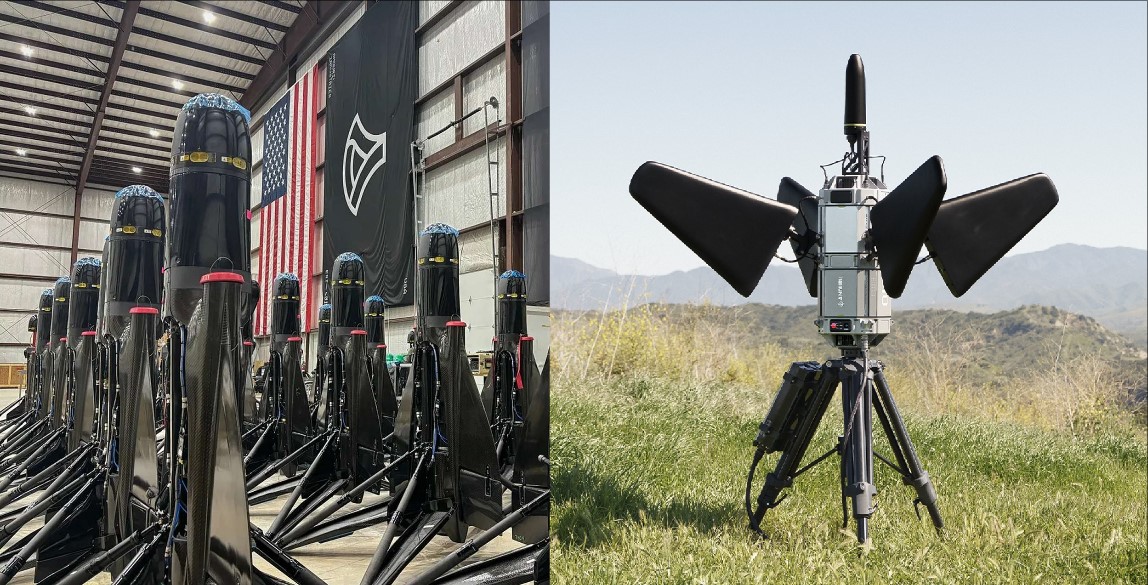 U.S. Approves $1.98 Billion Sale of Anduril AI-Powered Counter-Drone Systems to Kuwait
-
 Russia Launches 1,400 Jet-Powered Drones in 2026 as Strike Tactics Evolve to Challenge Ukraine's Air Defenses