World
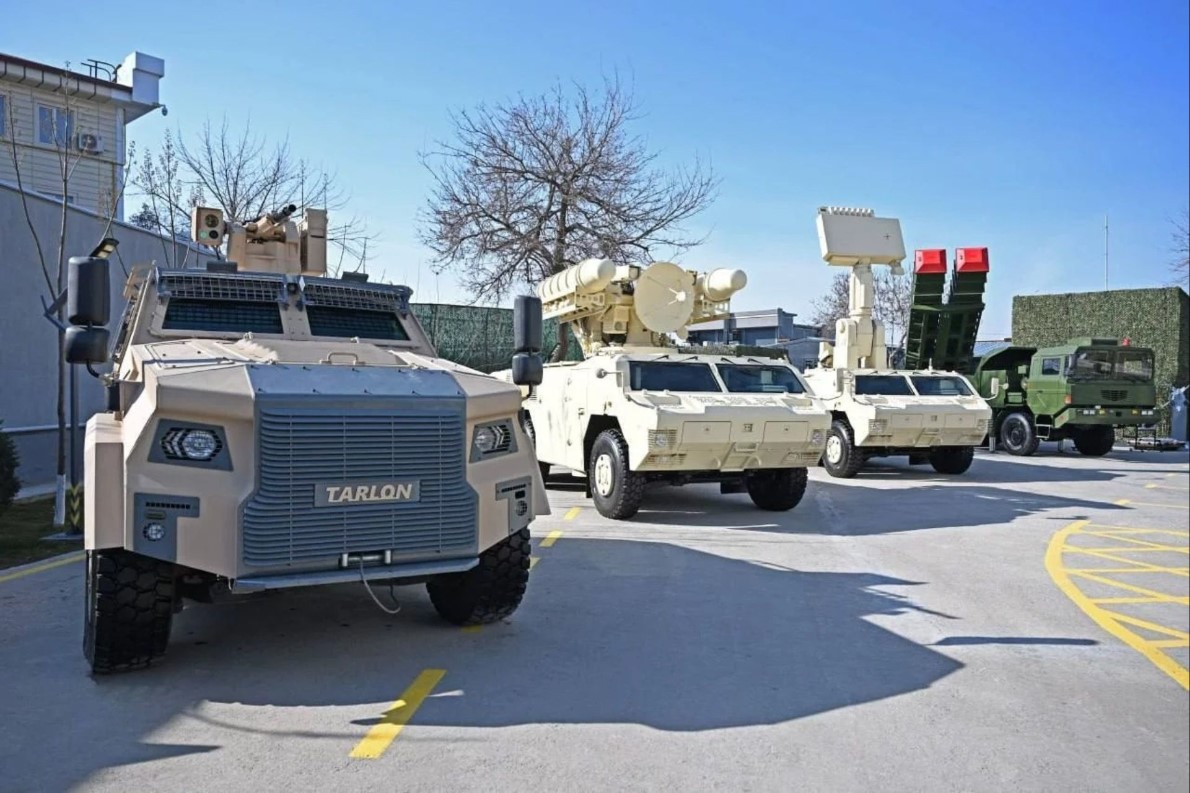
Uzbekistan has taken a significant step in modernizing its air defense capabilities by acquiring advanced Chinese-made missile systems. The country has officially introduced the FM-90 short-range surface-to-air missile system and the KS-1C medium-to-long-range air defense system, enhancing its ability to counter aerial threats. This acquisition follows a regional trend, as neighboring Turkmenistan has also adopted a similar layered defense strategy using Chinese air defense systems, including the FD-2000, FM-90, and KS-1C. By incorporating these systems, Uzbekistan is reinforcing its national security and aligning its military strategy with the evolving defense landscape in Central Asia. A Multi-Layered Defense Approach The FM-90 is an advanced version of the HQ-7, specifically designed to intercept low-altitude threats such as enemy aircraft, cruise missiles, and drones. It boasts improved radar tracking, an enhanced guidance system, and highly maneuverable interceptors capable of engaging multiple targets simultaneously. This makes it a crucial element in Uzbekistan’s short-range air defense. On the other hand, the KS-1C is a medium-to-long-range system that provides extended coverage and is capable of engaging high-altitude targets, including aircraft and ballistic missiles. It is equipped with modern radar and fire-control systems, ensuring rapid response and integration within a broader air defense network. Strategic Implications for Uzbekistan By investing in these Chinese-made defense systems, Uzbekistan is strengthening its military cooperation with Beijing while boosting its national security framework. The combination of the FM-90 and KS-1C creates a robust, multi-layered air defense shield that significantly enhances Uzbekistan’s ability to detect, track, and neutralize airborne threats. In an era of evolving security challenges, Uzbekistan's decision to enhance its air defense capabilities demonstrates its commitment to military modernization. This move not only fortifies its defensive posture but also reflects the country’s growing reliance on Chinese military technology to secure its airspace.
Read More → Posted on 2025-02-25 15:12:32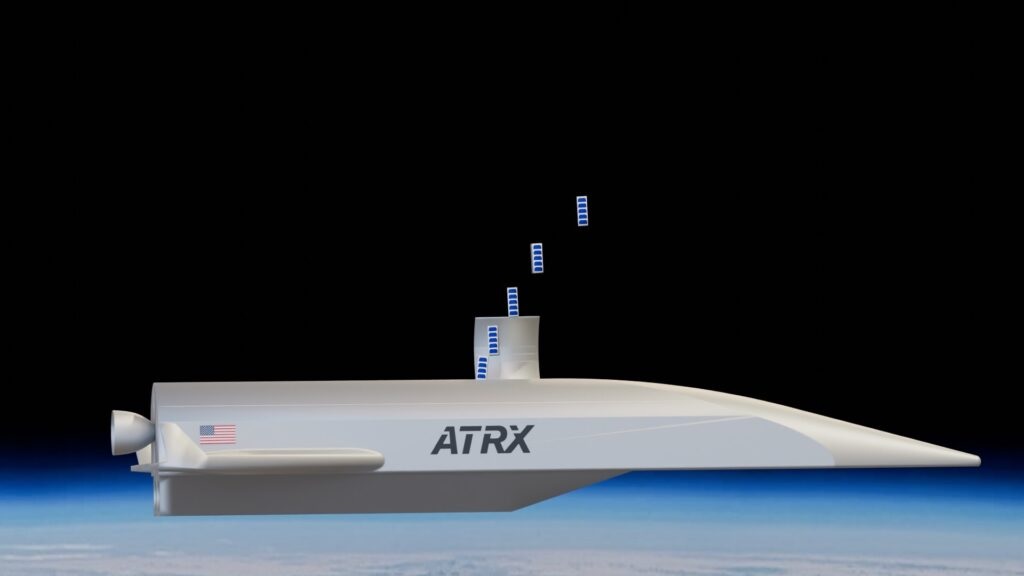
World
Cummings Aerospace and ATRX have announced a strategic partnership to develop cutting-edge unmanned aircraft systems (UAS) capable of supersonic and hypersonic flight. This collaboration is set to revolutionize high-speed drone technology by integrating ATRX’s advanced Air Turbo Rocket (ATR) engine with Cummings Aerospace’s proven Hellhound UAS platform. A Leap in Hypersonic Drone Technology The goal of this partnership is to create cost-effective, high-speed UAS solutions that will enhance military capabilities and pave the way for future space applications. With the increasing demand for hypersonic systems, these drones could play a critical role in modern warfare, giving the U.S. and its allies a significant advantage over near-peer adversaries. Beyond military applications, the collaboration has broader implications for spaceplane development. The ability to launch and land from conventional runways could dramatically change satellite deployment strategies, especially as commercial satellite launches surge in the coming years. Hellhound UAS: A Proven Platform for Hypersonic Flight Cummings Aerospace is contributing its modular Hellhound UAS to the project. The Hellhound is a next-generation unmanned system with multiple specialized variants, designed for different mission requirements. A new version of the Hellhound is now being adapted to accommodate ATRX’s Air Turbo Rocket, a propulsion system designed to achieve speeds up to Mach 5. One of the key advantages of the Hellhound is its affordability. By utilizing a 3D-printed modular design and commercial off-the-shelf components, the drone remains cost-effective while maintaining high performance. Its ability to rapidly swap payloads in under five minutes without the need for specialized tools makes it highly adaptable for a wide range of missions. The ATRX Air Turbo Rocket: Powering the Next Generation of Hypersonic Drones The ATRX Air Turbo Rocket (ATR) is a hybrid propulsion system designed for sustained high-speed flight. Unlike traditional engines, the ATR combines the efficiency of a jet engine with the raw power of a rocket, making it an ideal choice for hypersonic applications. Multiple prototype tests have already been conducted, and the partnership with Cummings Aerospace will provide an opportunity to validate its performance in real-world flight conditions. Industry Leaders Weigh In Sheila Cummings, CEO of Cummings Aerospace, emphasized the need for high-speed aerial systems that can operate in contested airspace. She stated that this partnership will enable the development of affordable, long-range UAS capable of operating at unprecedented speeds. Felix Bustos III, CEO of ATRX, highlighted the importance of this project for accelerating spaceplane development. He noted that by testing the ATR engine on a flight-proven airframe, the companies could streamline the process of bringing hypersonic and space-access technologies to market. Bustos also pointed to Huntsville, Alabama, as a key location for the project. With its skilled aerospace workforce and growing presence in hypersonic and spaceplane research, Huntsville has the potential to become a major hub for advanced aerospace manufacturing. What’s Next? The next phase of the project will focus on integrating the ATR engine into a high-speed Hellhound variant. The companies are preparing for subsonic and supersonic flight tests, which are expected to begin soon. These tests will be crucial in determining the operational feasibility of hypersonic unmanned aircraft. Meanwhile, Cummings Aerospace continues to push forward with other UAS initiatives. The Hellhound S3, a variant developed for the U.S. Army’s Loitering Munition program, recently completed a successful series of flight tests, further demonstrating the platform’s versatility. The collaboration between Cummings Aerospace and ATRX represents a significant step forward in hypersonic unmanned systems development. By combining their expertise, the two companies are positioning themselves at the forefront of next-generation drone technology, with potential applications spanning defense, aerospace, and future space missions.
Read More → Posted on 2025-02-25 15:09:30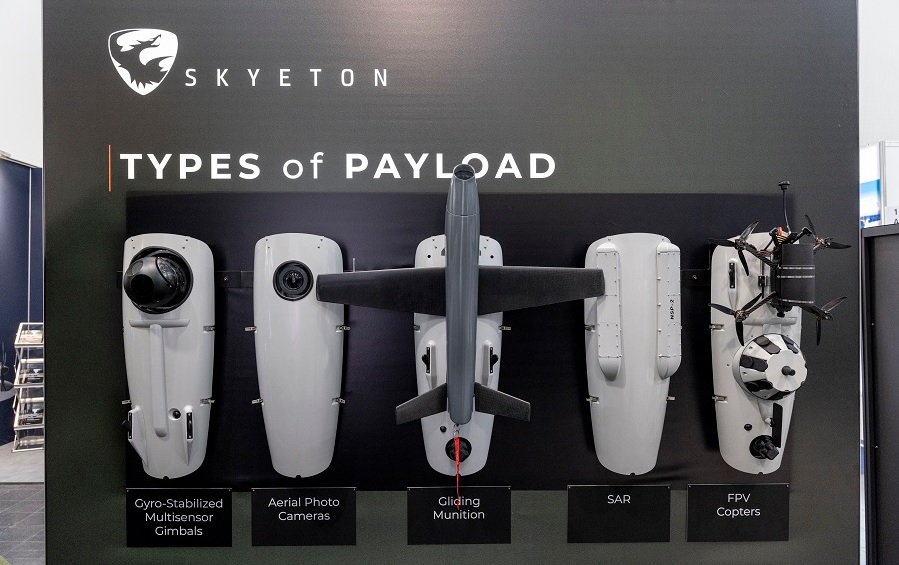
World
Ukrainian unmanned aerial systems (UAS) manufacturer Skyeton has introduced its latest innovations at XPONENTIAL Europe 2025, unveiling new payloads designed to enhance tactical UAV capabilities. The company showcased Remora, a precision-guided gliding munition, and the GLE series of multi-mission gimbals, reinforcing its commitment to advanced aerial warfare solutions. Alongside its well-known Raybird small UAS (sUAS), Skyeton presented Remora, a high-precision, long-range munition developed for tactical UAV operations. Designed to deliver pinpoint strikes, Remora features cumulative and high-explosive fragmentation warheads weighing between 1.5 and 2.5 kg. It is guided via real-time command inputs, ensuring maximum accuracy in dynamic combat environments. With a post-release velocity of 140 km/h, the munition allows UAVs to strike deep into enemy lines while staying undetected. CEO Roman Knyazhenko emphasized that Remora is the first gliding munition engineered specifically for small tactical UAVs under 25 kg, significantly boosting their operational flexibility and firepower. In addition to Remora, Skyeton unveiled the GLE-6 and GLE-7 gimbals, which are designed for surveillance and targeting in high-stress combat environments. These state-of-the-art electro-optical systems incorporate three advanced sensors: Global Shutter EO Sensor – for enhanced daytime imaging MWIR (Mid-Wave Infrared) Sensor – for superior thermal imaging Laser Rangefinder – for precise target distance measurement The GLE series gimbals provide real-time video transmission, adaptive streaming, and Mavlink-integrated UAV telemetry, ensuring seamless operation in modern warfare. Additional features include MicroSD storage, energy buffering for safe recording termination, and independent bitrate controls for optimized data management. Skyeton’s latest advancements highlight Ukraine’s growing expertise in tactical UAS technology, offering next-generation solutions for modern battlefields.
Read More → Posted on 2025-02-25 14:52:57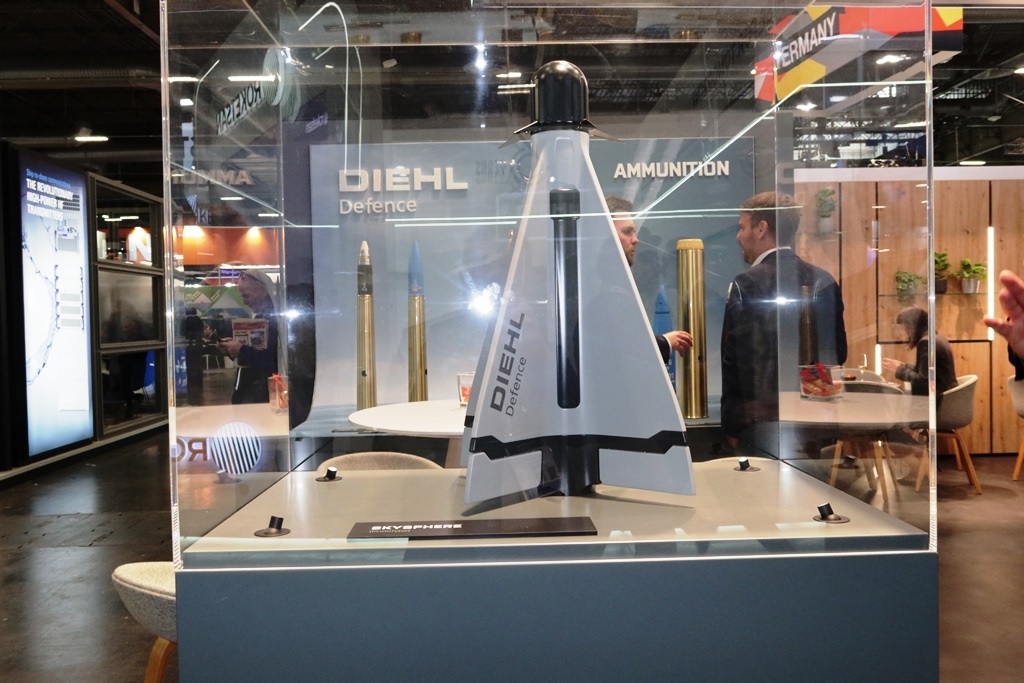
World
Diehl Defence has introduced its cutting-edge Sky Sphere drone defence system at Enforce Tac 2025, the premier international trade fair for security solutions. One of the most anticipated highlights of the exhibition is CICADA, an electric missile (eMissile) specifically designed to counter Class 1 and 2 drones, marking its European debut under this name. CICADA is available in two configurations to address different operational scenarios. The non-lethal version neutralizes drones by deploying a catch net, effectively disabling threats without destruction. Meanwhile, the lethal variant is equipped with a fragmentation warhead, offering a direct and forceful countermeasure against hostile drones. Designed as an integral component of the Sky Sphere system, CICADA functions within a sensor-to-shooter chain, providing flexibility and scalability for various defence needs. The modular architecture allows customers to integrate Diehl Defence’s components or incorporate third-party technologies, ensuring adaptability to mission-specific requirements. Diehl Defence is actively engaging with potential customers to explore integration possibilities, with an expected market launch of CICADA in 2026. A model of the missile is currently on display at the Diehl Defence booth at Enforce Tac 2025 and will also be showcased on the “Enforce Tac TV” industry platform. Beyond the Sky Sphere system, Diehl Defence is also presenting a broad range of ammunition and protection systems, including the Unmanned Ground Vehicle (UGV) “Ziesel”. A logistics variant of Ziesel is being demonstrated at the Enforce Tac Village, while a MedEvac version, developed in collaboration with Meier Medizintechnik, is featured at their booth, emphasizing its role in medical evacuation operations. Diehl Defence has been expanding its presence at Enforce Tac in recent years, reinforcing its position as a leading provider of air defence, guided missiles, and protection solutions. With a strong focus on innovation and adaptability, the company continues to develop advanced technologies to safeguard against emerging aerial and ground-based threats, ensuring a robust and future-ready defence ecosystem.
Read More → Posted on 2025-02-25 14:50:35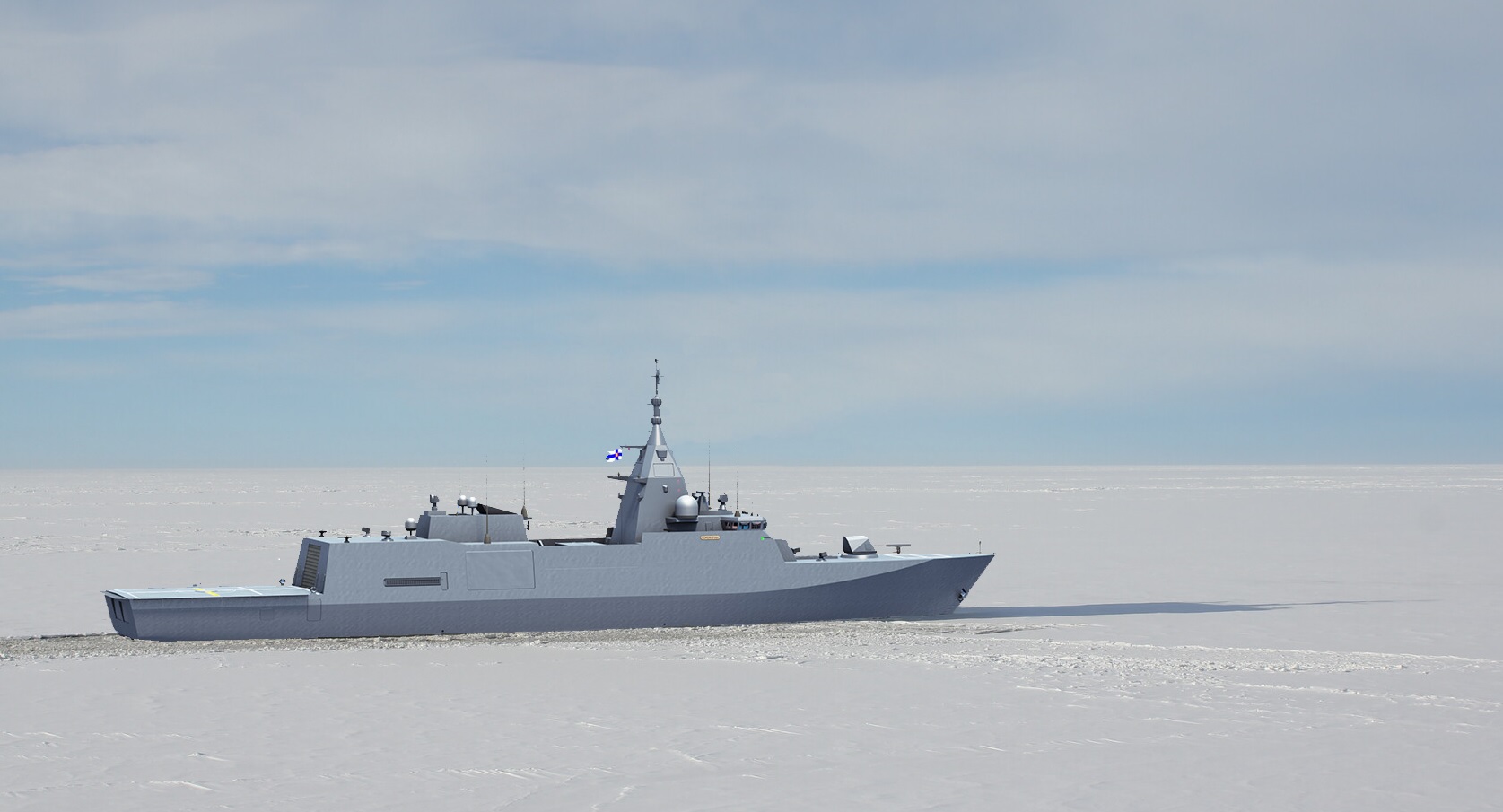
World
Aker Arctic has secured a contract from the Finnish Defence Forces Logistics Command to supply its state-of-the-art ARC ILMS (Ice Load Monitoring System) for the Finnish Navy’s new Pohjanmaa-class multi-role corvettes. This cutting-edge system will be integrated into four vessels currently under construction at Rauma Marine Constructions, enhancing their ability to navigate icy waters safely and efficiently. The ARC ILMS is designed to measure and analyze ice loads encountered by ships operating in Arctic conditions. By providing real-time feedback to operators, the system ensures safer navigation, optimizes vessel performance, and minimizes structural strain caused by harsh ice-covered environments. With Finland’s strategic need to maintain naval superiority in the Baltic and Arctic regions, this technology significantly enhances operational safety and efficiency. This contract adds to Aker Arctic’s growing list of successful deployments of the ARC ILMS. The system has already proven its capabilities with the Canadian Coast Guard’s Multi-Purpose Vessels (MPV) and was instrumental in monitoring ice loads on Ponant’s Le Commandant Charcot during its historic trans-Arctic voyage. The Finnish Navy’s adoption of this advanced system further solidifies Aker Arctic’s reputation as a leader in ice-navigation solutions. Aker Arctic’s involvement in the Pohjanmaa-class program extends beyond the ARC ILMS. The company is also supplying key ice-operability components, including ice-strengthened controllable pitch propellers, pitch control mechanisms, propeller shafts, bearings, and shaft seals. Furthermore, Aker Arctic will oversee installation supervision and commissioning of the corvettes’ propulsion systems, ensuring seamless integration of ice-navigation technologies. With Finland’s naval forces preparing for operations in some of the most challenging maritime environments, the incorporation of Aker Arctic’s expertise into the Pohjanmaa-class corvettes underscores the nation’s commitment to Arctic-ready naval capabilities.
Read More → Posted on 2025-02-25 14:44:05
World
French President Emmanuel Macron made it clear on Monday that any peace deal to end the Ukraine war must not come at the cost of Ukraine’s sovereignty. Speaking after his high-profile meeting with U.S. President Donald Trump at the White House, Macron struck a cautious but optimistic tone, emphasizing that talks had opened a “path forward.” However, the French leader insisted that Washington must back any European-led peace initiative with solid security guarantees for Kyiv. The meeting, which marked the third anniversary of Russia’s full-scale invasion of Ukraine, came amid growing concerns that Trump is moving toward a deal with Russian President Vladimir Putin that could leave Ukraine vulnerable. Ukrainian President Volodymyr Zelensky, meanwhile, called for a definitive peace settlement “this year” as he held discussions with European leaders in Kyiv. Tensions Rise as U.S. Policy Shifts While diplomacy took center stage in Washington, the situation on the ground in Ukraine remained dire. Early Tuesday, air raid sirens blared across the country as Russia launched a major missile assault, injuring at least five people and damaging several buildings. The attack even prompted Poland, a NATO member, to scramble its military aircraft in response. At the United Nations, Washington’s shifting stance was also on display. The U.S. sided with Russia twice on Monday, a move that alarmed Ukraine’s European allies. The decision was seen as an effort to keep the door open for future negotiations with Moscow, but it raised concerns that the U.S. might be stepping back from its previous full-throated support for Kyiv. “This peace cannot mean the surrender of Ukraine,” Macron declared at a joint press conference with Trump. He acknowledged that Trump had “good reason” to re-engage with Putin but insisted that the U.S. must “back up” any European-led peacekeeping efforts. Trump’s Unconventional Approach Trump’s abrupt policy shift on Ukraine has sent shockwaves through European capitals. He has openly declared that he wants to end the war as quickly as possible, even suggesting that negotiations could wrap up within weeks. “I think we could end it within weeks—if we’re smart. If we’re not smart, it will keep going,” Trump said during his meeting with Macron. He also revealed plans to invite Zelensky to the White House in the coming weeks to sign a deal that would grant Washington access to Ukraine’s rare mineral deposits in exchange for security guarantees. Trump’s remarks have fueled speculation that he is pushing for a deal that would involve deploying European peacekeepers in Ukraine, a move that Putin is reportedly open to considering. However, the former U.S. president has also made it clear that Europe must shoulder the financial burden of supporting Ukraine moving forward. Putin’s Strategic Patience As Trump signals a willingness to engage in diplomacy, Putin has been carefully assessing his next move. In a televised interview on Monday, the Russian leader suggested that European nations could play a role in brokering a peace deal. His comments marked a slight shift in tone, hinting that he sees an opportunity to secure a favorable settlement. Putin also took aim at Zelensky, calling him a “toxic figure” and echoing recent remarks from Trump. Meanwhile, behind the scenes, Russian and American businesses have reportedly been in contact over potential economic cooperation—including projects in occupied Ukrainian territories. The End of U.S. Support for Ukraine? Trump has made no secret of his intention to distance the U.S. from its traditional foreign policy on Ukraine. He has repeatedly accused Ukraine of provoking the war and has been highly critical of the Biden administration’s extensive military and financial aid to Kyiv. On Monday, Trump went a step further, calling his policy shift a “decisive break” from what he described as the U.S.’s “very foolish” past approach to foreign conflicts. This pivot was evident at the United Nations, where Washington backed language in a resolution that avoided explicitly blaming Russia for the war. As talks of a Trump-Putin meeting in Saudi Arabia gain traction, European leaders are scrambling to ensure that Ukraine’s interests are not sidelined. Macron, for his part, remains hopeful that a truce can be reached within weeks—but only if Ukraine is not forced into an unfavorable deal. For now, the world is watching closely as diplomacy accelerates. Whether these negotiations will lead to a genuine, lasting peace or a strategic realignment that benefits Moscow remains to be seen.
Read More → Posted on 2025-02-25 14:41:32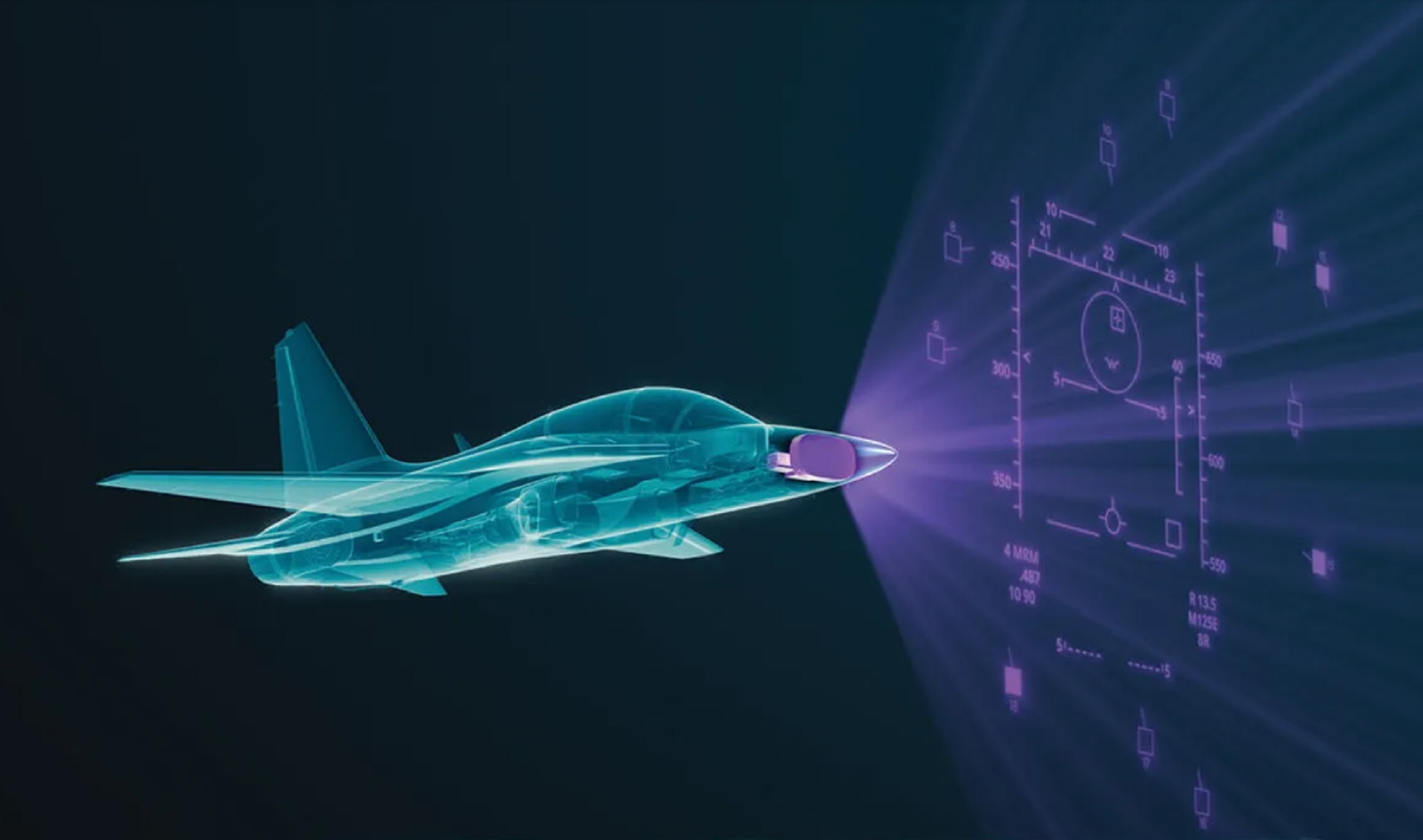
World
Raytheon, an RTX business, has successfully completed flight tests of its groundbreaking AI and machine learning-powered Radar Warning Receiver (RWR) for fourth-generation fighter jets. This next-generation system, known as the Cognitive Algorithm Deployment System (CADS), is designed to enhance pilot survivability by providing real-time threat detection and prioritization. At the core of CADS is an advanced Embedded Graphics Processing Unit integrated with Deepwave Digital’s computing stack, allowing AI models to function seamlessly within Raytheon’s existing radar warning systems. This innovative approach enables fighter jets to rapidly identify, categorize, and respond to threats directly at the sensor level—giving pilots faster and more accurate situational awareness. Raytheon highlights CADS as a cost-effective and scalable solution to modernizing defense systems. By incorporating cognitive processing methods, the system significantly reduces decision-making latency, providing a critical advantage in high-stakes combat environments. AI-Driven Radar Warning: A Game-Changer Bryan Rosselli, President of Advanced Products and Solutions at Raytheon, emphasized the impact of CADS on modern warfare: “The advantages of AI in defense systems are extensive, and our recent CADS test demonstrates how commercially available products, paired with advanced algorithms and cognitive methods, can help the U.S. and its allies outpace peer threats. CADS’ ability to quickly process data and run third-party algorithms that prioritize threats, with almost no latency, will significantly enhance survivability for military personnel.” The initial CADS hardware and cognitive radar processing tests were conducted on Raytheon’s own flight test aircraft. In December, the system underwent further trials on an F-16 at the Air National Guard’s test range in Tucson, Arizona. These tests confirmed AI-driven threat recognition and response, marking a major milestone in the deployment of artificial intelligence in electronic warfare. The flight tests were conducted in collaboration with the Georgia Tech Research Institute, Vadum, Inc., and Raytheon’s cognitive electronic warfare team. Given the success of these trials, CADS is set to enter production and be integrated into multiple aircraft platforms starting in early 2025. This breakthrough technology signals a major shift in how AI is shaping the future of air combat, ensuring that fighter jets remain one step ahead in an increasingly complex threat environment.
Read More → Posted on 2025-02-25 14:33:53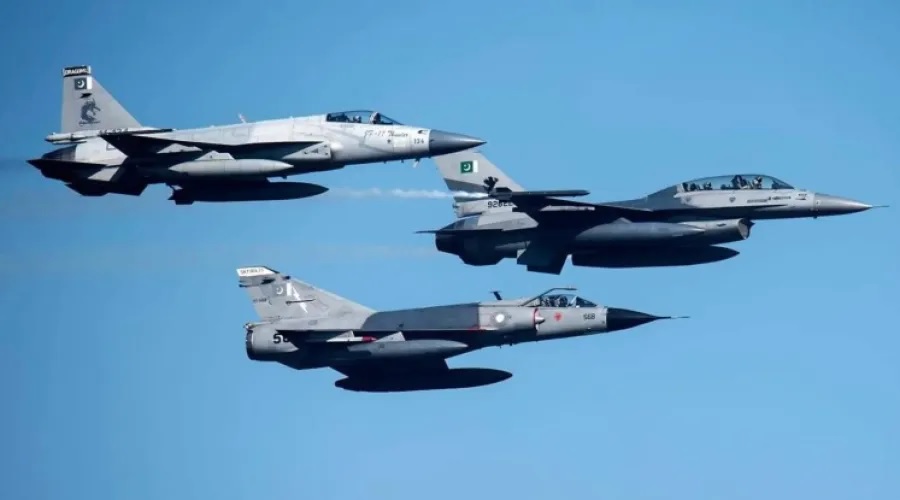
World
The United States has released $397 million in funds to monitor Pakistan’s use of U.S.-supplied F-16 fighter jets, ensuring they are strictly utilized for counterterrorism operations rather than against India or any other unintended targets. This funding is part of a broader $5.3 billion foreign aid package that the Trump administration has selectively restored after an earlier freeze. U.S. Tightens Oversight on Pakistan’s F-16 Program Washington has long provided military assistance to Pakistan, but concerns have persisted over how the country deploys its F-16 fleet, originally supplied to support counterterrorism operations. In the past, accusations have surfaced that Pakistan might have used these jets beyond their intended role, particularly in its tensions with India. To prevent any misuse, the Bureau of International Security and Nonproliferation has been granted the $397 million exemption, allowing for enhanced monitoring mechanisms. Trump’s Foreign Aid Freeze and Security-First Approach Shortly after taking office, President Donald Trump ordered a 90-day freeze on foreign aid, affecting numerous global assistance programs, including humanitarian initiatives. This decision triggered a wave of concern among international organizations and U.S. officials who sought exemptions to keep critical programs running. The administration later approved a list of exemptions, prioritizing funds linked to national security, military assistance, and counterterrorism efforts. Pakistan’s Position and U.S. Expectations Pakistan, a nuclear-armed nation, has received extensive U.S. military support over the decades, especially under counterterrorism partnerships. However, its relationship with Washington has often been fraught with tensions, particularly regarding its dealings with militant groups and regional security policies. The latest U.S. move signals a clear message—continued support will be conditional on transparency and strict adherence to counterterrorism objectives. Global Implications of U.S. Military Aid Decisions While Pakistan’s F-16 program has received renewed funding, several humanitarian and development initiatives remain in limbo. The Trump administration’s foreign aid strategy has focused heavily on security-related exemptions, including $870 million for Taiwan’s defense, $336 million for modernizing Philippine security forces, and $21.5 million for Ukraine’s border security. Meanwhile, funds for crises in Sudan, Syria, Myanmar, and Afghanistan remain frozen, raising concerns about the broader impact of the aid policy shift. With strict oversight mechanisms now in place, Pakistan must ensure that its F-16 fleet remains dedicated to counterterrorism, aligning with U.S. strategic interests in the region. The latest funding decision underscores America’s evolving foreign policy priorities—favoring military and security aid over traditional humanitarian assistance.
Read More → Posted on 2025-02-25 13:44:33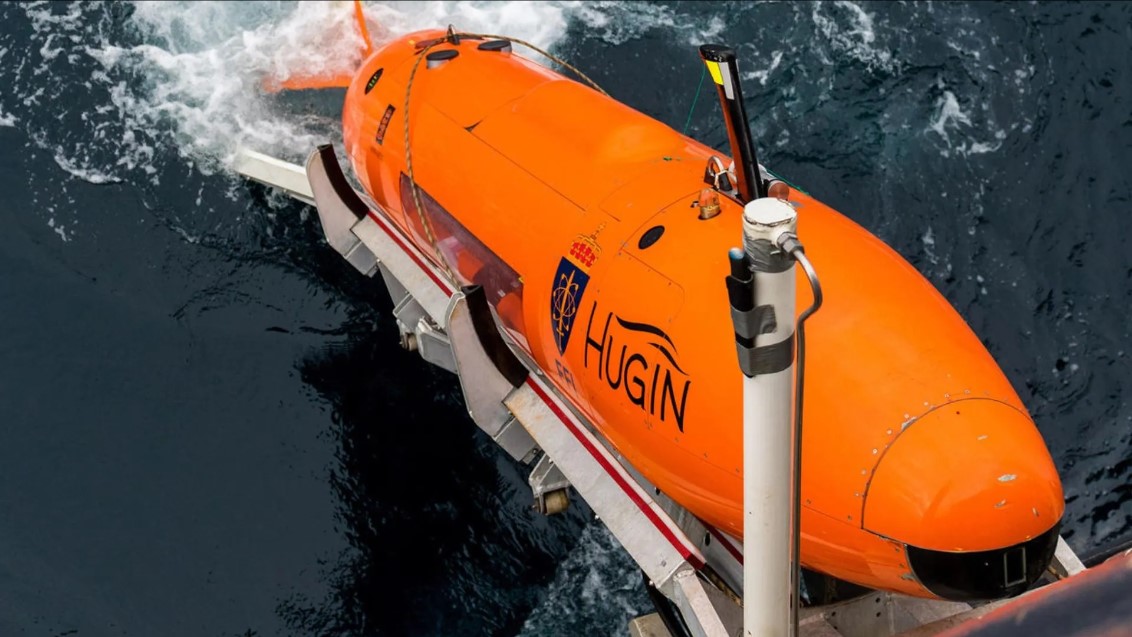
World
KONGSBERG has successfully completed the acceptance testing of its HUGIN Superior Autonomous Underwater Vehicle (AUV) for the U.S. Navy, marking a significant milestone just one year after being awarded a 24-month frame contract by the Defense Innovation Unit (DIU). This rapid progress demonstrates the growing importance of advanced unmanned underwater systems in enhancing naval operations. A Major Asset for the U.S. Navy The final acceptance tests took place in Norway earlier this year, with the HUGIN Superior AUV now set to be integrated into real-world operations for the U.S. Navy. The vehicle’s advanced capabilities will play a critical role in expanding undersea warfare and intelligence gathering efforts, providing an edge in modern naval operations. Impressive Speed in Deployment The quick turnaround from assessment to delivery highlights DIU’s commitment to accelerating the adoption of commercial technology for national security. The rigorous selection process ensured that the HUGIN Superior AUV met the Navy’s high standards. Rich Patterson, Vice President of Sales for KONGSBERG’s Uncrewed Platforms Division, praised the collaboration, stating:"We are excited to strengthen our partnership with the U.S. Navy and deliver the cutting-edge capabilities of the HUGIN Superior AUV. The DIU team has played a key role in ensuring a swift technology transfer, and we look forward to valuable operator feedback that will help refine and evolve our product line further." State-of-the-Art Underwater Technology The HUGIN Superior AUV has been a proven asset since 2019, serving both commercial and military customers. It offers immediate operational capability for a range of missions, including: Subsea and Seabed Warfare (SSW) Intelligence Preparation of the Operational Environment (IPoE) Mine Countermeasures (MCM) Inspection of Undersea Infrastructure With a full ocean depth design, an endurance of over 70 hours, and an exceptional navigation accuracy of less than 0.04% of the distance traveled, the HUGIN Superior leads the large AUV market in reliability and performance. Its advanced suite of mapping and imaging sensors ensures the highest quality data collection. A Legacy of AUV Innovation KONGSBERG has been at the forefront of AUV development since the first HUGIN dive in 1993. From record-breaking endurance missions to cutting-edge integration of autonomy, navigation, and battery technology, the HUGIN series continues to set industry standards. The successful delivery of the HUGIN Superior AUV to the U.S. Navy marks a major step in strengthening underwater defense capabilities. With its proven reliability and advanced features, the system is expected to play a crucial role in safeguarding undersea operations for years to come.
Read More → Posted on 2025-02-24 14:45:20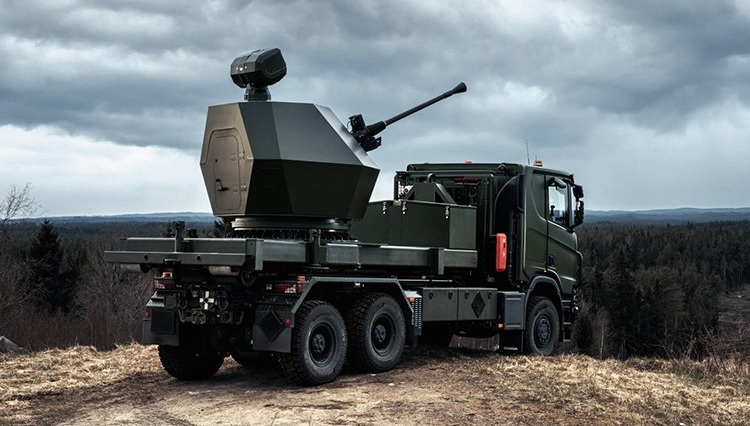
World
Marking the third anniversary of Russia’s full-scale invasion, Sweden has announced a new $110 million military aid package for Ukraine, featuring advanced air defense systems aimed at bolstering Ukraine’s ability to counter aerial threats. Among the highlights of this package is the Tridon Mk2, a modern and highly adaptable air defense platform that Ukraine will be receiving for the first time. A Powerful Addition to Ukraine’s Air Defense The Tridon Mk2 is a 40mm naval gun mounted on a flatbed truck, making it a mobile and versatile solution for engaging aerial and ground threats. Developed by BAE Systems, this system is designed to neutralize drones, cruise missiles, aircraft, and even lightly armored vehicles. Its modular construction allows for easy integration of new technologies, ensuring it remains effective as threats evolve. Unlike traditional missile-based air defense systems, which can be costly and require extensive logistics, the Tridon Mk2 offers a more affordable and rapid-response alternative. This makes it an ideal solution for protecting critical infrastructure and frontline positions in Ukraine. Sweden’s Commitment to Ukraine’s Defense The latest Swedish aid package, valued at 1.2 billion kronor, was announced by Sweden’s government through the Swedish Defence Materiel Administration (FMV). Alongside the Tridon Mk2, Sweden is also supplying Robot 70 air defense systems and man-portable air defense weapons, further strengthening Ukraine’s aerial defense network. In addition to these contributions, Sweden has pledged to coordinate with international partners to ensure Ukraine receives continued support in defending its military forces, civilians, and essential infrastructure from ongoing Russian attacks. A Step Toward Stronger Defenses With Russia continuing its aggressive airstrikes, the deployment of the Tridon Mk2 system will significantly improve Ukraine’s ability to intercept and neutralize airborne threats. Sweden’s decision to supply these systems highlights its long-term commitment to Ukraine’s sovereignty and security. As Ukraine continues to fight for its survival, military aid packages like these are playing a crucial role in ensuring its forces remain capable of countering threats and protecting its people.
Read More → Posted on 2025-02-24 14:36:11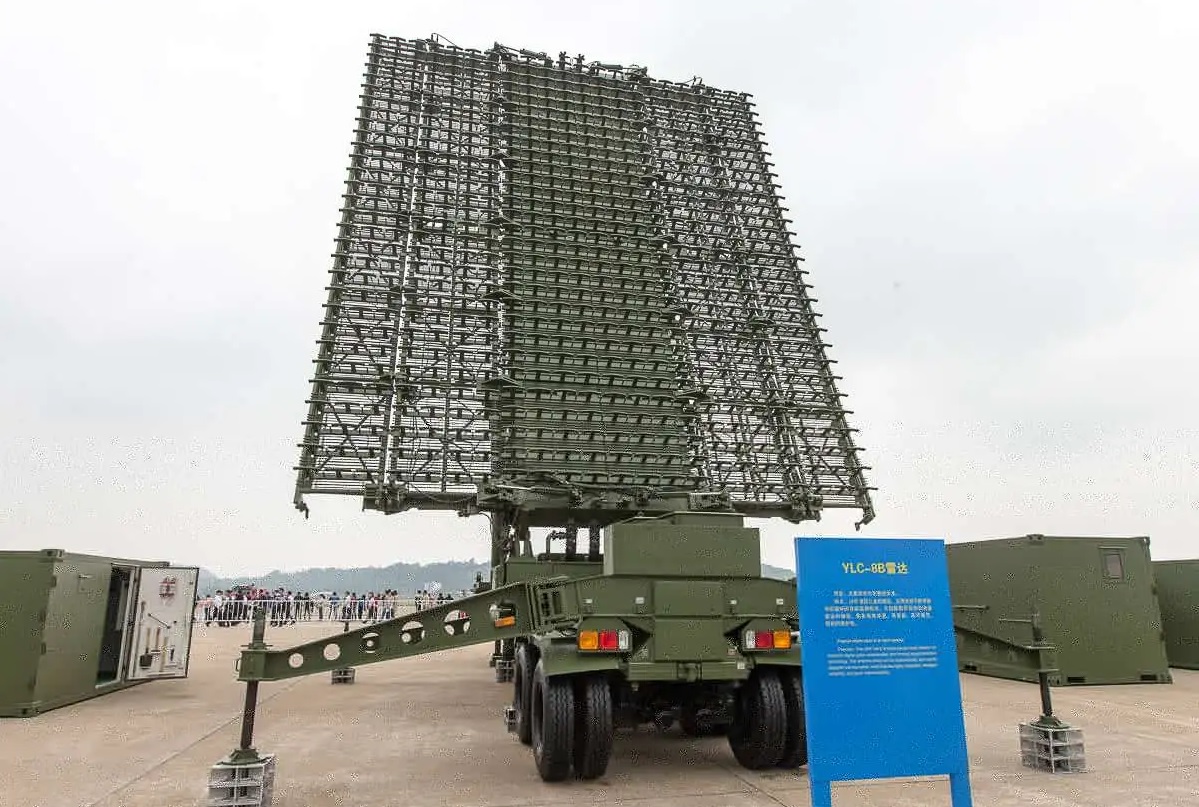
World
China has constructed a massive Large Phased Array Radar (LPAR) system in Yunnan Province, near its border with Myanmar. This state-of-the-art radar installation is capable of detecting missile launches and tracking aerial activities over a range exceeding 5,000 km, allowing China to closely monitor India's missile programs and strategic movements deep within Indian territory. A Strategic Move with Far-Reaching Implications The deployment of this high-tech radar is part of China's broader strategy to enhance its military surveillance capabilities, particularly in response to its ongoing tensions with India. The location of this system enables Beijing to keep a watchful eye on India's nuclear-capable ballistic missile tests, particularly from key launch sites like Dr. A.P.J. Abdul Kalam Island off India's eastern coast, where tests of the Agni-5 and K-4 ballistic missiles are conducted. By extending its missile surveillance deep into the Indian Ocean Region (IOR), China strengthens its ability to track Indian naval movements, including submarine-launched ballistic missile (SLBM) tests. This could impact India’s second-strike nuclear capability, a crucial aspect of deterrence in South Asia’s strategic balance. Regional Security Concerns & India's Response The establishment of this radar system significantly alters the security landscape in the Indo-Pacific. It reinforces the security dilemma between India and China, where one country’s defensive measures could be perceived as a threat by the other, leading to potential escalations. India, in response, might intensify its military collaborations with regional allies like Japan, Australia, and the United States under the Quad framework. This could push for greater intelligence sharing and early-warning systems to counter China's growing surveillance capabilities. China's Military Modernization Strategy The deployment of this LPAR is part of China's ongoing military modernization efforts, aimed at improving early warning systems against potential missile threats. Experts believe this radar system will play a key role in China's anti-ballistic missile defense network, enhancing its ability to detect and neutralize threats before impact. A New Chapter in Indo-China Strategic Rivalry With this development, China has taken a significant step in advancing its electronic warfare and missile tracking capabilities. This move is likely to complicate the security environment in the region, prompting India to reevaluate its defense strategies, enhance its missile testing secrecy, and invest in counter-surveillance technology to neutralize Beijing’s growing edge in radar and missile detection capabilities.
Read More → Posted on 2025-02-24 14:26:13
World
On the third anniversary of Russia’s full-scale invasion, Ukrainian President Volodymyr Zelensky hailed the resilience of his nation, calling it “three years of resistance, three years of gratitude, three years of absolute heroism of Ukrainians.” As Kyiv marked the somber milestone, European leaders gathered in the capital in a show of solidarity, while geopolitical tensions surrounding the war’s future continued to mount. The war, triggered by Russian President Vladimir Putin’s so-called “special military operation,” has been the largest European conflict since World War II. The battlefield toll has been immense, with tens of thousands of soldiers on both sides killed, Ukrainian cities reduced to rubble, and millions displaced from their homes. While Ukraine has received extensive Western military and financial support, the political landscape is shifting, particularly with Donald Trump’s return to the White House, casting uncertainty over future aid and the broader coalition backing Kyiv. As Russian forces continue their advances in Ukraine’s eastern regions, the Kremlin has been emboldened by Trump's diplomatic outreach. Moscow has capitalized on growing skepticism in Washington about prolonged support for Kyiv. Trump’s recent 90-minute phone call with Putin and the dispatch of Secretary of State Marco Rubio to Saudi Arabia for discussions with Russian Foreign Minister Sergei Lavrov have triggered alarm among European allies. European Commission chief Ursula von der Leyen, arriving in Kyiv by train, underscored the broader stakes of the war, declaring, “Ukraine is Europe. In this fight for survival, it is not only the destiny of Ukraine that is at stake, it’s Europe’s destiny.” The EU responded with a fresh round of sanctions targeting Russia’s so-called “shadow fleet,” which facilitates oil trade, as well as financial institutions and individuals supporting Moscow’s war effort. European Council President Antonio Costa indirectly rebuked Trump’s apparent moves to sideline Ukraine from potential ceasefire discussions, stating: “In Ukraine, about Ukraine, with Ukraine.” Leaders from Canada, Denmark, Estonia, Finland, Iceland, Latvia, Lithuania, Norway, Spain, and Sweden arrived in Kyiv, reinforcing their commitment to Ukraine’s cause. Zelensky has been vocal about the need for concrete security guarantees to prevent Russia from using any ceasefire to regroup and strike again in the future. His warning comes as the Ukrainian military faces immense pressure on the frontlines. Over the past months, Moscow has intensified its offensives, and on the eve of the anniversary, the Kremlin reiterated its refusal to relinquish occupied Ukrainian territories or accept Kyiv’s NATO membership. In an extraordinary move, Zelensky even suggested he would step down if it meant securing Ukraine’s NATO accession. Despite the dire situation, Ukraine continues its countermeasures, launching drone strikes deep into Russian territory, including a recent attack on an oil refinery southeast of Moscow. French President Emmanuel Macron, set to meet with Trump in Washington, vowed to press the U.S. president on the importance of standing firm against Putin, warning, “You cannot be weak in the face of President Putin.” Meanwhile, uncertainty looms over Washington’s stance, with Trump questioning not only support for Ukraine but also the broader transatlantic security framework that has underpinned NATO for decades. On the frontlines, Ukrainian soldiers expressed apprehension over Trump’s push for a swift ceasefire, fearing it could force Kyiv into a disadvantageous settlement. “It scares me more. The bloodiest moments always come before a truce,” said Andrii, a 25-year-old soldier in eastern Ukraine. Mykola, a 38-year-old artillery commander in Donetsk, echoed the sentiment: “I don’t want to give up Ukrainian lands … we’ve been fighting for so long. But everyone is tired of the war.” As Ukraine commemorates three years of resilience and sacrifice, the uncertainty surrounding its future remains more pressing than ever. While Zelensky has vowed to continue the fight, the shifting geopolitical currents could redefine the war’s trajectory in the months ahead.
Read More → Posted on 2025-02-24 14:16:23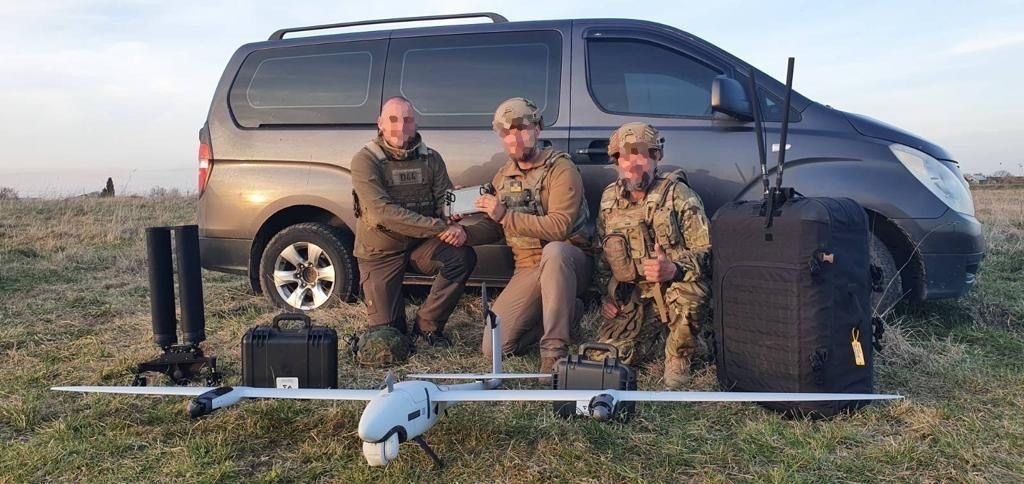
World
Quantum Systems, a leading German drone manufacturer, is making significant strides in Ukraine’s defence sector by ramping up local production of its advanced reconnaissance drones. The company recently hosted a high-profile delegation led by Ukraine’s Minister for Strategic Industries, Herman Smetanin, at its Ukrainian manufacturing facility. The visit underscored the rapid progress of the plant, which has become a crucial hub for drone production in less than a year. The delegation included senior officials such as Arsen Zhumadilov, Acting Head of the Defence Procurement Agency, and Oleksandr Potiy, Head of the State Special Communications Service. They observed the facility’s accelerated growth and its ability to meet Ukraine’s increasing defence needs. Since opening in April 2024, the factory has expanded its workforce to 80 employees, with plans to scale up to 120 as demand rises. A major milestone for the facility is the local production of 400 VECTOR reconnaissance drones. These cutting-edge unmanned aerial systems (UAS) will play a crucial role in Ukraine’s security and defence operations. Managing Director Oleksandr Berezhny highlighted that the expansion was achieved as a private initiative without any joint ventures or external guarantees, demonstrating the company’s commitment to supporting Ukraine’s self-reliance in defence technology. Quantum Systems is known for its expertise in AI-powered aerial robotics, particularly in developing vertical take-off and landing (eVTOL) small Unmanned Aerial Systems (sUAS). Its innovative Drone Port solution enables automated aerial intelligence gathering, providing real-time insights for military, security, and commercial applications. By integrating edge computing and AI-driven data processing, the company enhances operational efficiency, offering rapid and precise decision-making tools to operators. Founded in 2015 and headquartered in Germany at Special Airport Oberpfaffenhofen, Quantum Systems has a global footprint, with operations in the United States, Australia, and Ukraine. Its advanced drone technology is widely trusted across defence and security sectors, setting new standards in aerial intelligence and data-driven decision-making. As Ukraine continues to strengthen its defence capabilities with European support, Quantum Systems’ expansion marks a significant step in enhancing cooperation between Kyiv and its allies. The development of domestic drone production not only bolsters Ukraine’s resilience but also reinforces the broader European security framework.
Read More → Posted on 2025-02-24 14:11:18
World
The European Defence Agency (EDA) has launched a cutting-edge project aimed at improving military situational awareness through automatic 3D modelling. This initiative is designed to enhance threat detection, identification, and operational coordination by providing military personnel with a more detailed and real-time understanding of their surroundings. Enhancing Real-Time Battlefield Awareness With rapid advancements in technology, modern military operations increasingly rely on precise terrain analysis. The new EDA initiative leverages automated and semi-automated 3D modelling techniques that create high-resolution digital maps of mission areas. These models integrate real-time data from sensors mounted on land platforms, ensuring that military personnel have an accurate and updated view of their environment as they move through combat zones. This technology will allow operators to assess terrain before arrival, predict potential risks, and make more informed decisions during missions. The enhanced situational awareness is expected to improve tactical planning, threat response, and battlefield efficiency. A Collaborative European Effort To drive the project forward, EDA’s CapTech Ground Systems and CapTech Simulation Technologies have coordinated a partnership between Luxembourg and the Netherlands. The initiative, known as “3D Terrain and City Models for Situational Awareness, Decision Making, and Effector Coordination” (3D-4LAND I), brings together a diverse group of research and industry partners. The project is led by the Netherlands-based RE-liON, with contributions from: TNO (Netherlands) – a leading defence and security research organisation FIRIS SA (Luxembourg) – a company specialising in real-time situational analysis University of Luxembourg – providing expertise in simulation technologies Luxembourg Institute of Science and Technology (LIST) – contributing to data processing and system development A Multi-Phase Project with a €4.9 Million Budget The 3D-4LAND I project has been allocated a €4.9 million budget over a three-year period. This phase will focus on: Defining the system’s operational and technical requirements Developing a robust system architecture Establishing evaluation criteria and key specifications The success of 3D-4LAND I will set the foundation for 3D-4LAND II, the next phase of the initiative, which will focus on creating a physical demonstrator of the system for real-world testing and deployment. The Future of Military Intelligence As modern conflicts become increasingly data-driven, projects like 3D-4LAND I will play a crucial role in ensuring faster, smarter, and more efficient military operations. By combining real-time data analysis, advanced simulation technologies, and international collaboration, the European Defence Agency is paving the way for a new era of enhanced battlefield awareness.
Read More → Posted on 2025-02-24 14:08:36
World
A Bangladesh Air Force (BAF) base in Cox’s Bazar came under attack on Monday, resulting in a violent confrontation that left one person dead and several others injured. The incident, allegedly carried out by miscreants from the nearby Samiti Para area, created chaos near the high-security military installation. Deadly Confrontation Near Air Force Base Local authorities confirmed that the deceased was identified as 25-year-old Shihab Kabir Nahid, a trader from Samiti Para. He was reportedly caught in the clash and sustained severe head injuries before being rushed to Cox's Bazar Sadar Hospital, where he was pronounced dead on arrival. Medical officials stated that an autopsy would determine the exact cause of death. Several other individuals were injured during the altercation, though officials have yet to release precise figures. The district commissioner of Cox's Bazar, Mohammad Salahuddin, acknowledged the incident and assured that an investigation would be conducted to determine the cause of the attack. Air Force Responds, Security Tightened The Bangladesh Air Force responded swiftly to the incident, with Inter-Services Public Relations (ISPR) confirming that necessary actions were being taken. ISPR Assistant Director Ayesha Siddiqua issued a statement but did not elaborate on specific measures being implemented. Authorities have since tightened security in the area, and law enforcement agencies are working to assess the motives behind the attack. Officials are urging calm and vowing to prevent further escalation. Strategic Importance of Cox’s Bazar Cox’s Bazar is not only famous for its tourism but also holds significant strategic value due to key military installations in the region. The BAF base plays a crucial role in national security, making any security breach a serious concern. Additionally, the presence of Rohingya refugee camps and ongoing regional geopolitical developments have increased security sensitivities in the area. With the investigation ongoing, authorities remain on high alert to ensure stability and prevent further violence.
Read More → Posted on 2025-02-24 14:02:09Search
Top Trending in 24 Hours
-
 Ukraine Introduces Balloon-Launched DART Missile Designed to Defeat Electronic Warfare
-
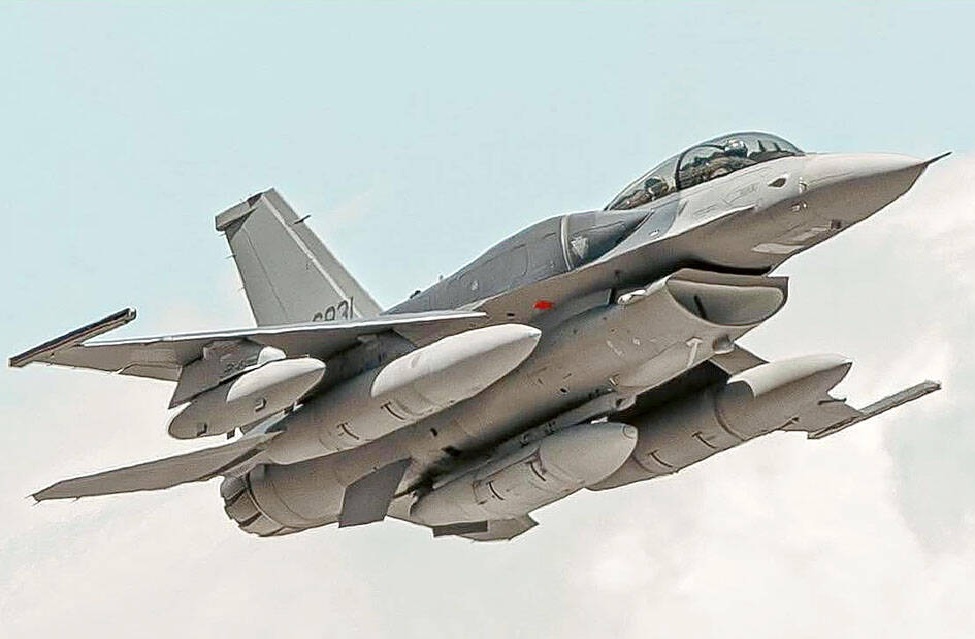 First Taiwanese F-16 Block 70 Flies with Five-Tank Fuel Configuration During Texas Tests
-
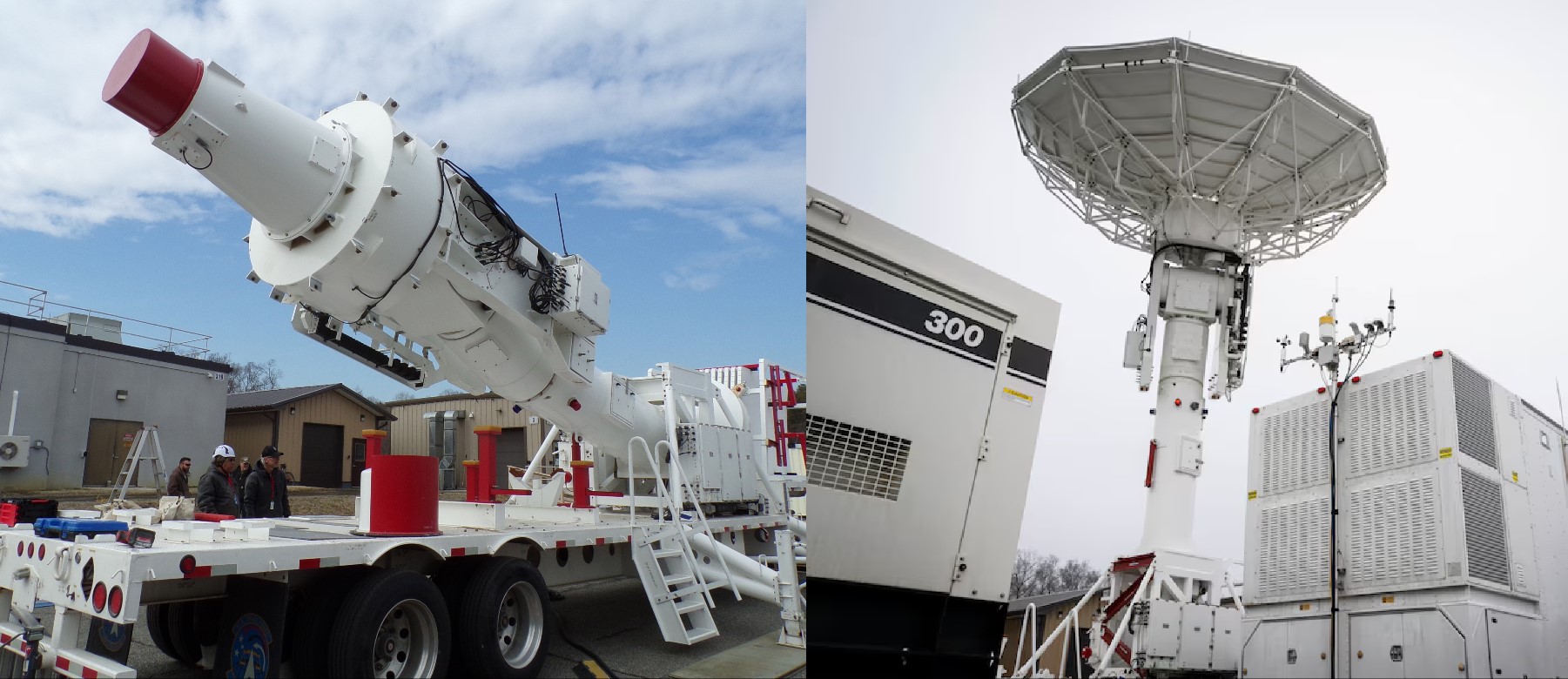 Space Force Transfers Transportable Satellite Tracking Antenna to Naval Research Laboratory
-
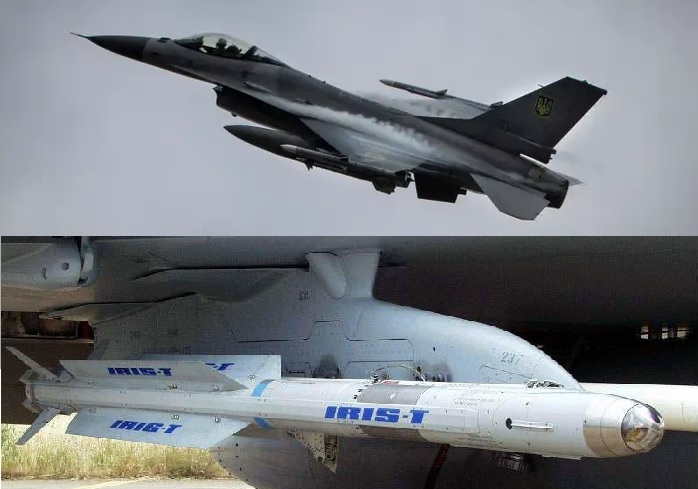 Ukraine’s F-16 Fighters Set to Receive German IRIS-T Air-to-Air Missiles
-
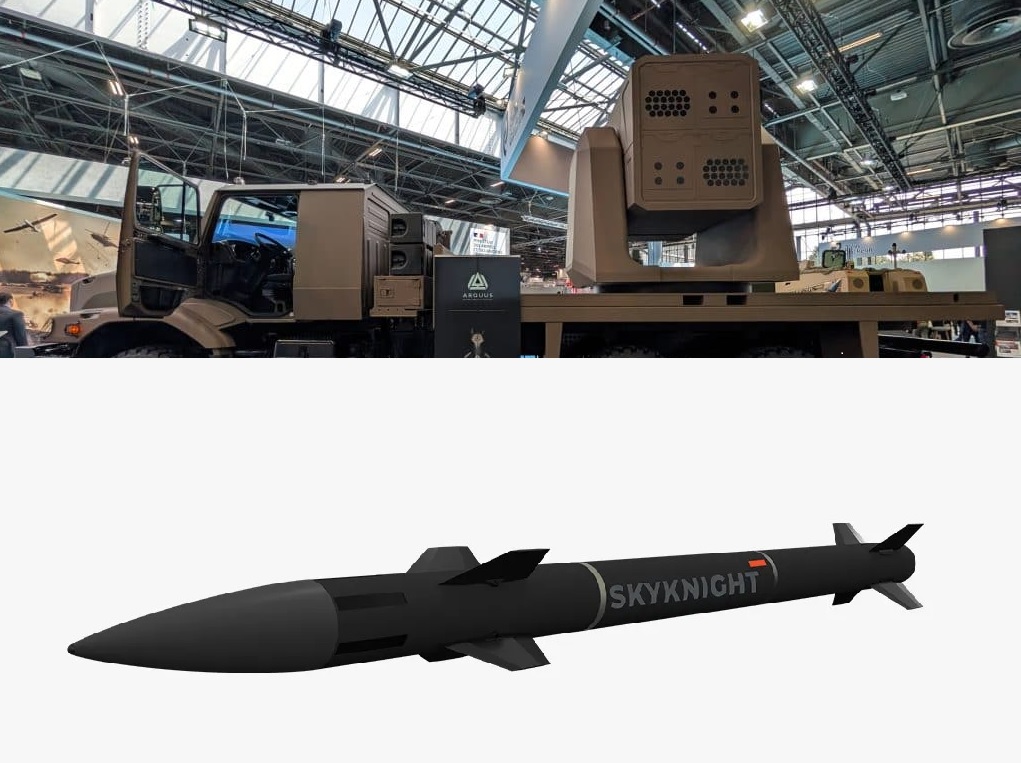 Naval Group Unveils Rampart Modular CIWS Multi-Purpose Weapon System for Naval and Ground Forces at Eurosatory 2026
-
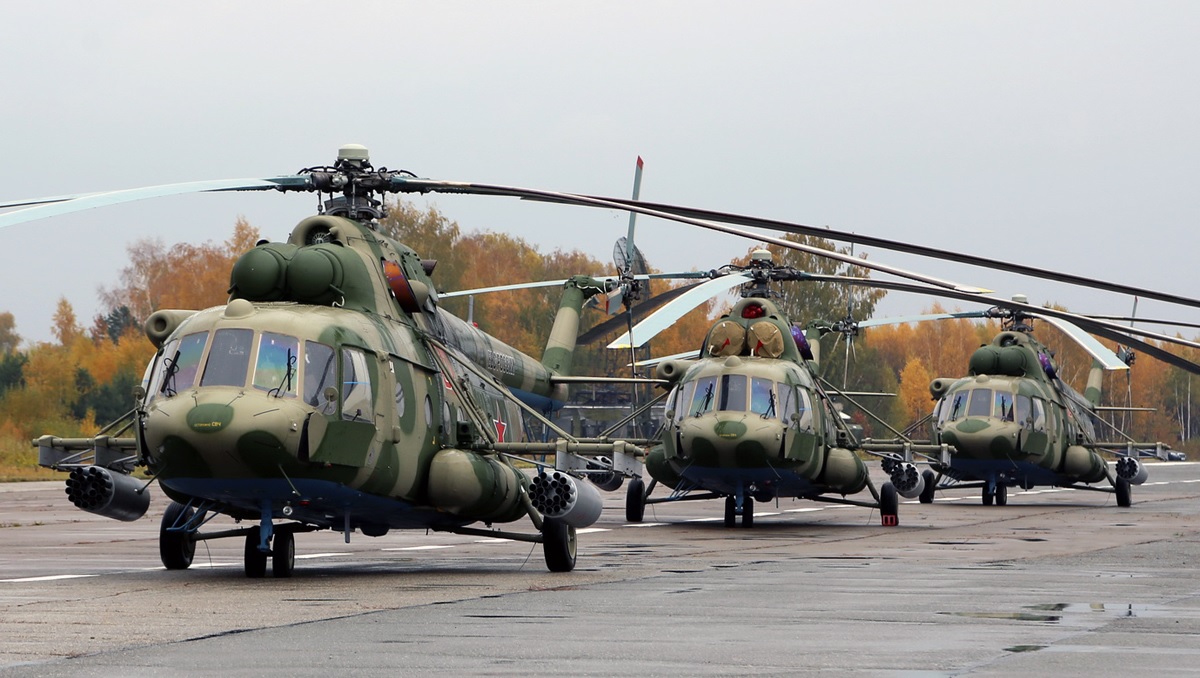 Iran Signs Deal with Russia for 20 Mi-8 and Mi-17 Helicopters to Boost Rescue and Medical Missions
-
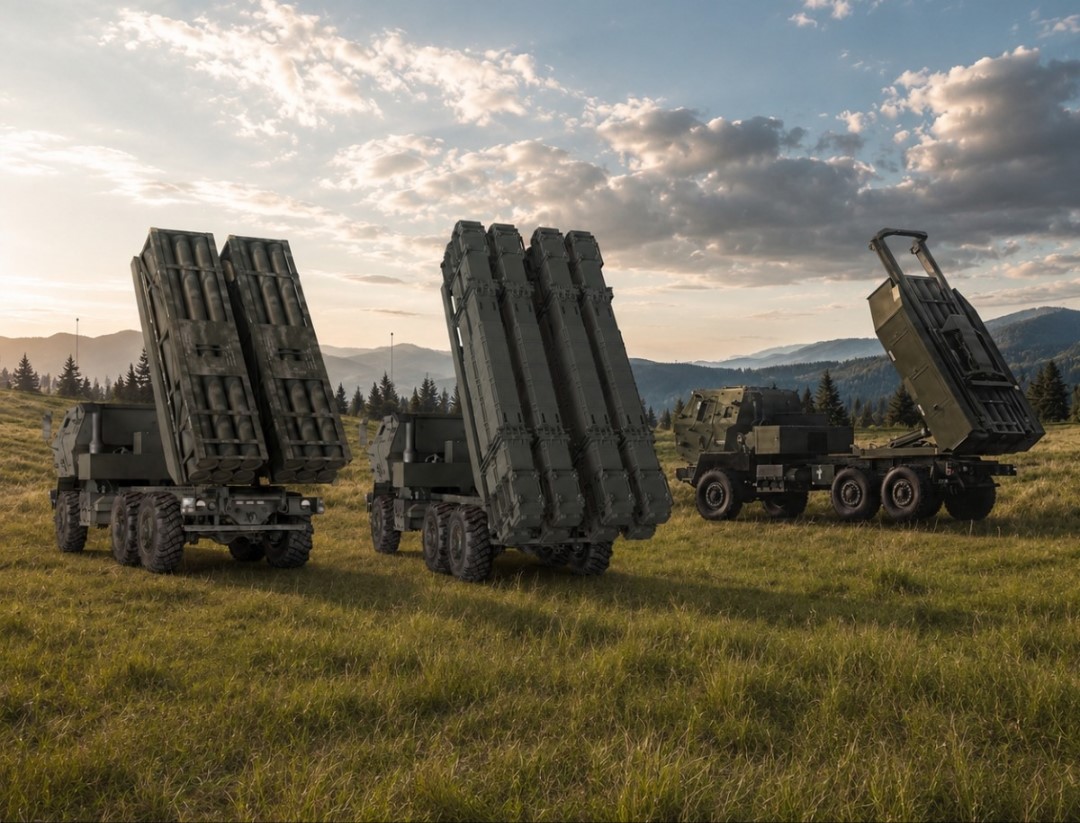 Lockheed Martin Unveils HIMARS FLEX with Dual-Pod Launcher and NATO-Compatible Air Defense Integration
-
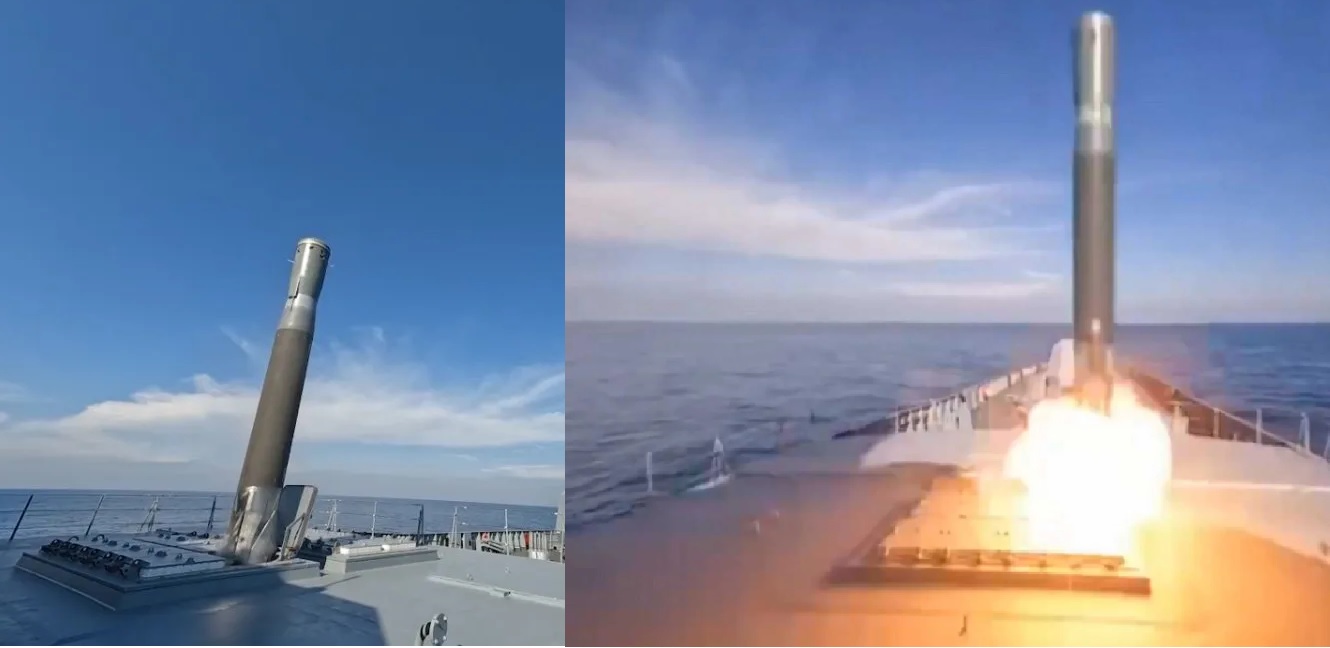 Open-Source Evidence Suggests Russia's Zircon Is a Quasi-Ballistic Missile, Not a True Hypersonic Cruise Weapon
Top Trending in 4 Days
-
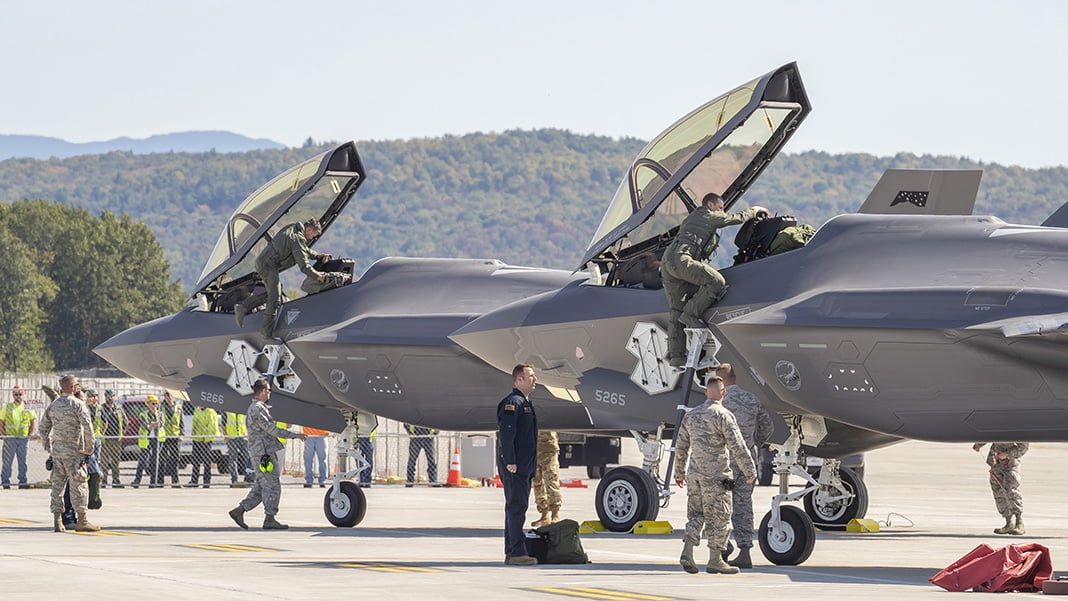 F-35 Fleet Readiness Falls to 25% Amid Parts Shortages and Software Delays: GAO Report
-
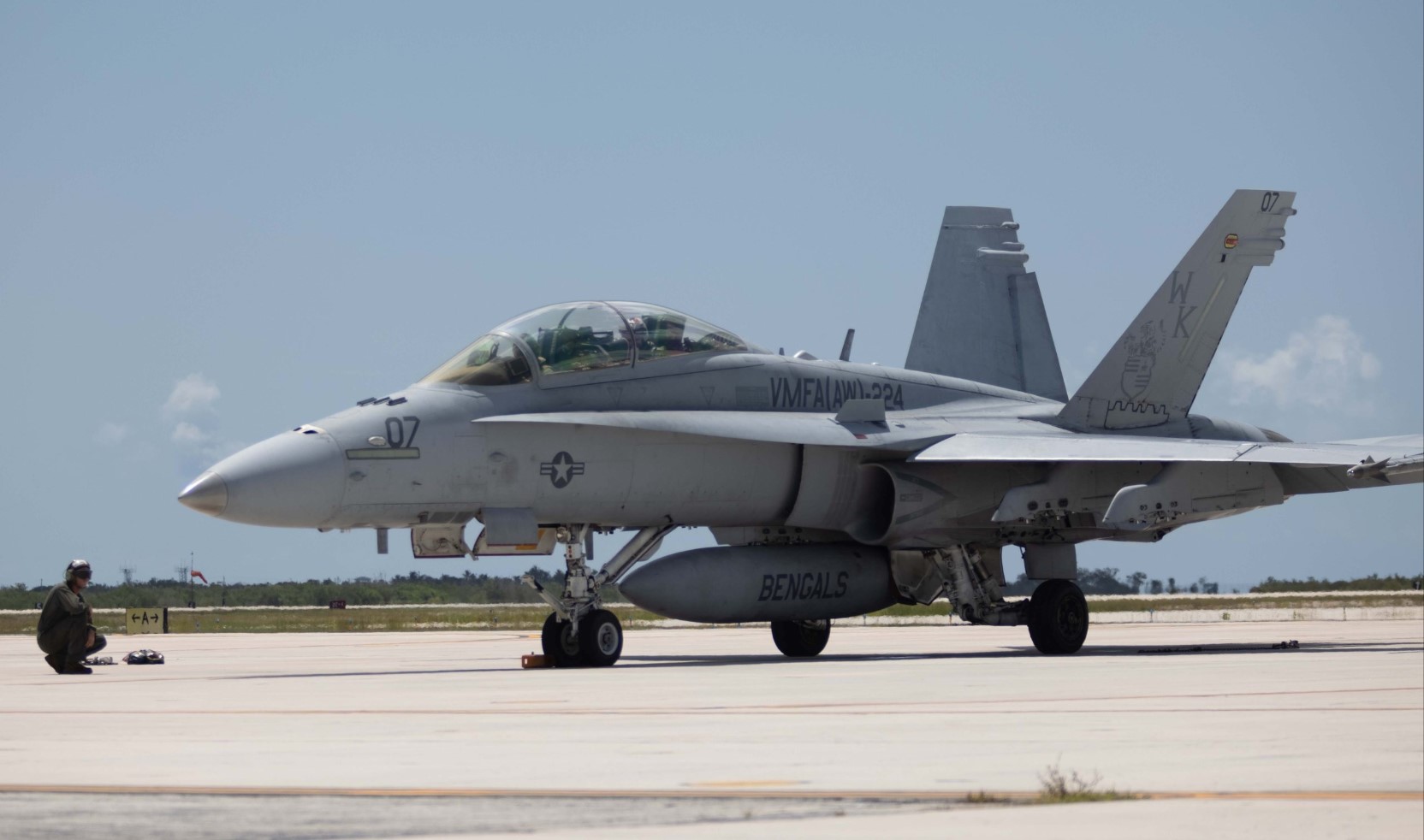 US Marine Corps F/A-18D Hornet Crashes During Training Flight in Washington Mountains; Pilot Ejects Safely
-
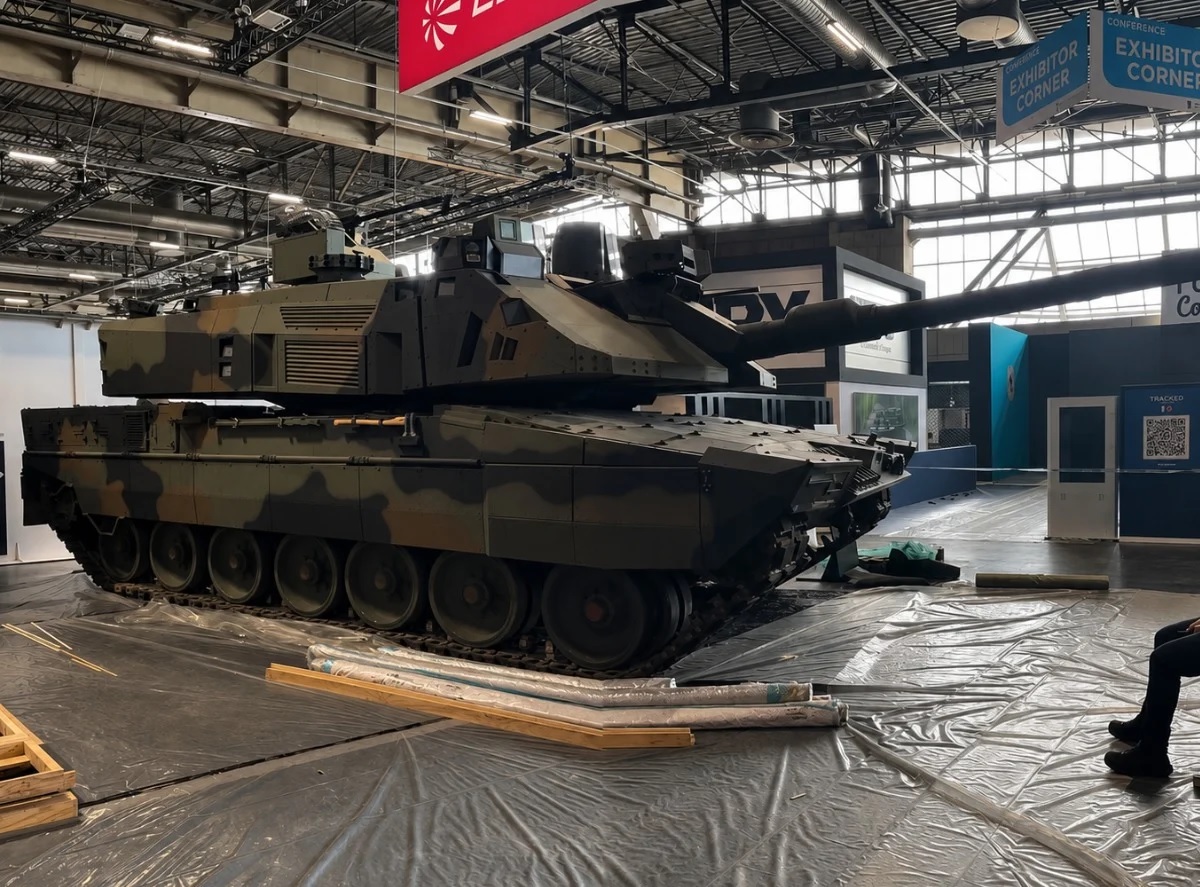 Leonardo Rheinmetall to Unveil Italy’s New IMBT Main Battle Tank at Eurosatory 2026
-
 Tulsi Gabbard Releases Declassified Files Detailing U.S.-Backed Network of 120 Biolaboratories Across 30+ Countries
-
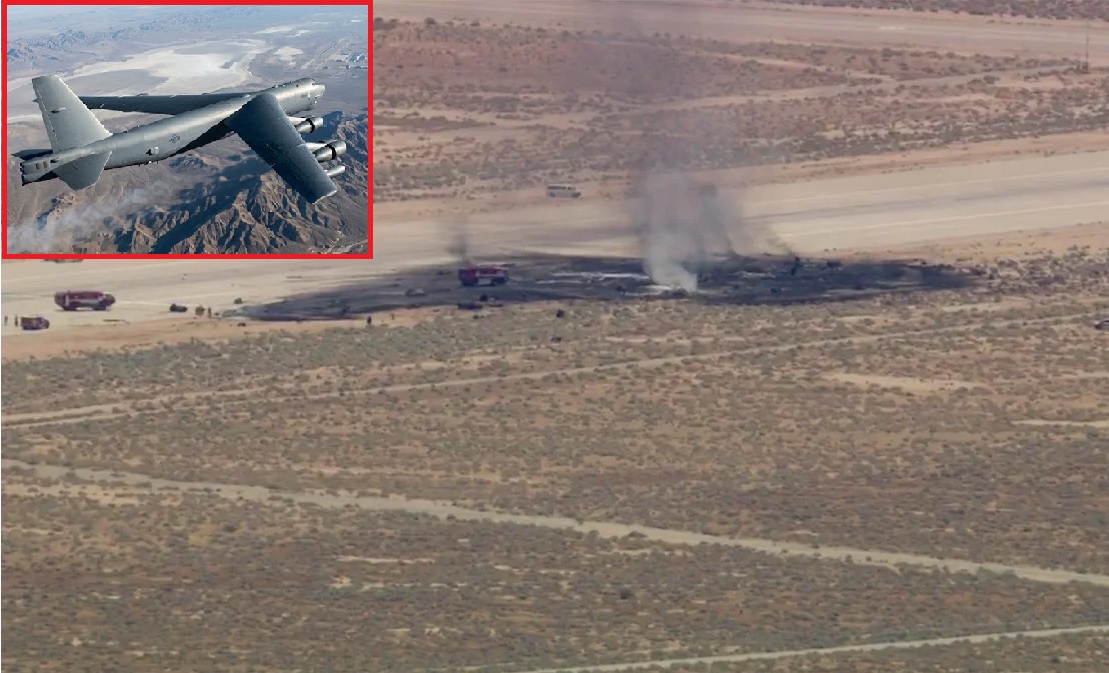 8 U.S. Air Force Crew Members Killed in B-52 Bomber Crash During Test Flight at Edwards Air Force Base
-
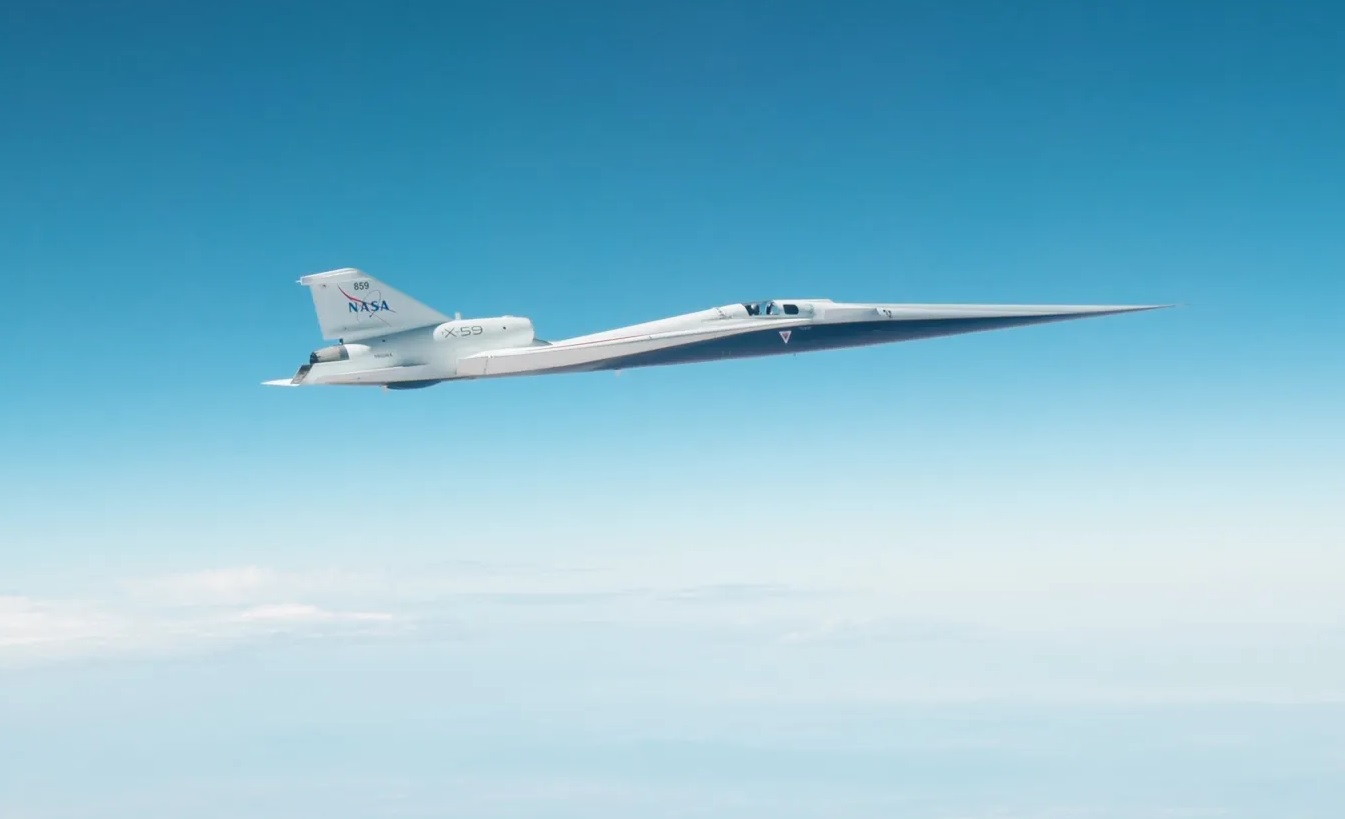 NASA X-59 Achieves Planned Mission Conditions with Mach 1.4 Flight at 55,000 Feet
-
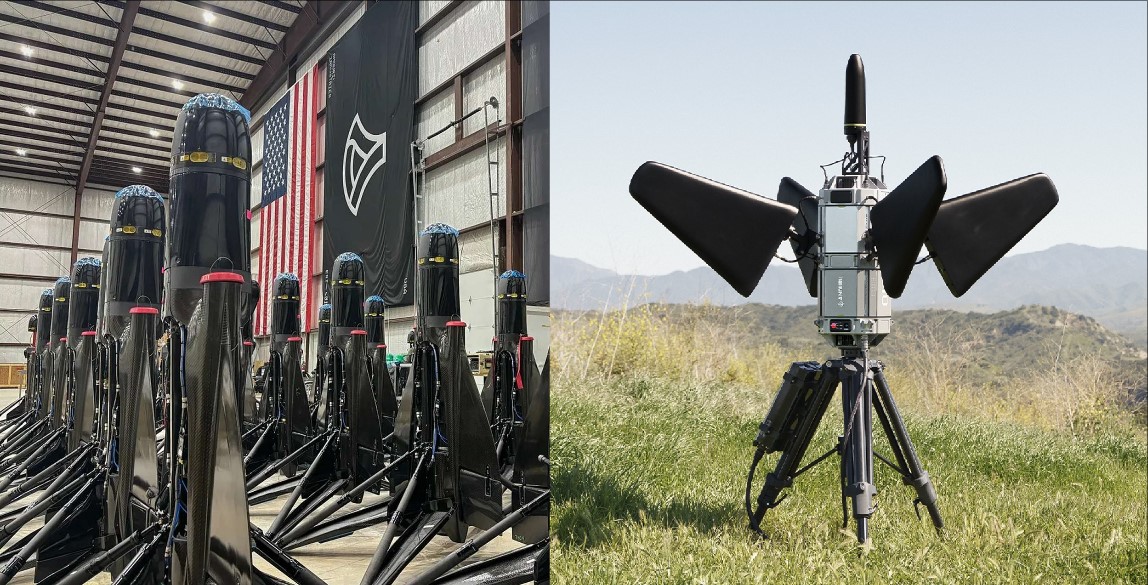 U.S. Approves $1.98 Billion Sale of Anduril AI-Powered Counter-Drone Systems to Kuwait
-
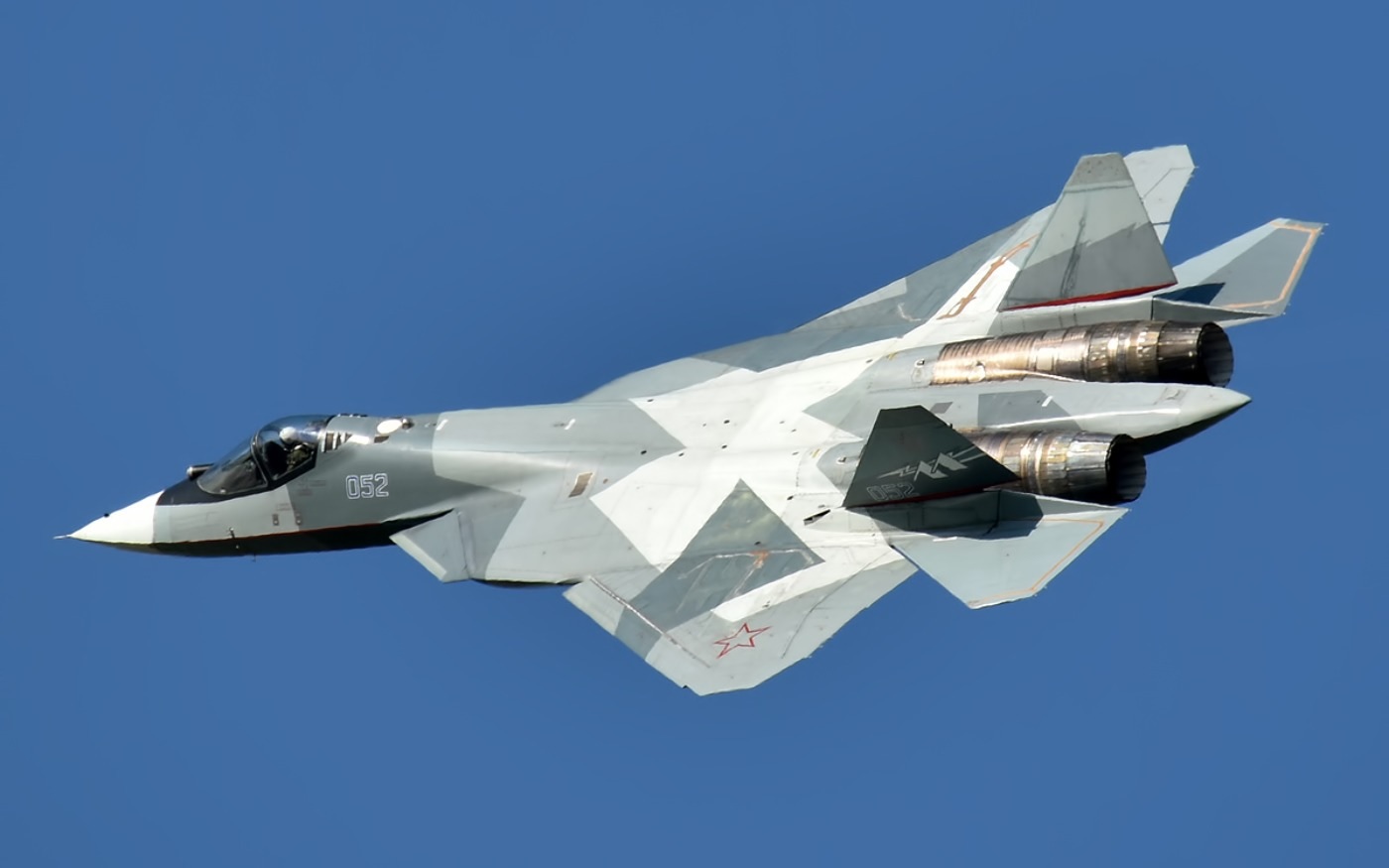 Russian Analysts Debate Su-57 Capabilities After Putin Calls Fighter Superior to F-35