World
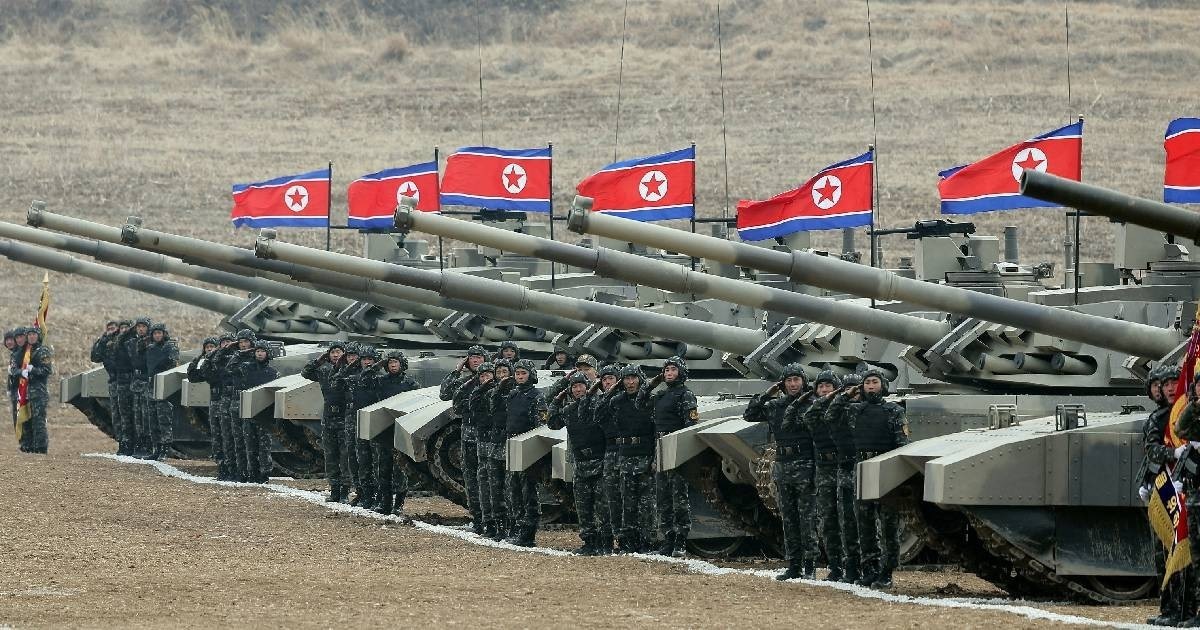
North Korea has reportedly sent additional troops to Russia and redeployed some forces to the frontline in the Kursk region, according to South Korea’s intelligence agency. This comes after more than 10,000 North Korean soldiers were said to have been deployed last year to assist Moscow in its fight against Ukraine’s counteroffensive near the border. Earlier this month, Seoul claimed that North Korean forces on the Kursk frontline had not engaged in combat since mid-January. Ukraine also reported their withdrawal following significant losses. However, on Thursday, an official from South Korea’s National Intelligence Agency stated that these troops had been sent back to the area. In addition to the redeployment, the official noted that further North Korean troop movements had been observed, though the exact scale is still under assessment. Despite these reports, both Moscow and Pyongyang have remained silent on the matter. The growing military ties between Russia and North Korea were solidified when Russian President Vladimir Putin visited Pyongyang last year and signed a defense agreement, which included a mutual security clause. The extent of North Korea’s direct involvement in combat remains uncertain, but their military support for Russia appears to be increasing as the war in Ukraine drags on.
Read More → Posted on 2025-02-27 13:42:02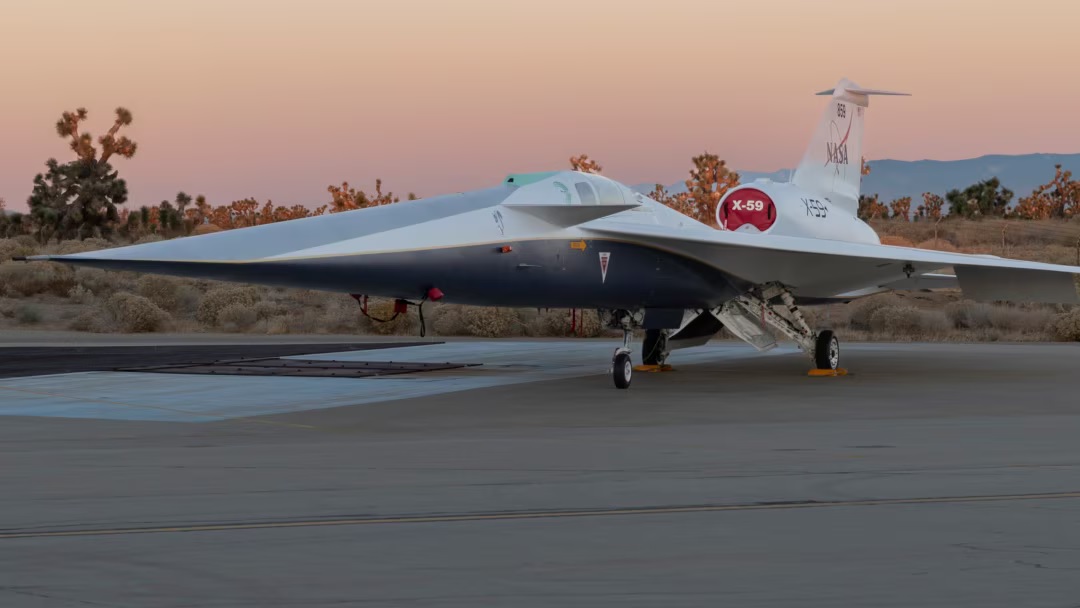
World
NASA’s X-59 quiet supersonic research aircraft has successfully cleared electromagnetic testing, marking a crucial step toward its highly anticipated first flight. The tests confirmed that the aircraft’s electronic systems operate safely without interference, ensuring reliable performance in real-world conditions. Yohan Lin, NASA’s X-59 avionics lead, described the milestone as a “major hurdle” in the aircraft’s development. Conducted at Lockheed Martin Skunk Works in Palmdale, California, the tests assessed whether the aircraft’s onboard systems—radios, navigation equipment, and sensors—functioned without disrupting each other. Electromagnetic interference (EMI) can occur when electrical or magnetic fields affect critical systems, potentially compromising an aircraft’s operation. To address this, engineers performed a “source-victim” test, activating each system individually and monitoring for malfunctions such as noise, glitches, or errors. The X-59 is a key component of NASA’s Quesst mission, designed to reduce the noise of supersonic flight by generating a gentle sonic “thump” rather than the loud booms that currently restrict commercial supersonic travel over land. The project aims to collect data that could pave the way for regulatory changes, making faster air travel a reality. Alongside the EMI tests, engineers examined the aircraft’s landing gear operation and fuel shutoff systems, ensuring they worked seamlessly without interference. Additional electromagnetic compatibility tests involved positioning the X-59 near NASA’s F-15D research aircraft to simulate real airborne conditions. The F-15D’s radar and communication systems were activated while the X-59’s engine was powered up, allowing NASA engineers to monitor for unexpected anomalies from a mobile operations facility. Lin emphasized the importance of detecting and resolving potential electromagnetic interference on the ground before flight. Identifying issues early enhances safety and minimizes risks when the aircraft finally takes off. With electromagnetic testing now complete, the X-59 will advance to aluminum bird tests, where engineers will simulate various operational conditions on the ground. This will be followed by taxi tests before the aircraft is finally cleared for its groundbreaking first flight.
Read More → Posted on 2025-02-27 13:37:34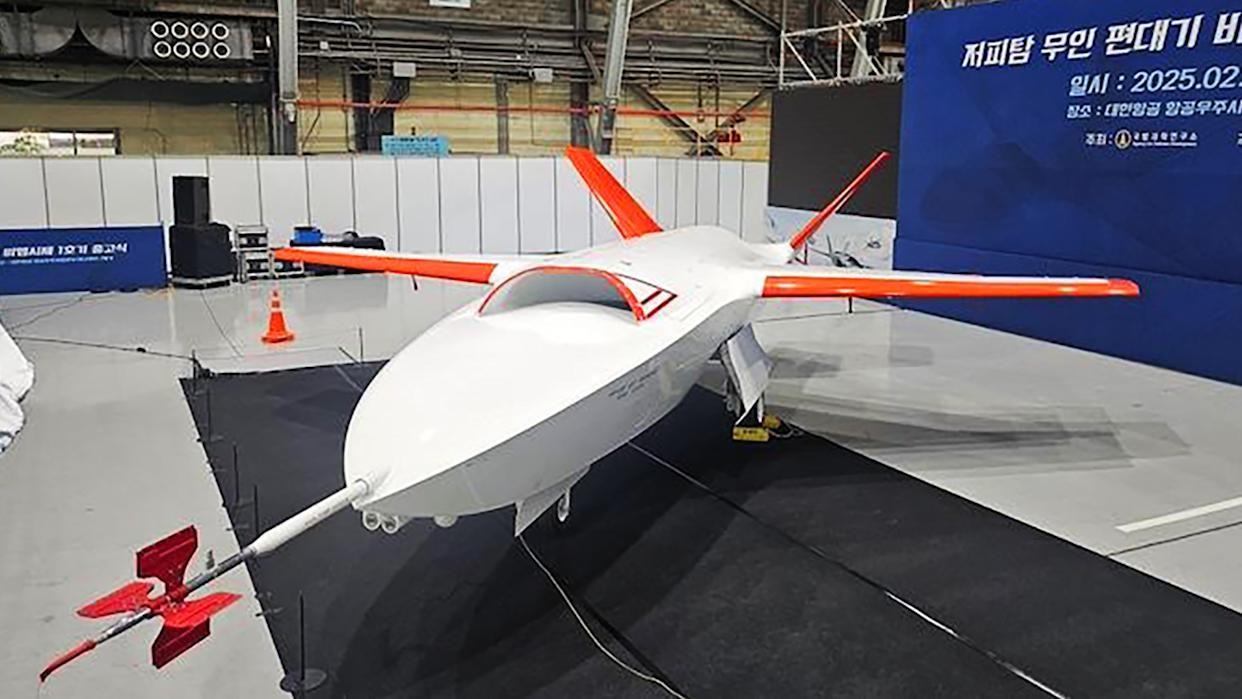
World
South Korea has taken a significant step forward in its defence aviation capabilities with the unveiling of its first stealth drone, the Low Observable Unmanned Wingman System (LOWUS). This cutting-edge unmanned system is designed to work alongside the KF-21 Boramae fighter jet, improving its survivability and combat effectiveness. The prototype was officially revealed at the Korean Air Tech Centre in Busan on February 25, 2025. Developed jointly by Korean Air and the Agency for Defence Development (ADD), with support from the Defence Acquisition Program Administration (DAPA), the LOWUS is part of South Korea’s broader strategy to incorporate drone technology into its military operations. The programme, initiated in 2021, aims to create a highly capable manned-unmanned teaming (MUM-T) system that allows drones to operate autonomously under the direction of piloted aircraft. The design of the LOWUS prioritizes stealth and survivability. It features a trapezoidal fuselage, sharply swept wings, a V-tail, and an overhead air intake, making it aerodynamically similar to advanced drones like the U.S. XQ-58A Valkyrie and Boeing’s MQ-28 Ghost Bat. Additionally, the drone incorporates radar-absorbing materials, significantly reducing its radar cross-section and making it harder to detect in combat scenarios. One of the most critical aspects of the LOWUS is its integration with the KF-21 fighter jet. The first operational Block 1 variant of the KF-21 is focused on air-to-air combat and lacks internal weapons bays. The LOWUS complements the fighter by handling air-to-ground missions, reconnaissance, and electronic warfare, allowing the KF-21 to stay at a safer distance while still engaging targets effectively. This coordinated approach enhances the KF-21’s combat range and survivability, giving South Korea a tactical edge in modern warfare. Beyond the KF-21, the LOWUS has the potential to support other platforms, such as the FA-50 light combat aircraft, which could make it a valuable asset for export markets. South Korea’s push into unmanned aerial systems aligns with its broader ambitions to become a major player in the global defence aviation industry. The first flight of the LOWUS is expected by the end of 2025, with further manned-unmanned teaming tests set to continue until 2027. As South Korea continues refining this technology, the LOWUS could play a crucial role in shaping the future of air combat for the country and its allies.
Read More → Posted on 2025-02-27 13:35:43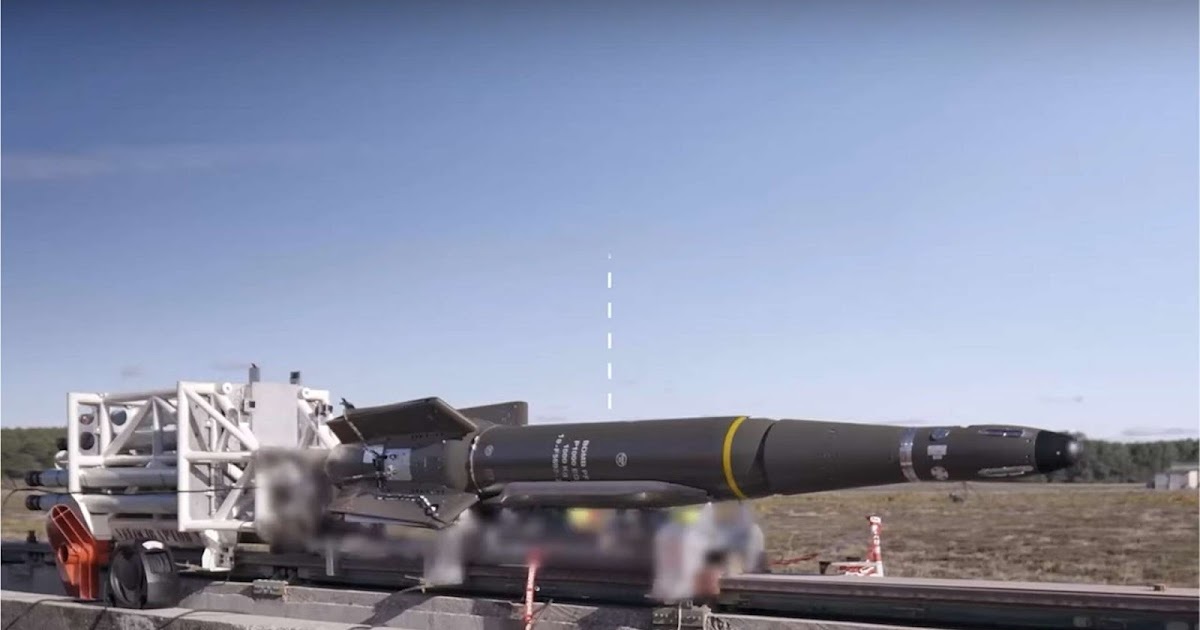
World
In a unique and unconventional weapons test, the French Directorate General of Armaments (DGA) has put a 1,000-kilogram (2,200-pound) bomb through an intense trial using a two-kilometer-long (1.2-mile) rail system. The test, conducted in Biscarrosse, a small town in southwestern France, was designed to replicate the speed, acceleration, and forces the bomb would experience when dropped from a high-altitude combat aircraft. Rather than performing a traditional airborne test, DGA engineers opted for a ground-based simulation to gather precise data on how the bomb behaves under real-world conditions. By propelling the weapon along the rail, they could assess how it responds to high-speed launch conditions, ensuring its structural integrity and performance remain optimal during actual deployment. This approach, while unusual, offers significant advantages. It allows for controlled testing in a secure environment without the complexities and risks associated with aerial trials. Additionally, it enables engineers to fine-tune the weapon's design, making necessary adjustments before it is integrated into France’s strategic strike capabilities. France’s defense research teams have increasingly relied on advanced simulations to refine their military technology. The Biscarrosse test site, known for its specialized facilities, provided the ideal location for this experiment. Though DGA has not disclosed further technical details, the test underscores France’s commitment to pushing the boundaries of munitions testing and ensuring its weapons systems are battle-ready. As modern warfare evolves, such innovative testing methods play a crucial role in enhancing precision, reliability, and operational effectiveness.
Read More → Posted on 2025-02-27 13:32:01
World
Hanwha Aerospace has officially confirmed its offer of the Chunmoo Multiple Rocket Launch System (MLRS) to the Norwegian Armed Forces, marking another step in the deepening defence cooperation between South Korea and Norway. The announcement came during the ‘Hanwha-Norway Industry Day’ held at the NHO Conference in Oslo on February 26, where key Norwegian defence industry leaders gathered. The event saw participation from major defence firms such as Kongsberg Defence & Aerospace (KDA) and Nammo, alongside more than 30 other companies. The presence of South Korea’s Ambassador to Norway, Seo Min-Jeong, further highlighted the growing strategic relationship between the two nations. The Chunmoo MLRS is a state-of-the-art 239mm multiple rocket launcher system developed by Hanwha Aerospace in collaboration with South Korea’s Agency for Defense Development. With long-range precision strike capabilities, the system has drawn considerable interest from Norwegian defence stakeholders. One of the Chunmoo’s key strengths is its adaptability. Hanwha Aerospace emphasized that the system can be integrated with a variety of vehicles and launchers, as seen in Poland’s HOMAR-K program, which successfully combined Chunmoo launchers with Jelcz trucks. Additionally, the system is designed to fire multiple types of ammunition, including 40 rounds of 130mm rockets. Ongoing development aims to support compatibility with the widely used European 122mm standard, further enhancing its potential for integration into Norway’s defence infrastructure. Hanwha Aerospace’s engagement with Norway is not new. In 2017, the company secured a contract to supply K9 VIDAR self-propelled howitzers, followed by additional agreements in 2022. This partnership has resulted in the delivery of 28 K9 howitzers and 14 K10 Ammunition Resupply Vehicles to the Norwegian military. Further cementing this collaboration, Hanwha Aerospace signed a Memorandum of Understanding (MOU) with KDA at the Eurosatory defence exhibition in France in June 2024. The agreement aims to integrate Kongsberg’s Integrated Combat Solution (ICS), Digital Vehicle Platform, and Remote Weapon Systems into Hanwha’s defence platforms. A previous MOU, signed in 2022, focused on cooperation in Infantry Fighting Vehicles (IFVs) and Long-Range Precision Fire Systems (LRPFS), demonstrating a long-term commitment to joint defence initiatives. Hanwha Aerospace stands as South Korea’s leading aerospace and defence enterprise, specializing in land combat vehicles, precision-guided munitions, and space technologies. With its active role in the Korea Space Launch Vehicle (KSLV) program, the company is expanding its footprint beyond conventional defence, reinforcing its position as a key player in global security. The Chunmoo MLRS offer to Norway represents not just an advanced military solution but also an opportunity for further collaboration between the two countries, strengthening ties in both defence and technology.
Read More → Posted on 2025-02-27 13:24:36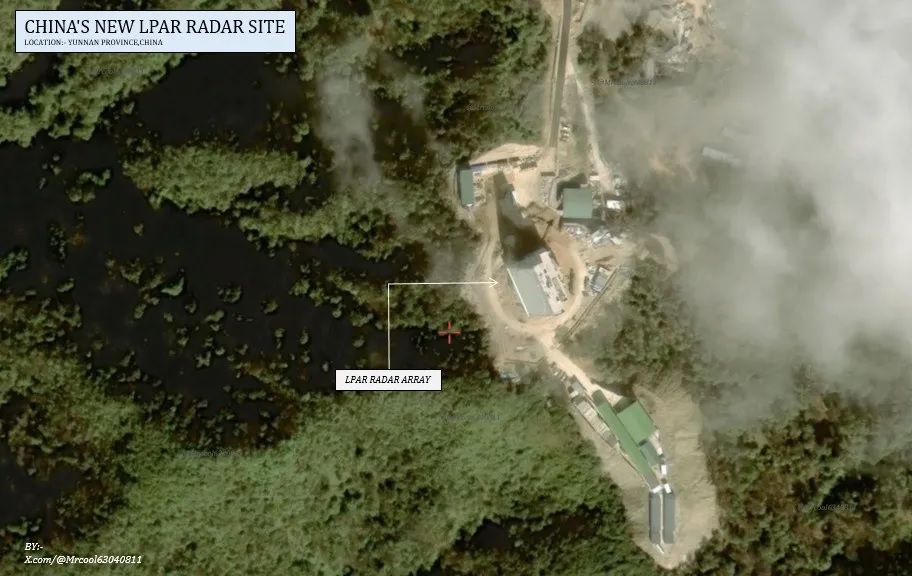
World
China has built a new, advanced radar facility in Yunnan Province, near the Myanmar border, significantly boosting its ability to provide early warnings about ballistic missiles. This Large Phased Array Radar (LPAR) reportedly has a range of roughly 5,000 kilometers (3,100 miles), allowing it to monitor a vast area, including the Indian Ocean Region (IOR) and a considerable portion of India. The development is being viewed with concern in India, as the radar's capabilities appear to be focused on tracking Indian ballistic missile tests. The Yunnan-based radar is a crucial component in China’s expanding defense infrastructure. These radars are specifically designed to detect and track missile launches at long distances, offering China an improved ability to observe missile activities in South and Southeast Asia. The facility’s 5,000-kilometer range means it can closely monitor India's missile development program, including tests at Dr. A.P.J. Abdul Kalam Island, where missiles like Agni-V and K-4 are frequently launched. The location of the radar is strategically significant. Situated near Myanmar, it provides a clear line of sight across the Bay of Bengal and into the wider IOR, a region where India maintains a significant naval presence. This placement allows China to gather real-time data on missile trajectories, speeds, and ranges—information that can enhance its own missile defense capabilities. The construction of this radar comes at a time of heightened tensions between China and India. With unresolved border disputes along the Line of Actual Control (LAC) and competing strategic interests in the Indo-Pacific, both nations have been expanding their military and surveillance capabilities. The People’s Liberation Army (PLA) has placed a strong emphasis on strategic situational awareness, and LPARs form a critical part of its missile warning and space-tracking network. China already operates multiple LPAR stations, including one in Korla, Xinjiang, which monitors northern India. The Yunnan facility extends China’s surveillance reach further south, giving it greater visibility over India’s missile advancements. India’s progress in developing intercontinental ballistic missiles (ICBMs) like Agni-V and its work on hypersonic missile technology likely make it a primary focus for Chinese surveillance. LPARs, like the one in Yunnan, are highly sophisticated systems. They use thousands of antenna elements to electronically steer radar beams, enabling rapid detection and tracking of multiple targets without requiring physical movement. The reported 5,000-kilometer range is comparable to the U.S. PAVE PAWS radar network, which has a detection range of up to 5,600 kilometers (approximately 3,500 miles). The radar’s location near Myanmar also raises questions about potential Chinese surveillance operations in the region. China has been known to use neighboring airspace for intelligence-gathering, particularly in the Indian Ocean, where it has deployed research and surveillance vessels in recent years. Beyond monitoring Indian missile tests, this radar strengthens China’s broader strategic position. It enhances Beijing’s early warning capabilities against potential threats from the IOR, where the Indian Navy operates nuclear-powered submarines armed with ballistic missiles. Additionally, it allows China to keep a closer watch on U.S. and allied military activities in the region, including bases like Diego Garcia and naval movements in the Andaman Sea. For India, the new LPAR presents a strategic challenge, as it increases China’s ability to monitor and potentially counteract Indian missile advancements. However, it also serves as a motivation for India to accelerate its own technological developments. The Indian military has already been tracking Chinese surveillance vessels operating in the IOR, particularly those appearing around missile test windows. The addition of a land-based radar with such a long-range further complicates India’s ability to conduct missile tests without external monitoring. India may respond by fast-tracking advancements in its ballistic missile defense (BMD) program, including the Prithvi Air Defence (PAD) and Advanced Air Defence (AAD) systems, designed to intercept missiles up to 5,000 kilometers away. Additionally, India is enhancing its indigenous radar capabilities to counter external surveillance, with significant research and development efforts underway by the Defence Research and Development Organisation (DRDO). This development underscores the growing technological and strategic competition between China and India. With both nations investing heavily in missile defense, surveillance, and early warning systems, the race for military and technological superiority in the Indo-Pacific is set to intensify in the coming years.
Read More → Posted on 2025-02-26 15:38:07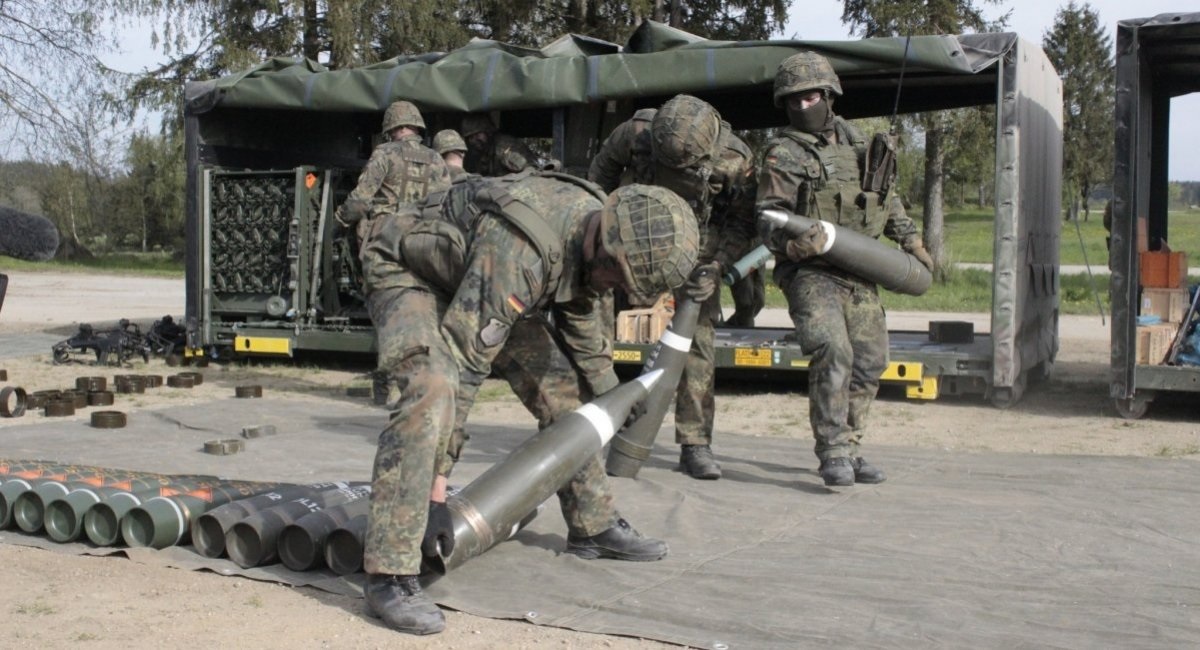
World
Estonia has announced a new military aid package for Ukraine, which includes 10,000 rounds of artillery ammunition. This latest contribution is part of Tallinn’s ongoing commitment to supporting Kyiv against Russian aggression. The package will also feature Estonian defense industry products worth over 100 million euros ($104 million), further strengthening Ukraine’s military capabilities. Estonian Prime Minister Kristen Michal emphasized that the initiative aims to bolster Ukraine’s position on the battlefield while increasing pressure on Russia. Estonia has been one of the most vocal supporters of Ukraine in Europe, consistently providing military aid since the start of the war. A History of Strong Support Over the past three years, Estonia has supplied military aid to Ukraine worth approximately 500 million euros ($524 million), accounting for more than 1.4 percent of its GDP. Previous aid packages have included advanced weaponry such as anti-tank missile systems and howitzers. Other contributions have featured artillery shells, anti-tank mortars, and machine guns, reinforcing Ukraine’s defensive capabilities. Additionally, Estonia has facilitated defense technology cooperation with Ukraine. In December 2023, Estonian startup Frankenburg Technologies announced its plan to test an in-development anti-aircraft missile in Ukraine, showcasing the Baltic nation’s broader efforts to assist Kyiv beyond just ammunition and weaponry. Estonia’s Own Defense Build-Up While maintaining its strong support for Ukraine, Estonia is also ramping up its own defense and deterrence strategies due to growing regional security concerns. In September 2024, the Estonian government unveiled a comprehensive military defense investment plan worth 5.6 billion euros ($5.8 billion) over the next four years. This plan includes a significant allocation of 1.6 billion euros ($1.68 billion) for the purchase of long-range ammunition, extending until 2031. Tallinn’s defense spending is expected to surpass 3 percent of its GDP in the coming years, reaching 3.6 percent by 2027. This increase underscores Estonia’s commitment to strengthening its military capabilities in response to heightened tensions in the region. Estonia’s latest aid package to Ukraine reaffirms its stance as a key European ally of Kyiv, demonstrating both military and political commitment to countering Russian aggression. As the war continues, Estonia remains a crucial partner in ensuring Ukraine receives the necessary support to defend itself.
Read More → Posted on 2025-02-26 14:20:55
World
The NATO Support and Procurement Agency (NSPA) played a key role in facilitating Cyber Unity 2025, a week-long exercise focused on strengthening cyber capabilities among NATO Allies and partners. Co-hosted by the U.S. European Command (USEUCOM) and Luxembourg’s Directorate of Defence, the exercise took place from January 20 to 24 at NSPA headquarters in Luxembourg. Cybersecurity remains a complex challenge that demands continuous collaboration, expertise, and investment in advanced technologies. By bringing together multiple nations, NSPA contributes to a collective cyber defense strategy, ensuring a stronger and more resilient cybersecurity framework across the U.S. and European theaters. Professor Dr. Sergio Coronado, NSPA Chief Information Officer, highlighted the significance of the exercise, stating, “NATO Allies and partners must continue to enhance their collective resilience and preparedness to respond swiftly to sophisticated cyber threat actors. Cyber Unity 2025 allowed participants to test their readiness against real-world cyber threats and improve collaboration across different nations.” A Unified Cyber Defense Effort Cyber Unity 2025 focused on enhancing multinational cooperation, with ten Allied countries—Armenia, Albania, Bulgaria, Croatia, Greece, Kosovo, Montenegro, North Macedonia, Romania, and Slovenia—participating. The exercise provided an opportunity to test and validate cyber protection tools using the Luxembourg Cyber Range platform, developed by CybExer Technologies and hosted by NSPA. By engaging in joint training and security cooperation, participants improved their capacity to detect and respond to cyber threats, fostering trust and collaboration among like-minded nations. This coordinated approach is essential for deterring cyber attacks and protecting critical digital infrastructure. Maj. Gen. John Phillips, EUCOM Director C4/Cyber, emphasized the importance of defending cyberspace, stating, “The cyber domain is critical for both civilian and military infrastructure and is under constant threat from sophisticated adversaries. Our collective efforts to protect against cyber-attacks are essential, and we will continue working together to strengthen our cyber defenses at home and abroad.” A Realistic Training Environment USEUCOM, NSPA, and Luxembourg’s Directorate of Defence designed Cyber Unity 2025 to simulate real-world cyber incidents, allowing participants to test open-source tools in a live cyberattack scenario. By translating technical insights into strategic-level decisions, the exercise helped bridge the gap between operational cyber defense measures and high-level security policies. With cyber threats evolving rapidly, initiatives like Cyber Unity 2025 play a vital role in preparing NATO Allies and partners to handle emerging challenges. Through continued collaboration and joint exercises, participating nations are reinforcing their ability to deter, detect, and defend against cyber threats in an increasingly digital battlefield.
Read More → Posted on 2025-02-26 14:16:53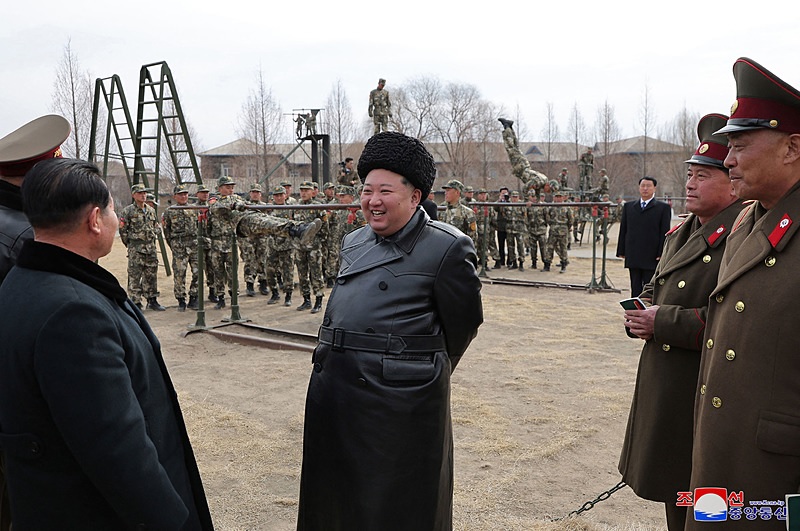
World
North Korean leader Kim Jong Un has called for the development of a strong and modernized military to prepare for any potential conflict. During a visit to the Kang Kon Military Academy, Kim emphasized the need for an advanced army that could effectively respond to the evolving nature of warfare. His remarks come at a time when North Korea has reportedly deployed thousands of troops to Russia, assisting Moscow in its ongoing war against Ukraine. Kim's visit to the military academy follows his tour of the Kim Il Sung University of Politics, where he reinforced the importance of military loyalty and dedication. South Korean intelligence has suggested that these inspections could be part of North Korea’s broader strategy to send additional forces to Russia. The deployment of North Korean soldiers in Ukraine has already resulted in significant casualties, with Kyiv reporting that over 3,000 North Korean troops have been killed or wounded since early January. At the military academy, Kim criticized the institution for failing to meet the ruling party’s vision of modernity and military excellence. He expressed dissatisfaction with the academy’s outdated facilities and educational approach, stressing the urgent need for improvements. He directed officials to upgrade the institution, ensuring that military training incorporates real-world combat experiences and advanced weaponry. Kim's push for military modernization is closely tied to the shifting geopolitical landscape, where conflicts and hostilities are becoming increasingly widespread. He described the current global situation as one where imperialist aggression and war are more prevalent than ever. To counter these challenges, he underscored the need for North Korea’s armed forces to be fully prepared for combat, mastering the latest military technologies and tactics. Meanwhile, South Korean officials have raised concerns that North Korea’s involvement in Russia’s war could provide Pyongyang with valuable battlefield experience and insights into modern military strategies. The collaboration between North Korea and Russia has heightened tensions in the region, drawing sharp warnings from the international community. As Kim continues to focus on military strengthening, his latest directives signal a clear intent to ensure that North Korea’s forces remain combat-ready, fully equipped, and aligned with his long-term vision of a powerful and technologically advanced army.
Read More → Posted on 2025-02-26 14:09:59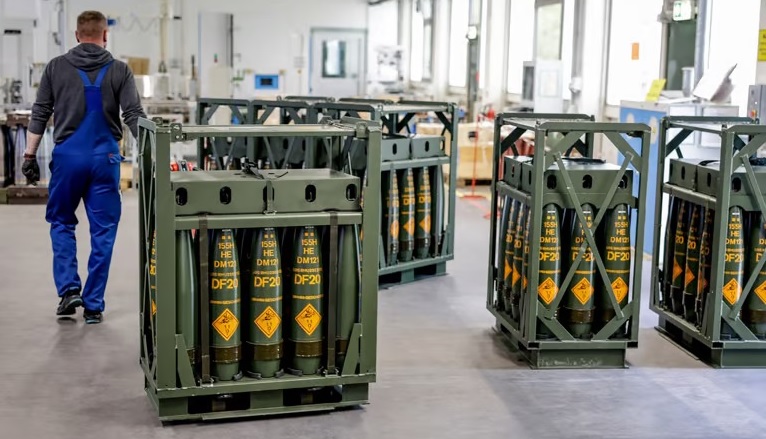
World
A major boost to Lithuania’s defence sector is underway as German defence giant Rheinmetall, in collaboration with Lithuanian firms, prepares to launch a state-of-the-art artillery ammunition factory. The facility, located in Baisogala, Radviliškis district, is expected to become operational by early 2027, reinforcing Lithuania’s military capabilities and economic resilience. Jose Manuel Fernandez Bosch, CEO of Rheinmetall Expal Munitions, confirmed the project’s timeline after meeting with Lithuanian Economy and Innovation Minister Lukas Savickas in Vilnius. He noted that construction and planning were progressing smoothly, ensuring the factory would be ready as scheduled. The factory will specialize in manufacturing 155mm artillery ammunition, a critical asset in modern warfare, particularly as Lithuania continues to strengthen its defence posture amid regional security concerns. The project is being developed in partnership with Lithuania’s state-owned enterprises, including Epso-G Invest, a subsidiary of the energy group Epso-G, and Giraitės Ginkluotės Gamykla (GGG), a well-established local defence company. Minister Savickas highlighted the broader implications of the project, emphasizing that Lithuania is steadily building a more robust defence industry ecosystem. He acknowledged ongoing discussions about potential future collaborations with Rheinmetall, although no specific projects were disclosed. Beyond its military significance, the new facility is expected to generate substantial economic opportunities. Various industries, including construction, logistics, and equipment servicing, stand to benefit from the investment, creating jobs and boosting local businesses. The establishment of the Baisogala factory aligns with Lithuania’s long-term strategy to enhance its industrial base while contributing to regional security and economic development. With Europe facing an evolving geopolitical landscape, the country is taking proactive steps to ensure self-reliance in defence production. As Rheinmetall and Lithuania push forward with this initiative, the project underscores the growing importance of strengthening domestic defence industries to meet both national and allied security needs.
Read More → Posted on 2025-02-26 14:06:21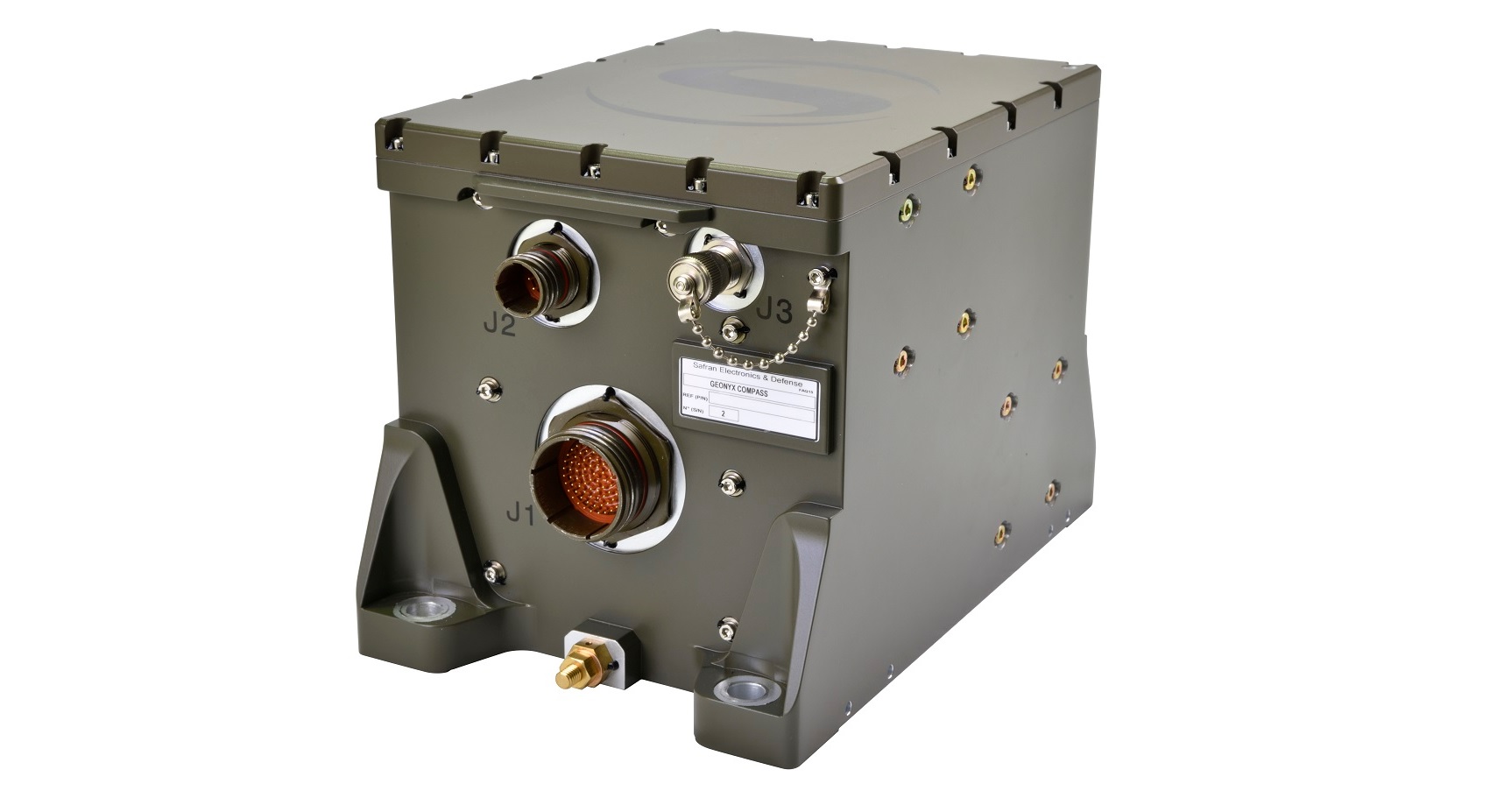
World
Finland is set to enhance the precision of its artillery forces with the integration of Safran Electronics & Defense’s advanced Geonyx Inertial Navigation Systems (INS). The Finnish Defence Forces have signed a long-term contract with Safran, covering the period from 2024 to 2031, to equip their military with state-of-the-art navigation and targeting technology. At the core of this deal is Safran’s Geonyx system, which utilizes HRG Crystal technology—an innovation that ensures highly accurate navigation and artillery pointing, even in environments where GPS signals may be jammed or unavailable. This capability is crucial for modern military operations, where uninterrupted accuracy can determine battlefield effectiveness. The Geonyx INS is specifically designed to withstand extreme conditions. Its compact and shock-resistant architecture allows seamless integration into a wide range of military platforms, including self-propelled guns, towed artillery, and mobile radar units. This adaptability makes it a strategic asset for Finland’s defense forces, ensuring superior precision in targeting and fire support missions. By choosing Safran, Finland is aligning itself with a globally recognized leader in inertial navigation technology. More than 1,000 Geonyx units have already been delivered worldwide, proving their reliability and performance in various defense applications. The contract not only strengthens Finland’s military capabilities but also reinforces Safran’s role in providing cutting-edge, cost-efficient solutions for modern warfare. The collaboration between Safran and the Finnish Defence Forces underscores a shared commitment to technological excellence and operational readiness. With the integration of Geonyx systems, Finland’s artillery units will gain a significant edge, ensuring accurate and effective firepower in any combat scenario.
Read More → Posted on 2025-02-26 14:00:29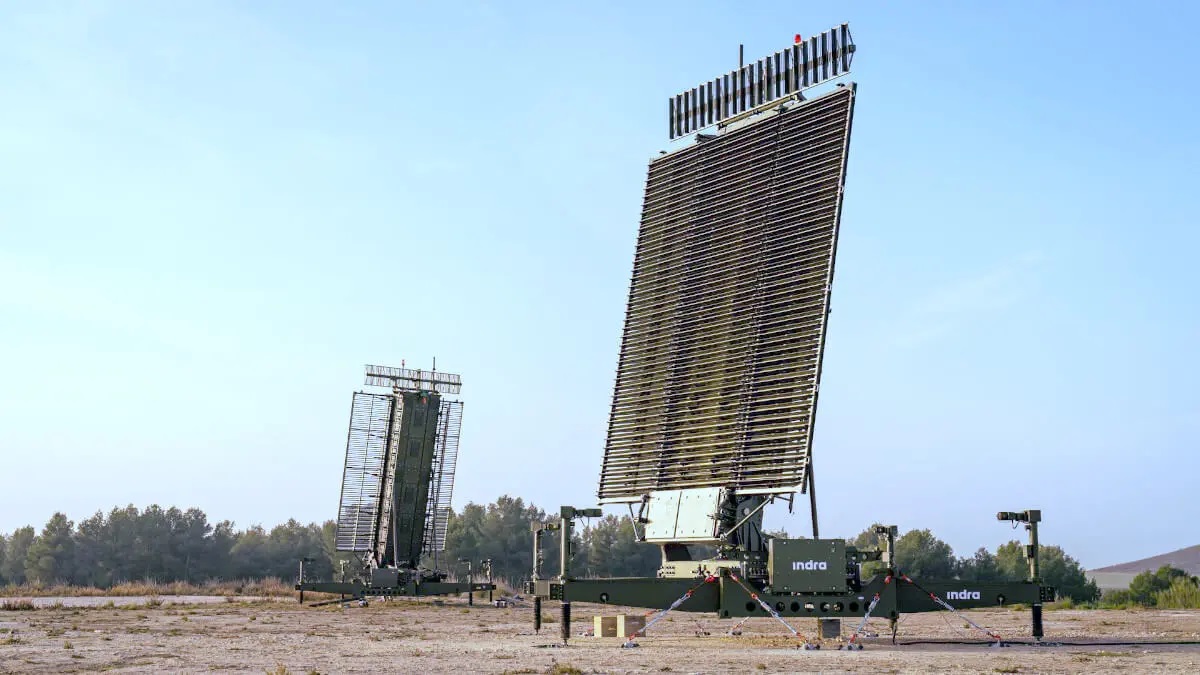
World
The Spanish Armed Forces have deployed an LTR 25 long-range detection radar in Romania as part of NATO’s efforts to strengthen air surveillance on its eastern flank. The radar is stationed in Cataloi, in the eastern part of the country, where a 40-member Spanish “Tigru” detachment is overseeing operations to enhance the deterrence and defense of allied nations. Equipped with advanced capabilities, the LTR 25 radar provides extended-range airspace monitoring, covering regions from Moldova to the Turkish coast. Designed with a fully modular and scalable architecture, it can be transported via air, sea, rail, or road, ensuring operational flexibility. The system specializes in detecting non-cooperative aircraft, employs anti-clutter features, and integrates a simplified operational control system for user-friendly operation. Spain’s deployment of the radar aligns with NATO’s broader security measures to reinforce its eastern borders, particularly following Russia’s invasion of Ukraine. In 2022, Madrid committed to supporting NATO’s deterrence efforts by sending fighter jets to Romania. As part of this initiative, Spain deployed eight F-18M fighter jets along with 130 air force personnel to Bucharest. Since 2014, NATO has ramped up security initiatives in Romania under its Enhanced Air Policing (eAP) mission, a direct response to Russia’s annexation of Crimea. The mission involves monitoring European airspace for aircraft flying without a transponder signal, radio contact, or an approved flight plan. Any detected anomalies are relayed to NATO’s Combined Air Operations Centres, including the Torrejón facility in Spain, which assesses threats and determines if Quick Reaction Alert aircraft need to be dispatched for interception. By reinforcing air defense capabilities in Romania, Spain continues to play a vital role in NATO’s collective security strategy, ensuring robust surveillance and readiness in the face of evolving threats in the region.
Read More → Posted on 2025-02-26 13:55:58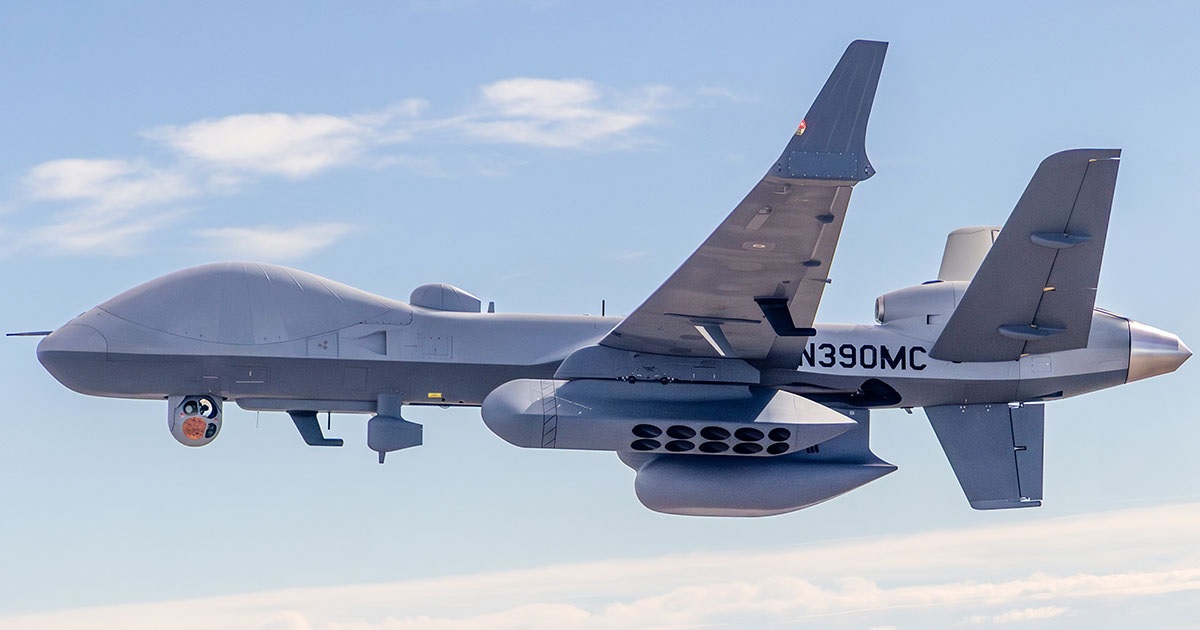
World
General Atomics Aeronautical Systems, Inc. (GA-ASI) has taken a significant step in anti-submarine warfare (ASW) by successfully testing advanced air-dropped sonar technology on its MQ-9B SeaGuardian. In a groundbreaking series of tests conducted from January 20-30, 2025, the unmanned aerial vehicle (UAV) demonstrated its ability to deploy and operate cutting-edge sonobuoys, solidifying its role as a cost-effective alternative to traditional manned ASW platforms. This latest achievement involved the MQ-9B deploying pre-production Sonobuoy Dispensing System (SDS) pods, allowing the UAV to track and analyze submerged targets with high precision. Using Directional Frequency Analysis and Recording (DIFAR), Directional Command Activated Sonobuoy System (DICASS), and Bathythermograph sonobuoys, the SeaGuardian was able to gather critical underwater intelligence while performing real-time acoustic data processing. GA-ASI President David R. Alexander highlighted the test as a major milestone, emphasizing that it proves unmanned aircraft can conduct persistent ASW operations. He noted that the successful deployment of the SDS pods opens new possibilities for the MQ-9B SeaGuardian’s future role in distributed maritime operations. The Naval Air Warfare Center Aircraft Division (NAWCAD) AIRWorks played a vital role in overseeing the development of this capability. This collaboration builds upon GA-ASI’s previous ASW demonstrations, including the Rim of the Pacific (RIMPAC) exercise in July 2024, where the MQ-9B first showcased its potential in naval operations. By integrating high-end ASW capabilities into the MQ-9B at a lower cost than conventional manned systems, GA-ASI is positioning the SeaGuardian as a game-changer for naval forces worldwide. The success of these tests is expected to drive further interest from military customers looking to enhance their maritime surveillance and undersea warfare capabilities.
Read More → Posted on 2025-02-26 13:51:50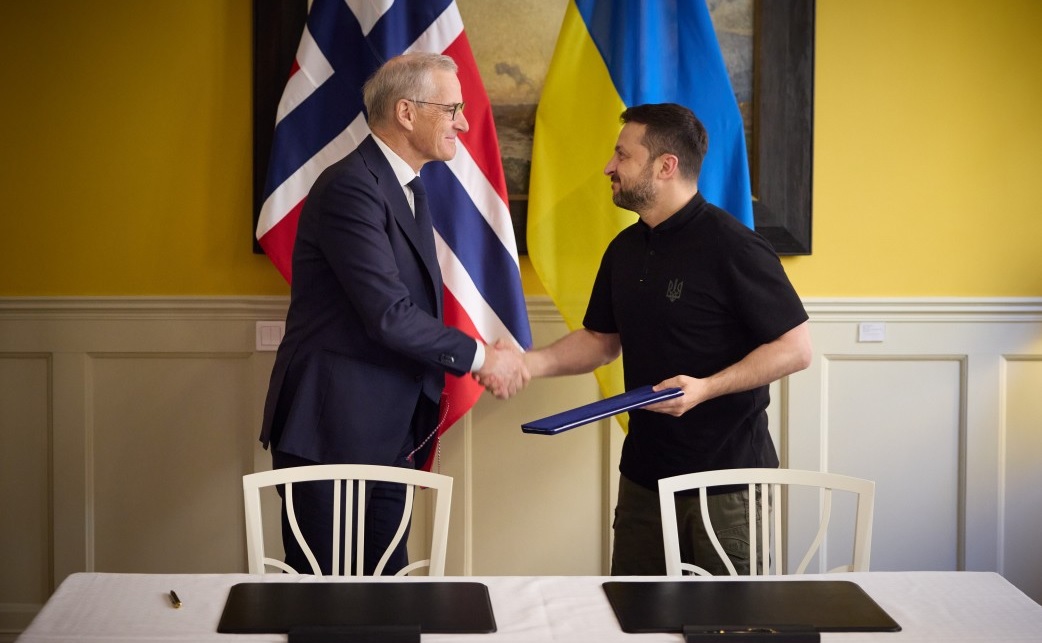
World
Norway has announced a significant commitment of 3.5 billion kroner ($312 million) to strengthen Ukraine’s defense capabilities by directly purchasing military equipment from Ukrainian manufacturers and funding drone procurements for Kyiv. This initiative is part of Oslo’s broader strategy to support Ukraine’s war efforts while fostering closer industrial and technological cooperation between the two nations. Recognizing the importance of local defense production, Norwegian officials emphasized that buying equipment from Ukrainian firms would enhance Ukraine’s manufacturing capacity, a crucial element in sustaining its military resistance. Norwegian Prime Minister Jonas Gahr Støre highlighted that these purchases not only supply Kyiv with much-needed equipment but also contribute to strengthening Ukraine’s long-term defense infrastructure. As part of this effort, Norway will also allocate 600 million kroner ($53 million) specifically for acquiring drones and advancing drone technology for the Ukrainian armed forces. Drones have played a critical role in Ukraine’s military operations, from reconnaissance to precision strikes, and this funding aims to improve their effectiveness on the battlefield. Norway’s Expanding Military Assistance to Ukraine This latest funding aligns with Norway’s long-term commitment to supporting Ukraine. From 2023 to 2030, Oslo has pledged at least 155 billion kroner ($13.8 billion) in military and financial aid to Kyiv. In January, Norway announced its largest-ever military assistance package, allocating $2.05 billion for Ukraine in 2024 alone. Additionally, the Scandinavian nation contributed 700 million kroner ($62 million) to a multinational initiative focused on procuring drones, further reinforcing Ukraine’s technological edge in combat. Norway has also actively participated in European collaborative efforts to bolster Ukraine’s military industry. Last November, it pledged 500 million kroner ($44 million) in support of a Danish-Ukrainian program to procure military equipment from Ukrainian defense firms. Furthermore, in August, Norway approved the transfer of Nammo defense technology to a Ukrainian company, facilitating the production of 155mm artillery shells, which are crucial for Kyiv’s ongoing fight against Russian aggression. With this latest funding push, Norway continues to be a strong European ally for Ukraine, ensuring that the country has both immediate and long-term capabilities to defend itself against Russian forces.
Read More → Posted on 2025-02-26 13:48:57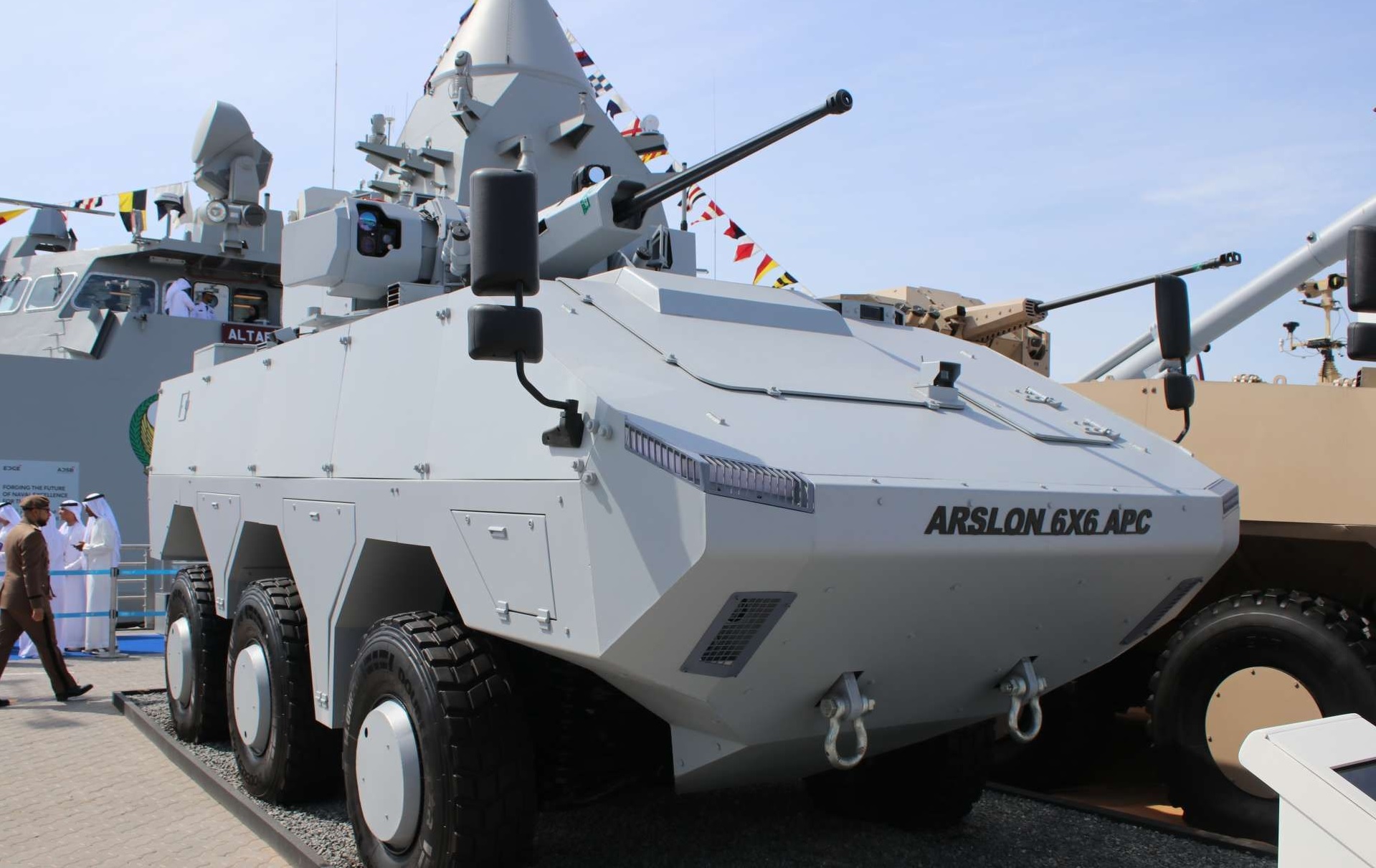
World
Uzbekistan’s Havztez has taken a bold step into the international defense market by unveiling its new Arslon armored personnel carrier (APC) family at IDEX 2024. In an unusual display arrangement, the company's land vehicles were showcased at NAVDEX, a naval exhibition, instead of the main land-focused event, drawing significant attention from military experts and potential buyers. This marks the first time the Tashkent-based company has exhibited its Arslon 6×6 and 8×8 APCs on the global stage. For decades, the Uzbek Ground Forces have relied on Soviet-era armored vehicles, primarily the BTR-80 and BTR-82. However, with Uzbekistan’s growing cooperation with NATO and the need to modernize its military, the shift towards contemporary, NATO-compatible platforms has become a priority. The Arslon APCs represent this transition, offering advanced firepower, enhanced protection, and modern battlefield connectivity. Arslon 8×8: Power and Protection The Arslon 8×8 is a formidable armored vehicle with a gross weight of 32,000 kg. It is powered by a 600-horsepower diesel engine paired with an Allison 4700SP transmission, delivering a top speed of 100 km/h and an operational range of 700 km. The powerpack is located on the right side of the vehicle, while the left side houses the driver and commander positions, each with their own access hatches. The gunner, positioned inside the hull, operates the unmanned turret. This turret closely resembles the Escribano Guardian 30 and is equipped with a Russian-origin 2A42 Shipunov 30mm autocannon. Unlike Spain’s variant of the Guardian 30, the Arslon 8×8 lacks an independent panoramic sight for the commander and an anti-tank missile launcher. However, it features a battlefield target identification system, laser detection and warning, and a gunshot detection system integrated into its fire control system. The chassis is designed for superior off-road mobility, featuring two evenly spaced axles at the front and rear, with a larger gap in the middle. The vehicle is 8.84 meters long, 3.30 meters wide, and 3.43 meters tall at the turret’s highest point. It boasts an approach angle of 27° and a departure angle of 30°, enabling it to climb 30° inclines, navigate 20° side slopes, and ford water obstacles up to 1.5 meters deep. Its ballistic and blast protection meets Level 4 standards but can be upgraded to Level 5 with an add-on armor kit. Arslon 6×6: Compact Yet Capable The Arslon 6×6 is a lighter and more compact variant, with a gross weight of 21,720 kg and a 450-horsepower engine. Measuring 7.25 meters in length and 2.95 meters in width, it stands taller at 3.5 meters due to its manned turret configuration. Unlike the 8×8, the 6×6 variant is armed with a Northrop Grumman Mk44 Bushmaster 30mm chain gun, mounted on a turret that closely resembles the Elbit Systems MT30. The gunner’s optronic suite is positioned on the right side, while a panoramic sight on the left enables hunter-killer capability. The vehicle retains the same axles as the 8×8, with a 2,000 mm gap between the front and second axle and 1,800 mm between the two rear axles. While mobility performance is identical, base armor protection is slightly lower at Level 3 but can be upgraded to Level 4 with an additional kit. Strategic Implications and Future Prospects At IDEX 2024, multiple defense firms confirmed receiving inquiries from the Ukrainian Ministry of Defense about potential acquisitions. Meanwhile, Uzbekistan appears keen on adopting the Arslon series for its own forces, with trials for the 8×8 variant beginning in mid-2024. The presence of different turrets at the exhibition suggests that the Uzbek military is still evaluating its preferred caliber standard. With a significant number of BMP-2s still in service, the Soviet-era 2A42 cannon remains a familiar choice, but a shift toward NATO-standard Bushmaster II ammunition is highly likely. Havztez’s display also included a 155mm self-propelled howitzer, hinting at further expansion in Uzbekistan’s defense manufacturing capabilities. Whether the Arslon series will be exported or remain an exclusive domestic product remains to be seen, but its unveiling signals Uzbekistan’s ambitions to establish itself as a serious player in the armored vehicle market.
Read More → Posted on 2025-02-25 15:15:49Search
Top Trending in 24 Hours
-
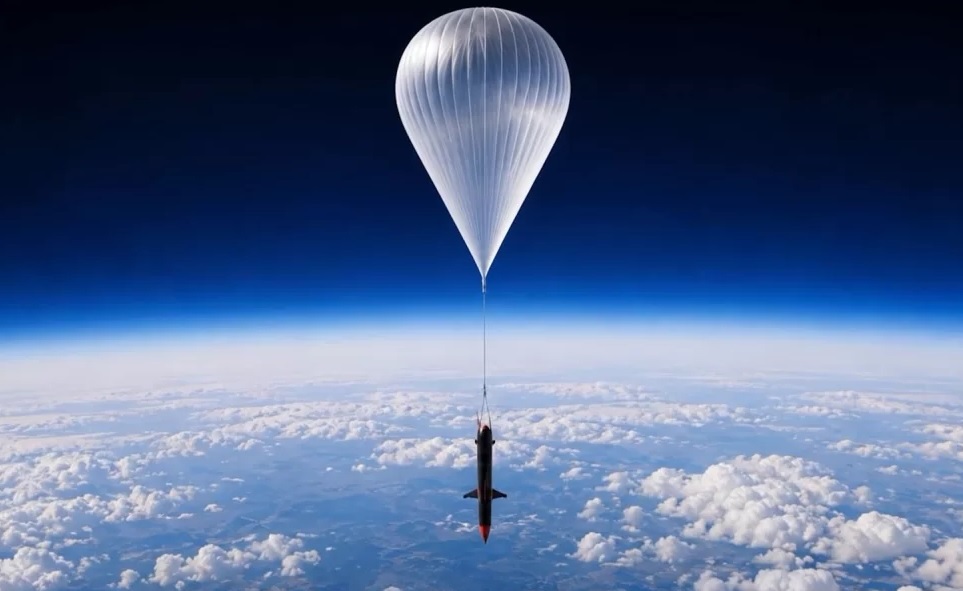 Ukraine Introduces Balloon-Launched DART Missile Designed to Defeat Electronic Warfare
-
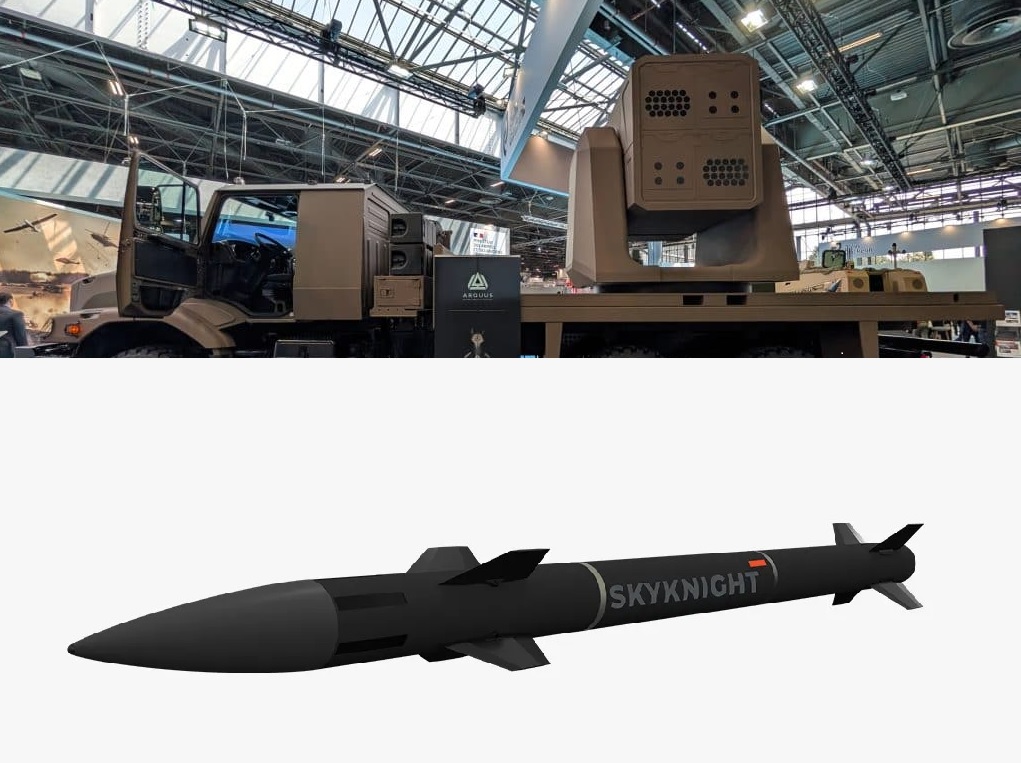 Naval Group Unveils Rampart Modular CIWS Multi-Purpose Weapon System for Naval and Ground Forces at Eurosatory 2026
-
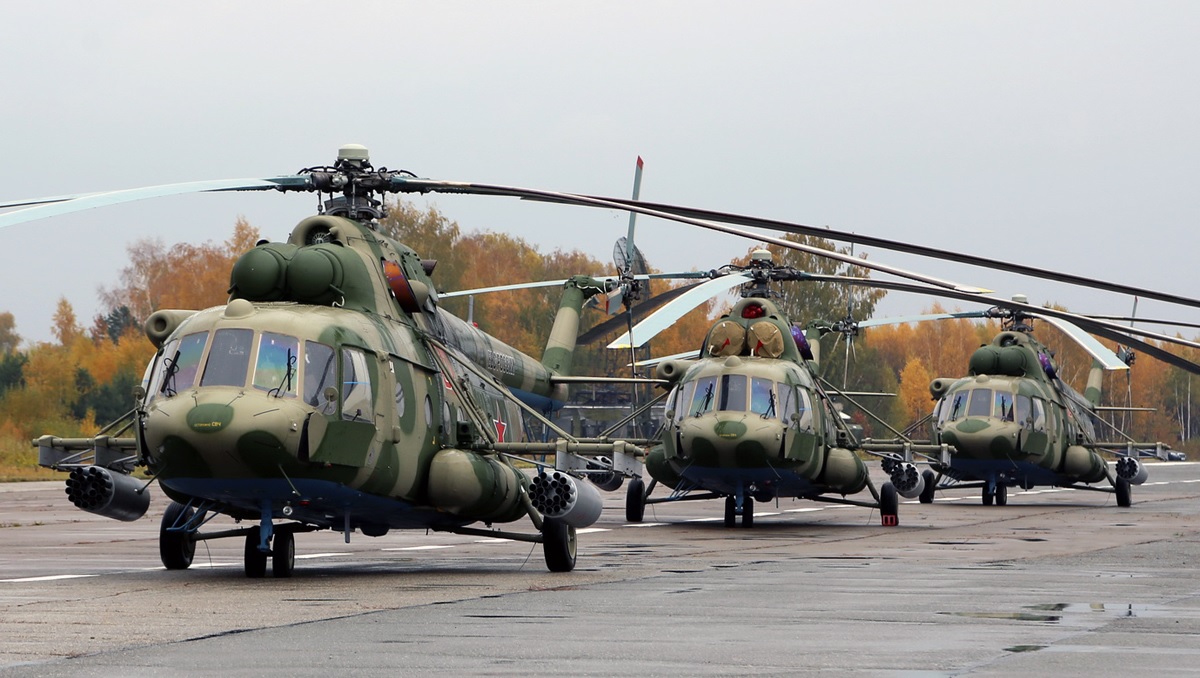 Iran Signs Deal with Russia for 20 Mi-8 and Mi-17 Helicopters to Boost Rescue and Medical Missions
-
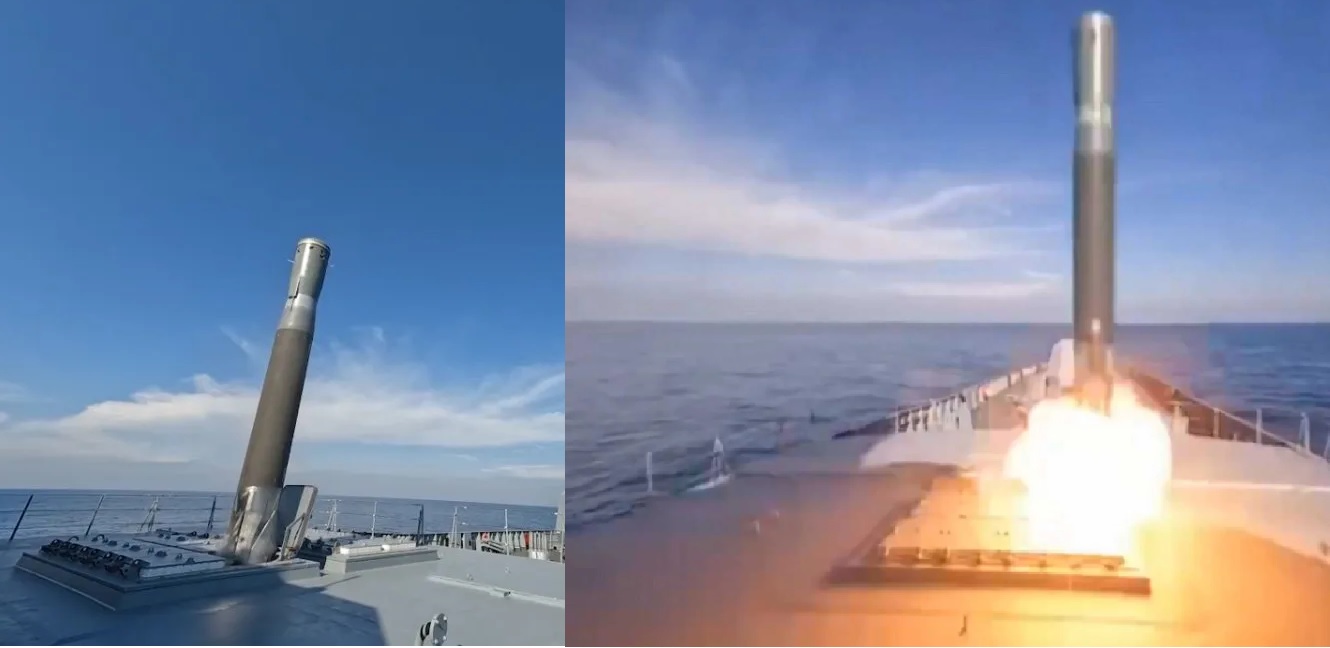 Open-Source Evidence Suggests Russia's Zircon Is a Quasi-Ballistic Missile, Not a True Hypersonic Cruise Weapon
-
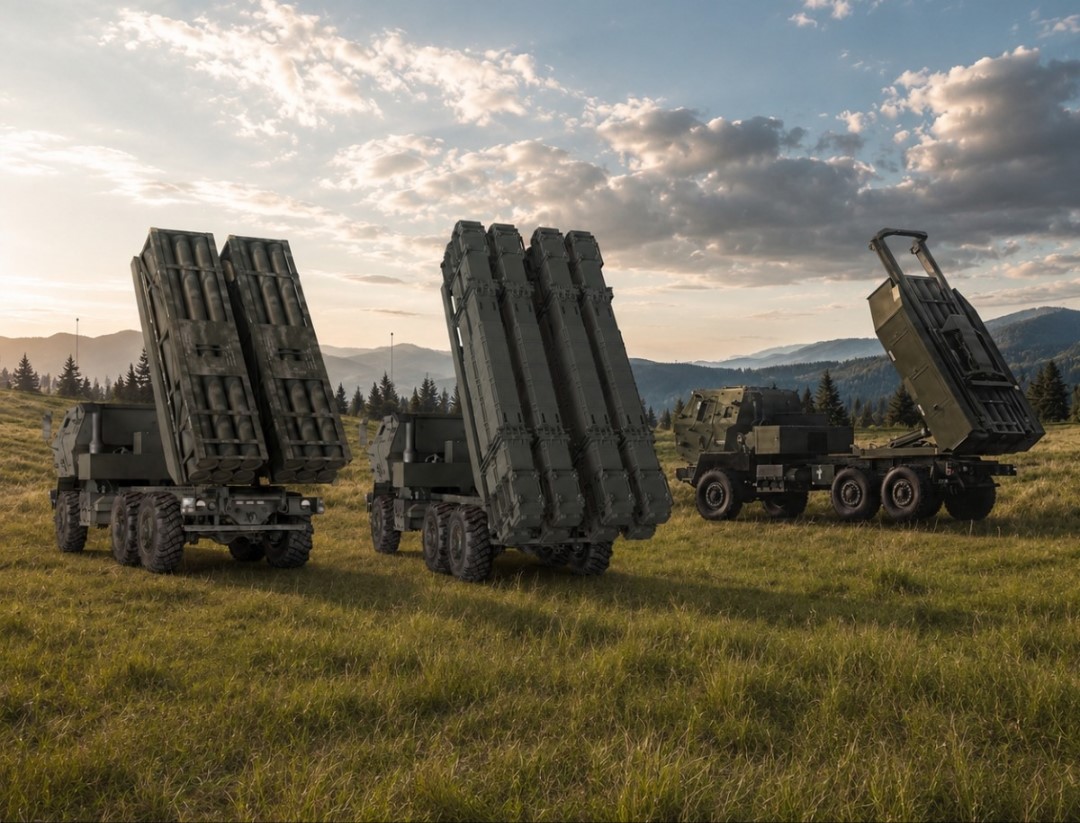 Lockheed Martin Unveils HIMARS FLEX with Dual-Pod Launcher and NATO-Compatible Air Defense Integration
-
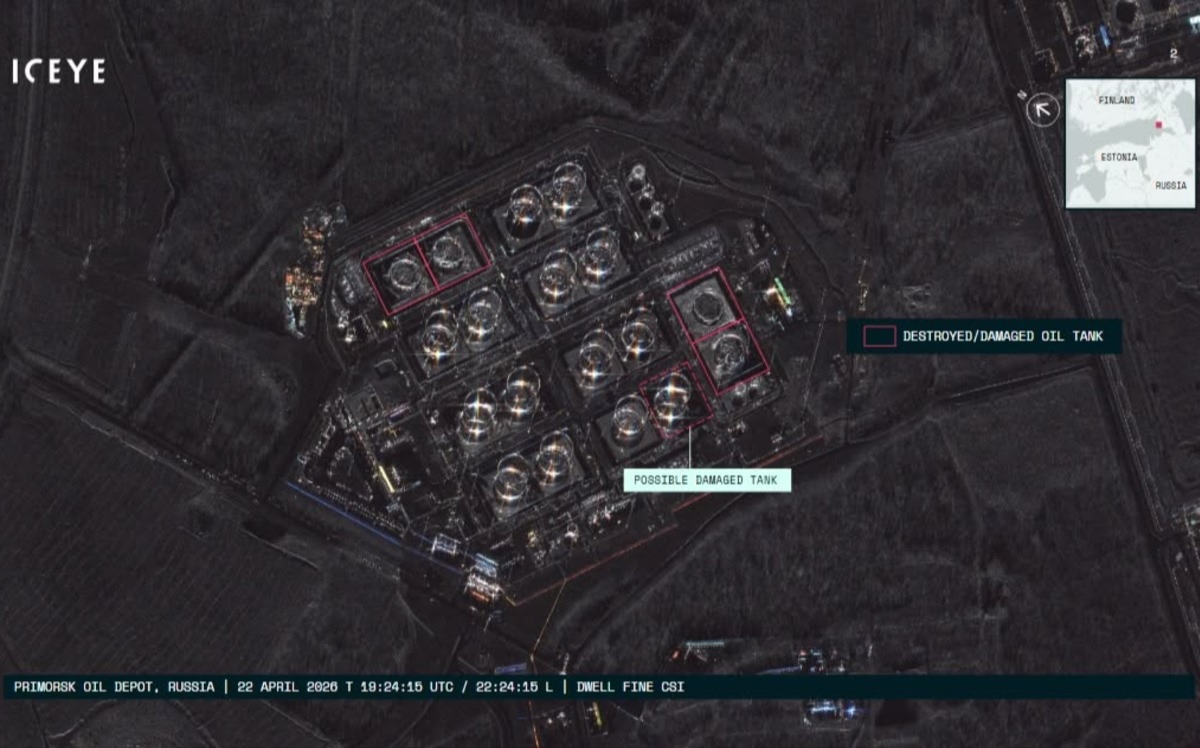 Portugal Doubles Sovereign SAR Satellite Fleet with Order for Two Additional ICEYE Satellites
-
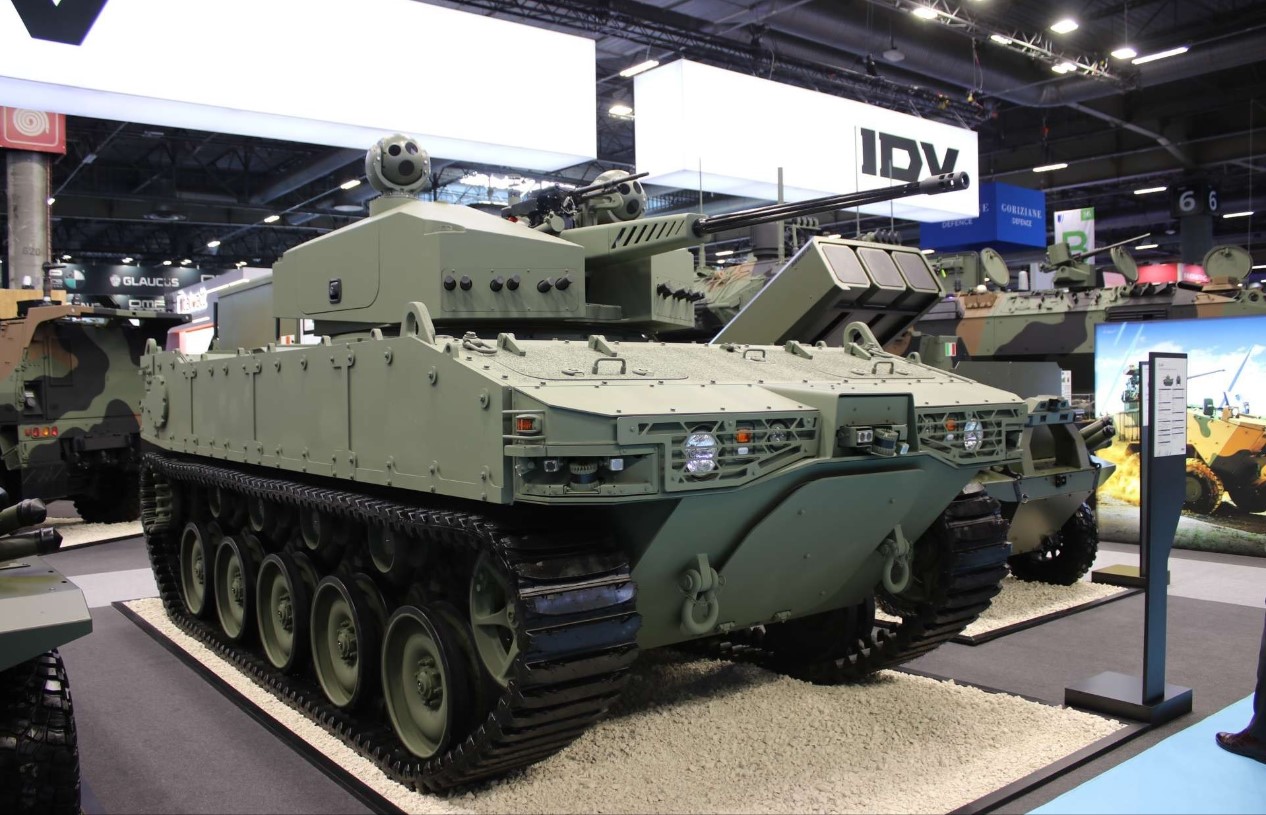 IDV Unveils CL2X Hybrid Uncrewed Light Tank at Eurosatory 2026
-
 Why the U.S. Restored Pacific Command Name, Ending the Indo-Pacific Designation After Eight Years
Top Trending in 4 Days
-
 F-35 Fleet Readiness Falls to 25% Amid Parts Shortages and Software Delays: GAO Report
-
 US Marine Corps F/A-18D Hornet Crashes During Training Flight in Washington Mountains; Pilot Ejects Safely
-
 Leonardo Rheinmetall to Unveil Italy’s New IMBT Main Battle Tank at Eurosatory 2026
-
 Tulsi Gabbard Releases Declassified Files Detailing U.S.-Backed Network of 120 Biolaboratories Across 30+ Countries
-
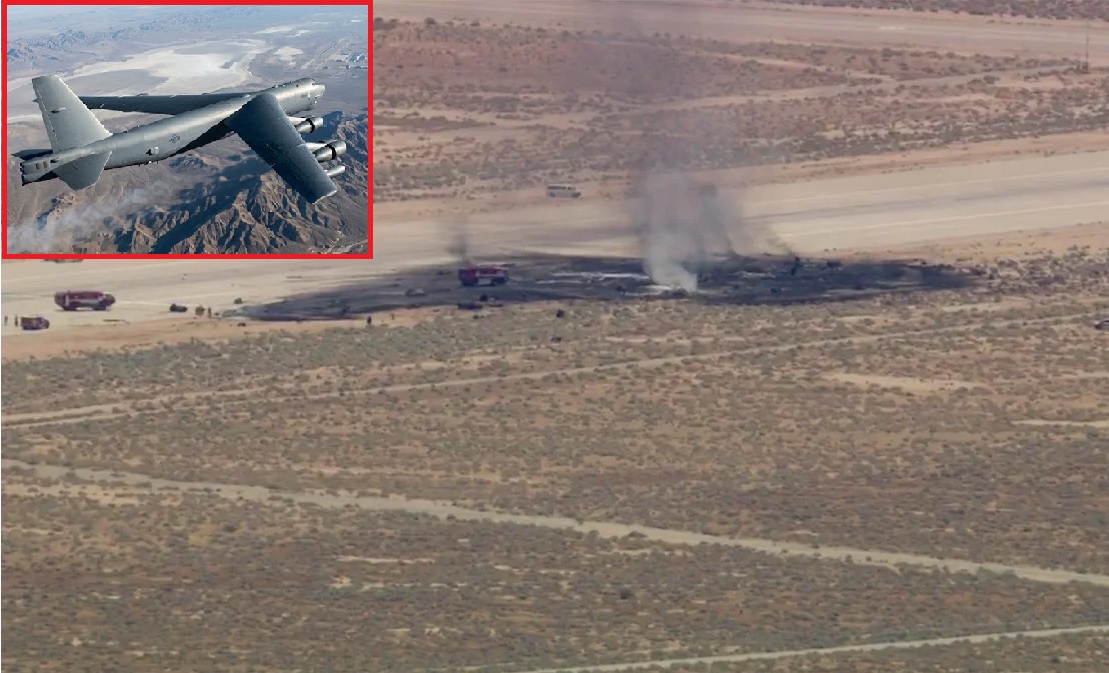 8 U.S. Air Force Crew Members Killed in B-52 Bomber Crash During Test Flight at Edwards Air Force Base
-
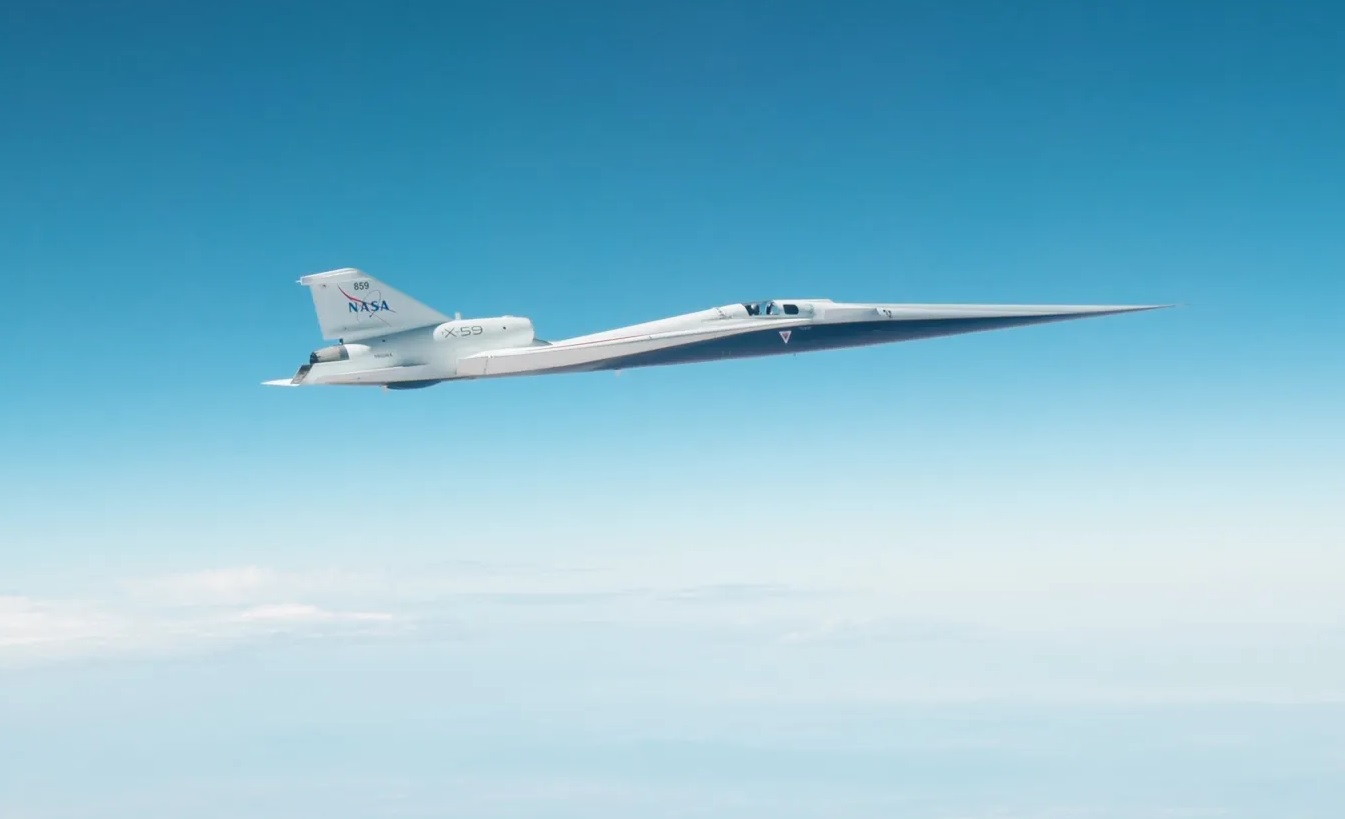 NASA X-59 Achieves Planned Mission Conditions with Mach 1.4 Flight at 55,000 Feet
-
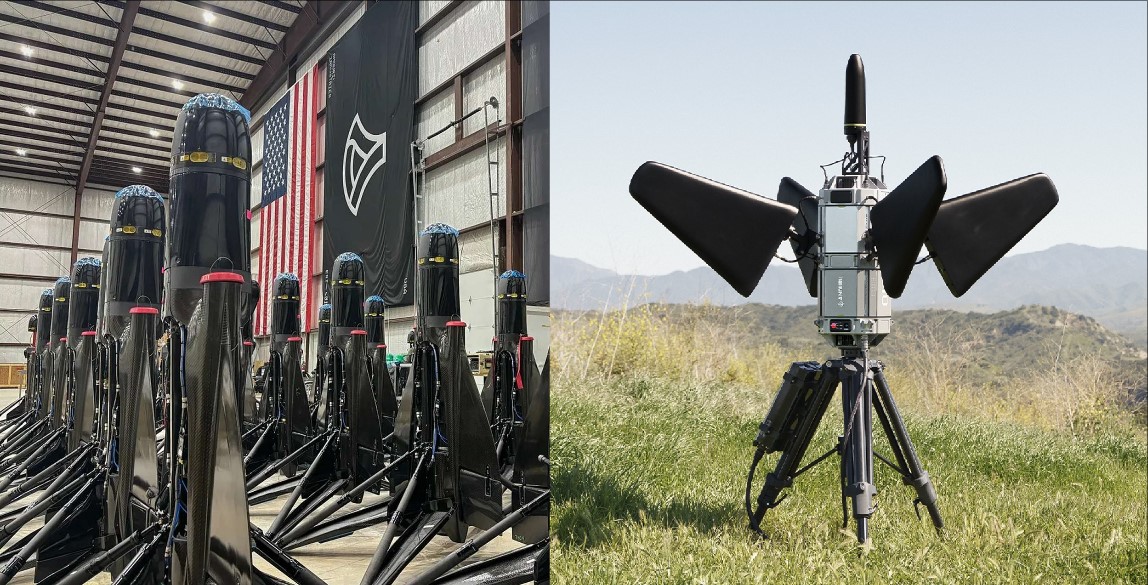 U.S. Approves $1.98 Billion Sale of Anduril AI-Powered Counter-Drone Systems to Kuwait
-
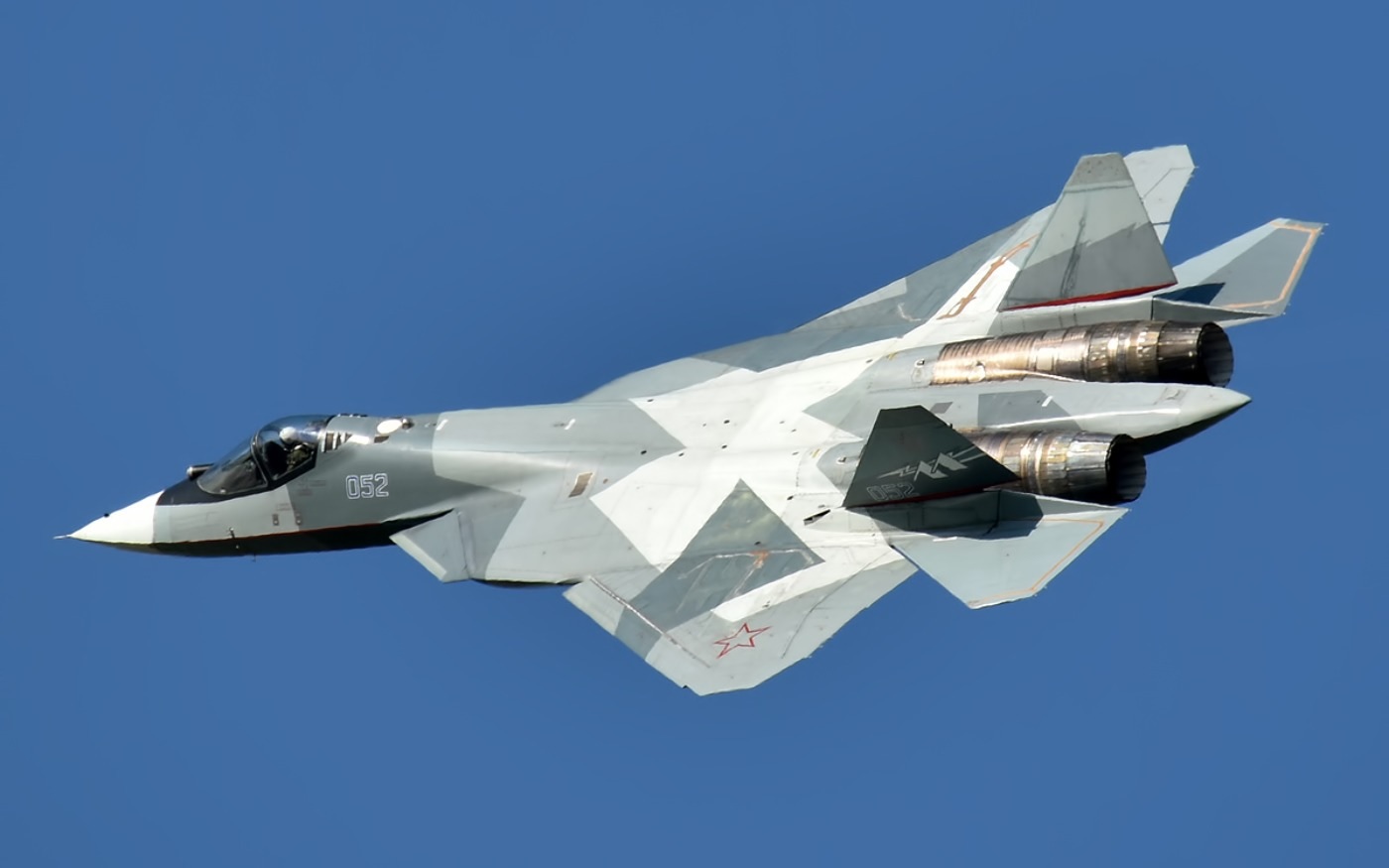 Russian Analysts Debate Su-57 Capabilities After Putin Calls Fighter Superior to F-35