World
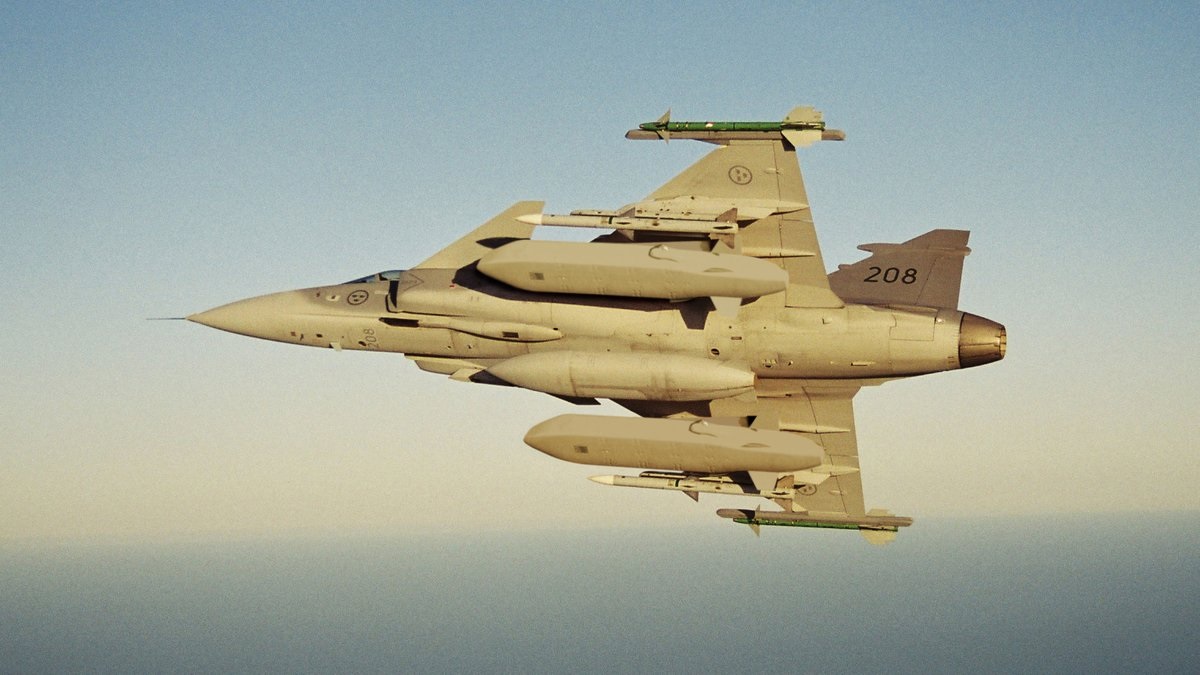
Sweden has officially begun discussions with Germany to acquire and integrate the Taurus KEPD-350 air-launched cruise missile on its Saab JAS 39 Gripen C fighter jets. This move marks a significant step in Sweden’s efforts to enhance its air force’s strike capabilities, particularly in deep-penetration and precision-targeting operations. According to Sweden’s Defence Materiel Administration (FMV), the initial integration of the Taurus missile will be carried out on the Gripen C, followed by a more advanced integration with the Gripen E under project MS23. FMV has been given the responsibility to procure the missile from Germany, while Saab has been tasked with conducting critical integration studies. These studies will assess the technical adjustments required for seamless deployment. The first operational deliveries, which include the MS20 Block 4 software update, are expected by 2028. The Taurus KEPD-350 is a long-range, precision-guided missile developed through a German-Swedish collaboration. It is specifically designed to target fortified and hardened structures, making it a valuable asset in modern warfare. While the Taurus missile was originally designed with Gripen compatibility in mind, Sweden has never formally acquired it—until now. This development aligns with Sweden’s broader air force modernization strategy. The Swedish Air Force currently operates 105 Gripen C/D fighter jets, but a restructuring plan aims to retire 45 of them and replace them with the newer Gripen E/F models. Meanwhile, 60 Gripen C/D jets will be upgraded to maintain operational effectiveness. The integration of the Taurus missile is expected to provide these aircraft with significantly enhanced strike capabilities. Despite previous displays of Gripen jets carrying Taurus missiles at airshows, it remains unclear whether live-fire tests have ever been conducted. The upcoming integration efforts will involve a thorough assessment of any modifications needed for both the aircraft and the missile’s compatibility with its weapon systems. Sweden’s NATO membership also opens the possibility of acquiring alternative strike weapons, such as the American AGM-158 JASSM, which is already in service with alliance members like Poland. However, the Taurus KEPD-350 remains a formidable choice, offering capabilities comparable to the British-French Storm Shadow/SCALP-EG missile. The Taurus missile boasts a range of 500 km, allowing it to strike deep into enemy territory while flying at high-subsonic speeds (Mach 0.95). Its advanced low-altitude flight profile makes it highly stealthy, reducing the risk of detection by enemy air defenses. The missile is armed with a 481 kg MEPHISTO warhead, which features a dual-stage detonation system designed to penetrate reinforced structures before exploding, ensuring maximum effectiveness against heavily protected targets. By incorporating the Taurus missile into its arsenal, Sweden is reinforcing its air force with a potent long-range strike capability. This decision underscores the country’s commitment to strengthening its defense posture as it fully integrates into NATO’s security framework.
Read More → Posted on 2025-03-04 08:28:11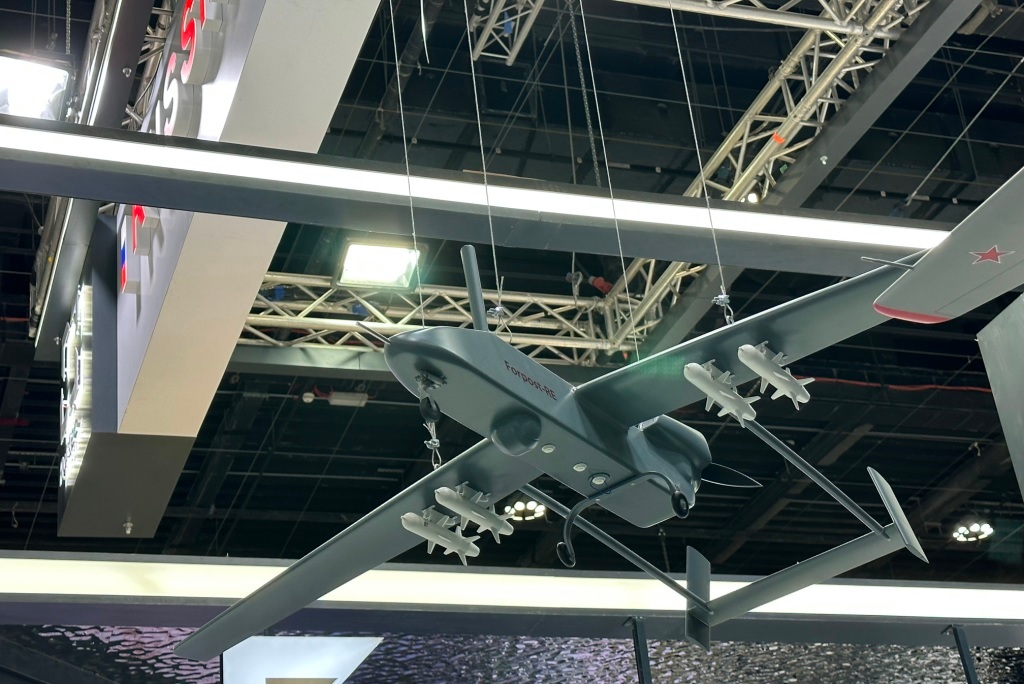
World
Russia made a significant move at IDEX 2025 by presenting the Forpost-RE unmanned aerial vehicle (UAV) for the first time on the international stage. Showcased at the JSC Rosboronexport booth, this medium-range UAV marks a major shift in Russian drone capabilities, signaling the country’s push to expand its defense exports. The Forpost-RE has an interesting history. Originally based on the Israeli Searcher II UAV and produced under license by the Ural Civil Aviation Plant (UZGA), it has since undergone a complete transformation. Now, Russia claims the Forpost-R is an entirely indigenous design, with all foreign components replaced by Russian-made systems, including avionics, communication, navigation, and control units. Designed for versatility, the UAV carries multiple payload options. It features a gyrostabilized platform with a thermal imaging camera, a color video camera, and a high-resolution photo camera. Additionally, it can be equipped with electronic warfare (EW) sensors for radiofrequency monitoring, enhancing its battlefield surveillance capabilities. Russia has been deploying Forpost UAVs since 2015, initially for reconnaissance missions in Syria. More recently, since 2022, it has played a key role in Ukraine as both a surveillance and strike drone. At IDEX 2025, the displayed Forpost-RE model hinted at its offensive potential, showcasing four KAB-20 guided munitions mounted on two hardpoints under each wing. The UAV’s developers are reportedly working on integrating loitering munitions and expanding its strike capabilities. Beyond attack and reconnaissance roles, the Forpost-R can also function as a communications relay, extending the range of ground units. Additionally, a version equipped with onboard radar has been developed to track moving targets and provide targeting data for both land and naval forces. Structurally, the Forpost-R follows a conventional UAV design, featuring a high-wing configuration, a twin-tail boom, and a rear-mounted internal combustion engine with a pusher propeller. It has a fixed tricycle landing gear and a maximum take-off weight of 500 kg. With a wingspan of 10.5 meters and a length of 6.9 meters, the UAV can stay airborne for up to 18 hours, reaching altitudes of 20,000 feet. The Forpost-RE, designated for export, closely resembles the Russian military’s Forpost-R. However, minor differences were observed between the two models—particularly, the export version seen at IDEX 2025 lacked some EW payloads and featured a different propeller design compared to the variant displayed at Russia’s Army 2024 expo. Despite the lack of specific details, the Forpost-RE’s debut signals Russia’s intention to introduce its advanced UAVs to foreign markets, targeting Middle Eastern and other potential buyers looking for combat-proven aerial systems.
Read More → Posted on 2025-03-03 14:41:27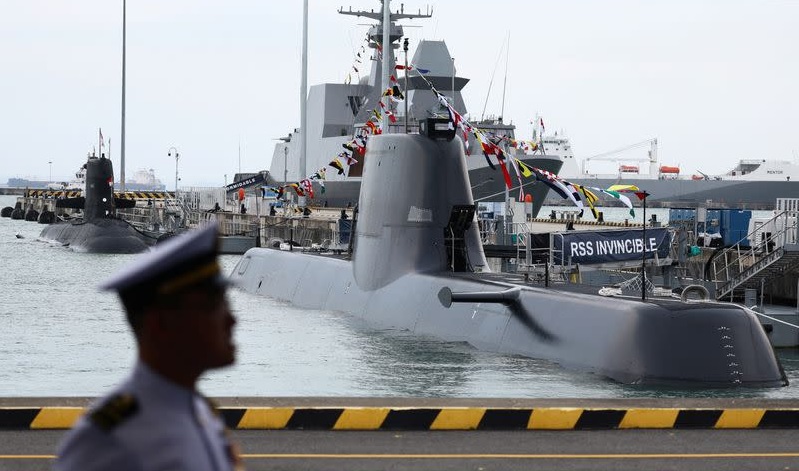
World
Singapore is making significant strides in strengthening its naval and aerial defense capabilities with plans to procure two additional Invincible-class submarines, replacing aging maritime patrol aircraft, and advancing its Multi-Role Combat Vessel (MRCV) program. Expansion of the Submarine Fleet The Republic of Singapore Navy (RSN) is set to enhance its underwater warfare capabilities by acquiring two more Invincible-class submarines, also known as the Type 218SG. This addition will bring the total fleet to six, ensuring better operational flexibility and readiness. The first two submarines, Invincible and Impeccable, have already proven their reliability in Singapore's tropical waters since their commissioning in September 2024. Defense Minister Dr. Ng Eng Hen emphasized that four submarines were insufficient for a robust fleet, as submarines undergo rigorous maintenance cycles. Increasing the fleet to six will provide a steady operational state for the RSN and improve its ability to sustain long-term deployments. Modernizing Aerial Surveillance The Republic of Singapore Air Force (RSAF) is also taking steps to replace its aging Fokker 50 maritime patrol aircraft, which have been in service for 32 years. The RSAF is currently evaluating two potential replacements: the Boeing P-8 Poseidon and the Airbus C-295. Both aircraft are known for their advanced surveillance and reconnaissance capabilities, crucial for Singapore’s maritime security. Advancing the Multi-Role Combat Vessel Program Another key development is the ongoing construction of the Multi-Role Combat Vessels (MRCVs), which will replace the Victory-class corvettes. The first MRCV is scheduled to be launched this year, with a total of six vessels on order. These ships will have three times the range of the Victory-class and will serve as motherships for unmanned systems, highlighting Singapore’s focus on modern naval warfare strategies. The keel for the first MRCV was laid in October 2024 at ST Engineering’s shipyard, marking a significant milestone in the program. The vessels are designed for enhanced operational versatility, integrating autonomous systems for surveillance, reconnaissance, and combat roles. Defense Budget Growth and Strategic Planning To support these military advancements, Singapore's defense budget for 2025 is projected at S$23.4 billion (approximately US$17.3 billion), reflecting a 12.4% increase from the previous year. This rise is primarily due to delayed projects from the COVID-19 pandemic, with Dr. Ng noting that 2025 would likely be the final “catch-up” year. However, he stressed the importance of remaining adaptable to global uncertainties, indicating that further investments may be necessary if security challenges intensify. With these strategic acquisitions, Singapore is reinforcing its position as a formidable maritime power, ensuring the security of its waters and strengthening its deterrence capabilities for the future.
Read More → Posted on 2025-03-03 14:37:44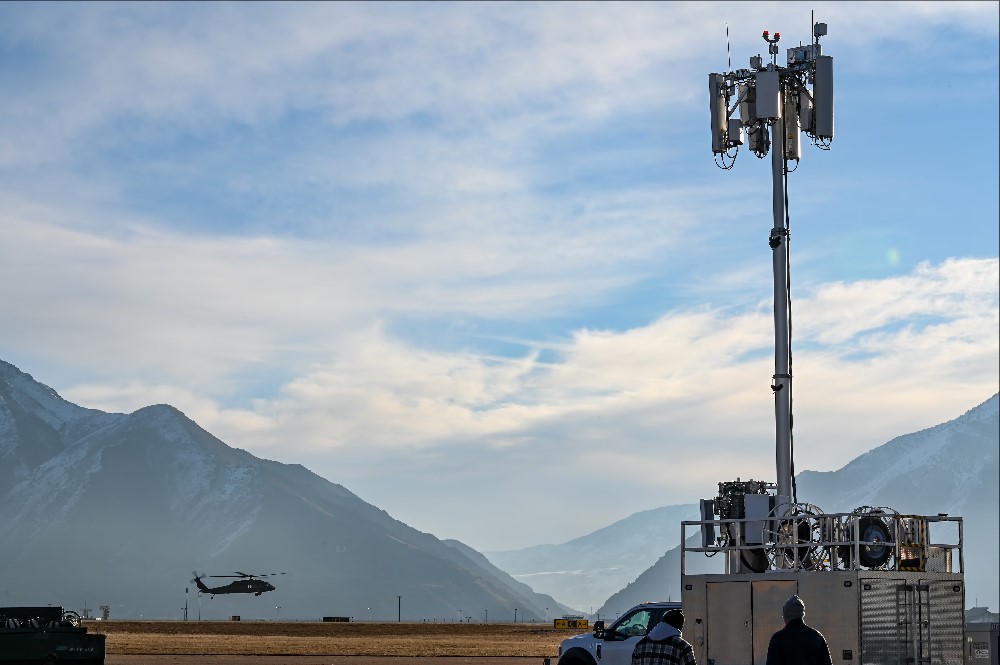
World
Lockheed Martin, in collaboration with Nokia and Verizon, has successfully integrated Nokia’s military-grade 5G technology into its 5G.MIL® Hybrid Base Station (HBS)—a breakthrough that enhances the connection between commercial 5G networks and military communication systems. This integration promises faster, more secure, and more resilient battlefield communication, significantly improving situational awareness and mission success. As modern warfare increasingly relies on seamless data sharing, the role of 5G technology in defence operations has never been more critical. The integration ensures secure transmission of vital information, helping defence forces coordinate effectively in real-time. John Clark, Senior Vice President of Lockheed Martin Technology & Strategic Innovation, emphasized that advanced communication networks are essential for national security, and this collaboration ensures secure data flow across military operations, enhancing mission efficiency and deterrence capabilities. From Nokia’s perspective, Tommi Uitto, President of Mobile Networks, highlighted the flexibility and security of their 5G solutions, stating that they improve military decision-making and optimize operational efficiency while ensuring interoperability with existing defence communication systems. During recent demonstrations, Lockheed Martin successfully integrated Nokia’s 5G technology into its 5G.MIL Unified Network Solutions ecosystem. Additionally, Verizon’s network management solutions ensured smooth interoperability with military systems. Testing took place at Verizon’s Boston Innovation Center and Lockheed Martin’s Valley Forge laboratory in Pennsylvania, followed by full system integration and demonstration at Lockheed Martin’s Fort Worth facility in Texas. One of the most significant achievements was the seamless transition between commercial 5G networks and tactical military waveforms, allowing uninterrupted connectivity even in contested environments. This capability enhances security by reducing risks of detection, jamming, and cyber threats, giving military personnel a tactical advantage. The collaboration is set to continue, with further testing planned at Lockheed Martin’s 5G.MIL Experimental Network site in Orlando, Florida. This ongoing research will expand hybrid network capabilities, further strengthening secure communication between public and private sectors. With 5G’s high-speed, low-latency, and secure connectivity, military forces will benefit from real-time data access, enhanced situational awareness, and improved decision-making, marking a significant step forward in modern defence technology.
Read More → Posted on 2025-03-03 14:31:59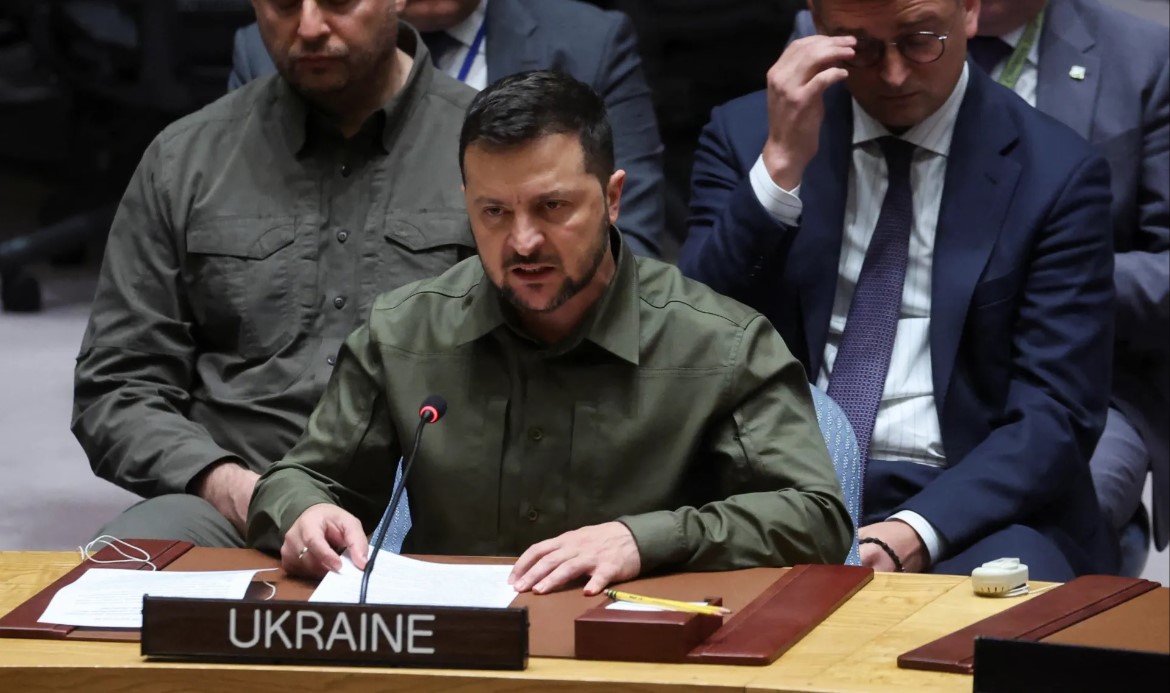
World
Ukrainian President Volodymyr Zelensky has strongly criticized Russia’s recent surge in aerial attacks, revealing that in just one week, Russian forces launched over 1,050 attack drones, nearly 1,300 aerial bombs, and more than 20 missiles against Ukraine. The intensity of these strikes, he warned, contradicts any notion that Moscow seeks peace. In a statement on social media, Zelensky stressed that Ukraine is fighting not just for survival but for a stable and secure future. “Ukraine is fighting for the normal and secure life it deserves, for a just and lasting peace. We want to end this war. But Russia does not, and it continues its aerial terror,” he declared. The scale of destruction caused by these strikes has been devastating, with cities and civilian areas bearing the brunt of the bombardments. Zelensky pointed out that genuine efforts for peace do not involve launching ballistic missiles at populated areas, directly challenging Moscow’s claims of openness to negotiations. As Russian attacks escalate, Ukraine is intensifying its calls for greater international support. The Ukrainian leader urged allies to bolster military aid, particularly air defense systems, to counter the growing aerial threat. “Strengthening our air defense, supporting our army, and ensuring effective security guarantees must be the focus. Justice must prevail. We believe in the power of unity and will restore lasting peace,” he affirmed. With the conflict showing no signs of easing, Ukraine remains reliant on Western allies to provide the necessary military and diplomatic backing to resist Russian aggression and protect its sovereignty.
Read More → Posted on 2025-03-03 14:28:00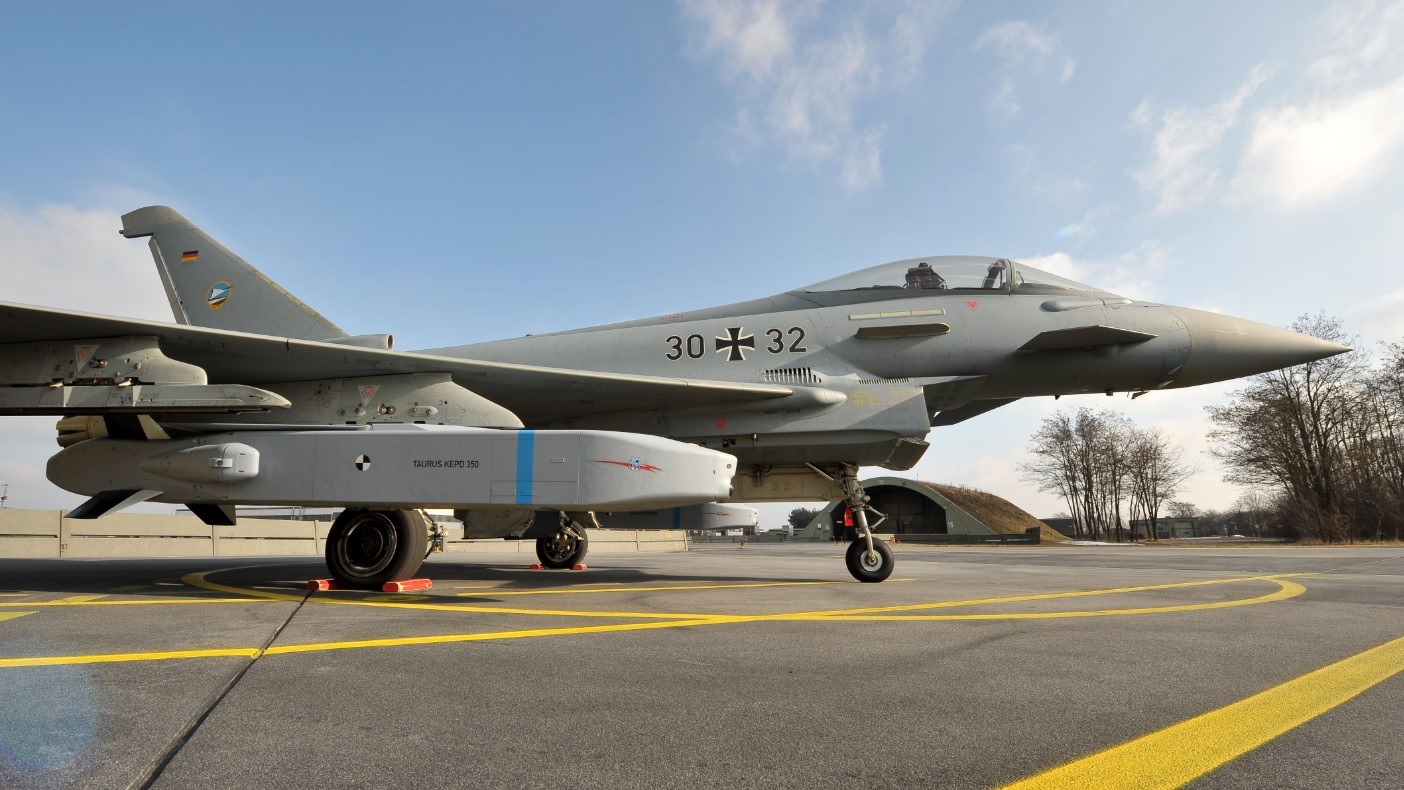
World
Swedish defence giant Saab has been awarded a €150 million (SEK 1.7 billion) contract to modernise and maintain the TAURUS KEPD 350 cruise missile system. The deal, spanning from 2025 to 2035, aims to enhance the long-range strike capabilities of the German Air Force. The contract includes extensive system upgrades and a decade-long life cycle maintenance programme to ensure the missile remains operationally effective for years to come. Saab received the order from TAURUS Systems, the German prime contractor for the missile system, which is a joint venture between MBDA Germany and Saab. The order was initially placed by Germany’s defence procurement office, BAAINBw. TAURUS KEPD 350 is a precision-guided, air-launched cruise missile designed to neutralise high-value and fortified ground targets. With a range exceeding 500 km, it provides Germany with a powerful tool for complex combat scenarios. Saab’s latest upgrades will further enhance the missile’s effectiveness, ensuring that it remains a formidable asset for the German Air Force. Görgen Johansson, Head of Saab’s business area Dynamics, emphasised the importance of these upgrades, stating that the modernisation will significantly improve the missile’s capabilities, reinforcing its ability to execute long-range precision strikes in the most challenging operational environments.
Read More → Posted on 2025-03-03 14:22:55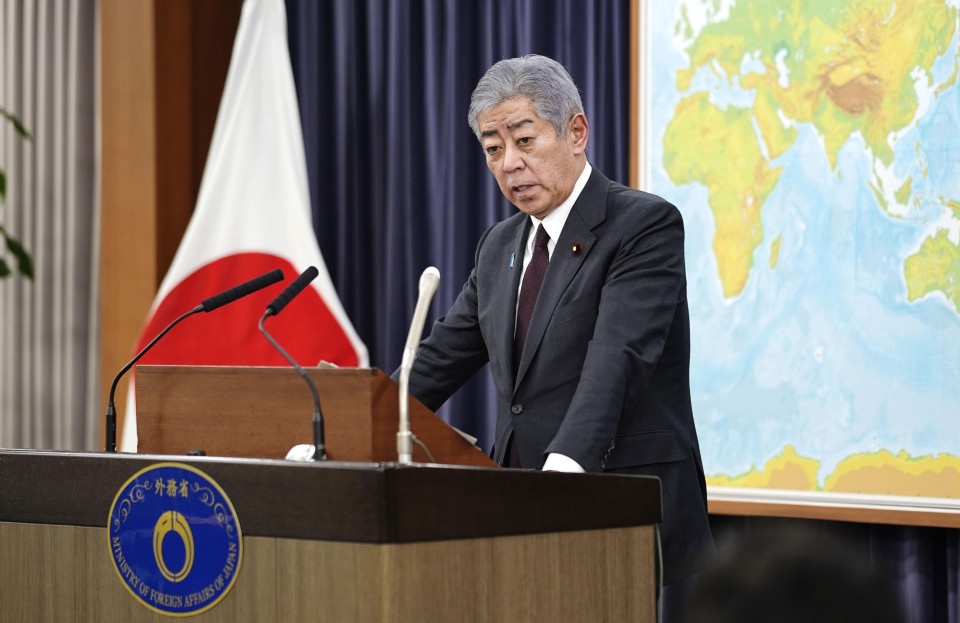
World
Japan has decided not to attend a United Nations conference on the Treaty on the Prohibition of Nuclear Weapons, a move that underscores its reliance on U.S. nuclear deterrence for national security. Chief Cabinet Secretary Yoshimasa Hayashi announced the decision, stating that participation would contradict Japan’s policy and send the wrong message regarding its defense strategy. Despite being the only nation to have suffered atomic bombings, Japan has consistently refrained from signing the treaty. Officials argue that a nuclear-free world is an ultimate goal, but achieving it without the involvement of nuclear-armed states remains unrealistic. Hayashi emphasized that Japan's security environment necessitates a strong deterrence strategy, making U.S. nuclear protection indispensable. The treaty, which came into effect in 2021, is the result of long-standing efforts to prevent a recurrence of the devastation seen in Hiroshima and Nagasaki. However, Japan maintains that participation in the conference could hinder its efforts to strengthen the Nuclear Non-Proliferation Treaty (NPT) and broader disarmament efforts. Survivors of the atomic bombings and peace activists have voiced disappointment over the government's stance. Many argue that Japan’s position contradicts its calls for nuclear disarmament and weakens its moral authority on the issue. Their demand for Japan to attend the conference as an observer has gained traction, especially after Nihon Hidankyo, a group representing atomic bomb survivors, received the Nobel Peace Prize last year. Prime Minister Shigeru Ishiba, known for his expertise in defense and strong support for nuclear deterrence, has advocated for an open discussion on the role of U.S. extended deterrence. Japan has increasingly emphasized its commitment to strengthening U.S. security ties, particularly as regional tensions with China escalate. While Japan reiterates its commitment to nuclear disarmament, its continued reliance on the U.S. nuclear umbrella suggests that immediate policy shifts are unlikely.
Read More → Posted on 2025-03-03 14:13:50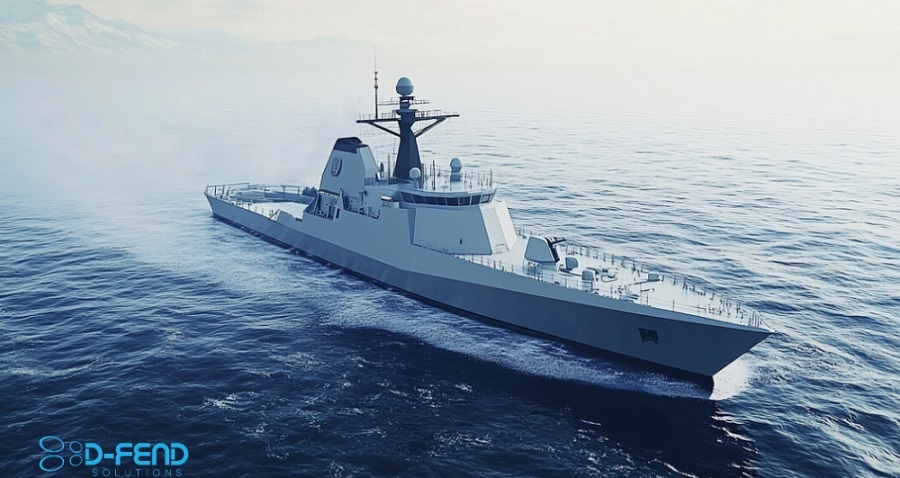
World
D-Fend Solutions, a pioneer in counter-drone technology, has introduced EnforceAir2 Maritime, a specialised system designed to protect naval and maritime environments from unauthorised drone threats. Building upon the advanced capabilities of the EnforceAir2 platform, this new maritime-focused solution is engineered to address the unique challenges of open-sea and near-shore operations. Advanced Protection Without Disruption In an era where drones pose increasing risks to maritime security, EnforceAir2 Maritime provides a cutting-edge solution that neutralises rogue UAVs without interfering with critical navigation, radar, or communication systems. Instead of traditional jamming or kinetic countermeasures, the system leverages sophisticated radio frequency (RF) cyber-based technology to detect, track, and safely take control of unauthorised drones, ensuring security for ports, harbours, and vessels. Built for Harsh Maritime Environments Designed to withstand the demanding conditions at sea, EnforceAir2 Maritime comes equipped with rugged, maritime-grade components. These include a specially adapted Software Defined Radio (SDR) unit, an ultra-wide-band radome antenna for full 360-degree coverage, and military-grade cradles for durability. Additionally, the system features halogen-free RF cables, compliant with strict maritime safety standards. A Strategic Asset for Naval Defence Highlighting the importance of tailored maritime security, Yaniv Benbenisti, President and Chief Product Officer at D-Fend Solutions, emphasised that the system was developed through deep industry expertise. “With EnforceAir2 Maritime, we are ensuring operational continuity and the protection of critical naval and maritime assets,” he stated. Offering flexible deployment options and seamless integration with existing naval defence systems, EnforceAir2 Maritime is a vital addition to maritime security frameworks. By effectively mitigating drone threats while maintaining uninterrupted maritime operations, the system strengthens the overall safety of vessels, ports, and offshore infrastructure.
Read More → Posted on 2025-03-03 14:07:29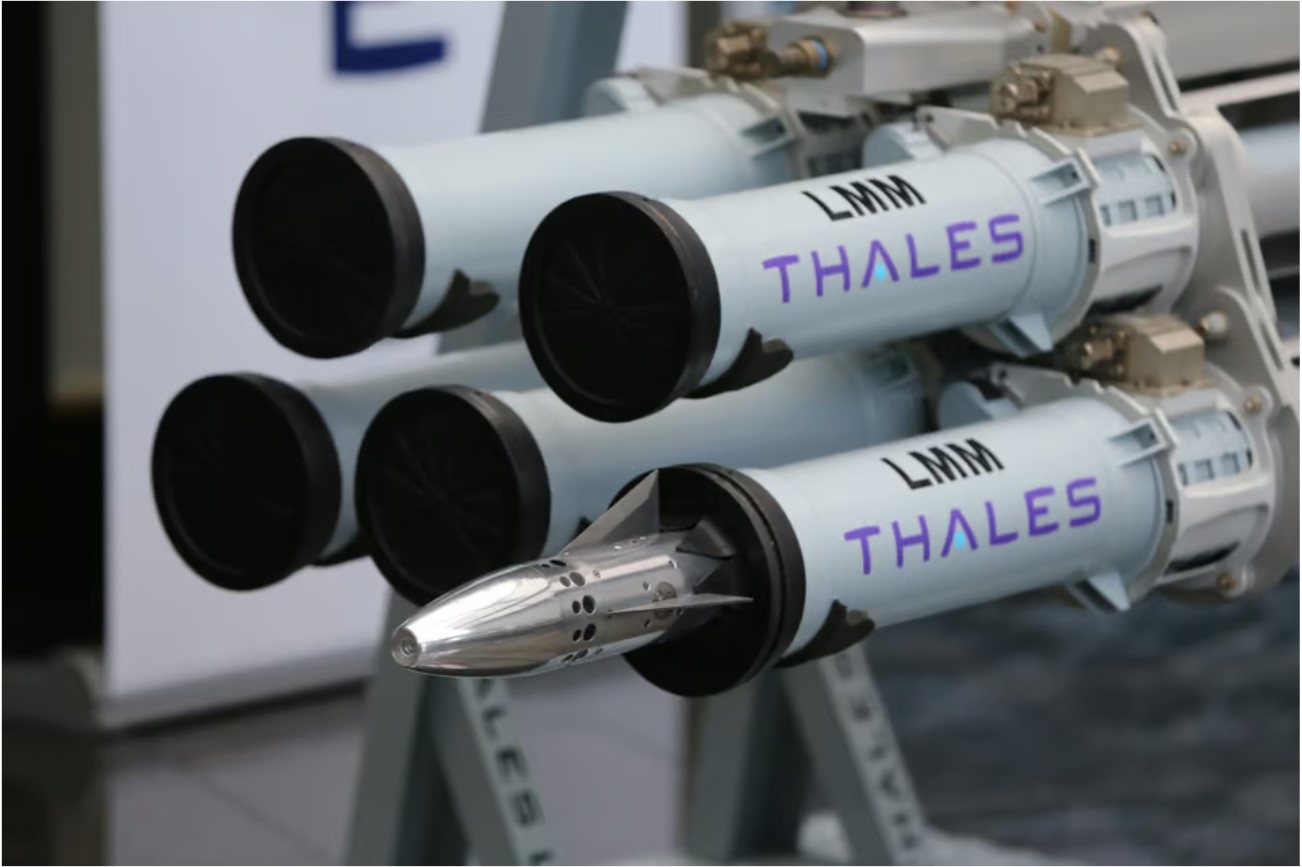
World
The United Kingdom has committed to strengthening Ukraine’s air defences with a massive $1.6 billion contract to supply over 5,000 air defence missiles. The deal, which includes lightweight multirole missiles (LMM), marks one of the most significant UK military aid packages for Ukraine and reinforces the country’s ongoing support amid the conflict. Manufactured by Thales in Belfast, these missiles will not only enhance Ukraine’s ability to defend against aerial threats but also provide a major boost to the UK defence industry. The contract is set to create 200 new jobs and sustain around 700 existing positions at Thales’ facility in Northern Ireland, making it the largest order the company has ever received in Belfast. This latest agreement follows a previous deal signed in September 2024 for 650 missiles, with the first batch delivered before the end of the year. The new contract significantly expands the UK’s military commitment, underscoring its long-term strategy to assist Ukraine in resisting aggression while also bolstering its own defence sector. Prime Minister Keir Starmer highlighted the dual benefits of the deal, stating that it not only provides Ukraine with essential military aid but also strengthens the UK economy. He reaffirmed the UK’s unwavering commitment to supporting Ukraine and ensuring stability in Europe. Defence Secretary John Healey echoed this sentiment, calling the deal a crucial step in equipping Ukraine with the necessary tools for self-defence. He stressed that the UK would continue to stand by Ukraine as it defends its sovereignty and territorial integrity. This agreement aligns with the UK government’s broader defence strategy, which includes plans to increase defence spending to 2.5% of GDP by 2027, with an eventual goal of reaching 3% in the next parliamentary term. The investment reflects the UK’s dedication to strengthening its national security while reinforcing its position as a key defence partner for Ukraine.
Read More → Posted on 2025-03-03 13:54:44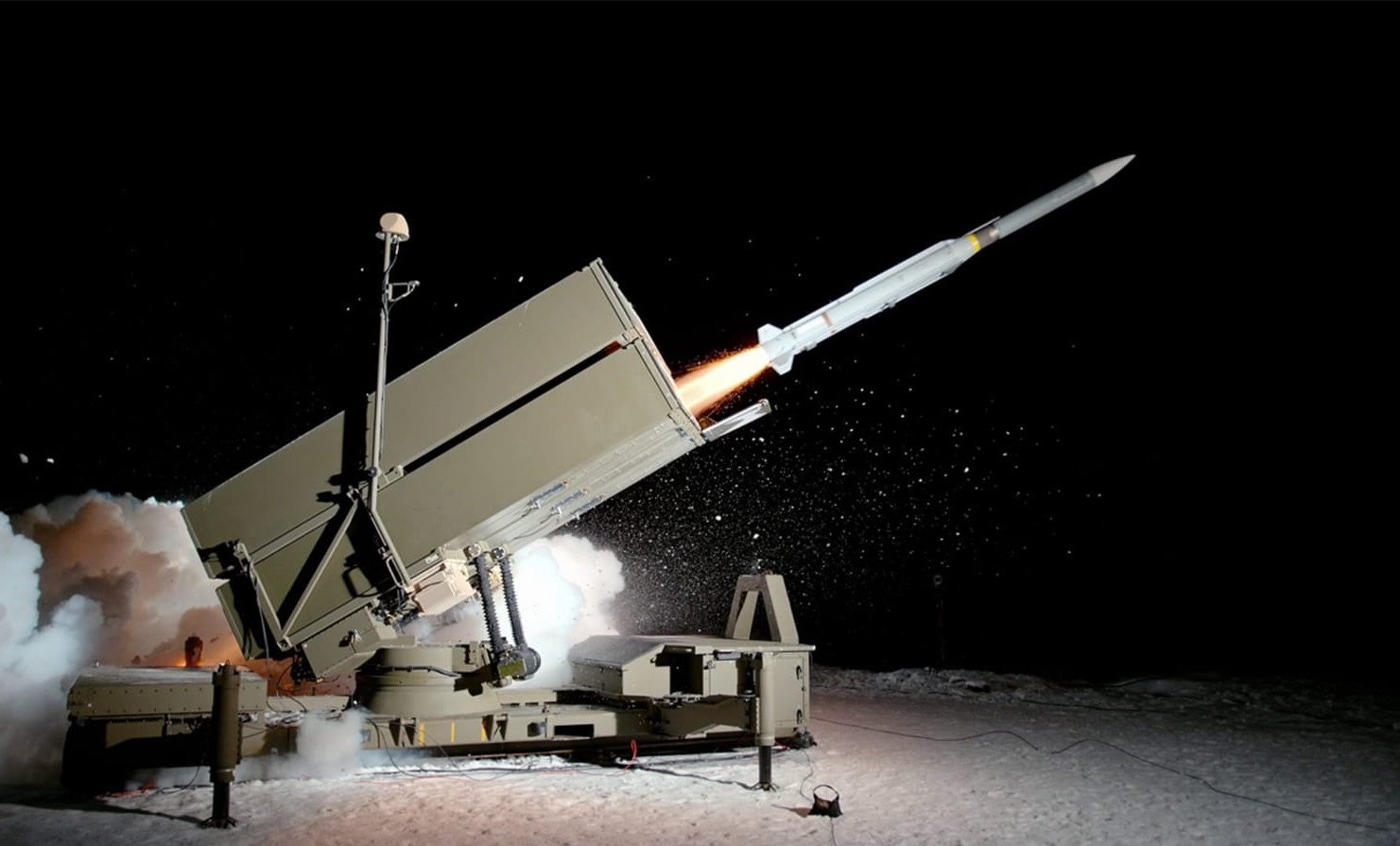
World
Norwegian defense company Kongsberg Defence & Aerospace is set to bolster Ukraine's air defense capabilities by producing missiles for the National Advanced Surface-to-Air Missile System (NASAMS) within Ukraine. This initiative involves establishing a joint venture with Ukrainian firms, aiming for the mass production of hundreds of missiles. Strategic Partnership and Innovation Eirik Lie, President of Kongsberg Defence & Aerospace, emphasized the significance of this collaboration, noting that it not only enhances missile production but also integrates Ukrainian technological advancements. He highlighted the ongoing innovations in Ukraine's defense sector, particularly in drones and electronic countermeasures, stating, "A lot of innovation is taking place right now in Ukraine, we will be part of that." Long-Term Vision Beyond immediate production goals, Kongsberg envisions integrating Ukraine into the global supply chain for missiles and air defense systems. Lie expressed optimism about Ukraine's potential role post-conflict, suggesting that the country could become a key supplier in the air defense sector. NASAMS: Enhancing Air Defense NASAMS is a medium-range air defense system capable of intercepting various aerial threats, including cruise missiles, drones, and aircraft. A standard NASAMS unit features a modular design comprising a command post (the Fire Distribution Center), an active 3D radar (Raytheon AN/MPQ-64F1 Sentinel), a passive electro-optical and infrared sensor, and multiple missile canister launchers equipped with AIM-120 AMRAAM missiles. This configuration allows the system to engage up to 72 targets simultaneously in both active and passive modes. Integration of Ukrainian Systems The collaboration also explores the integration of Ukrainian air defense assets into the NASAMS system. Such integration is expected to enhance the system's effectiveness, leveraging local expertise and technology to create a more robust defense mechanism. In summary, Kongsberg's partnership with Ukraine represents a strategic move to enhance missile production, integrate innovative technologies, and strengthen global defense supply chains, all while bolstering Ukraine's air defense capabilities through the NASAMS system.
Read More → Posted on 2025-03-03 13:52:06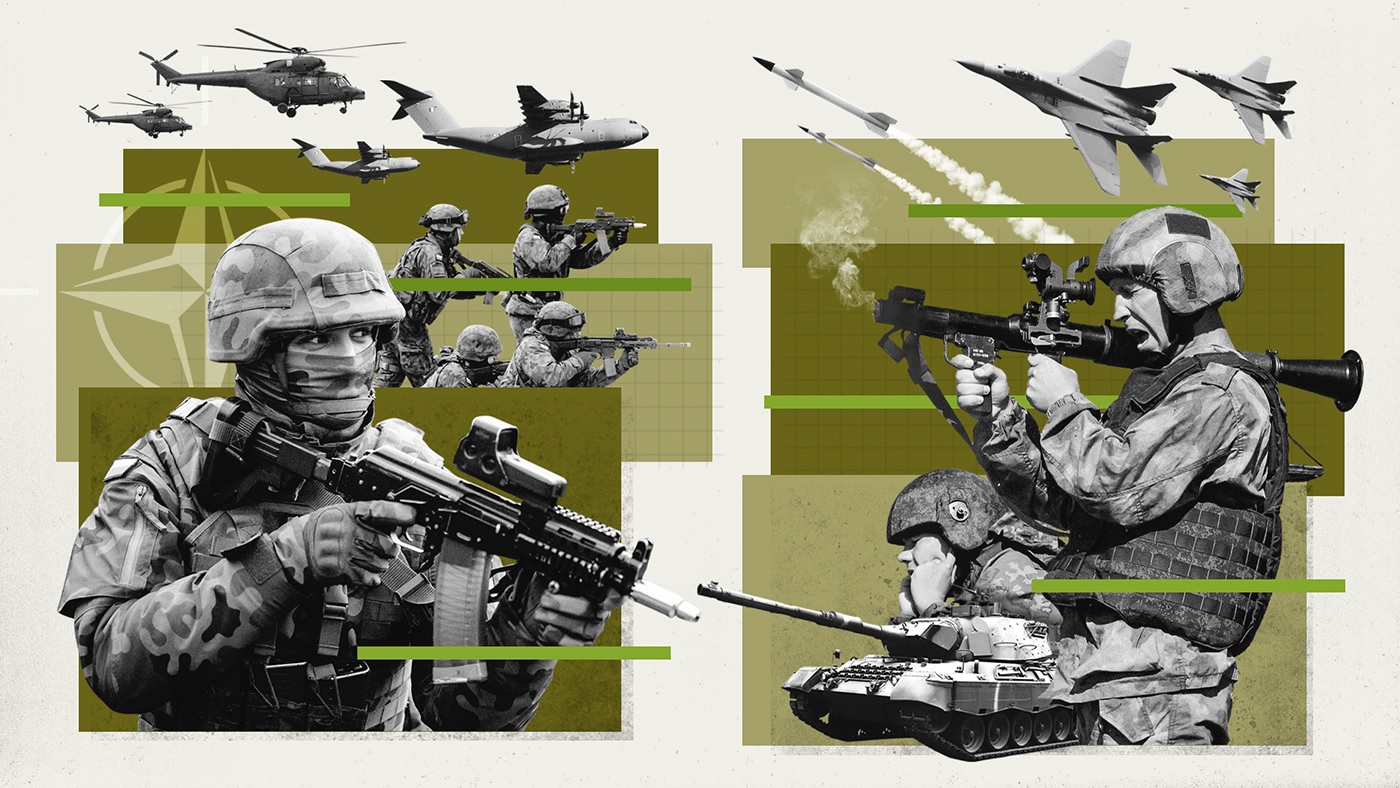
World
The prospect of a large-scale conflict between NATO and Russia raises many strategic and political questions. One of the most debated scenarios is whether NATO could successfully defeat Russia if the United States—a cornerstone of the alliance—were not to participate. This analysis examines the multifaceted aspects of such a hypothetical conflict by looking at military capabilities, economic strengths, logistical challenges, and the political cohesion required among NATO member states. NATO’s Collective Strength and the U.S. Role The U.S. as the Backbone of NATO Military Dominance: The United States provides approximately 70% of NATO’s military capabilities in terms of advanced technology, strategic assets (such as nuclear deterrents), and rapid deployment forces. Its defense spending and research and development significantly enhance the alliance’s overall military edge. Strategic Leadership: U.S. leadership has historically helped coordinate the diverse military doctrines of European members, ensuring that operations are integrated and unified under common strategic objectives. Global Reach: The U.S. military’s global logistics network and intelligence capabilities contribute to rapid force projection and interoperability among allied forces. NATO Without the U.S. Without American involvement, NATO would lose not only a substantial portion of its military assets but also the strategic coordination and technological innovation that come with U.S. leadership. European allies would need to bridge significant gaps in advanced systems, cyber capabilities, and nuclear deterrence, areas where the U.S. currently leads. Comparative Military Capabilities European NATO Members Strengths: Many European nations have modernized their conventional forces, increased defense budgets, and improved interoperability in recent years. Countries like Germany, France, and the United Kingdom (though the latter is not a NATO-exclusive member) have advanced military technology and professional armed forces. Weaknesses: Despite these improvements, the aggregate capability of European NATO members still pales in comparison to the U.S. military. Limitations in rapid force deployment, logistical support, and overall defense spending could prove critical in a high-intensity conflict. Russian Military Capabilities Conventional Forces: Russia possesses a large and battle-hardened military with significant numbers of tanks, artillery, and infantry. Its modernization programs have introduced advanced missile systems, electronic warfare capabilities, and cyber warfare tools. Hybrid Warfare: Russia’s ability to combine conventional military tactics with cyber operations and disinformation campaigns offers it an asymmetric advantage. This multidimensional approach can complicate the operational planning of a European-dominated NATO response. Nuclear Deterrence: Both Russia and NATO maintain nuclear arsenals, but without U.S. participation, NATO’s strategic deterrence posture might be undermined, increasing the risk of escalation. Logistical and Economic Considerations Economic Strength and Defense Spending U.S. Economy vs. European Economies: The U.S. defense budget is significantly larger than the combined defense spending of European NATO members. This disparity not only affects the quantity of military hardware but also the quality and technological sophistication. Industrial Base: The U.S. defense industrial base supports rapid innovation and mass production of advanced weaponry. European nations would likely struggle to match this output quickly in a prolonged conflict scenario, potentially leading to supply bottlenecks and gaps in modernization. Coordination and Decision-Making Political Cohesion: The U.S. has traditionally played a pivotal role in aligning the strategic interests of diverse NATO members. In its absence, internal political differences, varying threat perceptions, and bureaucratic hurdles could slow down decision-making processes. Integration Challenges: Effective military operations require seamless interoperability between different armed forces. European countries would need to overcome longstanding differences in equipment, communication systems, and operational doctrines, which might hinder rapid and unified military action against a common adversary. Strategic and Operational Scenarios Potential Battlefield Dynamics Initial Engagements: Without U.S. high-precision systems and intelligence, NATO forces might initially struggle to counter Russian rapid maneuvers and hybrid warfare strategies. Russia could exploit any delays in the alliance’s decision-making or logistical support. Prolonged Conflict: In a drawn-out conflict, the strain on European defense industries and the economic burden of sustained mobilization might limit NATO’s ability to maintain a high-intensity response. Resource allocation and internal political pressures could further undermine operational effectiveness. Nuclear and Cyber Dimensions: The nuclear balance and cyber warfare capabilities are areas where U.S. contributions are particularly significant. Without these, NATO could face heightened risks of escalation or disruptive cyberattacks that compromise command and control. Lessons from Historical Precedents Coalition Warfare: Historical conflicts have shown that successful coalitions often rely on a dominant partner to provide strategic direction and resource coordination. The absence of the U.S. in a NATO-led conflict would force Europe to assume a leadership role for which it may not be fully prepared. Alliance Limitations: Previous military engagements and exercises within NATO have highlighted both the strengths and weaknesses of the alliance. The U.S. has consistently been the force multiplier, and its absence would expose vulnerabilities in rapid deployment, command structures, and technology integration. While NATO is a robust alliance with a shared commitment to collective defense, the absence of U.S. support would leave a significant strategic gap in both military capabilities and operational leadership. European NATO members, despite recent improvements, would face substantial challenges in matching Russia’s multifaceted military strategy without the technological edge, logistical support, and coordinated command that the United States provides. In summary, while a purely European-led NATO might be able to defend against Russian advances under certain conditions, the likelihood of achieving a decisive victory against a well-prepared and modernized Russian military without U.S. involvement is considerably diminished. The scenario underscores the importance of American leadership and capabilities in maintaining the balance of power and ensuring the collective security of NATO members.
Read More → Posted on 2025-03-03 07:20:57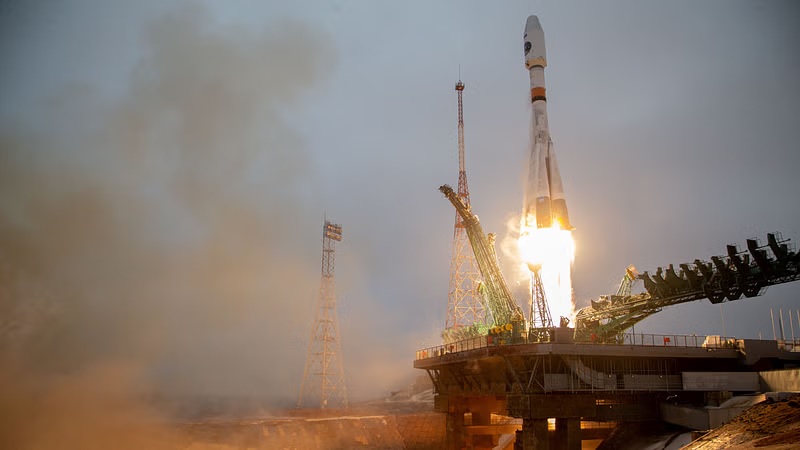
World
On Monday, the Russian Aerospace Forces successfully launched a Soyuz-2.1b rocket carrying a defense-related satellite. The launch took place at the Plesetsk Cosmodrome, located in the Arkhangelsk region of northern Russia. Soyuz-2.1b Rocket Overview The Soyuz-2.1b is a modern iteration of Russia's renowned Soyuz rocket series. This medium-lift launch vehicle boasts several enhancements over its predecessors, notably the integration of a digital flight control system and an upgraded third stage powered by the RD-0124 engine. These advancements allow for improved trajectory adjustments during flight and increased payload capacity, enabling the rocket to transport heavier satellites into orbit. Plesetsk Cosmodrome: Russia's Northern Spaceport Established in 1957, the Plesetsk Cosmodrome was initially developed as a launch site for intercontinental ballistic missiles. Situated approximately 800 kilometers north of Moscow, its high-latitude location makes it particularly suitable for launching satellites into high-inclination and polar orbits. Over the years, Plesetsk has evolved to become a pivotal site for military satellite launches, especially after the dissolution of the Soviet Union, when Russia sought to reduce reliance on the Baikonur Cosmodrome in Kazakhstan. Significance of the Launch While specific details about the satellite's mission remain undisclosed, the deployment of defense-related satellites is crucial for national security. These satellites can serve various purposes, including communication, navigation, reconnaissance, and early warning systems. The successful launch underscores Russia's ongoing commitment to maintaining and advancing its defense capabilities through space-based assets. In recent years, Plesetsk has been the site of numerous military satellite launches, reflecting its strategic importance in Russia's space and defense infrastructure. The continued use of the Soyuz-2.1b rocket highlights the reliability and adaptability of this launch vehicle in meeting the country's evolving defense requirements.
Read More → Posted on 2025-03-03 07:14:59
World
The war in Ukraine has not only reshaped the European security landscape but has also underscored the strategic importance of international military and economic support. Among the key players, the United States has emerged as a principal benefactor, providing billions in aid—both financial and in the form of advanced weapon systems. This article examines a hypothetical scenario: What might have occurred if the U.S. had not supported Ukraine in its struggle against Russian aggression? We delve into historical aid figures, the scope of weapon packages, and compare U.S. contributions with those of European nations and the European Union. U.S. Support: Financial and Military Dimensions Financial Assistance Since the intensification of the conflict—especially following the full-scale invasion in February 2022—the United States has deployed an unprecedented level of support. Estimates suggest that U.S. aid, spanning military, economic, and humanitarian fields, has approached or even exceeded the $100 billion mark over the course of the war. This multi-billion-dollar assistance has been crucial not only for bolstering Ukraine’s defense but also for stabilizing its economy amid wartime pressures. Advanced Weapon Packages U.S. military aid has gone far beyond mere financial support. The United States has supplied Ukraine with state-of-the-art weapon systems that have directly influenced battlefield outcomes. These include: Precision strike systems: Such as the High Mobility Artillery Rocket System (HIMARS), which have enabled Ukraine to hit high-value targets with remarkable accuracy. Anti-tank and anti-aircraft capabilities: Advanced missiles and countermeasures that have provided Ukrainian forces with a critical edge against armored and aerial assaults. Intelligence and logistical support: Secure communications, reconnaissance drones, and real-time intelligence have helped Ukrainian commanders make informed strategic decisions. These advanced systems—rarely available in Europe in comparable numbers or technological sophistication—have been vital in offsetting Russia’s larger conventional forces. European Support: Collective Yet Limited Financial Contributions European nations, along with the institutional backing of the European Union, have also rallied to support Ukraine. However, their collective financial input, while significant, has not matched the scale of American aid. Estimates place European support at around $40–50 billion when combining direct financial aid, humanitarian assistance, and economic stabilization efforts. The EU’s focus has largely been on humanitarian relief and economic support rather than on large-scale military procurement. Military Assistance European countries have provided arms, training, and logistical support, yet they face several constraints: Legacy equipment: Many European armies rely on older technology that does not offer the same level of precision or rapid deployment capabilities as American systems. Political and bureaucratic hurdles: Decision-making processes in European nations can be slower, hampered by the need to build consensus across multiple governments. Resource limitations: While individual countries have contributed to Ukraine’s defense, the aggregate military aid falls short of what the U.S. has been able to deliver rapidly and efficiently. Thus, while Europe has demonstrated solidarity—often motivated by historical ties and shared democratic values—it has not been positioned to match the U.S. both in the volume and the advanced nature of military support. No U.S. Support Immediate Military Vulnerability Without U.S. intervention, Ukraine’s military would have been forced to rely almost entirely on older equipment and the more limited resources available from European allies. The absence of cutting-edge systems such as HIMARS and advanced missile technology would likely have: Compromised defense capabilities: Ukrainian forces might have struggled to repel rapid advances by modern Russian units. Diminished strategic flexibility: Lacking precision strike options, Ukraine could have found it difficult to target Russian supply lines and command centers effectively. Economic and Humanitarian Consequences The comprehensive U.S. aid package has helped stabilize Ukraine’s economy, ensuring that it could continue funding its military efforts and address critical humanitarian needs. In a scenario without U.S. support: Economic instability: The Ukrainian government might have faced a severe fiscal crisis, undermining its ability to maintain defense spending over a prolonged conflict. Worsening humanitarian conditions: Reduced international support could have accelerated economic collapse, leading to even greater civilian suffering and mass displacement. Geopolitical Ramifications The lack of U.S. support would likely have had broader international implications: Shifting power balances: A weaker Ukraine could have emboldened Russia to seize more territory, fundamentally altering the balance of power in Eastern Europe. Erosion of alliance credibility: U.S. abstention might have signaled to allies—and adversaries alike—that Western commitments are negotiable, potentially weakening NATO’s deterrence posture. Encouragement of future aggression: A precedent where a major Western power refrains from intervening could encourage similar aggressive actions elsewhere, destabilizing global security norms. European Limitations in Filling the Gap While the European Union and its member states have demonstrated substantial resolve, their capacity to replace U.S. support is limited by: Scale and speed: Europe’s slower mobilization and comparatively smaller defense budgets would likely have resulted in a protracted and less effective support campaign. Technological gaps: The rapid innovation and production capabilities of the U.S. defense industry remain unmatched in Europe, limiting the ability to supply Ukraine with state-of-the-art equipment on short notice. The American commitment to Ukraine has been a game changer in the conflict with Russia. By providing over $100 billion in combined military, economic, and humanitarian aid—alongside advanced weapon systems that have directly influenced combat outcomes—the U.S. has not only helped sustain Ukrainian resistance but has also shaped the broader geopolitical dynamics of the region. In contrast, while the European Union and its member states have played an essential role, their contributions—estimated at roughly half the U.S. support—reflect limitations in both financial capacity and technological innovation. Had the United States chosen not to support Ukraine, the consequences could have been severe: a potentially rapid Russian advance, economic collapse in Ukraine, and a significant shift in global power dynamics that might have undermined the credibility of Western alliances. The scenario underscores the critical role that U.S. leadership and resources have played—and continue to play—in maintaining a balance of power and deterring further aggression in an increasingly unstable international landscape.
Read More → Posted on 2025-03-03 07:11:02
World
Israel has announced a suspension of all aid and supply entry into Gaza, marking a sharp escalation in tensions as the first phase of the ceasefire agreement with Hamas comes to an uncertain end. The decision, made by Prime Minister Benjamin Netanyahu, follows an impasse between the two sides over how to move forward with the truce. While Israel supported an extension proposed by U.S. Middle East envoy Steve Witkoff to cover both Ramadan and Passover, Hamas rejected the idea, insisting on transitioning directly to the second phase of the agreement—one that would see the release of all remaining hostages and a more lasting ceasefire. The move to cut off aid has drawn sharp criticism, with Hamas condemning it as “cheap blackmail” and a “war crime.” Gaza’s already dire humanitarian situation, exacerbated by months of conflict, is now at further risk, with reports of new Israeli airstrikes and clashes in the region. The Palestinian Red Crescent confirmed deaths from drone strikes, while Gaza’s health ministry reported multiple casualties from Israeli attacks. Netanyahu's government, under pressure from far-right coalition members, appears to be using the aid suspension as leverage. Finance Minister Bezalel Smotrich, a key figure in keeping Netanyahu’s fragile coalition intact, welcomed the decision, calling it “an important step in the right direction” and pushing for a continued offensive until Hamas is decisively defeated. Meanwhile, families of Israeli hostages still held in Gaza have accused Netanyahu of deliberately stalling negotiations. At a Tel Aviv protest, supporters demanded the government take decisive action to bring their loved ones home. Under the first phase of the deal, Hamas had released 25 hostages and the remains of eight others in exchange for around 1,800 Palestinian prisoners. However, 58 captives remain in Gaza, including 34 whom the Israeli military has declared dead. The timing of Israel’s decision is particularly sensitive, as it coincides with the Muslim holy month of Ramadan, a period of fasting and reflection for millions, including those suffering in war-ravaged Gaza. Many Palestinians gathered amid the rubble to break their fast, vowing to remain on their land despite the destruction. The war has left most of Gaza in ruins, displaced nearly its entire population, and caused over 48,000 deaths, according to the local health ministry. As the humanitarian crisis deepens, Washington has stepped in to reaffirm its commitment to Israel. U.S. Secretary of State Marco Rubio invoked emergency authorities to expedite $4 billion in military aid, signaling continued American support amid the ongoing conflict. With negotiations stalled and aid blocked, the situation remains fragile, with both sides bracing for what comes next.
Read More → Posted on 2025-03-02 14:05:45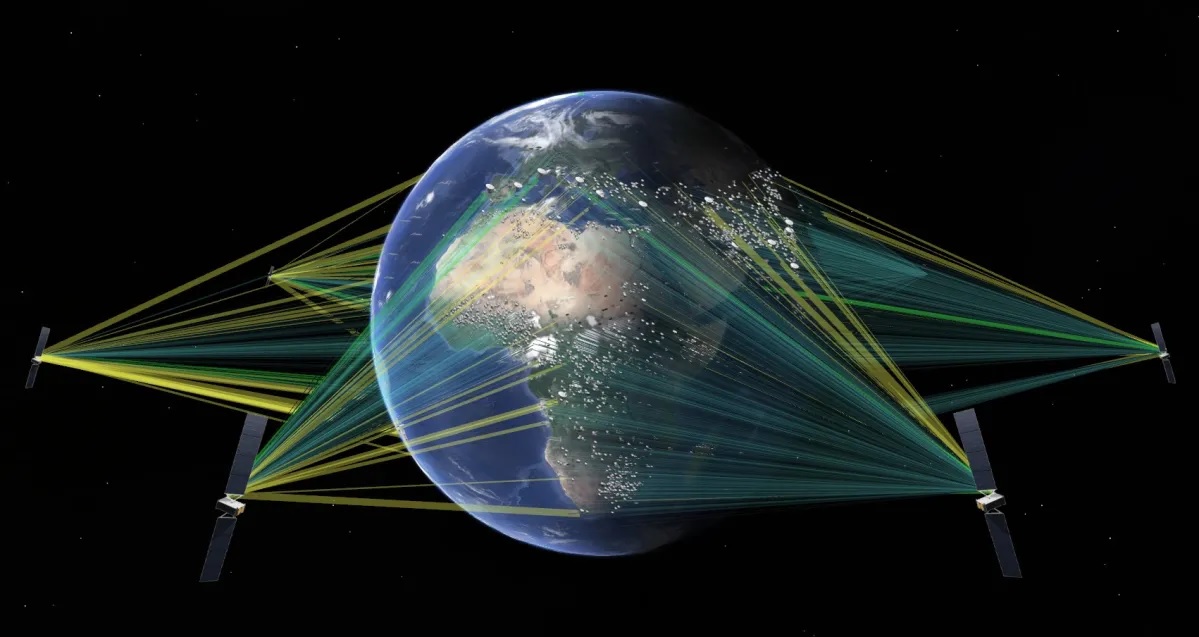
World
Satellite communications provider SES has taken a significant step in strengthening NATO’s connectivity capabilities by delivering Medium Earth Orbit (MEO) Global Services under a contract awarded by the NATO Support and Procurement Agency (NSPA). The Luxembourg-based company is providing these services through its O3b mPOWER satellite constellation, ensuring high-performance, low-latency connectivity for military and government operations across the globe. The initiative, known as MEO Global Services (MGS), is part of NSPA’s Global Commercially Contracted SATCOM Support Partnership (GCC SATCOM SP), a program spearheaded by the United States and Luxembourg. This agreement enables NATO members and allied nations to either establish sovereign networks or leverage fully managed satellite communication services, supporting a wide range of defense and security missions. SES’s MEO connectivity is designed to enhance real-time applications for military forces, government agencies, and allied organizations operating in diverse environments—whether on land, at sea, or in the air. From high-definition video communications to seamless data transfers, the system ensures secure and reliable connections for critical defense operations. As part of the MGS framework, the United States is setting up six MEO Sovereign Gateways at key global locations. These gateways will bolster the resilience and security of the satellite network, reinforcing NATO’s military communication infrastructure and ensuring uninterrupted service for allied operations. The multinational nature of this program gained further momentum in January 2025, when the Netherlands officially joined the GCC SATCOM SP. This expansion underscores the growing collaboration among NATO members in advancing satellite communications and space-based defense technologies. Luxembourg’s Minister of Defence, Yuriko Backes, emphasized the vital role of secure satellite communications in NATO’s defense strategy. She noted that SES’s O3b mPOWER system provides essential connectivity for both national and multinational defense initiatives. Stacy Cummings, General Manager of NSPA, highlighted the strategic importance of multinational cooperation in the space domain, stating that such initiatives enhance NATO’s operational flexibility and strengthen its global defense posture. The Netherlands’ participation further reinforces the program’s significance in developing NATO’s space capabilities. Brigadier General Jacob Middleton, Commander of U.S. Space Forces Europe and Space Forces Africa, underscored the importance of joint space initiatives. He stressed that partnerships like the GCC SATCOM SP foster trust, enhance information sharing, and improve regional deterrence and defense strategies. Colonel Bernard Buijs, Head of the Defence Space Security Centre in the Netherlands, echoed this sentiment, emphasizing that continuous communication is essential for conflict prevention. He pointed out that international collaborations in satellite communications enable nations to share expertise and resources more effectively. SES CEO Adel Al-Saleh highlighted the key advantages of O3b mPOWER, stating that its low latency, robust security, and guaranteed service levels make it the ideal choice for NATO members. He expressed enthusiasm about providing connectivity to the founding MGS nations and looks forward to welcoming additional partners under the NSPA framework. With this initiative, SES is reinforcing its role as a key player in global defense communications, helping NATO and its allies maintain a secure and resilient satellite network in an increasingly complex geopolitical landscape.
Read More → Posted on 2025-03-02 14:02:55Search
Top Trending in 24 Hours
-
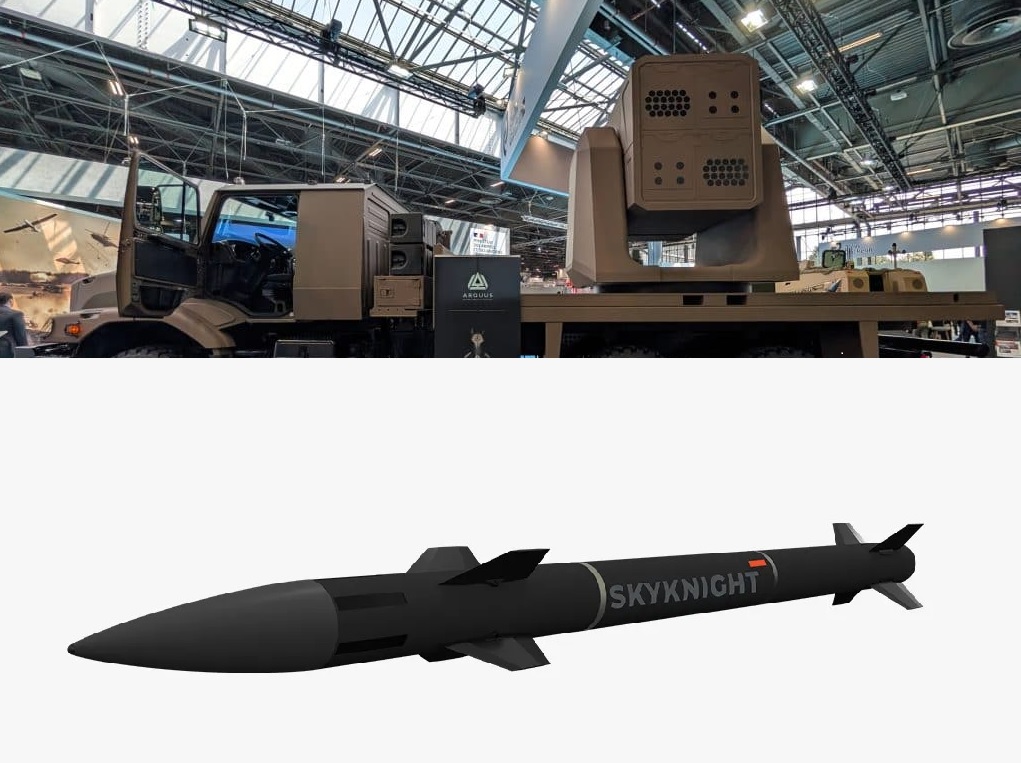 Naval Group Unveils Rampart Modular CIWS Multi-Purpose Weapon System for Naval and Ground Forces at Eurosatory 2026
-
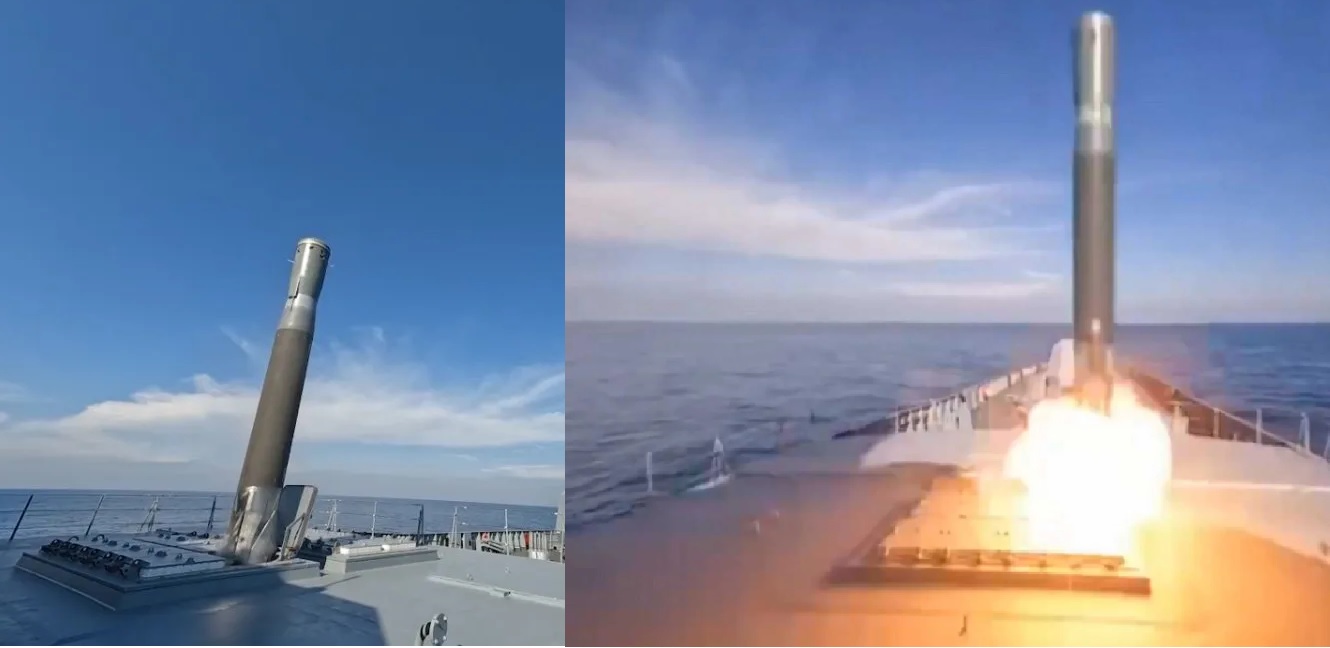 Open-Source Evidence Suggests Russia's Zircon Is a Quasi-Ballistic Missile, Not a True Hypersonic Cruise Weapon
-
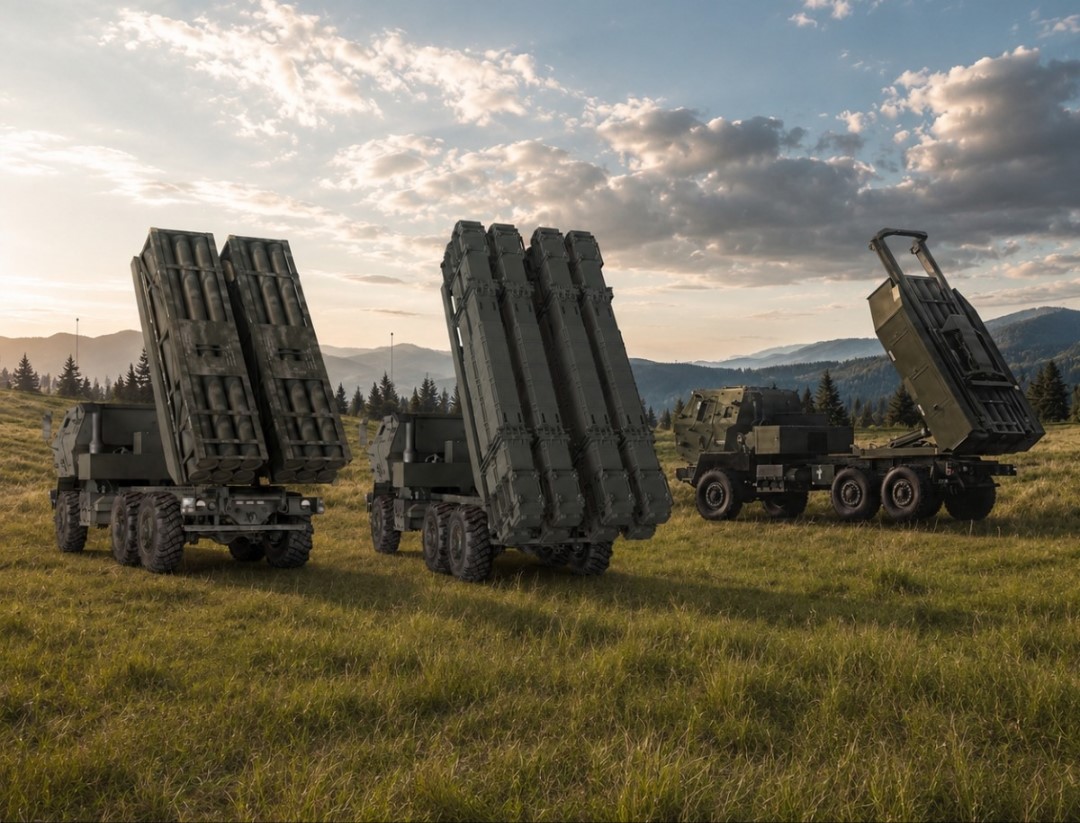 Lockheed Martin Unveils HIMARS FLEX with Dual-Pod Launcher and NATO-Compatible Air Defense Integration
-
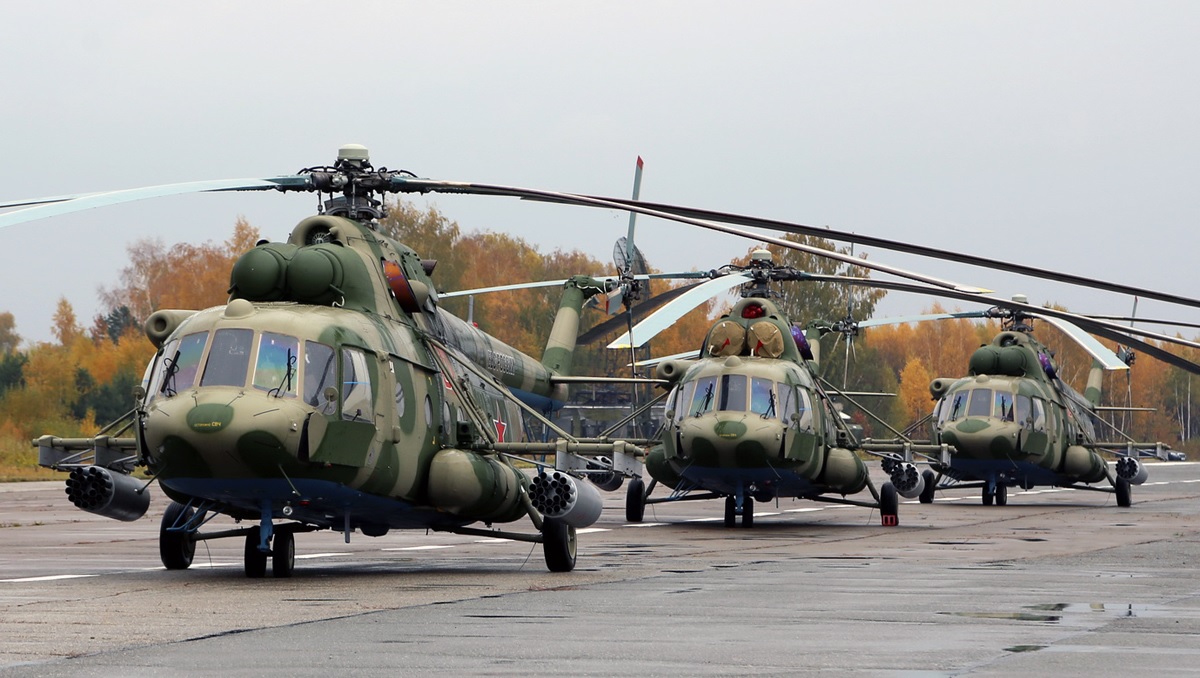 Iran Signs Deal with Russia for 20 Mi-8 and Mi-17 Helicopters to Boost Rescue and Medical Missions
-
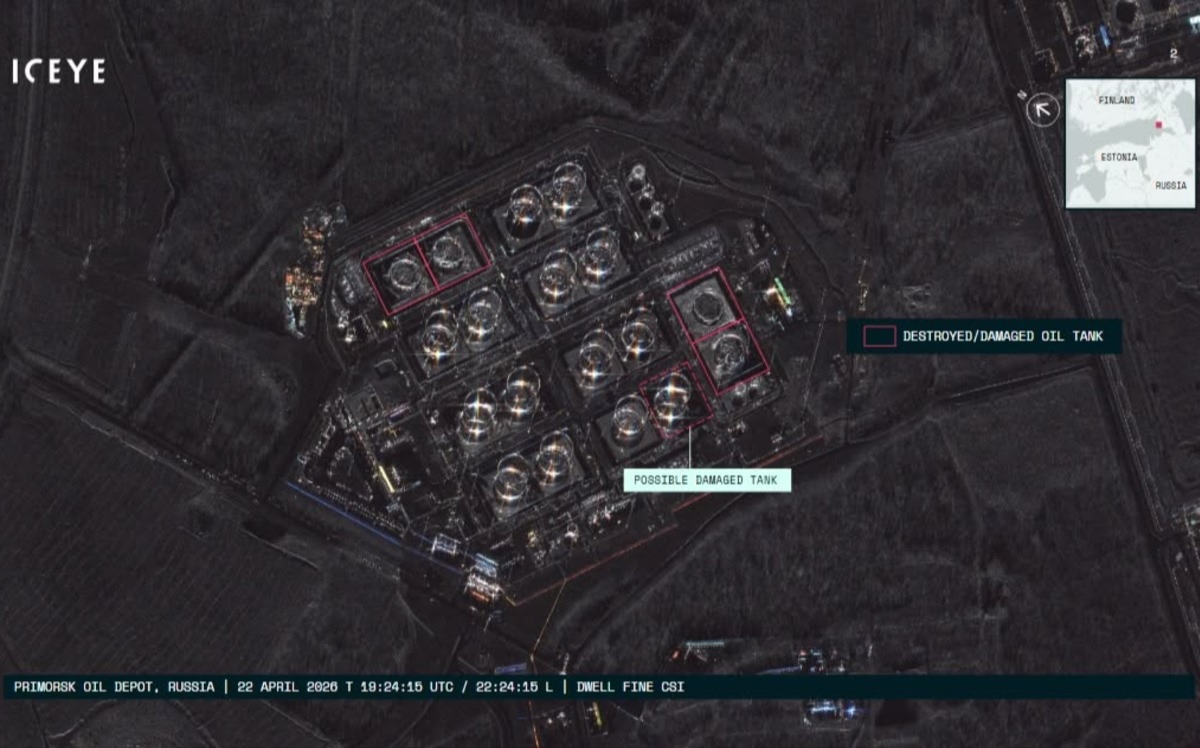 Portugal Doubles Sovereign SAR Satellite Fleet with Order for Two Additional ICEYE Satellites
-
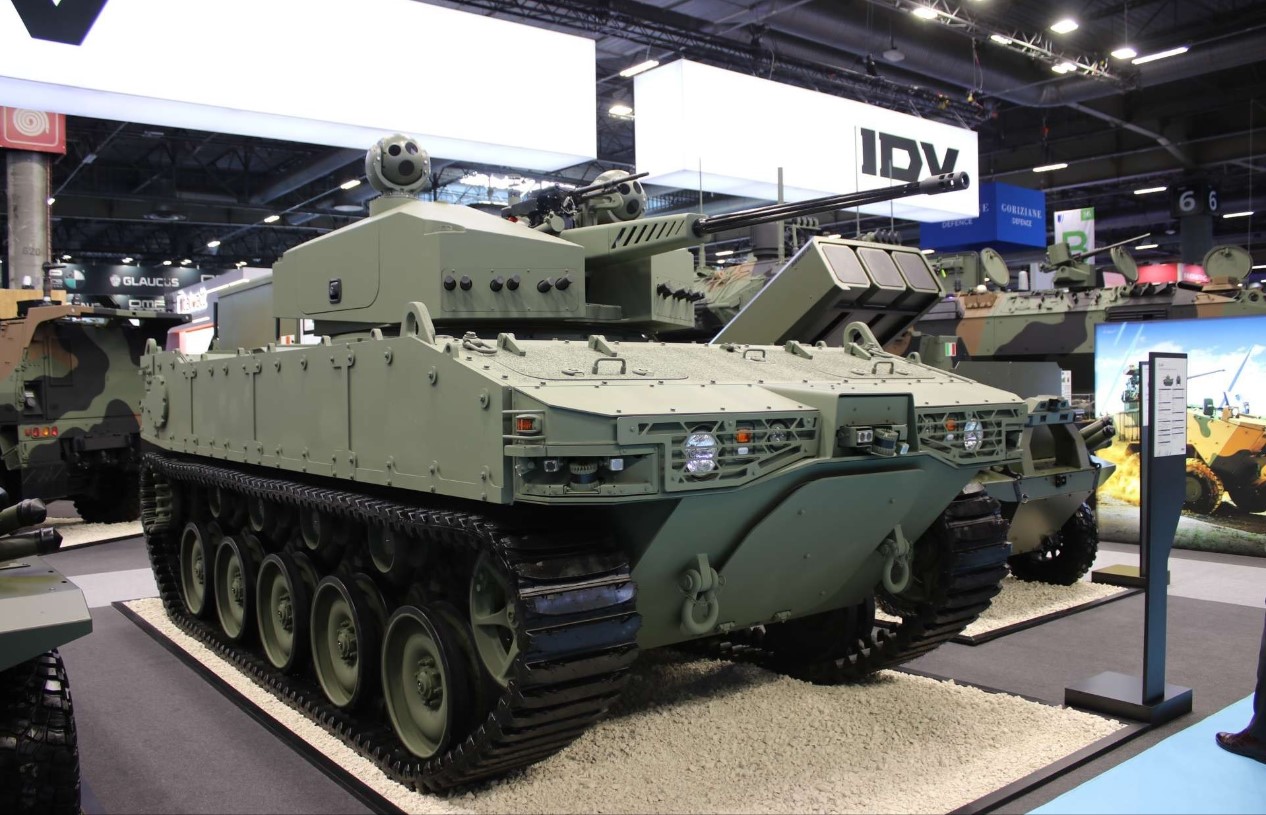 IDV Unveils CL2X Hybrid Uncrewed Light Tank at Eurosatory 2026
-
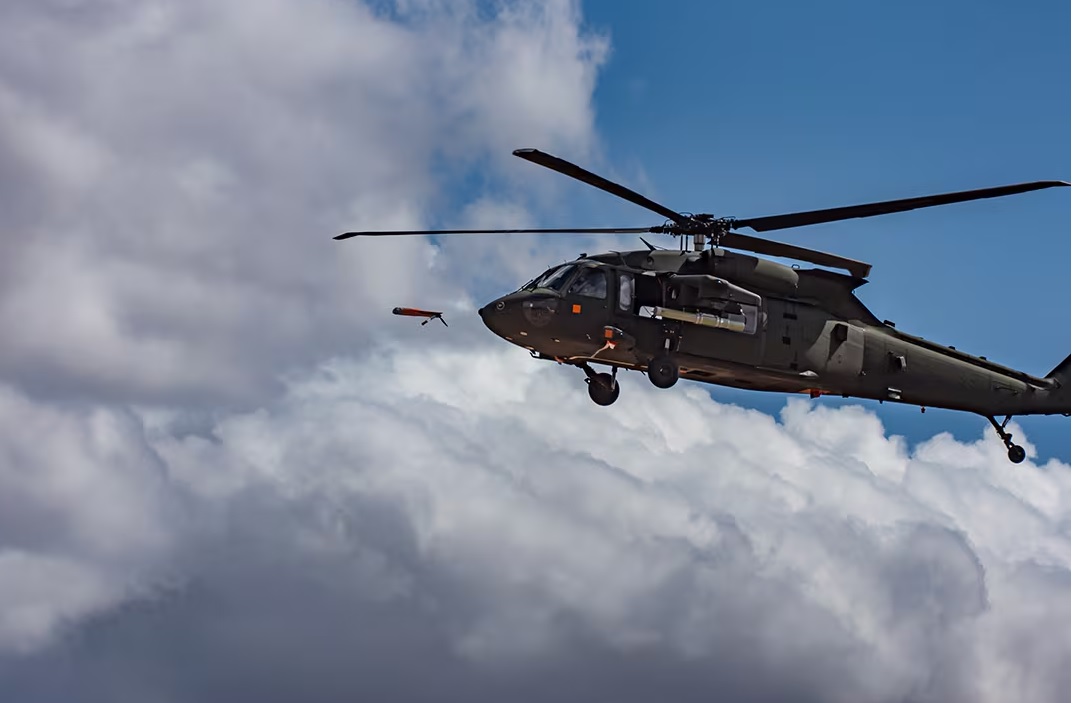 U.S. Army Completes First Flight Test of Medium-Range Air-Launched Effects from Black Hawk Helicopter
-
 Why the U.S. Restored Pacific Command Name, Ending the Indo-Pacific Designation After Eight Years
Top Trending in 4 Days
-
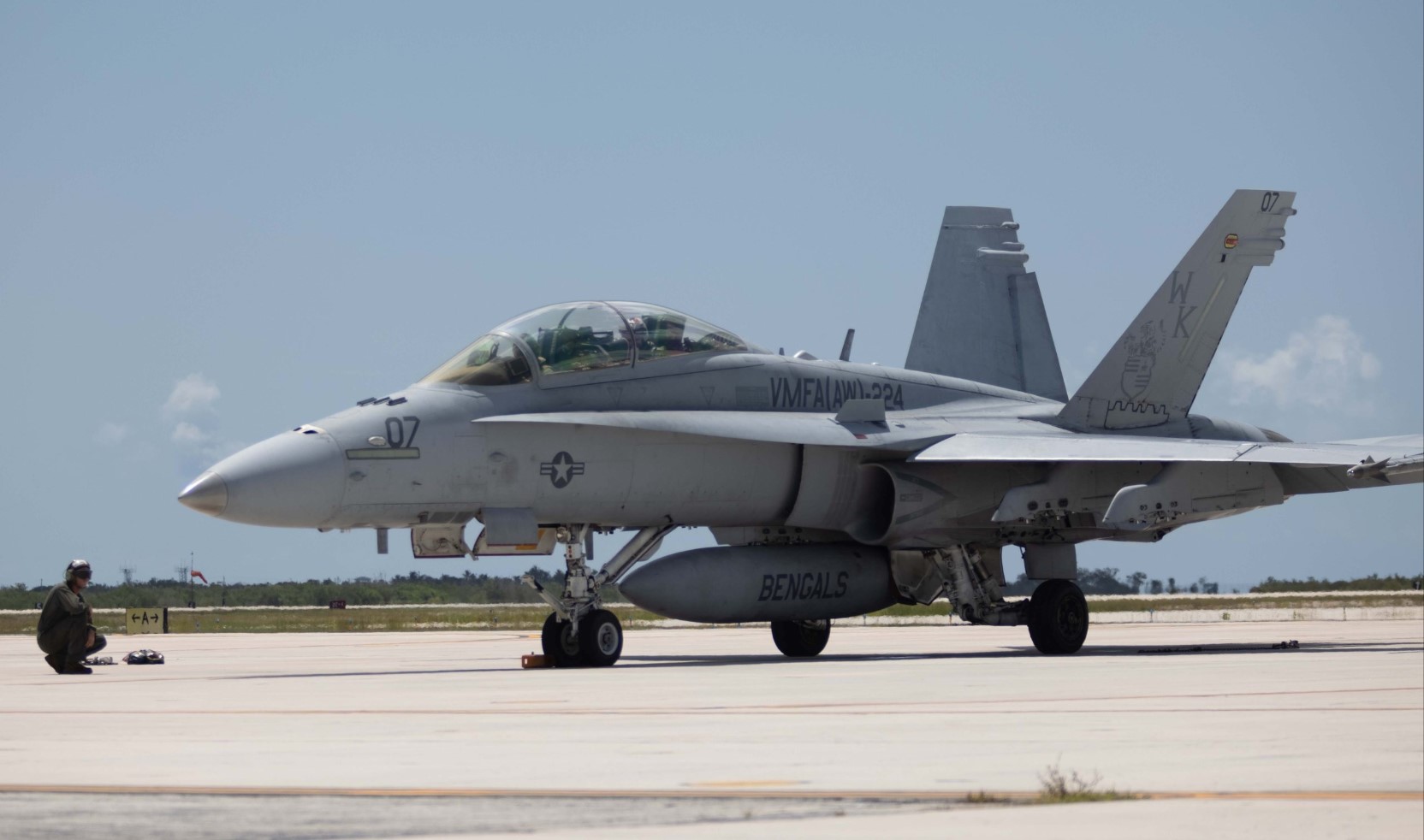 US Marine Corps F/A-18D Hornet Crashes During Training Flight in Washington Mountains; Pilot Ejects Safely
-
 Tulsi Gabbard Releases Declassified Files Detailing U.S.-Backed Network of 120 Biolaboratories Across 30+ Countries
-
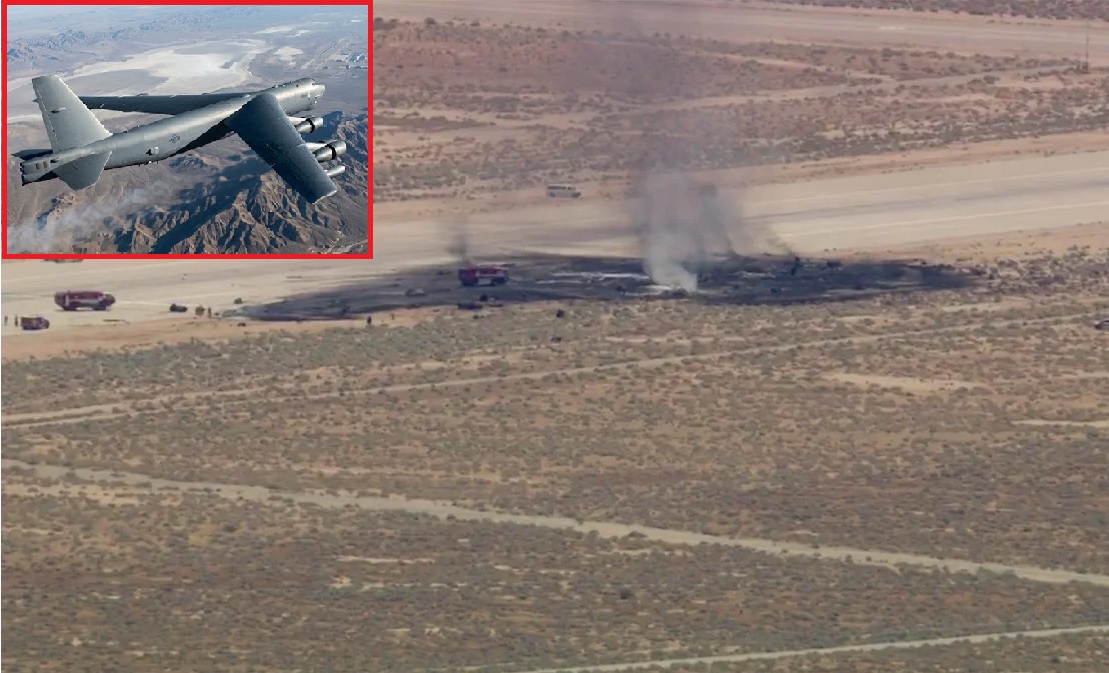 8 U.S. Air Force Crew Members Killed in B-52 Bomber Crash During Test Flight at Edwards Air Force Base
-
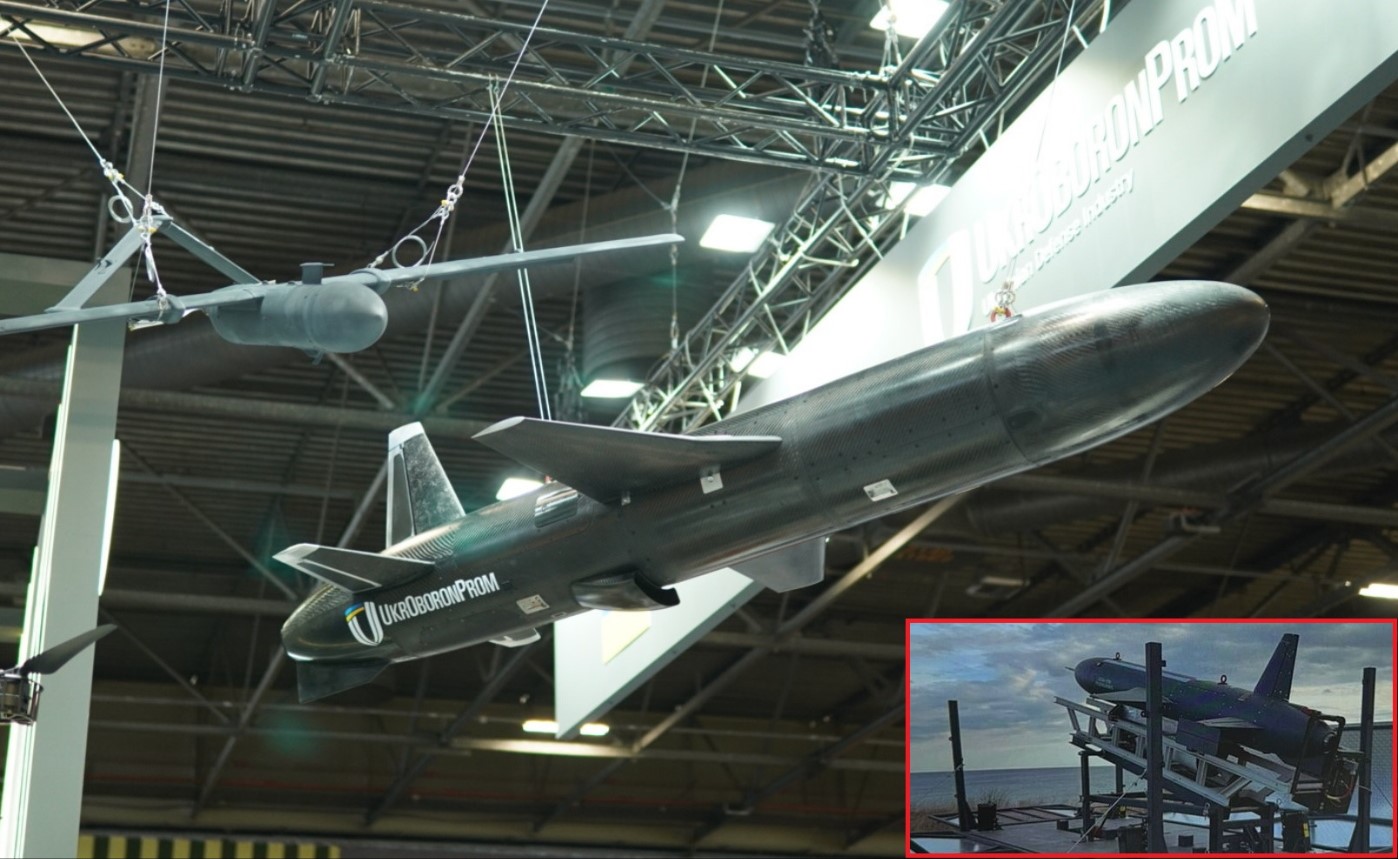 Ukraine Unveils UAV-290 Jet-Powered Strike Drone with 650 km Range at Eurosatory 2026
-
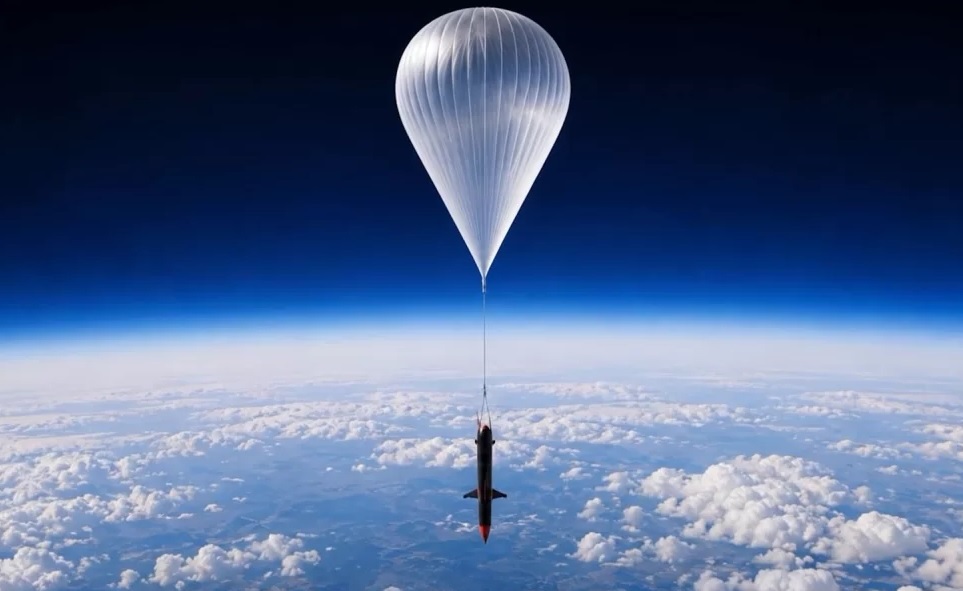 Ukraine Introduces Balloon-Launched DART Missile Designed to Defeat Electronic Warfare
-
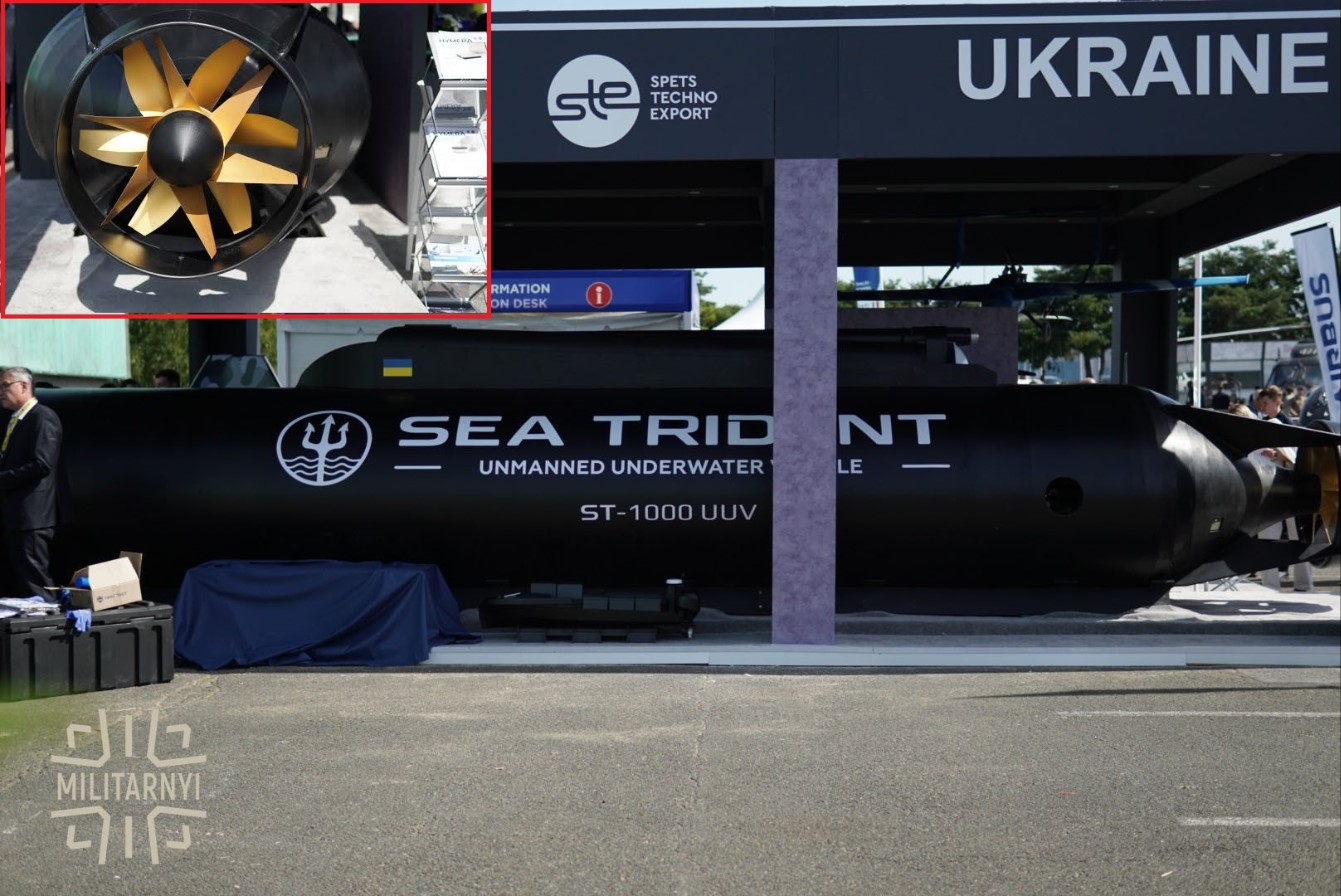 Ukraine Unveils 'Sea Trident' 10-Ton Autonomous Underwater Drone at Eurosatory 2026
-
 Rolls-Royce Unveils New Hybrid Powertrain for Heavy Military Vehicles at Eurosatory 2026
-
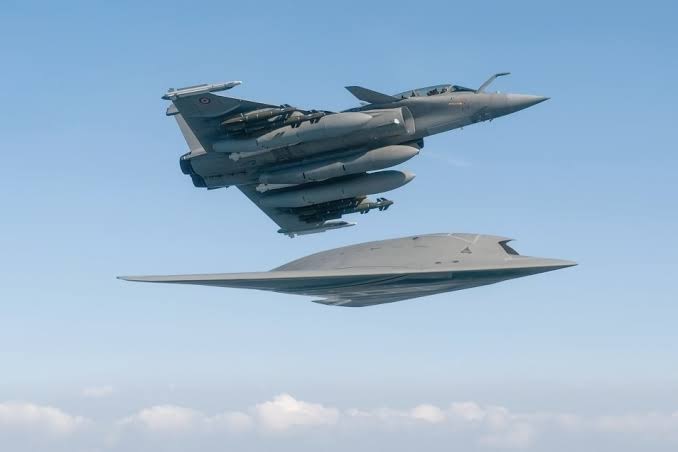 France Agrees to Equip Future Indian Rafales with AI, MUM-T and Secure Satellite Links Under F5 Standard