World
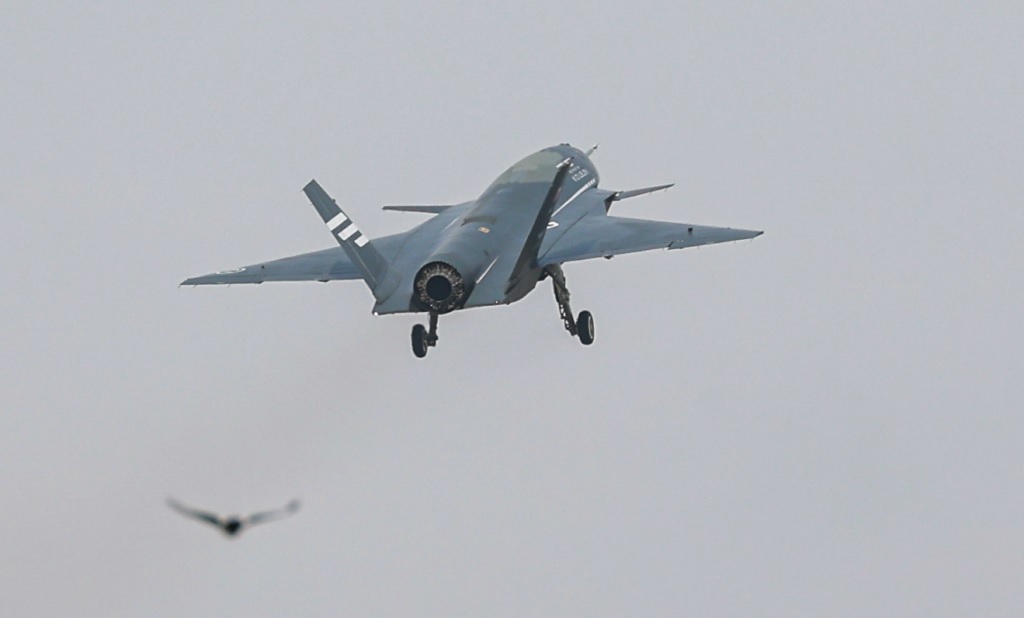
Baykar Technologies has announced significant progress in the flight testing of its cutting-edge unmanned fighter aircraft, the Bayraktar Kızılelma. The latest tests confirm that the aircraft is steadily moving toward operational readiness, reinforcing Turkey’s commitment to next-generation air combat technology. The flight tests are being conducted at the Akinci Flight Training and Test Centre in northwestern Turkey, where Baykar’s engineering team is rigorously evaluating the aircraft’s performance. The testing phase is proceeding as planned, validating its reliability, maneuverability, and advanced autonomous flight capabilities. One of the standout features of the Kızılelma is its low radar visibility, making it harder to detect during operations. It is also being developed with supersonic flight potential, enabling rapid response in combat scenarios. A key advantage of the aircraft is its ability to take off and land on short-runway aircraft carriers, significantly expanding its operational flexibility. Baykar is focused on refining the aircraft’s aerodynamics, avionics, and artificial intelligence systems to ensure superior combat effectiveness. The ongoing tests are part of a broader strategy to enhance Turkey’s indigenous defense capabilities and reduce dependence on foreign technology. The successful progression of Kızılelma’s flight tests signals a major step towards its eventual deployment. As Baykar continues to expand its unmanned aerial vehicle (UAV) portfolio, the aircraft is set to play a crucial role in shaping the future of air warfare, both for Turkey and potential international operators.
Read More → Posted on 2025-03-01 14:19:32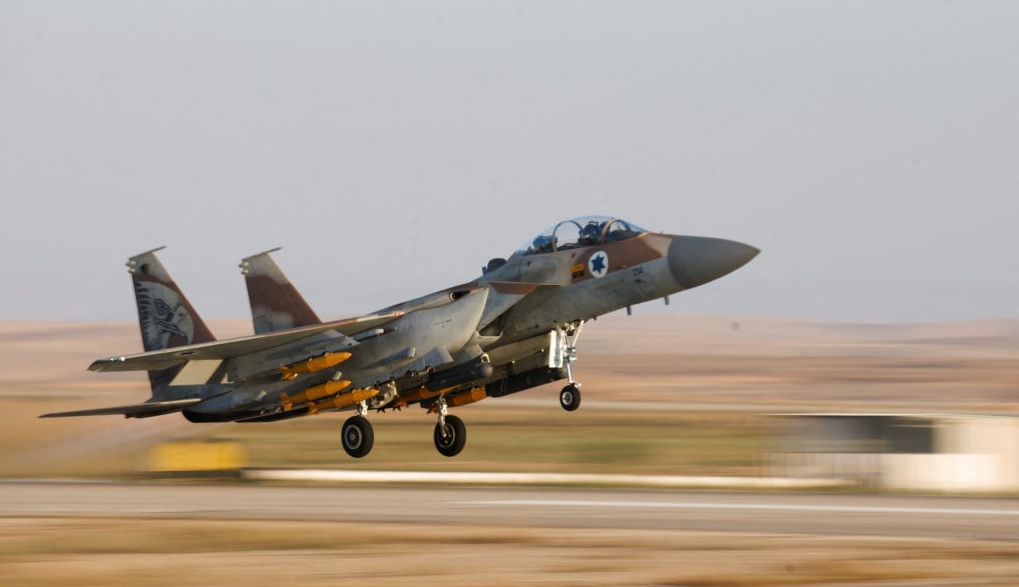
World
The United States has approved an urgent arms sale to Israel, providing a significant supply of aerial munitions worth $2.7 billion. The decision, announced by the U.S. State Department on February 28, bypasses the usual congressional approval process due to what has been described as an "extraordinary situation." Israel had requested the purchase of 35,529 Mk 84 or BLU-117 general-purpose bomb bodies, along with 4,000 I-2000 penetrating warheads. The package also includes spare parts, accessories, and logistical support from both the U.S. government and private defense companies. The estimated cost of this transaction is $2.04 billion, with deliveries expected to begin in 2026. Additionally, a second deal was approved for 201 Mk 83 MOD 4/MOD 5 bomb bodies and 4,799 BLU-110A/B bomb bodies. This sale includes 1,500 KMU-559C/B JDAM guidance kits and 3,500 KMU-559J/B JDAM kits for Mk 83 bomb bodies. The cost of this second package is estimated at $675.7 million, with deliveries set to start in 2028. The U.S. Secretary of State justified the urgent approval by citing national security interests and the need for immediate action. The decision was made under the U.S. Arms Export Control Act, which allows expedited arms sales in emergency situations. The United States has reaffirmed its commitment to Israel’s security, stating that ensuring Israel’s military capabilities remains a priority. This move aligns with longstanding U.S. policy to support Israel’s defense amid ongoing regional tensions.
Read More → Posted on 2025-03-01 14:13:57
World
Poland has entered into a $300 million agreement with the United States to lease eight Boeing AH-64D Apache Longbow attack helicopters. This strategic move aims to bolster Poland's defense readiness and provide interim aerial support while the nation awaits the delivery of advanced models. Comprehensive Support Package The lease encompasses more than just the helicopters; it includes training programs for aircrews, spare parts, technical assistance, and logistics support. These elements are crucial to ensure the helicopters' operational readiness and integration into the Polish Armed Forces. Deployment and Training All eight AH-64D Apaches will be stationed with the 1st Land Forces Aviation Brigade in Inowrocław. This brigade plays a pivotal role in providing aerial support to Polish ground forces. Aircrew training has already commenced, with the helicopters expected to be delivered between the second and third quarters of this year. Transition to Advanced Models This leasing arrangement serves as a temporary measure as Poland prepares for the arrival of 96 AH-64E Apache "Guardian" helicopters, ordered in 2024. The AH-64E represents the latest and most advanced variant of the Apache series, featuring enhanced engines and new composite rotor blades, offering superior combat capabilities. The first batch of 15 AH-64E helicopters is scheduled for delivery in 2028, all of which will also be based in Inowrocław. Significance of the Acquisition Upon completion of the order, Poland will become the second-largest operator of Apache helicopters globally, following the United States. This substantial acquisition underscores Poland's commitment to modernizing its military forces and enhancing its defense capabilities, especially in light of heightened tensions on NATO's eastern flank. AH-64D Apache Longbow Specifications The AH-64D Apache Longbow is a formidable attack helicopter, measuring 18 meters in length with a rotor diameter of 15 meters. It is equipped with a 30-millimeter M230 chain gun, capable of firing both guided and unguided rockets, and can carry multi-domain missiles. Powered by twin General Electric T700-GE-701 engines, each producing 2,000 horsepower, the Apache Longbow can reach a top speed of 150 knots (278 kilometers per hour). This strategic leasing agreement not only enhances Poland's immediate defense capabilities but also ensures a smooth transition to the more advanced AH-64E models in the coming years.
Read More → Posted on 2025-03-01 14:10:02
World
The Kurdistan Workers' Party (PKK), a Kurdish militant organization, has announced a ceasefire with Turkey, marking a potential end to over 40 years of armed struggle that has claimed approximately 40,000 lives. This decision follows a significant appeal from the PKK's imprisoned leader, Abdullah Öcalan, who recently called for the group to disband and lay down arms. Background of the Conflict Established in 1978, the PKK initially sought the creation of an independent Kurdish state within Turkey. Over time, their objectives shifted towards seeking greater autonomy and rights for Kurds, who constitute about 20% of Turkey's population. The ensuing conflict between the PKK and the Turkish state has been one of the longest-running insurgencies in the region, leading to significant casualties and displacement. Öcalan's Call for Disbandment Abdullah Öcalan, captured in 1999 and serving a life sentence on İmralı Island, remains a pivotal figure in Kurdish politics. In a recent statement conveyed through Turkey's pro-Kurdish Peoples' Equality and Democracy Party (DEM), Öcalan urged the PKK to disarm and dissolve, stating that the armed struggle had achieved its purpose and that it was time to pursue peace through democratic means. He emphasized the importance of a peaceful coexistence between Turks and Kurds, highlighting the positive political approaches of President Recep Tayyip Erdoğan and Nationalist Movement Party leader Devlet Bahçeli. PKK's Response and Conditions Responding to Öcalan's appeal, the PKK's executive committee declared a ceasefire, expressing readiness to convene a congress to formalize the group's dissolution. However, they stipulated that for this process to proceed, a secure environment must be established, and Öcalan should be able to personally oversee and lead the congress. The PKK also called for the easing of Öcalan's prison conditions to facilitate his direct involvement in the peace process. Implications for Regional Stability The ceasefire and potential disbandment of the PKK could have profound implications for regional stability, particularly in Syria and Iraq, where PKK-linked groups operate. Turkey has long viewed these groups, including the People's Protection Units (YPG) in Syria, as extensions of the PKK. A senior Turkish official emphasized the need for the dissolution of all PKK-affiliated organizations in these countries to ensure lasting peace. Reactions and Future Prospects Turkish President Recep Tayyip Erdoğan described Öcalan's appeal as a "historic opportunity," expressing the government's commitment to closely monitor and support the peace process. The international community has also shown interest, with analysts suggesting that a peace deal with the PKK could facilitate the reunification and stabilization of Syria, thereby addressing broader regional security concerns. While previous attempts at peace between Turkey and the PKK have faltered, the current developments offer a renewed hope for a sustainable resolution to a conflict that has spanned more than four decades. The coming months will be crucial in determining whether this ceasefire can lead to lasting peace and improved relations between Turks and Kurds.
Read More → Posted on 2025-03-01 14:02:30
World
In a recent and highly charged meeting at the White House, U.S. President Donald Trump and Ukrainian President Volodymyr Zelensky engaged in a heated exchange that has raised concerns about the future of U.S.-Ukraine relations. The confrontation underscores the complexities of international diplomacy amid ongoing conflicts. The Oval Office Confrontation On February 28, 2025, President Zelensky visited the White House with the intention of finalizing a minerals deal, which was seen as a step toward securing U.S. support in Ukraine's ongoing conflict with Russia. However, the meeting took an unexpected turn when President Trump and Vice President JD Vance accused Zelensky of being ungrateful for the support the U.S. had provided. The situation escalated, leading to President Trump abruptly ending the meeting and asking the Ukrainian delegation to leave the White House without signing the anticipated agreement. Zelensky's Response In the aftermath, President Zelensky addressed the incident in an interview, expressing uncertainty about any wrongdoing on his part and emphasizing the importance of U.S. support in Ukraine's struggle against Russian aggression. He acknowledged the tense nature of the exchange but remained hopeful about mending the relationship, stating that the bond between the two nations is about "more than two presidents." International Reactions The fallout from the Oval Office dispute prompted swift reactions from international leaders. European allies, in particular, voiced strong support for Ukraine: Poland: Prime Minister Donald Tusk assured Ukraine, stating, "You are not alone." United Kingdom: Prime Minister Keir Starmer reaffirmed unwavering support for Kyiv, emphasizing solidarity with Ukraine. Conversely, Russian officials reacted with approval to the discord. Former Russian President Dmitry Medvedev referred to Zelensky as an "insolent pig" who received "a proper slap down in the Oval Office," highlighting the Kremlin's satisfaction with the strained U.S.-Ukraine relations. Implications for U.S.-Ukraine Relations The abrupt and public nature of the confrontation has led to concerns about the future of U.S. support for Ukraine. The Trump administration's stance suggests a potential shift in foreign policy, with implications for the ongoing conflict in Eastern Europe. Despite the tensions, President Zelensky continues to advocate for U.S. assistance, underscoring the critical role it plays in Ukraine's defense against Russian advances. The recent events at the White House have cast a spotlight on the delicate nature of international alliances and the challenges inherent in diplomatic engagements during times of conflict. As Ukraine faces continued aggression from Russia, the support of allies like the United States remains pivotal. The path forward will require careful navigation to maintain these crucial relationships and ensure stability in the region.
Read More → Posted on 2025-03-01 13:50:51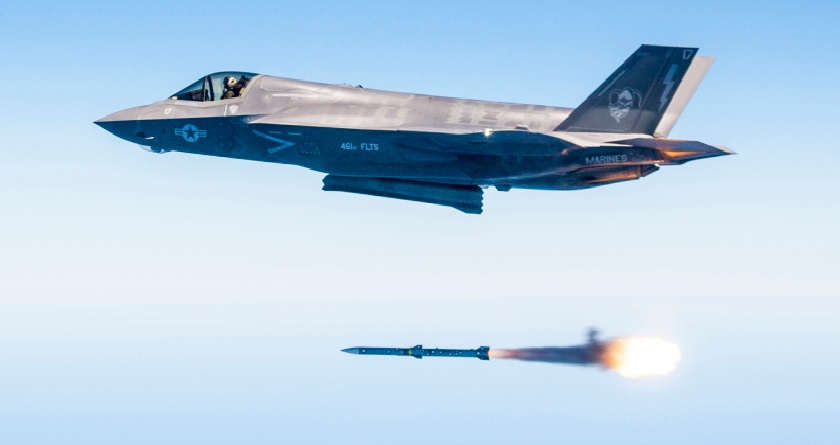
World
The United States Marine Corps has successfully completed the first test flights of the UK's Meteor air-to-air missile on the F-35B, marking a major milestone in efforts to enhance the aircraft’s combat capabilities. These initial flights, carried out with an inert missile, were conducted to collect crucial environmental data necessary for the full integration of the Meteor onto the F-35 platform. The test missions took place at Naval Air Station Patuxent River, reinforcing the collaboration between the U.S. and UK governments. The initiative also involves the UK Ministry of Defence, Defence Equipment & Support, and leading industry partners, including MBDA and Lockheed Martin. Meteor is the UK’s premier beyond-visual-range air-to-air missile, already operational on the Typhoon fighter jet. The ongoing integration onto the F-35B ensures that the stealth fighter will benefit from the missile’s advanced capabilities, significantly enhancing its lethality in air combat. While the UK is leading the integration process for the F-35B variant, Italy is managing the adaptation of Meteor for the F-35A. This coordinated effort allows multiple allied nations to maximize the benefits of this state-of-the-art weapon system, strengthening joint operational capabilities. Air Commodore Al Roberts, the RAF’s Head of Air-to-Air Missiles, highlighted the importance of this achievement, calling it a testament to strong international collaboration. “Inclusion of Meteor onto the Lightning II will bring this formidable air combat capability to the UK and to the burgeoning F-35 community, significantly enhancing security among allies,” he stated. The successful test flights mark a crucial step toward ensuring Meteor’s future deployment on the F-35B. Further trials and evaluations will continue as part of the integration program, bringing the UK’s air combat capabilities to the next level.
Read More → Posted on 2025-03-01 13:45:53
World
Chinese engineers have developed an ultra-low-profile, compact antenna that could enhance the stealth capabilities of next-generation fighter jets while maintaining essential communication and navigation functions. This breakthrough comes amid an ongoing military technology race between China and the United States, where stealth aircraft like China's J-20 Mighty Dragon and the US F-22 Raptor compete for superiority in air dominance. Stealth fighters rely on sleek designs to evade radar detection, but integrating antennas without compromising stealth and aerodynamics has long been a challenge. Traditional antennas tend to be bulky, making it difficult for them to blend seamlessly into an aircraft's structure without increasing its radar cross-section. To overcome this limitation, Chinese researchers have developed an advanced antenna with a height measuring just 0.047 times the low-frequency wavelength. This innovative design features eight antenna elements arranged in a circular array, allowing it to integrate seamlessly into the aircraft’s body while preserving its operational frequency range. The antenna can be embedded into flat surfaces, minimizing drag and reducing its visibility to radar. According to Yang Feng, an associate professor at the University of Electronic Science and Technology of China (UESTC), the new design holds "promising potential in airborne antenna applications." The project was jointly developed by UESTC and the Southwest China Institute of Electronic Technology, both based in Chengdu, a key hub for Chinese aerospace innovation. Previously, researchers had designed antennas as thin as 5 millimeters, but these were limited to narrow frequency ranges, restricting their practical use in fighter jets. The new design overcomes this by using a tightly coupled circular array, which extends the antenna’s electrical length beyond its physical dimensions, allowing it to function across a broad range of frequencies. Additionally, the antenna incorporates a short-circuit wall to regulate current flow and features a special surface designed to absorb excess energy. This absorption capability reduces the likelihood of detection by enemy radar systems, enhancing the aircraft’s stealth profile. As China continues refining its stealth fighter technology, innovations like this ultra-flat antenna could provide a crucial edge in modern aerial warfare. If successfully integrated into future fighter jets, it could contribute to making Chinese stealth aircraft even harder to detect while ensuring uninterrupted connectivity in combat scenarios.
Read More → Posted on 2025-02-28 14:37:10
World
BMT and Japan Marine United (JMU) have been awarded a prestigious contract by Japan’s Acquisition, Technology & Logistics Agency (ATLA) to design and build the next-generation High-Speed Landing Craft for the Japan Self-Defense Force. This project represents a significant collaboration between the United Kingdom and Japan, combining BMT’s expertise in advanced maritime engineering with JMU’s extensive experience in constructing high-performance defense vessels. At the heart of this project is the Caimen® Landing Craft design, developed by BMT in the UK. JMU will be responsible for translating this concept into production, leveraging its state-of-the-art shipbuilding facilities in Japan. This partnership ensures that the new landing craft will meet Japan’s stringent defense requirements while incorporating cutting-edge naval technologies. The new High-Speed Landing Craft introduces a game-changing tri-bow hull form, setting it apart from conventional models. At approximately 30 meters in length, the vessel is engineered for superior seakeeping, faster beaching operations, and enhanced operational efficiency. With a top speed exceeding 20 knots, it enables rapid deployment of troops and vehicles in critical situations, significantly boosting the Japan Self-Defense Force’s operational readiness. Beyond speed, the craft offers exceptional troop and vehicle transport capabilities, providing unmatched flexibility for military missions. Whether for rapid troop movements or delivering essential equipment to shore, this vessel ensures secure and efficient operations in diverse maritime conditions. Akinori Takeno, JMU’s Director and Senior Managing Officer, expressed enthusiasm about the collaboration, stating, “This partnership allows us to integrate BMT’s innovative design with our advanced shipbuilding expertise. By combining our strengths, we aim to deliver cutting-edge, high-speed landing crafts that meet and exceed Japan’s defense expectations.” Sarah Kenny, Chief Executive of BMT, echoed this sentiment, highlighting the importance of international cooperation in defense technology. “Being selected for this project is a great honor. Our collaboration with JMU has been exemplary, and the Caimen® Japan design will offer the Self-Defense Force a highly functional and reliable platform for maritime operations.” This contract underscores Japan’s commitment to modernizing its defense fleet while strengthening global defense partnerships. The next-generation High-Speed Landing Craft will play a crucial role in enhancing Japan’s amphibious capabilities, ensuring that its forces remain agile and mission-ready in an increasingly complex security environment.
Read More → Posted on 2025-02-28 14:33:17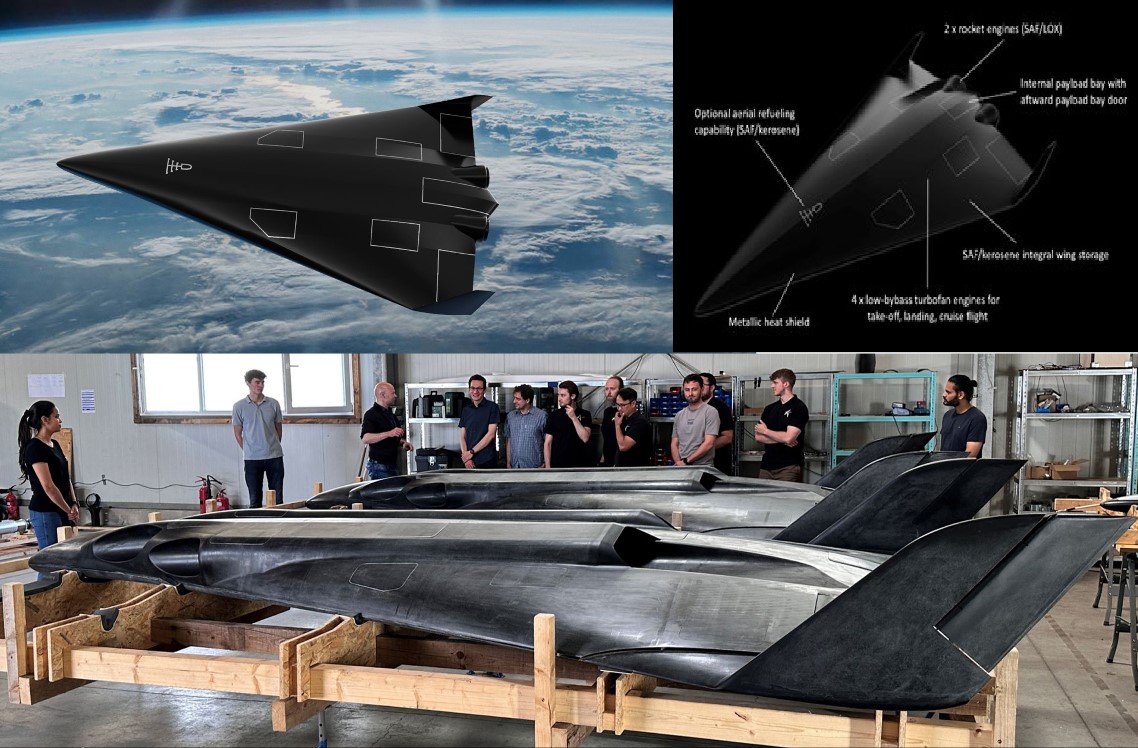
World
Germany is making a significant leap in hypersonic technology with a new investment in a fully reusable hypersonic spaceplane. POLARIS Spaceplanes, a German aerospace company, has been awarded a contract by the Federal Office of Bundeswehr Equipment, Information Technology, and In-Service Support (BAAINBw) to design a two-stage hypersonic research vehicle. The agreement also includes potential follow-up options for manufacturing and flight testing, signaling Germany’s commitment to advancing high-speed aerospace technology. The planned vehicle will feature a horizontal takeoff and landing system, making it a versatile platform for hypersonic research. It is primarily designed to serve as a testbed for both defense and scientific applications. Additionally, when equipped with an expendable upper stage, it can function as a small-satellite launcher, expanding its utility beyond experimental purposes. Hypersonic technology, which allows vehicles to travel at speeds exceeding Mach 5, is increasingly becoming a key focus for global defense and space agencies. It has applications ranging from next-generation missile systems to rapid reconnaissance and space access. By focusing on a reusable system, POLARIS aims to reduce operational costs while providing a flexible platform for testing high-speed flight technologies, advanced propulsion systems, and thermal protection mechanisms. POLARIS expressed confidence in the Bundeswehr’s support, calling the project an exciting and ambitious endeavor. As Germany strengthens its hypersonic capabilities, this initiative is expected to enhance defense research while paving the way for new possibilities in space travel and high-speed aerospace applications.
Read More → Posted on 2025-02-28 14:30:52
World
BlackSky Technology Inc. has secured a multimillion-dollar contract from the U.S. Defense Innovation Unit (DIU) to advance its next-generation Tactical Geospatial Intelligence (TACGEO) capabilities. This contract marks a significant step in strengthening space-based intelligence, surveillance, and reconnaissance (ISR) for the U.S. Department of Defense. As part of the agreement, BlackSky will manage the entire pre-launch and on-orbit commissioning process for an advanced Gen-3 satellite. This new addition to BlackSky’s growing constellation is designed to provide real-time intelligence with enhanced low-latency analytics, a capability powered by the company’s AI-driven Spectra® platform. The TACGEO program has already proven the effectiveness of Gen-3 satellites in delivering actionable insights during military operations and training exercises. This latest contract further validates the technology’s operational readiness for high-priority defense missions. BlackSky’s evolving satellite network introduces greater capacity and agility, allowing military and security forces to swiftly re-task missions based on emerging threats. The integration of intersatellite communications ensures rapid data relay, while upgraded onboard attitude control systems optimize efficiency and adaptability. One of the most groundbreaking features of BlackSky’s Gen-3 constellation is its Short-Wave Infrared (SWIR) technology, which enables imaging through smoke, haze, and low-light conditions. This enhancement significantly improves the detection and classification of key military assets, including aircraft, vehicles, and naval vessels, even in adverse environments. By combining real-time analytics with advanced imaging capabilities, BlackSky is positioning itself at the forefront of next-generation ISR solutions. This contract reinforces the company’s role in shaping the future of tactical geospatial intelligence, ensuring that defense and security agencies have access to critical, mission-ready data whenever and wherever it’s needed.
Read More → Posted on 2025-02-28 14:23:23
World
The U.S. Air Force has achieved a major breakthrough in rapid weapons integration by successfully mounting a U.S. Navy Harpoon missile onto an F-16 Fighting Falcon at Nellis Air Force Base, Nevada. This test, conducted by the 53rd Test and Evaluation Group’s Detachment 3, marks a significant shift in how military aircraft can be quickly adapted to evolving threats. Traditionally, integrating new weapons onto aircraft is a lengthy process, often taking years and requiring extensive modifications. However, this new approach bypasses costly structural changes by using a gateway system—a specialized interface that enables seamless communication between the aircraft and the missile. This technology acts as a translator, ensuring the Harpoon missile functions correctly on the F-16 without altering either platform. By leveraging this innovative middleware solution, the Air Force has drastically reduced the time required for integration while maintaining full operational effectiveness. Military leaders see this as a game-changer, allowing fighter jets to rapidly adopt new capabilities in response to emerging threats. The chief project manager for rapid integration emphasized that this successful test demonstrates how focusing on software-driven solutions, rather than physical modifications, can revolutionize weapons deployment. This method not only enhances flexibility across various aircraft but also streamlines operational planning, reducing bureaucratic hurdles that typically slow down modernization efforts. This milestone underscores a significant shift in how the U.S. Air Force approaches combat readiness. By adopting faster, more adaptable integration methods, the military ensures its forces remain ahead of adversaries, ready to deploy cutting-edge weaponry with unprecedented speed.
Read More → Posted on 2025-02-28 14:02:25
World
North Korea has once again demonstrated its military capabilities by conducting a strategic cruise missile test over the Yellow Sea this week. The test, which Pyongyang claims was a part of its "counterattack" drills, was personally overseen by leader Kim Jong Un, according to North Korean state media. The missiles reportedly flew for 130 minutes, covering a distance of 1,587 kilometers (986 miles) before hitting their designated targets with precision. The drill was designed to showcase North Korea’s nuclear-ready striking power, warning adversaries of its preparedness to respond in any scenario. Images released by state media show Kim observing the test through binoculars, while another image captures the moment a missile obliterates a small building in a fiery explosion. During the exercise, Kim reiterated the role of North Korea’s nuclear forces in safeguarding national sovereignty and security. He emphasized that possessing a "powerful striking ability" serves as the "most perfect deterrence and defense" against external threats. Pyongyang also accused its enemies of heightening regional tensions and undermining the security environment, pointing fingers at Seoul and Washington. South Korea’s military confirmed that it detected and monitored the missile launches. The country’s Joint Chiefs of Staff assured that they were maintaining a strong defensive posture, prepared to respond to any provocations. Analysts believe this test could be a preparatory move to refine North Korea’s nuclear strike capabilities, with expectations that Pyongyang may continue ramping up missile tests in the coming months. The timing of the launch coincides with heightened tensions in the region. Next month, South Korea and the United States are set to begin their annual "Freedom Shield" joint military exercises, which North Korea views as a direct threat. Historically, Pyongyang has responded to such drills with missile tests or military provocations, and this recent launch appears to be another signal of defiance. Beyond missile tests, there are growing concerns about North Korea’s military involvement abroad. Reports suggest that North Korea has sent thousands of troops to Russia to fight against Ukraine, with intelligence sources indicating that Pyongyang has suffered significant casualties. More troops are now being deployed to the frontlines, further intertwining North Korea’s military ambitions with global conflicts. Amid these developments, Kim Jong Un recently visited a major military academy, urging his forces to adapt to "modern warfare realities." This aligns with North Korea’s broader strategy of refining its military capabilities, both domestically and through potential overseas operations. As Pyongyang continues its aggressive military posturing, the international community remains on high alert. With geopolitical tensions already at a boiling point, North Korea’s actions add yet another layer of uncertainty to an already fragile security landscape.
Read More → Posted on 2025-02-28 13:49:53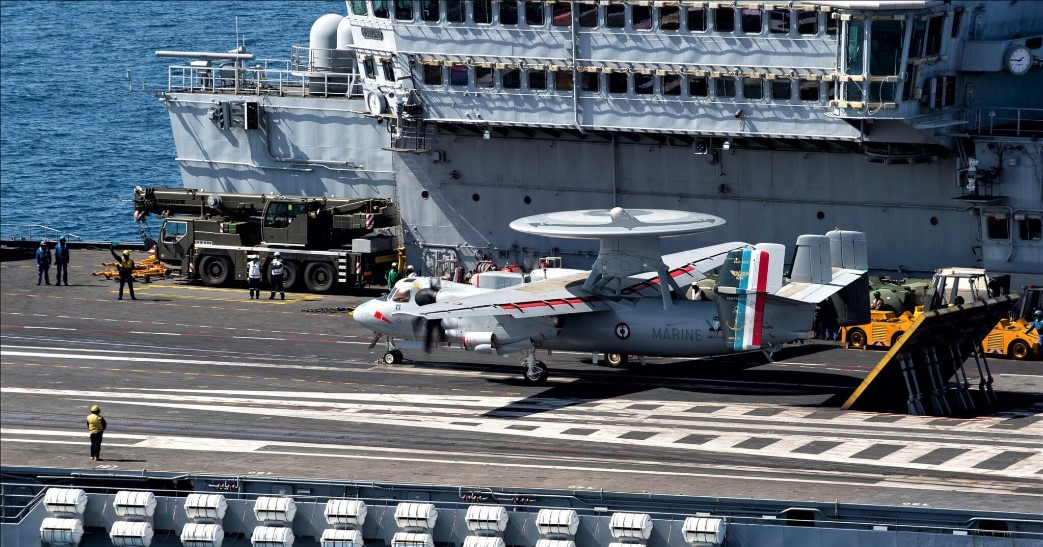
World
The French Navy is pushing the boundaries of modern naval warfare by testing the new L22 tactical data link (TDL) during its Carrier Strike Group (CSG) deployment in the Indo-Pacific. This upgrade, replacing the older L11 system, marks a significant leap in enhancing operational efficiency and real-time battlefield awareness. Since setting sail from Toulon on November 28, 2024, as part of the CLEMENCEAU 25 mission, the French Carrier Strike Group, led by the aircraft carrier Charles de Gaulle, has been integrating L22 into its aerial and maritime operations. This next-generation TDL, operating alongside the widely used L16, allows seamless sharing of tactical data across an entire operational zone, improving coordination between warships, aircraft, and command centers. Lieutenant-Commander Jérémie, head of the TDL cell within the French aeromaritime rapid reaction force, highlighted the significance of the technology: “Highly secure and based on constantly evolving technology, L22 significantly increases our ability to understand and control a tactical situation. It facilitates decision-making by providing a shared vision between different levels of command.” The first operational tests of L22 began aboard NH90 ‘Caiman’ helicopters deployed on the Charles de Gaulle and the escorting frigates. These trials were supported by combat system experts, the TDL unit of the embarked staff, and specialized teams from the naval aviation practical experimentation and reception center (CEPA/10S) in Toulon. The CSG’s deployment has provided ample opportunities to stress-test the system in real-world conditions. In January, during the multinational exercise LA PEROUSE 25 off Indonesia, L22 was instrumental in synchronizing operations among allied forces. The testing intensified in February with the trilateral exercise PACIFIC STELLER, where French, Japanese, and American vessels successfully validated situational awareness sharing via L22. Notably, for the first time, the French Navy established a direct connection with the U.S. 7th Fleet, expanding its interoperability beyond its prior collaborations with the U.S. 6th Fleet in the Mediterranean and the 5th Fleet in the Indian Ocean. With L22, the French Navy strengthens its ability to operate alongside key allies such as the United States, Italy, and Canada. This capability ensures comprehensive control over vast maritime zones and reinforces France’s autonomous situational awareness—an invaluable asset in today’s increasingly complex geopolitical landscape.
Read More → Posted on 2025-02-27 14:00:05
World
At the International Defence Exhibition (IDEX) 2025, Anavia, a Swiss company now part of the EDGE Group, introduced the HT-750, a heavy-lift unmanned helicopter designed to enhance aerial operations with increased payload capacity and endurance. Building on Proven Success The HT-750 is a larger variant of Anavia's successful HT-100 Vertical Take-Off and Landing (VTOL) Unmanned Aerial Vehicle (UAV), which is currently operational in nine countries across all continents. The new model retains key design elements of its predecessor, including the distinctive exoskeleton frame that accommodates three modular pods—one at the front and two on the sides. This configuration offers flexibility, allowing users to customize payload and fuel distribution based on specific mission requirements. Advanced Design and Performance Featuring a conventional helicopter architecture, the HT-750 is equipped with a four-blade bearing-less main rotor spanning 7.5 meters and a two-blade tail rotor. A turbine engine delivering 230 shaft horsepower (shp) continuously, with a peak of 250 shp during takeoff, powers the aircraft. The HT-750 can achieve speeds up to 222 km/h and operate in wind conditions up to 45 km/h. The helicopter measures 6.88 meters in length (excluding rotors), 1.67 meters in width, and 3.35 meters in height. Utilizing lightweight materials such as carbon fiber, the HT-750 has a dry empty weight of approximately 400 kg. With a maximum takeoff weight of 1,150 kg, it offers a substantial payload capacity of 750 kg, encompassing both mission equipment and fuel. Modular Payload and Fuel System The HT-750's exoskeleton design supports various mission-specific pods. At IDEX 2025, a two-seat pod was showcased alongside the helicopter, highlighting the system's versatility. Additional pod configurations include four-seat passenger modules, casualty evacuation setups, cargo transport, and Intelligence, Surveillance, Target Acquisition, and Reconnaissance (ISTAR) missions. Some pods feature frontal extensions to accommodate specific equipment, such as stretchers for medical evacuations. The modular pods are designed for quick interchangeability, enabling rapid reconfiguration of the HT-750 to meet diverse operational needs. This adaptability ensures that the aircraft can efficiently transition between roles, from cargo delivery to surveillance operations. Autonomy and Control Systems The HT-750 incorporates advanced autonomy features, allowing for fully autonomous flight operations, including takeoff and landing. Operators can also choose manual-assisted modes via a ground control station. The helicopter is equipped with a line-of-sight, fully encrypted data link providing a 100 Mbps data rate over a range of up to 200 km. For extended missions, a satellite communication (SATCOM) system can be integrated to offer unlimited operational range. Additional onboard systems include GPS with anti-jamming capabilities, a Detect and Avoid System (DAAS), Automatic Dependent Surveillance–Broadcast (ADS-B), and a radar altimeter, enhancing both safety and situational awareness during missions. Development and Future Plans The HT-750 displayed at IDEX 2025 was a full-scale mock-up, with the actual aircraft currently under construction. Anavia has leveraged its experience from the HT-100 program to expedite the development and certification processes of the HT-750, collaborating closely with other entities within the EDGE Group. The first flight of the HT-750 is anticipated in the first quarter of 2026, marking a significant milestone in the evolution of heavy-lift unmanned aerial systems. With its enhanced capabilities and modular design, the HT-750 is poised to set new standards in unmanned helicopter operations, offering a versatile platform for a wide range of military and civilian applications.
Read More → Posted on 2025-02-27 13:54:52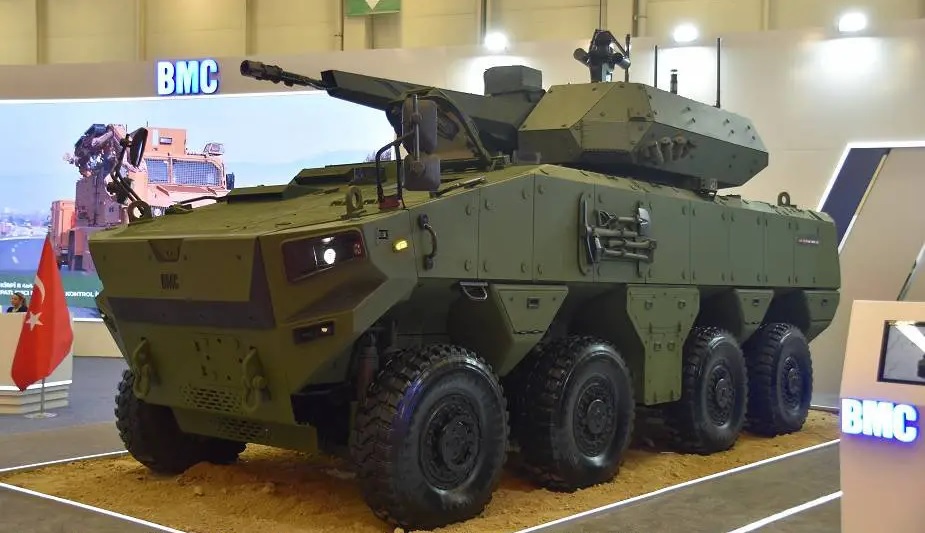
World
The Turkish Army is set to receive a new batch of advanced ALTUĞ 8×8 wheeled fighting vehicles under a recently signed contract between military vehicle manufacturer BMC and the Presidency of Defense Industries (SSB). The agreement, finalized on February 24, 2025, includes the delivery of 29 ALTUĞ vehicles along with Integrated Logistics Support (ILS) services to ensure their long-term operational efficiency. Designed for modern battlefield conditions, the ALTUĞ 8×8 is a next-generation armored combat vehicle that provides a combination of firepower, protection, and mobility. It is equipped with a 35mm turret capable of engaging both ground and aerial threats, offering superior firepower compared to previous models. Additionally, the vehicle incorporates state-of-the-art armor, advanced situational awareness systems, and electronic warfare capabilities, making it a formidable asset for Turkey’s defense forces. The contract not only ensures the supply of these high-tech vehicles but also includes provisions for maintenance, training, and operational support, allowing the Turkish Land Forces to maximize their effectiveness. The ALTUĞ 8×8 is expected to enhance the army’s tactical superiority, survivability, and versatility in both conventional warfare and counterinsurgency operations. With this latest acquisition, Turkey continues to modernize its military forces, strengthening its armored vehicle capabilities to meet evolving security challenges.
Read More → Posted on 2025-02-27 13:48:14Search
Top Trending in 24 Hours
-
 Ukraine Introduces Balloon-Launched DART Missile Designed to Defeat Electronic Warfare
-
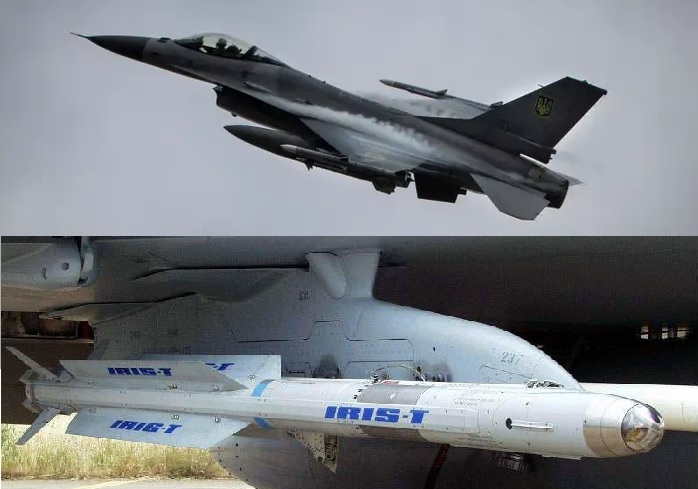 Ukraine’s F-16 Fighters Set to Receive German IRIS-T Air-to-Air Missiles
-
 Naval Group Unveils Rampart Modular CIWS Multi-Purpose Weapon System for Naval and Ground Forces at Eurosatory 2026
-
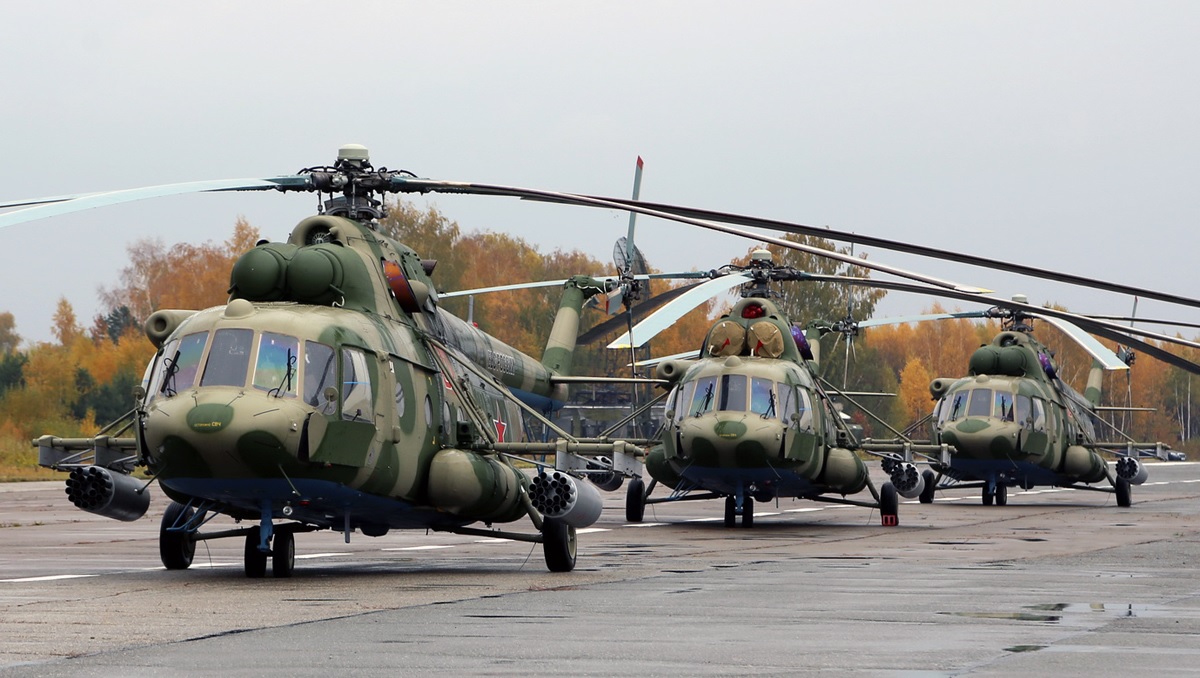 Iran Signs Deal with Russia for 20 Mi-8 and Mi-17 Helicopters to Boost Rescue and Medical Missions
-
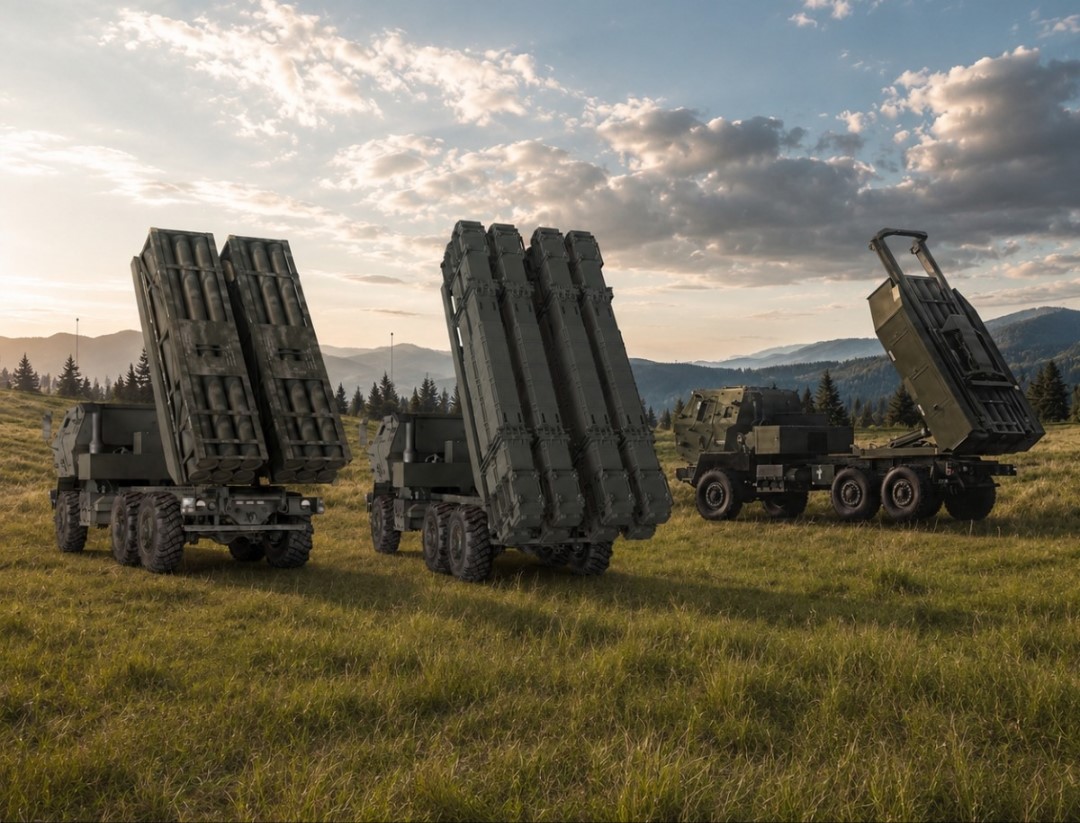 Lockheed Martin Unveils HIMARS FLEX with Dual-Pod Launcher and NATO-Compatible Air Defense Integration
-
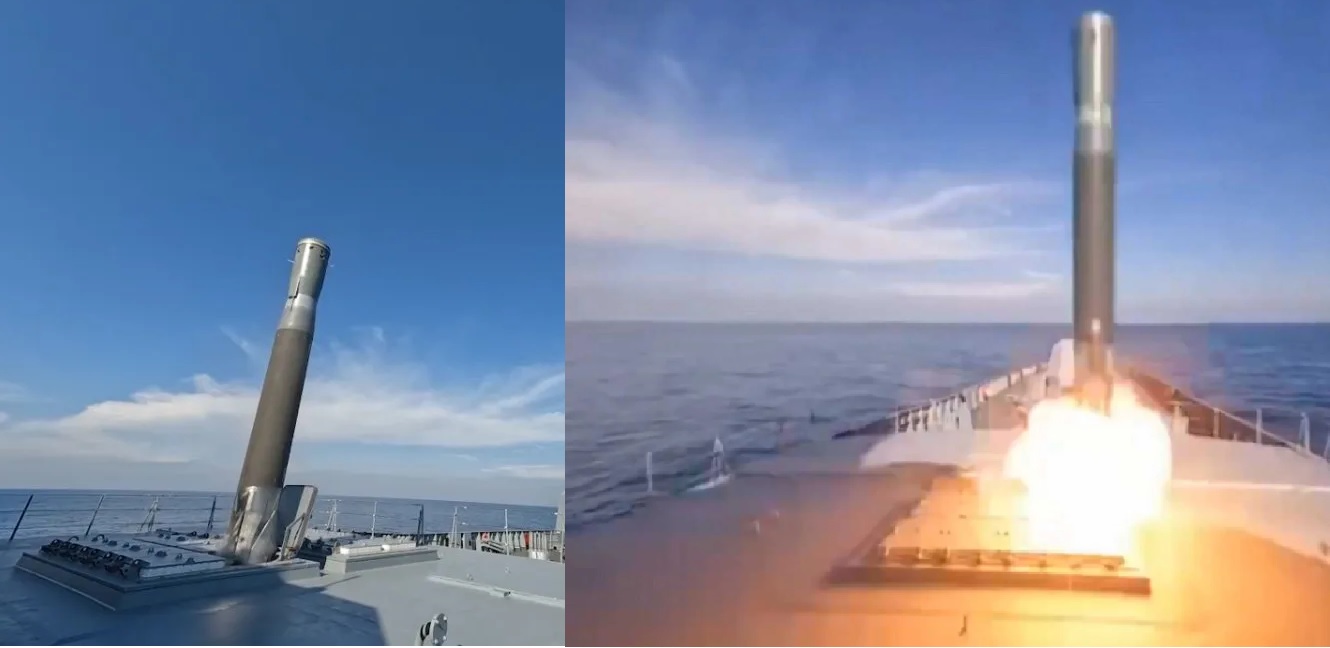 Open-Source Evidence Suggests Russia's Zircon Is a Quasi-Ballistic Missile, Not a True Hypersonic Cruise Weapon
-
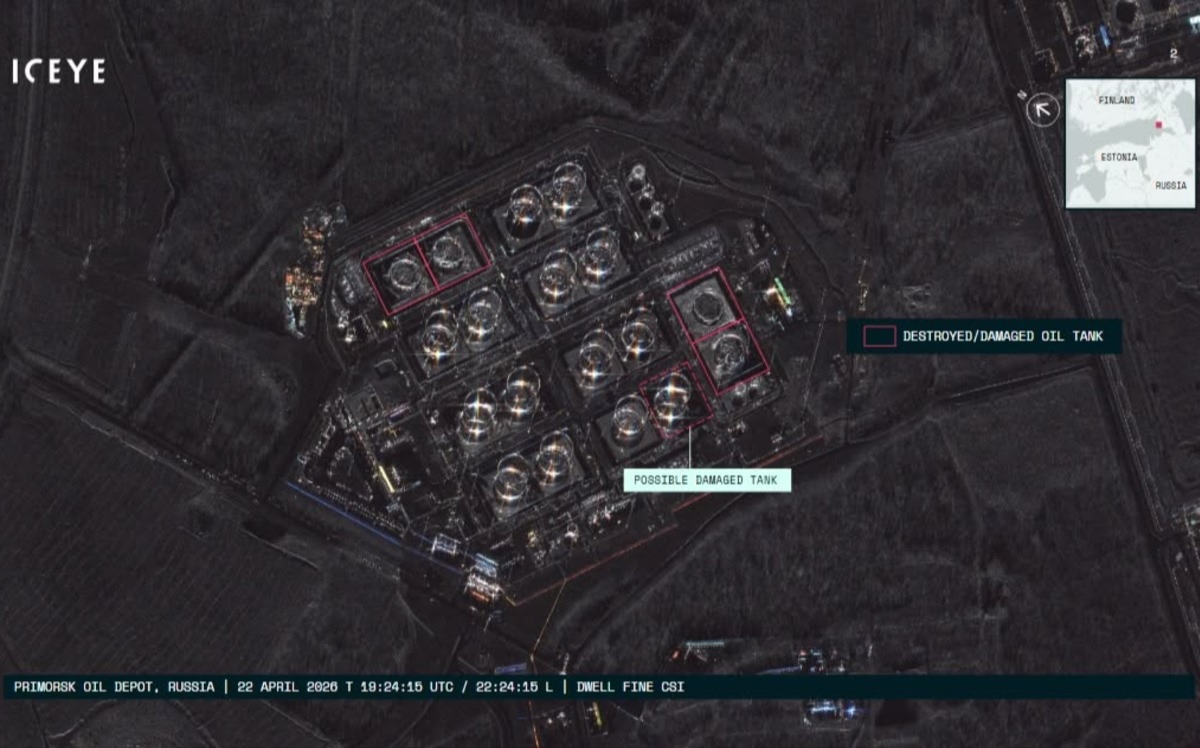 Portugal Doubles Sovereign SAR Satellite Fleet with Order for Two Additional ICEYE Satellites
-
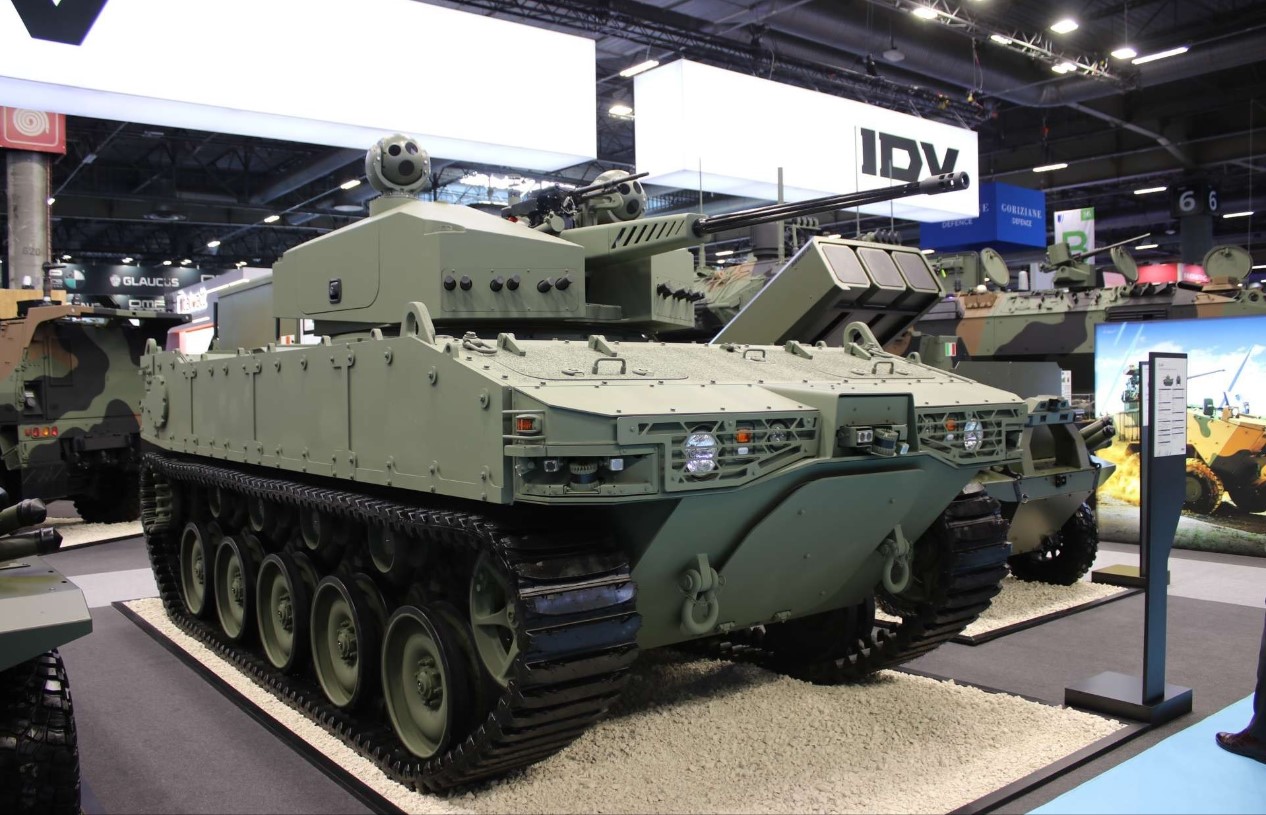 IDV Unveils CL2X Hybrid Uncrewed Light Tank at Eurosatory 2026
Top Trending in 4 Days
-
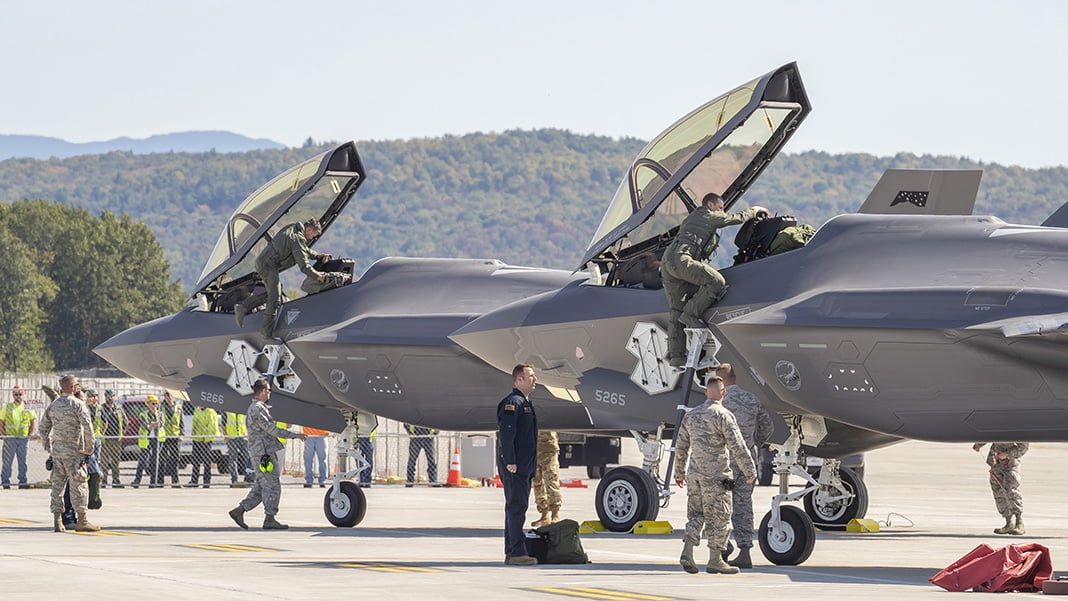 F-35 Fleet Readiness Falls to 25% Amid Parts Shortages and Software Delays: GAO Report
-
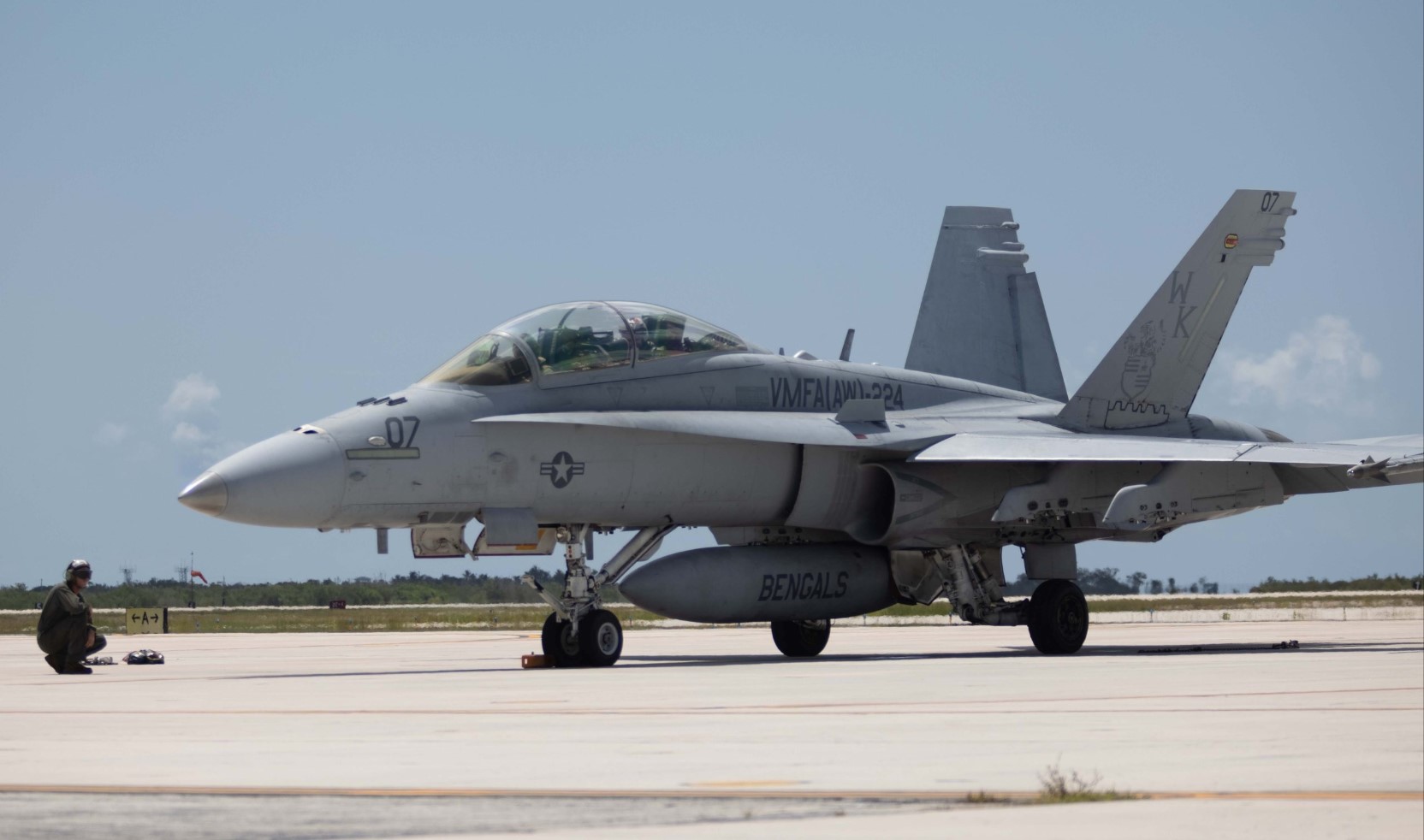 US Marine Corps F/A-18D Hornet Crashes During Training Flight in Washington Mountains; Pilot Ejects Safely
-
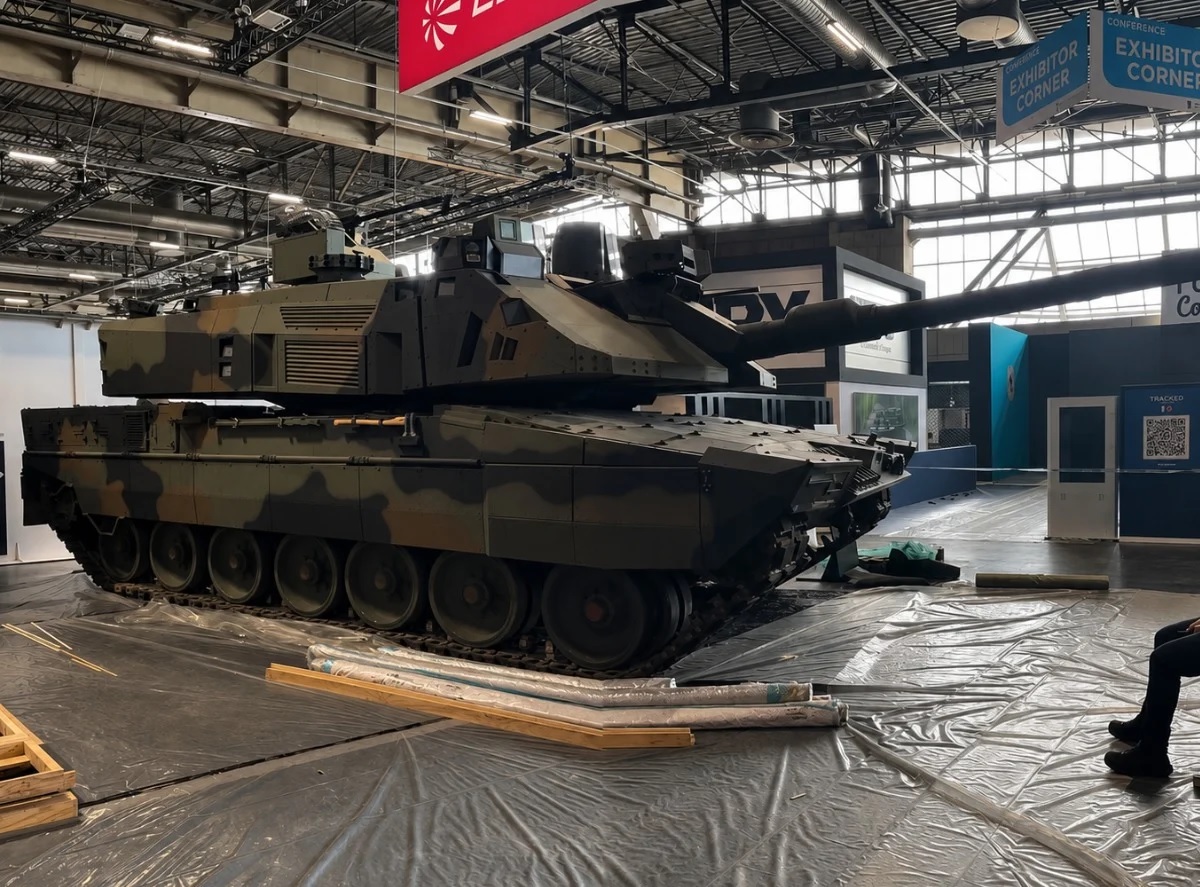 Leonardo Rheinmetall to Unveil Italy’s New IMBT Main Battle Tank at Eurosatory 2026
-
 Tulsi Gabbard Releases Declassified Files Detailing U.S.-Backed Network of 120 Biolaboratories Across 30+ Countries
-
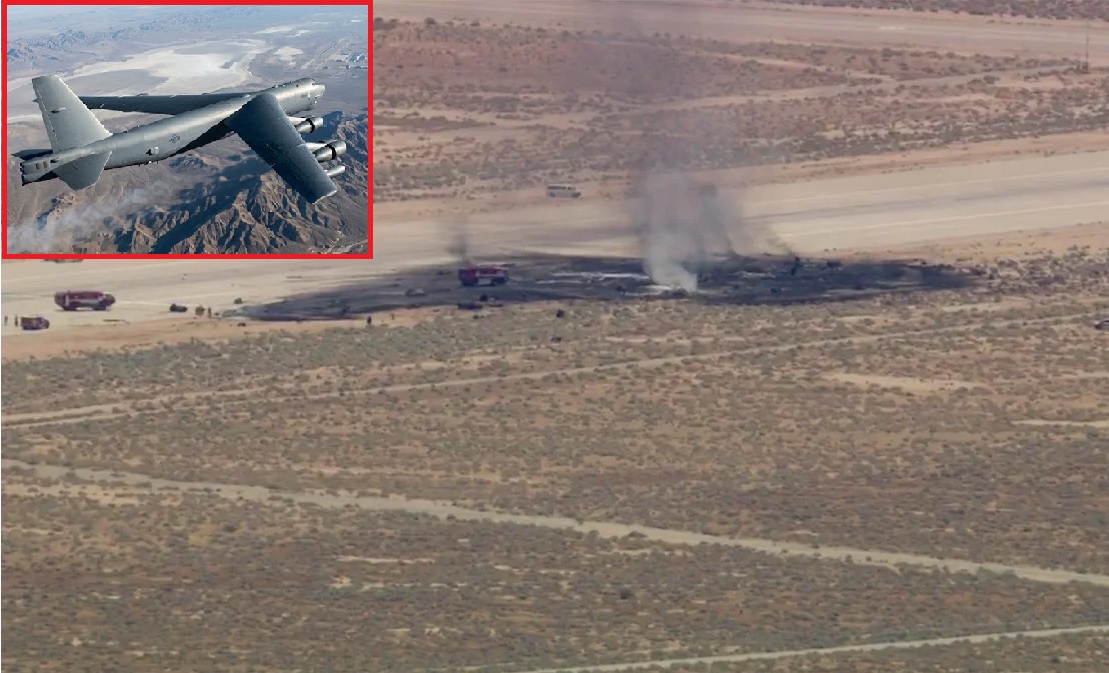 8 U.S. Air Force Crew Members Killed in B-52 Bomber Crash During Test Flight at Edwards Air Force Base
-
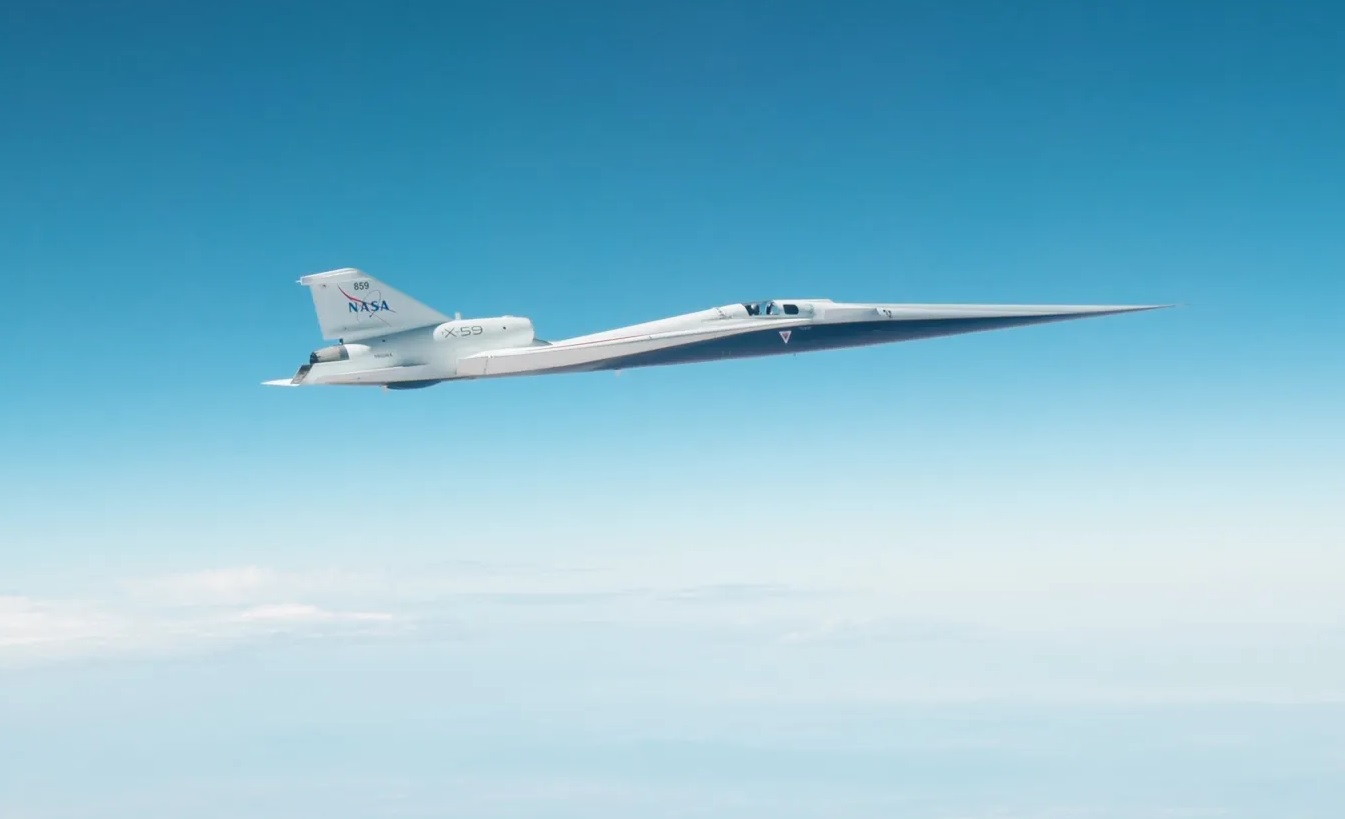 NASA X-59 Achieves Planned Mission Conditions with Mach 1.4 Flight at 55,000 Feet
-
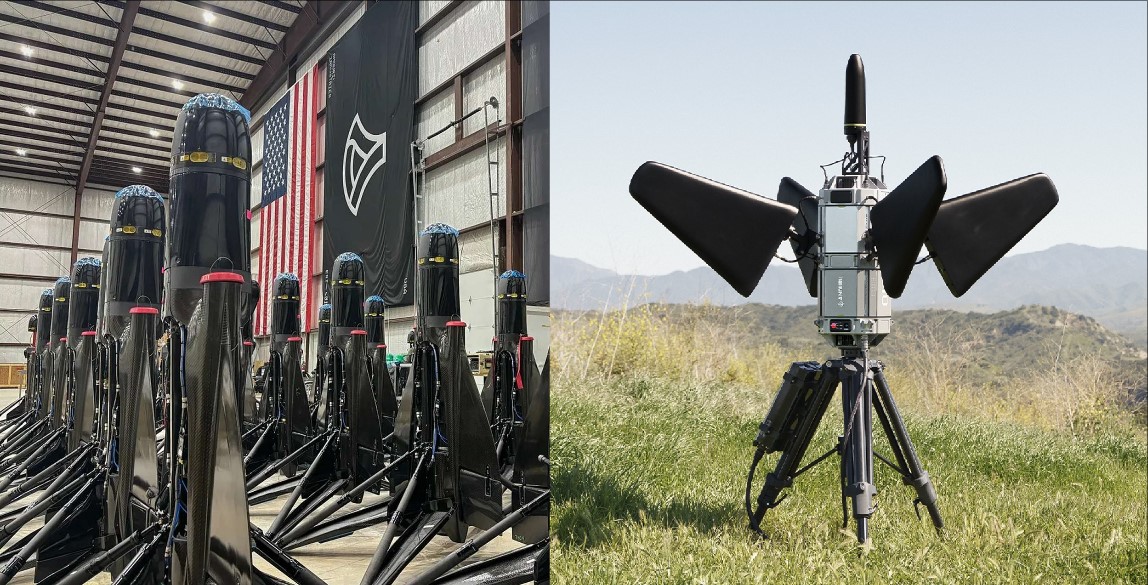 U.S. Approves $1.98 Billion Sale of Anduril AI-Powered Counter-Drone Systems to Kuwait
-
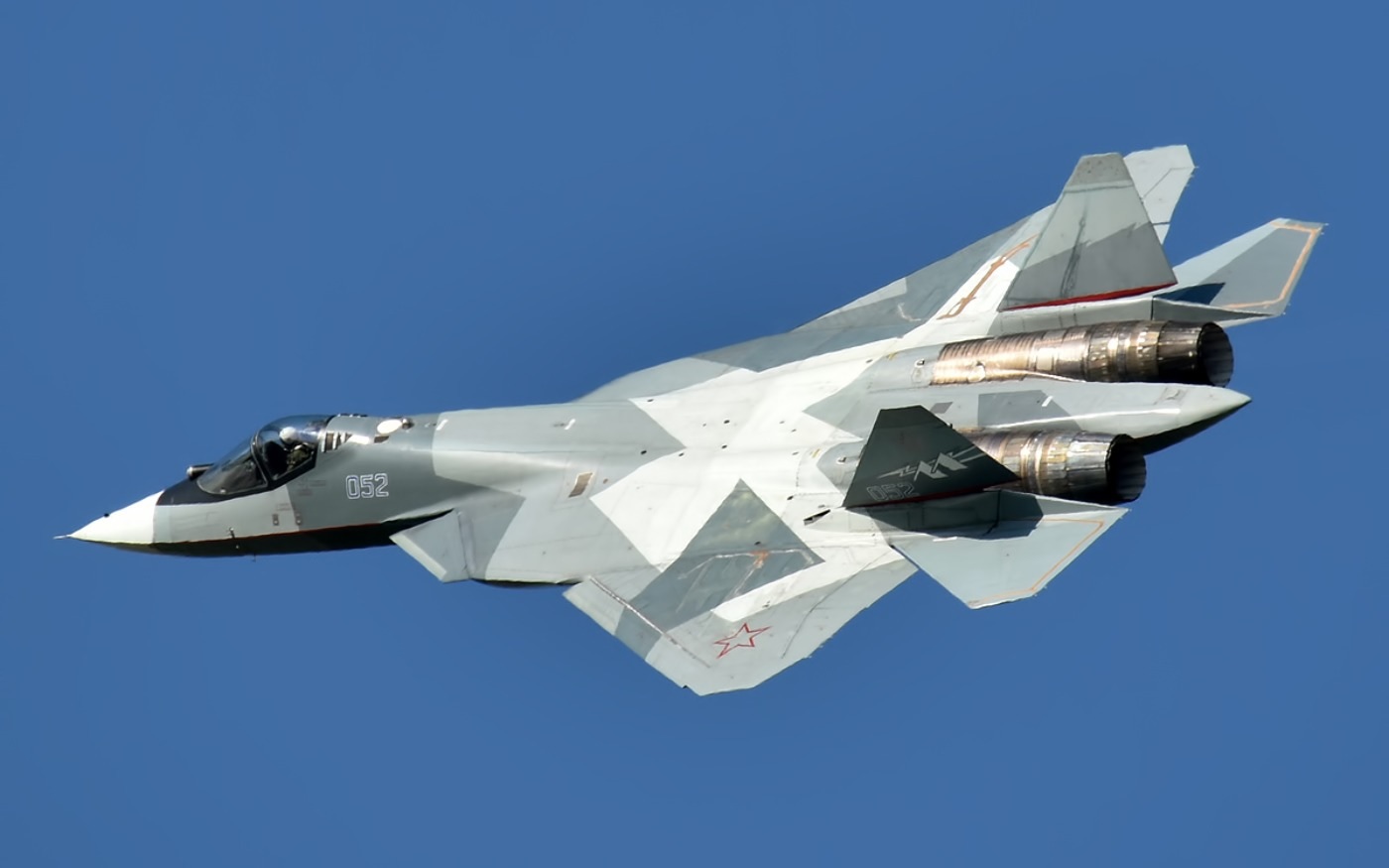 Russian Analysts Debate Su-57 Capabilities After Putin Calls Fighter Superior to F-35